What if one of the most tightly guarded technological monopolies in the world was suddenly challenged? In a recent video, AI Grid breaks down China’s reported progress in developing a prototype for EUV lithography, a feat long considered out of reach due to its extreme complexity and the dominance of Dutch company ASML. This breakthrough, […]
Apple is once again poised to reshape the smartphone landscape with the highly anticipated iPhone 18 Pro Max. This flagship device introduces new advancements in display technology, camera systems, and hardware functionality. These updates highlight Apple’s unwavering commitment to innovation and user-centric design, setting a new standard for mobile technology and enhancing the way you […]
Imagine being able to transform dense, complex data into visually stunning, easily digestible insights, all in a matter of minutes. That’s exactly what Gemini AI’s latest update promises, and it’s already making waves in the world of deep research. Below AI Advantage breaks down how this update introduces innovative multimedia features, like interactive graphs, scatter […]
Many contemporary pendant lamps hide a surprising amount of complexity, multiple materials, custom housings, and plastic diffusers layered around a simple LED strip. That often leads to wasteful production and tricky recycling once the fixture breaks or goes out of style. Norm is a response that asks what happens if you commit to a single aluminum profile and let that decision drive both the form and the sustainability story, from manufacturing to the last scrap.
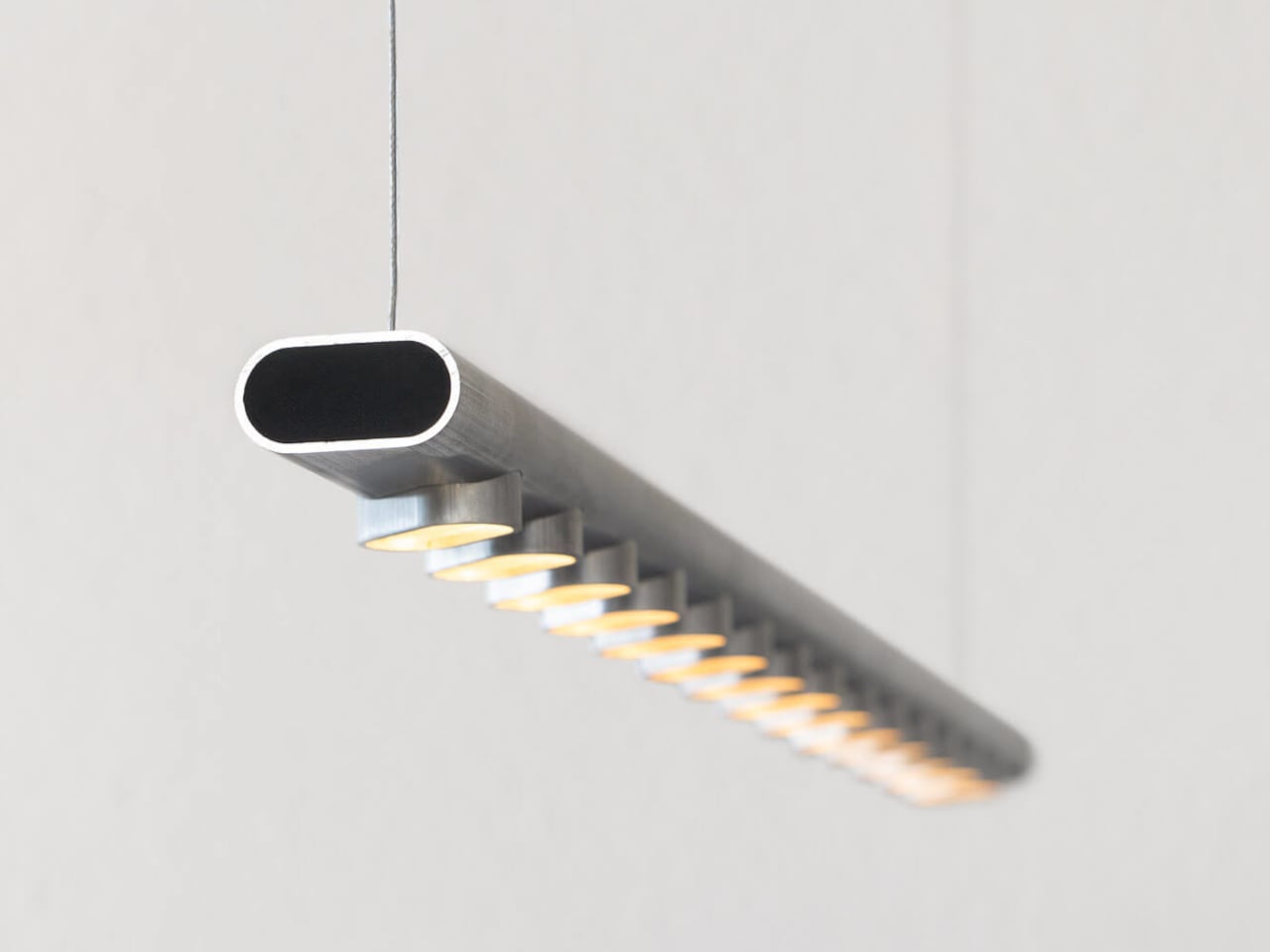
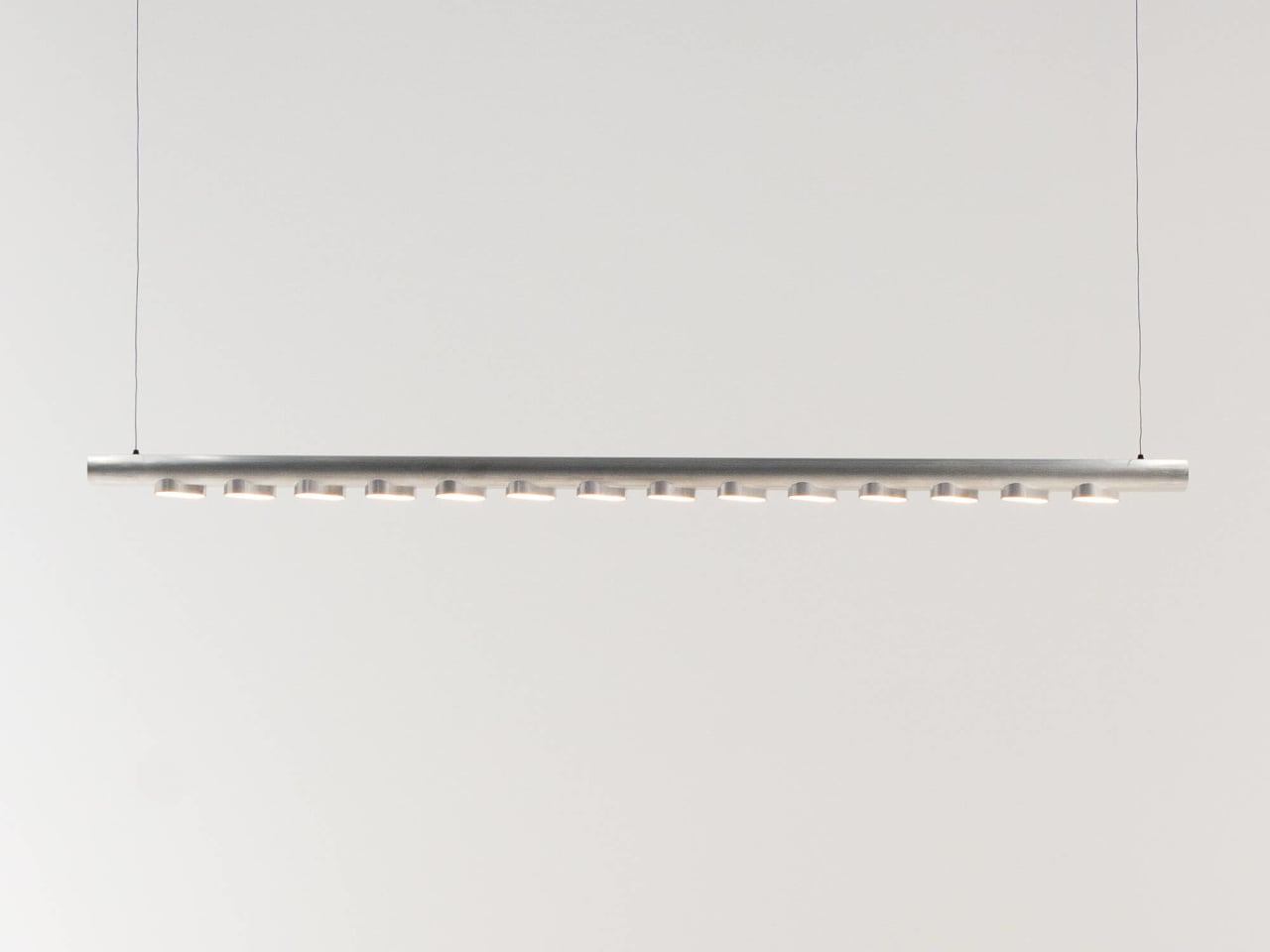
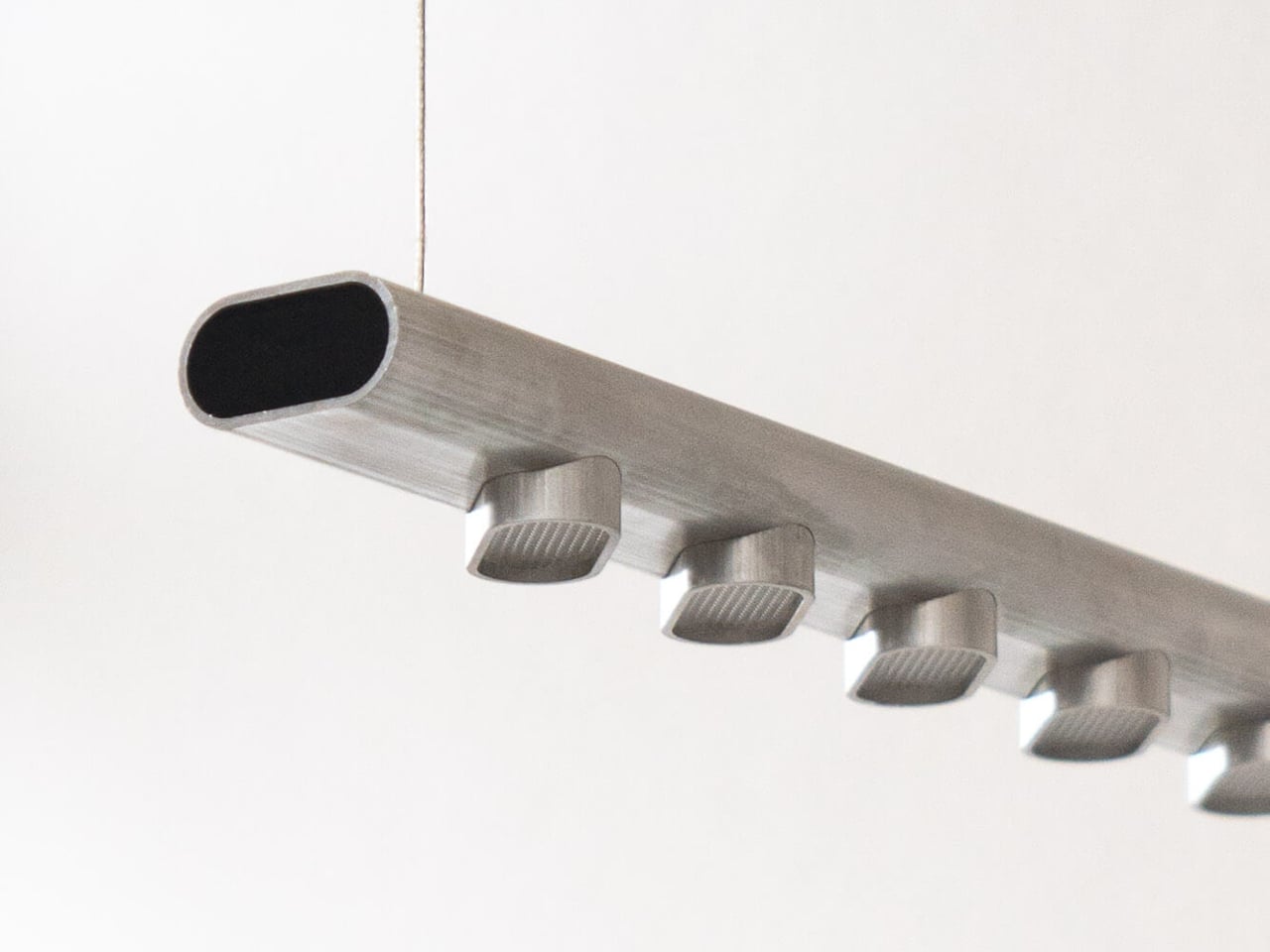
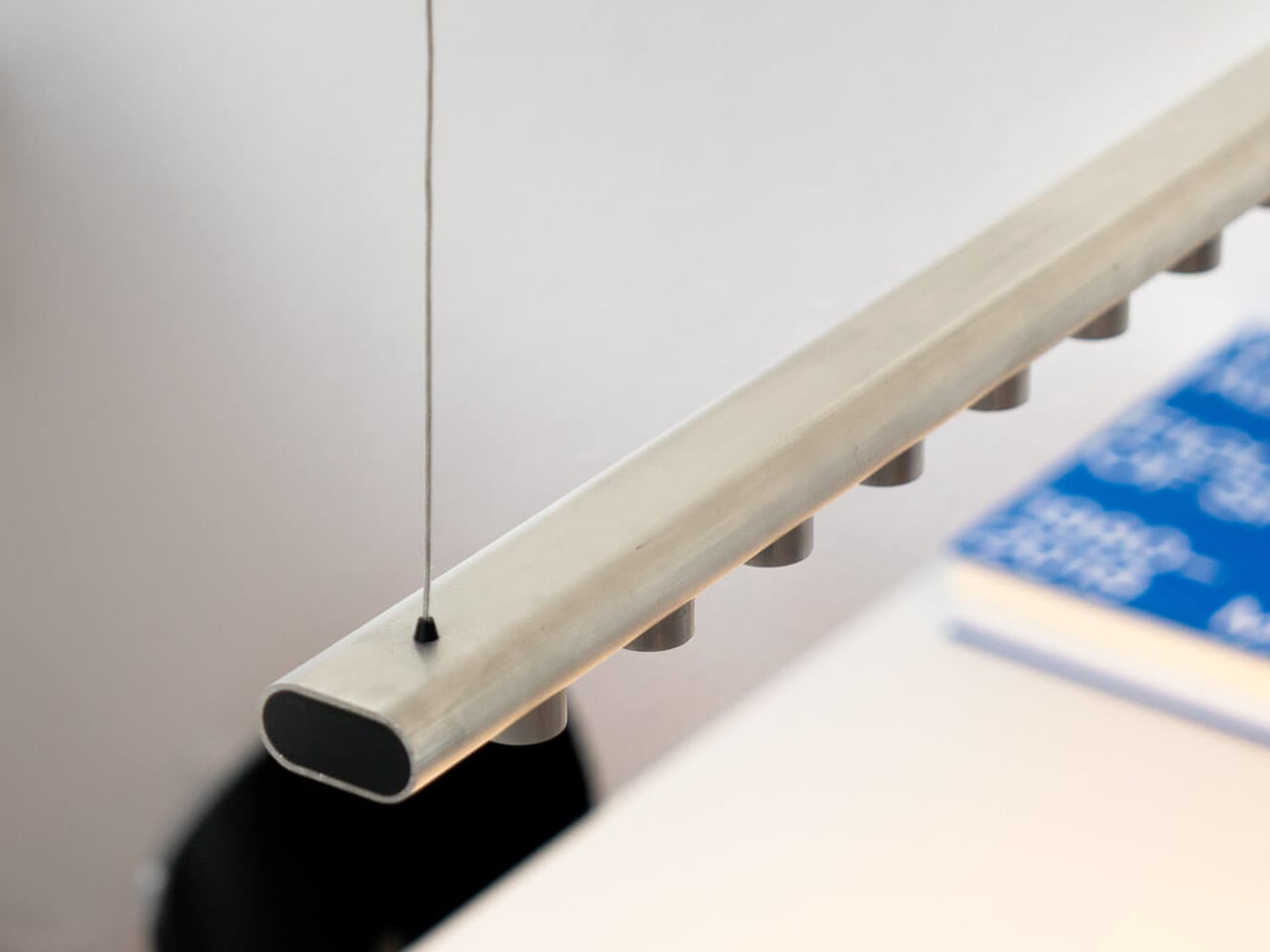
The Norm pendant lamp by Moritz Walter is a fixture whose entire outer body is made from one extruded aluminum profile. The same oval tube becomes the main beam and the housings for the LEDs, which keeps production simple and scrap low. The widespread LED array is tuned for both work and living environments, so it is not just a workshop experiment or a concept that sacrifices performance for purity of idea.
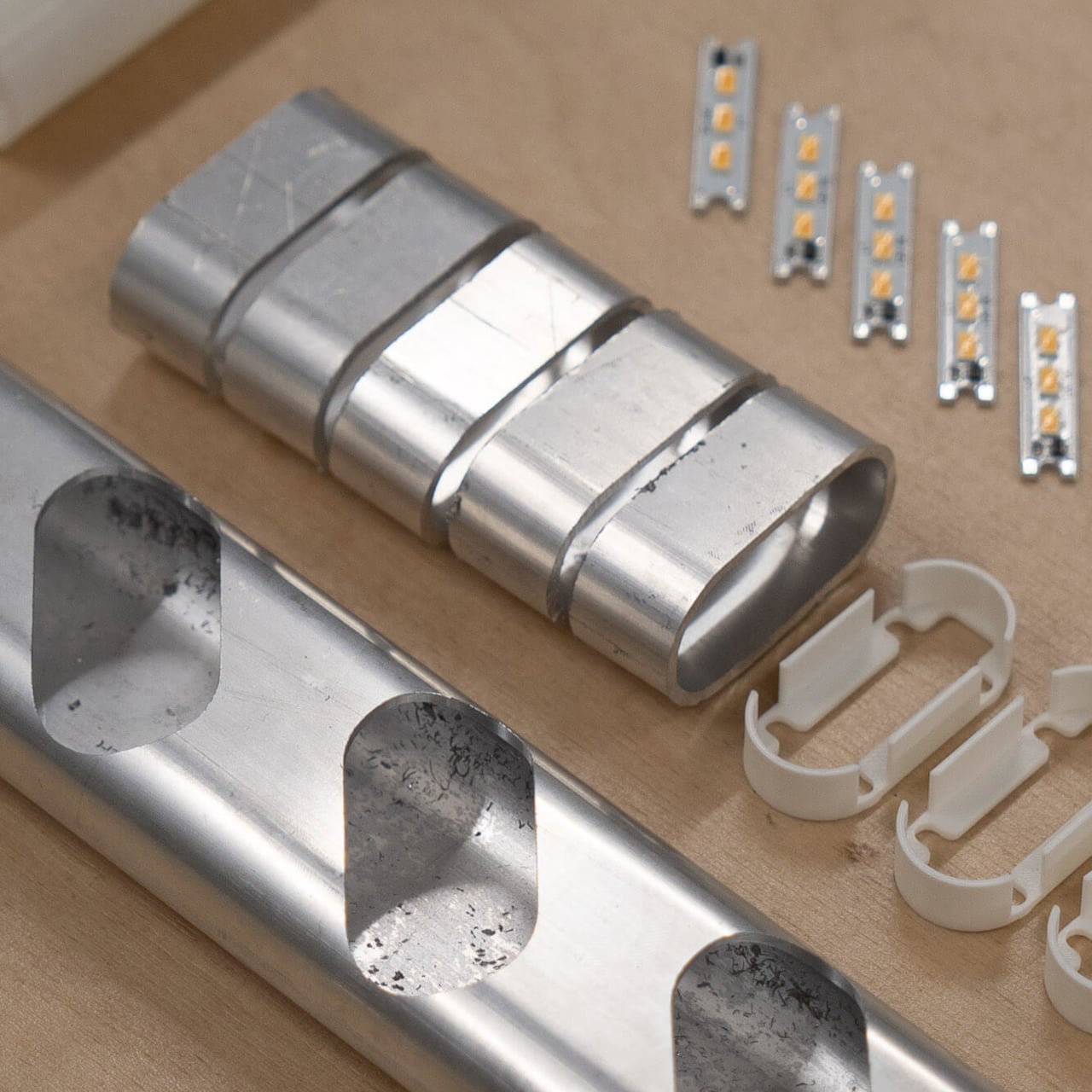
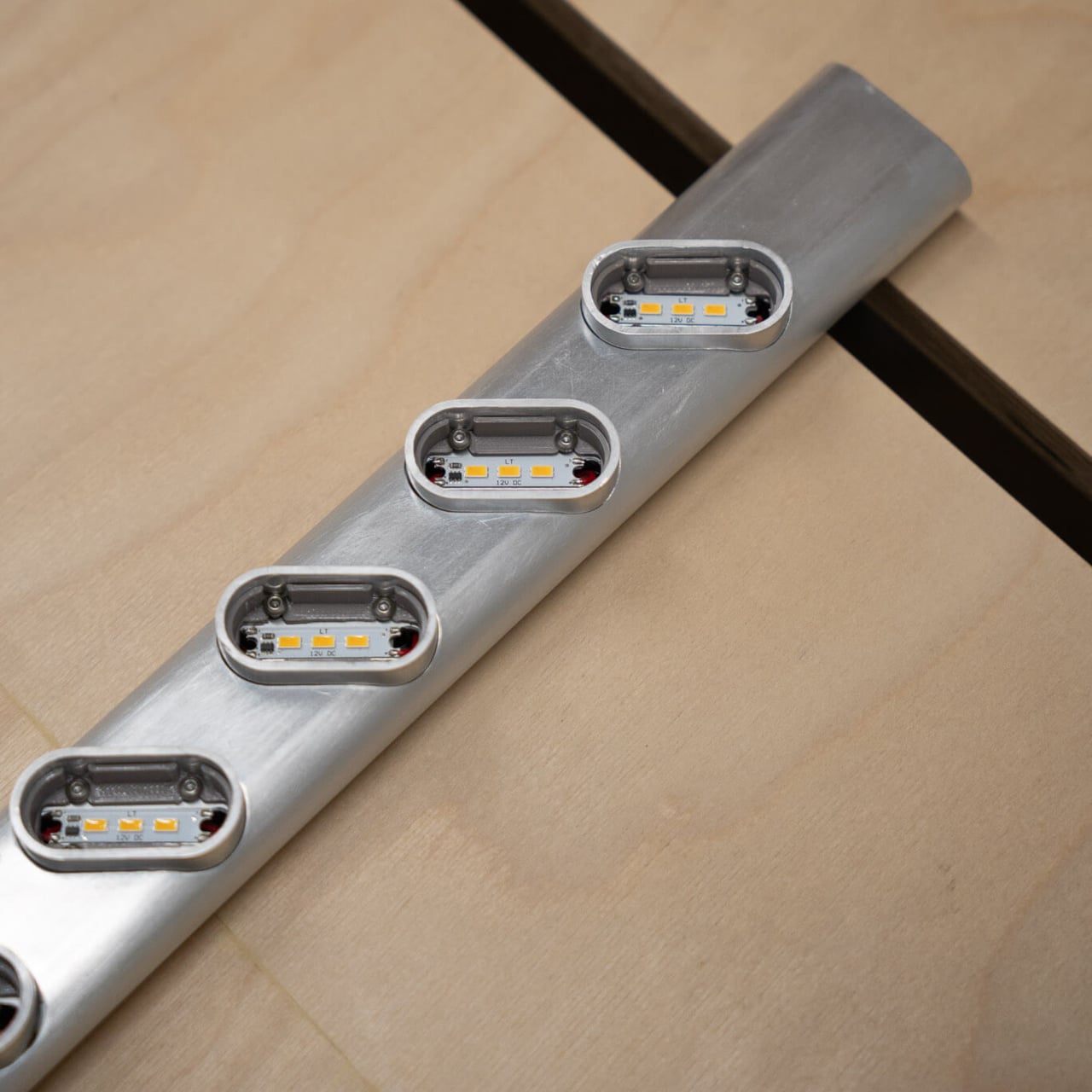
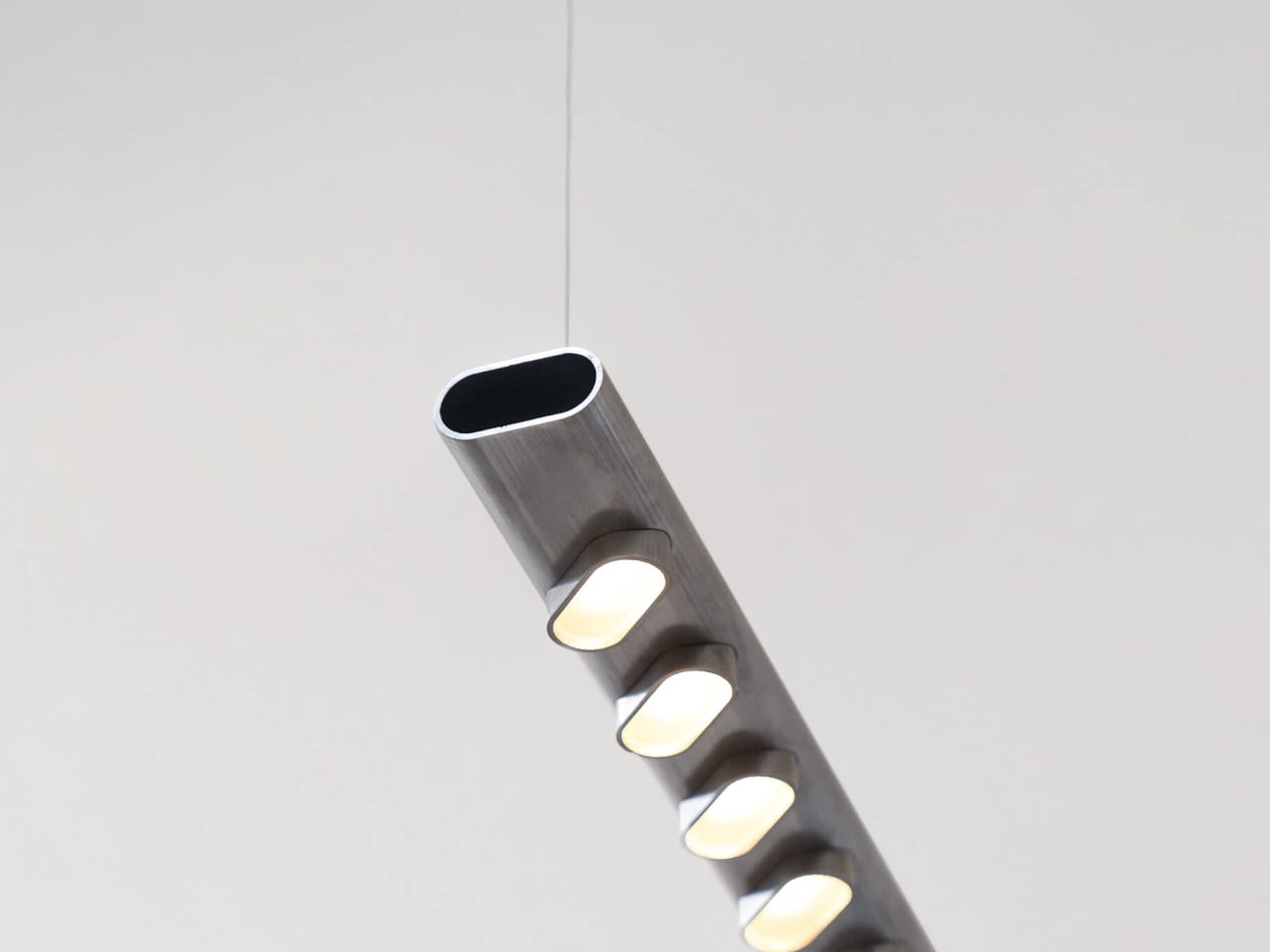
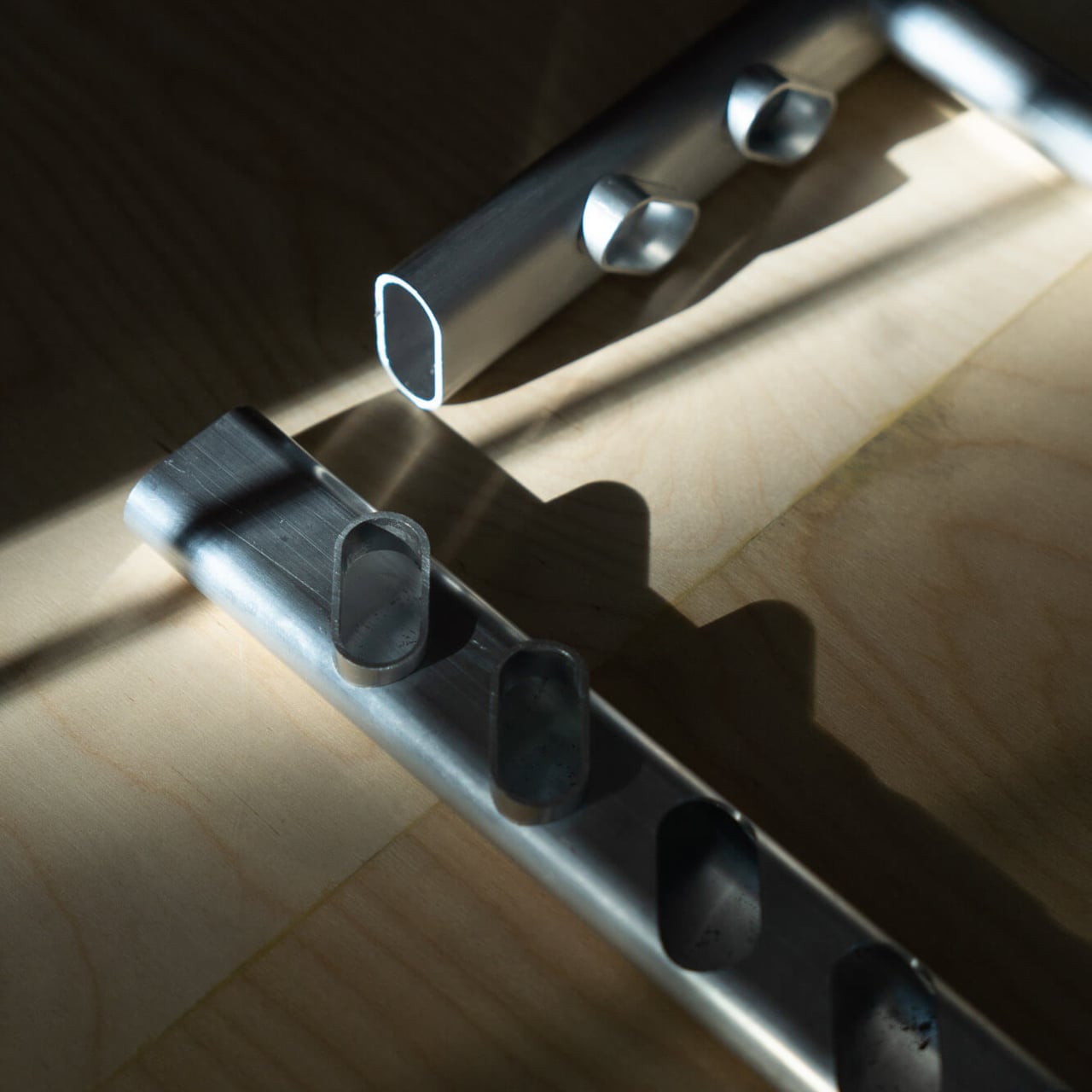
A straight length of the oval tube forms the pendant body, while shorter sections are cut, sliced, and re-attached as small pods along the underside. Those pods frame the LED boards and act as mini reflectors, directing light downward and shielding the diodes from direct view. The repetition of identical pieces creates a calm rhythm without introducing new geometries or extra parts, keeping the material strategy legible in the finished object.
Instead of a single continuous strip, Norm uses a series of small LED boards spaced along the beam, spreading light evenly across a desk or table. The pods help with glare control, making the lamp comfortable over workstations, dining tables, or kitchen islands. The color and intensity can be tuned to suit task lighting or softer ambient settings, so it can move between office and home without feeling out of place or overly industrial.
Using one aluminum profile for all visible parts simplifies tooling, reduces offcuts, and makes recycling straightforward. There is no mix of plastics and metals glued together, just an extruded tube and its derivatives acting as structure, housing, and heat sink. At the end of its life, the body can be disassembled and recycled as aluminum, which is a cleaner story than most multi-material luminaires can tell once they are thrown out.
The raw, brushed aluminum finish and soft rectangular cross-section keep the lamp from feeling too cold or technical. The extrusion lines and subtle tooling marks are left visible, turning the manufacturing process into part of the visual character. The overall effect is a slim, industrial bar of light that can disappear into a white ceiling or stand out over a warm wooden table, depending on how you style the space around it.
Norm shows that sustainability does not always require exotic materials or complex tech. Sometimes it is about committing to a simple constraint, in this case, one aluminum profile, and letting that rule shape everything from the silhouette to the way light is distributed. The idea of a pendant that is honest about how it is made, yet still precise and adaptable, feels quietly refreshing when so many fixtures are over-designed, hard to disassemble, and destined for a landfill within a few years.
The Samsung Galaxy Z Tri Fold introduces a new multifolding design that transforms a compact smartphone into a 10-inch tablet. This innovation seeks to bridge the gap between portability and functionality, offering users enhanced multitasking capabilities, a widescreen experience, and innovative hardware. However, questions about its practicality, durability, and price remain central to its reception. […]
What if you could fit the power of a high-performance gaming rig into the palm of your hand? The Beelink SER9 Max Mini PC dares to challenge the notion that compact computing means compromising on performance. Armed with the AMD Ryzen 7 H255 processor and Radeon 780M RDNA3 graphics, this sleek, space-saving powerhouse promises to […]
What if robots could not only think, but physically adapt in real time—reconfiguring their form, movement, and behavior to meet the demands of unpredictable environments? That ambition sits at the core of TRON 2, LimX Dynamics’ newly launched embodied robotics platform, now positioning itself as a foundational shift in how intelligent machines are designed and […]
If you want to hear Apple Music’s lossless catalog the way it was meant to sound, you will need a little extra hardware. iPhones and most wireless headphones still have limitations when it comes to high-resolution audio, which means a good DAC can make a real difference in clarity and detail. Whether you listen through wired earbuds, studio headphones or a home speaker setup, the right DAC can bring out far more texture in your music.
Lossless audio can be confusing at first, especially with different formats and file sizes to consider, but you do not need a complicated setup to enjoy it. Many DACs work across iOS, Android, Mac and Windows, and several are small enough to carry every day. In this guide, we picked the best DACs for Apple Music so you can upgrade your listening experience without wasting money on gear you do not need.
Best DACs for 2026
DAC FAQs
What does DAC stand for?
DAC stands for digital to analogue converter. A digital-to-analog converter takes the digital (D) music from your phone or computer and converts (C) it into analog (A) sound you can hear. All phones and PCs have them, but since handsets moved to USB-C, Lightning or Bluetooth for music, the task of converting that signal was generally outsourced to either your adapter or your wireless headphones.
DACs can be used with phones, laptops and desktops but tend to be much simpler than a regular external audio interface. One basic distinction is that DACs are usually for listening only whereas an audio interface might have ports to plug in microphones and instruments (but an external audio interface is also technically a DAC). Some high-end DACs even include XLR outputs for better connectivity with professional audio equipment.
The best DACs tend to be lightweight, making them more suitable for mobile use, although it still gets a little tricky with the iPhone as you still might need to add another dongle to make it play nice with Lightning. Also, not all DACs support all the higher audio resolutions like DSD. Most standalone DACs require external power or an onboard battery, though some can use the power from whatever you plug them into — in which case expect a hit to your battery life.
Why do I need new hardware to listen to music?
The short answer is, you don’t. You can play “hi-res” audio files on most phones and PCs, you just might not be getting the full experience. If your device’s audio interface tops out at 44.1 or 48kHz (which is fairly common and covers the vast majority of music online) then that’s the experience you’ll get. If you want to enjoy better sounding music at a higher sample rate and bit-depth (aka resolution), you’ll need an interface that supports it and wired headphones, potentially using a headphone amp for an enhanced experience.
It’s worth pointing out that “lossless” and “hi-res” are related terms, but not the same thing and will vary from service to service. Apple uses ALAC encoding which is compressed, but without “loss” to the quality (unlike the ubiquitous .aac or .mp3 file formats). CDs were generally mastered to at least 16-bit / 44.1kHz which is the benchmark that Apple is using for its definition of lossless. In audio circles, a general consensus is that hi-res is anything with a sample rate above 44.1kHz. Increasingly, though, the term is being used for anything 96kHz and above.
This, of course, isn’t only about Apple’s new streaming formats. External DACs and audio interfaces are a great way to get the best sound and upgrade your listening experience generally. Especially if you want to get into the world of more exotic (read: pricey) headphones, as they often even require a DAC to provide enough clean digital signal to drive them. For audiophile headphones, a phone or laptop’s internal sound chipset often doesn’t have the oomph needed to deliver a hi-fi experience, meaning a better DAC could make all the difference in sound quality.
Okay, but can’t I just use the headphone adapter for my phone?
No. Well, yes, but see above. A Lightning or USB-C to 3.5mm headphone adapter often is an audio interface and most of the ones you’re buying for $7 (or that come free in the box) do not support hi-res audio beyond 48kHz / 24-bit. Android is a little more complicated, as some adapters are “passive” and really just connect you to the phone’s internal DAC like old school headphones. Others (active ones) have a DAC built-in and good luck finding out what your specific phone and the in-box adapter delivers. (Hint: connect it to a PC and see if it comes up as an audio interface. You might find some details there if it does).
What about Bluetooth headphones?
Chances are that over the last few years you’ve migrated from wired to wireless headphones (thanks, Apple). The world of Bluetooth headphones changes things a little when it comes to seeking better audio performance. What matters here is twofold, the headphones you’re using (as those will technically be the “DAC”) and the codec — the method used to send the musical data over to the headphones.
It’s also worth checking to see if your headphones support aptX and which version. Look out for aptX HD, aptX Adaptive and (for the highest quality) aptX Lossless which are all better than standard and becoming more common, albeit slowly. It’s worth noting that both your phone or media player and your headphones need to support the same aptX codec. Currently, no iPhone supports any type of aptX, though dongles exist that will offer that functionality.
Other higher-resolution Bluetooth codecs exist, like Sony’s LDAC, but Qualcomm’s AptX has wider support thanks to its prevalence in Android devices. Some high-end wireless headphones might even come with a headphone jack for wired connections when higher-quality audio is needed.
This article originally appeared on Engadget at https://www.engadget.com/audio/the-best-dac-for-lossless-high-resolution-music-iphone-android-160056147.html?src=rss
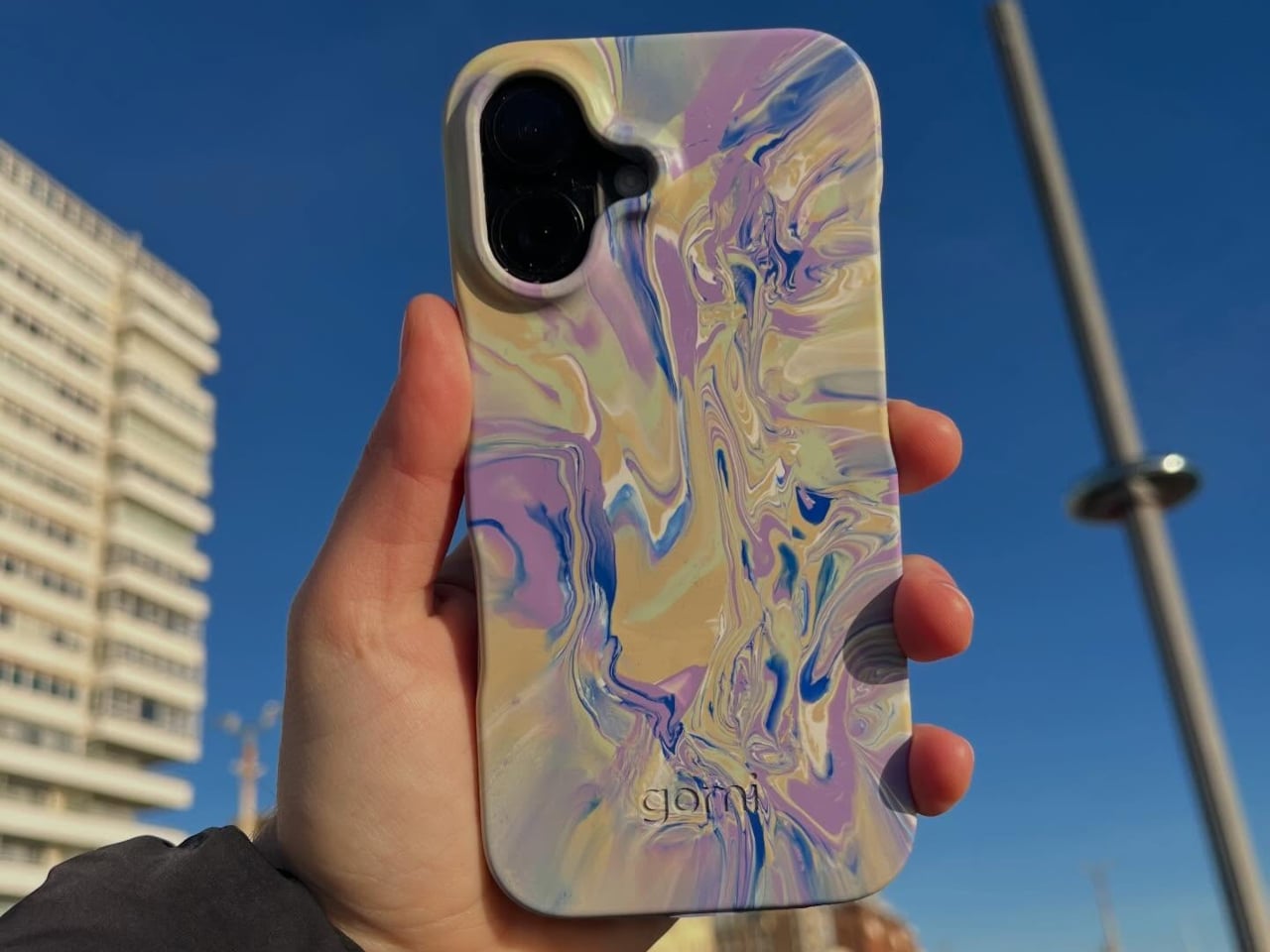
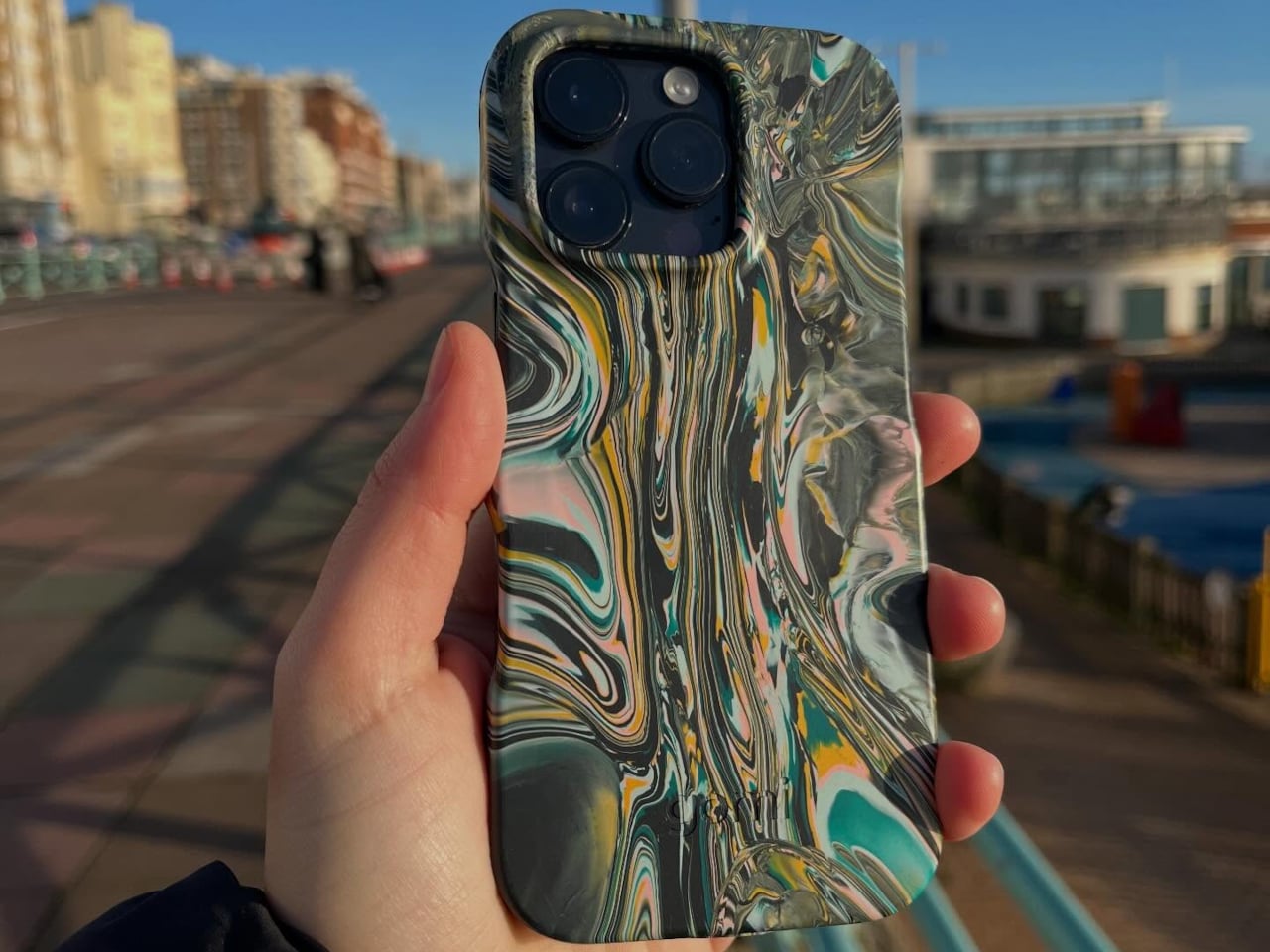
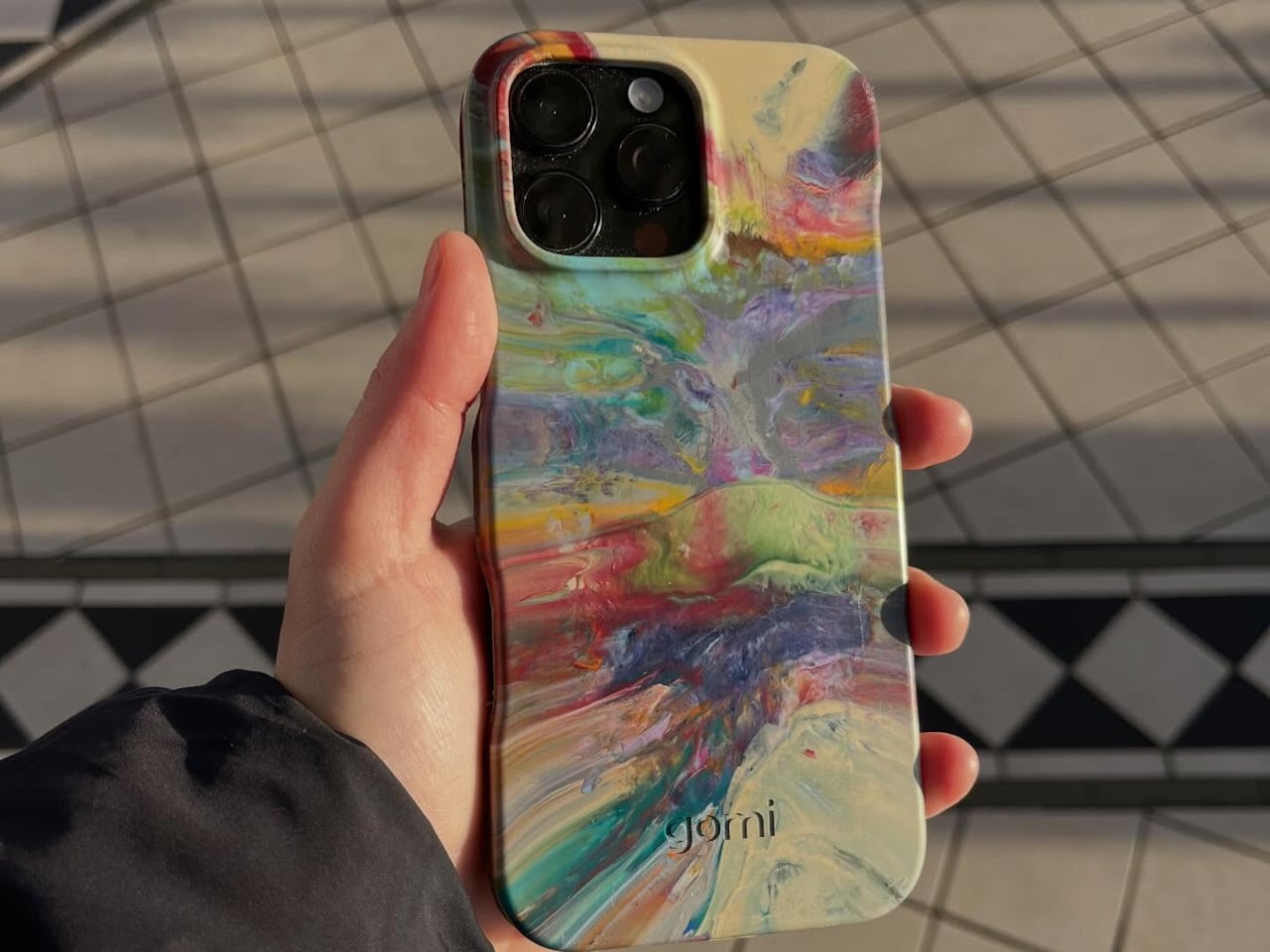
Phone cases change often. New phone, new case, new colour, and those old cases quietly pile up in drawers or end up in landfill. The accessory industry treats cases as fast fashion, even though the phone inside is already a major environmental hit. Gomi is a small Brighton studio trying to slow that churn down with a different promise, a case that can be repaired forever and remoulded when you upgrade.
The forever phone case is handmade from 100% recycled plastic, backed by a simple guarantee, free repairs for life, and a £20 (around $28) upgrade when you get a new phone. Instead of buying a new case every upgrade cycle, you send the old one back, and they remold the same material into a new form factor, turning the case into something closer to a subscription on the material itself rather than another piece of disposable gear.
The case is made from recycled plastic that can be reheated and reshaped, so chips and cracks can be repaired, and whole cases can be melted down into new ones. There is no such thing as an end of life in their model; the material either becomes another case or another Gomi product. That circular loop is the core idea, not just the fact that the plastic came from waste in the first place.
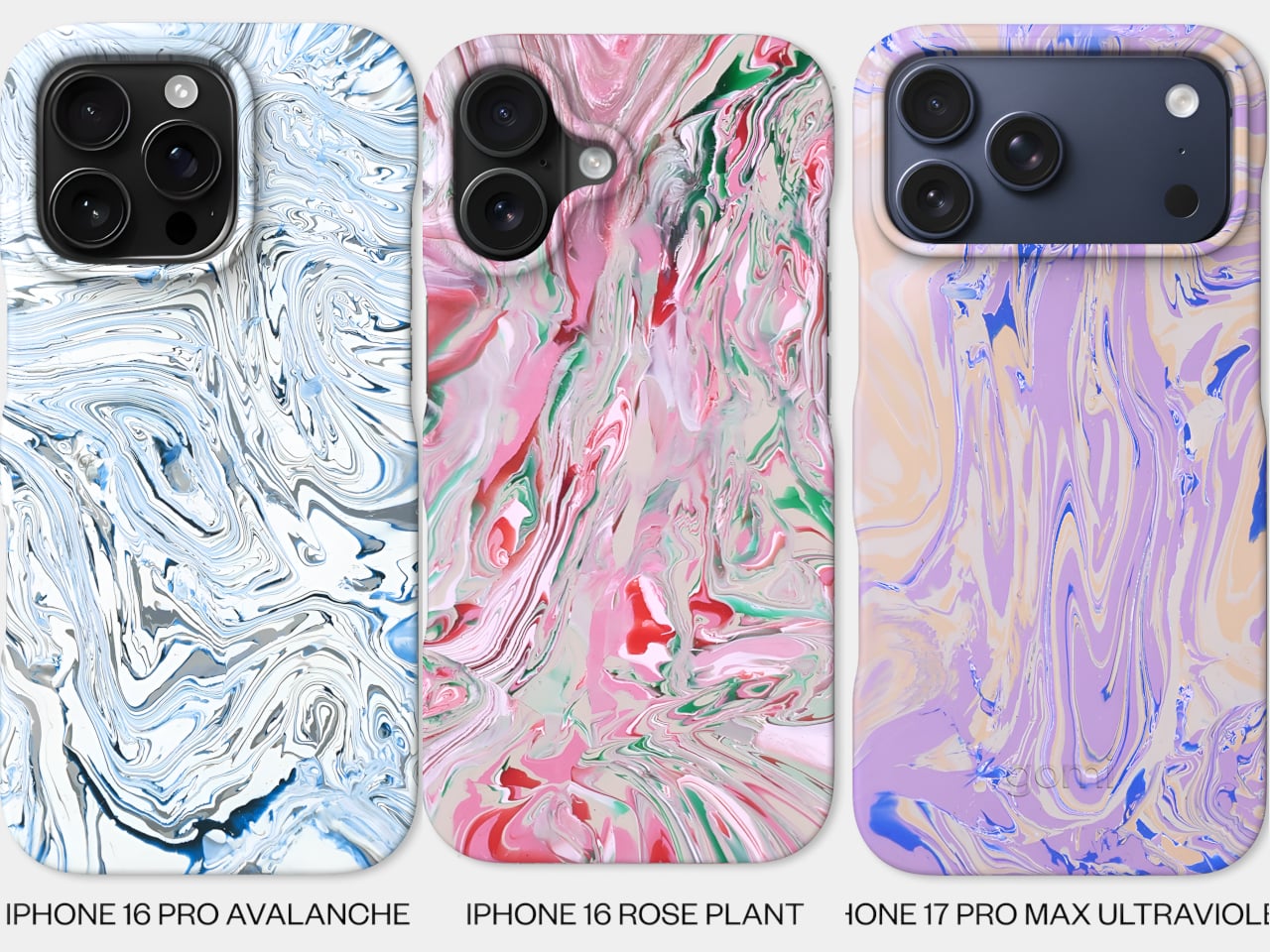
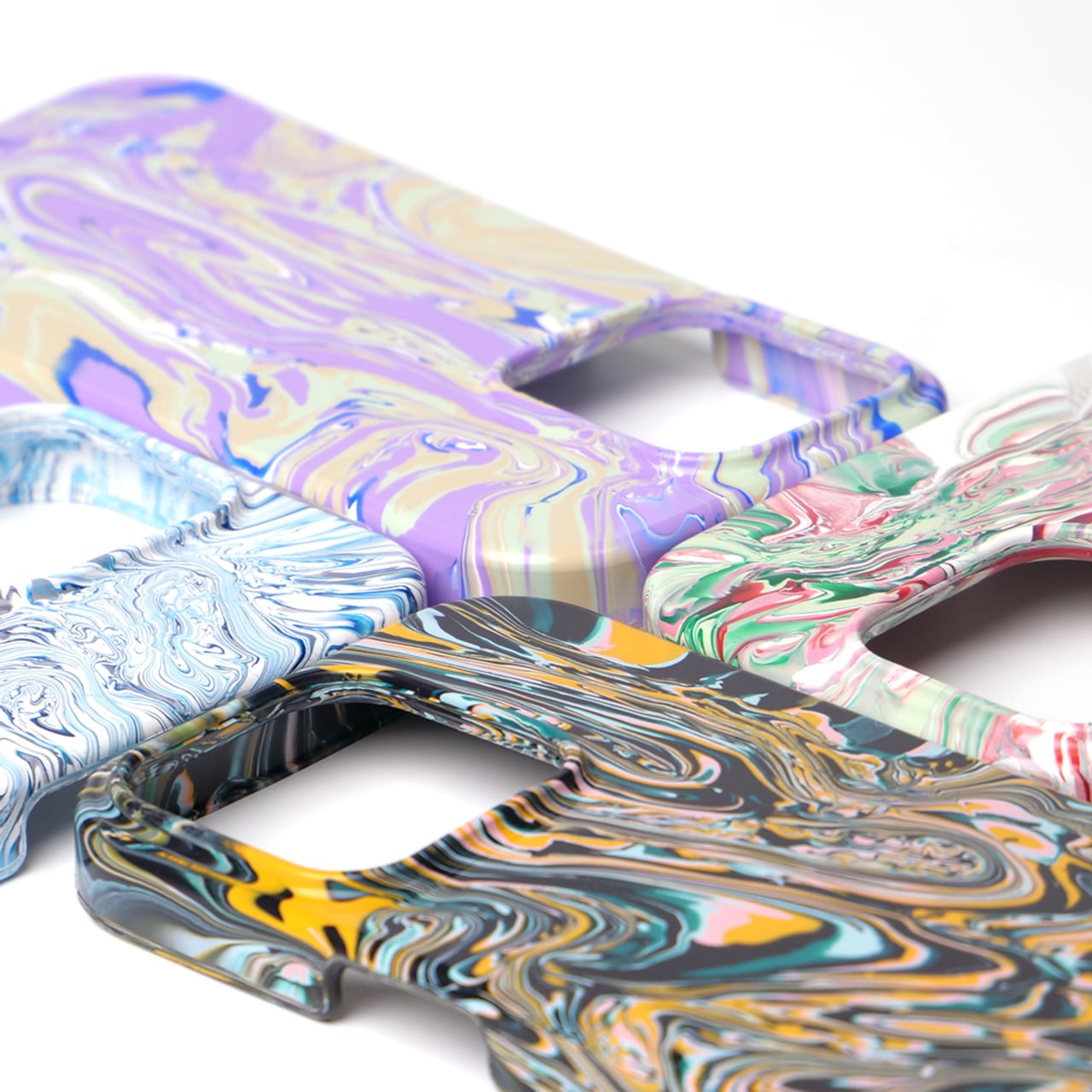
Each case is pressed from mixed plastic, creating a marbled pattern that cannot be repeated. No two cases are the same, which makes the randomness part of the appeal rather than a defect. Colourways like Panther or pastel mixes become loose guidelines rather than exact prints, and the result is a one-of-one object that looks like a tiny slab of recycled terrazzo wrapped around your phone, and no one else has the exact pattern.
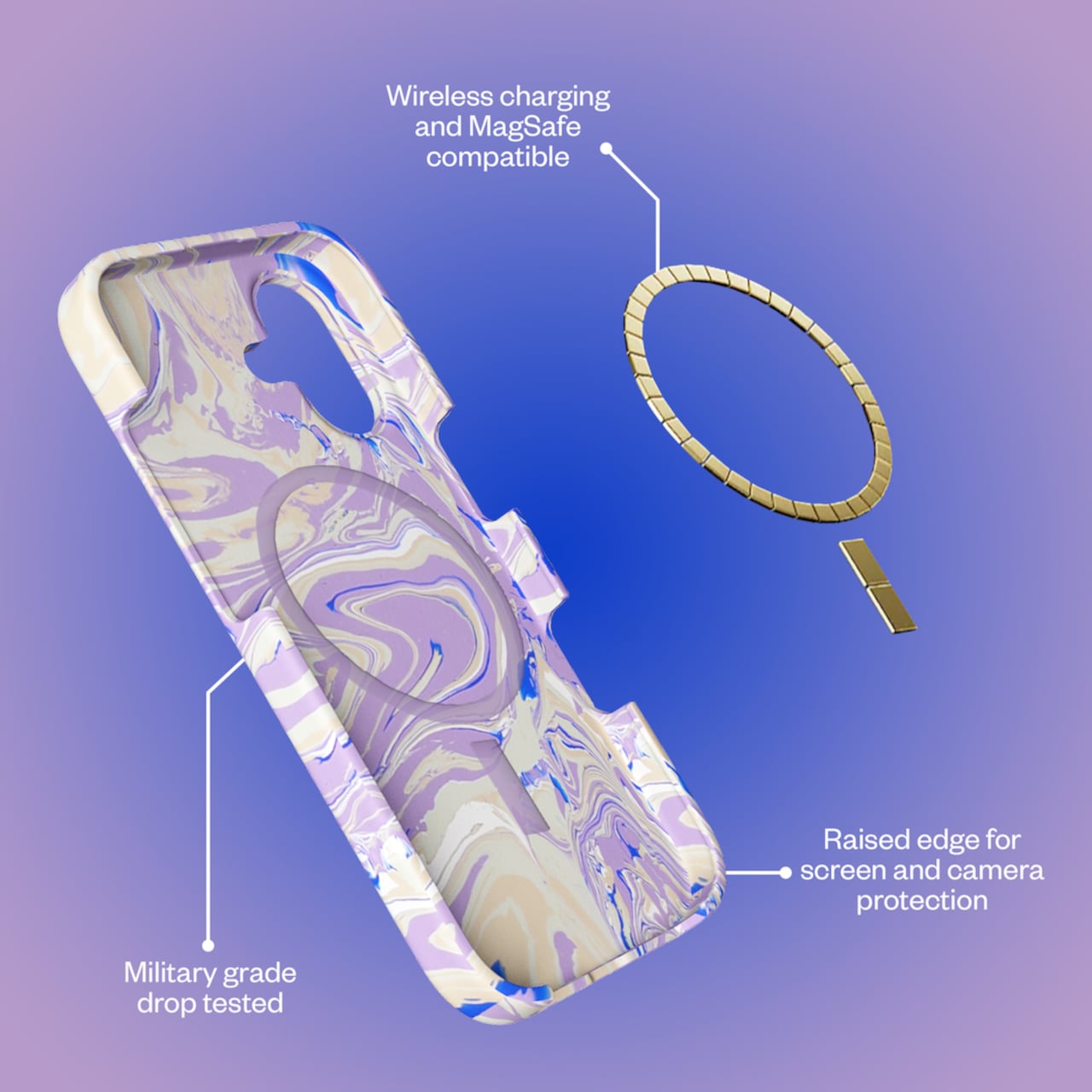
The practical side covers raised edges for screen and camera protection, a snug fit, and drop testing to what Gomi calls military grade. You can add MagSafe compatibility as an option, which means a ring of magnets inside the case to keep chargers, wallets, and docks aligned. If you do not use MagSafe accessories, you can skip it, but the option keeps the case compatible with modern iPhone habits and workflows.
Every case is handmade in Brighton, UK, by a small independent team, and buying one supports that workshop rather than a faceless factory. The brand leans into that, promising free delivery across the UK, EU, and USA, and a 30-day money-back guarantee. It is a small detail, but it reinforces the idea that this is a long-term relationship, not a one-off impulse buy you forget about when the next design trend arrives.
The forever case quietly asks you to think about your phone differently. The device may still change every few years, but the material wrapped around it does not have to. A case that can be repaired, remoulded, and upgraded for a small fee instead of being replaced entirely is a modest shift, yet in a category built on disposability and seasonal colour drops, it starts to feel like a surprisingly radical one.
What if the AI model you’ve been waiting for doesn’t quite live up to the hype? With the release of GPT 5.2, OpenAI promised a leap forward in AI coding capabilities, but does it truly deliver? Positioned against heavyweights like Google’s Gemini 3 and Anthropic’s Opus 4.5, the stakes couldn’t be higher. After putting GPT […]