XTool P3 the Cheaper Way to Get Pro-Grade Laser Cutting

XTool P3 the Cheaper Way to Get Pro-Grade Laser Cutting

Is it ever worth spending less to get more? It might sound counterintuitive, but Core Electronics explains how the XTool P3 challenges this very notion by delivering near-industrial performance at a fraction of the cost of traditional machines like the Trotec Speedy 400. Imagine facing a $125,000 AUD repair bill just to replace a single […]

The post XTool P3 the Cheaper Way to Get Pro-Grade Laser Cutting appeared first on Geeky Gadgets.

Posted in Uncategorized

Arduino Uno Q Beginners Guide 2026 : Run Vision, Voice Projects, Apps & More

Arduino Uno Q Beginners Guide 2026 : Run Vision, Voice Projects, Apps & More

What if you could combine the simplicity of Arduino with the power of a Linux-based processor, all in one compact device? Enter the Arduino Uno Q, a new development board designed to handle everything from basic hardware projects to advanced tasks like computer vision and voice recognition. Core Electronics walks through how this dual-processor marvel […]

The post Arduino Uno Q Beginners Guide 2026 : Run Vision, Voice Projects, Apps & More appeared first on Geeky Gadgets.

Posted in Uncategorized

Samsung’s Retro OLED Cassette and Turntable Concepts Are Pure Nostalgia

If you’ve lived long enough on this earth, you probably sometimes still long for those days when music was tangible. Whether you experienced putting in a cassette tape or placing a vinyl record on your turntable or even plopping in a CD, you probably miss the sound and feel of “physical music”. That’s why we have several devices that are banking on this nostalgia factor and it seems like Samsung is not immune to this trend.

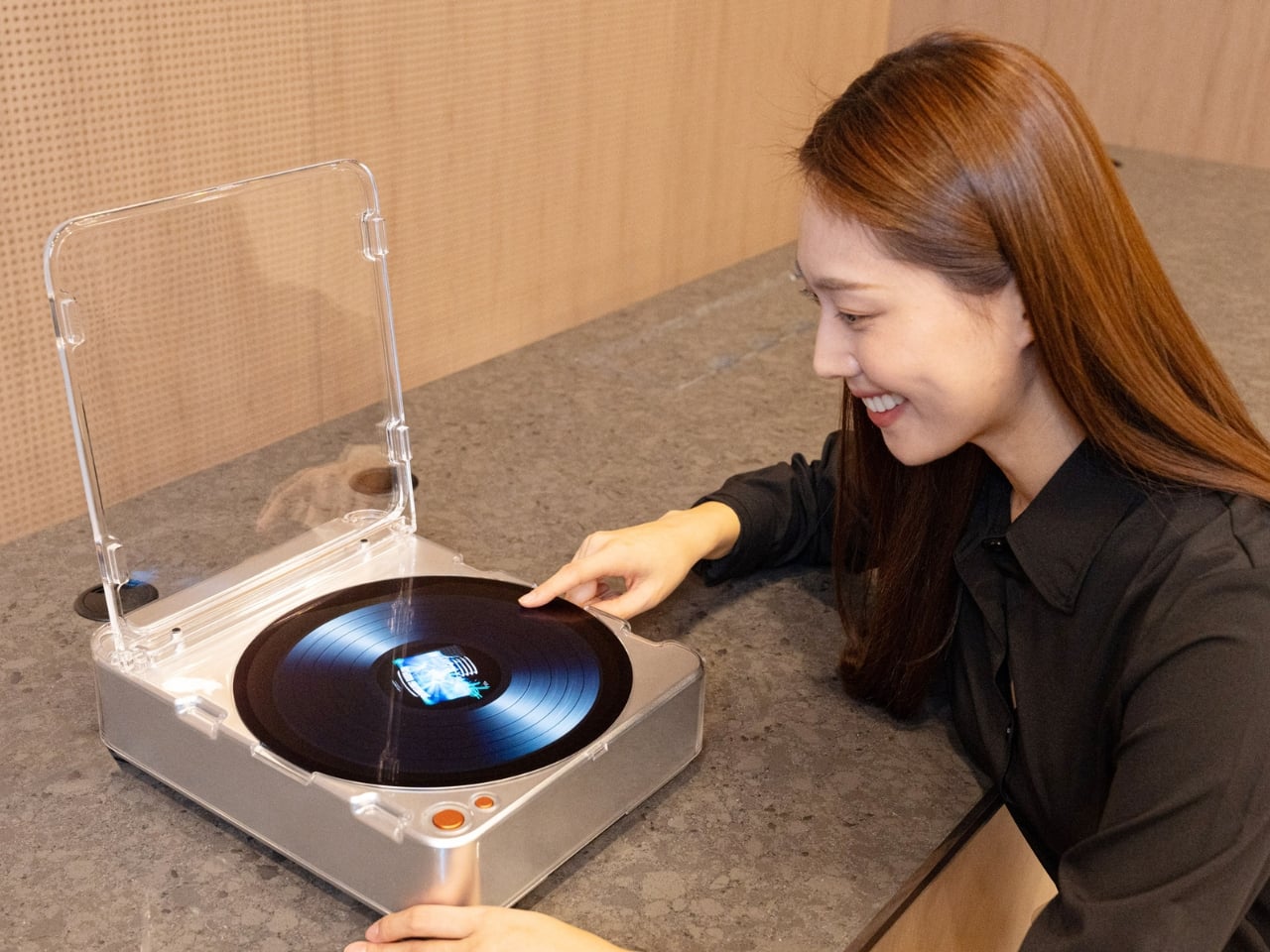
Samsung Display has unveiled two intriguing concept devices at the ongoing CES 2026: the AI OLED Cassette and the AI OLED Turntable. While they’re not yet products that you can actually buy tomorrow, this “creative flex” for their circular OLED technology may inspire other manufacturers or even get Samsung to actually produce it or something similar in the future.

Designer: Samsung Display
The AI OLED Cassette is a throwback for those who experienced this kind of music back in the day. It takes the classic tape deck design and turns it into a smart speaker with two tiny 1.5-inch circular OLED displays. They’re in that place where the spinning reels used to be, since this isn’t exactly a cassette player. On the left, you get the playback controls and on the right side, you get a digital waveform or equalizer. Both screens are touch-sensitive, letting you interact directly with the device without constantly reaching for your phone.

It’s not just a usual Bluetooth speaker, though, as you get AI-powered music recommendations built into the device. That means you can discover new music, select what you want to hear, and control everything directly on the cassette itself. You get a touchscreen display as well so you don’t need an external device to control it. This standalone functionality sets it apart from traditional Bluetooth speakers that rely heavily on phone connectivity. There’s also a lozenge-shaped display that doubles as a virtual tuning dial, adding another layer of interaction that feels surprisingly intuitive for something so retro-inspired.

Going further back in the nostalgia trip, the AI OLED Turntable is a 13.4-inch circular OLED touchscreen that looks like an actual vinyl turntable. The turntable display can actually display images and videos to add to the ambience in your space while playing the tunes. Imagine hosting friends and having your turntable show ambient visuals that match the vibe of your playlist. It’s part music player, part art installation, part conversation starter. The large circular display becomes the centerpiece of whatever room you place it in, commanding attention in a way that most modern tech tries to avoid.
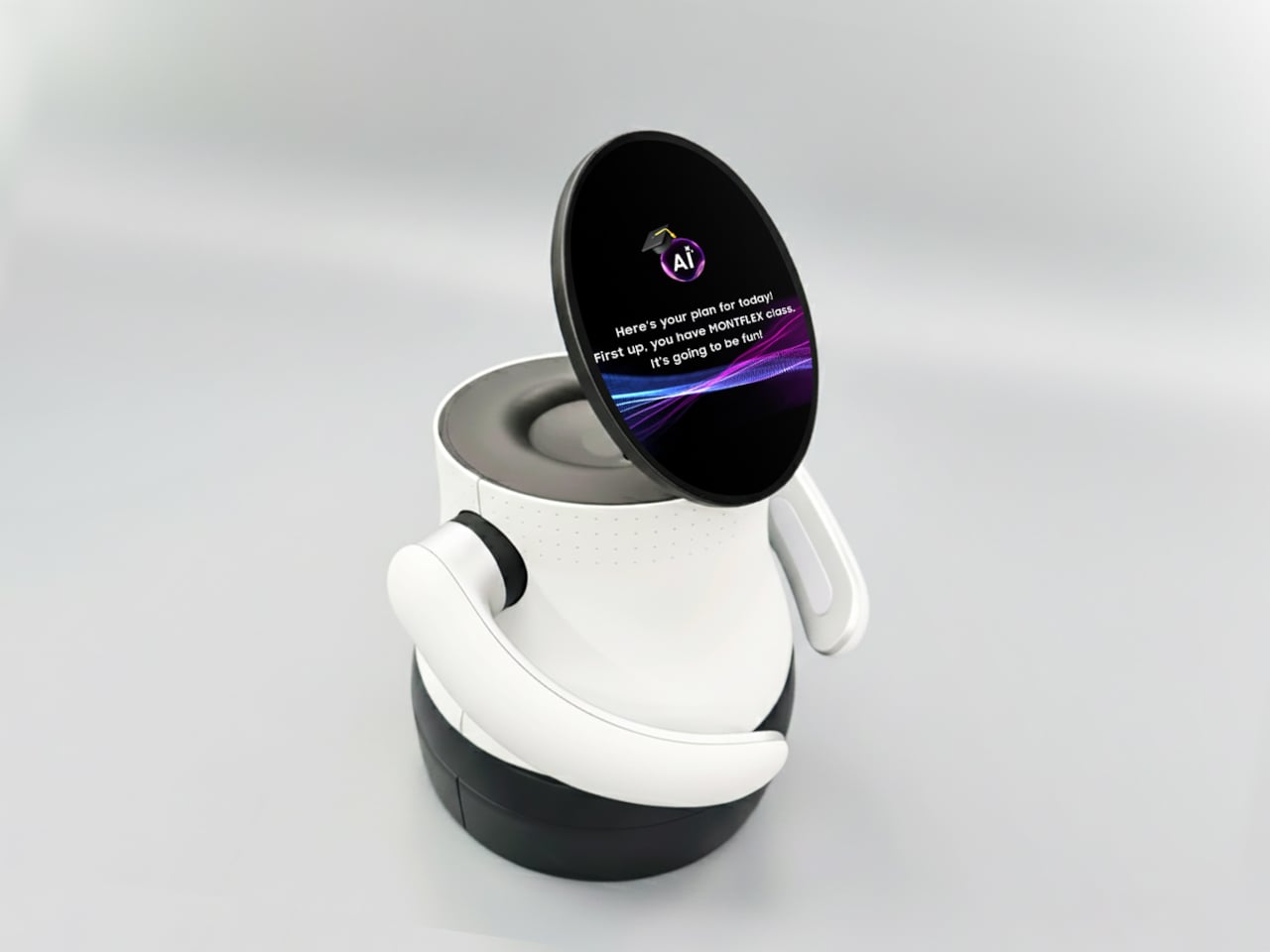
AI OLED Bot

These two device concepts actually blur the line between technology and home decor, standing out from the usual, minimalist smart speakers that are on the market. By embracing retro aesthetics and then adding cutting-edge OLED technology, they turn these functional devices into design statements as well, letting them blend into your living space while giving you the music that you want at a particular time.

The timing couldn’t be better either. We’re living through a massive vinyl resurgence, with record sales hitting levels not seen since the 1990s. Cassette tapes are even making a comeback among collectors and indie musicians. There’s clearly an appetite for music experiences that feel more intentional, more physical, more there. Samsung seems to understand that people don’t just want convenience anymore. They want connection to their music and their spaces.

However, before you start dreaming about these devices adorning your living room, remember that they’re still concept devices and may never be manufactured by Samsung Display. These showcases are essentially Samsung demonstrating what’s possible with their circular OLED technology and showing other manufacturers what could be built. They might never produce these exact products themselves.
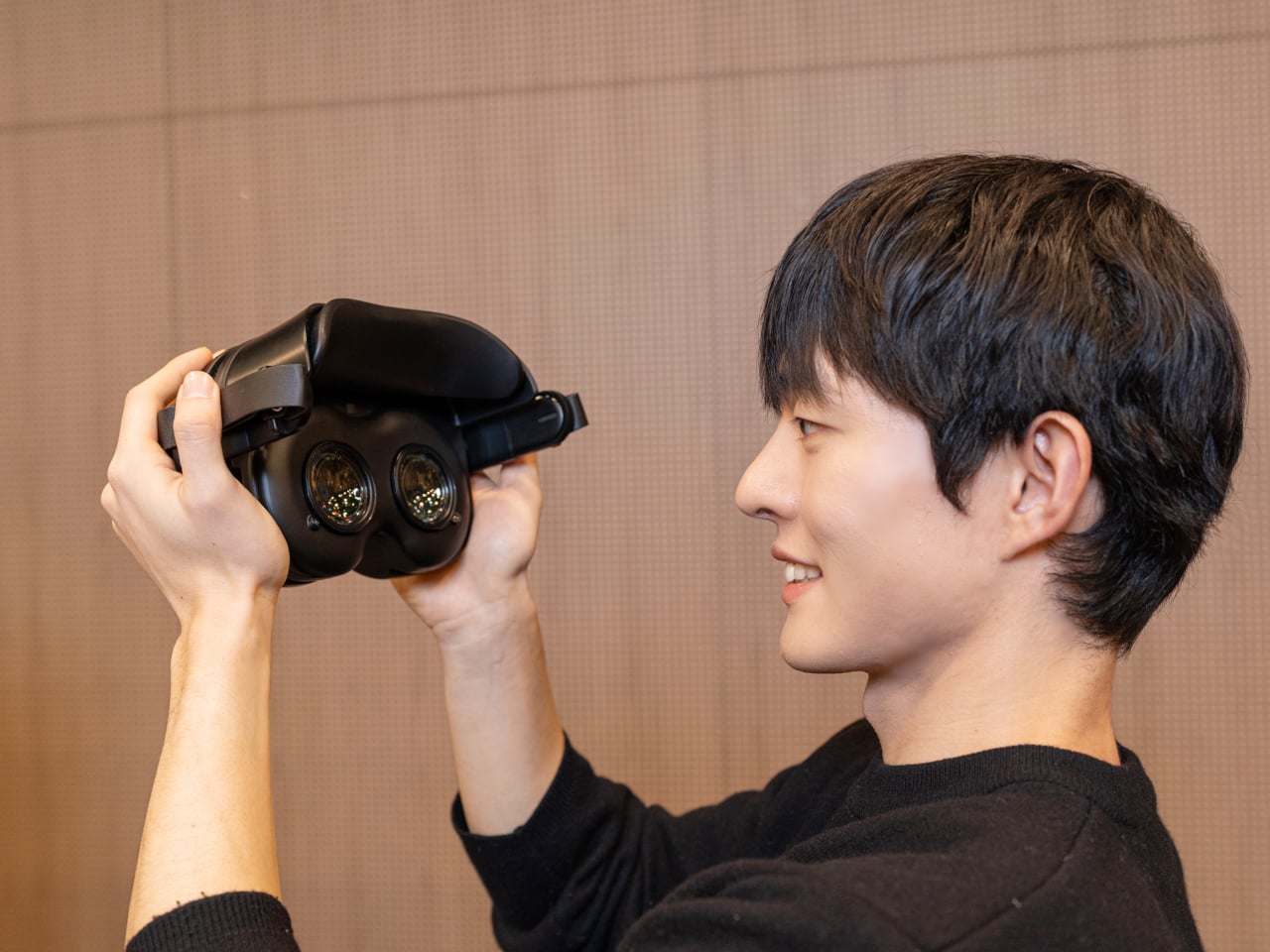
RGB OLEDoS Headset

Still, as concepts, they’re a vision for how technology can exist while still celebrating personality and nostalgia, rather than generic, robotic looks. Whether you’re a design enthusiast who appreciates the aesthetic, a tech geek fascinated by flexible OLED displays, or a pop culture lover drawn to the retro vibes, there’s something genuinely appealing about these devices. Sometimes the best concepts aren’t about predicting the future. They’re about reimagining how the past and present can play together.

The post Samsung’s Retro OLED Cassette and Turntable Concepts Are Pure Nostalgia first appeared on Yanko Design.
How to Build the Ultimate iPhone Lock Screen

How to Build the Ultimate iPhone Lock Screen

The iPhone lock screen has undergone a significant evolution with the release of iOS 26, transitioning from a simple notification center to a dynamic and customizable interface. It now serves as a hub for productivity, real-time updates, and personal expression. By using features such as widgets, live activities, and interactive tools, you can enhance your […]

The post How to Build the Ultimate iPhone Lock Screen appeared first on Geeky Gadgets.

Posted in Uncategorized

NASA is ending Crew-11 astronauts’ mission a month early

NASA has decided to bring the Crew-11 astronauts home a month earlier than originally planned due to a “medical concern” with one of them. This is the first time in its history that the space agency is cutting a mission short due to a medical issue, but it didn’t identify the crew member or divulge the exact situation and its severity. The agency is targeting a return date no earlier than January 14, with the exact schedule depending on the weather. If NASA’s original plan pushes through, the crew will splash down off the coast of California at approximately 3:40 AM on January 15.

The agency previously postponed an International Space Station (ISS) spacewalk scheduled for January 8, citing a medical concern with a crew member that appeared the day before. NASA’s chief health and medical officer, James “JD” Polk, said the affected astronaut is “absolutely stable” and that this isn’t a case of an emergency evacuation. The ISS has a “robust suite of medical hardware” onboard, he said, but not enough for a complete workup to determine a diagnosis. Without a proper diagnosis, NASA doesn’t know if the astronaut’s health could be negatively affected by the environment aboard the ISS. That is why the agency is erring on the side of caution.

Crew-11 left for the space station on August 1 and was supposed to come back to Earth on or around February 20. After they leave the station, only three people will remain: Two cosmonauts and one astronauts who’ll be in charge of all the experiments currently being conducted on the orbiting lab. The team’s replacement, Crew-12, was supposed to head to the ISS mid-February, but NASA is considering sending the astronauts to the station earlier than that.

Update, January 10, 2025, 5:15AM ET: This story has been updated to include Crew-11’s tentative return date.

This article originally appeared on Engadget at https://www.engadget.com/science/space/nasa-is-ending-crew-11-astronauts-mission-a-month-early-140000750.html?src=rss

Dolby Vision 2 is coming this year, here’s what you need to know

Dolby may have announced Dolby Vision 2 a few months ago, but the company gave the new platform its first big reveal at CES 2026. I got the chance to see the improvements in person for the first time, thanks to a variety of demos and Q&A sessions. Dolby Vision 2 will be available this year, but initially, it will be limited. As such, I’ve compiled the info on where the image engine will be available first, and what’s likely to come next in terms of where and how you can use it. But first, let’s quickly summarize what Dolby Vision 2 will even do for your TV. 

Dolby Vision 2 is Dolby’s next-generation image engine that the company announced in September. The new standard will do several things to improve picture quality on your TV, including content recognition that optimizes your TV based on what and where you’re watching. This first element will improve scenes that many viewers complain are too dark, compensate for ambient lighting and apply motion adjustments for live sports and gaming. 

Dolby Vision 2 will also deliver new tone mapping for improved color reproduction. I witnessed this first hand in various demos at CES, and this is the biggest difference between the current Dolby Vision and DV2 for me. 

There’s also a new Authentic Motion feature that will provide the optimal amount of smoothing so that content appears more “authentically cinematic,” according to Dolby. This means getting rid of unwanted judder, but stopping short of the so-called soap opera effect. 

Essentially, Dolby is taking advantage of all of the capabilities of today’s TVs, harnessing the improvements to display quality and processing power that companies have developed in the decade since Dolby Vision first arrived.

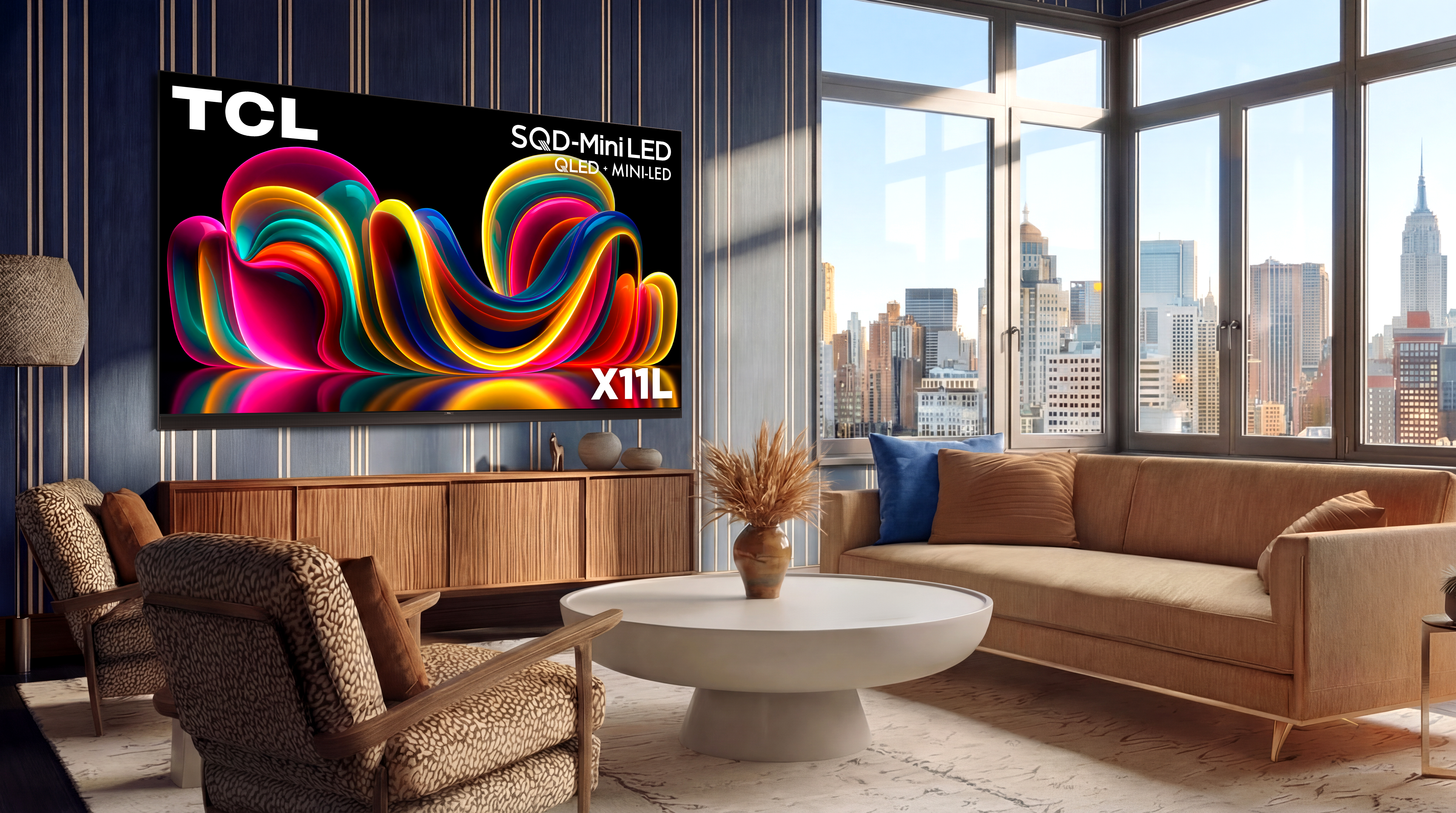
Lifestyle photo of the TCL X11L SQD-Mini LED Series
TCL

The biggest Dolby Vision 2 news at CES was the first three TV makers that have pledged support for the new standard. Hisense is bringing it to its 2026 RGB MiniLED TVs — including UX, UR9 and UR8. The company also plans to add it to more MiniLED TVs with an OTA update. TCL's 2026 X QD-Mini LED TV Series and C Series will support Dolby Vision 2 via a future update. It will be available on TP Vision’s Philips’ 2026 OLED TVs, including the 2026 Philips OLED811, and OLED911 series as well as the flagship OLED951.

There are sure to be other companies that announce Dolby Vision 2 support in 2026. Sony doesn’t announce its new TVs at CES anymore, so that’s just one of the bigger names that’s yet to reveal its hand. Any upcoming TVs that seek to leverage the full suite of tools that Dolby Vision 2 offers will need to have an ambient light sensor as that’s one of the key facets of Dolby’s upgrade.

Peacock is bringing Dolby Vision and Atmos support to more live sports offerings.
Peacock

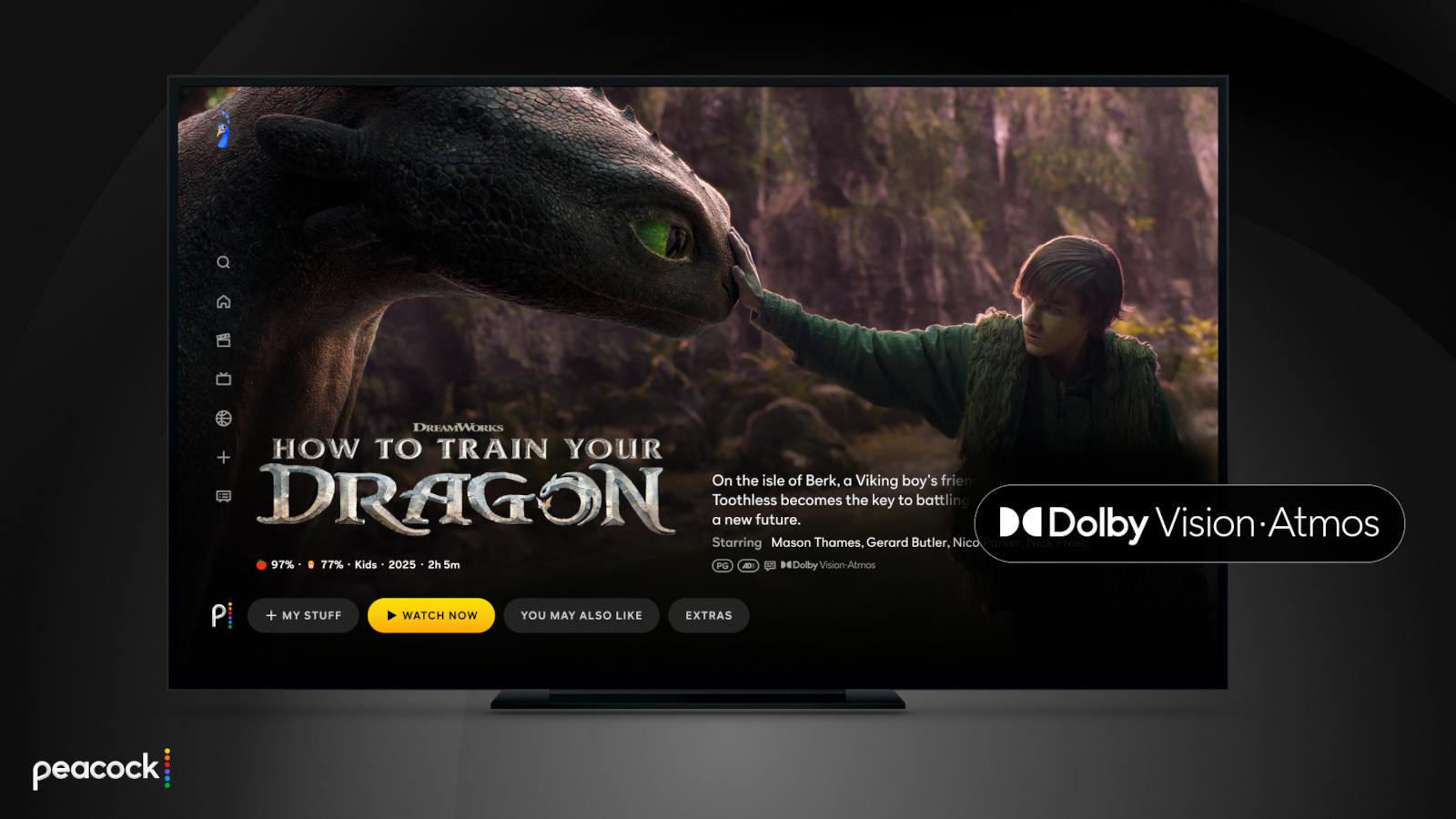
The other big piece of Dolby Vision 2 news at CES 2026 was the first streaming service that will support the platform. Peacock grabbed that honor, and so far it’s the only streamer to pledge support. However, several services support the current version of Dolby Vision, including Netflix, Disney+, Apple TV+, Amazon Prime Video, HBO Max and Paramount+. Like the additional TV support that’s sure to be announced throughout the year, I expect more streaming services will jump on board soon as well.

This article originally appeared on Engadget at https://www.engadget.com/home/home-theater/dolby-vision-2-is-coming-this-year-heres-what-you-need-to-know-140000034.html?src=rss

CES 2026 Day 3: The most interesting tech that’s still on the show floor

Even as CES 2026 wraps up soon, there’s no shortage of standout hardware hiding in plain sight. From genuinely quieter yard tools to ultra-light EVs and companion robots that want to remember your family, Day 3 was all about tech that felt a little more considered — and in some cases, refreshingly practical.

If you can’t get enough of CES, be sure to check out our picks for best of CES 2026, which highlights the most impressive new tech we’ve seen in Las Vegas. We’ve also rounded up the CES gadgets you can buy right now if you’re itching to place an order, along with a look at the weirdest tech at CES 2026, because it wouldn’t be CES without a few delightfully unhinged ideas.

Tone Outdoors T1
Tone Outdoors T1
Billy Steele for Engadget

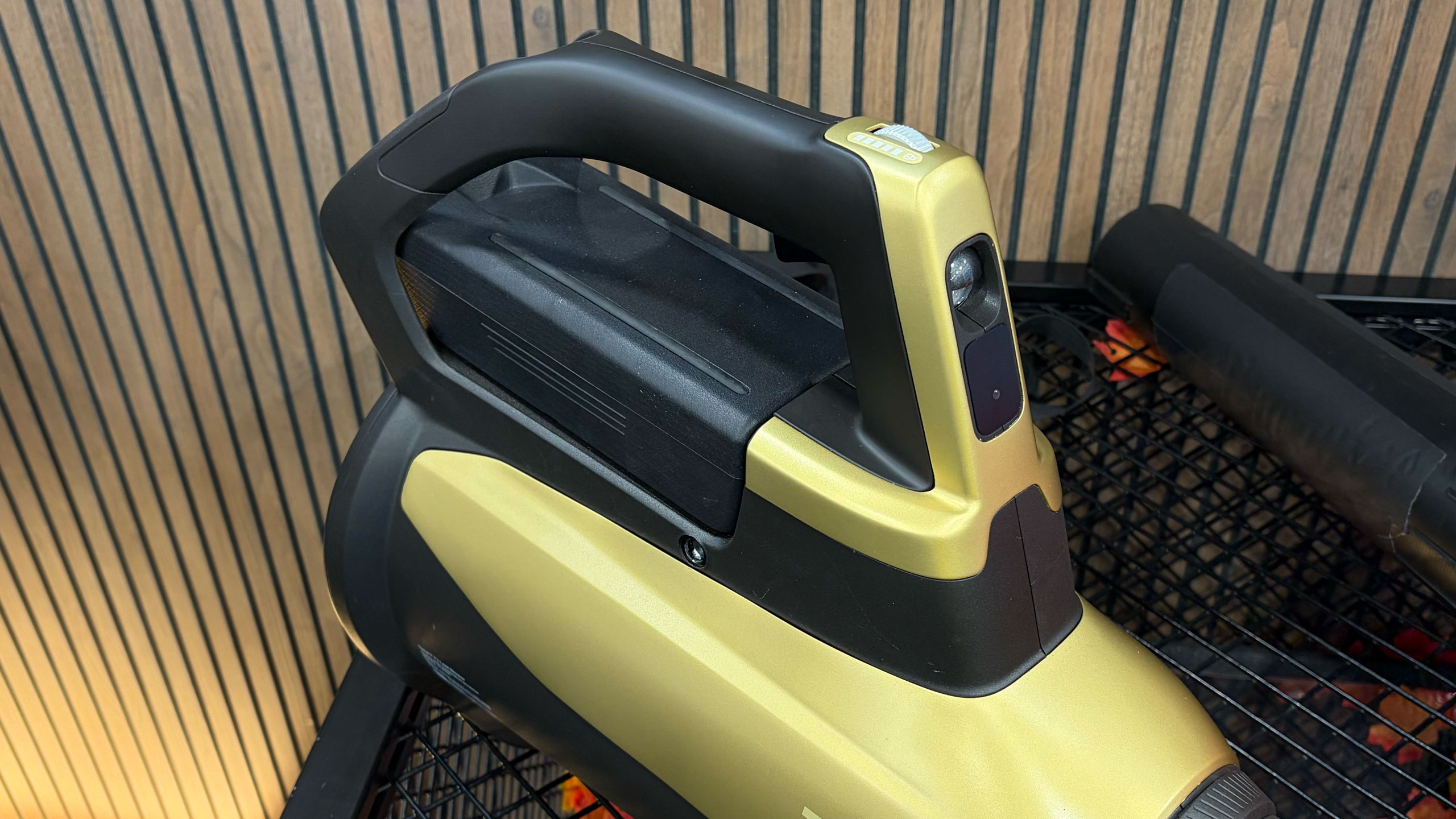
The Tone Outdoors T1 leaf blower is one of the rare CES gadgets that makes an immediate, obvious impression — mostly because it’s shockingly quiet. Whisper Aero’s aerospace-derived motor redesign delivers 880 CFM of airflow at around 52 decibels, which we could confirm even amid the noise of the show floor. It also runs up to 50 minutes in Eco mode, supports a forthcoming battery backpack and even includes an LED for nighttime cleanup. Pre-orders are open now for $599, with shipping expected in September.

Finally! A reasonably sized fridge screen.
Sam Rutherford for Engadget

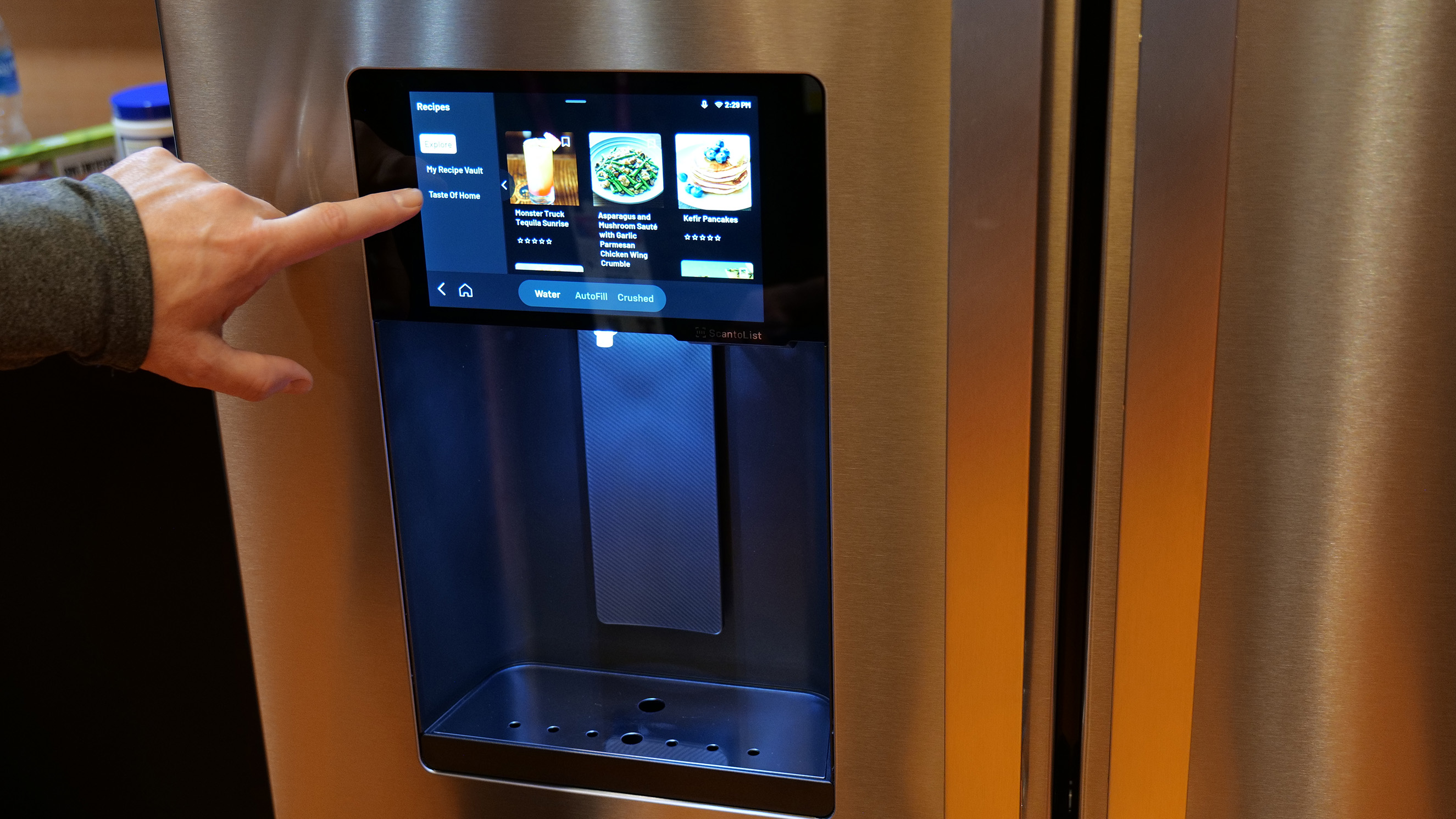
The GE Profile Smart Fridge is the first smart fridge we’ve seen that feels like it was designed around real problems instead of just slapping a massive screen on the door. GE’s AI assistant can answer practical questions like where your water filter is, scan groceries via a built-in barcode reader and keep tabs on produce with a crisper drawer camera. The eight-inch display feels refreshingly restrained, while integrations with Instacart and recipe suggestions add utility. It launches in March for $4,899, and for once, we’re genuinely curious what it would be like to live with it.

Longbow Motors Speedster
Billy Steele for Engadget

Longbow Motors brought one of the most emotionally compelling EVs we’ve seen to CES, and it’s unapologetically minimalist. The Speedster uses in-wheel motors from Donut Labs to hit a jaw-dropping curb weight of just 2,200 pounds, lighter than a Miata. Its stripped-back interior, mystery shift lever and exposed motors feel like a direct rejection of touchscreen-heavy modern cars. It’s wildly expensive at just under $100,000, but also one of the few EVs here that got us excited to drive.

A robot with eyes on top of a screen showing a smile.
Cheyenne MacDonald for Engadget

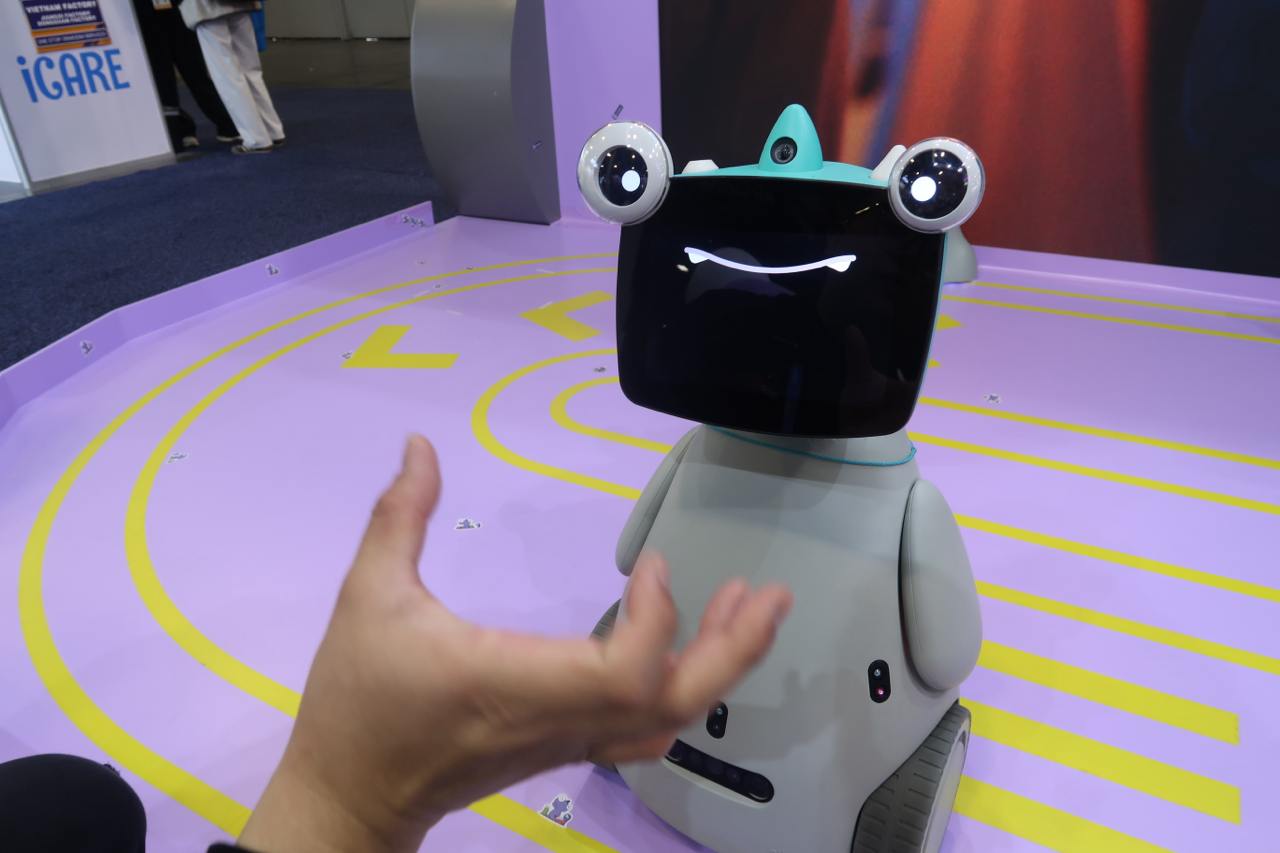
OlloBot might win the award for most charmingly strange robot on the show floor. Designed as a family “cyber pet,” it responds to voice and touch, develops a personality over time and stores all its memories locally in a removable heart-shaped module. The robot can help find lost items, make calls and eventually control Matter smart home devices. A Kickstarter is planned for summer, with pricing starting around $1,000.

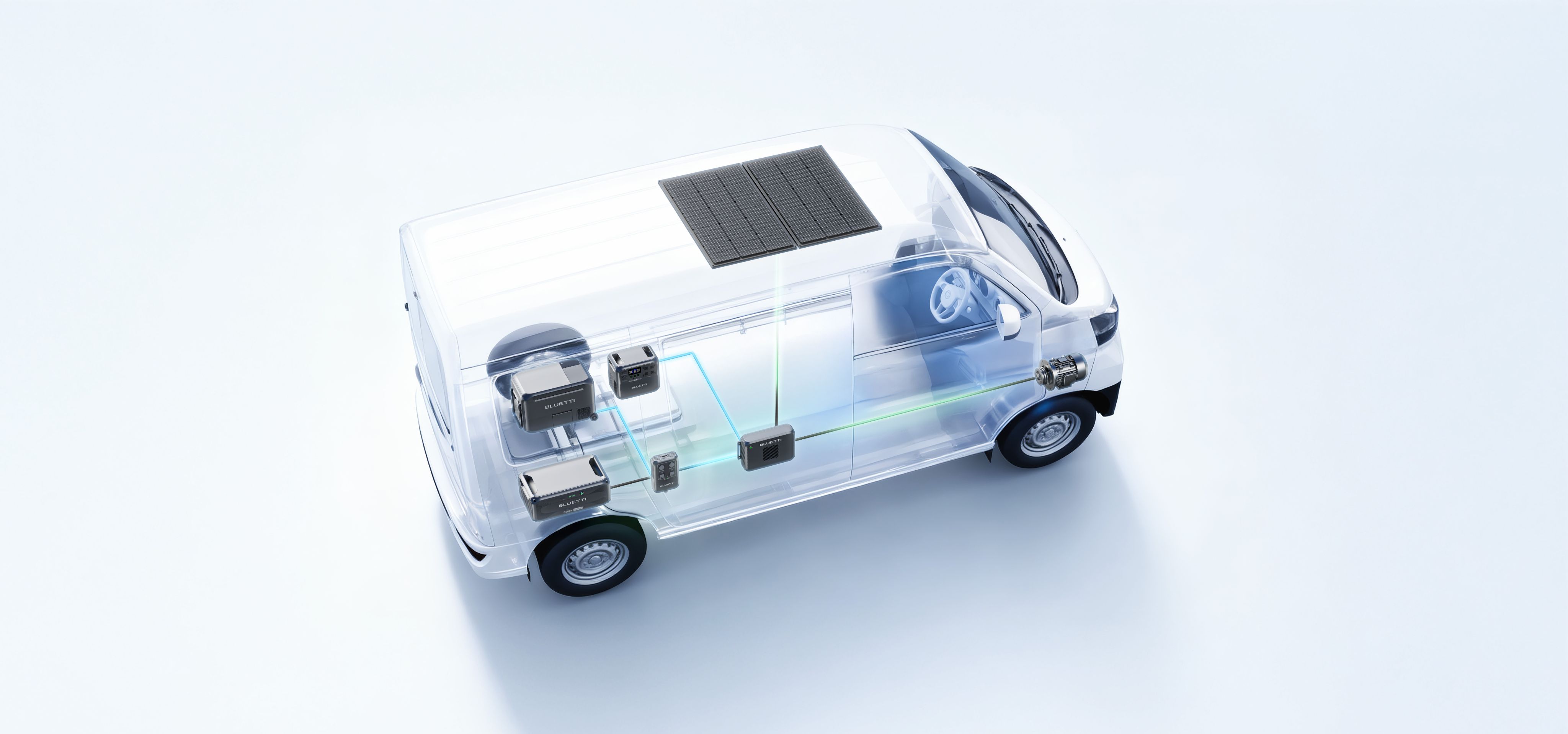
Image demonstrating the setup for Bluetti's Charger 2
Here's how the Bluetti Charger 2 would work with dual charging sources.
Bluetti

Bluetti’s Charger 2 fixes a very specific but real problem for off-grid users: charging from your engine and solar panels at the same time. The dual-input system supports up to 600W from solar and 800W from an alternator, dramatically speeding up battery top-ups. It also works with multiple Bluetti power stations and can even jump-start your vehicle in a pinch. Early pricing is $349 through February 7, after which it jumps to $499.

The CES show floor will soon be closing down, but Engadget still has a lot of stories in our pipeline. As the crowds thin out, we’re continuing to surface the tech that actually stands out — whether it’s solving everyday annoyances or simply doing something bold and different. Stay tuned to our CES 2026 hub for more hands-ons, deep dives and final takeaways even after CES 2026 comes to a close at the end of this week.

This article originally appeared on Engadget at https://www.engadget.com/big-tech/ces-2026-day-3-the-most-interesting-tech-thats-still-on-the-show-floor-134724231.html?src=rss

Can We Teach AI to Learn from Mistakes Without Forgetting

Can We Teach AI to Learn from Mistakes Without Forgetting

What if artificial intelligence could evolve as seamlessly as humans, learning from every interaction without forgetting what it already knows? Prompt Engineering takes a closer look at how the concept of continual learning, often referred to as the “holy grail” of AI, could bridge the gap between human adaptability and machine intelligence. Unlike today’s static […]

The post Can We Teach AI to Learn from Mistakes Without Forgetting appeared first on Geeky Gadgets.

Posted in Uncategorized

Home Assistant 2026.1 Adds Protocol Panels, Fresh Triggers & Faster Camera Streaming

Home Assistant 2026.1 Adds Protocol Panels, Fresh Triggers & Faster Camera Streaming

What if managing your smart home felt less like a chore and more like second nature? In this walkthrough, Home Assistant shows how their latest release, 2026.1, redefines automation and usability with smarter workflows, real-time device monitoring, and enhanced dashboards. Whether you’re a seasoned smart home enthusiast or just starting out, this update delivers a […]

The post Home Assistant 2026.1 Adds Protocol Panels, Fresh Triggers & Faster Camera Streaming appeared first on Geeky Gadgets.

Posted in Uncategorized

Base Model M4 MacBook Air: Waste of Money or Best Deal?

Base Model M4 MacBook Air: Waste of Money or Best Deal?

The M4 MacBook Air, equipped with 16GB of RAM and 256GB of storage, continues to offer a compelling combination of performance, portability, and battery efficiency. As of December 2025, it remains a strong option for users seeking a lightweight and capable laptop. However, the limited storage capacity of the base model may present challenges for […]

The post Base Model M4 MacBook Air: Waste of Money or Best Deal? appeared first on Geeky Gadgets.

Posted in Uncategorized