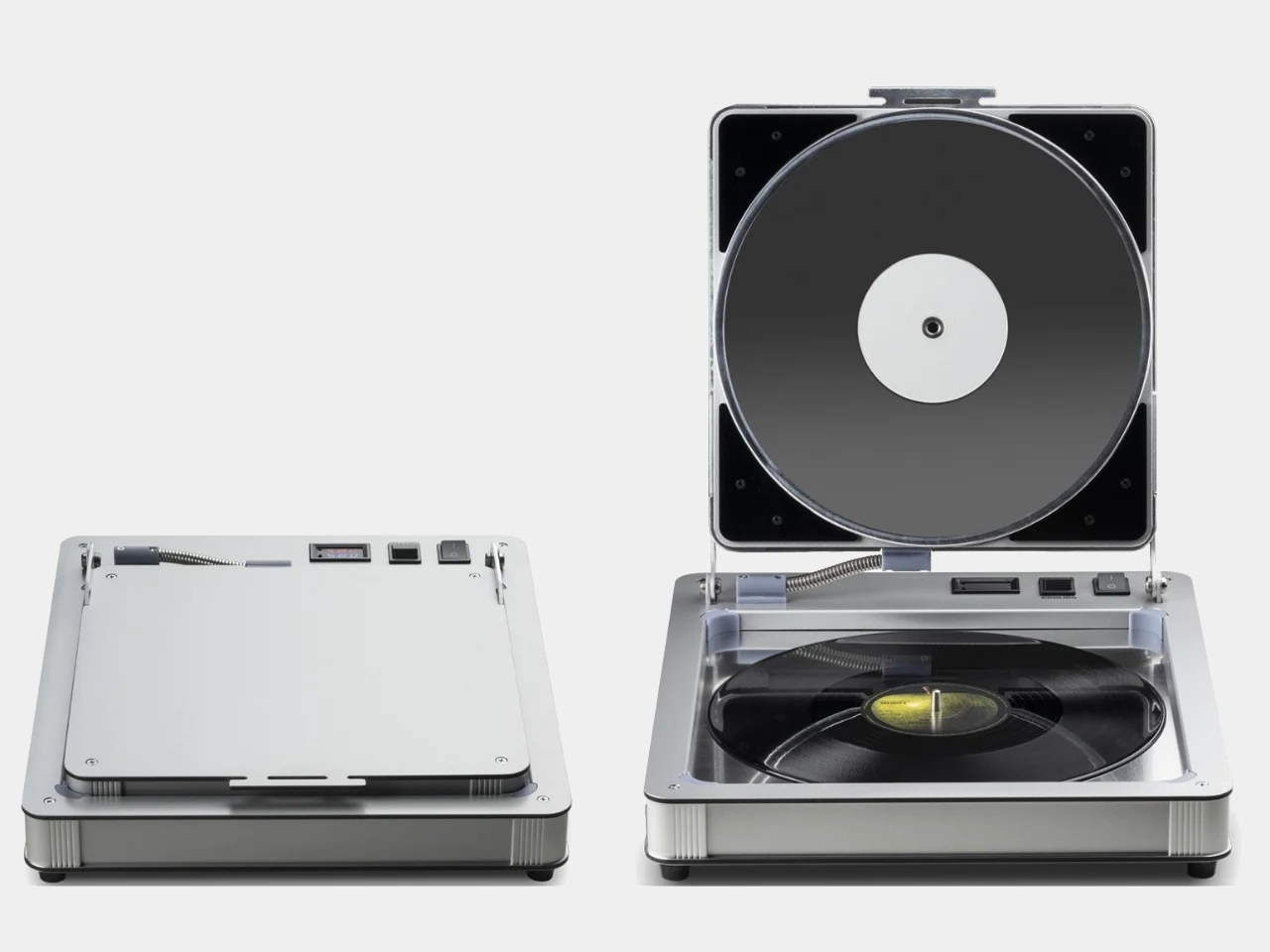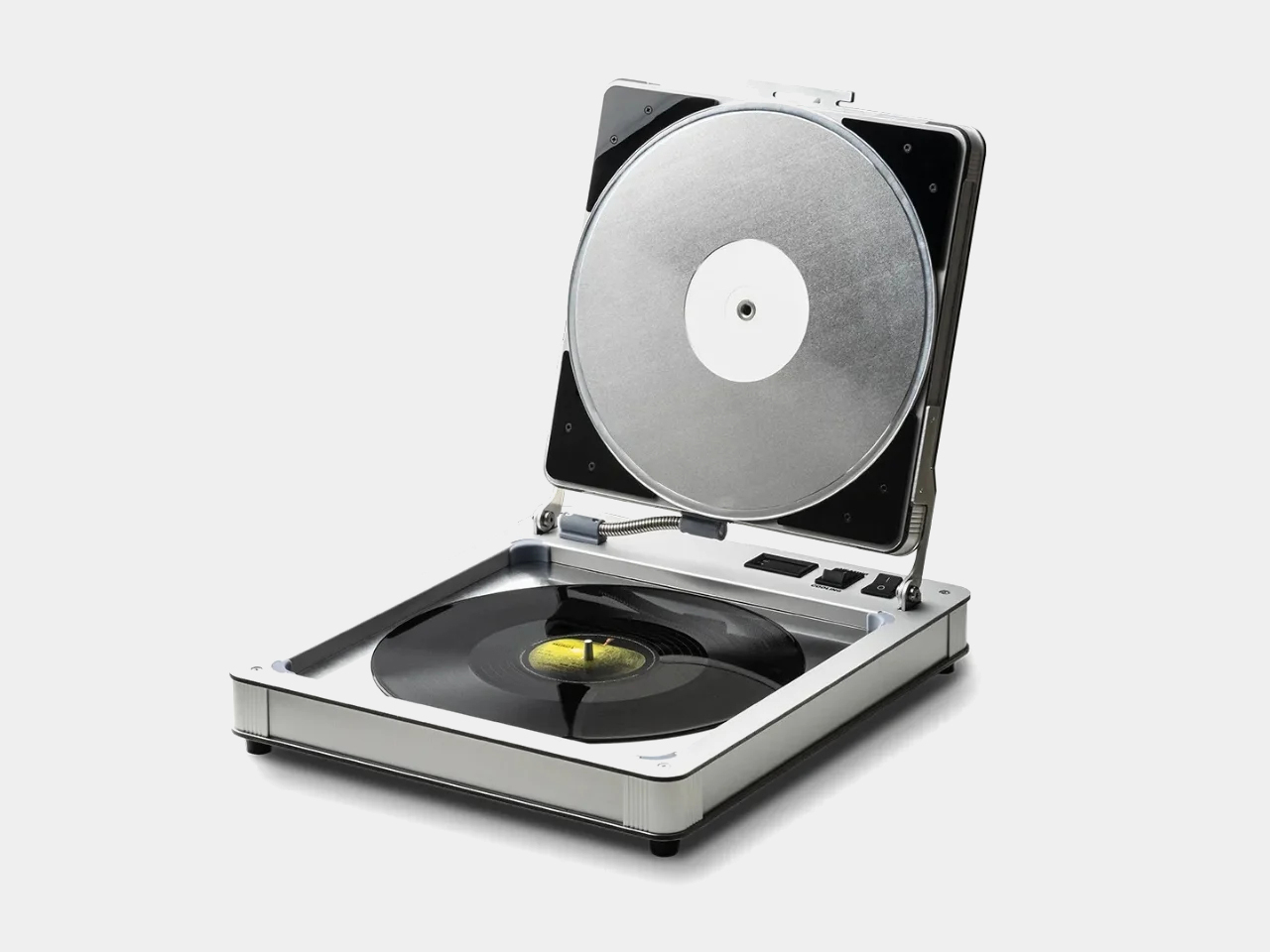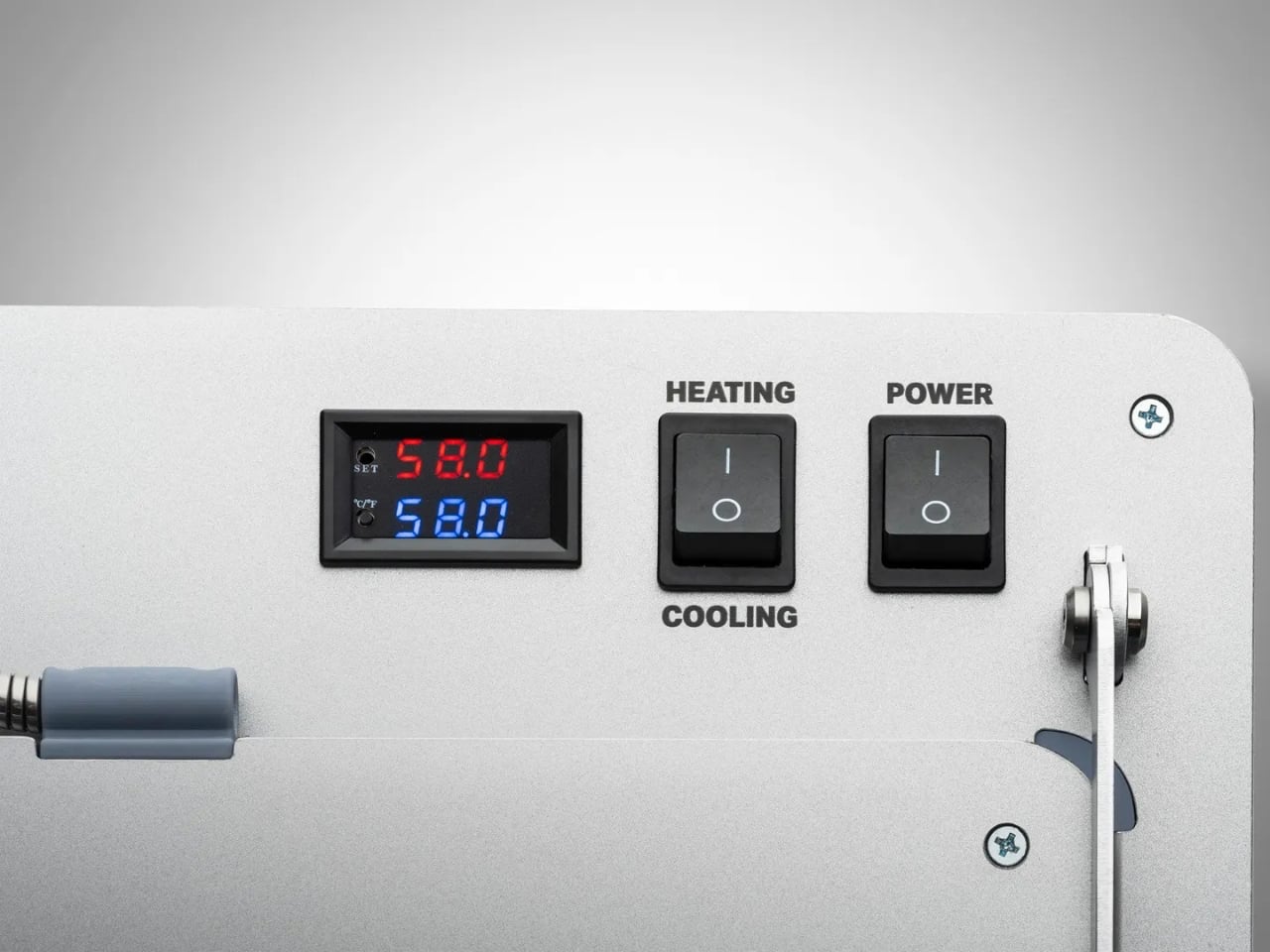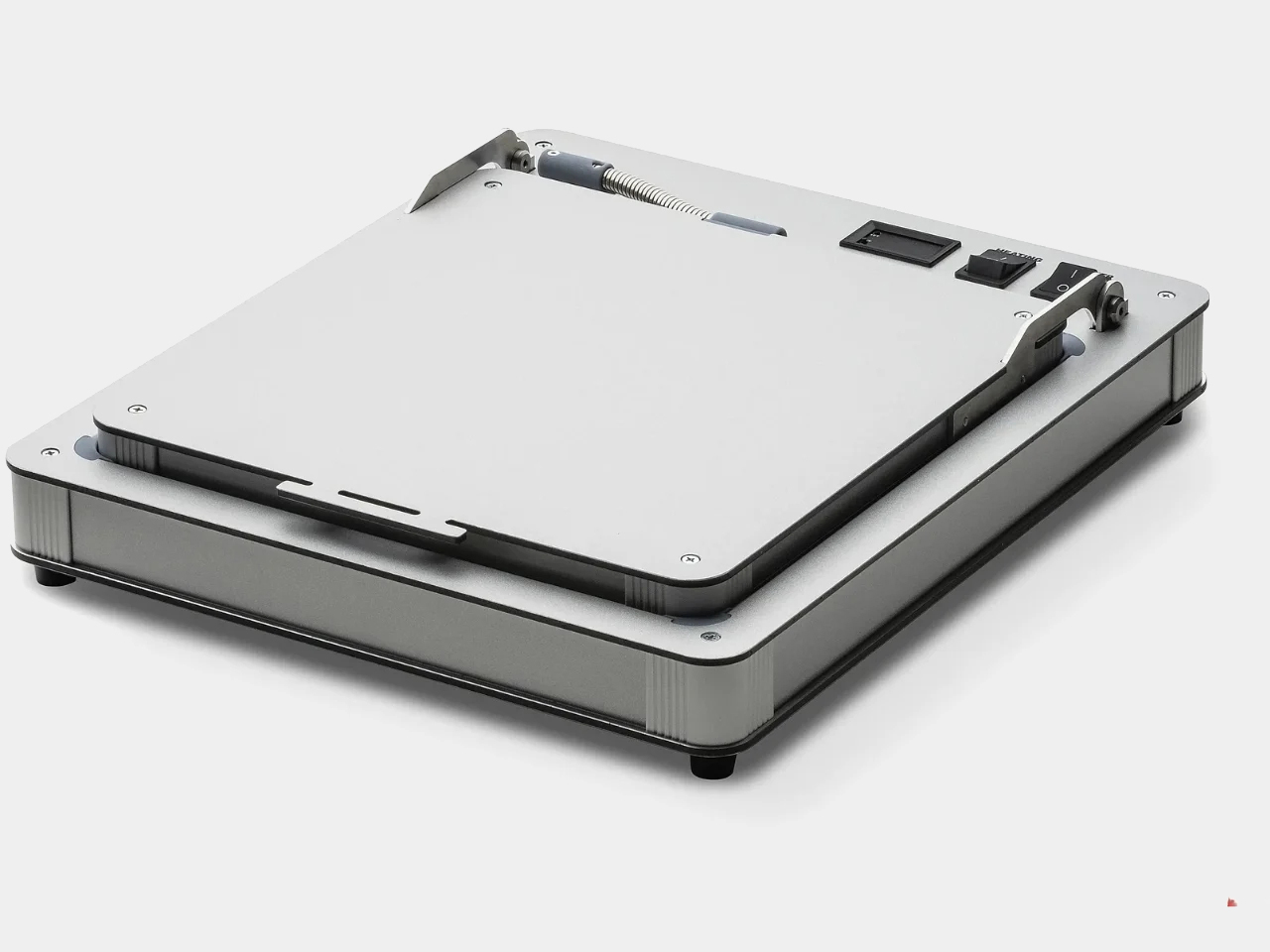
Sony releases two new Bluetooth turntables to spark Gen Z’s love for vinyl

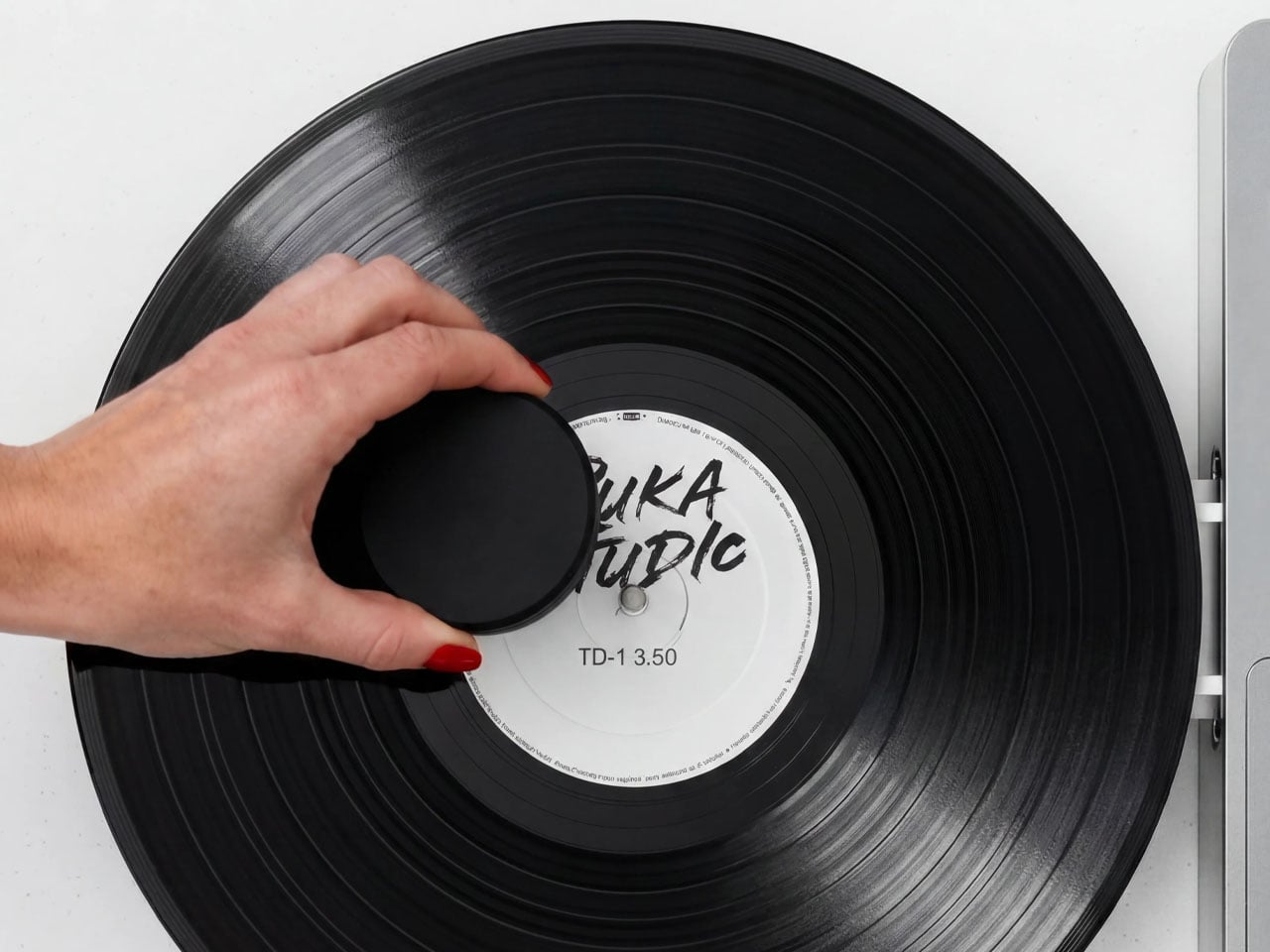
Sony is revisiting the vinyl arena with two new Bluetooth turntables, and for me, it’s resounding confirmation that records have made the comeback we were only speculating about over these years. The new models, the PS-LX3BT and PS-LX5BT, aren’t designed solely for established vinyl audiophiles. With their easy-to-use approach, these Sony turntables are aimed at Gen Z listeners who are just beginning to explore classic record players and CDs.

This is Sony’s first adventure in the vinyl market since the launch of the PS-LX310BT. Released in 2019, the turntable ensured hassle-free Bluetooth connectivity and reliable performance sans complex setups, and the new options are built on the same formula; adding a refined design approach and authentic vinyl sound.

Designer: Sony

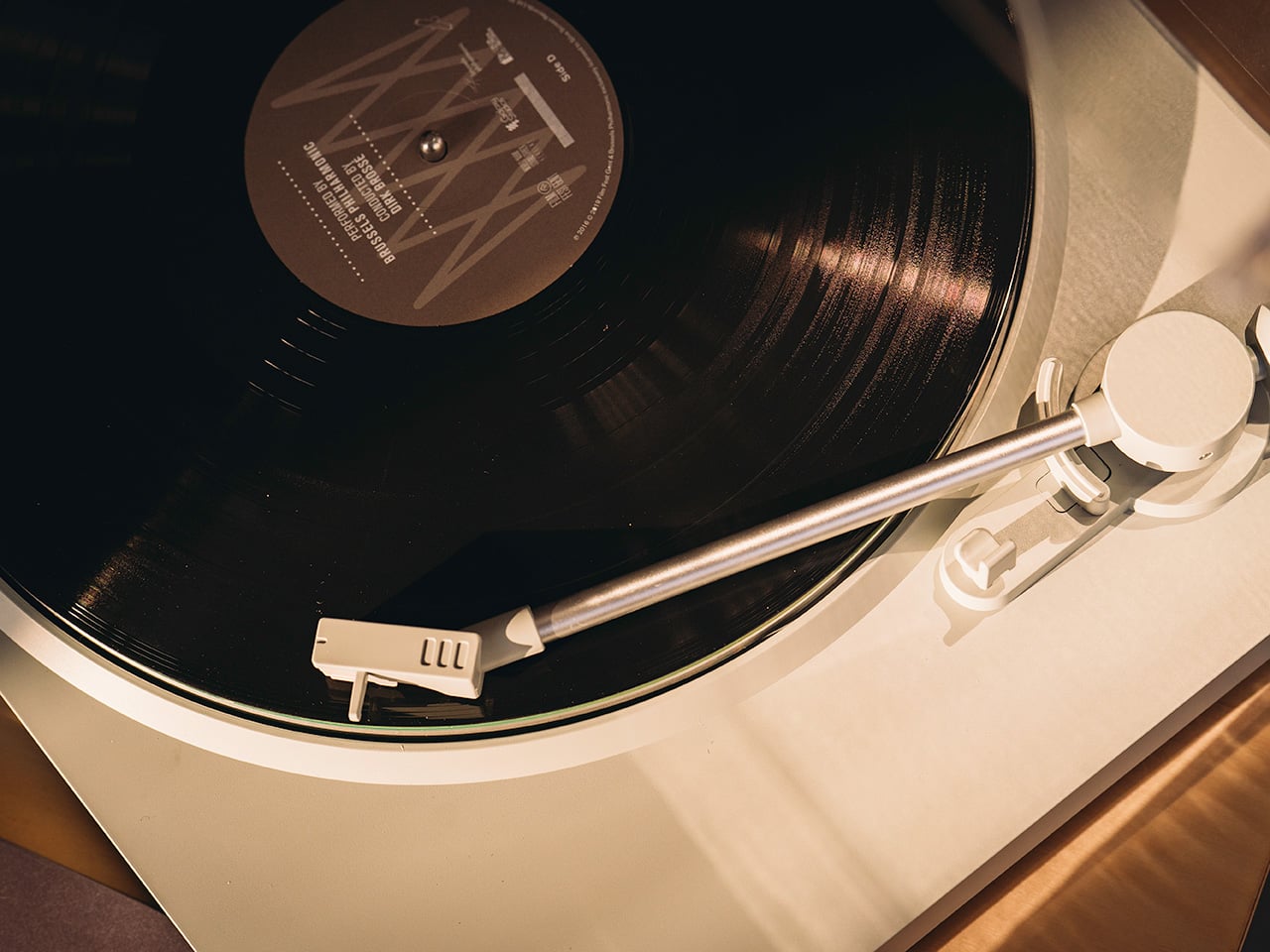
Sony PS-LX3BT and the PS-LX5BT do not have biases. Both the turntables are targeted at first-time vinyl listeners and audiophiles, according to the company’s press information. The units thrive on advanced wireless connectivity options and craftsmanship, standing out visually thanks to the transparent dust cover over the platter. This not only protects the gorgeous thing from dust but also protects the components underneath from accidental damage.

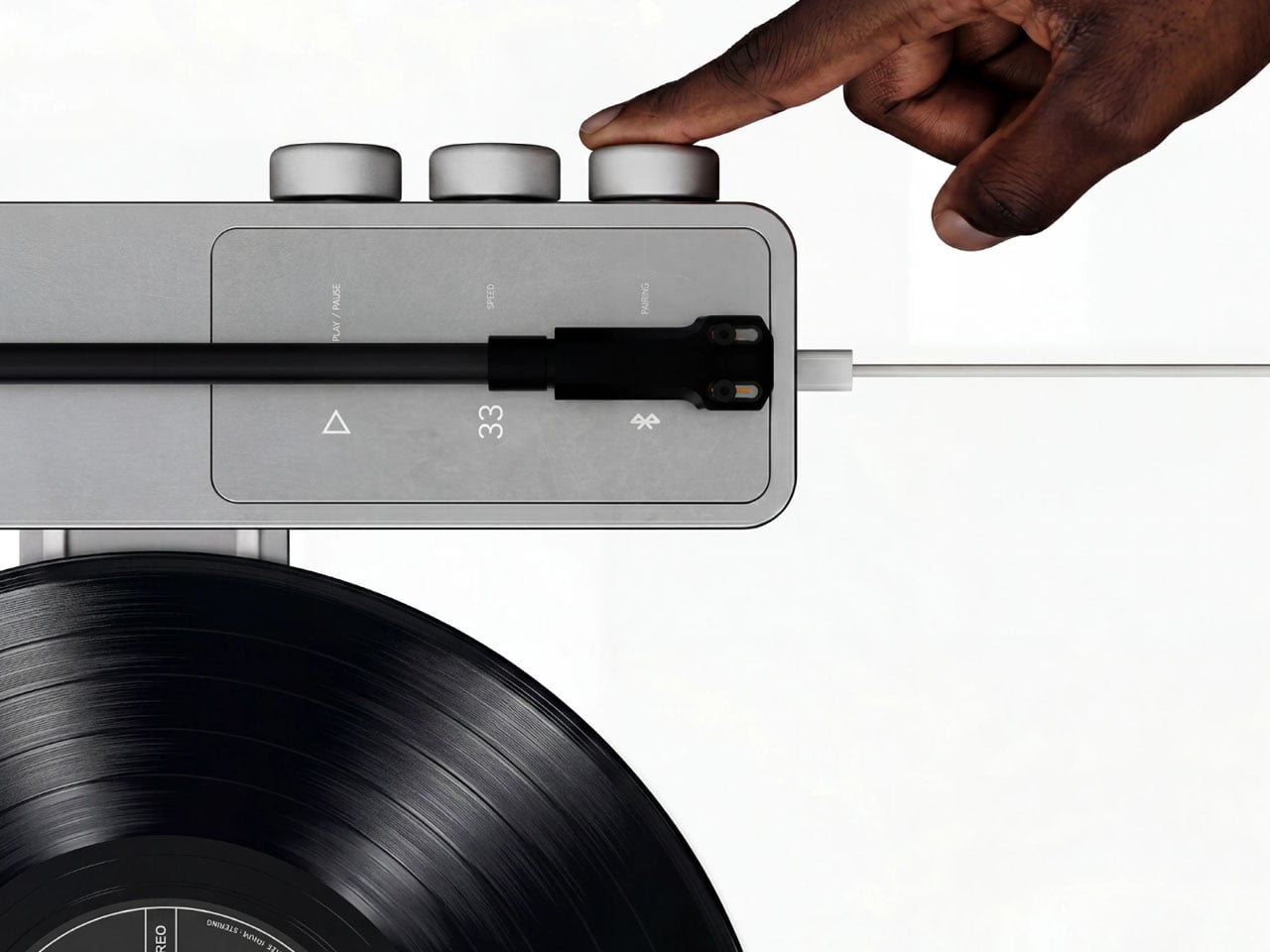
Both units, Sony affirms, are intuitive and easy to operate. A single-button automatic playback and Bluetooth connectivity are configured to allow detailed output in both wired as well as wireless connections. For this, the turntables support aptX, aptX Adaptive, and Hi-Res Wireless Audio, which allow users to connect their devices – headphones and speakers – directly to the turntables without requiring a fully-fledged amp setup.

Even though both turntable supports 33⅓ and 45 RPM records (7″ and 12″) and include built-in phono equalizers to work with powered speakers, they differ in positioning. PS-LX5BT is more premium of the two. It features a slightly more refined look with a unibody design, rubber mat and an aluminum tonearm, offering a premium sound experience. “Engineered to suppress unwanted vibration and preserve audio purity,” it comes with a high-grade cartridge. Priced at a competitive $500, the PS-LX5BT offers audiophile-level wireless audio and features a gold-plated audio jack for wired connections.

The PS-LX3BT, on the other hand, offers “warm analogue sound with smooth tracking” for those enjoyable everyday moments that are rare to create with the turntable,s otherwise cumbersome to use. The turntable is equipped with an audio cable and phono equalizer to be used straight out of the box, no real setup required, even for those just starting out with vinyl. This unit is priced comparatively lower and is available for preorder at $400. Interestingly, both of Sony’s new turntables will be sold in recycled packaging, reflecting Sony’s commitment to sustainability.

The post Sony releases two new Bluetooth turntables to spark Gen Z’s love for vinyl first appeared on Yanko Design.
Samsung’s Retro OLED Cassette and Turntable Concepts Are Pure Nostalgia

If you’ve lived long enough on this earth, you probably sometimes still long for those days when music was tangible. Whether you experienced putting in a cassette tape or placing a vinyl record on your turntable or even plopping in a CD, you probably miss the sound and feel of “physical music”. That’s why we have several devices that are banking on this nostalgia factor and it seems like Samsung is not immune to this trend.

Samsung Display has unveiled two intriguing concept devices at the ongoing CES 2026: the AI OLED Cassette and the AI OLED Turntable. While they’re not yet products that you can actually buy tomorrow, this “creative flex” for their circular OLED technology may inspire other manufacturers or even get Samsung to actually produce it or something similar in the future.

Designer: Samsung Display

The AI OLED Cassette is a throwback for those who experienced this kind of music back in the day. It takes the classic tape deck design and turns it into a smart speaker with two tiny 1.5-inch circular OLED displays. They’re in that place where the spinning reels used to be, since this isn’t exactly a cassette player. On the left, you get the playback controls and on the right side, you get a digital waveform or equalizer. Both screens are touch-sensitive, letting you interact directly with the device without constantly reaching for your phone.

It’s not just a usual Bluetooth speaker, though, as you get AI-powered music recommendations built into the device. That means you can discover new music, select what you want to hear, and control everything directly on the cassette itself. You get a touchscreen display as well so you don’t need an external device to control it. This standalone functionality sets it apart from traditional Bluetooth speakers that rely heavily on phone connectivity. There’s also a lozenge-shaped display that doubles as a virtual tuning dial, adding another layer of interaction that feels surprisingly intuitive for something so retro-inspired.

Going further back in the nostalgia trip, the AI OLED Turntable is a 13.4-inch circular OLED touchscreen that looks like an actual vinyl turntable. The turntable display can actually display images and videos to add to the ambience in your space while playing the tunes. Imagine hosting friends and having your turntable show ambient visuals that match the vibe of your playlist. It’s part music player, part art installation, part conversation starter. The large circular display becomes the centerpiece of whatever room you place it in, commanding attention in a way that most modern tech tries to avoid.

AI OLED Bot

These two device concepts actually blur the line between technology and home decor, standing out from the usual, minimalist smart speakers that are on the market. By embracing retro aesthetics and then adding cutting-edge OLED technology, they turn these functional devices into design statements as well, letting them blend into your living space while giving you the music that you want at a particular time.

The timing couldn’t be better either. We’re living through a massive vinyl resurgence, with record sales hitting levels not seen since the 1990s. Cassette tapes are even making a comeback among collectors and indie musicians. There’s clearly an appetite for music experiences that feel more intentional, more physical, more there. Samsung seems to understand that people don’t just want convenience anymore. They want connection to their music and their spaces.

However, before you start dreaming about these devices adorning your living room, remember that they’re still concept devices and may never be manufactured by Samsung Display. These showcases are essentially Samsung demonstrating what’s possible with their circular OLED technology and showing other manufacturers what could be built. They might never produce these exact products themselves.

RGB OLEDoS Headset

Still, as concepts, they’re a vision for how technology can exist while still celebrating personality and nostalgia, rather than generic, robotic looks. Whether you’re a design enthusiast who appreciates the aesthetic, a tech geek fascinated by flexible OLED displays, or a pop culture lover drawn to the retro vibes, there’s something genuinely appealing about these devices. Sometimes the best concepts aren’t about predicting the future. They’re about reimagining how the past and present can play together.

The post Samsung’s Retro OLED Cassette and Turntable Concepts Are Pure Nostalgia first appeared on Yanko Design.
This concentric turntable with a CD player is the ultimate Hi-Fi system for newbie audiophiles

Revival of the vinyl records and CD players was inevitable, as we’re seeing a swarm of physical media players that bring the invincible charm of analog music with the twist of modern design and technology. The rich and warm sound of record players is unmatchable, and the resurgence of physical audio is not going to tone down anytime soon.

Mixx Audio, known for their affordable turntables, wants to spice up the audio accessories market with a turntable that lets you have the best of both worlds – CDs and vinyl record players. Driven by the need to create a player that fits modern homes, the Analog Plus 2-in-1, fully automatic vinyl turntable has a built-in CD player. That means you don’t have to buy separate players for both to enjoy your vinyl records and CDs.

Designer: Mixx Audio

Design takes precedence here as the concentric turntable makes judicious use of the space below the platter for fitting in the CD player. The idea is to make it simple for listeners who want to enjoy both their vinyls and CDs with minimum fuss. Analog Plus is inspired by the industrial design of the 80s hi-fi components that weighed heavily into the sharp angular visuals. On the inside, it gets the Audio Technica AT3600L moving magnet cartridge, capable of playing 7-inch and 12-inch records at 33/45 rpm. Apart from this, you can enjoy your digital media as well, since there’s Bluetooth 5.3 and aux output. The included remote makes it convenient to toggle tracks, volume, or other player options.

The physical controls are mounted on the front for ease of use, alongside the small display that shows the current track progress and the mode selection buttons. The CD player of the turntable has a top-loading mechanism at the center. You can play normal CDs, or audio CDs, and RW discs as well. The audio quality output from these digital audio files is quite good, as it plays MP3 and WMA at up to 16-bit/44.1 kHz, and WAV files at 48kHz. Of course, the delivered audio will depend on the audio equipment you hook it to via the RCA audio outputs. That way, you can connect it to traditional hi-fi systems or modern speakers.

Mixx Audio has chosen the minimalist white and black color options for the record player that should go well with any interior. Analog Plus 2-in-1, priced at £299 (approximately $400), is a good starting point for budding audiophiles who want to ease into the hobby. The added convenience of loading your CD into the platter is another big advantage that goes a long way for music lovers.

The post This concentric turntable with a CD player is the ultimate Hi-Fi system for newbie audiophiles first appeared on Yanko Design.
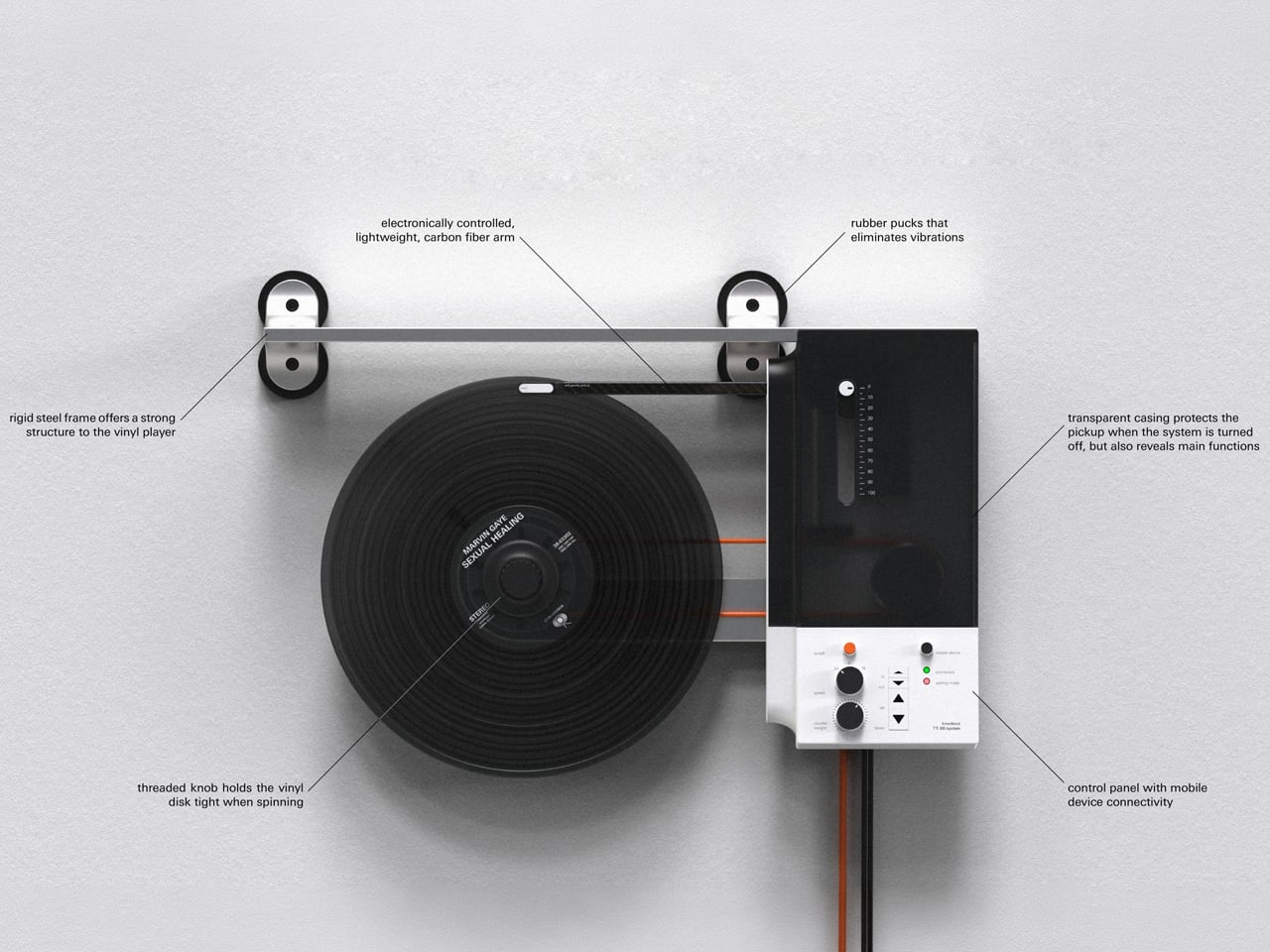
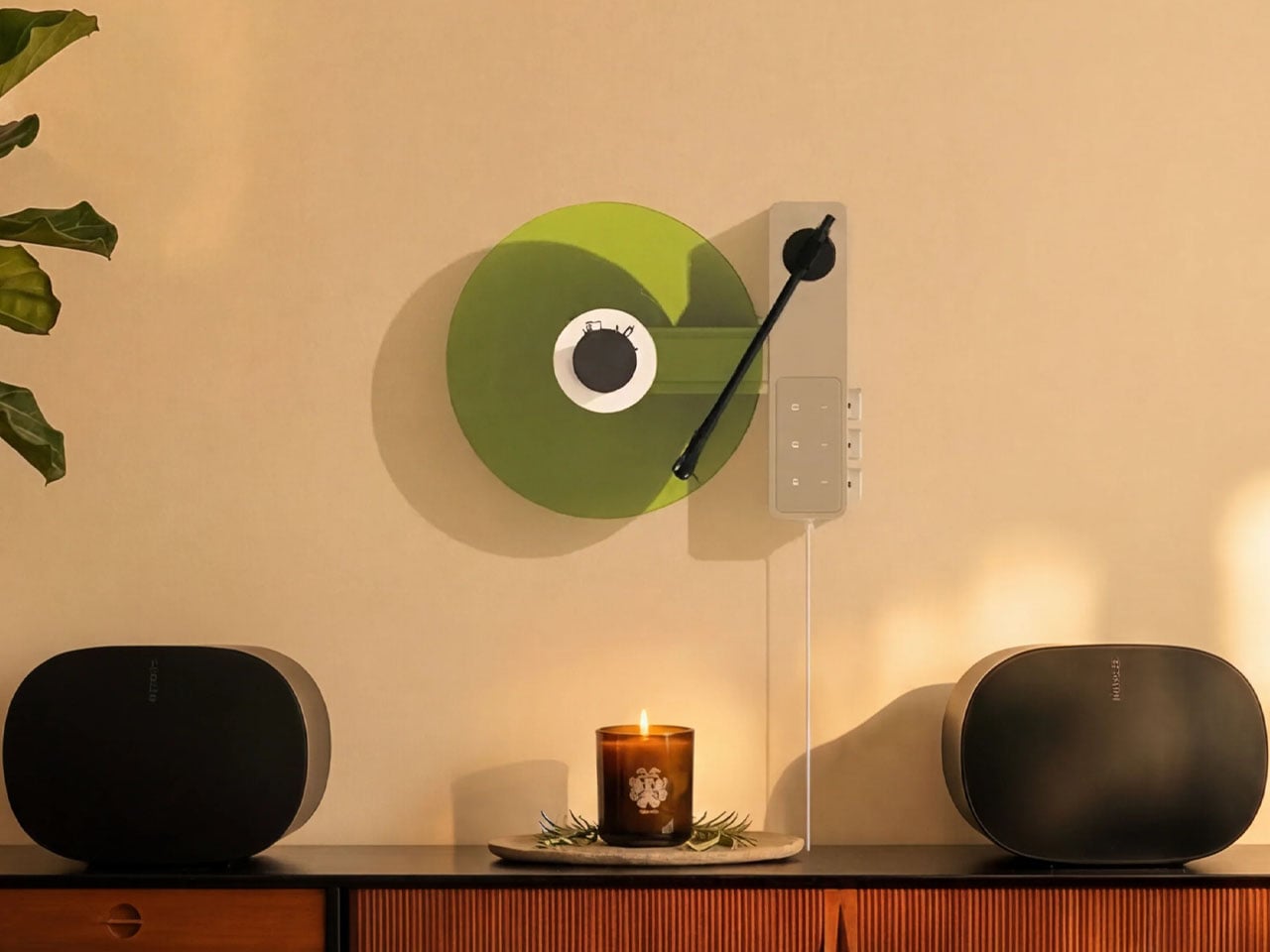
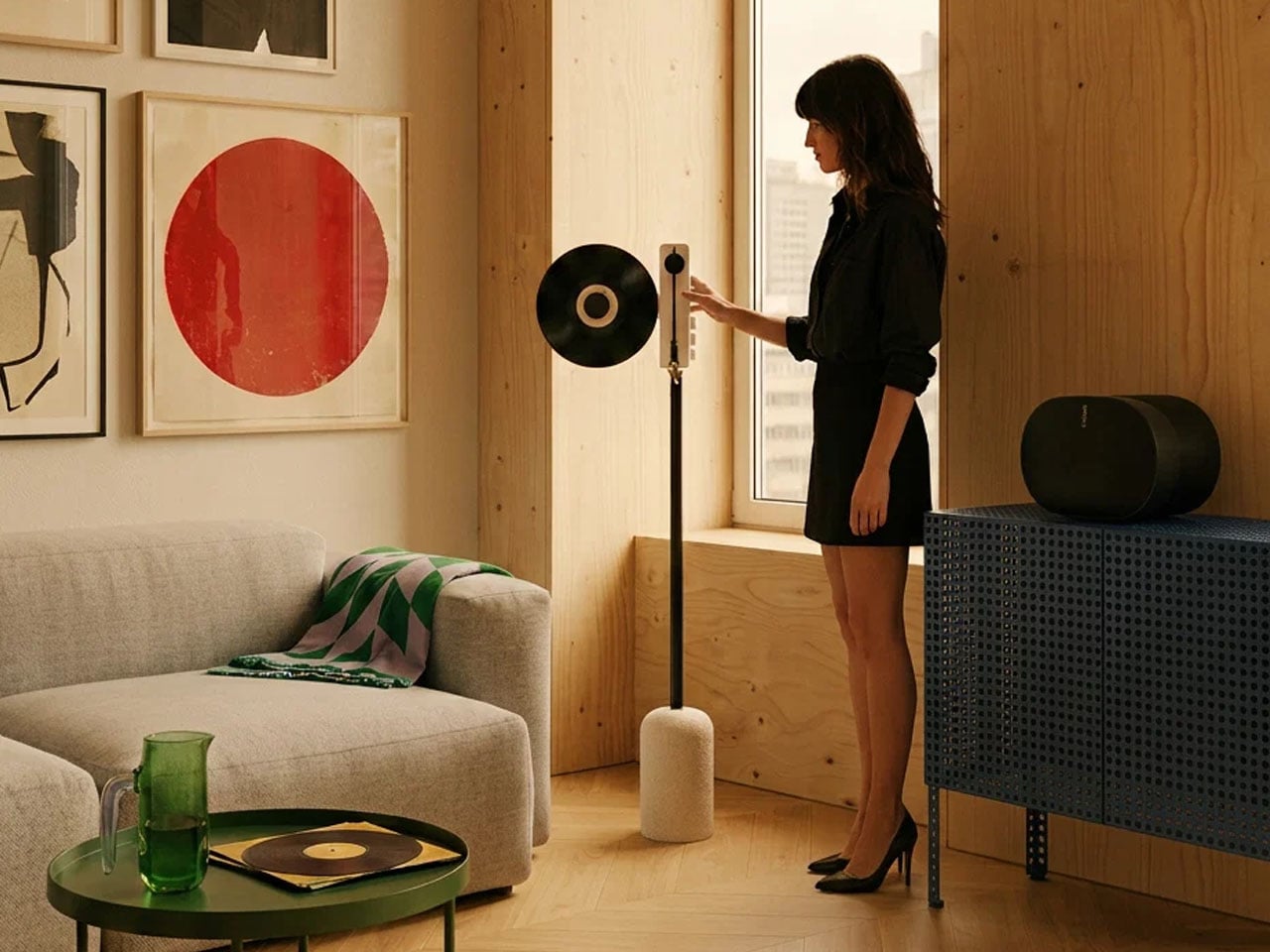
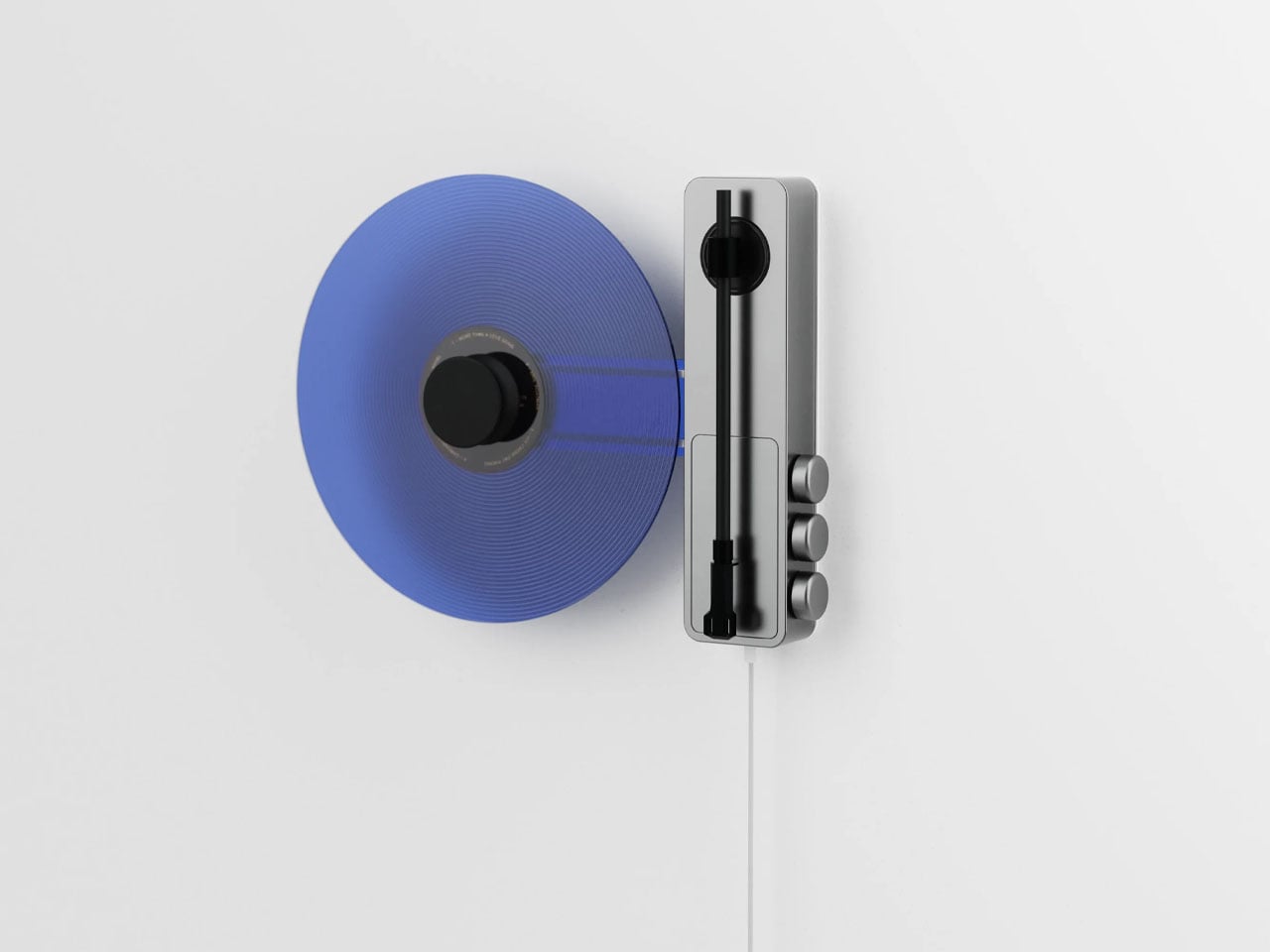
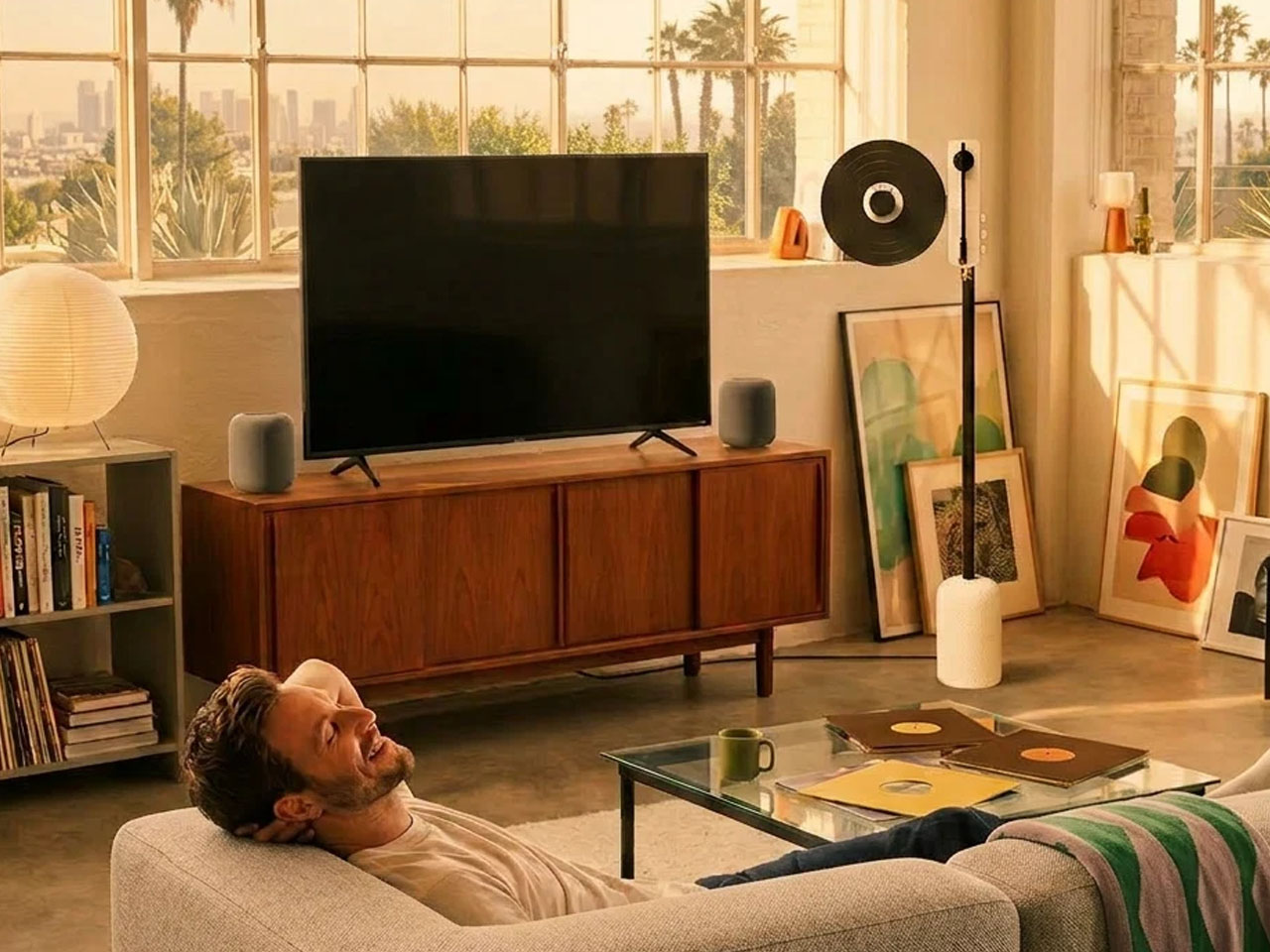
This Turntable Spins Vinyl Vertically So Records Become Wall Art

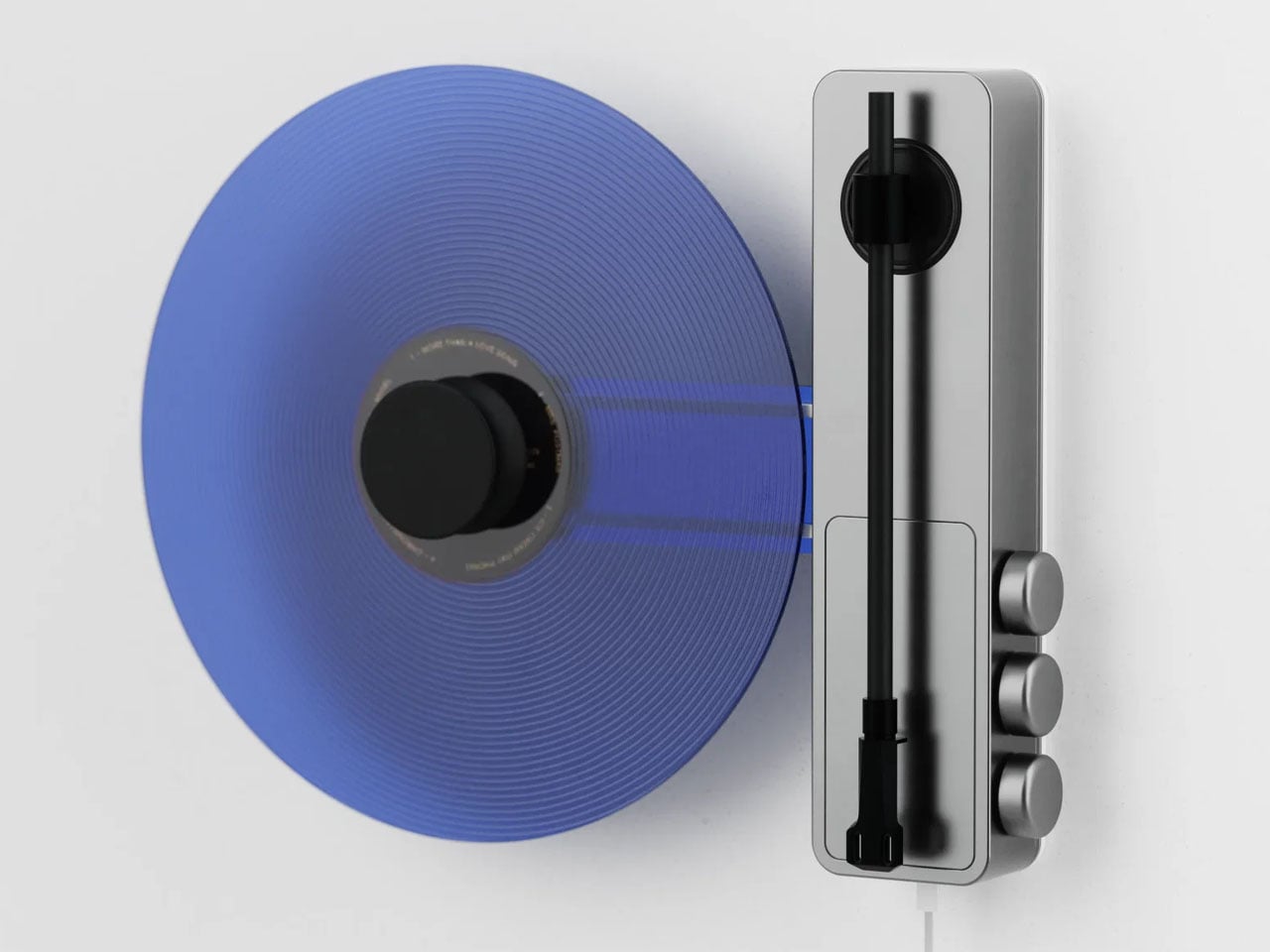
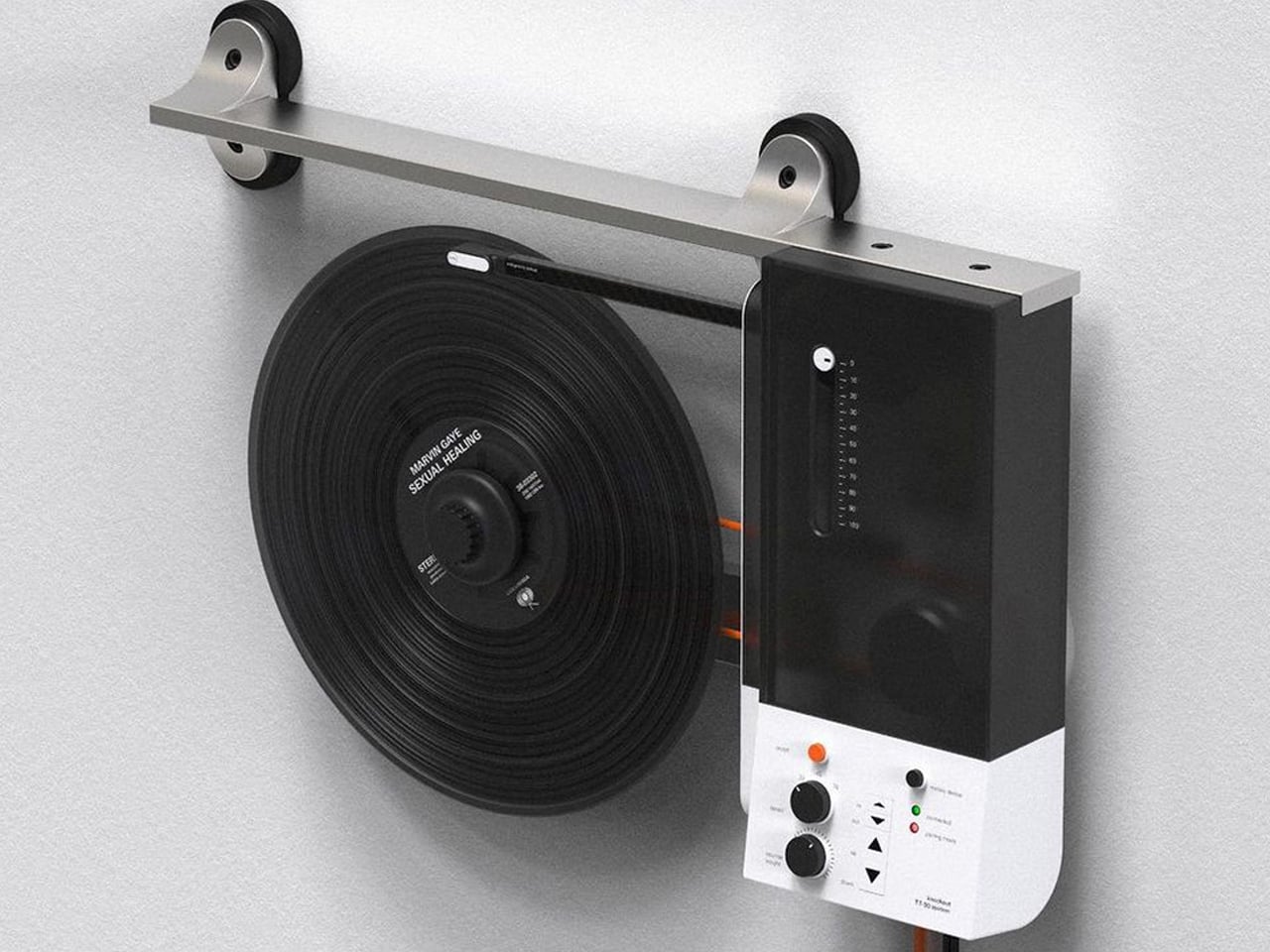
Vinyl has come back as much for the ritual and artwork as for the sound, yet most turntables still hide records flat on a plinth, as if they are shy. People lean records against walls or shelves to show them off, while the deck itself sits in a corner doing its work horizontally. The VS-01 is a vertical Bluetooth turntable that treats the spinning disc as a display piece instead of something to tuck away.

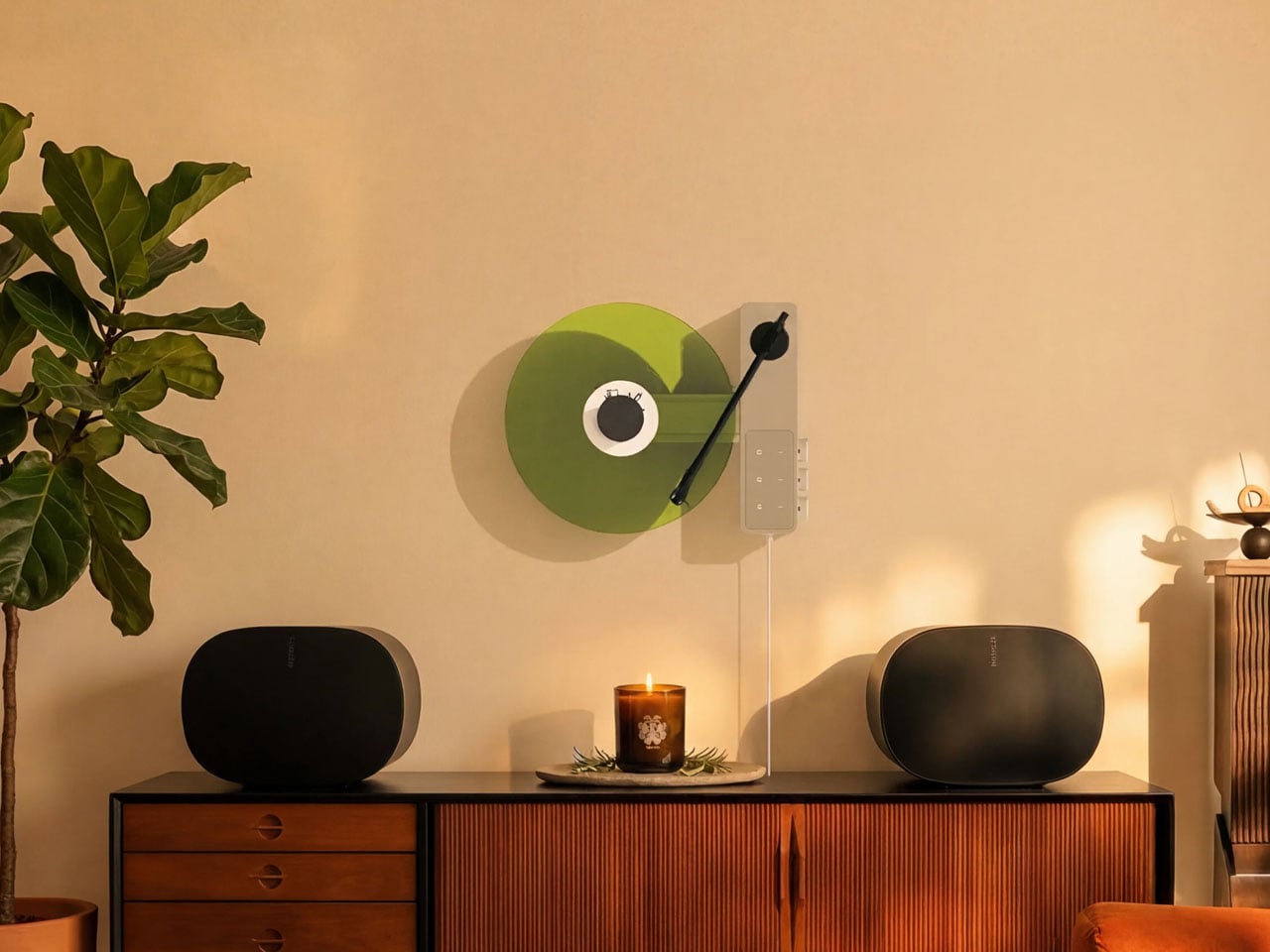
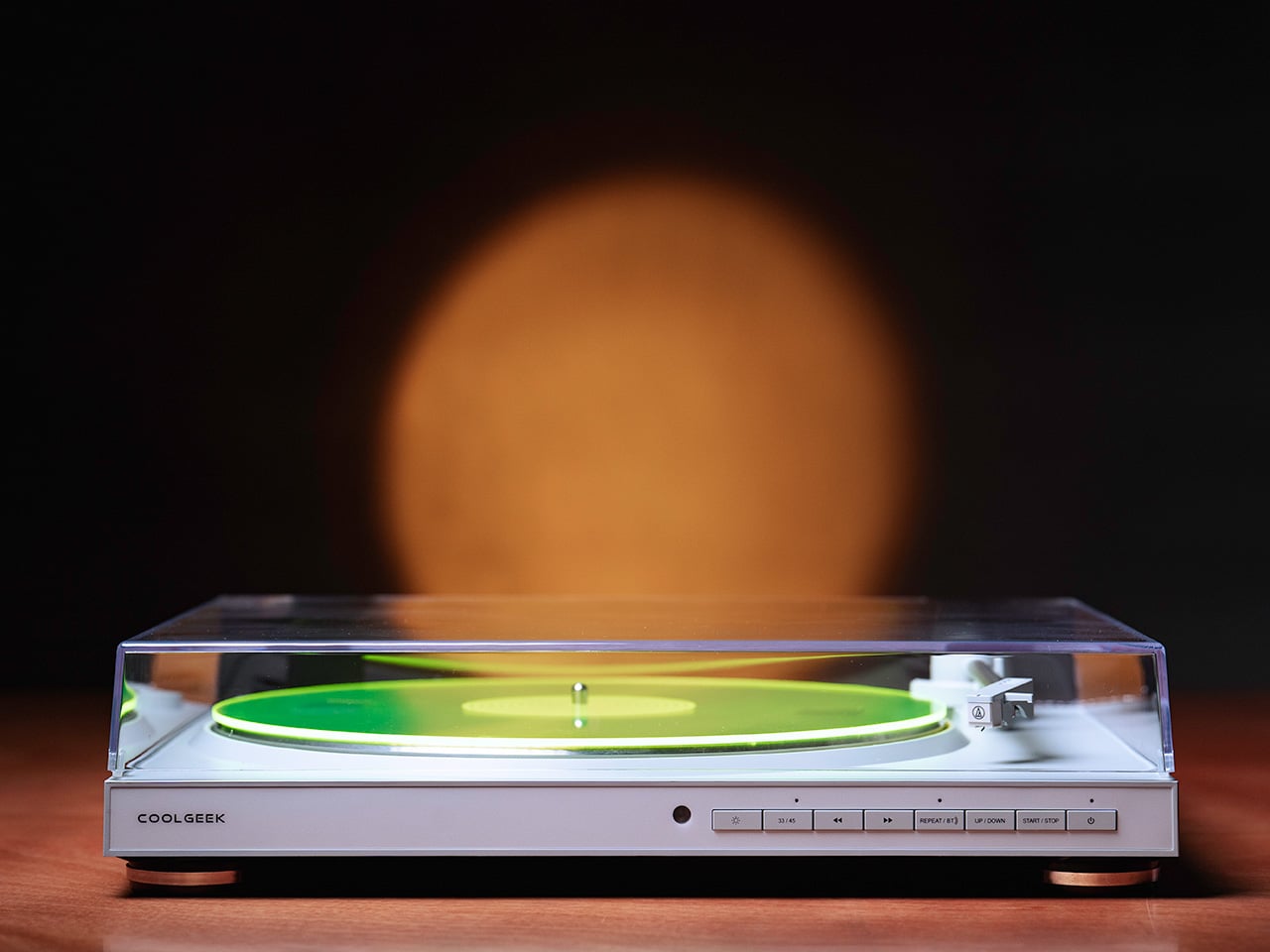
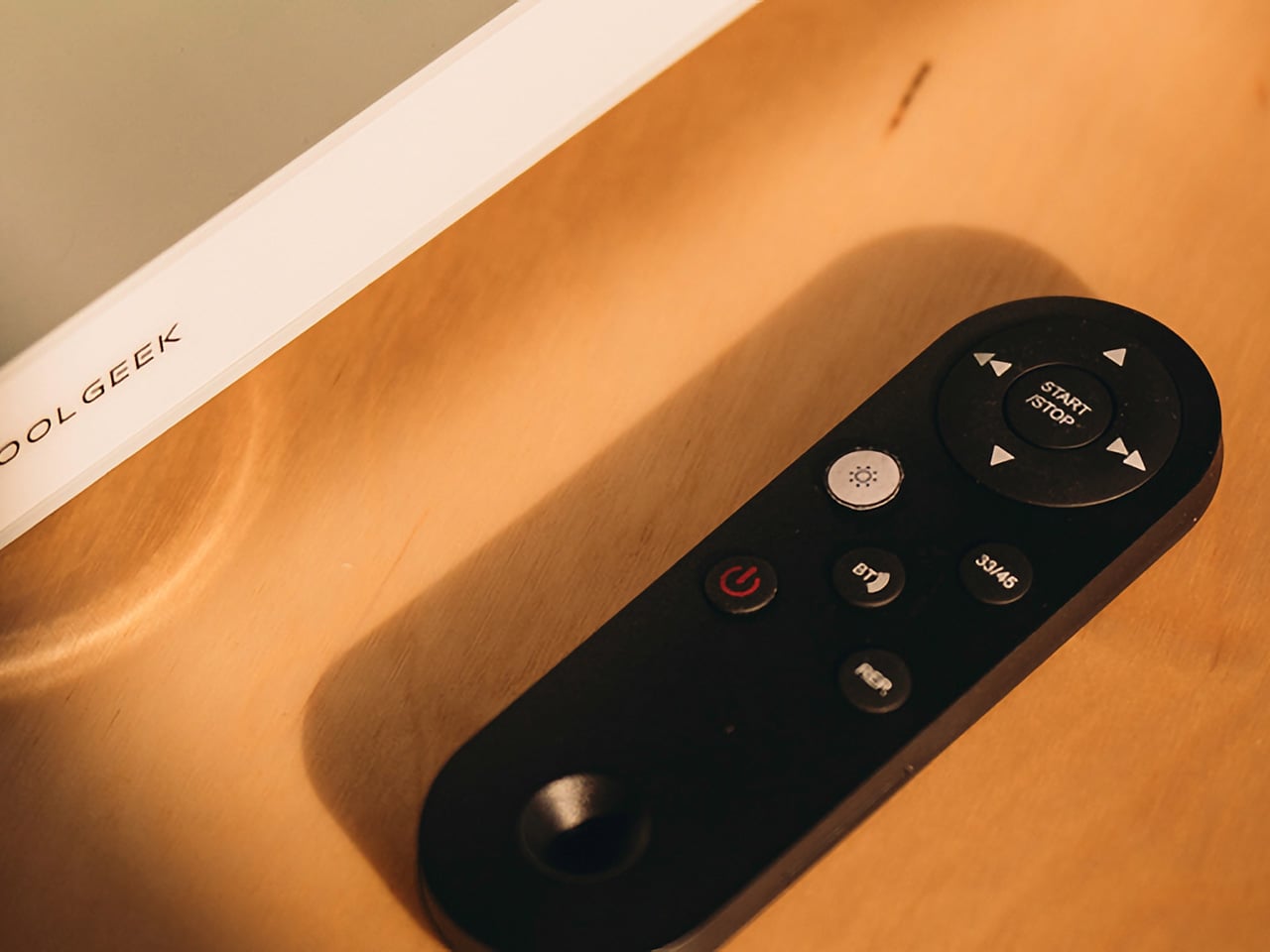
The VS-01 Bluetooth Vertical Turntable is a retro-futuristic record player that stands the platter upright behind a low, mid-century-inspired base. The front is all CNC-machined aluminum grille and vegan-leather-wrapped MDF, with a handcrafted carbon fiber tonearm reaching across the record. The design blends cool metal and warm materials, so the whole thing reads like a small hi-fi sculpture that happens to play vinyl and stream Bluetooth audio when you ask it to.

Designer: CoolGeek

Inside sits a 2.1-speaker system with two 2-inch tweeters and a 4-inch 30 W mid-bass driver, driven by a Hi-Fi-grade amplifier. The desktop reflective acoustic structure uses the surface it sits on to reinforce bass, aiming for layered, expansive sound that can handle vocals and low-end without needing separate speakers cluttering the room or demanding extra cables and shelf space.

The turntable side is a belt-drive platter with 33.3 and 45 RPM speeds controlled by a closed-loop system that keeps rotation stable. A zirconia ceramic spindle and high-precision mechanical design reduce friction and wear over time. The tonearm geometry is carefully specced, with low tracking distortion and adjustable tracking force, so the engineering backs up the visual drama and ensures your records are not getting chewed up while spinning vertically.

Bluetooth 5.3 lets the VS-01 act as a wireless speaker for your phone when you are not spinning records. It can also transmit vinyl audio out to Bluetooth headphones or speakers, turning analog grooves into a private listening session without cables. A line-out port and RCA outputs let you feed an external amplifier or active speakers if you want bigger sound or bypass the integrated drivers.

The vertical format changes the everyday experience. Records become a kinetic art installation you can see from across the room, especially with colored vinyl. The footprint on a shelf is shallower than a traditional deck, which helps in tight spaces. Purists may still prefer a classic horizontal setup, but the visual payoff and integrated speakers will outweigh that concern when your living room needs the turntable to double as decor.

The VS-01 treats vinyl as something to see while you hear it, with a vertical platter that makes every record into spinning artwork. The combination of serious belt-drive mechanics, a 2.1-speaker system, and Bluetooth flexibility wrapped in a retro-modern chassis means it can handle the full range from late-night wireless listening to showing off splattered-vinyl art during a party. Records become the centerpiece of the room, doing their work upright instead of lying flat and being forgettable.

The post This Turntable Spins Vinyl Vertically So Records Become Wall Art first appeared on Yanko Design.
The Sleekest Vinyl Player of 2025 Hides Its Turntable Mechanism

Here’s the thing about most vinyl record players: they’re either trying way too hard to look vintage, complete with faux leather suitcase vibes and knobs that belong in your grandparents’ attic, or they’re sleek modern machines that feel more like lab equipment than music players. The PARON III from Shenyang Orgot Design? It’s neither, and that’s exactly why it works.

This award-winning turntable is what happens when designers actually think about how modern life happens. You know how we’re all supposed to be downsizing, living with intention, and making every object in our homes earn its spot? The PARON III gets it.

Designer: Shenyang Orgot Design

What makes this player different starts with that lowered platter design. Instead of sitting on top of the unit like a hat that doesn’t quite fit, the turntable mechanism is recessed into the body. It’s a subtle move, but it completely changes the visual profile. The whole thing becomes more compact and unified, with this gorgeous layered depth that makes it actually interesting to look at, not just functional.

The materials tell their own story here. Black wood grain paired with metallic paint finishes creates this interesting tension between warmth and precision. It’s the kind of combination that reads as both reliable and refined without screaming for attention. And that slim transparent dust cover? It does its job protecting your vinyl without adding unnecessary visual weight. The whole aesthetic feels considered rather than calculated.

Let’s talk about what this means for your actual space. Traditional turntables demand real estate. They sprawl. They dominate. They require you to build your room around them. The PARON III’s minimalist square form takes up less footprint while somehow feeling more substantial. It’s the design equivalent of that friend who’s quietly confident rather than loudly insecure. The team behind this clearly understood that people who buy vinyl in 2025 aren’t doing it purely for nostalgia. Sure, there’s romance in the ritual of dropping a needle, but we also want that ritual to fit into homes that don’t look like vintage record shops. We want our tech to integrate, not dominate.

This is part of a larger shift happening in audio design. As vinyl has made its comeback, the market has been flooded with all-in-one players that prioritize convenience over quality or retro reproductions that prioritize aesthetic over integration. The PARON III splits that difference beautifully. It delivers high-quality audio performance (which, let’s be honest, is the actual point) while looking like something that belongs in a contemporary space.

What’s particularly smart is how the design enhances mechanical precision. That lowered platter isn’t just about looks. It actually improves performance by centralizing weight and reducing vibration. Form following function, function enhancing form. It’s the kind of circular design thinking that separates good products from great ones. There’s also something quietly rebellious about this approach. In a market that keeps telling us retro is cool, vintage is authentic, and older is better, the PARON III says: what if we just made something that worked really well and looked clean doing it? What if we stopped pretending we live in 1972 and designed for the homes and lives we actually have?

The PARON III doesn’t need to cosplay as vintage to justify its existence. It’s confident enough in what vinyl actually offers (that tangible connection to music, the intentionality of listening, the superior sound quality when done right) to present itself honestly. No fake wood grain, no retro fonts, no winking nostalgia. For anyone who’s been wanting to get into vinyl but couldn’t stomach another clunky conversation piece, this feels like permission. The PARON III proves that loving analog music doesn’t mean sacrificing modern design sensibilities. Sometimes the best way to honor tradition is to stop trying to recreate it and instead figure out what it means for right now.

The post The Sleekest Vinyl Player of 2025 Hides Its Turntable Mechanism first appeared on Yanko Design.
Orbit Kinetic Turntable: See Your Music Move with Flipping Wooden Tiles

Remember when music was something you could actually see? Not just album art or a Spotify playlist, but something physical that moved and breathed with the beat? Designer Lillian Brown is bringing that tangible connection back with Orbit, a kinetic turntable that literally flips the script on how we experience sound.

What started as Brown’s senior thesis at the Savannah College of Art and Design has evolved into something genuinely captivating. Orbit isn’t just a turntable; it’s a performance piece that translates every beat, every note, every rhythm into visible motion through a mesmerizing display of flipping wooden tiles.

Designer: Lillian Brown

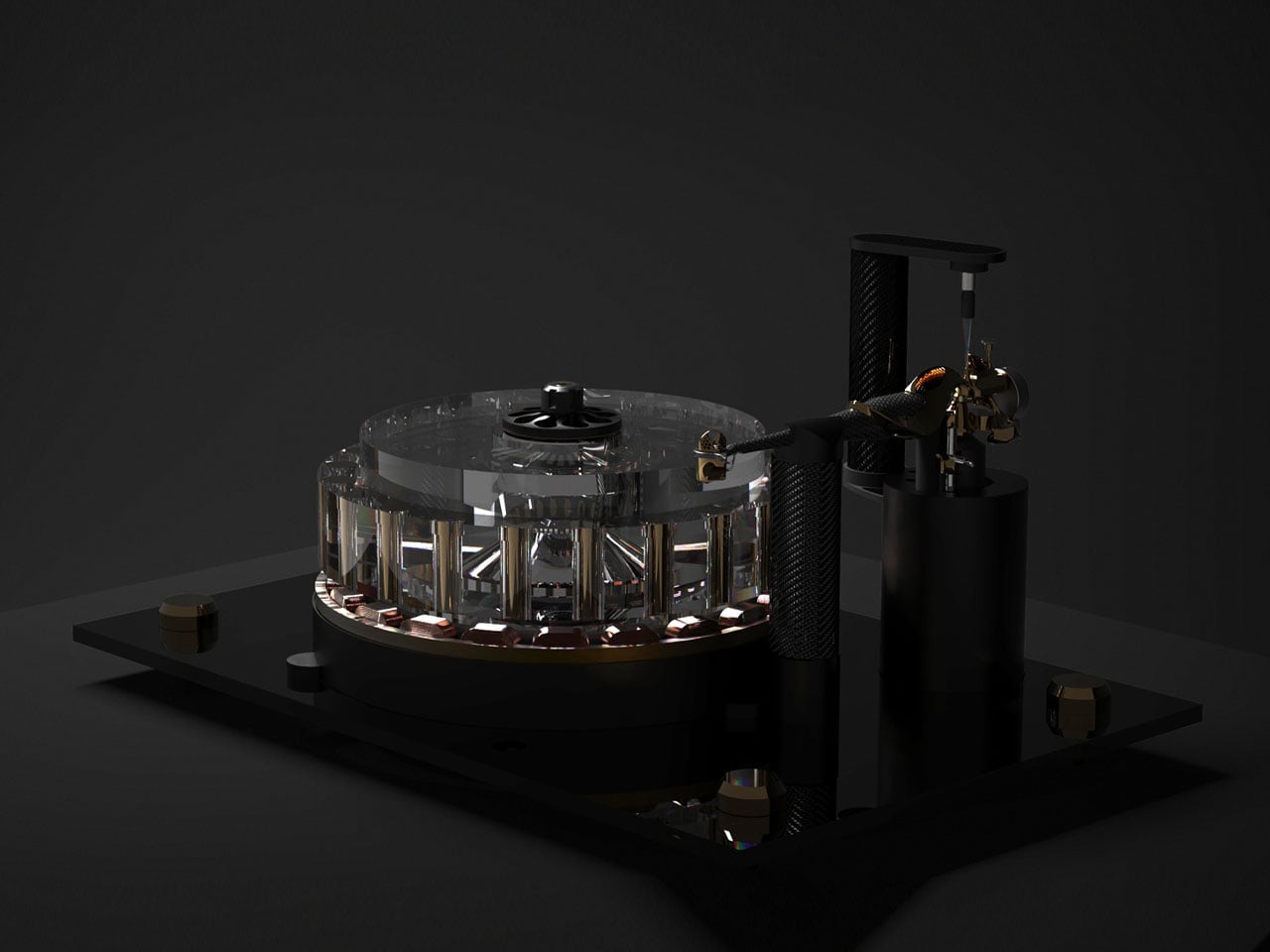
The concept is beautifully simple yet surprisingly complex in execution. Picture a classic vinyl turntable, then imagine surrounding the record with 39 handcrafted wooden tiles arranged in concentric circles. As your favorite album spins, these tiles respond to the music’s frequency and amplitude, flipping and rotating to create constantly shifting patterns of light and shadow. It’s like watching your music dance.

What makes Orbit particularly special is how it bridges the gap between vintage nostalgia and contemporary design innovation. In an era where most of us stream music through invisible algorithms and wireless speakers, there’s something deeply satisfying about watching music become a physical, visual experience. Brown has essentially created a hybrid object that transforms passive listening into an active sensory moment, where you’re not just hearing the music but witnessing it unfold in real time.

The wooden tiles themselves are a thoughtful material choice. Each one is carefully crafted and balanced, allowing them to respond with precision to the audio signals they receive. As the music plays, different frequencies trigger different tiles, creating organic patterns that shift with every song. A bass-heavy track might trigger the outer rings more intensely, while high notes could activate the inner tiles. The result is an ever-changing visual symphony that’s unique to each recording.

There’s also something wonderfully analog about the whole concept. While the mechanism that translates sound into motion likely involves some modern electronics, the physical expression is entirely mechanical. No screens, no digital displays, just wood, motion, and light playing together in space. It’s the kind of design that makes you slow down and actually pay attention to your music again.

Brown’s work taps into a growing desire for meaningful interaction with the objects in our lives. As more of our experiences become digital and ephemeral, pieces like Orbit remind us of the joy that comes from tangible, physical engagement with art and technology. It’s not just furniture and not quite sculpture; it exists in that fascinating in-between space where functional objects become art. The timing feels right for something like this. Vinyl has already made a remarkable comeback, with younger generations discovering the ritual of carefully selecting a record, placing it on the turntable, and actually sitting with an album from start to finish. Orbit takes that ritual one step further, adding a visual dimension that makes the experience even more immersive and meditative.

Imagine hosting friends and dropping the needle on a new album as everyone gathers around to watch the tiles respond and shift with the music. Or picture yourself unwinding after a long day, watching the hypnotic patterns emerge from your favorite tracks. It transforms listening from background noise into a focused, contemplative practice. What Brown has created with Orbit goes beyond clever design or technical innovation. It’s a reminder that some of the best ideas come from asking simple questions: What if we could see music? What if listening became watching? What if technology enhanced rather than replaced the analog experiences we value? In answering these questions, she’s created something that feels both nostalgic and refreshingly new, proving that great design doesn’t have to choose between the past and the future. It can honor both.

The post Orbit Kinetic Turntable: See Your Music Move with Flipping Wooden Tiles first appeared on Yanko Design.
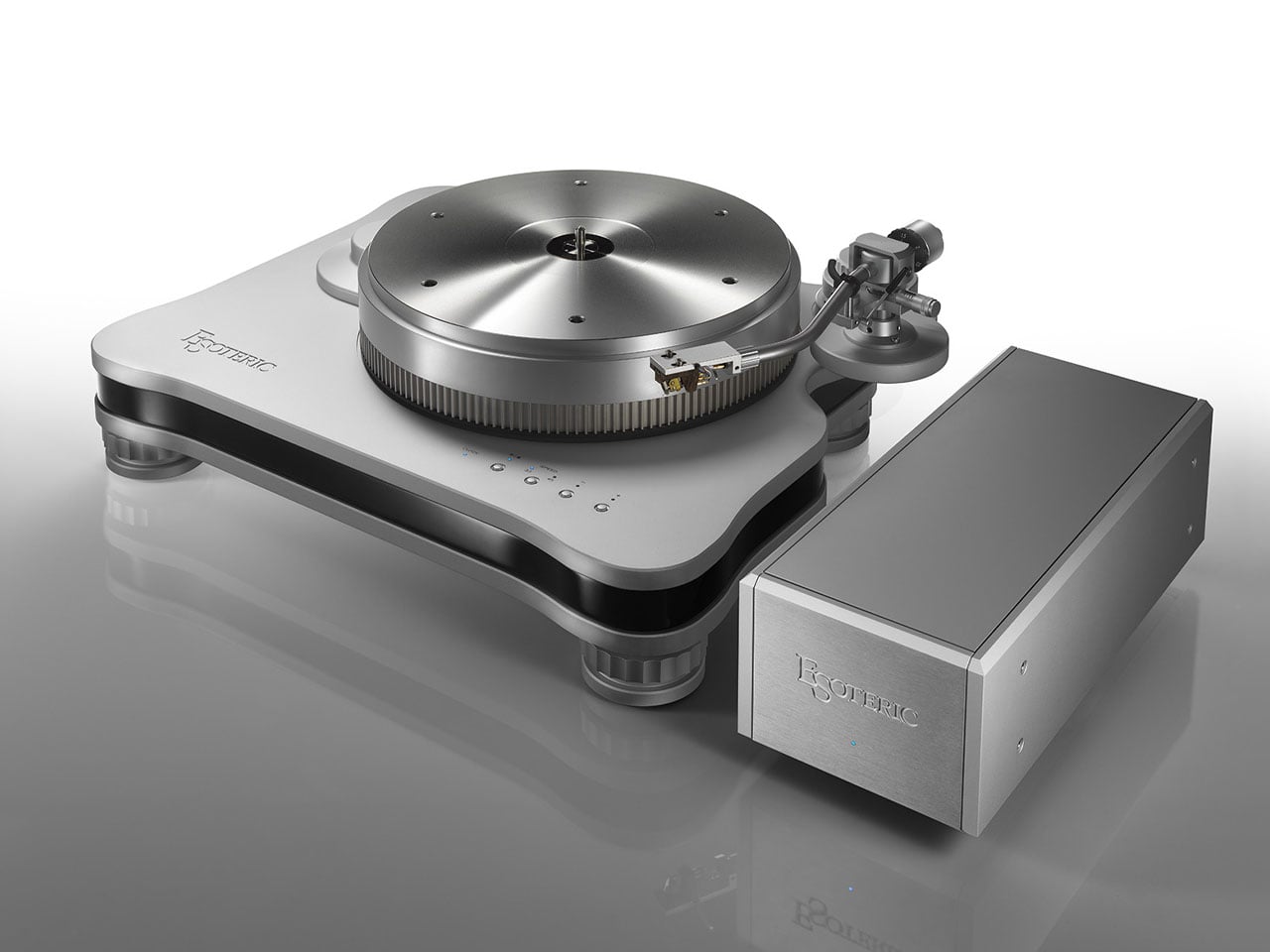
Technics SL-1200 Final Edition: Only 2,410 Gold Units Worldwide

Some legends never really die. They just get better with age, more refined, and sometimes, a little bit of gold. That’s exactly what Technics is doing with their latest drop: the SL-1200GME Master Edition, a turntable that’s equal parts tribute and technological tour de force. If you’ve ever spent time in a recording studio, DJ booth, or just scrolling through vinyl Instagram, you know the SL-1200 isn’t just a turntable. It’s an icon. And now, Technics is giving it one last proper send-off before closing the chapter on the G series.

Let’s talk about what makes this Master Edition worth all the attention. At its heart is Technics’ ΔΣ-Drive motor control system, a tech upgrade pulled straight from their pricier models like the SL-1200GR2 and SL-1300G. This isn’t just marketing speak. The Delta Sigma Drive actively works to reduce motor vibrations and improve rotational accuracy, which is basically turntable language for “your records will sound cleaner, smoother, and more precise than ever.” When you’re dealing with vinyl, even the tiniest wobble or inconsistency can throw off the entire listening experience. This system keeps things dead steady.

Designer: Technics

Then there’s the power supply situation. Technics equipped these Master Editions with a Multi-Stage Silent power supply, the same one used in their reference-grade SL-1000R turntable that costs a cool $27,000. It combines low-noise switching with active noise canceling to keep electrical interference from creeping into your audio. For audiophiles who can hear the difference between a good power cable and a great one, this is the kind of detail that matters.

The build quality is exactly what you’d expect from a brand that’s been perfecting this design for decades. We’re talking about a four-layer chassis construction featuring aluminum die-cast, BMC (Bulk Moulding Compound), heavyweight rubber, and a 10mm brushed aluminum top plate. That platter? Three layers of aluminum die-cast, vibration-dampening rubber, and a 2mm brass top plate. The whole thing weighs nearly 8 pounds with the rubber mat included, and each platter is individually balanced on dedicated machines to eliminate any unevenness. This is the kind of engineering that separates a good turntable from one that’ll last you a lifetime.

Visually, the Master Edition stands out in all the right ways. Technics added gold-painted accents throughout the design: the tonearm, headshell logo, top panel logo, a numbered badge that proudly states “Master Edition,” and even the dust cover logo sheet. It’s subtle enough to feel classy but distinct enough that anyone who knows turntables will immediately recognize this isn’t your standard model. The SL-1200GME comes in silver, staying true to the original SL-1200 aesthetic, while the SL-1210GME offers a black finish for those who prefer something sleeker.

Here’s the catch: these aren’t going to be around forever. Technics is limiting production to just 2,410 units worldwide. That breaks down to 1,200 units of the silver SL-1200GME and 1,210 of the black SL-1210GME. Each one comes with a numbered badge, so you’ll know exactly which piece of history you’re getting. The price tag reflects the exclusivity too. UK pricing is set at £5,000 (around $6,638), with North American pricing to be announced closer to the launch. These will start shipping in January 2026 in Europe and February 2026 in North America through authorized Technics retailers.

For anyone who’s been following vinyl’s resurgence over the past decade, this feels like a full-circle moment. The SL-1200 helped define DJ culture, shaped the sound of hip-hop, and became a staple in homes where music wasn’t just background noise but a way of life. Now, Technics is closing out the G series with a version that honors that legacy while pushing the technical limits of what a direct-drive turntable can do. Whether you’re a collector, a serious listener, or someone who just appreciates beautifully designed tech, the Master Edition is the kind of piece that reminds you why analog still matters in a digital world.

The post Technics SL-1200 Final Edition: Only 2,410 Gold Units Worldwide first appeared on Yanko Design.
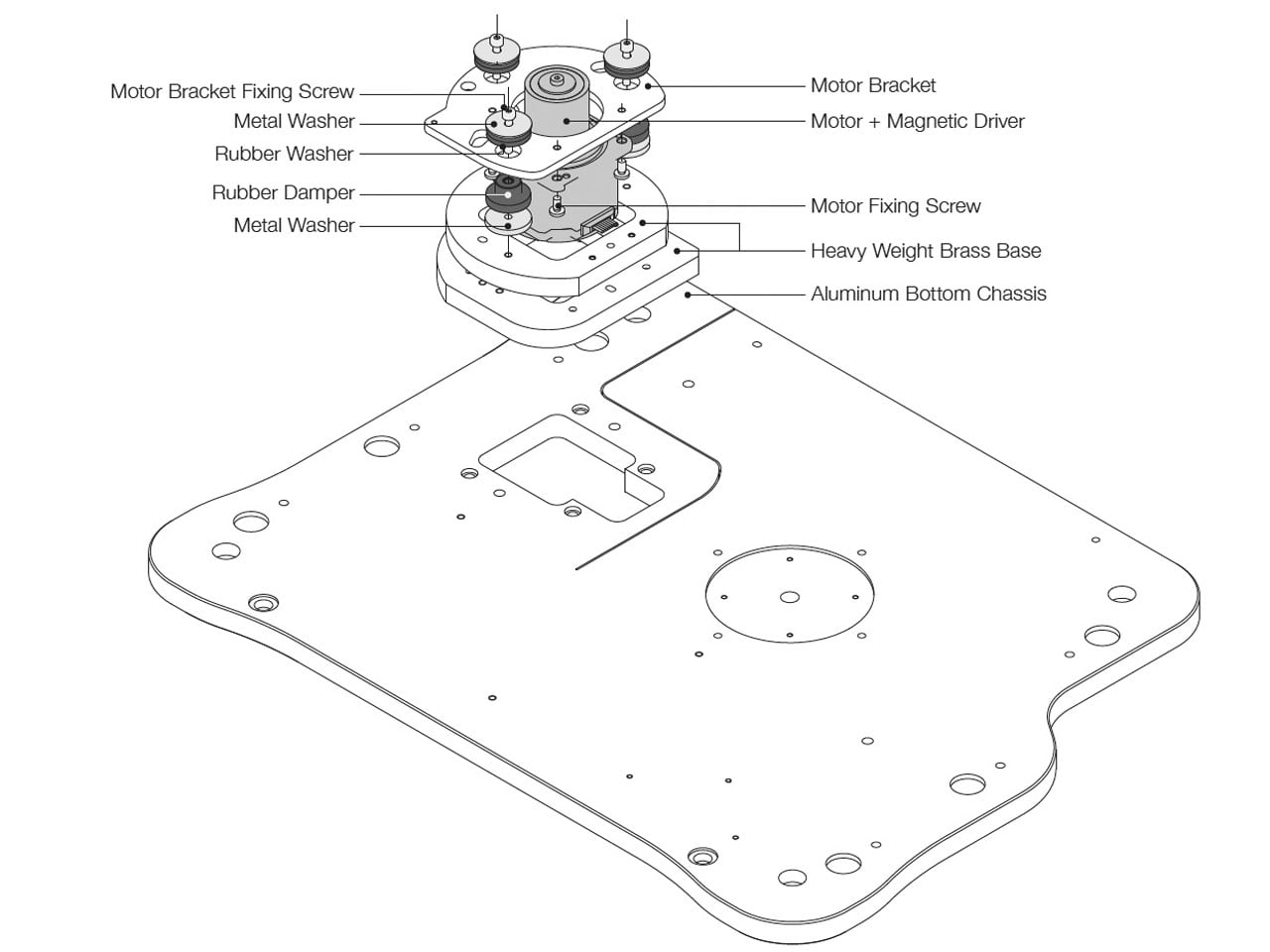
Colorful retro turntables bring back the free-spirited 50s to the present

The predominant minimalism design trend has created hundreds of products with trivial, often singular color schemes with muted hues. Although there’s no rule that it has to be such, this has become the standard practice for those adhering to this aesthetic. This has caused some to label such designs as boring and lifeless, though many will undoubtedly beg to differ.

The retro fever gripping many fields, however, is throwing a splash of color and whimsy on products, whether they’re actually vintage designs or even modern-day objects. Taking inspiration from mankind’s equally colorful history, retro designs like these turntables capture the charm of the past and blend it with the comforts of the present to create an experience that is more memorable and more satisfying than simply listening to music off Bluetooth speakers.

Designer: Gadhouse

Although the television might have only shown black and white, the 50s was characterized by an overabundance of bright, saturated colors, sometimes to a disconcerting degree. The decade also saw the rise of the “Long Play” record format, popularizing the record players and turntables that are being revived today. It seems only fitting that a true-blooded vintage record player pays homage to its roots, at least on the surface.

The Brad Retro Mk II definitely looks the part with its boxy designs, analog controls, and, more importantly, its colorful personality. With a belt-driven mechanism, three-speed play, and support for 7-12″ vinyl, this retro-style record player brings out the analog goodness of the medium, letting you hear it just the way the music was supposed to be heard. Built-in 10W speakers even recreate that experience of not having to plug in speakers just to listen to music.

Of course, the Brad Retro Mk II is also a child of modern technology, and it doesn’t disappoint either. If you do want to play your music louder, you can stream to a nearby Bluetooth speaker or go old-school with a 3.5mm jack. What’s new in this second-gen model is a USB-C port of power, allowing you to play anywhere you want.

The Brad Retro Mk II comes in five color combinations to appeal to as many tastes as possible. The turntables exude a playful charm typical of that period, while still meeting the needs of discerning audiophiles. With vibrant hues, tactile controls, a unique tonality, and modern connectivity, this record player isn’t just a blast from the past but is also a product of humanity’s cumulative history.

The post Colorful retro turntables bring back the free-spirited 50s to the present first appeared on Yanko Design.
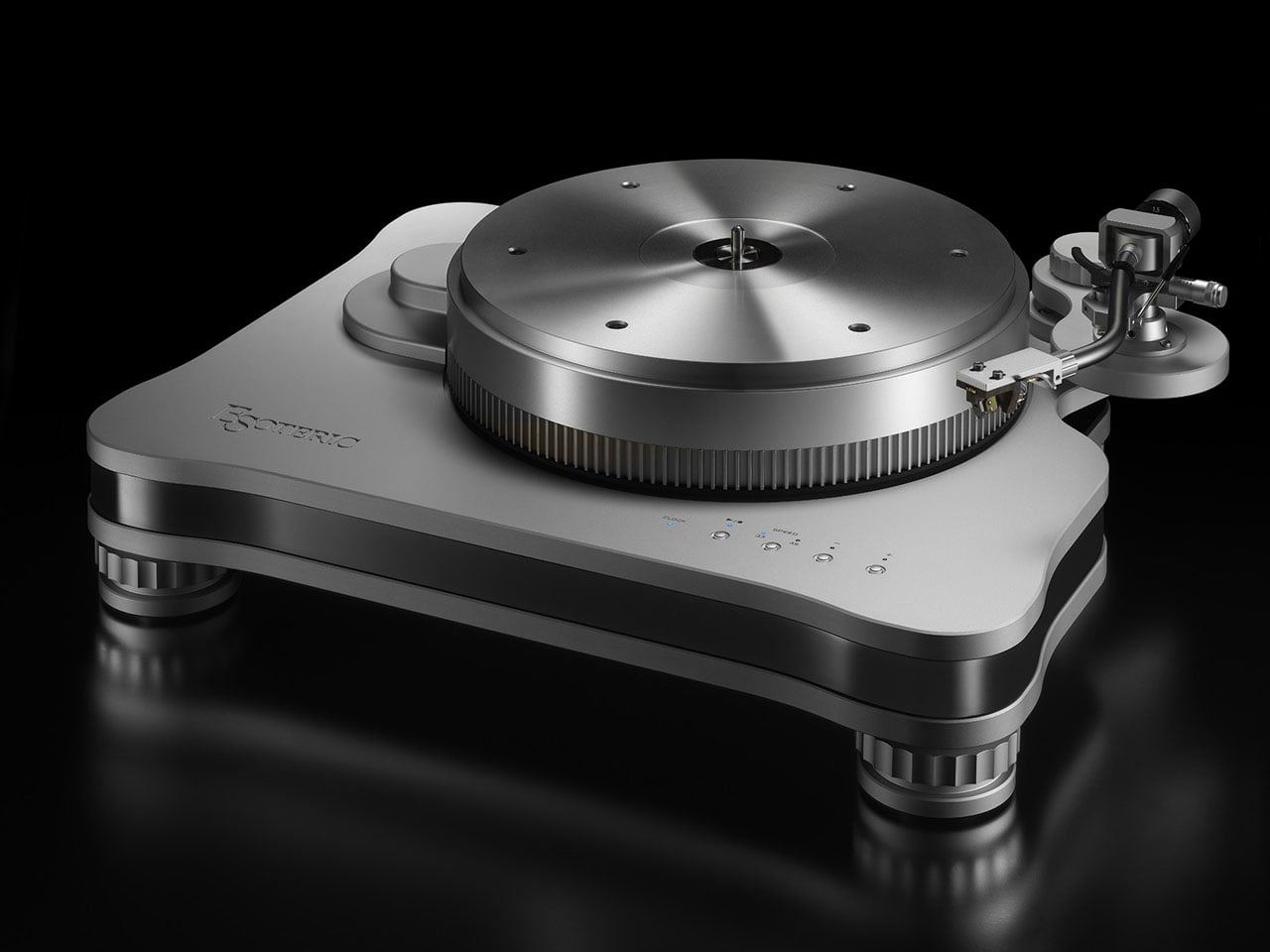
Turntable-inspired graphics card concept adds a retro-futuristic flavor to desktops

In the not-so-distant past, desktop computers were almost literal black boxes, closed and obscured from view. Although they’re still enclosed today to block the easy entry of dust and harmful particles, many desktop towers have adopted transparent designs that show everything inside.

This aesthetic is mostly to appeal to gamers who dress up their rigs with RGB lights and fancy-looking cooling systems, but the majority of the hardware you can see inside is hardly aesthetic (unless you go for that look). Graphics cards are slowly getting a facelift, but they still have a more technical and geeky look. This concept tries to challenge that status quo with a GPU design that could interest even non-gaming computer users.

Designer: Seunghun Lee

Of all the components inside a desktop computer, at least the ones built for gaming or heavy-duty creative work, the graphics card is the bulkiest, boxiest, and most visible one. Of course, that design is intentional because of the electronics it has to pack inside as well as the large fans that keep things from overheating. Such graphics cards today come with some RGB lighting or accents to make them look a little livelier, but the overall aesthetic remains the same.

G-Turn360 is a concept design that tries to add some visual appeal by taking inspiration from a completely different product. It chose the turntable, now a staple of the retro movement, as the foundation of the GPU redesign, combining mechanical elements into a more pleasing composition using basic geometric shapes. The cooling fan, after all, is already a large circle, so why not use that form to represent a record player on a box?

The concept also goes beyond that simple association with the record player. It completely throws out the conventional LED lighting which, in addition to being over the top, also prevents visual consistency. In fact, the G-Turn360 embraces a lighter color scheme, which better fits desktop designs that are moving away from dark and black boxes commonly associated with gaming gear.

The result is a graphics card design that somehow looks both retro and futuristic at the same time, adopting a clean aesthetic that can appeal to a more diverse audience. That said, the G-Turn360 concept could be sacrificing performance and safety with its unconventional design, so it’s definitely not something that can simply be used without some modification and careful engineering.

The post Turntable-inspired graphics card concept adds a retro-futuristic flavor to desktops first appeared on Yanko Design.
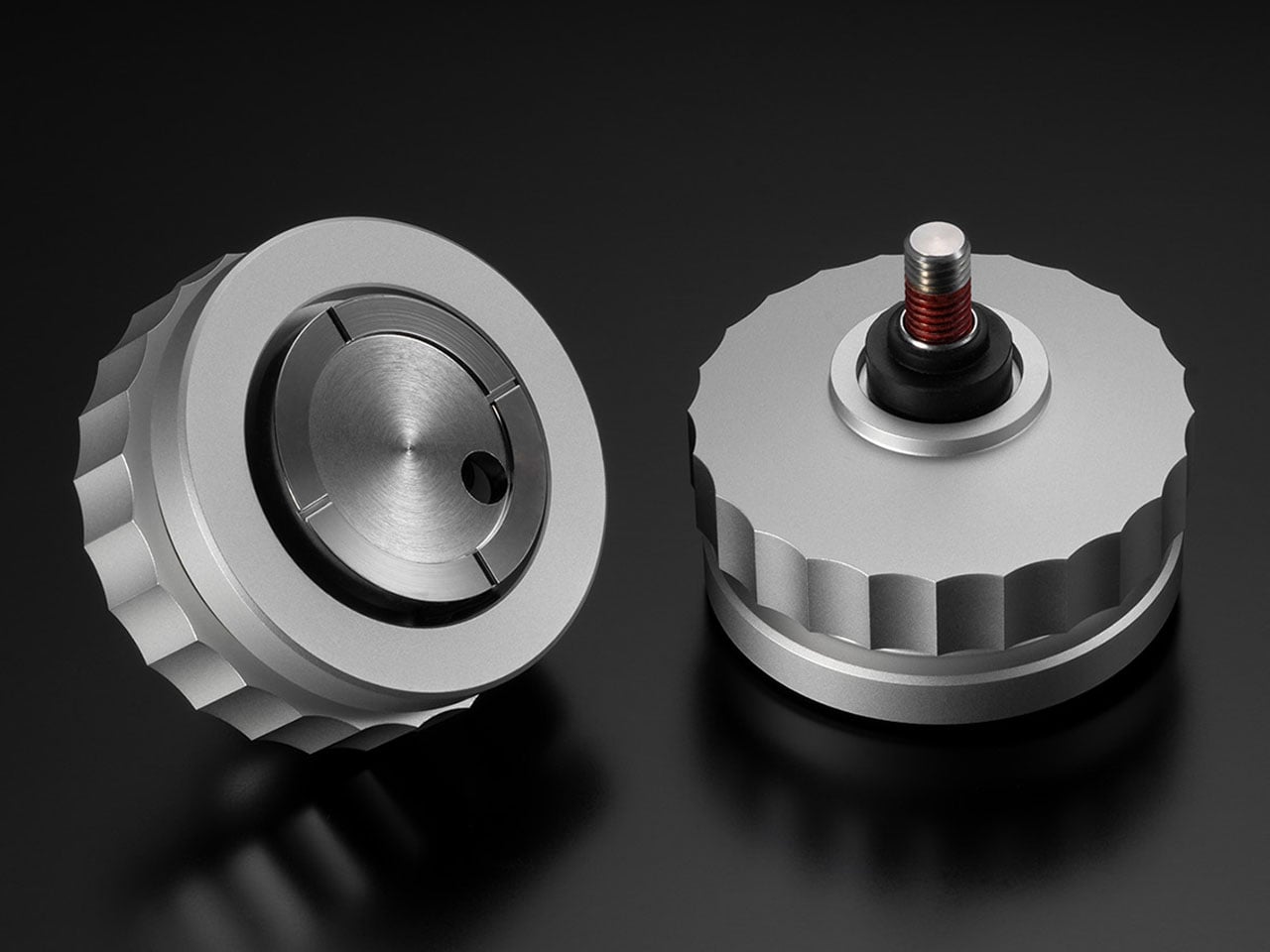
A turntable for picky audiophiles who crave high-end vinyl playback experience

Pro-Ject is the first name that pops up when we speak of high-quality turntables. The Austria-based company launched the entry-level T1 EVO range for audiophiles on a budget last month. Now they’ve revealed the flagship Signature 12.2 turntable for music lovers who want the ultimate sonic experience from their favorite vinyl.

This turntable represents the highest-level technology at the most accessible price, even though $15,000 is way beyond any normal audiophile’s budget. The audio accessory is a successor to the acclaimed Signature 12 turntable that made it to the top rankings of the most reliable audio equipment reviewers.

Designer: Pro-Ject

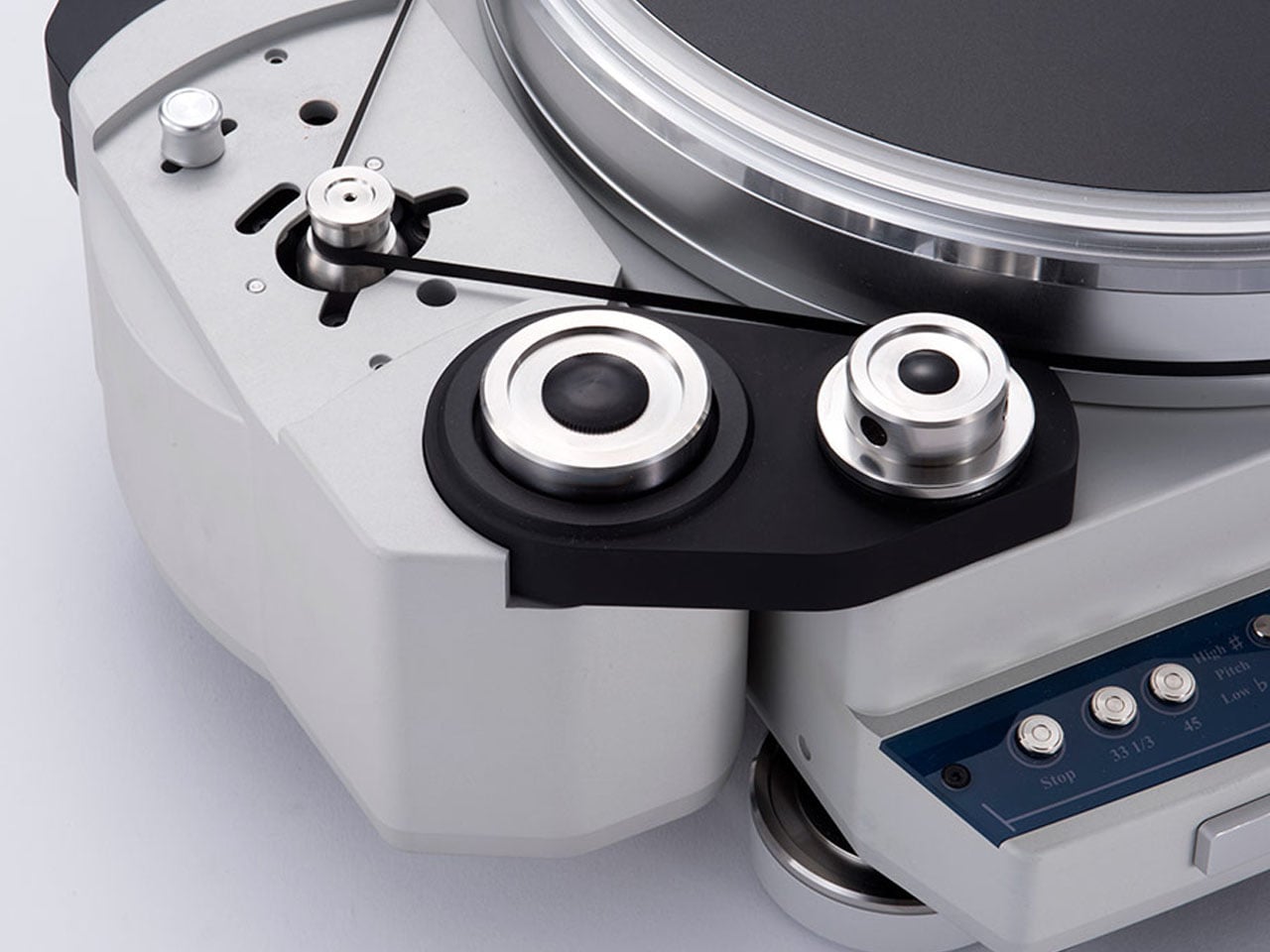
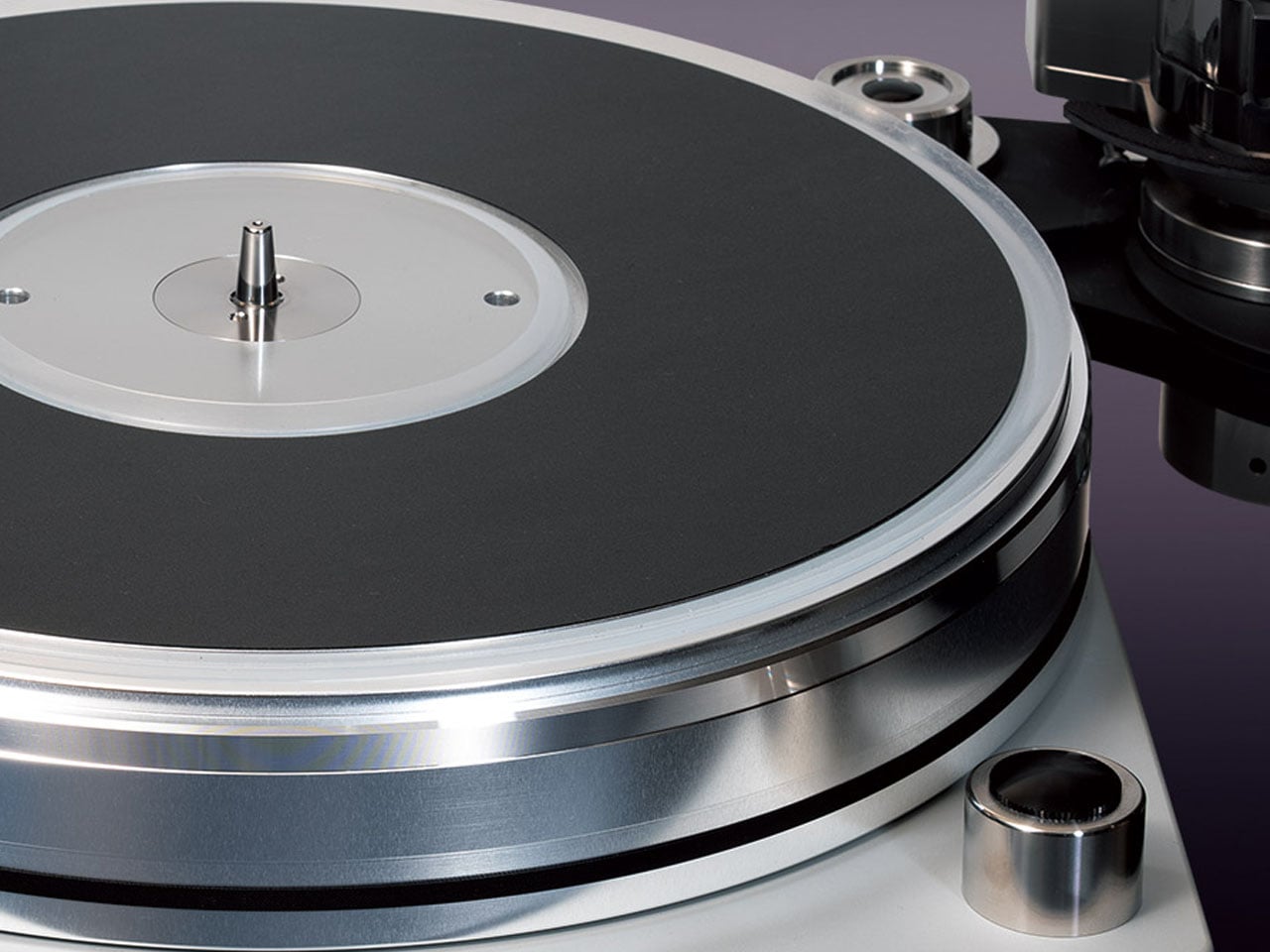
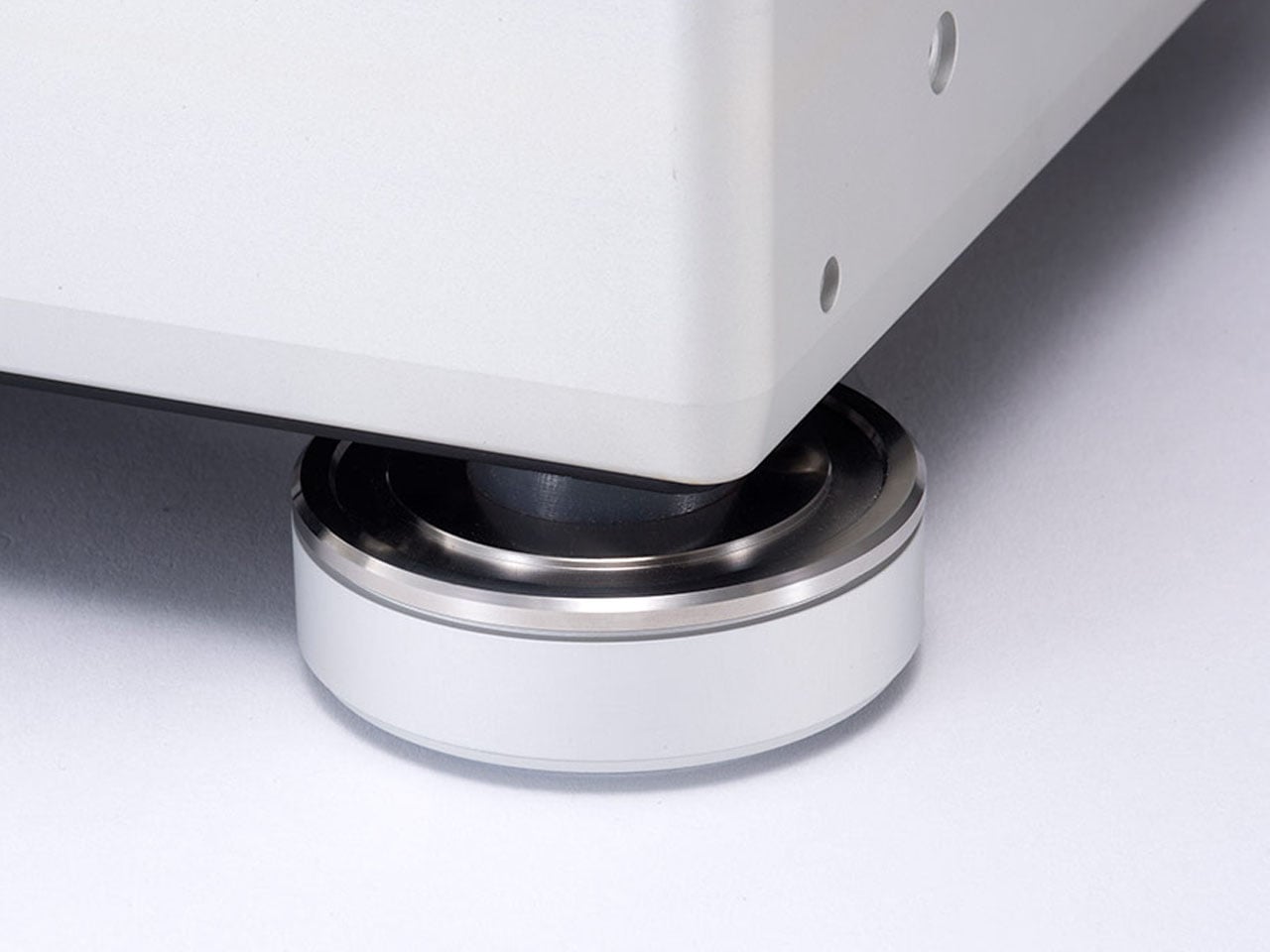
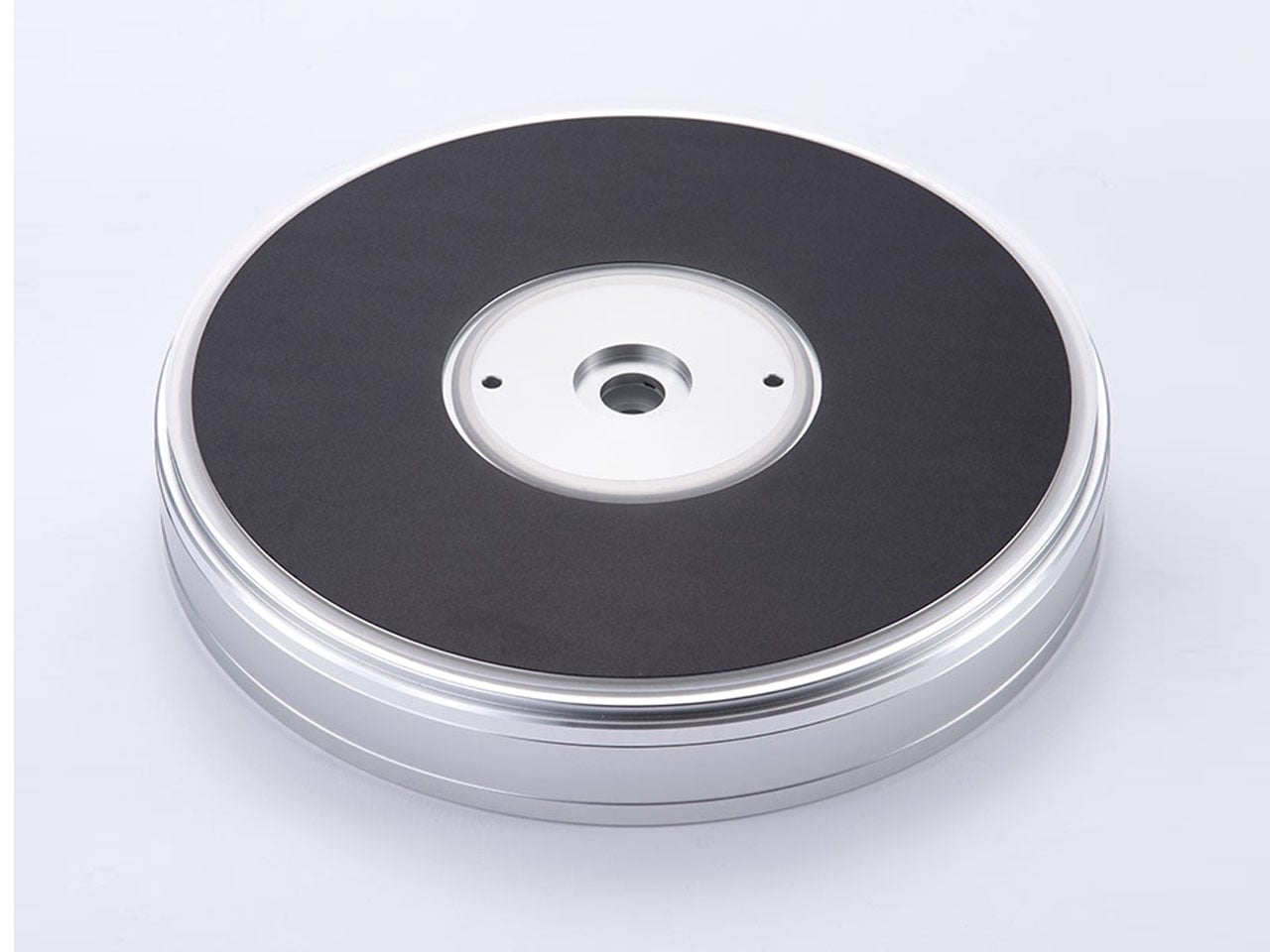
Known for their tenacity to bring high-quality record players to the audiophiles who can spend an exorbitant amount to follow their hobby, Pro-Ject has gone all out on this one. The turntable weighs around 80lb with the high-mass record platter weighing more than 25 lb and anti-resonant MDF made from stainless steel weighting 50 pounds. The platter is dampened underneath, spinning on an inverted ceramic ball bearing having a magnetic support. The use of more than 100 precision CNC-machined components provides stability and dampens any external interferences resulting in sonic sound reproduction that’s very close to how the artist intended.

According to Pro-Ject, listeners are in for a treat as the Signature 12.2 delivers “a deep, full and immersive sound quality that’ll deliver new sonic experiences — even from songs users have heard a thousand times.” The flywheel belt-drive turntable is loaded with a 12-inch S-shaped aluminum tonearm having a 3-point pivot bearing and a removable headshell for easy swapping of phono cartridges. If you are into choosing your preferred cartridge, the Signature 12.2 doesn’t come with one of its own. That said, the player is compatible with 33⅓rpm and 45rpm playback speeds. If you want to be precise between this range, there’s the electronic speed change option too.
The records are hooked onto the platter with a Signature Record Puk that comes included in the package. To enhance the premium appeal sturdiness of the unit, Pro-Ject hand-painted the record player’s MDF plinth in 10 coats, and it’s loaded with steel pellets to further reduce vibrations. With all the advanced tech fitted inside this beautiful vinyl player, you would expect it to do complete justice to your collection of records.

Rather than having a display for all the controls, Pro-Ject has opted to go with a hand-polished aluminum panel to avoid any unwanted electromagnetic radiation. The elegant analog look complements the whole look and feel. The high-end playback record player in piano-black finish will begin shipping in November 2024 for a retail price tag of $14,999.

The post A turntable for picky audiophiles who crave high-end vinyl playback experience first appeared on Yanko Design.