Razer’s Project AVA Brings Holographic AI Companions to Your Desk

Remember watching sci-fi movies as a kid and dreaming about the day you’d have your own holographic assistant? Well, that future just arrived, and it’s cuter than we ever imagined. Razer unveiled Project AVA at CES 2026, and honestly, it’s giving us all the futuristic vibes we didn’t know we needed.

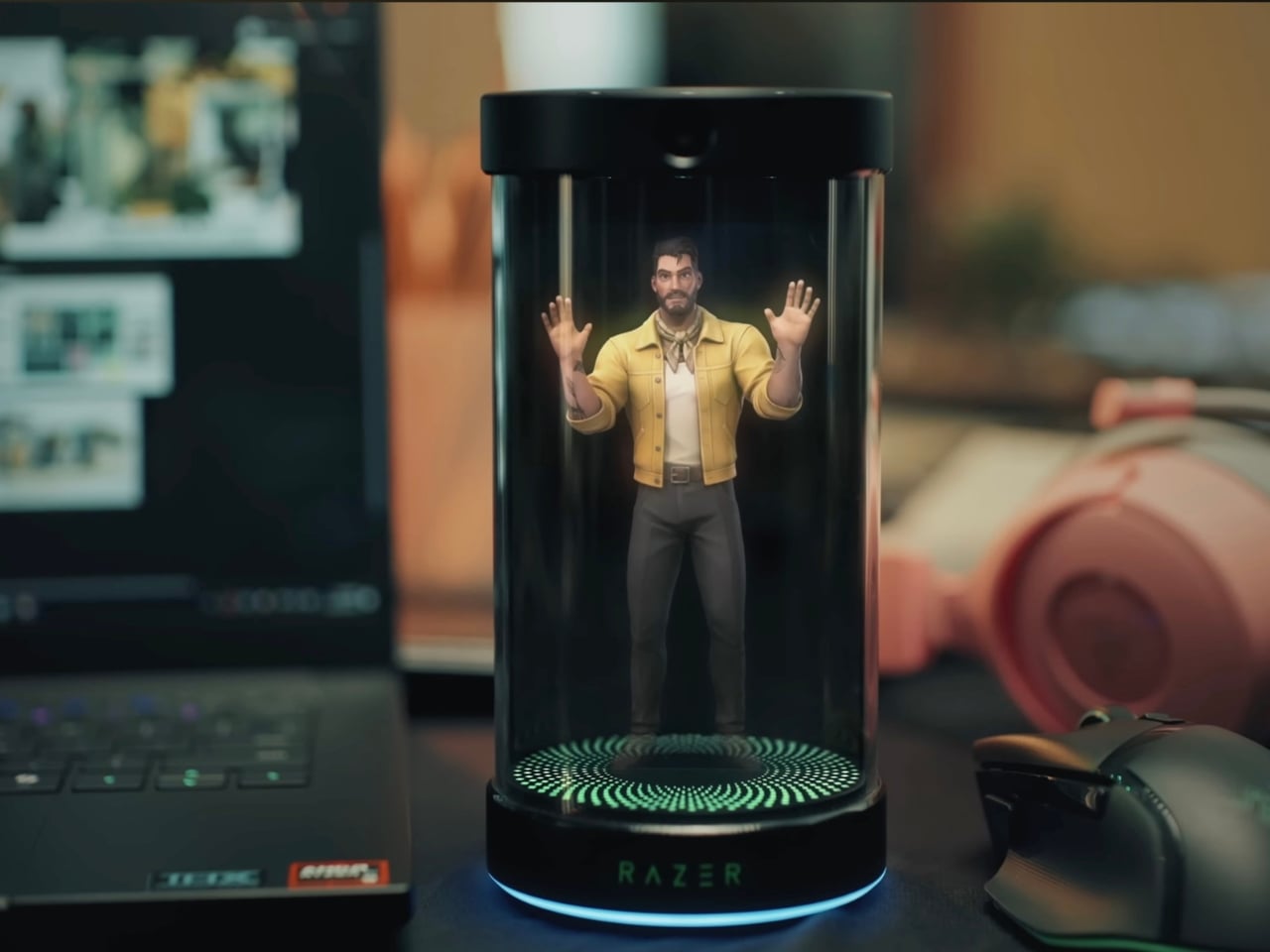
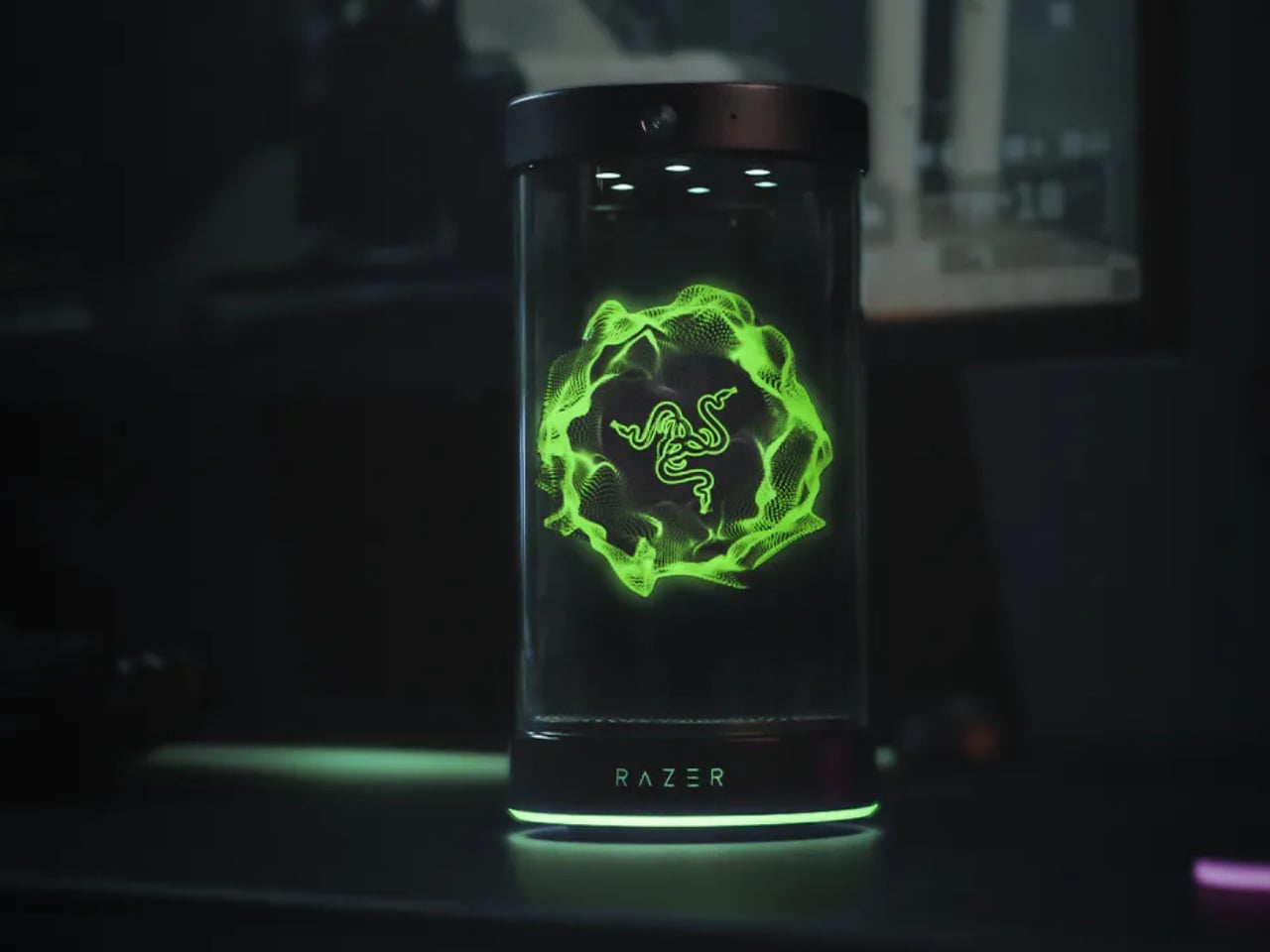
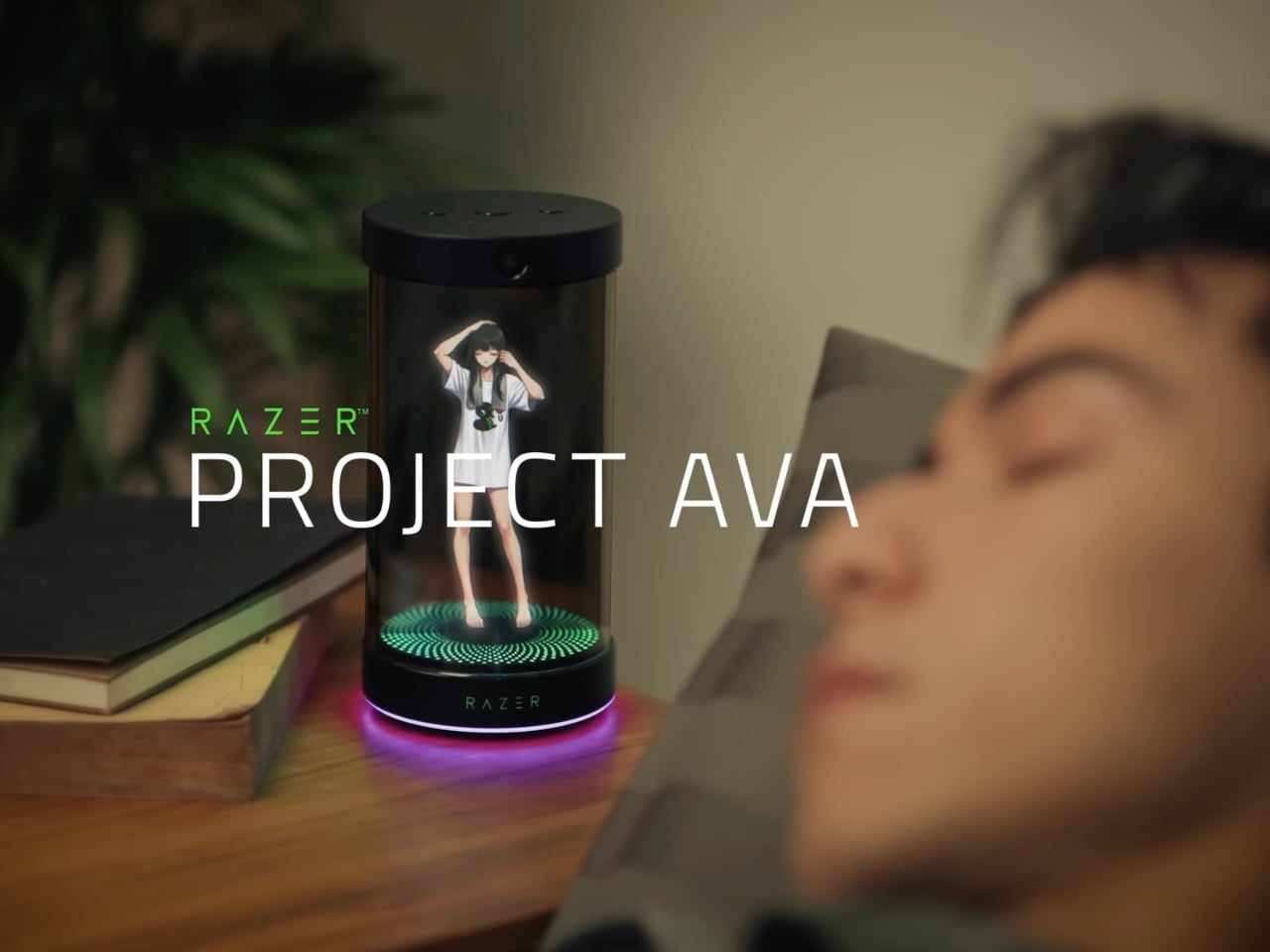
Picture this: a sleek cylindrical device sitting on your desk, projecting a 5.5-inch animated 3D hologram that actually talks to you, learns your habits, and becomes your daily companion. It sounds like something straight out of a Black Mirror episode, but in the best possible way.

Designer: Razer
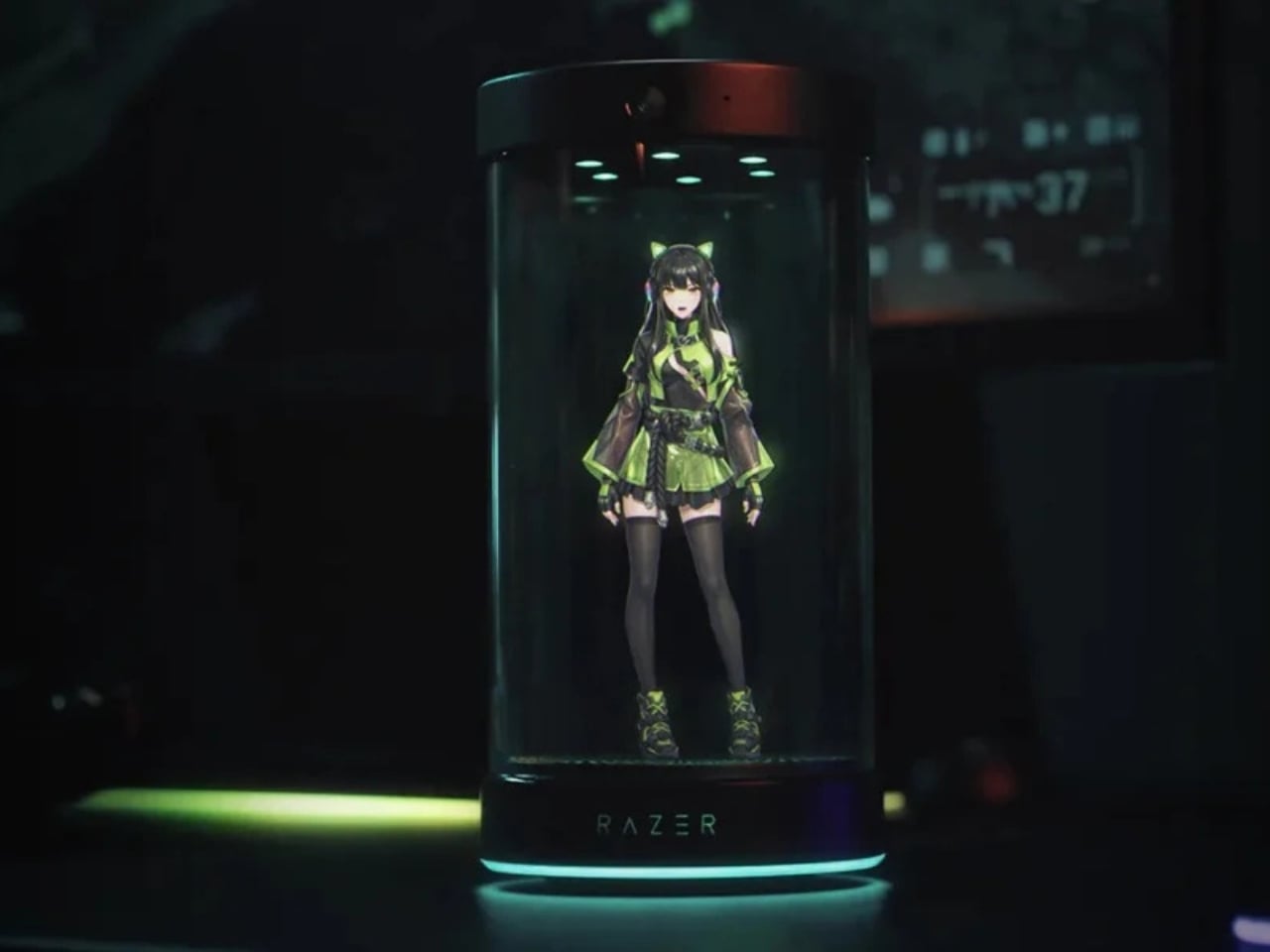
What makes Project AVA so fascinating isn’t just the holographic technology itself (though let’s be real, that’s pretty spectacular). It’s how Razer has reimagined what AI companionship could look like in our physical spaces. Unlike Siri hiding in your phone or Alexa trapped in a speaker, AVA exists as a visible presence on your desk. She has facial expressions, tracks eye movement, and her lips actually sync when she talks. It’s the kind of detail that transforms a gadget into something that feels surprisingly alive.
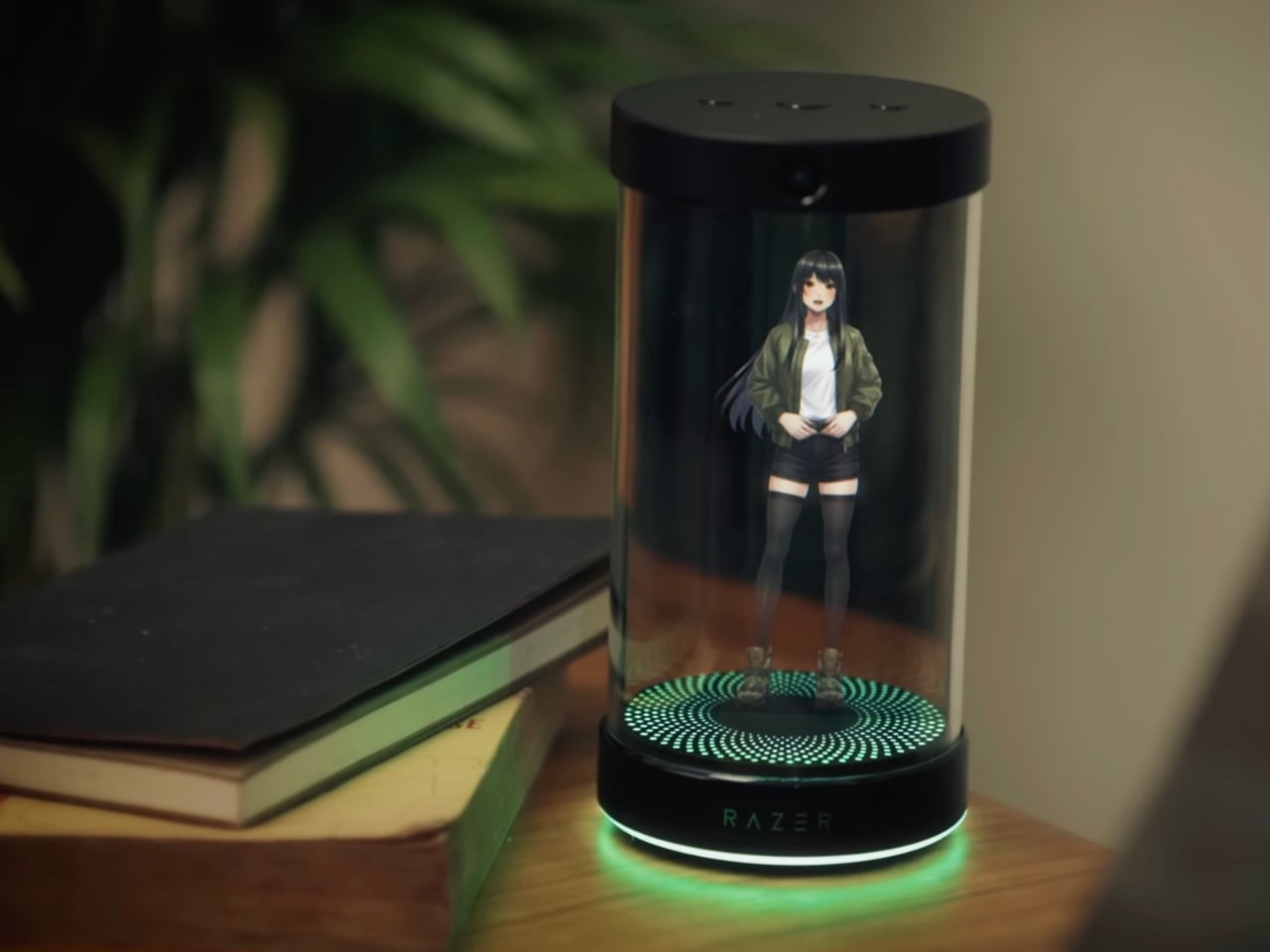
The personality customization is where things get really interesting. You can choose from different avatars, each with their own distinct personality. There’s Kira, an anime-style character perfect for gaming enthusiasts. There’s Zane for those wanting a more professional vibe. And then, in what might be the most genius collaboration ever, there’s an avatar modeled after League of Legends legend Lee “Faker” Sang-hyeok, plus characters from Sword Art Online. Razer clearly understands its audience, and they’re leaning hard into gaming and anime culture in the best way possible.
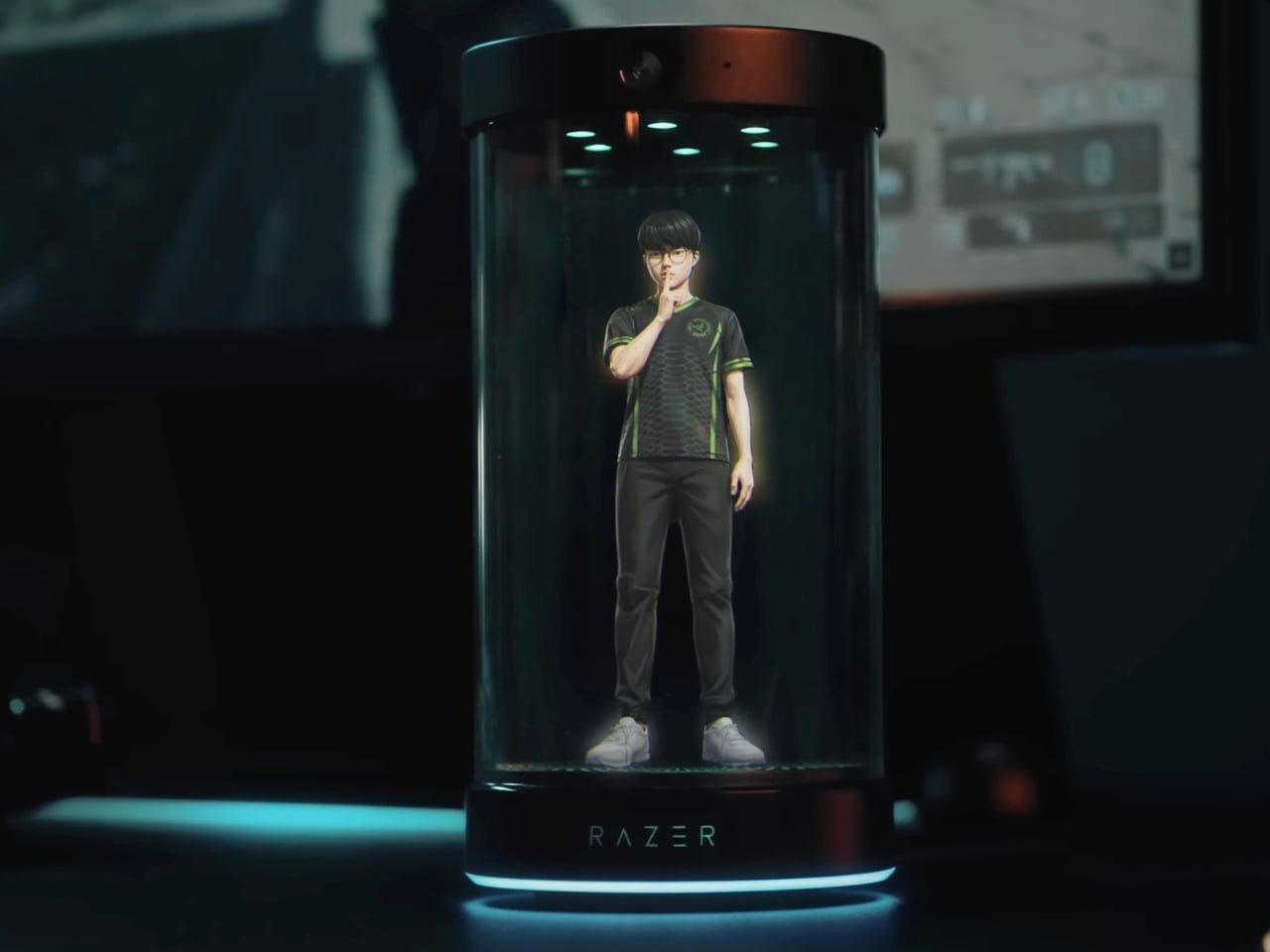
But here’s what really sets AVA apart: she’s powered by xAI’s Grok engine, which gives her some seriously sophisticated AI capabilities. This isn’t just a voice assistant that sets timers and plays music. AVA learns from your interactions and evolves her personality based on how you communicate with her. She can help organize your schedule, brainstorm creative projects, analyze data, and even provide real-time gaming coaching by actually watching your screen and offering strategic advice.
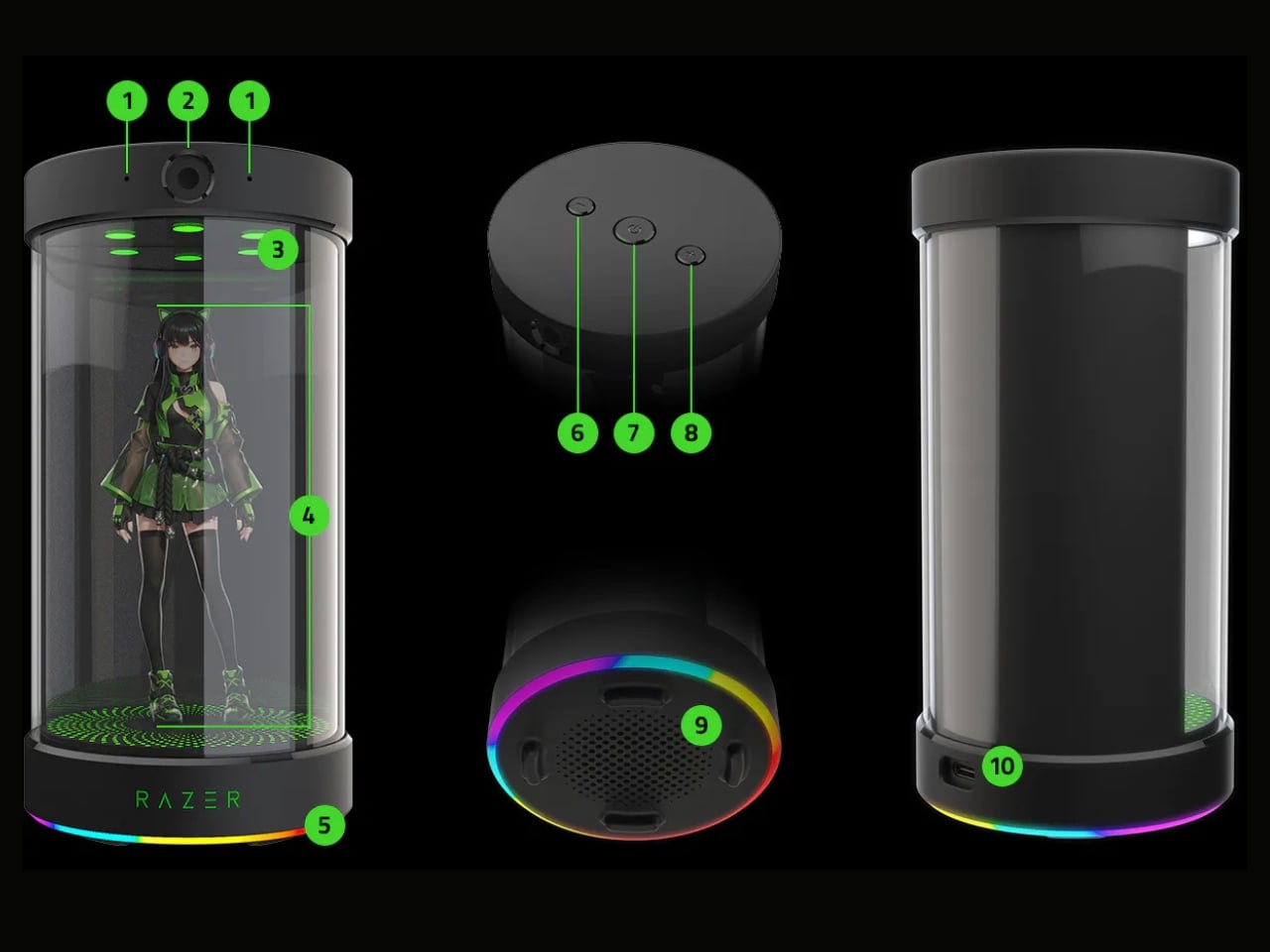
The gaming features deserve special attention because they’re genuinely innovative. Through what Razer calls “PC Vision Mode,” AVA can analyze your gameplay in real-time and offer coaching tips. Before you worry, Razer has been clear that AVA is designed as a coach and trainer, not an automated playing tool, so she won’t get you banned from competitive games. She’s more like having a knowledgeable friend watching over your shoulder, offering helpful suggestions.
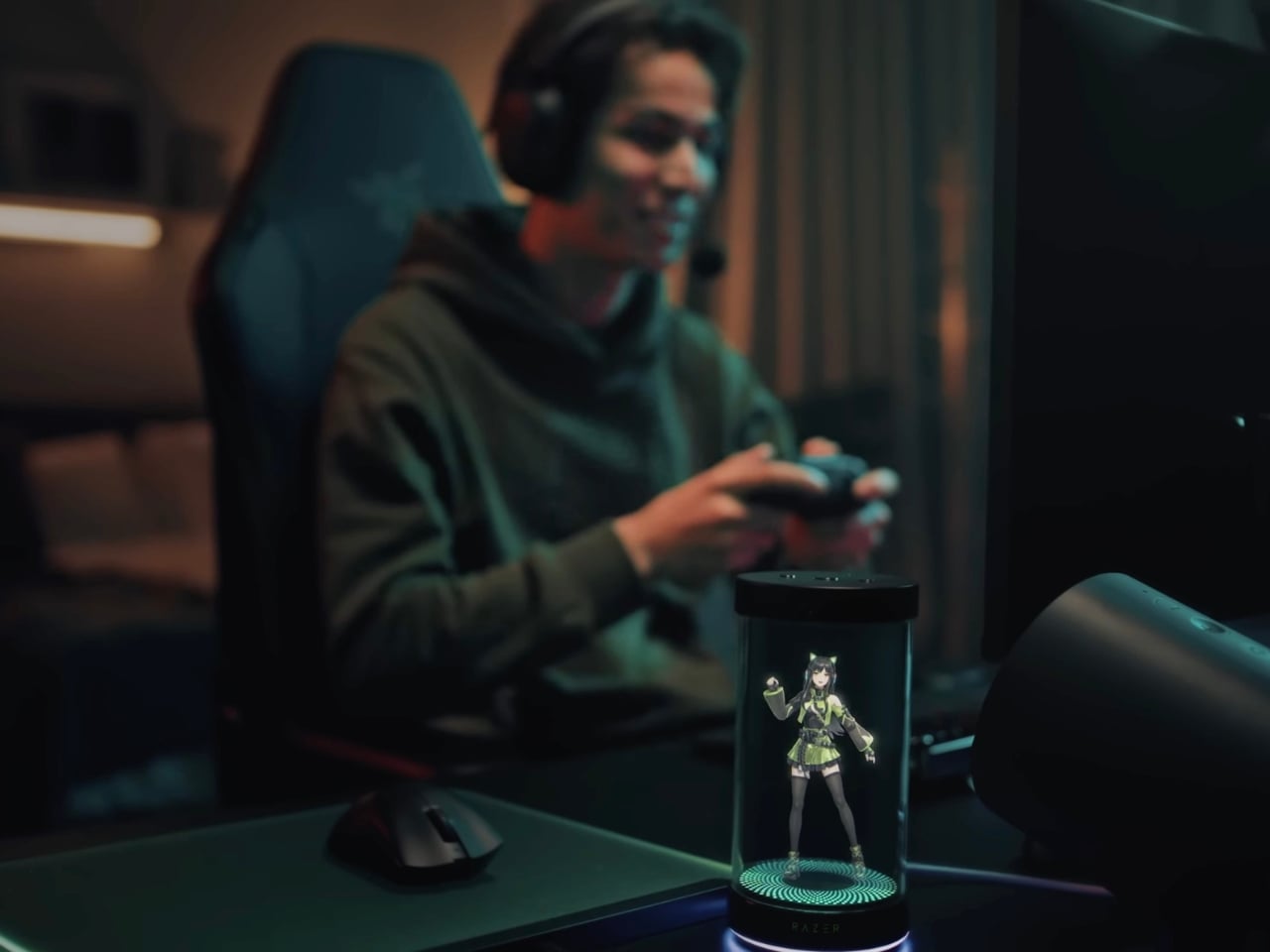
From a design perspective, the cylindrical unit houses impressive tech: dual far-field microphones, an HD camera with ambient light sensors, and of course, Razer’s signature Chroma RGB lighting because aesthetics matter. The device connects to your Windows PC via USB-C, ensuring the high-bandwidth data transfer needed for those real-time features to work smoothly.
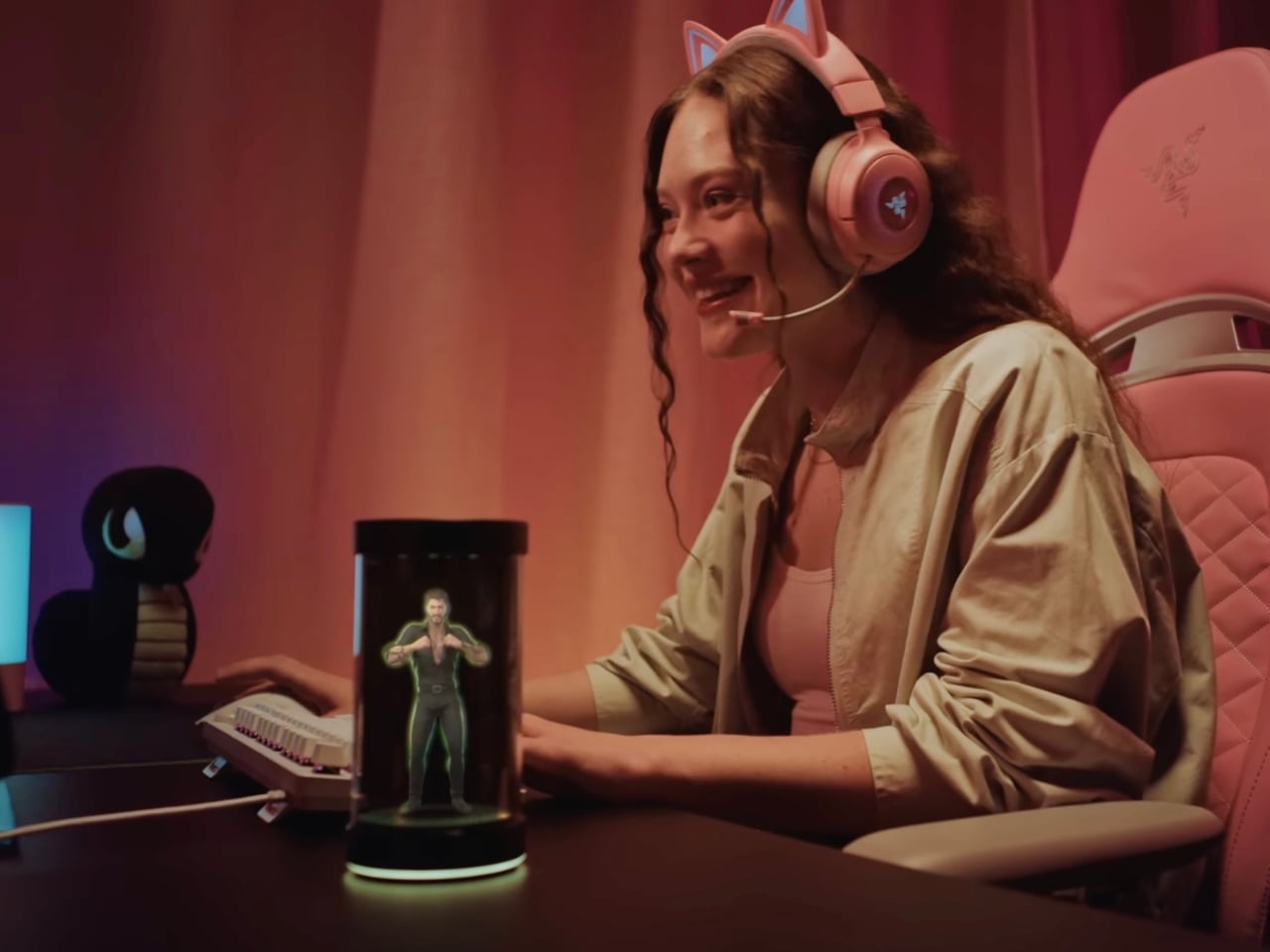
What’s particularly clever about Project AVA is how it addresses something we’ve all experienced with traditional AI assistants: the disconnect. When you’re talking to a voice in a speaker, it feels transactional. But when there’s a holographic character making eye contact and responding with facial expressions, the interaction becomes more engaging and, dare I say, more human.
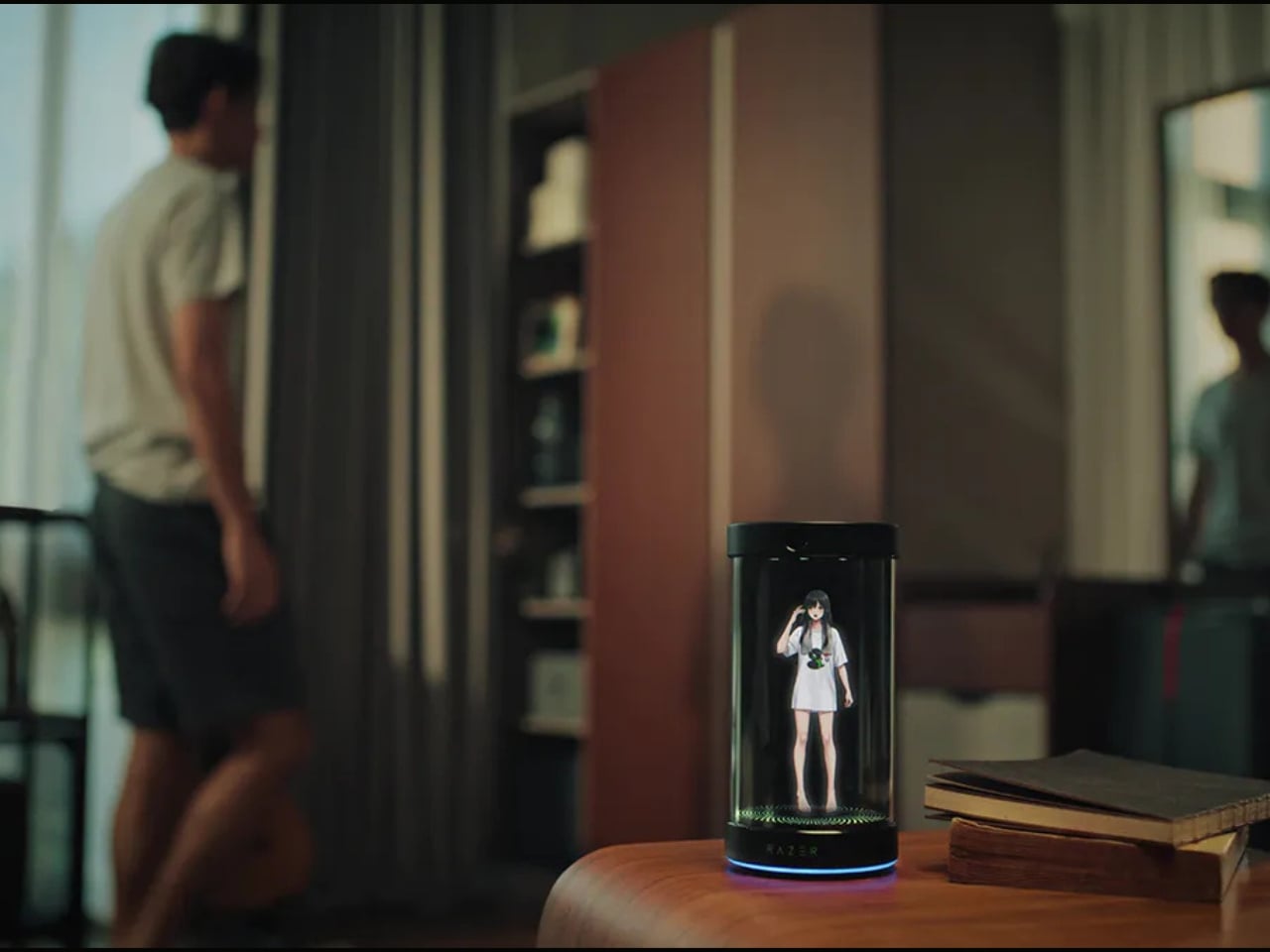
Razer is calling AVA a “Friend for Life,” which might sound like marketing hyperbole, but it hints at something bigger happening in tech culture. We’re moving beyond thinking about AI as tools and starting to explore how they might serve as companions in our daily lives. It’s a fascinating cultural shift that raises interesting questions about how we’ll interact with technology in the coming years.
For anyone interested in being part of this next wave of AI innovation, reservations are open now for a $20 deposit, with the device expected to launch in late 2026. Whether you’re a tech enthusiast, a collector of innovative gadgets, or just someone who’s always wanted their own holographic companion, Project AVA represents something genuinely new in the consumer tech space.
The post Razer’s Project AVA Brings Holographic AI Companions to Your Desk first appeared on Yanko Design.
iPhone Air 2 Leak Sparks Excitement and Controversy

iPhone Air 2 Leak Sparks Excitement and Controversy

Apple’s iPhone Air 2, the highly anticipated successor to the original iPhone Air, is reportedly delayed until spring 2027. This delay marks a notable shift from earlier projections of a 2026 release and reflects Apple’s strategic reassessment of the iPhone Air concept. The original iPhone Air faced widespread criticism for its compromises in design, functionality, […]

The post iPhone Air 2 Leak Sparks Excitement and Controversy appeared first on Geeky Gadgets.

Posted in Uncategorized

CES 2026 Highlights : Agile AI Robots, Health Mirrors, Smarter Screens & More

CES 2026 Highlights : Agile AI Robots, Health Mirrors, Smarter Screens & More

What if your home could prepare your dinner, your health monitor could predict potential risks, and your office assistant could operate without a screen? These aren’t distant sci-fi dreams, they’re the tangible innovations unveiled at CES 2026. In this guide, The AI Grid explains how the most stunning AI announcements from the event are not […]

The post CES 2026 Highlights : Agile AI Robots, Health Mirrors, Smarter Screens & More appeared first on Geeky Gadgets.

Posted in Uncategorized

You won’t be able to buy Samsung’s household Ballie robot after all

For years, we’ve been wondering when Samsung would actually bring Ballie, its cute household companion robot, to market and now we finally have our answer: it won’t. After the planned summer 2025 release window came and went, the company has opted not to release the gizmo as a consumer product, at least not for the foreseeable future. 

According to Bloomberg, Samsung has "indefinitely shelved" the robot. A spokesperson told the publication that the company will keep Ballie around as an "active innovation platform" internally. "After multiple years of real-world testing, it continues to inform how Samsung designs spatially aware, context-driven experiences, particularly in areas like smart home intelligence, ambient AI and privacy-by-design," the spokesperson added. 

There’s a sliver of a chance that Samsung will eventually bring Ballie to market, but that seems unlikely as things stand. So, six years after we first clapped eyes on the robot at CES 2020, (and two years after a redesigned larger version debuted), it appears to be doomed as a consumer device. 

It’s a bit of a shame, as Ballie seemed like a fun gadget. In fairness to Samsung, companies are now likely having to be more judicious about what products — especially more experimental ones — go into full production amid rising costs of things like RAM

This article originally appeared on Engadget at https://www.engadget.com/home/smart-home/you-wont-be-able-to-buy-samsungs-household-ballie-robot-after-all-104529942.html?src=rss

World’s First Solid State Battery : Solid Cell Hype or Hope? Donut Lab Under Review

World’s First Solid State Battery : Solid Cell Hype or Hope? Donut Lab Under Review

What if the future of energy storage wasn’t just an incremental improvement but a complete reimagining? Solid-state batteries, long considered the holy grail of energy technology, could be the key to unlocking safer, faster, and more sustainable power solutions. In this guide, Ziroth explores how Donut Lab’s bold claim of creating the world’s first solid-state […]

The post World’s First Solid State Battery : Solid Cell Hype or Hope? Donut Lab Under Review appeared first on Geeky Gadgets.

Posted in Uncategorized

Apple’s 2026 Budget Lineup: Affordable Tech That Doesn’t Skimp on Quality

Apple’s 2026 Budget Lineup: Affordable Tech That Doesn’t Skimp on Quality

Apple is set to make significant strides in 2026 by introducing a new lineup of budget-friendly devices. This initiative includes a cost-effective MacBook, the iPhone 17e, and the 12th-generation iPad. By using proven designs and slightly scaled-back components, Apple aims to deliver its signature experience at more accessible price points. These devices are expected to […]

The post Apple’s 2026 Budget Lineup: Affordable Tech That Doesn’t Skimp on Quality appeared first on Geeky Gadgets.

Posted in Uncategorized

AYANEO Pocket VERT Rethinks Vertical Handheld Play : Android 14 & 4K Output

AYANEO Pocket VERT Rethinks Vertical Handheld Play : Android 14 & 4K Output

What if your next gaming device didn’t just fit in your pocket but also redefined how you interact with games? In the video, ETA Prime takes a first look at the new AYANEO Pocket VERT, a handheld gaming console that dares to stand out with its vertical design and innovative features. Designed for both modern […]

The post AYANEO Pocket VERT Rethinks Vertical Handheld Play : Android 14 & 4K Output appeared first on Geeky Gadgets.

Posted in Uncategorized

The Ultimate Guide to iOS 26.2’s Ultra Low Power Mode

The Ultimate Guide to iOS 26.2’s Ultra Low Power Mode

iOS 26.2 introduces a highly practical feature designed to help you maximize your iPhone’s battery life: Ultra Low Power Mode. This feature goes beyond the standard Low Power Mode by offering advanced customization and automation options, allowing you to fine-tune energy-saving settings to suit your specific needs. Whether you’re traveling, experiencing heavy usage, or facing […]

The post The Ultimate Guide to iOS 26.2’s Ultra Low Power Mode appeared first on Geeky Gadgets.

Posted in Uncategorized

Keychron’s Nape Pro turns your mechanical keyboard into a laptop‑style trackball rig: Hands-on at CES 2026

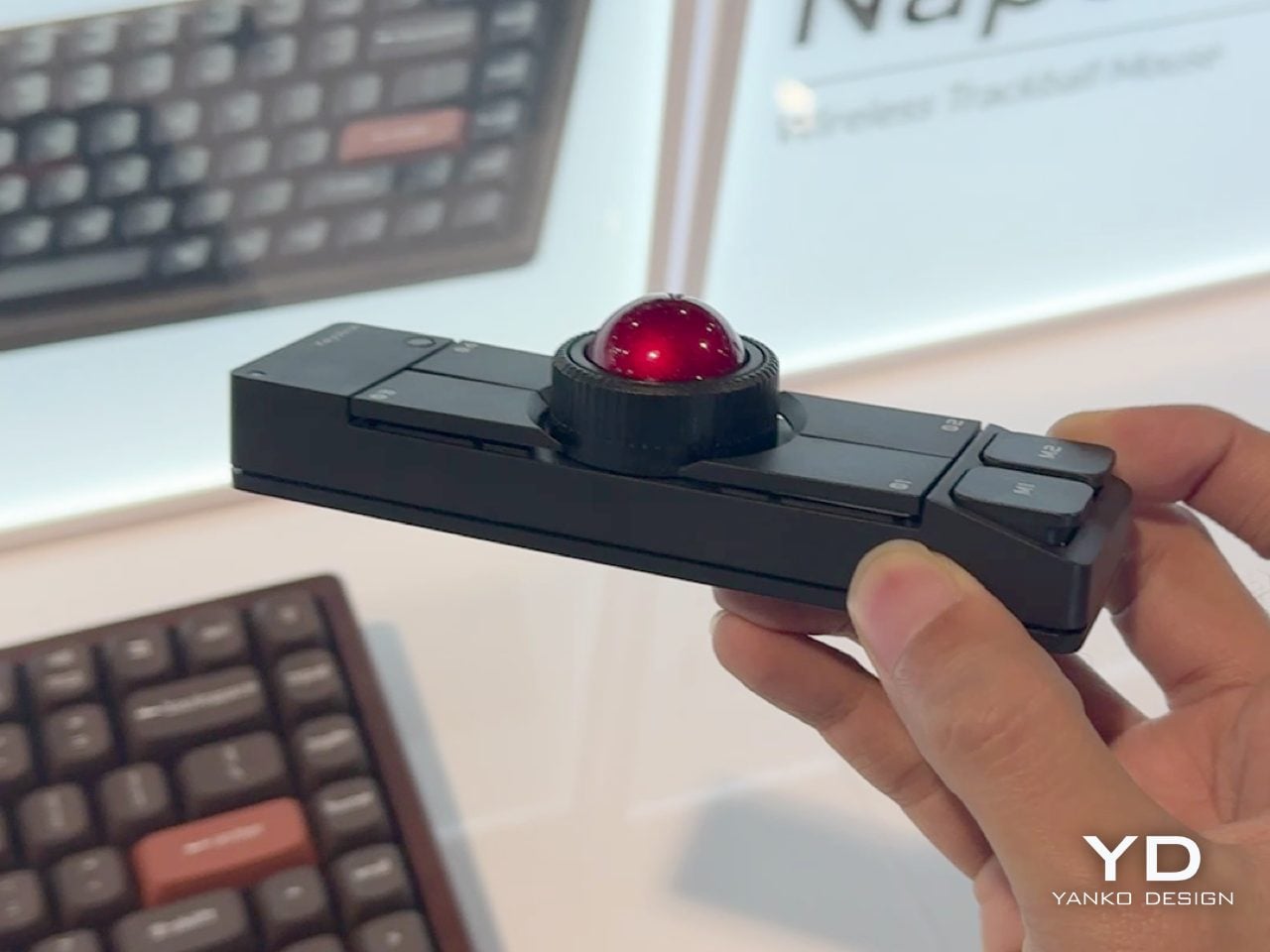
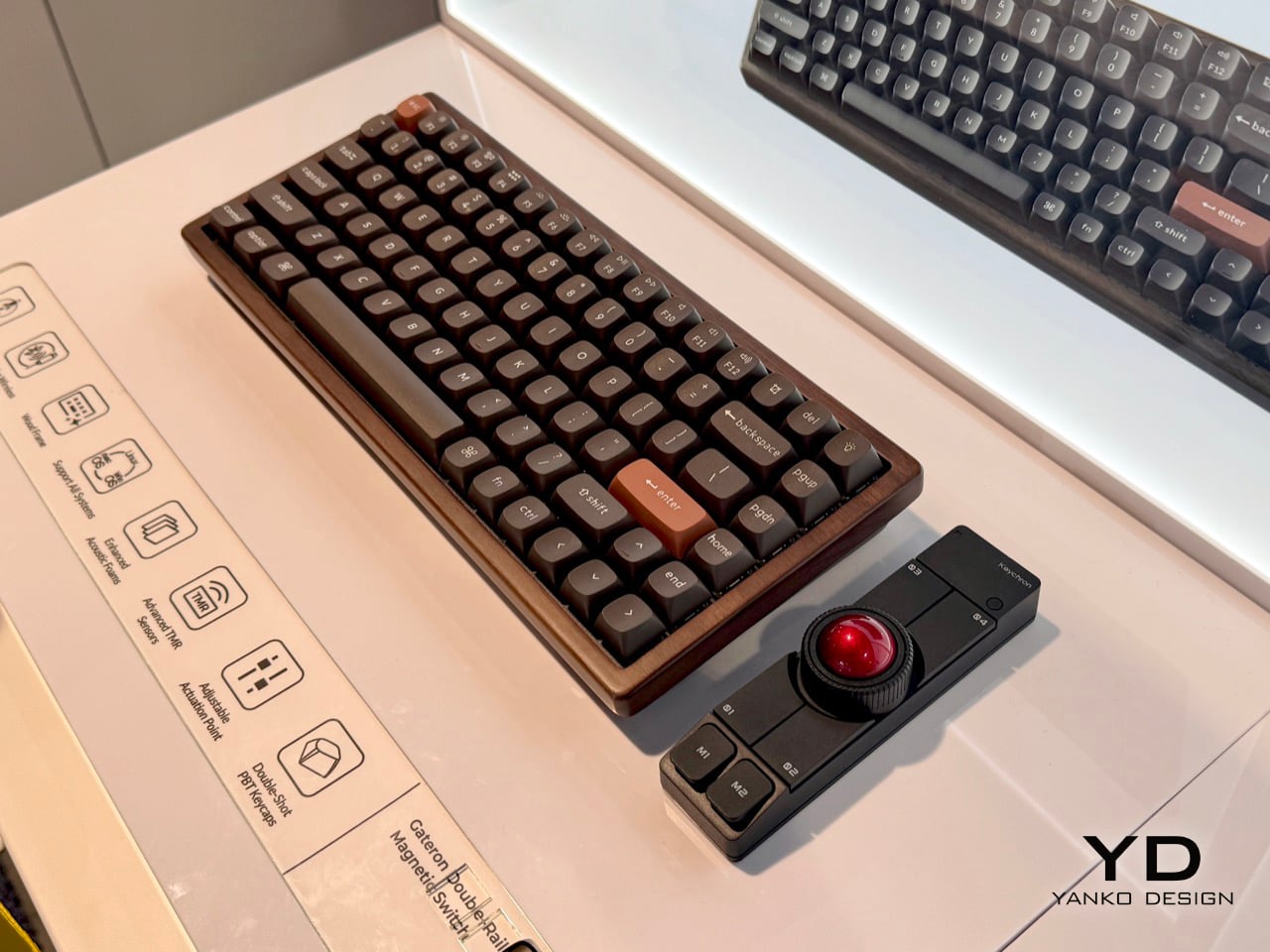
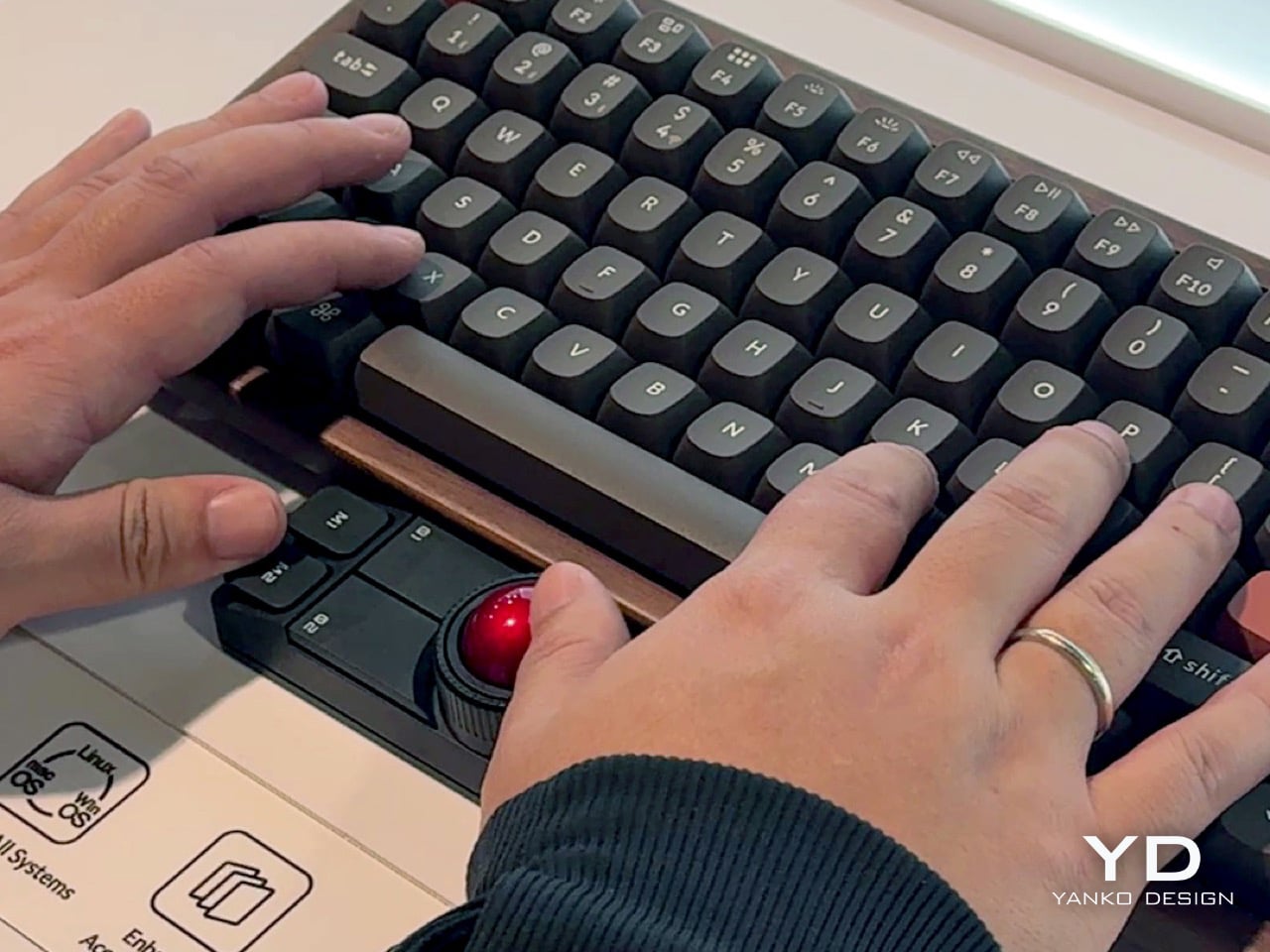
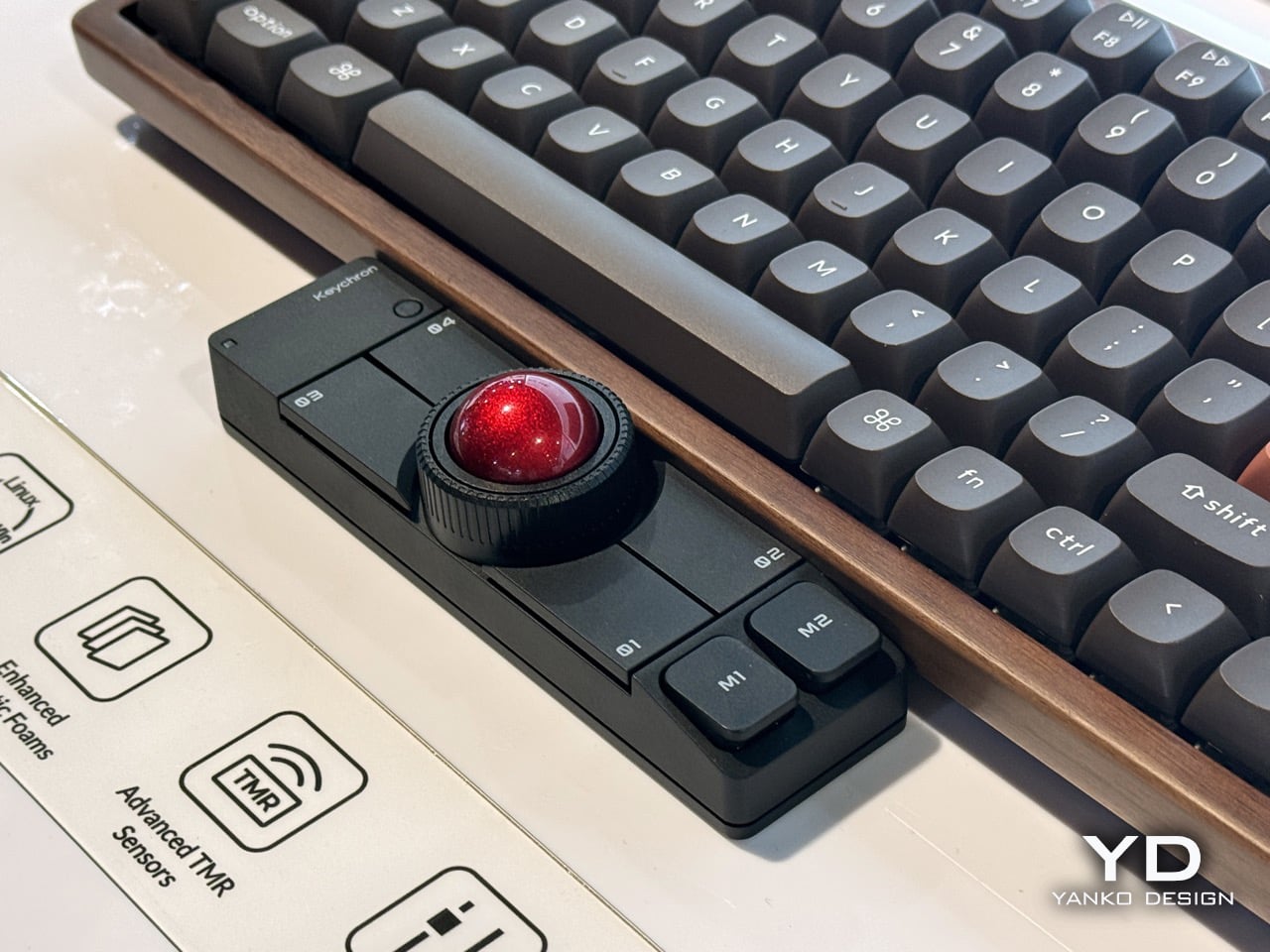
Most desktop setups still assume your mouse lives somewhere off to the right, waiting for you to break posture and reach across half the desk. Keychron’s new Nape Pro asks a different question: what if the pointing device simply came to meet your hands instead? Built as a slim bar with a 25 mm thumb trackball, six buttons, and a scroll wheel, it nestles right up against your favorite keyboard and behaves like a precision laptop pointing system for people who refuse to give up their mechanical boards.

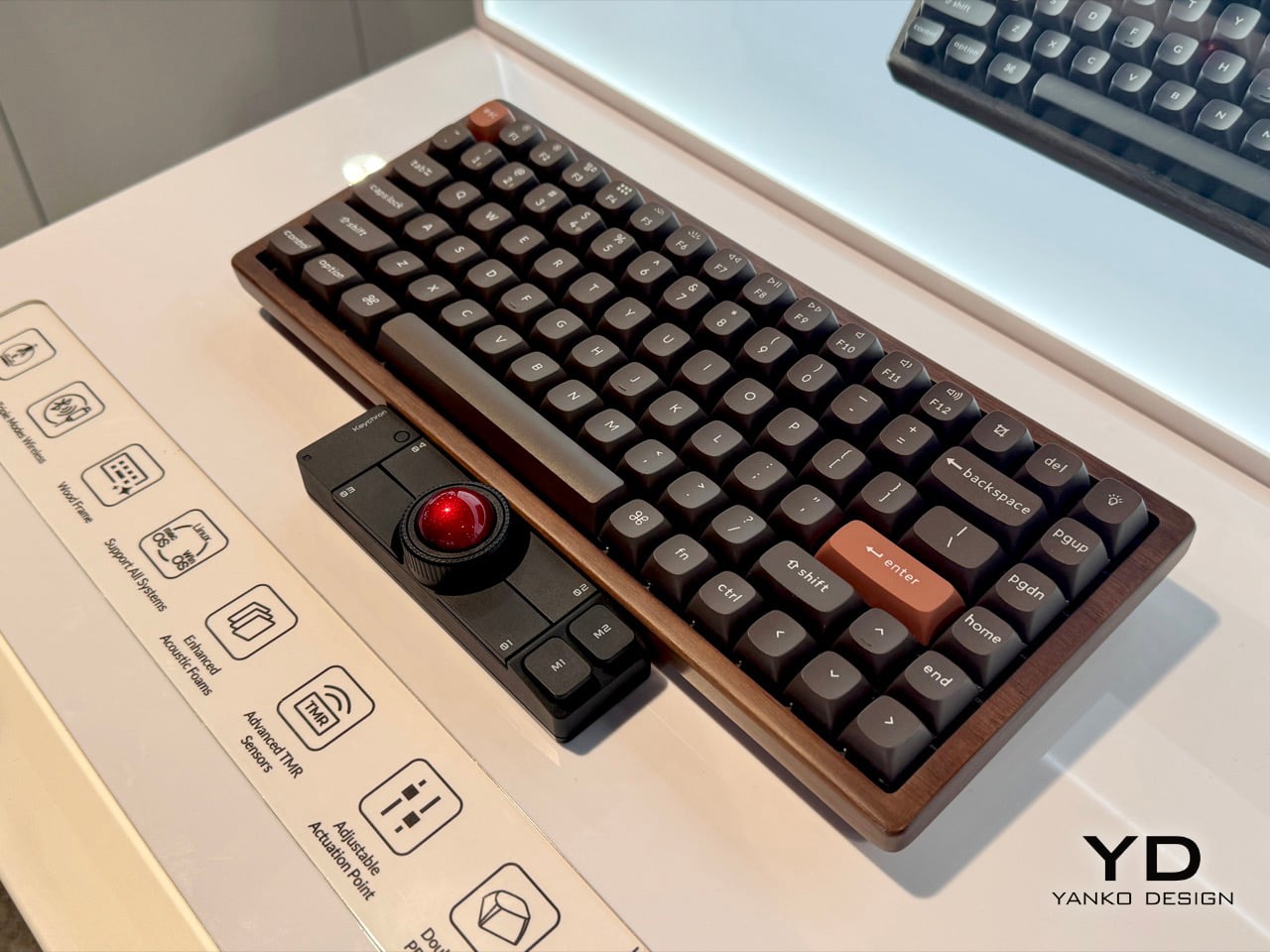
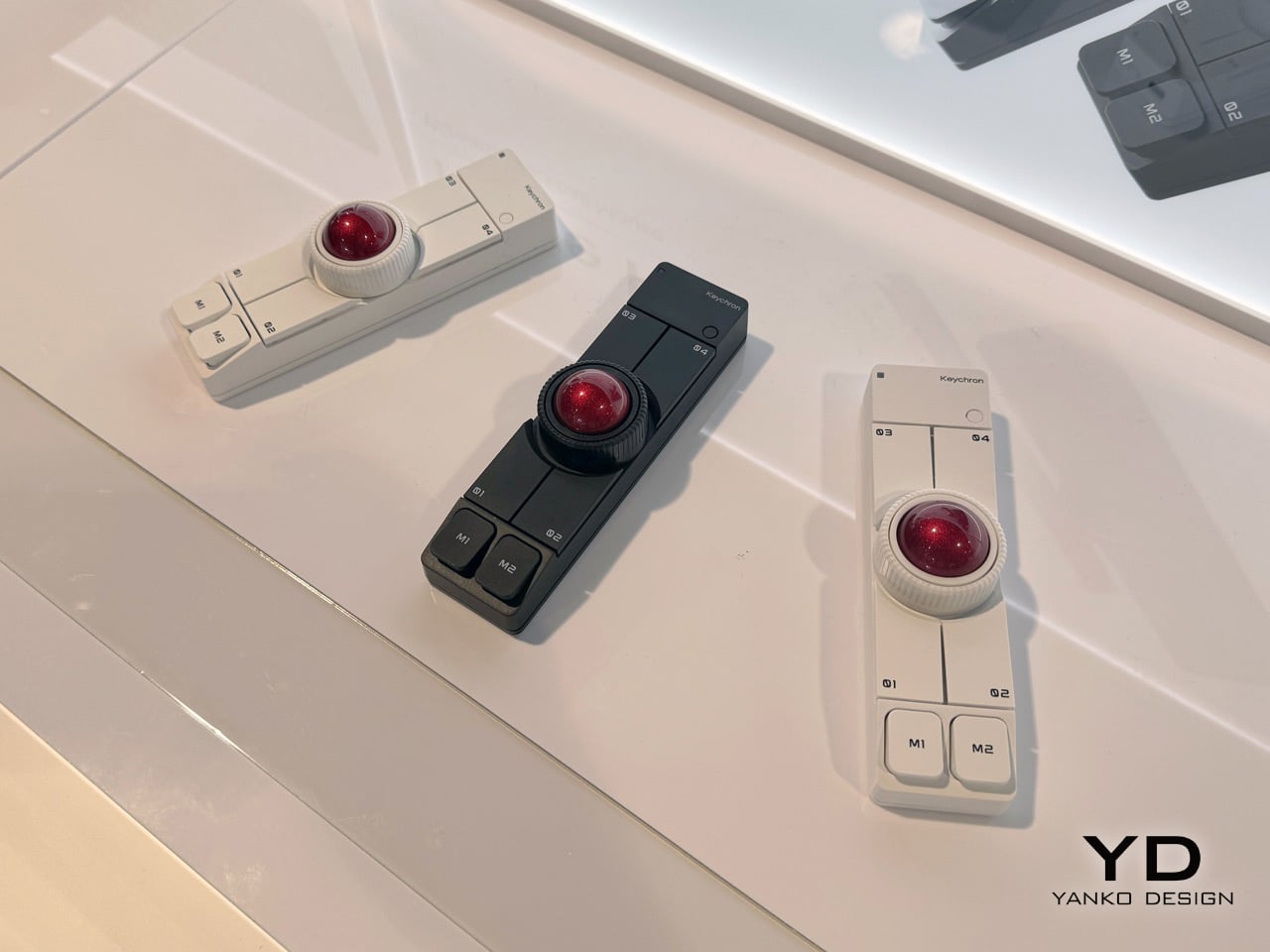
Slide it to the side of the keyboard and the personality changes completely. Nape Pro turns into a compact, wireless trackball with full macro pad ambitions, complete with layers, shortcuts, and ZMK powered customization. It is less a mouse replacement and more a modular control surface that just happens to move your cursor, wherever you decide to park it.

Designers: Keychron & Gizmodo Japan

Seeing it here at the Keychron booth, tucked under a Q1 Pro, the immediate impression is how little space it occupies. The whole unit is only 135.2 mm long and 34.7 mm wide, so it fits neatly within the footprint of a standard tenkeyless board without feeling like an afterthought. They are using quiet Huano micro switches for the six buttons, which makes sense for a device meant to live right under your palms where an accidental loud click would be infuriating. The 25 mm ball is smaller than what you would find on a Kensington Expert, but it feels responsive enough for quick navigation. It is clearly designed for thumb operation, keeping your fingers on the home row and eliminating that constant, inefficient travel between keyboard and mouse.

The real cleverness, though, is not in the hardware itself but in the chameleon-like software and orientation system. They call it OctaShift, which basically means the device knows how it is positioned and can remap its functions accordingly. The two buttons at the very ends, M1 and M2, are the easiest to hit in any orientation, so they naturally become your primary clicks whether the Nape Pro is horizontal, vertical, or angled. This flexibility is what separates it from a simple add-on. It is a tool that adapts to your workflow, whether you are a writer who wants to scroll with a thumb or a video editor who needs a dedicated shuttle wheel and macro pad next to their main mouse.

Under the hood, it is running on a Realtek chip with a 1 kHz polling rate and a PixArt PAW3222 sensor, so the performance is on par with a decent wireless gaming mouse. Connectivity is handled via Bluetooth, a 2.4 GHz dongle, or a simple USB-C cable. What really caught my attention was the commitment to the enthusiast community. The firmware is ZMK, a popular open-source platform in the custom keyboard world, and Keychron plans to release the 3D files for the case. This is not a closed ecosystem. It is an invitation for users to tinker, to print their own angled stands, custom button caps, or even entirely new shells.

This open approach feels like the whole point. The Nape Pro is not just for people who want a trackball; it is for people who build their own keyboards, flash their own firmware, and spend hours fine-tuning their desk setup for optimal efficiency. It bridges the gap between high-end custom keyboards and generic pointing devices. It acknowledges that for a certain type of user, the mouse is the last un-programmable, inflexible part of their workflow. By making a pointing device that is as customizable and community-focused as the keyboards it is designed to sit next to, Keychron has built something genuinely new.

The post Keychron’s Nape Pro turns your mechanical keyboard into a laptop‑style trackball rig: Hands-on at CES 2026 first appeared on Yanko Design.

Solvia ED 8×32 AI Binoculars At PEPCOM CES 2026

Solvia ED 8×32 AI Binoculars At PEPCOM CES 2026

Technology has transformed nearly every piece of everyday equipment, yet binoculars have remained largely unchanged. This year at CES 2026, MATATAXPLORE showcased their Solvia ED 8×32 AI Binoculars at PEPCOM Digital Experience, marking a clear break from analogue tradition and combining modern optics with artificial intelligence, onboard imaging, and touchscreen controls. The goal isn’t to […]

The post Solvia ED 8×32 AI Binoculars At PEPCOM CES 2026 appeared first on Geeky Gadgets.

Posted in Uncategorized