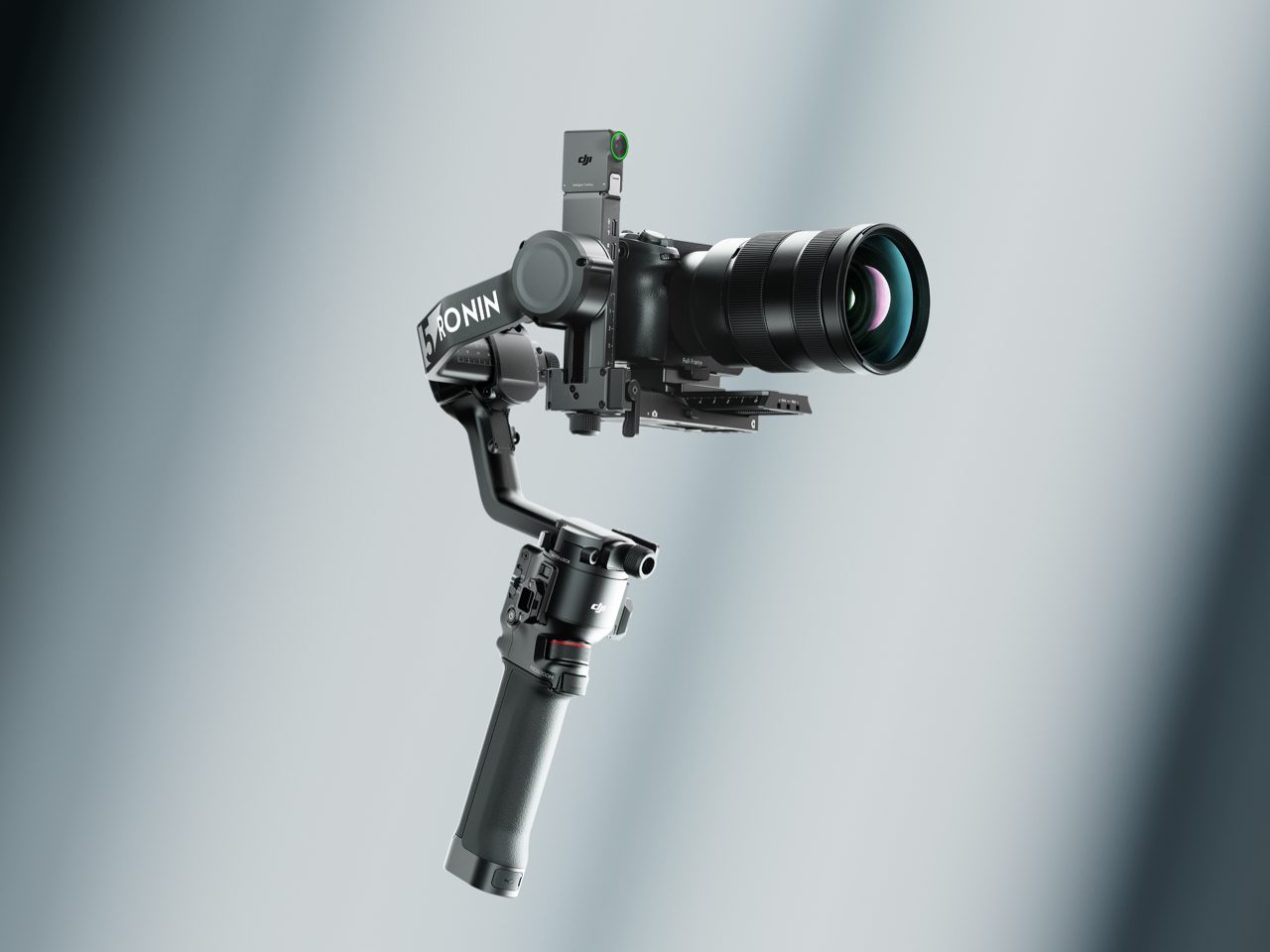
DJI launches the lightweight RS 5 camera gimbal for video creators

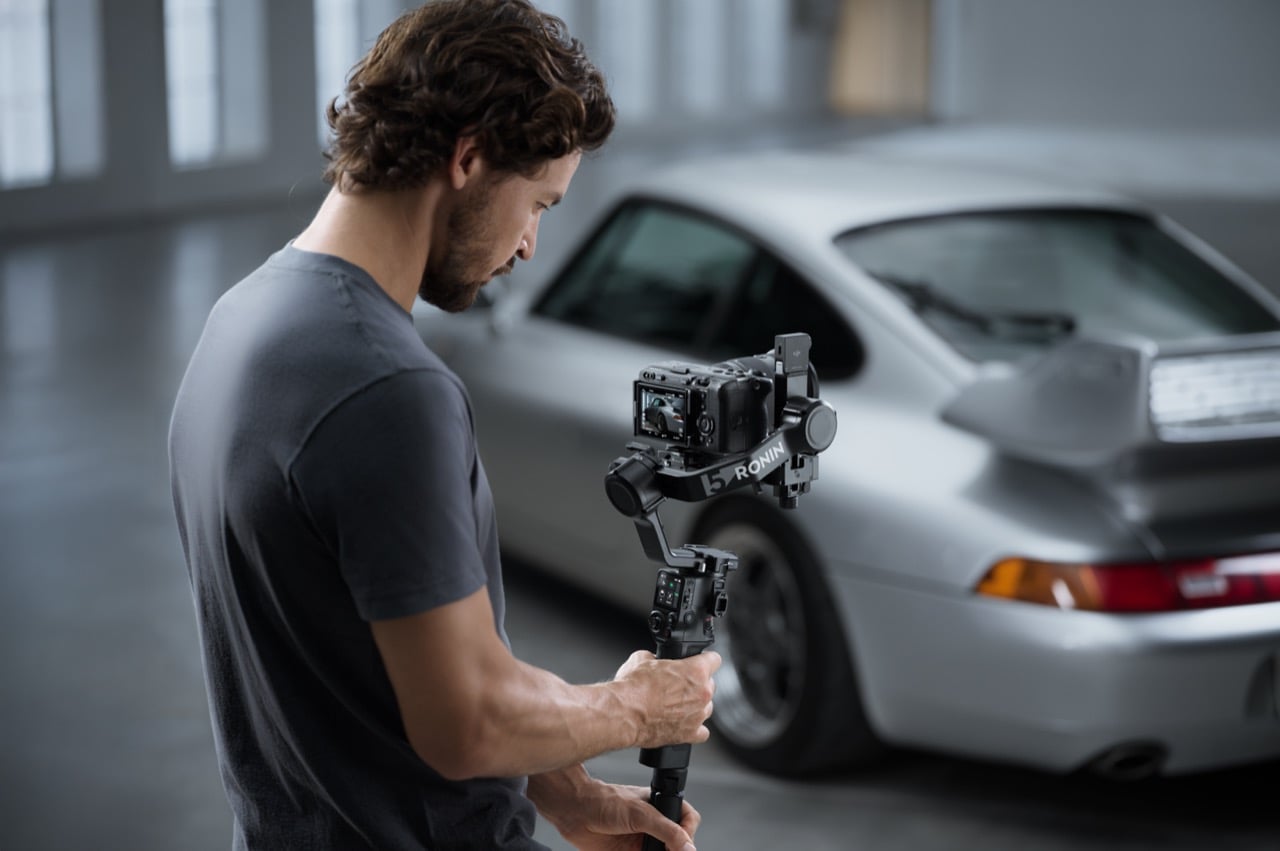
DJI just revealed the RS 5 camera gimbal, a new entry in its long-standing Ronan Series. The RS 5 is lightweight, at around three pounds, with a maximum payload of nearly seven pounds.

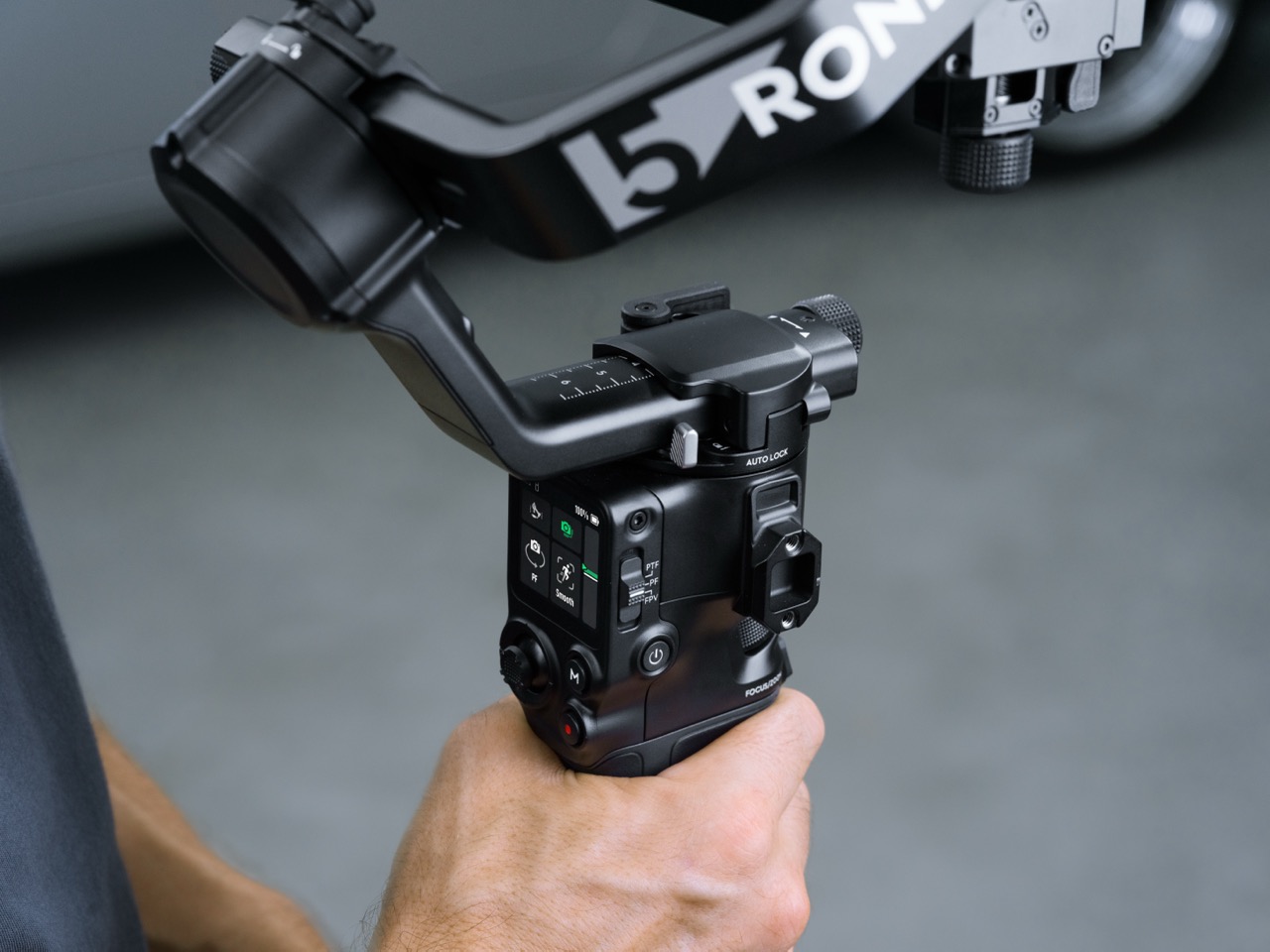
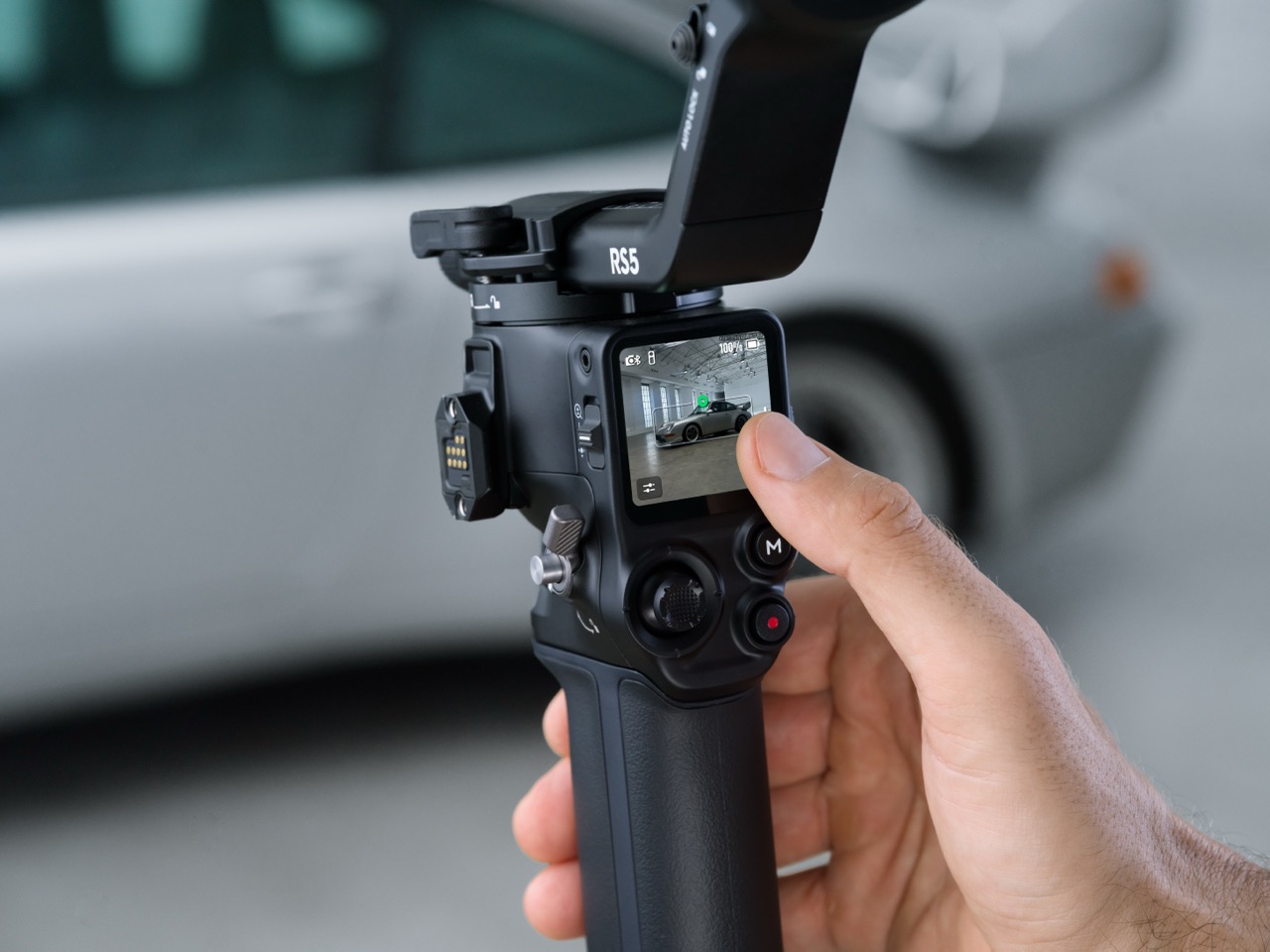
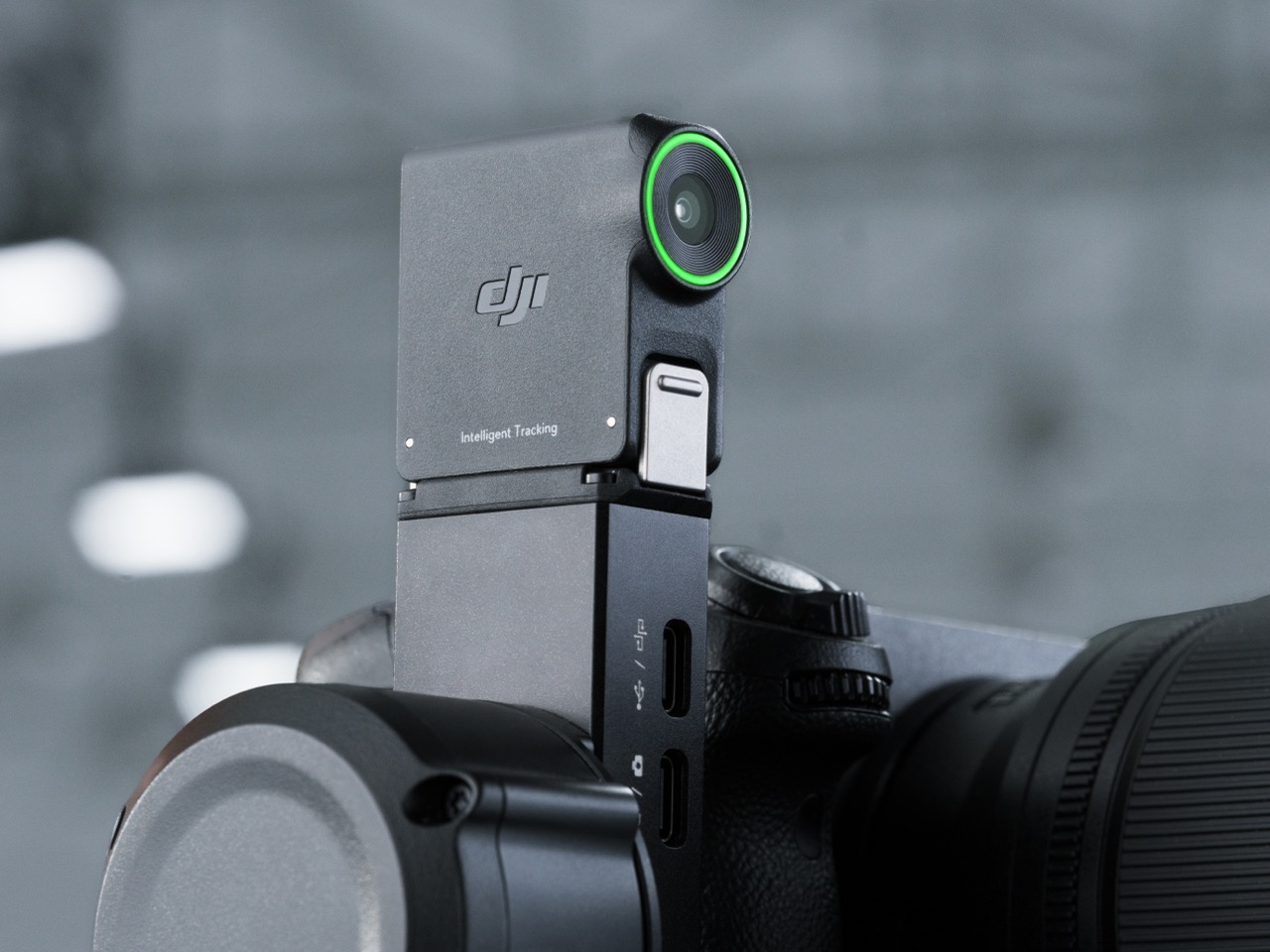
This gimbal offers what DJI calls "enhanced intelligent subject tracking." The tracking was already impressive with some of the company's older offerings, so any improvement will be icing on the cake. A new tracking module lets videographers frame live footage and follow subjects directly from an included touchscreen, all without having to fiddle with the actual camera.

A gimbal.
DJI

The tracking module also offers the ability to follow more than people. It can track pets, vehicles or just about any other object. It can also help maintain a locked focus on a human subject up to 10 meters away.

The RS 5 includes the company's latest stabilization algorithm, which DJI says lets videographers "effortlessly achieve complicated camera movements, such as surround shots, reverse tracking or single-person fixed-camera tracking." It's also great for when the cameraperson is capturing footage while walking or running.

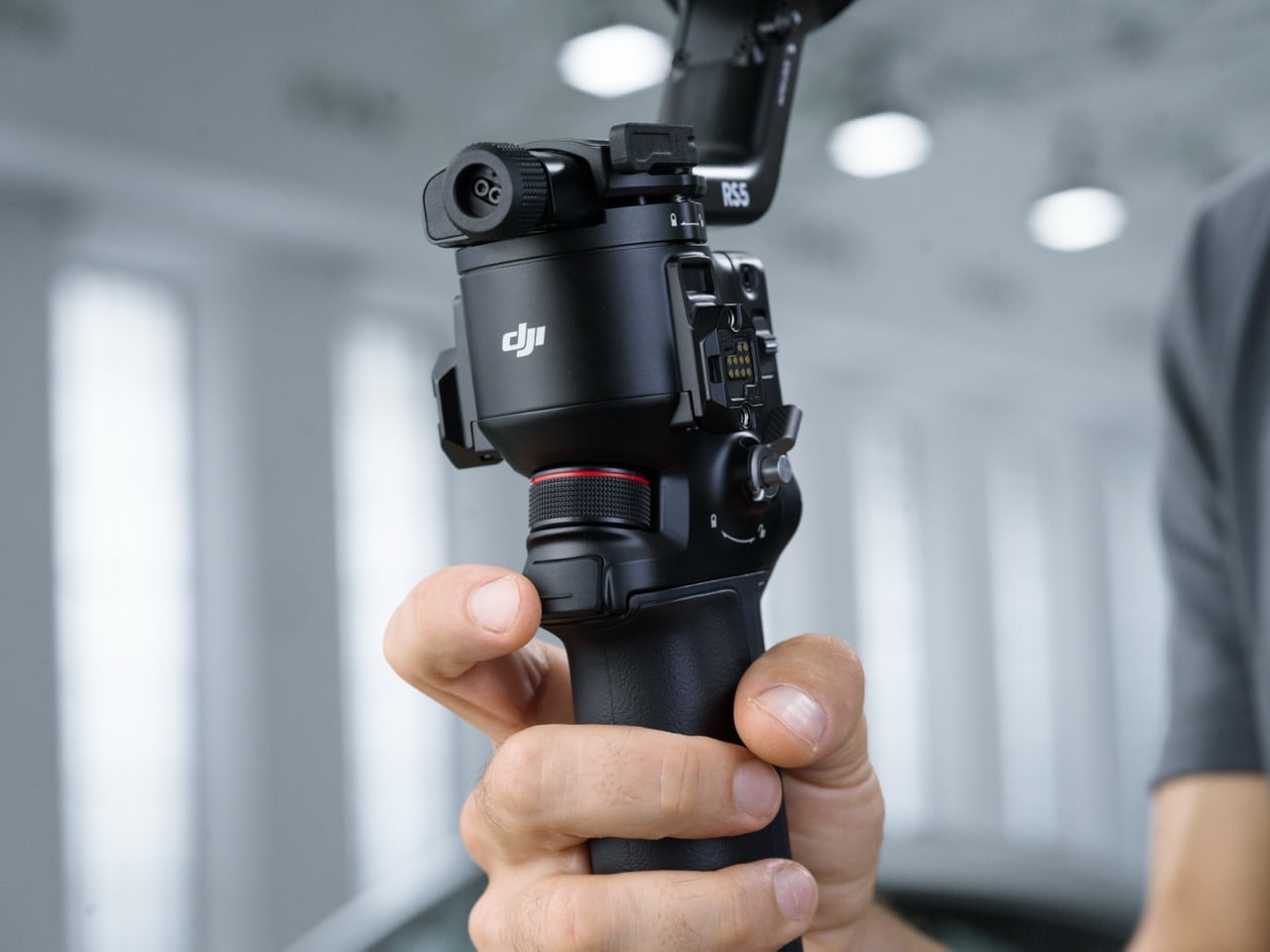
It's been designed to carry a wide range of mainstream mirrorless cameras and lens combinations and can switch to vertical shooting without additional accessories. There's a nifty little briefcase handle for capturing footage from above or below.

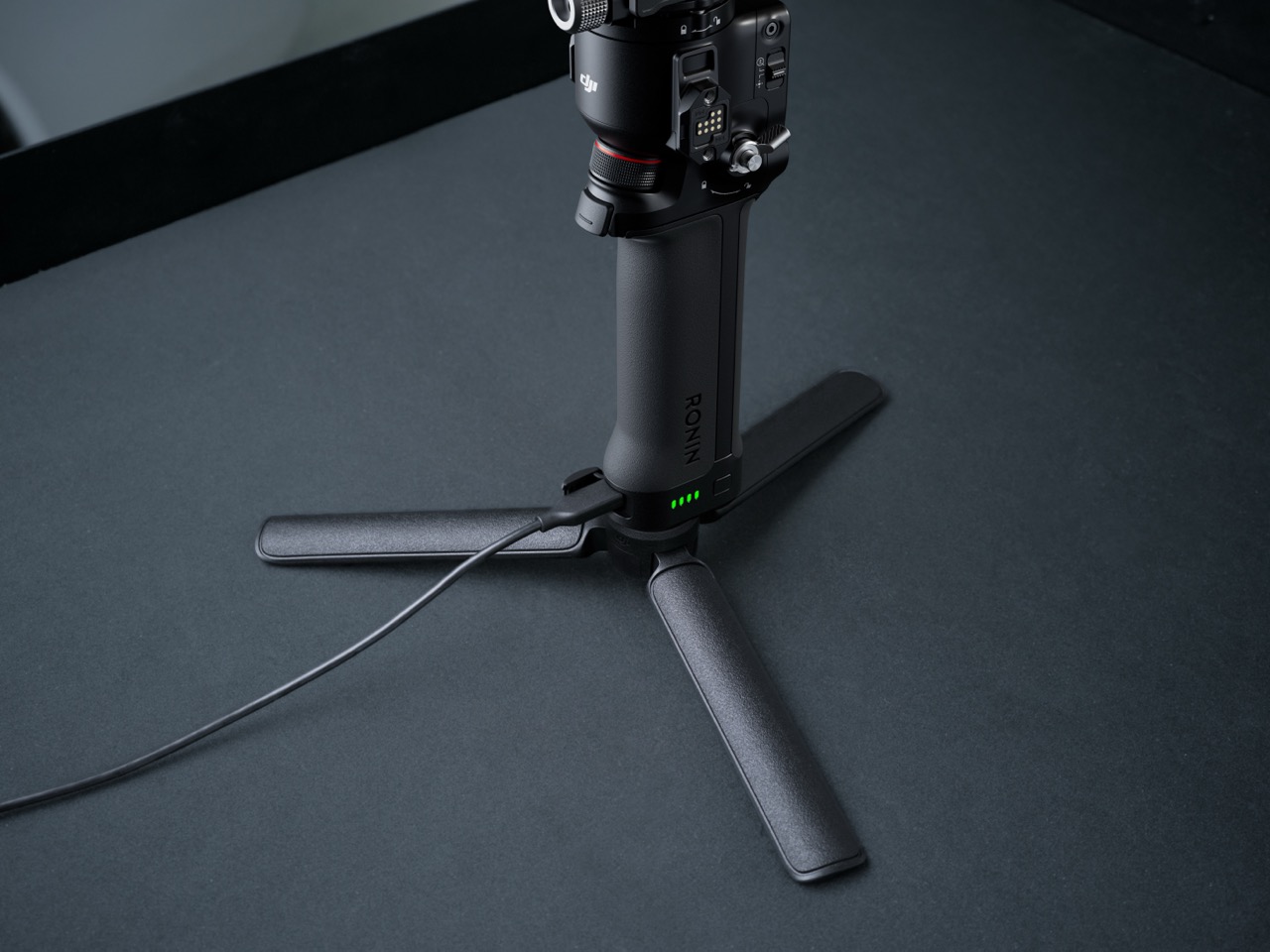
The RS 5 delivers up to 14 hours of use per charge and can be fully charged in just an hour. Video shoots can take forever, so this is a welcome bit of news. For true marathons, there's a separate enhanced battery grip accessory that extends the runtime to 30 hours.

Two cars and a gimbal.
DJI

The standard DJI RS 5 includes the gimbal, a quick-open tripod, quick-release plates, a regular battery grip and some other useful accessories. That pack costs around $680. The combo pack includes all of the above, plus the enhanced tracking module, a carrying case and an electronic briefcase handle. That costs around $859.

Now for the bad news. We don't have a US release date or even any information as to if it will be available here. Engadget has reached out to DJI for more information. The company's drones were recently banned from being imported to the US. This only impacts newly-released models and shouldn't impact gimbals or anything like that.

This article originally appeared on Engadget at https://www.engadget.com/cameras/dji-launches-the-lightweight-rs-5-camera-gimbal-for-video-creators-120056173.html?src=rss

AirTag 2 vs. AirTag 1: Key Differences Explained

AirTag 2 vs. AirTag 1: Key Differences Explained

Apple’s AirTag 2 builds on the foundation of its predecessor, offering a range of meaningful upgrades while retaining the same compact design and affordable price point. Whether you’re considering upgrading from the original AirTag or purchasing your first tracking device, understanding these enhancements will help you make an informed decision.In the video below, AppleDsign explores […]

The post AirTag 2 vs. AirTag 1: Key Differences Explained appeared first on Geeky Gadgets.

Posted in Uncategorized

DJI RS 5 First Look: The New Sweet‑Spot Gimbal For Solo Creators And Mirrorless Rigs

DJI’s gimbal lineup has always operated on a clear hierarchy. At the bottom, the Osmo Mobile series keeps smartphone creators happy with pocket-friendly stabilization. At the top, the RS 4 Pro hauls cinema camera rigs with carbon fiber arms and 4.5kg payload capacity. The middle ground, though, has been trickier to nail down. Too light and you’re pushing mirrorless setups to their limits. Too heavy and solo operators end up fatigued halfway through a wedding shoot. The RS 5 arrives as DJI’s latest attempt to find that sweet spot, and judging by the spec sheet, they might have actually figured it out this time.

Weighing 1.46kg with a 3kg payload capacity, the RS 5 matches the physical footprint of the standard RS 4 while claiming a 50% boost in peak motor torque and 14 hours of runtime on the standard battery. More interesting is what DJI has prioritized here: the RS Enhanced Intelligent Tracking Module (borrowed from the RS 4 Mini’s debut), an Electronic Briefcase Handle for high and low angles, and significantly faster charging that gets you back to work in an hour instead of waiting around for half a day. This isn’t about raw specs anymore. It’s about keeping solo commercial videographers moving efficiently through shoots without needing a full crew or endless battery swaps.

Designer: DJI
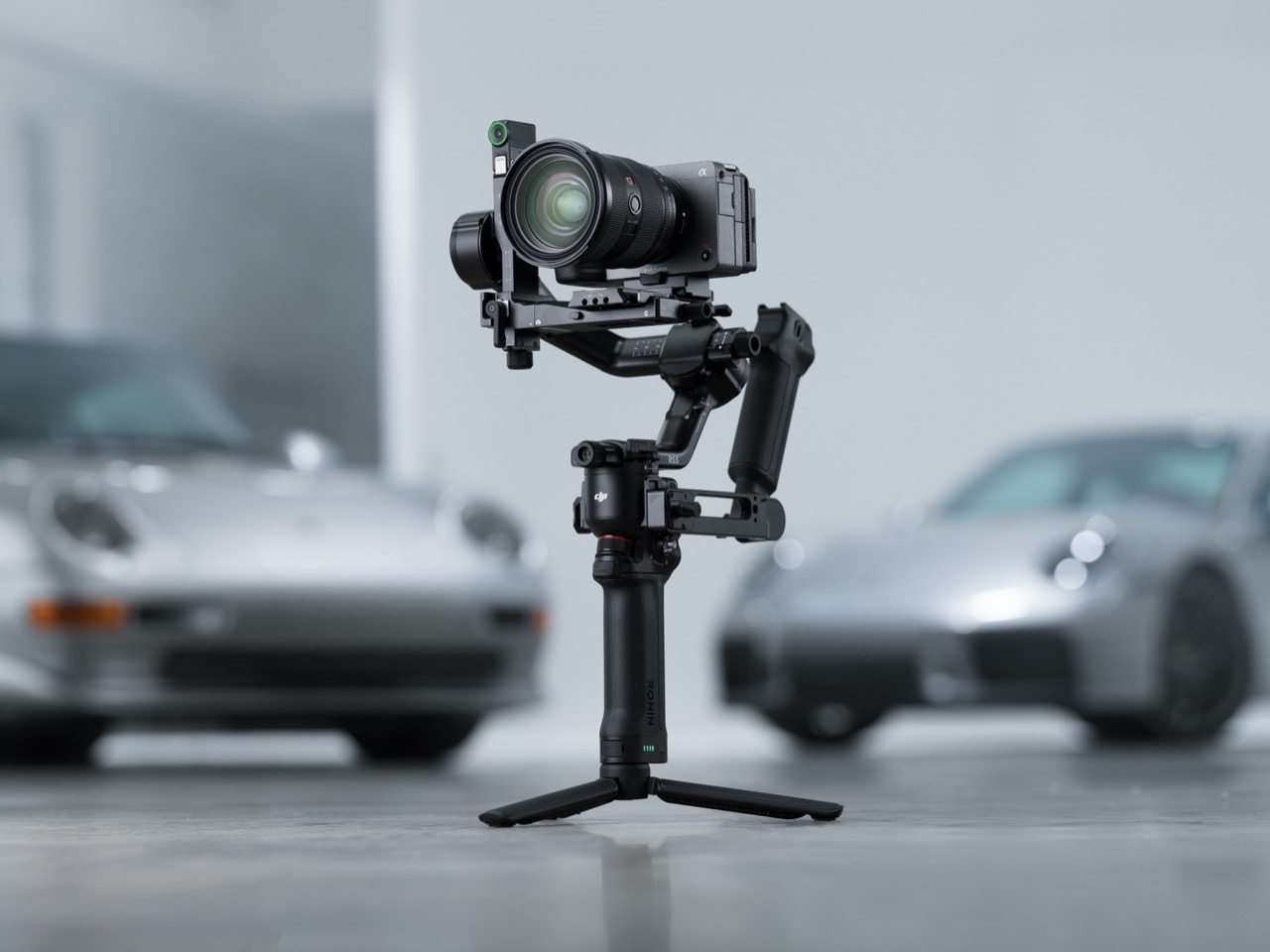
It’s one thing to hold a 3kg payload steady during a slow pan, but chasing a subject through a crowded event is a different beast entirely. That 50% peak motor torque improvement is where the RS 5 starts to justify its existence, especially when paired with their fifth-generation stabilization algorithm. This is the kind of power that prevents micro-jitters when you’re running or making sudden direction changes. It also means the native vertical switch, which lets you flip to a 9:16 aspect ratio in seconds, doesn’t come with a performance penalty. That’s a huge deal for anyone delivering social content alongside traditional horizontal video, as you’re not compromising stability just to get the shot framed for TikTok.
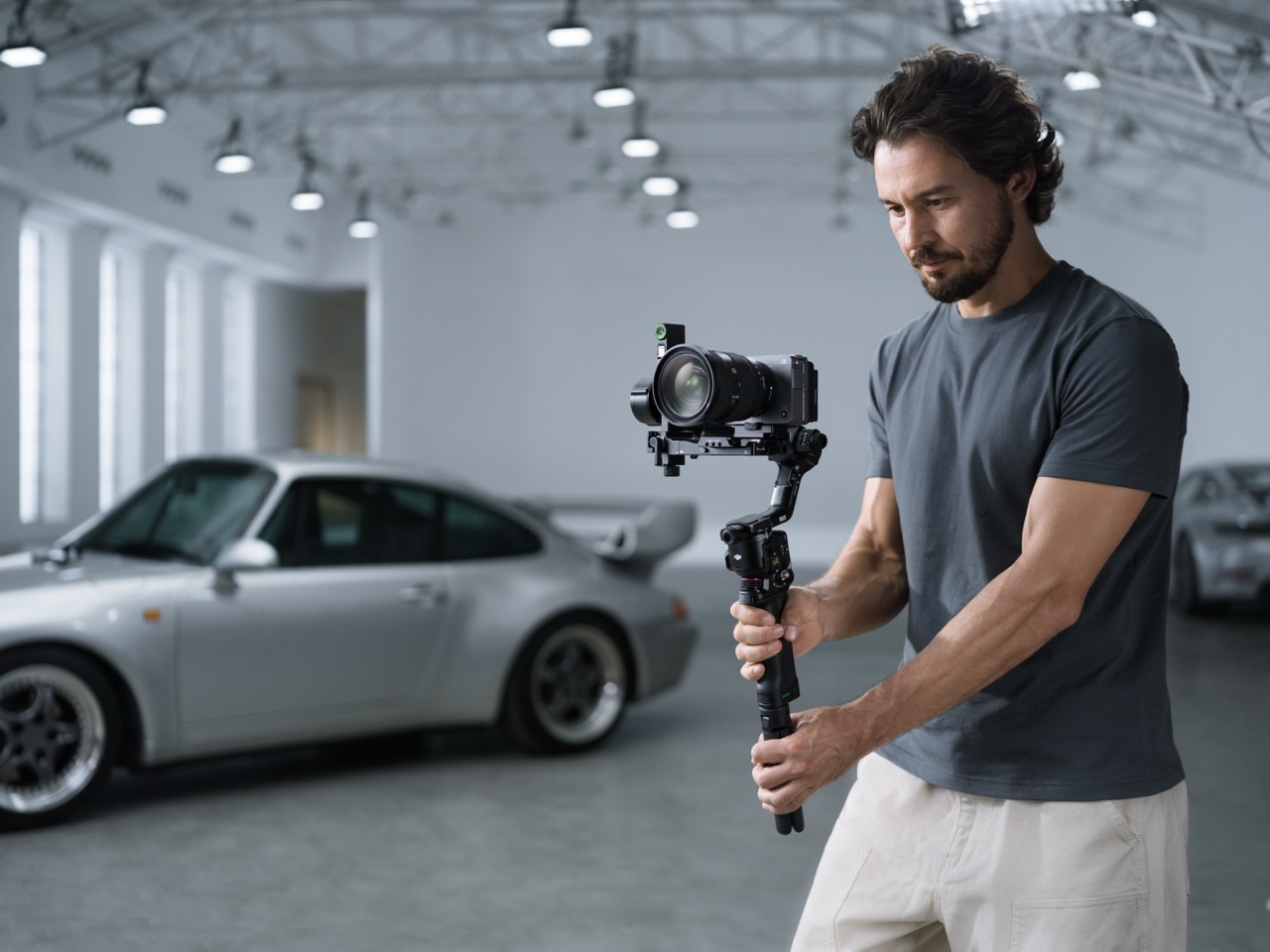

All that stabilization doesn’t mean much if your subject keeps drifting out of frame while you’re focused on your own footwork. The RS Enhanced Intelligent Tracking Module, pulled from the RS 4 Mini and beefed up, handles the tracking with aplomb. It tracks more than just people; you can lock onto vehicles, pets, or any object you tap on the screen from up to 10 meters away. Even better, it can re-acquire a subject if they’re temporarily obscured, saving you from a ruined take. The fact that it attaches magnetically without needing extra adapters is a smart touch, acknowledging that setup time is a real currency for solo operators. It’s a clever bit of product strategy, bringing a killer entry-level feature up to the commercial tier where it’s arguably needed most.
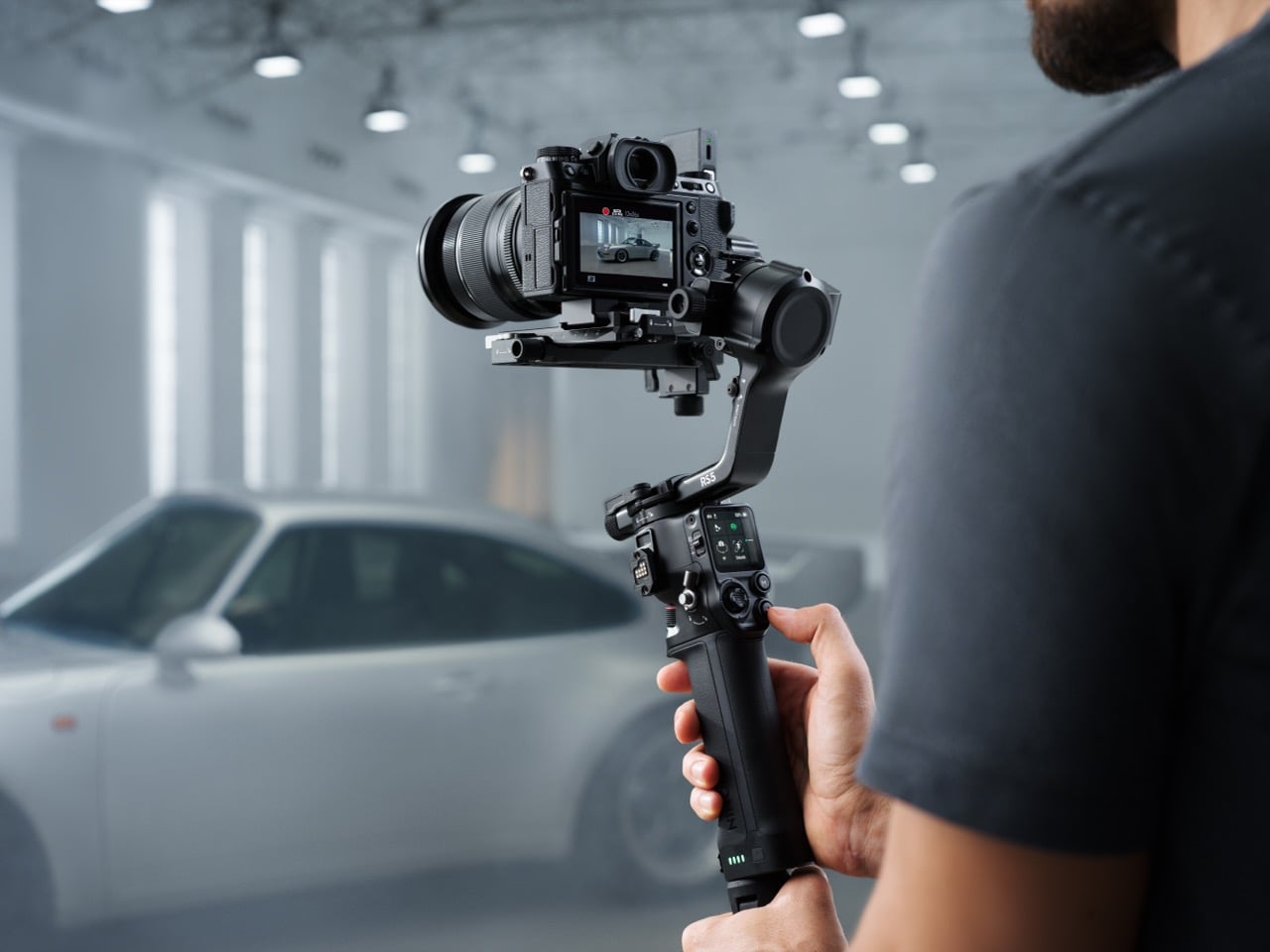
The dirty secret of every solo videographer’s kit is a bag overflowing with batteries and a constant, low-grade anxiety about runtime. DJI seems to have finally gotten the message. The RS 5 hits a full charge in just one hour with a 65W PD charger, which is a massive quality-of-life improvement. The standard battery gives you 14 hours of juice, but the optional BG70 High-Capacity grip pushes that to a claimed 30 hours. Even if real-world use cuts that down significantly, it’s enough to get you through the longest wedding day without a panic. They’ve also expanded the Bluetooth shutter control to include Panasonic and Fujifilm cameras, a long-overdue nod to the fact that the camera world doesn’t just revolve around Sony, Canon, and Nikon.
You’re probably a good candidate for the RS 5 if you’re shooting paid work with mirrorless cameras and your current gimbal makes you want to throw it into a lake by hour three. Event videographers, wedding shooters, small production houses, anyone who’s working solo but needs results that look like a full crew showed up. If you’re hauling around a RED Komodo or a cinema rig that pushes past 3kg, skip this and go straight to the RS 4 Pro with its 4.5kg capacity and carbon fiber construction. On the flip side, if you’re still shooting with your phone or occasionally pulling out a compact camera for vlogs, the Osmo Mobile or Osmo Pocket lines will serve you better. Those devices are far more portable, cost a fraction of what the RS 5 demands, and honestly, DJI will probably refresh them in the coming months with similar intelligent tracking features trickling down from this generation. But if you’re already committed to proper camera gear and tired of fighting your equipment, this sits right where it needs to.
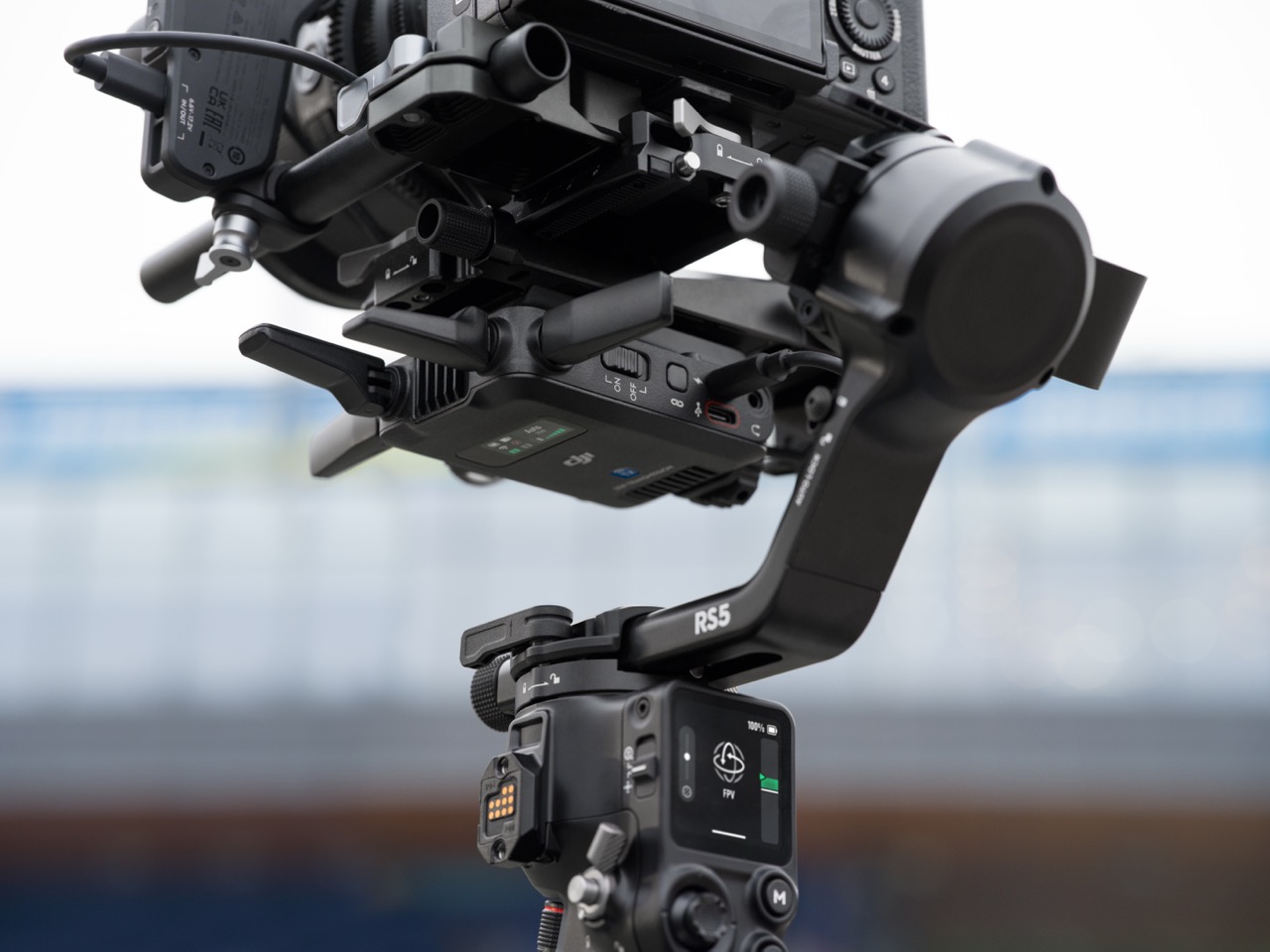
So this all sounds great, but it always comes down to the hole it leaves in your wallet. The standalone gimbal runs $671 (£485), which plants it firmly in that prosumer middle ground. The real conversation, though, is about the Combo kit at $856 (£619), which adds the tracking module and the electronic briefcase handle. For a working videographer, that’s the package that makes sense. You’re not just buying a stabilizer; you’re buying back time and reducing on-set frustration. It’s a tool built for the specific pressures of the one-person crew, and that focus is what makes it a compelling piece of hardware.
The post DJI RS 5 First Look: The New Sweet‑Spot Gimbal For Solo Creators And Mirrorless Rigs first appeared on Yanko Design.
USB4 v2 vs Thunderbolt 5 : Real Differences at 80Gbps and Beyond

USB4 v2 vs Thunderbolt 5 : Real Differences at 80Gbps and Beyond

What if the latest USB4 v2 device you just bought wasn’t quite what you thought it was? With its impressive 80Gbps speeds, it’s easy to assume it matches, or even rivals, Thunderbolt 5. But Kevin Muldoon walks through how the two technologies, despite their surface similarities, are fundamentally different in ways that could significantly impact […]

The post USB4 v2 vs Thunderbolt 5 : Real Differences at 80Gbps and Beyond appeared first on Geeky Gadgets.

Posted in Uncategorized

More for Your Money: Samsung Galaxy S26 Ultra Leaks Confirm 256GB Base Model for $799

More for Your Money: Samsung Galaxy S26 Ultra Leaks Confirm 256GB Base Model for $799

A recent leak from a Finnish retailer has unveiled exciting details about Samsung’s highly anticipated Galaxy S26 lineup, set to debut in early 2026. Among the most significant revelations is the elimination of the 128 GB storage option, with all models now starting at 256 GB. This move underscores Samsung’s commitment to addressing user demands […]

The post More for Your Money: Samsung Galaxy S26 Ultra Leaks Confirm 256GB Base Model for $799 appeared first on Geeky Gadgets.

Posted in Uncategorized

Magnetic Floating Strings Guitar : Tuning, Stability, and Design

Magnetic Floating Strings Guitar : Tuning, Stability, and Design

What if the strings of a guitar could float, untethered, held in place by nothing but invisible magnetic forces? It sounds like the stuff of science fiction, but Mattias Krantz outlines how he turned this audacious idea into a working reality in his latest video. By replacing traditional string anchors with carefully calibrated magnets, Krantz […]

The post Magnetic Floating Strings Guitar : Tuning, Stability, and Design appeared first on Geeky Gadgets.

Posted in Uncategorized

NotebookLM Tips Pros Use for Better Decks and Infographics Today

NotebookLM Tips Pros Use for Better Decks and Infographics Today

What if you could cut hours of tedious work from your day while producing better, more polished results? Ali Salem outlines how professionals are doing just that with NotebookLM, an AI-powered system designed to transform the way we approach research, content creation, and data analysis. Far from being just another AI, NotebookLM stands out by […]

The post NotebookLM Tips Pros Use for Better Decks and Infographics Today appeared first on Geeky Gadgets.

Posted in Uncategorized

This 3-in-1 Cleaning Robot Fits in a Backpack

There’s something quietly revolutionary happening in the world of workplace maintenance, and it comes in a surprisingly sleek package. Meet Pulito, a cleaning system designed by Yilmaz Salman that’s challenging everything we thought we knew about keeping shared spaces spotless.

Most cleaning robots feel like expensive toys that promise the moon and deliver, well, a slightly cleaner floor. Pulito takes a completely different approach. Instead of being just another gadget you buy and forget about, it’s designed as a subscription-based service that actually makes sense for how modern workplaces function. Think of it less as a product and more as a cleaning partner that shows up ready to work.

Designer: Yilmaz Salman

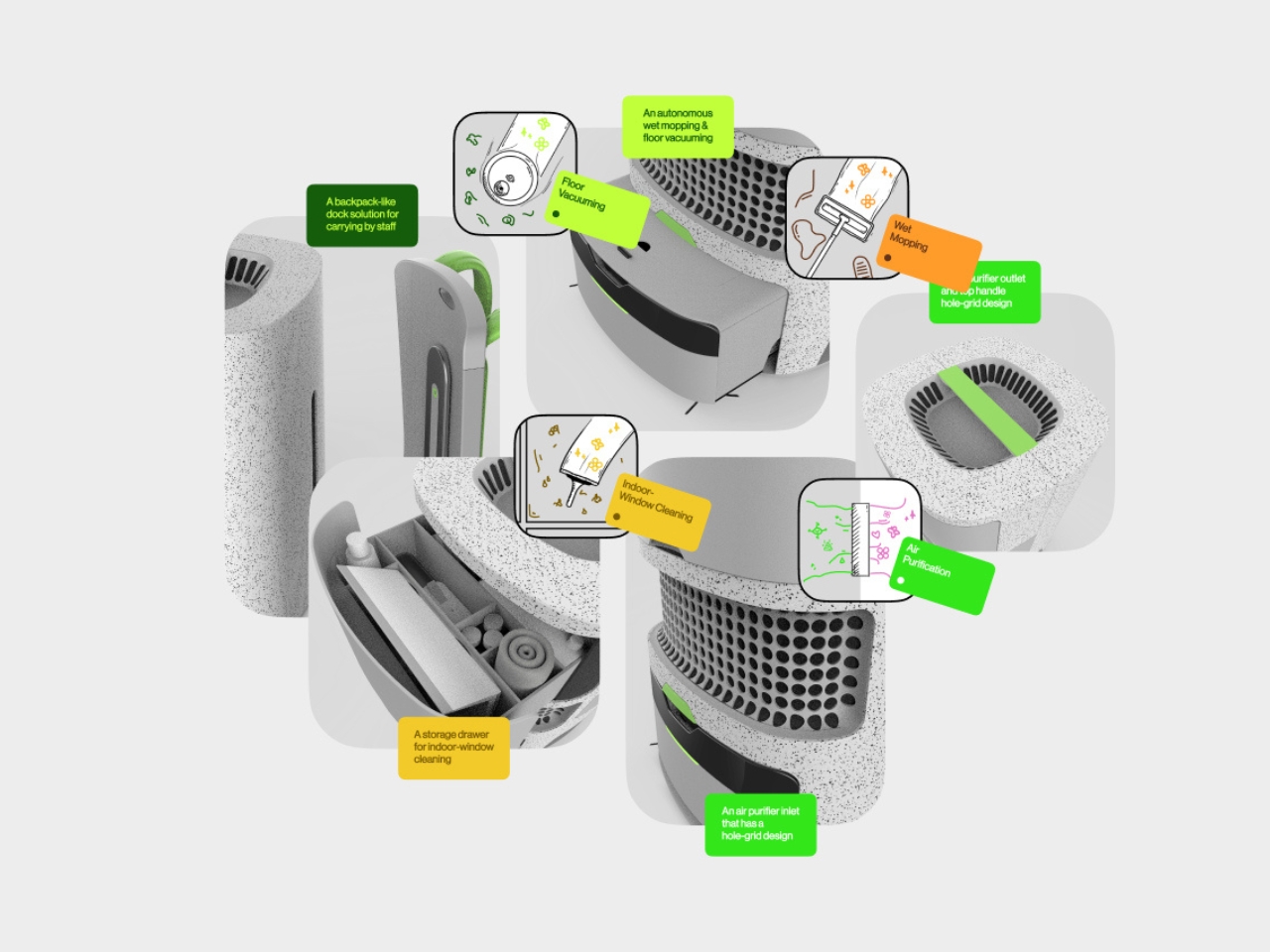
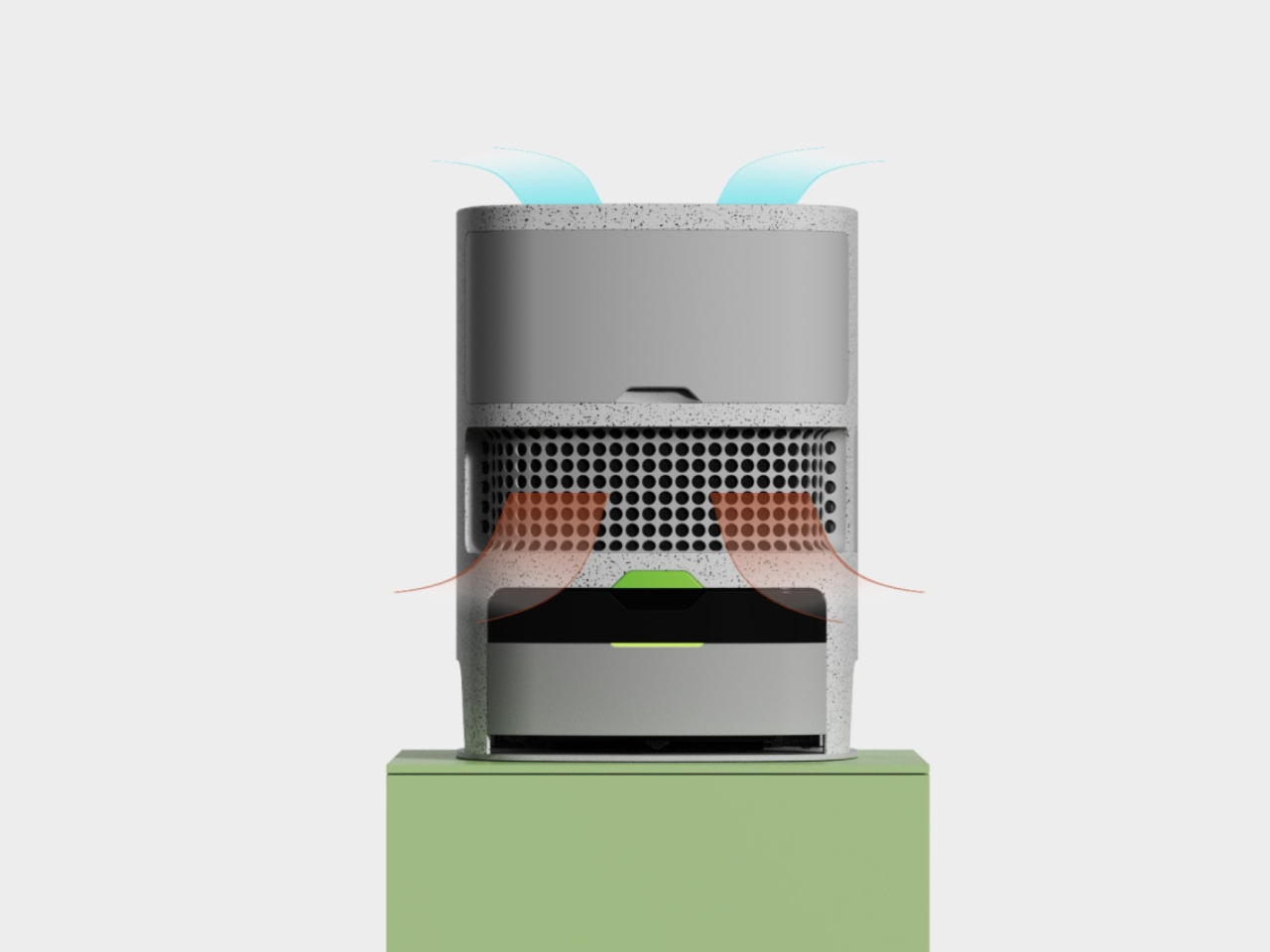
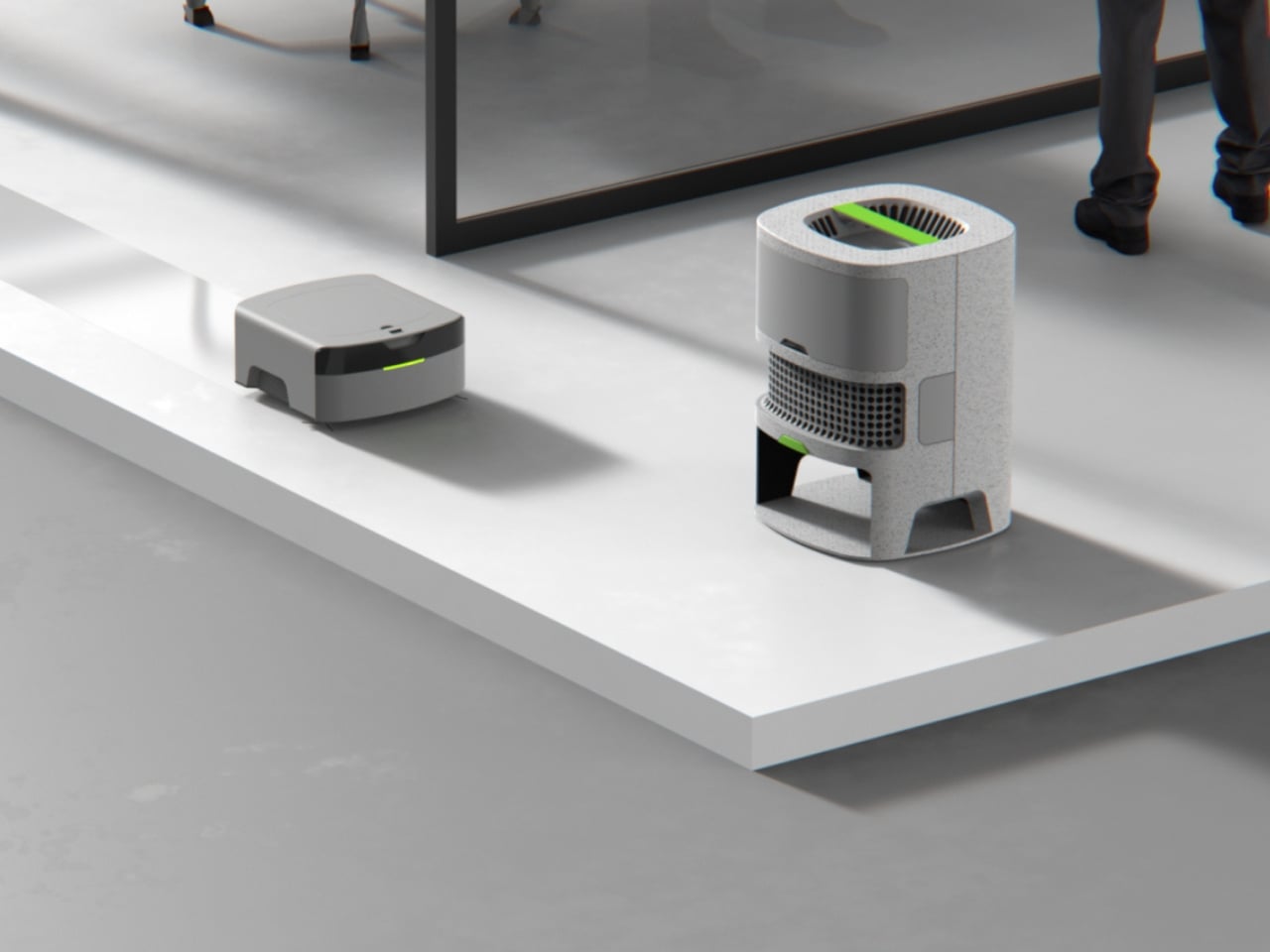
What makes Pulito different is its three-pronged strategy for tackling workplace hygiene. The main unit houses a continuous air filtration system that quietly works away at improving indoor air quality while everything else happens around it. This isn’t just about appearances. We spend so much time indoors now, and air quality has become one of those invisible factors that affects how we feel and work without us even realizing it.

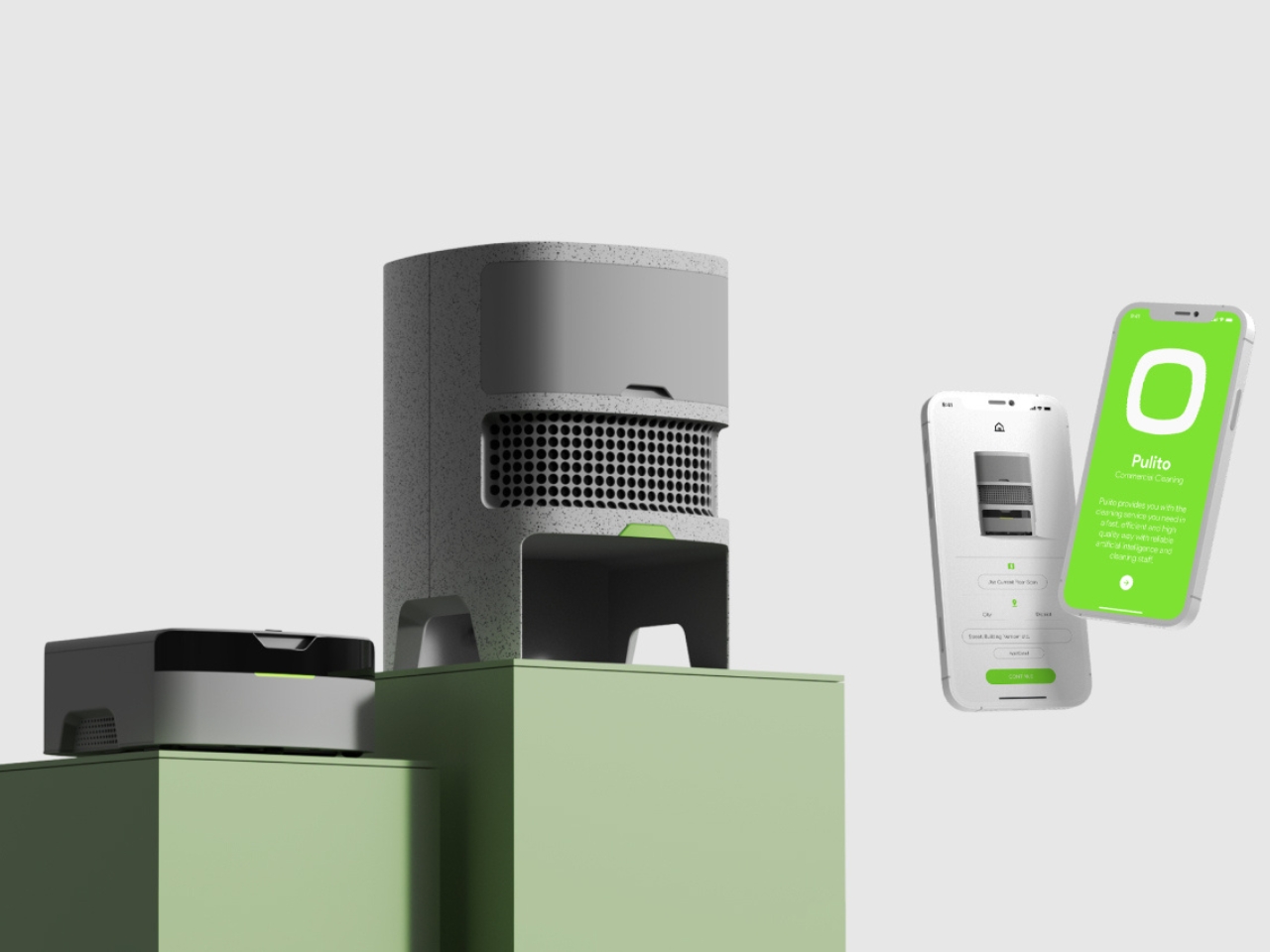
Then there’s the autonomous floor cleaning component, a detachable unit that handles the vacuuming and wiping without anyone needing to babysit it. It’s the kind of set-it-and-forget-it functionality that actually lives up to the promise. The robot navigates work areas independently, freeing up cleaning staff to focus on tasks that genuinely need a human touch.

And that’s where the third element comes in. Pulito includes an integrated storage drawer filled with specialized window cleaning tools designed for staff to use. Rather than trying to automate absolutely everything (because let’s be real, robot window washers still have a ways to go), it embraces a hybrid model where technology and human expertise work together. It’s a refreshingly honest approach to design that acknowledges the limitations of automation while maximizing its strengths.

The business model behind Pulito is just as thoughtful as the design itself. The rental service approach taps into the growing circular economy movement, where ownership matters less than access and sustainability. Recent projections suggest the service robot sector could hit $175 billion by 2030, and rental models are proving to increase operational convenience by 83% and sustainability by 76%. Those aren’t just impressive numbers. They represent a fundamental shift in how businesses think about equipment and resources.

For facility managers and business owners, the subscription model solves one of the biggest headaches with commercial cleaning equipment: the massive upfront cost and the inevitable maintenance nightmares. With Pulito, you’re essentially renting a service that includes the hardware, updates, and support. When something breaks or needs upgrading, it’s not your problem to solve. That’s a game changer for smaller businesses or startups that need professional-grade cleaning solutions without the capital investment.

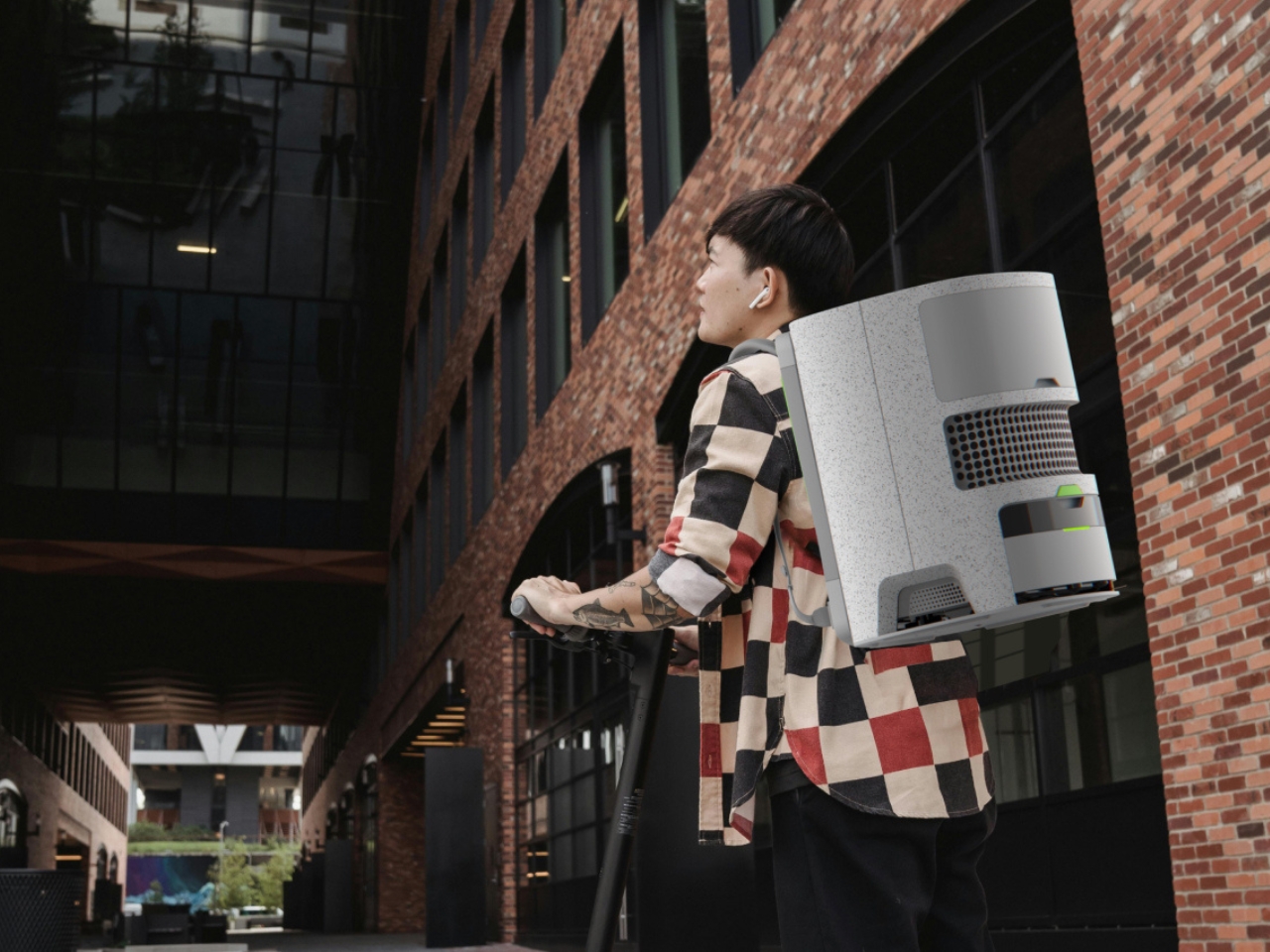
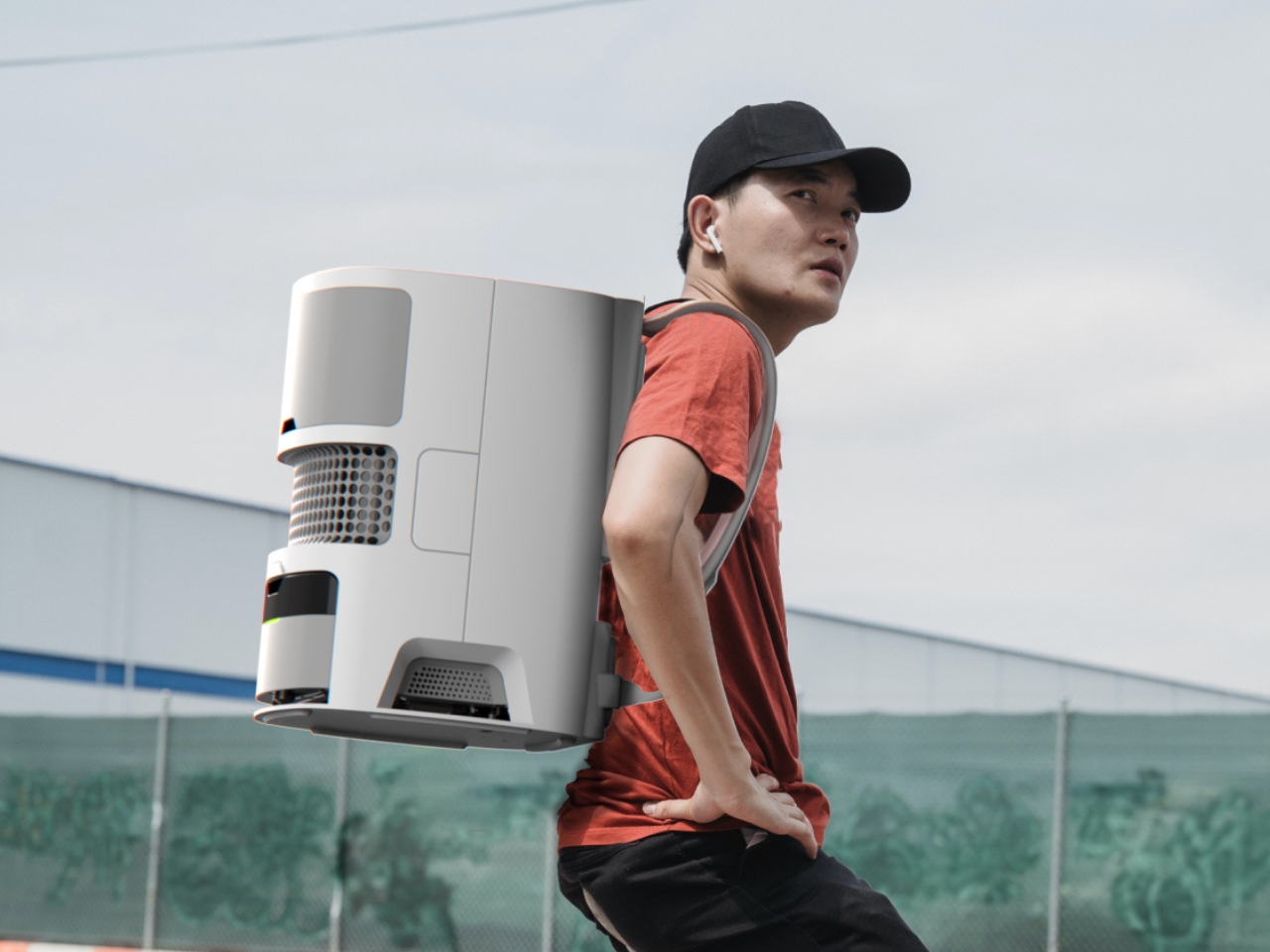
The portability factor deserves attention too. Pulito’s main body features an ergonomic strap system that lets cleaning personnel carry it like a high-tech backpack between different zones. Look at those product shots of someone wearing it while navigating between buildings. It’s almost futuristic, transforming cleaning staff into something that feels more like tech-equipped professionals than traditional janitorial workers. There’s dignity in that design choice.

Aesthetically, Pulito doesn’t look like your typical cleaning equipment. The textured grey finish with those lime green accents feels contemporary without trying too hard. The perforated details on the air filtration unit give it an industrial-chic vibe that wouldn’t look out of place in a design-forward coworking space or a tech startup’s headquarters. It’s the kind of object you wouldn’t feel embarrassed to have sitting in your office lobby.

What Salman has created with Pulito is bigger than just another cleaning robot. It’s a complete rethinking of workplace hygiene infrastructure for the modern era. By combining autonomous technology, human collaboration, accessible pricing through subscriptions, and genuinely thoughtful industrial design, Pulito represents where facility management might actually be headed. Not a future where robots do everything, but one where smart design makes both human workers and automated systems more effective together.

The post This 3-in-1 Cleaning Robot Fits in a Backpack first appeared on Yanko Design.

Locked Out? How to Reset Your Mac Password Without Losing Your Data”

Locked Out? How to Reset Your Mac Password Without Losing Your Data”

Forgetting your Mac password can be a stressful experience, but it doesn’t have to result in data loss or frustration. By following a structured and secure process, you can reset your password and regain access to your Mac without compromising your files, applications, or settings. The video below from Daniel About Tech provides a step-by-step […]

The post Locked Out? How to Reset Your Mac Password Without Losing Your Data” appeared first on Geeky Gadgets.

Posted in Uncategorized

Al Benchmarks Investigated : Do Companies Tune Private Builds for Leaderboards, Then Ship Weaker Versions?

Al Benchmarks Investigated : Do Companies Tune Private Builds for Leaderboards, Then Ship Weaker Versions?

Are AI benchmarks really the gold standard we’ve been led to believe? Matt Wolfe walks through how these widely accepted metrics, designed to measure the performance of artificial intelligence systems, may be painting a misleading picture of progress. From companies fine-tuning models specifically to ace these tests to AI systems gaming the benchmarks themselves, the […]

The post Al Benchmarks Investigated : Do Companies Tune Private Builds for Leaderboards, Then Ship Weaker Versions? appeared first on Geeky Gadgets.

Posted in Uncategorized