Samsung’s Next Giant: What the Galaxy S26 Ultra Means for 2026

Samsung’s Next Giant: What the Galaxy S26 Ultra Means for 2026 Samsung Galaxy S26 Ultra hands-on showcasing sleek design and craftsmanship

The Samsung Galaxy S26 Ultra is expected to be unveiled at Samsung Unpacked on the 25th of February. This eagerly awaited flagship smartphone provides a tangible look at its design, features, and potential influence on the premium smartphone market. With its striking aesthetic and a bold, feature-packed camera system, the Galaxy S26 Ultra aims to […]

The post Samsung’s Next Giant: What the Galaxy S26 Ultra Means for 2026 appeared first on Geeky Gadgets.

Posted in Uncategorized

Beelink ME Pro NAS Review : Compact 5GbE Box Offers Three NVMe Slots & Two SATA Bays

Beelink ME Pro NAS Review : Compact 5GbE Box Offers Three NVMe Slots & Two SATA Bays Intel N95 system shown running a Plex-style workload using Quick Sync for multiple 4K transcodes.

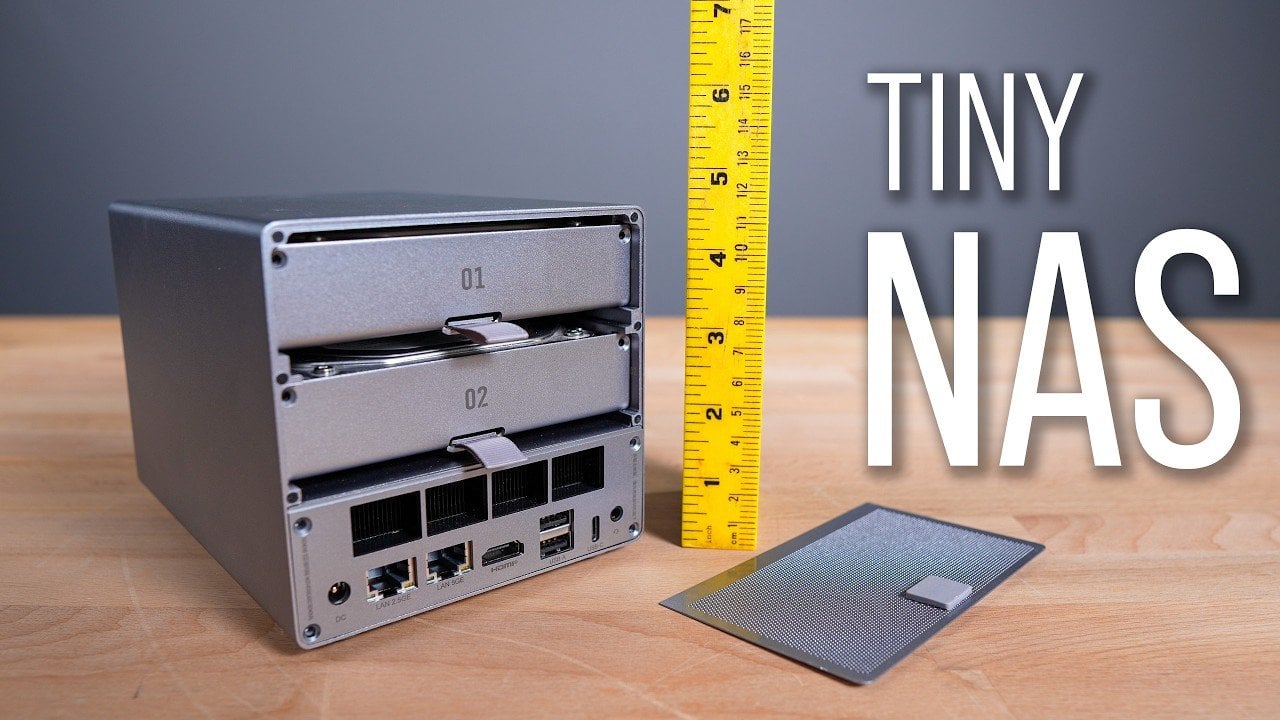
What if a device priced under $400 could challenge the capabilities of systems costing twice as much? The Beelink ME Pro does exactly that, redefining what’s possible in the budget NAS market. In this breakdown, Techno Tim walks through how this compact yet powerful machine punches well above its weight, offering features like dual Ethernet […]

The post Beelink ME Pro NAS Review : Compact 5GbE Box Offers Three NVMe Slots & Two SATA Bays appeared first on Geeky Gadgets.

Posted in Uncategorized

Hidden iOS 26.3 Tips That Will Change How You Use Your iPhone

Hidden iOS 26.3 Tips That Will Change How You Use Your iPhone iOS 26.3 performance enhancements for smoother app transitions

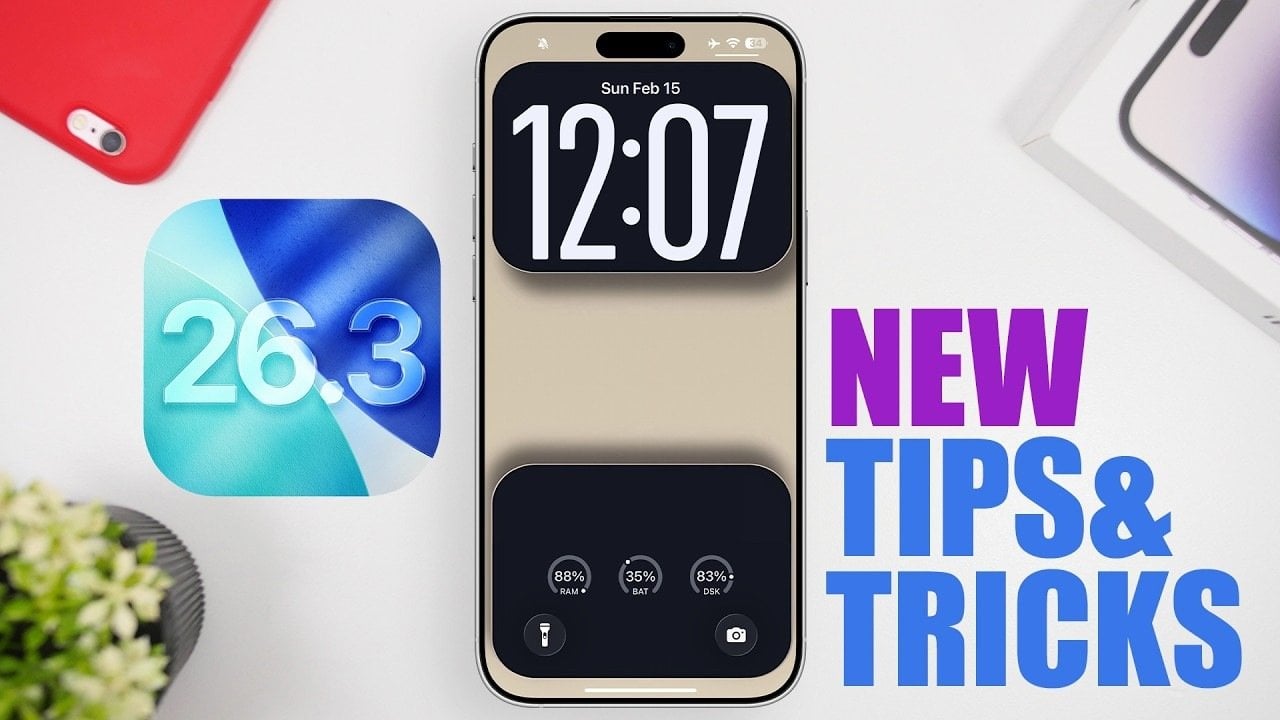
Apple’s iOS 26.3 update brings a collection of thoughtful enhancements aimed at refining your iPhone experience. While it doesn’t introduce new changes, this update focuses on improving performance, extending battery life, and enhancing usability. Whether you own the latest iPhone model or an older device, these updates are designed to make your smartphone more efficient, […]

The post Hidden iOS 26.3 Tips That Will Change How You Use Your iPhone appeared first on Geeky Gadgets.

Posted in Uncategorized

March 4th Apple Event: What You Need to Know

March 4th Apple Event: What You Need to Know iPhone 17e in purple with Dynamic Island and A19 chip for enhanced performance

Apple has officially confirmed its March 4th event, set to unfold across New York, Shanghai, and London. This highly anticipated event will focus on updates to Apple’s budget and mid-range product lineup, with the iPhone 17e, iPad 12th Gen, and a new $599 MacBook taking center stage. These announcements reflect Apple’s ongoing strategy to deliver […]

The post March 4th Apple Event: What You Need to Know appeared first on Geeky Gadgets.

Posted in Uncategorized

iPhone 17e Launch Imminent? New Leaks Point to a Surprise February 19th Release

iPhone 17e Launch Imminent? New Leaks Point to a Surprise February 19th Release iPhone 17e launch details and features for 2026

Apple is preparing to launch the highly anticipated iPhone 17e on February 19, 2026, through a website update rather than a traditional keynote event. Priced at an accessible $599, this smartphone is Apple’s most affordable offering to date, designed to appeal to users in emerging markets and enterprise environments. With meaningful upgrades over its predecessor, […]

The post iPhone 17e Launch Imminent? New Leaks Point to a Surprise February 19th Release appeared first on Geeky Gadgets.

Posted in Uncategorized

YouTube was down for thousands of users in the US

YouTube is experiencing an outage across the United States, with users in other countries like Canada, India, the Philippines, Australia and Russia also having problems with accessing the website. The issue seems to have started at around 8 PM Eastern time and reached 338,000 reports on Downdetector before starting to taper down. More users reported having issues accessing the app, but I personally lost access to the web homepage first.

As of 9:22 PM, users are still reporting being unable to access YouTube on Reddit. As of 9:33 PM, users are complaining that they still can’t access the service, though others say it’s back up for them. Some people are reporting partial restoration of service, with the homepage now being accessible but not seeing any recommended videos.

Downdetector also got thousands of reports of Google being down at around 8 PM Eastern time. As of 9:53 PM, Engadget Managing Editor Cherlynn Low reports that both YouTube and Google Home Assistant are still inaccessible for her. As of 10:12PM Eastern, Team YouTube posted on X that the issue has been completely fixed. While it didn’t say why YouTube went down, the team acknowledged the problem before 9PM and posted an update 20 minutes later that its recommendation system was having issues, even though its homepage was back.

Update, February 17, 2026, 10:27 PM ET: YouTube says the issue has been completely fixed.

Update, February 17, 2026, 10:08 PM ET: Updated with reports that certain Google services are also down for some users.

Update, February 17, 2026, 9:34 PM ET: Updated with reports from users.

Update, February 17, 2026, 9:26 PM ET: Updated to correct time of outage, added new countries where it’s out and added new reports of YouTube still being inaccessible.

This article originally appeared on Engadget at https://www.engadget.com/big-tech/youtube-was-down-for-thousands-of-users-in-the-us-020718788.html?src=rss

YouTube is down for thousands of users in the US

YouTube is experiencing an outage across the United States, with users in other countries like Canada, India, the Philippines, Australia and Russia also having problems with accessing the website. The issue seems to have started at around 8 PM Eastern time and reached 338,000 reports on Downdetector before starting to taper down. More users reported having issues accessing the app, but I personally lost access to the web homepage first.

As of 9:22 PM, users are still reporting being unable to access YouTube on Reddit. As of 9:33 PM, users are complaining that they still can’t access the service, though others say it’s back up for them. Some people are reporting partial restoration of service, with the homepage now being accessible but not seeing any recommended videos.

Downdetector also got thousands of reports of Google being down at around 8 PM Eastern time. As of 9:53 PM, Engadget Managing Editor Cherlynn Low reports that both YouTube and Google Home Assistant are still inaccessible for her.

Update, February 17, 2026, 10:08 PM ET: Updated with reports that certain Google services are also down for some users.

Update, February 17, 2026, 9:34 PM ET: Updated with reports from users.

Update, February 17, 2026, 9:26 PM ET: Updated to correct time of outage, added new countries where it’s out and added new reports of YouTube still being inaccessible.

This article originally appeared on Engadget at https://www.engadget.com/big-tech/youtube-is-down-for-thousands-of-users-in-the-us-020718165.html?src=rss

These Magnetic LED Blocks Snap Together Like LEGO Lighting

Most lighting is still sold as fixed objects: a floor lamp for the living room, a task lamp for the desk, a strip for the TV, each designed for one spot and one job. That clashes with the way people actually live now, moving desks, rearranging rooms, switching from work to play in the same corner, while the lamps stay stubbornly tied to a single idea of the space.

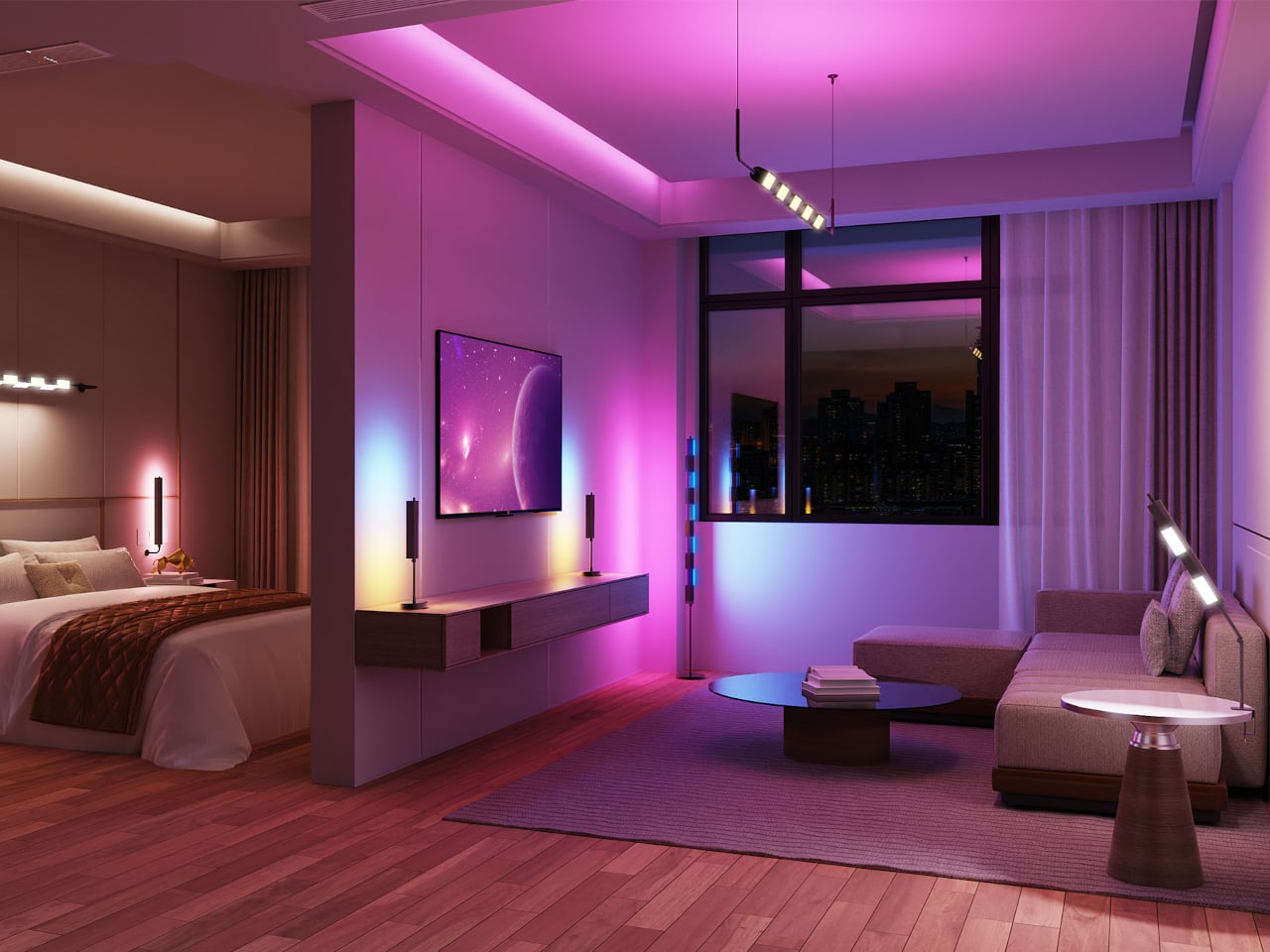
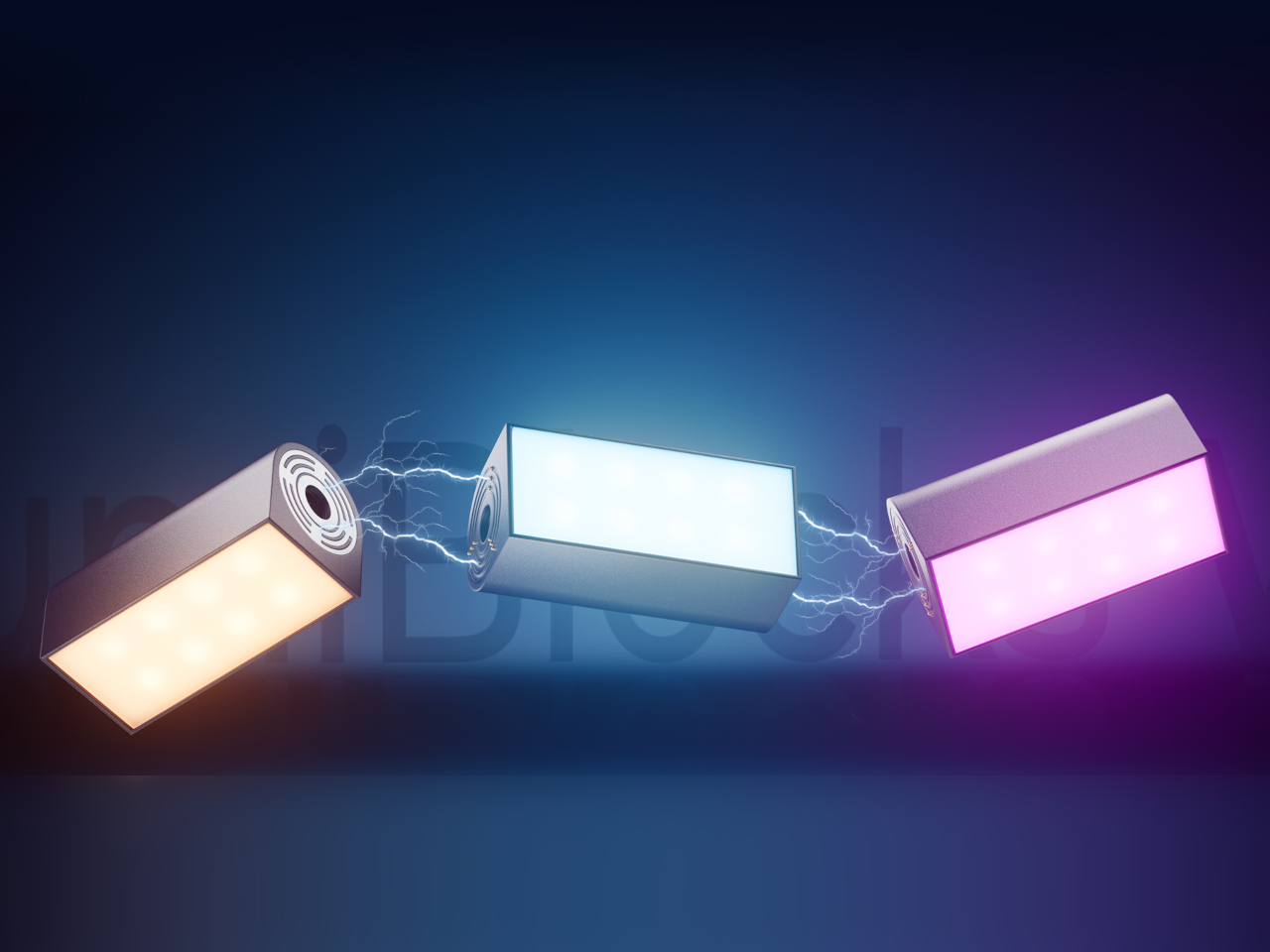
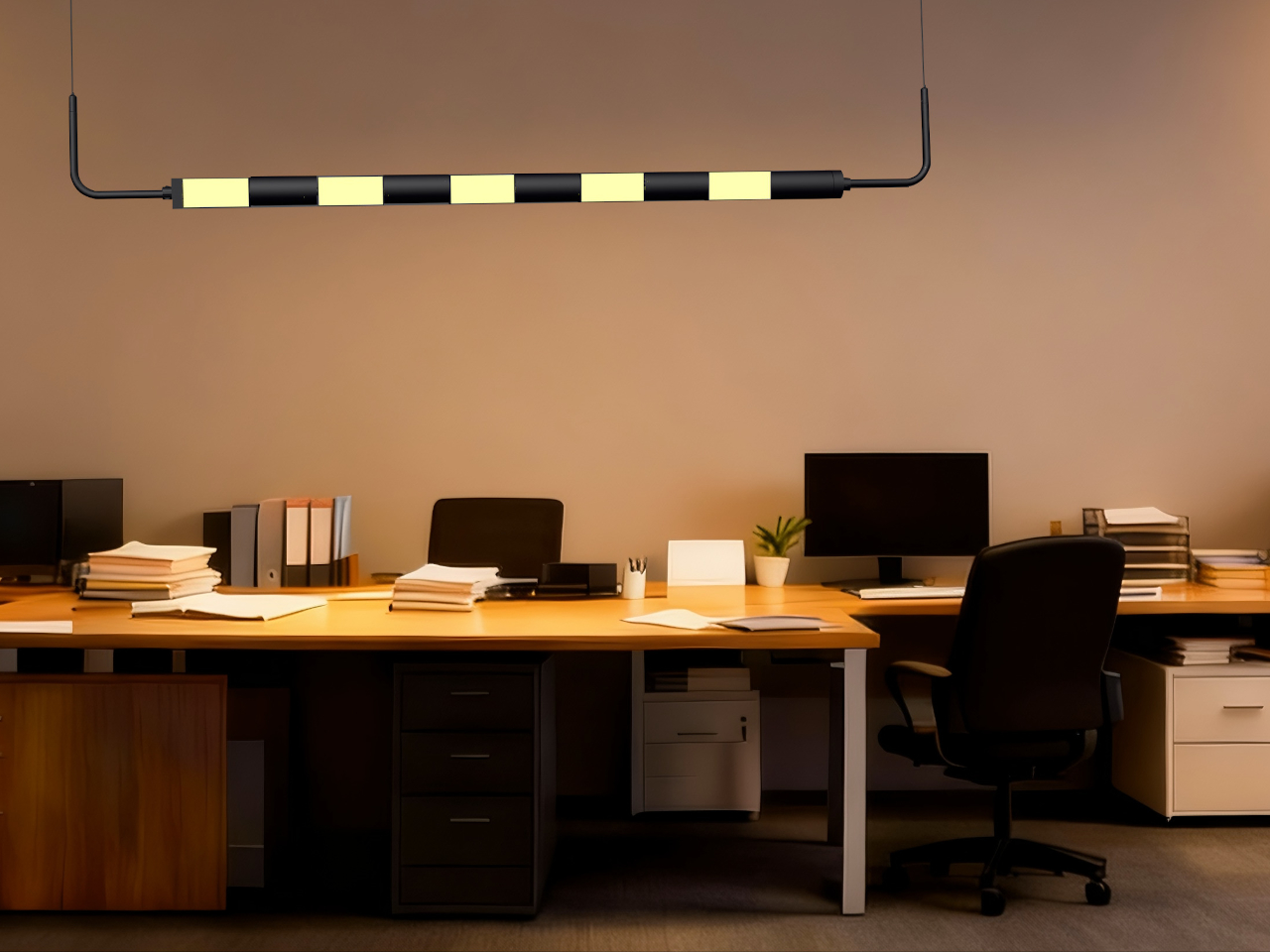
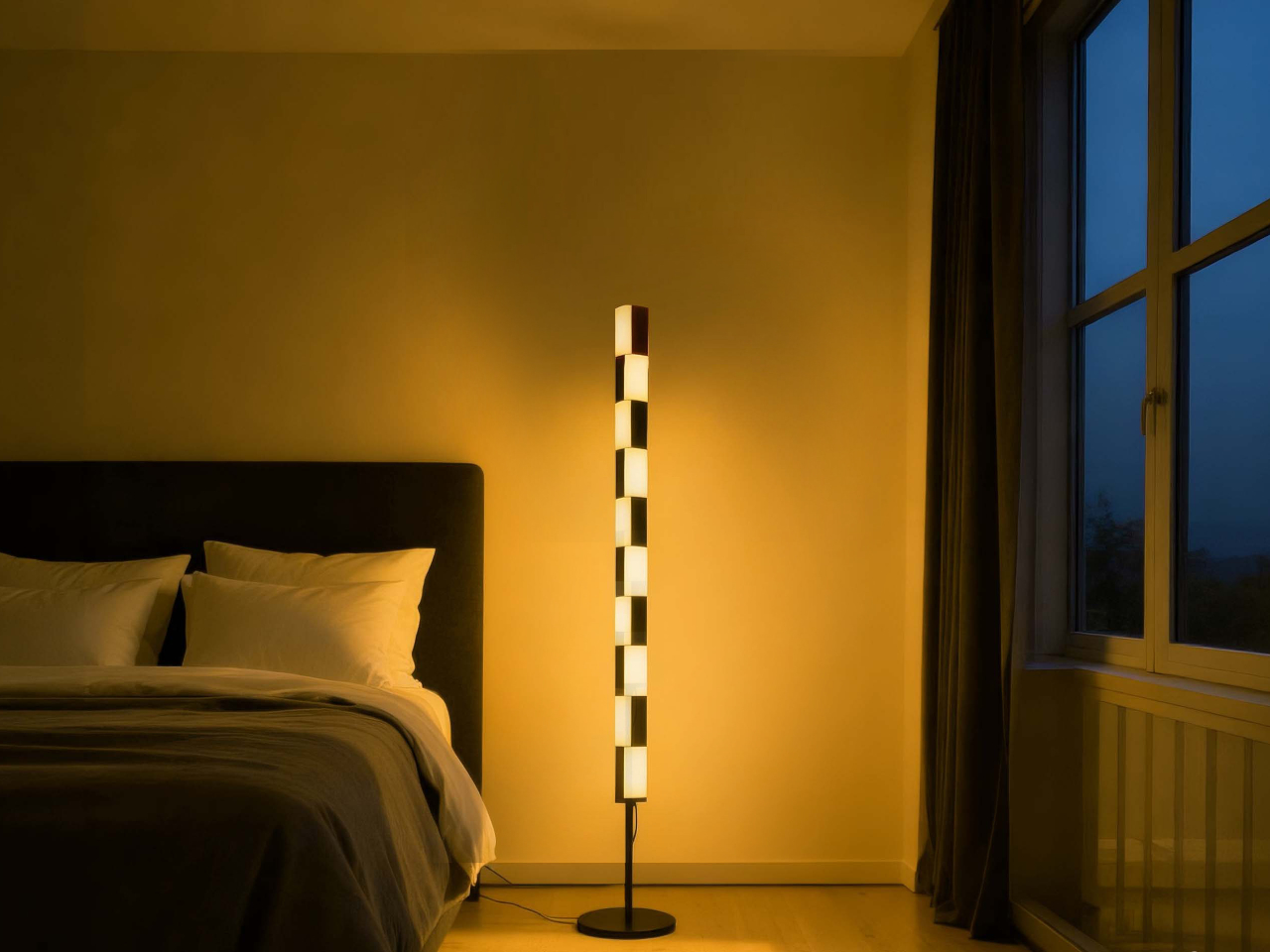
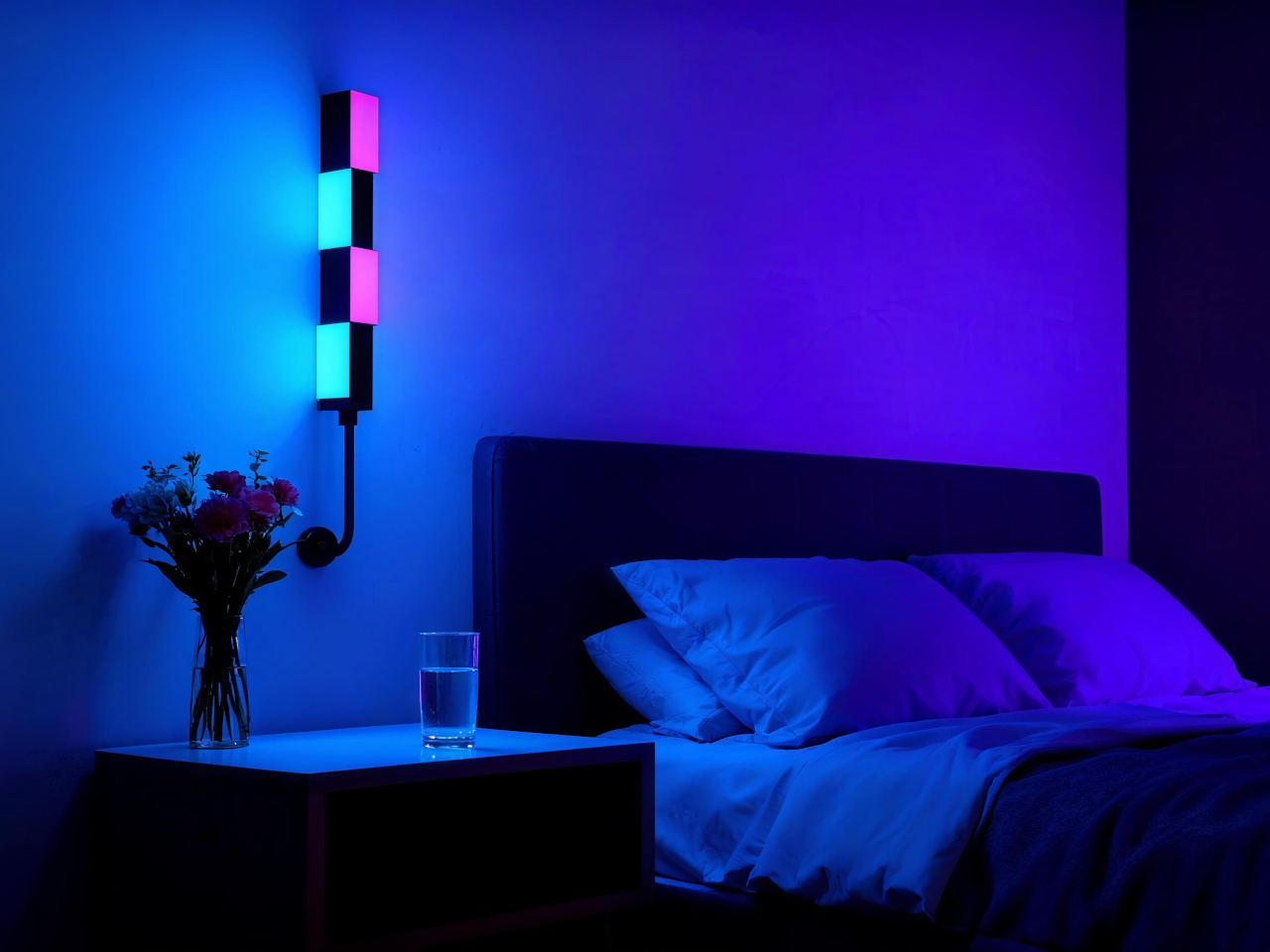
LumiBlocks V1 is a magnetic RGBCW block lamp that treats light as something you build and rebuild. Instead of one rigid bar or panel, it is made from individual light blocks that snap together magnetically, power up as soon as they connect, and can be added or removed to match the length and shape your current setup needs, whether that is a short strip behind a monitor or a longer run along a wall.

Designer: Peter Wu (Decktok)

Click Here to Buy Now: $79 $149 (47% off). Hurry, only 9/27 left! Raised over $53,000.

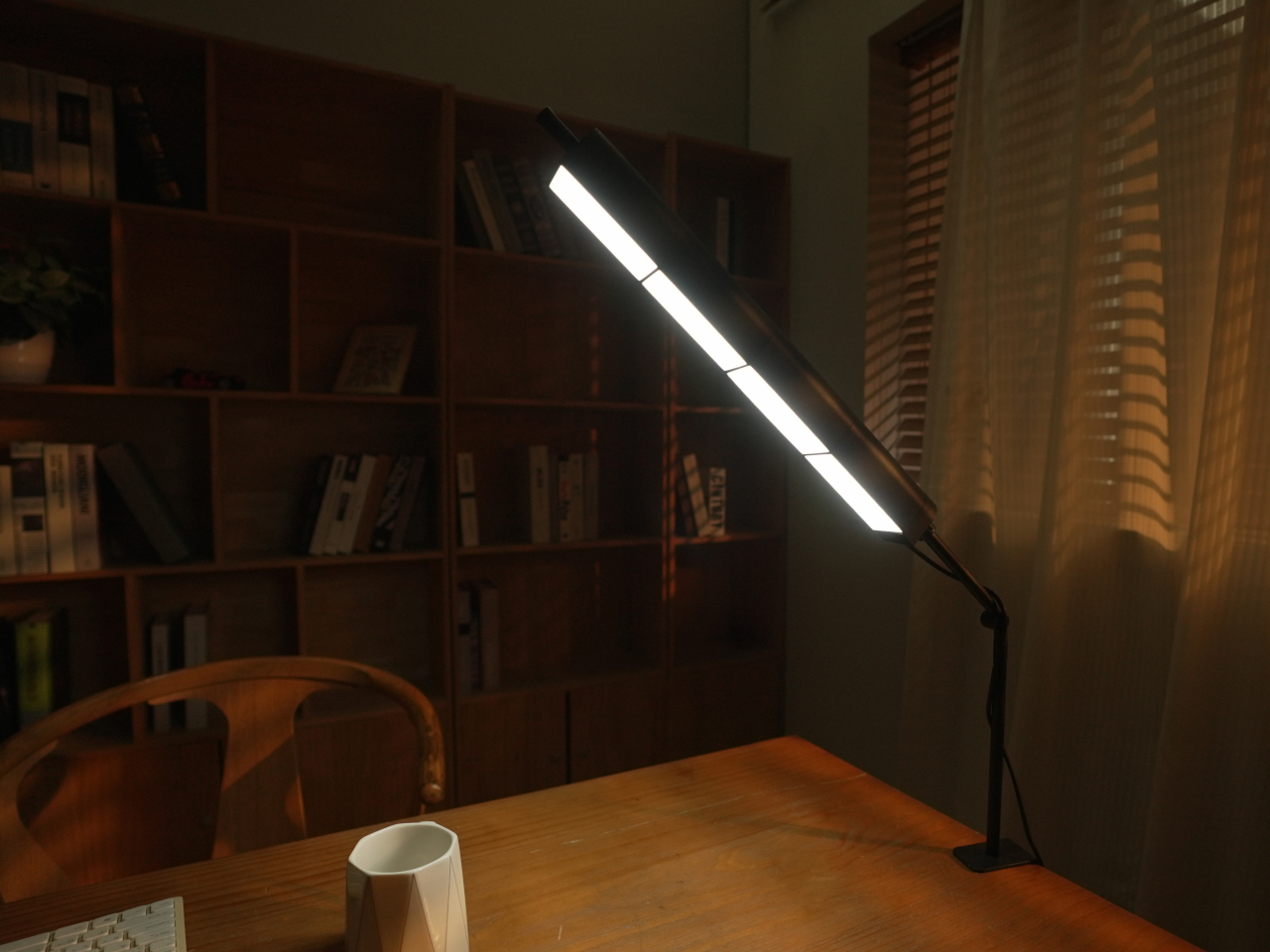
Each block can rotate a full 360 degrees, so you aren’t locked into the direction the base is pointing. You can twist segments to throw light onto a keyboard, bounce it off a wall for a softer wash, or angle a few blocks down for a reading nook while others point up for ambient glow. The magnets handle alignment and power, which turns rearranging into a quick, almost fidget-like action rather than a wiring project.

1

The blocks emit RGBCW LEDs that can handle both full color and practical white light. With ten blocks, you get up to 1,500 lumens, enough to light a small room, and you can tune the white from a warm 2,700 K to a crisp 6,500 K. That means the same strip can be a focused work light during the day, a neutral wash for video calls, and a low, saturated accent at night.

Control layers on top of the physical system. Simple buttons when you’re standing next to it, an app when you’re on the sofa, and voice control through Alexa or Google Home when your hands are busy. The app lets you treat each block as its own pixel, adjusting brightness and color per segment, or you can lean on the 49 built-in scenes and music-reactive modes when you just want the room to feel different with a tap.

1

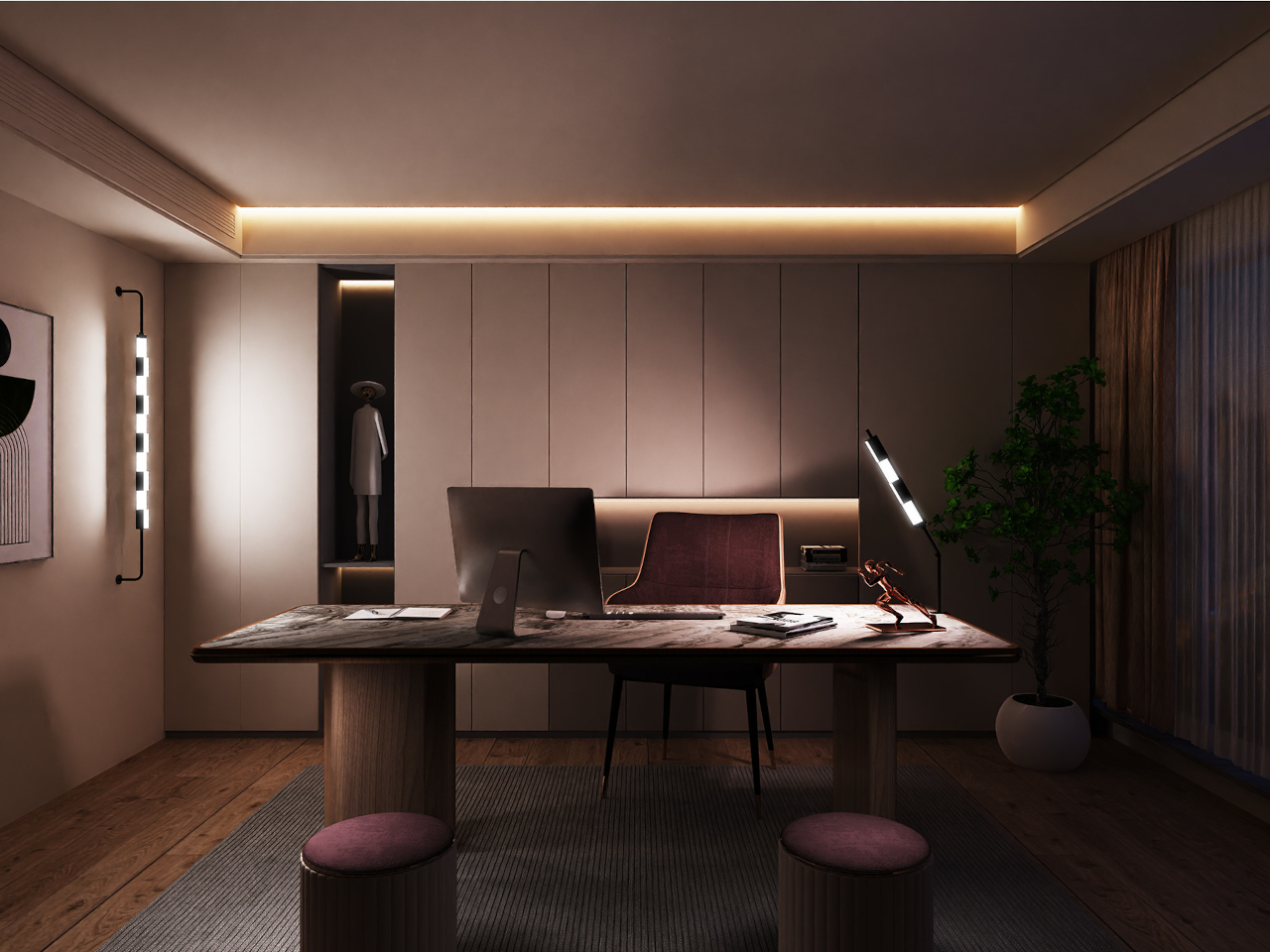
LumiBlocks V1 is not locked to one mounting style. With the right kit, the same blocks can sit on a desk as a low ambient bar, hang on a wall as a linear sconce, or drop from the ceiling as a pendant. Because the system runs on low-voltage DC and talks over Bluetooth and 2.4GHz Wi-Fi, you’re mostly thinking about where you want light, not where the original lamp designer assumed you would put it.

1

This shifts the way you think about buying lights. Instead of collecting separate fixtures for every corner, you start with a set of blocks that can follow you from apartment to apartment, desk to desk, and phase to phase. The magnetic joints, 360-degree rotation, RGBCW output, and per-block control turn LumiBlocks V1 into a kind of lighting toolkit, one that can keep up as your spaces and routines keep changing.

Modularity is not new, but LumiBlocks V1 executes it well, making the blocks easy to snap and rotate, the app intuitive enough to actually use, and the mounting options flexible enough that the same kit can cover a bedroom, office, and gaming corner without needing three separate purchases. For people who rearrange often or who want their lighting to feel as adaptable as their furniture, a system that you can literally pull apart and rebuild feels more honest than another fixed lamp pretending to be smart.

Click Here to Buy Now: $79 $149 (47% off). Hurry, only 9/27 left! Raised over $53,000.

The post These Magnetic LED Blocks Snap Together Like LEGO Lighting first appeared on Yanko Design.

This Titan Grandmaster Watch Hides a Chessboard Inside It, and Only 500 People Can Own One

Magnus Carlsen banging the table. That image alone tells you everything about what Gukesh Dommaraju means to the world of chess right now. At Norway Chess in June 2025, the reigning World Champion, a 19-year-old from Chennai, sat across from the greatest player the game has ever seen and dismantled him in classical format. Carlsen, a man who has made a career out of psychological composure, was so rattled he slapped the table before collecting himself and patting Gukesh on the back. That moment, quiet and electric all at once, was the clearest signal yet that the throne had genuinely changed hands, and that its new occupant had no intention of warming it for anyone else.

Titan was paying attention. The Indian watchmaker’s “Titan of the Year” platform exists precisely to freeze moments like this in metal and mineral, and for 2026 they had an obvious, irresistible choice. The result is the Grandmaster X Gukesh Dommaraju Special Edition, a 500-piece limited run that takes the geometry, hierarchy, and quiet intensity of chess and presses it into one of the most thoughtfully designed Indian watches in recent memory.

Designer: Titan

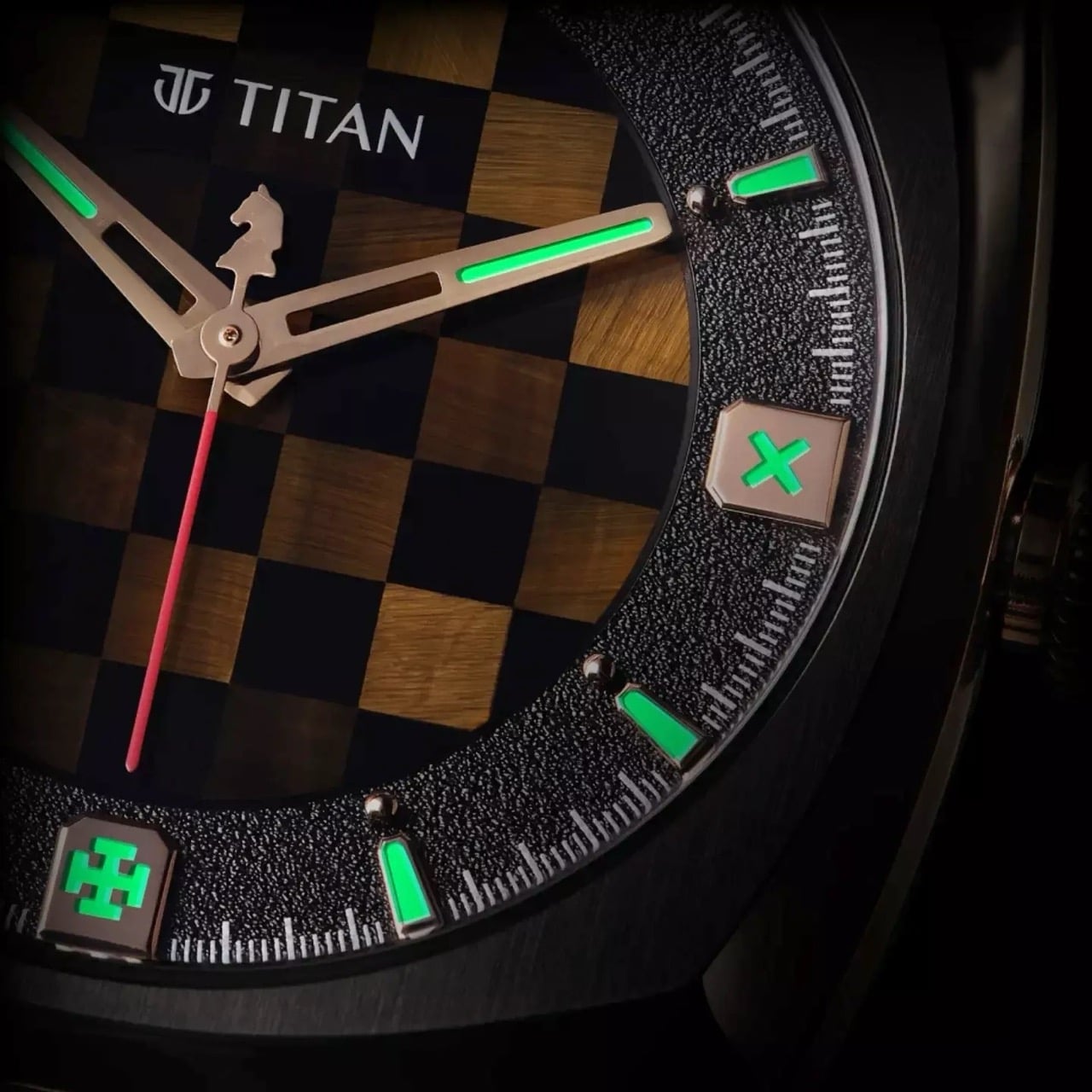
The centerpiece of the watch, quite literally, is the dial. Titan’s design team went well beyond printing a chessboard pattern on a disc and calling it a day. The dial is a hand-crafted stone marquetry composition in tiger eye and black agate, two minerals with very different personalities that together produce the warm amber-and-dark-grid texture of a real wooden chess board. Closer inspection rewards patience, and the design team clearly understood that a chess player’s watch should reveal itself the same way a brilliant move does: slowly, deliberately, with growing appreciation.

The hour indices follow the movement logic of chess pieces. The Queen sits at 12, the Rook at 9, the Bishop at 3, and the King at 6, while the remaining markers take the shape of pawns. The red seconds hand carries a Knight counterpoise, a nod to Gukesh’s favorite piece on the board. Every glance at the time becomes a subtle re-engagement with the game. Then the lights go out, and the watch transforms entirely. The lume application on this dial is genuinely dramatic. The chess piece indices, rendered as sculpted rose-gold markers with lume fills, blaze a vivid green against the dark textured chapter ring. The hands, with their open-worked cutouts, carry the same green charge.

The case is 316L stainless steel with a rose-gold finish, warm and contemporary without being flashy, much like the man it honors. A sapphire crystal sits over the dial, and the whole thing rides on a calf leather strap with a butterfly clasp. Flip it over and the caseback gives you the real collector’s moment: a rotor embossed with the Grandmaster Knight motif, personally signed by Gukesh, alongside the inscription marking his achievement as the youngest World Chess Champion at 18.

Inside, Titan’s in-house calibre 7A20 automatic movement does the work, 22 jewels, 40-hour power reserve, and entirely built without outsourcing the mechanical heart of the watch. That’s a point of pride for Titan, and rightly so.

The watch ships in specially designed packaging with a personal note from Gukesh, and it’s priced at Rs. 69,995 (roughly $840). With only 500 pieces in existence, each one numbered, this is a watch that exists at the intersection of cultural moment and material craft. Whether you’re a chess obsessive, a collector of Indian design milestones, or someone who appreciates a dial that rewards long, careful attention, the Grandmaster X Gukesh is already playing its own quiet, masterful game.

The post This Titan Grandmaster Watch Hides a Chessboard Inside It, and Only 500 People Can Own One first appeared on Yanko Design.

5 Products Made from Cardboard: The Bench Supports 300 Pounds

Cardboard was once seen as just packaging, but it is now becoming a design hero. As sustainability and cost efficiency drive modern innovation, this humble material is being reimagined for far more than shipping boxes. Lightweight, strong, and easily recyclable, it inspires designers to create accessible, eco-friendly products without compromising on aesthetics or performance.

From furniture to sleek electronic casings, corrugated fiberboard is proving its versatility and value. This shift marks more than a passing trend. It represents a lasting transformation toward renewable, low-impact materials that are redefining how we think about design and environmental responsibility.

1. Sustainable by Nature

Cardboard’s greatest strength lies in its sustainability. Unlike plastics or materials that demand heavy mining and energy use, it’s made mostly from recycled paper and can be recycled repeatedly. Choosing cardboard means supporting a circular economy where resources are reused instead of wasted, a vital step toward protecting the planet’s future.

Its end-of-life journey is equally impressive. Rather than lingering in landfills, cardboard quickly breaks down and returns to the pulp stream within weeks, ready for reuse. This natural, non-toxic cycle makes it an ideal material for brands aiming to cut waste and attract eco-conscious consumers.
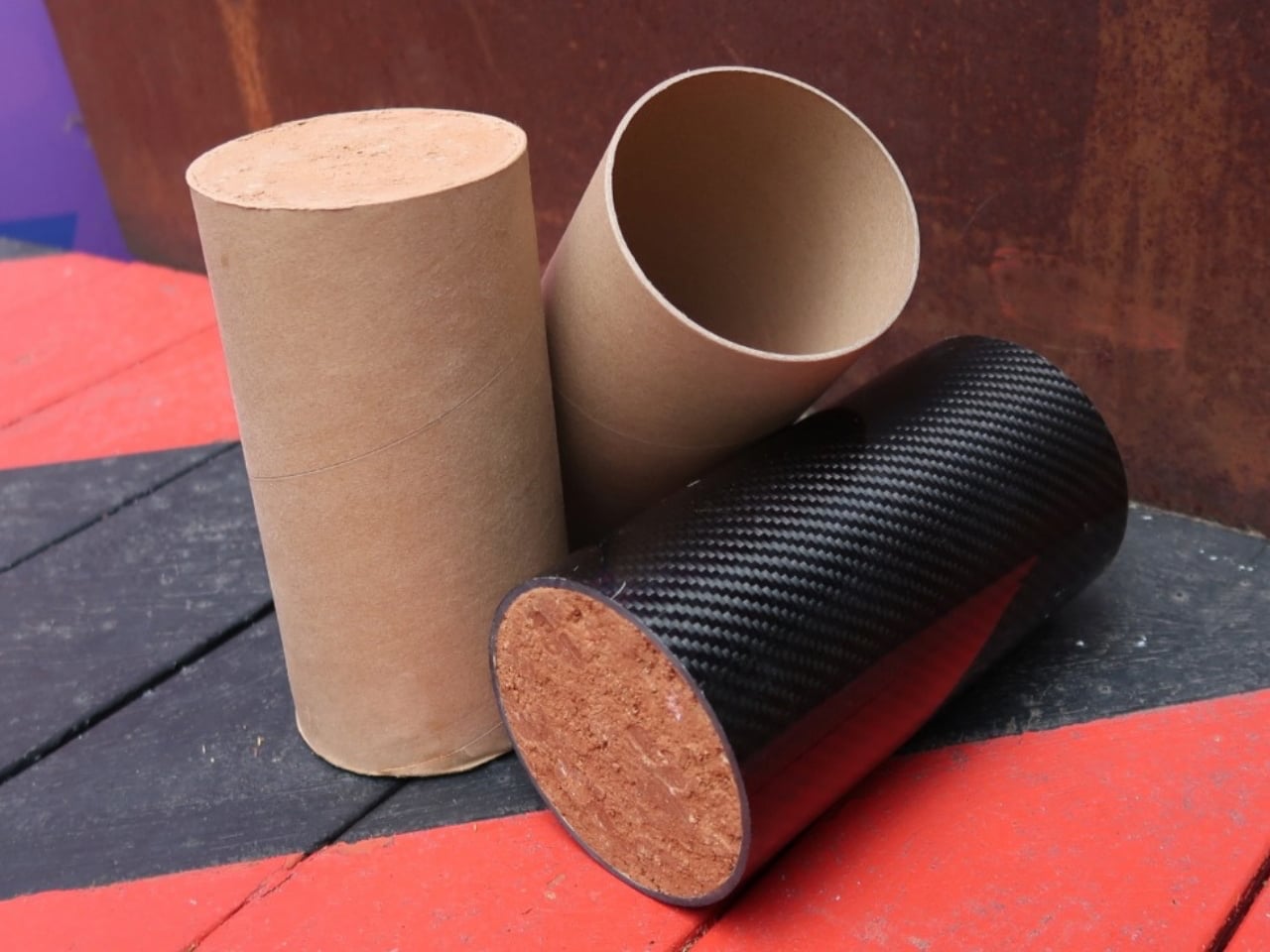

Imagine a sustainable construction material made from just soil, water, and cardboard. Researchers at RMIT University in Australia have turned this simple idea into reality with cardboard-confined rammed earth, or CCRE. By replacing traditional concrete and cement with cardboard tubes as permanent casings, they compact moistened soil inside these tubes to create strong, load-bearing structures. This method drastically reduces the carbon footprint, producing only one quarter of the emissions of conventional concrete while costing less than a third. It also repurposes cardboard waste, addressing both environmental and construction challenges simultaneously.


The process is accessible and adaptable, allowing construction teams to work on-site using local soils and lightweight cardboard. CCRE achieves comparable strength to cement-stabilized rammed earth after 28 days of drying, making it suitable for low-rise buildings. Its high thermal mass naturally regulates indoor climate, reducing energy needs.

2. Engineered for Strength

Cardboard’s reputation for weakness is outdated. Modern design has transformed it through advanced corrugation, folding, and layering methods that turn flat sheets into strong, load-bearing structures. By combining principles of origami with structural engineering, designers now produce interlocking components with impressive compressive strength that can rival lightweight wood composites.

This innovation enables the creation of durable, practical items like shelves, exhibition displays, and even temporary shelters. Lightweight and tool-free to assemble, these designs cut shipping costs, reduce fuel use, and store flat for convenience. It’s a perfect example of achieving maximum strength and function with minimal material.

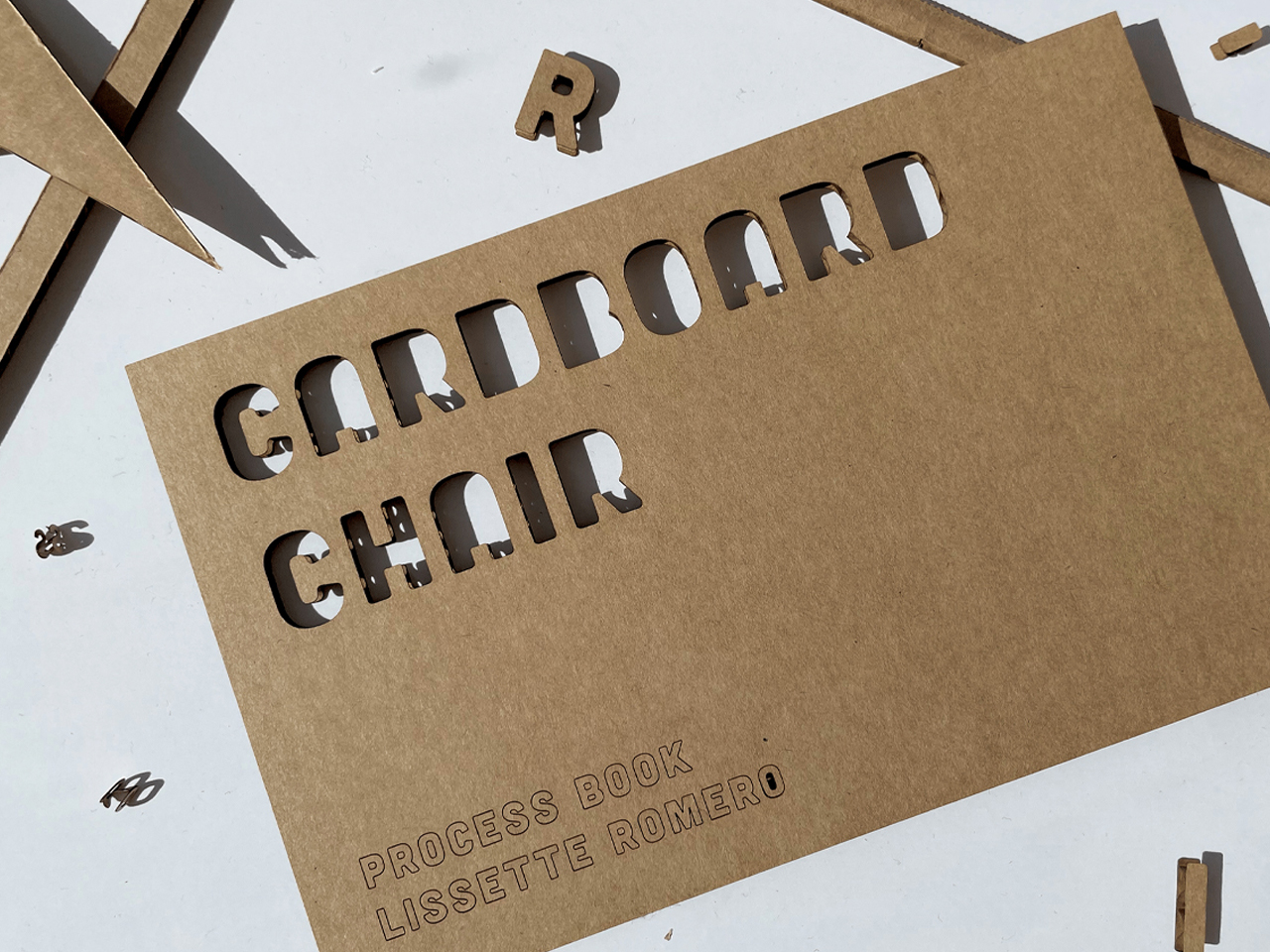
The Cardboard Chair Process Book is a design concept that creates custom cardboard chairs based on client interviews and anthropometric studies. Lissette Romero emphasizes that comfort depends on the chair’s intended use—a lounge chair for watching movies differs greatly from a desk chair for studying or gaming. Her process ensures that each chair is tailored to the sitter’s body, tasks, and personal aesthetic. By considering function, ergonomics, and context, Romero crafts designs that feel both practical and inviting, making comfort a personalized experience rather than a one-size-fits-all solution.
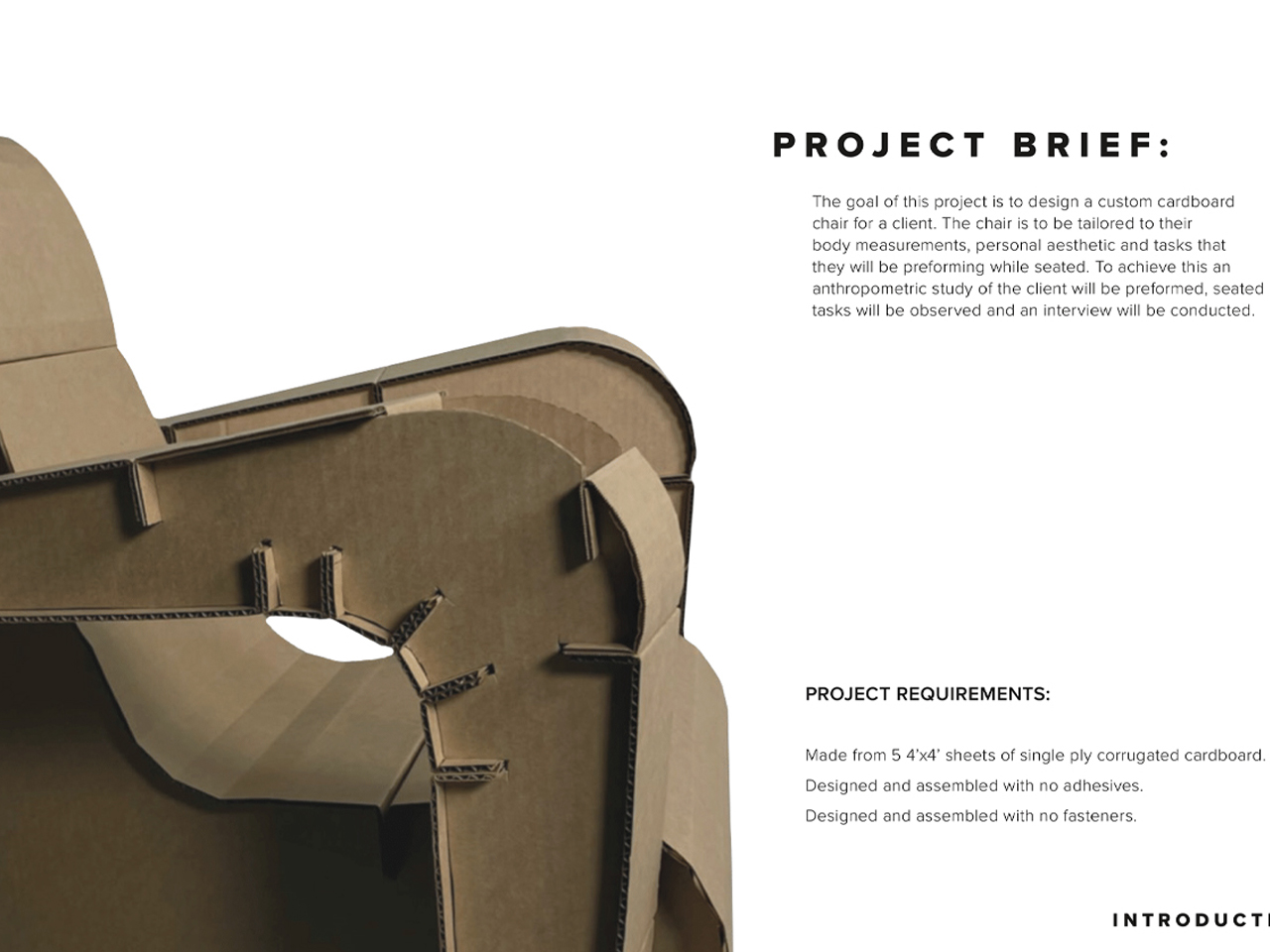
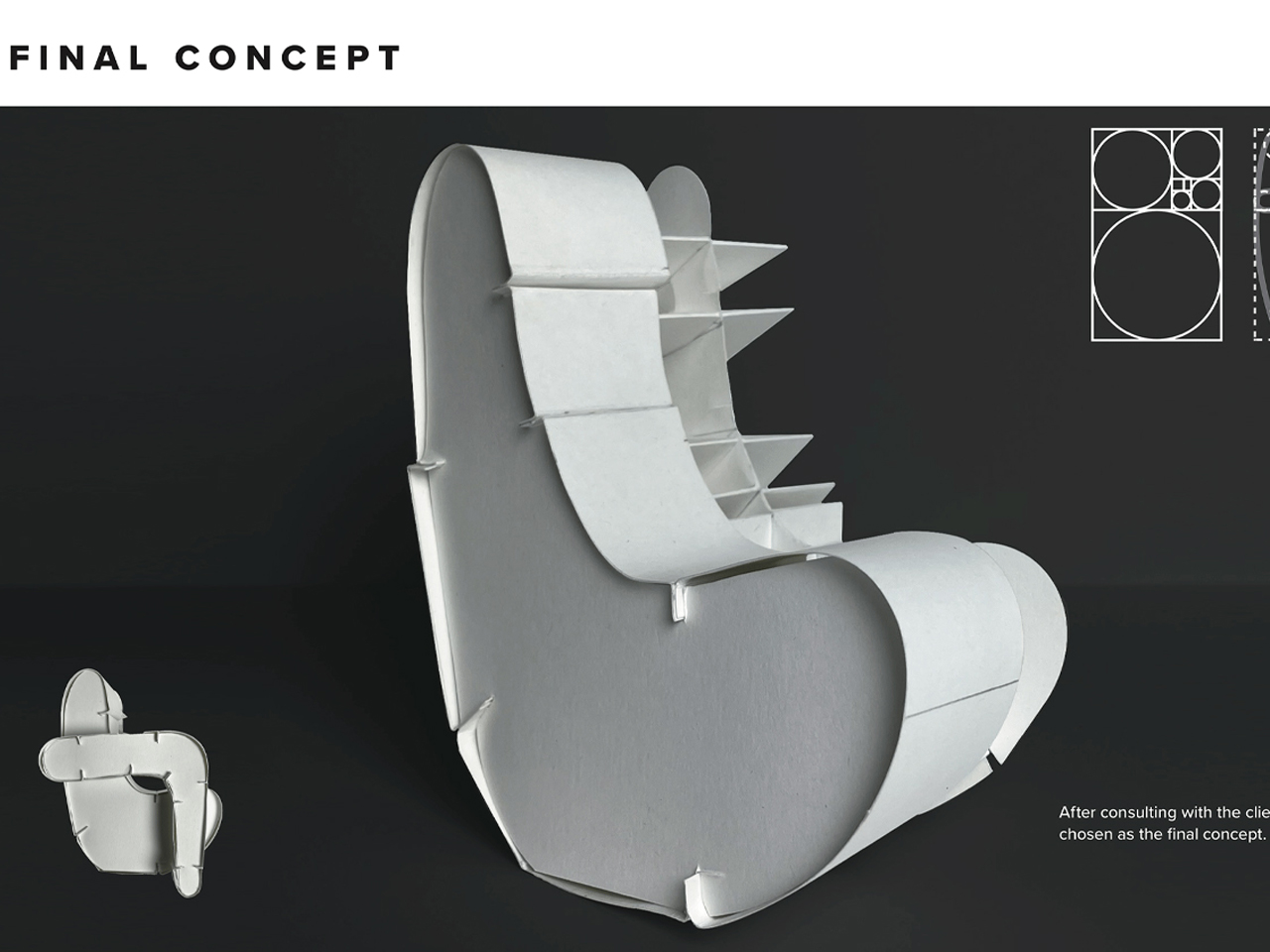
Each chair is constructed from five 4′ x 4’ sheets of single-ply corrugated cardboard and requires no adhesives, fasteners, or hardware. Romero begins by observing seated tasks and conducting detailed interviews, then develops three conceptual prototypes exploring different design languages. This method enables iterative refinement, resulting in chairs that are not only functional and structurally sound but also uniquely tailored to the client’s lifestyle and preferences.

3. Crafted with Character

Cardboard introduces a clean, tactile aesthetic defined by its matte texture and understated appeal. Its natural tones, warm brown or crisp white, reflect honesty and simplicity, resonating with today’s love for raw, authentic materials. Designers are embracing it as a symbol of mindful minimalism, where beauty lies in restraint and function blends seamlessly with form.

Beyond looks, cardboard is highly adaptable. Its surface welcomes printing, laser cutting, and embossing, allowing endless customization. Picture a lamp or storage box embossed with a brand’s logo, elegant yet eco-conscious. This flexibility makes cardboard ideal for small businesses, creative branding, and rapid prototyping.


The Paper Tube Chair reframes design as a democratic act rather than a luxury pursuit. Conceived by the Dhammada Collective in Bhopal, founded by Nipun Prabhakar, it echoes Pierre Jeanneret’s library chairs yet replaces teak with discarded cardboard tubes. The studio advocates “joyful frugality”, applying strong design principles using overlooked materials so good furniture need not remain a metropolitan privilege. Cardboard cores from a print shop, destined for landfill due to glue layers that prevent recycling, are intercepted and cut like bamboo. Surplus vermilion rope from weaving workshops binds the tubes in a continuous figure-eight lashing that tightens under load and allows later repair.


Early collapse of prototypes informed a tension-based system with nested tubes at stress points. A light varnish preserves handling marks as a visible record of origin. The chair assembles and disassembles with simple tools, making replication viable in low-resource contexts. Released as open-source, it invites adaptation using local waste streams. Modernist geometry softened by vernacular craft creates an object that feels both contemporary and culturally rooted.

4. Flat-Pack Advantage

Cardboard is reshaping how products are shipped and stored. Structural designs like flat-pack furniture and packaging inserts can be transported completely flat, reducing shipment volume and cutting costs. This efficient approach lowers carbon emissions and benefits manufacturers and consumers by making logistics more sustainable and affordable.

Designing for disassembly and flat-packing also helps reduce clutter at home. Products become easier to move, store, and recycle once their use is over. This blend of practicality and sustainability highlights cardboard’s brilliance as a material that simplifies life while promoting conscious, eco-friendly living.
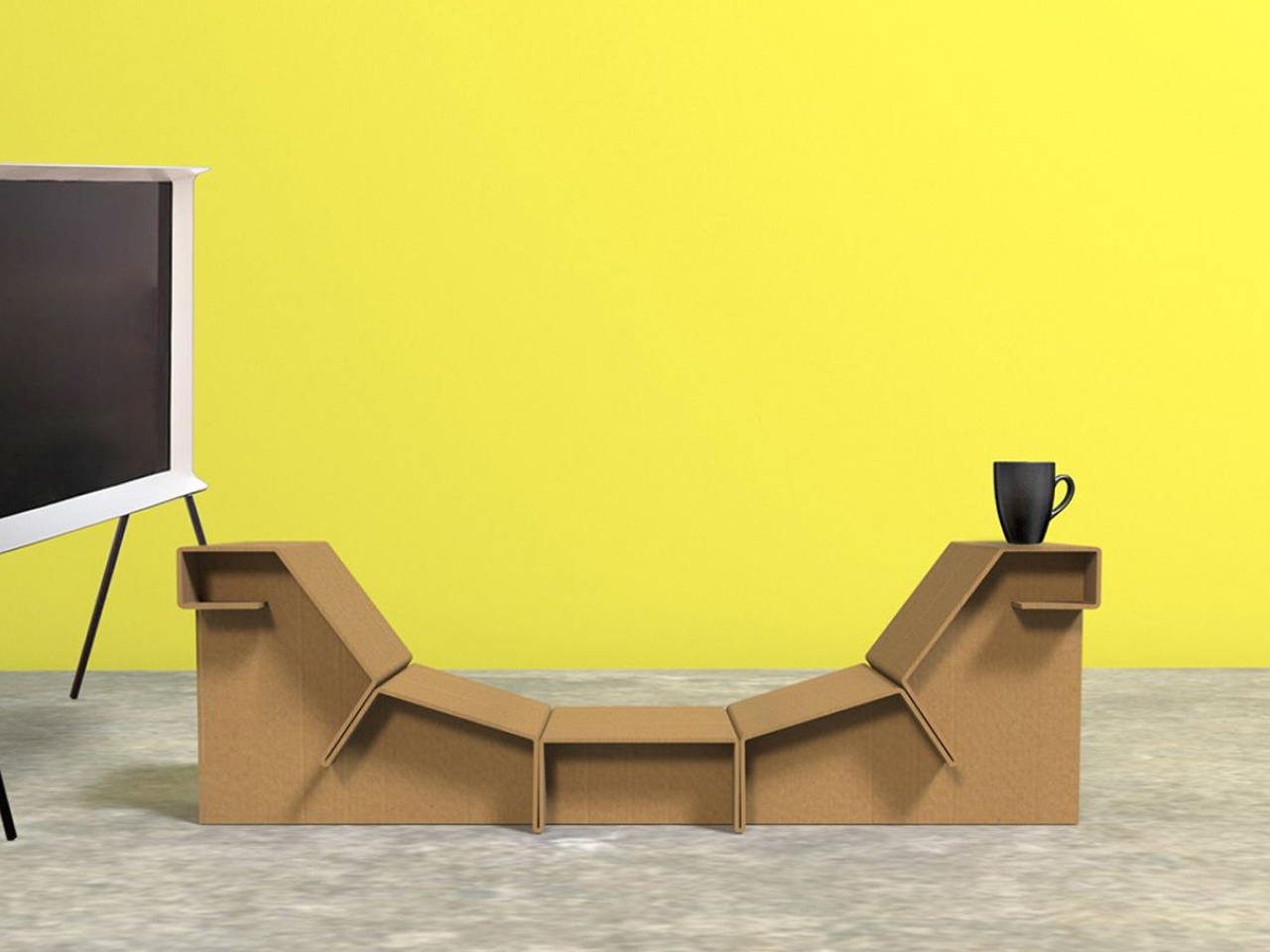
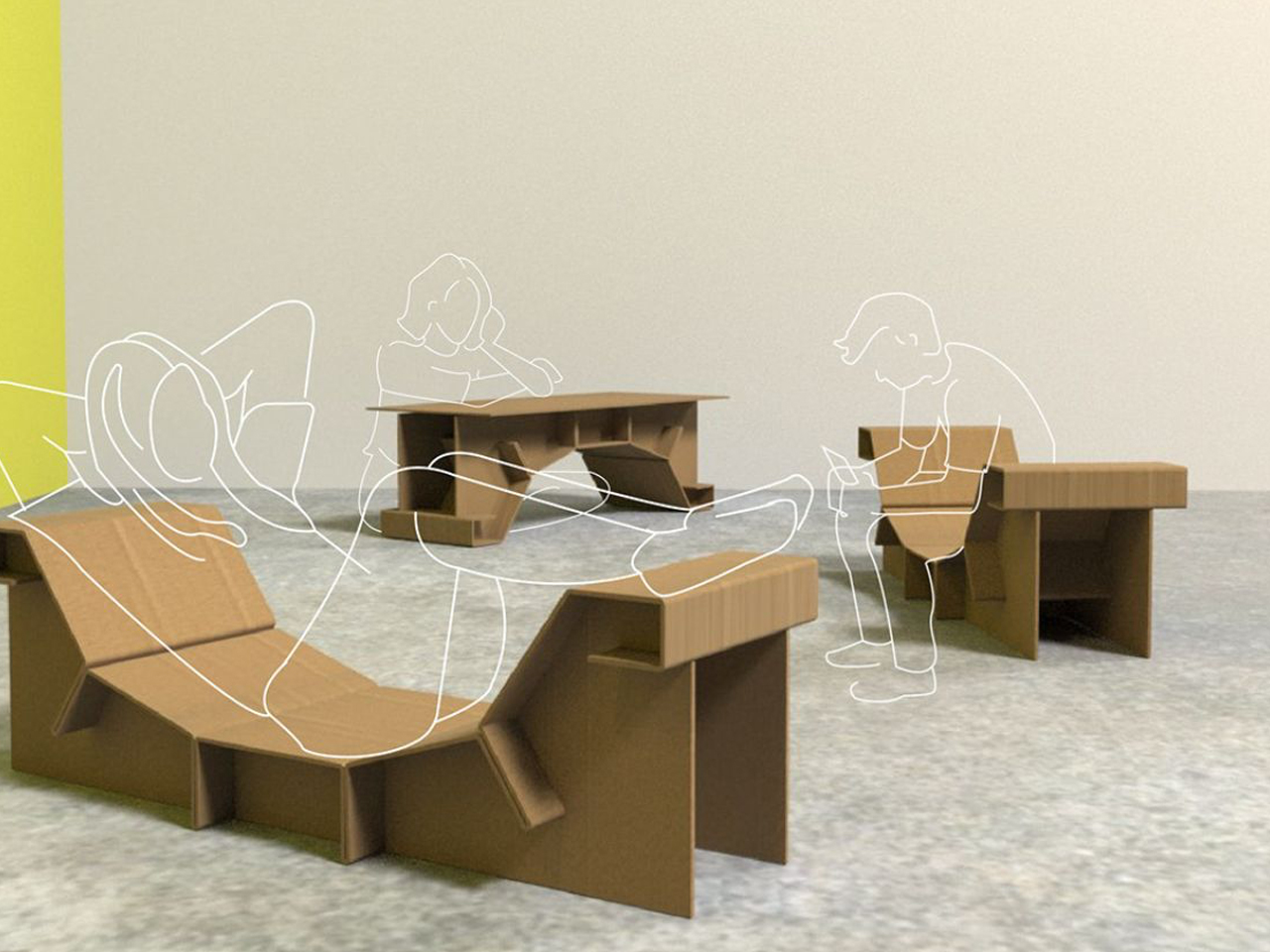
Innovative design often starts with a simple problem, and the Cuna furniture collection is a smart response to one we all recognise, and that is excess cardboard. Designed by Valeria Coello, Cuna turns ordinary packaging material into a functional, eco-friendly bench. Made from just two sheets of sturdy cardboard supported by five interlocking pieces, it requires no screws or glue, relying instead on joinery principles that make it both lightweight and structurally sound. The result is a sustainable piece that proves what is usually discarded can become useful, attractive, and durable.
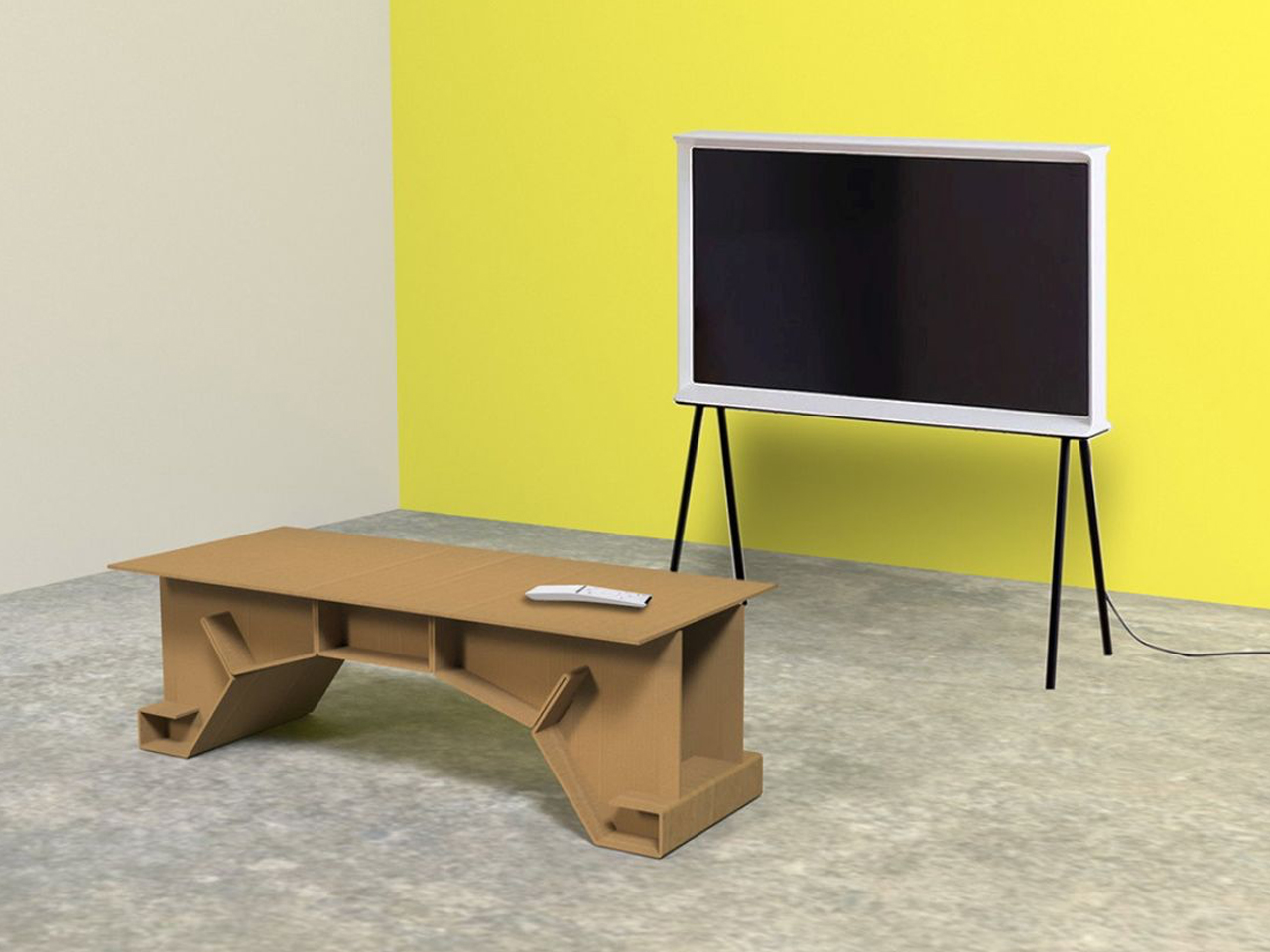
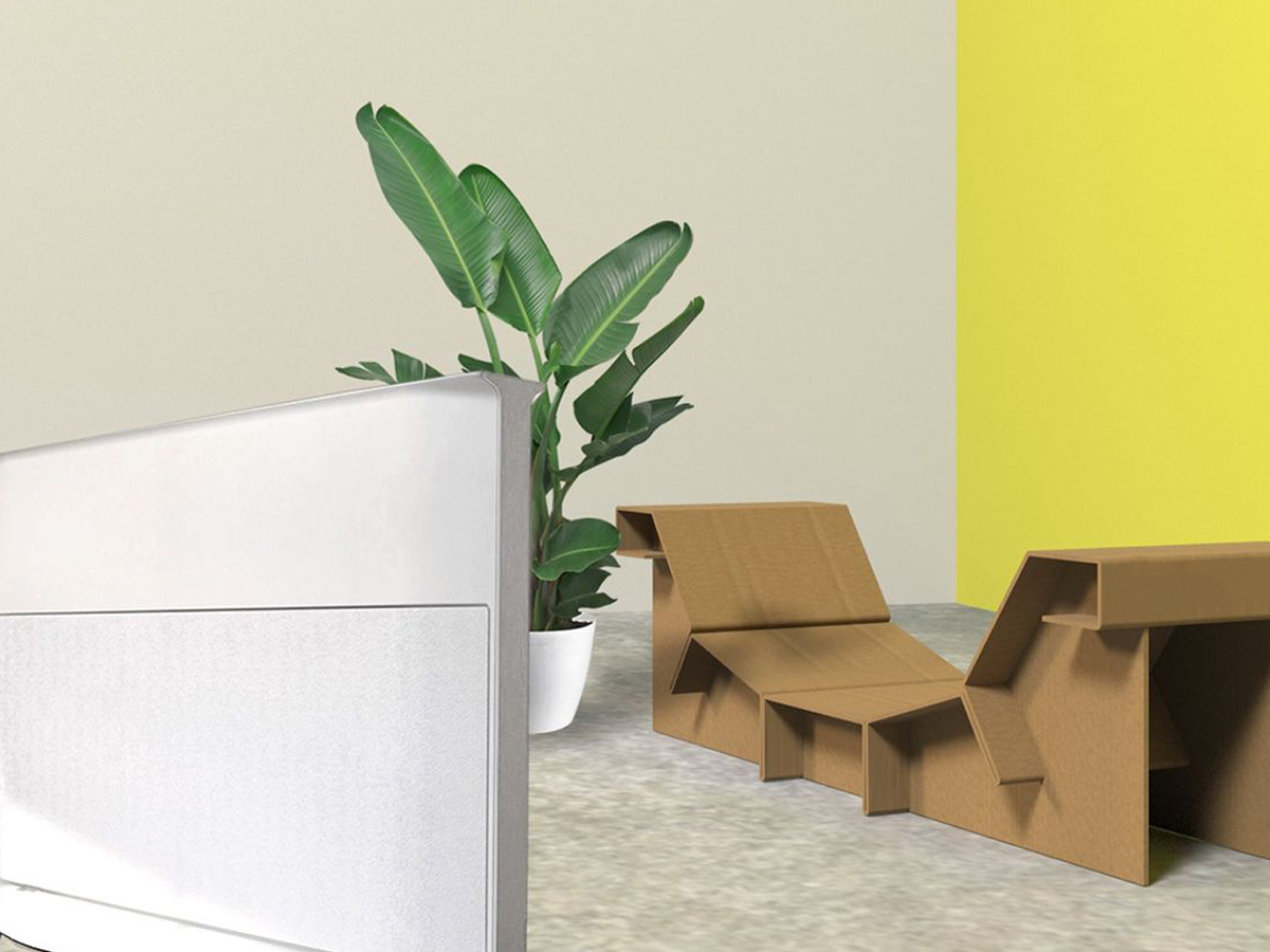
Cuna’s appeal lies in its versatility. When set upright, it offers a curved, single-seat bench with side portions that act as armrests or holding space. Flip it over and it becomes a flat bench or a low table; two units together create a complete seating set. Comfortable, adaptable, and affordable, it is ideal for students, renters, and anyone seeking practical, responsible design.

5. Rapid Prototyping Power

Cardboard’s affordability and flexibility make it a designer’s dream for fast prototyping. With simple tools, complex ideas can be cut, folded, and tested within hours, enabling quick exploration of structure, form, and usability. This hands-on approach encourages creativity without the expense or delay of specialized machinery.

Such rapid iteration dramatically shortens the path from concept to market. Businesses can respond swiftly to shifting trends and consumer needs, while everyday users benefit from faster access to innovative, affordable products. Cardboard has become the quiet driving force behind a more agile, democratic era of design and development.
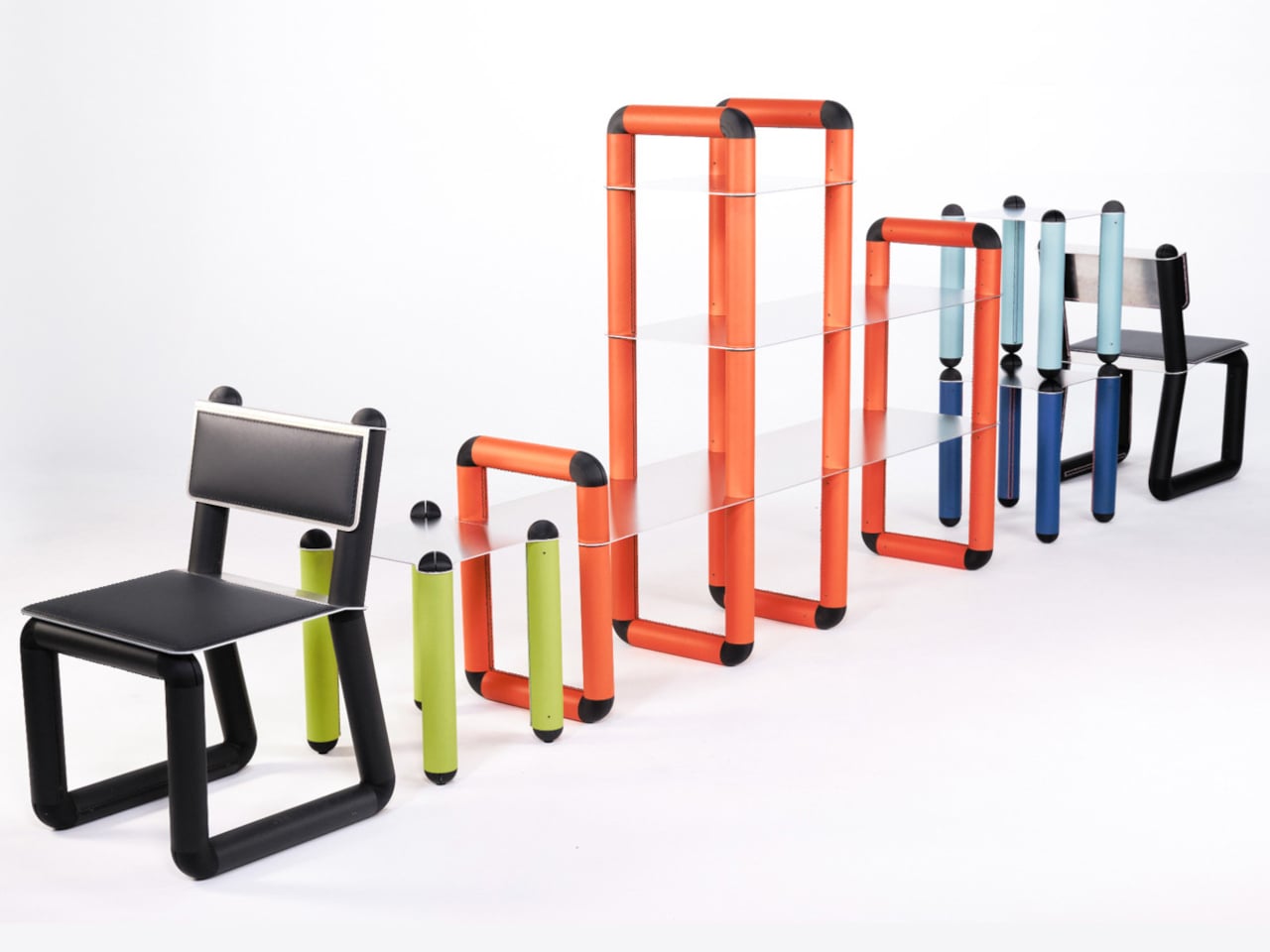
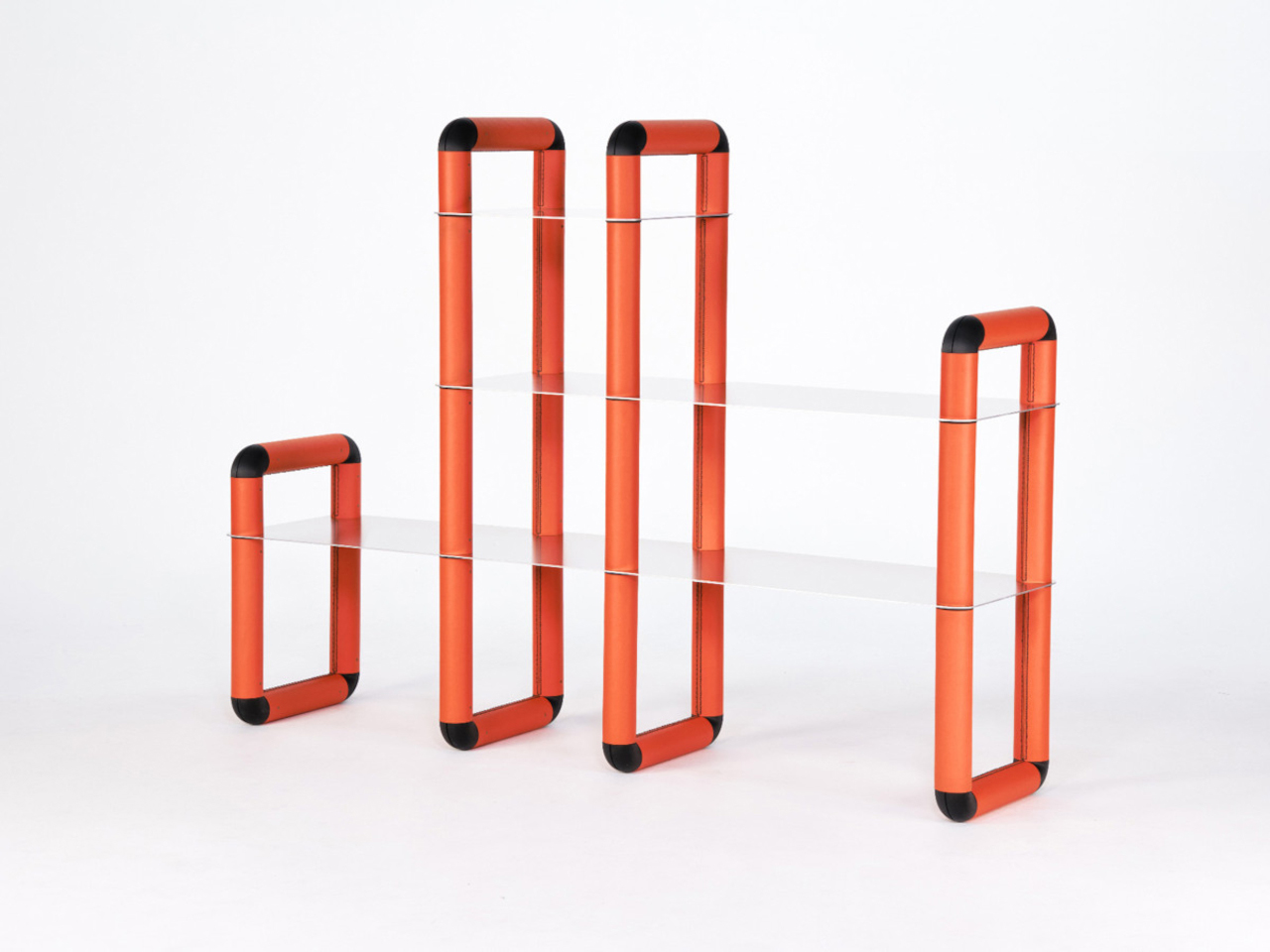
Furniture must work before it pleases the eye; otherwise, it is just a decorative object taking up space. Most pieces today rely on metal, wood, or plastic because these materials are familiar and sturdy, but they are not the only possible choices, and they are not always the most sustainable. With growing waste, reusing discarded materials can be a more responsible path. When designers think beyond convention, even unlikely resources can become viable solutions, as seen in this modular furniture system made from cardboard.
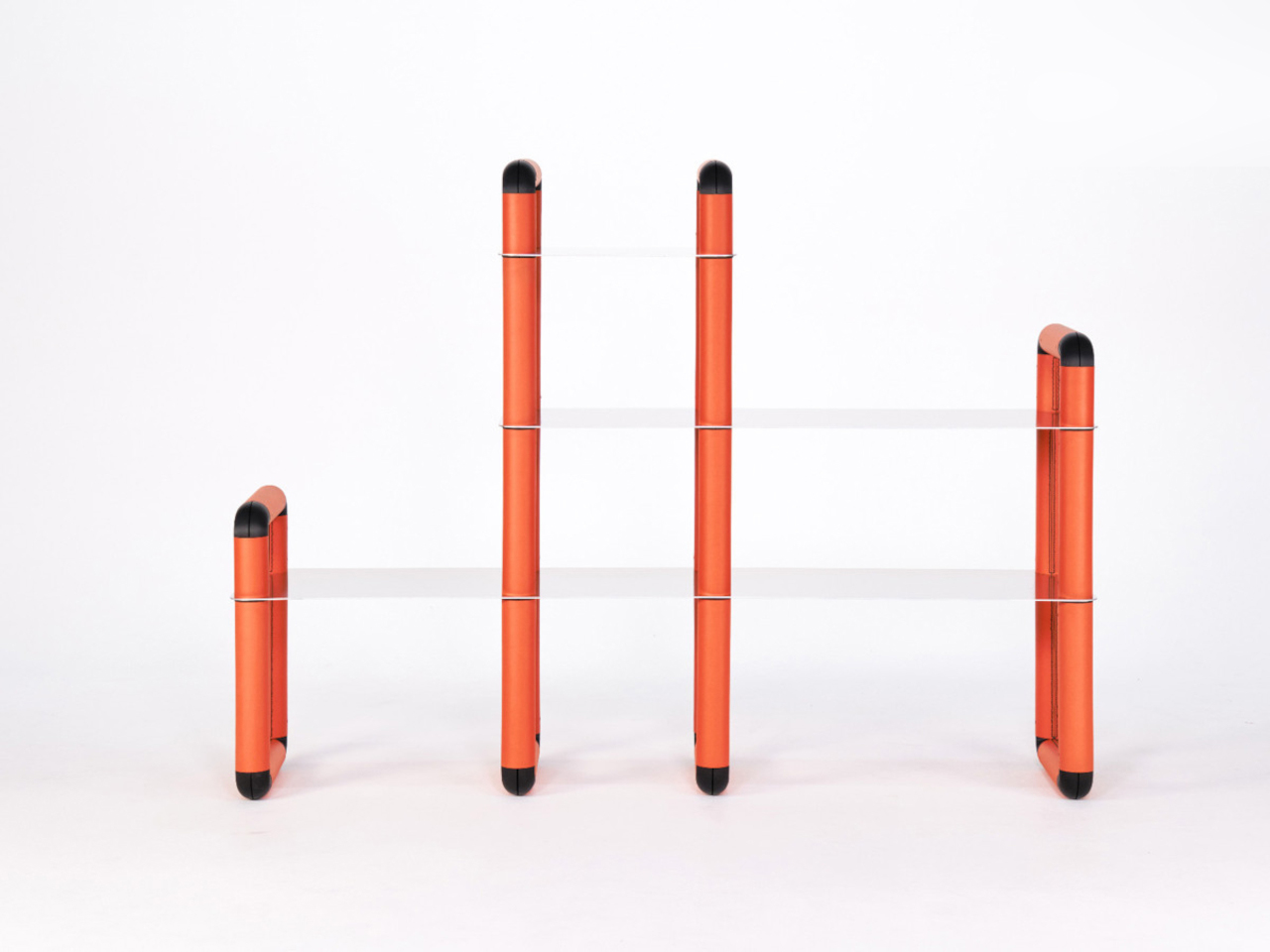
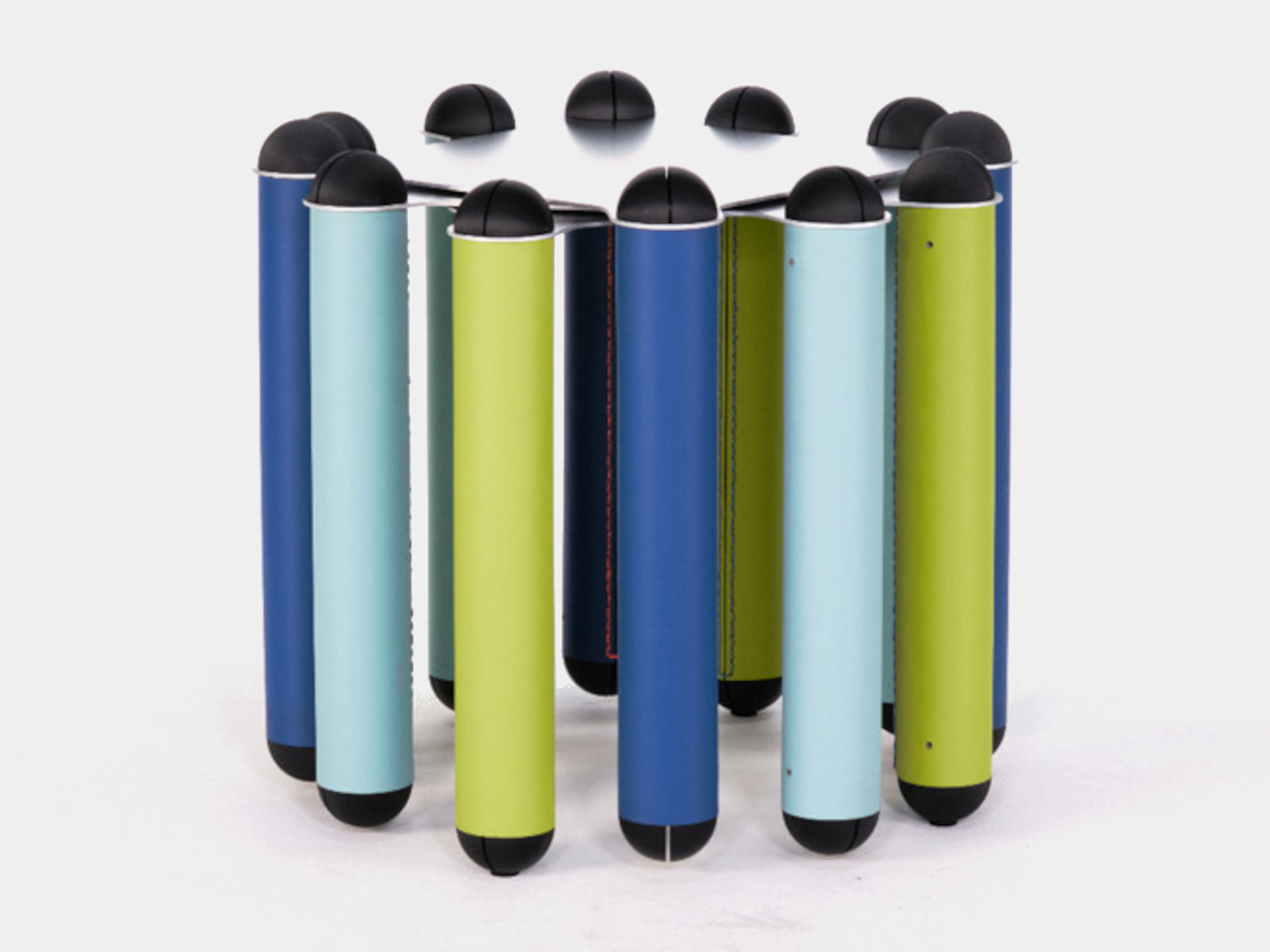
HIDDEN: PAPERS reimagines cardboard, typically discarded after packaging use, as a structural core. Thick tubes form the main frame, wrapped in removable linoleum sheets that are stitched rather than glued, so they can be replaced without damage. Recycled plastic nodes and a simple hex key allow the tubes to be assembled into shelves, side tables, or chairs finished with wood or metal surfaces. The result conceals its humble origins and proves cardboard can anchor refined, durable design.
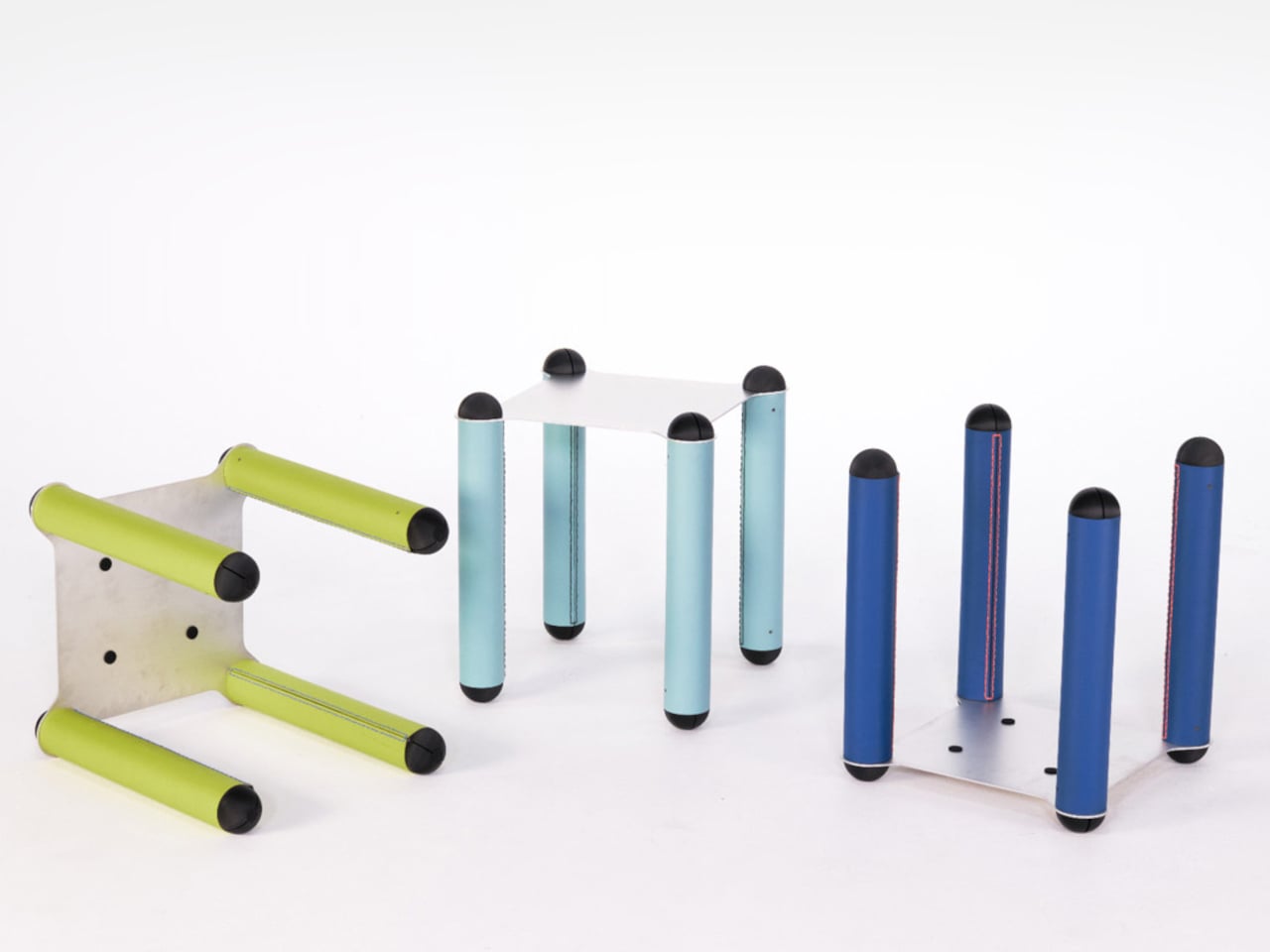

Cardboard’s evolution from utility to design essential shows how simplicity fuels innovation. With its strength, affordability, recyclability, and natural charm, it empowers creators to craft sustainable, beautiful products that respect both people and the planet. This shift reminds us that true progress lies in simple, conscious design and is a blueprint for a smarter, greener future.

The post 5 Products Made from Cardboard: The Bench Supports 300 Pounds first appeared on Yanko Design.