Codeebots Brings Physical Coding Blocks from the Classroom to the Maker’s Bench

Code education has a reputation problem. For a lot of kids, it means more screen time, more syntax errors, and more worksheets that feel nothing like the robots they care about. For many adults, it is too many tools, too much boilerplate, and not enough time to get from idea to working prototype. Codee, from Codeebots, tries to redraw that picture by turning code into something you pick up, snap together, and watch come alive, whether you are six or sixty.

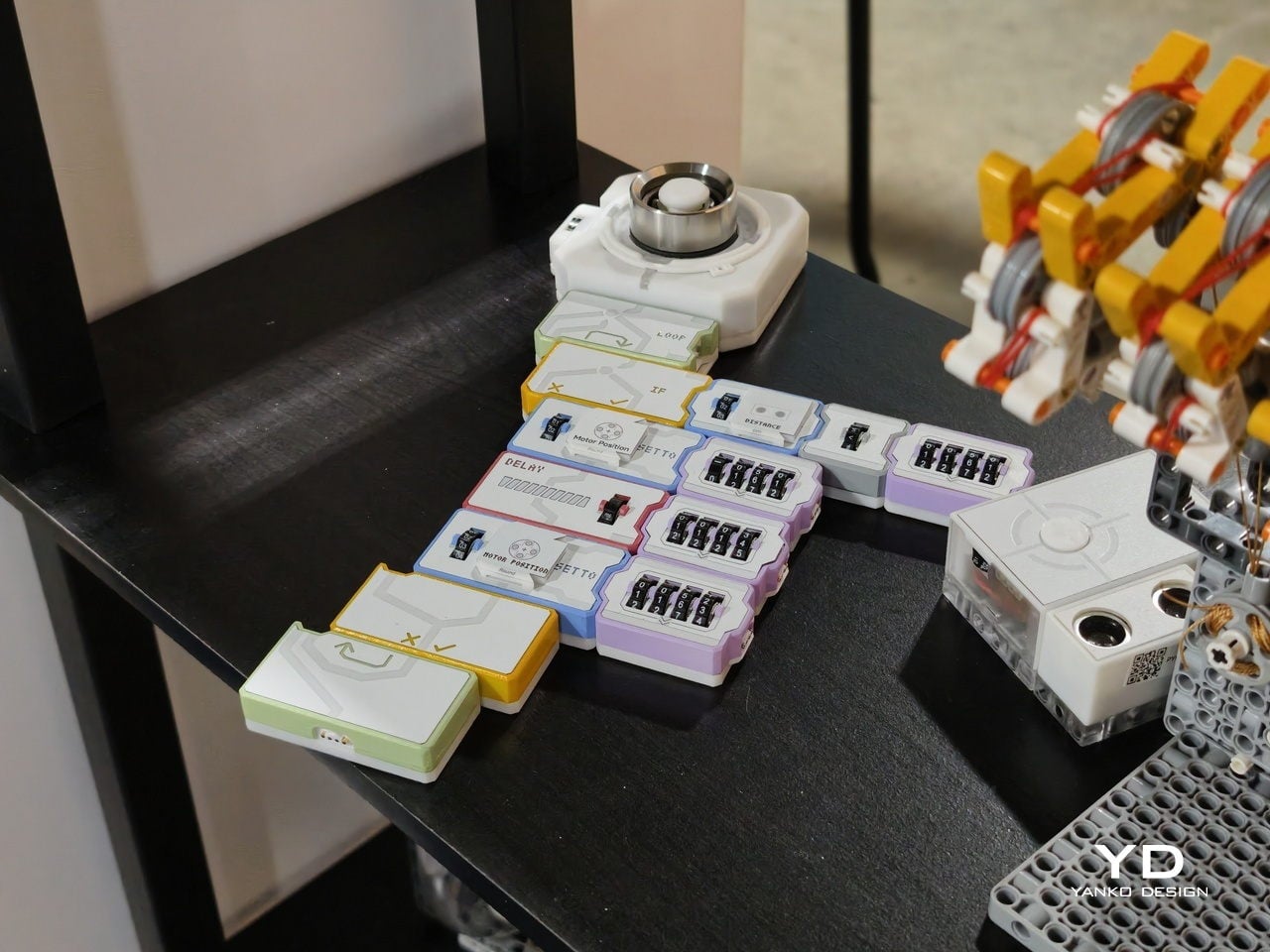
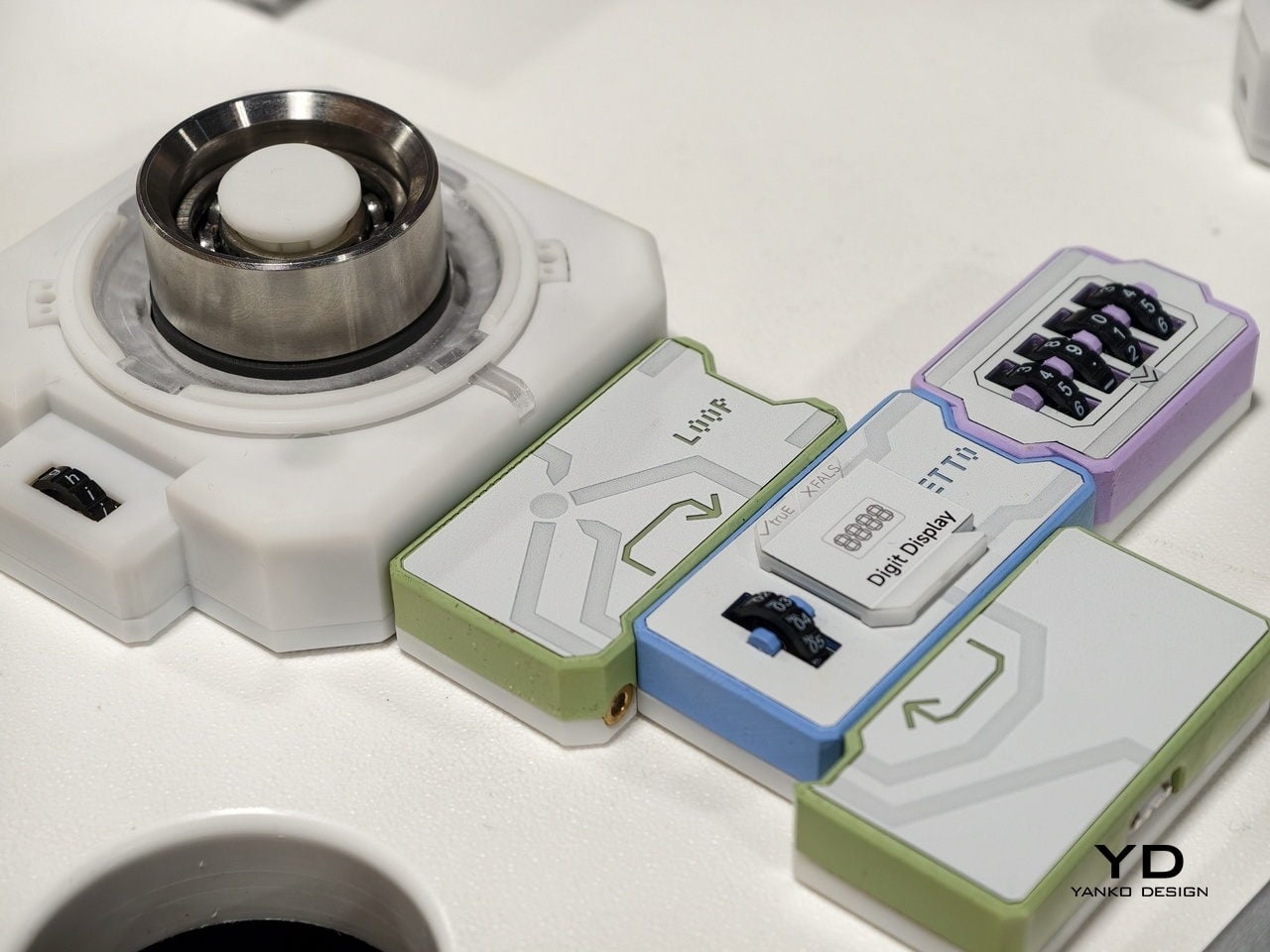
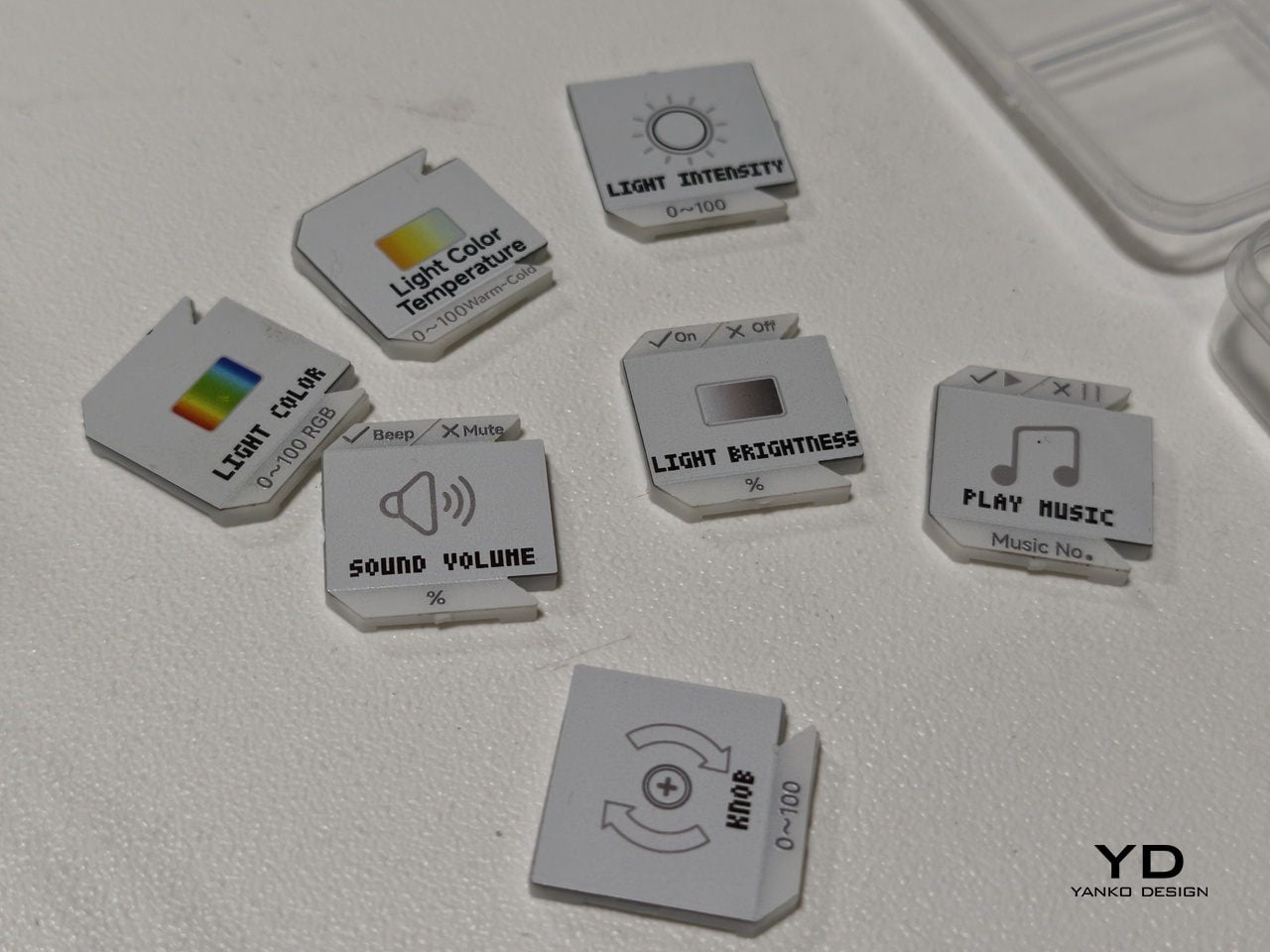
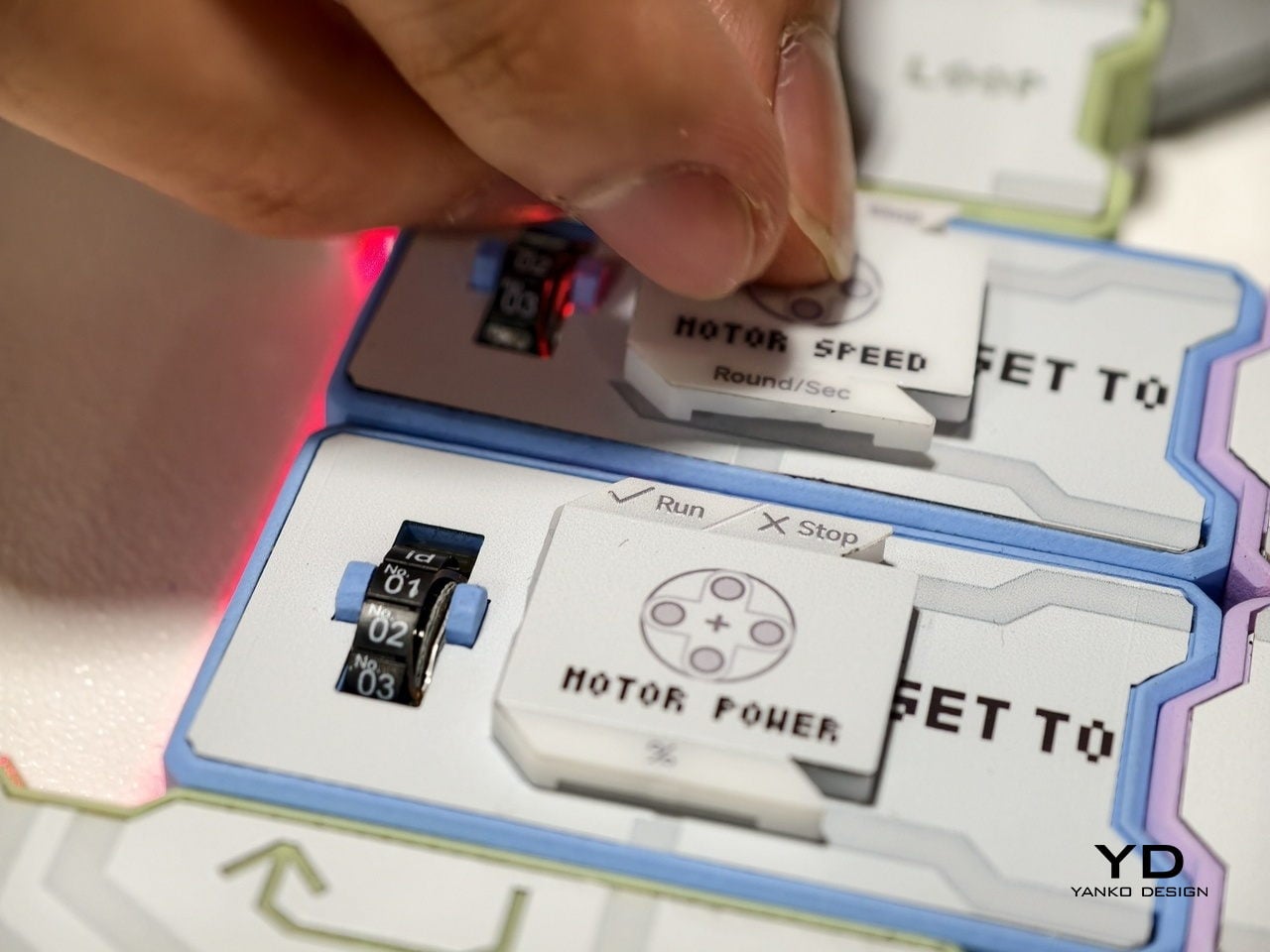
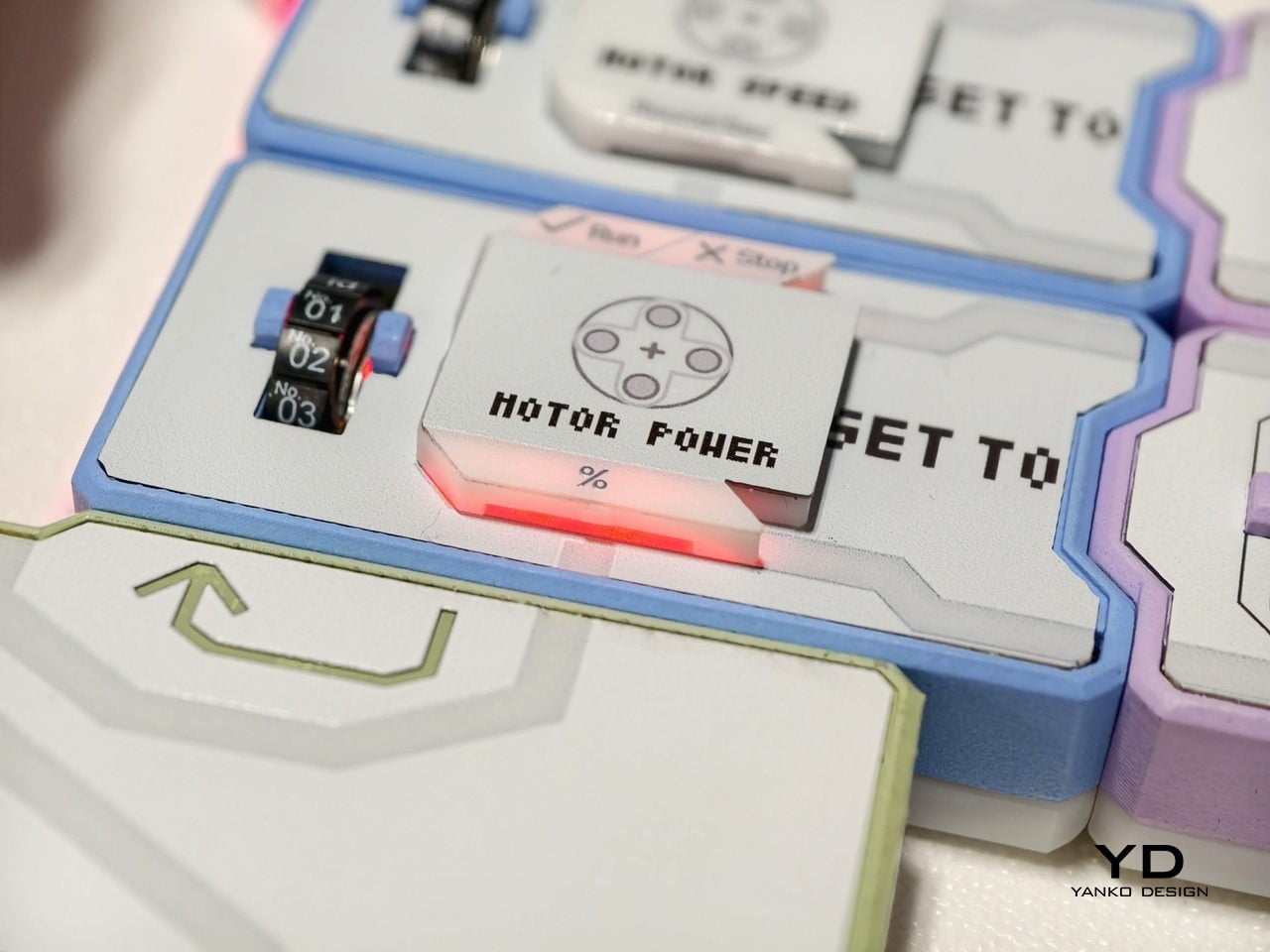
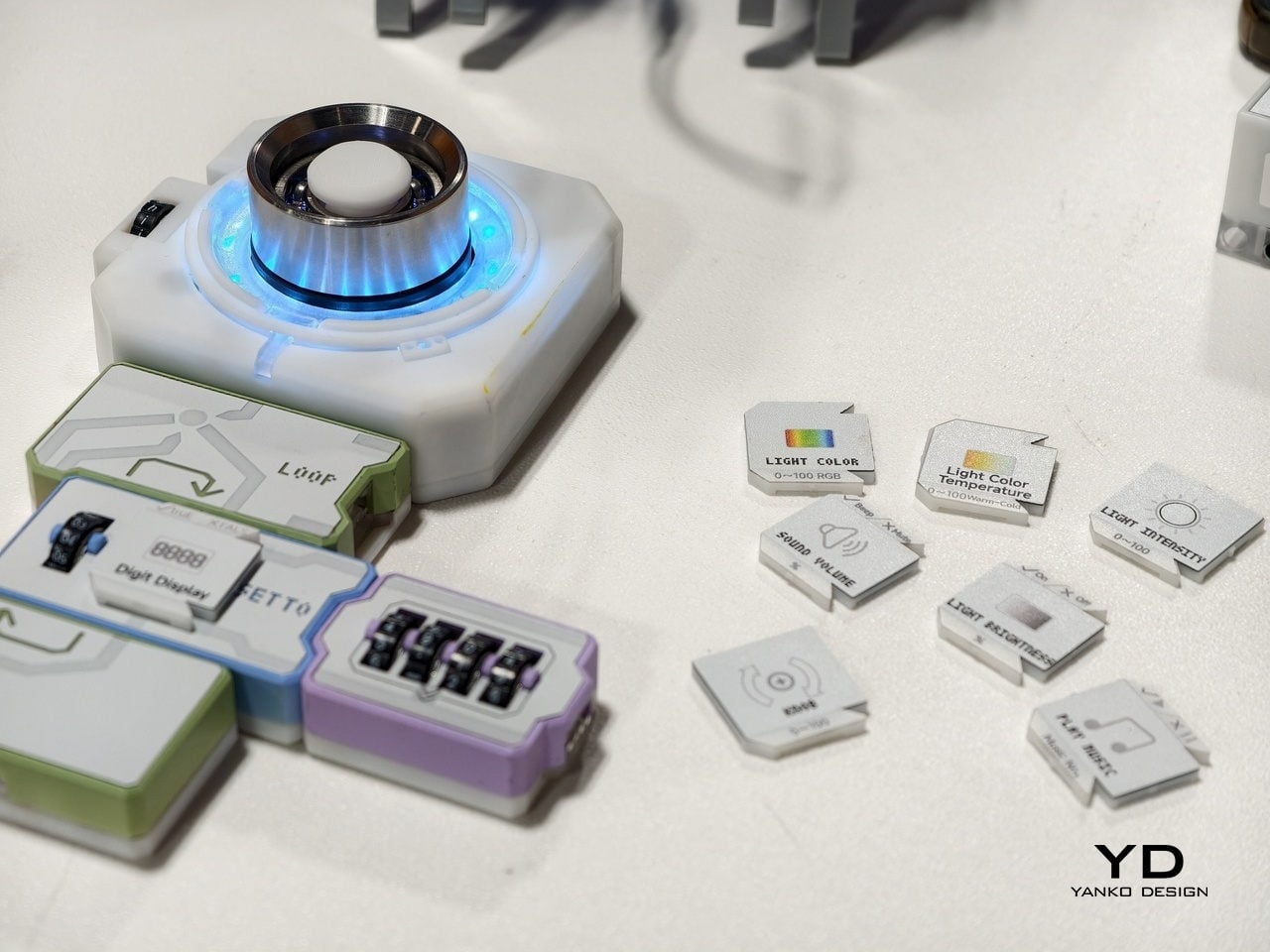
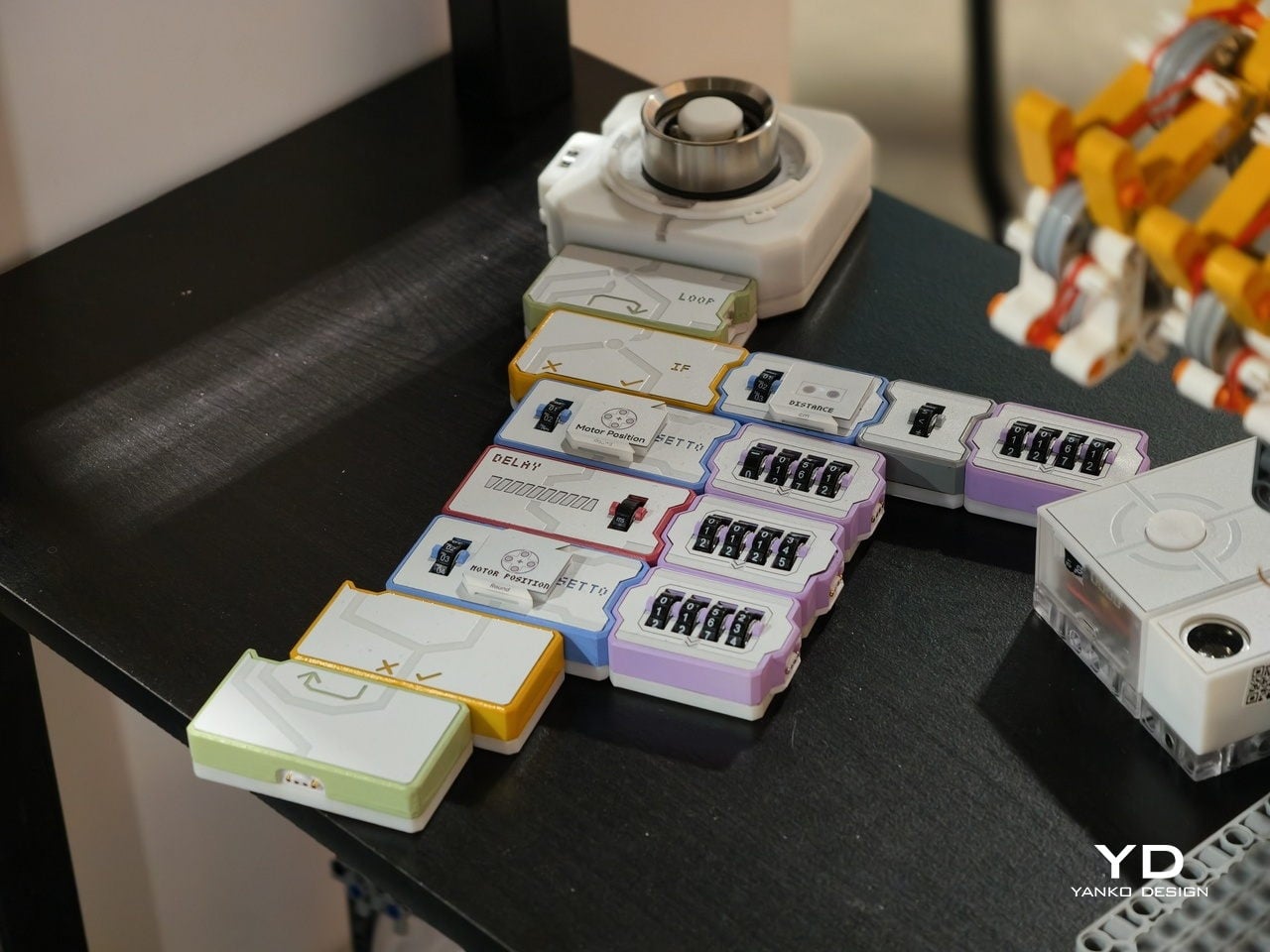
At the heart is a set of magnetic tiles that behave like physical lines of code. Each tile carries a clear label and icon, MOTOR POWER, MOTOR SPEED, LIGHT COLOR, LIGHT BRIGHTNESS, SOUND VOLUME, or PLAY MUSIC, along with small number wheels for setting values. You lay them out on a table in order, snapping them together so the arrows line up. Instead of typing IF, LOOP, or DELAY, you drop in tiles that embody those concepts.

Designer: Codee

For younger learners, that shift is huge. Kids from about four to twelve can create code with their own hands, without staring at a tablet. The base unit sends power and data through the snapped‑on tiles, and LEDs under the surface trace the program’s flow. When something goes wrong, the light trail stops at the problem block, making debugging as simple as seeing where the chain breaks, tangible logic training that feels closer to building with bricks.

There is also an AI layer behind the scenes. Codee talks about GPT tutors that act as a personal guide, explaining what a block does, suggesting what to try next, and celebrating small wins. For a child working through their first conditional or loop, that means there is always a patient voice ready to rephrase or nudge. For parents and teachers, it lowers the barrier to running robotics sessions without being a programmer.

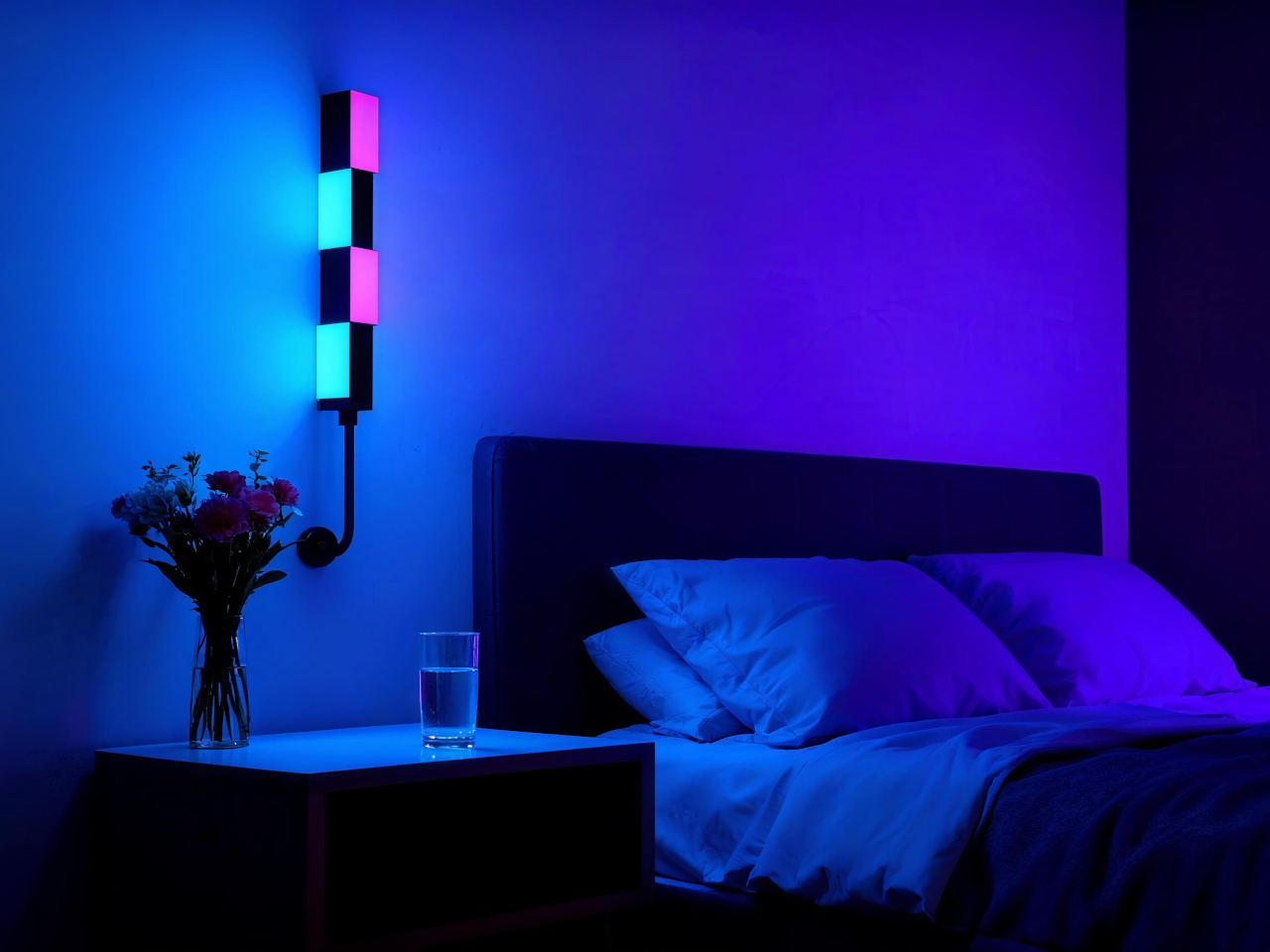
The same hardware becomes different in adult hands. On the Codee for Adults side, the language shifts from classrooms to workshops. The tiles drive 3D‑printed prototypes, finalize complex LEGO builds, or wire up smart lights and sensors. Instead of opening an IDE, you sketch behavior on the table, using the MOTOR, LIGHT, and SENSOR blocks. An AI pair programmer, again powered by ChatGPT, suggests improvements, helps debug, and translates that physical logic into traditional code when needed.

This makes Codee feel like a bridge between toy‑like kits and serious prototyping platforms. A weekend project can start with a handful of tiles and a motor, then grow into a more complex robot with distance sensors, displays, and multiple outputs, without abandoning the snap‑together language. Because the system is LEGO compatible and offers expandable robotics IO, it slots into existing maker habits rather than demanding a clean slate.

For budding makers and veterans alike, the appeal is in that continuity. Codee is not just another coding toy for kids or another dev board for adults. It is a physical grammar for behavior that scales from first experiments to surprisingly capable machines, with AI acting as a gentle translator between intuition and implementation. It is a reminder that sometimes the best interface for code is still the table.

The post Codeebots Brings Physical Coding Blocks from the Classroom to the Maker’s Bench first appeared on Yanko Design.

LEGO-like concrete blocks made from waste are easy to assemble and disassemble

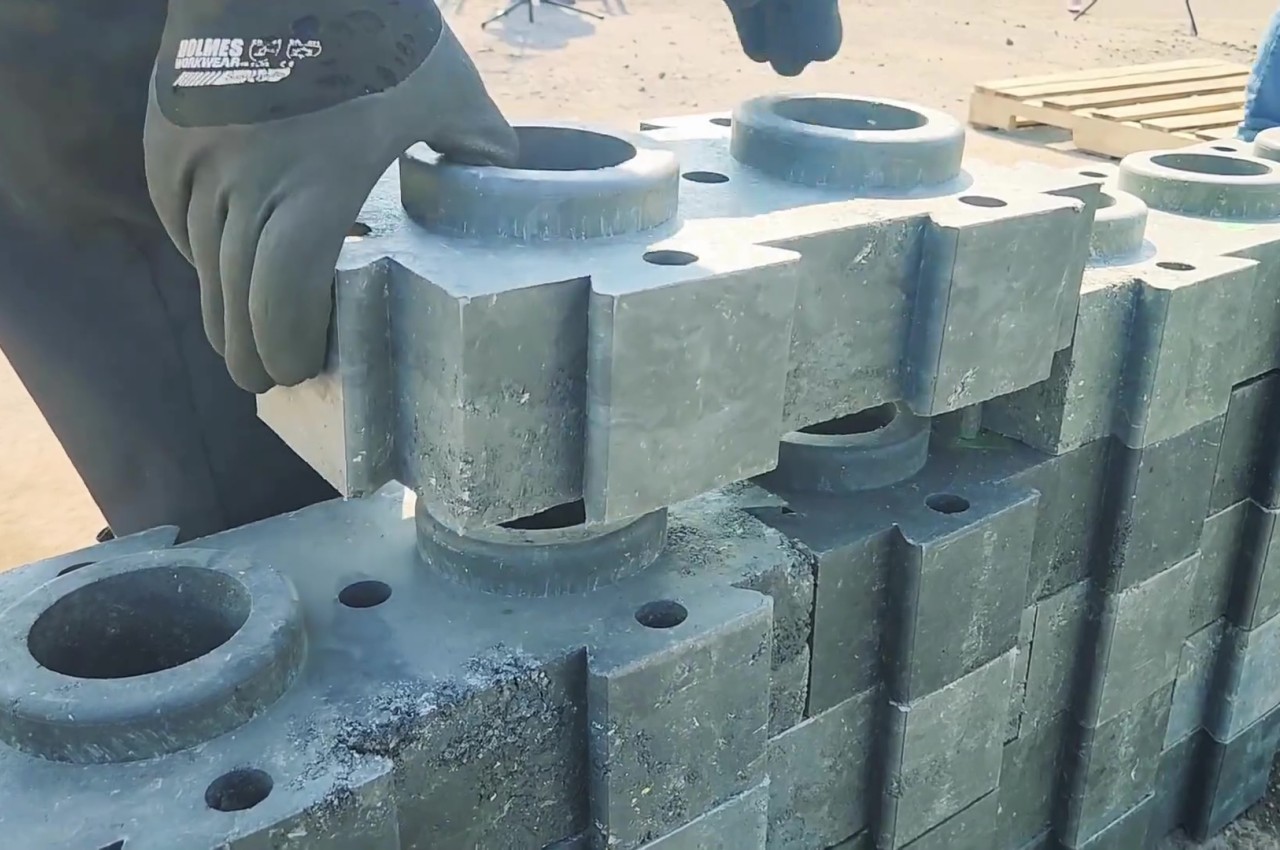
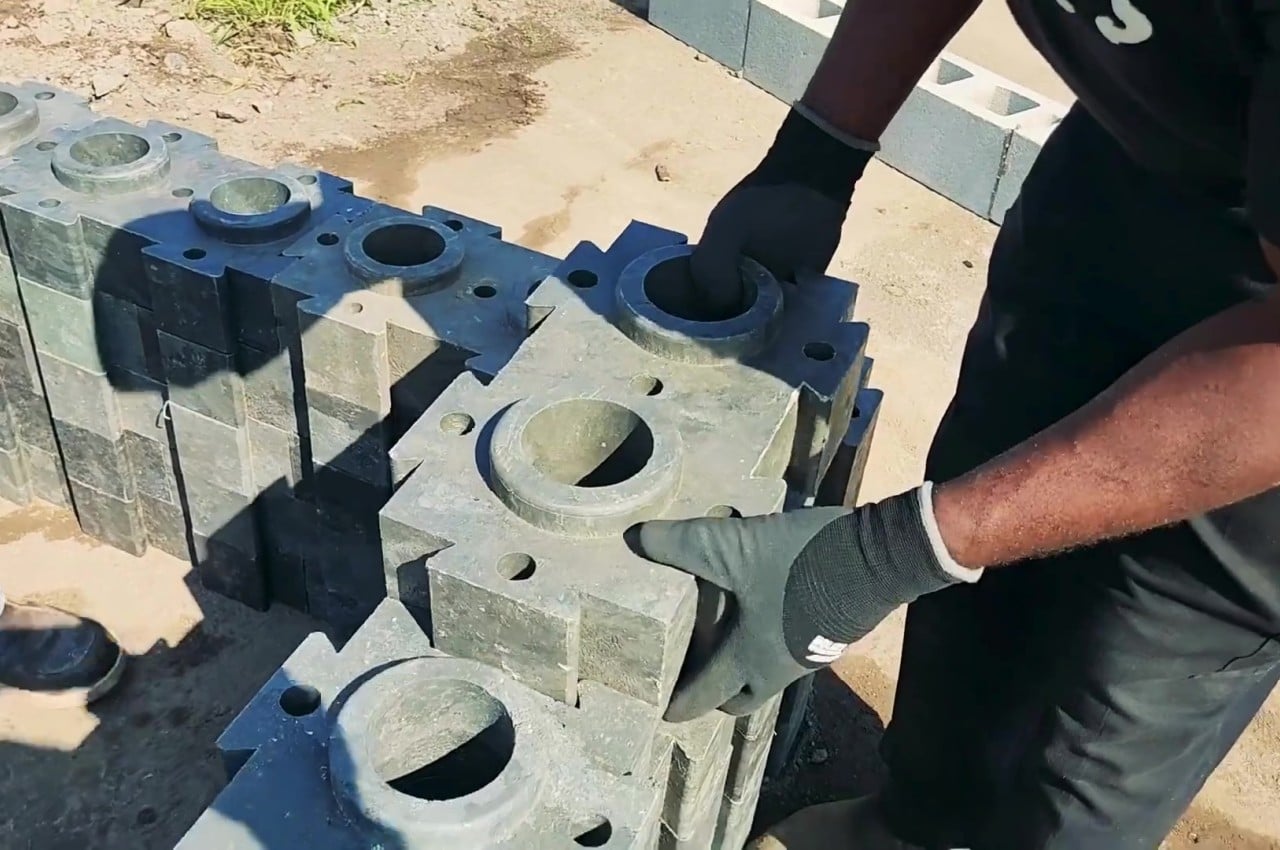
The more buildings we put up to address the growing needs of our civilization, the more materials and energy are consumed along with a rise in waste. And these structures don’t last forever, so the unsustainable process happens over and over again. The need for more sustainable alternatives to building materials has never been greater, especially at the rate that we’re building, tearing down, and rebuilding structures. This new kind of cinder block alternative is trying to be that answer, and it’s notable not just for its composition but because of the interlocking design that makes it easy to build a wall and, when the time comes, take it down again and reuse the blocks for some other building.

Designer: Dustin Bowers

Although your typical cinder block isn’t completely harmful to the environment, they are simply wasteful and inefficient. Putting together a wall requires a lot of time, effort, and materials like mortar to give it strength, and even then it’s not that strong anyway. And if you have to, say, move the wall or remove it completely, there’s no other method other than demolishing that wall and then building a new one from scratch.

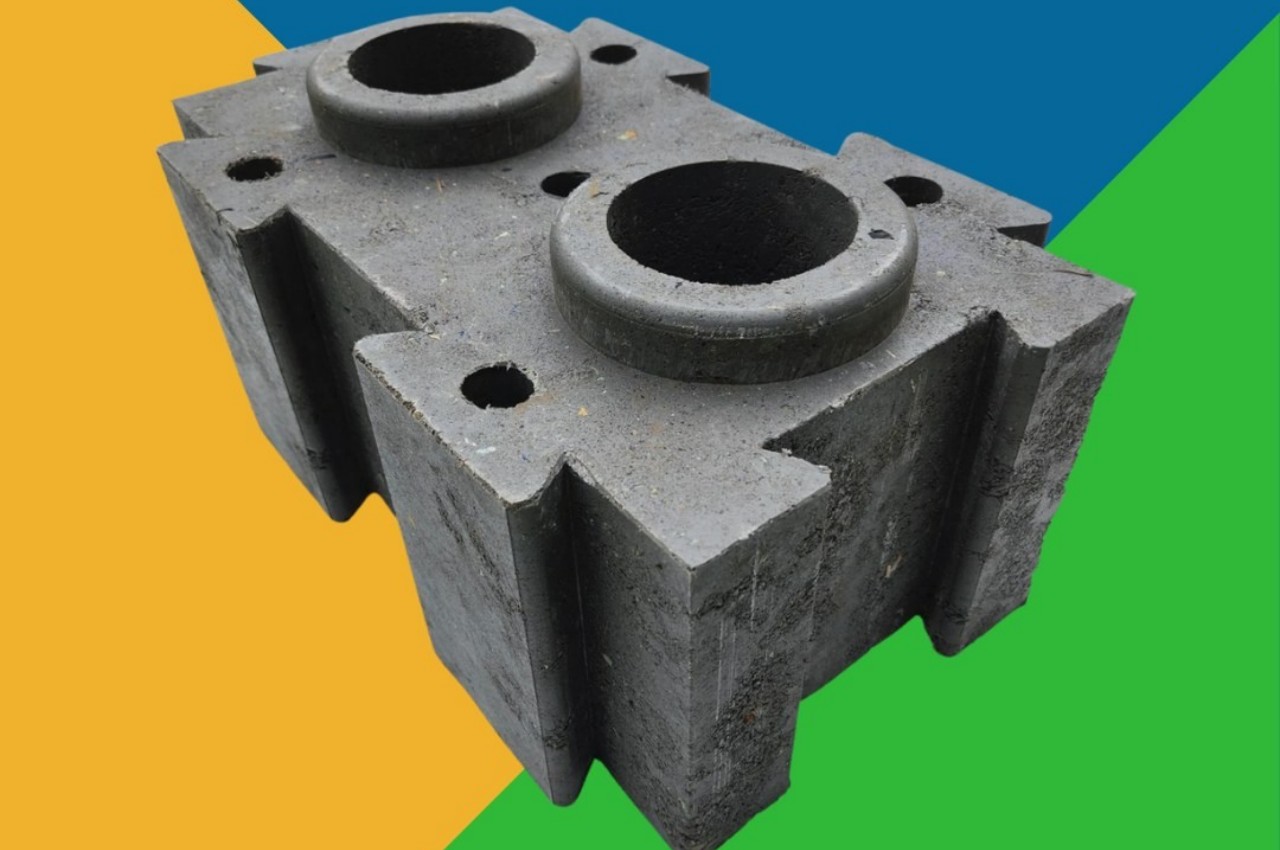
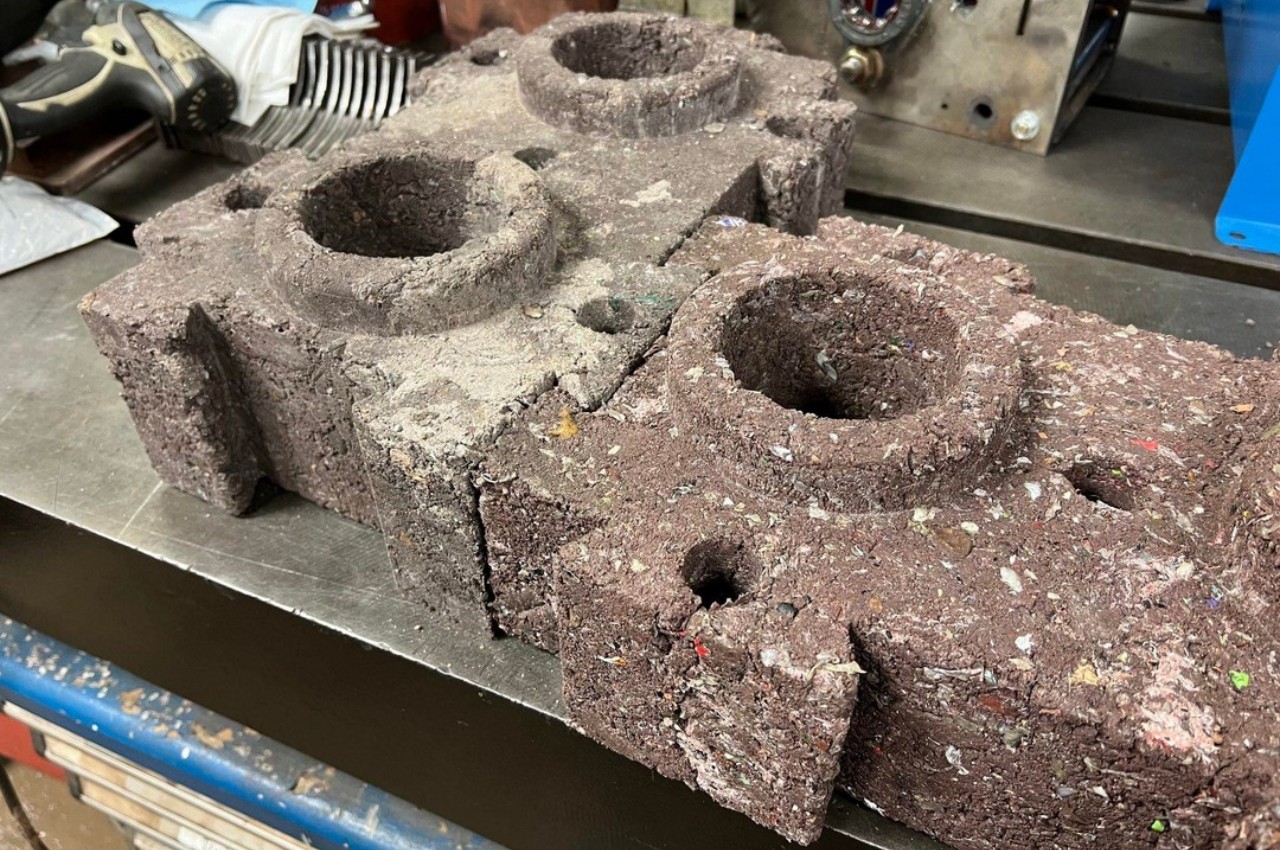
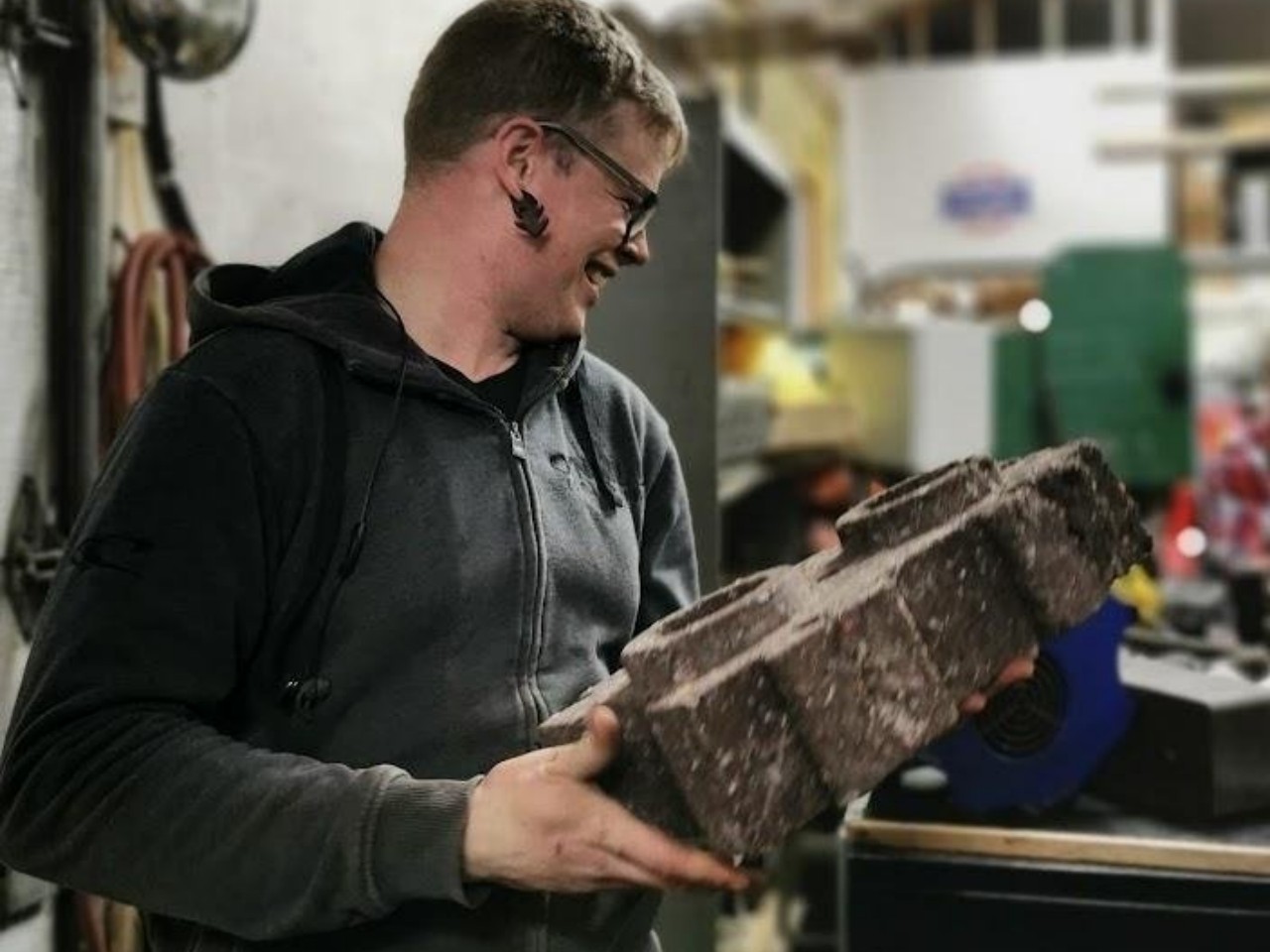
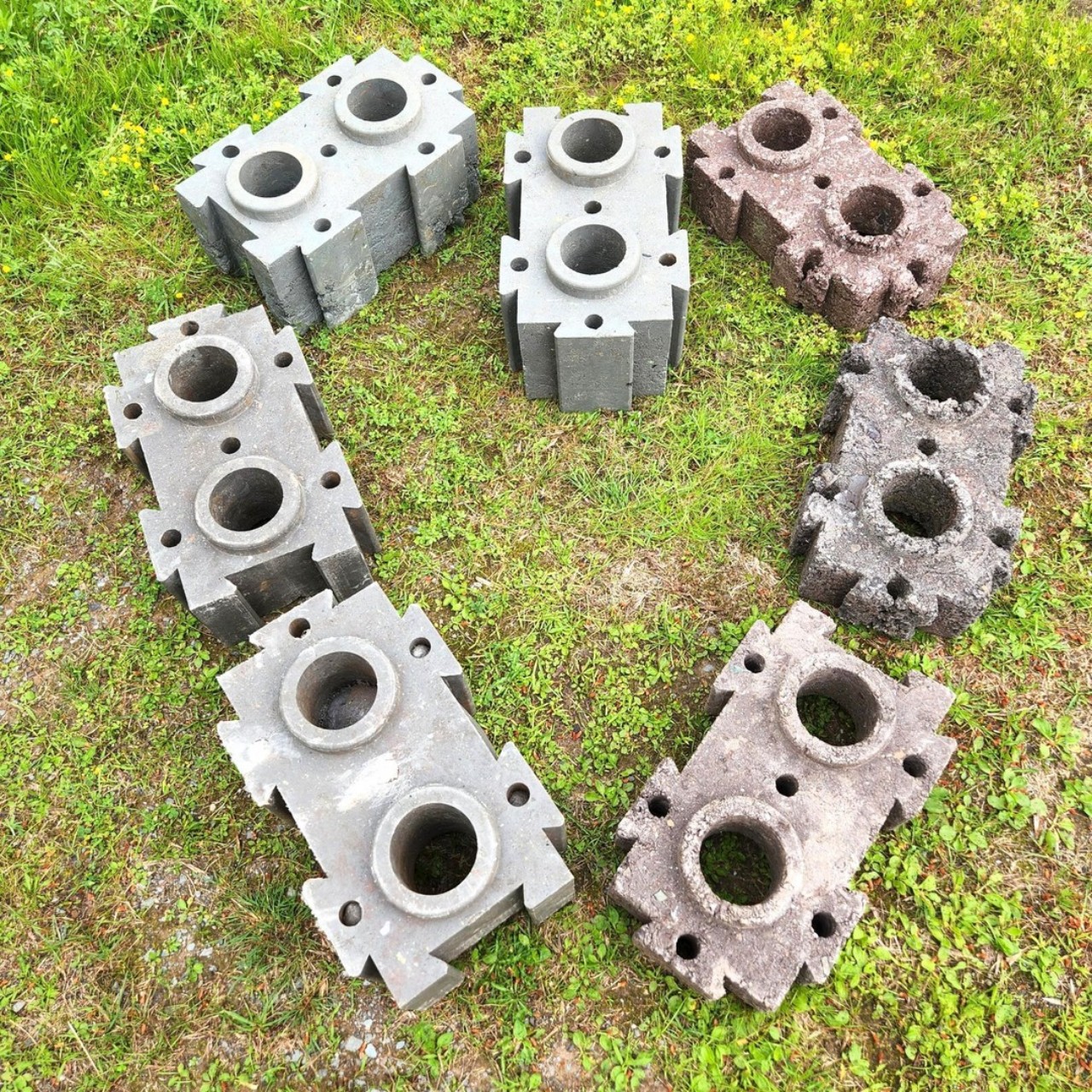
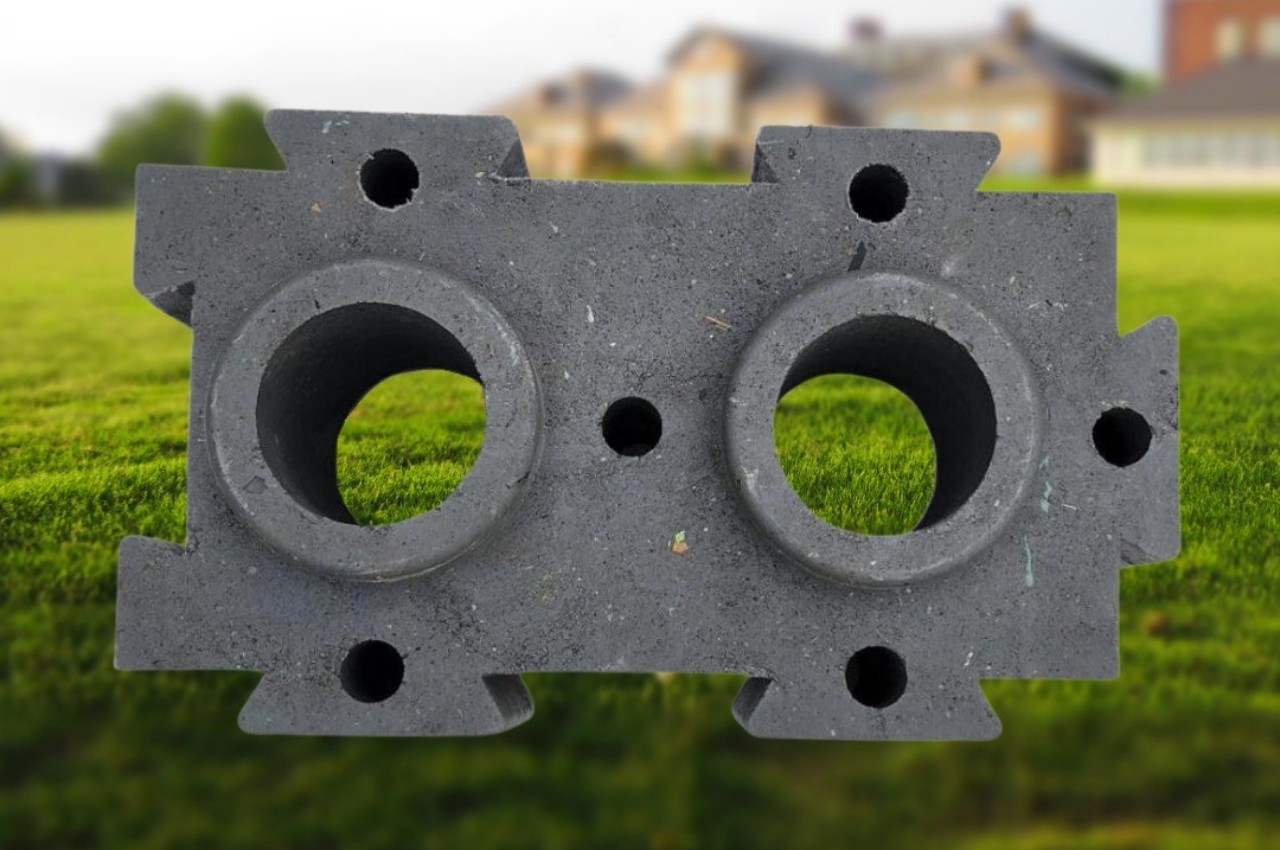
PLAEX-crete attacks the problem of concrete blocks from two angles: composition and construction. Unlike other sustainable blocks, PLAEX doesn’t hesitate to get down and dirty, using materials that are considered different to recycle, including agricultural, marine, and industrial plastic waste and aggregate waste from the construction industry. Each block is made up of more than 90% recycled waste but is 33% lighter than traditional cinder blocks while also stronger.

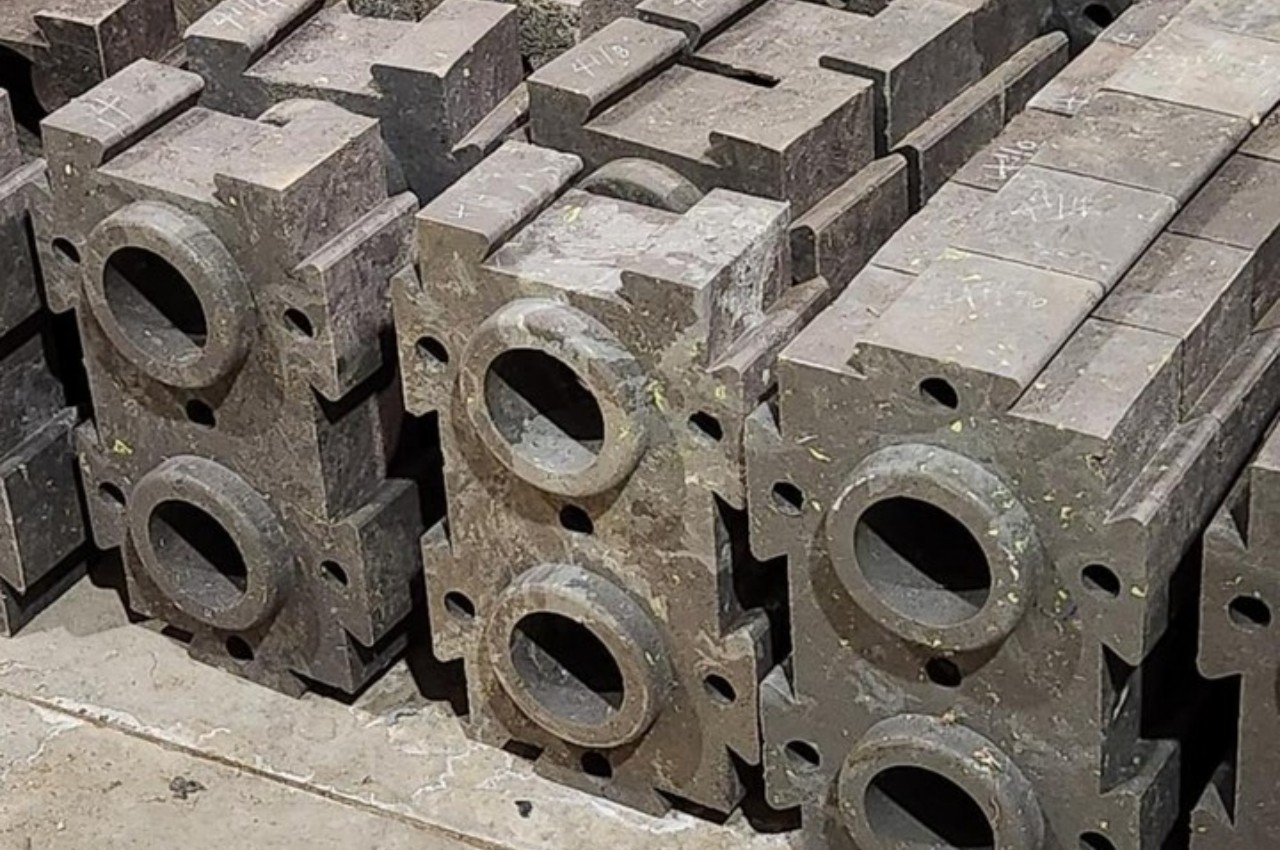
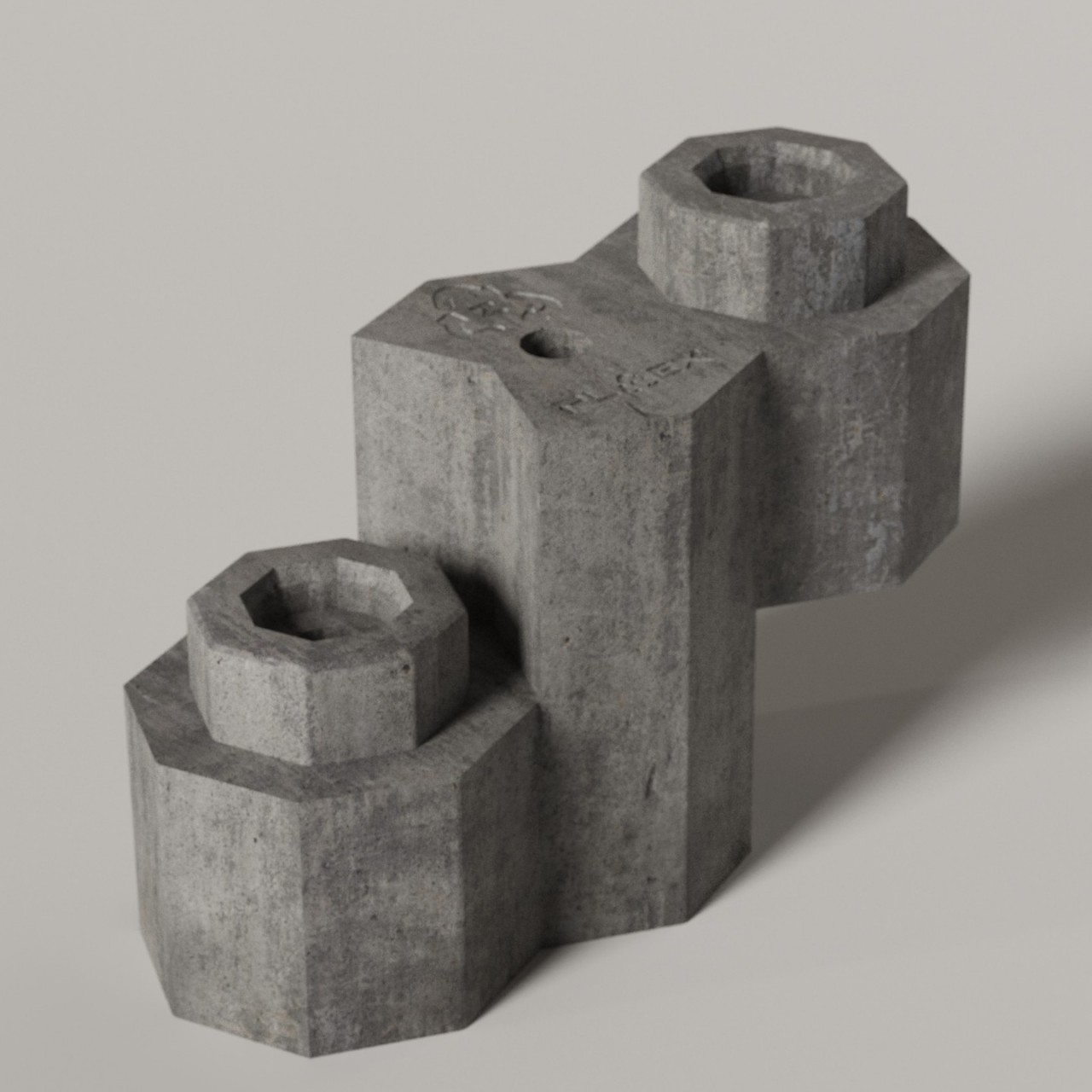
The material alone isn’t enough to radically change the construction industry, though. The second part of the two-hit combo that PLAEX delivers is the shape of the blocks that look like gigantic LEGO blocks. The interlocking mechanism is no joke, however, and allows workers to build up a wall twice the time as regular concrete blocks. Best of all, you don’t even need mortar or other materials to keep the blocks together, and they still end up being more solid, sturdier, and more durable than a cinder block wall.

That same interlocking design makes it possible to disassemble the blocks just as easily so that they can be reused, saving money and resources. A modification of the design has also given birth to the PLAEX LinX which supports connections at different angles for more creative shapes and constructions. At the moment, PLAEX can only be used for non-occupancy walls, but work is underway to make the material certified for homebuilding, at which point it could revolutionize the construction industry with its environment-friendly and convenient design.

The post LEGO-like concrete blocks made from waste are easy to assemble and disassemble first appeared on Yanko Design.