Aqara’s Matter-compatible camera promises easier smart home integration

Smart home company Aqara has launched what it says is the first camera certified for Matter, the open source standard that enables interoperability across brands, like Google and Amazon. The Aqara G350 is an indoor security cam that also functions as a Zigbee and Matter hub in the Aqara Home app, which means the camera will enable you to control various devices across smart home protocols from different brands within one location.

The camera itself comes with a 4K wide-angle and a 2.5K telephoto lens, providing both panoramic and closeup views. It also has 9x hybrid zoom and a pan-tilt mechanism that can give you 360-degree coverage of the room it’s in. The camera uses AI-powered tracking to keep people and pets in frame, as well as to determine which events and sounds are truly meaningful before sending you an alert. The Camera Hub G350 is now available via Aqara’s website, Amazon and other retailers for $140.

Aqara has also introduced the G400 wired doorbell camera that can connect to the internet either via Ethernet or dual-band Wi-Fi 6. It has a lens with 2K resolution and 165-degree ultra-wide field of view, so that it can capture visitors even when they’re standing close. The camera has on-device detection capabilities to recognize people and motion even without being connected to the internet. Connected, its cloud-based AI features enable it to identify faces, packages, vehicles and animals. You can connect the Aqara G400 doorbell camera to major smart home platforms, such as Apple Home with Homekit, Amazon Alexa, Google Home and Samsung SmartThings. It’s now available for sale on Aqara’s website, Amazon and other retails for $100.

This article originally appeared on Engadget at https://www.engadget.com/home/smart-home/aqaras-matter-compatible-camera-promises-easier-smart-home-integration-124500865.html?src=rss

How to Play Original Xbox Games On Android : Requirements, Install Steps & Tweaks

How to Play Original Xbox Games On Android : Requirements, Install Steps & Tweaks X1 Box emulator running on an Android phone, showing the main menu and game list selection screen.

Playing original Xbox games on your Android device is now within reach, thanks to the X1 Box emulator. Built on the XEMU project, this emulator allows you to relive classic titles like Halo: Combat Evolved or Fable directly on compatible Android devices. As ETA Prime explains, setting up the emulator involves key steps such as […]

The post How to Play Original Xbox Games On Android : Requirements, Install Steps & Tweaks appeared first on Geeky Gadgets.

Posted in Uncategorized

Oppo Find N6 Review: The Best Foldable Phone Right Now

PROS:


  • Excellent multitasking experience

  • Nearly invisible and undetectable crease

  • Slim and light form factor for a book-style foldable

  • Powerful performance

CONS:


  • Camera system is good for a foldable, but not truly flagship-level

RATINGS:

AESTHETICS
ERGONOMICS
PERFORMANCE
SUSTAINABILITY / REPAIRABILITY
VALUE FOR MONEY

EDITOR'S QUOTE:

The OPPO Find N6 is one of the few foldables that trades novelty for genuine polish, delivering a device that feels as complete as it does considered.

The Oppo Find N6 arrives at a moment when foldables can no longer rely on novelty alone to justify their place in the premium market. Buyers now expect these devices to feel as polished and dependable as any top-tier flagship, while still delivering the sense of occasion that only a folding design can offer. That is what makes the Find N6 so interesting, because it is not simply trying to look futuristic. It is trying to feel complete.

That question lands differently for me because the Oppo Find N5 has been my daily driver for most of the time since its launch. Living with that phone has given me a clear sense of what Oppo already does exceptionally well in this category, from hardware refinement to the balance between portability and immersion. It also means I came to the Find N6 with real expectations rather than fresh curiosity alone. More than anything, I wanted to see whether Oppo had merely polished an already strong formula or taken a meaningful step forward.

Designer: OPPO

Aesthetics
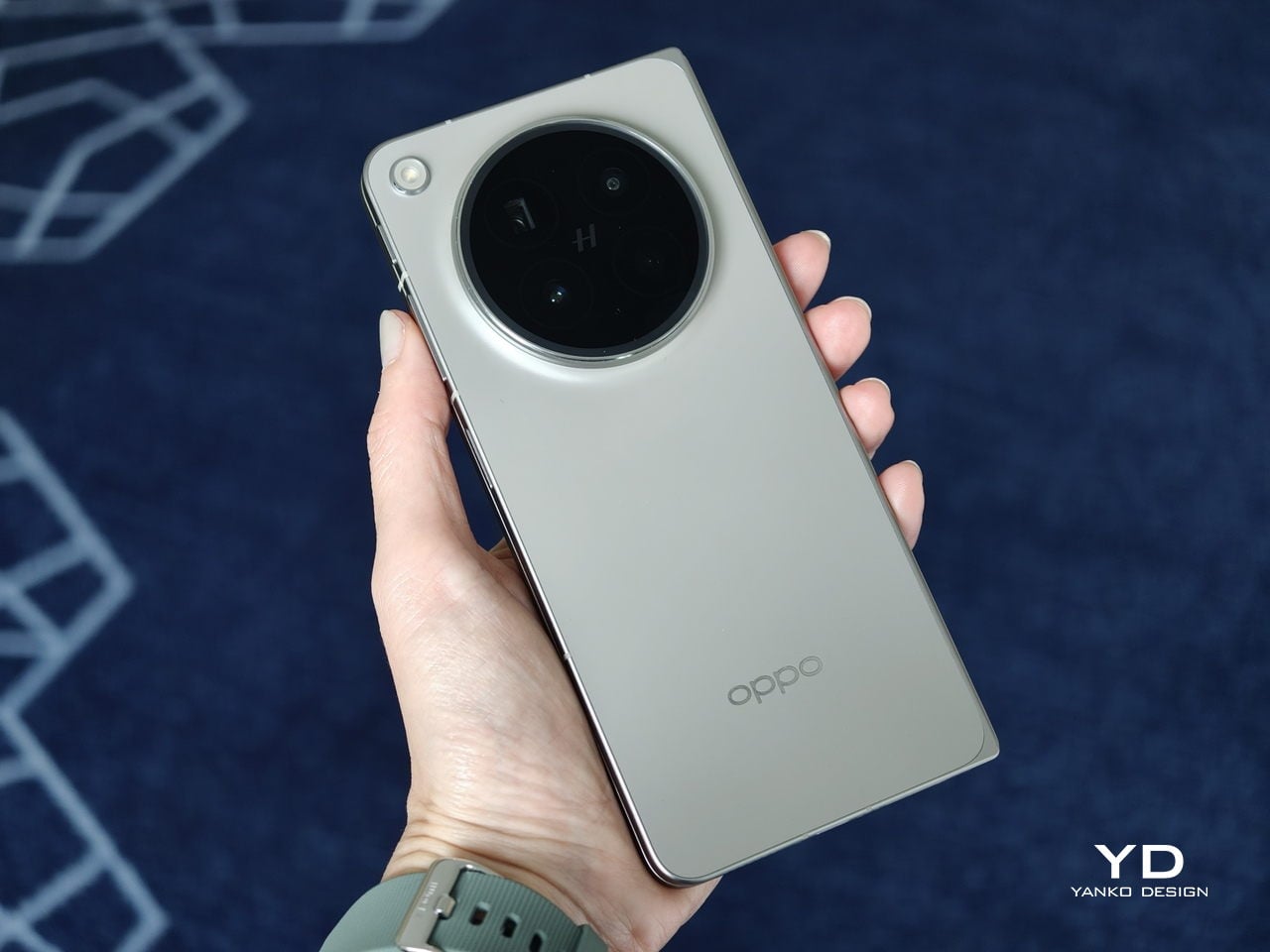
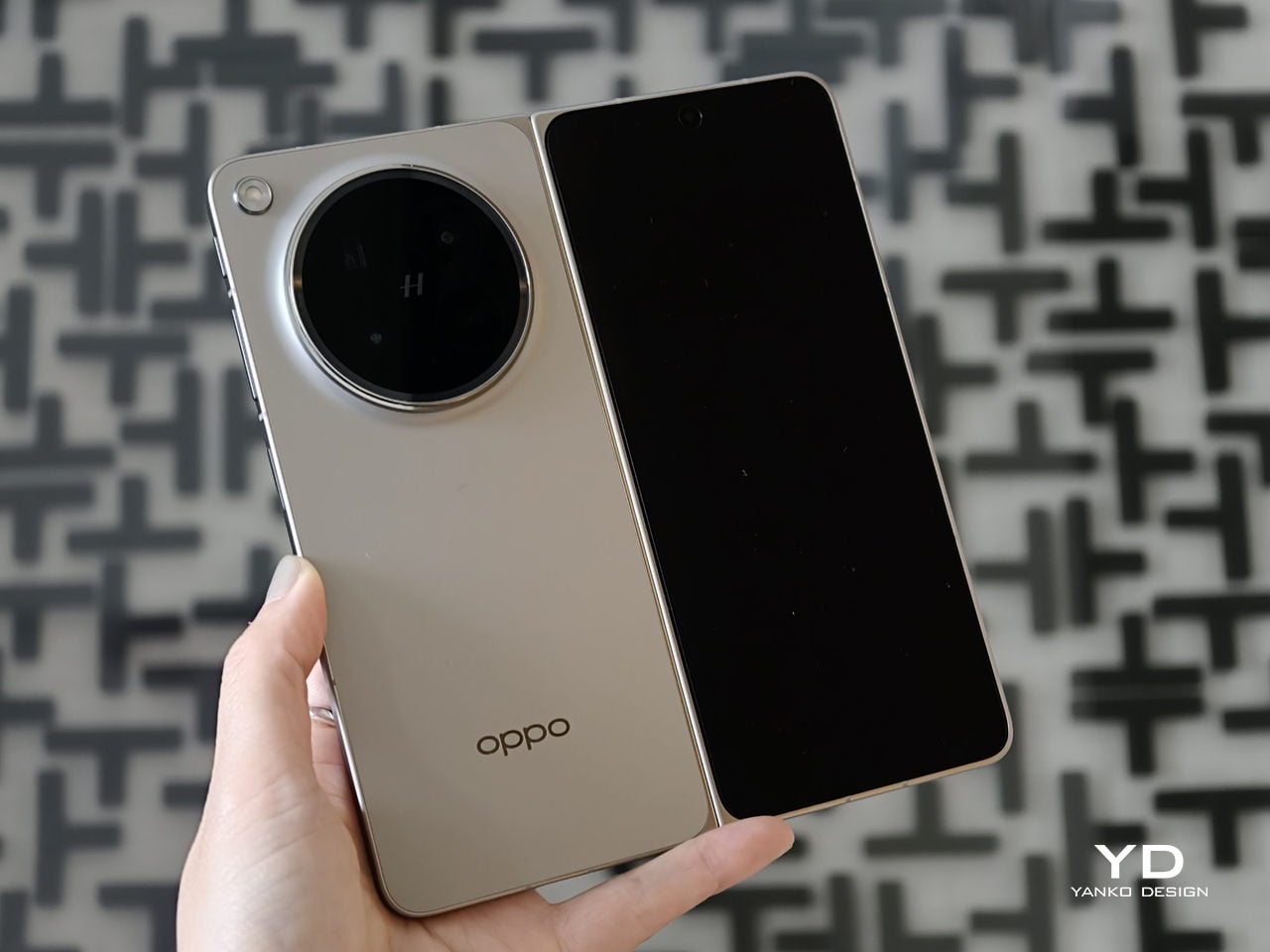
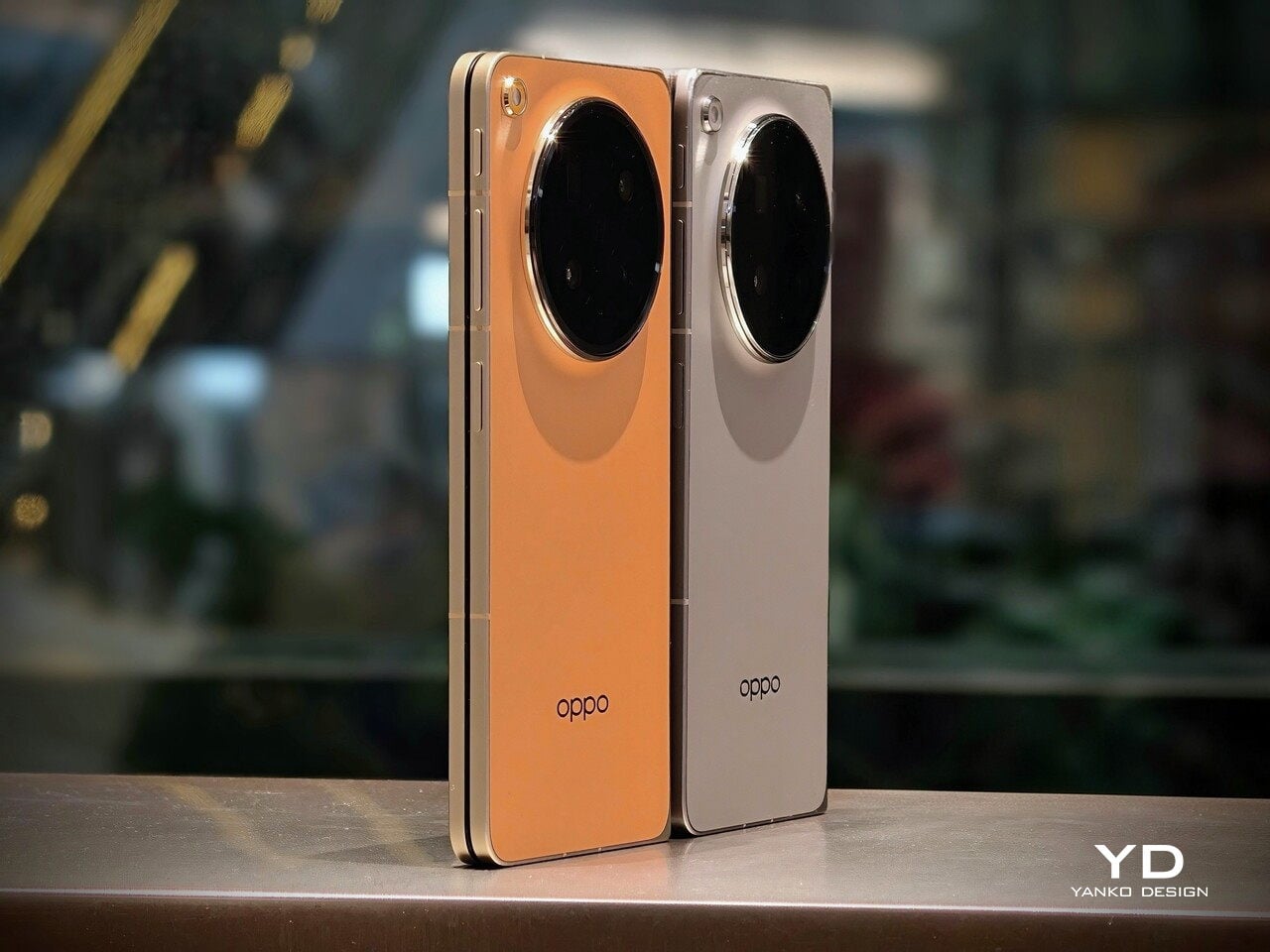
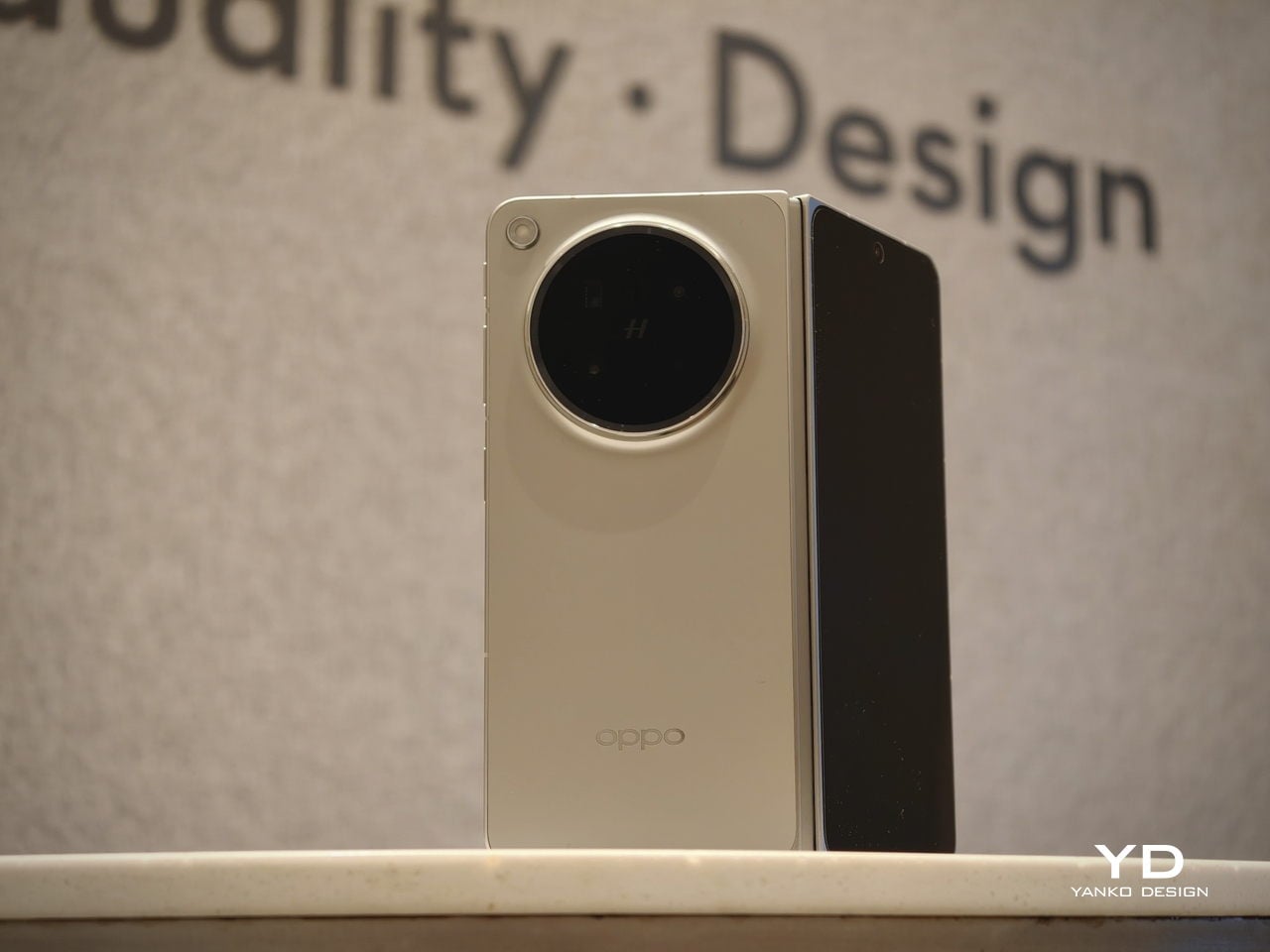
The Oppo Find N6 does not stray far from the design language established by the Find N5, but it feels like a more polished and disciplined evolution of that formula. The overall look is largely unchanged, yet the Find N6 comes across as more minimalistic and more refined, with a cleaner visual identity that feels calmer and more mature. Rather than chasing a dramatic redesign, Oppo has focused on tightening the details, and that gives the phone a stronger sense of cohesion.
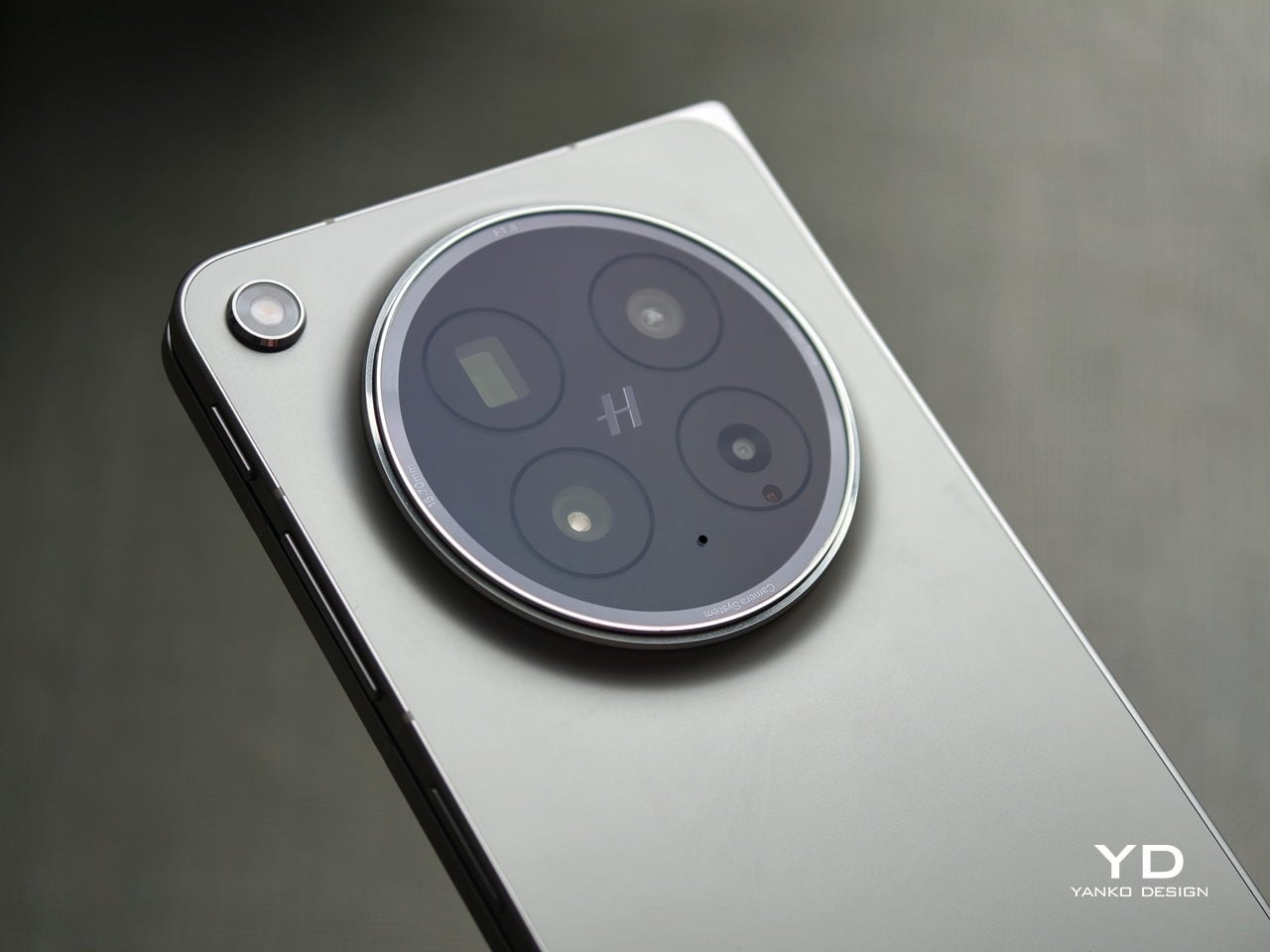
The biggest improvement is in the rear camera treatment. The refined Cosmos Ring camera deco looks more elegant and less ornamental, while the individual camera elements feel more integrated into the overall composition instead of standing apart from it. This makes the back of the phone look tidier and more resolved, which suits the Find N6’s more minimal direction. It still has the visual presence expected of a flagship foldable, but it carries that presence with greater restraint.
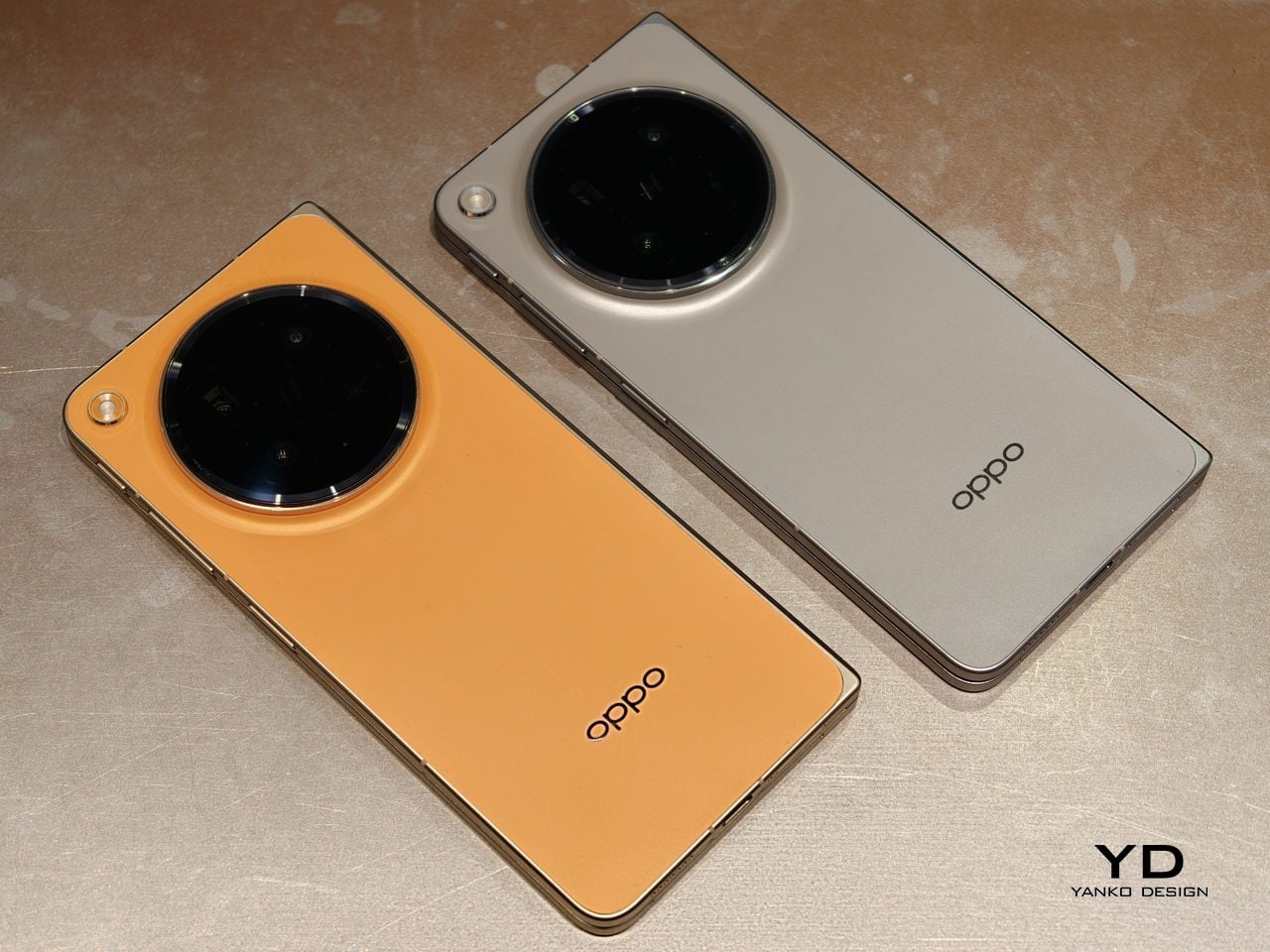
What also stands out is Oppo’s color choice. For the first time on one of its foldables, the company is offering a much bolder orange finish, which Oppo calls Blossom Orange, alongside a more classic Stellar Titanium, and the timing does not feel accidental. Ever since the iPhone 17 Pro series introduced orange into the flagship conversation, it feels like other brands have been quick to follow Apple’s lead, and the Find N6 is part of that wave. Even so, the orange works well here, giving the phone more personality, while the gray remains the safer and more traditional option.

Ergonomics

The generous screen real estate of a foldable usually comes with familiar compromises. Thickness, weight, and the crease are often treated as the unavoidable price of admission. The Oppo Find N6, however, feels designed to challenge that assumption in a way that is noticeable the moment you pick it up.
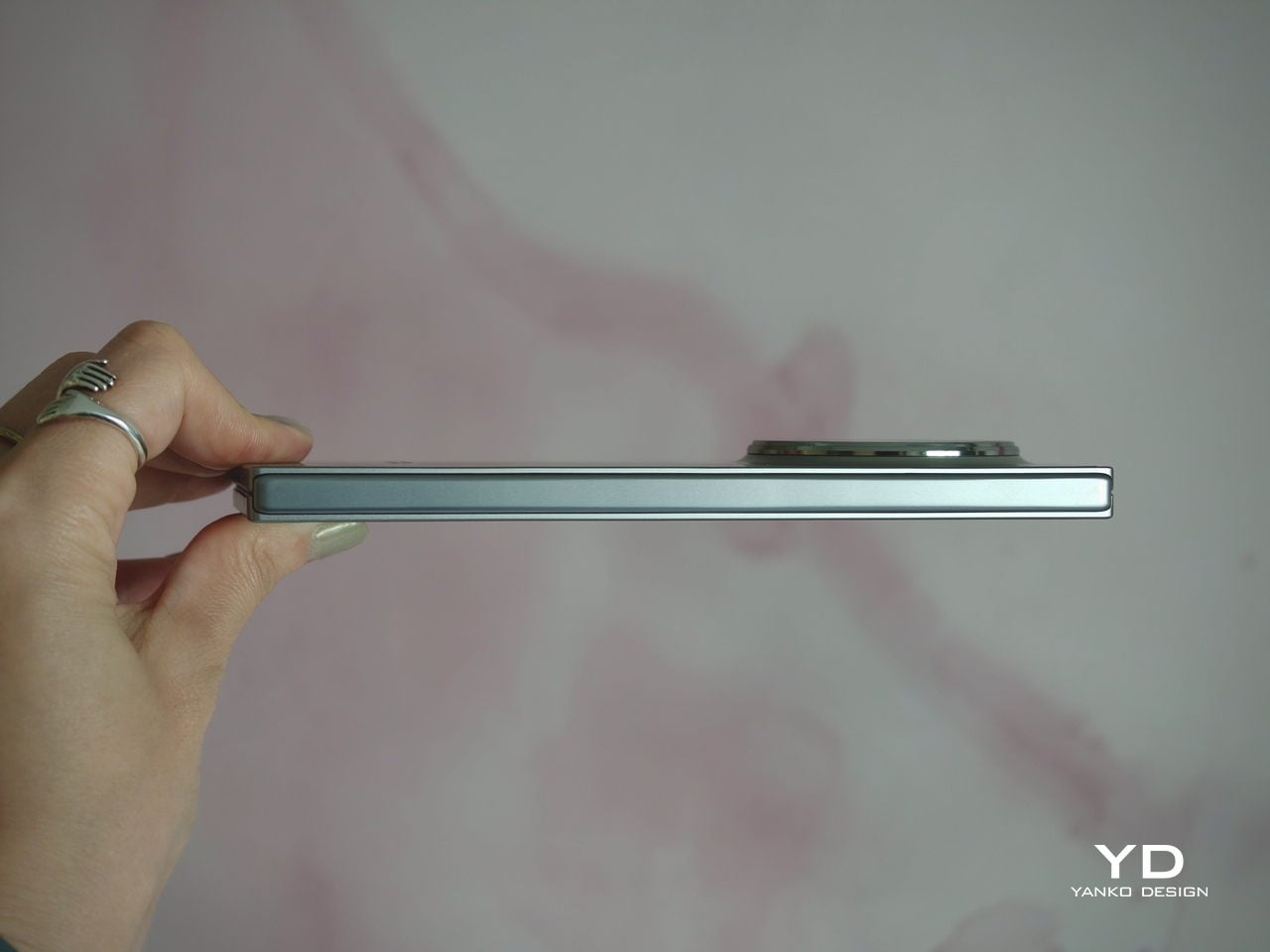
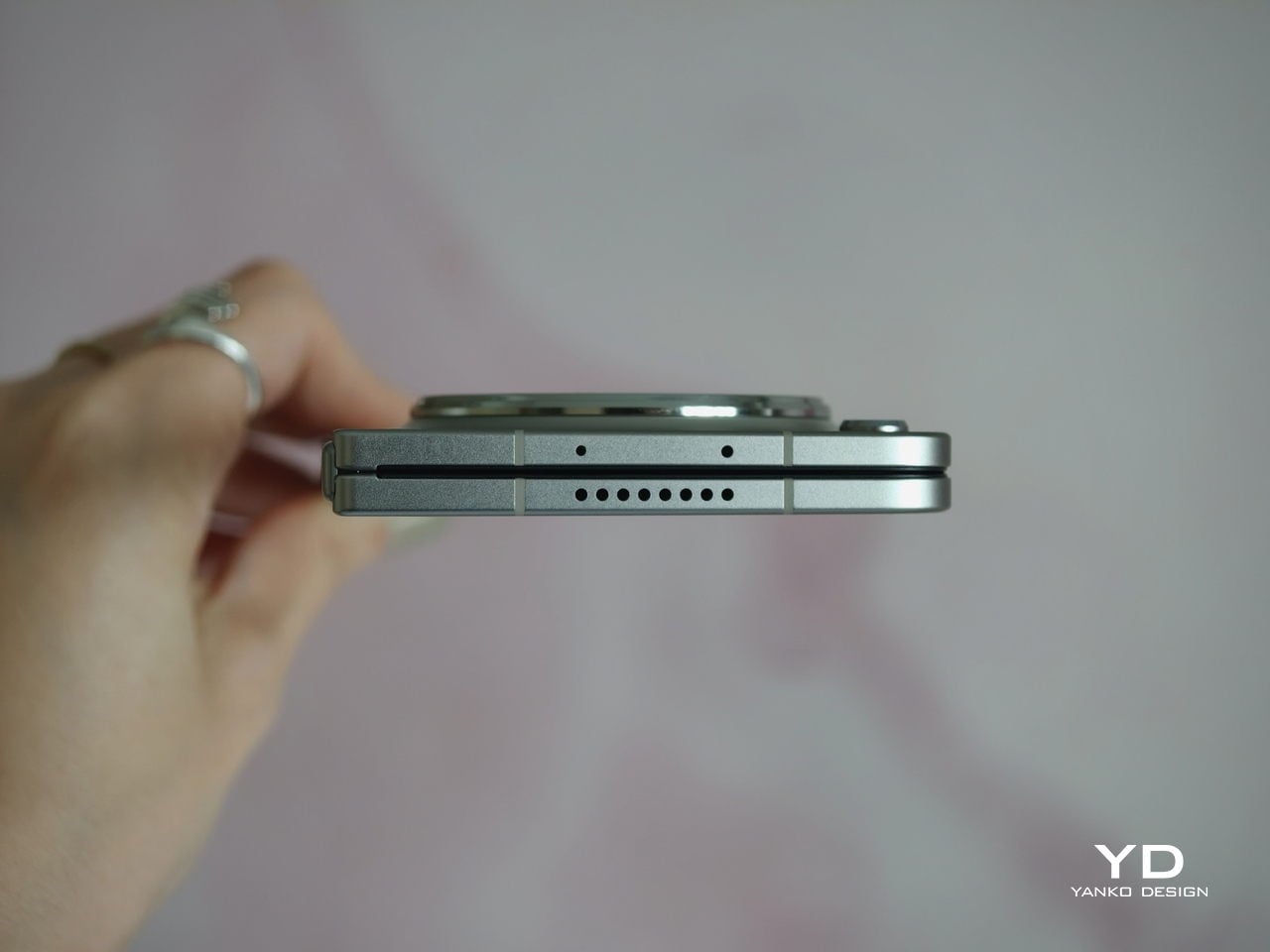
At 8.3 mm when folded and 225 g, the Find N6 feels surprisingly close to a premium flagship bar phone in everyday use. It does not come across as awkwardly bulky or excessively heavy, which makes it more approachable than many devices in this category. That balance matters over time, whether you are using it one-handed, slipping it into a pocket, or simply carrying it through a long day.

That does not mean the form factor is free of trade-offs. If I rest some of the phone’s weight on my pinky, the lower edge can still dig in a bit, especially when the device is open. It is less noticeable than on the Find N5, but not completely gone.
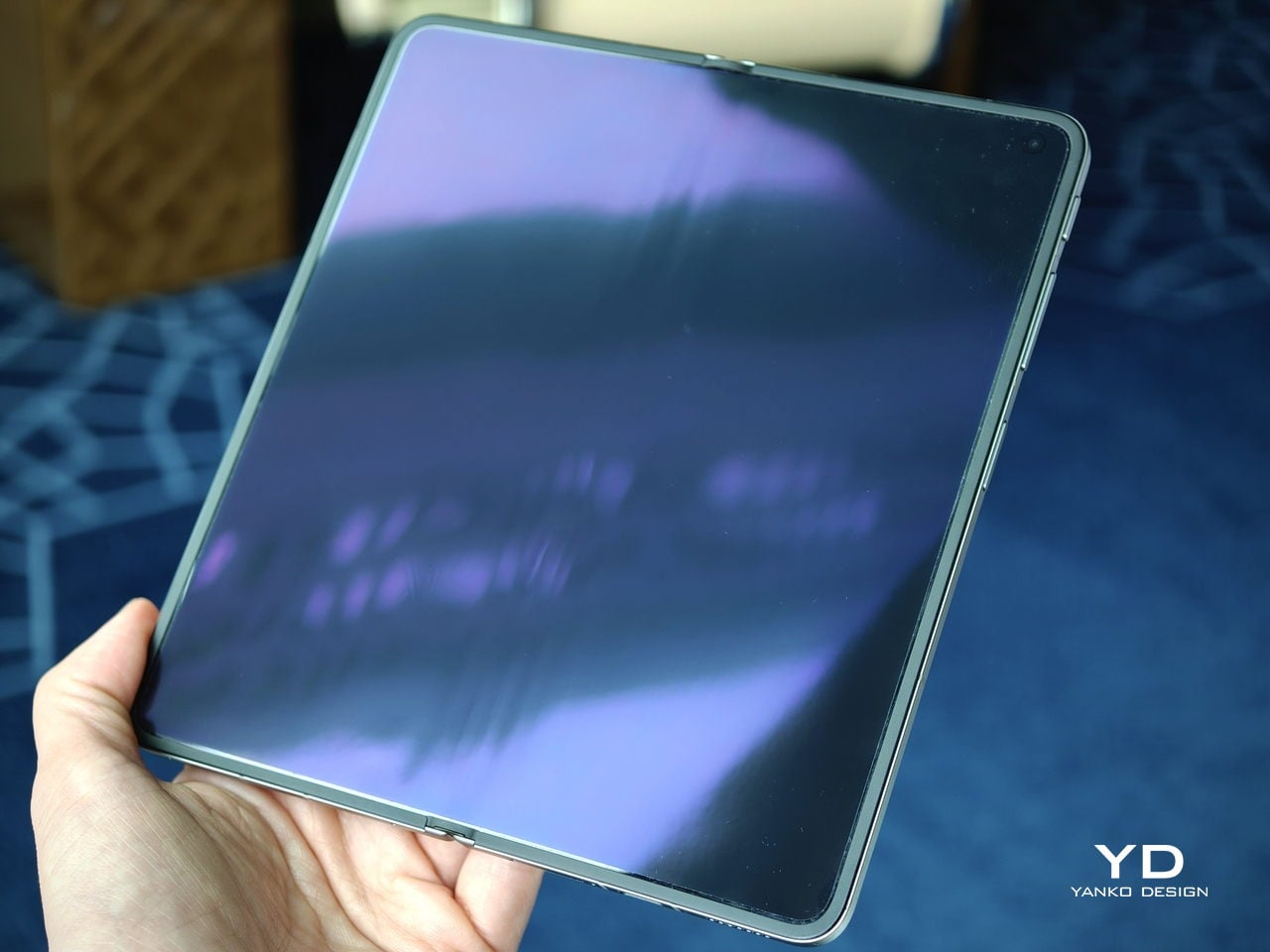
Perhaps the most impressive detail, though, is the crease, or more precisely, how little of it remains. I have never been particularly bothered by creases on foldables, and I was already satisfied with the subtle crease on the Find N5. Even so, the Find N6 feels like a meaningful refinement rather than a minor iteration.

Visually, the crease is practically nonexistent in normal use and only becomes noticeable if the screen is off and viewed from a very specific angle. More impressive still, it also feels nearly absent under the finger when swiping across the display. Our fingertips are quick to pick up even slight ridges or shallow dents, which makes the Find N6’s smooth, uninterrupted surface especially impressive in daily use.
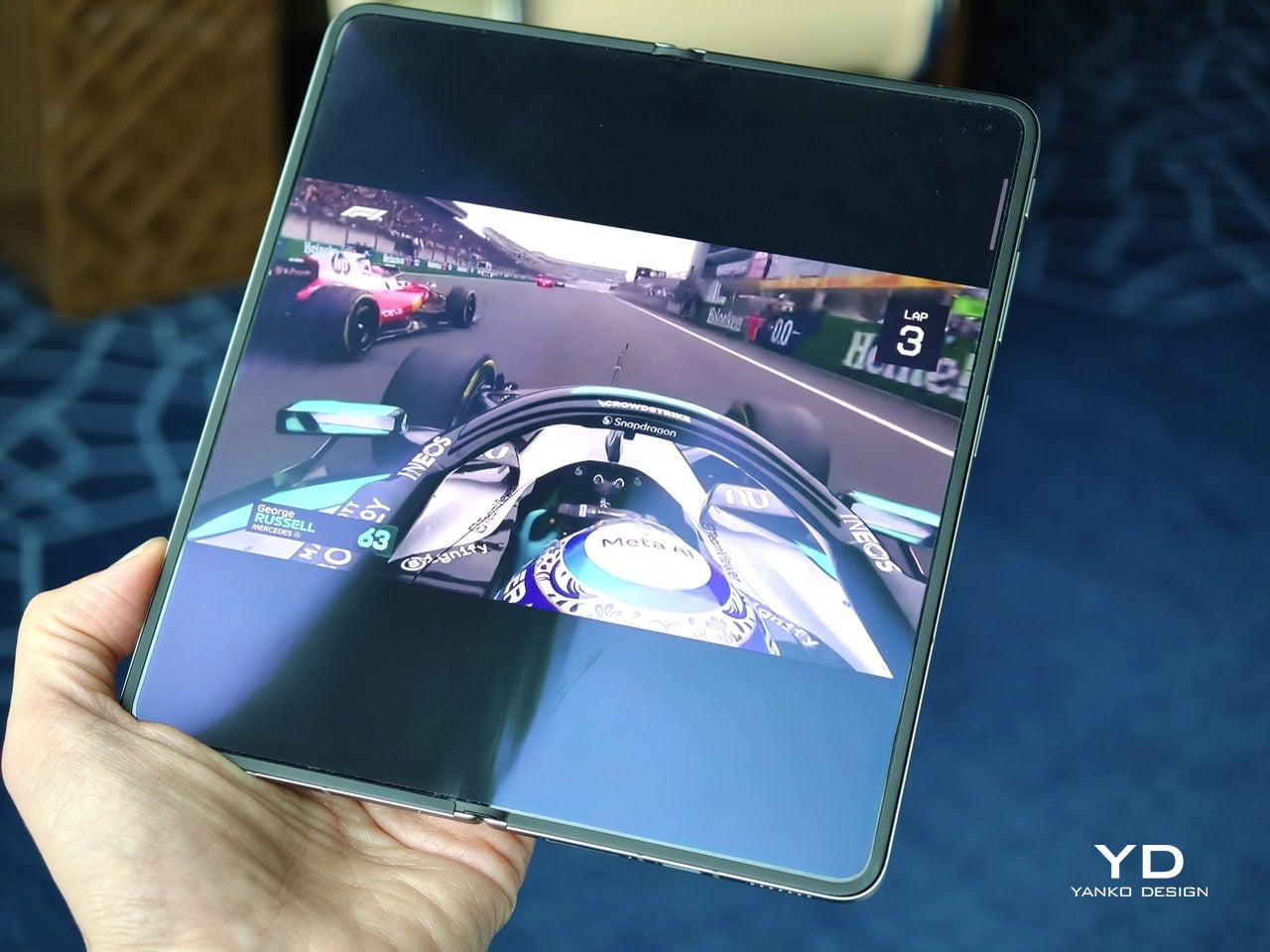
That sense of appreciation only grows once you look at how Oppo arrived at this result. The company refined the hinge architecture itself and paired it with state-of-the-art 3D scanning and 3D printing technologies, a combination that helps explain why the Find N6 feels so polished in the hand.

That same attention extends to the physical controls. In place of the OnePlus-style alert slider on the upper left, Oppo now uses the customizable Snap Key, first introduced on the Find X9 series and now positioned on the upper right side. It can be mapped to quick actions such as launching the camera, turning on the flashlight, starting a voice memo, or opening translation, giving it a broader role than the slider it replaces.
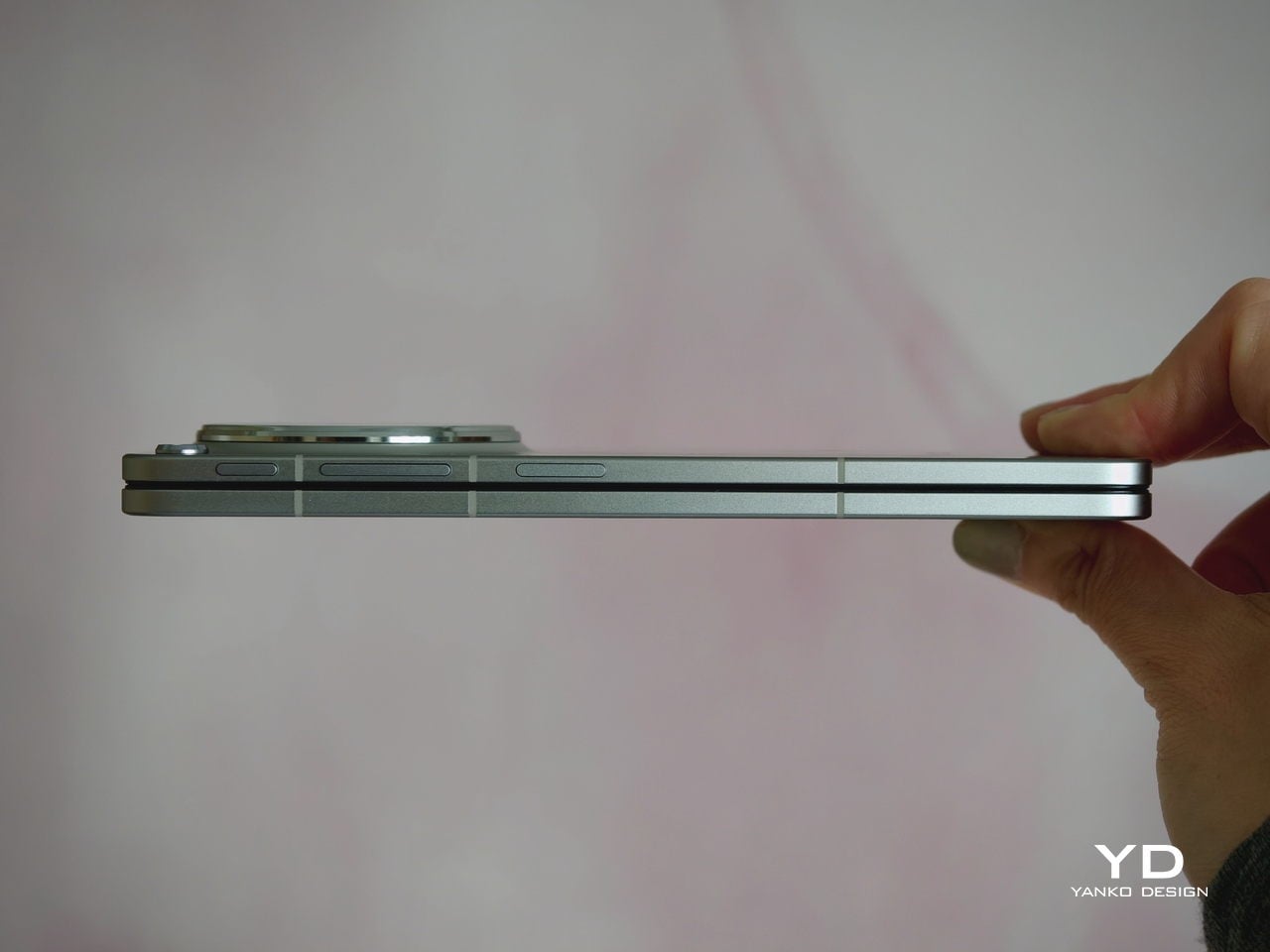
Just below sit the fingerprint reader and volume rocker, both placed lower than they were on the Find N5. That may sound like a minor adjustment, but it makes the controls easier to reach and better aligned with the way the phone naturally rests in the hand. It is a subtle refinement, though one that proves genuinely useful in everyday use.

Performance

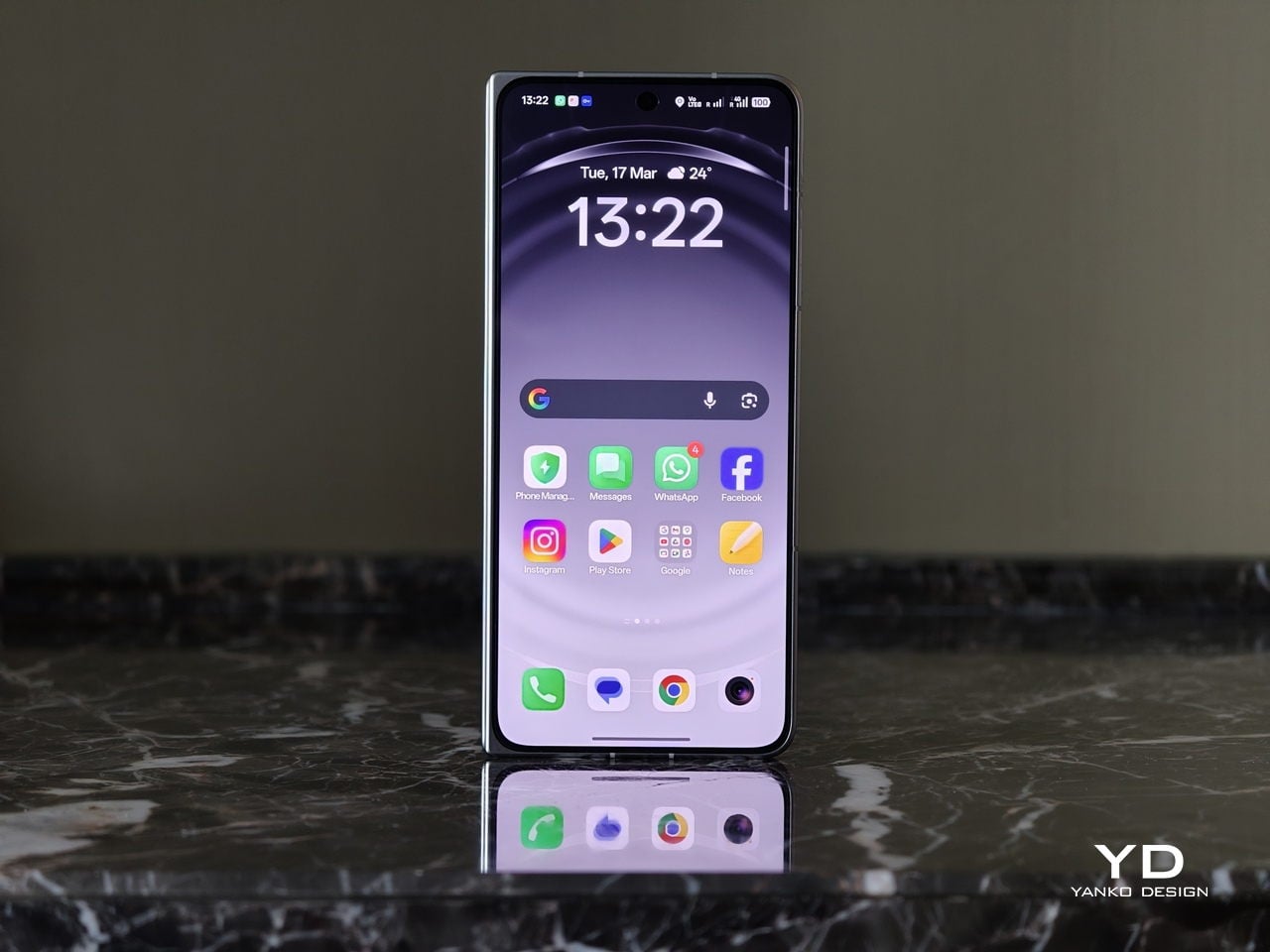
With foldables, the screens have to justify the form factor. The Find N6 uses a 6.62-inch cover display and an 8.12-inch inner screen, both with 120Hz LTPO panels. That is the expected hardware at this level, so the more interesting part is how Oppo tries to improve the experience around visibility, comfort, and immersion.
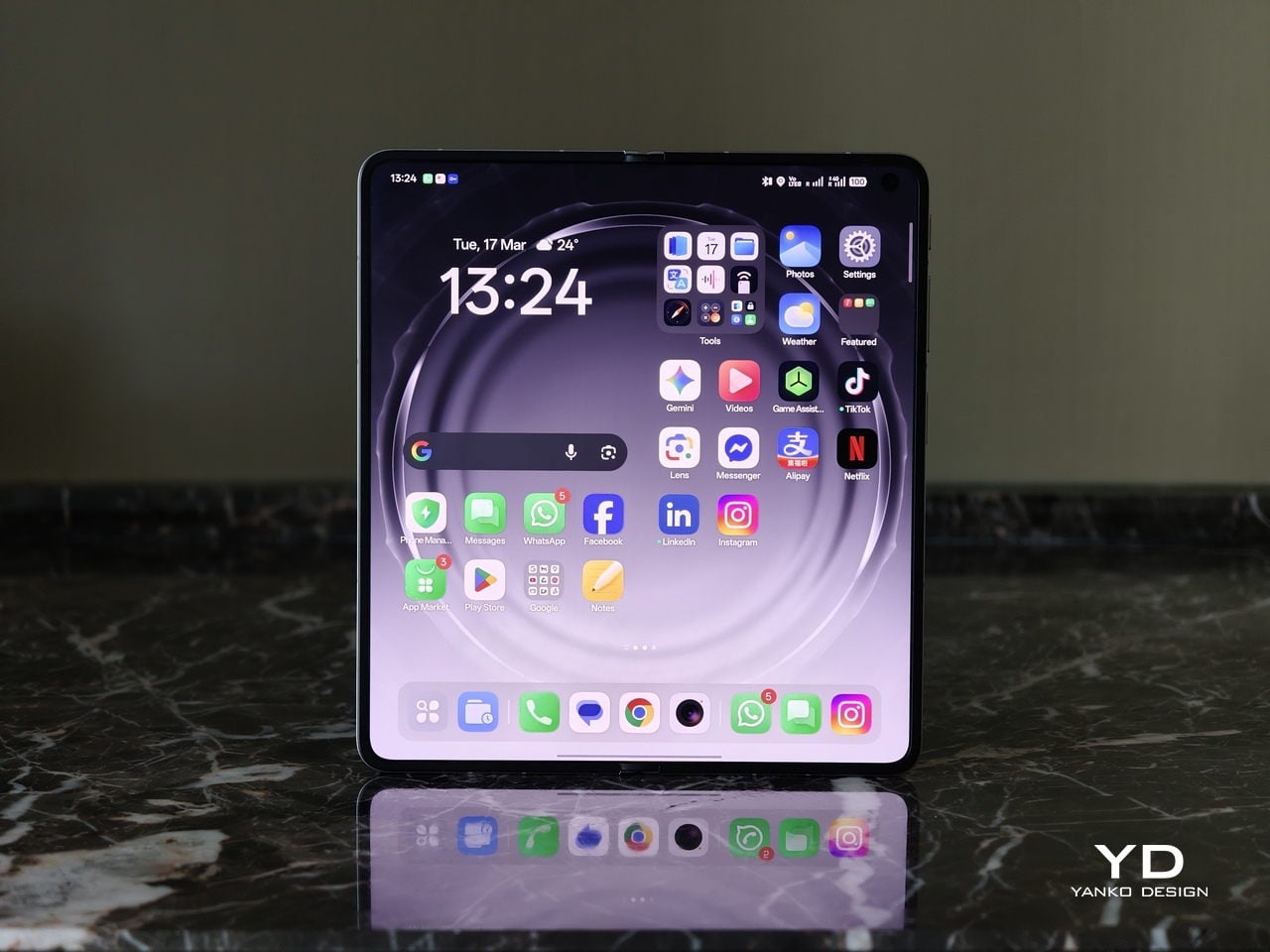
According to Oppo, both displays can reach 1,800 nits in outdoor use, with peak HDR brightness topping out at 3,600 nits on the cover screen and 2,500 nits on the inner panel. In practice, both displays are bright enough to remain comfortably usable even under harsh sunlight. They also support Dolby Vision and HDR Vivid, and content looks rich and vibrant across both panels.
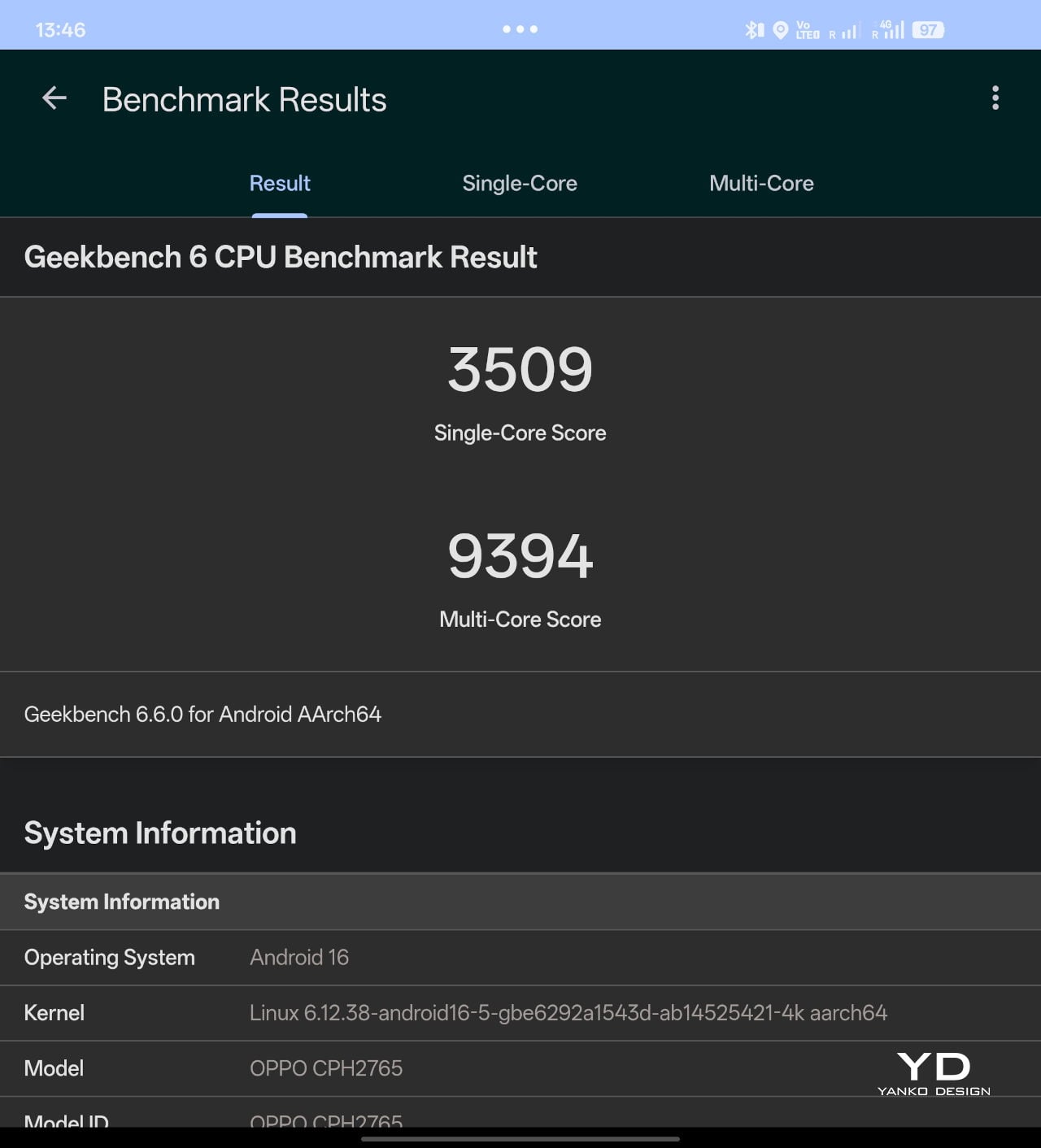
The Find N6 is powered by Qualcomm’s Snapdragon 8 Elite, and it has no trouble keeping up with the kind of multitasking a foldable encourages. Apps open quickly, navigation feels immediate, and even with several windows open at once, the phone stayed smooth and responsive. I also edited a short video on the device, specifically an unboxing of the Find N6 and AI Pen Kit, and the experience was smooth and free of noticeable stutter.
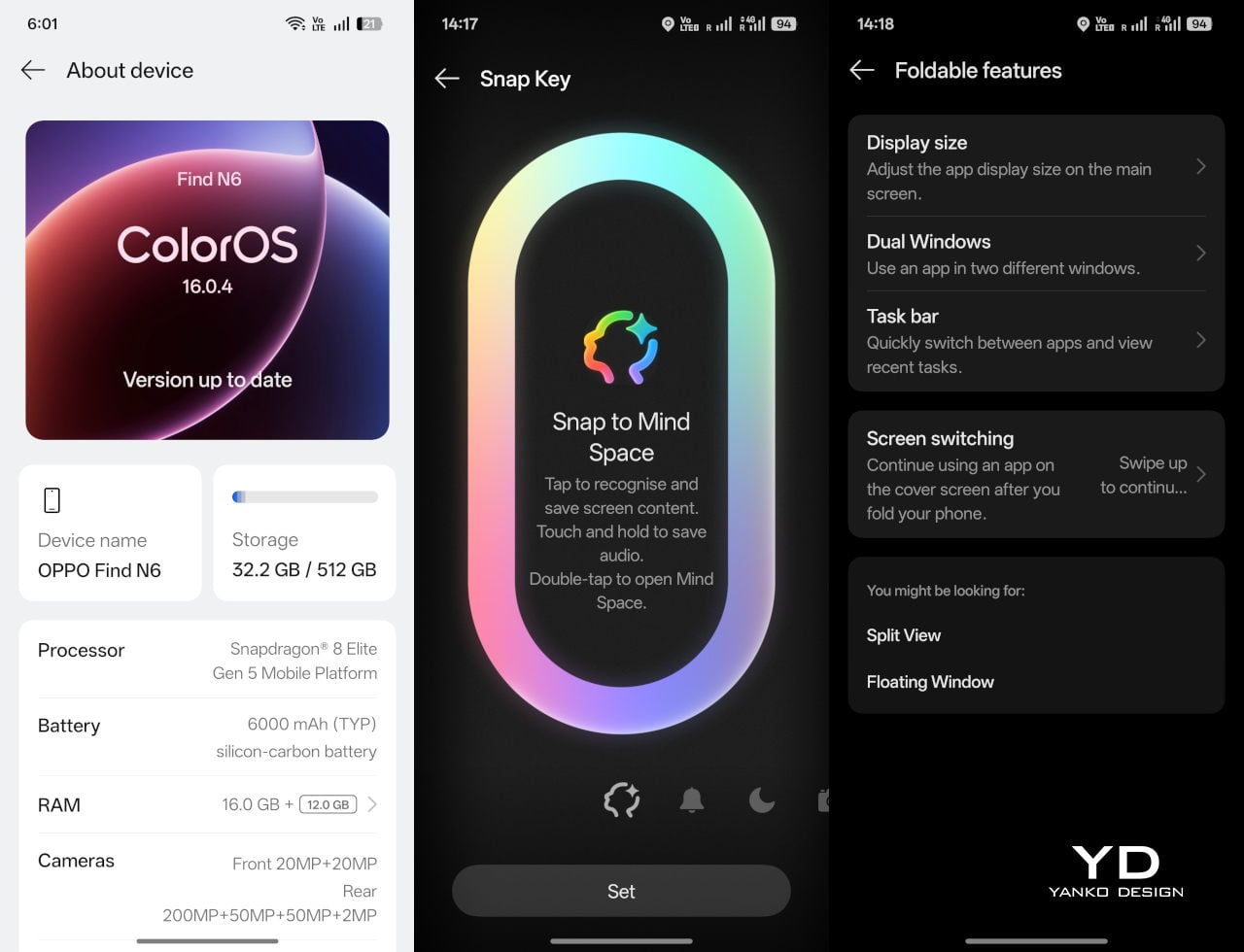
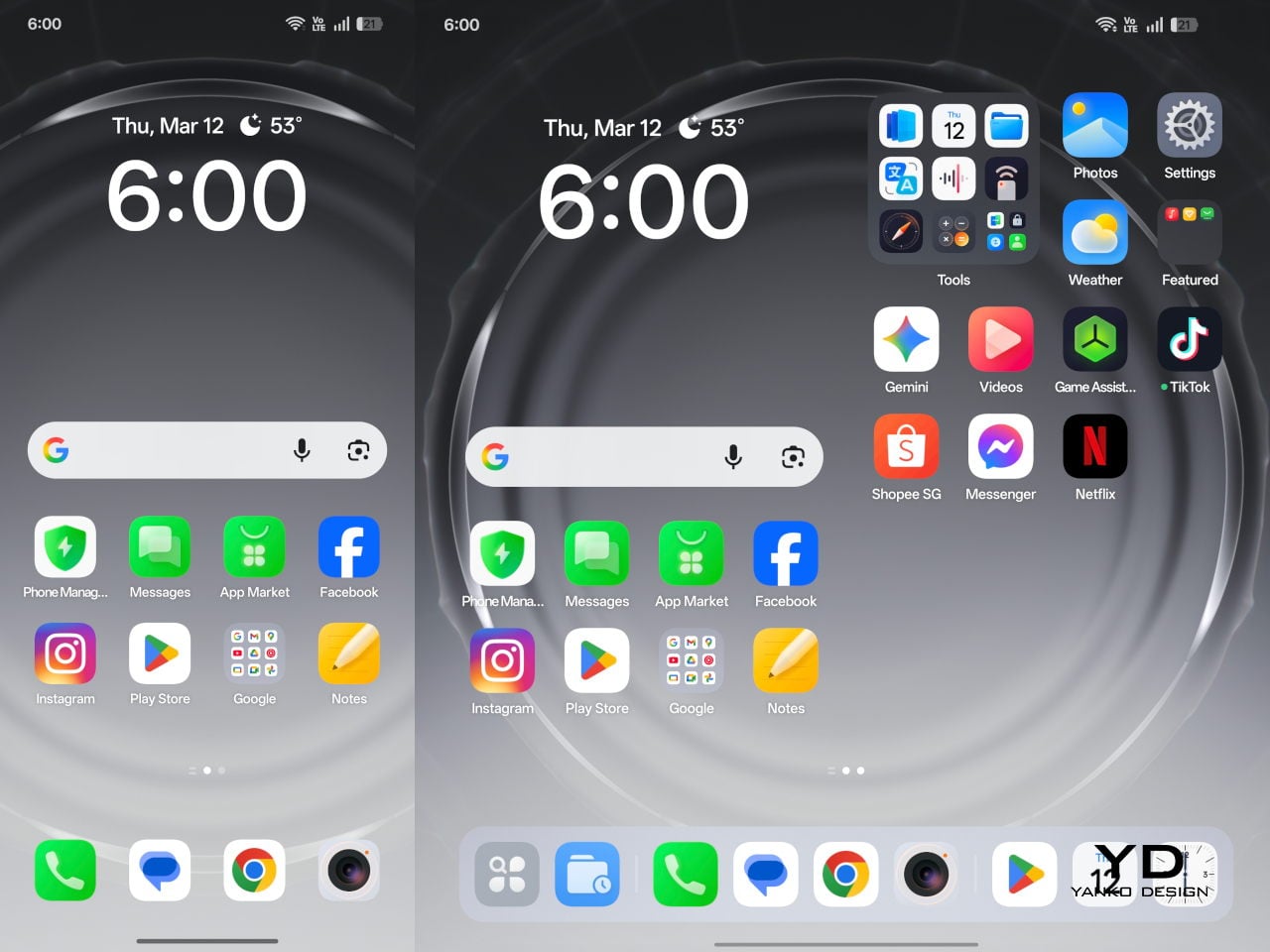
That matters because a device like this only really makes sense if it can handle more than the usual phone workload without feeling strained. Oppo’s software does a good job of making that extra screen space feel useful. Free-Flow Window lets you open up to four apps at once in floating windows, and in practice, it feels less fiddly than it sounds.
Boundless View adds even more flexibility, and the gestures linking the two work naturally enough that moving between layouts never feels like a chore. Resizing windows, shifting focus, and juggling multiple apps all feel smooth and seamless, which makes the Find N6 genuinely effective as a productivity device rather than just a phone with a bigger screen.
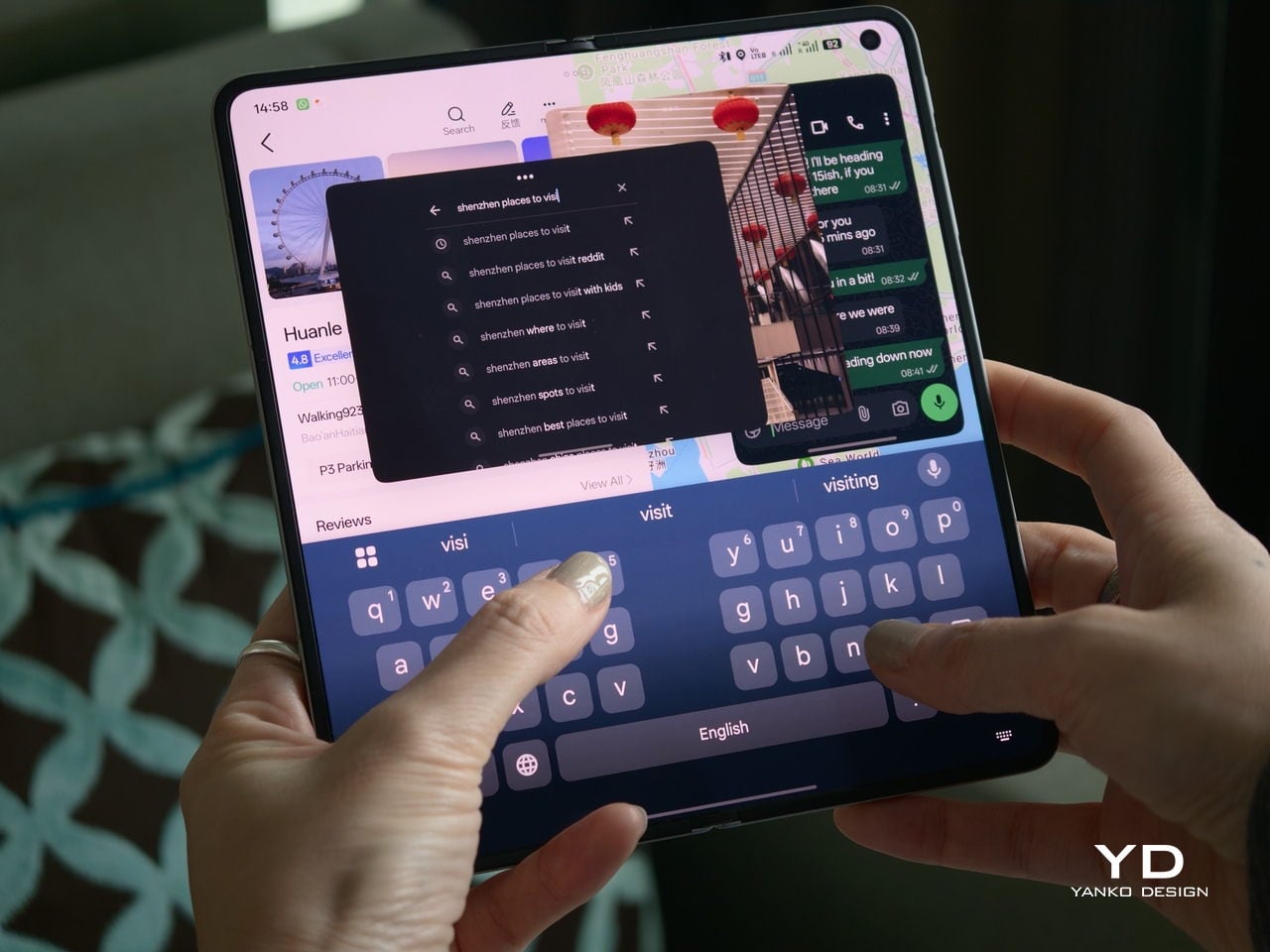
Even under sustained use, the phone remained smooth and reasonably controlled, and I also did not notice any stutter while playing Genshin Impact. Gaming feels more like a bonus here than the main point of the device, but the large inner display still gives it a more immersive, almost tablet-like feel than a standard phone can offer.
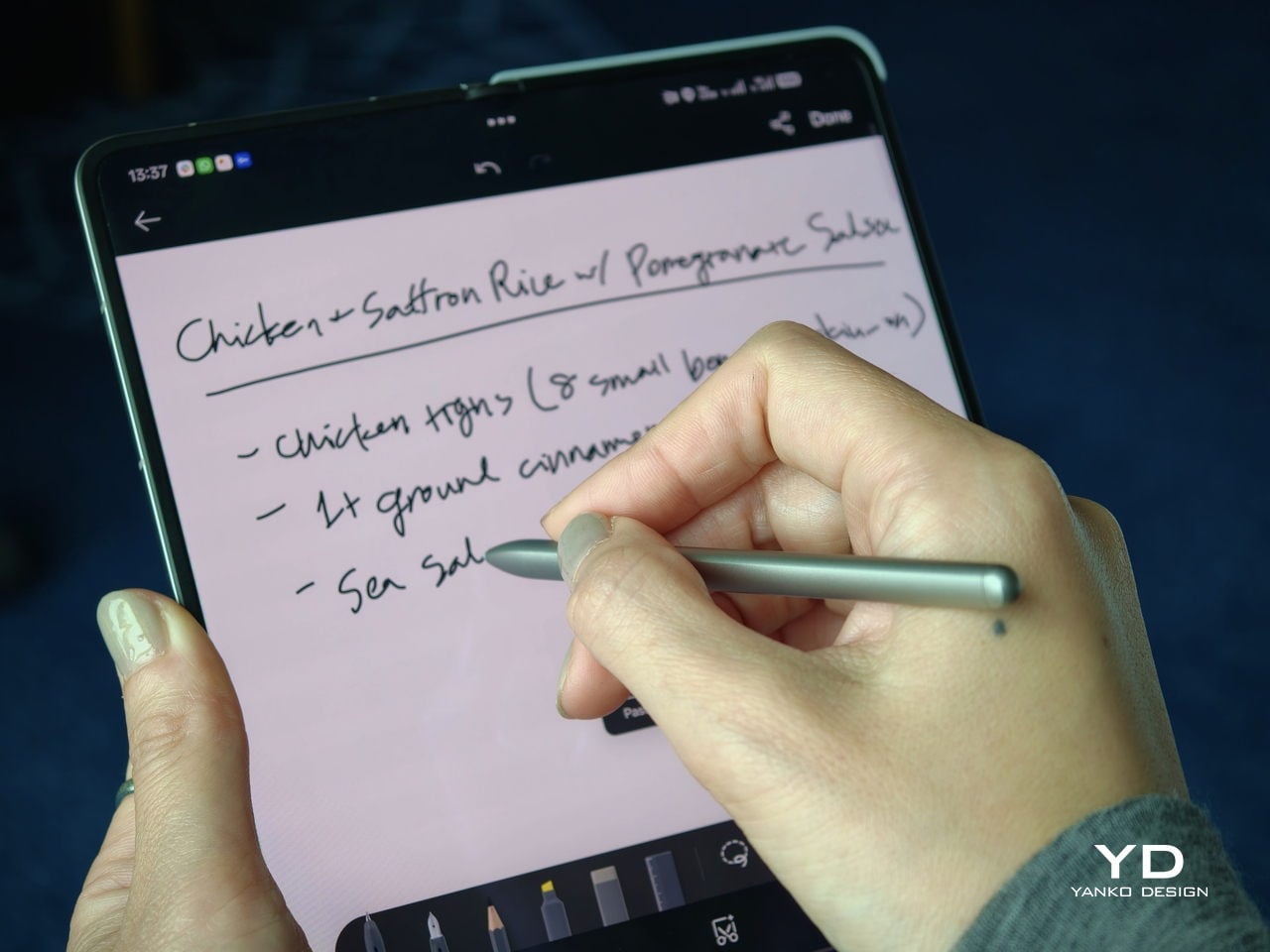
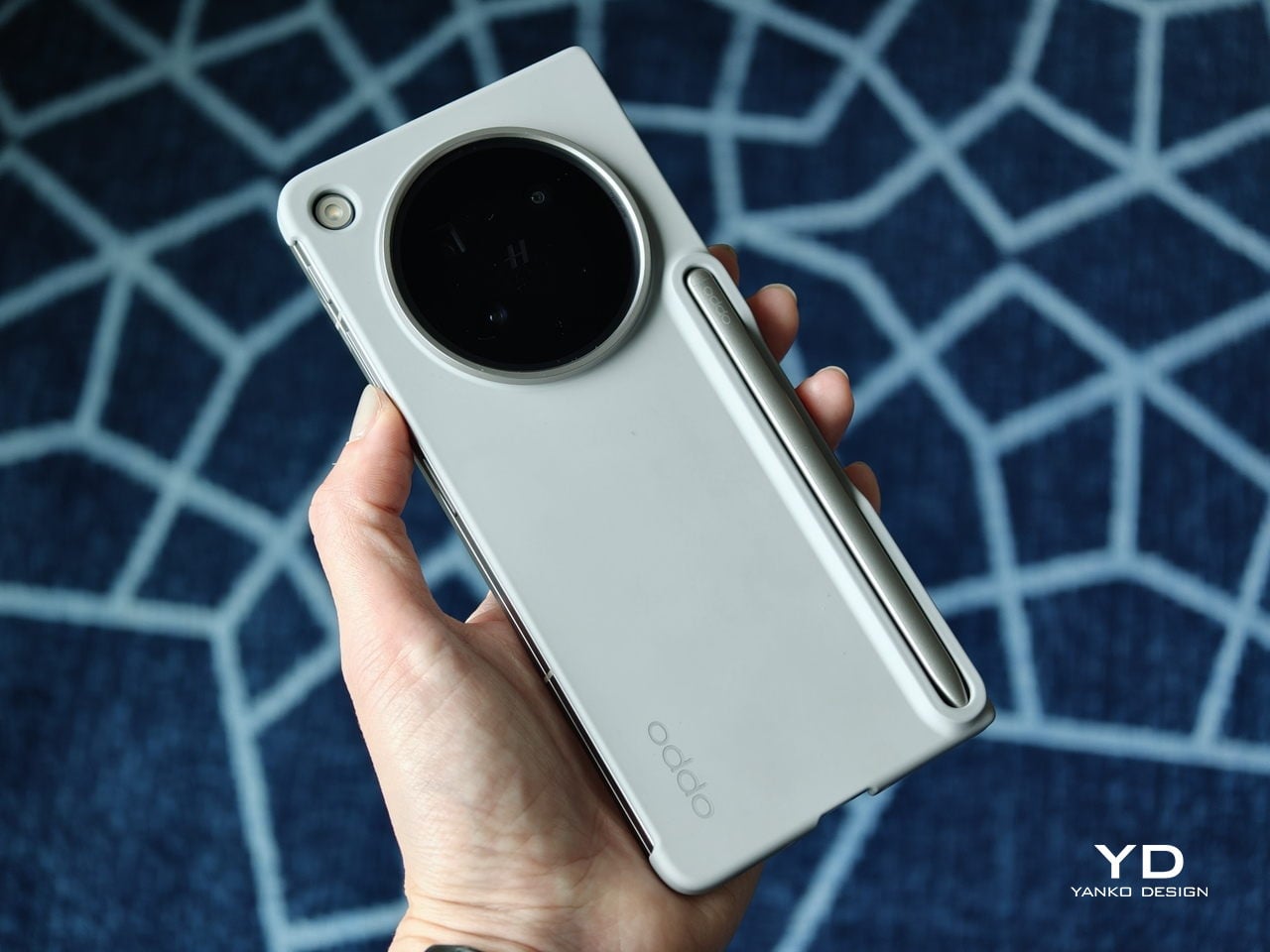
That same focus on utility extends to the AI Pen Kit, which is one of the more interesting hardware additions. The Oppo AI Pen supports 4,096 levels of pressure sensitivity and works on both the inner and outer displays, which makes the Find N6 more versatile for note-taking, annotation, and quick sketching. Because it connects over Bluetooth, the pen can also double as a remote shutter for both photos and video, which adds a genuinely useful layer of flexibility.

Oppo has also handled the practical side fairly well. The dedicated case gives the pen a proper place to live and keeps it charged through reverse wireless charging from the phone itself. That kind of integration is important because accessories like this are only useful if they are easy to carry and ready when you need them.
The software support around the pen is also fairly thoughtful. Quick Note lets you start writing quickly, a double press switches between writing and erasing, and global annotation makes it possible to mark up content across the interface and export it as an image or PDF afterward. There are also a few more specialized tools, including handwriting optimization, a handwriting calculator, and a Laser Pointer mode for presentations. Not all of these will be essential, but together they make the pen feel more genuinely useful than most stylus add-ons tend to.

Camera

The camera system performs well by foldable standards, but it is not on the level of the best camera-focused flagships. In practice, it feels closer to a solid upper mid-range setup, which is respectable enough for a device like this.
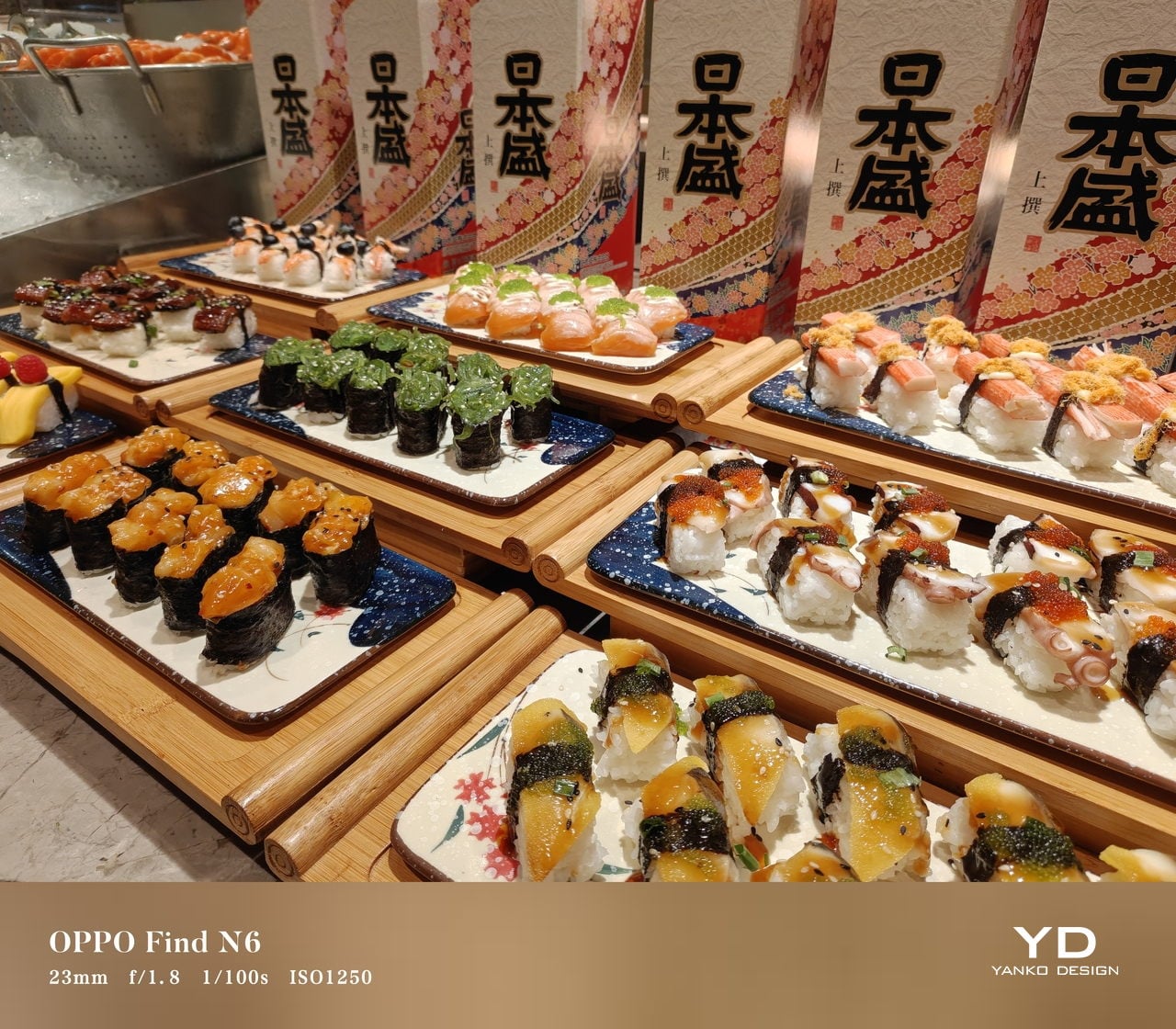
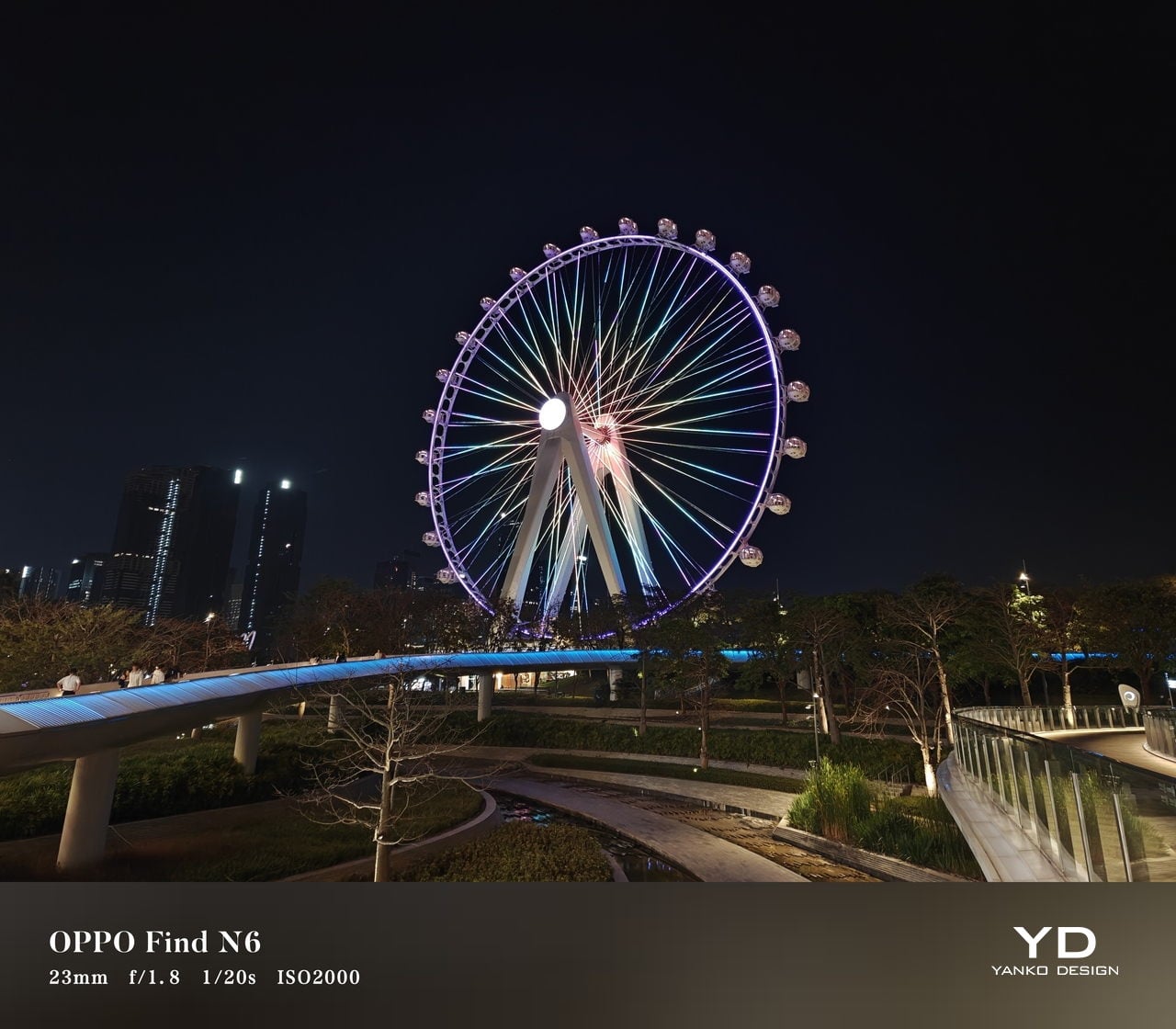
The rear camera system includes a 200MP main camera with a 21mm-equivalent focal length, a 1/1.56-inch ISOCELL HP5 sensor, an f/1.8 aperture, and OIS, a 50MP telephoto at 70mm equivalent with an ISOCELL JN5 sensor, an f/2.7 aperture, and OIS, and a 50MP ultra-wide at 15mm equivalent with another ISOCELL JN5 sensor, an f/2.0 aperture, and autofocus.
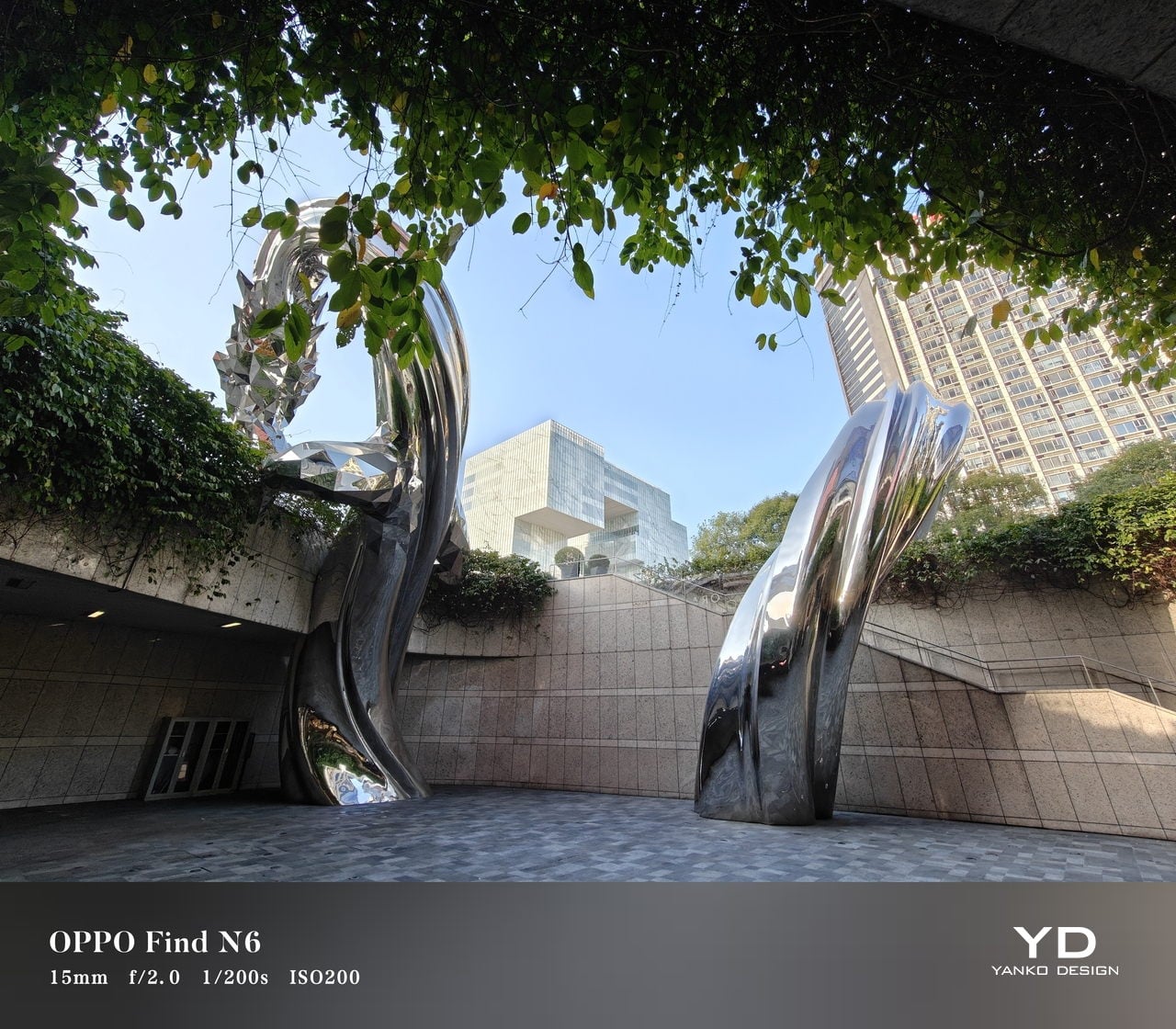
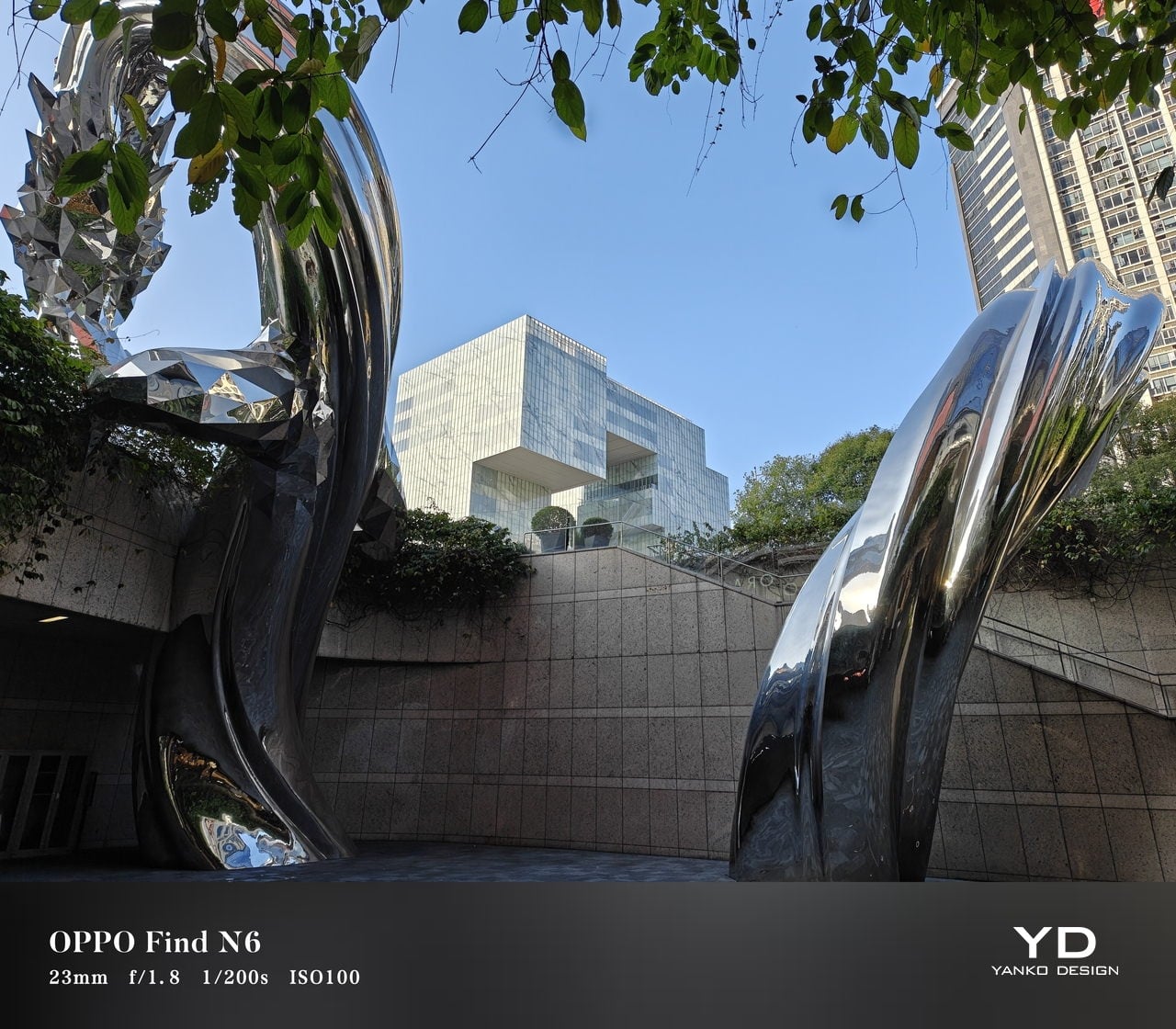
In daylight, the Find N6 delivers good detail, pleasing dynamic range, and generally accurate color, even if images tend to run slightly bright. The telephoto and ultra-wide are serviceable, while low light is where the limitations become more obvious, especially when there is movement in the scene.

XPan Mode

Oppo does at least include a healthy set of features, including log video recording and XPan mode. There are also two 20MP selfie cameras, one on the outer display and one on the inner screen, though they feel more useful for video calls than for anything else. Video is also fairly capable, with all three rear cameras supporting up to 4K 60fps Dolby Vision HDR, while the main camera can go up to 4K 120fps Dolby Vision.


Battery and charging

The Find N6 packs a 6,000mAh battery, and in practice, it delivers strong battery life. Unless you are using the camera heavily, it can easily last a full day and more, which is a very good result for a foldable with two high-refresh-rate displays.

Charging is strong as well. The phone supports 80W wired and 50W wireless charging, which makes it easier to top up quickly when needed. That only adds to the sense that the Find N6 is easier to live with day to day than many foldables.
Sustainability

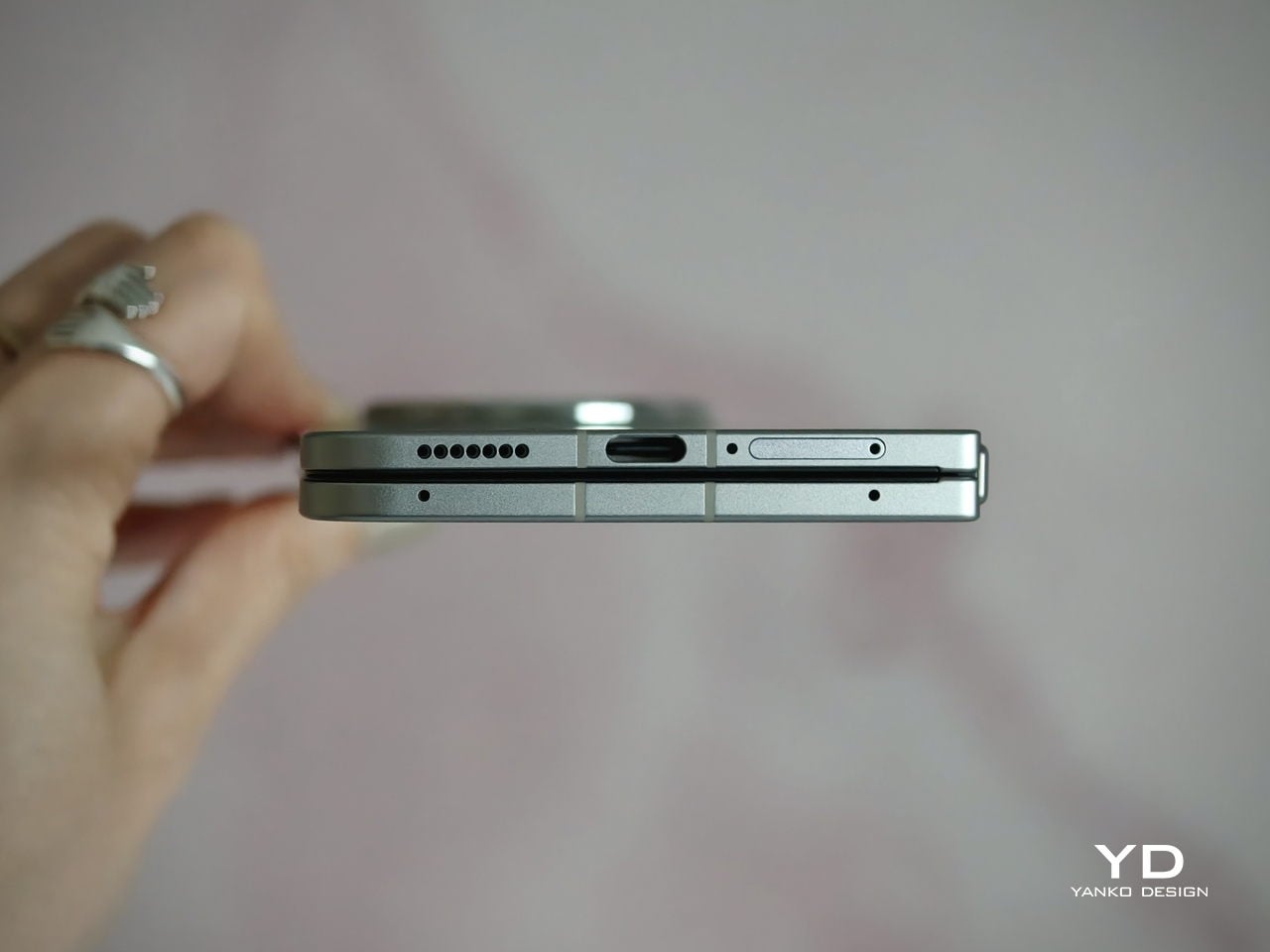
For a foldable, the Find N6 makes a fairly strong durability case. It carries IP56, IP58, and IP59 ratings, and Oppo also points to stronger materials and a more robust hinge design as part of the broader durability story. More importantly, it feels reassuringly solid in hand, which goes a long way in making the device seem built to last.
That is matched by fairly solid long-term support. The phone is TÜV Rheinland certified for one million folding cycles and has minimized crease performance after 600,000 folds, while Oppo promises five years of Android updates and six years of security patches. That may not fully define sustainability, but it does give the Find N6 a more convincing case for longevity.

Value

At a starting price of around $1,440 for 12 GB/256GB configuration ($1,580 for 16 GB/512GB and $1,730 for 16 GB/1TB), the Find N6 is firmly in premium territory, but it also makes one of the strongest value cases in the foldable market. The design is slim and polished, the crease is impressively well controlled, battery life is strong, and the multitasking experience makes the larger display feel genuinely useful. More importantly, it feels like a foldable that gets the fundamentals right rather than relying on novelty alone.
The price is still high, and the camera system does not quite match the best camera-focused flagships, so there are limits to how broadly its value can be argued. But within the foldable category, the Find N6 feels unusually complete and easier to justify than many of its rivals if you already know this is the form factor you want.

Conclusion

After spending time with the Find N6, I came away feeling that Oppo has done more than just refine the formula. This is one of the few foldables that feels designed around everyday use rather than the novelty of unfolding into a larger screen. The ergonomics are better than expected, the crease is remarkably well controlled, battery life is strong, and the software makes the larger display feel genuinely useful.

It is still an expensive device, and the camera system does not quite reach the level of the best camera-focused flagships. Even so, the more I used the Find N6, the more complete it felt. There is a level of polish here that remains rare in this category, and it makes a very strong case for itself as one of the best all-around foldables available right now.
The post Oppo Find N6 Review: The Best Foldable Phone Right Now first appeared on Yanko Design.

A Phone and Tablet in One? iPhone Ultra (Fold) to Feature iPad Mini-Sized 7.8-inch Display

A Phone and Tablet in One? iPhone Ultra (Fold) to Feature iPad Mini-Sized 7.8-inch Display iPhone Ultra Fold

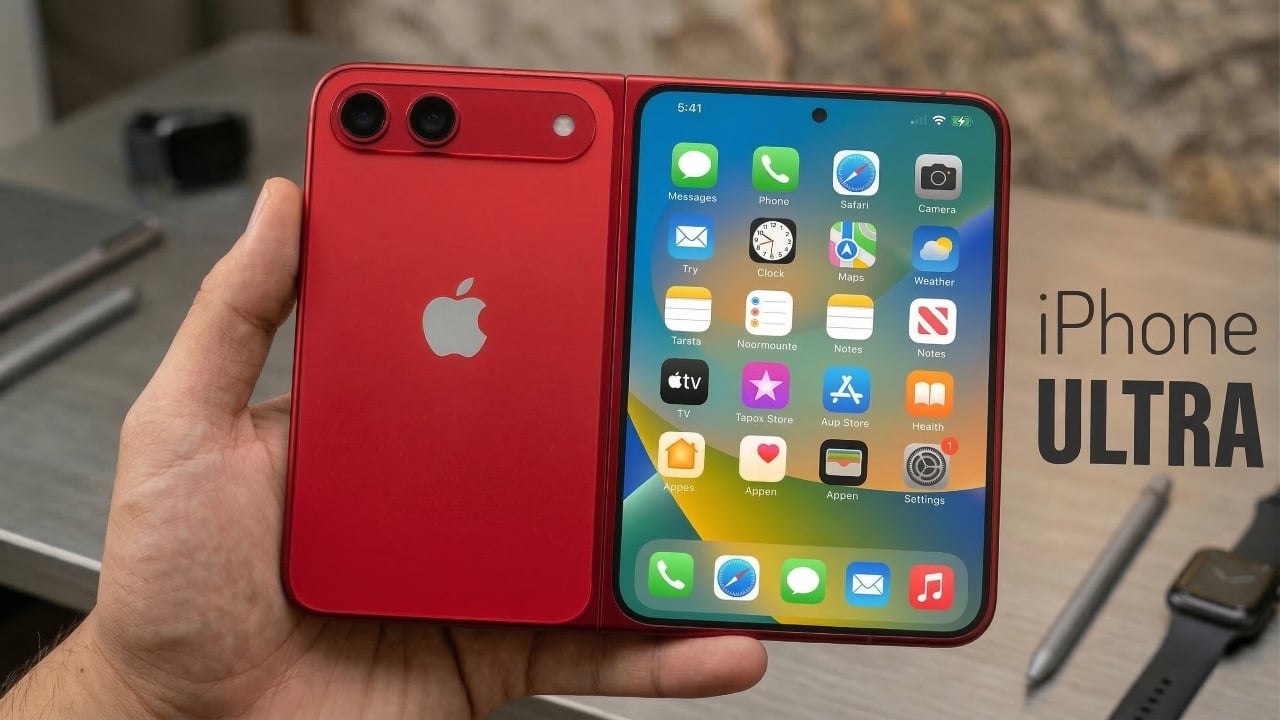
Apple is reportedly developing a foldable iPhone, tentatively referred to as the iPhone Fold, which could significantly influence the future of the smartphone industry. By combining the compact portability of an iPhone with the expansive functionality of an iPad, this device aims to deliver a seamless and versatile user experience. With a focus on addressing […]

The post A Phone and Tablet in One? iPhone Ultra (Fold) to Feature iPad Mini-Sized 7.8-inch Display appeared first on Geeky Gadgets.

Posted in Uncategorized

Marshall adds a junior-sized party speaker to its lineup

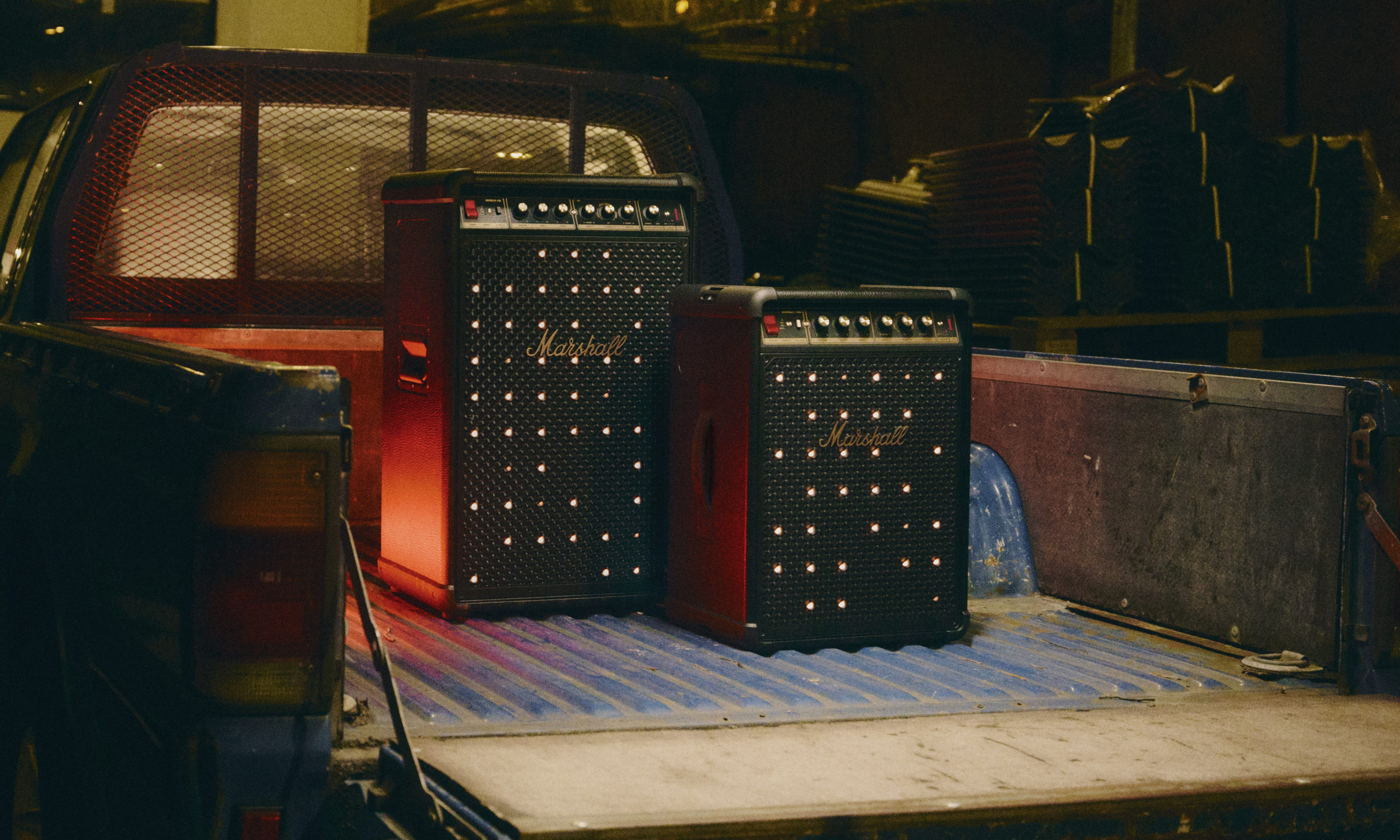
Marshall is launching a smaller companion for its highly rated Bromley 750 party speaker. The new Bromley 450 retains the larger model’s guitar-amp motif but comes in a petite, less expensive package.

The Bromley 450 carries over its larger sibling’s 360-degree audio trickery. Like equivalents from other companies, Marshall’s “True Stereophonic 360-degree sound” fools your brain into perceiving more directionality than its form factor allows. Lighting effects (“inspired by ‘70s stage shows”) also carry over from the larger model. However, this new speaker lacks the “sound character” control found in the Bromley 750.

Marshall says you can expect over 40 hours of playtime. If your party somehow goes on longer than that, you can swap out its battery on the fly (using the same one found in the Bromley 750). Or, you know, just plug it into a power outlet. And if your event turns into a performance, you’re covered with mic and instrument inputs.

Two party speakers sitting in the back of a rusty old pickup truck.
The Bromley 750 (left) and Bromley 450
Marshall

The Bromley 450 measures 360 x 261 x 492mm, making it about 25 percent shorter than its big brother. At just under 27 lbs, it only weighs about half as much. That helps to explain Marshall’s decision not to include wheels on this model. (But don’t worry, it still has a handle.) The speaker has an IP55 rating for dust and water resistance.

The Marshall Bromley 450 may be less expensive than its larger counterpart, but it still costs a pretty penny. It’ll set you back $800 when it goes on sale on March 31. You can order it on Marshall’s website and from select retail partners (including Best Buy, Sweetwater and Crutchfield).

This article originally appeared on Engadget at https://www.engadget.com/audio/speakers/marshall-adds-a-junior-sized-party-speaker-to-its-lineup-120000871.html?src=rss

Scrape Free Website Data Using Claude Cowork & Apify : Build Prospecting Lists Quickly

Scrape Free Website Data Using Claude Cowork & Apify : Build Prospecting Lists Quickly Laptop screen showing Claude Cowork with an Apify connector run and results table ready to export.

Website scraping can seem complex, particularly for those without programming experience. Eliot Prince explains how to approach this task using Claude Cowork, a conversational AI platform, alongside Apify and Vibe Prospecting. For instance, Apify enables users to create an account and access pre-built scrapers with free monthly credits, allowing them to collect data such as […]

The post Scrape Free Website Data Using Claude Cowork & Apify : Build Prospecting Lists Quickly appeared first on Geeky Gadgets.

Posted in Uncategorized

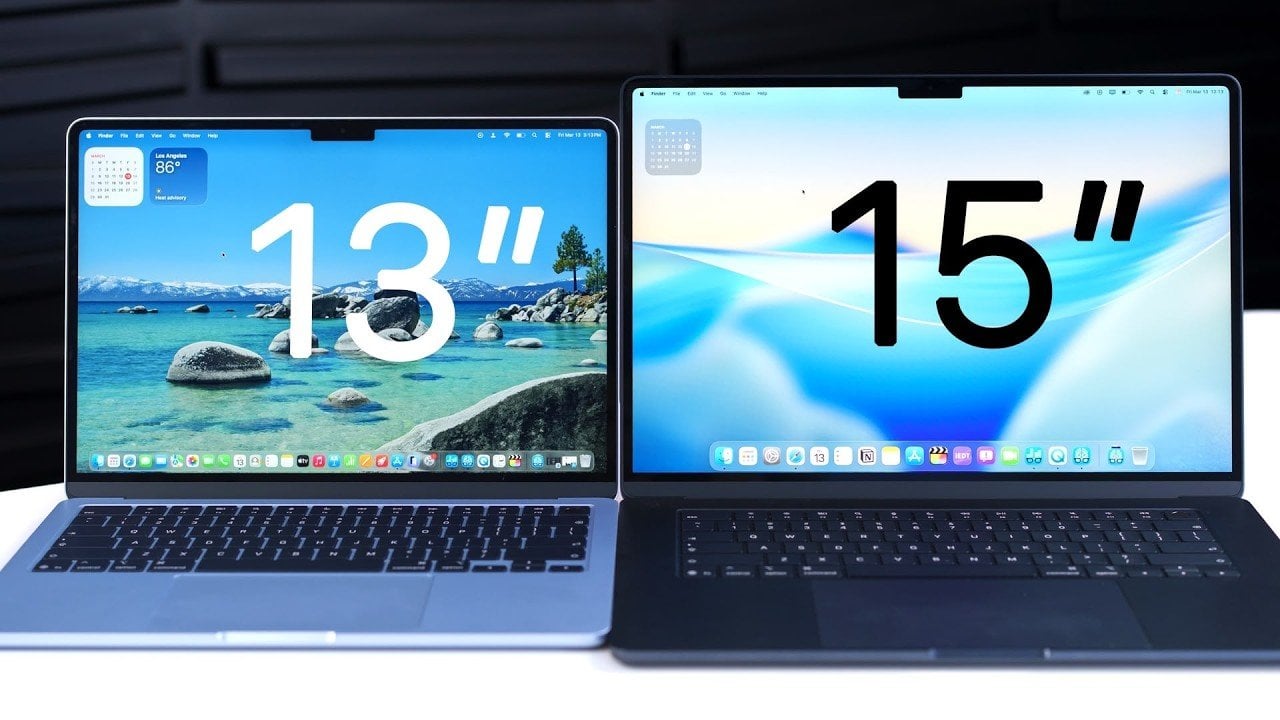
MacBook Air M5: Is the 15-inch Really Worth the Extra $200?

MacBook Air M5: Is the 15-inch Really Worth the Extra $200? Display comparison showing 13.6-inch and 15.3-inch Liquid Retina panels with 500 nits brightness and P3 color.

Choosing between the 13-inch and 15-inch MacBook Air M5 models involves understanding their differences in specifications, performance, and usability. Both laptops represent significant advancements over previous iterations, but the right choice depends on your priorities, whether it’s portability, creative tasks, or overall performance. The video below from Brandon Butch gives us a detailed look at […]

The post MacBook Air M5: Is the 15-inch Really Worth the Extra $200? appeared first on Geeky Gadgets.

Posted in Uncategorized

Senators tell ByteDance to shut down Seedance 2.0 AI video app ‘immediately’

After ByteDance suspended the global rollout of its new Seedance 2.0 AI video generator on the weekend, US senators have now told the company to "immediately shut down" the app. "Seedance 2.0 poses a direct threat to the American intellectual property system and, more broadly, to the constitutional rights and economic livelihoods of our creative community," Senators Marsha Blackburn and Peter Welch wrote in a letter to the company

The letter reflects an increasing worry in government about AI companies training their apps on copyrighted materials from artists, actors and filmmakers without permission. "Responsible global companies follow the law and respect core economic rights, including intellectual property and personal likeness protections," the senators wrote. They cited Seedance AI examples including an AI generated Thanos and Superman battle, a rewritten Stranger Things ending and that famous (fake) Tom Cruise and Brad Pitt battle

After pulling Seedance 2.0, ByteDance said on the weekend that it "respects intellectual property rights" and that it is "taking steps to strengthen current safeguards as we work to prevent the unauthorized use of intellectual property and likeness by users." 

However, Blackburn and Welch called that pledge "a delay tactic to continue to abuse the innovators and profit from their success," adding that its regard for American IP is "part of a larger trend of artificial intelligence companies stealing protected work at the expensive of the creative community." 

Filmmakers have also taken action against Seedance 2.0, including the Motion Picture Association with recently sent a cease-and-desist letter to ByteDance. Yesterday, senators including Blackburn and Welch unveiled a partisan bill to help artists protect their IP by allowing them to access training records used for AI models, among other measures.

This article originally appeared on Engadget at https://www.engadget.com/ai/senators-tell-bytedance-to-shut-down-seedance-20-ai-video-app-immediately-112146241.html?src=rss

Janny Baek’s Ceramics Look Like They’re Still Evolving

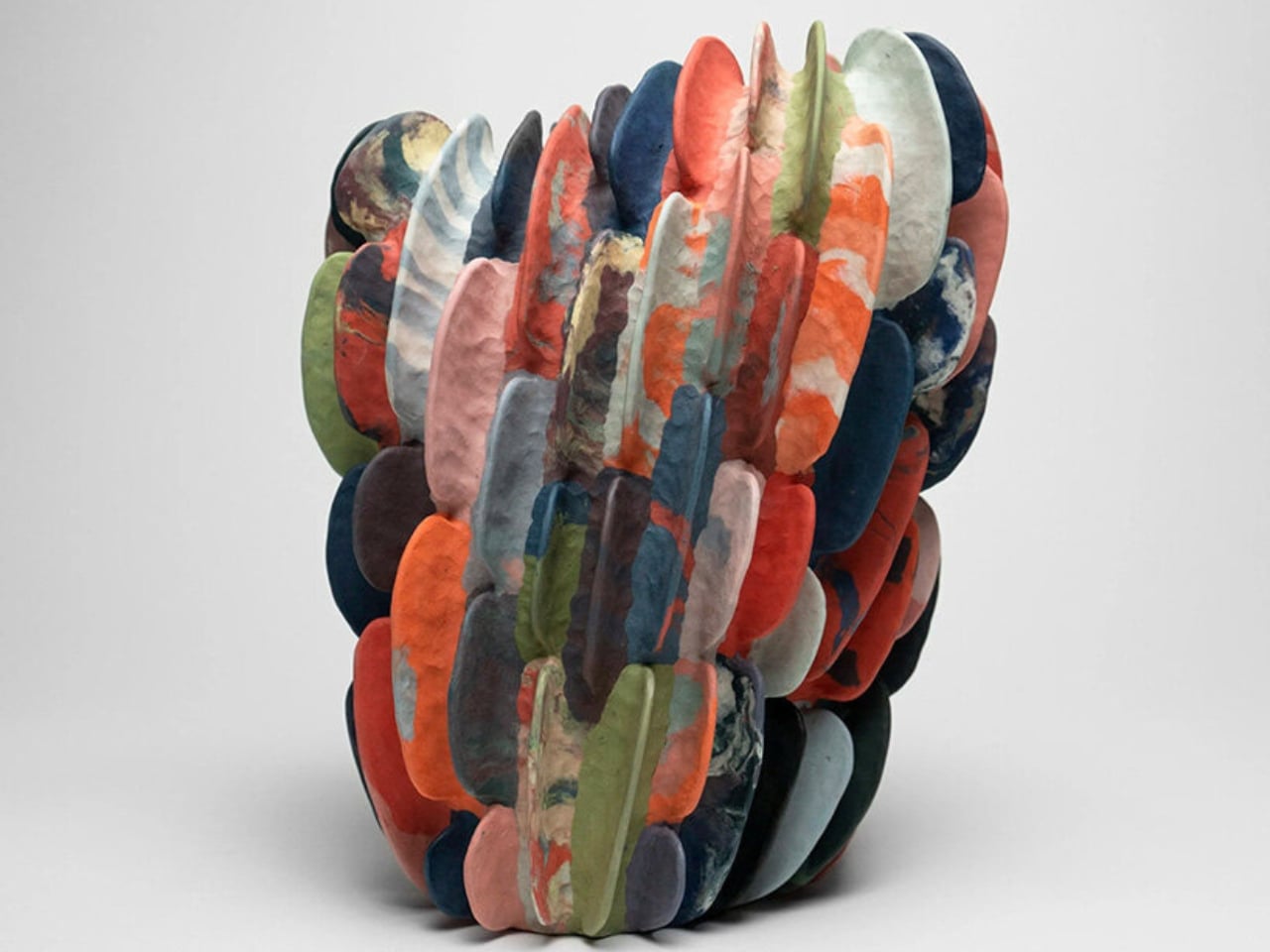
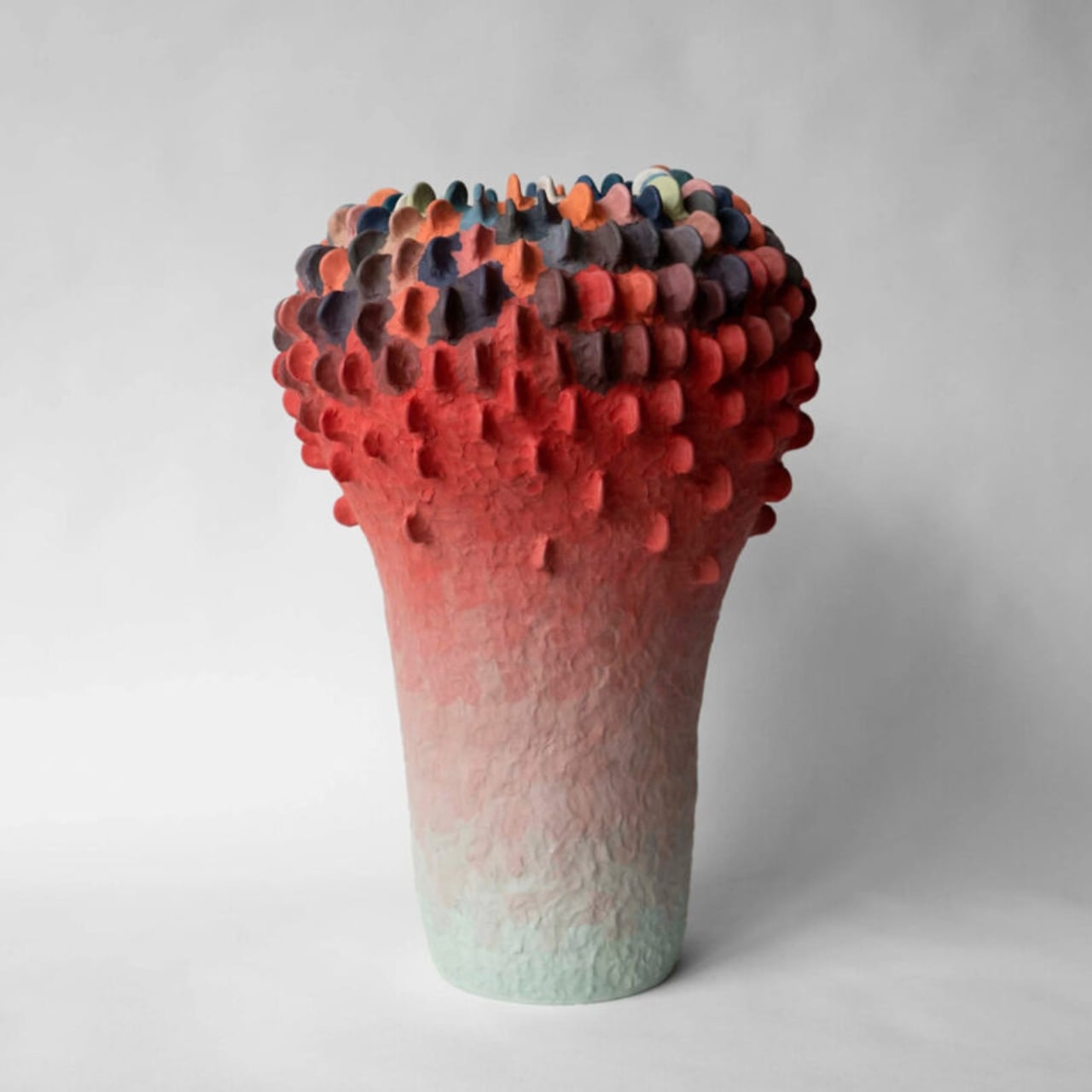
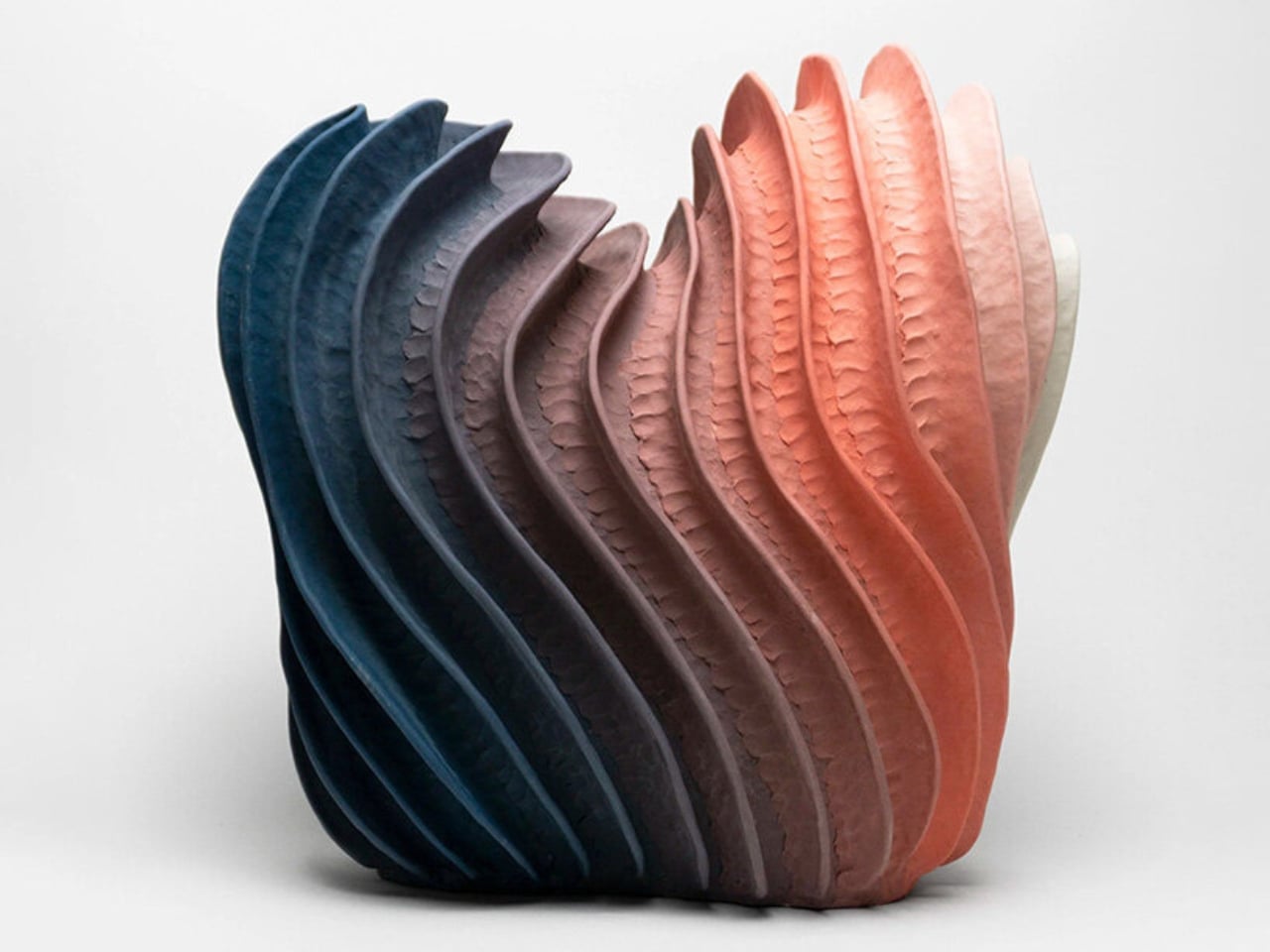
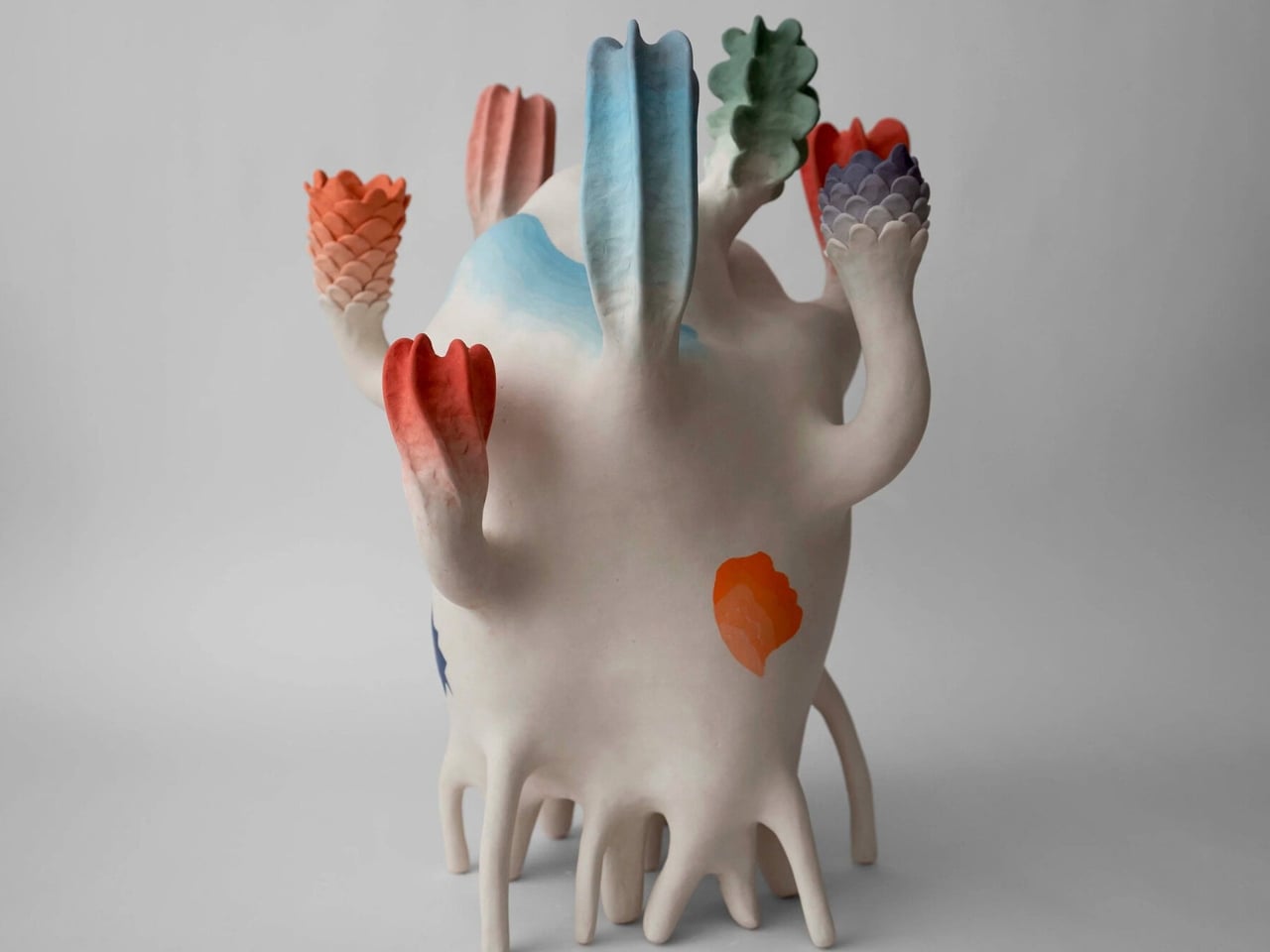
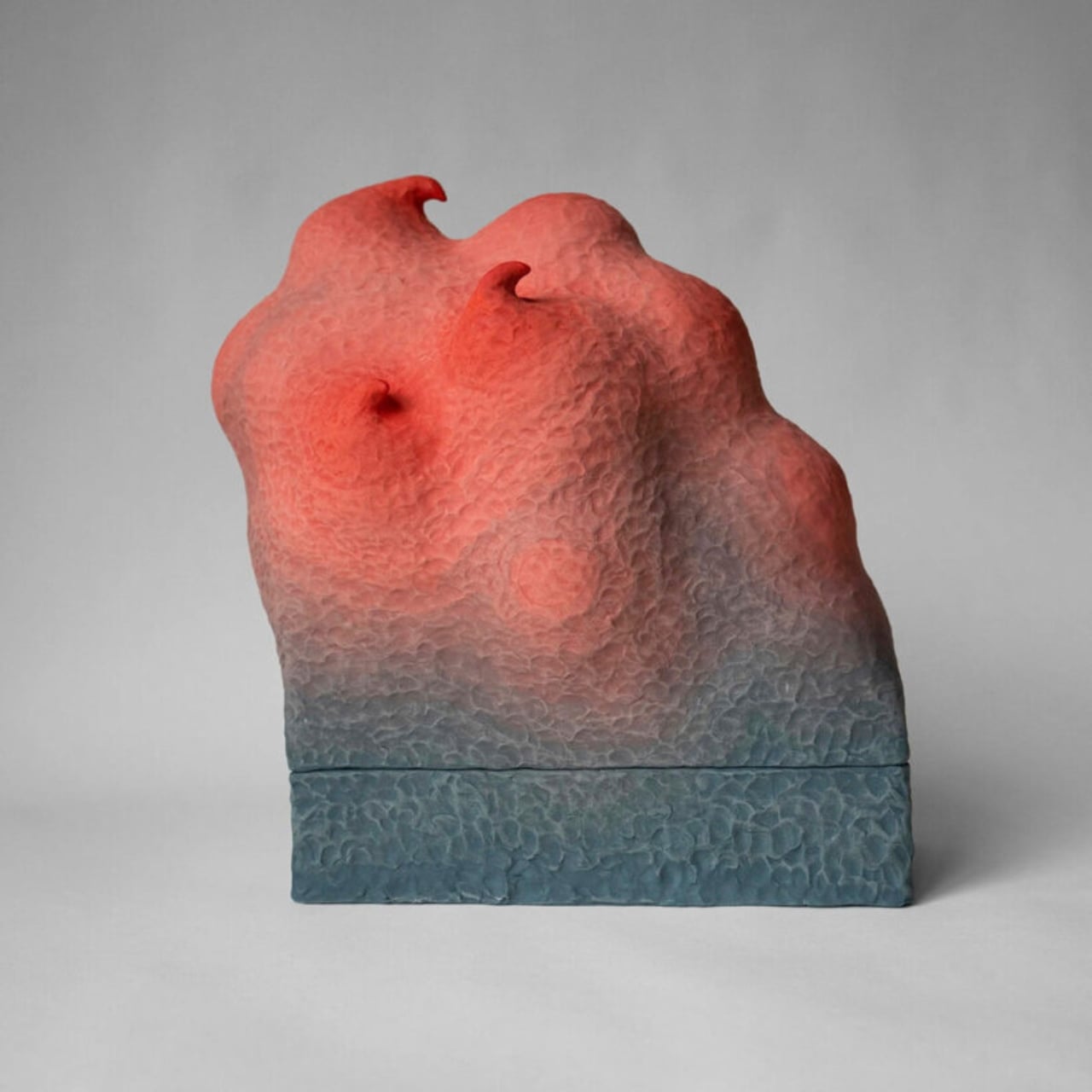
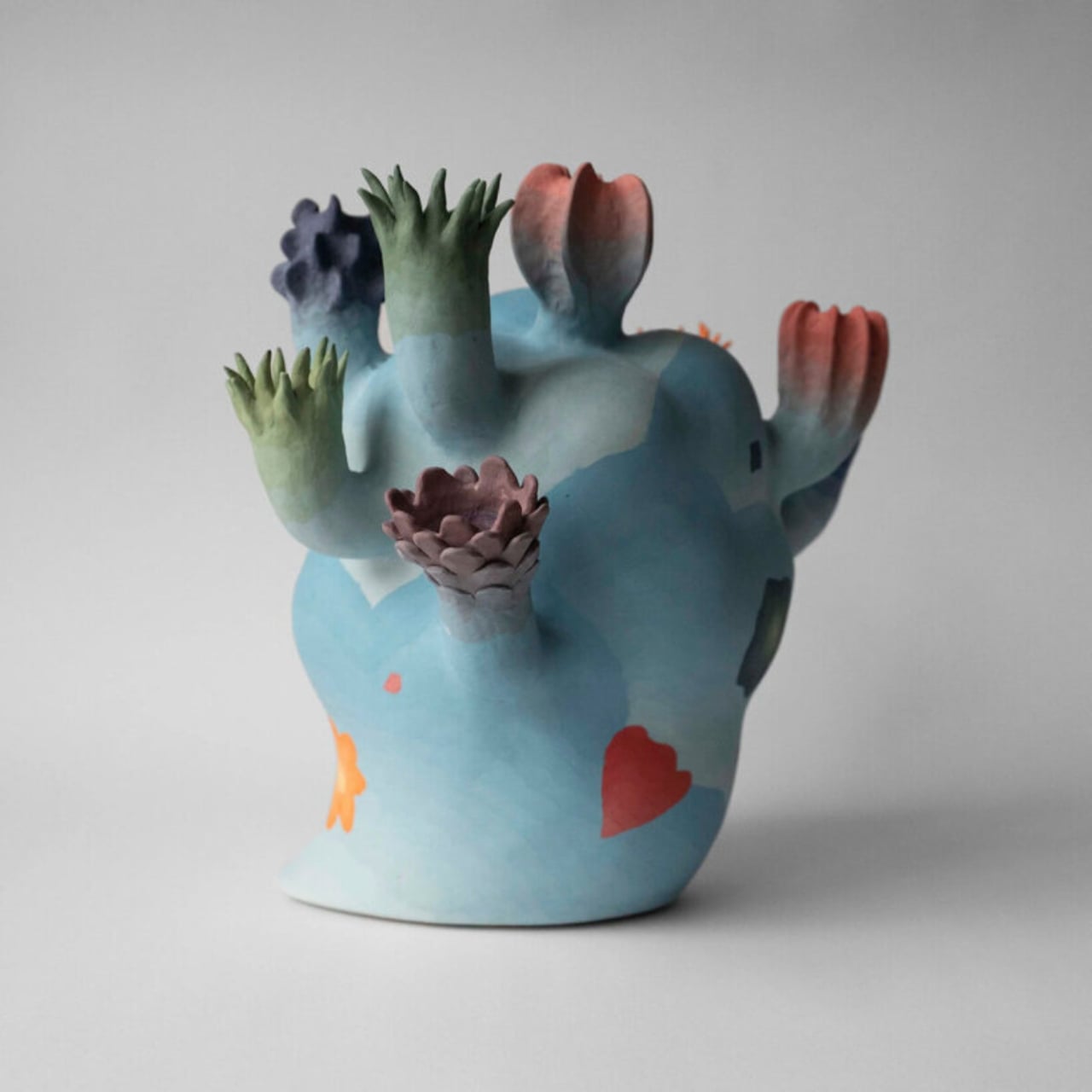
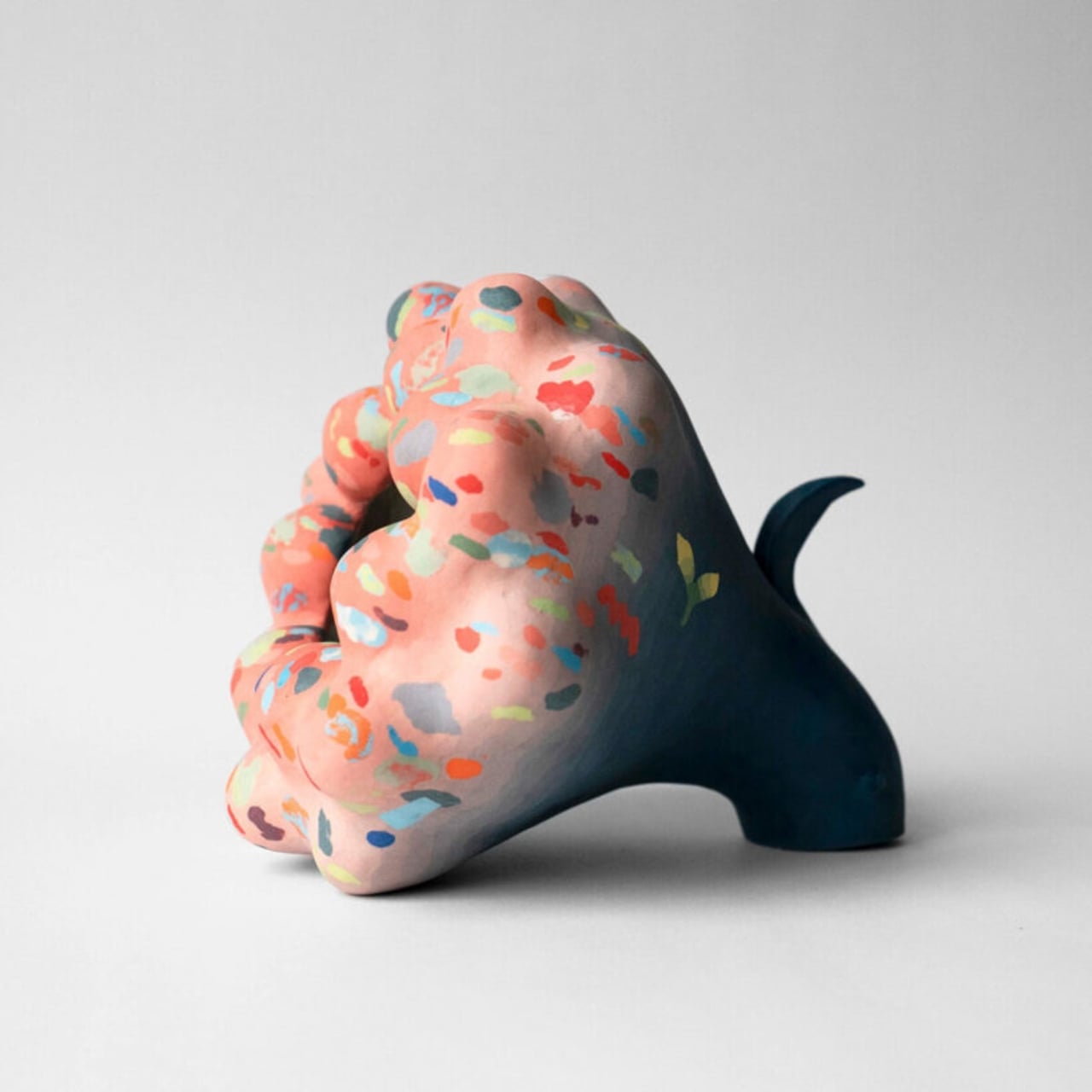
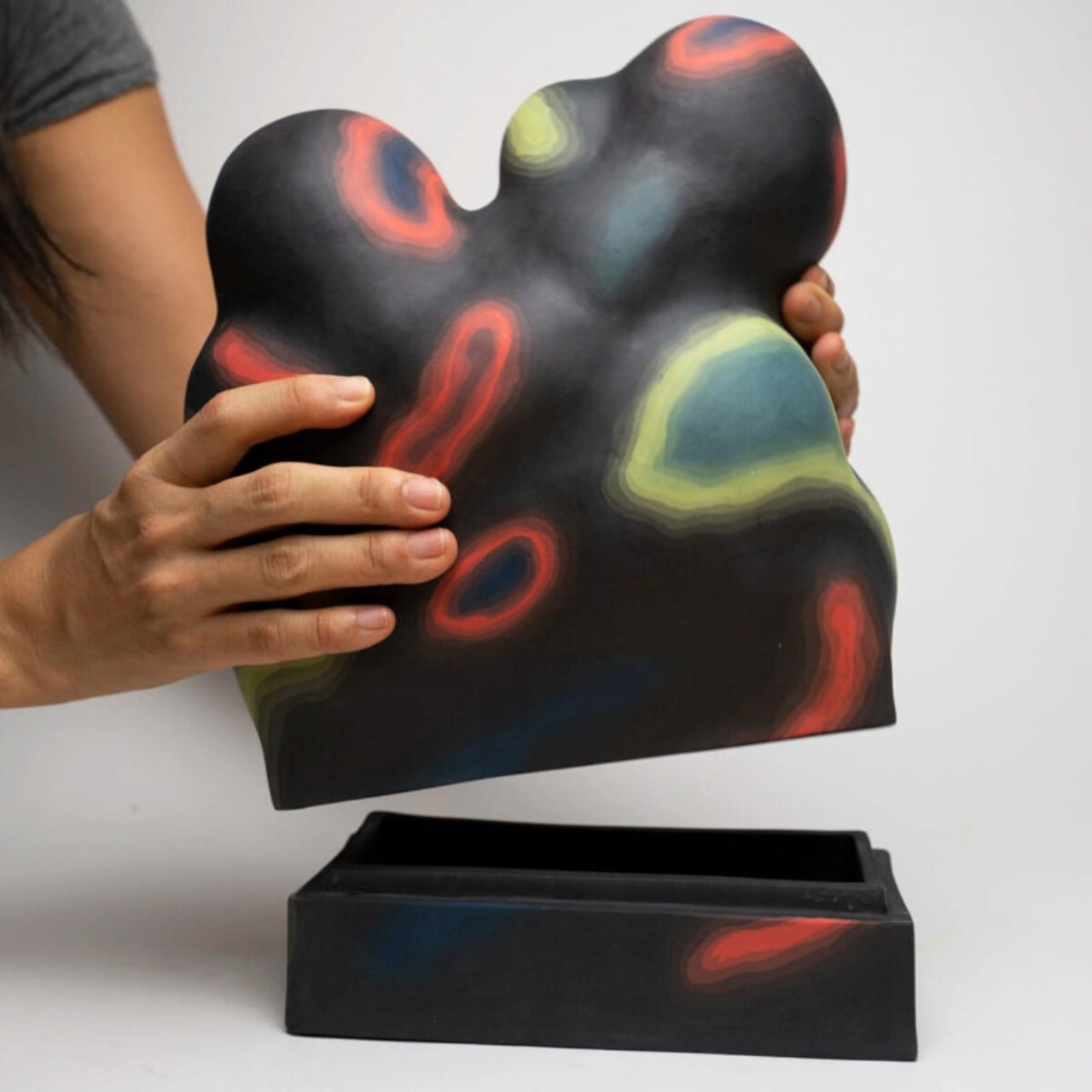
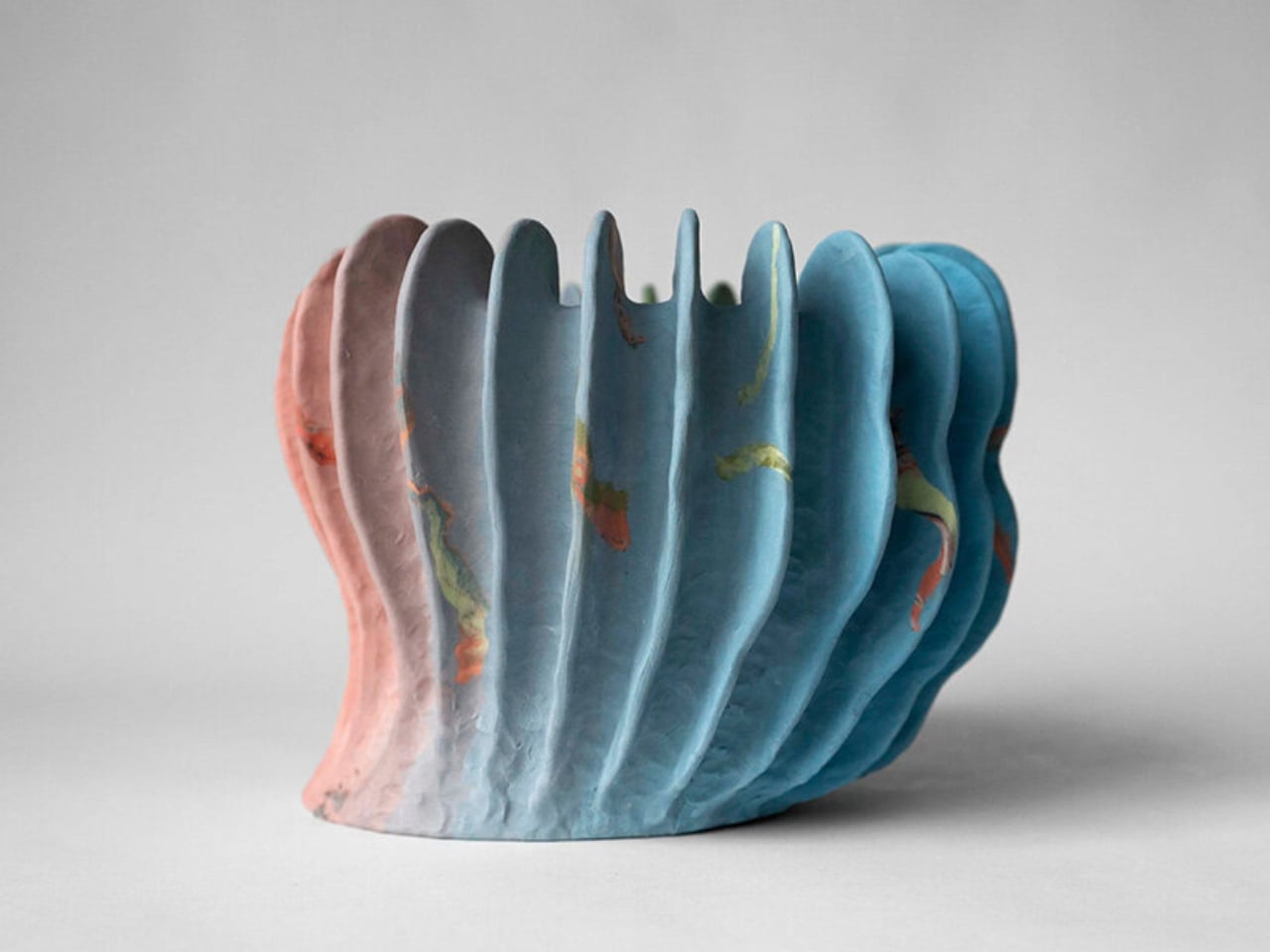
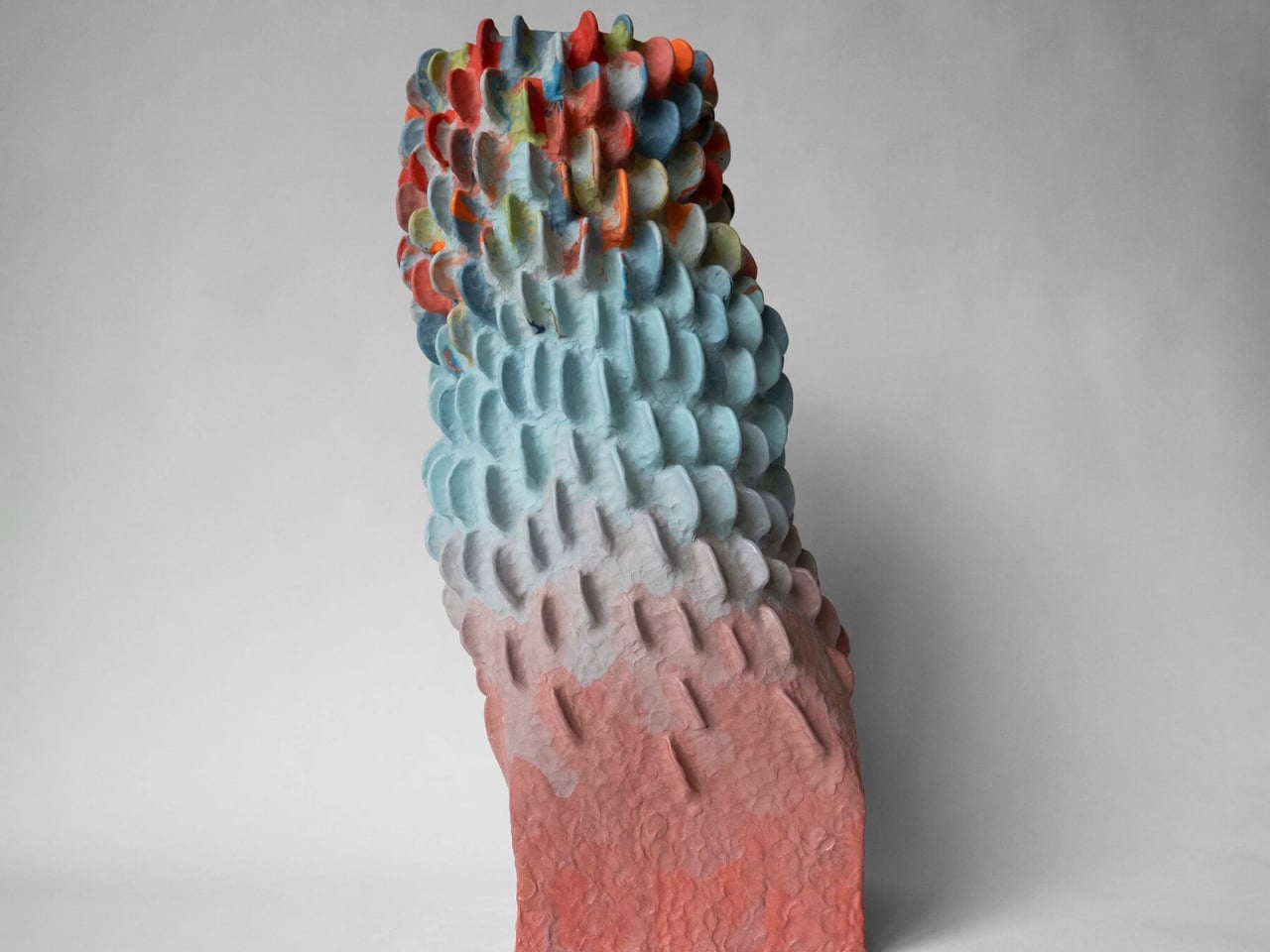
Most ceramic art asks you to admire it from a distance. Janny Baek’s work makes you want to lean in closer and check if it’s breathing. Her upcoming solo exhibition, Life Forms, opens at Joy Machine gallery in Chicago on March 20, running through May 9, 2026, and from everything I’ve seen of it, it might be one of the more visually arresting shows to land this spring. The pieces gather across the gallery space like inhabitants of an ecosystem you’ve never visited but somehow recognize. Some forms open outward like blossoms. Others stretch upward with limbs that suggest wings, or stems, or shells. None of them fully commit to being any one thing, and that’s exactly the point.

What makes Baek’s ceramics so compelling is the feeling that the firing process didn’t quite finish the job. The sculptures look caught mid-transformation, as though another hour in the kiln might have resolved them into something more familiar. Instead, they hold their ambiguity like a posture. That deliberate incompleteness is one of the most interesting creative choices an artist can make, and Baek has built an entire body of work around it.

Designer: Janny Baek

Her path to ceramics is almost as unusual as the work itself. Born in Seoul and raised in Queens, she studied ceramics at the Rhode Island School of Design before taking a turn into animation and toy design as a sculptor. Then she earned a graduate degree in architecture from Harvard, co-founded an architecture practice in Manhattan, and spent years designing high-end residential spaces. When the pandemic hit, she returned to clay, setting up a studio in the back of her Flatiron District architecture office. The ceramics world should be grateful for the timing.

That architectural background isn’t incidental. You can see it in the structural logic of the pieces, which begin with coiled bases and build upward through successive additions of clay, each element branching from the last. The result is less like sculpting and more like construction, or perhaps like watching something grow. Her larger work, Plant Life (2025), stoneware with colored sections rising from white shoots, reads almost like a site plan for a garden on a planet where the plants decided to do their own thing.

The technique she relies on is nerikomi, a traditional Japanese method that involves stacking clay of different colors and slicing through it to reveal the pattern within. But Baek’s application of it feels more contemporary than the technique’s origins might suggest. Color, in her hands, is structural rather than decorative. It moves through the clay like a current, not like paint on a surface. She has described color gradients as “the continuous nature of change,” and a multitude of colors as “potential, abundance, and vitality.” That framing matters. It tells you the work isn’t just pretty, it’s philosophic.

The piece titles reinforce this. Micro-organisms, Glow Sticks, and Outer Galaxies. Prismatic Walking Cloud. 5 Eyes (Dream State Series). Cloudbloom. They read like entries in a field guide to a world that hasn’t been discovered yet, which is probably the most accurate way to describe what Baek is building. Her ceramics operate on what one description of the work calls “dream logic, one that accepts incongruity and dissonance as necessary to play and experimentation.” That’s a generous creative framework, and it shows. The work never feels confused or unresolved. It feels deliberate in its strangeness.

What I find most refreshing about Life Forms is that it doesn’t ask you to bring any specific context to it. You don’t need to know the theory behind nerikomi or have an opinion about contemporary ceramics to stand in front of one of these pieces and feel something. They work on a more basic level, the level of looking at something unfamiliar and recognizing it anyway. Like you’ve seen its kind before, somewhere between a dream and a nature documentary.

The post Janny Baek’s Ceramics Look Like They’re Still Evolving first appeared on Yanko Design.

The Morning After: Apple’s surprise AirPods Max refresh

You may have a little Apple fatigue after last week's barrage of Macs, iPhones and iPads. The company wasn't done, however. Surprise! Here is an updated pair of AirPods Max. It's a predictable surprise, perhaps, but one I wasn't expecting after so many other new devices.

It's also the first true update. The AirPods Max 2 look identical to their predecessor, but now have an H2 chip. First, the AirPods Pro 2 improve noise cancellation by 50 percent and add support for Adaptive Audio and Live Translation. It's a much-needed update for headphones that, barring a USB-C option, haven't changed since 2020.

They're still priced at $549. In Apple's recent press images for its cheapest MacBook ever, a child was using AirPods Max while working on their $599 MacBook Neo. Love it.

The new headphones are up for pre-order on March 25 and will ship in early April.

– Mat Smith


TMA
Engadget

What did I just say? Wrapping up the barrage of reviews of all that new Apple hardware (besides those new AirPods), we test out Apple's most powerful new MacBook. The new Pro has an M5 Max chip, plenty of memory and is a beast. Thankfully, it still has all the ports you'd want.

Continue reading.


xAI is facing a class-action lawsuit in California, after its Grok AI reportedly generated sexualized images of children. Three teenagers filed suit, alleging Grok used their photos to create child exploitation material. One teen was alerted in December that AI-generated, sexually explicit images of her and other minors were being shared "in settings with which she was familiar, but morphed into sexually explicit poses." The Center for Countering Digital Hate estimated in January that Grok produced millions of sexualized images, including 23,000 potentially depicting children.

Continue reading.


Google is rolling out a new feature for Chrome that will add a bookmark bar to the browser on Android foldables and tablets. Spotted by 9to5Google, this move will make the browsing experience on larger mobile devices more akin to that of laptops and desktops running Chrome. Perfect if you managed to grab Samsung's Galaxy Z TriFold before it disappears forever.

Continue reading.

This article originally appeared on Engadget at https://www.engadget.com/general/the-morning-after-engadget-newsletter-111501781.html?src=rss