
LinkedIn doesn’t want your AI slop anymore
It isn't just lazy. It's also mind-numbingly boring.
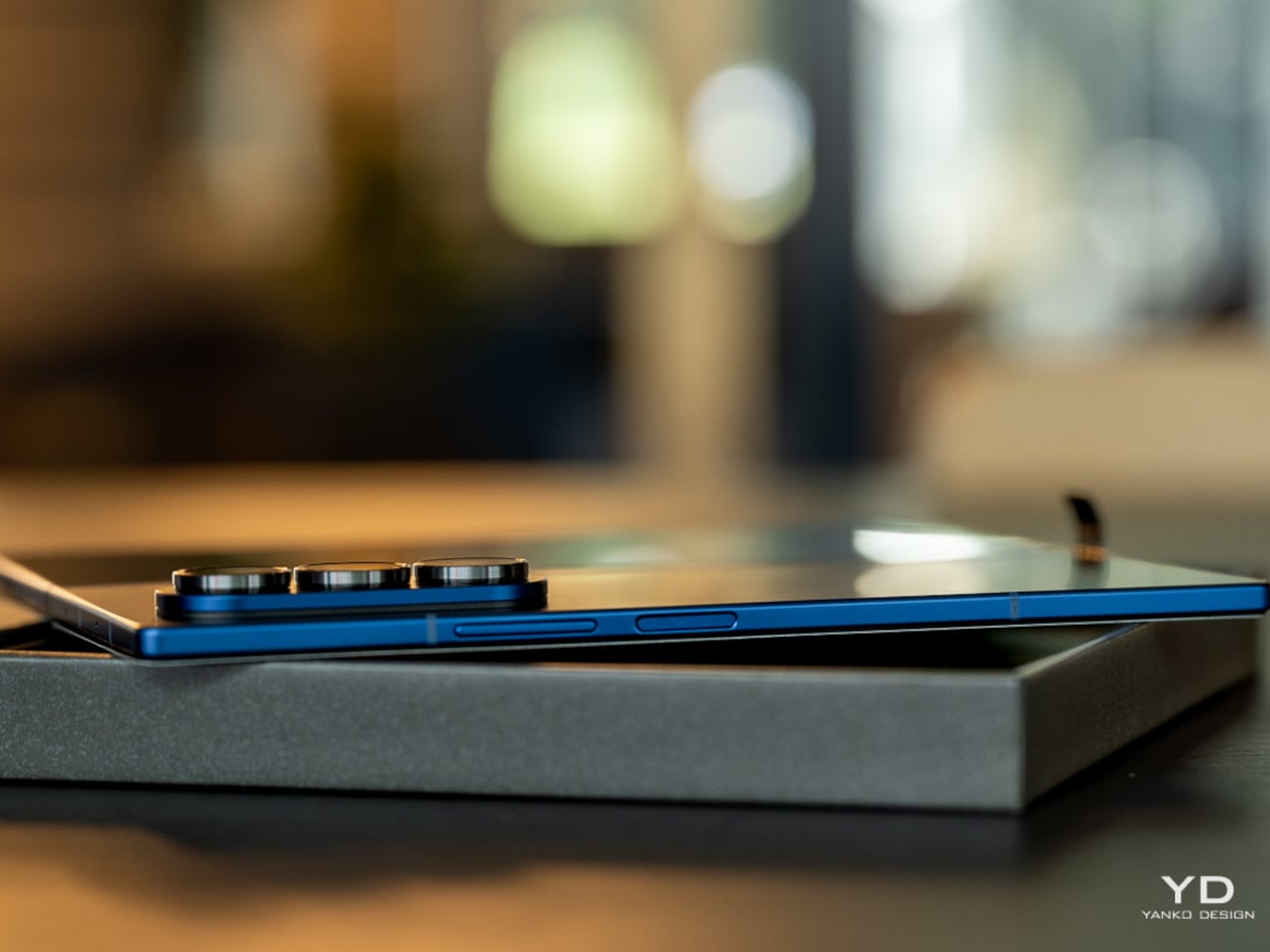
Foldables have spent the last two years chasing a simpler goal: to feel less like category experiments and more like normal premium phones that happen to open wider. Samsung pushed that idea hardest with the Galaxy Z Fold 7, officially measuring 4.2mm when unfolded and 215 grams in weight, making it the company’s slimmest and lightest book-style foldable yet, with thinness as the product’s defining promise.
That promise came with a quieter subtraction. Samsung removed S Pen support from the Galaxy Z Fold 7, cutting off a feature that had helped earlier Fold models feel connected to the company’s productivity-first identity. Nearly a year later, that choice carries more weight because the Fold 7 can now be judged as a finished design decision rather than a fresh flagship still riding its novelty.
Designer: Samsung
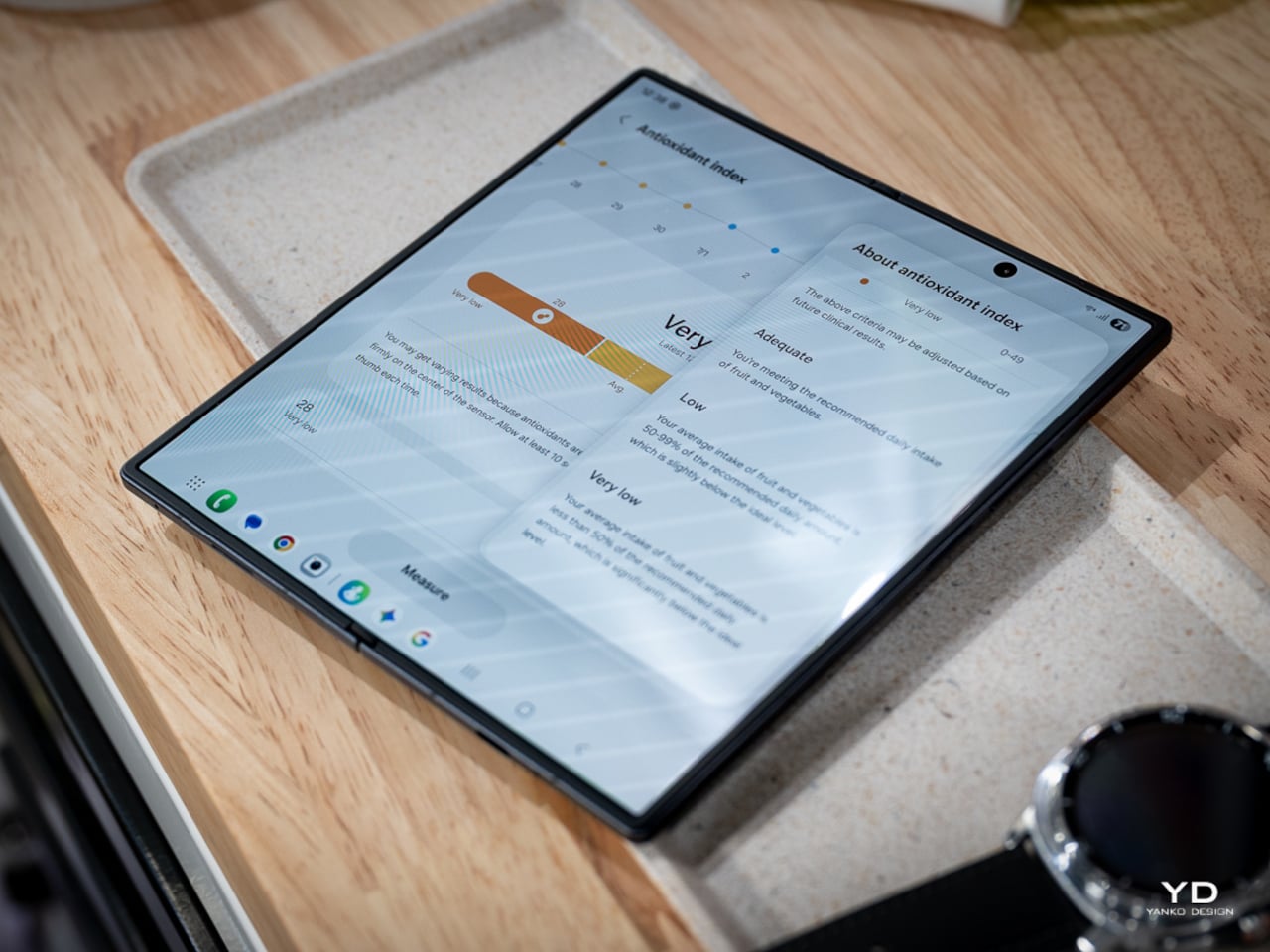
In practice, the Fold 7’s thinness changes behavior more than bragging rights. Reviews consistently described it as startlingly slim and easier to carry, suggesting Samsung had something more deliberate in mind than a good keynote number. The lighter frame, narrower pocket profile, and more usable 21:9 cover display all push toward the same goal: making the Fold feel less like a second device and more like your actual main one.
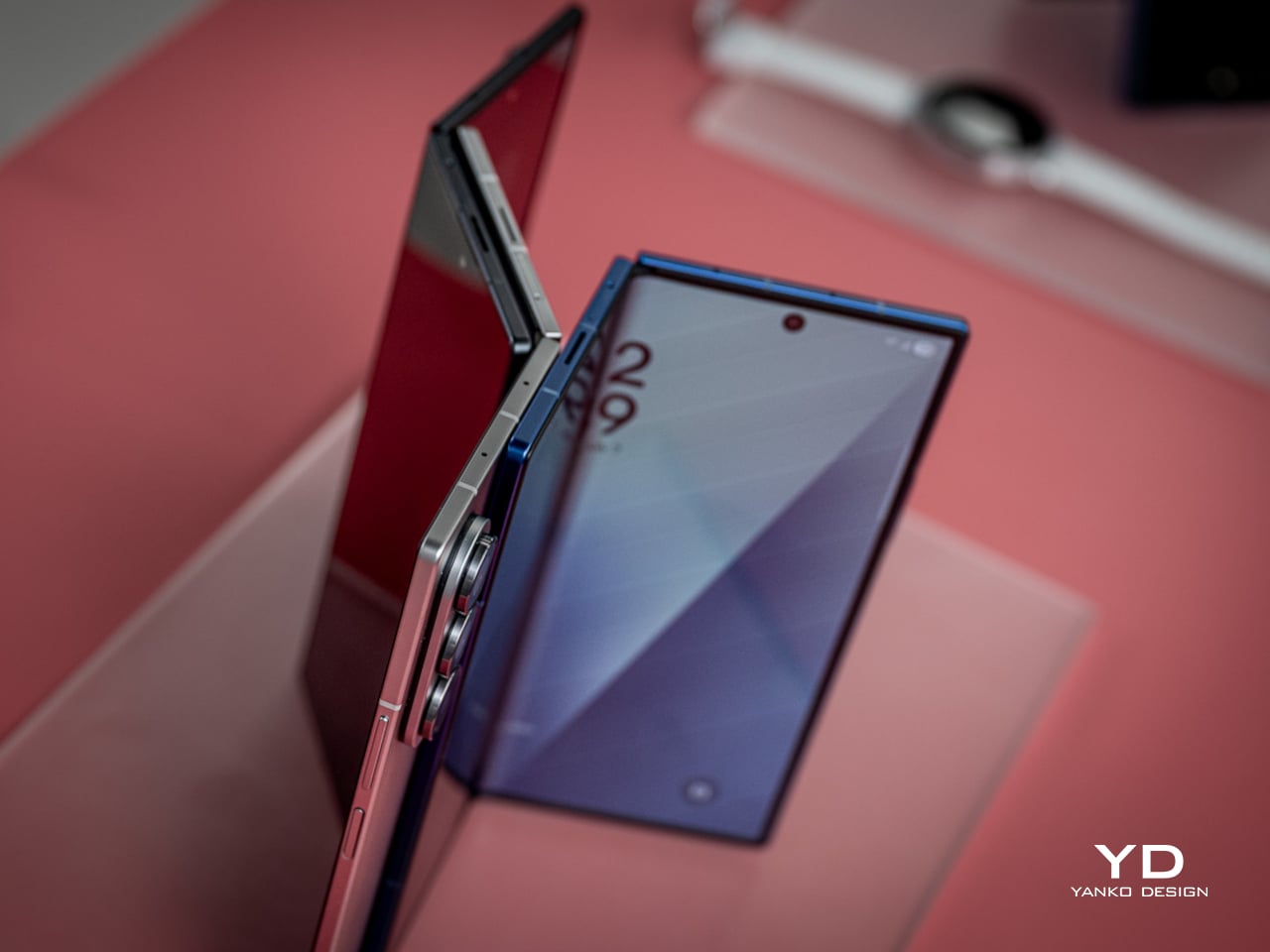
The missing stylus, though, changed the Fold 7’s identity as much as its feature list. On earlier Fold devices, pen support helped justify the large inner display as a workspace, somewhere to annotate documents, sketch ideas, and do precise work beyond just tapping through apps. The Galaxy Z Fold 7 doesn’t support S Pen in any form, which means the phone has let go of that precision-first promise entirely.
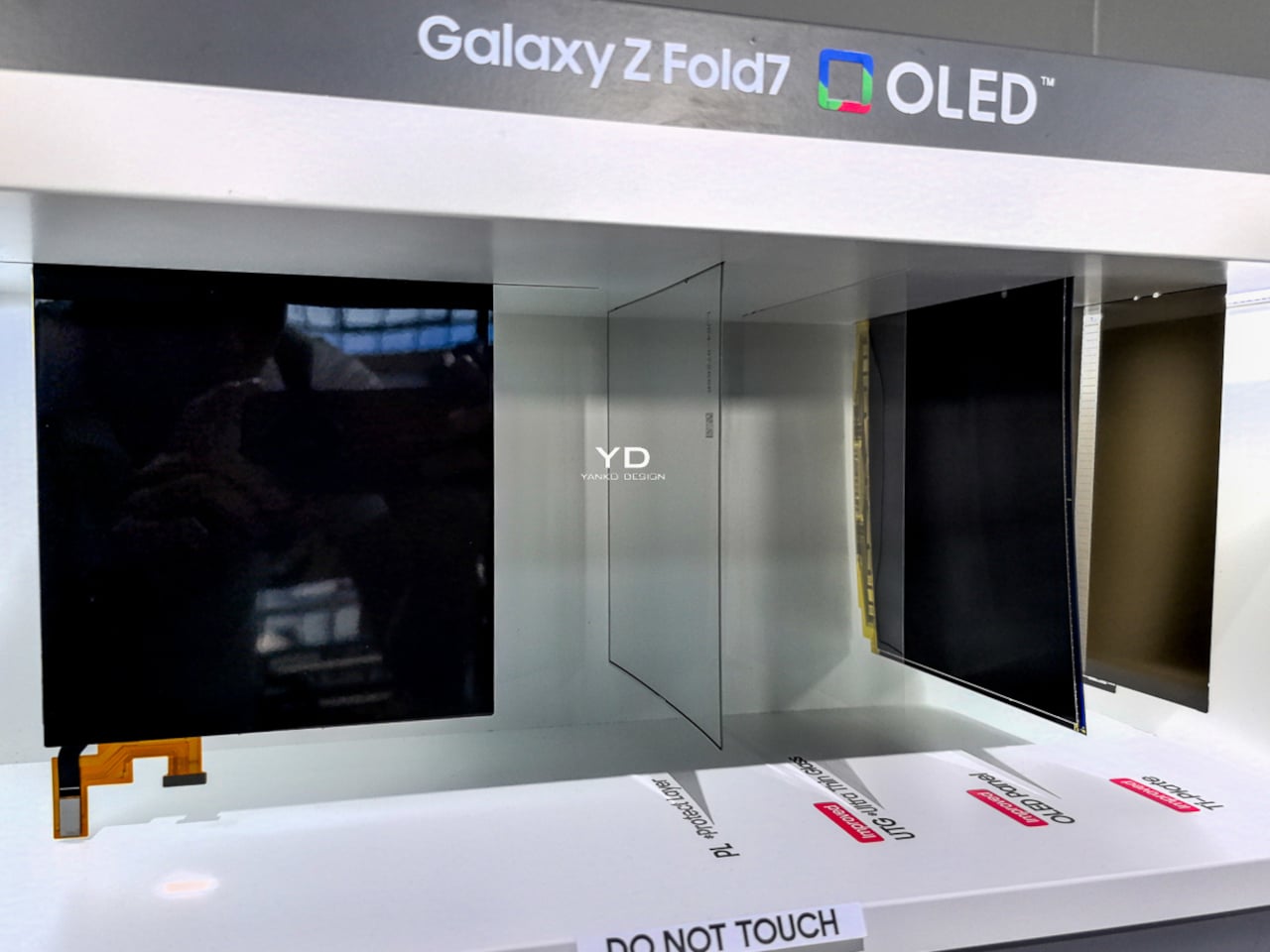
Outside reporting helps explain why Samsung made that call. T-Mobile’s comparison notes the company removed a layer from the inner display to help achieve the slimmer, lighter body, while others report Samsung cited low stylus adoption among Fold users to justify the cut. Even if that logic makes business sense, it still leaves the Fold 7 feeling like a foldable optimized for comfort over creative ambition.
Samsung also tried to reassure buyers that the thinner body wasn’t a weaker one. The Fold 7 uses a thicker Ultra-Thin Glass layer, a Grade 4 titanium lattice, new adhesive materials, and IP48 resistance, all meant to reinforce a slimmer chassis without making it feel fragile. Those details speak more clearly to Samsung’s engineering intent than to any definitive verdict on how the phone holds up over months of folding.
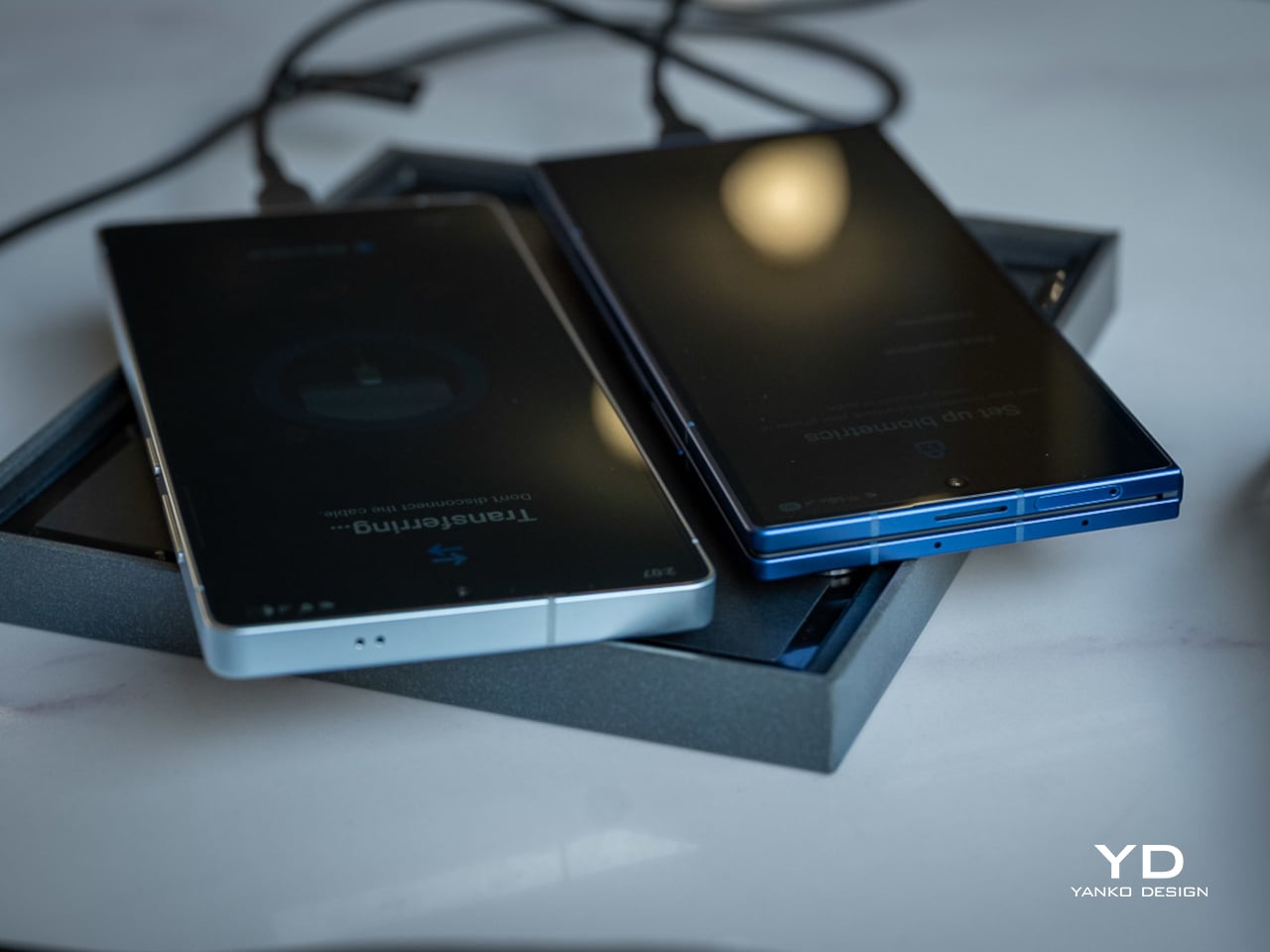
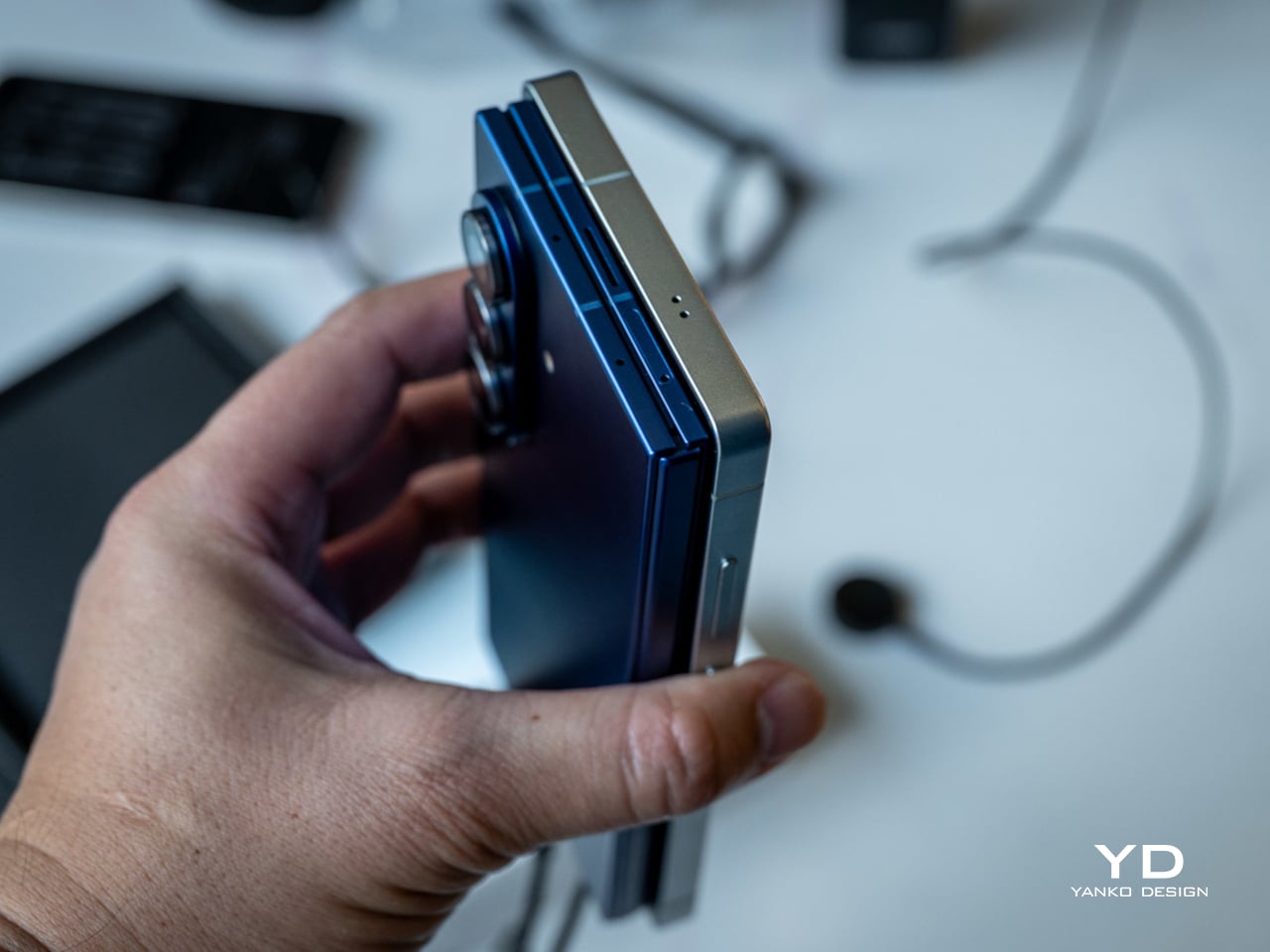
The rest of the hardware tells a similar story of selective advancement. Samsung paired the Fold 7 with Snapdragon 8 Elite for Galaxy and launched it on One UI 8 with Android 16, giving the device a solid performance base. The battery stayed at 4,400mAh, and the ultra-wide camera remained a 12MP unit alongside the more attention-grabbing 200MP main sensor. The phone moved forward, just not evenly.
That unevenness becomes more interesting when you consider where Samsung might be heading next. We’ve already covered early renders suggesting the Galaxy Z Fold 8 could bring back S Pen support and a bigger battery, at the cost of a thicker chassis. If those rumors hold, the Fold 7 starts to look less like the start of a permanent direction and more like a controlled experiment in subtraction.
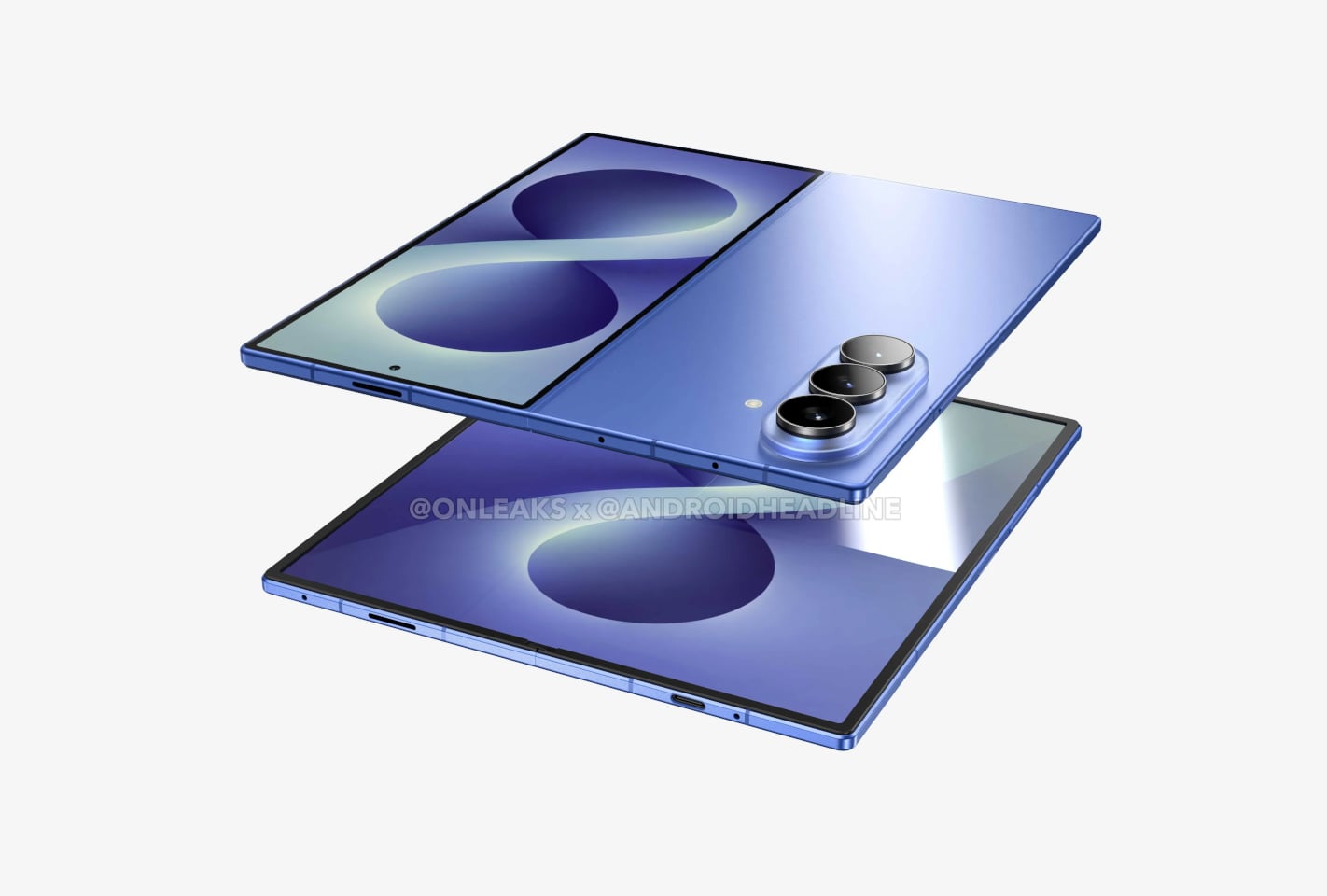
Galaxy Z Fold8 Render
For buyers who want the most elegant Samsung foldable for everyday carry, the Fold 7 still makes a strong case. It’s the first Fold that genuinely reduced the physical friction of ownership without a compromise you’d notice daily. For former Note loyalists and pen-reliant users, though, the trade reads differently, because Samsung made the Fold 7 easier to live with by moving it away from the Fold line’s original ambition.
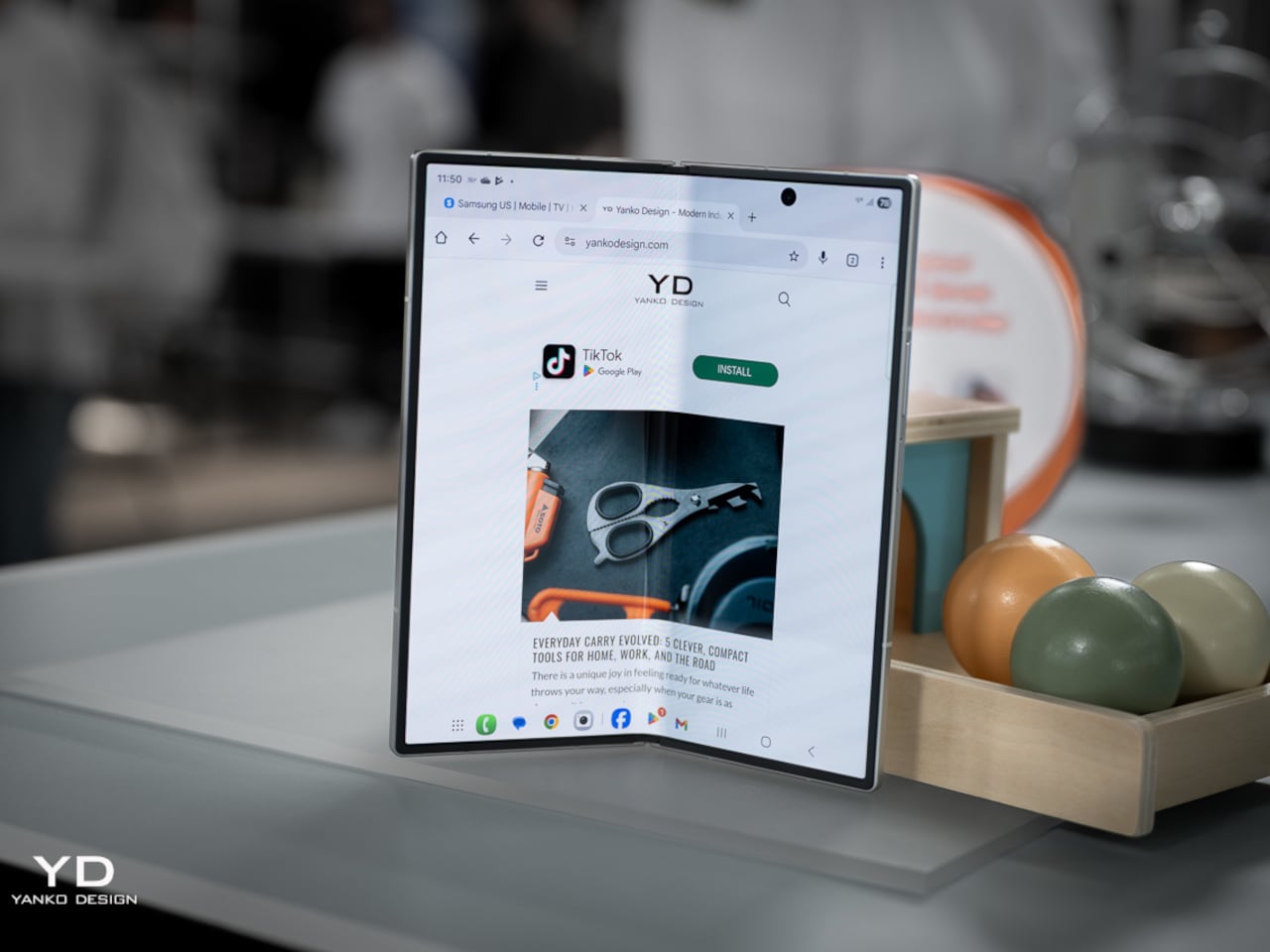
The post Galaxy Z Fold 7 Hit 4.2mm by Killing the S Pen: Worth the Trade? first appeared on Yanko Design.
Claude Cowork is designed to improve marketing workflows by offering features that support automation, integration and customization. Grace Leung highlights how marketers can reduce repetitive tasks and foster collaboration through specific strategies. For instance, using pre-designed templates for blog posts, email campaigns and social media captions helps maintain brand consistency while saving time. Organizing workspaces […]
The post Why Top Marketing Teams Are Switching to Claude Cowork appeared first on Geeky Gadgets.
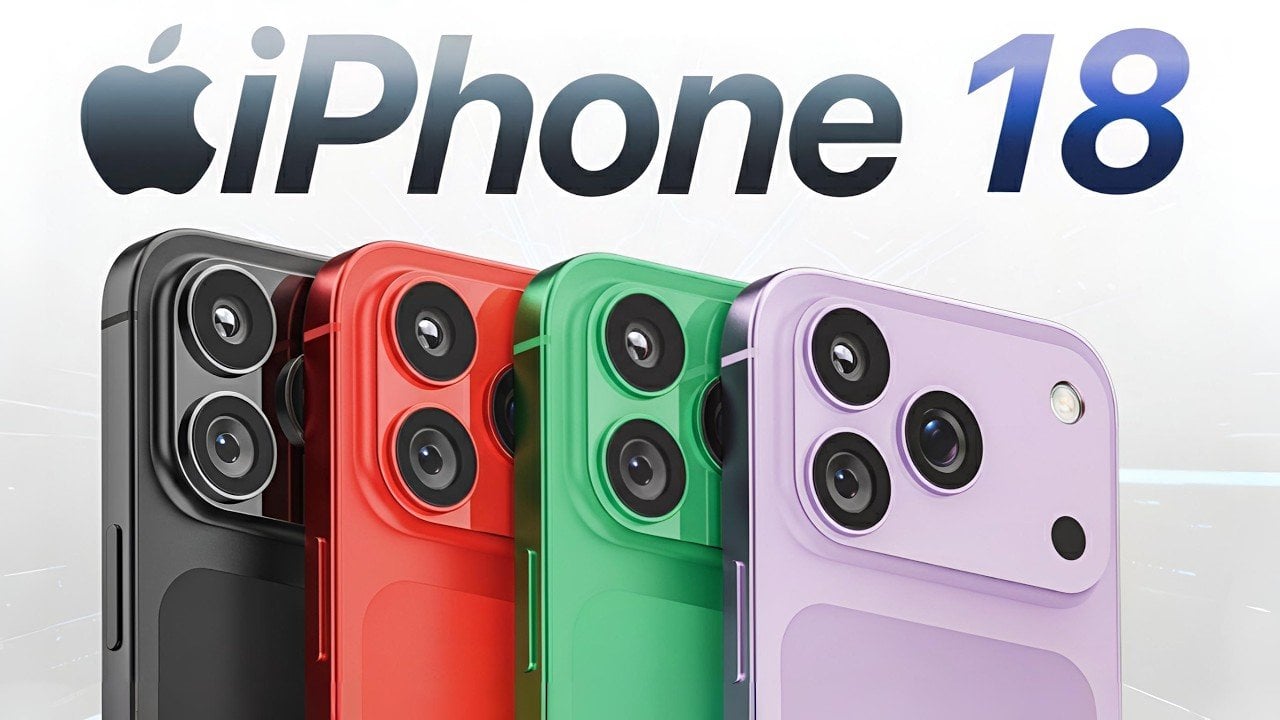
Apple’s unveiling of the iPhone 18 Pro and Pro Max models introduces a blend of subtle design adjustments, new color options and performance enhancements. However, the timing of this release coincides with the debut of Apple’s first foldable iPhone, the iPhone Ultra, which threatens to overshadow these devices. With muted aesthetics and evolutionary updates, Apple’s […]
The post Did Apple Just Make a Huge Mistake with the iPhone 18 Pro Max Colors? appeared first on Geeky Gadgets.

Prediction markets like Polymarket provide a unique space for traders to profit by forecasting real-world events, but success often hinges on balancing risk and reward. All About AI explores how advanced AI platforms like Codex and Cloud Code can help traders uncover low-risk, high-reward opportunities through data-driven analysis. For example, AI can identify unusual trading […]
The post How AI Uncovers Hidden Low-Risk 100X Polymarket Strategies appeared first on Geeky Gadgets.

Valve is taking deliberate steps to solidify its role in the gaming industry amid increasing competition and regulatory scrutiny. Recent updates to the Steam Community Market, such as 3D item rendering and a redesigned user interface, reflect a focus on improving functionality and accessibility. According to Water CS2, these enhancements not only streamline the user […]
The post Inside Valve’s Bold Strategy for the Standalone Steam Frame VR appeared first on Geeky Gadgets.
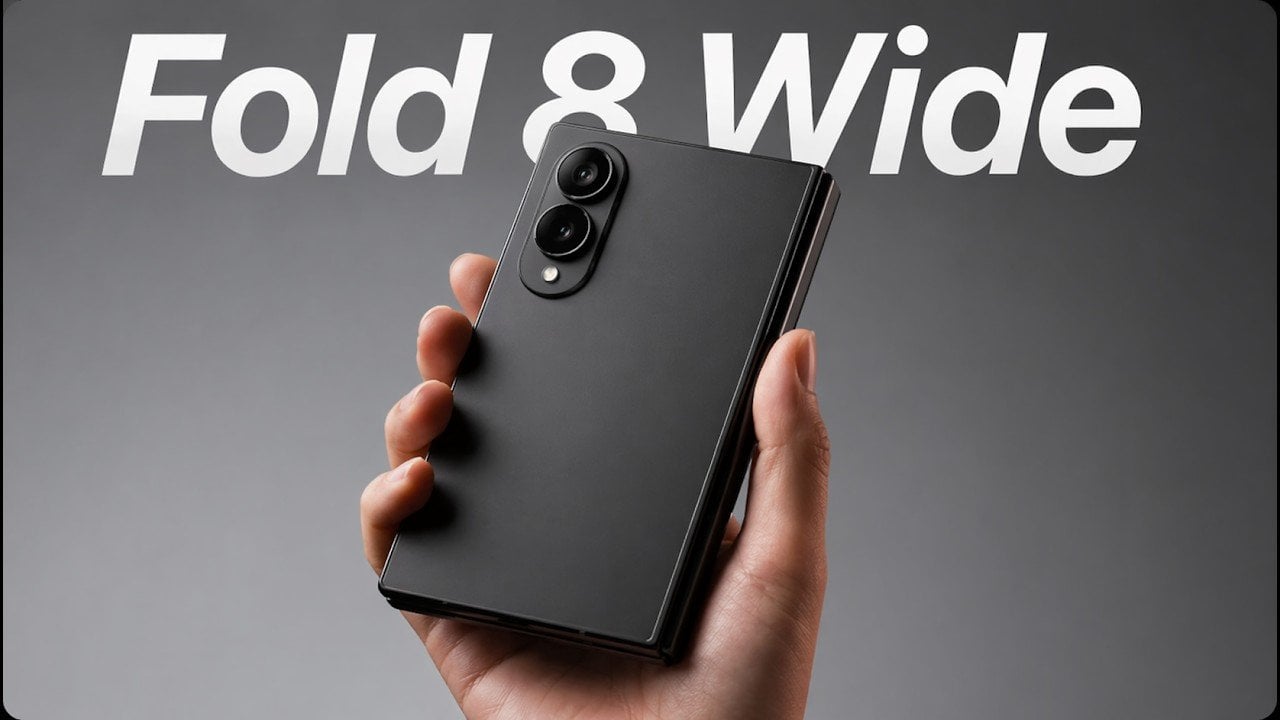
Samsung is set to launch its latest foldable smartphones, the Galaxy Z Fold 8 and the Galaxy Z Fold 8 Wide, this July. These devices represent the company’s ongoing commitment to innovation in the foldable smartphone market. While the Galaxy Z Fold 8 aims to deliver a premium, feature-rich experience, the Galaxy Z Fold 8 […]
The post Samsung Removed a Key Camera From the Galaxy Z Fold 8 Wide appeared first on Geeky Gadgets.

Memory optimization is essential for enhancing the performance of AI systems like Claude. Simon Scrapes examines three distinct memory management systems: Claude’s default setup, the Memarch system and the Hermes system. Claude’s default memory uses static files such as `claude.md` for context injection but can face challenges with incomplete recall in dynamic situations. Memarch emphasizes […]
The post 3 Hidden Claude Memory Hacks to Get You Ahead of 99% of People appeared first on Geeky Gadgets.