June has arrived with a lineup that doesn’t bother hedging. Each gadget on this list makes a clear and distinct point: about privacy, portability, or what it actually means to build something for the person using it rather than around them. These aren’t incremental updates dressed up in a press release. They’re objects with real design thinking behind them, built to do something specific and do it uncommonly well.
What ties them together is a certain kind of intent. The best tech this month isn’t chasing trends; it’s reacting against them: against surveillance defaults baked into operating systems, against album art buried in streaming queues, against mice that collapse your wrist by noon. Whether you carry your work in a laptop bag or your music in a record sleeve, there’s something specific on this list that deserves a closer look.
1. Volla Plinius
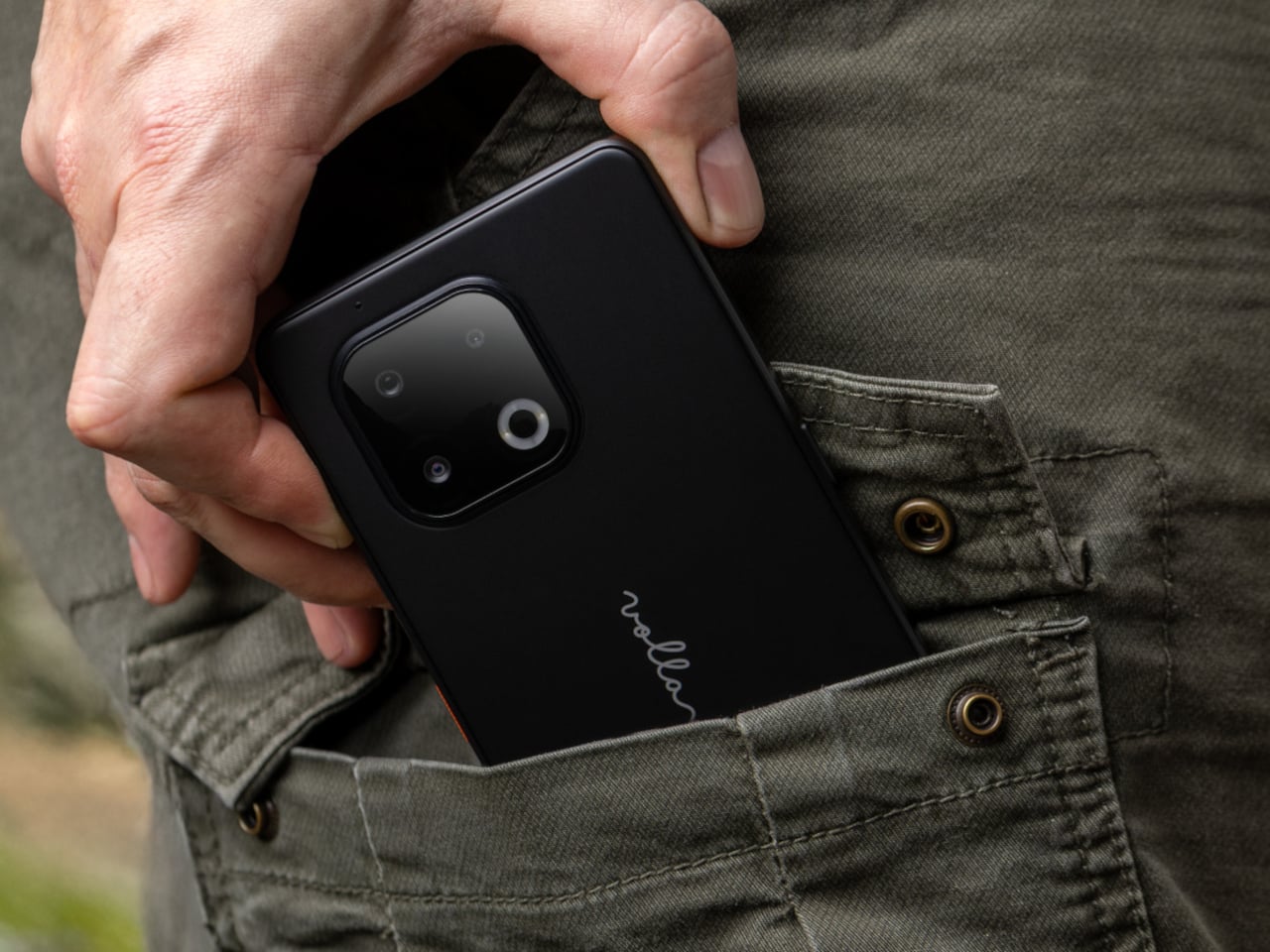
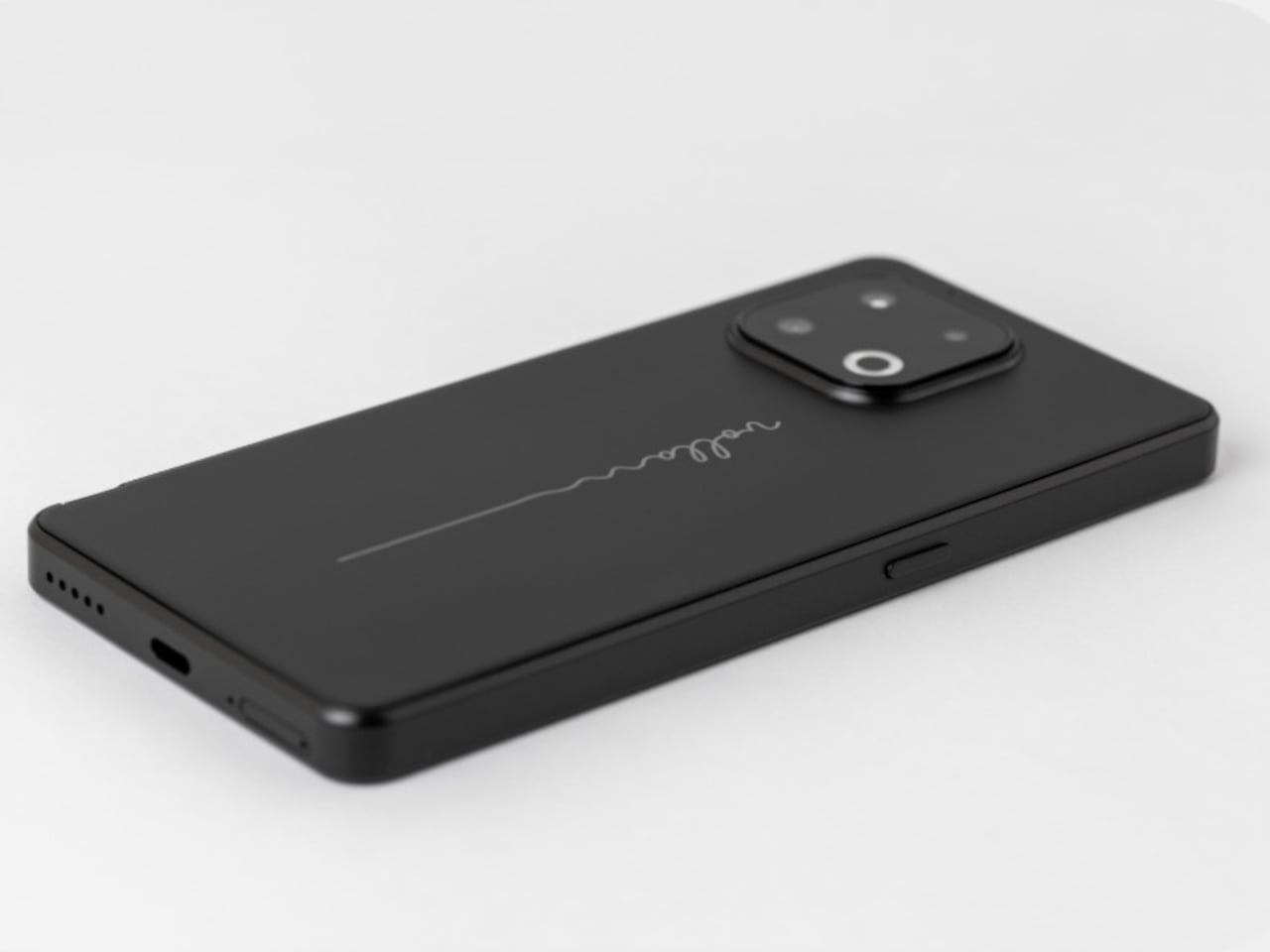
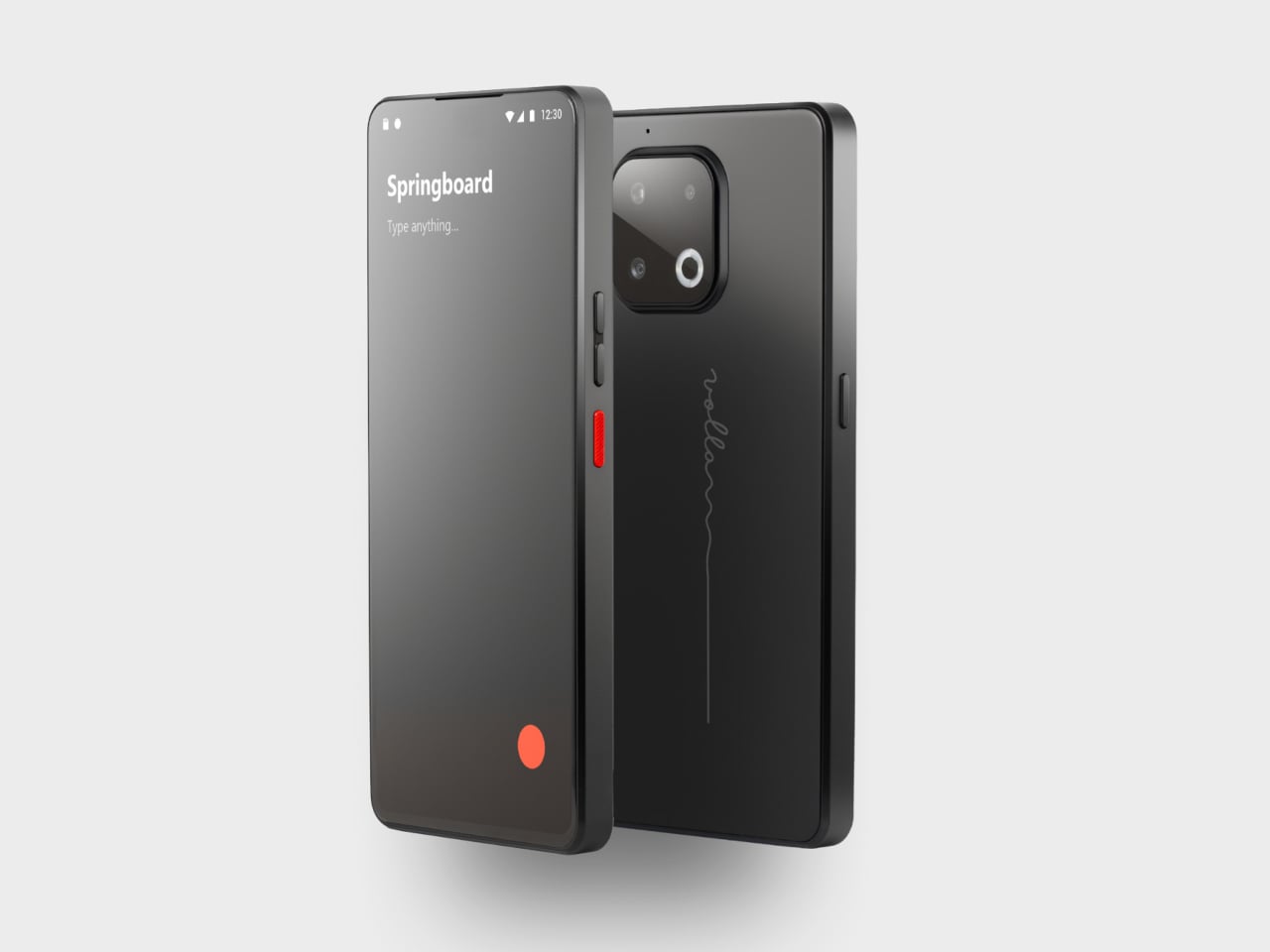
Most smartphones arrive with an assumption baked in: that your data routes through Google’s servers, its apps occupy your home screen, and the battery is sealed inside with no user path to replacement. The Volla Plinius pushes back on all three. It runs privacy-first software, ships with a physically swappable battery, and pairs those principles with IP68 waterproofing. It doesn’t ask you to choose between holding your ground and surviving the rain.
The hardware holds its end of the argument. A 5,300 mAh battery supports both 30W wired fast charging and 15W wireless charging, handling most daily scenarios without demanding much thought. For anyone caught between wanting a cleaner digital life and needing a phone that can handle the physical demands of actually living one, the Plinius is the clearest answer the market has offered in a long time.
What we like
- A replaceable battery on a device that doesn’t sacrifice IP68 build quality to offer it
- Privacy-first software paired with genuine ruggedness, without the usual compromise on real-world performance
What we dislike
- Living Google-free requires a genuine commitment to alternative app ecosystems that not every user is prepared for
- 30W charging is functional but trails the fast-charging benchmarks set by competing flagship devices
2. Portable CD Cover Player
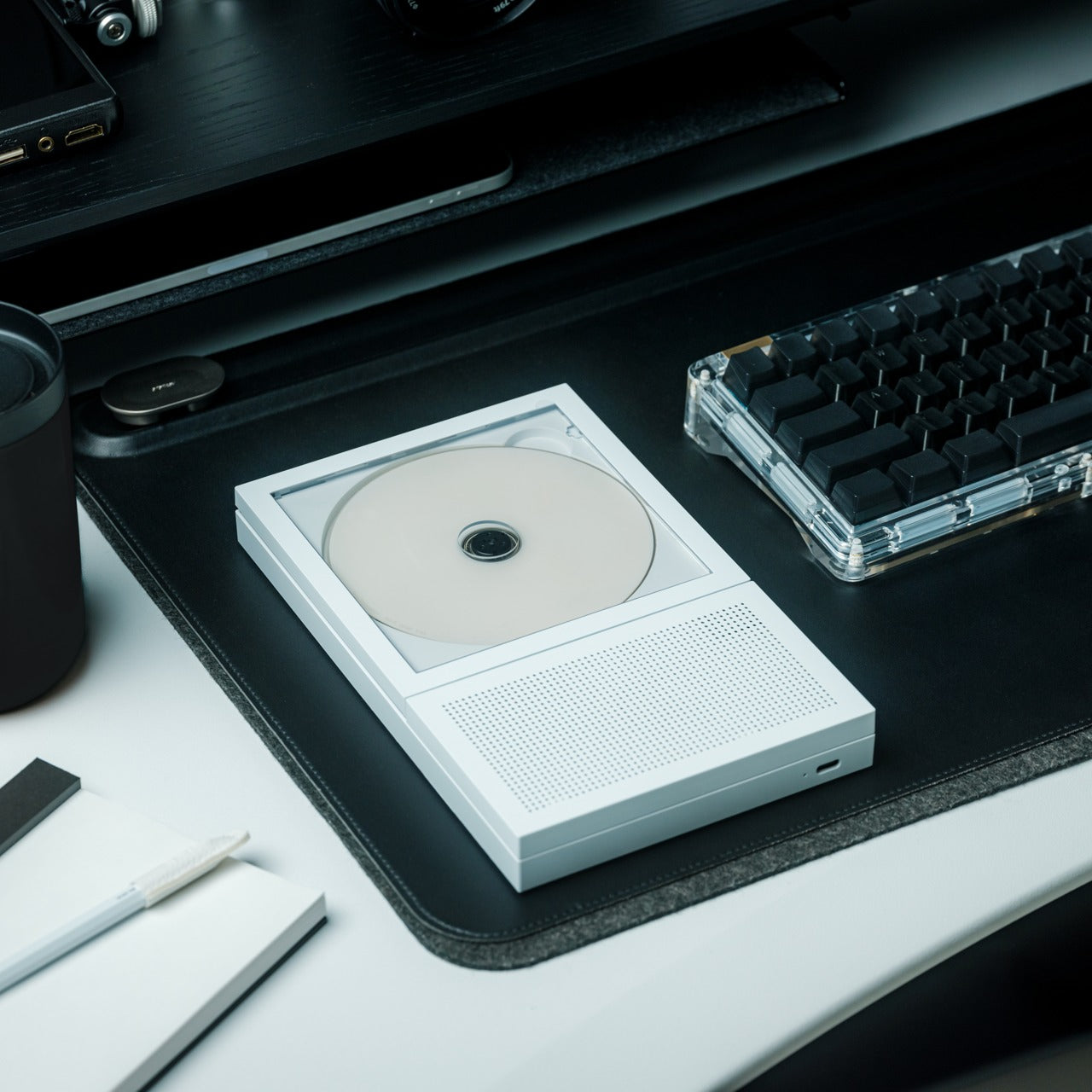
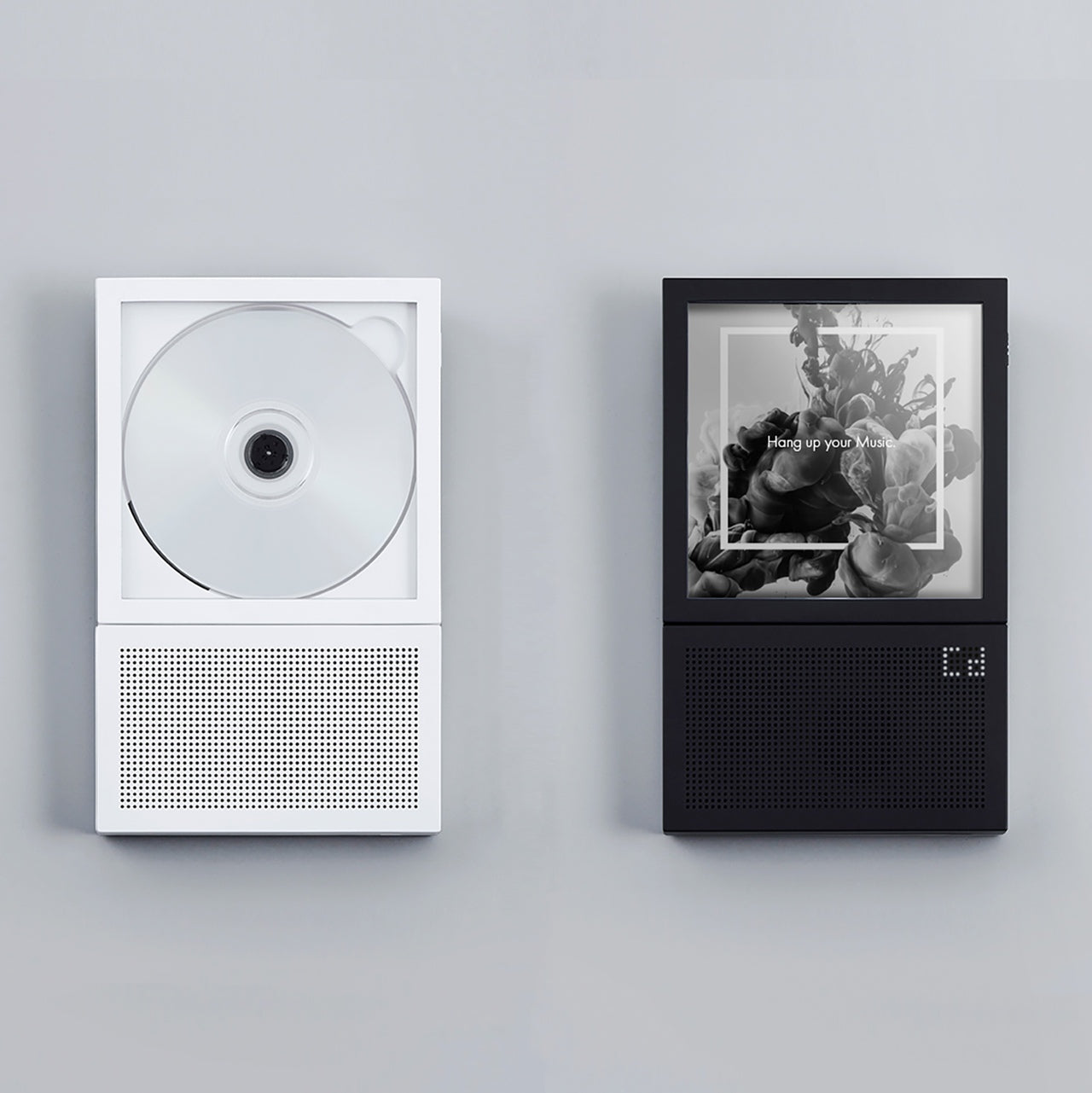
The album cover was never just packaging. For an entire generation of listeners, it was the first thing you saw before the music started, and it became inseparable from the sound itself. The Portable CD Cover Player understands that. It displays the jacket of whichever disc is loaded as part of the listening experience, giving forgotten CDs a place back on your desk and giving the art around them a reason to exist again.
Built-in speakers and a rechargeable battery mean it functions as a standalone piece rather than a peripheral waiting for something else to do the heavy lifting. A wall-mount bracket option takes it further, turning the player into a room feature rather than just a desk object. Starting from $199, it operates in the space where audio hardware and interior design genuinely intersect: for anyone who grew up measuring their taste by what lived on their shelves, this is the right address.
Click Here to Buy Now: $209.00
What we like
- Album art becomes part of the room rather than a two-inch thumbnail buried on a phone screen
- Wall-mount capability turns it from a CD player into a considered piece of interior design
What we dislike
- The $199 starting price is a real commitment for a device competing against streaming software that costs nothing
- Bluetooth convenience is central to the pitch, but audio purists may want more control over output quality
3. Canon Pocket Gimbal Camera
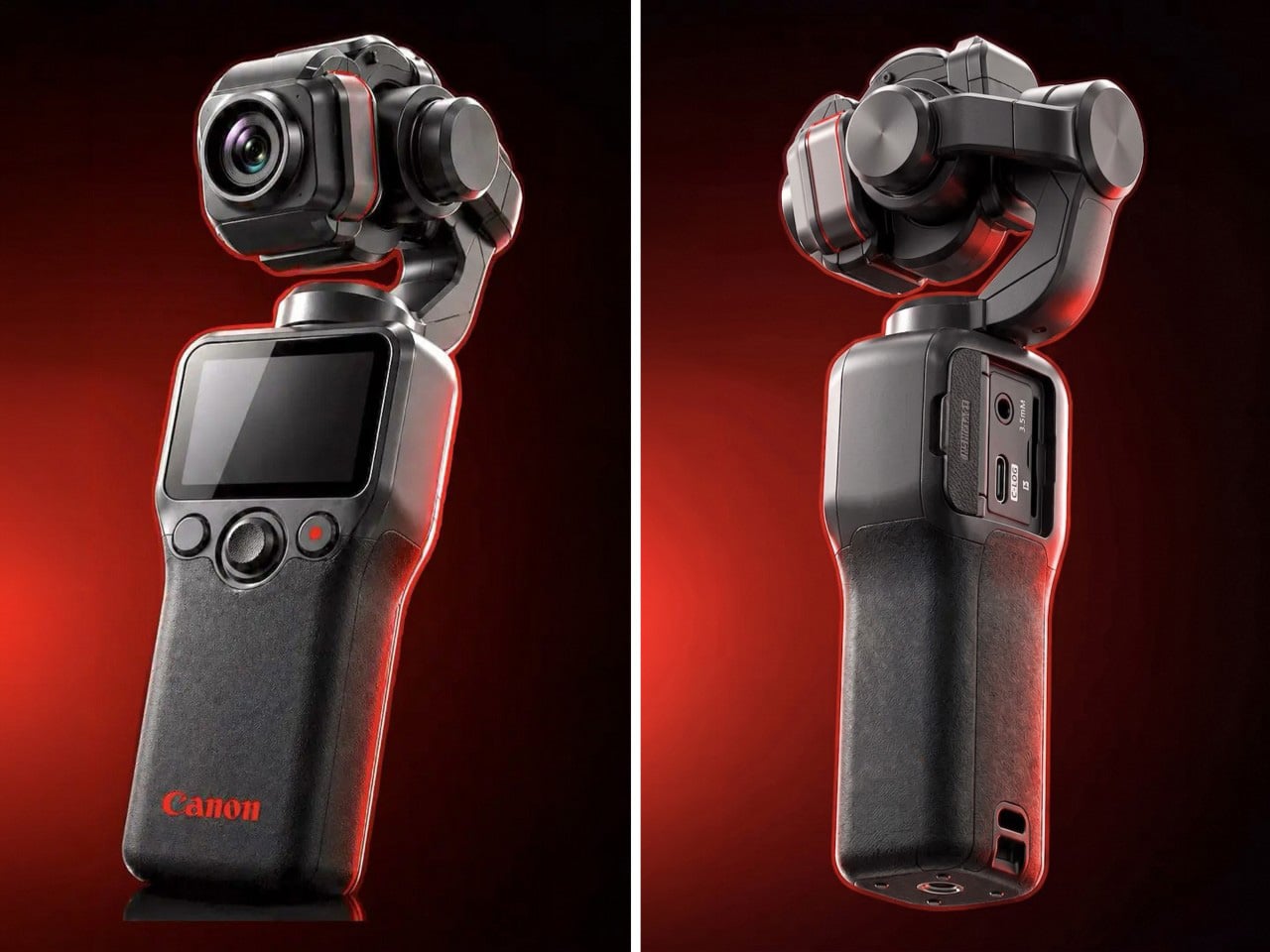
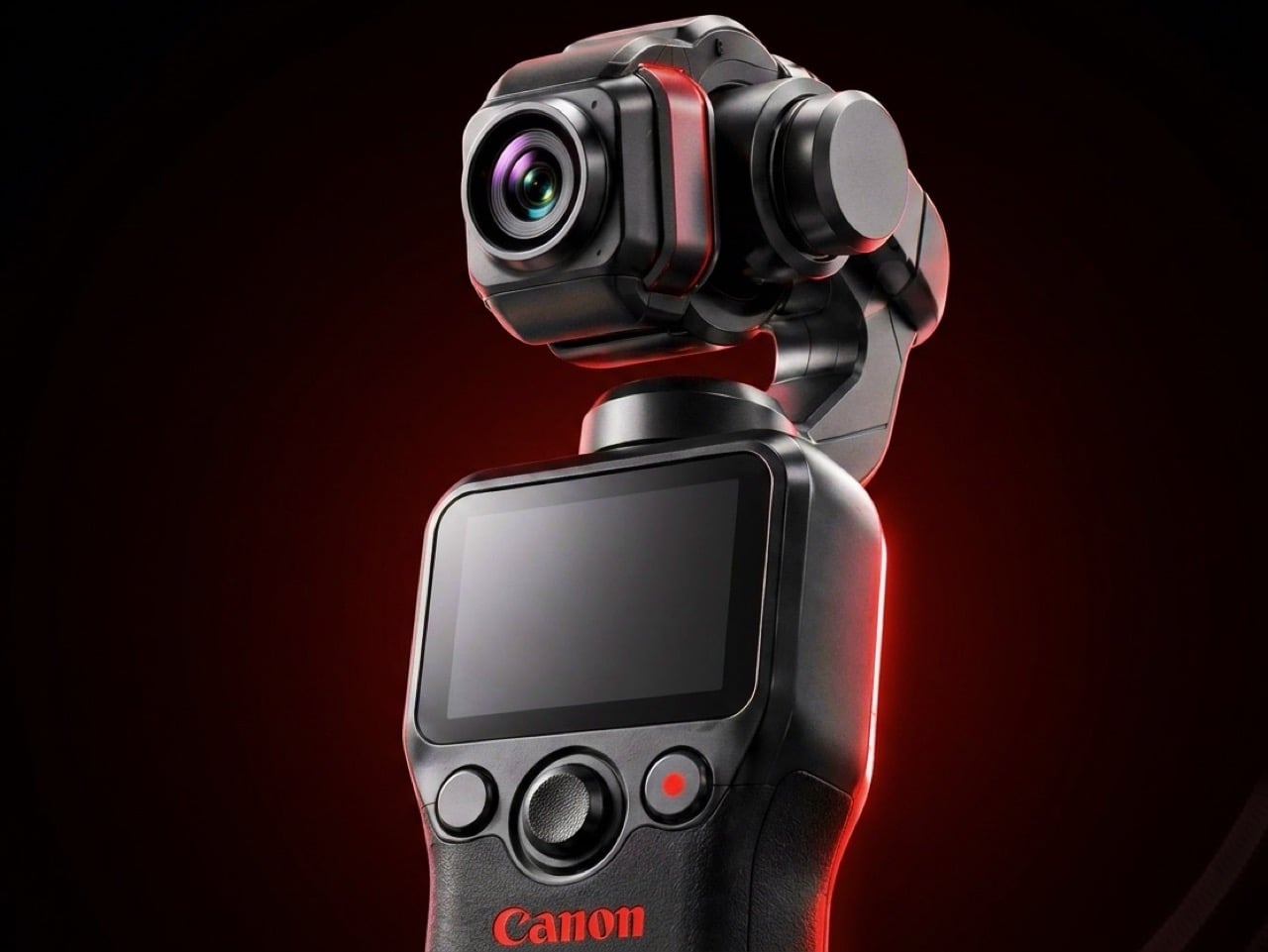
DJI built the pocket gimbal camera market almost entirely by itself, and for years nobody credible showed up to challenge it. The Osmo Pocket became the default recommendation for vloggers and travel creators wanting stabilized footage without strapping a full rig to their wrist, and DJI knew exactly where that left everyone else. Canon’s newly confirmed pocket gimbal, a compact three-axis setup with a fixed lens and an auto-folding mechanism, signals the company is finally ready to contest that space.
The design addresses portability in a way that feels considered rather than reactive. The auto-folding structure keeps the camera compact enough for a jacket pocket, while three-axis stabilization handles the walking and handheld movement that makes most phone footage feel unsteady. Canon’s optical legacy gives it a genuine argument the moment it ships. DJI has held this category comfortably for years, but a well-executed Canon entry would give content creators a real choice the market hasn’t genuinely offered before.
What we like
- The auto-folding mechanism takes pocket portability seriously without compromising the stabilization hardware beneath it
- Canon’s lens engineering brings an optical credibility that drone-first brands can’t claim by default
What we dislike
- A fixed lens limits creative flexibility for anyone shooting beyond the standard focal length
- The design is patent-confirmed rather than shipping, so real-world performance still needs to be seen
4. OrigamiSwift Folding Mouse

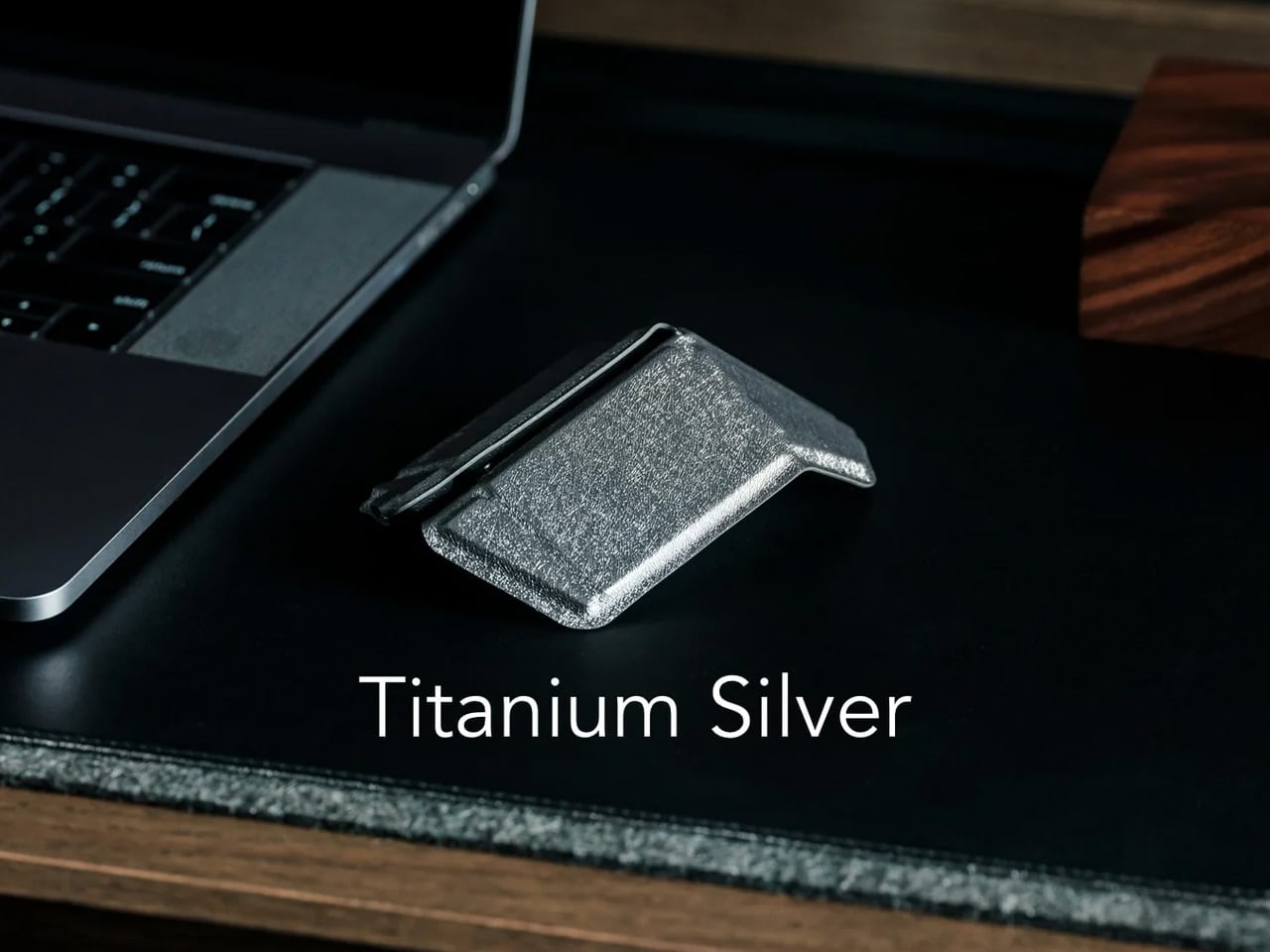
The problem with most travel mice is that they ask you to shrink your hand into the device rather than the other way around. The OrigamiSwift, designed by Horace Lam, flips that logic. Inspired by origami, it folds to an ultra-thin profile for transit and opens into a full-sized ergonomic mouse in under half a second. At just 40 grams, it’s the kind of object that stops feeling like a compromise the moment you pick it up.
The Bluetooth connection supports the kind of mobile workflow it was built for: a café table, a flight tray, a co-working space with limited surface area. What separates it from other folding peripherals is the discipline in the design. The open position feels like a real mouse, not a travel mouse trying to pass as one. That distinction matters at a proper desk, and it matters even more when you’re trying to get serious work done somewhere that isn’t one.
Click Here to Buy Now: $85.00
What we like
- At 40 grams with a sub-0.5-second deployment, portability and usability genuinely stop being a trade-off
- Full-sized ergonomics in the open position means no physical compromise in the actual working configuration
What we dislike
- Bluetooth-only connectivity may be a limiting factor for users in precision-sensitive or low-latency workflows
- The folding mechanism, elegant as it is, introduces a hinge point that any road warrior will want to stress-test over time
5. MelGeek Centauri80
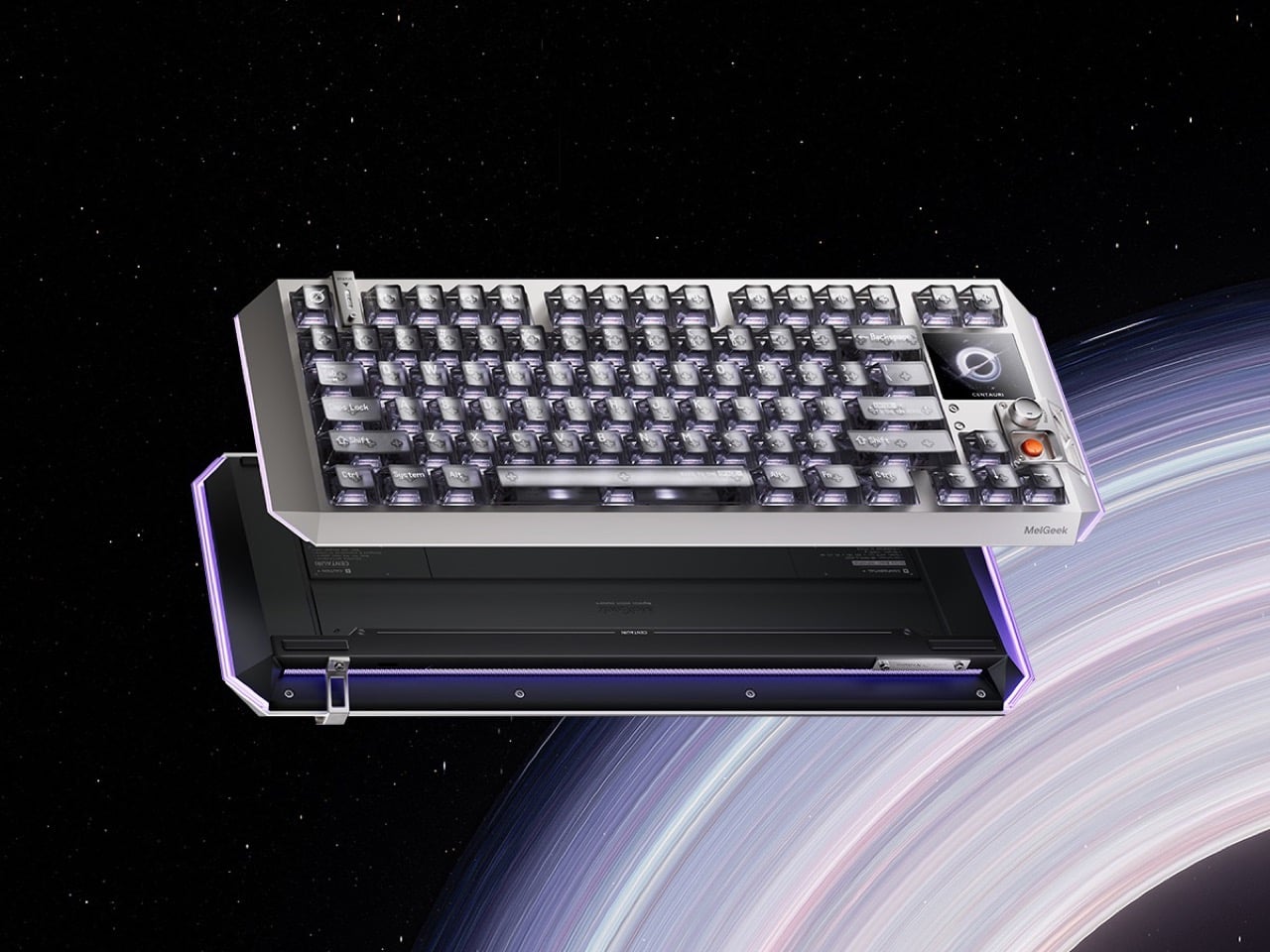
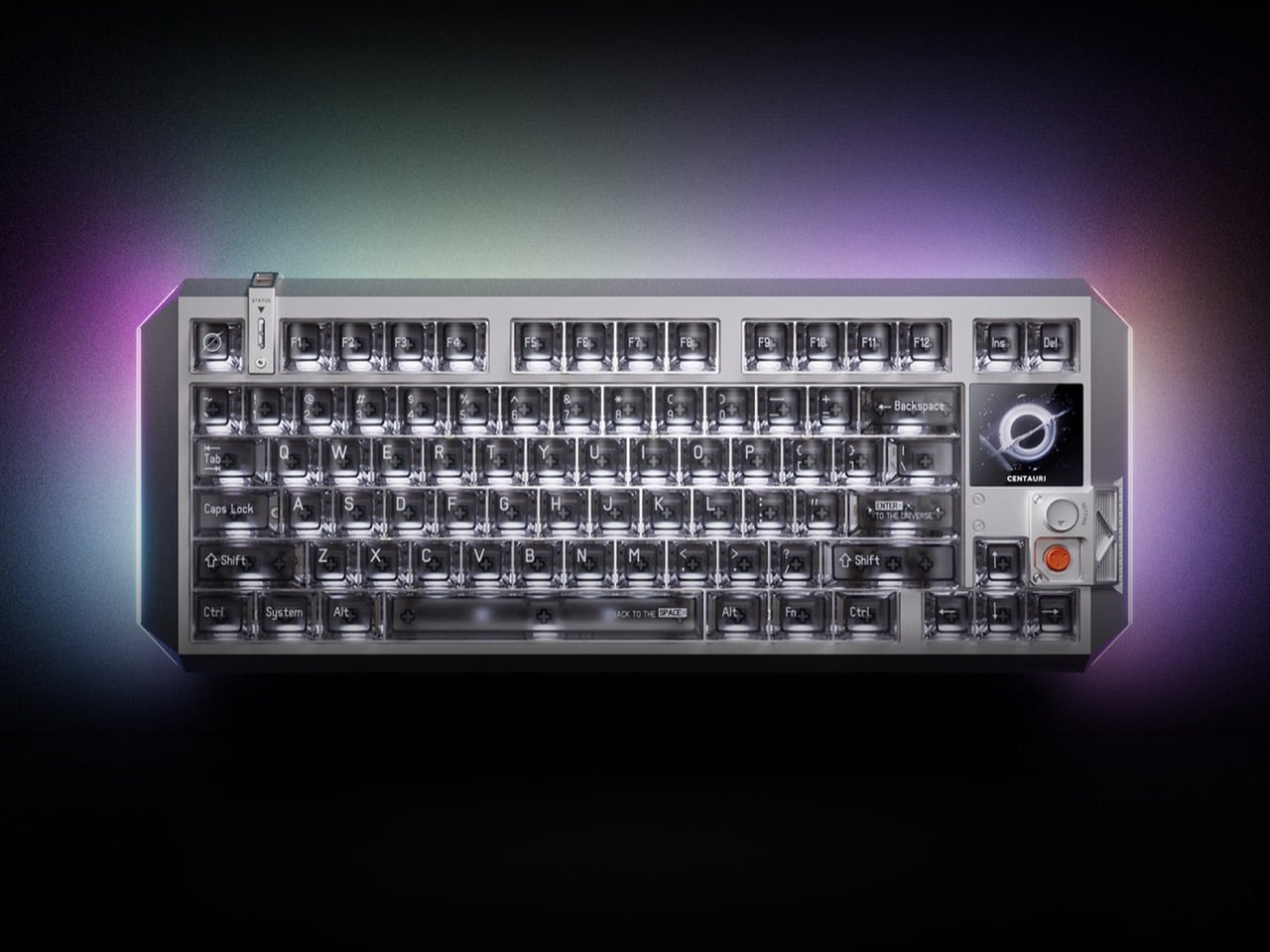
The mechanical keyboard market has spent years dividing the people who care about feel from those who care about performance, as though those are mutually exclusive categories. The MelGeek Centauri80 refuses that split. Under its suspended aluminum alloy unibody, which floats within the outer frame to reduce vibration transfer, sits a distributed architecture of six microcontroller chips driving TTC Flip King magnetic switches to 0.125ms latency at an 8000Hz polling rate.
The five-layer gasket-mounted acoustic structure means the sound engineering is as deliberate as the hardware specification. Every keystroke travels through dampening foam and a silicone layer, giving the typing experience a control you don’t often find at this price point. At $299, it positions itself directly against the Wooting 60HE and the rest of the Hall Effect field. For anyone who wanted a keyboard that takes acoustics and responsiveness with equal seriousness, the Centauri80 makes that case without needing to announce it.
What we like
- 0.125ms latency at 8000Hz polling is a genuine competitive specification, not a marketing talking point
- The floating aluminum unibody and five-layer gasket mount make acoustic performance a first-class design feature
What we dislike
- $299 is a meaningful investment in a Hall Effect market with capable alternatives sitting below that price
- An 80% layout means function row users will need time to adjust before the board starts feeling natural
The Best Tech Isn’t the Loudest. It’s the Most Decided.
The tech that earns its place this month isn’t defined by specs alone; it’s defined by what those specs are actually solving for. A replaceable battery on a privacy-first phone. An album player that gives cover art back its proper place in a room. A keyboard that treats acoustics as a discipline rather than a footnote. Each product here is built around a clear decision about what actually matters, and that intentionality is what separates a useful gadget from a forgettable one.
Design is the most honest form of opinion. The Volla Plinius says your data belongs to you. The Centauri80 says typing should feel as precise as it sounds. The OrigamiSwift says portability and performance don’t have to be negotiated away. The products that make it onto lists like this aren’t the loudest or the most heavily marketed. They’re the ones that arrive with a clear point of view and the engineering to back it up.
The post The 5 Best Tech Gadgets of June 2026 first appeared on Yanko Design.