Pocketbyte: The Modular Open Source PDA Nobody Knew They Still Wanted

The PDA had a good run in the late 1990s and early 2000s before smartphones absorbed everything it did, then kept going. What disappeared with it wasn’t just a product category but a device that was genuinely focused: it did a handful of things well, didn’t ask for your attention beyond those things, and fit comfortably in a pocket. The smartphone replaced it with something more powerful, but also something that never quite left you alone. That tradeoff is what a growing number of people are starting to notice.

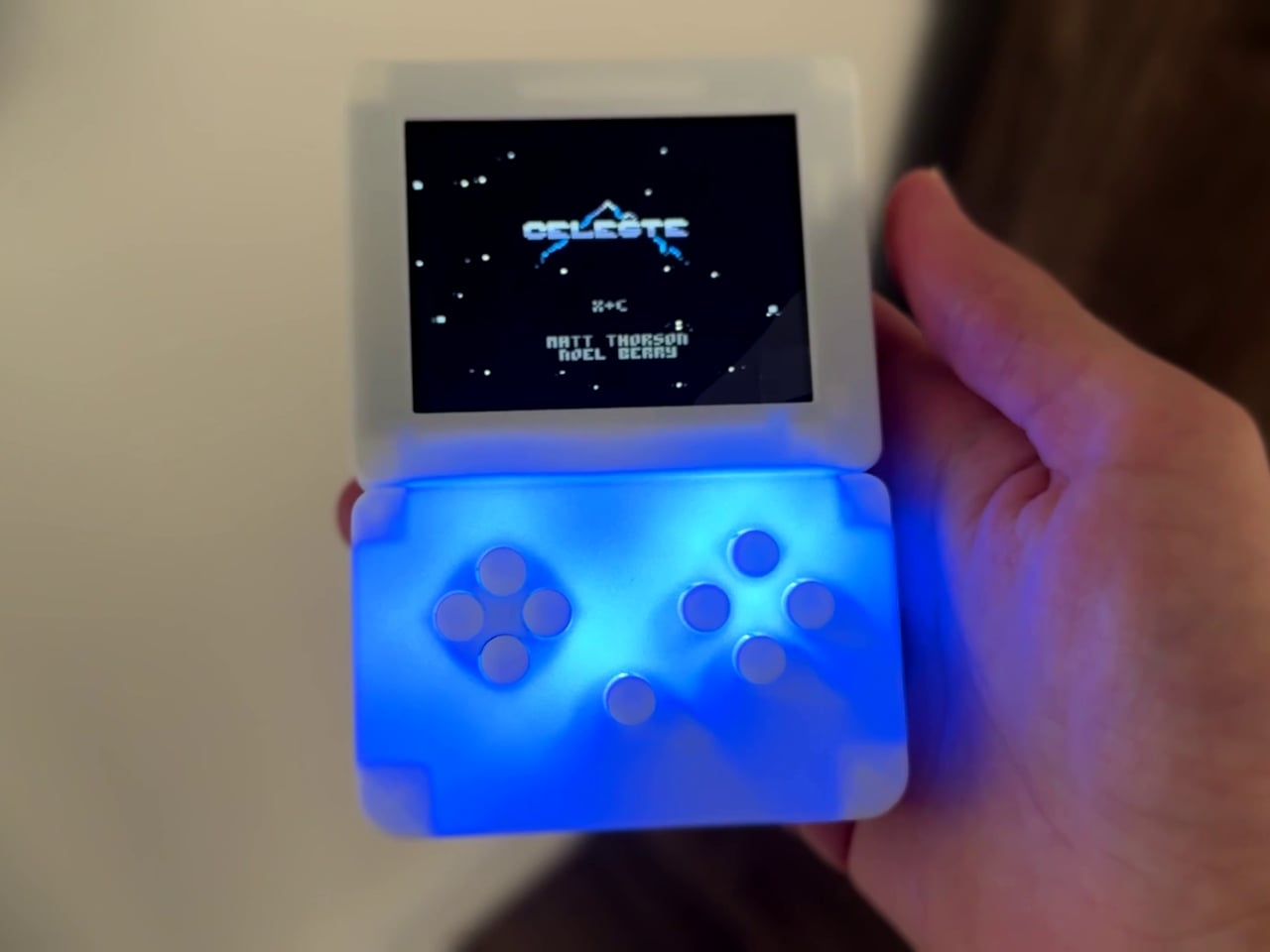
Pocketbyte is a solo-built, open-source handheld computer that describes itself as a modern PDA: a pocket device for play, notes, music, and tinkering, built without the feeds, notifications, or ambient pull of a connected smartphone. It runs on an ESP32-S3 processor, a dual-core chip clocked at 240 MHz, paired with a 2.8-inch IPS display that stays readable in sunlight. The 1,500mAh battery charges over USB-C and holds up through extended sessions of gameplay or music listening.

Designer: Om Rawaley
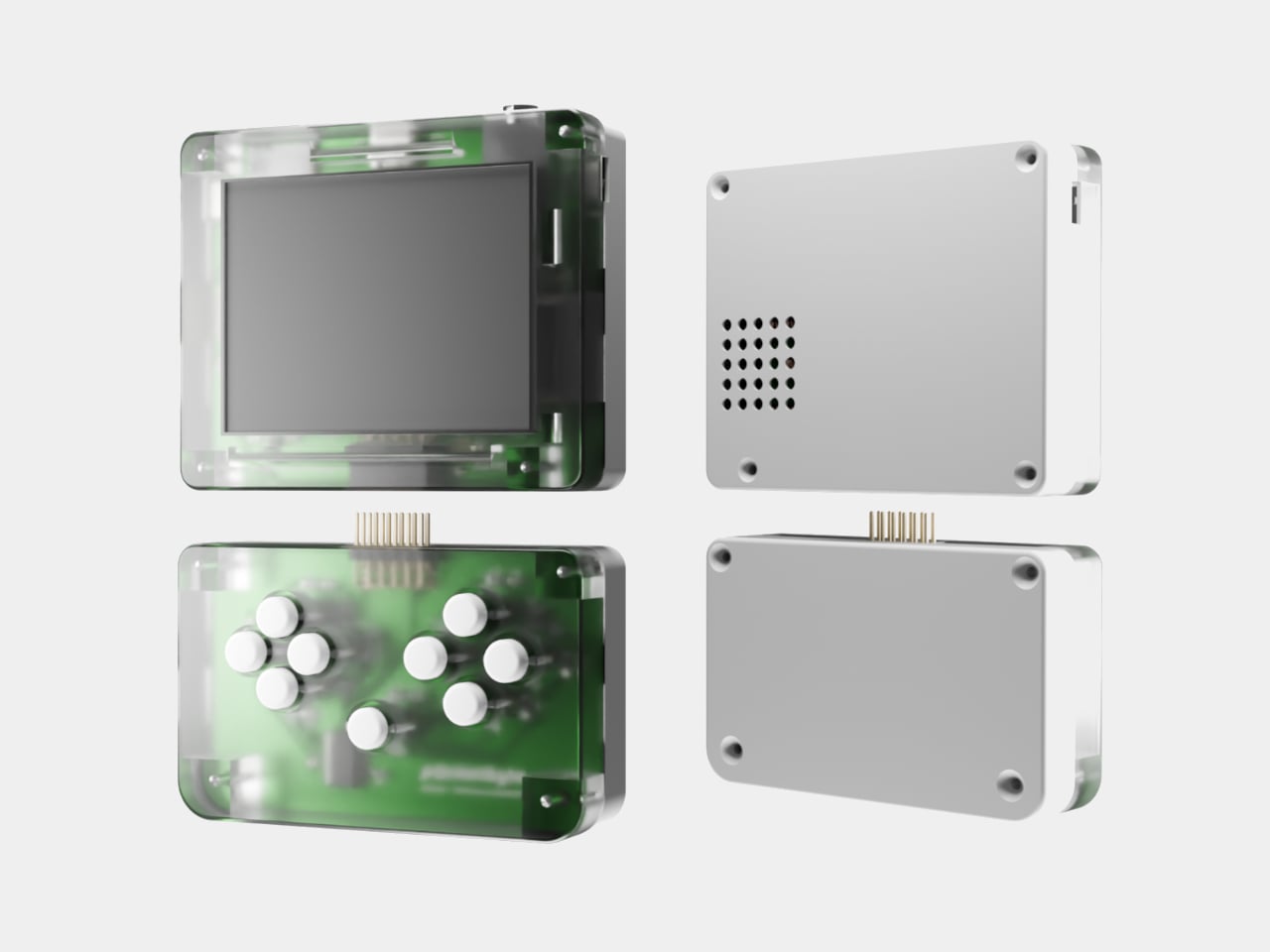
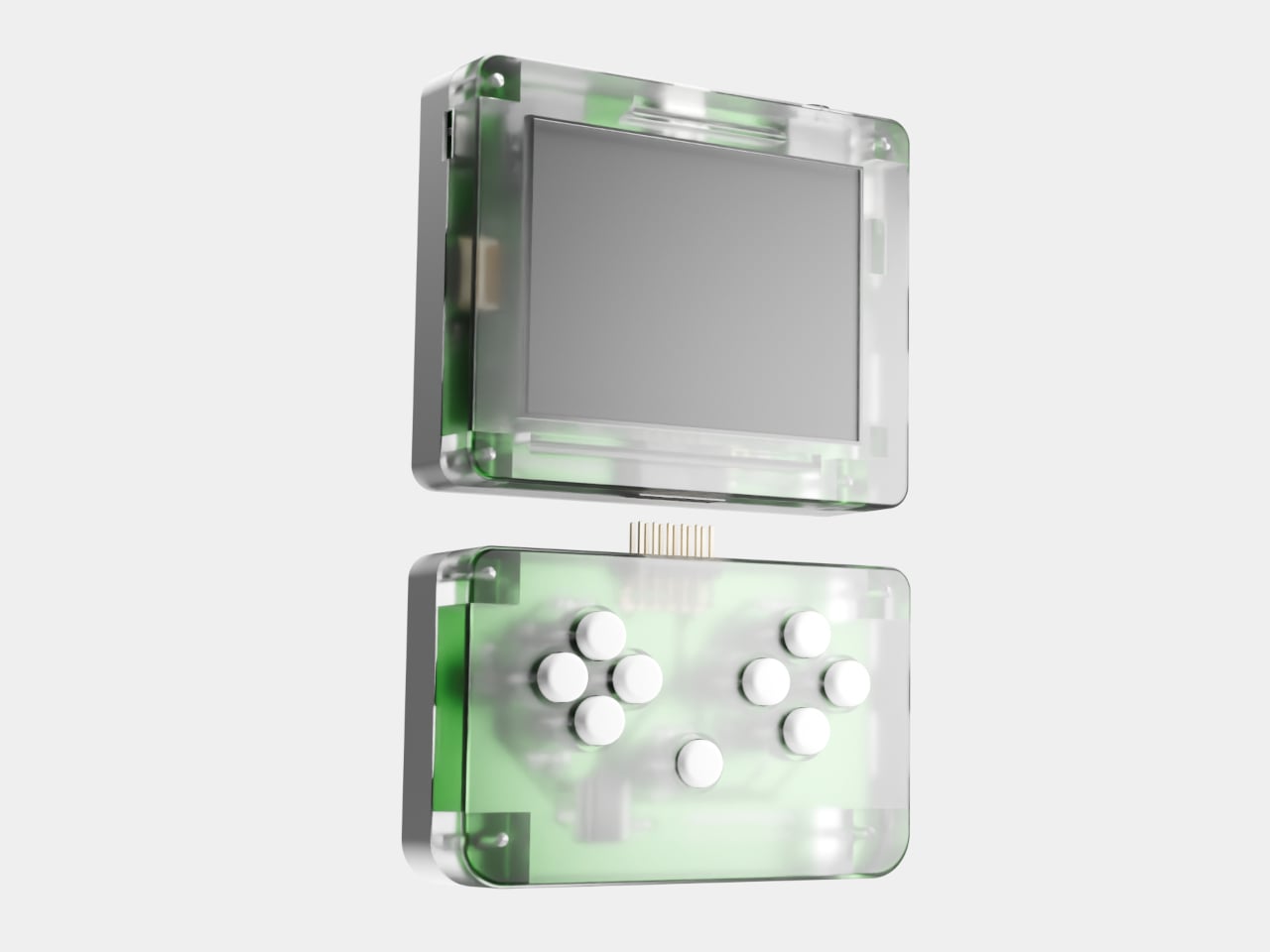
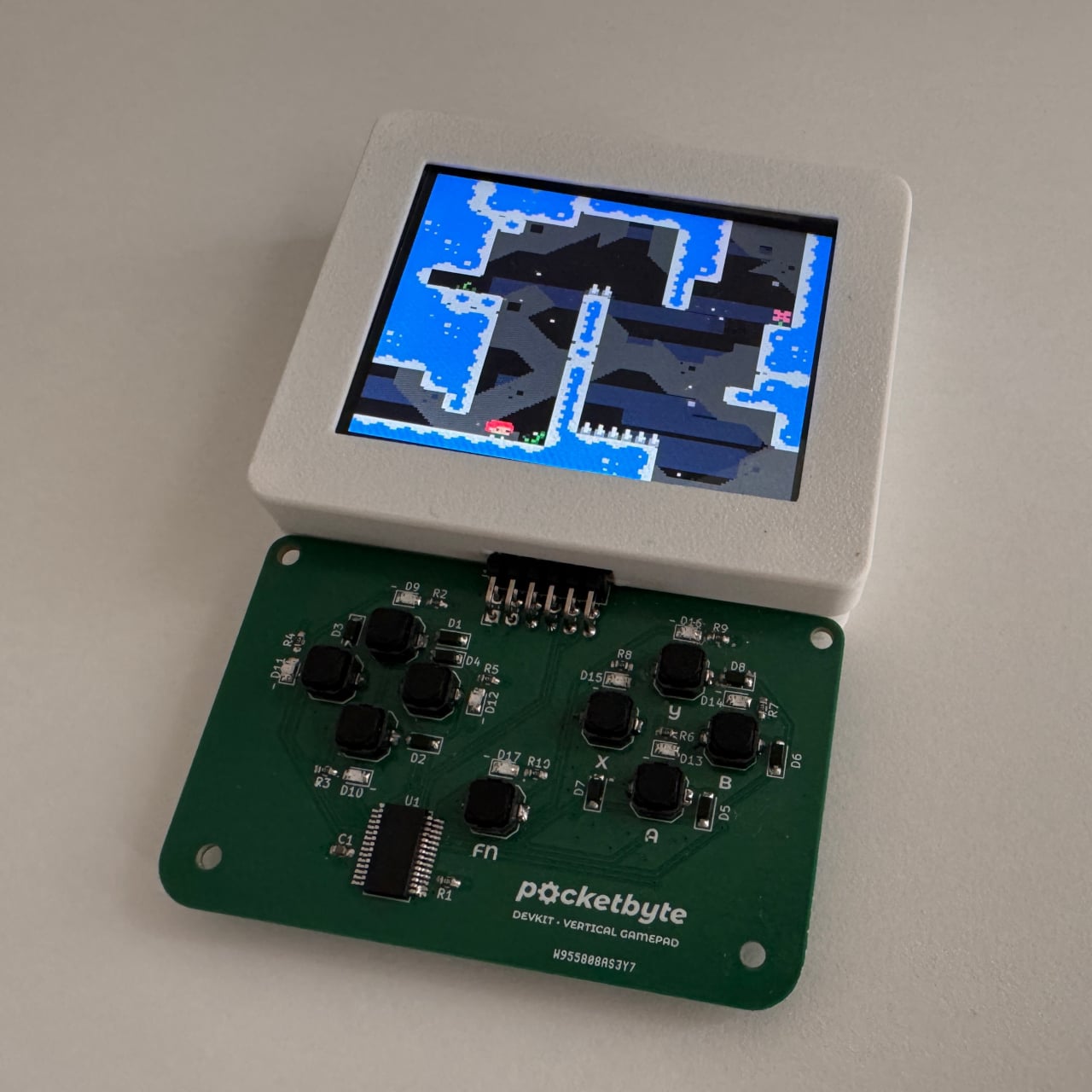
What separates it most from every comparable device is the modular input system at the bottom. A magnetic pin connector accepts swappable control modules, and two are available now: a gamepad layout for games and a QWERTY keyboard for typing. The connection is physical and hot-swappable, so switching from a gaming session to writing a note takes as long as pulling one module off and clipping another one on. Anyone can design a third module, fourth, or fiftieth. The documentation is open, and the architecture invites it.
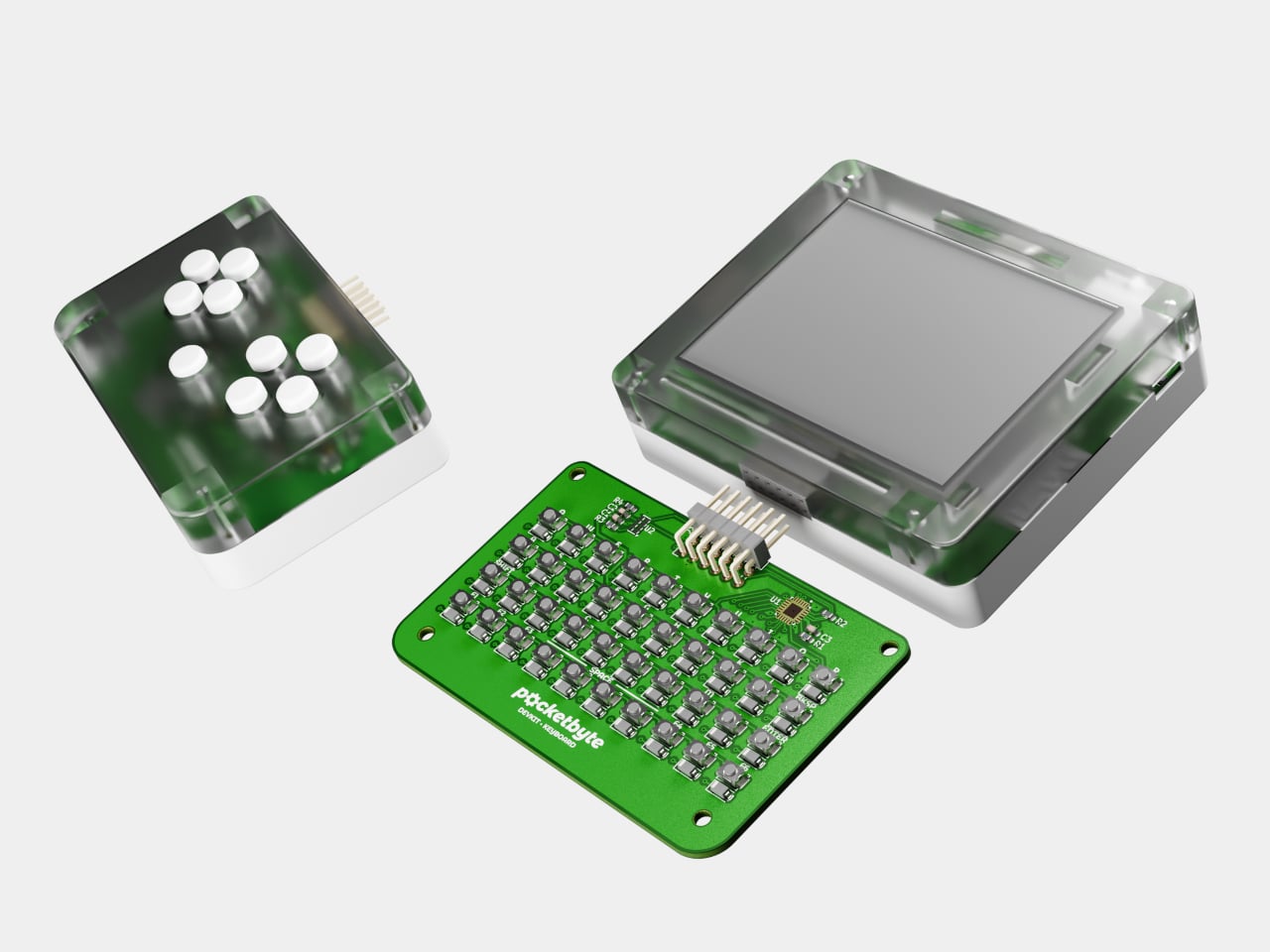
The software side is just as open. PocketbyteOS has a built-in App Store accessible over Wi-Fi, where community-built apps can be downloaded and installed without connecting to a computer. For those who want to go deeper, the C library is available under the Apache 2.0 license on GitHub, and there’s no locked bootloader preventing anyone from flashing whatever they build. The Retro-Go emulator runs SNES, Sega Genesis, Game Boy Color, and NES titles comfortably on the hardware. Celeste has been ported to it. The device also plays MP3 and WAV files with cover art and ships with a stereo headphone jack alongside the built-in mono speaker.
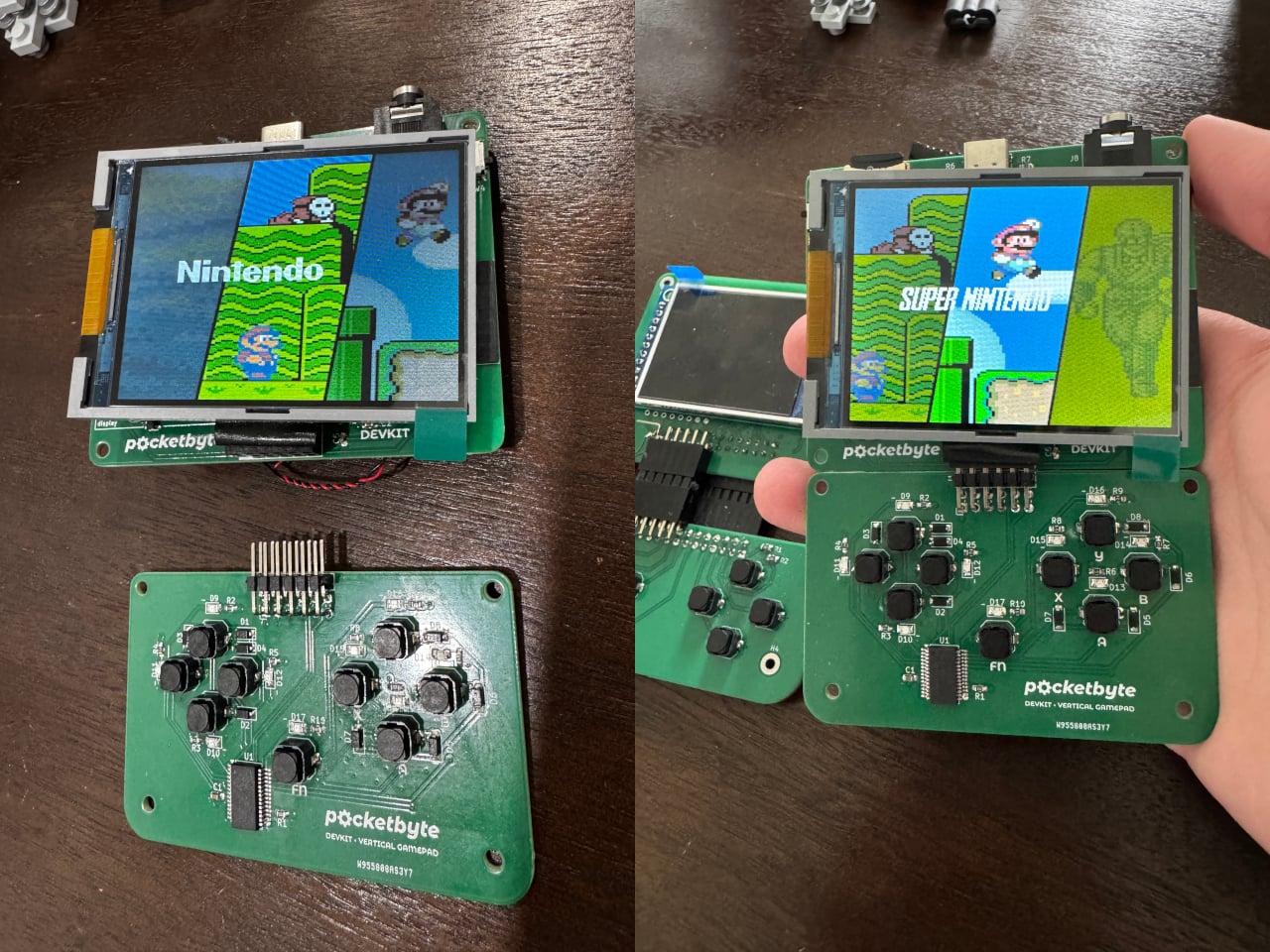
Storage goes up to 32GB via microSD, which covers a lot of retro games, playlists, and saved data in a device this size. Wi-Fi and Bluetooth are both built into the ESP32-S3, so wireless connectivity is available without adding hardware. For anyone who wants to build interactive apps, such as wireless messaging tools, music sequencers, graphing calculators, or text editors, the platform handles all of it within a form factor that actually fits in a pocket.
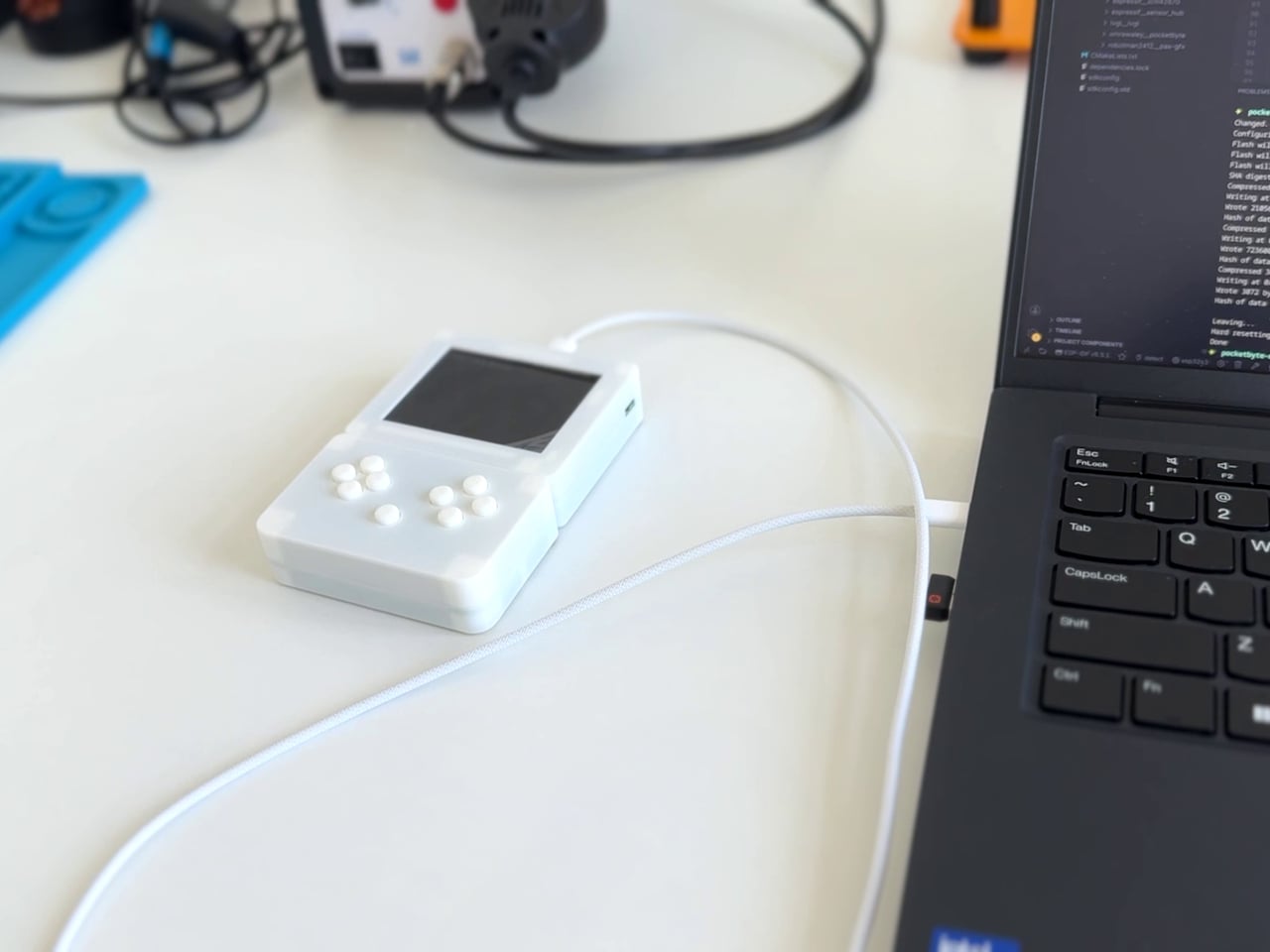
DevKits are coming to early adopters and developers first, with broader availability to follow. It’s aimed at makers, retro gaming fans, digital minimalists, and anyone who’s wanted a small, capable, honest machine that doesn’t ask for more of their time than they’re willing to give it. Devices like this used to exist. They went away. Pocketbyte is an argument that they shouldn’t have.
The post Pocketbyte: The Modular Open Source PDA Nobody Knew They Still Wanted first appeared on Yanko Design.

Everything You Need to Know Before Installing the iOS 26.6 Update

Everything You Need to Know Before Installing the iOS 26.6 Update An iPhone screen displaying the iOS software update page and download progress.

Apple’s iOS 26.6 update is set to roll out soon, bringing a range of enhancements aimed at improving your iPhone’s overall performance, security, and stability. While this update doesn’t introduce innovative new features, it focuses on refining the user experience through subtle yet impactful changes. Below, we’ll explore what’s new, how these updates affect your […]

The post Everything You Need to Know Before Installing the iOS 26.6 Update appeared first on Geeky Gadgets.

Posted in Uncategorized

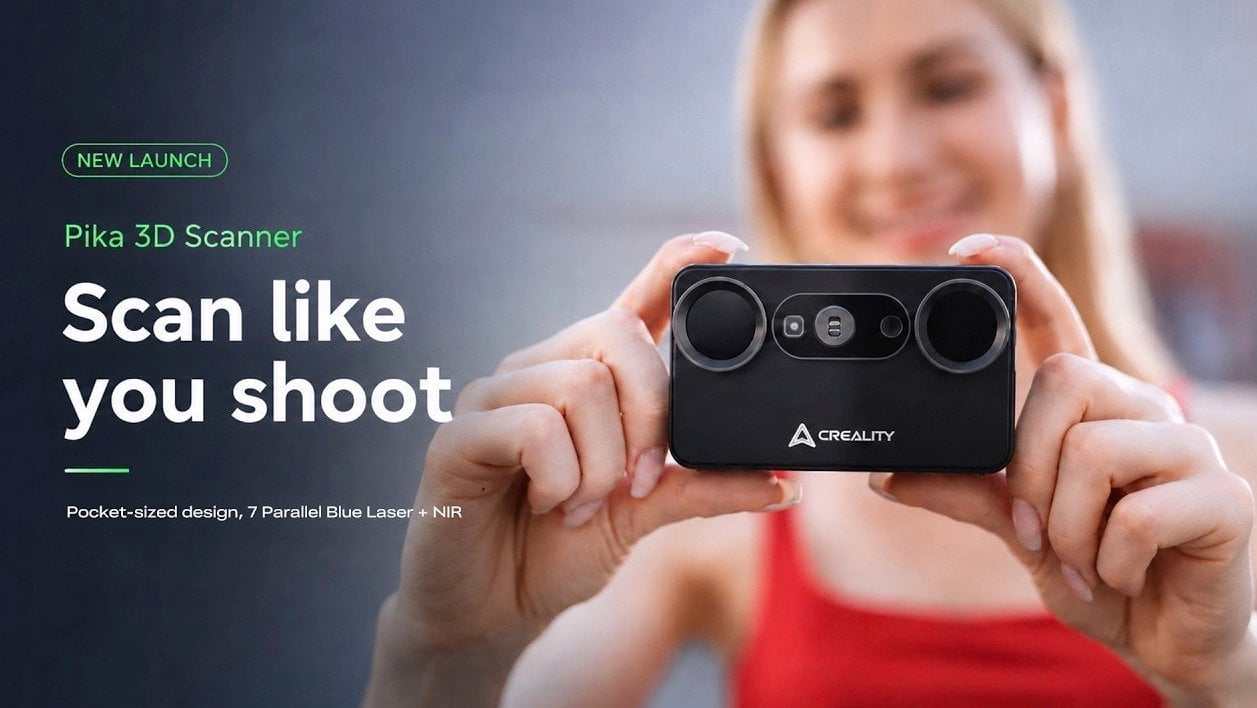
Creality Pika 3D Scanner Launches with 0.03 Mm Accuracy

Creality Pika 3D Scanner Launches with 0.03 Mm Accuracy The Creality Pika 3D scanner device resting on a desk.

The new Creality Pika 3D Scanner offers a compact and precise solution for capturing detailed 3D models across a variety of applications. Measuring just 100 x 60 x 35 mm and weighing 260 grams, this pocket-sized device combines portability with advanced features like markerless scanning and a dual-light system that handles challenging surfaces such as […]

The post Creality Pika 3D Scanner Launches with 0.03 Mm Accuracy appeared first on Geeky Gadgets.

Posted in Uncategorized

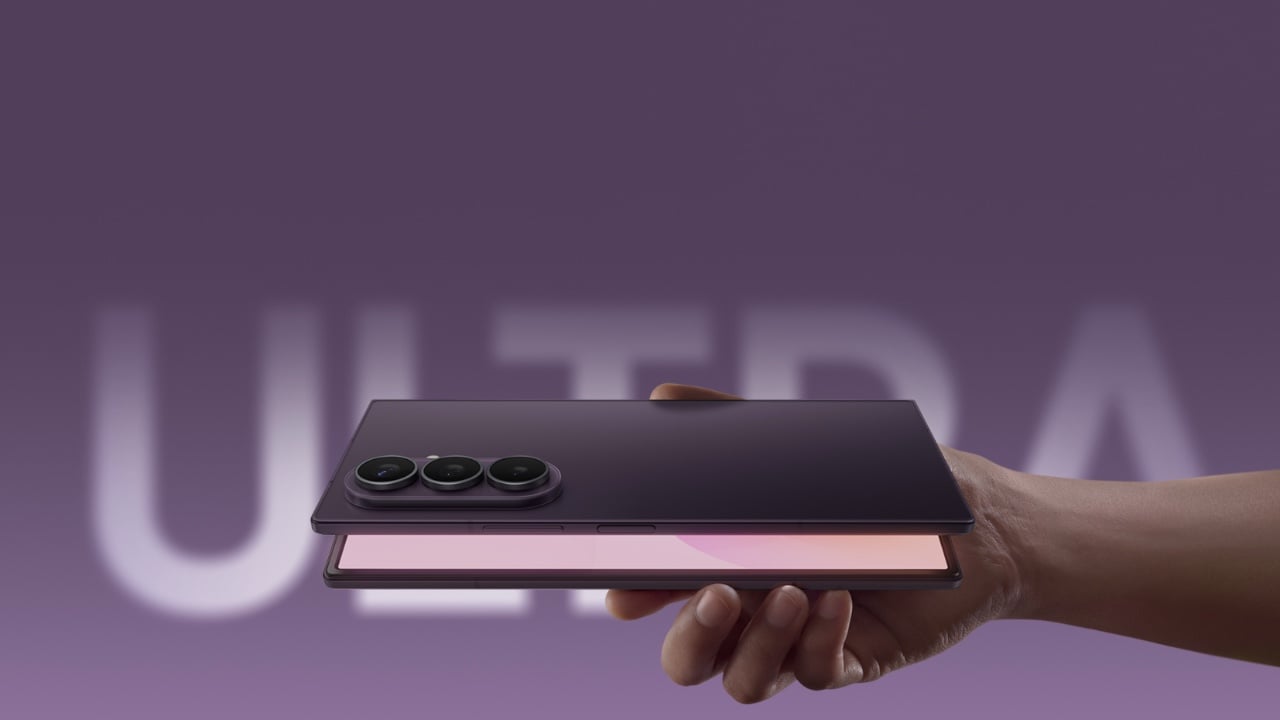
Is the Galaxy Z Fold 8 Ultra Actually ‘Ultra’ — Or Just Marketing Hype?

Is the Galaxy Z Fold 8 Ultra Actually ‘Ultra’ — Or Just Marketing Hype? samsung galaxy z fold 8 ultra

The Samsung Galaxy Z Fold 8 Ultra enters the foldable smartphone market with bold ambitions, carrying the “Ultra” branding to signify its premium status. With advancements in display technology, battery innovation and a refined design, it aims to redefine expectations for foldable devices. However, questions remain about whether its performance in critical areas, such as […]

The post Is the Galaxy Z Fold 8 Ultra Actually ‘Ultra’ — Or Just Marketing Hype? appeared first on Geeky Gadgets.

Posted in Uncategorized

FCC Proposal Blocks 9 Companies from Rebranding DJI Tech

FCC Proposal Blocks 9 Companies from Rebranding DJI Tech The FCC logo displayed on a government building exterior.

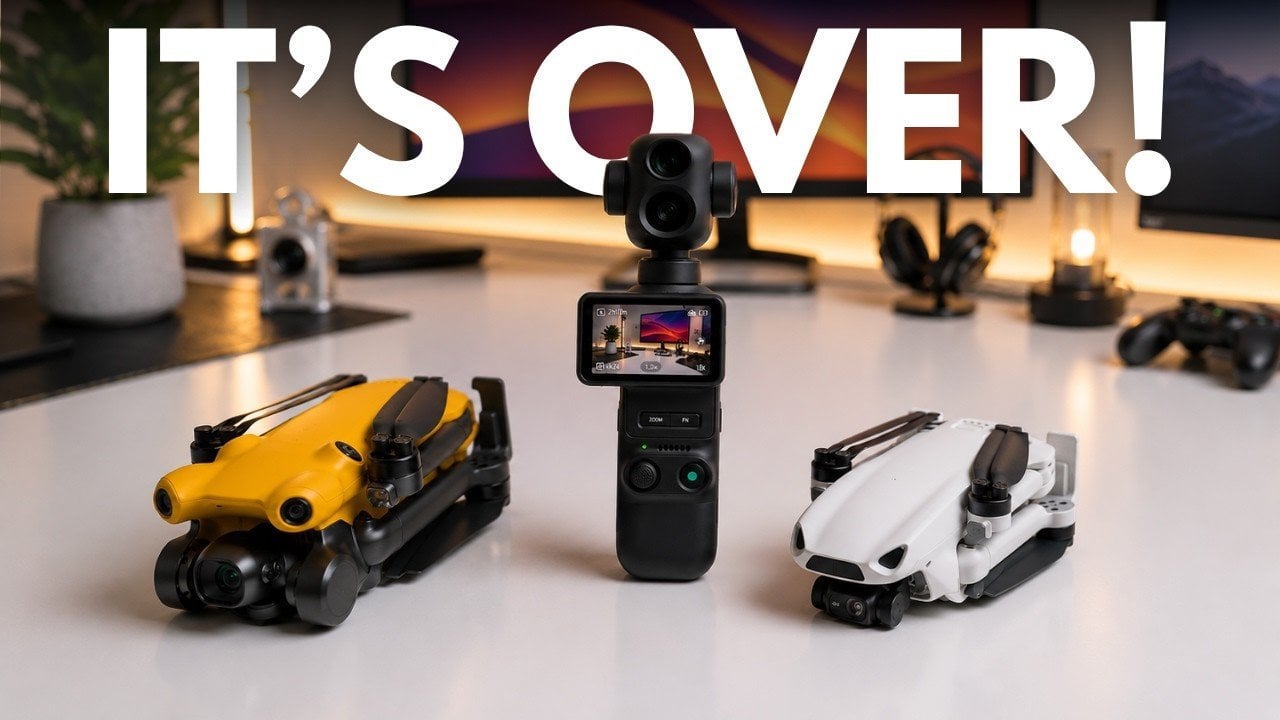
The Federal Communications Commission (FCC) has taken its most aggressive step yet toward closing the loophole that has allowed DJI-derived products to reach the U.S. market under unfamiliar brand names. In a Public Notice issued on 17 July 2026, followed by a wider announcement on 21 July, the agency proposed prohibiting the continued importation and […]

The post FCC Proposal Blocks 9 Companies from Rebranding DJI Tech appeared first on Geeky Gadgets.

Posted in Uncategorized

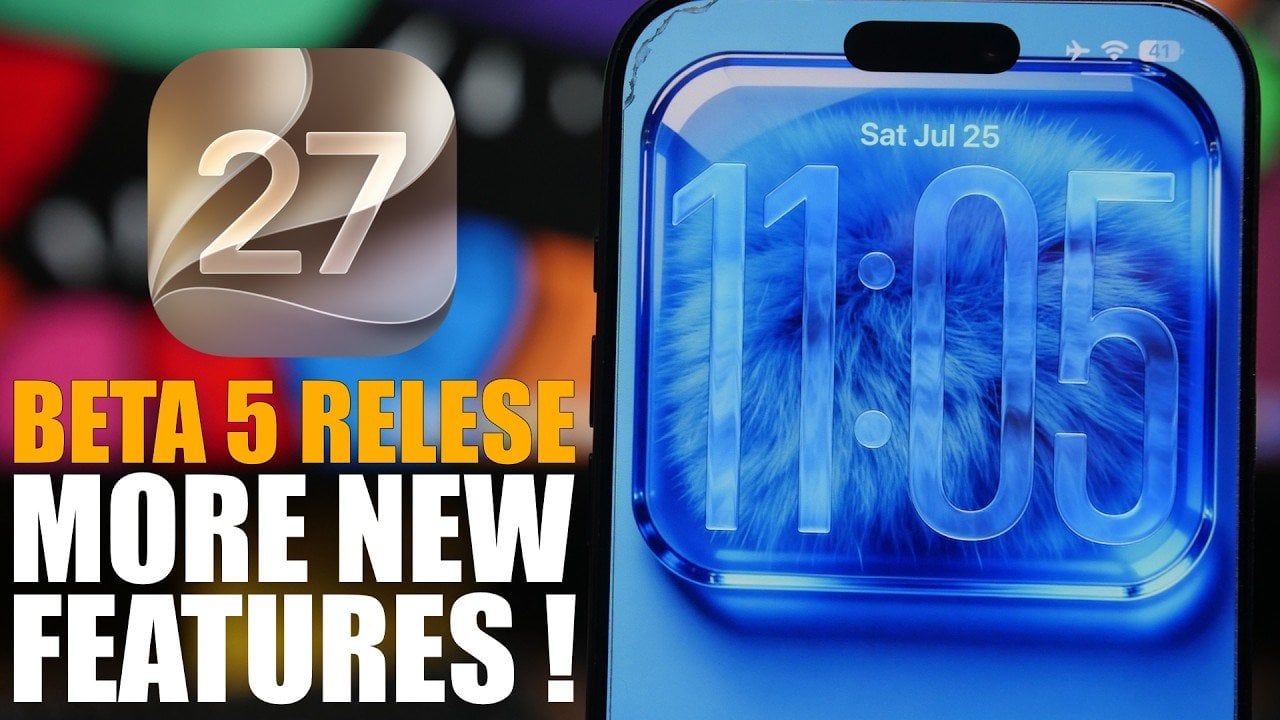
The iOS 27 Beta 5 Release Imminent with More New Features

The iOS 27 Beta 5 Release Imminent with More New Features Illustration of ios beta related to the article topic.

Apple’s iOS 27 Beta 5 builds upon the groundwork established by earlier beta versions, introducing a range of new features and refinements. With updates spanning connectivity, camera functionality, app enhancements, and system performance, this release is designed to elevate your overall user experience. As the public release date approaches, scheduled for September 14th, here’s a […]

The post The iOS 27 Beta 5 Release Imminent with More New Features appeared first on Geeky Gadgets.

Posted in Uncategorized

Claude Opus 5 Completes Tasks for $6 vs Claude Fable 5 At $75

Claude Opus 5 Completes Tasks for $6 vs Claude Fable 5 At $75 Side by side comparison of Claude Opus 5 and Fable 5 performance metrics

Claude Opus 5 has solidified its position as a standout AI model, particularly excelling in technical applications like 3D simulation, website cloning, and debugging. In his analysis, Alex Finn highlights how Opus 5’s cost efficiency is a fantastic option for professionals, with tasks priced at just $6 compared to Fable 5’s $75. Despite its strengths, […]

The post Claude Opus 5 Completes Tasks for $6 vs Claude Fable 5 At $75 appeared first on Geeky Gadgets.

Posted in Uncategorized

The €169 Portable Mechanical Keyboard That Makes the Mouse Unnecessary

The mechanical keyboard market has grown considerably in recent years, but most of the attention still goes to full-size, desk-bound boards that aren’t designed to travel. Compact computing has moved in a very different direction, with more people coding, writing, and browsing from small setups, tablets, mini PCs, and couches as often as from dedicated workstations. Keyboards built for that kind of flexibility are surprisingly hard to find.

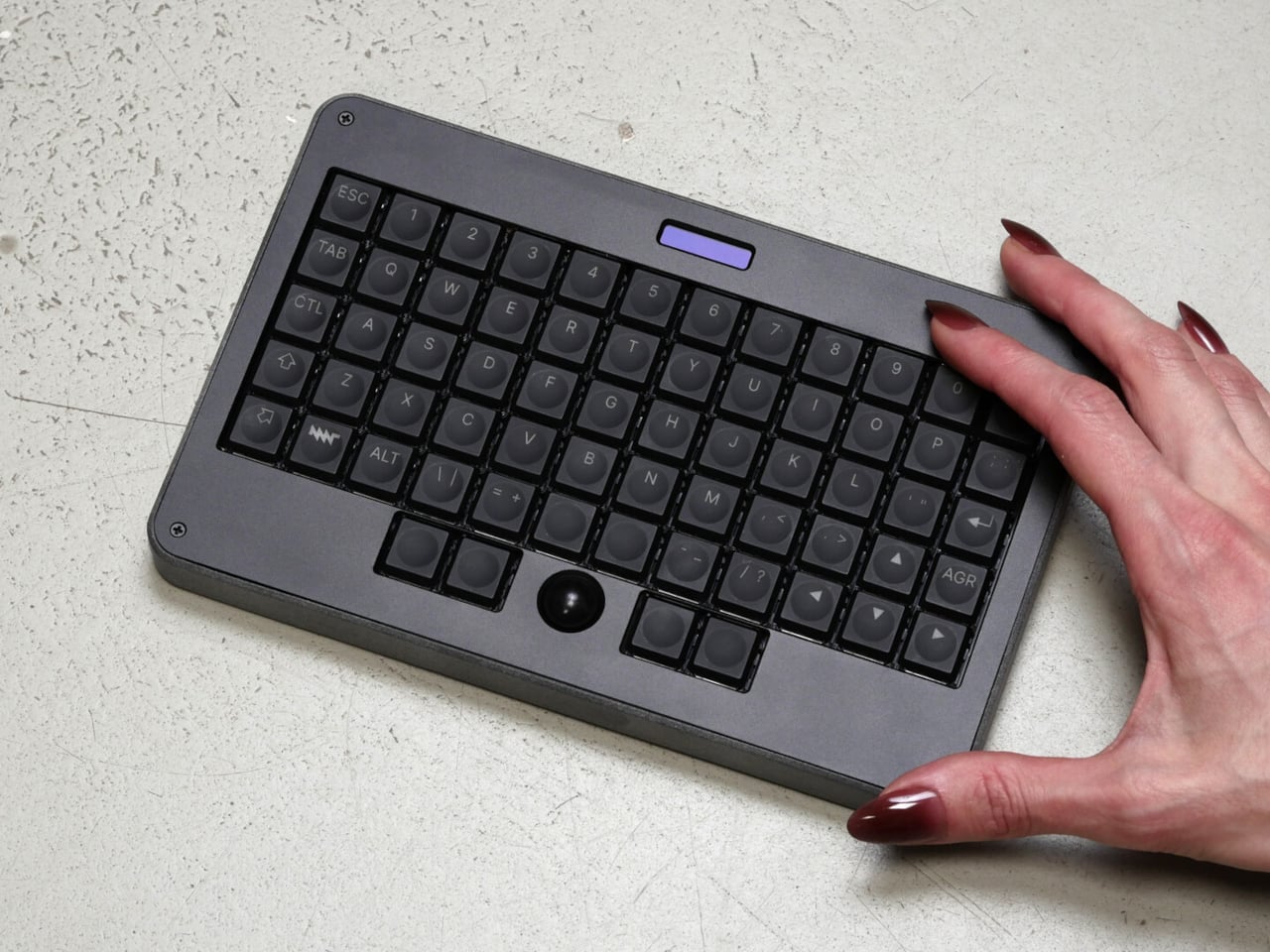
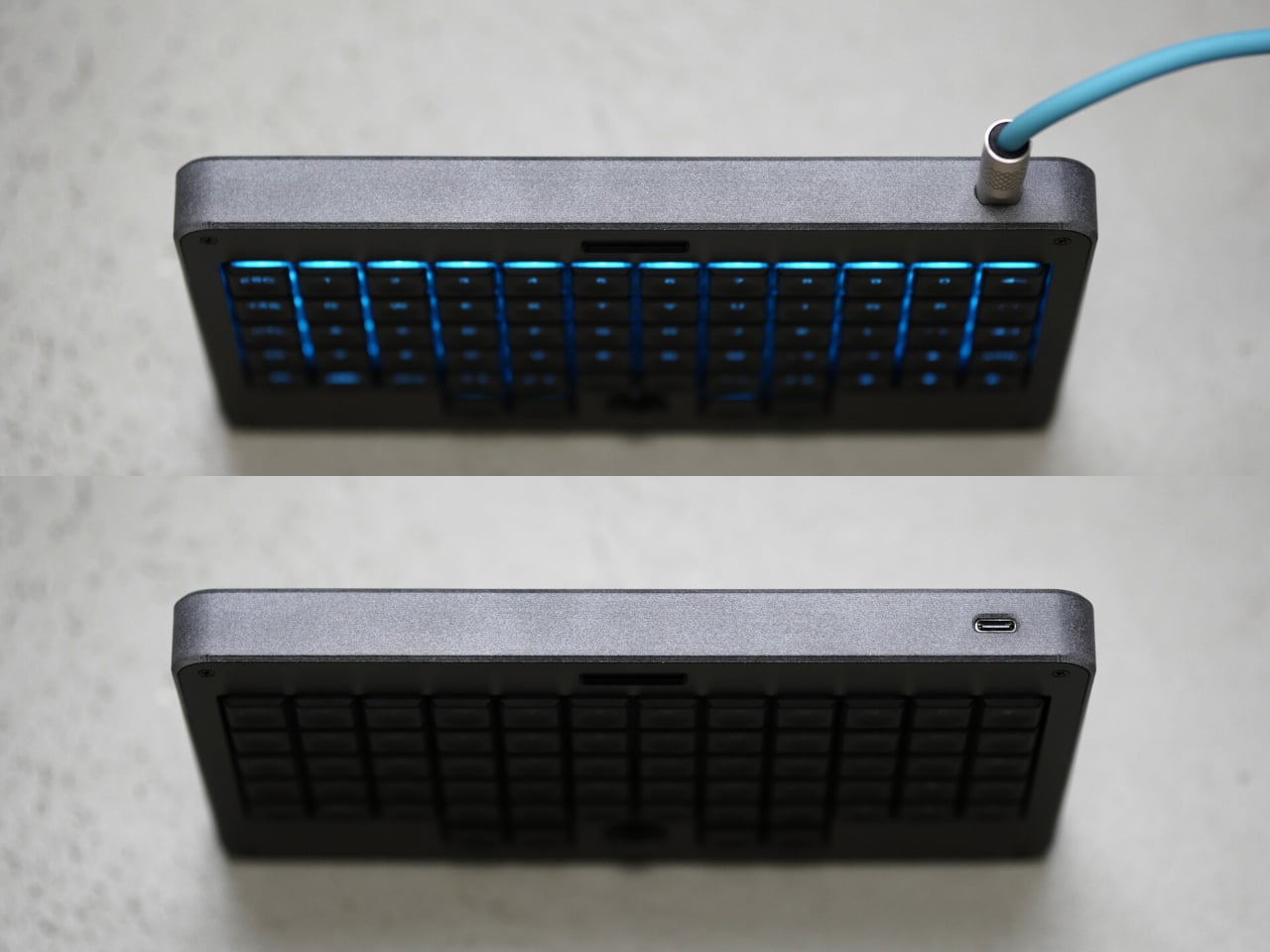
The MNT Pocket Reform Standalone Keyboard takes an unusual path to solving that. It started as the built-in keyboard of the Pocket Reform, a netbook-inspired open-hardware mini laptop, and has since been given a dedicated anthracite enclosure for use with any device. Everything that made it satisfying in the original machine, the integrated trackball, the ortholinear layout, the mechanical switches, came along with it.

Designer: MNT Reform

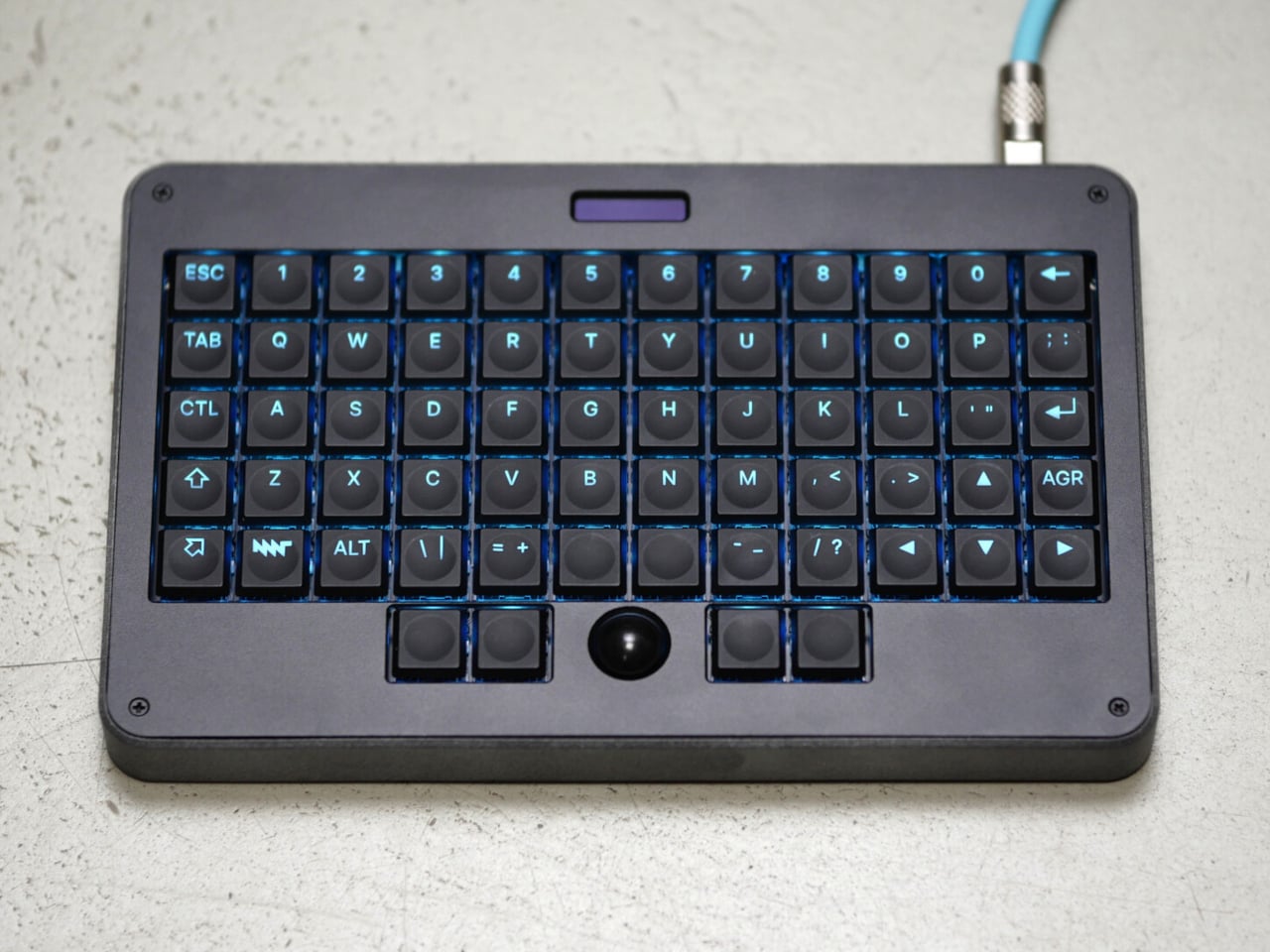
The layout is the first thing to adjust to. All 60 keys sit in a strict rectangular grid, doing away with the staggered rows on conventional keyboards. The arrangement is designed to reduce the diagonal reach each finger makes on a standard board, and everything fits into a footprint of 20.5cm x 13cm, compact enough for a desk corner or a couch armrest.

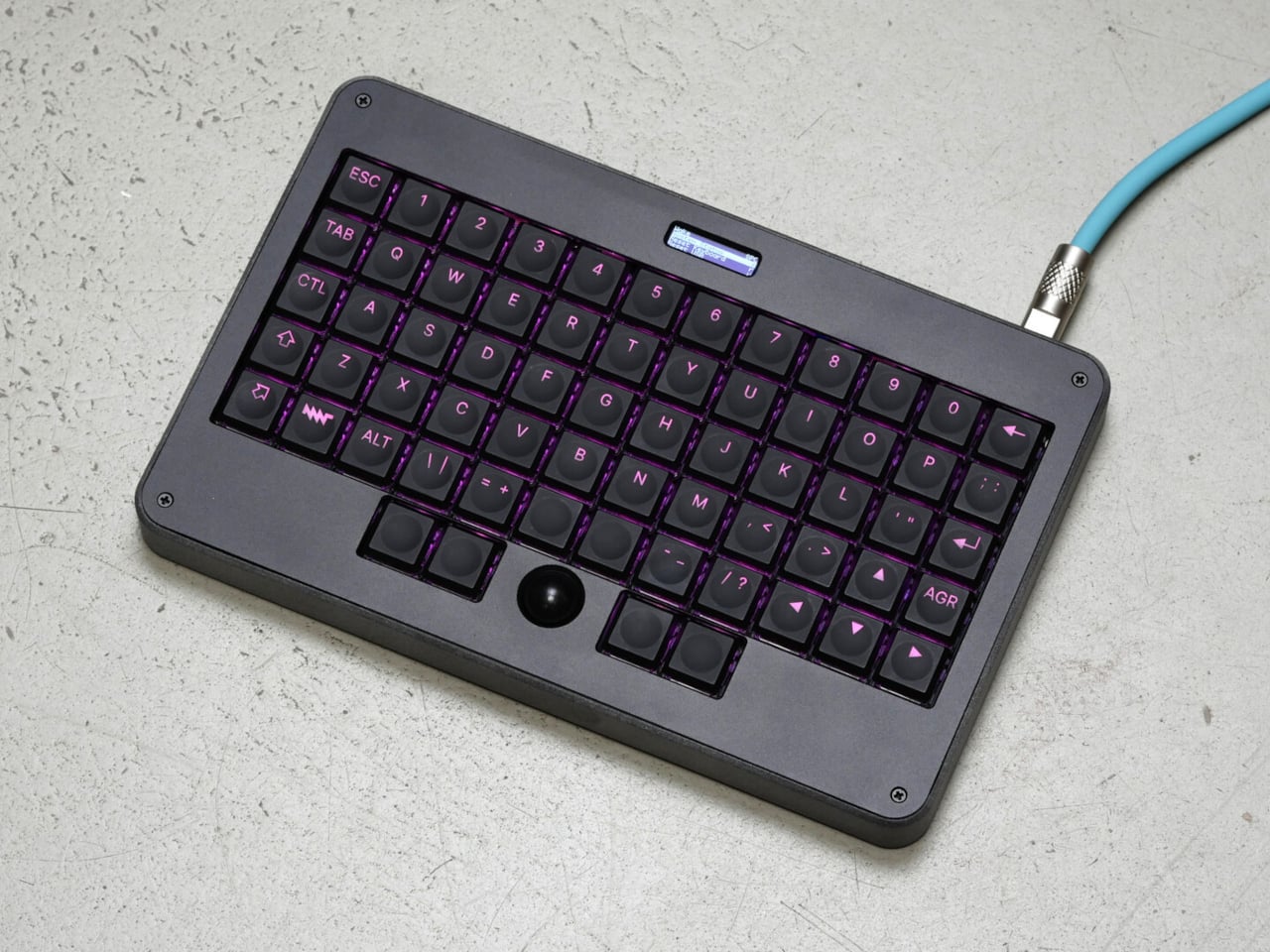
Switch choice is picked at purchase: Kailh Choc Red Pro for a smooth, quiet linear press; Choc Brown for tactile feedback without the noise; or Choc White for an audible click. The same switches also power the four buttons flanking the trackball, which keeps the typing and pointing experience consistent throughout. The keycaps are laser-engraved with a translucent ABS and PU construction that lets the RGB backlight show through clearly.

The built-in trackball is arguably the standout feature for anyone tired of juggling a keyboard and a mouse on a tight desk. The 15mm optical trackball handles left, middle, and right clicks plus scroll through its four surrounding buttons, positioned right below the spacebar. A 128×64 pixel OLED display near the top of the board acts as a live settings interface for the RP2040 microcontroller running the unit.

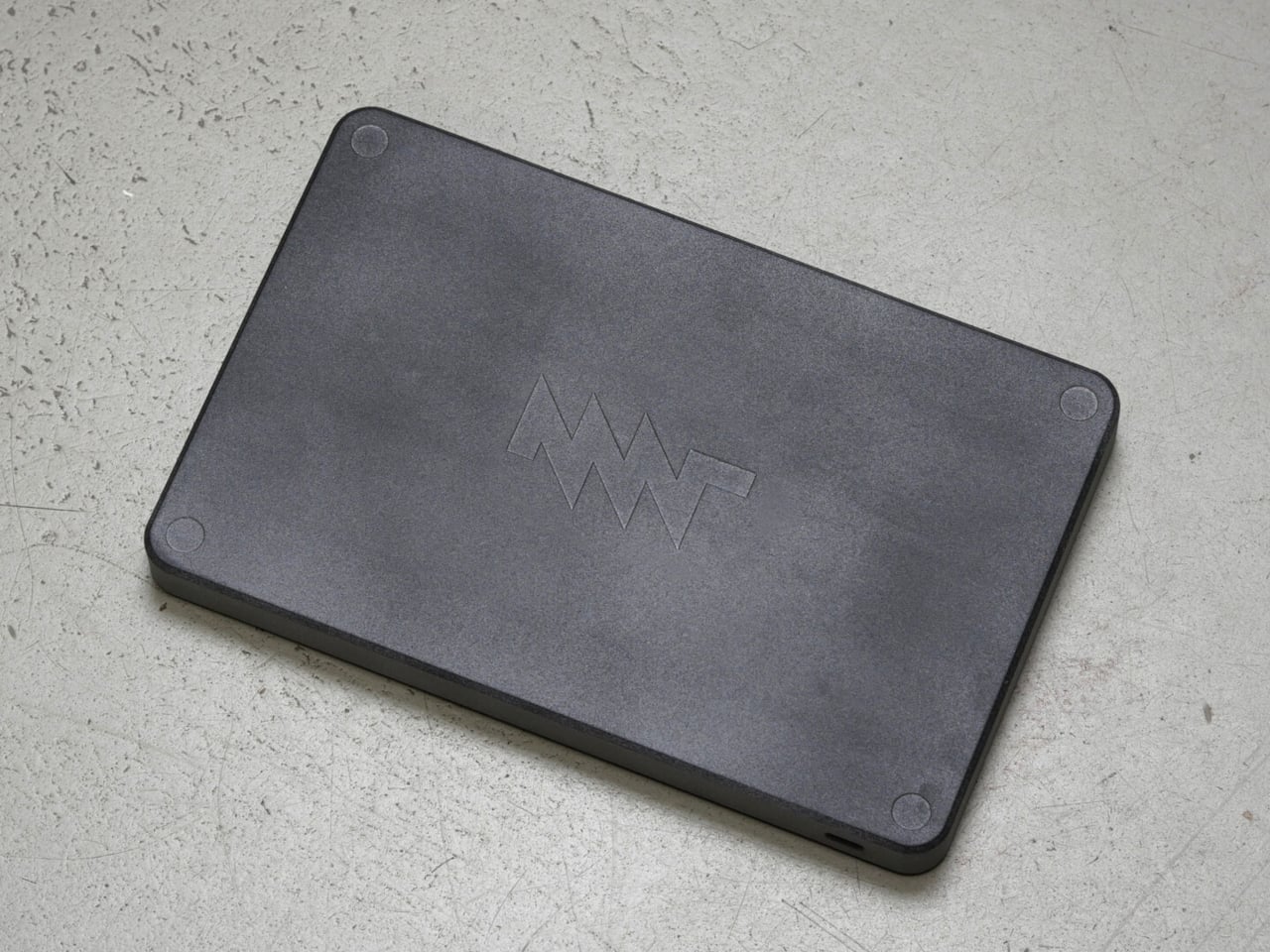
The 64 individually addressable RGB LEDs give the backlight a customizable glow that can be dimmed to nothing or tuned to taste. The enclosure is made from two materials: a lightweight grey nylon lower shell produced through HP Multi Jet Fusion, and a black-anodized, bead-blasted aluminum top plate. The combination keeps the board light without compromising the surface rigidity that matters during fast, heavy typing.

The keyboard is also fully open hardware, with PCB schematics, firmware, and mechanical designs all publicly available for modification. Like every device in the Reform family, it’s built to be repaired or altered by the owner, and the community around the platform means documentation and support are genuinely active. For people who care about knowing exactly what’s in their gear, that’s a meaningful distinction.

It connects to computers, tablets, and phones via USB-C, which handles both data and power, making it compatible with anything that supports USB HID. That also means plugging it into a phone or tablet for on-the-go typing is genuinely straightforward, and that’s a handy thing when the alternative is a touchscreen keyboard. The fully assembled version is available from the MNT Research store for €169, with no cable included.

The post The €169 Portable Mechanical Keyboard That Makes the Mouse Unnecessary first appeared on Yanko Design.