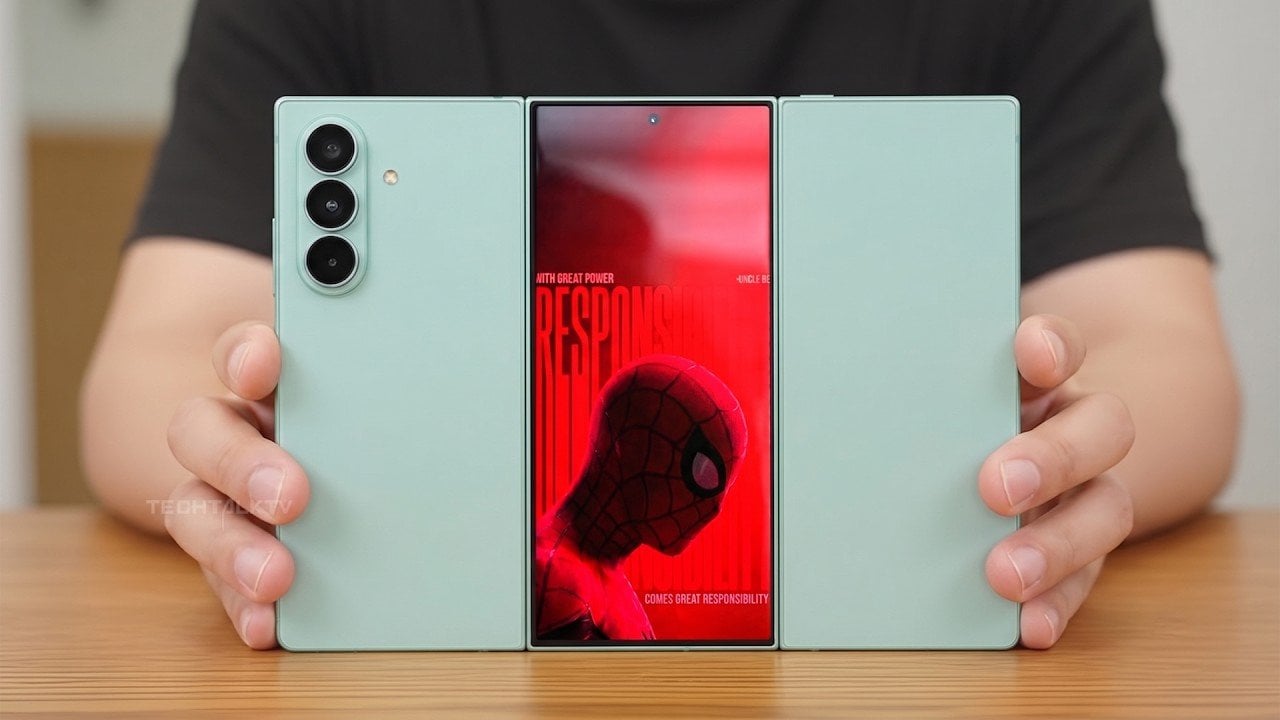
Samsung is set to redefine the foldable smartphone market with the highly anticipated Galaxy Z TriFold 2. Officially scheduled for release in July 2027 during the Galaxy Unpacked event, this innovative device will debut alongside the Galaxy Z Fold 9, Fold 9 Ultra and Flip 9. This announcement highlights Samsung’s unwavering commitment to advancing foldable […]
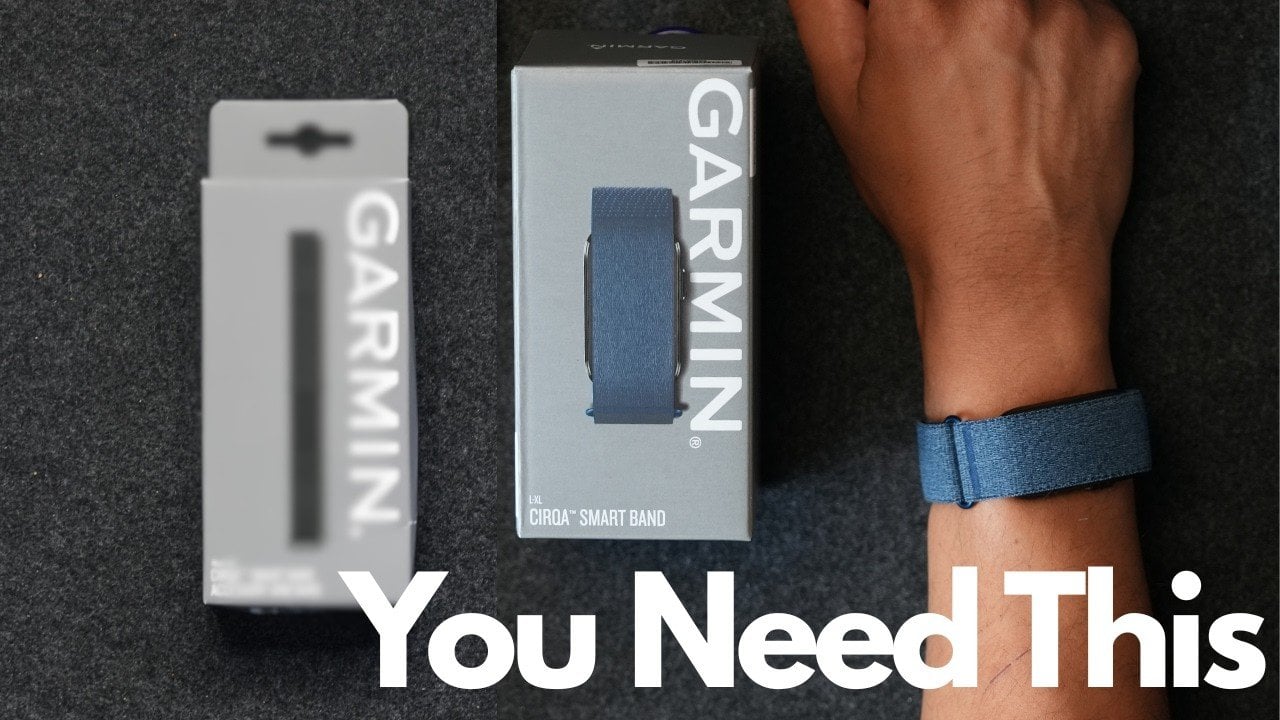
The Garmin CIRQA armband has emerged as a practical and thoughtfully designed accessory for fitness enthusiasts who want an alternative to wrist-based trackers. Neil Shah highlights how its secure Velcro fastening system and durable, slightly stretchy material provide a snug fit that stays in place even during high-intensity workouts. Unlike traditional wrist straps, the CIRQA […]
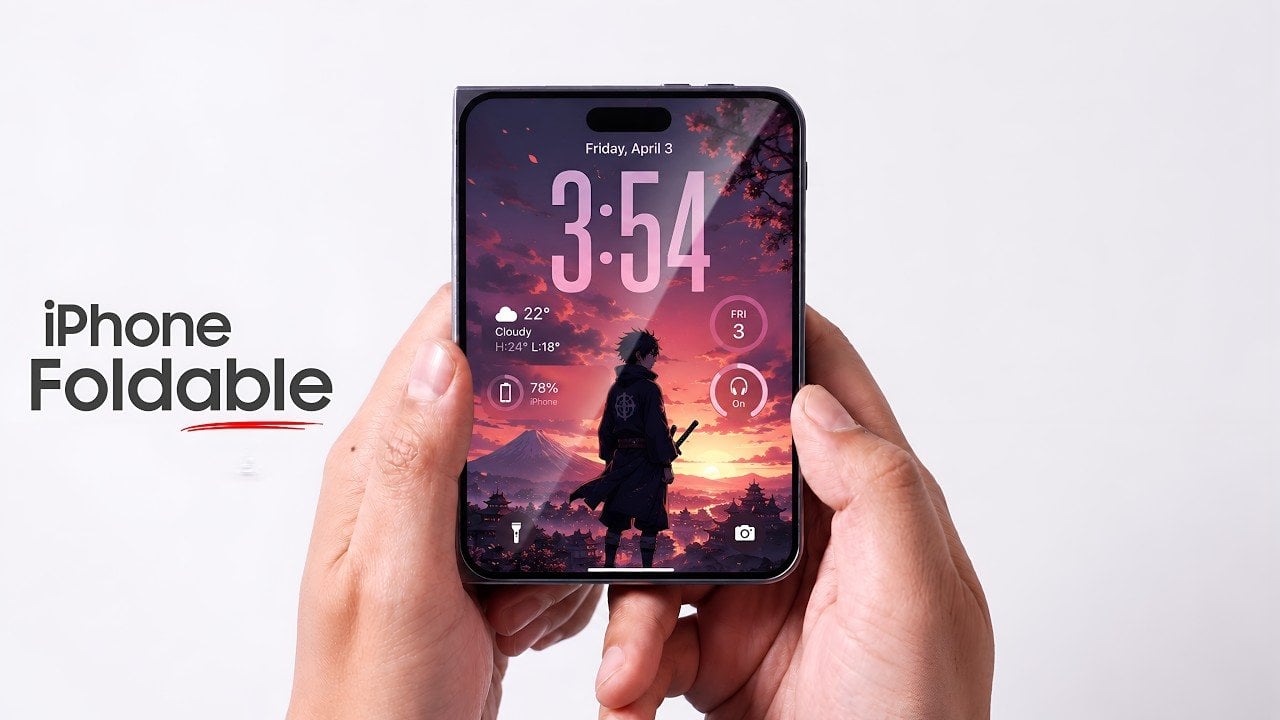
Apple is reportedly preparing to unveil its first foldable iPhone, potentially named the iPhone Ultra, during its highly anticipated September 9th keynote event. This announcement is expected to coincide with the launch of the iPhone 18 Pro lineup, marking a significant milestone in Apple’s product evolution. However, while the reveal appears imminent, ongoing production challenges […]
Apple’s iOS 27 Beta 5 introduces a host of features designed to improve usability, performance, and personalization. With a strong emphasis on AI integration, enhanced health tracking, and system efficiency, this update represents a significant step forward in Apple’s mobile operating system. Scheduled for release on August 3rd, 2026, the beta lays the groundwork for […]
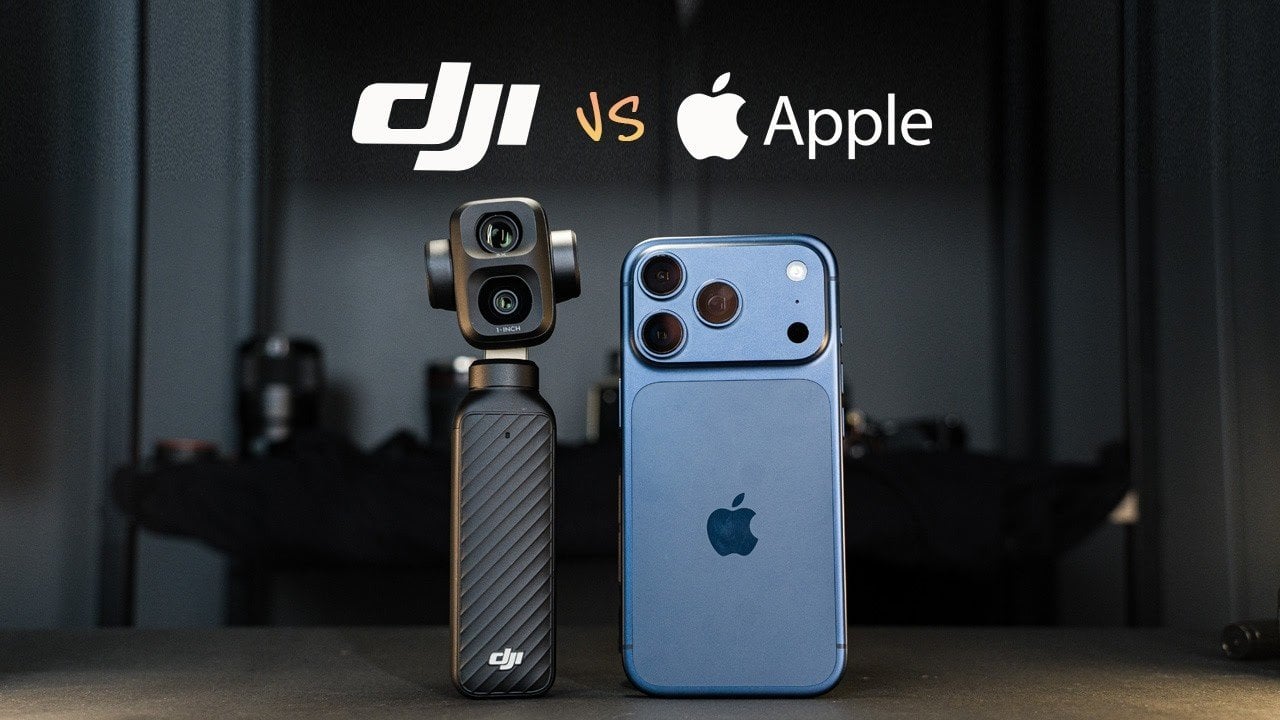
When comparing the Osmo Pocket 4P and the iPhone 17 Pro, the distinction lies in their design philosophies and target audiences. The Pocket 4P is a dedicated filmmaking device equipped with a 1-inch sensor, a mechanical gimbal and manual controls, making it ideal for creators who prioritize precision and stability in their work. In contrast, […]
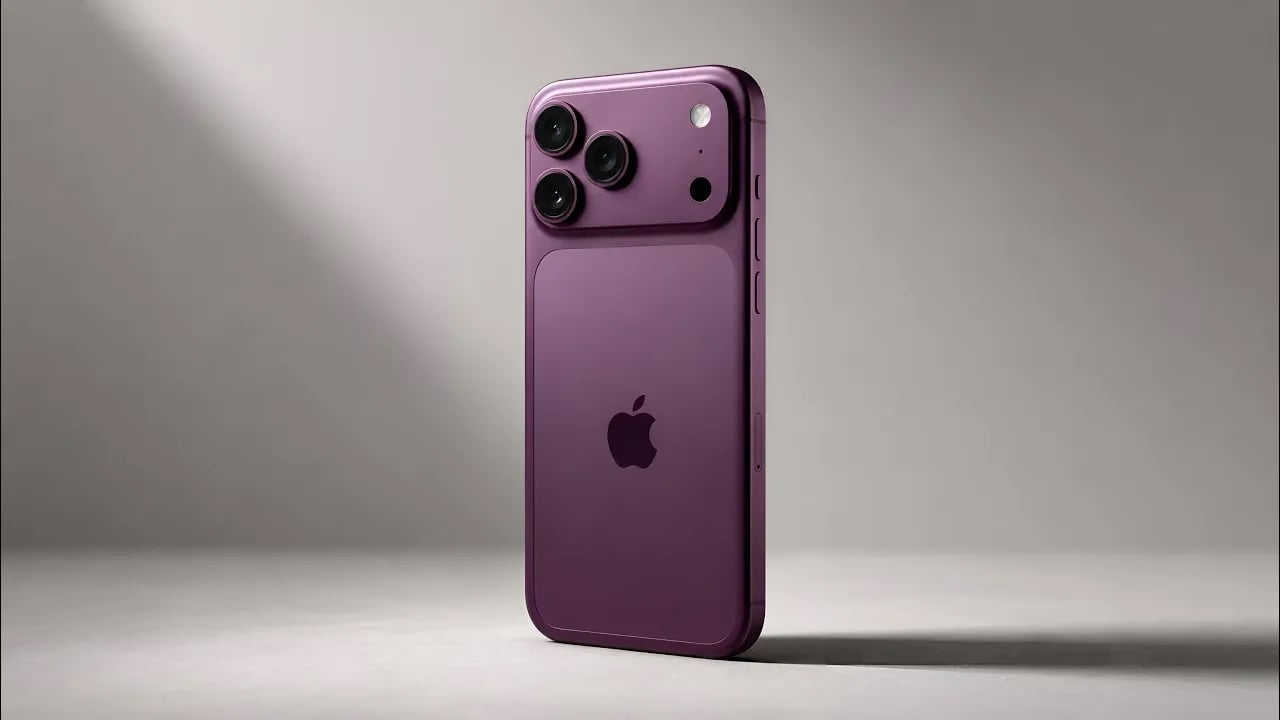
The iPhone 18 Pro Max represents a significant step forward in smartphone innovation, combining advanced hardware, refined aesthetics and innovative software. With a focus on delivering superior performance, enhanced efficiency, and an improved user experience, Apple has introduced a series of upgrades that set a new standard for flagship devices. Below is an in-depth look […]
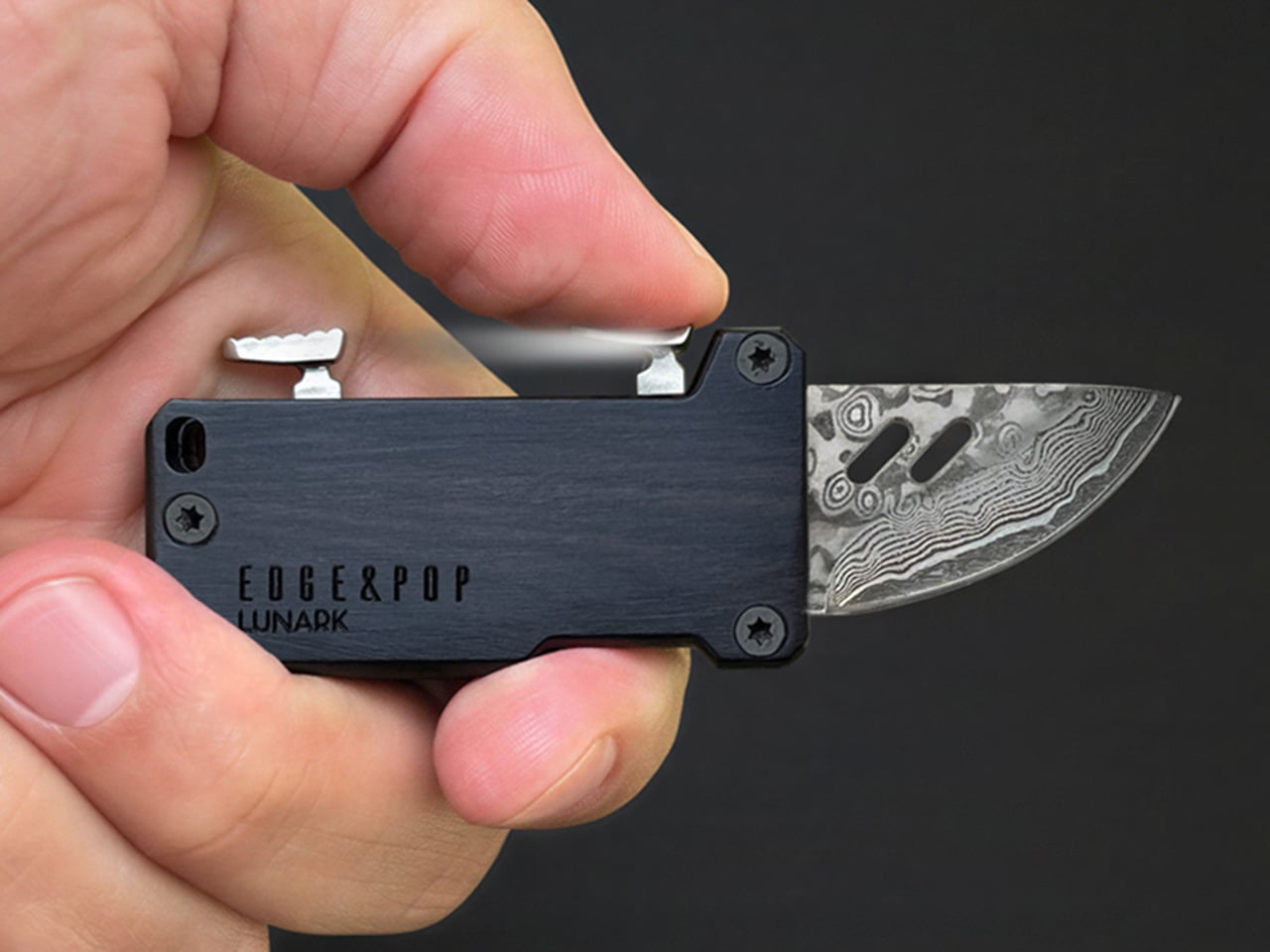
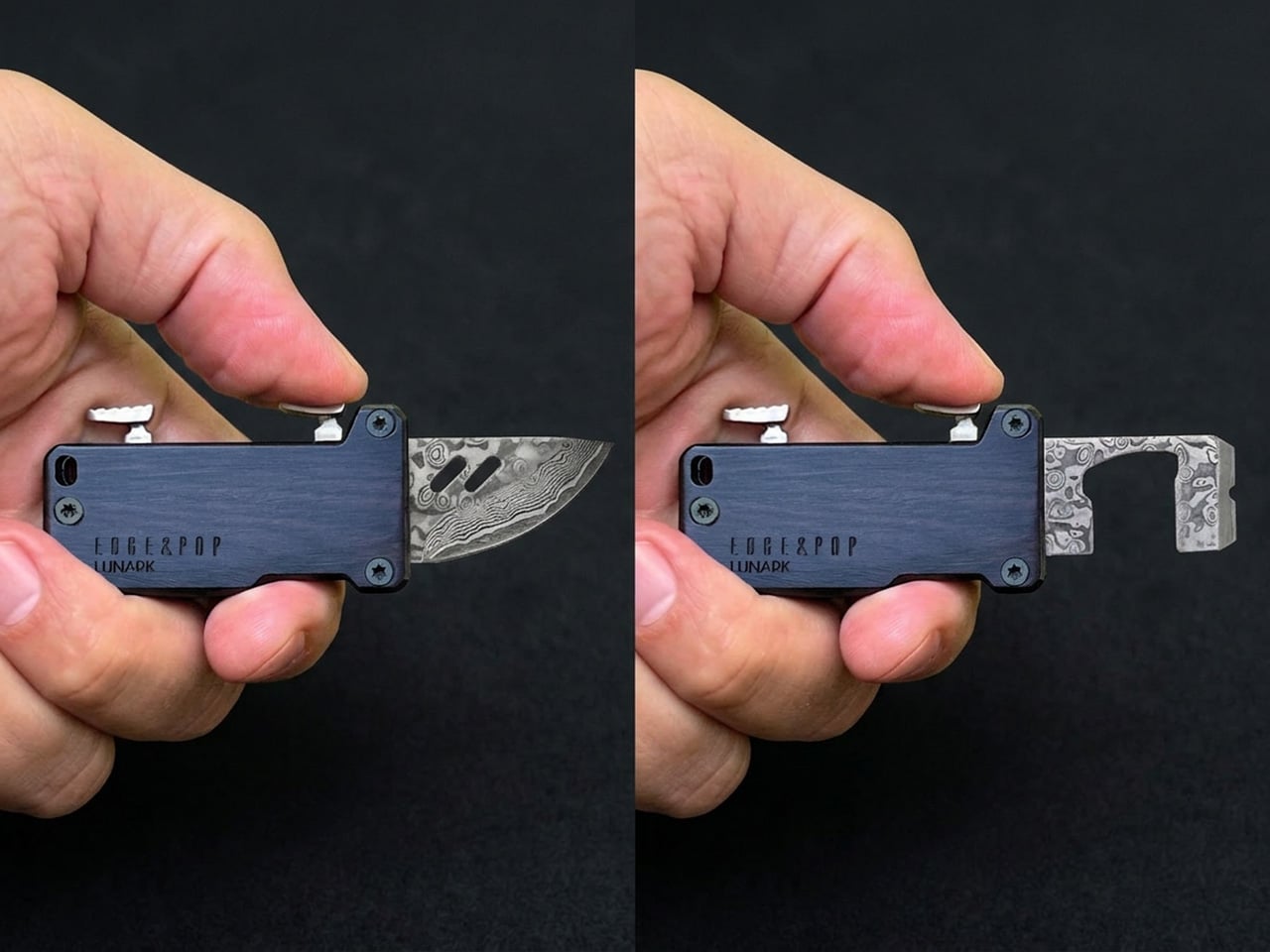
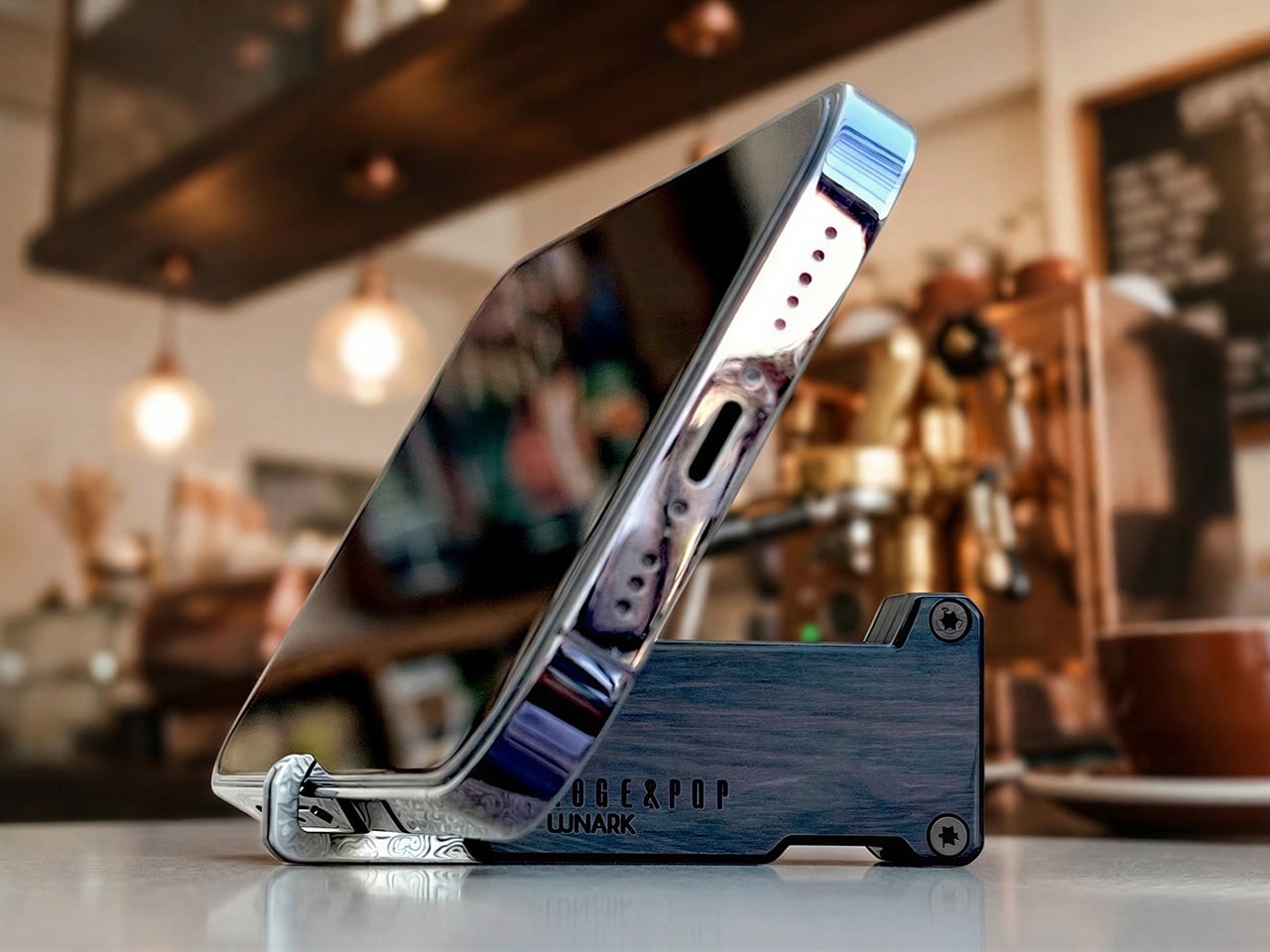
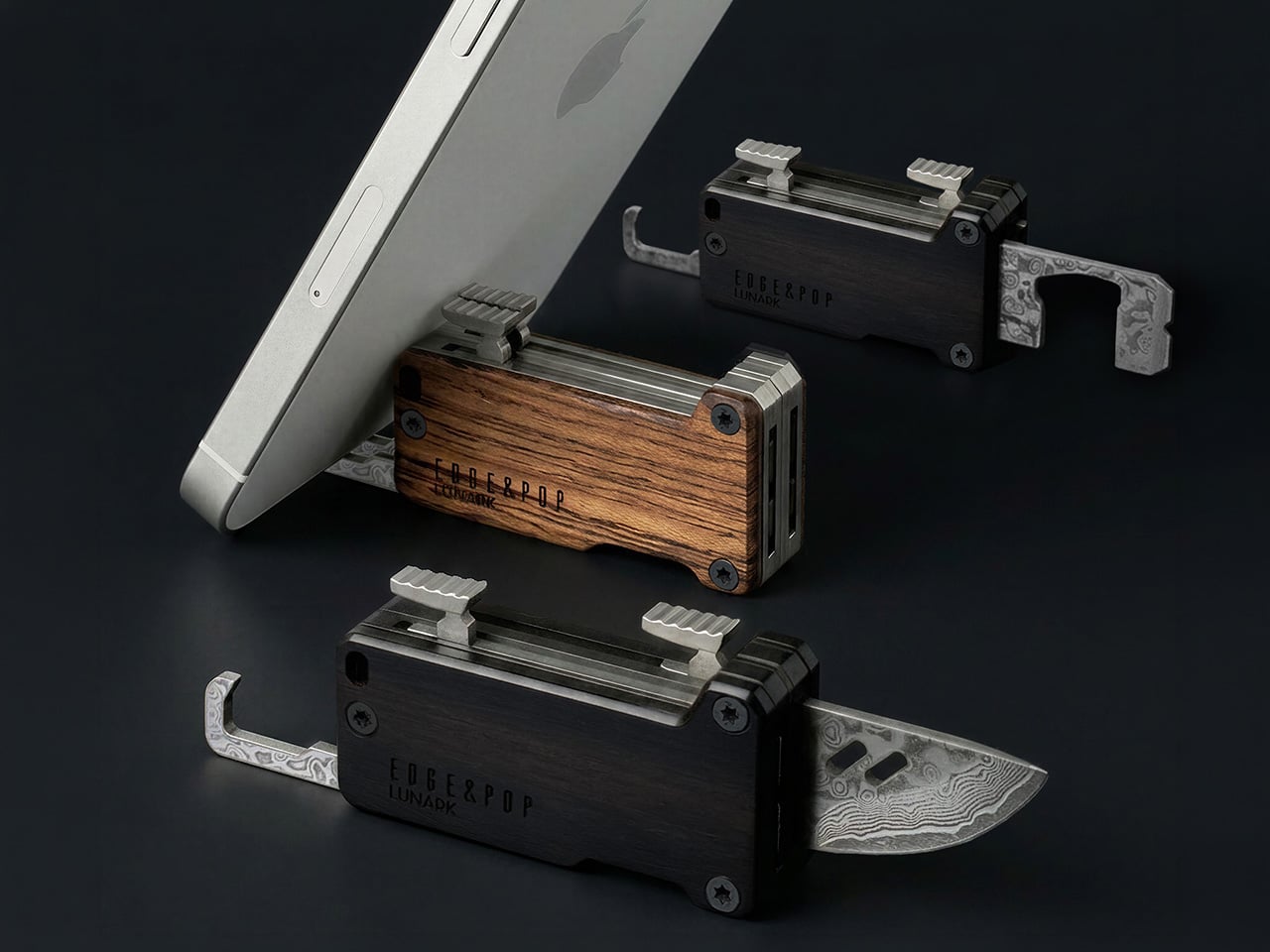
Double sliders in a pocket EDC tool? That’s not something you see often, mostly because fitting two independent sliding mechanisms into a body small enough to actually carry is a nightmare of compromise and thickness. LUNARK’s Edge & Pop Dual pulls it off anyway. Each slider operates independently with its own thumb control, so you can deploy the Damascus blade, pop out the bottle opener, or leave both closed and use the whole thing as a phone stand. The mechanism is clean, the actions are positive, and nothing interferes with anything else. It’s the kind of solution that makes you wonder why more multitools don’t try this approach, until you remember that engineering two sliders into a 0.6-inch-thick handle without turning it into a brick is genuinely difficult.
The blade is 67 layers of Damascus steel over a 9Cr18MoV core, rated 58 to 60 HRC, and the bottle opener uses a dedicated bartender-style slider instead of just being a cutout. When both sliders are retracted, the tool sits flat as a phone stand for devices up to 0.3 inches thick. LUNARK already delivered over 2,000 units of their first product, so they’re not a Kickstarter ghost. The Dual measures 3.1 inches open, weighs 2.5 ounces, and comes with your choice of Ebony or Golden Sandalwood handles against a heat-treated 420 stainless steel frame. It ships January 2027 for $60, and it’s one of the smarter takes on the pocket multitool I’ve seen in a while.
The Dual is LUNARK’s follow-up to the Edge & Pop One, a single-slider Damascus pocket knife and bottle opener that shipped to over 2,000 owners worldwide. The One earned a solid reputation for sharpness and out-of-the-box quality, with owners specifically calling out the Damascus blade and the compact feel. The Dual takes that foundation and adds a second independent slider, expanding the tool from two functions to three without meaningfully growing the footprint. That second slider is really the whole story here, and it’s where the design jumps from a good EDC knife to something genuinely worth talking about.
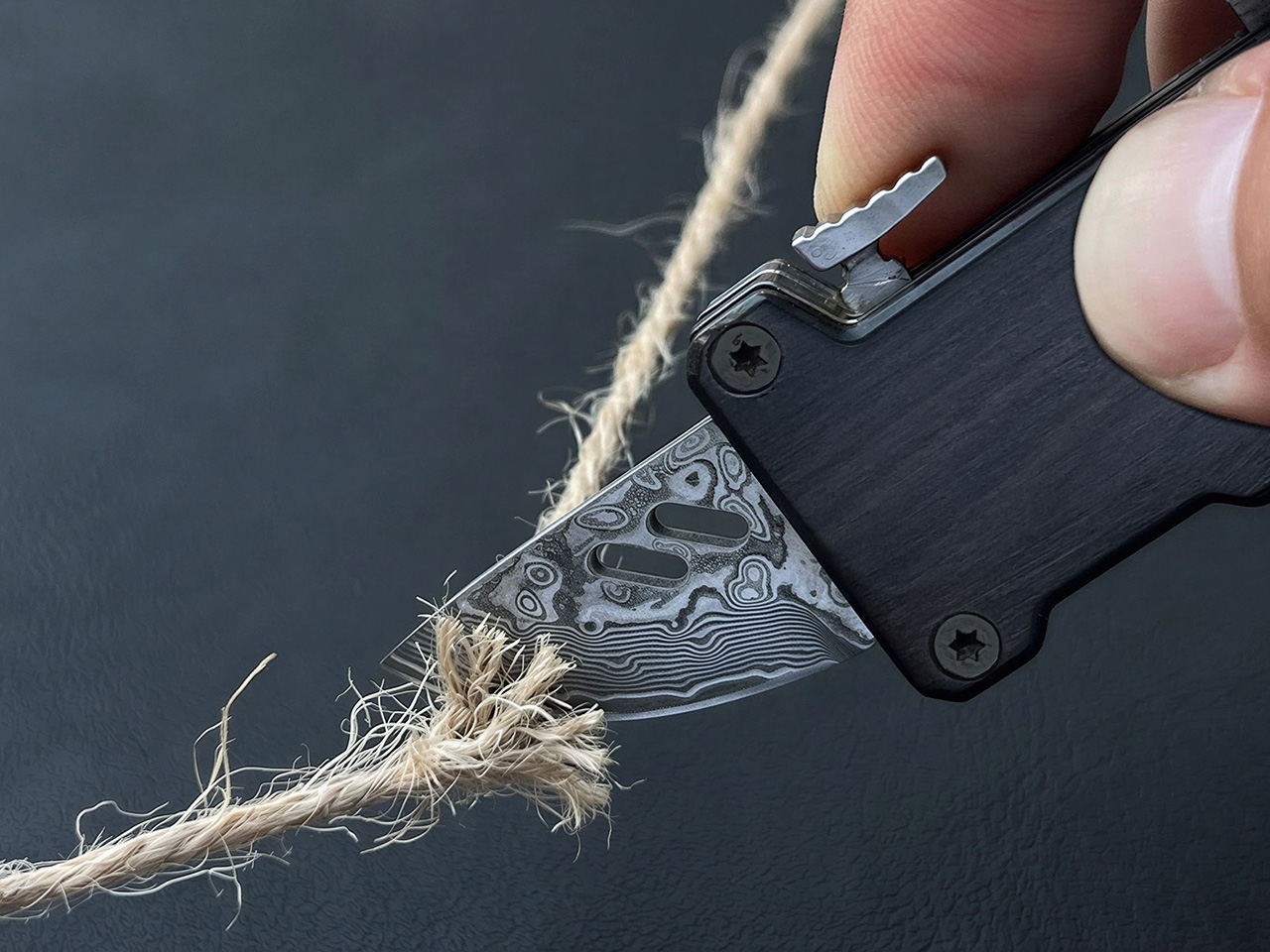
Drop-point Damascus with 67 folded layers is impressive on any knife, but packing it into a 1.1-inch, 0.08-inch-thin profile on a tool this compact is a genuine flex. The 9Cr18MoV high-carbon stainless steel core gives it a Rockwell hardness of 58 to 60 HRC, solid enough for daily use without constant sharpening. That covers tape, packaging, rope, leather, and light wood carving without much drama. Damascus patterning also varies with every forge, so no two blades will look exactly the same, which is a nice bonus for the collector side of the EDC brain.
Nobody wants to balance their phone against a coffee mug during lunch. When both sliders are fully closed, the Dual holds your phone in portrait or landscape on any flat surface, supporting devices up to 0.3 inches thick, which covers most phones and small tablets. There’s also a useful bonus in that same closed position: the body can press buttons or pull handles without deploying the blade, making it handy for doorbells or latches when your hands are full.
LUNARK paired heat-treated 420 stainless steel for the frame, rated 45 to 48 HRC, with either Ebony or Golden Sandalwood handles, and the result looks nothing like a tactical tool. The wood finishes bring warmth against the industrial steel, and the rectangular silhouette reads more desk object than gear catalog. Allan, LUNARK’s founder, wanted a refined everyday carry rather than something that looks like it belongs on a Molle pouch. Ebony runs darker and more formal, while Golden Sandalwood brings a warmer natural grain that pairs nicely with the Damascus blade patterns.
Pricing starts at $39 on the Super Early Bird tier, saving $21 off the $60 retail price. That’s a solid entry point for a Damascus EDC with this level of mechanical sophistication, and you still choose your wood handle at a later stage after ordering. For anyone wanting the full LUNARK lineup, the Family Pack bundles one Edge & Pop One (LUNARK’s single-blade knife from last year) with two Edge & Pop Duals for $89, saving $91 against the combined retail of $180. It’s a good option if you want both generations of the tool or have someone in mind who’d genuinely appreciate a gifted EDC.
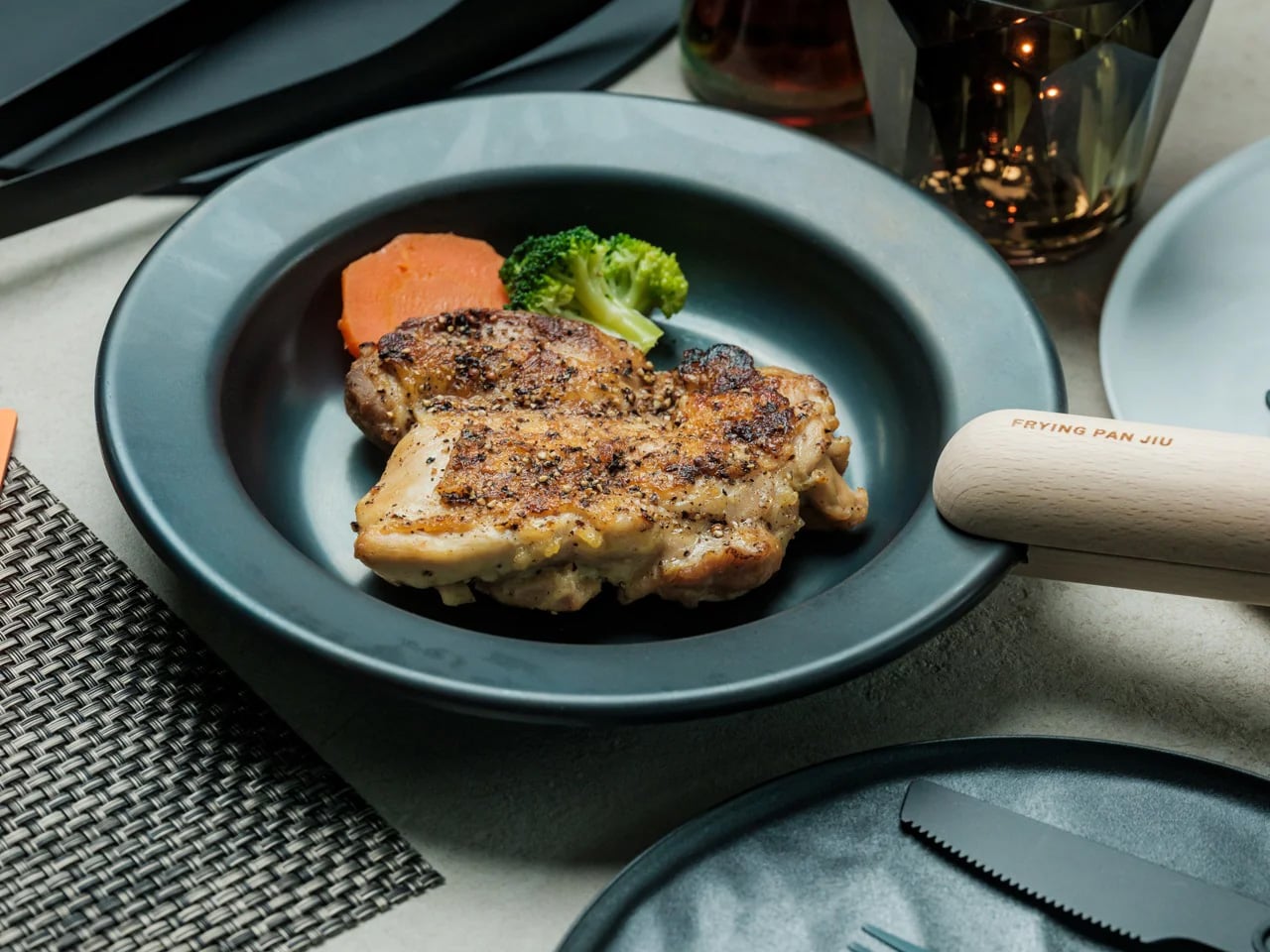
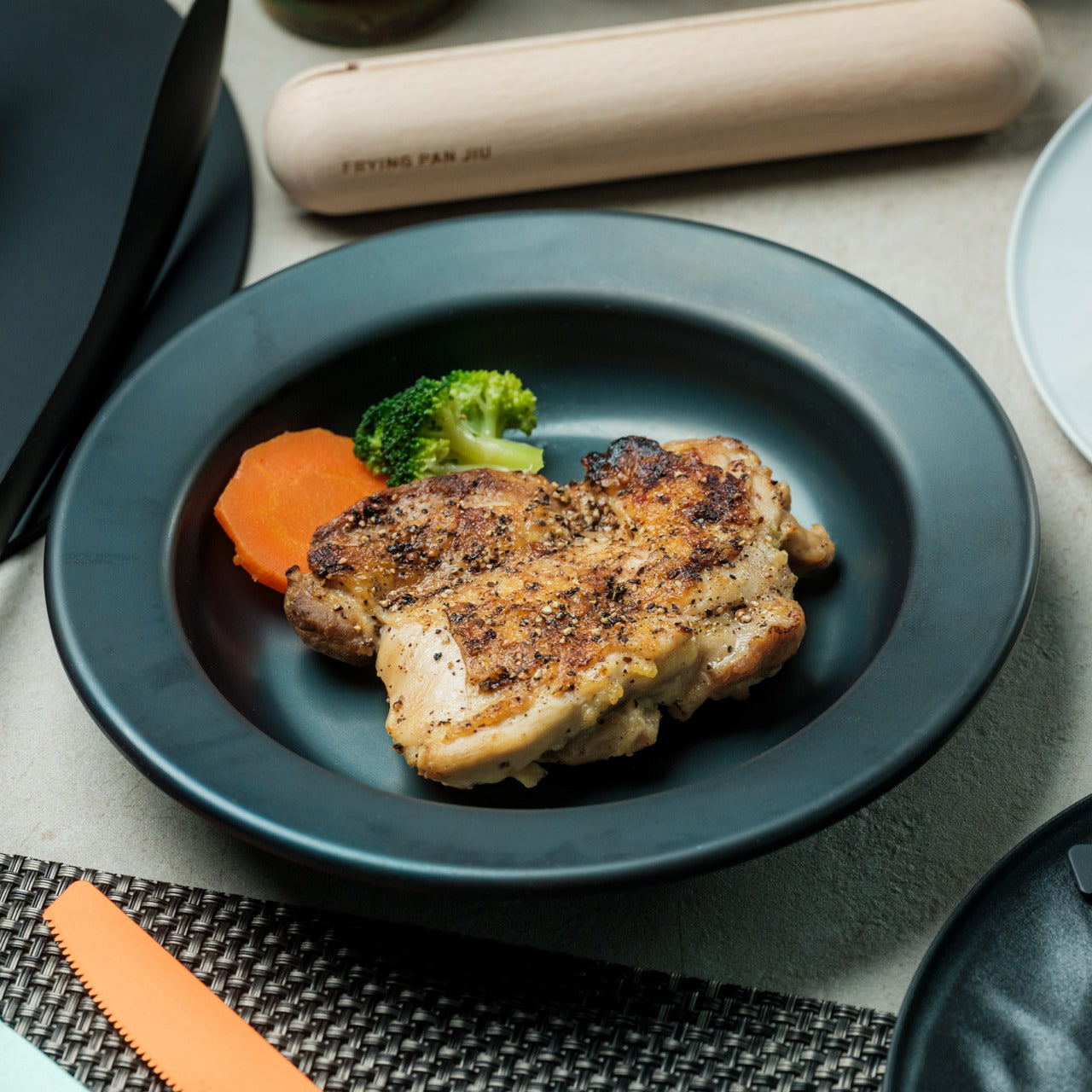
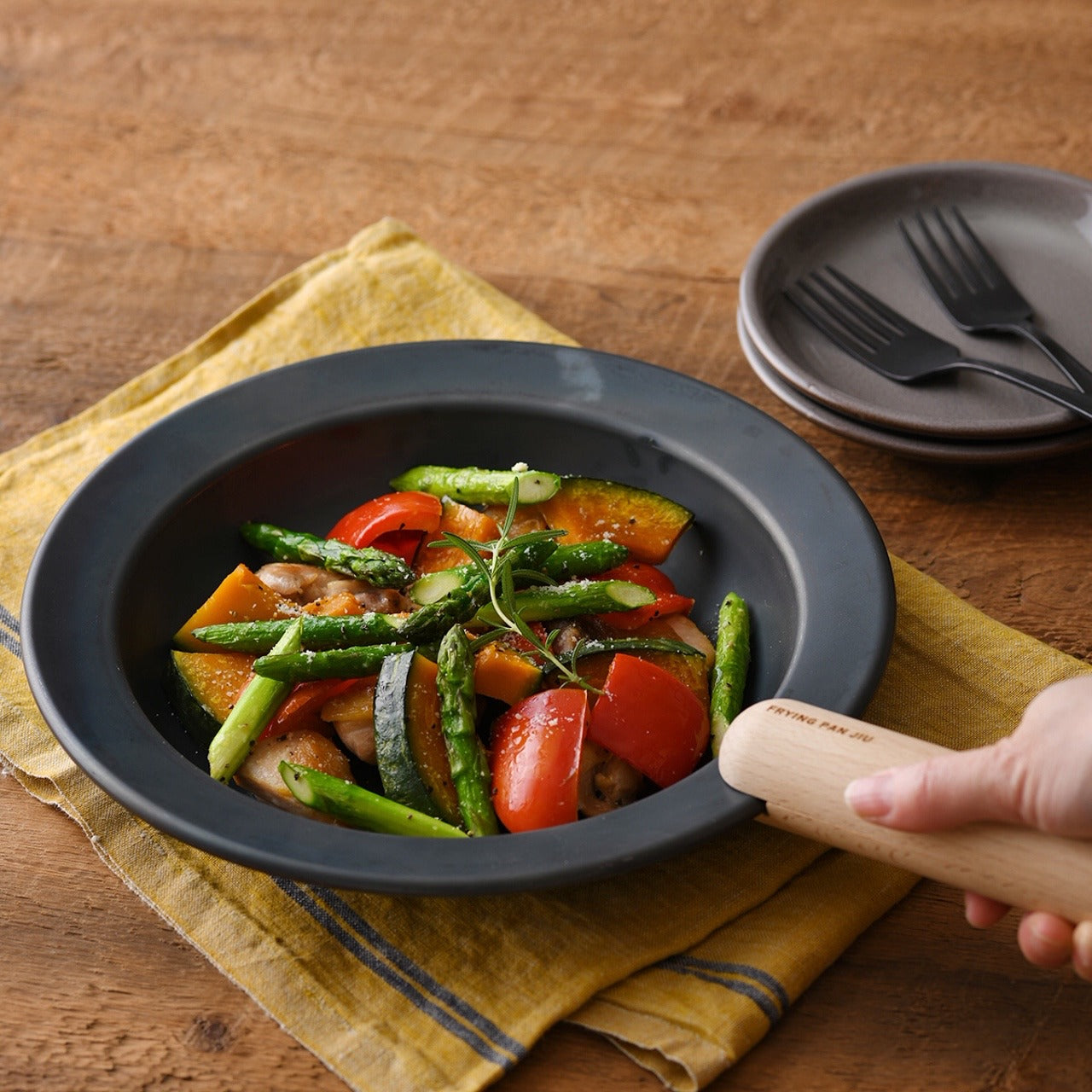
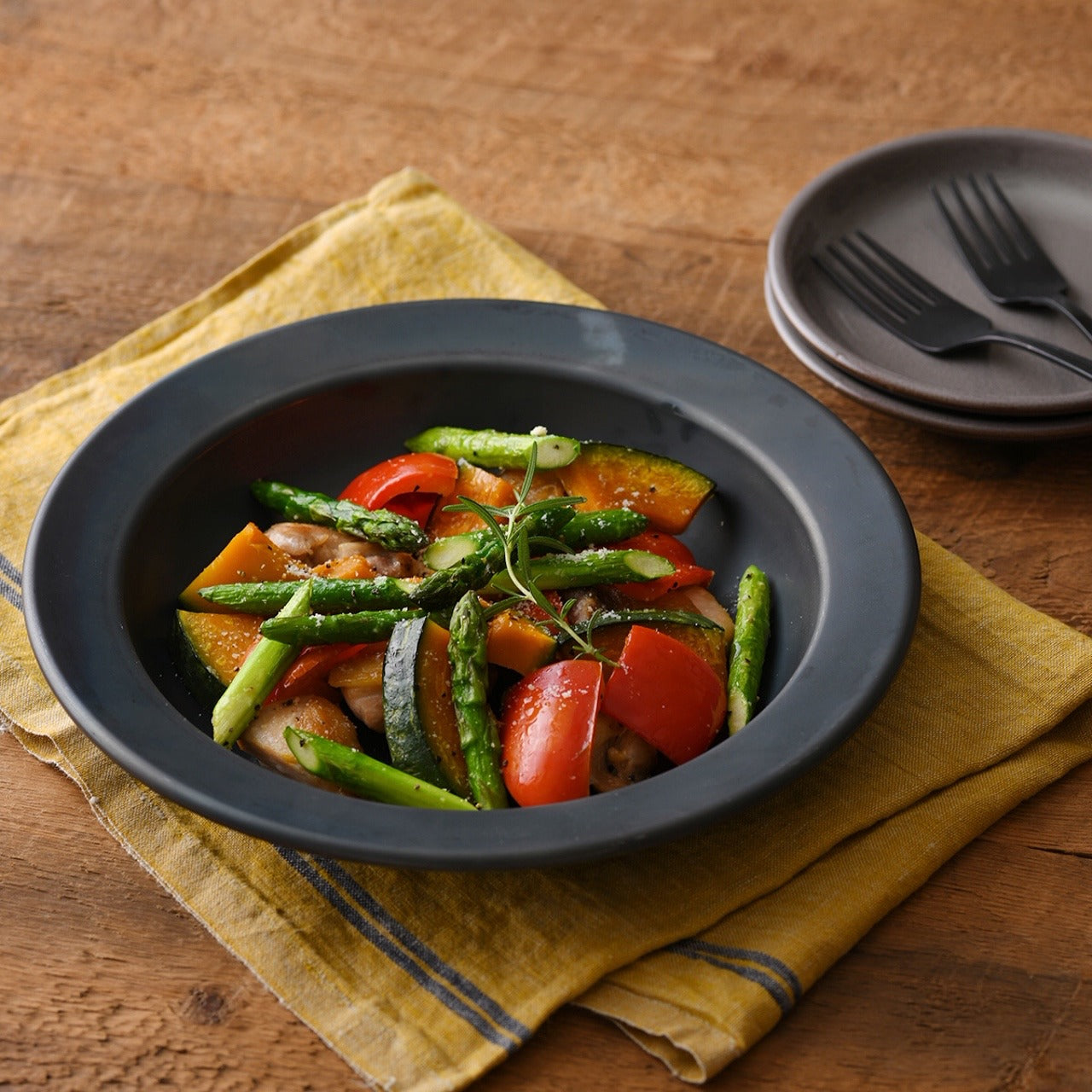
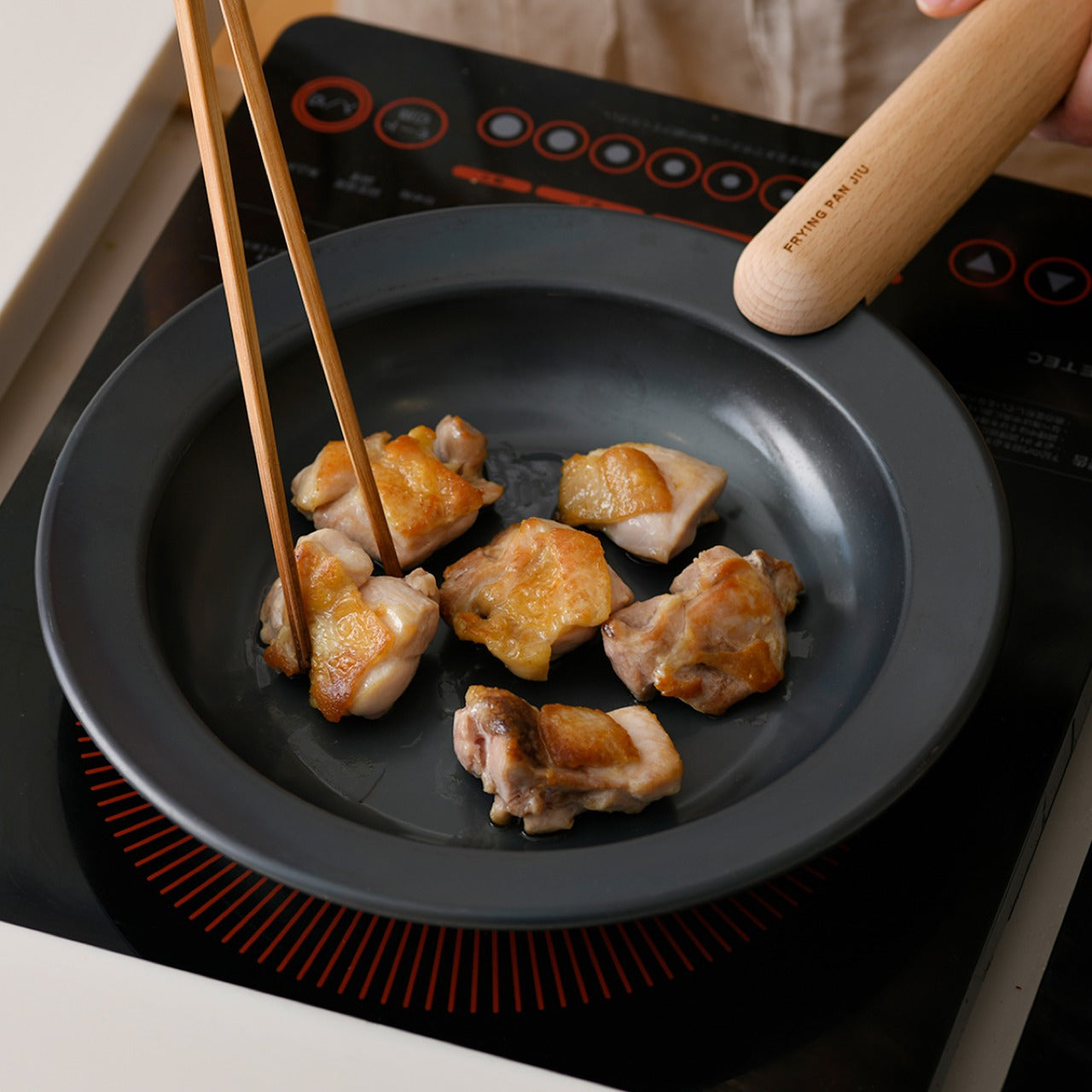
Most pans are designed for the cook. The Iron Frying Plate was designed for the meal. It removes the transfer step entirely, functioning as the cooking surface and the serving plate in one. When the food is done, it comes to the table on the same steel it was cooked on, without losing the heat, the texture, or the visual honesty of something made properly. That is not a workaround. It is a deliberate design decision, and it changes how a meal feels from start to finish.
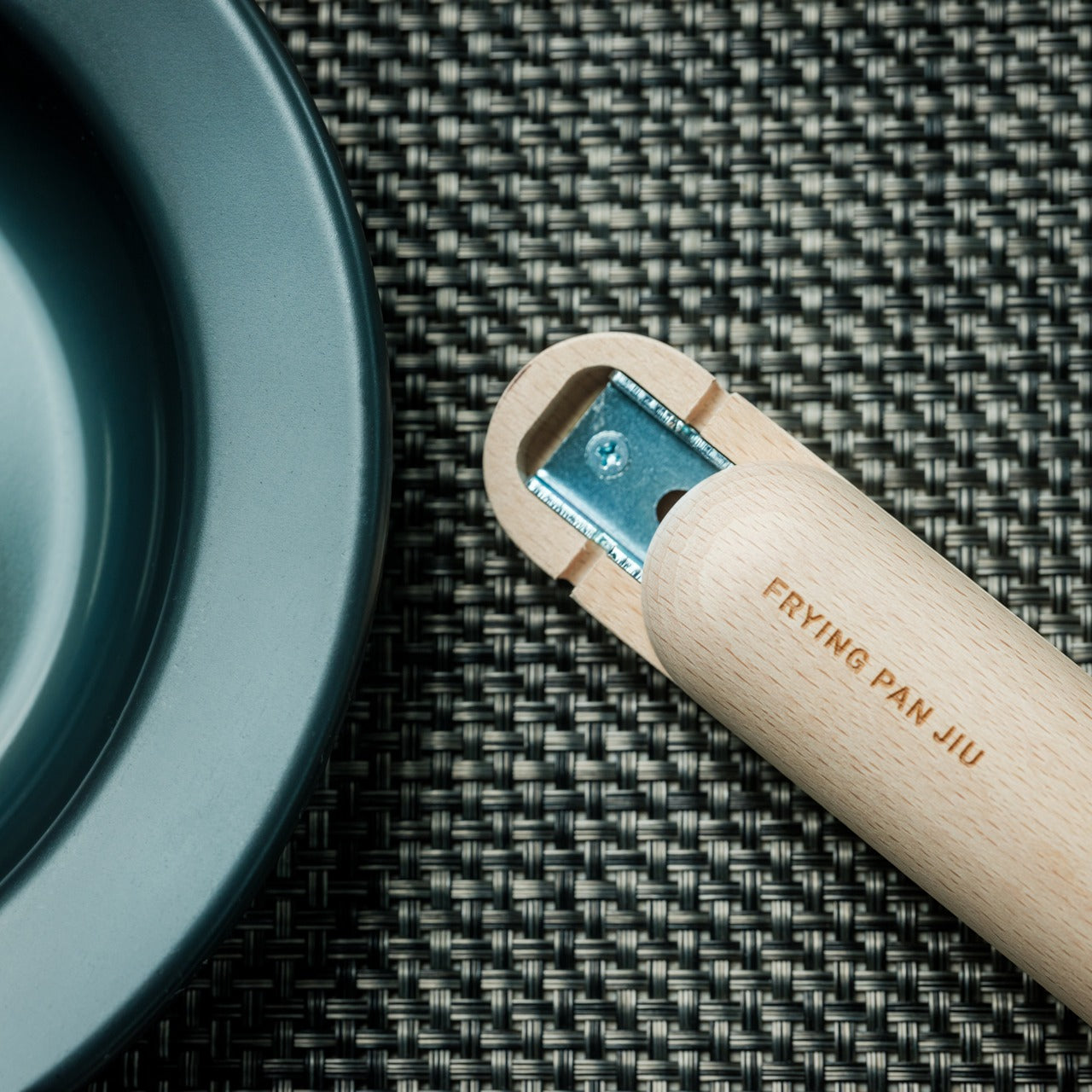
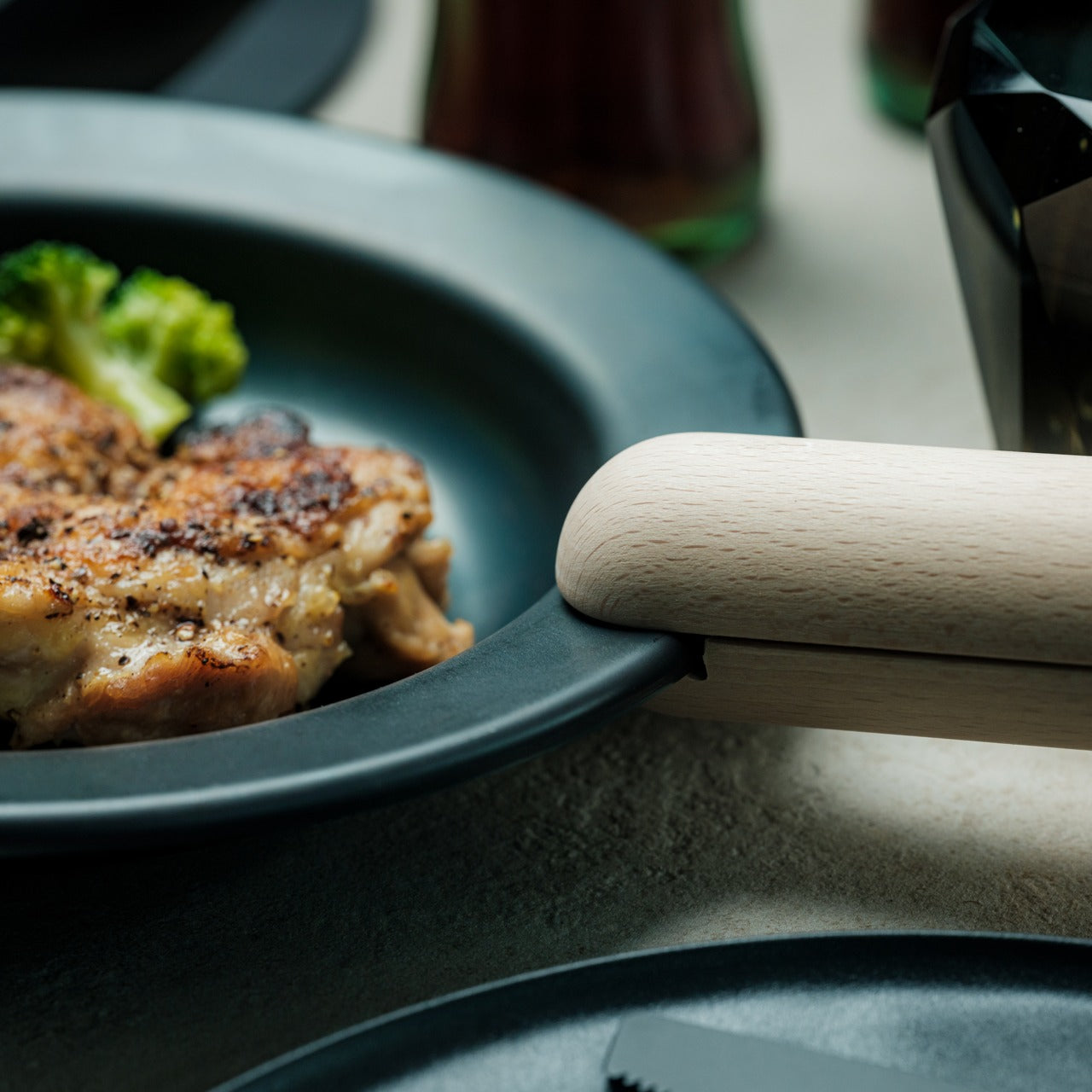
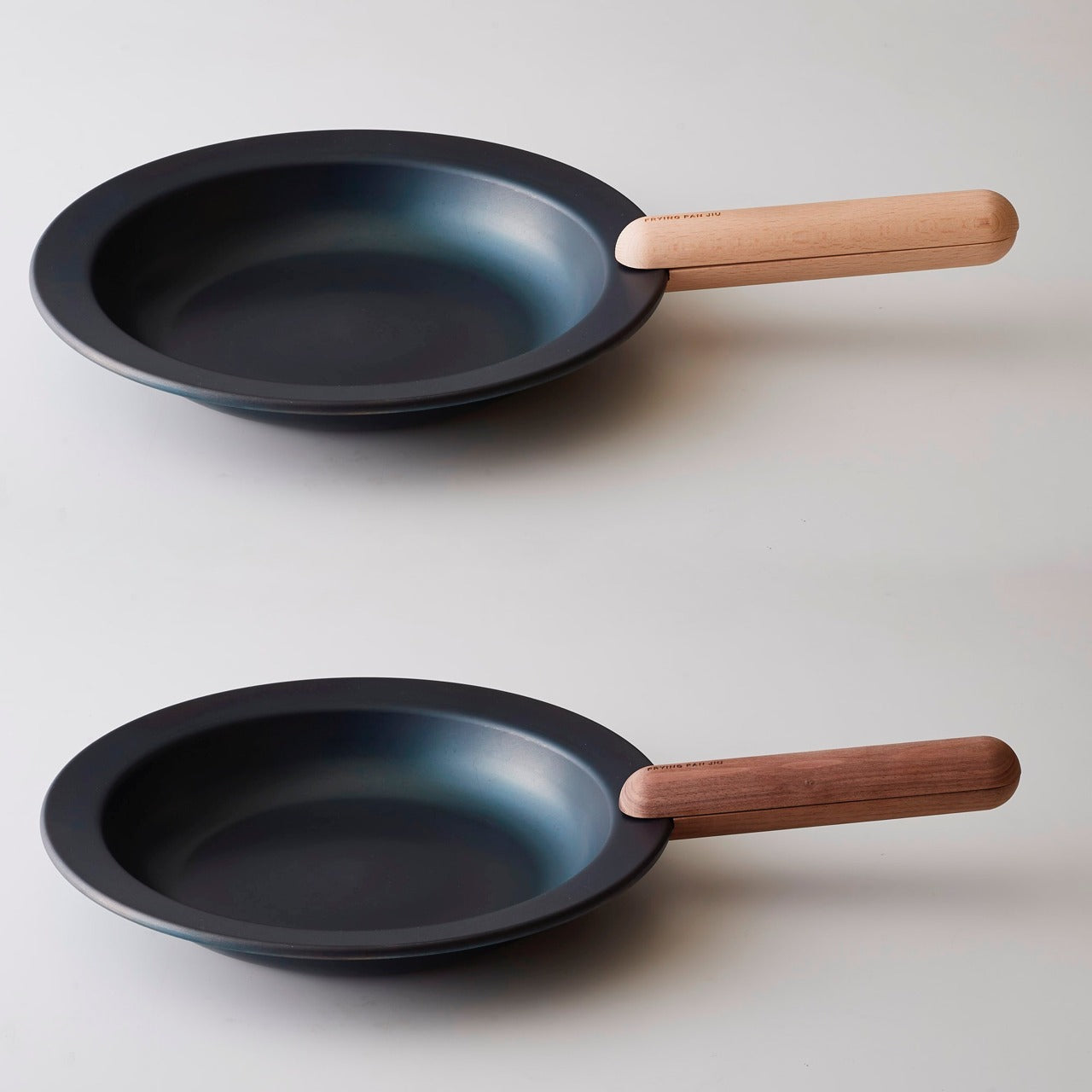
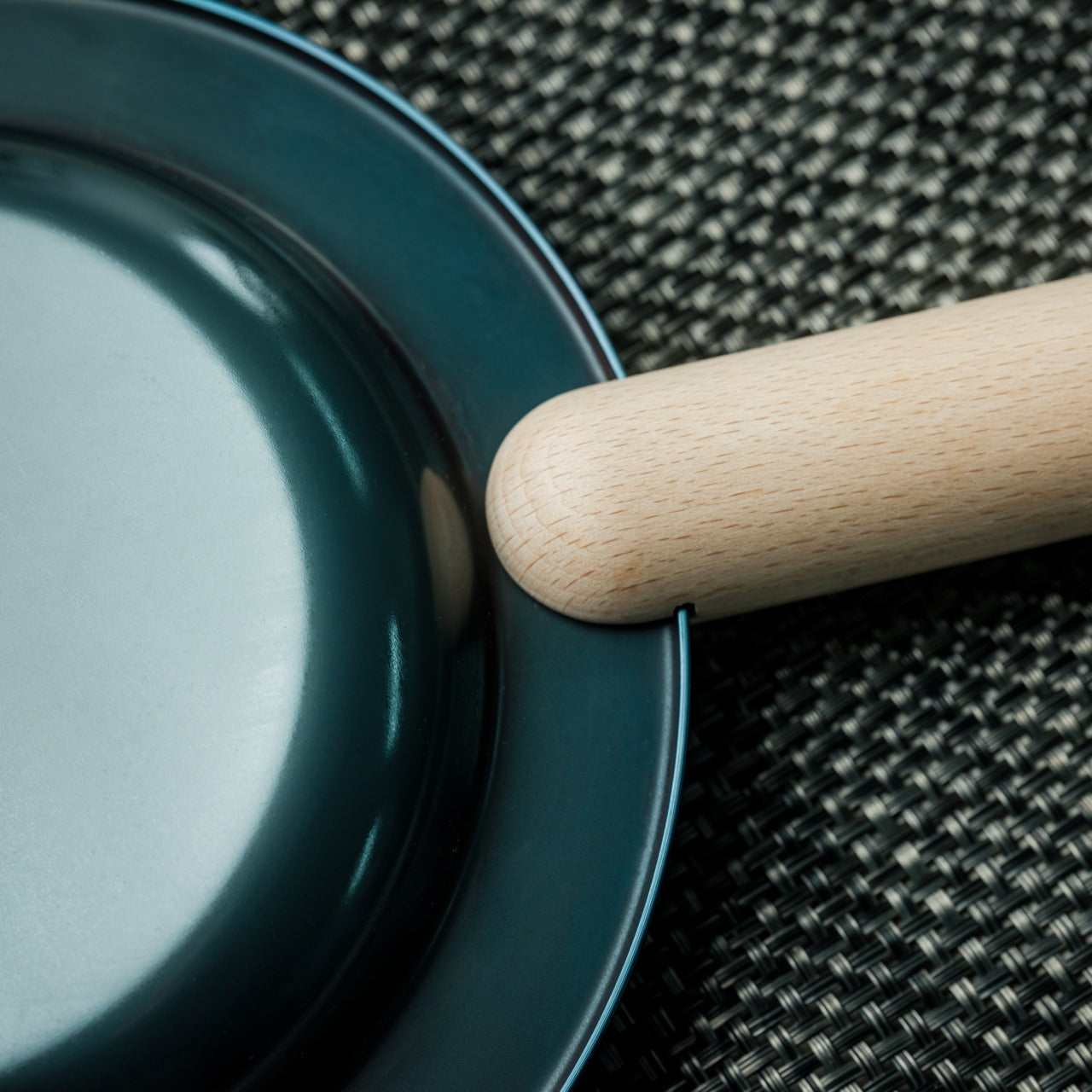
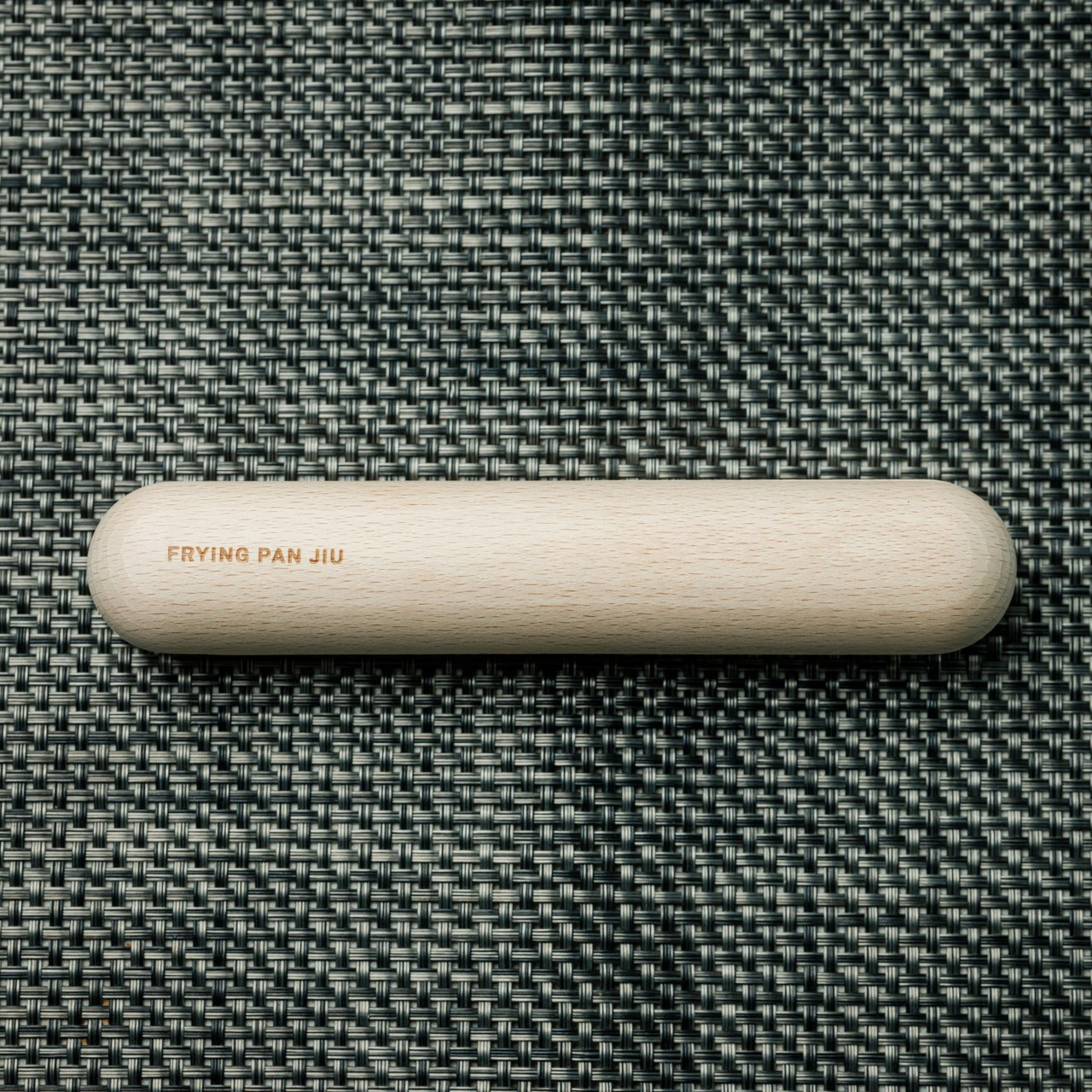
The plate is made from 1.6mm-thick mill scale steel, uncoated and rust-resistant, and arrives ready to use without any initial seasoning requirement. The wooden handle attaches and detaches with one hand, so the transition from stove to table takes nothing more than a single motion. Stick resistance builds naturally through use, and the steel itself develops character over time. There are no coatings to preserve, no temperature limits to track, and no gap between the way the food was cooked and the way it tastes.
Mill scale steel brings heat retention and natural stick resistance to the surface, and because JIU is uncoated, nothing softens what happens between the flame and the food. That directness is where flavor and texture come through cleanest. A proper sear forms the way it should, without interference from synthetic materials or temperature limitations. The surface improves with use, developing a natural patina that builds over time rather than degrading the way coatings tend to. Rust resistance is built into the material, so the plate holds up to regular use without the maintenance anxiety that follows other types of bare steel cookware.
From Stove to Table in One Motion
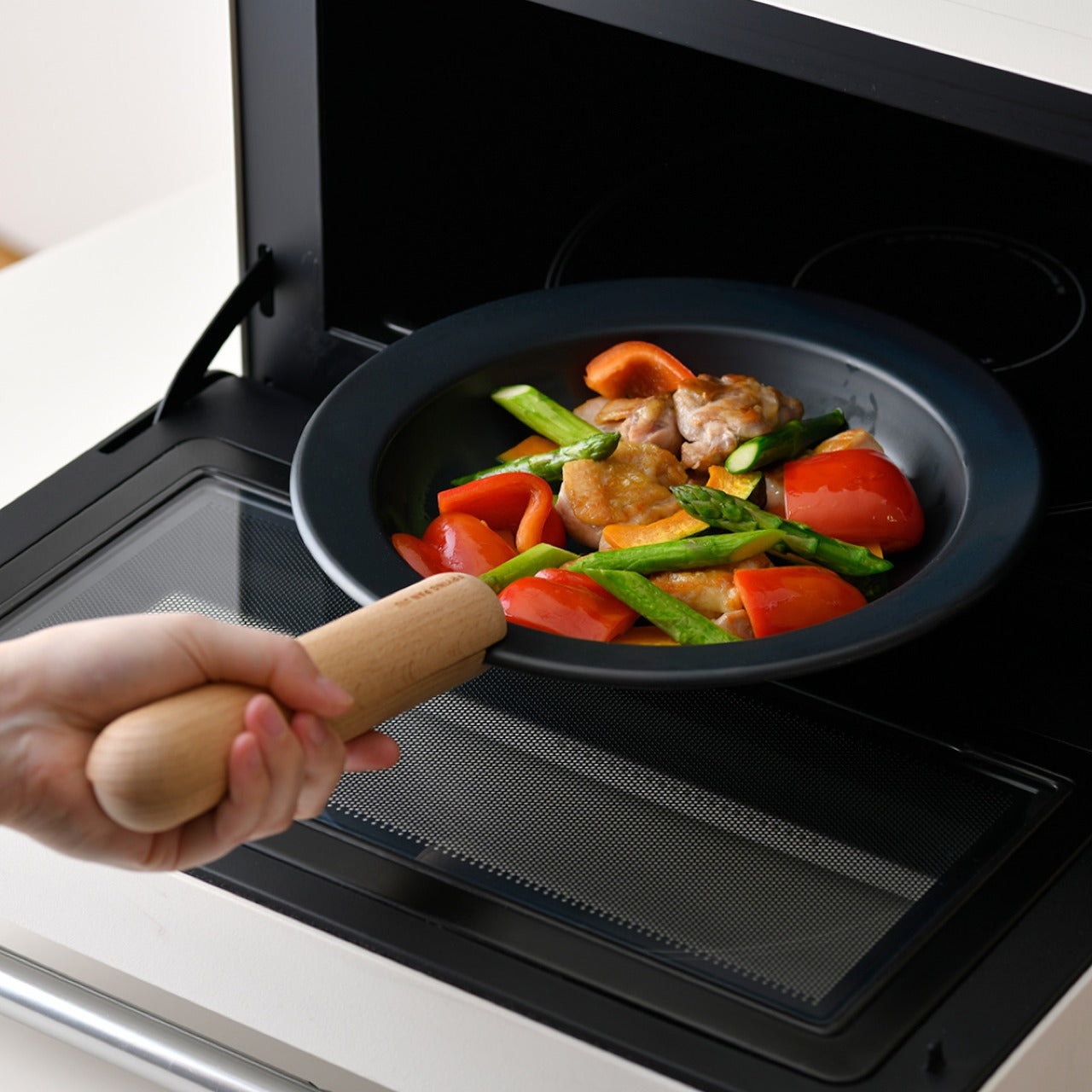
The detachable wooden handle is the detail that makes this work at the table. It comes off with one hand, which means the plate moves freely from the cooking surface to wherever the meal is being eaten without requiring tools, extra grip, or a second set of hands. The wood stays cool during cooking, and the mechanism is intuitive enough to become automatic after the first use. Cookware that disappears into a routine rather than interrupting it earns its place in a kitchen. JIU does that by solving the transition problem that most cookware does not acknowledge exists.
What We Like
Mill scale construction: 1.6mm-thick uncoated steel that builds natural stick resistance through use and delivers genuine flavor without synthetic coating interference between the food and the heat
Cook-to-table design: the plate is the cooking surface and the serving vessel in one, cutting out the transfer step where heat, texture, and presentation quality typically suffer
One-hand handle operation: the wooden handle attaches and detaches in a single motion, making the move from flame to table clean without requiring tools or both hands
Ready to use from the start: no seasoning ritual before the first cook; the plate performs immediately and improves with continued use over time
What We Dislike
Wooden handle durability unclear: the detachable handle is a strong design choice, but the product provides no information on its heat tolerance threshold or long-term maintenance requirements
The Pan That Closes the Loop
The Iron Frying Plate is the kind of object that makes a meal feel more intentional without asking anything extra of the person making it. The steel does the work. The handle comes off when cooking is finished. The plate goes straight to the table. Nothing is lost in the move from stove to seat, because there is no move to make. That level of consideration in a cooking tool is rarer than it should be.
If the meals you cook deserve better continuity from the moment they leave the heat to the moment they are eaten, this is the straightforward answer. No extra dishes, no coating to preserve, and a surface that gets better the more it earns its keep. JIU makes the case for cooking and eating on the same terms.
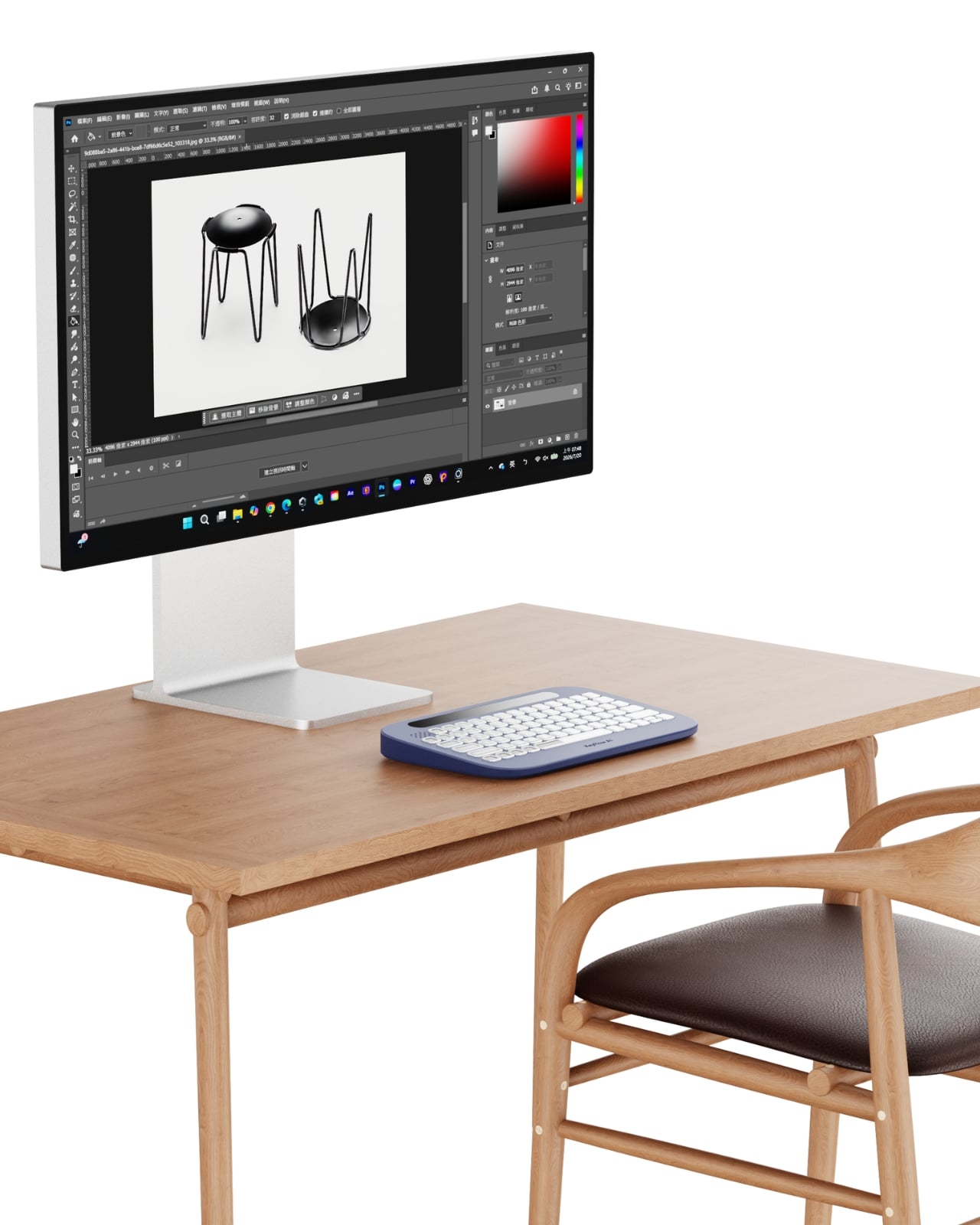
If you’ve ever tried to learn Photoshop, Illustrator, or pretty much any serious creative software on your own, you know the ritual. Open the app, watch a tutorial, pause the tutorial, switch back to the app, forget what you just watched, rewind, watch it again, lose your place in the project, repeat. It is a loop that is less about learning and more about surviving, and it is the reason so many people quietly give up on tools they actually want to use.
Designer Ming Sheng Shih clearly knows this frustration, because KeyFlowAI is built around that exact problem. The constant back-and-forth between tutorial and practice does not just slow you down; it breaks the thread of whatever you were trying to create. And once that thread snaps, getting back into it takes more energy than most beginners have left after the third rewind.
Designer: Ming Sheng Shih
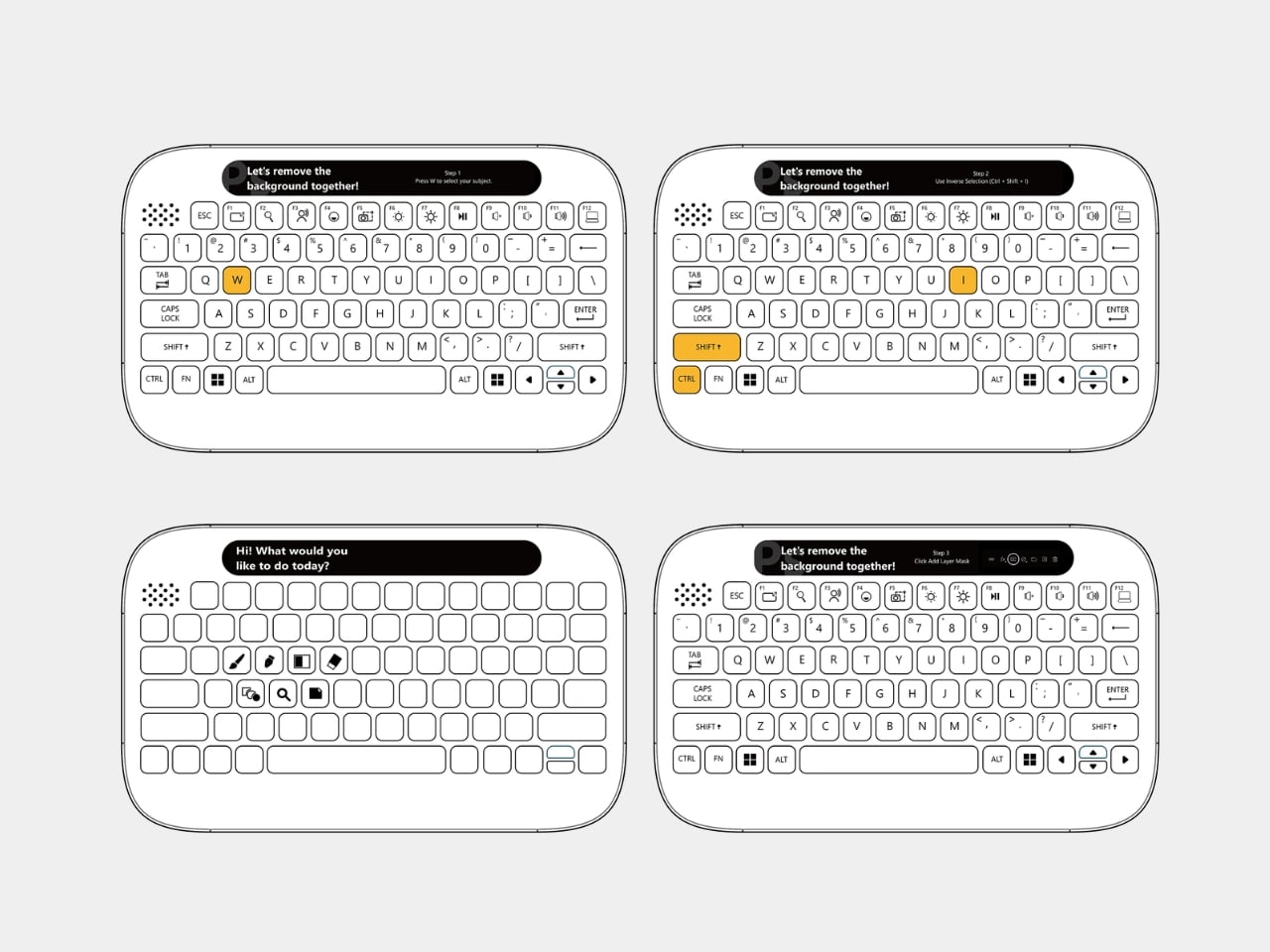
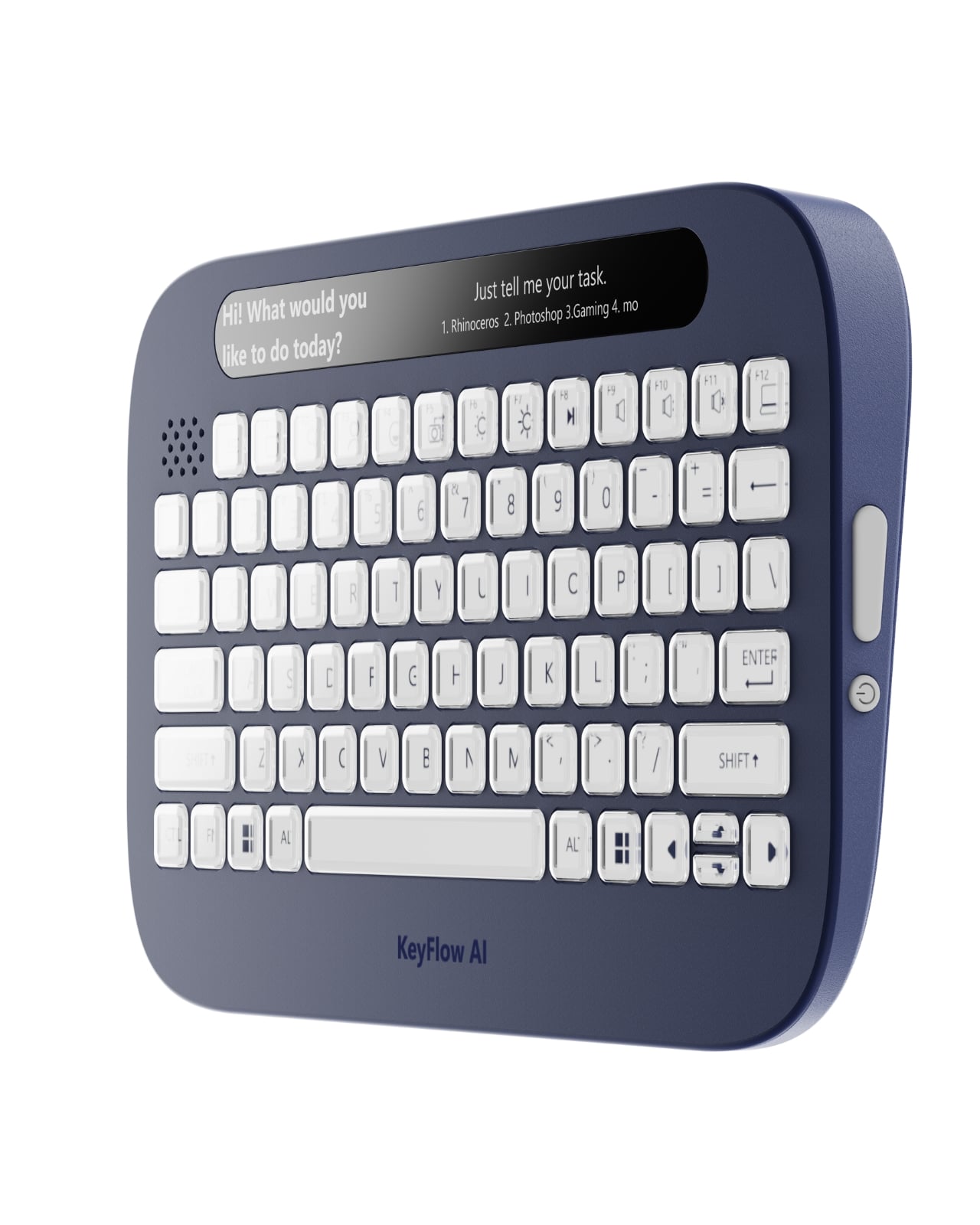
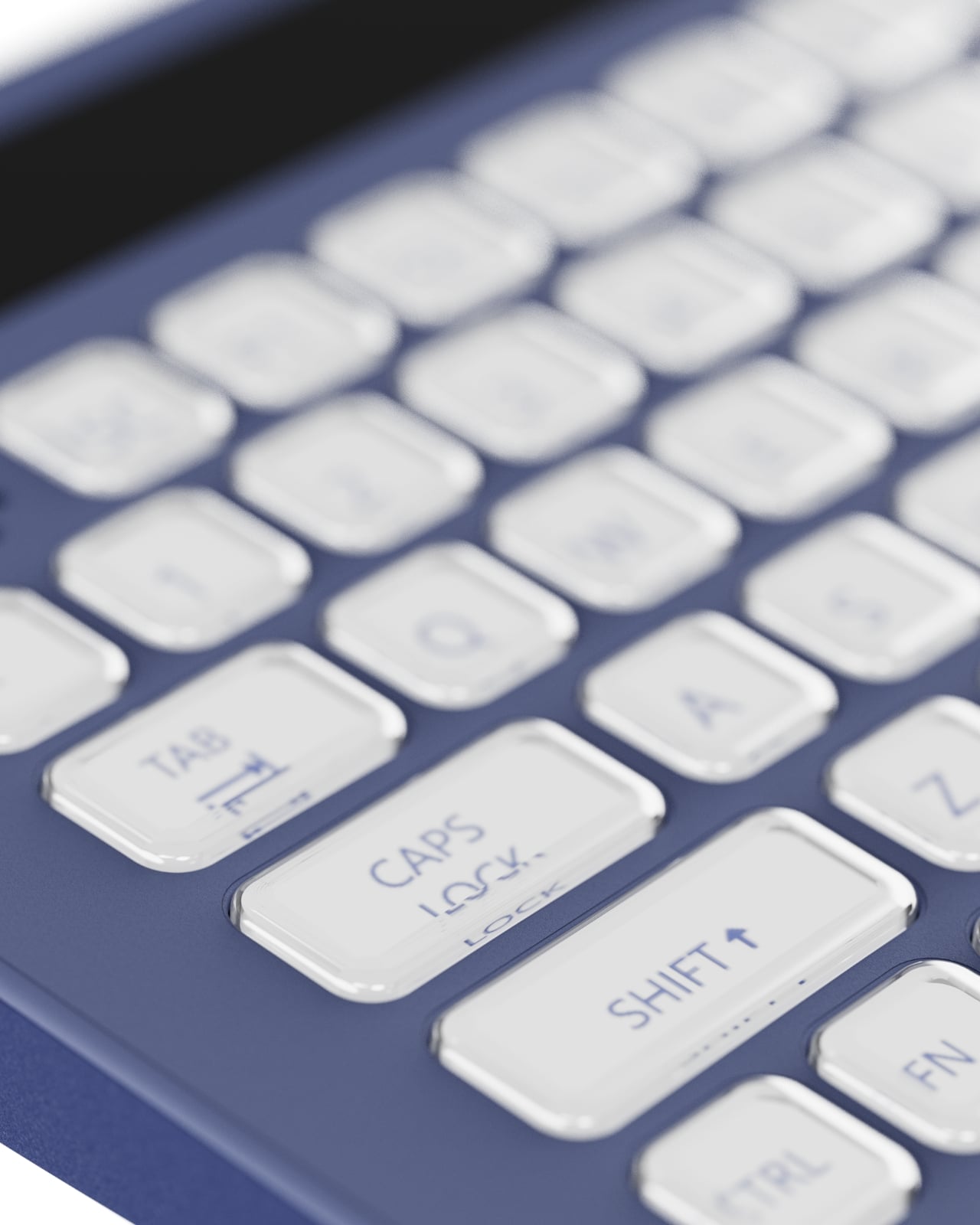
The concept is straightforward but genuinely clever. KeyFlowAI combines an AI-powered guidance system with an adaptive keyboard to bring step-by-step assistance directly into your workflow. Instead of alt-tabbing your way through browser tabs or scrubbing back through YouTube, the keyboard itself becomes the guide. The keys adapt contextually, surfacing relevant shortcuts and workflow cues for whatever task you are working on, right where your hands already are. It is a fundamentally different approach to the onboarding problem that creative software has had for decades.
What strikes me about this design is how it reframes the learning challenge at the hardware level rather than the software level. Most ed-tech solutions pile another app on top of the chaos, another overlay, another subscription layer you have to manage alongside the thing you are actually trying to learn. KeyFlowAI goes the other direction. It meets you at the physical interface, which is where attention already lives during any hands-on creative session. The keyboard stops being just an input device and starts acting as a co-pilot.
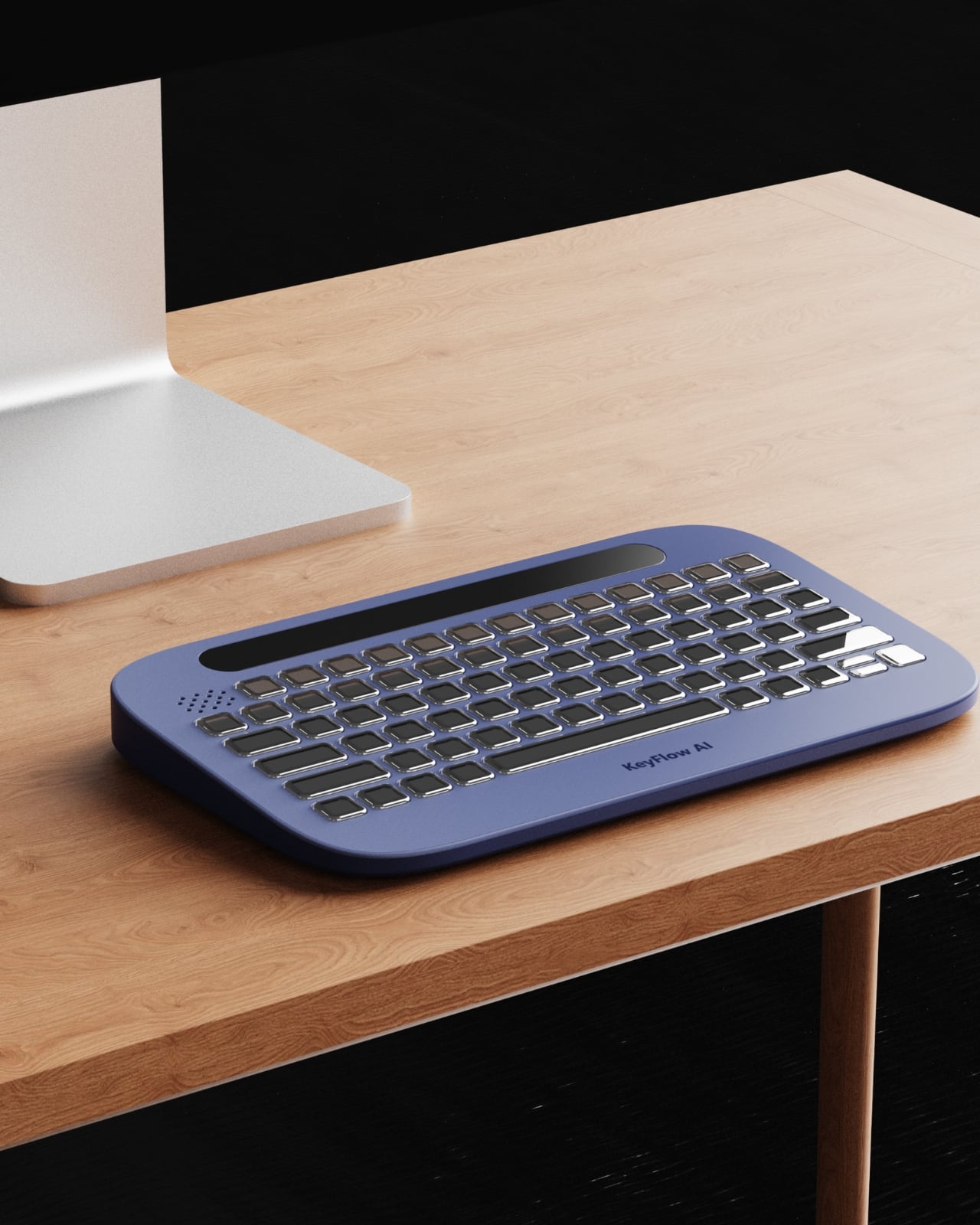
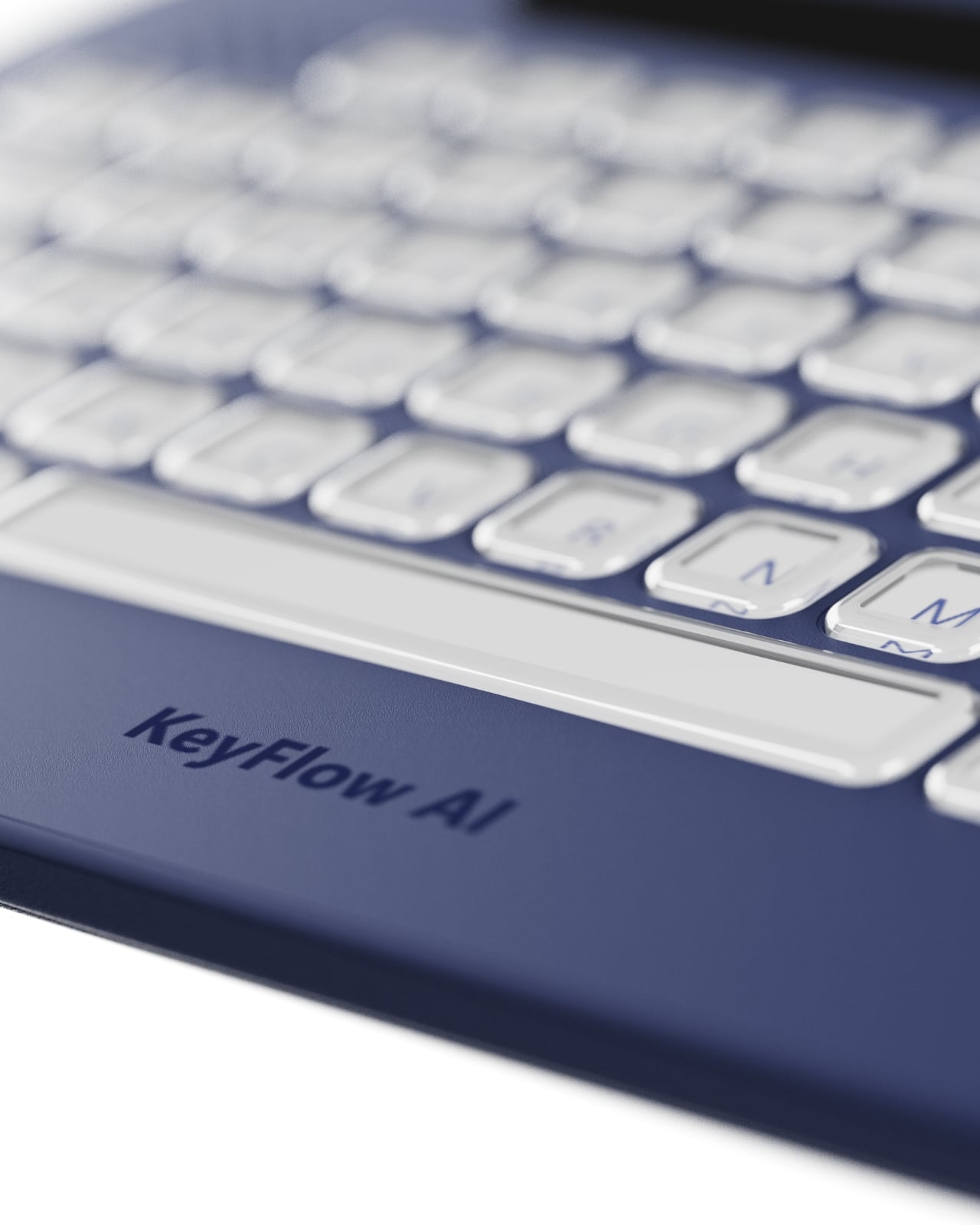
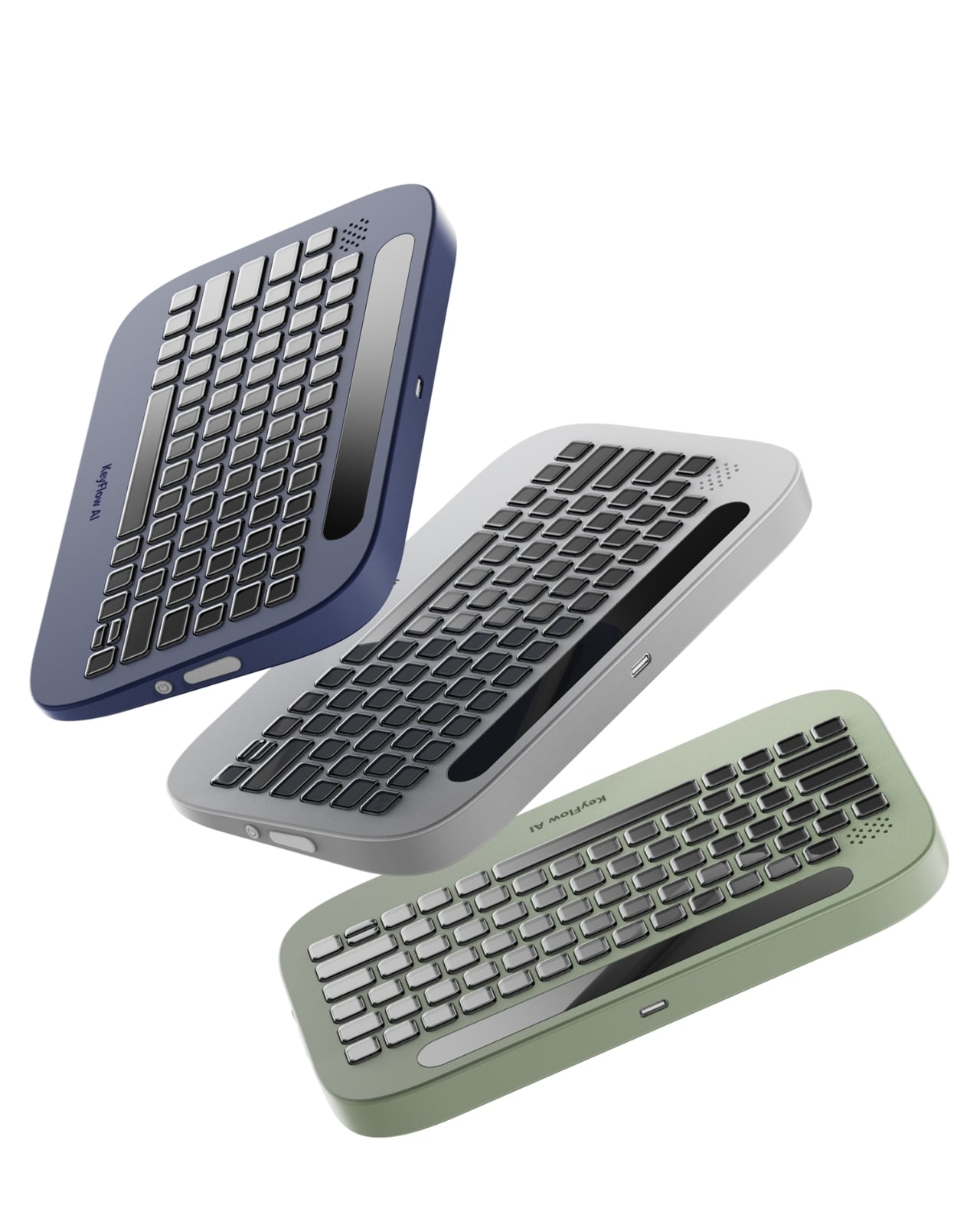
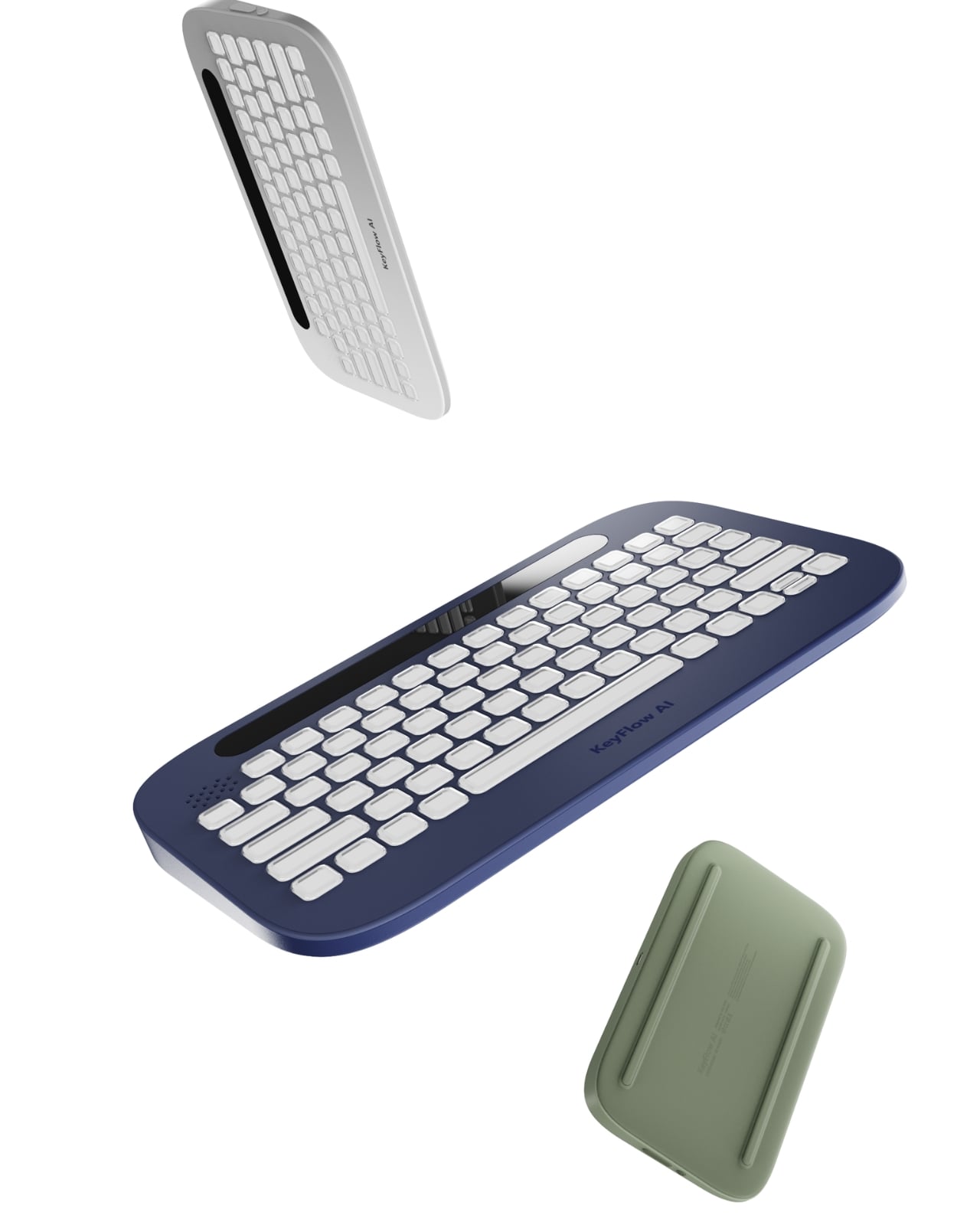
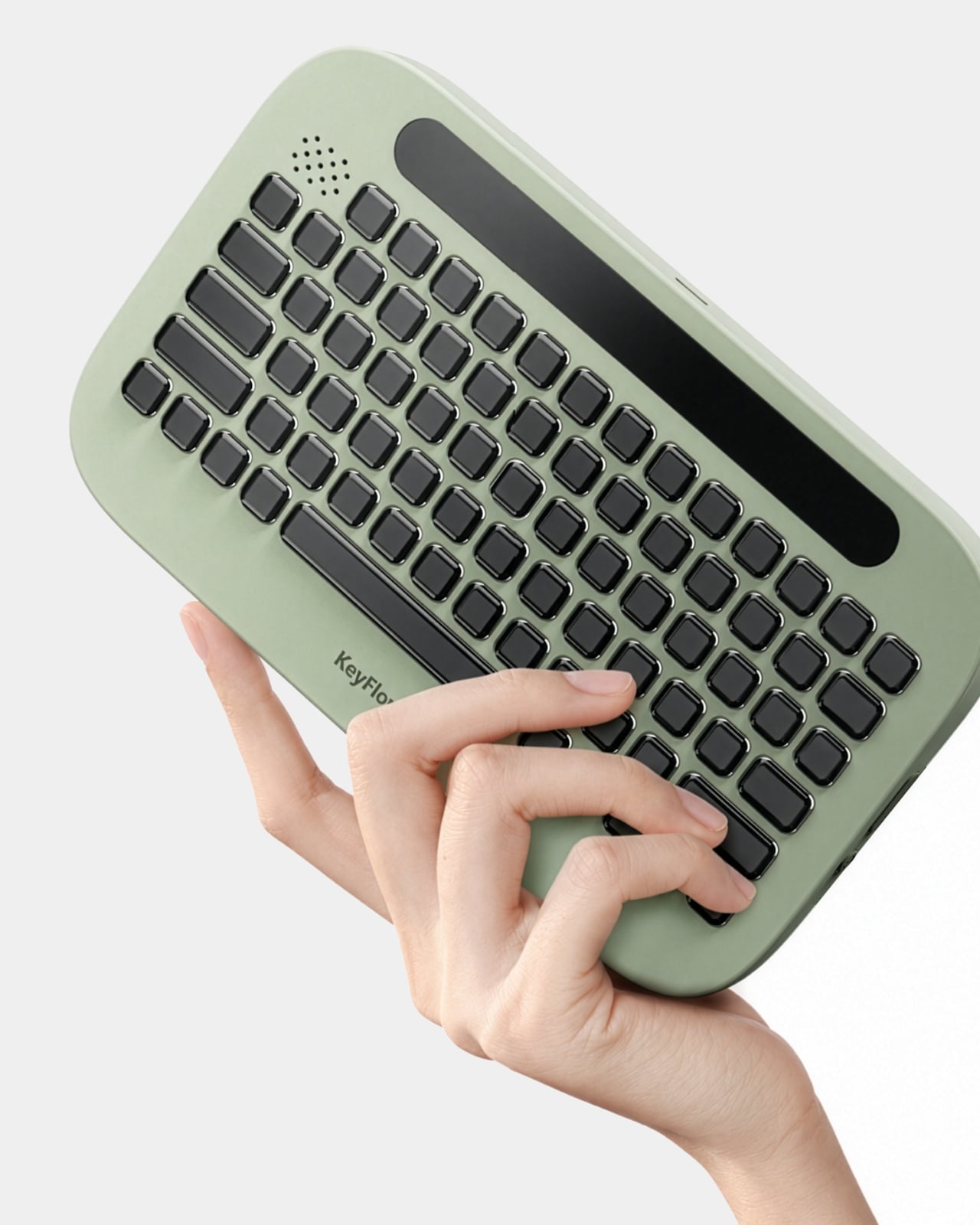
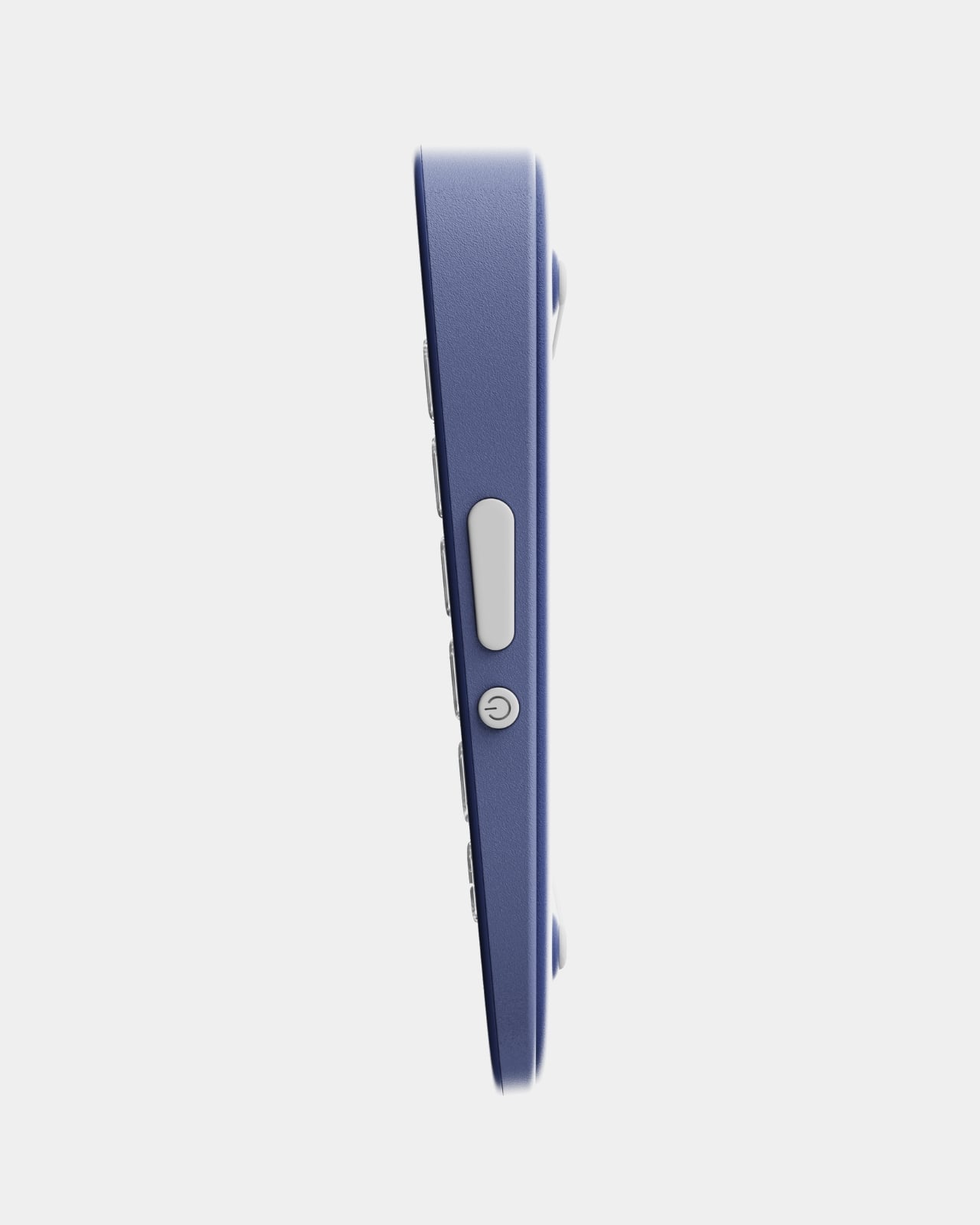
Visually, the design is clean and restrained in the best way. The rounded, slightly pill-shaped body comes in navy blue, light gray, and a soft sage green. None of the colors are aggressive or trendy in an obvious way. The keys have that satisfying, slightly domed profile that looks genuinely tactile even in product renders. Running along the top edge is a narrow display strip that presumably serves as the main guidance interface, showing instructions or prompts without pulling your eyes fully away from the screen. It is a small detail that shows real consideration for how people actually look at their desks when they are working.
The back of the device features two raised rails that function as a stand, letting you tilt the keyboard to a more comfortable working angle. A coiled cable option is also part of the design language, and while coiled cables are very much having a moment in the mechanical keyboard world right now, it does not feel forced here. It fits the overall aesthetic without trying too hard.
To be fair, KeyFlowAI is still a concept from Shih, which means there are open questions that a working prototype would need to answer. How accurately does the AI read your current task within the software? How quickly do the adaptive key labels update? Does the system scale to more advanced workflows, or is its sweet spot firmly in the beginner range? These are the kinds of details that make or break a tool like this, and they cannot be answered on paper.
But the underlying premise is sound, and more than that, it is overdue. The gap between watching a tutorial and actually building something has always been wider than the creative software industry acknowledges. Beginners do not need more content; they need less friction in the moment of doing. KeyFlowAI is betting that the solution lives right there on the desk, sitting under your hands. Whether or not it makes it to production, it is making the right argument.