How to prepare your iPhone for the iOS 27 update
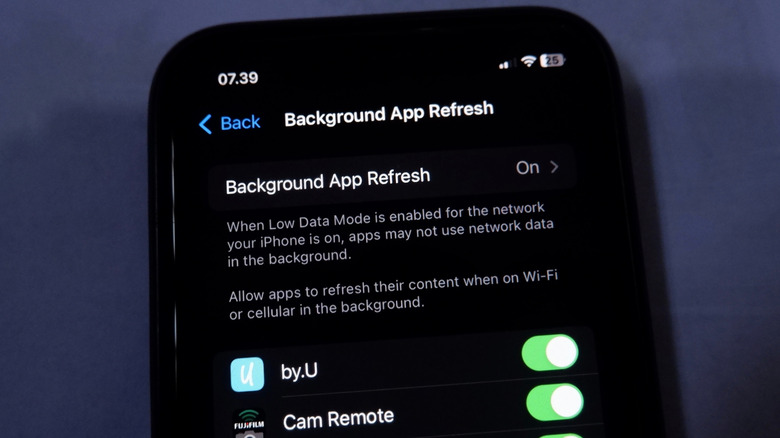
It's not difficult to update to iOS 27, but you should prepare in a few ways to avoid common issues when moving to the new version.
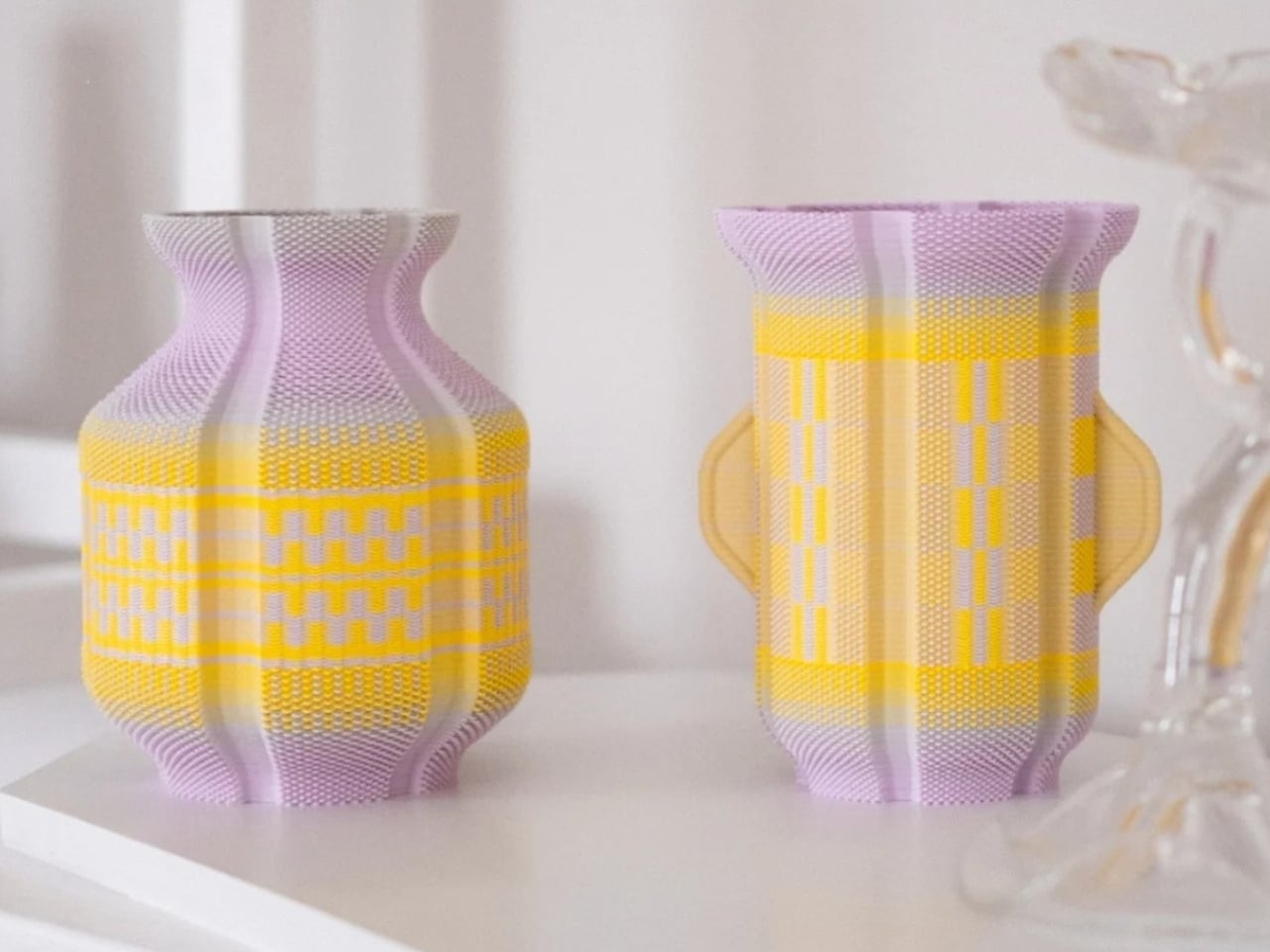
I don’t need a lot of vases in my house since I rarely get flowers or other decorations that would need a vessel like that. And even if I needed one, I don’t find the vases available at my local department store all that interesting or worth buying, especially if I won’t be using it often. But if the design is unique or there’s a nice story behind it, it’s something that can draw my attention.
These 3D-printed vases from the Polish design studio Wontek caught my eye because they look distinct and colorful, two things I look for in decorative (and sometimes functional) objects. These aren’t just vases churned out by a 3D printer. Each piece is designed, printed, finished, and packed in-house, with the vases printed from PLA, a compostable bioplastic, using what the studio calls “an original technique of weaving.”
Designer: Wontek
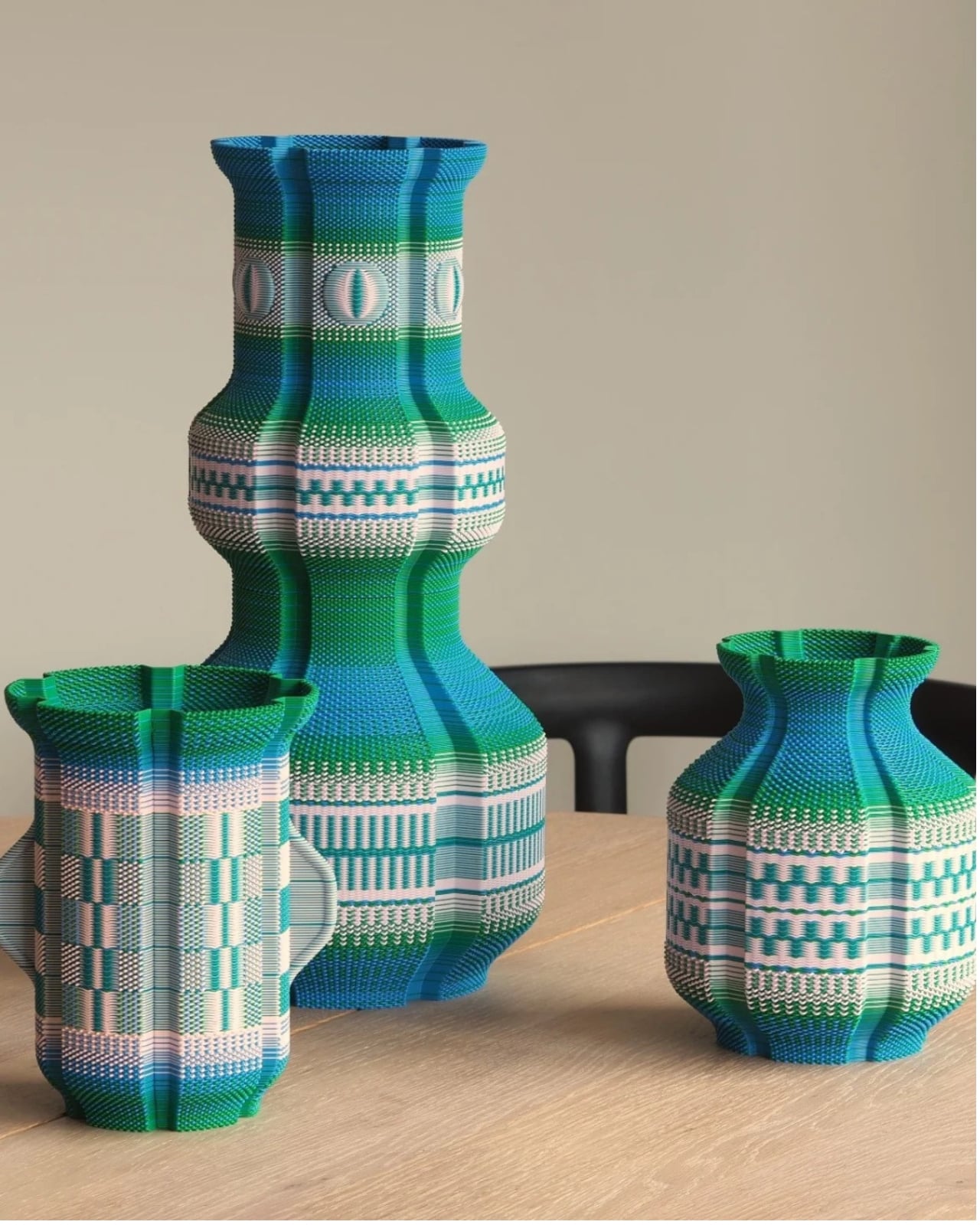
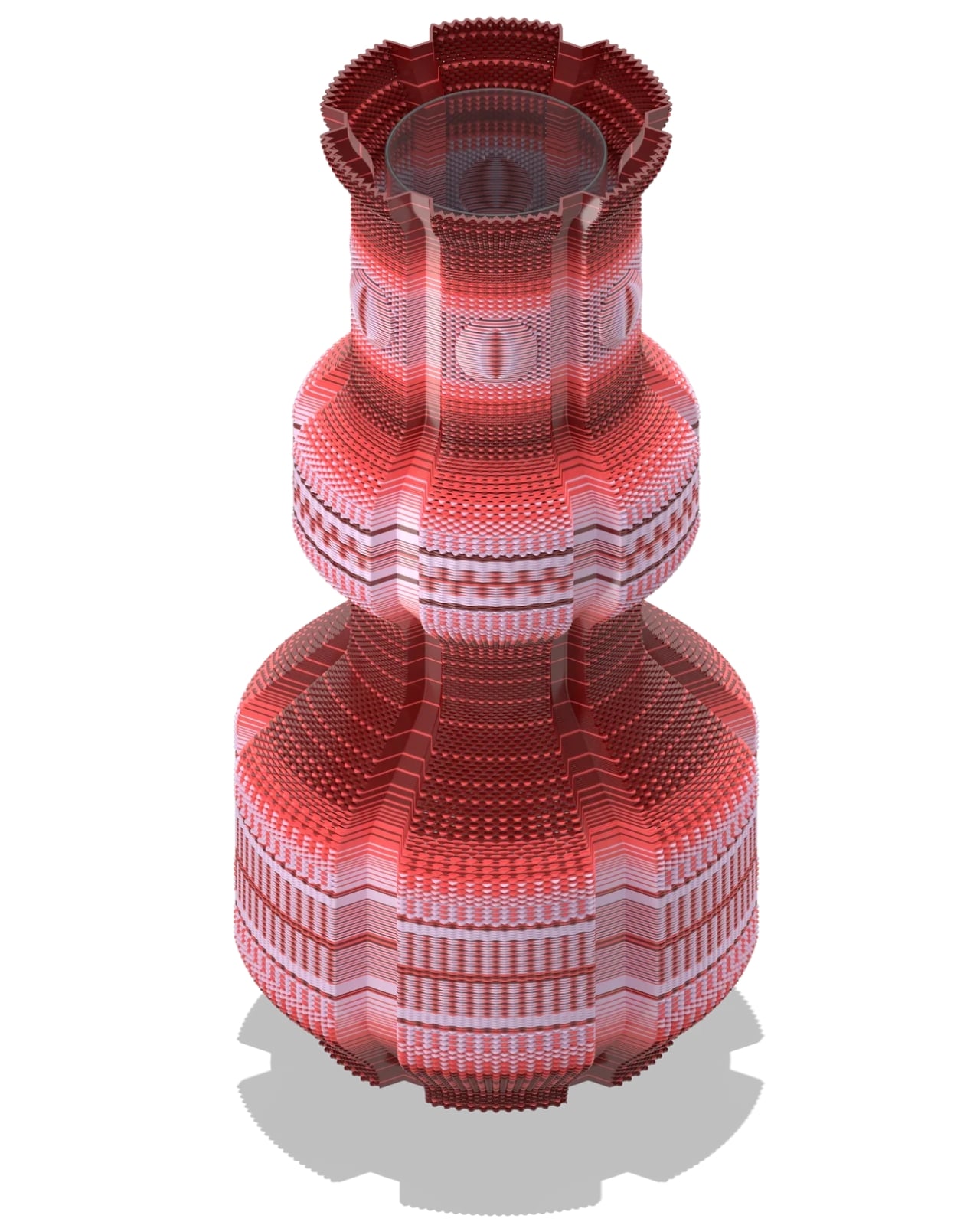
Most 3D-printed objects rely on a nozzle simply building up smooth layers. Wontek, however, uses the printer more like a weaving loom, with each pass of colored filament acting as a thread and stacking into pattern bands that make the vases look hand-woven. The surface motifs are inspired by traditional folk and hand-loom textile patterns, giving you checkerboards, chevrons, striped bands, and eye-like cutouts that make each piece look unlike most mass-produced vases on the market.
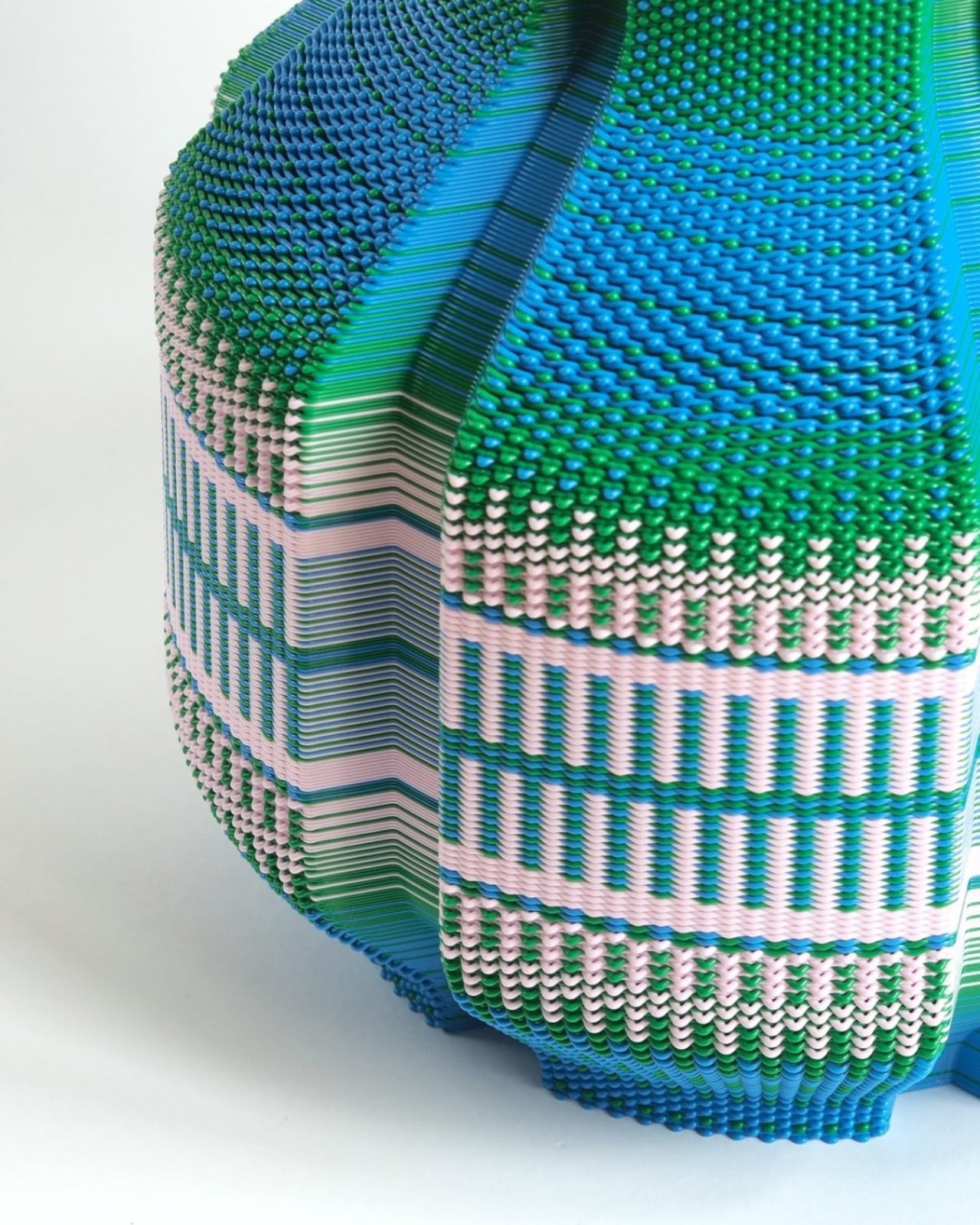
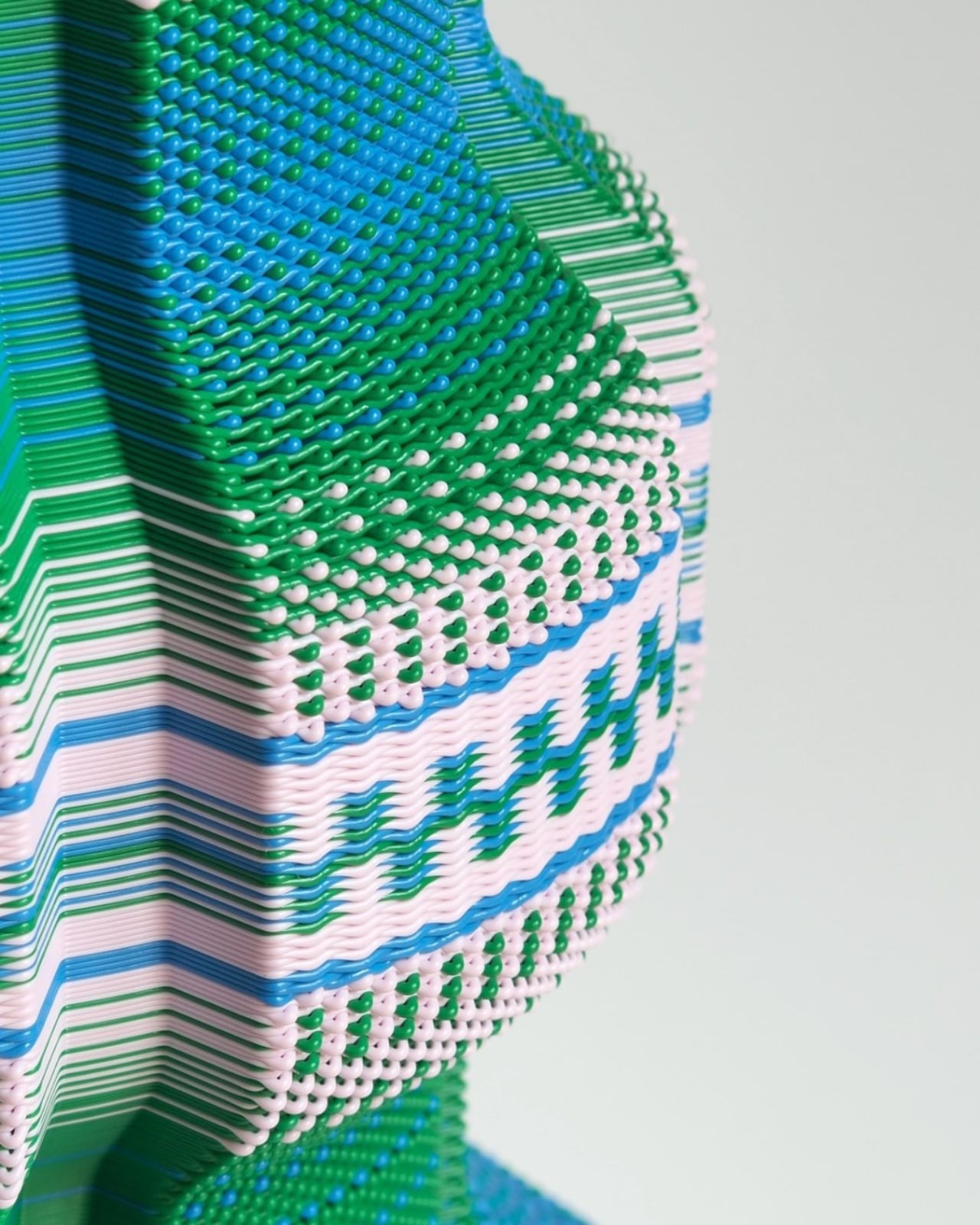
The vase walls also aren’t perfectly symmetrical, as you might expect from something 3D-printed. There are ripples, puckers, and folds, much like actual cloth would look if draped over a form. Some pieces even have handles that appear to be cut from the same woven surface rather than attached as a separate part. Color is treated as a design tool here, too, with pinks fading into yellows and blues melting into greens. These aren’t graphics printed onto the surface; they’re built into the structure layer by layer, giving the vases real depth and a texture you can actually feel.
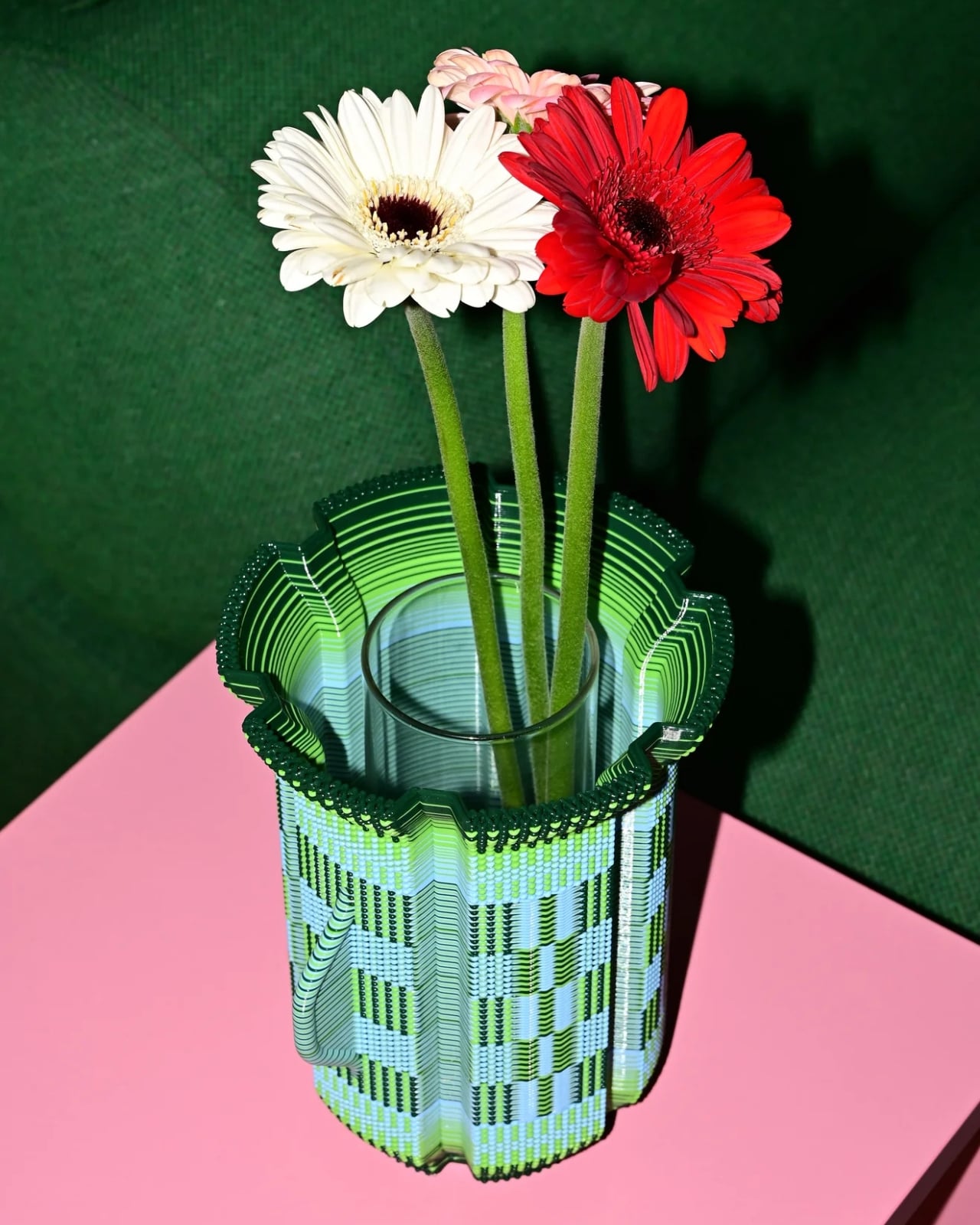
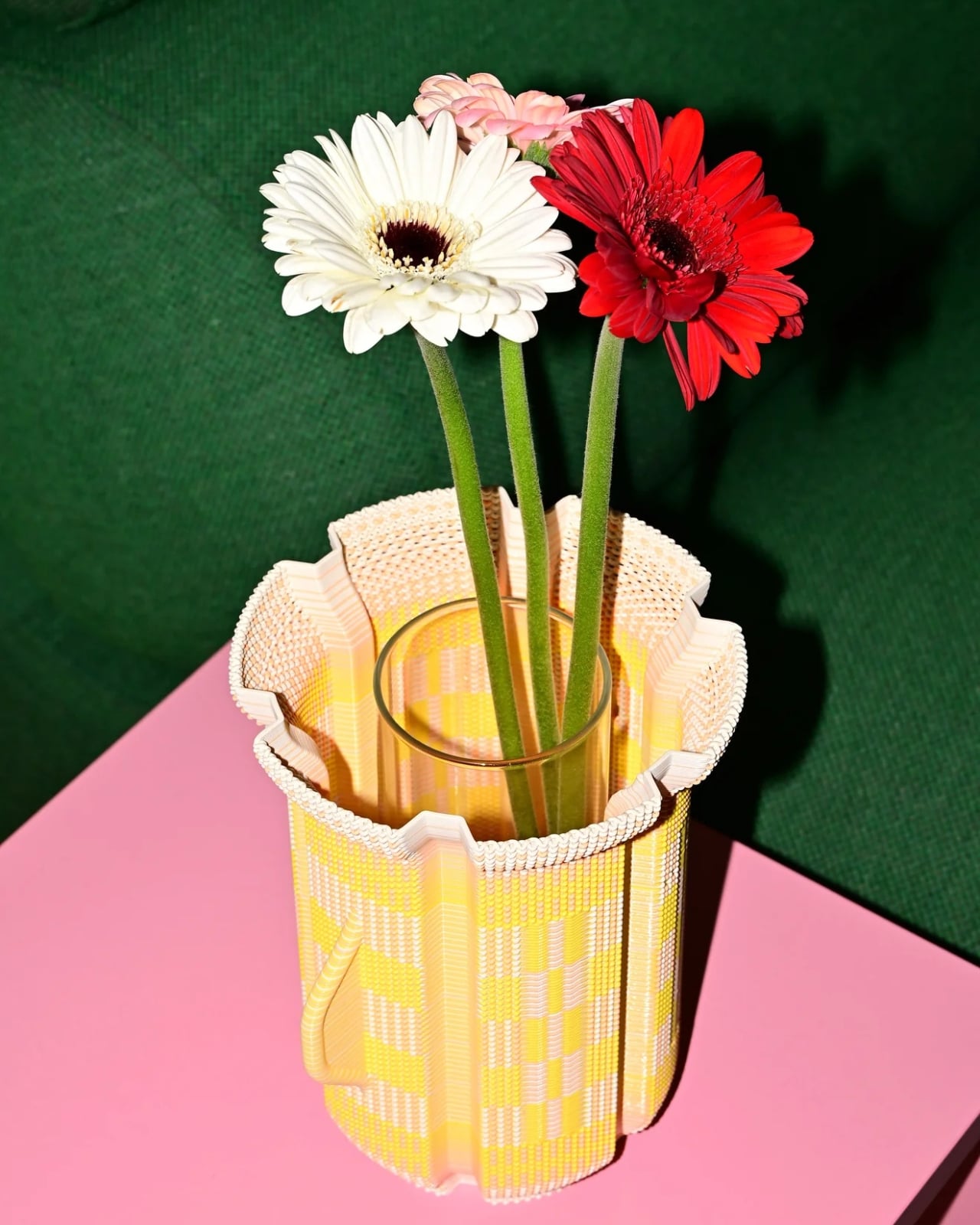
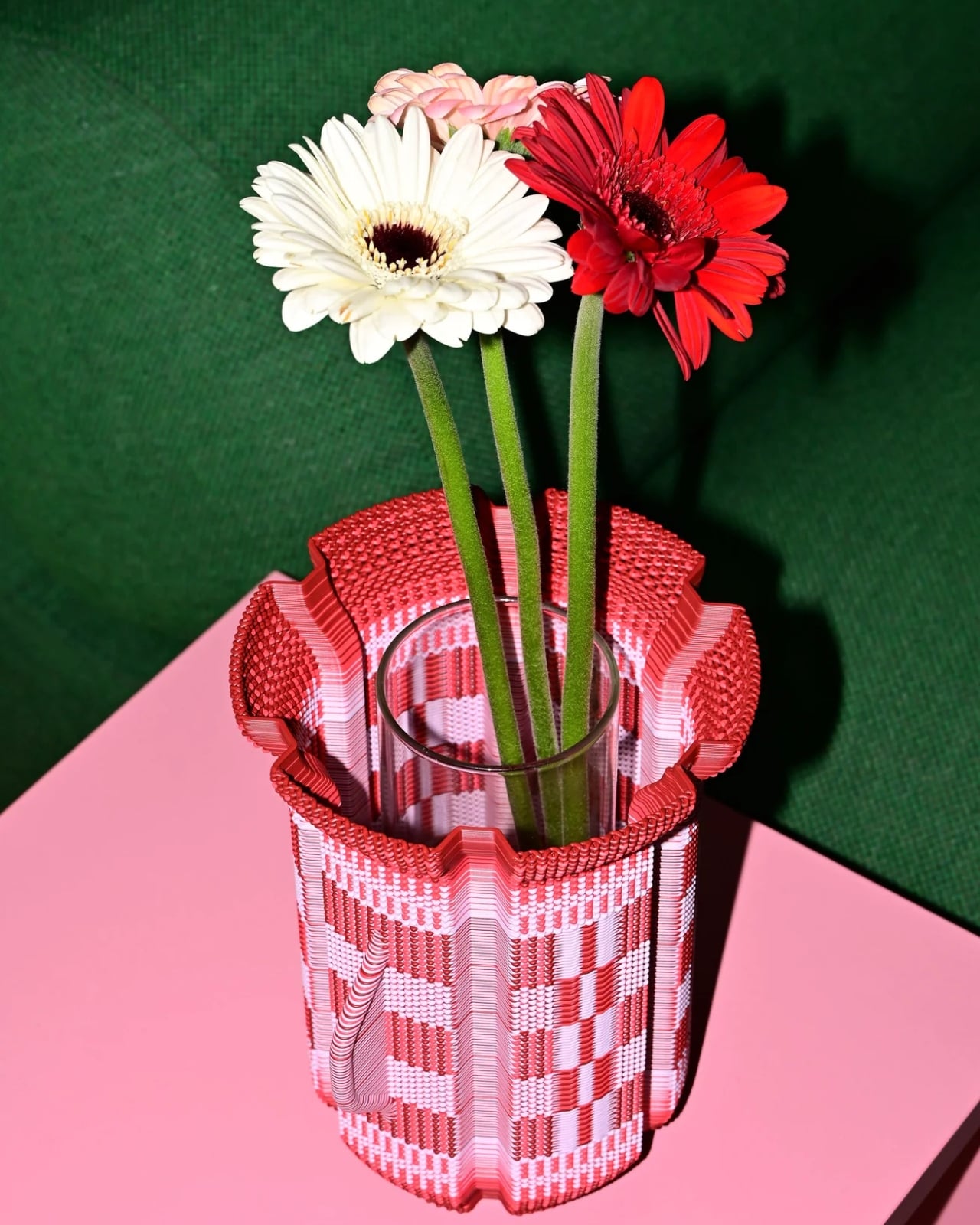
That tactile, sculptural quality is really the whole point. Because the pattern is physically built into the vase rather than applied on top of it, each piece reads as one cohesive art object instead of “a plain vase with a design on it.” That makes it a lot easier to style confidently on a shelf, table, or mantel, and it turns a functional object into a genuine conversation piece, the kind of thing people pick up and ask about. It also helps that PLA is compostable, so you get a bold, maximalist look without the environmental guilt that can come with mass-produced plastic decor.
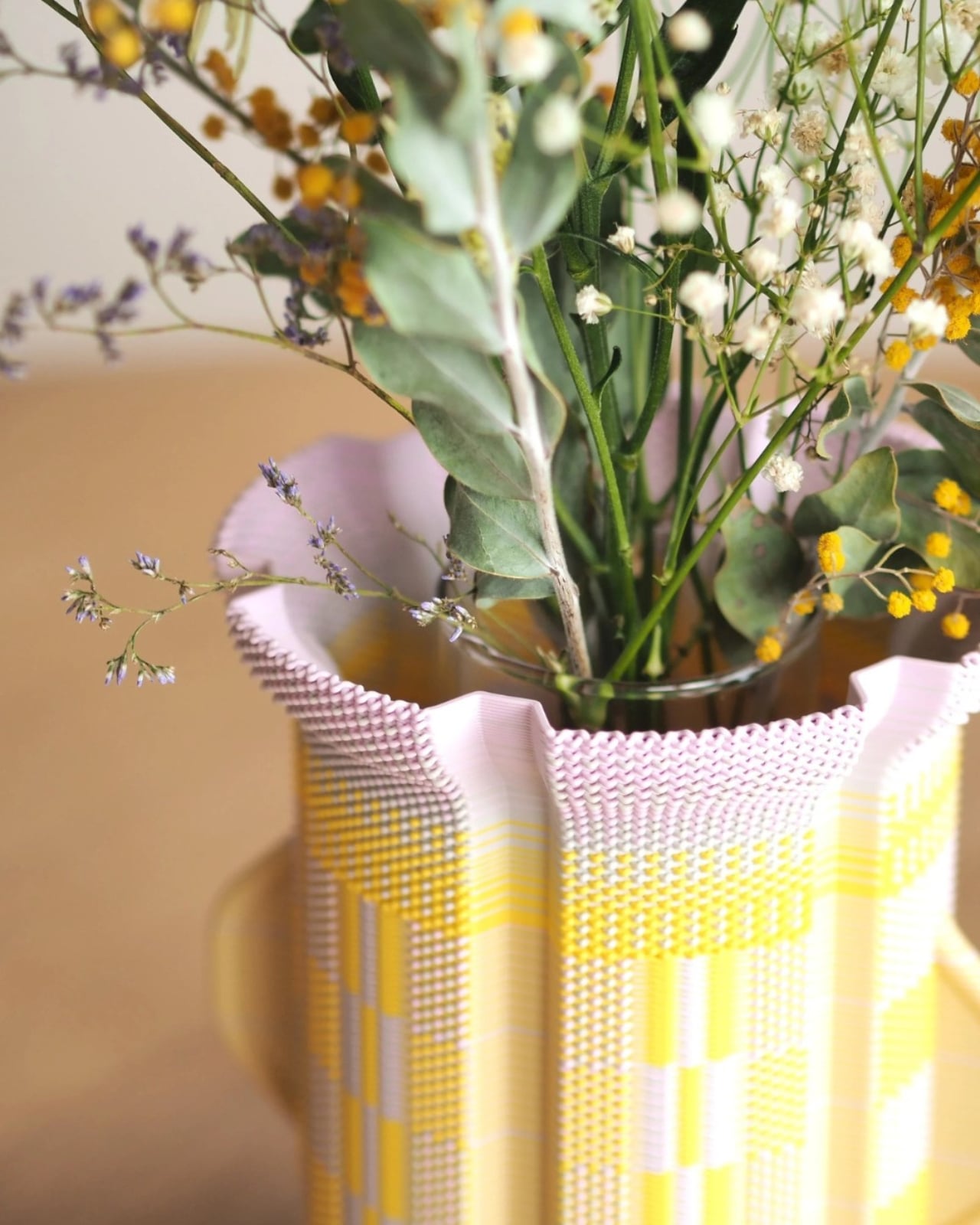
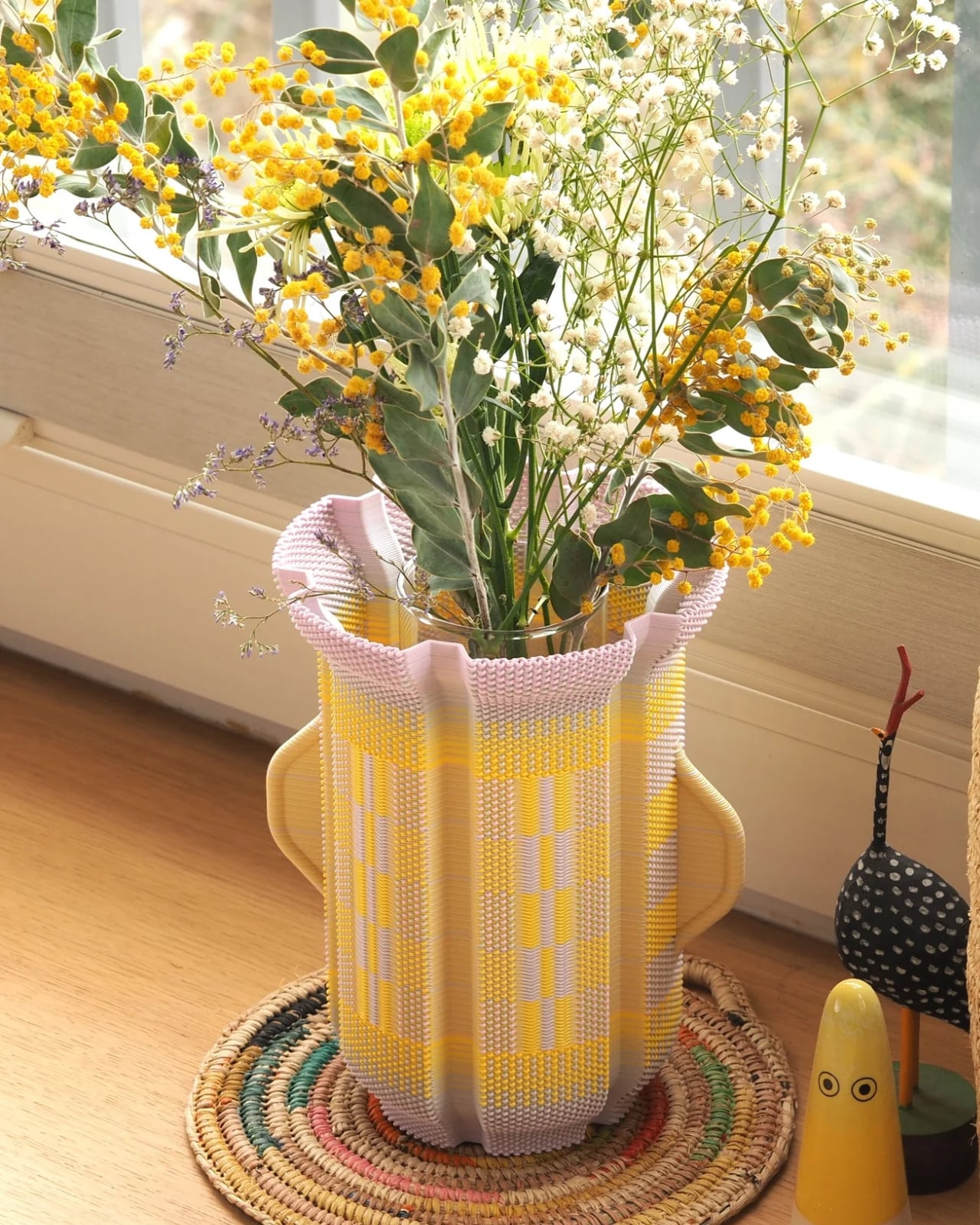
It’s worth putting Wontek’s approach next to how a bigger name in the design world handles a similar idea. Kartell, the Italian furniture and homeware giant, has long produced its Trama vase collection, plastic vessels molded to resemble woven baskets. The concept sounds similar on paper, but the execution couldn’t be more different. Kartell relies on injection molding, which means every Trama vase in a given run is identical, produced by the thousands in a factory.
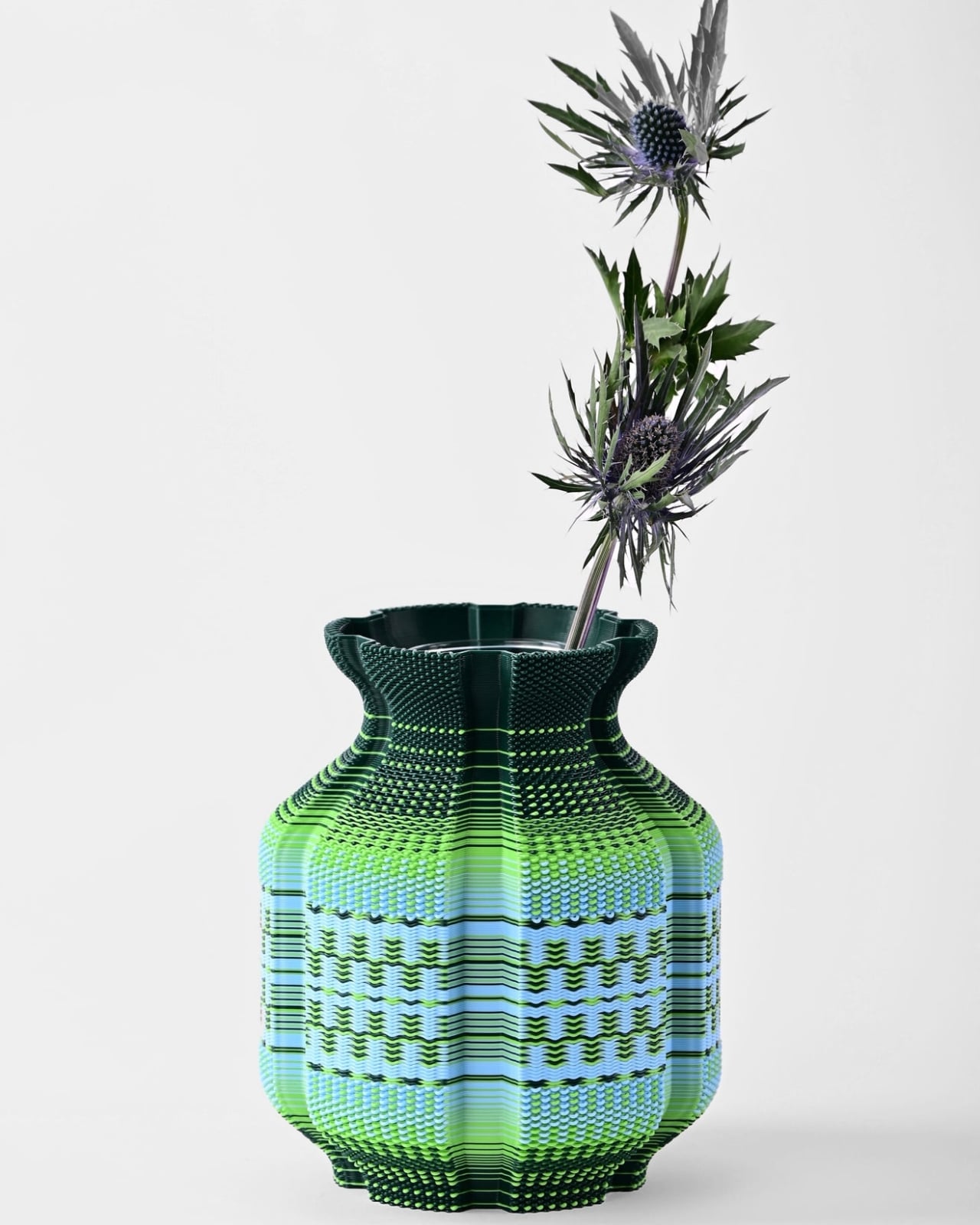
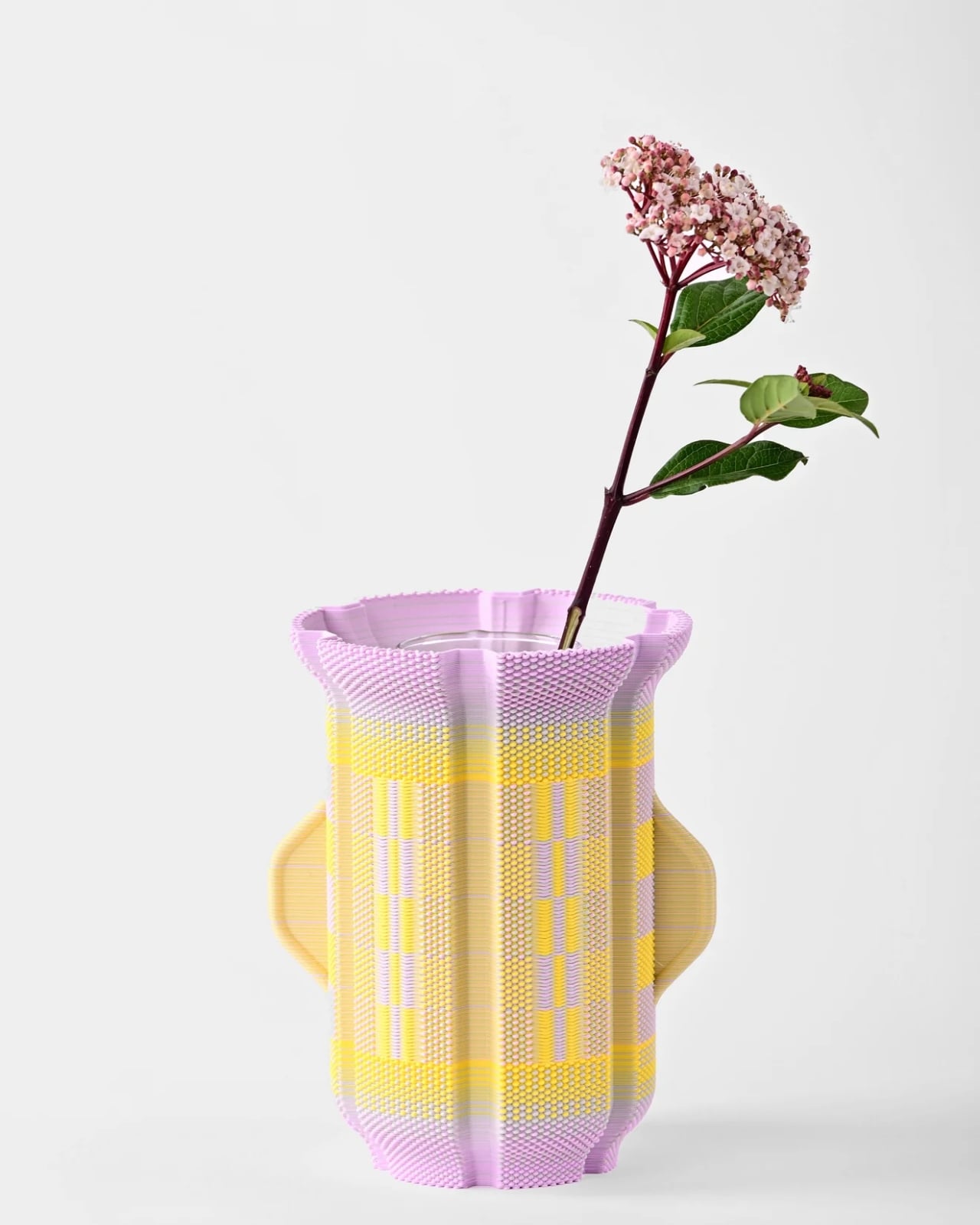
Wontek’s vases, on the other hand, come out of a small Warsaw studio where the color, pattern, and even the form can be adjusted for a single order. You’re not just buying a woven look; you’re buying a piece that was shaped, quite literally, one layer at a time, by a process that can’t produce two pieces exactly the same way twice. That difference in scale and intention is where Wontek’s real value lies, especially for anyone who’s grown tired of seeing the same big-box store vase on every other coffee table.
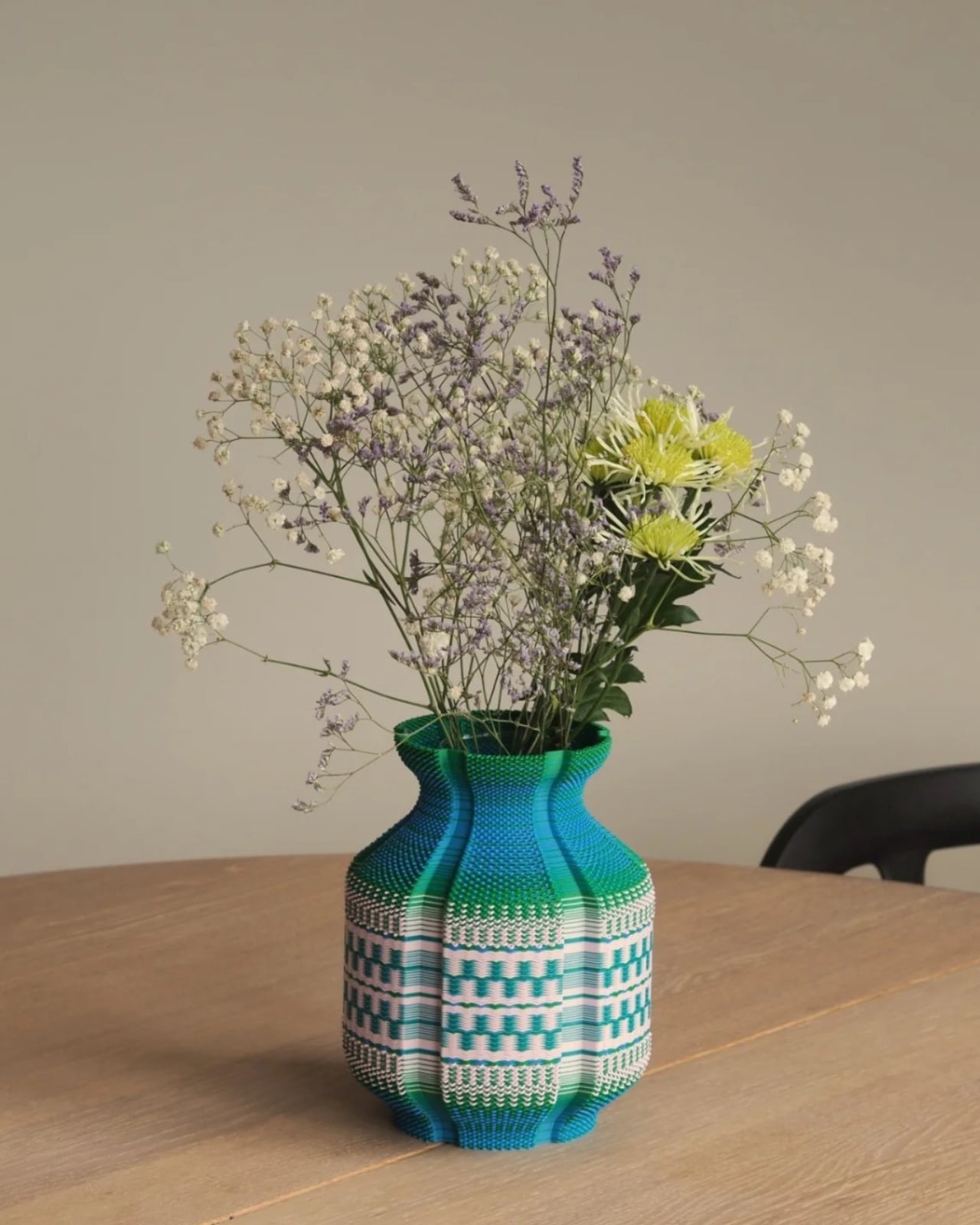
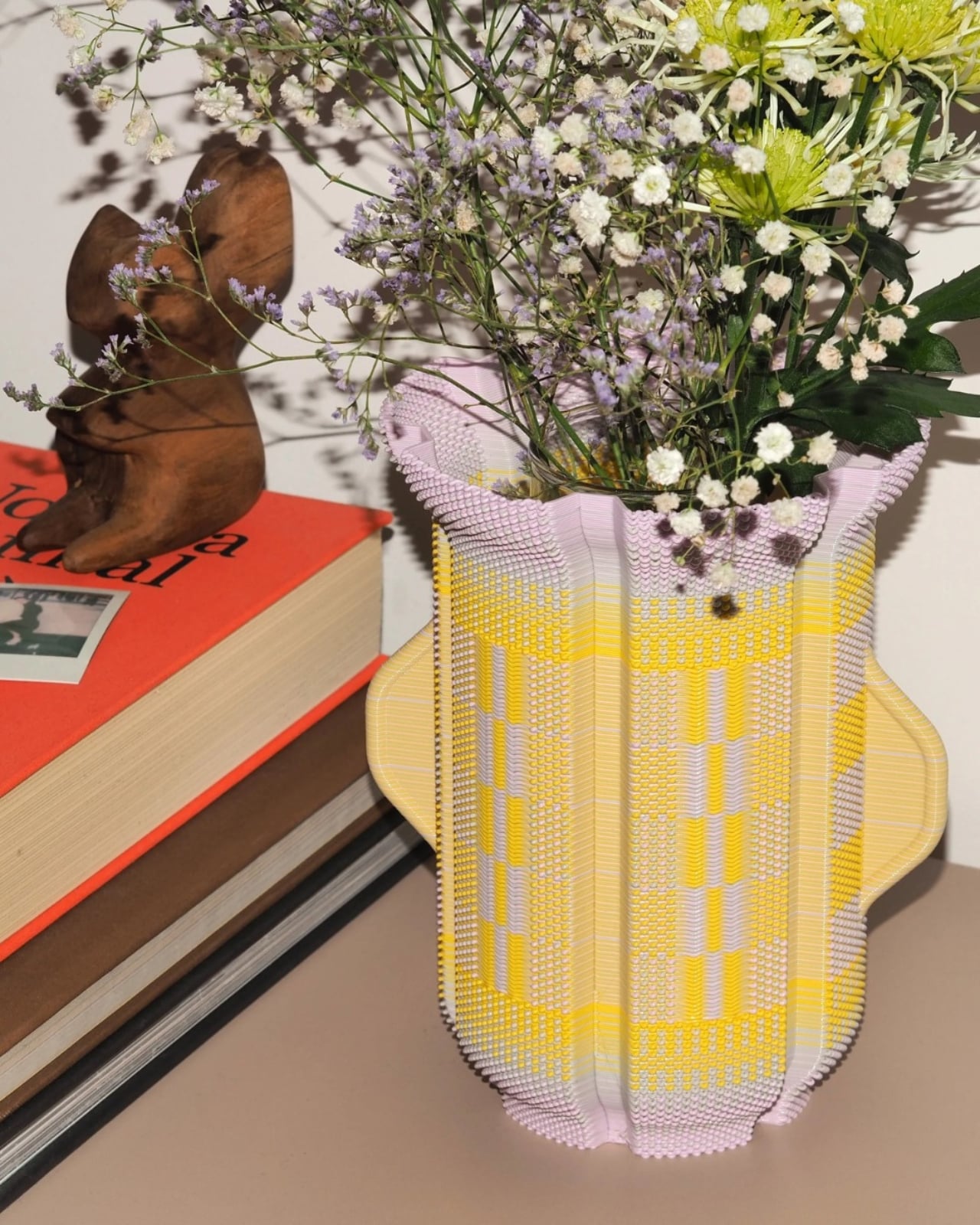
That, ultimately, is the problem Wontek quietly solves. Most of us are stuck choosing between generic, forgettable vases that everyone else owns, too, or genuinely handmade, textile-inspired pieces that come with a steep price tag and a fragility that makes them stressful to actually use. Wontek splits the difference, giving you the look, texture, and story of an artisanal woven object at a scale that modern manufacturing makes accessible, without sacrificing the small-batch character that makes it feel special.
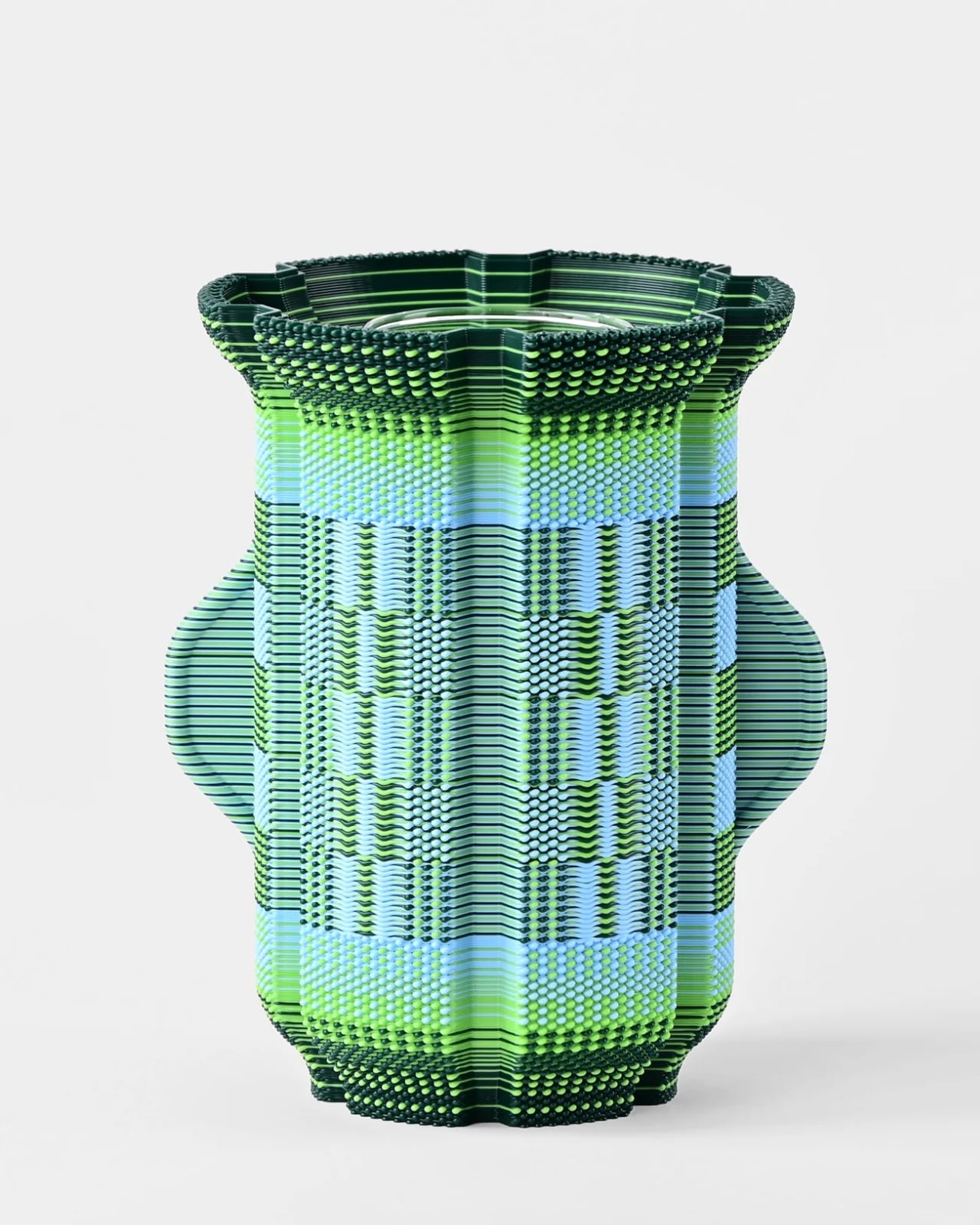
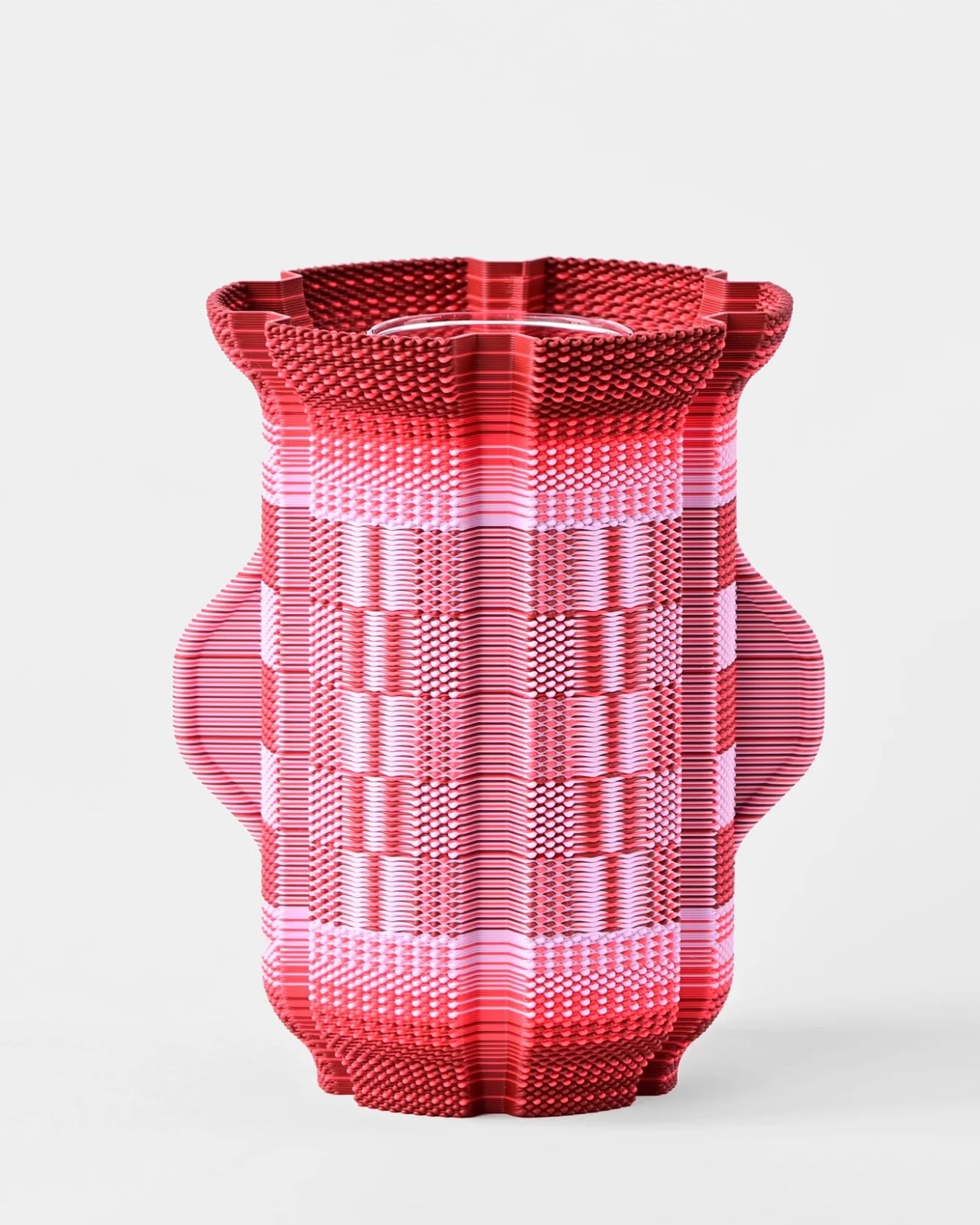
So even though I still don’t need a house full of vases, I’ll admit this is the first one in a long time that’s made me stop scrolling. Sometimes the right story, paired with the right pattern, is all it takes to turn something you didn’t think you needed into something you can’t stop thinking about.
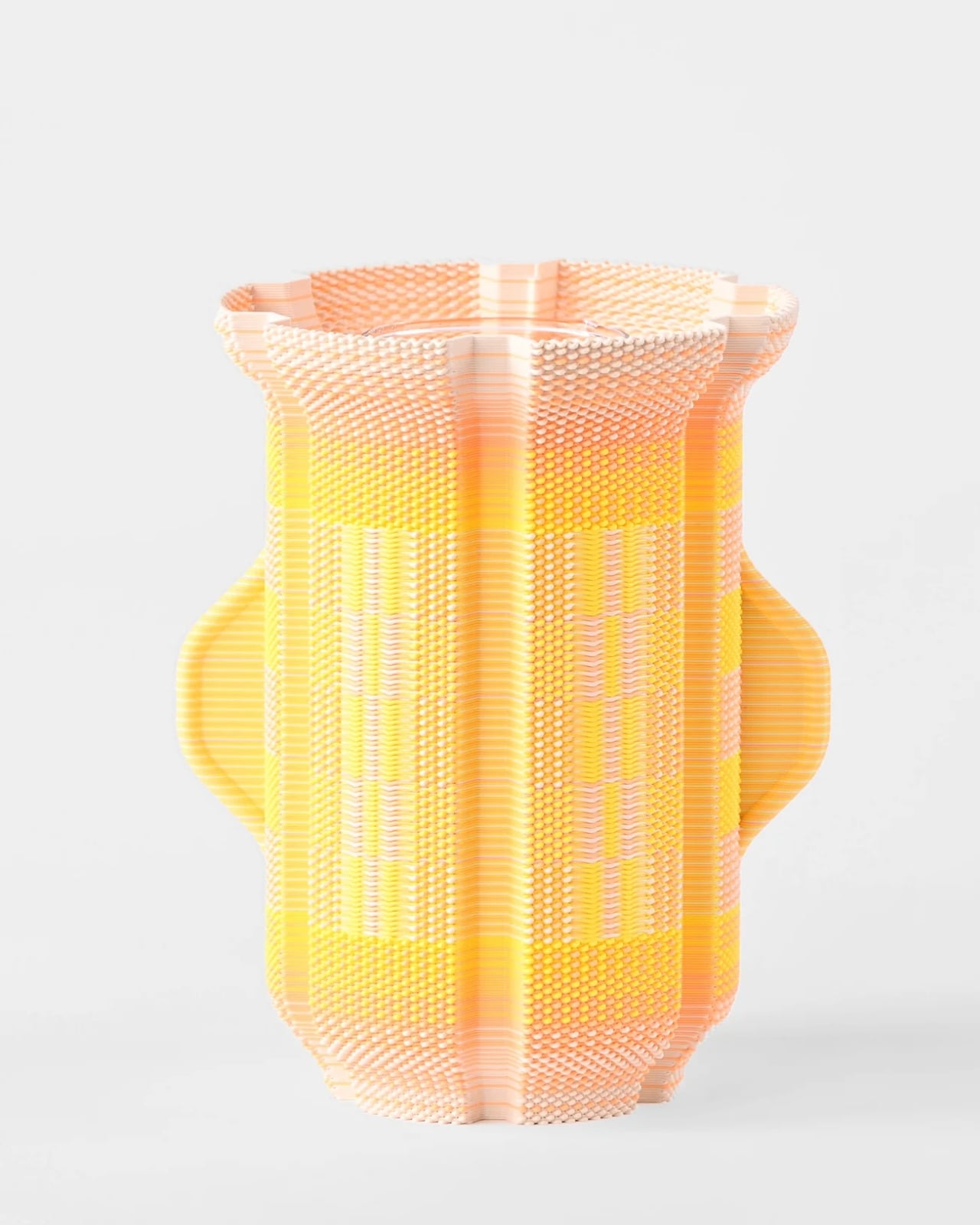
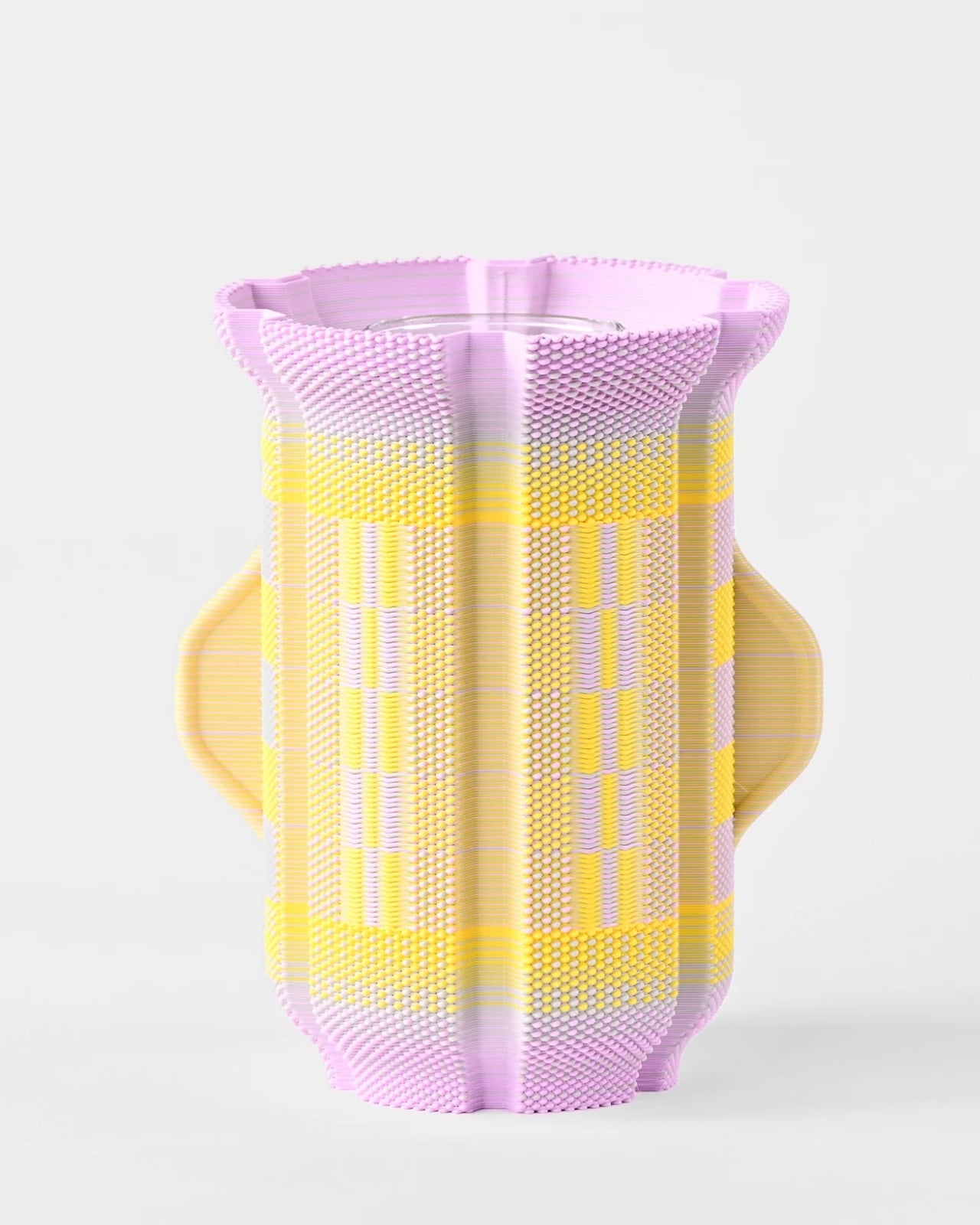
The post The 3D-Printed Vases That Actually Look Hand-Woven first appeared on Yanko Design.
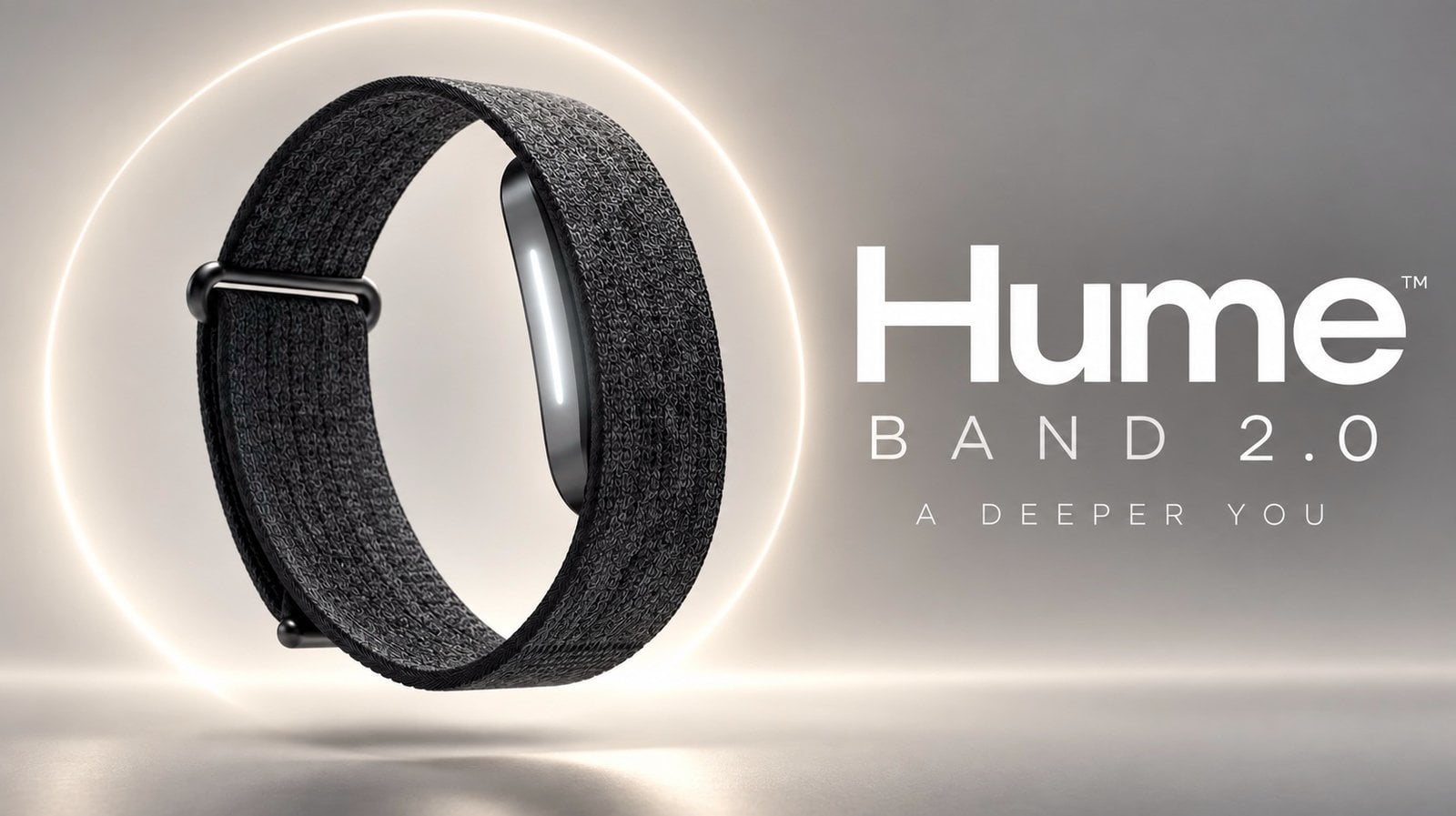
The Hume Band 2.0 offers a fresh take on fitness and health tracking by prioritizing simplicity and precision over flashy features. Phones & Drones explores how this screenless wearable delivers actionable insights into key health metrics like heart rate variability, skin temperature and blood oxygen levels. With its IP68 water resistance and the Ultralux comfort […]
The post Skip Whoop 5.0 Subscription Fees with the $249 Hume Band 2.0 appeared first on Geeky Gadgets.

Apple’s highly anticipated iPhone 20, expected to launch in 2027 to commemorate the brand’s 20th anniversary, is rumored to introduce new advancements in both design and technology. While the iPhone 18 Pro brought incremental improvements, the iPhone 20 is shaping up to be a significant leap forward, potentially redefining the smartphone experience. Below is a […]
The post iPhone 20 Leaks: 8 Major Upgrades Planned for Apple’s 20Th Anniversary appeared first on Geeky Gadgets.


DeepSeek V4.1 introduces a significant breakthrough in AI memory efficiency, achieving a 437-fold reduction in memory usage compared to its previous version. As detailed by The Stack, this model operates with just 890 bytes per token, allowing it to handle a million-token context while maintaining a compact memory footprint. Central to this achievement is its […]
The post How DeepSeek V4.1 Achieves a 437x Memory Footprint Drop appeared first on Geeky Gadgets.


Investing in local AI hardware can seem like a straightforward solution for handling demanding AI workloads, but the decision is far more complex than it appears. As Kai explains, factors like depreciation, scalability and hidden costs often tip the scales against local hardware for many users. For instance, specialized devices like the Nvidia DGX Spark […]
The post Hosted AI Services vs Local GPUs: Calculate Your Break-Even Point appeared first on Geeky Gadgets.
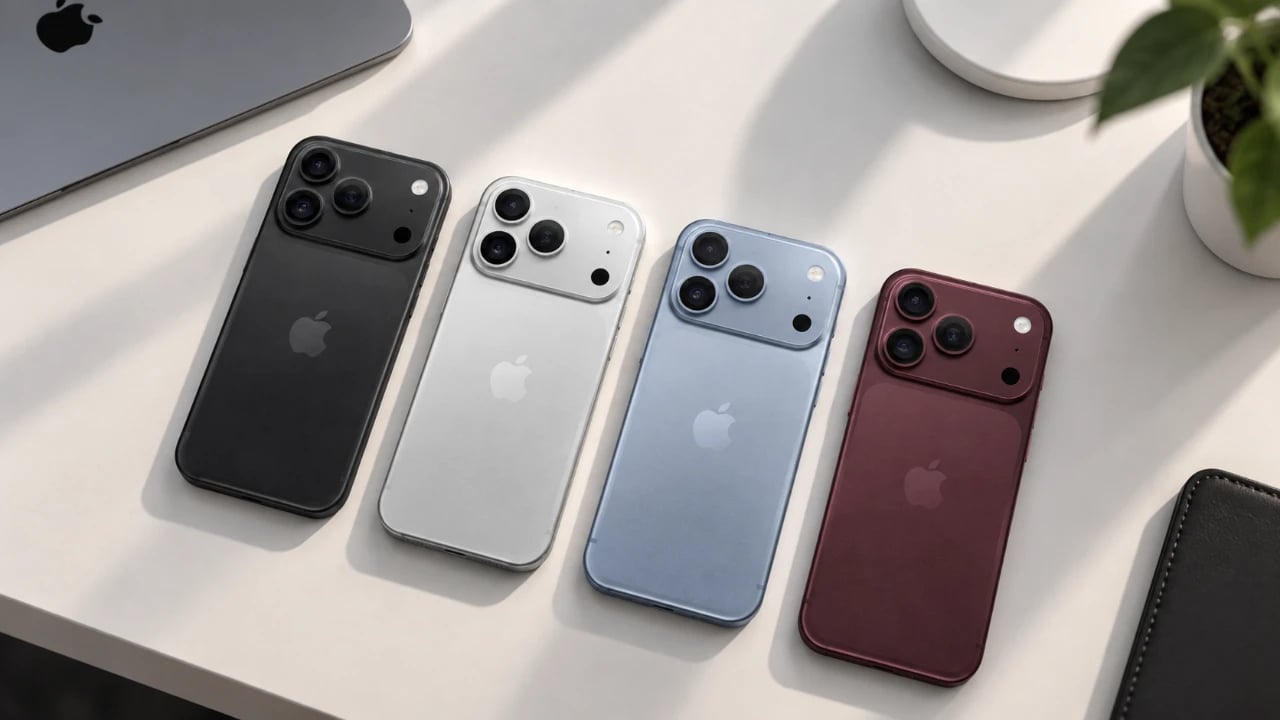
The iPhone 18 Pro and 18 Pro Max bring a host of updates aimed at enhancing the user experience, with improvements in camera technology, battery performance, and processing power. While these upgrades are noteworthy, they may not appeal equally to all users, particularly those already using the iPhone 17 Pro. The video below from ZONEofTECH […]
The post iPhone 17 Pro Owners: Here Is Exactly How Much Faster and Better the iPhone 18 Pro Really Is appeared first on Geeky Gadgets.