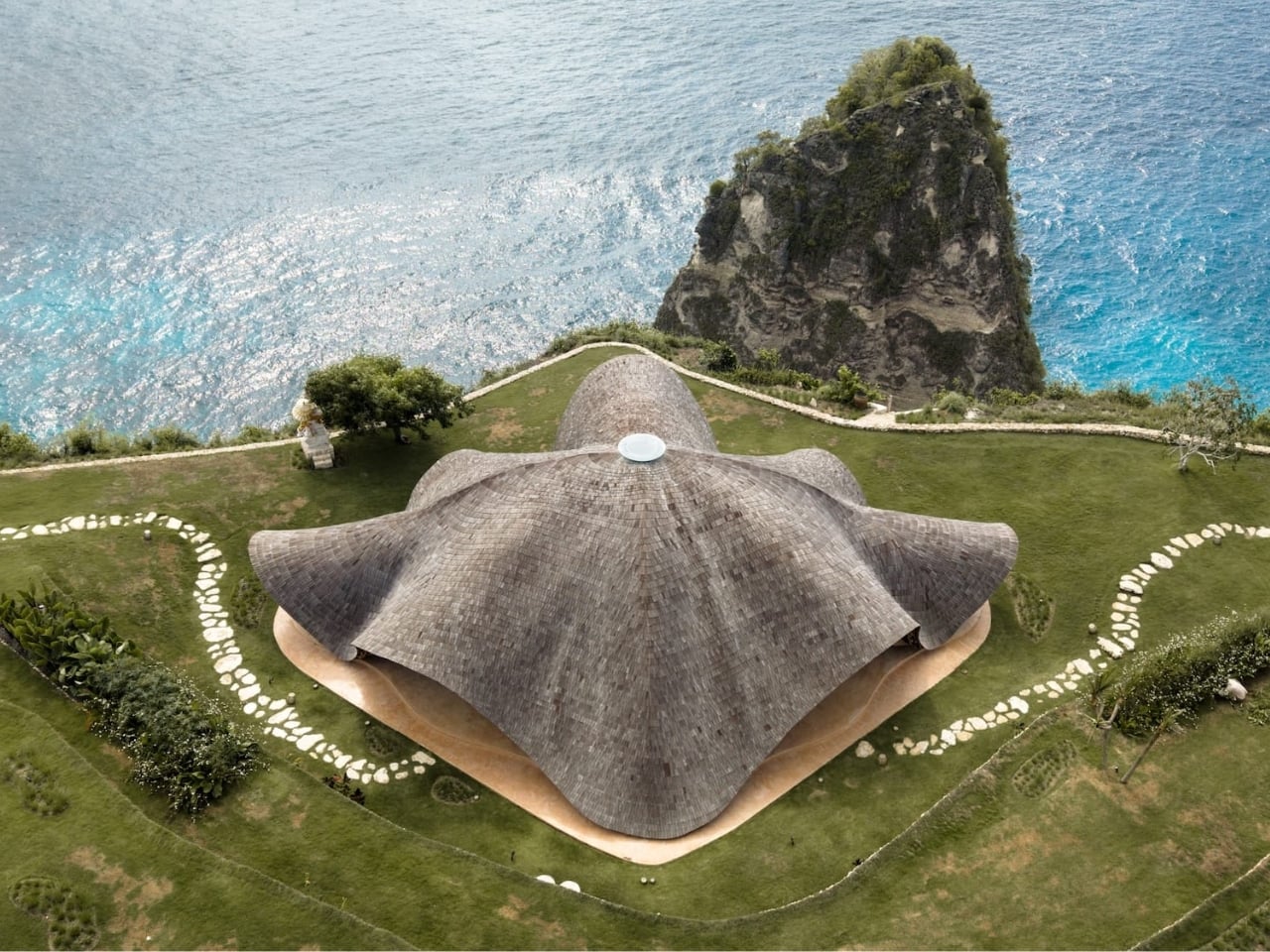
The Bali Yoga Studio Quietly Refusing to Use Air Conditioning

Most wellness architecture makes a promise it can’t keep. Retreat centers market themselves on words like “grounding” and “presence,” then wall you into a climate-controlled box with a playlist of ocean sounds piped through a speaker. The irony rarely gets mentioned: a space built to reconnect you with nature usually spends a lot of energy keeping nature firmly on the other side of the glass.

Pablo Luna Studio, a design firm based in Bali, seems to have gotten tired of that contradiction. Its newest project, the Lotus Yoga Shala in Ubud, doesn’t use air conditioning, doesn’t rely on walls in any conventional sense, and doesn’t try to insulate people from the climate they came halfway around the world to feel. Instead, the building works with the heat, the humidity, and the surrounding jungle rather than against them, which is a much harder design problem than it sounds.

Designer: Pablo Luna Studio

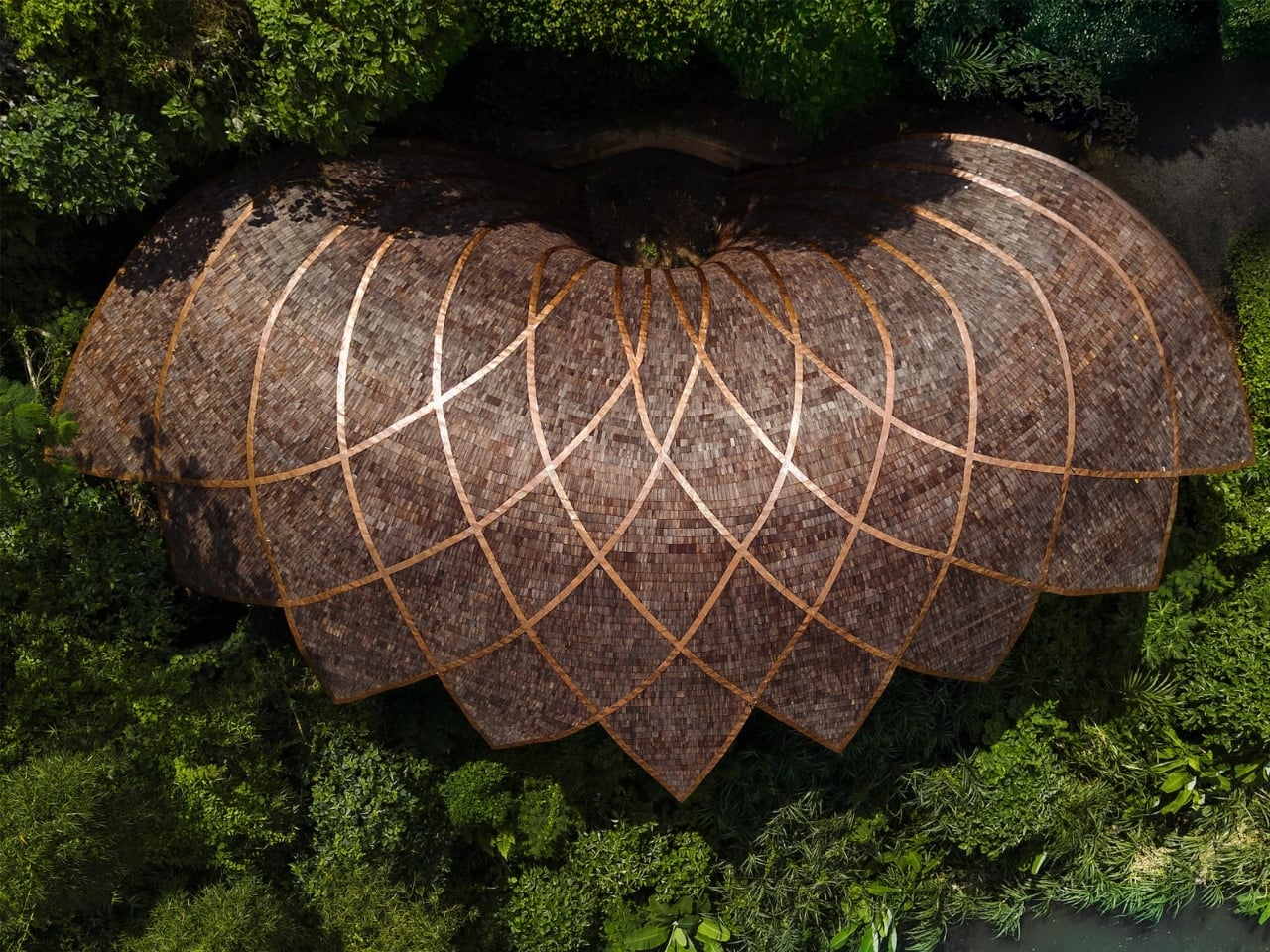
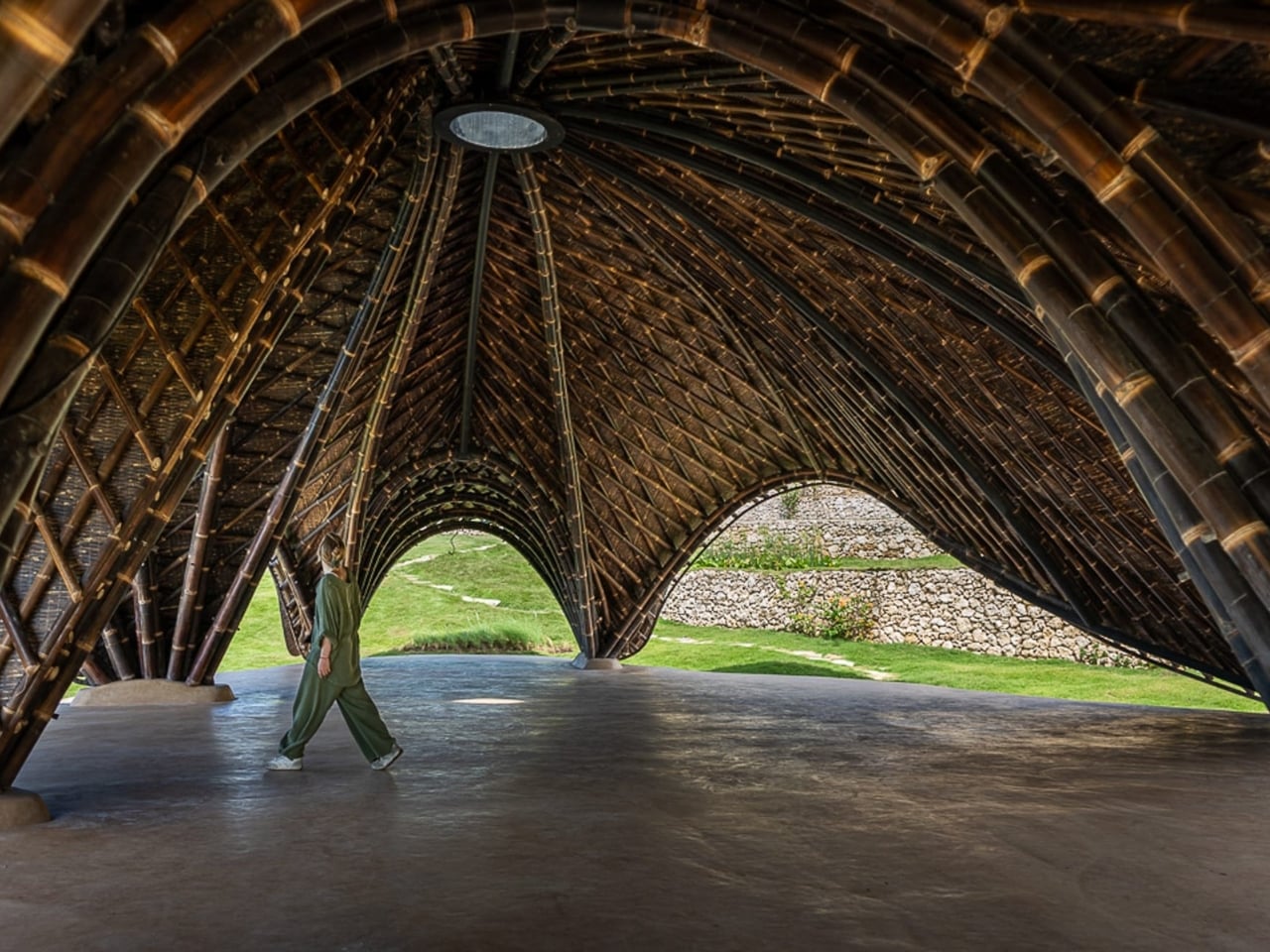
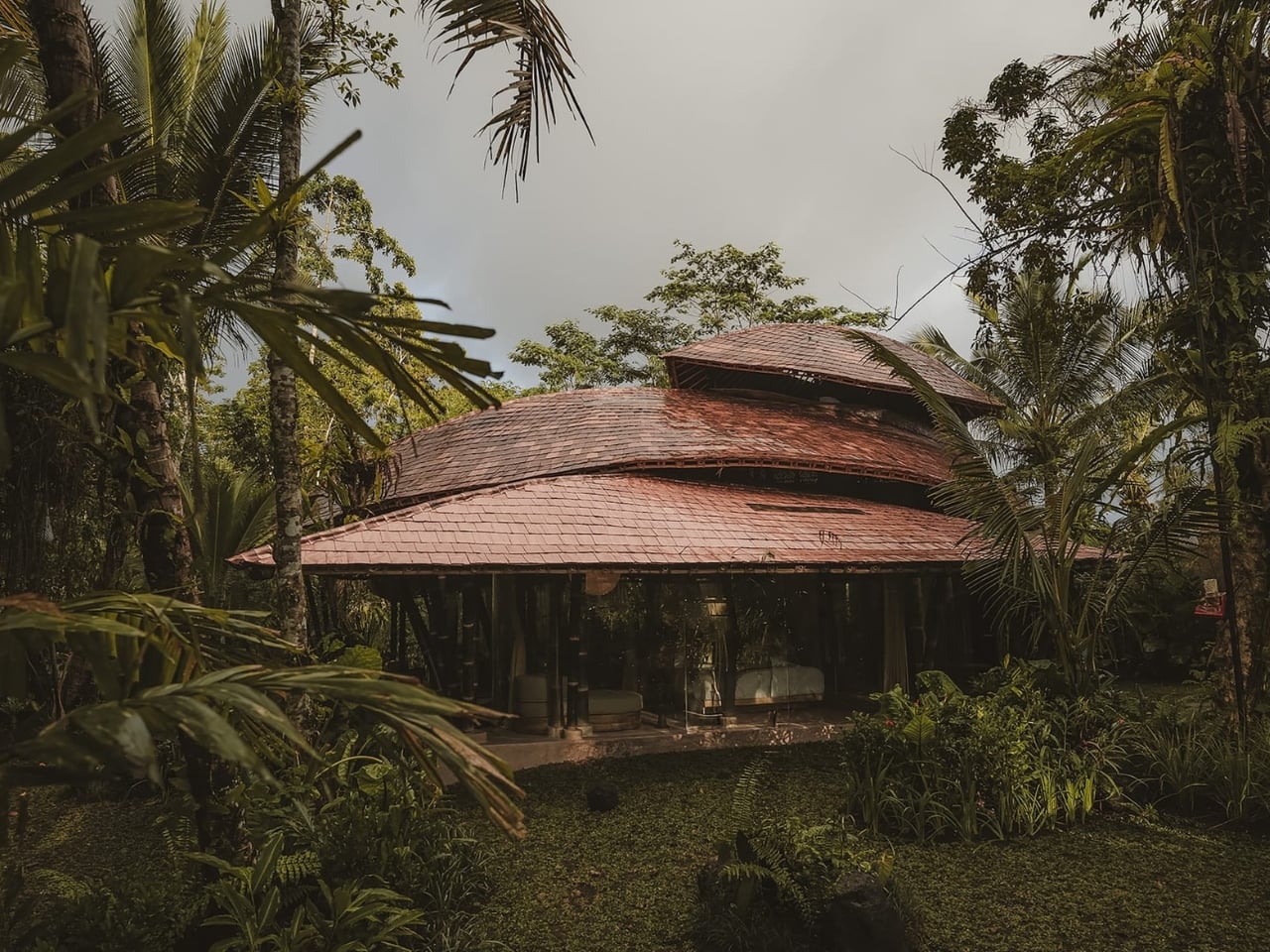
The shala takes its shape from an actual lotus flower, and not in a loose, “inspired by” way that architects sometimes use to justify a pretty rendering. Seen from above, the roof genuinely reads as a bloom, its petals spreading outward and overlapping like the plant it’s named for. The studio started developing the idea back in 2021, and the finished structure is one of the first times the firm has leaned this hard into biomimicry, letting a natural form dictate the actual engineering rather than just the mood board.
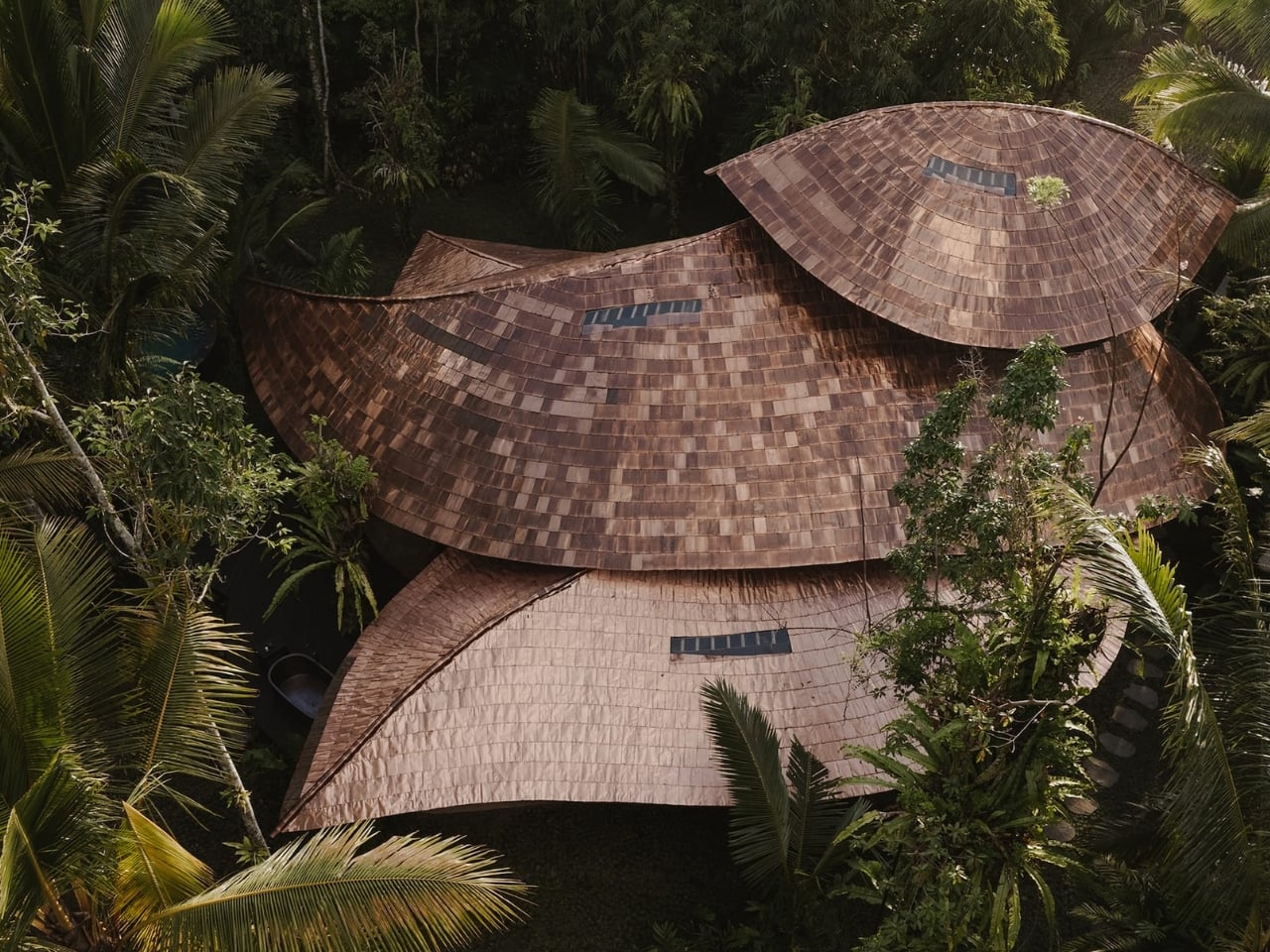
That engineering is where the project earns its credibility. Each petal grows out of a structural system of petung bamboo, with primary arches made by bundling three lengths together and split bamboo woven across them into a gridshell. At the edges, the load gathers into small clusters of three to five poles, which keeps the perimeter open and airy instead of propped up by a dense ring of columns. It’s a genuinely clever piece of structural logic, using a material that bends and flexes to do what steel and concrete would need far more mass to accomplish.

What I appreciate most is the restraint around the ground itself. Rather than flattening the hillside to make construction easier, the platform was raised and shaped to follow the existing contours, limiting how much of the site actually gets disturbed. It’s a small decision that says a lot about priorities. Plenty of developments treat topography as an inconvenience to be graded away. This one treats it as the whole point.
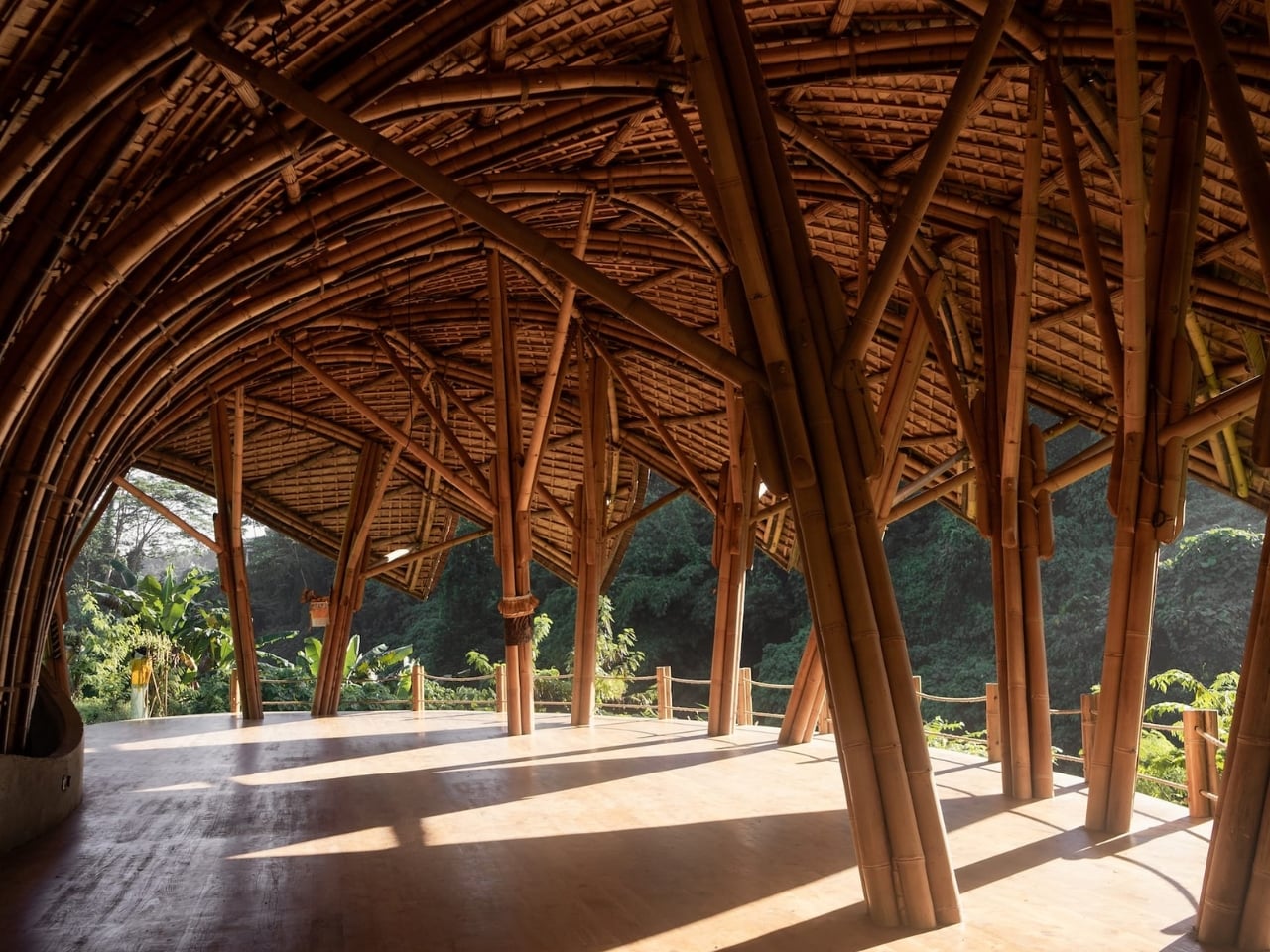

Without walls to define the space, the roof becomes the building’s only real boundary, and even that boundary is porous. Daylight and air move through freely, views stretch out toward the river and the vegetation beyond, and the practice space essentially becomes an extension of the landscape it sits in. For a yoga studio specifically, that openness does more for the experience than any amount of curated interior design could. You’re not looking at a mural of nature. You’re just in it.
There’s a broader lesson here for anyone paying attention to wellness spaces back home, where the trend has mostly meant adding a live-edge wood accent wall to an otherwise sealed, mechanically cooled room. Actual climate-responsive design asks harder questions about airflow, shade, and material, and it usually produces something that looks less like a spa and more like it grew out of the ground on purpose. Bamboo helps that case considerably. It grows fast, sequesters carbon while it’s alive, and requires none of the energy-intensive processing that concrete or steel demands, which matters more every year as the building industry gets pressed to account for its footprint.

None of this makes the Lotus Yoga Shala a universal template. Bamboo construction at this level requires serious craft, and a project this specific to its site can’t simply be copied onto a lot in Austin or Portland. But it does make a convincing argument that comfort and climate responsibility aren’t opposites, and that a building can refuse the easy fix of walls and refrigerant without asking anyone to sacrifice how good the space actually feels to be in.
The post The Bali Yoga Studio Quietly Refusing to Use Air Conditioning first appeared on Yanko Design.
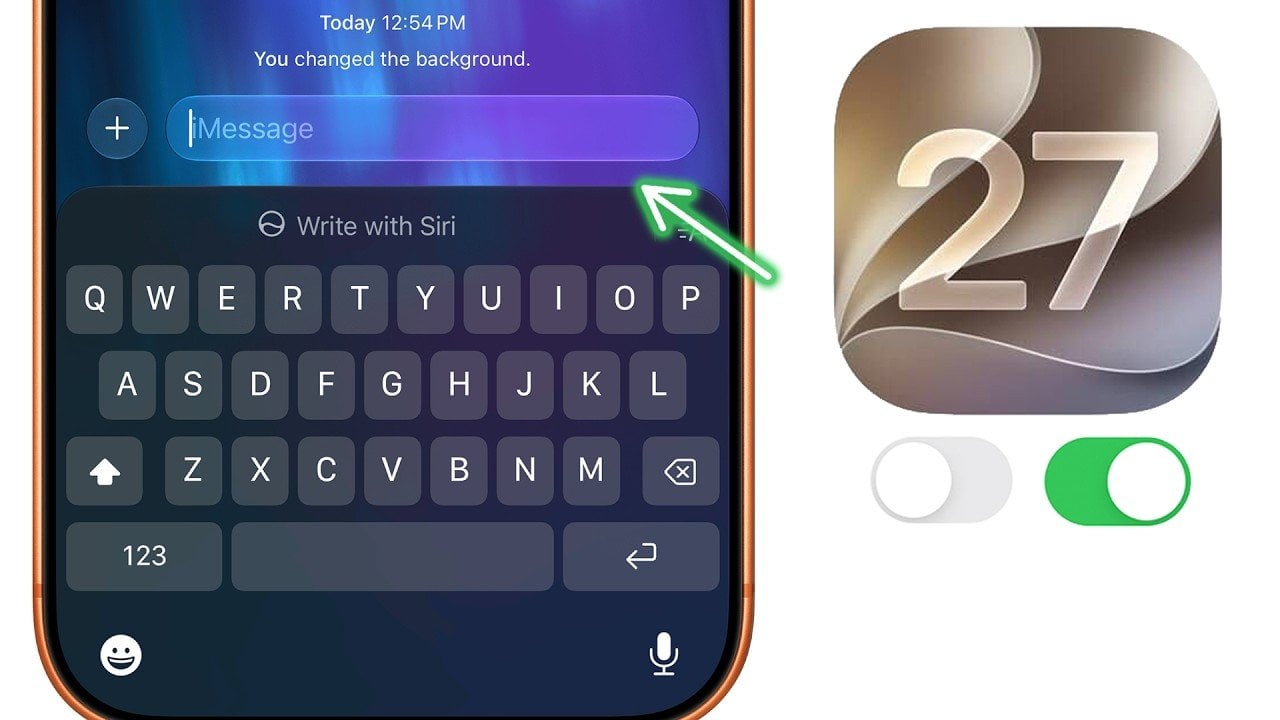
iOS 27 Battery Drain & Overheating? Here’s How to Fix It

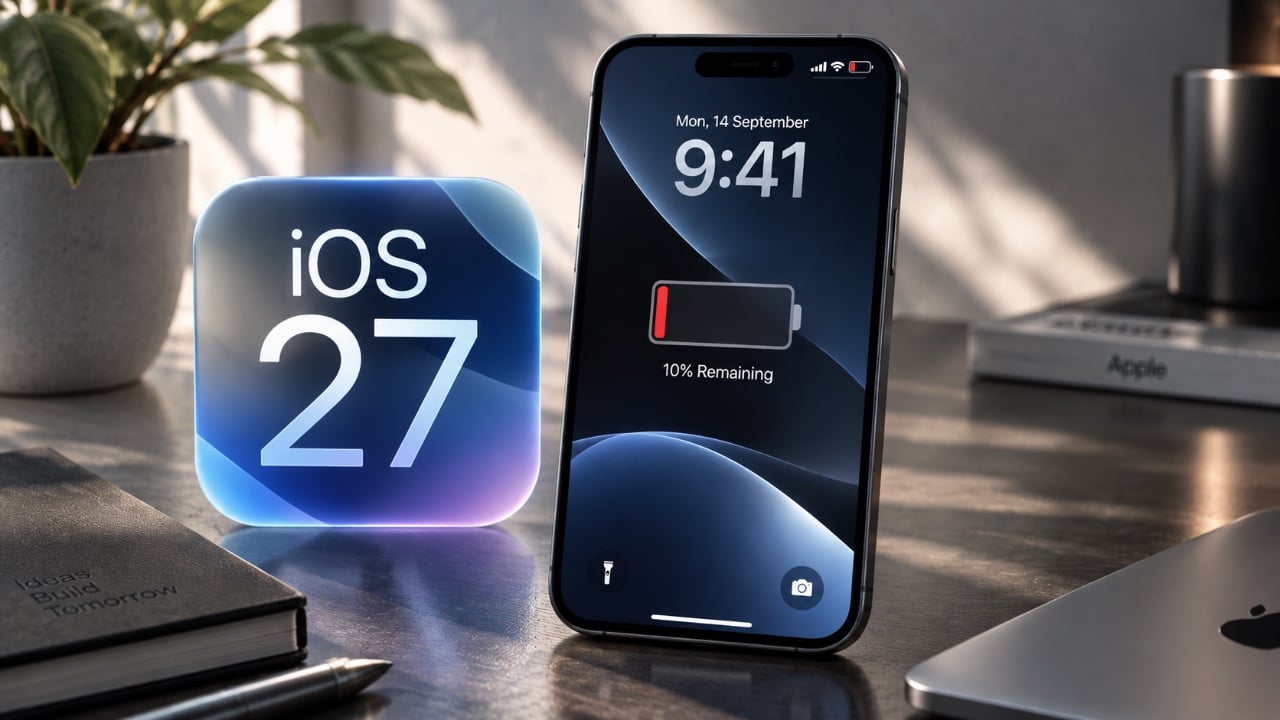
iOS 27 Battery Drain & Overheating? Here’s How to Fix It iOS 27 Battery Drain

If you’ve recently upgraded to iOS 27 and noticed rapid battery drain, overheating, or sluggish performance, you’re not alone. These issues are common after major software updates and often arise due to background processes, app incompatibilities, or system bugs. The positive news is that there are practical solutions to address these problems and restore your […]

The post iOS 27 Battery Drain & Overheating? Here’s How to Fix It appeared first on Geeky Gadgets.

Posted in Uncategorized

Insta360 Luna Ultra 100-Day Review: Fixed Battery Limits Shoots

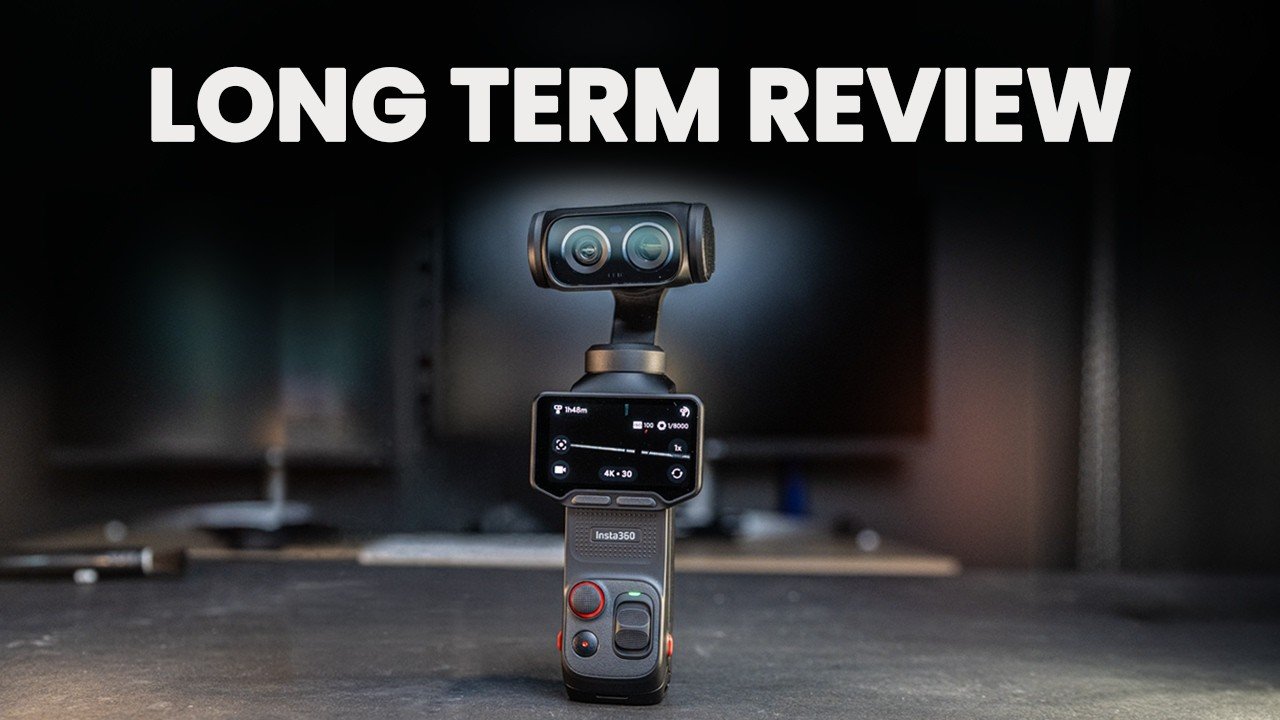
Insta360 Luna Ultra 100-Day Review: Fixed Battery Limits Shoots Front view of the Insta360 Luna Ultra camera resting on a desk.

After 100 days of hands-on use, the Insta360 Luna Ultra reveals itself as a compact and convenient option for creators who prioritize portability and ease of use. With features like a detachable screen for flexible framing and built-in stabilization for smooth footage, it caters to solo creators and travelers alike. However, as The Film Alliance […]

The post Insta360 Luna Ultra 100-Day Review: Fixed Battery Limits Shoots appeared first on Geeky Gadgets.

Posted in Uncategorized

Samsung’s TriFold 2 Fixes the Biggest Complaint About the First Gen

Samsung’s TriFold 2 Fixes the Biggest Complaint About the First Gen Galaxy Z TriFold 2

Samsung is advancing its foldable smartphone strategy as competition heats up, particularly with Apple’s rumored entry into the foldable device market. The Galaxy Z TriFold 2, the anticipated successor to Samsung’s first multi-folding phone, is expected to deliver notable improvements in design, durability, and usability. To maintain its competitive edge, Samsung is reportedly considering an […]

The post Samsung’s TriFold 2 Fixes the Biggest Complaint About the First Gen appeared first on Geeky Gadgets.

Posted in Uncategorized

EAEU Filings Show Garmin Enduro 4 and Garmin Tactix 9 Could Be Next

EAEU Filings Show Garmin Enduro 4 and Garmin Tactix 9 Could Be Next A sleek Garmin Enduro 4 smartwatch on a dark background.

Garmin’s upcoming smartwatches, the Enduro 4, tactix 9, and tactix 9 Ballistics Edition, have been confirmed through regulatory filings submitted to the Eurasian Economic Union (EAEU) on August 31, 2026. According to TechAvid, this aligns with Garmin’s established practice of using such filings to signal the approach of new product launches, as seen with earlier […]

The post EAEU Filings Show Garmin Enduro 4 and Garmin Tactix 9 Could Be Next appeared first on Geeky Gadgets.

Posted in Uncategorized

Why the Galaxy S27 Ultra Camera Upgrade Changes the Game

Why the Galaxy S27 Ultra Camera Upgrade Changes the Game Close up view of the leaked Samsung Galaxy S27 Ultra camera array.

Samsung is reportedly preparing to make significant strides in smartphone photography and videography with the highly anticipated Galaxy S27 Ultra. This flagship device is rumored to feature new camera upgrades, focusing on delivering natural-looking photos and professional-grade video recording. If you value lifelike visuals and advanced video capabilities, the Galaxy S27 Ultra could set a […]

The post Why the Galaxy S27 Ultra Camera Upgrade Changes the Game appeared first on Geeky Gadgets.

Posted in Uncategorized

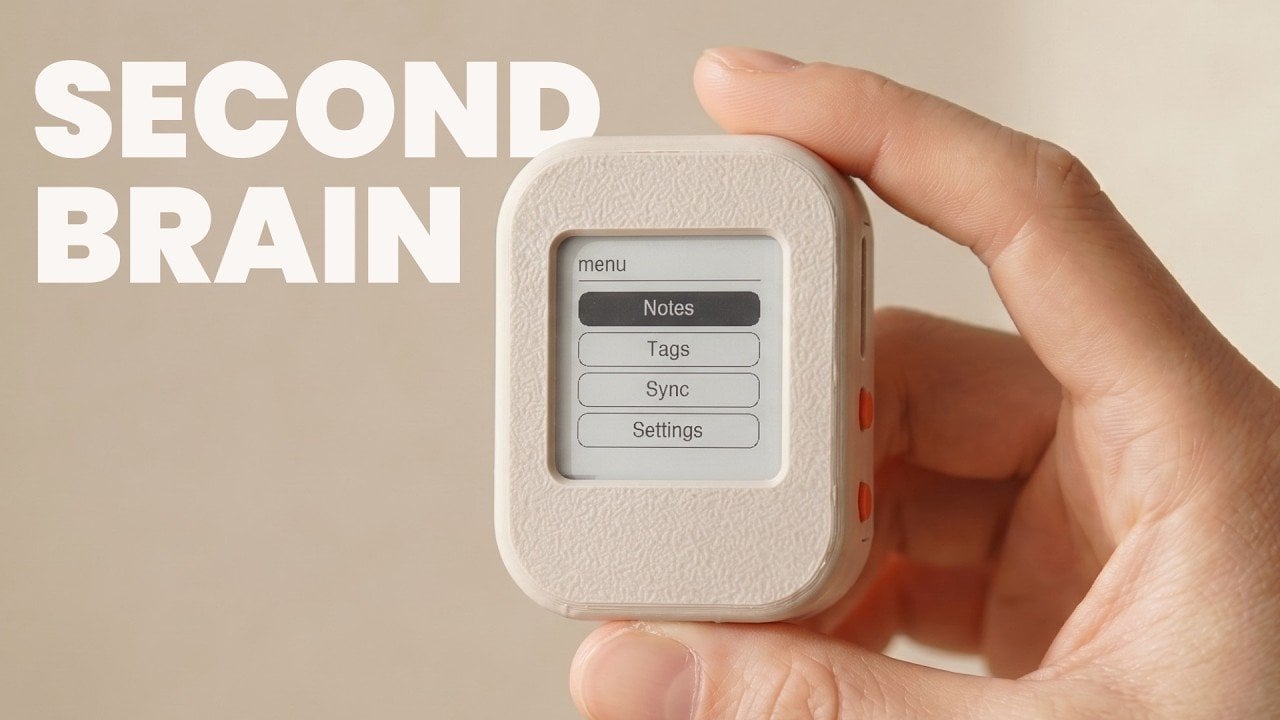
ESP32 Minimalist AI Note Taker Features OpenAI Whisper for Text Dictation

ESP32 Minimalist AI Note Taker Features OpenAI Whisper for Text Dictation The completed minimalist AI note device resting on a desk.

Paul Lagier presents the DIY Minimalist AI Note Device, a compact and efficient way to capture and organize ideas. Built using the ESP32 microcontroller and an e-ink display, the device prioritizes simplicity and functionality. One standout feature is its use of OpenAI Whisper technology, which transcribes voice recordings into searchable text files. By focusing on […]

The post ESP32 Minimalist AI Note Taker Features OpenAI Whisper for Text Dictation appeared first on Geeky Gadgets.

Posted in Uncategorized

Why You Need to Change These iOS 27 Settings Today

Why You Need to Change These iOS 27 Settings Today The main settings menu interface in iOS 27.

iOS 27 brings a host of new features and settings designed to elevate your iPhone experience. With advanced customization options, enhanced privacy controls and improved usability, this update enables you to tailor your device to your preferences. To help you make the most of these updates, here are 23 essential settings you should adjust right […]

The post Why You Need to Change These iOS 27 Settings Today appeared first on Geeky Gadgets.

Posted in Uncategorized

This $899 golf launch monitor tracks your swing in 3D and tells you how to fix it

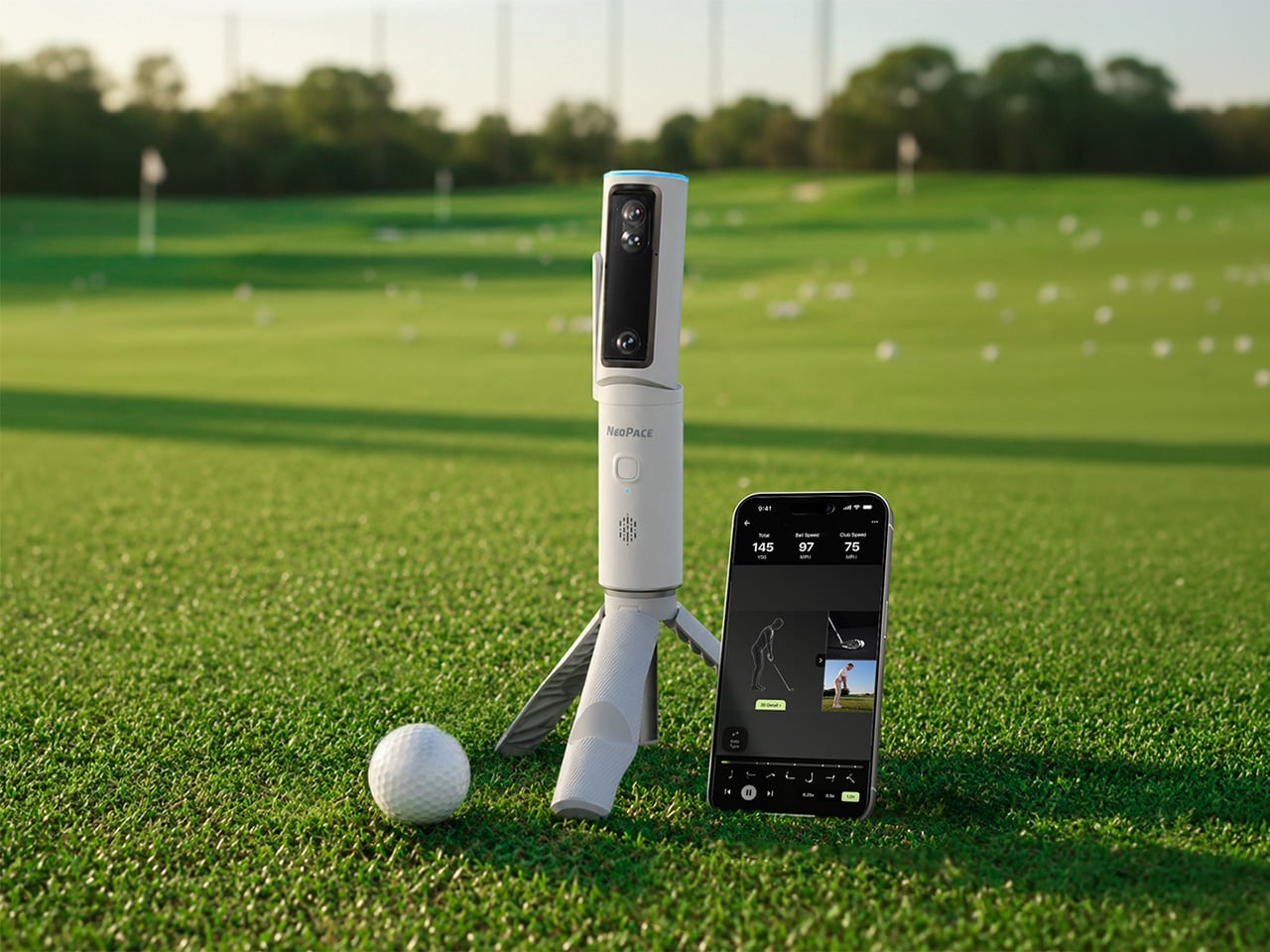
A decent golf lesson can cost anywhere from $80 to $200 an hour, but the bigger issue usually kicks in after the lesson ends. You leave with a fix, spend the next two weeks practicing on your own, and somehow manage to rehearse the exact mistake you were trying to get rid of. Golf has a funny way of doing that. More practice does not always mean better practice. Launch monitors helped by giving everyday golfers access to shot data that used to live in pro fittings, but numbers alone can still feel like homework. NeoPace’s G10 Pro tries to close that gap by pairing launch monitor stats with an AI coaching layer that explains what happened and what to work on next.

NeoPace, based in Irvine, California, built the G10 Pro around a triple-camera system and a 24 GHz Doppler radar. Two cameras capture the impact zone at up to 480 frames per second, while a third records the full swing at 120fps. The setup feeds into what NeoPace calls TrainerIQ™, an AI system that traces a bad shot through a Body to Club to Ball chain, connecting ball flight to club delivery and then back to the body movement that caused it. That matters because most golfers do not need more raw data, they need help turning data into action. The G10 Pro also rebuilds each swing in 3D, so you can replay it from multiple angles instead of squinting at a flat video and pretending you know what your hips are doing.
Designer: Neopace

Click Here to Buy Now: $899 $1499.99 (40% off). Hurry, only 875/1000 left! Raised over $286,000.

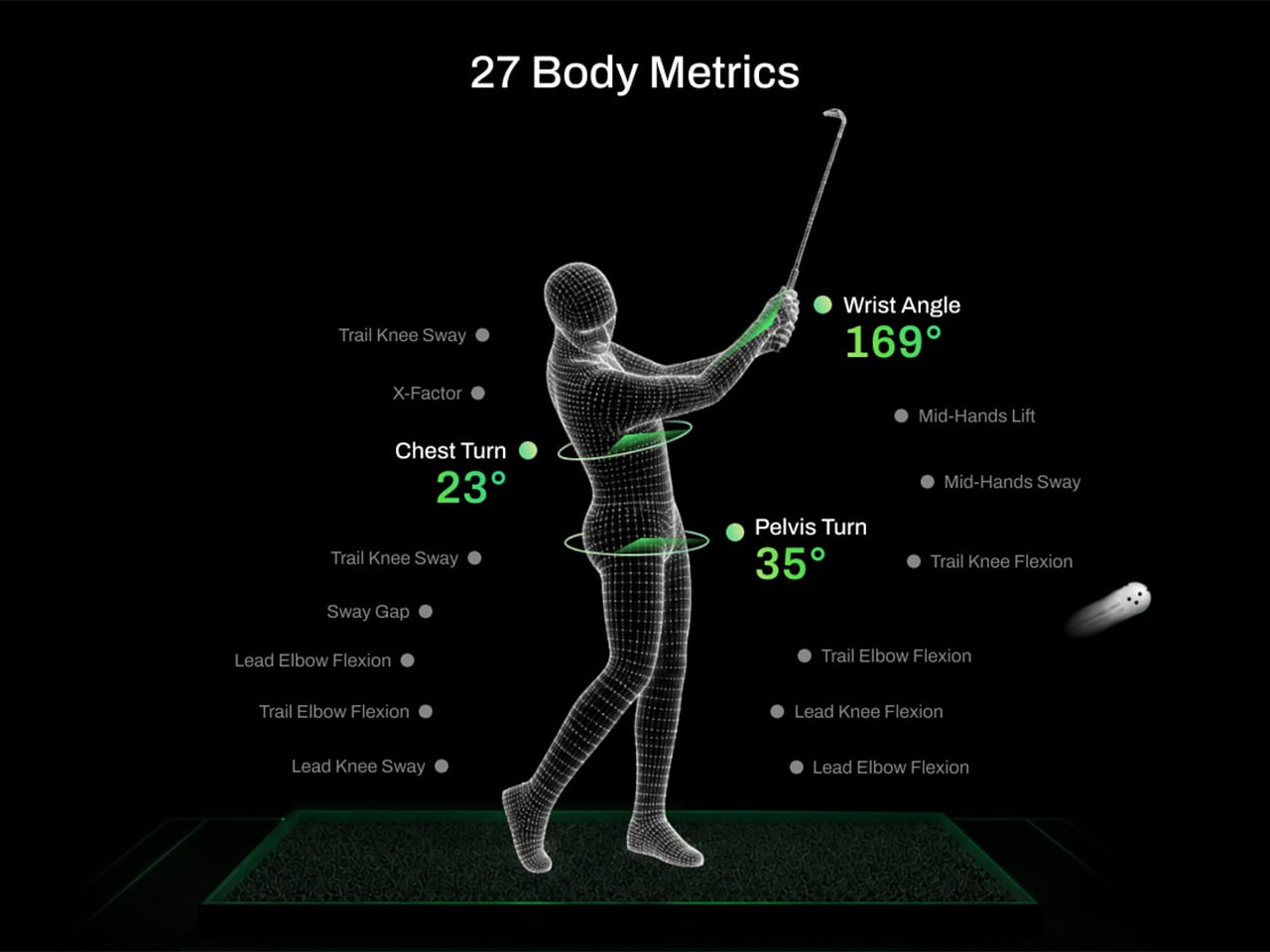
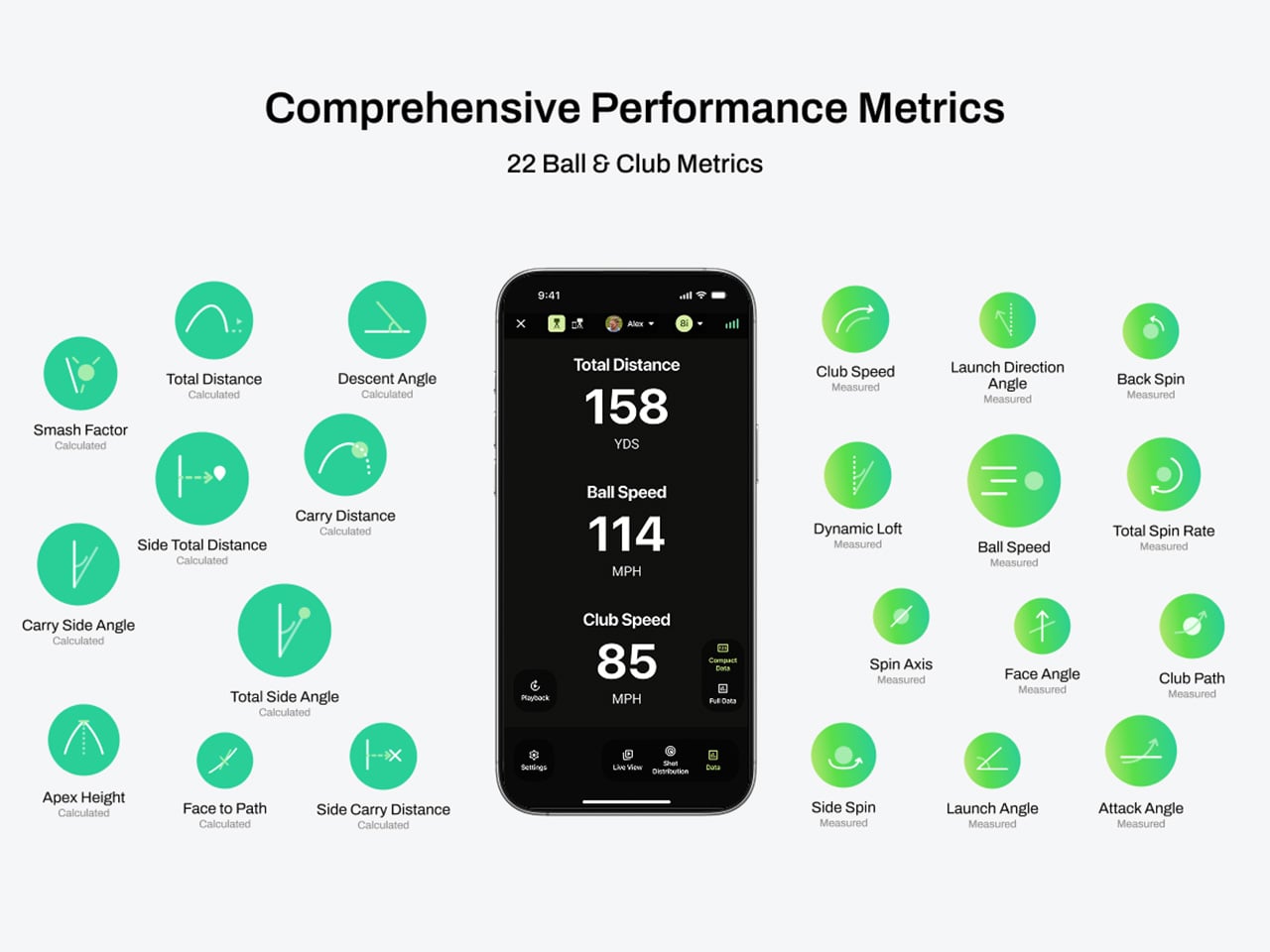
The G10 Pro tracks 22 ball and club metrics, plus 27 body-related metrics covering chest rotation, pelvis movement, wrist angles, elbow flexion, knee sway, and more. That is a pretty wild amount of information for a portable unit that costs $899, especially when most devices in this range focus mainly on ball flight and club numbers. NeoPace also made setup refreshingly simple, with auto alignment and support for both face-on and down-the-line placement. So whether you’re practicing at home, on the range, in the backyard, or sneaking in some swing diagnostics before a round, the G10 Pro feels built for golfers who want coaching-grade feedback without hauling around a tour van full of gear.

Every swing gets captured and rebuilt in full 3D, replayable from any angle, at any moment, from face-on, top-down, and down-the-line, all from a single device you placed once before you started. Most launch monitors give you flat video from a single fixed angle. The stereo camera pair locks the ball at 480 frames per second while the third follows the swing at 120fps, double the impact capture rate of most competing devices. Seeing your own swing from directly above mid-follow-through is the kind of analysis angle instructors have always wanted to show students but rarely had a clean portable way to deliver. NeoPace claims the 3D Replay™ is a first in portable consumer launch monitors at any price, and from everything visible in the current market, that claim holds up.

TrainerIQ™ analyzes your swing and body movement, identifies the likely cause of a miss, and suggests a targeted drill to help you improve. It does not just flag that the face was open at impact and leave you to figure out why. The analysis goes deeper: face 2 degrees open, heel contact, smash factor 1.35, and the root cause is that the body stopped rotating so the hands stepped in to carry the load. That kind of layered breakdown is exactly what a teaching pro walks you through after watching your swing, and the G10 Pro compresses it into automated real-time output after each shot. Golfers can also directly ask TrainerIQ™ questions about their swing and receive personalized, actionable guidance on what to work on next, which makes the system feel less like a stat engine and more like an interactive training partner. TrainerIQ™ then prescribes specific drills based on the diagnosis, closing the loop between data, understanding, and actual practice.

Twenty-seven body-related metrics track how your body moves through every swing, turning posture, timing, and rotation into data you can act on. The tracked parameters span the chest and pelvis in five axes each, lead and trail knee sway and flexion, mid-hands sway and lift, head movement, X-Factor and Sway Gap, lead and trail elbow flexion, wrist angle, shaft angle, and kinetic sequencing factors: Core Gain, Shoulder Gain, Wrist Gain, and Release Factor. Any coach reading that list will recognize it as the full biomechanical picture that motion capture setups in pro training facilities chase. Inside TrainerIQ™, it becomes the evidence base connecting a ball that lands 13 yards short and right to a chest that stopped rotating halfway through the downswing. That translation from raw biomechanics to actionable coaching is where the G10 Pro genuinely earns its price.

Getting the G10 Pro into a session takes three steps: set it down, auto align, and take your shot. That might sound like marketing language, but auto-alignment is a genuine quality-of-life upgrade over monitors that require precise manual positioning every single time. The pan-and-tilt gimbal covers a 120-degree pan range and a 40-degree tilt range, so near-correct placement is close enough. The unit itself measures 217.5 × 47.25 × 44.5 mm without the tripod, compact enough to slide into a range bag without reorganizing everything else in it. The 3,300mAh/7.2V battery runs for four hours with a 1.5-hour fast charge at 15W, which covers a full morning session with room to spare. For golfers who want to practice or play indoors, the G10 Pro is compatible with GSPro and Creative Golf, with additional major simulator platforms currently in development.

NeoPace also says there is no unlock fee or subscription required for simulator connectivity itself, though third-party simulator software fees may still apply. The companion app works with iOS (14.0 and above) and Android (10.0 and above) smartphones and tablets. NeoPace also says the core feature set does not require a subscription. D Swing Analysis and TrainerIQ™ Analysis share an allowance of up to 5 AI-analyzed shots per month, while Premium AI increases the shared allowance to up to 1,000 shots per month and adds features such as Ask TrainerIQ™, Performance Insights, Personalized Drills, Practice Goals, and Cloud Storage.

At $899, the G10 Pro goes toe to toe with the Rapsodo MLM2PRO, its most direct camera-based competitor at the same price. The MLM2PRO does solid work on ball flight data and video, but offers no body tracking, no 3D reconstruction, no AI coaching chain, and face-on-only placement. Stepping further up the market, ball/club/body motion analysis at this depth typically lives in systems costing several times more, usually requiring separate wearables or dedicated motion capture rigs. Honestly, the fact that NeoPace has packed 3D reconstruction, 27 body metrics, and an AI coaching brain into a $899 portable device feels like it should be harder to pull off than it apparently is, and that is the most compelling thing about the G10 Pro.

Click Here to Buy Now: $899 $1499.99 (40% off). Hurry, only 875/1000 left! Raised over $286,000.

The post This $899 golf launch monitor tracks your swing in 3D and tells you how to fix it first appeared on Yanko Design.