Compath Imagines Dementia Navigation Without a Touchscreen

A familiar walk can become unsettling when the way home no longer feels familiar. For someone living with dementia, getting directions from a smartphone may introduce another challenge: navigating menus when they’re already struggling to get their bearings. The design problem goes beyond knowing where a person is. It’s making guidance accessible to the person who needs it.

That’s the thinking behind Compath, a wearable concept by designer Jonas Krämer. Its yellow Home button puts a recognizable destination ahead of a complicated interface, with proposed visual and audio cues to guide the wearer. I like that the idea begins with helping someone continue an everyday activity, rather than treating their whereabouts as the only problem worth solving.

Designer: Jonas Krämer

Compath was one of seven finalist projects in the 2025 RIMOWA Design Prize. It’s presented as a design project, not a retail launch, so its intentions shouldn’t be confused with proven performance. That distinction leaves room to appreciate the thinking on its own terms. There’s a useful ambition here: make the help accessible to the wearer, instead of putting all the useful information on somebody else’s phone.

The published imagery shows a round body with a dark central face, a substantial outer ring, and that contrasting Home button. Shown suspended from cords and chains, the device reads closer to a personal accessory than a conventional emergency pendant. A key and a rainbow heart charm appear alongside two versions. Those details give the object a social life beyond its function. That’s a more persuasive approach to personalization than offering a choice between two anonymous shades of gray.

Krämer’s interface proposal avoids touch controls and complex menus. Visual and audio cues would provide guidance and reminders, while the Home button would direct the wearer home or to another designated place. That restraint makes sense. A device meant to help someone get oriented shouldn’t make learning its interface feel like a separate assignment. Every additional decision needs to earn its place.

The proposed Safe Zone would be defined together by the wearer and caregivers around familiar places and routines. Leaving it would trigger an alert. That collaboration matters, because a boundary drawn with someone carries a different meaning from one imposed on them. The same spirit should carry through beyond the presentation, particularly when deciding who receives alerts and how much information gets shared.

Back home, a charging dock called the Lighthouse would give Compath a fixed landing spot, alongside keys or medication. It’s an ordinary domestic gesture, which is precisely why I like it. The system considers the moments before and after a walk. A wearable can be beautifully resolved on its own and still leave its owner wondering where it belongs.

The accessory-like presentation also raises a good design question: why should receiving assistance require adopting a completely different visual identity? I wouldn’t want a useful device to announce my medical history before I’d introduced myself. That’s an editorial preference, not evidence that Compath would feel comfortable or familiar to every wearer. Still, the visible attention to cords, chains, and personal additions makes the proposal feel interested in taste, not merely compliance.

Before treating a concept like this as a practical care option, I’d want answers about battery life, connectivity, location accuracy, and what happens when a cue goes unnoticed. I’d also want to know how the controls work for people with different abilities and changing needs. These aren’t reasons to dismiss the design. They’re the questions that would determine whether its reassuring simplicity survives an actual afternoon outside. A missed instruction on a sidewalk matters more than a perfectly legible interface in a presentation.

That leaves Compath in an interesting place for me. I don’t need a care device to look futuristic, and I’m not especially persuaded by a long feature list. I want the person wearing it to have a reason to choose it, understand it, and keep using it. The strongest idea here is that asking for help could begin with an object you’ve made your own, and a button whose purpose doesn’t need a sales pitch.

The post Compath Imagines Dementia Navigation Without a Touchscreen first appeared on Yanko Design.


Trial and Error Replaces Human Teachers for Weaker AI Models

Trial and Error Replaces Human Teachers for Weaker AI Models Diagram showing the shift from teacher-driven to student-driven AI training models.

Artificial intelligence has undergone a profound shift in how it learns, moving from rigid teacher-driven methods to more flexible, student-driven approaches. This evolution has been particularly impactful for training weaker models, which often struggle with traditional methods like supervised fine-tuning. Trelis Research explores how techniques such as Group Relative Policy Optimization (GRPO) and hint-based learning […]

The post Trial and Error Replaces Human Teachers for Weaker AI Models appeared first on Geeky Gadgets.

Posted in Uncategorized

Samsung is Reportedly Going Big with the Galaxy S27 Ultra

Samsung is Reportedly Going Big with the Galaxy S27 Ultra Galaxy S27 Ultra

  The Samsung Galaxy S27 Ultra is poised to set a new benchmark in flagship smartphones with a host of significant upgrades. Scheduled for release in January 2027, this device is designed to compete directly with rivals like the iPhone 18. From an enhanced battery and innovative display technology to a reimagined camera system, the […]

The post Samsung is Reportedly Going Big with the Galaxy S27 Ultra appeared first on Geeky Gadgets.

Posted in Uncategorized

ByteDance Releases Free DeerFlow 2.0 to Rival Paid Manus

ByteDance Releases Free DeerFlow 2.0 to Rival Paid Manus A side-by-side comparison chart showing the differences in cost and privacy between DeerFlow 2.0 and Manus.

ByteDance’s DeerFlow 2.0 positions itself as a compelling open source alternative to Manus, offering a modular architecture built on LangGraph for task automation and workflow customization. Designed with a focus on flexibility and local control, DeerFlow allows users to execute tasks on their own hardware, balancing privacy and performance. Its structure includes three distinct folders, […]

The post ByteDance Releases Free DeerFlow 2.0 to Rival Paid Manus appeared first on Geeky Gadgets.

Posted in Uncategorized

Kord and Bark Give a Power Strip a Wooden Case Worth Leaving on Display

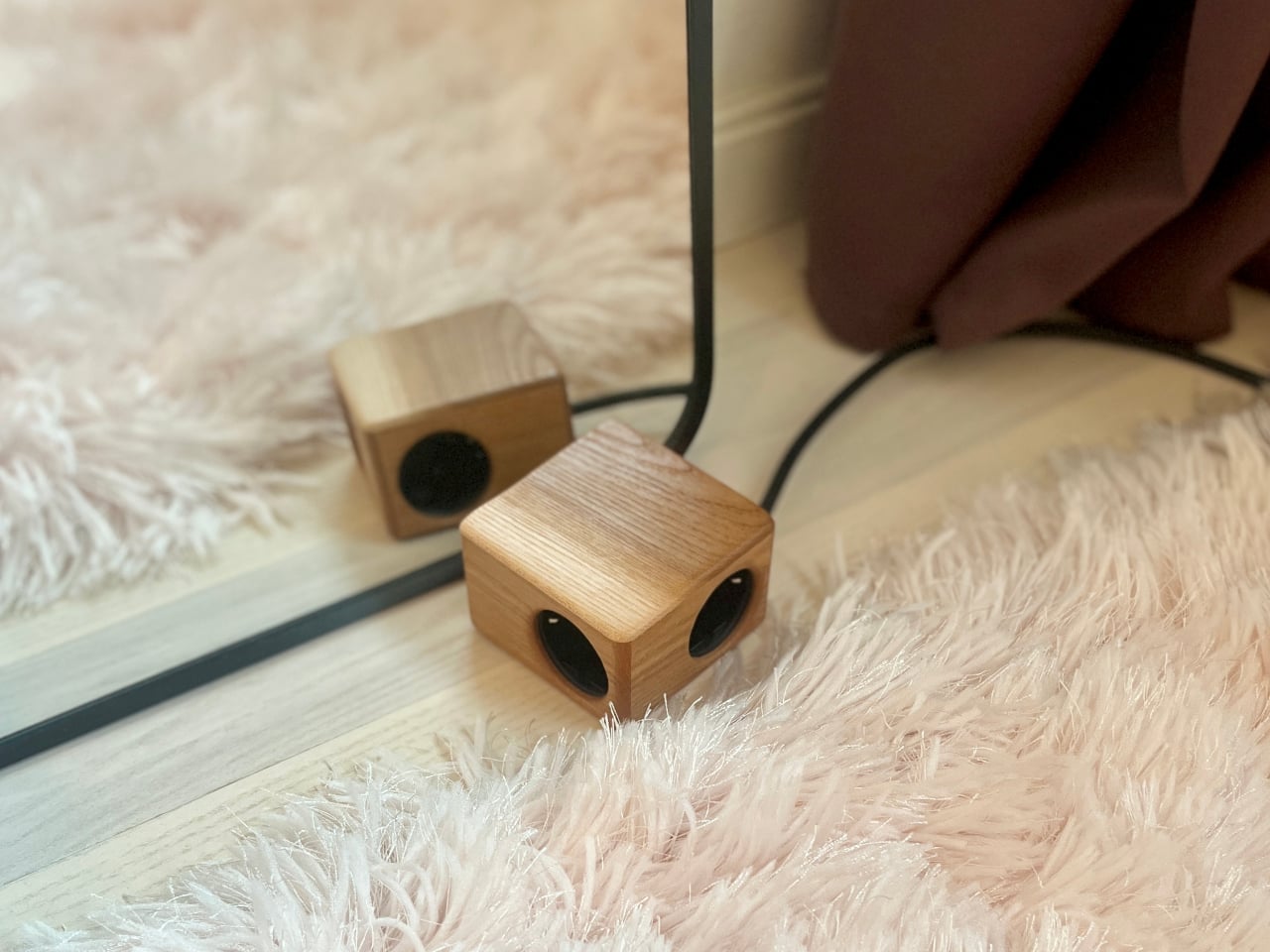
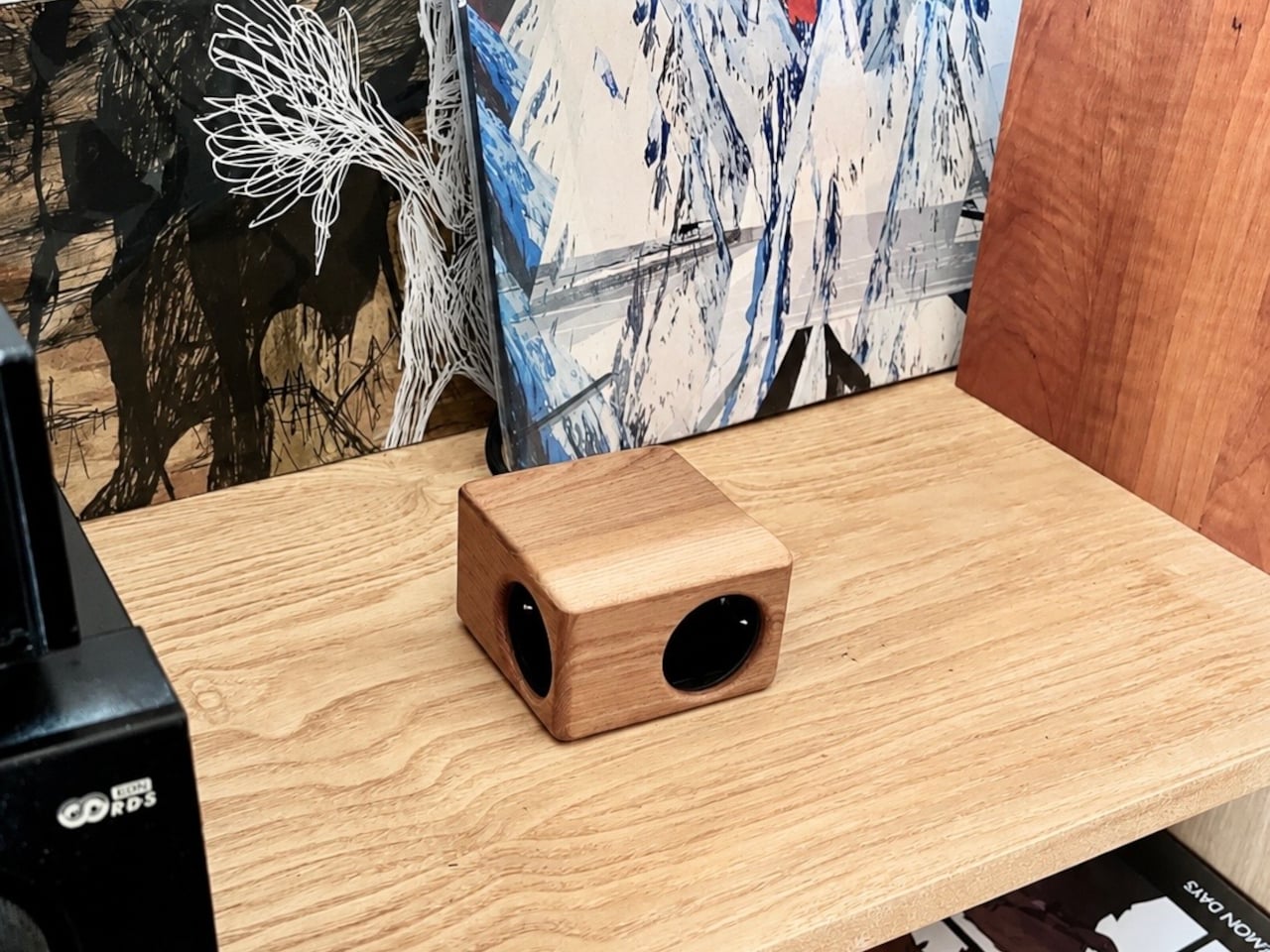
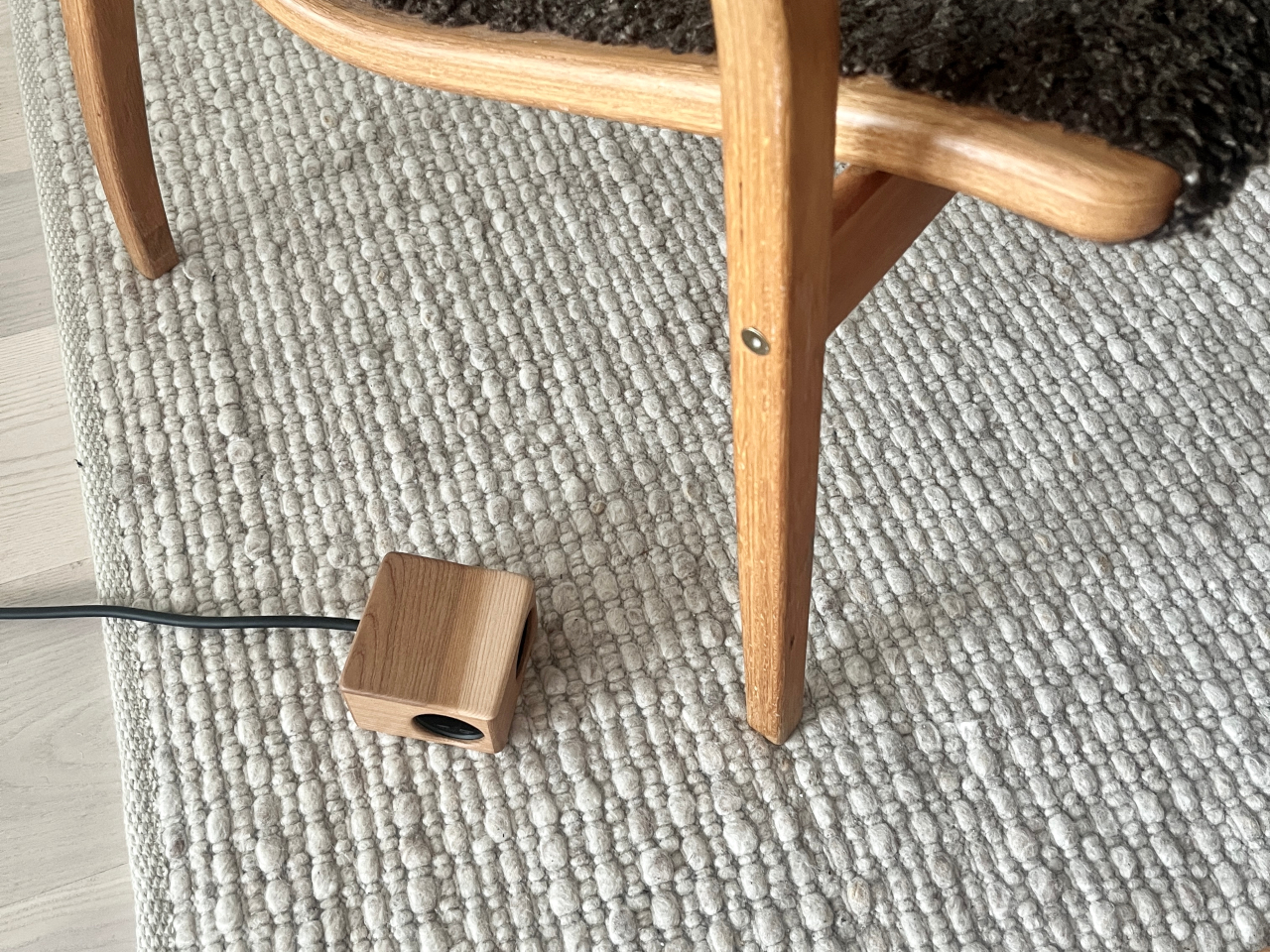
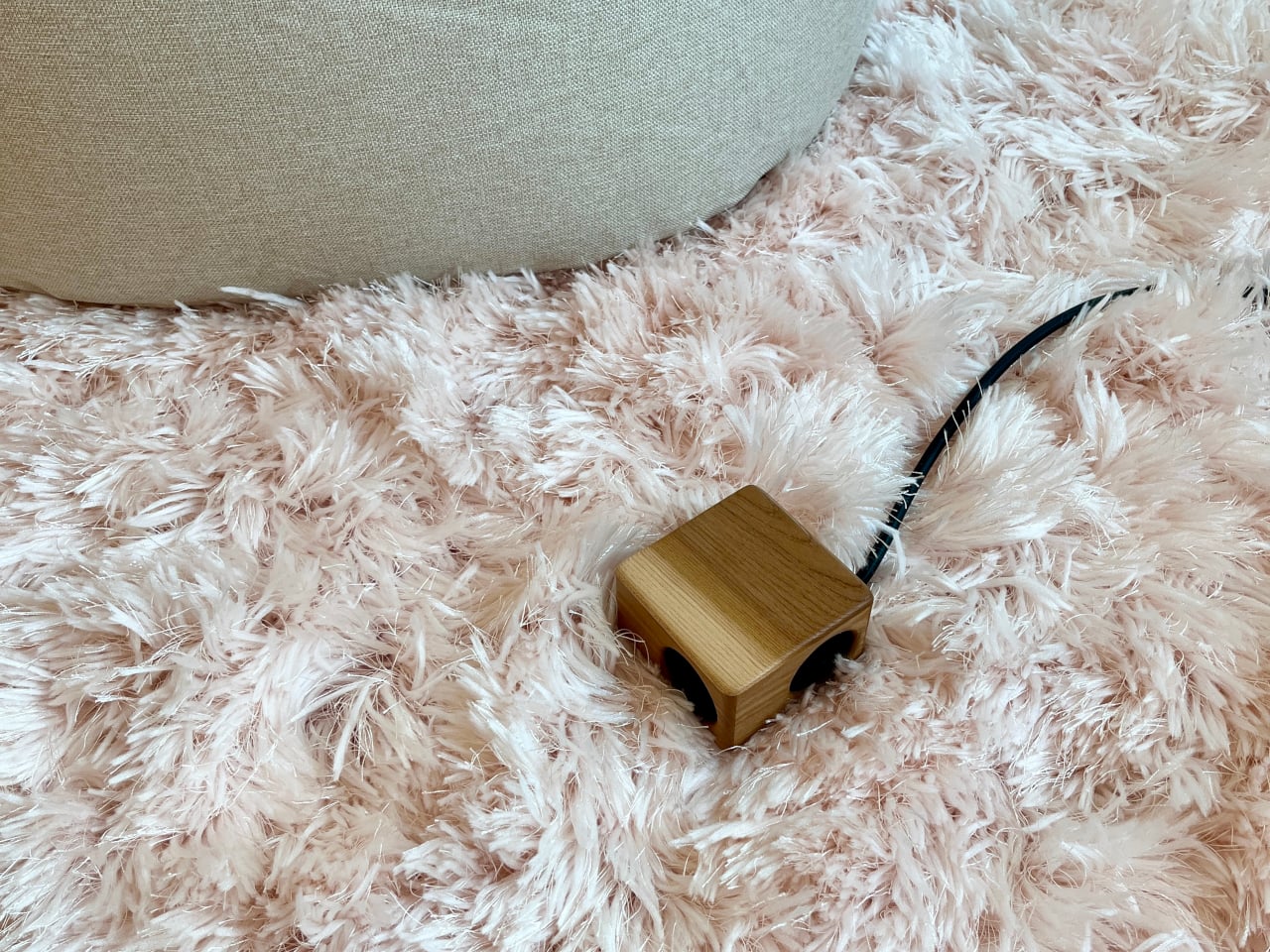
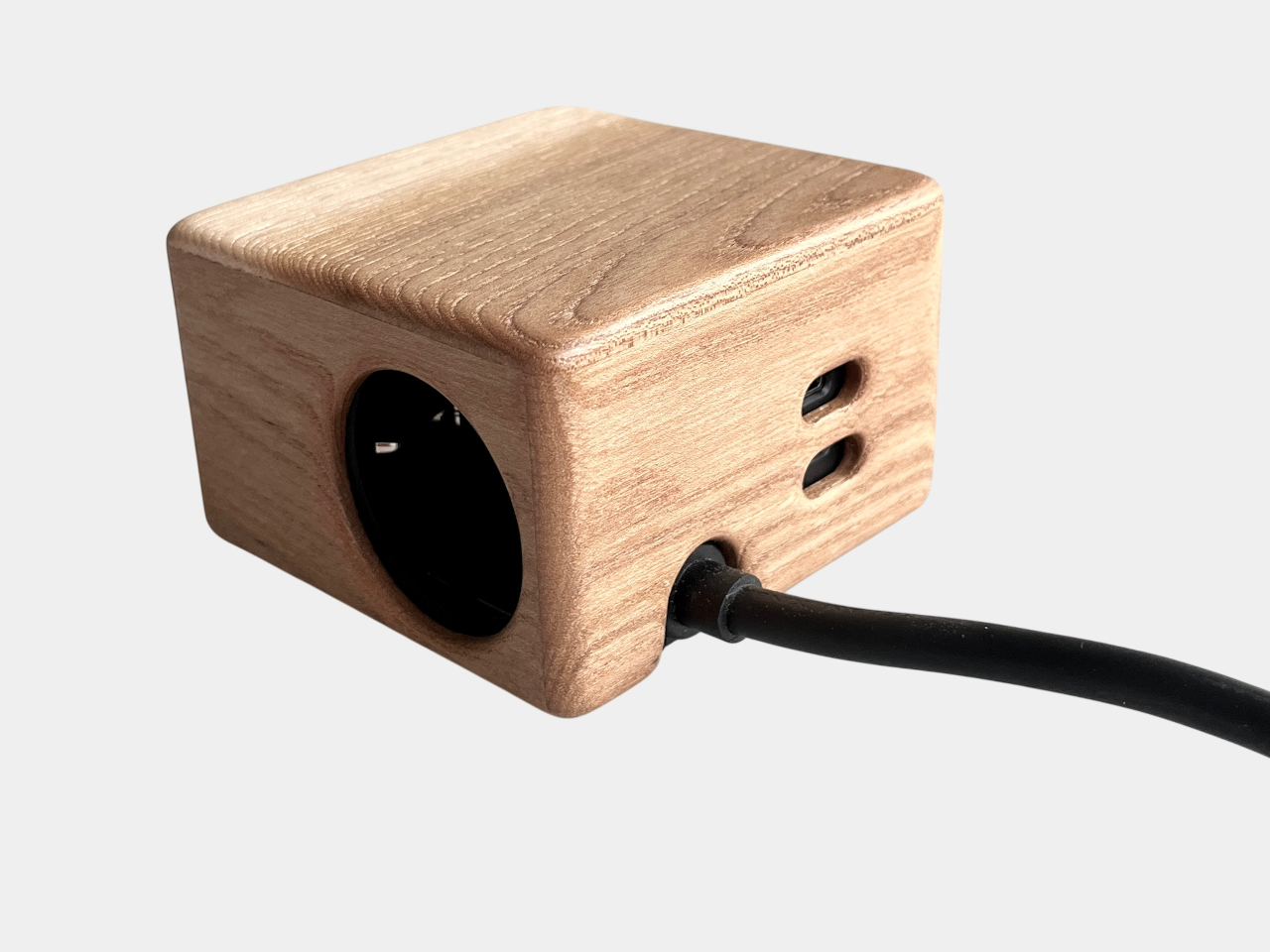
Power strips tend to get the least glamorous spot in a room, usually behind furniture or underneath a desk. That’s understandable when the alternative is leaving a plastic block beside your carefully chosen furnishings. Kord and Bark Sweden offer another option with their Wooden Case for Cuboid+, wrapping the compact power strip in reclaimed elm that looks more at home beside wooden furniture.

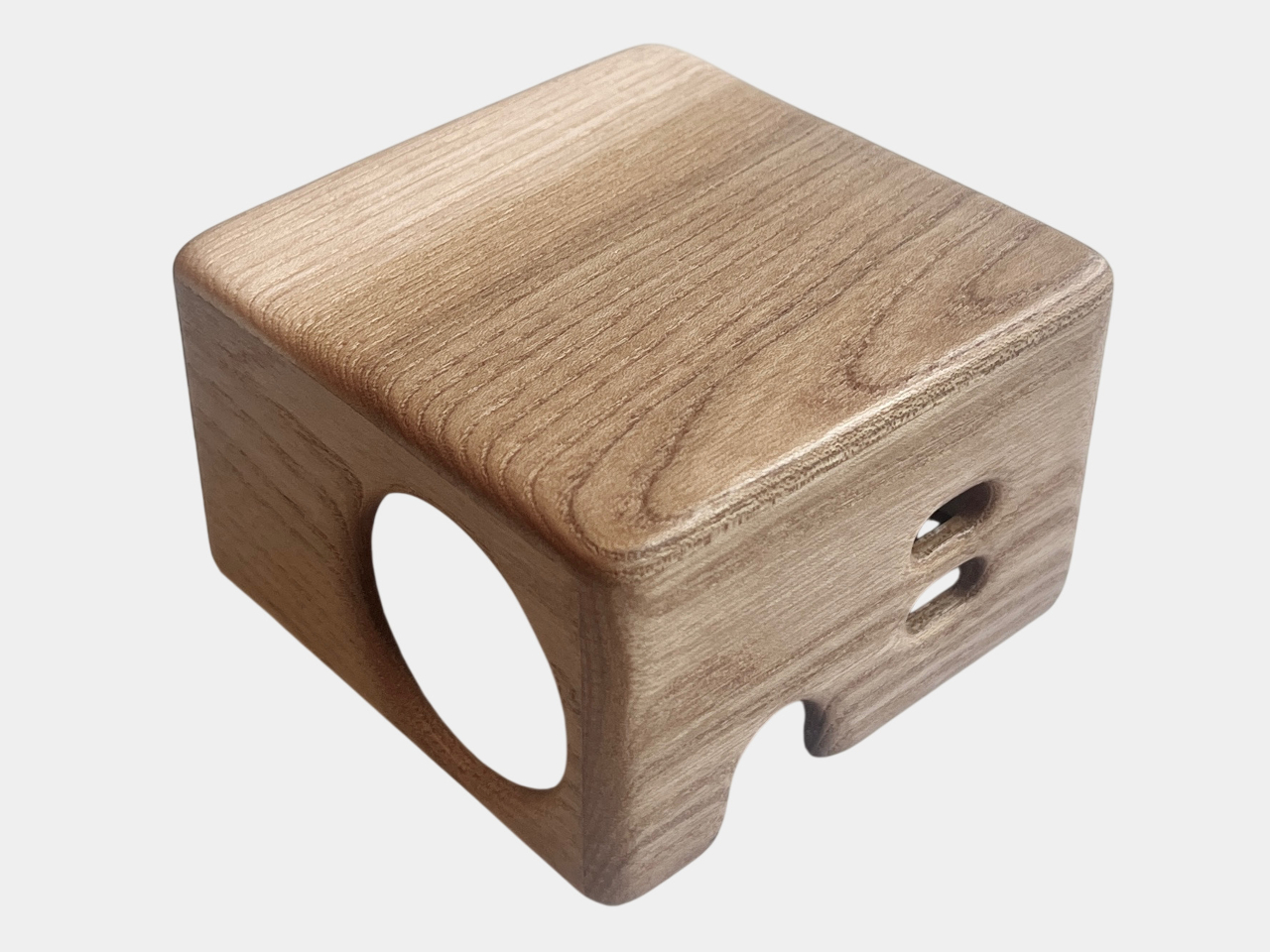
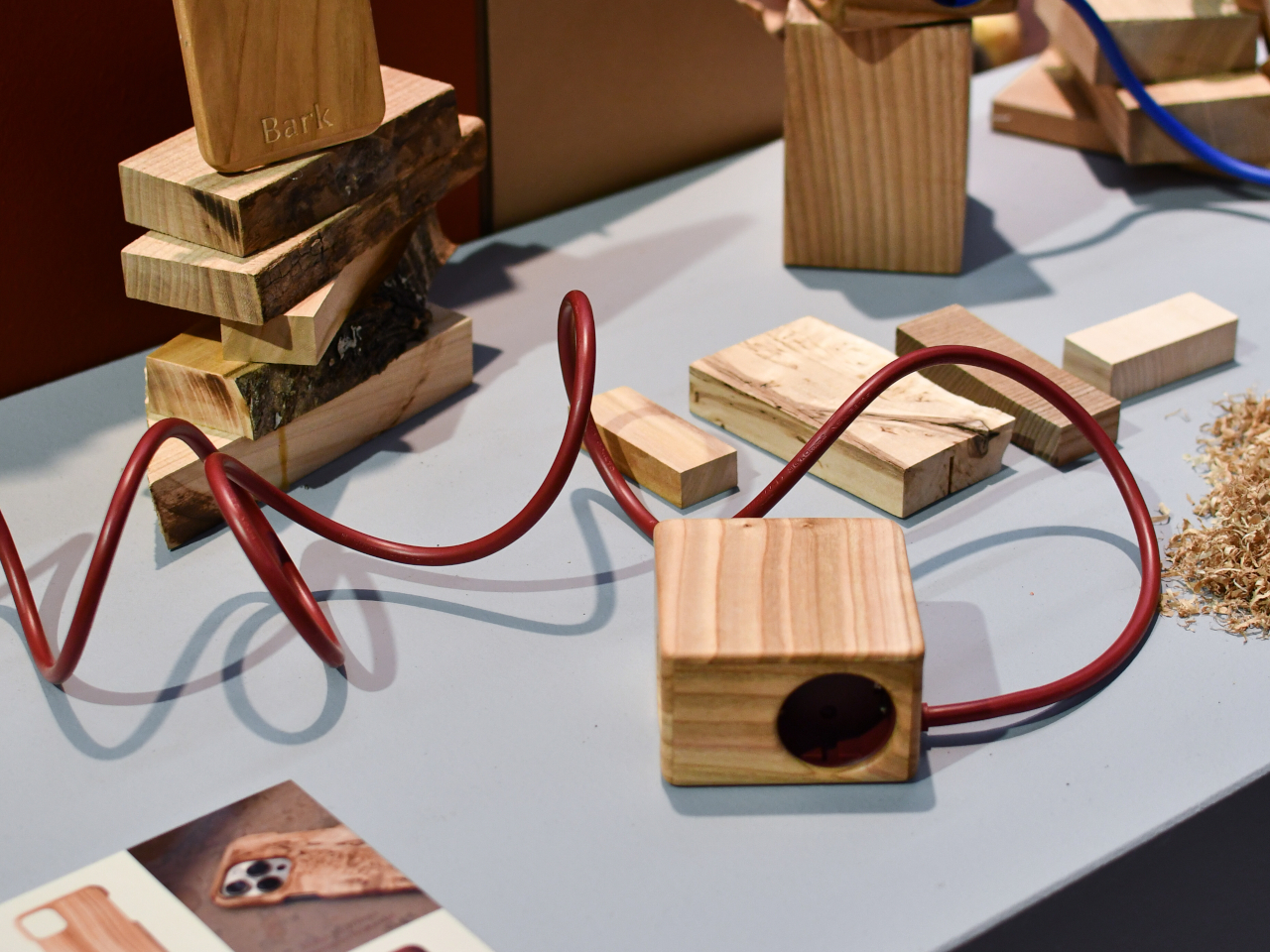
The shape remains fairly simple, with a broad square top, softly rounded edges, and circular openings around the sides. Those openings leave the sockets accessible, while two smaller cutouts accommodate the USB-C ports and a notch clears the cable. The wood changes the surrounding surfaces rather than disguising what the object does. It still looks like somewhere to plug things in, thankfully.

Designer: Gustav Rosén (Kord) x Bark Sweden

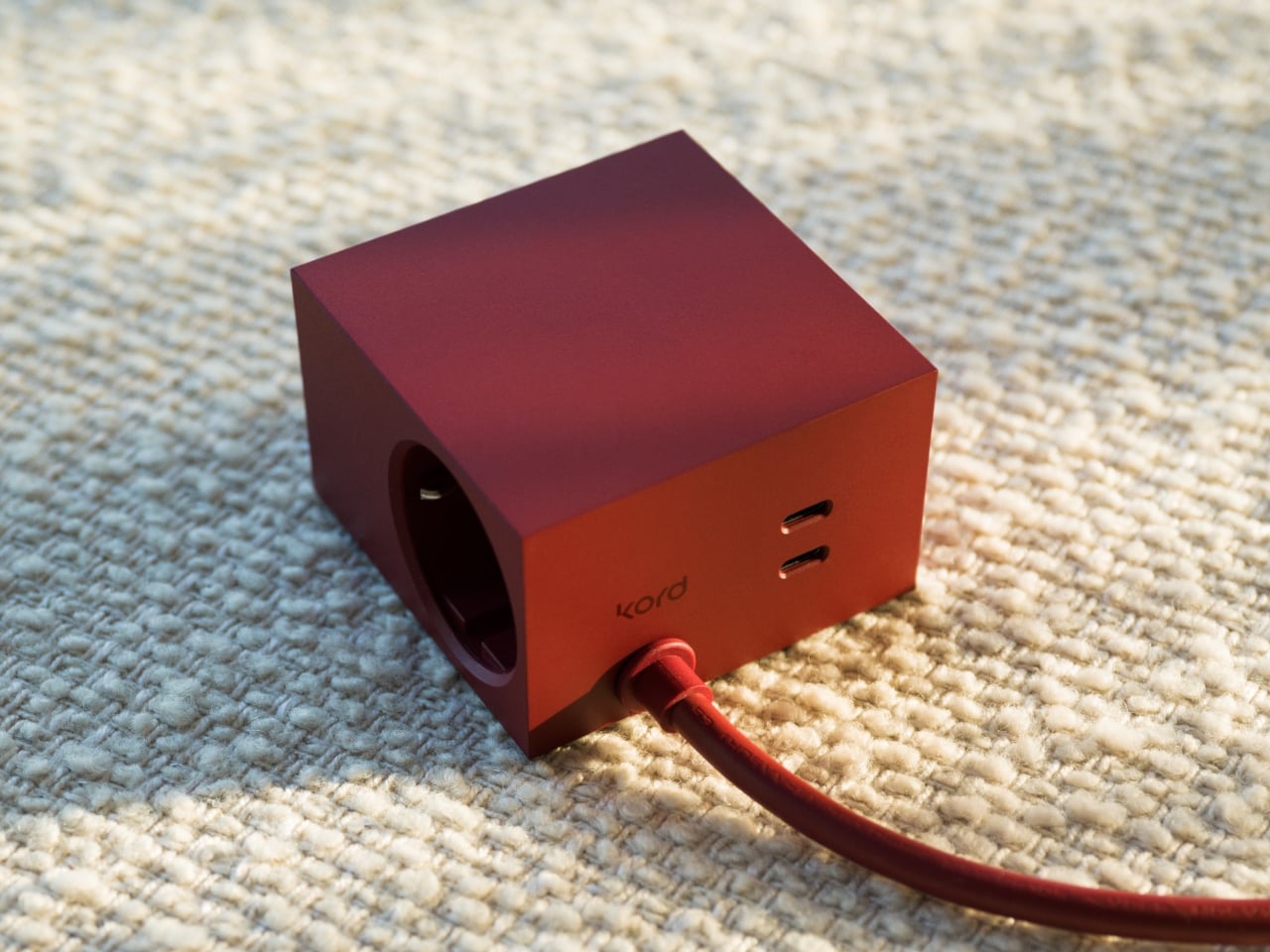
The case doesn’t add any outlets or charging features, of course. The Cuboid+ underneath still supplies three sockets and two USB-C ports, letting a lamp and charging cables share one compact connection point. Kord says the shell slides on and off, so changing its appearance doesn’t require buying another power strip simply because the old one no longer suits the rest of the room.

The material has a more specific history than the usual reference to Scandinavian forests. According to Kord and Bark, the elm grew beside the River Tidan at Åreberg Farm in Sweden’s Skaraborg region. When Dutch elm disease forced the tree to be felled, Bark reclaimed the timber. Its natural variations now give the cases different patterns, despite their otherwise identical shapes.

Getting that timber around an existing electrical product takes more than carving out a rough opening. Bark uses precision woodworking and CNC machining to shape the cases, which are designed and manufactured in Sweden. The curved edges and carefully placed apertures follow the Cuboid+’s layout, leaving the elm to supply the decoration. There’s no need to print a pattern when the material already provides one.

There’s a personal connection behind the two companies, too. Kord’s co-founder and Bark’s founder studied mechanical engineering together at KTH Royal Institute of Technology in Stockholm before following their own paths in design and manufacturing. Their reunion is a fairly practical meeting of those skills, matching the existing Cuboid+ geometry with Bark’s experience in machining reclaimed hardwood into everyday accessories.

Kord’s Swedish list price is SEK 695 (about $70) starting November 14, 2026, with the Cuboid+ sold separately. For US consumers, there’s another consideration before getting attached to that grain. The Cuboid+ uses European Schuko Type F outlets, rather than the sockets found in American homes.

Of course, a wooden shell won’t untangle the leads or hide the chargers plugged into those round openings. It also adds material around a perfectly functional device, even if that material has been reclaimed. What changes is where you might be willing to leave it. Reaching beside the sofa to charge a phone sounds preferable to fishing behind it for a power strip you’ve hidden.

The post Kord and Bark Give a Power Strip a Wooden Case Worth Leaving on Display first appeared on Yanko Design.
Acer Predator Atlas 8 Arrives Early with G3 Extreme Chip: Undercuts MSI Claw EX

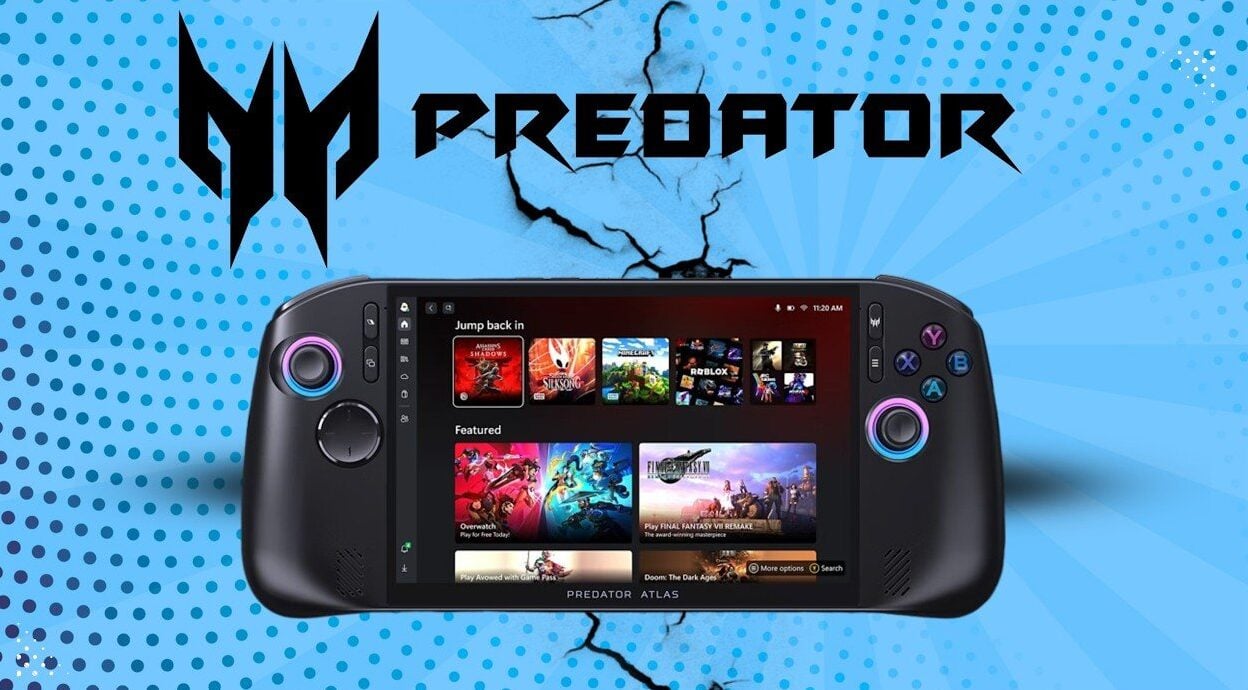
Acer Predator Atlas 8 Arrives Early with G3 Extreme Chip: Undercuts MSI Claw EX The Acer Predator Atlas 8 handheld gaming console from the front.

The Acer Predator Atlas 8 has arrived ahead of its planned November 1, 2026 release, entering the market as a mid-range handheld gaming device. Haviq Tech examines its unboxing and initial impressions, highlighting key specifications such as the G3 Extreme processor and 24GB of RAM, which aim to balance performance for demanding games. Notable design […]

The post Acer Predator Atlas 8 Arrives Early with G3 Extreme Chip: Undercuts MSI Claw EX appeared first on Geeky Gadgets.

Posted in Uncategorized

PROLED XDR vs. Mini-LED: Is Apple’s New MacBook Pro Screen Actually Worth the Extra Cash?

PROLED XDR vs. Mini-LED: Is Apple’s New MacBook Pro Screen Actually Worth the Extra Cash? Apple’s New MacBook Pro

Apple has unveiled its latest MacBook Pro lineup, introducing the Pro LED XDR display and a host of advanced features that cater to professionals seeking top-tier performance. This release marks a significant step forward, combining innovative display technology, enhanced processing power, and a refined design. Starting at $2,899 for the 14-inch model and $3,399 for […]

The post PROLED XDR vs. Mini-LED: Is Apple’s New MacBook Pro Screen Actually Worth the Extra Cash? appeared first on Geeky Gadgets.

Posted in Uncategorized

Control Home Assistant from Anywhere with a Free Tailscale VPN

Control Home Assistant from Anywhere with a Free Tailscale VPN The Tailscale integration page within the Home Assistant dashboard

Accessing your Home Assistant remotely doesn’t have to involve complex setups or added costs. In a recent guide, Smart Life demonstrates how to use Tailscale to establish a secure, encrypted connection to your Home Assistant from anywhere, without relying on port forwarding or exposing your network to the internet. Built on the WireGuard VPN protocol, […]

The post Control Home Assistant from Anywhere with a Free Tailscale VPN appeared first on Geeky Gadgets.

Posted in Uncategorized

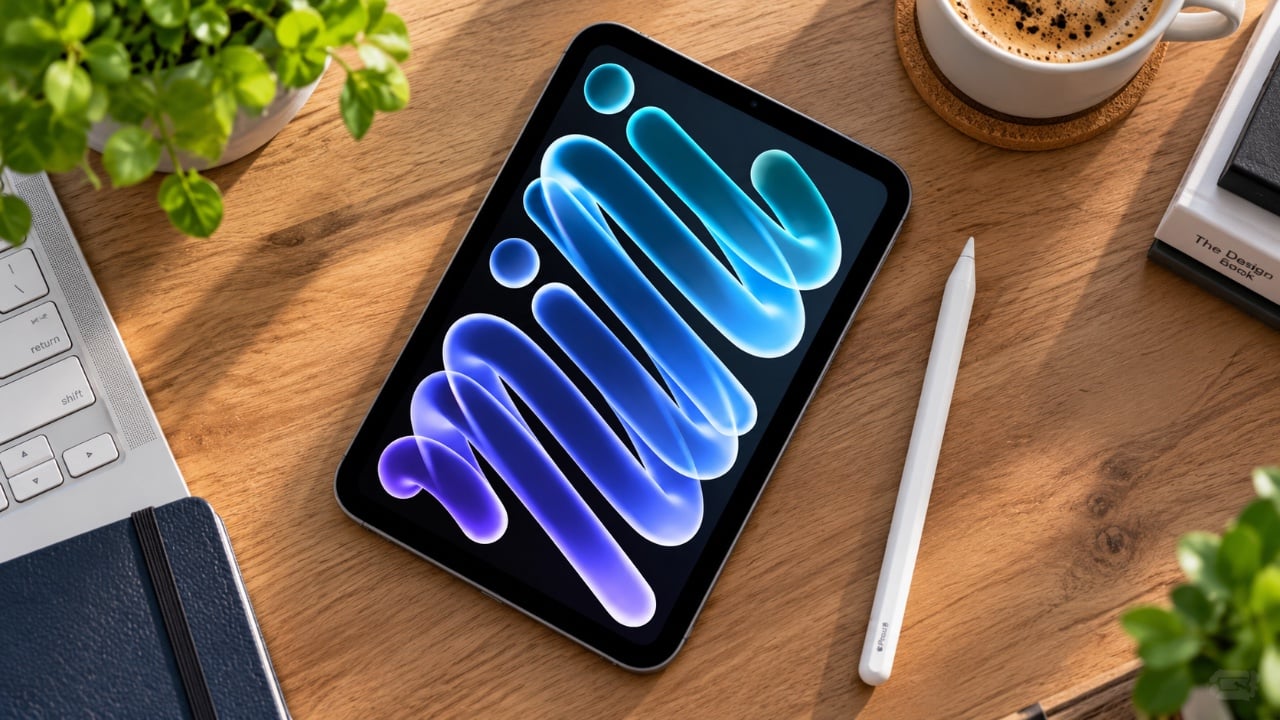
iPad Mini OLED: All the New Features Revealed

iPad Mini OLED: All the New Features Revealed iPad Mini

Apple’s latest iPad Mini redefines what a compact tablet can achieve, introducing a host of enhancements that solidify its position as a standout device in the tablet market. With a sleek, portable design, an innovative OLED display, and robust performance capabilities, this device caters to a diverse audience. Whether you’re a creative professional, a student, […]

The post iPad Mini OLED: All the New Features Revealed appeared first on Geeky Gadgets.

Posted in Uncategorized