Sony LinkBuds Clip Bring Always-On Open Listening
Sony introduces LinkBuds Clip, open-ear wireless earbuds with clip design, immersive sound, AI call clarity, and all-day comfort for active lifestyles.
While many of us wait (im)patiently for a brand new Mario platformer for the Switch 2, Nintendo is filling the gap with an upgraded version of the tremendous Super Mario Bros. Wonder for the console. Super Mario Bros. Wonder – Nintendo Switch 2 Edition + Meetup in Bellabel Park (to give the new edition's full name) will arrive on March 26. Those who own the original Switch version of the game will be able to buy an upgrade pack, which costs $20.
There's a lot of new stuff in the Switch 2 version, including co-op and multiplayer features. Bellabel Park, a fresh area of the Flower Kingdom, will open up. You can jump into some multiplayer modes here, such as one where you compete to collect as many coins as possible.
A section that's all about local multiplayer has 17 co-op and versus modes. You can either play those on the same console or use GameShare so that up to three other people in the same physical place as you can join in on their own Switch or Switch 2. The Game Room Plaza, meanwhile, supports local and online play for six minigames — each player will need their own system for those. Up to eight people can play using the local wireless feature, and up to 12 via online multiplayer.
Along with those multiplayer minigame areas, Bellabel Park is home to Toad Brigade Training Camp. Here, you can take on challenges based on levels from the main game. You can tackle these on your own or recruit up to three friends to help (you'll only need one Switch 2 for this).
There are new things to check out in the main game as well. You can take on boss courses that feature all seven Koopalings and (finally!) play as Rosalina.
Nintendo is adding an option in which a second player can control a Luma. They can help out the main player by defeating enemies and collecting coins. You can play as the Luma by using the Switch 2 mouse control feature. That's a great idea, as it could allow, say, a parent or guardian who is not too familiar with a game controller to assist a kid who needs some extra help to get through Super Mario Bros. Wonder.
In addition, there's an assist mode. When this is enabled, you can quickly recover from falling into a pit (with a propeller flower bringing you back into the action) and avoid taking any damage.
That's not all, folks. Also on March 26, you can snag three new amiibo from the game: Elephant Mario (which I'm going to have to buy), Poplin & Prince Florian and Captain Toad & Talking Flower.
A couple of weeks earlier, on March 12, Nintendo will start selling a physical version of the Talking Flower from Super Mario Bros. Wonder. The battery-powered device will talk to you a couple of times per hour, mentioning things like the room temperature and time. It can play music as well. There's a button you can press to hear it talk (or hold to make it shut up). There's support for 11 languages and it can chatter at set times, making it a bit similar to Nintendo's Alarmo. You'll be able to buy Talking Flower from Nintendo's New York and San Francisco stores, its online store and some other retailers, with pre-orders opening today.
The Samsung Galaxy S26 Ultra introduces three significant updates that establish a new benchmark for flagship smartphones: advanced video technology, a magnetic accessory ecosystem, and a strategic pricing approach. These features are designed to enhance the user experience for both professionals and everyday consumers while addressing industry challenges such as rising production costs and evolving […]
The post Samsung Galaxy S26 Ultra: The “Privacy Display” & More Game-Changing Updates. appeared first on Geeky Gadgets.
Open earbuds are the fastest-growing segment of the headphone market, but long before they gained popularity, Sony initially introduced the concept to the market. From their first ever iteration, this style of earbuds has graduated into earhook and clip-style designs. When LinkBuds were first released in 2022, they came in a peculiar design with an ear hook and a circular housing that lets in ambient noises.
After the LinkBuds Open were released in 2024, Sony has now introduced the LinkBuds Clip, featuring an always-clip-on design similar to the Bose Open Earbuds, Edifier LolliClip, Shokz OpenDots One, and the JVC Nearphones. These new flagship earbuds improve on the previous open ear version in every aspect, making them a great choice for people who want situational awareness of their surroundings without any degradation in music quality.
Designer: Sony
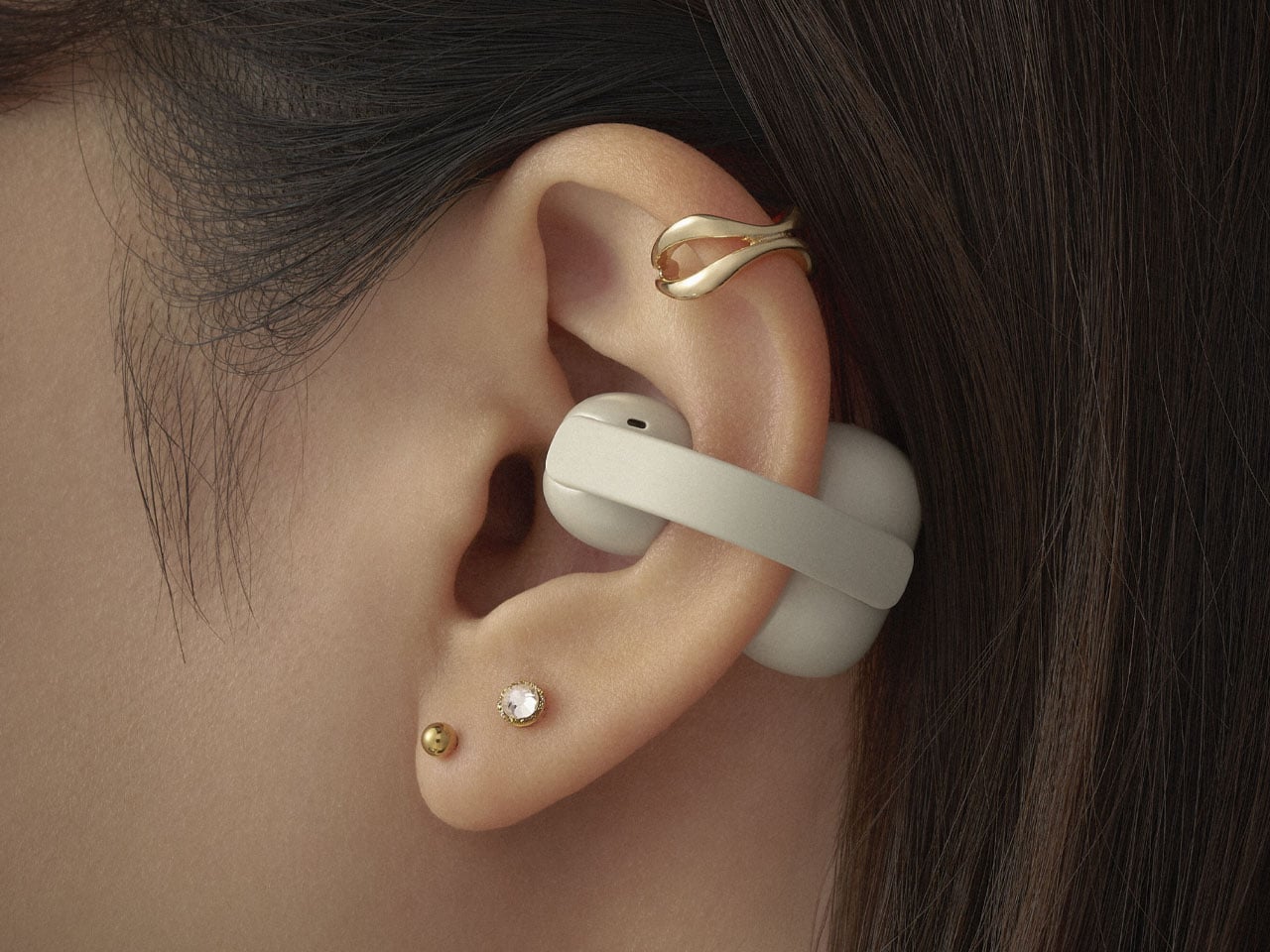
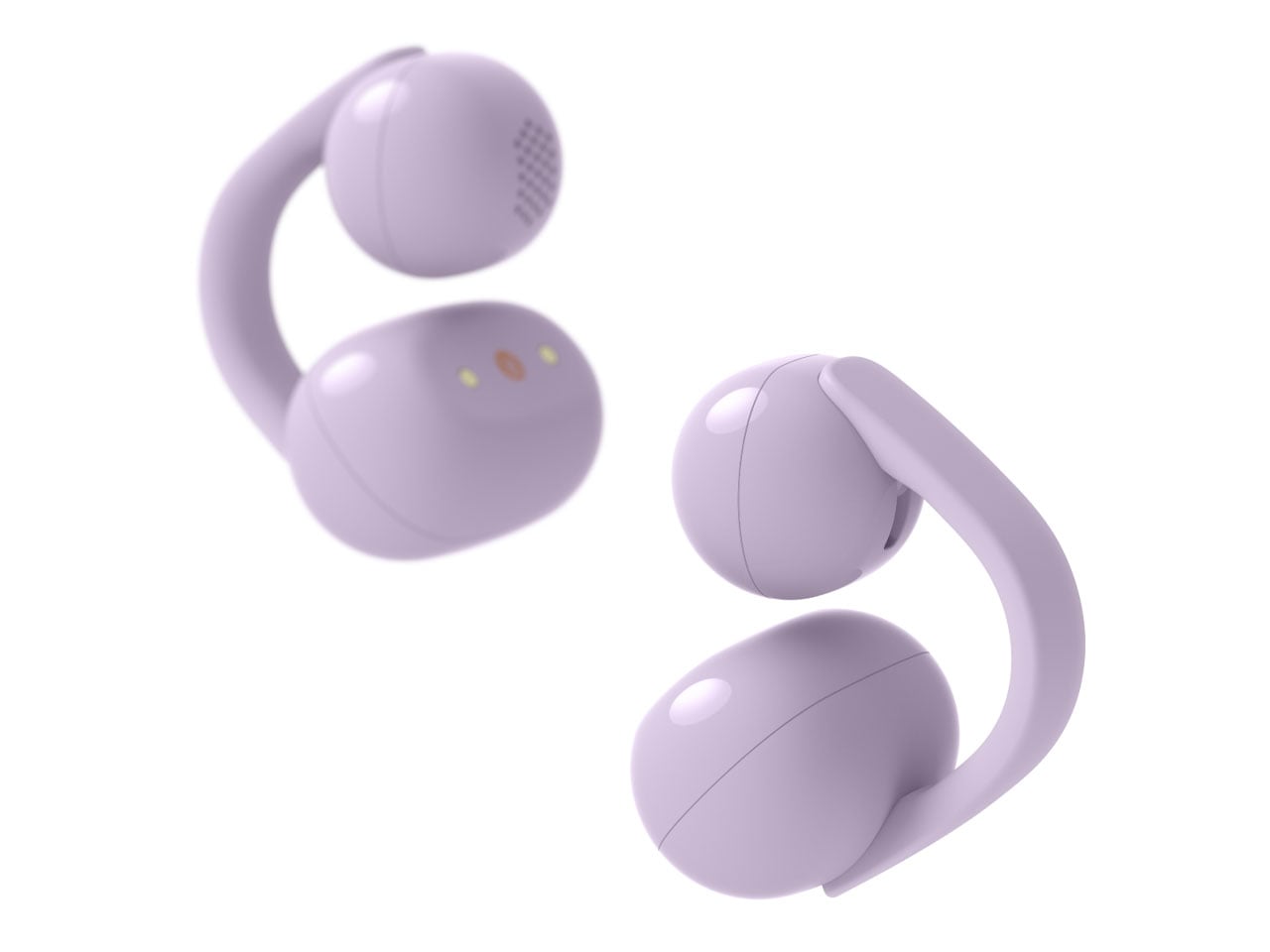
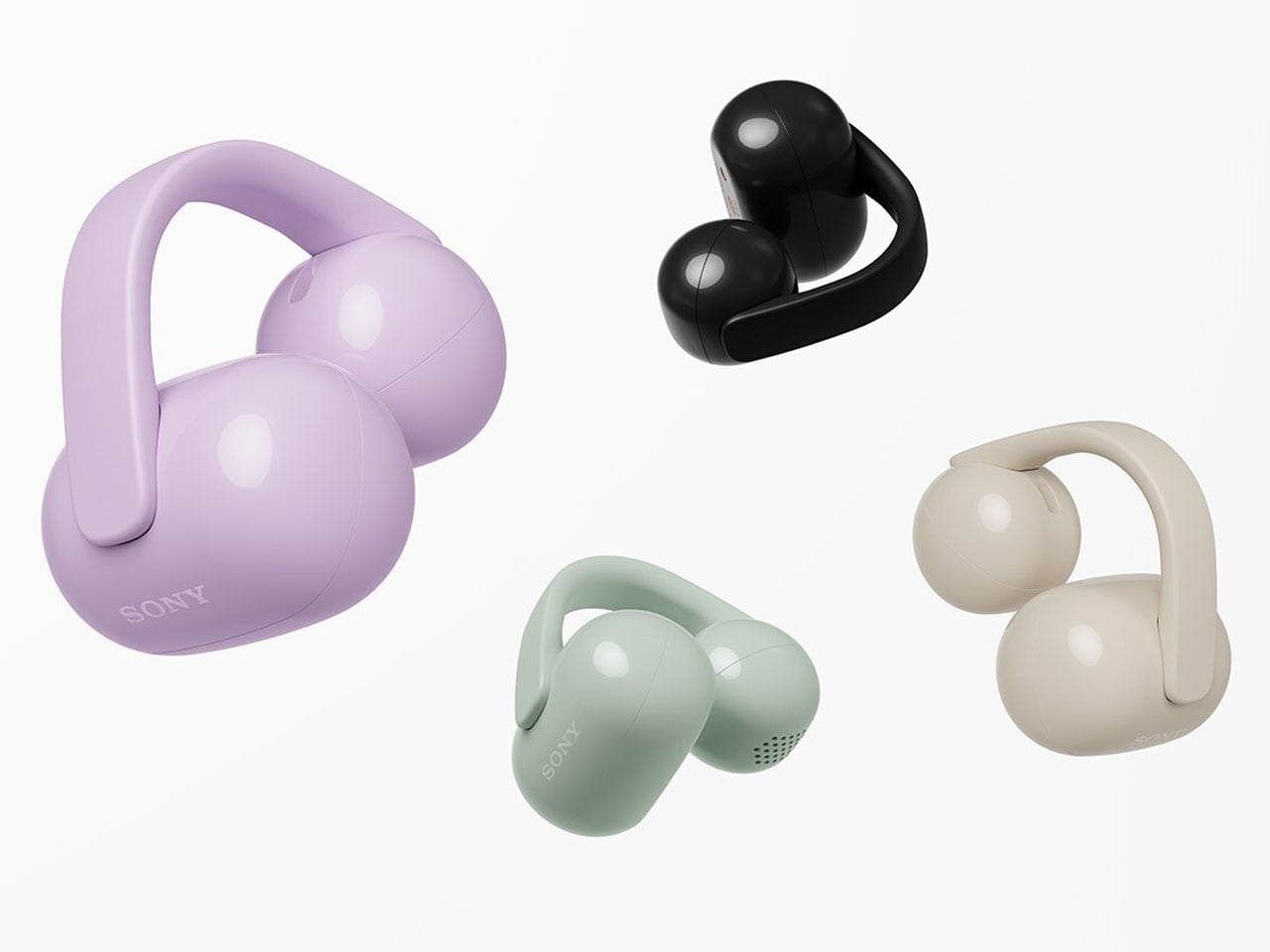
Targeted towards active lifestyle users, the buds don’t block the ear canals to hear conversations better, and are ergonomically designed for all-day long wear comfort. The Japanese consumer electronics giant is positioning them as a flagship option for music lovers who are worried about losing their pricy pair of buds during workouts, sporting activities, or adventurous escapades. IPX4 splash-proof rated LinkBuds Clip have a glossy finish with a C-bad connecting the two contoured stems that rest on either side of the ear. While I’m not a big fan of the glossy finish on these, the design looks reassuring, and the buds won’t fall out even after rigorous activity.
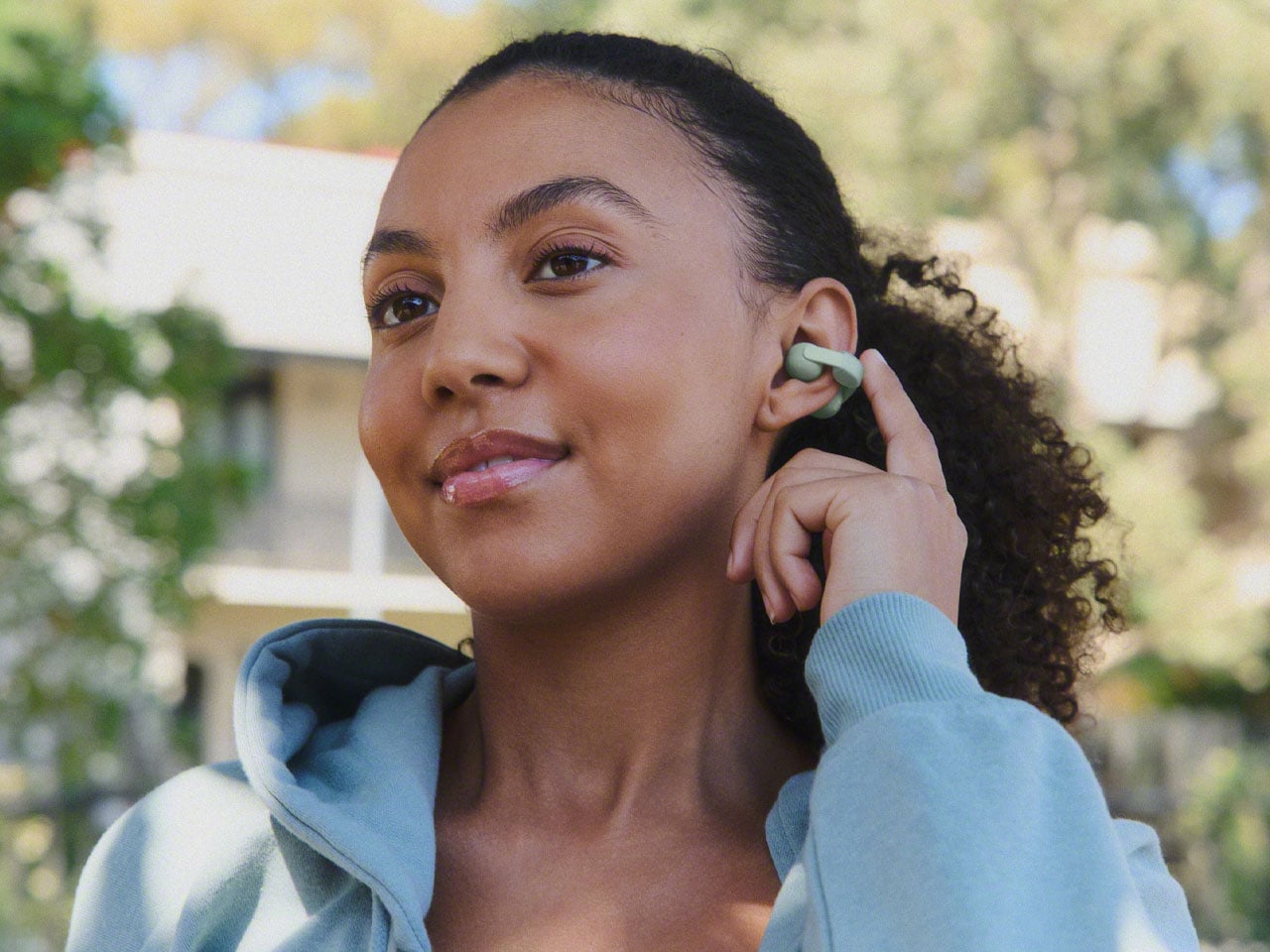

The flexibility of adjusting the positioning of the buds depending on the comfort and desired audio output makes the pair recommendable. You can go for a closer proximity to the ear canal for a better sound signature with noticeably more bass, or have a laid-back setup that promotes comfort and consequently a more open input of the ambient noises around. The case of these open-ear earbuds is more or less the same as the LinkBuds Open and Fit, but it doesn’t support wireless charging, which is a bit of a disappointment.
As per independent reviewers who have spent time with the LinkBuds Clip, the touch controls on these are not as good as other Open ear options. The taps can be a miss at times or trigger unwanted action. That said, it is the issue with most touch control earbuds, and for people like me who love physical controls, the features can be a bit of a miss. The sound signature on the LinkBuds Clip is balanced when ideally placed in the ear openings. However, it will be interesting to see how they compare to the next version of Bose Ultra Open Earbuds (released back in early 2024), which are speculated to come out this year.
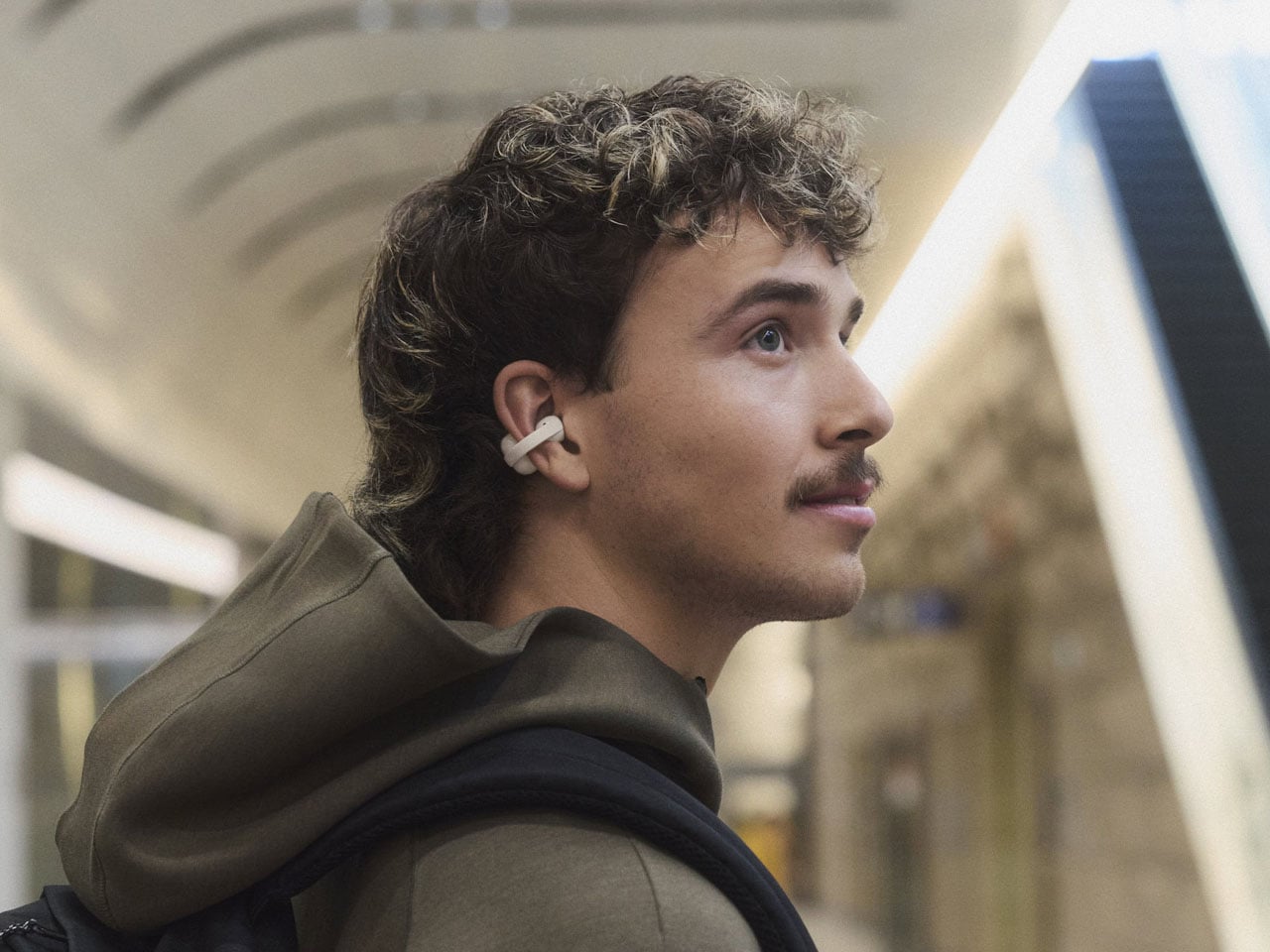
Battery life on the buds is typically hours that extends to 37 hours with the charging case. The clip-ons have three listening modes: Standard mode for more immersive sound with a lot of detail and clear vocals, Voice Boost mode for listening to the other person in crowded spaces, and the Sound Leakage Reduction mode for lesser disturbance to people in the vicinity. LinkBuds Clip can be bought right away for $230 in peppy color options like black, greige, green, and lavender. The case covers and fitting cushions in coral green, blue, lavender, and black can be added on for $25 each.

The post Sony unveils LinkBuds Clip open-ear earbuds in peppy colors first appeared on Yanko Design.
What does it take to stay ahead in one of the most competitive industries on the planet? In this overview, Matthew Berman explores how OpenAI’s latest moves are reshaping the AI landscape and solidifying its position as a market leader. From unveiling an $8/month subscription plan to introducing advertising into ChatGPT, OpenAI is making bold, […]
The post OpenAI Targets Growth with $8 ChatGPT Plan, Ad-Supported Tiers & 2026 Revenue Push appeared first on Geeky Gadgets.
Recent leaks surrounding the iPhone 18 Pro suggest that Apple is preparing to introduce noteworthy updates to its display design, Face ID system, and the Dynamic Island feature. These potential changes are expected to enhance both the usability and aesthetics of the device, bringing Apple closer to its vision of a seamless, all-screen smartphone. If […]
The post Under-Display Face ID: How Apple is Shrinking the iPhone 18 Pro Sensors appeared first on Geeky Gadgets.
1Password has a new tool designed to counteract the advantages AI has given to phishing scammers. A new feature for the company's browser extension gives you a "second pair of eyes" to help you catch a bogus website before entering your login info.
Before AI, phishing attempts often included telltale signs like obvious typos or rudimentary graphic design. Now that AI makes it much easier to design and code convincingly, scams are on the rise. According to Fortune, 60 percent of companies reported an increase in fraud-related losses from 2024 to 2025. And the advent of AI browsers could make things even worse.
“Our new phishing feature adds an extra layer of protection,” 1Password says. Once the feature is activated, the extension actively watches for suspicious sign-ins. To be clear, even before this feature's arrival, 1Password wouldn't autofill saved credentials for a bogus website impersonating it. But that still left room for people to manually paste their login info, handing it over to those with the worst intentions.
That moment when you try to paste your login manually is where the new feature comes in. "The website you're on isn't linked to a login in 1Password," the feature's warning pop-up reads. "Make sure you trust this site before continuing."
1Password says that's the "breakthrough" moment that can help you avoid a major hassle. "That single moment of pause, that tiny bit of friction, is often all it takes to disrupt the attackers' entire plan."
The new feature is available today. You can enable it in the 1Password browser extension's settings. Under the Notifications section, activate the setting for "Warn about pasted logins on non-linked websites."
Scarlett Johannsson, R.E.M., Vince Gilligan and over 700 other artists are demanding that tech companies stop “stealing” their work in order to train AI models. A new campaign called “Stealing isn’t Innovation” demands that AI companies take “the responsible, ethical route” through licensing and partnerships, according to the website.
“America’s creative community is the envy of the world and creates jobs, economic growth and exports,” a statement on the website reads. “But rather than respect and protect this valuable asset, some of the biggest tech companies, many backed by private equity and other funders, are using American creators’ work to build AI platforms without authorization for copyright law.”
The group adds that the “illegal intellectual property grab” has resulted in an information ecosystem dominated by “misinformation, deepfakes and a vapid artificial avalanche of low-quality materials [‘AI slop’]… threatening America’s AI superiority and international competitiveness.”
OpenAI once argued that it’s “impossible” to train AI without copyrighted materials, since “copyright today covers virtually every sort of human expression.” However, actors, musicians and authors take issue with that idea, particularly when they see their likenesses or work repurposed as slop or worse by large language models (LLMs).
Johansson, for one, previously threatened OpenAI with legal action in 2024 over a ChatGPT voice assistant that effectively cloned her voice. More recently, Elon Musk’s Grok has been accused of creating millions of sexualized images of real people in just days, according to a report today from The New York Times.
“Big Tech is trying to change the law so they can keep stealing American artistry to build their AI businesses — without authorization and without paying the people who did the work. That is wrong; it’s un-American, and it’s theft on a grand scale,” the group proclaimed.
This article originally appeared on Engadget at https://www.engadget.com/ai/a-list-creatives-sign-up-to-fight-ai-say-it-enables-theft-at-a-grand-scale-140000475.html?src=rssAhead of its upcoming price hike, Spotify is rolling out a more advanced AI playlist feature in the US and Canada. Prompted Playlist, which the company trialed in New Zealand late last year, lets subscribers "control the Spotify algorithm," as the company describes it. "You're not just asking for music, you're shaping how Spotify goes about discovering it for you."
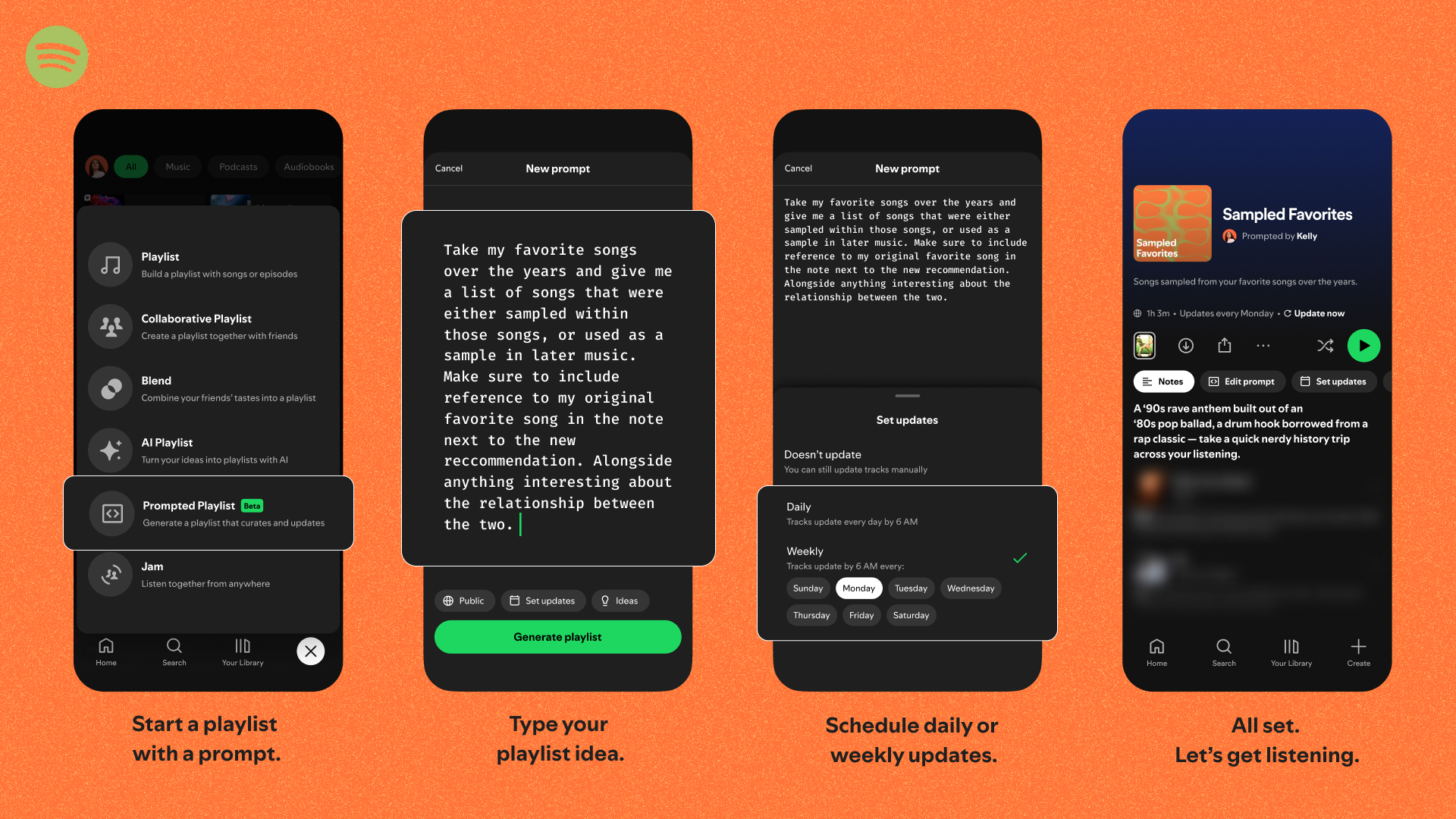
For example, you can guide it to make a playlist of songs you've saved to your Library but haven't listened to yet. (It can tap into your entire Spotify history.) Or, you can tell it to round up songs from a specific television show or movie. (It uses real-time information about pop culture, charts, and history.)
The feature includes options to refresh the playlist over time (daily or weekly). You can edit each playlist's prompt at any time. Each track will include a short note to explain why it was chosen.
Spotify says beta testers have used Prompted Playlist to revisit songs tied to specific moments and filter out tracks they've overplayed lately. "Others are asking for long, lyric-free electronic playlists to power through a workday, or mixing in artists connected to current pop culture moments and viral trends," the company wrote.
There's room for some confusion here because Spotify already has an "AI Playlist" feature. That simpler type will stick around alongside the new "Prompted" variety, which allows for finer tuning and can sift through more data.
Prompted Playlist will be available to Spotify Premium subscribers in the US and Canada "by the end of the month." Once you have access, you can try it by tapping Create, then selecting Prompted Playlist.
This article originally appeared on Engadget at https://www.engadget.com/audio/spotifys-prompted-playlist-lets-you-describe-exactly-what-you-want-to-hear-140000153.html?src=rssWhat happens when a foundational method in AI optimization gets reimagined, and not necessarily for the better? In this guide, Better Stack explains how the Ralph loop, a once-simple yet powerful script, has become a battleground for innovation and controversy. Originally designed to keep AI systems operating in their “smart zone” by managing context windows […]
The post Why the Ralph Bash Loop Works Best with a Small, Focused Context appeared first on Geeky Gadgets.