
Netflix bags an exclusive GTA VI trailer… for all of six hours
Netflix will hold the exclusive rights to an extended look at Grand Theft Auto VI before it hits YouTube six hours later.
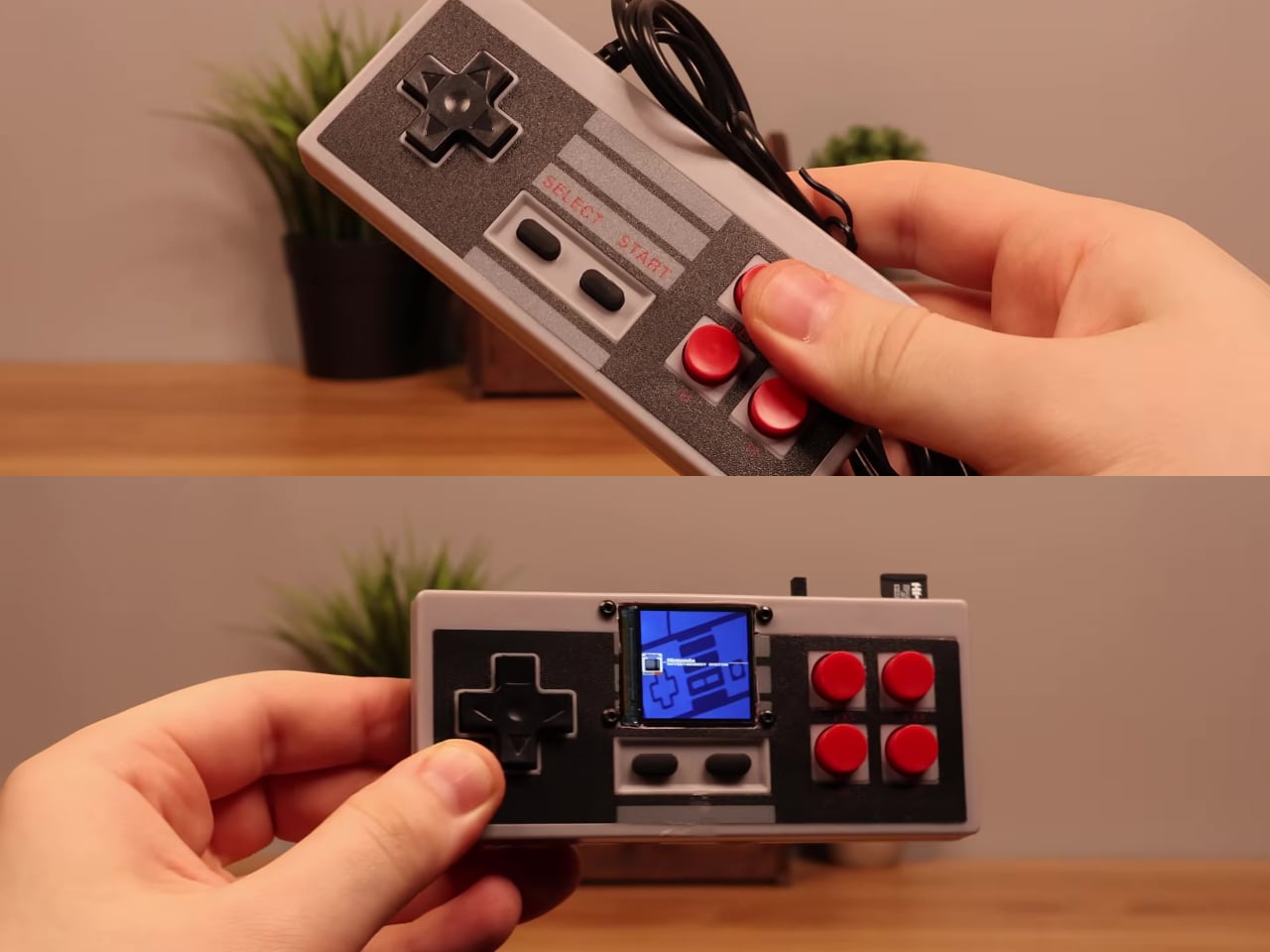
Most original NES controllers haven’t seen active duty in decades. They survive in storage bins and attic boxes, physically intact and perfectly functional as controllers, but with nothing left to plug them into. The consoles they were paired with have long since been replaced or decommissioned. The hardware was always well built, but the form factor has been sitting idle for years.
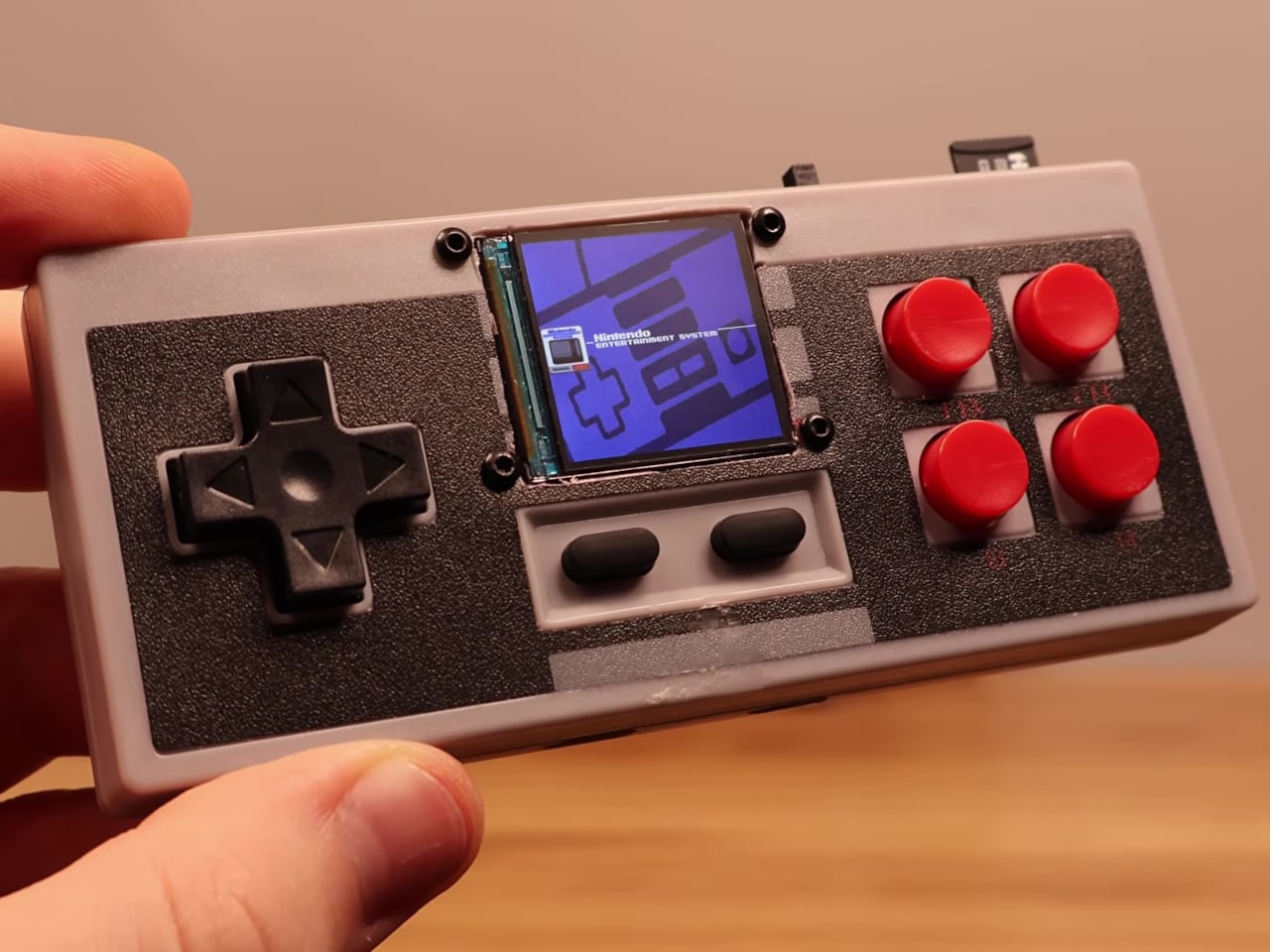
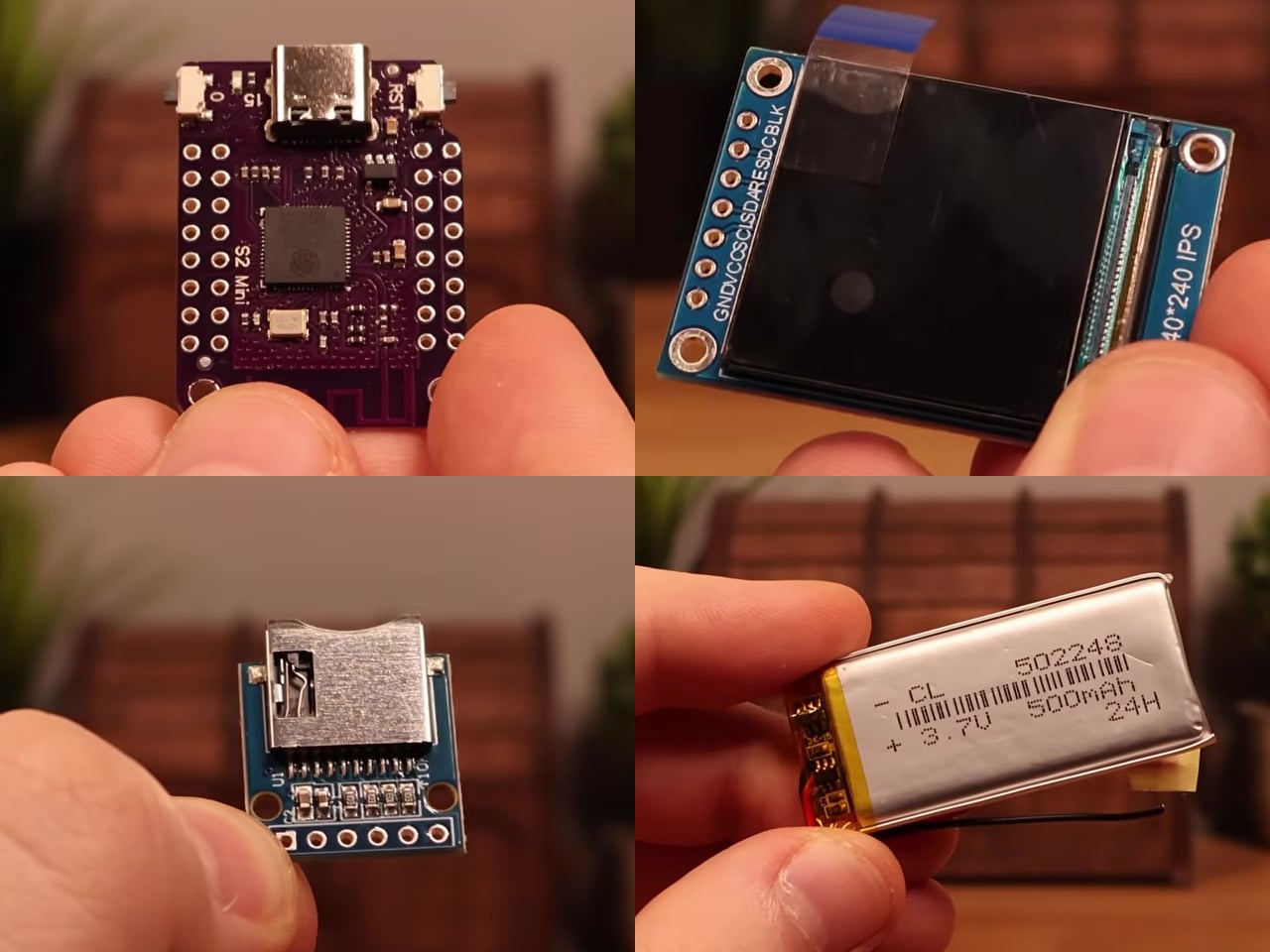
This mod changes the job description of that controller shell entirely. The electronics inside a standard NES-style gamepad were stripped out and replaced with a Wemos ESP32-S2 Mini development board, a 1.54-inch 240×240 TFT display, a MicroSD card module, a 500 mAh lithium-polymer battery, a charging board, a speaker, and a slide power switch. From the outside, it still looks exactly like an NES controller.
Designer: Logic Gate Labs
Choosing the right processor was essentially a geometry problem. A larger ESP32-S3 would have offered dual-core performance and enough PSRAM to keep entire game ROMs in memory, but it was too big to fit inside the housing. Smaller ESP32 variants without PSRAM lacked the memory for smooth emulation. The ESP32-S2 Mini landed in the narrow window between board size and processing capability that the build required.
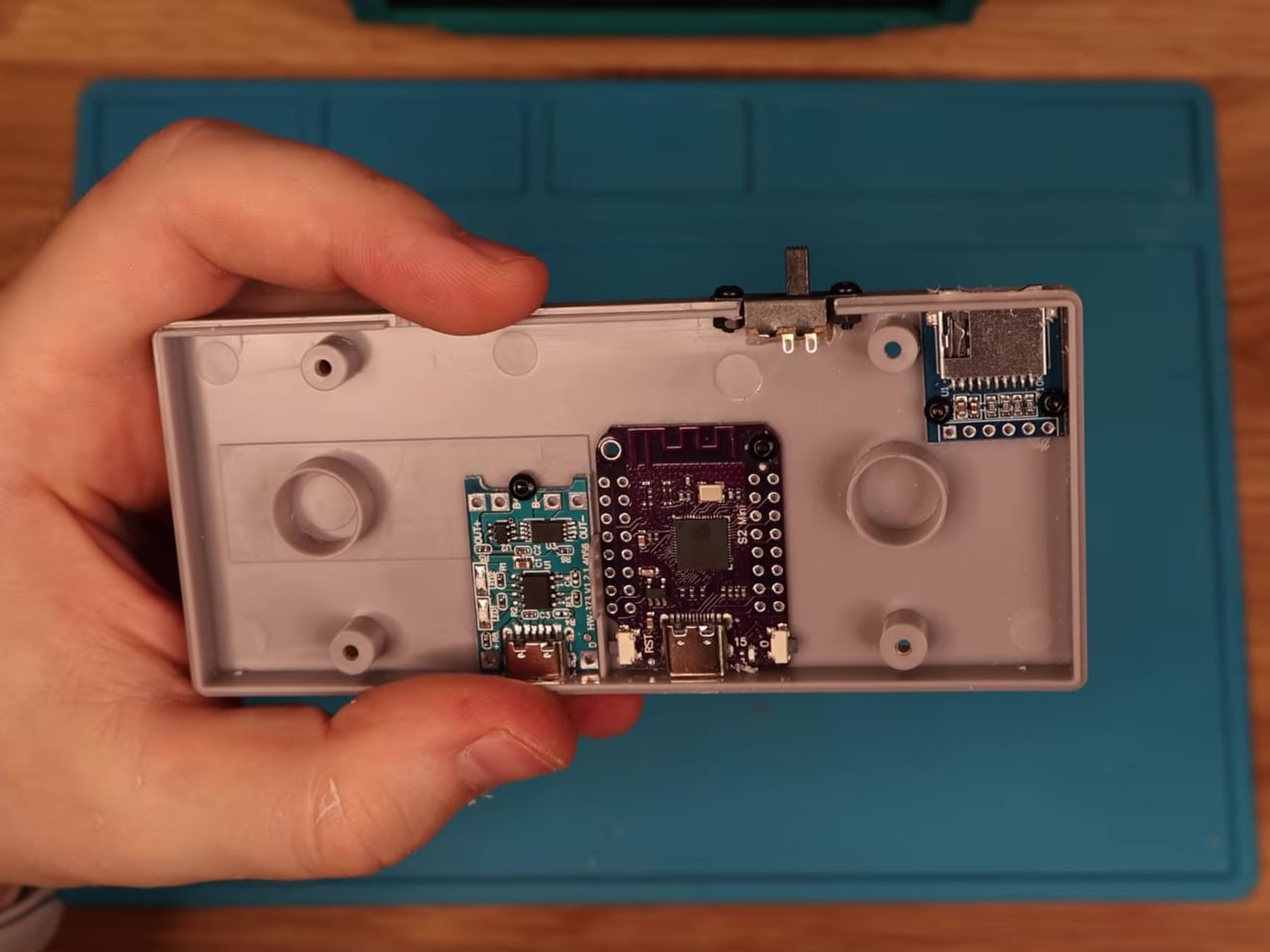
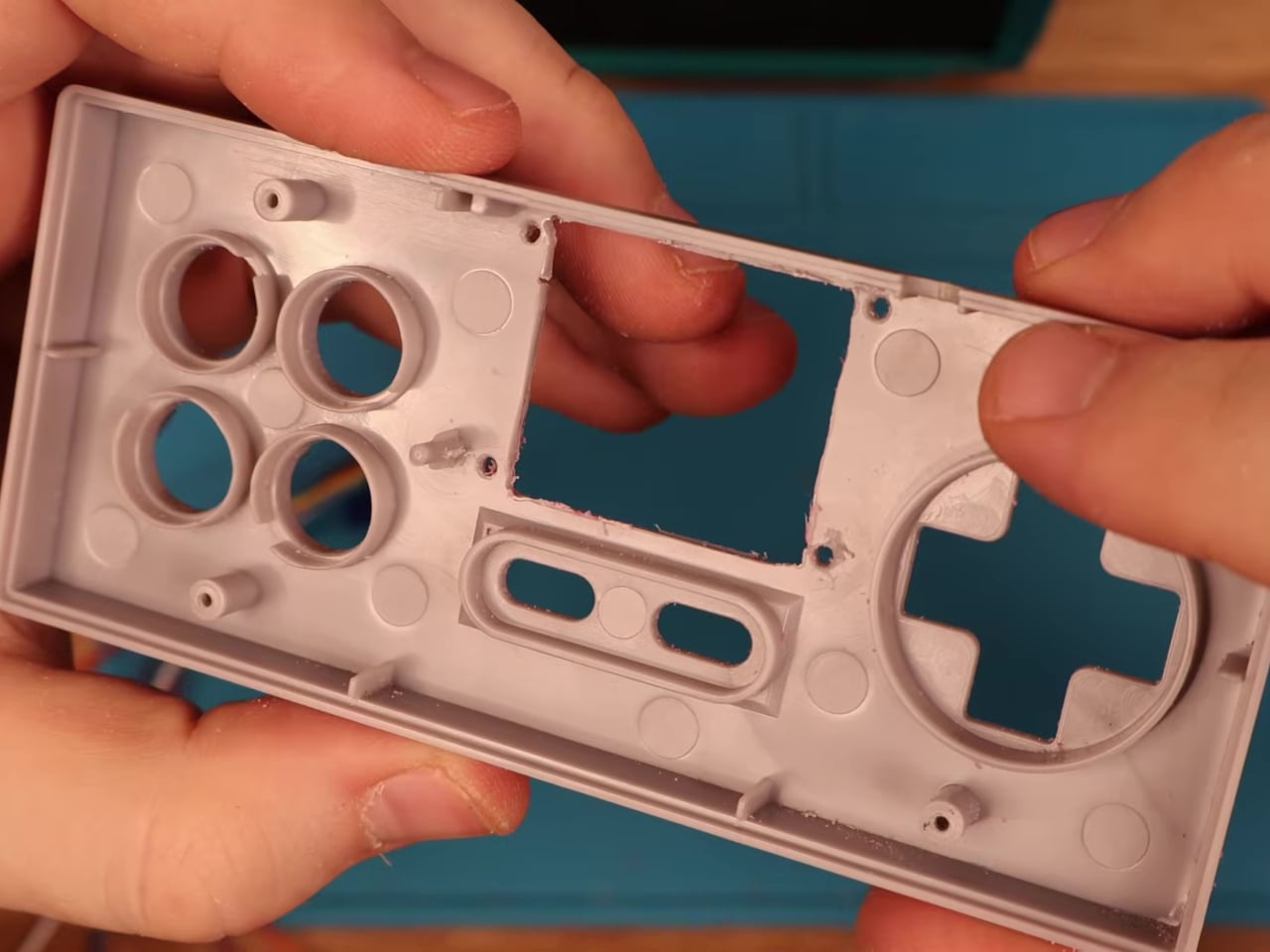
Getting everything to fit required real surgery on the shell. Internal plastic supports had to be trimmed back to make room for the display, and new openings were drilled for the screen, USB charging port, MicroSD slot, speaker, and power switch. A bare copper wire serves as a central ground distribution rail, cutting the number of individual ground wires needed and making it possible to actually close the controller afterward.
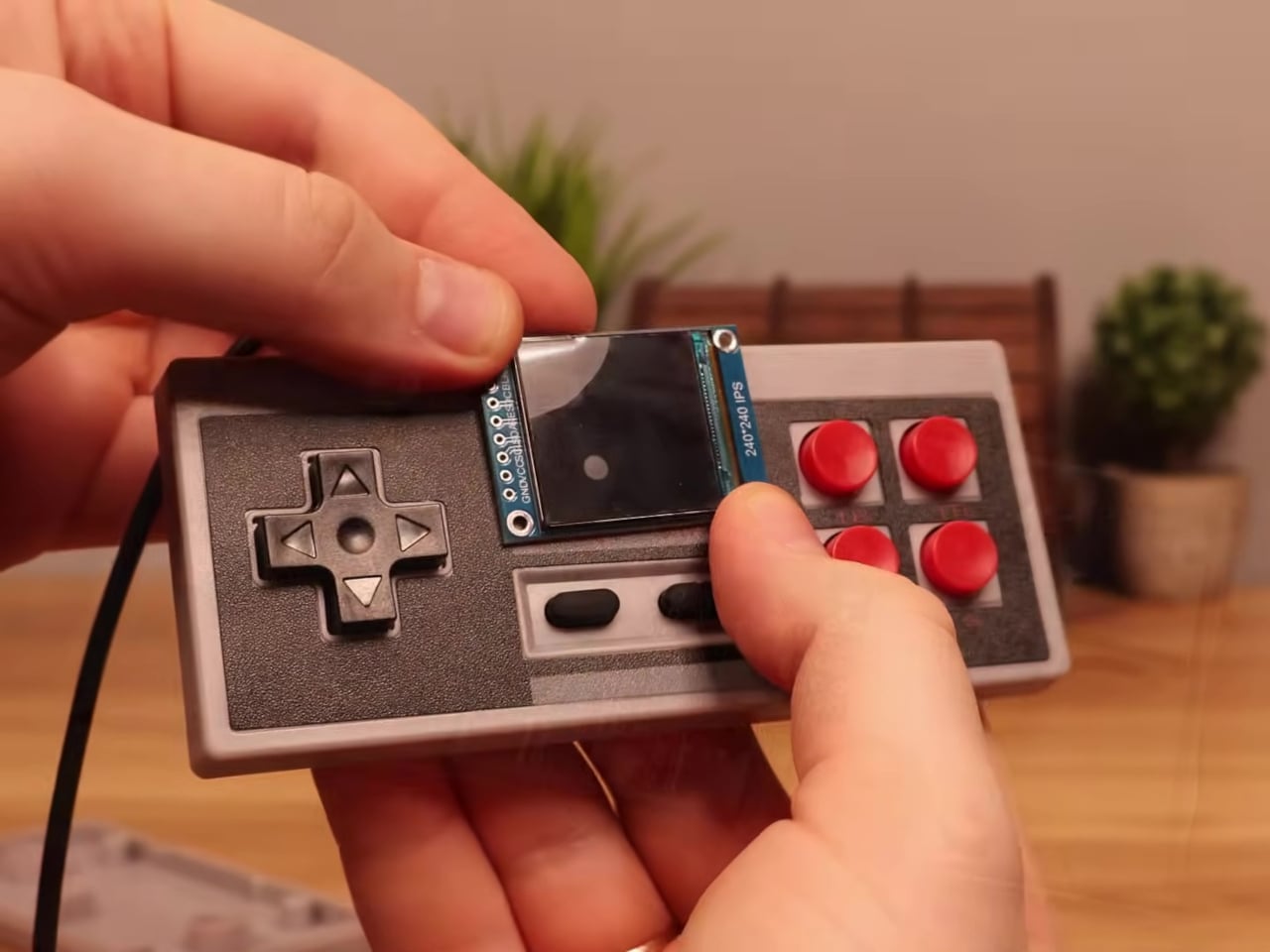
On the software side, the device runs the Retro-Go emulator framework, compiled using ESP-IDF and CMake since the ESP32-S2 isn’t a standard Retro-Go target. The result handles a range of classic 8-bit systems comfortably. As a bonus, Doom runs via PrBoom-Go from a Freedoom WAD file loaded on the MicroSD card, managing somewhere between five and 15 frames per second depending on the scene.
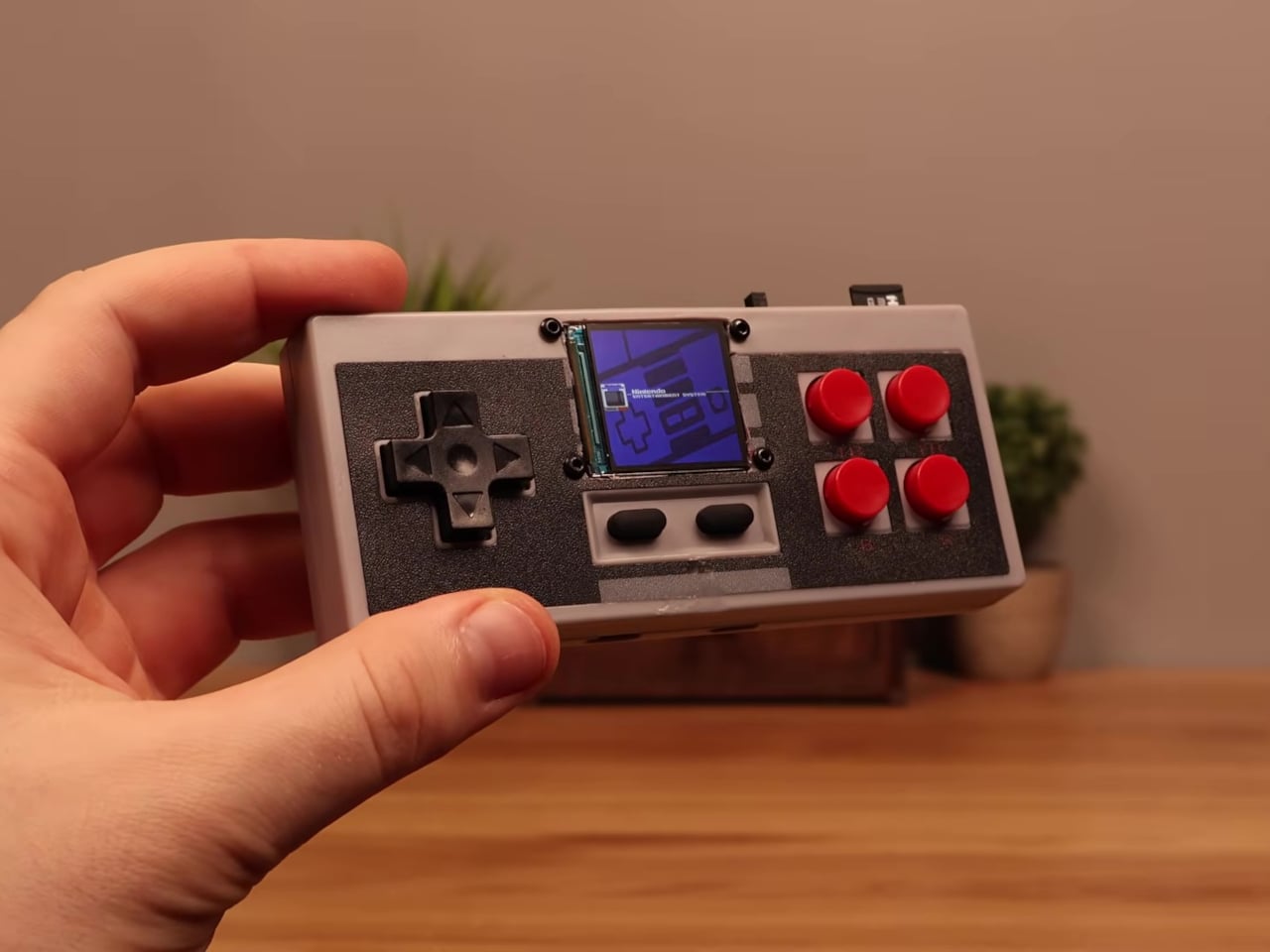
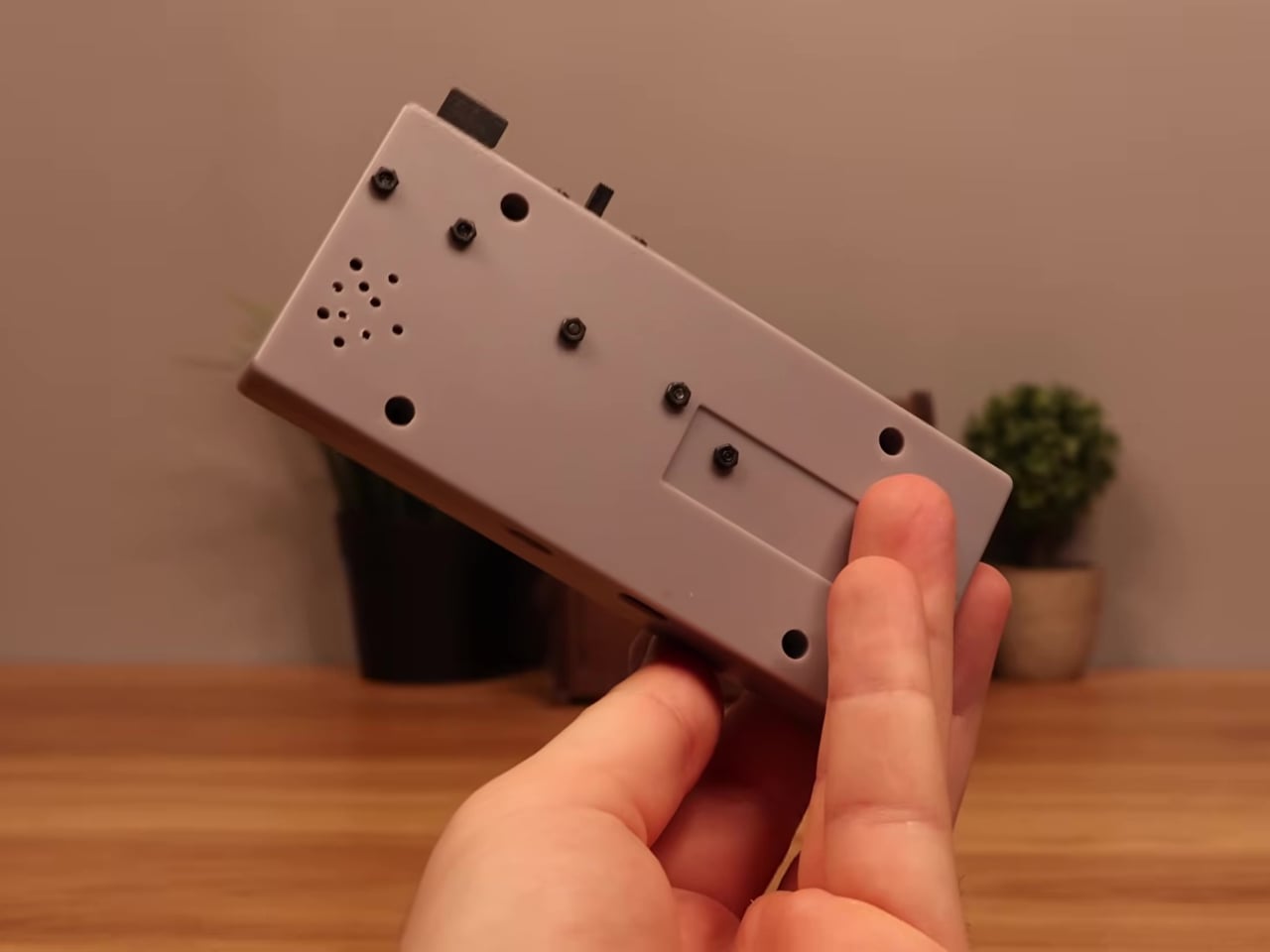
The total build cost runs about $17 using common suppliers, or closer to $8 when sourcing directly from overseas markets. That puts the project well under the price of a single modern game release. Flip the power switch, select a ROM from the MicroSD card, and the screen loads games that once required a dedicated console and television setup. No additional hardware is needed.
What makes this more than a novelty is how it reconsiders a form factor most people already have muscle memory for. The D-pad clicks the same way it always did, and the A and B buttons carry the same spring. What changed is where the signal goes after the press. Instead of traveling to a console that no longer exists, the controller now processes it directly inside its own shell.
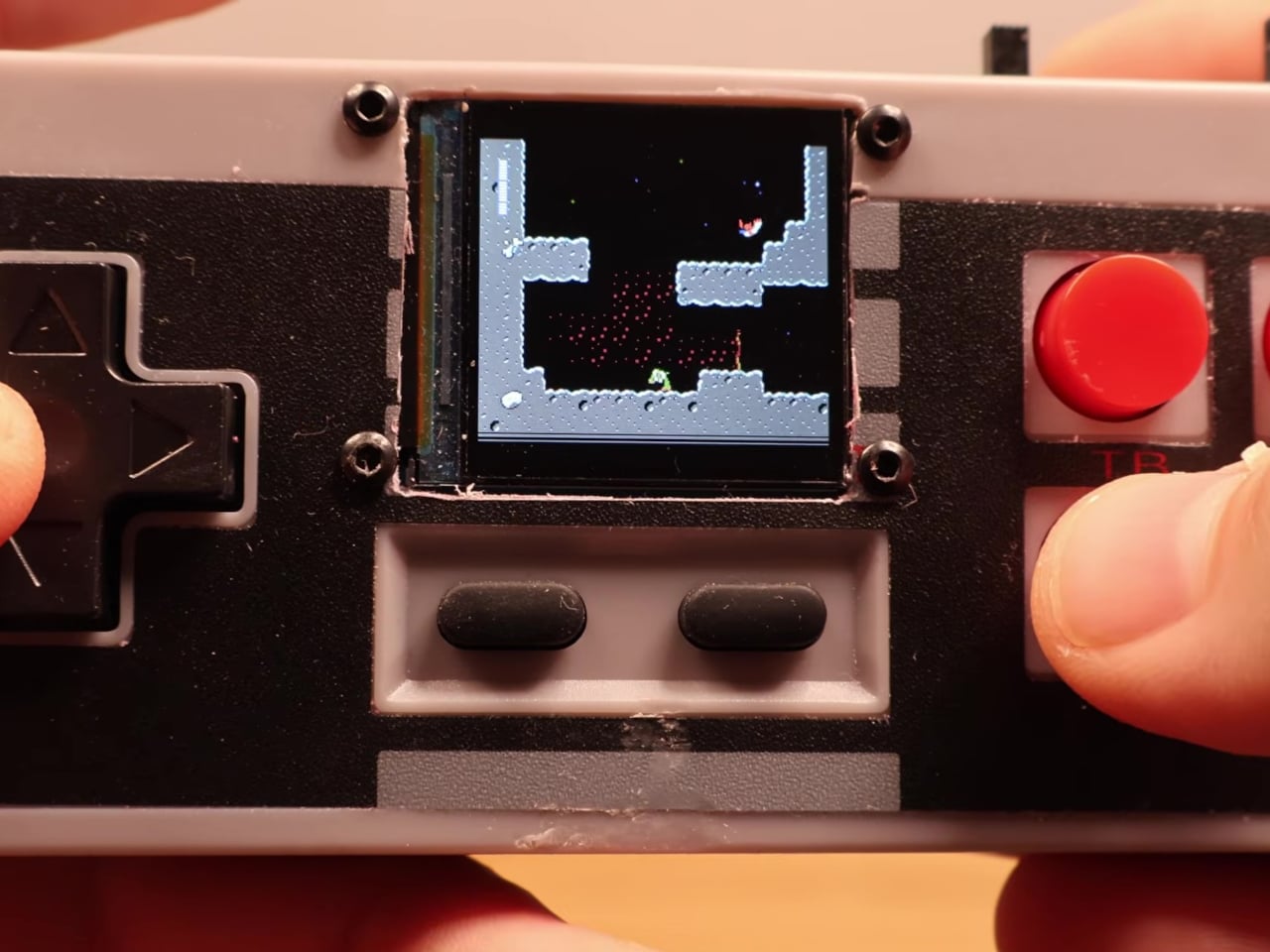
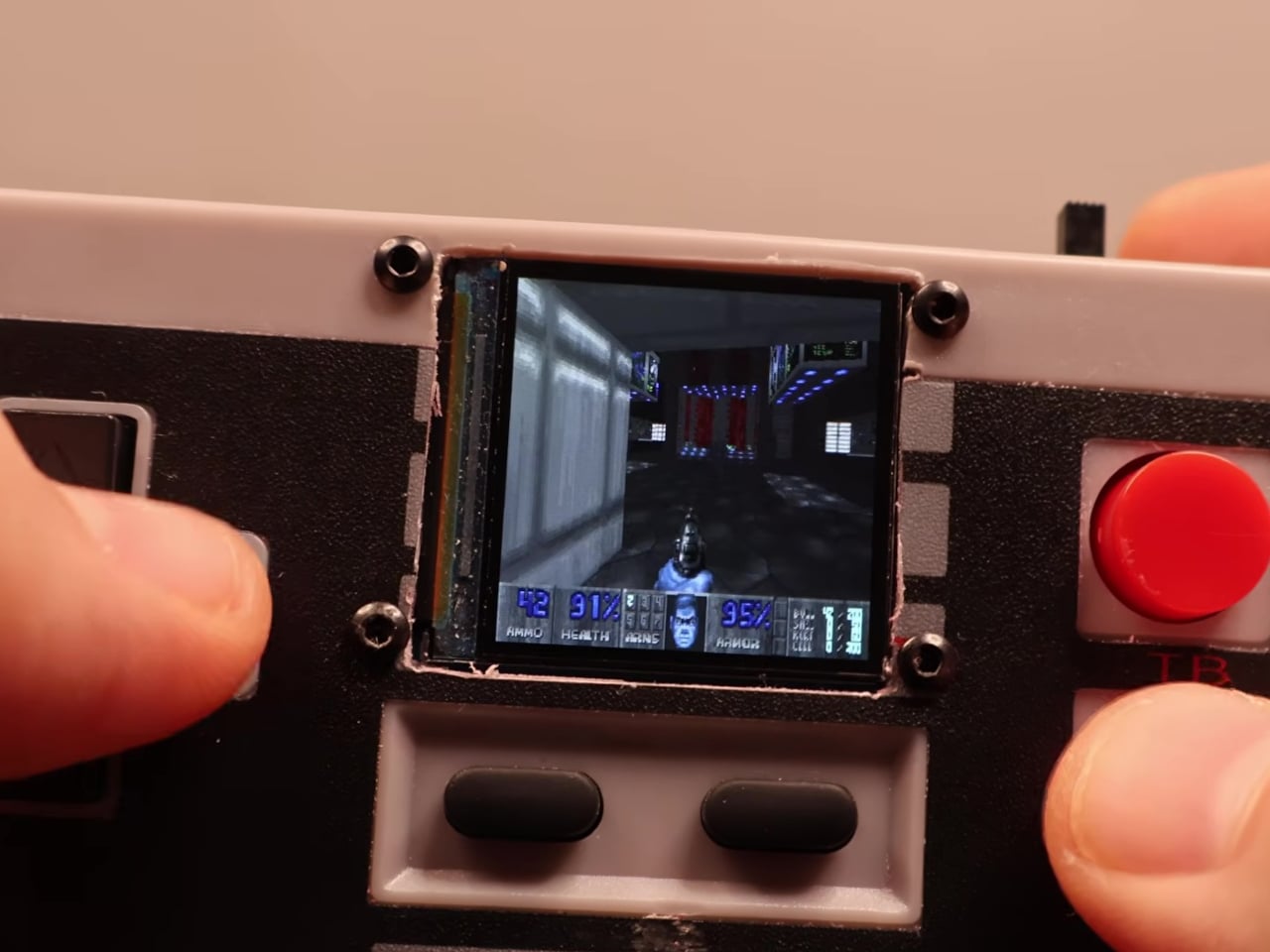
The Retro-Go framework is open source, the parts are widely available, and the NES controller shell is one of the most common pieces of vintage hardware still circulating through the secondhand market. Nothing about this build required specialized equipment or proprietary components. The total part list costs less than a single new game on any current platform and fits inside hardware that most people already own.
The post Someone Stuffed a Full Retro Console Inside an NES Controller for $17 first appeared on Yanko Design.
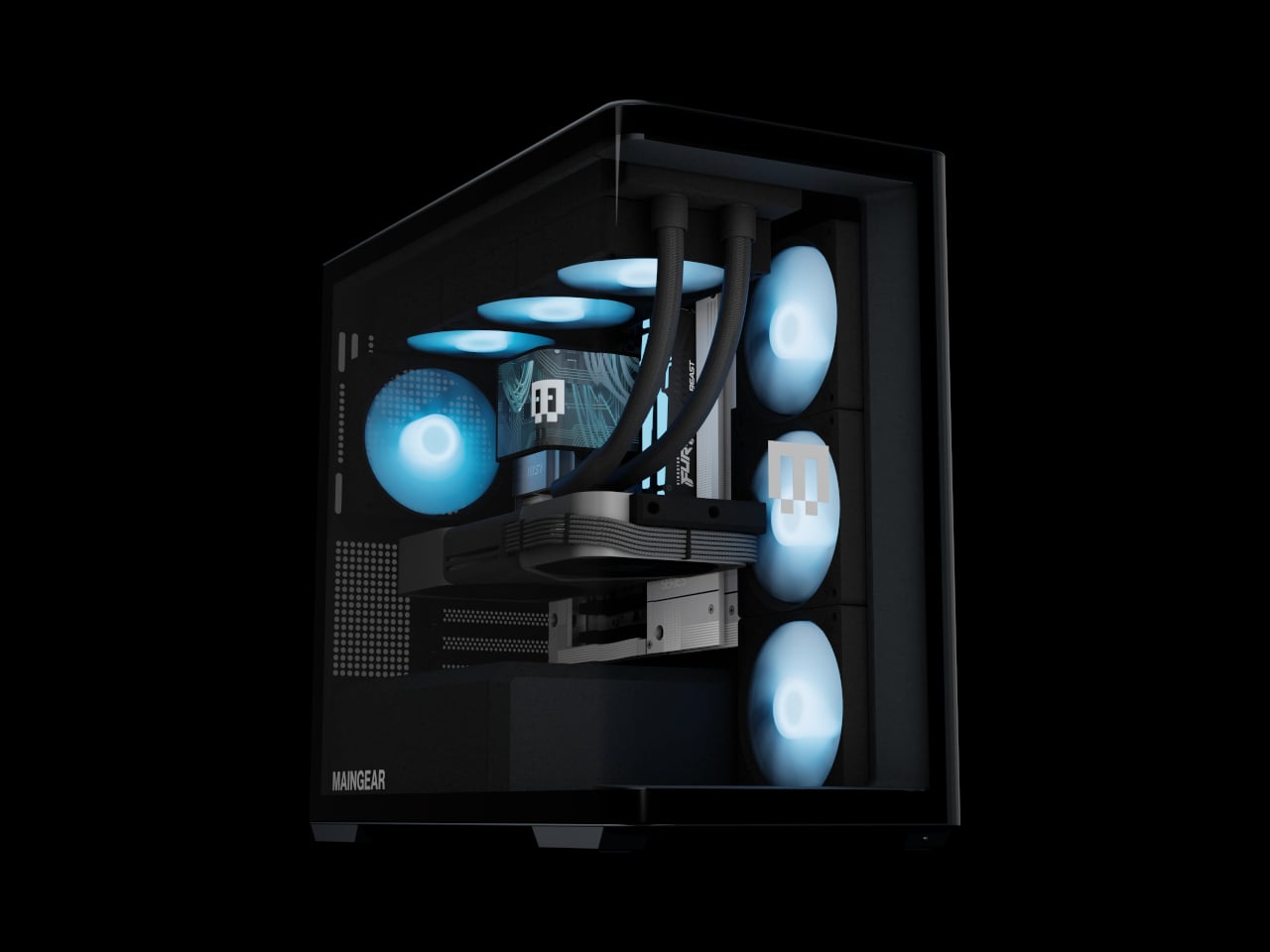
Cables are the dirty secret of PC building. No matter how carefully chosen the components are, or how expensive the case gets, the tangle of power, data, and fan connectors that crisscross the interior of most gaming desktops eventually undermines every effort at a clean aesthetic. The glass side panel that was supposed to show off the build ends up framing a web of wires that even the most diligent cable manager struggles to fully tame.
The Maingear Zero treats that problem as the actual design brief. Its patented MG-RC, or Rear Connection, system moves every motherboard connector to the back and underside of the board, clearing the visible interior of cables entirely. Paired with a single, seamless 4 mm tempered glass curve that wraps the front and side of the chassis without a single seam or pillar, the result is a desktop that looks like it has nothing to hide, because it genuinely doesn’t.
Designer: Maingear
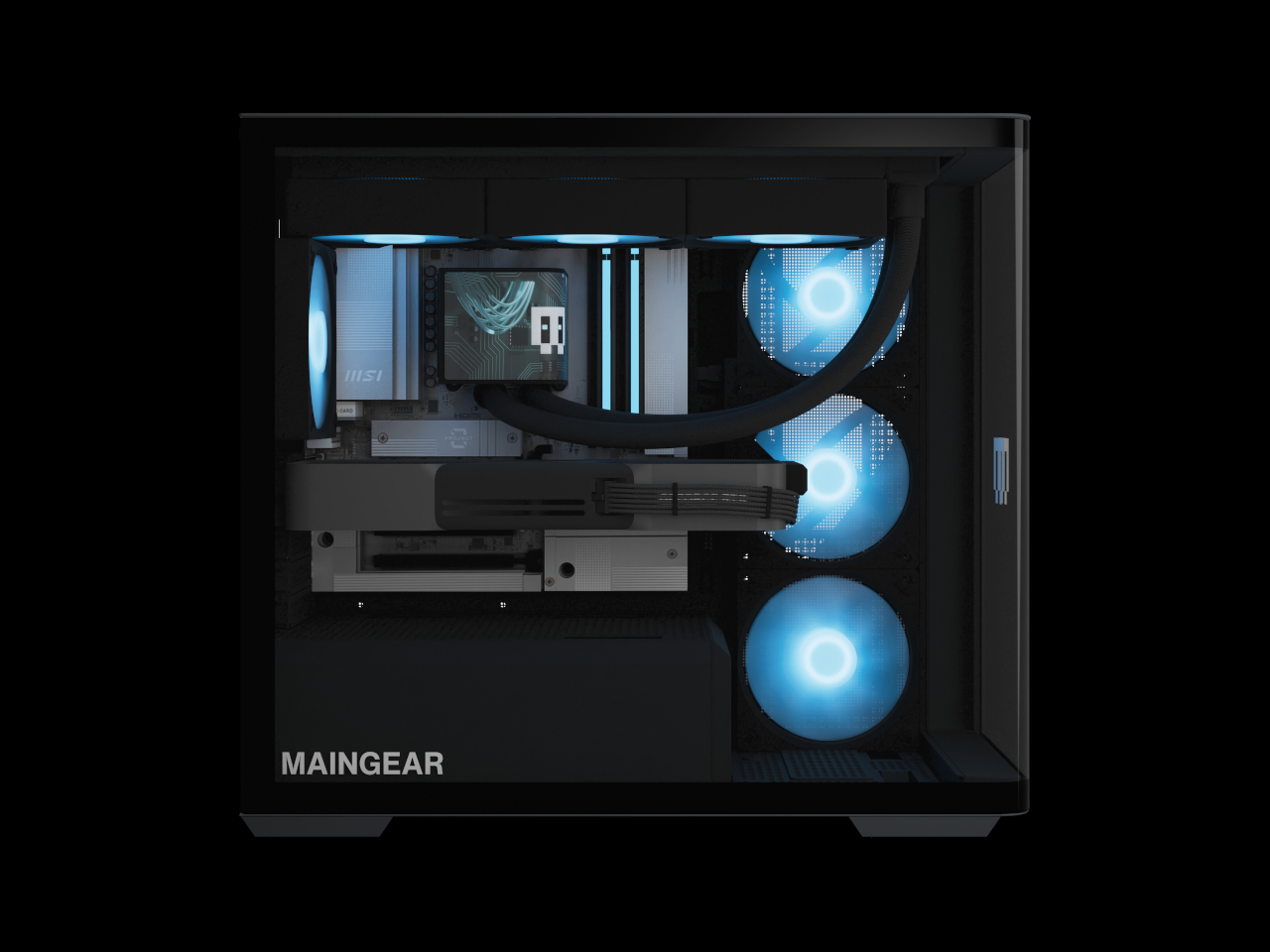
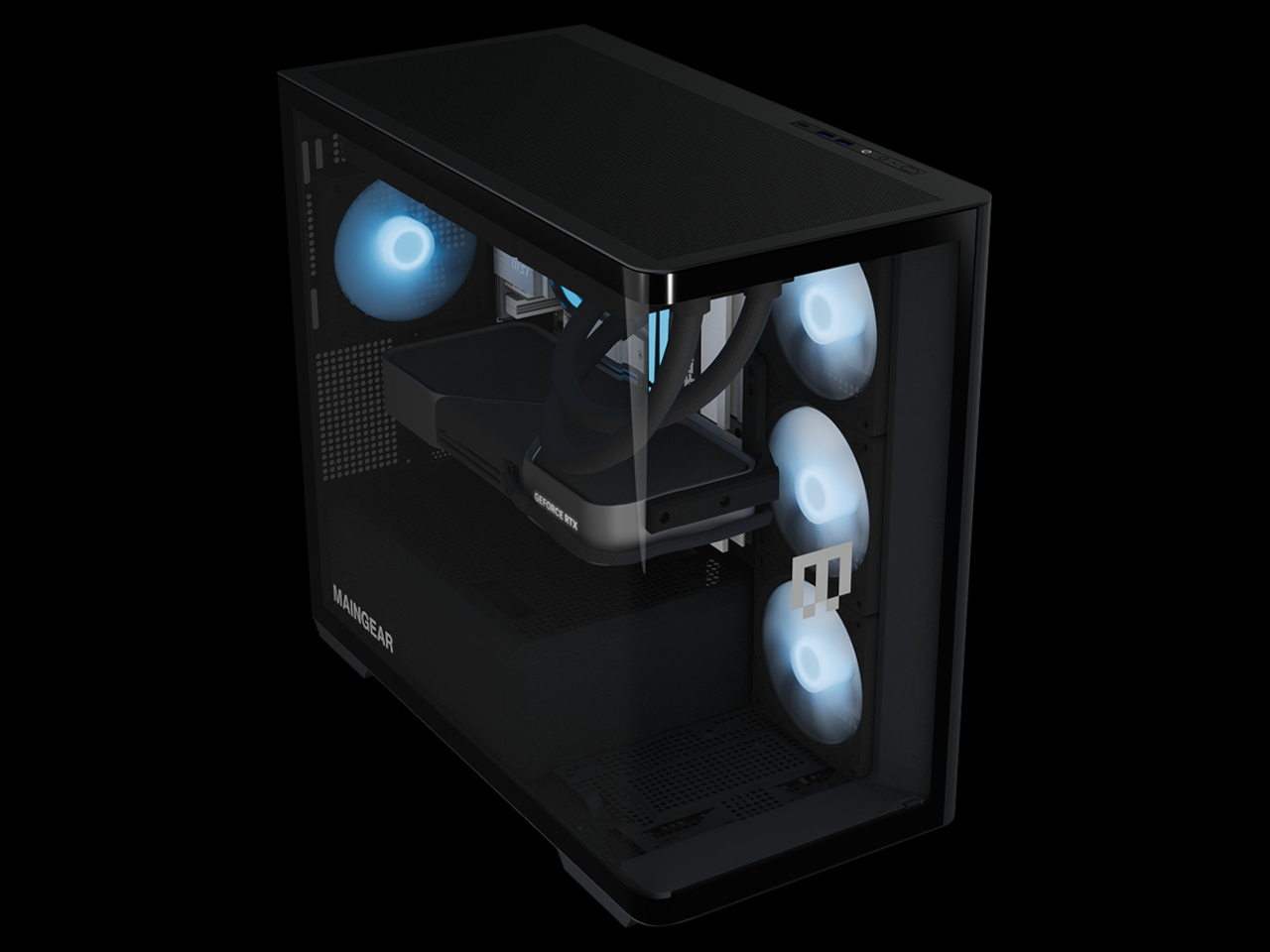
Seven fans work to keep the hardware running at full performance without drawing much attention to themselves. A mix of standard and reverse-blade units pushes cool air in through the front and exhausts it out through a 360mm AIO liquid cooler at the top, all following a single front-to-back airflow path. The reverse-blade intakes are specifically designed so the fan blades themselves don’t interrupt the view through the glass, which is a level of detail that most cases simply don’t think to address.
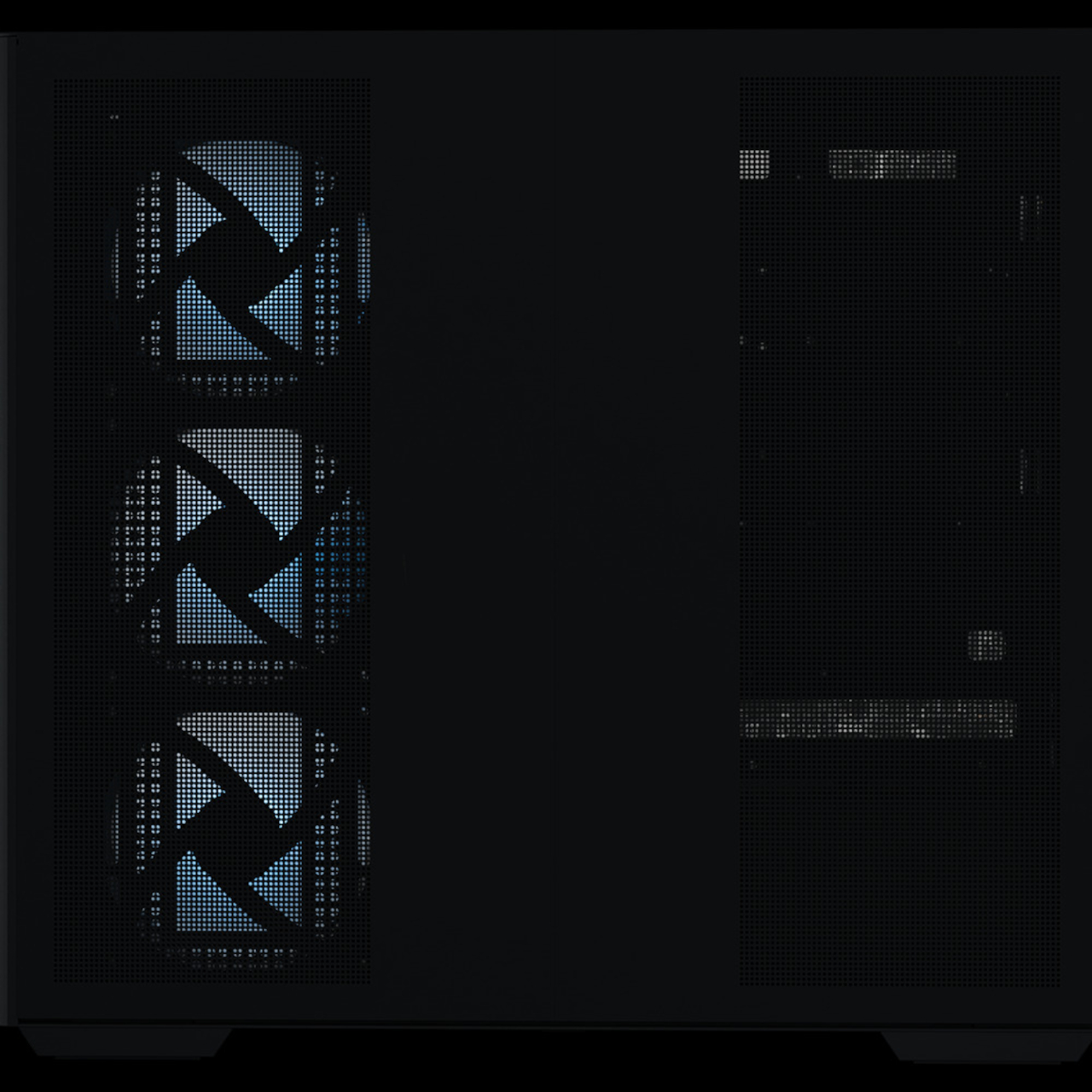
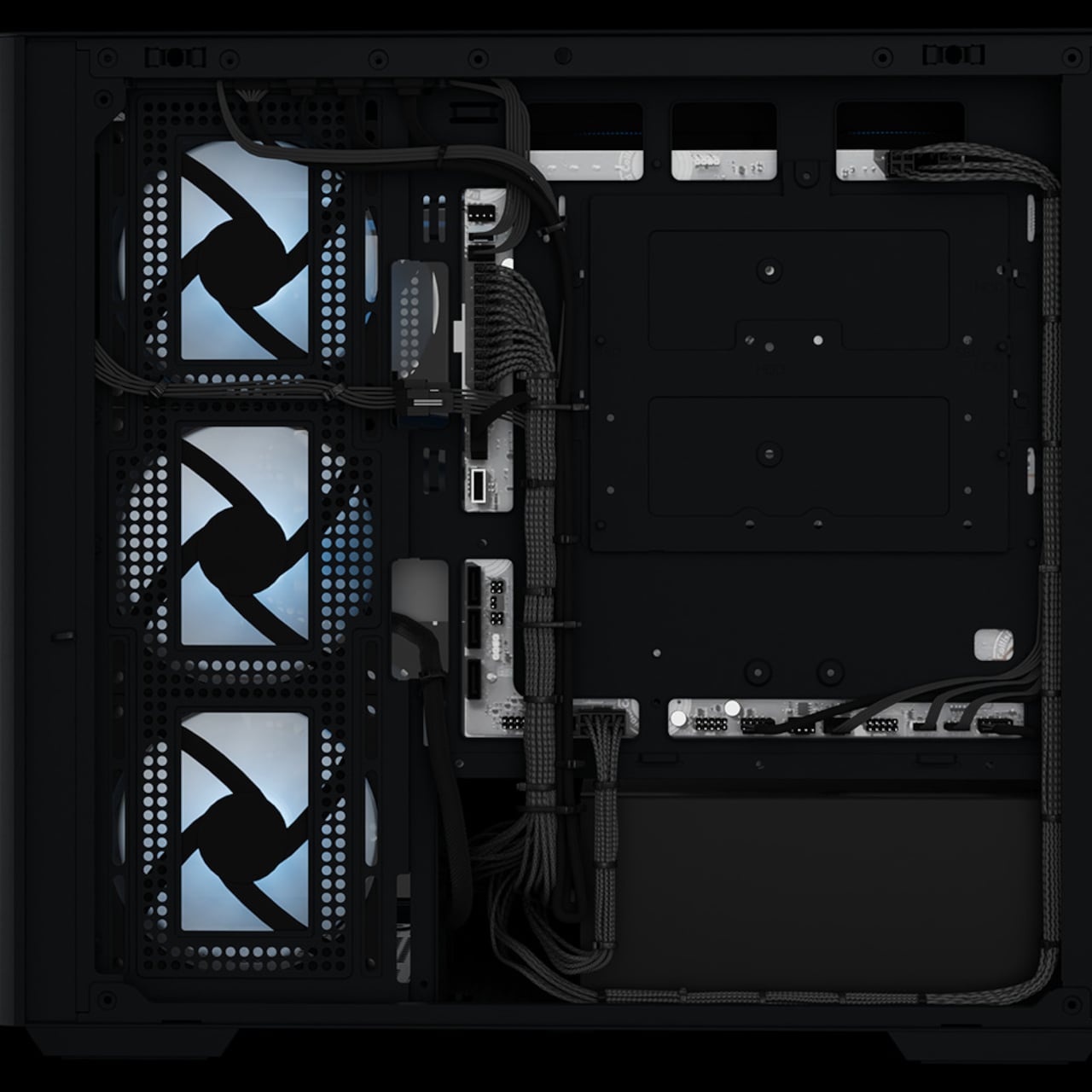
All RGB lighting inside the Zero is diffused rather than sourced from visible diodes, meaning the light saturates the interior without any glowing point of origin to break the illusion. The whole package measures 236mm wide, 421mm tall, and 460mm deep, which is more compact than a traditional mid-tower while still accommodating a full-sized GPU and the 360mm cooler overhead. It doesn’t look like a PC that compromised on size to achieve the aesthetic.
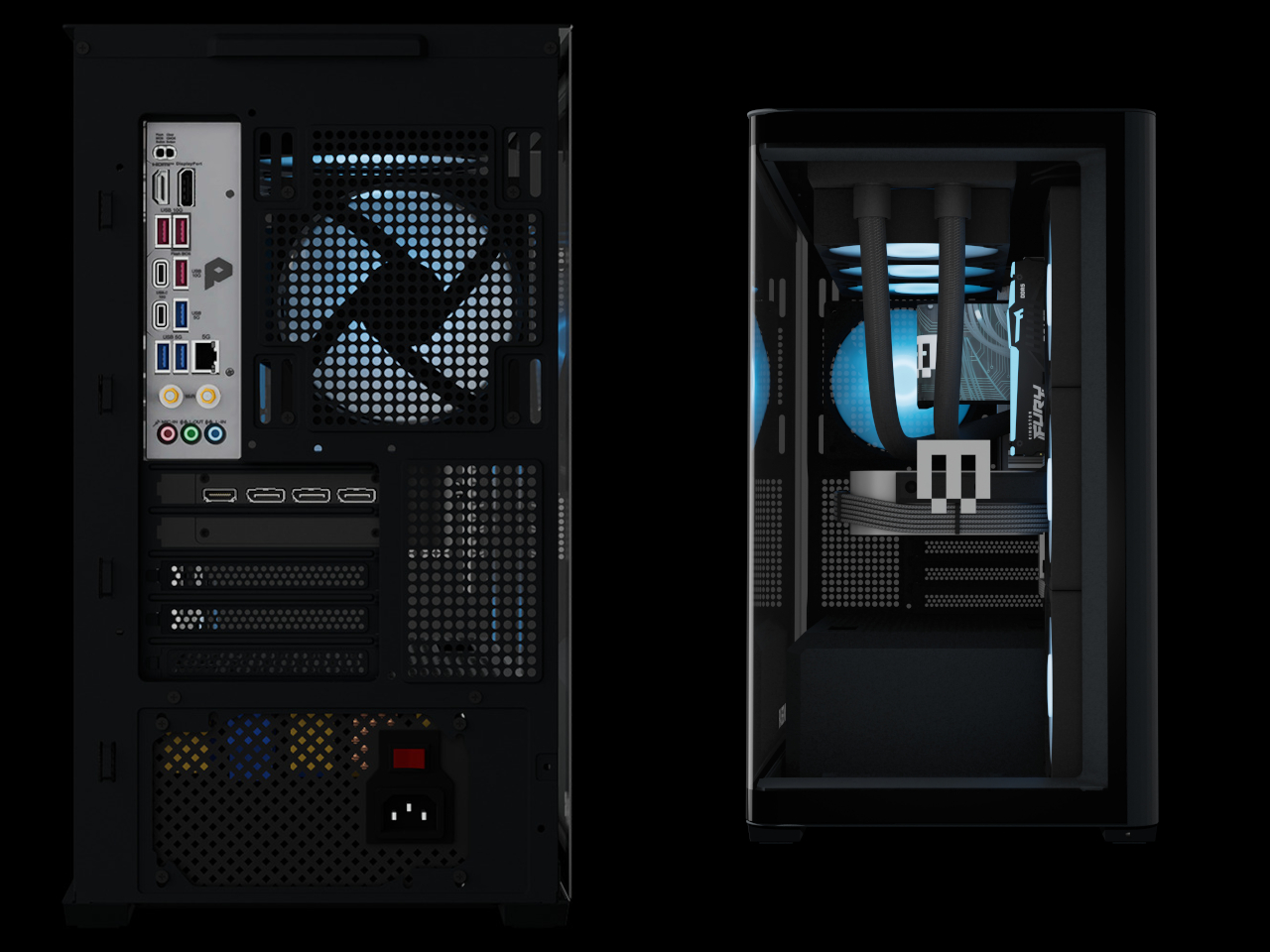
The hardware ceiling is genuinely high. Configurations top out at an NVIDIA GeForce RTX 5090 paired with an AMD Ryzen 7 9850X3D or Intel Core Ultra 7 270K Plus, 32GB of DDR5 memory, and a 2TB NVMe SSD. The chassis uses standardized mATX components throughout, with no proprietary parts, so future upgrades don’t require a trip back to the manufacturer.
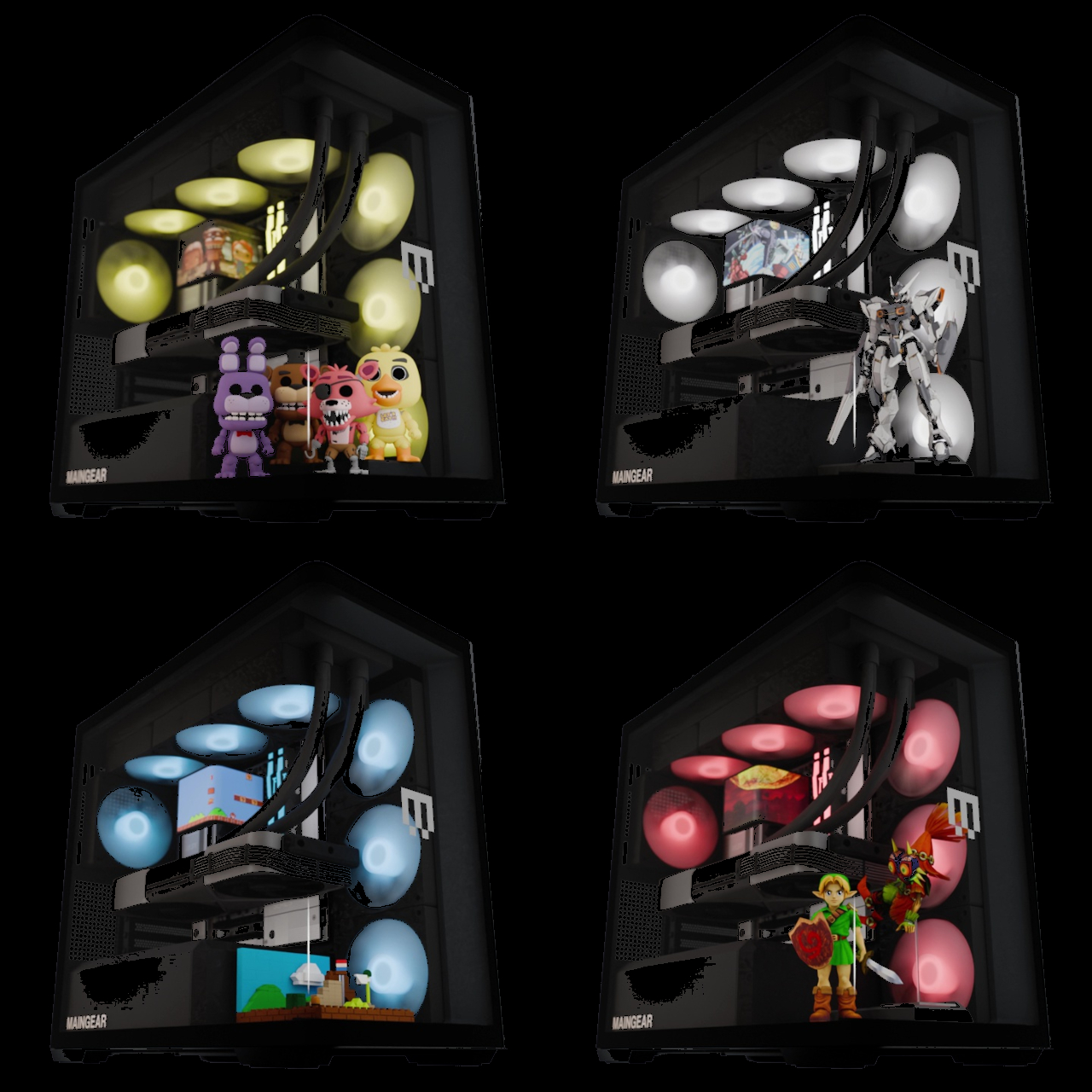
Beyond the hardware, the Launch Edition adds a pair of tool-free snap-in display stands inside the chassis, one for figurines and one for brick builds. The stands sit inside the case floor where passive airflow keeps whatever’s displayed inside dust-free. It’s the kind of feature that turns the interior from a hardware showcase into something closer to a display cabinet, which only makes sense given how much effort went into eliminating everything else that wasn’t worth looking at.
Every system is hand-built in New Jersey and ships with no bloatware pre-installed. Pricing starts at $2,699 for the base configuration, with the top-end Launch Edition Champion reaching $6,799. Built around the premise that nothing inside should be hidden, the Zero demonstrates how the best-looking gaming PC doesn’t have to sacrifice anything to get there.
The post A $2,699 Gaming PC That Doubles as a Display Case for Figurines first appeared on Yanko Design.

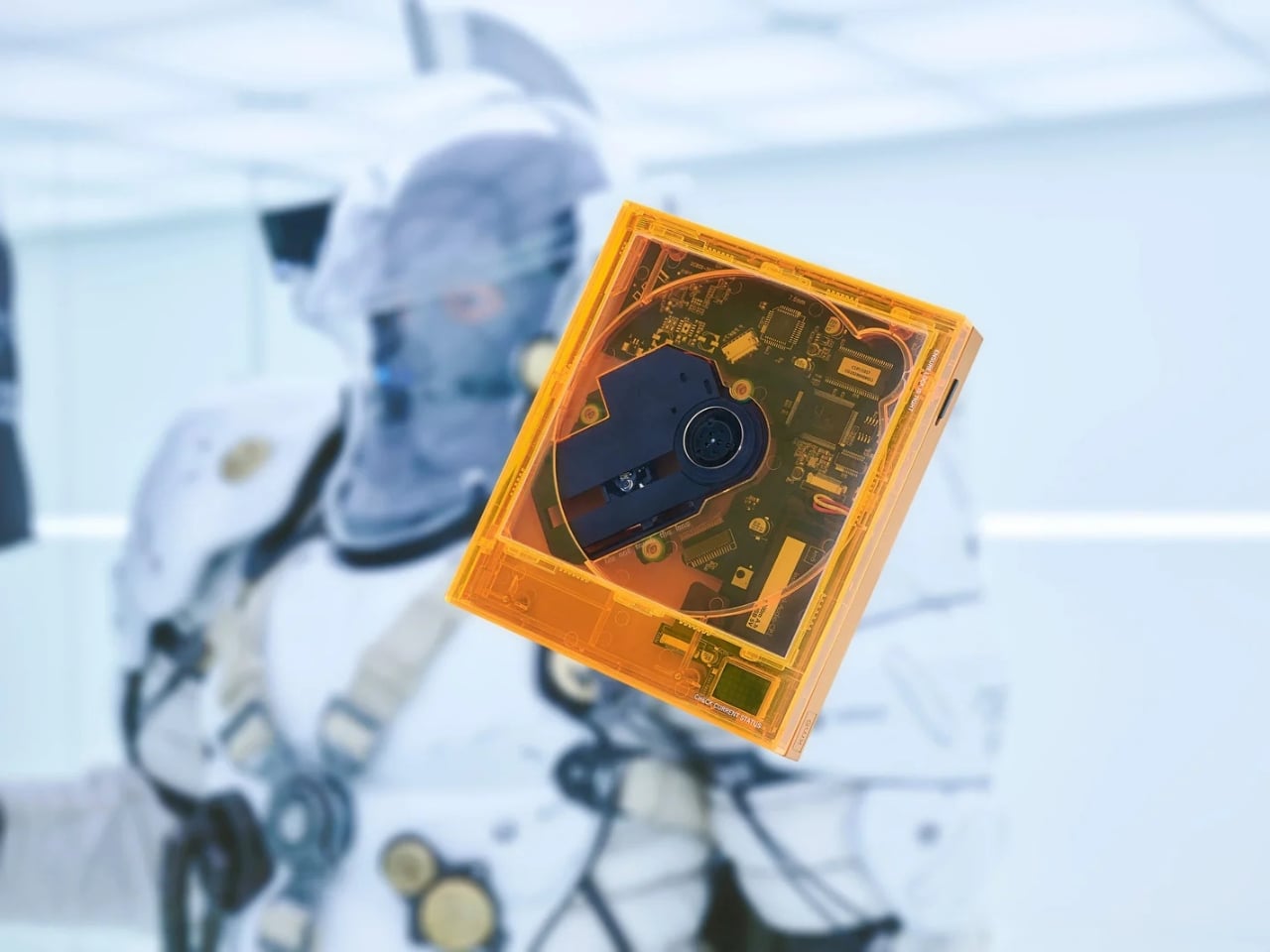
When Kojima Productions does something, it rarely feels like a simple product release. It feels like a statement. The new Instant Disc Audio Cp1 DEATH STRANDING 2 Model, a limited-edition wireless CD player made in official collaboration with Japanese audio brand km5, is proof of exactly that. It dropped on August 1, 2026, and it may be the most thoughtfully designed piece of gaming merchandise I’ve seen in years.
If you’ve played Death Stranding, you already know what a BB Pod is. If you haven’t, here’s the short version. BB stands for Bridge Baby, a term for an unborn infant kept alive inside a transparent life-support unit called a Pod, which serves as a supernatural navigation tool in the game’s hauntingly quiet, post-apocalyptic world. The Pod is one of Death Stranding’s most memorable visual symbols: eerie, delicate, and somehow deeply moving, a small glowing capsule that you cradle, protect, and come to care about over the course of the game. Turning that object into a CD player is either a stroke of genius or complete madness. I’m going with genius.
Designer: Kojima Productions x km5
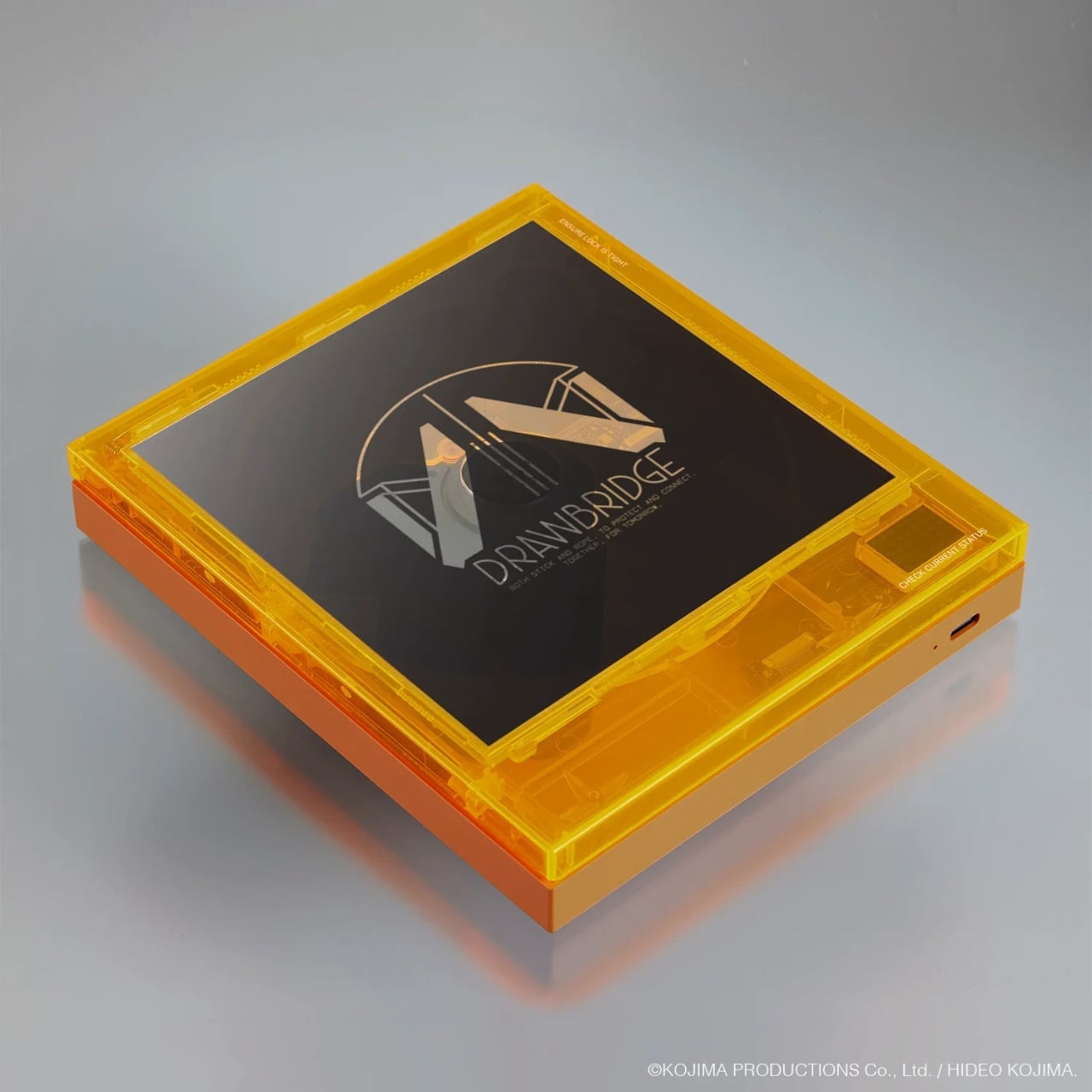
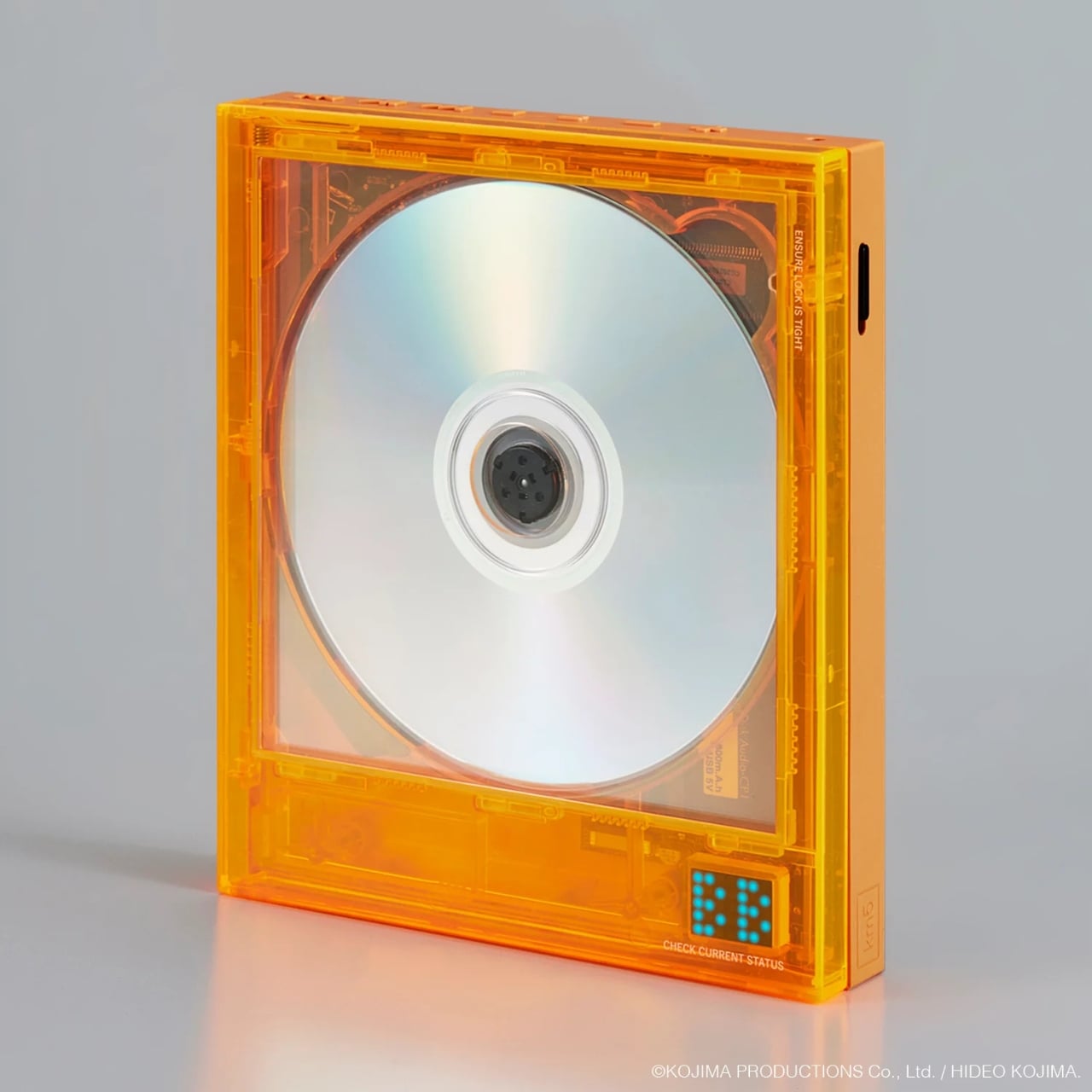
The design is where this whole thing earns its price tag. The Cp1 features a translucent orange shell, and that’s not just for aesthetics. It lets you actually watch the disc spin and the internal mechanics move in real time. As someone who grew up watching cassette tapes wind through their spools, that level of visible mechanical action hits a very specific nostalgic nerve. The translucency echoes the BB Pod’s gel-filled, see-through casing, and it works so well that it almost feels like the CD player was always meant to look this way. It didn’t need Death Stranding to be beautiful, but the collaboration gave it a context that makes it feel intentional rather than just decorative.
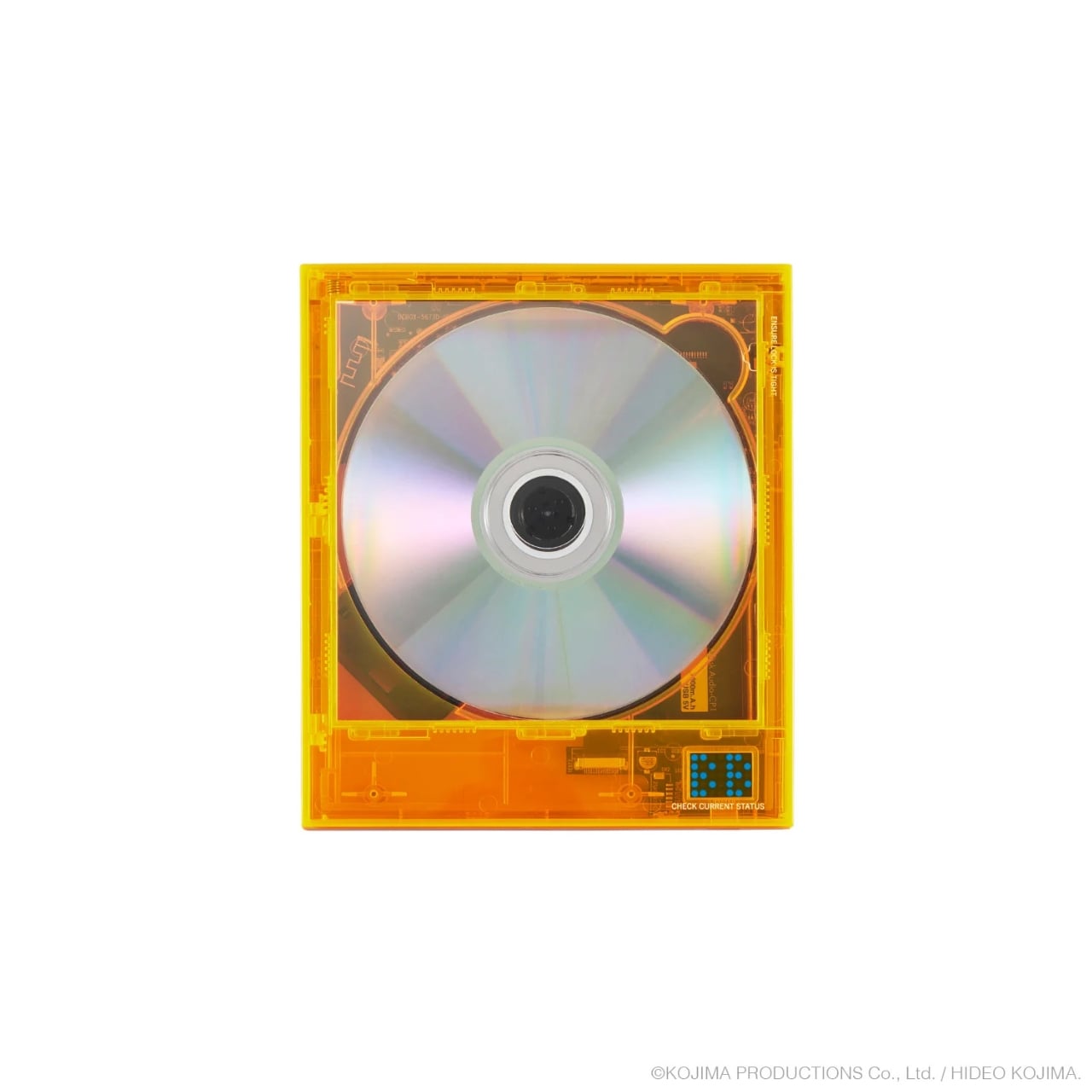
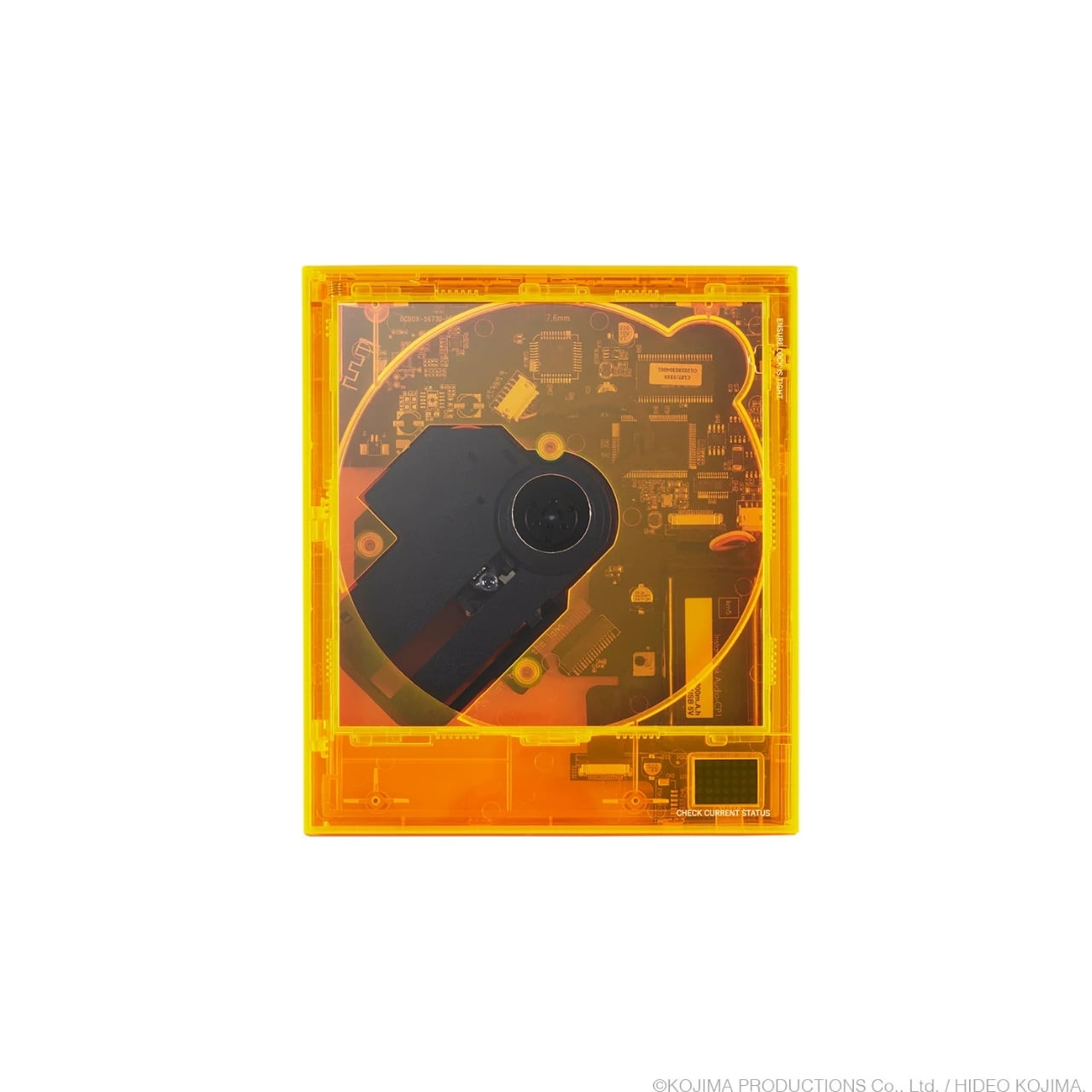
The base Cp1 by km5 isn’t a new product. It’s been around for a while as a compact, Bluetooth-enabled CD player with a Nixie tube-style LED display and a wall-mount option that honestly makes it look more like modern furniture than consumer electronics. The Death Stranding 2 model takes that foundation and pushes it into collector territory. Priced at 25,300 yen, around $160, it connects via Bluetooth 5.3, runs for approximately 7 to 8 hours on a single charge, and notably doesn’t come with a built-in speaker. You’re meant to pair it with your own headphones or external audio setup, which keeps the device compact, sculptural, and true to its aesthetic. It’s not trying to be a Bluetooth boombox. It’s something much quieter and more considered than that.
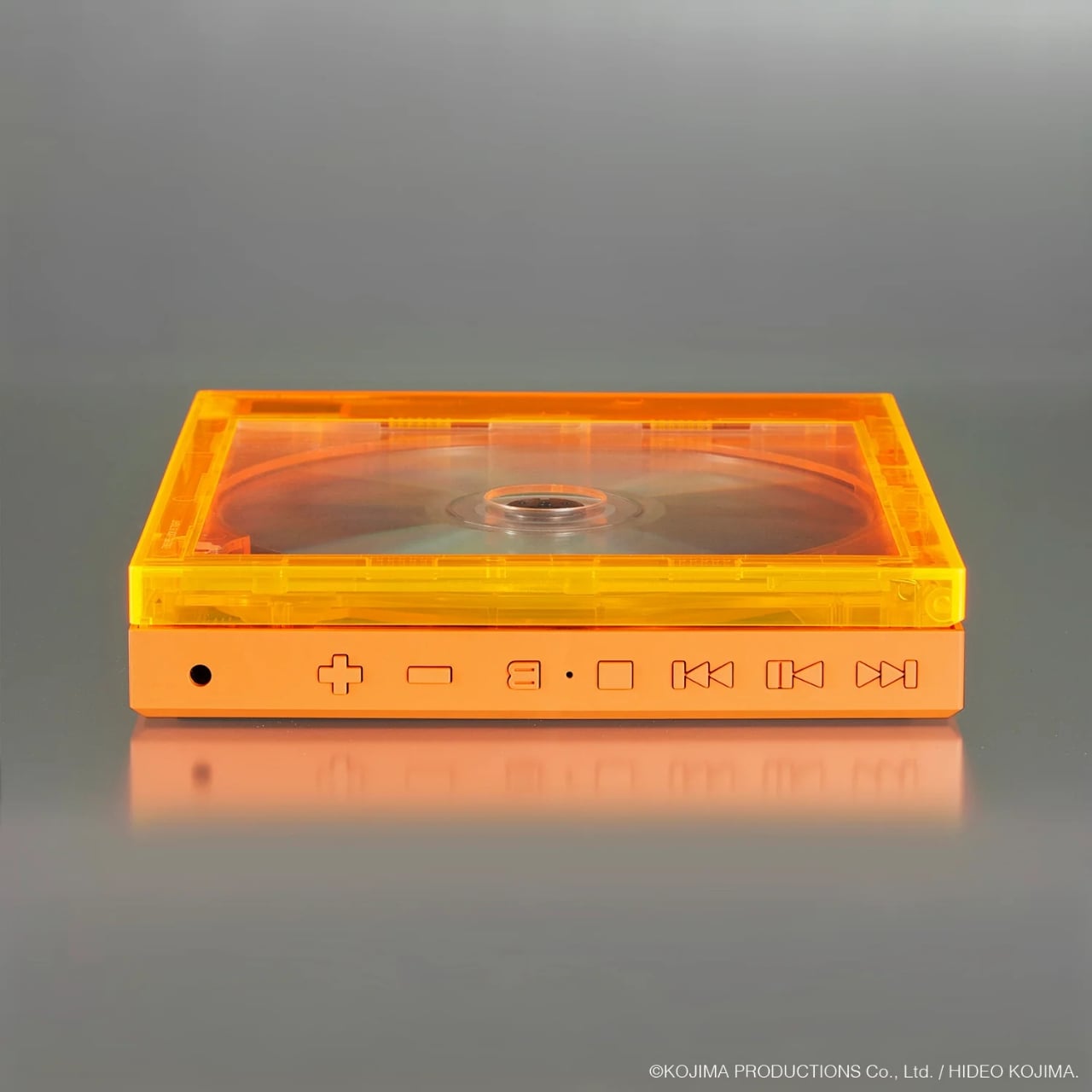
The fact that this exists at all says something interesting about where we are with physical media right now. CD sales have been quietly climbing again, especially among younger audiences who want a more intentional, tactile way to listen to music. Vinyl gets most of the headlines, but CDs are genuinely having their own moment, and a device like this taps right into that energy. It gives you a reason to care about the format all over again, not just as a nostalgia trip, but as an object worth owning and displaying on a shelf next to your records.
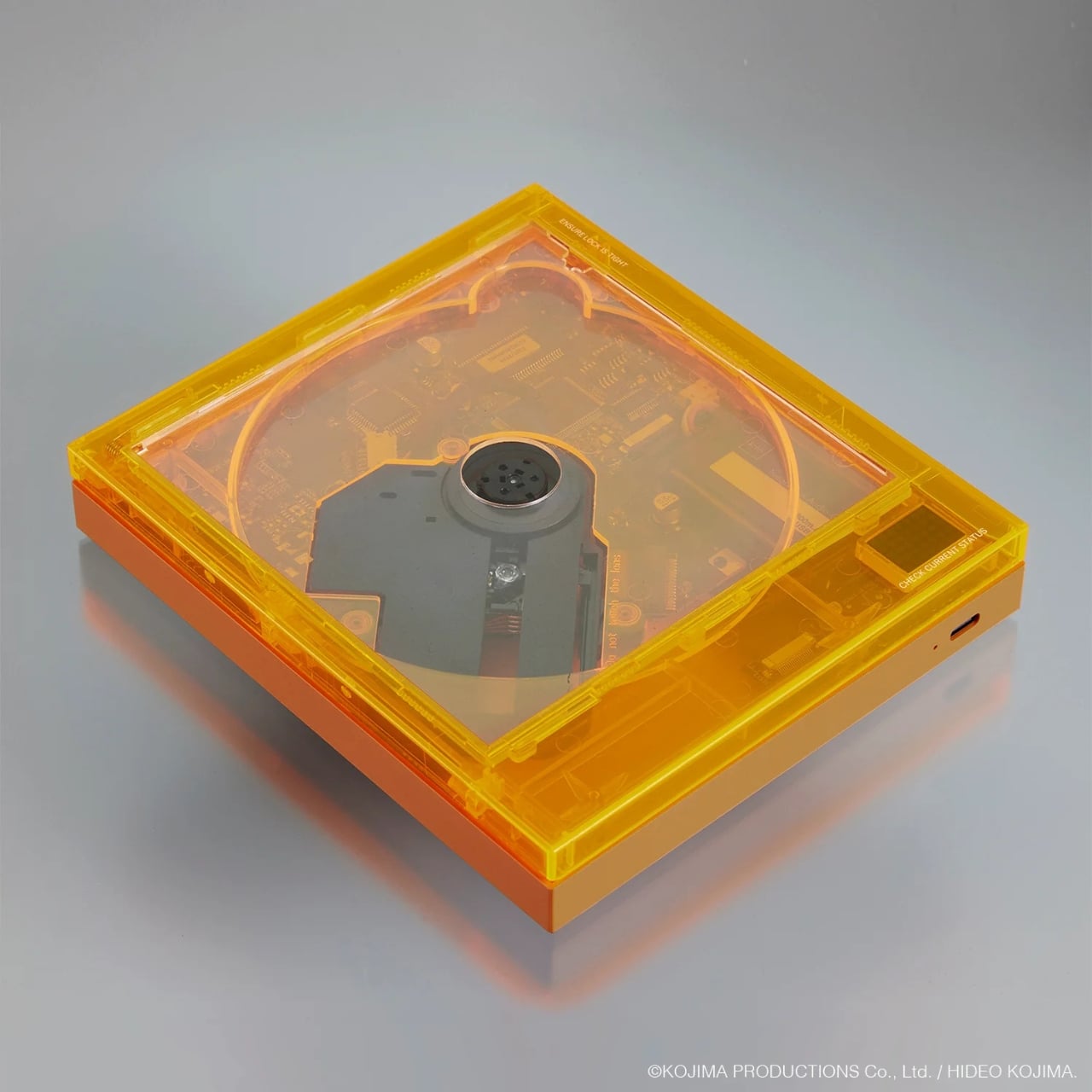
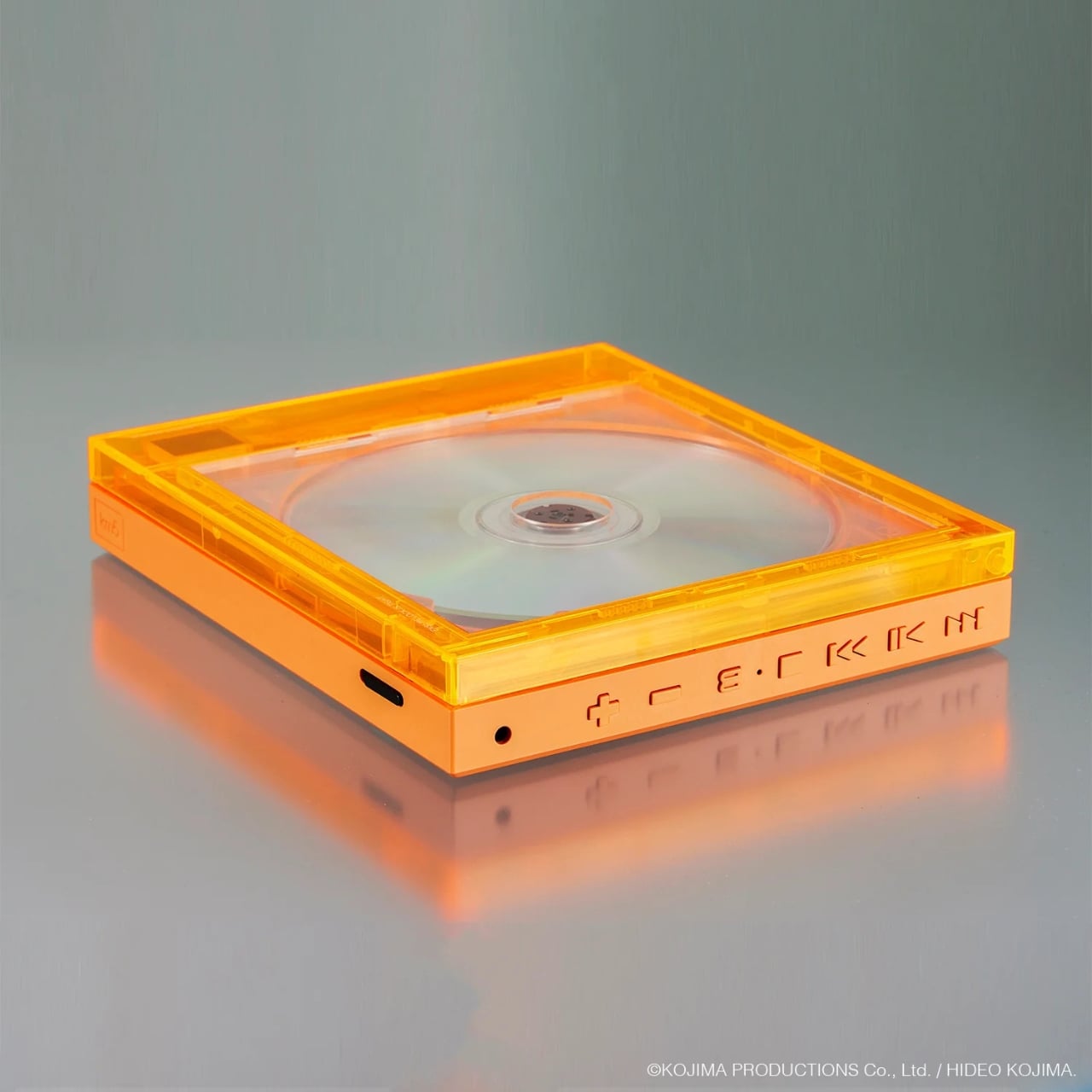
The timing works in its favor, too. Death Stranding 2: On the Beach launched earlier this year and carries forward everything the first game did best: gorgeous world-building, deeply strange storytelling, and a visual identity unlike anything else in gaming. Releasing this CD player alongside that cultural wave makes it feel like part of something larger, not a cash grab bolted onto a recognizable franchise. km5 and Kojima Productions clearly put thought into this, and the result reflects that. This isn’t just a piece of merch. It’s a collaboration that understood its source material well enough to let the design carry the story.
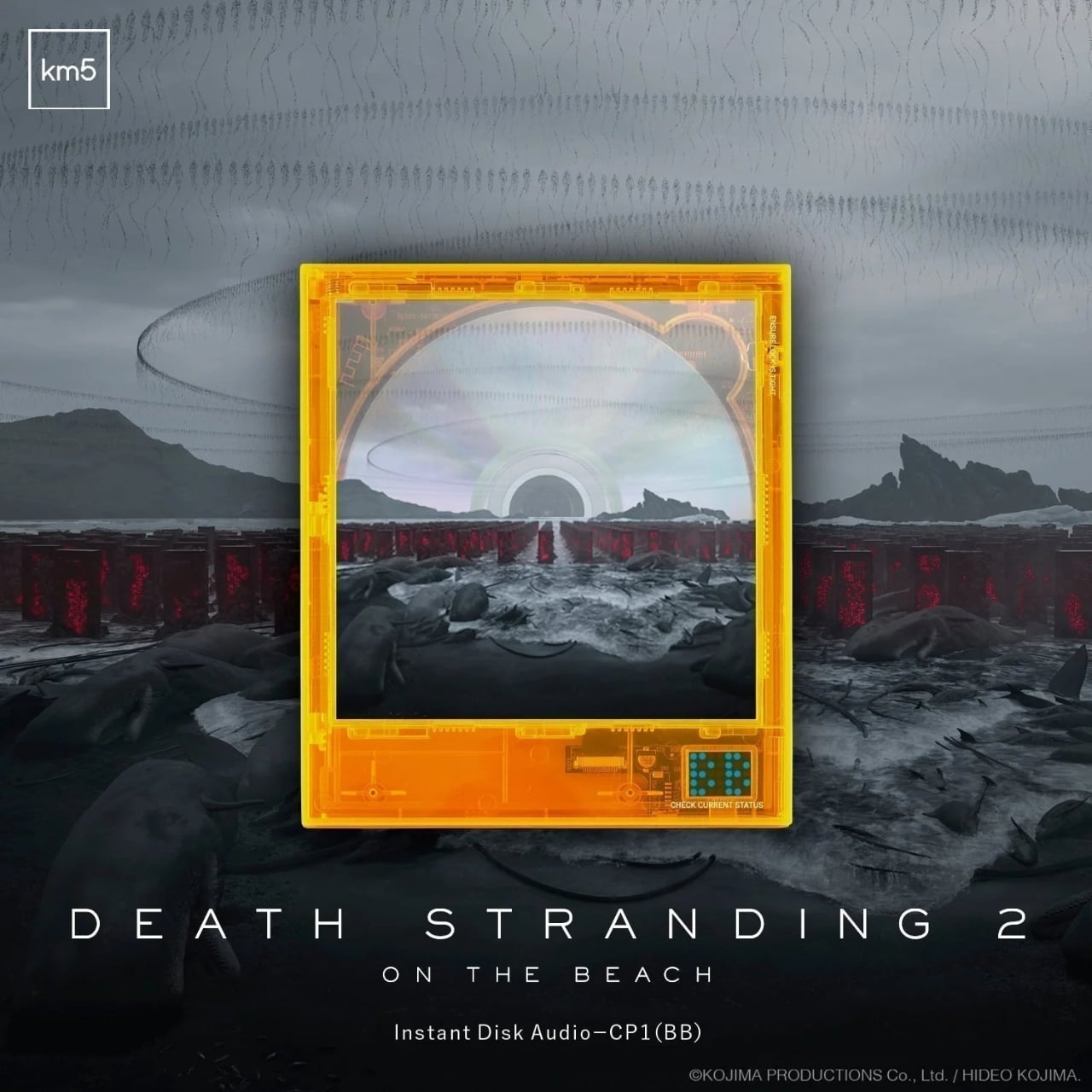
The Instant Disc Audio Cp1 DEATH STRANDING 2 Model is available directly through km5’s official website and at the KOJIMA PRODUCTIONS × PARCO GAMES STRAND STORE in Shibuya PARCO. Stock is limited, and if history tells us anything about Kojima collaborations, waiting around is usually the fastest way to miss out entirely.

The post A BB Pod-Shaped CD Player Straight Out of Death Stranding first appeared on Yanko Design.
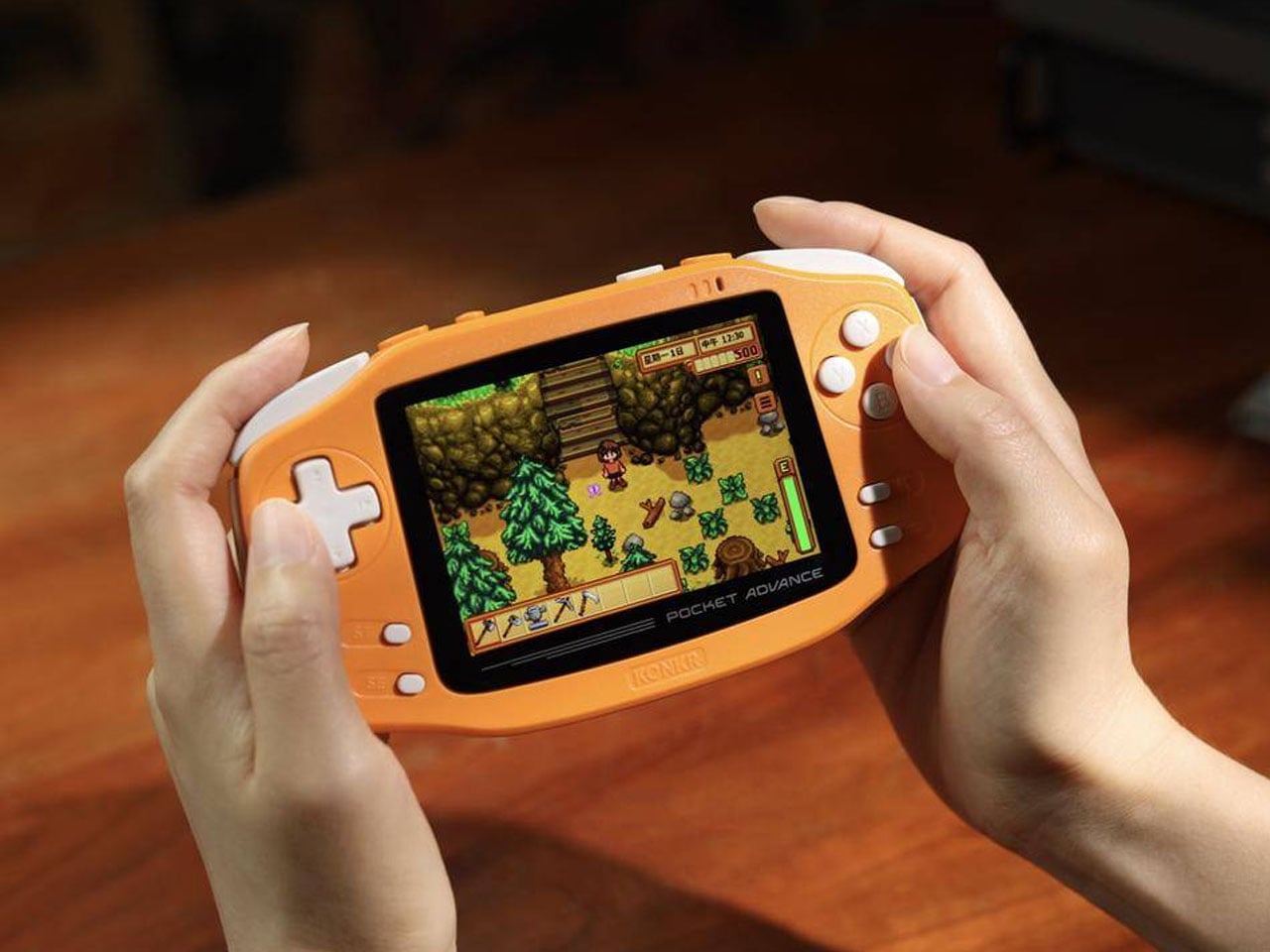
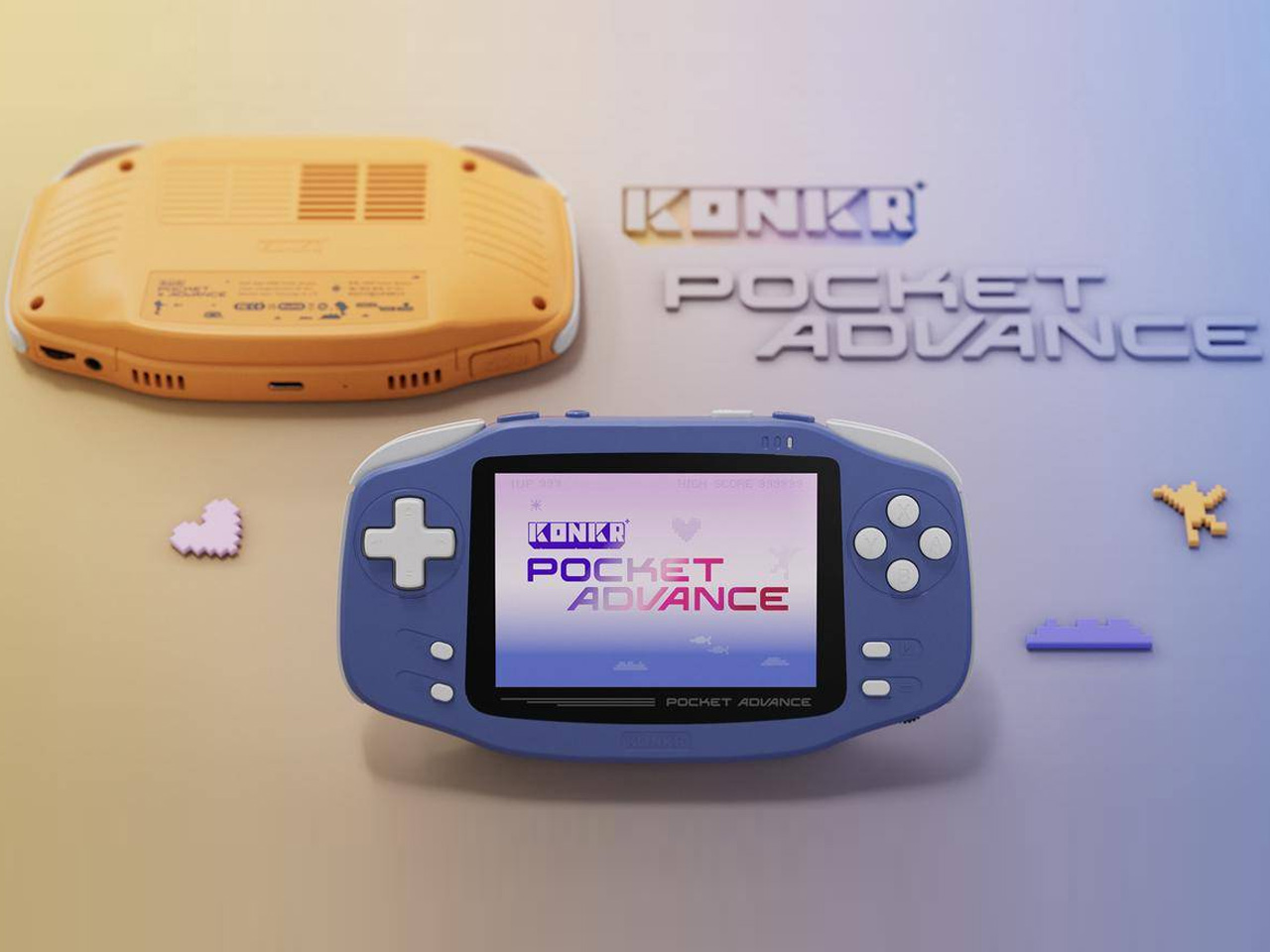
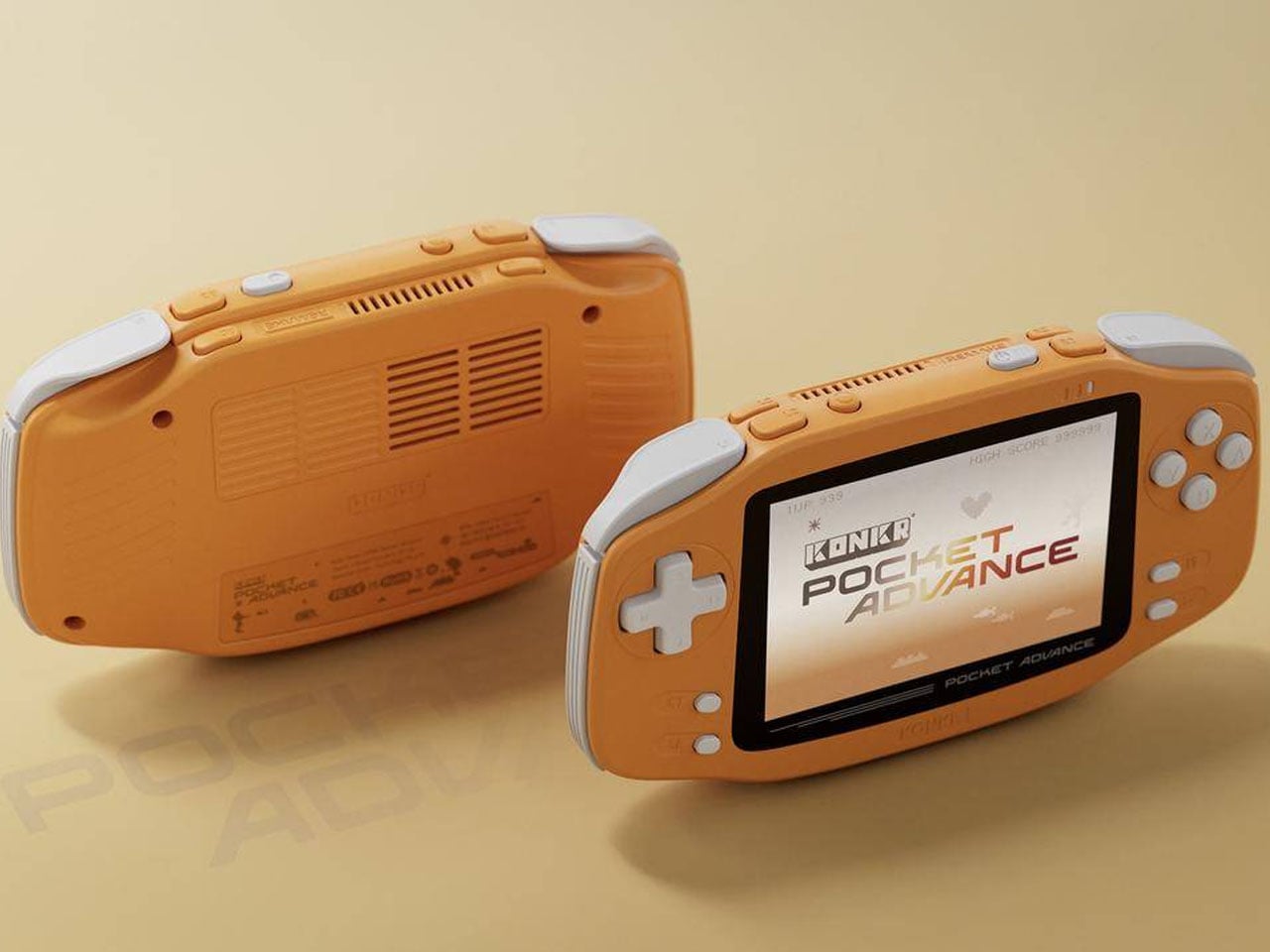
AYANEO leans towards Nintendo nostalgia more often than not for its handhelds, as we’ve seen in the past. The Flip DS and Pocket DS were their previous handhelds popular with the gaming community. Now they’re back at it with a Game Boy Advance-inspired device that’s released under the KONKR moniker as a part of the new REMAKE series. Some of the previous releases from the sub-brand include the KONKR Pocket Block AI and the KONKR Fit.
Even the naming convention is a whole lot similar to the 32-bit horizontal handheld from 25 years ago, as the new gadget revealed by CEO Arthur Zhang at a livestream event is called the KONKR Pocket Advance. At the event, Zhang said, “The familiar silhouettes, unique button layouts, and exceptional control experiences together form the most precious memories of the golden age of gaming for a generation of players.”
Designer: AYANEO
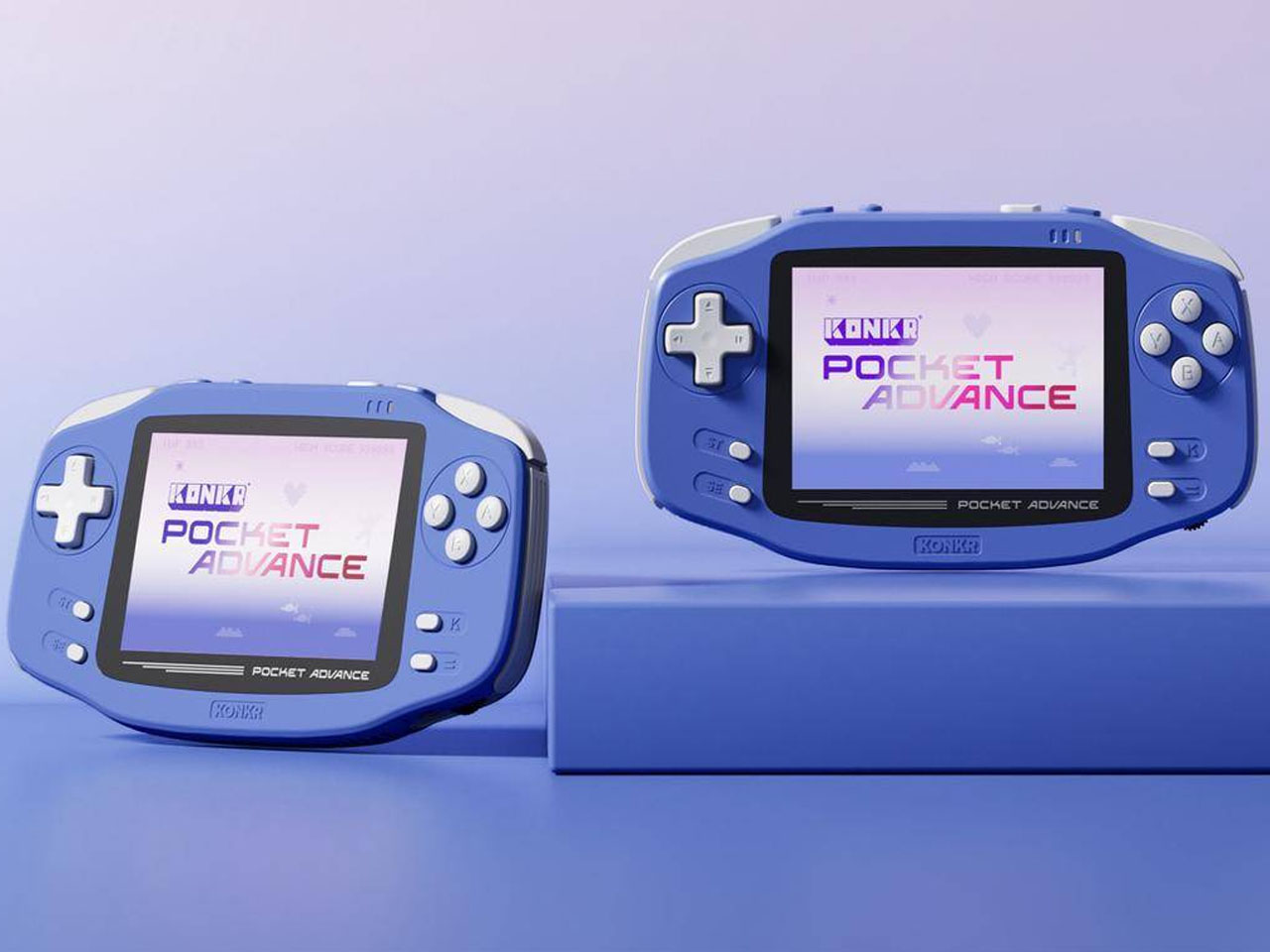
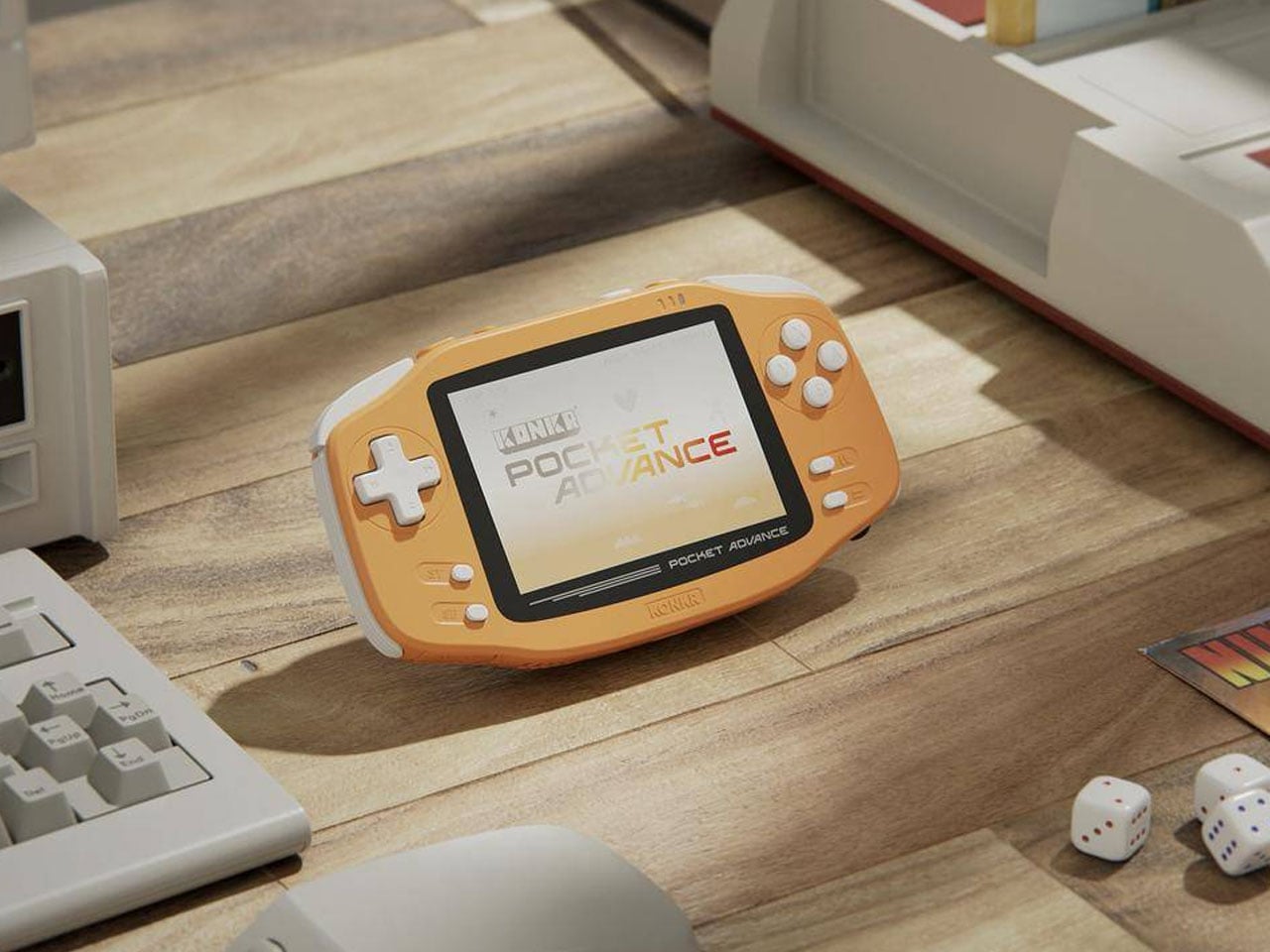
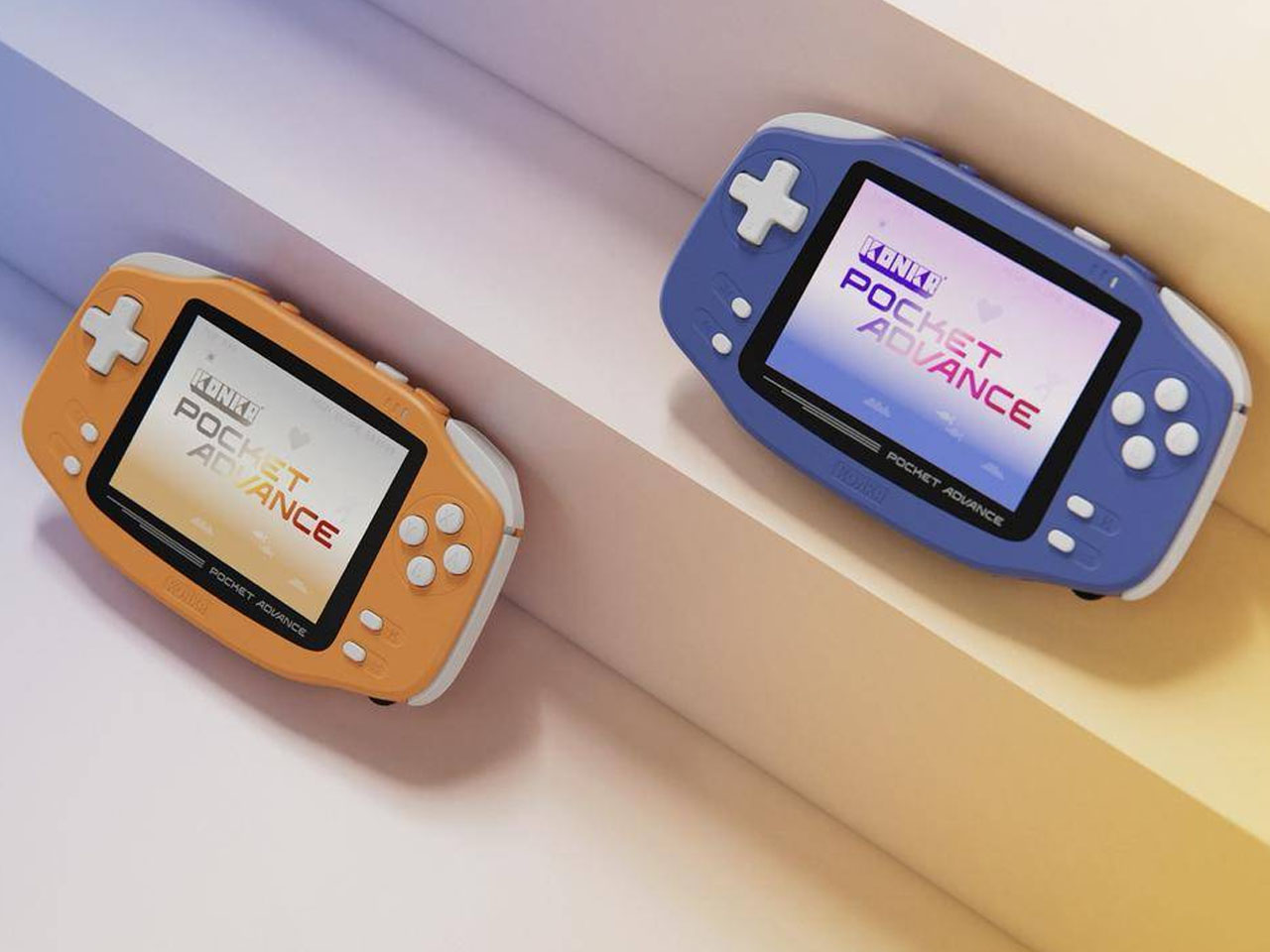
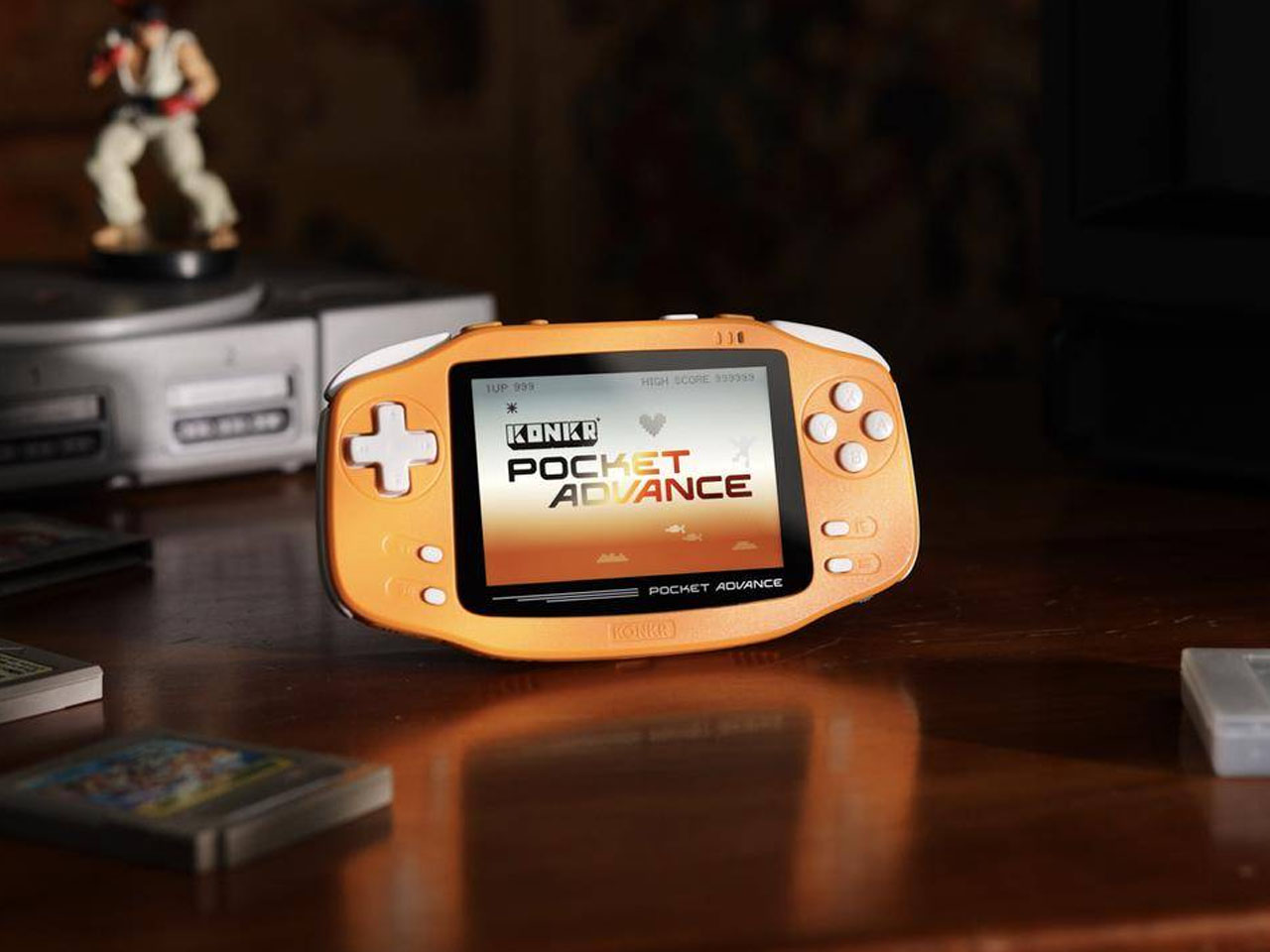
It has a similar wide-body design language to the GBA for nostalgia and playing retro games in a 3:2 aspect ratio. However, the LCD display on this one is a little bigger, measuring 3.5 inches (compared to the 2.9-inch on the GBA) with an upgraded resolution of 960 x 640 (240×160) on the original. This means the original titles meant for the Game Boy Advance can be played with 4x pixel scaling, sans any distortion or artifacts during gameplay. The Shell of the handheld also gets a slight bump up to 5.96 x 3.24 x 0.87 inches, and weighs 224 grams as compared to the 140-gram GBA.
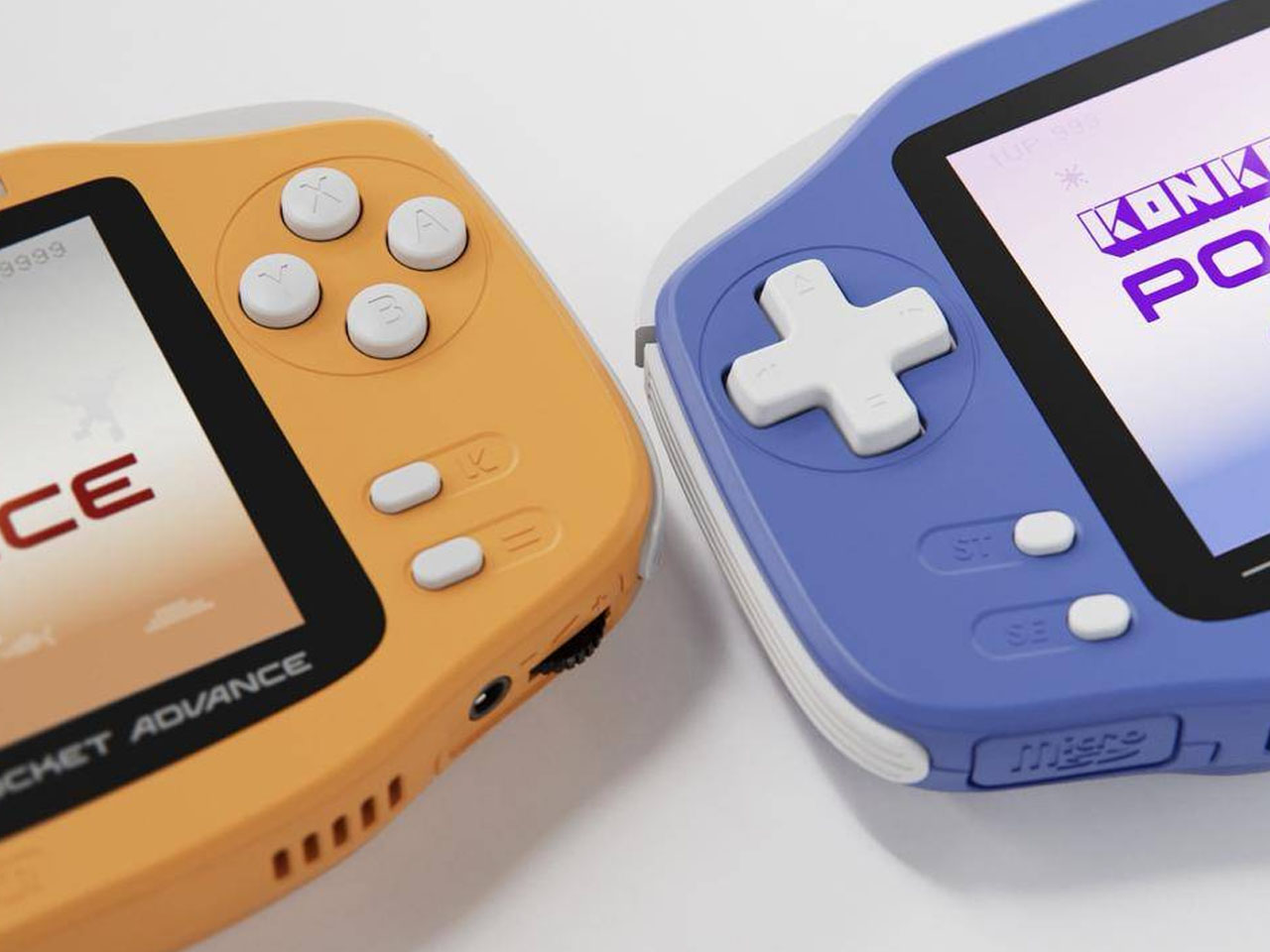
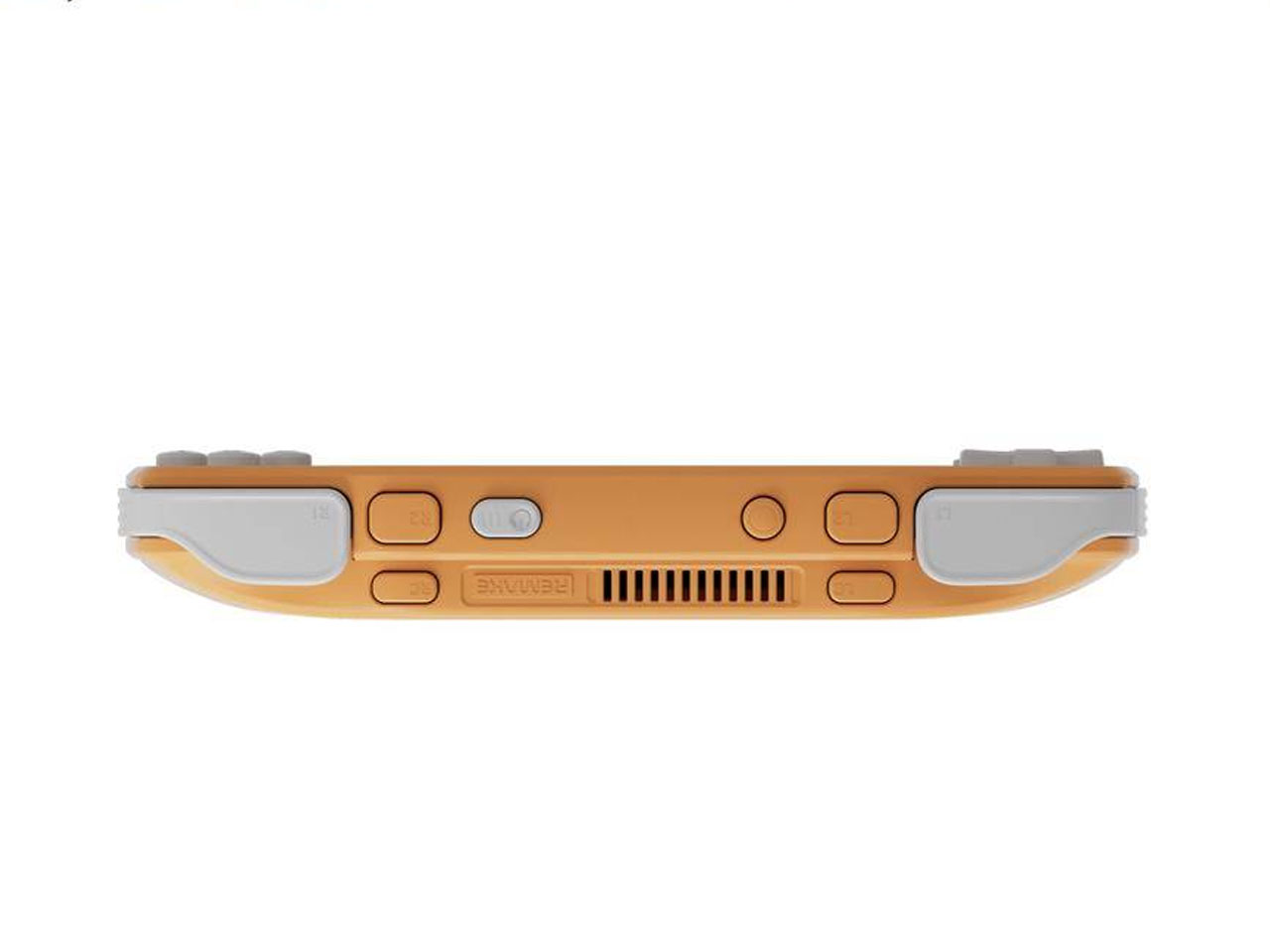
Pretty obviously, the handheld debuting decades after the Game Boy Advance is destined to have other upgrades as well. The KONKR Pocket Advance gets a full spectrum of ABXY buttons, extra shoulder clickers, and Menu buttons for better navigation. Other hardware additions come in the form of Wi-Fi 5.0, Bluetooth compatibility, a USB-C port, and a microSD card expansion slot. The retro nostalgia flows into the volume adjustment wheel and the inclusion of a 3.5 mm headphone jack. According to AYANEO, the handheld isn’t just a replica from the past; rather, it “integrates modern product concepts and manufacturing techniques to breathe new life into retro aesthetics.”
There is no word yet about the other specifications like the processor or the battery configuration, nor the pricing and availability. That said, we should hear soon regarding those details from the maker. The only thing revealed so far is the two-color options: navy blue and coral orange, which look similar to the classic indigo and the spice orange version, respectively. We just hope that AYANEO produces a substantial number of the devices, as the Pocket Micro 2 released a couple of months ago sold out in mere minutes.
The post KONKR Pocket Advance handheld is AYANEO’s modern take on the Game boy Advance first appeared on Yanko Design.
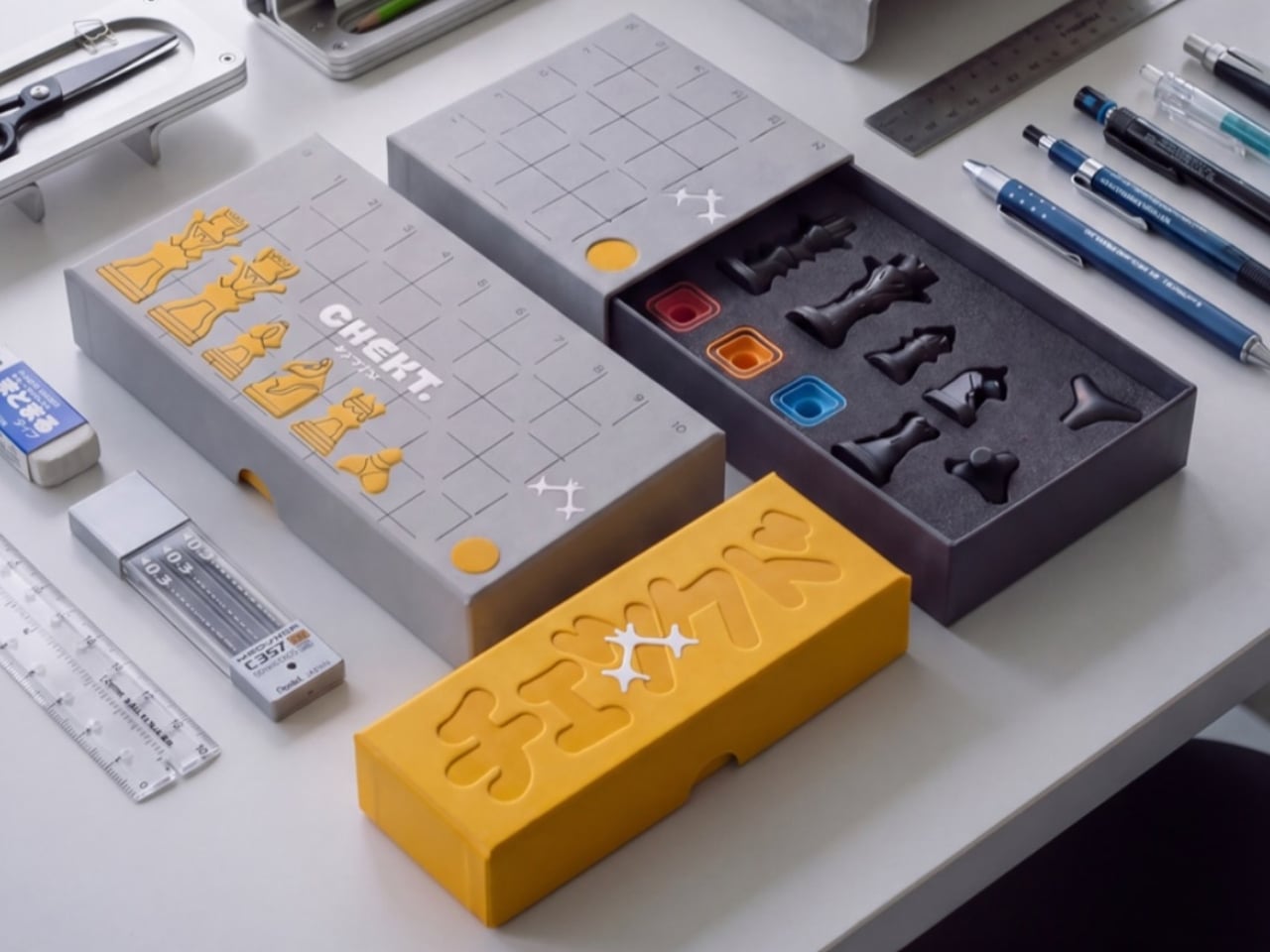
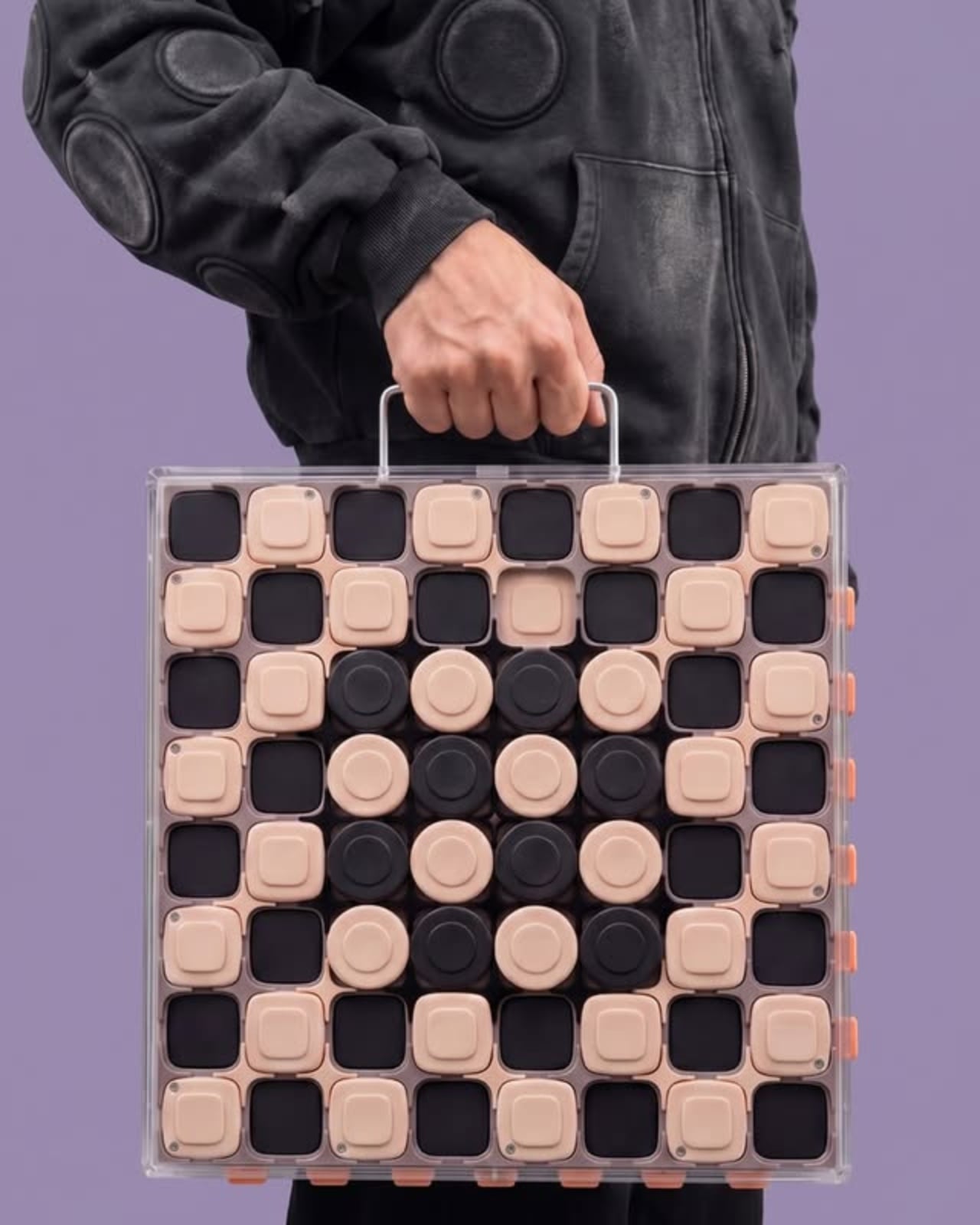
Chess has had its design moments before. The Bauhaus crowd took a swing at it in the 1920s. The Staunton standard has been the global norm since the 1800s, and somehow nobody’s fully managed to unseat it. Every generation eventually looks at the board and decides the pieces deserve a second opinion. Right now, that reinterpretation is coming from a 23-year-old UK-based 3D artist named Jess Wiseman, operating under the handle @chesslwiseman, and his set is called CHEKT.
The photographs alone are enough to stop you mid-scroll. Six pieces nestled into tight foam cutouts, each one precision-milled in matte obsidian with a warm cream undertone that catches light differently depending on the angle. Wiseman designed them entirely from scratch, replacing the traditional Staunton silhouettes with sculptural, geometric forms that still read unmistakably as their archetypes. The queen is still regal. The knight still suggests a horse. But the language they’re speaking is architectural rather than decorative, all sharp edges, weighted bases, and deliberate negative space that makes each piece feel like a standalone object worth studying on its own terms.
Designer: Jess Wiseman
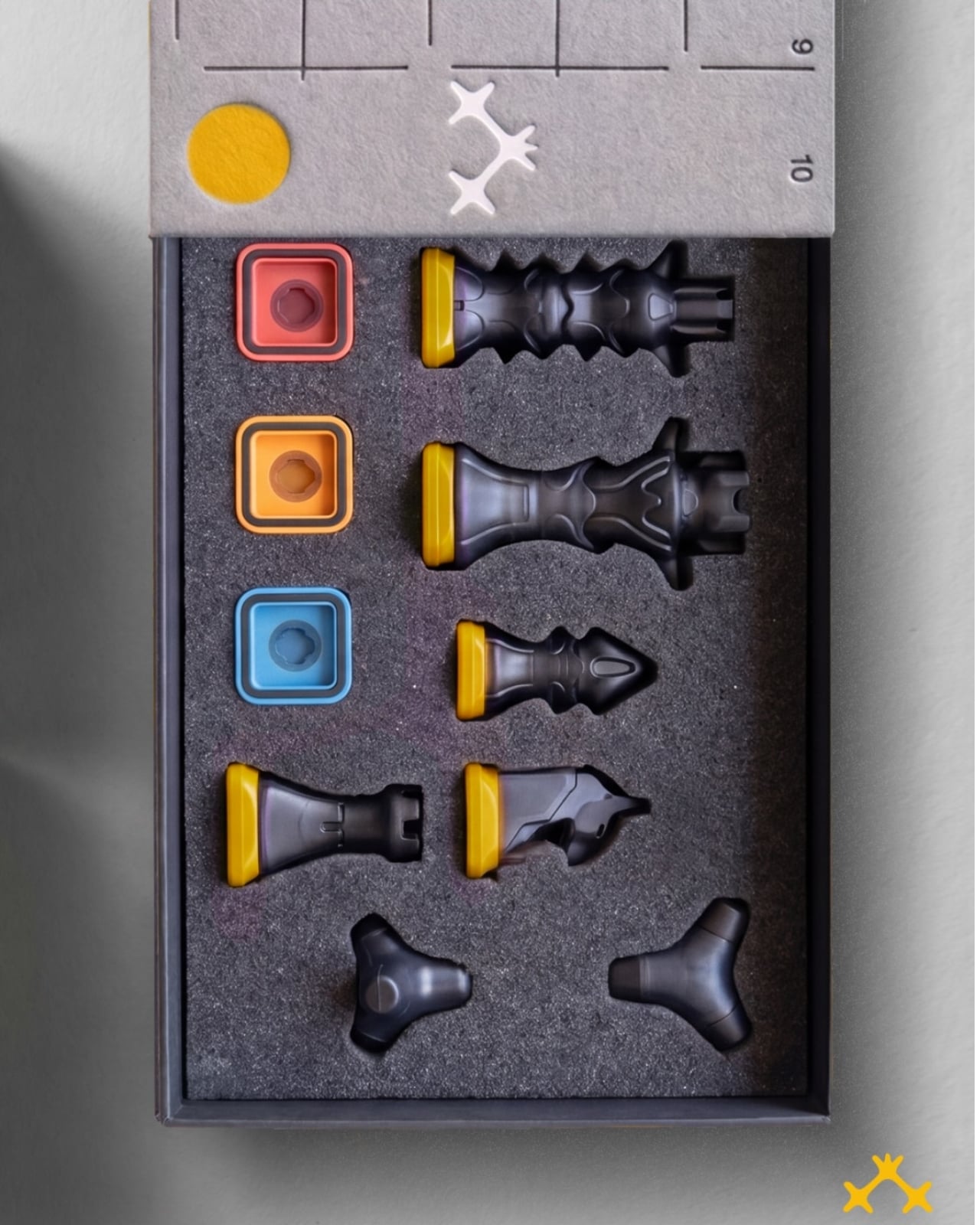
That commitment to negative space runs through the entire set. The pieces are designed with rhythmic repetition across the grid in mind, so when they’re arranged on the board, the composition has a visual logic that goes beyond the game. It doesn’t just look like a chess set mid-play. It looks like an installation. That’s a hard balance to strike without the pieces feeling cold or inaccessible, and Wiseman manages it without sacrificing the tactile quality that makes a chess set satisfying to actually handle.
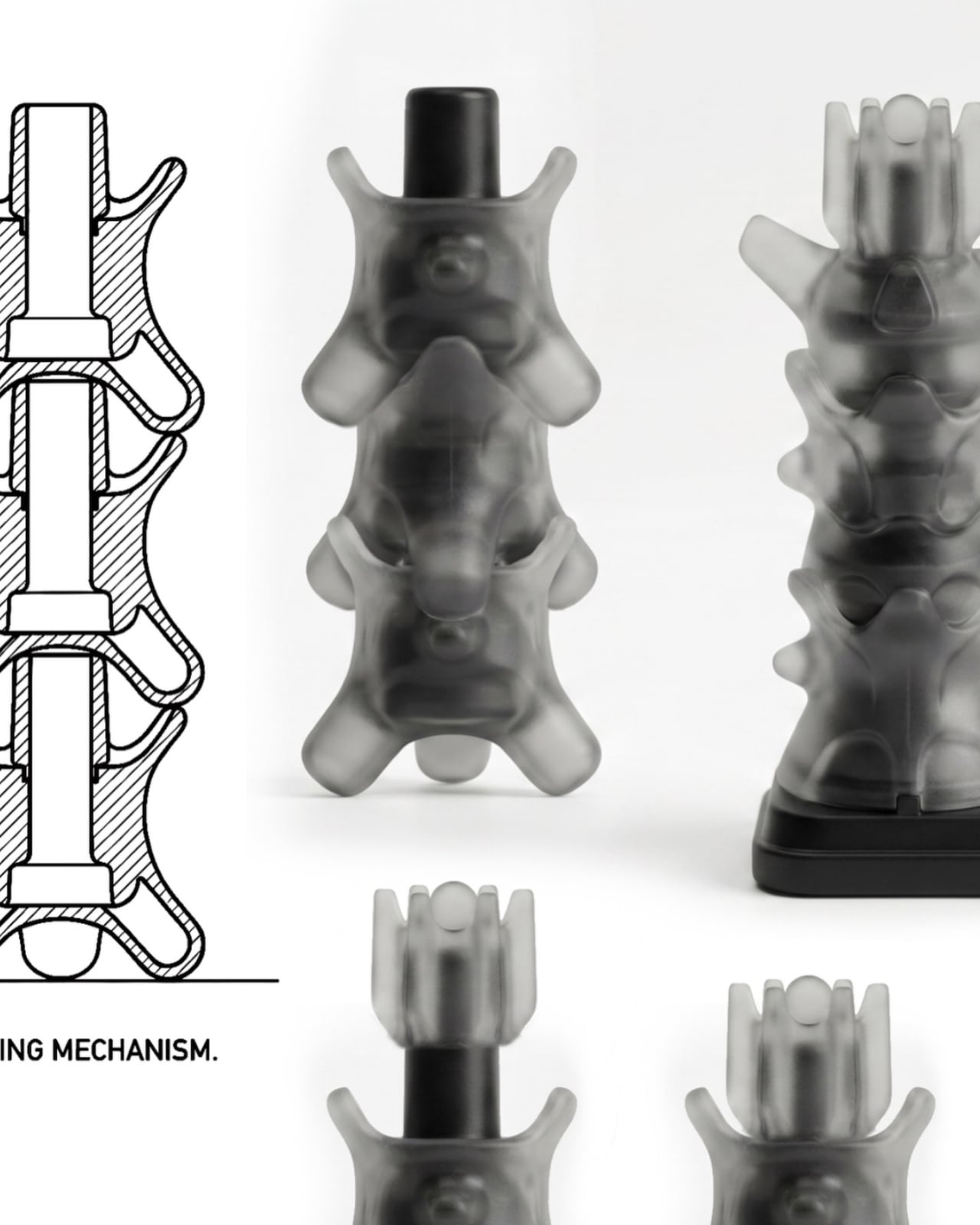
The stacking mechanism is where the engineering becomes genuinely difficult to look away from. Cross-section diagrams reveal an internal locking system built directly into each piece, allowing them to stack and store compactly without compromising their form. The pieces are also magnetic, keeping them grounded during play. It solves the oldest tension in chess set design: something this considered should also be able to travel. CHEKT. was built to do both, and the construction makes that clear without needing to announce it.

The packaging is what really gets me, though. Packaging is almost always the afterthought, the thing that ends up in recycling within ten minutes of a product arriving. Here it functions as a co-equal part of the design language. The main box is a muted gray with an illustrated coordinate grid and gold line drawings of the pieces printed on the lid. Below that, a dark foam tray holds each piece in a custom-cut pocket alongside three colored marker squares in red, orange, and blue. Then there’s the separate mustard yellow storage box, embossed with CHEKT. lettering and graphic iconography in a way that reads like a limited-run streetwear release. Stack the whole thing on a desk and it doesn’t look like something waiting to be put away. It looks like it’s already home.
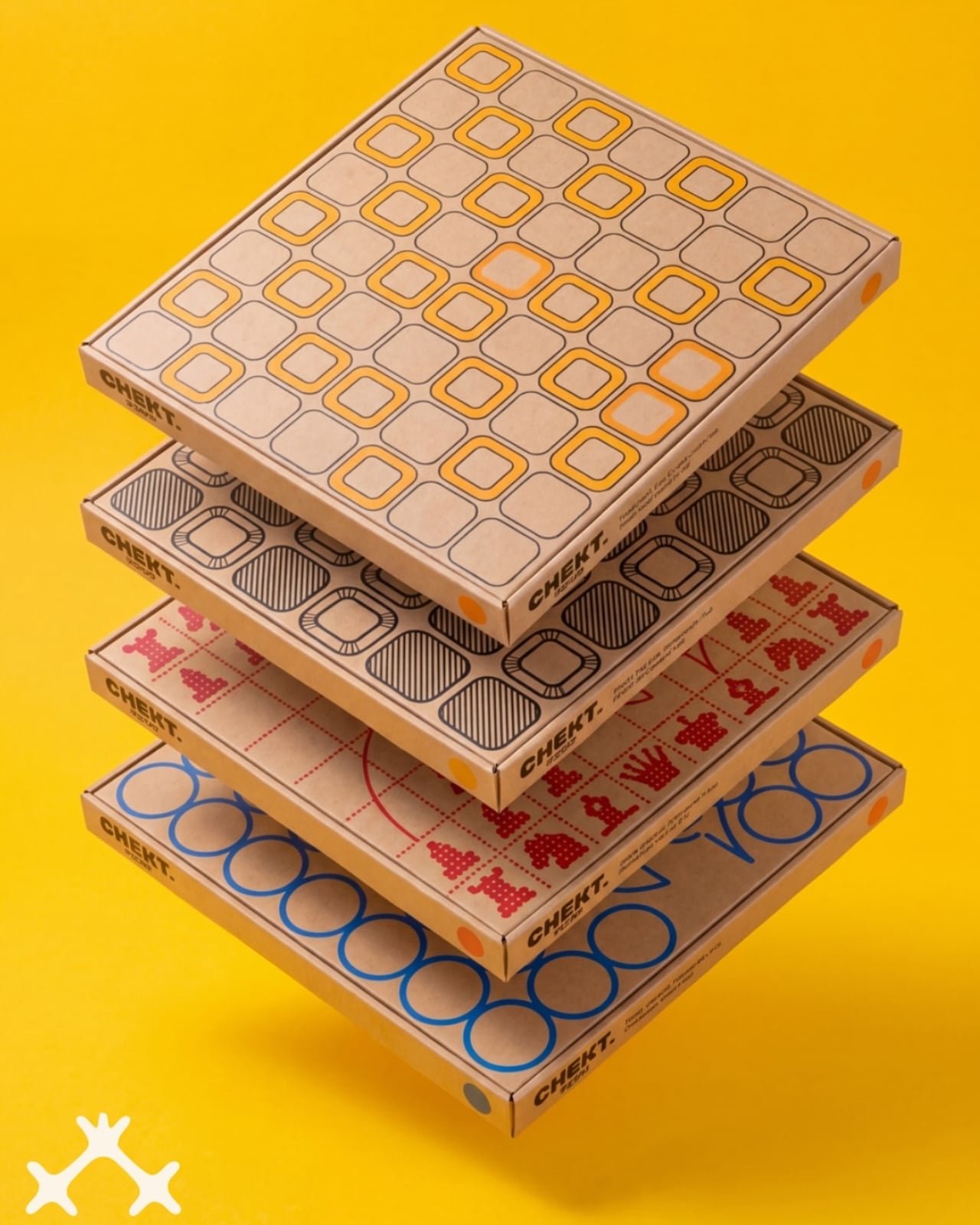
CHEKT. also comes in multiple board packaging editions, each one with a different graphic treatment on its kraft paper exterior. One uses full geometric abstraction, another halftone circles, a third illustrated chess piece silhouettes in pop-art red. They look nothing alike and yet they feel entirely consistent. That kind of visual coherence across variations is harder to achieve than it seems, and Wiseman pulls it off without apparent strain.
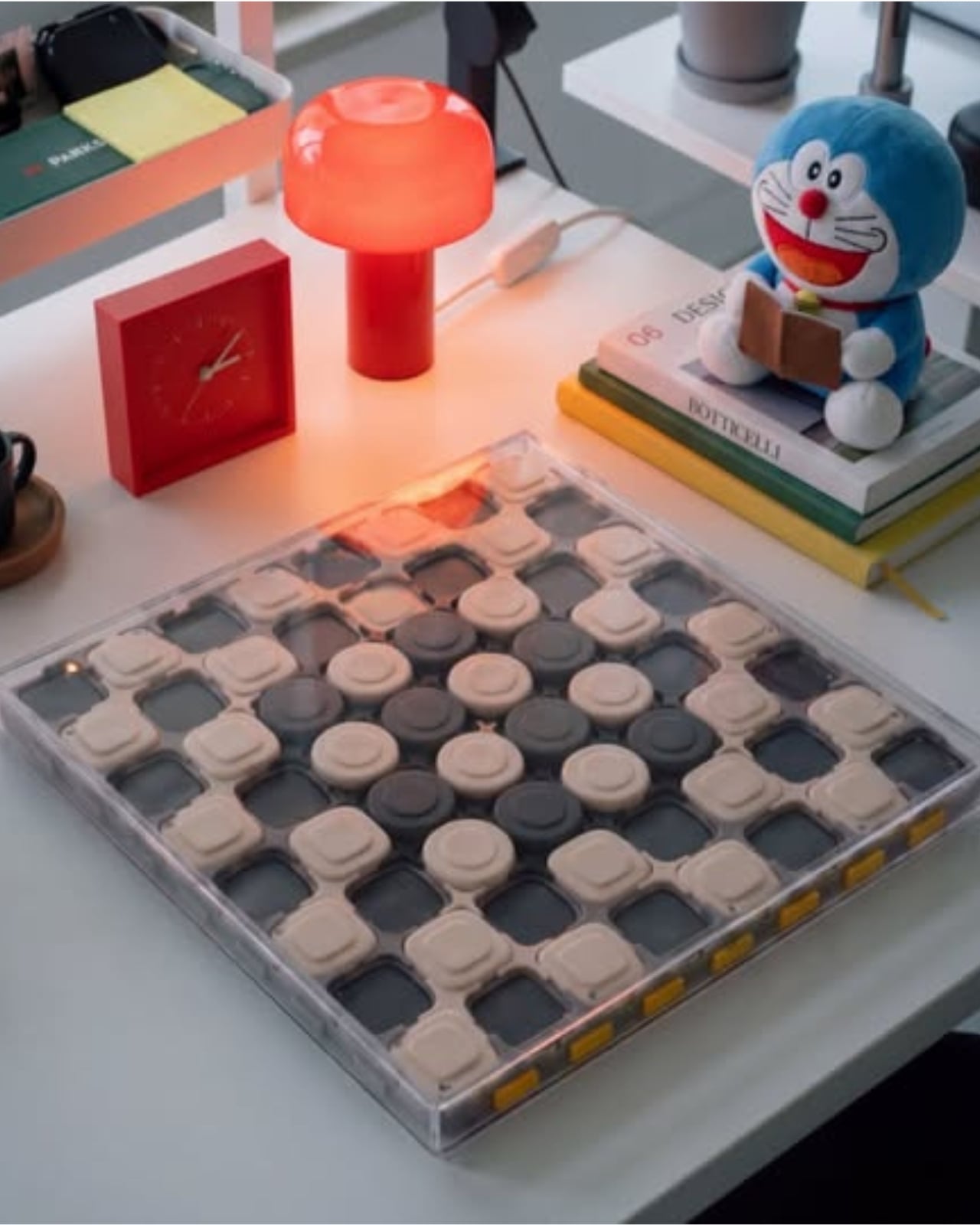
That small detail of the colored marker squares says a lot, actually. Their presence shifts the whole personality of the set. It signals that CHEKT. was designed for actual play, for real people sitting across from each other, not just for a shelf or a coffee table book. That feels like a deliberate philosophical choice, and it’s one worth noting.
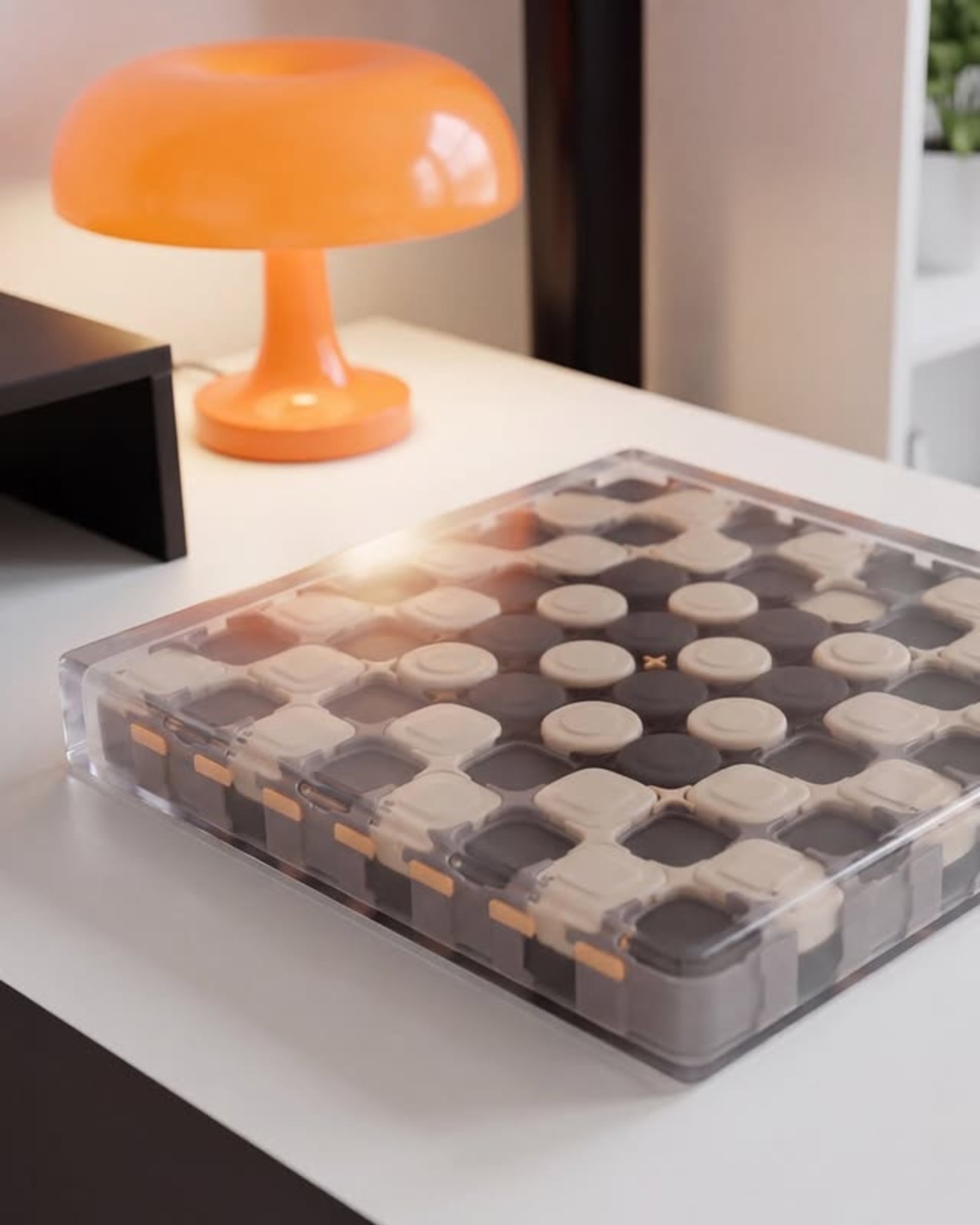
Wiseman’s background covers 3D animation, visual effects for artists like Doja Cat and Lil Nas X, and lifestyle branding through his label Figuregot. All of that cross-disciplinary range shows up in how this project holds together. It doesn’t look like a chess set designed by someone who only knows chess. It looks like a chess set designed by someone who understands what objects are truly capable of, and decided to prove it.

The post A Chess Set So Well-Designed It Doubles as Desk Art first appeared on Yanko Design.