The Must‑Have Portable Power Station Setup Every Household Should Own For Storms And Blackouts

This is not a normal cold snap. The polar vortex that usually stays locked over the Arctic has split and sagged south, dragging temperatures in parts of the Midwest and East Coast to levels that feel closer to the Far North than to cities where millions live. Across affected regions, the results have been immediate and severe. Hypothermia deaths in Louisiana. Rolling blackouts. Ice storms that shatter tree limbs and bury power infrastructure under frozen weight. Nearly 250,000 people in Tennessee alone woke up this week without electricity, and utilities are warning that repairs could take days.

If you are watching the forecast from a warm, lit room, it is worth asking what happens if your block goes dark. Your thermostat stops, your phone begins to drain, your internet dies, and you lose access to weather updates and family check‑ins just when you need them most. For people in small apartments or older homes without backup systems, this is not a thought experiment, it is the reality playing out at this moment. A compact, indoor‑safe power station is one of the few tools that can soften that blow, quietly keeping phones, medical devices, and a few essential lights running while the grid catches up.

Click Here to Buy Now
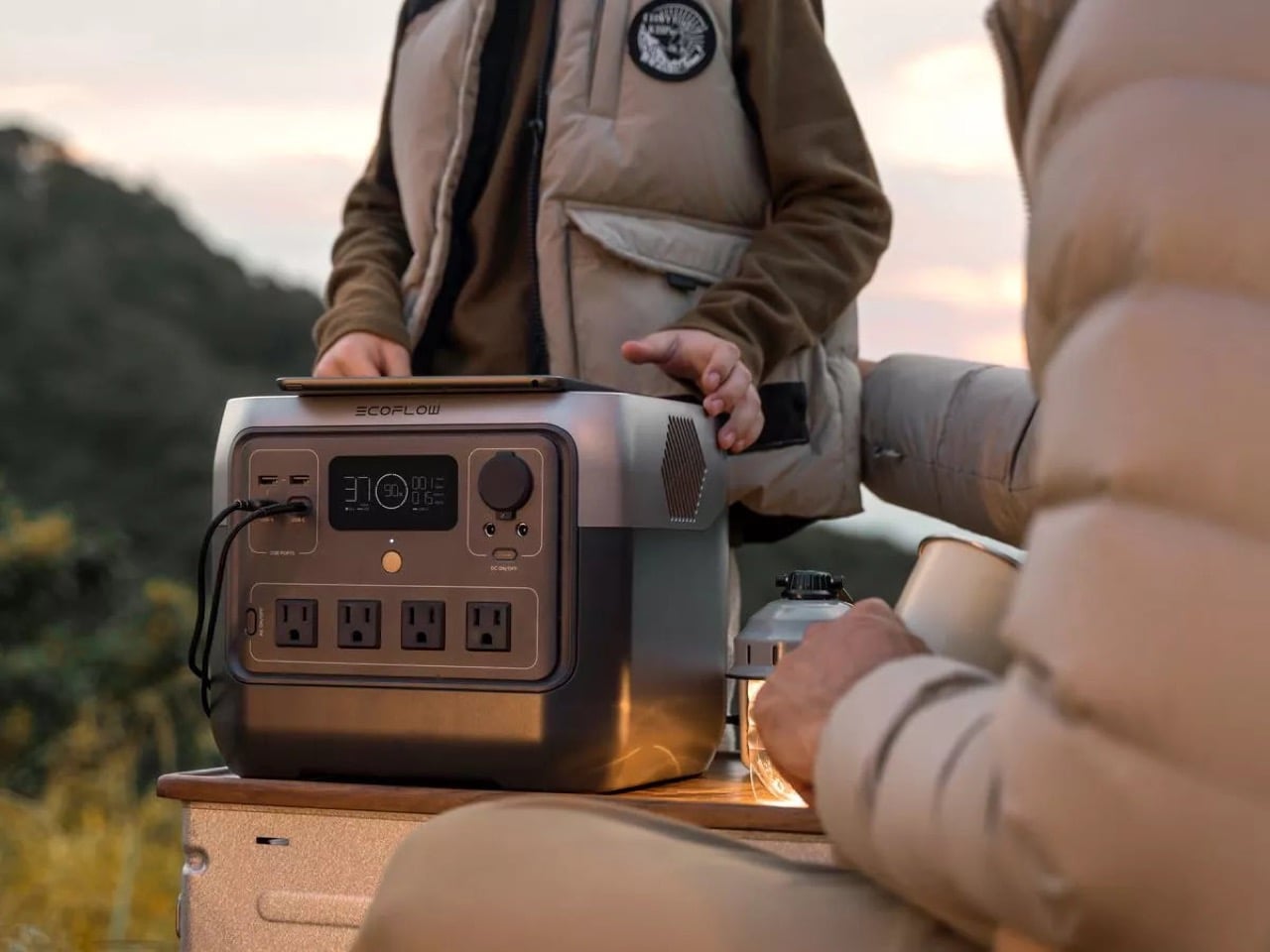
Why the Mid‑Size Power Station Makes Sense for Most Households

Portable power stations fall along a spectrum, and most of them do not fit the use case of a typical household facing a winter outage. The small units, typically in the 200 to 300 watt‑hour range, are barely larger than heavy‑duty power banks. They can charge phones and tablets, maybe run a laptop for a few hours, but they lack the capacity and output to keep anything more demanding alive. A router pulls too much. A CPAP machine drains them in a single night. A small electric blanket finishes them off in two or three hours. They are fine for a day hike or an overnight car trip, but in a multi‑day blackout during freezing weather, they run dry too quickly to matter.

On the other end, the large systems in the 2,000 to 4,000 watt‑hour class are designed for off‑grid living, RV installations, or whole‑home backup with automatic transfer switches. They can run refrigerators, sump pumps, and multiple high‑draw appliances at once, but they weigh 50 to 100 pounds, cost as much as a used car, and take up serious floor space. For someone in a studio apartment or a rented house, they are impractical both financially and logistically.

The mid‑size tier, roughly 700 to 1,000 watt‑hours with 800 watts of continuous output, occupies the useful middle ground. These units are light enough to move with one hand, affordable enough to justify as a one‑time purchase rather than a major investment, and powerful enough to keep the essentials running for several days if used carefully. They are not designed to replace the grid. They are designed to bridge the gap between when the grid fails and when it comes back online, which is exactly the scenario playing out across the East Coast right now.

What the River 2 Pro Brings Over Its Predecessor

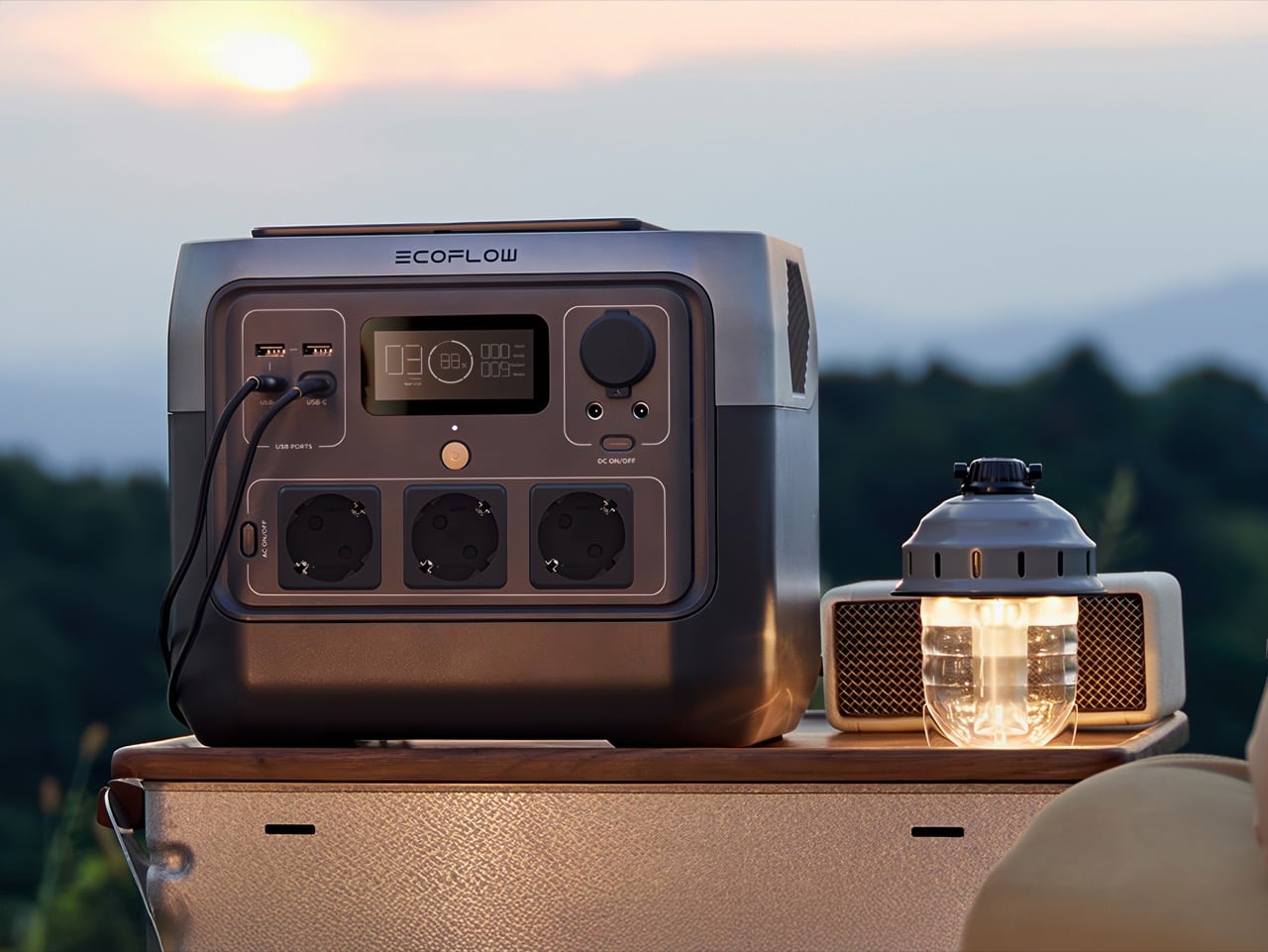
We reviewed the standard EcoFlow River 2 a couple of years back and liked it for what it was: a genuinely portable, well‑designed 256 watt‑hour unit that charged fast and looked good doing it. The dual‑tone design was sharp, the handle redesign made it easier to store, and the price was right for weekend adventurers. But 256 watt‑hours is just not enough capacity to be useful in a real emergency. You could maybe get through one cold night if you were very, very careful.

The Pro triples that to 768 watt‑hours and bumps the continuous AC output from 300 watts to 800 watts, all while adding only about 11 pounds to the overall weight. That capacity jump is not incremental, it is transformational. Now you are talking about running a CPAP for multiple nights, keeping a router alive for over a week of intermittent use, and still having juice left for phone charging and LED lights. The original River 2 was a nice‑to‑have for camping trips. The Pro is something you can actually rely on when the infrastructure around you stops working.

EcoFlow also stuck with LiFePO₄ chemistry, which is the right call here. These cells handle temperature swings better than standard lithium‑ion, they are safer, and they are rated for over 3,000 cycles before they start losing capacity. If you are buying this as a piece of emergency gear that might sit unused for months or years at a time, that longevity matters. This is not a gadget you replace every couple of years. It is something you buy once and forget about until the lights go out.
70 Minutes from Empty to Fully Charged

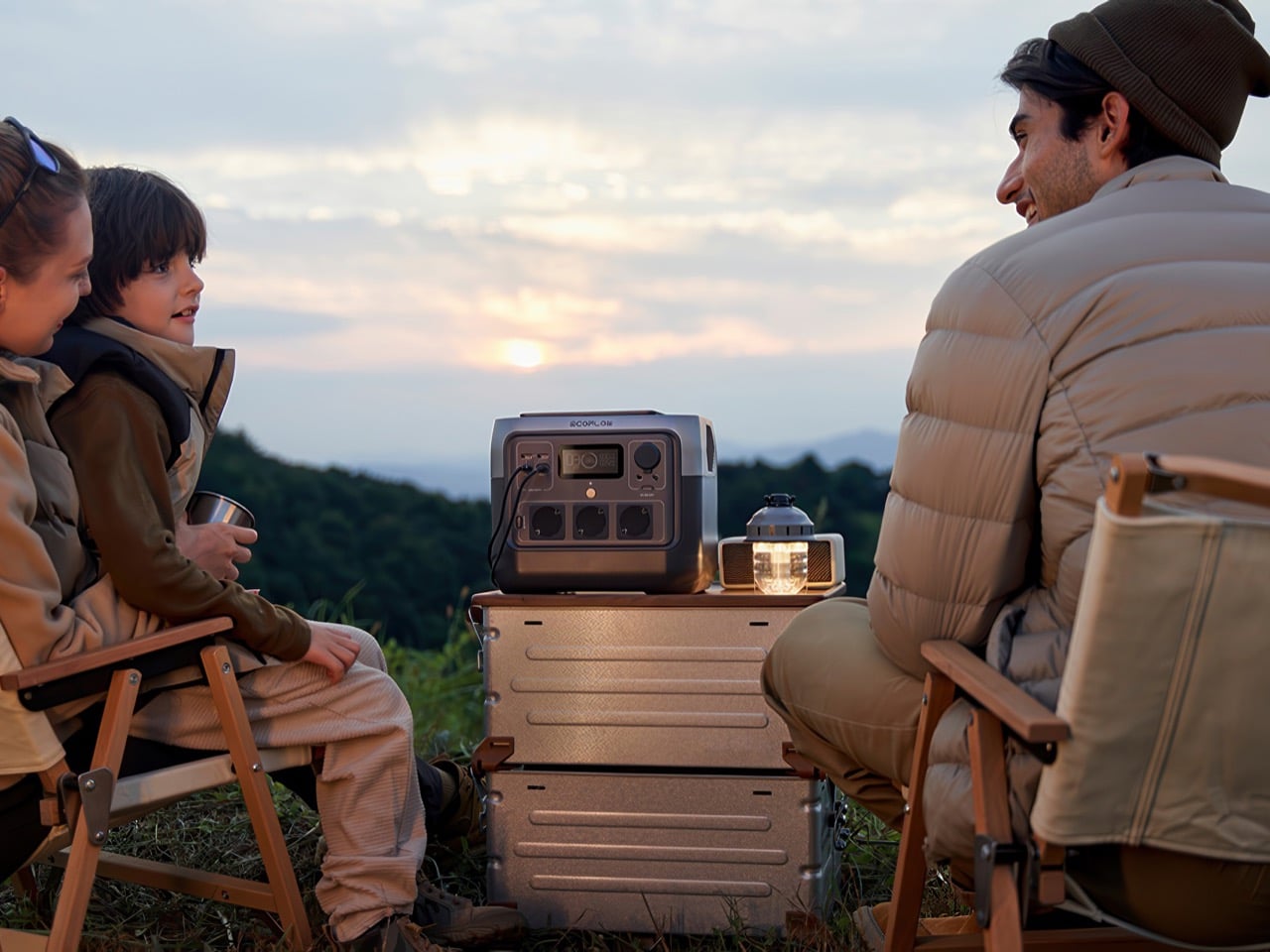
EcoFlow has been pushing fast charging as a selling point across their lineup for a while now, and in the River 2 Pro it is not just a spec sheet flex, it is genuinely useful. The unit goes from dead to full in about 70 minutes off a standard wall outlet. In normal times, that is convenient. During a rolling blackout, it is the difference between a functional backup and a paperweight.

Think about how most grid failures actually play out in populated areas. Power does not just drop and stay off for three days straight. It flickers. It comes back for an hour, goes out again, comes back for two hours overnight. If your power station takes five or six hours to charge, you are constantly playing catch‑up and never actually filling the tank. With the River 2 Pro, every time the grid comes back on, you have a realistic shot at getting back to 100 percent before it drops again. That changes the whole strategy of how you manage an outage.

The unit also takes up to 220 watts of solar input, so a pair of decent folding panels can top it off in four or five hours under good sun. Winter solar is sketchy, clouds and short days mean you are not going to get reliable full charges, but even partial sun can stretch your runtime by enough to matter. It is not a primary charging method in January, but it is a useful fallback if the outage drags on longer than expected.

What It Costs and How That Compares

Online pricing on the River 2 Pro right now is hovering around the $315 mark, depending on where you shop. The MSRP is technically $549, but there’s almost always a discount running somewhere.

Compare that to a Jackery Explorer 1000 V2, which offers about 1,070 watt‑hours and usually runs $500 to $600. Or the Bluetti AC180, which is in the same ballpark for capacity and price. The River 2 Pro is giving you about 70 percent of the capacity at roughly half the cost, which for most apartment and small‑home use cases is the right tradeoff. You are not powering a refrigerator for a week either way, so the extra 300 watt‑hours does not fundamentally change what you can do. What changes is whether you can justify the expense as a one‑time purchase or if it feels like a luxury you will never pull the trigger on.

The really small units, the 200 to 300 watt‑hour boxes, run $150 to $250. So you are paying maybe $100 to $150 more to triple your capacity and double your output. That is an obvious upgrade if you are serious about emergency preparedness. The giant 2,000+ watt‑hour systems start north of $1,200 and climb fast from there, which is a completely different budget conversation.
What It Can Actually Power During an Outage

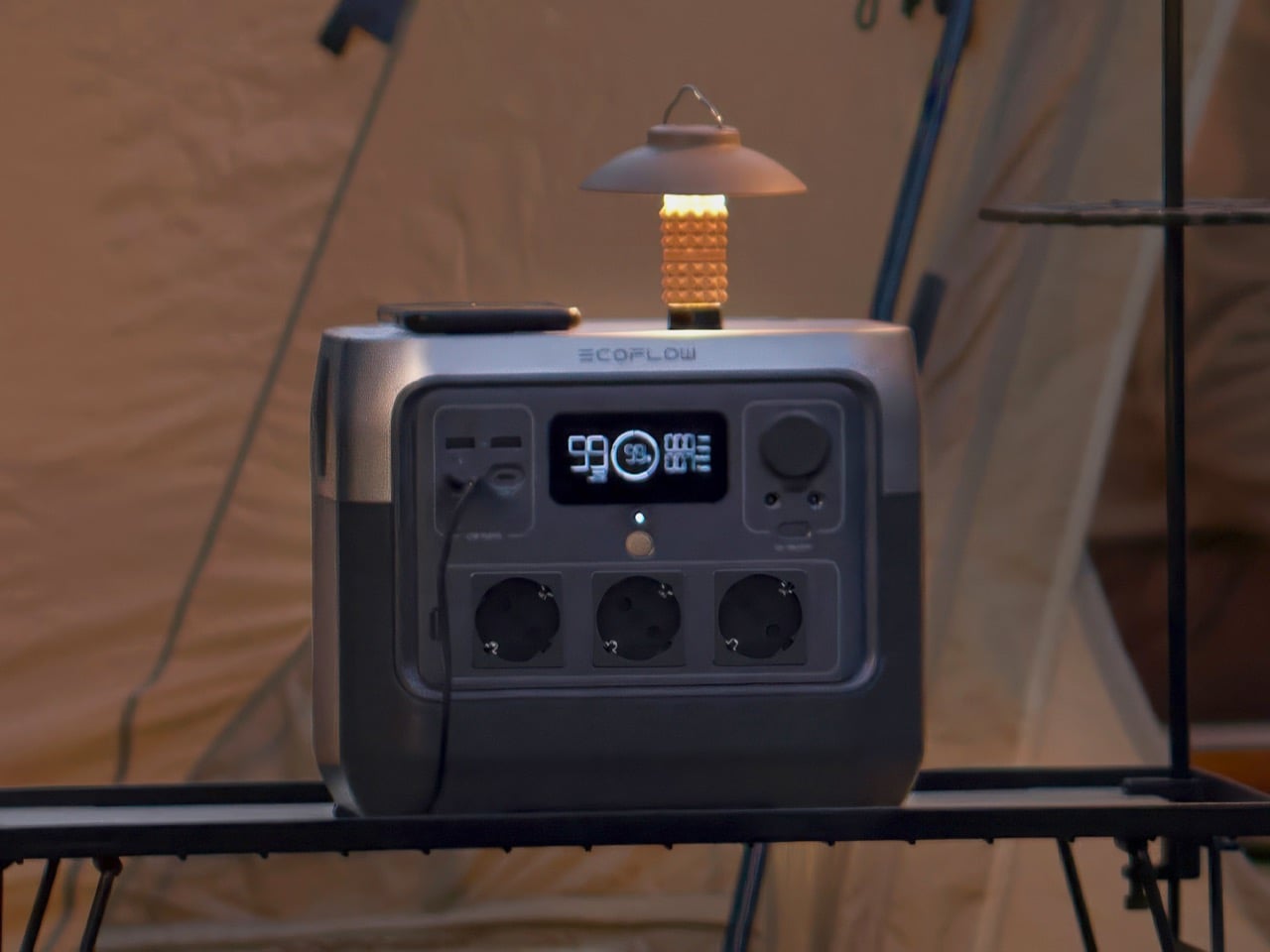
The numbers on a spec sheet do not always translate clearly to real‑world use, so it helps to think in concrete scenarios. A fully charged River 2 Pro, used carefully, can sustain:

Communication and information: A smartphone pulls maybe 10 to 15 watt‑hours per full charge. You could recharge your phone 50 times off a full River 2 Pro. A typical Wi‑Fi router and modem together draw 15 to 25 watts while they are on. Run them three hours a day to pull weather updates, check news, coordinate with family, and you are using about 60 watt‑hours daily. That gives you a week and change of intermittent connectivity from a single charge.

Medical devices: A CPAP machine is slightly trickier because the power draw varies wildly depending on your model and settings. If you are running a basic unit without the heated humidifier, you might pull 30 to 40 watts. With the humidifier cranked, that can jump to 60 watts or more. Let us say you are at 40 watts for eight hours a night. That is 320 watt‑hours per night, so you get two full nights of sleep therapy before you need to recharge. Not great if the power is out for a week, but enough runway to get through the worst of a storm without ending up in an ER.

Targeted warmth: Low‑wattage electric blankets and heated throws usually run 50 to 100 watts. A 75‑watt throw for three hours in the evening is 225 watt‑hours. Combine that with CPAP and phone charging and you are looking at maybe 600 watt‑hours total per day, which gives you a full day of decent comfort before you need to think about recharging.

Lighting: LED lighting is almost free by comparison. A 10‑watt bulb for five hours a night is 50 watt‑hours. You could light up a small apartment every night for a week and barely dent the battery.

The key here is prioritization. You shouldn’t be running everything at once. Keep the critical stuff alive, lights, communication, medical devices, and use targeted warmth instead of trying to heat the whole space. That is what makes a mid‑size unit like this viable, and truly accessible to the vast population who can divert sub-$500 on a moment’s notice. The power station might be tiny, but it forces you to be smart about power – which is exactly what you need to do in a real outage anyway.
Need More Power? Just Buy A Second One And Connect Them

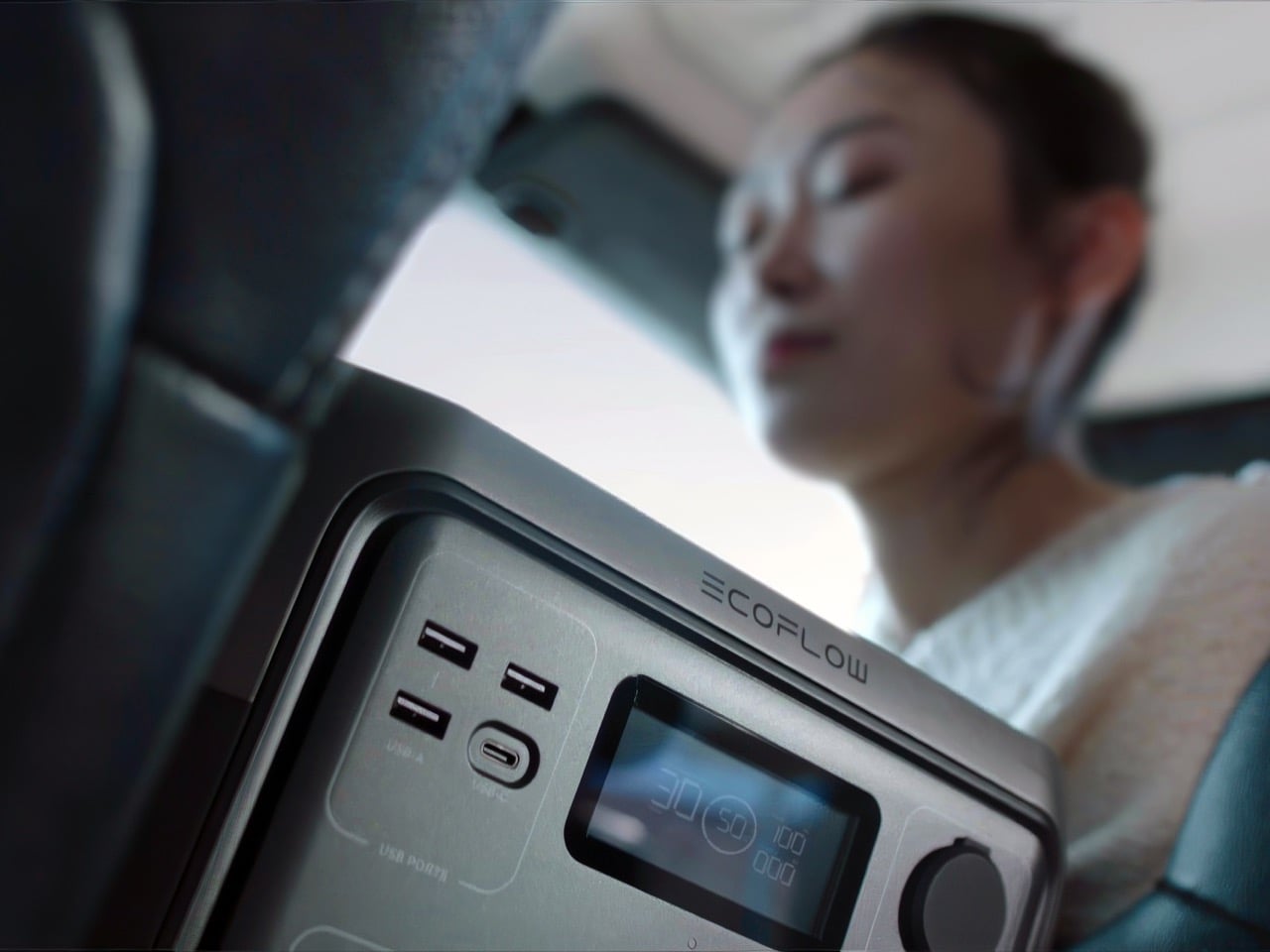
One feature that does not get talked about enough is that you can actually chain two River 2 Pro units together for expanded capacity. EcoFlow builds this into their ecosystem, so if you find yourself consistently running up against the limits of a single 768 watt‑hour unit, you are not stuck buying a completely different, more expensive system. You just add a second River 2 Pro and suddenly you are working with over 1,500 watt‑hours of usable capacity. That is enough to stretch a multi‑day outage without obsessively rationing every watt, or to run slightly higher‑draw appliances that a single unit would struggle with.

The math here is quite interesting because it gives you a more flexible upgrade path than most power station ecosystems offer. Instead of dropping $1,200 to $1,500 on a single large unit right out of the gate, you can start with one River 2 Pro, see how it performs in real‑world use, and then add a second one later if you need the extra capacity. You end up spending around $630 total for a combined system that gives you more modularity than a single giant battery box. If one unit dies or needs servicing, you still have backup power. If you only need light capacity for a short trip, you take one and leave the other at home. That kind of flexibility is genuinely underrated.

It also means the River 2 Pro scales better for different household sizes and needs. A single person in a studio apartment might never need more than one unit. A family of four in a larger house might find that two units let them cover essentials in multiple rooms without running extension cords everywhere or constantly shuffling devices between outlets. The ability to grow the system incrementally, rather than making one big all‑or‑nothing purchase decision, makes it a lot easier to justify the initial investment and adapt as your needs change.

How to Use It Effectively in Cold Weather

Store and operate it indoors. LiFePO₄ cells can discharge in cold temperatures, but they should not be re-charged when the internal temperature is below freezing.

Most modern power stations, including the River 2 Pro, have battery management systems that will flat‑out refuse to charge if the cells are too cold. So keep the unit inside, away from exterior walls and drafty windows, and you will be fine.

Turn things off when you are not using them. That sounds obvious, but in the chaos of a blackout it is easy to leave the router on all day or forget a phone plugged in after it hits 100 percent. The River 2 Pro has a small parasitic draw just from being powered on, so if you are not actively using an outlet, shut it down and save every ounce of power you can.

And for the love of all that is holy, do not try to heat your apartment with this thing. Yes, the 800‑watt continuous output can technically run a small space heater. Yes, the X‑Boost mode can push that to 1600 watts for short bursts. But a 1,500‑watt space heater will drain the entire battery in about 30 minutes. That is not a strategy, that is just lighting your stored energy on fire. Layer up, use blankets, deploy a low‑watt heated throw for targeted warmth if you need it, but resistive heating is a losing game with battery power.
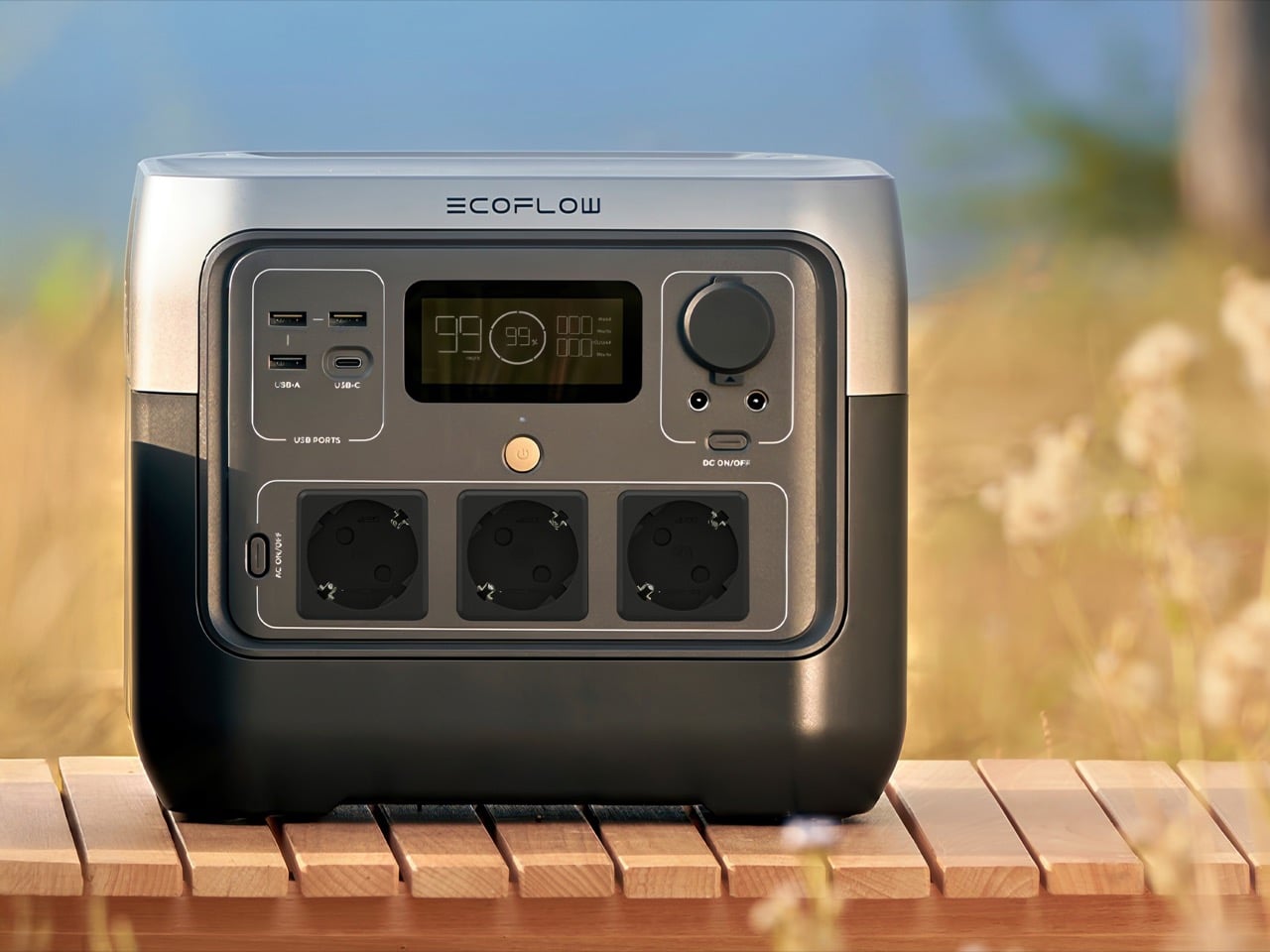
What It Cannot Do

The River 2 Pro is not a whole‑home backup system. It will not keep your refrigerator running for days, it will not power your furnace, and it definitely will not run a sump pump if your basement starts flooding. If those are your needs, you are shopping in the wrong category. You want a 2,000+ watt‑hour system, probably with a transfer switch and professional installation, and you are going to spend a lot more money.

The usable capacity is also not quite the advertised 768 watt‑hours. Independent testing puts the real‑world output closer to 620 watt‑hours, which is about 81 percent of the rated capacity. That is normal for the industry, battery management systems always hold back some reserve to protect longevity, but it is worth knowing so you do not plan your runtime calculations around the full number.

And while the unit is rated for 3,000+ cycles, that assumes you are not constantly hammering it from zero to 100 percent under extreme conditions. If you want to maximize lifespan, try to keep the charge between 20 and 80 percent when you can, and store it at around 50 percent if it is going to sit unused for months. Treat it like a piece of infrastructure, not a toy, and it will last you a decade.

Preparing Before the Next Storm

Hundreds of thousands of people are sitting in the dark tonight while the cold keeps piling on. More are watching the forecast and realizing their block could be next. The grid is not built for this. It was not designed to handle ice storms in places that rarely freeze, or sustained cold snaps in cities where winter is usually mild. And when it fails, the gap between “uncomfortable” and “dangerous” closes fast.

A power station like the River 2 Pro does not fix the underlying problem. It does not make the grid more resilient, and it does not replace the need for serious infrastructure investment. What it does is give you a buffer. A way to keep the essentials running while you wait for the repair crews to get the lines back up. A way to avoid the kinds of decisions that turn a bad night into a genuine emergency.

For $315, that is not a bad insurance policy to have sitting in your closet, charged and ready, before the next storm rolls in.

Click Here to Buy Now

The post The Must‑Have Portable Power Station Setup Every Household Should Own For Storms And Blackouts first appeared on Yanko Design.
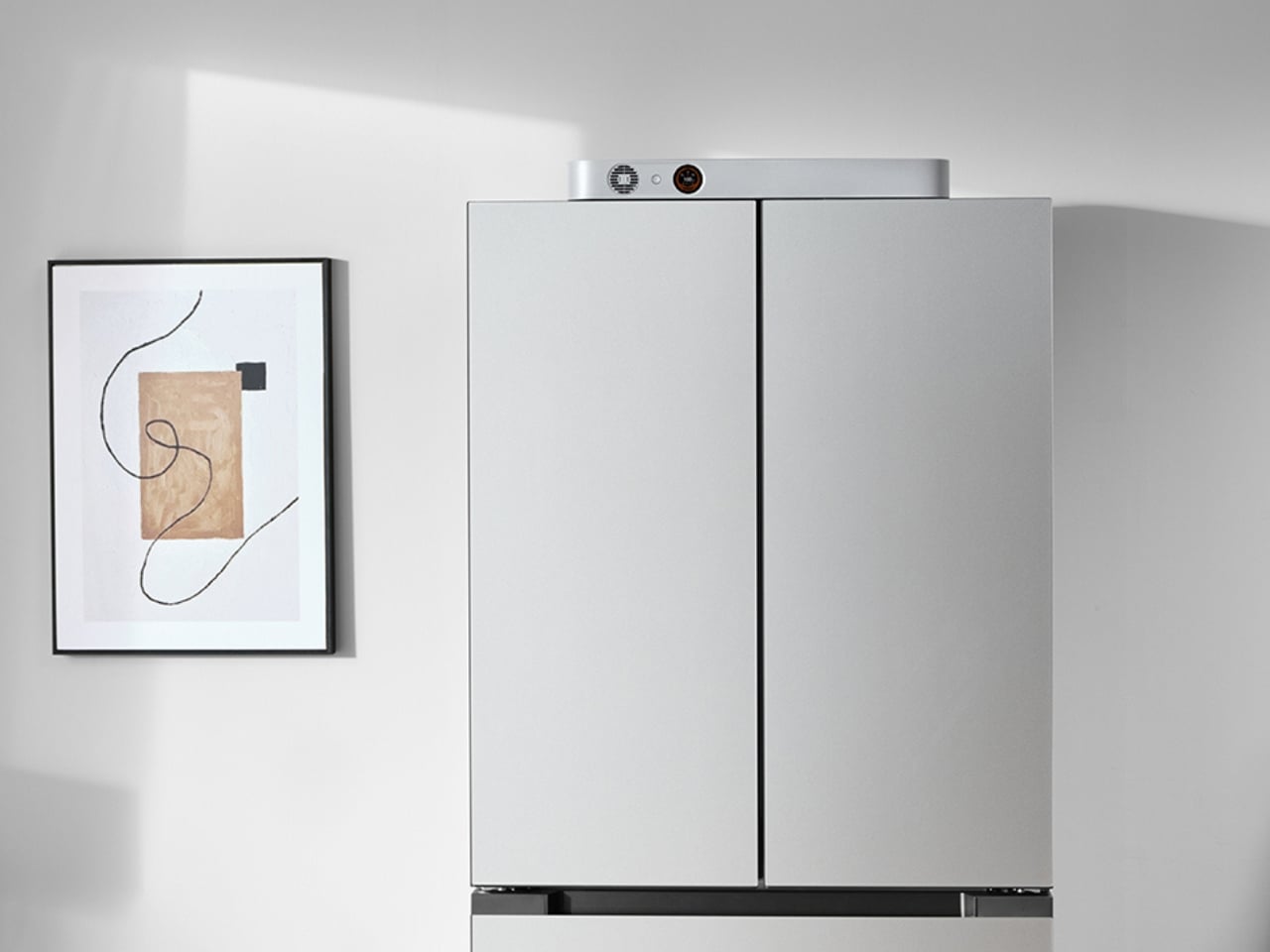
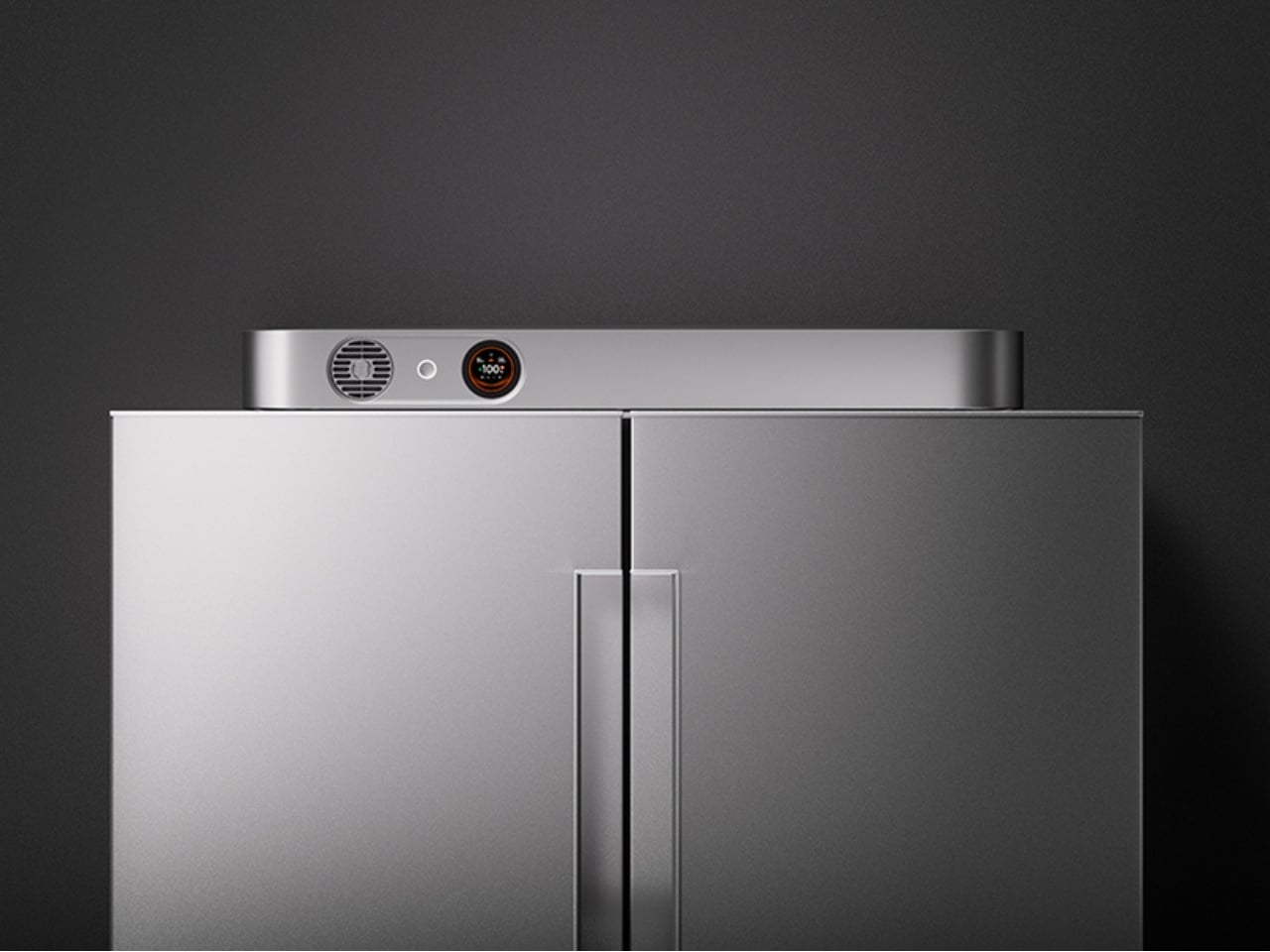
This Power Station Has Mood Lighting (And 8 Charging Ports)

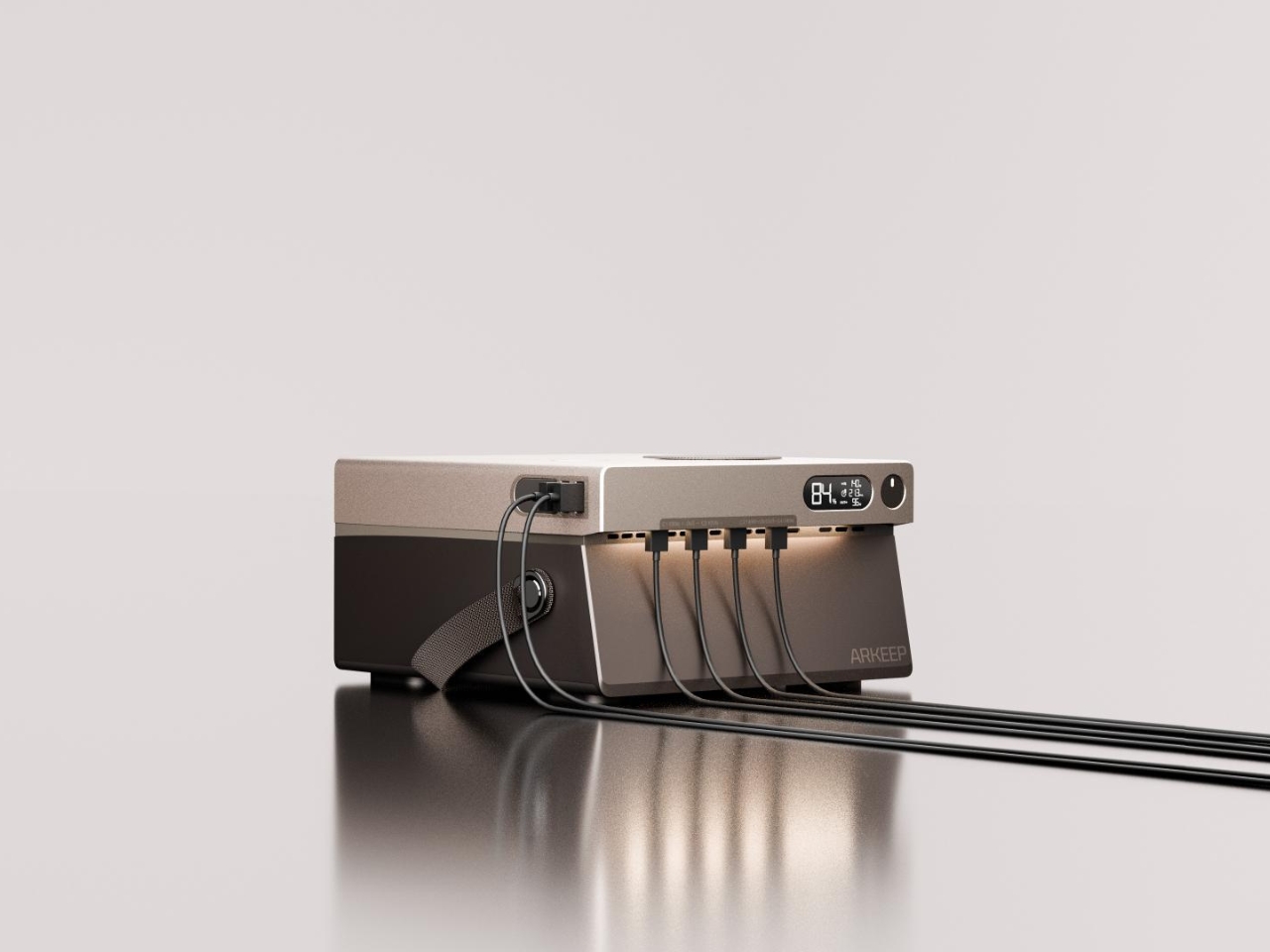
Let’s be honest. Most portable power stations look like someone’s idea of what a camping generator should be: utilitarian, bulky, and about as stylish as a cinderblock. They’re the kind of gadgets you’d happily hide in a closet when company comes over. But what if your power station could actually enhance your space instead of cluttering it? Enter the ARKEEP Halo Portable Power Station, and trust me when I say this isn’t your typical backup battery.

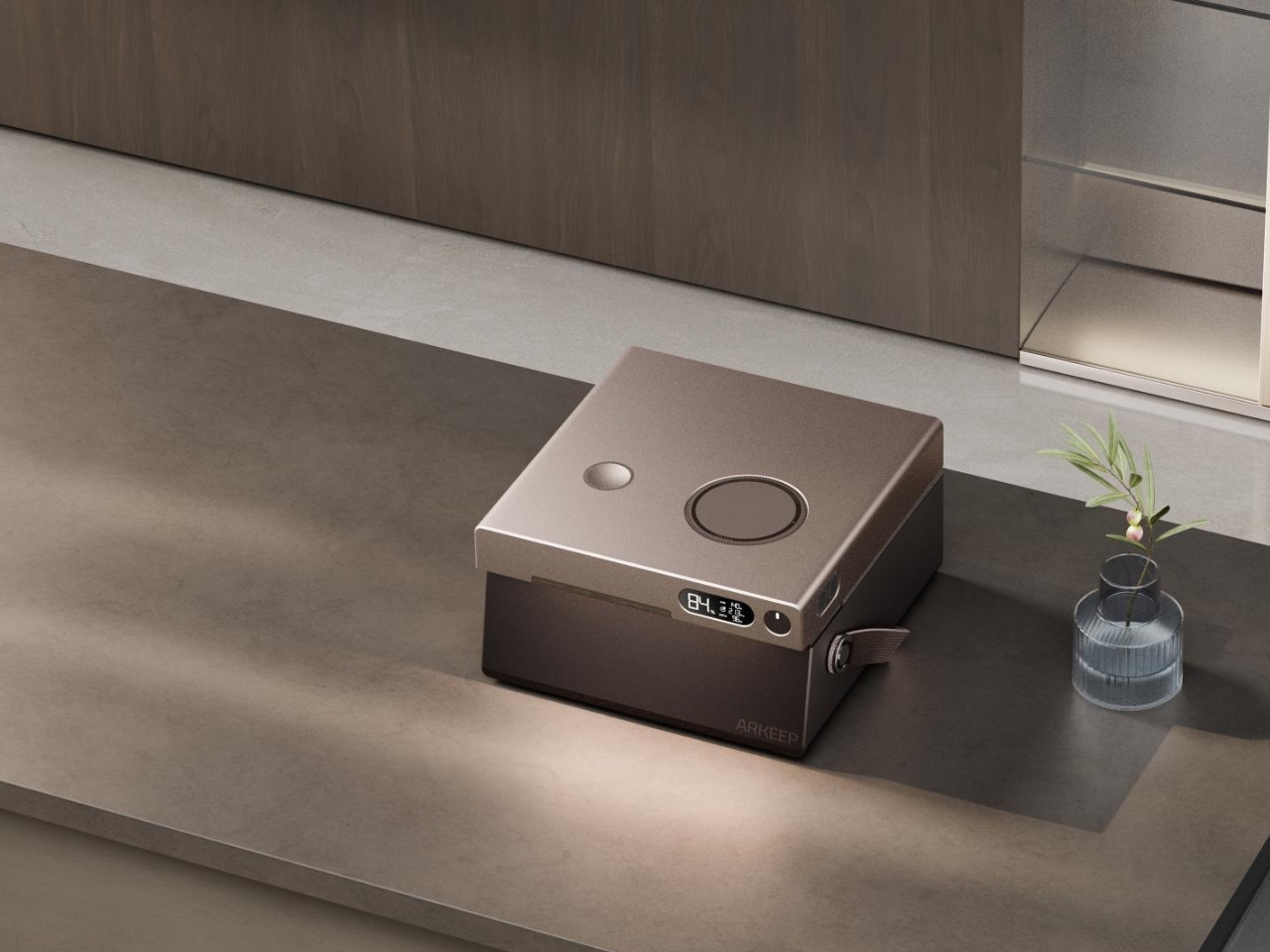
Designed by Union Suppo Battery, the ARKEEP Halo is what happens when someone finally asks the question: why can’t emergency power be beautiful? The result is a device that takes its design cues from high-end electronics rather than construction equipment, creating something that looks equally at home on your desk, in your living room, or tucked into your camping gear.

Designer: Union Suppo Battery

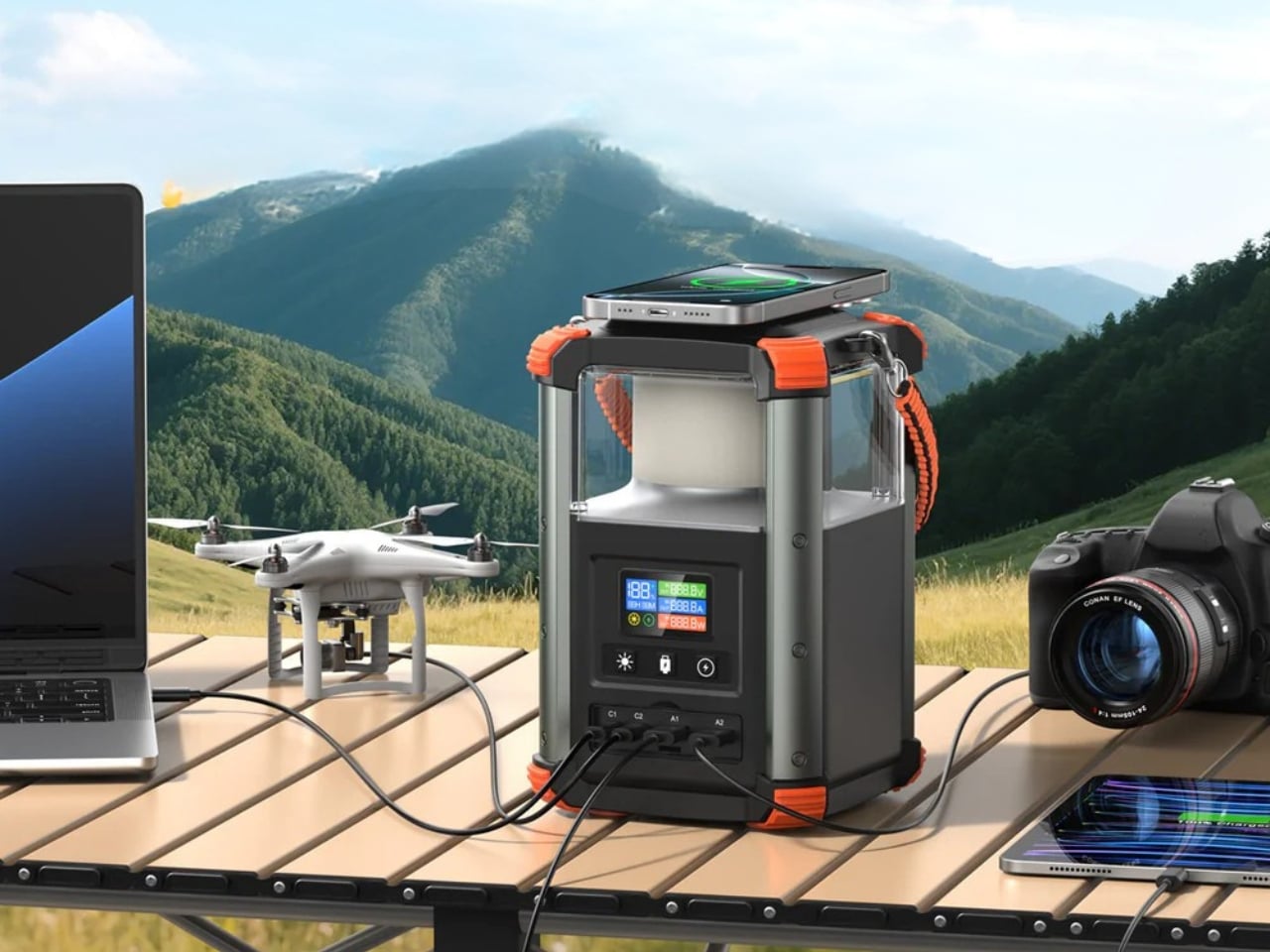
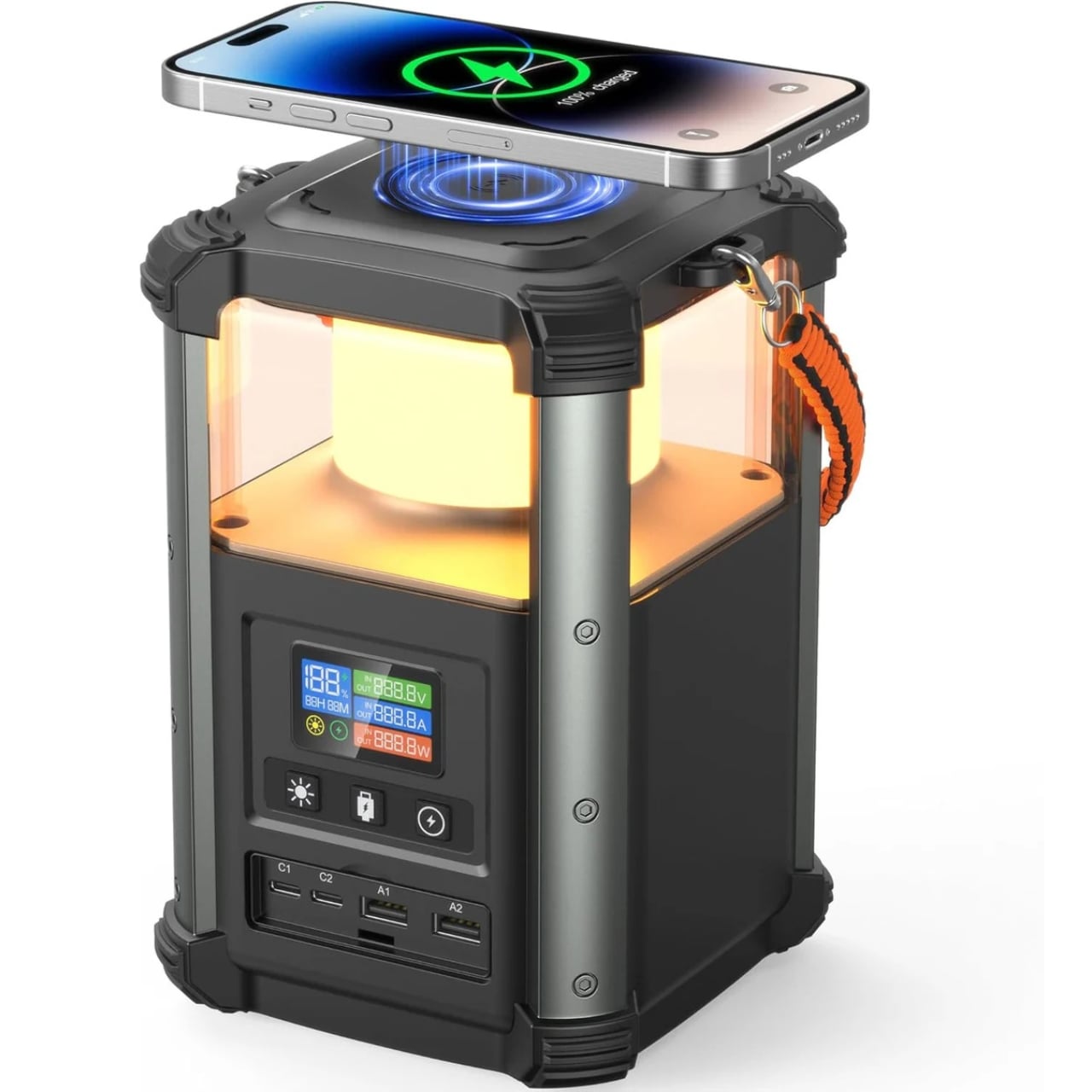
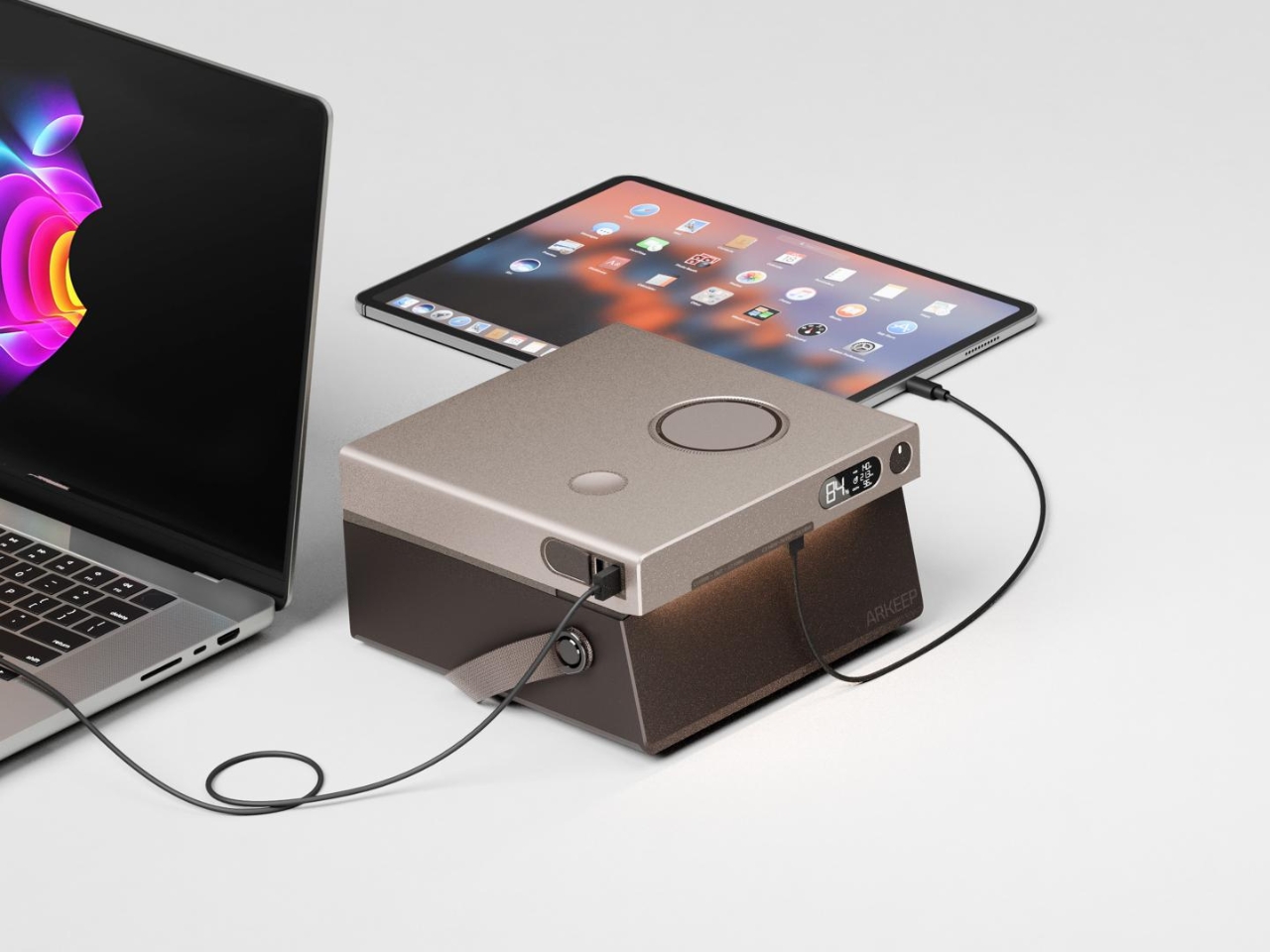
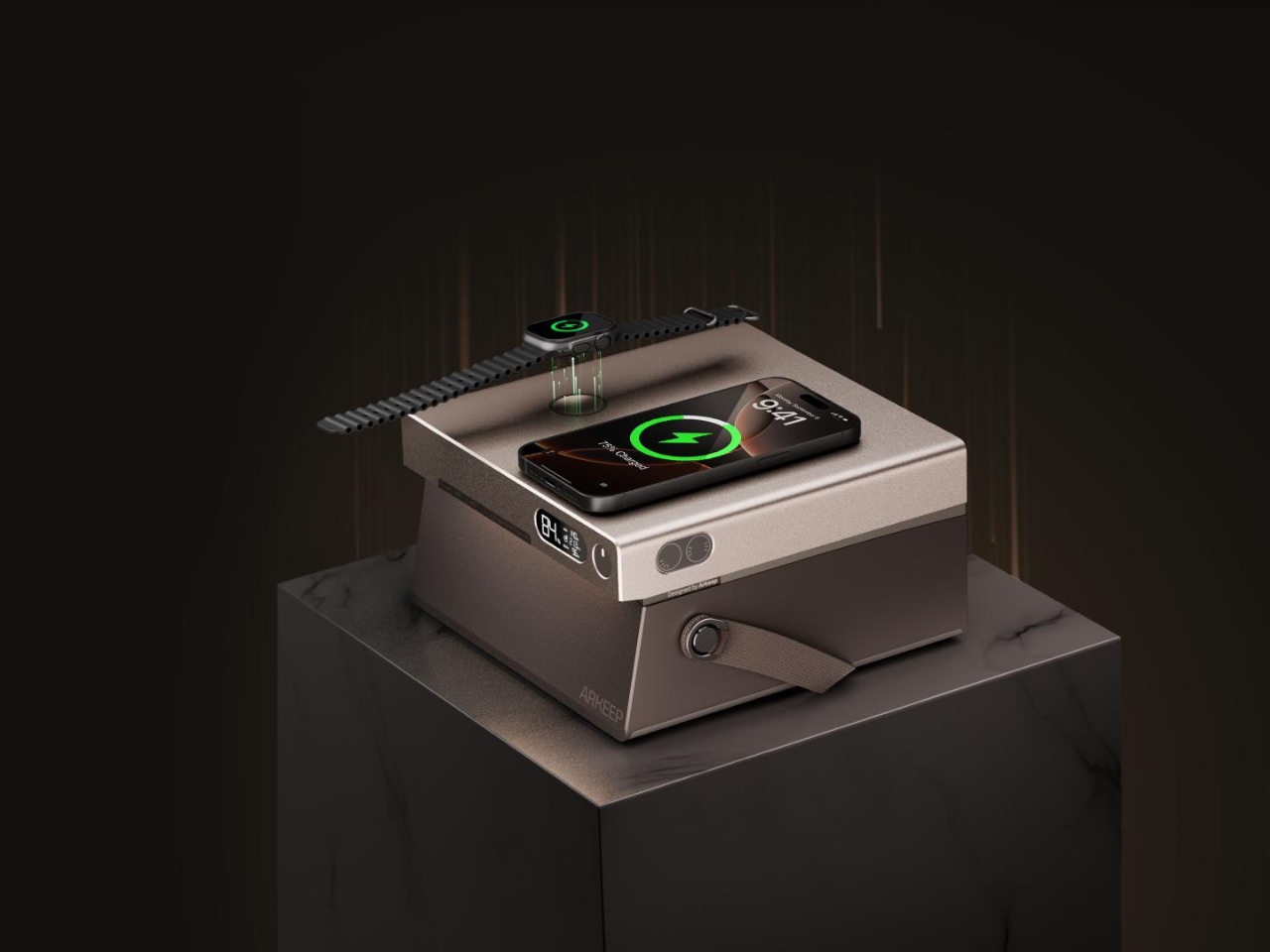
What makes this little powerhouse so compelling is how it refuses to be just one thing. It’s an 8-port charging hub that includes dual 140W PD3.1 ports and dual 100W USB-C ports, two 22.5W USB-A ports, and here’s where it gets interesting: dual wireless charging pads at 15W and 5W. This means you can charge your laptop, your phone, your tablet, and your partner’s phone all at the same time without needing to carry around a tangled mess of charging bricks. It’s the kind of thoughtful design that makes you wonder why every power station doesn’t work this way.

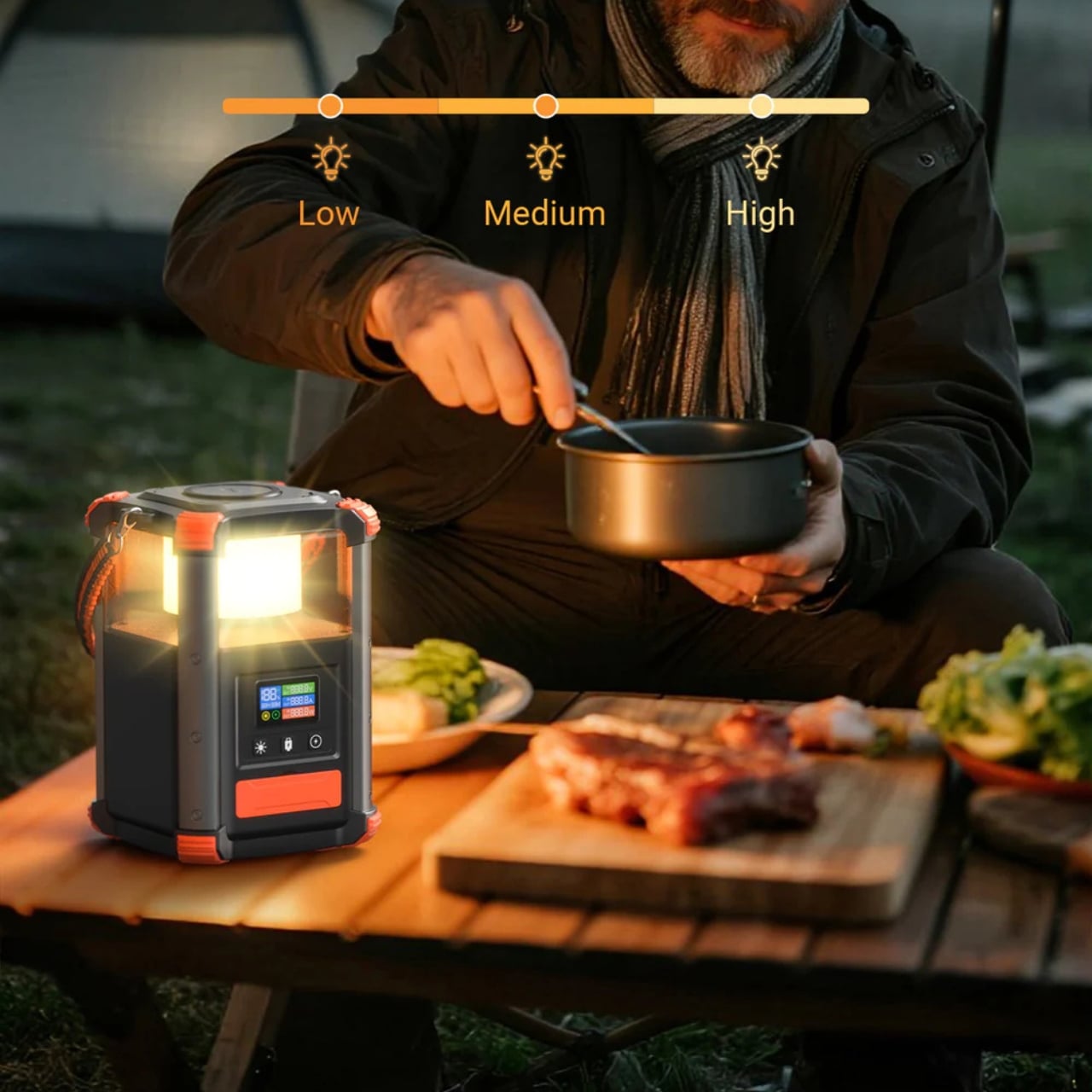
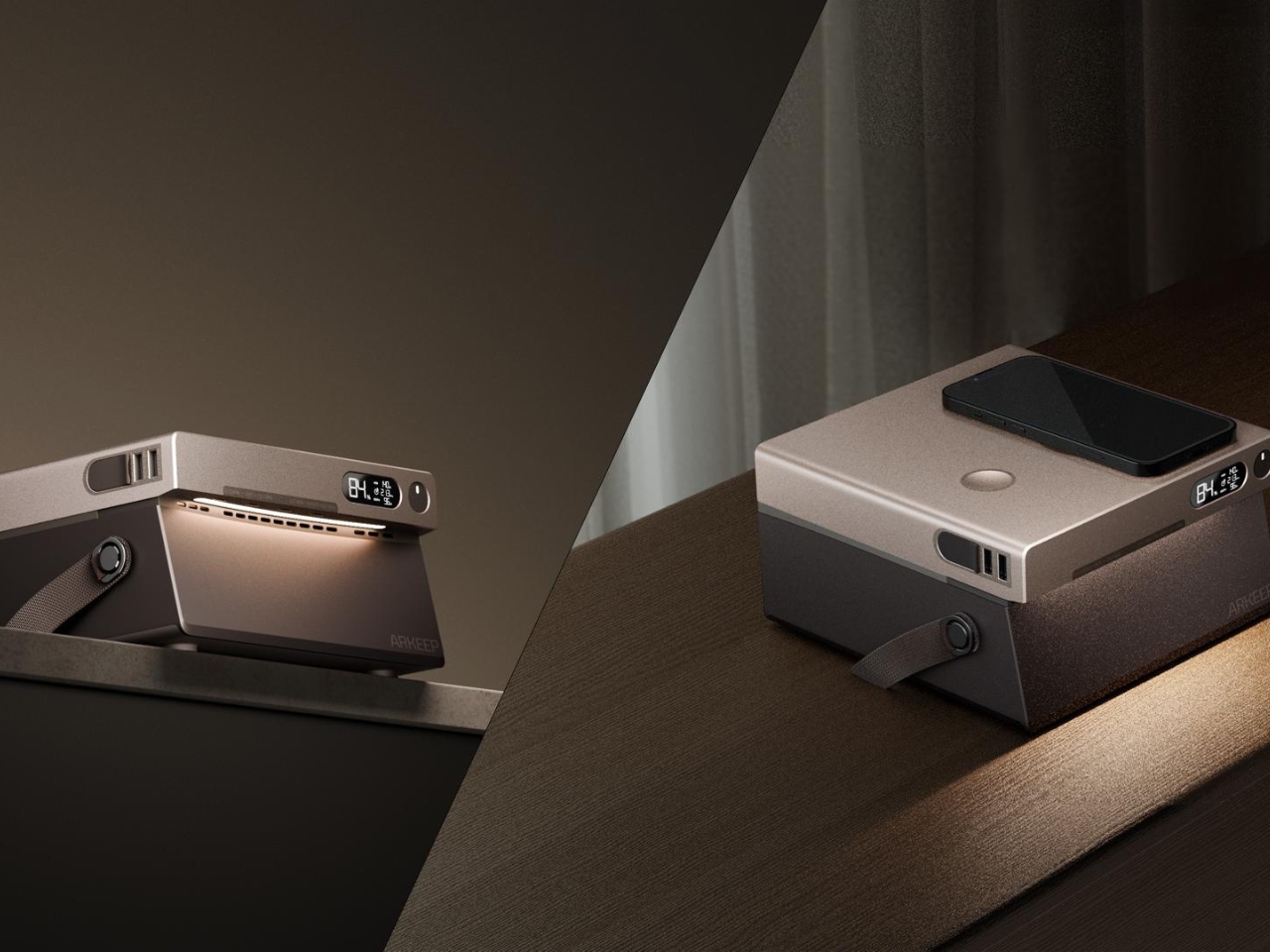
But the real genius of the ARKEEP Halo lies in a feature you wouldn’t necessarily expect from a battery pack: integrated lighting. This isn’t just a simple flashlight stuck on the side. The designers created a 270-degree ambient glow system with adjustable color temperature and brightness that can simulate natural light rhythms. During the day, it provides functional illumination. At night, it shifts to warmer tones with lower blue light output, creating an atmosphere that actually helps reduce anxiety and promotes relaxation. It’s like having a mood lamp, a charging station, and an emergency power supply all rolled into one sleek package.

The design philosophy here is refreshingly different. Instead of treating portable power as purely functional, ARKEEP has reimagined it as an everyday essential that seamlessly integrates into modern life. The aesthetic strikes that tricky balance between looking sophisticated enough for your home office while being rugged enough to handle outdoor adventures. It’s the Swiss Army knife approach to power stations, where versatility doesn’t come at the cost of elegance.

This matters more than you might think. We live in an age where our devices are extensions of ourselves. Our phones, laptops, and tablets aren’t just tools anymore but lifelines to work, relationships, and entertainment. The anxiety of running out of battery has become a legitimate modern stressor. Having a power solution that’s not only reliable but actually pleasant to look at and use changes the entire relationship we have with backup power.

What’s particularly smart about the ARKEEP Halo is how it acknowledges that portable power stations have evolved beyond their original purpose. Sure, they’re still great for camping trips and power outages, but increasingly, they’re becoming part of our everyday tech ecosystem. Remote workers need them for flexibility. Content creators use them for on-location shoots. Digital nomads rely on them for constant connectivity. The ARKEEP Halo was designed with all these use cases in mind, not as an afterthought but as core considerations.

The ambient lighting feature deserves special attention because it reveals a deeper understanding of how people actually use these devices. During power outages, harsh white light can feel jarring and cold. The ability to create a softer, warmer glow transforms a stressful situation into something more manageable. It’s a small detail that makes a significant emotional difference, the kind of thoughtful touch that separates good design from great design.

In a market flooded with black boxes covered in neon highlights and aggressive industrial styling, the ARKEEP Halo stands out by simply being more human. It recognizes that technology should adapt to our lives, not the other way around. Whether you’re powering through a blackout, working from a coffee shop, or setting up camp under the stars, this is a device that actually understands what you need. And that’s worth celebrating.

The post This Power Station Has Mood Lighting (And 8 Charging Ports) first appeared on Yanko Design.
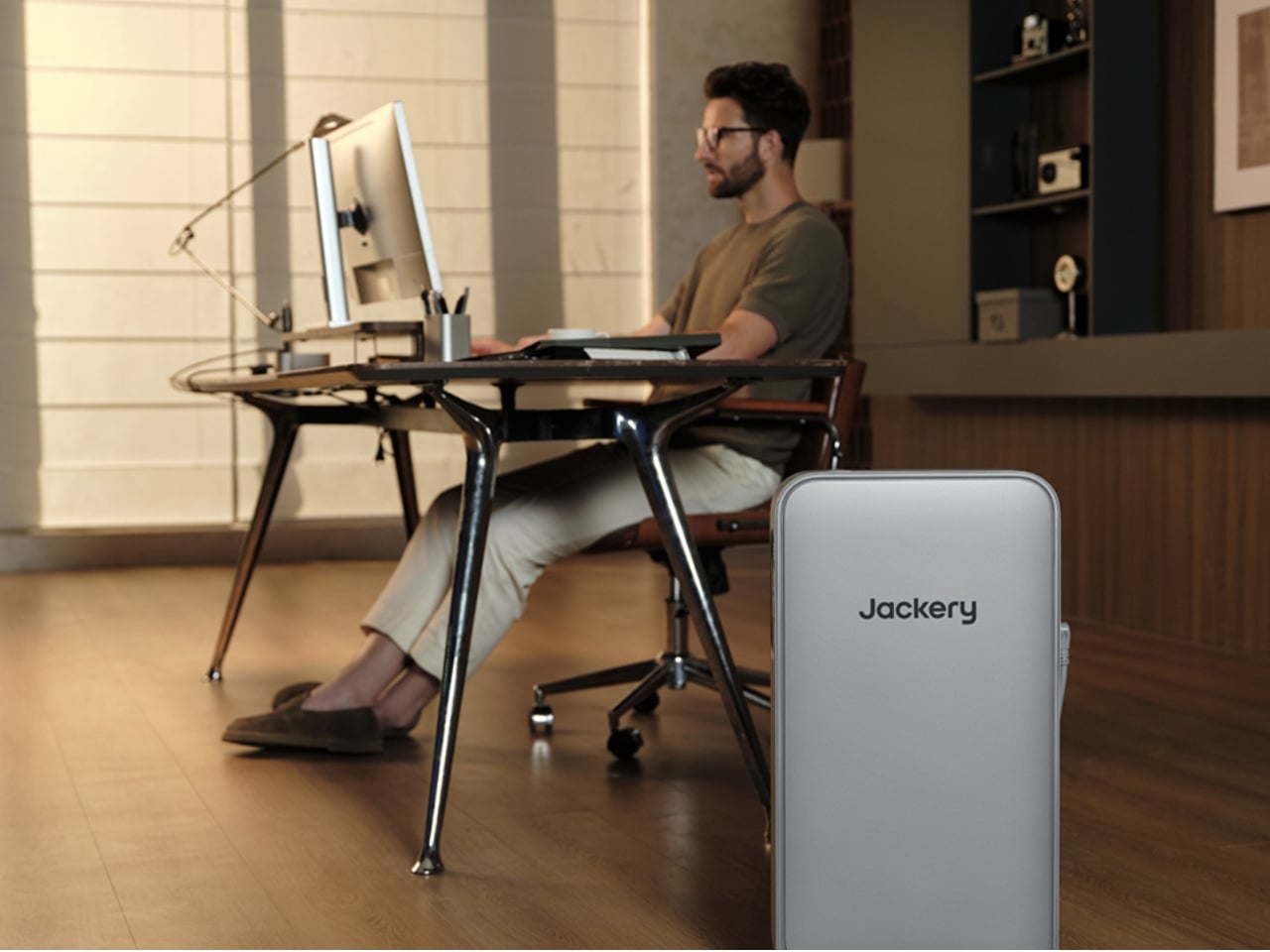
Why the BLUETTI Elite 200 V2 is the Best Portable Power Station for Home and Outdoor Use

With our dependence on computers, phones, and the Internet, staying connected and powered up is more important than ever. The world, however, seems to be thwarting that modern lifestyle, from unexpected power outages to the growing frequency of natural disasters. The demand for reliable, robust, and versatile power solutions has skyrocketed, and the old fuel-based generators can’t catch up.

Get ready to transform the way you experience energy with BLUETTI’s latest marvel, the Elite 200 V2. This 2KWh portable power station is your ticket to worry-free home backup and outdoor escapades. Building on the years of successful products in the market, this portable solar power station is the next-level energy solution upgrade everyone’s been waiting for!

Designer: BLUETTI

Click Here to Buy Now: $1044.05 $1999 ($954.95 off, use coupon code”YankoElite200″ at checkout). Hurry, deal ends in 48-hours!

Imagine a power station that sticks with you for 17 years! Thanks to its automotive-grade LiFePO4 batteries, the BLUETTI Elite 200 V2 offers over 6,000 life cycles. That’s 12 times more than the competition. Tested rigorously by CNAS and the first of its kind to pass over 33 battery tests, it promises unmatched reliability and performance.

Long-lasting power stations won’t mean much if their capacity is too low to be useful. Fortunately, the Elite 200 V2 has you covered. Its 2,600W output can handle home essentials like a breeze—no more spoiled groceries or dark nights, even running a 100W refrigerator for up to 16.8 hours. For the adventurers, it powers everything from your morning coffee maker to high-demand gadgets with its Power Lifting mode. Need 3,900W for a hot plate or hair dyer? No problem! This power station is your ultimate travel companion.

Space is precious, especially in RVs and tiny homes. The Elite 200 V2 packs a punch with its compact design — 40% smaller than its famed predecessor, the BLUETTI AC200P, yet just as powerful. Its sleek frame makes it easy to fit anywhere, and its 24.2kg weight still makes it relatively portable. This space-saving magic is thanks to the use of advanced LFP prismatic cells with zero-gap battery stacking instead of the typical cylindrical battery cells.

Waiting for your power station to recharge is a thing of the past. With BLUETTI’s Turbo technology, the Elite 200 V2 charges to 80% in just 50 minutes with dual AC and solar input! On the road? Use the 560W car charger and get back to full power in just over four hours. Off the grid? Harness the sun’s energy with a 1,000W solar input and keep going without a hitch. Whatever your location or situation, you can make sure that your power station is ready for action at any time.

The Elite 200 V2 isn’t just powerful — it’s smart, safe, and quiet. Plug in high-power devices with confidence, thanks to its BLUETOPUS AI-BMS smart battery management and multi-chip protection. Fire-resistant and shock-proof, it’s built to withstand any adventure you throw at it. Operating with sound as low as 16dB, it can be easily used in a home office or tent. And with support for both Wi-FI and Bluetooth app connectivity, you can remotely monitor and control the power station with ease.

Don’t settle for the ordinary when you can have the extraordinary. The BLUETTI Elite 200 V2 is more than a power station — it’s your gateway to freedom and reliability. Whether at home or on the go, it’s ready to power your devices with safe and green energy that will be able to keep up with your lifestyle.

Click Here to Buy Now: $1044.05 $1999 ($954.95 off, use coupon code”YankoElite200″ at checkout). Hurry, deal ends in 48-hours!

The post Why the BLUETTI Elite 200 V2 is the Best Portable Power Station for Home and Outdoor Use first appeared on Yanko Design.
Ultra-Portable Wind Turbine Generator Lets You Fast-Charge Your Devices Anywhere with Green Energy

We have become so dependent on our electronic appliances and devices that we start to panic when the grid suddenly goes down. While solar power generators now offer a more sustainable alternative to the gasoline-chugging relics of the past, it’s a different story when you’re out in the wild with the sun nowhere to be seen. Of course, we can’t control the weather, but we can be prepared for any situation, including when things don’t go according to our perfect plans. Just because the sun isn’t around doesn’t mean you have to stress over the lack of power. With this ultra-portable 50W power generator, you can have the confidence and peace of mind to stay outdoors longer, thanks to the power of the all-present wind.

Designer: Aurea Technologies Inc.

Click Here to Buy Now: $356 $571 ($215 off). Hurry, only 6/74 left! Raised over $273,000.

Solar energy isn’t the only renewable energy source available. In fact, while solar panels are more popular for residential or personal uses, wind power is considered to be more reliable for wide-scale industrial use. Unfortunately, conventional wind turbines are neither small nor portable, making them inconvenient to use in more common, everyday scenarios. That is exactly what Shine 2.0 fixes, harnessing the power of the wind to power your outdoor adventures while enjoying the conveniences of modern technologies in a compact package that’s just the size of a large water bottle.

Shine 2.0 can generate up to 50W of power day or night, whether it’s sunny, cloudy, foggy, or even rainy. Its USB-C PD port outputs up to 75W to fast charge, smartphones, eReaders, tablets, and more. It can also power 12V devices, including laptops, and drones. Worried about a dry spell ruining your outdoor fun? The Shine 2.0 can generate as well as store power in its internal 12,000 mAh battery so you can use the oblong-shaped power generator as a power bank even after the wind has died down. And because of the wind’s cubic relationship with power, when the wind is twice as strong, the Shine 2.0 can generate eight times more power as well.

Shine 2.0 is designed for versatility. Are some low structures getting in the way of your wind? Shine 2.0’s 6-foot mount accessory raises it high above potential obstructions to capture more wind and maximize power generation. By using Shine 2.0’s custom adapter accessory, you can even charge power stations from EcoFlow, Bluetti, Jackery, and others. Sealed and weatherproof with an IP54 rating, Shine 2.0 is ready to face any condition to help you enjoy the great outdoors or even provide emergency backup power during an outage.

New to this second-gen wind turbine generator is a Bluetooth-connected app that lets you see all the critical stats like wind speed and power output without even having to get close. Weighing only 3 lbs and small enough to be stashed in a backpack water bottle compartment, Shine 2.0 offers unbeatable value in providing power on the go, wherever and whenever you need it. With this sleek, compact, and ultra-portable wind turbine, you no longer need to stress over surviving a few days away from power outlets, allowing you to enjoy the liberating experience of generating power from the wind.

Click Here to Buy Now: $356 $571 ($215 off). Hurry, only 6/74 left! Raised over $273,000.

The post Ultra-Portable Wind Turbine Generator Lets You Fast-Charge Your Devices Anywhere with Green Energy first appeared on Yanko Design.
Mobile power bank concept can be used horizontally or vertically to maximize space

It’s almost comical how we’ve become so attached to our electronic devices that we start to panic whenever our batteries go red. That’s why there’s a large and thriving market for all kinds of portable battery solutions, ranging from pocket-sized blocks just for your smartphone to hulking boxes for a few night’s stay outdoors. The latter, while portable, aren’t exactly space-efficient, especially when it comes to the horizontal space you need to use them. This concept for a portable power station literally turns the design on its head by letting you use the large battery standing up, except for one or two cases where you’ll need it to lie down anyway.

Designer: Real Design

The design convention for large power stations is horizontal boxes as these are definitely the most space-efficient shapes. You can easily stow them in cabinets, trunks, and other storage solutions while allowing you to pack other objects beside or even on top of them. When in use, however, that horizontal orientation can actually be wasteful, especially if you don’t have much space on the ground or on the table in the first place.

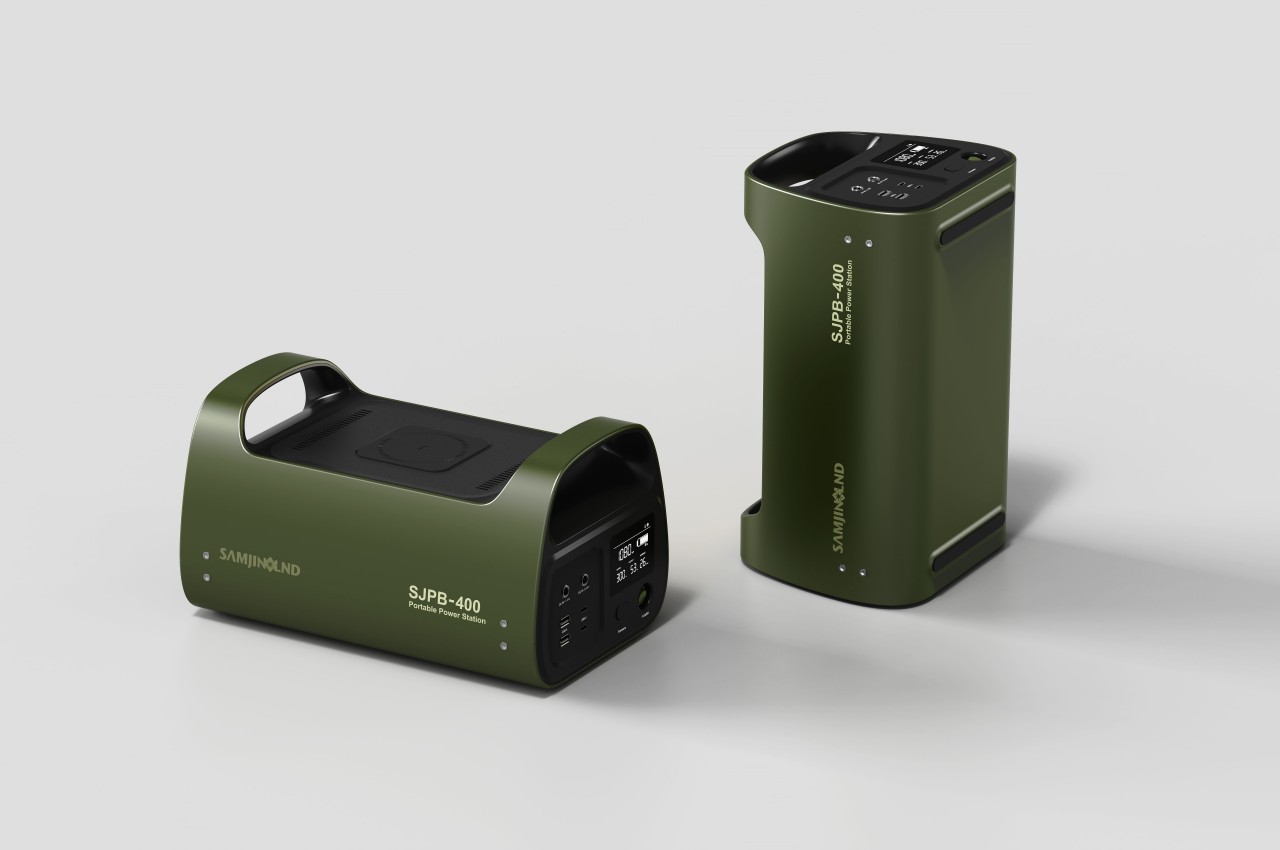
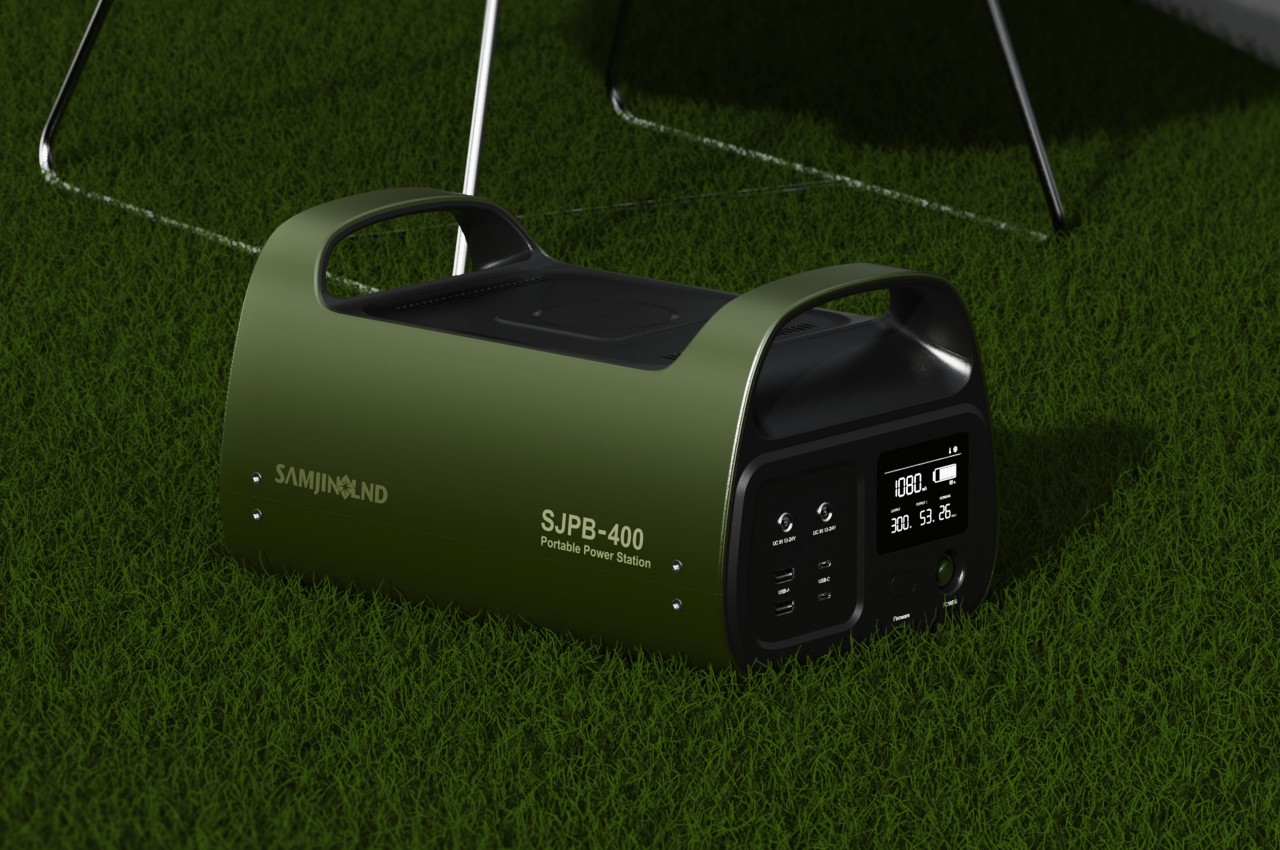
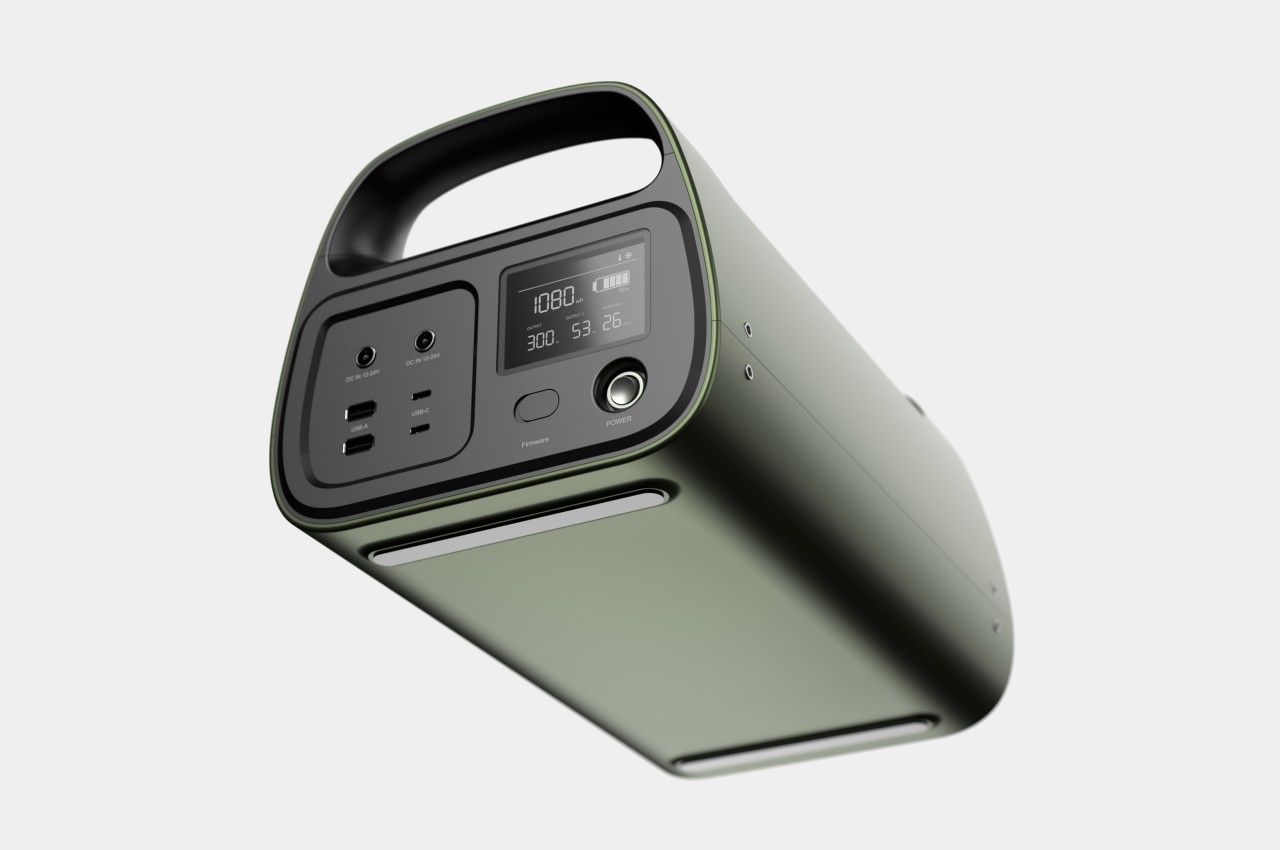
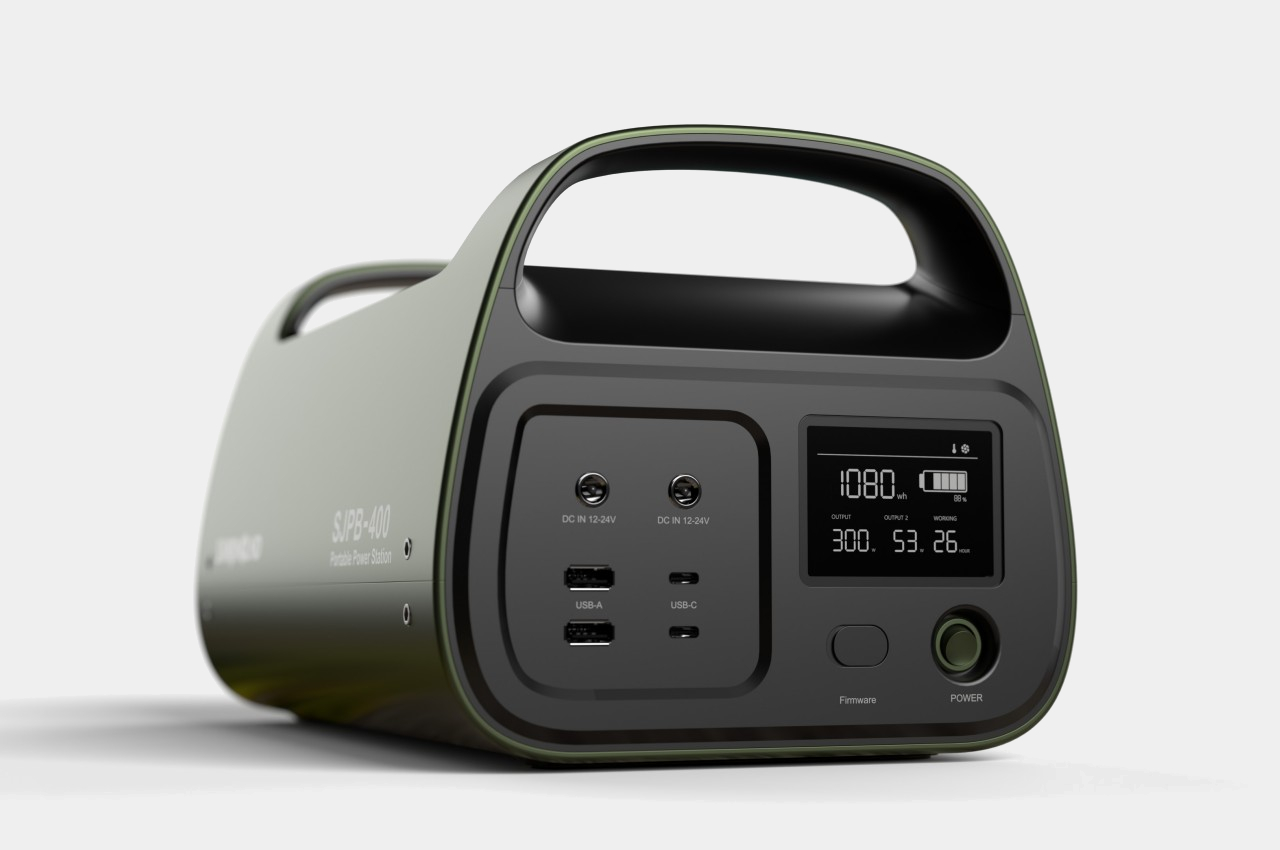
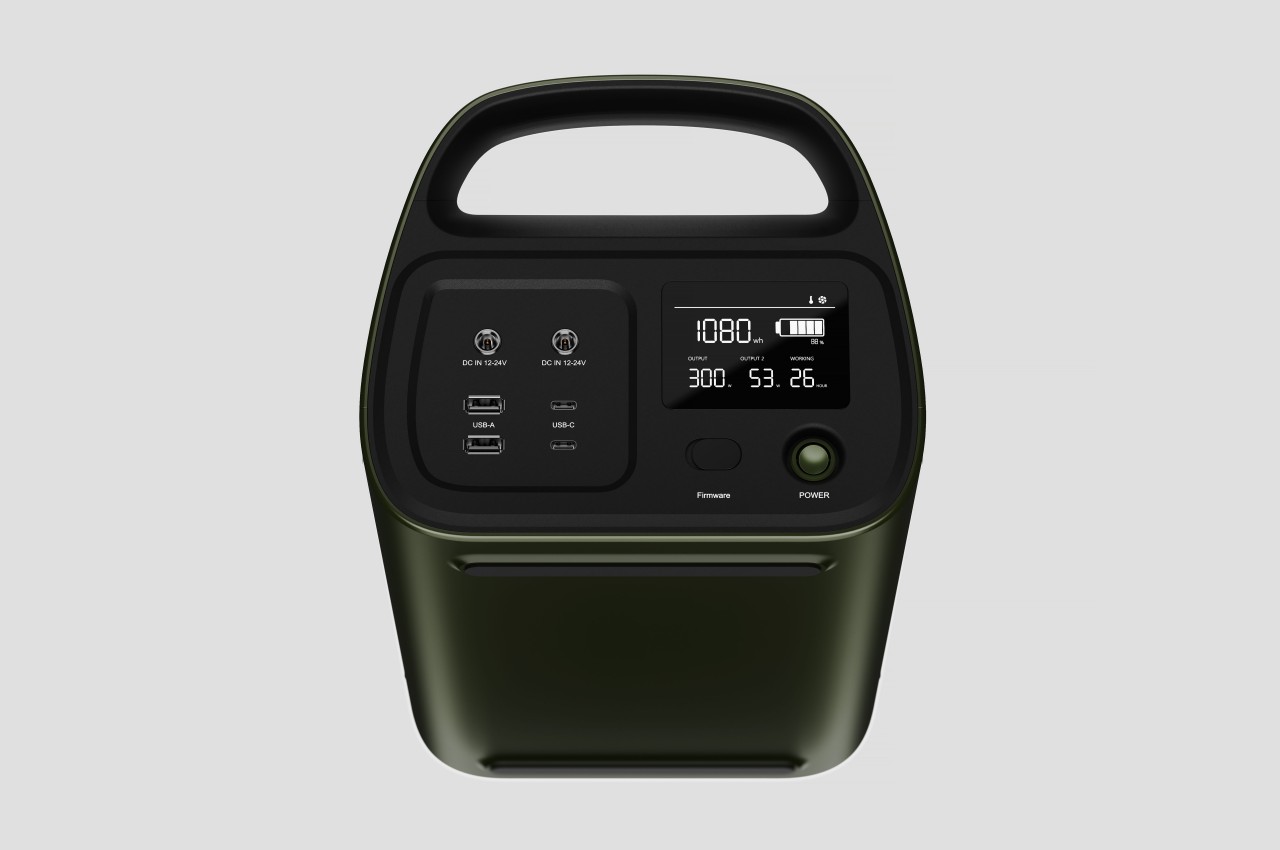
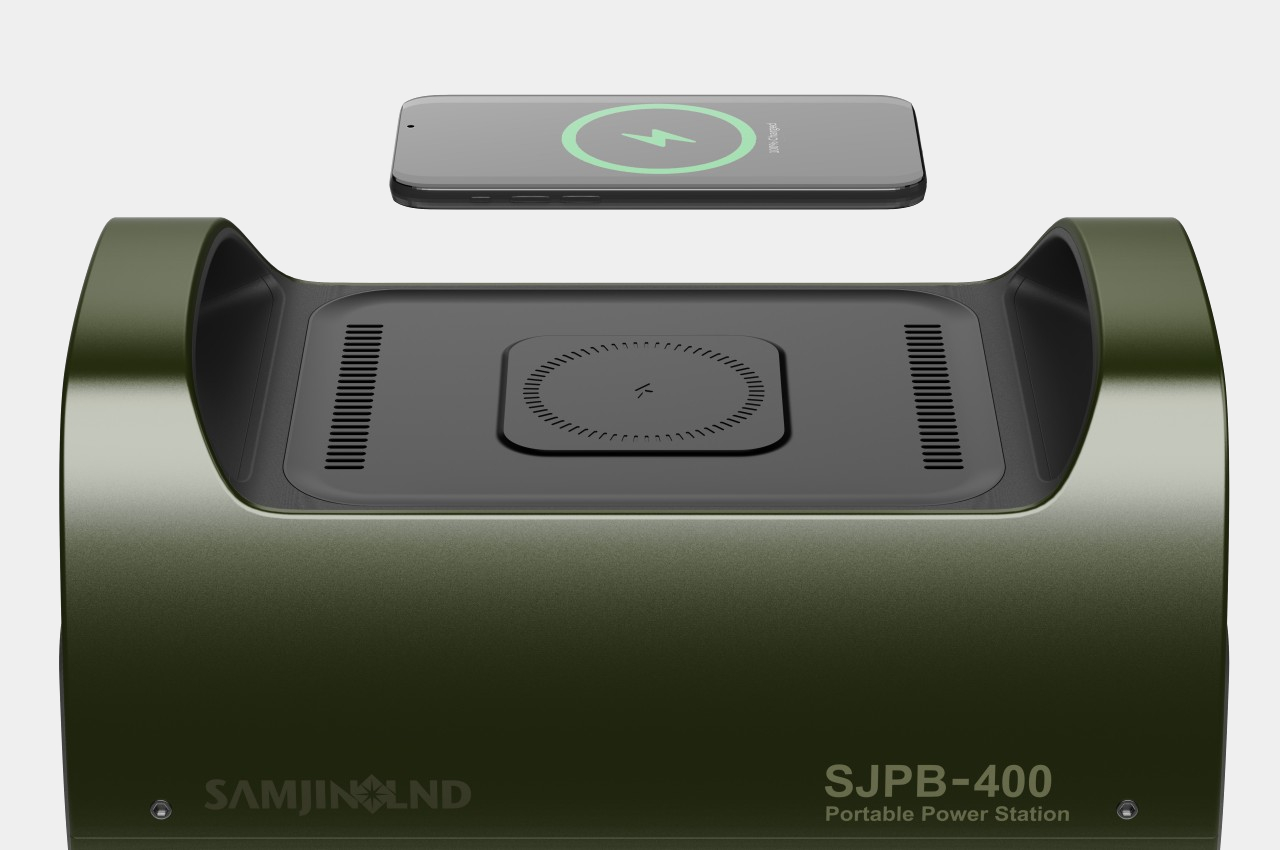
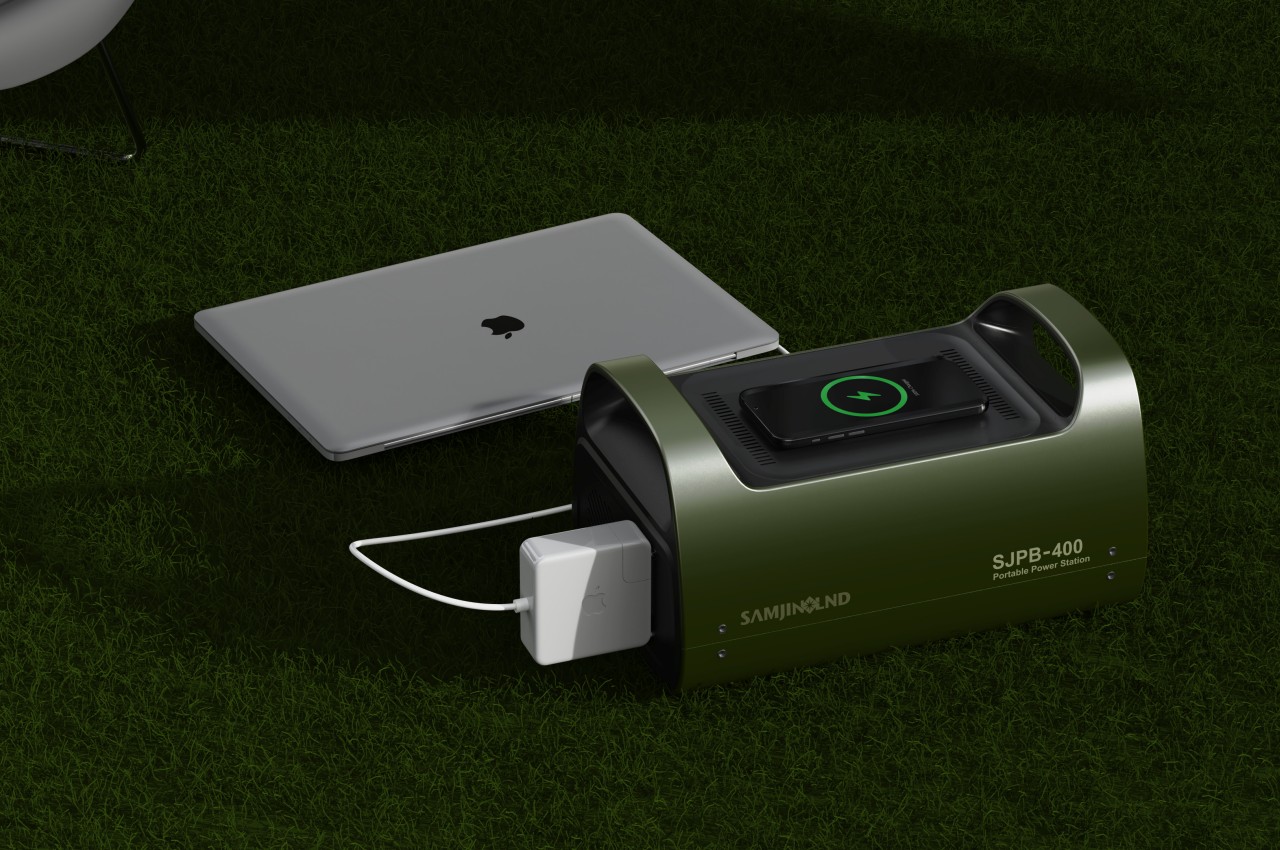
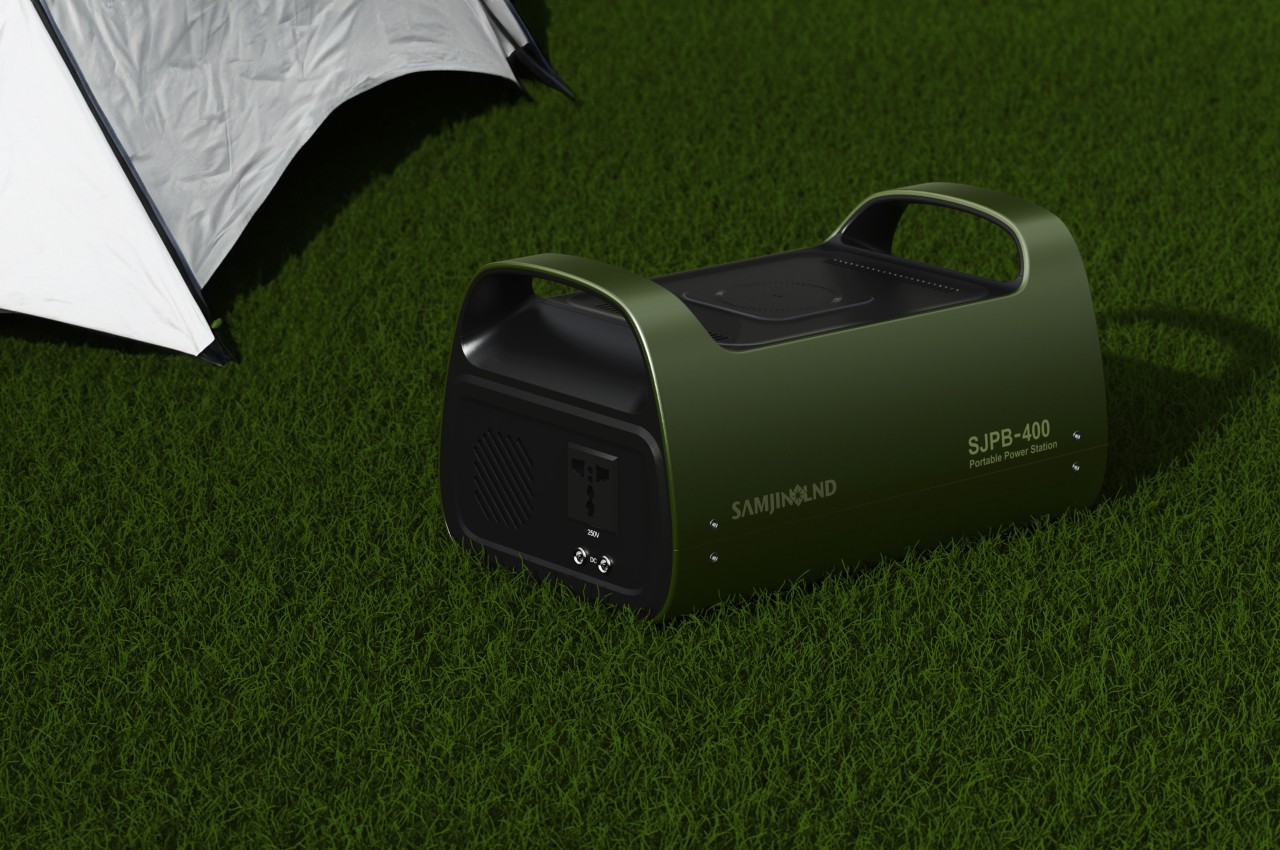
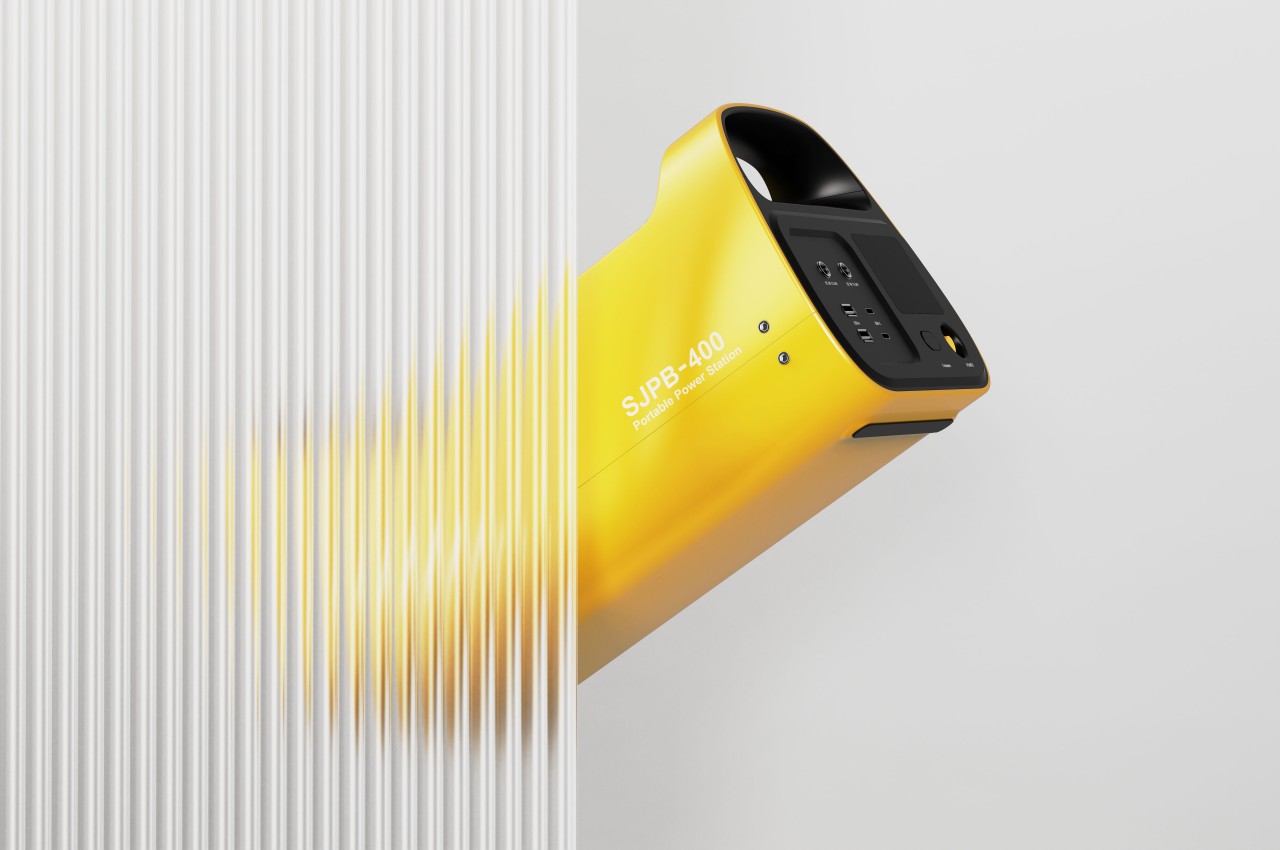
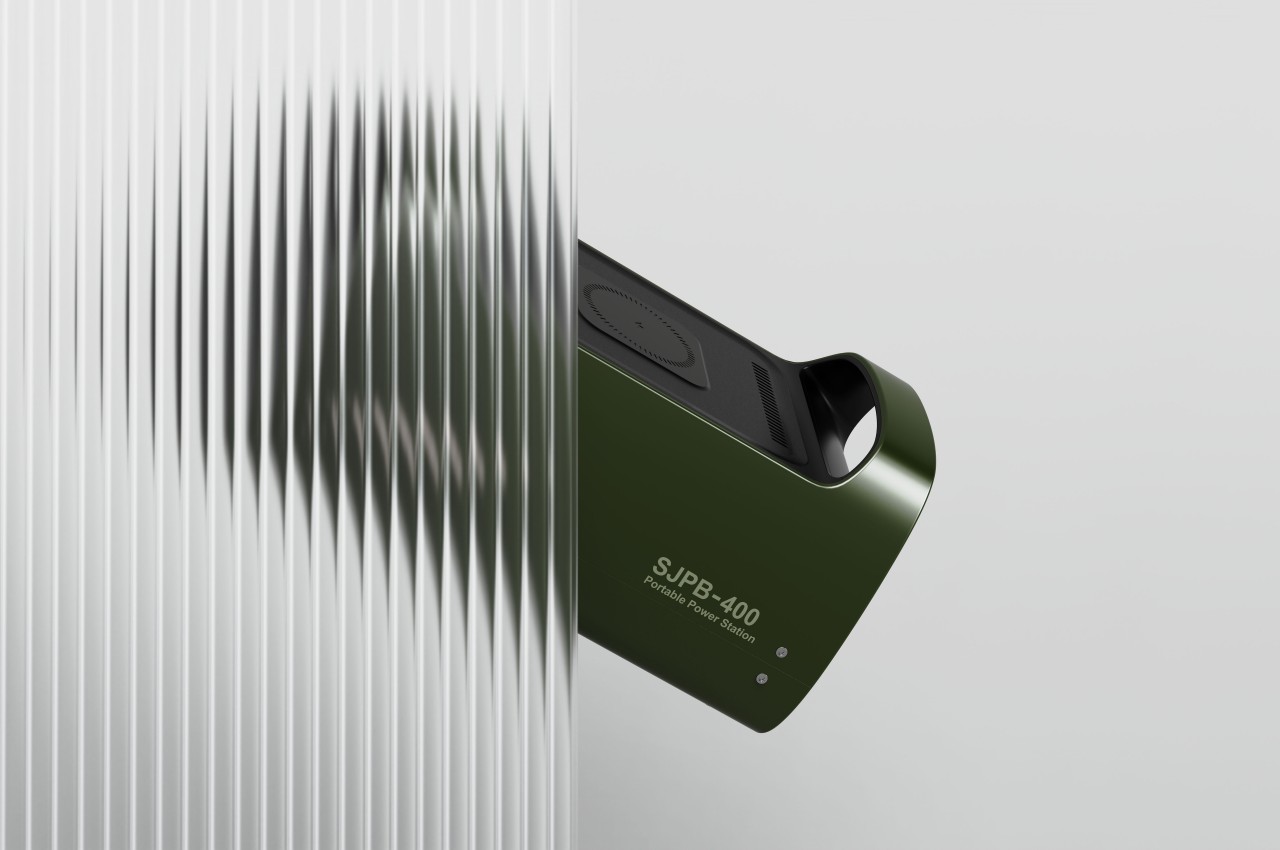
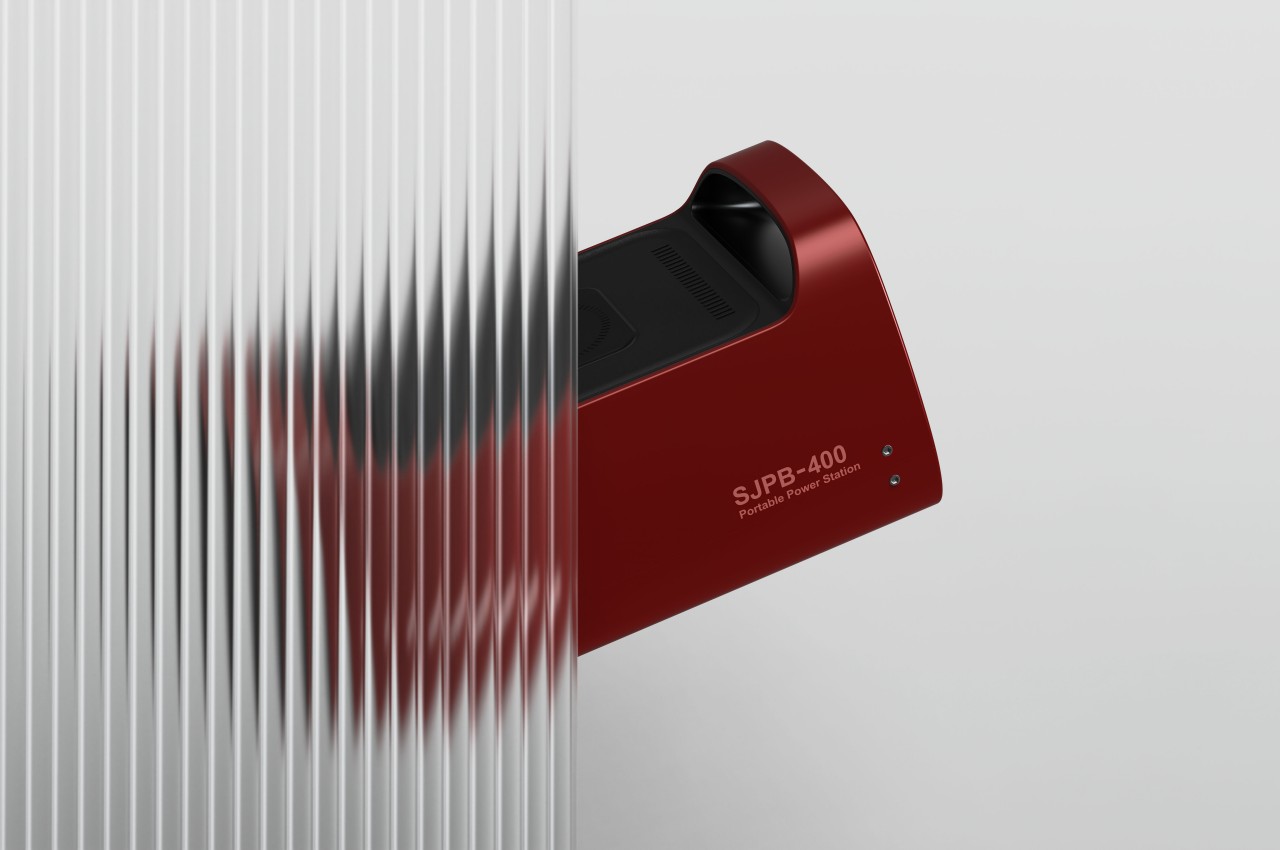
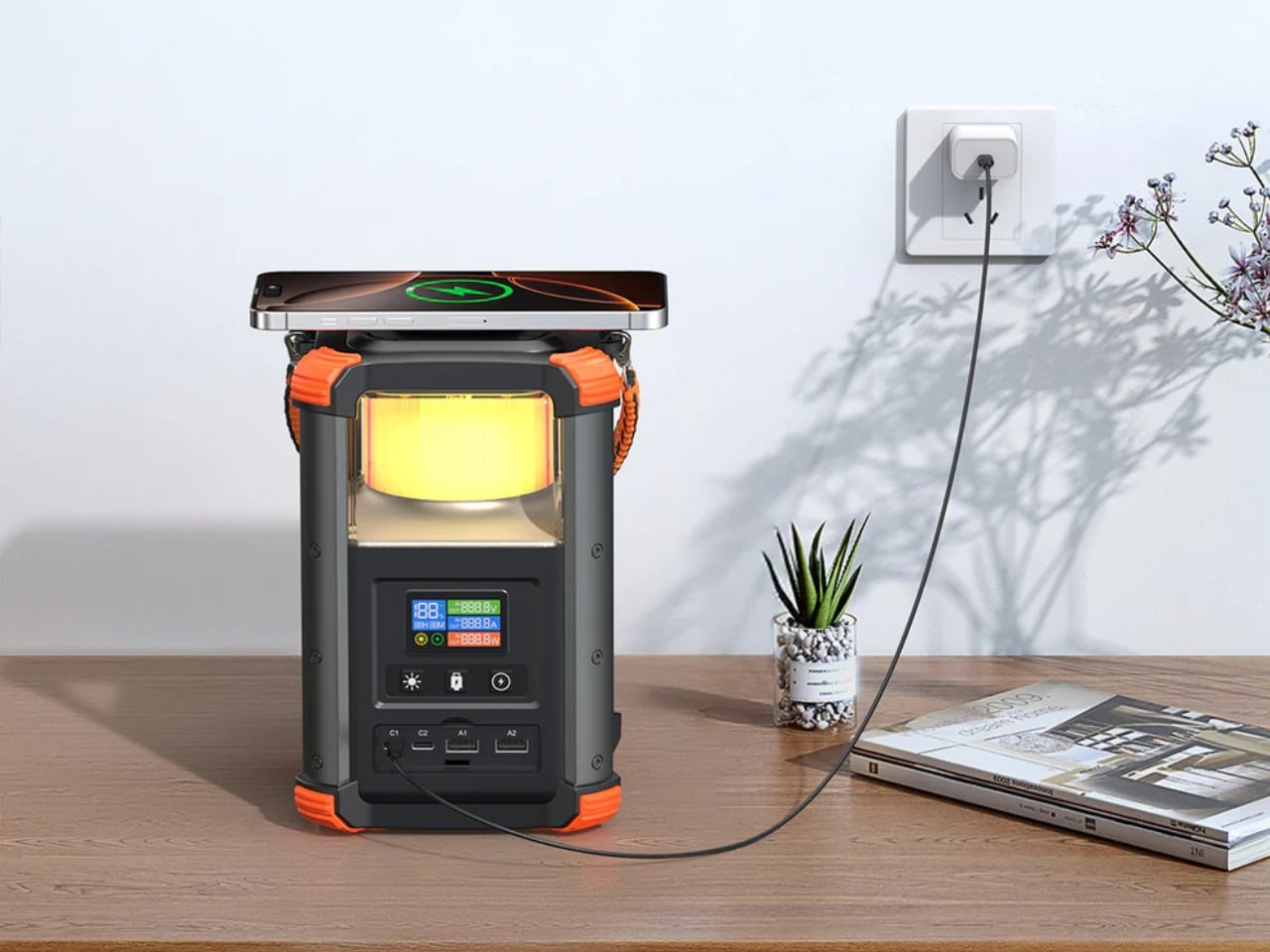
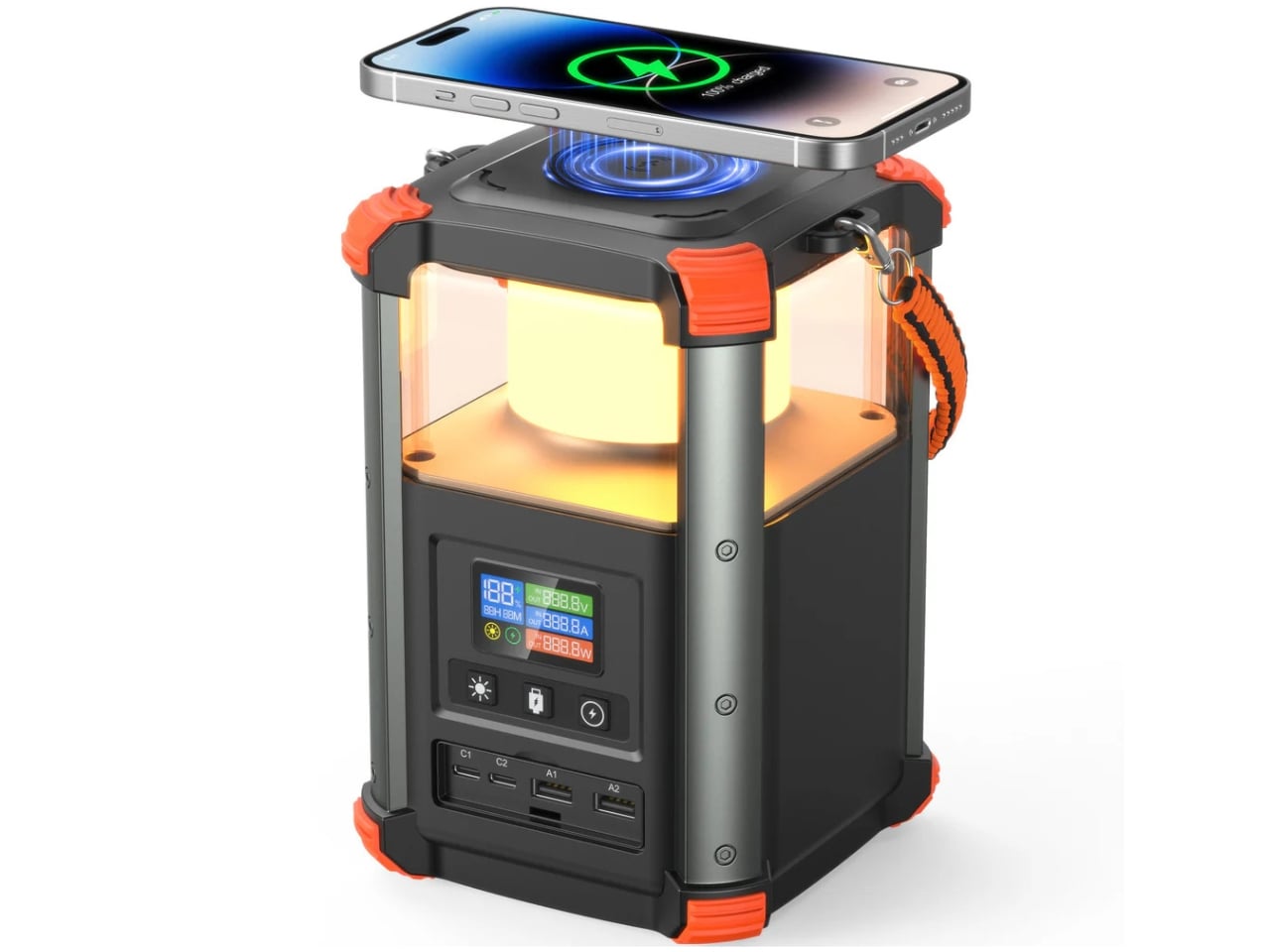
The SJPB-400 Mobile Power Bank is designed with a dual orientation in mind, allowing you to stand it up and put it down on the ground beside your table. You can still have easy access to its most important ports since they’re located not in the “front” of the box but off to one side, which becomes the “top” of the power bank in that position. Other boxy power stations can probably be put up like that as well, but not only are their vents blocked, the ports become harder to use as well.

Admittedly, this flexible design does have its disadvantages, even in the case of the SJPB-400 concept. This mobile power bank has a wireless charger on its longer side, so you can’t use it while it’s standing up and vertical, not unless it uses MagSafe or similar technologies that will keep the phone from falling. Regardless, the lone AC outlet on the opposite side of the USB ports will remain inaccessible, so it’s something the user will have to consider on a case-to-case basis.

One design feature of this concept that goes against its space efficiency is the handles on each side. They do improve the power bank’s portability and ergonomics when carrying it, but it comes at the expense of compactness and simplicity. You won’t be able to put anything on top that doesn’t fit between those handles, so packing will become a puzzle game of trying to fit pieces together.

The post Mobile power bank concept can be used horizontally or vertically to maximize space first appeared on Yanko Design.
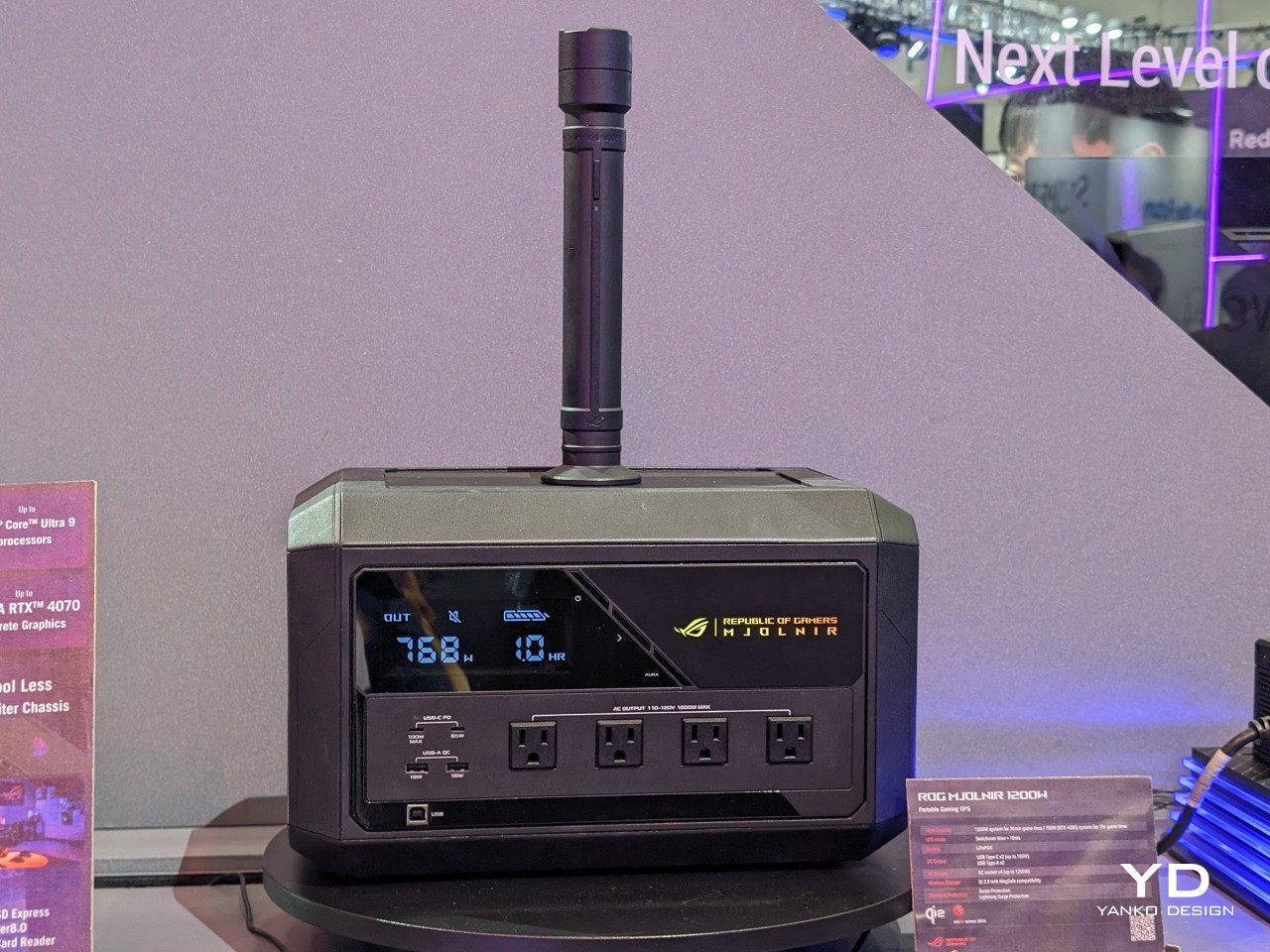
ASUS ROG Mjolnir power station promises uninterrupted gaming for an hour

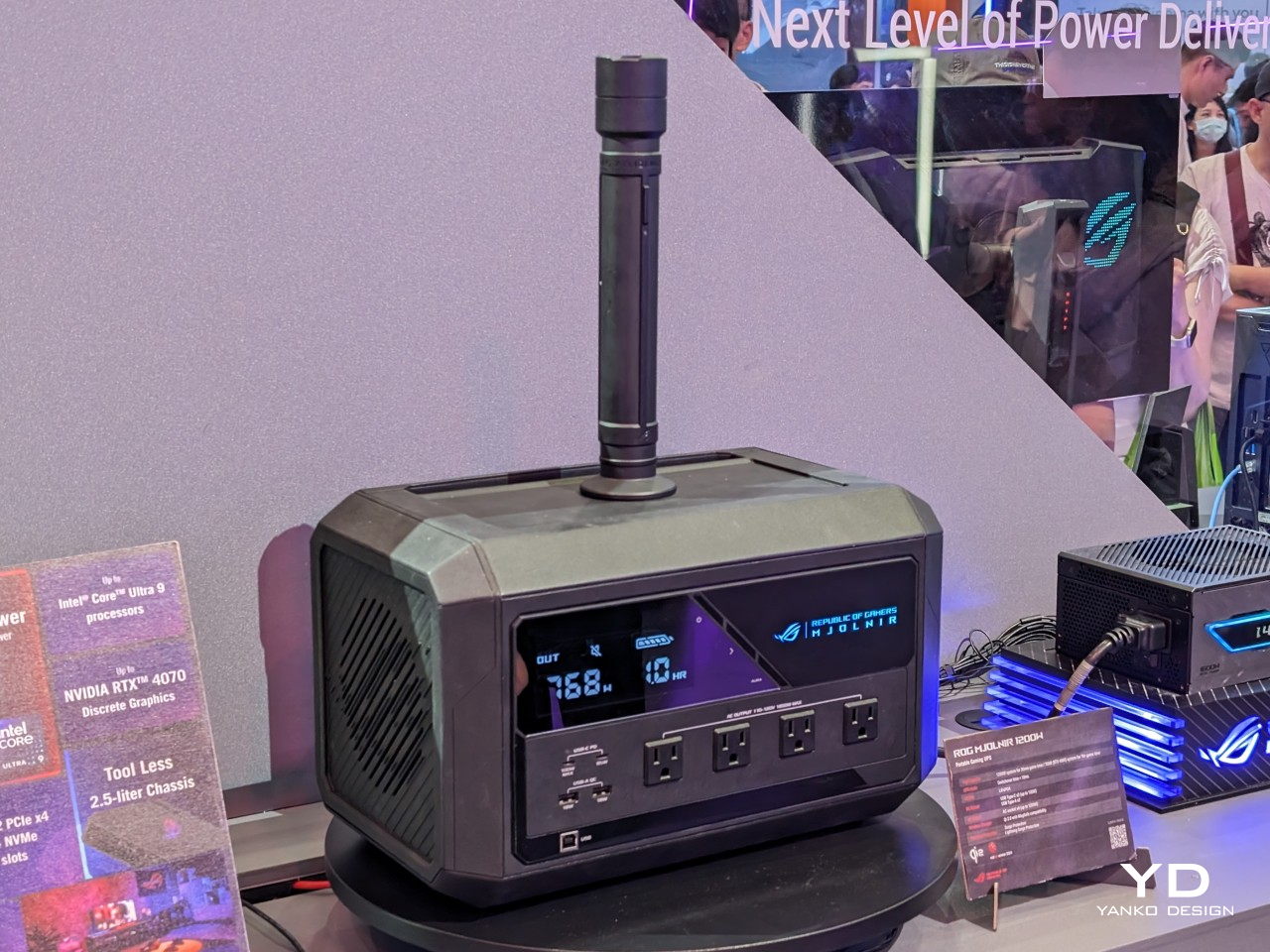
It seems that the gods of Asgard are truly smiling on brave digital warriors. After two months of debate and speculation on whether they’re just pulling a long hoax, ROG has proven that there is, indeed, a real Mjolnir power station, or at least one working unit shown off to the public at Computex 2024. And it is as massive as you might have expected, but also had a few surprises we didn’t see coming. It probably won’t satisfy outdoor adventurers, but for the avid collector, comics fan, and loyal ROG gamer, the ROG Mjolnir will definitely be one to keep an eye on, at least when ASUS finally spills all the beans.

Designer: ASUS Republic of Gamers

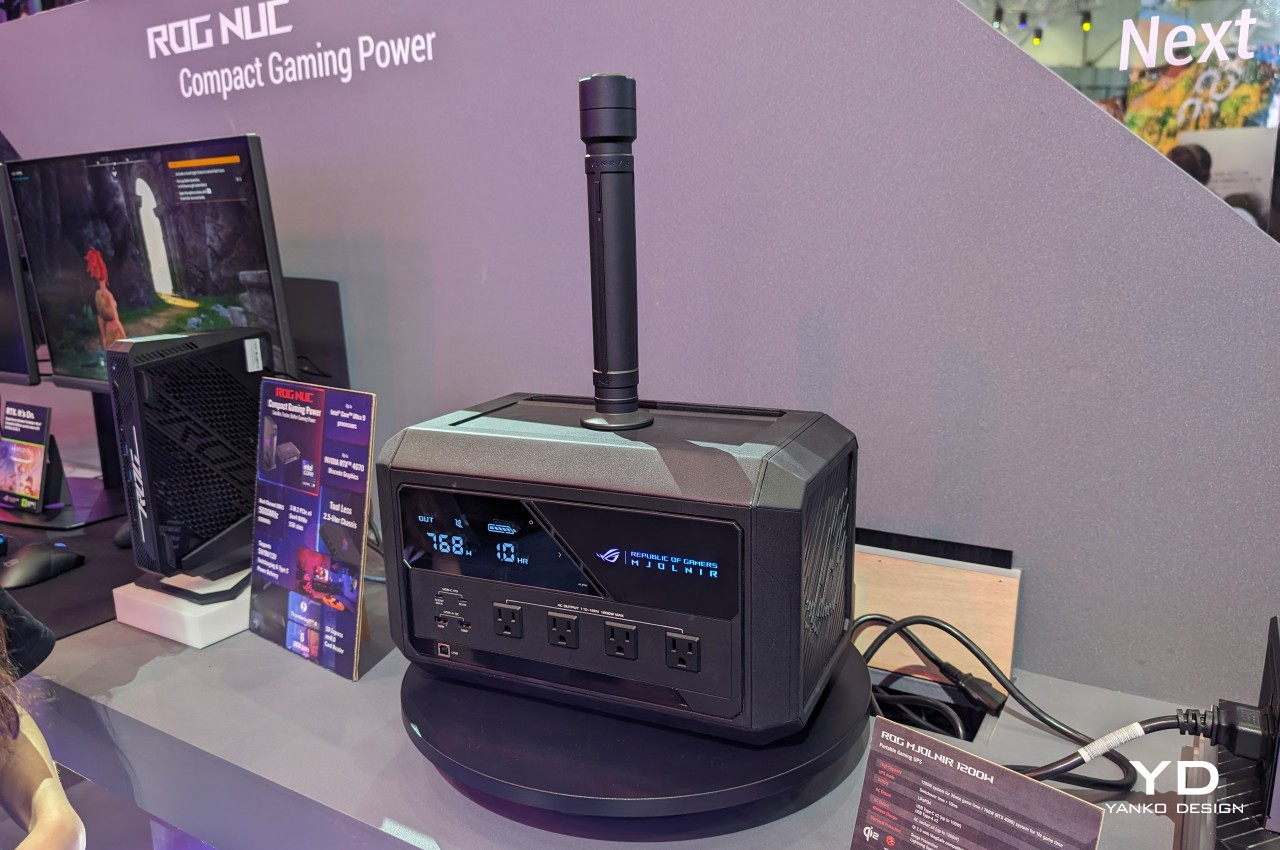
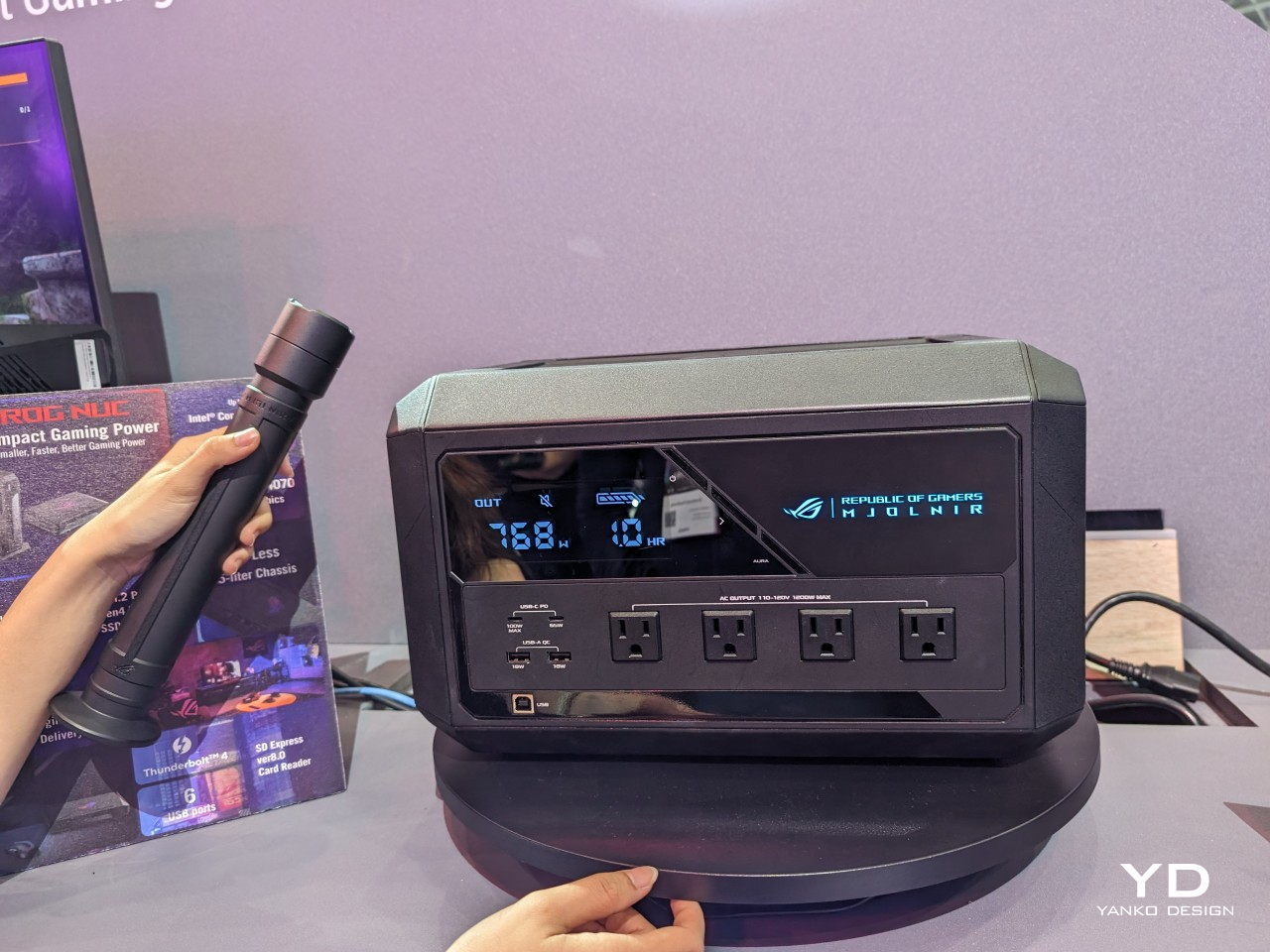
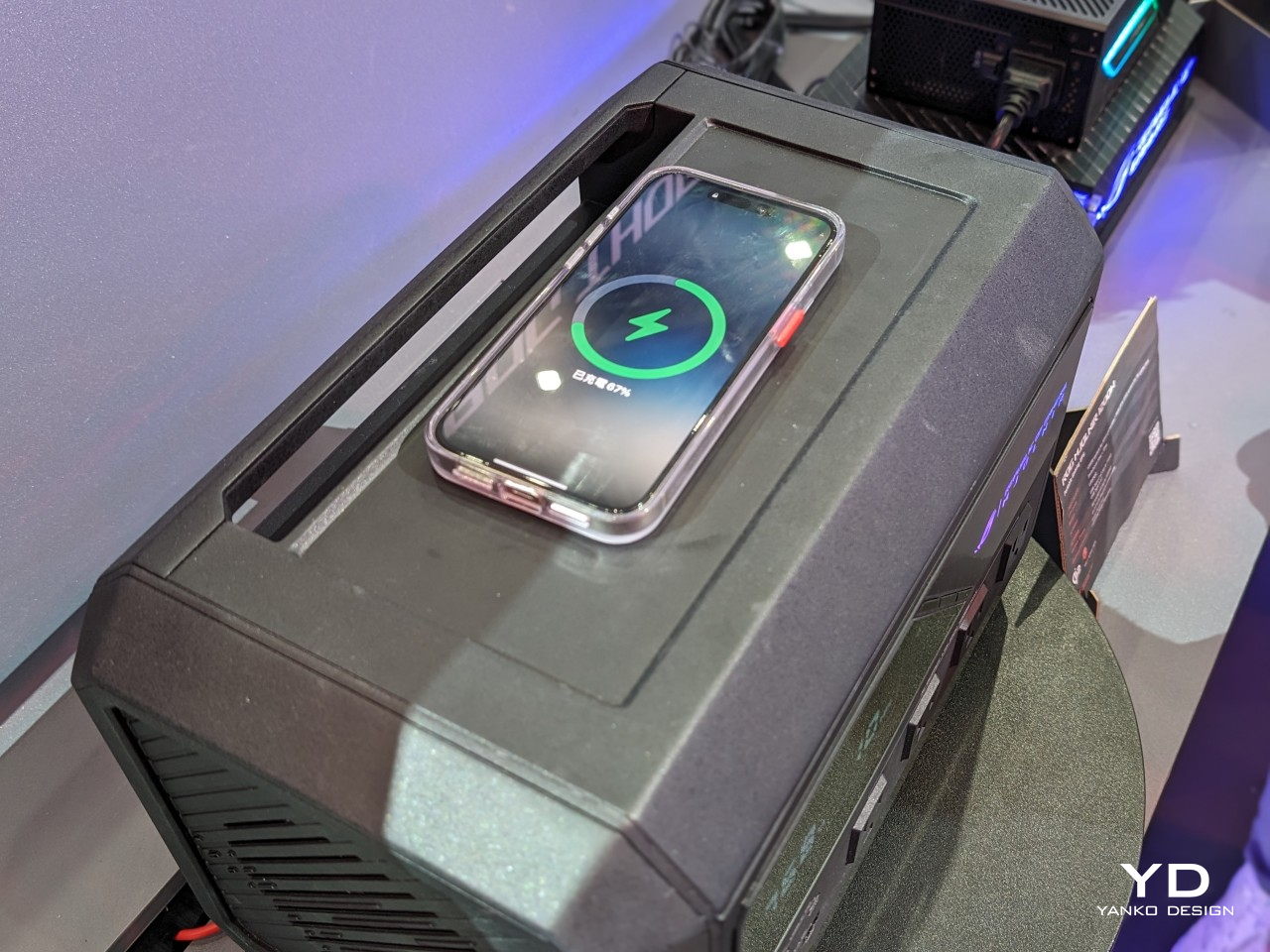
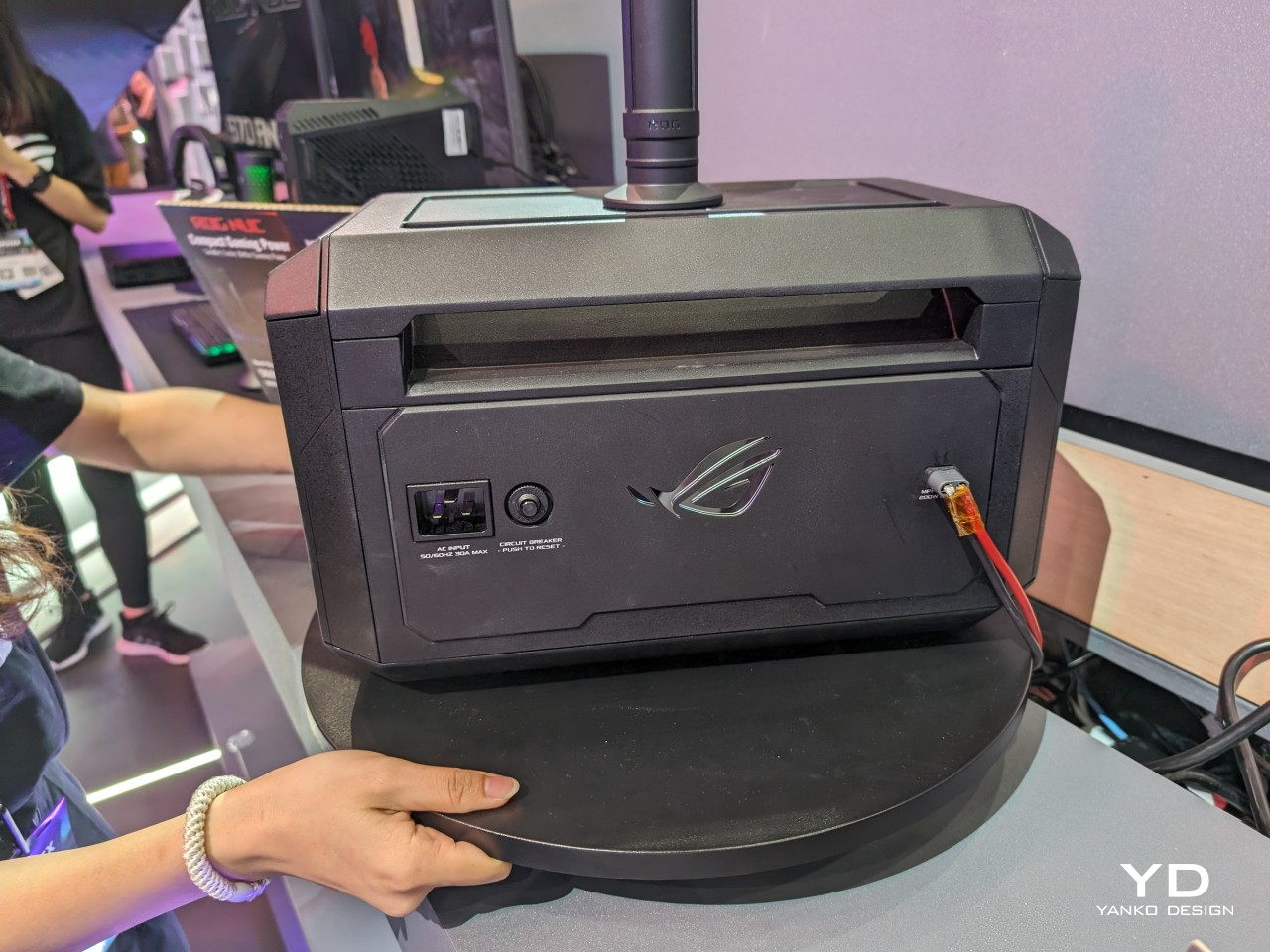
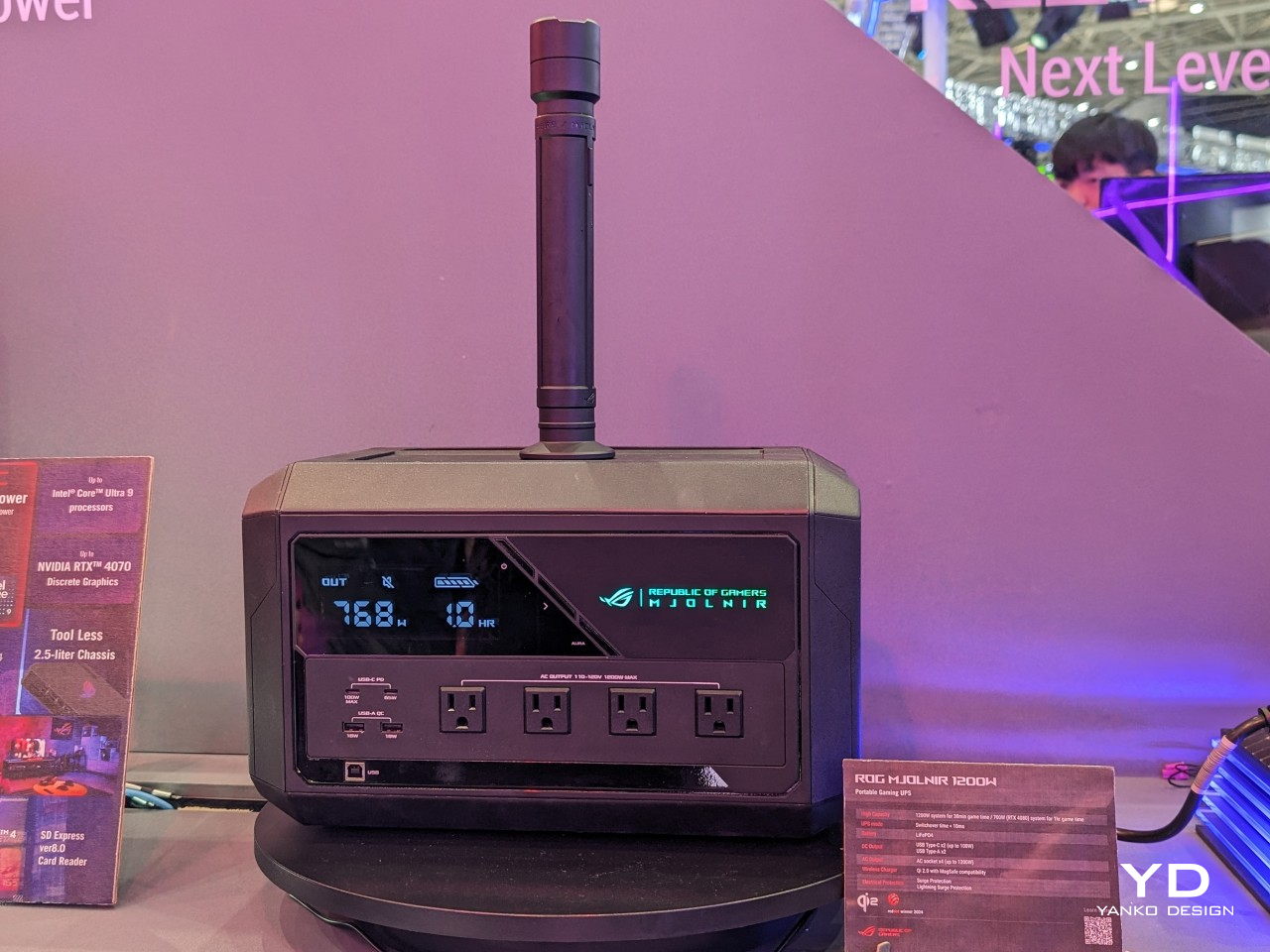
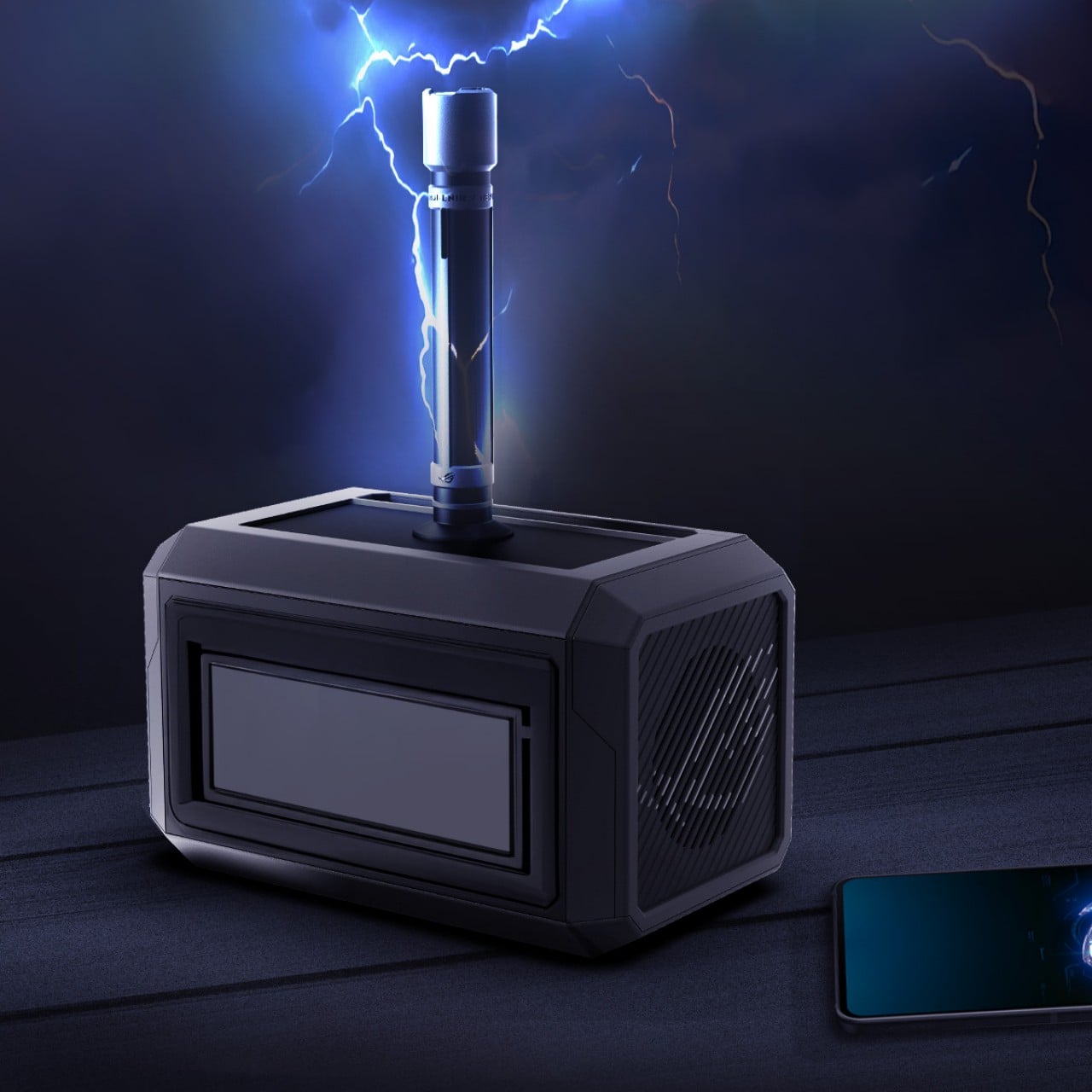
The ROG Mjolnir is a huge box, perhaps too big for the 768Wh battery it packs inside. Exact dimensions and weight aren’t available yet, but it’s definitely not something you’ll be carrying around a lot despite the “portable” in its name. And you’ll definitely not want to lift it by that handle sticking out from the top because you won’t be able to. And it’s not because you’ve been deemed unworthy.

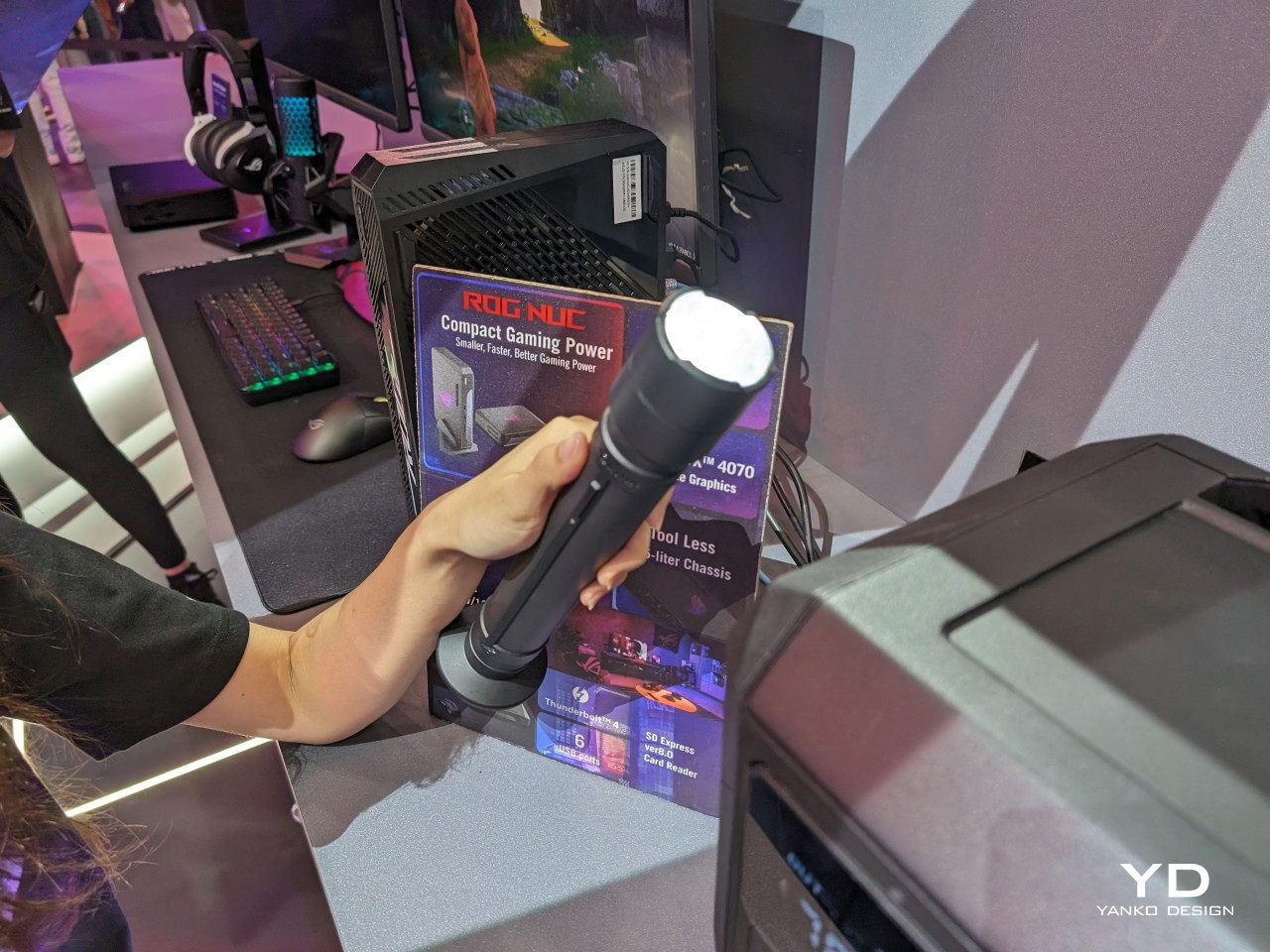
As speculated, that stick is actually the torch that ASUS teased in April, but it doesn’t work the way you might expect it to. The light is actually on the top end of the stick, so you have to lift it rather than pull it up like you would when trying to pick up a hammer. The opposite end that has a flat disc is actually a magnetic connector that attaches to the magnetic wireless charger on the top of the box.

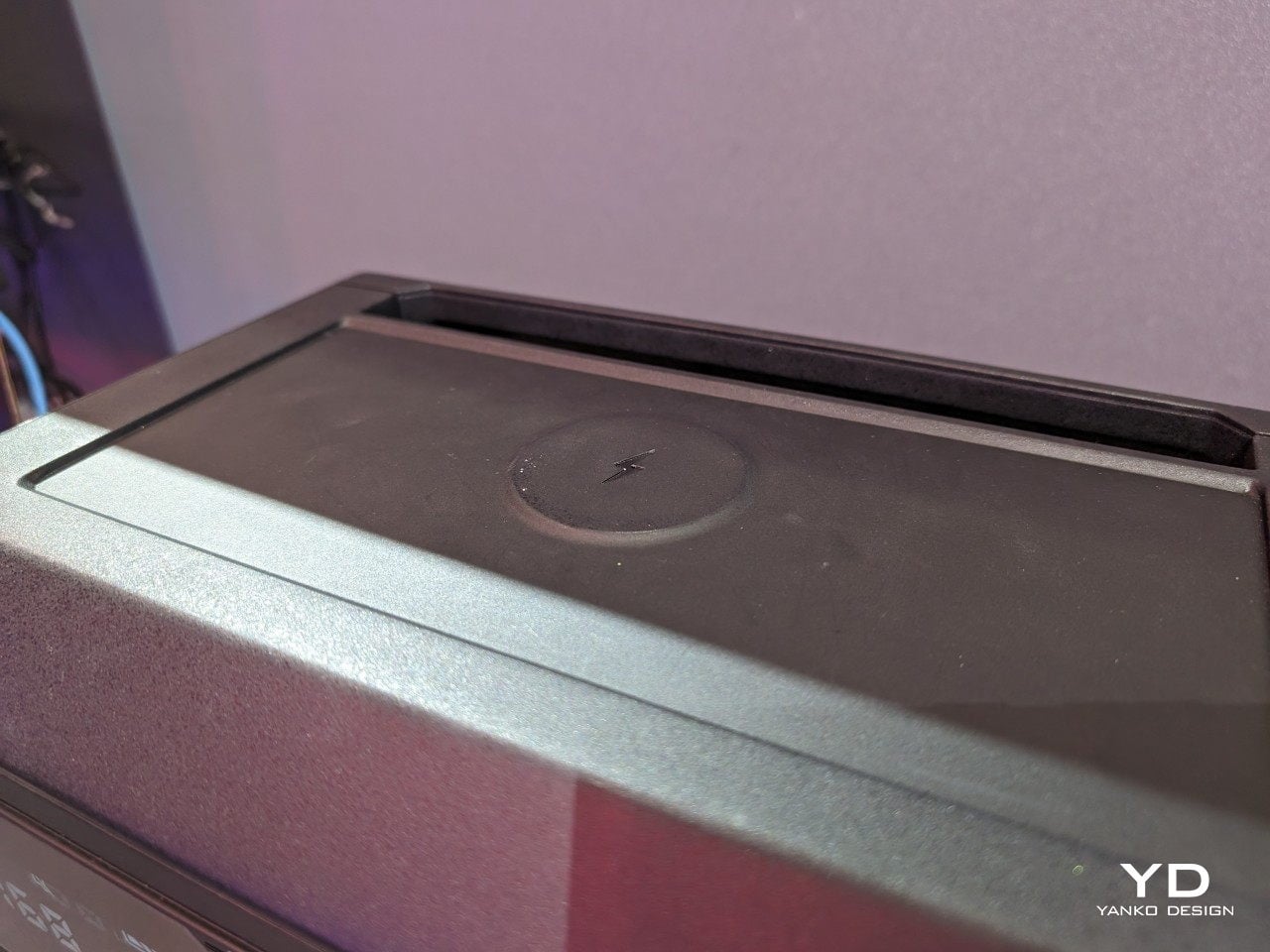
Yes, there is a 16W wireless charger and it’s compatible with both MagSafe and Qi 2.0. There’s a telltale sign of a charging coil smack in the middle of the Mjolnir’s top, and it’s a bit raised so you can feel the spot with your hand if it’s too dark to see. Of course, you could just use the torch handle to light up the space since you’ll be removing it from its spot anyway. One design oversight, however, is that there doesn’t seem to be any other way to attach the handle so you’ll have to make sure it doesn’t roll off or get lost while you’re charging your smartphone.

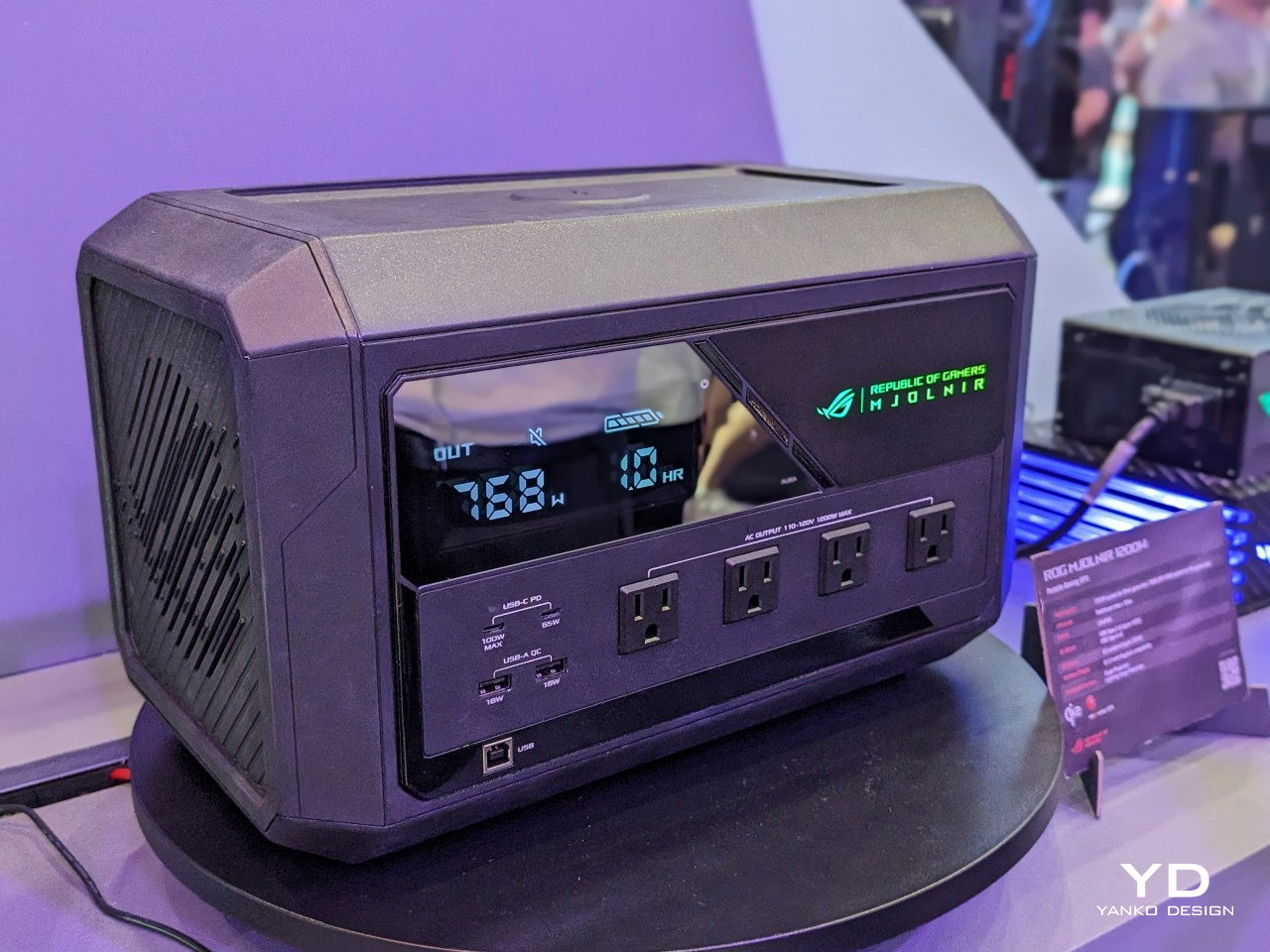
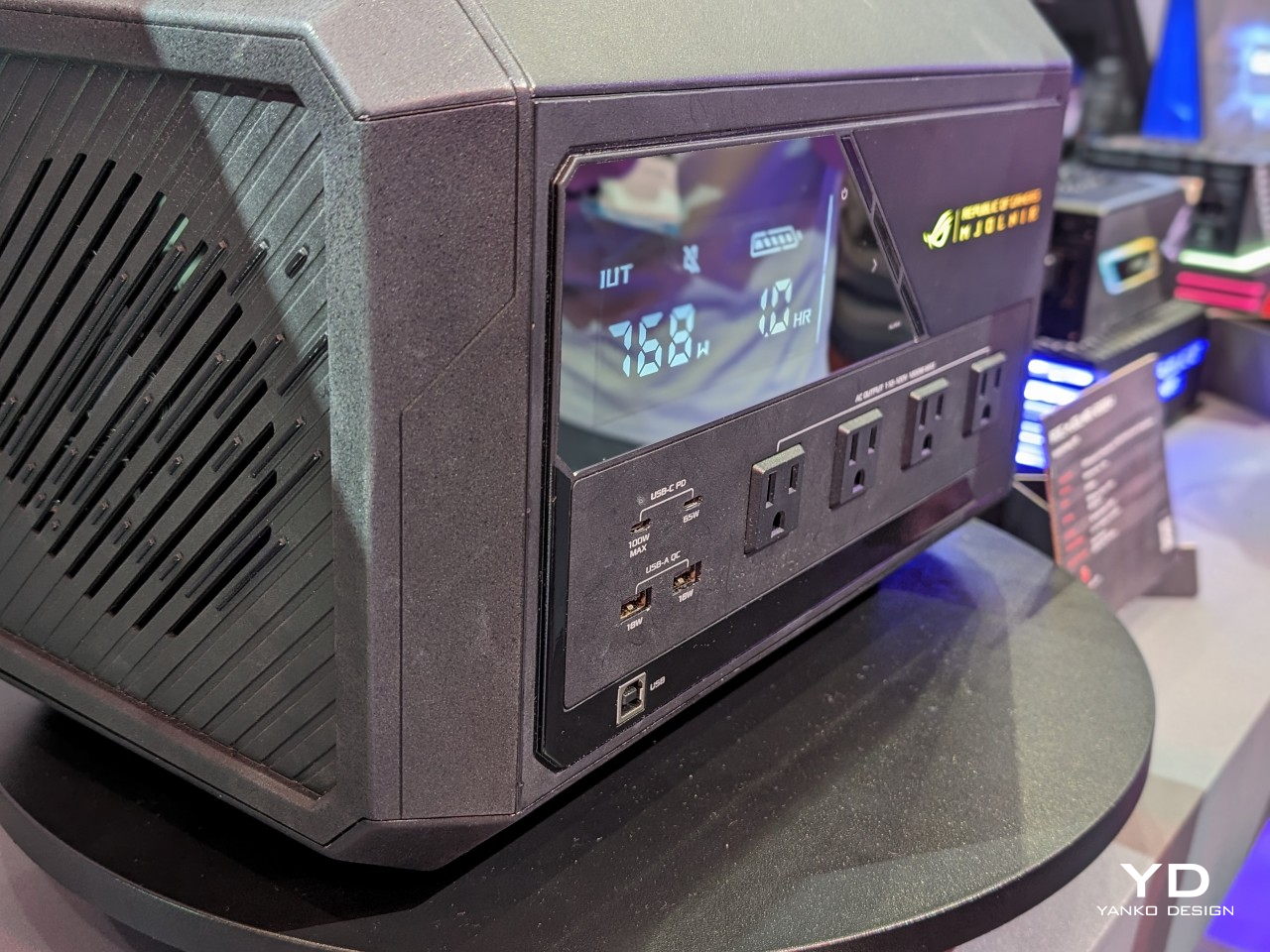
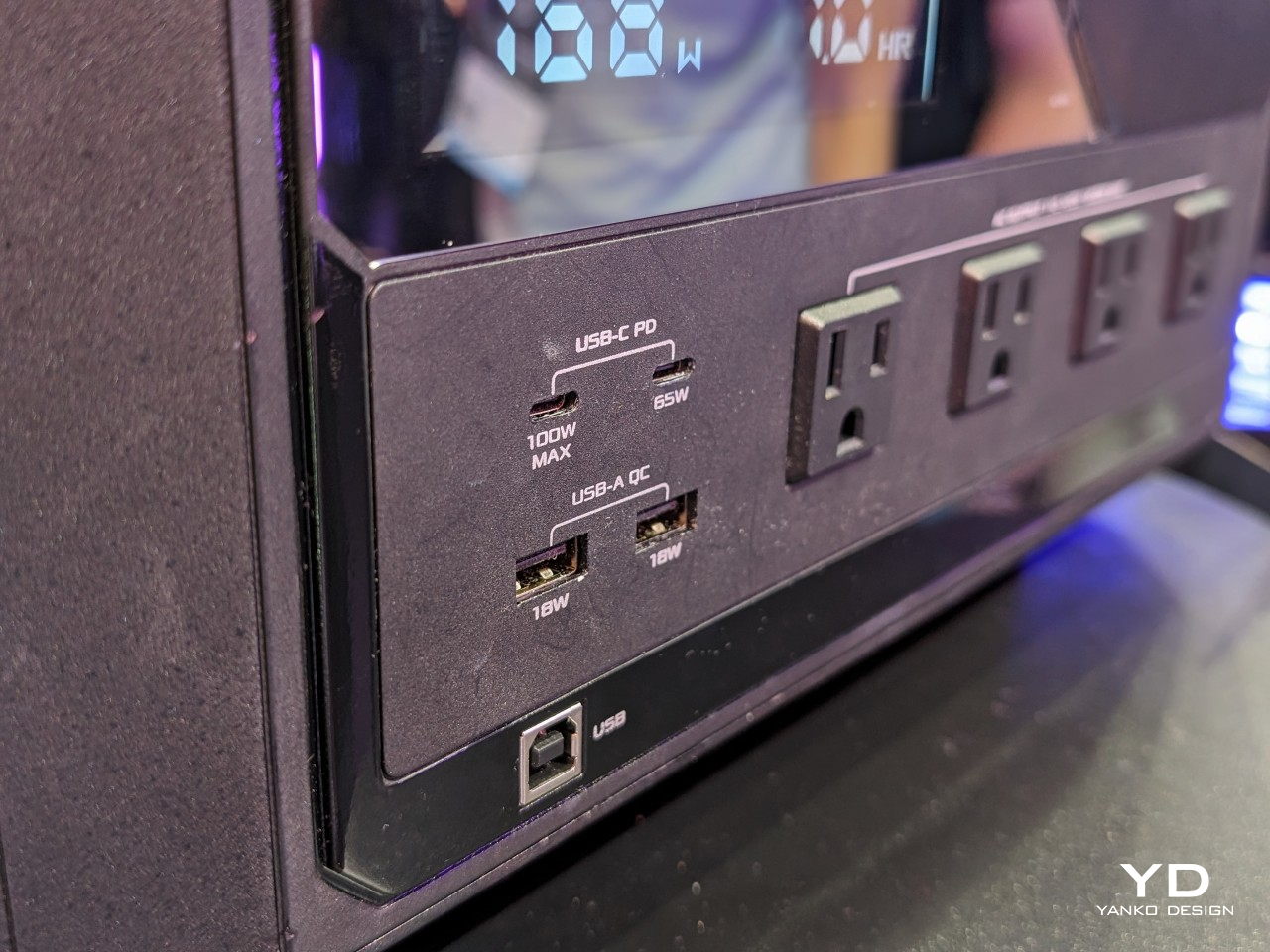
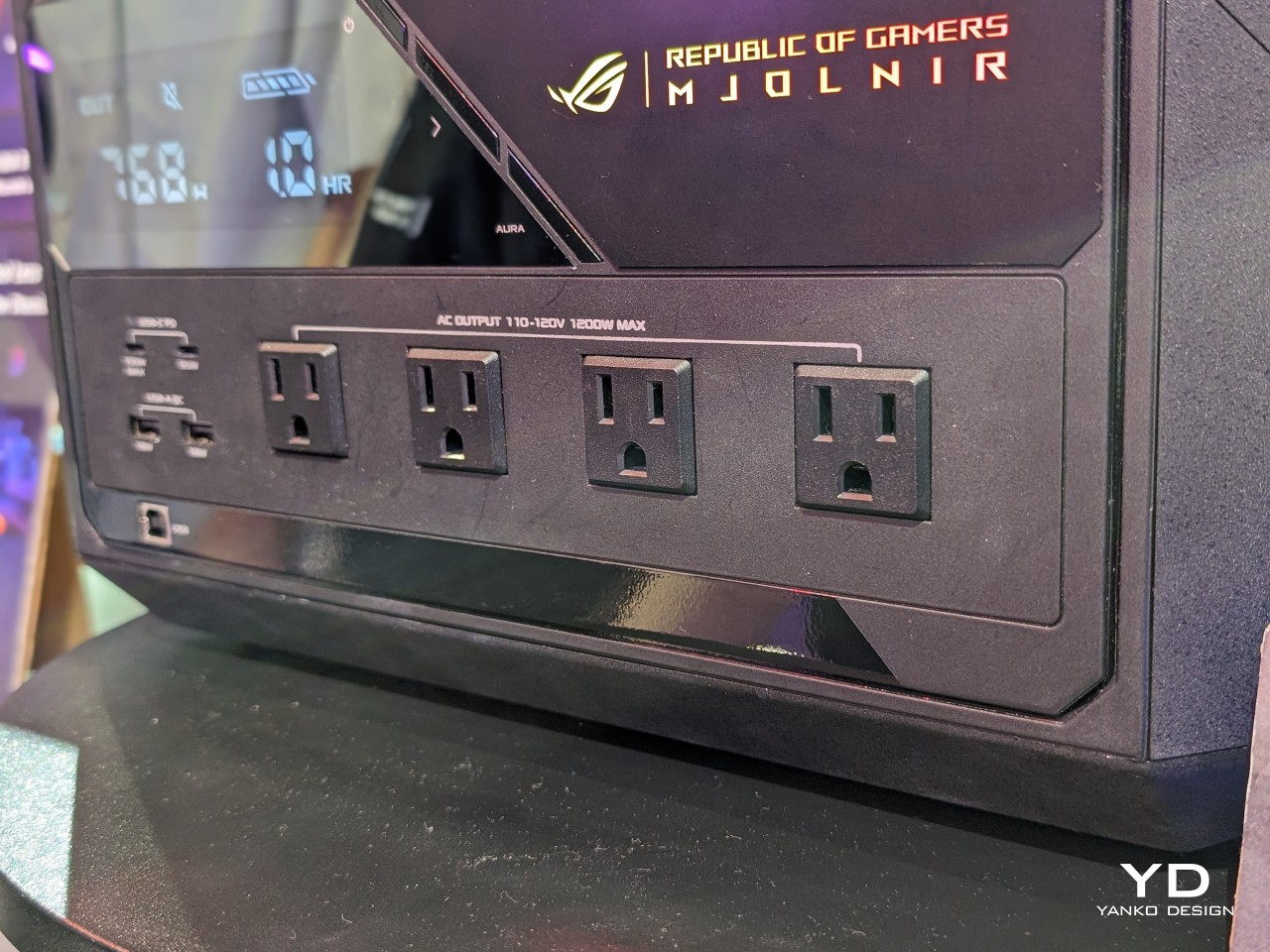
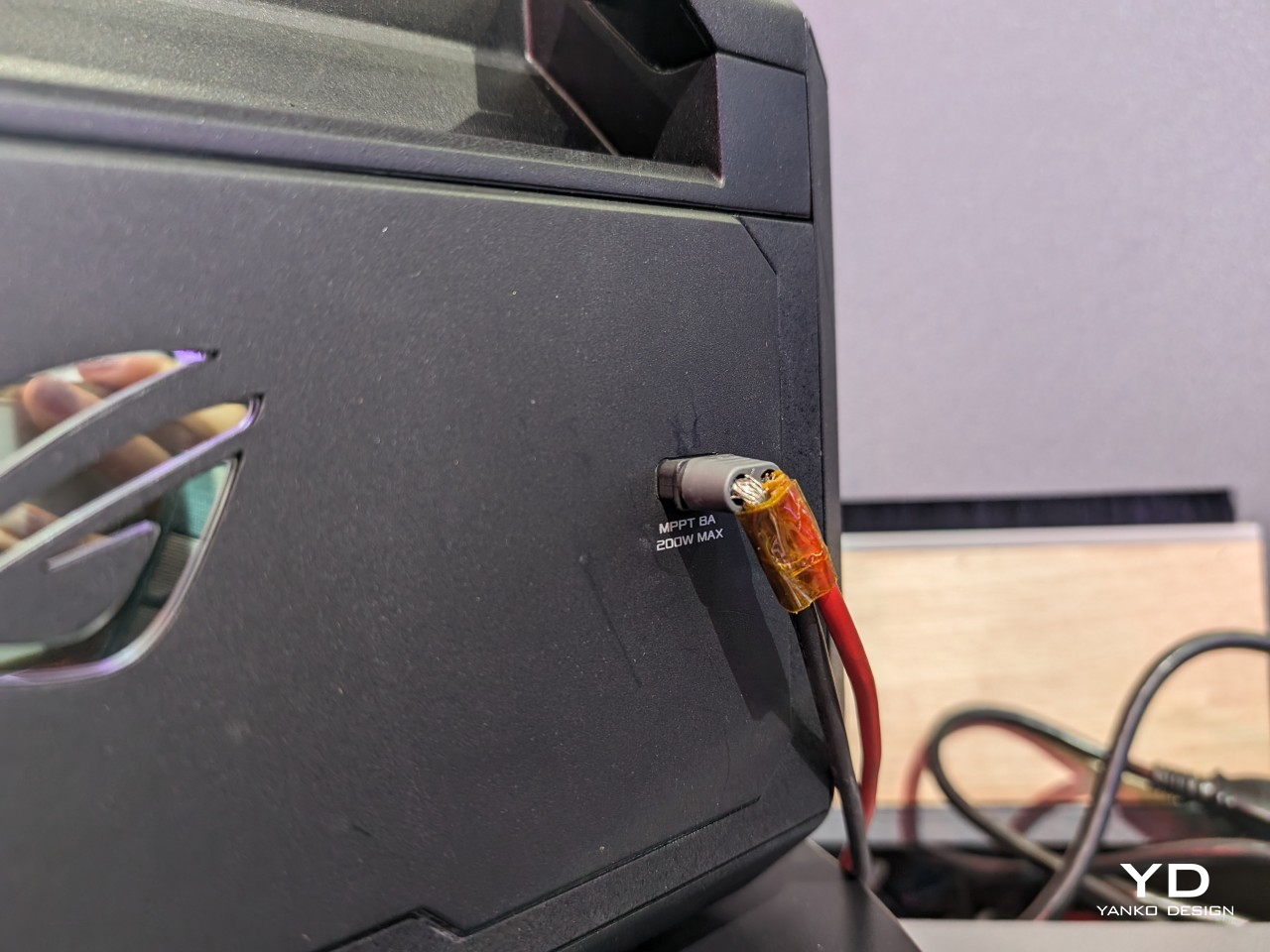
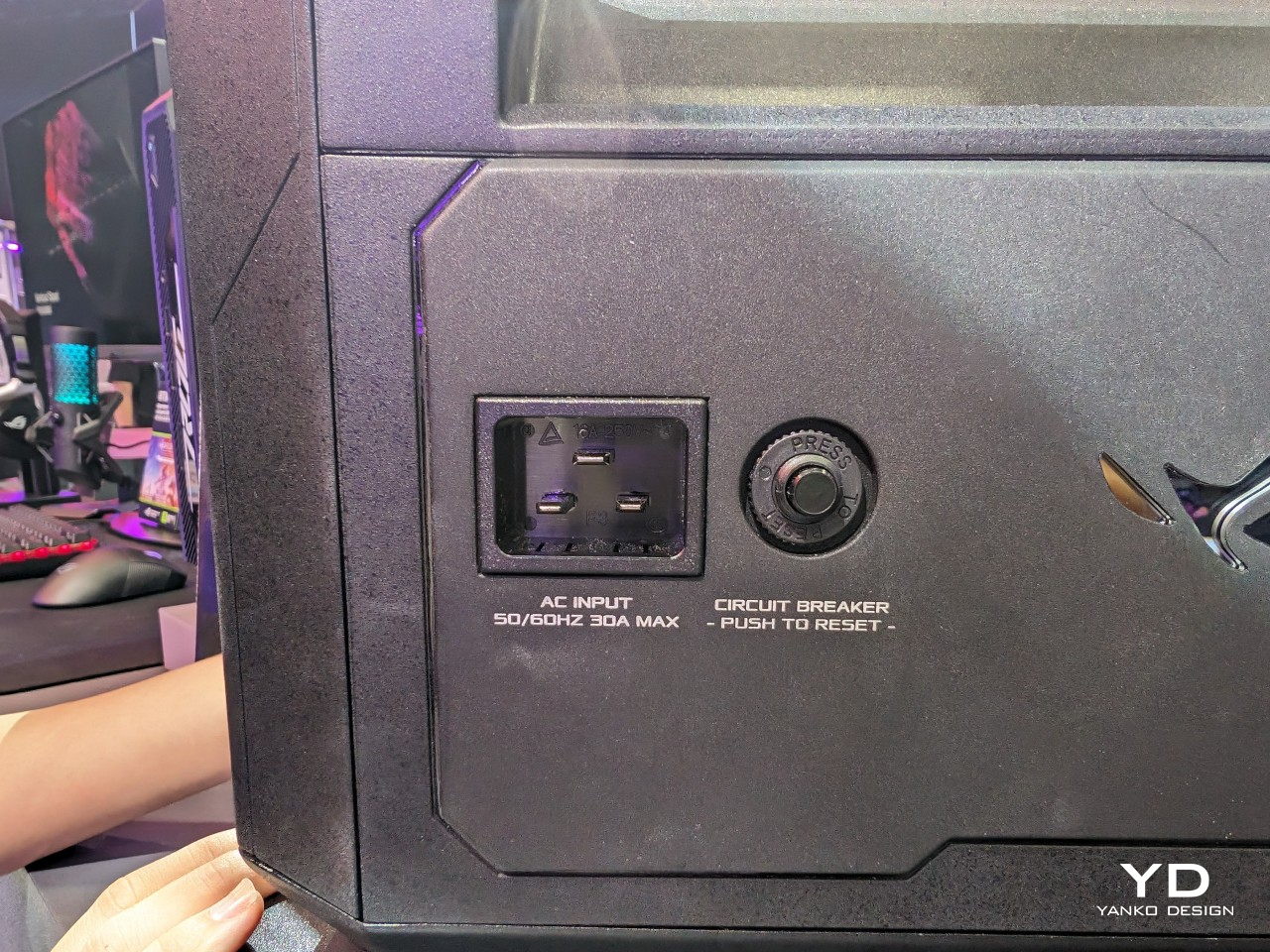
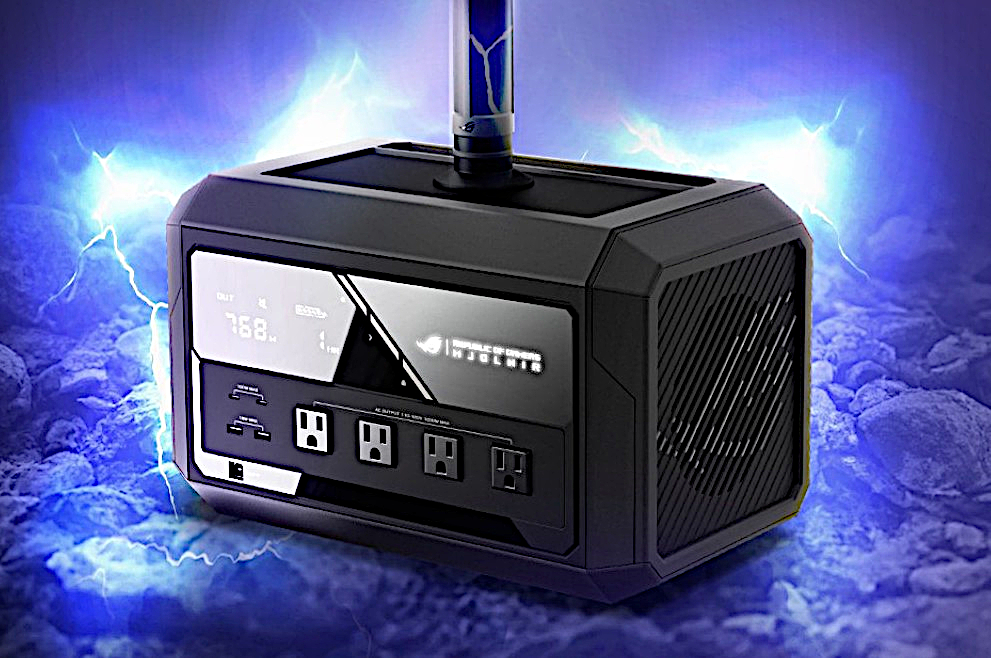
Apart from its majestic design, the ROG Mjolnir is pretty average as a power station and is clearly aimed at computer users more than travelers. There are two USB-C ports capable of 65W and 100W of output, two USB-A ports, and four AC outlets with a total maximum load of 1200W. There are no DC barrels or car chargers, it can be charged via solar panels if a direct power source is unavailable.

That’s pretty much a standard for portable power stations but its main purpose is really to provide an uninterruptible power supply in a sudden power outage that should last one hour at 700W or 30 minutes with the max 1200W load. With a fast switchover of 10ms, you’ll have enough time to safely shut down your PC or, better yet, finish your battle before finally going down with the power. There is no word yet on when the ASUS ROG Mjolnir will descend on stores, but expect it to have a price tag worthy of a god when it does.

The post ASUS ROG Mjolnir power station promises uninterrupted gaming for an hour first appeared on Yanko Design.
ASUS ROG Mjolnir solar power station is shockingly real, but is it worthy?

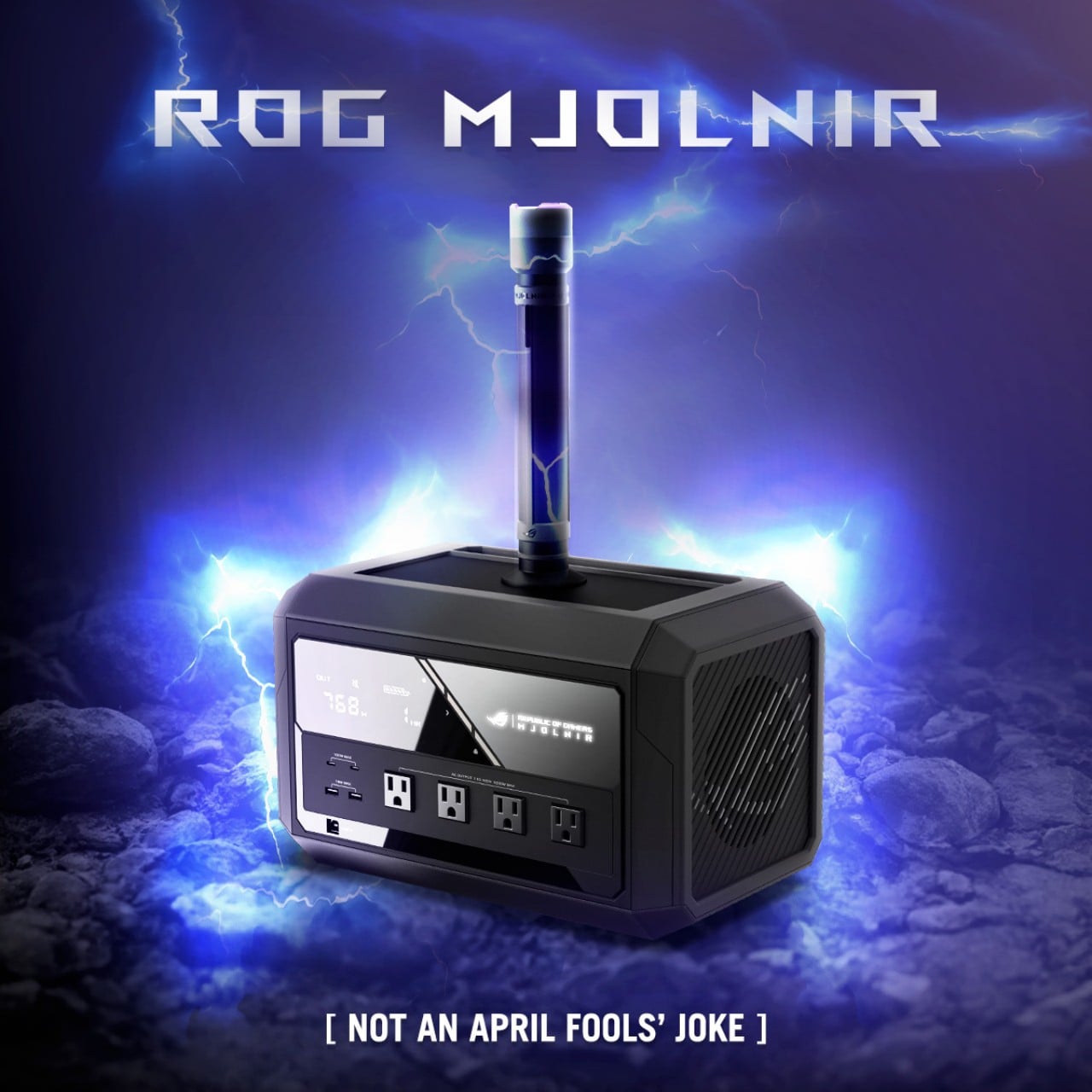
One of the worst days to announce or tease a new product is April 1st. Most people already presume that the majority of “news” going out that day is a hoax, especially if it’s about something outlandish or unbelievable. Then again, it might also be the best time to get as much attention, even if it means being doubted until the product actually lands on store shelves. That’s the kind of situation that ASUS’ Republic of Gamers created when it teased one of the weirdest-looking yet also most interesting portable power stations to grace the industry, only to reveal that, no, it is no April Fool’s joke. But is this Mjolnir-lookalike worthy to be wielded by gamers and enthusiasts or is it just a dastardly plot by Loki to have a laugh at everyone’s expense?

Designer: ASUS ROG

Myeu-muh? What’s a Myeu-muh?

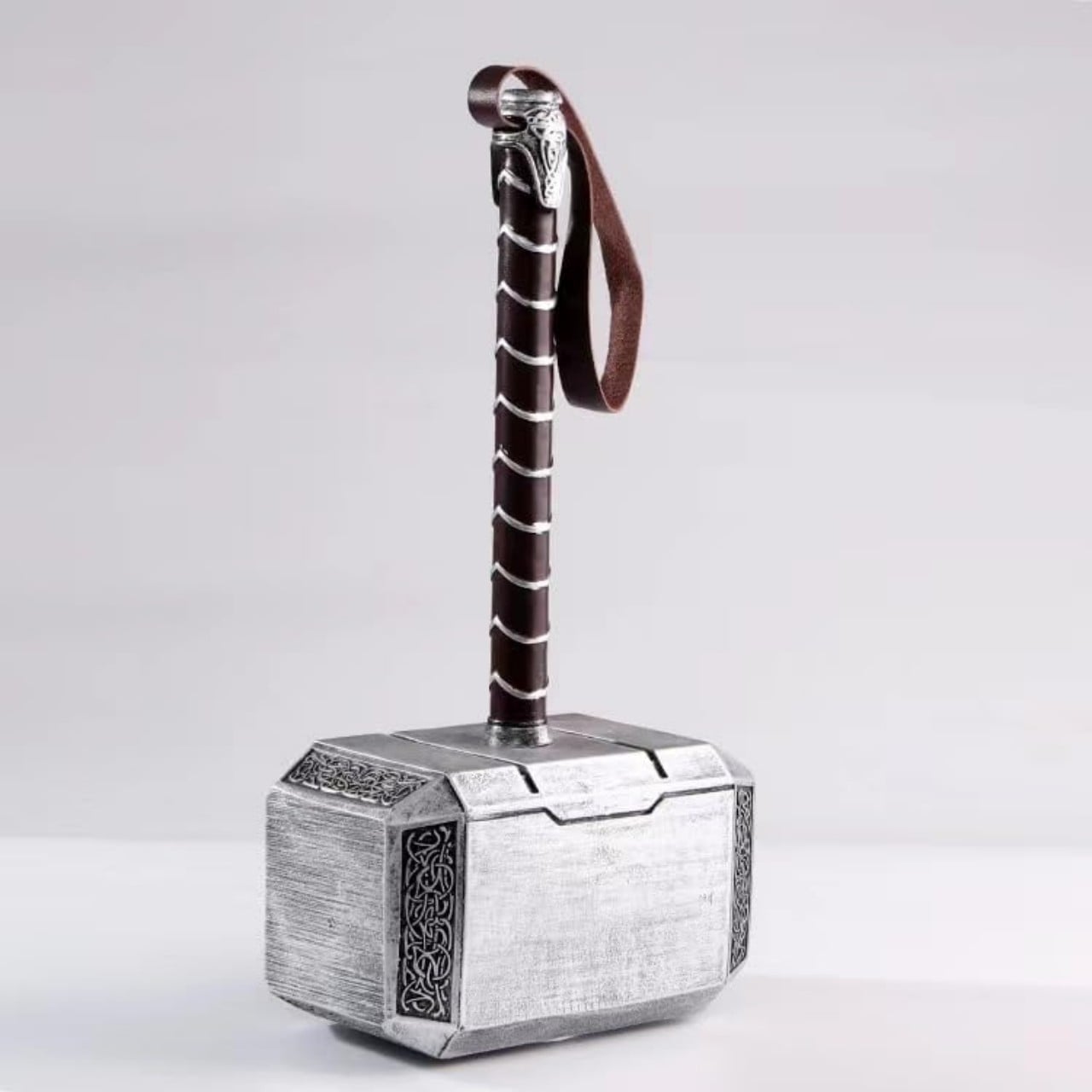
Even if you’re not a comics or movie buff, you’re most likely to already be familiar with the icons of Marvel’s Cinematic Universe given the media over-saturation. This is especially true for the most popular icons and their paraphernalia, such as Captain America’s shield, Iron Man’s mask, and Thor’s hammer. That hammer has a formal name, even in the original Norse mythology, though few will probably be able to utter Mjolnir’s properly unless they watched the first Thor film. It’s MYOL-neer or MYOL-nur, by the way. You’re welcome.

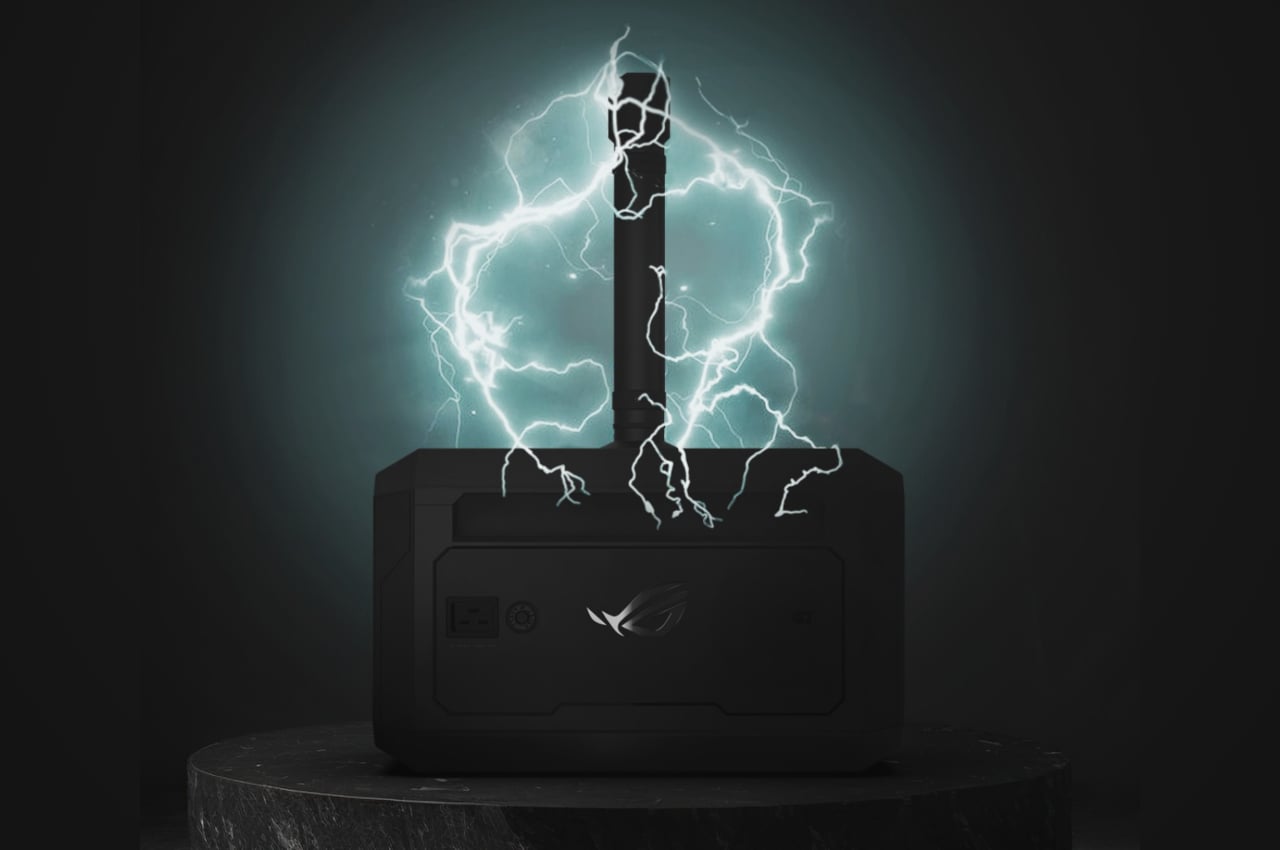
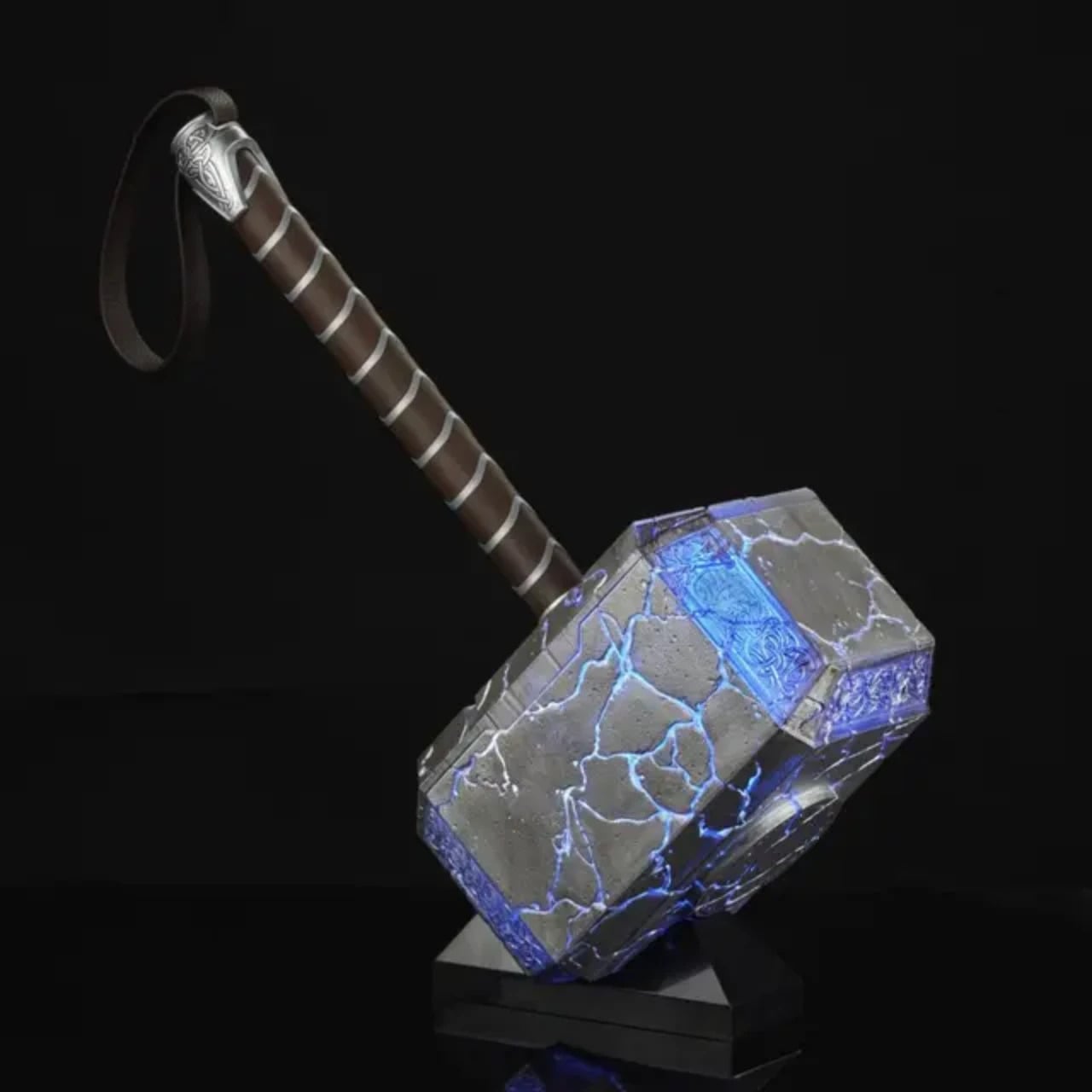
That hammer is the subject of today’s speculation. On the 1st of April, probably one of the trickster god Loki’s favorite days, ASUS’ gaming brand teased and then announced Mjolnir, not as a weapon but as an electrifying computer accessory. It’s a power station that indeed resembled the movie prop to some extent, with a large rectangular box whose sides tapers a bit, and a rod extending from the body acting as a handle. ROG was quick to point out that it’s a real thing, not a hoax, but that in itself could be the joke. But maybe it would have been better if it remained hidden from mortal hands.

What We Know So Far

To be fair, there’s not much we know other than what ROG itself has revealed, but there’s quite a bit already available. The most important is that this power station can be charged using solar energy, drawing power from the sun instead of lightning. How it does that, however, is still anyone’s guess. The teaser showed a dark rectangle on the station’s front that could be a tilting solar panel, though that would be too small to supply the power that this large box needs and was probably just a placeholder graphic.

On the front, you will see an assortment of ports typically found on power stations. There are four AC outlets, two full-sized USB-A ports, and two USB-C ports. There’s an LCD display above these ports that shows important information about the input, output, and remaining battery capacity. Noticeably missing here, however, are DC and car charging ports, which hints that this power station might not have outdoor adventures in mind.

The teaser also mentions that the ROG Mjolnir can illuminate your path with the light it summons, but it unsurprisingly doesn’t say how. That panel on the back could be a very bright flood light, but the better theory is that the handle itself is some sort of lighting component. Either the handle lights up or, more likely, it’s a removable flashlight, which is a better design for a part that would otherwise simply be a cosmetic detail that gets in the way.

Cracks in the Hammer

There’s no denying that the ROG Mjolnir has an interesting design, one that will appeal to a large segment of the market, especially the brand’s gaming audience. Its upturned hammer shape sets it apart from other portable power stations, if the ROG branding doesn’t already make sure of that. The bigger question, however, is whether that design is actually good for the product’s usability or hinders it.

That handle is going to be the biggest point of contention, with a tall rod sticking out from the top of the box. If it acts as a removable flashlight, then it’s not as big of an issue. But if it’s permanently fixed in that position, it will become a problem when storing or moving the power station. It’s not like you can carry the Mjolnir using its handle for real. But if that handle were removable, it also introduces a different kind of problem, one of durability and reliability. There’ll be a hole where the handle connects to the body, which means an opportunity for dust and liquid to get into the sensitive electronics. Definitely not a smart design.

It doesn’t look like the power station is designed for easy carrying either. Depending on how much battery it’s packing inside, this power station can end up being a bit heavy to carry with one hand without a handle. You’d have to hold it with both hands, but there doesn’t seem to be any grips to make that convenient. Admittedly, it doesn’t look too big beside a smartphone, but that’s just a render that might not reflect the product’s actual size.

True Power

There’s admittedly not much we know about the ROG Mjolnir Solar Power Station yet, including its specs, its price, and whether it’s really an actual product or ROG has just been pulling our leg and chuckling at the buzz going around their vaporware. Then again, it’s a pretty niche design as far as a power station is concerned, anyway, and there are plenty of other options in the market, albeit with less sensational aesthetics.

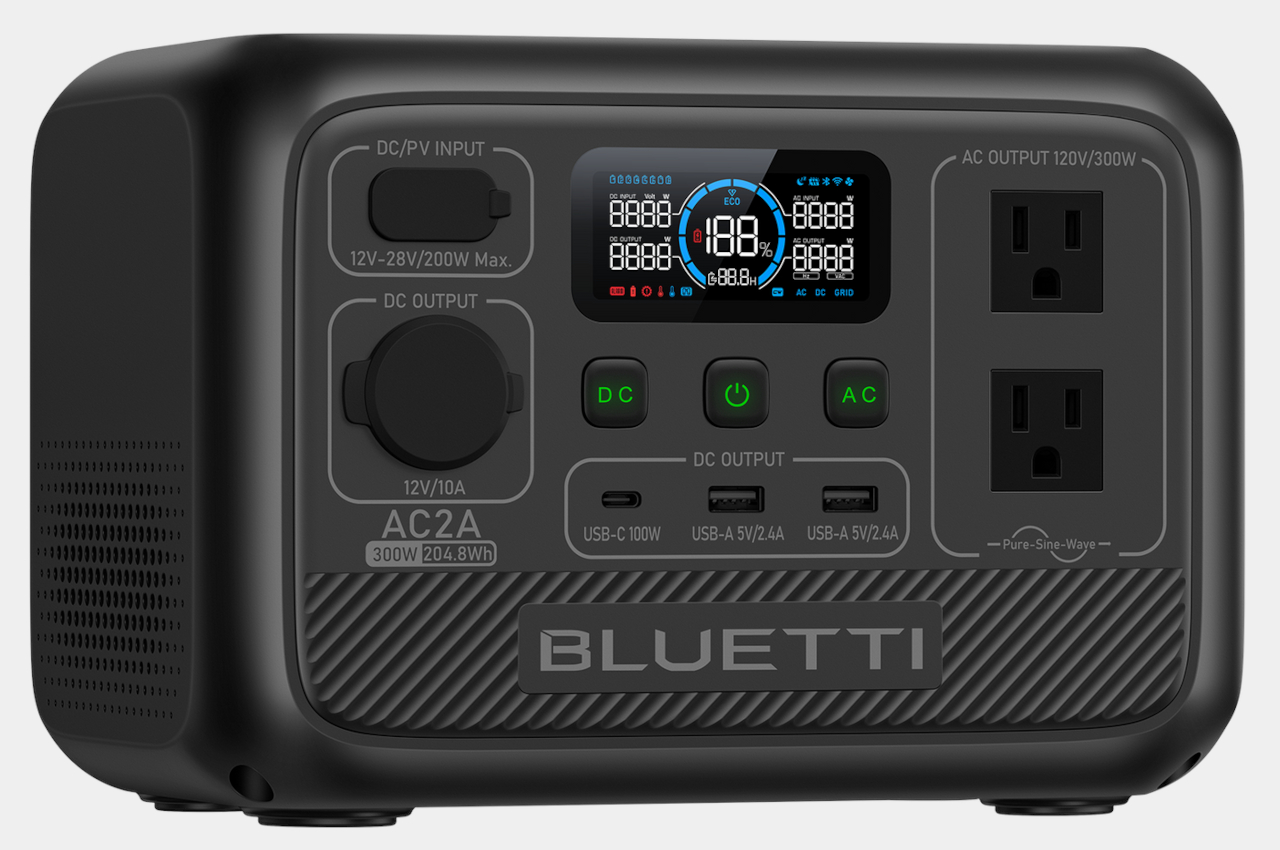
When it comes to solar portable power stations, the BLUETTI AC2A comes with all the bells and whistles, including proven product quality and durability. There are only two AC outlets, yes, but it makes up for it with a wider variety of input and output ports. You will need to plug in a solar panel, but that might also be the case for the ROG Mjolnir anyway. The BLUETTI AC2A is indeed designed more for outdoor use, though it can be an emergency backup for computers at home as well. As far as we know, the ROG Mjolnir is primarily designed to serve gamers’ needs, with rather questionable outdoor survivability.

Designer: BLUETTI

Is the ROG Mjolnir Power Station going to sell? It will probably have a few fans, especially those who will readily throw money at cool-looking and unique designs. It is going to be a practical and usable product? It’s definitely too early to say, and ROG might still end up surprising us, or completely disappointing us with the harsh reality of a month-long joke. Either way, we don’t expect the ROG Mjolnir to be a ground-breaking new design beyond its unique aesthetics, and if you’re looking for truly gamer-ready power solutions, you don’t have to wait for the truth to be revealed.

The post ASUS ROG Mjolnir solar power station is shockingly real, but is it worthy? first appeared on Yanko Design.
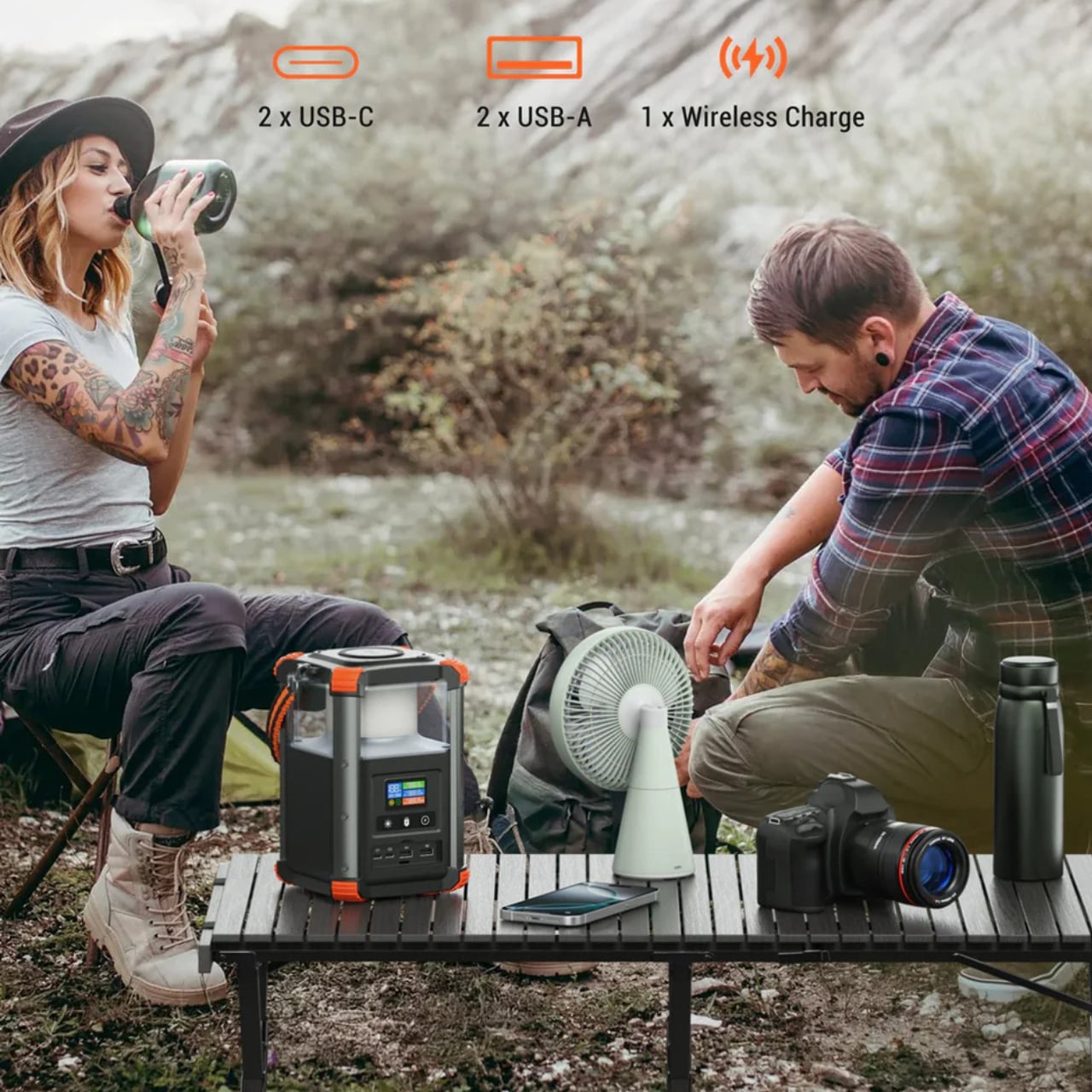
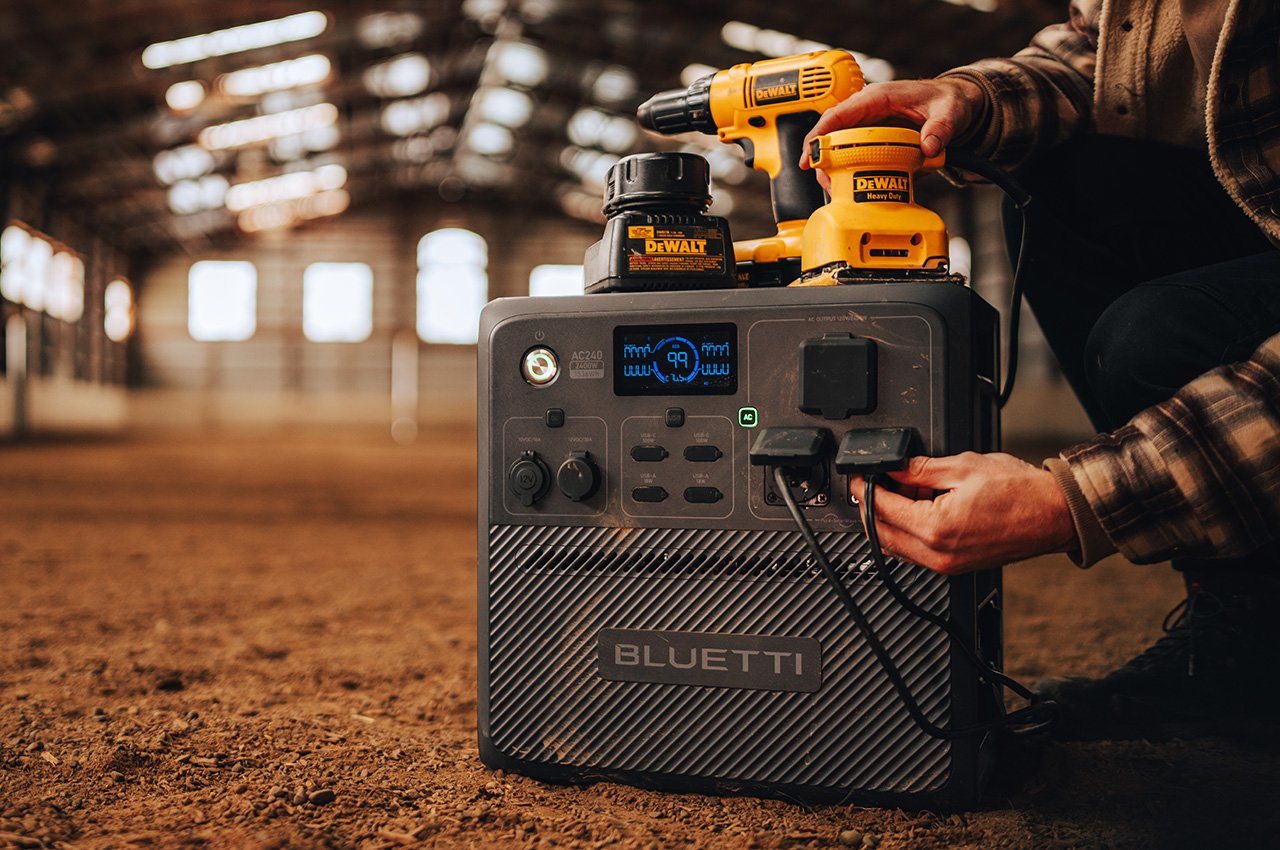
Bluetti AC240 All-Weather Power Station delivers reliable power, rain or shine

More people are discovering the joys of the great outdoors, but they are also learning some of the challenges that come with living off the grid, especially when it comes to the unpredictability of weather. And then there are some outdoor adventures that really expose you to the elements, whether it be on land or especially at sea. During these moments, you need more than just a portable power source that can deliver the necessities and conveniences of modern life. You also need a reliable power source that can weather any storm, almost literally. That’s the kind of power that the new Bluetti AC240 Weatherproof Portable Power Station delivers, keeping up with life’s adventures even when Mother Nature has other ideas.

Designer: Bluetti

Click Here to Buy Now: $1299 $1899 (31% off, use coupon code”yanko240″ to get an additional $100 off). Hurry, deal ends in 48-hours!

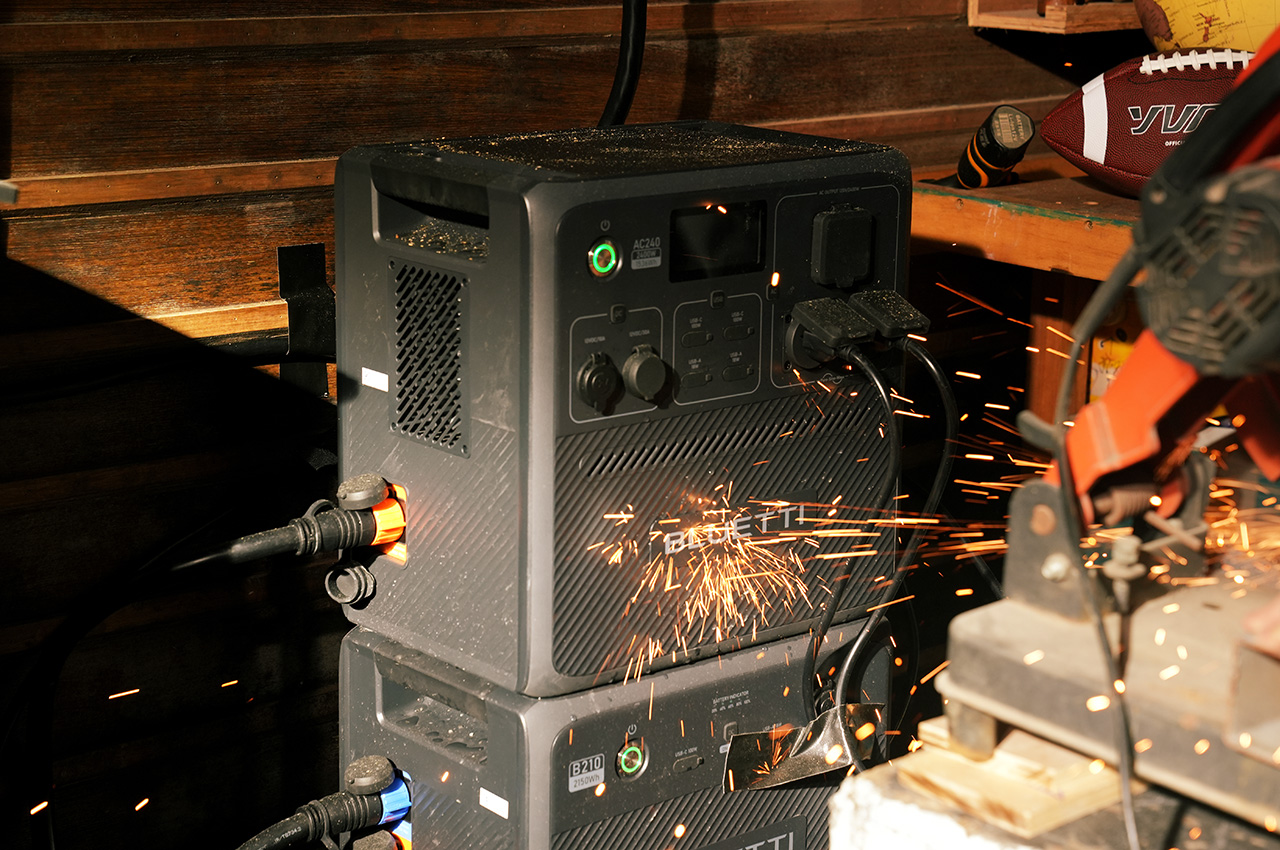
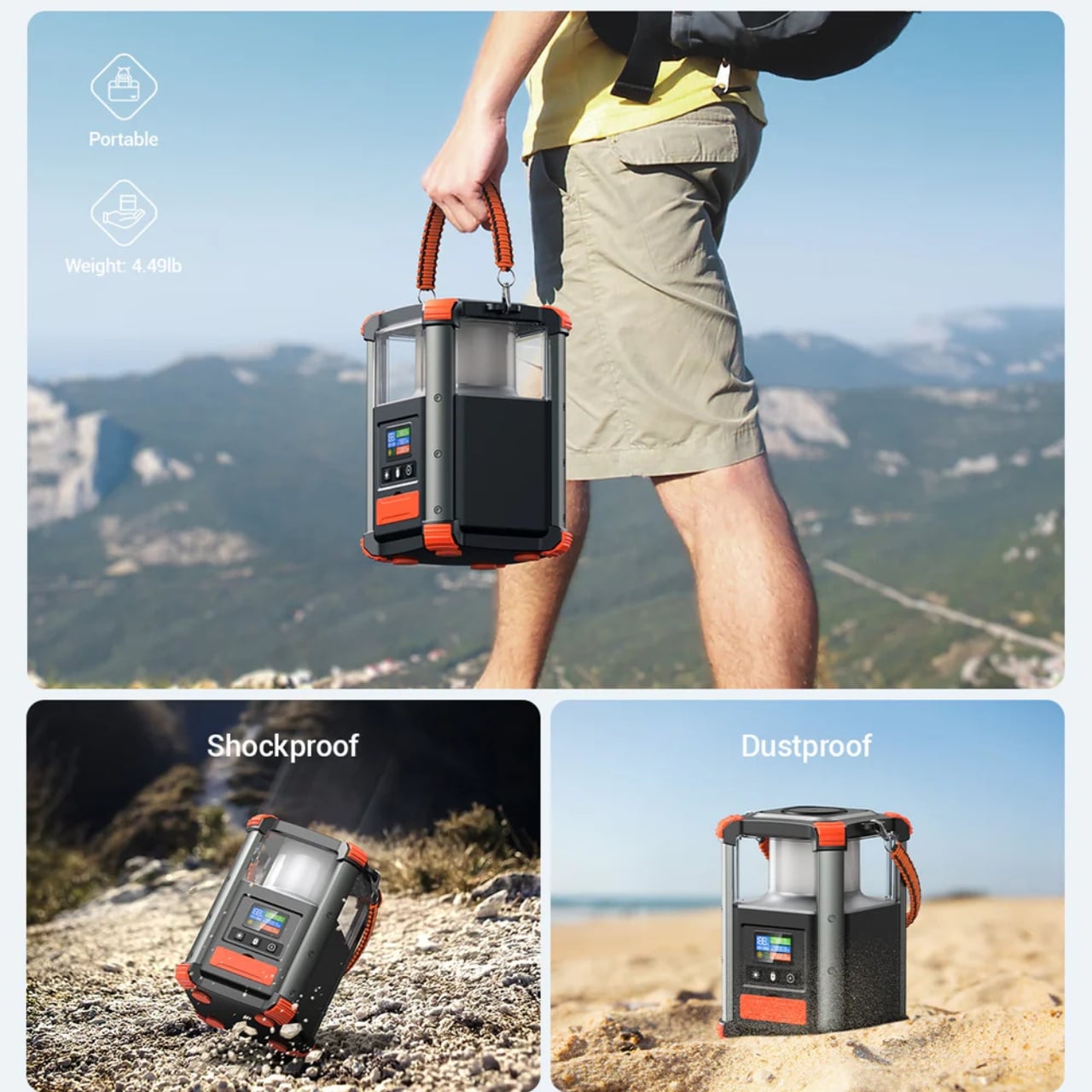
Even with all the science and technology at our disposal, changes in weather can throw a wrench in anyone’s plans, especially when those plans happen to involve staying outdoors. Traditional power stations, while extremely useful, might not be a good fit for this situation considering the safety risks involved. That’s where the Bluetti AC240 and its IP65 dust and waterproof rating come in, offering a clean, quiet, safe, versatile, and rugged power source that can withstand the harsh conditions you might find yourself in.

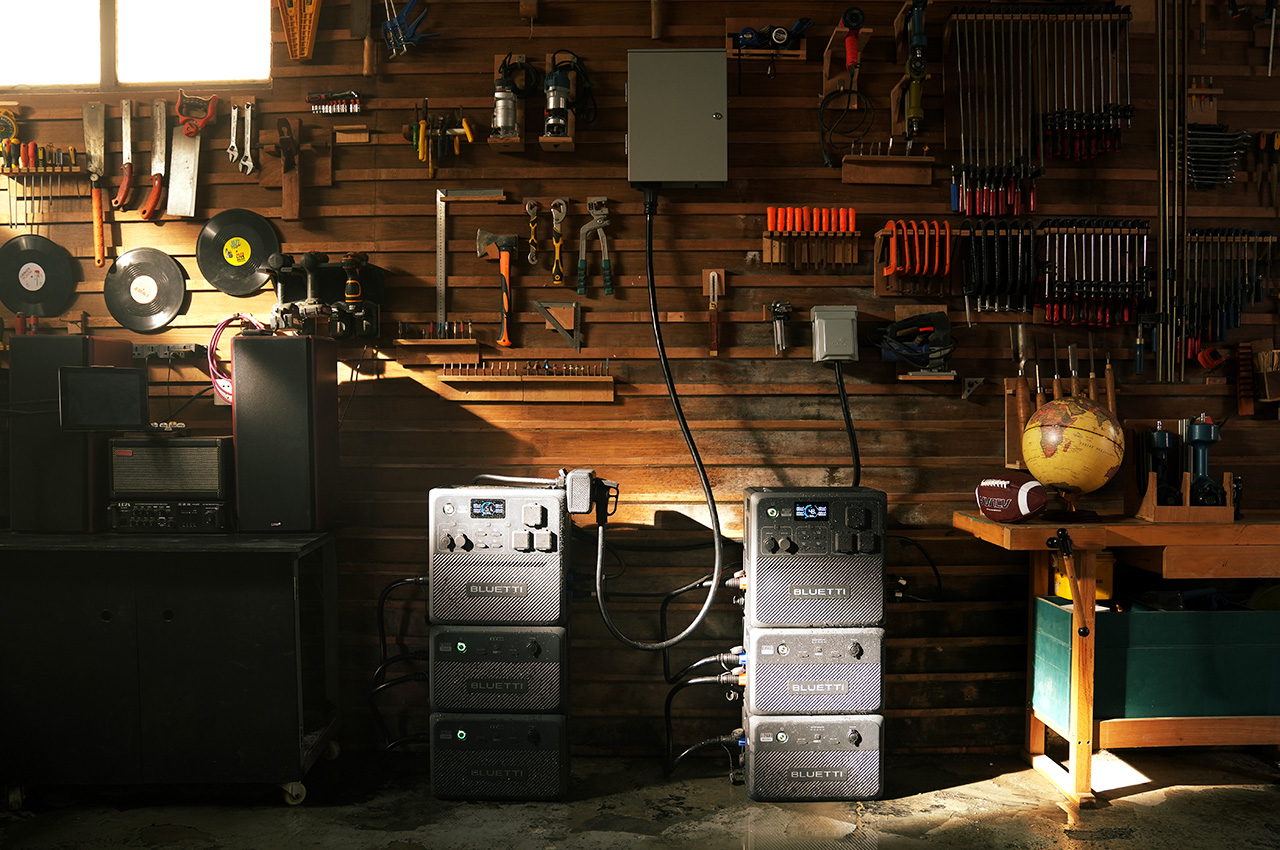
With the AC240’s modular design, it practically is! Stack up B210 expansion batteries and watch your power options multiply.

The Bluetti AC240 is rated IP65, which means it’s certified to withstand the intrusion of dust as well as low-pressure water jets from any angle, but that’s only the tip of the iceberg. The weather-hardened solar generator boasts a variety of patented technologies and safeguards that protect it from the elements, including independent air ducts, sealed electronic compartments, a special drainage system, vacuum-coated fans, and, since they’re always exposed to the outside world, double-layer protected ports. In the event that water does manage to get in, built-in exhaust fans and the heat dissipation system will make sure the water gets out or evaporates quickly before it does any damage.

Whether you’re basking in the sun’s energy with solar panels, plugging into a wall outlet, staying juiced on the move with a car charger, or even tapping into a lead-acid battery or shore power, the AC240 ensures you’re always powered up and good to go.

Of course, the Bluetti AC240 is more than just a large weatherproof box. It’s a portable power station first and foremost, and it does an incredible job at that as well. With an output of 2,400W and a 1,536Wh LiFePO battery, the AC240 can easily power anything from a phone charger to a 20 cubic feet fridge for at least one day. A 3,600W powerlifting mode can even power that hot plat to make sure you get warm meals even when it’s pouring outside your RV. The plethora of charging ports, which include 2 standard AC outlets, 1 NEMA TT-30 port, a car outlet, 2 USB-A ports, two USB-C ports, and a 12V/30A RV port, make sure every electronic machine is supported, even an RV or a boat.

Whether you’re navigating the high seas or driving into the unknown wilderness, the AC240 reliable enough to keep your adventures smooth from start to finish.

If that’s already impressive, then you’ll probably be blown away by what the Bluetti AC240 can do when paired with the B210 expansion battery, which itself is also IP65 weatherproof. Each B210 adds 2,150Wh of power and you can have as many as four packs connected to the AC240 for a whopping 10,135Wh total capacity. And if that weren’t enough, you can link two AC240 using Bluetti’s unique parallel technology with the Parallel Box P480, delivering 4,800W output (without expansion batteries) without doubling the voltage. With this much power and flexibility, including simultaneous connection to the power grid while powering your devices and a responsive 15ms UPS function, the Bluetti AC240 can even provide enough power to your house to weather out a storm.

When it comes to charging the power station itself, the AC240 offers a variety of options, from super-fast 1.1-hour AC charging at 2400W max input (when paired with a B210 expansion battery) to completely green solar charging at 1200W intake in just two hours. Weighing only 72 lbs (33 kg) and almost as big as a microwave, the Bluetti AC240 offers portable, reliable, and durable power that you can take with you anywhere you go, confident that it can handle anything thrown its way, whether by you or by Mother Nature herself.

Click Here to Buy Now: $1299 $1899 (31% off, use coupon code”yanko240″ to get an additional $100 off). Hurry, deal ends in 48-hours!

The post Bluetti AC240 All-Weather Power Station delivers reliable power, rain or shine first appeared on Yanko Design.
BLUETTI’s wide catalog of Power Stations at CES 2024 make it an Absolute Must-Have for 2024

As the tech world descended upon Las Vegas for CES 2024, BLUETTI, a name synonymous with portable power solutions, has once again set the gold standard with its latest offerings designed for recreation, emergencies, work, and overall energy independence. From the versatile SwapSolar system to the rugged AC240 power station, BLUETTI’s lineup this year is nothing short of a power-packed promise for both adventurers and home users. We visited the BLUETTI booth to speak to their Director of Portable Power Systems, Phillip Fischer. Phillip explained to us what BLUETTI’s been achieving in the past year, what are the new exciting products they’re debuting at CES, and why portable power stations should be on everyone’s wishlist for 2024.

Designer: BLUETTI

If you’re still one of those power-station skeptics in the year 2024, Phillip has some rather sage advice to give you. Sure, the average power station user is the outdoorsy type, using it to provide energy to camping sites, RVs, and other outdoor excursions/activities… but what BLUETTI’s power stations also do is provide aid and assistance during emergency power cuts. Whether it’s one of their larger devices, or even the small portable ones, BLUETTI’s power stations can be potential life-savers when the power runs out. The same power station can play multiple roles, whether it’s necessity or leisure… with the added benefit of helping you do things like shift to a solar grid too to help reduce power bills.

Leading the power-station charge at CES this year is the BLUETTI SwapSolar, a dynamic duo comprising the AC180T portable generator and the MultiCooler portable fridge. The AC180T can easily be confused for its sibling, the AC180 – but what really sets it apart is its game-changing hot-swappable battery system. With 1,433Wh capacity, 1,800W output, and 2,700W lifting power, the AC180T features two detachable batteries that can either be used simultaneously, or in a scenario where one battery is removed from the AC180T and placed in the MultiCooler portable fridge. Imagine never running out of power because you can instantly replace depleted batteries with charged ones.

But that’s not all. The MultiCooler is the Swiss Army knife of portable fridges. Acting as a fridge, freezer, and, believe it or not, an ice maker, it redefines the concept of portable cooling. Featuring a 40-liter compartment with temperature control from -20°C to 20°C (-4°F to 68°F), the MultiCooler can chill a staggering 65 cans of soda (or any beverage of your choosing) or keep the sausages frozen for a picnic. It also boasts the ability to make ice from moving water, a feature that Phillip mentioned was “really cool” (pun intended!)

Next up, meet the AC240, BLUETTI’s rugged outdoor companion following the legacy of the AC60. Tailor-made for the wild, this power station is both water-resistant and dust-proof, boasting an impressive IP65 rating. Whether you’re facing a dust storm in the desert or a downpour in the mountains, the AC240 won’t let you down. With a robust 2400W of power output and a 1536Wh LFP battery, it’s built to last. And if you thought that was impressive, the AC240 can expand its capacity to a whopping 10kWh with four B210 expansion batteries. BLUETTI didn’t stop there. They also showcased their revamped portable generators and home storage products, including the AC60P, AC2P, and the modular AC500 and AC300 series.

In the midst of unveiling these technological marvels, BLUETTI also took a moment to highlight its Lighting an African Family (LAAF) program. This initiative underscores BLUETTI’s commitment to social responsibility, bringing sustainable solar energy to African families. With over 100,000 families already impacted, BLUETTI is powering more than devices; it’s powering dreams.

The post BLUETTI’s wide catalog of Power Stations at CES 2024 make it an Absolute Must-Have for 2024 first appeared on Yanko Design.

Duracell Portable Power Stations are like gigantic alkaline batteries

We’ve seen our fair share of portable power stations, and most of them roughly share the same designs. They come in rectangular box shapes and bear rugged materials, which makes it easier to transport them from place to place if needed. There isn’t any rule that says they have to be made that way, though, especially if you’re willing to skimp a little on the battery capacity to add some style and flourish. For example, Duracell, a name long associated with batteries, has had the rather amusing idea to pay homage to its most popular product line, resulting in portable power stations, or extra large power banks, that look like overgrown D-size batteries, with a few tricks up their sleeves that add some flavor to a normally boring piece of tech.

Designer: Duracell

There was a time when consumer electronics revolved around these cylindrical batteries that had to be thrown away once they lost their charges forever. We’ve thankfully mostly moved on from these wasteful energy sources, replacing them with rechargeable and reusable variants, but there’s still a certain fondness attached to the image of these old alkaline batteries that have become icons of their kind, just like floppy disks. Riding on the nostalgia trend these days, Duracell had the clever idea to put that iconic design on a portable power station, almost like a tongue-in-cheek joke on these extra-large batteries.

The Duracell M250 and M150 both look like giant D batteries, complete with a black and bronze color scheme and a smaller disc shape on top that designates the positive end of the cylinder. They’re rather small compared to most portable power stations but also considerably larger than even the largest power bank. The size differences are quite understandable considering these two only have 60,000mAh and 25,000mAh battery capacities for the M250 and M150, respectively, though those are enough to charge most electronic devices, including a laptop via the 100W USB-C port. The larger Duracell M250 even has a 100W AC port for other use cases.

The portable power stations have more than just looks, though. That protruding disc at the top actually functions as a MagSafe-compatible 15W wireless charger, and you can lift that top lid to tilt an iPhone or iPad to the desired angle so you can watch your screen even while charging. Tilting that cover also reveals a small storage compartment for cables and chargers, things you’d want to keep near the power station. To charge the power station itself, you’d have to put it on the included dock, an elegant solution that unfortunately means having to carry a separate part with you on your trips.

Admittedly, this traditional battery form is not the most space-efficient shape for traveling, putting the “portable” part of its name into question. Still, there’s no argument that it’s an interesting design for a portable power station, putting an almost poetic spin on the product category. It will definitely be an eye-catching presence in coffee shops or even on planes, though interest could turn into derision when you start fumbling to put the large can in your bag or luggage.

The post Duracell Portable Power Stations are like gigantic alkaline batteries first appeared on Yanko Design.