If you weren't able to shut down your Windows 11 device recently, Microsoft has rolled out an emergency fix addressing a couple of critical bugs that popped up with its latest January 2026 Windows security update. The latest "out-of-band" update repairs an issue for some Windows 11 devices that would only restart when users tried to shut down or hibernate. The same update restores the ability for Windows 10 and Windows 11 users to log into their devices via remote connection apps.
Microsoft said the inability to shut down or hibernate affected Windows 11 devices using Secure Launch, a security feature that protects a computer from firmware-level attacks during startup. As for the remote connection issue, Microsoft explained in its Known issues page that credential prompt failures were responsible when users tried to log in remotely to affected Windows 10 and 11 devices.
According to WindowsLatest, some lingering issues with the January 2026 Windows security update are still affecting users, like seeing blank screens or Outlook Classic crashing. Back in October, Microsoft had to issue another emergency fix for Windows 11 related to the Windows Recovery Environment. For those still hesitant to upgrade to Windows 11, Microsoft is allowing you to squeeze some more life out of Windows 10 by enrolling in Extended Security Updates.
This article originally appeared on Engadget at https://www.engadget.com/computing/microsoft-issues-emergency-fix-afer-a-security-update-left-some-windows-11-devices-unable-to-shut-down-192216734.html?src=rss
Washington state residents may soon be forced to produce IDs before getting onto websites with pornographic content. Within the state's House of Representatives, Rep. Mari Leavitt introduced House Bill 2112, which is informally known as the Keep Our Children Safe Act. Similar to the initiatives seen in other states, the bill proposes to restrict access to "online sexual material harmful" to anyone under 18.
In practical terms, those living in Washington state could see websites asking for digital identification or demanding the user go through an age verification system that requests a government-issued ID. If a website that has more than one-third of its content being "sexual material harmful to minors" is found not following these rules, the state's attorney general can pursue steep civil penalties.
If those restrictions sound familiar, it's because many other states have also passed similar constraints. Washington state's proposed bill is very similar to Texas' age verification law that went into effect in September 2023 and was recently upheld by the US Supreme Court. Like the Texas law, several groups expressed disapproval of the bill during the public hearing at the House committee level. As reported by The Seattle Times, groups including the ACLU, Lavender Rights Project and the Northwest Progressive Institute warned of privacy risks related to potential data breaches and the loose definition of "sexual material harmful to minors" in the bill's language.
This article originally appeared on Engadget at https://www.engadget.com/cybersecurity/washington-is-the-latest-state-pursuing-an-age-verification-law-for-porn-sites-174423529.html?src=rss
Luxury car brands moving into real estate isn’t exactly new anymore. Porsche kicked things off with its Design Tower Miami in 2017, followed by Aston Martin’s 66-story sail-shaped tower that opened in Miami in May 2024, and Bentley Residences expected to complete in 2026. Bugatti and Pagani both have projects underway in Miami and Dubai. But Mercedes-Benz and Binghatti just took it to another level with their newly launched Binghatti City project in Dubai. Instead of stopping at a single branded tower like most automotive companies do, they’re building an entire 10-million-square-foot district with 12 residential skyscrapers containing 13,000 apartments. The $8.2 billion development centers around a 341-meter tower called Vision Iconic, surrounded by 11 progressively shorter towers creating this cascading skyline in the Meydan area. This is their second collaboration after a 65-floor Mercedes tower in Downtown Dubai that’s nearly complete, proving the concept works well enough to scale up dramatically.
The architecture pulls heavily from Mercedes design DNA, incorporating elements like their signature grille pattern into horizontal podiums, plus generous use of chrome and silver accents throughout. Each tower carries the name of a Mercedes concept vehicle, and apartments feature the brand’s Sensual Purity design philosophy with black and silver palettes accented by wood and leather. They’re not just building housing though. The masterplan includes cultural districts, retail spaces, parks, mobility hubs, sports facilities and dining venues, essentially creating a walkable branded ecosystem. Units start at $435,600 for studios and top out around $5 million for three-bedrooms. Timeline calls for completion in three and a half years from the January 14, 2026 launch.
Designer: Binghatti for Mercedes-Benz
The luxe pricing structure here tells you everything about who Mercedes thinks will actually live in this thing. Studios at $435,600 might sound almost reasonable by Dubai standards until you remember that’s the entry point for literally the smallest unit available. One-bedroom units jump to $2.6 million, two-bedrooms hit $3 million, and three-bedrooms start at $5 million. They’re casting a wide net, sure, but even the “affordable” end of this spectrum requires the kind of disposable income that makes luxury car ownership look like a casual purchase decision. The real question is whether 13,000 apartments worth of wealthy people exist in Dubai’s orbit who specifically want to live in a Mercedes-branded environment. That’s a lot of units to fill, even in a city that treats superlatives like a competitive sport.
The design philosophy they keep mentioning, Sensual Purity, sounds like the kind of corporate branding speak that emerges from late-night brainstorming sessions, but it does translate into some specific material choices. Black and silver form the base palette because of course they do, you can’t have a Mercedes-branded space without channeling the aesthetic of a C-Class interior. The wood and leather accents are presumably there to soften all that chrome and convince people this is a home rather than an extremely expensive showroom. Each tower named after a concept car like Vision One-Eleven or Vision AVTR adds another layer of brand immersion that either sounds incredibly cool or slightly dystopian depending on your tolerance for corporate aesthetics in residential spaces.
The amenities list reads like someone took every luxury condo marketing brochure from the past decade and merged them into one. E-sport lounges, ballrooms, event halls, sporting clubs, water pools, fitness facilities, picnic groves. They’re promising this self-contained urban ecosystem where you theoretically never need to leave, which raises interesting questions about what happens when your entire residential community is tied to a single brand identity. Do you start identifying as a Mercedes person in ways that go beyond car ownership? Does living in Mercedes-Benz Places Binghatti City become part of your personal brand? These are the kinds of questions that sound absurd until you remember people absolutely do this with Apple products and Patagonia vests.
Binghatti’s track record with branded developments gives this project more credibility than if some random developer tried pulling it off. They’re simultaneously working on Bugatti residences and have that Jacob & Co collaboration, so they’ve figured out the formula for translating automotive brand language into architectural form. The three-and-a-half-year timeline feels optimistic but not wildly unrealistic for Dubai’s construction pace. Whether the market can actually absorb 13,000 Mercedes-branded units in Meydan while their first tower in Downtown Dubai is still finding buyers remains the real test of whether this brand extension strategy works at city scale or if they’ve dramatically overestimated the overlap between car enthusiasts and people who want their entire living environment wrapped in automotive branding.
Apple is poised to reshape the laptop landscape with the highly anticipated release of its M5 Pro and M5 Max MacBook Pros, scheduled for late January 2026. These new models promise to deliver significant advancements in performance, connectivity, and artificial intelligence (AI) capabilities. Designed to cater to the needs of professionals, creators, and tech enthusiasts, […]
GIGABYTE expands its NVIDIA partnership at CES 2026 with RTX 50 Series GPUs, RTX laptops, and G-SYNC gaming monitors for AI-driven gaming and creation.
What if software development could shift from a maze of endless tasks to a streamlined, collaborative journey? Below, AI LABS breaks down how Google Antigravity, powered by the innovative Gemini 3 model, is transforming the way developers approach their work. This isn’t just another AI assistant, it’s a bold reimagining of modern development. With features […]
Apple is preparing to introduce a fantastic evolution in smartphone design with its highly anticipated iPhone 18 Pro models. These devices are expected to feature under-display Face ID technology and eliminate the dynamic island, marking the most significant design overhaul since the iPhone X. With a focus on edge-to-edge displays and innovative features, the iPhone […]
What if the operating system you’ve relied on for years suddenly felt like a burden instead of a benefit? That’s the reality many gamers are facing with Windows 11, as frustrations over performance issues and intrusive update policies reach a boiling point. In this breakdown, Tech Overview walks through how a growing number of gamers […]
The year 2026 marks a historic pivot in personal technology. We are moving past the era of the “AI chatbot” trapped inside a website and entering the age of ambient hardware. While 2025 was defined by software experimentation, 2026 is the year when specialized AI silicon, smart glasses, and wearable pins have matured into indispensable daily companions.
These next-gen devices aren’t just faster smartphones; they represent a fundamental shift in how we interact with the digital world. By integrating intelligence directly into our physical presence, the “AI in your pocket” has evolved from a reactive tool into a proactive partner that anticipates our needs before we even voice them.
1. The Post-Smartphone Device
The traditional glass rectangle is no longer the sole gateway to the internet. In 2026, we are seeing the rise of screenless interfaces and augmented reality glasses that prioritize voice and gesture over scrolling. Devices like AI-powered rings and lightweight smart glasses have moved from niche gadgets to mainstream essentials, offering a “heads-up” lifestyle that keeps users engaged with the real world.
A desire for frictionless interaction drives this hardware shift. Instead of pulling out a phone to navigate or translate, users simply look at a sign or speak to their lapel pin. These devices are designed to disappear into our daily attire, making technology an invisible but powerful layer of our human experience rather than a constant distraction.
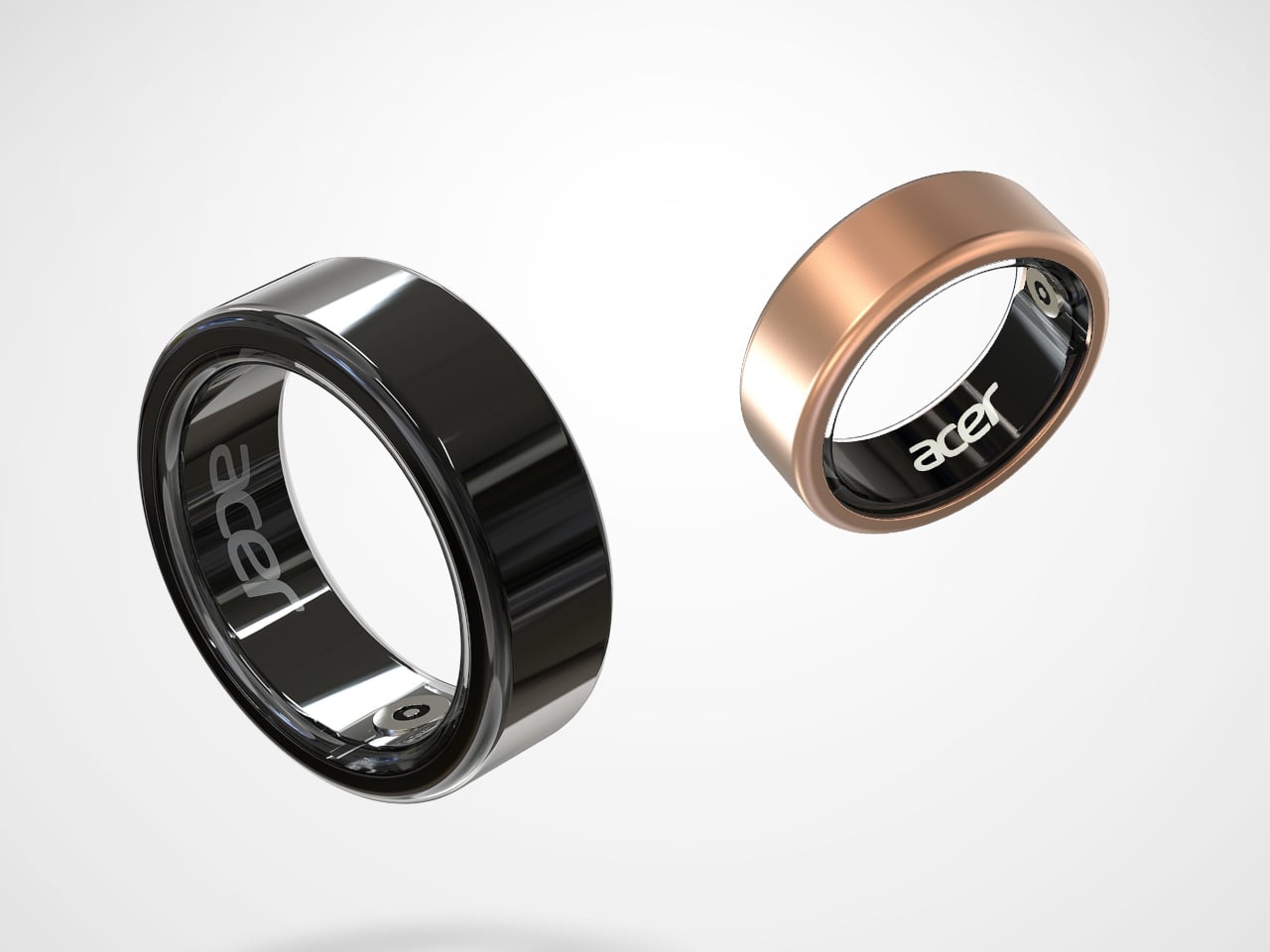
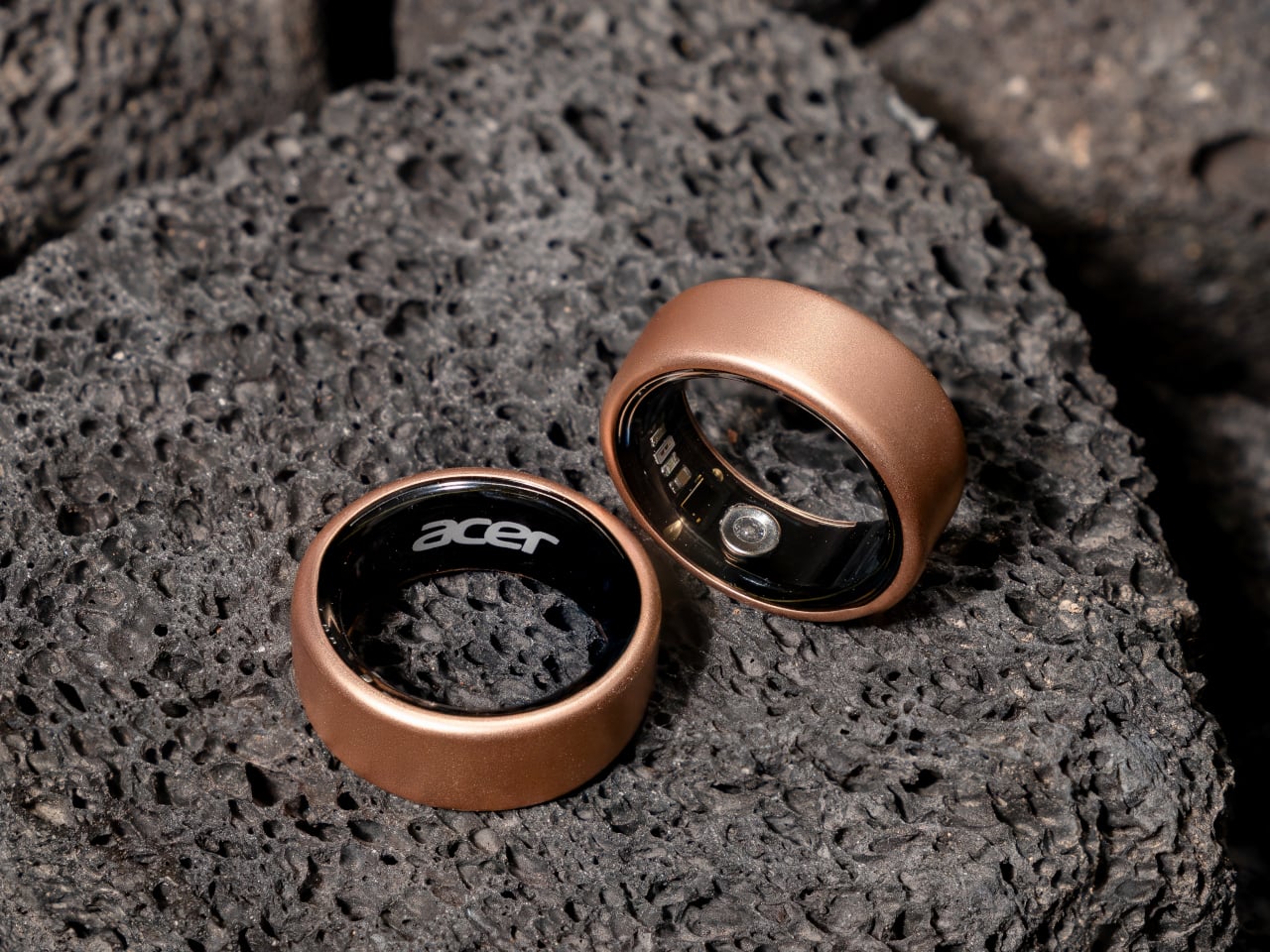
The Acer FreeSense Ring represents a refined advancement in wearable technology, offering continuous health monitoring in a compact, stylish form. Crafted from lightweight titanium alloy, the ring is slim, measuring 2.6mm in thickness and 8mm in width, and weighs only 23 grams. Its design balances elegance and practicality, available in finishes such as rose gold and glossy black, and water-resistant up to 5 ATM. With seven size options, it ensures a comfortable fit for a wide range of users. The ring is intended to complement traditional watches, providing wellness tracking without overwhelming the wearer with bulk or complexity.
Equipped with advanced biometric sensors, the FreeSense Ring tracks heart rate, heart rate variability, blood oxygen saturation, and sleep quality. Data is processed through a dedicated mobile application, which transforms readings into actionable, AI-driven wellness insights and personalized recommendations. Its detailed sleep analysis and continuous monitoring enable users to manage health proactively. By integrating sophisticated design with advanced biometric intelligence, the FreeSense Ring delivers an elegant and practical solution for modern wellness management.
2. On-Device Intelligence Systems
One of the biggest breakthroughs in 2026 is the move away from the cloud, made possible by massive leaps in Neural Processing Units (NPUs). As a result, your device no longer requires a constant internet connection to “think.” Complex reasoning and language processing now happen directly on the hardware in your pocket, resulting in near-zero latency.
This shift to “Edge AI” means your personal assistant is faster and more reliable than ever. Whether you are in a remote hiking spot or a crowded subway, your device can translate languages and organize your schedule offline. By keeping the “brain” of the AI on the device, manufacturers have finally solved the lag issues that plagued early generations of AI hardware.
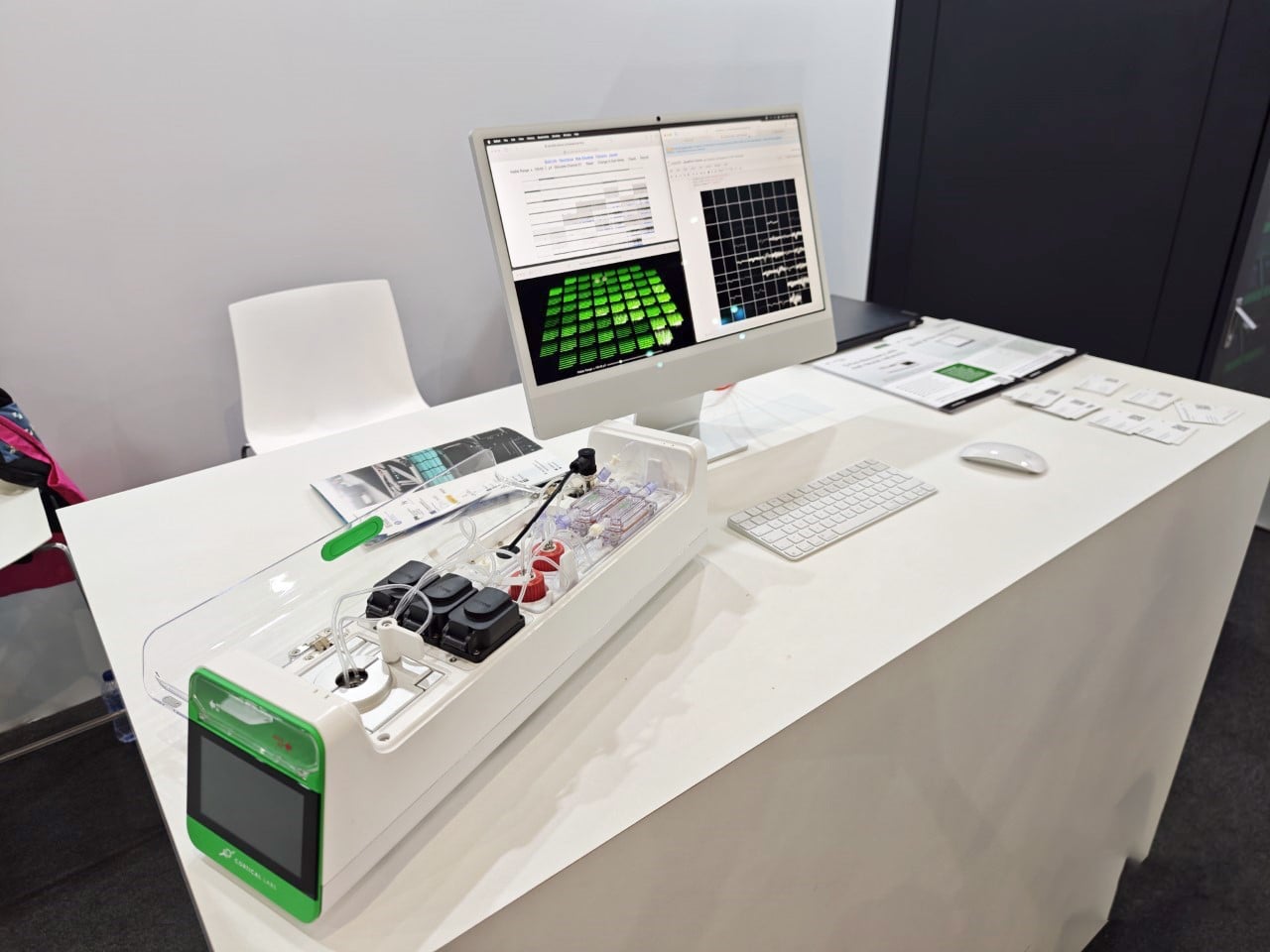
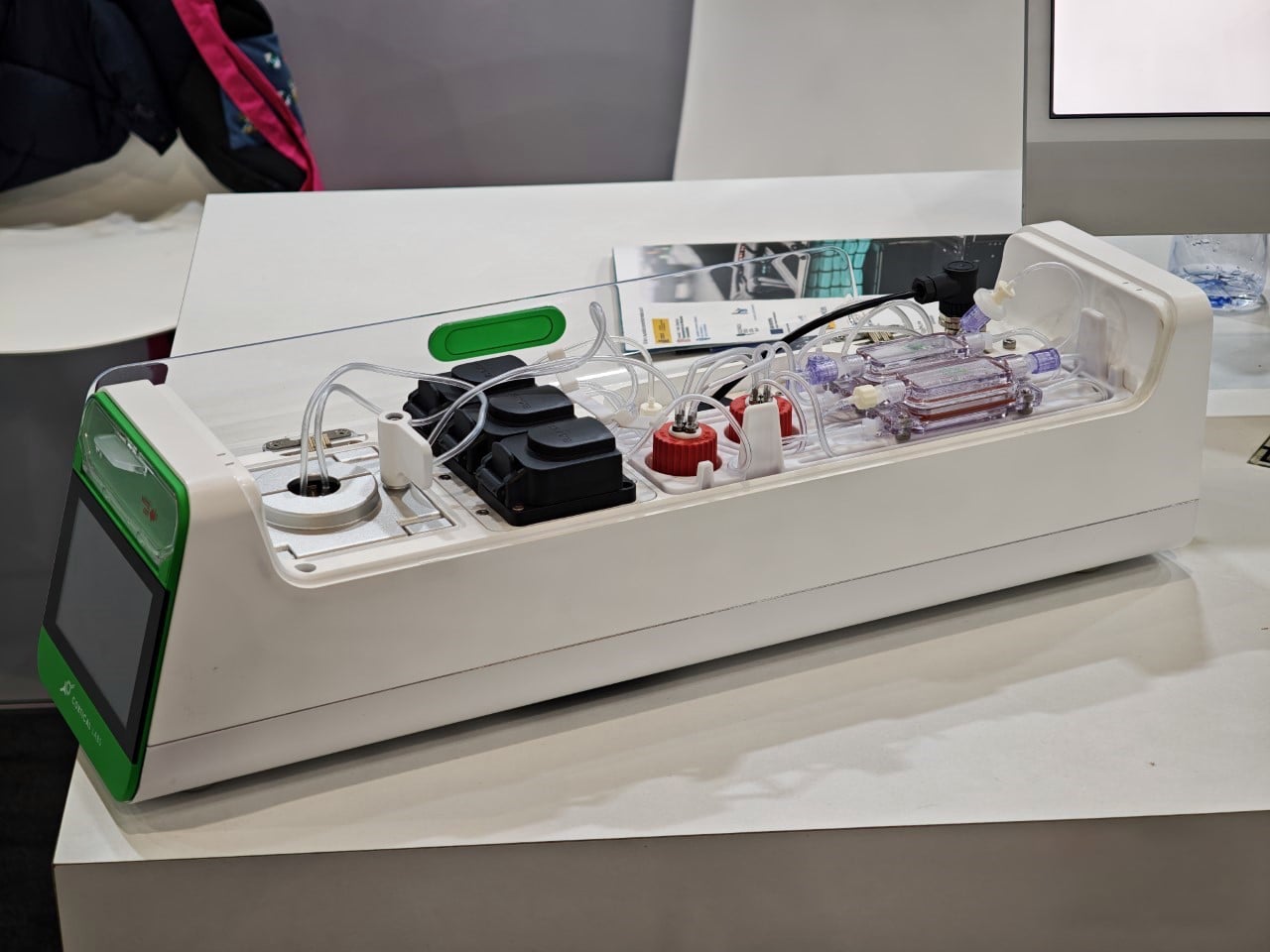
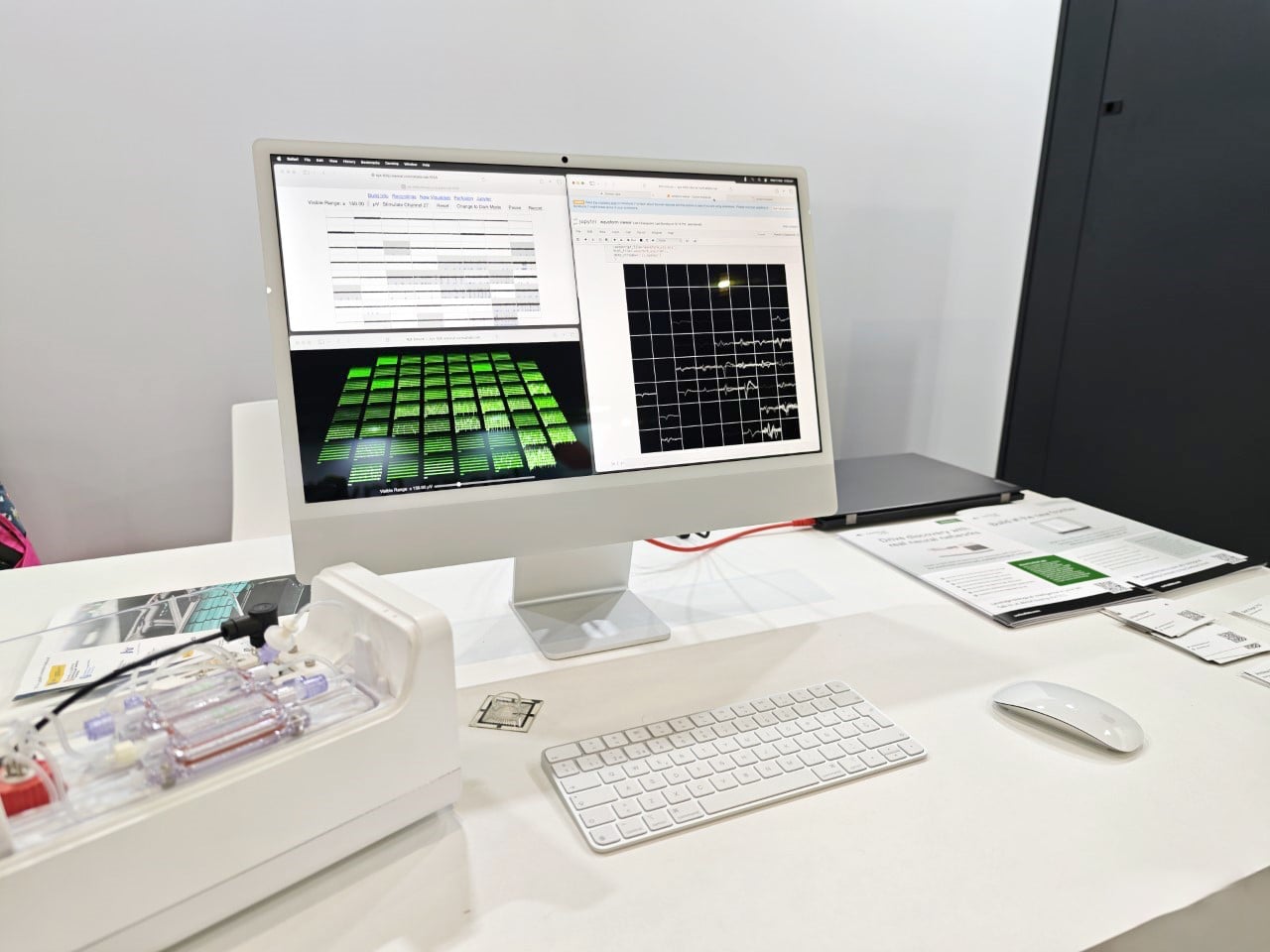
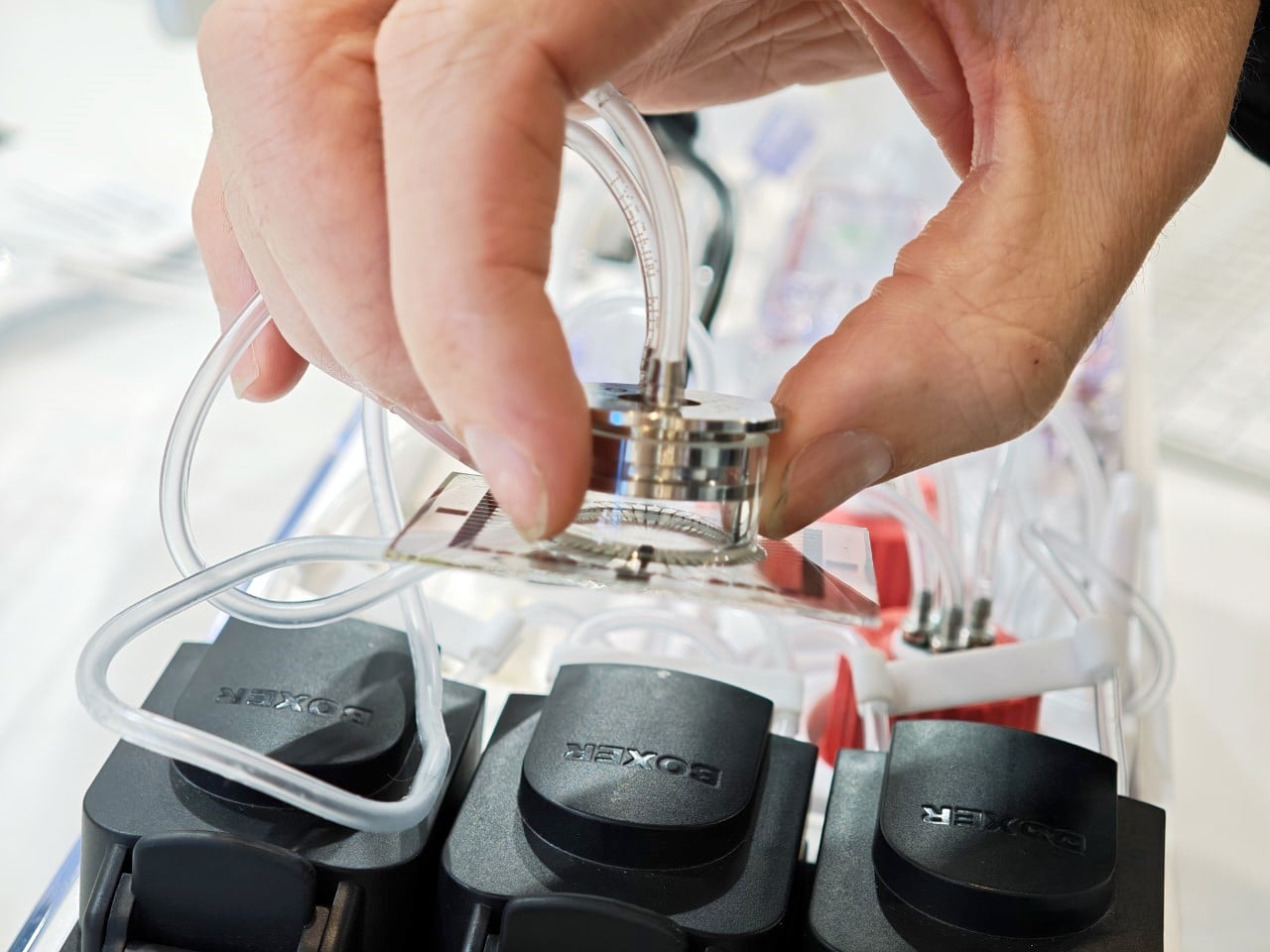
The CL1 by Cortical Labs is the world’s first commercially available biological computer, integrating living human neurons with silicon hardware in a compact, self-contained system. Rather than relying on conventional software models, the CL1 uses lab-grown neurons cultured on an electrode array, allowing them to form, modify, and strengthen connections in real time. This enables the device to process information biologically, learning dynamically through interaction instead of pre-trained algorithms or large datasets.
At the core of the CL1 is Synthetic Biological Intelligence (SBI), a hybrid computing approach that combines biological adaptability with machine precision. The neurons respond to electrical stimulation by reorganizing their connections, closely mirroring natural learning processes in the human brain. This results in exceptional energy efficiency and high responsiveness compared to traditional AI systems. Designed as a research-grade platform, the CL1 offers scientists a new way to study neural behavior, test compounds, and explore adaptive intelligence, positioning it as a foundational product in the emerging field of biological computing.
3. Rethinking App-Centric UX
We are witnessing the slow death of the traditional app icon grid. In 2026, next-gen devices utilize Agentic AI, which allows your pocket companion to navigate services on your behalf. Instead of you opening a travel app, a hotel app, and a calendar app to book a trip, you give one command. Your AI agent handles the cross-platform logistics autonomously.
This transition from “apps” to “actions” has redefined the user interface. Our devices have become executive assistants that understand our preferences across every service we use. The friction of toggling between dozens of different interfaces is being replaced by a single, unified conversation that gets things done, effectively turning the operating system into a proactive worker rather than a static menu.
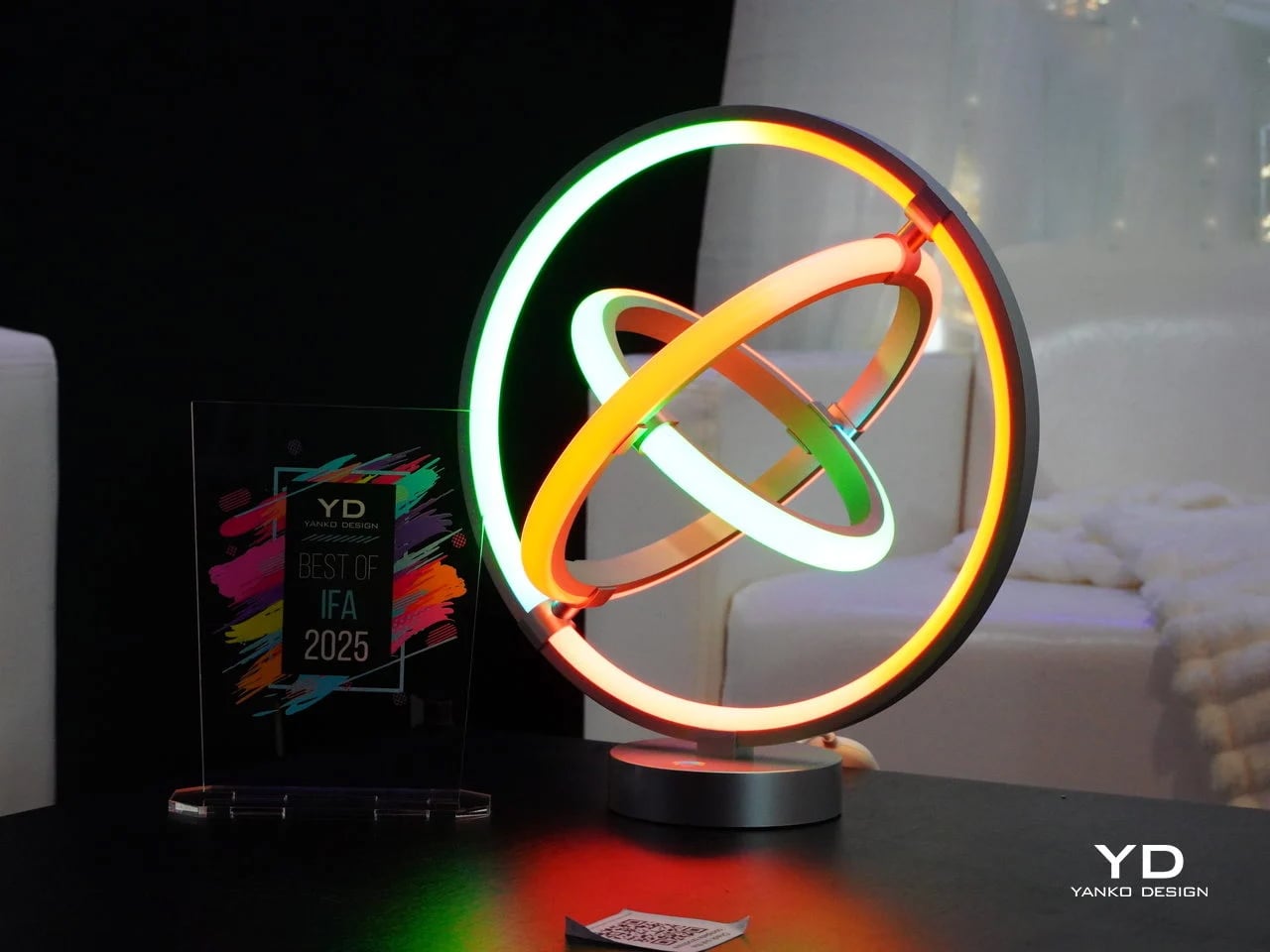
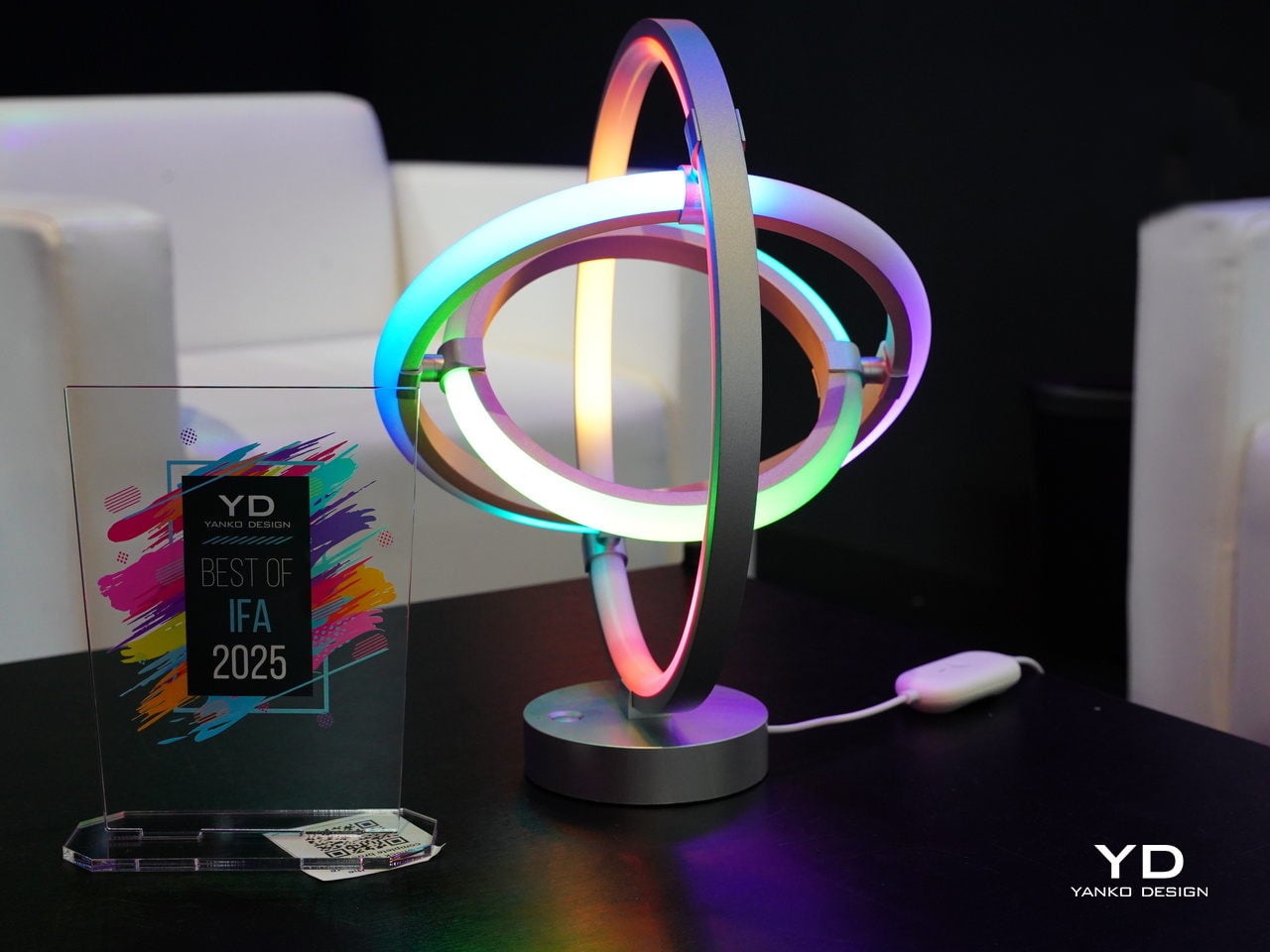
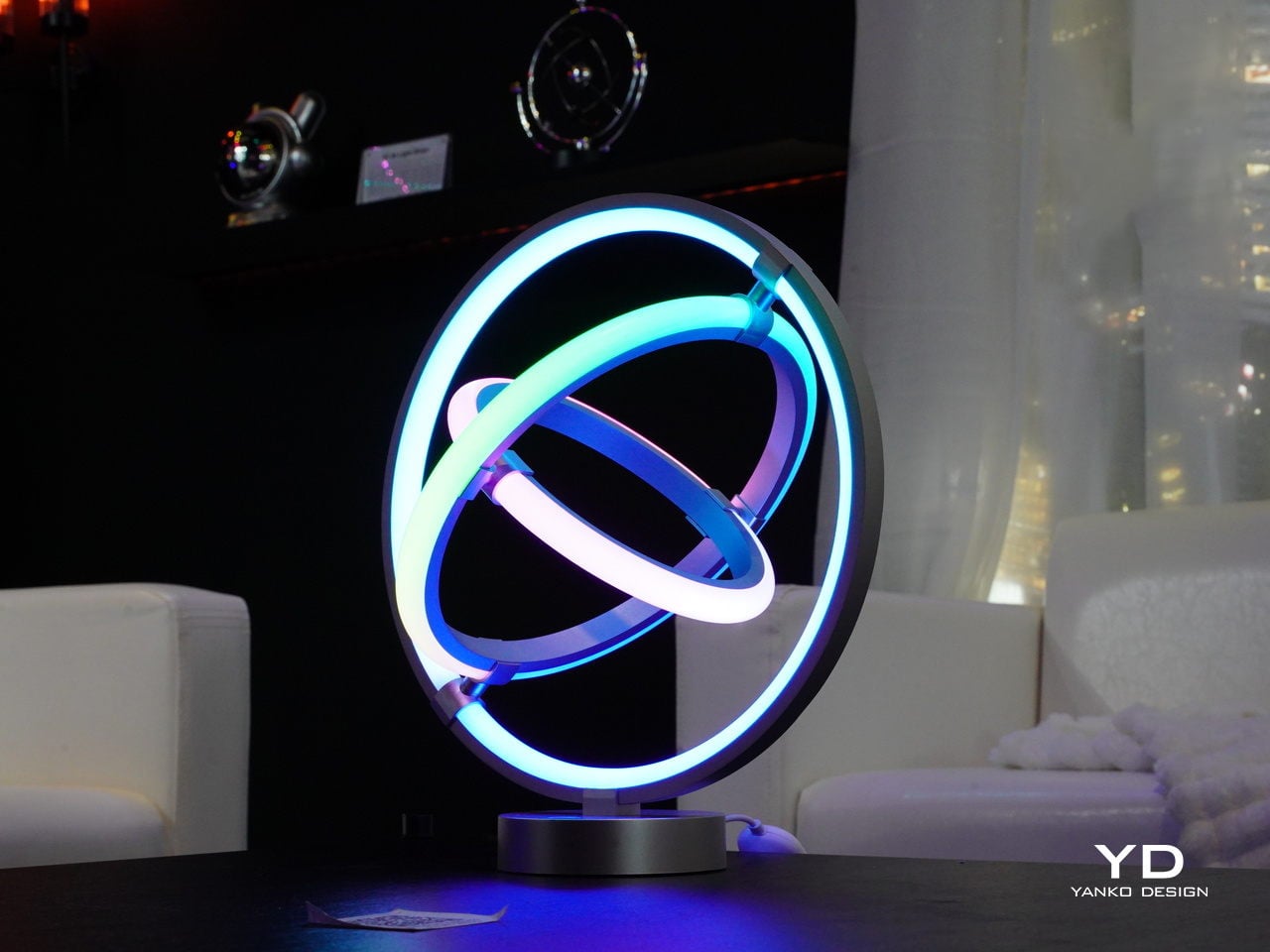
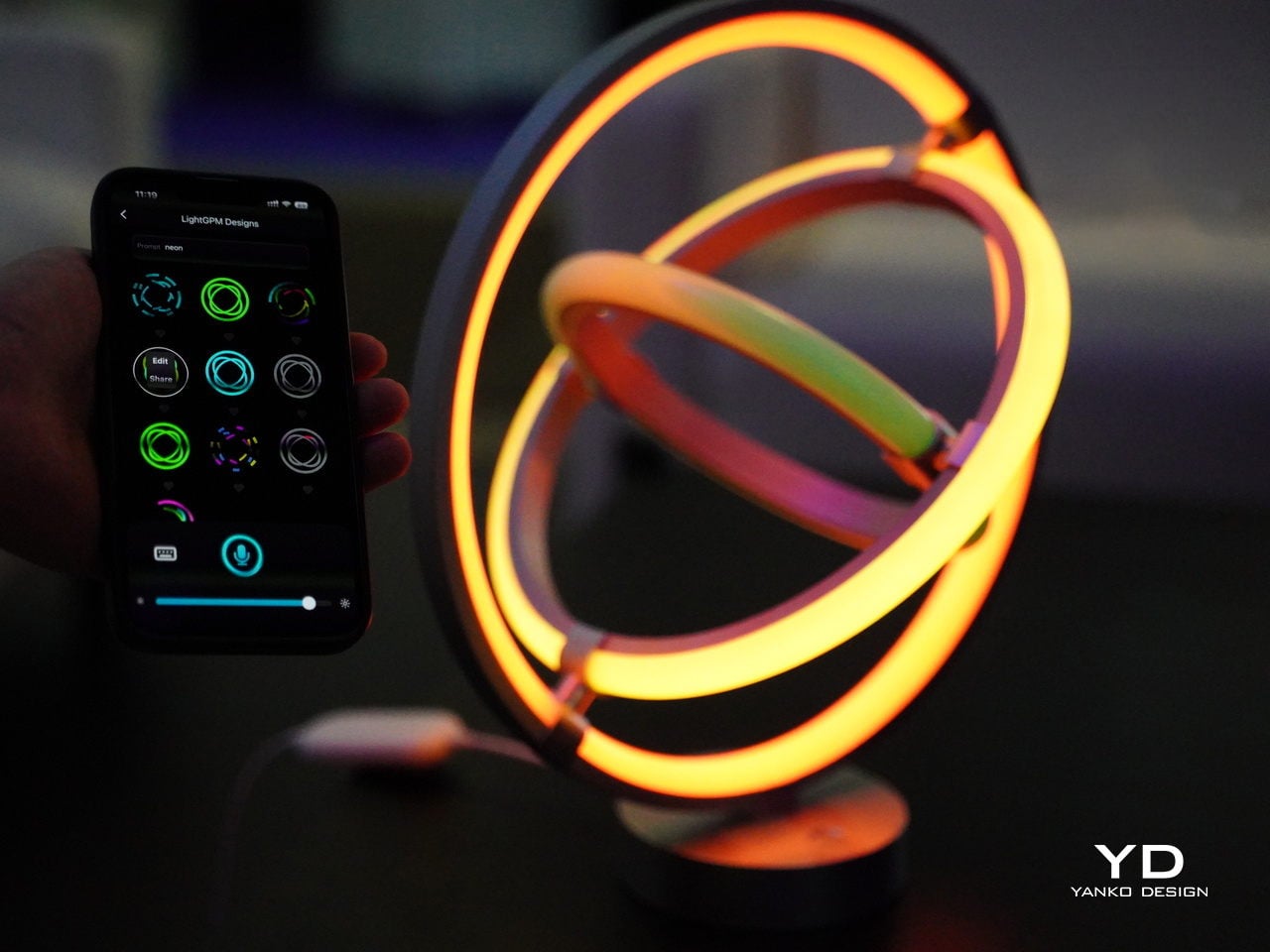
The TB1’s defining feature is its AI-powered LightGPM 2.0 system, developed using principles of color psychology and professional lighting design. The system is capable of generating refined lighting scenes from billions of possible combinations, delivering precise, task-appropriate illumination without requiring manual configuration. Through simple voice commands such as “Hey Lepro,” users can activate lighting modes tailored for activities including gaming, or social gatherings. The AI interprets intent in real time and produces a balanced, professional-grade ambience with minimal user intervention.
The product also incorporates a built-in microphone and LightBeats technology, enabling lighting to synchronize dynamically with music, while segmented control allows detailed customization across different sections of the lamp. By combining intelligent scene generation, hands-free interaction, and a distinctive sculptural form, the TB1 positions itself as a forward-looking lighting solution. It enhances modern living environments through responsive, adaptive illumination that prioritizes ease of use and functional design.
4. Sensory-Driven Artificial Intelligence
Next-gen devices in 2026 are no longer blind to their surroundings. Equipped with high-fidelity microphones and low-power cameras, these pocket companions possess contextual awareness. They can “see” the ingredients on your kitchen counter to suggest a recipe or “hear” the tone of a meeting to provide real-time talking points or summaries that capture subtle emotional cues.
This sensory integration allows the AI to offer help that is actually relevant to your current environment. It isn’t just processing text; it is understanding your physical reality. By merging visual, auditory, and biometric data, your 2026 device acts as a second set of eyes and ears, providing a level of personalized support that was previously confined to science fiction.
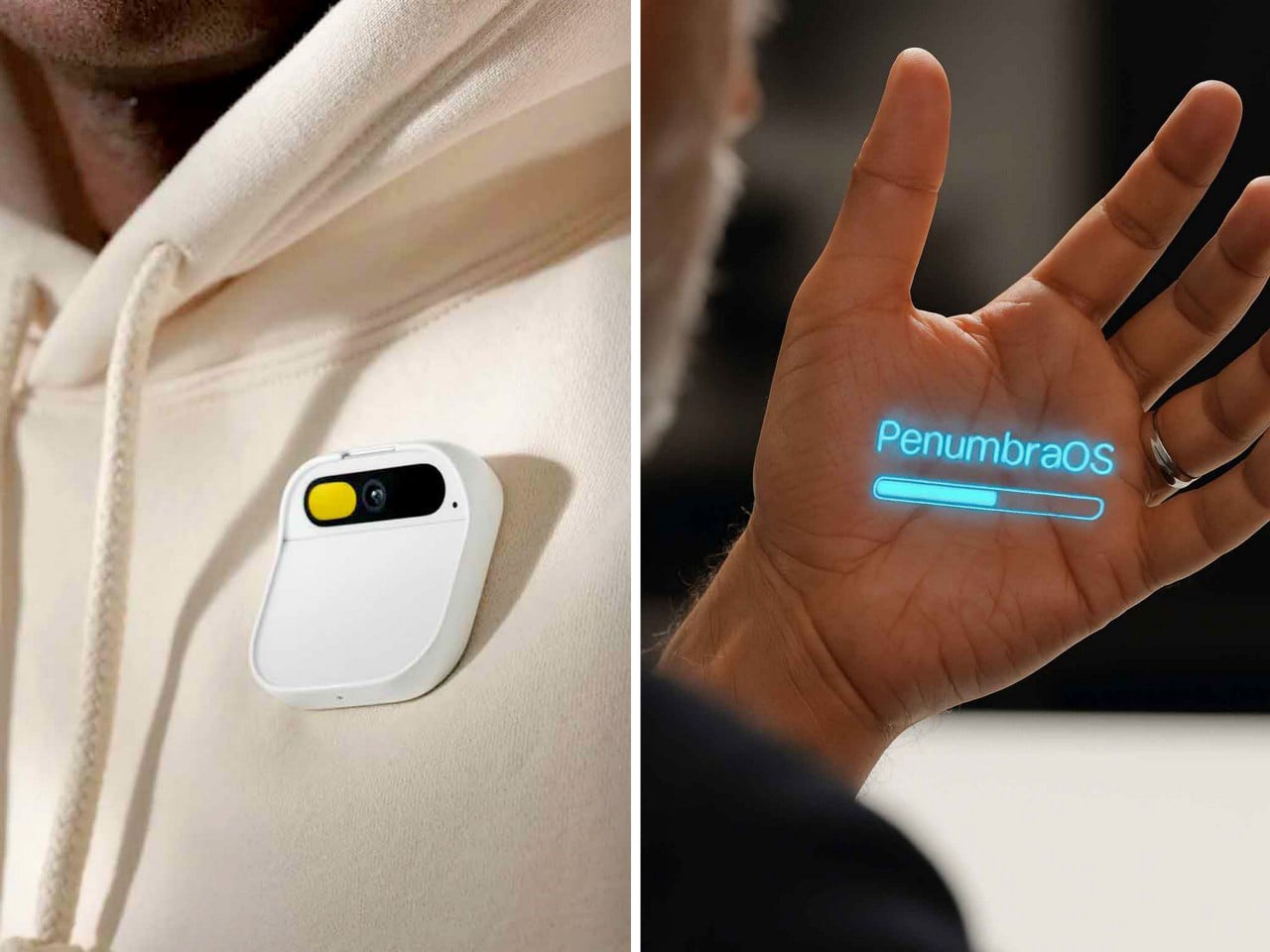
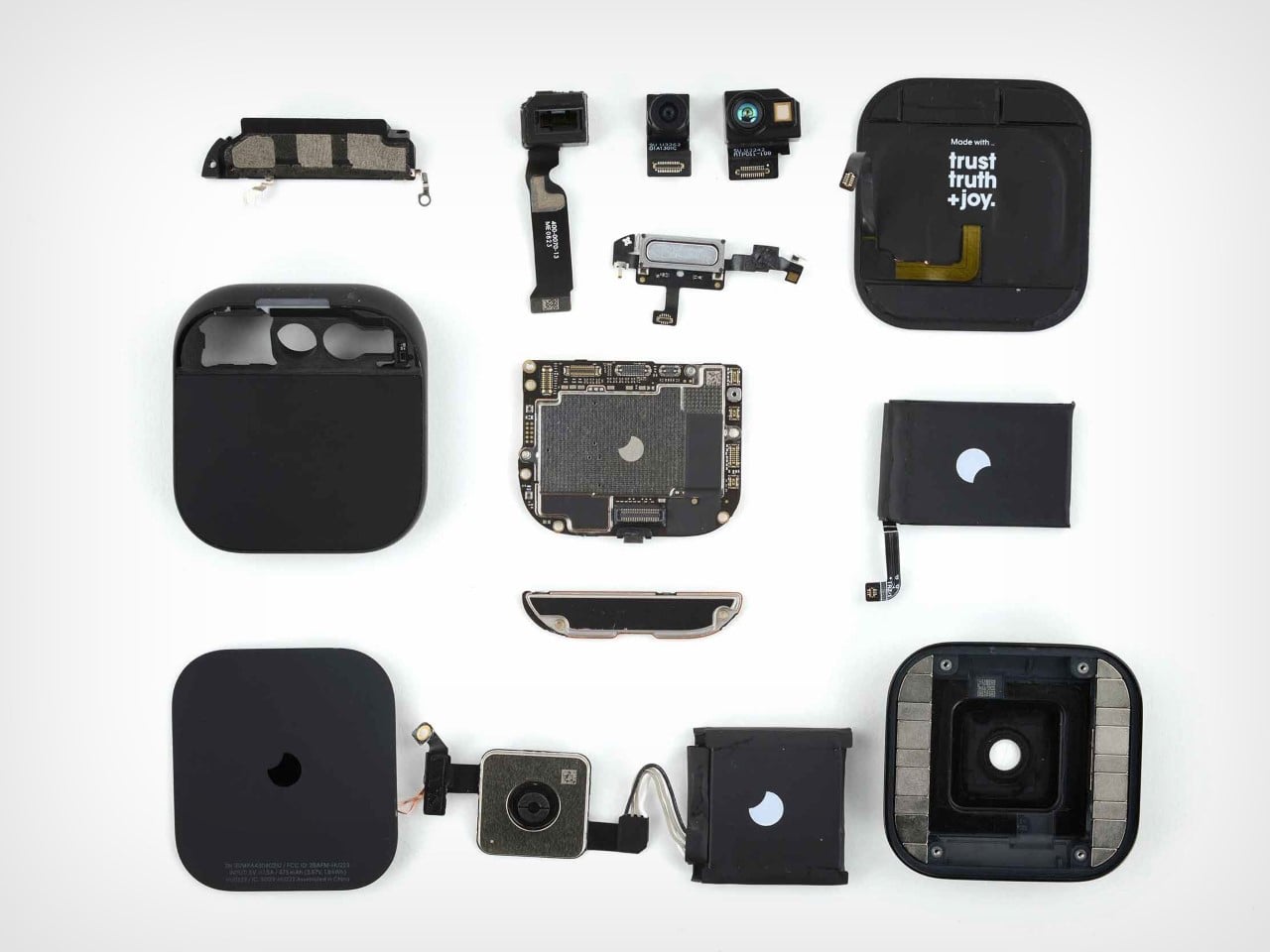
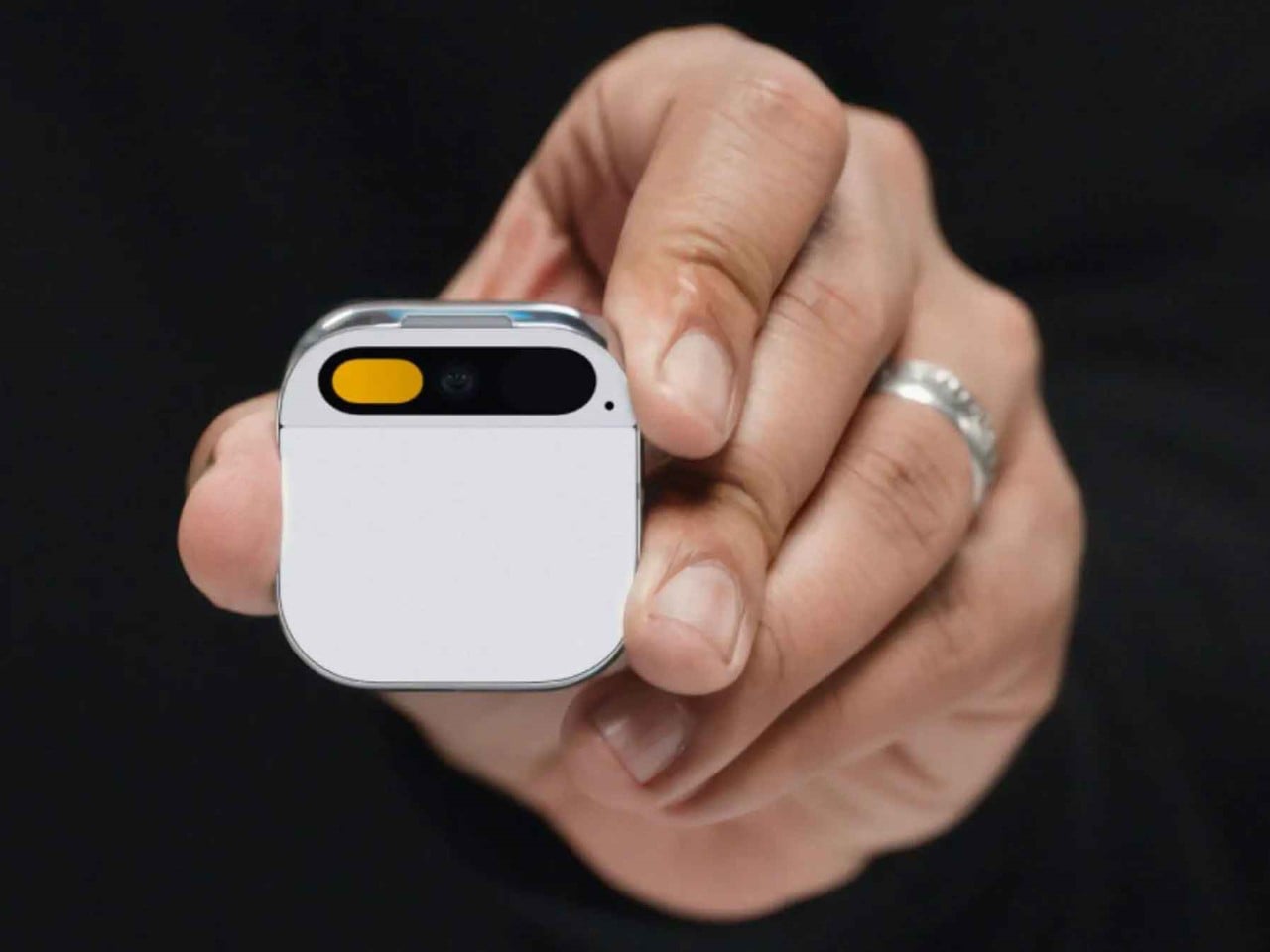
The Humane AI Pin was introduced as a bold vision of screenless, context-aware computing, promising an AI-powered future worn discreetly on the body. For many early adopters, however, the device quickly lost functionality after the discontinuation of its cloud services, rendering its advanced features inoperative. What remained was a piece of thoughtfully engineered hardware—complete with a miniature projector, sensors, microphones, and cameras—stranded without a viable software ecosystem. As a result, the Pin became a notable example of how tightly coupled hardware and proprietary services can limit a product’s long-term relevance.
This narrative has begun to shift with the emergence of PenumbraOS, an experimental software platform developed through extensive reverse engineering. By reimagining the AI Pin as a specialized Android-based device, PenumbraOS unlocks privileged system access and introduces a modular assistant framework to replace the original interface. This effort reframes the Humane AI Pin not as a failed product, but as a capable development platform with renewed potential. Through open-source collaboration, the device now serves as a case study in how community-led innovation can extend the life and value of forward-thinking hardware.
5. Data in Your Pocket
As AI becomes more personal, the demand for “Data Sovereignty” has reached a fever pitch. 2026 hardware solves the “creepy” factor through hardware-level privacy vaults. Because the majority of AI processing now happens locally, your most sensitive conversations, health data, and private photos never have to leave the physical device to be processed in a distant corporate data center.
This “Privacy by Design” approach has built a new level of trust between users and their machines. With encrypted local storage and physical kill switches for sensors, next-gen devices ensure that your digital twin remains yours alone. In a world where data is the most valuable currency, the 2026 device serves as a secure fortress that protects your personal identity while amplifying your capabilities.
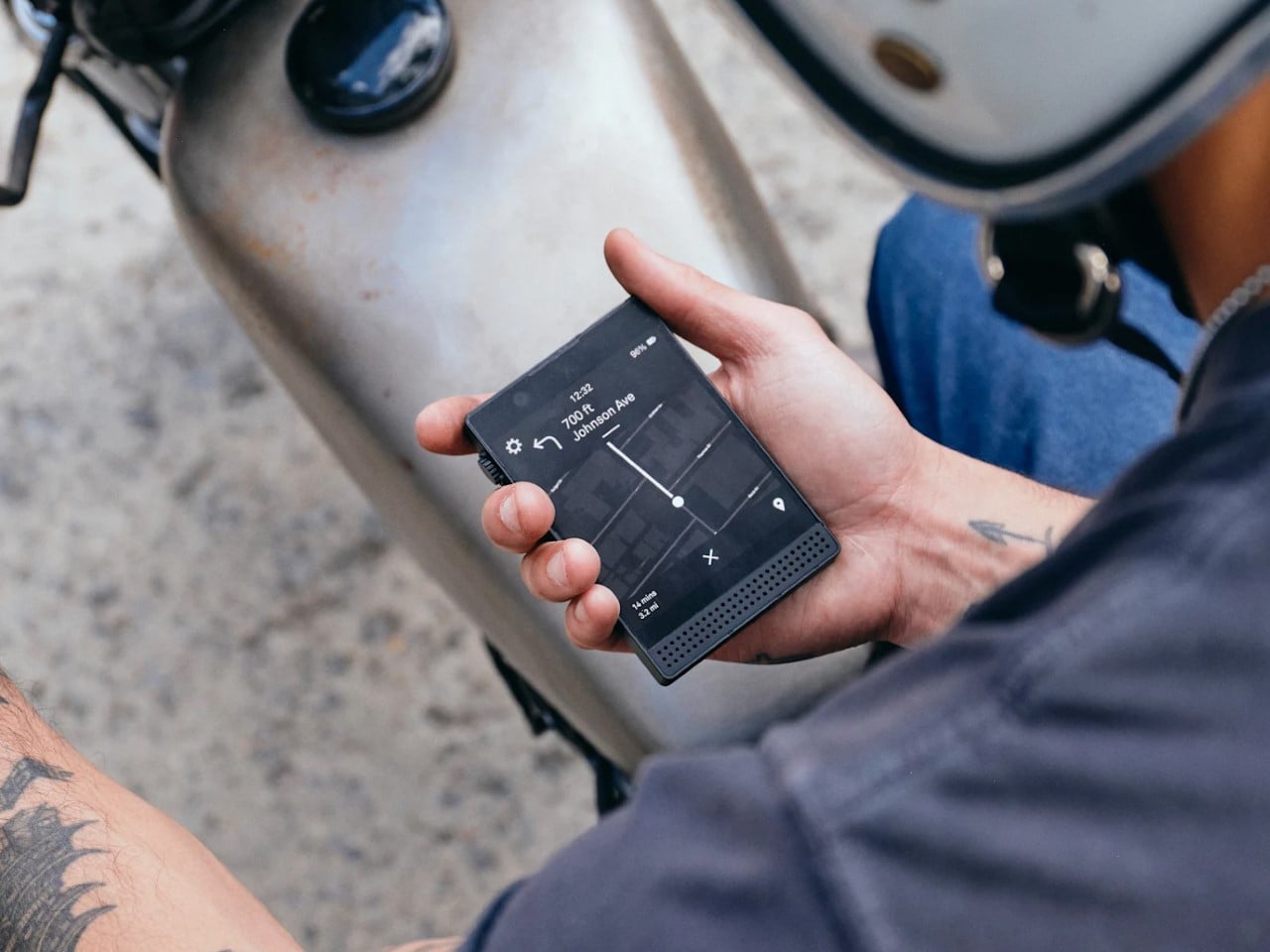
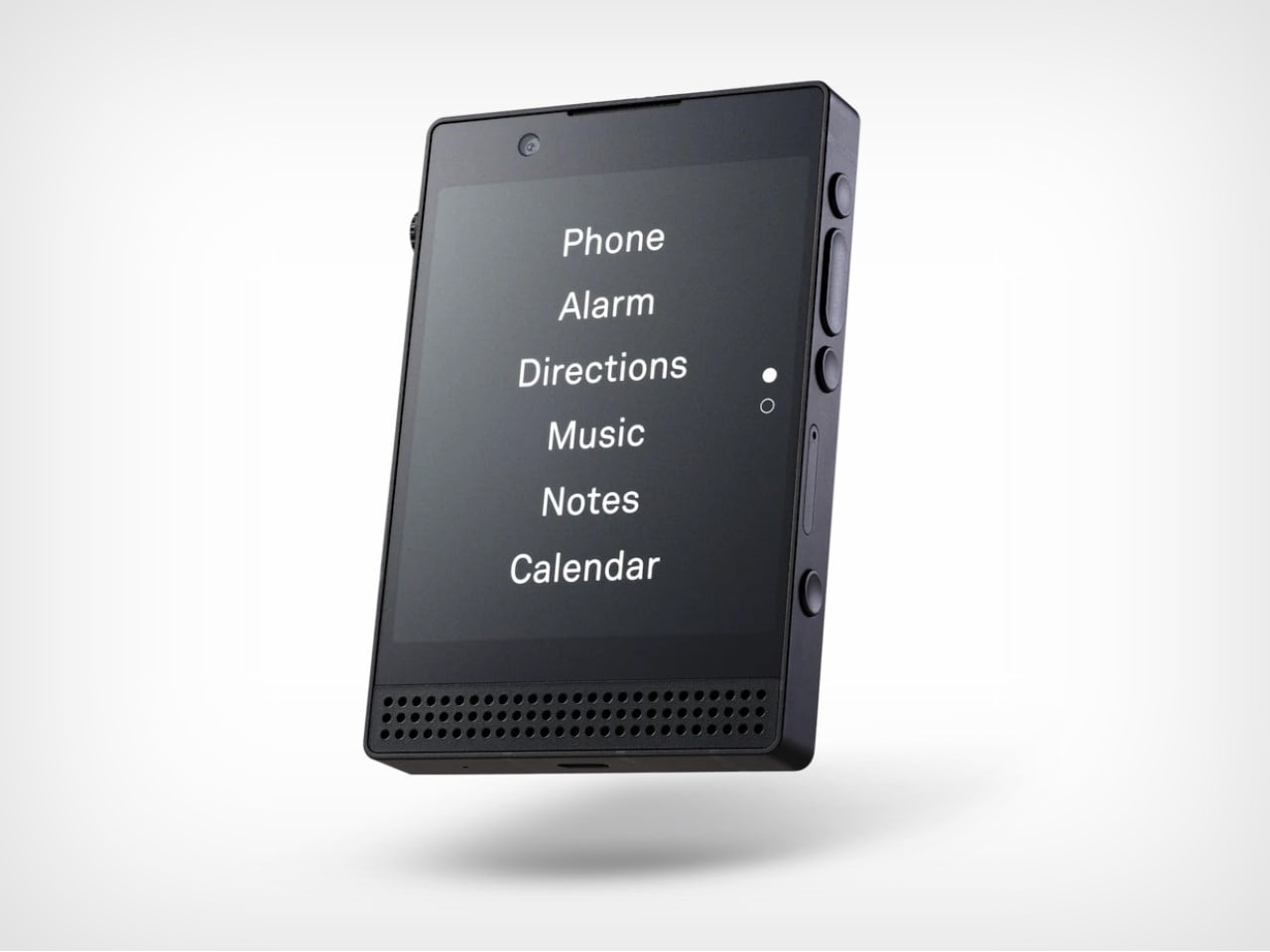
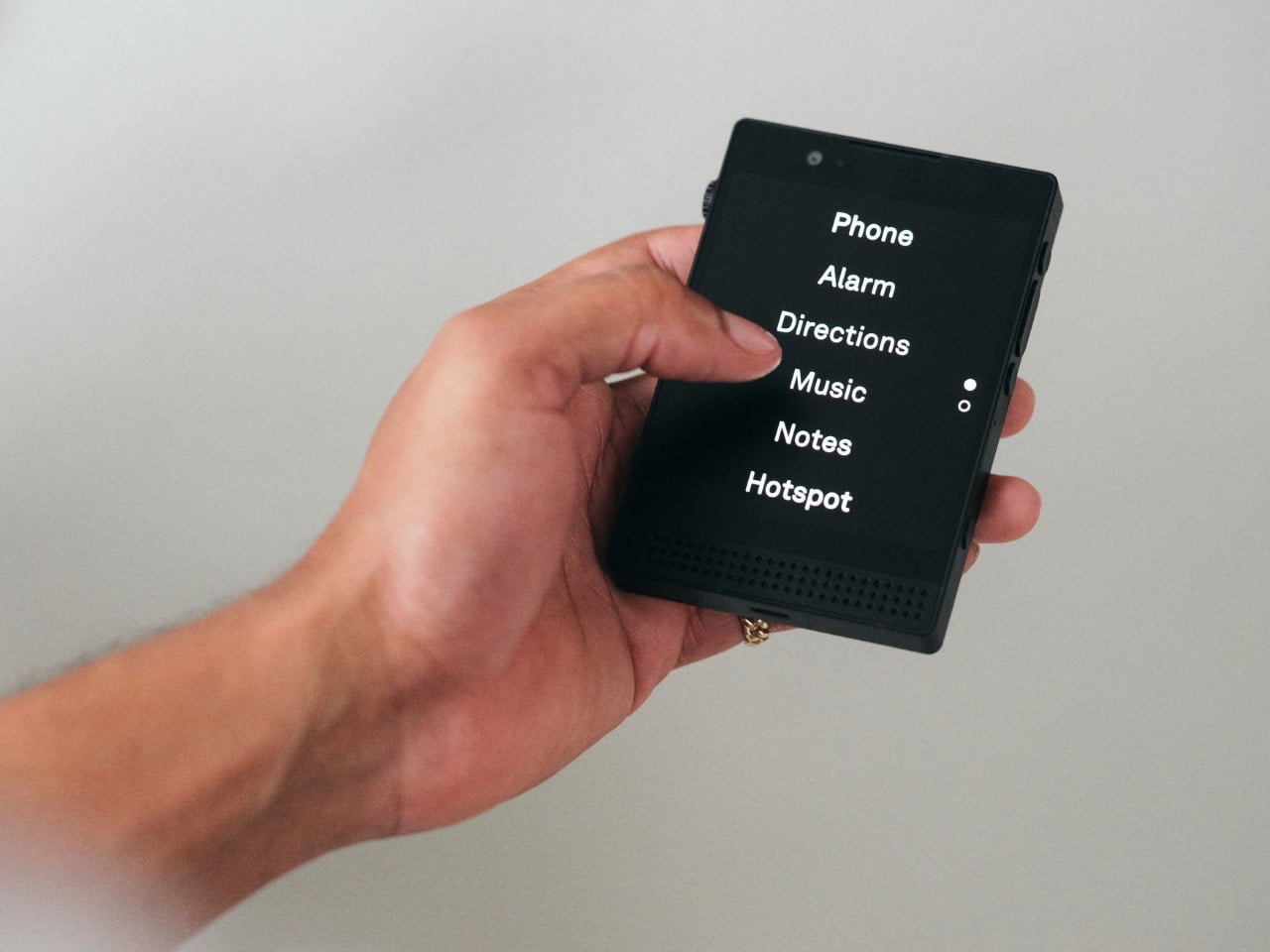
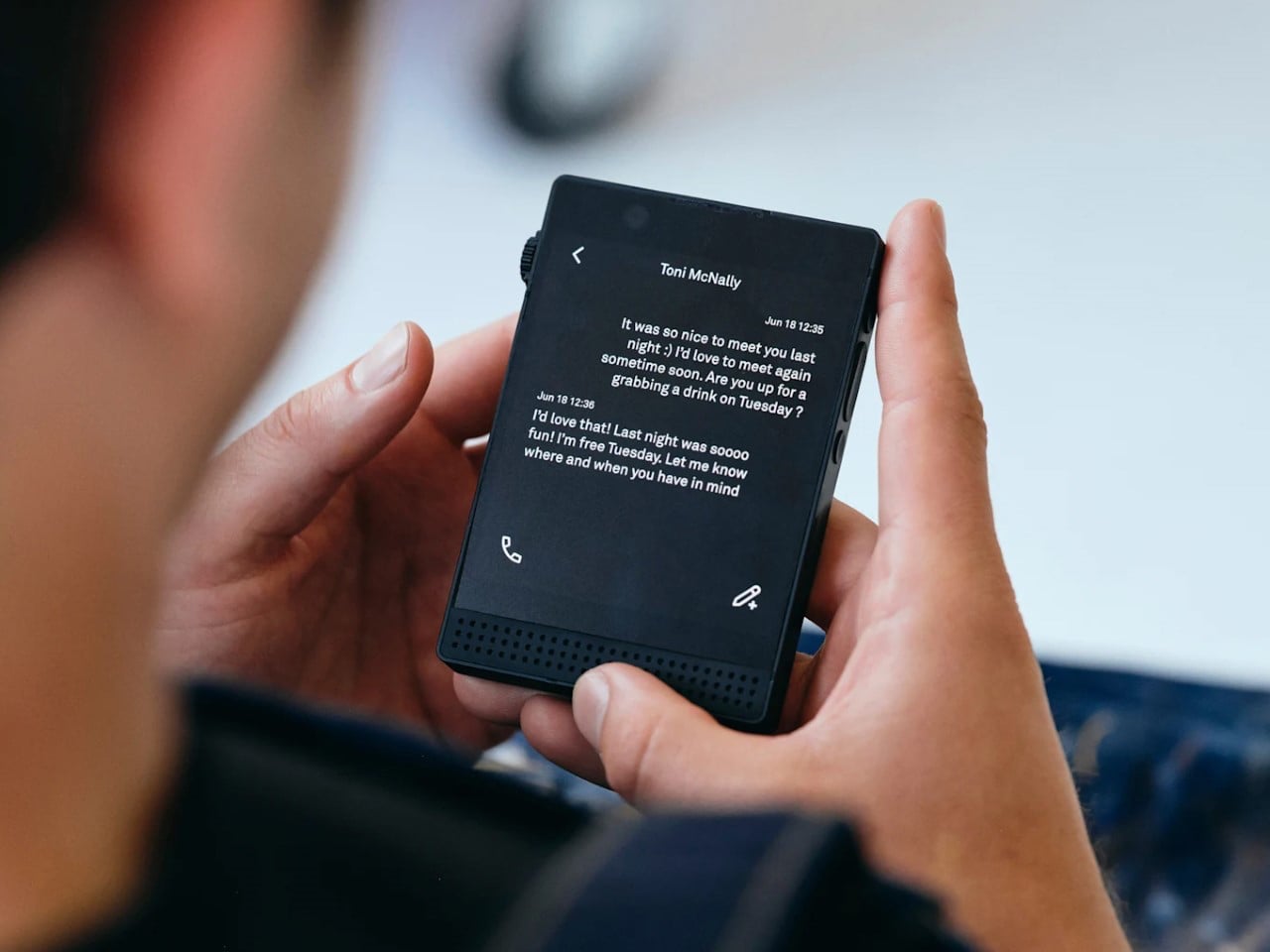
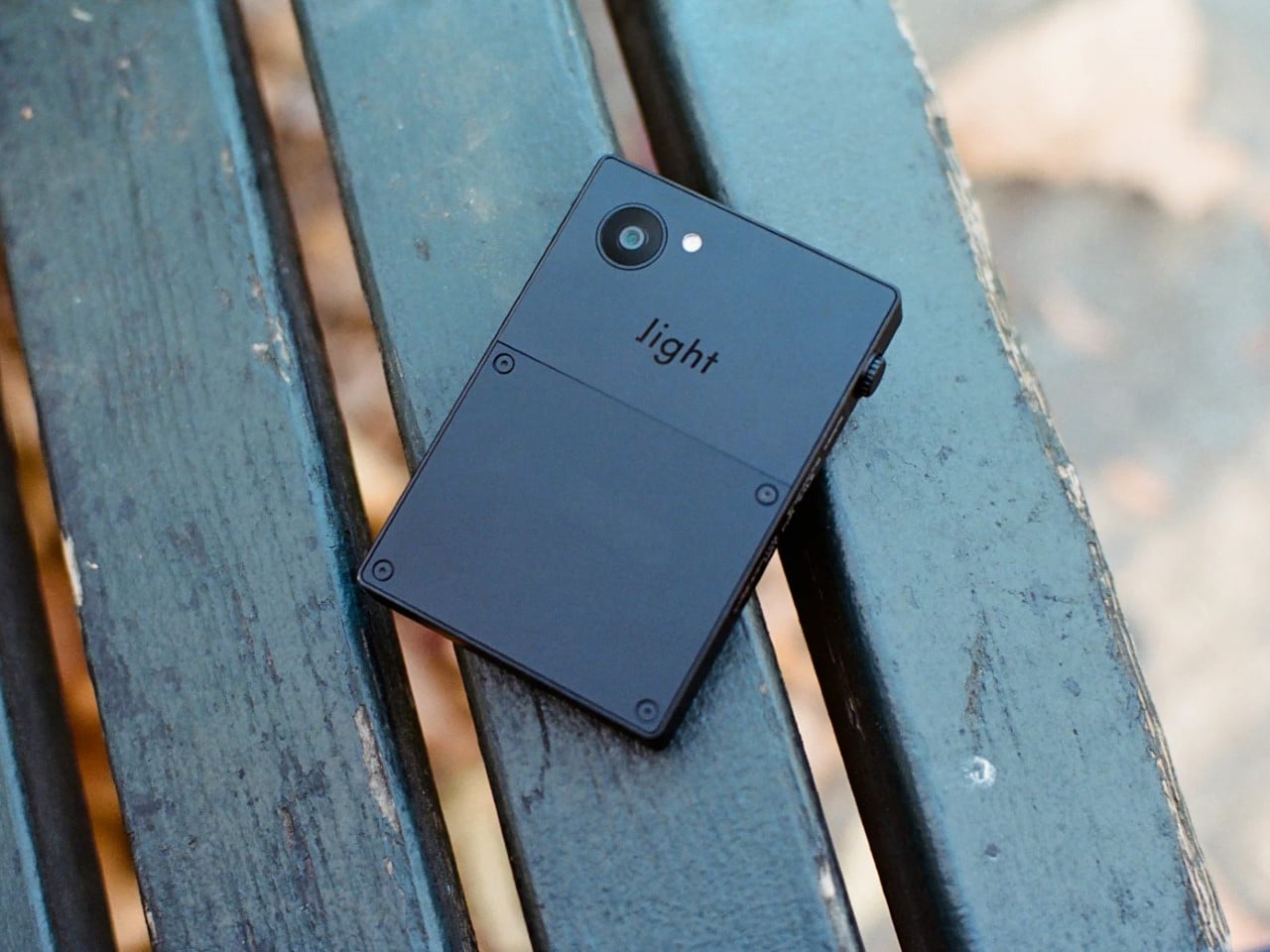
The Light Phone III is a purpose-built device designed around simplicity, privacy, and intentional use. It features a 3.92-inch black-and-white OLED display that replaces the earlier e-ink screen, offering sharper visuals, faster response, and improved legibility across lighting conditions. The interface is minimal and distraction-free, supporting essential functions such as calls, messages, navigation, music, podcasts, and notes. Powered by a Qualcomm SM4450 processor with 6GB of RAM and 128GB of storage, the device delivers smooth performance while remaining firmly limited to core tasks.
The product introduces a single, straightforward camera with a fixed focal length and a physical two-stage shutter button, emphasizing documentation over content creation. Its compact, solid form factor includes a user-replaceable battery, fingerprint sensor integrated into the power button, stereo speakers, USB-C charging, NFC, and GPS that prioritizes user privacy. Every design decision reflects a restrained, ethical approach to personal technology, positioning the Light Phone III as a secure, focused alternative to conventional smartphones.
The “AI in your pocket” is no longer a futuristic promise but the standard for 2026. By moving intelligence to the edge, embracing agentic workflows, and prioritizing local privacy, next-gen devices have successfully bridged the gap between human intent and digital execution. We are no longer using technology as we are living alongside it.
The Samsung Galaxy S26 Ultra sets a new benchmark in the premium smartphone market, combining innovative technology with unparalleled performance. Powered by the custom Snapdragon 8 Elite Gen 5 chip, this flagship device delivers substantial improvements over its predecessor, the Galaxy S25 Ultra, and outpaces competitors like the iPhone 17 Pro Max in critical […]