The Barbie Flip Phone by HMD combines retro charm with simplicity, offering a screen-free for those seeking a stylish break from smartphones.
The post Barbie Flip Phone by HMD: Nostalgic Design Meets Simplicity first appeared on Trendy Gadget.
The Barbie Flip Phone by HMD combines retro charm with simplicity, offering a screen-free for those seeking a stylish break from smartphones.
The post Barbie Flip Phone by HMD: Nostalgic Design Meets Simplicity first appeared on Trendy Gadget.
There’s a great deal on Apple’s AirPods Pro 2 over at Amazon right now. The earbuds are currently 28 percent off, bringing them down to $179. That’s just $10 more than the all-time-low price we saw during October Prime Day, and will save you $70. The AirPods Pro 2 got an update earlier this year that brought some major new features, most notably a suite of hearing health tools and the capability to be used as hearing aids. On top of that, they now offer new gesture-based Siri Interactions and Voice Isolation to reduce background noise when you’re on a call.
Siri Interactions allow for hands- and voice-free Siri controls; you can respond to Siri’s questions simply by nodding or shaking your head. The second-generation AirPods Pro are the best earbuds for iPhone users, with better sound quality than their predecessors and seamless integration with the other devices in the Apple ecosystem. The AirPods Pro 2 offer active noise cancellation and transparency mode, which allows for more natural conversations while they’re in your ear. They also support spatial audio and Dolby Atmos for certain media.
The buds come with four pairs of silicone tips in different sizes and are IP54 rated for protection against dust and sweat. They get up to 6 hours of listening time (though this will be less with certain features, like ANC, enabled) and up to 30 hours with a little help from the USB-C MagSafe Charging Case.
Check out all of the latest Black Friday and Cyber Monday deals here.
This article originally appeared on Engadget at https://www.engadget.com/deals/apples-airpods-pro-2-drop-to-179-in-this-early-black-friday-deal-161357773.html?src=rssThere’s a great deal on Apple’s AirPods Pro 2 over at Amazon right now. The earbuds are currently 28 percent off, bringing them down to $179. That’s just $10 more than the all-time-low price we saw during October Prime Day, and will save you $70. The AirPods Pro 2 got an update earlier this year that brought some major new features, most notably a suite of hearing health tools and the capability to be used as hearing aids. On top of that, they now offer new gesture-based Siri Interactions and Voice Isolation to reduce background noise when you’re on a call.
Siri Interactions allow for hands- and voice-free Siri controls; you can respond to Siri’s questions simply by nodding or shaking your head. The second-generation AirPods Pro are the best earbuds for iPhone users, with better sound quality than their predecessors and seamless integration with the other devices in the Apple ecosystem. The AirPods Pro 2 offer active noise cancellation and transparency mode, which allows for more natural conversations while they’re in your ear. They also support spatial audio and Dolby Atmos for certain media.
The buds come with four pairs of silicone tips in different sizes and are IP54 rated for protection against dust and sweat. They get up to 6 hours of listening time (though this will be less with certain features, like ANC, enabled) and up to 30 hours with a little help from the USB-C MagSafe Charging Case.
Check out all of the latest Black Friday and Cyber Monday deals here.
This article originally appeared on Engadget at https://www.engadget.com/deals/apples-airpods-pro-2-drop-to-179-in-this-early-black-friday-deal-161357773.html?src=rss
The OpenAI o1 AI reasoning model represents a significant leap forward in artificial intelligence capabilities, offering users the opportunity to harness advanced AI power locally. This model stands out for its ability to outperform human experts in complex problem-solving scenarios, marking a crucial step towards Artificial General Intelligence (AGI). By employing sophisticated techniques like Chain […]
The post How to Build Your Own Local o1 AI Reasoning Model appeared first on Geeky Gadgets.
In a new security advisory, Okta has revealed that its system had a vulnerability that allowed people to log into an account without having to provide the correct password. Okta bypassed password authentication if the account had a username that had 52 or more characters. Further, its system had to detect a "stored cache key" of a previous successful authentication, which means the account's owner had to have previous history of logging in using that browser. It also didn't affect organizations that require multi-factor authentication, according to the notice the company sent to its users.
Still, a 52-character username is easier to guess than a random password — it could be as simple as a person's email address that has their full name along with their organization's website domain. The company has admitted that the vulnerability was introduced as part of a standard update that went out on July 23, 2024 and that it only discovered (and fixed) the issue on October 30. It's now advising customers who meet all of the vulnerability's conditions to check their access log over the past few months.
Okta provides software that makes it easy for companies to add authentication services to their application. For organizations with multiple apps, it gives users access to a single, unified log-in so they don't have to verify their identities for each application. The company didn't say whether it's aware of anybody who's been affected by this specific issue, but it promised to "communicate more rapidly with customers" in the past after the threat group Lapsus$ accessed a couple of users' accounts.
This article originally appeared on Engadget at https://www.engadget.com/apps/okta-vulnerability-allowed-accounts-with-long-usernames-to-log-in-without-a-password-150041758.html?src=rssIn a new security advisory, Okta has revealed that its system had a vulnerability that allowed people to log into an account without having to provide the correct password. Okta bypassed password authentication if the account had a username that had 52 or more characters. Further, its system had to detect a "stored cache key" of a previous successful authentication, which means the account's owner had to have previous history of logging in using that browser. It also didn't affect organizations that require multi-factor authentication, according to the notice the company sent to its users.
Still, a 52-character username is easier to guess than a random password — it could be as simple as a person's email address that has their full name along with their organization's website domain. The company has admitted that the vulnerability was introduced as part of a standard update that went out on July 23, 2024 and that it only discovered (and fixed) the issue on October 30. It's now advising customers who meet all of the vulnerability's conditions to check their access log over the past few months.
Okta provides software that makes it easy for companies to add authentication services to their application. For organizations with multiple apps, it gives users access to a single, unified log-in so they don't have to verify their identities for each application. The company didn't say whether it's aware of anybody who's been affected by this specific issue, but it promised to "communicate more rapidly with customers" in the past after the threat group Lapsus$ accessed a couple of users' accounts.
This article originally appeared on Engadget at https://www.engadget.com/apps/okta-vulnerability-allowed-accounts-with-long-usernames-to-log-in-without-a-password-150041758.html?src=rss
In the ever-evolving landscape of smartphones, two giants stand tall: the iPhone 16 and the Samsung Galaxy S24. As consumers navigate the wealth of options, it becomes crucial to understand the key differences between these flagship devices. The video below from George Lock delves into the intricacies of their design, display, performance, battery life, operating […]
The post iPhone 16 vs Galaxy S24: Key Differences and Why One Stands Out appeared first on Geeky Gadgets.
I think my colleague Cherlynn Low jinxed us in the last installment with her mention of a slower than usual October. The last week of the month was jam-packed with news, especially from Apple, so we're in for a busy few weeks of reviews to finish out the year. This week, we tested Amazon's long-awaited color E Ink ereader, a DJI action cam that's finally a worthy GoPro rival and Google's latest tv-streaming device. Here's a quick round-up of the week's in-depth reviews, and a quick preview of what's to come in the post-Halloween deluge.
by Valentina Palladino
After years of users clamoring for a color E Ink option, Amazon finally obliged with the Kindle Colorsoft. This model fills a key gap in the company's ereader lineup, with swift performance and a host of conveniences. The key problem is that it's expensive at $280, plus there's a blue tint to the display when warm light it off. What's more, text isn't as sharp when reading in black and white. Still, this new model will be great for things like graphic novels and other material where you really need to see things in full color. "While it’s very late to the color E Ink party, the Kindle Colorsoft is a solid premium ereader that provides an excellent experience both in color and black and white," Valentina notes.
by Steve Dent
Our camera expert Steve Dent put DJI's new action cam through its paces to see if the company did enough to catch up to the likes of GoPro. The short answer is yes, as the Osmo Action 5 Pro has the best battery life of any model in the category on top of good low-light performance, useful subject tracking and built-in memory. Color quality and video sharpness could be better, but DJI has finally given the competition something to worry about with this model.
"It’s one of the best action cameras I’ve used, with battery life well above rivals, a solid waterproof construction and full support for DJI’s Mic 2," Steve writes. "If low-light performance is key, head straight for DJI’s Action 5 Pro."
by Amy Skorheim
Another streaming device from Google? Yep! The Google TV Streamer isn't a perfect option for your living room, but according to buying advice reporter Amy Skorheim, there's a lot to like about this tiny gadget. Google doubled the price compared to the previous option, which isn't great, and the company didn't include an HDMI cable or support for Wi-Fi 6 or 6E. Once you dive in though, the mix of great UI, attractive design, speedy performance and smart home compatibility make the TV Streamer a handy device.
"Yes, the extra RAM and storage is great, but there are a few features — like Wi-Fi 6E support, true assistant capabilities, screaming processor speeds — that Google could have packed in to make the $100 price tag unassailable," Amy explains. "The Google TV Streamer is responsive and quick, packing the best streaming interface out there with smart home features that are useful and properly integrated."
Over the course of three days this week, Apple announced a new iMac, Mac mini and MacBook Pro, all of which are powered by the company's M4 chips. The biggest design overhaul came in the Mac mini, which truly lives up to its name now that it's a five-inch by five-inch box that's two inches tall, which isn't much bigger than an Apple TV 4K. Of course, the changes to iMac and MacBook Pro warrant a new slate of reviews, so we'll be putting all three machines to the test in the weeks to come.
Sonos' follow-up to the Arc soundbar started shipping this week, and I've received our review unit for testing. Dubbed the Arc Ultra, this model should offer better bass performance from the soundbar itself, before you connect a separate wireless subwoofer. It's the debut for the company's Sound Motion tech, which increases that low-end tone without the need for larger components inside the living room speaker. Look for my review on this unit as early as next week.
Gamers have likely been anticipating a barrage of PS5 Pro reviews, and ours is coming soon as launch day is November 7. As our gaming guru Jessica Conditt shared in her preview last month, it's not a console you need, but rather one that you'll definitely want. Stay tuned for our in-depth thoughts on how the combination of increased power and added tricks factor into that $700 price tag.
This article originally appeared on Engadget at https://www.engadget.com/engadget-review-recap-amazons-colorful-kindle-djis-latest-action-cam-and-more-140046906.html?src=rssI think my colleague Cherlynn Low jinxed us in the last installment with her mention of a slower than usual October. The last week of the month was jam-packed with news, especially from Apple, so we're in for a busy few weeks of reviews to finish out the year. This week, we tested Amazon's long-awaited color E Ink ereader, a DJI action cam that's finally a worthy GoPro rival and Google's latest tv-streaming device. Here's a quick round-up of the week's in-depth reviews, and a quick preview of what's to come in the post-Halloween deluge.
by Valentina Palladino
After years of users clamoring for a color E Ink option, Amazon finally obliged with the Kindle Colorsoft. This model fills a key gap in the company's ereader lineup, with swift performance and a host of conveniences. The key problem is that it's expensive at $280, plus there's a blue tint to the display when warm light it off. What's more, text isn't as sharp when reading in black and white. Still, this new model will be great for things like graphic novels and other material where you really need to see things in full color. "While it’s very late to the color E Ink party, the Kindle Colorsoft is a solid premium ereader that provides an excellent experience both in color and black and white," Valentina notes.
by Steve Dent
Our camera expert Steve Dent put DJI's new action cam through its paces to see if the company did enough to catch up to the likes of GoPro. The short answer is yes, as the Osmo Action 5 Pro has the best battery life of any model in the category on top of good low-light performance, useful subject tracking and built-in memory. Color quality and video sharpness could be better, but DJI has finally given the competition something to worry about with this model.
"It’s one of the best action cameras I’ve used, with battery life well above rivals, a solid waterproof construction and full support for DJI’s Mic 2," Steve writes. "If low-light performance is key, head straight for DJI’s Action 5 Pro."
by Amy Skorheim
Another streaming device from Google? Yep! The Google TV Streamer isn't a perfect option for your living room, but according to buying advice reporter Amy Skorheim, there's a lot to like about this tiny gadget. Google doubled the price compared to the previous option, which isn't great, and the company didn't include an HDMI cable or support for Wi-Fi 6 or 6E. Once you dive in though, the mix of great UI, attractive design, speedy performance and smart home compatibility make the TV Streamer a handy device.
"Yes, the extra RAM and storage is great, but there are a few features — like Wi-Fi 6E support, true assistant capabilities, screaming processor speeds — that Google could have packed in to make the $100 price tag unassailable," Amy explains. "The Google TV Streamer is responsive and quick, packing the best streaming interface out there with smart home features that are useful and properly integrated."
Over the course of three days this week, Apple announced a new iMac, Mac mini and MacBook Pro, all of which are powered by the company's M4 chips. The biggest design overhaul came in the Mac mini, which truly lives up to its name now that it's a five-inch by five-inch box that's two inches tall, which isn't much bigger than an Apple TV 4K. Of course, the changes to iMac and MacBook Pro warrant a new slate of reviews, so we'll be putting all three machines to the test in the weeks to come.
Sonos' follow-up to the Arc soundbar started shipping this week, and I've received our review unit for testing. Dubbed the Arc Ultra, this model should offer better bass performance from the soundbar itself, before you connect a separate wireless subwoofer. It's the debut for the company's Sound Motion tech, which increases that low-end tone without the need for larger components inside the living room speaker. Look for my review on this unit as early as next week.
Gamers have likely been anticipating a barrage of PS5 Pro reviews, and ours is coming soon as launch day is November 7. As our gaming guru Jessica Conditt shared in her preview last month, it's not a console you need, but rather one that you'll definitely want. Stay tuned for our in-depth thoughts on how the combination of increased power and added tricks factor into that $700 price tag.
This article originally appeared on Engadget at https://www.engadget.com/engadget-review-recap-amazons-colorful-kindle-djis-latest-action-cam-and-more-140046906.html?src=rss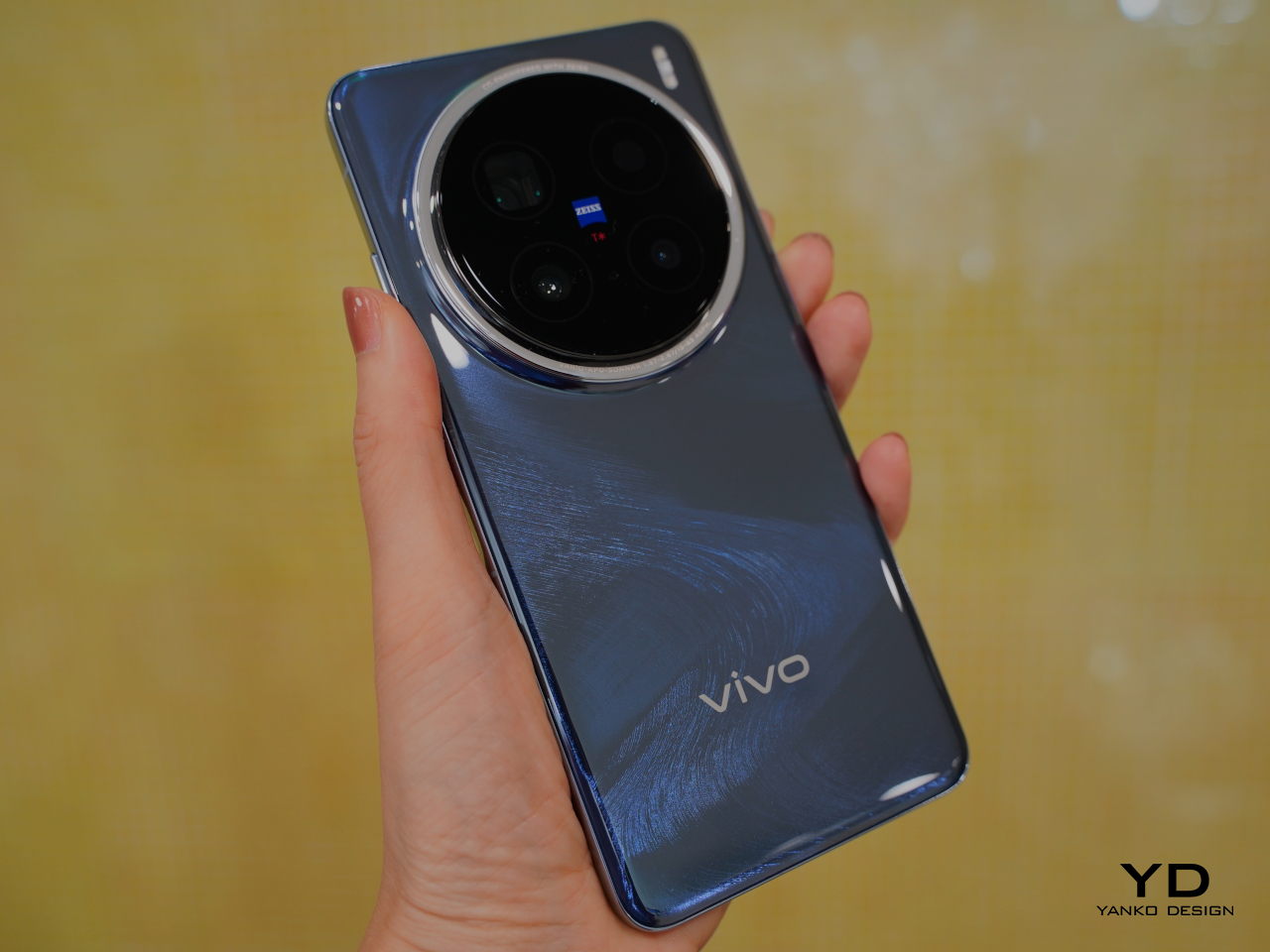
I’ve had the privilege of reviewing many phones, and although each experience is unique, few excite me as much as Vivo’s flagship X series. Having extensively used the Vivo X100 Pro as my go-to device for mobile photography, I was keen to explore the advancements in the new Vivo X200 series.
Launched in Beijing on October 14th, the series includes the X200, X200 Pro, and X200 Pro Mini. While the devices are expected to be available in other markets, Vivo has not yet revealed the details of their availability. For this review, we’ll focus on the Chinese version of the X200 Pro.
Continuing its partnership with Zeiss for the camera system, the X200 Pro aims to capture the attention of tech enthusiasts and content creators alike. In this review, we will explore the various aspects of the device, from its design and ergonomics to its performance and value, to determine how it stands against its competitors.
Designer: Vivo
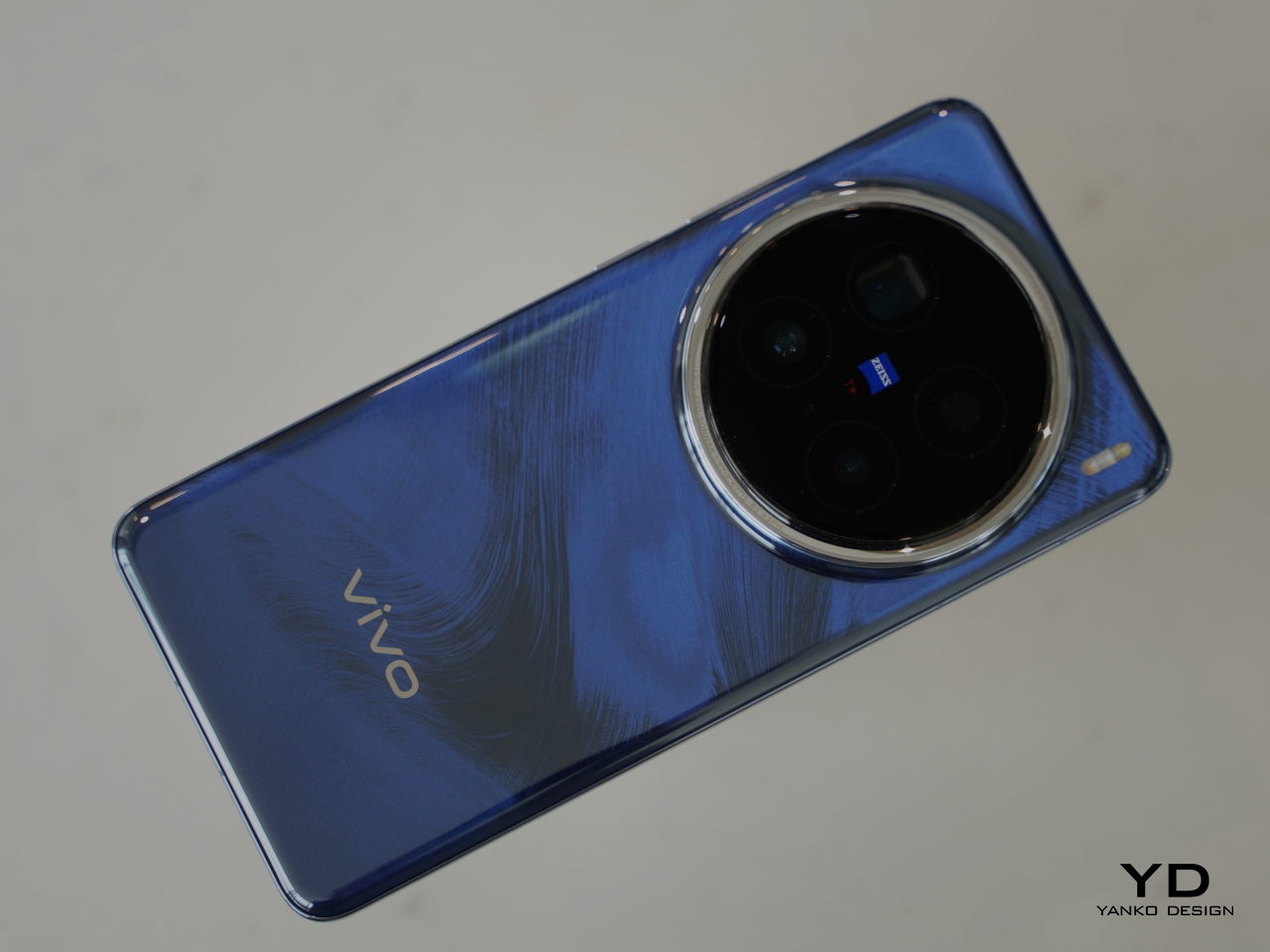
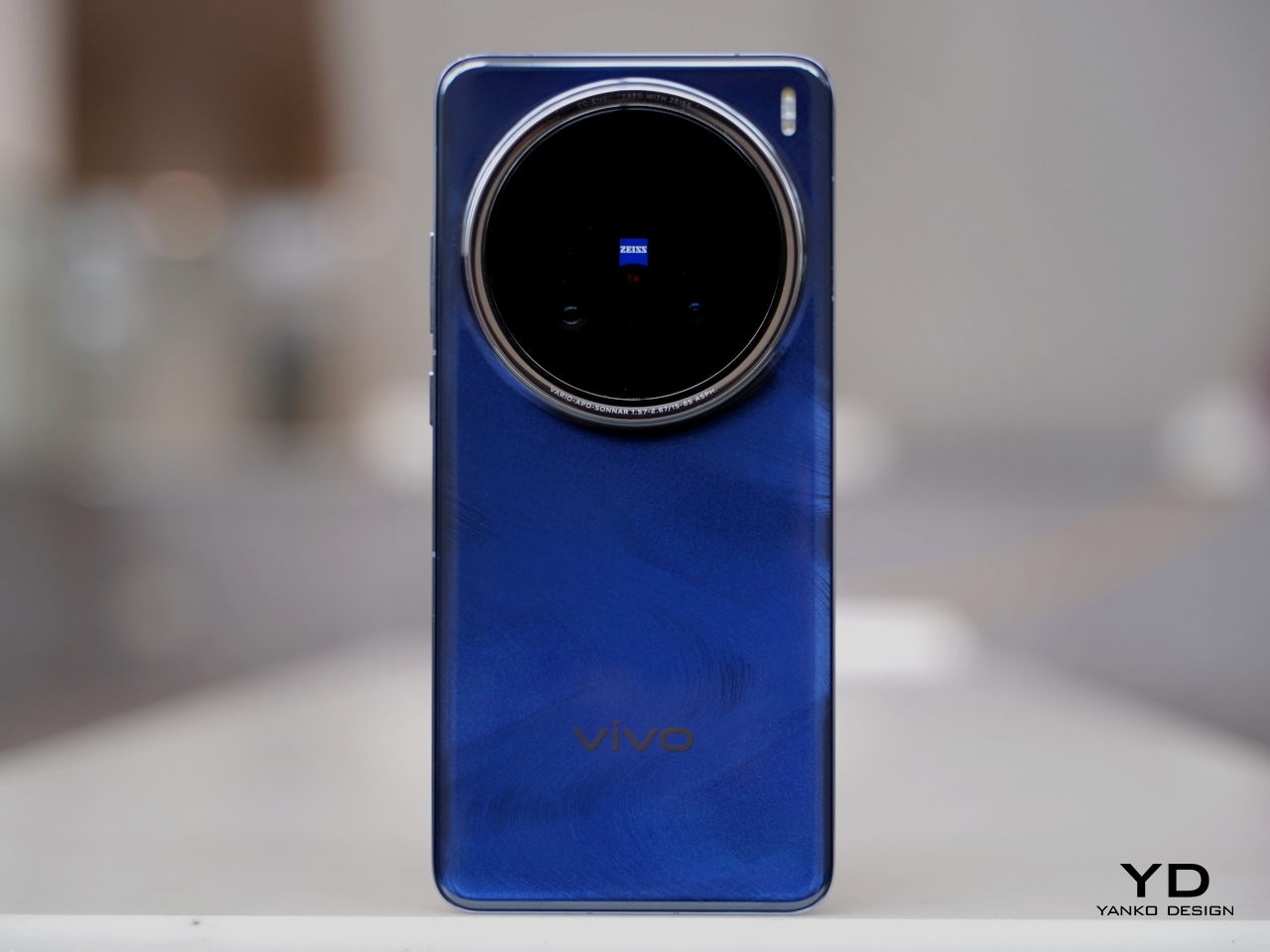
The Vivo X200 Pro maintains the design language of the X series with subtle yet significant changes. The most prominent design element is, of course, the camera island. Now slightly larger, it features a perfectly symmetrical design, moving away from the off-centered ‘Halo’ ring.
Branding elements have been streamlined, with ‘Vivo/Zeiss Co-engineered’ relocated to the upper camera ring, enhancing the device’s minimalist appeal. Being the Chinese version, it is devoid of CE markings, emphasizing a sleek, uninterrupted design.
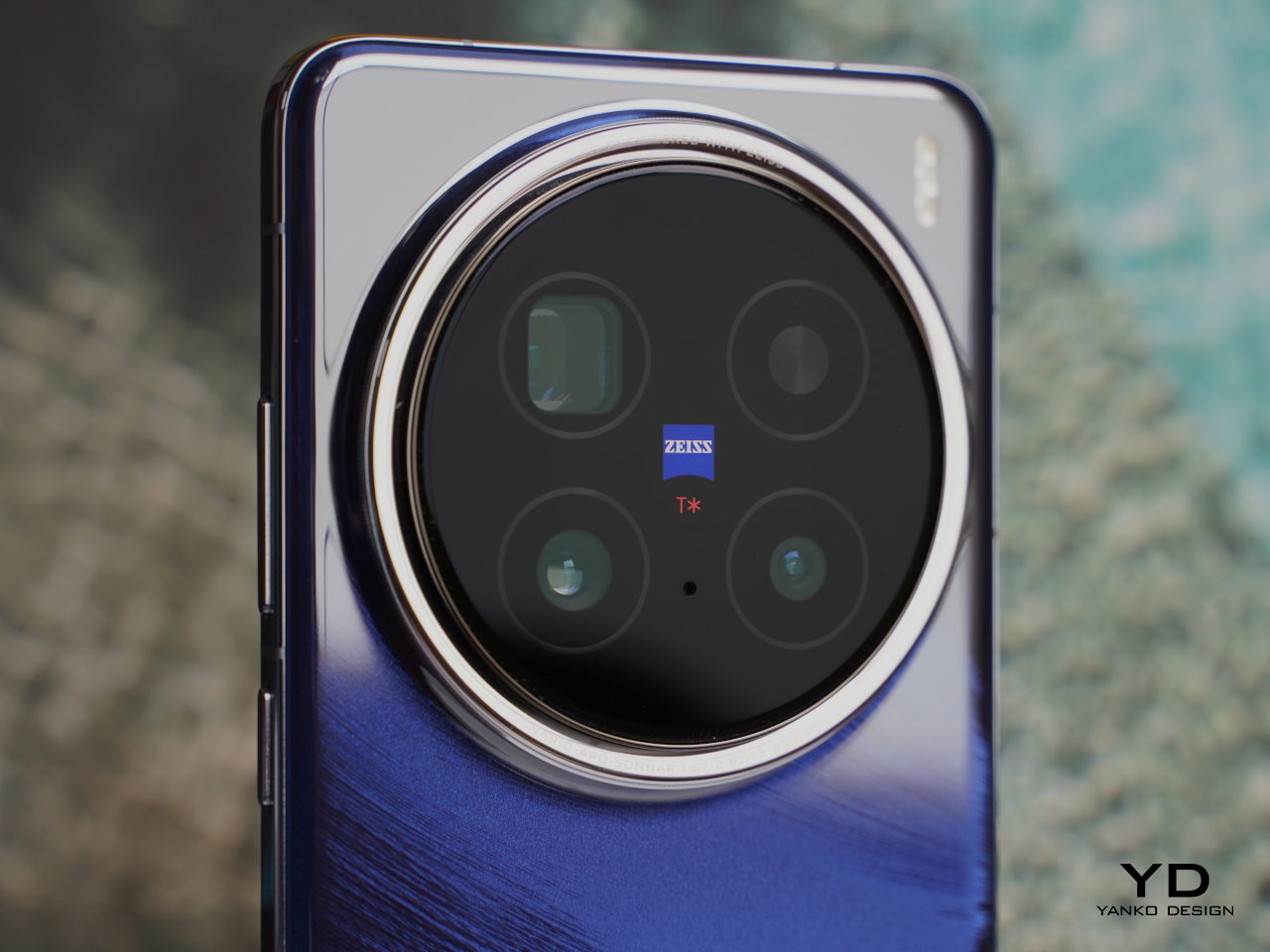
Available in Sapphire Blue, Titanium Grey, Moonlight White, and Carbon Black, the device offers both glossy and matte finishes. The Sapphire Blue review unit we received, inspired by ocean waves, is visually striking but prone to fingerprints, necessitating frequent cleaning. Aside from Sapphire Blue, the other variants lean more towards understated appeals.
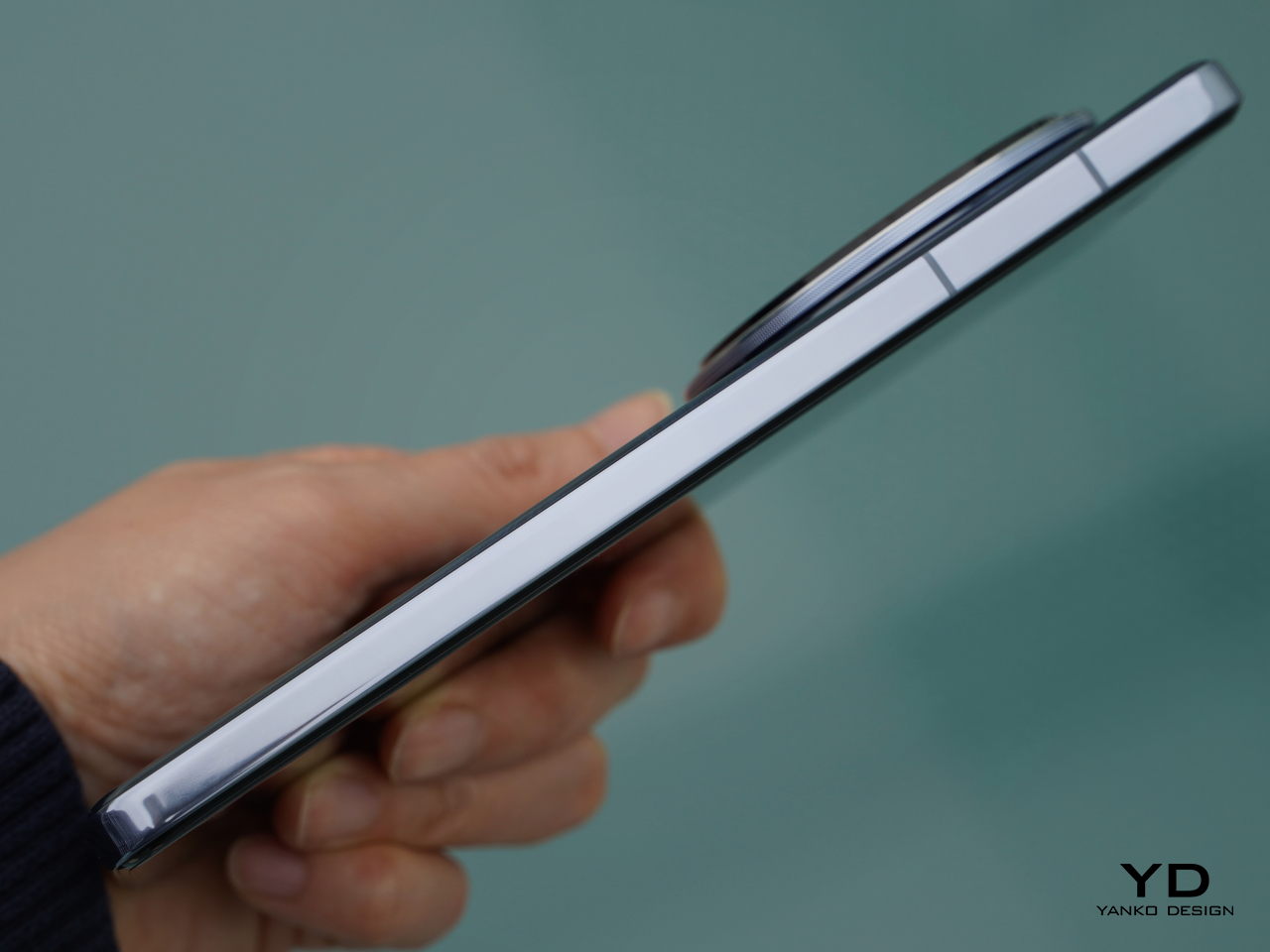
Embracing a micro-curvature design, the Vivo X200 Pro offers a comfortable grip despite its substantial dimensions – 162.36mm in length, 75.95mm in width, and varying thickness of 8.49mm for Sapphire Blue, Titanium Grey, and Moonlight White, and 8.20mm for Carbon Black.
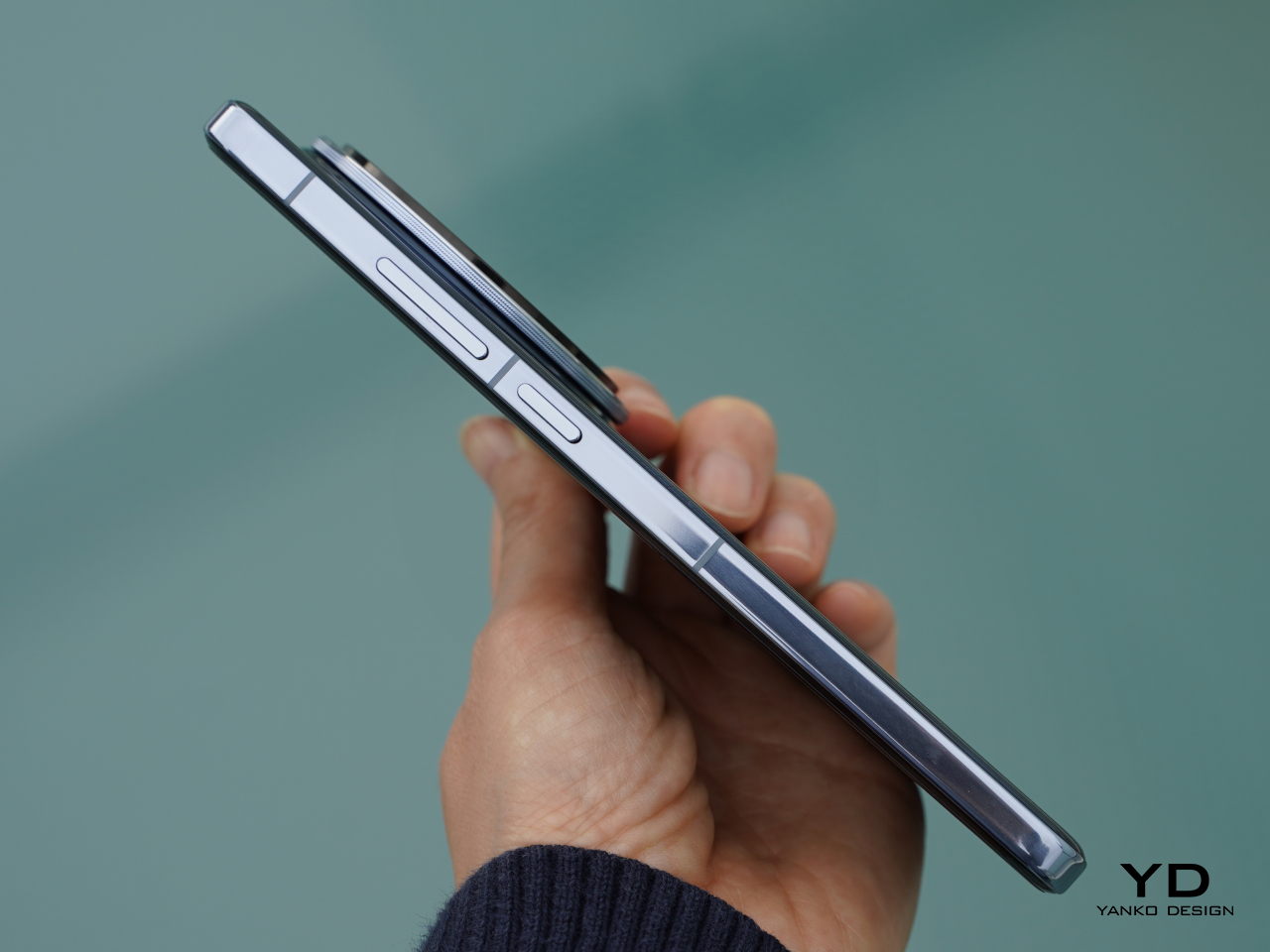
With the large camera island, the Vivo X200 Pro is not a lightweight phone. The Sapphire Blue, Titanium Grey, and Moonlight White variants weigh 228g, whereas the slightly thinner Carbon Black variant weighs 223g. Despite its weight, the flat frame improves grip and usability, enabling larger power and volume buttons that further enhance overall ergonomics.
The quad-curved screen allows for seamless edge swiping, improving navigation. A repositioned ultrasonic fingerprint scanner, placed about 1.6 inches (or 4 cm) from the bottom edge, facilitates a smooth transition from unlocking to usage, exemplifying Vivo’s focus on ergonomic refinement.
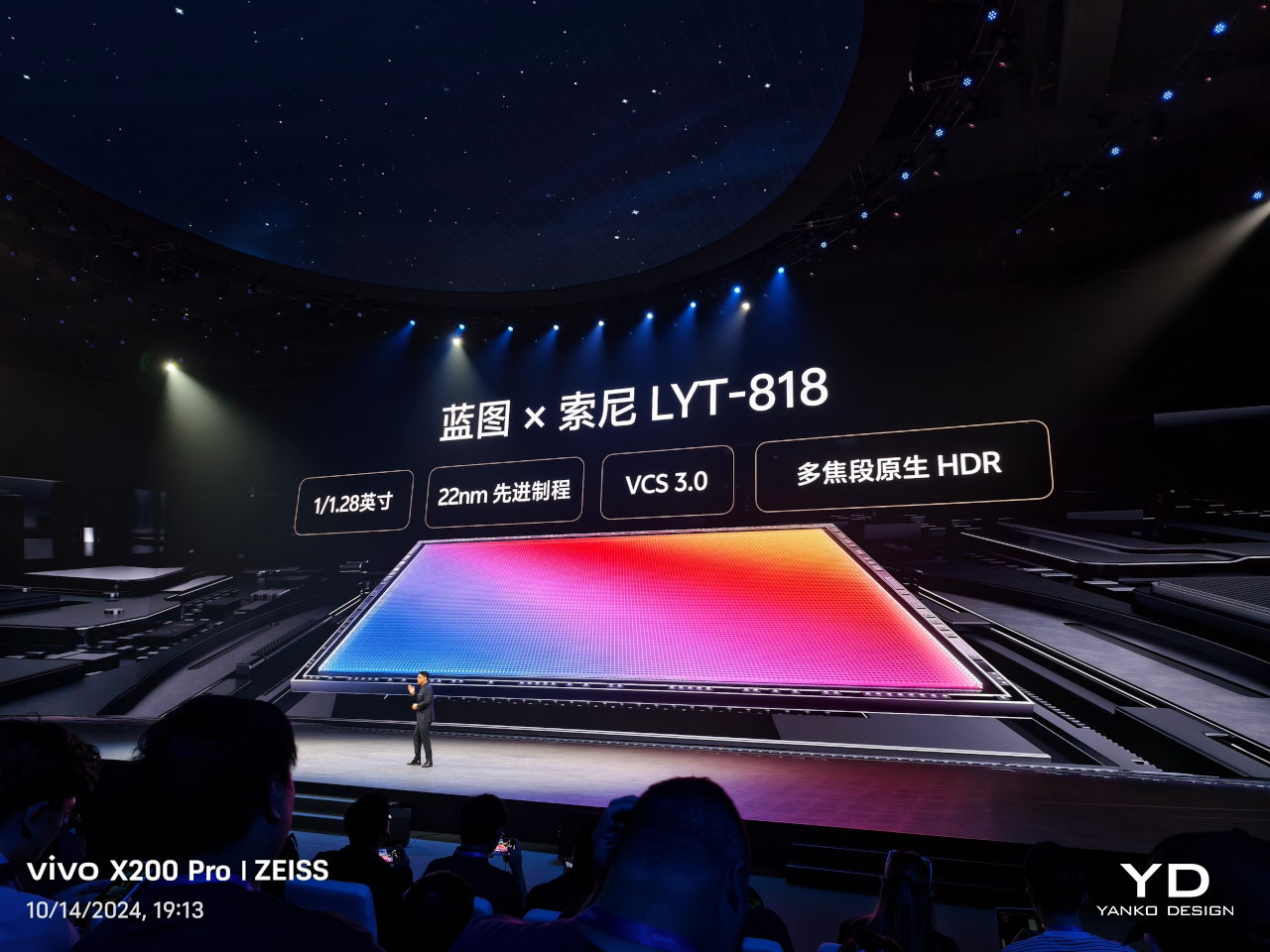
The Vivo X200 Pro features a sophisticated triple-camera system co-developed with Zeiss, utilizing Vivo’s own V3+ imaging chip. The primary camera is a 50MP equipped with the Sony LTY-818 sensor, featuring a 1/1.4-inch sensor size, ZEISS T* coating, an f/1.57 aperture, and Optical Image Stabilization (OIS).



While this sensor, developed in collaboration with Sony, is smaller than its predecessor’s 1-inch version, Vivo claims improvements in power efficiency and HDR performance. Photos captured with the main camera showcase excellent dynamic range, vibrant yet natural color reproduction, and accurate white balance even in low light and challenging lighting conditions.
Main, 1x

Telephoto, 230mm, 10x

Telephoto, 460mm, 20x
The 200MP ZEISS APO periscope telephoto camera is a standout feature, boasting a 1/1.4-inch sensor, the largest currently available for a periscope camera, f/2.67 aperture, OIS, and ZEISS T* coating. The telephoto offers 3.7x optical zoom and doubles as a macro camera, providing flexibility for various photographic scenarios.

Main, 23mm, 1x

Telephoto, 85mm, 3.7x

Telephoto Macro, 230mm, 10x

Telephoto Macro, 85mm, 3.7x
The photos from the telephoto camera deliver the excellence you would expect from a Vivo flagship: rich color, excellent dynamic range, and great depth. However, computational sharpening becomes pronounced beyond 10x zoom. On the other hand, thanks to the short focal distance of telephoto macro mode, you can capture impressive macro photos without needing to get close to the subject.
The portrait mode at all focal lengths – 23mm, 35mm, 85mm, and newly added 135mm- takes stunning photos in most scenarios. The telephoto portrait camera exhibits a big improvement in sharpness and detail compared to the X100 Pro.

Telephoto, Portrait, 135mm

Telephoto, Portrait, 85mm

Telephoto, Portrait, 135mm (Night)
The ultra-wide 50MP camera, equipped with a 1/2.76-inch sensor and f/2.0 aperture, completes the system. The 15mm focal length ultra-wide camera has a somewhat narrower field of view. Because the field-of-view is not very wide, I imagine people would just use the main camera unless the ultra-wide is absolutely necessary.
Photos taken with the ultra-wide lens are decent but occasionally appear overly vibrant, leading to a slightly unnatural look in some conditions. This characteristic might appeal to users who prefer vivid images, but others may find it less desirable.
Despite its strengths, some users may notice significant lens flare when photographing under bright sunlight. This is not unique to the Vivo X200 Pro, as lens flare is a common issue across many cameras, including professional ones. However, it is notably pronounced in certain conditions with this device. Vivo may address this in future software updates.


The Vivo X200 Pro can record 4K 120fps on the main and telephoto cameras, while the ultra-wide and front-facing cameras can shoot up to 4K 60fps. The main camera can also record 8K 30fps but is limited to either 1x or 2x. The phone supports 4K 60fps 10-bit Log video recording. The video footage is well-stabilized and offers great dynamic range, even in low-light conditions.
While the Vivo X200 Pro excels in mobile imaging, the camera user interface is not very intuitive and could use refinement. For instance, the photo mode carousel lets you choose between Landscape mode, Portrait mode, Photo, Video, Portrait Video, and Pro mode, but accessing the humanistic street snap camera mode requires swiping up from Photo mode. Additionally, the feature to adjust video playback speed in 1/10x increments is appreciated, yet it is somewhat hidden within the “Trim” section of the video editing UI, which could be more accessible.
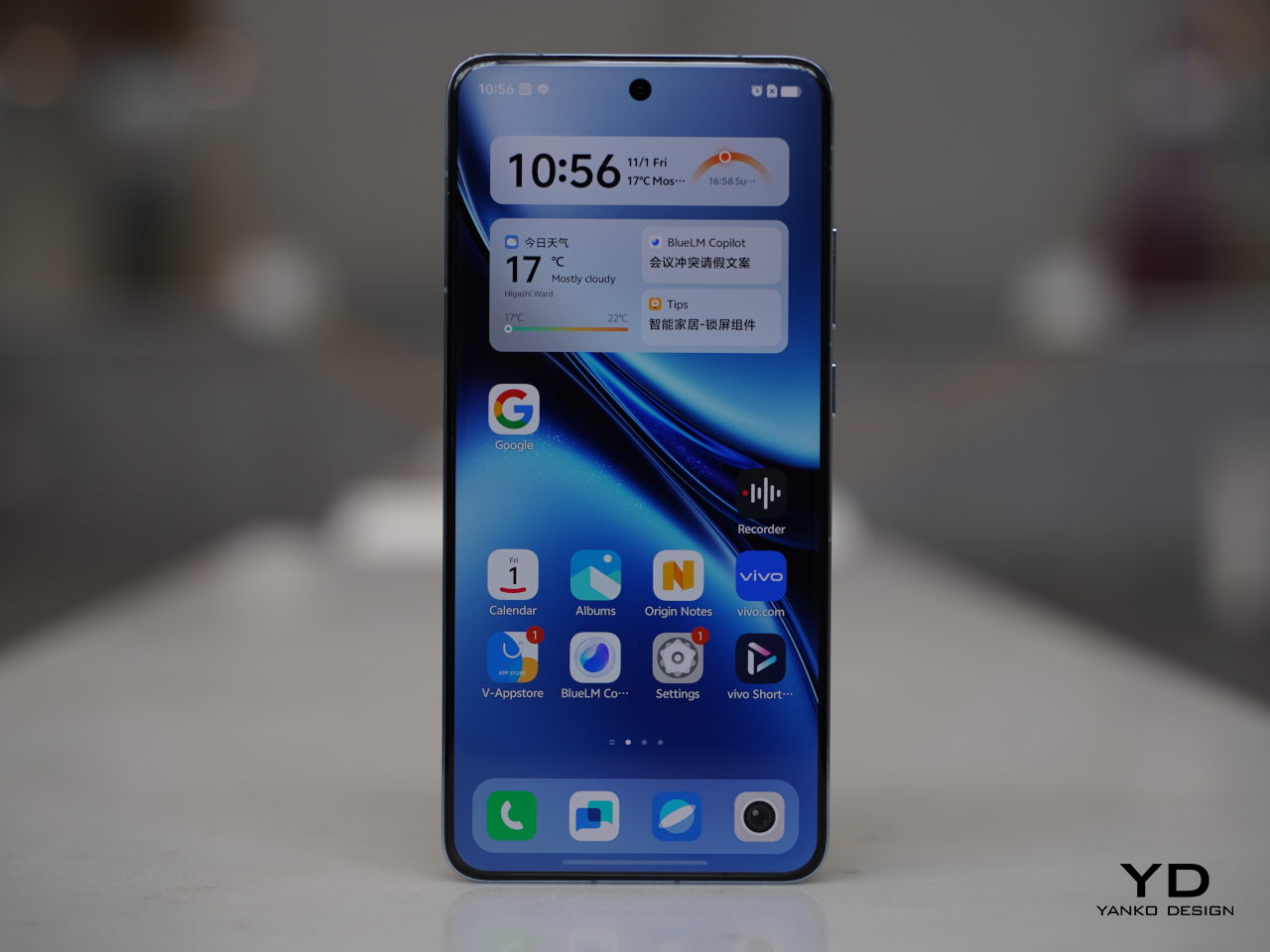
Vivo’s commitment to imaging goes beyond its camera system and extends to the display as well. The Vivo X200 Pro boasts a 6.78-inch AMOLED display that supports LTPO (0.1 to 120Hz). With a resolution of 2800 x 1260, a peak brightness of 4,500 nits, and a pixel density of 452 ppi, the display delivers exceptional clarity and vibrant colors in all lighting conditions. The display’s 2,160Hz PWM dimming feature aims to reduce eye strain, while the quad-curved design enhances aesthetics and ergonomics.
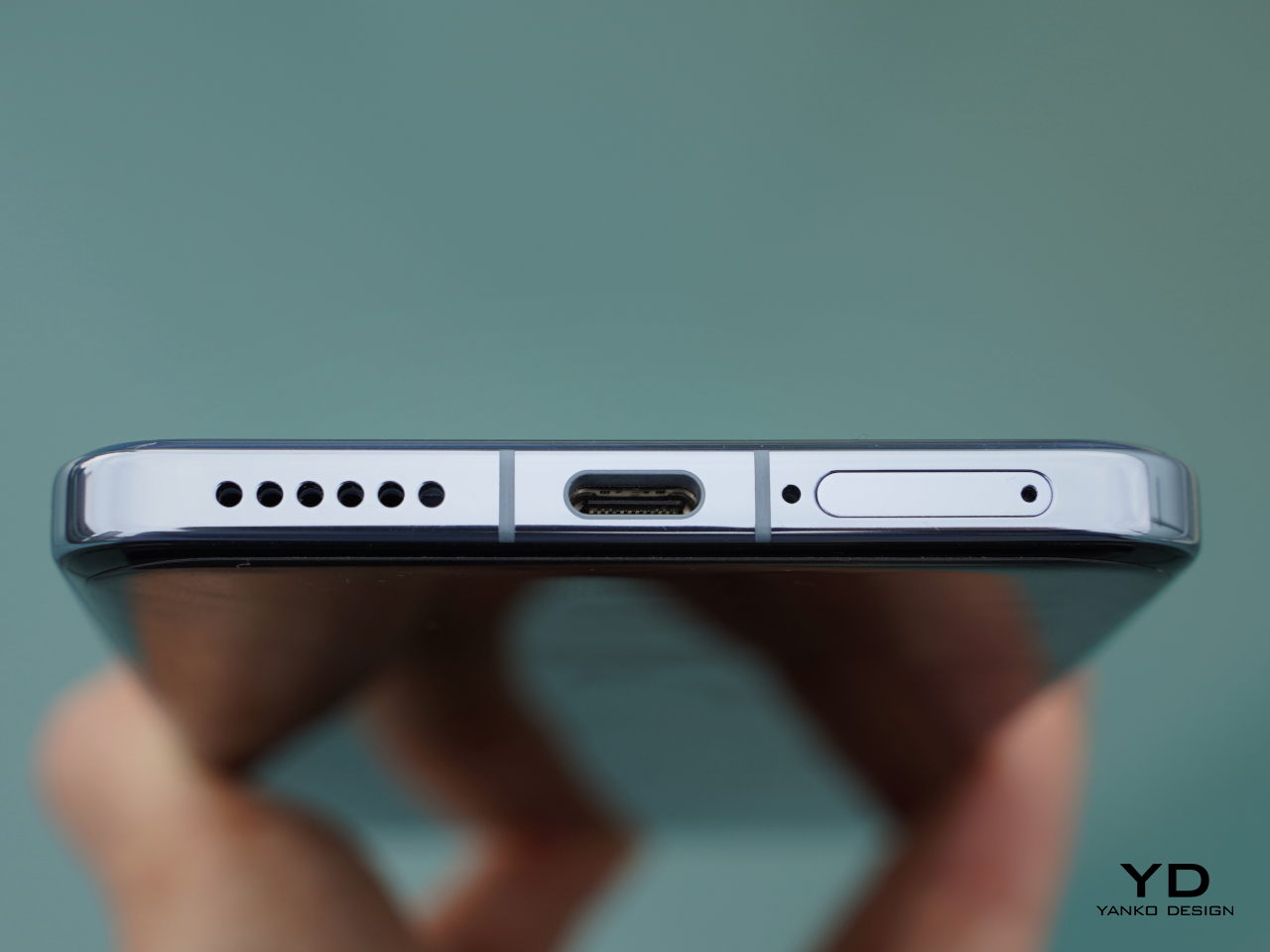
A 6,000mAh battery powers the device, providing ample energy for extended usage. The phone supports 90W wired charging for rapid power replenishment, as well as 30W wireless charging for added convenience. These features ensure that the device remains ready for prolonged use.
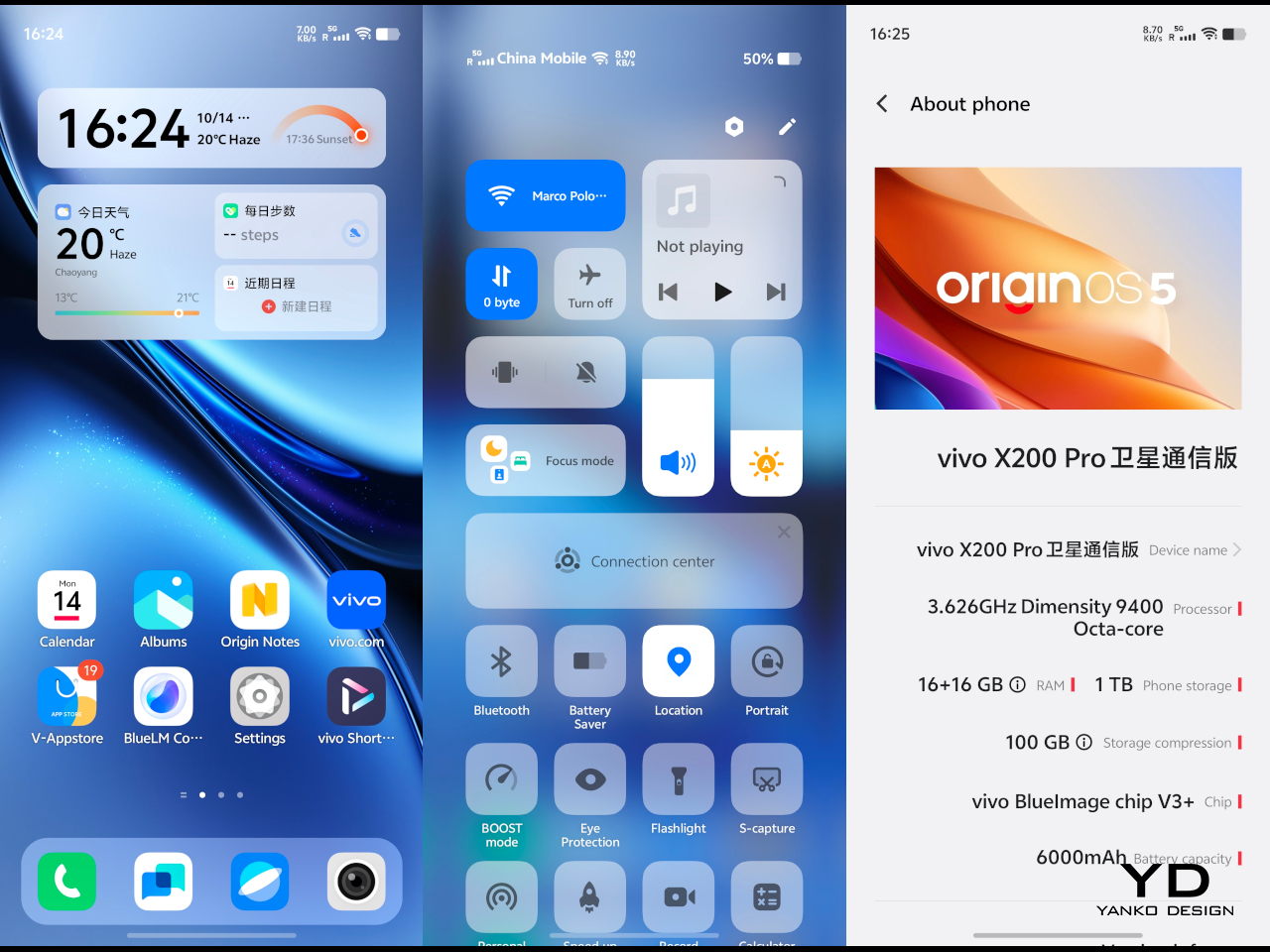
The device features MediaTek’s newest 3nm chip, the Dimensity 9400, coupled with LPDDR5X RAM of up to 16GB and UFS4.0 storage of up to 1TB. The Chinese version of the Vivo X200 Pro comes with OriginOS 5 and Android 15 right out of the box. This is particularly impressive, as the Pixel 9 series had not yet received the Android 15 update at the time of the X200 Pro’s release.
The Vivo X200 Pro incorporates features aimed at enhancing durability and longevity, reflecting a partial commitment to sustainability. An IP68 rating offers significant resistance to dust and water, helping to protect its internal components. The durable glass has an improved drop resistance, according to Vivo, potentially reducing the need for frequent repairs or replacements due to accidental damage.
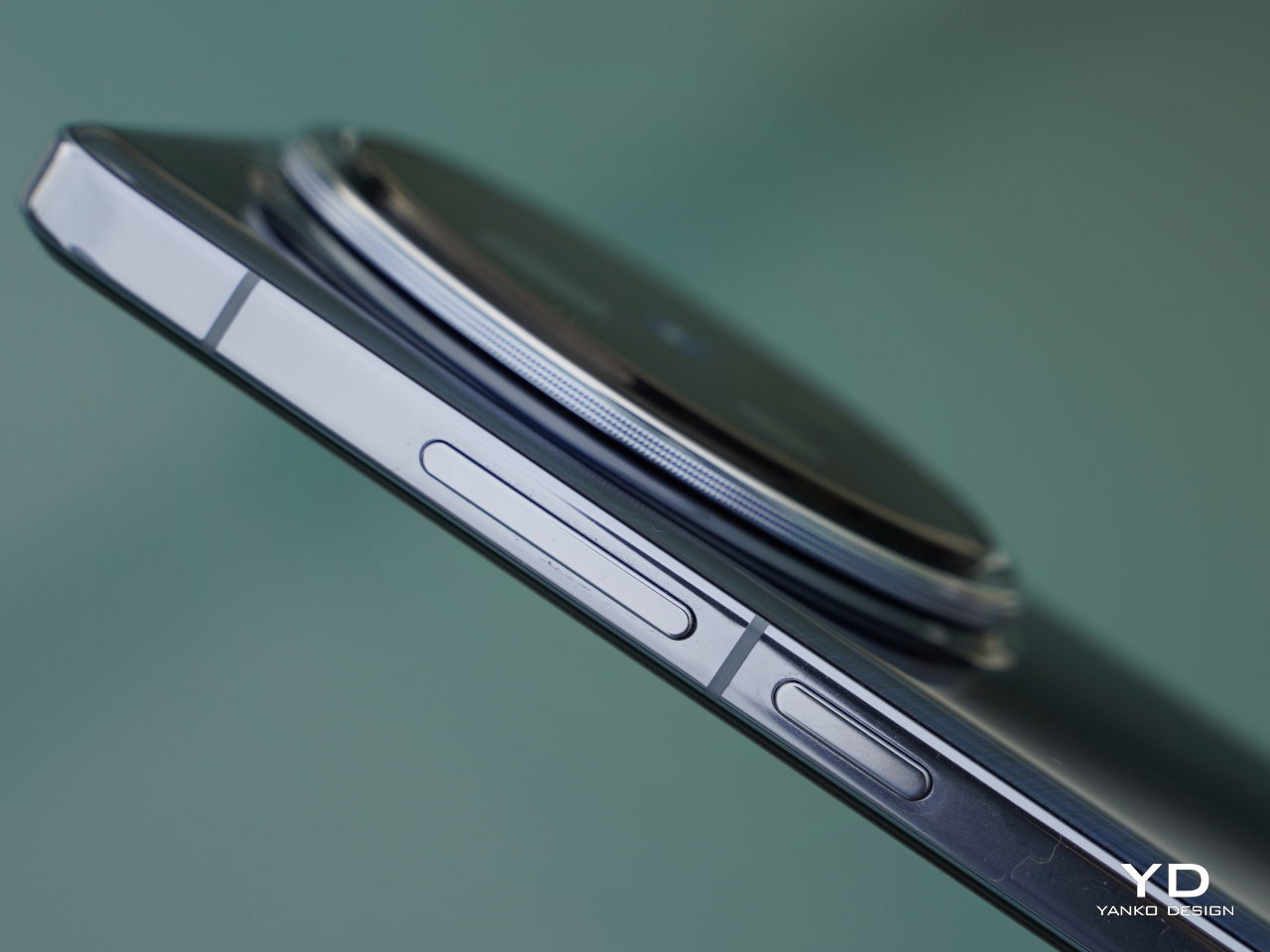
While these features contribute to the device’s durability, there is room for improvement in overall sustainability. Vivo could consider using recycled materials in the device’s construction to better align with environmentally friendly practices. Overall, while the Vivo X200 Pro demonstrates some commitment to durability, enhancing sustainability efforts could provide additional value to eco-conscious consumers.
The Vivo X200 Pro is positioned as a flagship device, offering a range of advanced features and robust performance. In terms of pricing, the Chinese version of the Vivo X200 Pro starts at 4,299 yuan (approximately $590 USD) for the 12GB+256GB configuration and goes up to 5,499 yuan (approximately $770 USD) for the 16GB+1TB configuration. This pricing places the device competitively within the flagship smartphone market, providing a compelling blend of cutting-edge technology and features at a relatively accessible price point.
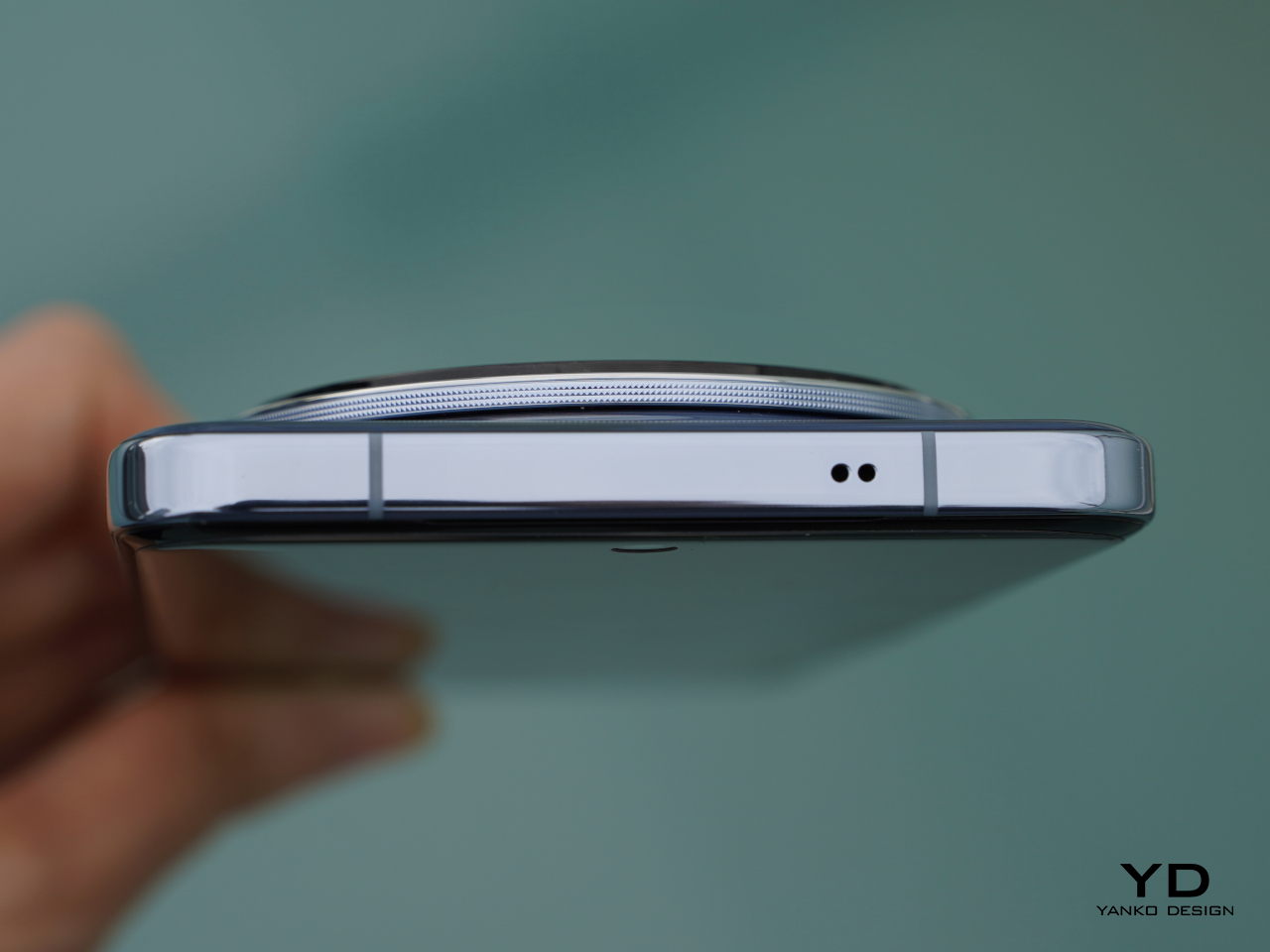
Of course, we have to wait to see if Vivo maintains this competitive pricing for markets outside of China. Although the Vivo X200 Pro may not seem like a huge leap from the X100 Pro in terms of camera performance, for users looking to extend their telephoto reach, the Vivo X200 Pro’s advanced zoom capabilities make it an attractive upgrade.
The Vivo X200 Pro is a standout in the flagship smartphone market, thanks to its advanced camera system co-developed with Zeiss. With versatile focal lengths, including a new 135mm option for portrait mode, and telephoto macro capabilities, it caters to mobile photography enthusiasts seeking creativity and flexibility in capturing stunning images. The vibrant 6.78-inch LTPO AMOLED display, a large and powerful battery, and the latest MediaTek Dimensity 9400 enhance the user experience for extended usage.
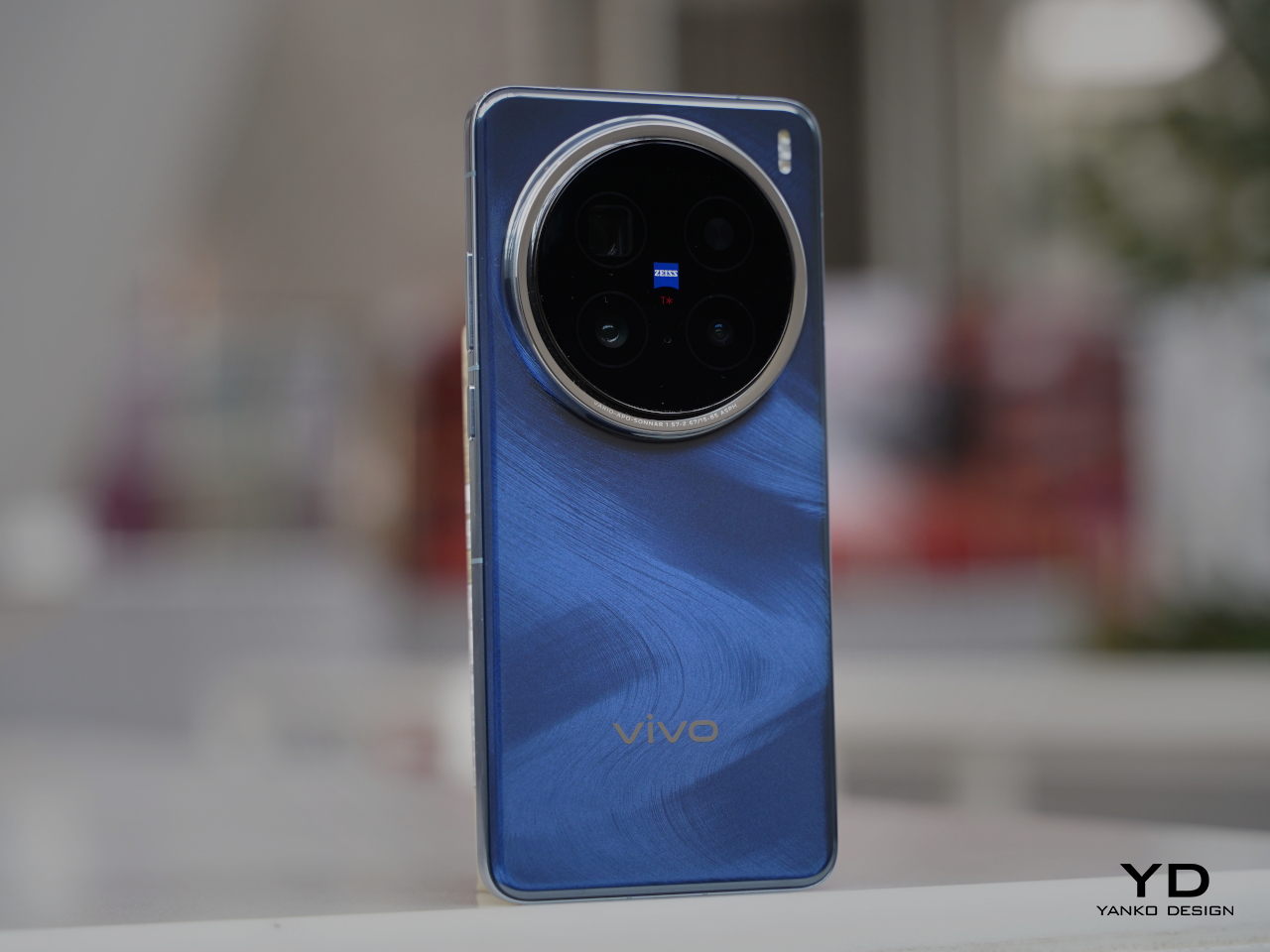
Competitively priced, the Vivo X200 Pro offers significant value for those prioritizing advanced photography and video features. Minor UI and ergonomic improvements could further solidify its position as a leader in mobile technology. Overall, the X200 Pro is an excellent choice for users seeking a high-performance smartphone with exceptional camera capabilities.
The post Vivo X200 Pro Review: A Flagship Reaching Further in Mobile Photography first appeared on Yanko Design.