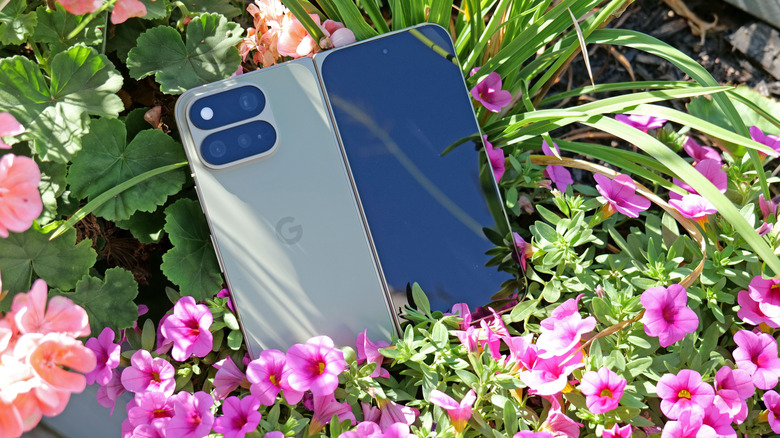
Google Pixel 11 Pro Fold review: Doing more but not quite enough
Google's latest foldable sports some welcome upgrades, but its lack of a major design change is disappointing.

If you also think a robot Olympics is on the verge of happening anytime soon. You could just be right. If and when that happens, Unitree’s “Superman” would probably break American swimmer Michael Phelps’ record for the most gold medals in a single Olympic Games.
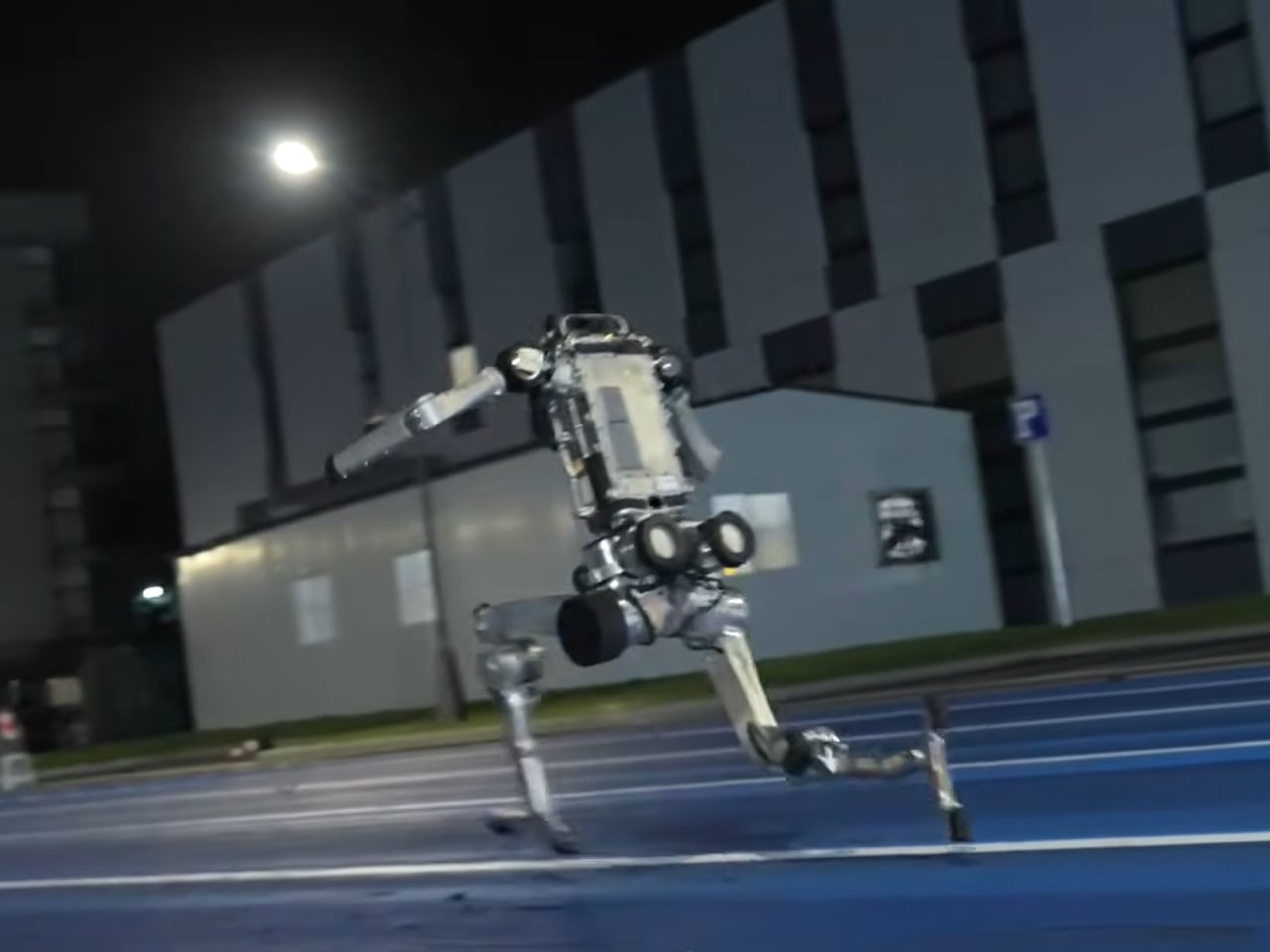
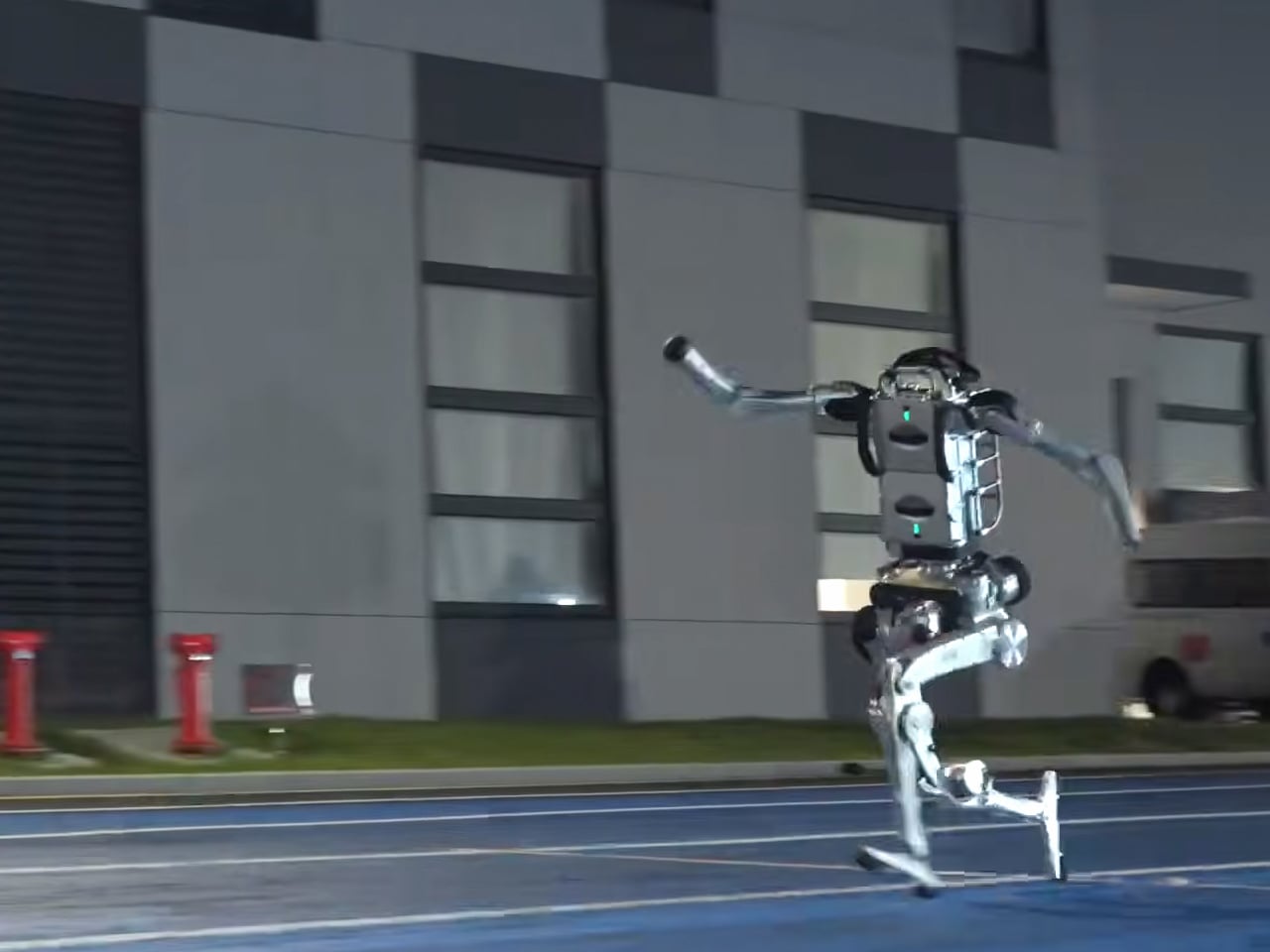
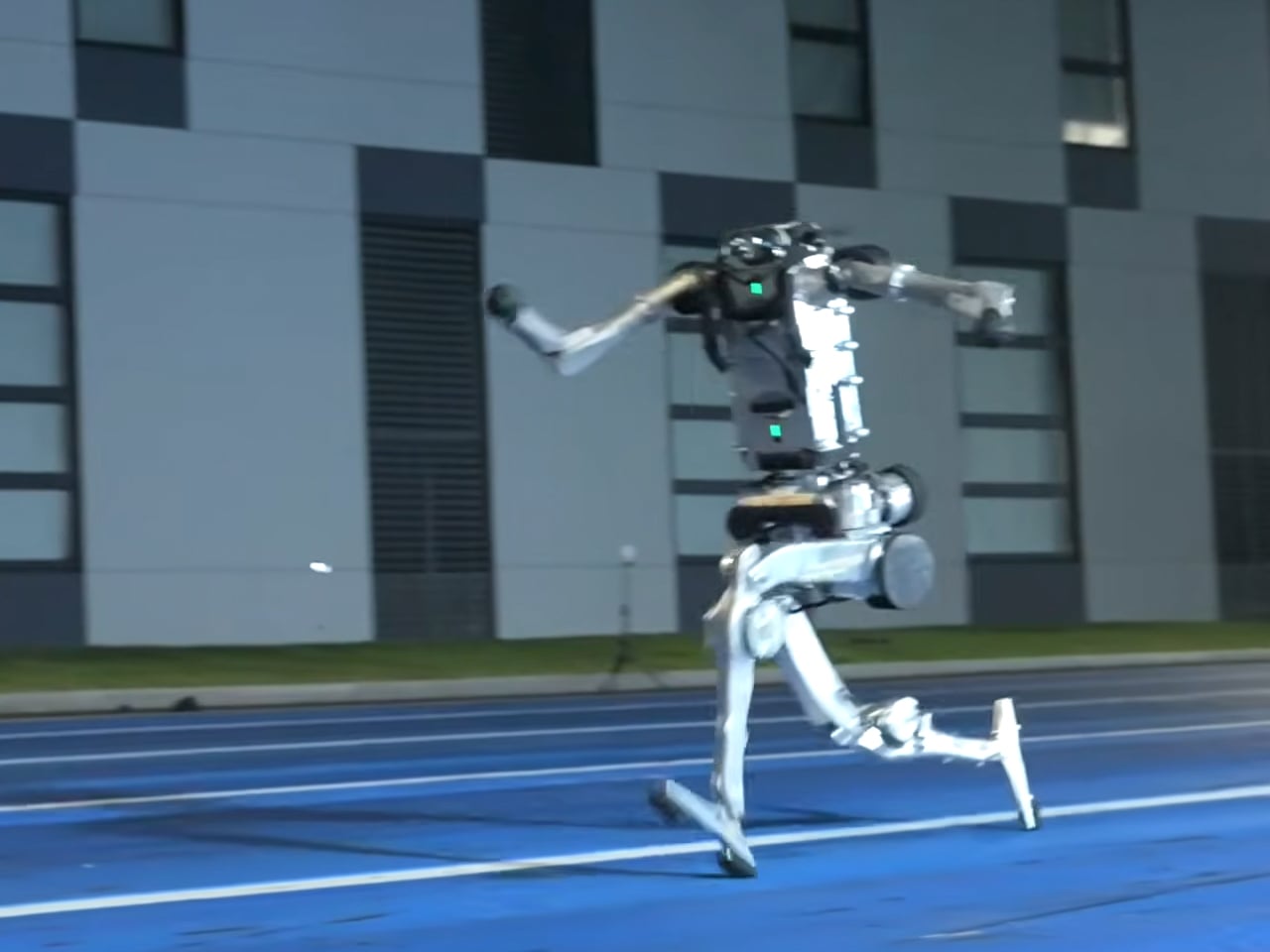
To give us a glimpse of that future, China’s Unitree – which recently became the first general-purpose robotics company to debut on Shanghai’s stock exchange – unveiled a humanoid robot on August 17, which it says “can outrun and outjump top human athletes.”
Designer: Unitree
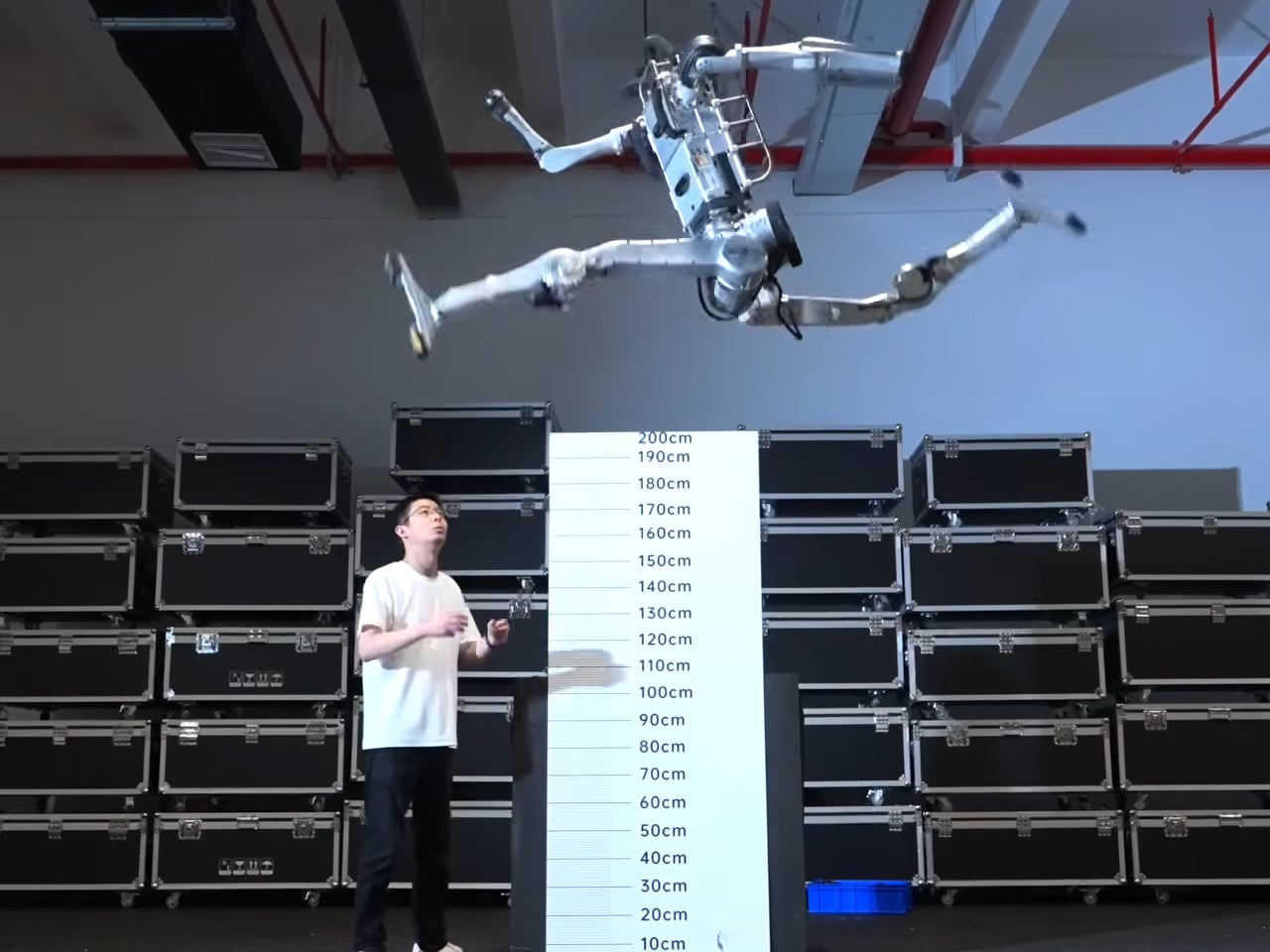
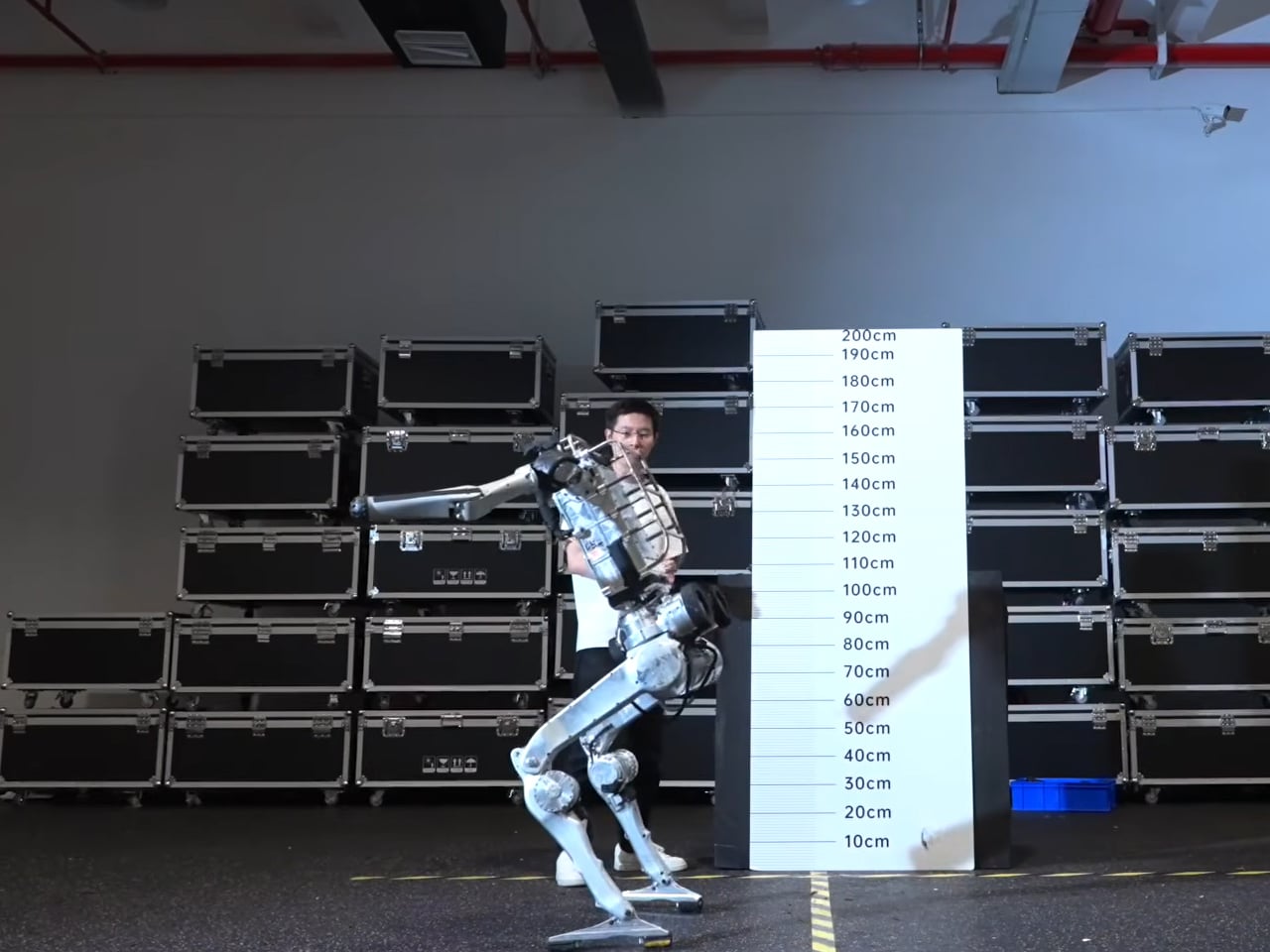
In the demo video doing rounds on the internet, the Unitree Superman (as the humanoid robot is called) can be seen pulling off a standing high jump of 2 meters. It also makes a dash at the speed of 12.66 meters per second, which is a tad faster than the 12.4 m/s speed that Usain Bolt achieved when he completed the world-record-setting 100 m run in only 9.58 seconds. This calculation would stand true if the Unitree humanoid runs 100 meters at the same speed that it has clocked in its demo dash.
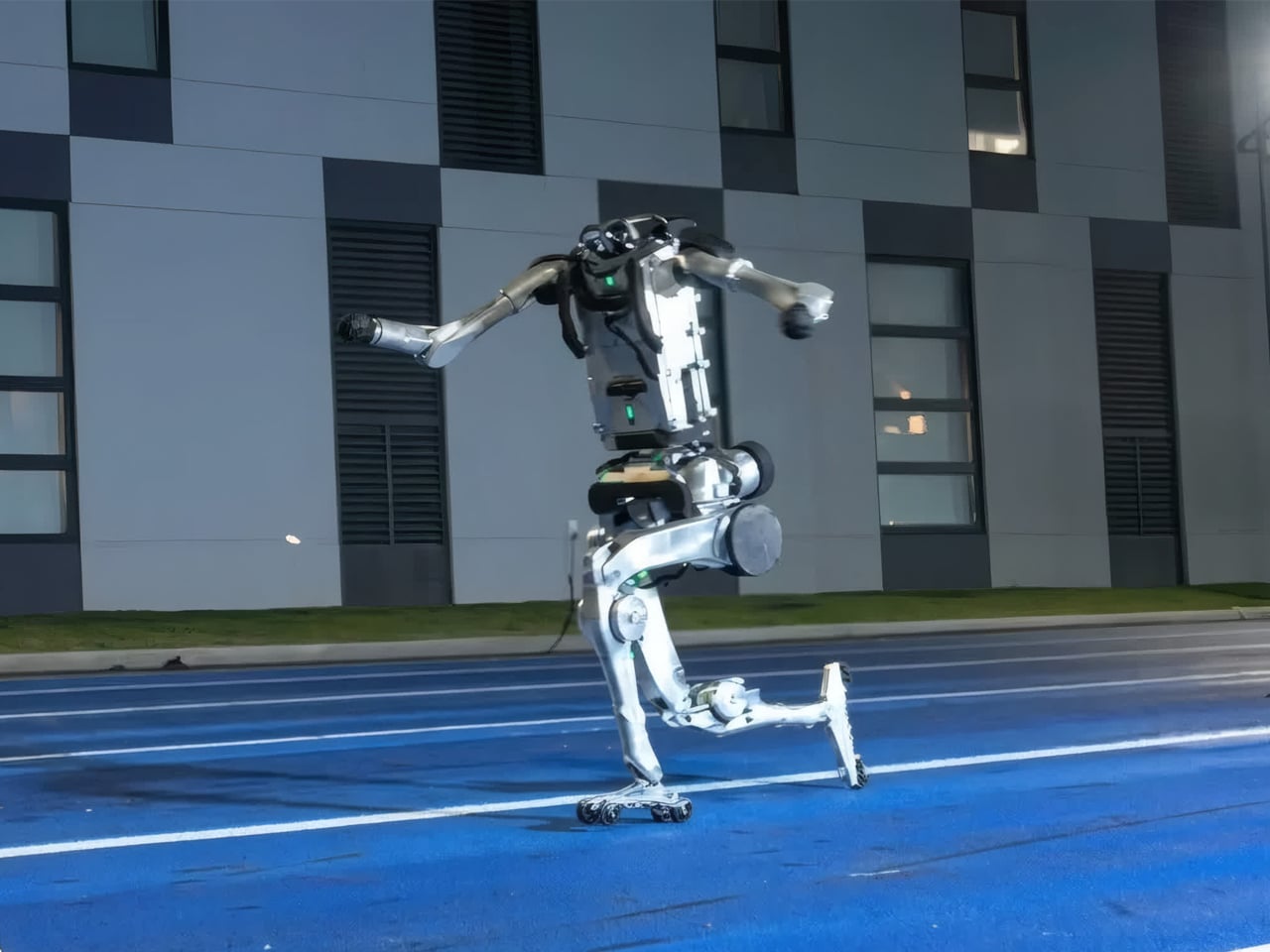
With the kind of feat the Chinese Superman has pulled off, it has conveniently surpassed human ability by a margin. With this standing high jump and running speed, it has done what no human has ever achieved. And considering the progress companies like Unitree are making on robots in the labs, gyms, and training grounds, we are going to fall behind, and robots will throw us on the sidelines to conduct their own Olympics Games soon.
Hangzhou-based Unitree has been ahead of most robotic companies in China. In fact, it is considered the most influential one, with backing from companies including Tencent, DeepSeek, and Alibaba. Its fanfare can be gauged from the unprecedented IPO it made. The company’s stock, according to Bloomberg, skyrocketed by 629% to a $66 billion valuation on its first day of trading on August 19.
The IPO from the company, which already has a robot dog, humanoid kung fu fighter, and a service robot on the market, has left all financial pundits bewildered. And the new achievement of the Superman humanoid has only substantiated investors’ faith.
According to Unitree, the jumping and speeding robot, which has 0.85-meter-long legs, is a work in progress and is likely to feature improvements to its capabilities in the coming months. Until that news comes in, you can check out some of the more extraordinary Unitree robots, like the transforming Mecha robot or this one that can even do cartwheels.
The post Unitree launches humanoid robot that’s faster than Usain Bolt, and spot jumps higher than any athlete first appeared on Yanko Design.

RUF Automobile captivated the automotive world at The Quail, A Motorsports Gathering, during Monterey Car Week with the debut of its latest creation, the EHRA widebody sports car. Named after the legendary Ehra-Lessien proving ground, the EHRA embodies a seamless blend of innovative engineering, high-performance capabilities and a commitment to sustainability. Alongside this flagship model, […]
The post RUF Debuts 650-Hp EHRA Widebody Sports Car at the Quail appeared first on Geeky Gadgets.


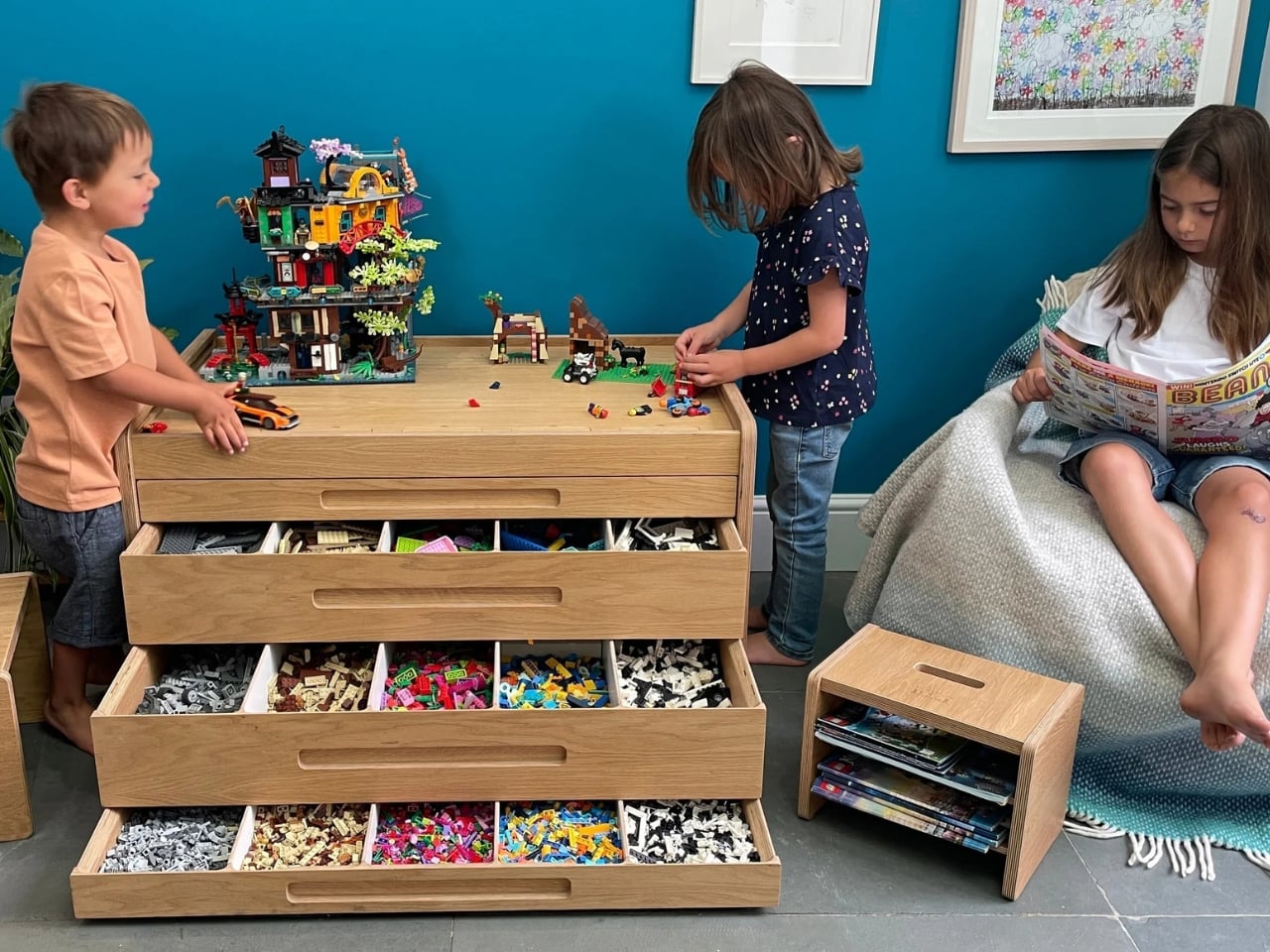
If you’ve ever stepped barefoot onto a LEGO brick at 2 a.m., you already understand the problem the Brickle was made to solve. But the solution the Newland brothers arrived at goes far beyond a plastic bin with compartments. It’s a piece of furniture. Real furniture. The kind that earns a permanent spot in your home and actually makes the room look better for being there.~
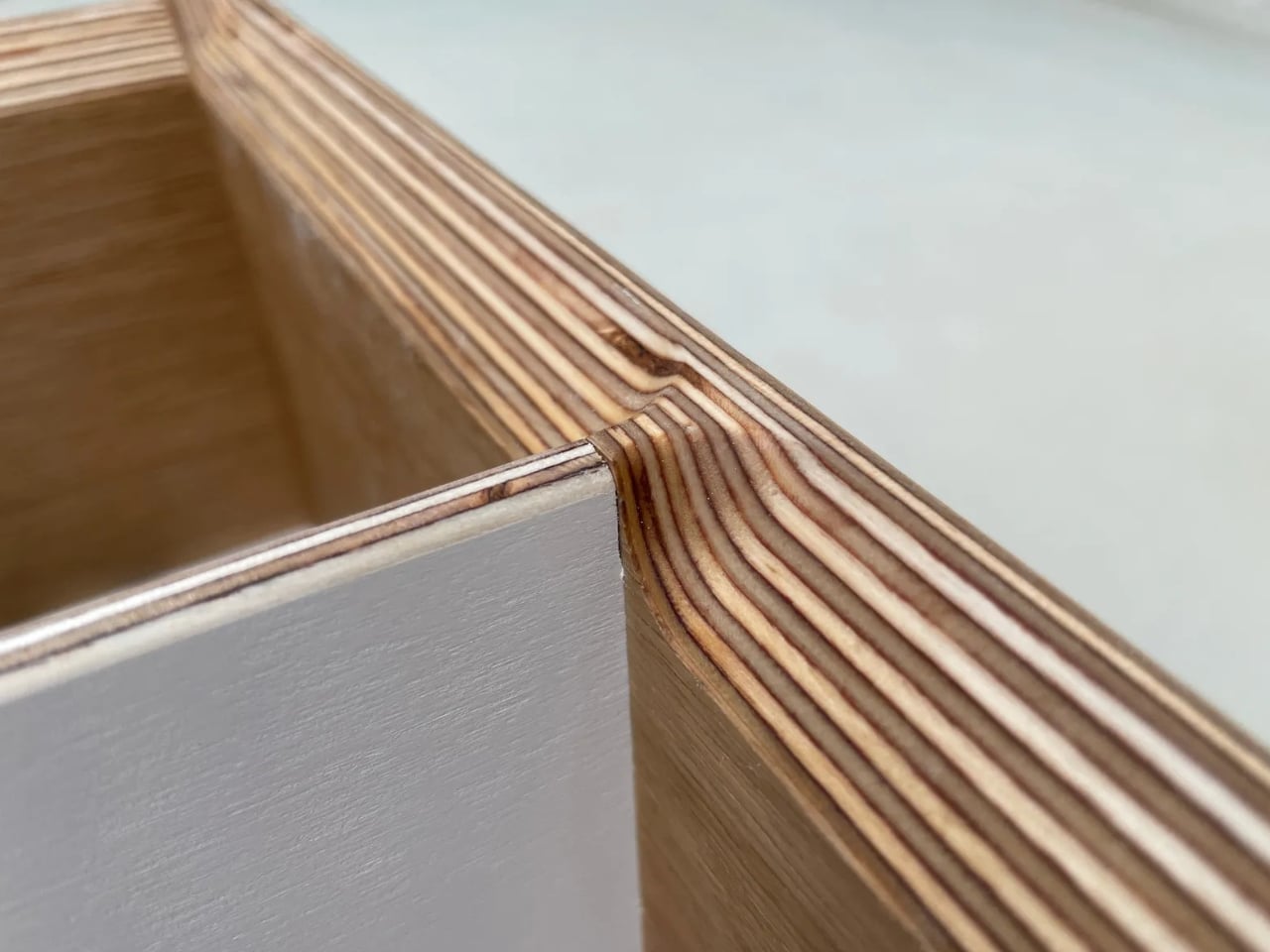
The Brickle is a LEGO storage and sorting table, handcrafted in Wales by three brothers: Ben, a nano-scientist; Matt, an engineer; and Geoffrey, an LSE graduate. The product came out of a very ordinary parental frustration. Ben noticed his kids had stopped building their own things. They were only following kit instructions, because digging through a jumbled pile of bricks to find the one piece you need takes too long and kills the creative momentum entirely. His first attempt at a solution started with rough MDF and a lot of trial and error. Fourteen prototypes later, the Brickle was born.
Designers: Matt, Ben, and Geoffrey Newland
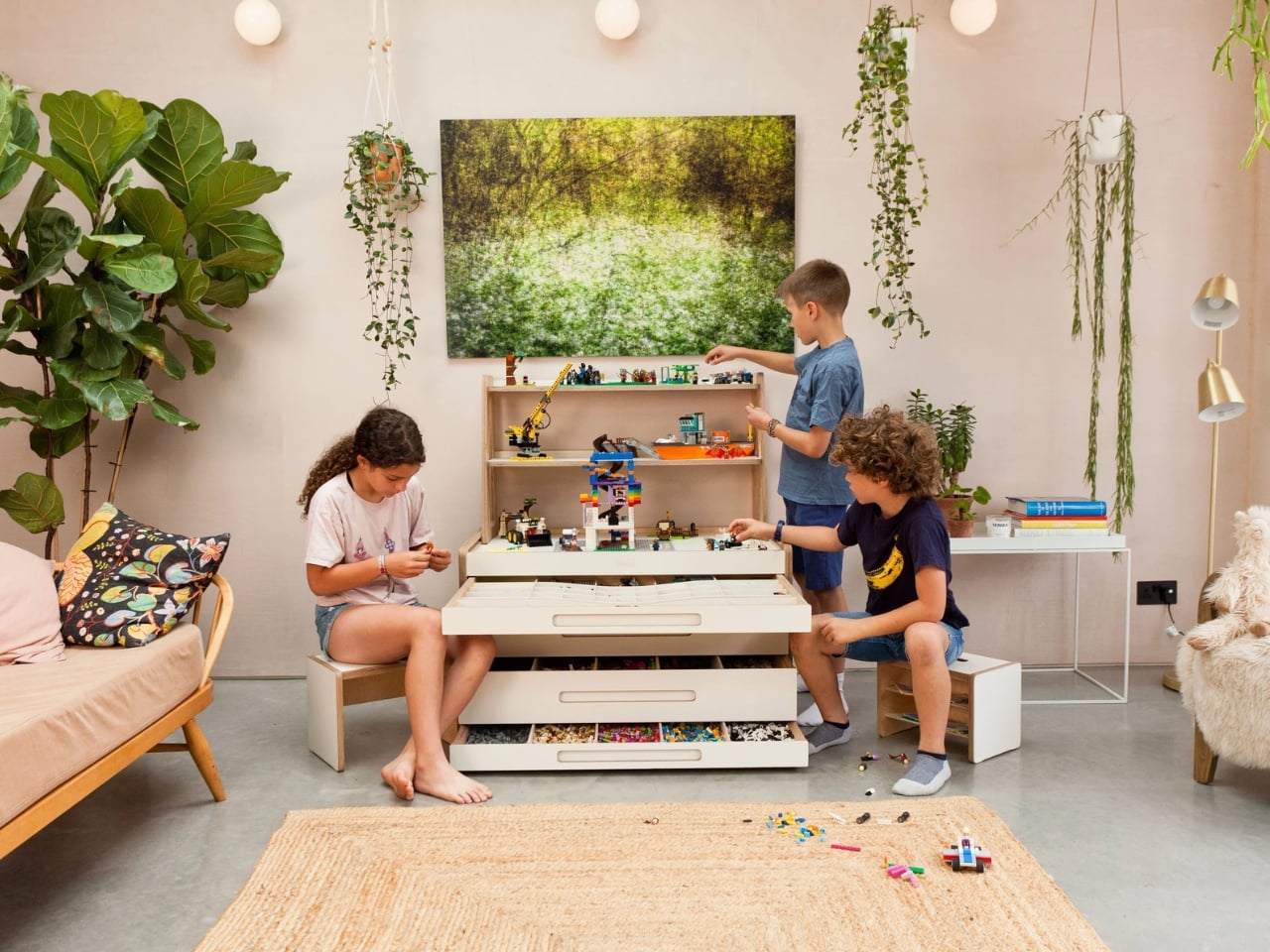
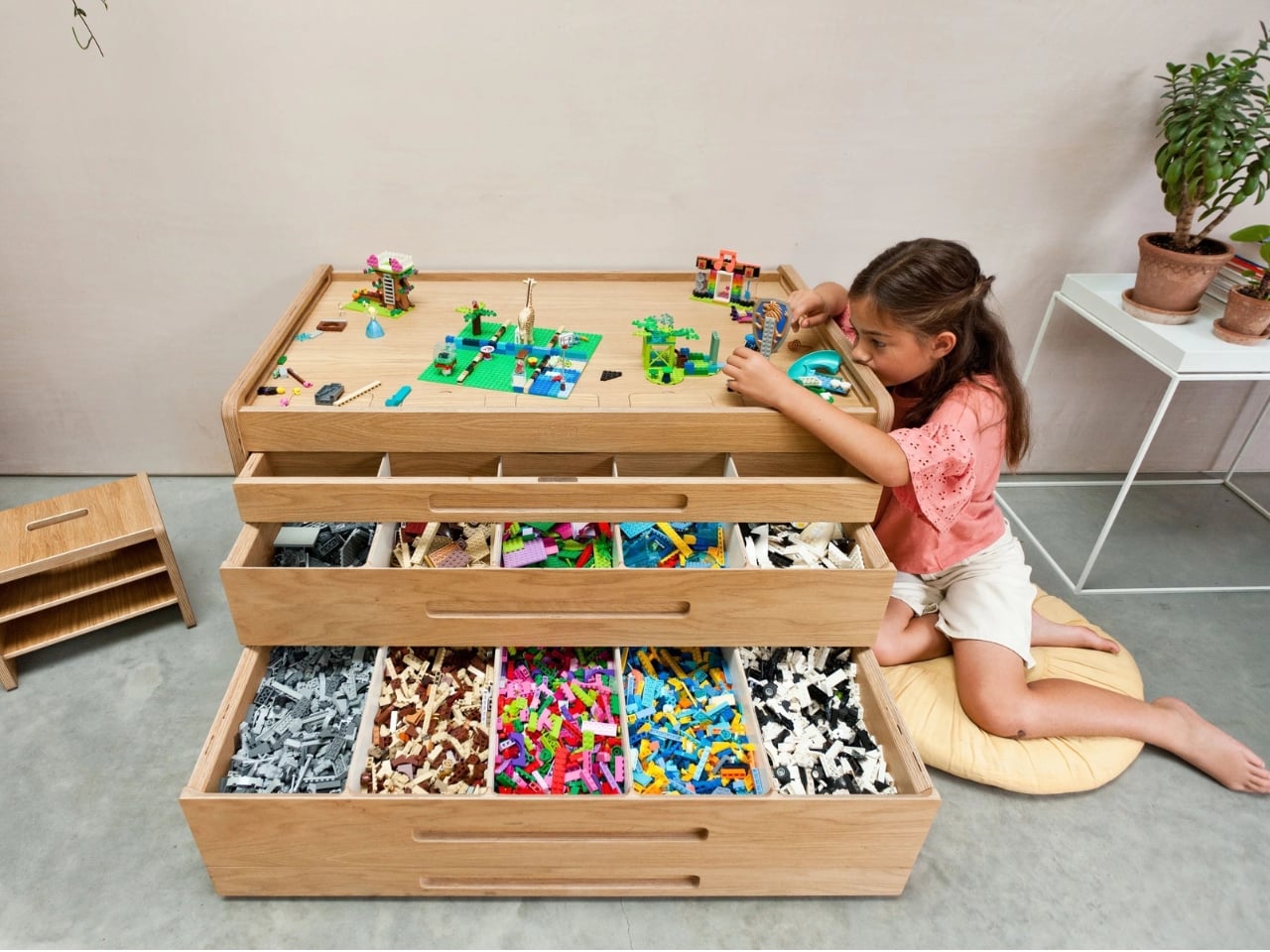
That origin story matters because it’s what separates this product from every other overpriced gadget that promises to fix something you’ve been managing just fine without. The Brickle wasn’t designed in a boardroom. It came from a dad who wanted his kids to build more freely, and then happened to have two brothers with the right skill sets to help him do it properly.
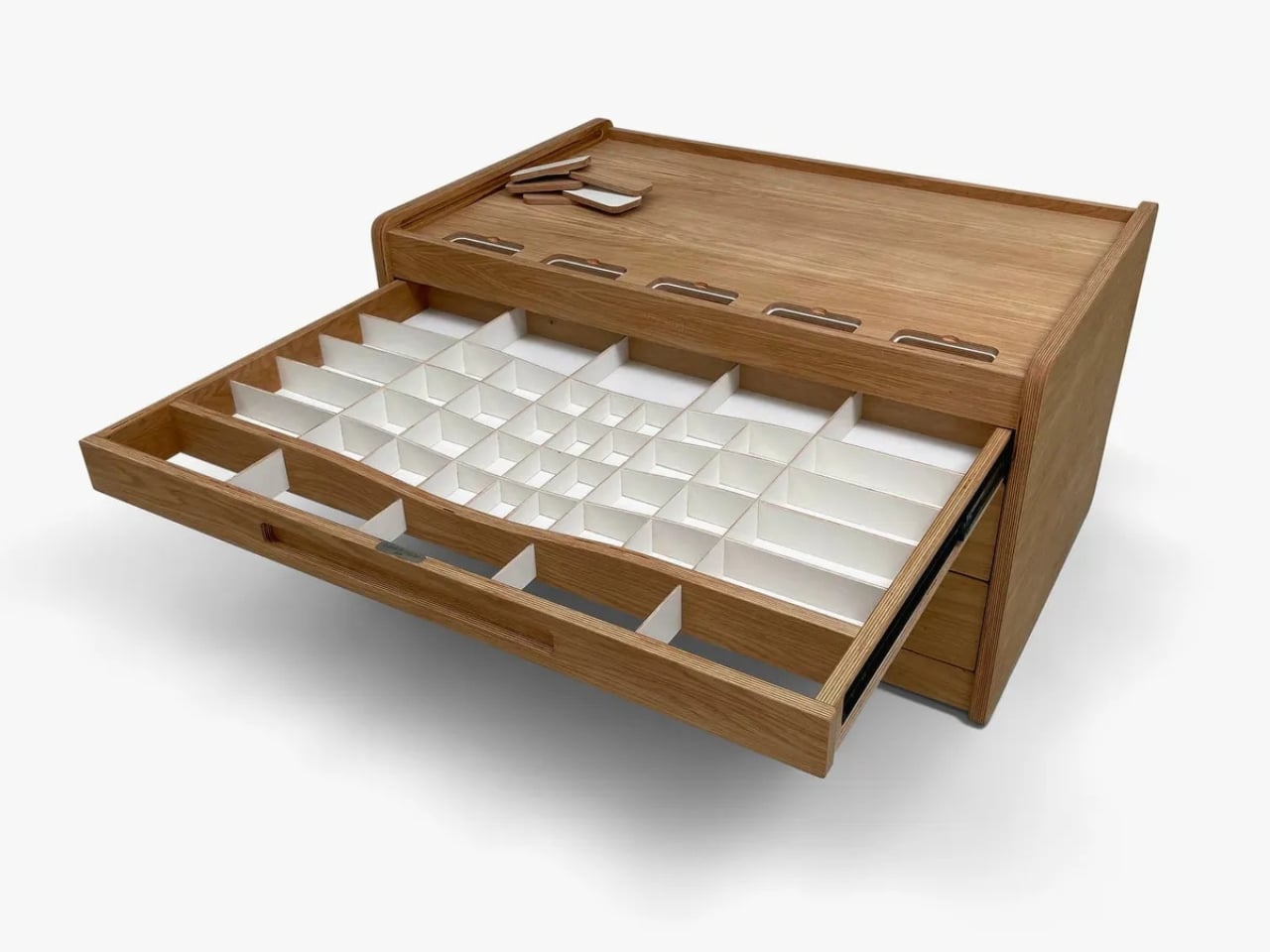
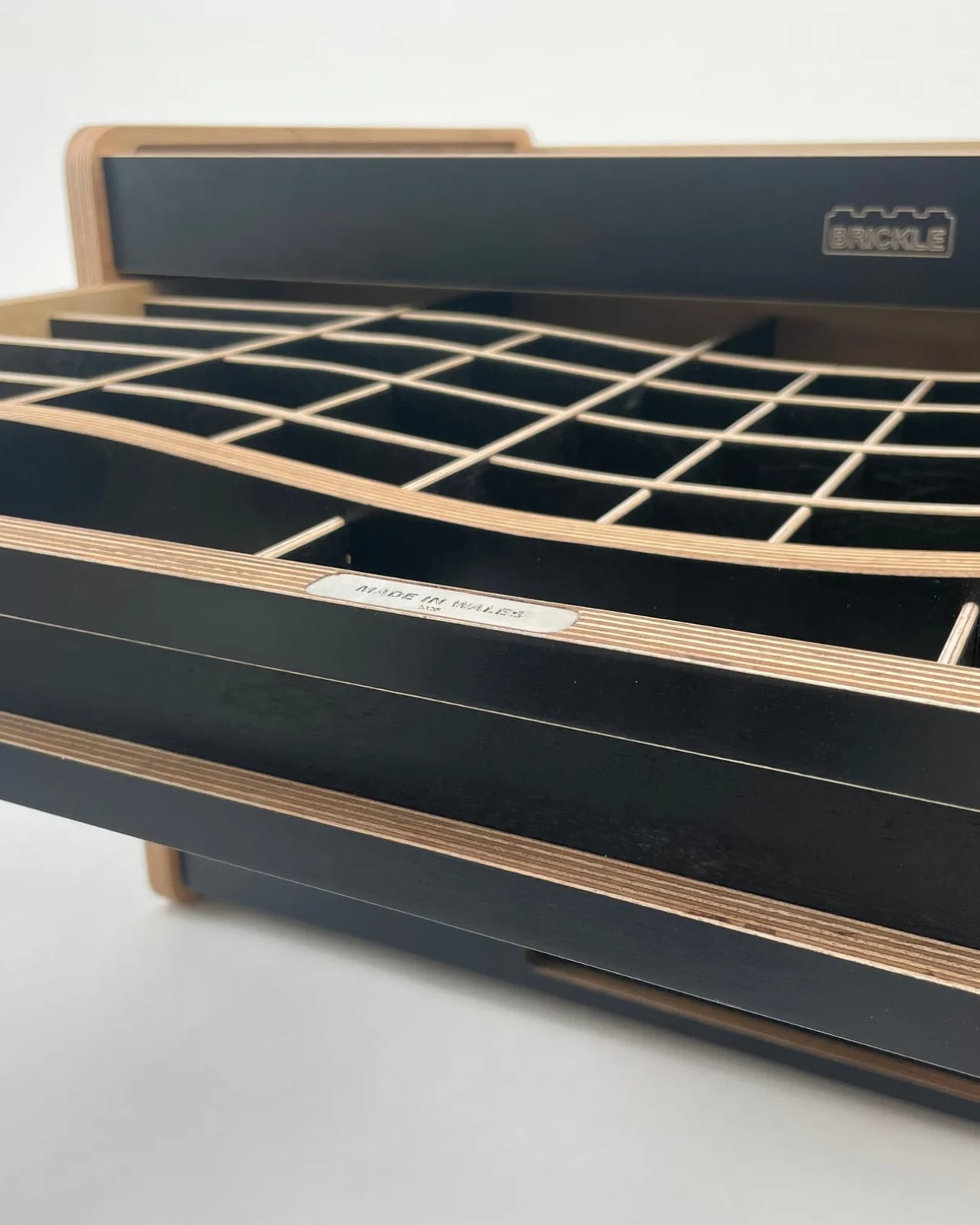
The design itself is genuinely considered. The filtration system sorts bricks by size as they’re dropped in, which means the sorting happens as part of play rather than as a separate chore nobody wants to do. The drawers are accessible, the surface doubles as a proper play table, and the whole unit is built to last long enough to hand down. Wallpaper* Magazine described it as “the most elegant LEGO storage system ever made,” and it’s difficult to argue with that. It looks like something from a high-end children’s furniture brand, not a toy storage category.
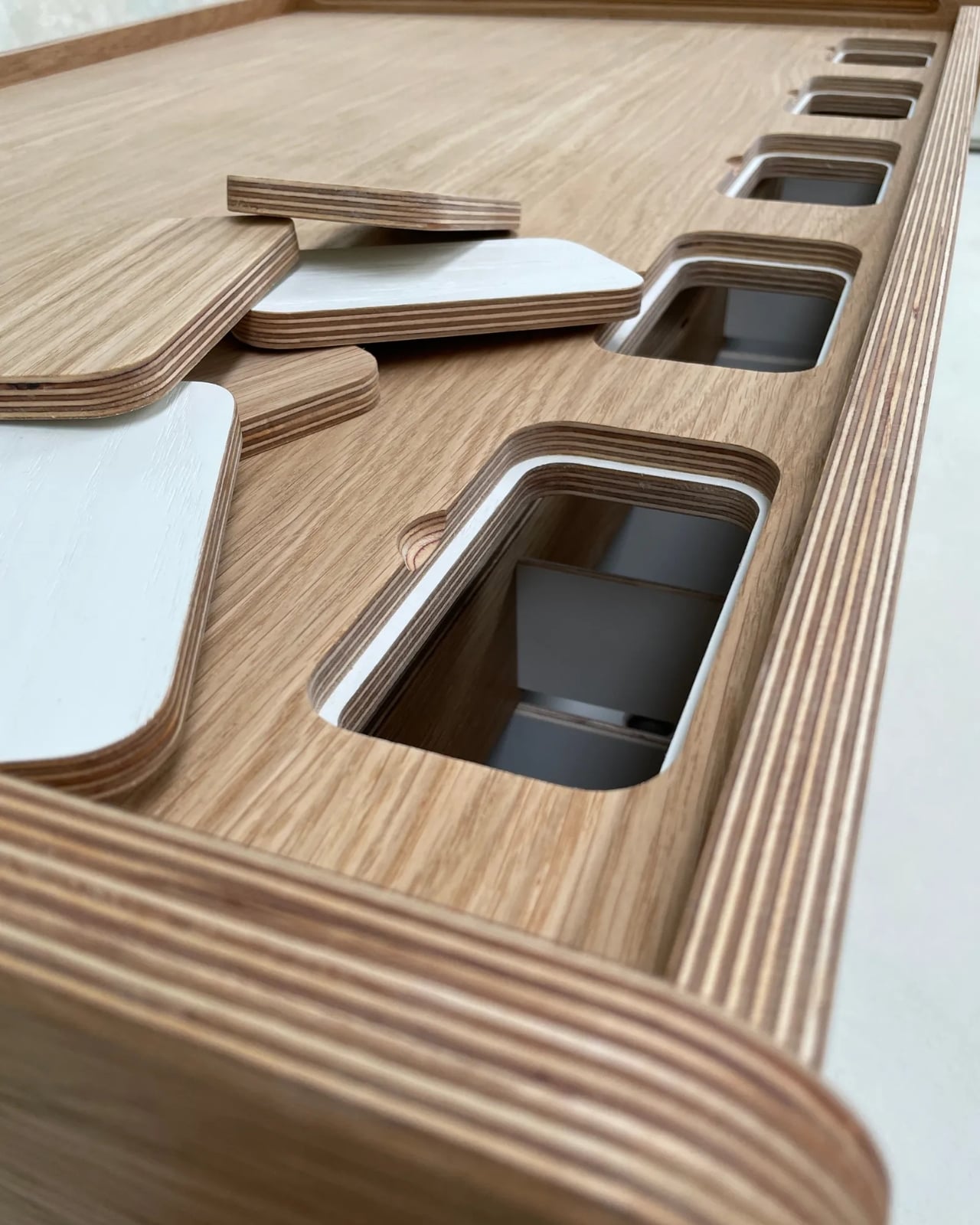
The price reflects that. The cream version starts at £1,850, with an oak version at £3,650. That’s a significant amount of money, and I don’t think it’s useful to pretend otherwise. But the conversation around the Brickle isn’t really about whether it’s affordable. It’s about what it represents: the idea that objects designed for children don’t have to be ugly, that good design and practicality aren’t mutually exclusive, and that some things are worth making extremely well even if fewer people can buy them. The Brickle sits comfortably alongside other premium design pieces that parents justify not as toys but as furniture investments. Which is exactly what it is.
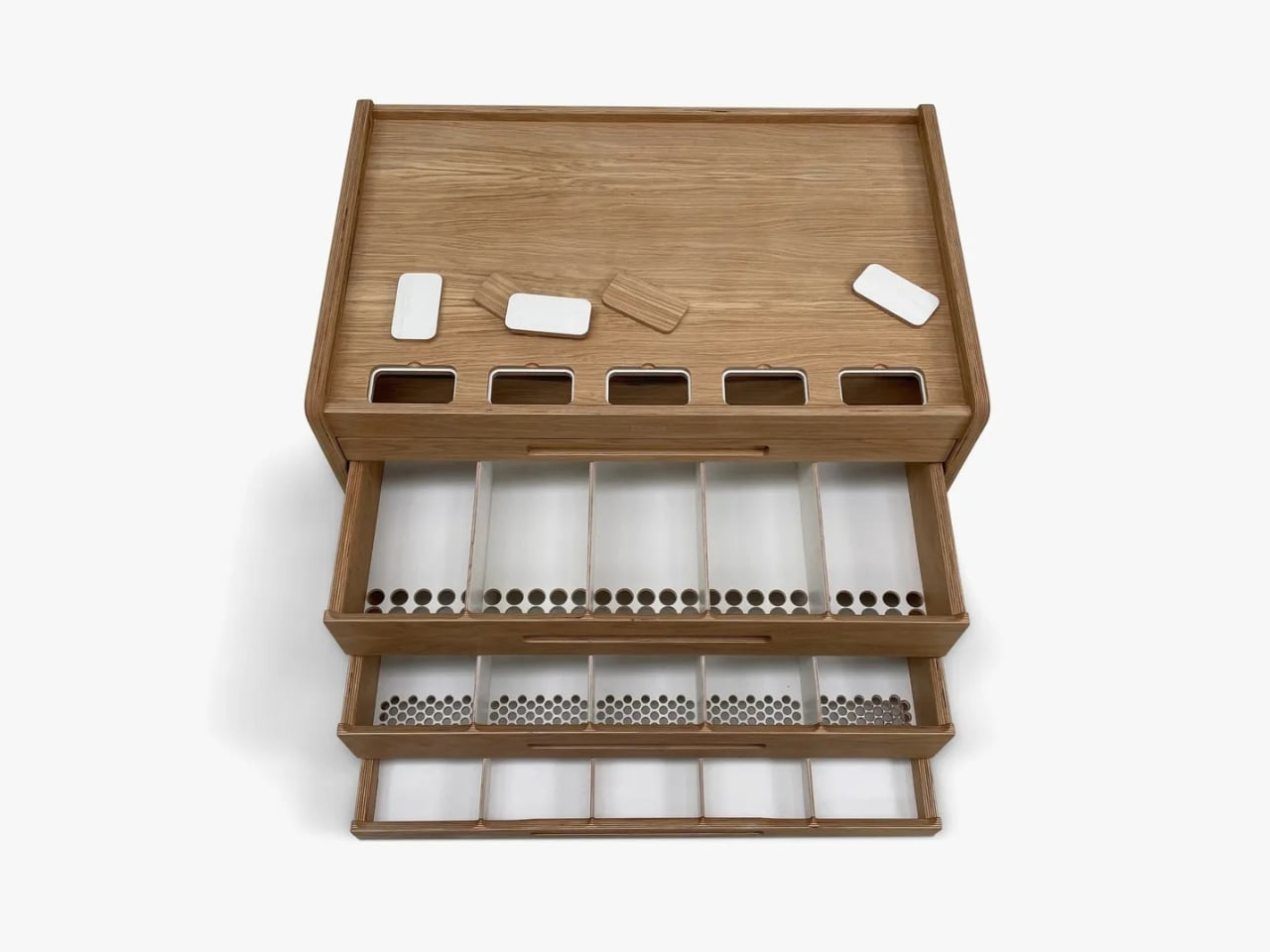
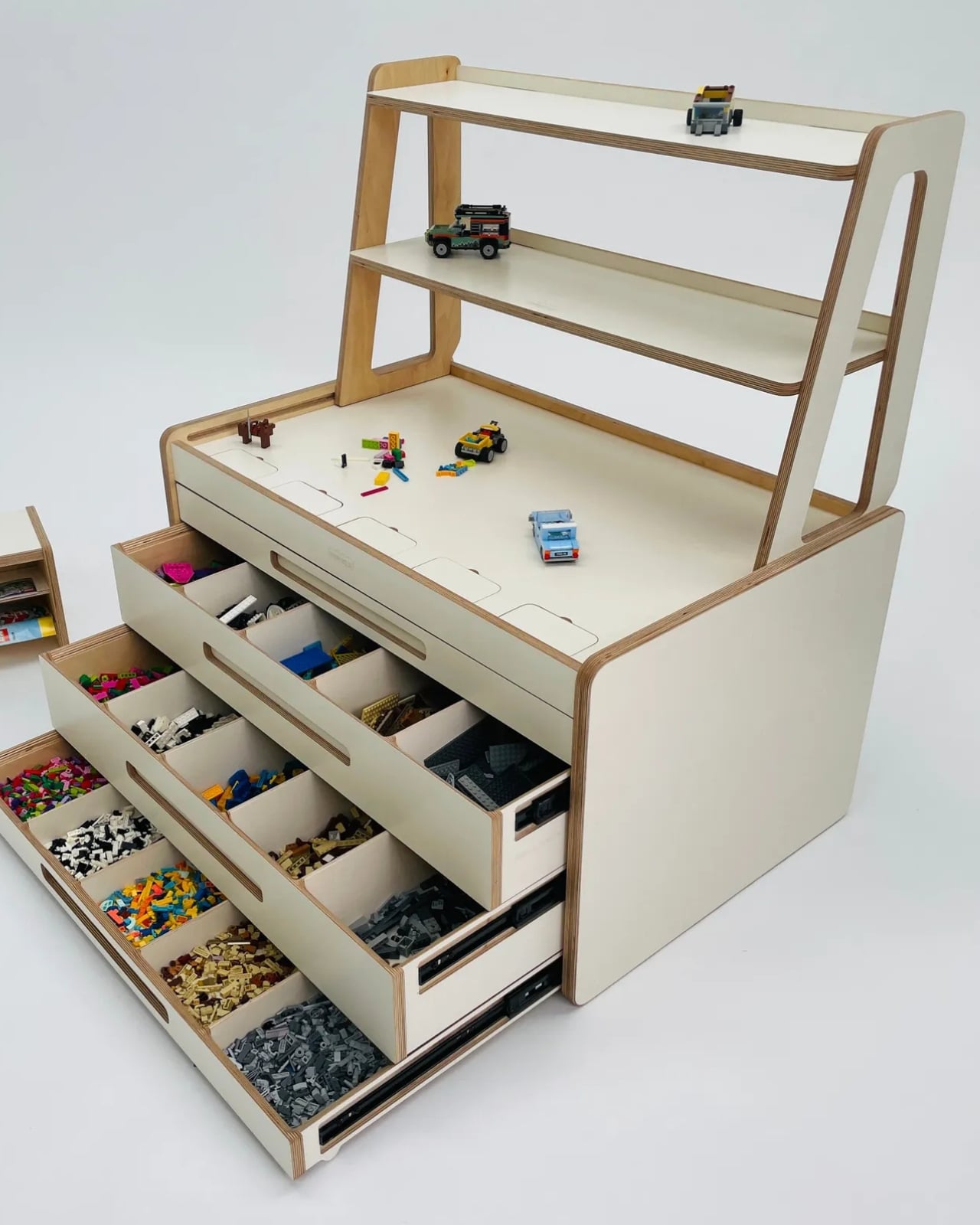
The creativity angle is arguably its most compelling argument. Parents who own a Brickle consistently report that their kids started building original things instead of just following kit instructions. One parent noted that her daughters were finding it easier to create their own sets and games. Another mentioned that the sorted, accessible layout helped his son with ADHD stay focused long enough to actually finish builds. These aren’t polished marketing claims. They’re the kind of specific, unscripted feedback that usually only shows up when a product genuinely changes how someone uses a space.
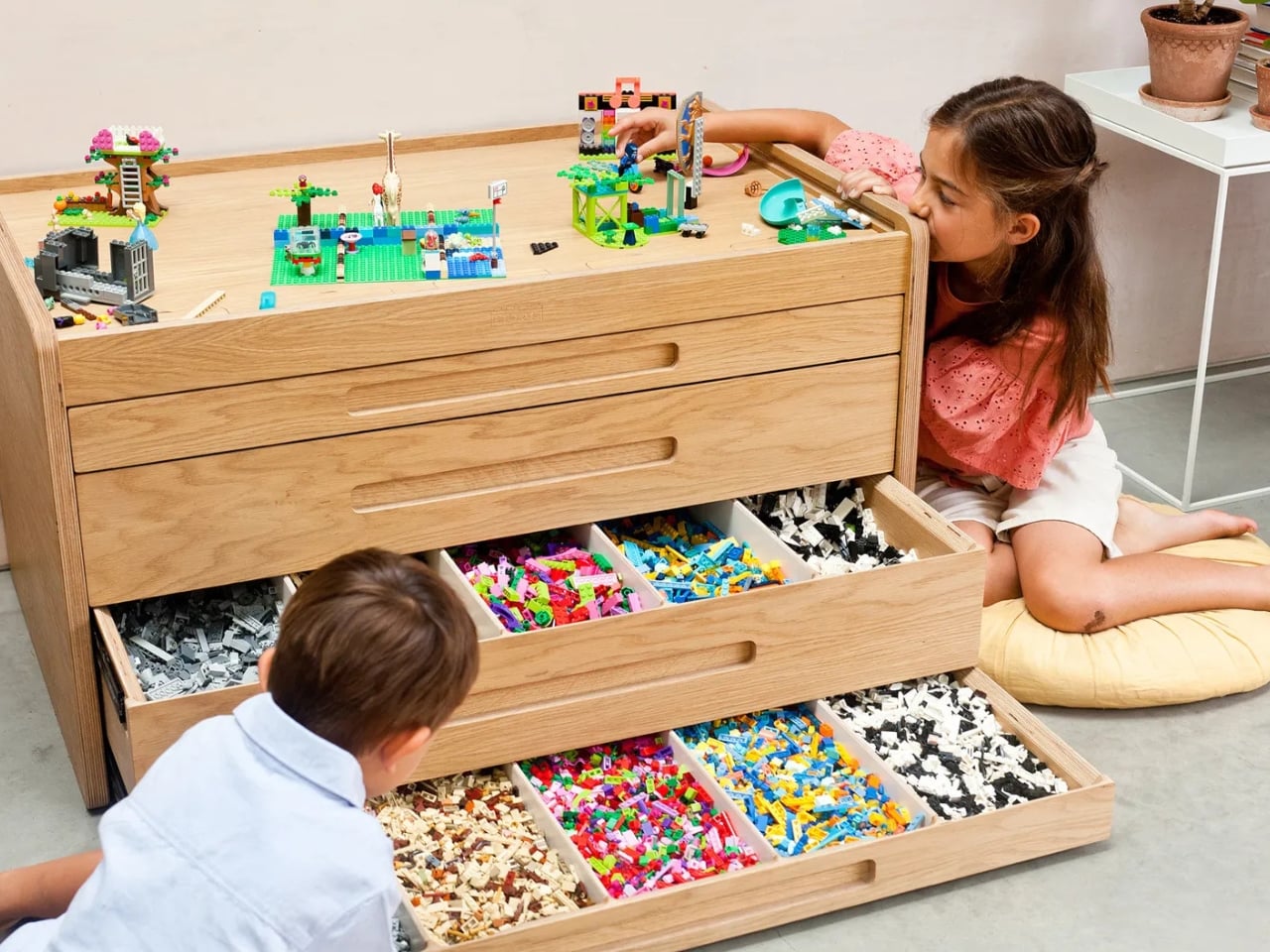
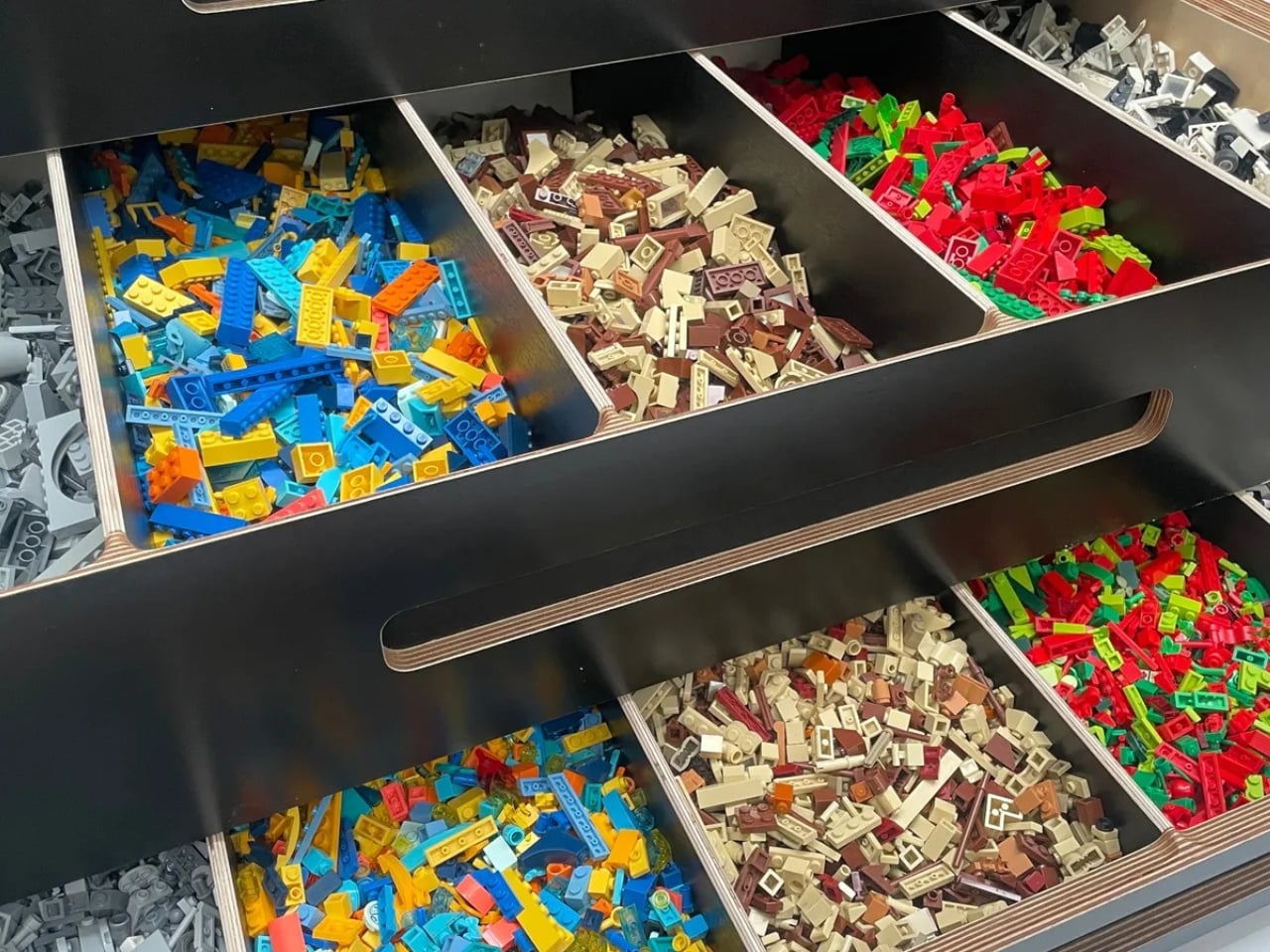
The Brickle also comes in a smaller version called the Brickle Bach (Bach is Welsh for small), which handles up to 9 kilograms of bricks. Matching stools and shelves round out the range, meaning you can pull together an entire LEGO corner that looks like it was designed on purpose.
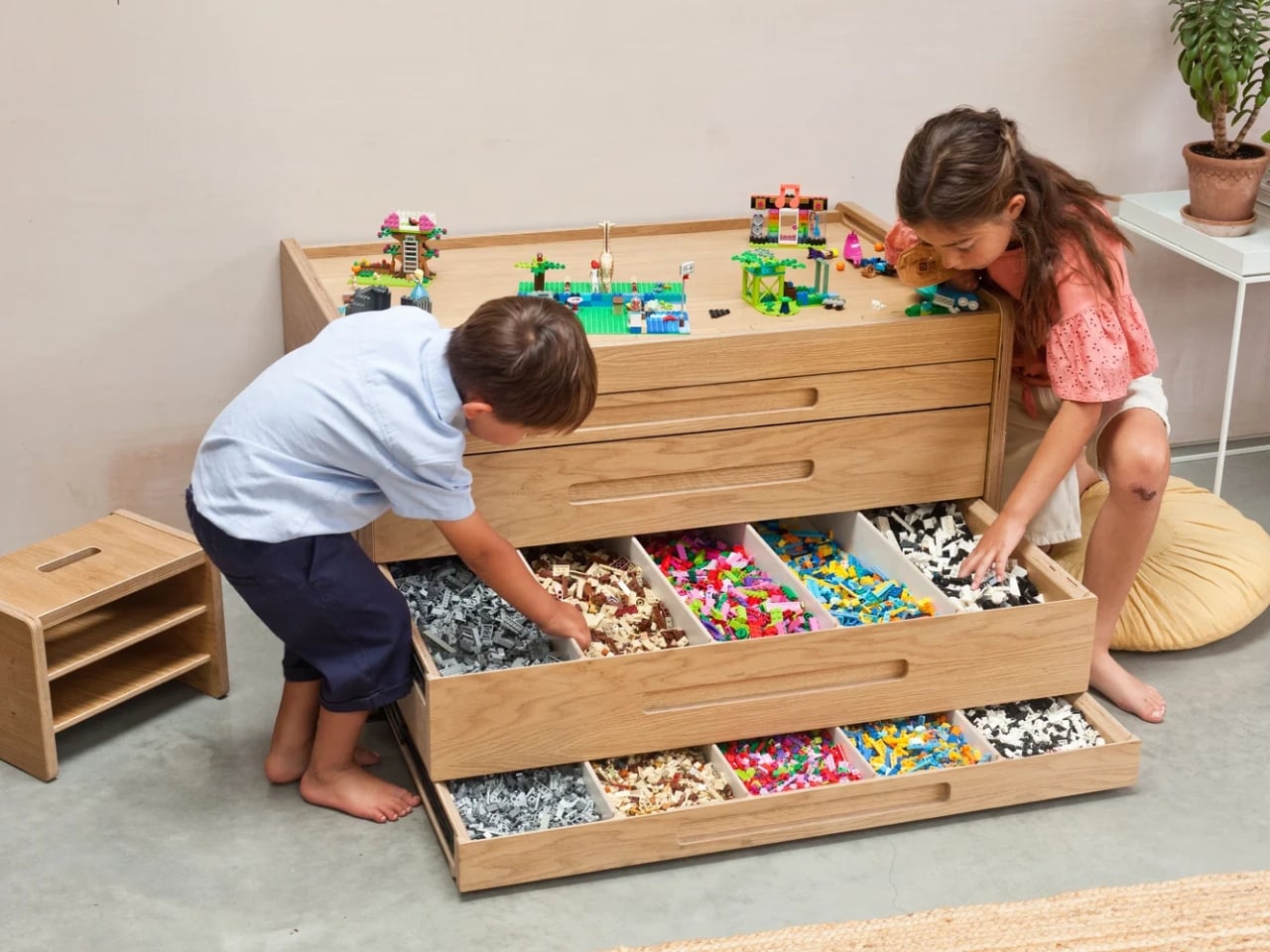
The Newland brothers still operate out of a workshop on the West coast of Wales, which adds a quiet layer of meaning to the whole thing. This isn’t a startup that found a manufacturer and slapped a logo on it. It’s a family making something they believe in, in a place that means something to them. The LEGO chaos in your home isn’t going anywhere. But with the Brickle, it might finally have a place that suits it.
The post 3 Brothers Finally Solved the LEGO Mess for £1,850 first appeared on Yanko Design.
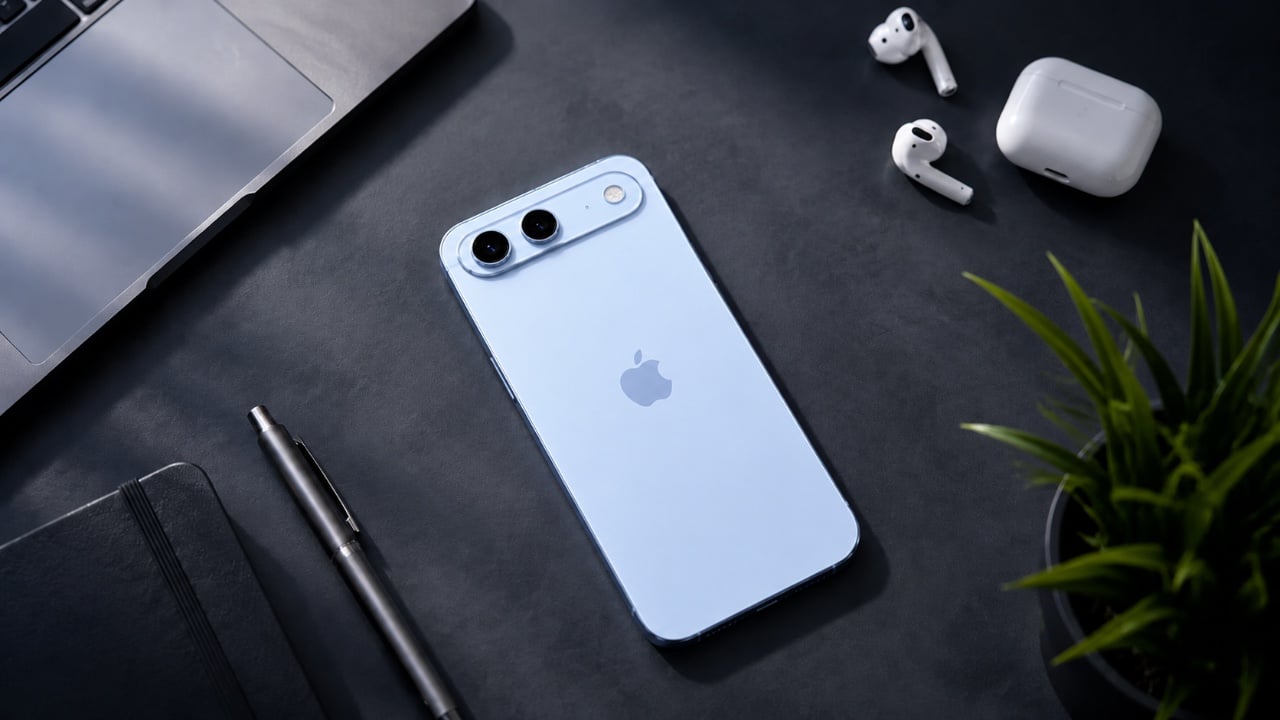
Apple is reportedly gearing up to launch the iPhone Air 2, the highly anticipated successor to its ultra-thin and lightweight smartphone. This next-generation device is designed to address the limitations of its predecessor while maintaining the sleek and minimalist design that captured users’ attention. With significant upgrades in performance, camera capabilities, and battery life, the […]
The post Ultra-Thin Without the Trade-Offs? Everything Apple Changed in the iPhone Air 2 appeared first on Geeky Gadgets.
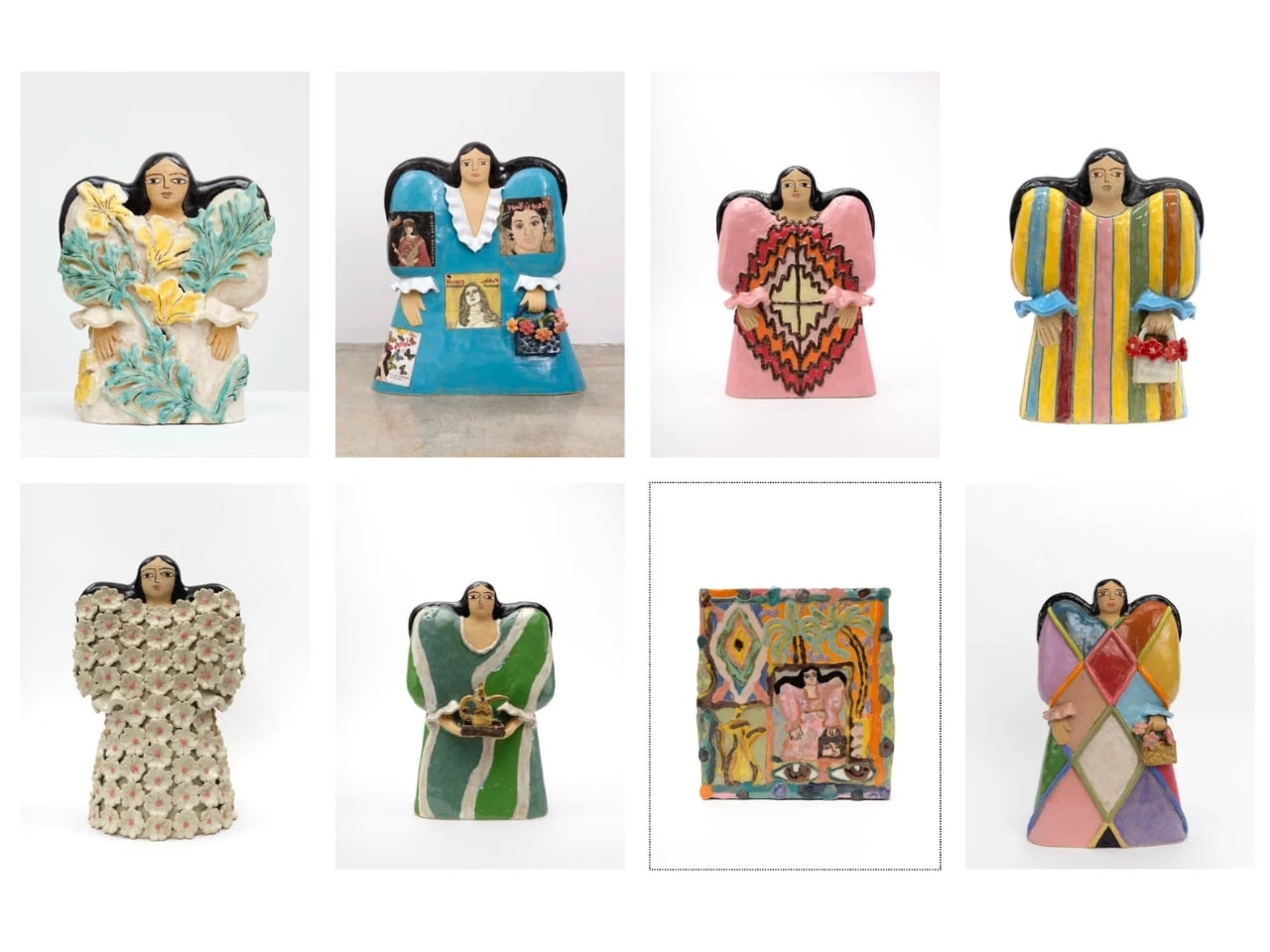
The first time you see Maryam Yousif’s ceramic figures, you feel like you’re being introduced to someone. Not admiring an object, not reading a plaque. Actually meeting a person who has a lot to say.
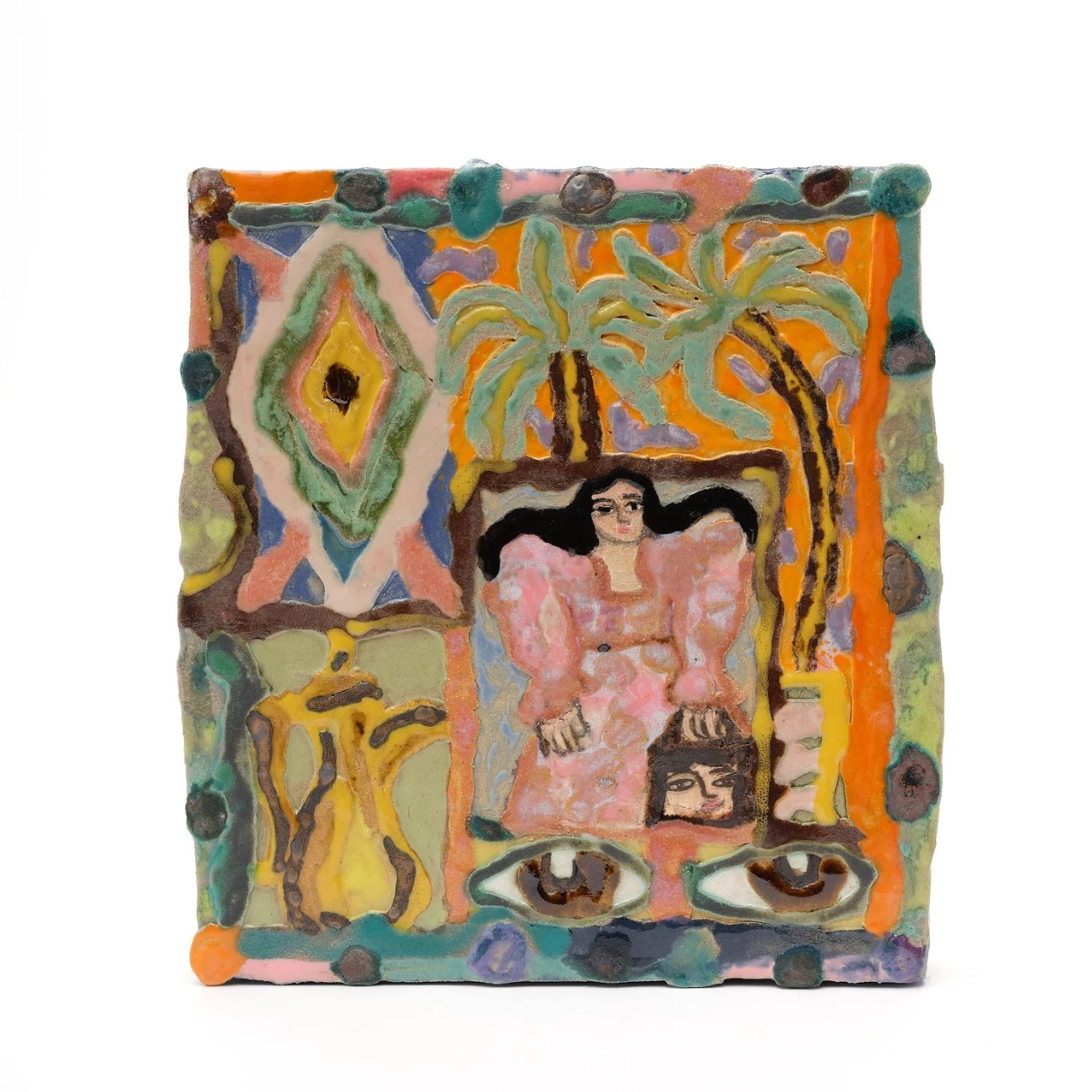
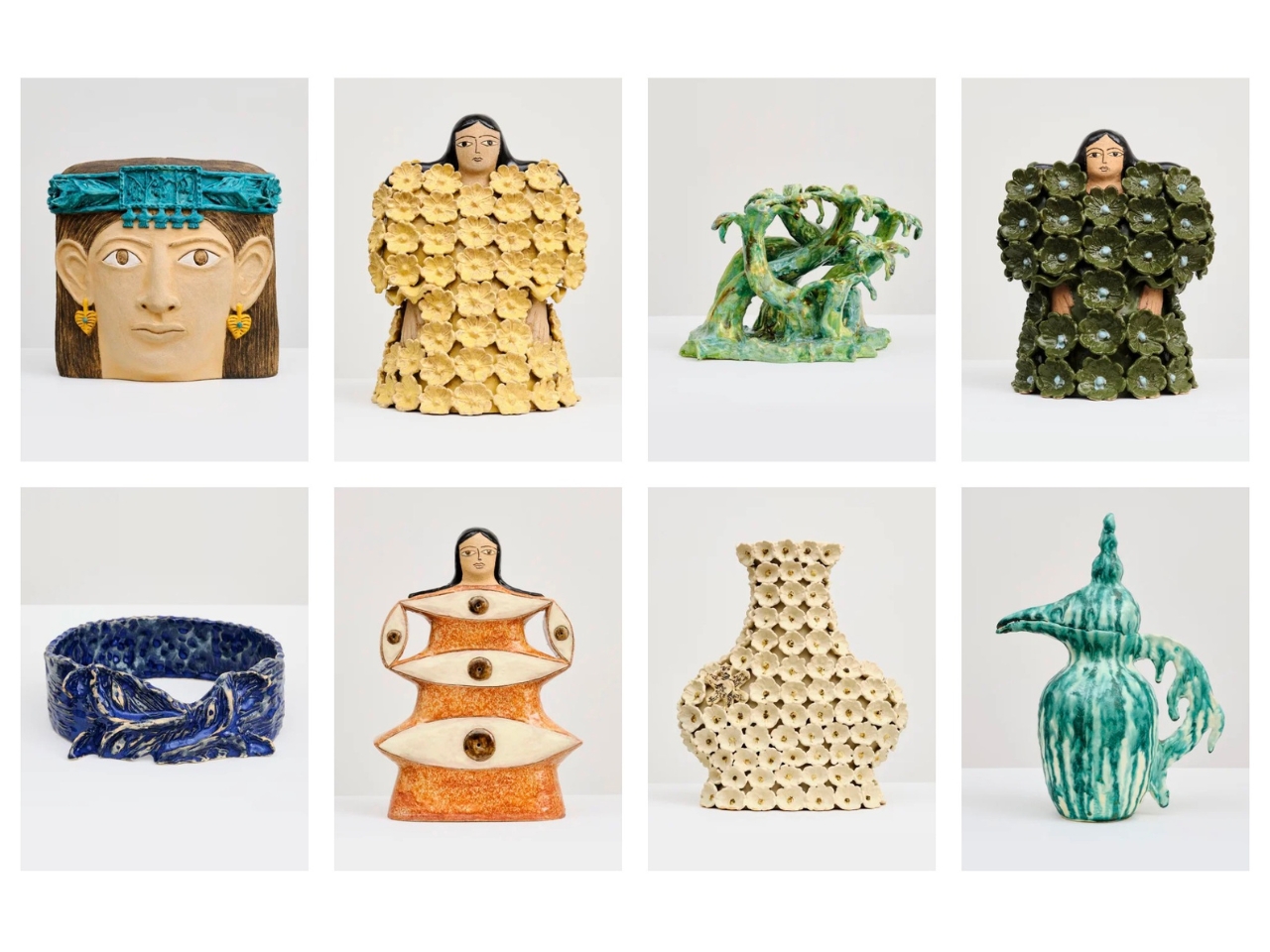
That is the whole idea. Yousif, an Iraqi-American artist based in San Francisco, has spent years building a universe of glazed ceramic figures she calls the “Habibti,” Arabic for “sweetheart” or “my love.” They are not decorative in the passive sense. They stand with quiet confidence, robed in dresses made of repeating rosette patterns, eye motifs, pomegranate shapes, and even other women’s faces. They look at you. Or rather, they look past you, the way the oldest, most self-assured things tend to do.
Designer: Maryam Yousif
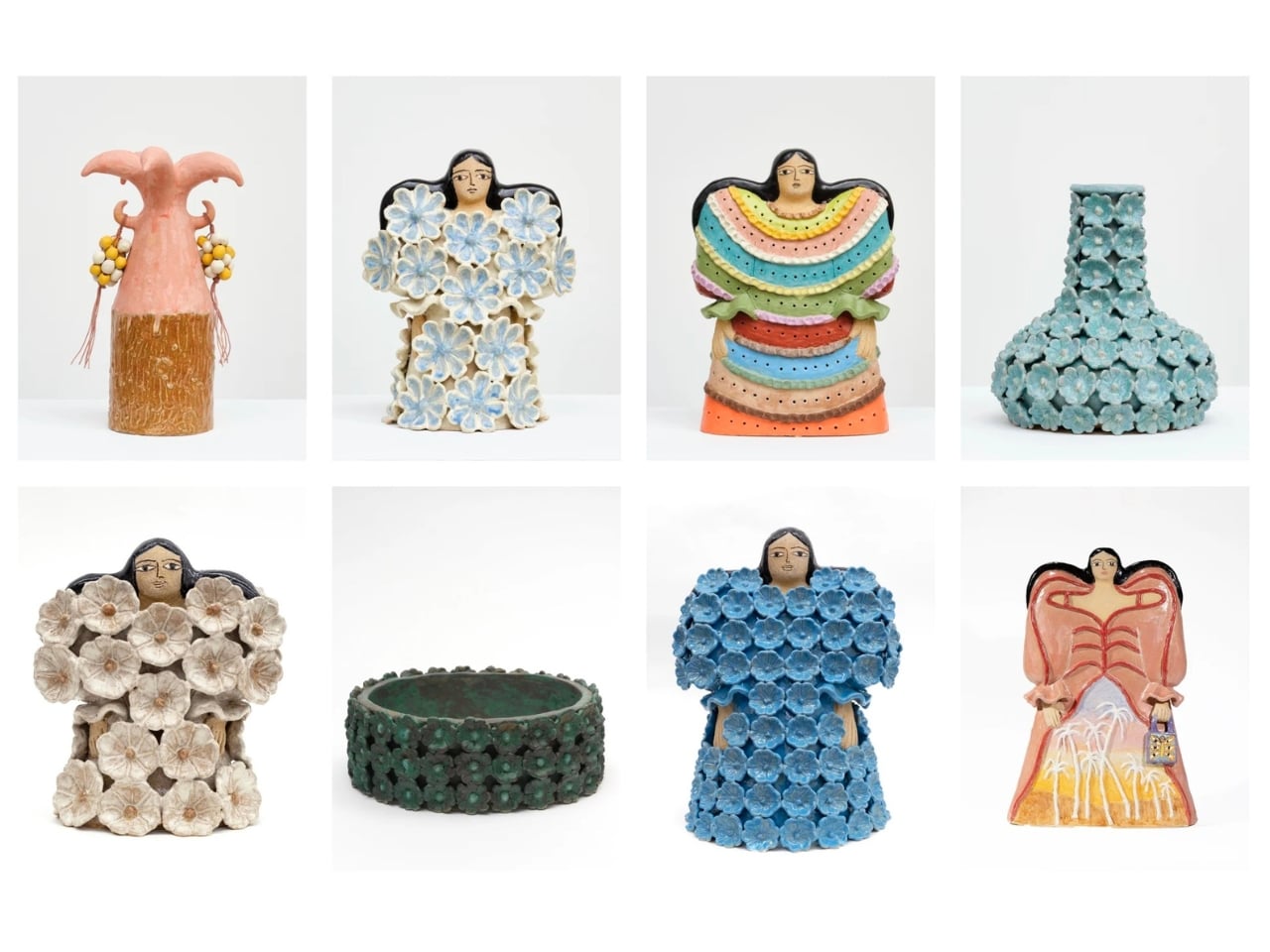
What makes these figures so compelling to spend time with is the dresses. Each Habibti is draped in a pattern that functions almost like a visual archive. Rosettes borrowed from ancient Mesopotamian and Assyrian design. Repeating eye motifs that nod to protection and evil eye traditions woven throughout Middle Eastern and North African cultures. Sometimes the fabric of the dress is made entirely of other women’s faces, stacked and repeating like a tessellation of solidarity. Each pattern is distinct, but they all share the same quality of layering meaning without demanding that you decode it. Yousif renders all of it in vivid glaze, tangerine, wedgwood blue, desert yellow, green, giving what could have been scholarly reference the warmth and personality of something made with genuine affection.
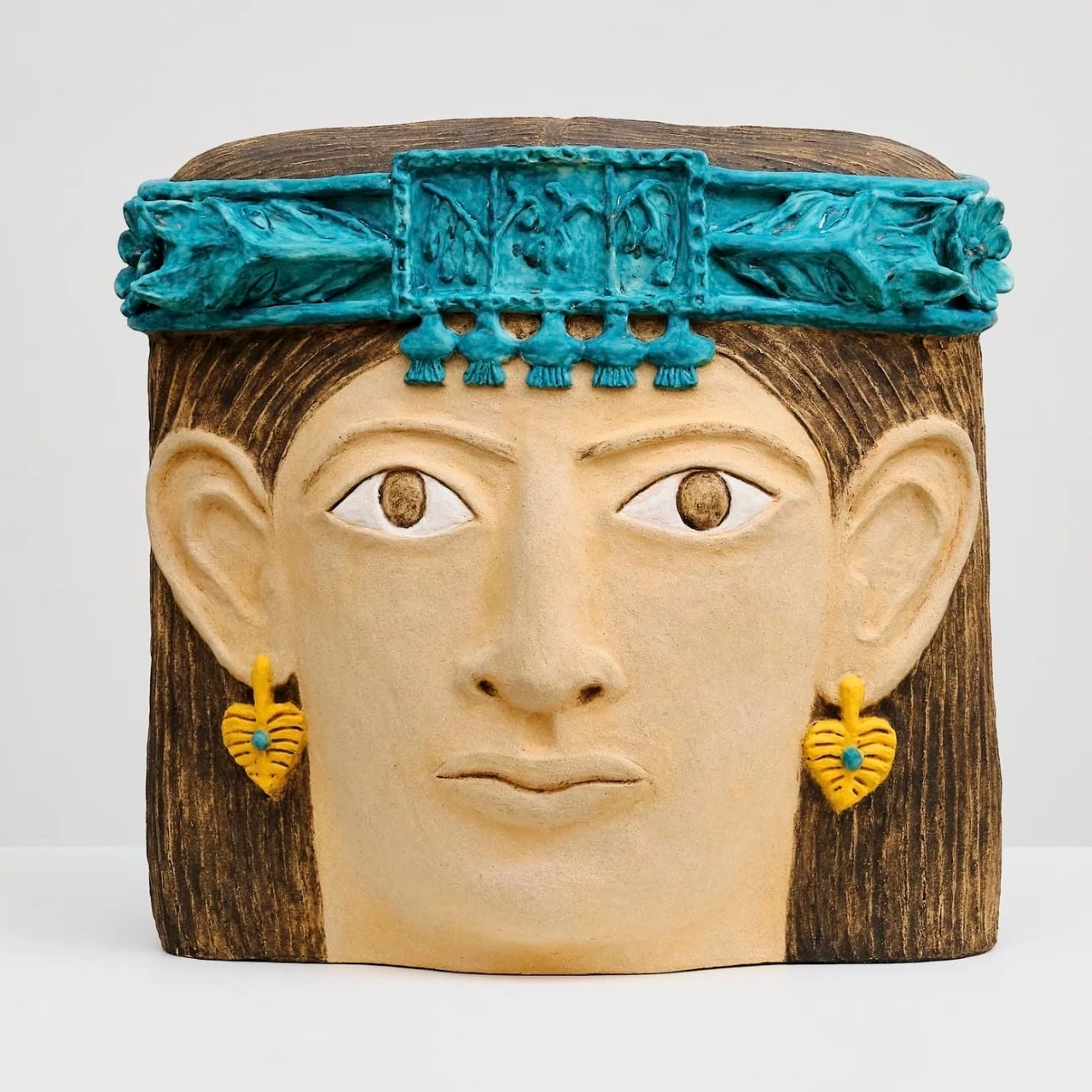
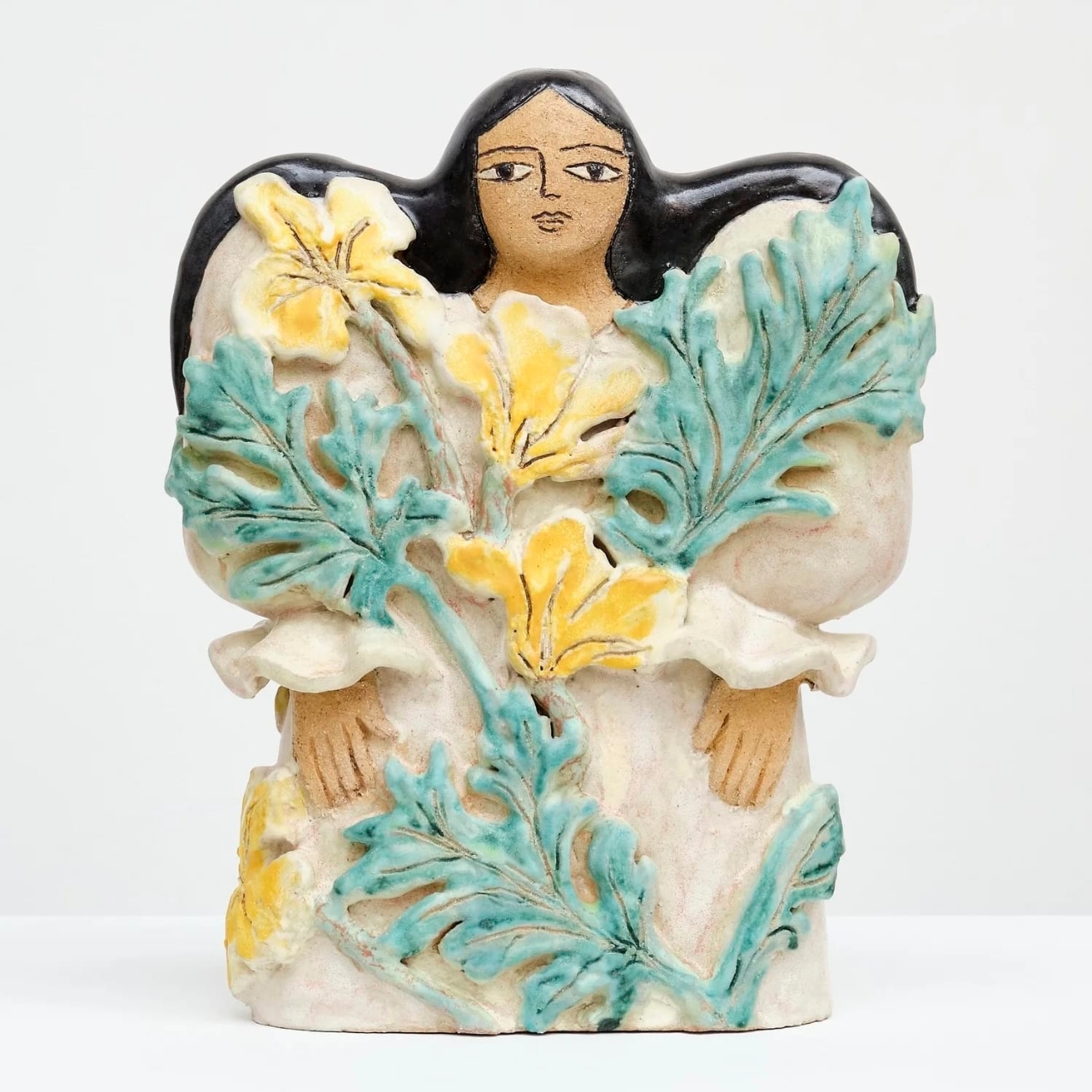
The figures themselves are elegant and simplified. Black hair. Arms quietly at their sides. Some carry what looks like a structured bag, a detail lifted from ancient Assyrian carvings, where divine figures are often depicted holding a similar vessel. Yousif doesn’t footnote this for you. She trusts that the image works whether you recognize the source or not, and she is right to. The Habibti figures have a presence that operates independently of art history knowledge. You don’t need context to feel their composure.
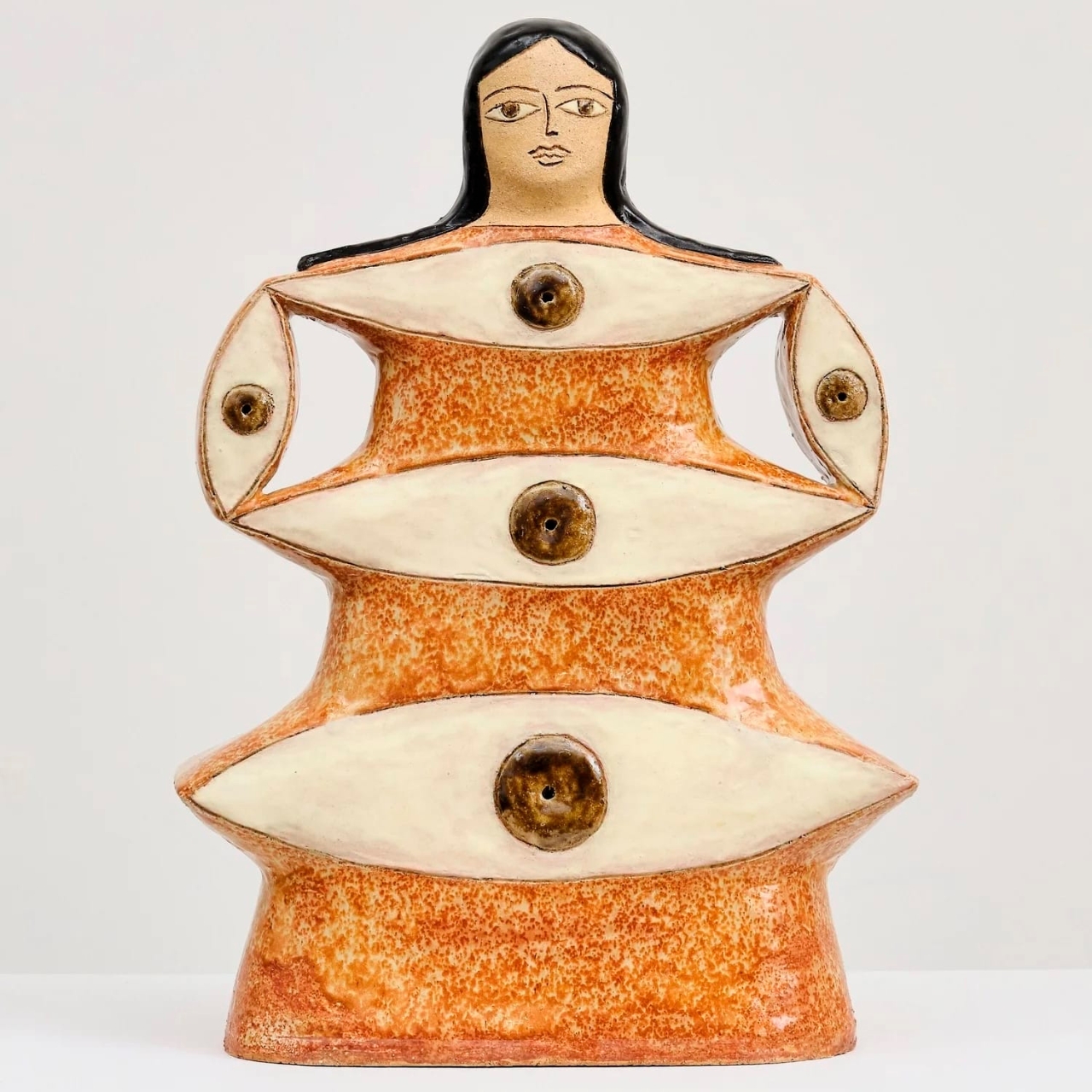
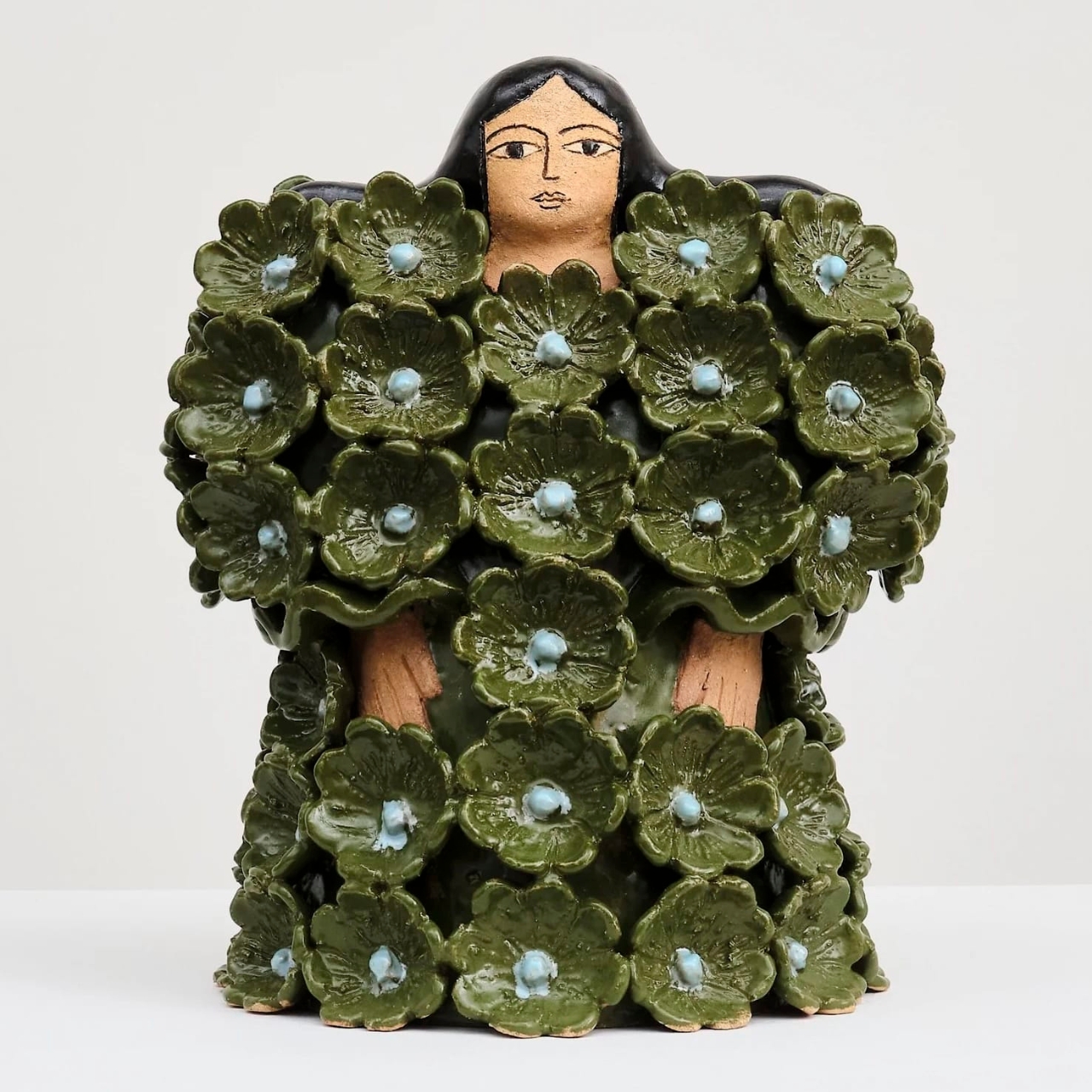
What Yousif has built here is not a series so much as a cast of characters. Each figure has a distinct personality that comes through in color palette and patterning. Habibti in Yellow Desert Rosette Dress reads as ceremonial, almost solar. Habibti in Tangerine Rosette Dress is warmer, more intimate. Habibti in Green Rosette Dress feels grounded, earthly. The variation is intentional, and it matters. These are not multiples. They are individuals.
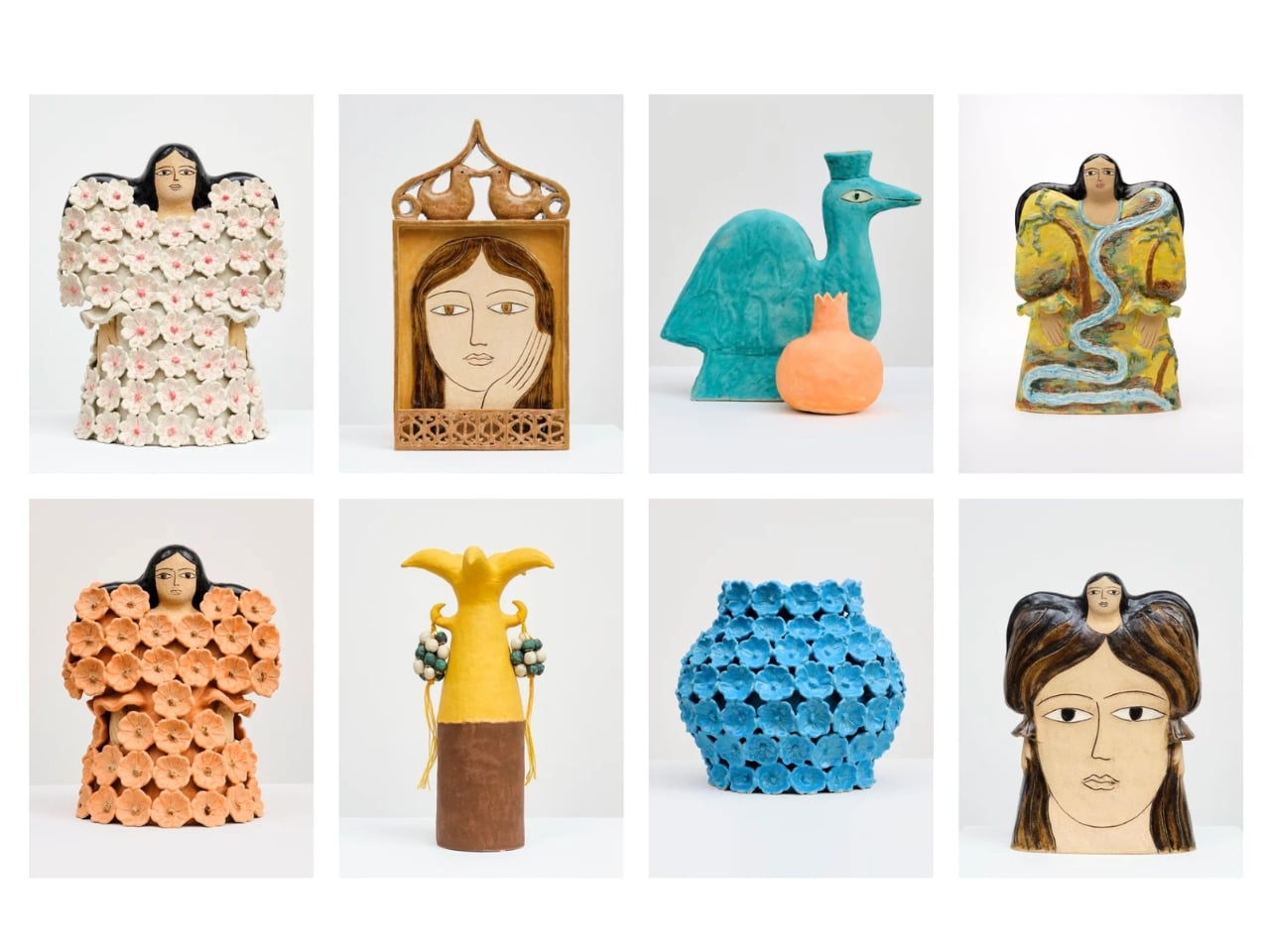
The Habibti concept draws from the Sumerian votive tradition, the practice of placing small clay figures in temples as stand-ins for worshippers who could not always be physically present. Those ancient figures were made to pray on behalf of the living. Yousif updates that idea with bold color, contemporary craft, and the Bay Area’s funk art sensibility, placing women at the center and naming each one after a term of endearment. The gesture reframes devotion entirely.
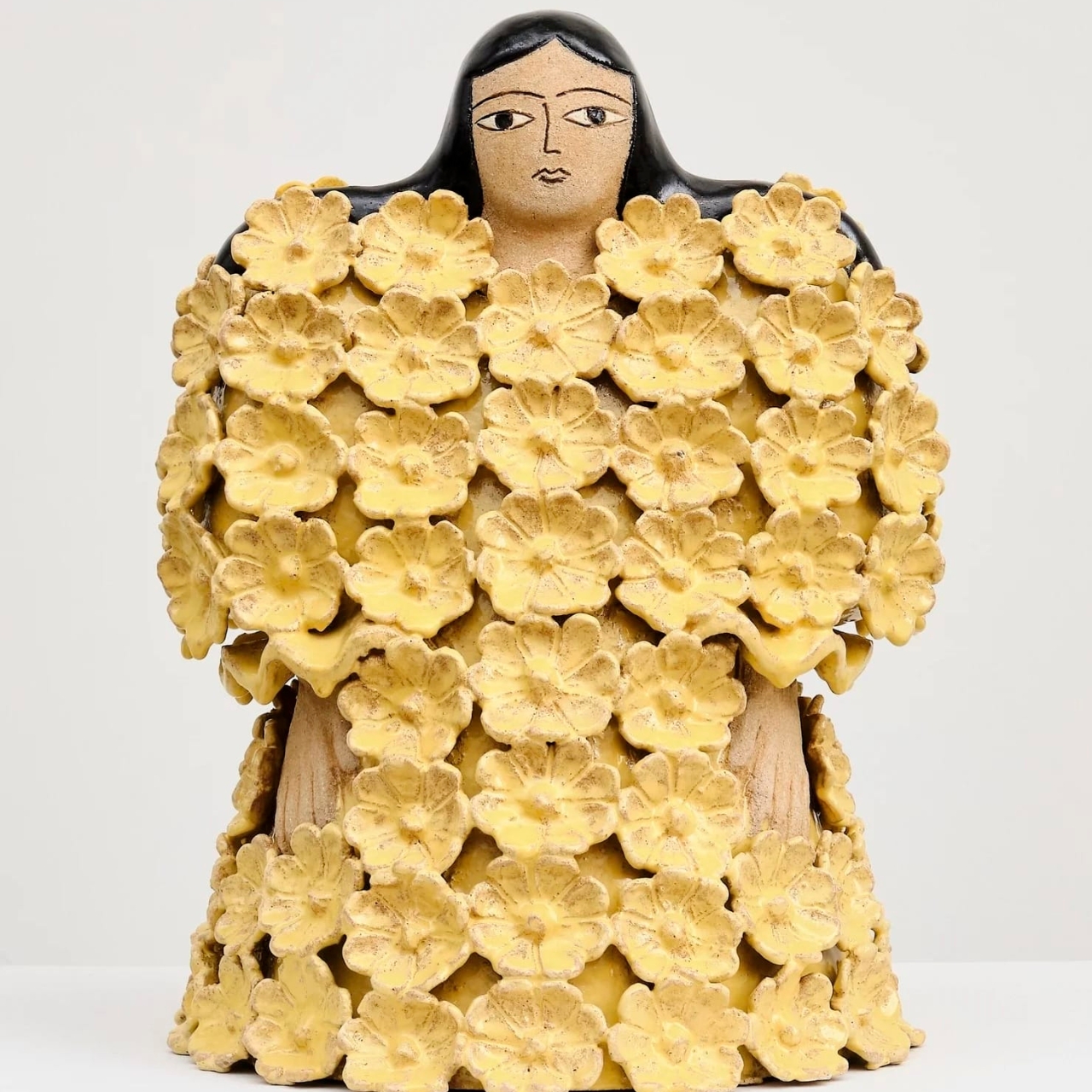
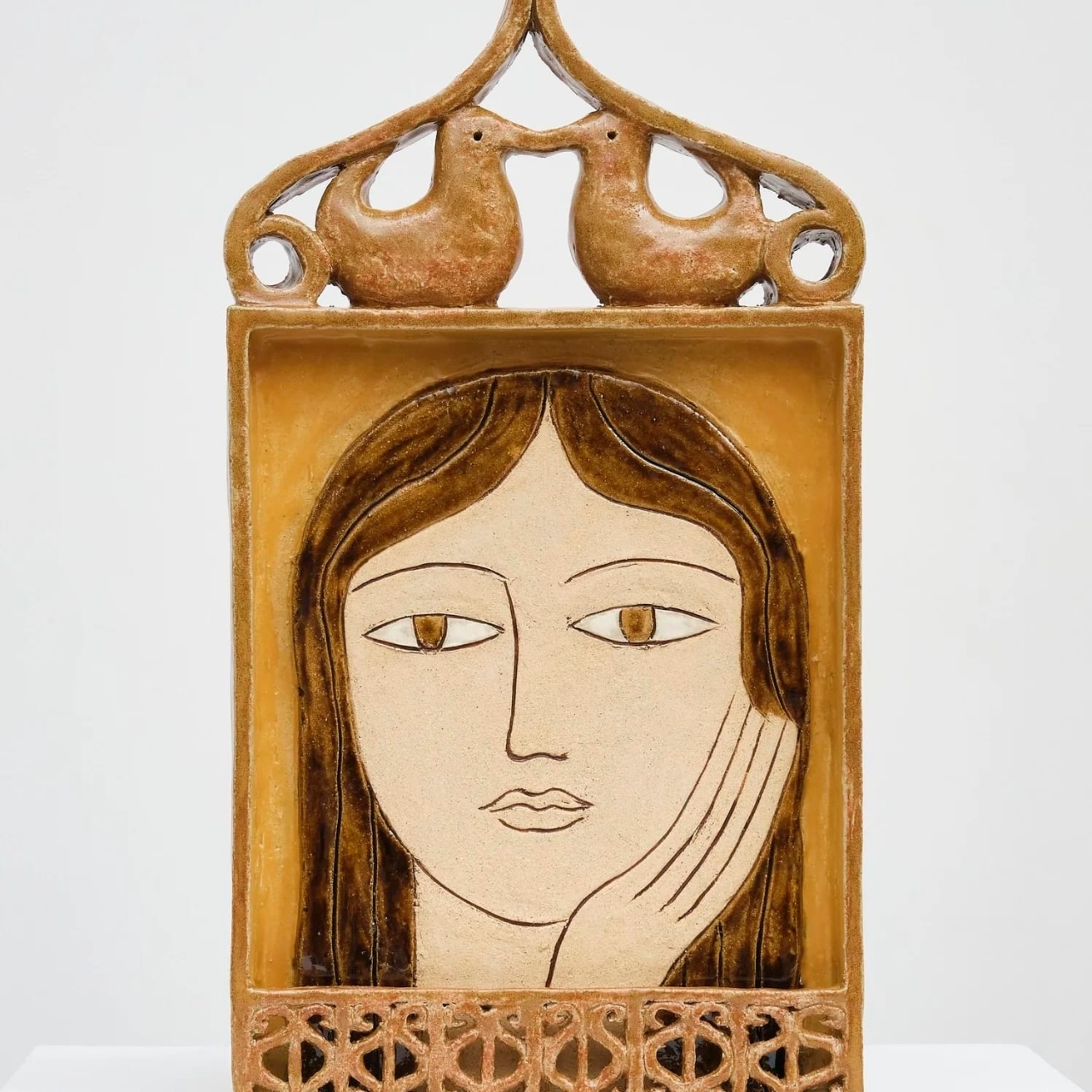
I keep thinking about the craft itself. Ceramics as a medium has a complicated relationship with fine art hierarchies. It has historically been positioned as craft, as decorative, as lesser than painting or sculpture. Yousif doesn’t seem particularly interested in resolving that tension. She just makes work that demands to be taken seriously on its own terms, which is arguably a more effective argument than any theoretical position could make. The glaze work is rich and precise. The forms are confident. The scale, mostly under 20 inches tall, makes the figures feel personal rather than monumental, like objects meant to share a room with you rather than be observed from a distance.
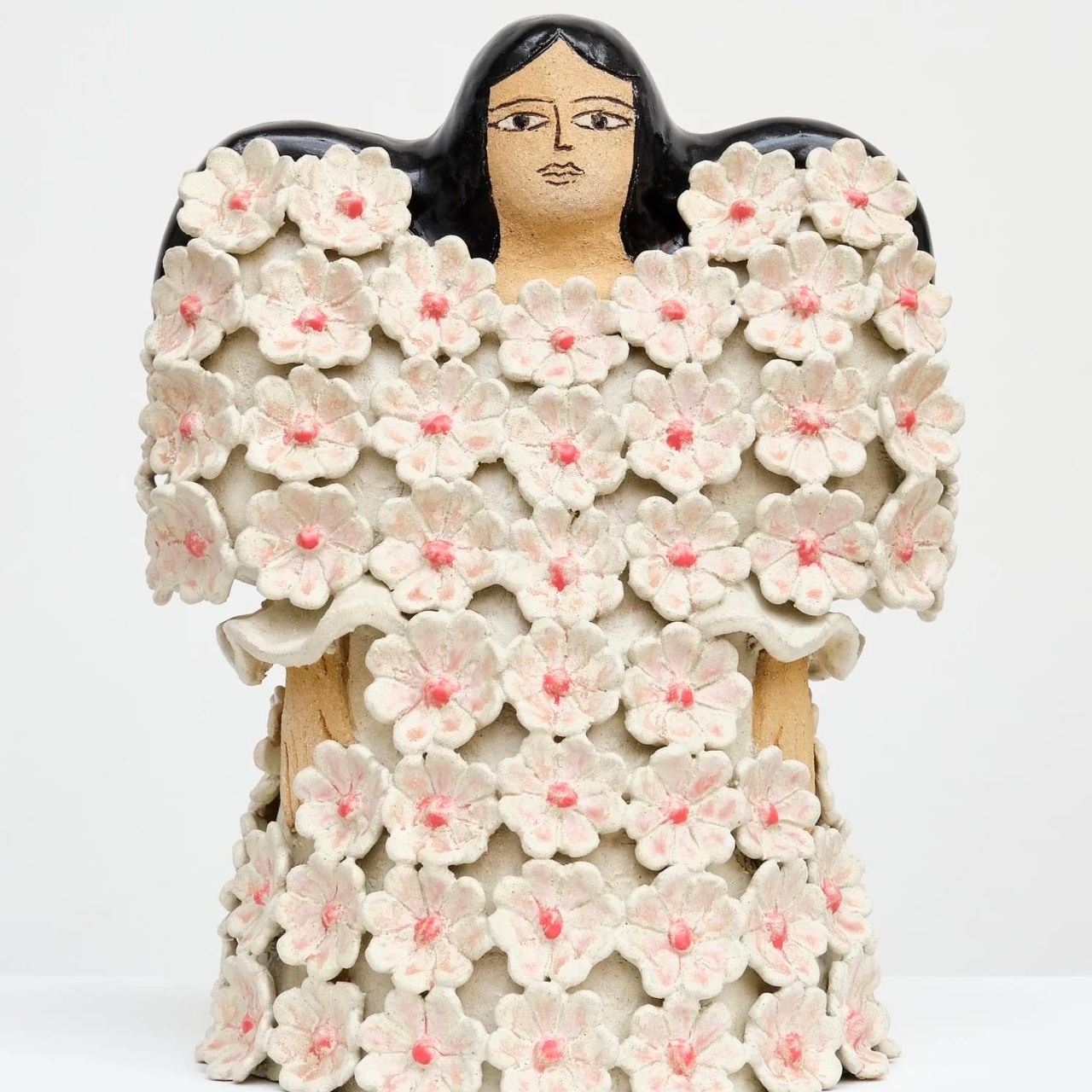
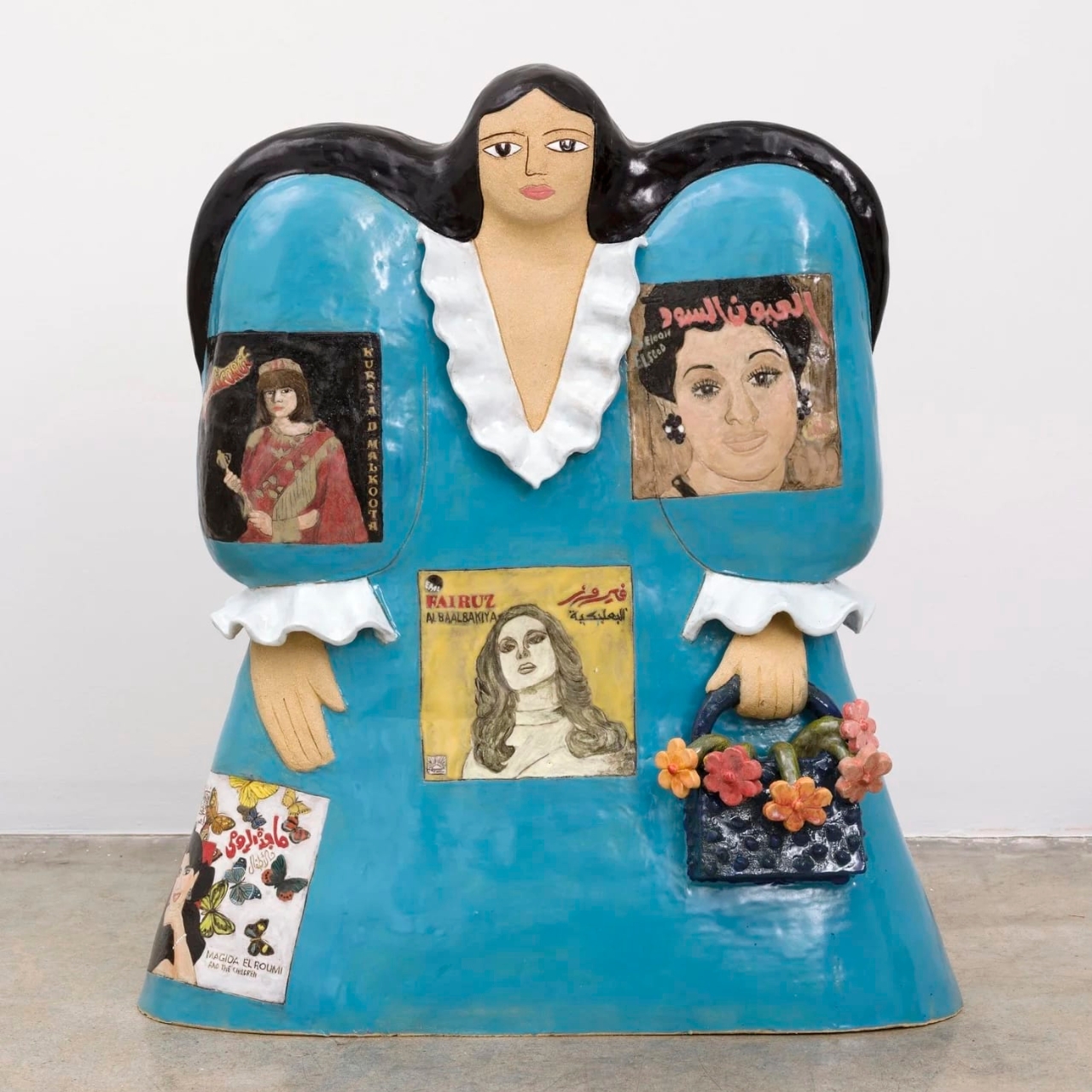
The Habibti sculptures are, at their core, about presence. The presence of women. The presence of culture across time. The presence of craft as a living, breathing carrier of memory. Maryam Yousif built an entire world out of glazed clay and ancient references, and it looks like nothing else being made right now. Not a revival. Not a tribute. Something genuinely new. That, more than anything, is the point.
The post The Ceramic Figures Turning Ancient Mesopotamia Into a Dress first appeared on Yanko Design.

Running AI models directly on your computer is no longer a complex or inaccessible task, thanks to platforms like Ollama. In a recent feature by Teacher’s Tech, the focus is on how Ollama enables users to maintain full control over their data while exploring AI capabilities locally. One standout aspect is its compatibility with Mac, […]
The post Ollama Runs Free AI Models Locally on Your Mac, Windows and Linux appeared first on Geeky Gadgets.