Alien-like metal stool concept inspires awe rather than fear

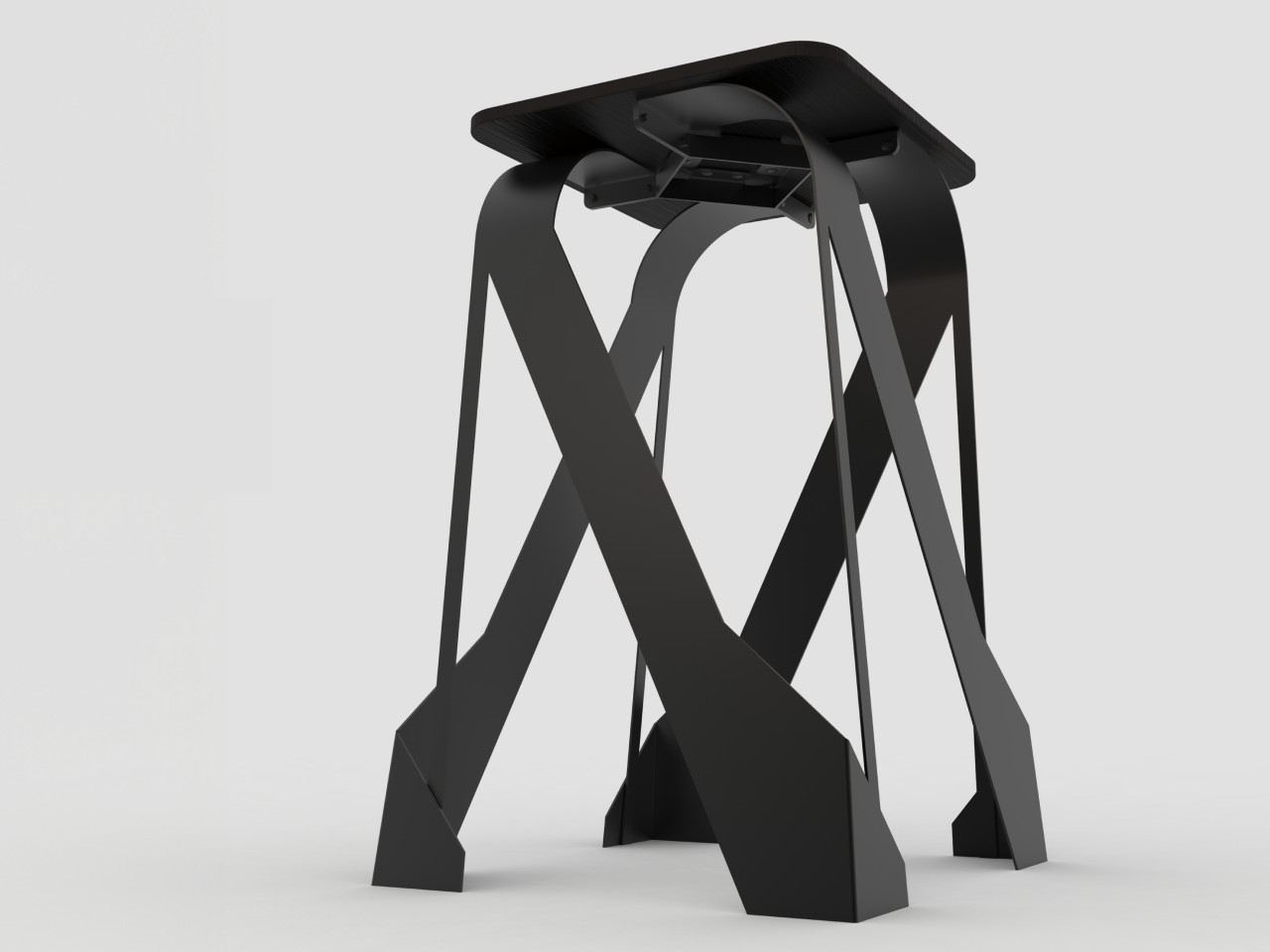
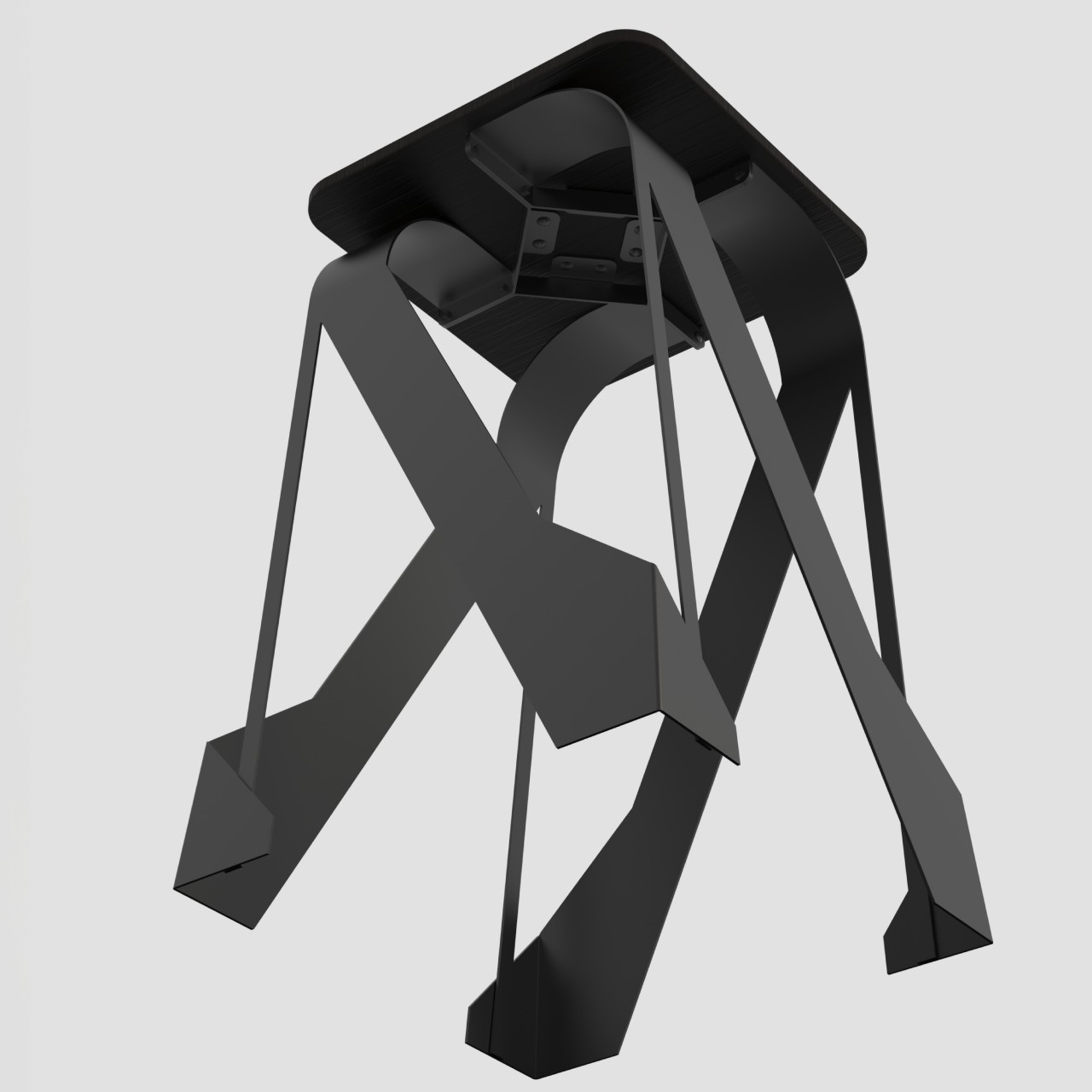
Grotesque alien creatures will probably be trending again thanks to the revival of a long-running movie franchise, but all extraterrestrial creatures will look horrifying. They might be breathtaking, defying all the preconceived notions of our limited human minds. They might not even be organic, at least as defined by what we know on earth. If we ever encountered an inorganic, metallic alien that didn’t look like any biped or quadruped Earthbound creature, it could probably look like this metal stool with its symmetric tentacles that seemingly invite you to approach and, well, sit on it for your comfort.

Designer: Riley MacKay

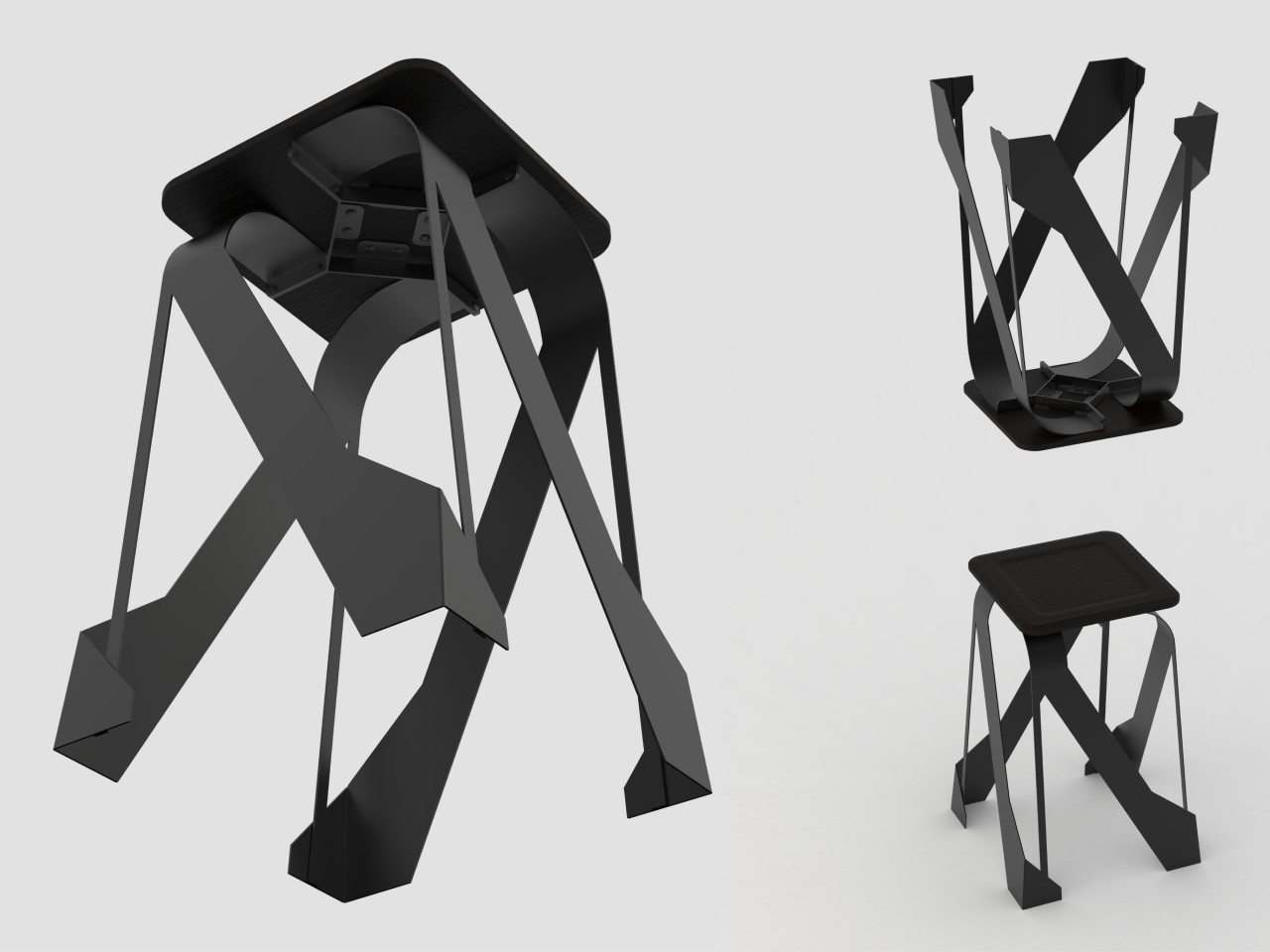
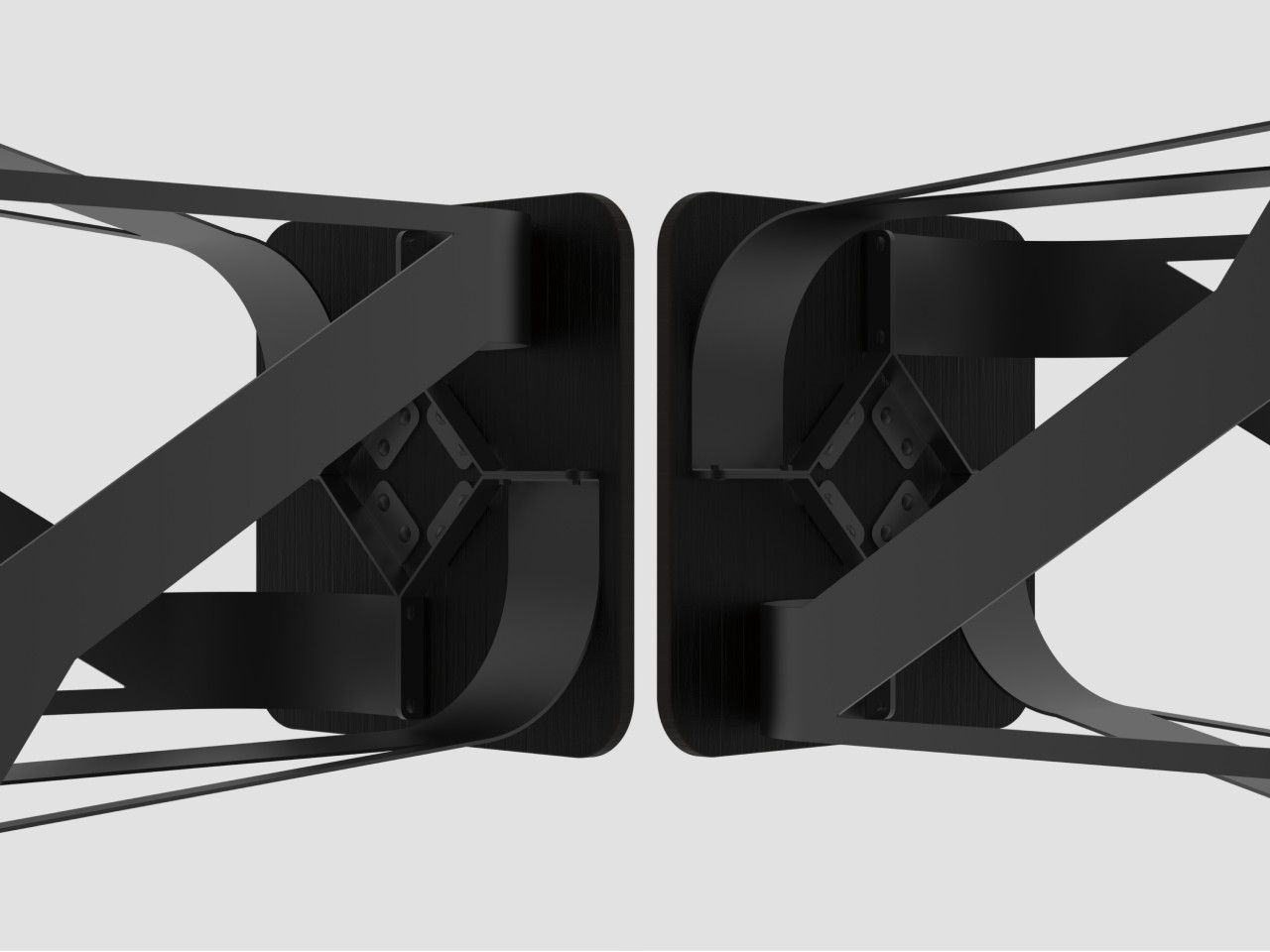
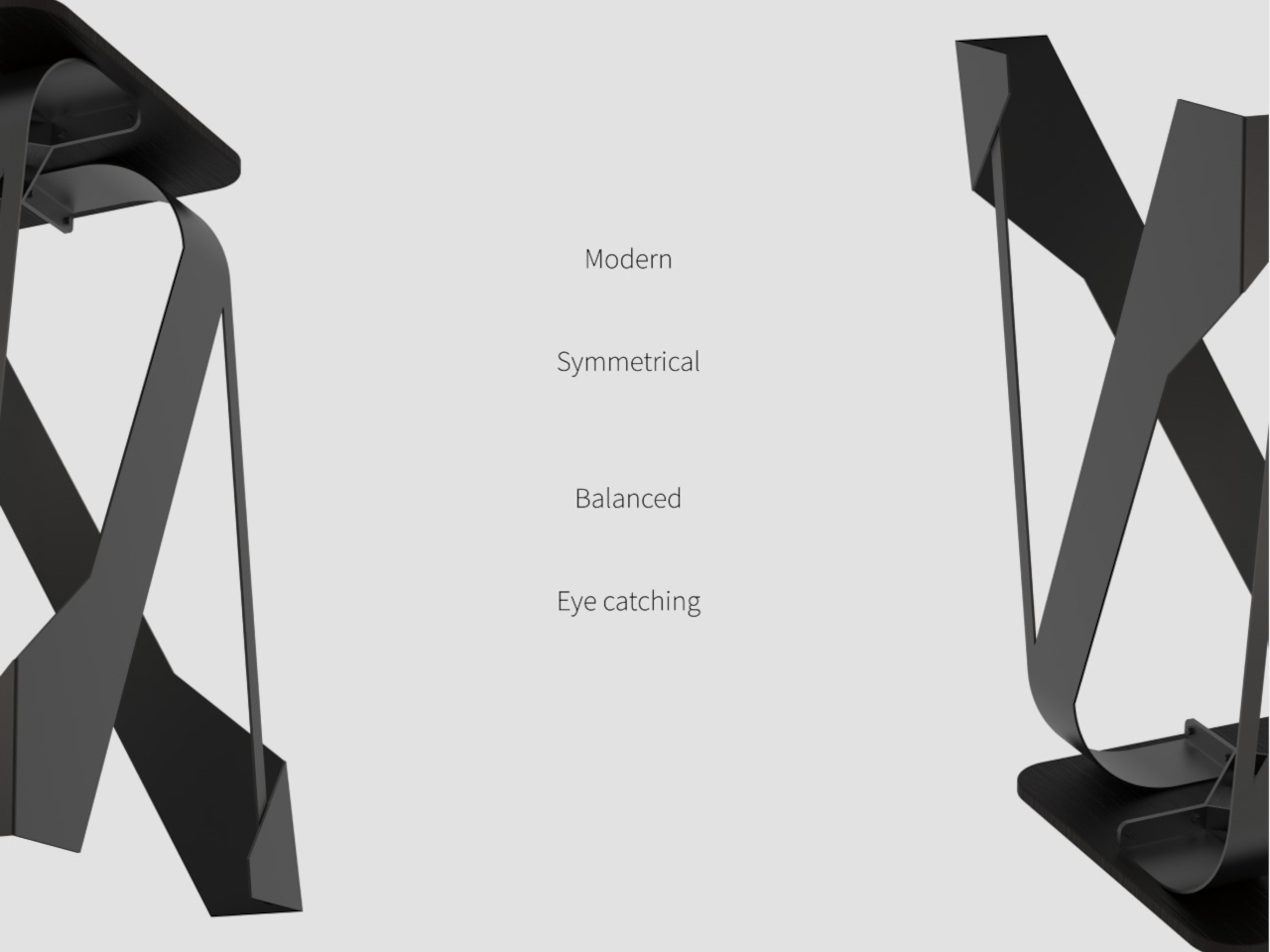
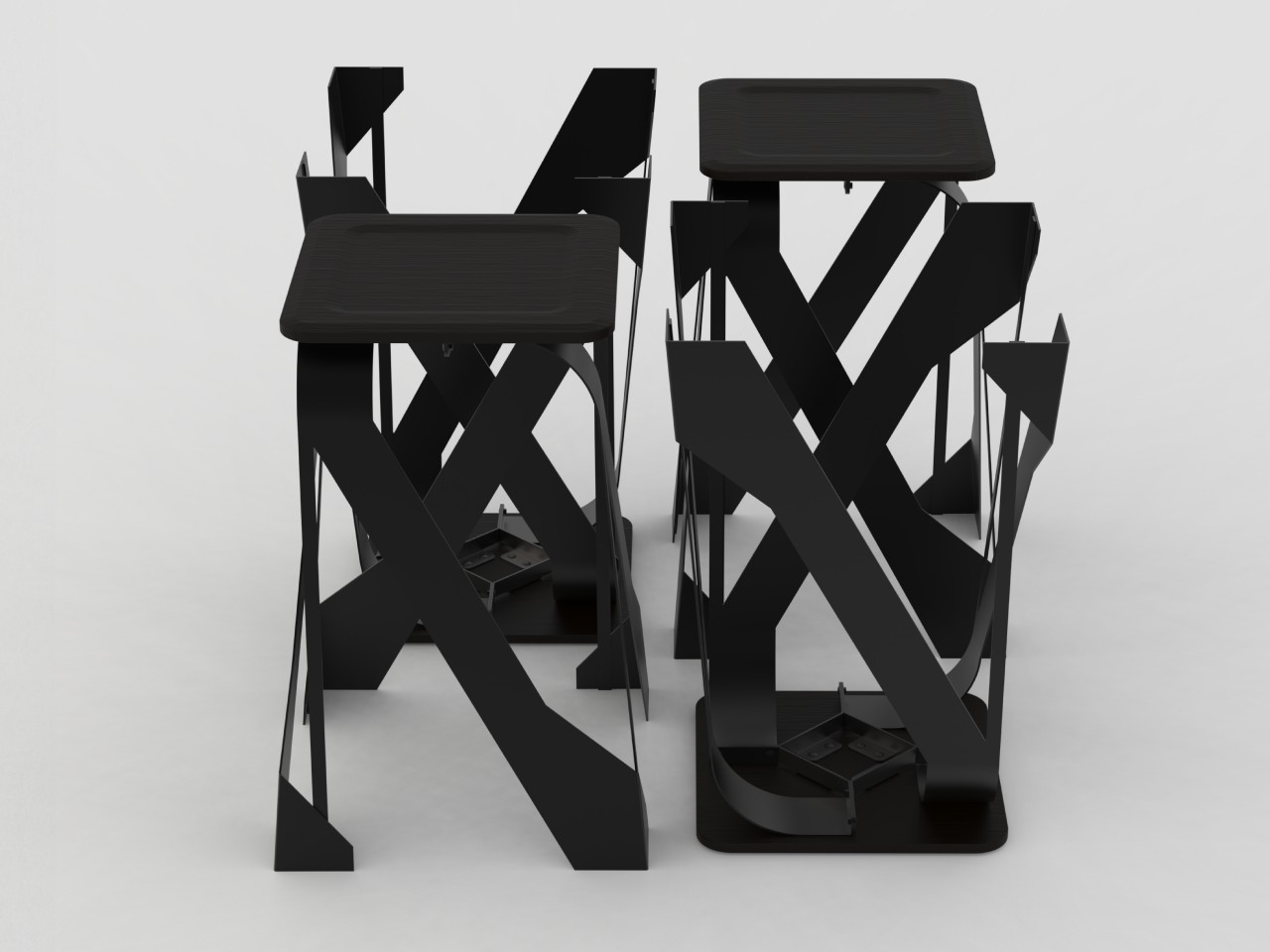
Alien references aside, this metal and wood stool definitely doesn’t look like your typical piece of furniture. There are technically still four legs, though they look double that number because of how each leg splits into two. The legs seemingly turn and swirl around the center of the stool, giving the impression of tentacles moving around a metallic creature.

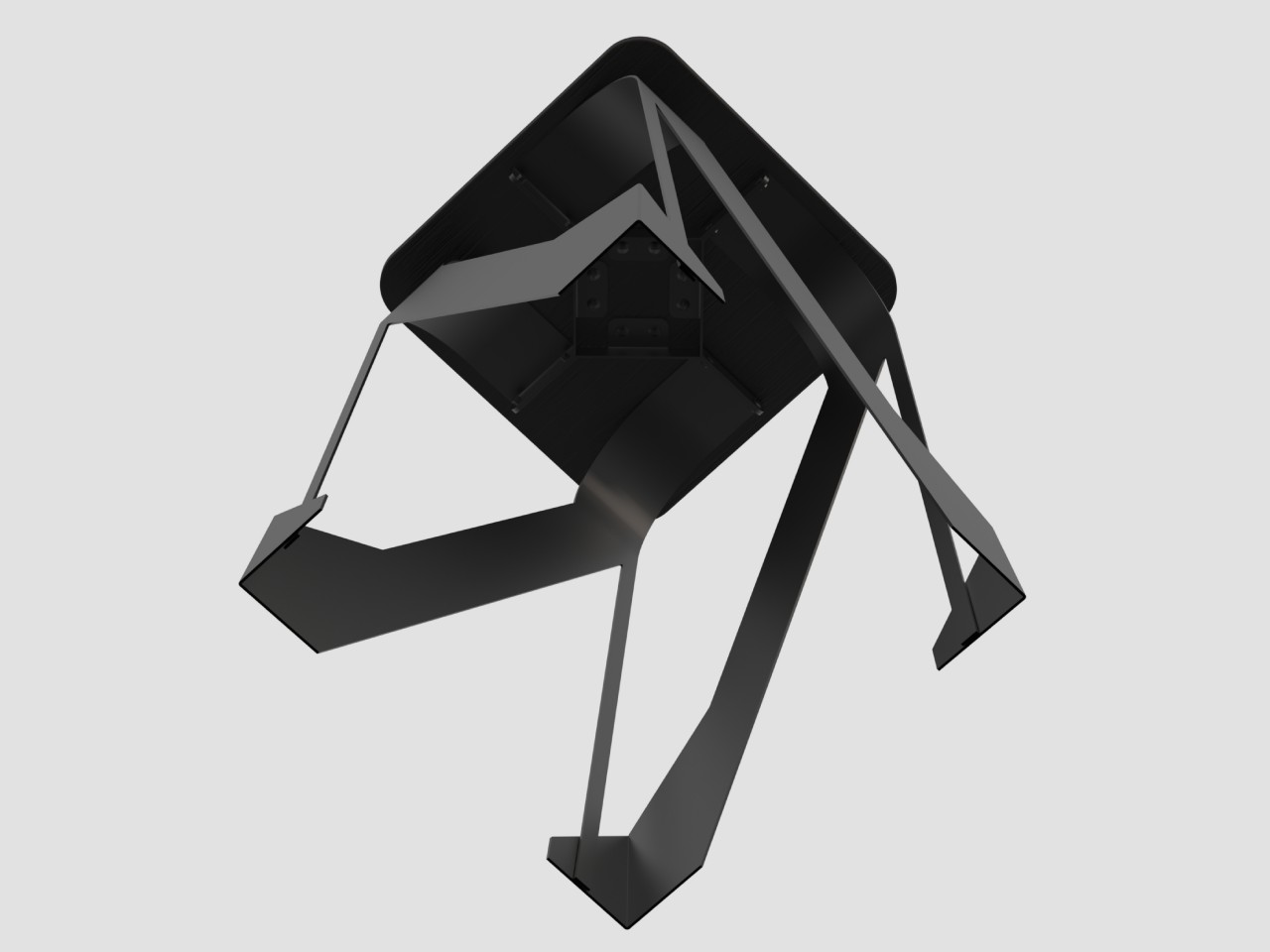
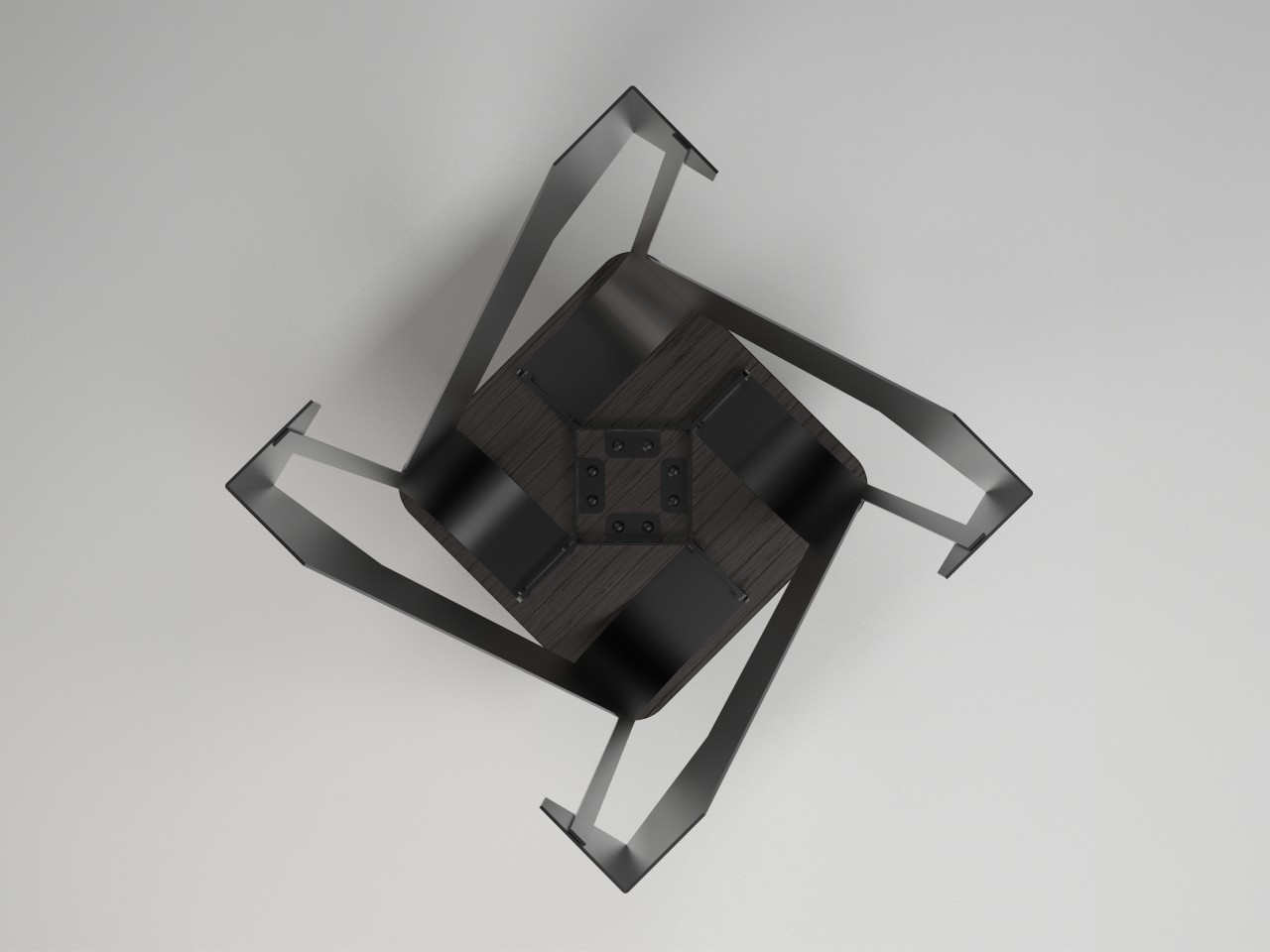
Unlike what you’d see from a jellyfish or octopus, however, there is a strict symmetry to the stool’s geometric design. The legs protrude at a specific angle away from the body and to the side, creating the shape of a spinning star when the stool is viewed from the top. This design provides both visual and mechanical balance, giving the stool stability despite its seemingly thin and flat legs.

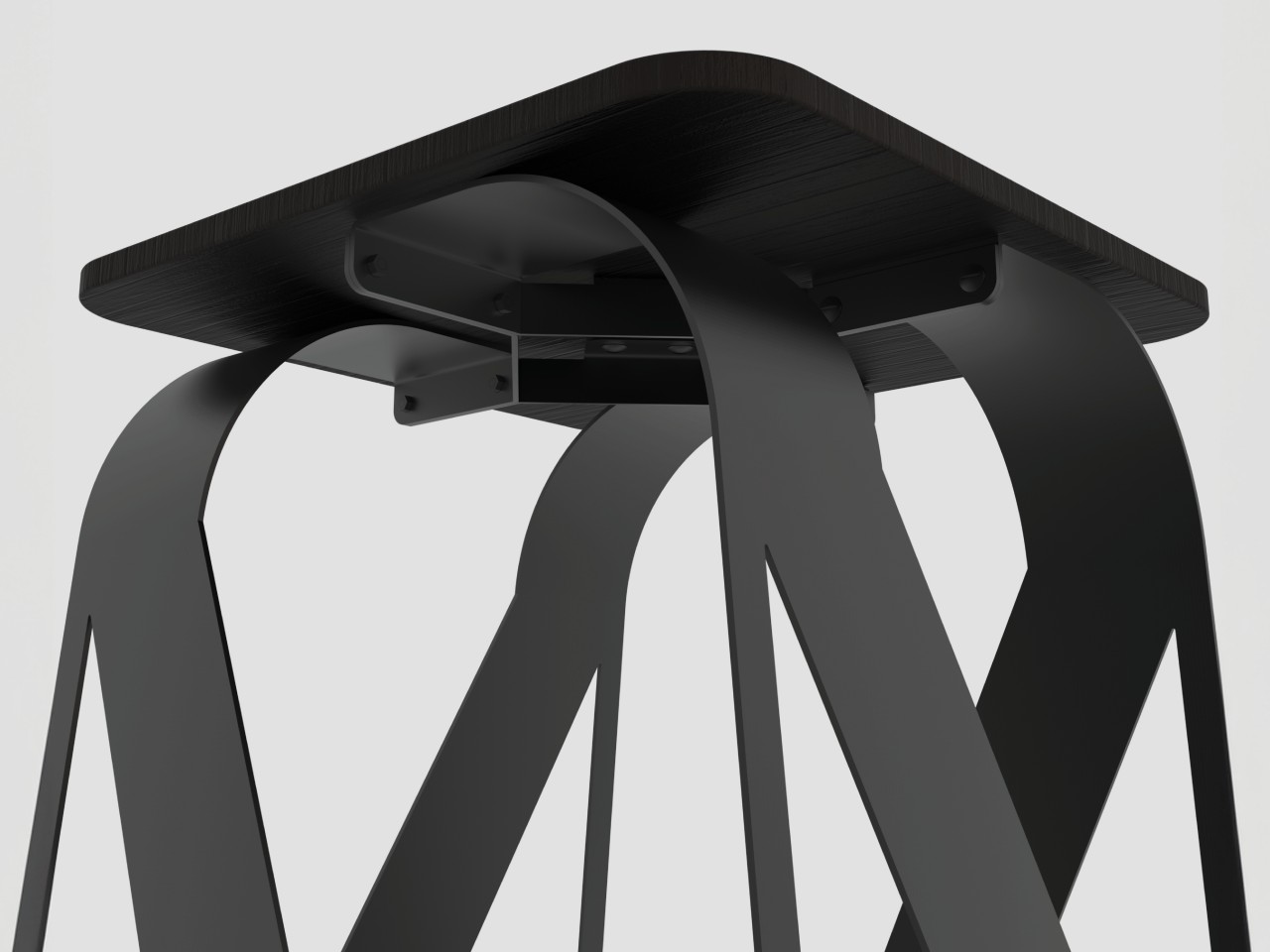
There is also a sustainability angle to the Metal Stool, though perhaps a bit indirectly. The legs are made from sheet metal while the seat is birch wood, both of which can be sourced from sustainable or renewable options. The minimalist design could mean that these parts can be taken from factory offcuts as well, providing a new purpose for otherwise discarded and wasted materials.

The Metal Stool is a prime example of a simple and subtle design that manages to look quite stunning just by shifting the formula just a little bit. Whether it reminds you of aliens, jellyfish, or abstract art, the stool has the same effect of catching your attention and adding a unique character to any space. And, of course, you can sit on it as well without fear of toppling over or, worse, being taken by metal tentacles into the depths of a dark void.

The post Alien-like metal stool concept inspires awe rather than fear first appeared on Yanko Design.

Modular stool concept is designed for people who love sitting cross-legged

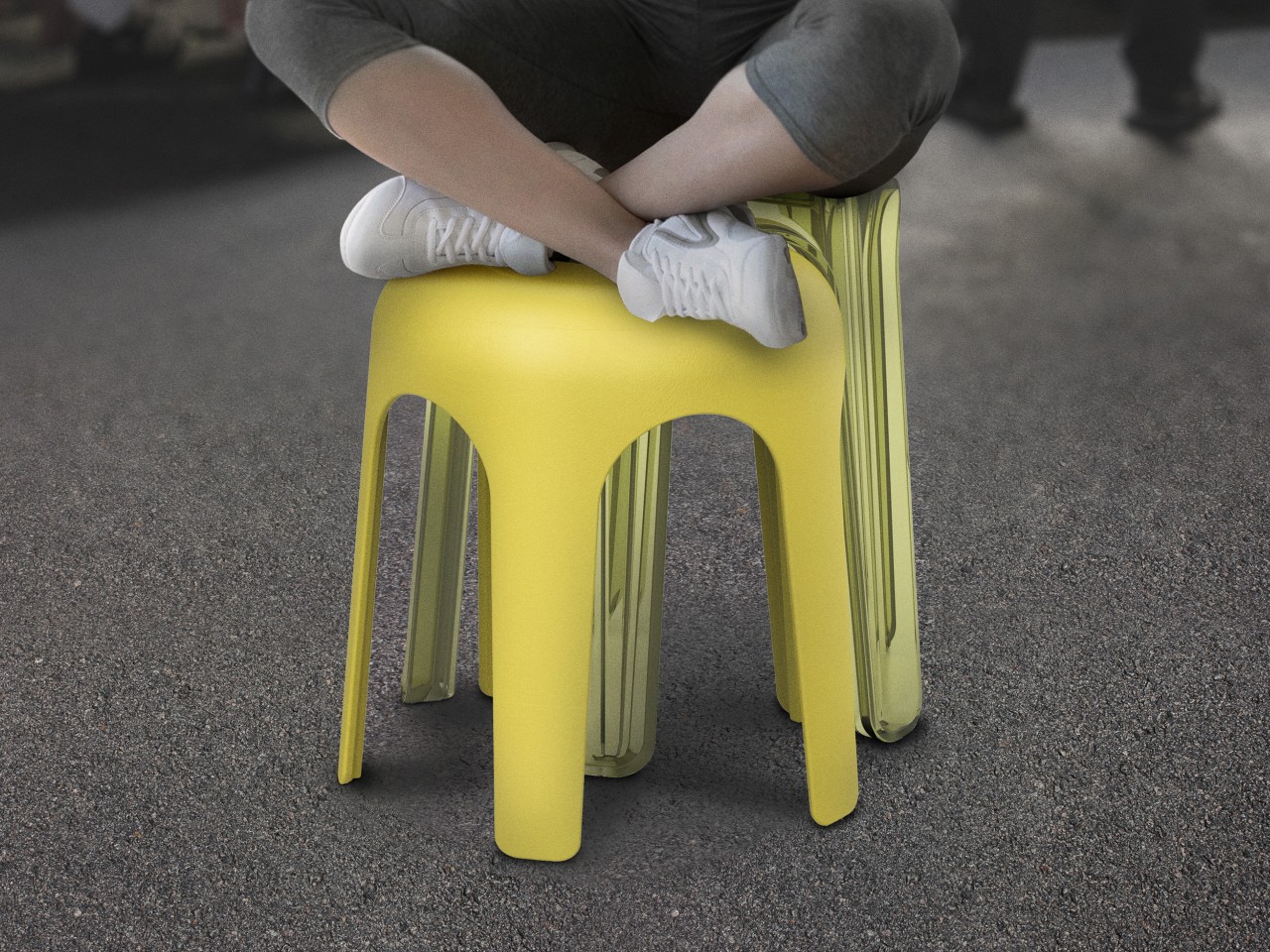
Stools are often classified as tall, backless chairs, and like most seats, they’re designed to be used in a specific way. You simply sit on top of the stool and have your legs hanging from the edge, with your feet planted firmly on the ground. This style of sitting might be common, but it’s definitely not how everyone sits around the world. In some cultures, particularly in Asia, people tend to sit cross-legged on the floor, at least when they’re at home or in establishments designed to cater to that culture. Stools, of course, aren’t meant to support that way of sitting, but this concept design tries to expand the traditional stool design to be more inclusive while also offering an additional feature completely unrelated to sitting.

Designer: Gisung Han

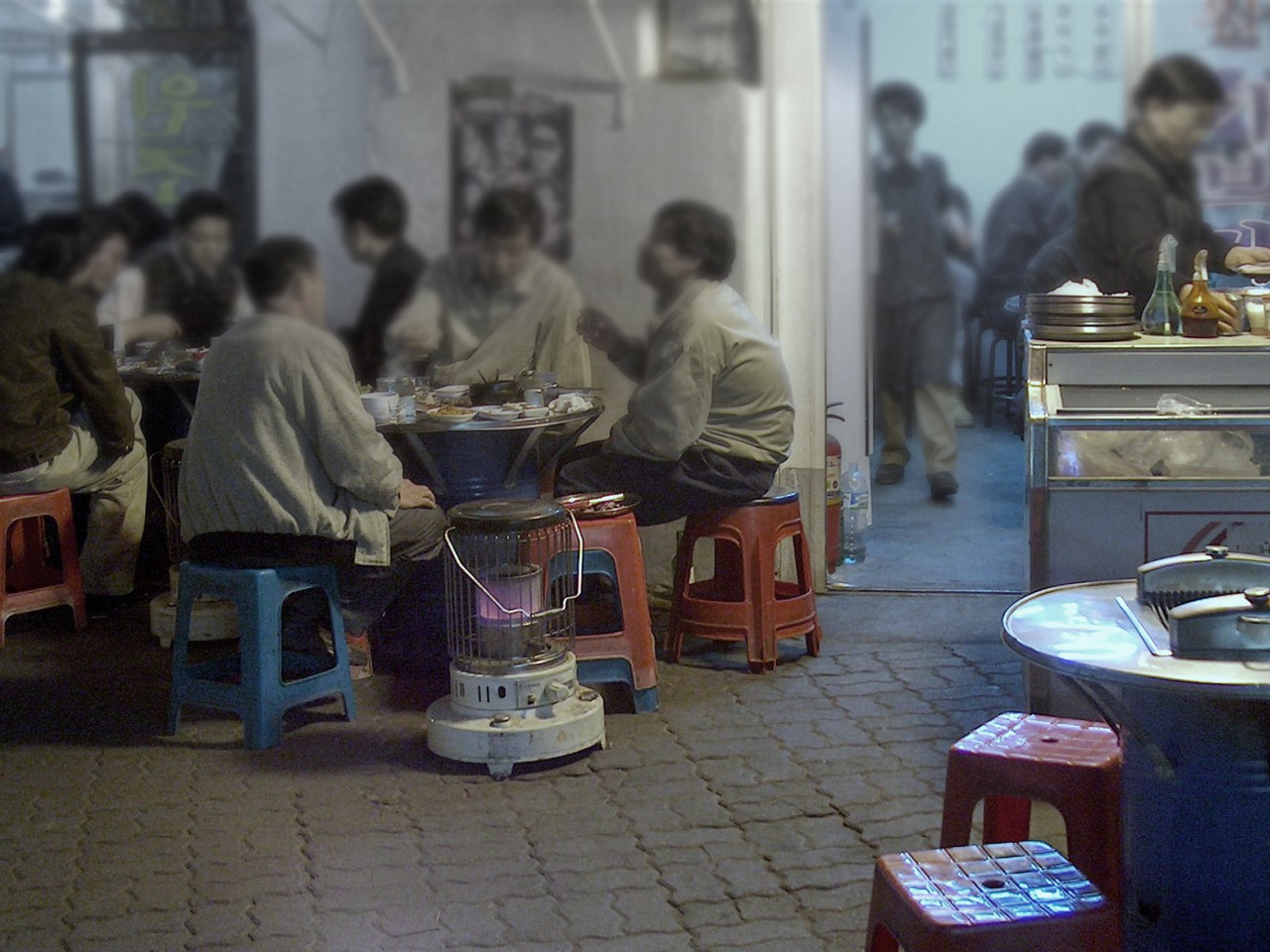
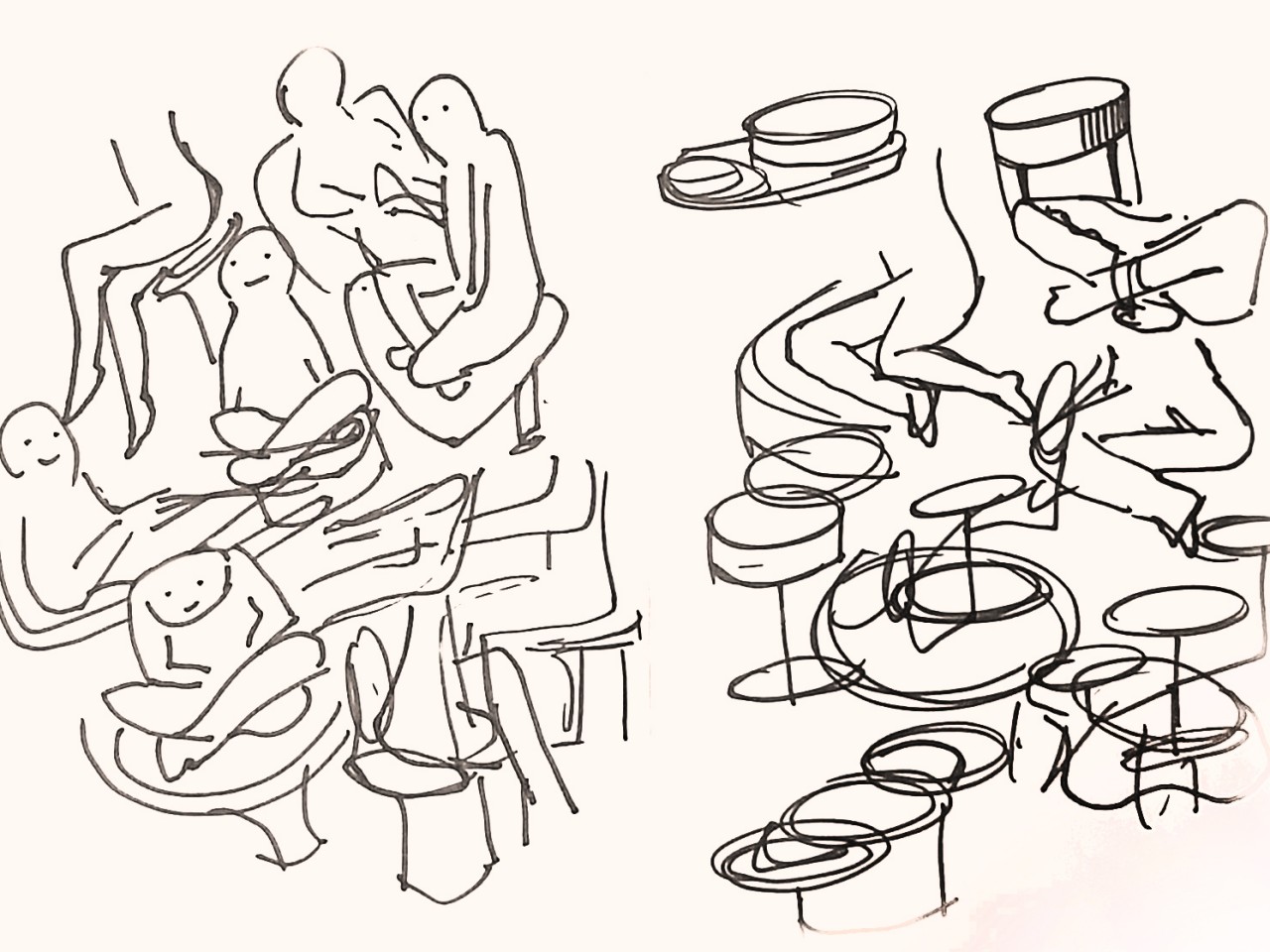
It’s probably too much of a generalization but sitting cross-legged has become associated with Asian cultures. Especially in countries like Korea and Japan, some families tend to sit on the floor during meals in that position, something that might not sit well with those who don’t consider it proper during meals. Eating outdoors, of course, is a completely different matter, especially in public places like outdoor restaurants that only provide simple stools for customers. One simply can’t sit cross-legged comfortably, but still try to do it.

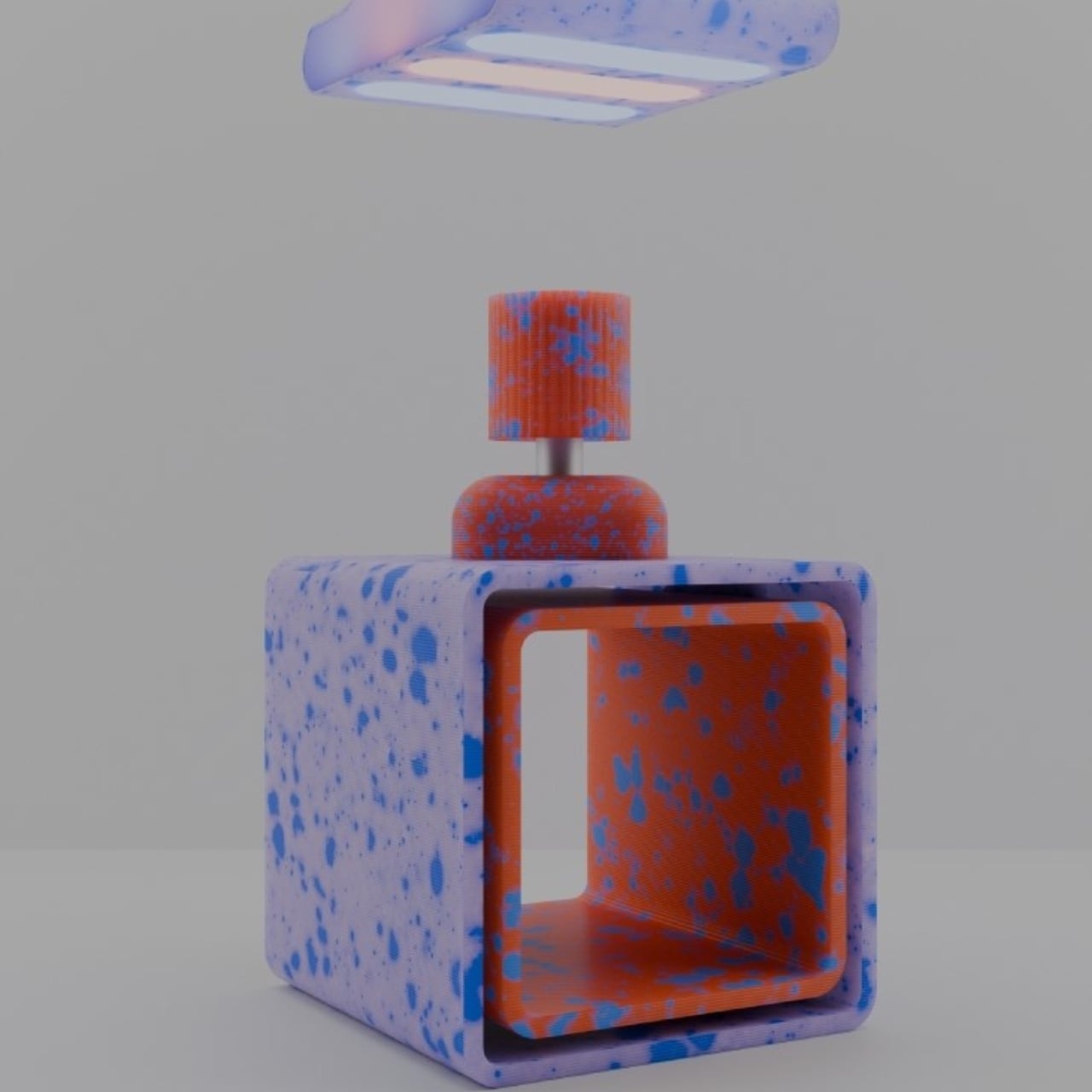
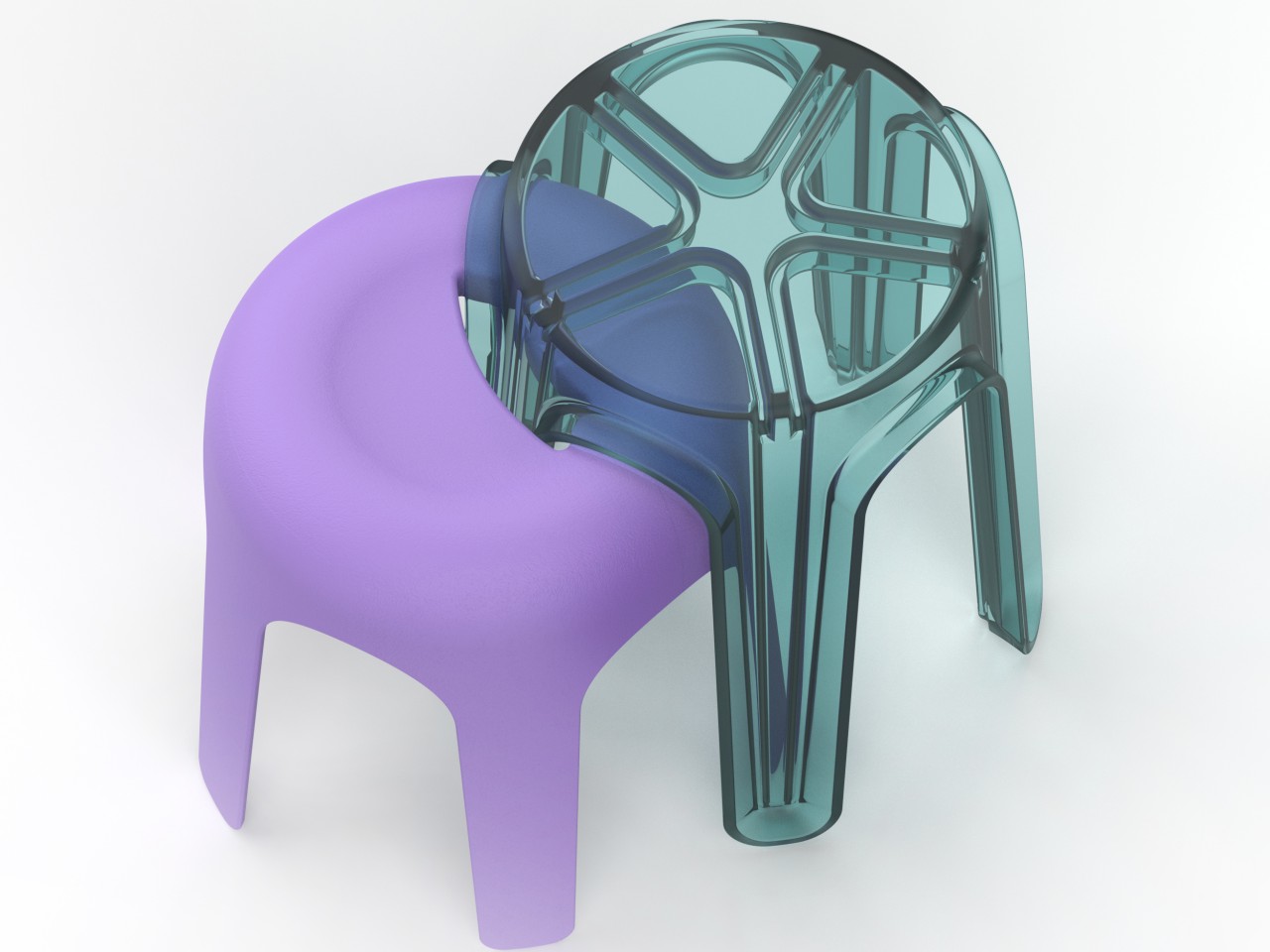
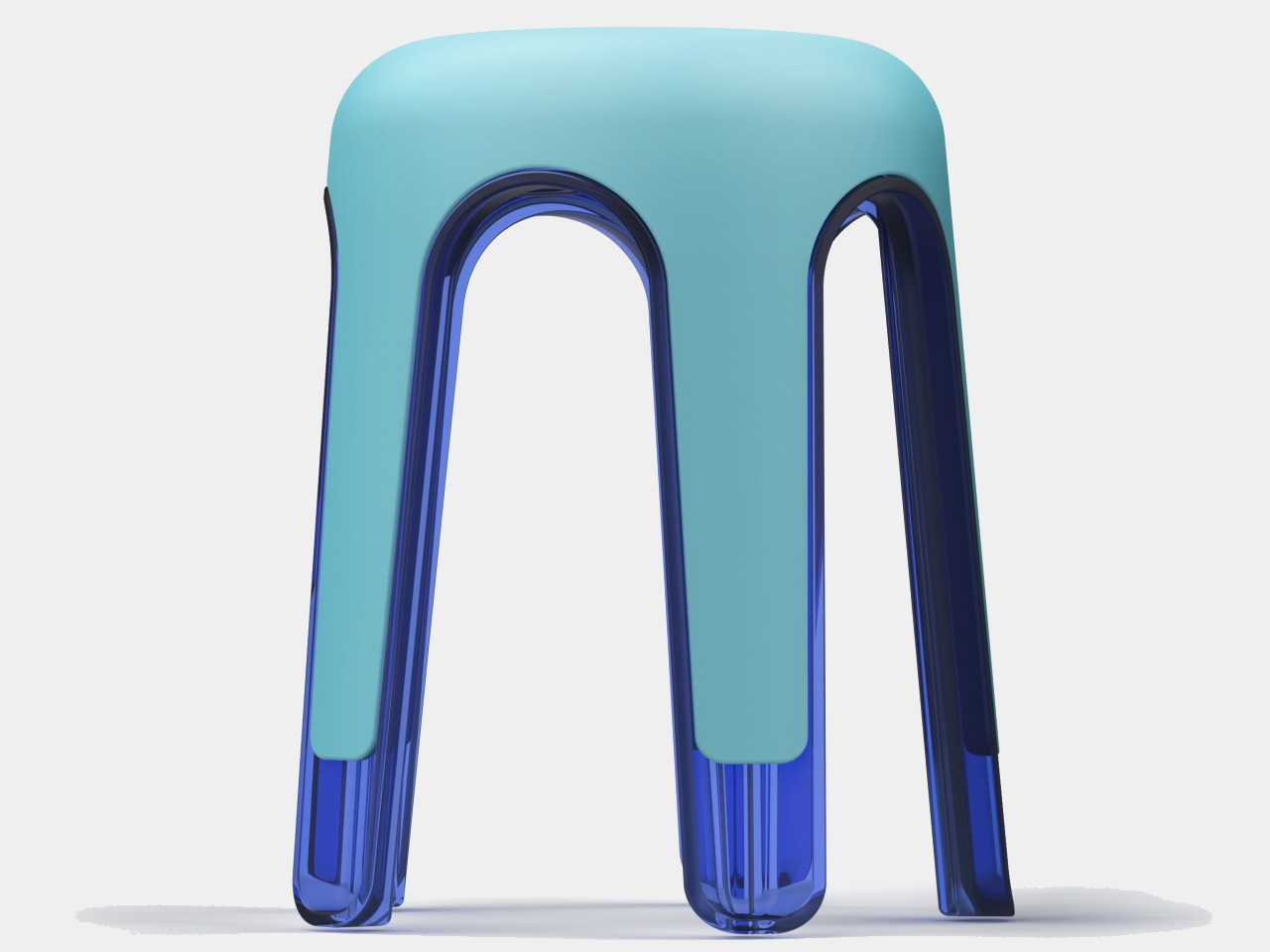
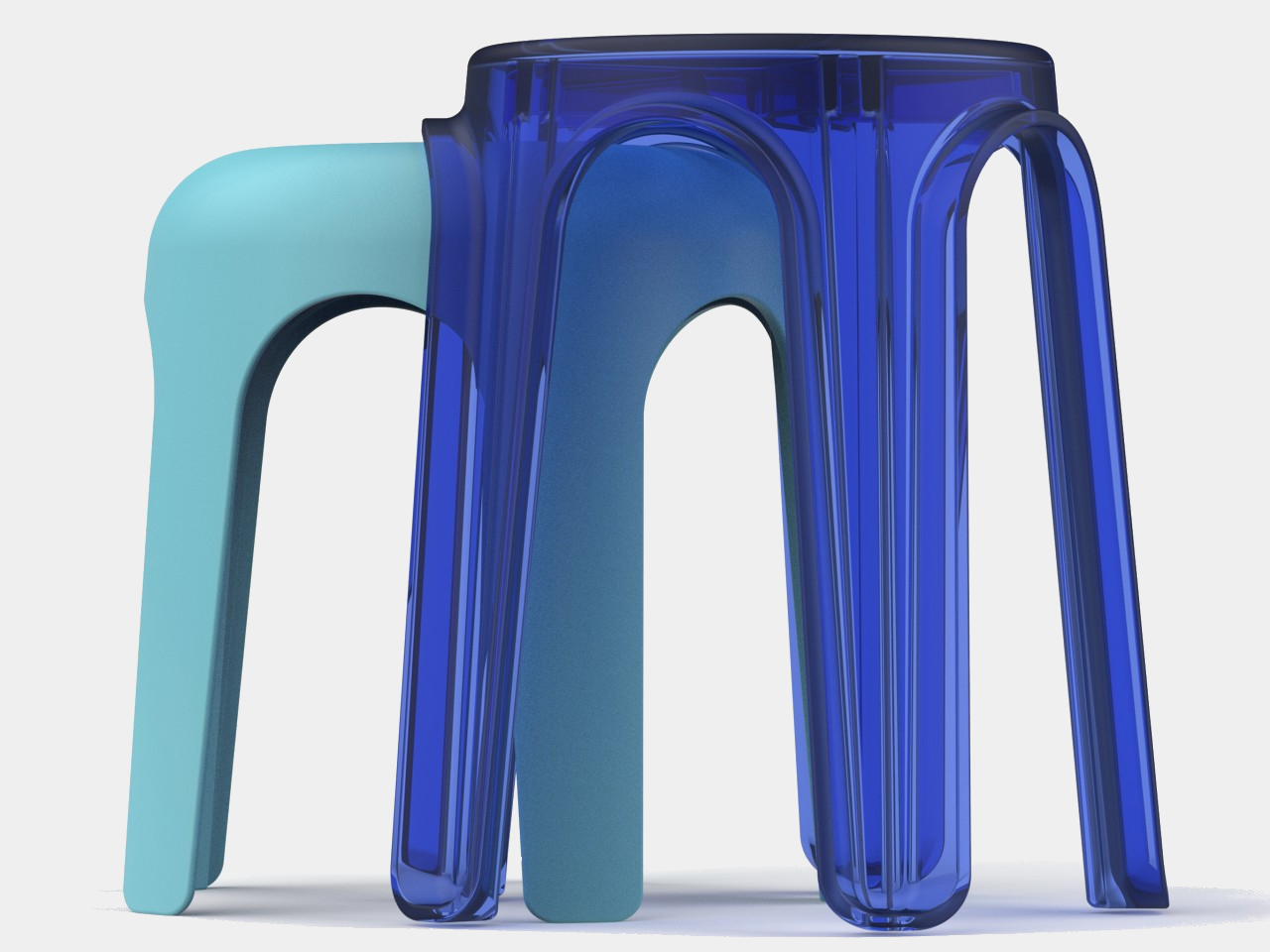
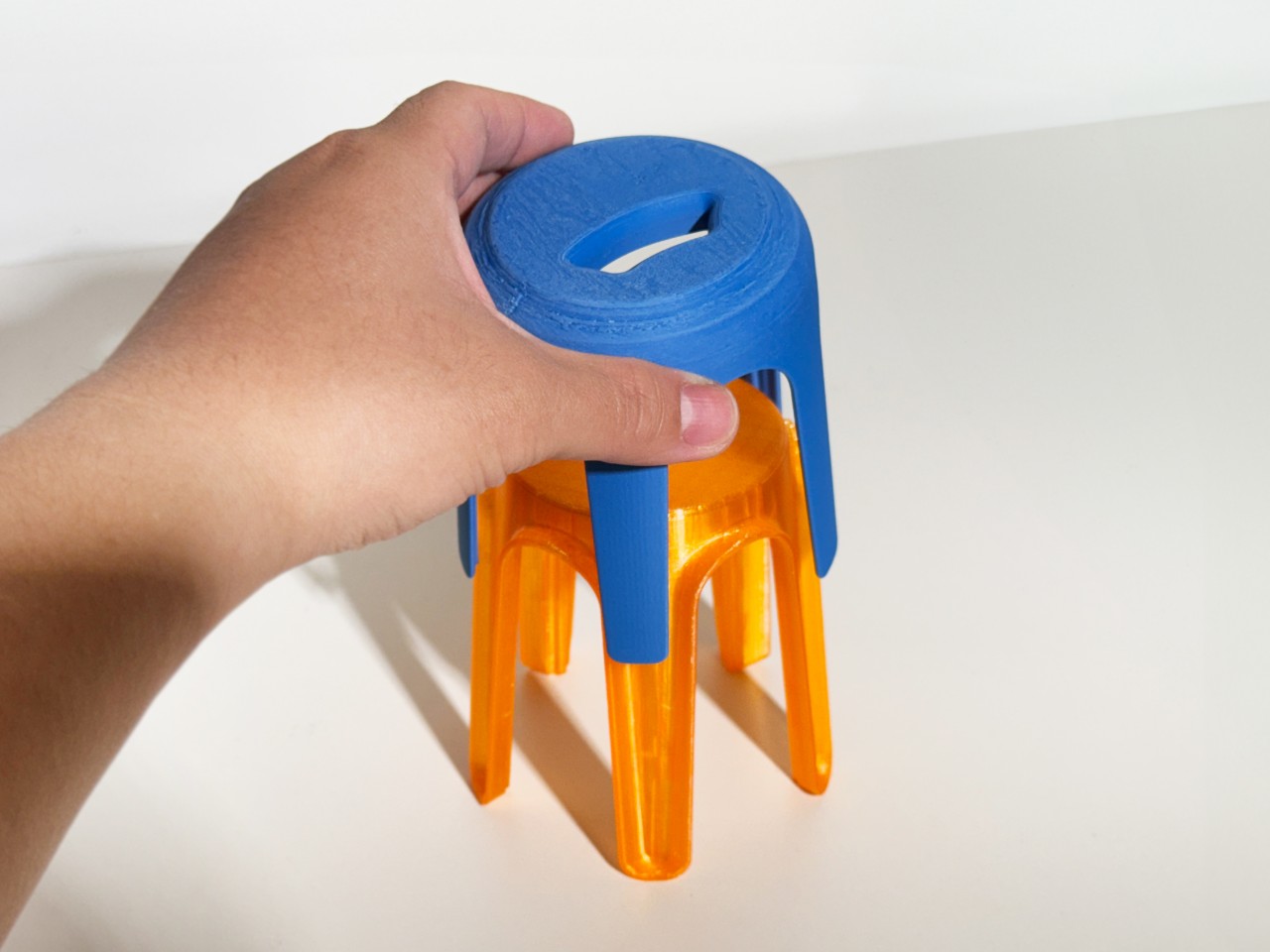
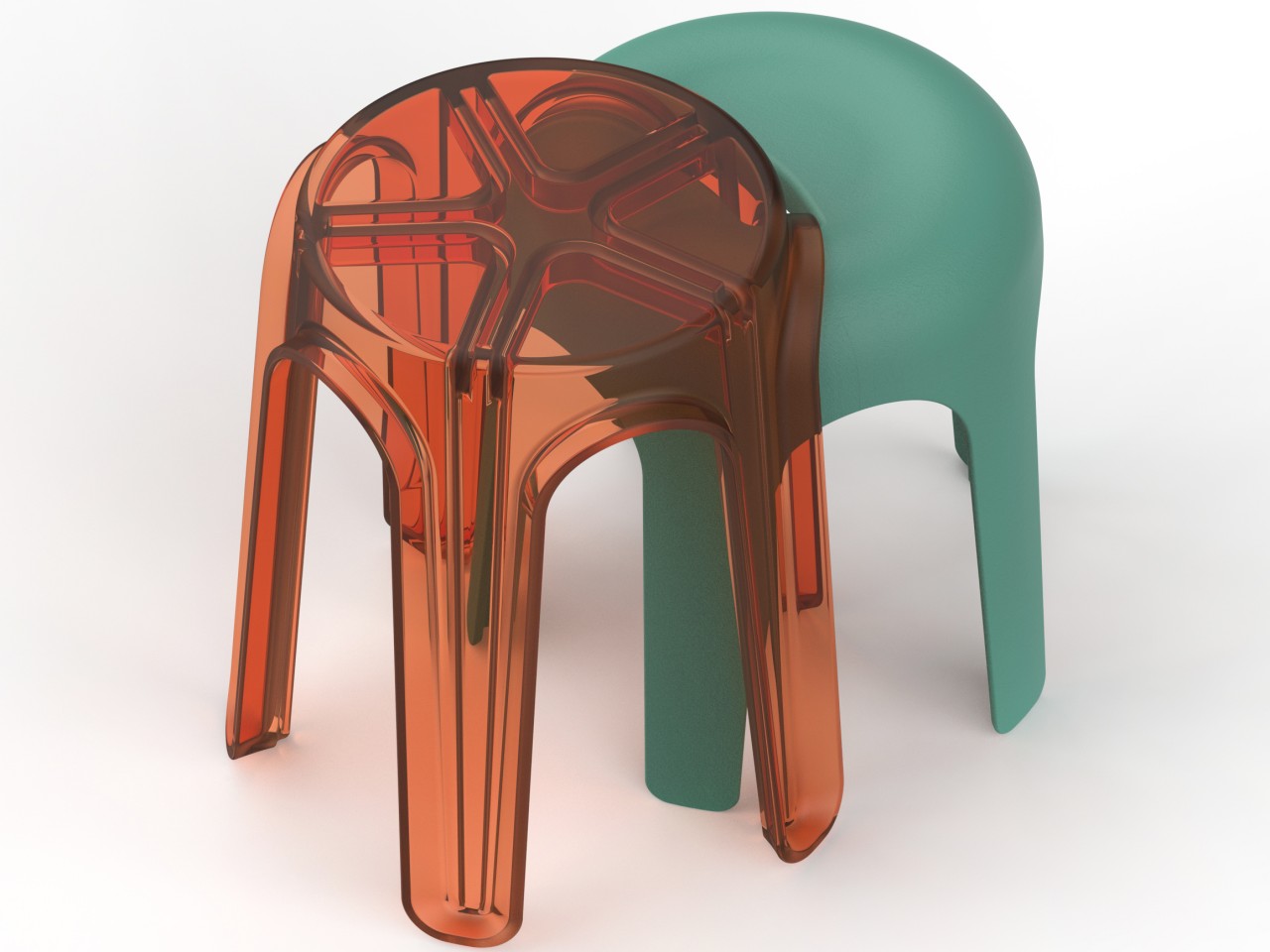
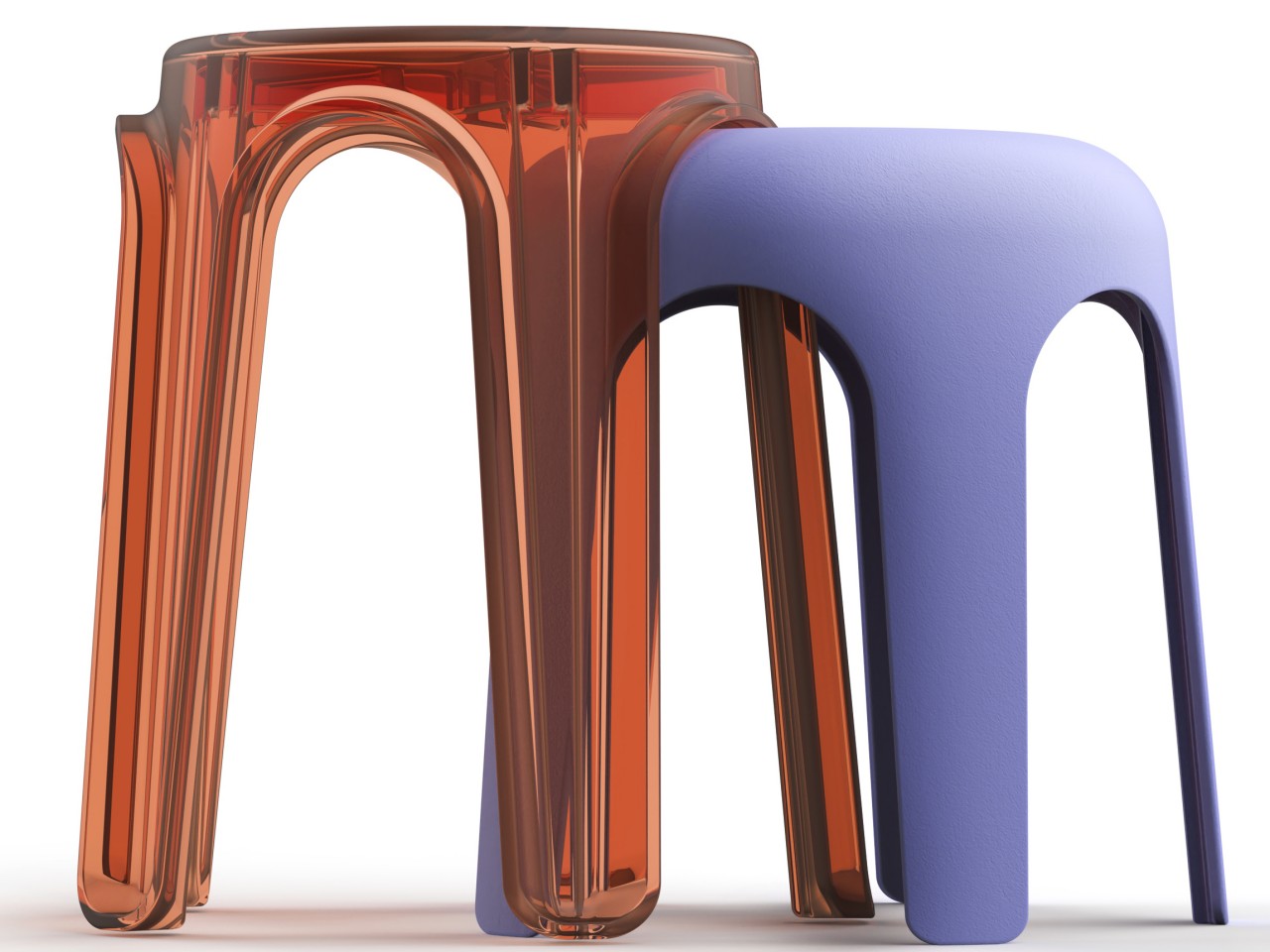
Named after a famous avenue in South Korea, the Euljiro stool concept tries to solve this conundrum with a design that caters to both normal sitting and cross-legged sitting. This seemingly magical capability is made possible by the stool’s two-part modular design. When joined together, it looks like a simple, two-color stool that you can use normally. But remove the top part and you actually get two stools, with the top shorter than the bottom.

1

When you insert one of the legs of the taller stool into the middle of the shorter one, you get a two-tier seat seemingly joined at the hip. This setup would allow the person to sit with their legs crossed without worries they’ll tumble backward or to the side. It doesn’t take up too much space either, and it can even be used as two separate stools if there aren’t enough seats to go around.

Euljiro’s flexibility also extends to its use as a place to put bags while eating. This is especially useful in restaurants that don’t have designated storage for bags, where putting bags down on the ground might be unhygienic. It’s definitely a creative way to solve multiple problems with a single design while ironically still sticking to the most common stool shape of all.

The post Modular stool concept is designed for people who love sitting cross-legged first appeared on Yanko Design.

Andrea Ponti’s ‘Inspired by Nature’ Stools Celebrate Sustainable Beauty with Recycled ABS Design

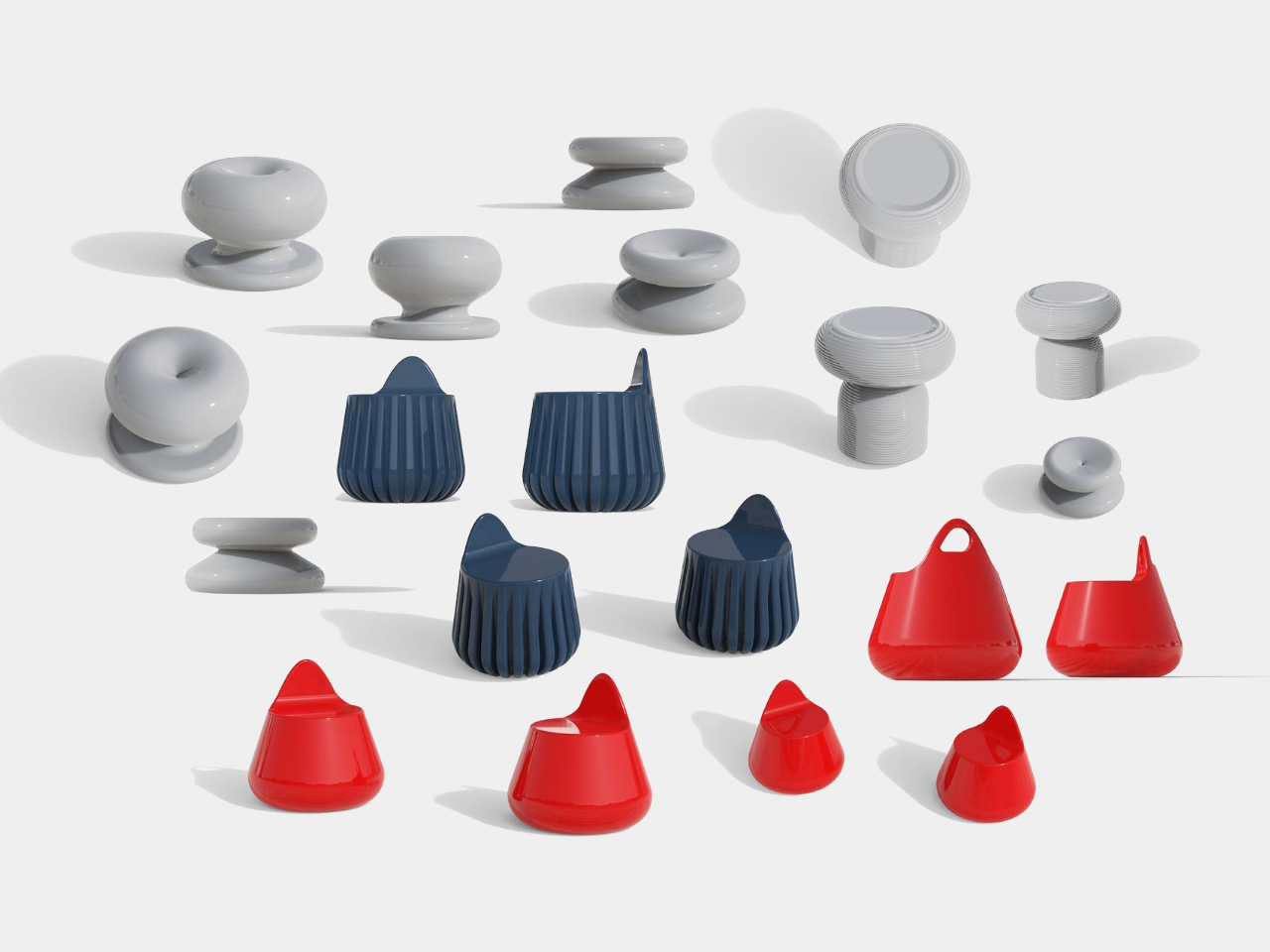
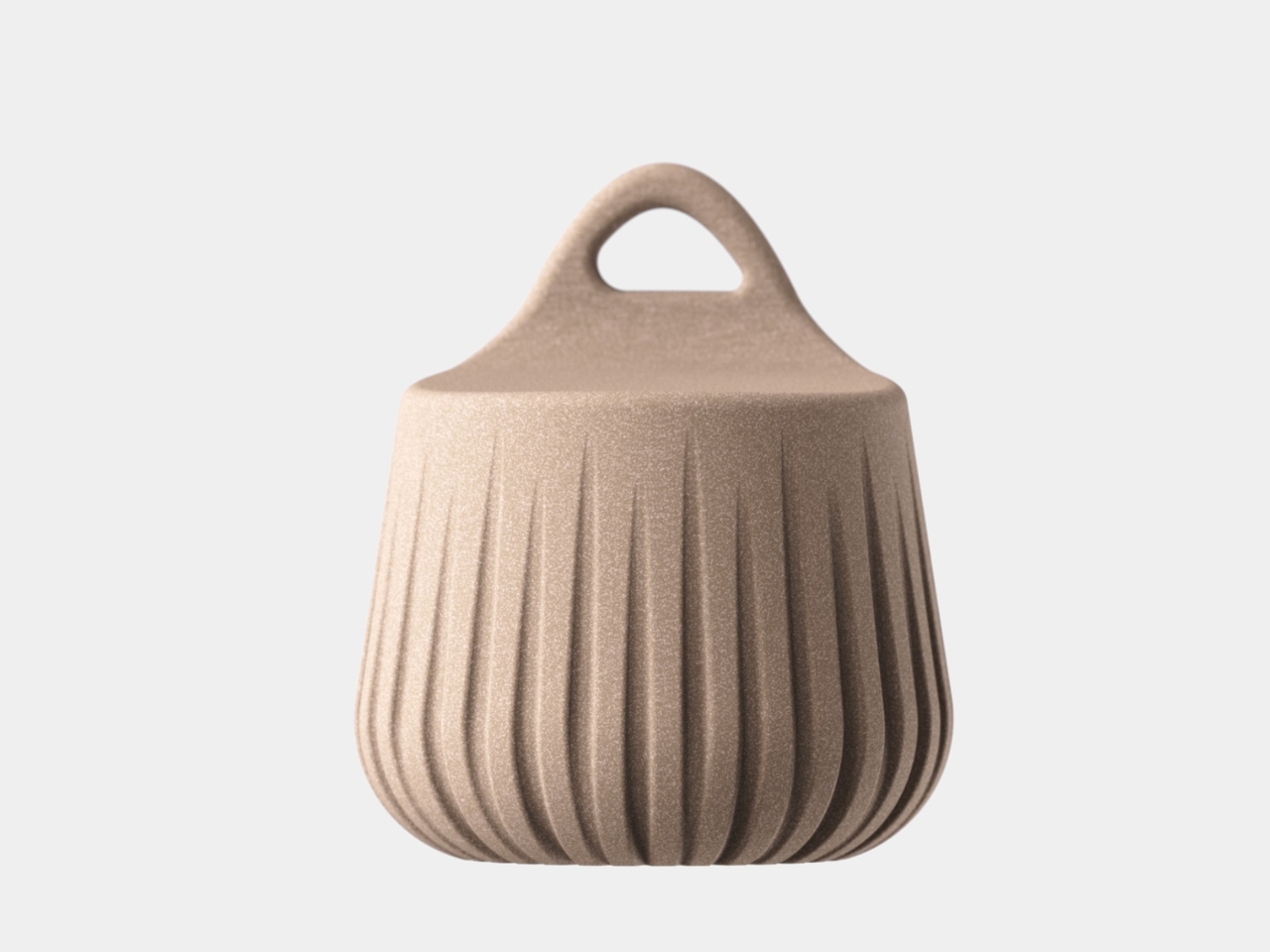
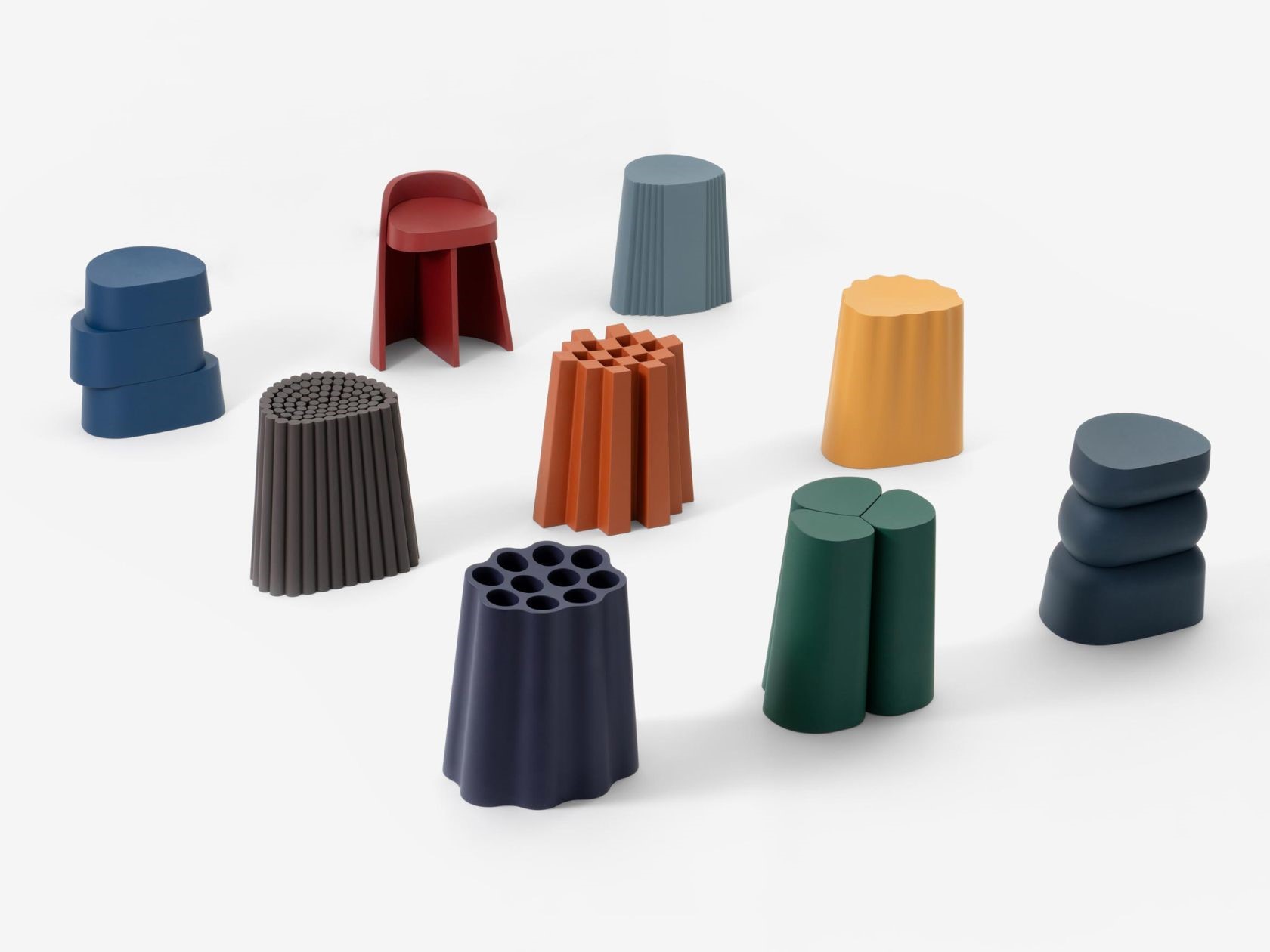
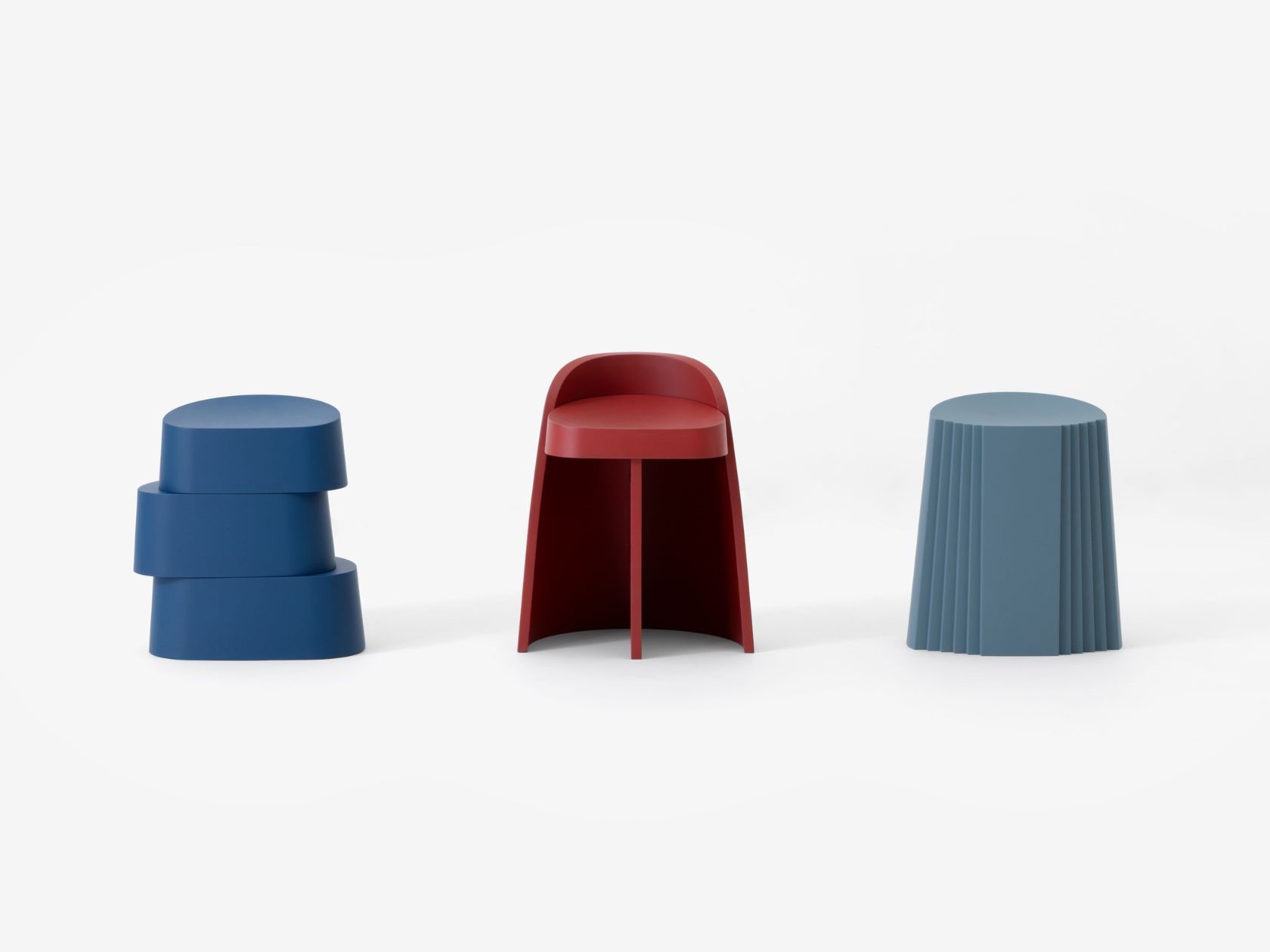
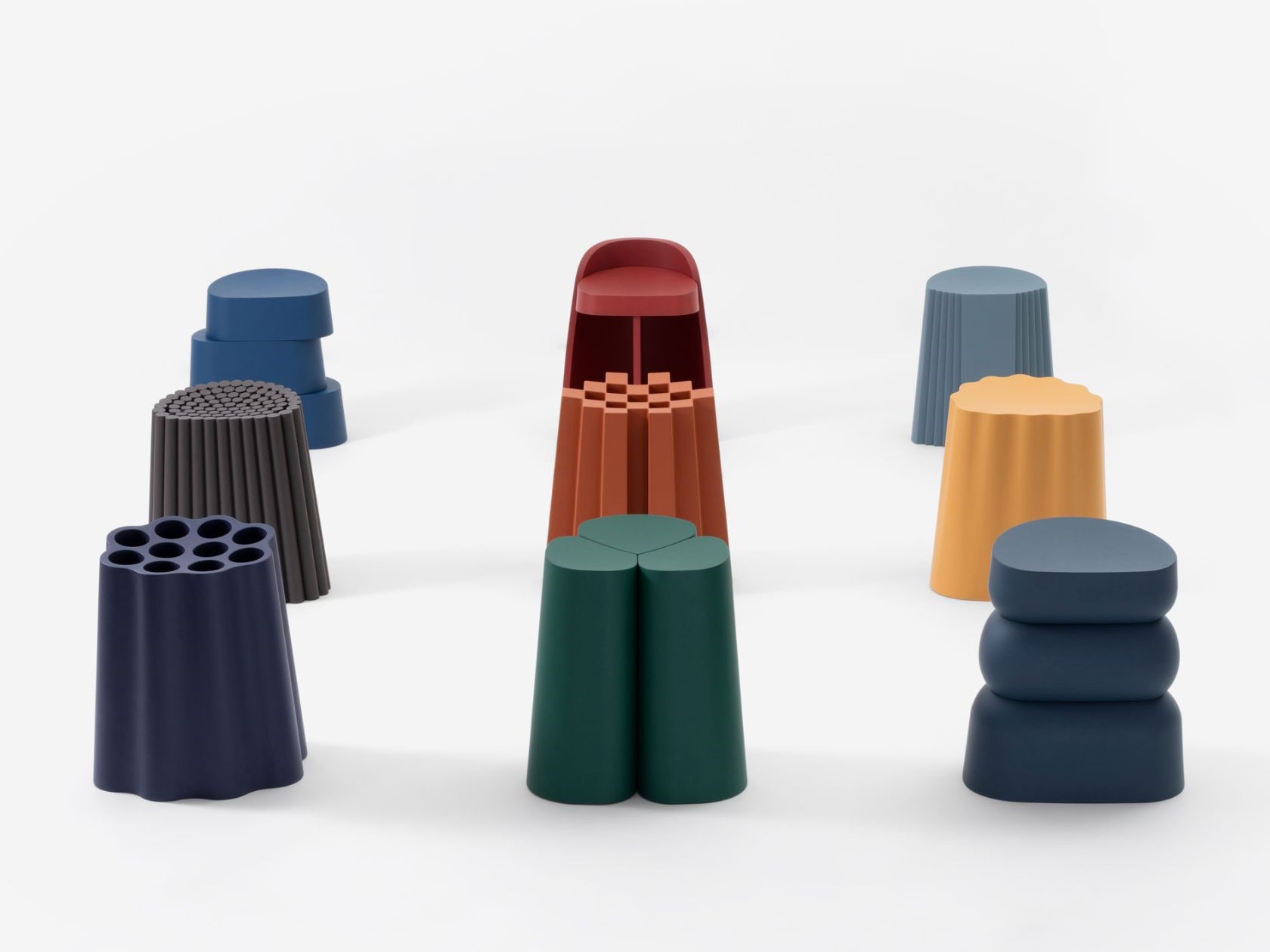
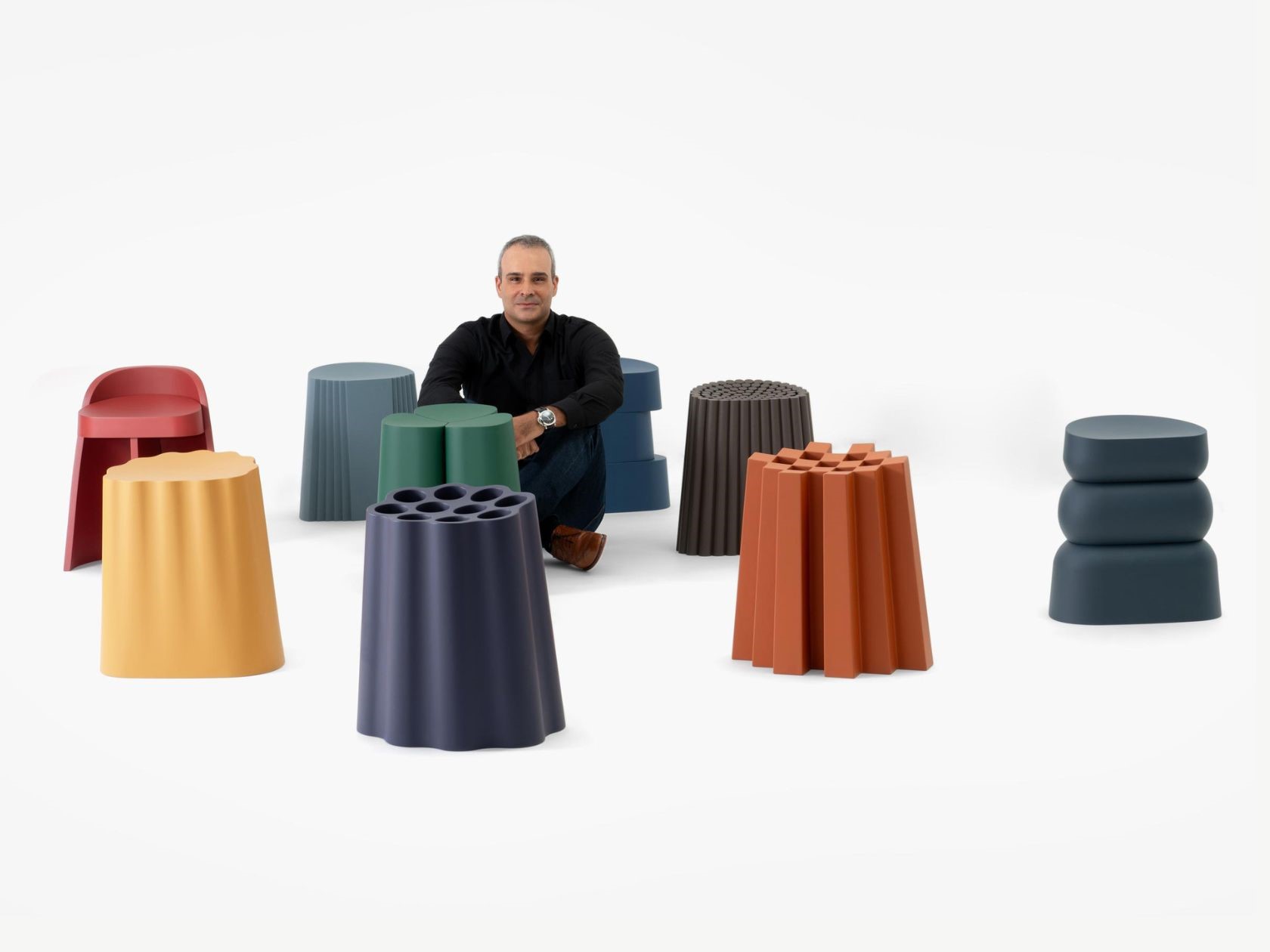
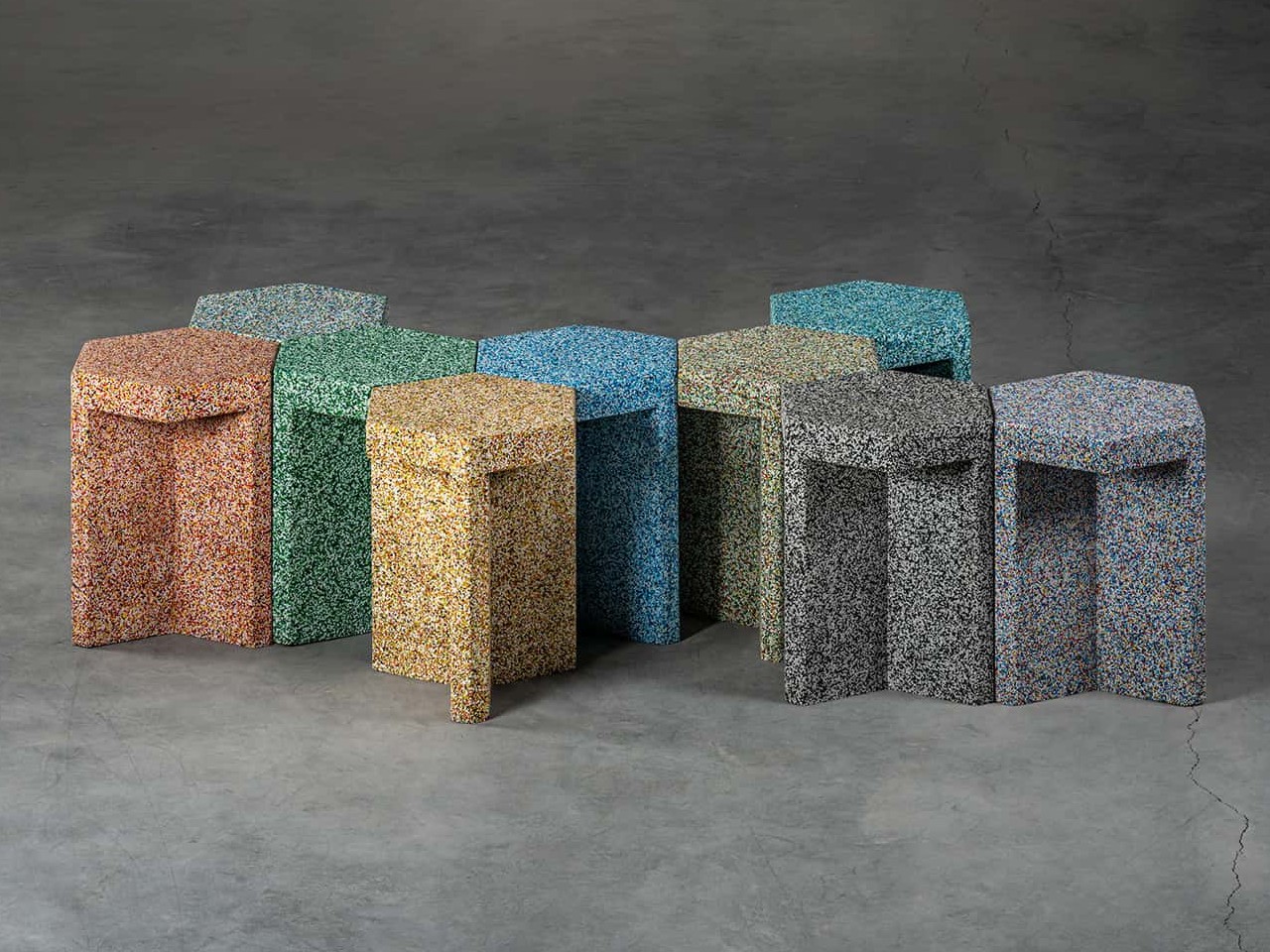
“Inspired by Nature” is a stunning collection of nine stools that beautifully captures the essence of the natural world. Drawing inspiration from the elements, forms, and colors that surround us, each piece in this collection is thoughtfully crafted to reflect the beauty and diversity of nature. Designed by the renowned Italian designer Andrea Ponti, this collection is a testament to his commitment to sustainability and innovative design.

Designer: Ponti Design Studio

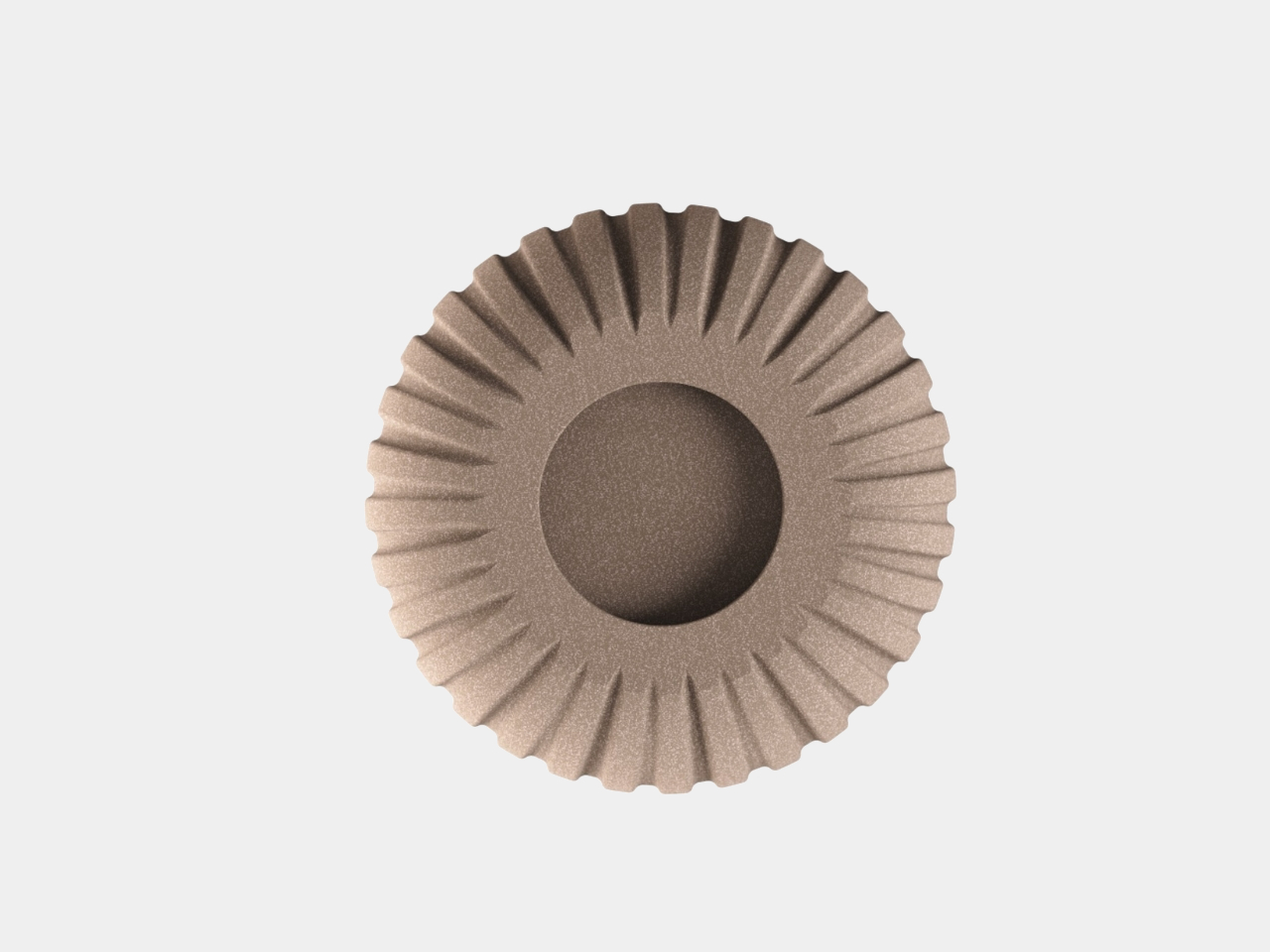
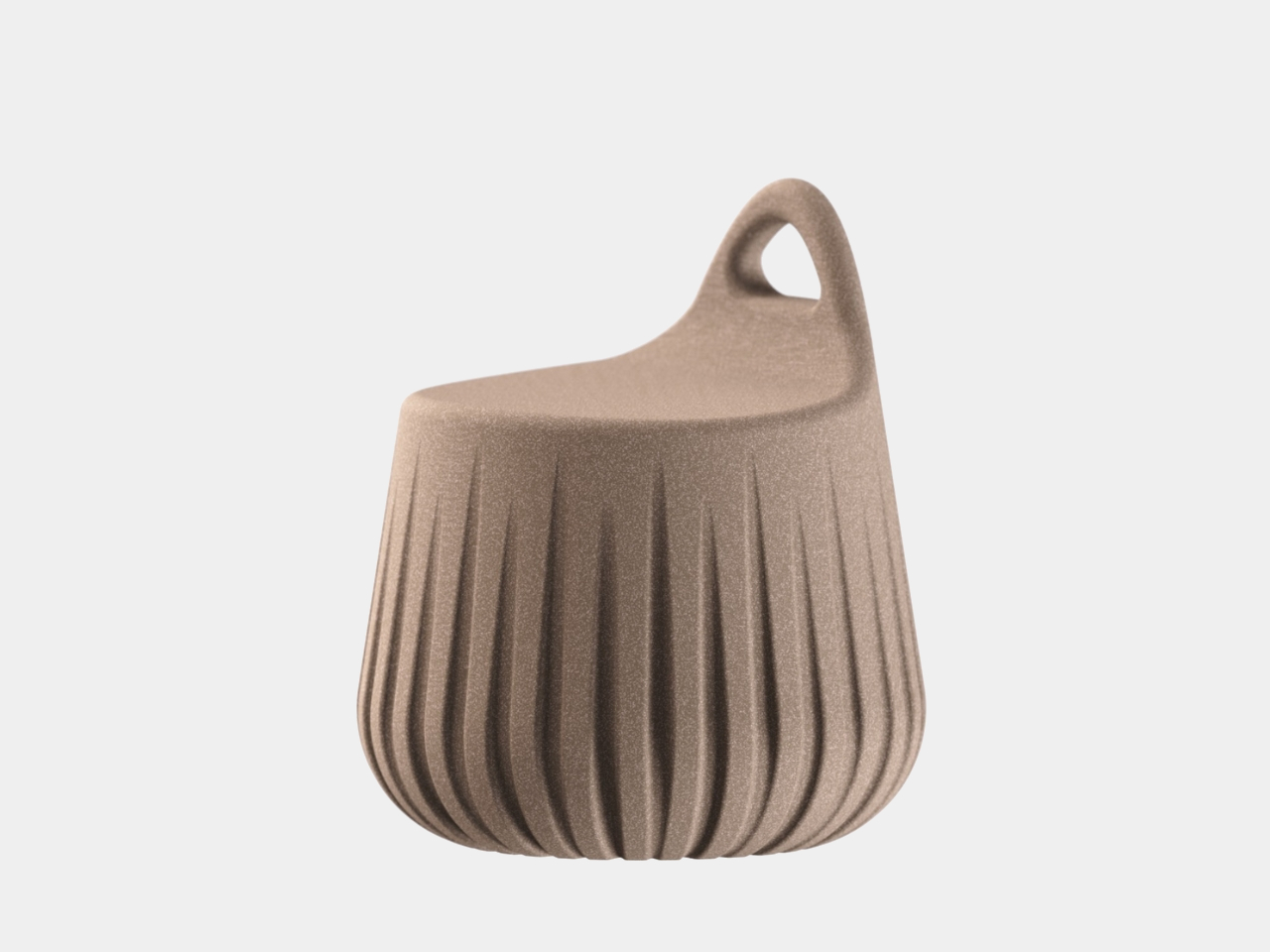
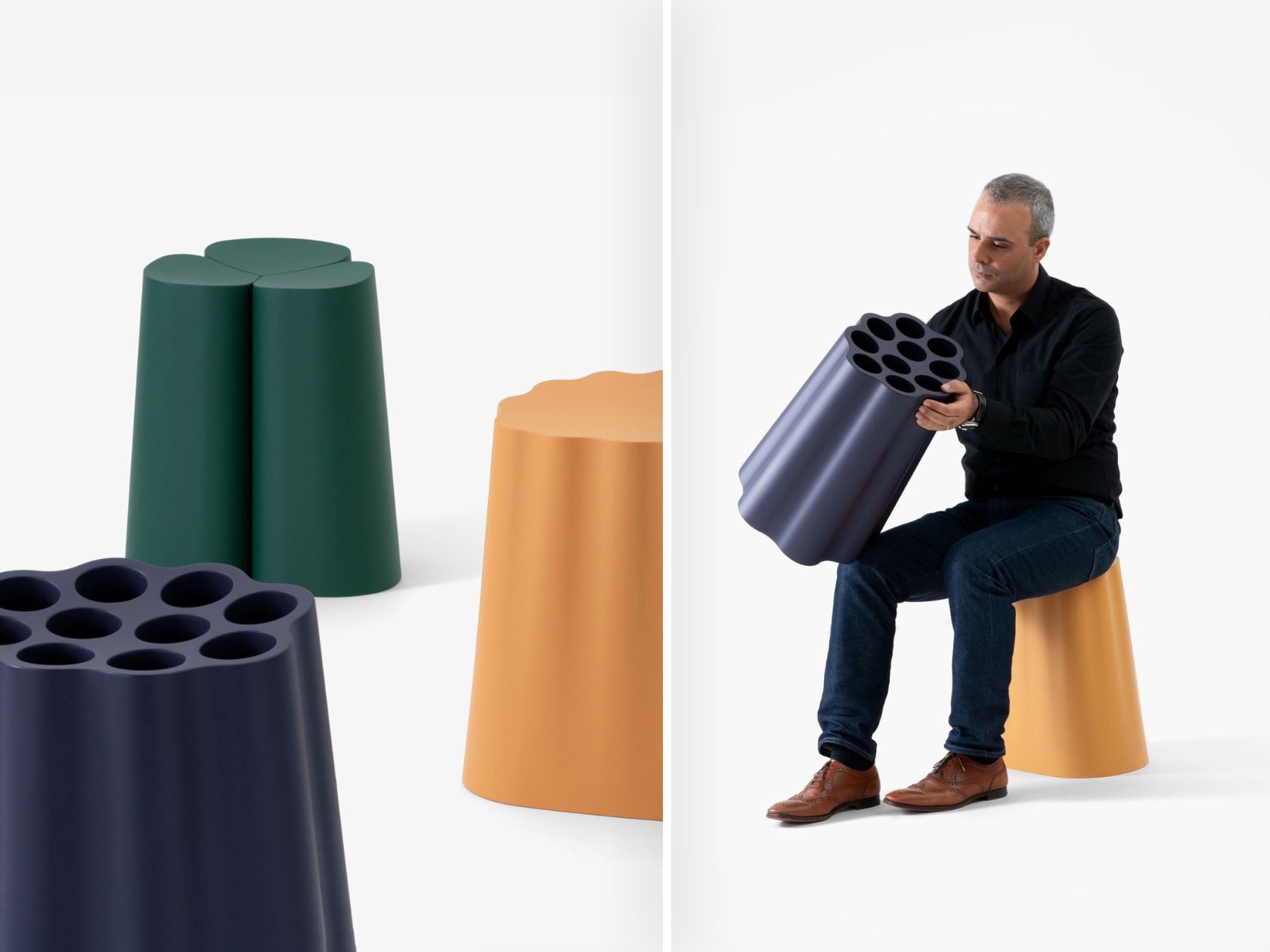
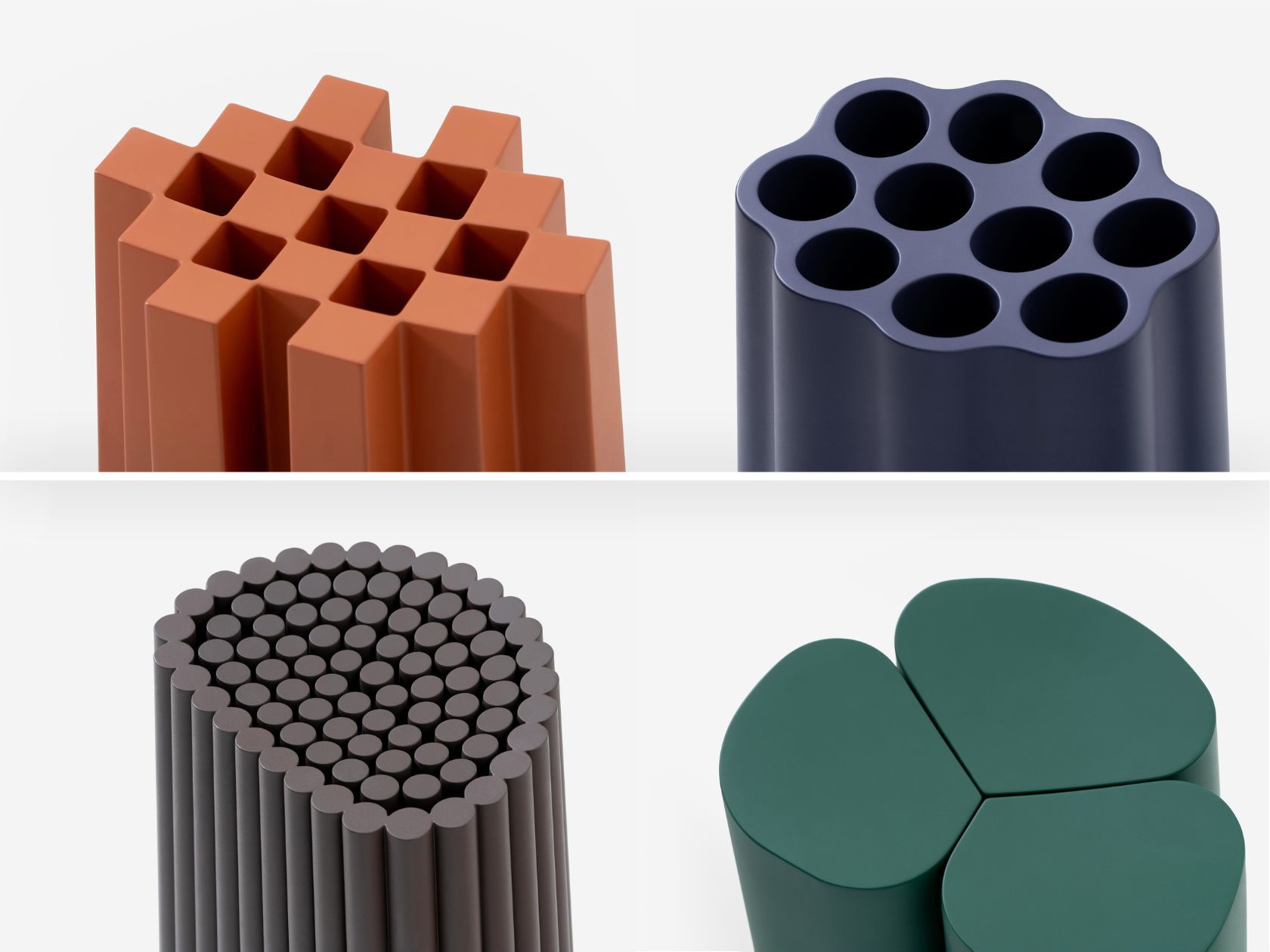
Each stool in the Inspired by Nature collection shares a consistent design language, marked by a rounded footprint, a tapered silhouette, and a concave seat. This cohesive design suggests continuity and mirrors the patterns found in nature. Despite this shared design, each stool maintains its own unique identity, with distinct shapes and specific colors that echo different elements of the natural world. This deliberate variety within a uniform framework is what makes the collection so captivating.

The Inspired by Nature collection is made entirely from recycled ABS, reflecting Ponti’s dedication to sustainable design practices. This choice of material not only reduces waste but also underscores the collection’s connection to the environment. By using recycled materials, Ponti demonstrates that sustainability goes beyond eco-friendly practices; it is about creating products that forge lasting relationships between people and nature. The use of recycled ABS is a conscious decision that aligns with the broader goals of environmental stewardship and responsible design.

The uniqueness of each stool in the collection is intentional and crafted to evoke the essence of the natural world. The careful selection of hues and forms is designed to tap into our deepest emotions, fostering an intimate link between us and the environment. Each piece is more than just a functional object; it is a representation of nature’s beauty and diversity. This emotional connection is a crucial aspect of Ponti’s design philosophy, as it seeks to create not just products, but experiences that resonate on a deeper level.

Andrea Ponti, formerly of the Polytechnic of Milan, is a celebrated designer known for his innovative and sustainable designs. His previous works, such as the imposing Kanban side table, the Shadows in the Window furniture collection, and the Diga, Koma, and Torus kitchen utensils, have all been acclaimed for their exceptional design and functionality. With the Inspired by Nature collection, Ponti continues to push the boundaries of design, creating pieces that are not only beautiful but also meaningful. His work consistently emphasizes the importance of sustainability and the role of design in fostering a harmonious relationship between humans and their environment.

The post Andrea Ponti’s ‘Inspired by Nature’ Stools Celebrate Sustainable Beauty with Recycled ABS Design first appeared on Yanko Design.
Cone-shaped stool made from stainless steel gives a flexible, stable seat

Not all stools are created to be comfortable. In fact, for me, stools are generally not the most comfortable when it comes to furniture you can sit on. But we’re seeing a lot of pretty interesting stool designs which can also sometimes double as art pieces. They are both functional and aesthetic, even if not the most practical.

Designer: Sukchulmok Studios

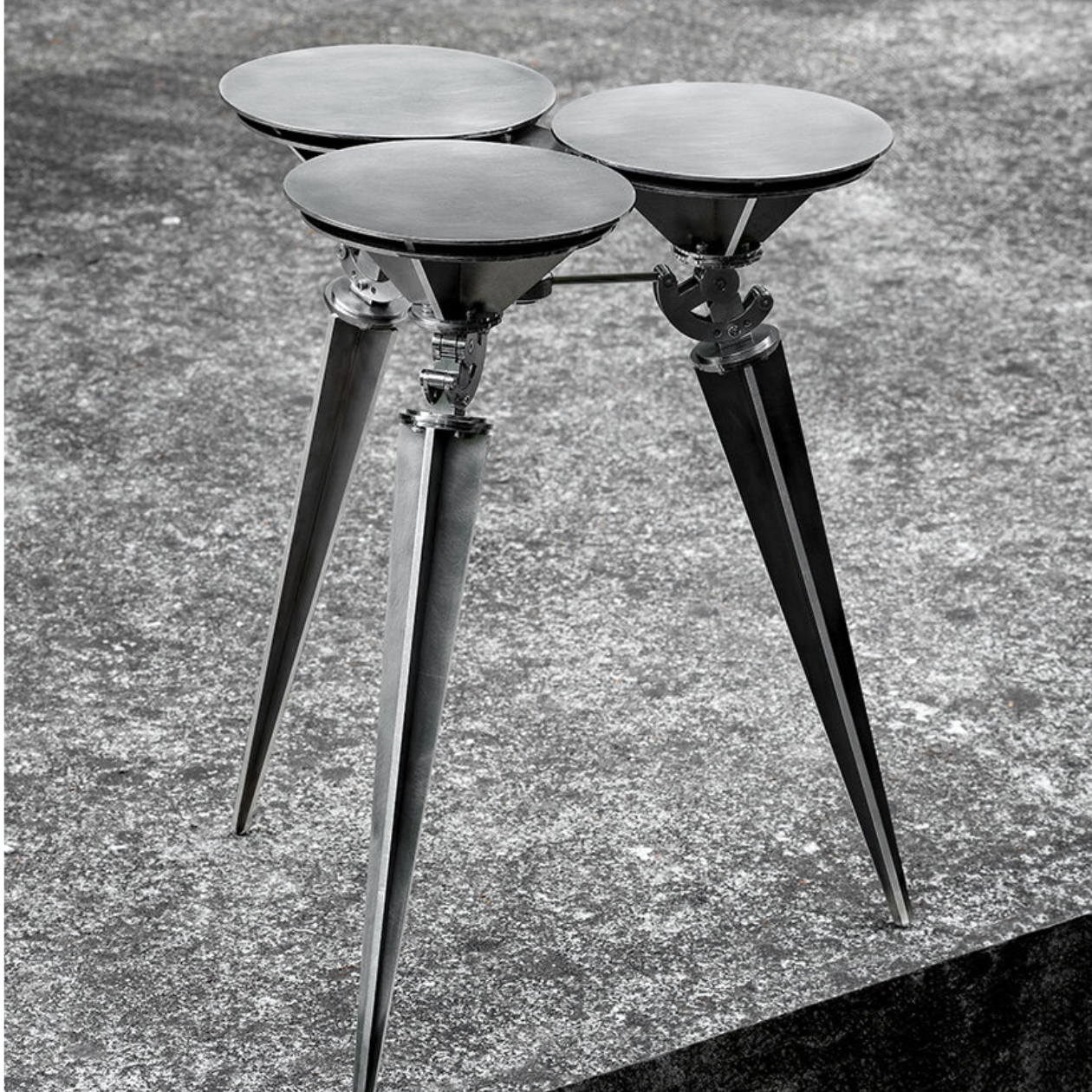
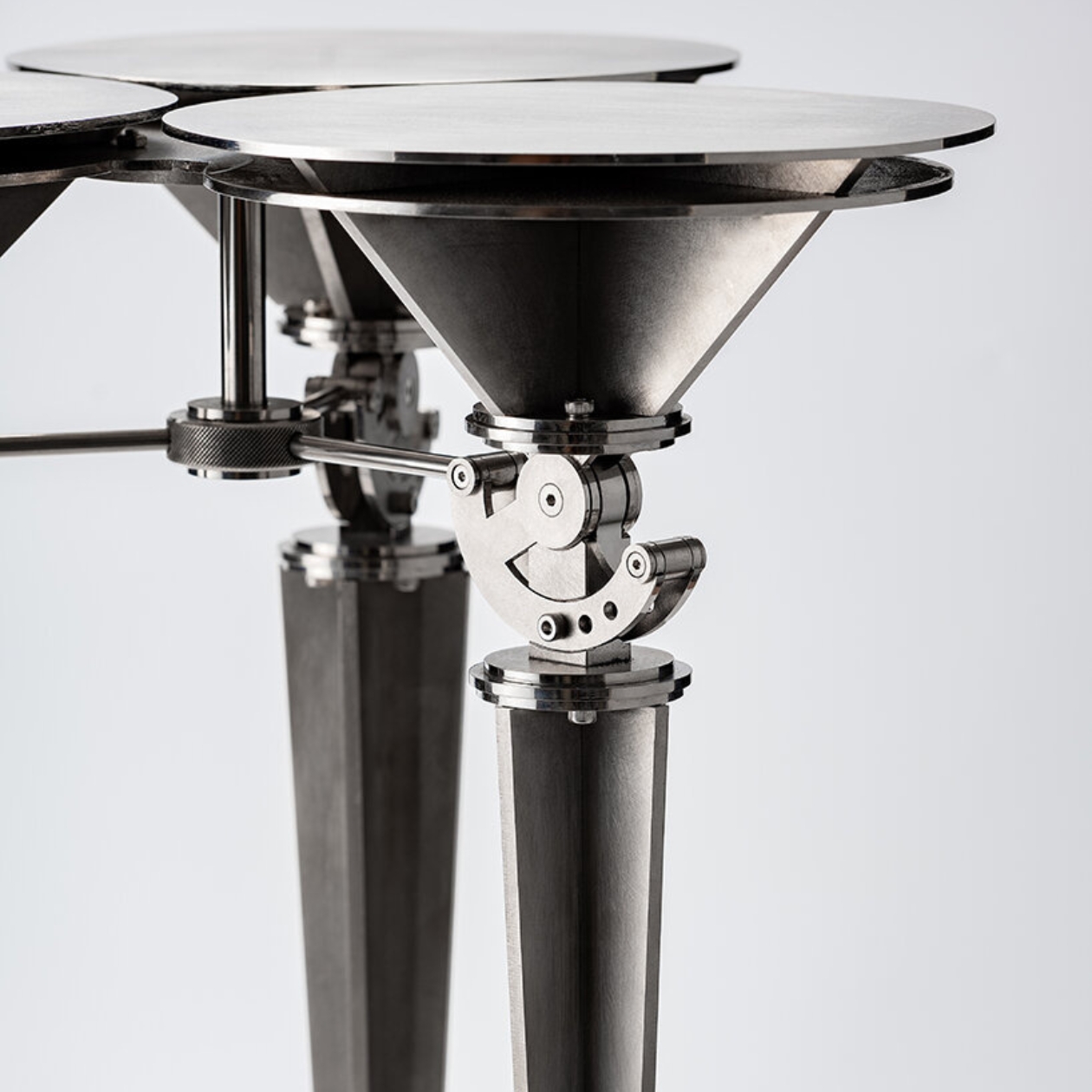
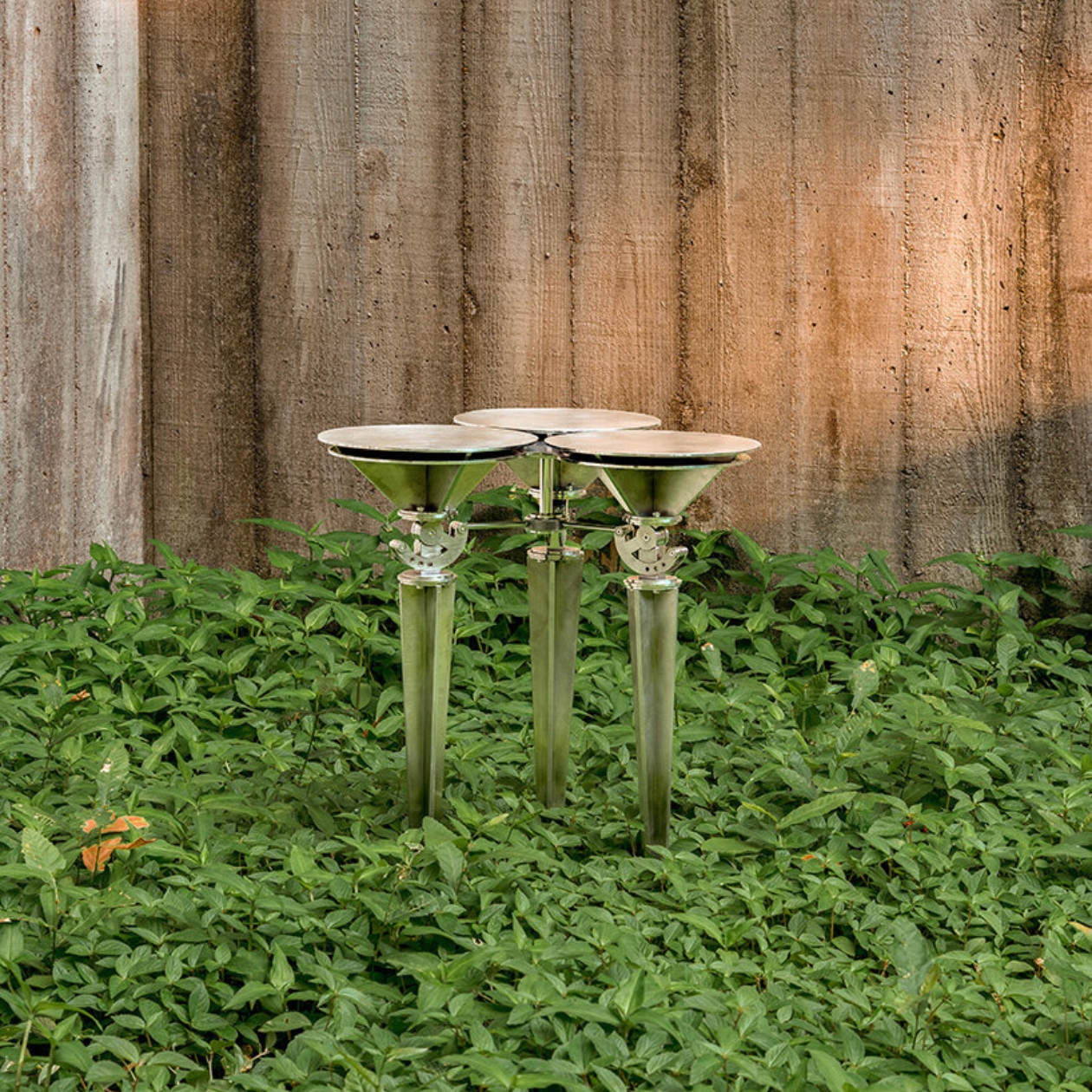
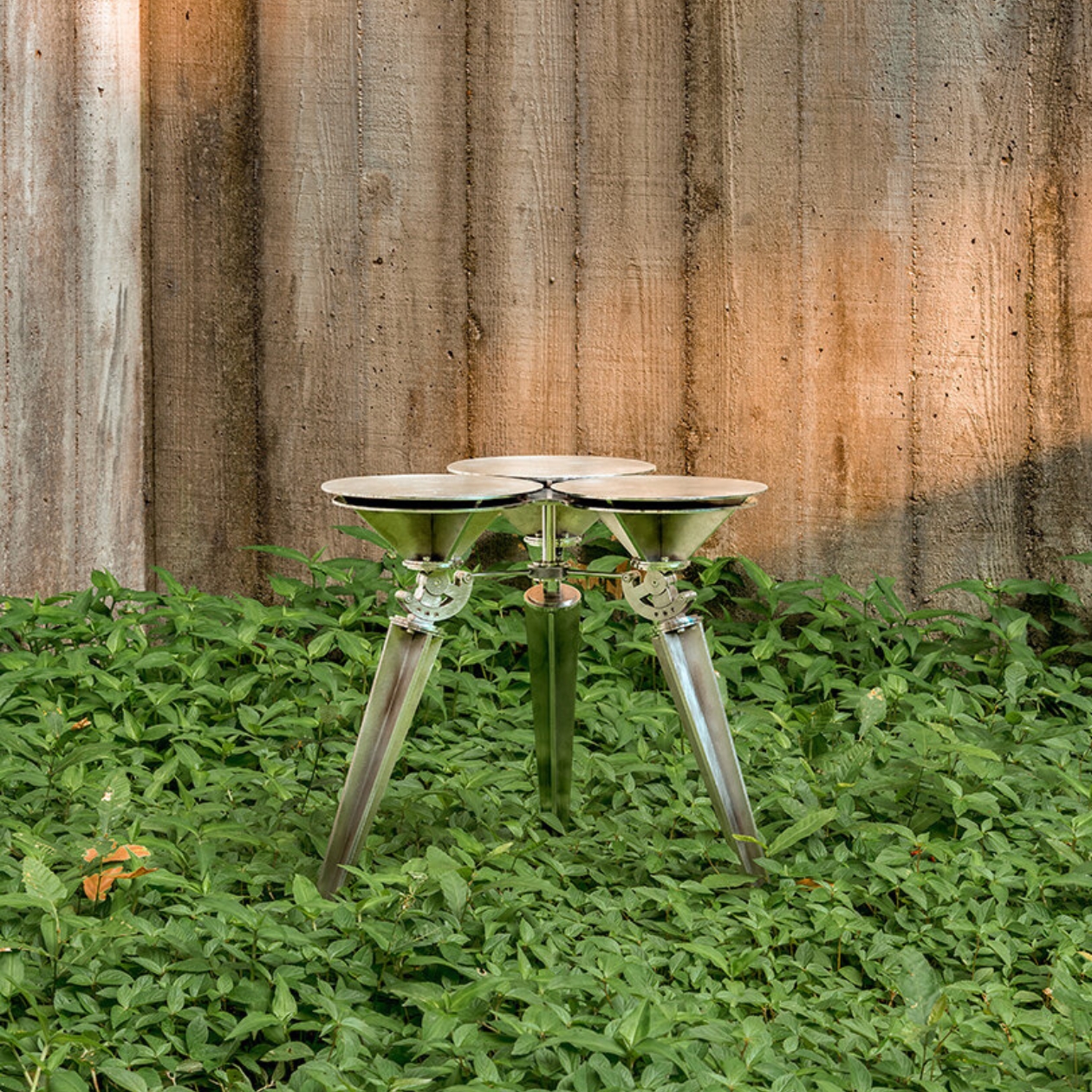
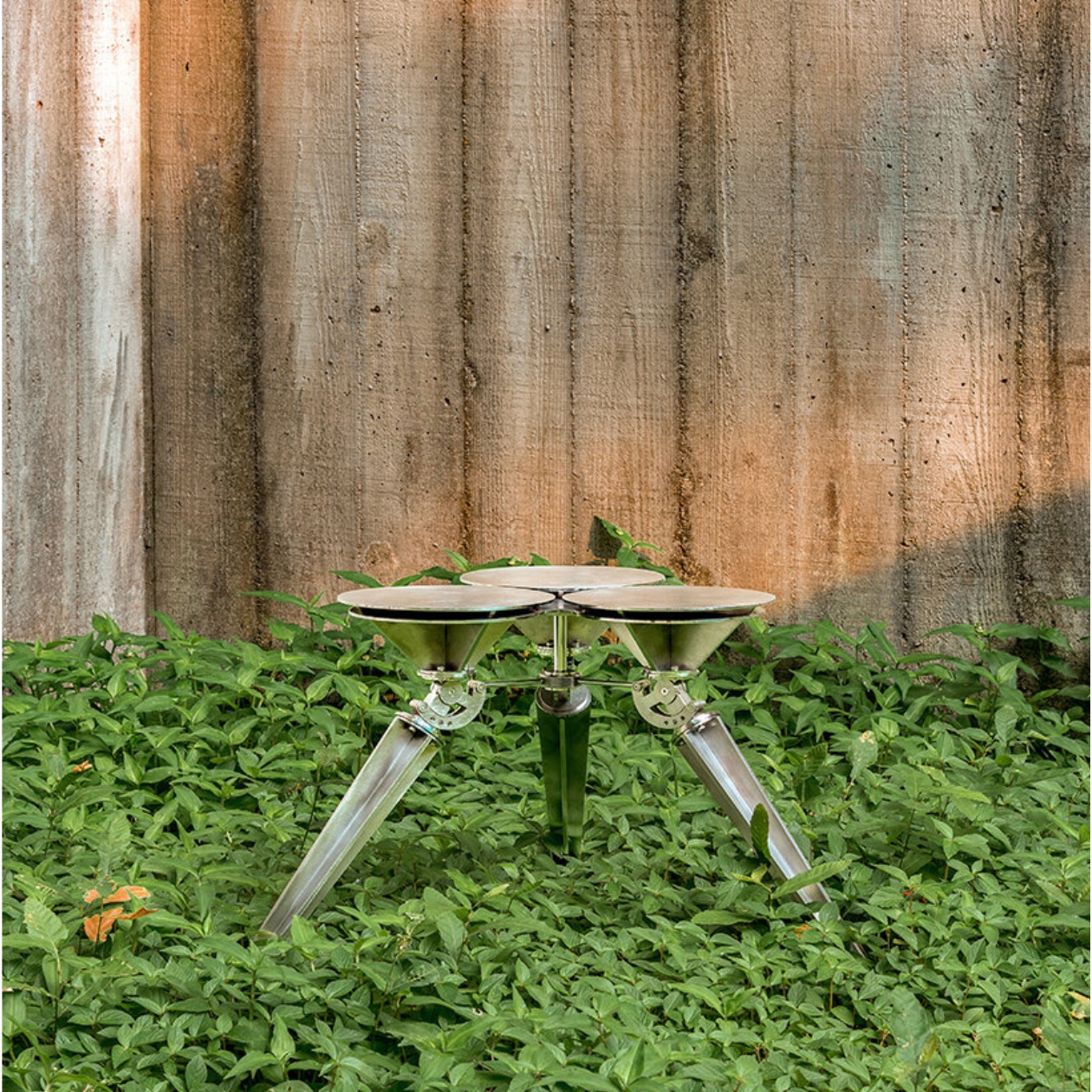
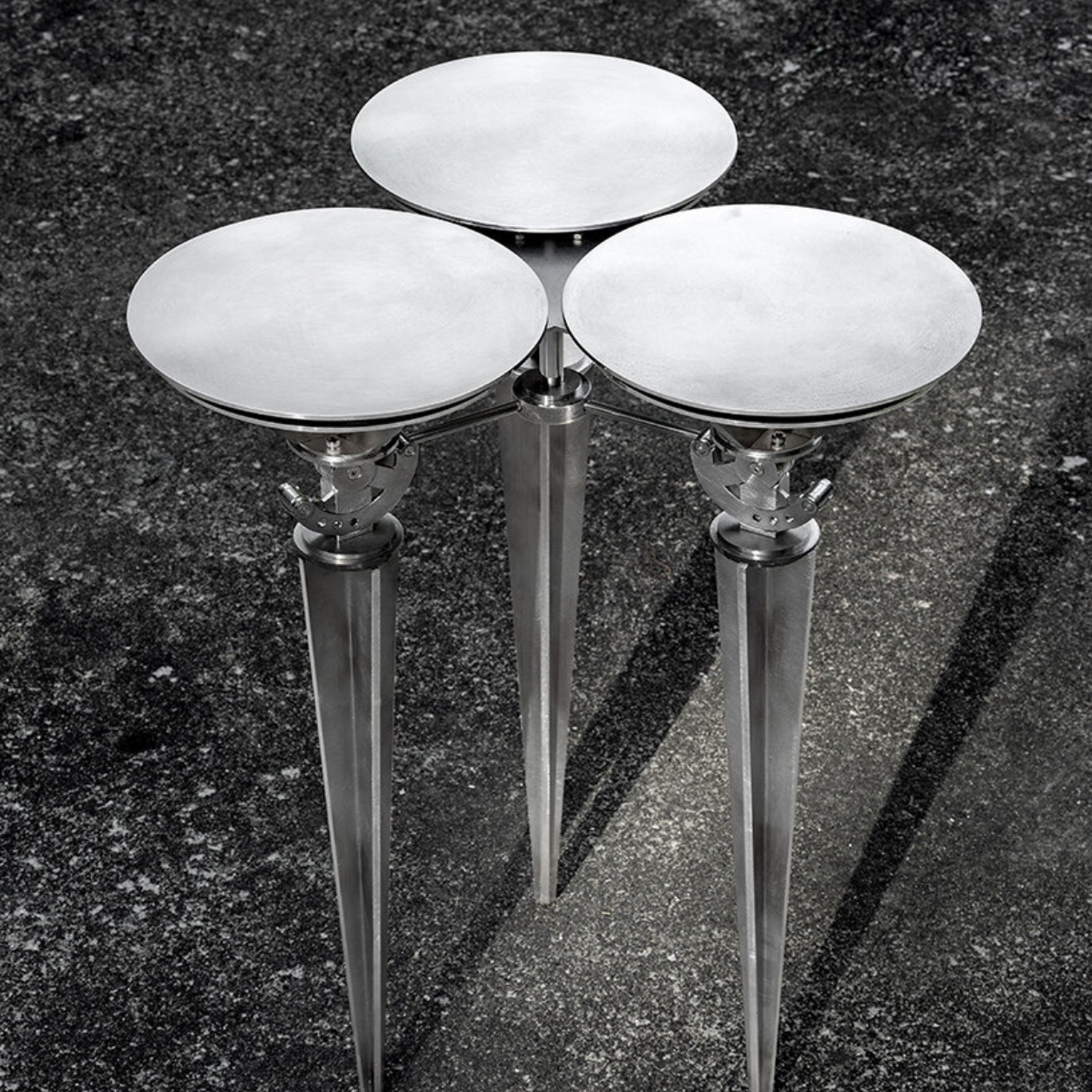
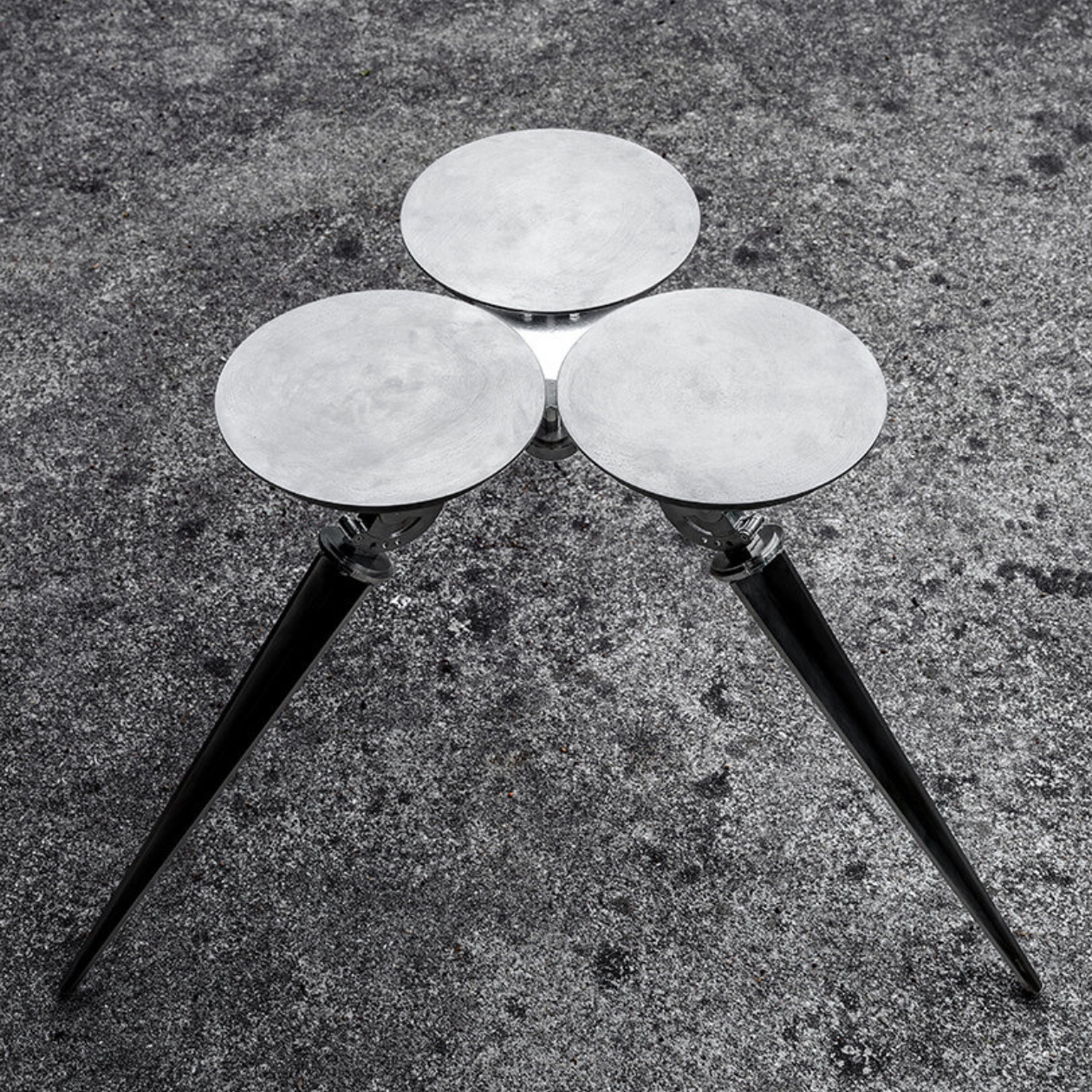
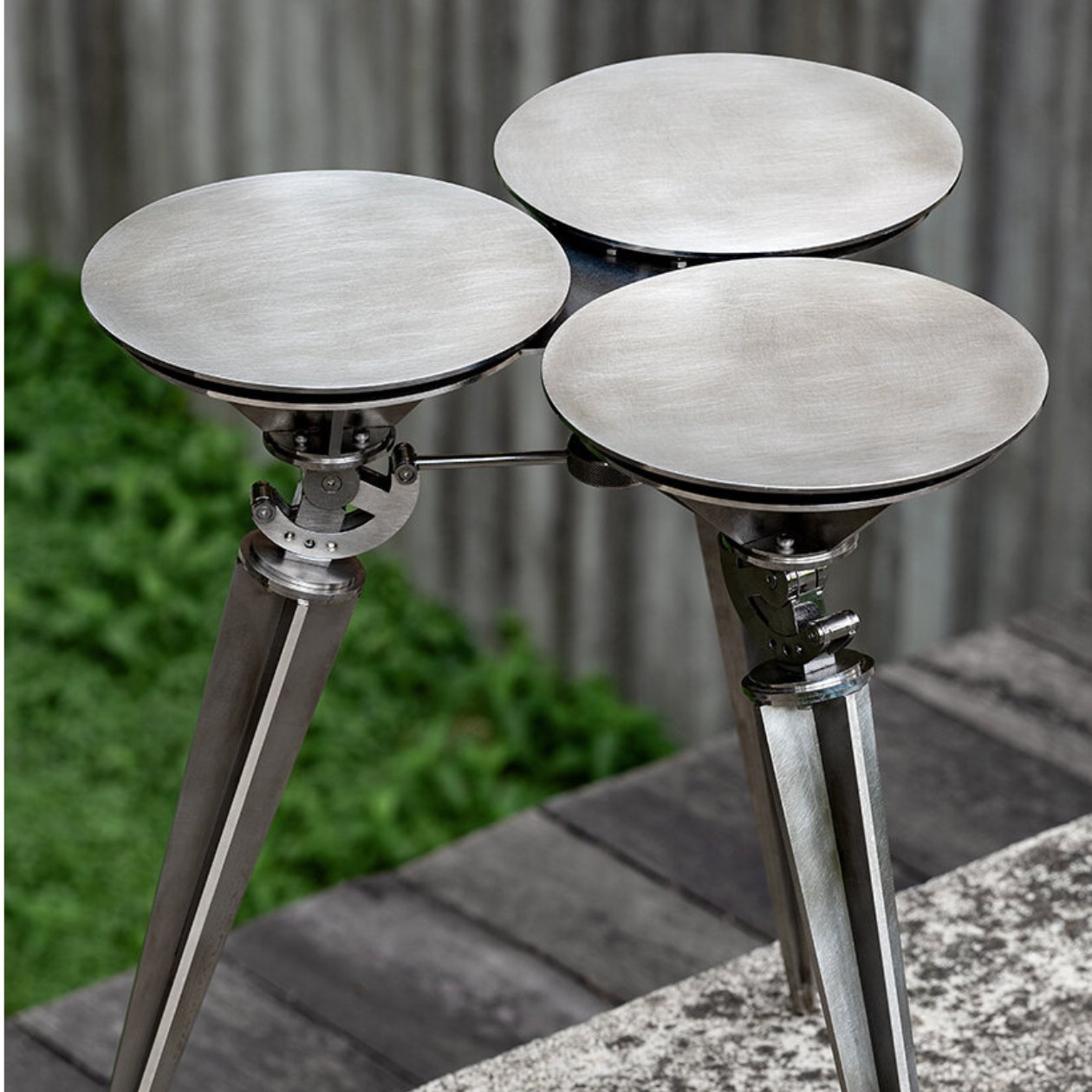
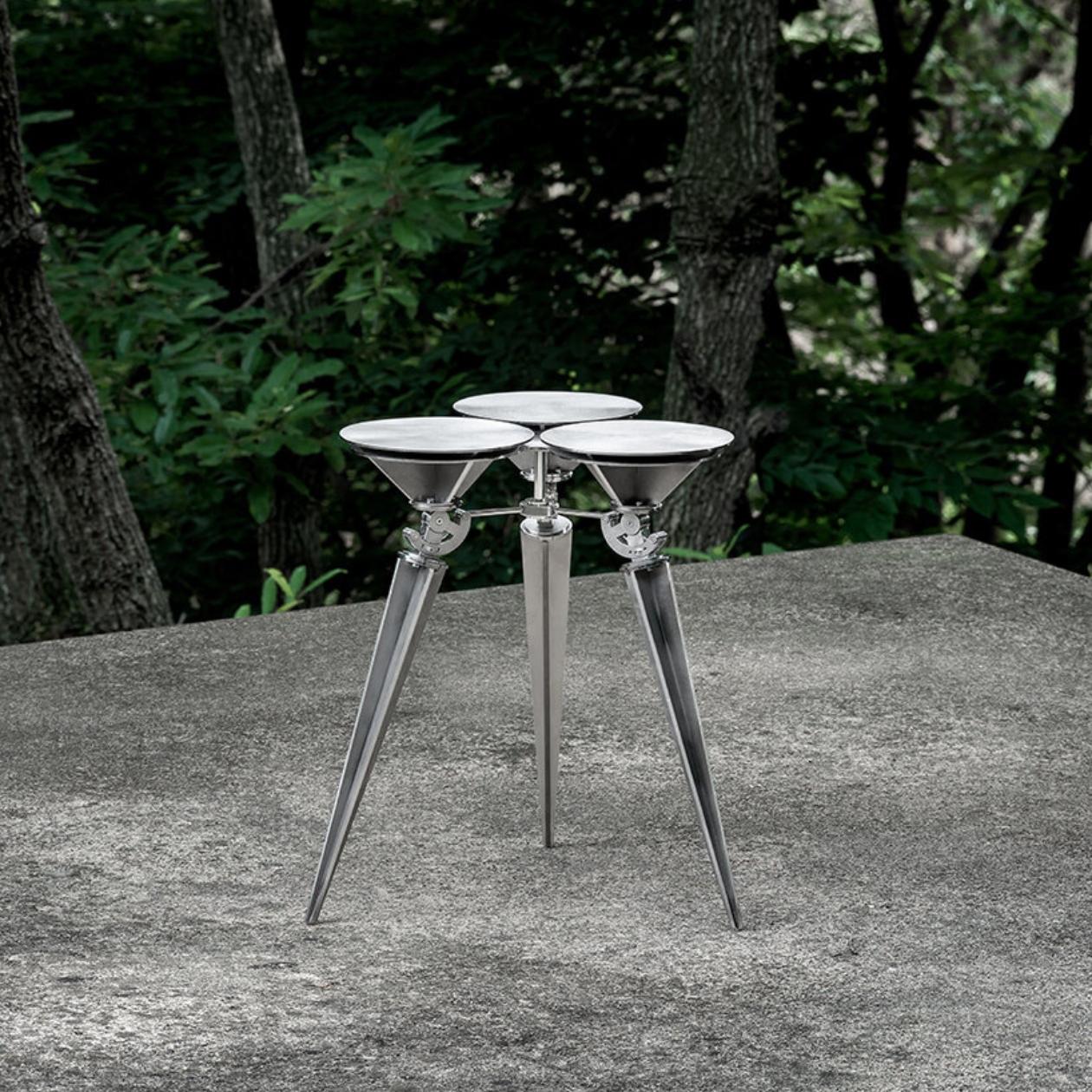
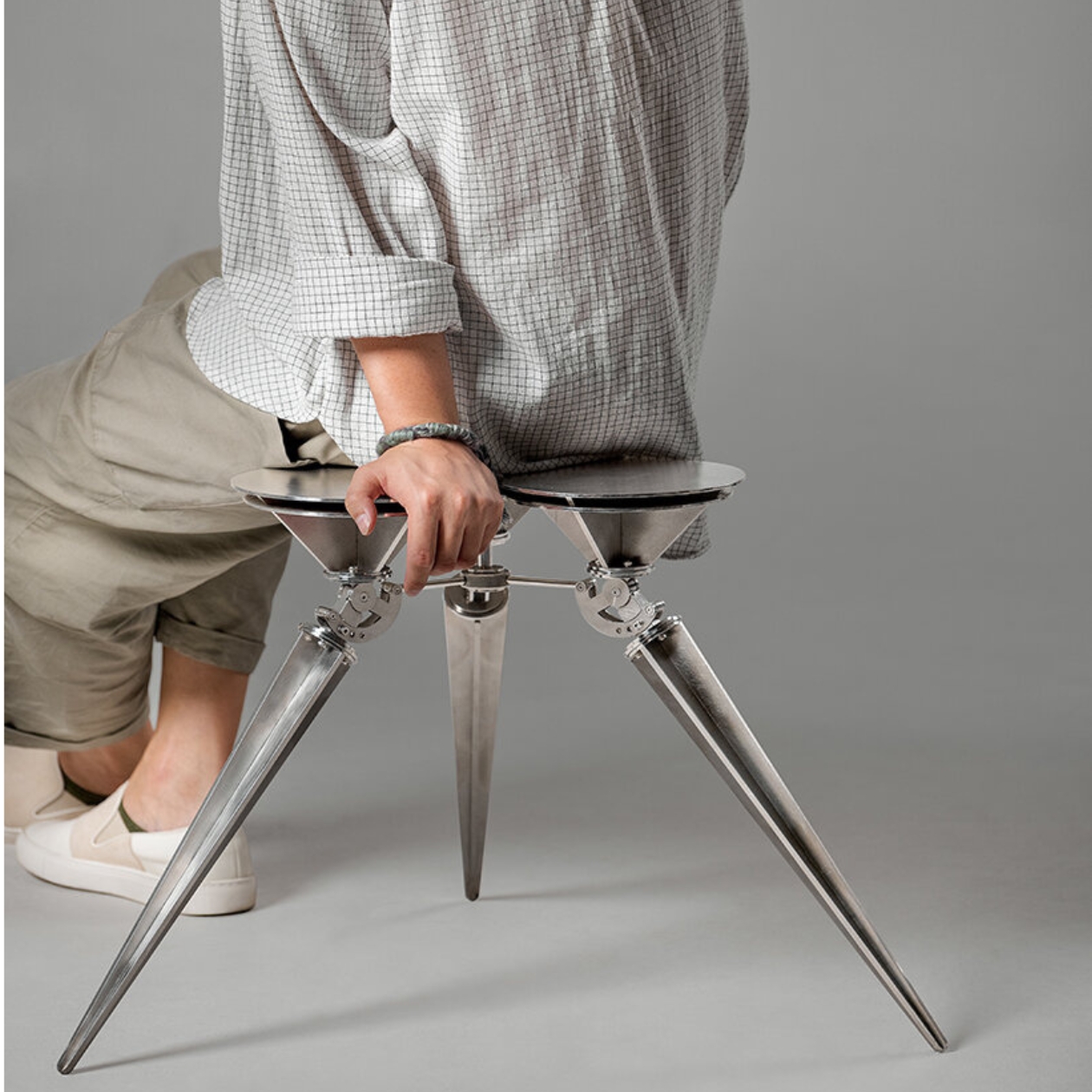
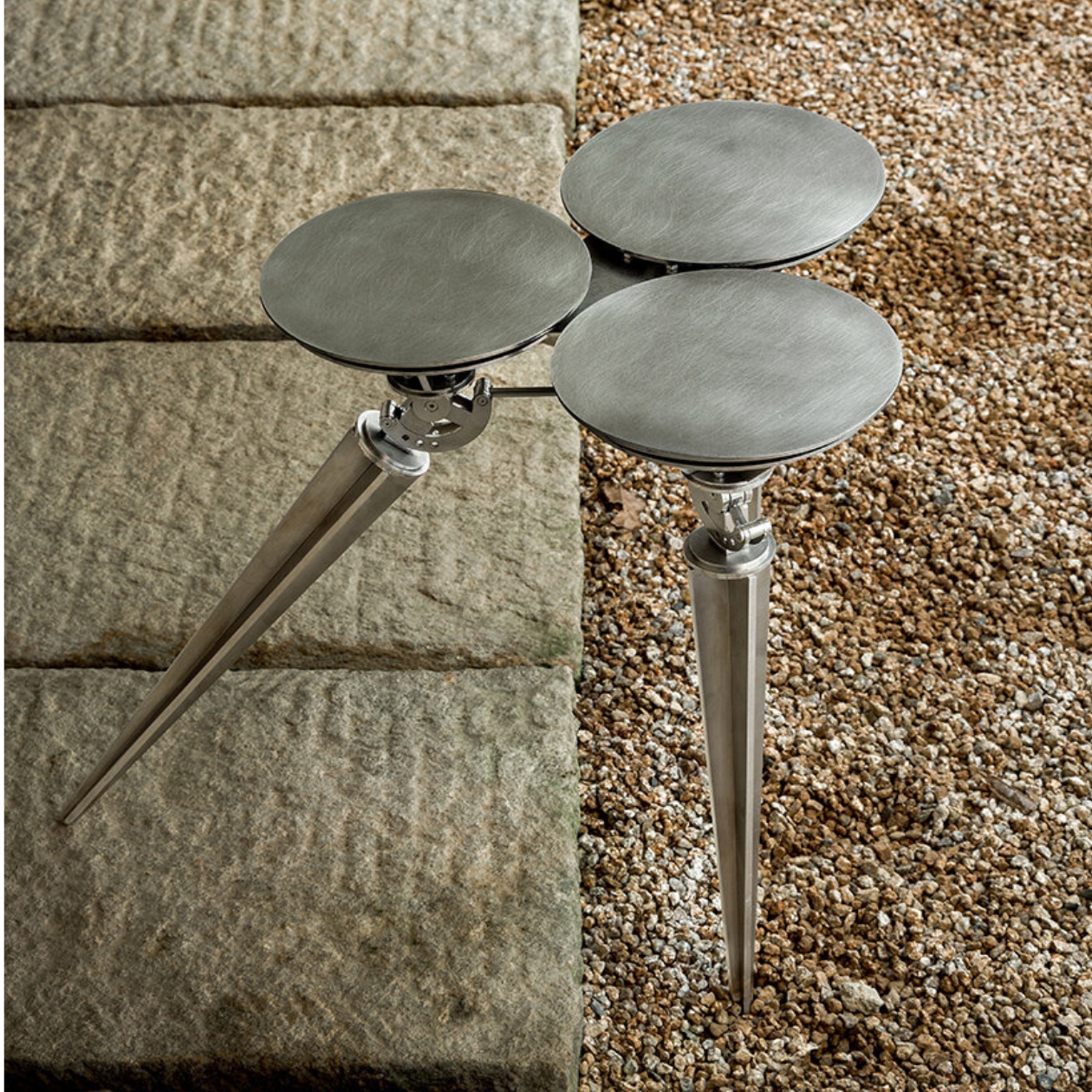
Take the chul-02 for instance, a stainless steel cone stool that looks very interesting but something you wouldn’t think of sitting on at first glance. The design peg is for the, well, pegs, used in landscape lighting. The idea for the pointed joints is that it can stand stably on hard surfaces but can also be pressed into the ground if needed.

The three conical shapes form the entire stool and they are designed to lean on one another so you get a flexible seat. You can tilt the joints so you can put one on a stable surface while the other pegs can be put into the ground. Supposedly that will make it stable enough although I have my doubts looking at the thin legs. The three round seats actually makes it look like part of a percussion set but apparently it can accept all kinds of behinds to sit on it.

The Korea-based studio is planning to release new furniture pieces that is made from steel, wood, and stone. It’s a pretty interesting start although I don’t know if I would sit on one if I saw it in person. I’d rather look at it or use it as a side table, which may be one of the secondary functions of the chul-02.

The post Cone-shaped stool made from stainless steel gives a flexible, stable seat first appeared on Yanko Design.
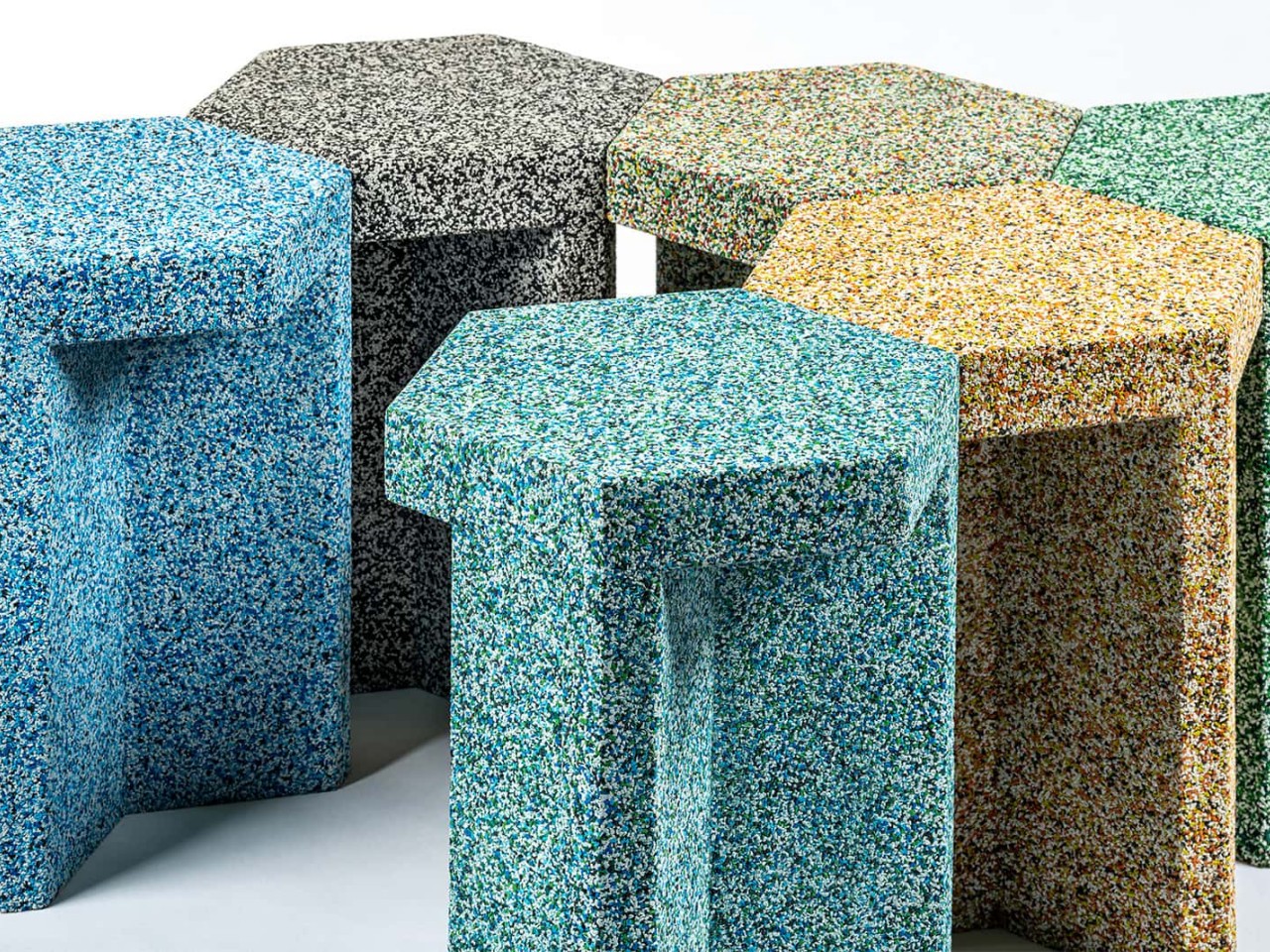
4-AL Stool by Paul Matteo Wesser Redefines Sustainable Furniture with Repurposed Materials

In the world of sustainable design, creative minds constantly push the envelope to discover innovative ways of crafting eco-friendly furniture. The 4-AL stool, designed by Vienna-based Paul Matteo Wesser, stands as a testament to this quest for sustainability. This project not only champions eco-friendly practices but also redefines how we perceive repurposed materials.

Designer: Paul Matteo Wesser

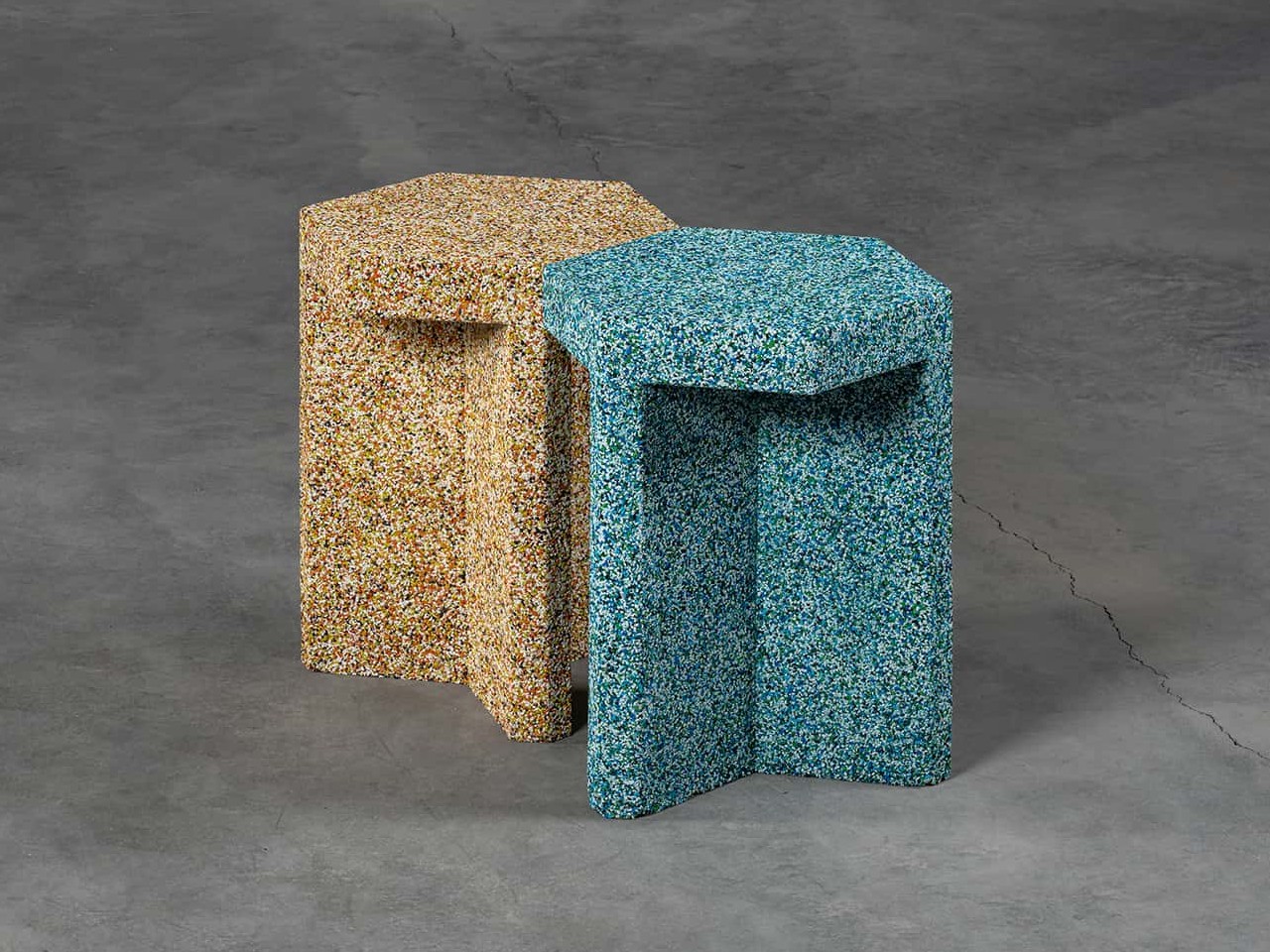
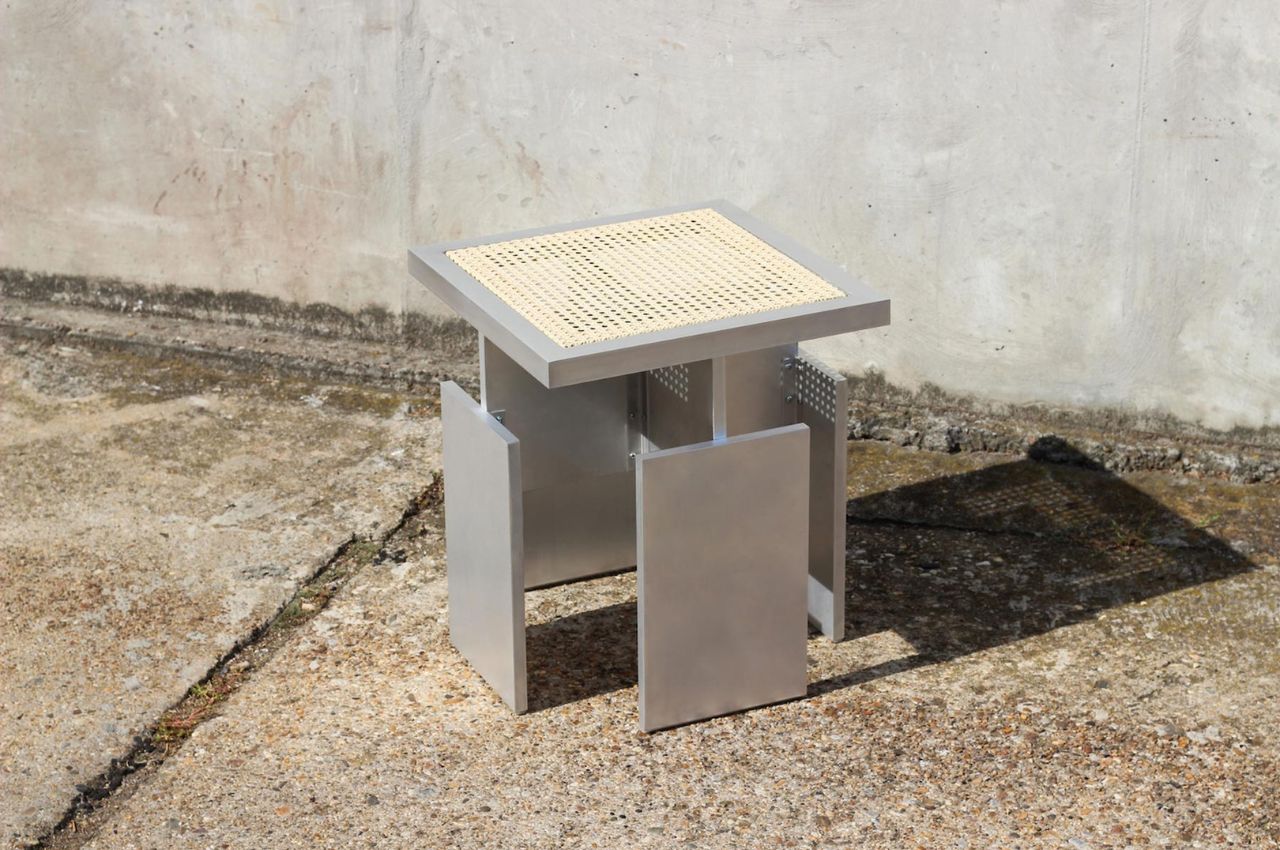
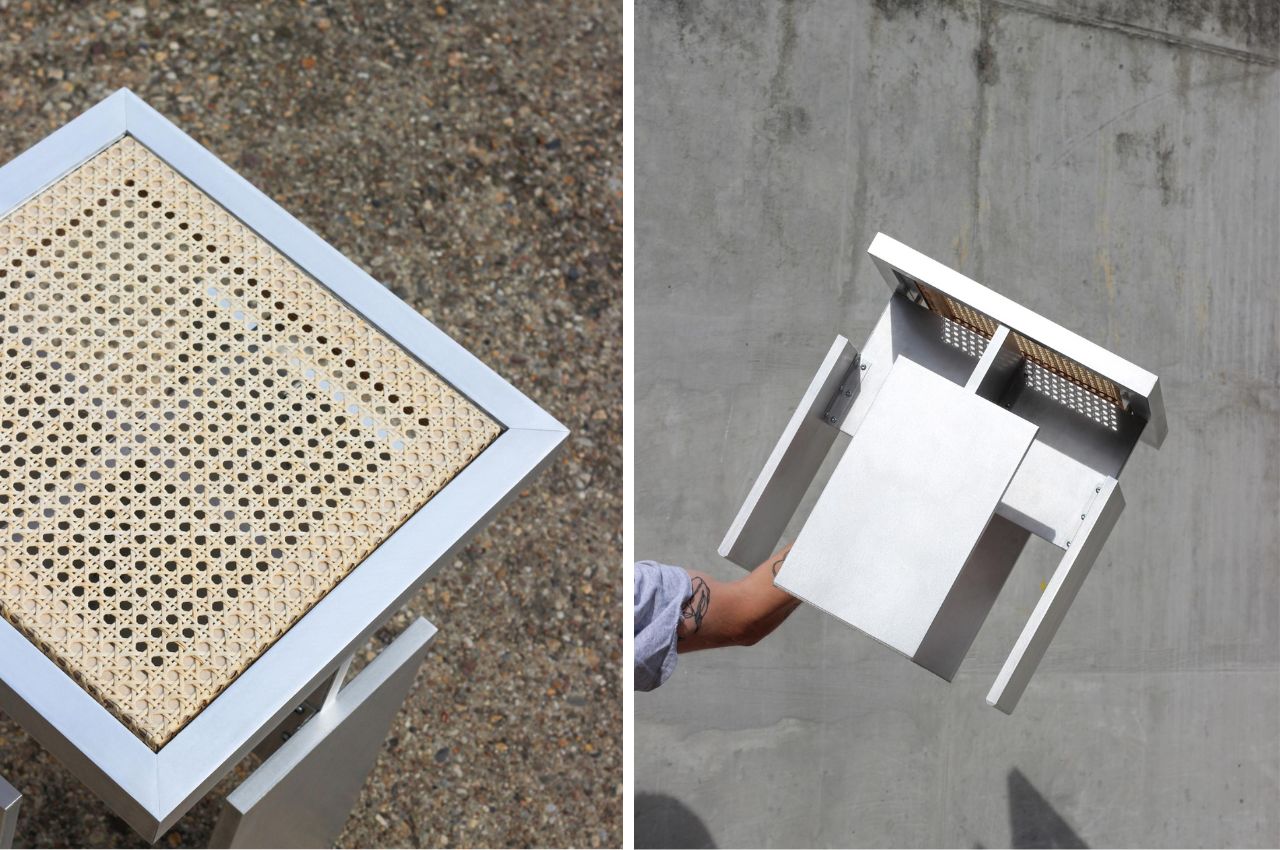
Wesser’s 4-AL stool exemplifies how sustainable furniture can be crafted from repurposed elements. While some designers experiment with unconventional materials like mushroom mycelium or recycled paper, Wesser looked to more readily accessible sources. He turned to online home improvement stores, viewing them as treasure troves of potential. By repurposing metal balcony cladding elements, he transformed them into the stool’s main structure. The aluminum profiles chosen for the frame highlight a commitment to durability, stability, and weather resistance, ensuring the stool’s longevity.

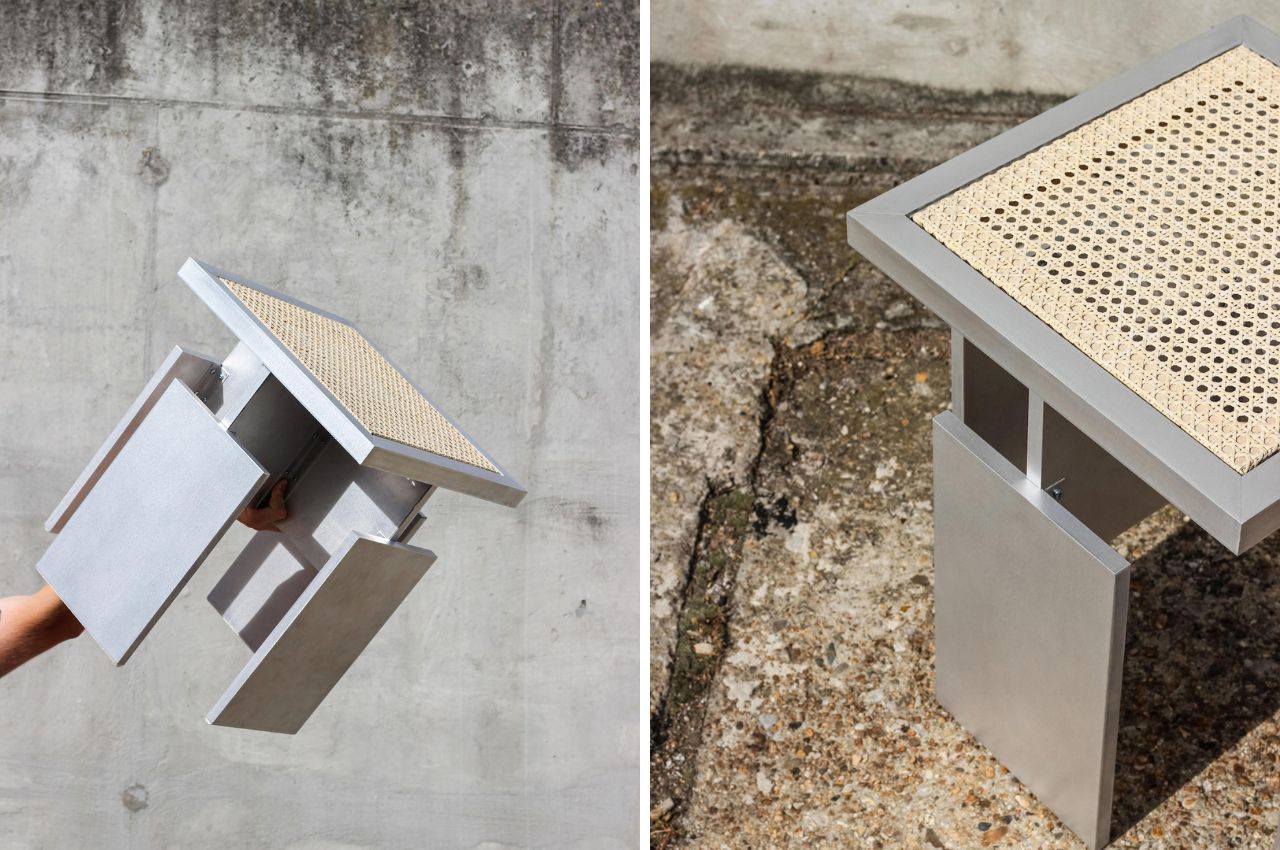
The stool’s design takes inspiration from coastal architecture. Rectangular aluminum panels form a symmetrical base, while a cross-shaped frame supports the seat. Crafted from cane, the seat features a finely woven pattern, adding a warm accent and beautiful texture to the silver-gray aluminum. This combination of materials not only provides visual appeal but also highlights the potential of repurposed elements in modern design.

One of the standout features of the 4-AL stool is its modular design. Both the frame and the cane seat can be easily detached from one another. This thoughtful design enhances the product’s environmental credentials by simplifying recycling and repairs. It ensures that the stool can have a long life, with parts that are easy to replace or recycle.

Wesser’s choice of materials and components from home improvement retailers means that the stool is both accessible and affordable. By utilizing existing parts, he minimized waste and streamlined the manufacturing process. This approach not only reduces the carbon footprint but also makes sustainable furniture more attainable.

4-AL adapts effortlessly to different needs, serving either as extra seating or as a side table. Its modern silhouette and thoughtful material combination make it a versatile addition to any contemporary home.

The 4-AL stool, though currently a prototype, offers an inspiring blueprint for eco-friendly furniture, reducing environmental impact while making a bold statement in home decor. Paul Matteo Wesser’s innovative approach showcases how sustainability and creativity can intersect, providing a path forward for the future of furniture design. This stool is a shining example of how repurposed materials can be transformed into stylish, functional, and sustainable furniture. Its modular design, inspired aesthetic, and practical functionality make it a promising solution for eco-conscious consumers and designers alike.

The post 4-AL Stool by Paul Matteo Wesser Redefines Sustainable Furniture with Repurposed Materials first appeared on Yanko Design.
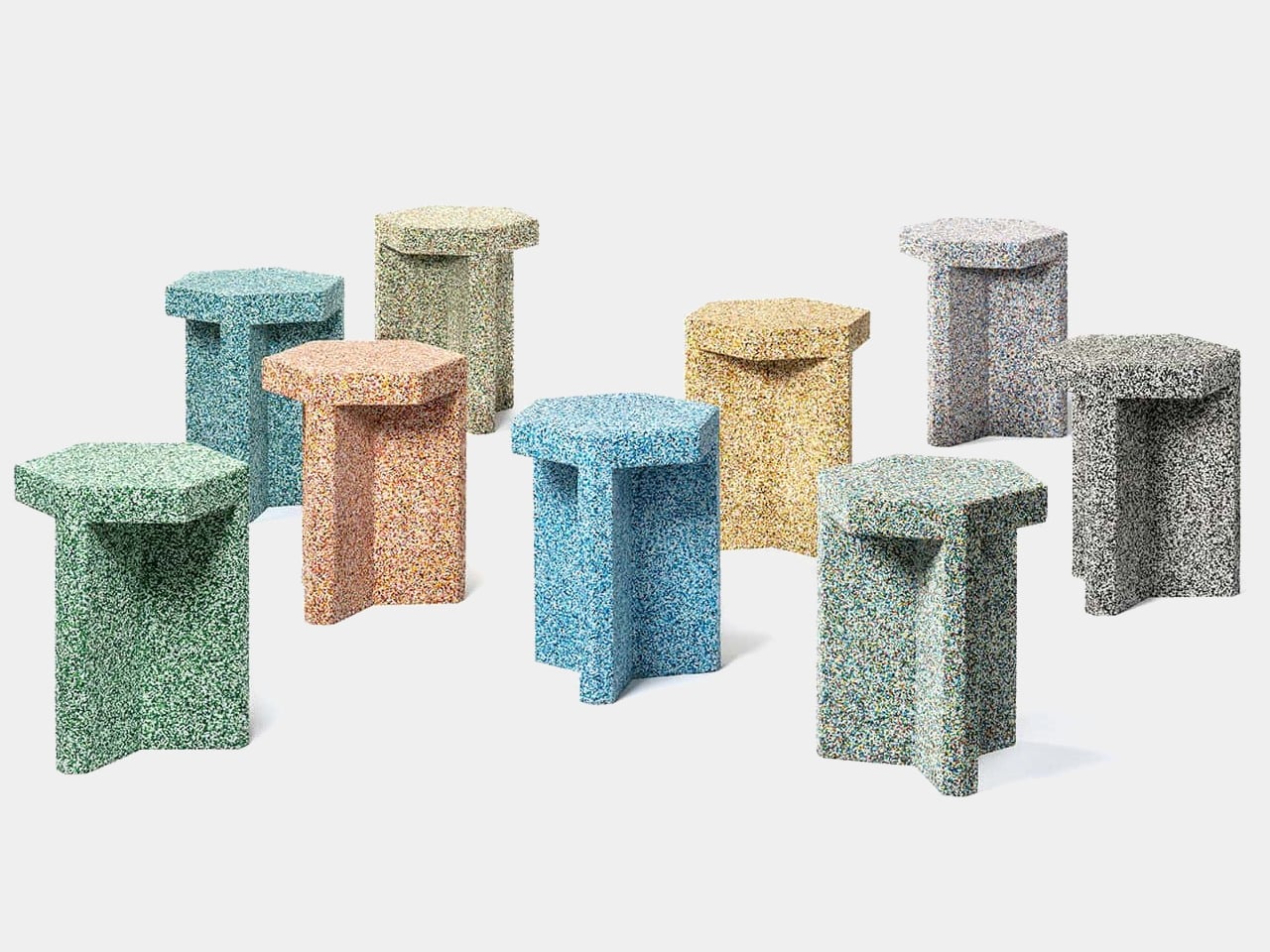
Bent wooden stool requires no screws or hinges to assemble from flat packaging

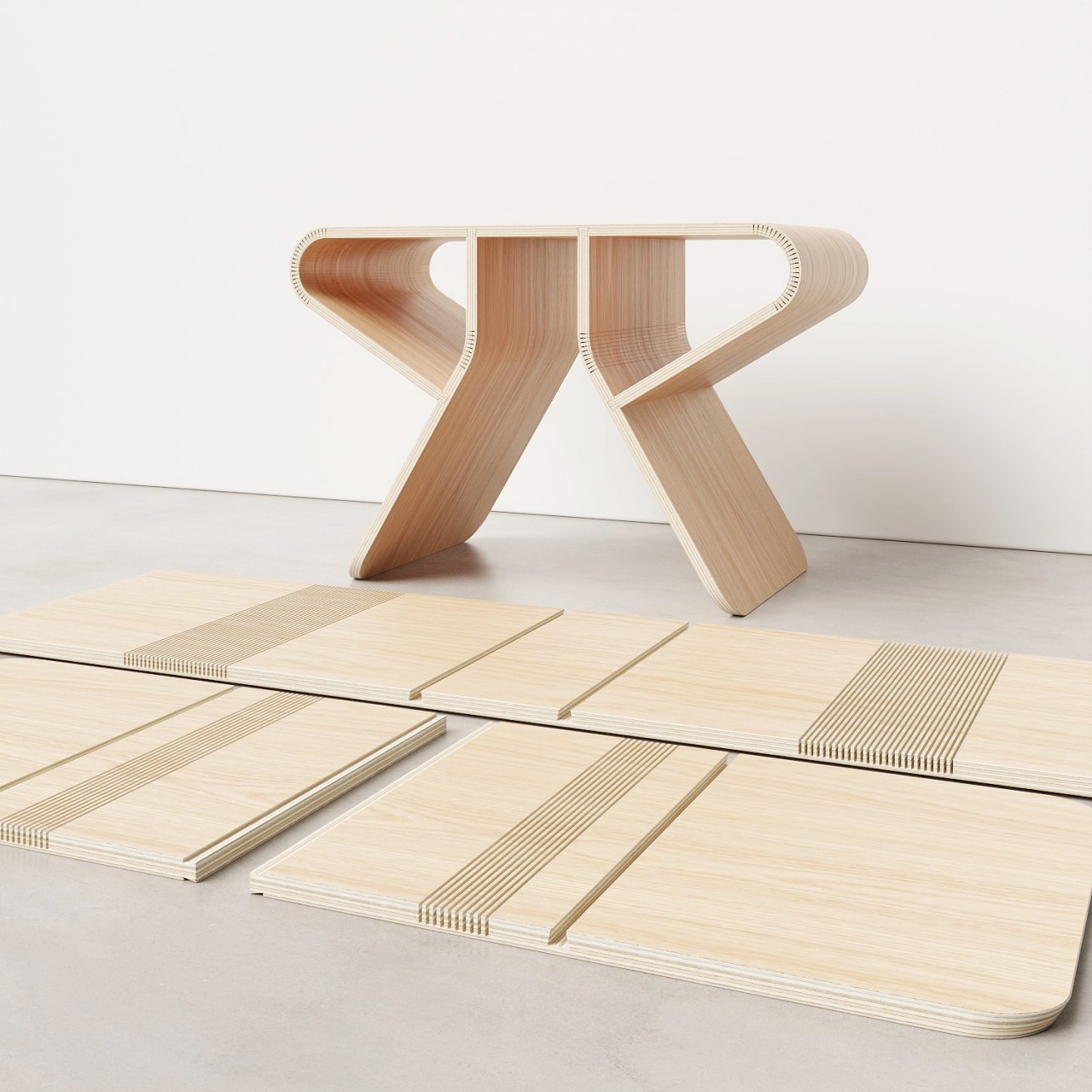
Flat-packed furniture has become quite the sensation, satisfying both the need for easy-to-assemble mass-produced products as well as a craving for the trendy minimalist design. There are, however, certain limits to those designs, especially because of the need to be flat and tightly packed. Putting them together also sometimes requires a bit of patience and know-how, particularly when small parts and screws are involved. This stool concept design challenges those conventions, however, by using mechanisms that require no extra parts, no screws, and even no glue, yet still delivers a multifunctional piece of furniture that looks unique and distinctive, unlike most mass-produced flat-packed products.

Designer: Joao Teixeira

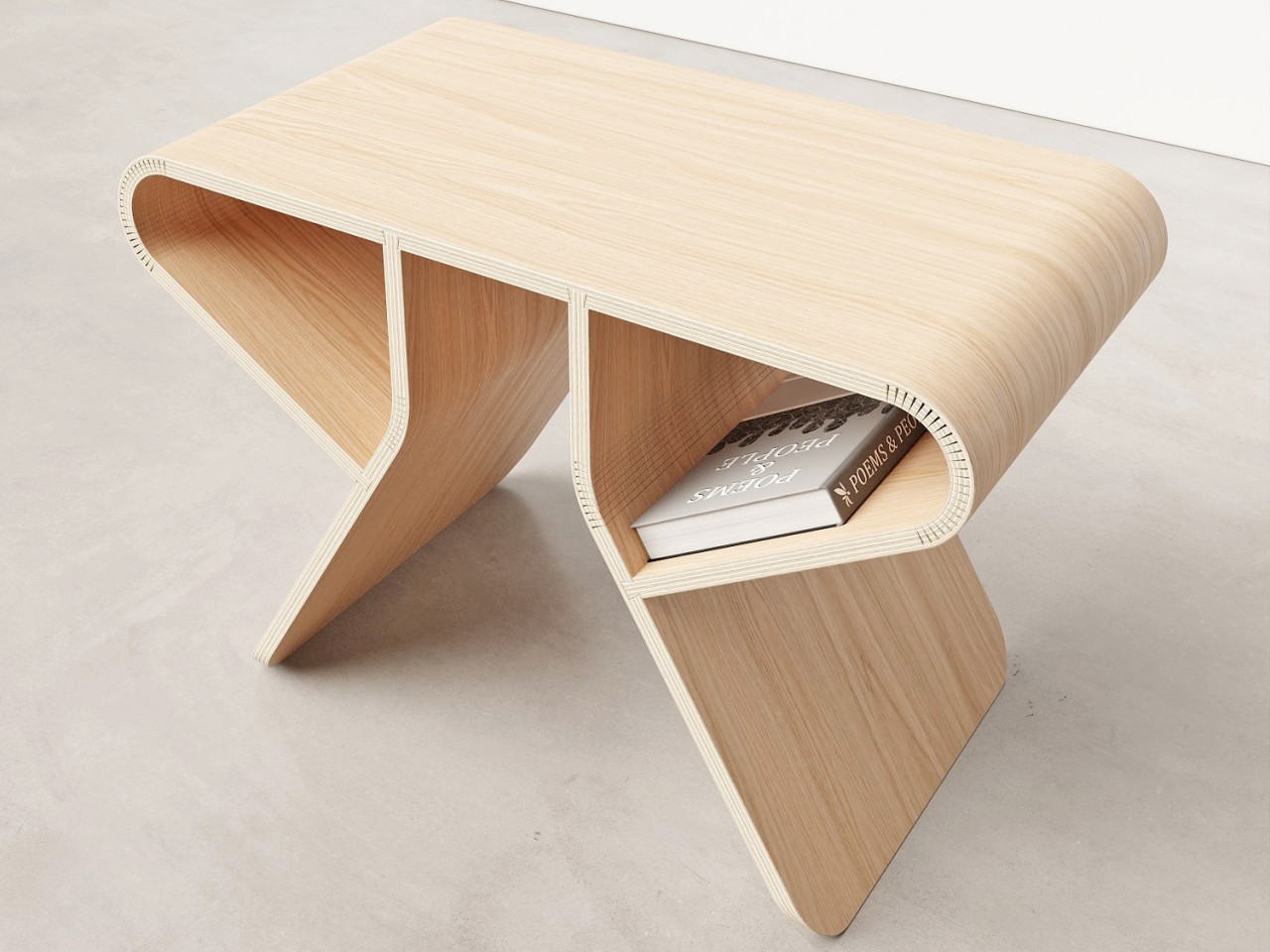
The easiest method to join two separate pieces after they have left the factory would be to either screw or glue them together. The former entails more complicated parts while the other often employs chemicals harmful to the environment. There are, however, techniques that simply use shapes and the force of physics, particularly gravity, to keep two parts together. The dovetail joint, which looks like two puzzle pieces getting wedged together, is one such mechanism, and it is the technique employed by this Flat Stool design.

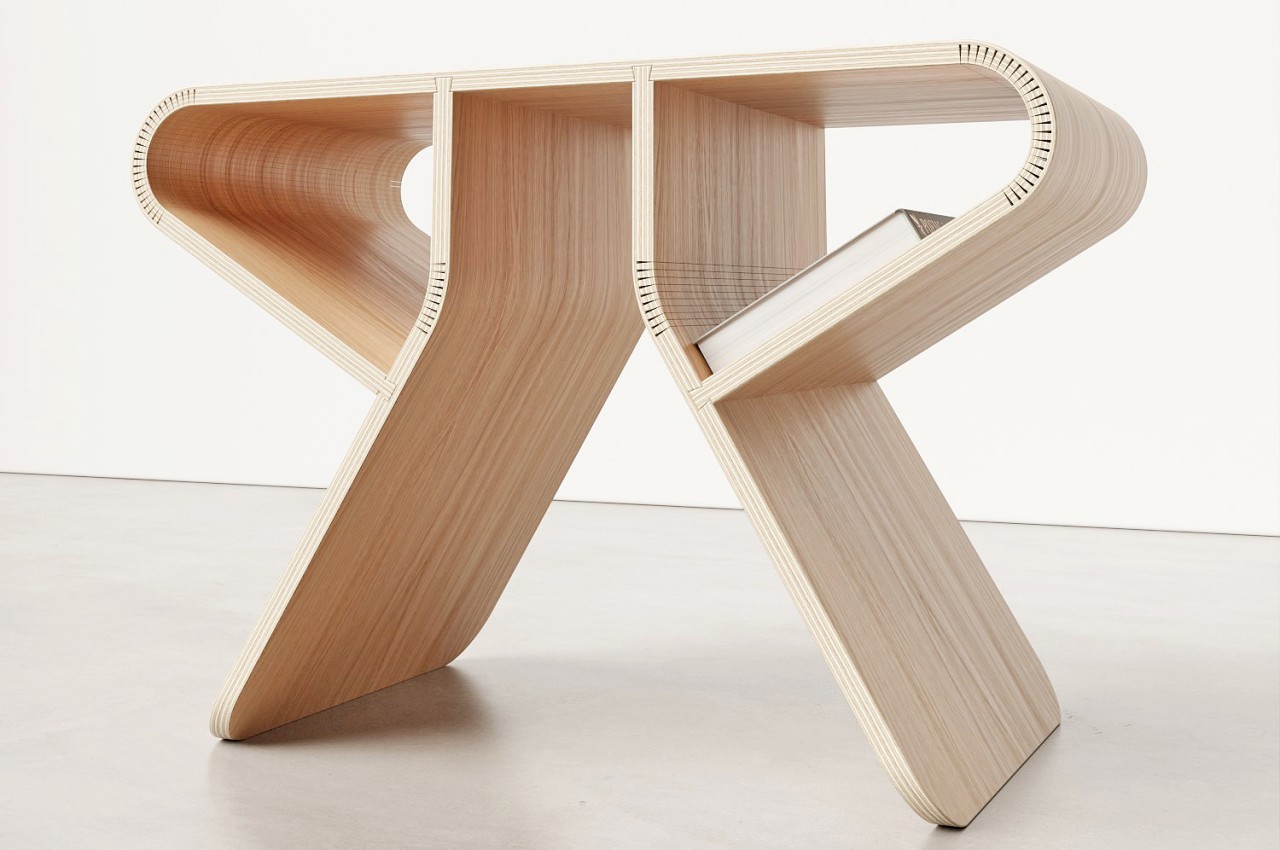
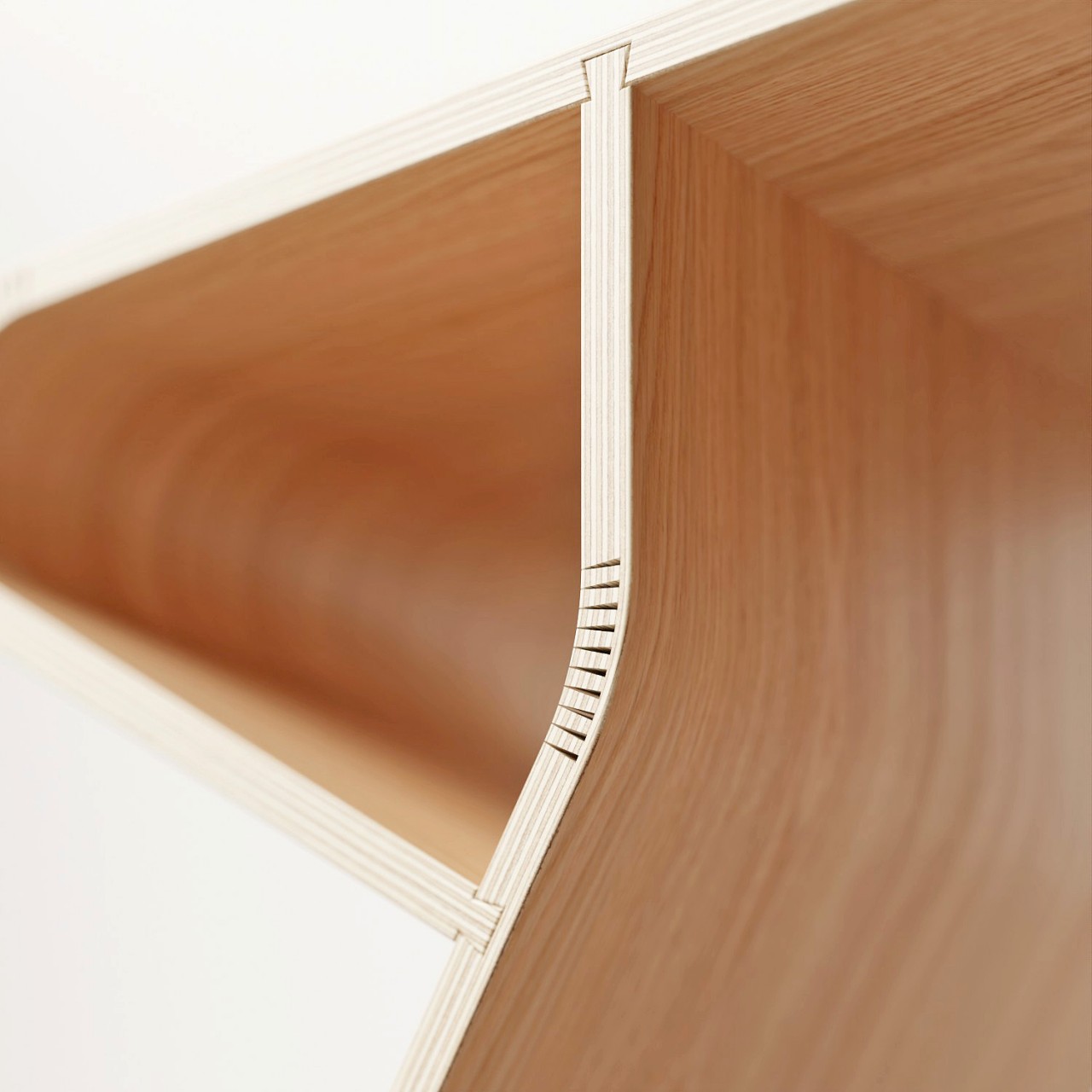
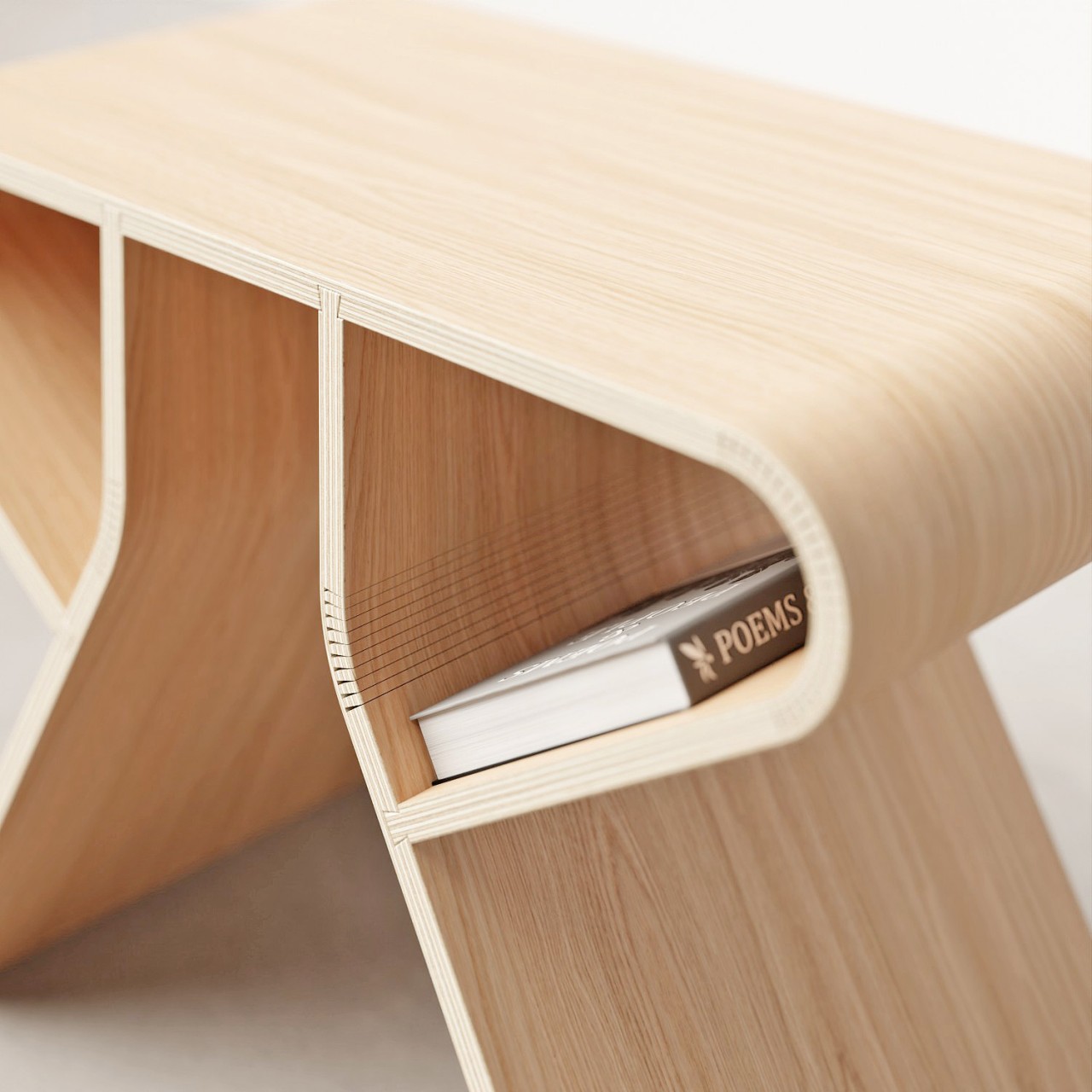
That in itself is already impressive, but the stool’s real claim to fame is how its sides can curve and bend despite being flat-packed. You’d usually have to resort to tricks like hinges, which you have to screw, to change a wooden plank’s direction, but the Flat Stool uses a rather unconventional design to do the same. Specifically, it uses kerf bending on those bent areas to create a gentle curve that makes it look like the piece was shipped that way right from the start.

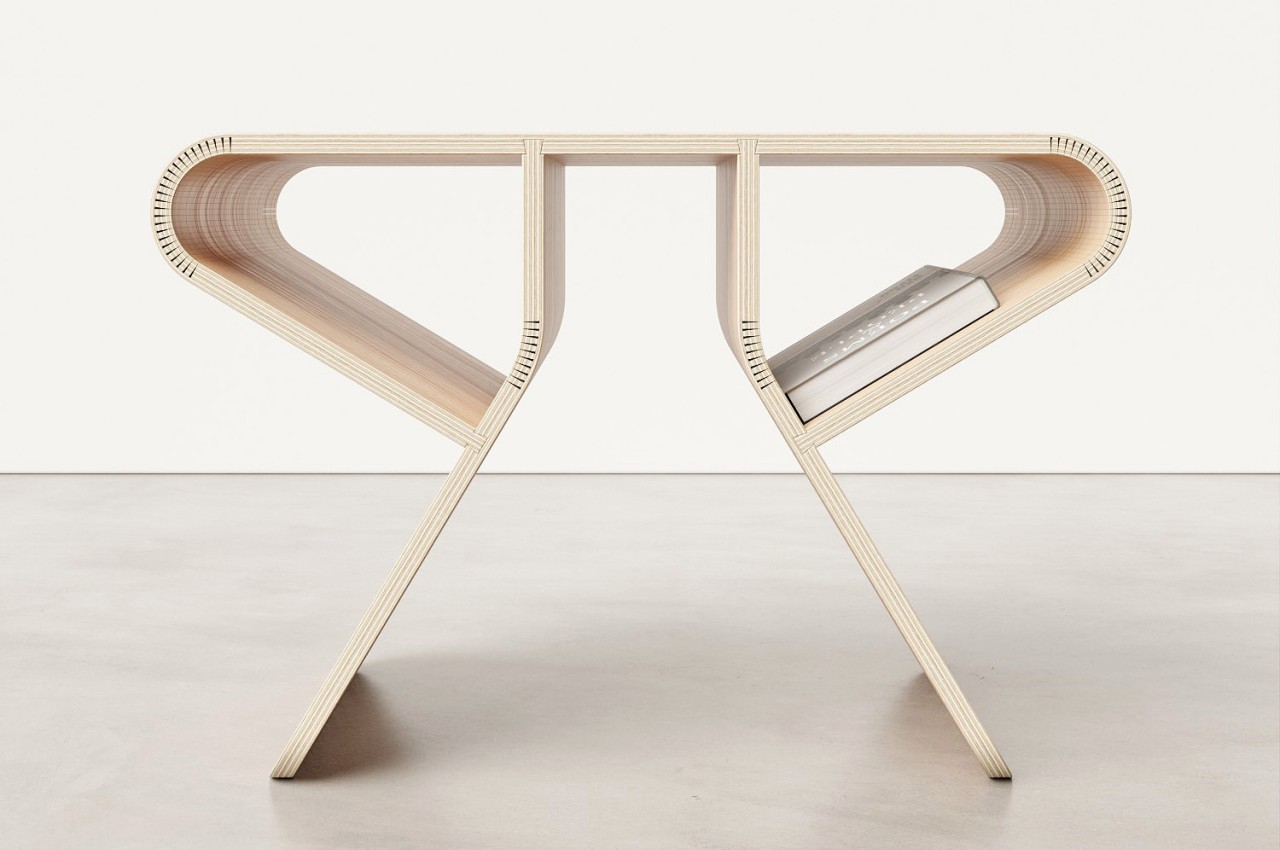
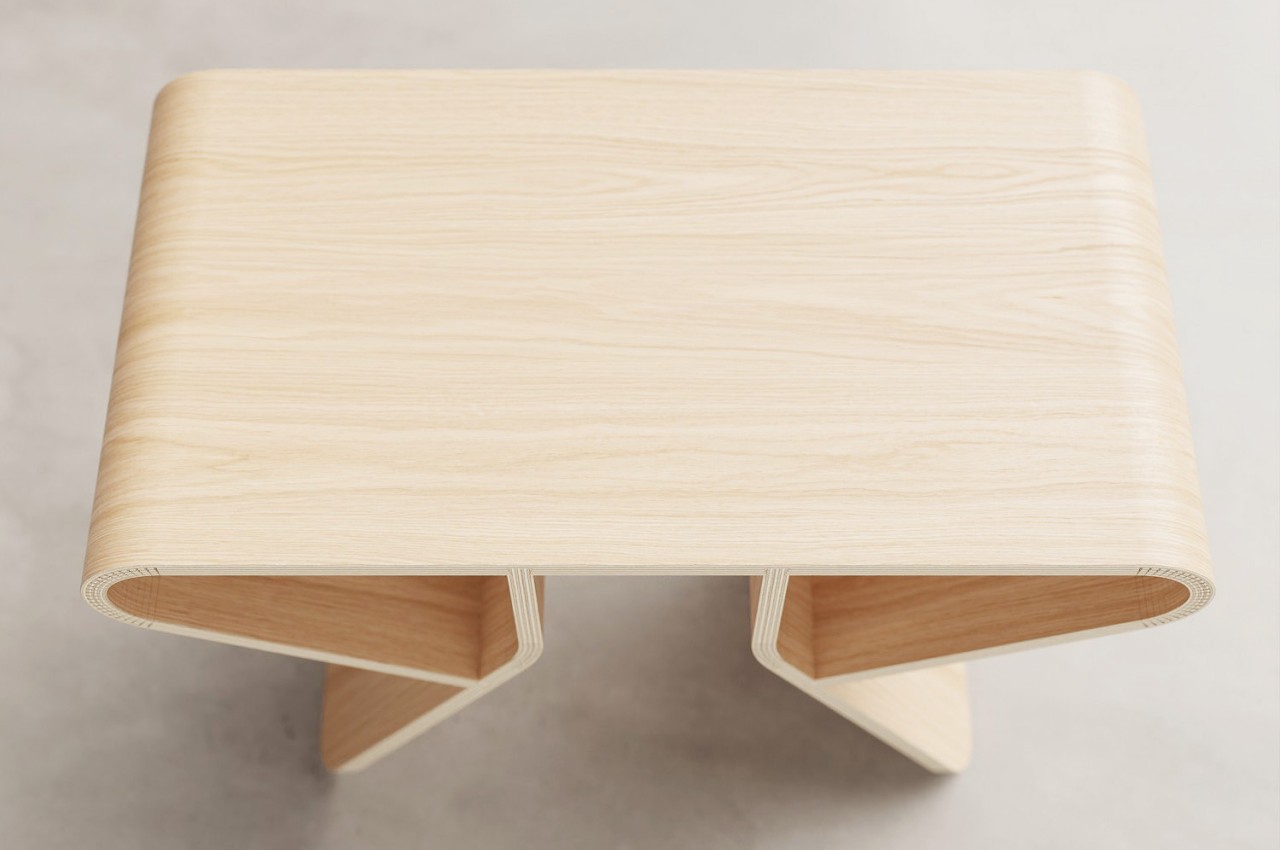
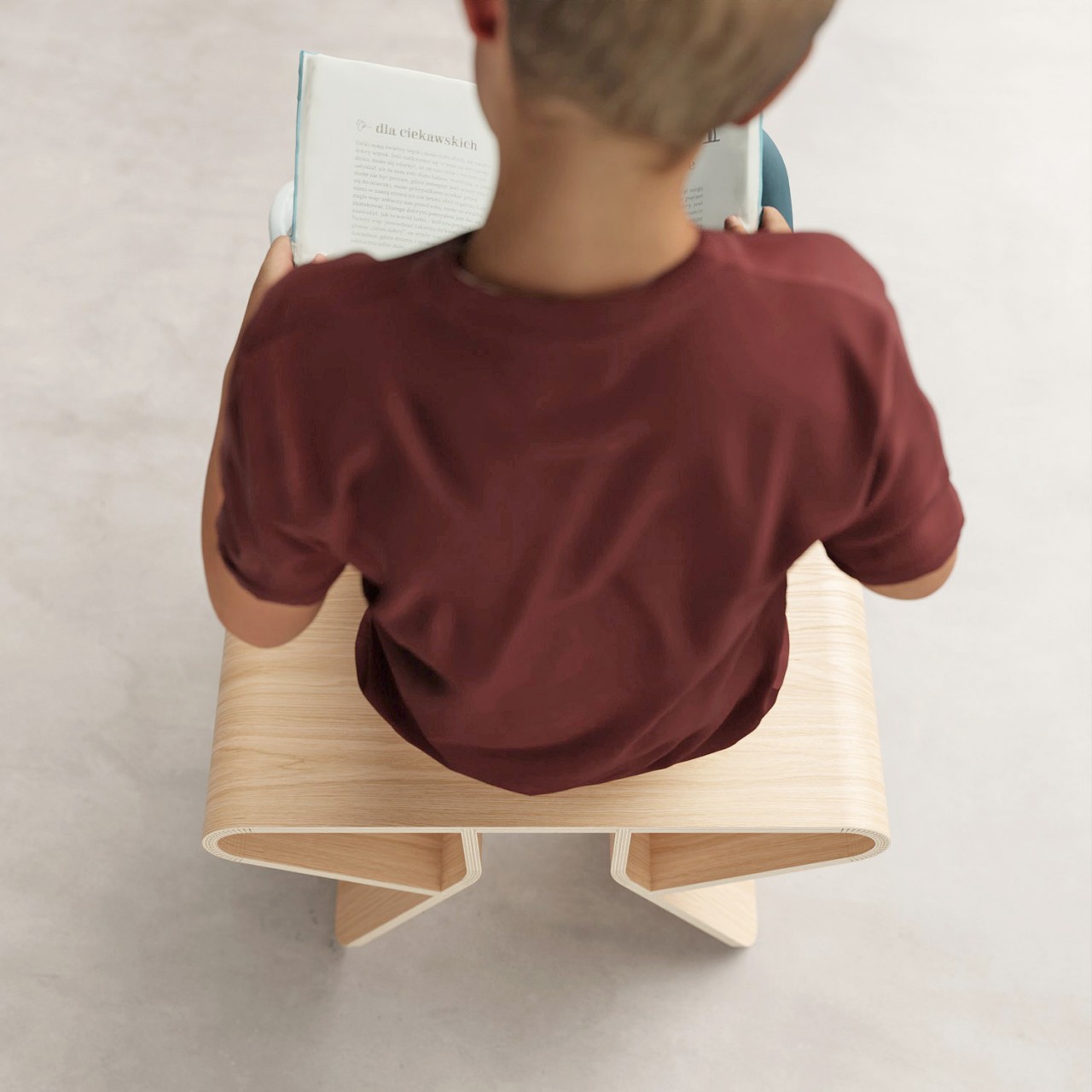
The effect is a stool whose sides bend down and inward, attaching to the middle of the slanted legs that also have a kerf bend to them. This creates a loop on both sides, an empty space that can serve as a holding space for books, phones, or other objects that don’t need a flat, horizontal surface to lie on. As a bonus, the kerfs and ribs of the stool are exposed and visible for everyone to see, creating visual accents that make the stool look more interesting.

Admittedly, some might have concerns about how long the dovetail joints will hold over time as the wooden contacts between the joints wear down. The kerfs might also look a bit worrying, especially on the legs, given the decrease in the mass of the wooden boards. Nevertheless, it’s an interesting concept that tries to think outside the flat-packed box to provide a design that isn’t as flat, literally and figuratively.

The post Bent wooden stool requires no screws or hinges to assemble from flat packaging first appeared on Yanko Design.

Stackable, plastic stool is colorful short-term multi-functional seat

Because of my bad back, I am not that much a fan of stools. But there are times that it’s the most practical (and only available) kind of seating especially if you live in Asia. On our side of the world, it’s often used for short-term use at places like street food stalls, markets, and corner pubs. There’s always room for well-designed stools that may also serve other purposes aside from sitting on it.

Designer Name: Sheng-Wen, Wang

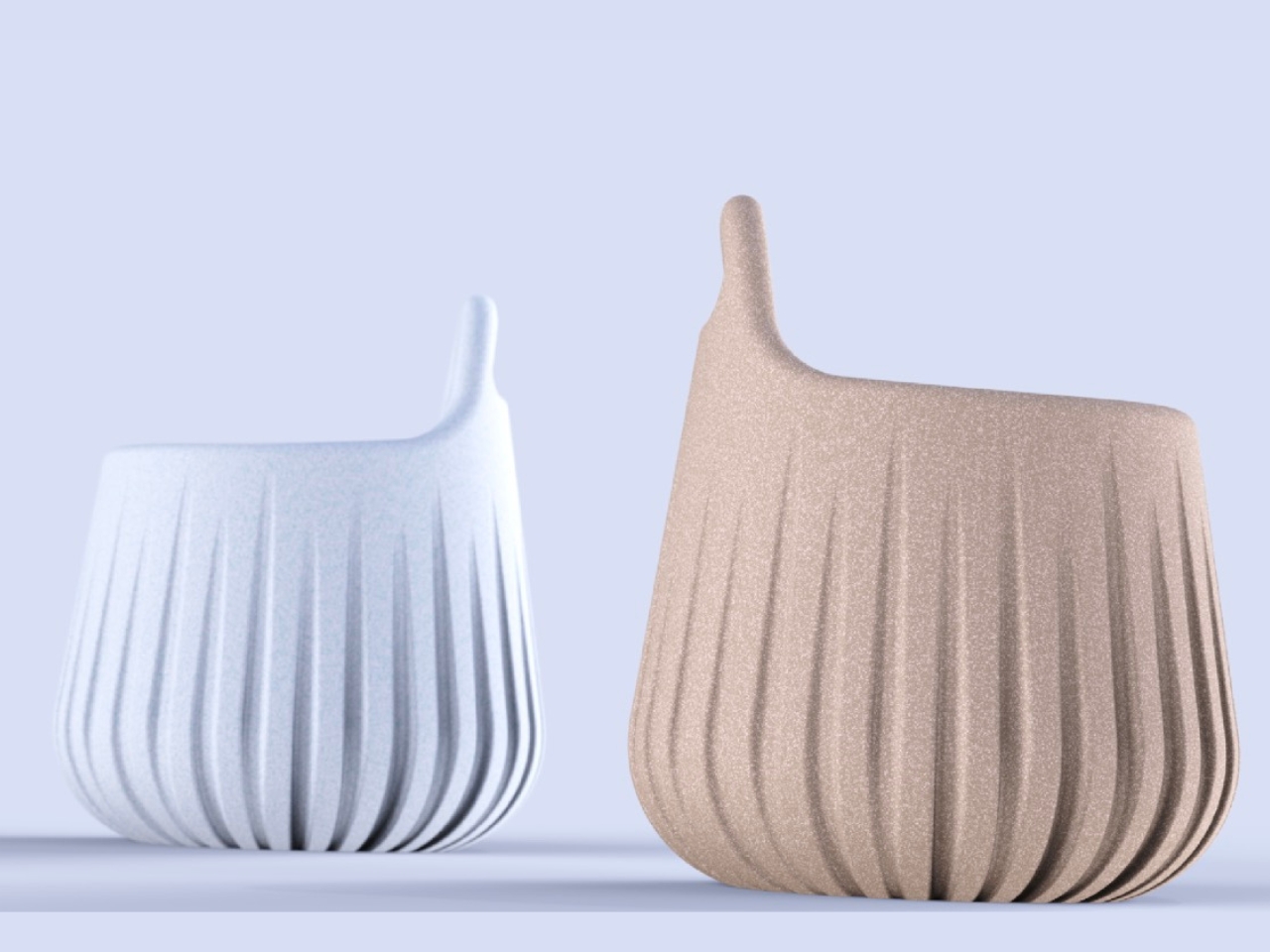
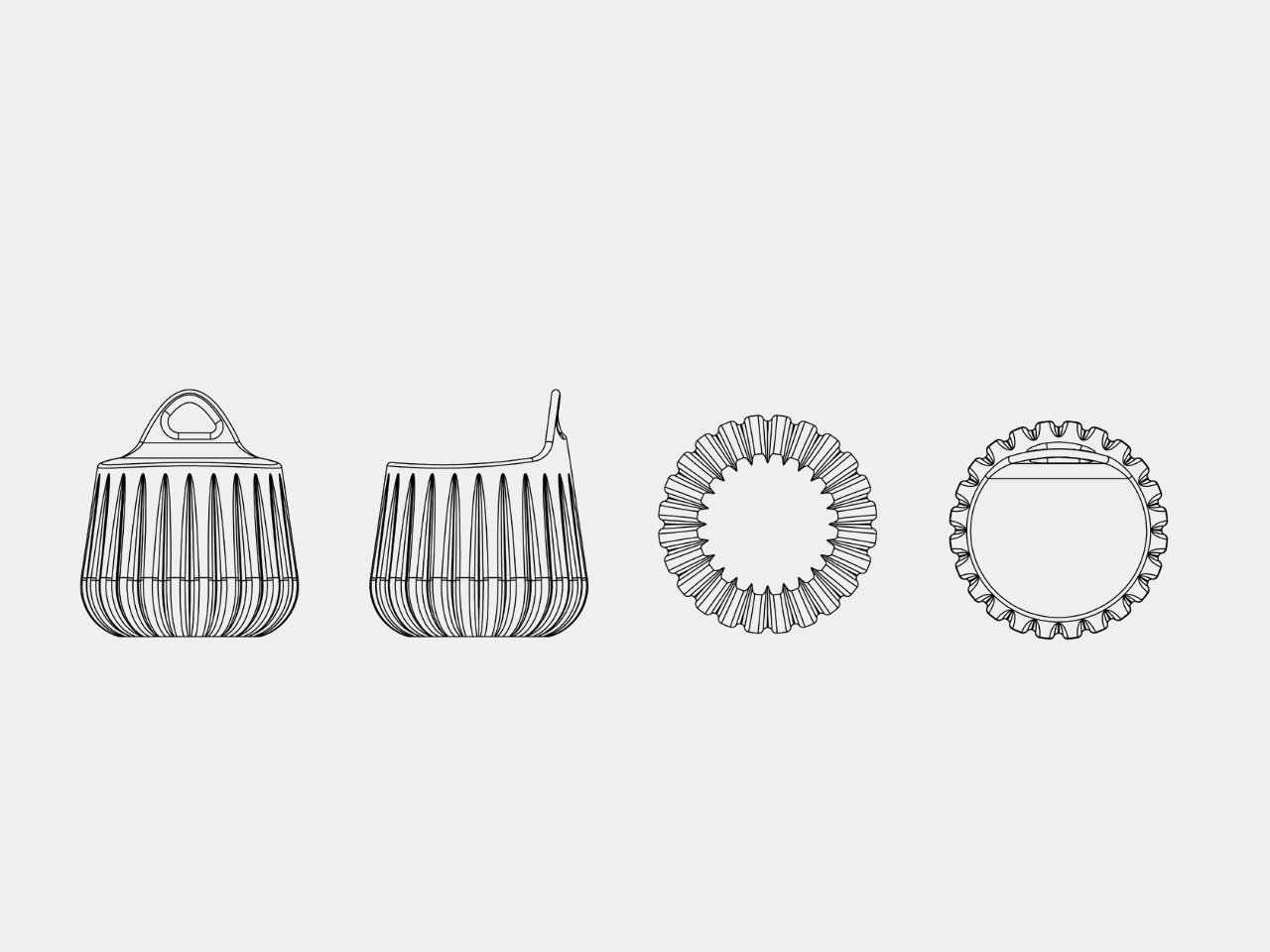
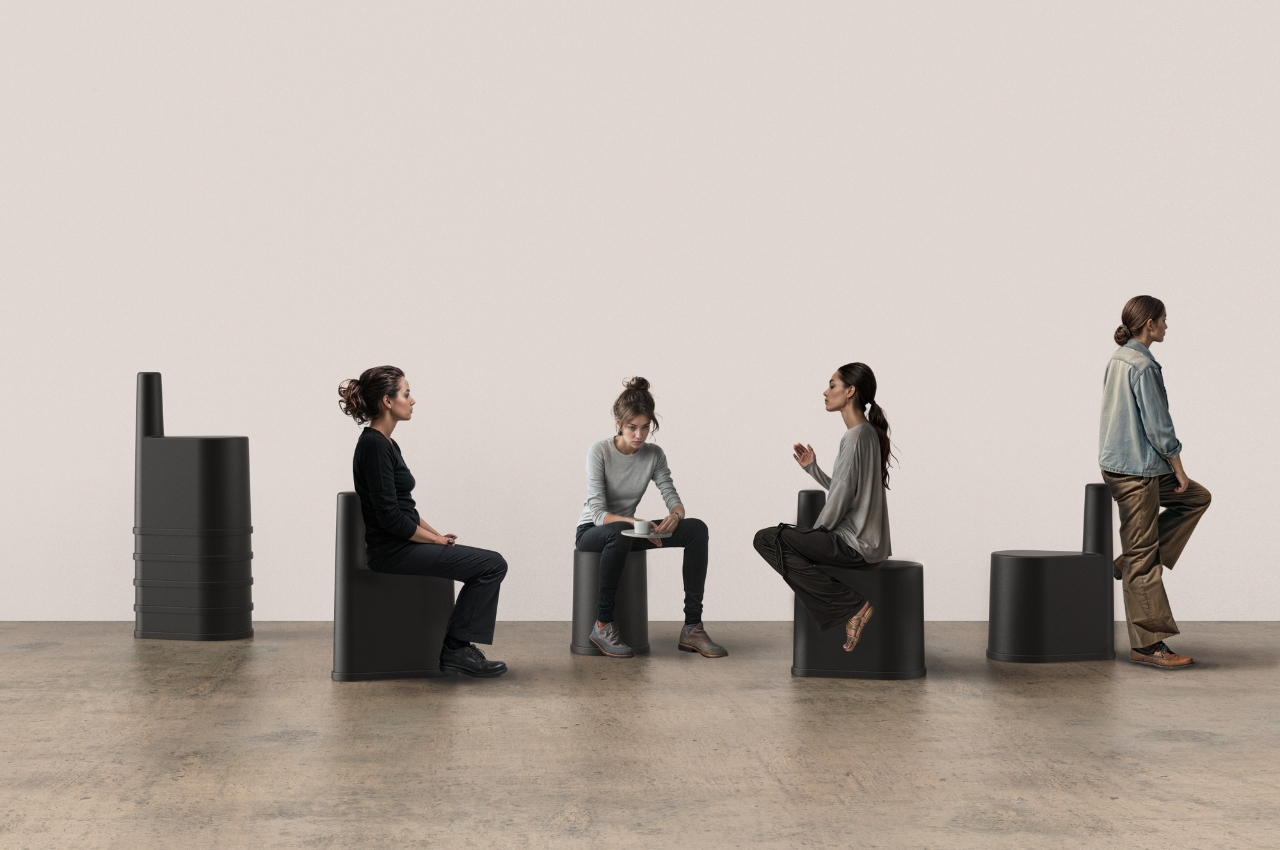
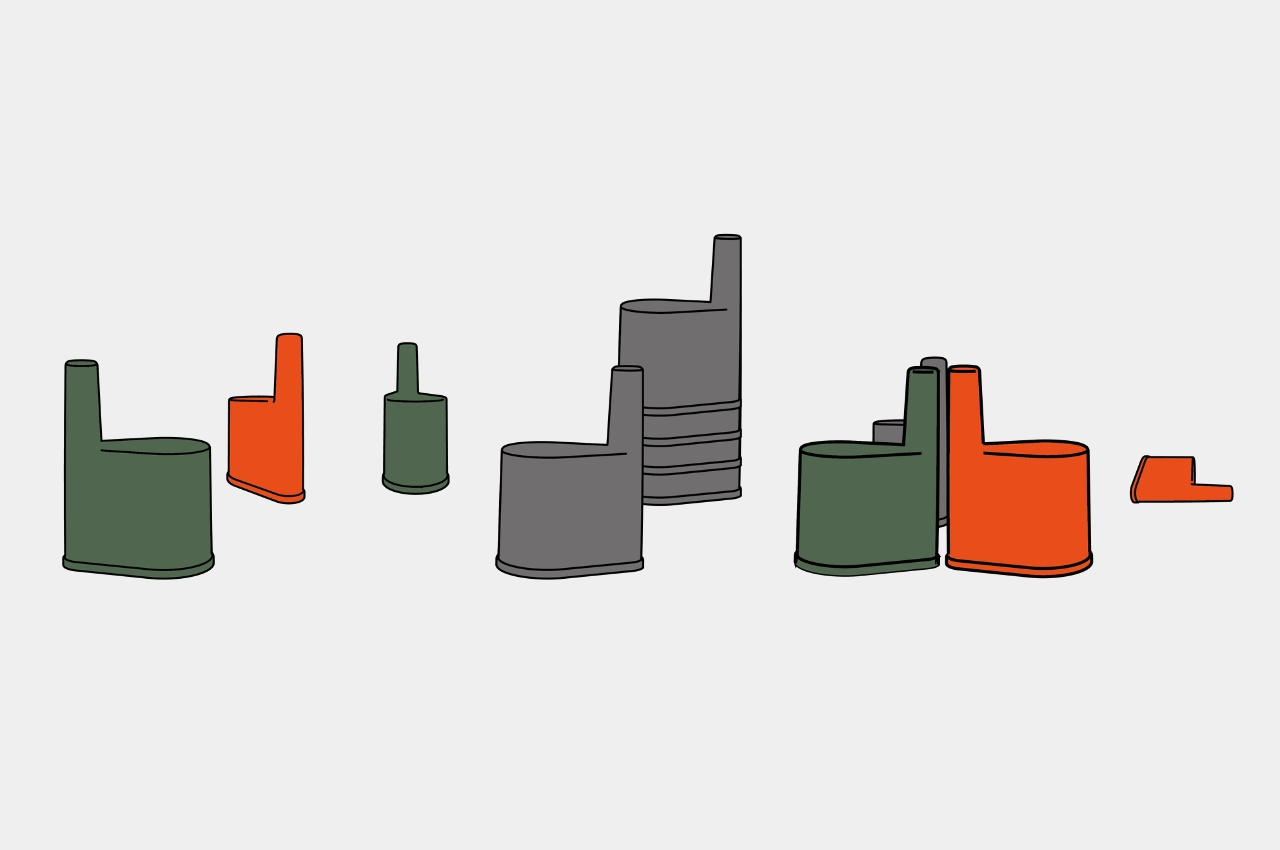
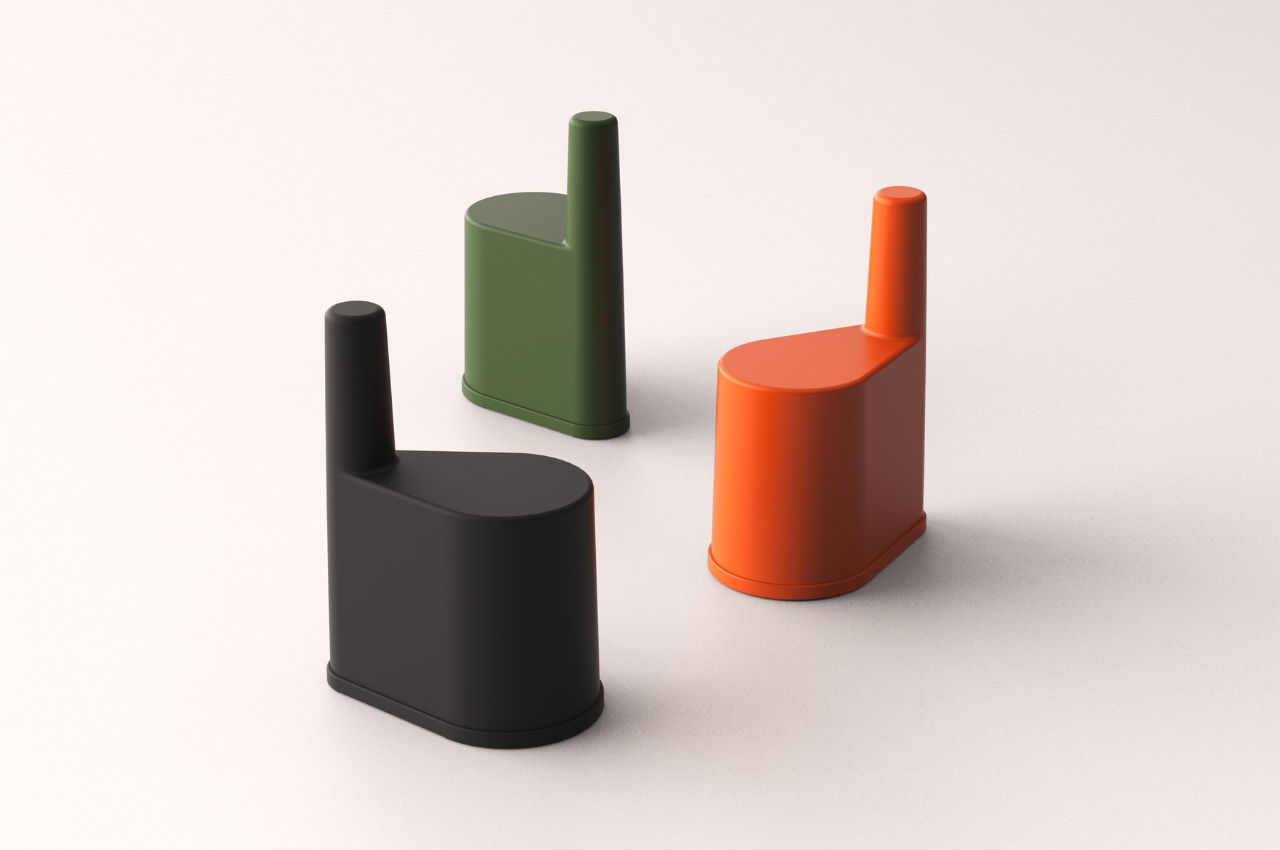
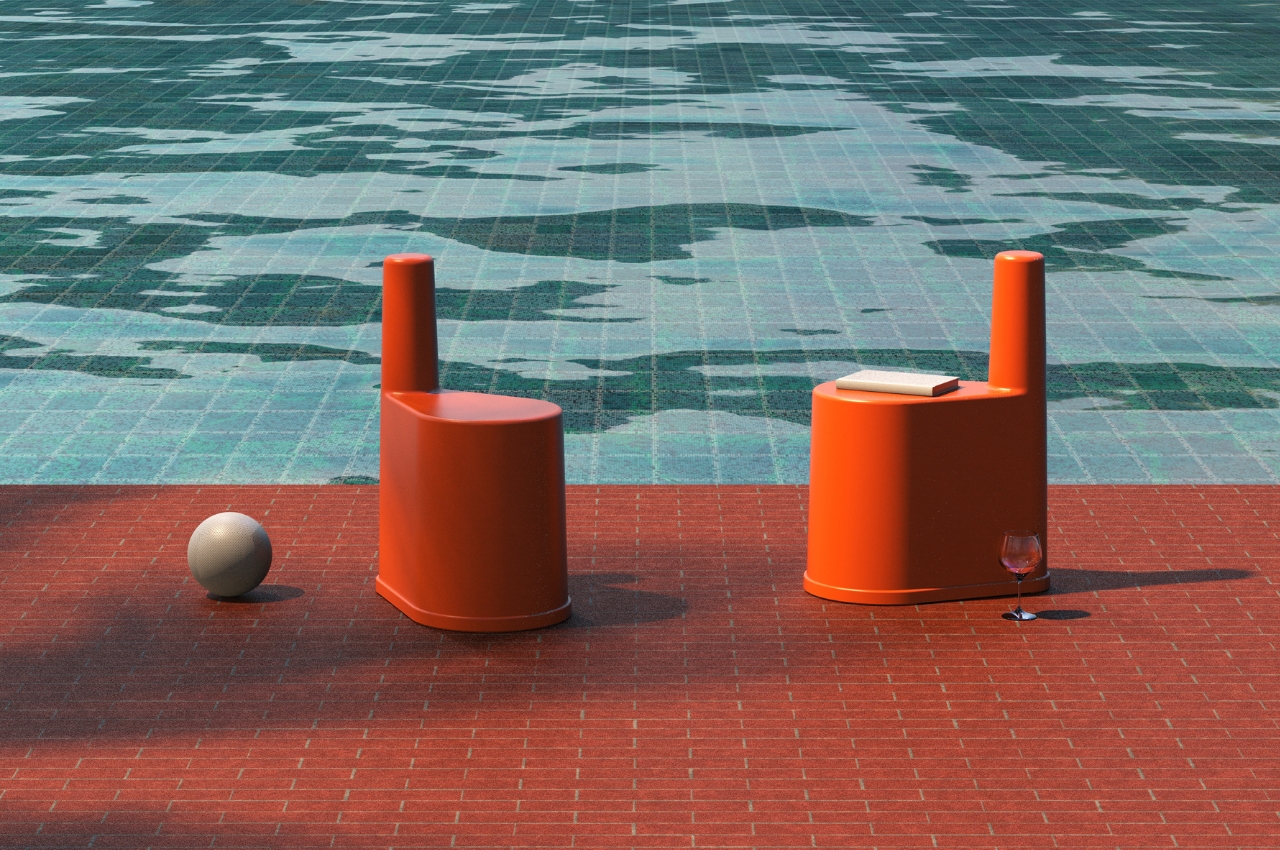
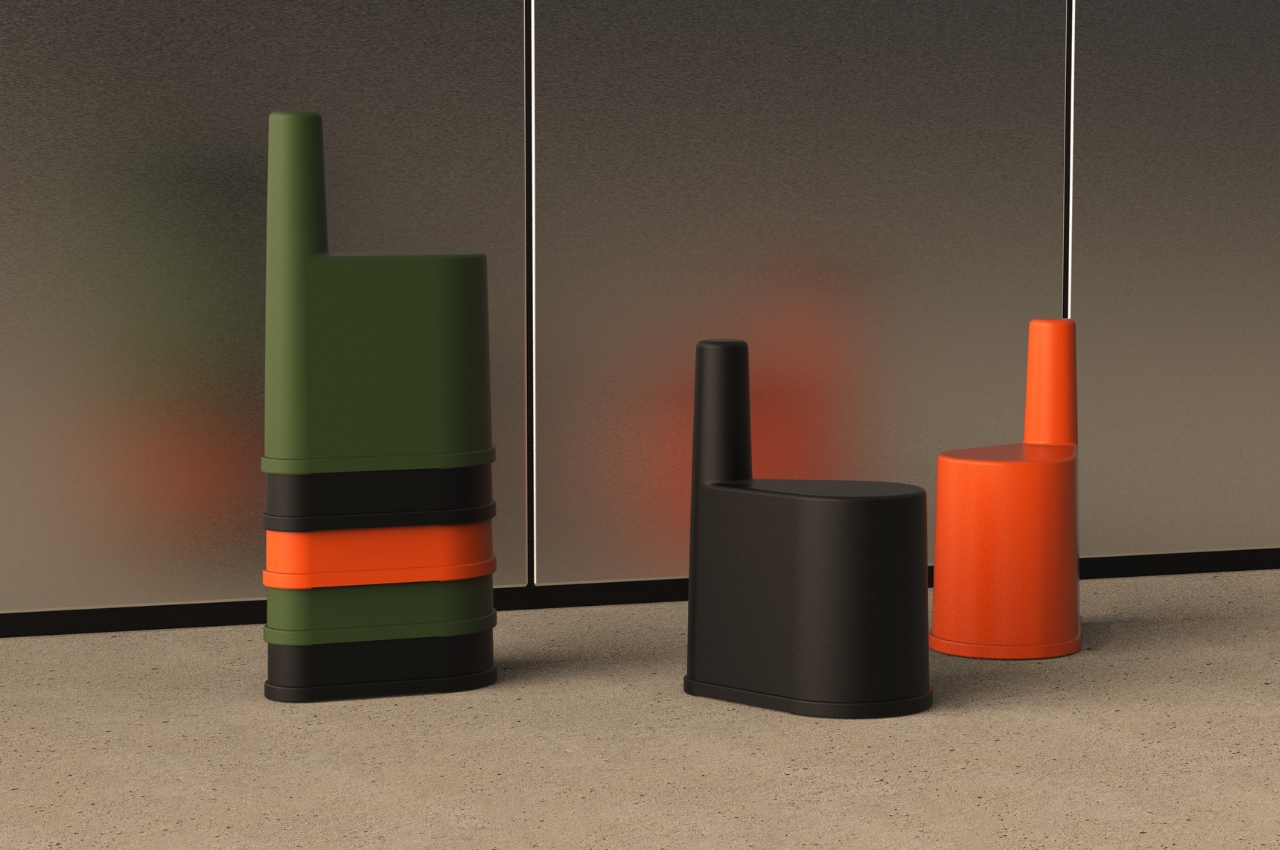
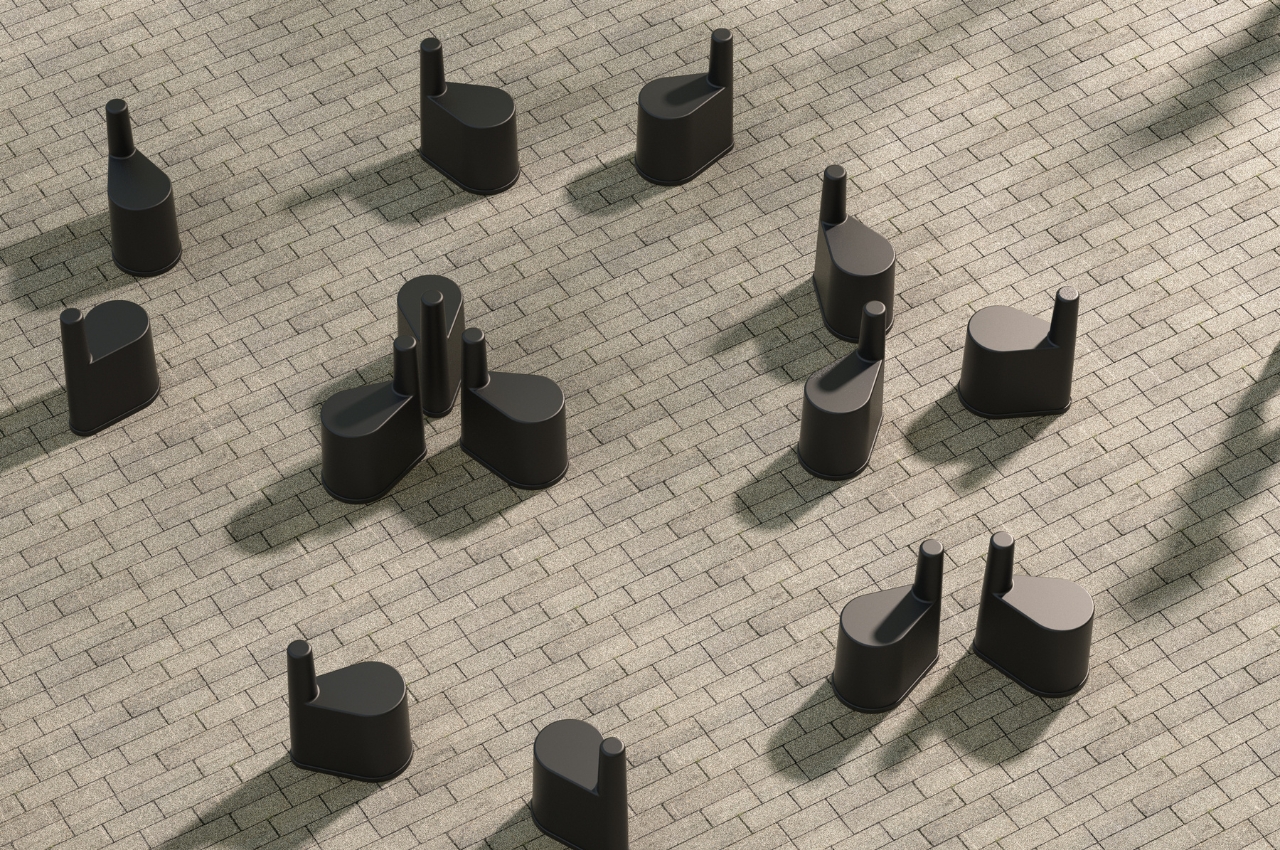
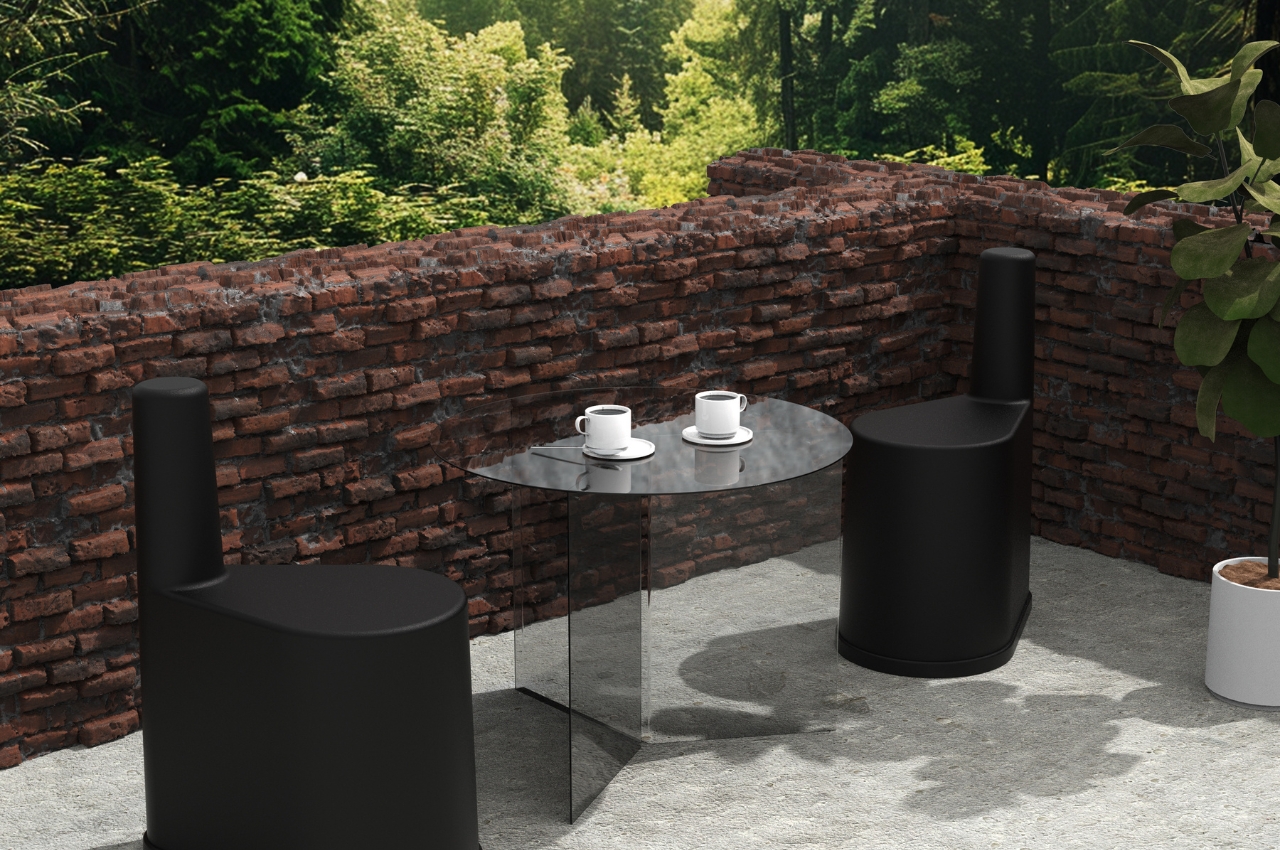
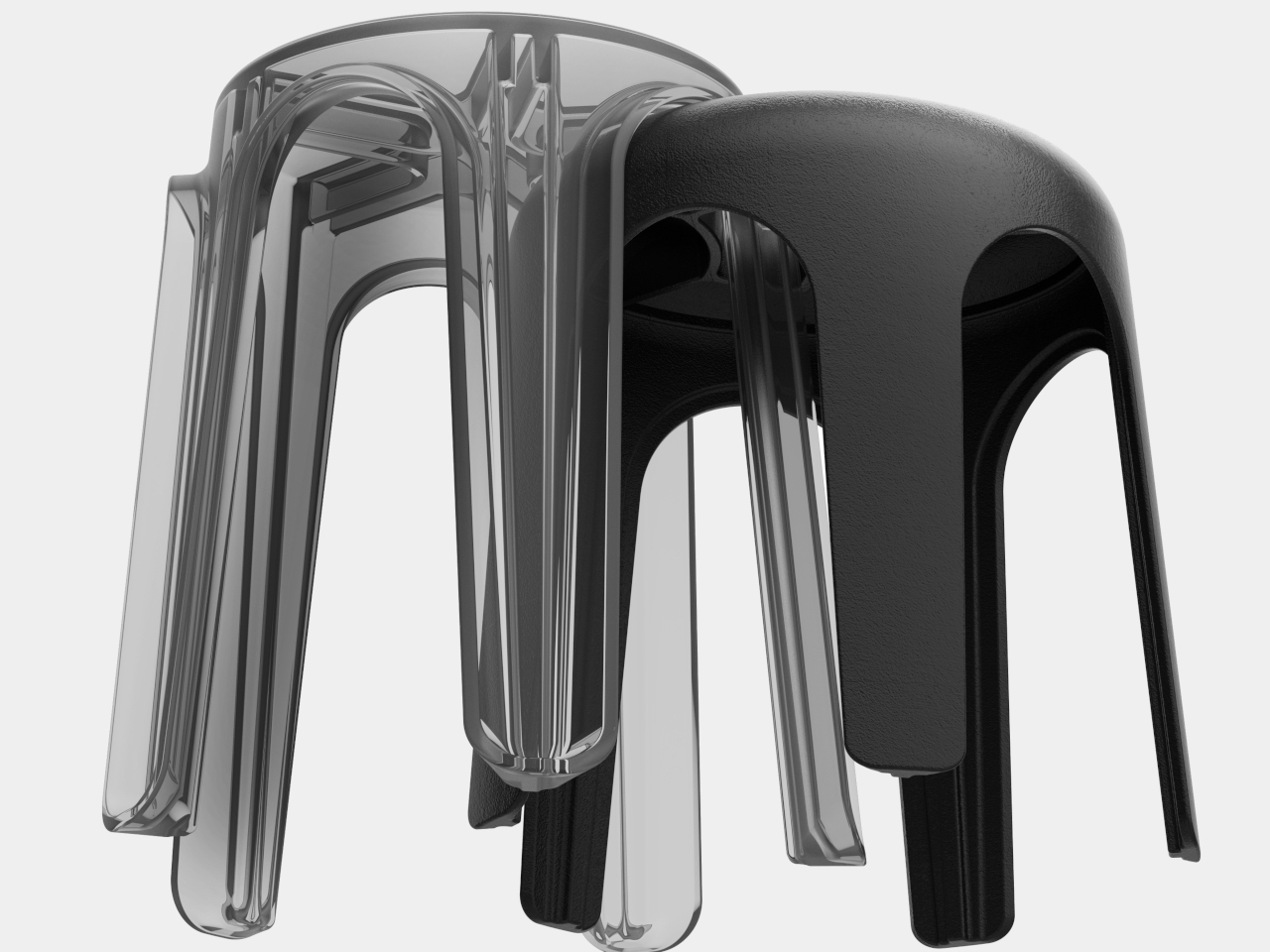
StOol is a concept for stools that are meant for short-term use. The seat has a fan-shaped design with a stem-like backrest. It is meant for areas with minimal space and They are easily stackable so it’s easy to put them away and get them out for places that also have small storage spaces. They are made from polypropylene plastic so you can use them indoor and outdoor as well.

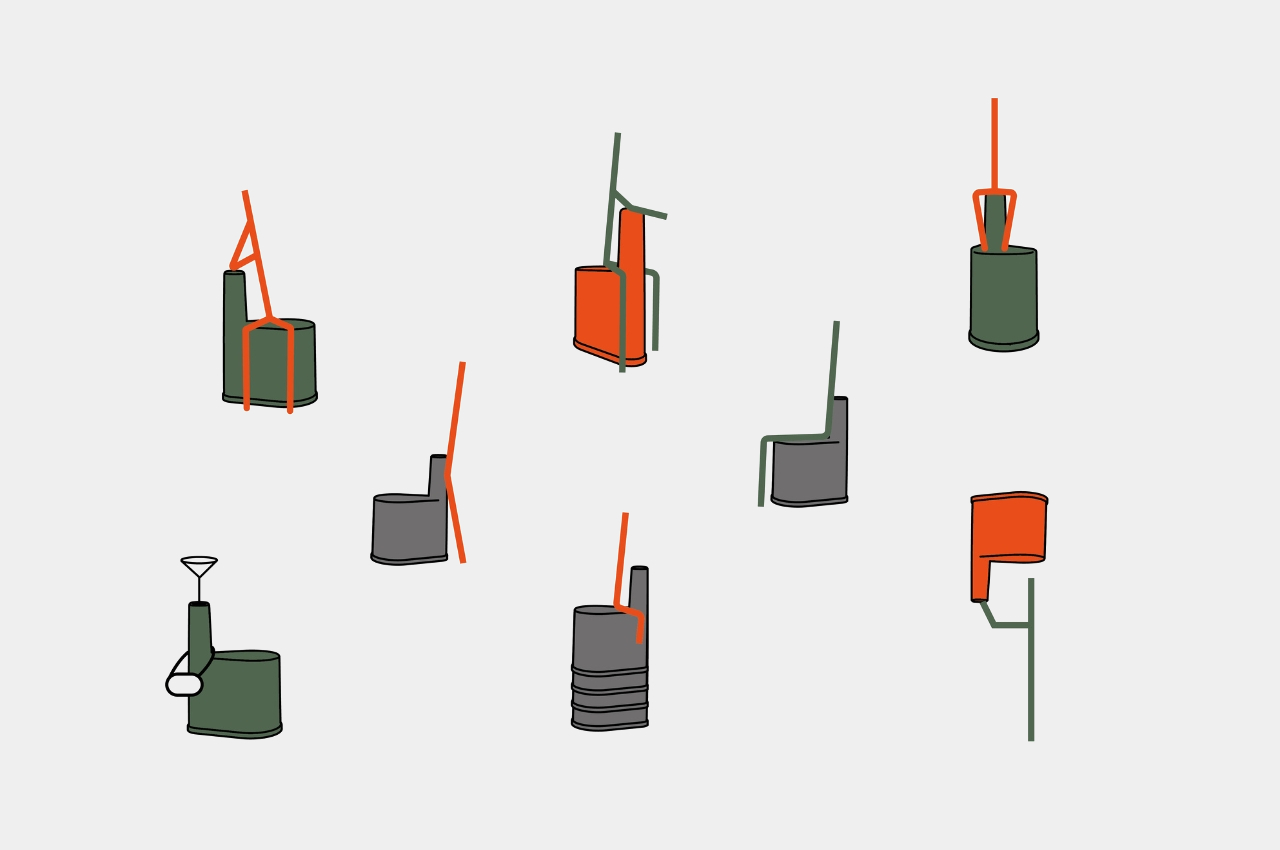
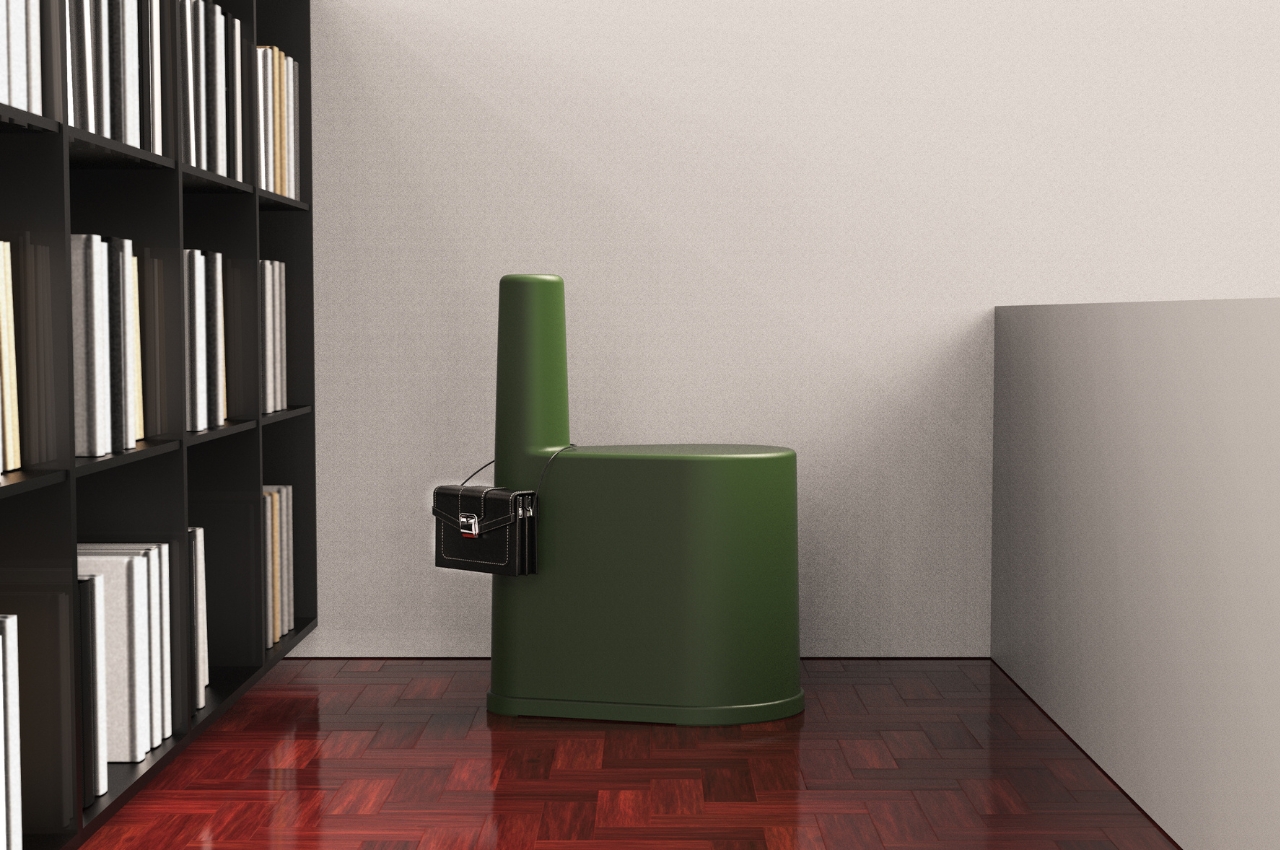
With the way it’s designed, you can also use the stool for other purposes. Those standing can use it as backrest or armrest. The surface of the stool can also be used to place items if you need a sort of side table. It can also be used as support for hanging objects. There can also be many colors available so it can add a splash of color to your space.

It may not seem the most comfortable place to sit on, especially for people like me who may need a sturdier backrest. But for short-term use and for small spaces, it may be an ideal kind of furniture to have.

The post Stackable, plastic stool is colorful short-term multi-functional seat first appeared on Yanko Design.
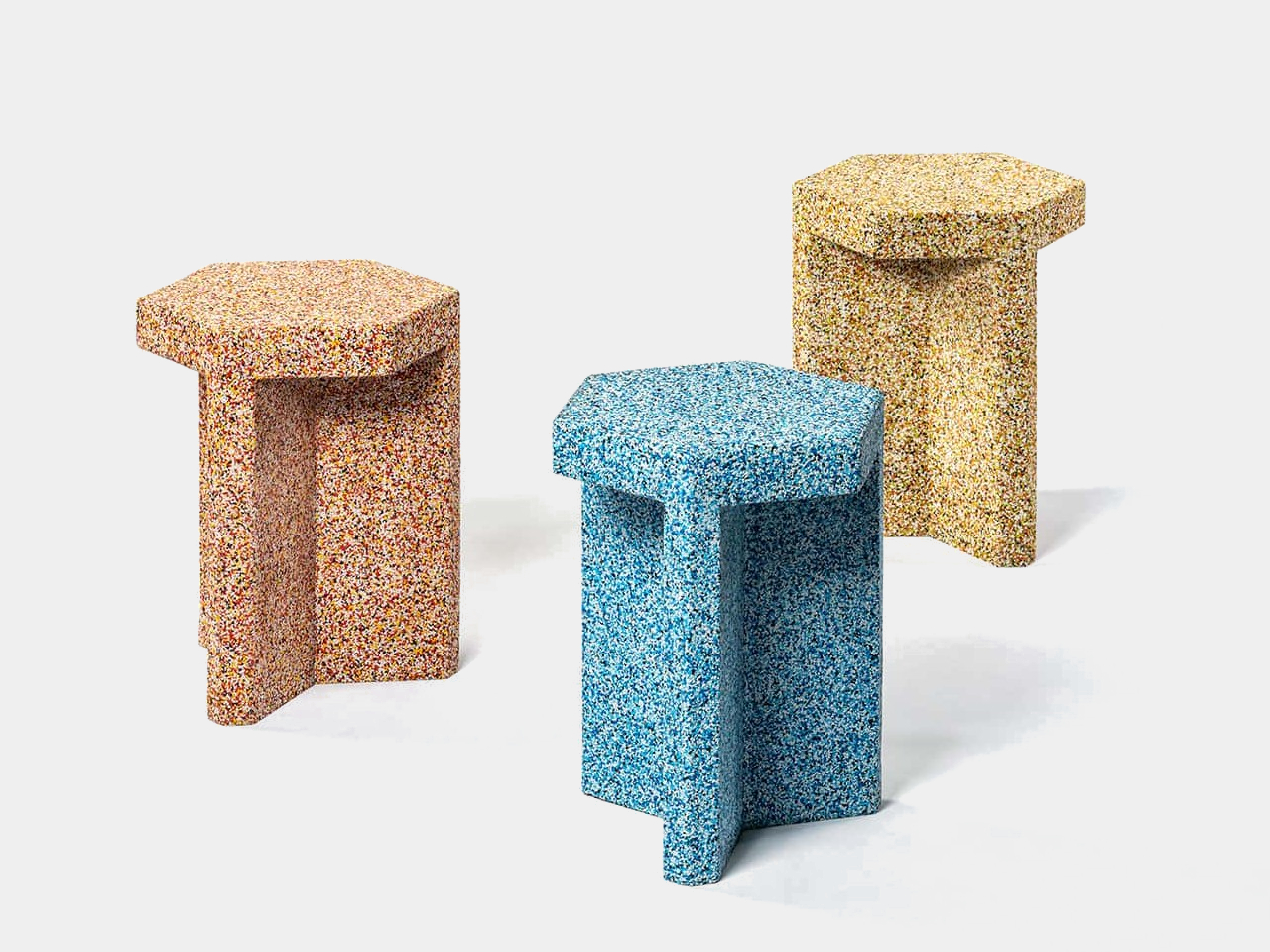
SOS Stool serves as side table, glass holder, and yes, a stool

When it comes to chairs, I prefer the ones that are functional and comfortable over the ones that are aesthetically pleasing. I would rather have something simple as long as I can sit on it properly rather than something that would look like an art piece in a museum but is uncomfortable to sit on. But if you could have both, then that would be a great piece of furniture to own and display.

Designer: Josh Owen

The SOS Stool is a pretty simple piece of furniture that actually has multiple functions in its tiny body. It is, of course, a stool on which one person can sit on. But it can also be a side table to hold your drinks, books, or other small items you need to place on its surface whether it’s beside your couch or bed or workspace. It’s perfect for small spaces as it can serve several functions.

There are also two S hooks built in to the side of the stool so it can hold your glass or water bottle so you can reach for it easily when you’re sitting on the stool or using it as a side table. It’s a convenient mini storage solution especially if you can’t afford to have another piece of furniture which can hold your glass. It is also eco-friendly since it is made from Linear Low-Density Polyethylene that has 25% post-consumer recycled material.

The SOS Stool is available in five different colors: Olive, Red, Bone, Black, and Tomato. Its minimalist but stylish aesthetic has become part of several institutions like the Design Museum Brussels, the Philadelphia Museum of Art, and the Rhode Island School of Design Museum of Art. I’m still not convinced that I’ll be comfortable sitting on it but the side table and glass holder functions can be useful to me.

The post SOS Stool serves as side table, glass holder, and yes, a stool first appeared on Yanko Design.
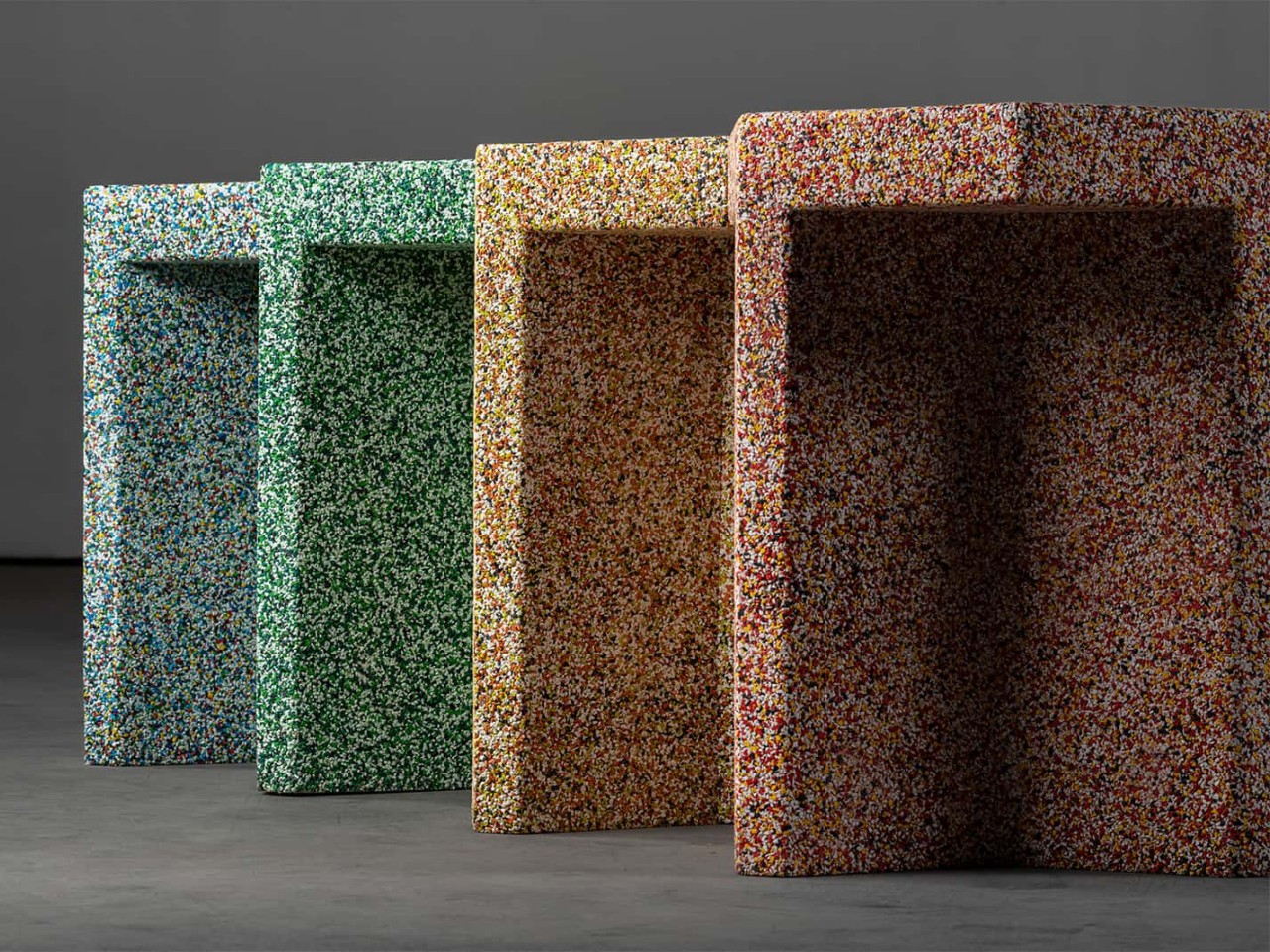
Beautiful walking cane transforms into a compact wooden stool in a snap

No one can escape the passage of time or how the body grows old and frail. We can really only delay the inevitable with a healthy lifestyle, but there will always come a time when we’ll need someone or something to lean on while walking or need to sit down more regularly even if there’s not a chair in sight. Walking aids and stools are common sights in everyday life, and products that combine these two are also no longer alien to our eyes. Unfortunately, most of them, while functional, are also unattractive and sometimes even difficult to use. They’re often a cause of embarrassment for users who’d rather leave these at home and endure discomfort rather than be seen using them. Fortunately, all hope is not lost and this rather unique “sitting cane” shows how a well-designed tool can be functional, beautiful, and uplifting all at the same time.

Designer: Anker Bak

Made from a single piece of solid ash wood split in the middle and held together with six brass bolts, the SNILD, the Danish word for handy or dextrous, shatters expectations of what a walking aid should look like. Rather than a traditional stick or a rod that ends with legs at the bottom, it looks more like a tapered paper clip viewed from the front. The curved top and bottom edges along with the sloping sides give the tool a more elegant and stylish appearance, while also providing bigger surface areas for holding or standing on the floor. The loop at the top also lets you hoist the sitting cane over your shoulder if you need to make use of both hands.

Unlike walking aids that also function as stools, transforming the SNILD is as easy as pulling the top halves apart. This reveals a leather seat that is both durable and comfortable, and it uses simple physics to hold the person up. The rubber feet of the legs provide the necessary grip to prevent the stool or the cane from sliding.

More than its functionality, it’s the design and aesthetic that puts the SNILD above the rest. It has a dignified appearance that goes beyond a simple walking aid or seat, and that sense of dignity is transferred to the user who no longer feels the shame of carrying one. It is a part of the designer’s vision of Everyday Assistive Furniture (EAF) design furniture that’s not only a tool but can even be a source of pride and an heirloom for future generations.

The post Beautiful walking cane transforms into a compact wooden stool in a snap first appeared on Yanko Design.
Recyclable stool made from potato scraps and sawdust can be used for firewood

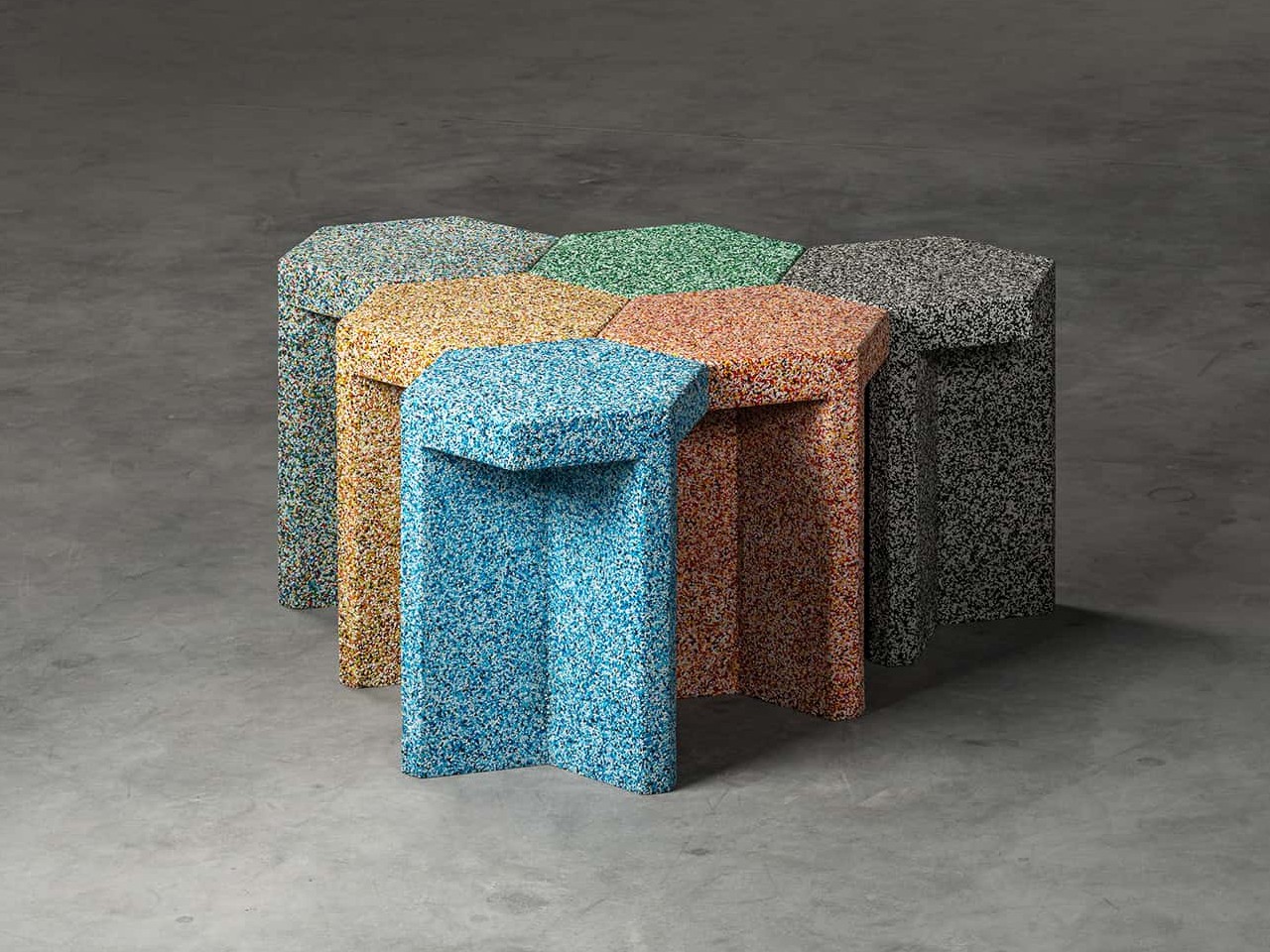
There are plenty of designs that advertise being sustainable, but many of them stop halfway through the product’s life cycle. They are usually made from sustainable or renewable materials, and some, but not all, are made with a reduced carbon footprint. That said, not many cover what happens after the product has served its purpose, which often means adding to the already enormous amount of waste we produce annually. Fortunately, there are some designs that do take that into account, creating a circular economy where the product or its materials can be used for other purposes. One example is this cork-like stool that, true to its wooden nature, can actually be used like firewood to heat up a space or, better yet, fuel workshops that will produce the materials to be used to create another stool.

Designer: Renaud Defrancesco

Wood is a much-loved material by designers and producers. It has an innate beauty and texture that’s hard to reproduce artificially, it is biodegradable, and, to some extent, also renewable. It takes time for trees to grow, however, and not all parts of the wooded material actually end up getting used. Many get left on the cutting room floor, either as small chunks or, worse, sawdust. The latter is easy to take for granted until they pile up and become pollutants themselves, at least until they dissolve and disintegrate over a long period of time.

Briket is a stool that tries to solve that material waste problem by giving a new purpose to waste byproducts not just from woodworking but also from the food industry. In a nutshell, this nine-legged stool is made from sawdust scraps as well as potato scraps, both biodegradable and environment-friendly materials we throw out by the ton every day. Creating the parts of the stool itself isn’t exactly hard either, as it mostly involves compressing these minute pieces until they become a rigid and solid mass. This, in theory, can be done anywhere there’s an abundance of wood waste, which practically means sawmills, carpentry shops, workshops, and other places that work with large quantities of wood.

What makes the Briket stool more interesting, however, is how it can be used for some unrelated purpose when it has reached its end of life. Inspired by wooden pellets used for bonfires and fire pits, it can serve as fuel to heat up a place or keep the fire of a workshop going, letting it serve people one last time before finally biting the dust, pun intended. In fact, the legs of the stool can be individually removed and replaced, making the piece of furniture almost immortal as long as there are replacement parts available.

In terms of aesthetics, Briket has a unique raw appearance and texture that is more similar to cork than wood, something that might not sit well with everyone’s tastes. Because of that, some people might even have doubts about its stability and reliability as furniture you will sit on. Fortunately, that doesn’t seem to be the case, and Briket stands as a shining example of a truly sustainable design from start to finish.
The post Recyclable stool made from potato scraps and sawdust can be used for firewood first appeared on Yanko Design.