Furniture Made From Wood Scraps You’d Actually Pay For

Every furniture workshop generates a particular kind of guilt. There are the offcuts, the trimmings, the odd-shaped remainders of boards that got cut to size and are now too small for anything useful, or so we assume. Most of them end up as kindling, compost, or landfill. We’ve accepted that as the cost of making things, a small fine paid for the privilege of precision. Studio Booboon is not interested in paying that fine.

The Copenhagen-based studio, founded by Richard Bone and Jisu Yun, two designers who both trained under Japanese studio Nendo, released their latest collection, Fragments Becoming, and it’s exactly the kind of work that makes you wonder why no one thought to do it this way sooner. The collection is built entirely from timber offcuts, and before you picture something rustic or deliberately imperfect, let me be clear: these pieces are stunning. A cabinet, a dining table, and a lounge chair, each constructed from assembled fragments of discarded wood arranged with such precision and intention that the effect is closer to fine art than furniture-as-apology for sustainability.

Designer: Studio Booboon

The concept the studio uses is something they call “3D marquetry,” which sounds technical but is actually a fairly elegant idea once you sit with it. Traditional marquetry, the kind you’d see on antique furniture or decorative boxes, applies a pattern to a surface. It’s essentially decoration laid on top of structure. What Studio Booboon does instead is treat each fragment of wood as the structure itself. The pattern isn’t on the cabinet door; the door is the pattern. It runs through the object’s entire volume, which means the visual logic and the physical construction are the same thing. That’s not a subtle distinction. That’s a fundamentally different philosophy.
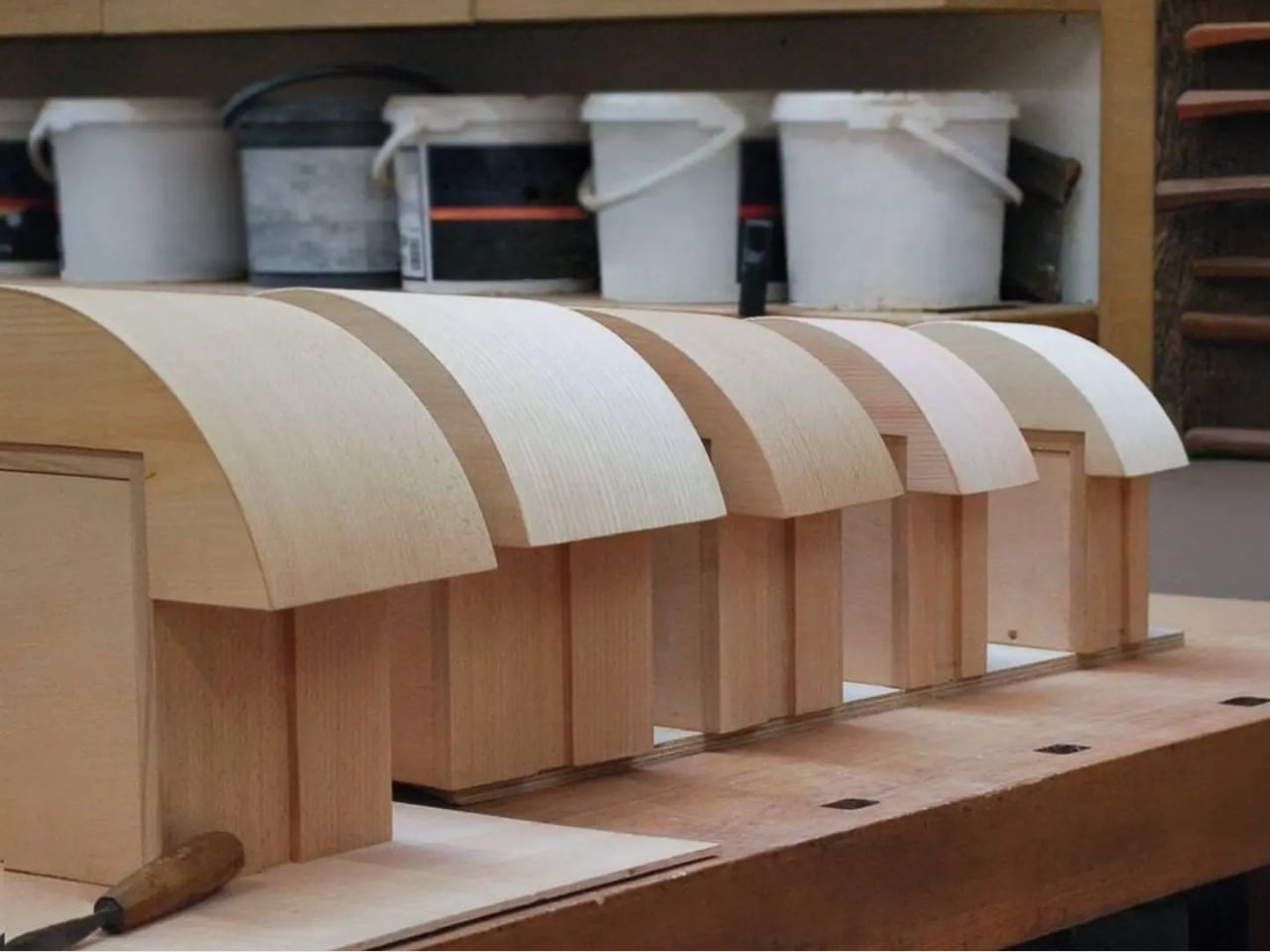
What I appreciate about this approach is that it removes the option to hide mistakes. The studio works with unstained wood, which means every fragment has to earn its place on its own terms, no pigment masking a poor match, no stain blurring the edges. Each piece has to work compositionally before it works functionally. That kind of constraint tends to produce either chaos or brilliance, and in this case, it’s clearly the latter.

Bone and Yun bring a cross-cultural sensibility to the work that shows up in the details. Their debut collection, Playful Reappropriation, released at Milan Design Week 2024, pulled from Korean craft traditions, and Fragments Becoming continues that thread. The materials include hanji (traditional Korean paper), canvas, silk, and Ottchil, a Korean lacquer technique that adds depth without dominating the natural tones of the wood. The combination of a British RCA education, Korean craft heritage, and a shared apprenticeship at Nendo, one of the most conceptually rigorous studios in contemporary design, explains a lot about why this work feels so considered without ever feeling cold.

The collection premiered at Milan Design Week 2026 and later showed at Other Circle 2026 during 3daysofdesign in Copenhagen. That double-billing matters. Milan tends to reward spectacle, while the Copenhagen circuit rewards ideas. The fact that Fragments Becoming landed well in both contexts suggests it’s doing something more than just looking good in photographs, which, for the record, it absolutely does.

Sustainability in design has become such an overused talking point that the word barely registers anymore. Every brand gestures toward it. But there’s a difference between sustainability as a value and sustainability as a method, and Studio Booboon’s work lives in the second category. They’re not telling you the collection is responsible and letting the aesthetics carry a different message. The responsible practice is the aesthetic. The offcut isn’t hidden. It’s the whole point.


That feels rare enough to be worth paying attention to. Design tends to celebrate the new, the seamless, the perfect. Fragments Becoming makes a quiet argument that the incomplete, the leftover, and the discarded might be where the most interesting work is still waiting to happen.

The post Furniture Made From Wood Scraps You’d Actually Pay For first appeared on Yanko Design.


Aquifer Thermal Energy Storage (ATES) Cooling Beats Traditional AC Efficiency by 10 Times

Aquifer Thermal Energy Storage (ATES) Cooling Beats Traditional AC Efficiency by 10 Times Diagram showing how underground aquifers store seasonal heat and cold.

Aquifer Thermal Energy Storage (ATES) is a new approach to energy management that uses natural underground aquifers to store thermal energy for seasonal heating and cooling. As explained by Undecided with Matt Ferrell, this system captures excess heat during summer and stores it underground, retrieving it in winter to warm buildings. While ATES has been […]

The post Aquifer Thermal Energy Storage (ATES) Cooling Beats Traditional AC Efficiency by 10 Times appeared first on Geeky Gadgets.

Posted in Uncategorized

First Look at What the Rumored Apple Glasses May Look Like

First Look at What the Rumored Apple Glasses May Look Like Apple Glasses

Apple is preparing to redefine wearable technology with the anticipated launch of its smart glasses in 2027. These glasses are not just another augmented reality (AR) device; instead, they focus on practicality, health, and seamless integration with the iPhone ecosystem. Designed to be lightweight and intelligent, Apple Glasses aim to provide a user-friendly experience while […]

The post First Look at What the Rumored Apple Glasses May Look Like appeared first on Geeky Gadgets.

Posted in Uncategorized

Steam AI Disclosures Now Account for 33% of New Releases

Steam AI Disclosures Now Account for 33% of New Releases A line chart showing the increase of AI disclosures on Steam since 2024.

Artificial Intelligence is playing an increasingly prominent role in game development on Steam, with roughly 33% of new titles now disclosing AI-generated content in areas like visuals, dialogue and gameplay mechanics. This shift follows Steam’s 2024 policy requiring transparency around AI use in player-facing elements, as highlighted by Bellular News. While this policy has brought […]

The post Steam AI Disclosures Now Account for 33% of New Releases appeared first on Geeky Gadgets.

Posted in Uncategorized

Lian Li Uni Fan Flex Series Uses Interlocking to Cut Cables

Lian Li Uni Fan Flex Series Uses Interlocking to Cut Cables Three Lian Li Uni Fan Flex cooling fans interlocked together.

Lian Li’s Uni Fan Flex series introduces a thoughtful approach to PC cooling, combining performance and aesthetics in a way that caters to diverse user needs. As highlighted by PC Centric, the series includes two distinct fan models: the TL fans, optimized for high-performance systems with exceptional airflow and the SL fans, which emphasize visual […]

The post Lian Li Uni Fan Flex Series Uses Interlocking to Cut Cables appeared first on Geeky Gadgets.

Posted in Uncategorized

Report: iPhone Ultra Fold Leak May Confirm Official Colors

Report: iPhone Ultra Fold Leak May Confirm Official Colors iPhone Ultra Fold

Apple is reportedly preparing to unveil its first foldable iPhone, rumored to be named the iPhone Ultra. This highly anticipated device is expected to make a significant impact on the premium smartphone market with its innovative foldable design, advanced engineering, and unique position within Apple’s product lineup. Recent leaks have heightened excitement, revealing that the […]

The post Report: iPhone Ultra Fold Leak May Confirm Official Colors appeared first on Geeky Gadgets.

Posted in Uncategorized

Asobi Remote Play Brings PlayStation 5 Streaming to Steam Deck

Asobi Remote Play Brings PlayStation 5 Streaming to Steam Deck A Steam Deck displaying a PlayStation 5 game being streamed.

The introduction of Asobi Remote Play to Steam introduces a new way to stream PlayStation 5 games on devices like the Steam Deck, offering a unique blend of accessibility and performance. Currently in its free playtest phase, the app unlocks premium features temporarily, allowing users to explore its capabilities without cost. GameTechPlanet highlights how the […]

The post Asobi Remote Play Brings PlayStation 5 Streaming to Steam Deck appeared first on Geeky Gadgets.

Posted in Uncategorized

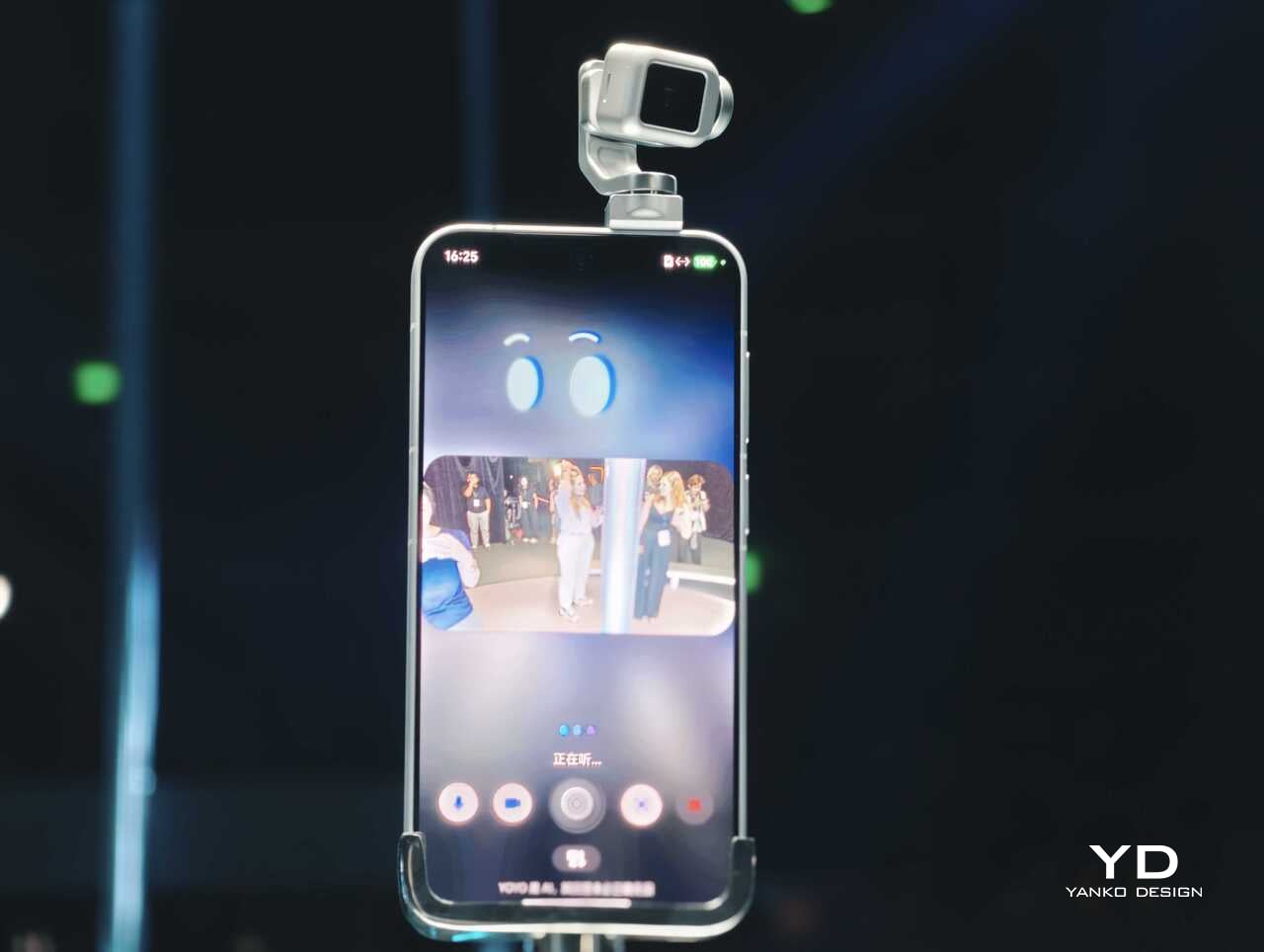
Honor Robot Phone Hands-on: Bold Phone With A Moving Camera Few Can Buy

After many teasers and demos, the Honor Robot Phone has finally and officially launched in China. It is also staying exclusive to the Chinese market for now, with Honor not planning an international release at this stage. That alone will make it a frustratingly out-of-reach device for many, because this is one of the rare smartphones that feels genuinely different at first glance.

Part of the reason the launch has drawn so much interest is that Honor first revealed the Robot Phone at MWC earlier this year, where it quickly became one of the event’s biggest conversation pieces. Even in a show packed with concept hardware and camera claims, this was the device that made people stop, stare, and ask how it actually worked. Now that it has moved from trade show reveal to commercial launch, the Robot Phone still feels just as unusual.

Designer: HONOR

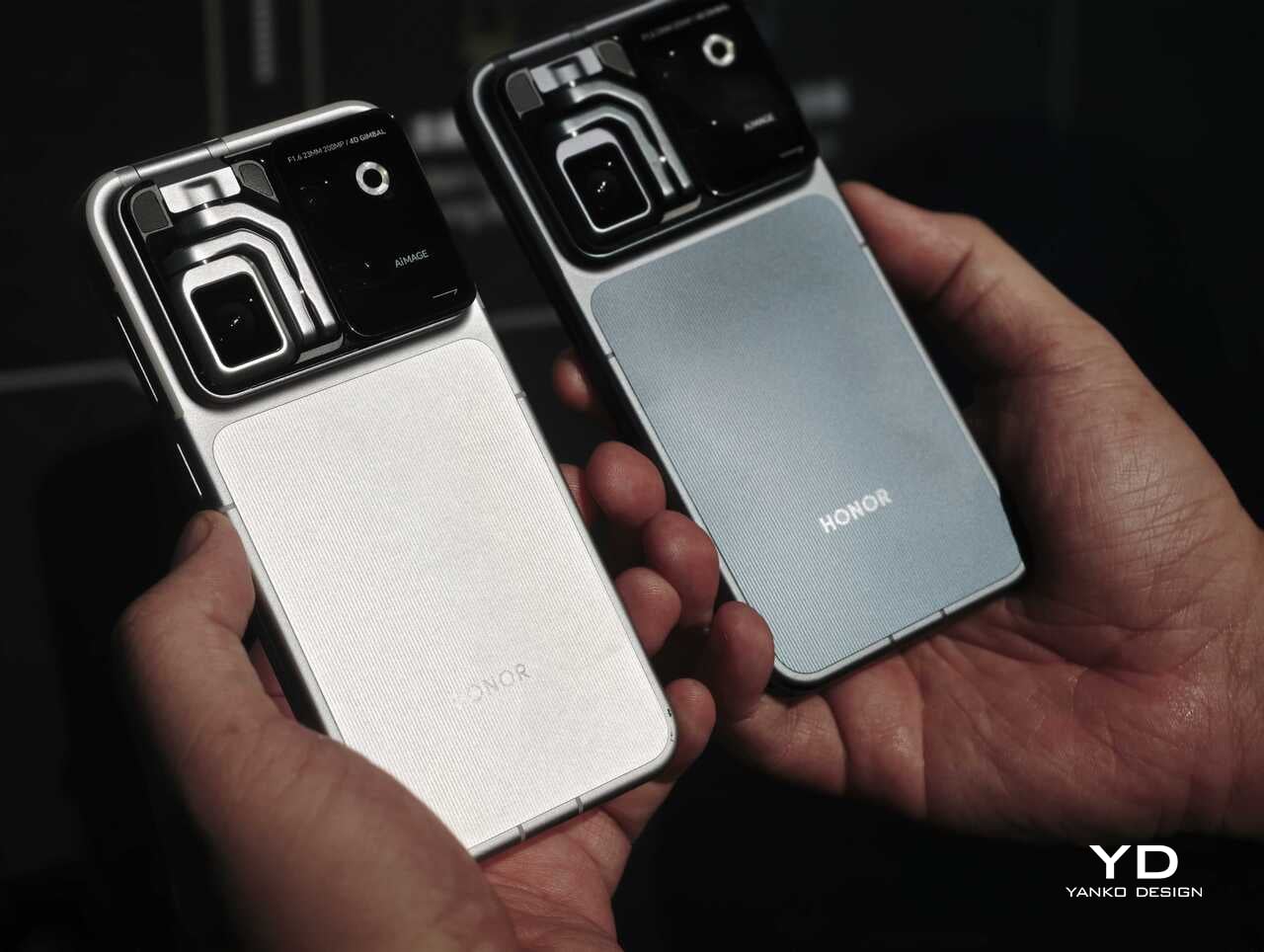
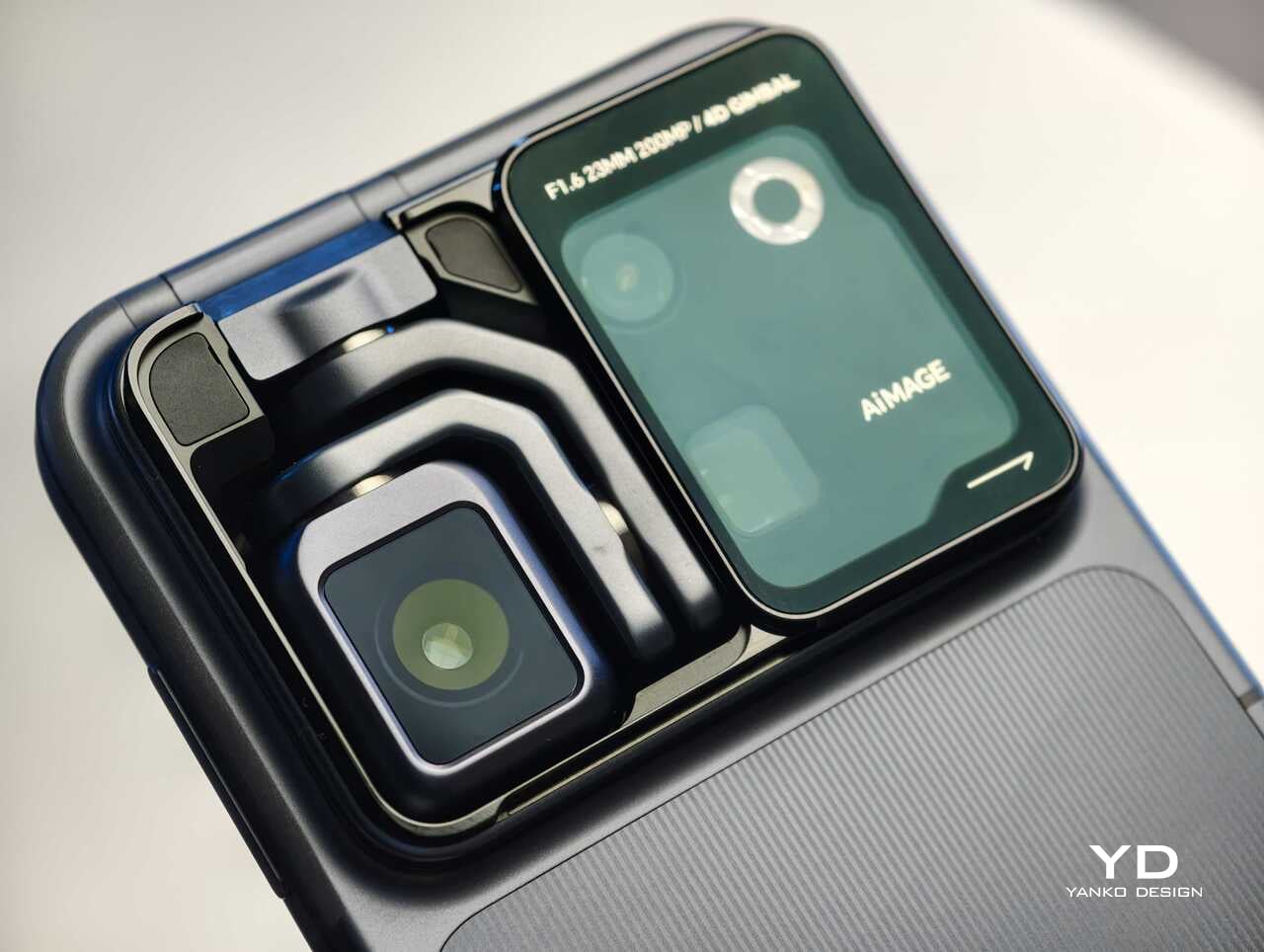
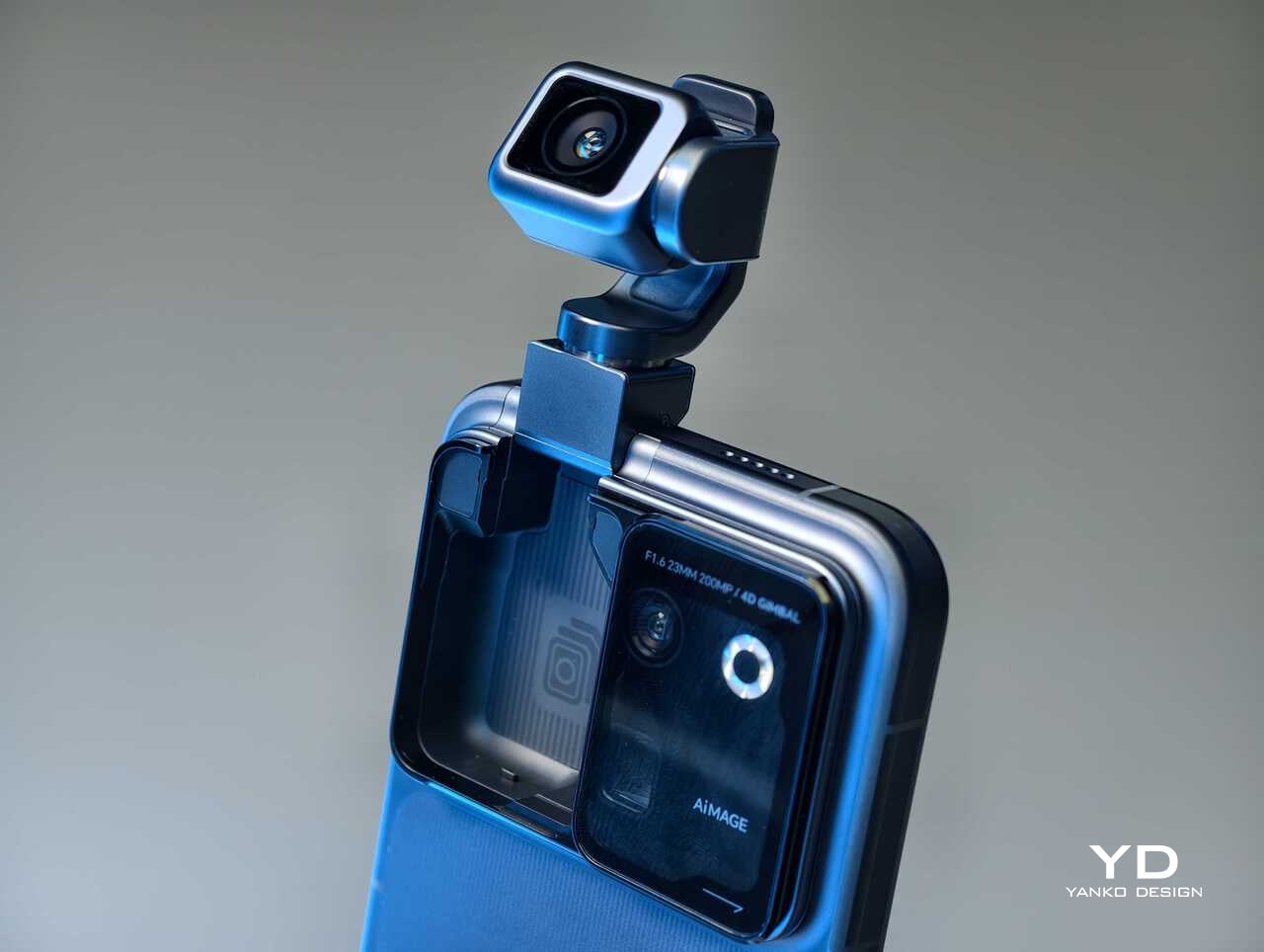
Rather than chasing attention with another familiar camera bump or an incremental spec upgrade, Honor has built a robotic gimbal directly into the phone itself. The result is a camera system that can physically move, track, tilt, and stabilize in ways a conventional flagship simply cannot. After spending time with the device, it is clear the Robot Phone is not just trying to be another premium handset with a long feature list. It is trying to pitch a new idea for what a creator-focused smartphone can be.

The big story is movement, not just megapixels

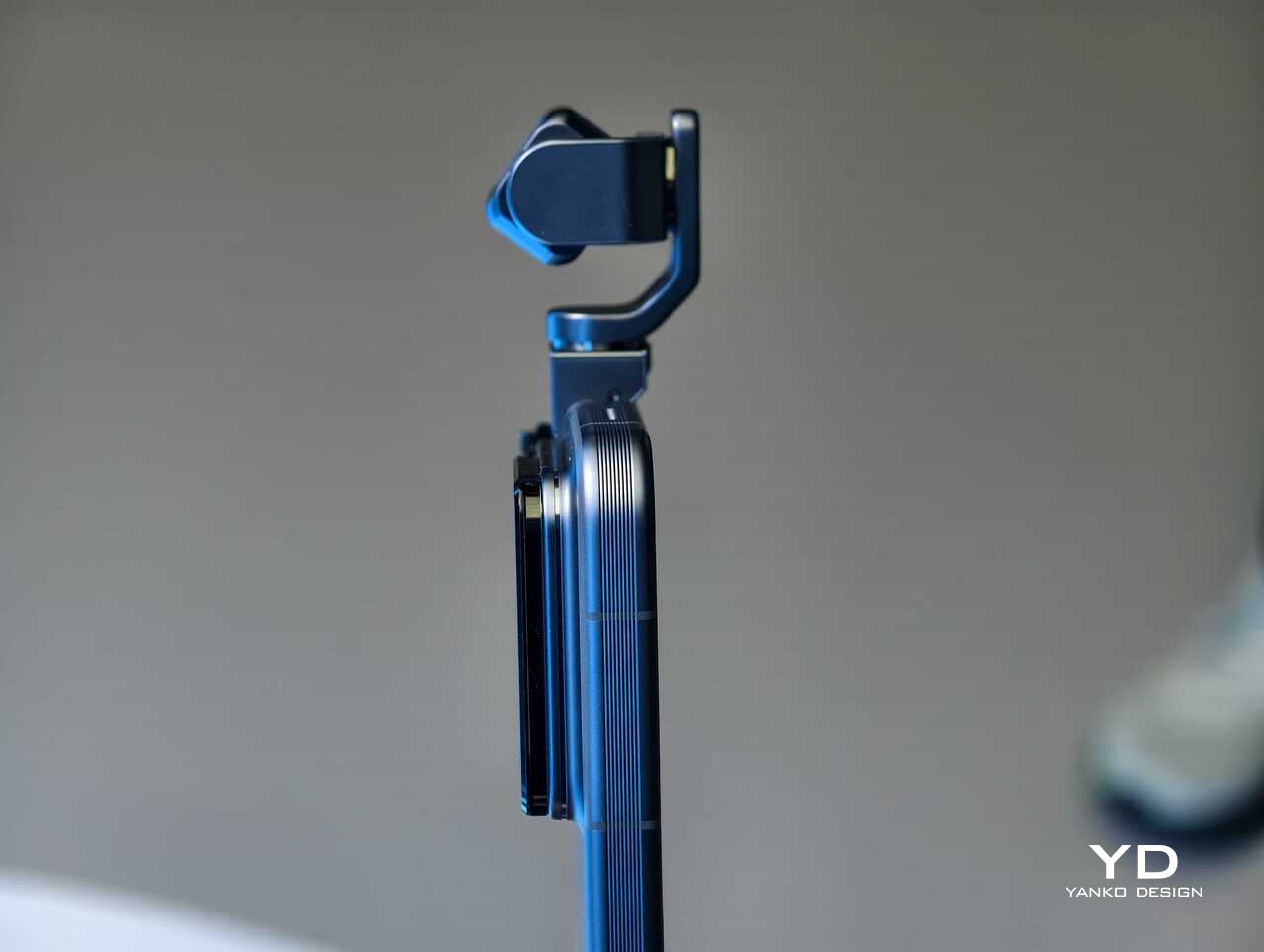
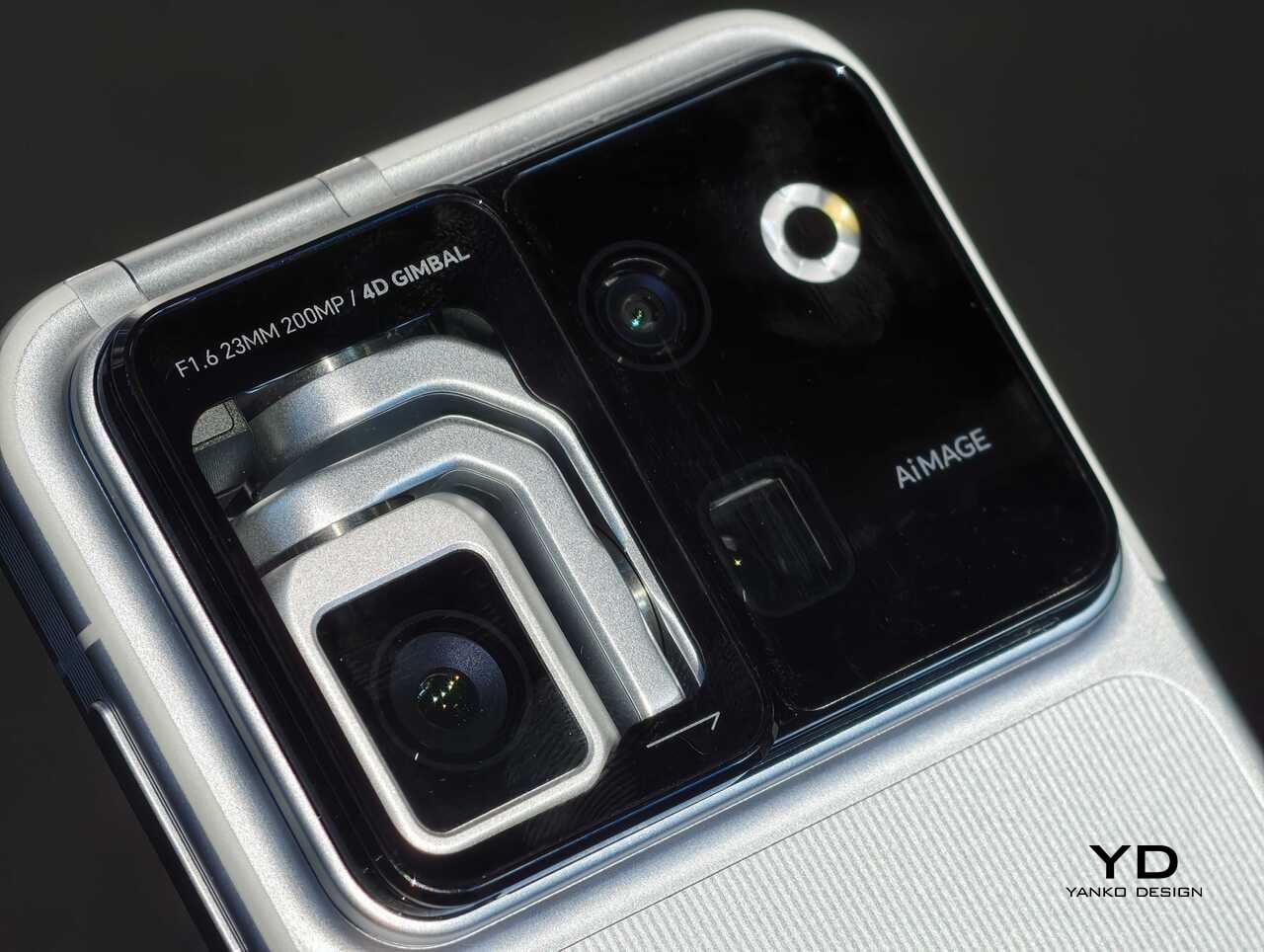
The core pitch behind the Honor Robot Phone is easy to understand once you see it in person. Honor has integrated what it calls a 4DoF Titanium Agile Gimbal into the phone, effectively turning the camera into an active moving system rather than a static sensor setup. The company says the module is 65 percent smaller than traditional gimbal solutions while also offering a 200 percent increase in structural strength, allowing it to fit inside a premium smartphone body without turning the device into a bulky experiment.

That change in hardware philosophy is what makes the Robot Phone immediately stand out. In practice, the moving camera module is meant to deliver smoother stabilization and more dynamic motion than a normal smartphone can manage on its own. Honor is also building in multiple movement modes, including Tilt Lock, First Person View, FPV Vertical, and AI SpinShot, all of which are designed to make mobile footage look more deliberate and more cinematic.

Honor is aiming this squarely at creators

The second half of the launch story is imaging. Honor says the Robot Phone is the first major product from its Cinematic Imaging Partnership with ARRI, bringing selected elements of ARRI Image Science and professional cinema workflow ideas into a smartphone. That includes ARRI LogC3 recording in ARRI CINEMA mode on the main gimbal camera, alongside ARRI Wide Gamut 3 and ARRI Looks.

On paper, the camera hardware is also extremely ambitious. The rear setup pairs a 200MP Agile Gimbal Main Camera with a 1/1.28-inch sensor and F1.6 aperture with a 200MP periscope telephoto camera using a 1/1.4-inch sensor and 2.7x optical zoom. A 50MP ultra-wide camera completes the setup. Honor is also claiming AI noise reduction improvements, up to 14 stops of dynamic range, and a video pipeline designed to preserve more usable information for post-production.

That is a lot of technical language, but the broader message is straightforward. Honor does not want the Robot Phone to be seen as a novelty. It wants this to be taken seriously as a compact filmmaking and creator tool.

Hands-on: The Honor Robot Phone feels different right away

The most striking thing about the Robot Phone in person is that its main feature is visible. So many smartphone launches revolve around internal improvements that are difficult to appreciate without extensive testing. Here, the big idea is immediately obvious. The camera module moves. It tracks. It gives the phone a sense of physical intention that most handsets simply do not have.

That makes the Robot Phone more memorable than most new flagships before you even get into image quality. Instead of relying entirely on software stabilization and fixed hardware, Honor is trying to introduce actual camera movement into the smartphone experience. In a short hands-on session, that makes the device feel less like a standard phone with a flashy camera and more like a compact production tool that happens to fit in your pocket.

The tracking and movement features are also easier to appreciate in person than they are on a spec sheet. AI Live-Tracking, gesture controls, and voice-directed movement all sound abstract on paper. Once you see the phone physically following a subject or repositioning itself, the concept becomes much easier to understand. Whether that turns into something essential in everyday use is a bigger question, but as a first impression, the idea lands more convincingly than I expected.

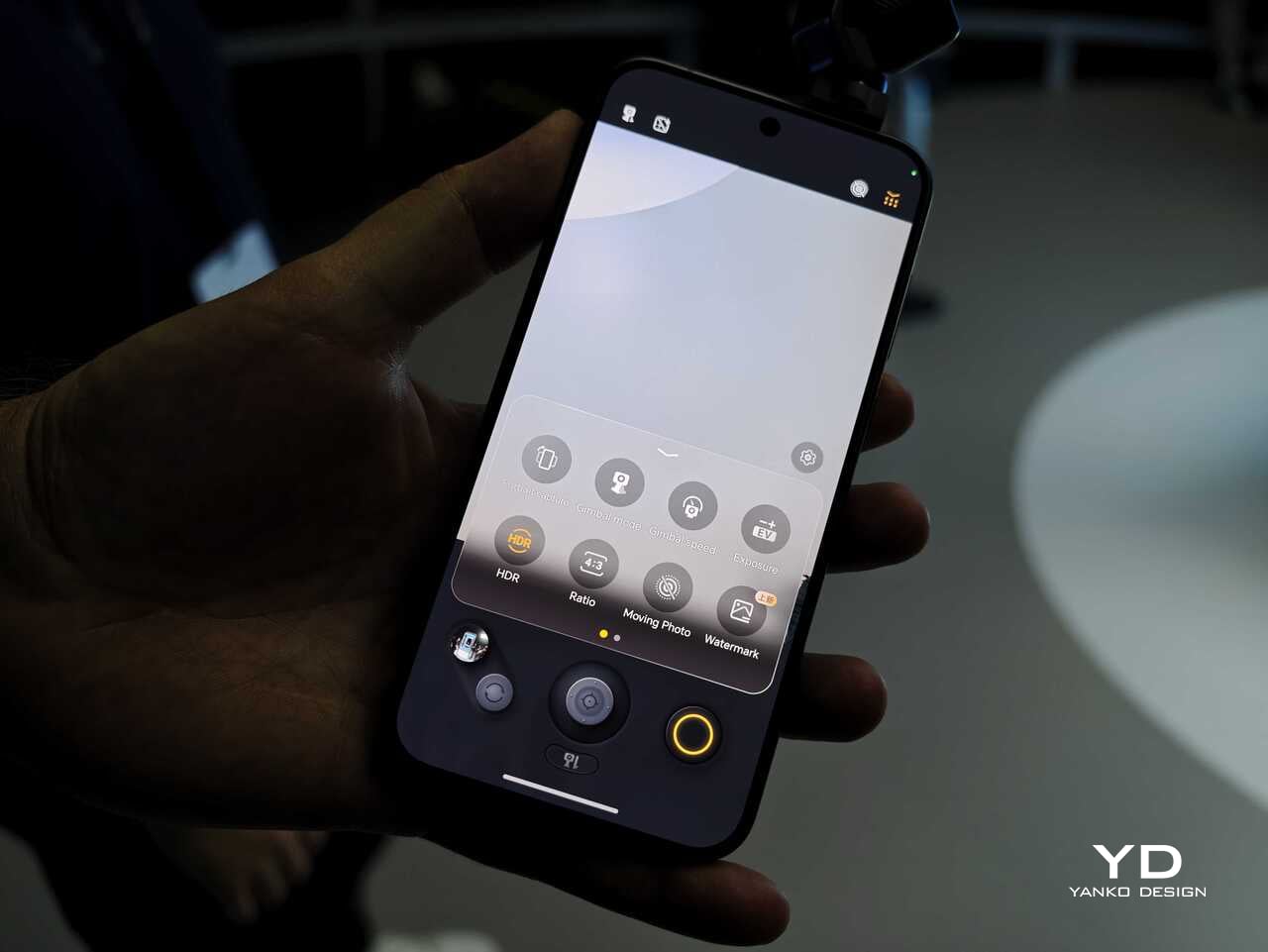
Using the on-screen virtual joystick, I was able to adjust the gimbal with surprising precision. The interface crams in a lot of features, so it does take some time to learn. Even so, the gimbal feels very responsive, which helps the controls feel more intuitive once you settle in.

There is still a full flagship wrapped around the concept

Outside the headline camera hardware, Honor is still treating the Robot Phone like a proper premium device. It is powered by the Snapdragon 8 Elite Gen 5, backed by a custom cooling system that is meant to keep performance stable during longer recording sessions. There is also a 7060mAh silicon-carbon battery, with support for 120W wired charging and 50W wireless charging.

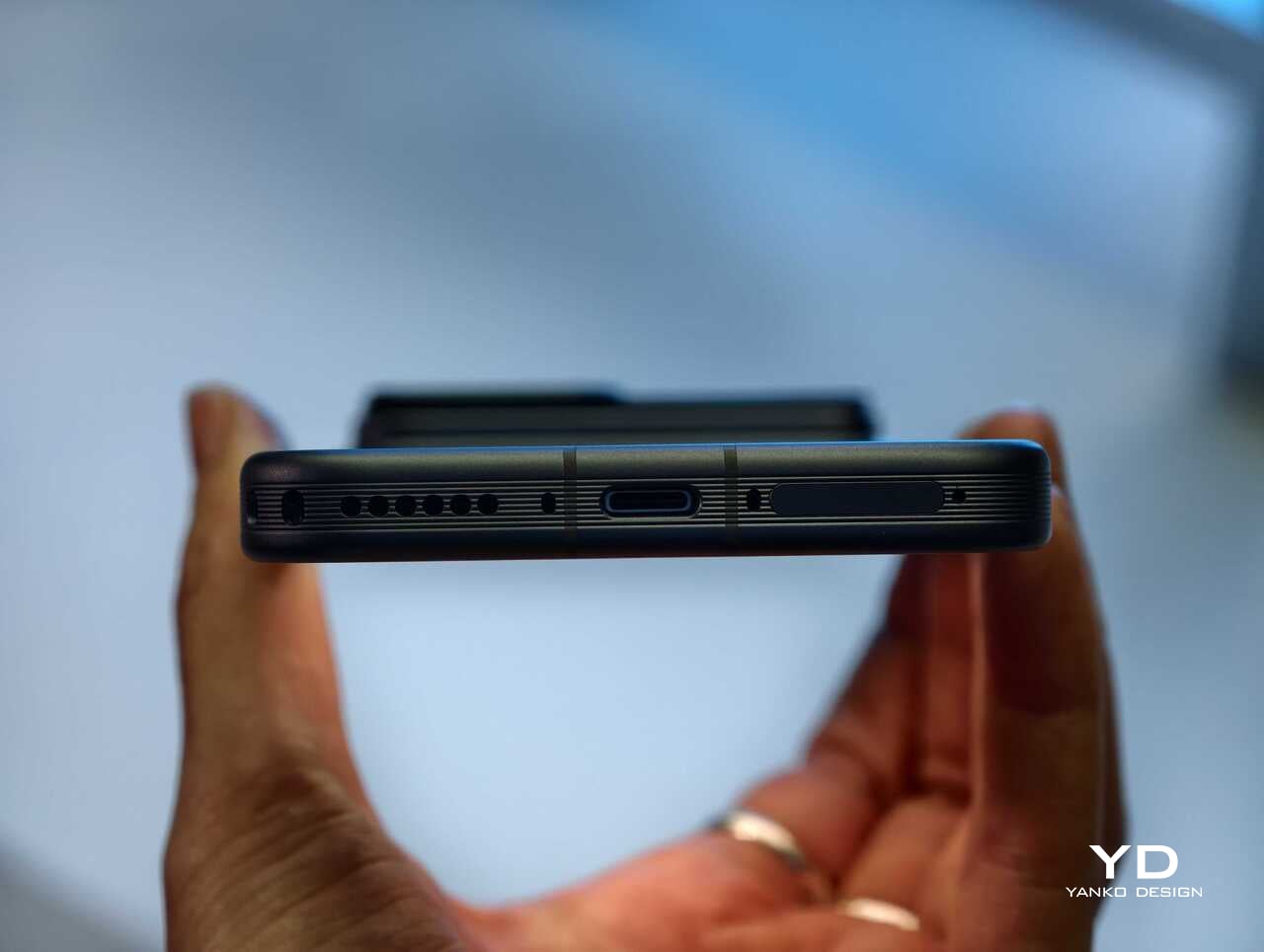
The rest of the hardware sounds suitably high-end too. Honor is using an all-metal unibody design paired with a 6.31-inch LTPO OLED display, an adaptive 1 to 120Hz refresh rate, and a claimed peak brightness of 6800 nits. On paper at least, this is not a concept phone built around one attention-grabbing trick. Honor is trying to package an experimental camera idea inside a full flagship experience.

China-only for now, and that is a shame

For now, the Honor Robot Phone is launching only in China, where it might be staying indefinitely. Honor is not planning to release the device outside China at this stage, which means this unusually creator-focused phone is set to remain a domestic-market curiosity rather than a broader global play.

That is disappointing, because the Robot Phone feels like exactly the kind of launch the smartphone market needs more of. It may not be for everyone, and there are obvious questions about durability, long-term usefulness, and whether creators will trust a built-in robotic camera system over dedicated gear. Even so, it is difficult to dismiss because the concept is so easy to understand once you see it in action.

Early thoughts

After a brief hands-on, my early take is that the Honor Robot Phone feels niche but genuinely fresh. The robotic gimbal is not just a visual gimmick for launch-day headlines. It changes the way the device presents itself, and potentially the way some people shoot with it. Whether that translates into a truly great camera phone will need more time to answer, but as a statement of intent, Honor has made one of the boldest smartphone moves of the year.

The bigger frustration is that, for now, it is a bold move that most of the world will only be able to watch from a distance. First teased at MWC earlier this year and now officially on sale in China, the Robot Phone is not about to become the next mainstream global flagship. Still, even as a limited-market release, it stands out as one of the most unusual and ambitious smartphones to arrive this year.

The post Honor Robot Phone Hands-on: Bold Phone With A Moving Camera Few Can Buy first appeared on Yanko Design.

Meta AI Releases Muse Glimmer 30B for 24GB VRAM Systems

Meta AI Releases Muse Glimmer 30B for 24GB VRAM Systems Side-by-side specification comparison of Muse Glimmer and Qwen 3.6.

Meta AI’s Muse Glimmer 30B is a 30-billion-parameter model designed for local AI deployment, with features tailored to tasks such as autonomous agent creation and multi-step planning. It supports a 128k token context window and 4-bit quantization, making it accessible for systems with as little as 24GB of VRAM. According to World of AI, the […]

The post Meta AI Releases Muse Glimmer 30B for 24GB VRAM Systems appeared first on Geeky Gadgets.

Posted in Uncategorized