iOS 27 Beta 5 Brings Major New Features

iOS 27 Beta 5 Brings Major New Features The iOS 27 beta 5 update installation screen on an iPhone.

Apple has officially rolled out iOS 27 Developer Beta 5, marking a pivotal step in the evolution of its next-generation operating system. This update is currently available to developers and is expected to be accessible to public beta testers within the next 24 to 48 hours. The release focuses on enhancing the user experience through […]

The post iOS 27 Beta 5 Brings Major New Features appeared first on Geeky Gadgets.

Posted in Uncategorized

DeepSeek V4 Flash Runs Test Suites 33X Cheaper Than Kimi K3

DeepSeek V4 Flash Runs Test Suites 33X Cheaper Than Kimi K3 Cost breakdown of DeepSeek V4 Flash versus other large language models.

DeepSeek V4 Flash has emerged as a standout option for users seeking a cost-effective AI model that balances affordability and functionality. With a competitive Artificial Intelligence Index score of 52 and a robust architecture featuring 300 billion parameters, it is well-suited for backend-focused tasks like database management and large-scale data processing. Better Stack highlights its […]

The post DeepSeek V4 Flash Runs Test Suites 33X Cheaper Than Kimi K3 appeared first on Geeky Gadgets.

Posted in Uncategorized

The World’s Slimmest Power Station (2.6″) Was Built for Your Fridge

Backup power is one of those things most people don’t think about until they absolutely have to. You lose electricity during a storm, open the fridge out of habit, and then spend the next few days doing an anxious mental calculus on whether the leftovers are still safe to eat. It’s a frustratingly universal experience, and for all the innovation happening in home tech right now, it’s remarkable how little of it was pointed directly at the refrigerator. Jackery apparently noticed that gap too.

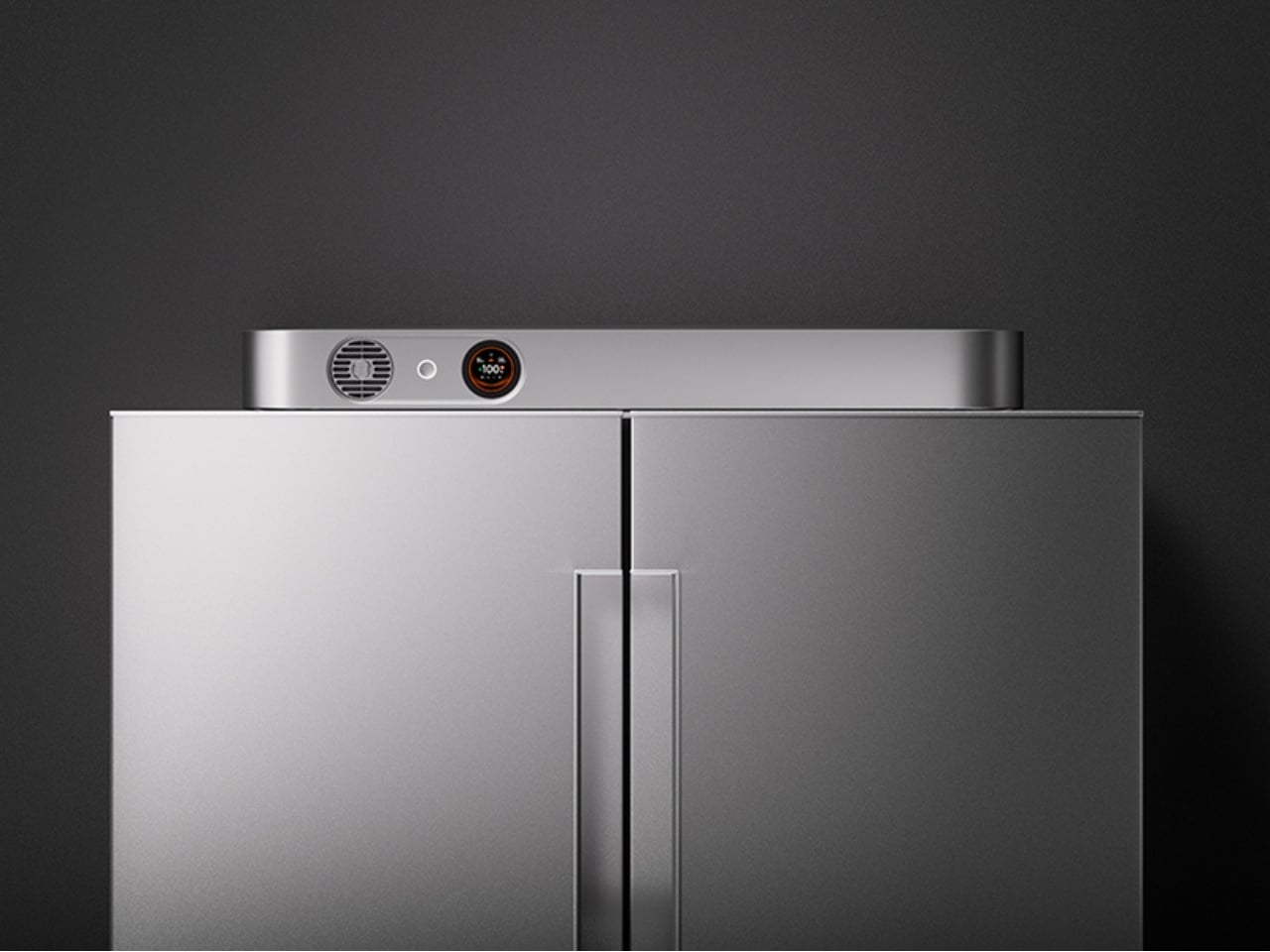
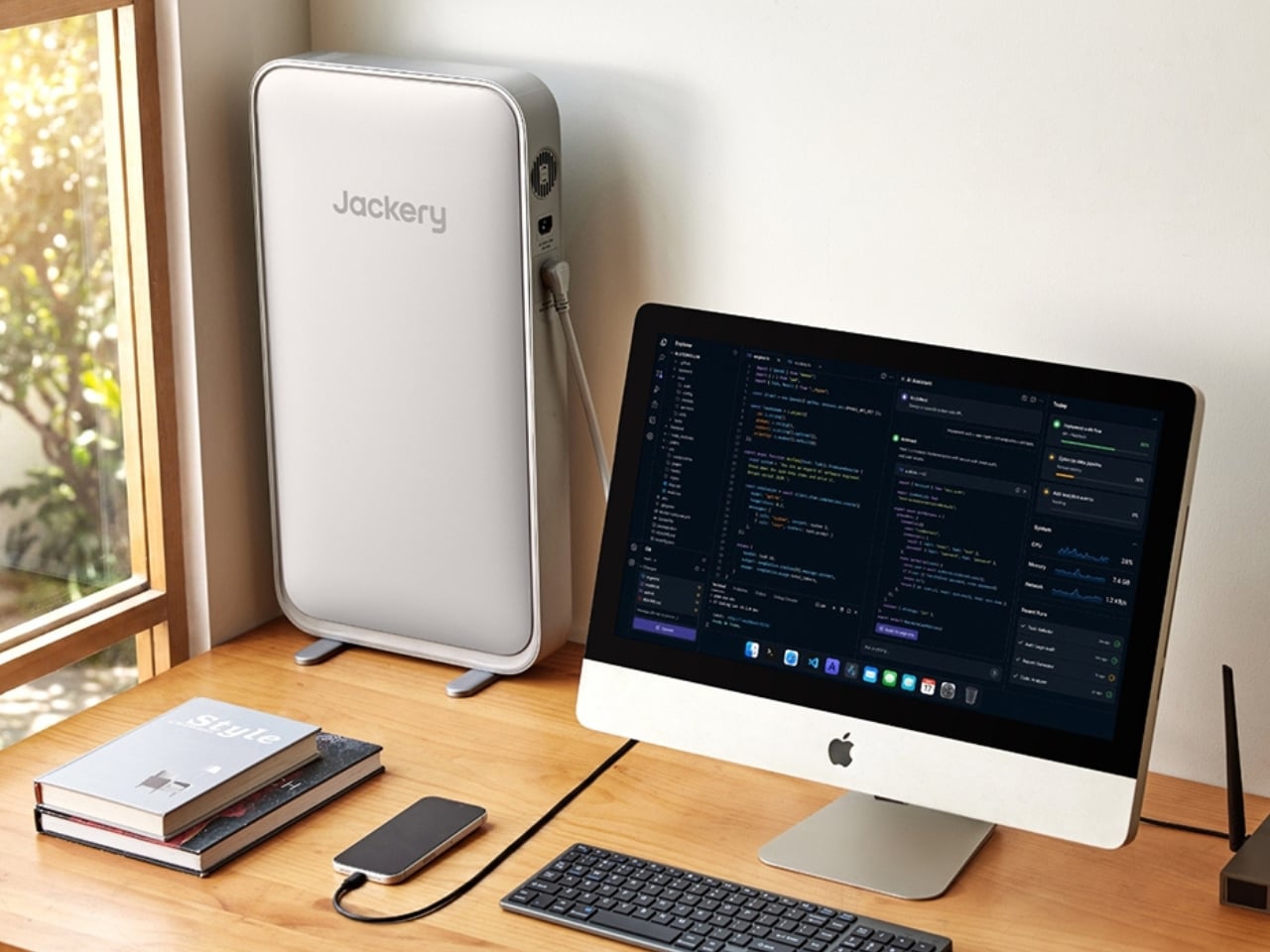
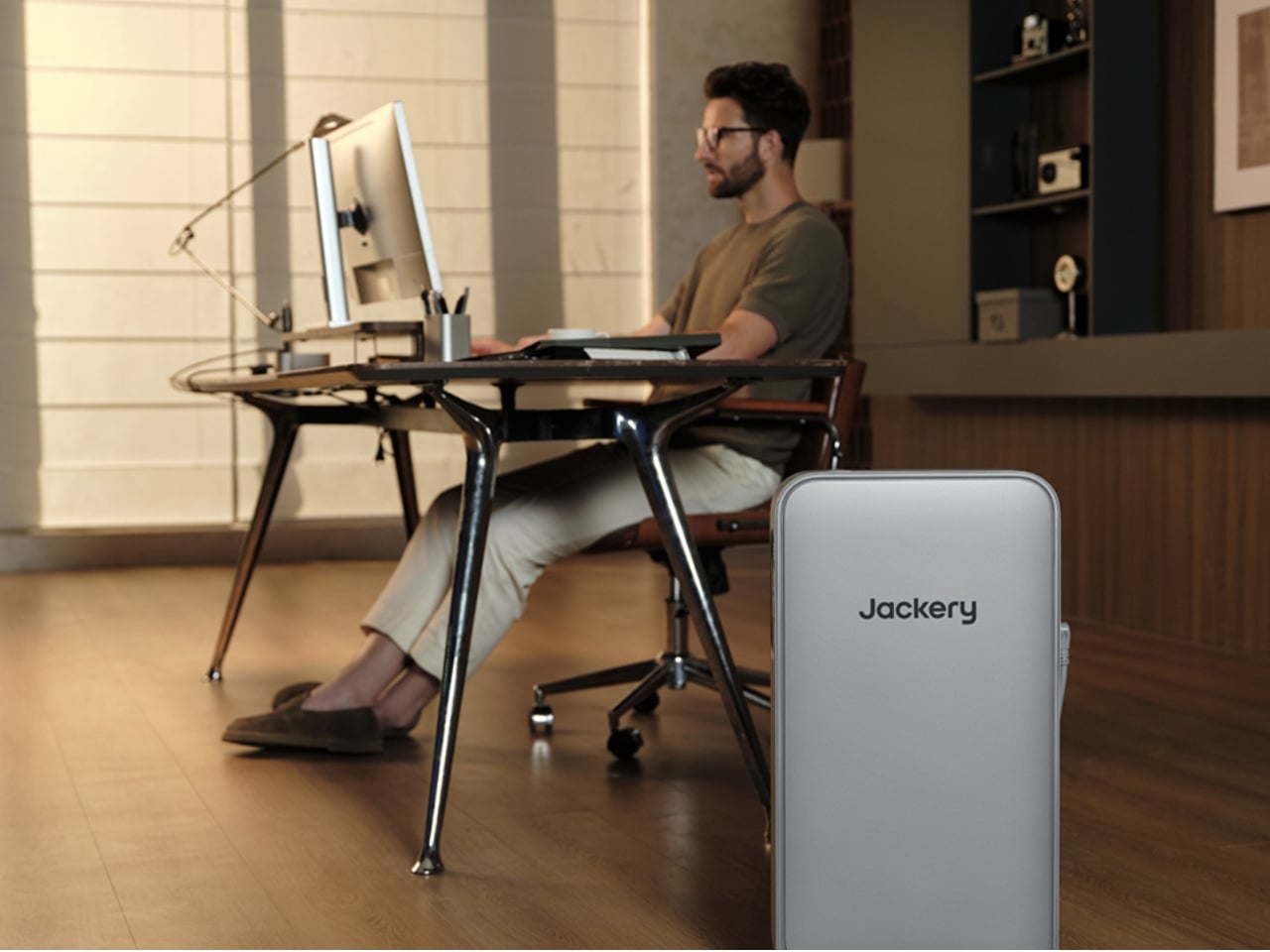
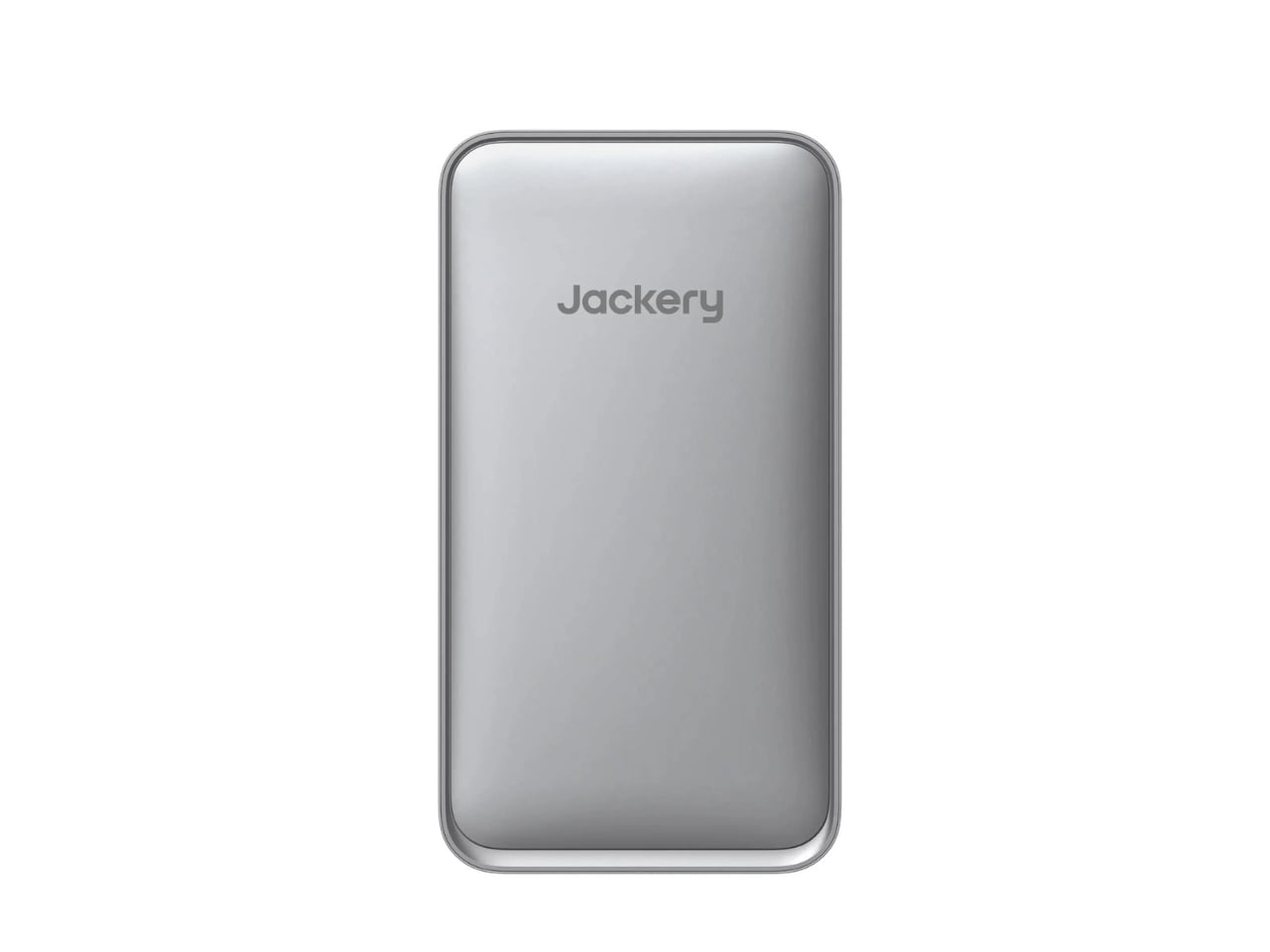
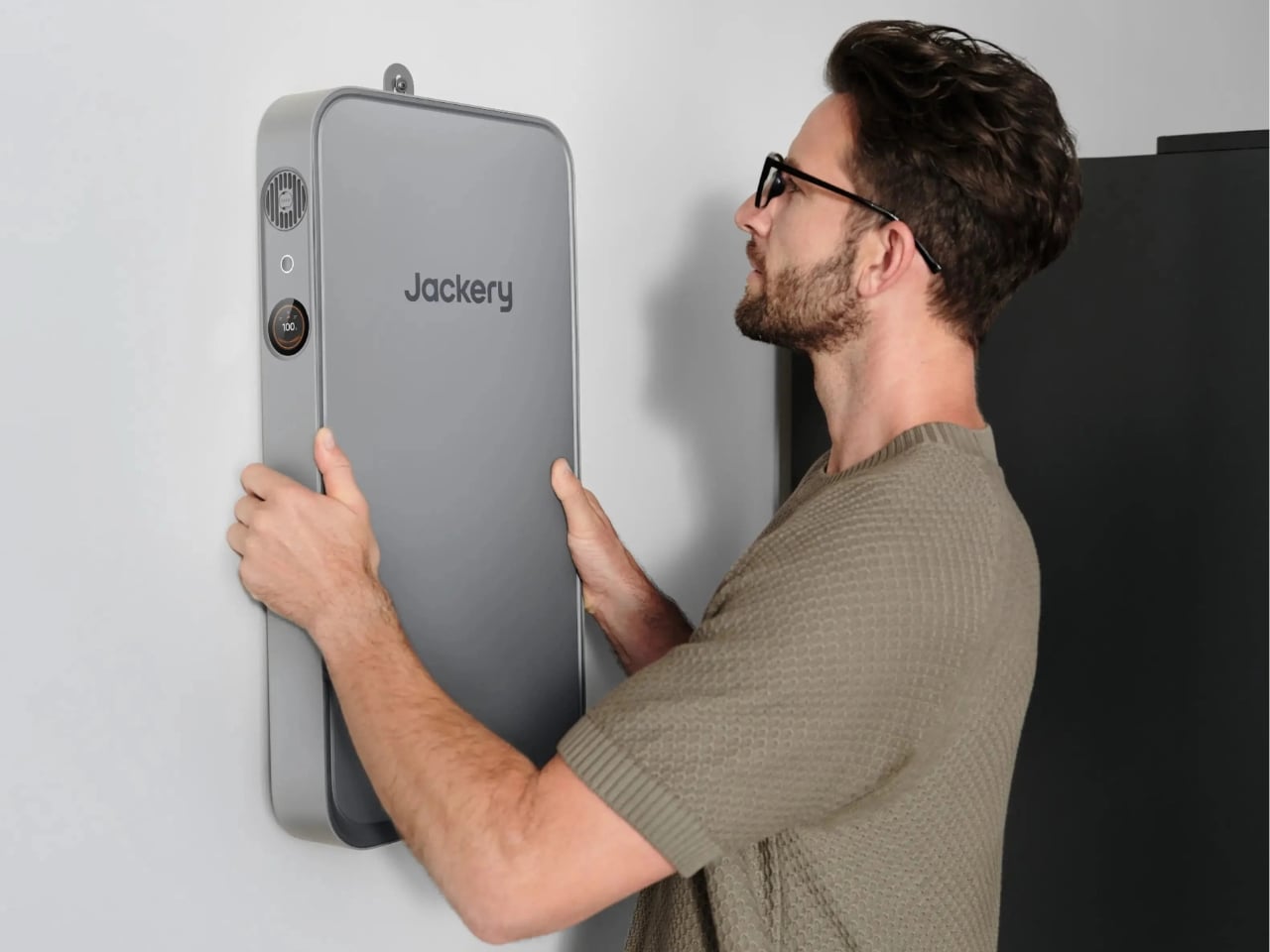
The FridgeGuard is a dedicated refrigerator backup battery, and the first thing that sets it apart is how thoroughly it was designed for the space it actually occupies. At just 2.6 inches thick and weighing around 23 pounds, Jackery calls it the world’s slimmest power station. Visually, you believe it. It looks less like industrial equipment and more like something an architect might quietly approve for a kitchen renovation. You can mount it on the wall behind your fridge, prop it vertically beside it, or lay it flat on top. That flexibility isn’t a minor feature; it’s a design decision that understands most people are not trying to add a bulky, yellow generator to their kitchen aesthetic.

Designer: Jackery

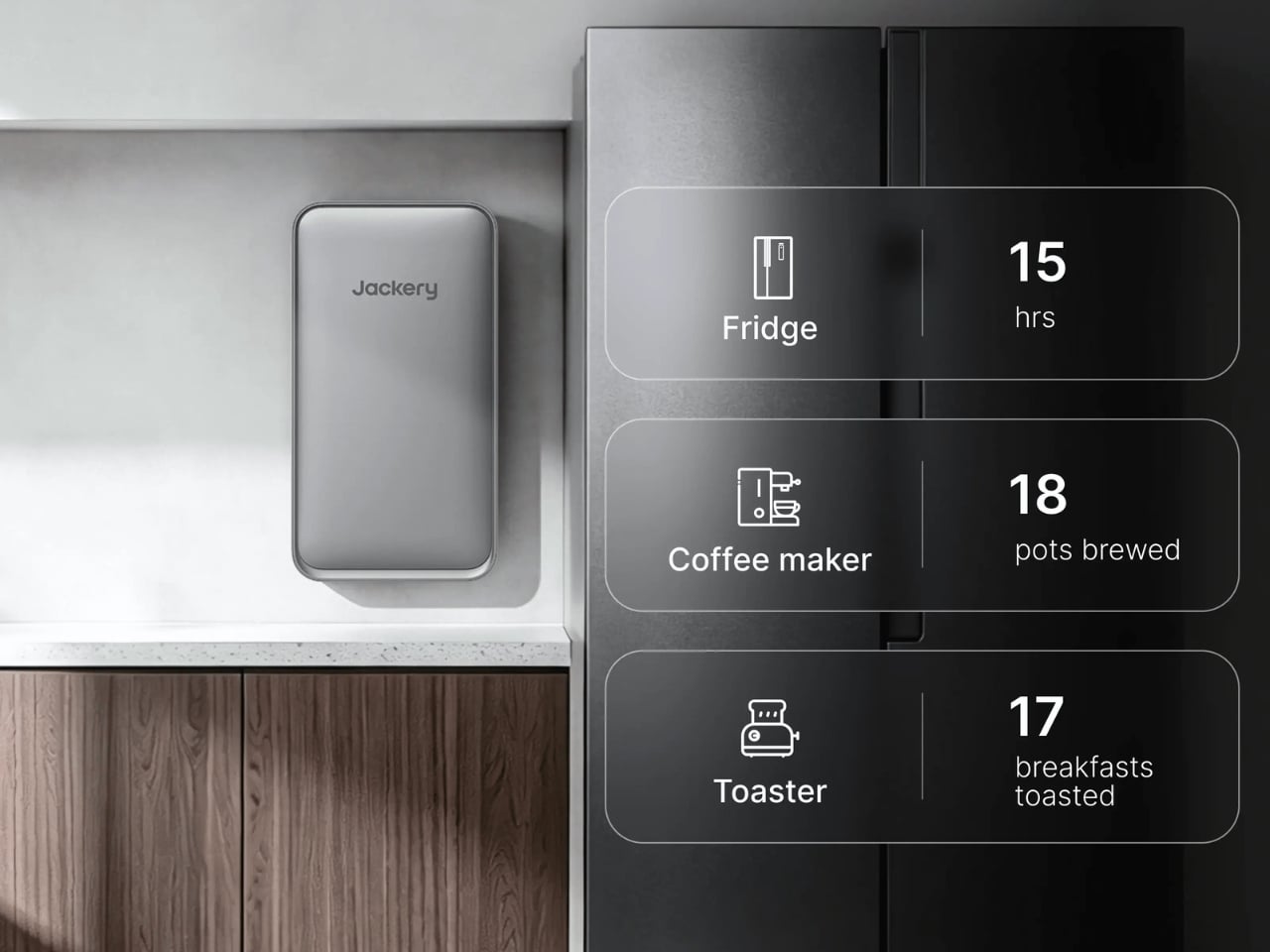
The technical side is where it gets genuinely interesting. The FridgeGuard runs on a 1,024Wh battery capacity and delivers power through a single 110V outlet, which sounds limiting until you remember this thing exists for one appliance and one appliance only. It delivers up to 1,600 watts of compressor-ready power, which is exactly what you need for a refrigerator’s startup surge. Jackery calls their system FridgeSafe Technology, and it covers the practical details: a switchover time of under 10 milliseconds so your fridge doesn’t even notice the grid went down, a Delay Start to protect the compressor, and surge protection built right in. Standard runtime is estimated at around 15 hours on a full charge, which doubles to roughly 30 hours if you pair it with the optional expansion battery that brings total capacity to 2,048Wh.

The lifespan claim is the detail that sticks with me. The battery cells are rated for 6,000 cycles, which Jackery projects translates to up to 16 years of use while retaining 70% of capacity. For context, most portable power stations don’t come close to that kind of longevity. It reframes the FridgeGuard from being a reactionary purchase after a bad storm to a genuine long-term home investment. That shift in positioning matters, and it’s the kind of thinking that tends to change who buys into a product category.

Cold weather performance deserves a mention too, especially for people in northern climates, remote cabin owners, RV users, or anyone planning to store the unit in an unheated garage. The FridgeGuard can both charge and discharge at temperatures as low as -20°C, a spec that puts it well ahead of many competitors that restrict operation in colder conditions. For a product meant to function year-round in unpredictable situations, that’s a more meaningful detail than it might initially seem.

Is it perfect? Not entirely. The single AC outlet means if you need to run anything else alongside your fridge during an outage, you’re out of luck. And since an average full-sized refrigerator draws roughly 1,300Wh per day, the standard battery alone won’t cover a full 24 hours without the expansion add-on. These are real constraints worth knowing before you buy.

But the bigger picture here is that Jackery figured out something the home backup industry has been surprisingly slow to grasp: people want solutions that fit their lives, not ones they have to build their lives around. The FridgeGuard doesn’t just solve a problem; it does it in a way that respects the space it lives in. That combination of smart form, solid function, and genuine forward-thinking is exactly the kind of product design worth paying attention to, whether you’re in the market for one or not.

The post The World’s Slimmest Power Station (2.6″) Was Built for Your Fridge first appeared on Yanko Design.

Google Pixel 11 Pro XL vs. Galaxy S26 Ultra: Which One Should You Buy?

Google Pixel 11 Pro XL vs. Galaxy S26 Ultra: Which One Should You Buy? Side by side comparison of the Pixel 11 Pro XL and Samsung Galaxy S26 Ultra.

The Pixel 11 Pro XL and S26 Ultra, both rumored to be priced at $1,299, represent the pinnacle of premium smartphones. While they share a similar price point, their appeal lies in distinct strengths, catering to different user preferences. Whether you prioritize photography, raw performance, or software experience, each device offers unique advantages tailored to […]

The post Google Pixel 11 Pro XL vs. Galaxy S26 Ultra: Which One Should You Buy? appeared first on Geeky Gadgets.

Posted in Uncategorized

Optimize ESP32 Battery Life Using 10 Lesser-Known Features

Optimize ESP32 Battery Life Using 10 Lesser-Known Features A close-up view of an ESP32 microcontroller chip on a green circuit board.

The ESP32 microcontroller is widely known for its Wi-Fi and Bluetooth capabilities, but it also includes a range of lesser-known features that can elevate your projects to new levels of functionality. In a recent breakdown by Tech Panda, one standout example is the Ultra-Low Power (ULP) coprocessor, which allows the ESP32 to perform simple tasks […]

The post Optimize ESP32 Battery Life Using 10 Lesser-Known Features appeared first on Geeky Gadgets.

Posted in Uncategorized

Early Google Pixel 11 Pro XL Leak Reveals Real-Life Photos

Early Google Pixel 11 Pro XL Leak Reveals Real-Life Photos The rumored matte black Google Pixel 11 Pro XL shown from the back.

Leaked images of the highly anticipated Google Pixel 11 Pro XL have emerged, offering a detailed look at the device just days before its official debut. These photos provide confirmation of earlier rumors surrounding its design, camera enhancements, and packaging. Reportedly sourced from carrier demo units, the timing of this leak strongly indicates that the […]

The post Early Google Pixel 11 Pro XL Leak Reveals Real-Life Photos appeared first on Geeky Gadgets.

Posted in Uncategorized

ChatGPT Paid Plans Unlock 24/7 Hourly Background Automation

ChatGPT Paid Plans Unlock 24/7 Hourly Background Automation The scheduled tasks menu in the ChatGPT interface.

ChatGPT can be configured to operate continuously, assisting with tasks like automating updates, organizing workflows and managing recurring responsibilities. According to The AI Advantage, one practical approach involves setting up scheduled tasks to handle routine activities. For instance, ChatGPT can be programmed to send daily summaries of relevant news, compile weekly reports, or issue reminders […]

The post ChatGPT Paid Plans Unlock 24/7 Hourly Background Automation appeared first on Geeky Gadgets.

Posted in Uncategorized

iPhone Fold Ultra Leak Reveals Possible Cameras and Colors

iPhone Fold Ultra Leak Reveals Possible Cameras and Colors Concept render of the rumored iPhone Fold Ultra showing the outer display.

Apple is poised to make a significant entry into the foldable smartphone market with the highly anticipated iPhone Fold Ultra. Leaks and rumors surrounding the device paint a picture of innovative technology combined with Apple’s signature premium craftsmanship. While the device promises to push boundaries, it also introduces some calculated compromises. Here’s an in-depth look […]

The post iPhone Fold Ultra Leak Reveals Possible Cameras and Colors appeared first on Geeky Gadgets.

Posted in Uncategorized

Ex-McLaren Designers Just Built a $130,000 Carbon Fiber Chair

Luxury furniture has long borrowed the language of high-performance design without much of the substance behind it. Carbon fiber panels get applied as surface decoration, automotive references appear in product copy as shorthand for precision, and racing-inspired silhouettes turn up on lounge chairs. The materials may occasionally be genuine, but the engineering thinking behind them rarely makes the trip from one industry to the other.

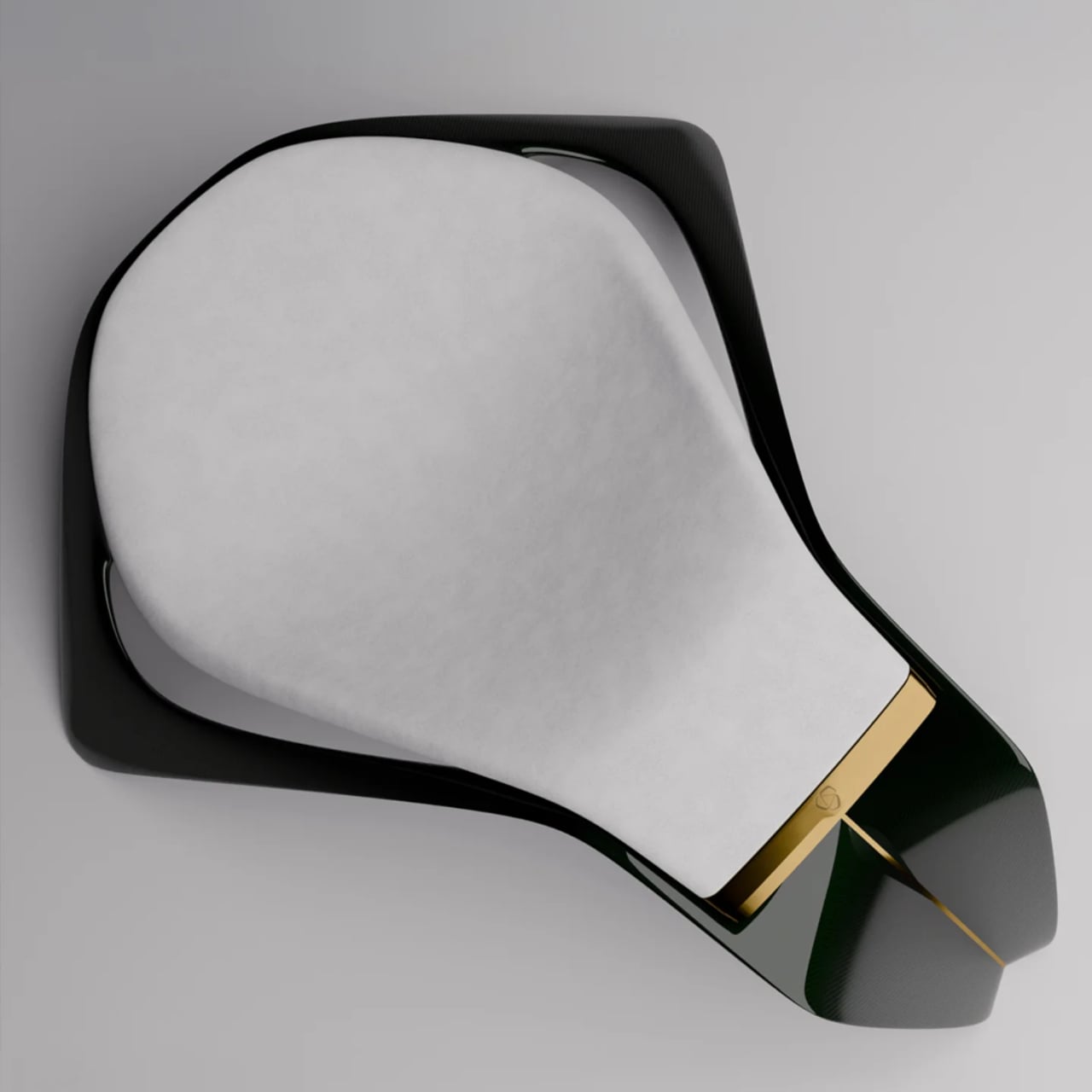
Ennua’s Element 01 takes a different position. The people behind it didn’t simply borrow from the automotive world. They came from it directly, having spent years shaping supercars including the McLaren Speedtail, Elva, and W1. The Element 01 isn’t furniture dressed up in engineering language. It’s the result of applying actual supercar design methodology to a seating object, starting from materials and working outward.

Designers: João Dias and Patrick Carton
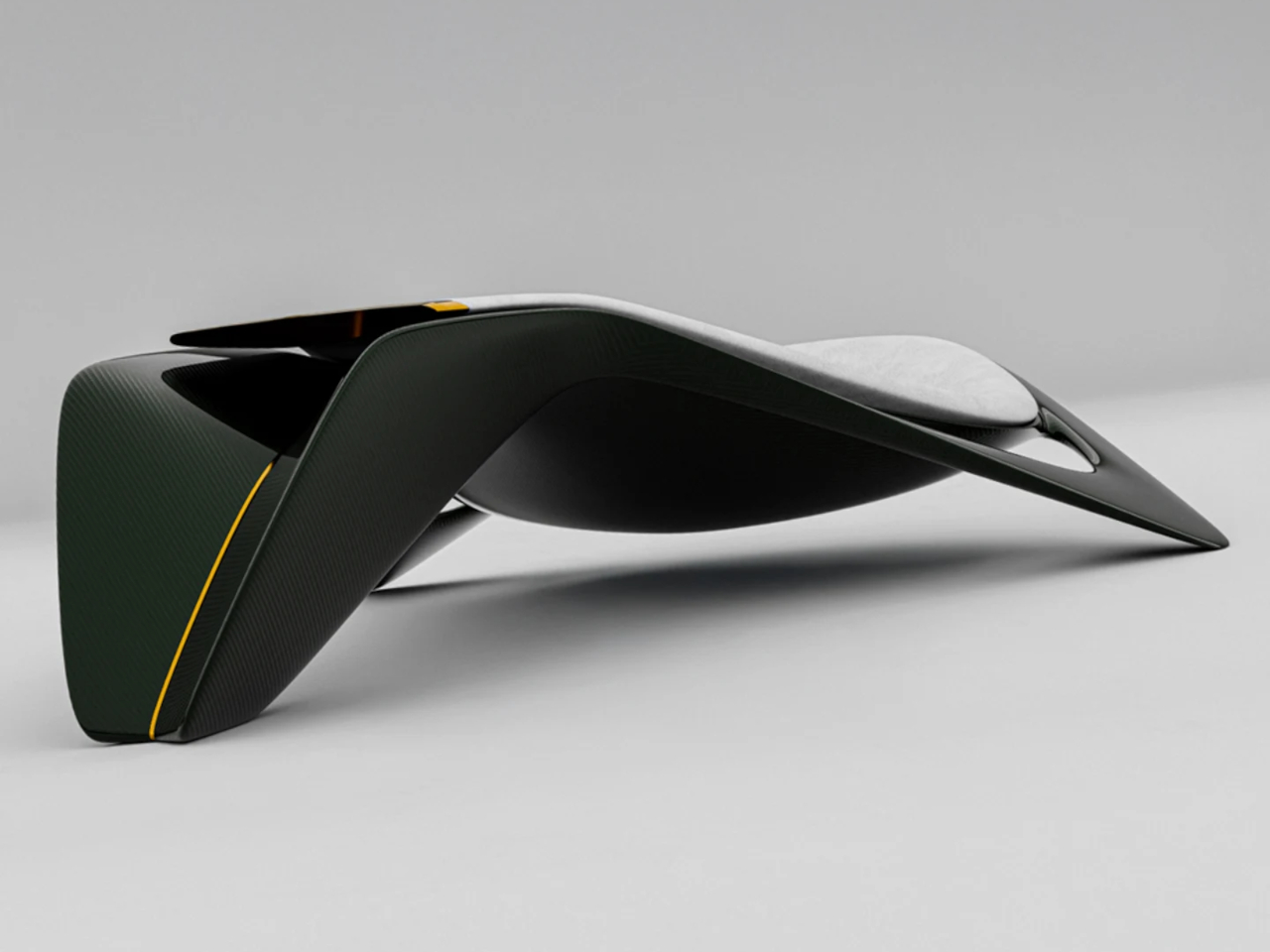
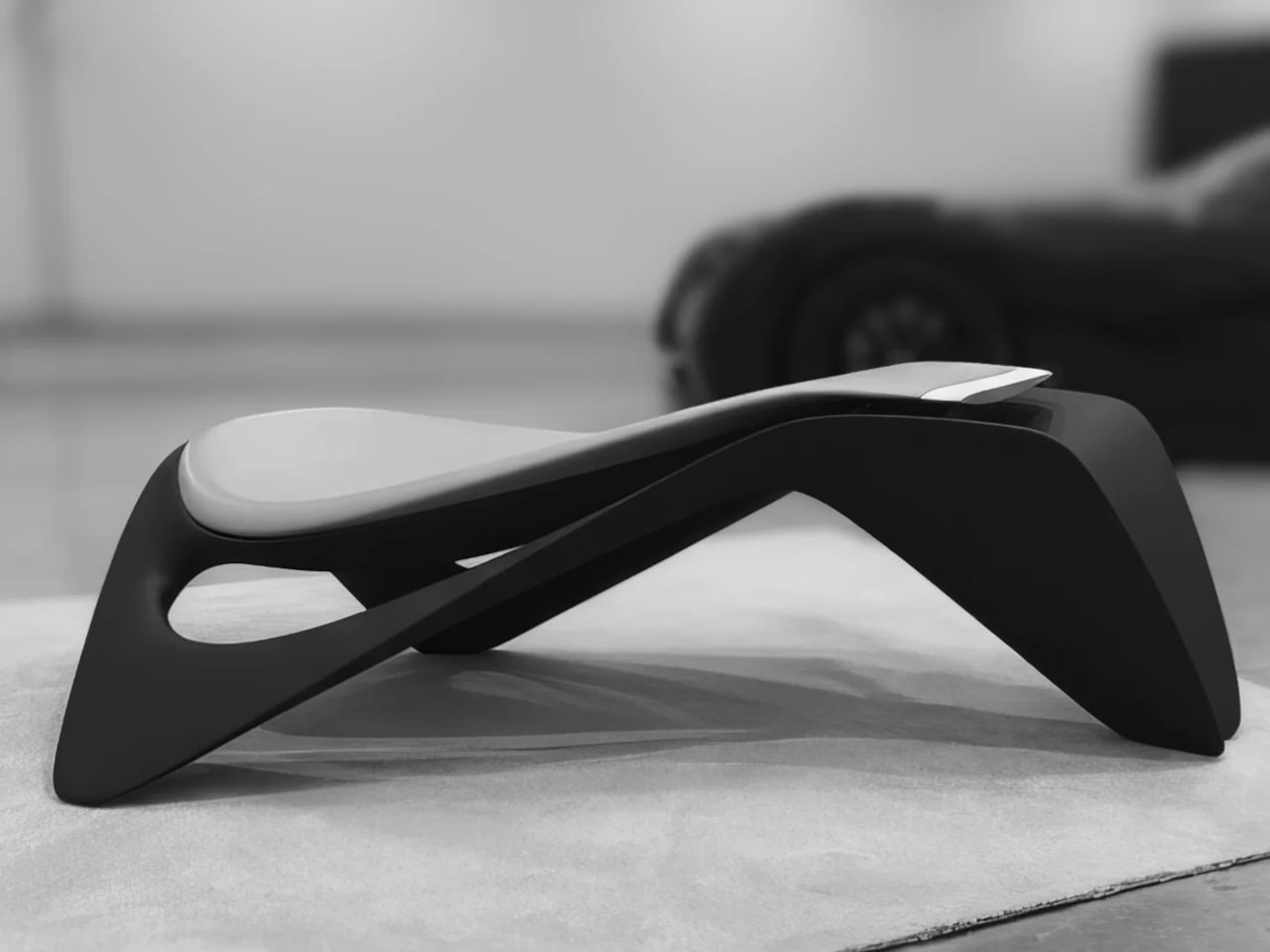
The first thing Element 01 does well is refuse to announce itself. Walk into a room with it, and it doesn’t immediately read as a chair, a sculpture, or a piece of furniture. That ambiguity is deliberate. The design prioritizes silhouette and proportion the way a supercar does, making the form something to encounter before it’s understood. It takes a second look before the seating function even registers.
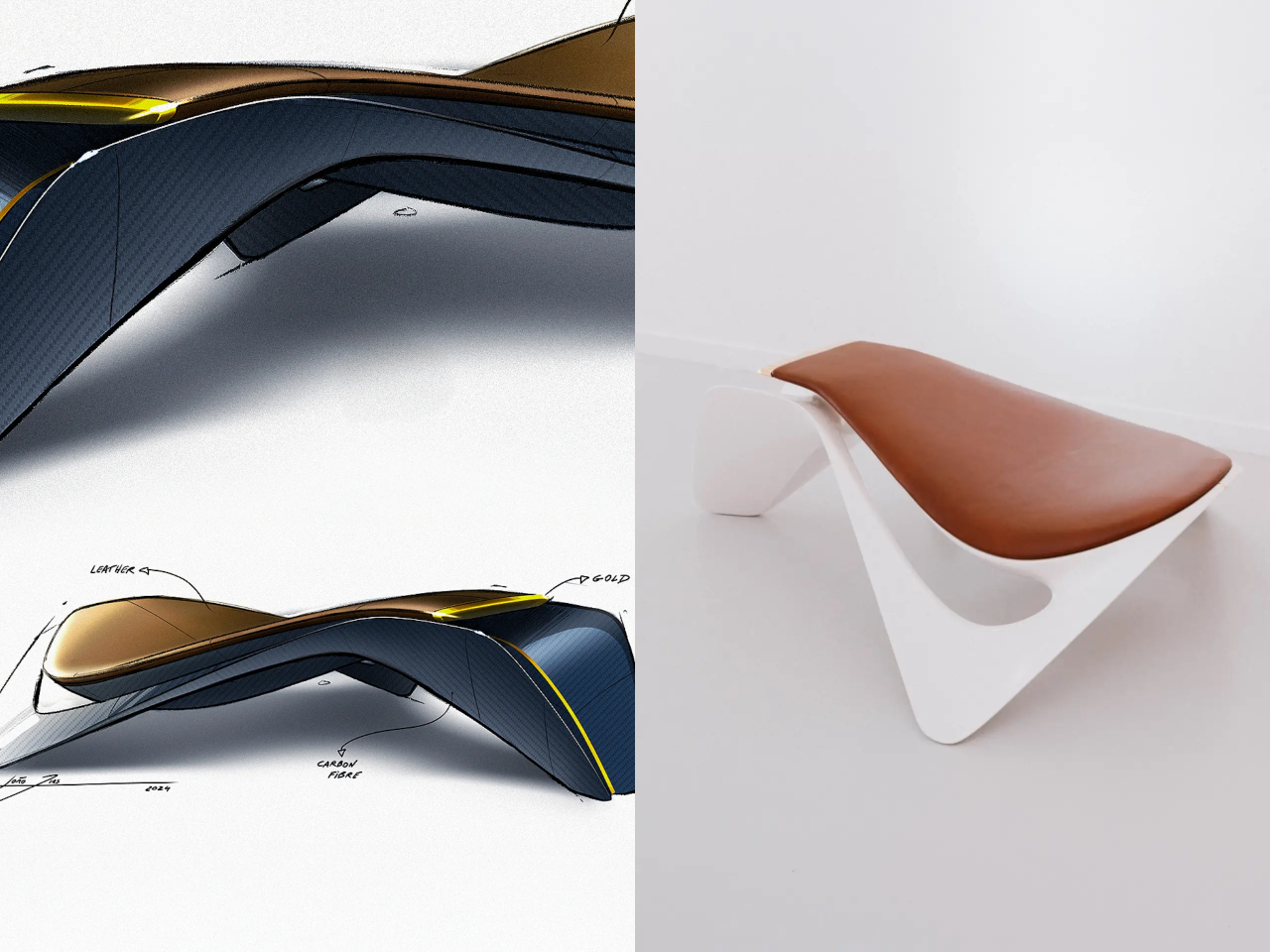

The structure is built from carbon fiber, the same material used on high-performance cars for its exceptional strength-to-weight ratio. The carbon frame can reportedly withstand loads equivalent to around 2,000 kg, more structural assurance than any home seating has any practical need for. Layered over it are automotive-grade leathers chosen for texture and durability, and precision-machined metal components that bring a jeweler’s precision to every connection.
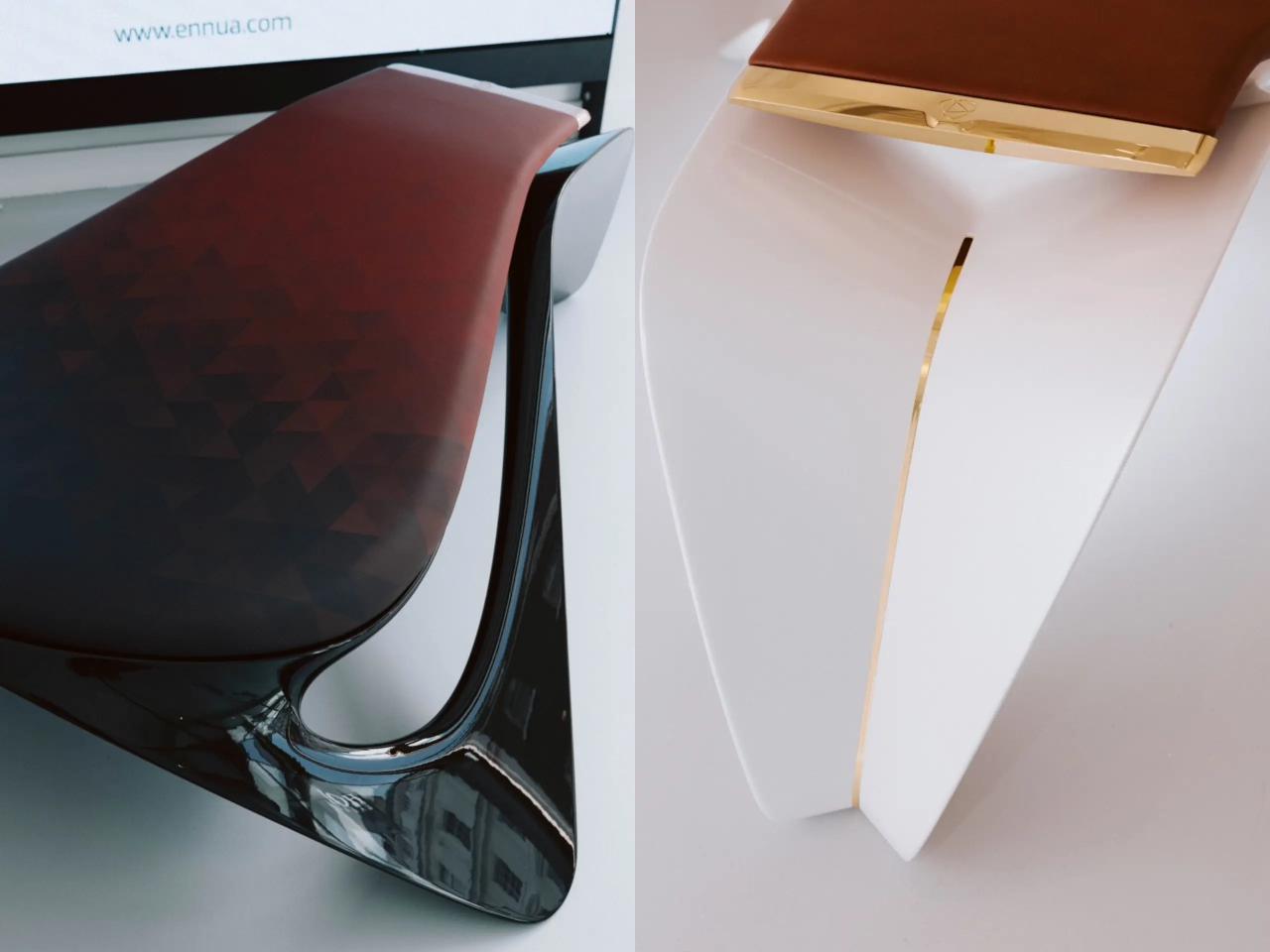
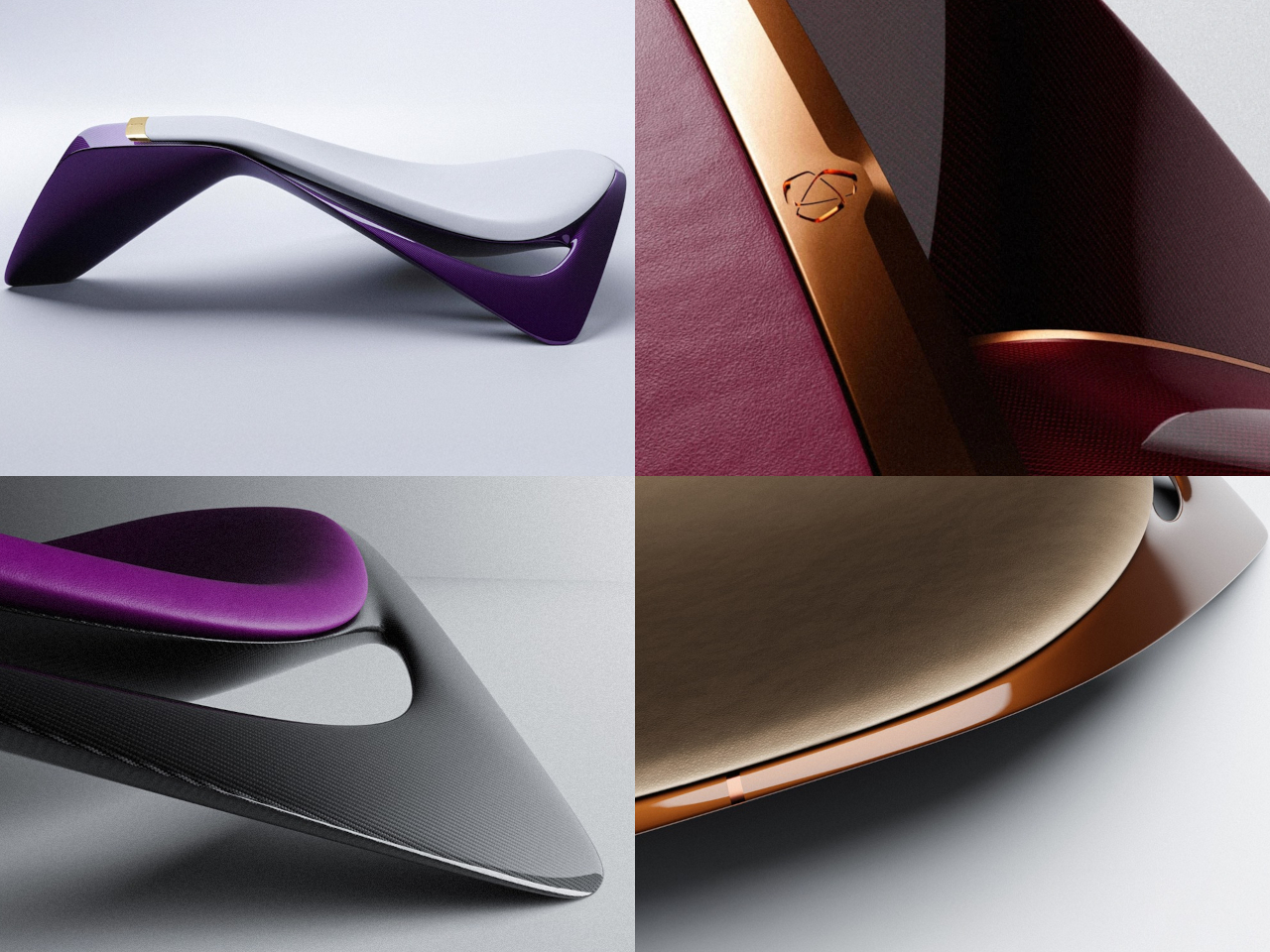
Several named configurations are available, each built around a specific combination of carbon finish, leather tone, and metallic accent. Options like Abyss, Aurora, and Ruler’s Solace suggest a naming sensibility closer to bespoke watchmaking than furniture retail. Each variant is treated as a distinct piece rather than a colorway, making the Element 01 more akin to a collector’s commission than an item that ships from a warehouse.
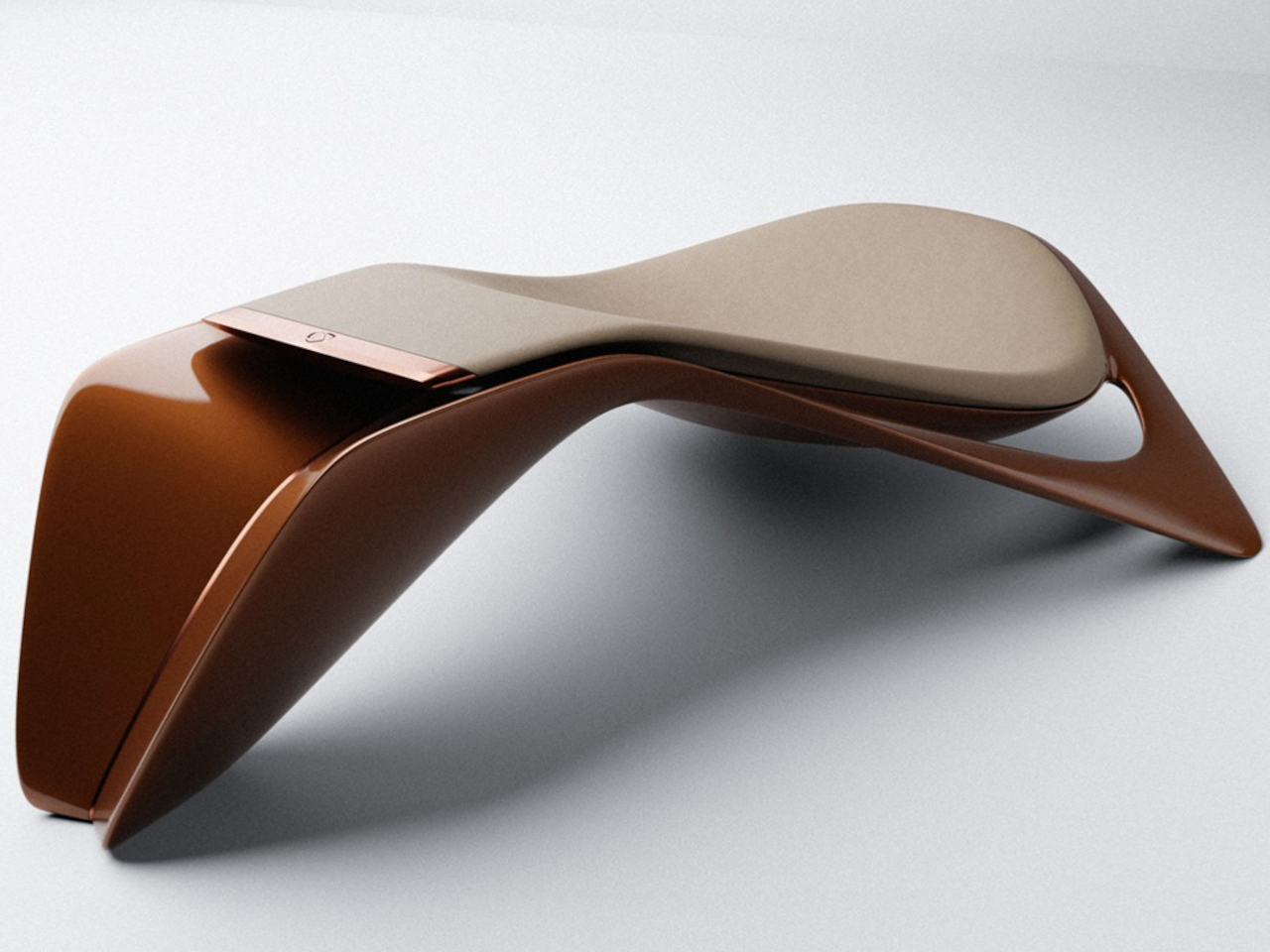

Ennua positions the Element 01 for private residences and architectural landmarks rather than conventional retail environments, which says something about its intended context. Sit in one, and it functions as a chair. Stand across the room, and it reads as something else entirely, a deliberate quality shared by the cars that influenced it. Most objects are content to be one thing, while this one insists on being at least two.
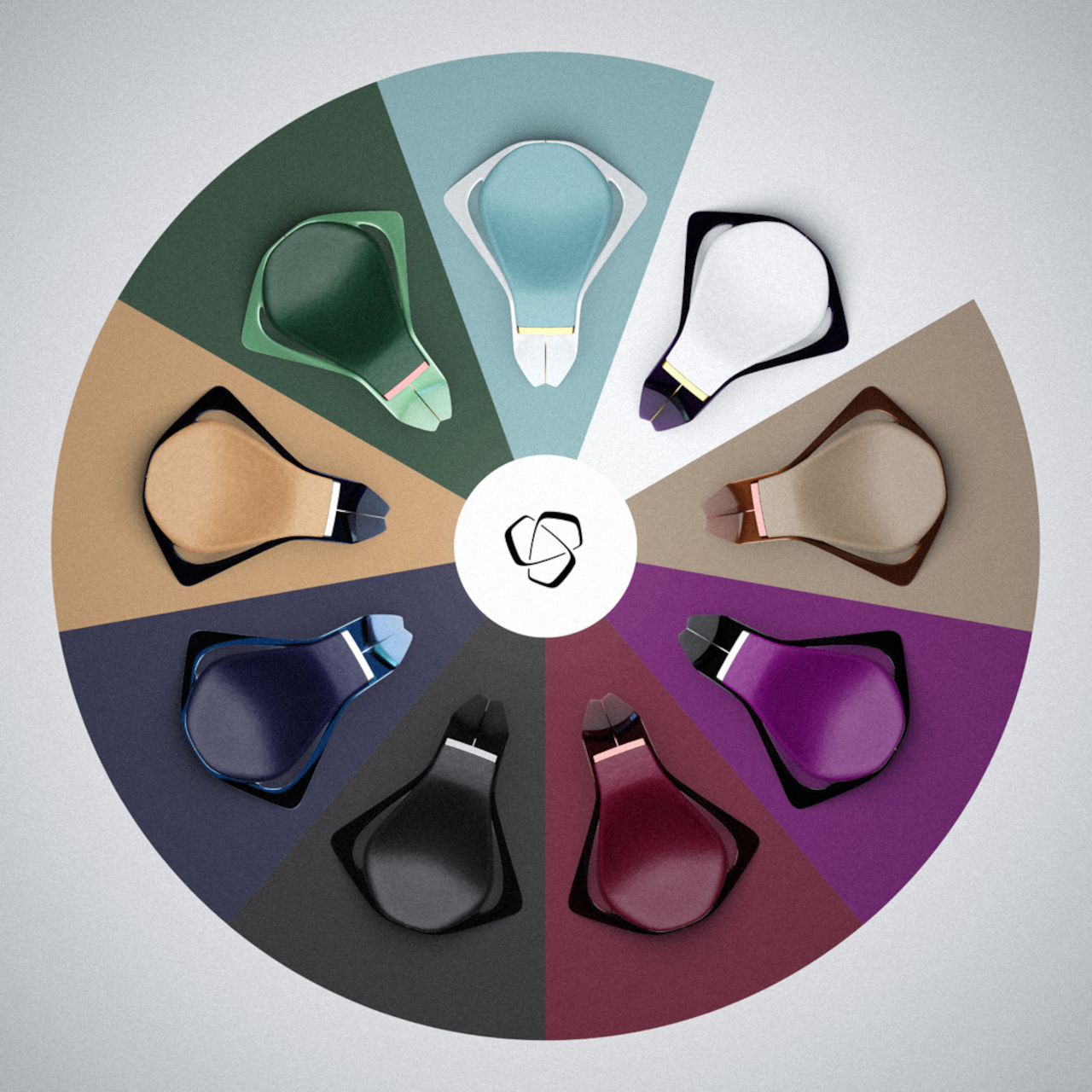
Element 01 is described as only the opening move for the brand, which already has the next five years of products planned, hinting at everything from audio equipment to fitness gear and a possible return to automotive design. The ambition is to never become known simply as a furniture brand. Every future object is expected to carry the same logic of function and sculptural presence as the chair.
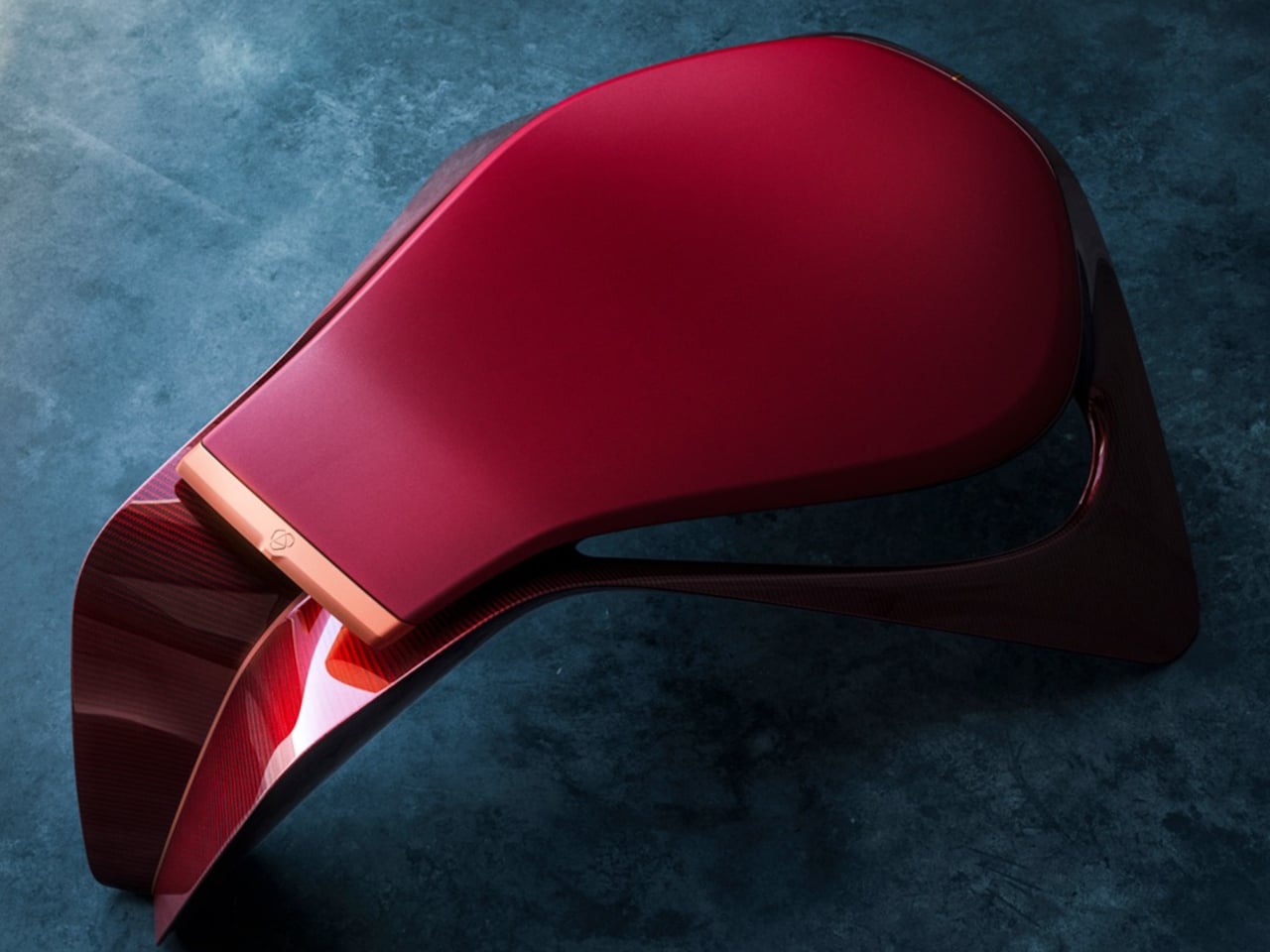
The Element 01 is priced at around $130,000, placing it in the territory of bespoke timepieces and limited-edition automotive commissions rather than furniture purchases. It costs as much as a well-optioned sports car, and that comparison isn’t accidental. It’s built like one, designed with the same tools, and asks to be treated with the same regard that most people reserve for things with four wheels and not four legs.

The post Ex-McLaren Designers Just Built a $130,000 Carbon Fiber Chair first appeared on Yanko Design.