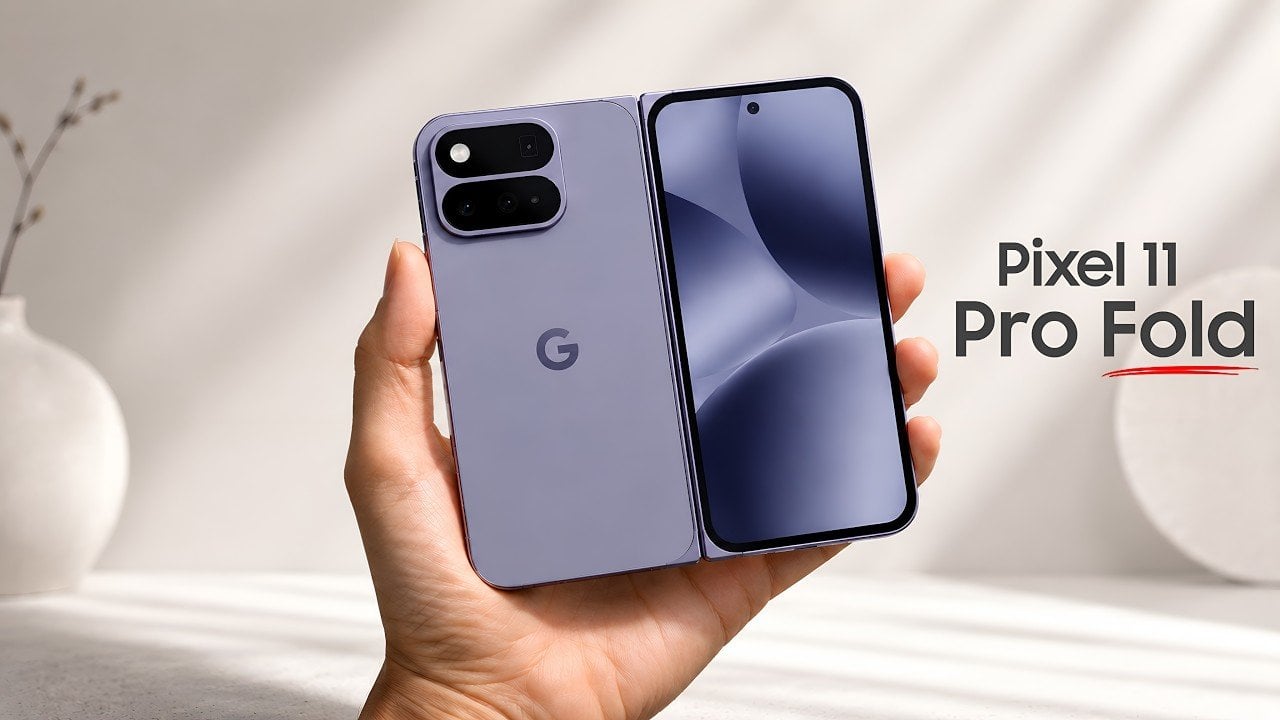
Google Pixel 11 Pro Fold Leak Reveals the Thinnest Pixel Fold Yet

Google Pixel 11 Pro Fold Leak Reveals the Thinnest Pixel Fold Yet Leaked marketing render of the Google Pixel 11 Pro Fold showing the back panel.

Leaked marketing images of the Google Pixel 11 Pro Fold provide an early look at its design and capabilities, showcasing a device that blends innovation with practicality. As the latest addition to Google’s foldable smartphone lineup, the Pixel 11 Pro Fold builds on its predecessor by refining its features, integrating advanced AI capabilities, and delivering […]

The post Google Pixel 11 Pro Fold Leak Reveals the Thinnest Pixel Fold Yet appeared first on Geeky Gadgets.

Posted in Uncategorized

Gemini Notebook Replaces NotebookLM for AI Research Workflows

Gemini Notebook Replaces NotebookLM for AI Research Workflows The main dashboard interface of Gemini Notebook showing user collections.

Gemini Notebook, previously called NotebookLM, is an AI-based platform designed to help users manage and create content from various sources. Paul Lipsky introduces its structure, which includes three main sections: Sources, AI Chat and Studio. For instance, the Sources section allows users to upload and organize data from web pages, Google Drive files and text […]

The post Gemini Notebook Replaces NotebookLM for AI Research Workflows appeared first on Geeky Gadgets.

Posted in Uncategorized

Forget Tracking Kids After School, This Cute Device Lets Them Check In

Working parents of school-age children face a particular kind of worry during the hours between the end of the school day and the end of the workday. Phone calls get missed, text messages go unread, and the ones that do get through usually carry just enough information to confirm a child made it home. What they rarely carry is any sense of how the child is actually doing, and that gap tends to get filled with parental anxiety rather than reassurance.

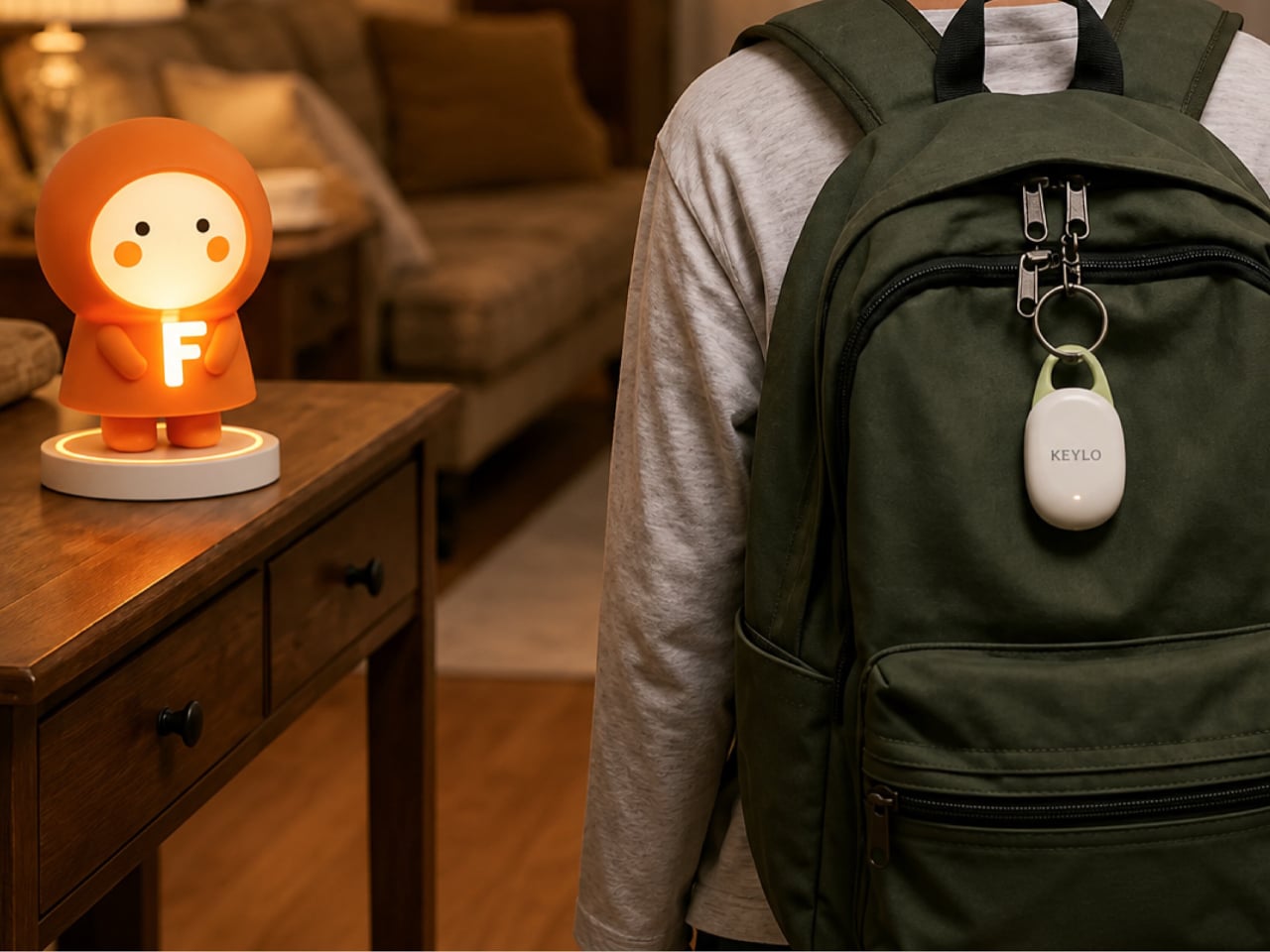
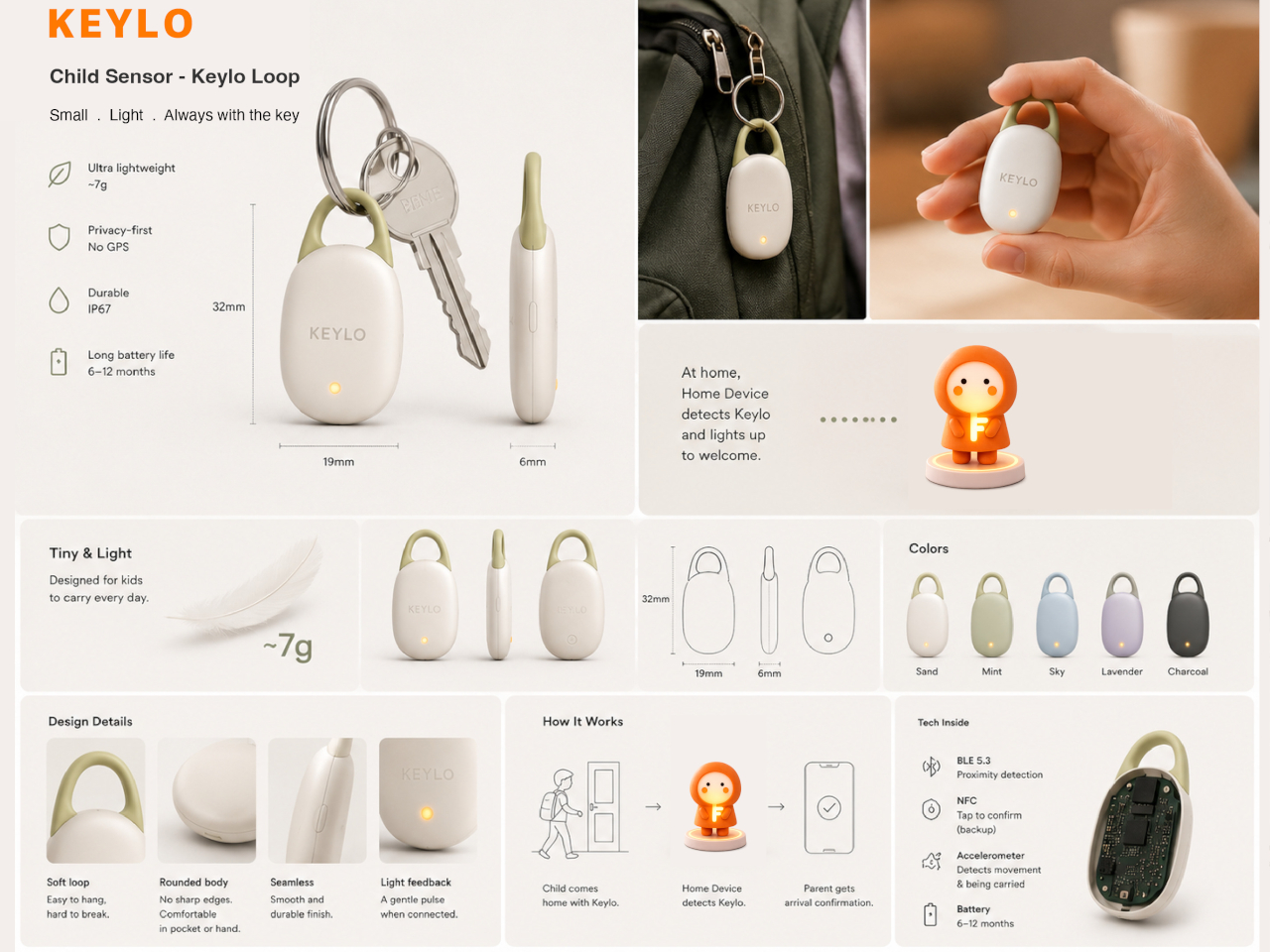
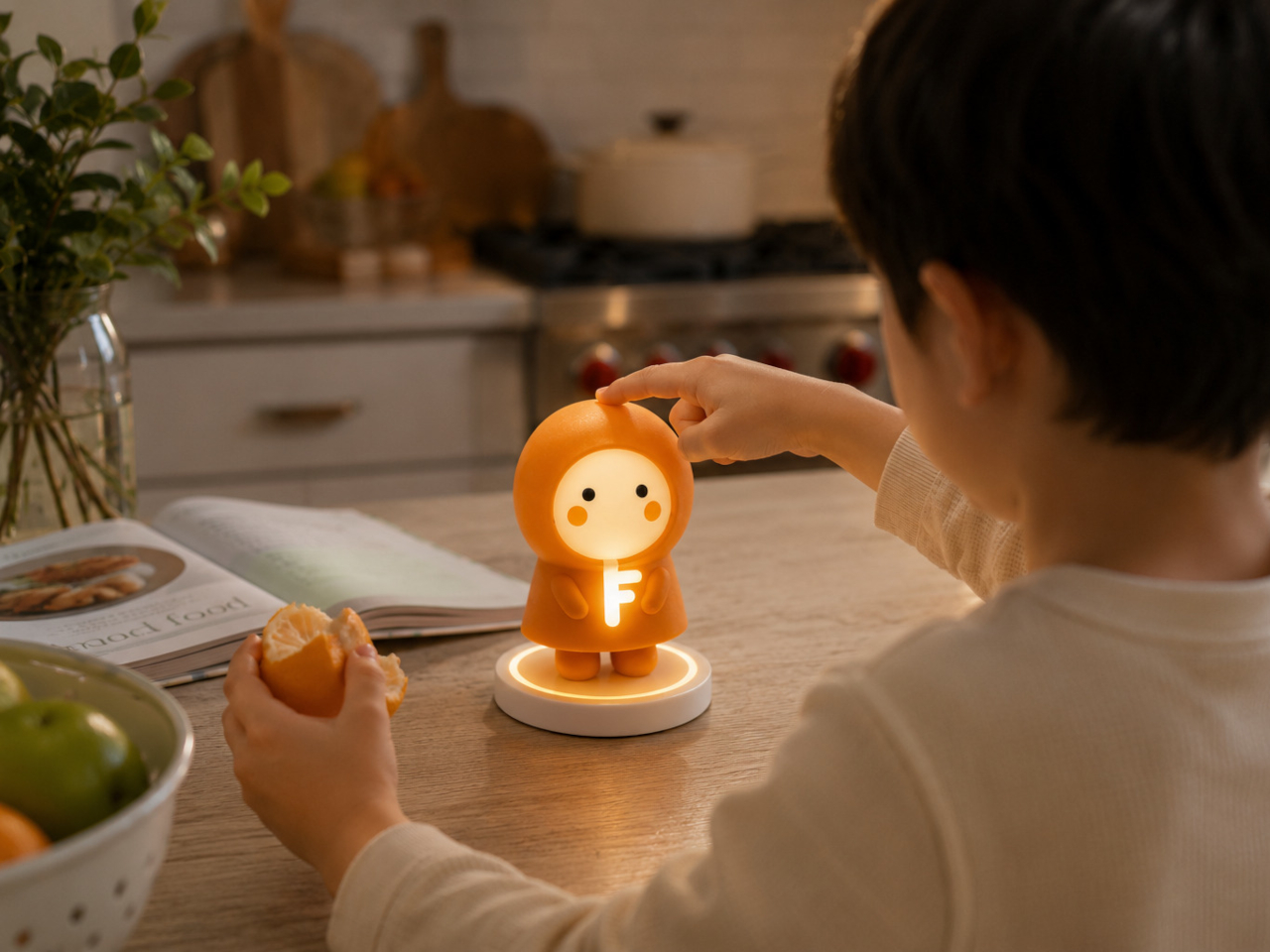
Keylo is a conceptual companion device designed around that specific gap. Rather than giving children another screen to manage or another app to navigate, it offers a single, tactile interaction: a tap that lets them express how they’re feeling. No typing, no calling, no notification chain. The child touches the device, cycles through a color to represent their emotional state, and the parent’s app receives it.

Designer: Miaonan Li

The system consists of three physical parts. The main companion unit sits on a home dock, usually somewhere a child passes when they get home. A smaller key fob clips to a backpack and travels with the child throughout the day. Both are made from soft matte silicone and deliberately avoid any screen or complex interface, giving the object a quality that’s closer to a familiar household item than a piece of consumer electronics.

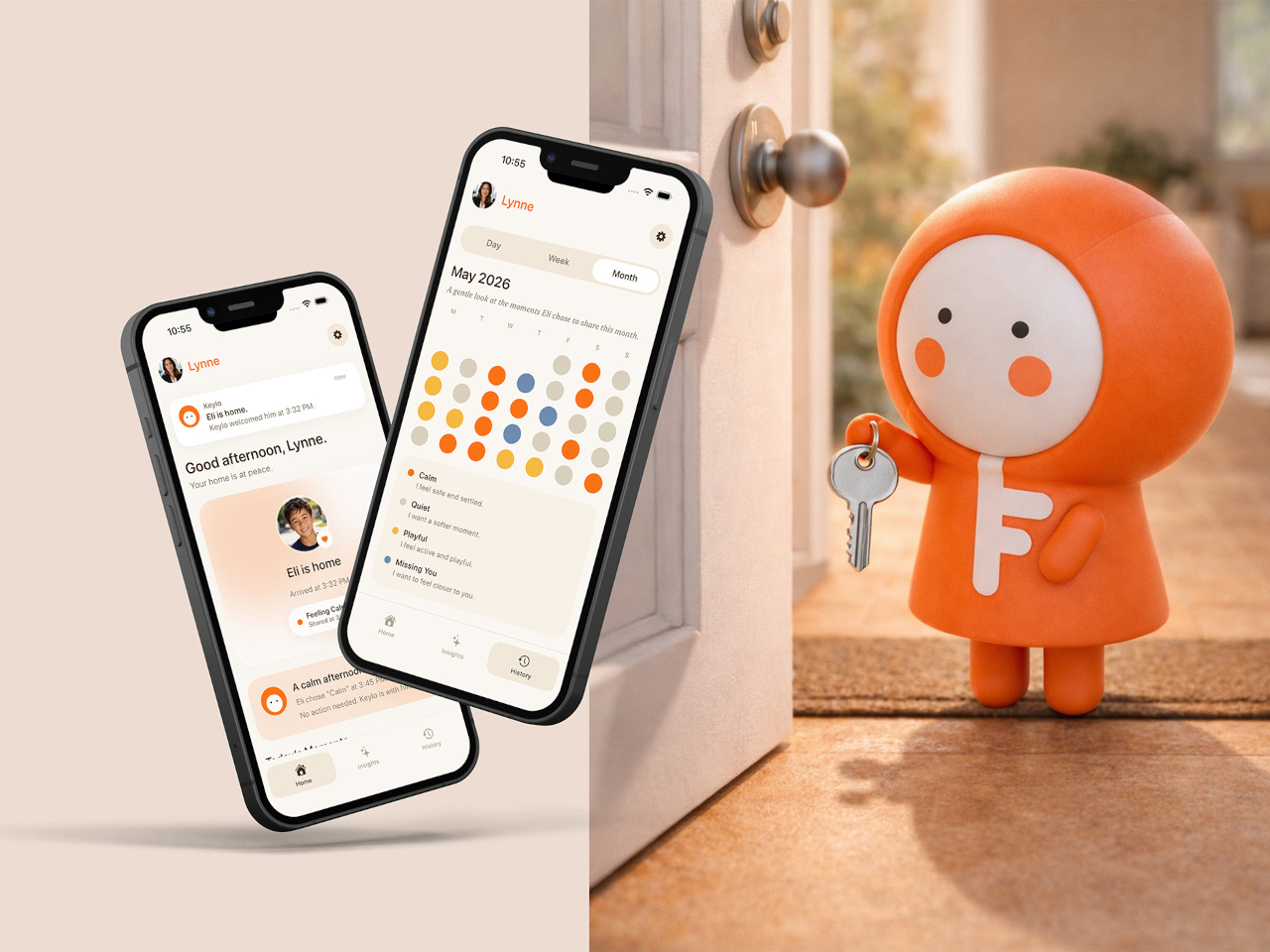
The four emotional states Keylo recognizes are kept intentionally broad. A soft orange glow indicates the child feels relaxed; bright yellow signals something more playful or energetic; a neutral white tone signals a preference for quiet or personal space; and a calm blue light carries a specific message from child to parent: I’m thinking of you. Each one is simple enough for a young child to understand and expressive enough to actually mean something when it arrives on a parent’s phone.

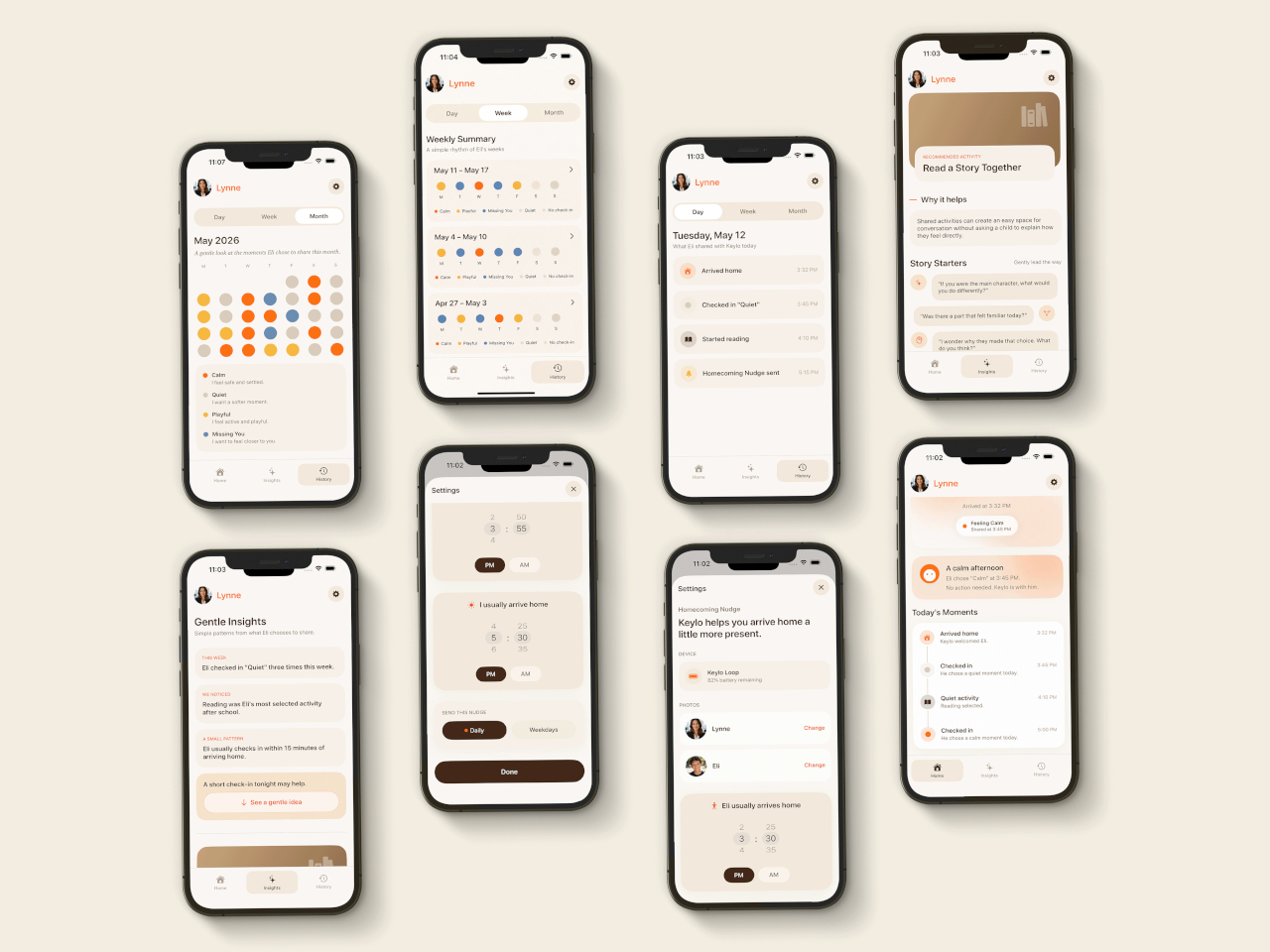
That arrival is handled by the companion app, which mirrors the same color language as the physical device. The distinction the project draws between this and conventional parental monitoring is deliberate. Rather than showing parents a location, a screen time report, or a camera feed, the app delivers a single emotional moment. A notification that says a child is feeling calm and playful carries a different quality of information than a location ping, and it asks for a different kind of response.

The device is designed to work without any input from the child beyond that single tap. There are no prompts to answer, no questions to read, and no follow-up required. For a child who has just walked in the door after school, the low threshold is significant; the gesture stays small enough that it doesn’t feel like a chore, which is probably the main reason most family communication apps get abandoned within a few weeks of being set up.

What Keylo explores through its design is how much emotional information can be conveyed through the simplest possible interaction. A color chosen by a child carries less data than a voice call but far more than no contact at all, and it arrives without interrupting anyone’s afternoon in the way a ringing phone does. The project makes a case for the idea that the volume of communication matters less than whether it happens at all, and on terms that feel natural to the person sending it.

The post Forget Tracking Kids After School, This Cute Device Lets Them Check In first appeared on Yanko Design.

Apple is Reportedly Preparing to Change the Mac Forever

Apple is Reportedly Preparing to Change the Mac Forever MacBook Ultra

Apple is preparing to transform its Mac lineup with the highly anticipated release of the MacBook Ultra. This redesigned MacBook Pro is rumored to introduce a suite of advanced features, including a thinner design, OLED displays, touchscreen functionality, and optional cellular connectivity. These updates signal a bold evolution in Apple’s hardware strategy, potentially setting new […]

The post Apple is Reportedly Preparing to Change the Mac Forever appeared first on Geeky Gadgets.

Posted in Uncategorized

Hands-on: Base Galaxy Z Fold 8 Beats the Galaxy Z Fold 8 Ultra

Hands-on: Base Galaxy Z Fold 8 Beats the Galaxy Z Fold 8 Ultra The Samsung Galaxy Z Fold 8 unfolded on a desk.

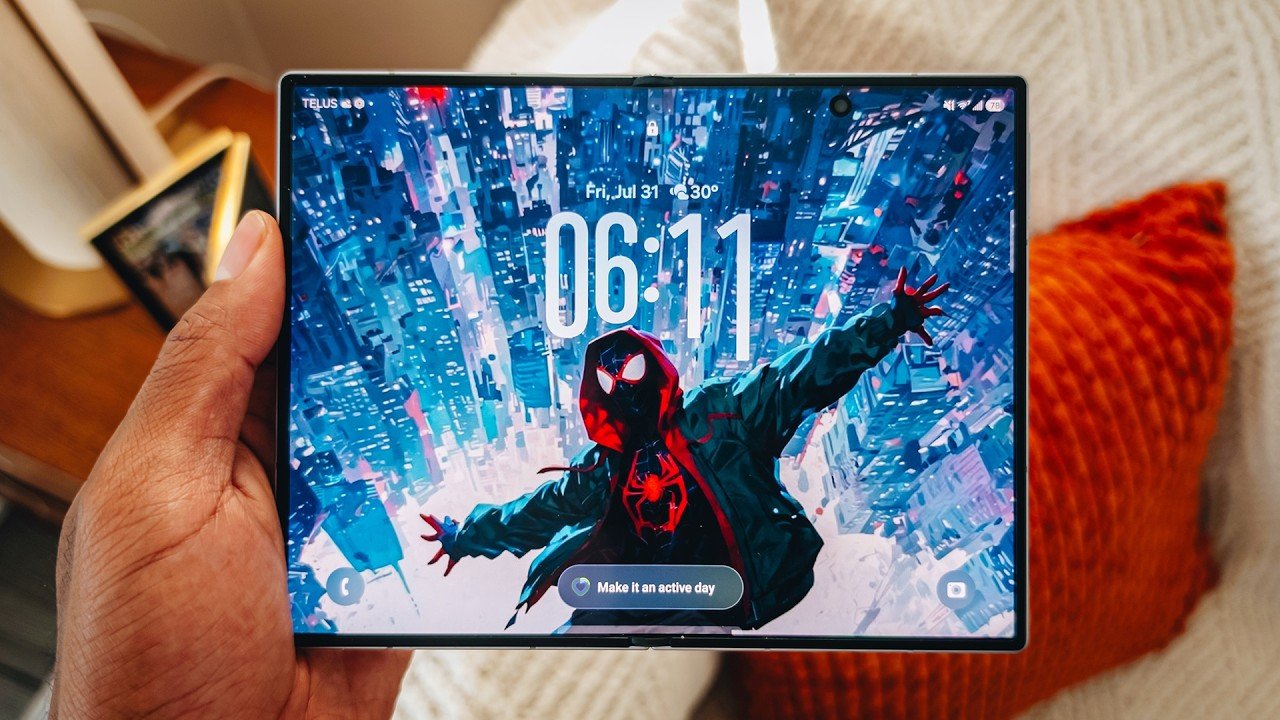
The Samsung Galaxy Z Fold 8 introduces a refined approach to foldable smartphones, as highlighted by Terren Rule. Its compact “passport sandwich” design and wider cover screen enhance usability, making it more practical for everyday tasks. Notable additions like the new tent mode provide hands-free functionality, while multitasking is supported by features such as customizable […]

The post Hands-on: Base Galaxy Z Fold 8 Beats the Galaxy Z Fold 8 Ultra appeared first on Geeky Gadgets.

Posted in Uncategorized

Beelink EQI with Intel Wildcat Lake Core 3304 Beats N305

Beelink EQI with Intel Wildcat Lake Core 3304 Beats N305 The BLink EQI mini PC resting on a wooden desk next to a monitor.

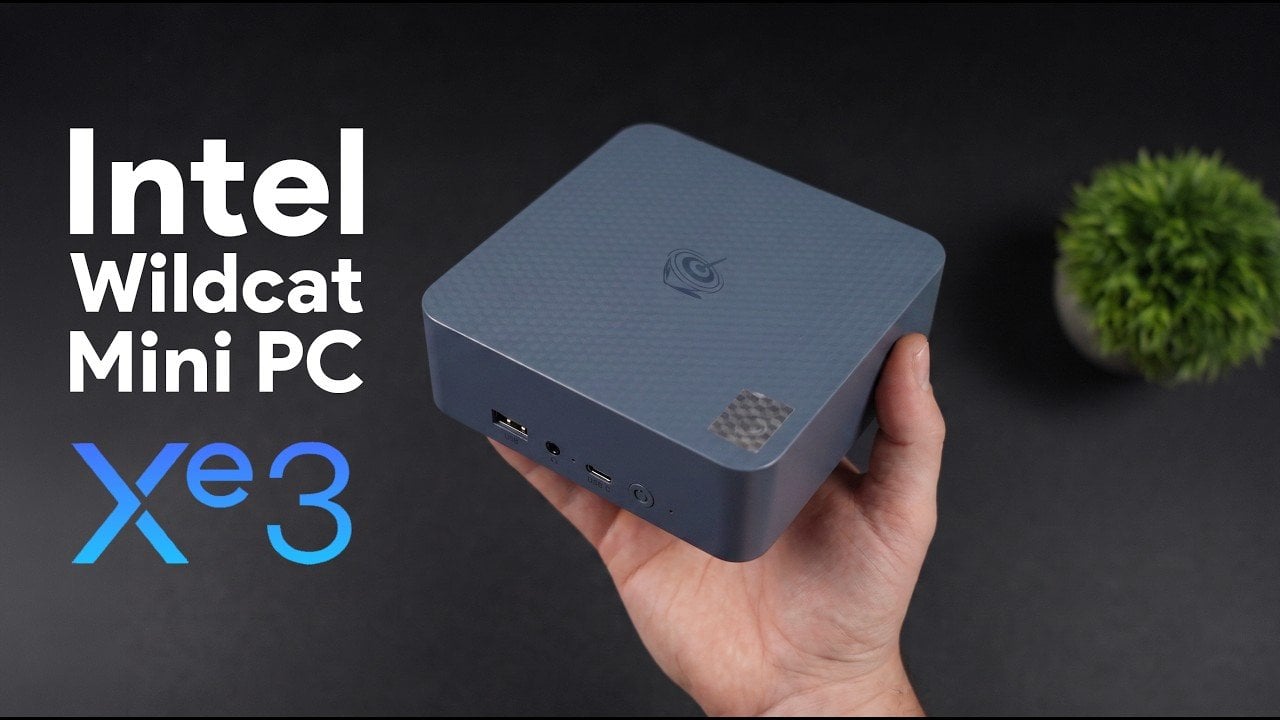
Intel’s Wildcat Lake Core 3304 CPU powers the compact Beelink EQI mini PC, offering a practical solution for everyday computing. According to ETA Prime, this system combines a hybrid architecture with one high-performance core and four efficiency cores, supporting tasks like web browsing, document editing and 4K video playback. The Xe3 iGPU, built on Intel’s […]

The post Beelink EQI with Intel Wildcat Lake Core 3304 Beats N305 appeared first on Geeky Gadgets.

Posted in Uncategorized

DDPAI Z90 Master Review: 4K Dash Cam Built for Total Vehicle Awareness

DDPAI Z90 Master Review: 4K Dash Cam Built for Total Vehicle Awareness

Beyond the basic recording of daily commutes, the new flagship Z90 Master signals a shift toward total vehicle awareness through high-fidelity imaging and seamless 4G connectivity. For most drivers, a dashcam is a “set it and forget it” insurance policy—a silent witness meant to stay out of sight until the unthinkable happens. But as our […]

The post DDPAI Z90 Master Review: 4K Dash Cam Built for Total Vehicle Awareness appeared first on Geeky Gadgets.

Posted in Uncategorized

Apple Event Date Leaked? iPhone 18 Pro Max & iPhone Ultra Reportedly Landing Sept 8

Apple Event Date Leaked? iPhone 18 Pro Max & iPhone Ultra Reportedly Landing Sept 8 Apple Event Date Leaked

Apple’s highly anticipated event, rumored to occur on September 8th or 9th, 2026, is stirring excitement across the tech world. The company is expected to unveil a lineup of innovative products, including the iPhone 18 Pro Max, the foldable iPhone Ultra, and updates to the Apple Watch, Apple TV, and HomePod. These announcements are poised […]

The post Apple Event Date Leaked? iPhone 18 Pro Max & iPhone Ultra Reportedly Landing Sept 8 appeared first on Geeky Gadgets.

Posted in Uncategorized

The $599 AI Guitar That Finally Makes Playing Easy

At some point in their life, almost everyone has picked up a guitar, struggled with a C chord for ten minutes, and quietly put it back down. The fingertip pain. The out-of-tune strings. The YouTube tutorial that somehow assumes you already know what a fret is. Learning guitar has always had a steep and slightly humiliating entry curve, and most of us just gave up. The TemPolor Melo-D thinks that’s a problem worth solving, and the design it came up with is genuinely hard to ignore.

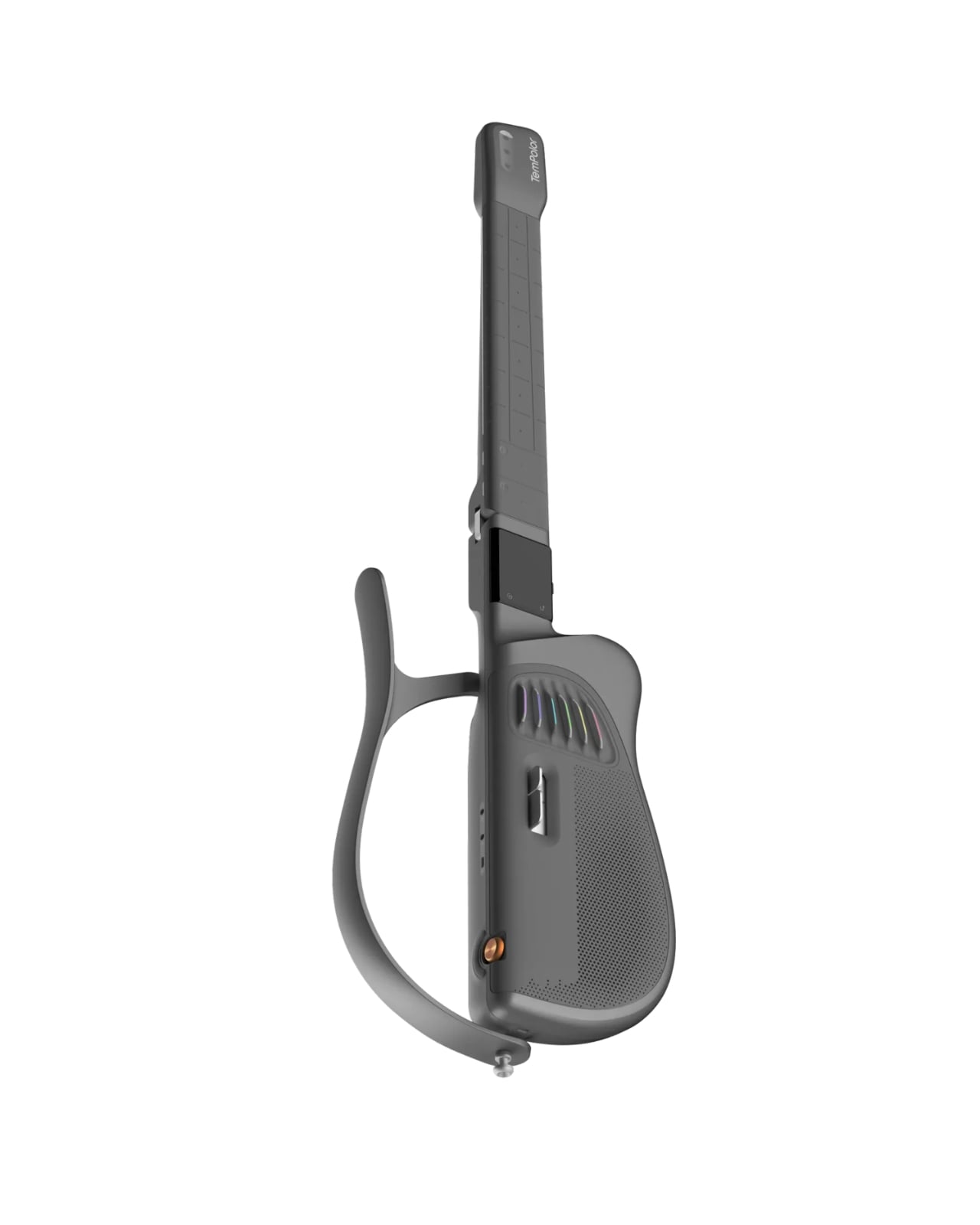
Designed by inDare Design Strategy Limited, the Melo-D is billed as the world’s first generative AI guitar, and even that description barely scratches the surface of what it actually is. On the outside, it looks like a guitar that a product designer and a tech enthusiast co-parented together. The body is sleek, the finish is pearl white, and it has a foldable build that makes it compact enough to take almost anywhere. But the real story is what happens when you turn it on.

Designer: inDare Design Strategy Limited
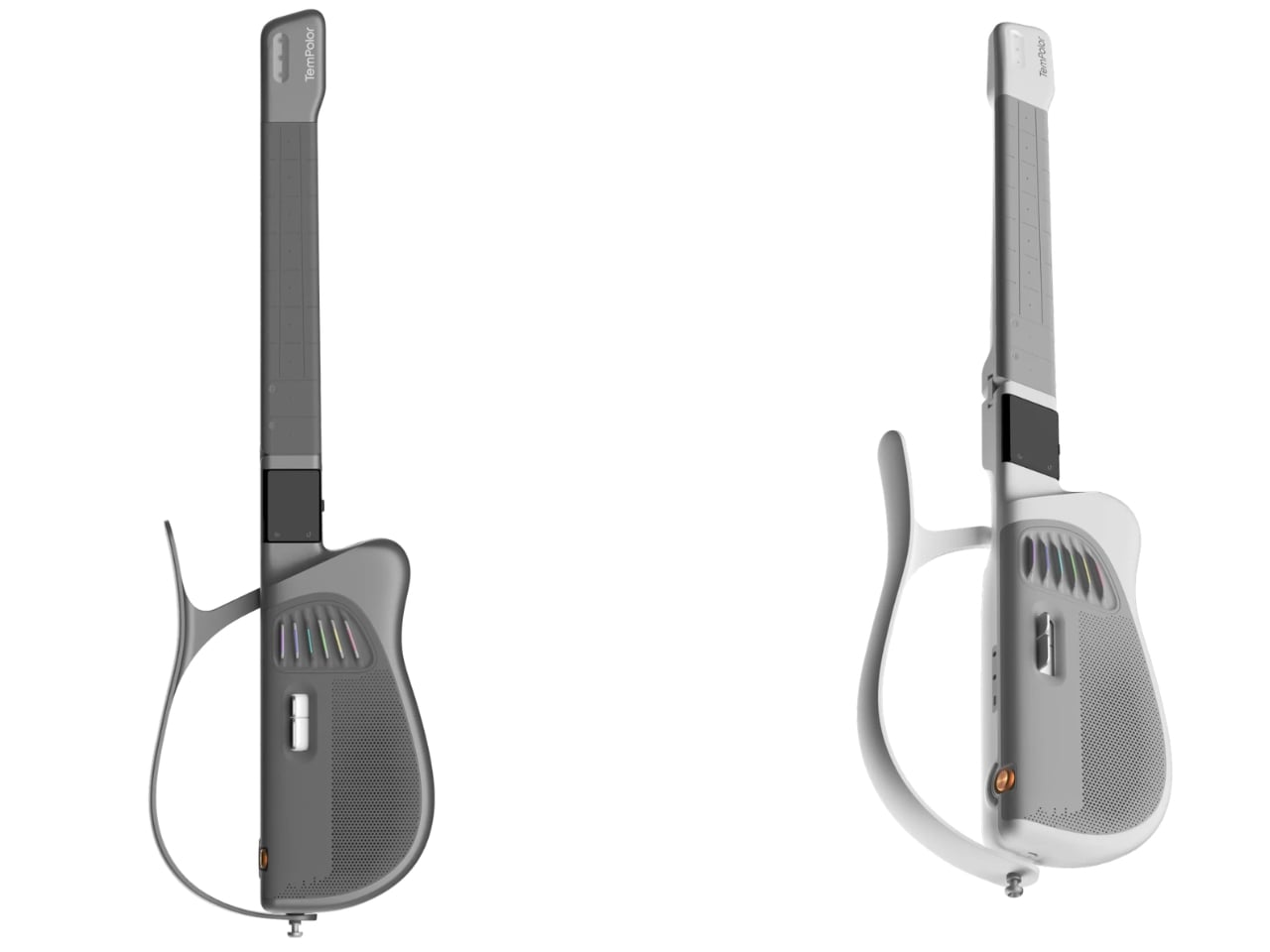
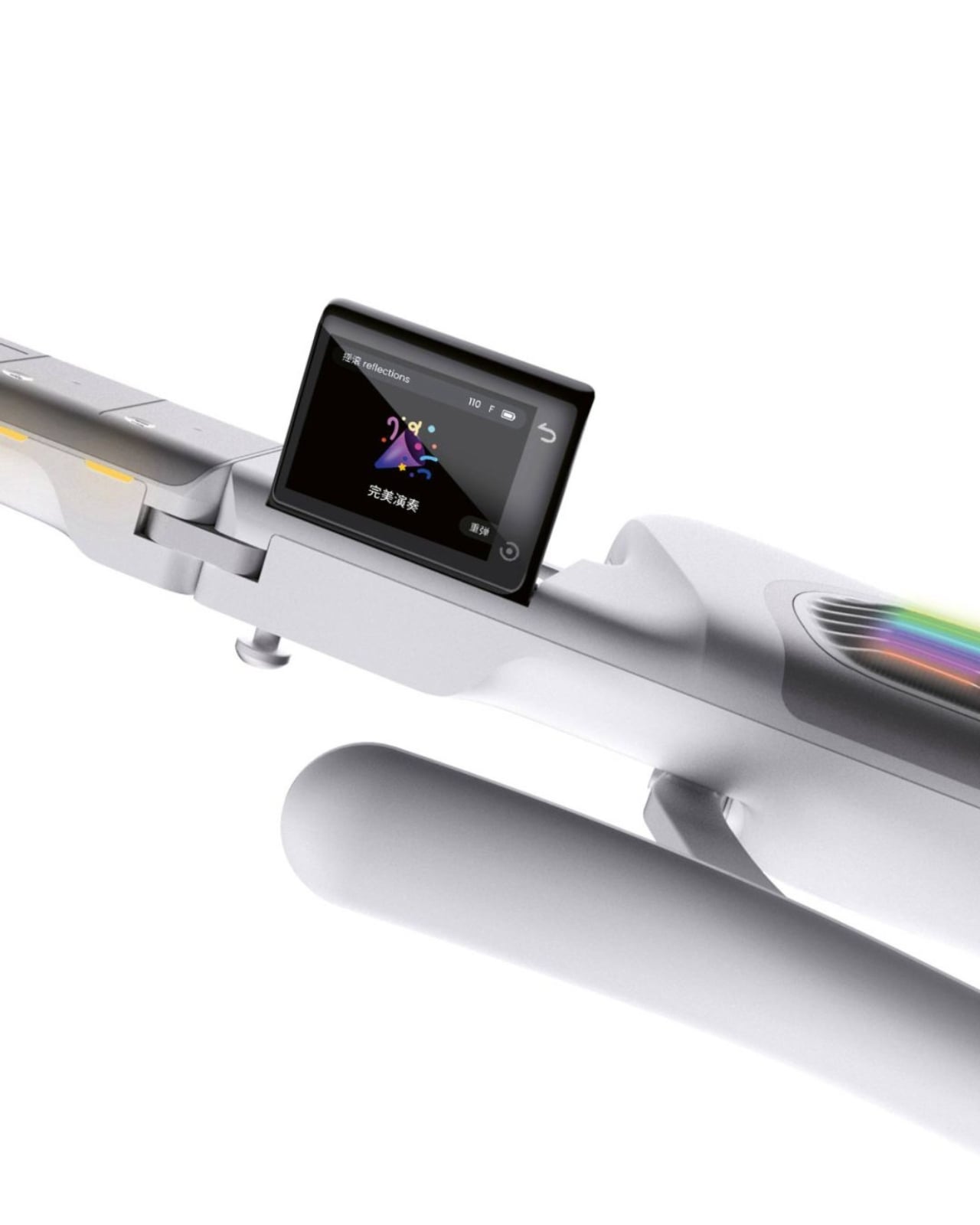
The neck is embedded with LED lights that illuminate exactly which notes to press, removing the guesswork for beginners entirely. A built-in 2.4″ LCD flip screen on the body handles chord guidance and ambient visuals without you ever needing to prop up a phone nearby. These feel like small details, but they represent a real design philosophy: the instrument itself should carry the full experience. You shouldn’t need a separate ecosystem of apps and accessories just to get started.
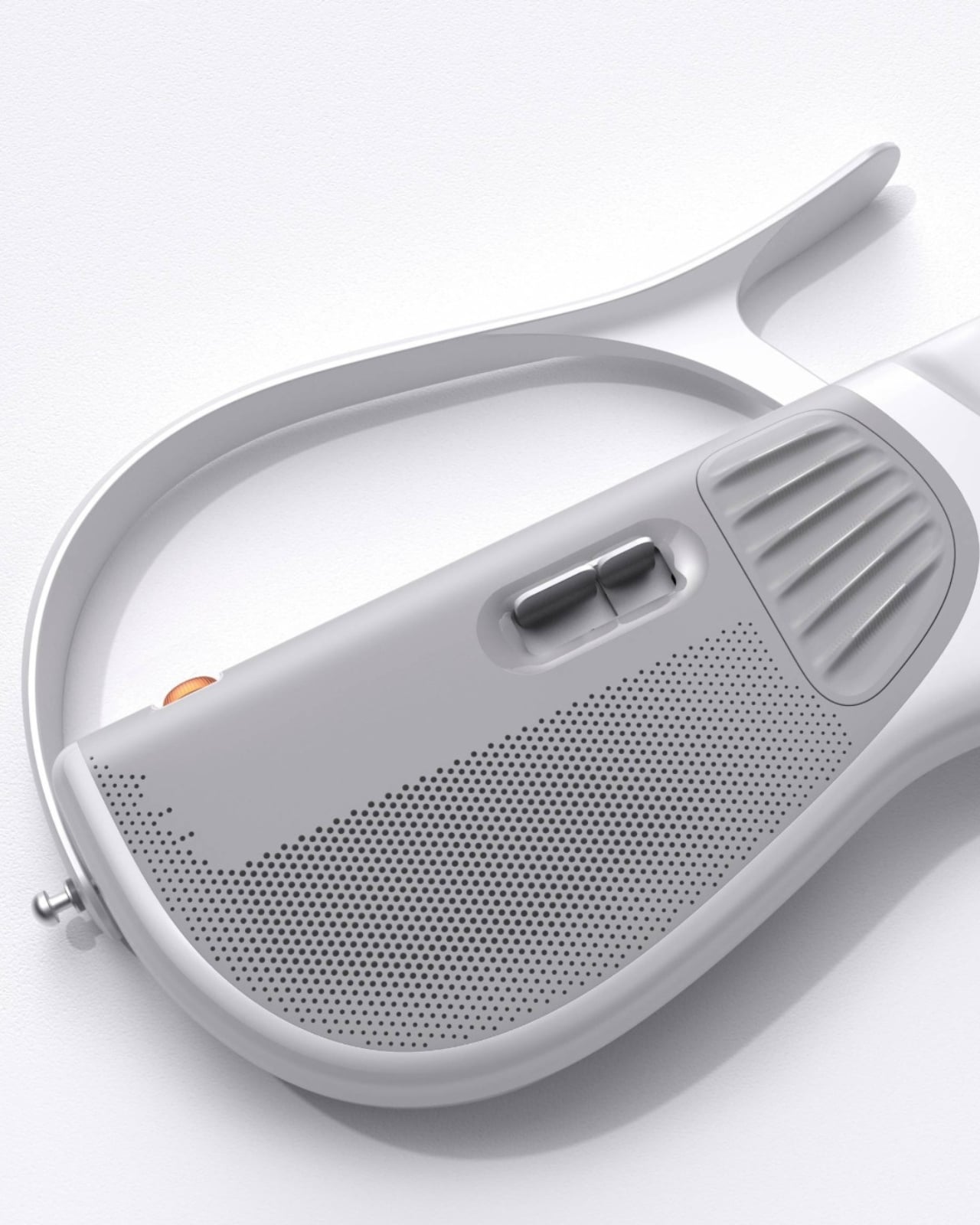
What makes the Melo-D genuinely interesting is the AI engine running underneath all of it. The guitar operates in three modes: solo, sing-along, and AI creation. In AI creation mode, you can hum a melody and the guitar transcribes it into a guitar solo. You can type a text prompt and it generates a song. Upload an audio file and it converts the music into playable tabs or chord charts. It even generates personalized backing tracks using emotional tags, so the sound starts to feel like yours rather than something borrowed from a practice app.
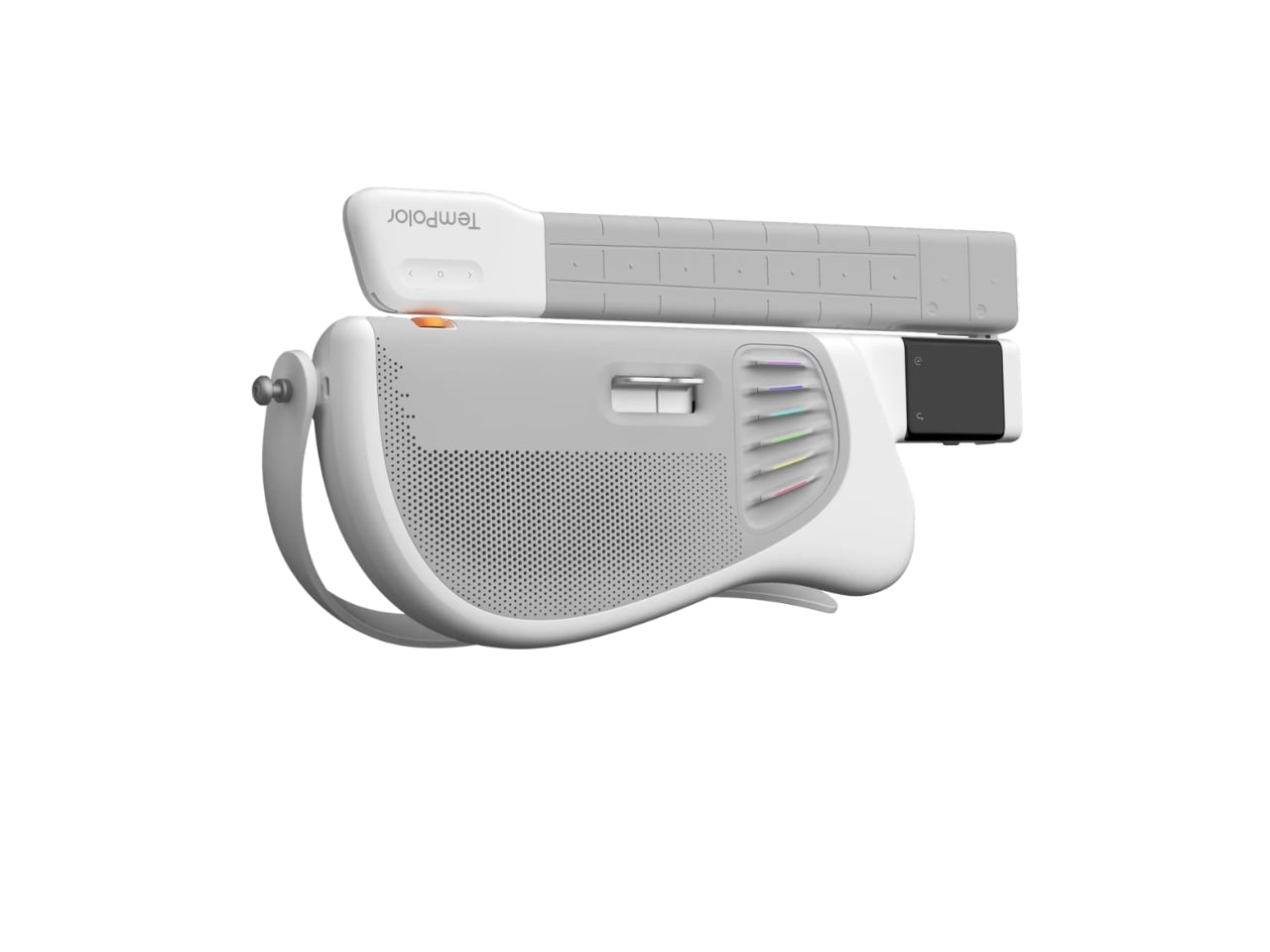
The “AI everything” wave has made it easy to be skeptical every time a product slaps the word generative onto its marketing. But the Melo-D doesn’t read as a gimmick dressed up in smart-instrument clothing. The six-string silicone system allows for real, note-by-note playing, which means it isn’t just a toy approximating the feel of music. It’s an actual instrument with training wheels you can choose to remove. The goal isn’t to replace the skill of playing guitar. It’s to lower the barrier enough that more people actually get through the door.
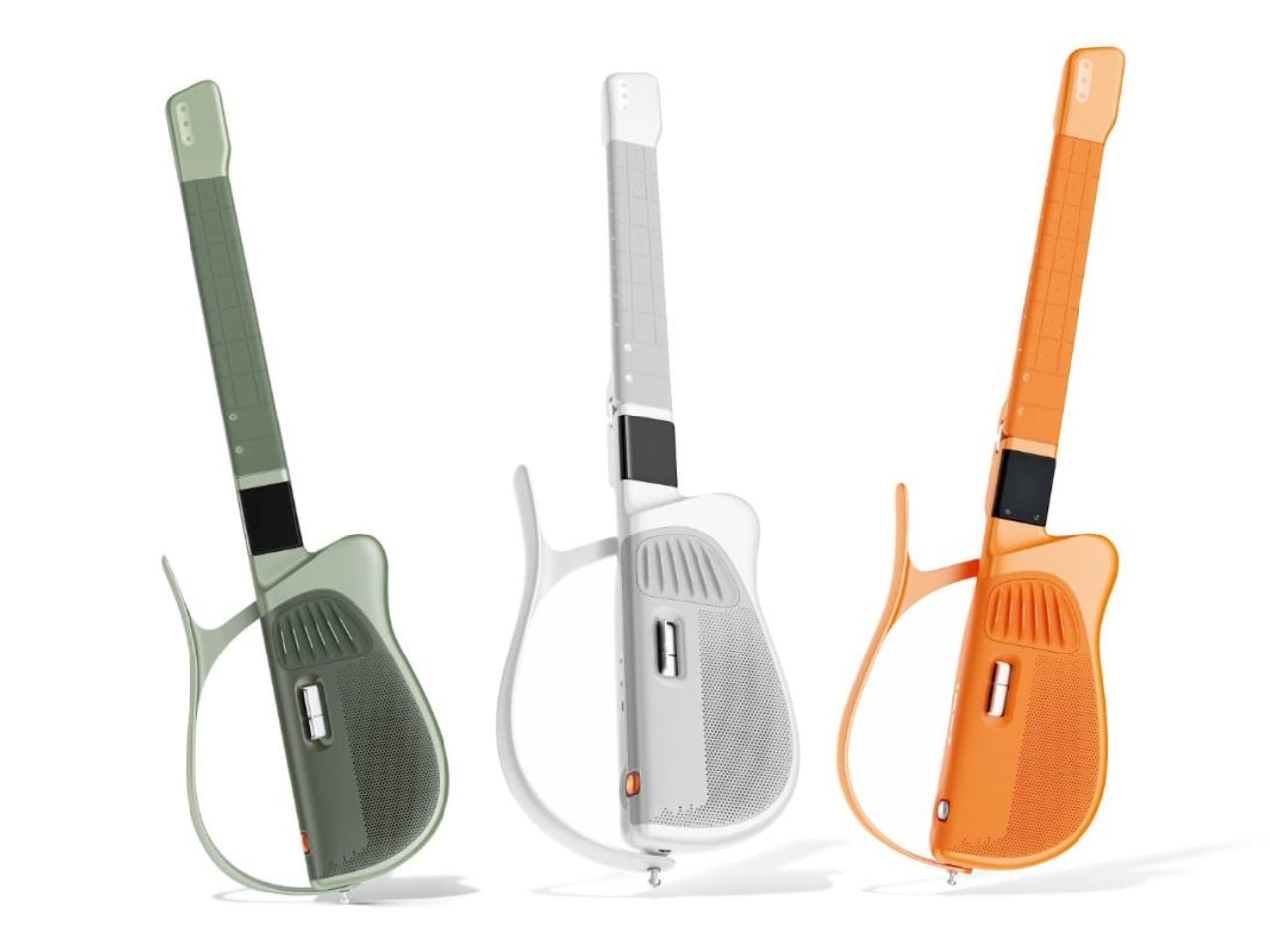
inDare’s design work here deserves its own mention. The studio, known for thoughtful human-centered industrial design, brought a lot of restraint to a product that could have easily become overcrowded with features. The foldable form factor, the integrated flip screen, and the silicone strings all feel like deliberate decisions, not afterthoughts. The Melo-D has also earned recognition at the iF Design Awards, which makes sense, because from a design standpoint it reads as a product with a clear and confident point of view rather than a collection of specs looking for a shell to live in.
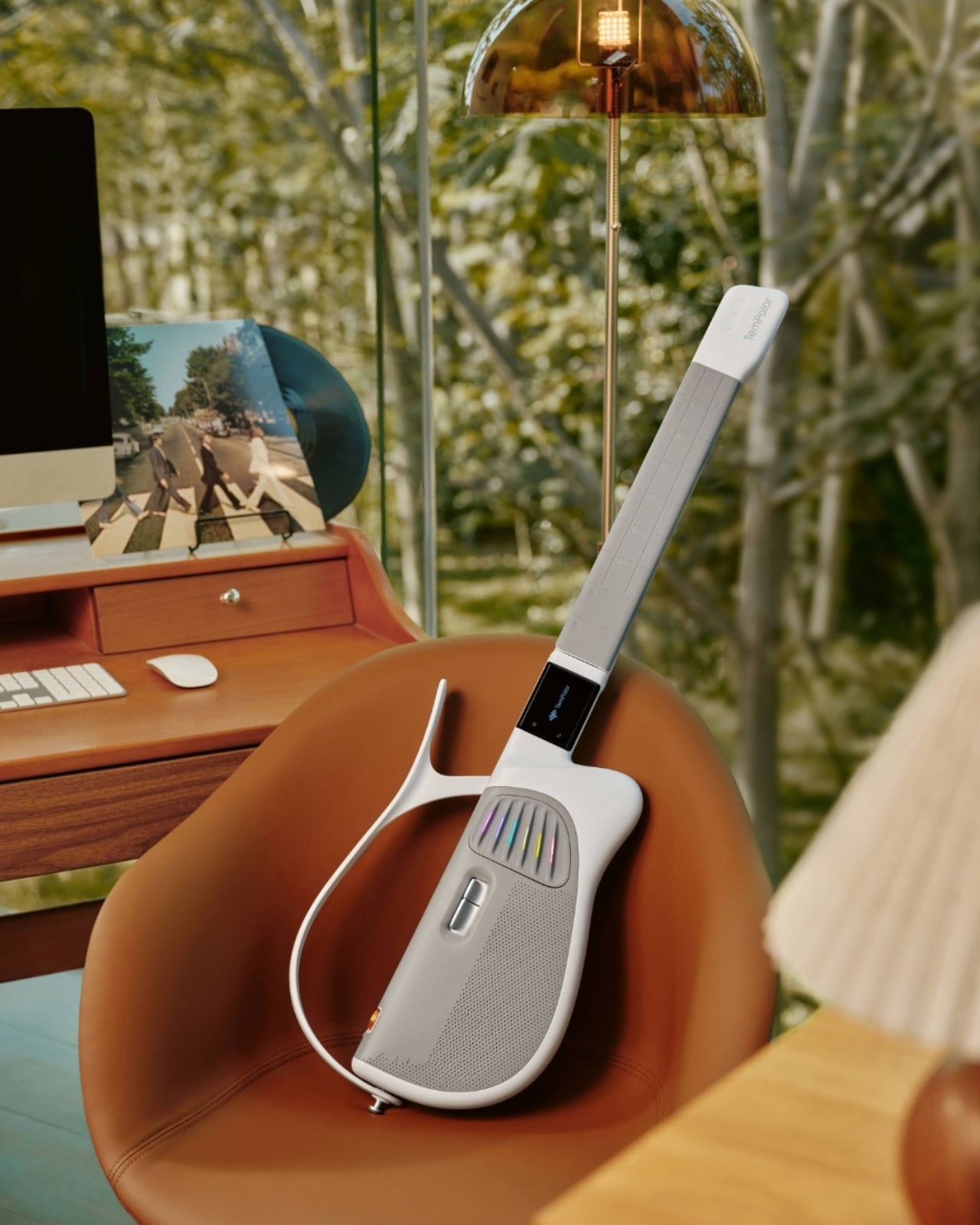
At $599, it’s available for pre-order now with an expected ship date in September 2026. For a piece of hardware this layered, that number asks you to take it seriously, which feels appropriate for what it’s trying to do.
Learning guitar used to mean a real commitment: years of practice, a teacher, calluses, patience, and a certain willingness to sound terrible for a while. The Melo-D isn’t trying to skip all of that, but it is offering a more honest entry point for people who actually want to try. Whether you’re a complete beginner or someone who has quietly given up on the guitar more than once, it meets you where you are. And sometimes, that’s exactly the invitation you need to actually show up.

The post The $599 AI Guitar That Finally Makes Playing Easy first appeared on Yanko Design.