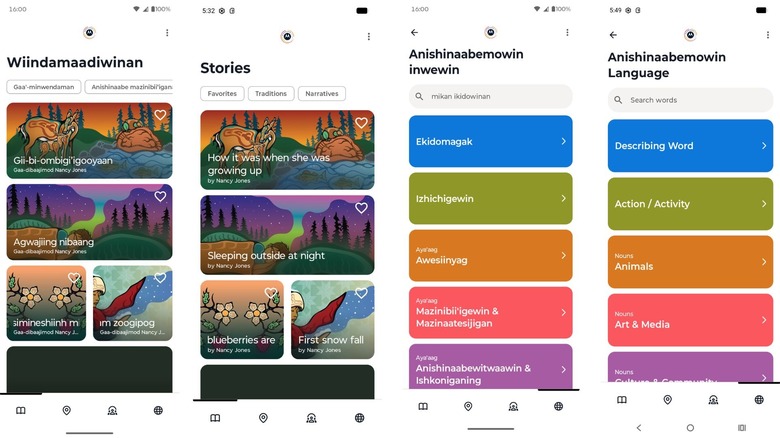
Motorola launches Indigenous Collections app for language and cultural preservation
The free Android app shares knowledge from members of the Rainy Lake Ojibwe community.
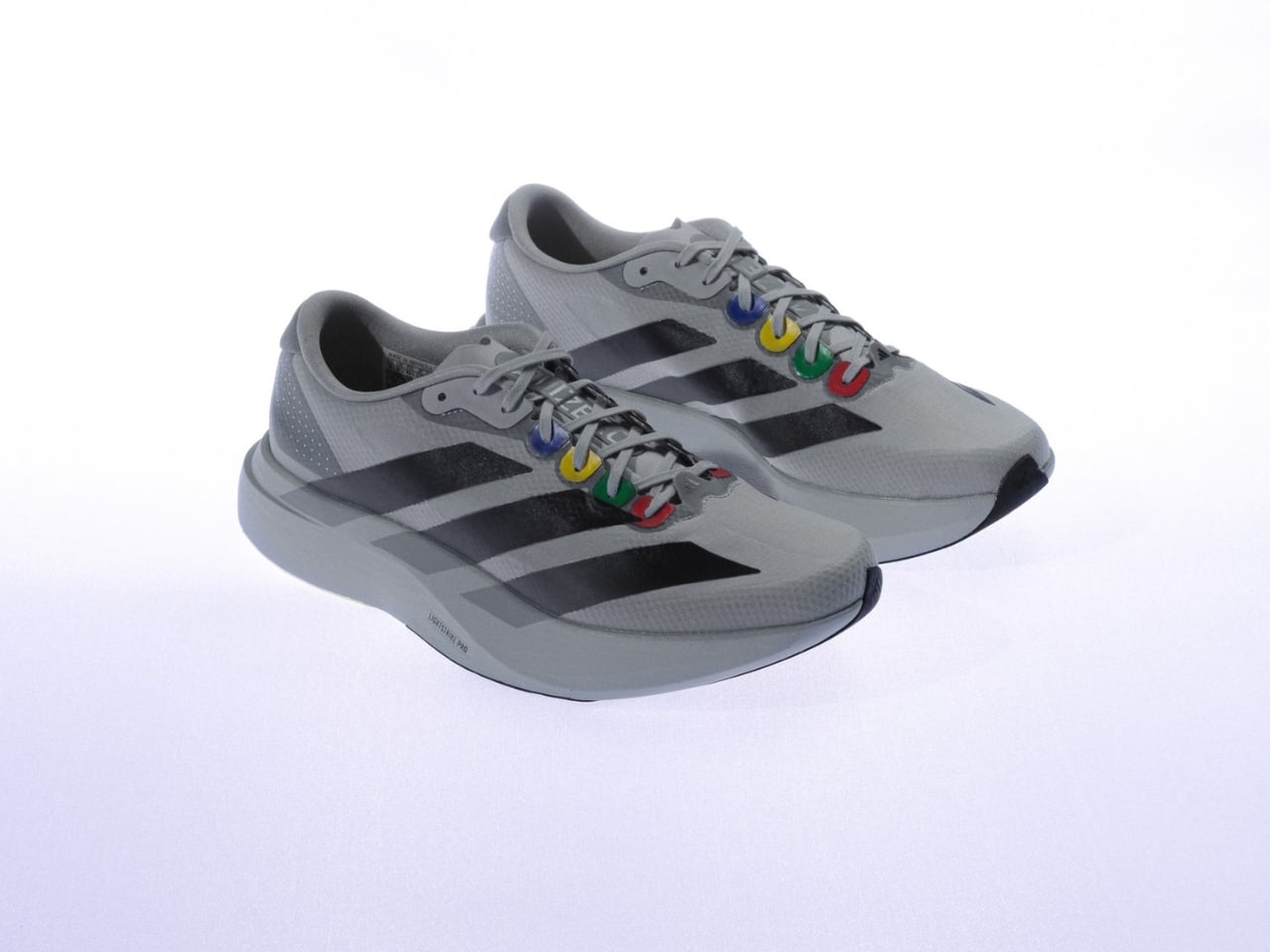
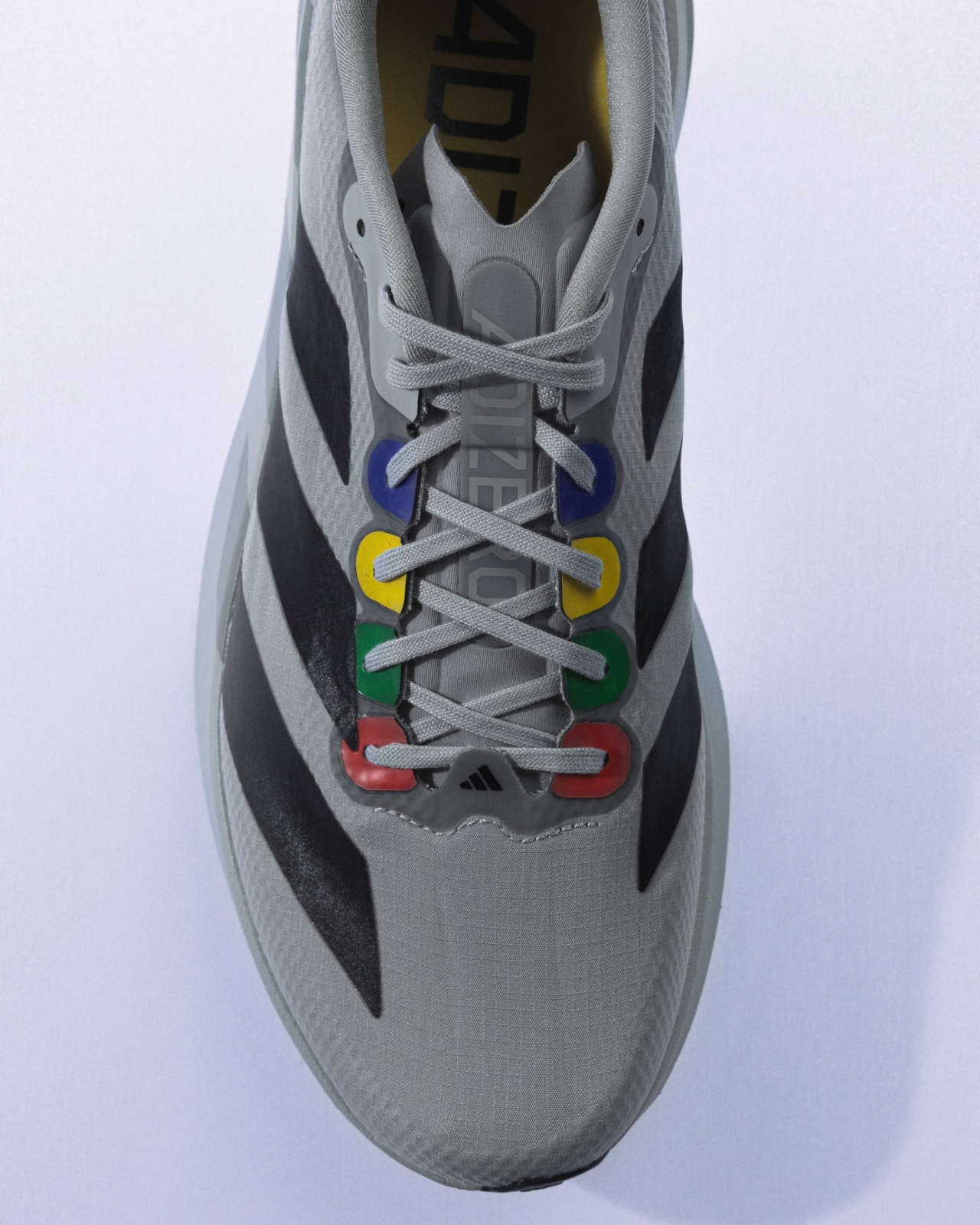
Somewhere between digging through a crate of old game cartridges and reaching for a solid pair of running shoes, Bangkok-based streetwear boutique CARNIVAL found its latest idea. The result is the CARNIVAL x adidas Adizero EVO SL “The Grey Console,” and it’s the kind of release that doesn’t need to try very hard to get your attention. It earns it.
The concept is straightforward but well-executed: take the familiar grey shell of a retro gaming console, the kind that sat under your TV in the early 2000s, and translate that visual language onto one of adidas’ most capable modern runners. The grey mesh upper immediately reads like vintage hardware, the color of a Nintendo 64 or an original PlayStation left to age gracefully on a shelf. It’s industrial and a little utilitarian, but it also carries a specific kind of warmth that only nostalgia can give something.
Designers: adidas x Carnival
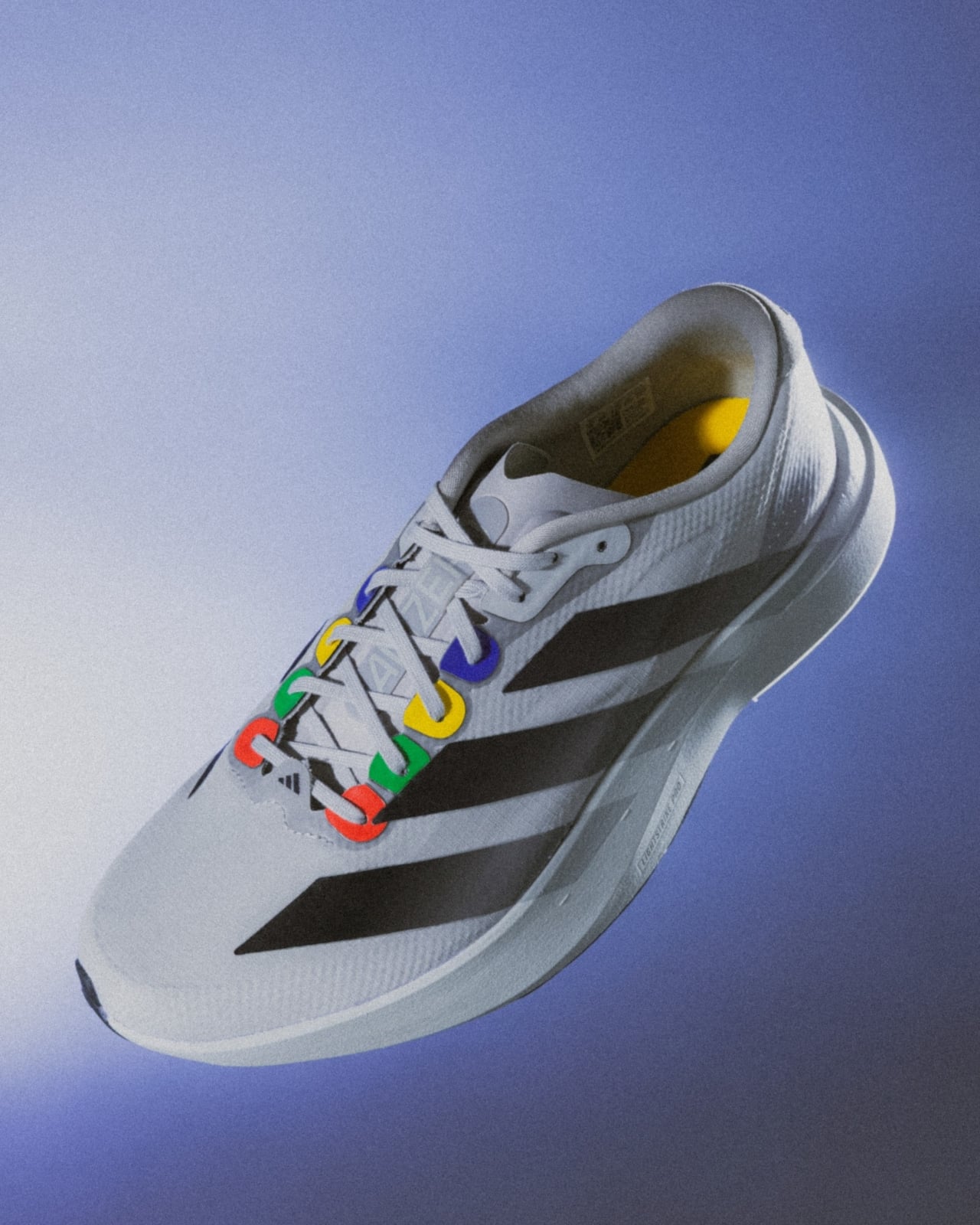
The real conversation starts in the details. The red, yellow, green, and blue accents scattered across the eyelets and branding aren’t subtle, but they don’t need to be. Those four colors are a shared visual memory for anyone who grew up with a controller in their hands. They’re shorthand for a specific era before streaming services and mobile gaming dominated everything, when plugging in a console felt like an event. CARNIVAL didn’t over-explain the concept. They trusted the design to speak, and it does.
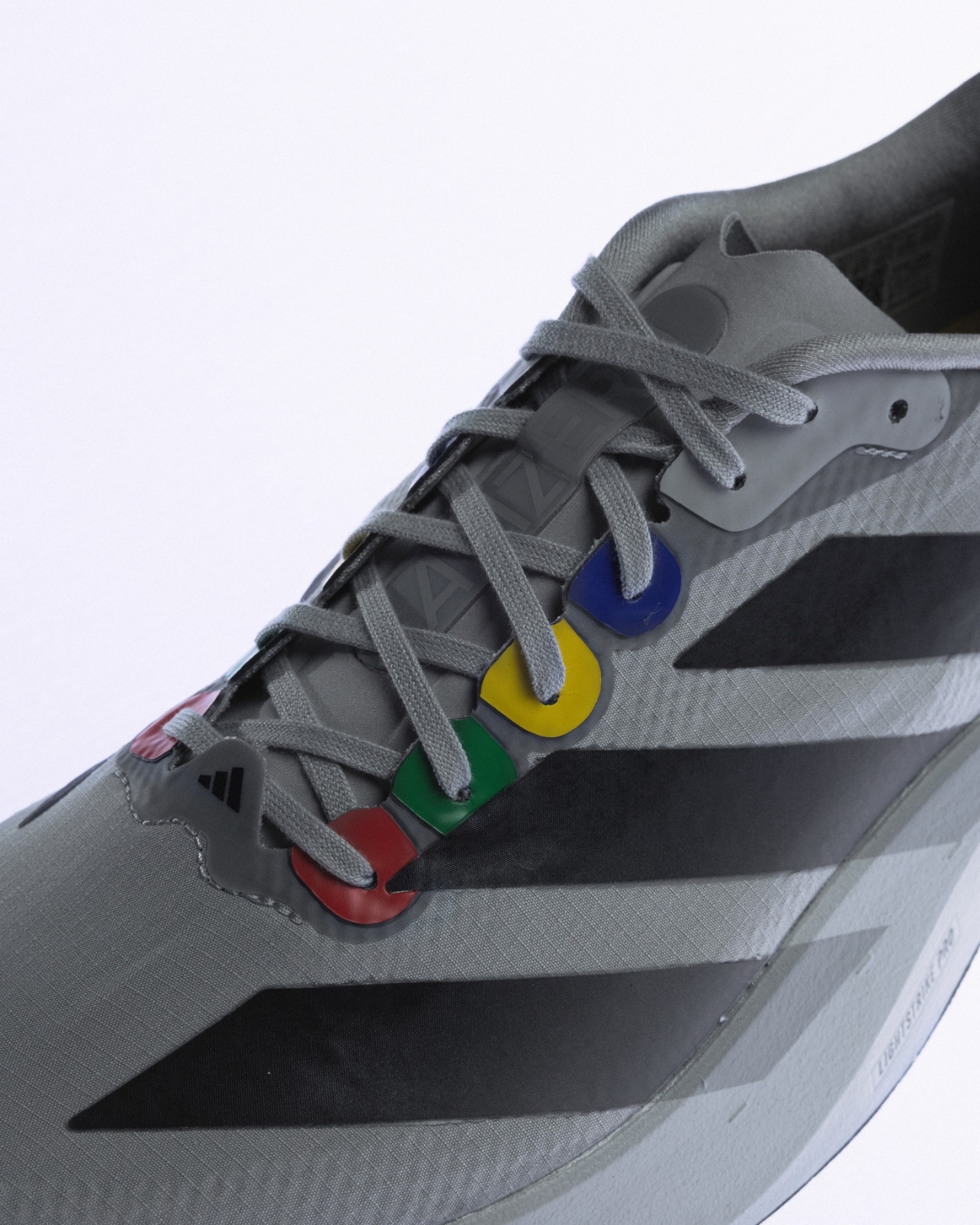
What makes the execution particularly sharp is how disciplined the color placement is. The multicolor hits appear along the eyelets, surfacing only when you look closely. It rewards a second look. The grey mesh has a breathable, open texture that adds depth to the upper without overcomplicating the silhouette. The branding stays restrained, letting the colorway do the storytelling rather than relying on logos to carry the concept. The overall result is a shoe that reads as athletic from across a room and as a considered design object the moment you hold it.
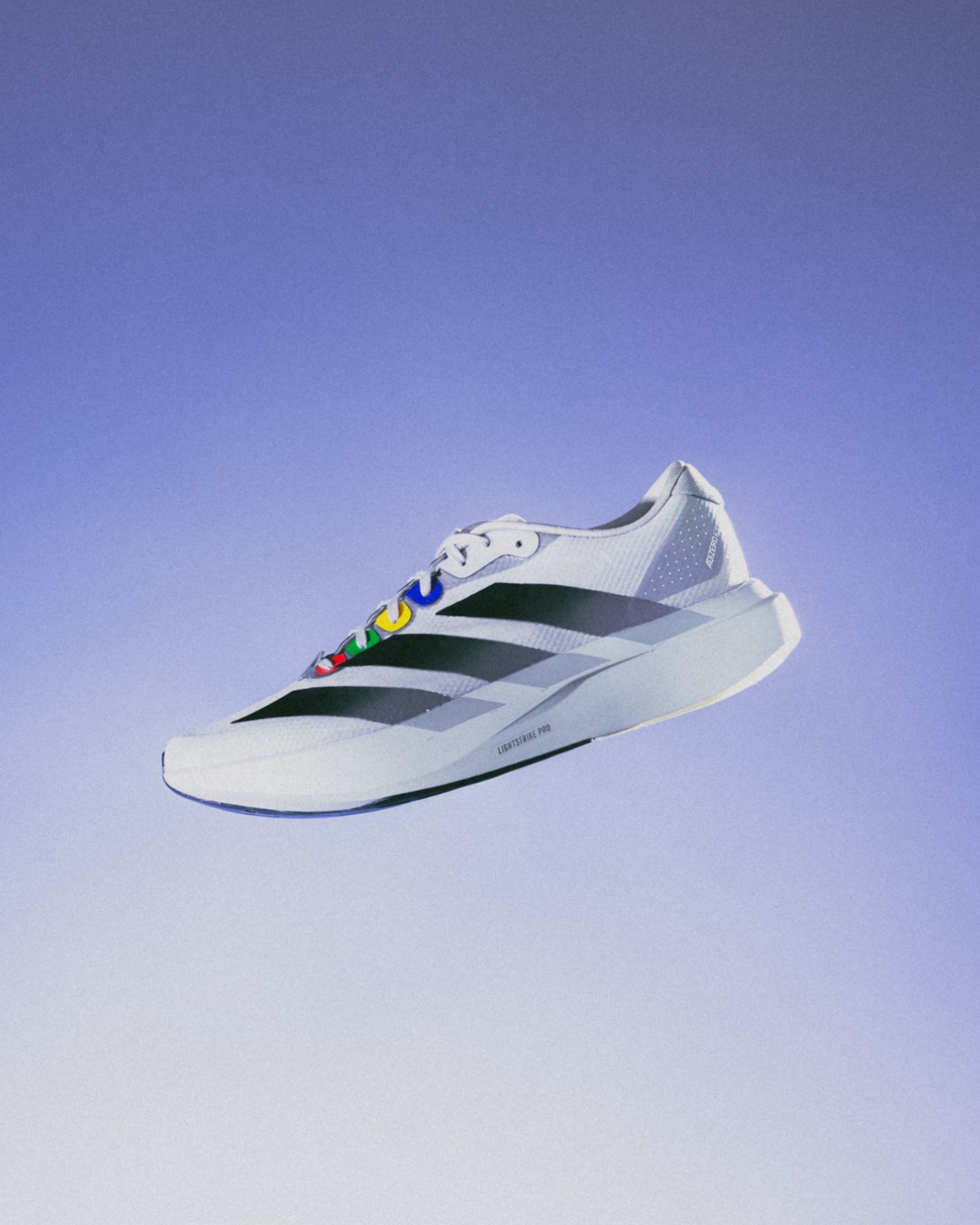
Performance-wise, the shoe isn’t riding purely on its references. The Adizero EVO SL runs on adidas’ LightStrike Pro foam, originally developed for elite race-day running. The midsole delivers a soft, responsive bounce without feeling excessive or gimmicky. A dimensional outsole structure aids weight transfer during a run, and the Continental Rubber at the forefoot adds traction that actually holds up. It’s a performance shoe doing exactly what a performance shoe should, just with a story attached to it.
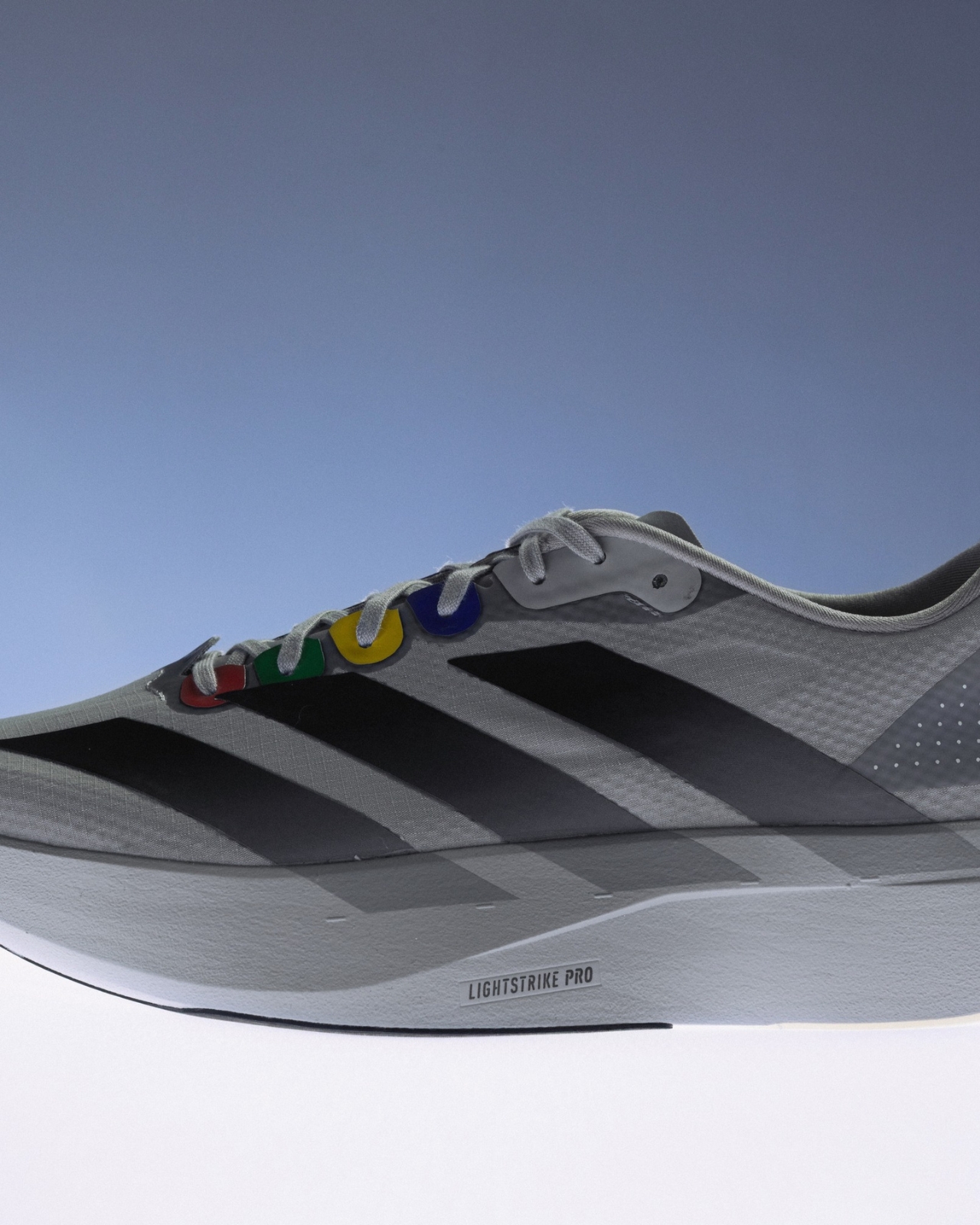
That combination, a technically credible runner dressed in pure nostalgia, is what makes this collaboration feel earned rather than opportunistic. The EVO SL has built a strong collab roster with names like BAPE, Pharrell, and Hartcopy. CARNIVAL slots into that lineup not by screaming the loudest, but by being the most specific. The “Grey Console” concept doesn’t try to appeal to everyone. It targets a very particular person: one who played video games growing up, grew into someone who cares about footwear, and now finds those two worlds overlapping in a way that feels genuinely satisfying.
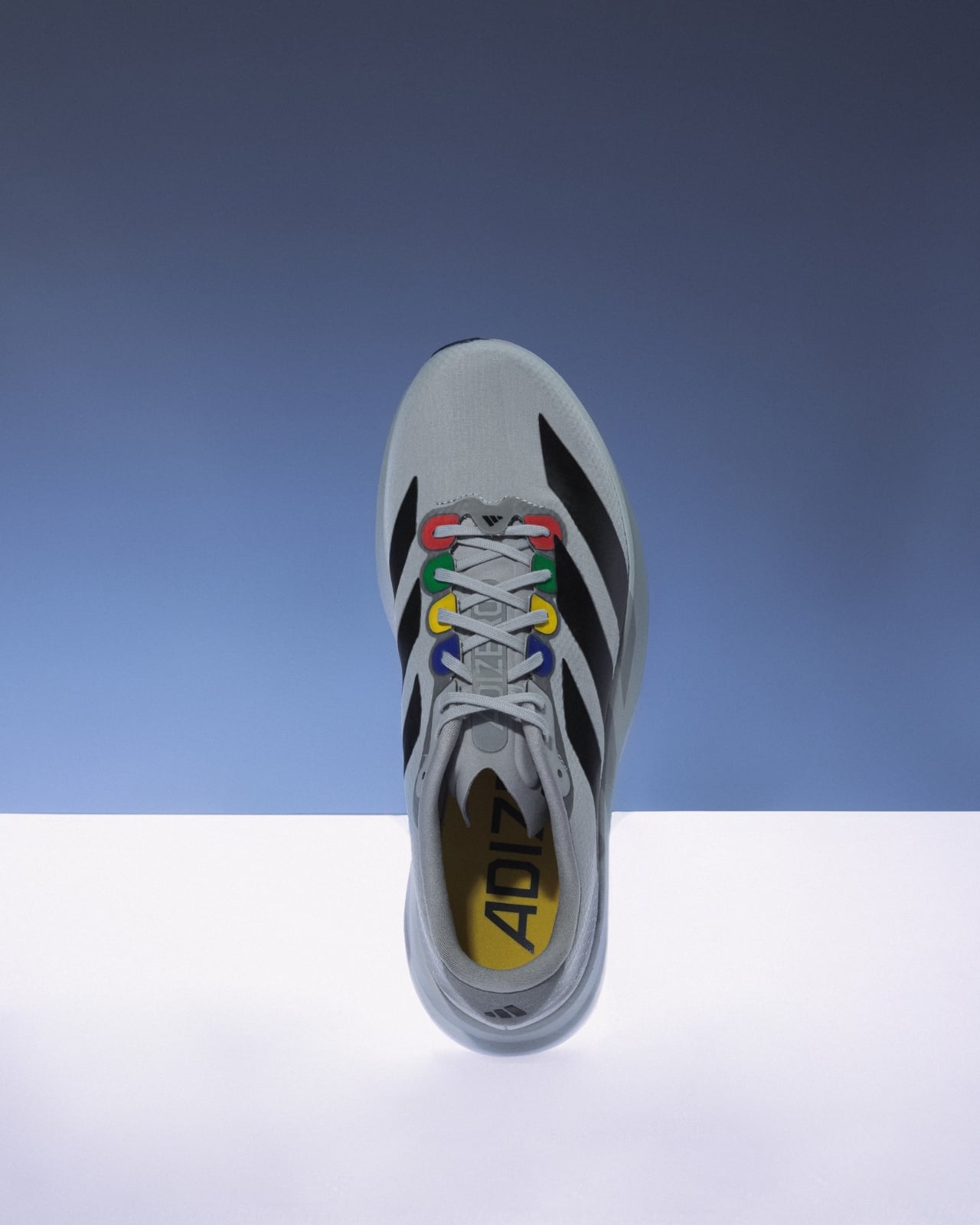
That specificity is exactly what separates a great collab from a forgettable one. Too many collaborations chase something broadly recognizable but ultimately hollow. The best have a point of view. CARNIVAL has always been good at this. As a Bangkok-based retailer with a loyal following across Southeast Asia, they consistently bring a cultural perspective that doesn’t feel assembled by committee. The Grey Console is personal, and that’s precisely why it lands.
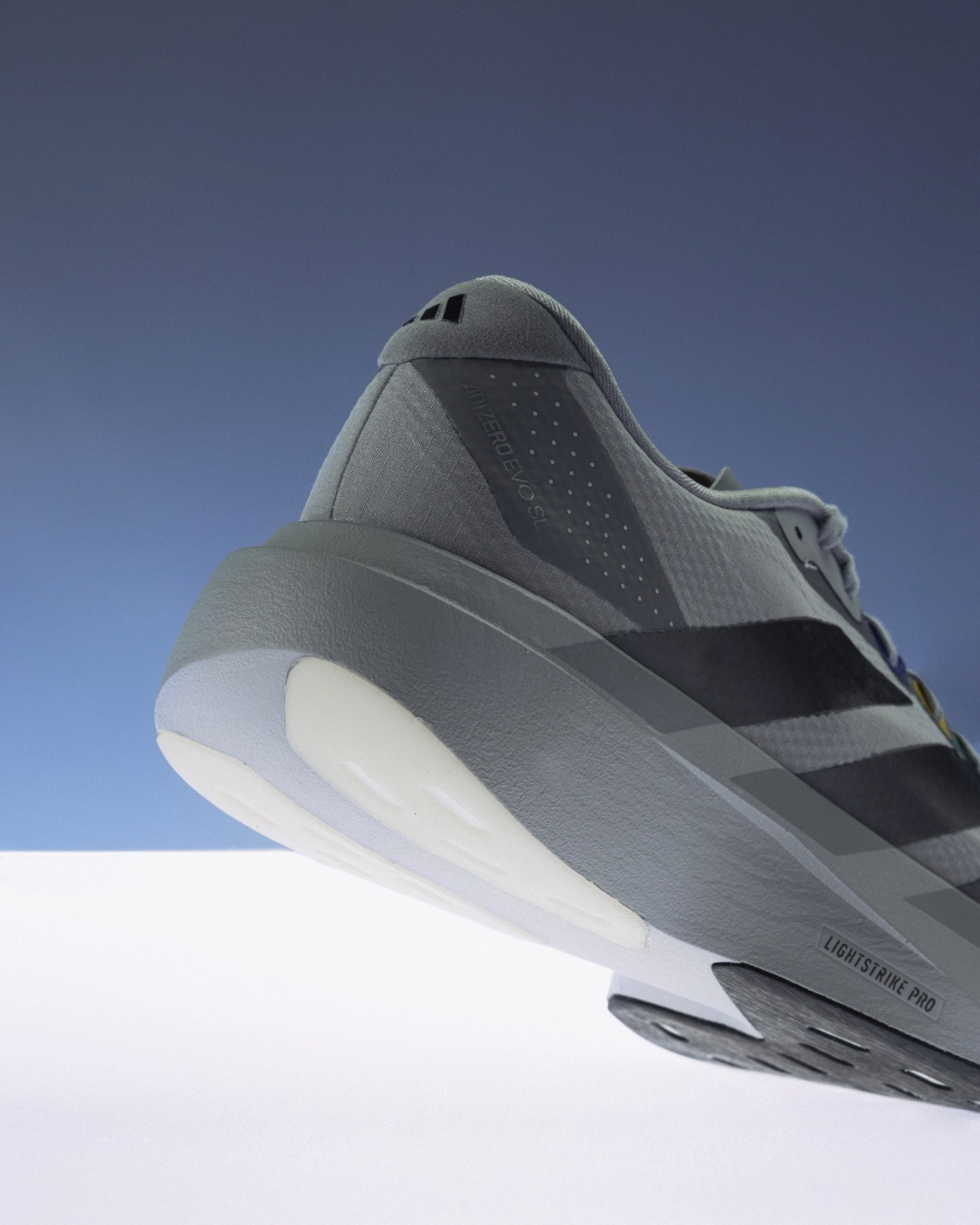
At $170, it’s priced fairly for what it offers. The LightStrike Pro midsole appears in adidas race shoes that cost considerably more. You’re getting actual running capability here, not just a lifestyle silhouette with a compelling colorway bolted on. The shoe dropped on July 22, and sizes disappeared quickly. Whether a wider rollout is coming remains unclear, which makes the limited availability feel oddly appropriate for a concept this specific.
Some releases are designed to be everywhere. Some are designed for the person who immediately understands what they’re looking at. The CARNIVAL x adidas Adizero EVO SL “The Grey Console” is firmly the latter. That’s not a complaint. It’s a compliment.
The post adidas x Carnival’s $170 Sneaker Is a Love Letter to Retro Gaming first appeared on Yanko Design.

China’s AI models are making significant strides, with the Kimi K3 emerging as a notable example of this progress. As reported by The Stack, the Kimi K3 has surpassed leading U.S. models like GPT 5.6 Sol in benchmarks such as SWE Marathon, which evaluates advanced reasoning and decision-making skills. A standout feature of the Kimi […]
The post China’s Kimi K3 Outperforms GPT 5.6 Sol in SWE Marathon appeared first on Geeky Gadgets.

The Samsung Galaxy Z Fold 8 represents a significant leap forward in foldable smartphone technology. With its refined design, enhanced durability, and top-tier performance, this device sets a new standard for innovation in the mobile industry. Whether you’re a tech enthusiast or a professional seeking a versatile tool, the Galaxy Z Fold 8 offers a […]
The post Samsung Galaxy Z Fold 8 Stands Out from the Standard Lineup appeared first on Geeky Gadgets.

Claude Fable 5 is a capable AI coding assistant, but its lack of memory across sessions can create challenges for developers managing complex projects. Each session requires reintroducing project details, which increases token usage and consumes time. According to World of AI, integrating the open source memory platform Cognee can address this issue. Cognee adds […]
The post Open-Source Platform Gives Claude Fable 5 a Second Brain appeared first on Geeky Gadgets.

Microsoft’s 2026 updates to Copilot introduce significant enhancements across Outlook, Excel and PowerPoint, focusing on improving user interaction and task efficiency. According to Mike Tholfsen, one notable addition is the integration of advanced AI models like OpenAI GPT 5.6 and Anthropic Claude 5. For example, GPT 5.6 supports drafting well-structured emails in Outlook, while Claude […]
The post Microsoft Copilot 2026 Adds OpenAI GPT 5.6 and Anthropic Claude 5 appeared first on Geeky Gadgets.

Think you’ve mastered your iPhone? Think again. Apple’s flagship device is packed with lesser-known features that can enhance productivity, improve personalization and elevate your overall user experience. From accessibility tools to creative customizations, these hidden gems can redefine the way you use your device. Here are ten features you might not know about, but definitely […]
The post 10 Hidden iPhone Tips to Improve Your Daily Experience appeared first on Geeky Gadgets.

Diesel trucks are being repurposed through Janus Electric’s retrofitting process, which replaces internal combustion engines with electric drivetrains and modular batteries. This six-day conversion retains the original chassis, reducing material waste while offering a practical way to electrify existing fleets. According to Engineering with Rosie, this method provides a cost-efficient solution for fleet operators aiming […]
The post Janus Electric Converts Diesel Trucks to EVs in Six Days appeared first on Geeky Gadgets.
Pet design has spent years stuck in a holding pattern, functional at best, forgettable at worst. The objects built around our animals have rarely been held to the same standard as everything else in a considered home. That’s beginning to change. A new generation of designers is approaching pet products the same way they approach anything else, asking harder questions about form, material, and what the thing is actually trying to do.
What unites these five is a refusal of the usual trade-off. You shouldn’t have to choose between a home that looks intentional and a home that works for your animal. The best pet products start from that premise and find solutions that serve both sides with the same formal intelligence you’d expect from any well-considered object. When a product stops being something you manage around, it becomes something you’re genuinely glad to have.
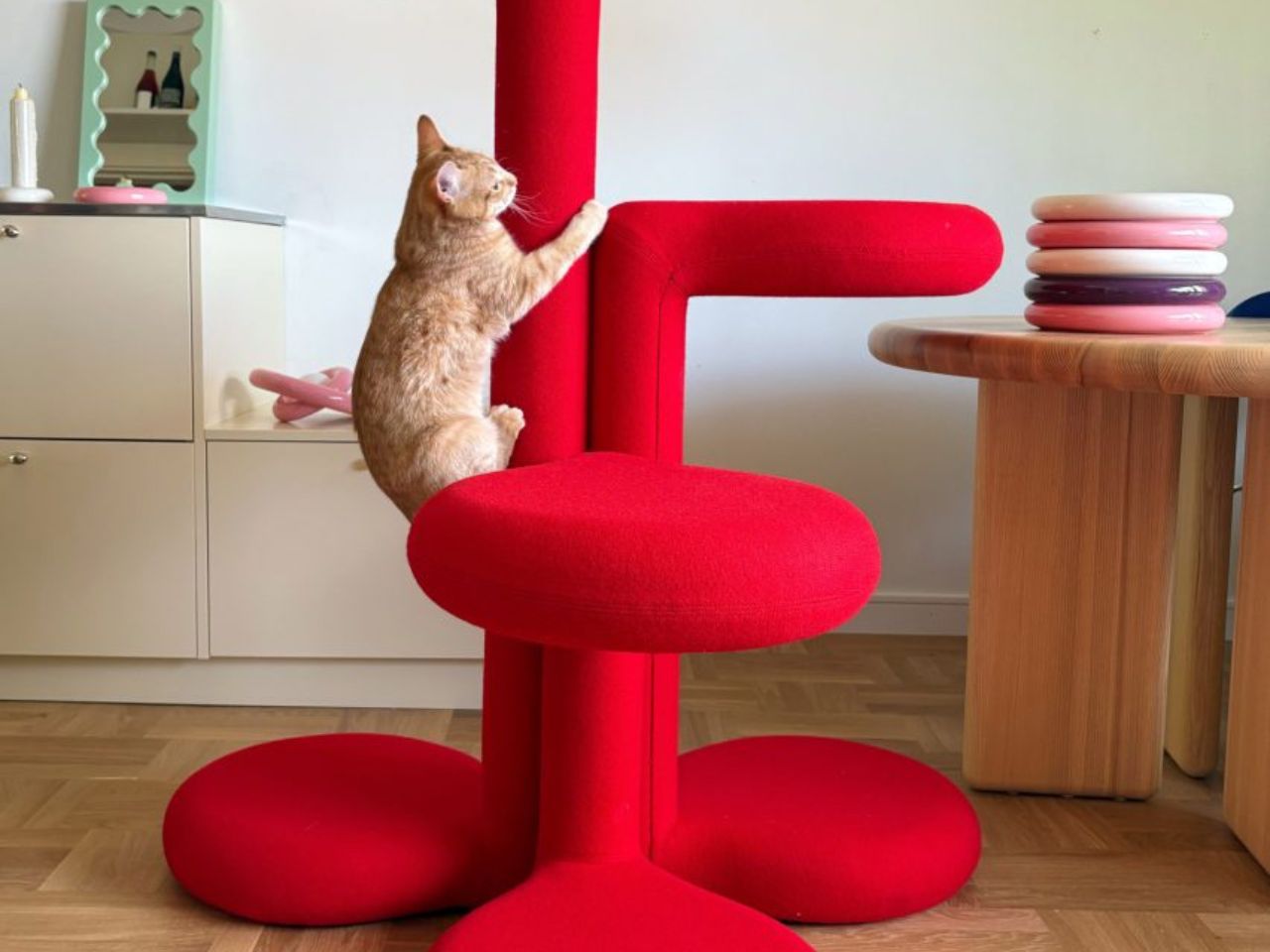
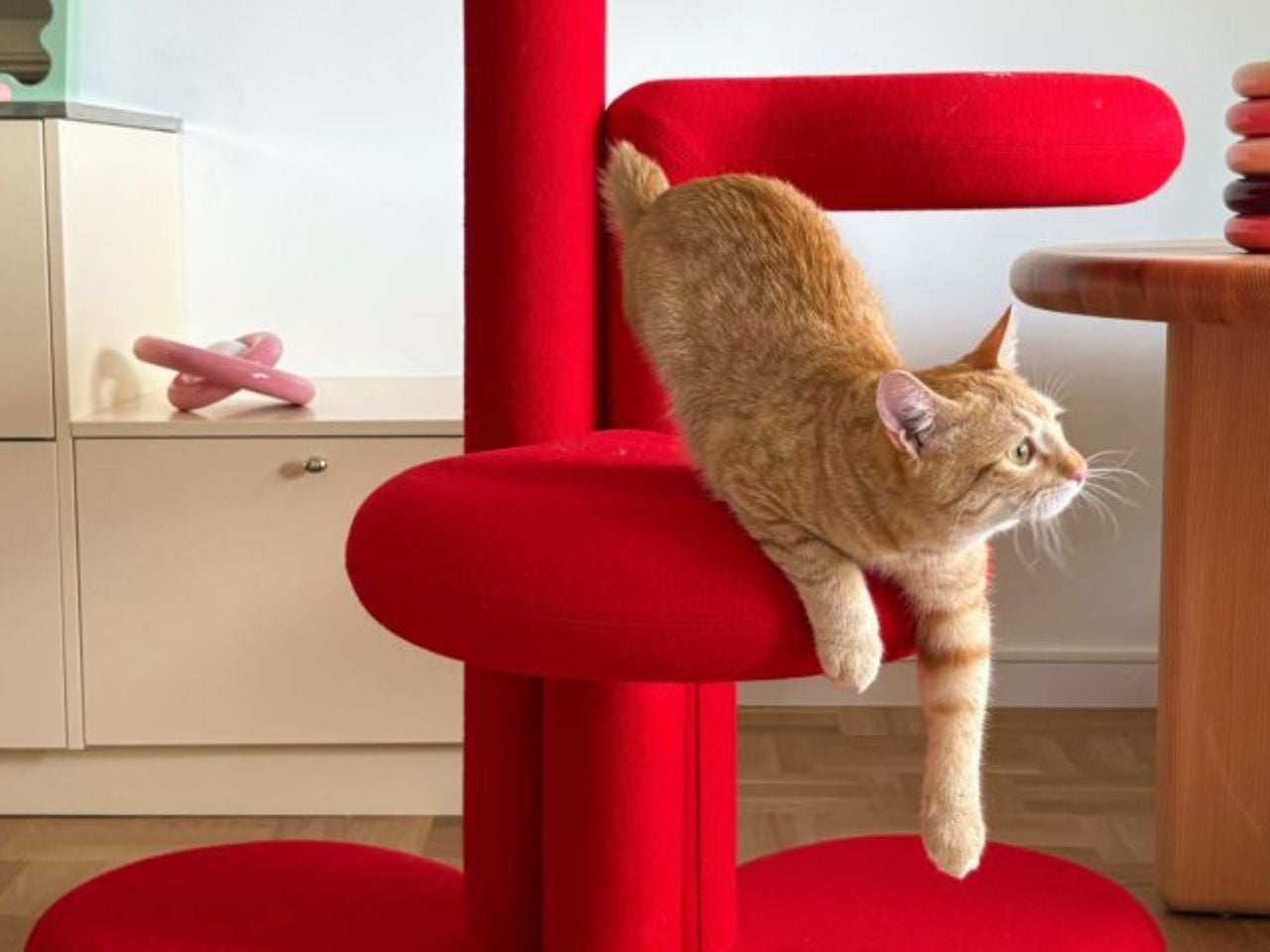
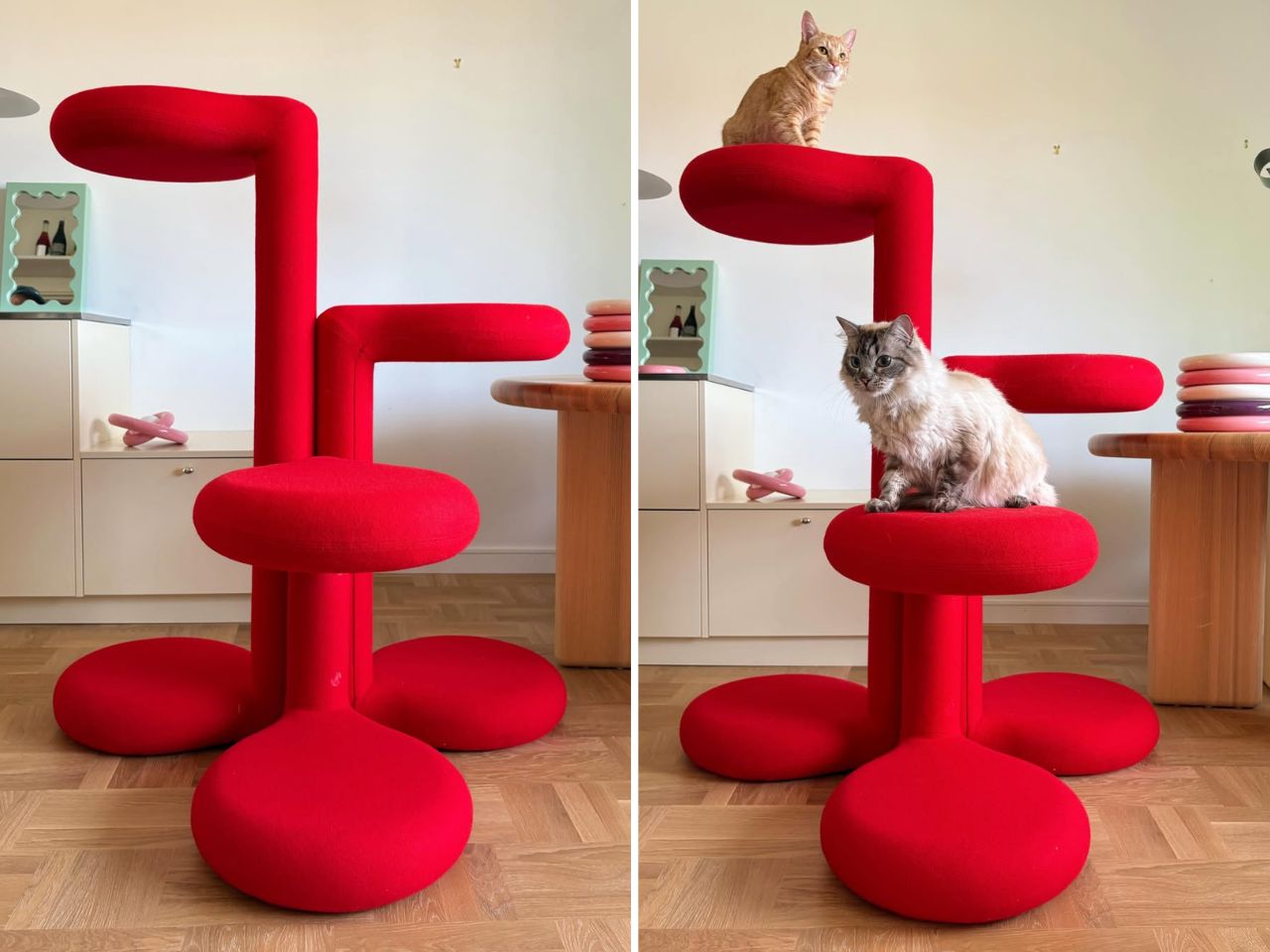
Gustaf Westman has spent his career making objects that stop you mid-room. The Swedish designer’s signature vocabulary, rounded forms, chalky pastels, and a cheerful materiality that makes things feel considered without feeling serious, translates to cat furniture with surprising ease. His pieces don’t ask to be hidden. They ask to be placed. A climbing structure in the Westman language becomes something you actually want in your living room, which is a genuinely rare thing to say about anything designed for a cat.
For cat owners who have spent years tolerating carpet-covered towers tucked behind sofas, this is the product that changes the terms. You stop hiding the furniture and start displaying it, and that shift benefits the cat as much as the room. A well-placed, structurally interesting object is exactly what a cat will engage with rather than ignore. The benefit for you is a home where the animal’s things no longer undercut everything else you’ve worked to make look good.


There is a specific kind of design satisfaction reserved for solutions so obvious you wonder why they took this long. A bottle cap that converts any standard water bottle into a pet drinking vessel is exactly that. Thread it onto a bottle you’re already carrying, tilt, and a small reservoir fills for your dog or cat to drink from. At $9, the price becomes part of the argument. This earns its place not through complexity but through the sheer clarity of the idea.
What makes it interesting from a design perspective is what it doesn’t do. It doesn’t add bulk, require charging, or introduce a new object into your bag. It simply replaces the cap on something you’re already carrying. For anyone who walks their dog, hikes, or travels with animals, this is the kind of thinking that makes a product genuinely useful rather than just thoughtfully packaged. The solution is in the reduction, and that’s exactly how it should be.

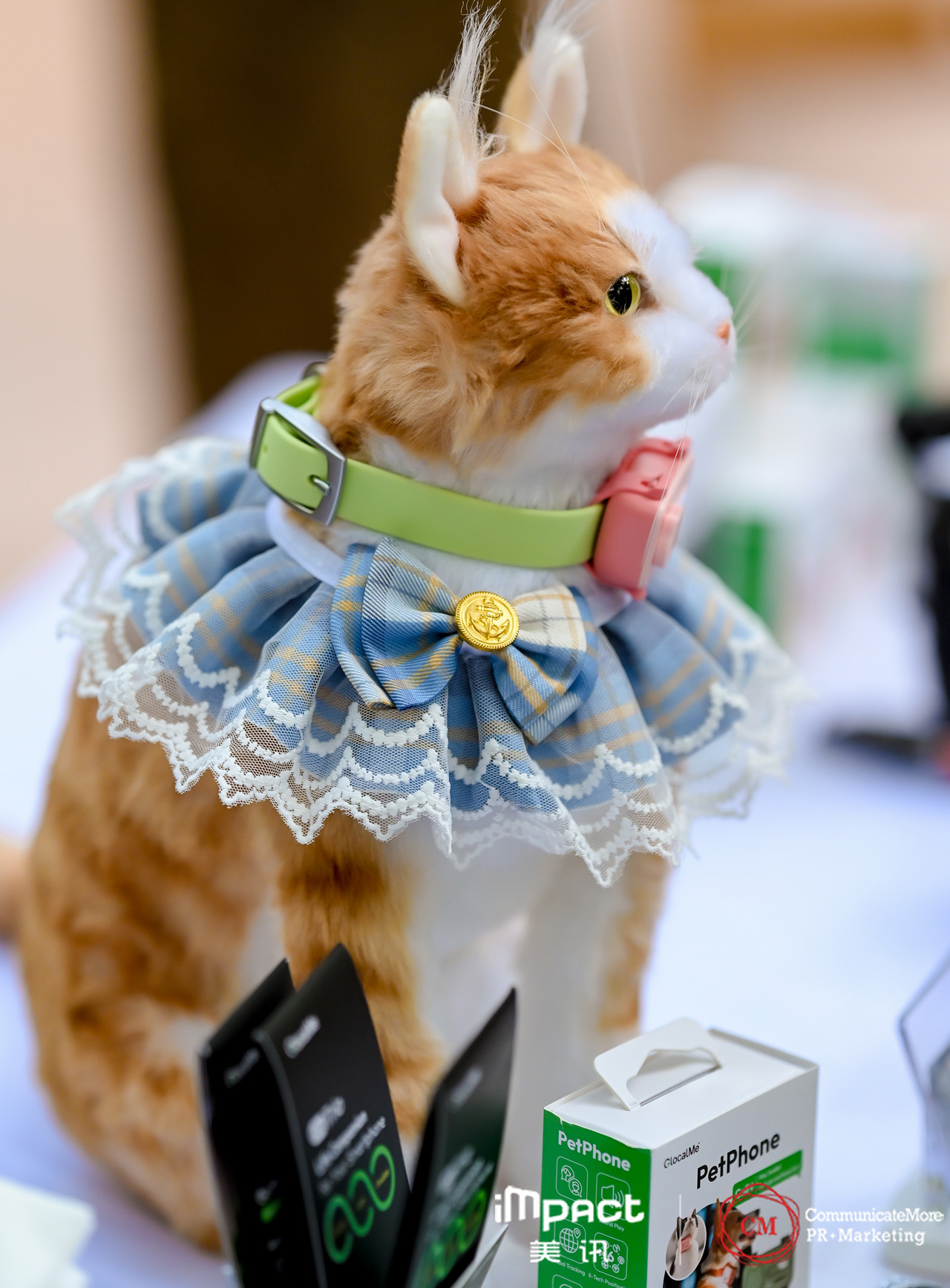
The conceptual leap here is significant. Rather than building pet monitoring features into a companion app or a smartwatch extension, this device treats pet care as a dedicated platform in its own right. A smartphone-like form factor designed exclusively around tracking, monitoring, and caring for your animal brings a level of focus that tacked-on app features cannot match. Health metrics, location, behavioral patterns: it consolidates what would otherwise be scattered across multiple apps into a single, considered object.
The design argument is also about the owner’s relationship with the device itself. When your animal’s care lives in its own dedicated interface rather than competing with your notifications and social feed, the interaction changes. You’re not checking on your pet between emails. You’re engaging with something purpose-built, which makes the monitoring feel intentional rather than incidental. For a generation of pet owners who treat their animals as dependents, that distinction is exactly the kind of thinking that earns product loyalty.
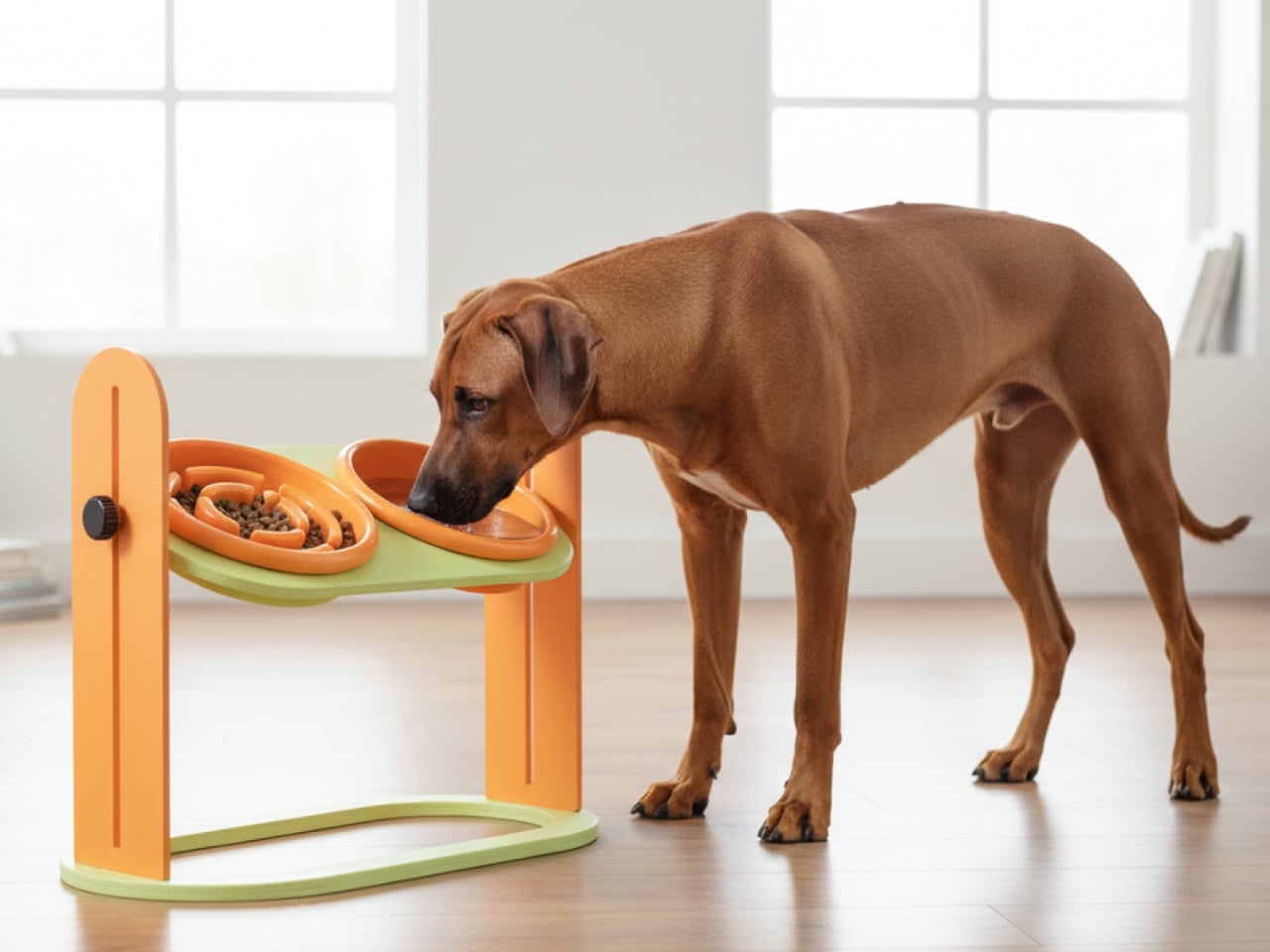
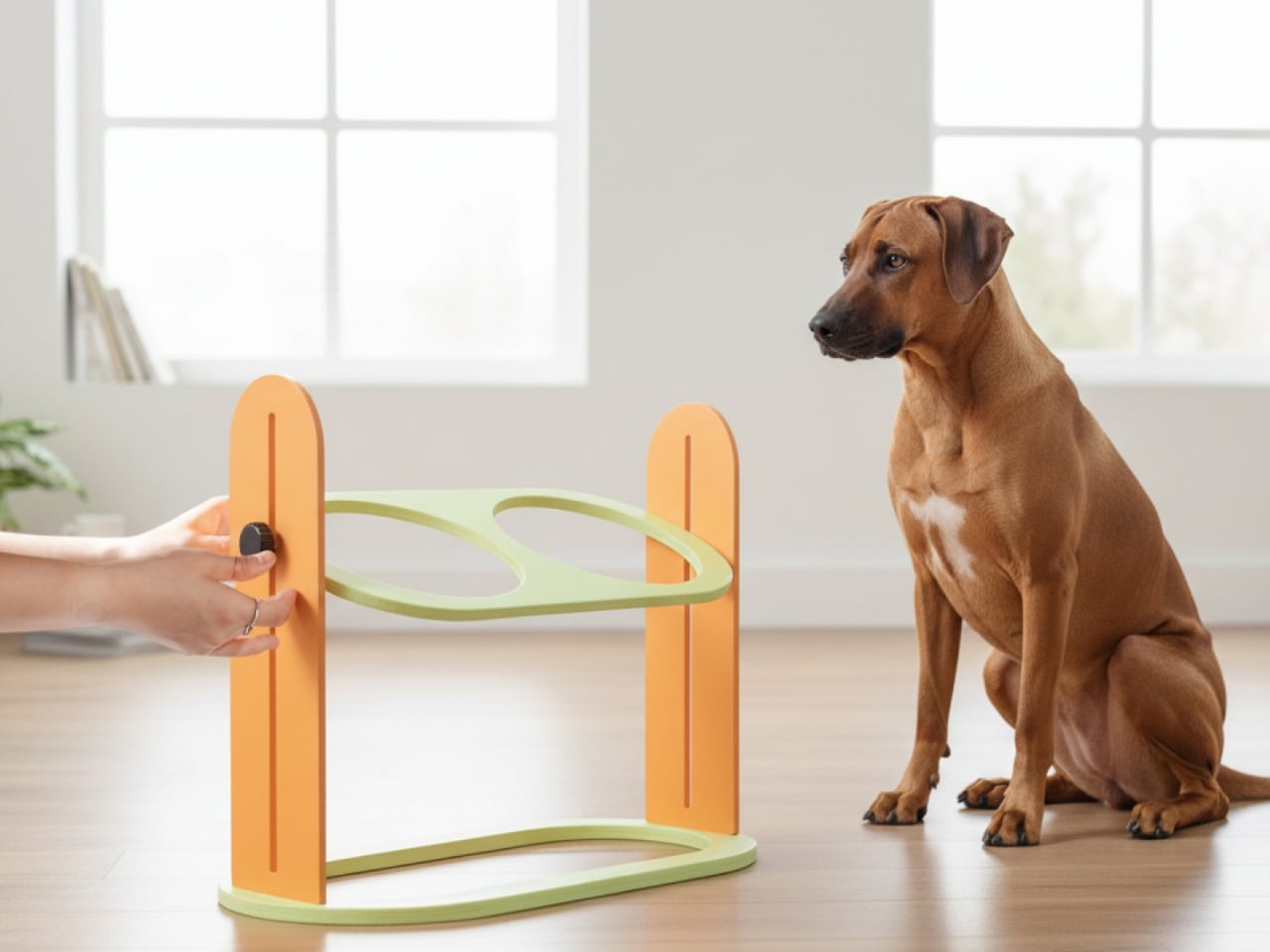
The standard dog bowl is one of the least examined objects in the home, a container that does one thing without much thought about whether that one thing could be done better. This bowl challenges that premise by introducing cognitive engagement into the feeding ritual. Your dog has to work for the food, navigating a surface designed to slow eating and stimulate problem-solving. In doing so, it addresses bloat, anxiety, and boredom simultaneously, three things most feeding bowls pretend don’t exist.
What distinguishes this from the broader category of puzzle feeders is the formal attention paid to the object itself. The bowl reads as a considered piece of kitchenware, not a brightly colored plastic insert you’d move before guests arrived. That balance between function and form is what elevates it. The dog gets the mental engagement it needs. You get something worth leaving on the kitchen floor without it making the space feel like a pet supply store.


Pet stairs are a product most owners know they need and spend years avoiding because the available options are genuinely difficult to look at. This modular version in wood finishes solves the aesthetic problem without sacrificing the functional argument. The stairs configure to different heights depending on the furniture they’re serving, so a single product adapts to the sofa or the bed. The wood finish does the visual heavy lifting, making it read as furniture rather than a concession to the animal.
There is also a welfare argument embedded in the design. Older dogs and cats with joint problems need assistance reaching elevated furniture, but the typical foam-and-fabric ramp is something you’d move to a cupboard before guests arrived. A product that stays out because it belongs there is one that actually gets used consistently, and that’s the only way it helps. The modularity matters too: as the animal ages and its needs shift, the configuration can grow with them.
The design of pet products has operated with low expectations for too long. These five make the case that the category is capable of the same rigor applied to any other consumer object. When a designer gives genuine attention to a scratching post, a bottle cap, or a feeding bowl, the result isn’t just more attractive. It’s more useful, more consistently used, and genuinely better for the animal. That equation holds regardless of the category.
What’s encouraging is the range. These are not luxury objects for a niche market of design obsessives with cats. A $9 bottle cap sits in the same list as a piece by one of Sweden’s most recognizable designers because both were made with the same underlying intention: to solve a real problem without making the room worse in the process. More of that thinking, across more of the category, is exactly what pet products have been waiting for.
The post The 5 Best Pet-Friendly Designs of July 2026 first appeared on Yanko Design.