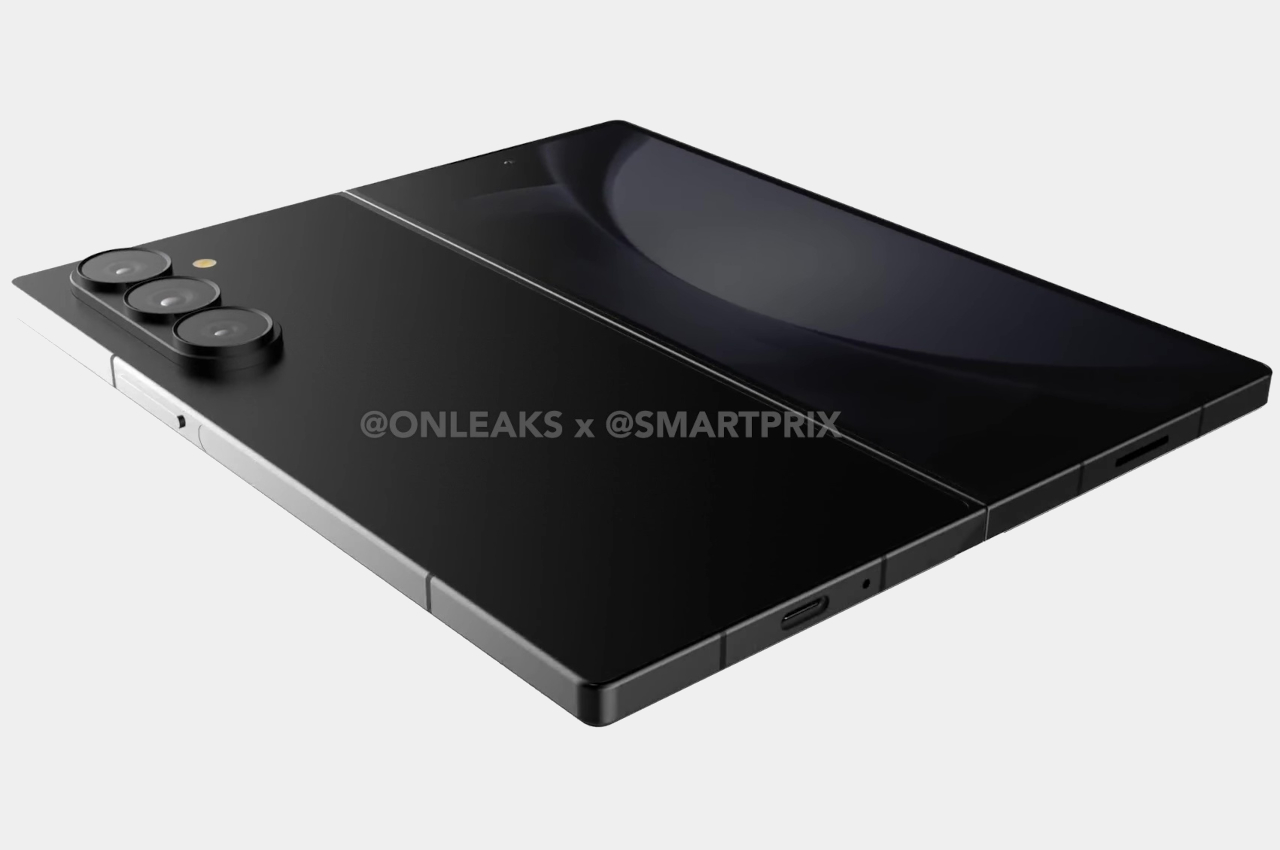
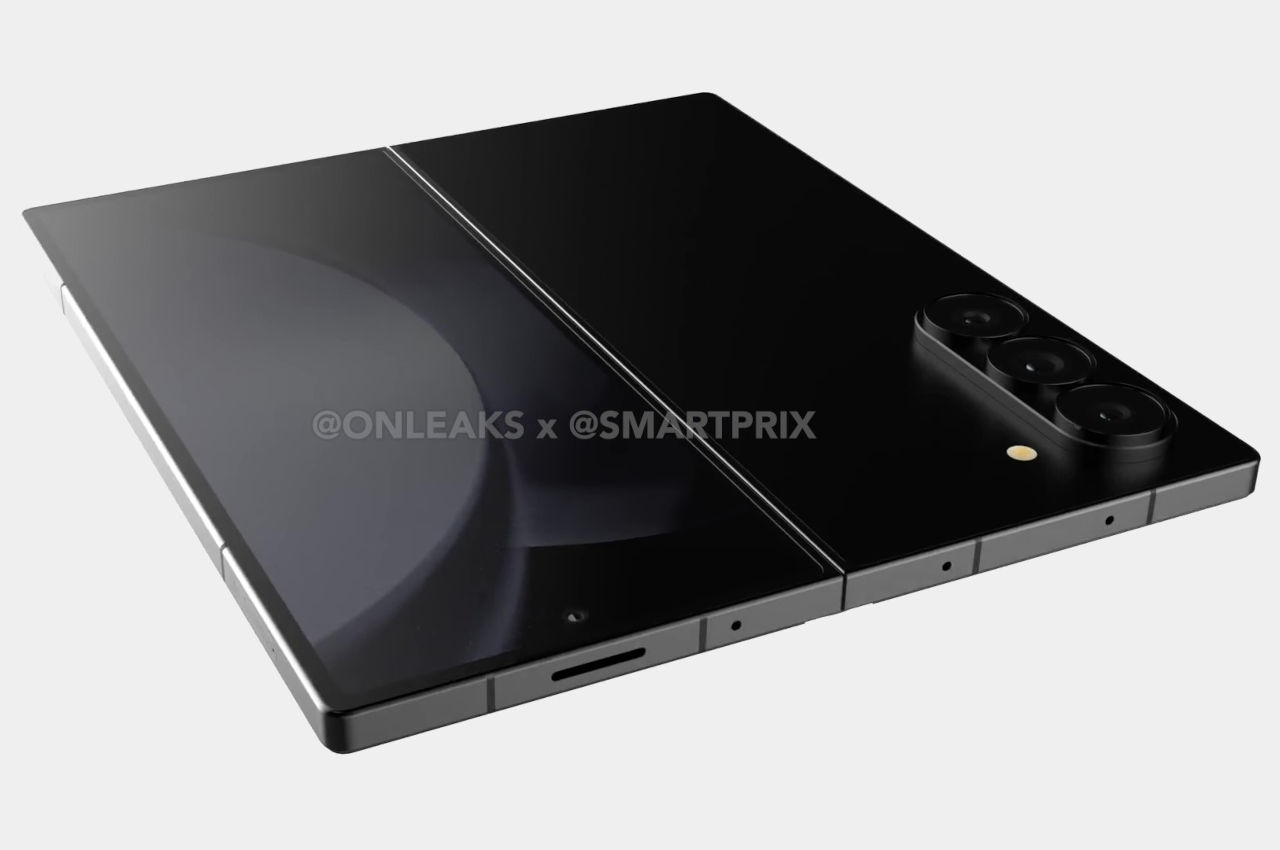
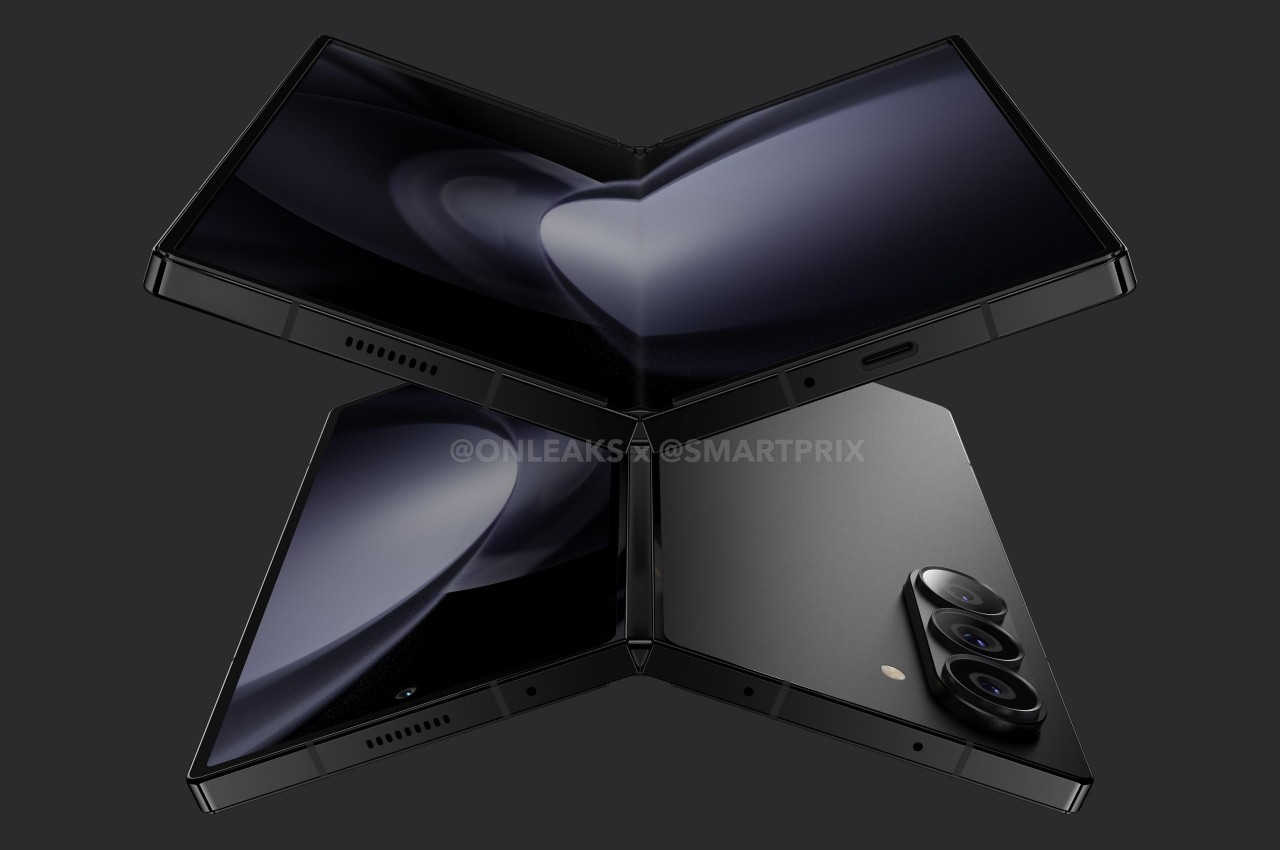
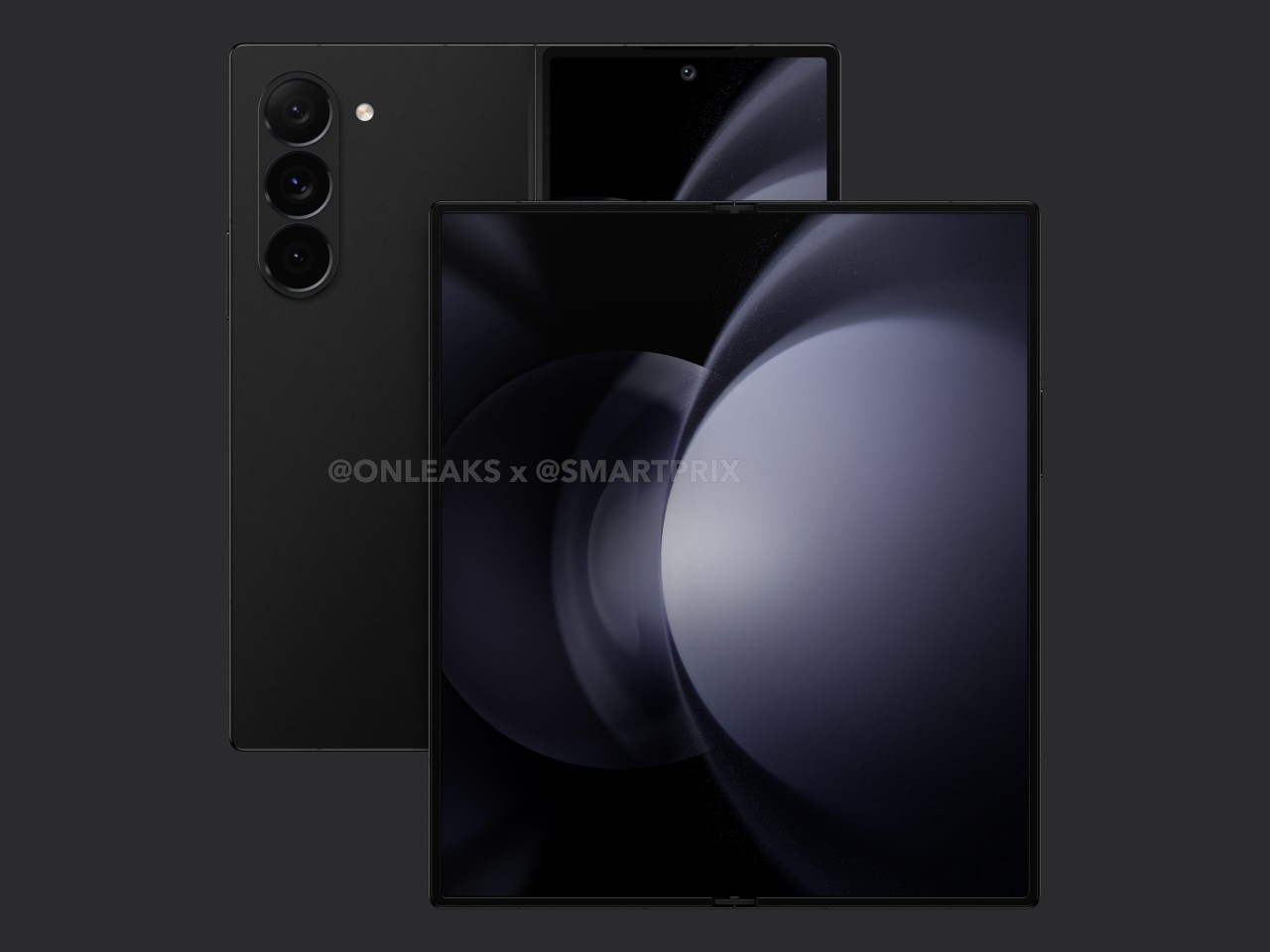
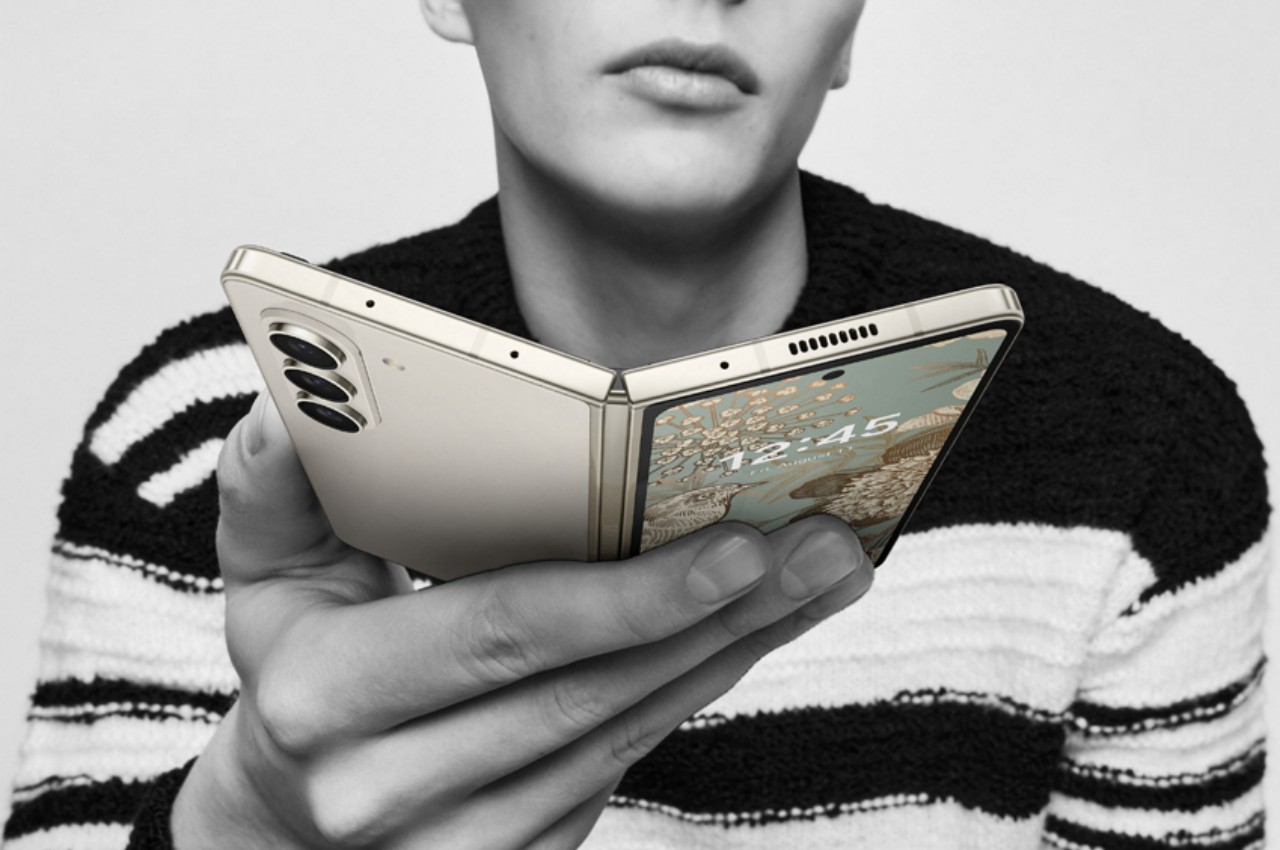
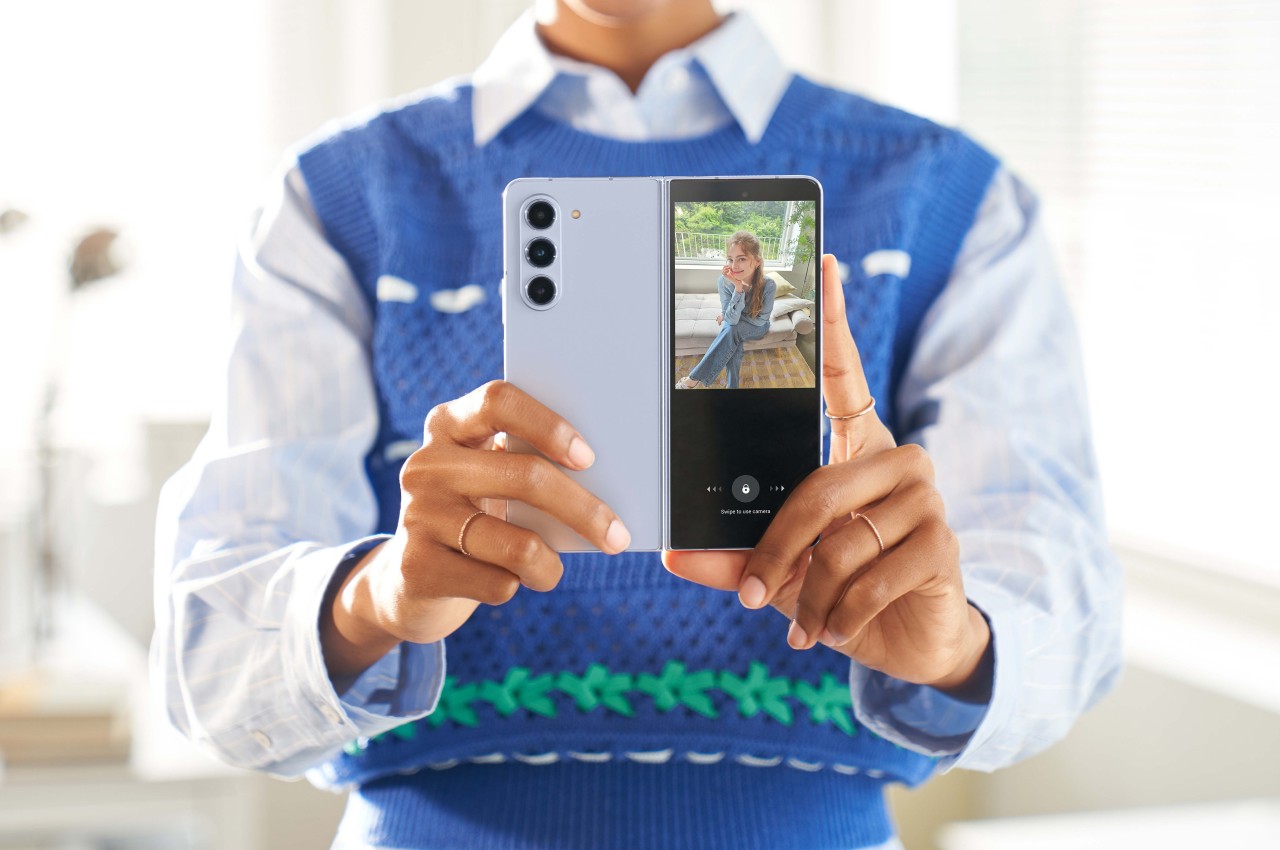
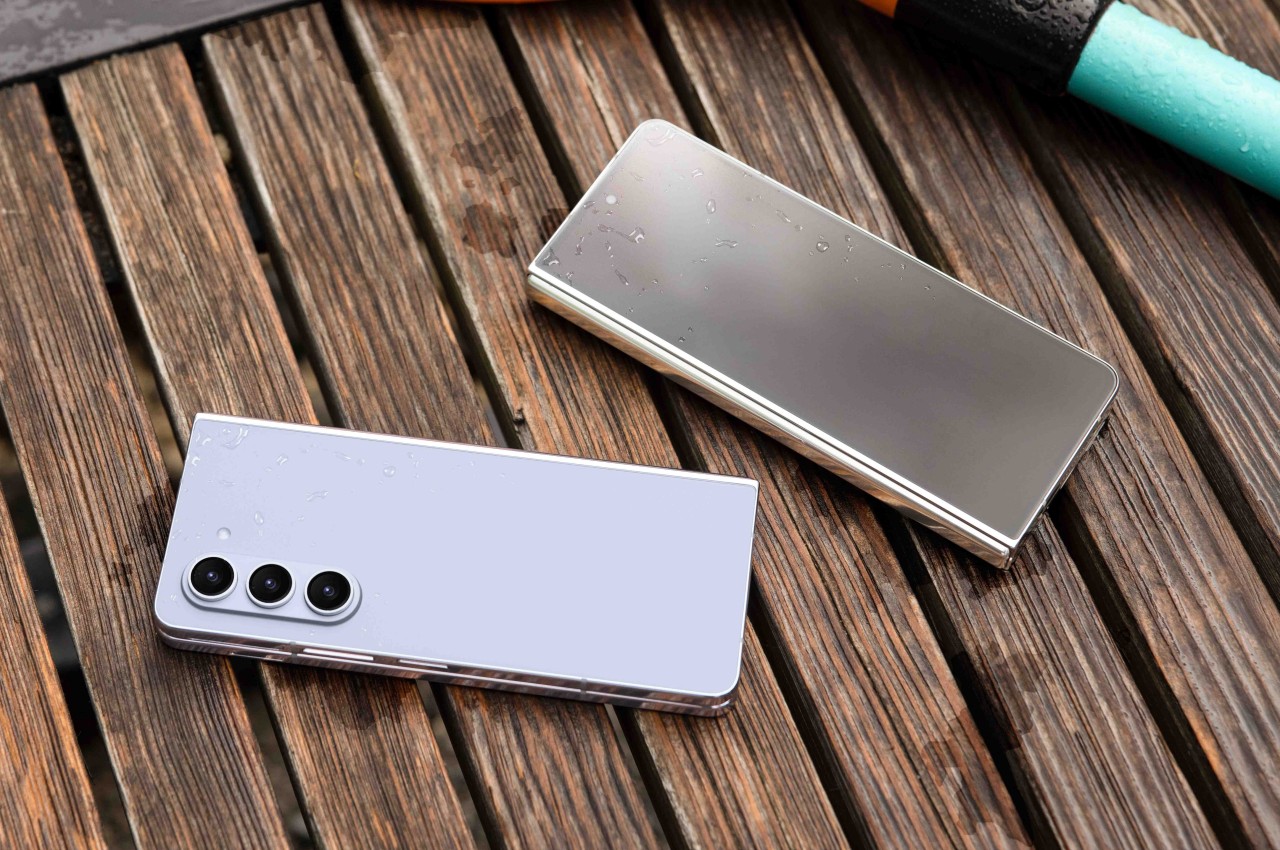
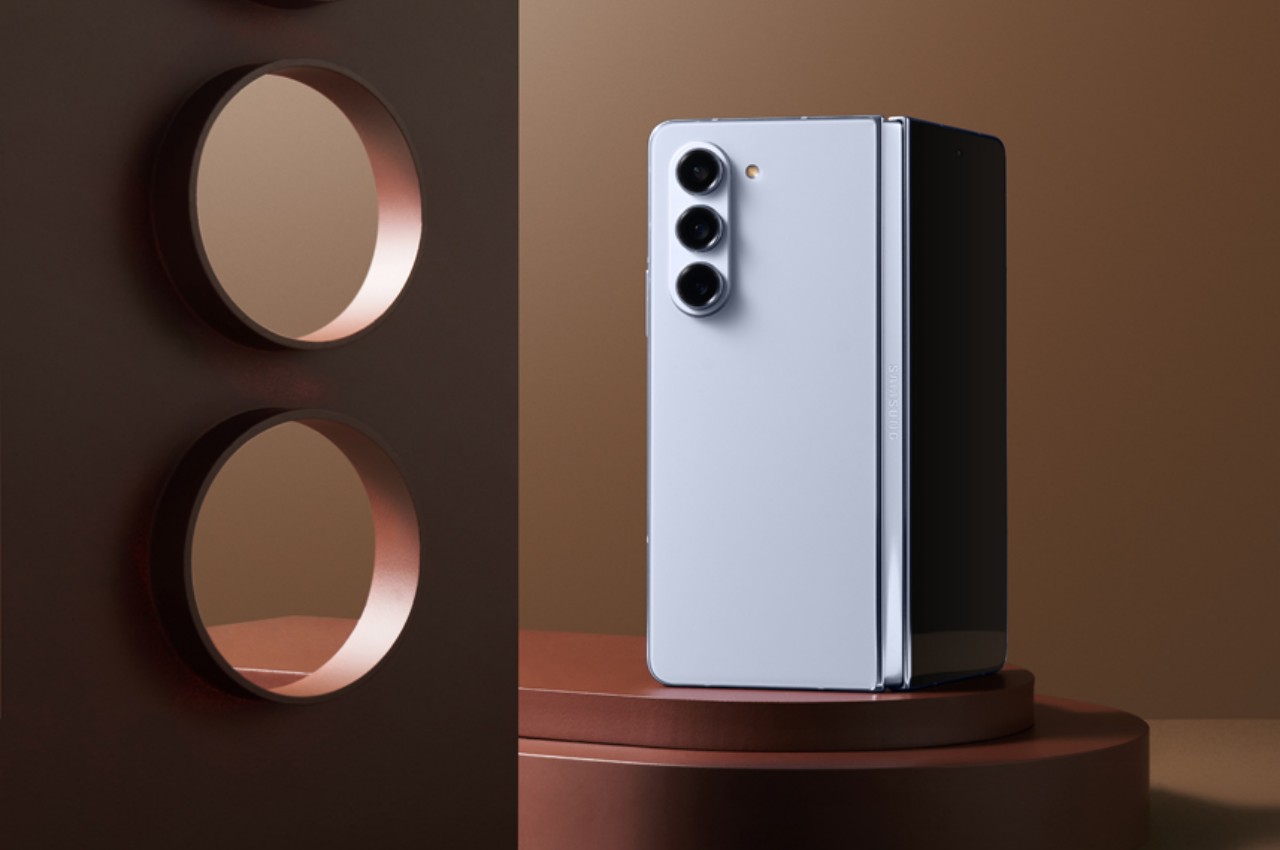
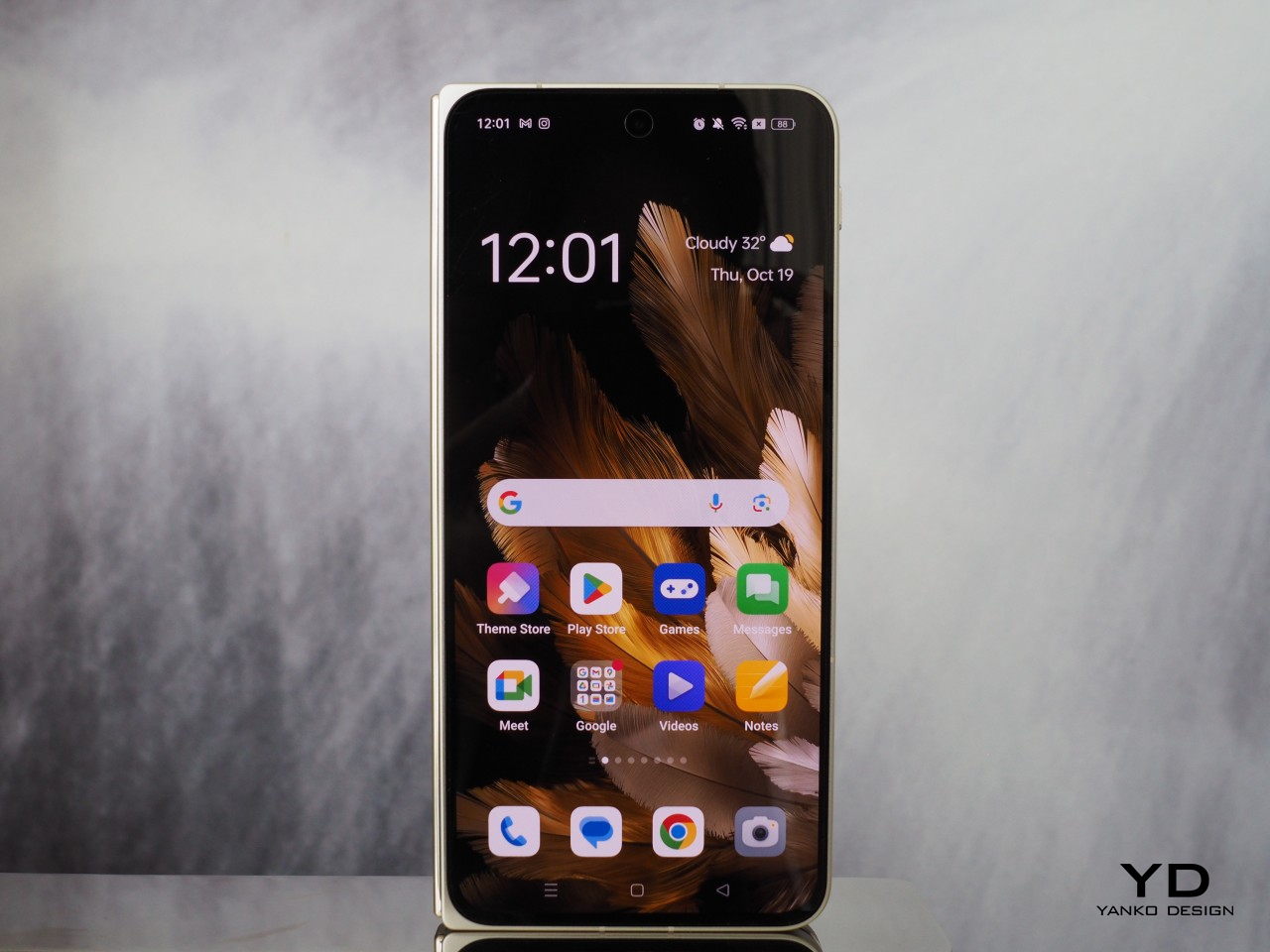
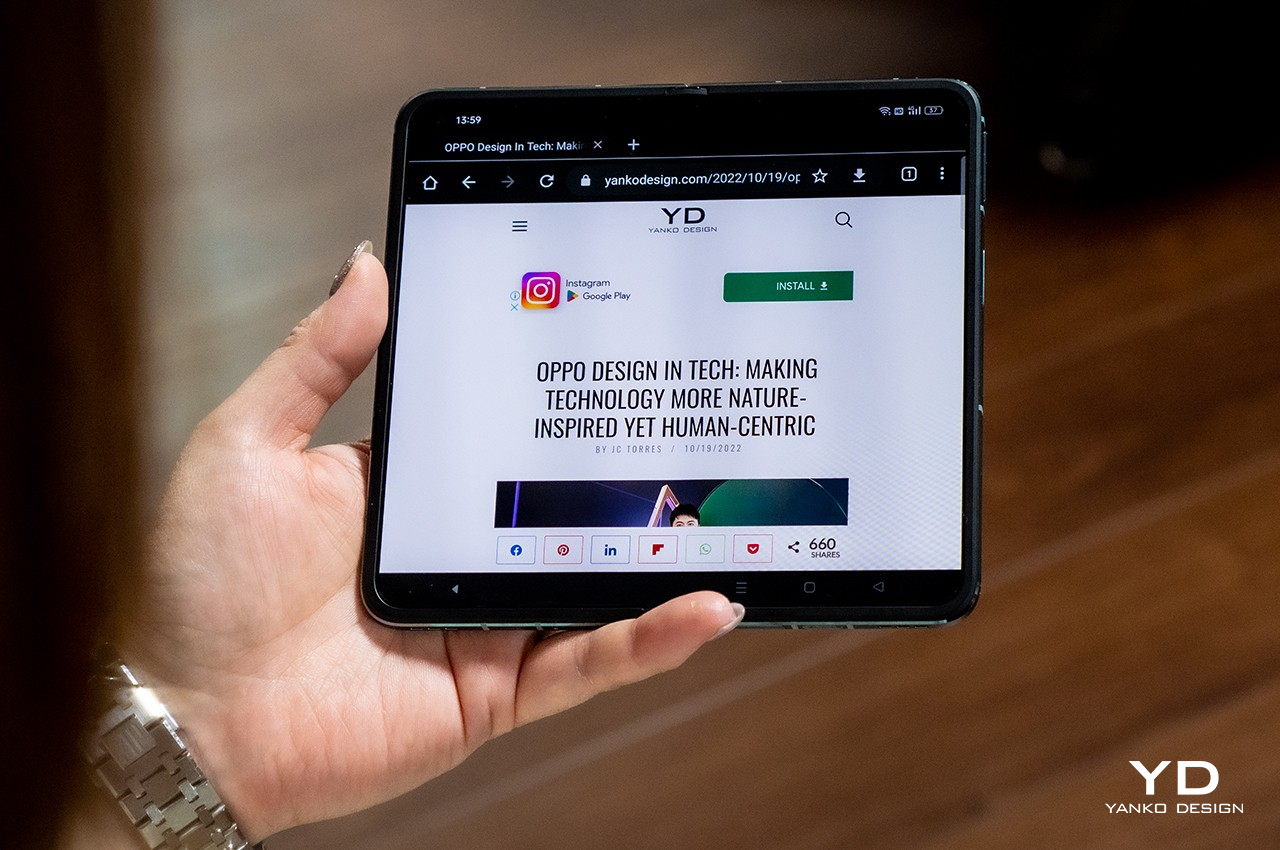
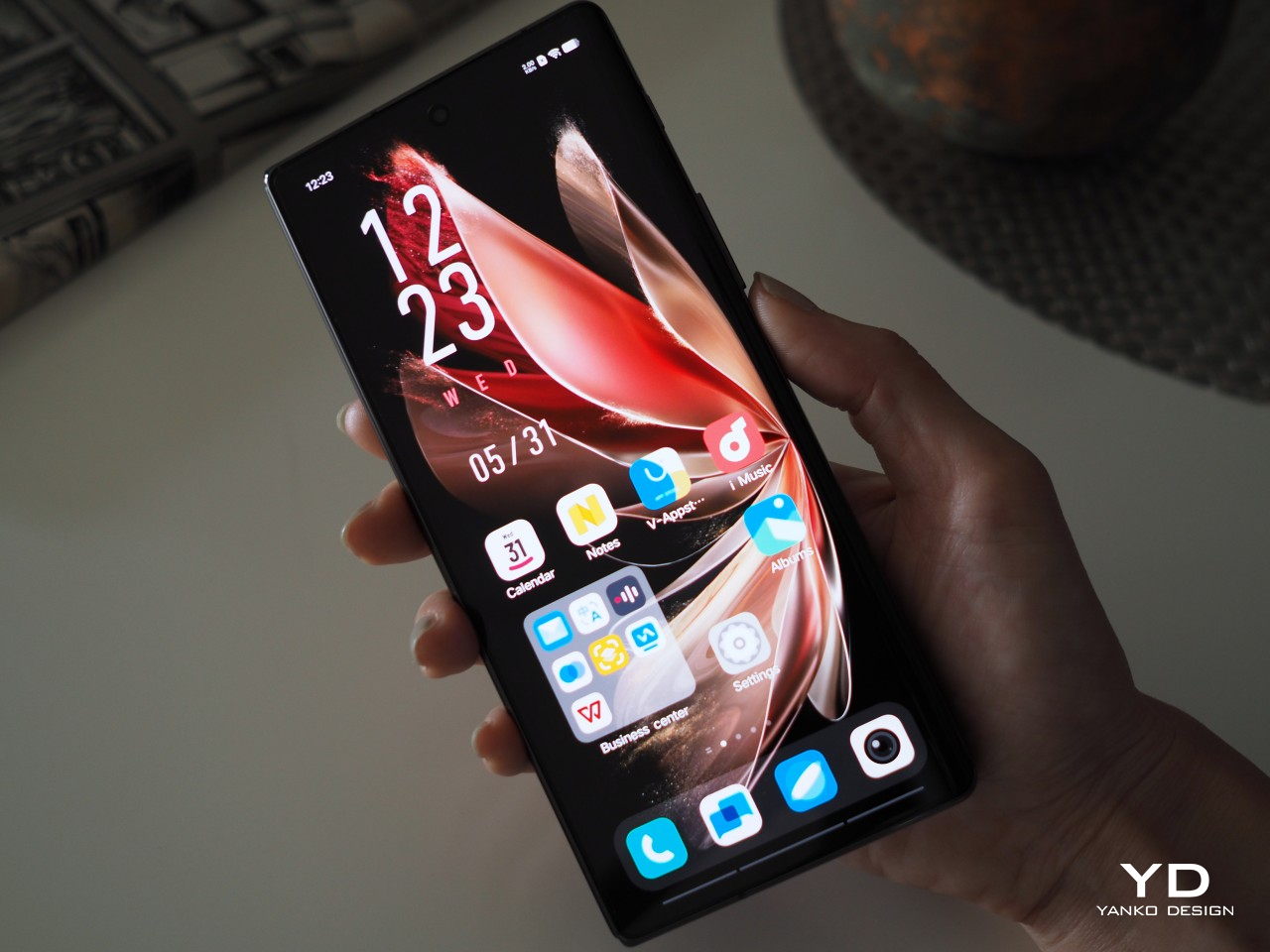
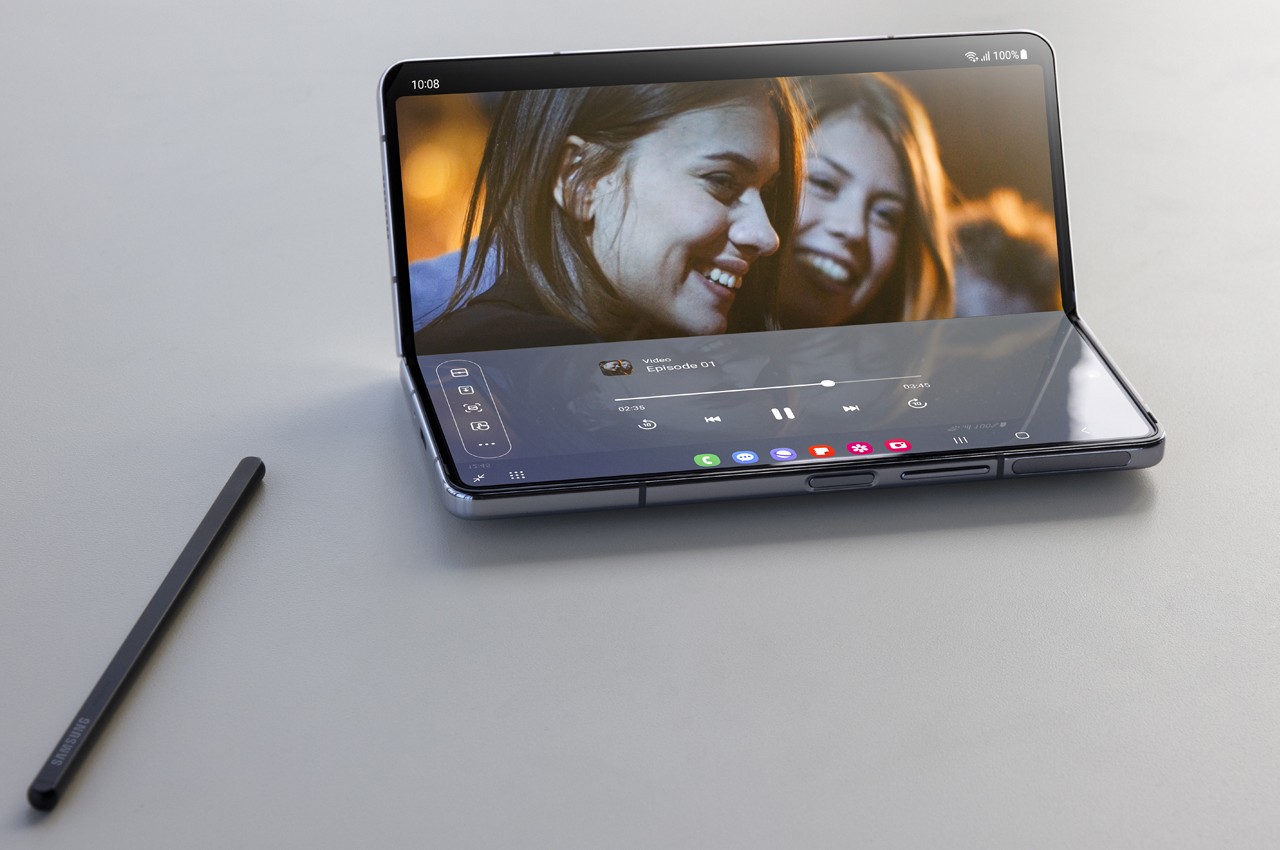
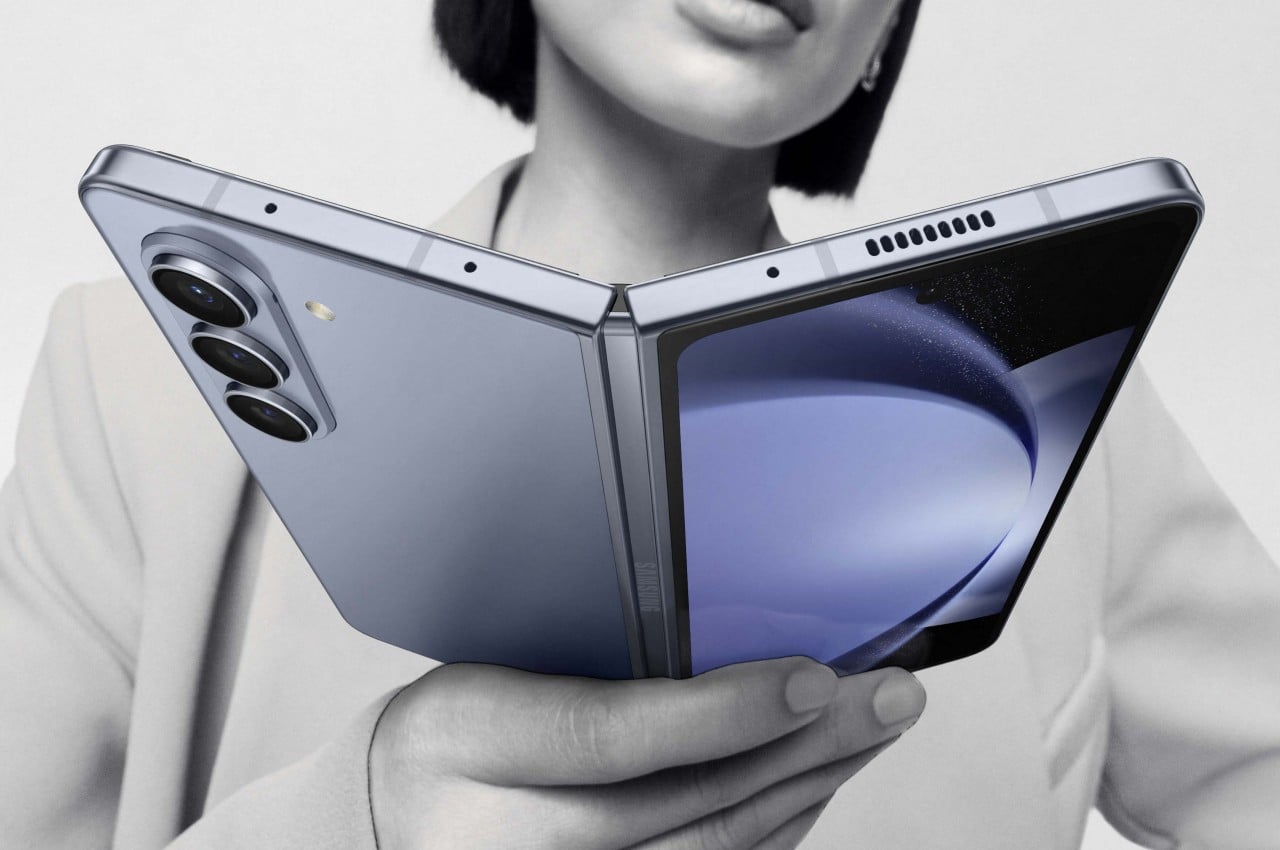
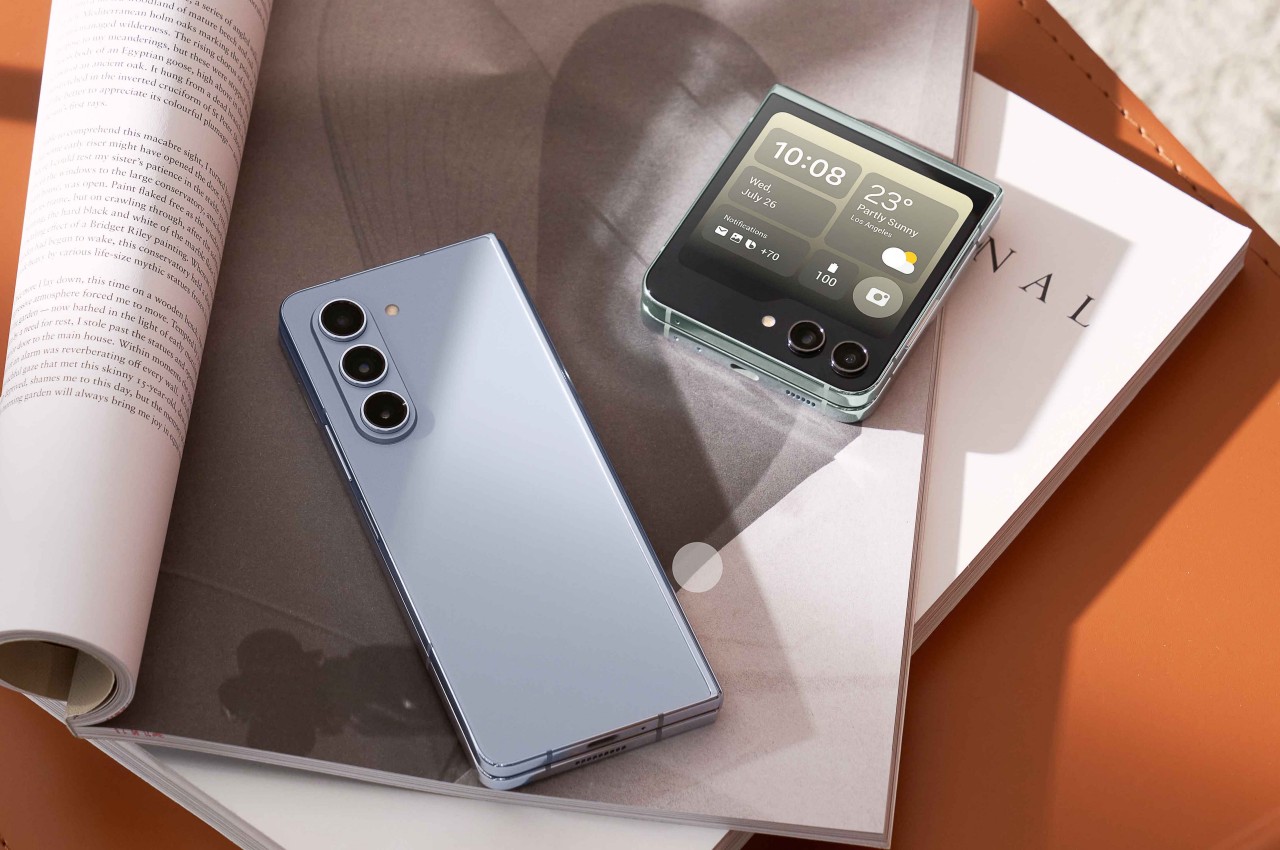
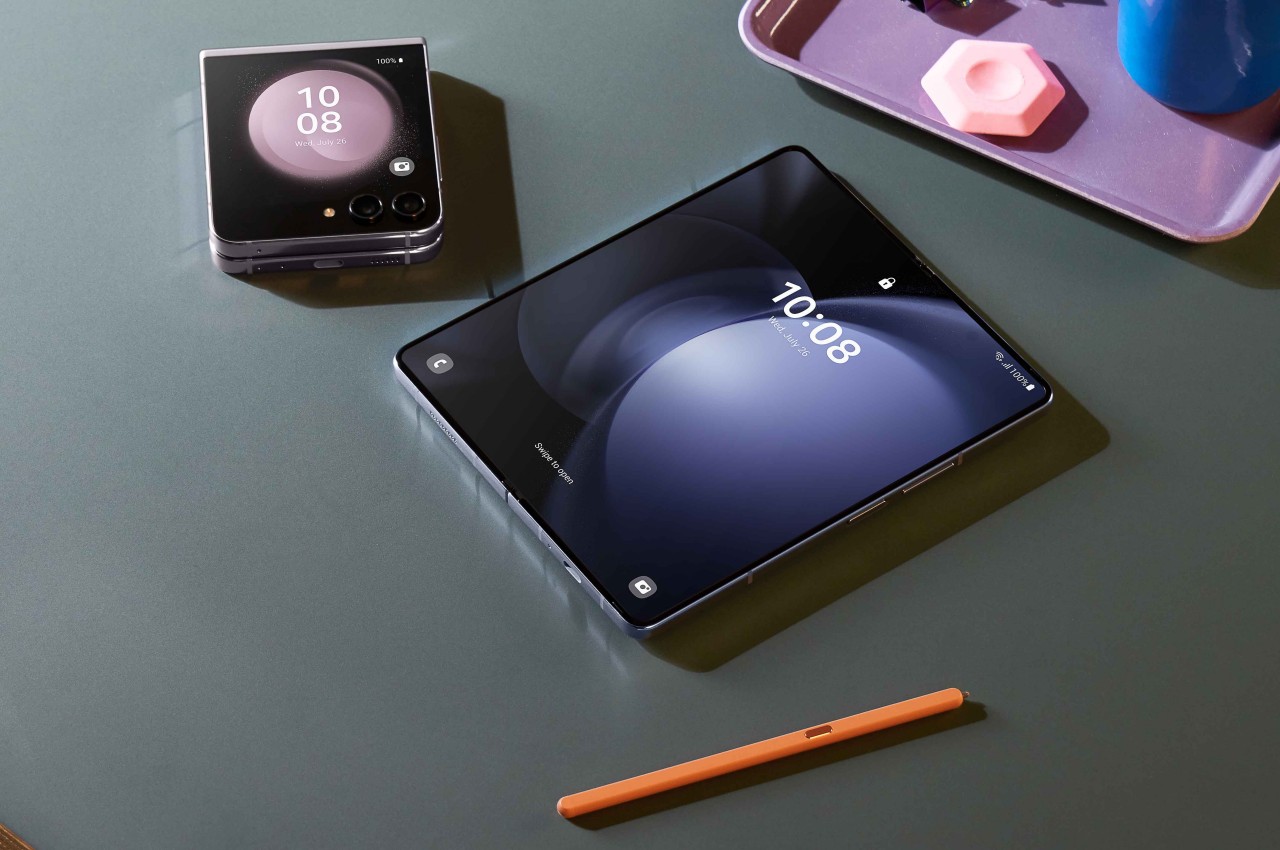
MWC 2024 has seen several foldable phones that have either already launched or are still yet to come, showing that this growing market is, in fact, still growing. But even with the number of new players or new models popping up regularly, there’s no denying that one brand stands at the top in terms of both market share as well as mind share. That’s the advantage of being one of the first and one of the most aggressive to market foldable phones, but it’s an advantage that won’t last long if Samsung chooses to rest on its laurels. Previous rumors about the Galaxy Z Fold 6 hint at a very mixed bag, and fresh 3D renders of Samsung’s next foldable seem to prove that it is indeed going after iterative refinement over sensational new features.
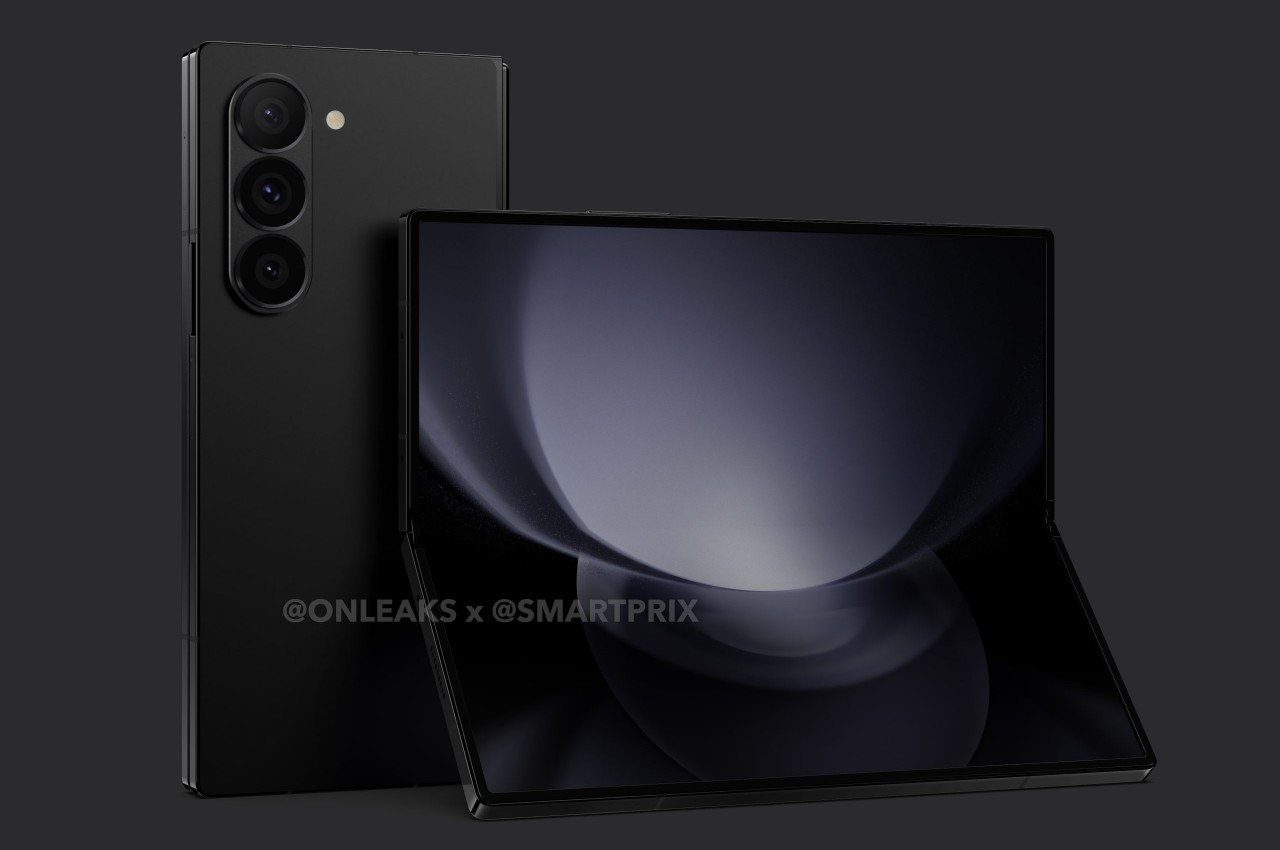
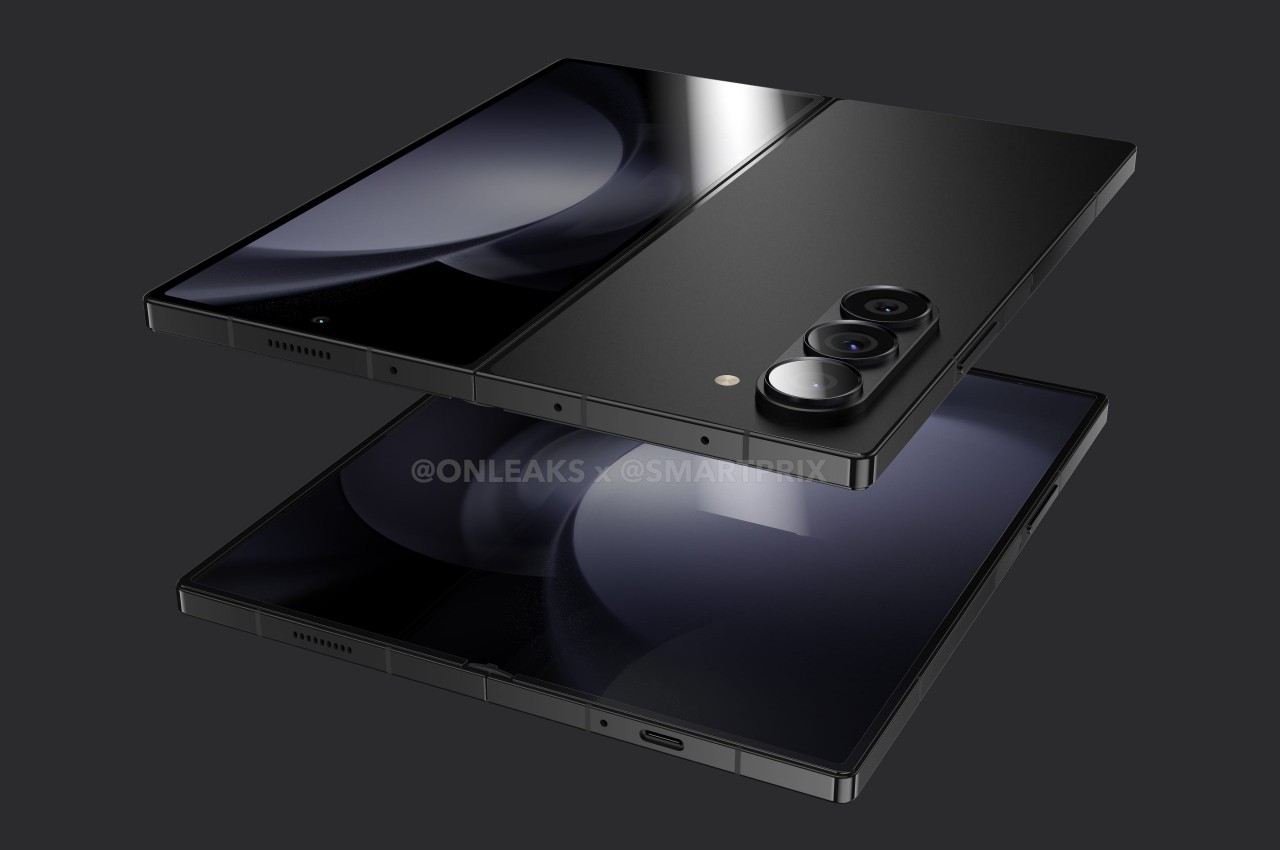
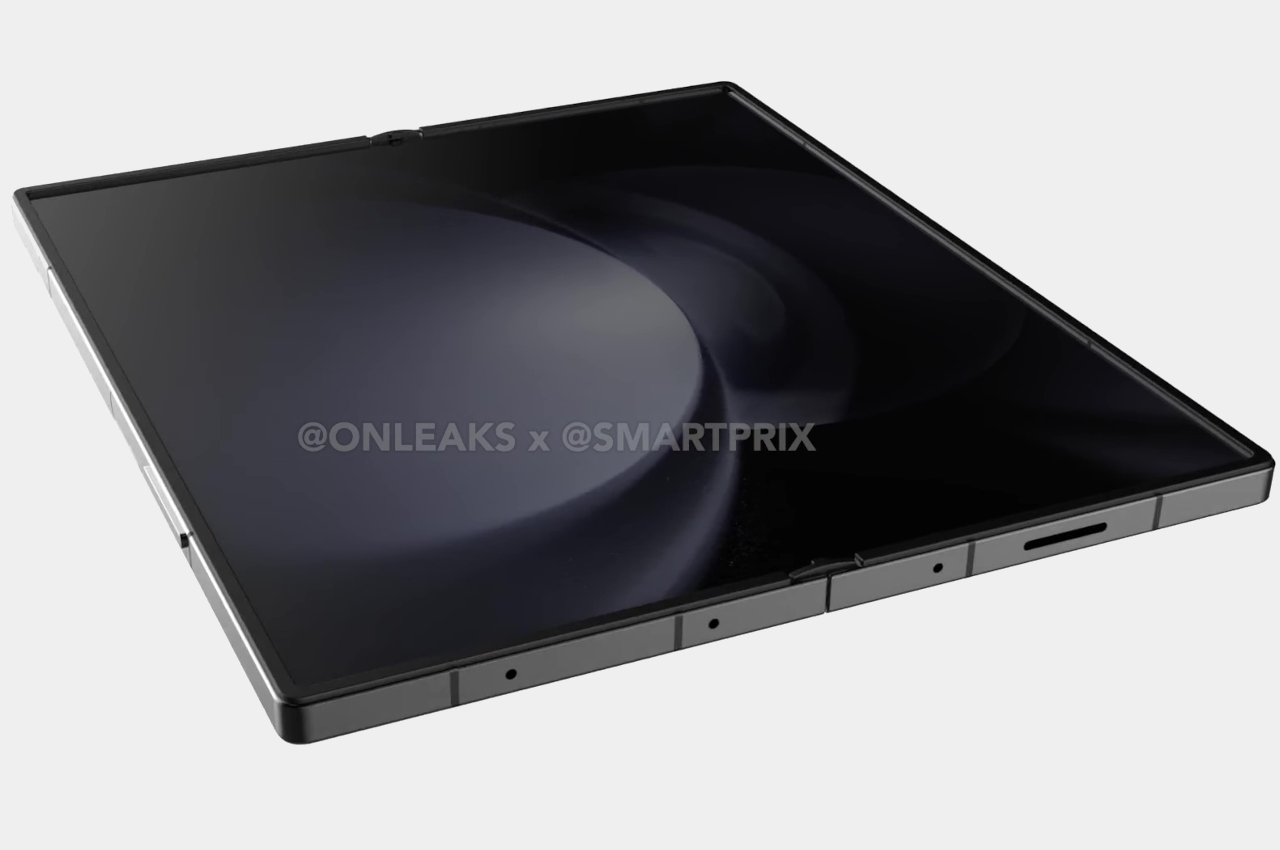
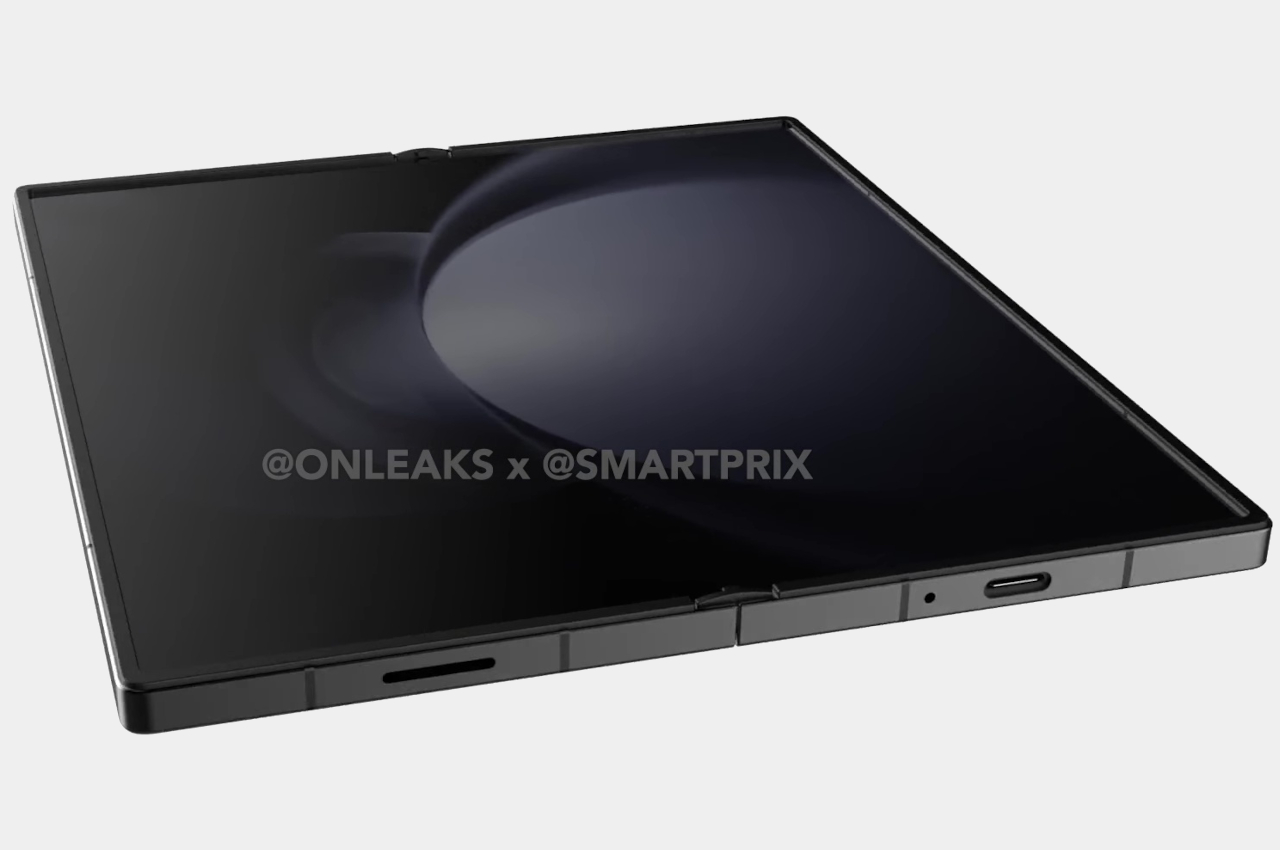
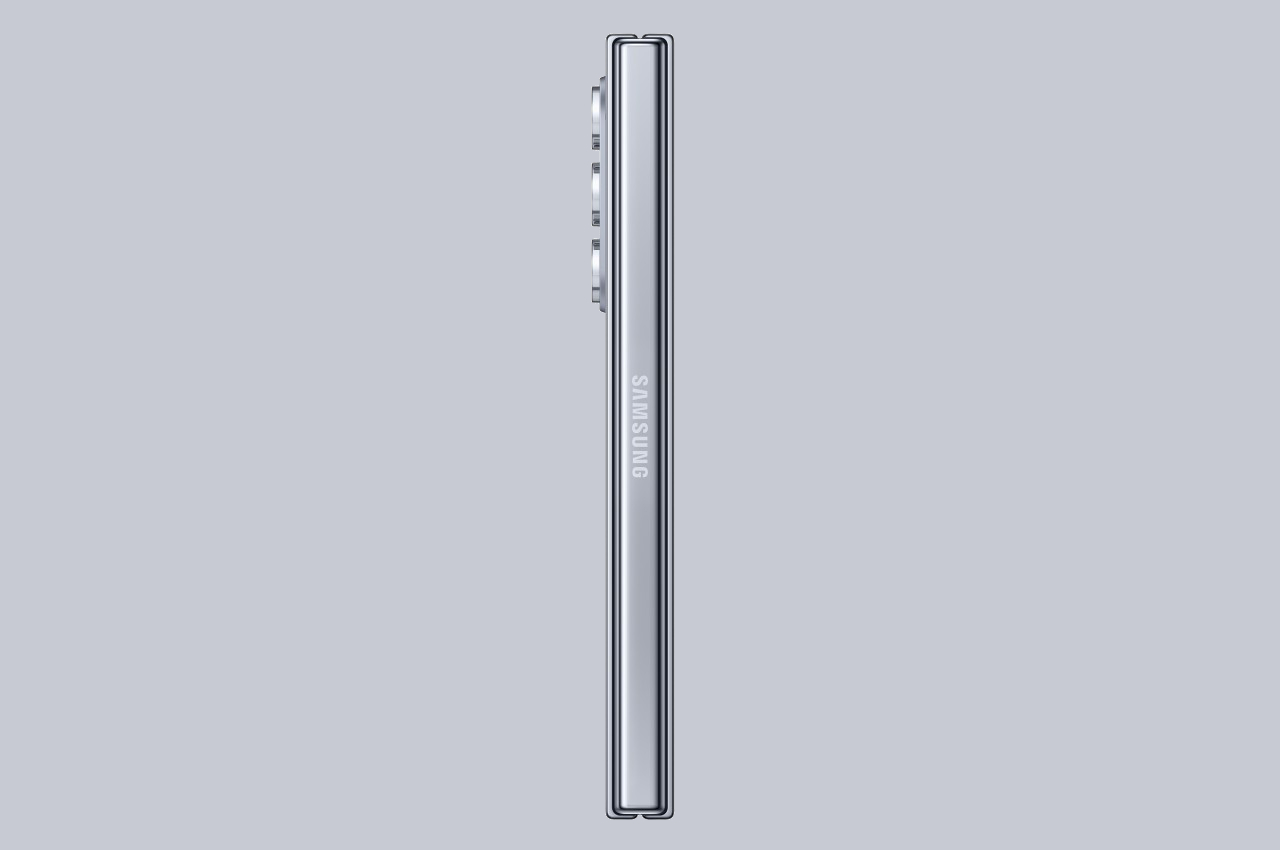
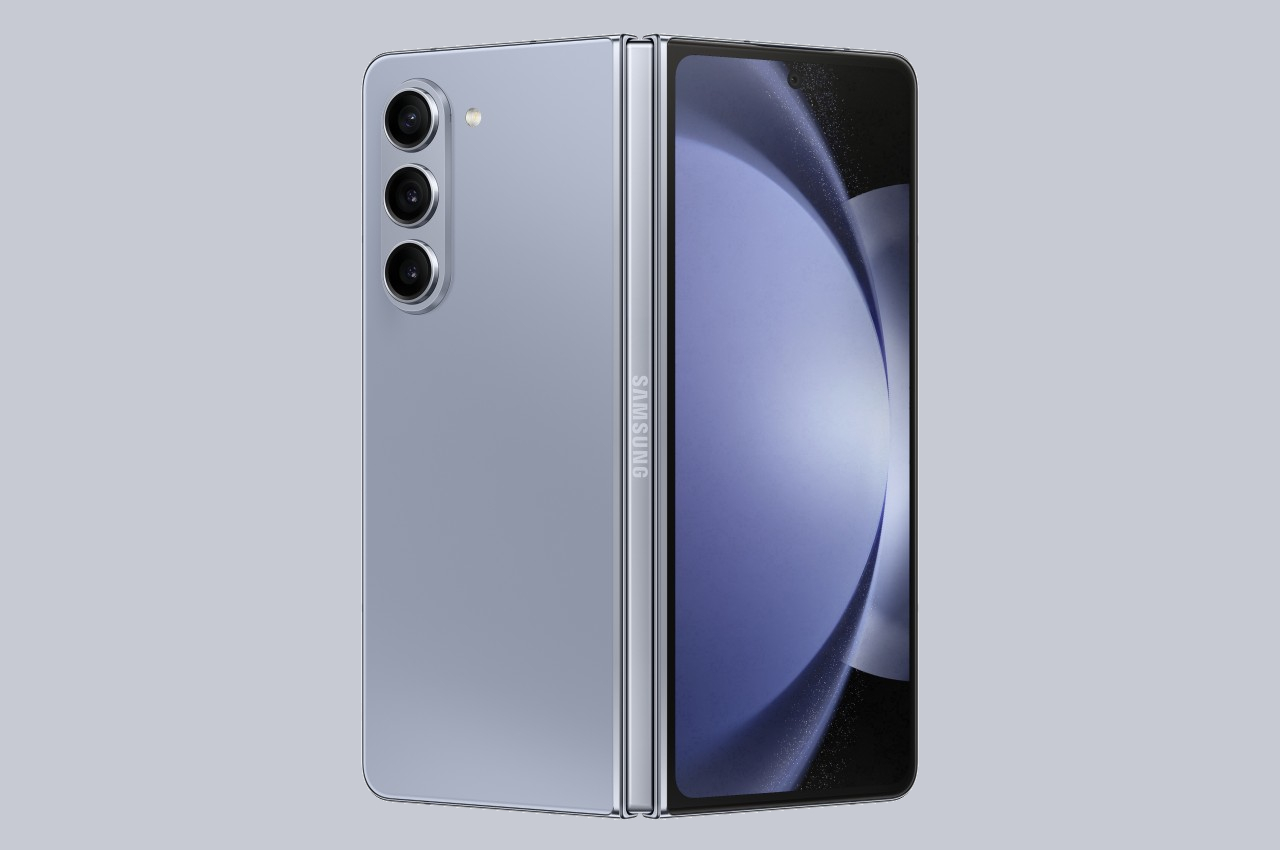
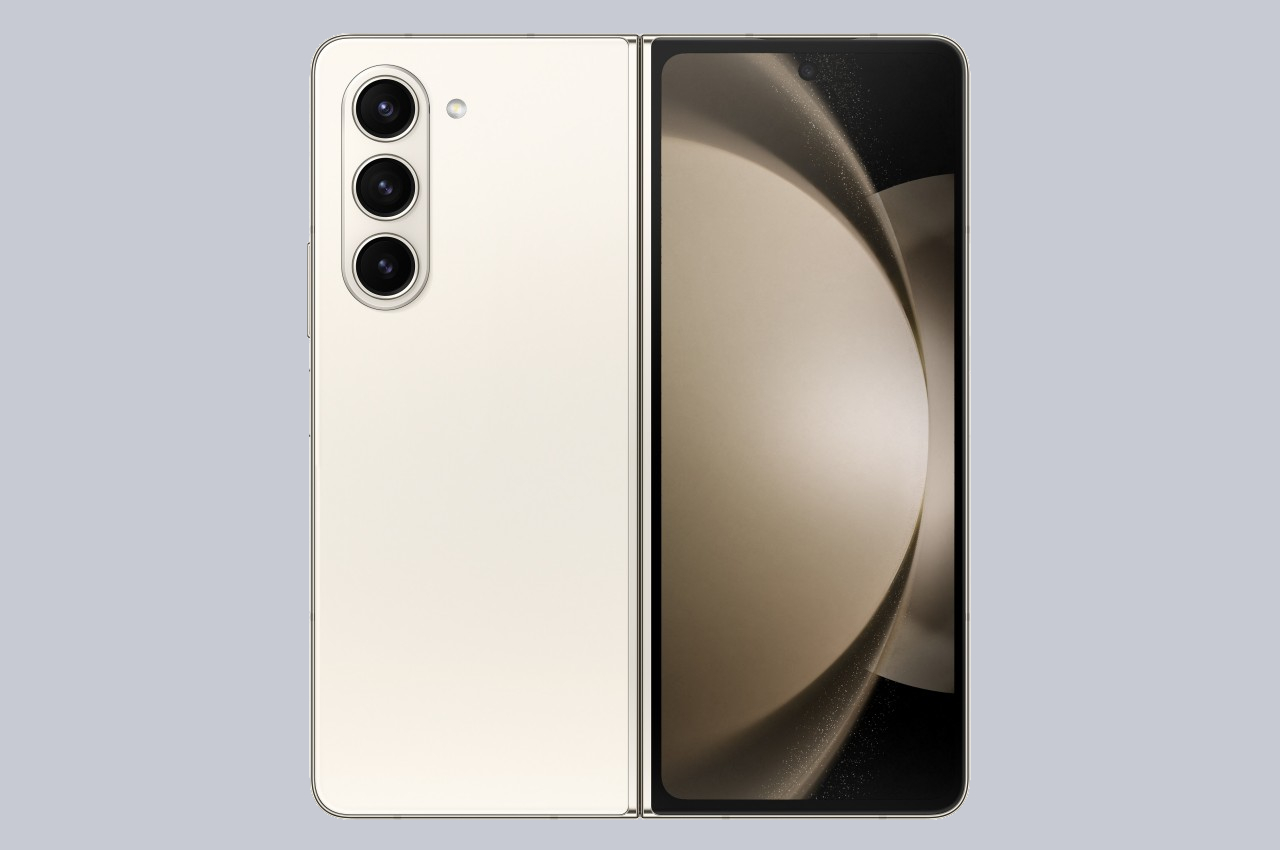
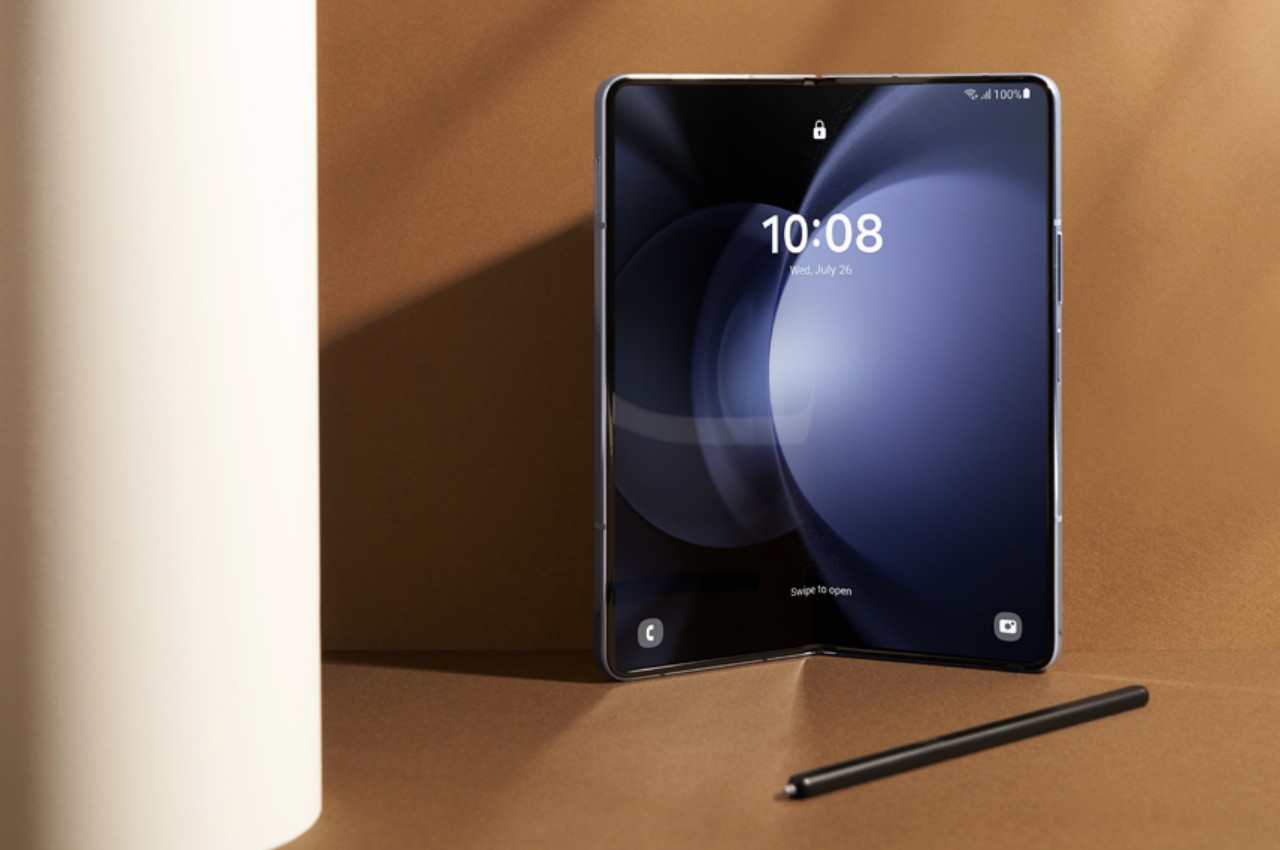
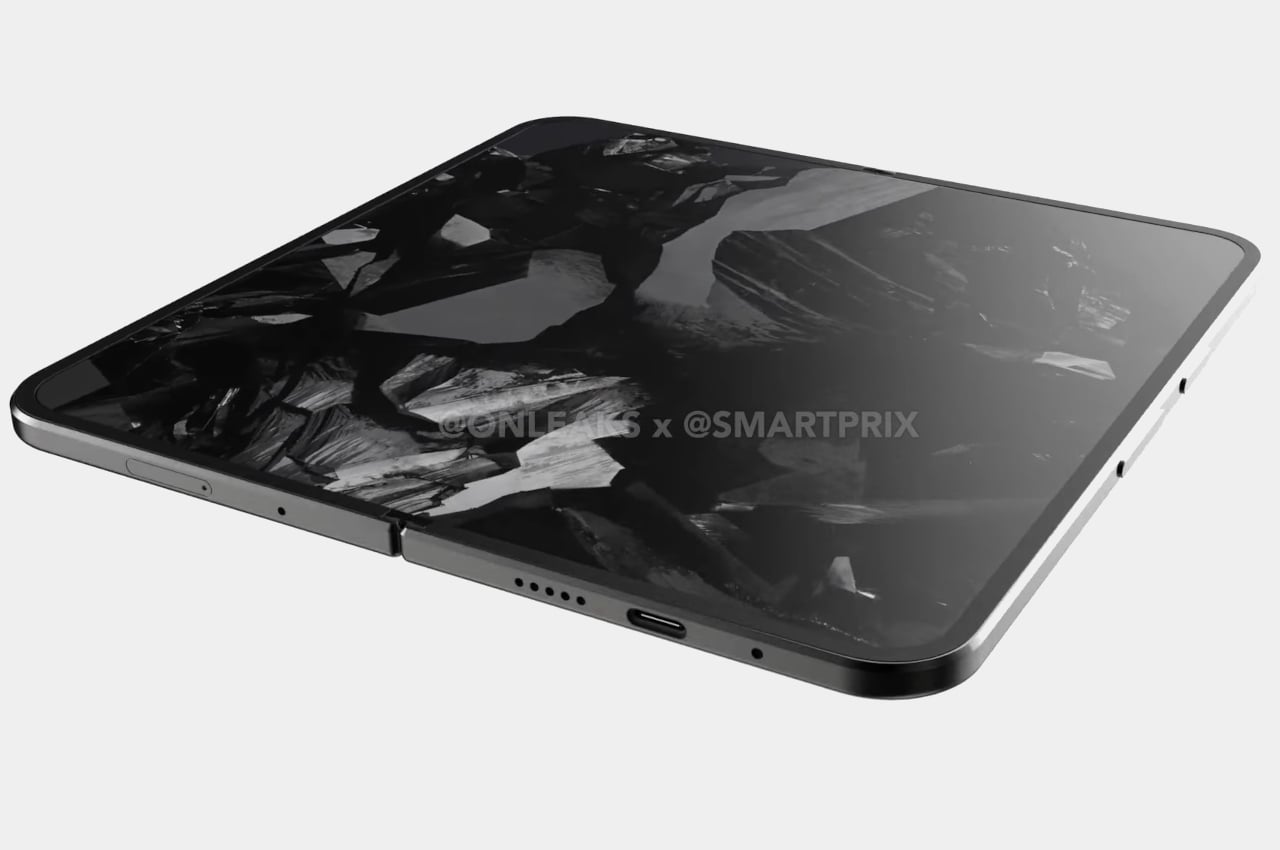
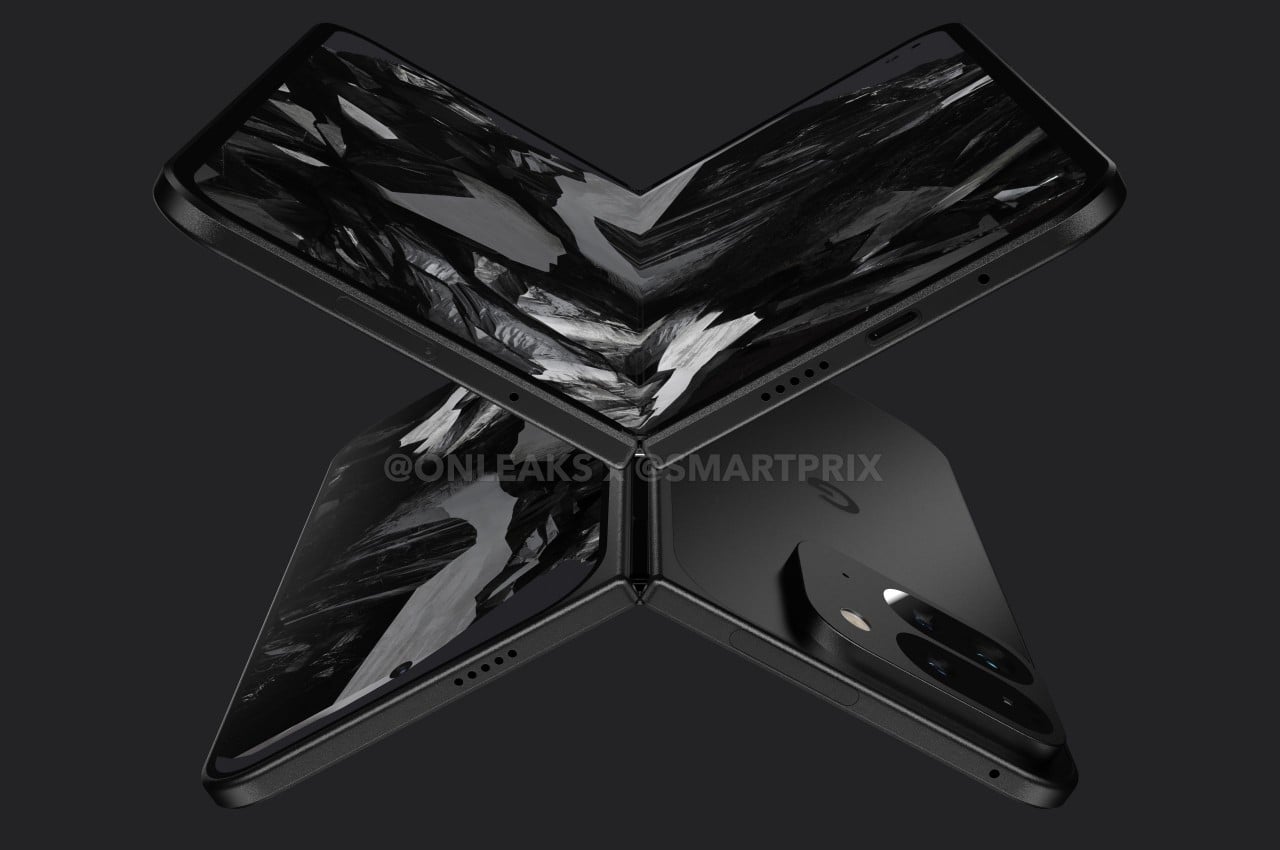
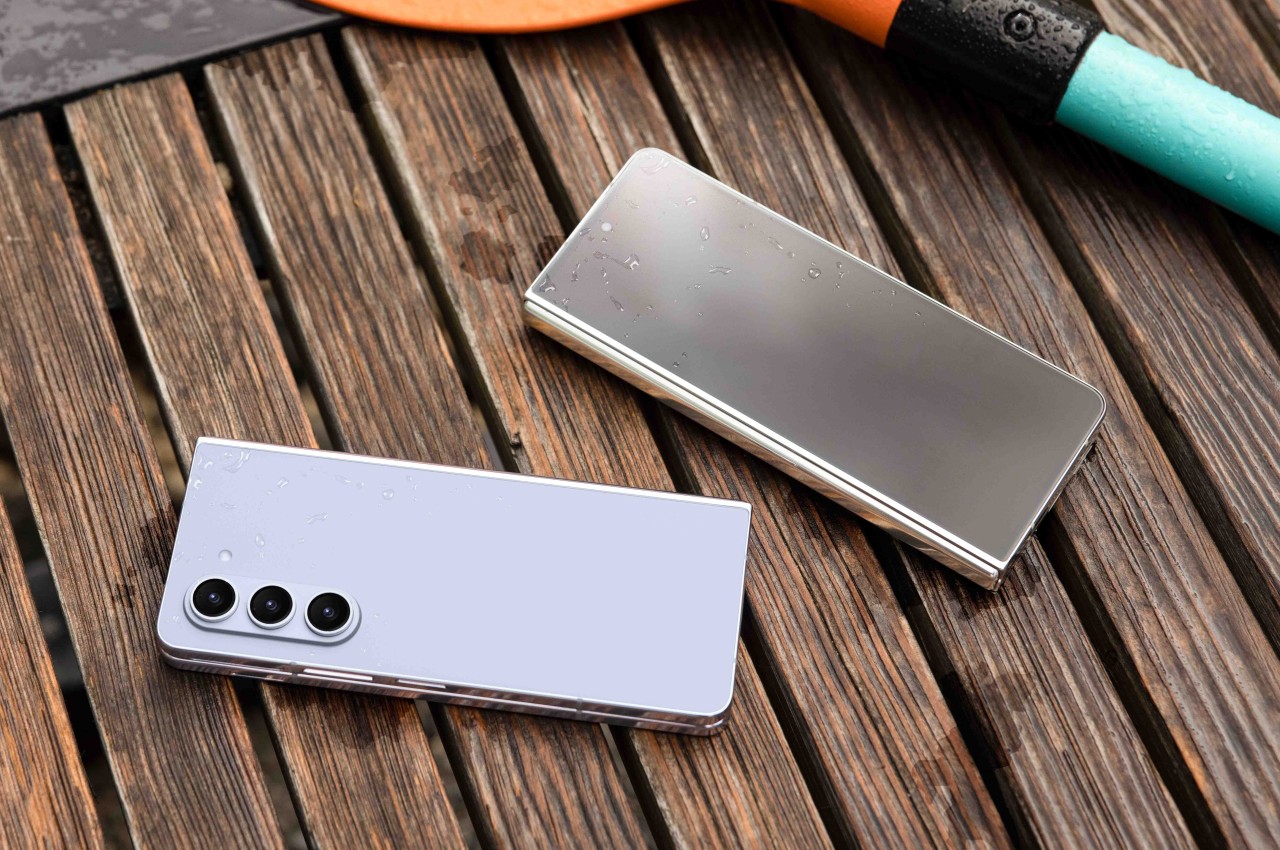
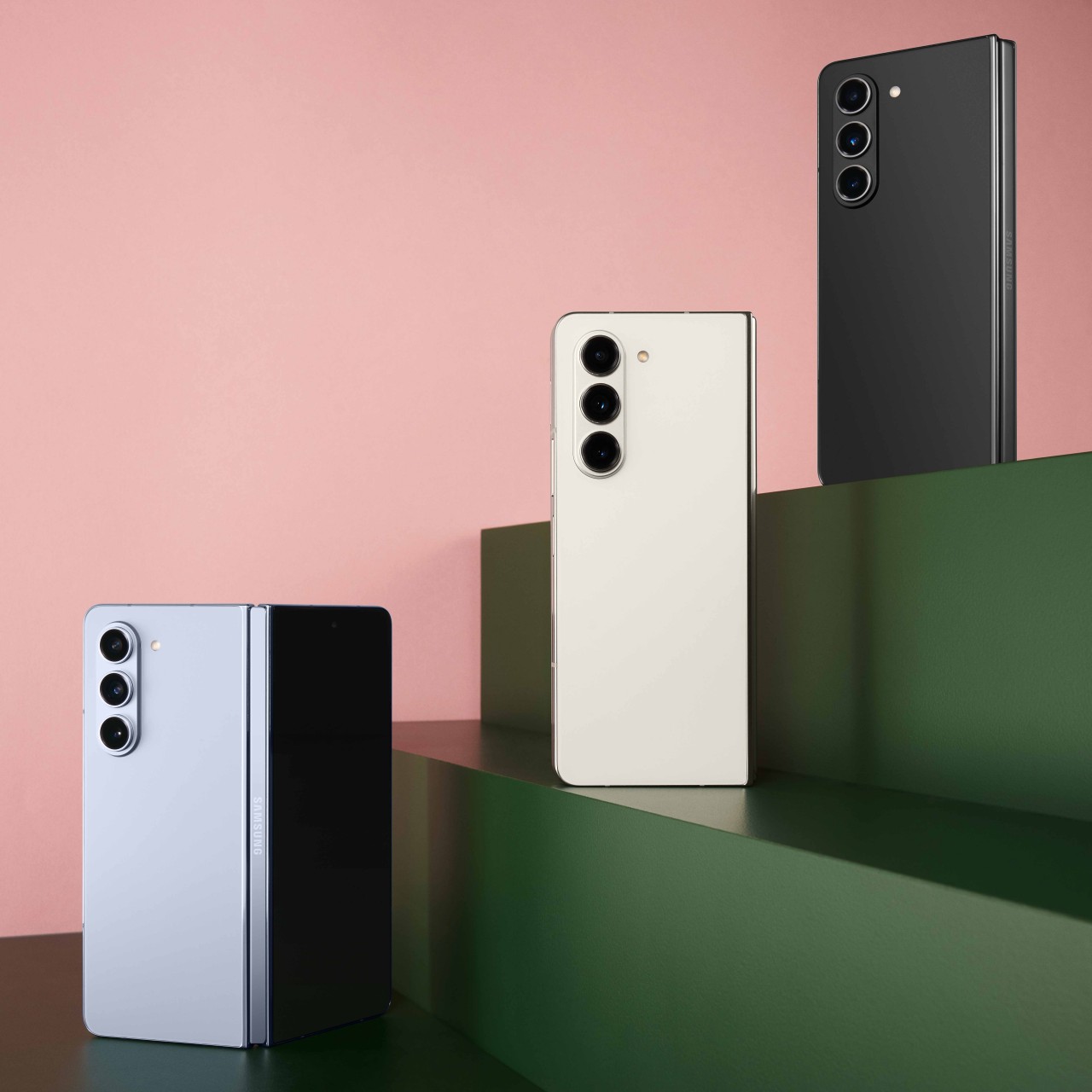
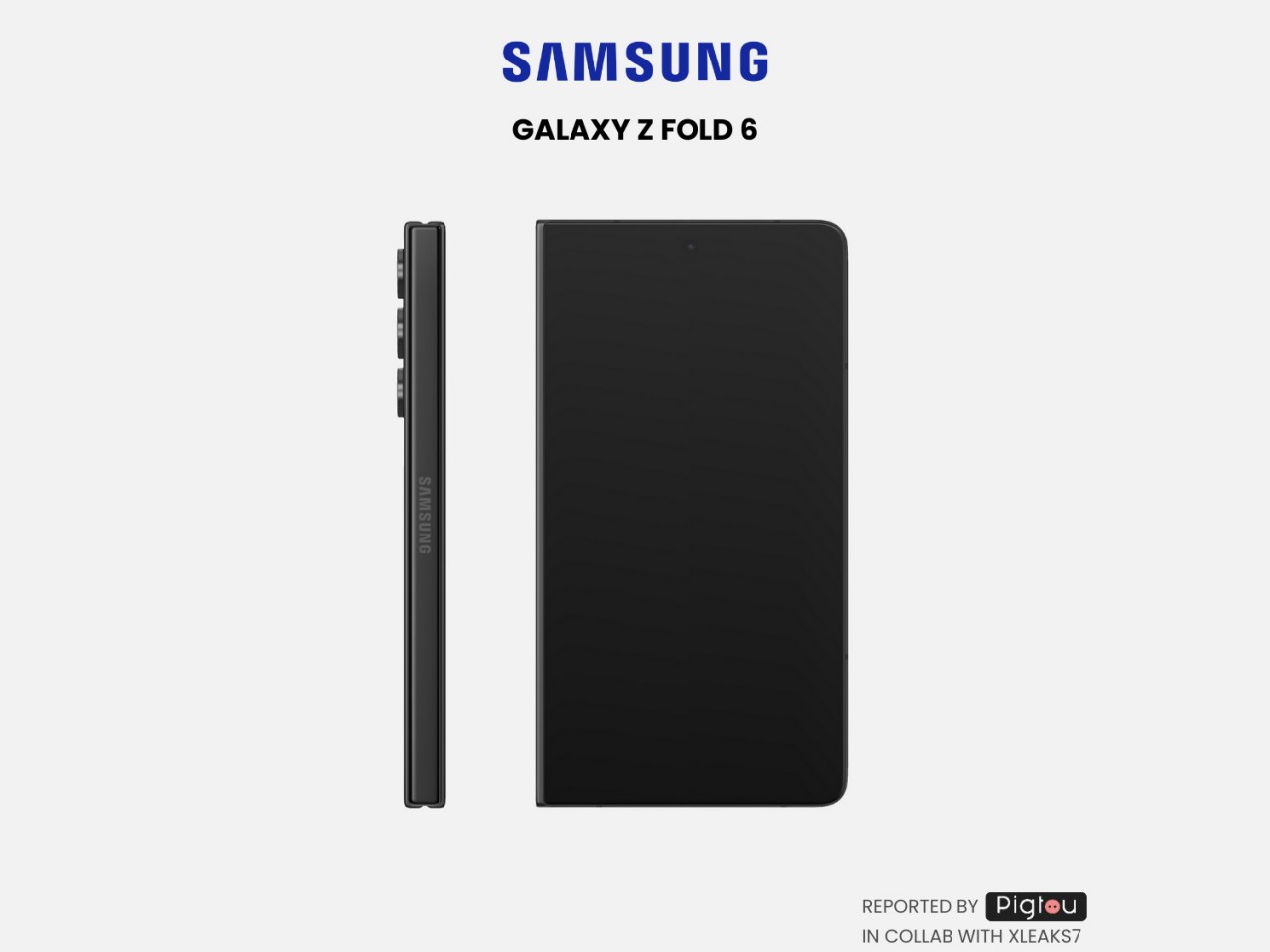
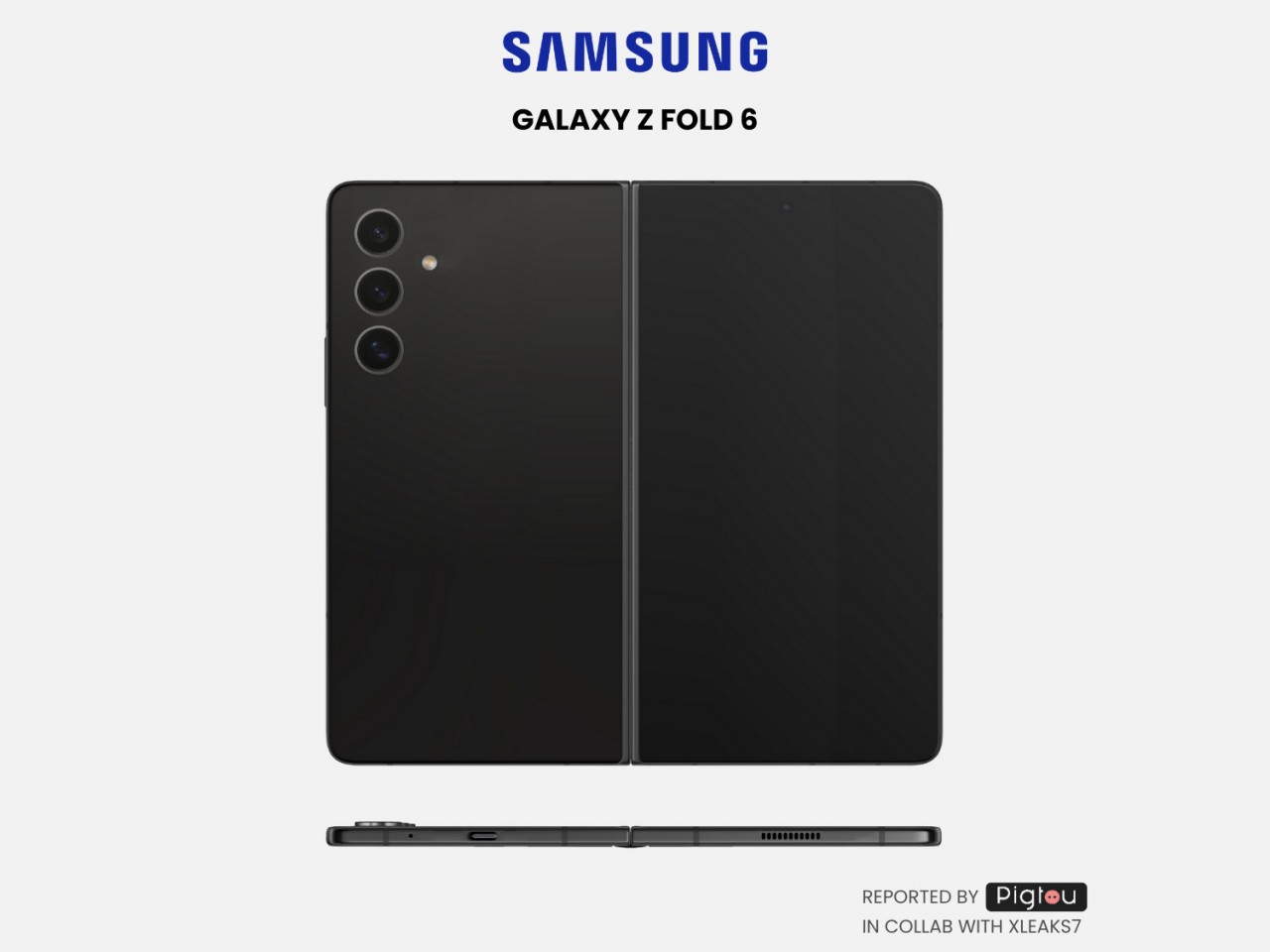
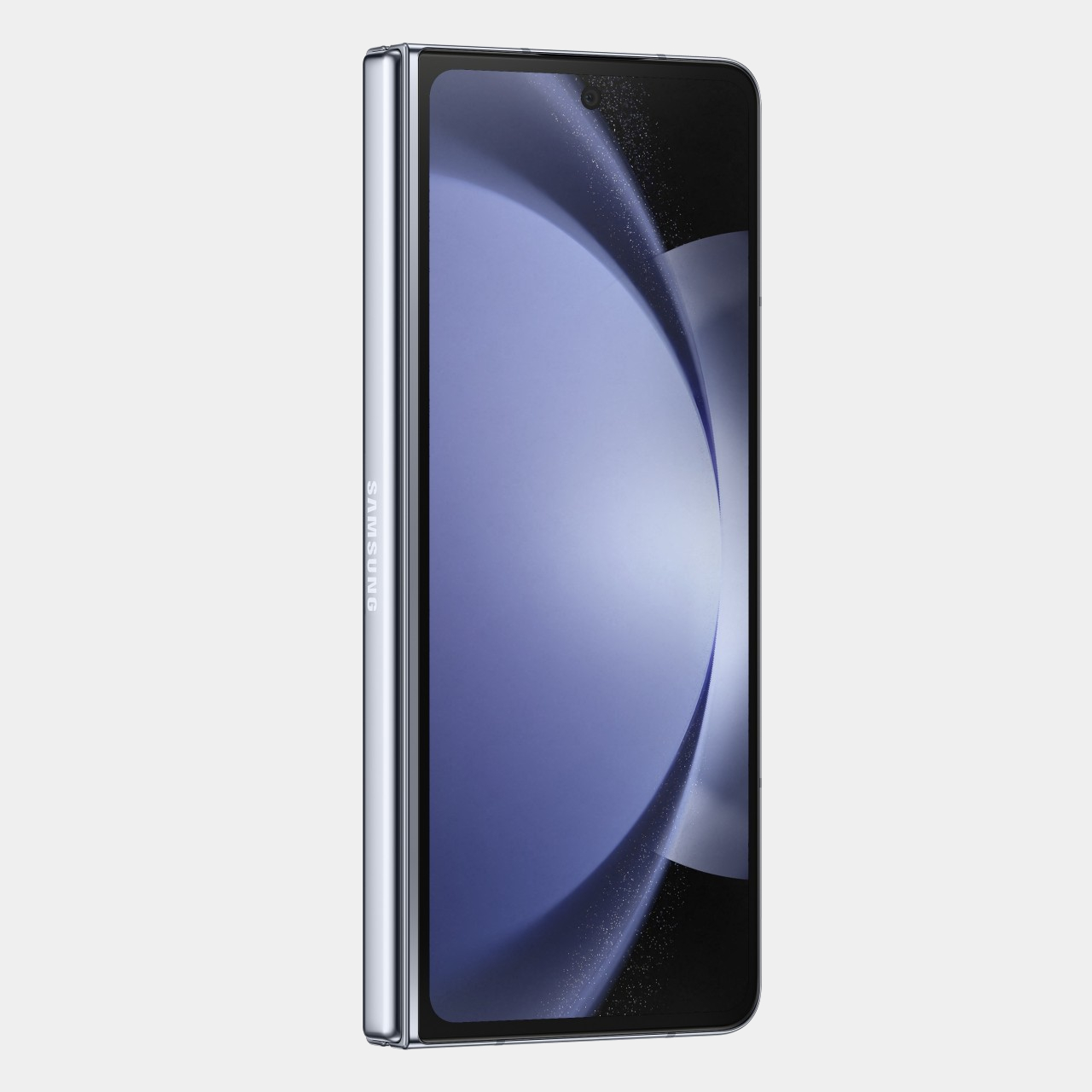
Depending on how you look at it, the Galaxy Z Fold 6’s design pictured in these unofficial renders could either be sleek or boring. It admittedly shares much in common with its predecessor, save for one detail. The corners are now more angular, which gives it a sharper appearance, literally and figuratively. In a sense, it resembles the boxy Galaxy S24 Ultra now more than ever, putting it in the same category as that “pro” smartphone.
The more interesting details, however, aren’t exactly apparent in these renders. The illustrations were based on unofficial sources which claim that when unfolded, the Galaxy Z Fold 6 will have a dimension of 153.5 x 132.5 x 6.1 mm. While that does “confirm” that the phone is shorter and wider, it also indicates that the thickness hasn’t changed at all. That, in turn, could raise hopes that there might still be some room for an S Pen inside after all.
Other than that, there aren’t many changes expected for the next big Samsung foldable, especially when it comes to the cameras. That said, there are now whispers of an “Ultra” model apparently in the works, one that could have those much-awaited features like a built-in S Pen and upgraded cameras. This goes in the completely opposite direction of earlier rumors of a more affordable Galaxy Z Fold model. Then again, Samsung could also opt to lower the price of a “base” Galaxy Z Fold 6 ever so slightly in order to position the Galaxy Z Fold 6 Ultra better.
Regardless of how its actual design will come out, it will be an interesting and critical time for Samsung’s foldables. While it’s still popular, it is no longer the only game in town and its competitors are gaining ground quickly. Sooner or later, it will need to take bigger and bolder changes, especially ones that people have come to expect from one of the biggest smartphone makers in the world.
Foldable phones are one of the more curious members of the mobile tech market. They seem like an answer looking for a problem, though some consider them as something they never knew they needed until they laid hands on one. It’s not exactly a stable market either, but that’s stopping Samsung from pushing out new models every year. 2024 won’t be any different, but the Galaxy Z Fold 6 might be, at least in some ways. Unlike its early days, Samsung seems to be content to move more slowly this time, letting its designs simmer longer even while its hardware grows by leaps and bounds. That’s especially true for its next foldable based on unofficial information, but that also paints a very mixed picture that could leave Samsung playing catch up in the very market it created.
While foldable phones over great flexibility, they come at the cost of not only complexity and price but also ergonomics. These devices are practically two narrow smartphones joined together, so their combined thickness when folded is also twice that of regular smartphones. The most basic solution would be to make the device thinner, but like with regular smartphones, you’re bound to hit the limits of how thin you can go without compromising durability or safety.
Pushing those boundaries has been one of the biggest obsessions that foldable phone makers have, and it seems that Samsung is joining the fray this year. According to the latest leak, the Galaxy Z Fold 6 will be 11mm thick only when folded shut, a significant diet compared to the 13.4mm thickness of the current Galaxy Z Fold 5. That would make the unfolded form only about 5.5mm thick, which is crazy thin even by regular tablet standards. If true, that hopefully won’t come with compromises to the phone’s structural integrity and battery life.
The profile isn’t the only thing expected to change in the Galaxy Z Fold 6. The external Cover Screen is also tipped to be a bit wider this time around, more in line with the standard aspect ratios of non-foldable phones. In theory, this would make it less awkward to use it as a regular phone when folded, but that also means that the unfolded aspect ratio will be more square than any Galaxy Z Fold before it.
S Pen No Home
Making the Galaxy Z Fold 6 thinner is going to be a dream come true for some fans, but it will also probably disappoint a certain group because of the consequences of that change. If you make a phone thinner, you either have to shrink or reduce the size of other components, for example, the battery, or spread them around wider. Either way, it’s going to be a cramped space inside, which leaves no room for an S Pen silo yet again.
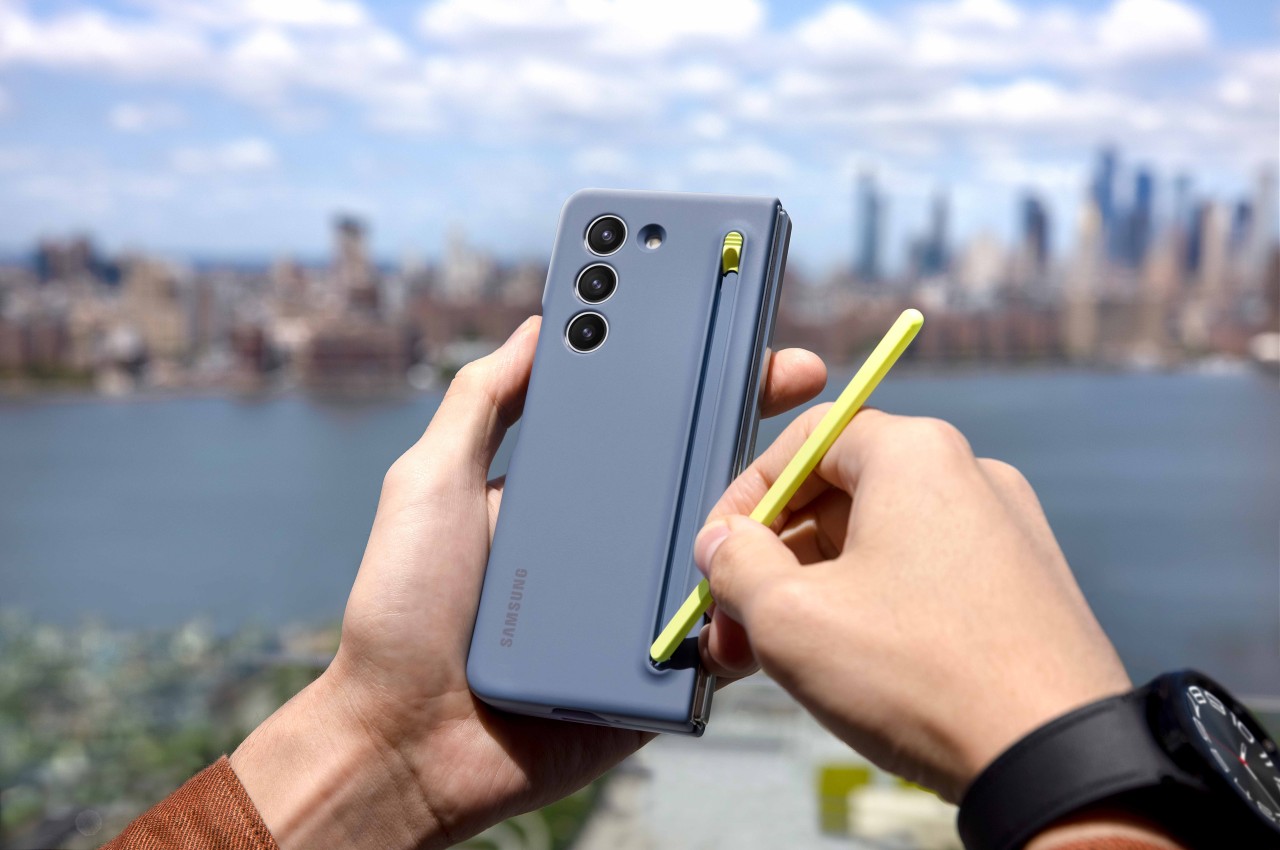
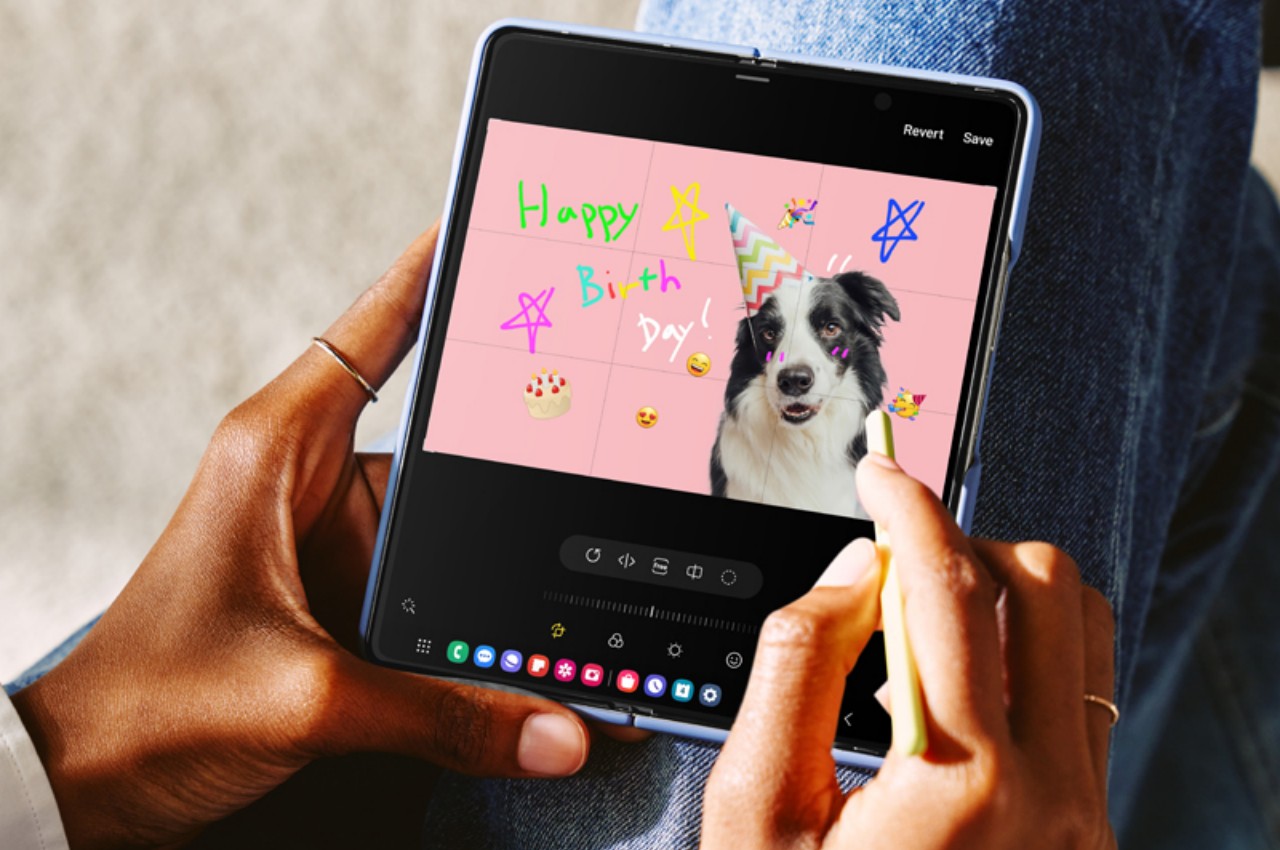
Although the Galaxy Z Fold series has supported Samsung’s Wacom-powered stylus since 2021, the S Pen never really had a proper home inside the device itself. Contrast this with the Galaxy S Ultra series that, inheriting the Galaxy Note spirit, came with an S Pen as part of the package. There might be debates on the ergonomics of such a thin stick, but owners at least had the option of not buying two extra accessories just for that writing and drawing experience.
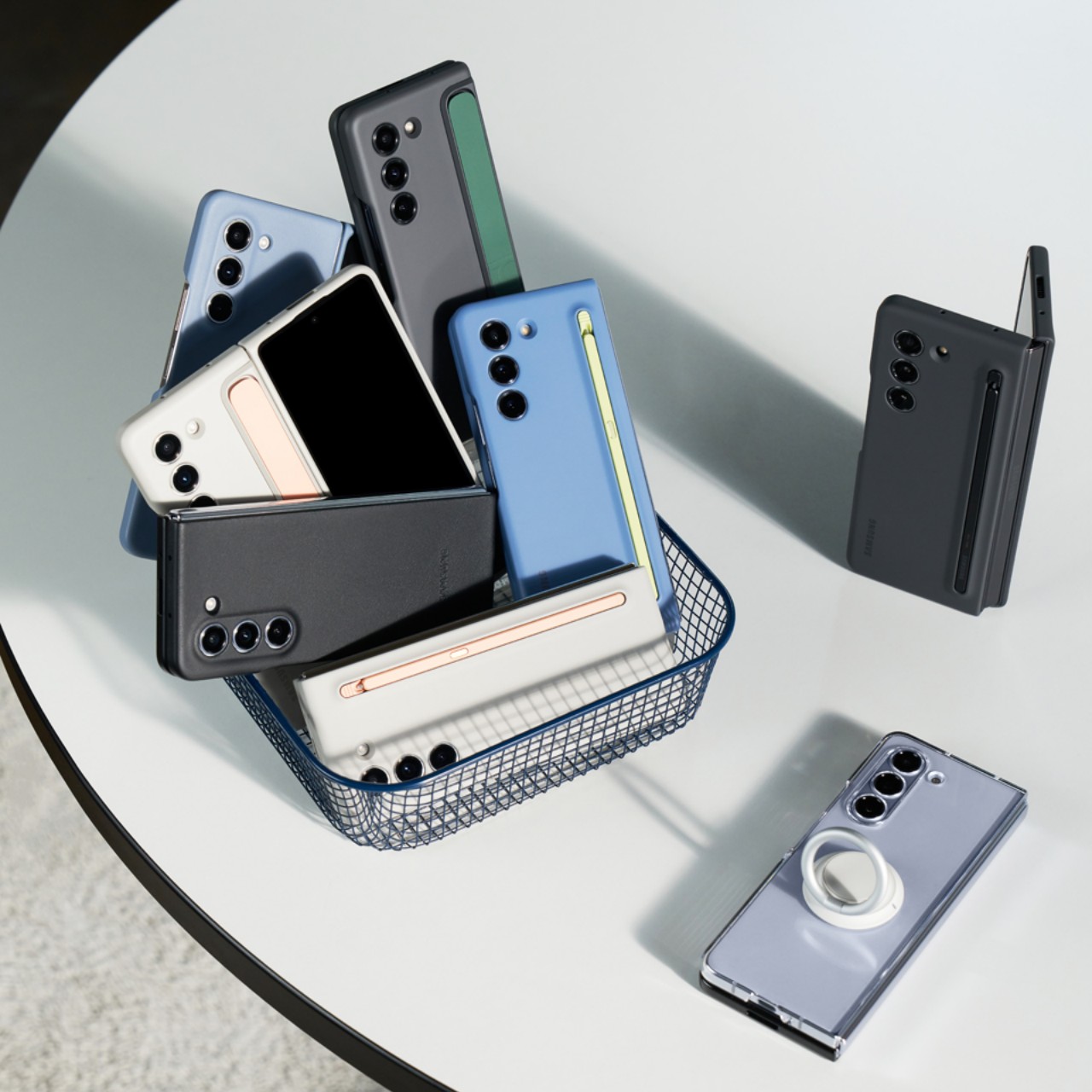
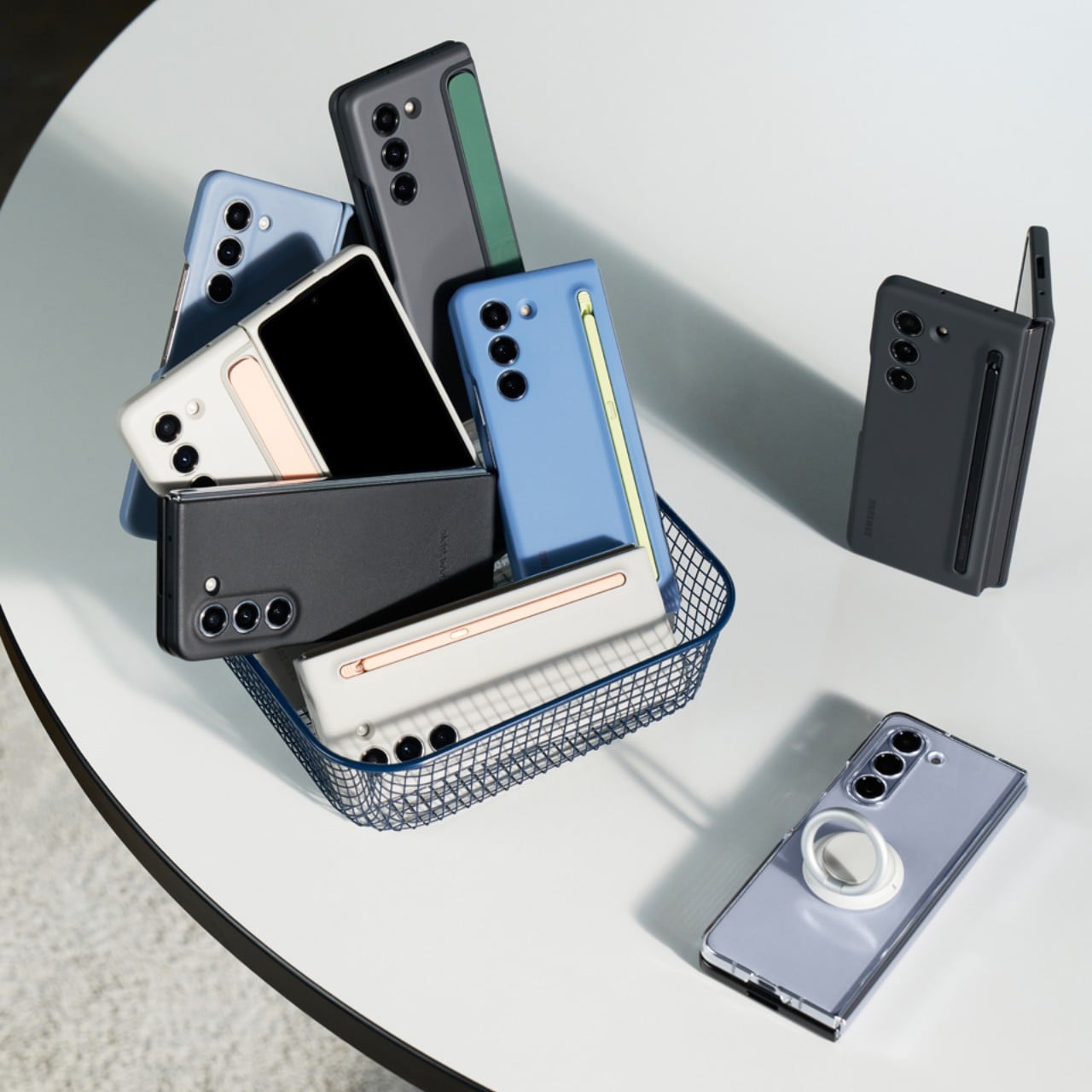
Yes, two accessories, because you’re likely to buy a compatible case if you’ll be investing in an S Pen Fold Edition. There really is no other convenient alternative to making sure that you don’t lose the stylus in your pocket, bag, or anywhere else. Unfortunately, designs for these cases feel more like works in progress and it seems it will continue to be the case for another iteration.
Camera Shy
The biggest disappointment, however, might come from the Galaxy Z Fold 6’s cameras. The latest word is that the upcoming foldable will sport a 50MP main camera, a 12MP ultra-wide shooter, and a 10MP telephoto camera on its back. The external front camera will be a 10MP selfie shooter while the internal front-facing camera has a 4MP under-display sensor.
Those are very much the same cameras used in the Galaxy Z Fold 4 from 2022, and although we don’t know yet of any hardware or software tweaks that Samsung will make, they’re still disappointing to hear. This is one area where the brand is being left in its competitors’ dust and where the product doesn’t feel deserving of its premium price tag. Some might actually forgive Samsung for putting a large camera bump on the phone’s back compared to reusing the same cameras for the third year in a row.
Of course, all of these are still unofficial information, so we might be pleasantly surprised by a more noteworthy Galaxy Z Fold 6 in August. Given the trends, though, that doesn’t seem to be likely, as Samsung is taking a more iterative approach to design with its large foldables. Maybe it doesn’t feel the heat from its rivals that don’t have the same market reach as the tech giant, but it’s also very close to stagnating and killing off the very trend that it started.
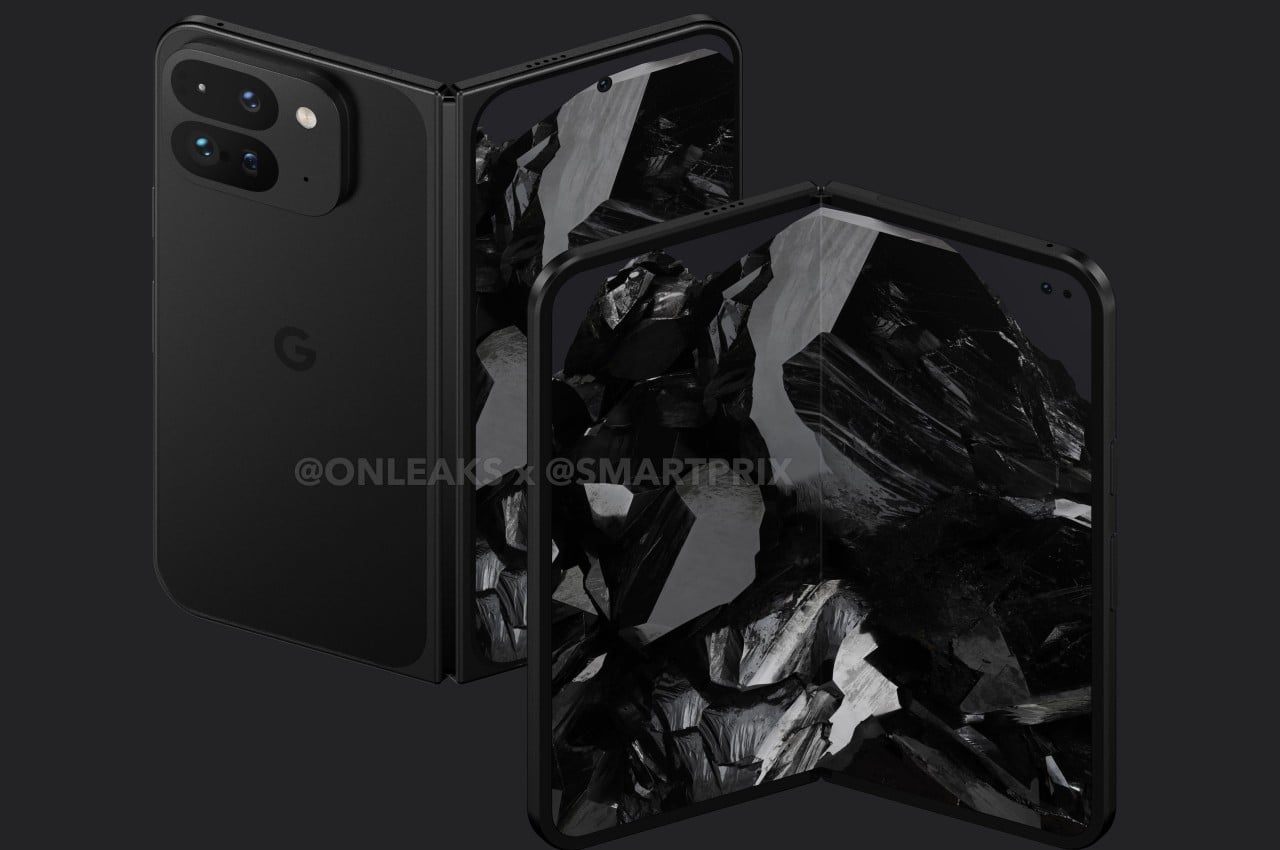
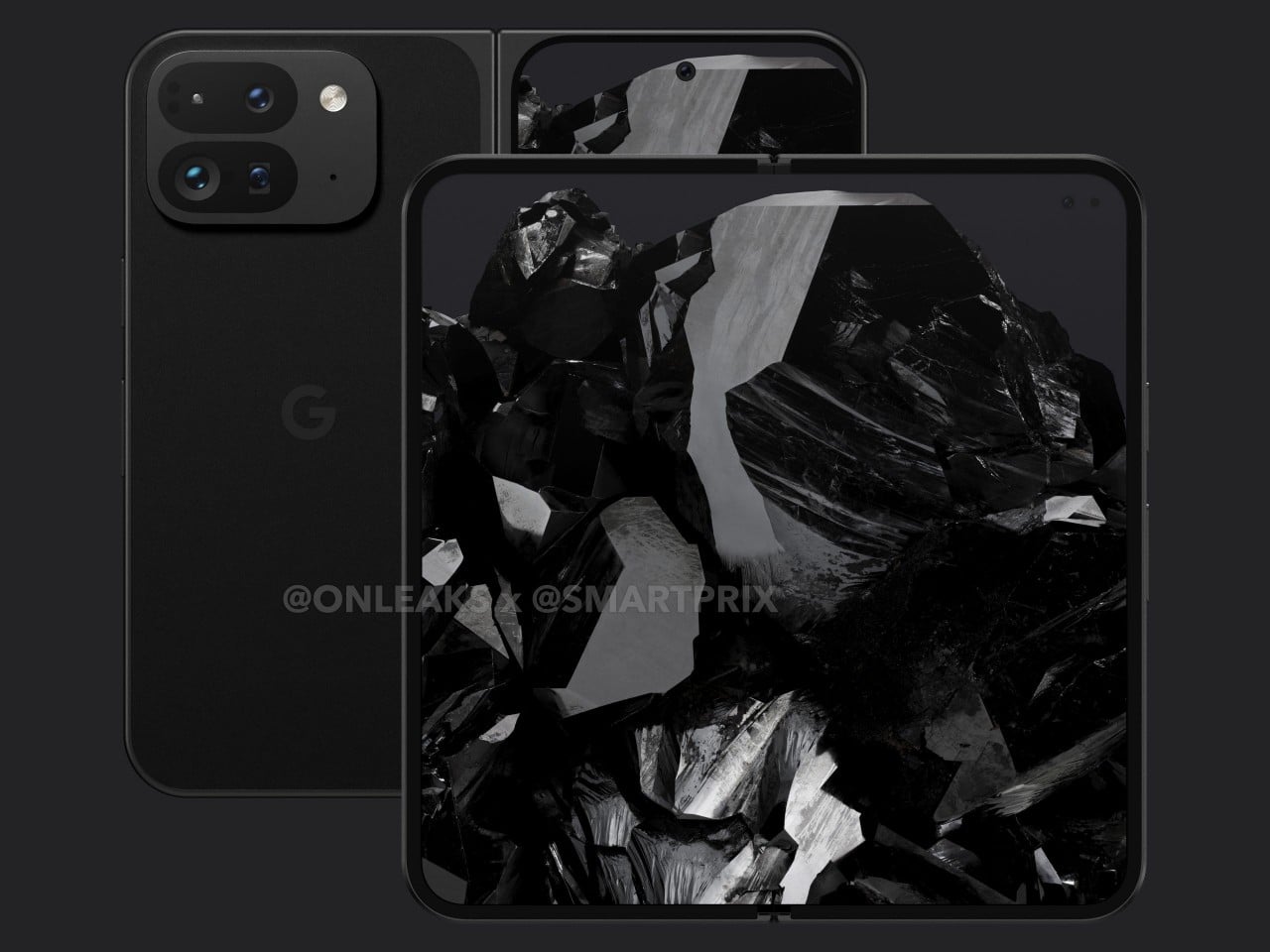
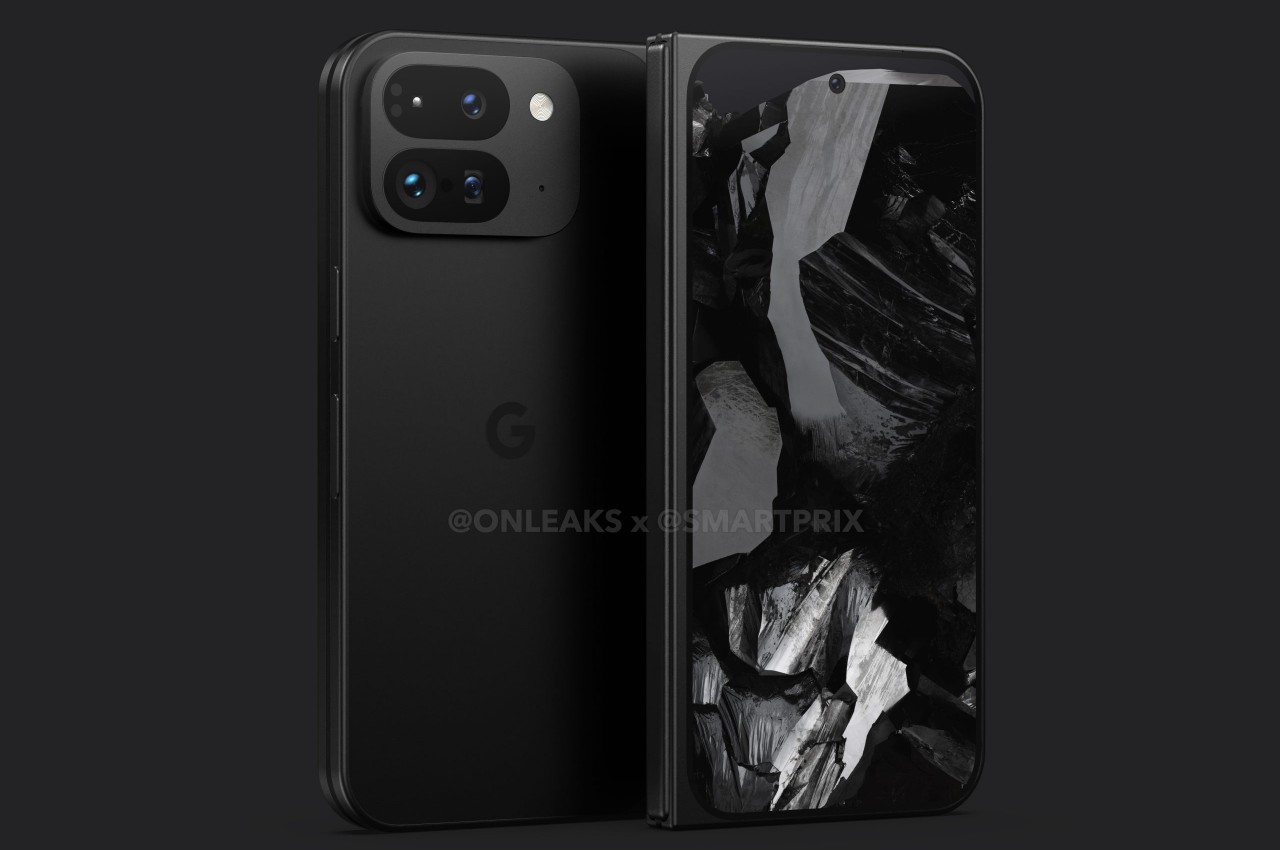
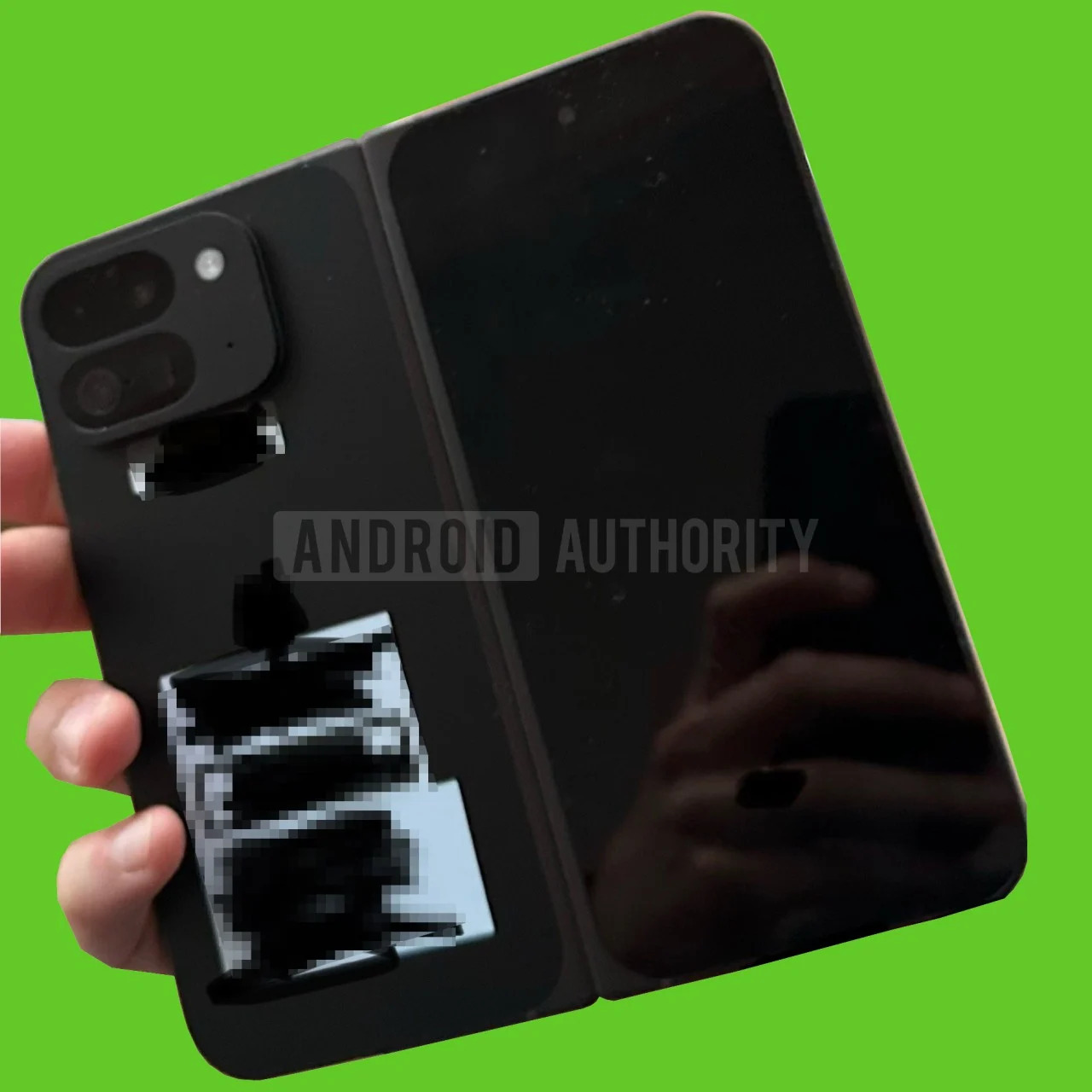
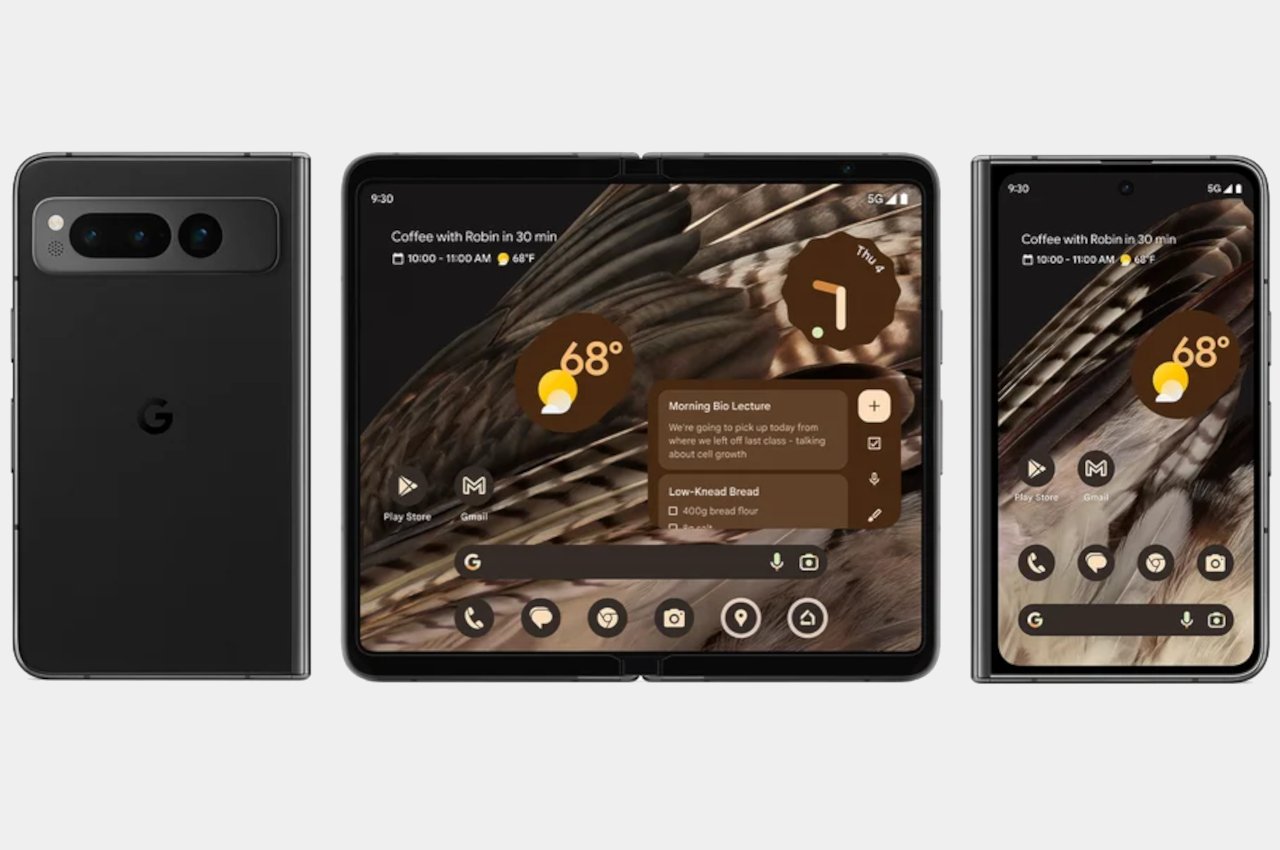
The foldable phone market is still very young, which means there’s plenty of room for design improvement across the board. We can expect manufacturers to experiment with different combinations that try to cram as much hardware as possible inside super-thin bodies. Change is inevitable but not every change will be welcomed with open arms. Some are bound to be controversial, especially when they involve removing something that people have grown fond of. That might be the case with Google’s second foldable phone, which will trade its somewhat iconic “visor” camera design for a rather unusual spin on the common camera bump that might prove to be quite unappealing if these unofficial renders are correct.
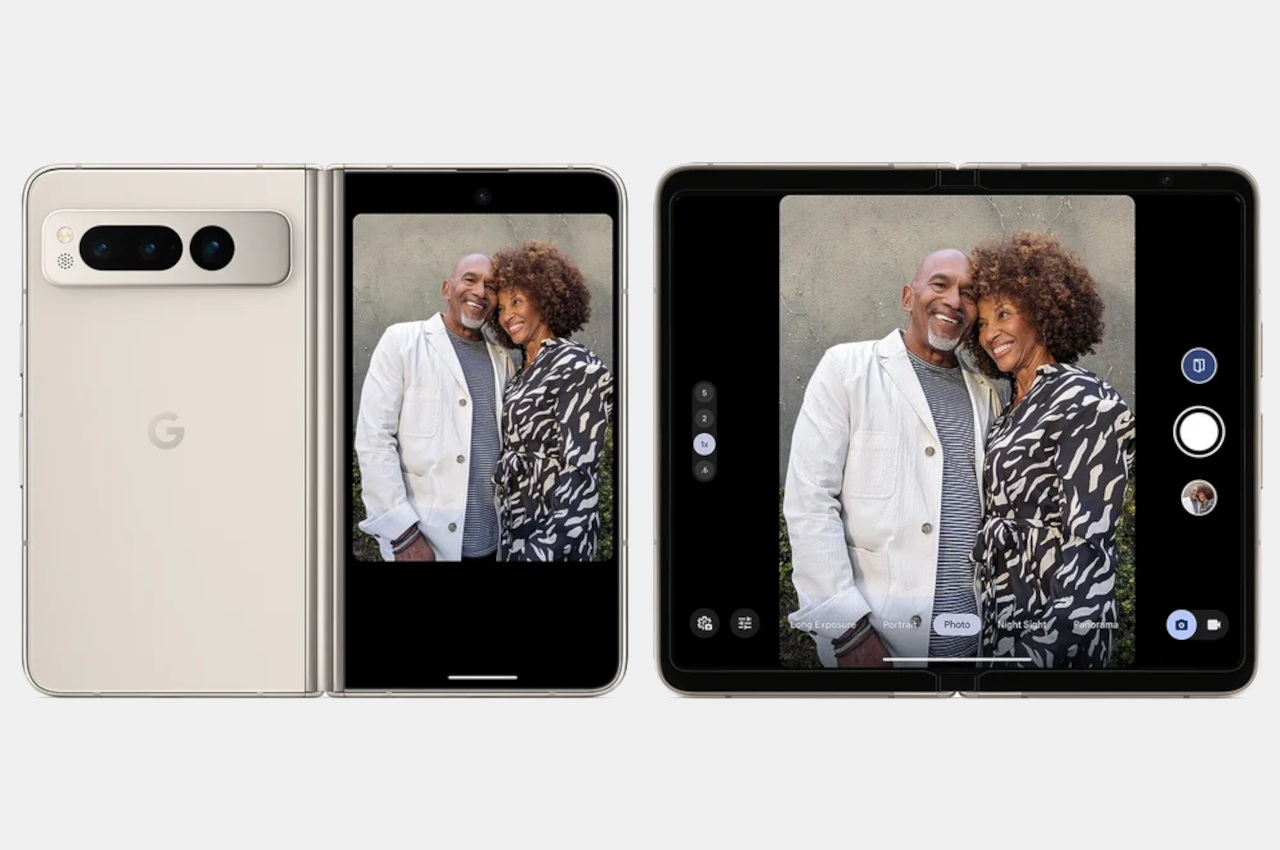
Granted, the Google Pixel’s rear camera bar isn’t exactly loved by everyone, but it still gives the smartphones a distinctive appearance that can be considered Google’s signature design. That’s not exactly easy to pull off on a foldable phone like the Pixel Fold, so Google had to modify it to be less elegant but still shouted “Pixel” nonetheless. Whether you liked that design or not, it might not be sticking around on Google’s foldable for long, and maybe not even on its future smartphones.
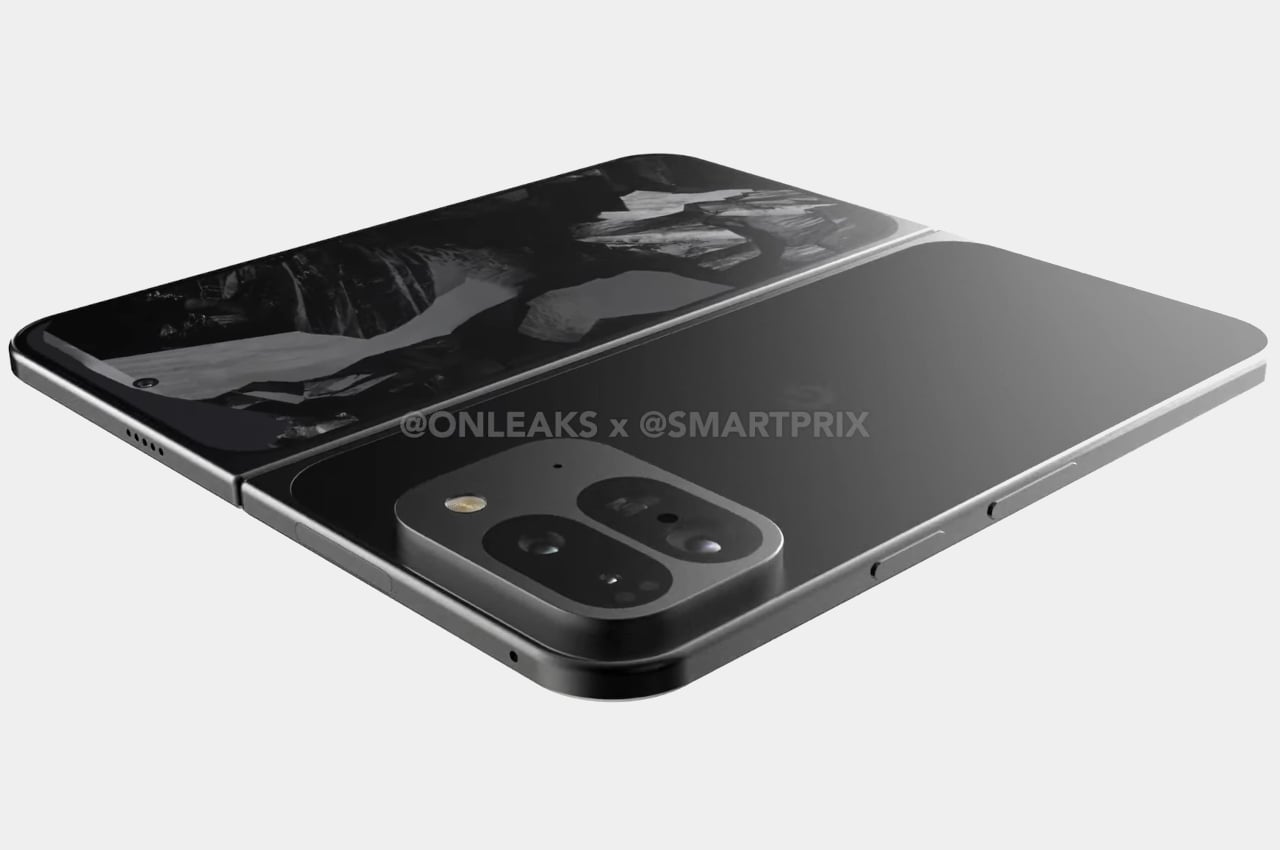
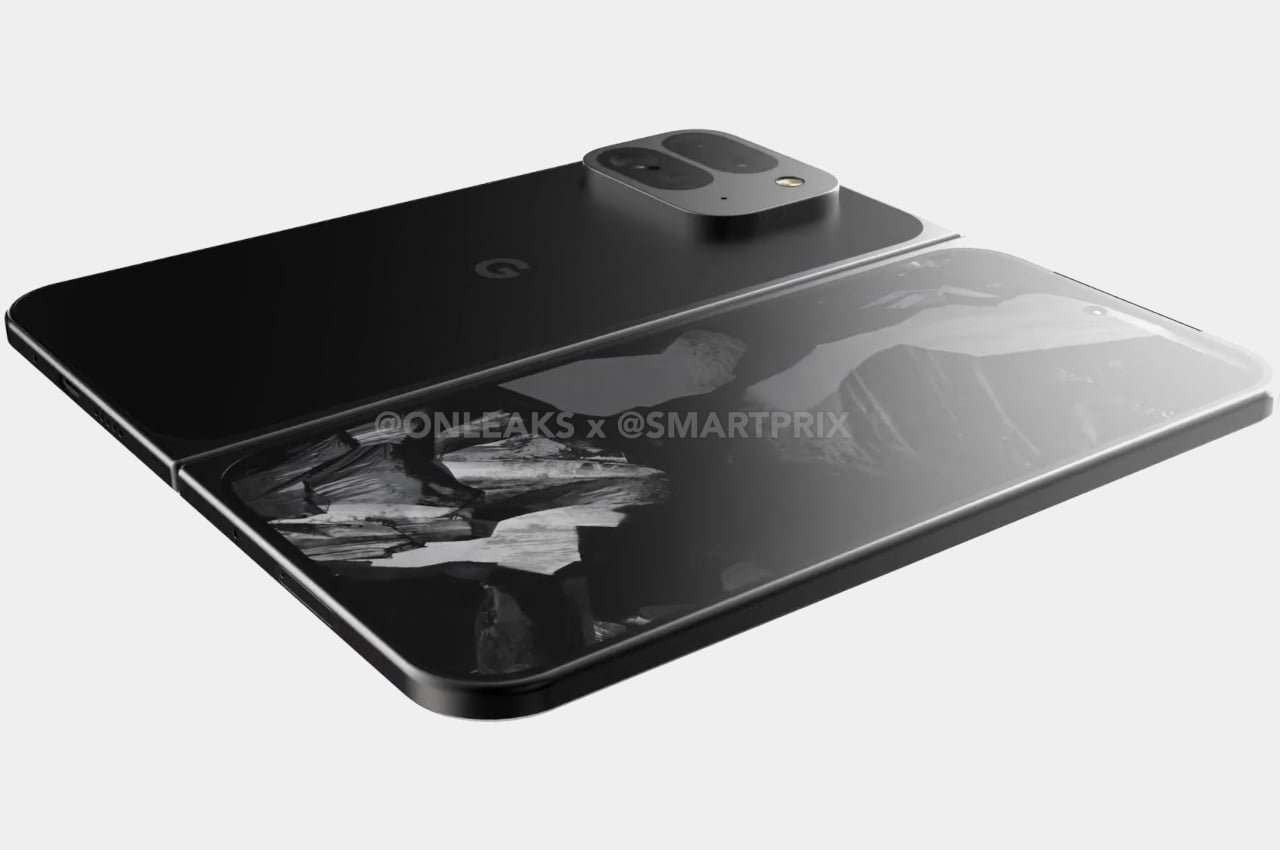
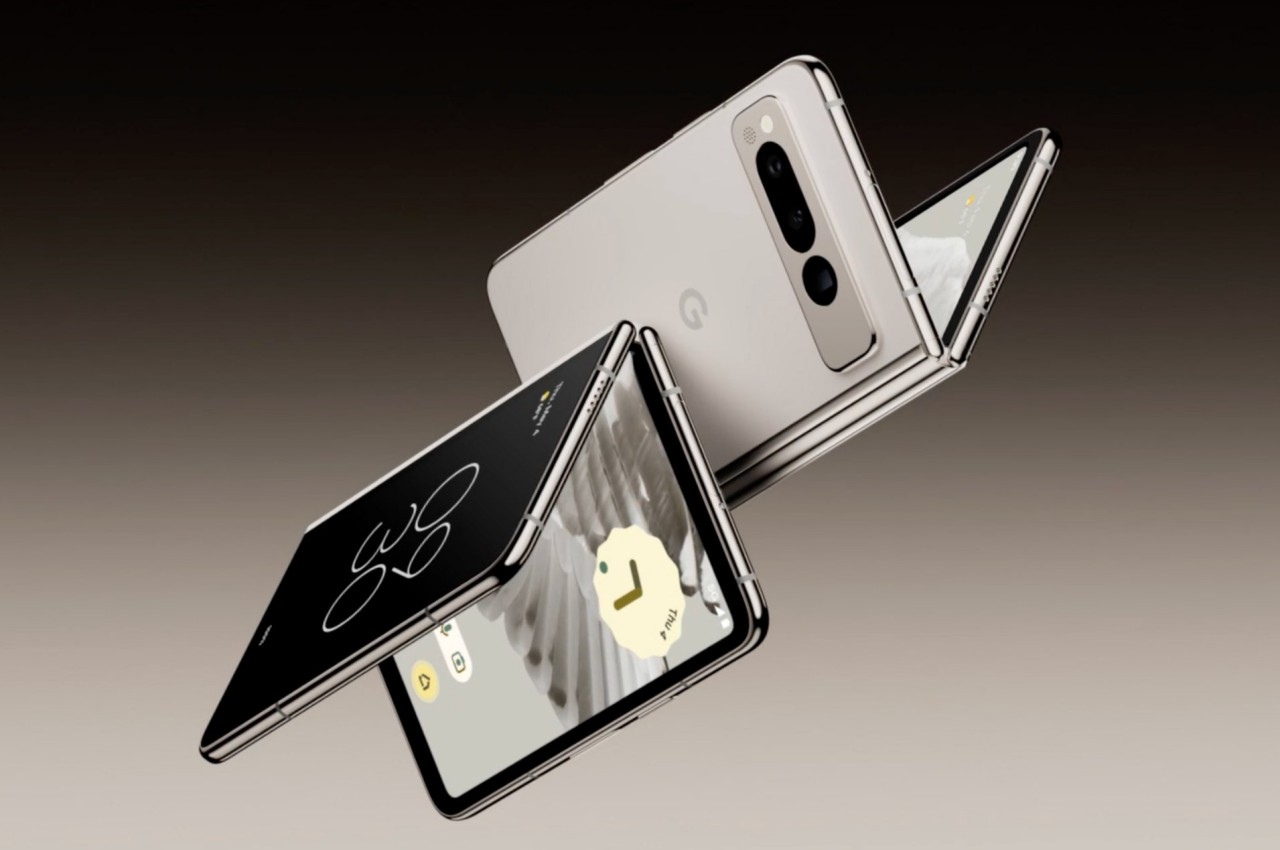
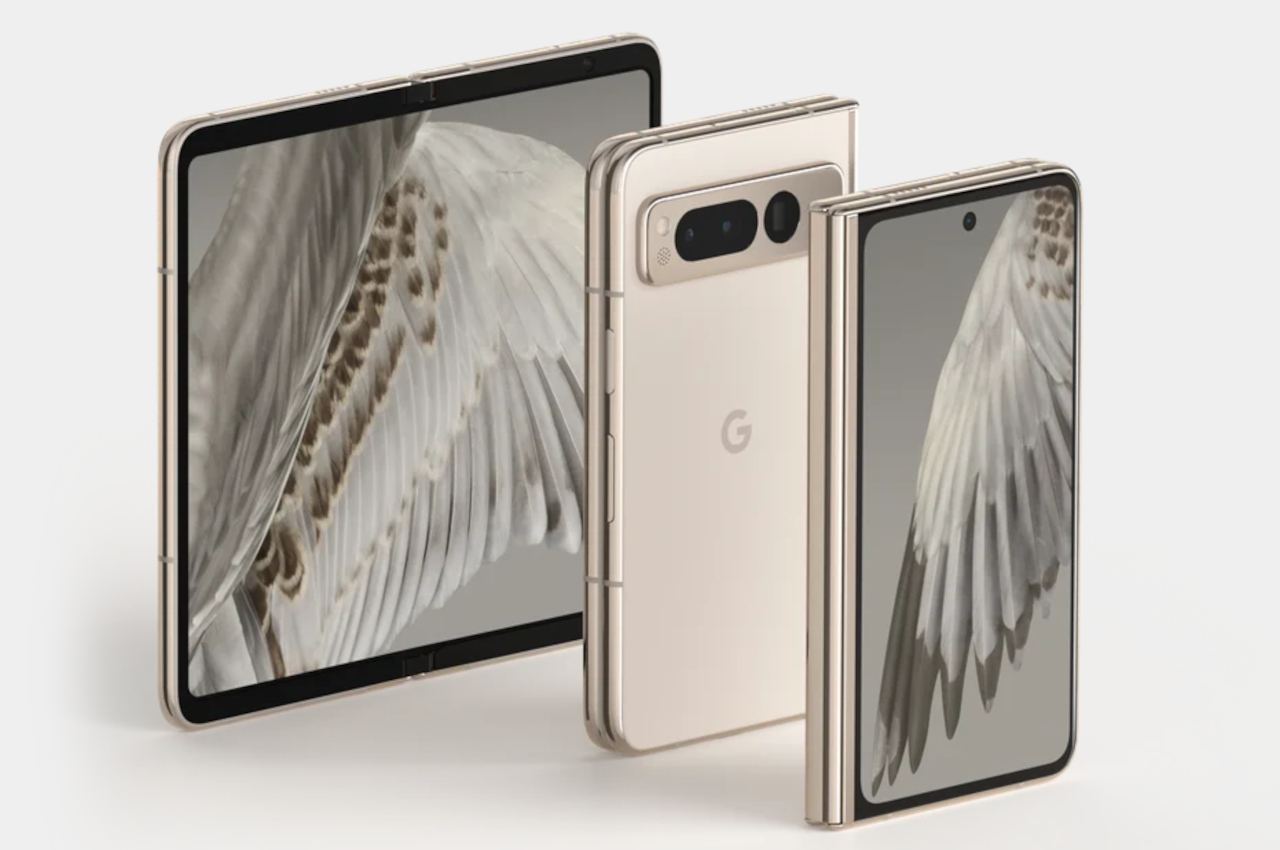
Renders based on leaked information reveal the alleged Pixel Fold 2 design that is so different from the first-gen foldable. Gone is the horizontal bar, replaced by what almost looks like a more conventional rounded square in the corner. That illusion quickly breaks down, however, when you notice the two horizontal pill-shaped cutouts for the camera lenses. In addition to possibly being very thick, this could easily be one of the least attractive camera designs today.
The more subtle changes can be found in the sizes of the two screens. Not only are they larger, they also have different aspect ratios. The external Cover screen, for example, is a bit narrower and taller, resulting in an unfolded shape that is more square than the first Pixel Fold. The bezels around the internal display are also much thinner, which leaves no room for a camera. Apparently, this could also be Google’s first phone to use an under-display camera as well.
None of these details are guaranteed, of course, and Google might surprise us with a Pixel Fold 2 that looks almost exactly like the Pixel Fold 1, except more refined. It is definitely within Google’s right to change its designs as it sees fit, but there are also times when you’re just left scratching your head at the oddity of it all. Fortunately, the Pixel Fold is hardly the only foldable phone available, especially with OPPO confirming it’s still in the race.
The number of foldable phones launching each year is slowly rising, suggesting that these former novelty items are here to stay. To manufacturers’ credit, the phones are getting more reliable and attractive, even if their prices are still prohibitive for most people. With more players in the market, it’s bound to become a somewhat livelier place, with brands putting their own spins or changing designs to match or challenge their rivals. It now seems, however, that the still niche foldable phone category is about to enter another tumultuous phase with new designs that could shake up the market and some companies throwing in the towel, leaving only a few designs to stick and stagnate.
Triple Folding Phones
The biggest and perhaps only reason for a foldable phone would be to provide a device that can be used as a regular phone when wanted but can transform into a tablet when you want more screen real estate. The current crop of foldable phones does meet those requirements, though almost barely. As tablets, they’re painfully tiny even compared to the already small iPad mini and some 7-inch slates. As phones, some designs make them awkward to use because of their narrow and tall external screens.
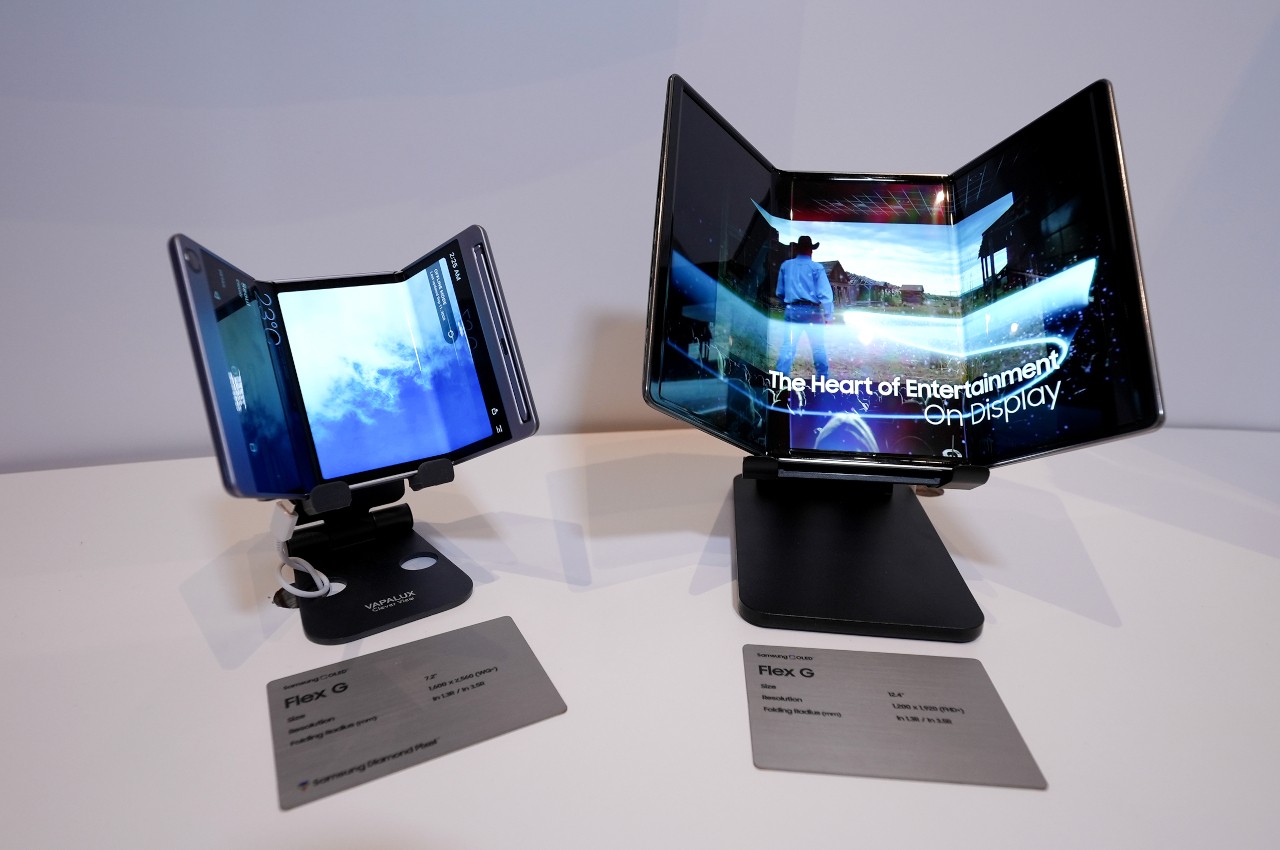
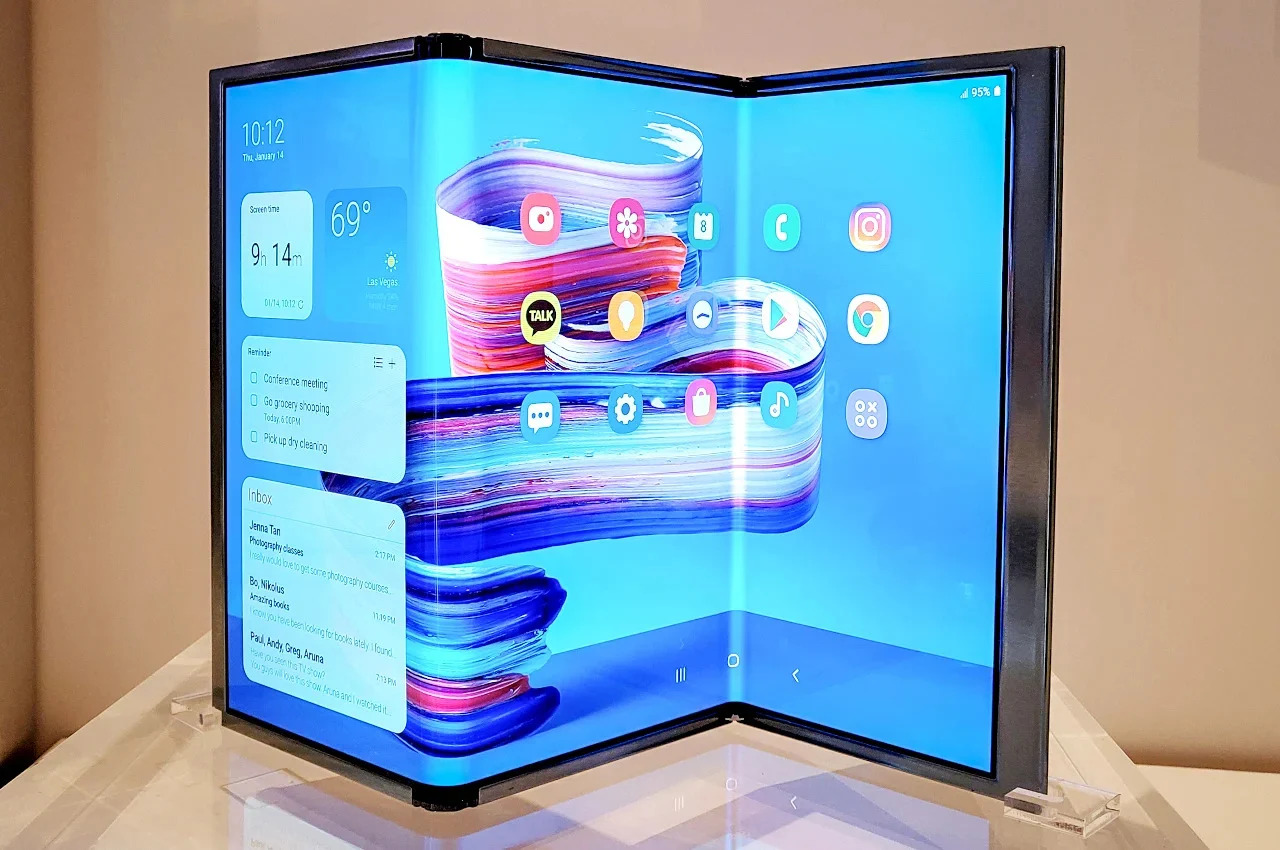
One possible solution would be to have a large screen that can fold in three parts, turning into a phone-sized slab, albeit probably a bit thicker than even today’s foldable phones. Samsung has, in fact, been working on such a design for years and it finally showed off a prototype two years ago. It turns out that it might even launch its first tri-fold phone slash tablet later this year.
This timeline is reportedly due to one of Samsung’s biggest rivals trying to make a move first. Huawei, who is rebuilding its empire in some markets, is rumored to be launching a foldable phone that transforms into a 10-inch tablet. Just for the title of being the “world’s first,” Samsung could be taking a big risk and making a leap of faith to get that triple foldable phone out the door quickly, even if it means repeating the mistakes of the first Galaxy Fold.
Stylus Support Inside and Out
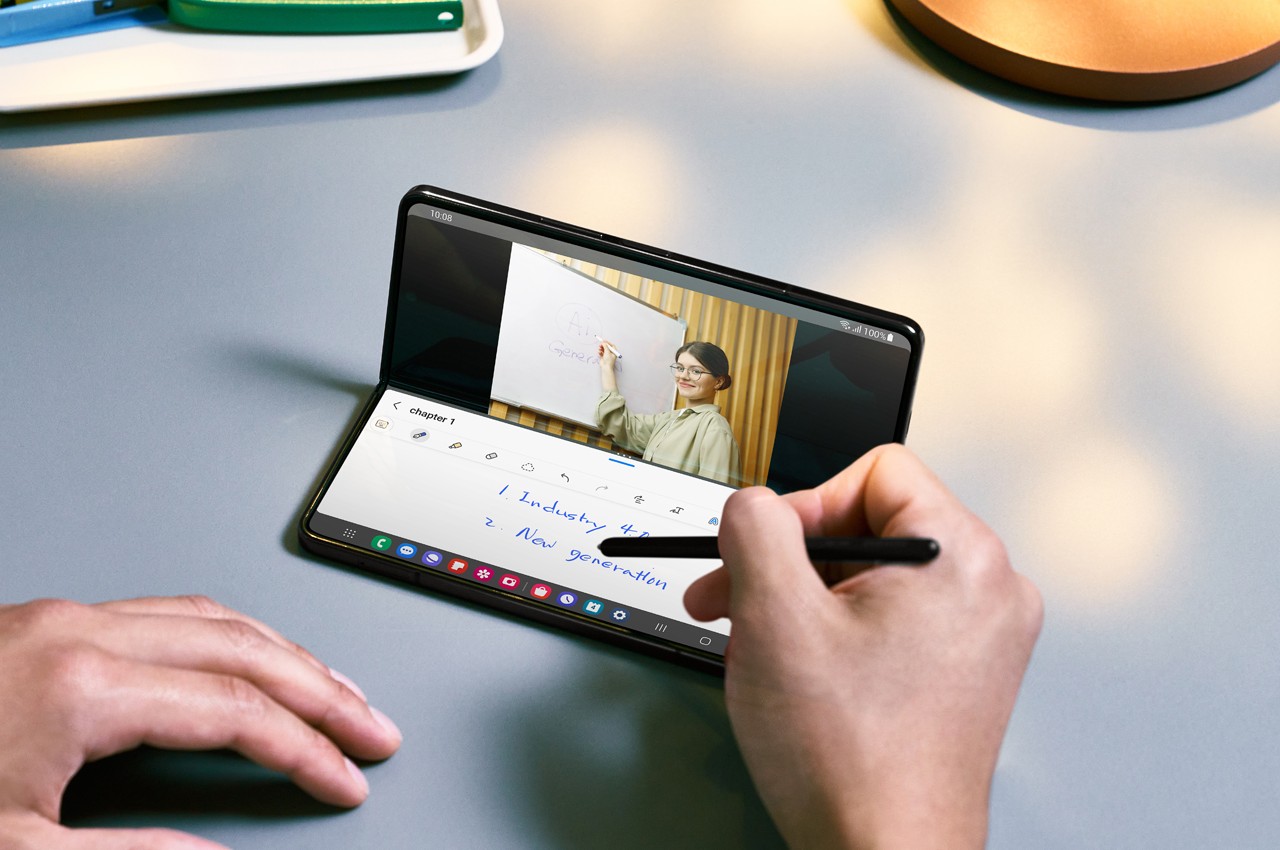
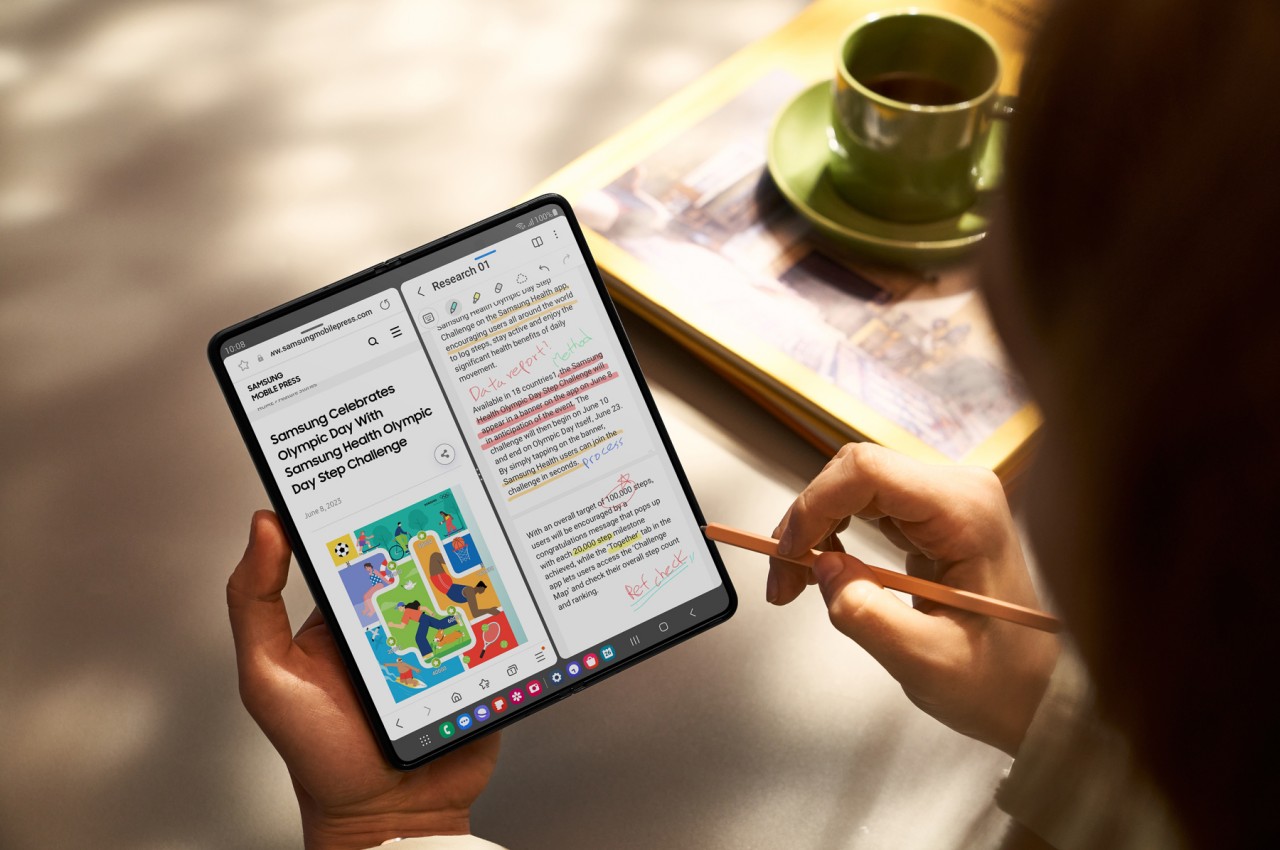
One of the biggest draws of foldable phones is, of course, their big screens. They’re not just perfect for showing more content, but they’re also great for actually creating content. With tablets now being seen as productivity and creativity tools thanks to the iPad Pro, these foldable phones are truly powerful laptops you can fit in your pocket, at least in theory. Ironically, very few of the brands actually support such a use case with the right accessories. Even Samsung forces you to buy the S Pen Fold Edition if you want to scribble and doodle on your foldable phone like a notebook.
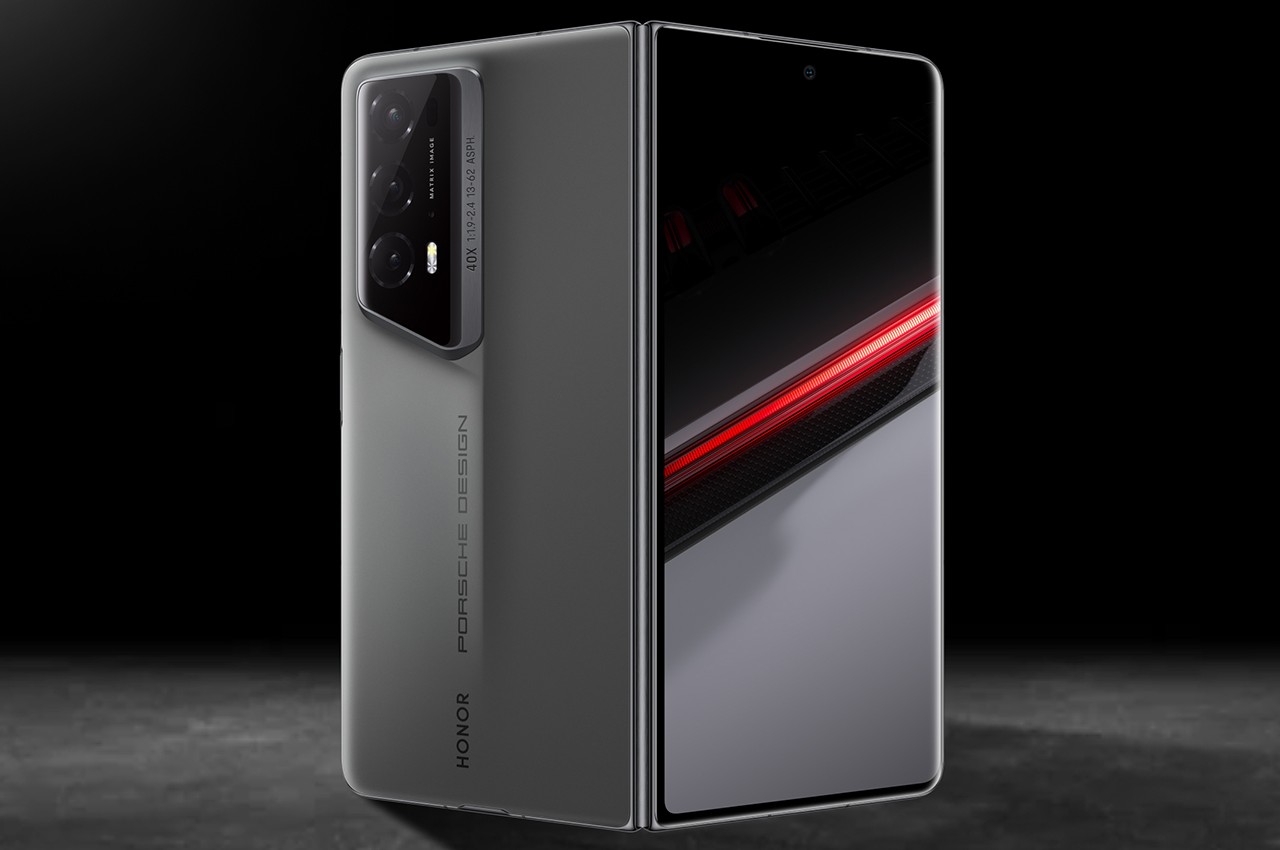
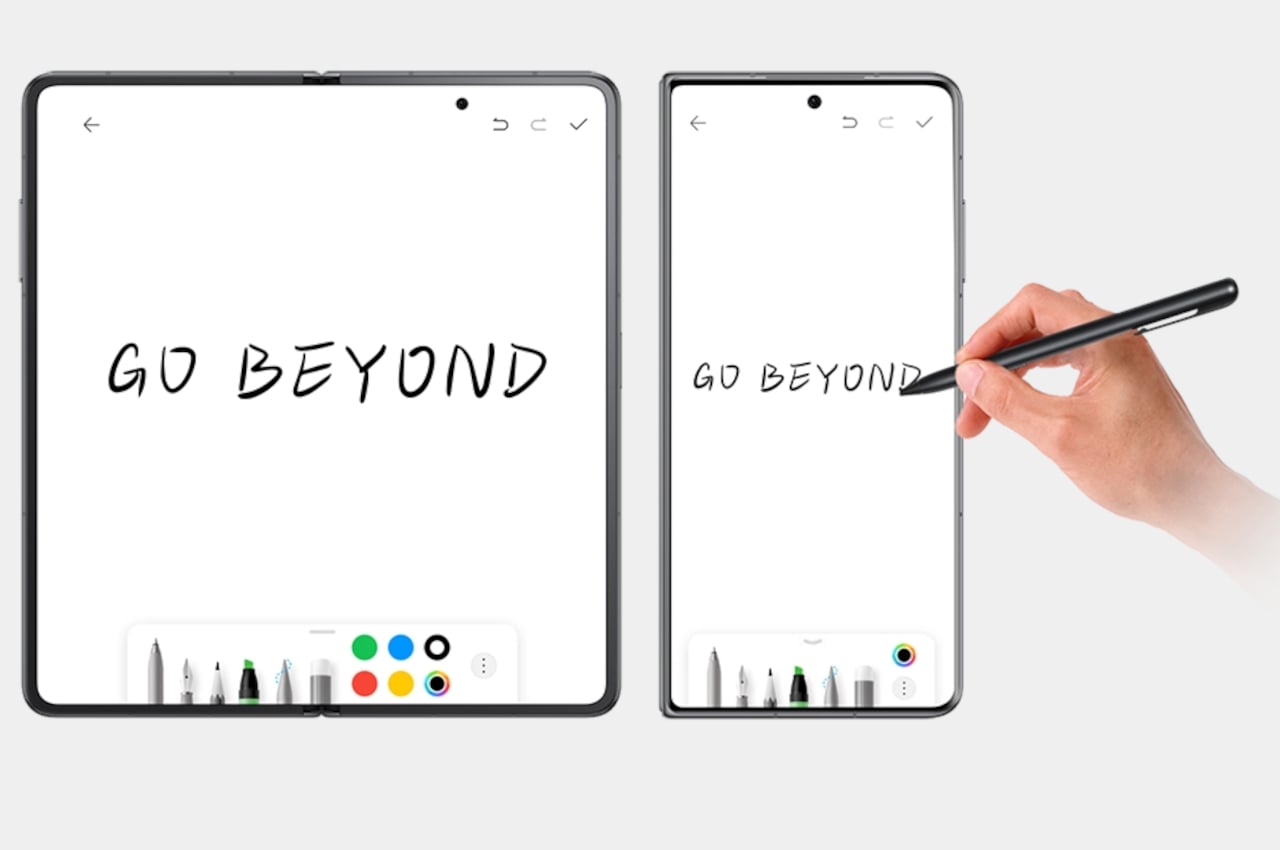
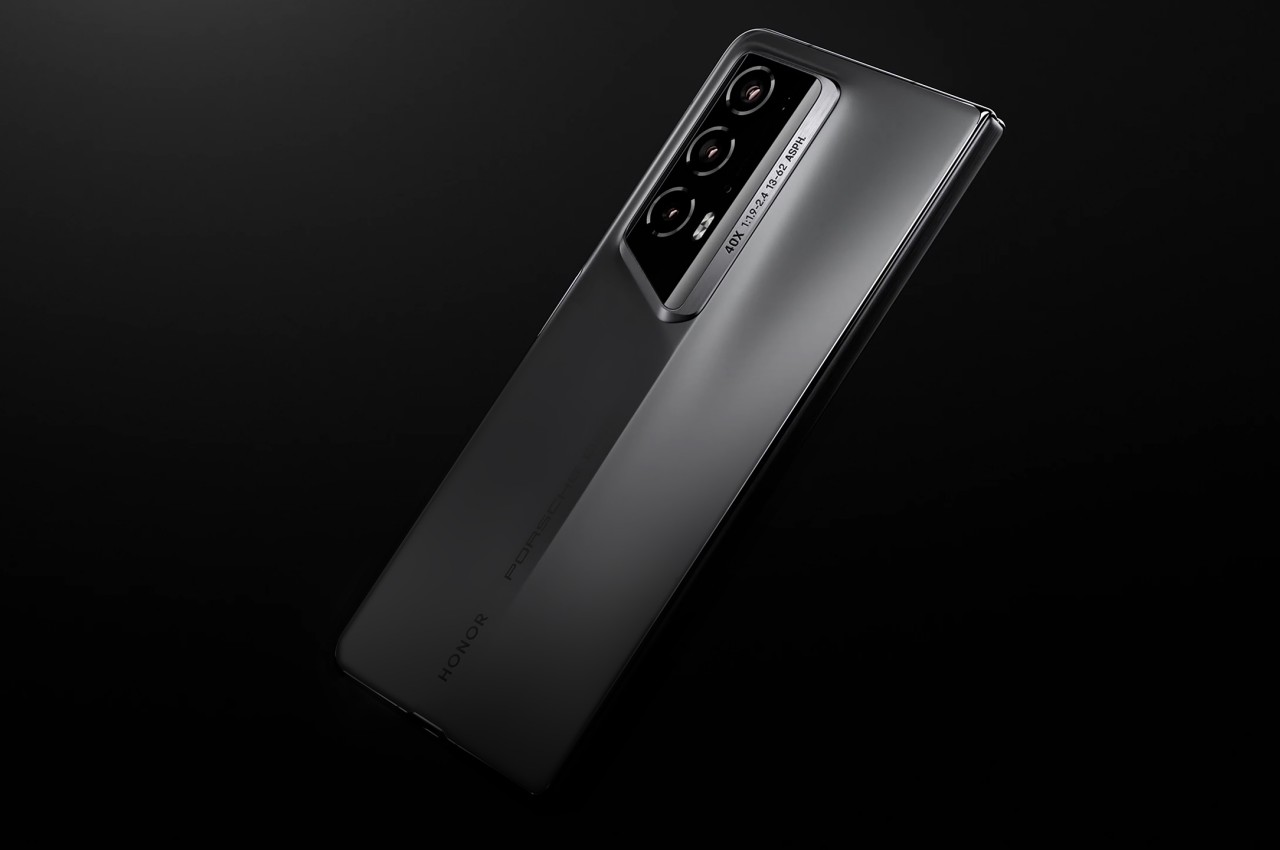
The newly launched mouthful that is the Honor Magic V2 RSR Porsche Design bucks the trend by actually including a stylus inside the box. Granted, the price of this limited edition would make you think it should include such an item, but you’re also paying for other luxuries at the same time. For example, you get two charging bricks instead of one. Some foldable phones other than Samsung don’t even advertise support for a stylus even if they’re capable of supporting one.
More interesting, however, is how the Honor Magic V2 RSR Porsche Design actually supports that active stylus not only on the large internal screen but also on the smaller cover screen. That one-ups even Samsung who is famed for its stylus-enabled Galaxy Note phablets, now sold under the Galaxy S Ultra brand. Honor is showing that such a set of features is possible, and it could lead to a long-overdue trend in the foldable smartphone market, presuming there’s still one in the next few years.
Design Monoculture
One of the reasons why the foldable phone market seems to have stabilized a bit is because of the number of players now in the ring. Of course, you have Samsung and Huawei leading the charge, but now you also have Xiaomi, OPPO, Vivo, Tecno, OnePlus, and Honor in the running. Unfortunately, there are whispers that two of these are bowing out of the race, and their absence could actually have an indirect though significant negative impact on foldable phones as a whole.
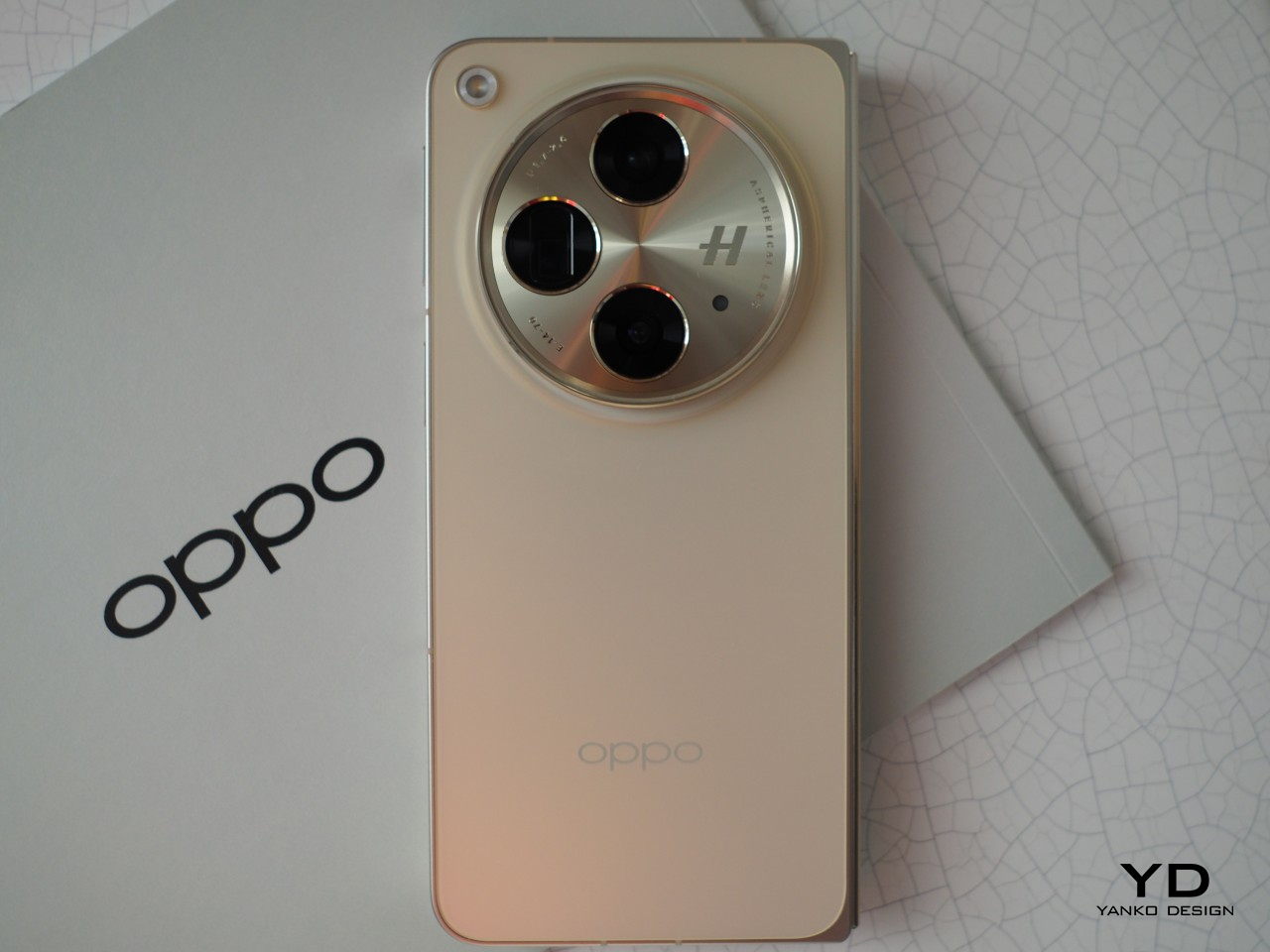
Those rumors claim that both OPPO and vivo are calling it quits in the foldable market. The cited reason is not exactly surprising, with both brands suffering significant losses in foldable phone sales last year and they don’t believe they can throw in more resources to recover. It’s unknown at this point whether OnePlus will also be following its cousins, though there’s a real possibility that these manufacturers will pull out sooner rather than later.
While that indeed sounds like a win for Samsung and Huawei (and Honor), it might not actually be good for the entire market in the long run. Competition often breeds innovation, with these brands pushing each other to develop new designs and features at every turn. With only two contenders, each with their own separate kingdoms, there might not be enough incentive to push the boundaries, leading to stagnation and eventual death of the market.
Of course, there’s still no confirmation that OPPO and Vivo are indeed making an exit strategy, but it does paint a picture that isn’t as rosy as these brands try to paint. Even with the popularity of clamshell-style foldables and with new models coming out year after year, actual sales might actually reveal a very different and less encouraging situation. Given the way technology is developing, foldable and rollable displays will eventually be a staple of tomorrow’s devices, but that doesn’t mean the market won’t experience a few flops first along the way.
Although there were plenty of rumors and high expectations, it was still a bit of a miracle that Google came out with a foldable phone. After all, it didn’t exactly hold tablets in high regard, so a phone that transforms into one would have probably been even less within Google’s radars. Of course, that’s now history with the launch of the Pixel Fold, Google’s first and so far only foldable, which turned out to be quite popular, especially with its design. It turns out, there was a slim possibility that the Pixel Fold could have turned out very differently and looked more like Samsung’s design, at least based on a prototype that is now running over the Internet.
Designer: Google (via Mishaal Rahman)
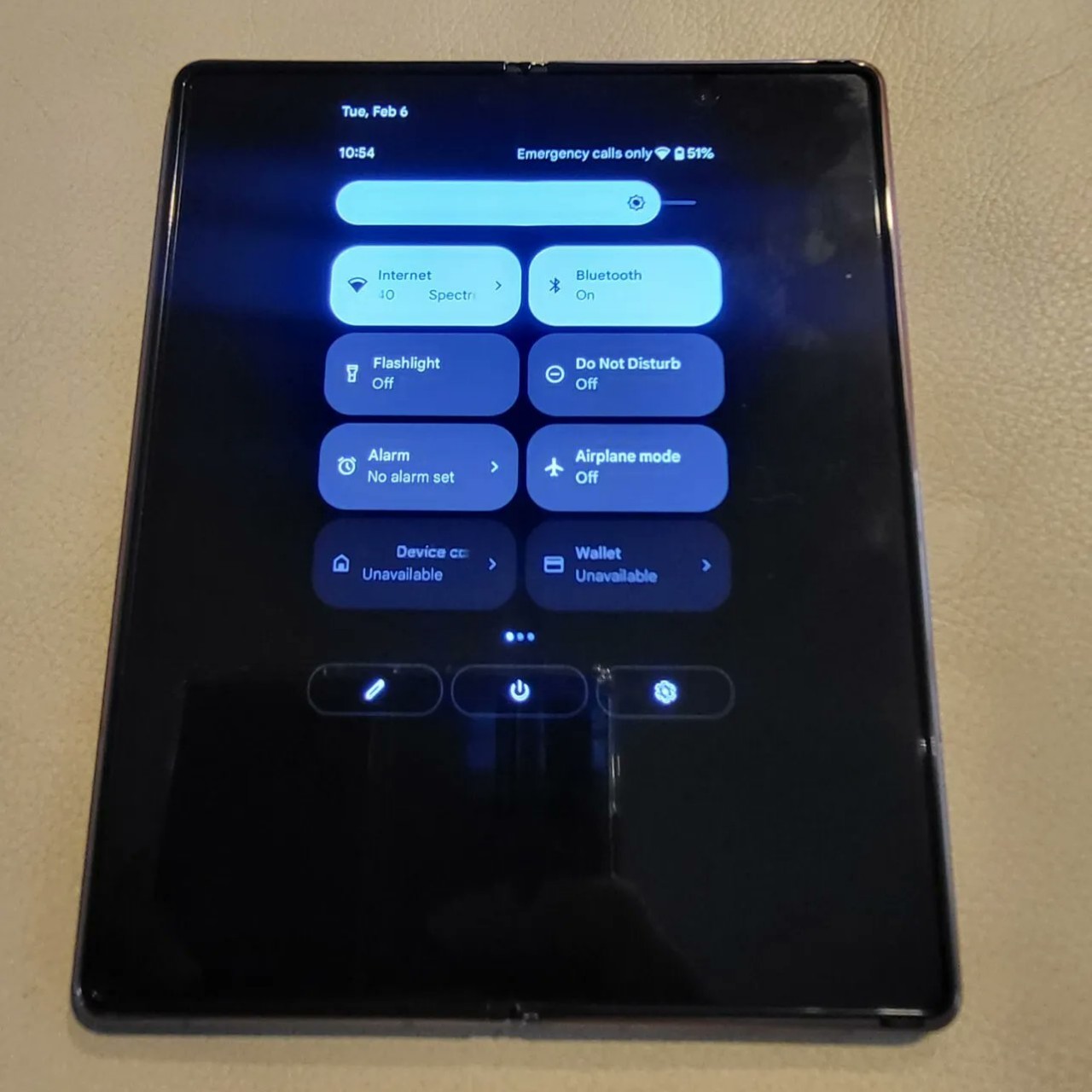
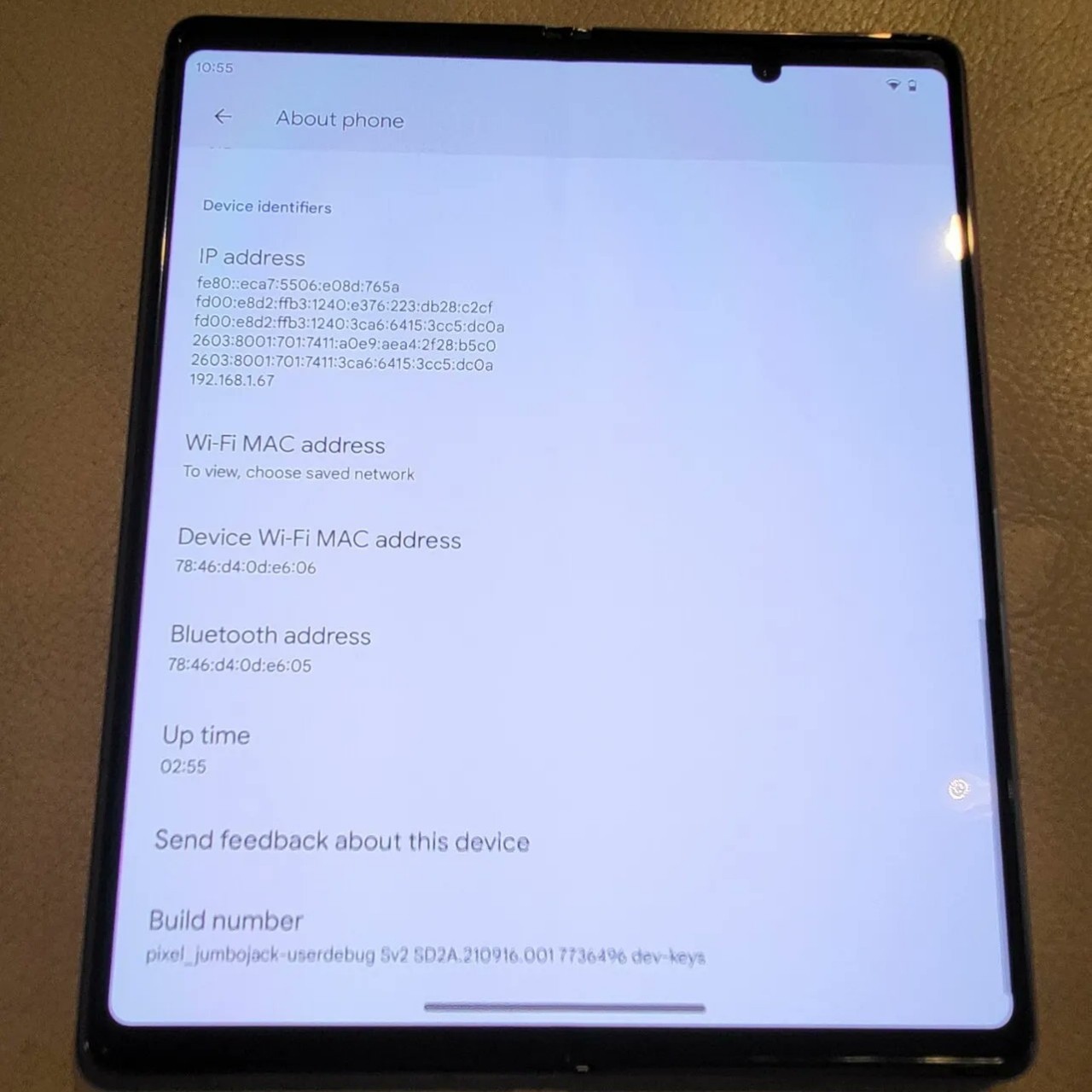
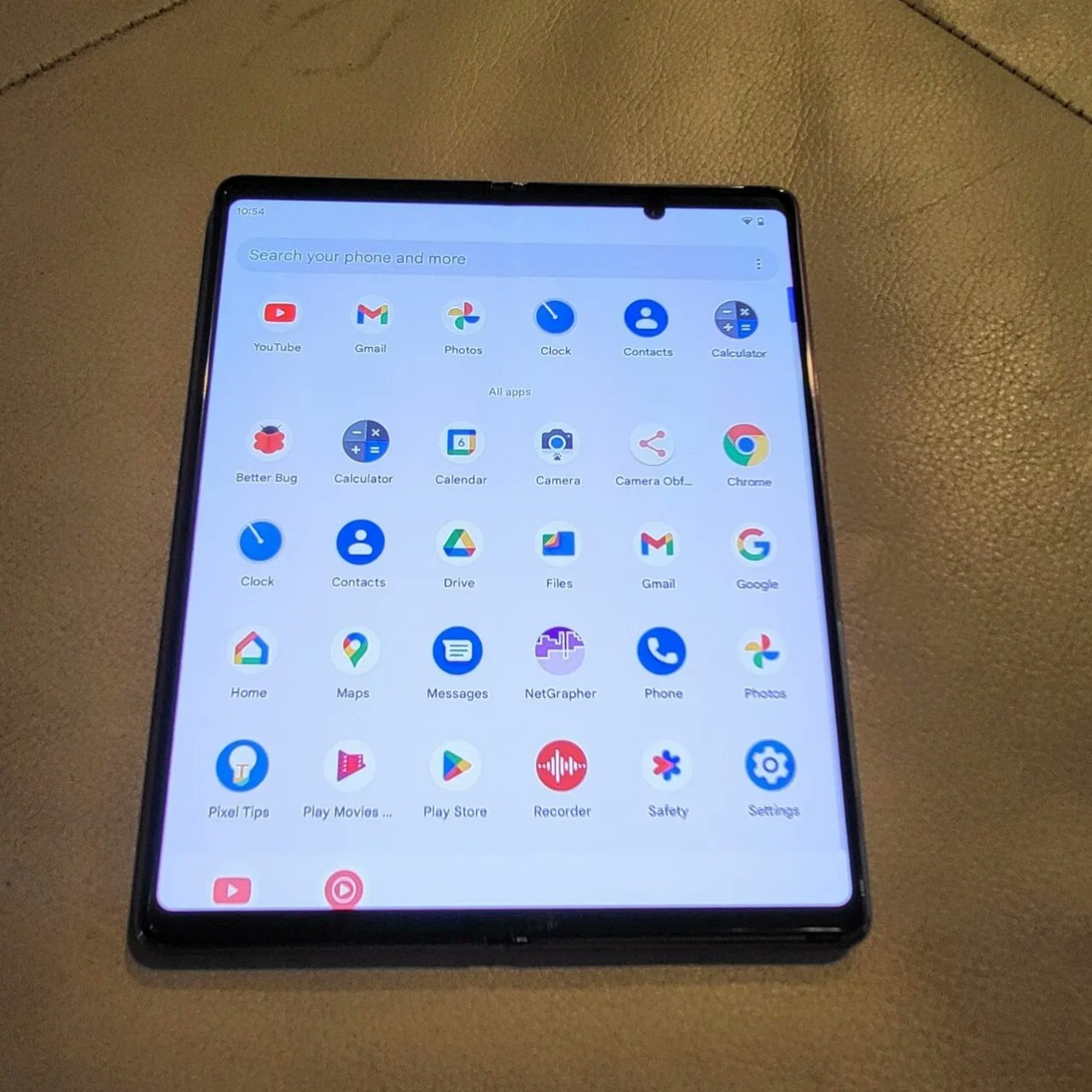
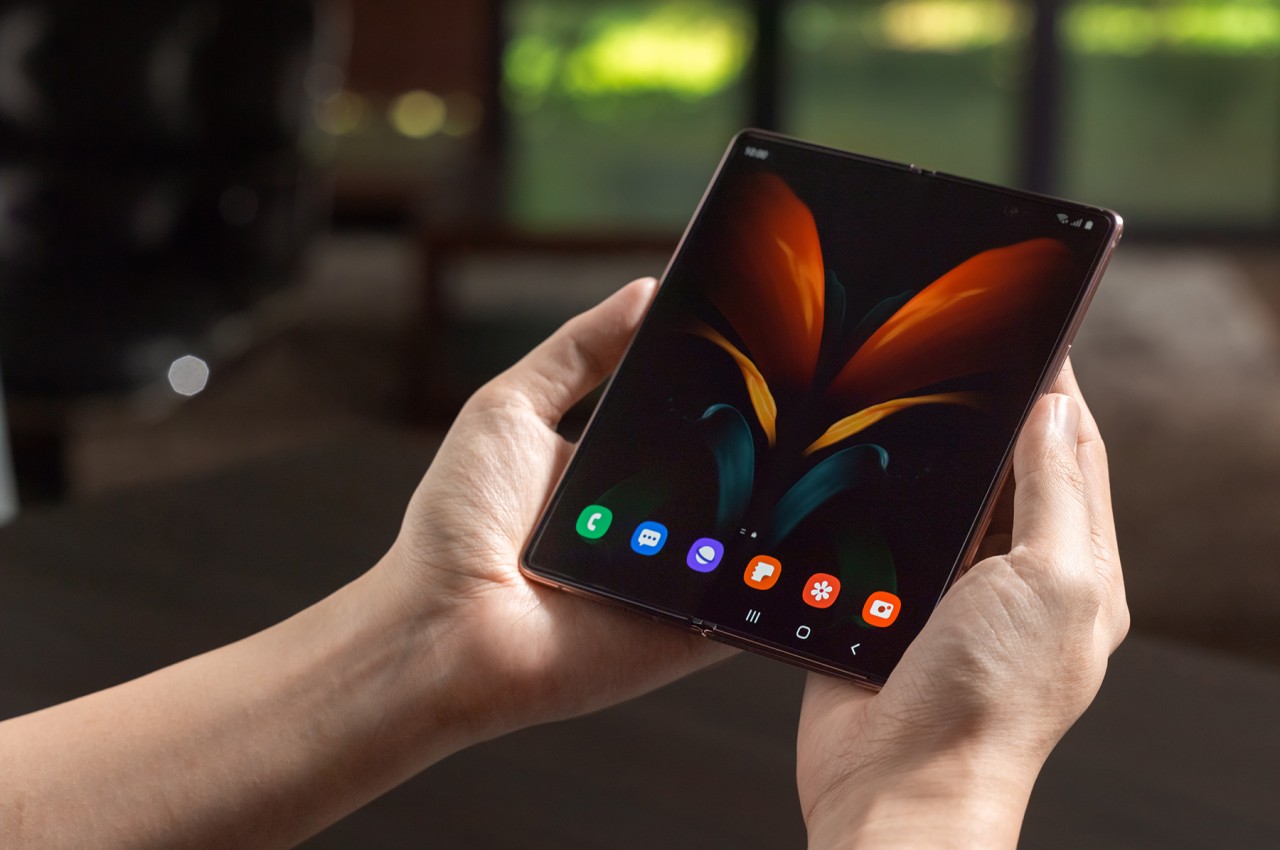
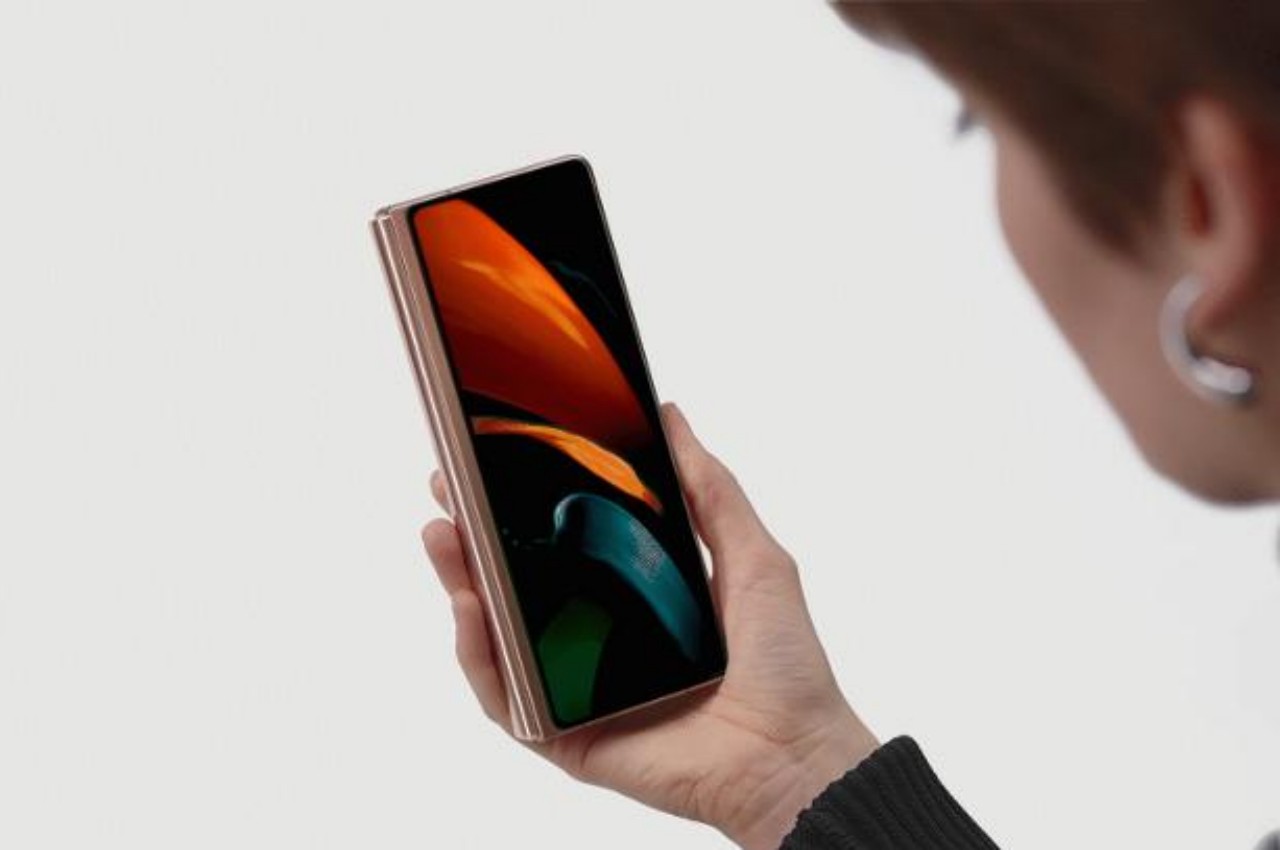
Phone manufacturers go through numerous prototypes before settling on a final design, especially when the device is rather new or unconventional. That’s true for seasoned brands like Samsung, and even truer for the likes of Google, and a device codenamed “jumbojack” was spotted nearly four years ago as Google’s foldable prototype. Now that name has become a real device, at least based on what is allegedly that very same prototype device which happens to be a Samsung Galaxy Z Fold 2.
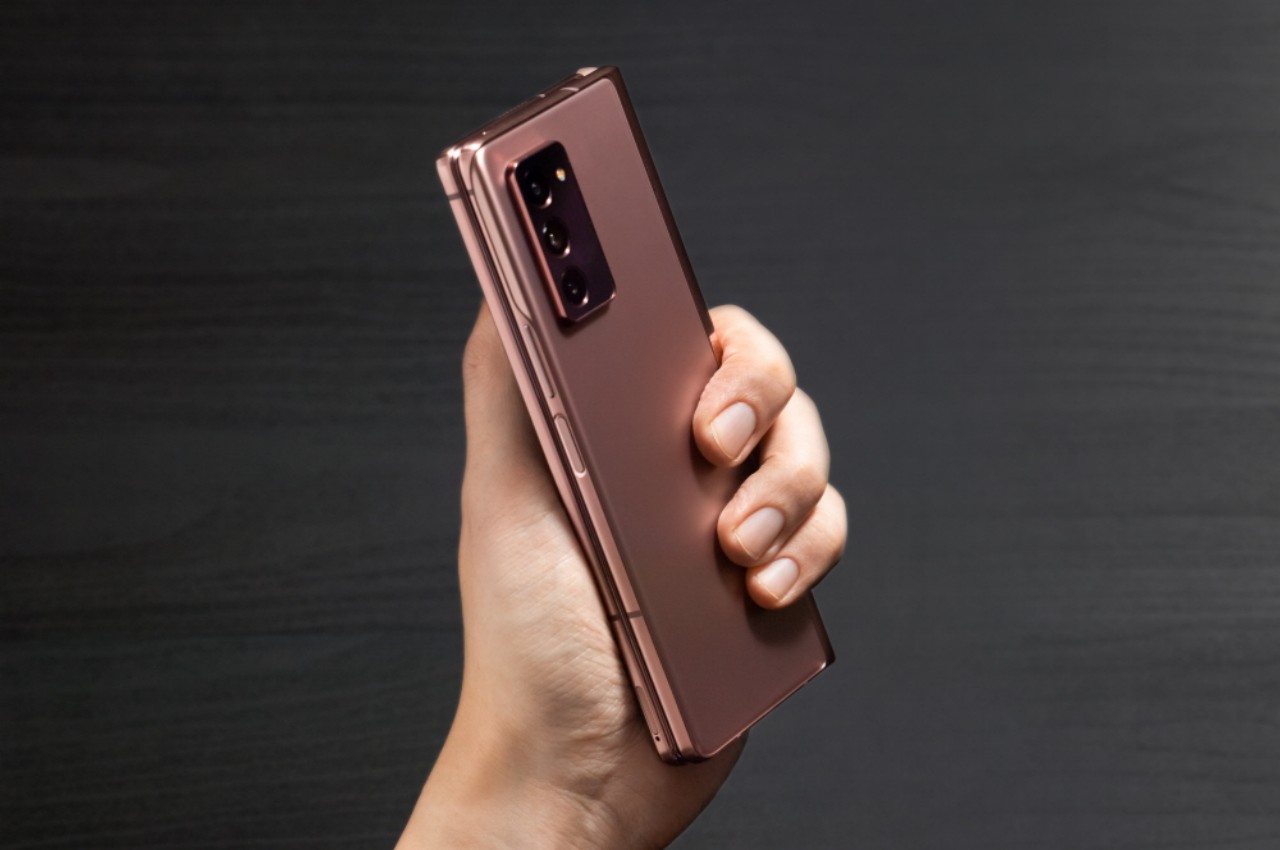
This “jumbojack” foldable doesn’t look like a custom prototype made by Google but an actual Galaxy Z Fold 2 that has been repurposed to run “stock” Android stripped of Samsung’s branding. It’s pretty much a quick and easy way for Google to test its Pixel user experience on a foldable without having to go through the trouble of assembling a prototype. That said, the final flavor of Pixel is quite different since it was designed to work on a foldable with a distinctly different form factor.
Samsung Galaxy Z Fold 2
Samsung Galaxy Z Fold 2
Samsung Galaxy Z Fold 2
The prototype does raise the question of whether Google actually considered following in Samsung’s footsteps to adopt a design that was already in use for a few years by that time. That meant that it would have used a design that resulted in a narrower external display, a squarish unfolded shape, and possibly a gap at the hinge when folded. Perhaps it was for the best that it went the other way and used a design more similar to the OPPO Find N, which was wider, a little smaller, and also a bit more comfortable to hold.
Then again, the “jumbojack” prototype might have simply been used to test the software without committing to the device’s design. Unfortunately, there are now rumors that Google might actually be heading towards Samsung’s direction for the Pixel Fold 2, along with a camera design that’s sure to cause some controversy. If anything, this alleged prototype only proves that there is still plenty of room for improvement in the foldable phone design space, but recent rumors are already painting a rather bleak future in that regard.
Samsung might be one of the pioneers of the whole foldable phone craze, but the disadvantage of being the first is that you risk getting things wrong the first time around. In contrast, hindsight is 20/20, as they say, and many of its competitors have used that advantage to catch up and even overtake Samsung at its own game. Of course, the tech giant isn’t content to just sit around while others outrun it, and it has been catching up with “innovations” like a hinge that lets the phone fold flat. Now it seems that Samsung will be catching up in another aspect, with a Galaxy Z Fold that’s a little bit wider when folded and, therefore, easier to use as a regular phone.
Designer: Samsung (via Pigtou and David Kowalski/xleaks7)
To be fair, Samsung was sailing on uncharted waters, so it was bound to miss a few marks. For its inaugural foldable phone, Samsung aimed for a tablet that was like a mini iPad mini or, closer to home, a smaller Galaxy Tab A, which meant it adopted a vertical or portrait format when unfolded. That meant it would have an extremely narrow phone when folded, which was heavily criticized for being awkward to hold and nearly unusable as a regular “candy bar” smartphone.
In contrast, foldable phones like the OPPO Find N and the Google Pixel Fold aimed for a more “traditional” horizontal or landscape tablet design, which had a few direct benefits in terms of consuming content like videos or even books. More importantly, however, it also meant that the folded form of the phone more closely resembles regular smartphones with a wider and sometimes shorter design. In over five generations, Samsung has never changed its design on that front, but that might not be the case with the Galaxy Z Fold 6 or later models.
OPPO Find N3
OPPO Find N2
Vivo X Fold 2
Google Pixel Fold
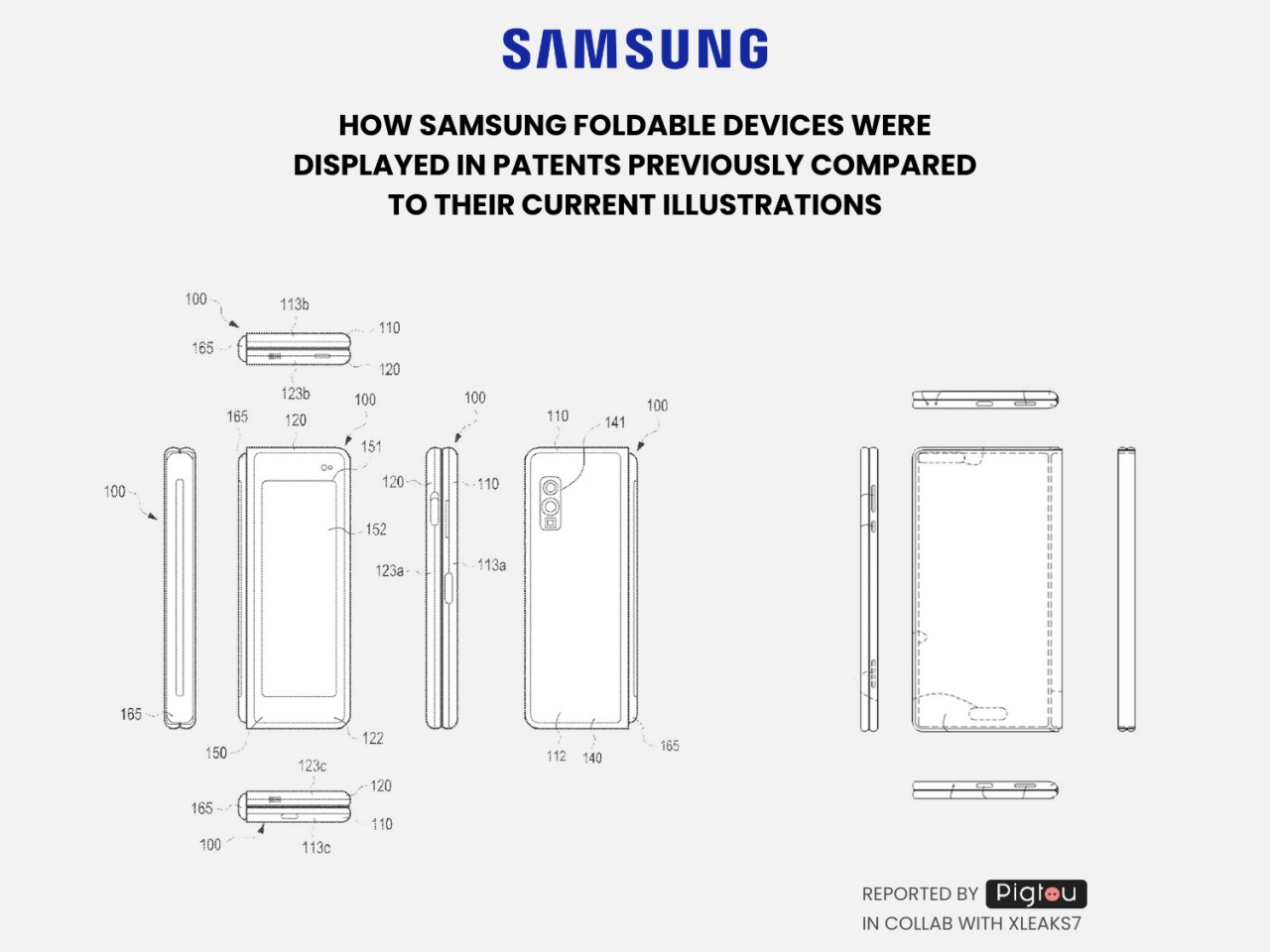
A recent patent filed by Samsung reveals a foldable design that is significantly different from its status quo in more ways than one. First, it is noticeably wider when folded, giving it a shape that will feel more natural to use compared to the recent crop of Galaxy Z Fold models. Additionally, it’s also significantly thinner, both folded and opened, which would go a long way in increasing the usability of an otherwise heavy and bulky device. In other words, it would be the foldable that Samsung should have launched in the first place if it had the benefit of hindsight five years ago.
Of course, a patent doesn’t immediately mean it will be implemented, whether in the Galaxy Z Fold 6 or future incarnations. It is at least proof that Samsung is aware of the shortcomings of its current design and is taking steps to correct its course. It would definitely be grand if it could launch such a sleek foldable this year, but such a thin design would also go against calls for bigger batteries or a built-in S Pen. For now, other brands still have an advantage over Samsung in some aspects, including and especially the price of such a premium piece of technology.
Although foldable phones are now a hot topic in the smartphone industry, they are hardly the hottest-selling products in the market. There’s still significant pushback on buying these form-changing phones, partly because of durability concerns but mostly due to the price tags attached to them. There are more affordable foldable phones from brands like OPPO, Vivo, and OnePlus, but most people still look to Samsung as the golden standard for these devices, warranted or not. The Galaxy Z Flip clamshell style foldable almost fits the bill, costing almost as much as a high-end smartphone, but it also doesn’t embody the potential of foldable phones. For years now, there has been a lot of talk about Samsung launching a more affordable version of the Galaxy Z Fold, but nothing has come to pass yet. If industry rumors are correct this time, however, that cheaper Samsung foldable might finally hit the market really soon.
What makes a foldable phone more expensive than regular smartphones? Branding and R&D costs aside, the biggest cost in making these phones comes from the specialized hinges and, more importantly, the flexible displays. The latter alone can make up a huge chunk of the phone’s so-called build cost because of their low yield rates per production run, expensive materials, and expensive equipment used to put them all together. Finding a cheaper way to make these foldable screens without drastically downgrading their quality and durability could help drive down the prices of the final product.
According to sources in the industry, Samsung is close to achieving this objective by switching to a different method to produce the flexible display panels it uses for making its foldable phones. Without going too deep into the technical details, the insider tip claims that Samsung has found a more affordable process to make the bezels that will hide the circuitry of these foldable panels, which is apparently one of the reasons why these screens are expensive. This is the same process Samsung Display uses for iPhone screens, so there’s little concern about the quality, at least for regular rigid screens.
Making the flexible panel less costly will have a rippling effect that could help make it possible to save off some digits from the retail price as well. It’s not a done deal, though, especially if the cheaper displays turn out to also be less reliable. Furthermore, Samsung could also use the opportunity to add more features and upgrades to the foldable phone, offsetting the cost savings and keeping the product’s premium price tag in the end.
That said, it would definitely be in Samsung’s best interest to offer a more accessible foldable phone, especially the “regular” book-type Galaxy Z Fold. Its competitors have almost caught up to it with more affordable designs, and Samsung’s only advantage now is the weight of its brand in a very small number of exclusive features. When it comes to the foldable experience, however, some might even say that Samsung is the one trying to catch up, so any advantage, especially when it comes to price, will help it regain its lead.
Foldable phones are getting more common these days, but that doesn’t mean they don’t have room for improvement. Whether it’s the larger book-type foldable or the stylish clamshell flip phone, there are still lingering concerns in terms of design and durability. Admittedly, there have been quite a few major improvements over the years thanks to increased competition in this market segment. Although it was a pioneer, it almost seemed that Samsung had been stagnating instead, sticking too close to safe designs. That changed with the Galaxy Z Flip 5 this year and it will keep changing for next year’s generation that are expected to introduce new screens that address some of those complaints.
It’s not really that puzzling that Samsung decided to focus on improving the durability and reliability of its foldable phones over fancy features. After all, those are the biggest concerns buyers have when trying to sink their teeth into such an expensive investment. But four years after it first launched the Galaxy Fold, the basic design of this foldable phone hasn’t changed. In fact, one of the biggest complaints is how the external Cover Screen is too narrow, making it awkward and even difficult to use the phone as a regular phone when folded close.
According to industry sources, the Galaxy Z Fold 6 will have a wider Cover Screen to resolve this issue. An exact figure wasn’t given, but any additional width would be an improvement to the current design and put it on the same page as its rivals. Of course, this would translate to a change in the aspect ratio of the internal main display, which might end up looking more squarish than before.
The Galaxy Z Flip 6 is also getting a bigger Cover Screen, one that spans 3.9 inches diagonally versus the current 3.4 inches. This is being compared to the 4.0-inch iPhone 5s and iPhone SE (2016), which are the last small iPhones that Apple made. In theory, that means there will be more space for content, which opens the door for more apps as well.
Of course, that isn’t always the case in practice, because the screen aspect ratio and shape won’t be the same as an iPhone. And just like the Galaxy Z Flip 5 now, the kinds of apps that you can use on that external screen are very limited. There are no signs that Samsung will open up its Cover Screen to more apps the way the Motorola Razr does, so the impact of this change could be very minimal in the end.
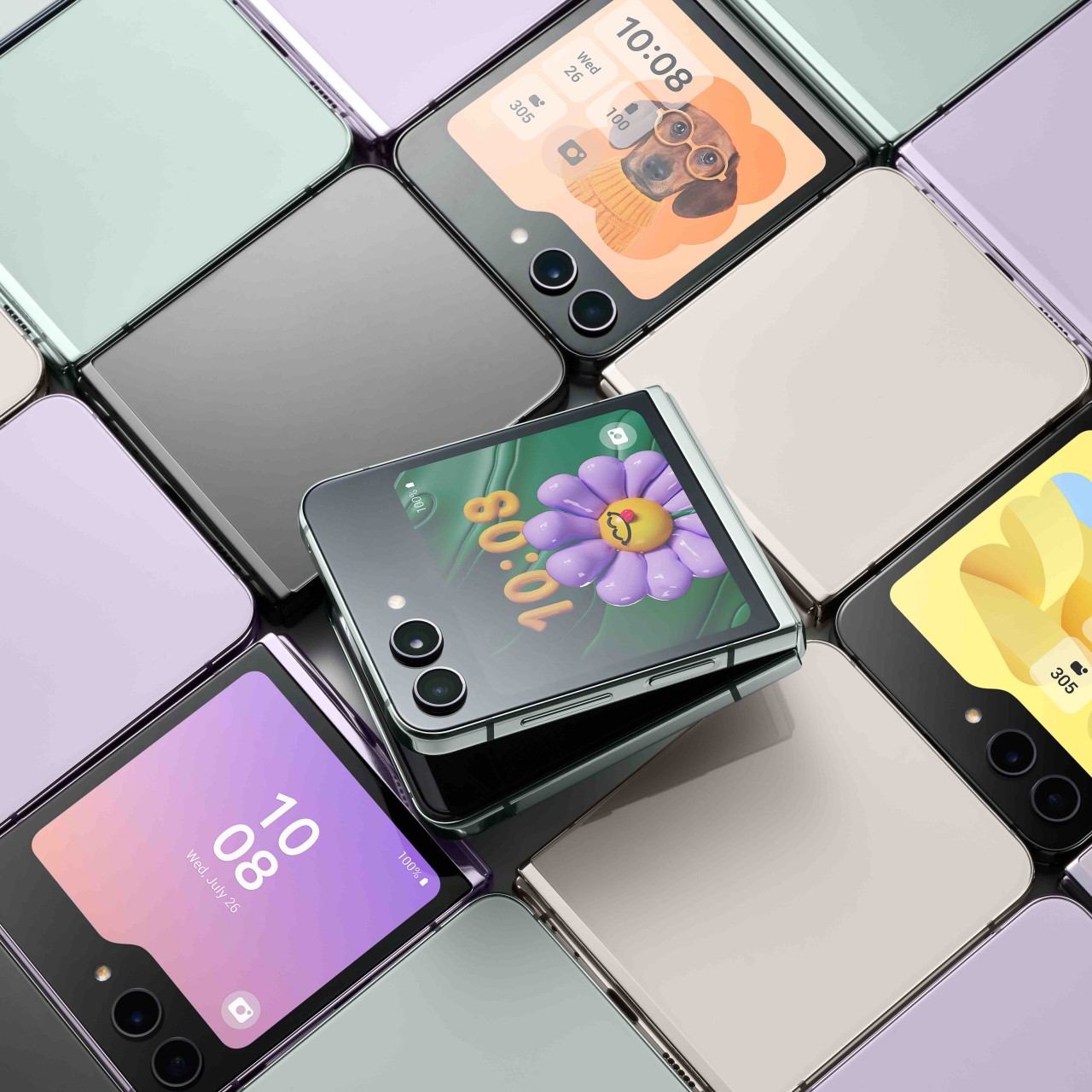
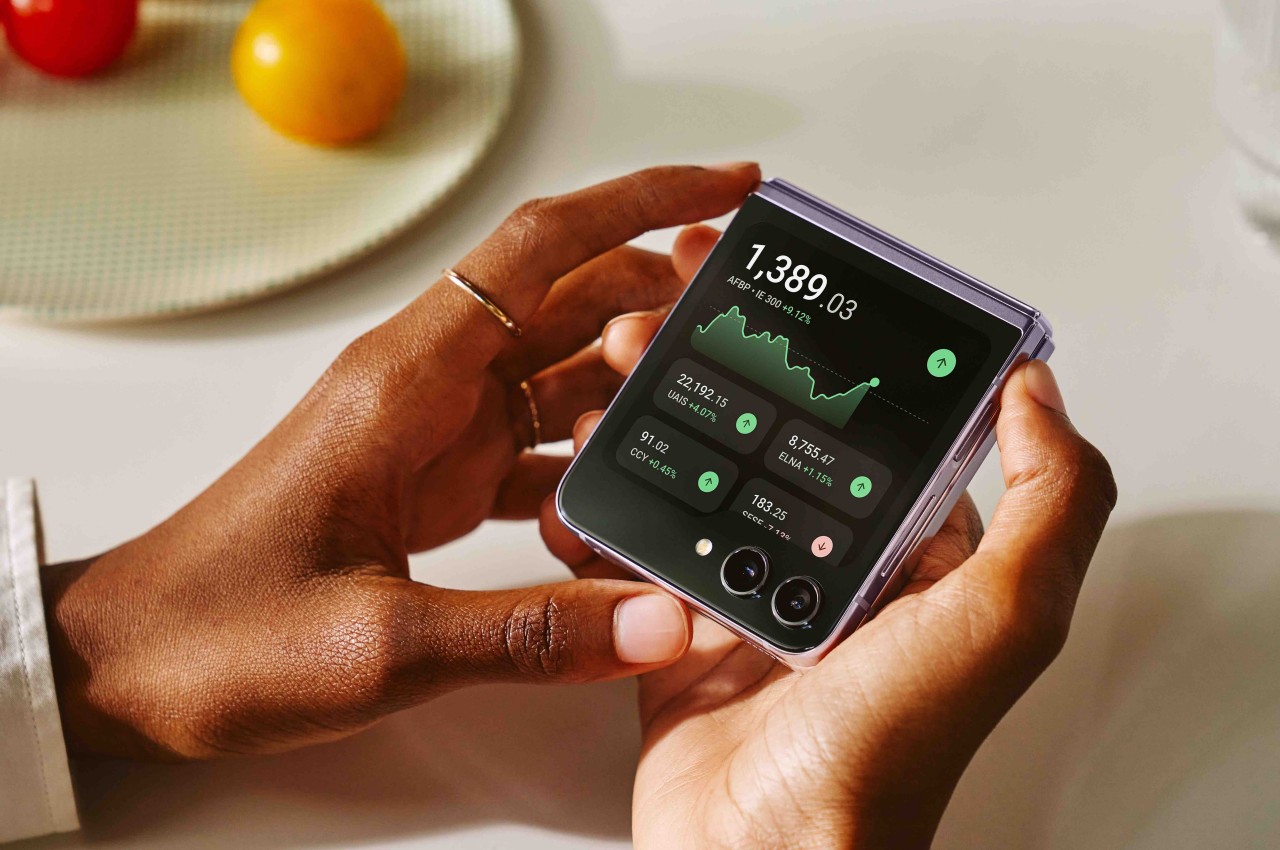
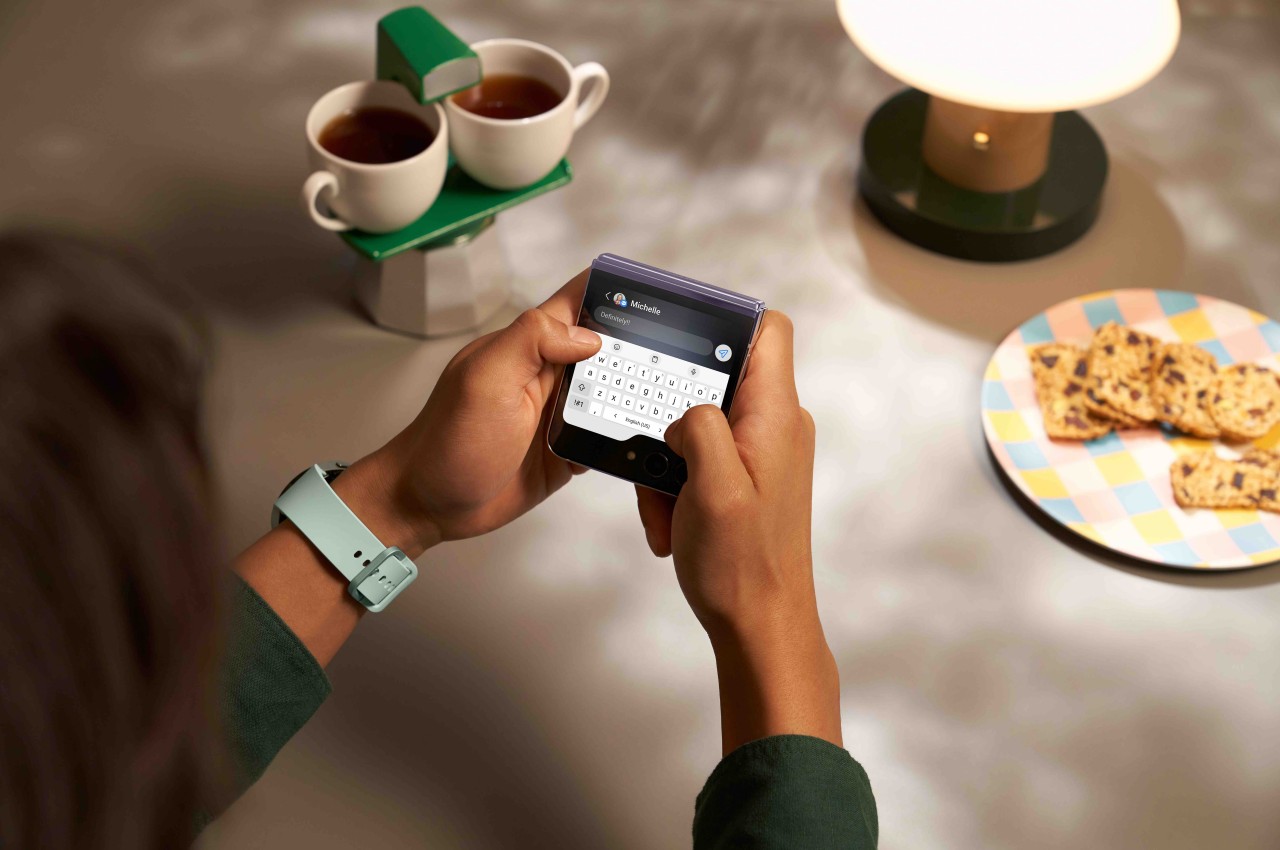
The clamshell-like Galaxy Z Flip5 is an interesting device, combining modern smartphone specs and features with a holistic design approach that heavily borrows elements of flip phones from the early 2000s. It’s also the best of its class, thanks in part to very little competition from Apple — but also because of its robust internals, like a primary 1080×2640 AMOLED display (collapsing into a 720×748 front display when closed), a Snapdragon 8 Gen 2 processor, 8 gigabytes of RAM, and a 3700 mAh battery.
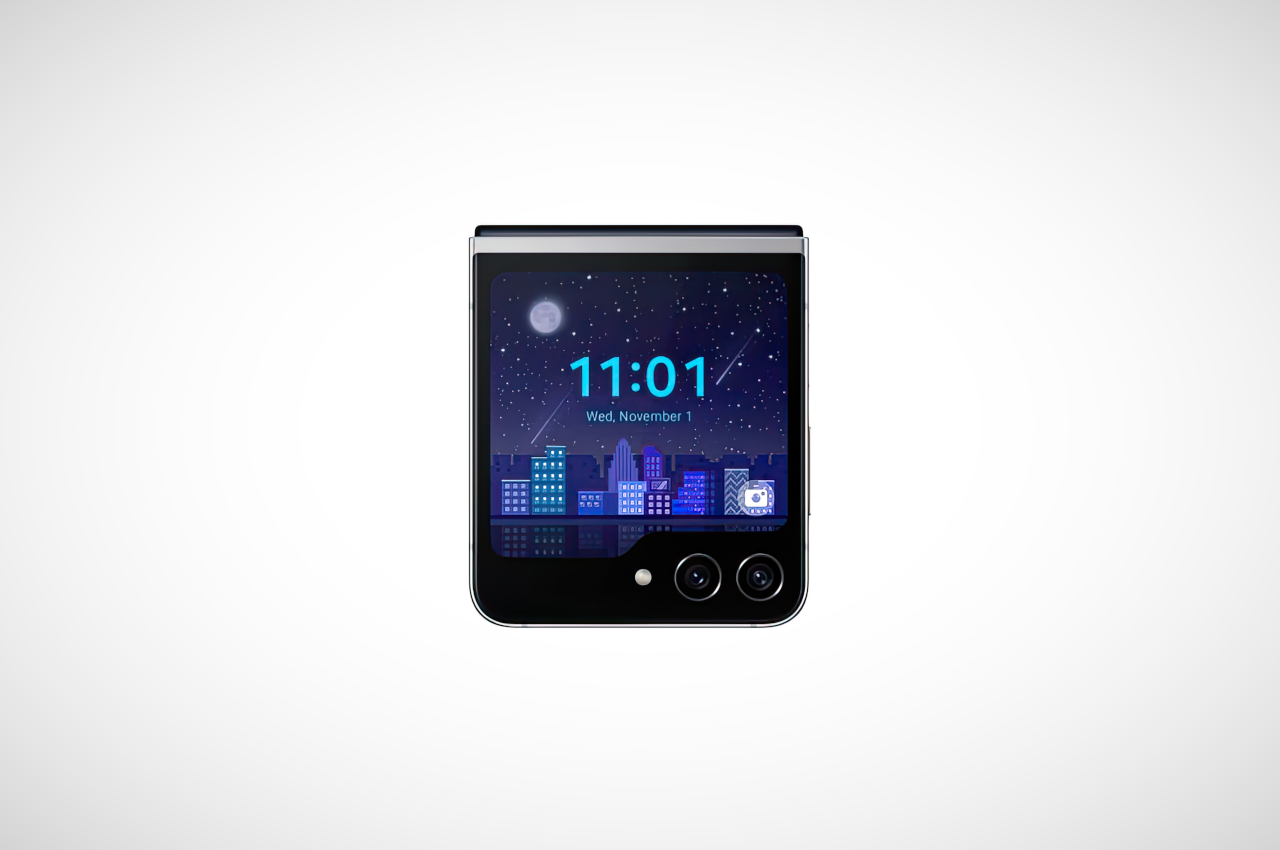
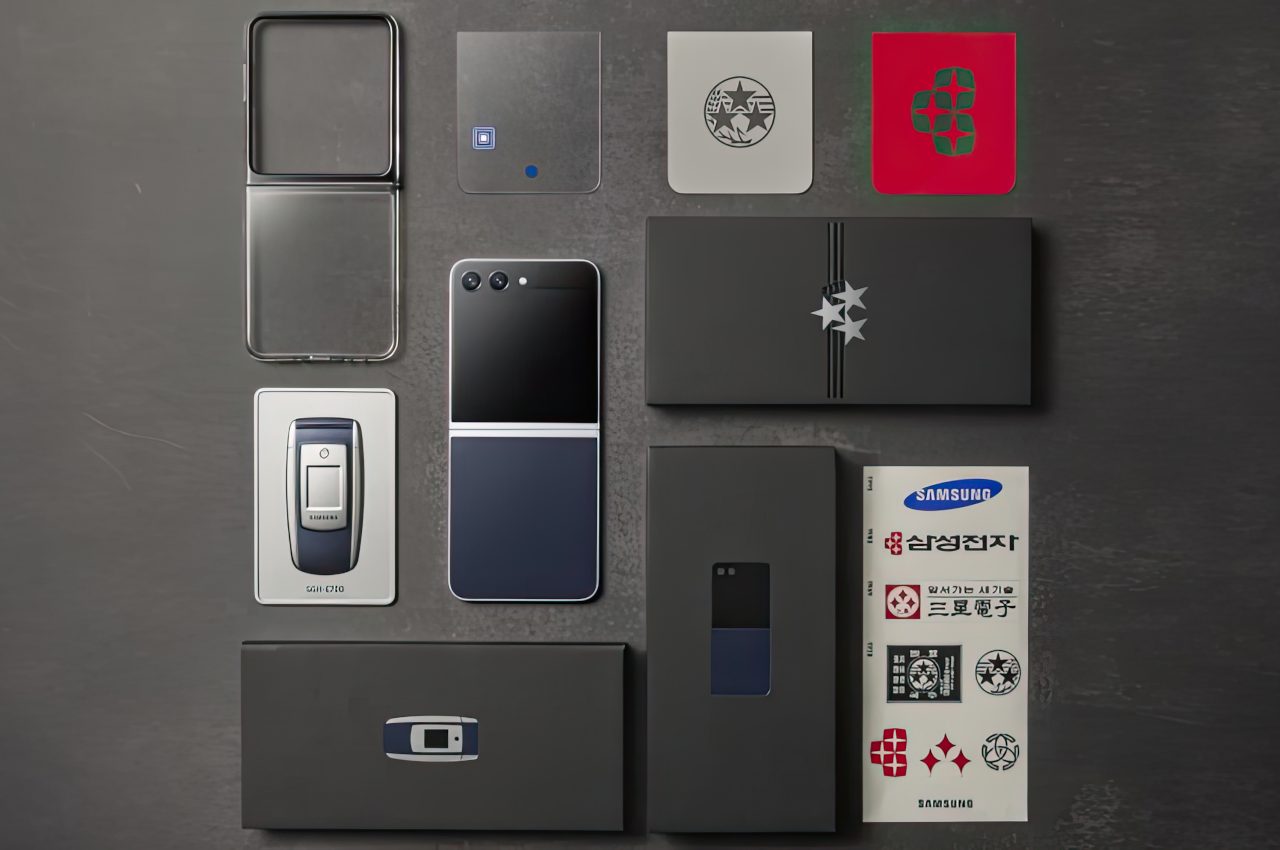
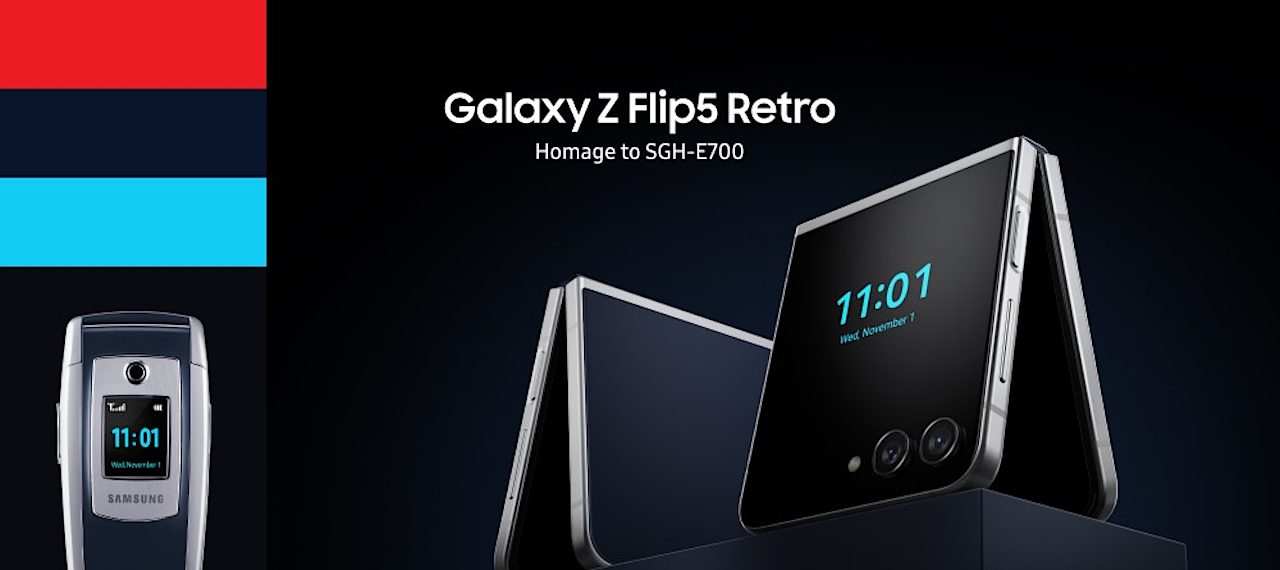
As of October 30, Samsung announced a limited-edition version of the Galaxy Z Flip5, called the Galaxy Z Flip5 Retro, and it looks peculiarly like 20-year-old SGH-E700, which launched around the same time as (and was ultimately overshadowed by) the behemoth Nokia 1100. Still, as Samsung’s first mobile phone containing an antenna, the SGH-E700 was a triumph in cellphone design for its time, and it’s celebrated in the stylized Galaxy Z Flip5 Retro, which sports the original SGH-E700’s indigo blue and silver color scheme.
The tributary Flip5 Retro also comes with an interface makeover which itself is a throwback to the SGH-E700’s stock interface, complete with the blue lettering on the Flex Window that you can even show off alongside a pixel-art animation of a city skyline punctuated by shooting stars streaming across the night sky. It’s awfully pretty looking, and it’s certainly reminiscent of 16-bit screen savers and mobile games that were playable on cell phones in the early 2000s.
It sounds like the Flip5 Retro is shipped in a package containing several extra goodies, including: “three Flipsuit cards featuring logos from different eras of Samsung’s history, a Flipsuit case and a collector card engraved with a unique serial number that will add to the product’s collectible value for purchasing customers.”
Unfortunately for those of us in the United States, there is no planned launch window for the Samsung Galaxy Z Flip5 Retro over here. It’s also not exactly clear how “limited” the limited edition release will be, as Samsung has yet to disclose how many will be produced. You may still be lucky enough to nab one for yourself from the Samsung online store at the Flip5 Retro’s MSRP (roughly $1,240) if you’re in the UK or Australia, where shipments are set to go out on November 1 — or, if you’re in Spain, Germany, or Korea, where shipments are set to go out on November 2.