This Beautiful Brazilian Home Is The Sleek, Contemporary & Practical Home You’ve Been Searching For

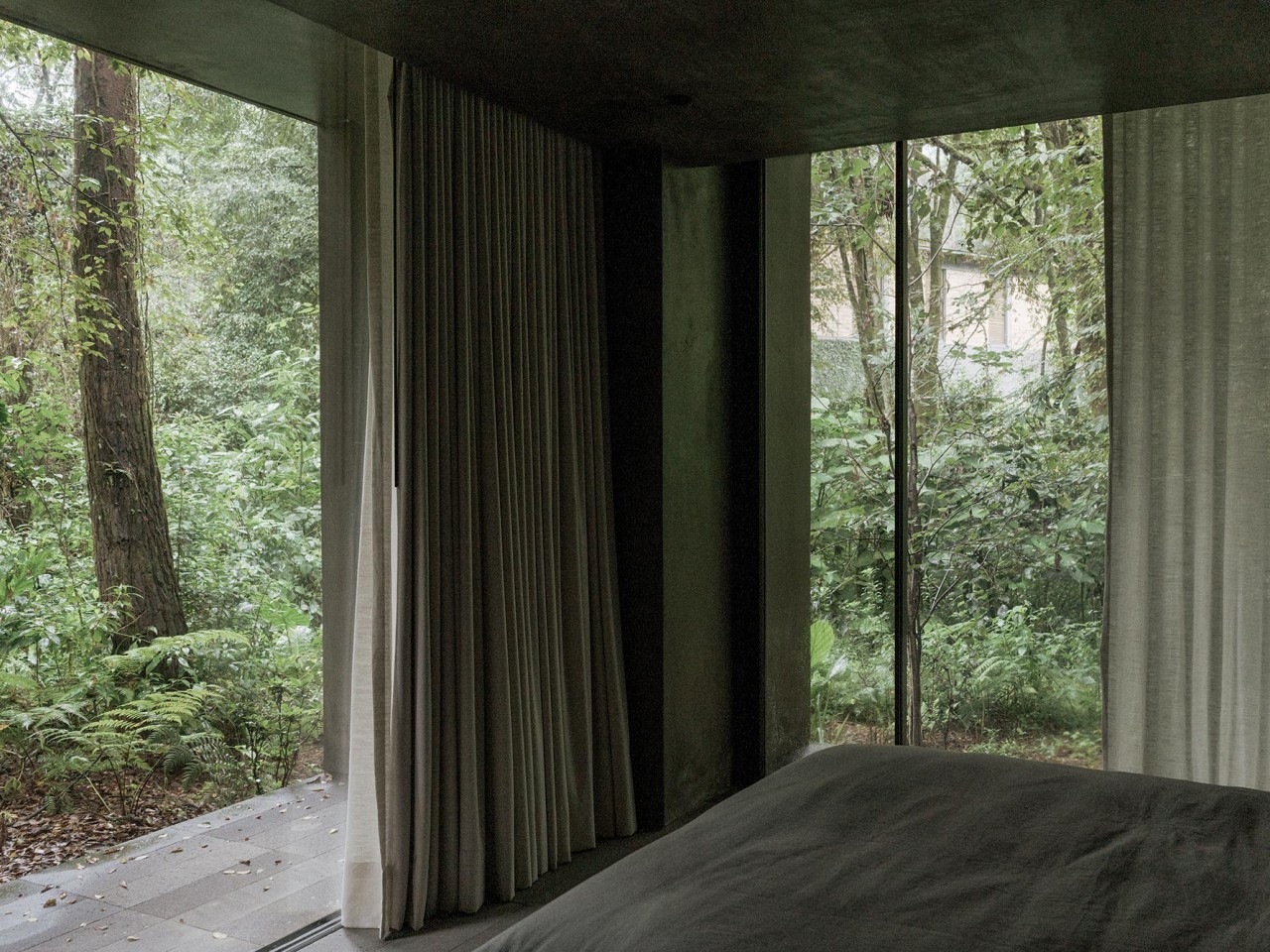
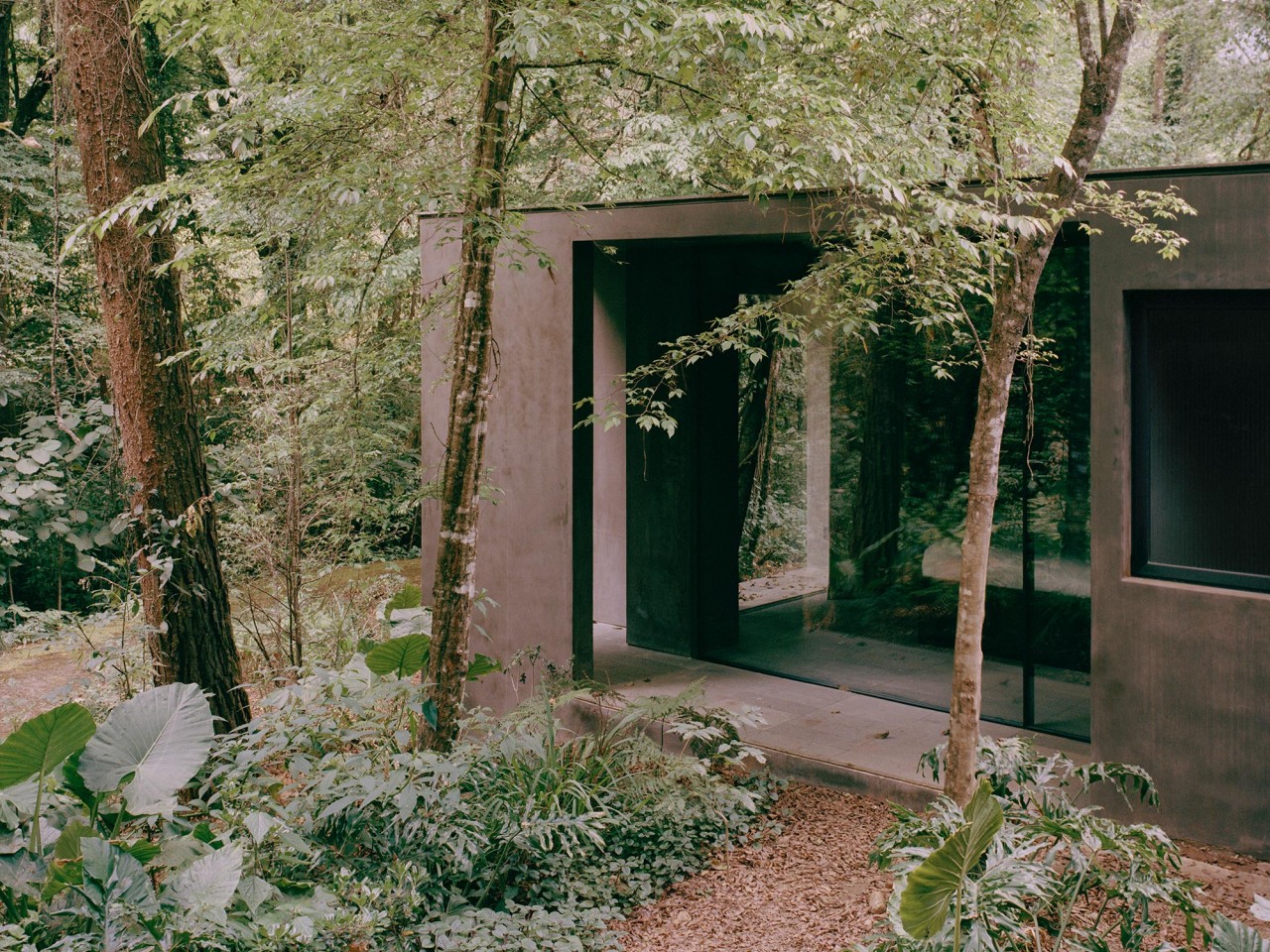
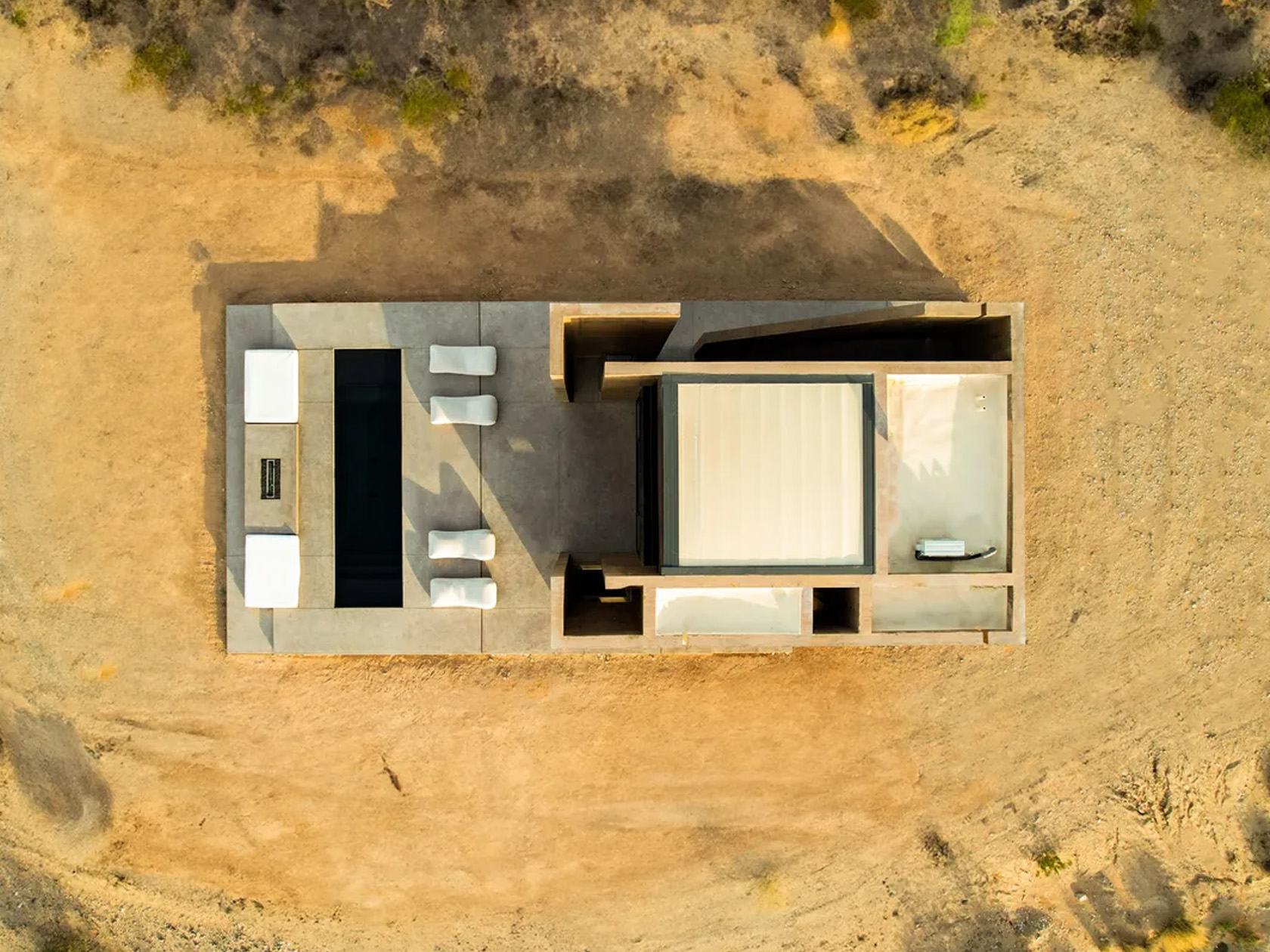
Nestled in Nova Lima in Minas Gerais is Tetro Arquictectura’s Laguna House. The four-bedroom Brazilian house is amped with a stunning view of a lake, with mountains in the backdrop. It is a sleek and modern abode that perfectly utilizes the views and contours of the property it is located on.

Designer: Tetro Arquitectura

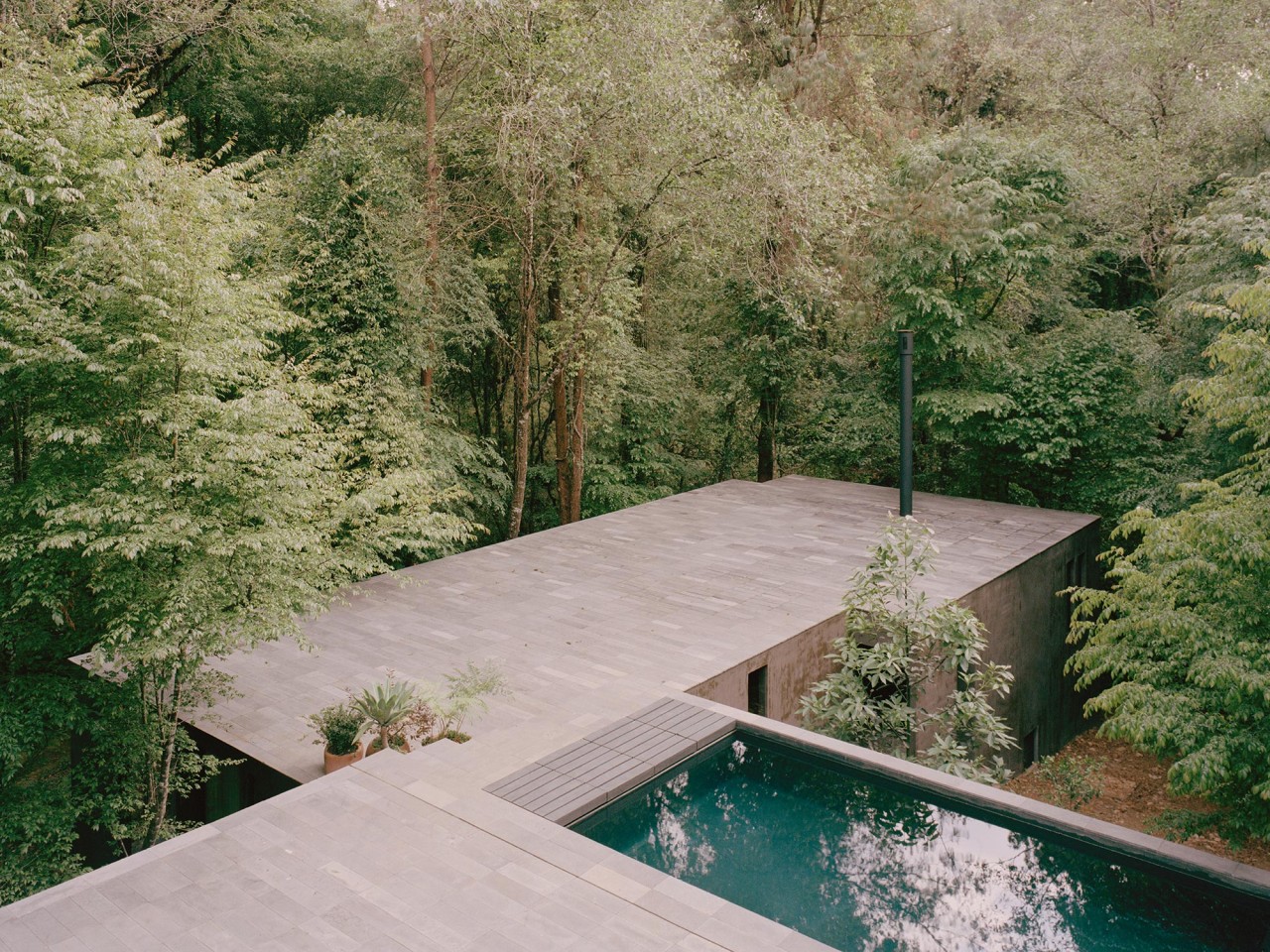
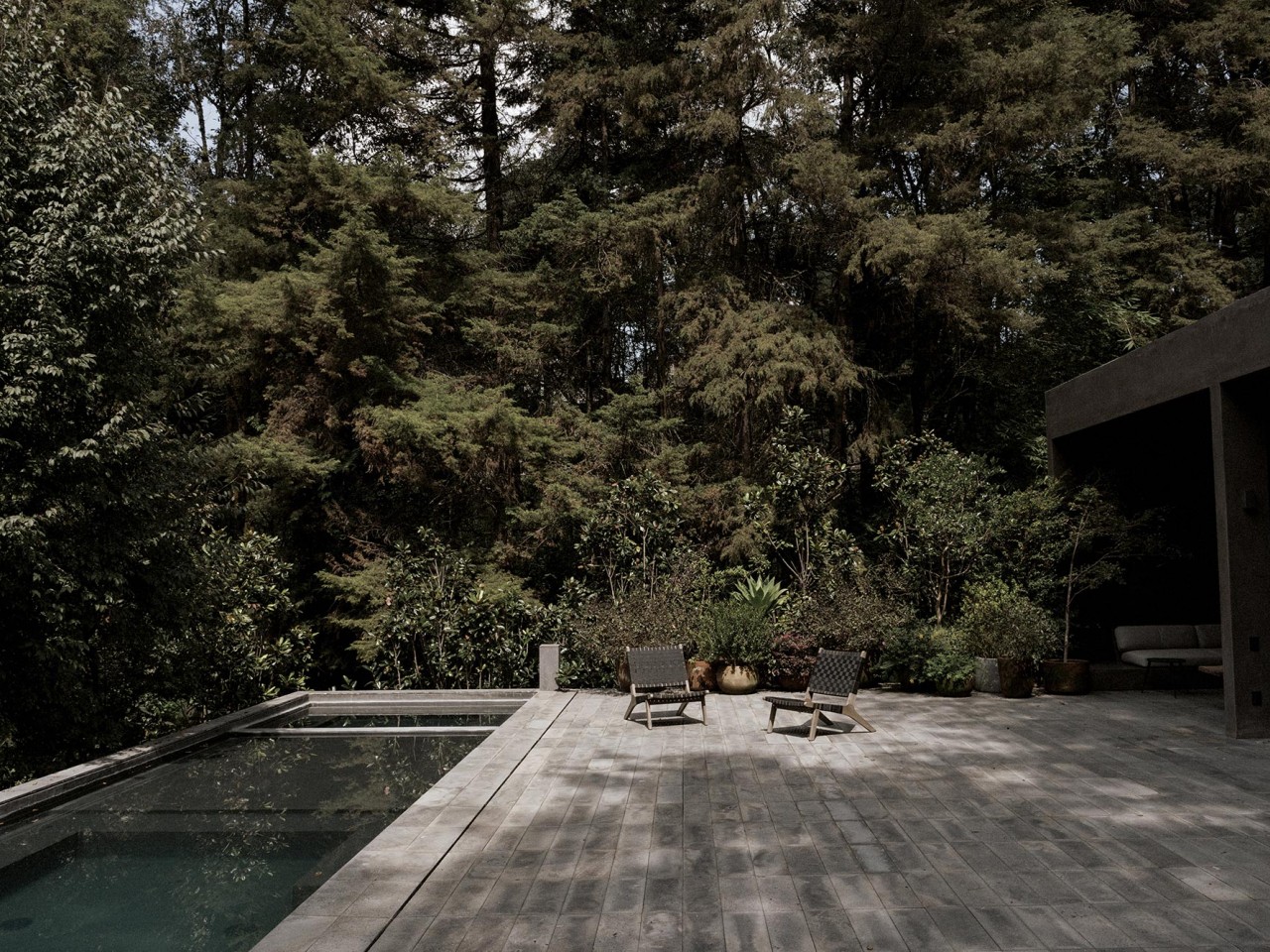
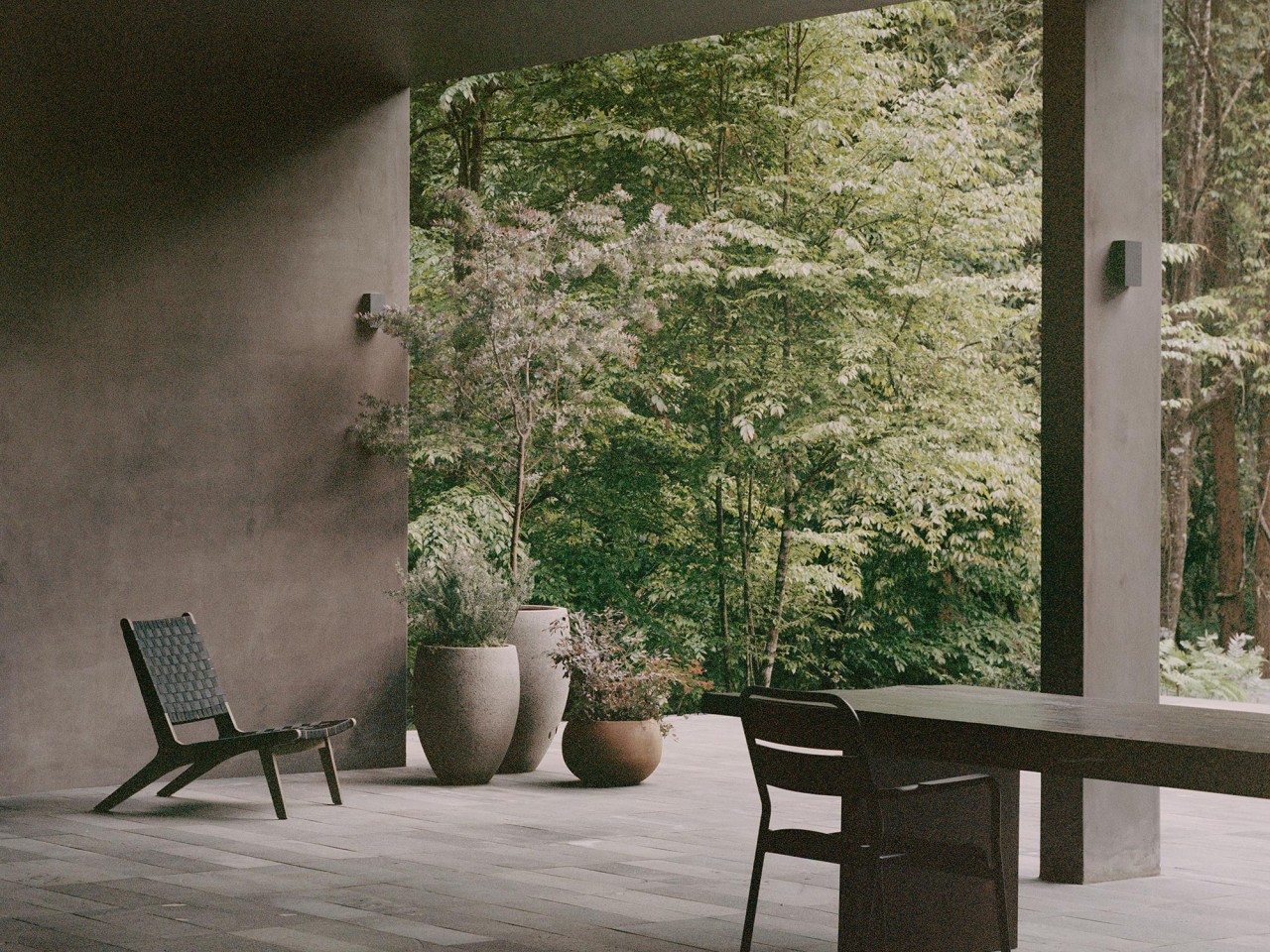
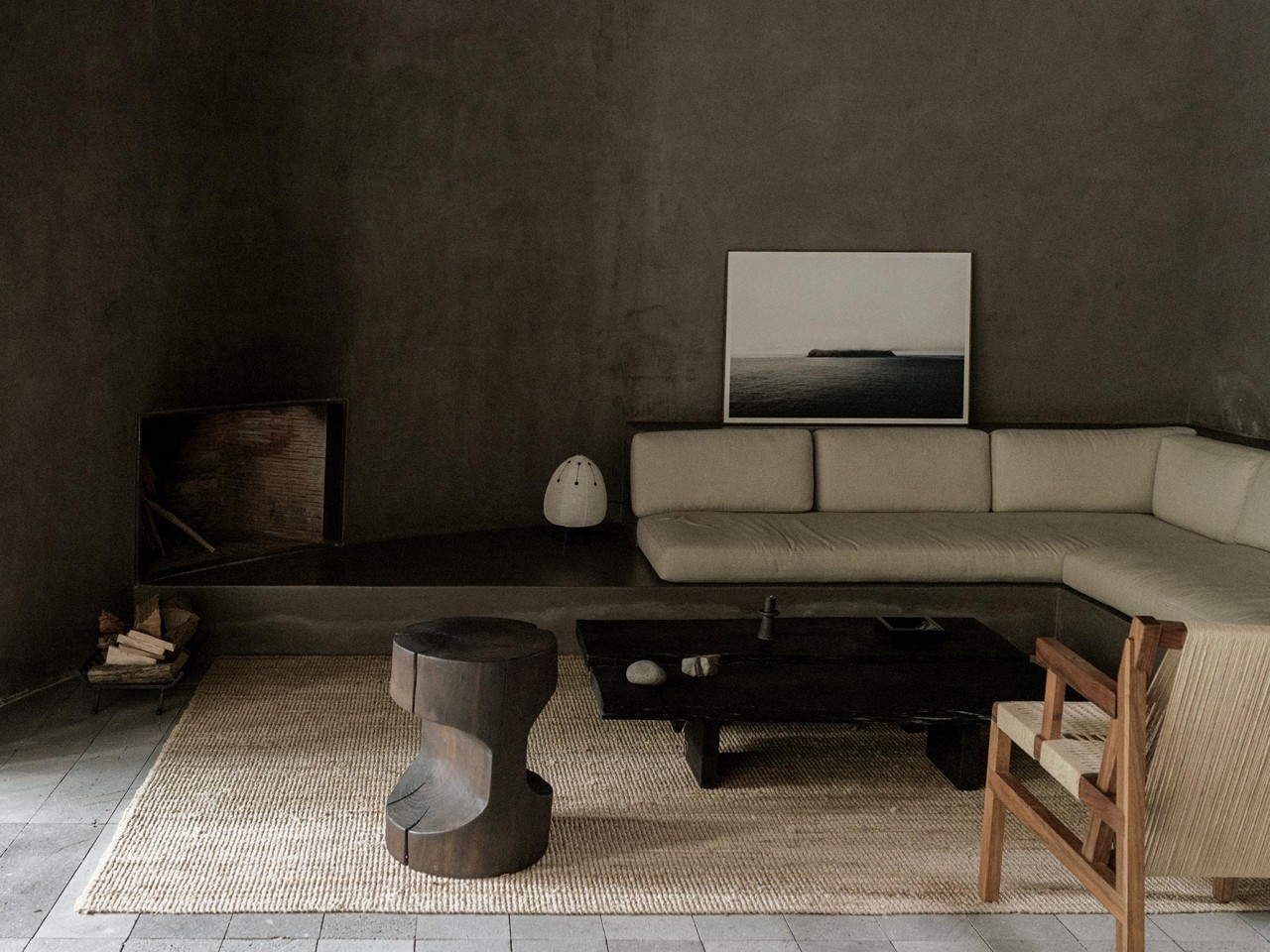
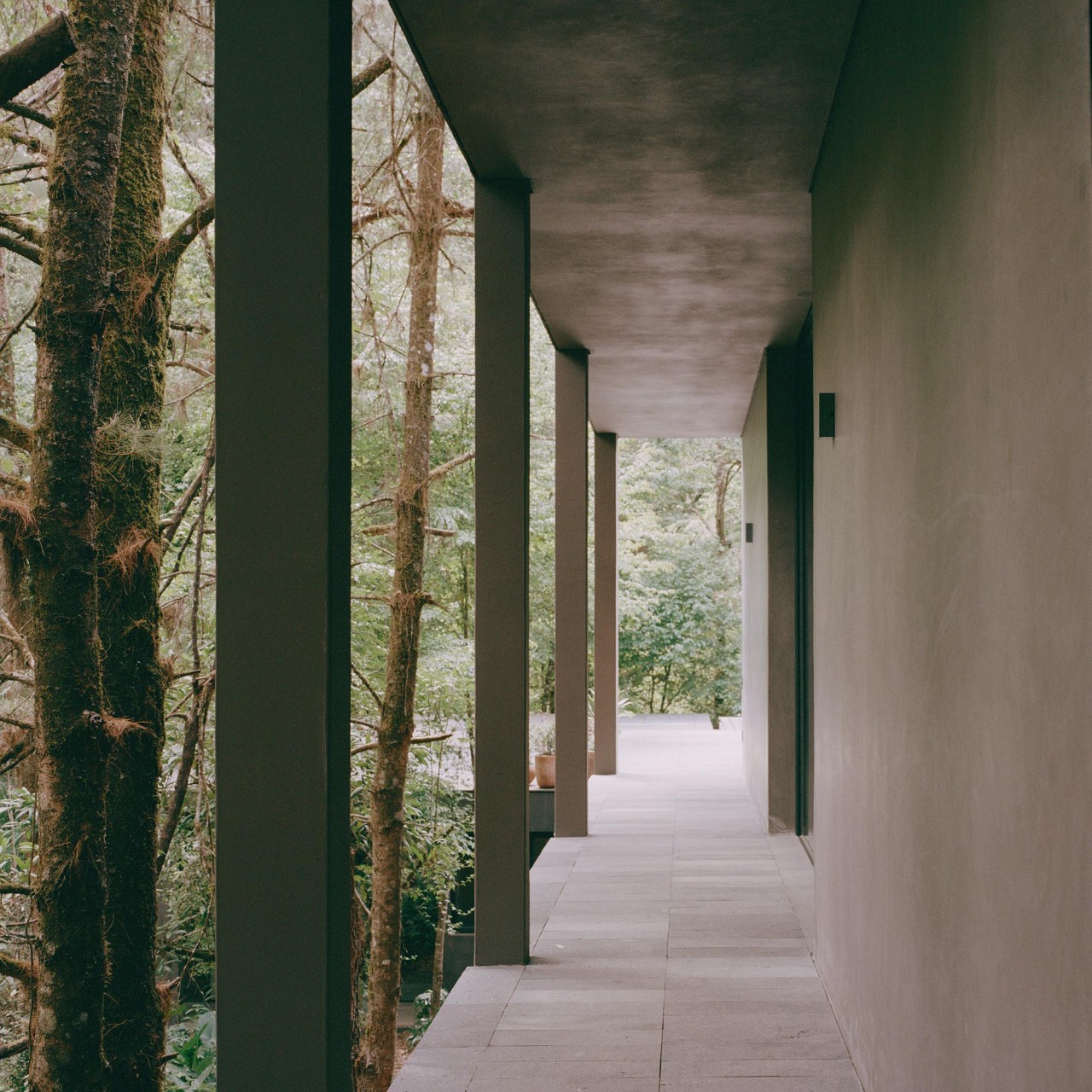
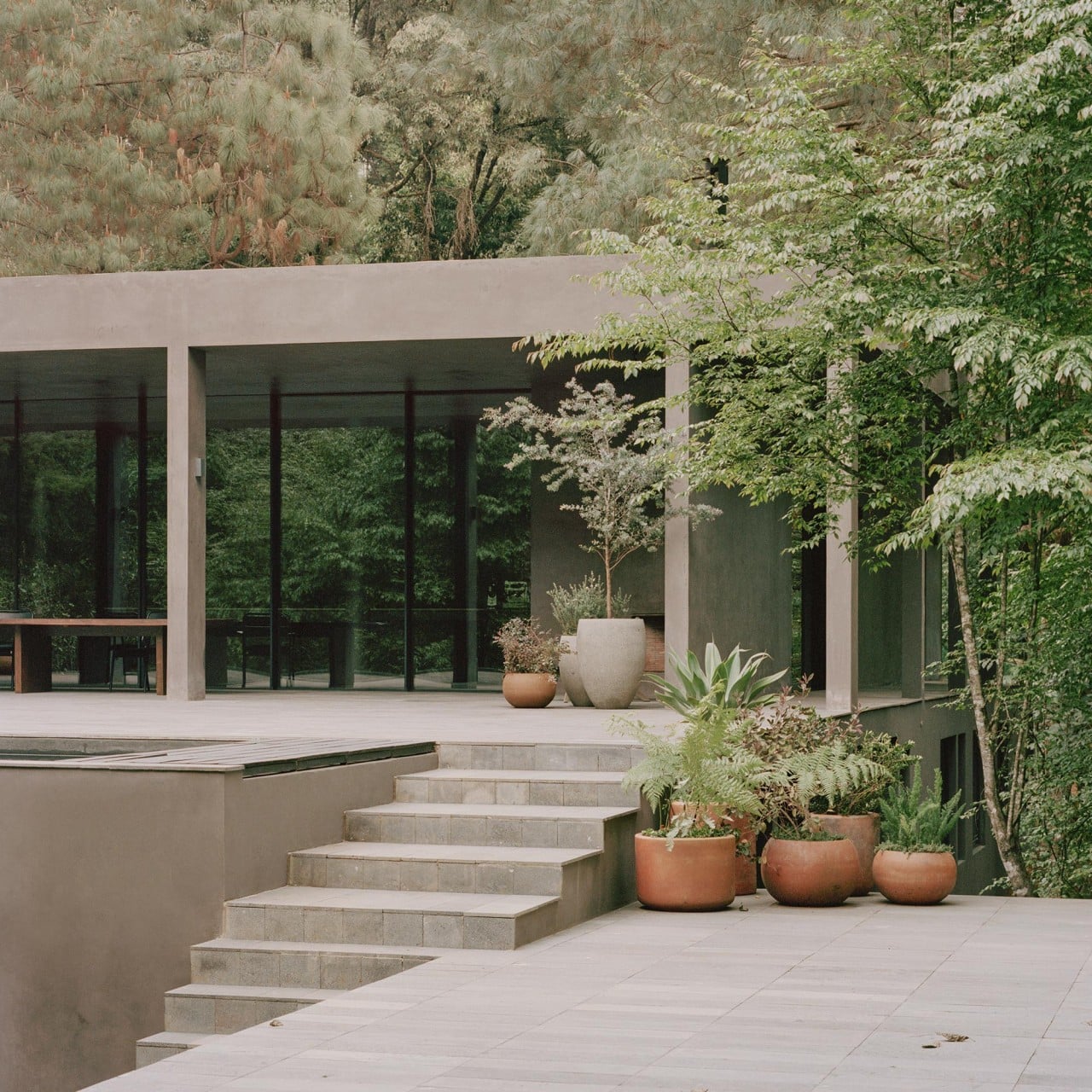
The beautiful Brazilian home is designed by architects Carlos Maia, Débora Mendes, and Igor Macedo, and is elevated on a rectangular core, and supported by a group of tall slender pillars. The lower level is sunken and it holds the three ensuite guest bedrooms, a covered terrace, an outdoor kitchen, and a dining area. While the main living spaces are located above it, with a rectangular concrete slab roof towering over them. The main living spaces correspond with a big square courtyard, and the master bedroom subtly cantilevers over the garden. It also holds a massive and impressive walk-in wardrobe. The kitchen, utility room, and staff accommodation are located in the same row as the bedrooms below. An external covered walkway provides access to them.

The minimalist home includes the main entrance which is built of a series of concrete steps that smoothly follow the contour of the land, leading you up to a covered porch, positioned along a courtyard garden. As you enter through the main entrance, you are welcomed into the main living space, which has an area for seating and dining as well as a kitchen. The home also includes a covered balcony with sliding glass doors that lead to it.

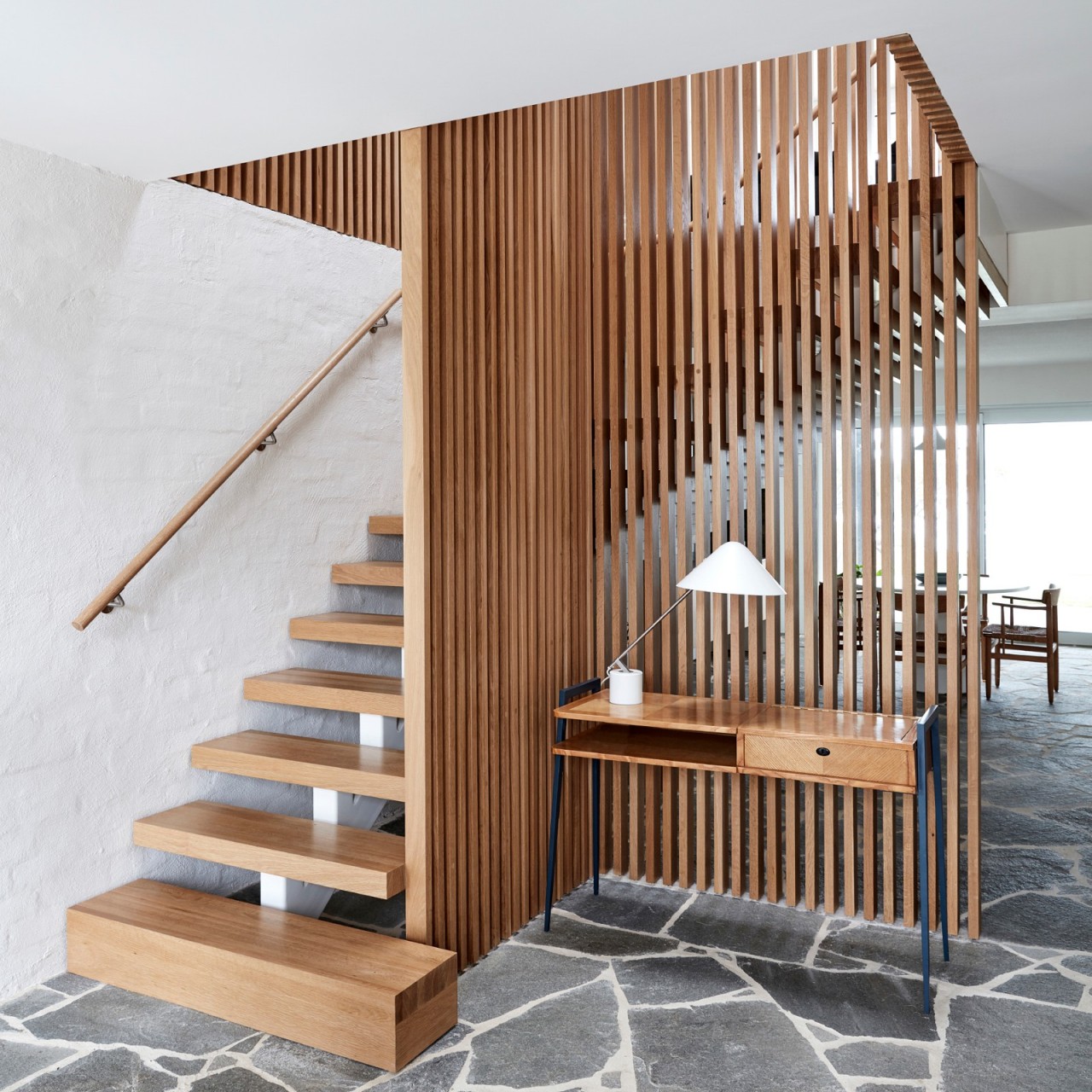
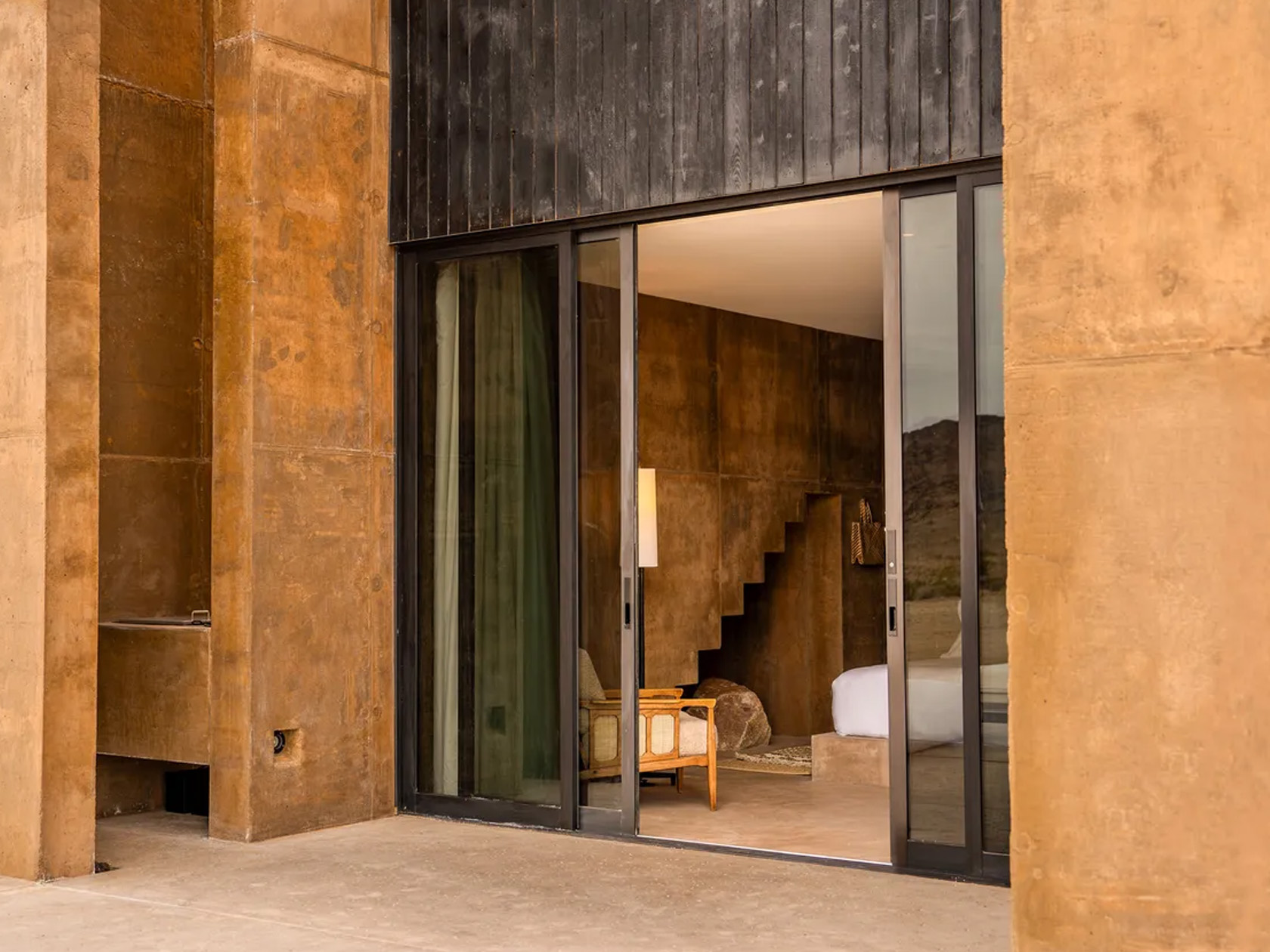
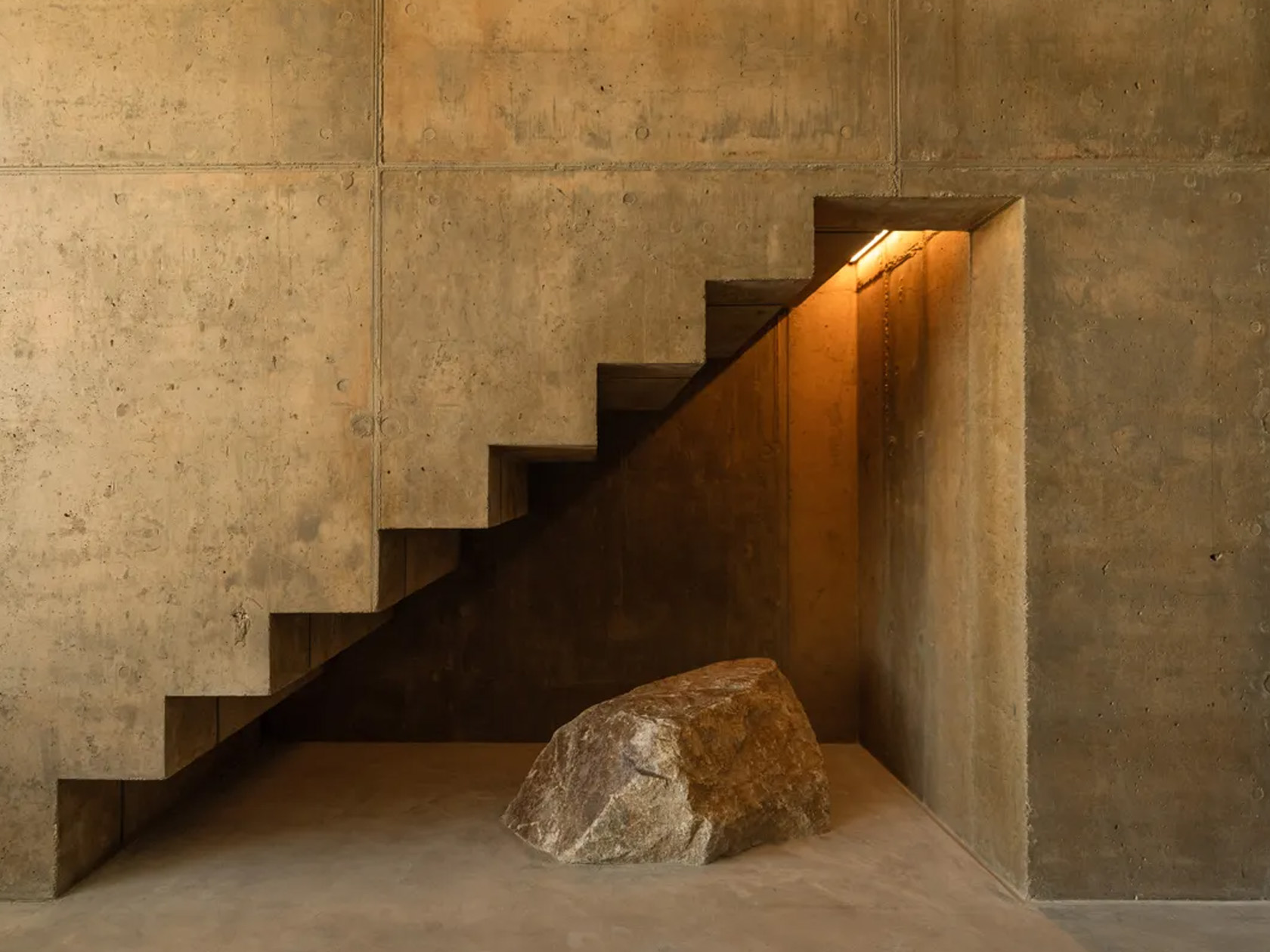
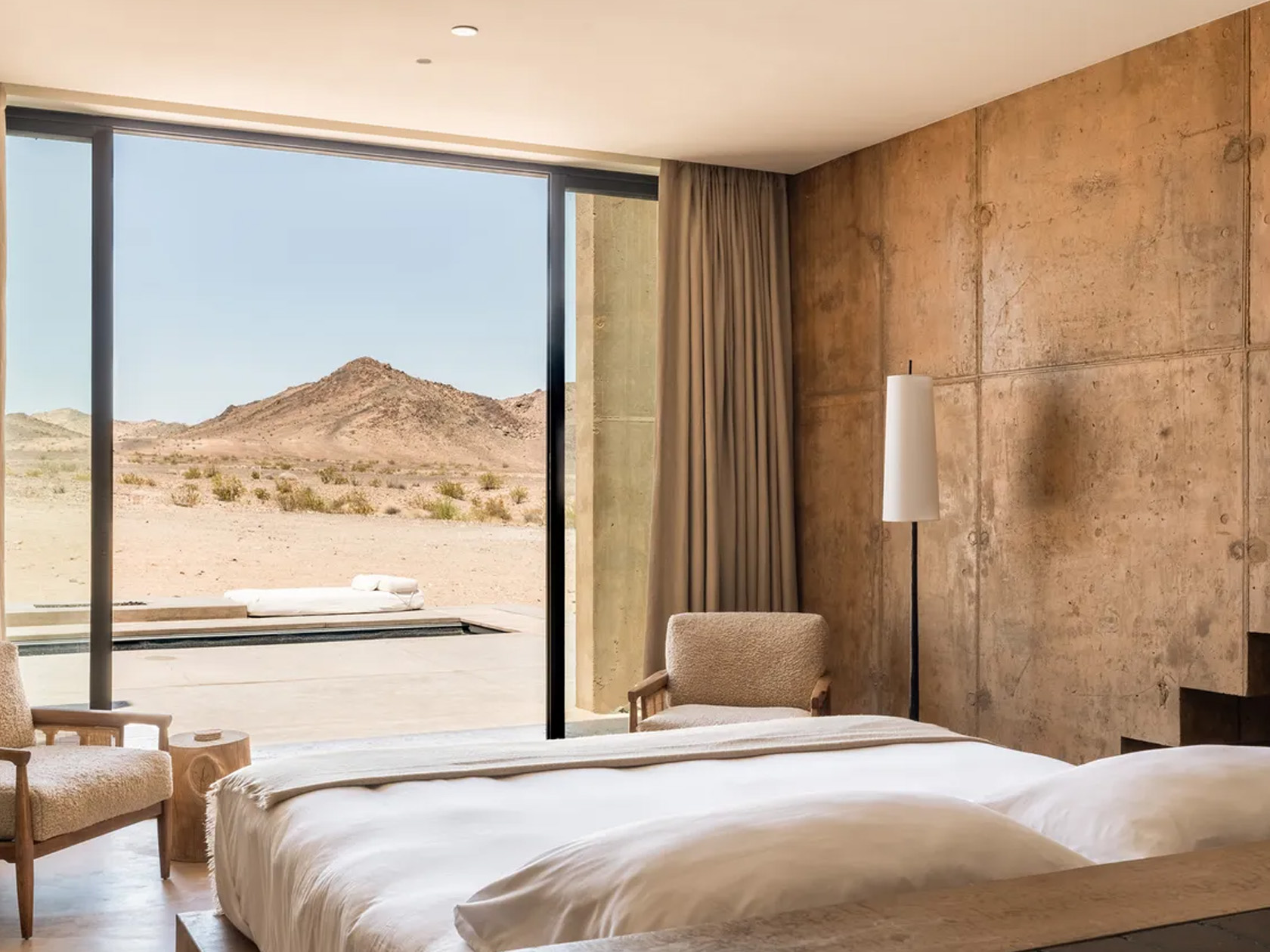
The entire home has a raw yet contemporary feel to it. Raw concrete is teamed up with natural stone and vertical hardwood slats for privacy and sun screening to create an inviting and warm space. Aluminum framed floor-to-ceiling windows mark the entirety of the space. The concrete roof is projecting and helps not only to reduce solar gain but also ensures that the sunlight reaches the interiors only during late afternoon. The home is simple but thoughtfully designed with the private spaces located on the main floor, while the guest bedrooms are kept on the lower level.

The post This Beautiful Brazilian Home Is The Sleek, Contemporary & Practical Home You’ve Been Searching For first appeared on Yanko Design.

The Câpsula Tiny Homes Are Small But Mighty Helping You Live Large With Less

Dubbed Câpsula, this tiny homes concept by architecture studio i29 was launched at Dutch Design Week 2023. It is a series of prefabricated cabins and tiny homes that provide simplicity and design-led thinking. Although the project is small-scale, the plans and ambitions for it are pretty huge. The main intention behind the project is to encourage slow living and form the perfect cabin architecture, with few excellent options.

Designer: i29

The series of prefabricated cabins and tiny homes basically includes three iterations: Soft Lodge, Writer’s Block Hut, and Tiny Holiday Home. The various versions allow you to pick a home that can fit your particular needs, uses, and wants. The cabins follow the style of minimalist architecture, but this does not entail a cold or boring aesthetic, in fact, the various homes are classy and imbibed with depth and meaning. Timber was utilized as the main material, as well as natural textures and colors.

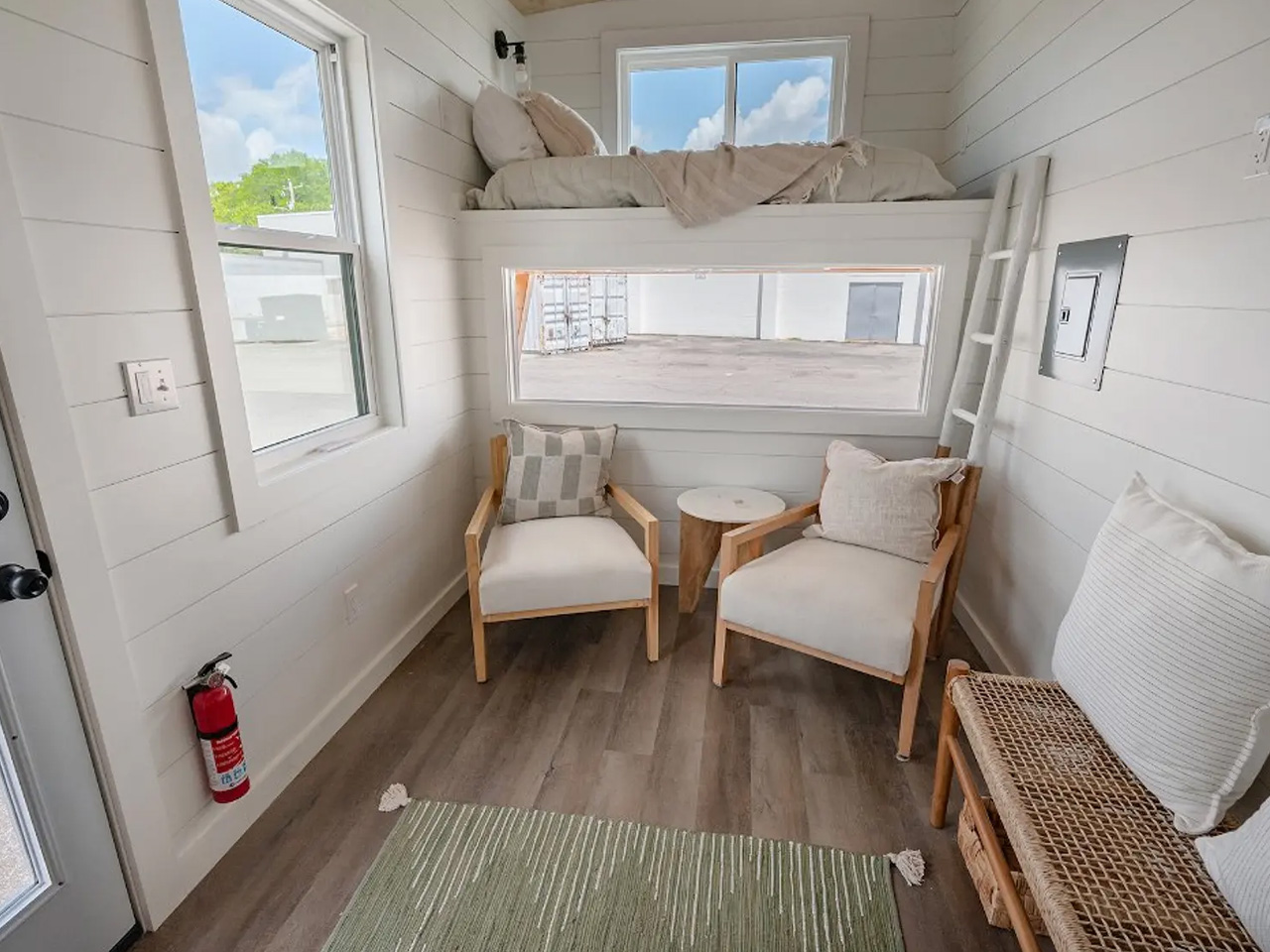
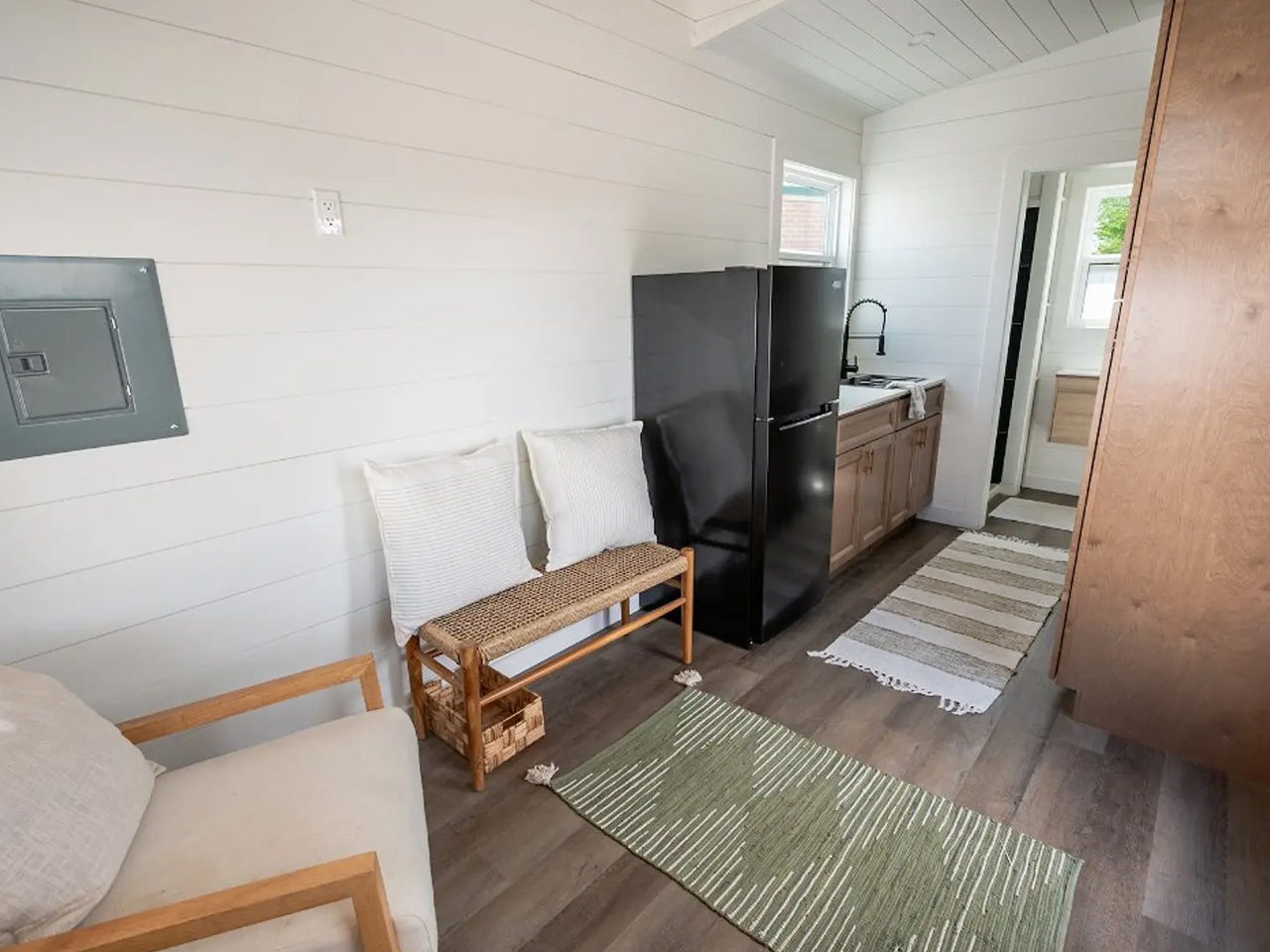
The tiny homes can accommodate a family of four, and they’re equipped with a living room, kitchen/dining area, a patio, bedrooms, and a bathroom. Although the homes are small with a minimum footprint, they offer top-notch amenities and feel pretty spacious. Each volume has its own special program and has a pretty distinctive size and height. They are accentuated with large windows and sliding doors, to allow a serene indoor-outdoor connection, creating a home that provides stunning vistas and a touch of fresh air. The homes may be small but they are mighty!

The Soft Lodge and Writer’s Block Hut prototypes were built for the Dutch Design Week 2023, and they will be displayed in the garden of DOMUSDELA, where visitors can experience the homes for themselves. In fact, the Writer’s Block Hut will be utilized. podcast broadcast, wherein creatives can discuss their work process, and relationship to space. According to i29, the Câpsula project is all about “living large with less”, and the concept is intended to grow as businesses do. Although these initial designs are by i29, in the future, there will be more opportunities for designers and architects to collaborate with the company, and create interesting builds.

The post The Câpsula Tiny Homes Are Small But Mighty Helping You Live Large With Less first appeared on Yanko Design.

An Old Public Laundry In Barcelona Was Transformed Into A Raw Modern Home With Two Central Courtyards

Spanish architecture studio CRÜ did something truly interesting and innovative by transforming an old public laundry into a house and a studio. The old laundry is located in west Barcelona, and the studio remodeled the space for a couple. The home is dubbed La Clara, and the architecture studio reconfigured the ground floor laundry into a home by integrating a two-story structure to the rear. While also creating a studio space in the front section of the property.

Designer: CRÜ

The two new structures have been located around two courtyards, and a serene glazed corridor, which functions as a connecting space that allows the residents to transition between the studio and the rest of the home. The design and idea behind La Clara was to retain the history and nostalgic value of the laundry, by paying a tribute to the “effervescent rawness” of the pre-existing structure.

“All existing walls and stairs are undressed to show only the entrails, to recover the stench of soap and gossip. This aesthetic choice imparts a sense of continuity and rawness, reinforcing the project’s connection to the old laundry,” said the studio.

The two central courtyards were positioned quite thoughtfully, with the larger courtyard segregating the studio from the private house at the back. The smaller courtyard on the other hand allows more light into the bedroom. “The central courtyards, or voids, are a key aspect of the design,” said the studio. “[They offer] an innovative solution to provide natural light and ventilation to each room while visually and spatially separating public and private areas.”

The interior of La Clara features a spacious open-plan living and dining room, as well as three bedrooms. Trowelled concrete was utilized throughout the ground floor to create a homely and inviting space. The concrete was paired up with exposed brick walls, concrete beams, ducting, and white metal trusses. A quaint brick staircase is nestled behind the kitchen cabinetry which is connected to the main bedroom on the upper floor. It is clad in corrugated metal sheeting on the external facades and provides views into both the central courtyards.

The post An Old Public Laundry In Barcelona Was Transformed Into A Raw Modern Home With Two Central Courtyards first appeared on Yanko Design.

This Serene Pavilion-Style House Near A Lake Makes For The Perfect Fishing Escape On The Weekends

When the weekend comes around, most of us want to head out for a weekend getaway, escaping from our hectic city lives, and immersing ourselves in nature. And graphic designer Bart Crosby is no different! He wanted a tranquil and relaxing fishing escape outside of the city on a lake in Northern Wisconsin, and Wheeler Kearns Architects provided him with just that. Dubbed the Clearwater Lake Retreat, this serene modernist home is located in a flat clearing, whilst being surrounded by 2.5 acres of lush woods.

Designer: Wheeler Kearns Architects

The Clearwater Lake Retreat is a pavilion-style house that has been oriented on the site to provide stunning views from both sides. The sides have been built with black-framed windows, which offer access to the surrounding vistas. The entire structure is marked by floor-to-ceiling glass walls, that are flanked by two heavy stone walls, which provide support to the rectangular home. It features a lovely butterfly-shaped roof that almost seems to float above it. The roof extends to shelter the porches, creating covered areas on either side, which serve as excellent chilling spots, while also functioning as a contemporary element of the home.

The interior of the home features an open-plan living space that is great for cooking, relaxation, and entertainment. The home features two private bedrooms and a central volume that accommodates all the important functional spaces as such two bathrooms, a mechanical room, and storage space. The Clearwater Lake Retreat is quite connected to nature, but it is also sustainable. The home is heated via hydronic floor heat, while radiant tubing is carried out within the three-foot thick stone walls. During summer, the surrounding trees provide natural ventilation and shade to the home, keeping the residents cool and cozy.

The home showcases a material palette of neutral colors and earthy textures, which perfectly complements the natural surroundings. On the other hand, the exterior is marked with sleek black metal-framed windows that complement the gray stone walls. The stone walls are also seen within the home, which beautifully match with the concrete floors, creating a cabin that is homely, cozy, and soothing.

The post This Serene Pavilion-Style House Near A Lake Makes For The Perfect Fishing Escape On The Weekends first appeared on Yanko Design.

Floating architecture designs to light up Copenhagen, Maldives

Water-based architecture is not about boats, yachts, or ships, or at least not just about them. We’re seeing some designers experiment with bringing all kinds of floating structures that residents and tourists can enjoy while basking in breathtaking views. A Copenhagen-based studio is teaming up with the local municipality to bring these unique concepts to life and show different possibilities for this kind of architecture.

Designer: MAST

The first of three projects is a floating sauna and harbor bath where up to fifteen people will be able to have a relaxing time while looking at an aquatic view. They can even plunge directly into the harbor bath after sweating it up in the sauna. It uses eco-friendly materials like cross-laminated timber and wood fiber insulation. This floating sauna is also “portable” in a sense that it can be moved to different locations through a towboat. There is also a small changing room as well as storage facilities and a wooden deck with access to the harbor bath.

The Harbour Cliff is the first free-floating open bouldering gym in the world where visitors can swim to it and then try the different climbing routes within the structure. There are three slightly inverted ledges to do the different challenges, including a 14.8 foot climb where you need to do a particularly hard jump to be able to reach the final spot. It looks like something straight out of an alien invasion movie and I keep expecting a monster to emerge from the structure.

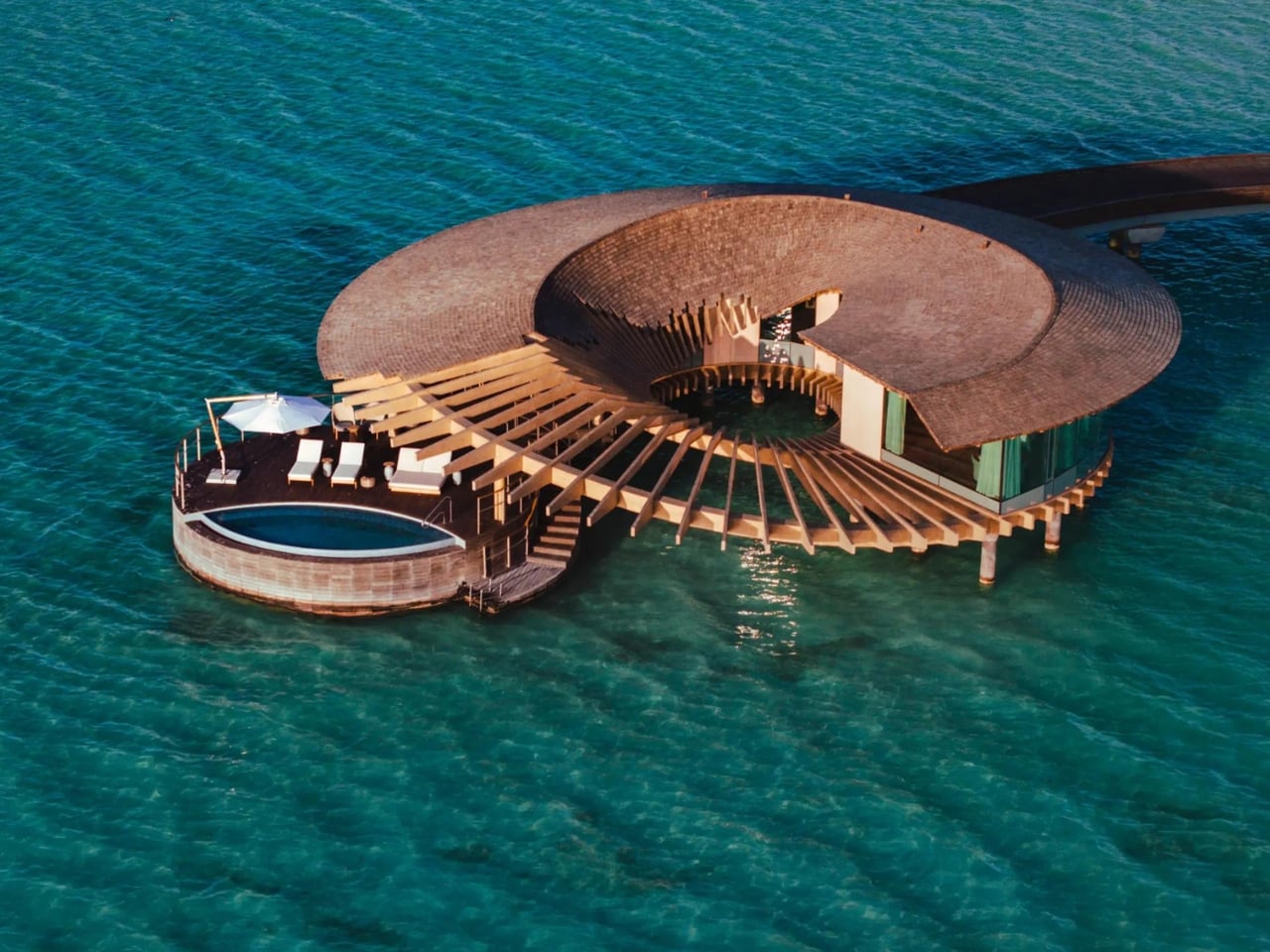
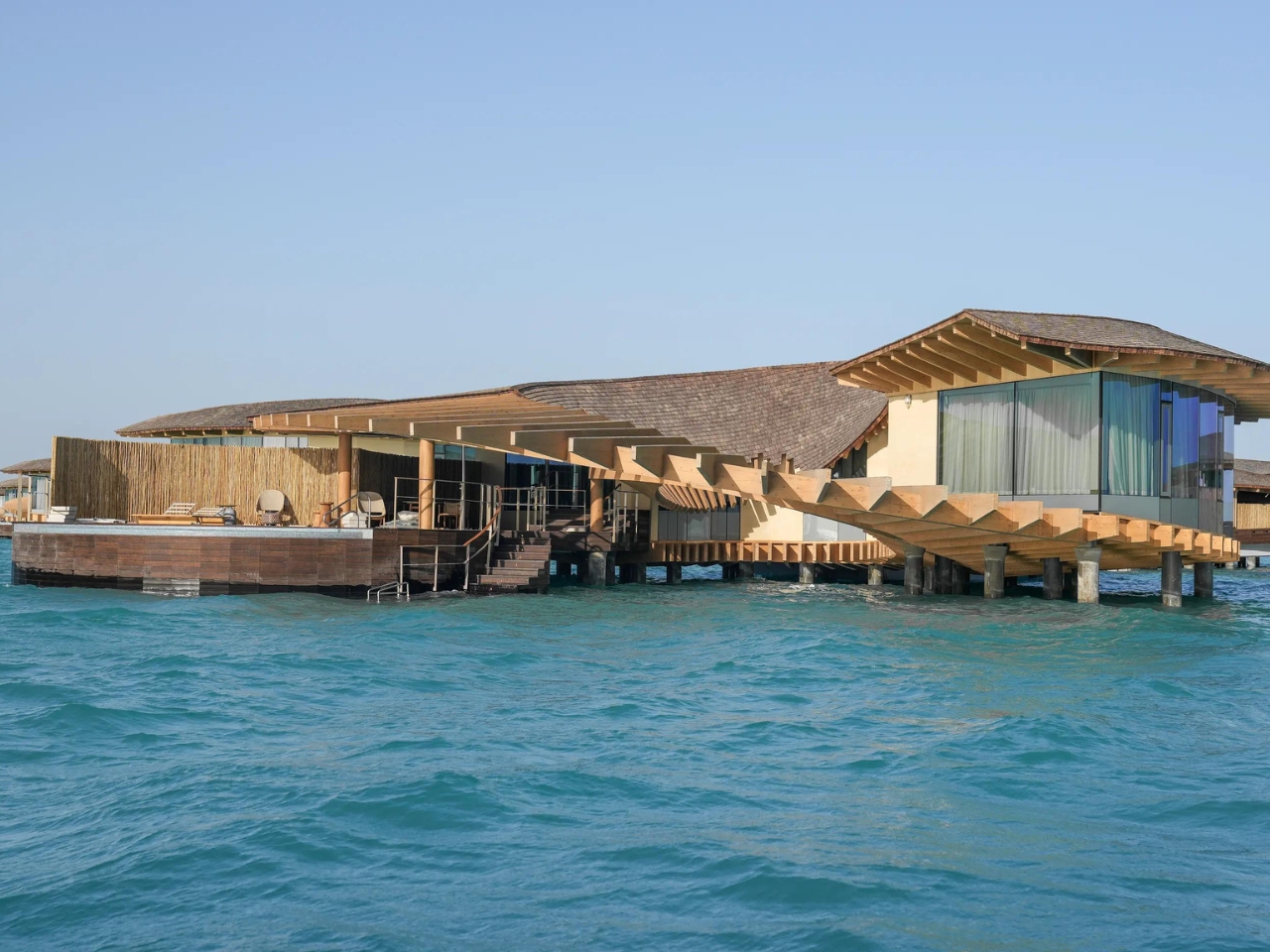
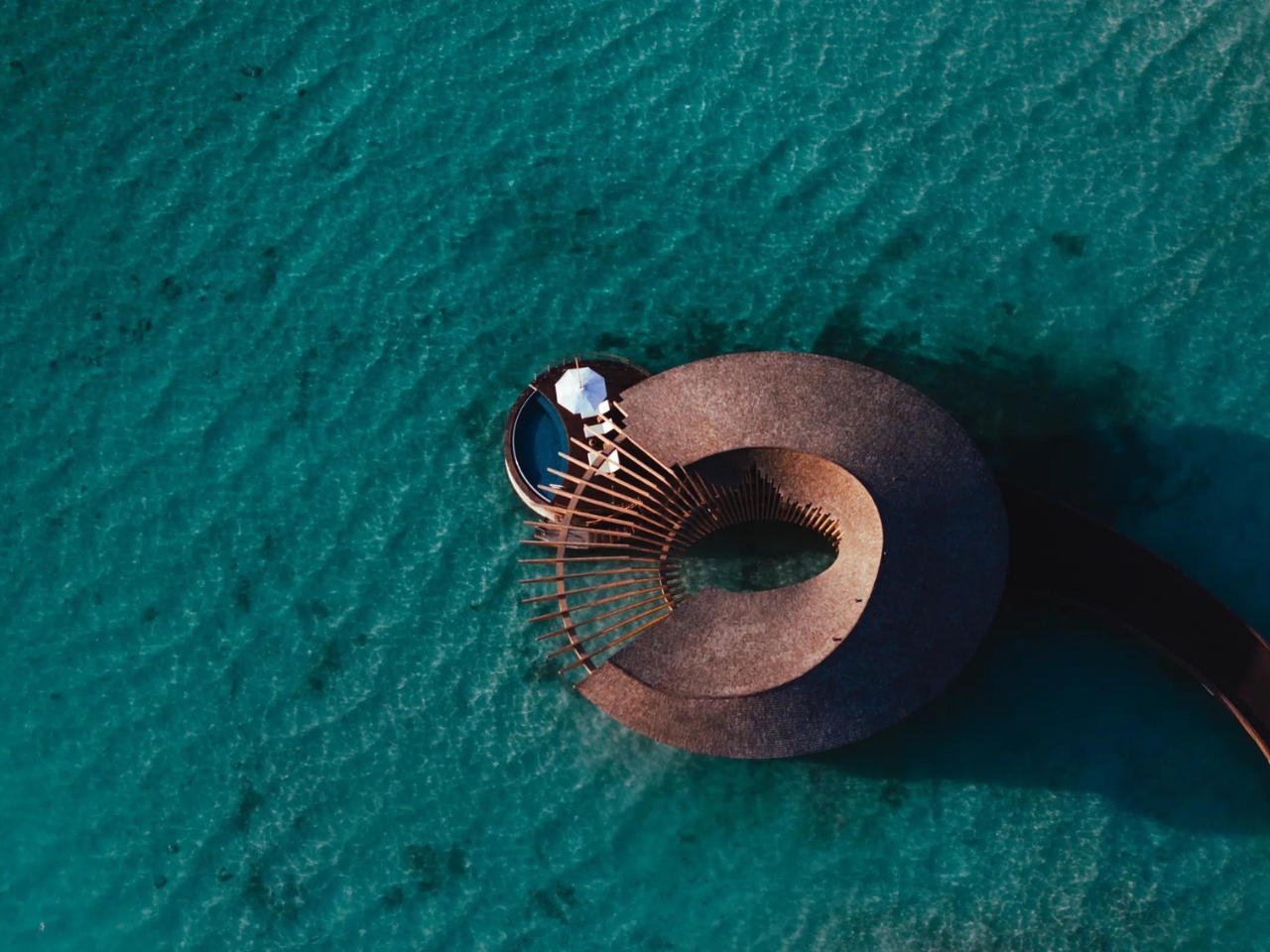
Lastly, if you don’t want to sweat it out in the sauna or do bouldering, you can head over to the Maldives to visit a floating villa. These villas are anchored in protected lagoon areas and have two bedrooms, bathrooms, a loving room, and even a courtyard garden and a roof terrace. As part of their eco-friendly design, they use solar cells, battery packs, on-board sewage treatment and watermakers.

The post Floating architecture designs to light up Copenhagen, Maldives first appeared on Yanko Design.
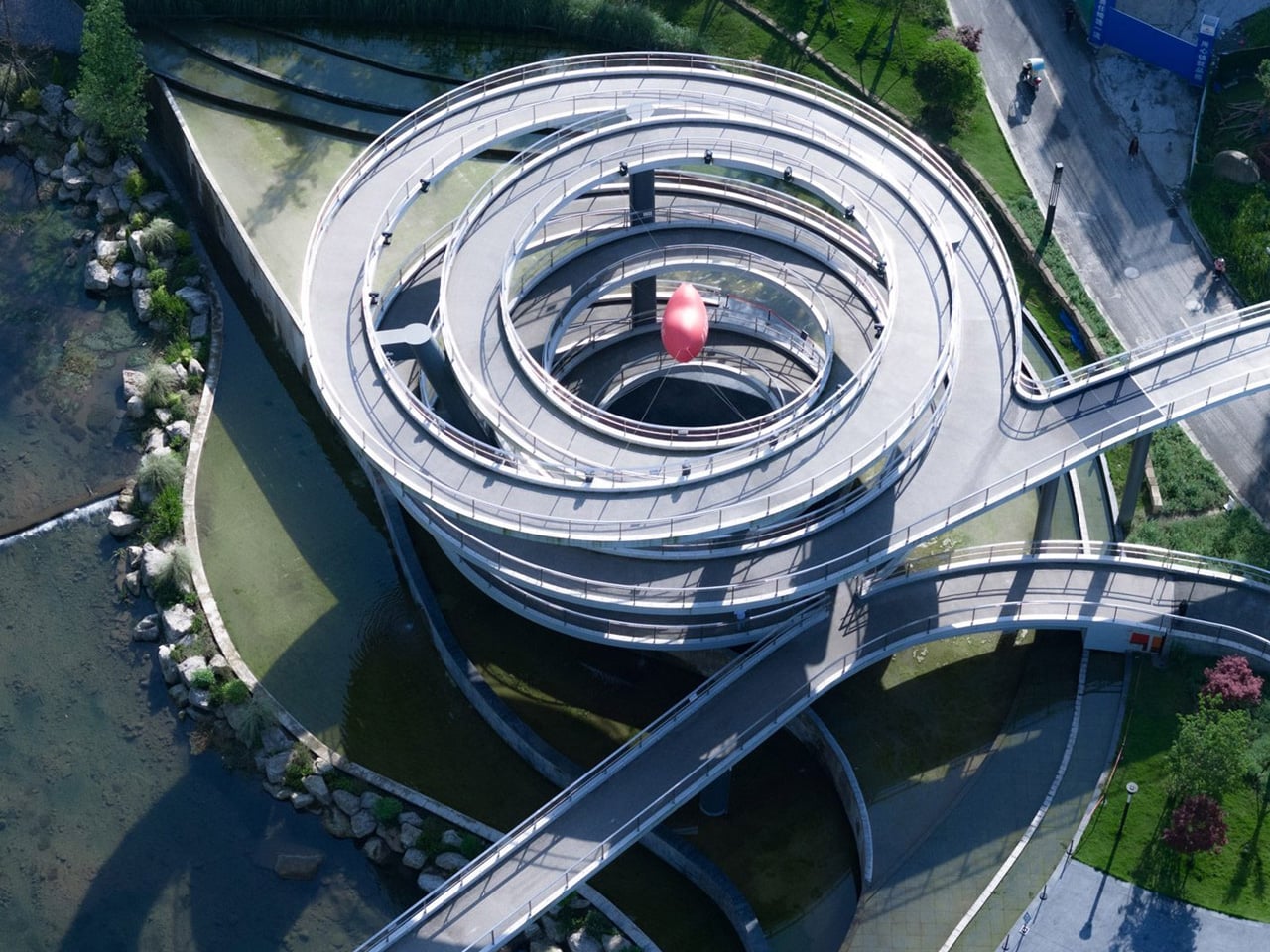
Meet Guatemala’s First 3D-Printed Earthquake-Resistant House That Was Built In Just 26 Hours

Nowadays almost everything is being 3D printed, so why should architecture be an exception? Many architectural firms have adopted 3D printing as their preferred technique for building structures. And 3D-printed architecture has truly gained a lot of popularity and momentum. It has paved a path for itself in modern architecture. And I mean, no wonder, it has a ton of benefits! It’s a simple, efficient, and innovative technique that lowers the risks of errors, and also manages to save time. 3D printing eradicates a lot of tedious steps during the construction process and simplifies it. And cement company Progreso teamed up with COBOD to build Guatemala’s first 3D-printed building.

Designer: Progreso x COBOD

Guatemala’s first 3D-printed building was recently completed to withstand local seismic activity, allowing it to be earthquake-resistant. The structure was built by merging modern 3D-printing construction techniques with traditional local craftsmanship, for example, the thatched roof. The house was built using COBOD’s BOD2 printer, and the 3D printer extruded a cement-like mixture in multiple layers to from the structure’s shell, according to a pre-planned blueprint.

Quite interestingly the entire printing and building process took only a little over 24 hours. 26 hours were spread over seven days to build the structure which involved completing the concrete shell, and then adding wiring, plumbing, and windows with the help of laborers. The roof of the home is the traditional roof seen all over the region, and it is made from palm thatching. Wooden slats were also added to the building, to promote natural ventilation and create a spacious and airy environment. The building is designed to withstand a severe and strong earthquake!

“The project has successfully taken steps to validate the structural viability of 3D construction printing in a seismic-prone region,” said the press release. “Due to the use of 3D printing, the house features highly organic-shaped walls that would otherwise be extremely expensive, even unfeasible to complete with concrete blocks, the region’s predominant building material. The 3D-printed concrete walls are complemented by a ‘Rancho’ type palm leaves roof. This roof type has been used for generations in Latin America, as it is inexpensive, provides thermal comfort, and is well-suited for seismic regions due to the flexible and lightweight material.”

The structure occupies 527 square feet and is a compact home that can withstand extreme seismic activity while operating as a fully functional and equipped house.

The post Meet Guatemala’s First 3D-Printed Earthquake-Resistant House That Was Built In Just 26 Hours first appeared on Yanko Design.
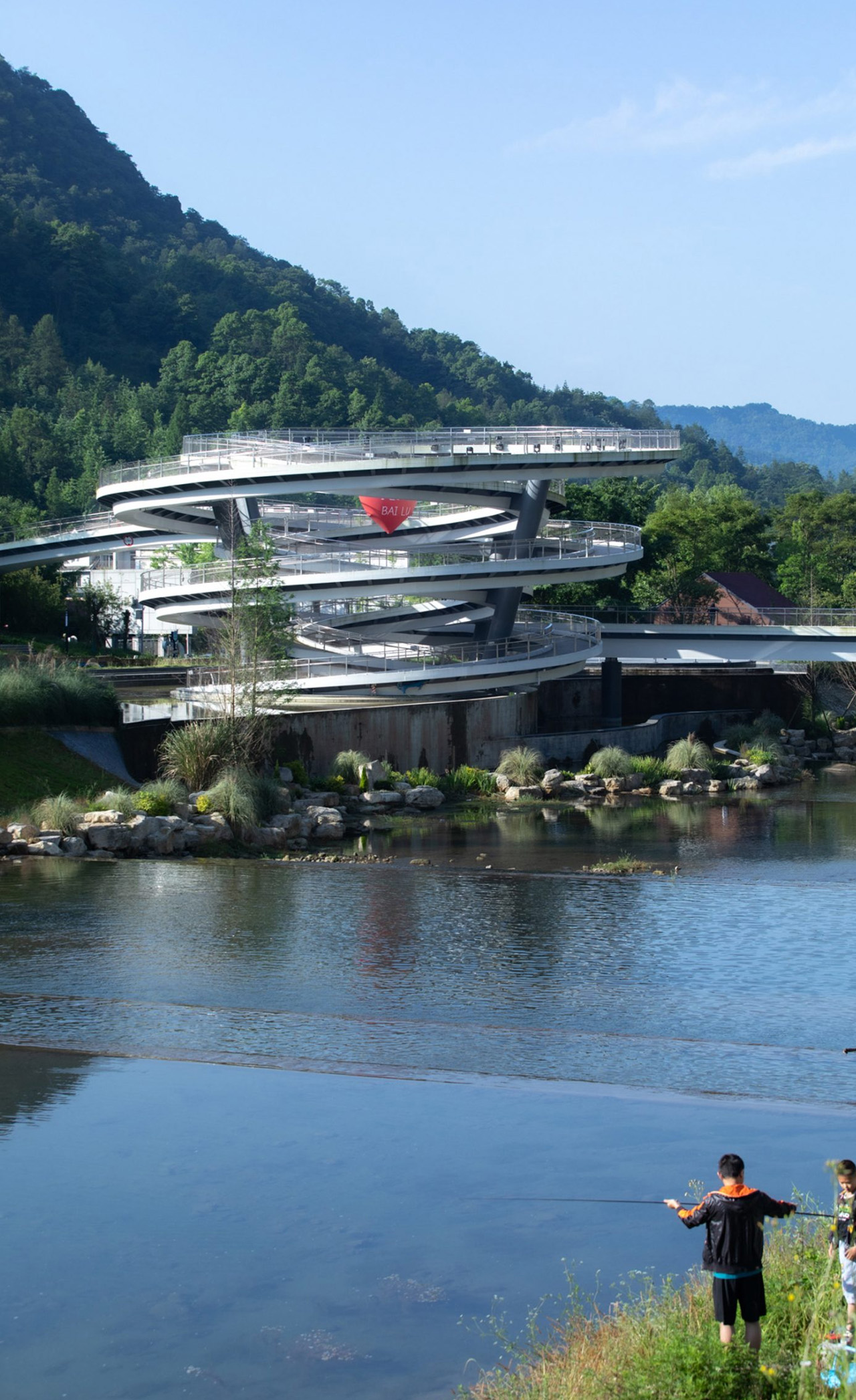
The Copper Harbour House Is A Raw, Rugged But Comfy Cabin Designed For Mountain Bikers

If you’re looking for a stunning little cabin in the woods to get away to and relax, then you’ve reached the right place. Cabins are by far the best type of vacation I’ve come across. They’re a peaceful and tranquil option to abandon your urban life and woes, and simply unwind in nature. If you’re wondering where to head for your next cabin retreat, you can refer to this collection of beautiful and super cozy cabins we’ve gathered. They’re the perfect safe haven nestled in the midst of nature, providing a break from your everyday hectic life. And we’ve found a pretty awesome cabin for you – meet the Copper Harbor house!

Designer: Prentiss Balance Wickline Architects

Designed by the US architecture firm Prentiss Balance Wickline Architects, the Copper Harbour house is located on the rugged Keweenaw Peninsula with fantastic views of Lake Superior – which is the largest Great Lake in North America. The quaint cabin features a sturdy shell built from weathering steel, giving it a homely yet rugged feel. The cabin is tucked away in a “very remote destination with an industrial history”.

The cabin is designed to be modern and minimal, a perfect abode for a couple who love mountain biking. The home is meant to withstand the extreme weather conditions of the area. “Set in a very remote destination with an industrial history, Copper Harbor blends into the shoreline while standing out with its unique design,” said Seattle-based Prentiss Balance Wickline Architects. The home occupies 1400 square feet and includes two volumes that are conjoined with a central circulation spine.

Quite interesting, there is a building located behind the cabin which serves as a bike workshop. The cabin and workshop are separated using a patio which functions as an “exterior room protected from the wind”. All three buildings are covered in a rugged exterior shell built from corrugated steel. Since the shell is made using pre-rusted steel, it has an intriguing orangish shade that references the color of the soil. “The solidity of each shell is contrasted with a wall of glass providing light, directing views, and extending the living space out on cantilevered decks toward the water,” concluded the architects.

The post The Copper Harbour House Is A Raw, Rugged But Comfy Cabin Designed For Mountain Bikers first appeared on Yanko Design.
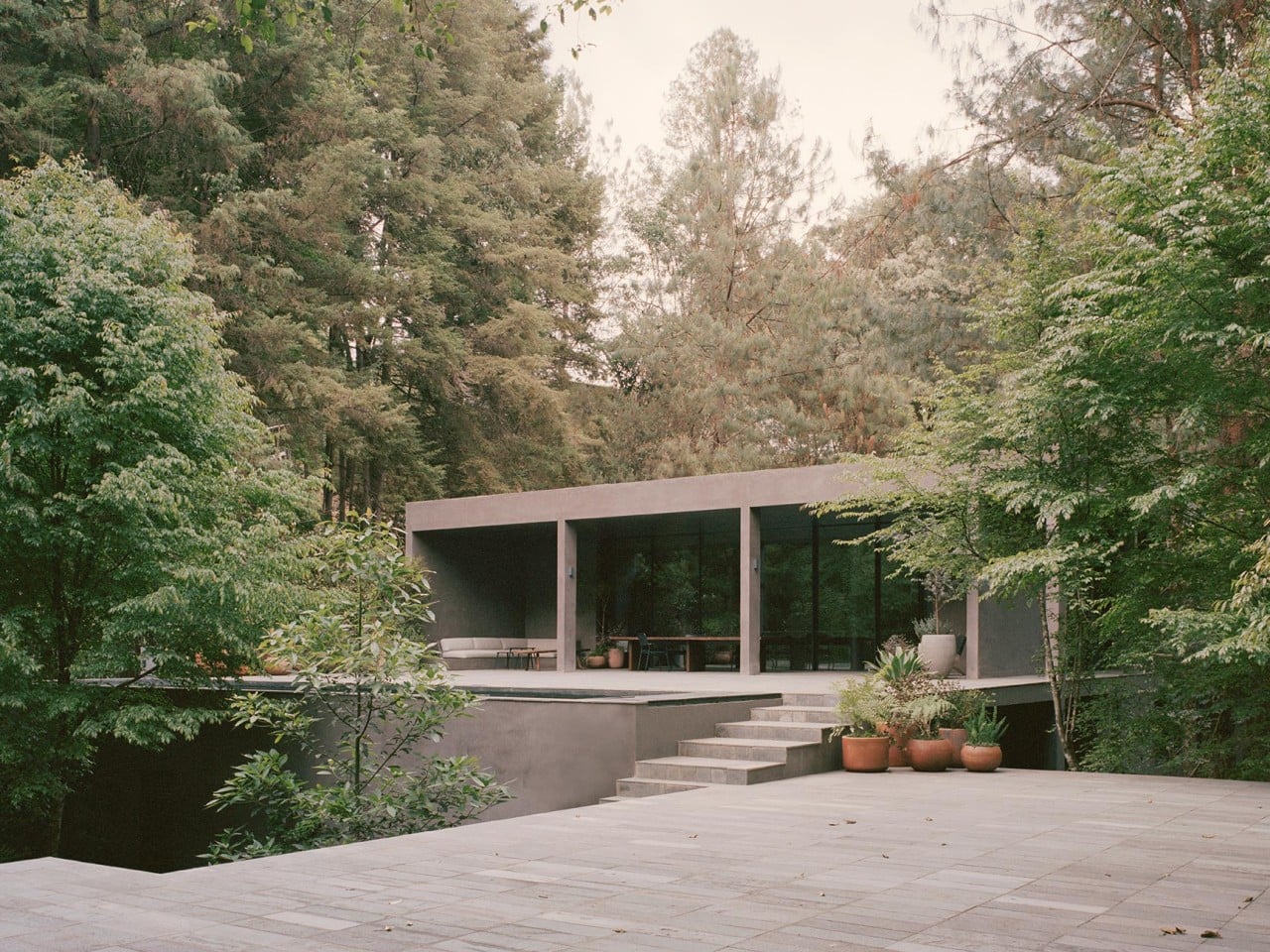
Spirituality and Sustainable Innovation Unite in Architectural Splendor at the MycoTemple

In a world marked by rapid urbanization and the relentless march of concrete and steel, a unique sanctuary has emerged, standing as a testament to the power of spirituality and sustainable innovation. Côme Di Meglio’s MycoTemple is a transformative living structure that harnesses the astonishing capabilities of mycelium, creating a biodegradable domed space for physical and spiritual transformation.
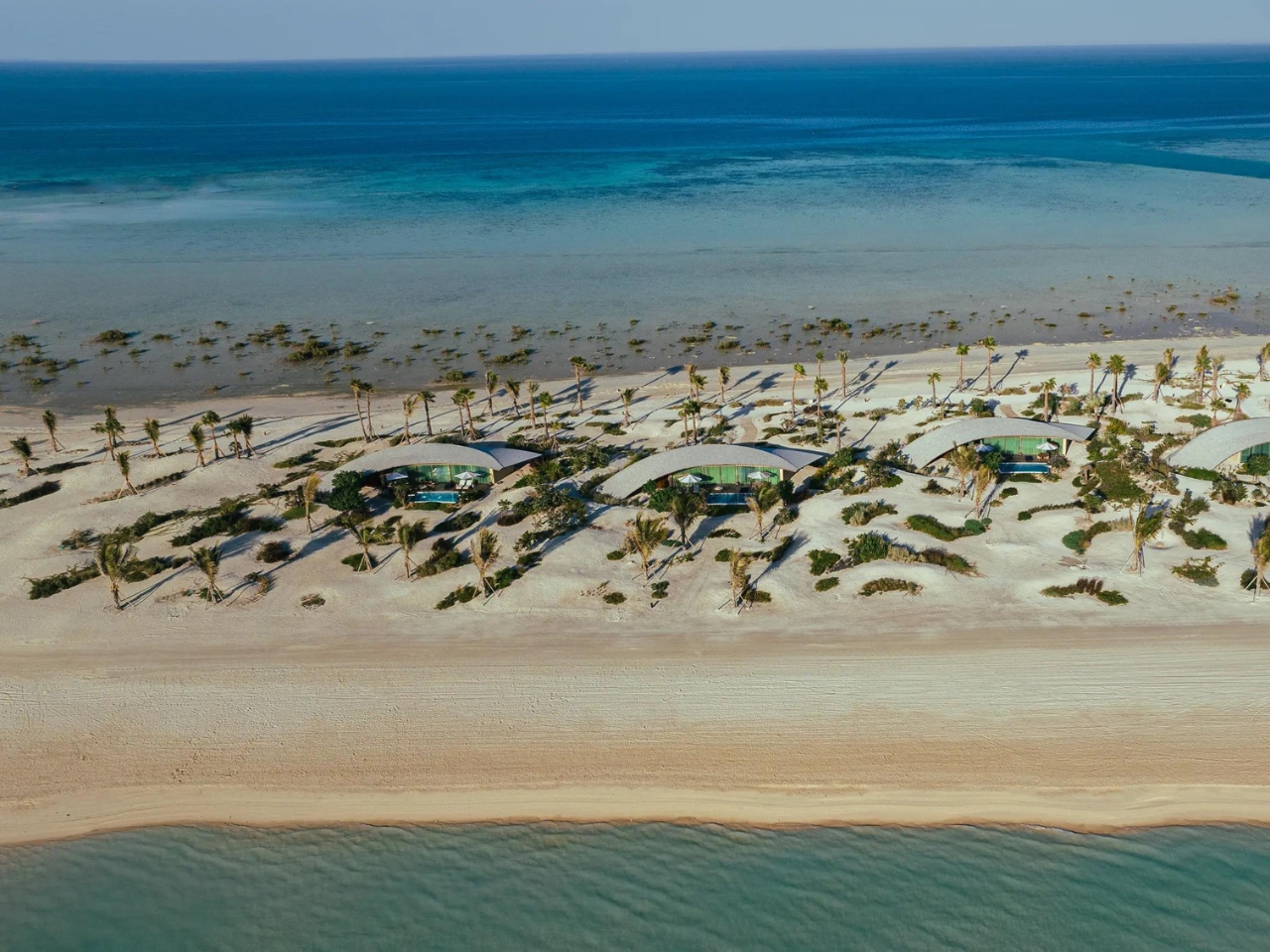

Designer: Côme Di Meglio

At first glance, MycoTemple is a marvel of art and architecture, a five-meter-wide domed structure that seems to rise from the Earth itself. However, what truly sets it apart is its construction material: mycelium, the intricate underground network of fungi that has the remarkable ability to grow structures. Concealed within this mycelium marvel is a hand-carved wooden structure, hidden from view and only revealed as the mycelium gradually biodegrades over time, returning to the soil from where it came.

Stepping into MycoTemple is like stepping into another realm. Its thick, mycelium-based walls insulate visitors from the clamor of the outside world, creating a serene cocoon of tranquility. Within the semi-darkness, one becomes enveloped by an intriguing material, rich in textures and colors. Some areas feel rough, reminiscent of minerals, while others are soft and velvety, akin to the gentle touch of skin. Every square centimeter is a microscopic landscape meant to be explored, contemplated, and caressed. The immersive scent of the underwood establishes an intimate connection between visitors and the environment, enhancing the sensory experience.

The sensory immersion within this living organism, crafted into an architectural wonder, triggers a heightened state of awareness and a profound sense of presence. MycoTemple invites us to delve deep within ourselves, tapping into something primal and ancient that resides within each of us.

Beyond its artistic and architectural allure, MycoTemple serves a higher purpose as a space designed to foster a diverse range of collective experiences and communal events. It is a place for gatherings, concerts, and quiet moments of contemplation. Di Meglio envisions the dome as a vessel for emotions and dreams, and he notes, “All the emotions and dreams birthed in the dome will nurture this porous material.”

More than just a space for individual introspection, MycoTemple is designed to nurture our essential connection to the living world. It also serves as a place to strengthen our bonds with others. The shape of the dome itself harks back to ancestral dwellings, reminiscent of the caves where early humans sought shelter from external dangers. It’s a form that has been embraced by countless cultures around the world in sacred architecture—places where communities would gather in circles to share stories, ignite shared imaginations, and weave narratives that solidify their sense of belonging to a greater whole.

The gradual biodegradation of MycoTemple is an integral part of its aesthetic experience. It invites visitors to return throughout the seasons, providing an opportunity to witness the passage of time and the organic process of decay and renewal. It’s a reminder that all things are in a constant state of change, and it invites us to reflect on our transient existence.

The entire process of cultivating the mycelium, from its inception to the completion of MycoTemple, unfolded in Di Meglio’s artist studio in Marseille. Utilizing a low-tech approach and repurposed industrial waste, particularly sawdust, the design team grew the architectural-sized dome segments. This exploration of bio-material innovation showcases the potential of sustainable materials and practices in architecture.

MycoTemple is a testament to the power of innovation, sustainability, and spirituality coming together in harmony. It challenges our preconceptions about the permanence of structures and encourages us to reconnect with nature. As we stand in awe of this living sanctuary, we are reminded of the transformative potential that lies at the intersection of art, architecture, and the natural world. MycoTemple is not just a physical structure; it’s a journey of self-discovery and a celebration of the Earth’s remarkable regenerative capabilities.

The post Spirituality and Sustainable Innovation Unite in Architectural Splendor at the MycoTemple first appeared on Yanko Design.