Alibaba’s Qwen 3.5 series introduces a compelling shift in AI development by focusing on smaller, efficient models optimized for edge devices. As highlighted by Caleb Writes Code, these models range from 800 million to 9 billion parameters, offering a balance between compactness and performance. For instance, the 800 million parameter variant is tailored for lightweight […]
Model-making has a rhythm, and it is surprisingly easy to break out of the zone. You pull out the tape measure, get your reading, set it down, hunt for the caliper, check a dimension, reach for the cutter, and by the time you’ve touched four separate objects, you’ve lost track of where you were in the build. It’s a minor friction, but it compounds quickly across a studio session into something genuinely disruptive.
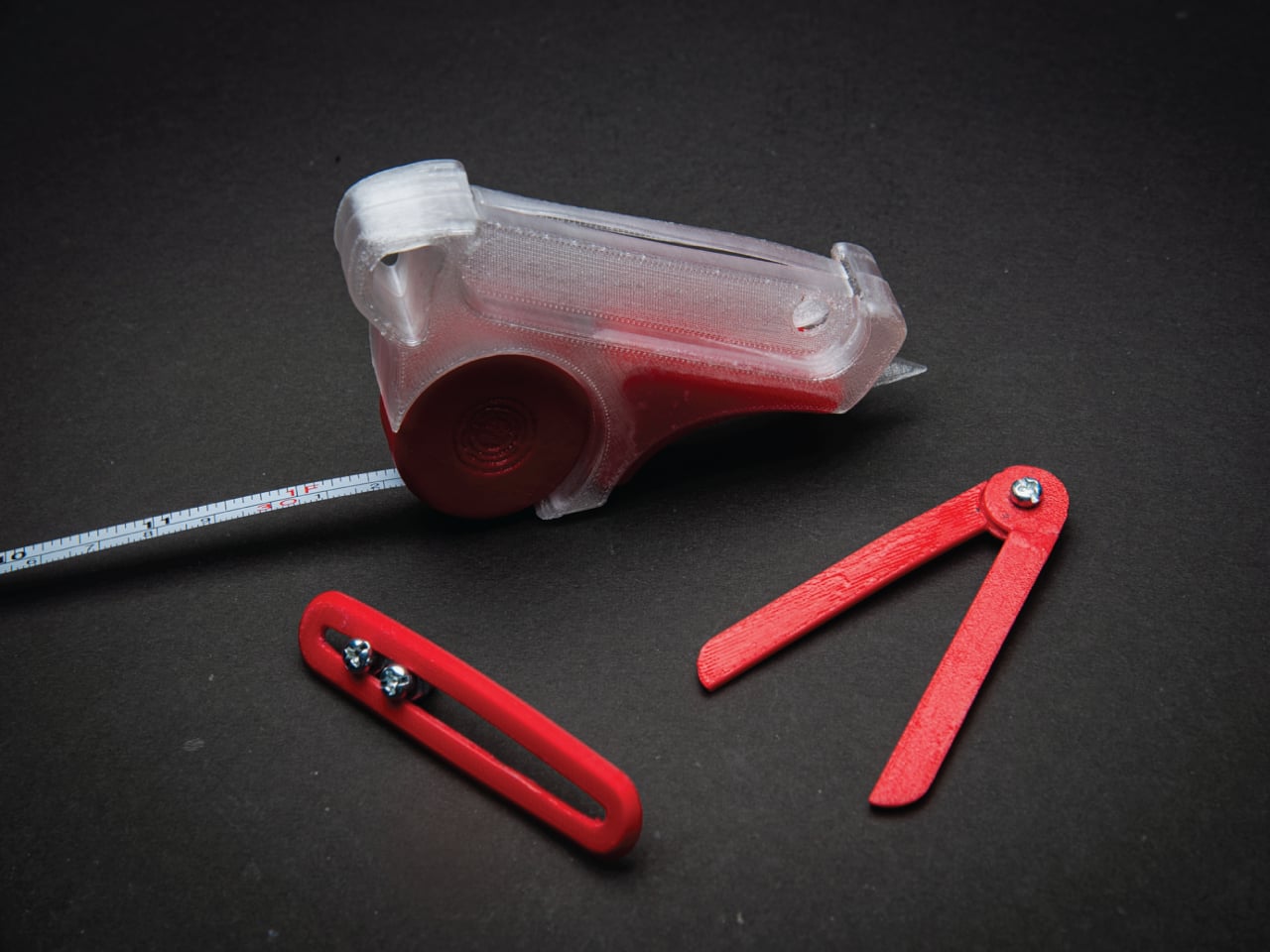
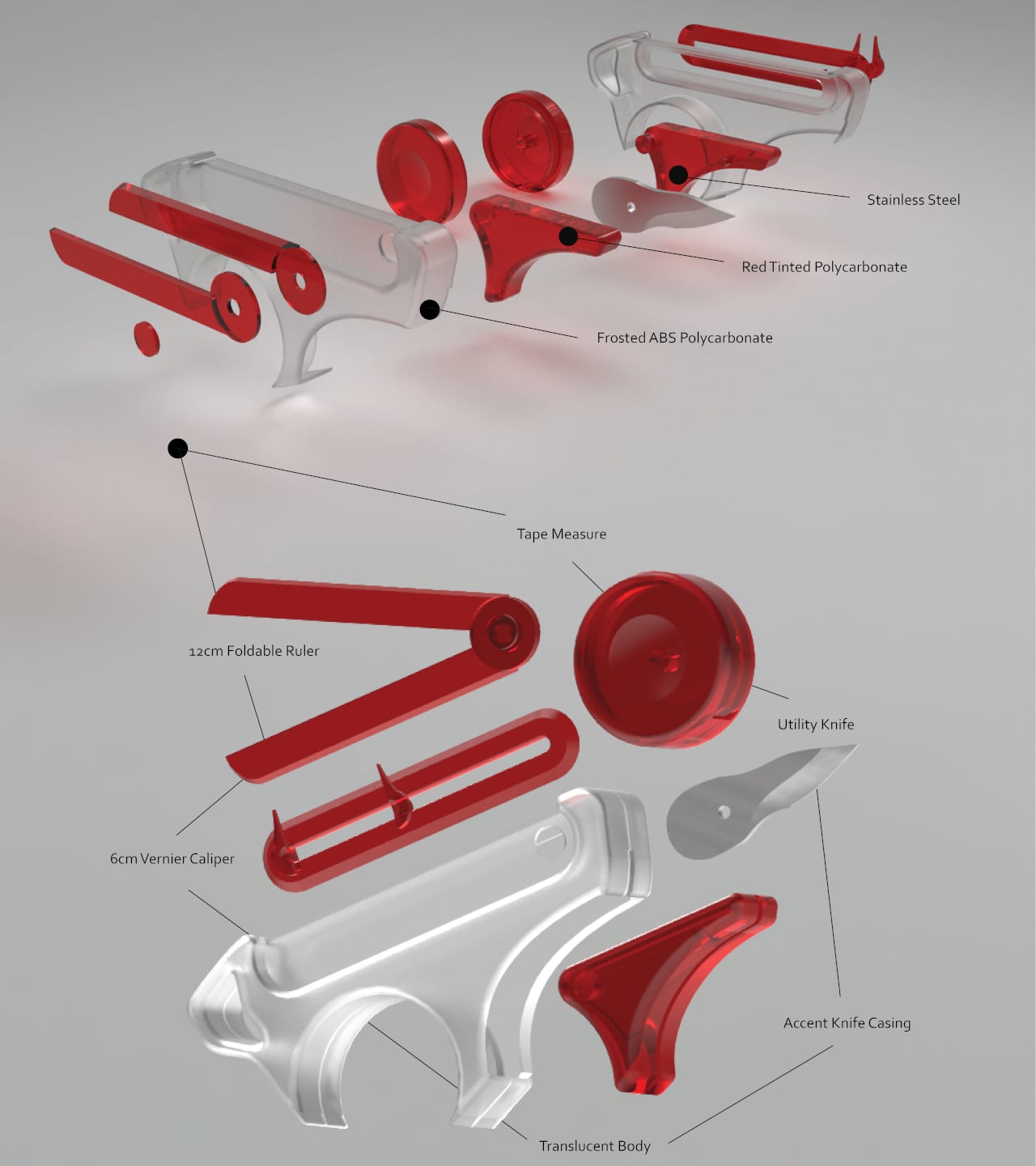
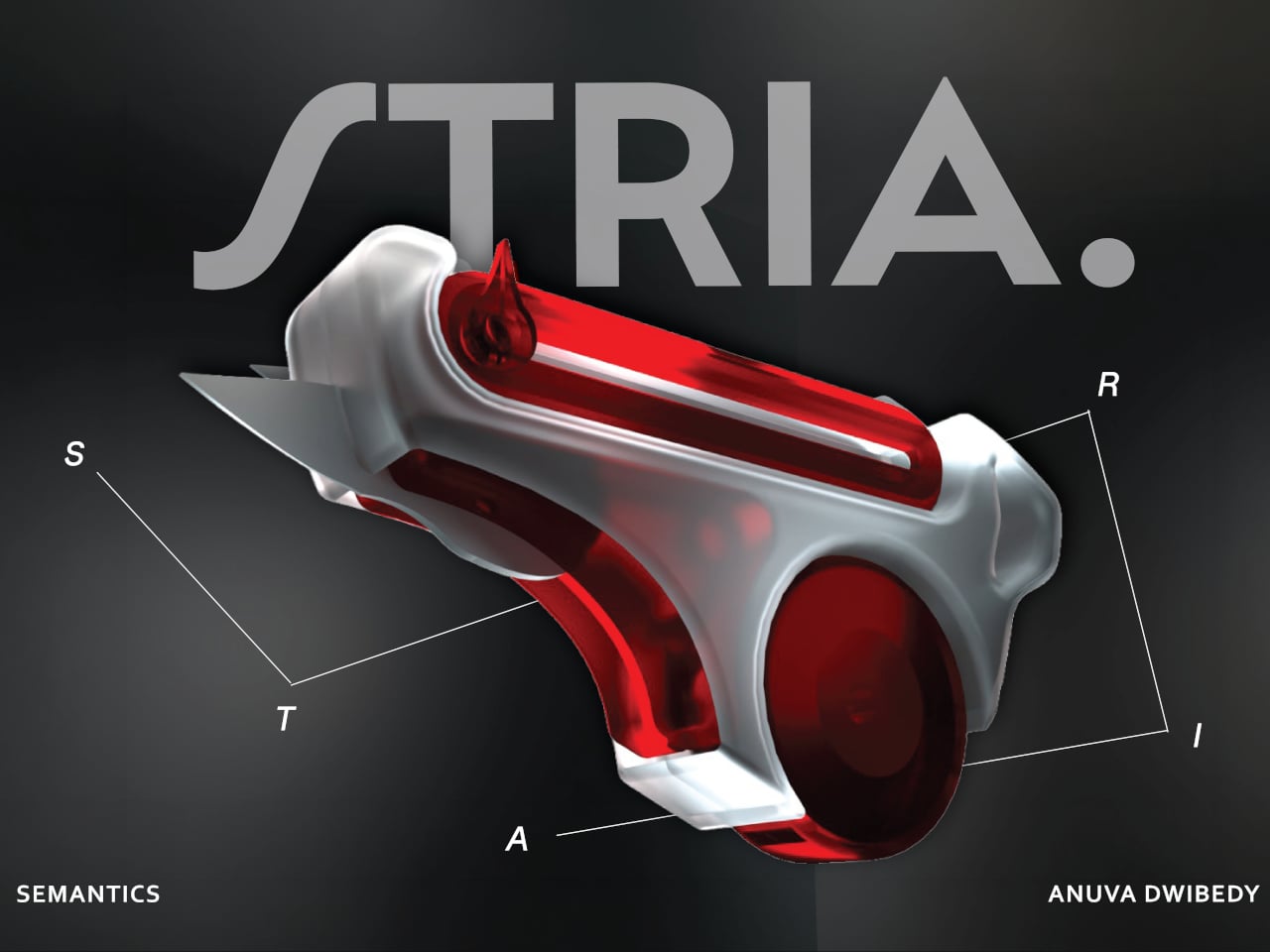
That friction is the exact problem STRIA was designed to address. The concept starts from a straightforward observation: the actions that make up physical prototyping, measuring, checking dimensions, and cutting materials, are tightly connected in practice but spread across a handful of unrelated objects. It combines four of the most essential tools that designers and architects reach for, creating a Swiss Army knife for any kind of physical creative work.
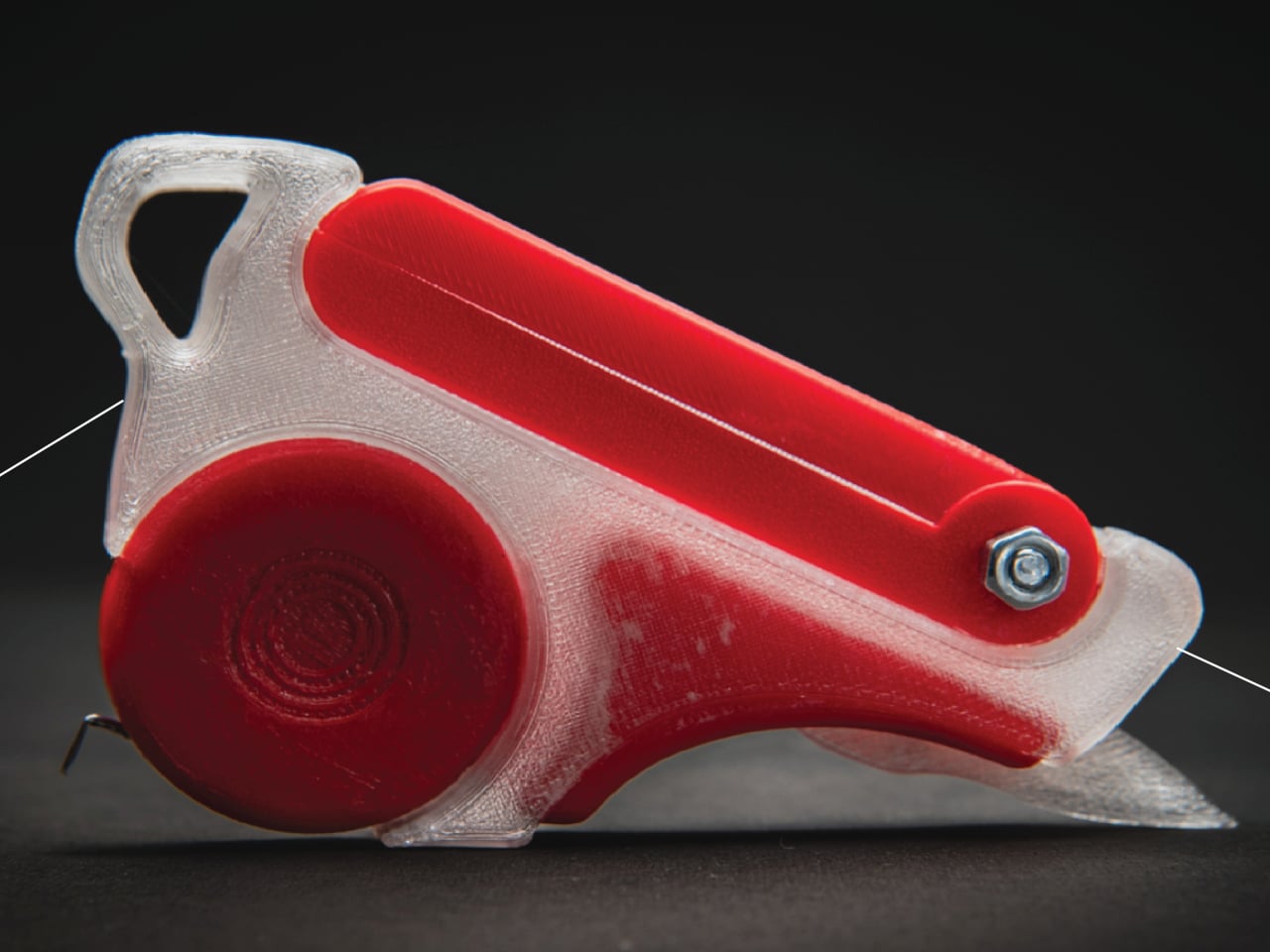
Those four are a tape measure, a 12 cm foldable ruler, a 6 cm vernier caliper, and a utility knife, all integrated into a single handheld device. The body is frosted ABS polycarbonate, with red-tinted polycarbonate accents and stainless steel for the blade and hardware. The translucent construction lets you see the internal components at a glance, which feels appropriate for a tool aimed at designers who spend a lot of time thinking about how things fit together.
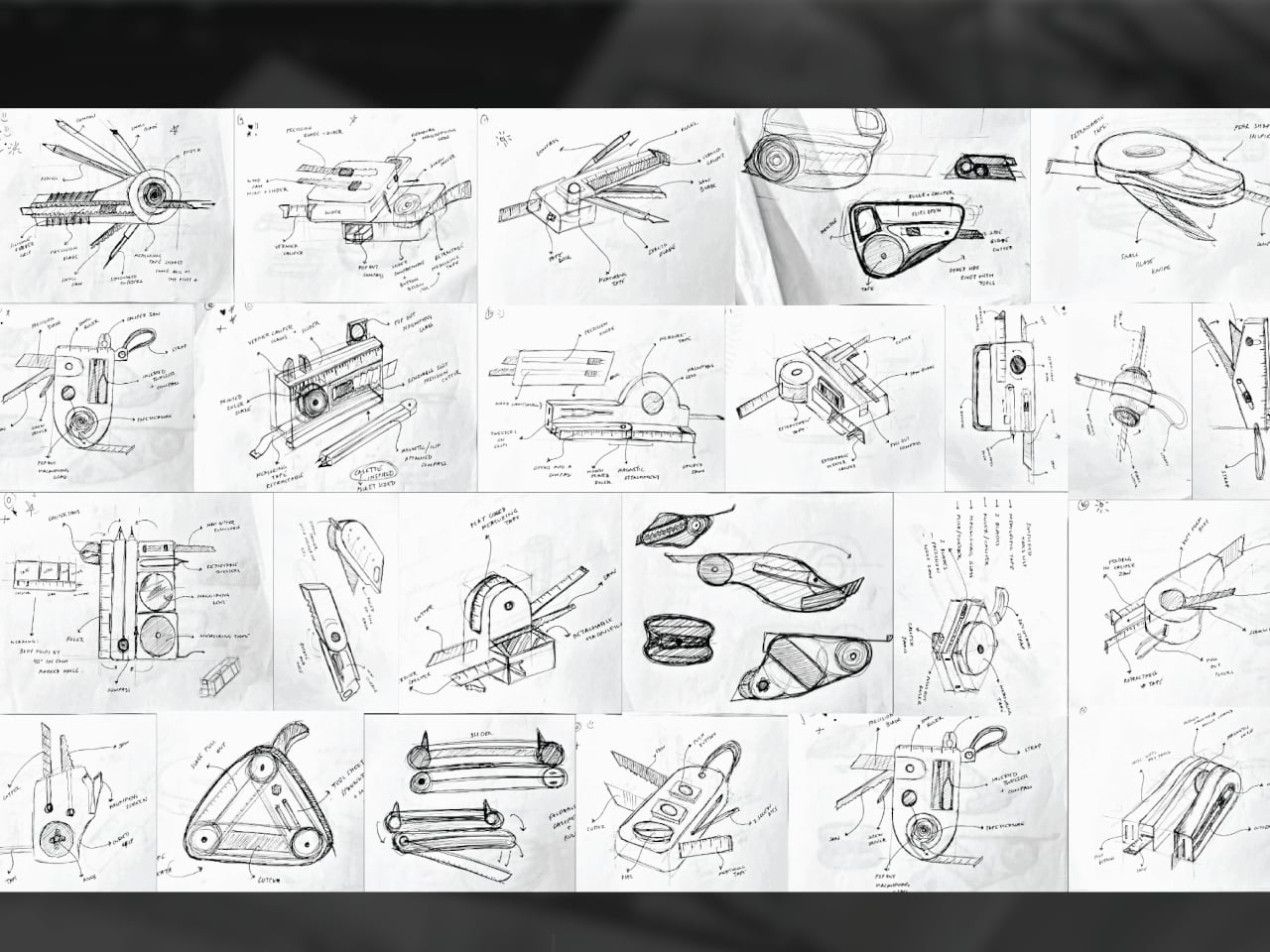
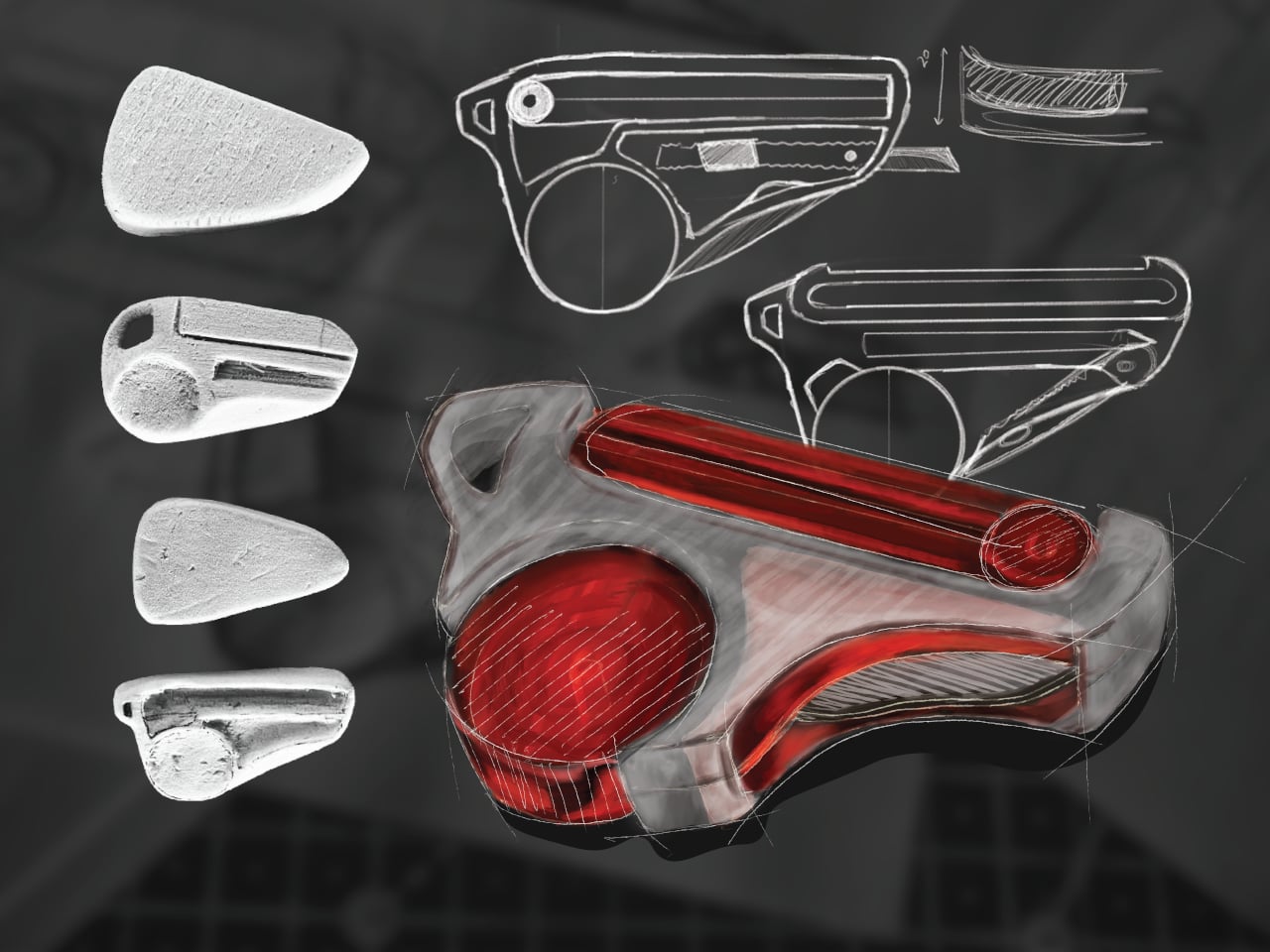
The form went through extensive iteration, with dozens of sketched directions and physical grip studies preceding the final shape. That process matters because fitting four tools into something pocket-sized is a mechanical problem as much as a visual one. Each function needs a deployment mechanism that doesn’t compromise the others, and the grip has to stay comfortable when you’re switching between them repeatedly during a long session.
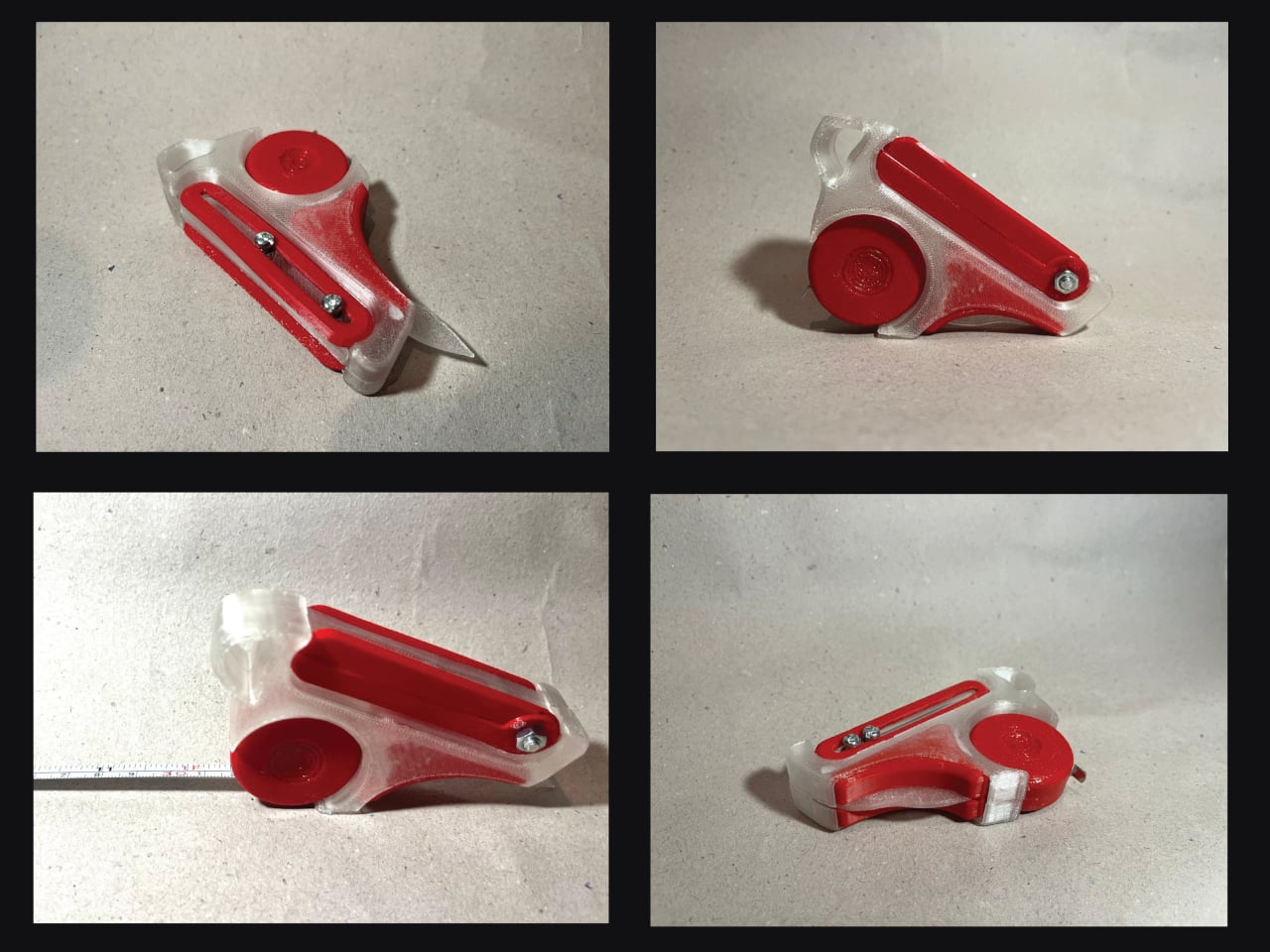
What STRIA gets right in concept is treating workflow continuity as a design constraint rather than an afterthought. Its five stated goals, compact, precise, durable, ergonomic, and integrated, read less like marketing language and more like a checklist for something that needs to survive a studio environment. A 3D printed prototype has already been produced, so the integration challenges aren’t purely theoretical at this stage.
Whether every mechanism holds up to the repetitive, sometimes rough handling that model-making actually demands is what a finished version would need to prove. And there’s a subtler question underneath that: consolidating tools changes how you reach for them, and it’s worth asking whether that’s always an improvement or occasionally a trade-off.
Unboxing your Samsung Galaxy S26 Ultra is an exciting moment, but what you do next is critical to unlocking its full potential. Proper setup ensures optimal performance, enhances privacy, extends battery life, and customizes the device to suit your preferences. The video below from AppX gives us a range of tips to get the most […]
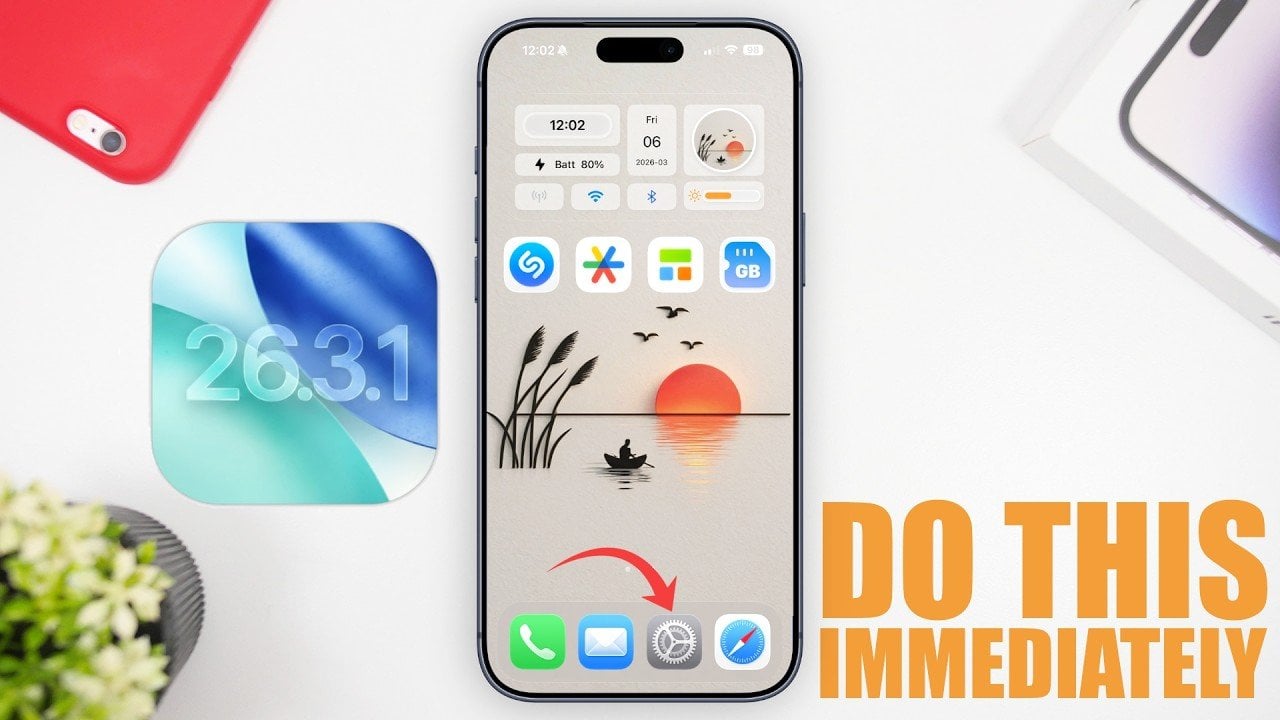
The release of iOS 26.3.1 introduces critical security fixes and system enhancements designed to improve the overall performance and safety of your iPhone. While this update may appear minor, its significance lies in addressing vulnerabilities and making sure your device operates at its best. To fully benefit from this update, there are five essential steps […]
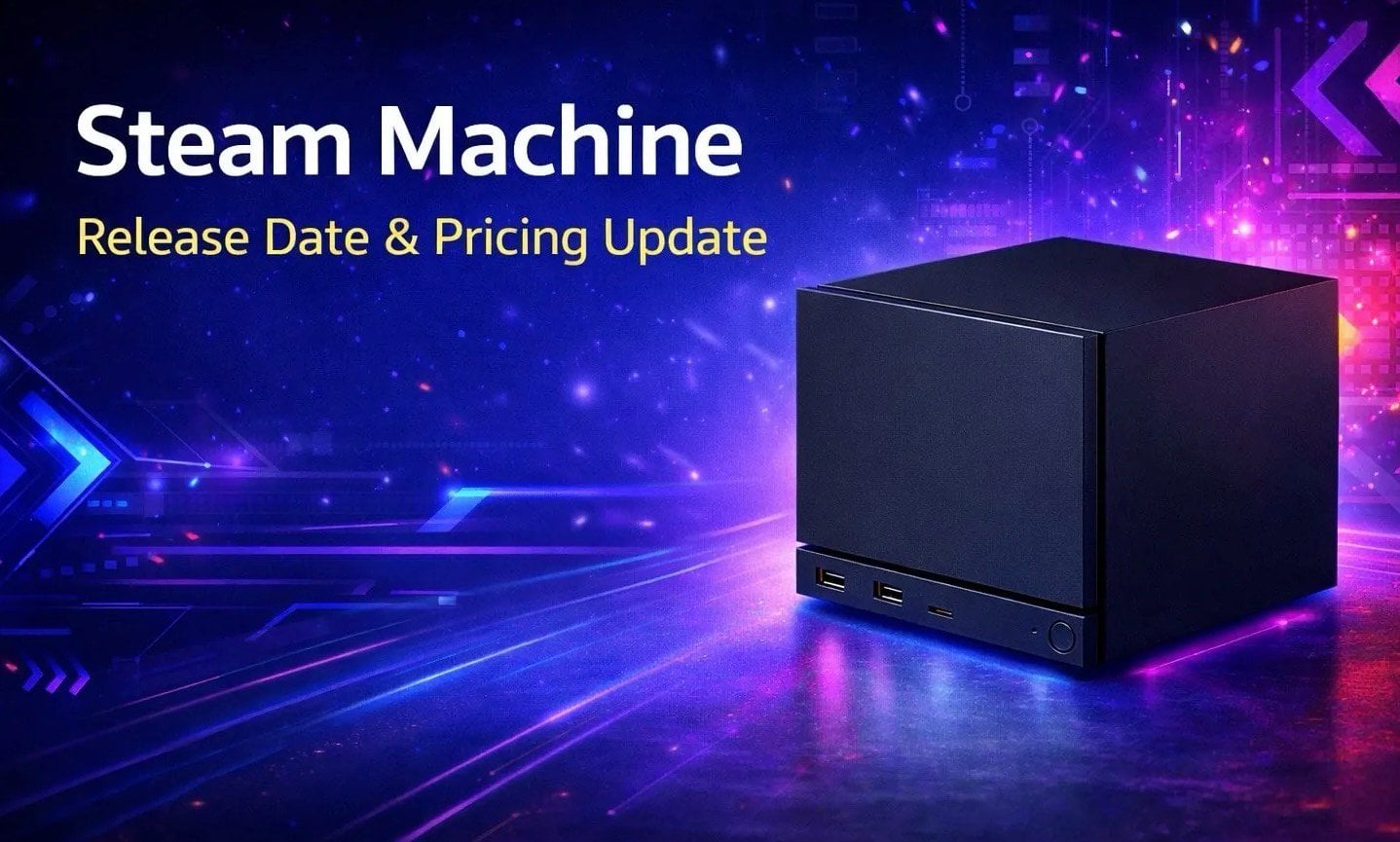
Valve’s recent update on the Steam Machine has raised concerns about the device’s future viability. Spawn Wave highlights how the delay from early to late 2026, driven by shortages of critical components like DRAM and SSDs, reflects broader supply chain struggles in the tech industry. This postponement not only risks eroding consumer interest but also […]
Apple’s MacBook Neo represents a strategic move to provide an affordable entry point into the Mac ecosystem. Priced at $599, it is tailored for students and casual users seeking a lightweight, functional laptop without exceeding their budget. However, this affordability comes with trade-offs in performance and features. Below is a comprehensive video analysis from ZONEofTech […]
Building a professional YouTube studio is now more achievable with the use of AI images and a large screen TV. James Kelly explains how creators can incorporate AI-generated backdrops, such as a modern office or a warm library, to create visually engaging environments without the need for physical construction. This approach reduces the reliance on […]
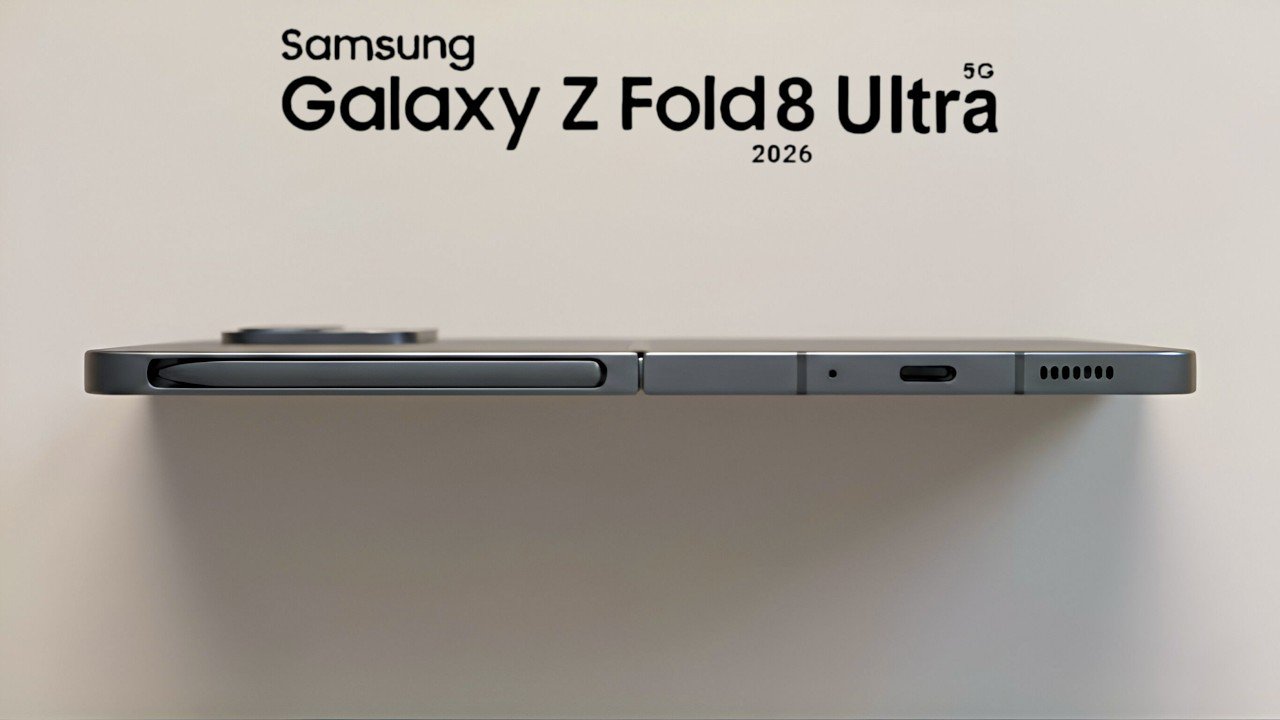
The Samsung Galaxy Z Fold 8 is poised to elevate the foldable smartphone experience with a series of well-thought-out upgrades. By addressing critical areas such as durability, usability, and design, Samsung aims to push foldable devices into the mainstream, making them a practical choice for a broader audience. Below is an in-depth look at the […]
The filament shortage at Bambu Lab has created significant obstacles for 3D printing enthusiasts and professionals alike. As noted by 3D Print Rancher, materials such as PETG High Flow and ABS have become difficult to obtain, with restocks depleting rapidly. This scarcity stems from Bambu Lab’s shift to in-house filament production combined with a surge […]
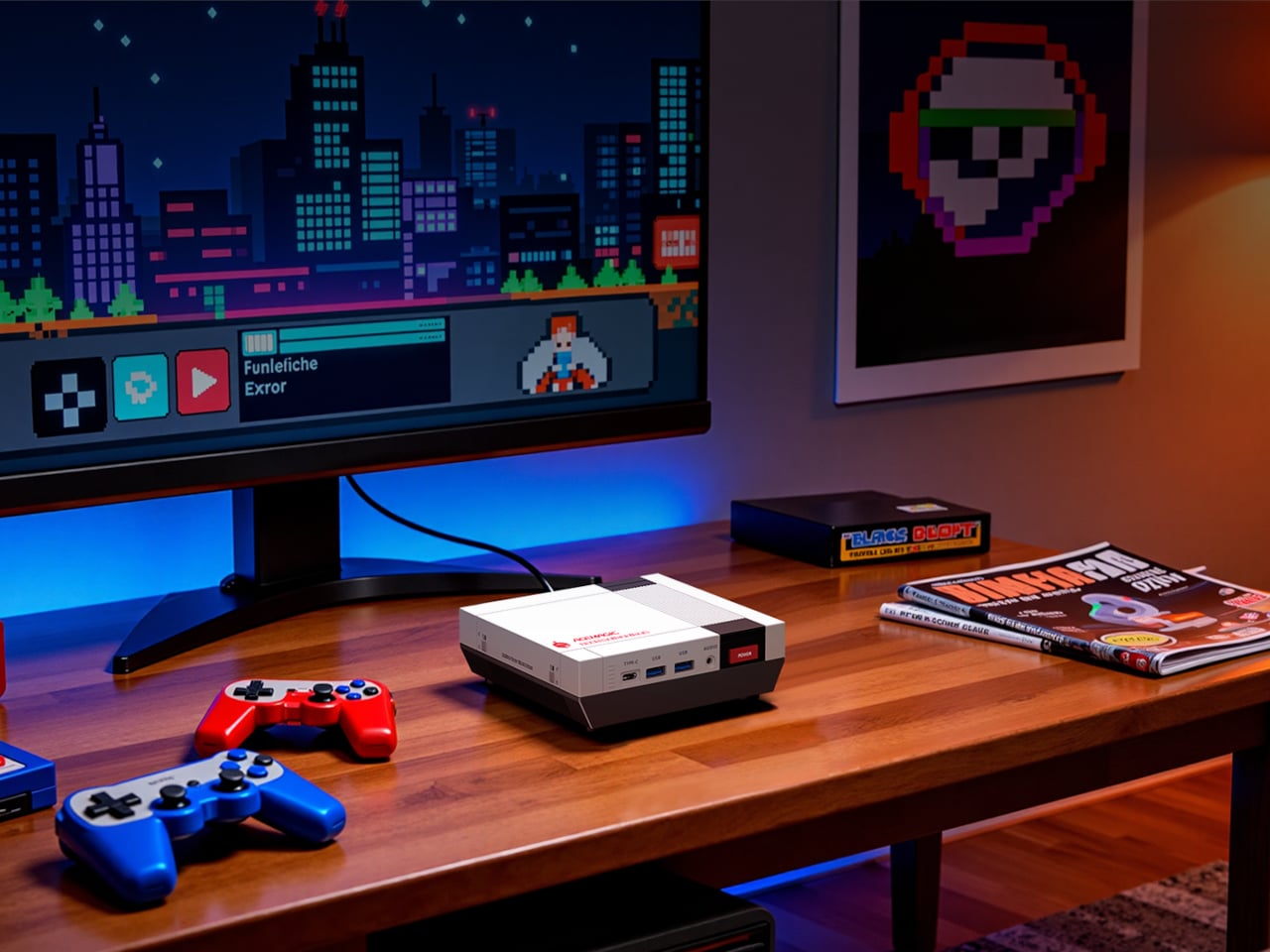
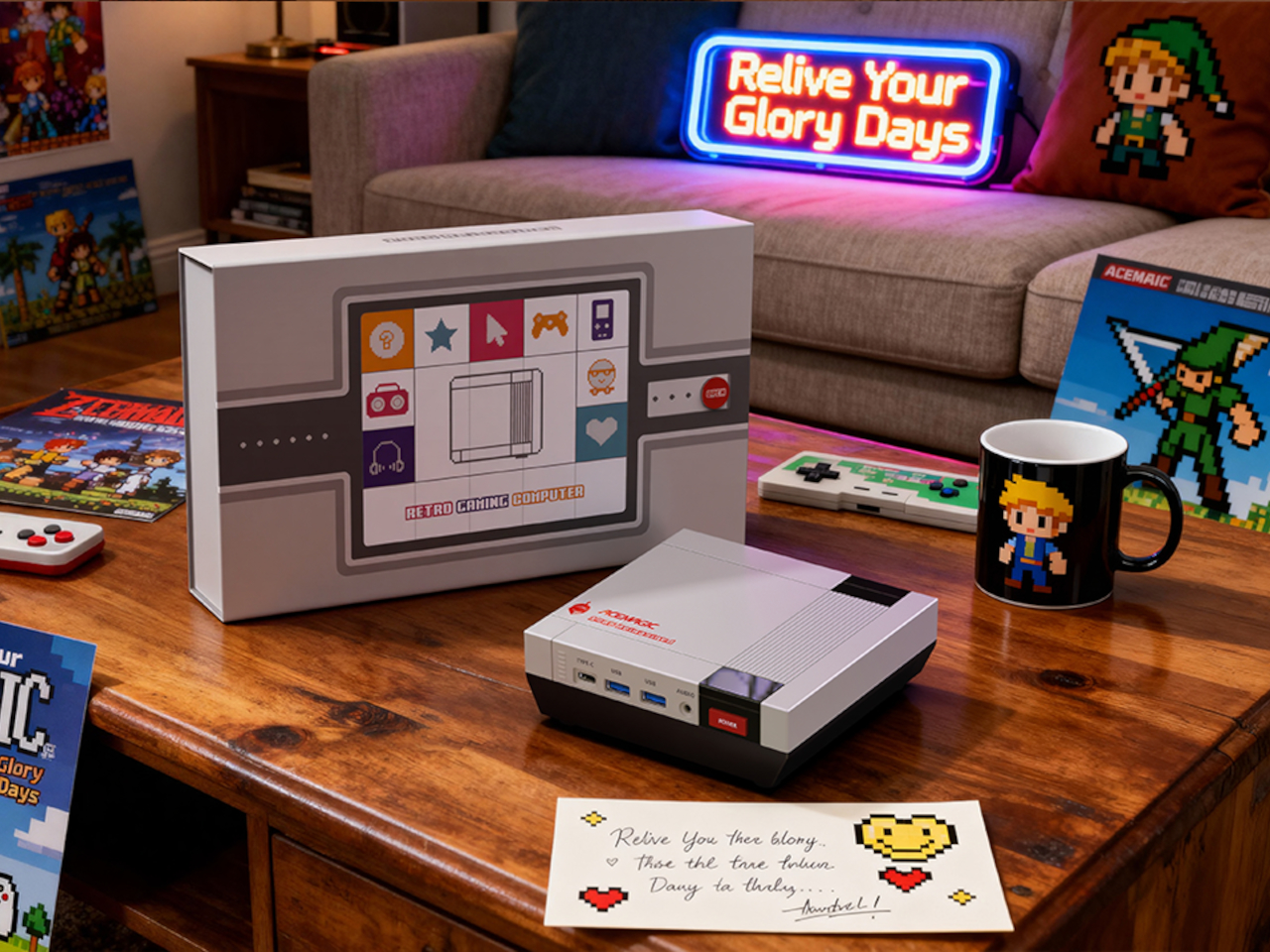
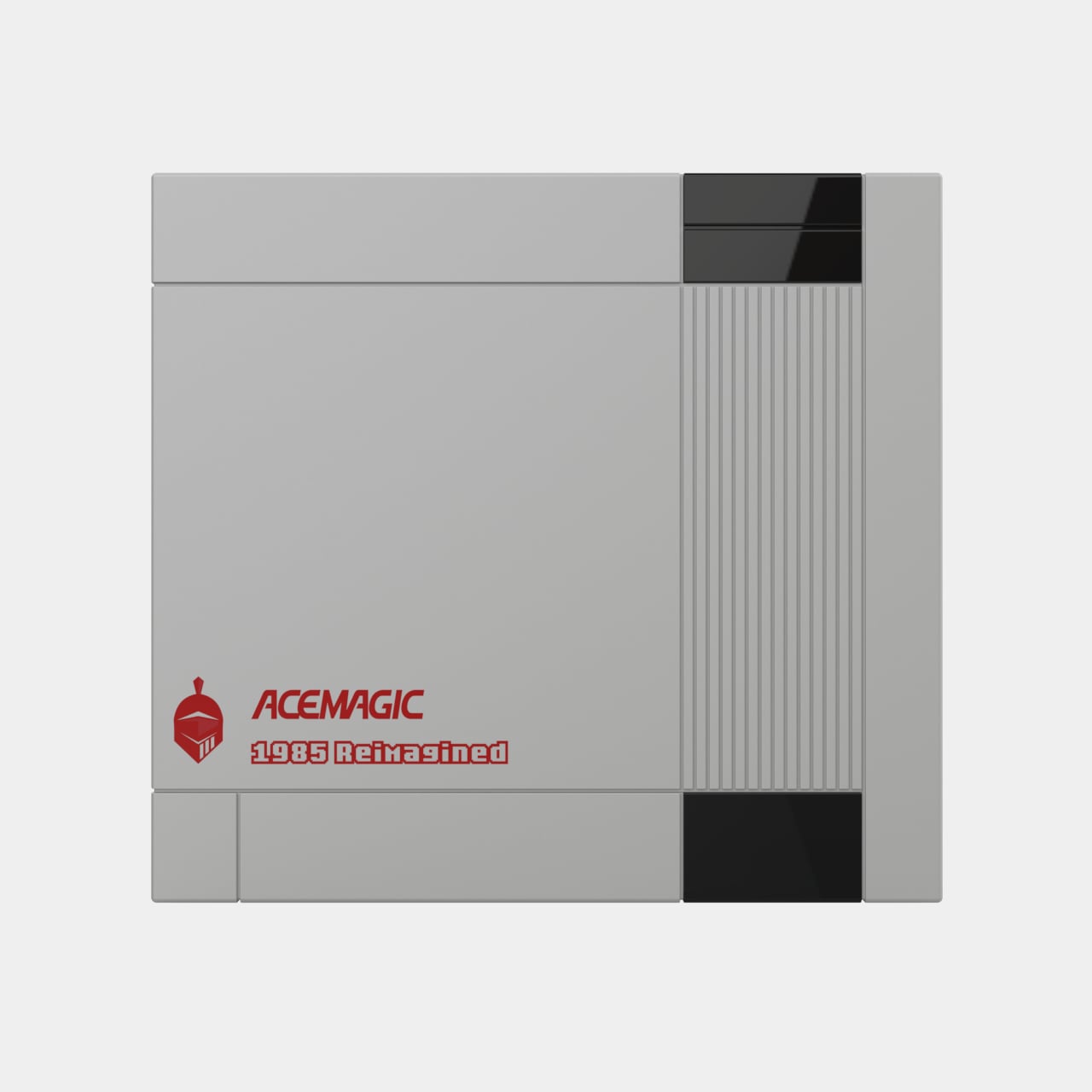
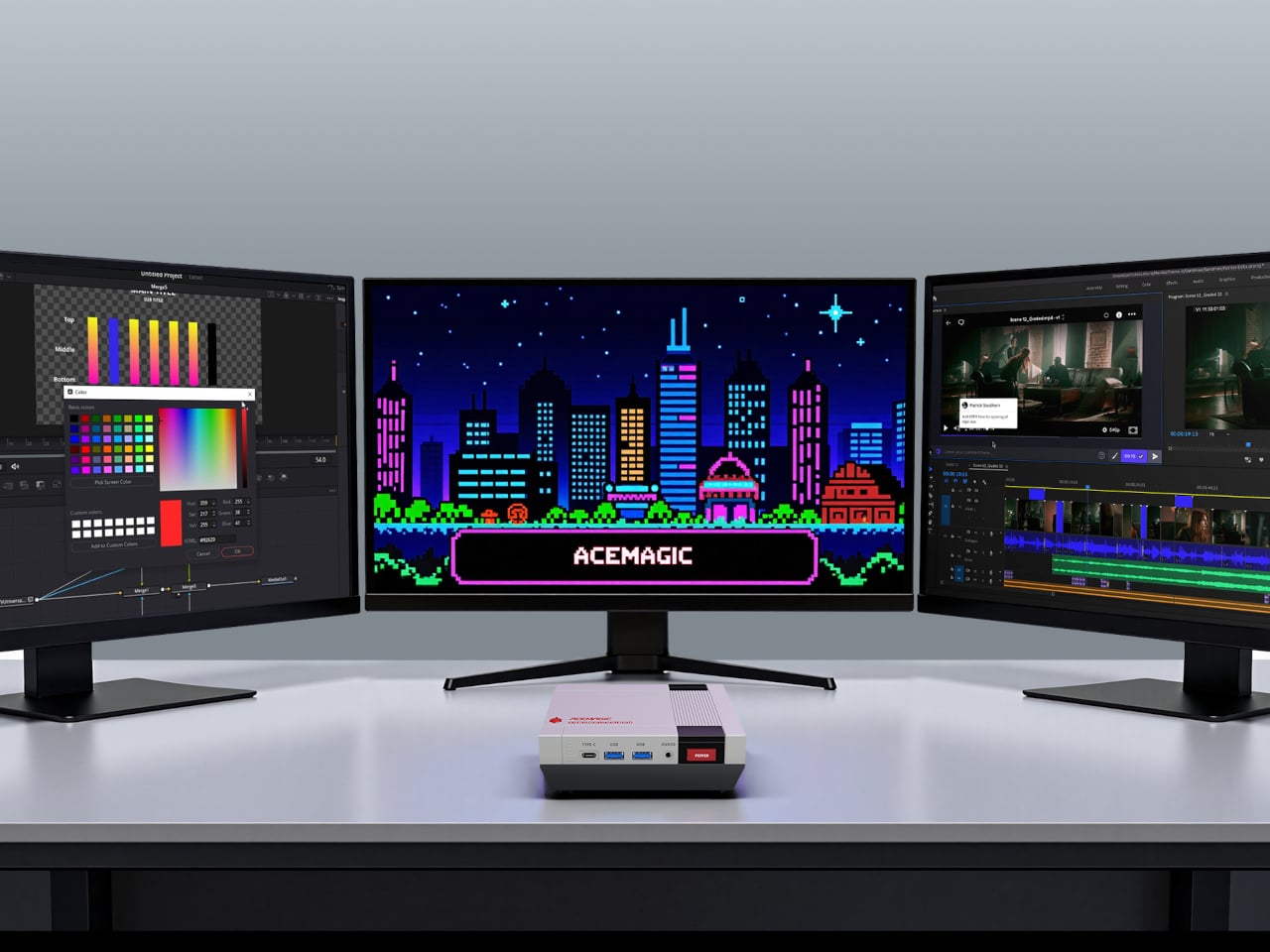
There is something quietly absurd about building a serious PC in the shape of a 1980s game console. Not absurd in a dismissive way, but more in the way that a very good idea sometimes sounds ridiculous until you see it sitting on a desk. The ACEMAGIC Retro X5 is exactly that kind of object: a compact Windows 11 Pro machine dressed in the rectangular geometry of classic cartridge-loading hardware, with a red power button where the reset button probably lived in your memory.
At 138mm x 128mm x 45 mm, the Retro X5 occupies roughly the footprint of a thick paperback. The body follows a black, white, and gray palette, with mechanical-style grilles cut into the cooling vents. A removable snap-fit panel lets you access the internals without tools, which signals something deliberate about the design: the whole thing is meant to be touched, handled, and opened rather than just admired from across a shelf.
Inside that nostalgic shell sits AMD’s Ryzen AI 9 HX 370, a 12-core, 24-thread processor paired with the Radeon 890M GPU running at 2,900 MHz. The base configuration ships with 32 GB of DDR5 5,600 MT/s memory and a 1 TB PCIe 4.0 NVMe SSD. For anyone who has watched mini PCs ship with soldered RAM and single storage slots for years, the two M.2 2280 slots, expandable to 4TB total, are a more practical detail than the retro styling gets credit for.
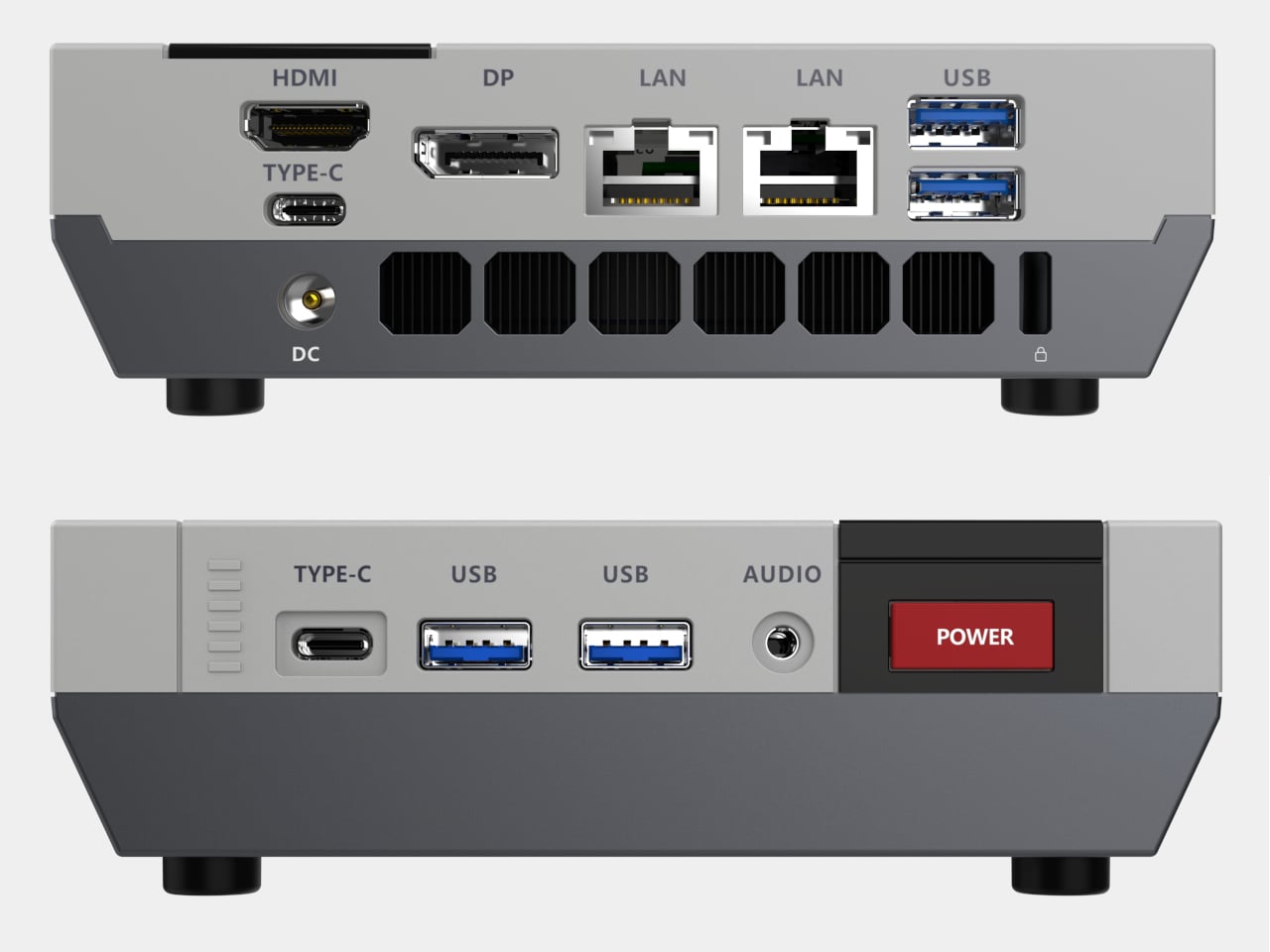
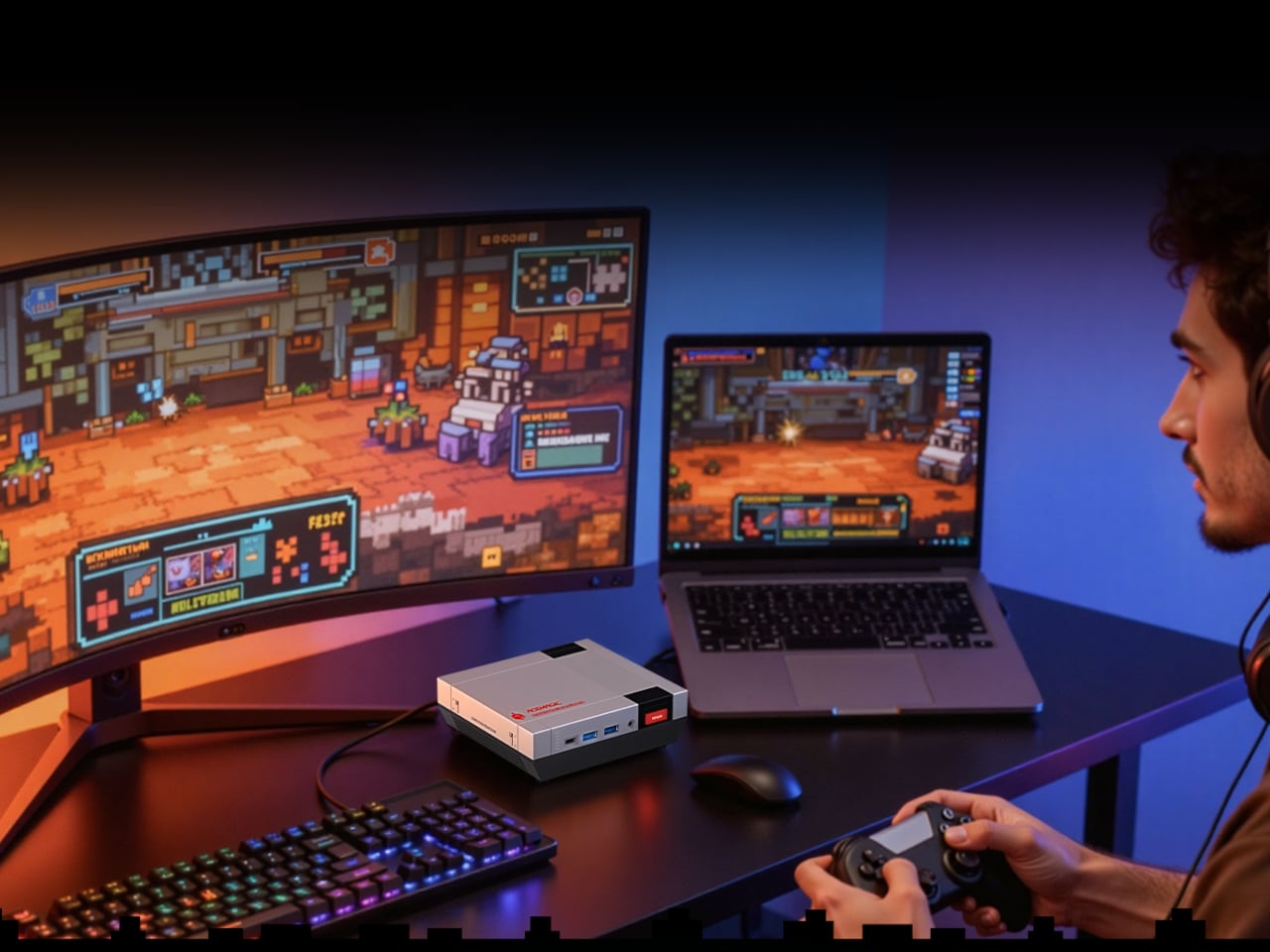
The port selection makes the Retro X5 less of a novelty and more of a credible desk workhorse. The front has two USB 3.2 Gen 2 Type-A ports, a USB4 Type-C, and a 3.5 mm audio jack. The rear adds two more Type-A ports, a second Type-C, dual 2.5 GbE Ethernet, HDMI 2.1, and DisplayPort 2.0; altogether, the machine supports up to four screens at once, with both HDMI and DP capable of 8K at 60 Hz.
ACEMAGIC also positions the Retro X5 around local AI workloads, citing support for models like DeepSeek R1 70B and LLaMA. The HX 370’s neural processing unit makes that plausible on paper, but running a 70B-parameter model on 32 GB of shared memory depends heavily on quantization levels. That distance between the spec sheet and actual large-model performance is the part that the product page, understandably, does not get into.
At $959 for the 32 GB and 1 TB pre-order configuration, the Retro X5 sits at the upper end of the mini PC category, where other AMD Strix Point machines without the retro treatment tend to start closer to $600 or even $700. The premium covers partly the HX 370’s stronger GPU tier and partly the design itself. Whether that casing reads as a charming object worth the difference, or just a clever coat of paint on familiar hardware, is probably the right question to ponder before hitting that Checkout button.