Claude AI Uncovers World Cup Underdog Draws in Excel Data

Claude AI Uncovers World Cup Underdog Draws in Excel Data A flowchart showing the six-step data analysis framework using Claude AI.

Excel data analysis can become challenging, particularly when dealing with extensive or disorganized datasets. Kenji highlights how AI, specifically Claude, can simplify this process by following a structured six-step framework. Tasks such as profiling, cleaning and exploratory analysis are addressed, with a World Cup dataset serving as an example. In this case, AI identifies issues […]

The post Claude AI Uncovers World Cup Underdog Draws in Excel Data appeared first on Geeky Gadgets.

Posted in Uncategorized

A $129 Music Player Built for People Done With Phone Distractions

Dedicated music players gradually faded from use once streaming apps turned every smartphone into an on-demand jukebox. Carrying a separate device for audio began to feel redundant. That attitude has slowly changed. Growing numbers of listeners, tired of notifications and algorithm-driven queues, have started reaching for standalone players again, ones that let music be the only thing competing for their attention.

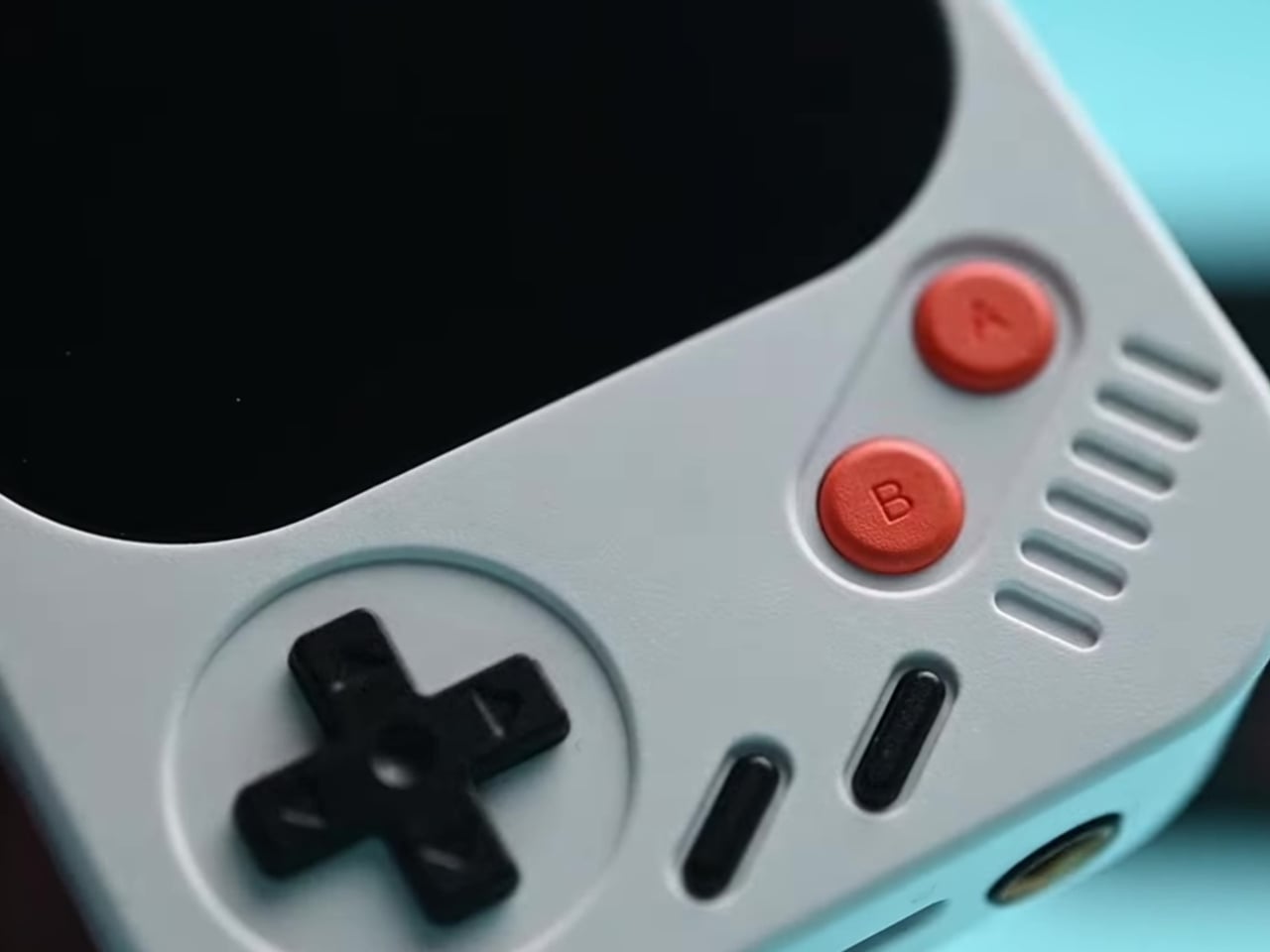
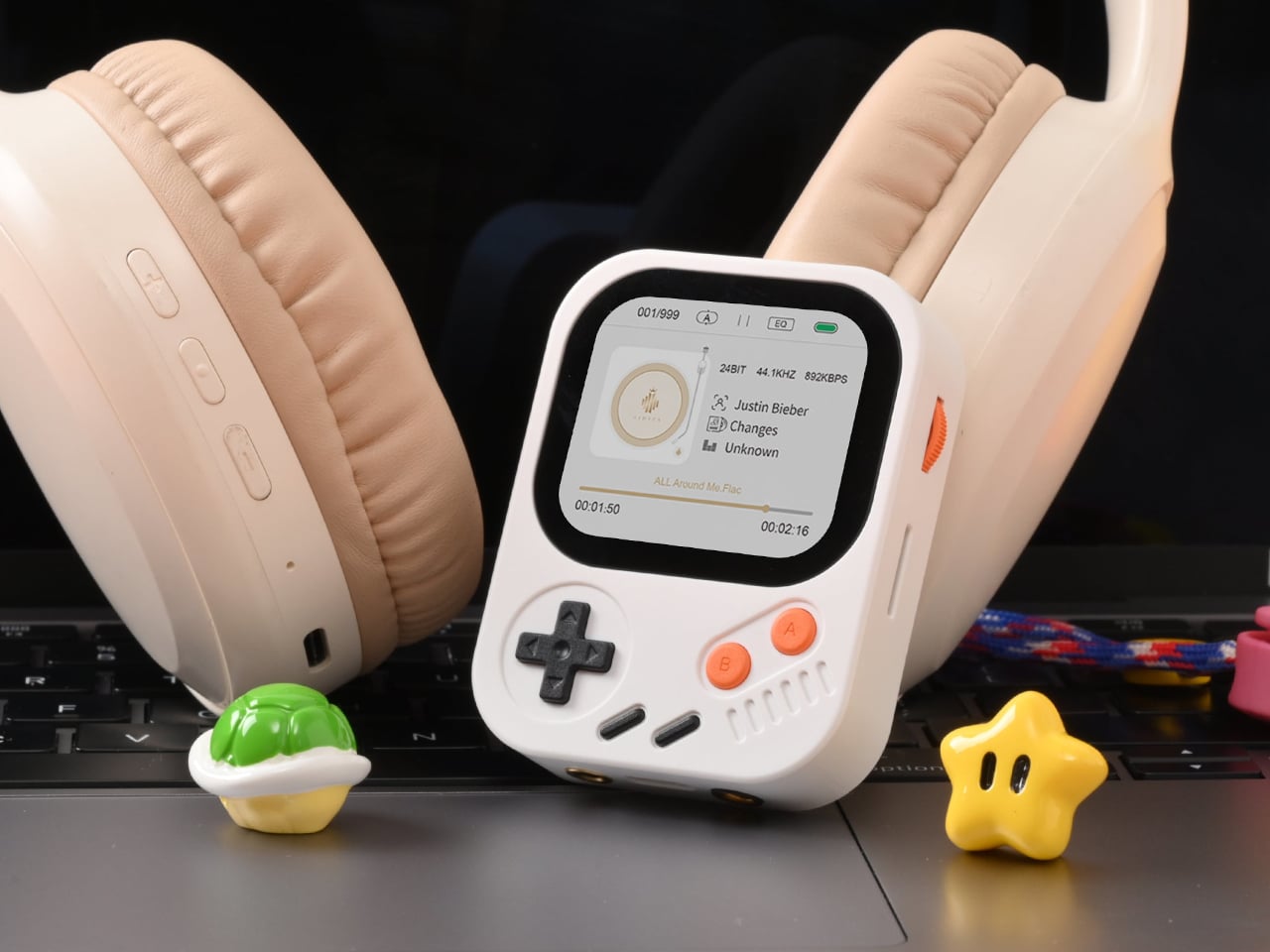
The Hidizs AP30 Music Boy addresses that growing appetite, though it does so in a way that isn’t easy to overlook. Rather than adopting the clean, minimal aesthetic common to most digital audio players, it draws heavily from the visual language of retro handheld gaming. The result is a device that looks playful and compact but carries serious audio hardware inside.

Designer: Hidizs
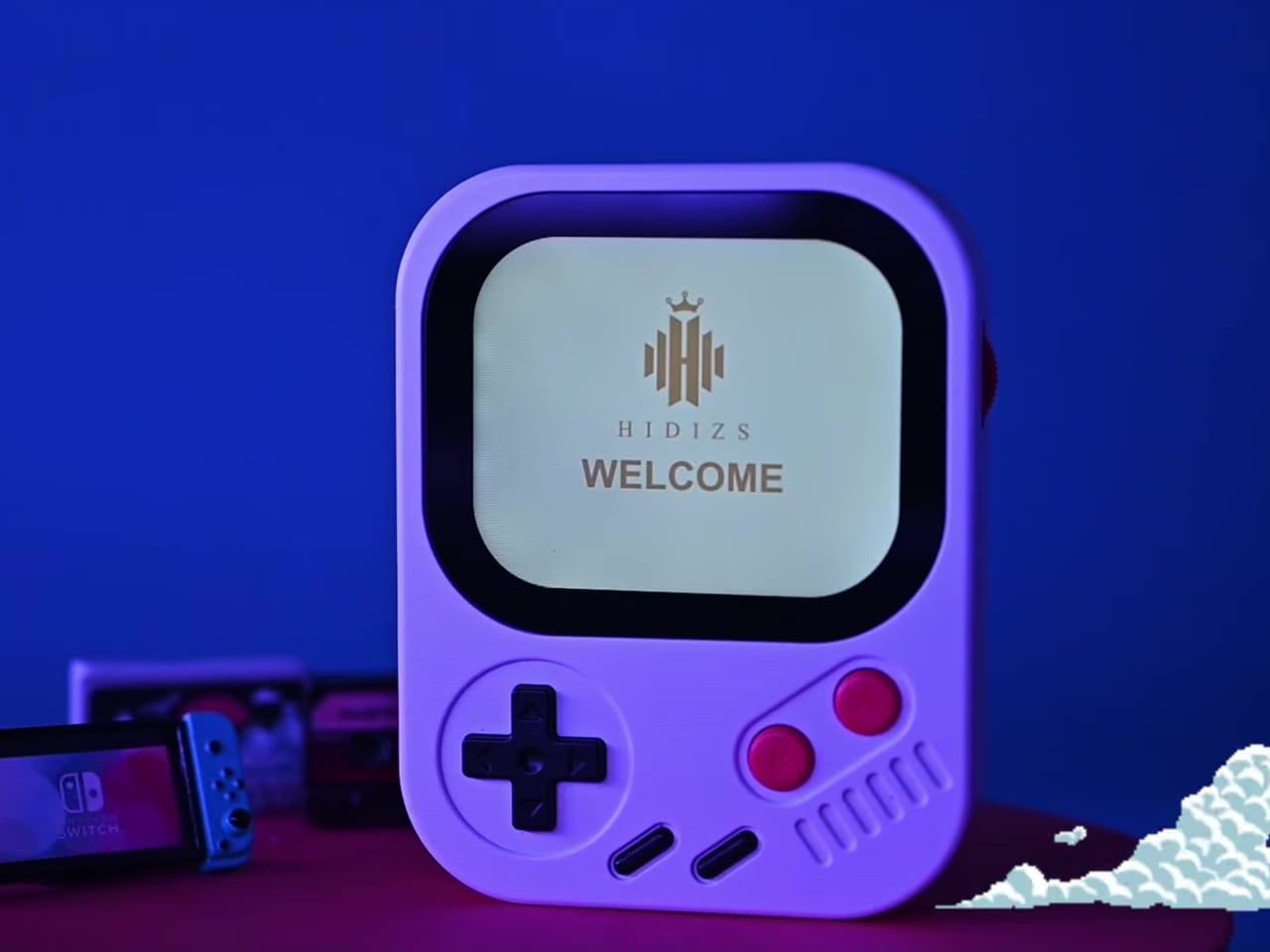
Physical directional buttons and a 2.0-inch IPS display give the AP30 an immediately tactile quality that touchscreen-only devices often lack. The plastic version weighs just 56g, while the CNC aluminum edition comes in at 80g. A small whale motif on the back adds a quiet nod toward environmental awareness, giving the device one more detail that makes it memorable beyond the spec sheet.

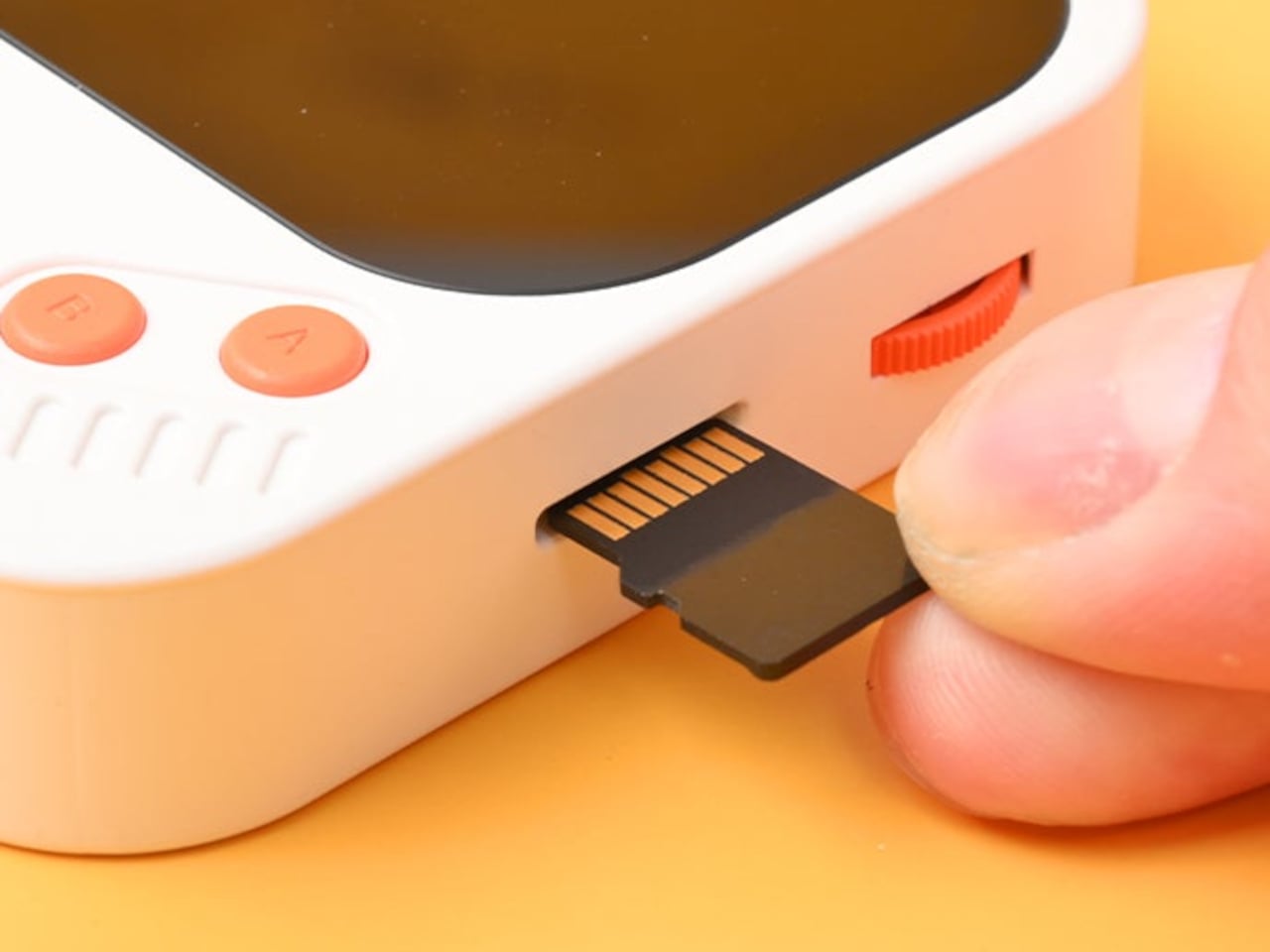
The “wearable” part of the AP30’s pitch has practical implications. It clips to bag straps, hangs from a neck lanyard, or attaches magnetically to the back of a phone via an optional case, keeping it physically accessible during exercise, commutes, or any activity that doesn’t leave a free hand. Storage starts at 128GB built-in and expands to 256GB via a microSD slot.
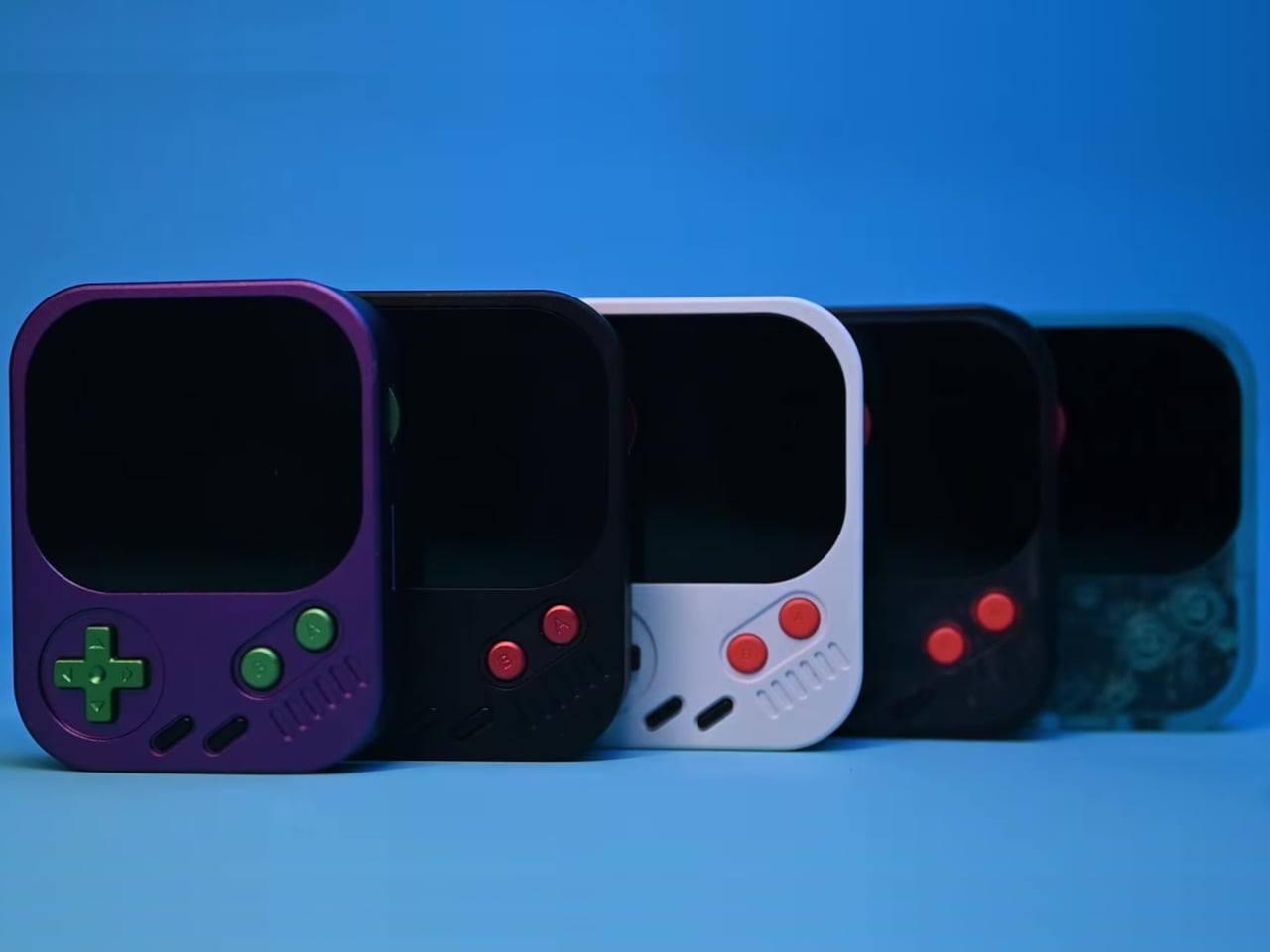
Behind the gaming console’s exterior is a Cirrus Logic CS43198 DAC paired with an RT6863 amplifier, supporting DSD256, PCM at 24-bit/192kHz, and lossless formats including FLAC, WAV, and ALAC. Everyday headphones connect to the 3.5mm single-ended output, while the 4.4mm balanced connection offers meaningfully stronger output for listeners using higher-end in-ear or over-ear monitors, with room to grow as their setup does.
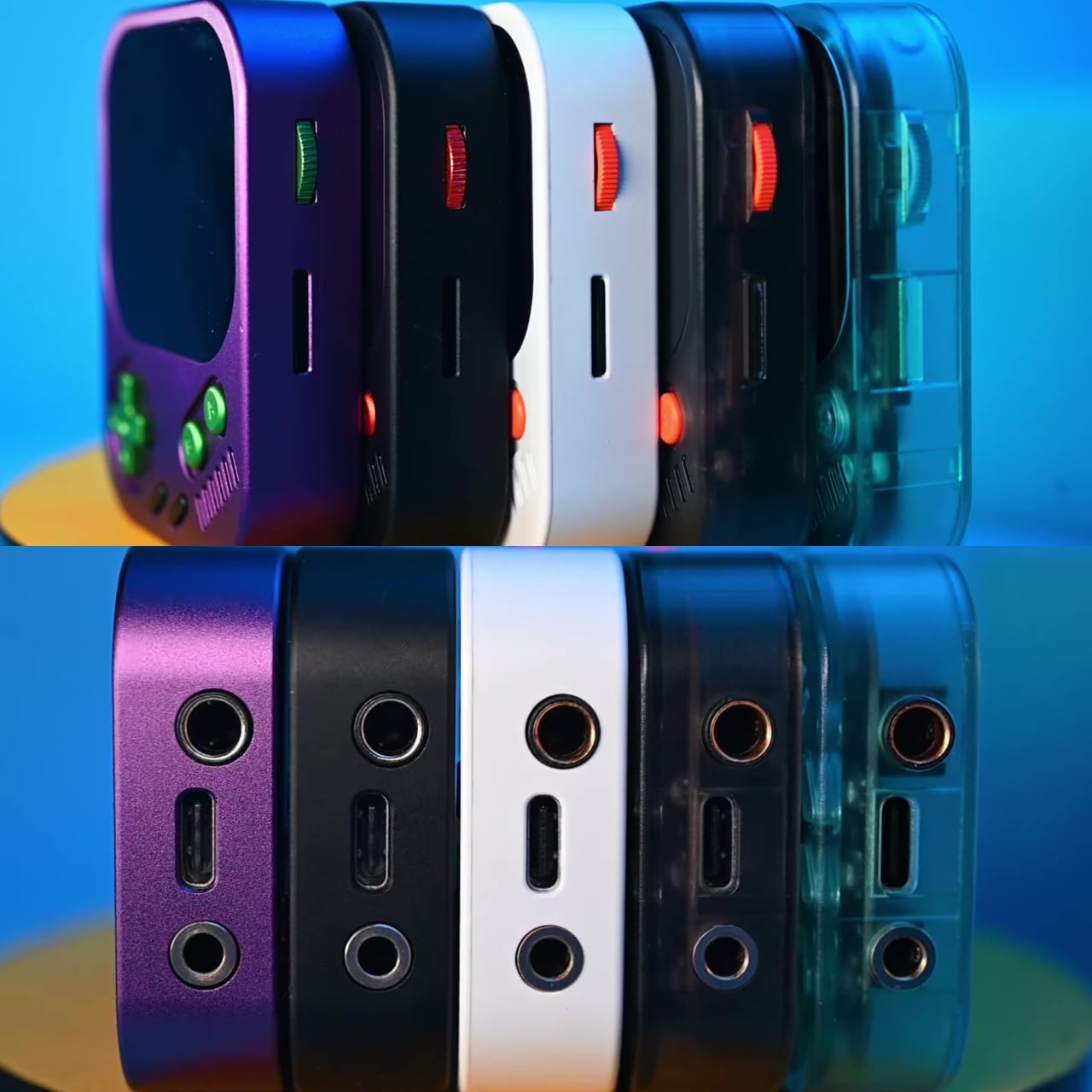
Bluetooth 5.3 with LDAC handles wireless listening without much compromise in audio quality, and the USB-C port doubles as a DAC input for computers and phones. Connect it that way, and the AP30 draws its own power, sparing the host device’s battery. The 1,200mAh cell manages 10 to 12 hours of continuous playback in single-ended mode and charges back to full in about one hour.
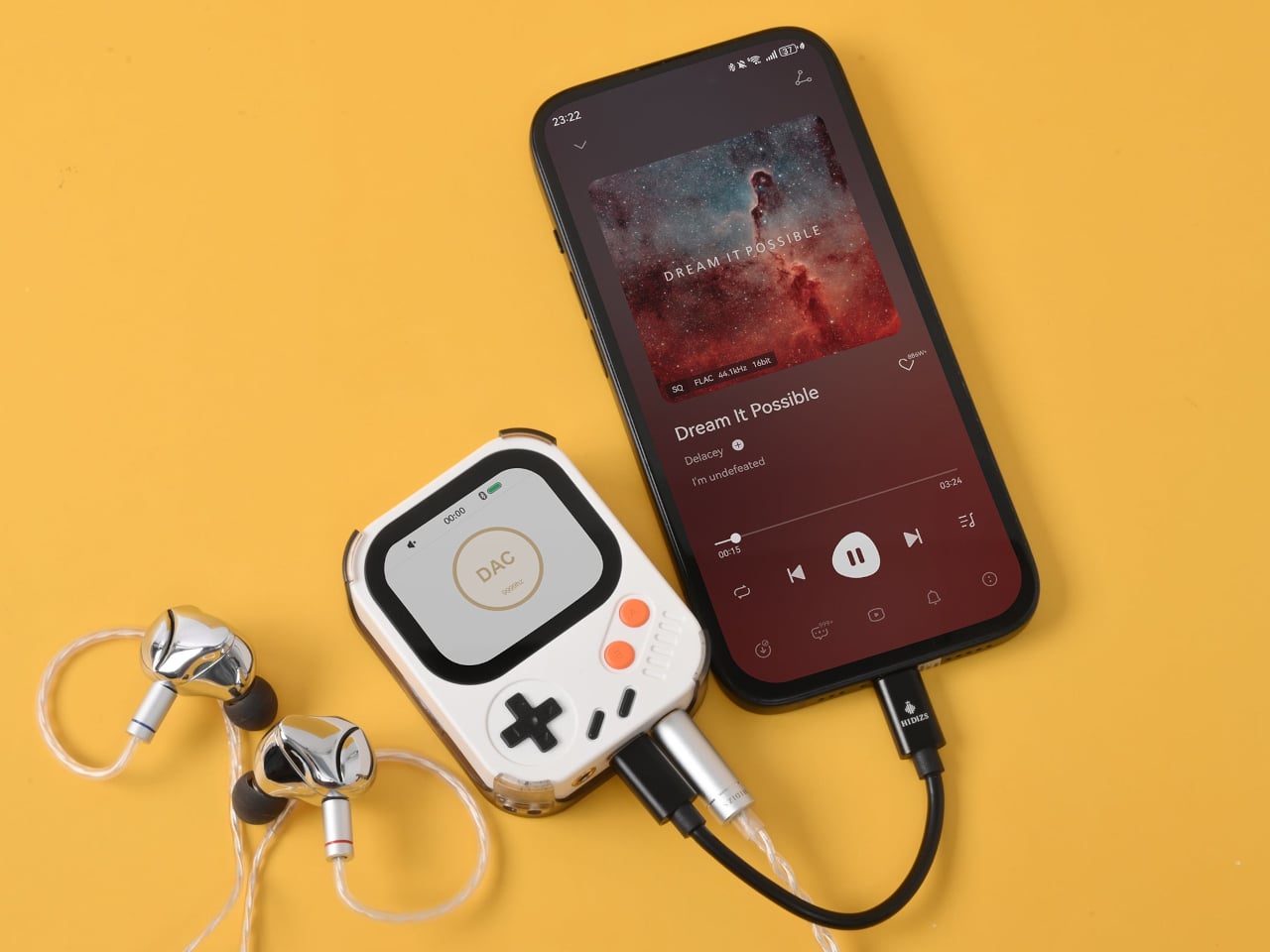
HidizsOS, the player’s Linux-based operating system, keeps the interface focused entirely on music rather than apps or streaming services. Customizable EQ presets and switchable digital hardware filters give listeners control over how their music sounds, and a built-in block puzzle game is a fitting Easter egg on a device with this much retro DNA. Both plastic and aluminum editions retail at $129.
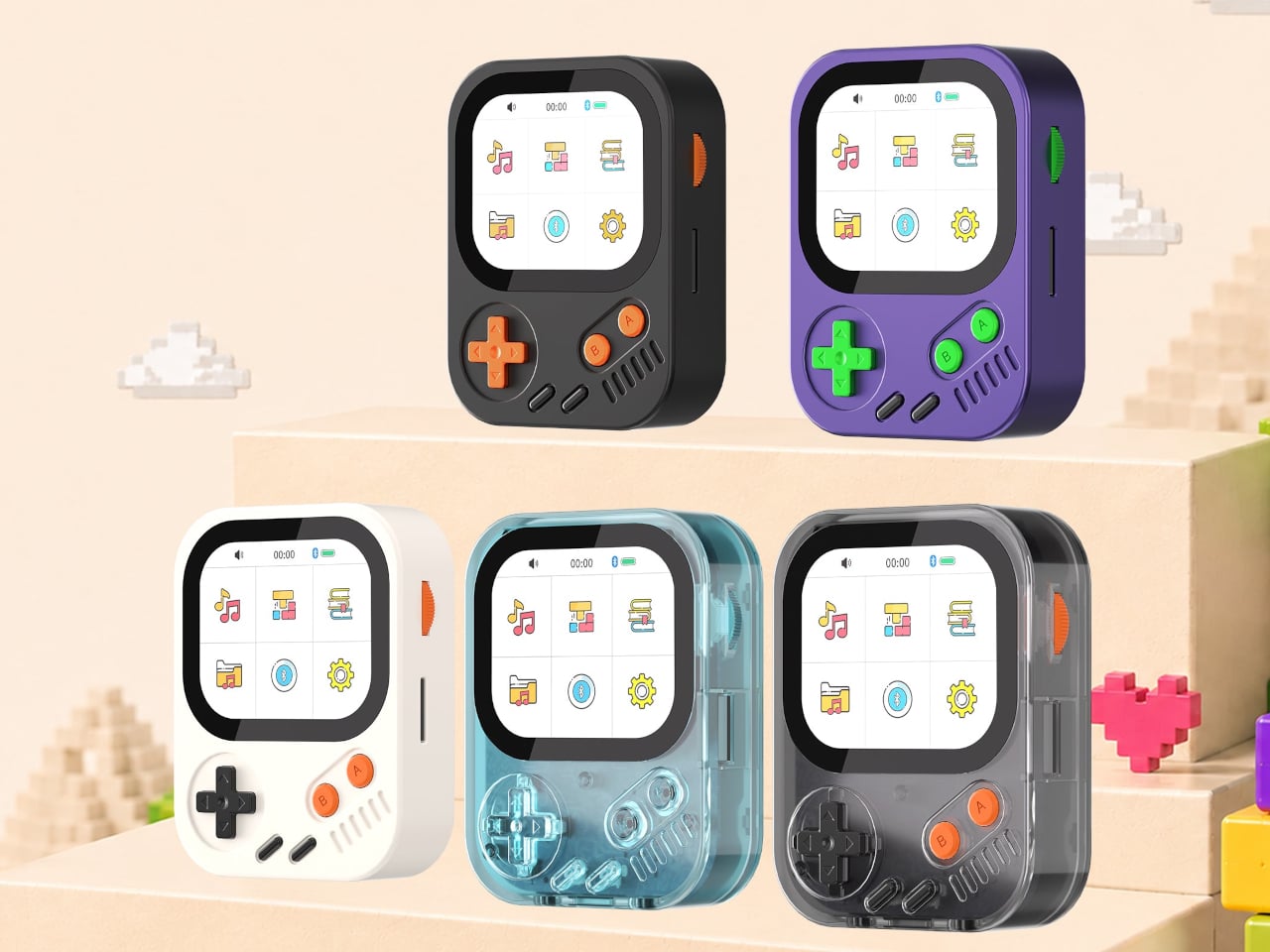
There’s no streaming service, no social feed, and no notification waiting to derail the listening session. The AP30 runs on a locally stored library and asks for nothing more than a decent pair of earphones. For anyone who’s ever put a phone on silent just to get an hour of uninterrupted music, it makes a compelling case for carrying two things instead of one.

The post A $129 Music Player Built for People Done With Phone Distractions first appeared on Yanko Design.

iOS 27 Public Beta: Everything You Need to Know Before You Update

iOS 27 Public Beta: Everything You Need to Know Before You Update Illustration of making sure related to the article topic.

Apple’s iOS 27 is shaping up to be a pivotal release, introducing a range of enhancements that elevate performance, battery life, and user experience. Currently in its third beta phase, this update sets new benchmarks in efficiency and functionality. With improvements to Siri AI, a refined user interface and accessibility upgrades, iOS 27 is poised […]

The post iOS 27 Public Beta: Everything You Need to Know Before You Update appeared first on Geeky Gadgets.

Posted in Uncategorized

Master Microsoft Copilot Using the GCES Prompt Framework

Master Microsoft Copilot Using the GCES Prompt Framework The main dashboard interface of Microsoft Copilot.

Microsoft Copilot is an AI-powered assistant integrated into Microsoft 365 applications, designed to simplify complex workflows and boost productivity. In his guide, David Fortin explores how to make the most of this feature-rich assistant, starting with its “Think Deeper” model, which enhances response quality by thoroughly analyzing user inputs. For example, you can upload a […]

The post Master Microsoft Copilot Using the GCES Prompt Framework appeared first on Geeky Gadgets.

Posted in Uncategorized

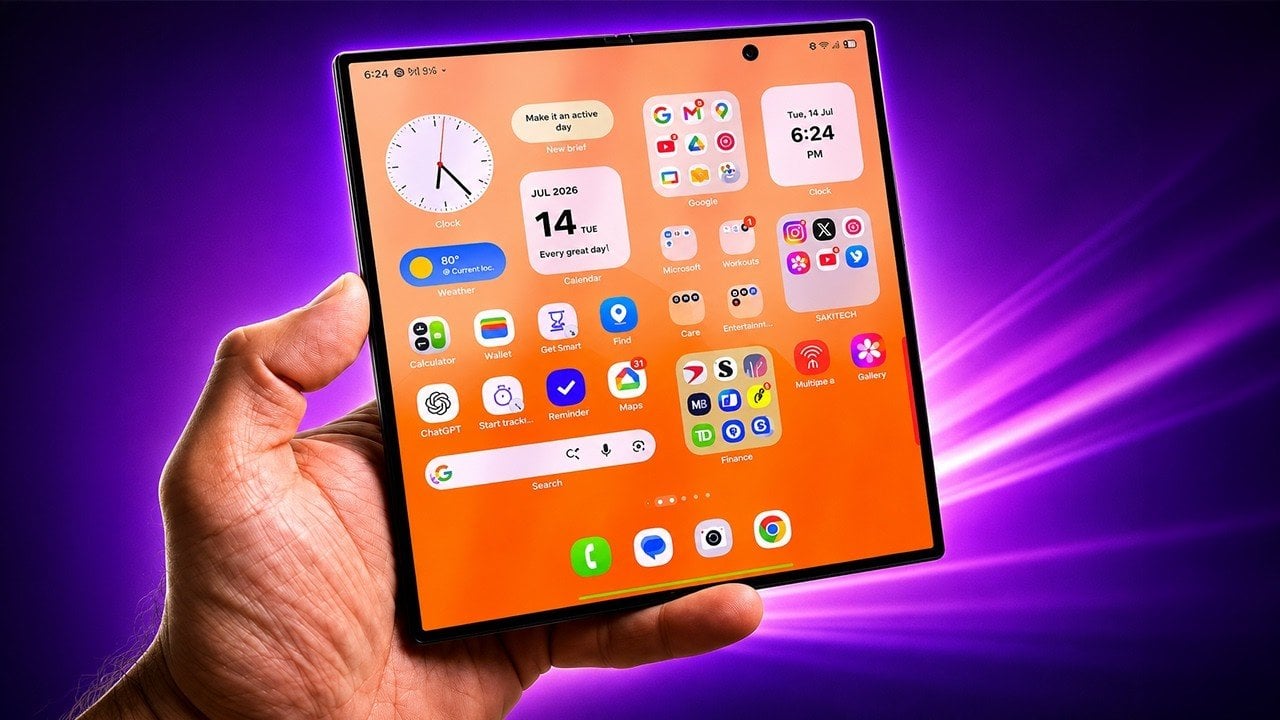
Galaxy Z Fold 8 Ultra Specifications Leak: Are These Upgrades Worth $2,099?

Galaxy Z Fold 8 Ultra Specifications Leak: Are These Upgrades Worth $2,099? Samsung Galaxy Z Fold 8 Ultra smartphone unfolded to show the inner display.

The Samsung Galaxy Z Fold 8 Ultra is expected to launch this week, a device that reimagines the possibilities of foldable smartphone technology. With advancements in display durability, battery efficiency, and hardware performance, this flagship model sets a new benchmark for premium foldable devices. Whether you’re a tech enthusiast, a professional, or someone seeking a […]

The post Galaxy Z Fold 8 Ultra Specifications Leak: Are These Upgrades Worth $2,099? appeared first on Geeky Gadgets.

Posted in Uncategorized

Qwen 4.0 Leak Reveals Possible September 2026 Launch

Qwen 4.0 Leak Reveals Possible September 2026 Launch The DeepSeek Version 4GA logo and an interface showcasing its expanded grayscale rollout.

Alibaba’s Qwen 4.0, DeepSeek V4 GA and GLM 5.3 represent significant developments in the AI field, each addressing distinct challenges and opportunities. According to World of AI, Qwen 4.0 has reportedly been leaked ahead of schedule, revealing capabilities in complex 3D coding and design tasks that could support industries requiring advanced spatial modeling. DeepSeek V4 […]

The post Qwen 4.0 Leak Reveals Possible September 2026 Launch appeared first on Geeky Gadgets.

Posted in Uncategorized

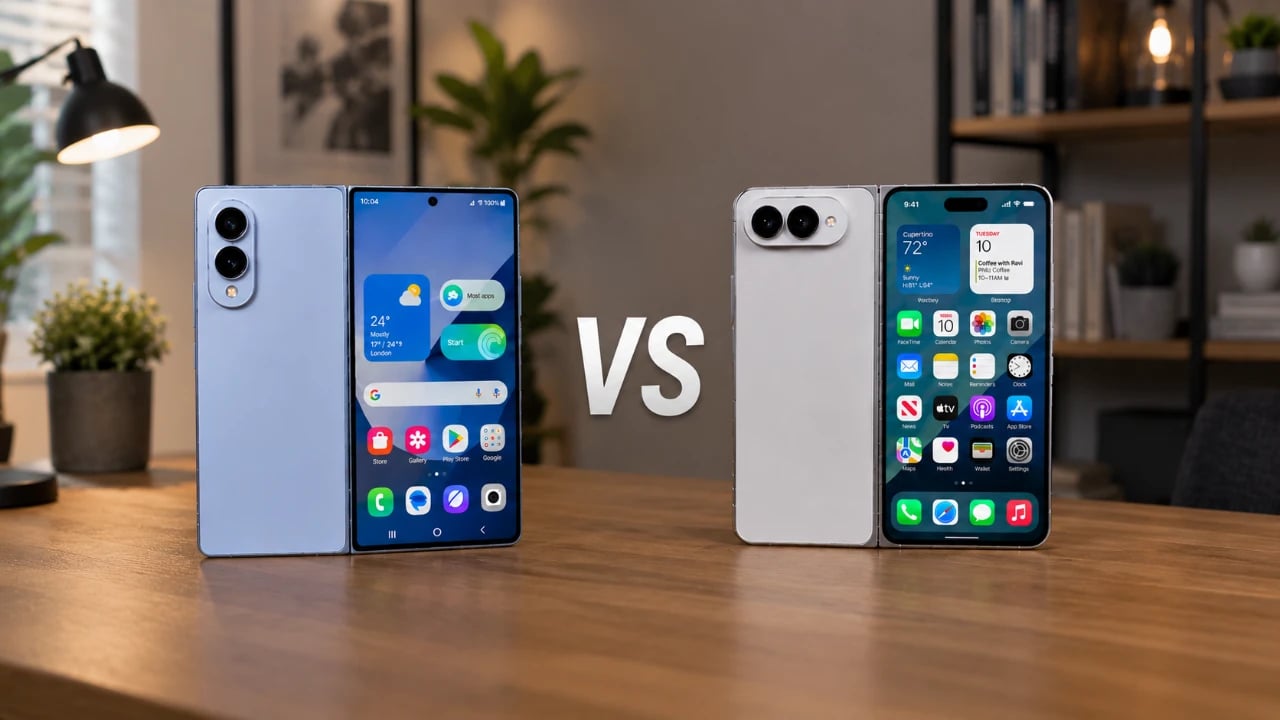
Ten New Leaks Compare the iPhone Ultra vs Galaxy Z Fold 8

Ten New Leaks Compare the iPhone Ultra vs Galaxy Z Fold 8 Z Fold 8 vs iPhone Ultra

The foldable smartphone market is set to witness a pivotal year in 2026. Samsung is refining its Galaxy Z Fold lineup, while Apple is preparing to make its debut in the foldable segment with a device rumored to be called the iPhone Fold or iPhone Ultra. Both companies are pushing the boundaries of design, performance, […]

The post Ten New Leaks Compare the iPhone Ultra vs Galaxy Z Fold 8 appeared first on Geeky Gadgets.

Posted in Uncategorized

5 Smart Glasses Tested at Augmented World Expo 2026

5 Smart Glasses Tested at Augmented World Expo 2026 Google Project Aura glasses connected to a tethered power puck.

Augmented reality glasses are evolving to meet a variety of practical and technical demands. At the Augmented World Expo 2026, Steven Sullivan reviewed five models, each showcasing unique features and limitations. For instance, the URXR One Glasses by Unseen Reality deliver 5K dual-eye visuals and precise hand tracking but lack built-in audio, requiring external headphones. […]

The post 5 Smart Glasses Tested at Augmented World Expo 2026 appeared first on Geeky Gadgets.

Posted in Uncategorized

OpenAI and Work Louder Just Built a $230 Physical Remote for AI Agents

Managing multiple AI agents at once has become a surprisingly real friction point in modern knowledge work. Developers using tools like OpenAI’s Codex, which is closing in on nine million users, often run several threads simultaneously. Constantly switching between windows and chat screens to check each agent’s progress breaks the kind of focused flow that agentic workflows are supposed to create in the first place.

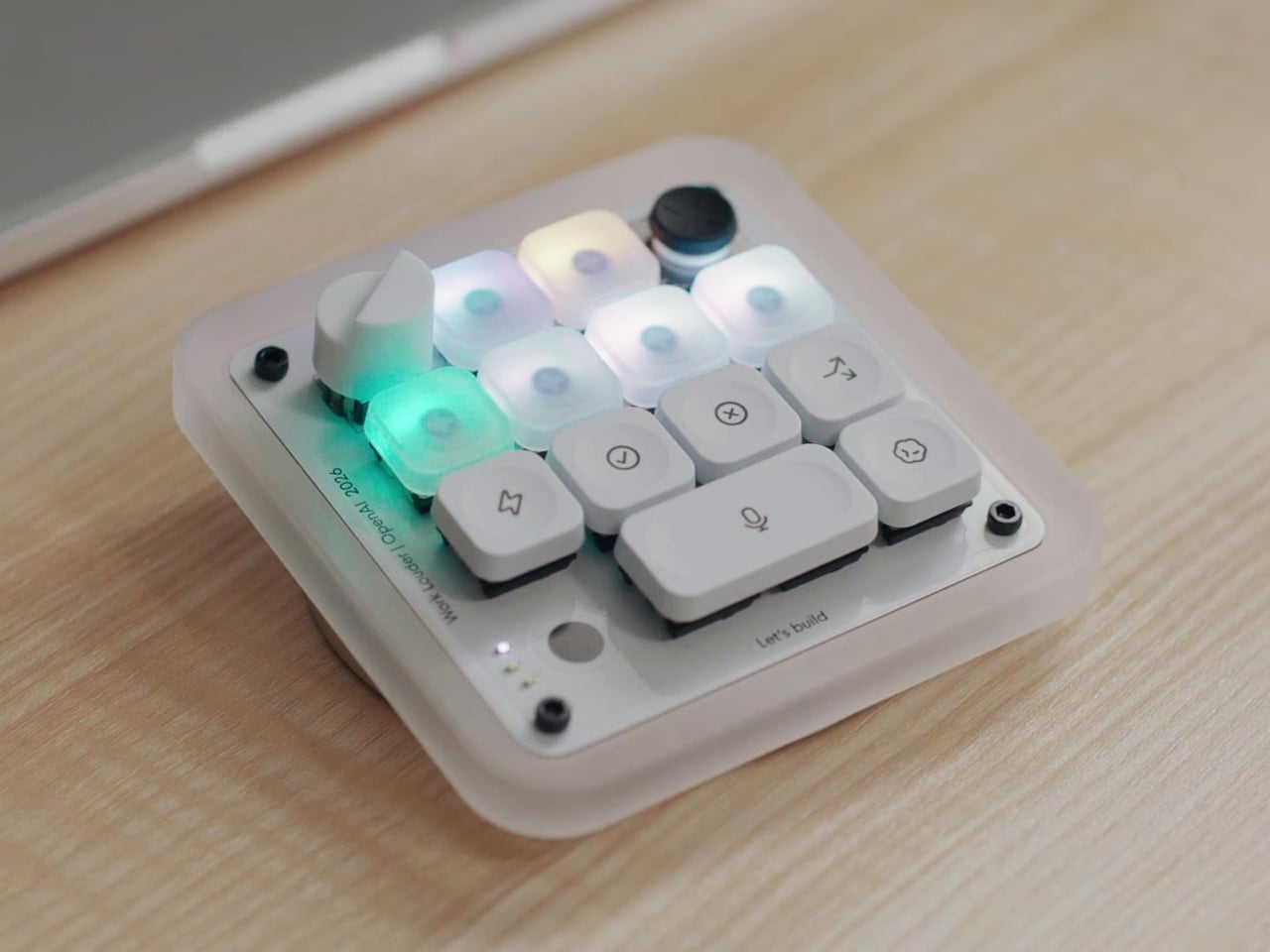
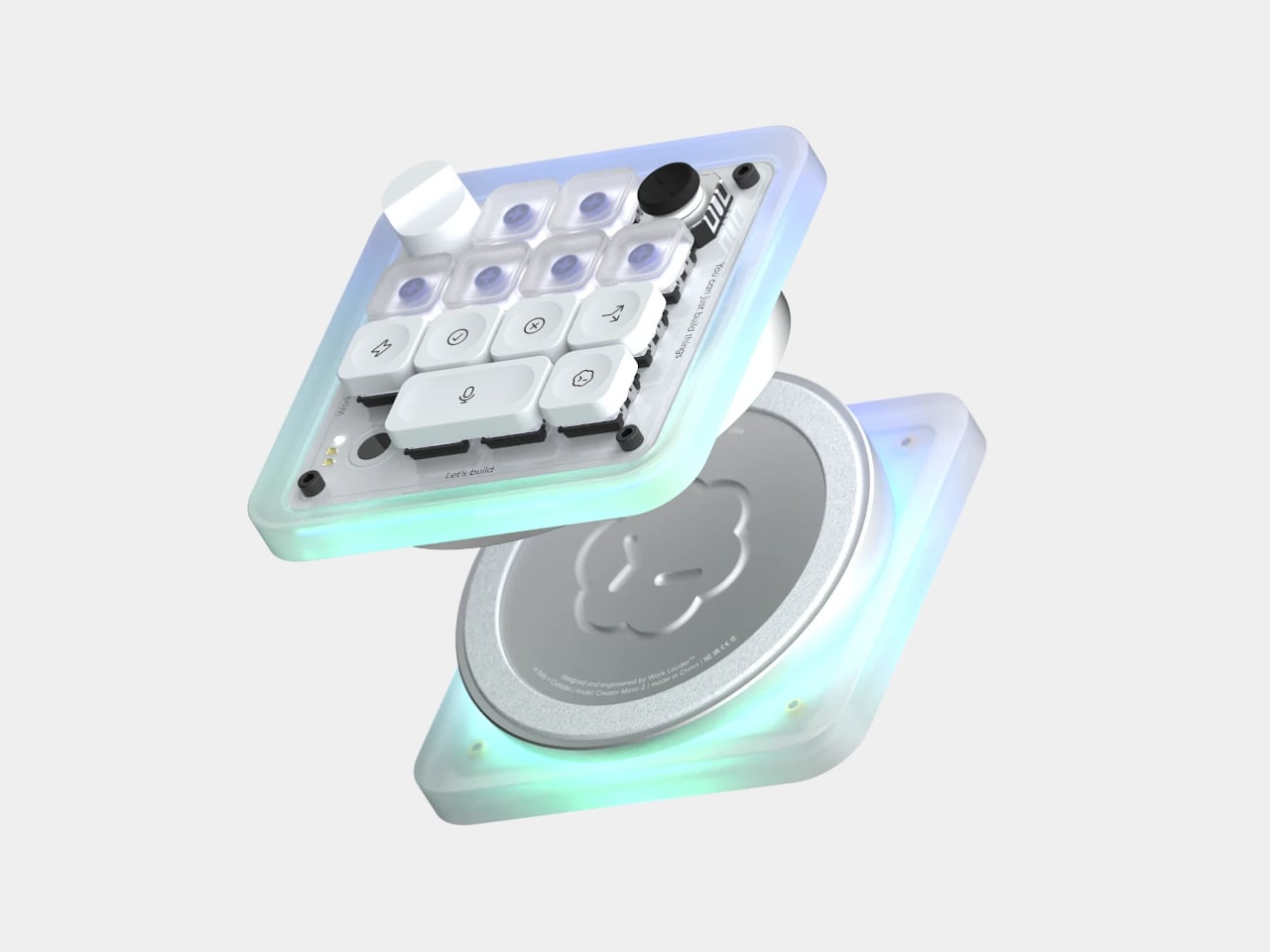
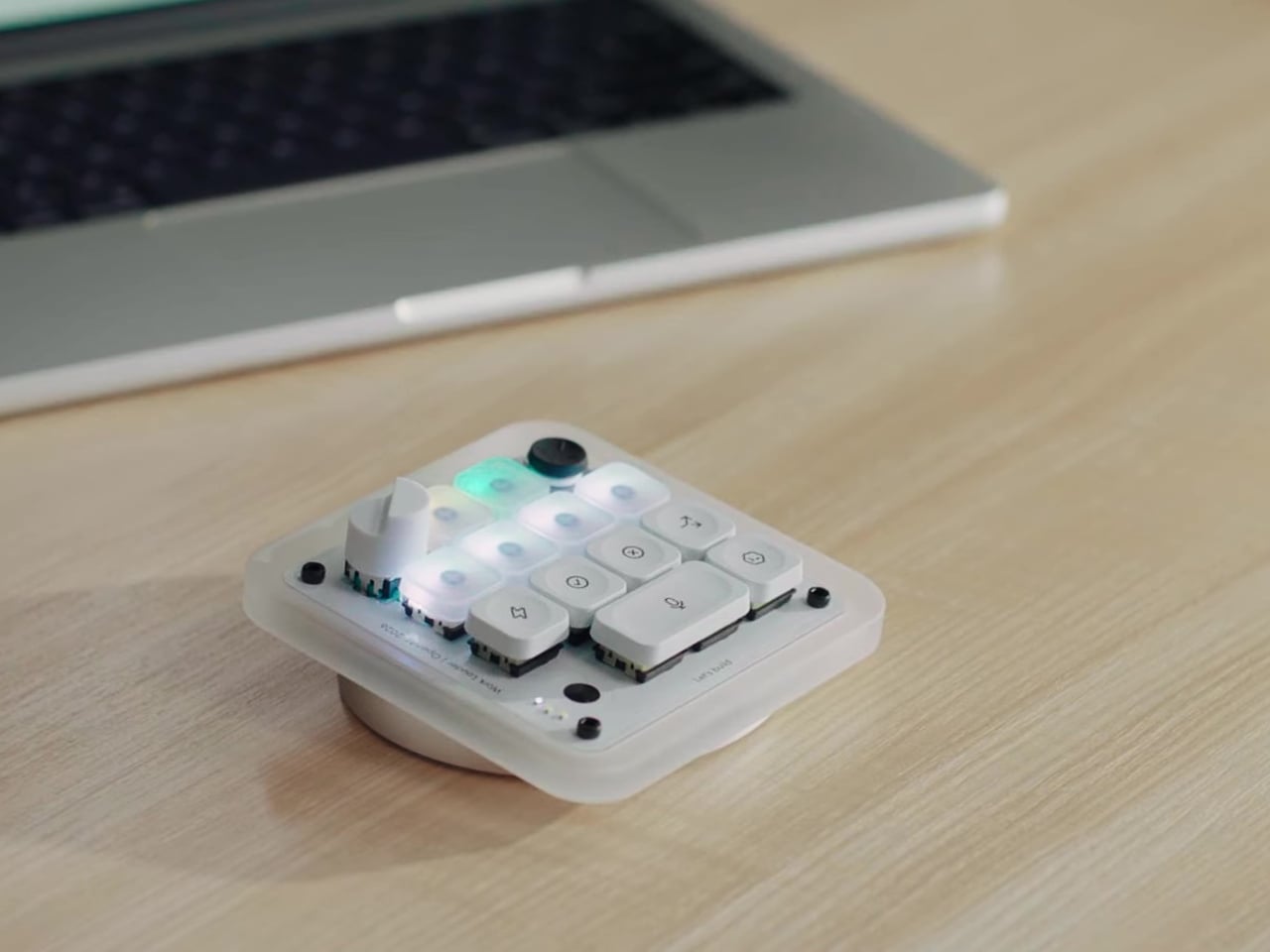
That’s the problem the Codex Micro, a collaboration between OpenAI and boutique keyboard maker Work Louder, tries to solve. It’s essentially a compact mechanical macropad purpose-built as a physical command center for AI agents, keeping the most important controls and status readouts within arm’s reach without requiring you to look at your screen. It’s a small but thoughtfully considered piece of hardware for heavy Codex users.

Designer: Work Louder x OpenAI

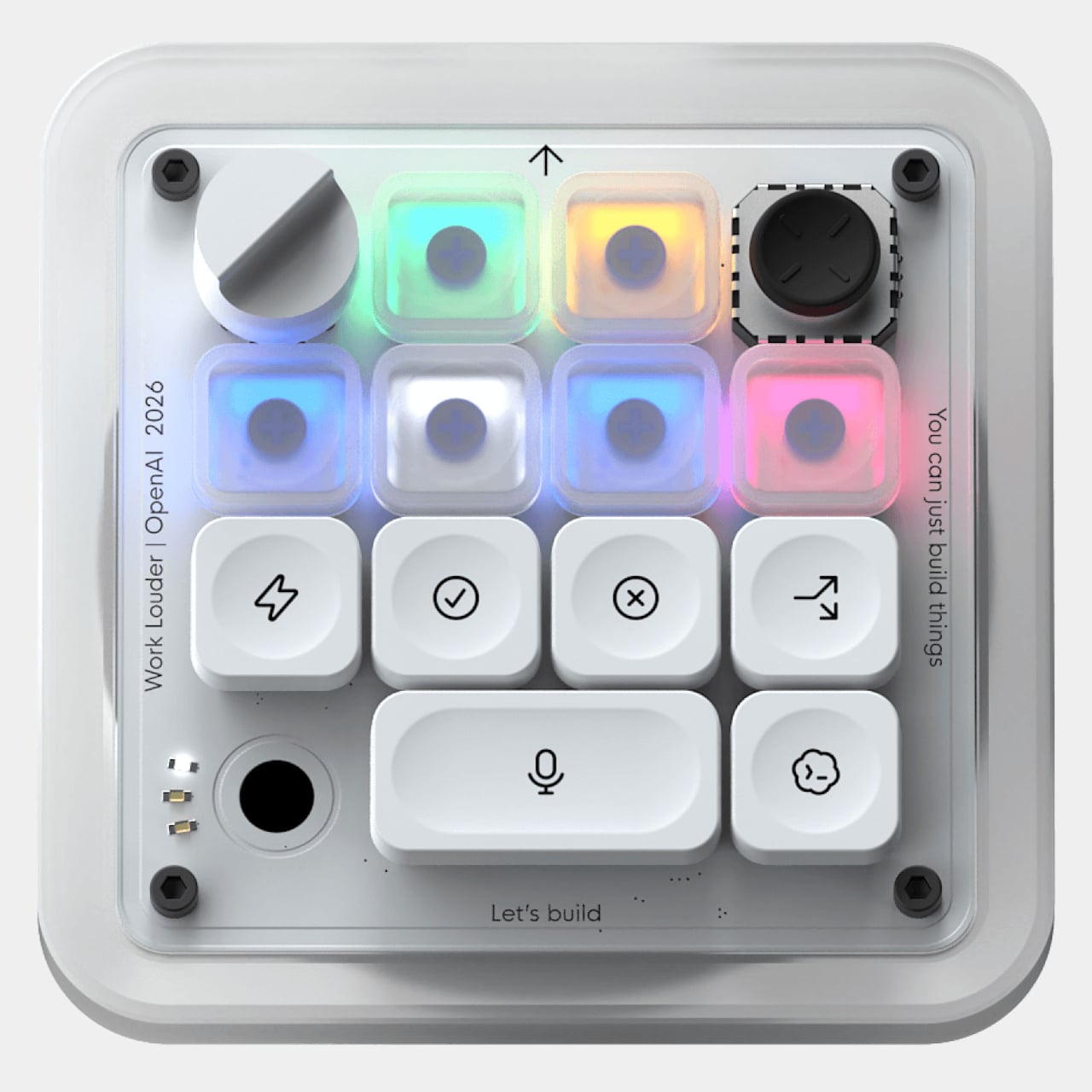
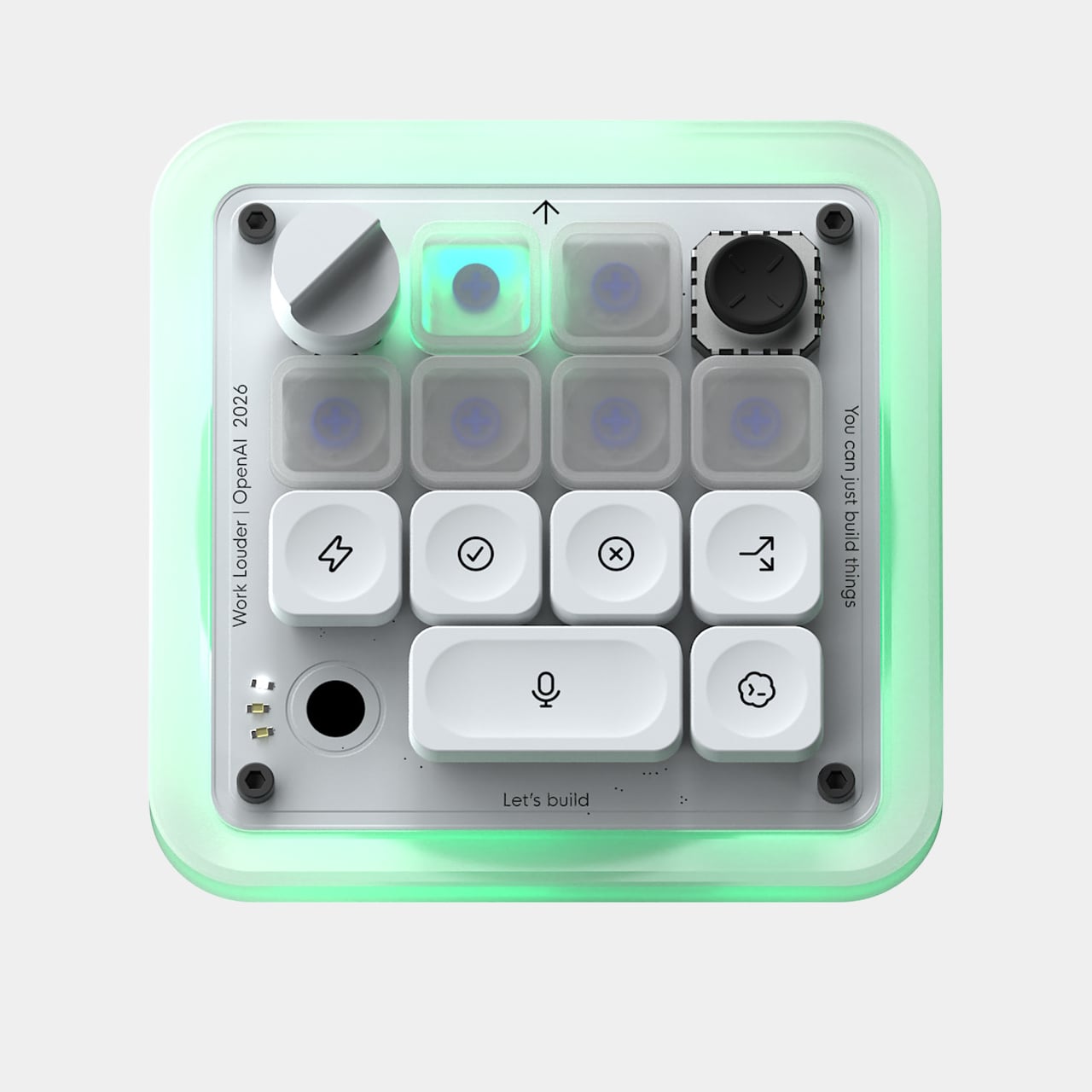
The heart of the device is its six frosted Agent Keys, each mapped to a separate Codex thread. They light up in different colors to reflect each agent’s status: white for idle, blue for thinking, green for completed tasks, amber when it needs your input, and red for errors. A single tap selects an agent in the background; a double tap brings it to the foreground.

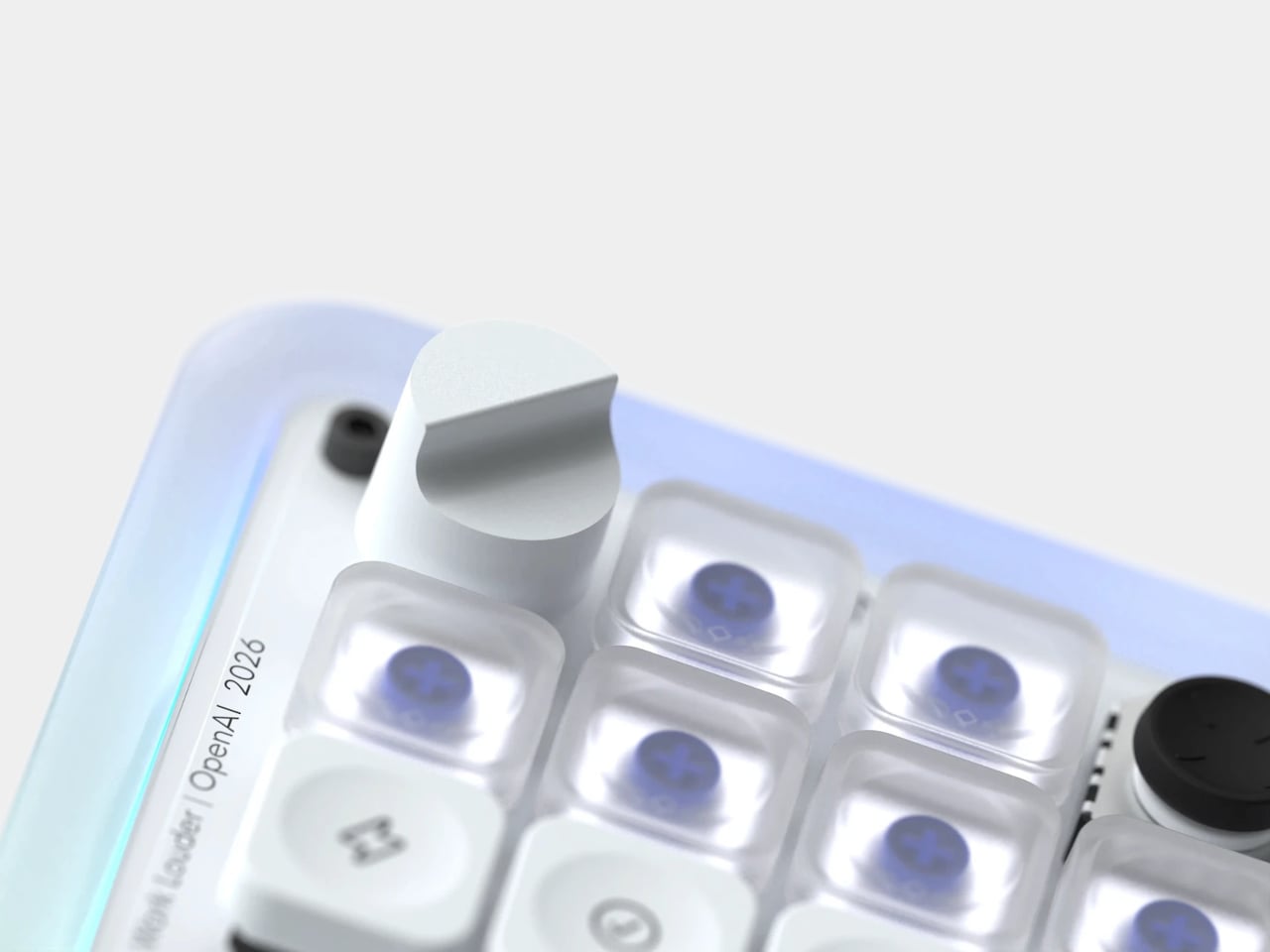
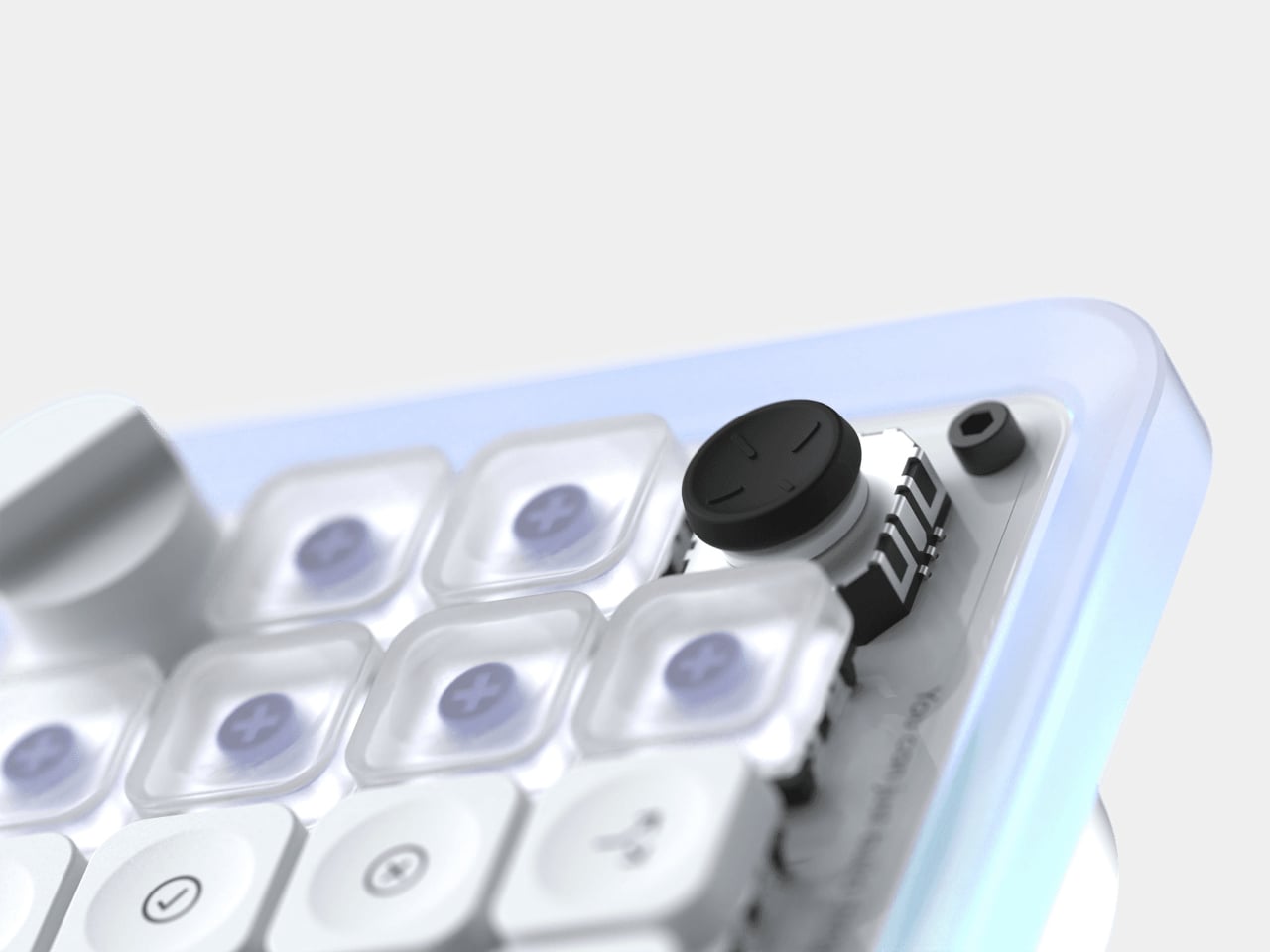
The dial and joystick add two more dimensions of tactile control. The rotary encoder lets you adjust how deeply your agent reasons through a problem, dialing things down for quick tasks and up when the work calls for more careful consideration. The four-directional joystick can be mapped to skills like toggling plan mode or navigating between threads, and it’s never more than a thumb’s flick away.

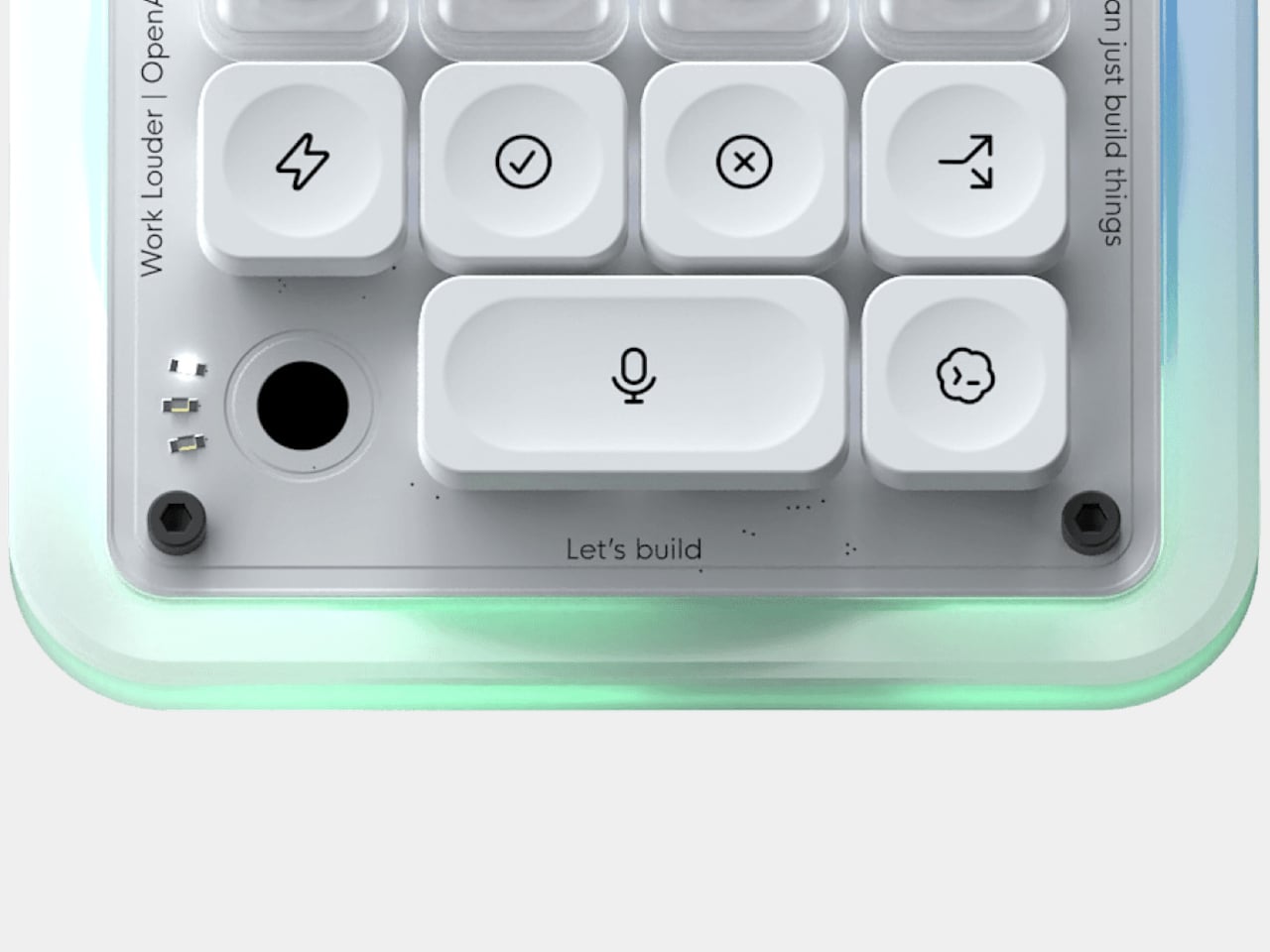
The largest button, which takes up twice the space, is for push-to-talk. A double-tap starts recording, and the ambient RGB shifts to a snaking green pattern to confirm it’s live. Once you stop speaking, a white effect takes over while Codex processes your voice, and a solid white cue signals it’s ready to send. It makes submitting a prompt feel more like dictating than typing.

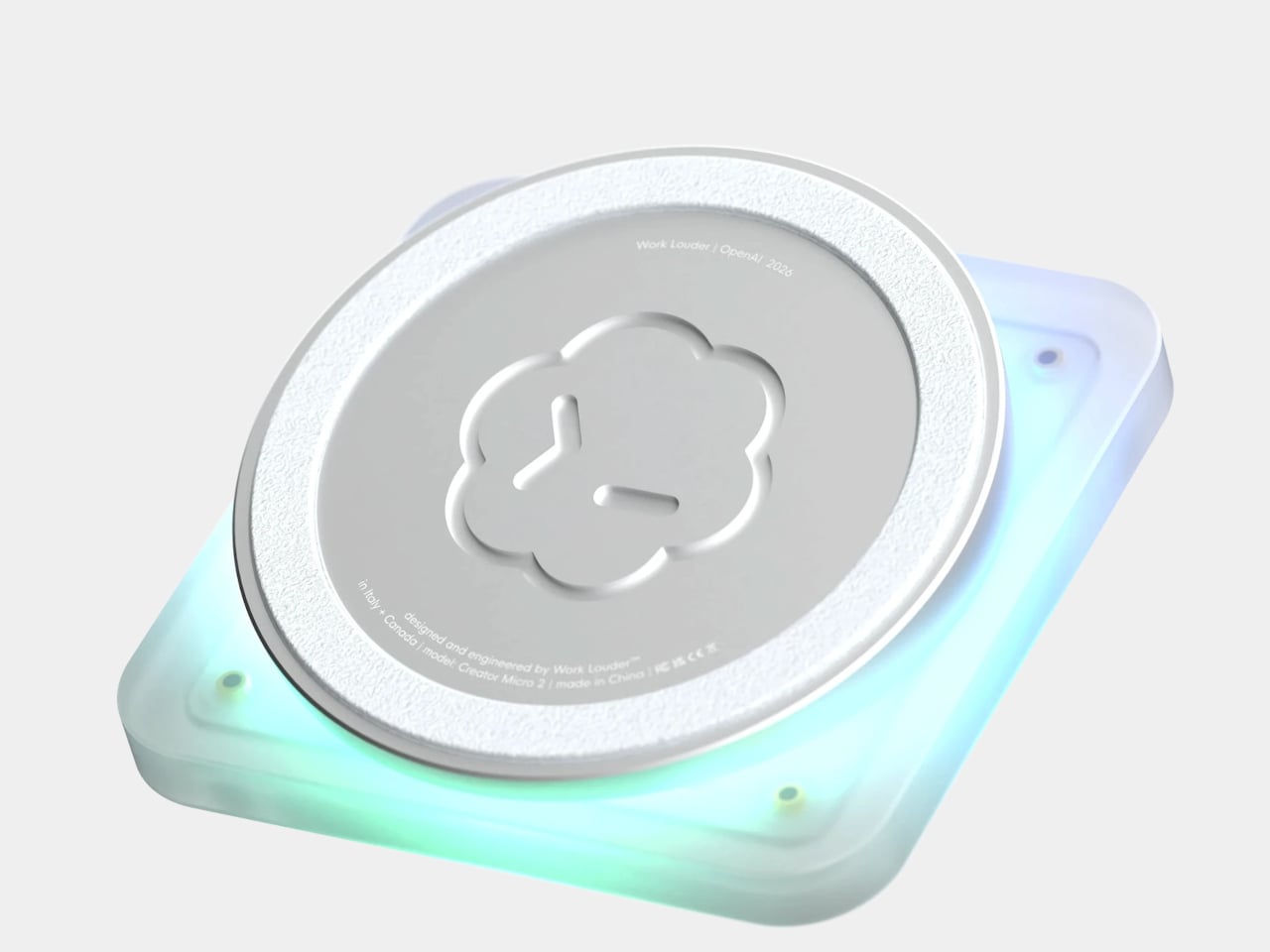
Beyond what it does, the Codex Micro is built to feel as good as it works. The body is made from sandblasted polycarbonate that diffuses the RGB lighting into a soft, even glow. The base, a solid aluminum block, keeps the whole unit planted on the desk thanks to an anti-slip ring. Buyers can choose between clicky or silent low-profile switches, with USB-C and Bluetooth connectivity.

What sets it apart from a generic programmable macropad is its direct integration with Codex itself. There’s no extra software to download or vet; key assignments and layouts can be adjusted natively within Codex. For more advanced setups, Work Louder’s Input app unlocks up to six programmable layers, letting you group different workflows into dedicated layouts without needing more desk space. It works on both Mac and Windows.

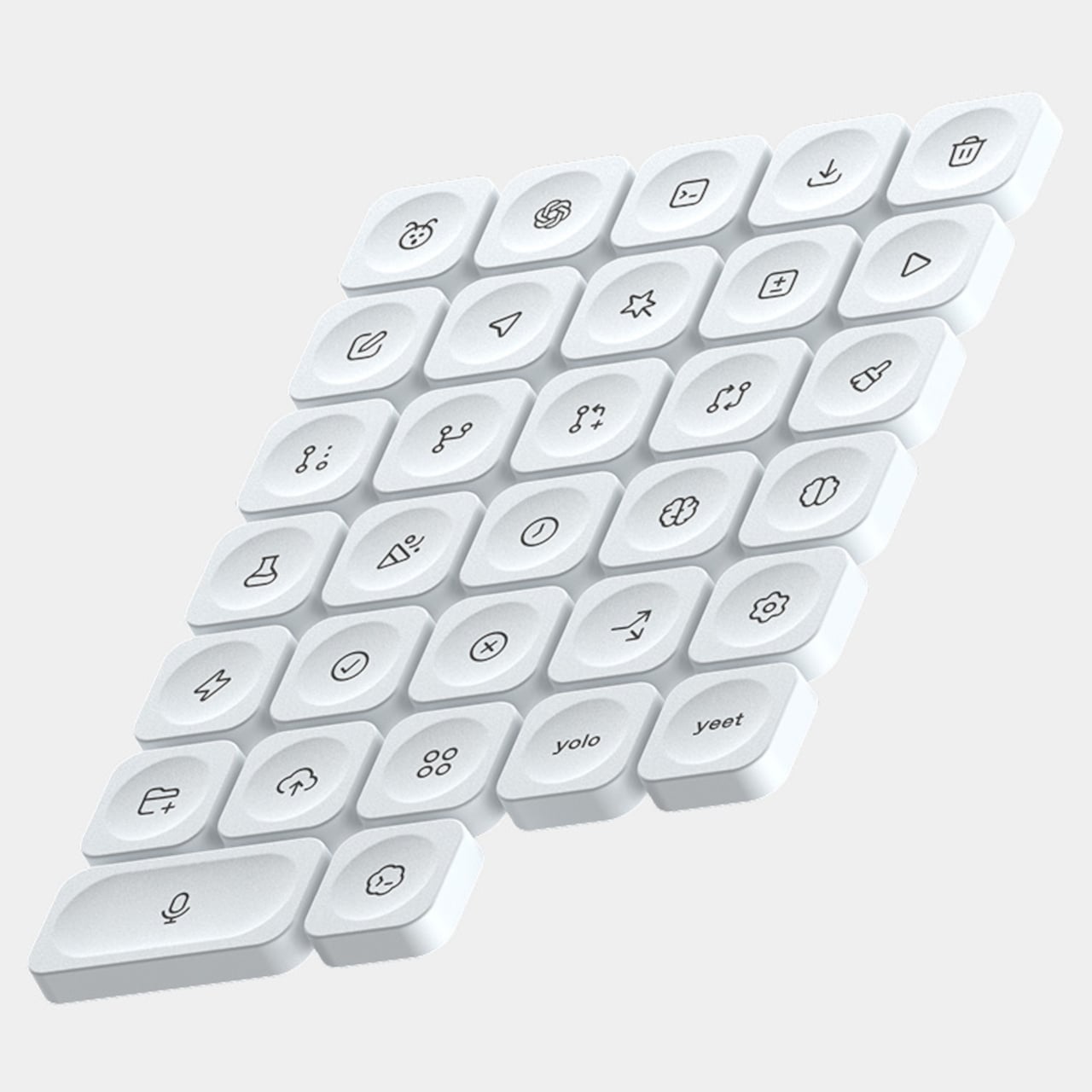
The Codex Micro ships with a USB-C to USB-C cable and the Codex Icon Keyset, a collection of 32 custom-designed keycaps with icons specific to Codex functions. It’s the kind of peripheral that’ll appeal to developers who’ve started treating their AI agents less like chat windows and more like teammates running parallel tasks. It’s priced at $230, and stocks have been limited since its launch.

The post OpenAI and Work Louder Just Built a $230 Physical Remote for AI Agents first appeared on Yanko Design.
Apple May Overhaul the MacBook Pro with an Unexpected Twist

Apple May Overhaul the MacBook Pro with an Unexpected Twist MacBook Pro

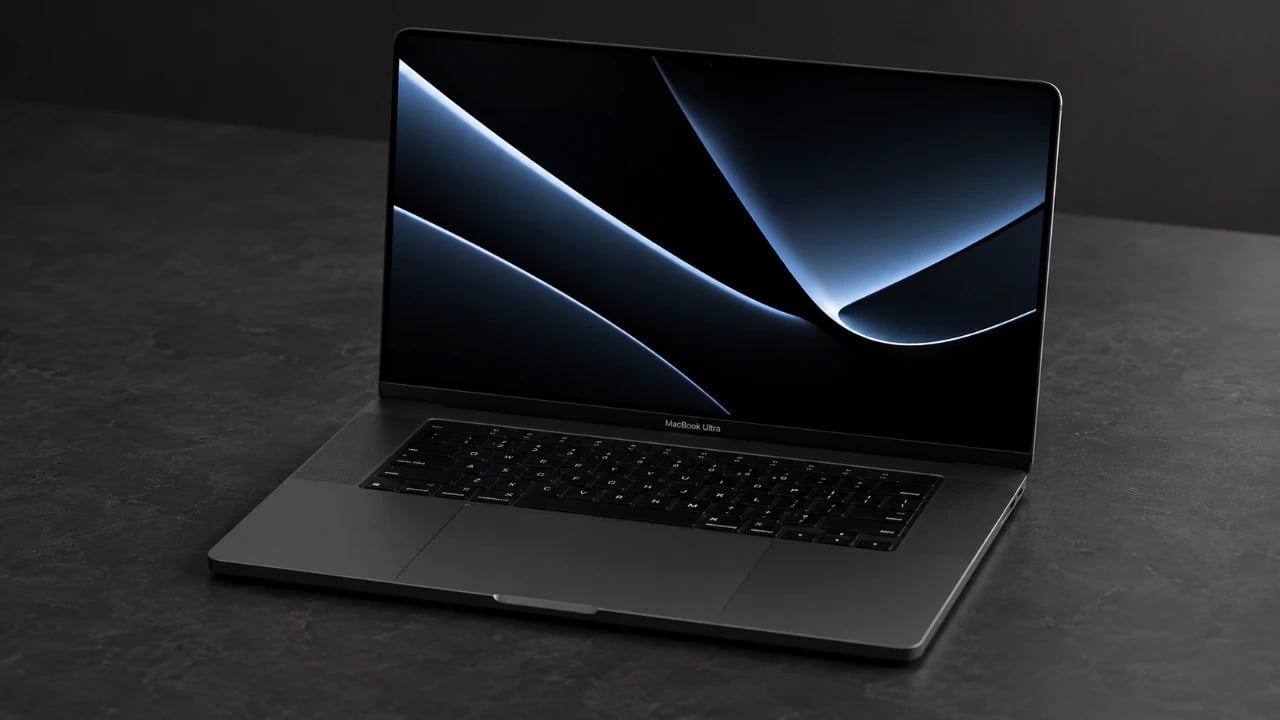
Apple is preparing to introduce a significant redesign of its MacBook Pro lineup, marking a pivotal moment in the evolution of its laptops. This update brings a host of new features, including an OLED display, touchscreen functionality, Dynamic Island, and a thinner, sleeker design. However, the decision to retain the current M5 Pro and M5 […]

The post Apple May Overhaul the MacBook Pro with an Unexpected Twist appeared first on Geeky Gadgets.

Posted in Uncategorized