Ten Things They Don’t Tell You About Tiny Homes

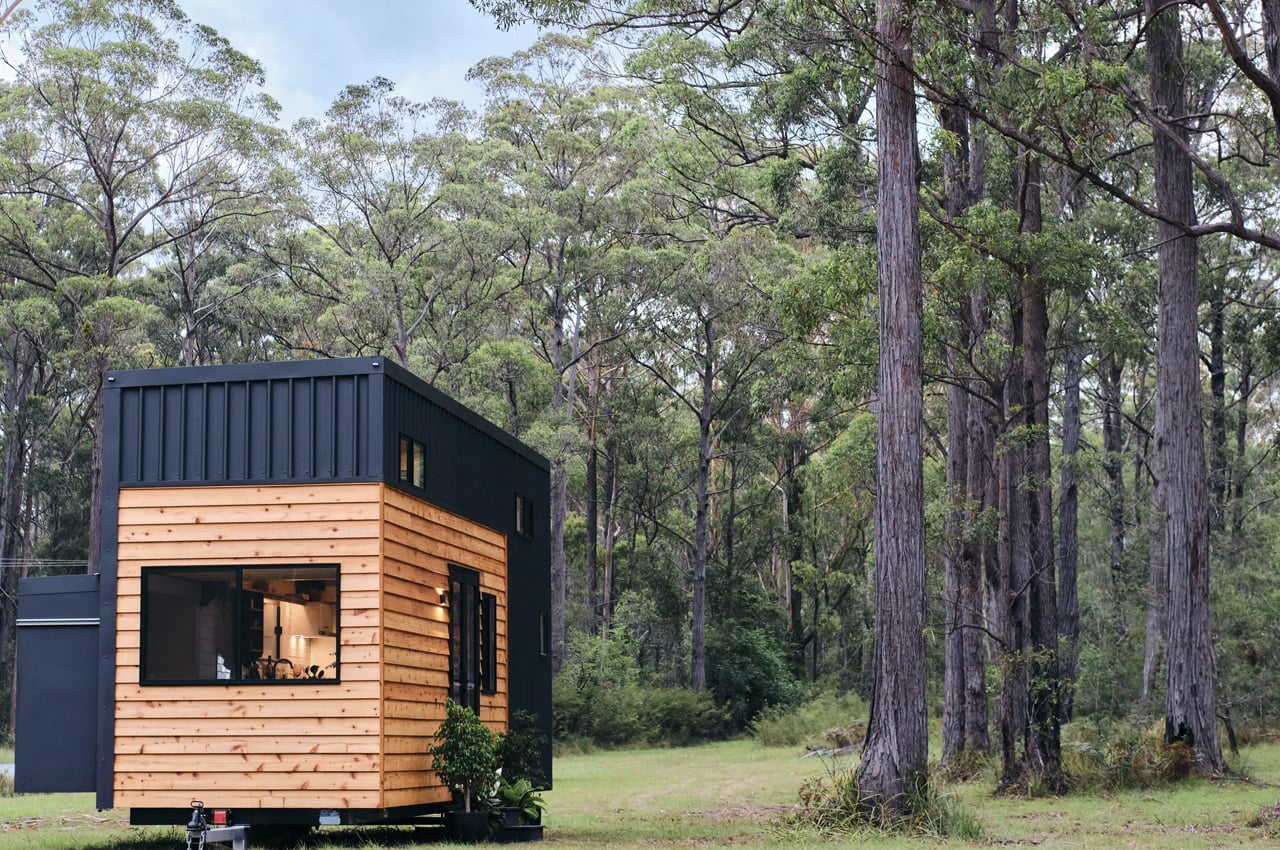
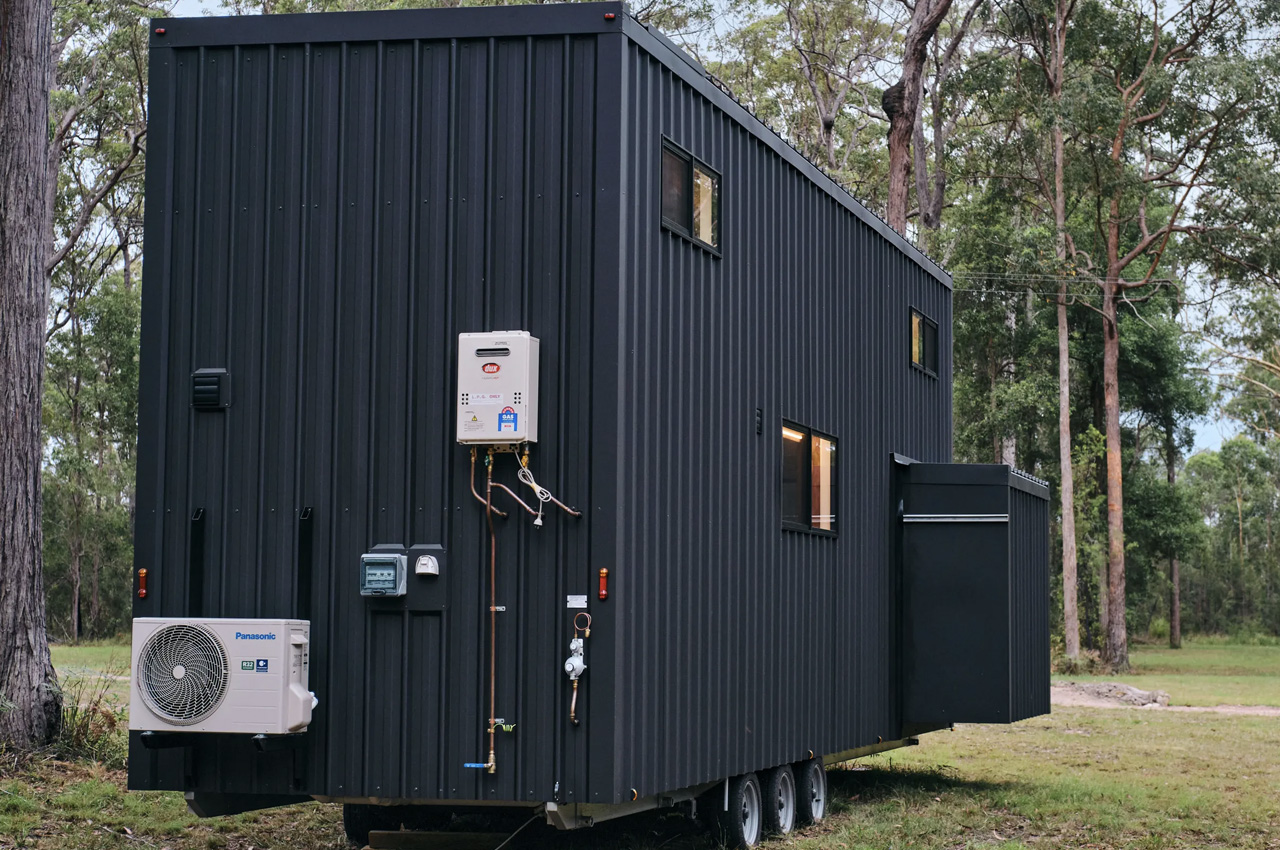
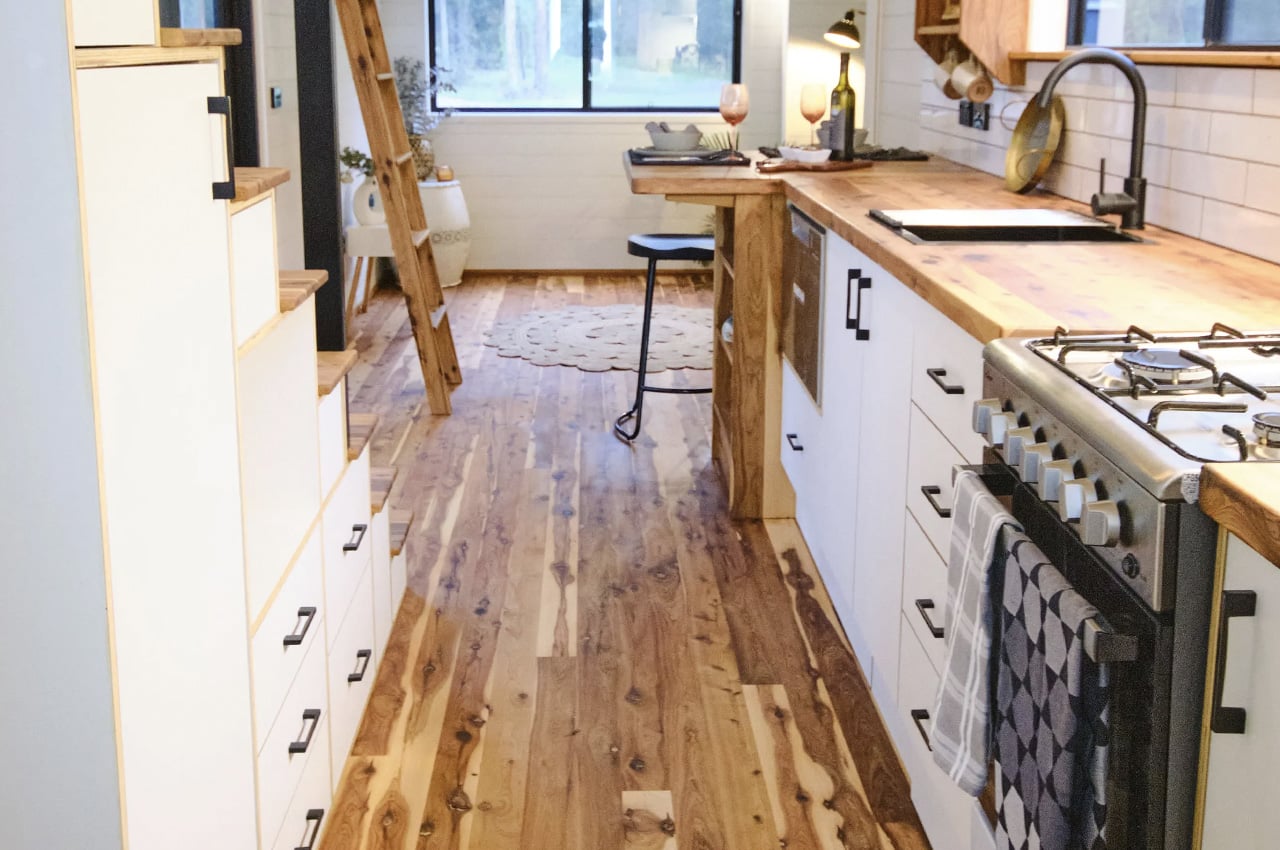
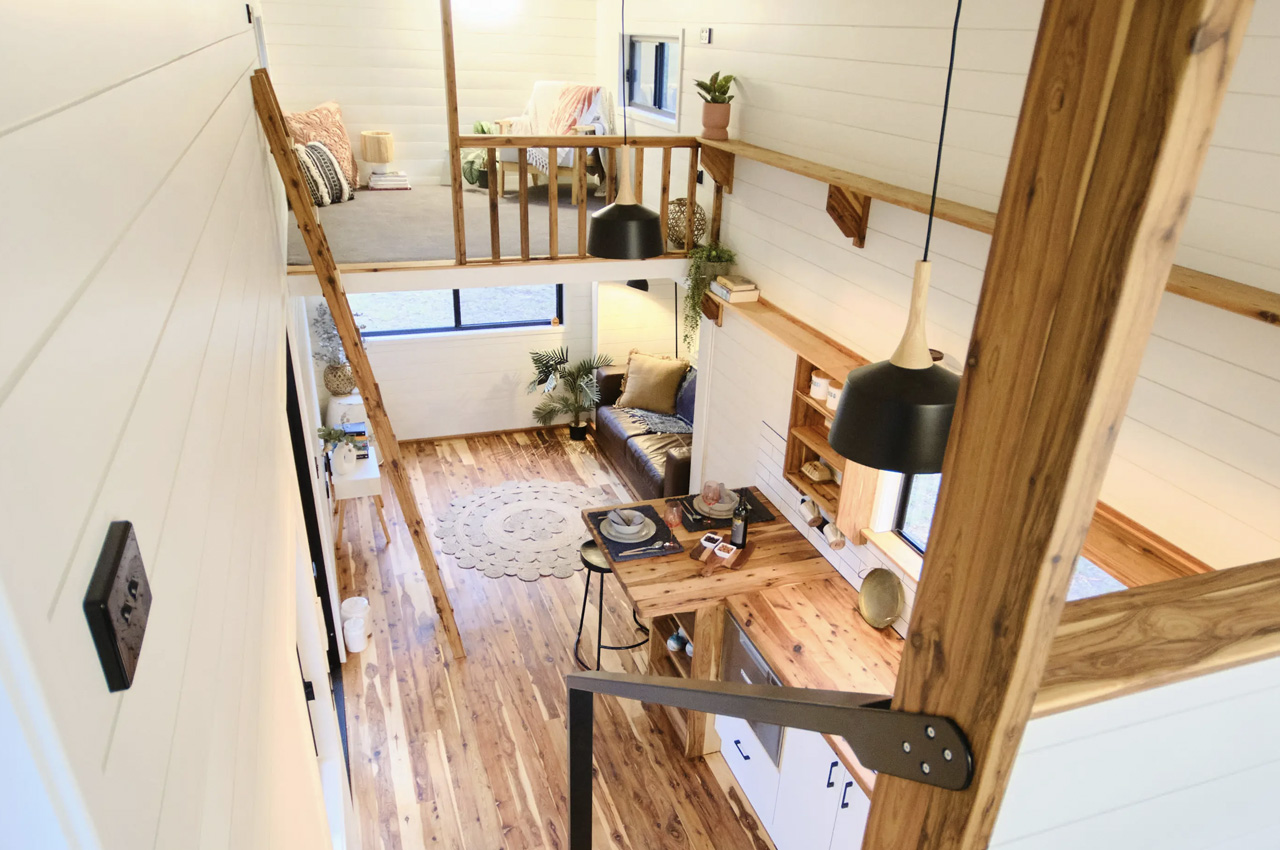
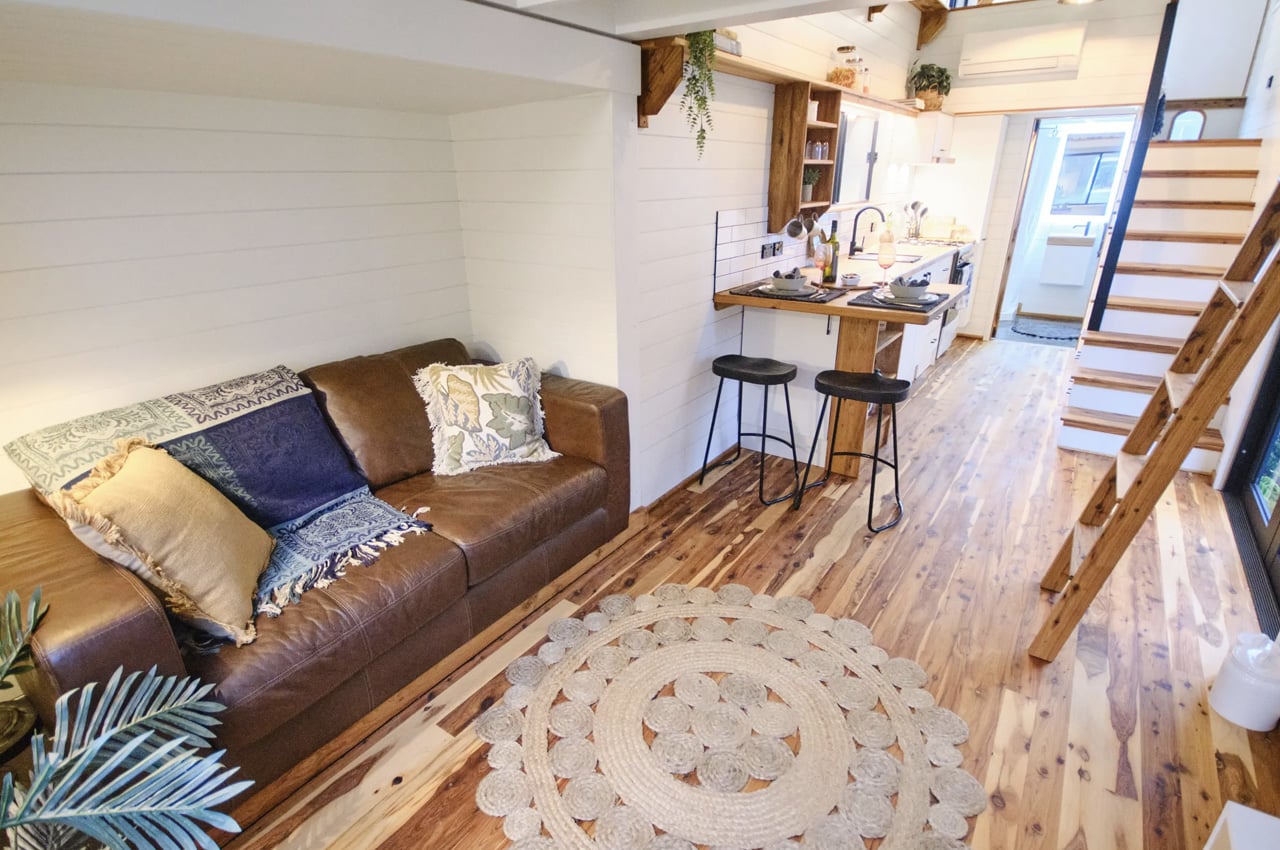
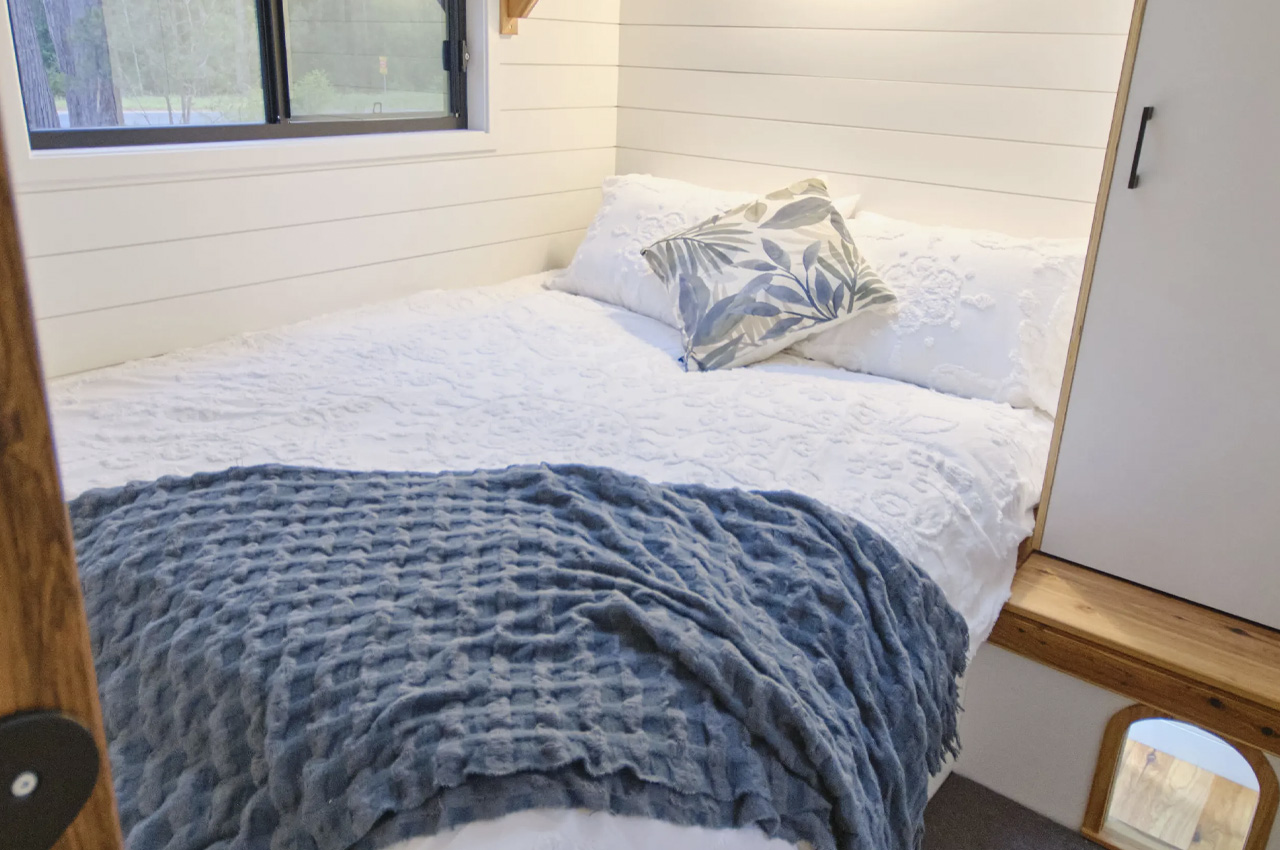
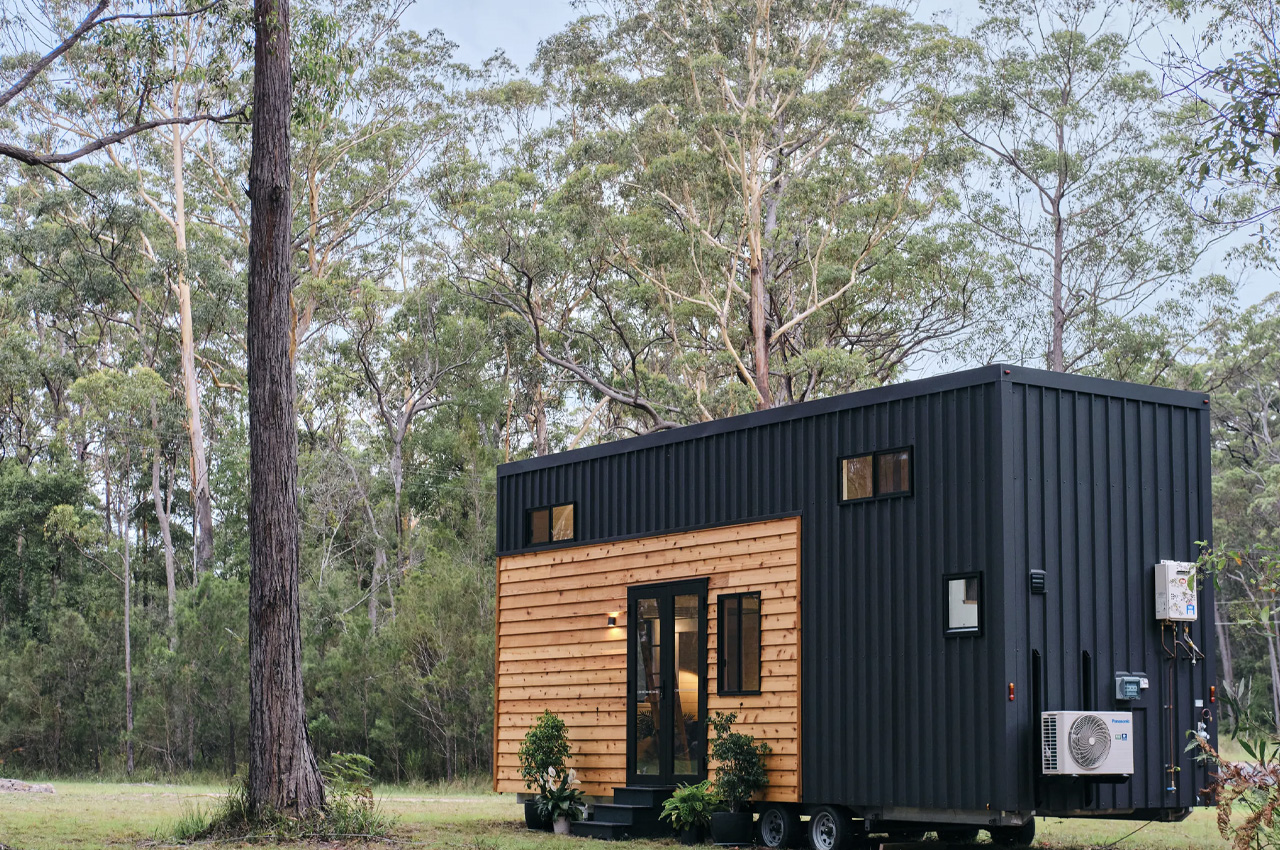
Gawthorne’s Hut in New South Wales, Australia

Living in a tiny home is often romanticized as a minimalist and eco-friendly lifestyle, offering freedom from the burdens of excessive possessions and the financial strain of traditional homeownership. However, as someone who has journeyed down the tiny home path, I’ve come to realize there are many layers to this lifestyle choice that aren’t immediately apparent. Here’s an intimate look at ten things they don’t tell you about tiny homes, drawn from personal experiences and those of fellow tiny home dwellers.

Zen House in Hainburg an der Donau, Austria

1. Space Management Challenges

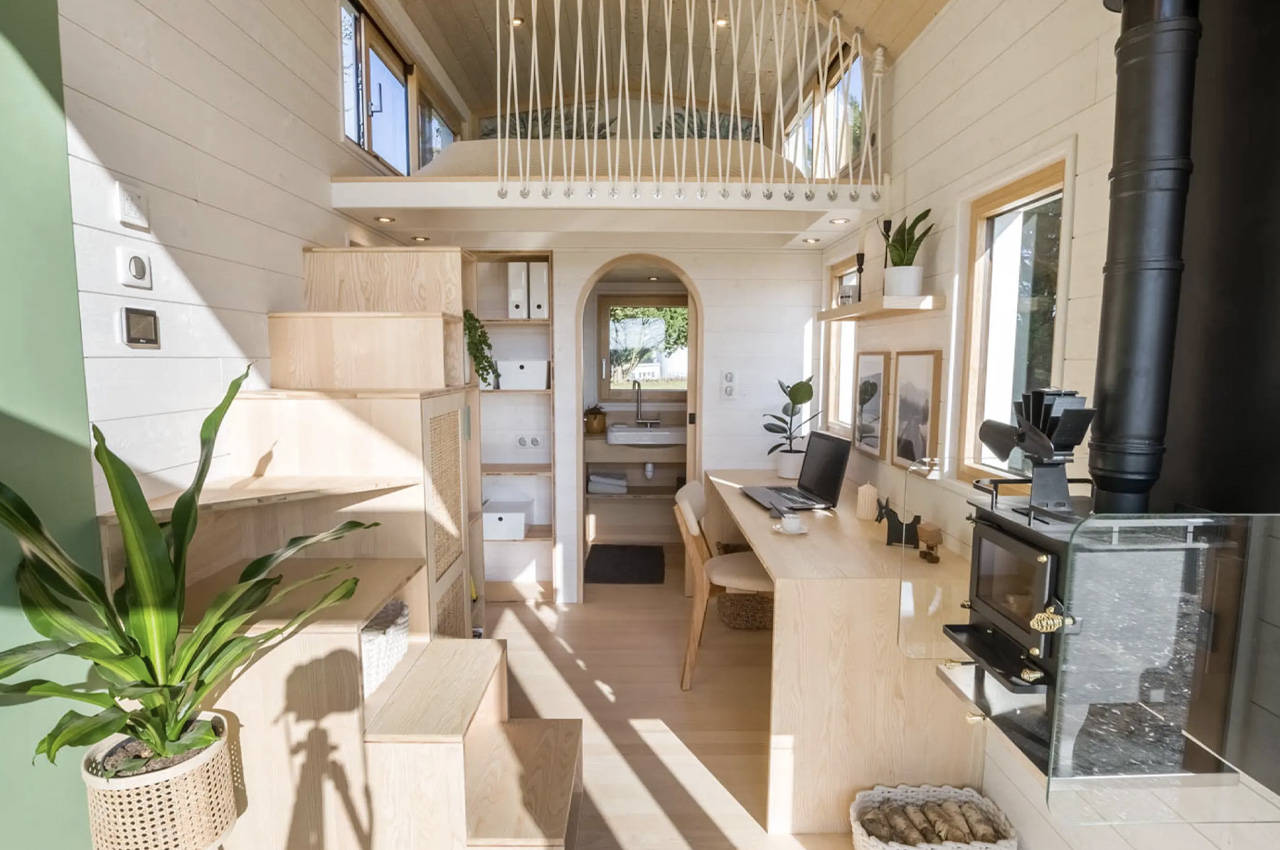
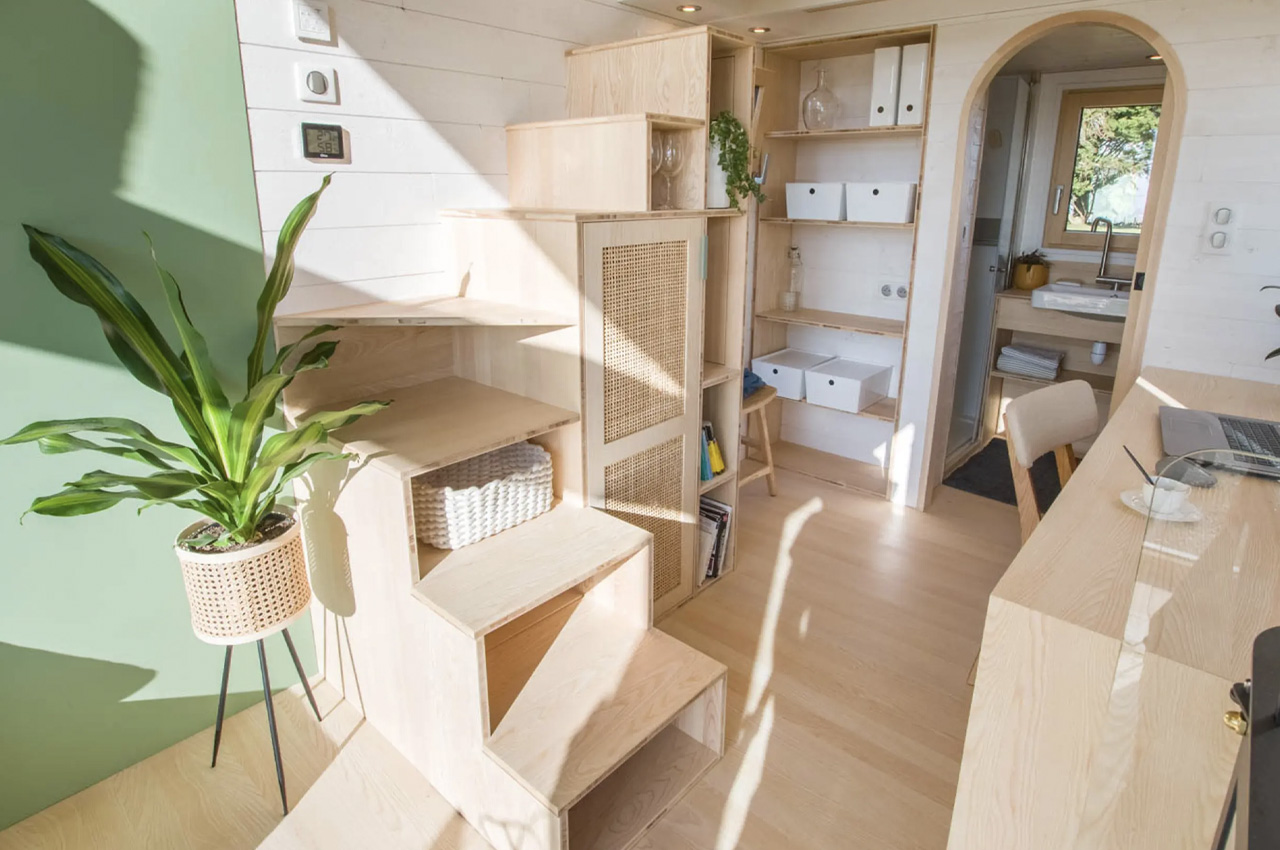
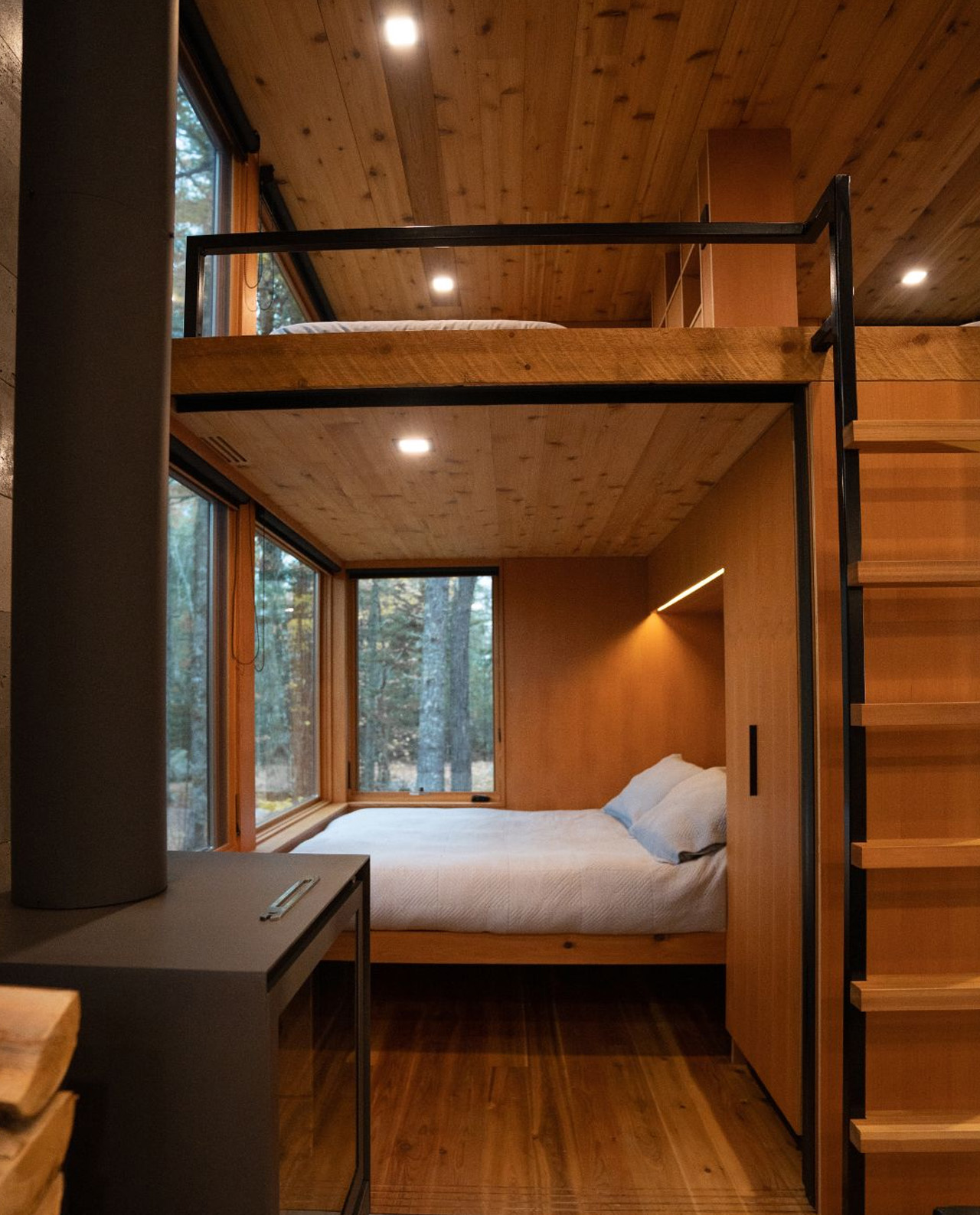
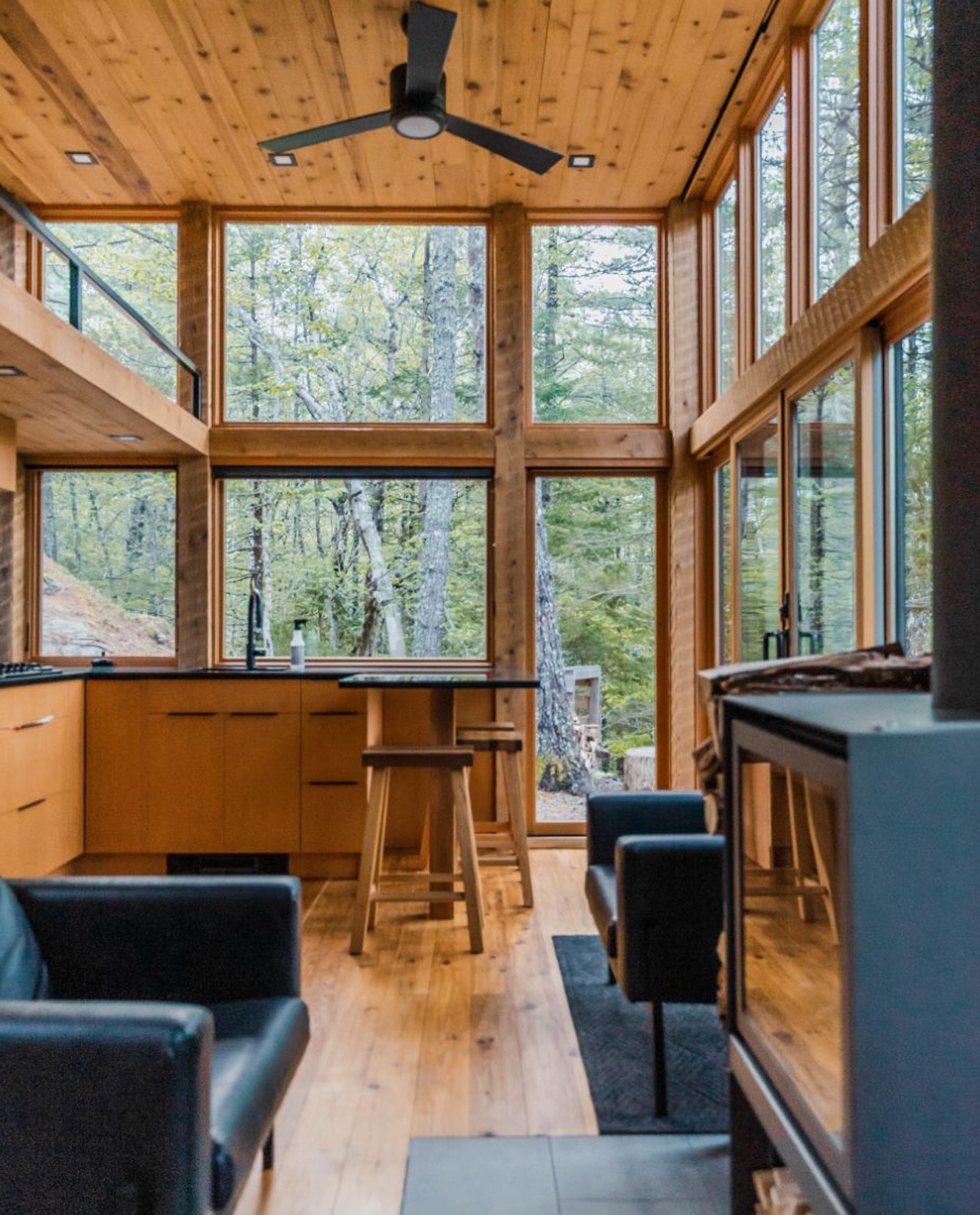
One of the first realities to hit was the constant battle with space. Every inch matters in a tiny home, requiring a level of organization and decluttering discipline I was unprepared for. Unlike traditional homes where you can have ‘junk drawers’ or closets filled with forgotten items, tiny living forces you to evaluate every possession for its utility and necessity. I’ve spent countless hours finding multifunctional furniture and devising storage solutions that keep my space functional yet not claustrophobic. It’s a never-ending puzzle that demands creativity and patience.

Elsa Prefab Home by Olive Nest

2. Zoning and Legal Hurdles

When I first entertained the idea of tiny home living, I was blissfully unaware of the zoning and legal hurdles that lay ahead. Finding a spot to park or build your tiny home can be a bureaucratic nightmare. Many regions have strict zoning laws that don’t accommodate tiny houses, especially if you’re looking to live off-grid or in a non-traditional community. Navigating these regulations required a lot of research, calls to local authorities, and sometimes, compromises on location and lifestyle that I hadn’t anticipated.

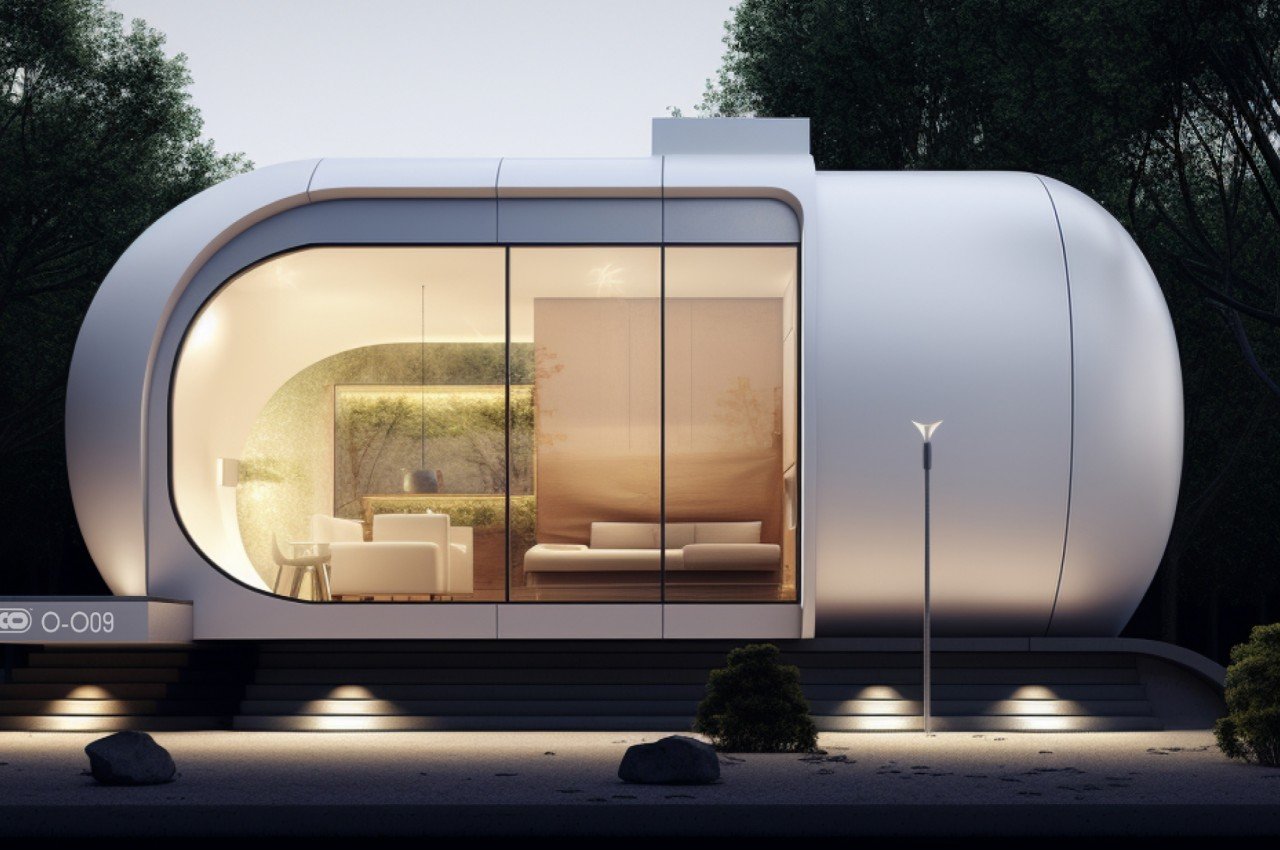
IMAGO-iter by BESS

3. Utility Connections Can Be Complicated

The vision of a quaint tiny home tucked away in nature often overlooks the practicalities of connecting to water, electricity, and sewage. In my case, securing a reliable power source was a challenge, leading me to explore solar panels and composting toilets as alternatives. These solutions, while sustainable, come with their own set of challenges and maintenance requirements. It’s a trade-off between the idyllic off-grid life and the convenience of modern utilities.

La Casa Nueva by Jag Studio

4. Weather Vulnerabilities

Tiny homes, particularly those on wheels, can be surprisingly vulnerable to extreme weather. I’ve weathered storms that left me questioning the stability of my tiny abode, as high winds rattled the windows and rain tested the waterproofing. It’s a stark reminder that what you gain in quaintness and mobility, you may sacrifice in security and protection against the elements. Ensuring your tiny home is built to withstand local weather conditions is crucial but can be an oversight during the planning phase.

Seroro by Smaller Architects

5. Limited Privacy

Living in such close quarters has tested my relationships in ways I didn’t expect. The lack of privacy means that every phone call, argument, and moment of frustration is shared space. It’s taught me the value of communication and setting boundaries, but it’s also a reminder that tiny living isn’t just a physical downsizing but an emotional adjustment to constant proximity with your housemates.

The DW by Modern Shed

6. Resale Value Uncertainties

The financial aspect of tiny home living can be misleading. While the initial investment is often lower than buying a traditional home, the resale market for tiny homes is still evolving. Unlike traditional homes, which typically appreciate over time, tiny homes can depreciate, much like vehicles. This realization made me reconsider tiny living as a long-term investment and more of a lifestyle choice with financial implications worth weighing.

Ohariu by First Light Studio & Build Tiny

7. Insurance and Financing Hurdles

Securing financing and insurance for a tiny home has been one of the more frustrating aspects of the process. Many financial institutions and insurance companies don’t know how to categorize tiny homes, leading to higher interest rates or insurance premiums, if you can find coverage at all. It’s a landscape that’s slowly changing as tiny homes gain popularity, but it’s a consideration that can significantly impact your budget and peace of mind.

Lola by Mariah Hoffman

8. Customization Costs

The allure of customizing a tiny home to perfectly suit your needs is strong, but so is the price tag that often comes with it. Specialized compact appliances, custom-built furniture, and the need to maximize every square inch can add up. My tiny home, which started as a budget-friendly project, quickly escalated in cost as I sought to make the space livable and reflective of my personality. It’s a cautionary tale of how ‘small’ doesn’t always mean ‘cheap.’

Kvivik Igloo by Ole Vanggaard and Kári Thomsen

9. Isolation

One of the more subtle aspects of tiny home living that caught me off guard was the sense of isolation. This wasn’t just about physical space but also the emotional distance it can create. Living in a tiny home often means positioning yourself away from conventional neighborhoods and, by extension, the daily interactions that come with community living. I found myself missing the casual conversations with neighbors, the spontaneous visits from friends, and the sense of being part of a larger community. This isolation isn’t always a downside, as it offers a peaceful retreat from the hustle and bustle of everyday life. However, it also requires a concerted effort to maintain social connections and seek out community engagement. The tiny home lifestyle has pushed me to be more intentional about my social life, planning gatherings in communal spaces and participating in local events whenever possible. It’s a reminder that while our homes might be small, our need for connection and community is as vast as ever.

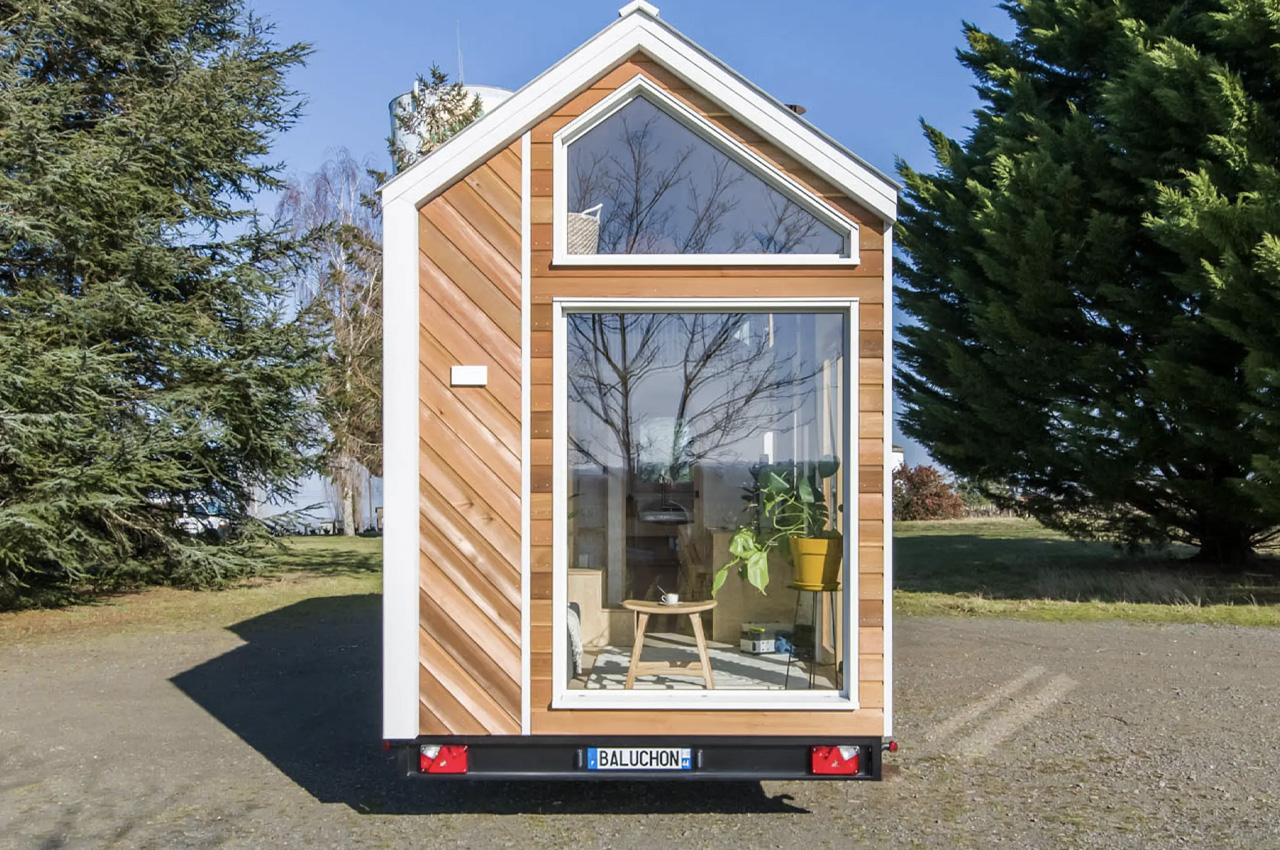
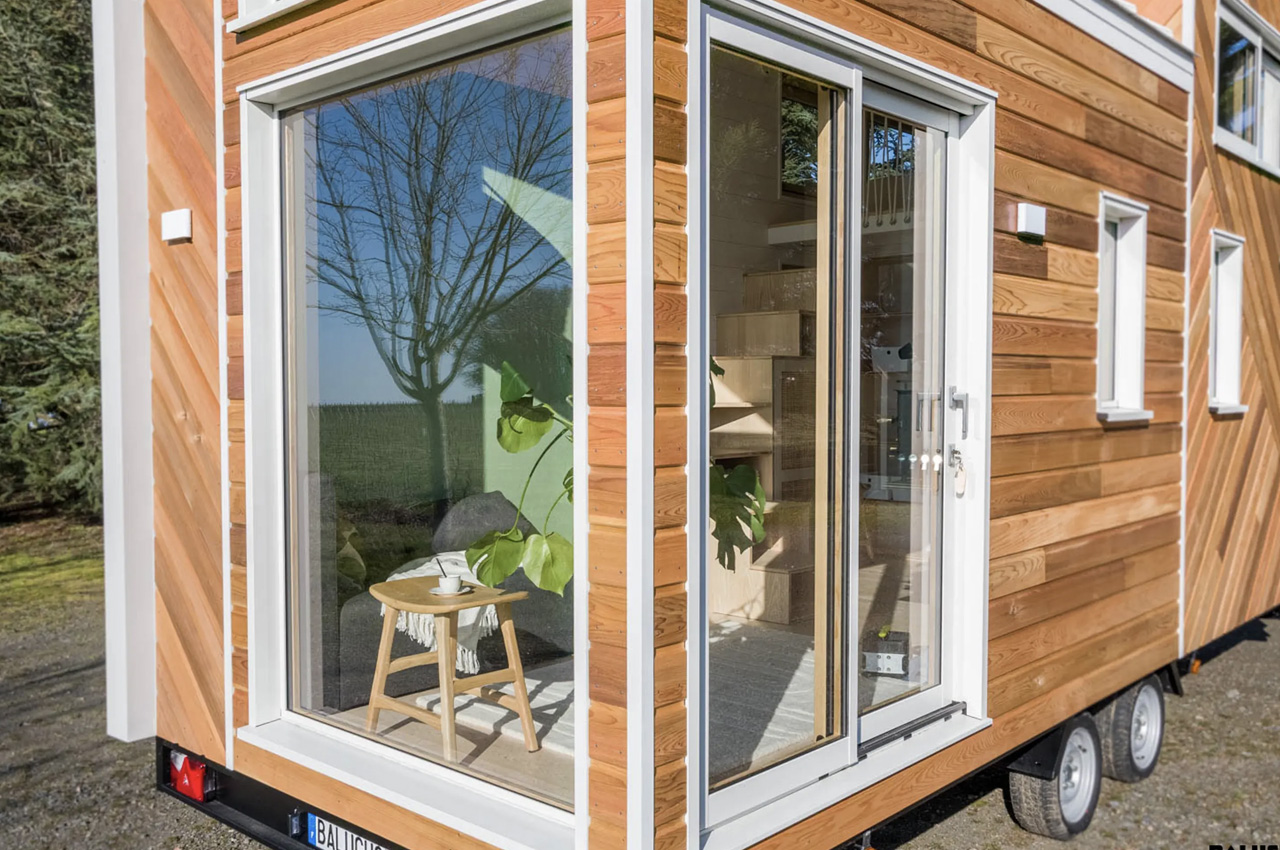
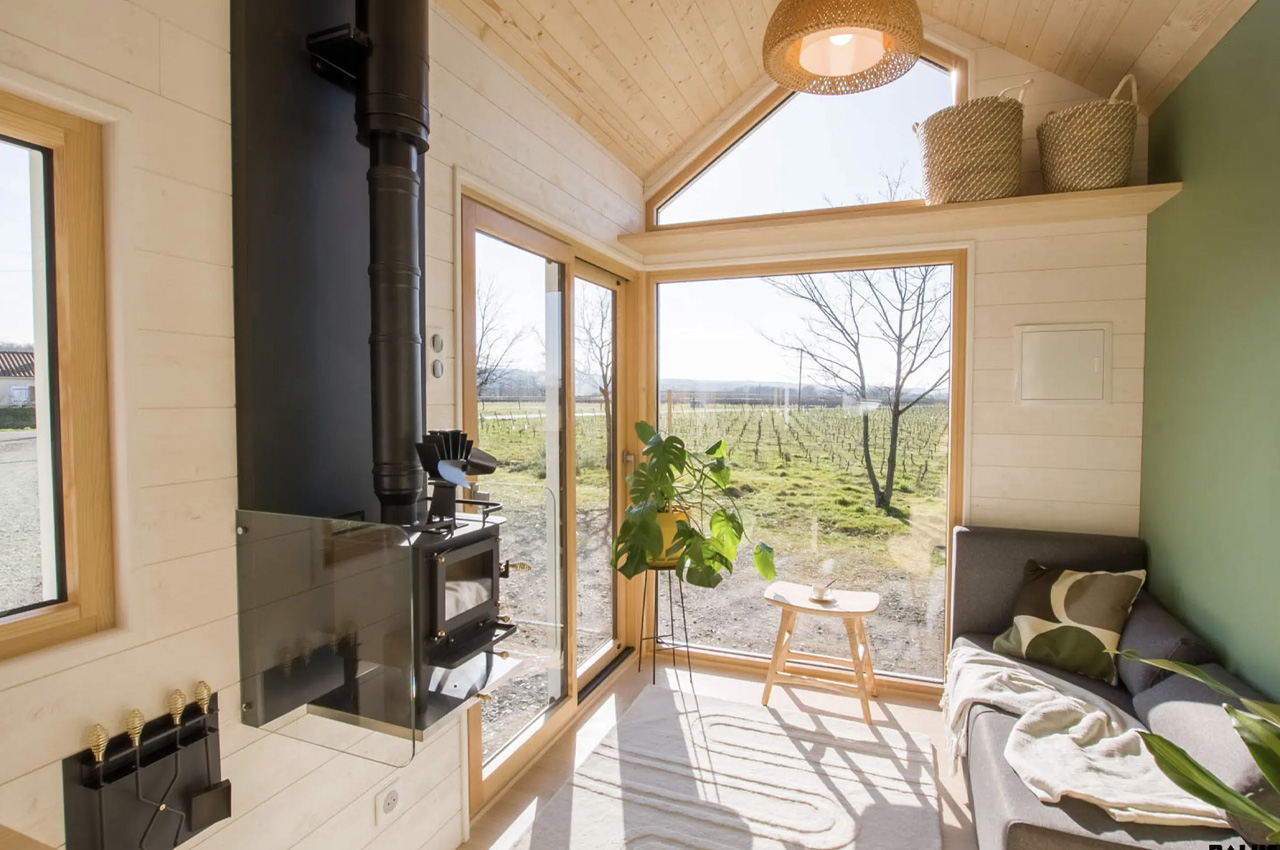
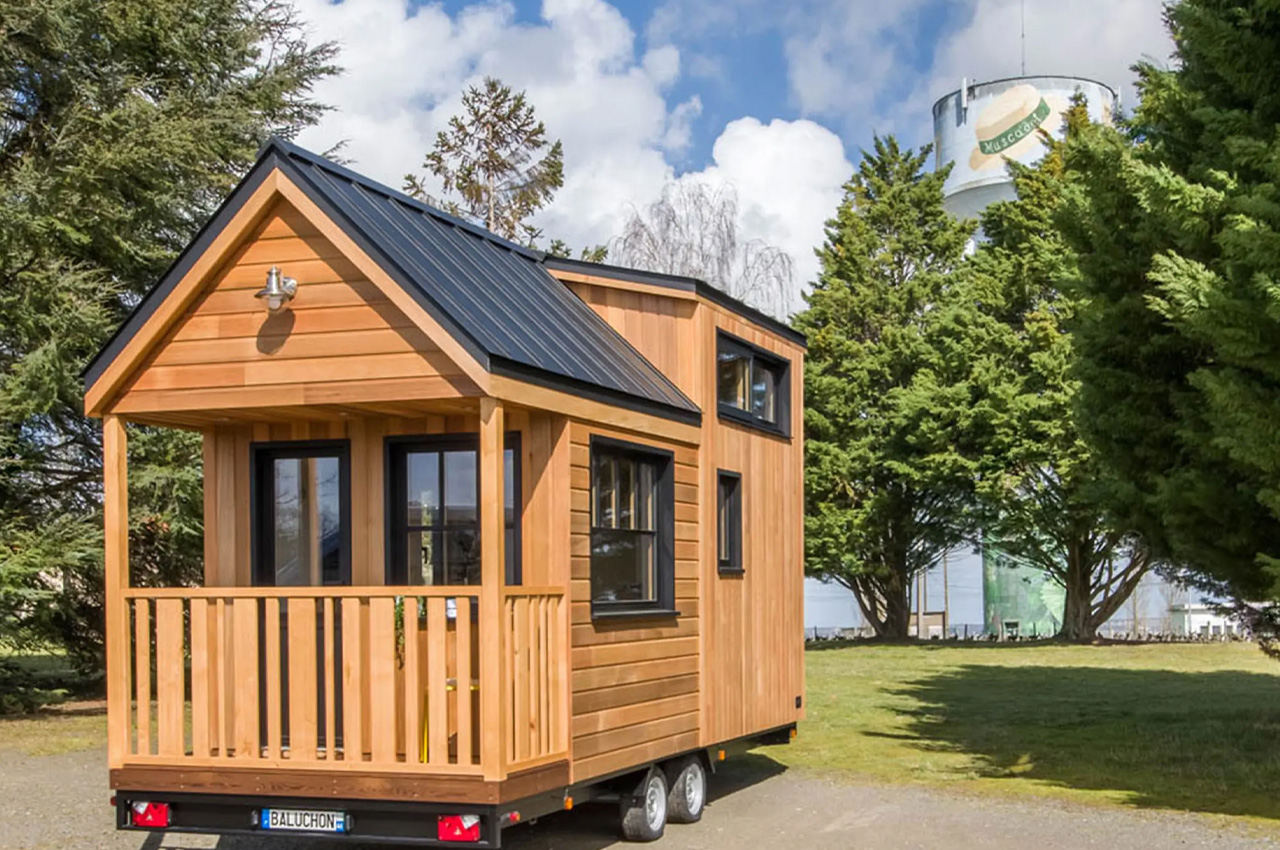
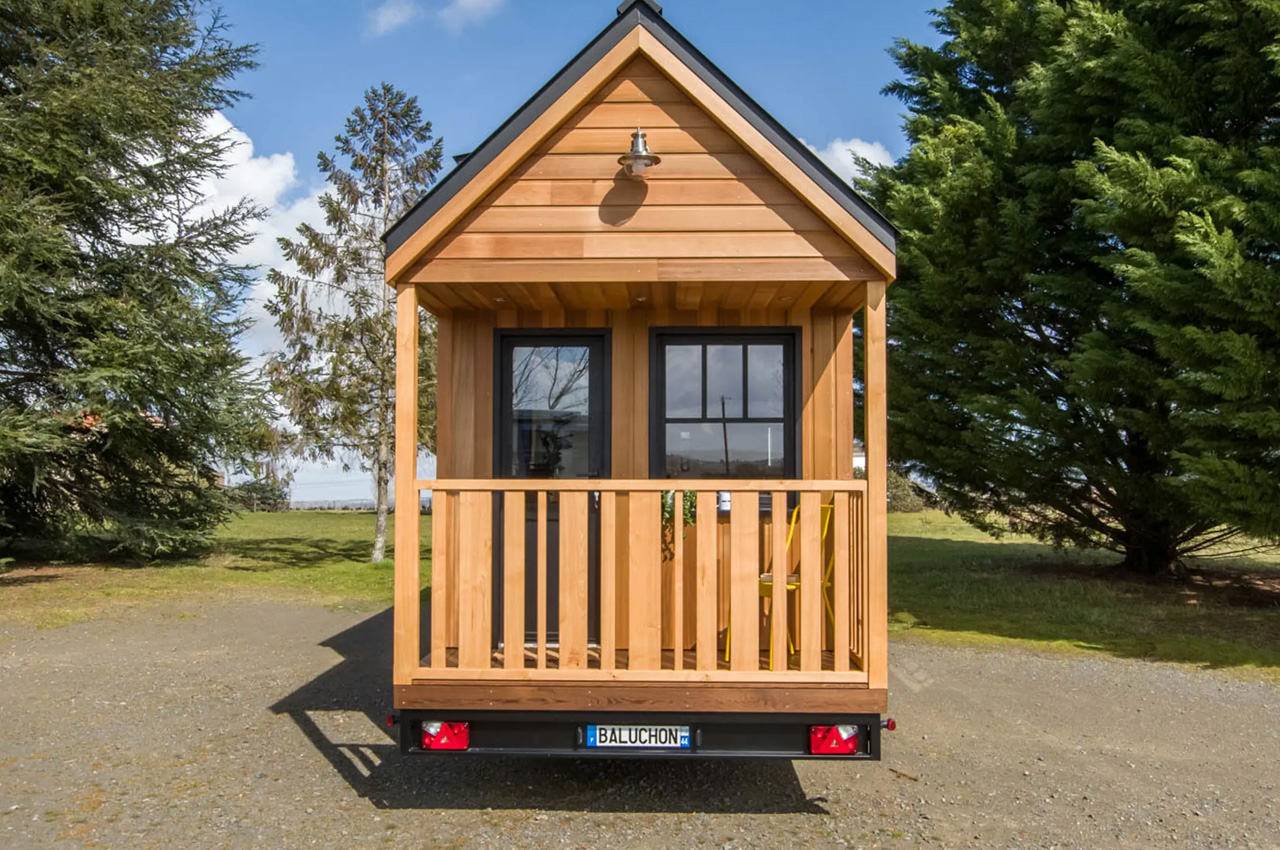
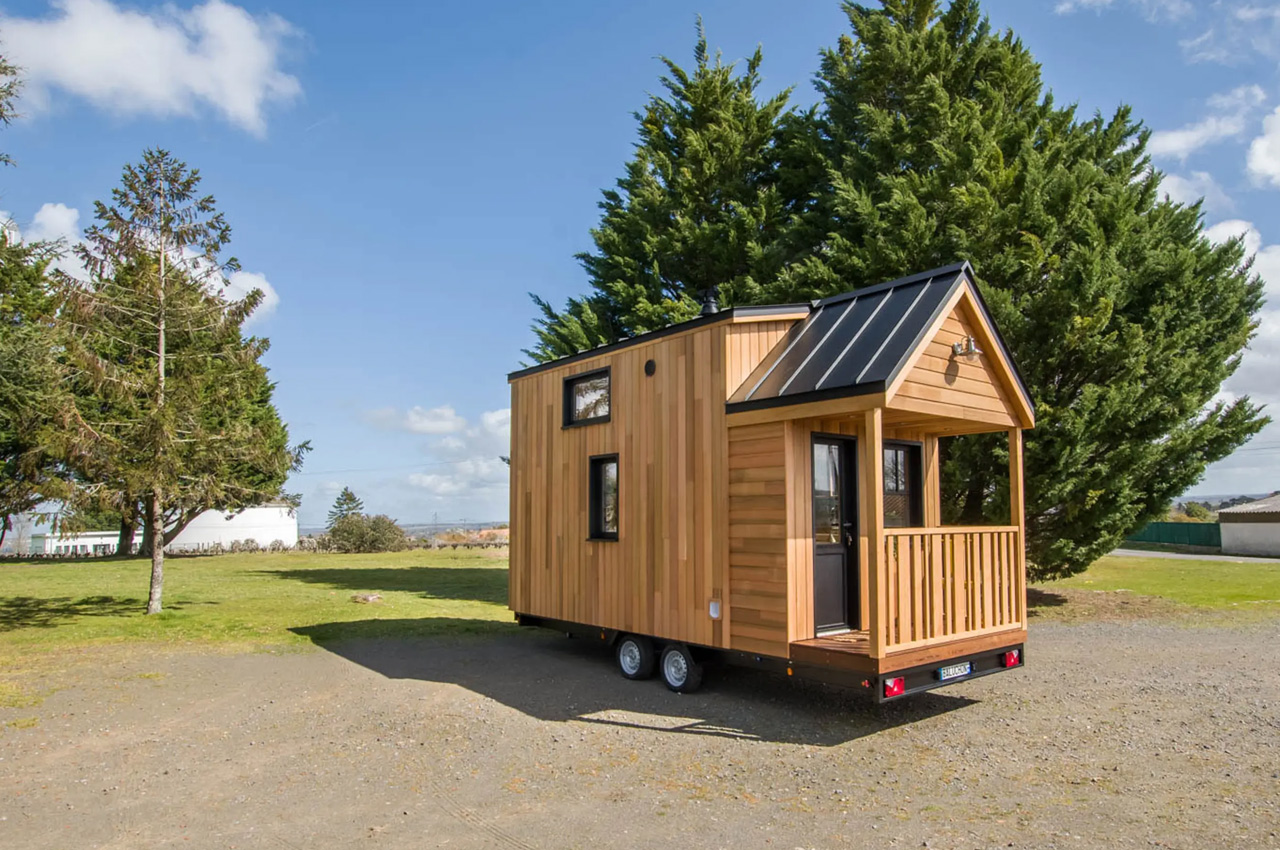
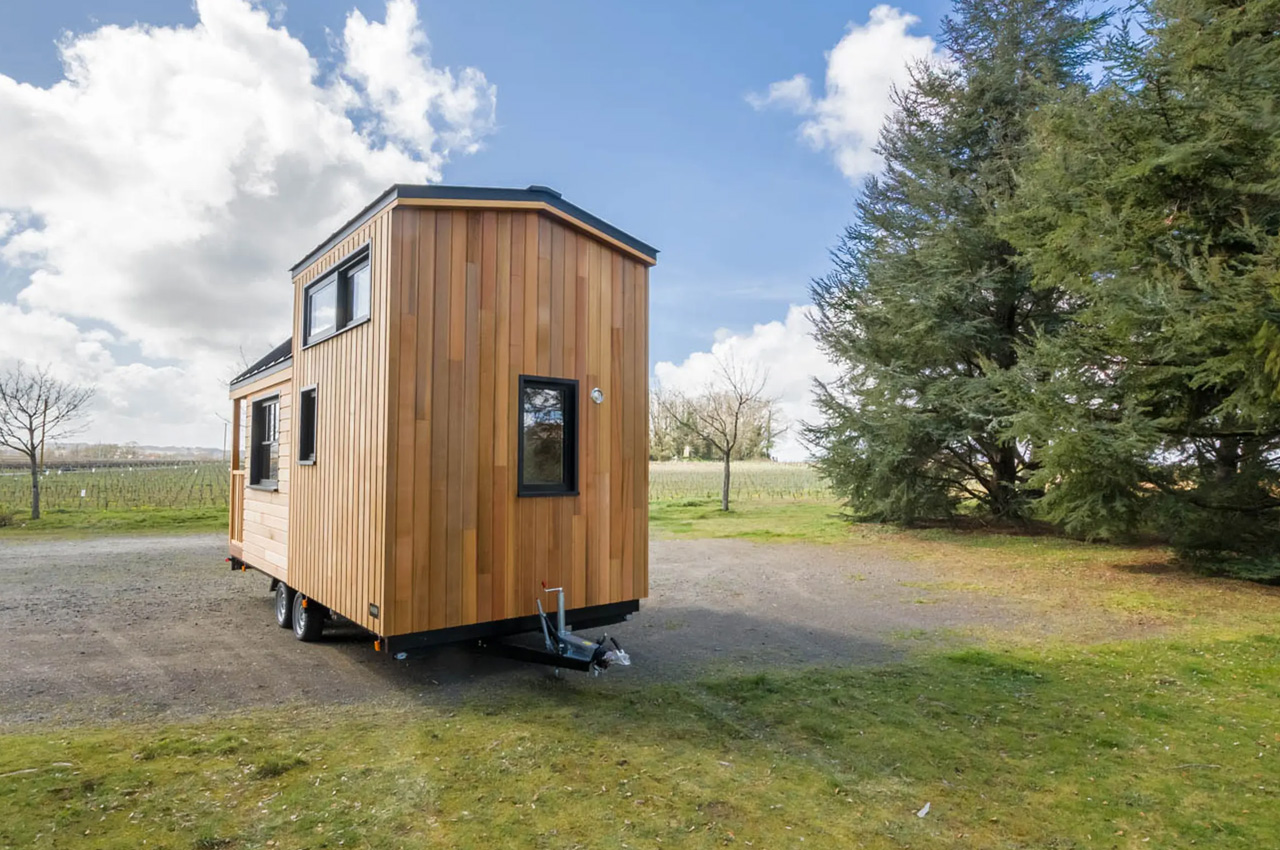
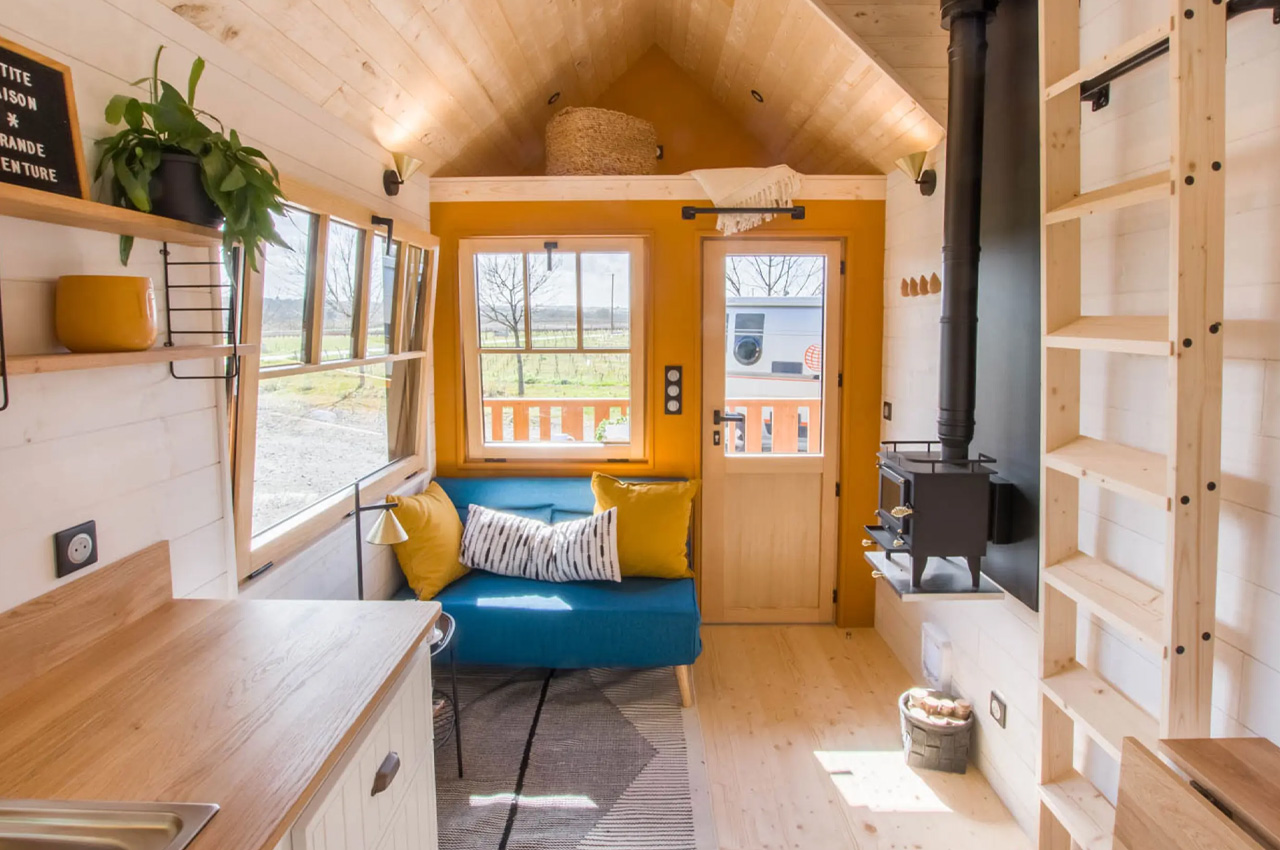
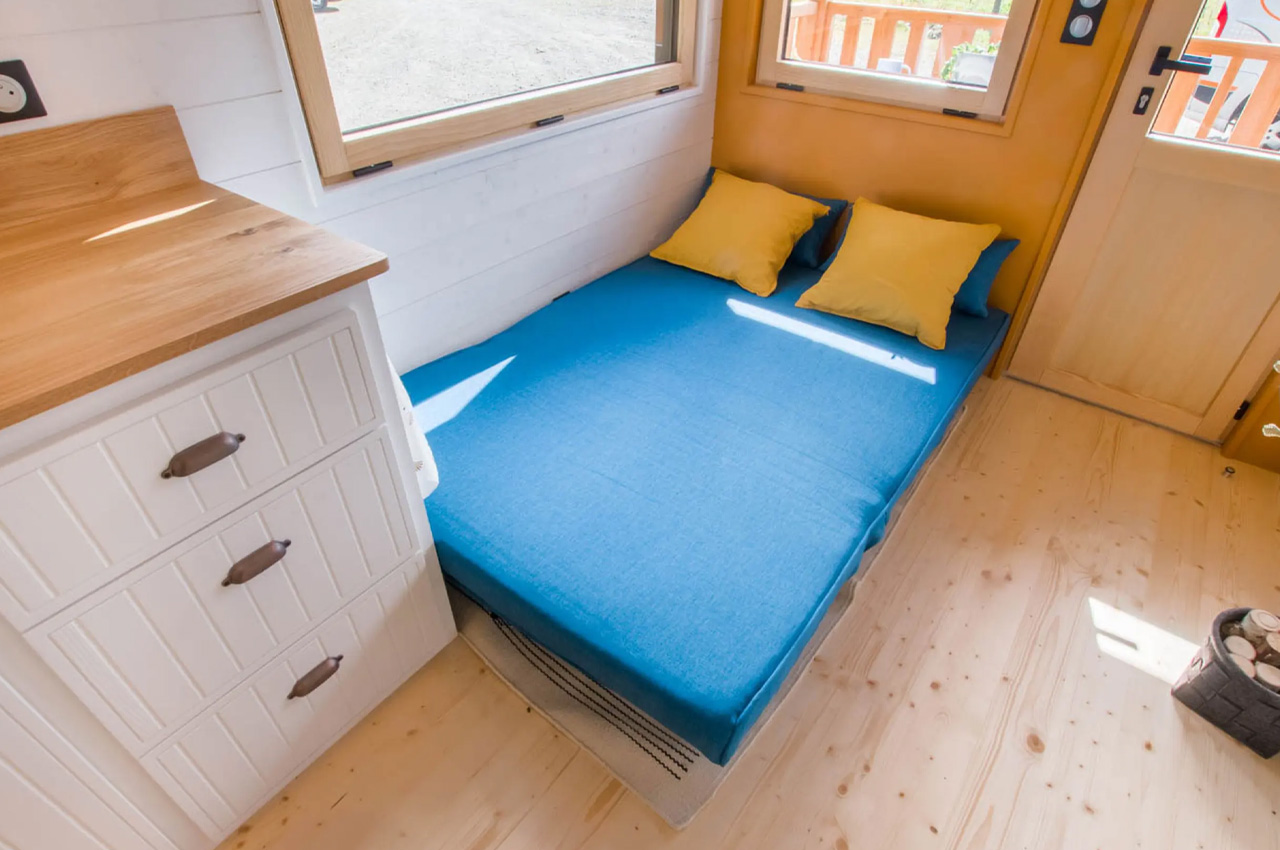
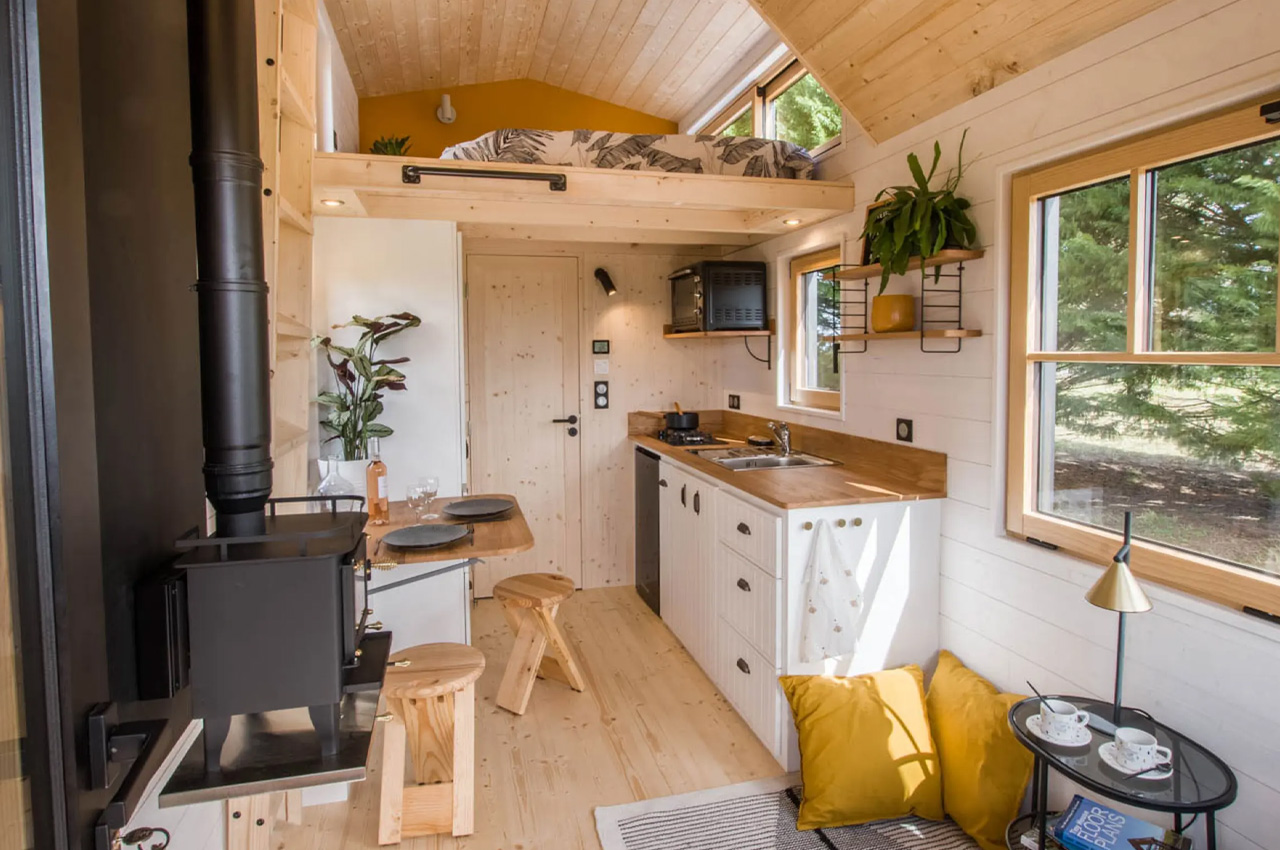
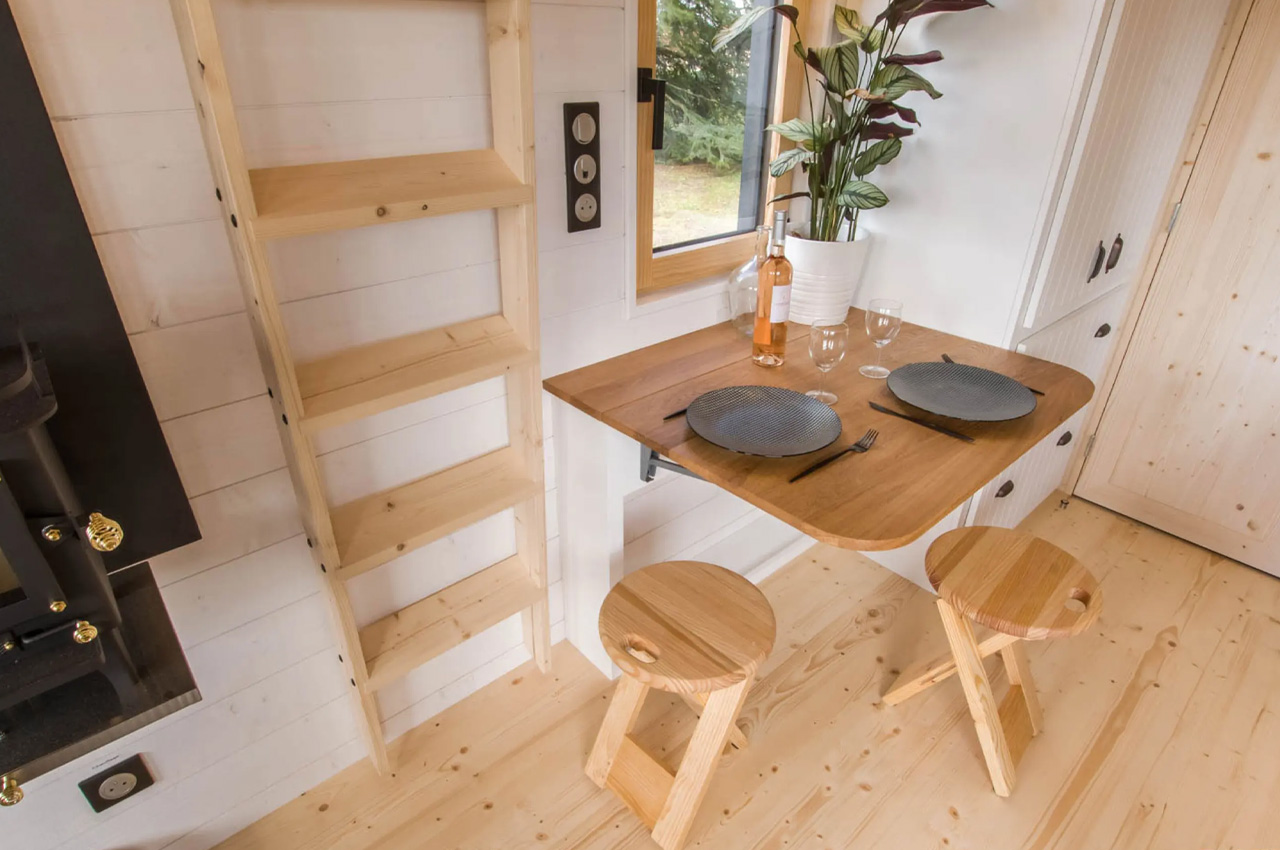
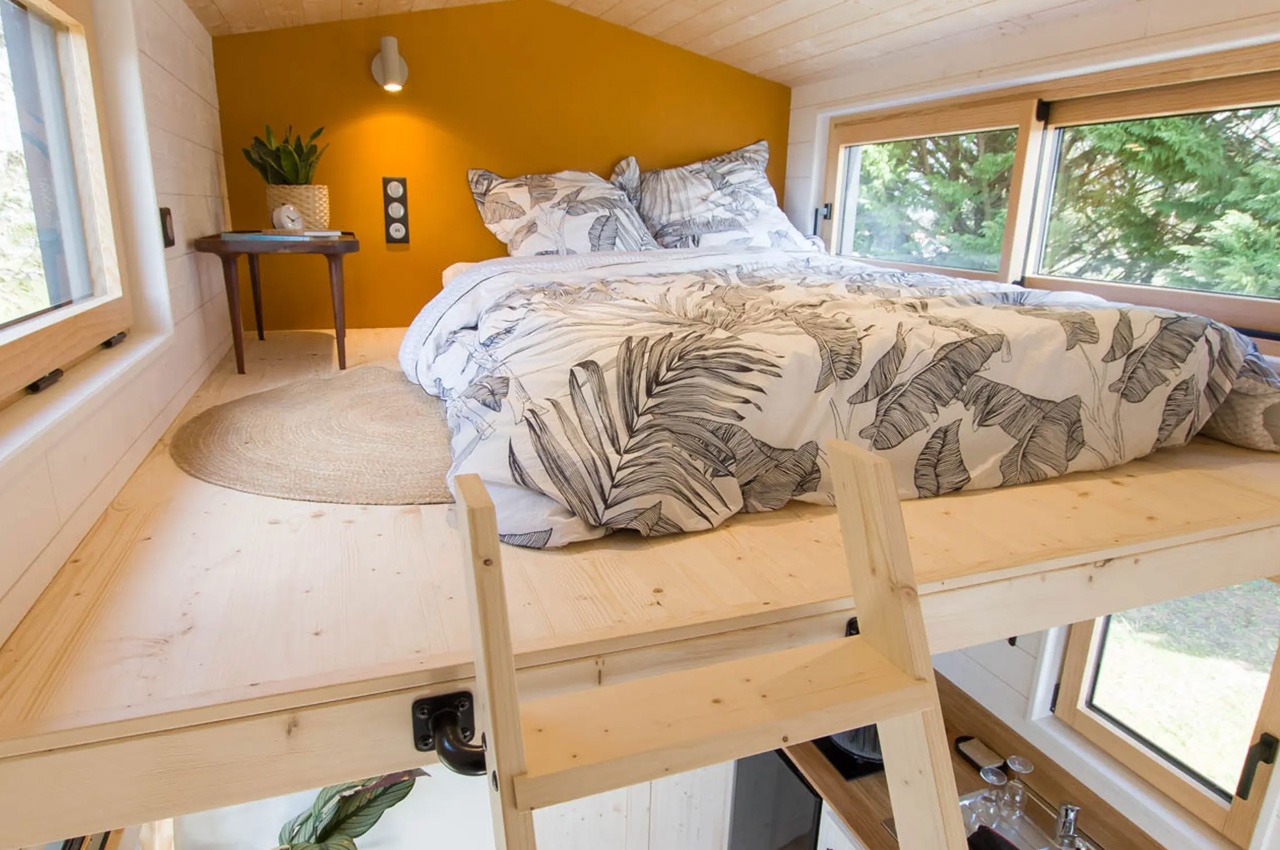
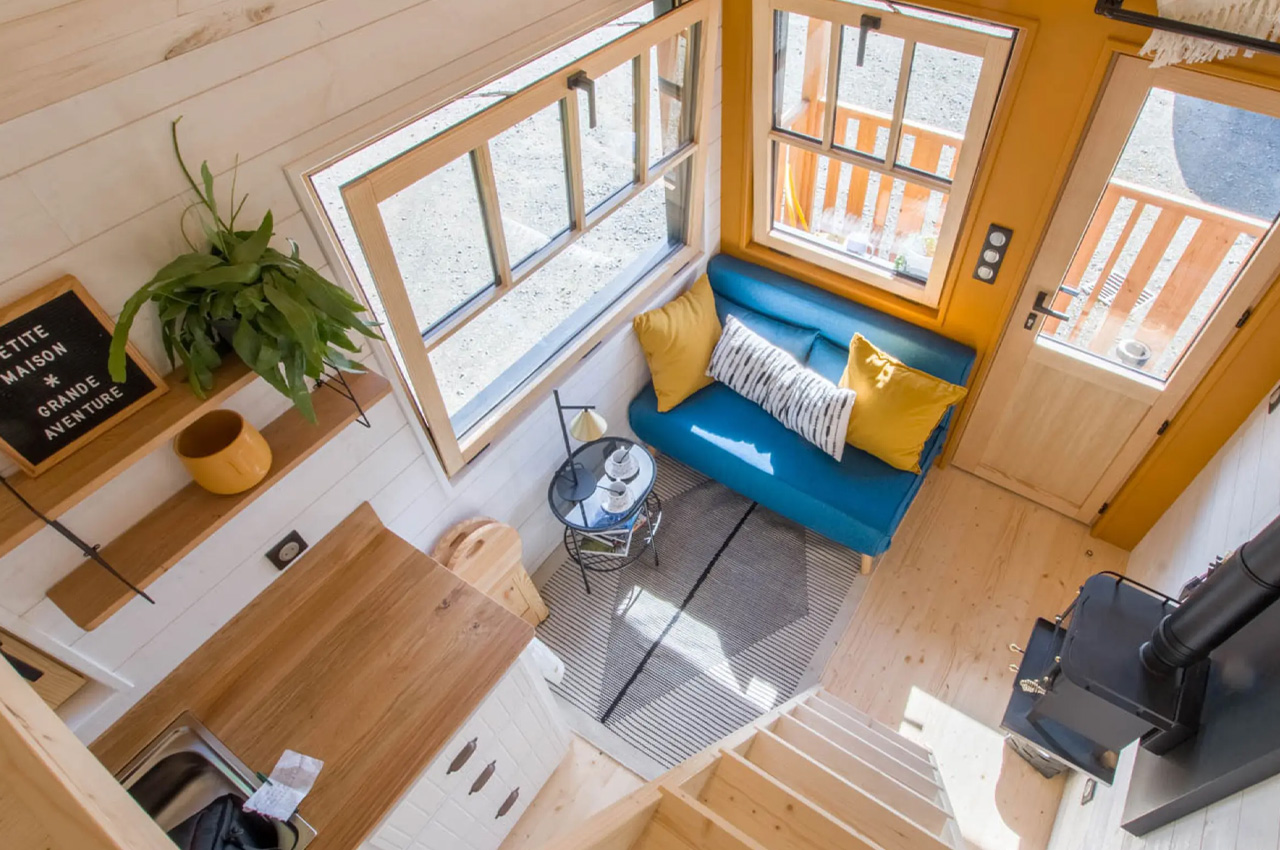
Mina by Baluchon

10. Lifestyle Limitations

Finally, the most profound realization has been acknowledging the lifestyle limitations that come with tiny home living. Hosting dinner parties, indulging in large-scale hobbies, or simply having a separate workspace within your home requires creativity and compromise. It’s a lifestyle that demands minimalism not just in your possessions but in your expectations and social habits.

Natura by The Tiny Housing Co.

Tiny home living is not just a choice of housing but a commitment to a lifestyle that challenges conventional norms and personal comfort zones. It’s a journey filled with surprises, some delightful and others daunting. Yet, for all its challenges, tiny-living has taught me the value of simplicity, the beauty of sustainability, and the importance of community. It’s not a lifestyle for everyone, but for those willing to navigate its complexities, it offers a unique path to redefining what ‘home’ means.

Reflecting on my tiny home adventure, it’s clear that the journey is as much about internal discovery as it is about external simplification. It’s a lifestyle choice that demands resilience, flexibility, and frankly, even a sense of humor. After all, when you’re living in a space no bigger than some people’s closets, you learn not to take life too seriously. Whether you’re contemplating a tiny home or simply curious about the lifestyle, remember that the biggest challenges often come in the smallest packages… but also, the smallest homes sometimes have the biggest hearts.

Nido by Robin Falck

The post Ten Things They Don’t Tell You About Tiny Homes first appeared on Yanko Design.

Little Shed-Inspired Home Is All Set To Offer You A Cozy Rural Off-Grid Lifestyle

Called the Long Shed, this tiny home is designed by Scotland-based Echo. It is designed to have a fully off-the-grid setup, and it is connected to the outdoors via a sliding glass door and deck. The home has an open layout which is all arranged on one floor. The tiny home is based on a triple-axle trailer and has a length of 35 feet and a width of 10 feet. The home needs to be transported to a rural site on the back of a large truck as it has large dimensions and needs to follow UK towing laws. Once the home has been towed on a truck, it can be then towed into place. A road-towable version will be made available pretty soon.

Designer: Echo

The exterior of the home is finished in a corrugated tin with a rubberized coating and has an ample amount of glazing, which allows natural light to stream in. The home can also be completely closed up using the sliding shutters when not in use and looks quite similar to an agricultural shed. Visitors can enter the home via a stowable gangway and a rear entrance. The large sliding door also has a deck next to it, which creates some cozy outdoor living space.

The bathroom is placed next to the kitchen, and it has space for a shower, as well as a composting toilet, with a sink placed between the two. The space with the composting toilet is designed to maximize airflow and reduce any odors. The Long Shed is equipped with only one bedroom and it has plenty of space for visitors to stand upright. It includes a bed and a stable-style door which also allows for separate access to the home.

The home is powered by four roof-mounted 415-W solar panels, as well as two 12-V batteries. 725 liters of water is stored in tanks, which provide water to the taps, shower, and water heater. The Long Ship is fully equipped to support an off-grid lifestyle.

The post Little Shed-Inspired Home Is All Set To Offer You A Cozy Rural Off-Grid Lifestyle first appeared on Yanko Design.
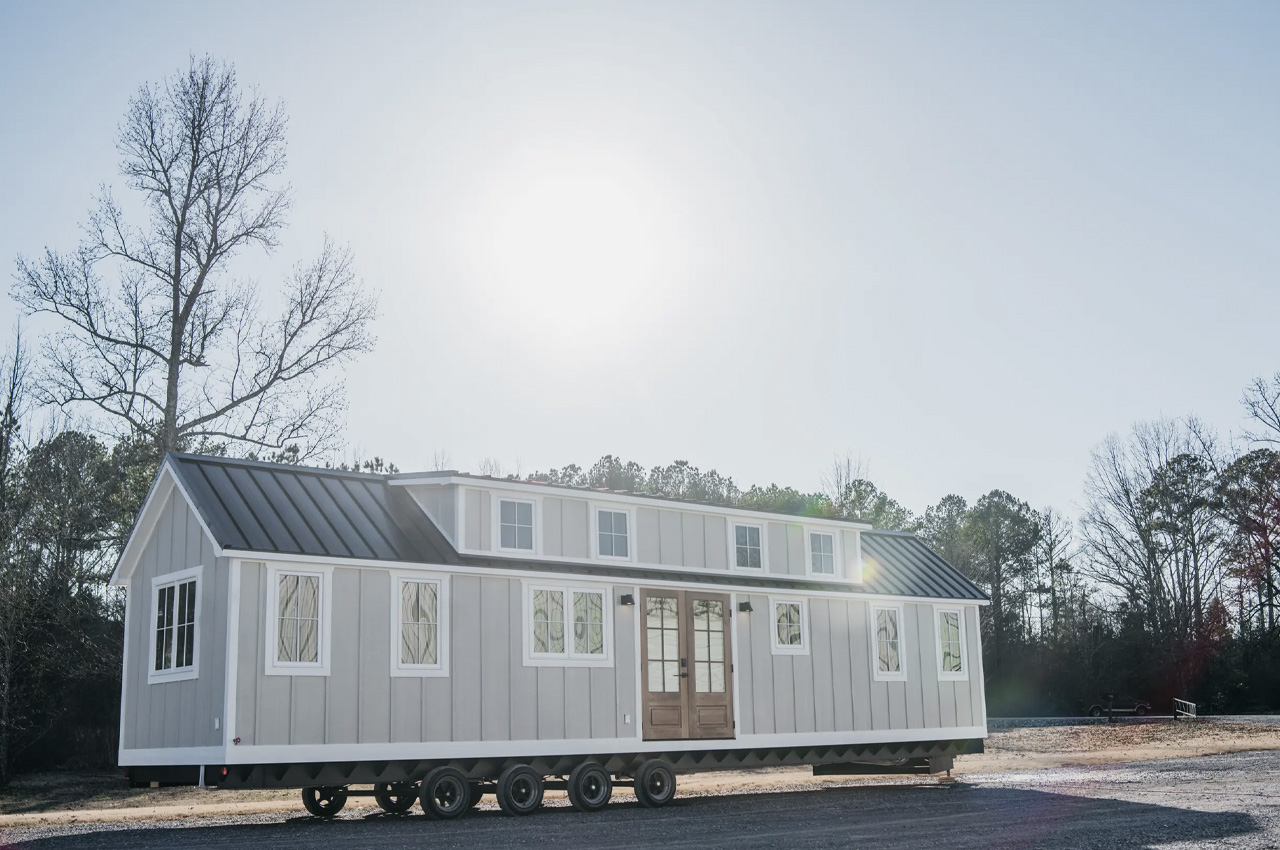
The Nomad 30 Tiny House Is The Perfect Little Home On Wheels To Support An Off-Grid Adventurous Lifestyle

Minimaliste originally designed Nomad – an all-weather tiny home with a small and easy-to-tow package. And recently they unveiled a newer version – the Nomad 30. The Nomad 30 is an upgraded tiny home with a newly improved interior layout and an adventure-ready off-grid design. This tiny home is perfect for those who want to adopt an off-grid lifestyle and have an adventurous life on the road.

Designer: Minimaliste

As its name quite aptly signifies, the Nomad 30 has a length of 30 feet. It is founded on a double-axle trailer that is adjustable, hence the wheels can easily be moved forward or backward on the trailer, allowing the weight to be balanced effectively, making the home quite easy to tow. The tiny home has a sleek yet warm appeal to it, and it is finished in steel sheets and faux wood steel, which is intended to be low maintenance.

You can access the cozy home via a folding deck, and steps at its rear which can be operated with a winch and a remote control. A double glass door leads you from the living room to the outside. The living room in the Nomad 30 is more spacious as compared to previous Nomad models, and it contains a lot of storage space, as well as a sofa bed and a wall-mounted TV. The space also includes a mini-split-air-conditioning system and a heat recovery air exchanging system.

Adjacent to the living room is a kitchen, and it accommodates a dining area that can seat up to four people. The dining area also includes integrated storage space. The kitchen is amped with a propane-powered oven, a four-burner stove, a washer/dryer, a double sink, and a fridge/freezer. The cabinetry also locks up to facilitate safer travel, and a folding extending countertop is also included. The tiny home has a bathroom as well, lined with a composting toilet, a small bathtub and shower, and a sink.

The post The Nomad 30 Tiny House Is The Perfect Little Home On Wheels To Support An Off-Grid Adventurous Lifestyle first appeared on Yanko Design.
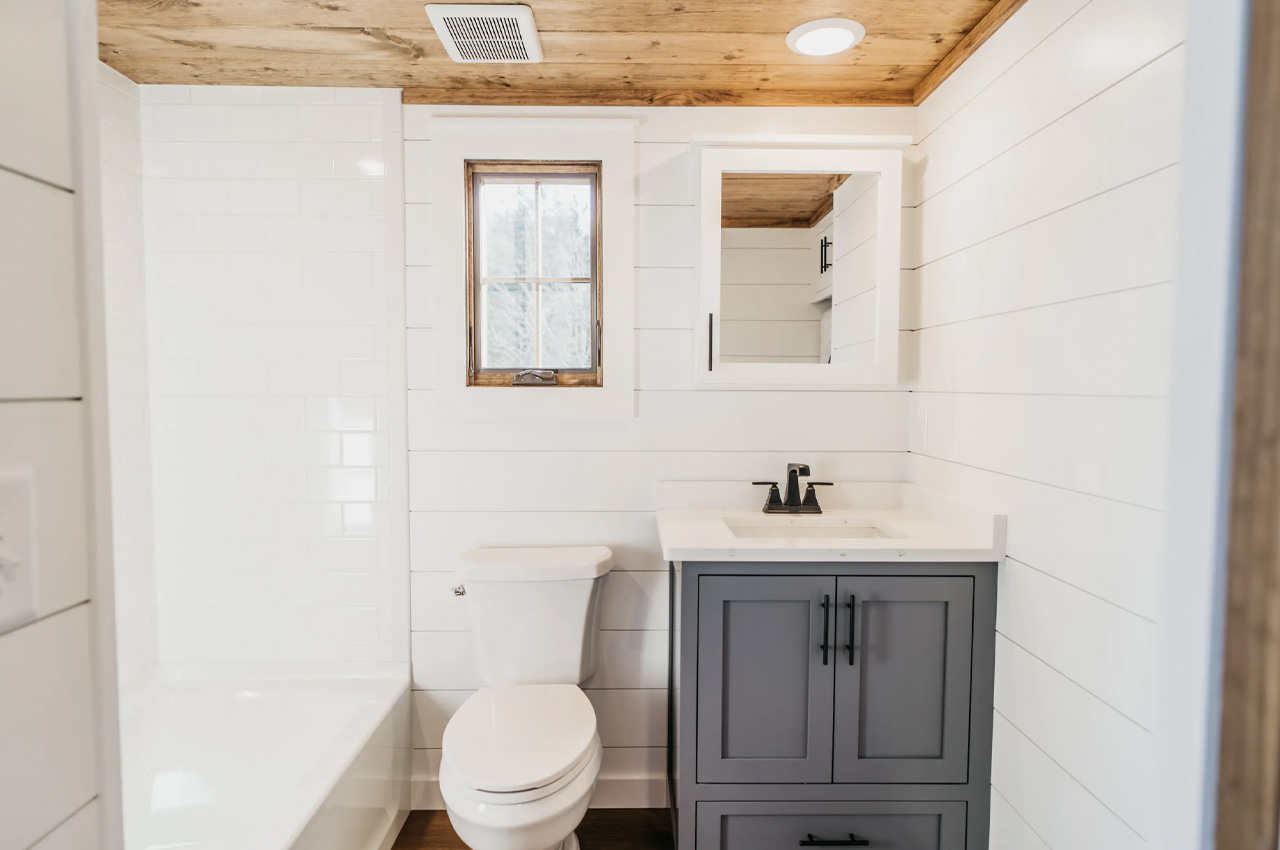
Charming Birdhouse-Style Tiny Home Could Be Your Next Vacation Rental Destination

Dubbed the Buitenverblijf Nest, this unique-looking cabin is designed by Namo Architecture and i29 Architects. It is an idyllic little cabin elevated in a forest in the Netherlands. The cabin is inspired by a birdhouse but it looks like a rather massive one. It can accommodate a family of four, although a bit tightly. The tiny home is tucked away in the Netherlands’ Hoge Veluwe National Park and is quite similar to BIG’s Biosphere.

Designer: Namo Architecture and i29 Architects

The cabin is part of a series of 11 dwellings in the cabin and was designed to be vacation rentals by the local authorities. The Buitenverblijf Nest is elevated on slender black supports and is raised 7.5 meters above the forest floor. The exterior of the home has space for birds,  bats, and insects, as well as solar panels on the roof that give access to power.

As you enter the home, you are welcomed by a 55-square-meter space. You can enter the cabin via a spiral staircase, and a terrace area leads you to the first floor. The home incorporates generous glazing, as well as a circular porthole-style window, that allows natural light to stream in throughout the day. These windows also offer lovely views of the forest. The layout of the home is designed to be simple and functional, with a compact living room equipped with some seating and a table, and a kitchen with an induction stove, fridge, sink, oven, cabinetry, and dishwasher.

The staircase also leads you to a bathroom with a mezzanine floor which includes a shower, sink, and toilet. The uppermost story serves as the bedroom. It has plenty of headroom for visitors to stand upright, and it accommodates a four-person bed and a porthole-style window. The room seems to be suitable for a small family – a couple and their children. If you want to check out the birdhouse-style tiny home yourself – it is available for rent on Airbnb!

The post Charming Birdhouse-Style Tiny Home Could Be Your Next Vacation Rental Destination first appeared on Yanko Design.

Featuring Two Massive Skylights, This Wooden Tiny Home Opens Up To The Skies

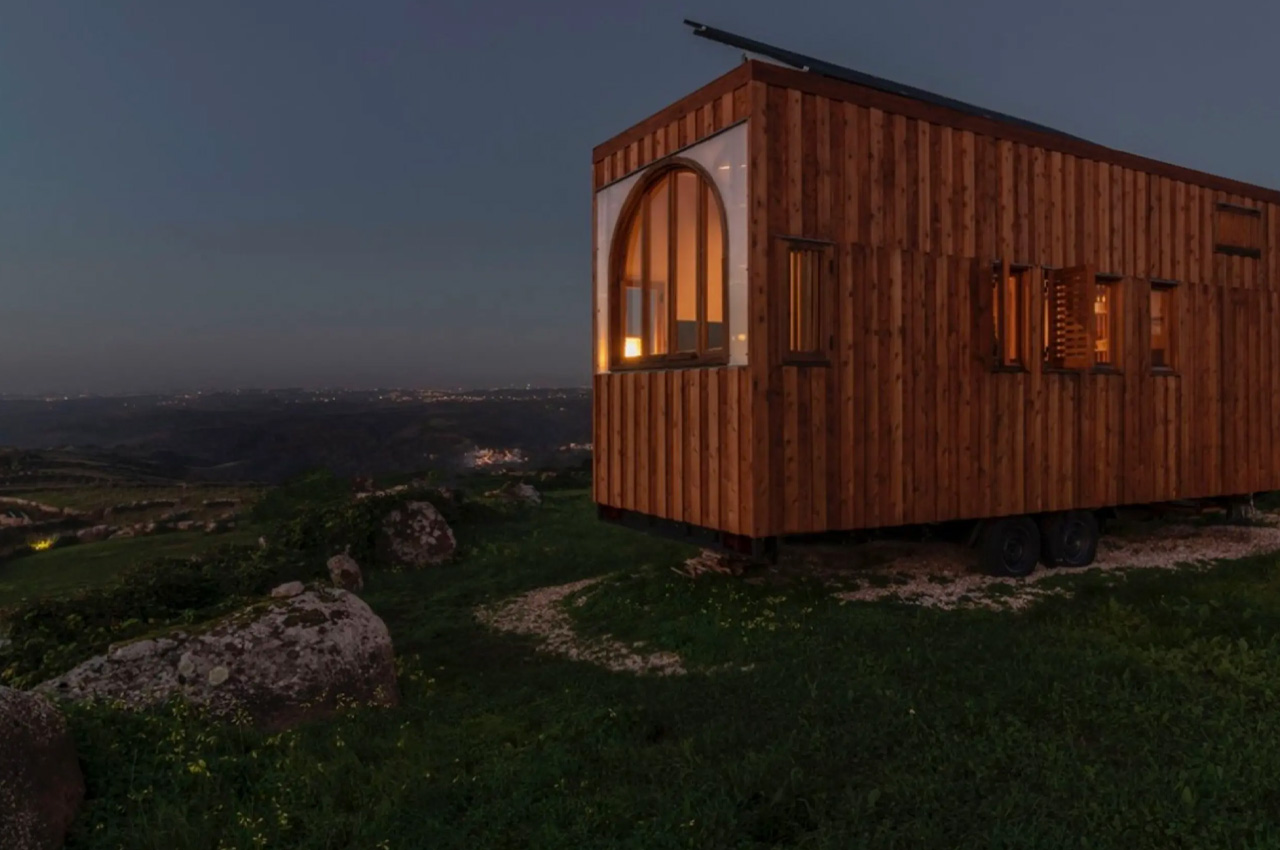
Portugal-based Madeiguincho released an exciting range of tiny homes that truly impacted the market. Their tiny homes boast stunning wooden detailing while maintaining a minimal and calming allure. Magdeiguincho’s Vigia and Baleia tiny homes made quite a mark, however, the firm’s latest model Raposa deserves some attention as well. The Raposa tiny home continues Madeiguincho’s legacy of brilliant timber craftsmanship, but what sets it apart is its huge operable skylights and double doors.

Designer: Madeiguincho

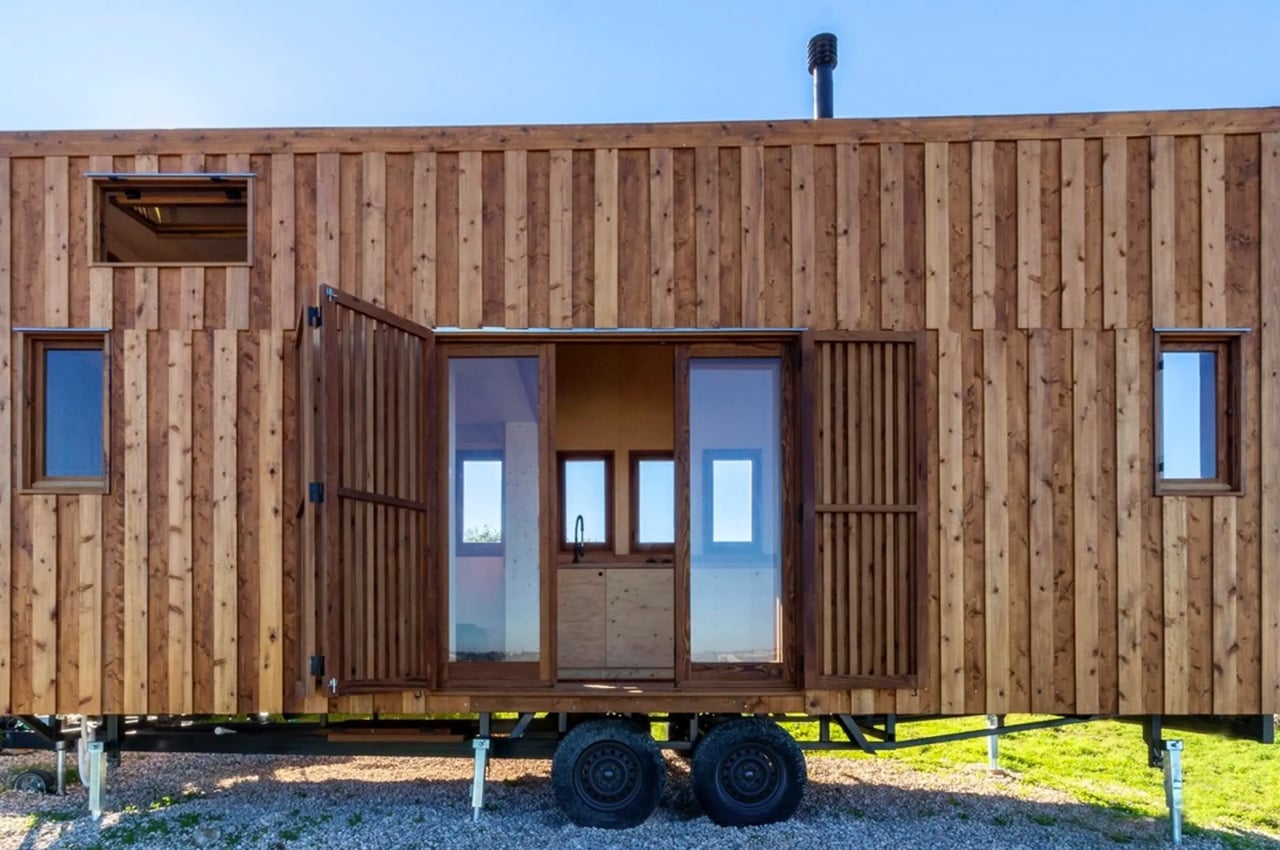
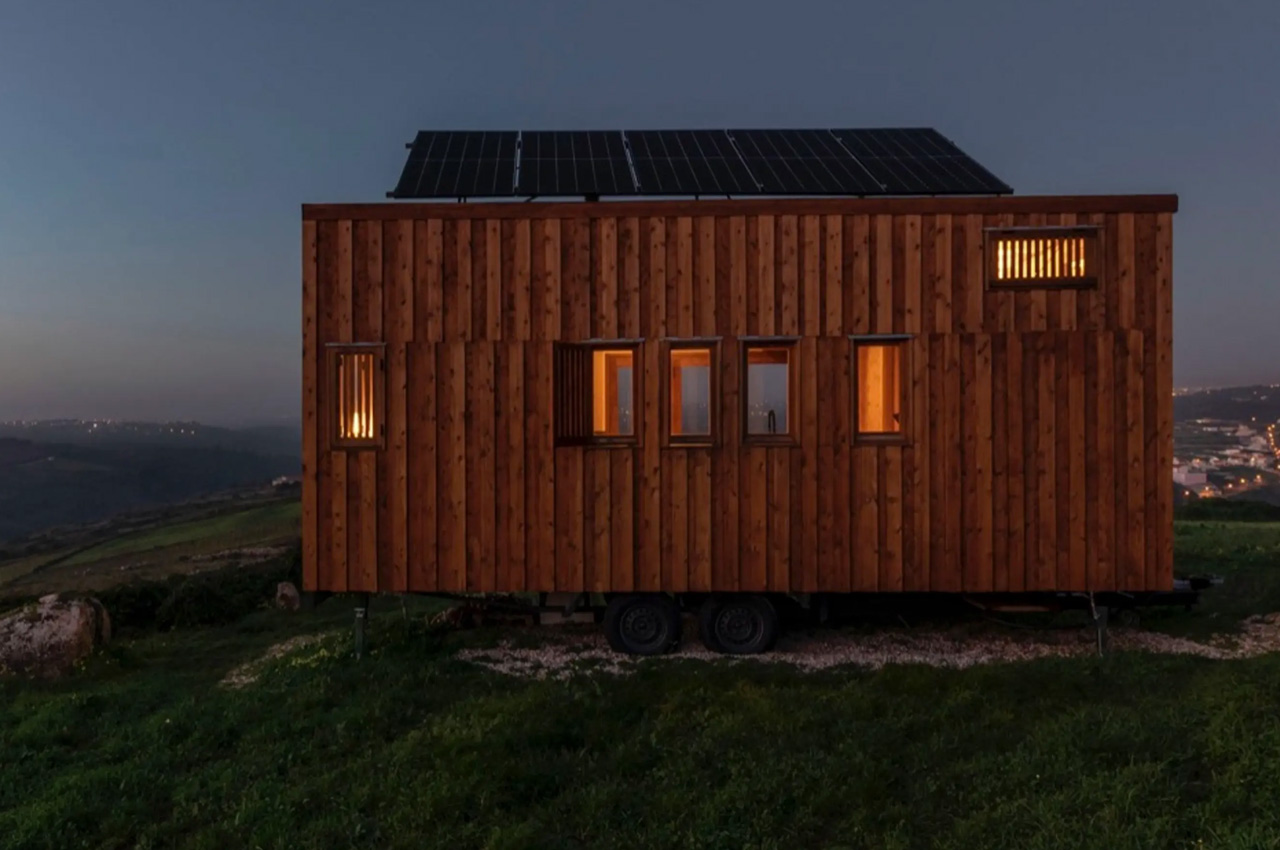
When you translate Raposa to Portuguese, it means Fox and the lovely tiny home is truly foxy! It is based on a double-axle trailer and measures 23 x 8 feet. It is not the largest tiny home on the market and has a comfortable compact size in comparison to the conventional North American tiny homes we usually come across. However, it would be considered the average size in Europe. The home is completely highlighted by wood, both inside and out. Besides some wonderful woodwork, it also showcases generous glazing and operable wooden shutters.

As visitors enter the Raposa tiny home, they are welcomed by double glass doors that lead them to the living room. The living room is adorned with an L-shaped storage-integrated sofa, coffee table, and a wood-burning stove. The kitchen isn’t far off from the living room, and it is equipped with a sink, stove, and cabinetry.

The ceiling of the home is one of the highlights. It features two massive skylights, that open up the home. They can be slid open, and locked into place when the weather is pleasant. Or can be shut back up when the mood strikes. However, the skylights are operable by hand in the bedroom, while in the living room, the owners need to use a pole to open them up. This does seem quite inconvenient speaking, but hey at least you get access to the starry skies without leaving the comforts of your home.

The bathroom is located at the other end of the home and has its own entrance. The bathroom is simple with a shower, flushing toilet, and stone sink. The bedroom is located on the upper story and can be accessed via a storage-integrated staircase. The bedroom is similar to most rooms seen in tiny homes, it has a typical loft space with a low ceiling and space for a double bed.

The post Featuring Two Massive Skylights, This Wooden Tiny Home Opens Up To The Skies first appeared on Yanko Design.

Fancy Little French Home Has A Unique “Upside-Down” Layout Making It Seem More Spacious Than Typical Tiny Homes

Designed by Baluchon, the Ellèbore tiny house measures 6 meters in length, and is the firm’s latest model. Baluchon is known for its experimentation with tiny homes, and its innovative designs and layouts that try to make tiny homes as spacious as possible without occupying too much space. And with Ellèbore, they’ve created a unique “upside-down” home, with the bedroom being positioned downstairs, and the upstairs section functioning as a multifunctional living room.

Designer: Baluchon

The tiny home is founded on a double-axle trailer, and it is adorned with a modern contemporary exterior, complemented by a red cedar finish and gray aluminum accenting. As you enter the kitchen, you are welcomed by a space that functions as the center of the home. It includes a small fridge/freezer, two-burner propane-powered stove, microwave, sink, and shelving. The kitchen also includes a lot of cabinetry, alongside a small wood-burning stove, and a neat storage space for cat food, toys, and wood for the fire.

The bathroom is positioned on one side of the kitchen, and it is simple but well-designed. It is amped with a shower and toilet, but no sink. On the other side of the kitchen, you have the bedroom, which can be entered via a sliding door. It is a tiny house-style sleeping area with a low ceiling, and it can seem a little tight and claustrophobic owing to its tiny doorway, and position in the downstairs section of the home. The bedroom does seem more cramped compared to the rooms found in typical tiny homes today.

The living room is located on the upper story and can be accessed via storage-integrated steps, that can be shifted if more kitchen space is needed. The living room is quite spacious with loads of headroom, and the space has generous glazing, which allows natural light to stream throughout the day. The room includes a sofa which can be converted into a double bed, that accommodates two guests. There’s also a compact home office with a desk.

The post Fancy Little French Home Has A Unique “Upside-Down” Layout Making It Seem More Spacious Than Typical Tiny Homes first appeared on Yanko Design.

Paddock Paradise Is A Spacious & Cozy Tiny Home For Both Cats & Humans Alike

The beauty, magic, and sheer genuis of tiny homes took us by storm a couple of years ago, and it was a discovery that took the architecture world by storm. Since then, tiny homes have gained immense popularity, and been experimented with to create even better, more beautiful, and functional designs. Tiny homes are space-saving and eco-friendly, and they reduce the load on Mother Earth, while managing to look super cute. And, an excellent tiny home that I recently came across is the Paddock Paradise.

Designer: Acorn Tiny Homes

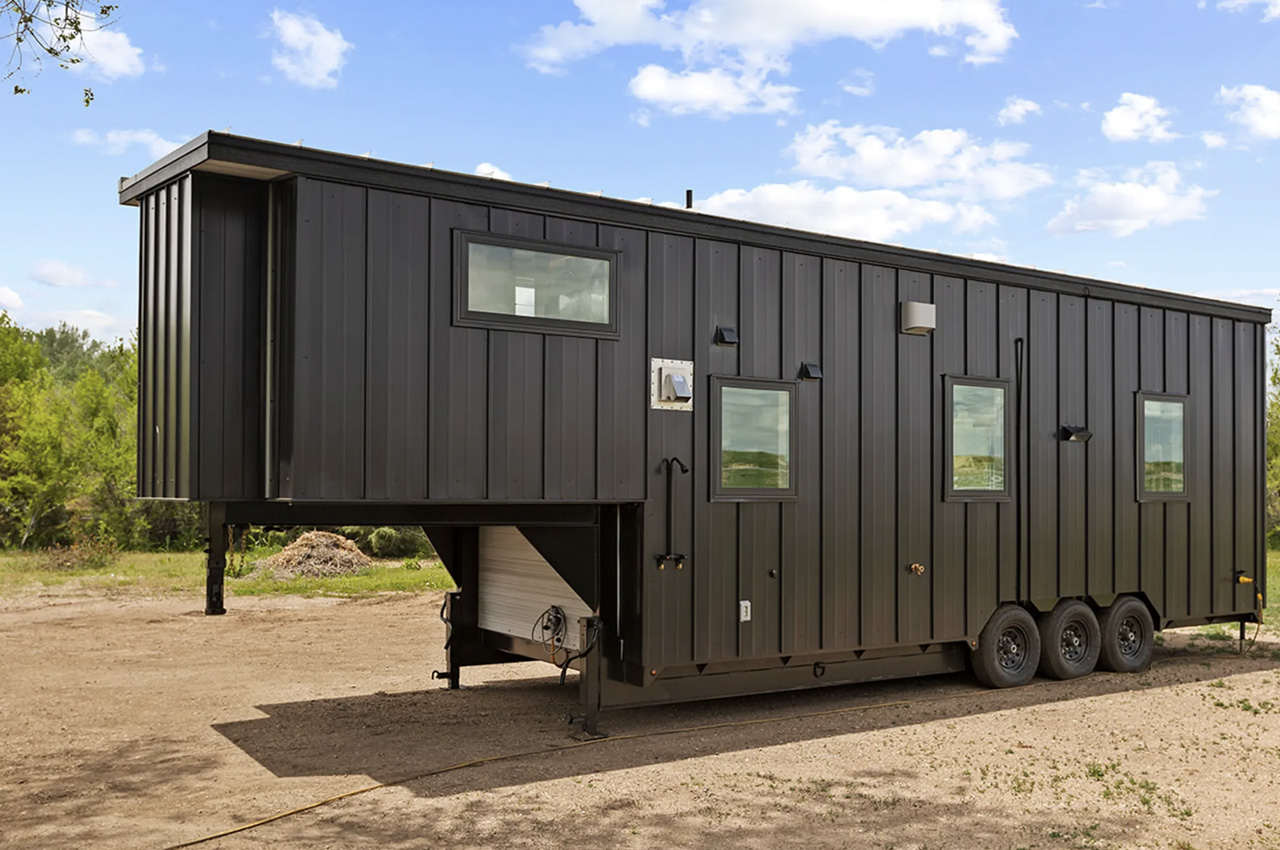
Designed by Acorn Tiny Homes, the Paddock paradise is a towable dwelling that features a spacious interior layout that’s equipped with storage space, and loads of amazing home comforts, including a couple for the owner’s cat. It is founded on a triple-axle gooseneck trailer, and finished in metal siding and faux stone. The trailer has a length of 38 feet, and it is quite big for a tiny home. It features a width of 10 ft, and it does require a permit to be towed on a public road in North America, but this also makes it a spacious dwelling, with a very house-esque style and layout.

There are two entrances into the Paddock Paradise. Accessing the home through the main entrance, visitors find a well-proportioned living room. This is taken up by an L-shaped sofa, plus a fireplace, TV, and shelving. In a neat touch, the fireplace mantelpiece is actually an operable drawer.

Two entrances lead you to Paddock Paradise. You can enter the home via the main entrance, wherein you are welcomed by a well-sized and designed living room. It holds a L-shaped sofa, TV, shelving, and fireplace. The fireplace mantelpiece is also an operable drawer, making it an innovative multifunctional design. The kitchen also holds the second entrance, which connects to a patio area. It features an oven with a three-burner propane-powered stove, as well as a pull-out pantry and a cat flap that offers easy access to a litter tray neatly concealed in the kitchen unit. The home also includes a series of walkways and tunnels through the upper section of the home, forming a cozy and playful living space for cats.

The post Paddock Paradise Is A Spacious & Cozy Tiny Home For Both Cats & Humans Alike first appeared on Yanko Design.
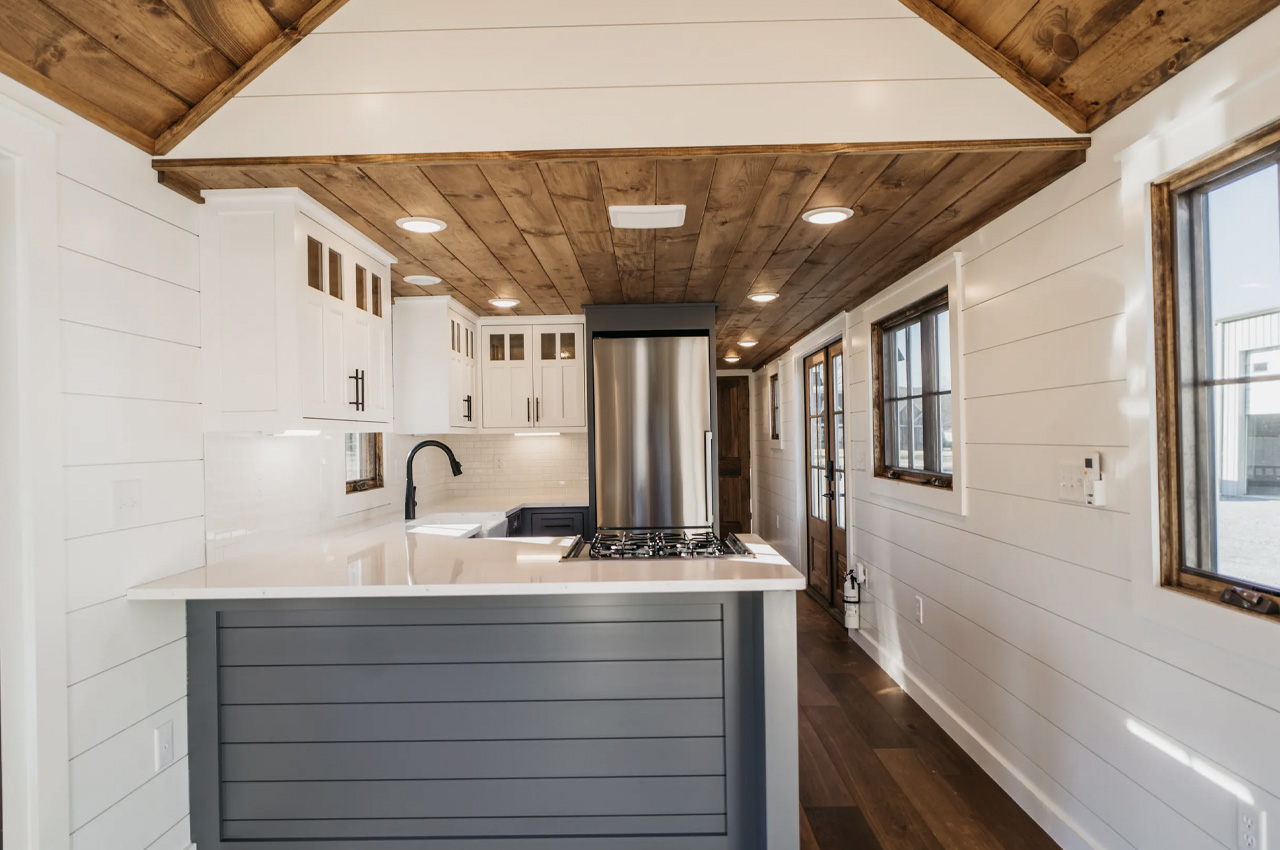
Portable tiny home can expand into a 364 square feet living space

One of the most tedious things that I experienced more than once is moving houses. Well for one thing, I have so much stuff so packing them all up and then unpacking them at my new place can be such a pain. So sometimes I wonder if I could just have all of my things and furniture in just one box that I can move from one place to another if I need to not stay in one place. Well, there are now tiny houses that can do just that, provided you can fit everything you own in that space.

Designer: PODX Go

There are a lot of tiny houses already available out there but this one is truly portable and high-tech. The Grande S1 is a pre-fabricated tiny home that can be packed up in a huge box and can be transported to where you need to go. And once you’re ready to settle down in that place, it can unpack itself and expand to a 20-foot-wide living space, complete with furniture and all the stuff that you can fit in that place. Once completely expanded, it has a full width of 20 feet and 364 square feet and it’s “street legal” which is an important requirement for those that need to actually live in that house.

To open up the house, you need to fold out the awning and the stairs and lower the stabilizing posts first. After that, you just press the button and it will unfold in all its mechanical glory. Inside, you have a dining space, living room, kitchen, bathroom, home office, and bedroom. All of the furniture can be folded in and out or stowed away into compartments because, of course, you need to put them somewhere when the house will fold into itself. For example, the queen-sized Murphy bed and the office desk can be stowed into the wall while the dining table can be folded on both sides and the chairs inserted into it.

If you’re getting ready to move again, you just need to stow away the desk, bed, and dining table and then put the sofa in the front entry area while the office chair and coffee table can fit into the bathroom. Then you remove the stabilizing posts and then with another press of a button, the house will then fold itself up and you’ll be ready to move in just 10 minutes. Oh and this tiny house can go off grid as it powered by a1,400-watt array solar panels connected to a 5-kilowatt Lycan power box.

The post Portable tiny home can expand into a 364 square feet living space first appeared on Yanko Design.
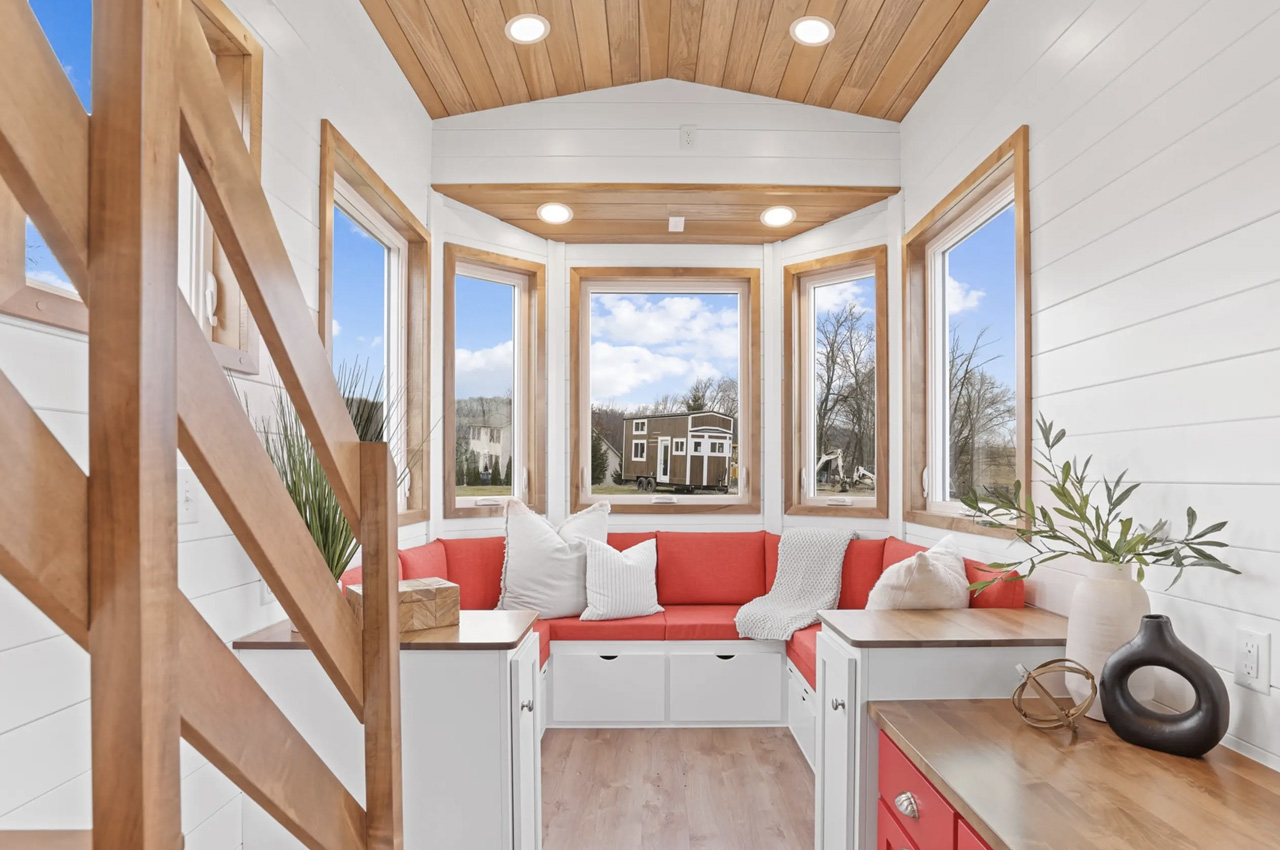
The Sakura Tiny House With An Ingenious Transforming Interior Is A Game Changer In The Architecture World

Dubbed the Sakura Tiny home, and designed by Canada-based Acorn Tiny Homes, this quaint little house is designed to be a game-changer as compared to typical homes. It breaks the norm of traditional tiny homes, and although it doesn’t feature wheels, it is equipped with an innovative space-saving interior consisting of a transforming kitchen and bedroom. In an era, where tiny homes are the most popular housing style out there, the Sakura tiny home takes this genre to a whole new and interesting level.

Designer: Acorn Tiny Homes 

The Sakura tiny home is inspired by popular Japanese design trends. Sakura means cherry blossom in Japanese, showcasing an overall Japanese influence on the structure. The roof is built from metal, and the siding is available in varied finishes such as wood, metal, and faux stone. The home will occupy 21.5 x 10.5 ft, and it isn’t as large as North American tiny homes and is quite similar to European models. The interior has a floorspace of 225 square feet and can accommodate two people, as well as a pair of guests, although it may be a tight fit.

The layout and interior of this home are quite unlike other homes. As you enter the home, you are welcomed by a flexible multipurpose space that occupies a lot of the floor space. This main living space transforms into a bedroom, when you slide out the double bed from underneath the nearby living room floor. The cabinetry conceals a fully functional kitchen, and it consists of an induction stove, microwave, oven, fridge/freezer, dishwasher, and a washer/dryer/. The kitchen also features a pull-out kitchen counter that provides some extra prep space.

This multipurpose kitchen/entrance/bedroom is connected to other rooms in the house. One room is the bathroom, which will hold a wet room, shower, skylight, and a novel toilet with an integrated sink that is supplied by greywater. The other room is the living room, which will be elevated to make space for the sliding bed, and will include a pull-out desk area, sofa bed, and a massive entertainment center.

The post The Sakura Tiny House With An Ingenious Transforming Interior Is A Game Changer In The Architecture World first appeared on Yanko Design.
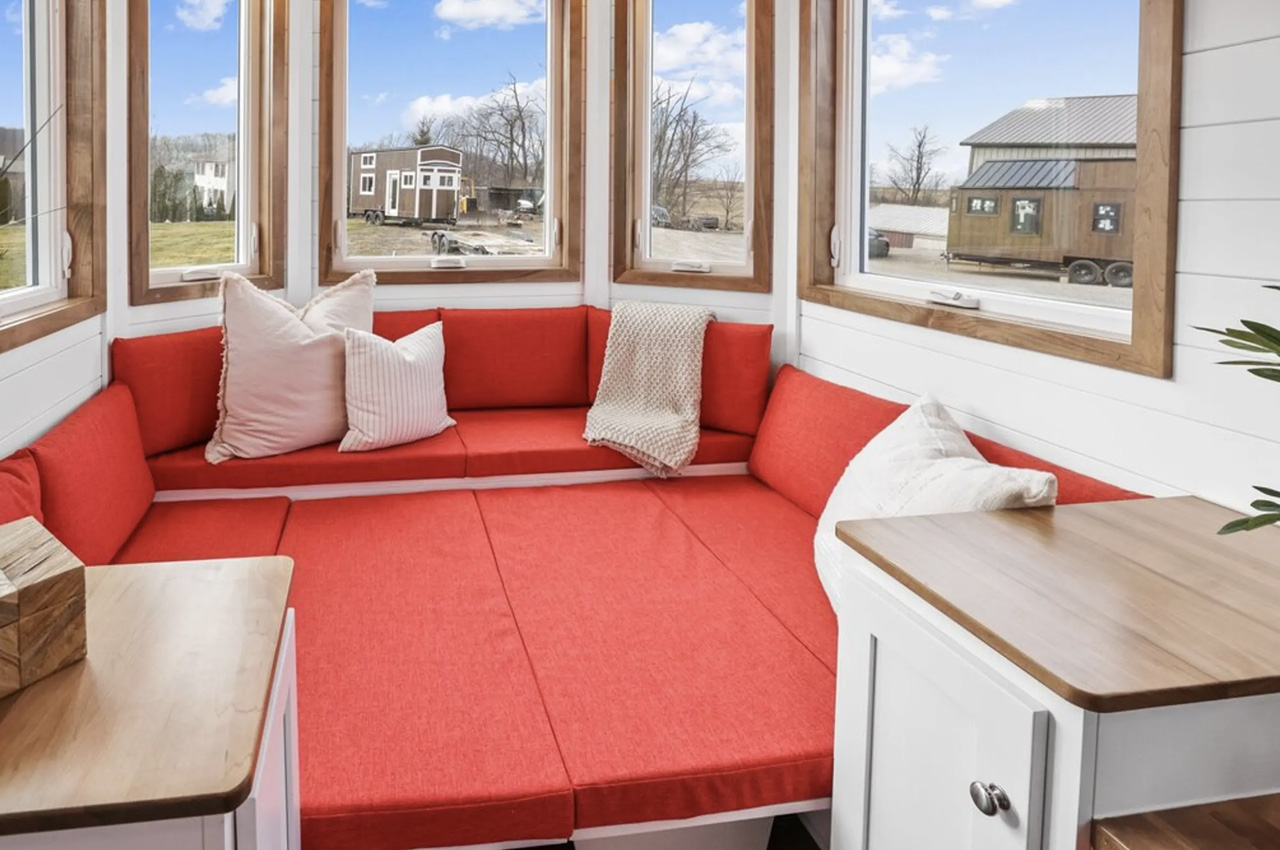
The River Forest Lookout Is A 60Ft Tall Shipping Container Tiny Home To Consider For Your Next Holiday Rental

Dubbed the River Forest Lookout, this project is quite an intriguing one, since it elevates shipping container architecture to a whole another level…quite literally! This project is located above the forest floor in Whitfield Country, Georgia, and was constructed by owner Mark Derenthal and his family. The unique home features a fire lookout tower-style design and is made up of two containers that have been elevated 60ft above the ground.
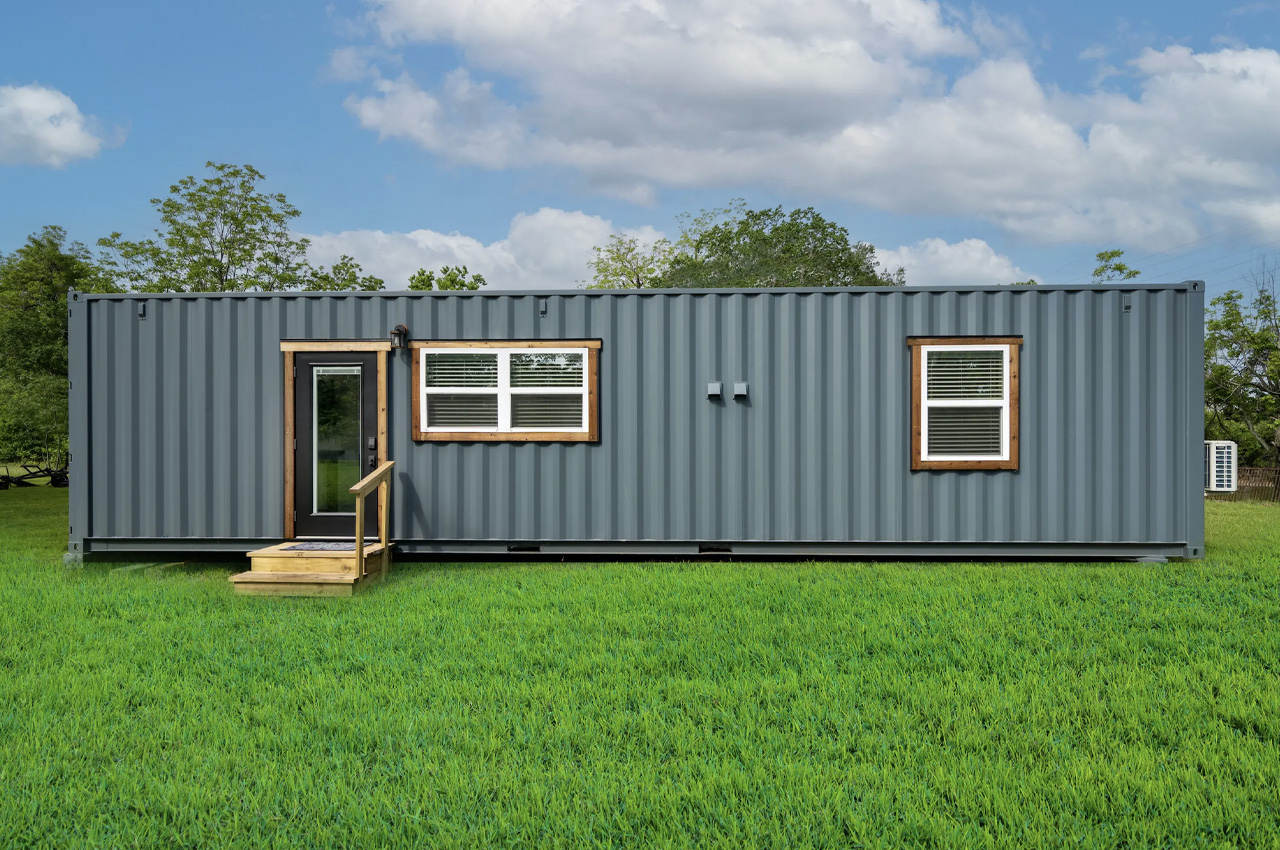
Designer: Mark Derenthal

The River Forest Lookout is placed on rural land spanning 14 acres, and it was quite a complex and difficult process to transport everything to the site. Assembling the various parts such as the base and the stairs was quite a pain too, as was craning the modified shipping containers into place.

You can enter the home via a staircase, and you are invited into an open-plan living area that occupies one of the shipping containers. This space accommodates a few chairs, and a dining table, as well as a basic kitchen with a mini fridge, a microwave, and a two-burner propane-powered stove. Adjacent to this open-plan living area is a bedroom which contains a double bed. The space has been equipped with an ample amount of shelving and some neat storage nooks. The first shipping container is amped with floor-to-ceiling windows, as well as a skylight which maximizes the amount of natural light that streams into the space.

The second shipping container accommodates a spacious bathroom which includes a walk-in shower, flushing toilet, and a sink. The tiny home also includes a compact balcony area with a table for two, as well as seating for two. It also includes a BBQ. Other amenities in the home include a rooftop terrace, which can be accessed via a spiral staircase. The terrace is adorned with a fire pit, and some seating. The River Forest Lookout runs completely off-the-grid and is equipped with a rooftop solar panel array. Water is procured from a nearby well, and it is equipped with propane-powered heating, as well as a small wood-burning stove, to keep the space warm. The tiny home is currently for rent on Airbnb, and you can check it out on there!

The post The River Forest Lookout Is A 60Ft Tall Shipping Container Tiny Home To Consider For Your Next Holiday Rental first appeared on Yanko Design.