This Japanese Can Opener Removes the Entire Top and Makes Your Beer Taste Like Draft

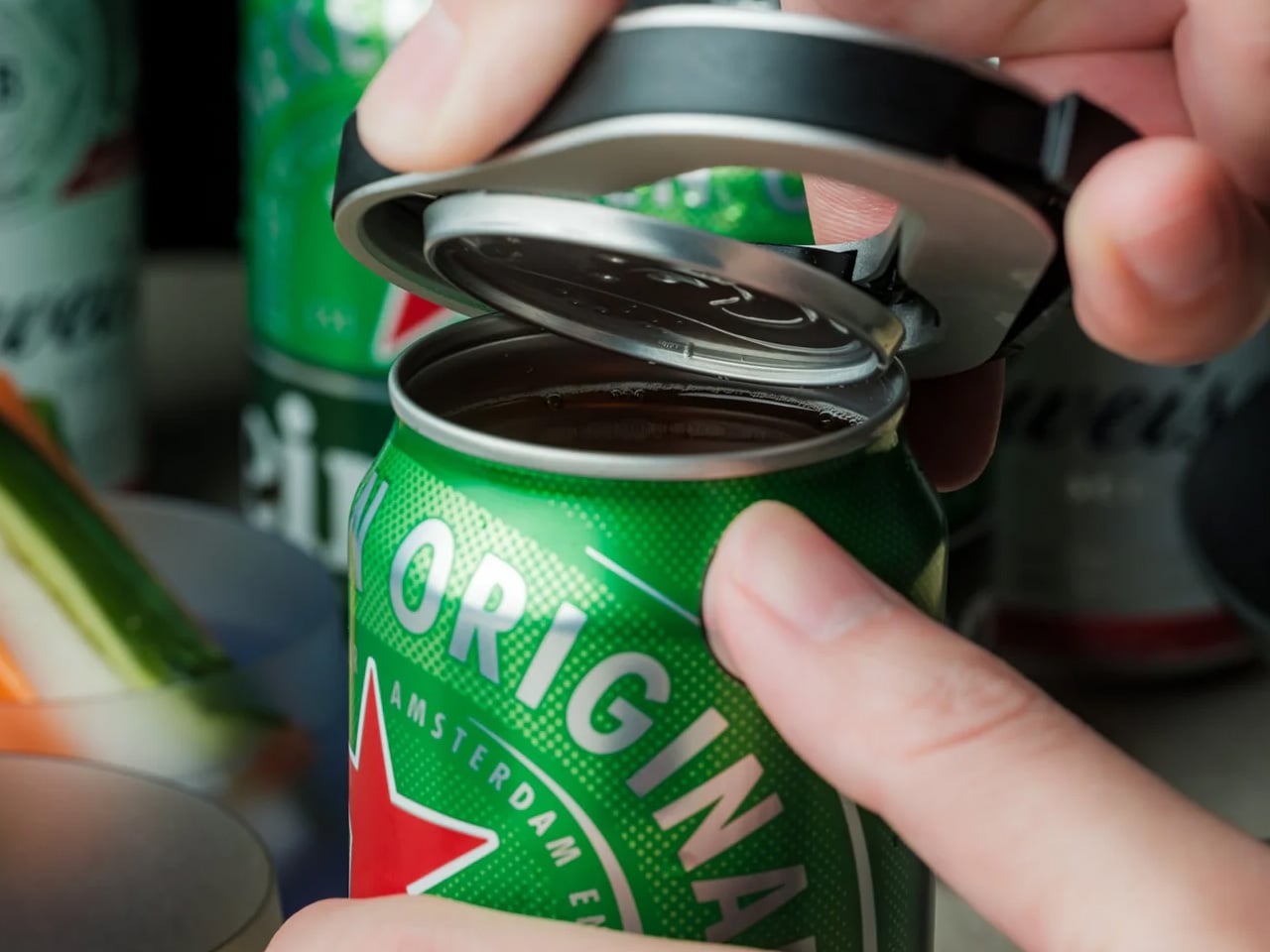
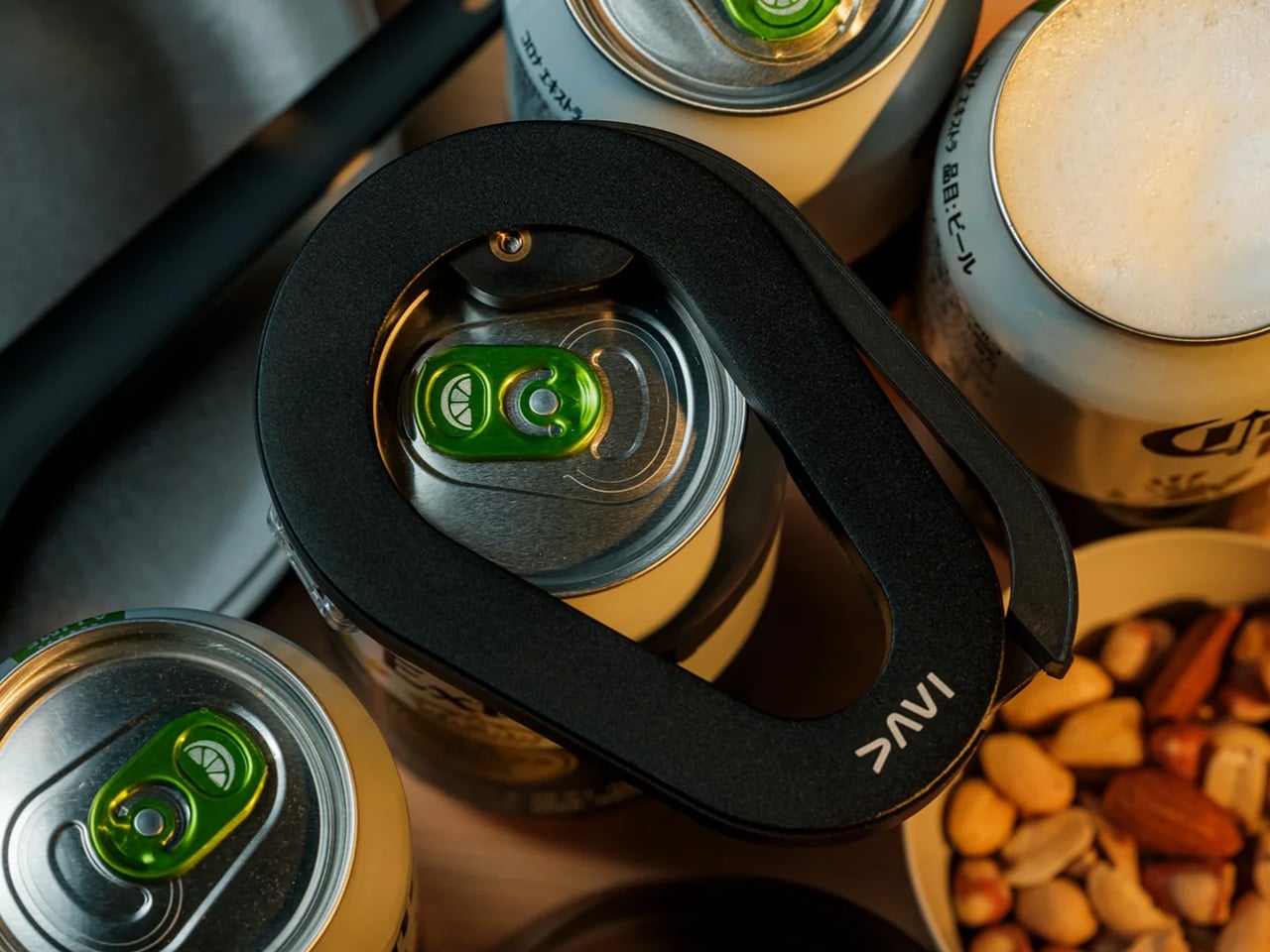
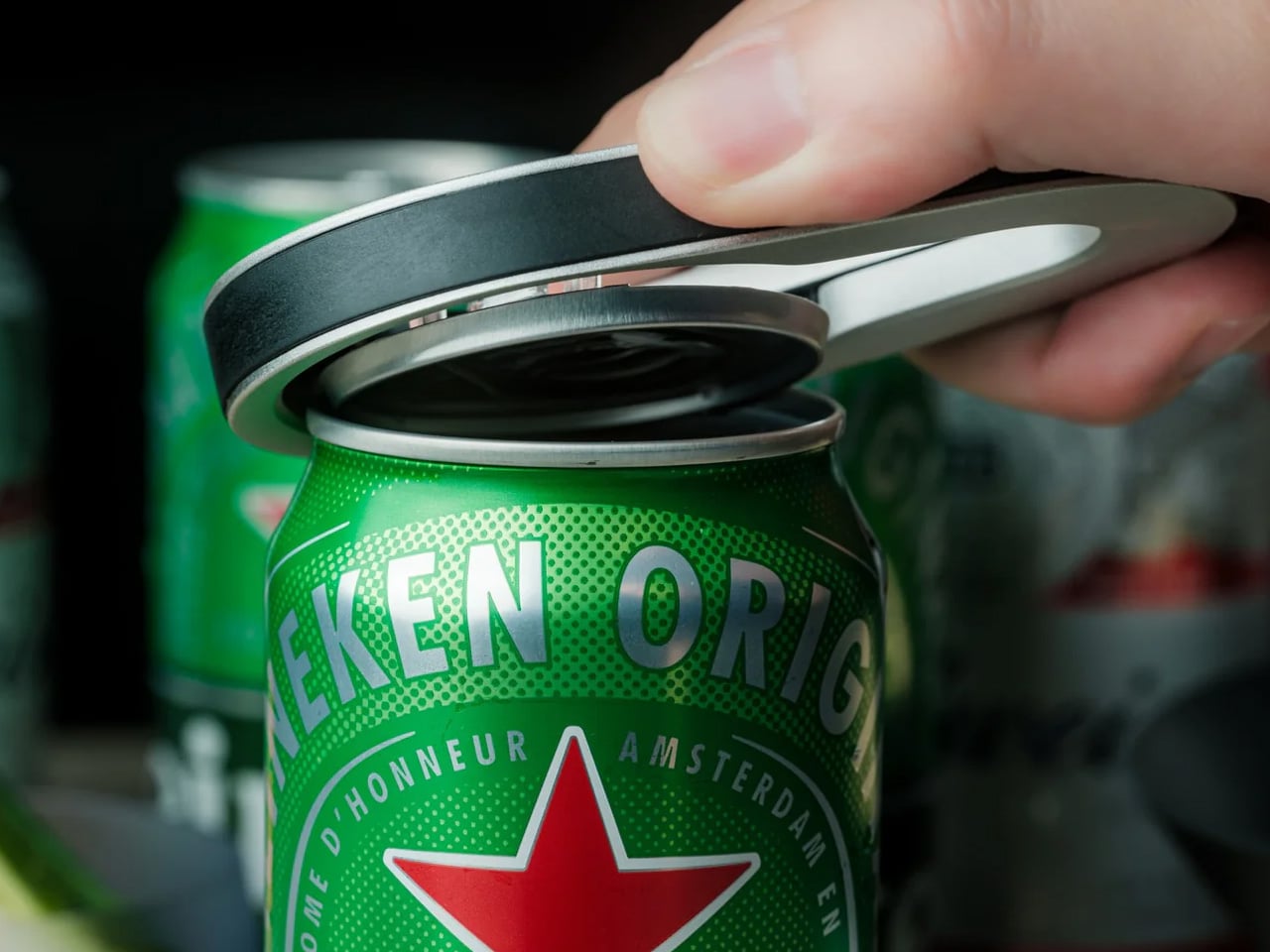
Some can openers live at the back of a kitchen drawer, pulled out once a year and quickly forgotten. The DraftPro Top Can Opener belongs somewhere else entirely. Designed by award-winning Japanese designer Shu Kanno and built in Japan, it removes the entire top of a can in a single smooth motion, turning any beer, sparkling water, or canned cocktail into something that drinks far closer to a glass.

What makes it worth talking about is not the novelty of a fully open can. It is how that one change compounds everything. Aroma lifts. Flavor opens. Ice slides in cleanly. A cocktail comes together directly in the can without a shaker or a glass to clean. This is not a gadget built for effect. It is a considered object, designed with the discipline Japanese craft demands, and built to earn its place.
Click Here to Buy Now: $60.00

One Motion, A Better Drink

The drinking experience changes the moment the top comes off. A full wide-mouth opening releases aroma the way a pint glass does, without the pour. The edge left behind is clean and smooth, safe to drink from directly, which means you are not trading the convenience of a can for a sharp, dangerous lip. The opening motion reflects the Japanese design philosophy behind the product: smooth, quiet, and completely controlled. No grinding, no force, no jagged result.

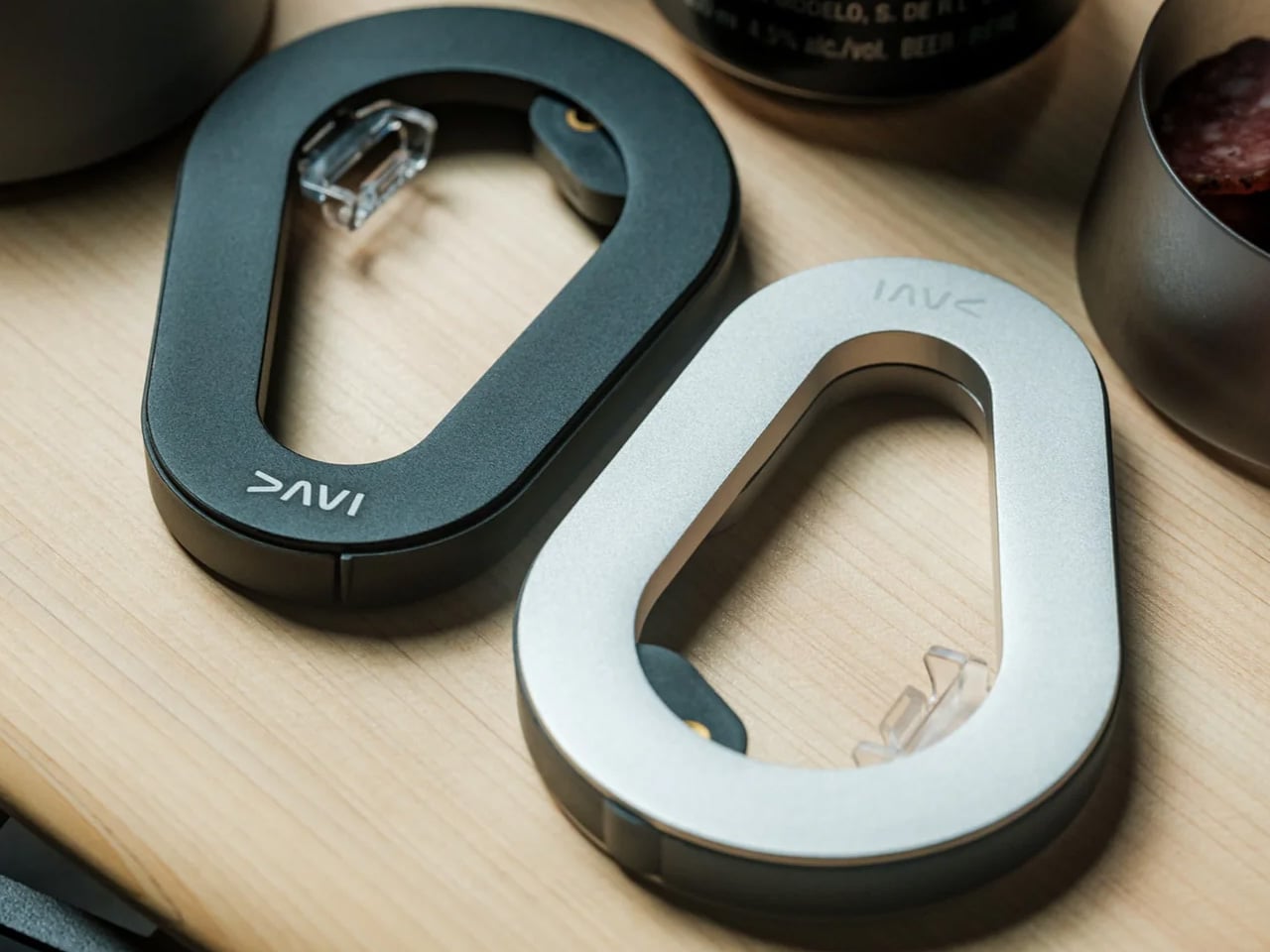
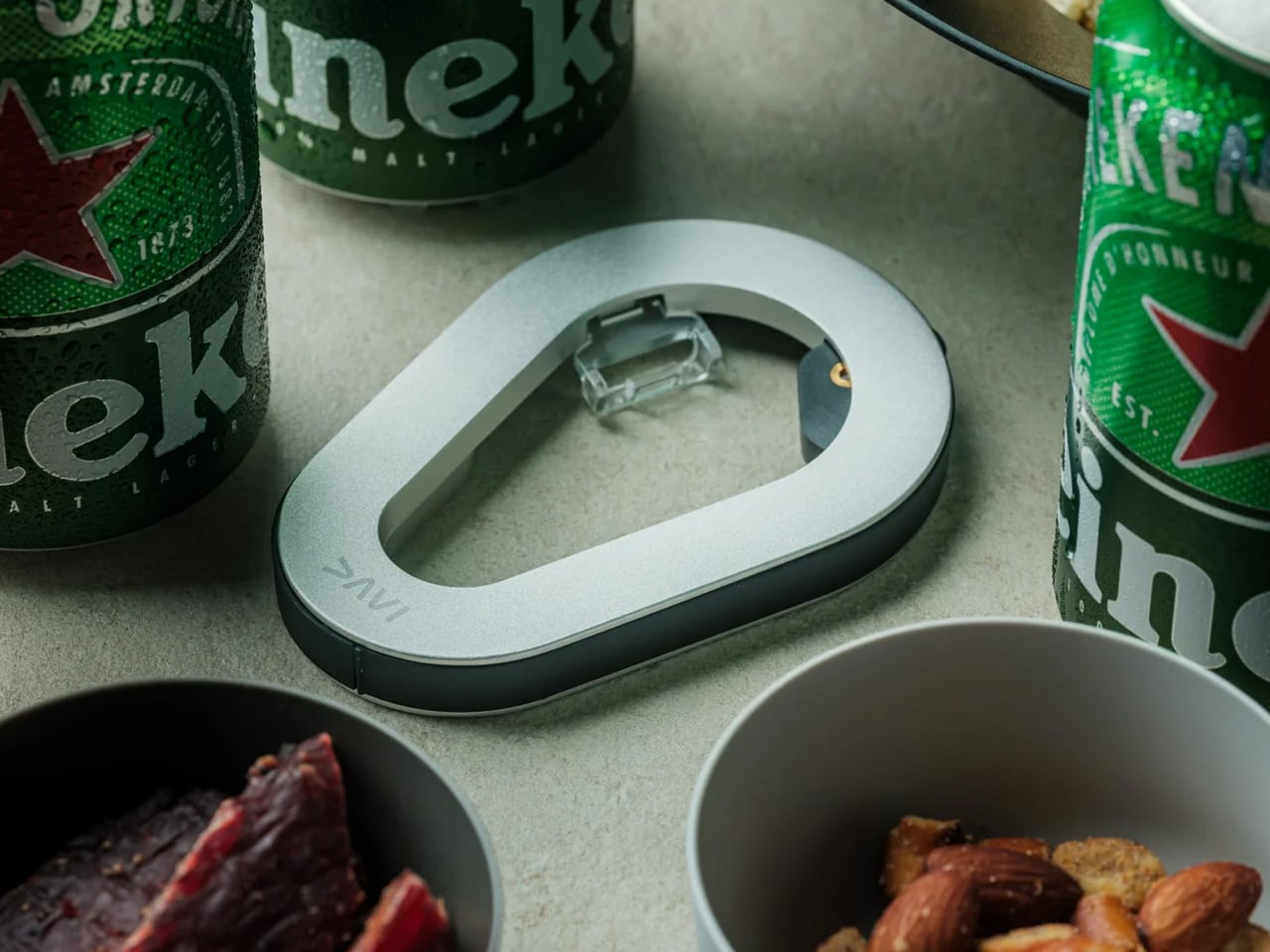
That precision is not accidental. Shu Kanno designed the grip for subtle comfort, shaped to sit naturally in the hand without slipping or requiring an awkward angle. The mechanism produces the same clean result every time, domestic or international, standard size or otherwise. Nothing about the design announces itself or overclaims. It simply does exactly what it should, at the moment you need it to, without asking anything more from the person holding it.
Built for More Than One Moment

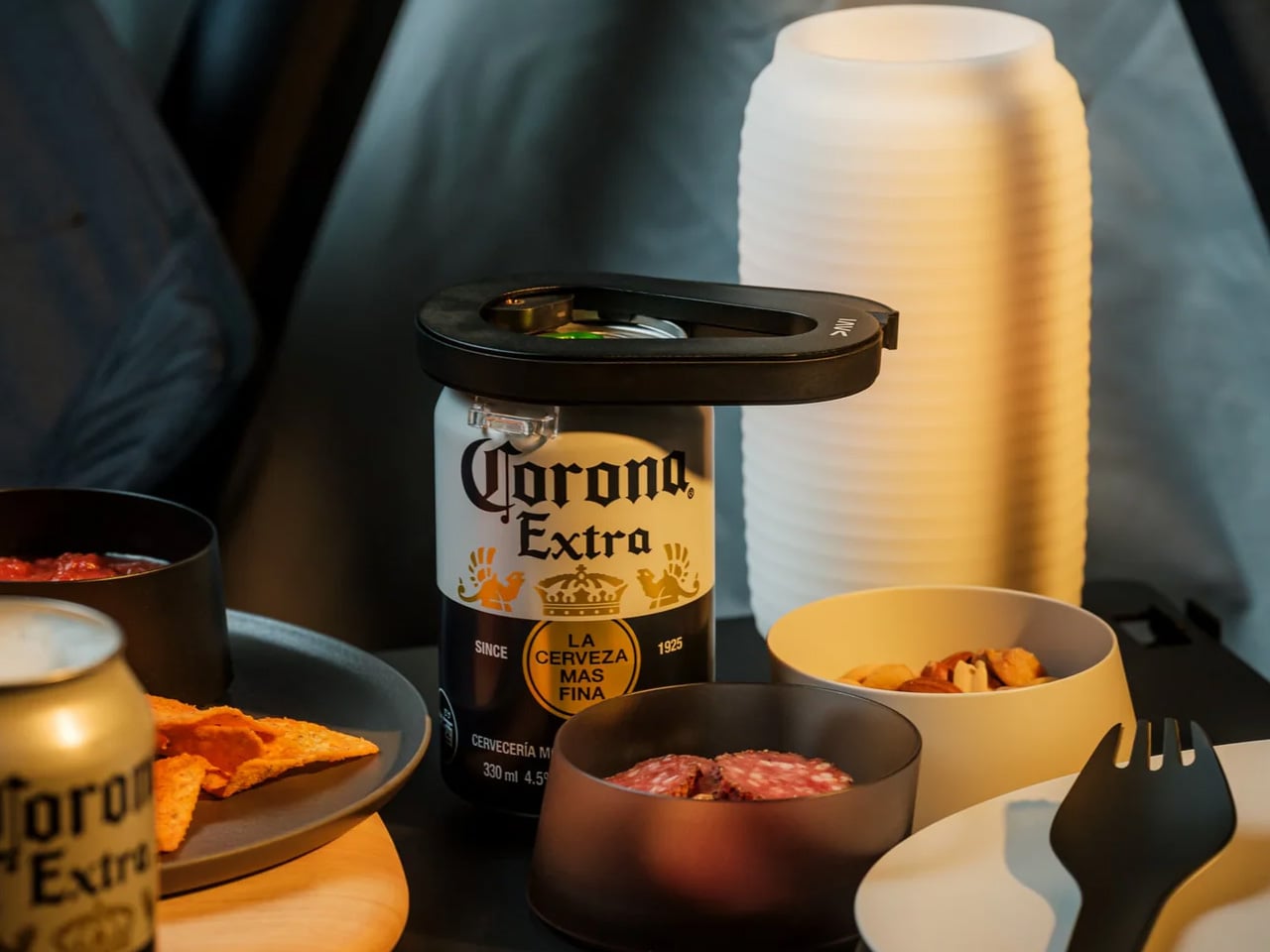
The full open top is the headline feature, but the practical range goes further than it first appears. Drop ice directly into the open can, and it chills faster than waiting on the fridge. Build a cocktail right in the can, no shaker, no glass, no surface to clean. That same clean cut turns an empty can into a planter, a pen holder, or something ready to rinse and recycle without any extra effort.

Universal fit means it works with domestic and international cans without adjustment, which matters when you are traveling or reaching for something unfamiliar at the back of a cooler. The lightweight build disappears into a bag without adding bulk, making it as practical on a hiking trail or cabin trip as it is at home. Shu Kanno designed it to go where the drink goes. It does exactly that.
What We Like

  • Full top removal creates a wide-mouth opening that genuinely improves aroma and flavor, the same principle behind drinking craft beer from a proper glass rather than directly from a sealed can
  • Clean, smooth edge means you can drink directly without concern, the baseline the product needs to clear and the one it meets without compromise
  • Universal compatibility across domestic and international cans removes the guesswork before you even need it
  • Lightweight and portable build makes it practical for outdoor settings, travel, and hosting without adding anything unnecessary to what you carry

What We Dislike

  • No reseal option once the top is removed, so it works best when you intend to finish what you open rather than save it for later
  • No sizing specifications published, which makes it harder to confirm fit for unusually shaped or specialty cans before purchasing
A Tool That Earns Its Place

DraftPro does not fix a problem most people knew they had. It reveals one. Once you taste a beer with the top fully removed, aroma open and flavor fully present, the sealed can version feels like a compromise you were accepting without realizing it. That is the quiet power of intentional design. It does not announce itself. It just makes every drink noticeably and permanently better.

For the design-minded, it is a precision tool from a serious designer, built in Japan, with the restraint and finish that craft demands. For everyone else, it is a small, permanent upgrade to one of the most ordinary moments in the day. Either way, it earns its place, and once it does, you will not want to open a can any other way.
The post This Japanese Can Opener Removes the Entire Top and Makes Your Beer Taste Like Draft first appeared on Yanko Design.

This Lamp Is Cast From Soda Can Trash But Looks Like Carved Stone

Upcycled materials have become a familiar part of sustainable design, but most of them still try to hide where they came from. The aluminum gets purified, the recycled plastic molded smooth, and the result looks clean and neutral but loses the story of its origins. Pairing genuine sustainability with aesthetic character turns out to be a harder problem than it looks, and most attempts quietly sidestep it.

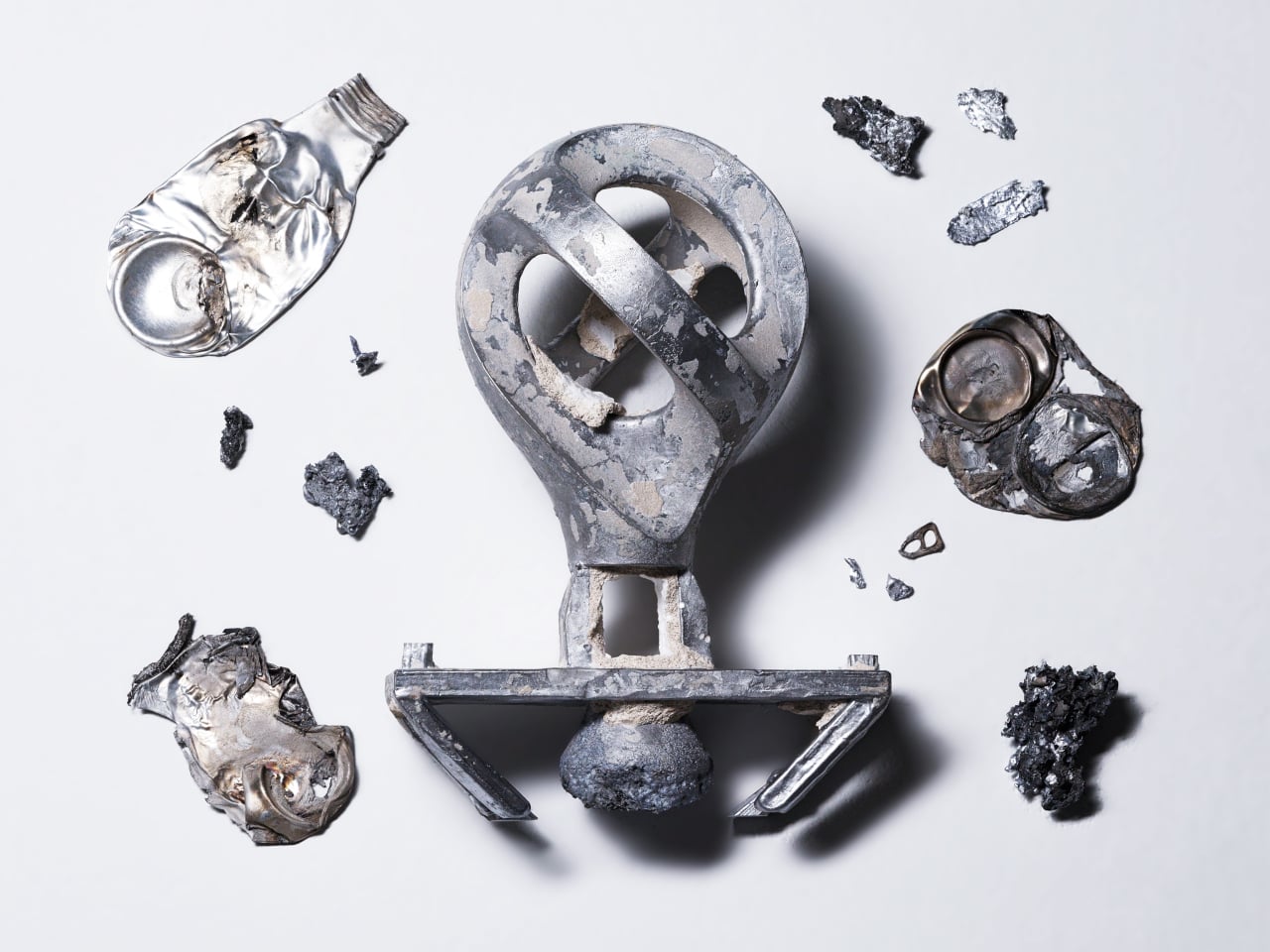
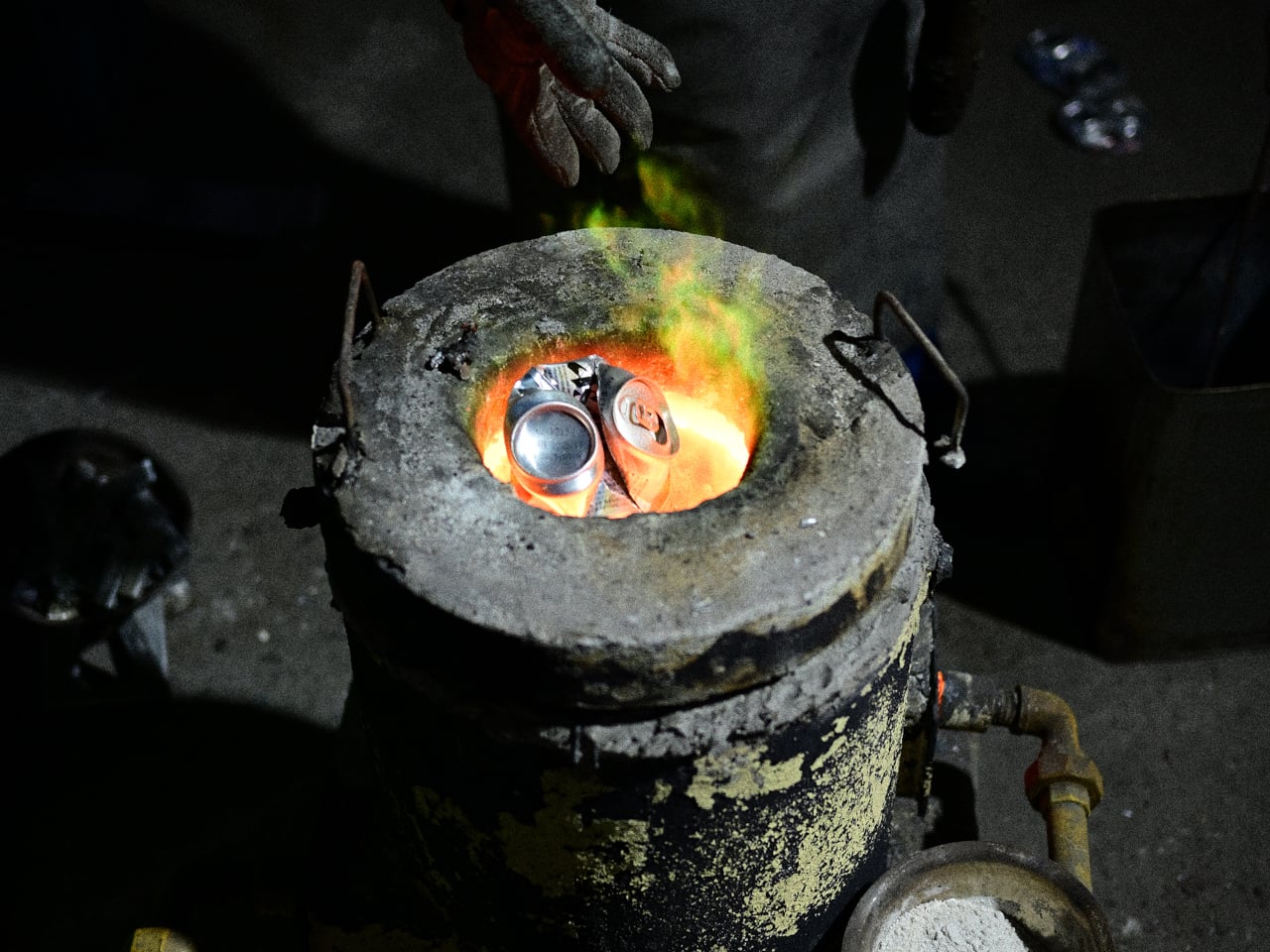
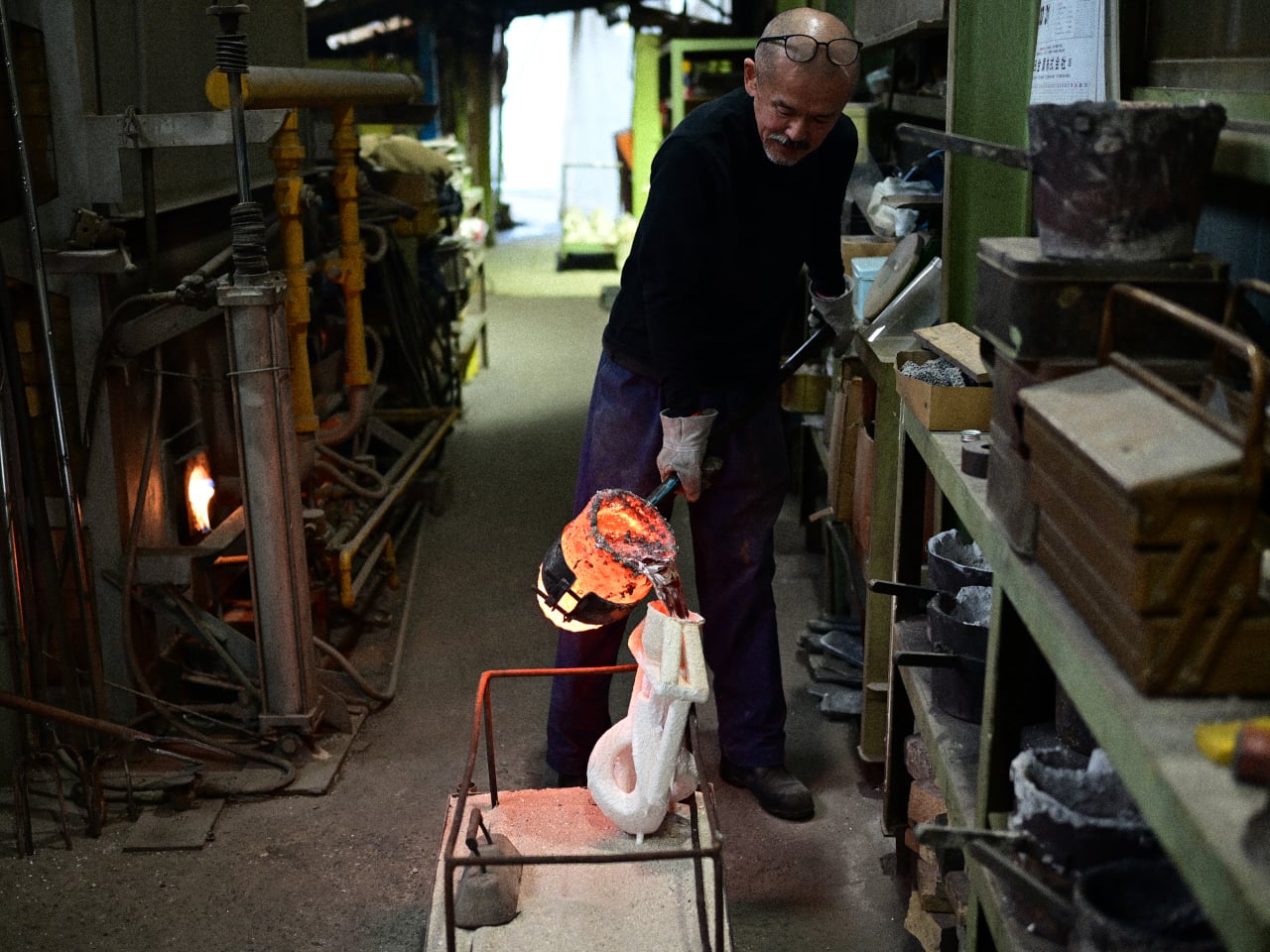
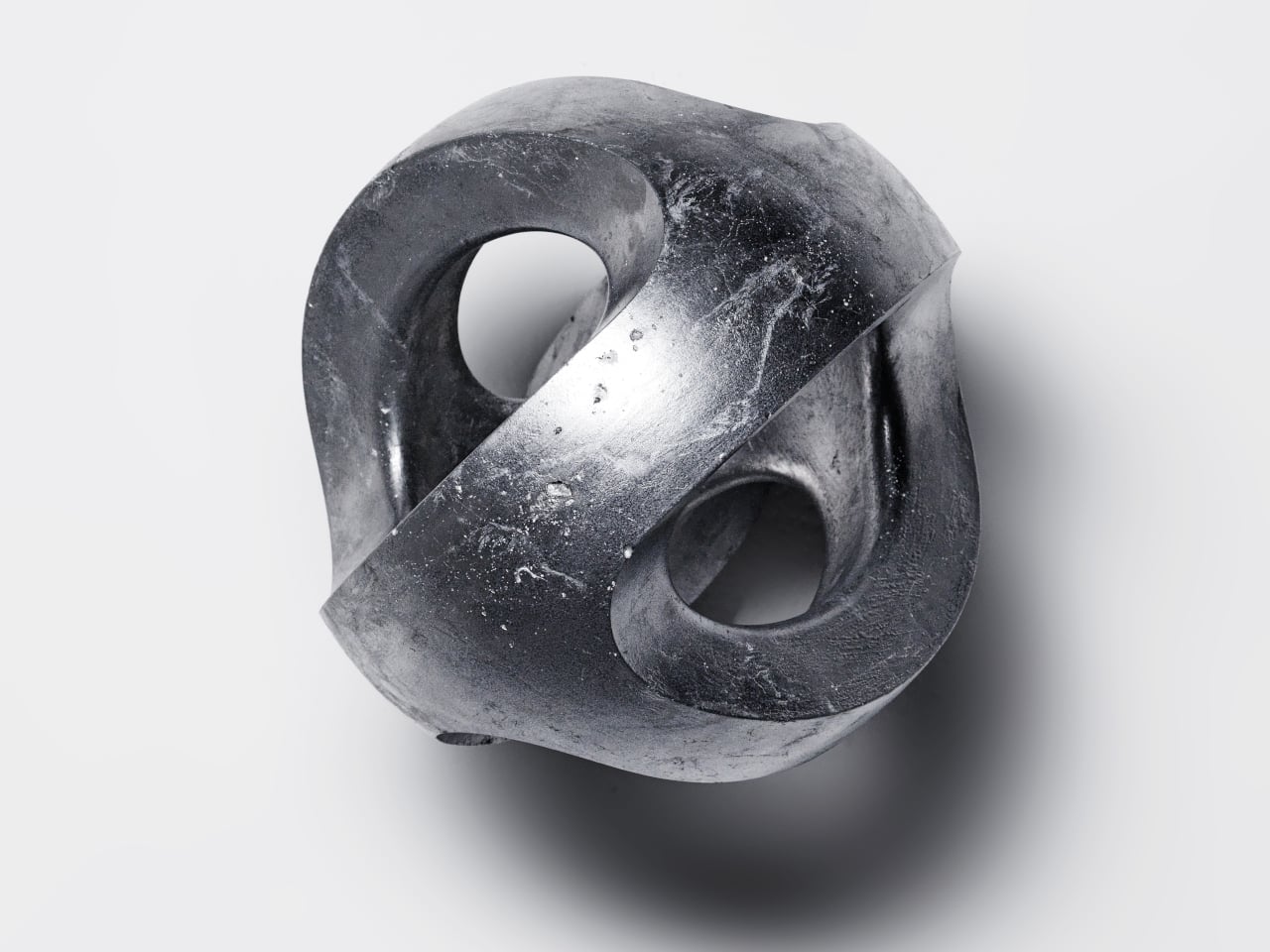
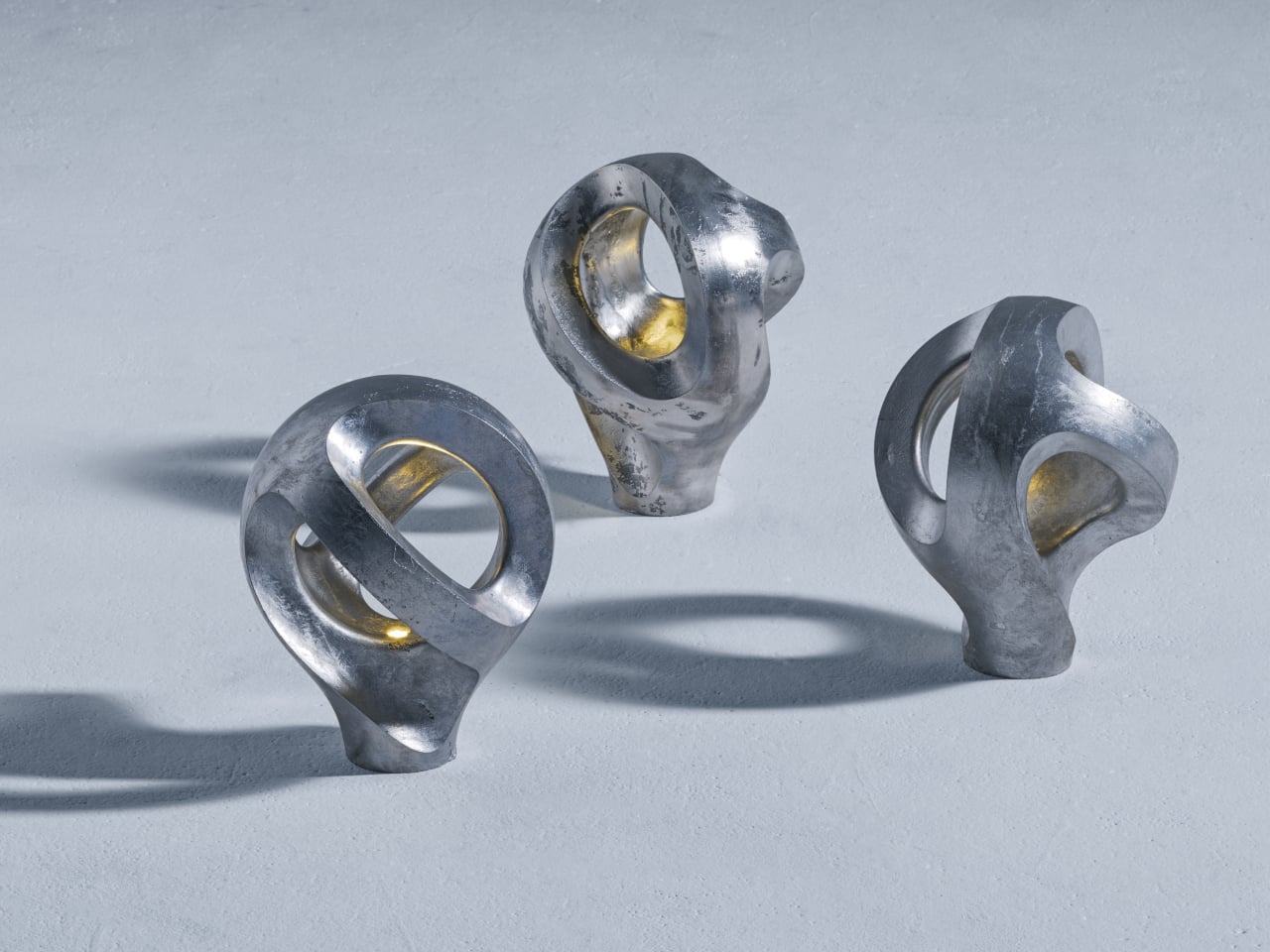
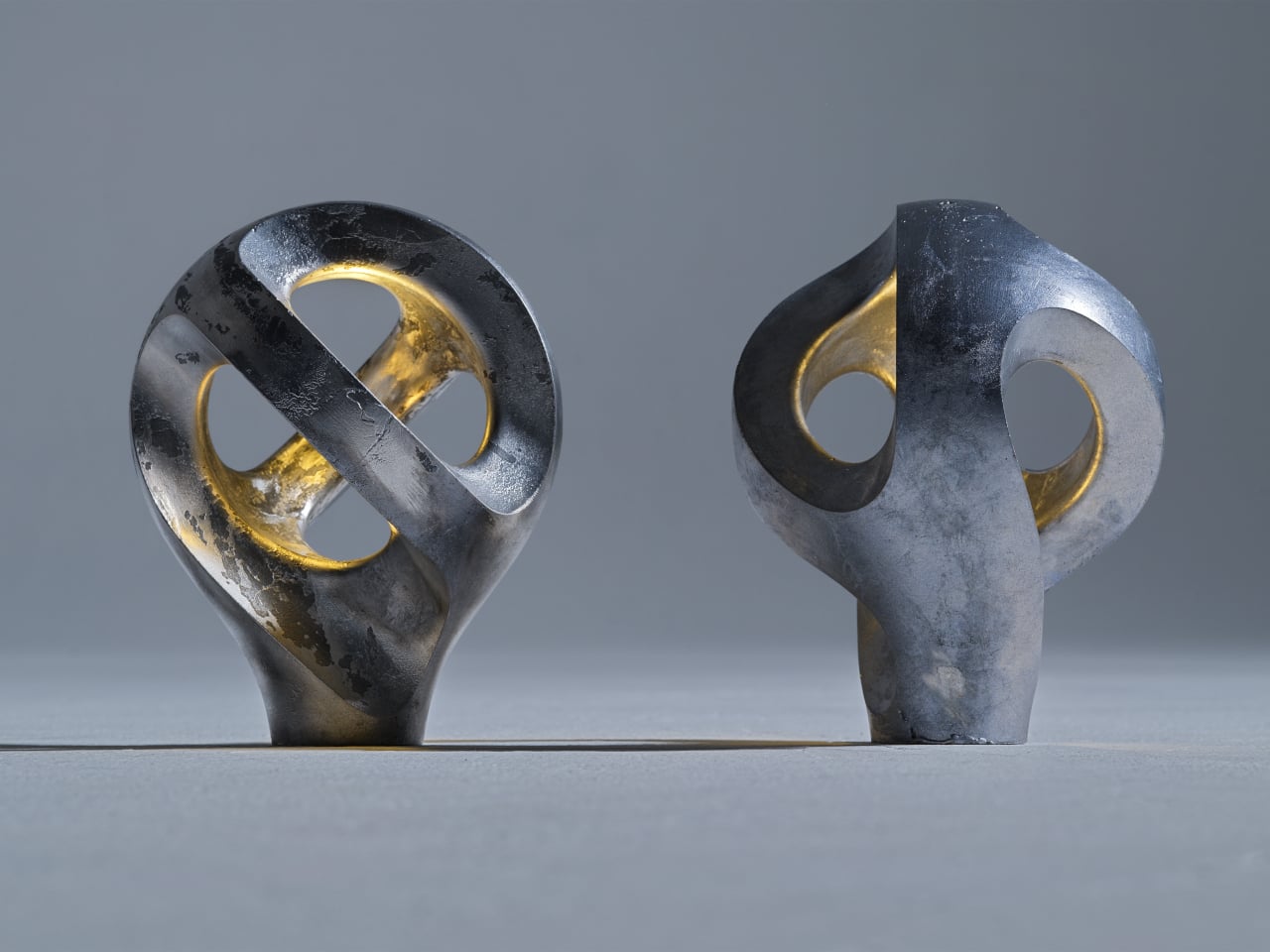
Tokyo-based product designer Kenji Abe took a different approach with Aperire, a lighting fixture cast entirely from discarded aluminum cans. Rather than refining the material beyond recognition, he deliberately left in the impurities. The wrinkles, air bubbles, and traces of ink from the original cans were preserved as surface texture, turning what most casting processes would filter out into the fixture’s defining character.

Designer: Kenji Abe

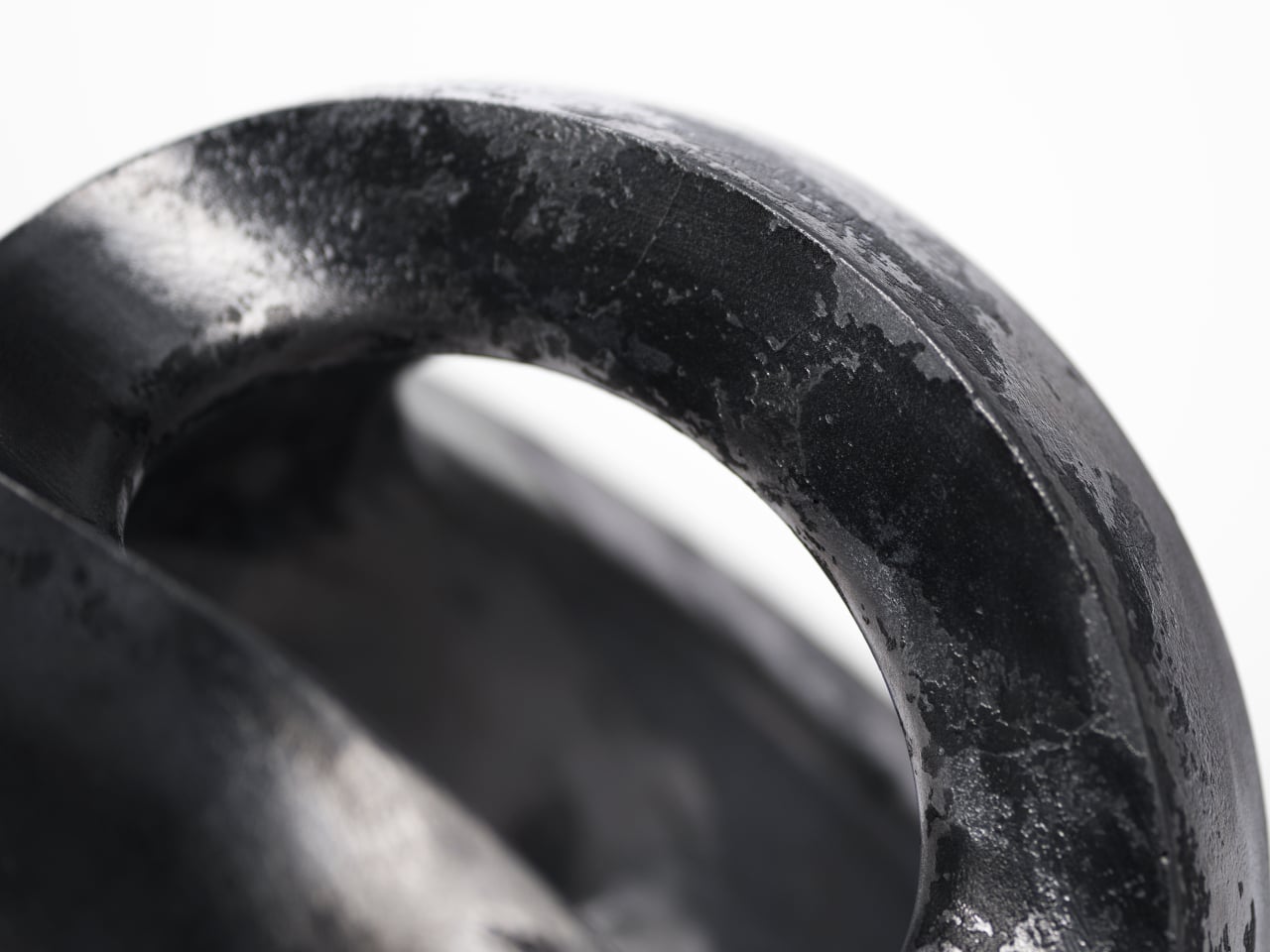
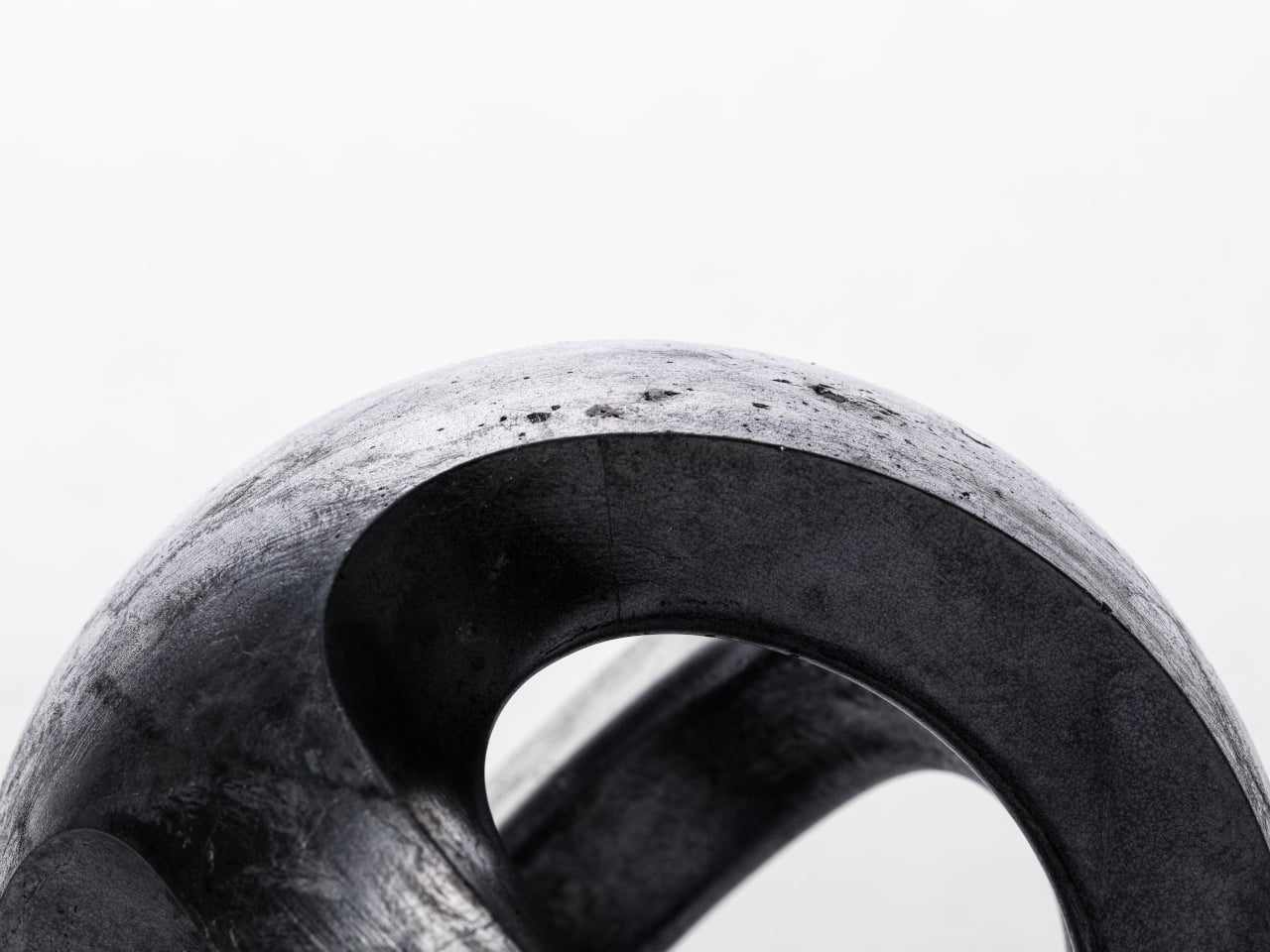
Melting the cans down without removing too many impurities is what produces that surface. Each piece ends up slightly different, carrying unpredictable marks that no two castings will ever replicate. Traces of ink from labels and other irregularities seep through the metal, and the result reads less like manufactured aluminum and more like weathered stone or bone. The artificial origin becomes genuinely difficult to place.

The finish that results reads almost like a natural material. The same surface might show shallow depressions, irregular ridges, or fine lines that look nothing like machined metal. Paired with the organic, chambered form, it makes Aperire genuinely hard to identify on first glance. The cans are unmistakably present in the material’s history, but they aren’t visible in what the object has become.

The shape itself draws from an equally unexpected source: foraminifera, the microscopic marine organisms whose skeletons are riddled with tiny holes and chambers. Combined with the rough appearance of eroded rock, the form was built through the deliberate addition and subtraction of geometric shapes. Light reflects inside the hollow interior and finds its way out through the openings, seeping gently outward rather than projecting.

The name carries a few threads that converge on the same idea. Aperire is Latin for “to open,” connecting to aperture, the camera mechanism that controls how much light passes through. It also traces back to April, the season when flowers open. For a fixture that lets light slowly leak outward rather than announce itself, the name seems less like branding than an accurate description of what the object does.

The fixture doesn’t make a loud case for sustainability as a concept; it just happens to be made from something that would otherwise be discarded, and it shows it. That quiet honesty gives it a credibility that purpose-built eco-aesthetic objects rarely manage. The cans stop being waste, stop being raw material, and become something that earns its place on a table or shelf without the sustainability narrative doing the heavy lifting. The object handles that part itself.

The post This Lamp Is Cast From Soda Can Trash But Looks Like Carved Stone first appeared on Yanko Design.
Someone Finally Gave Aluminum Cans the Resealable Lid They Always Needed

The aluminum can has been one of the most successful packaging formats in history, but it carries a fundamental flaw. Pull that tab, and it’s open for good. You either finish it on the spot or accept that it’ll go flat, spill, or collect whatever finds its way in. For something this ubiquitous and this widely loved, that’s a surprisingly basic problem no one has managed to fix.

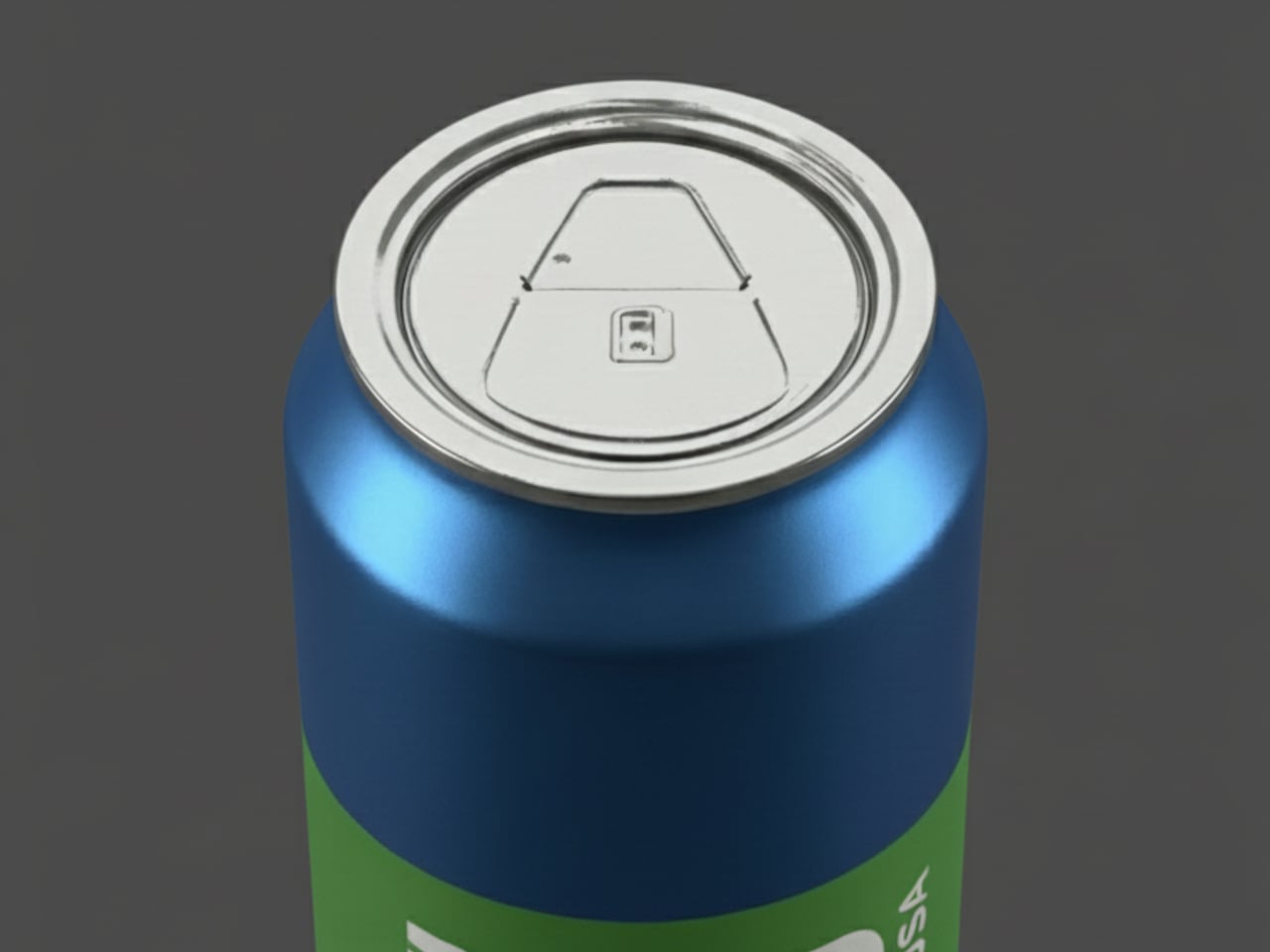
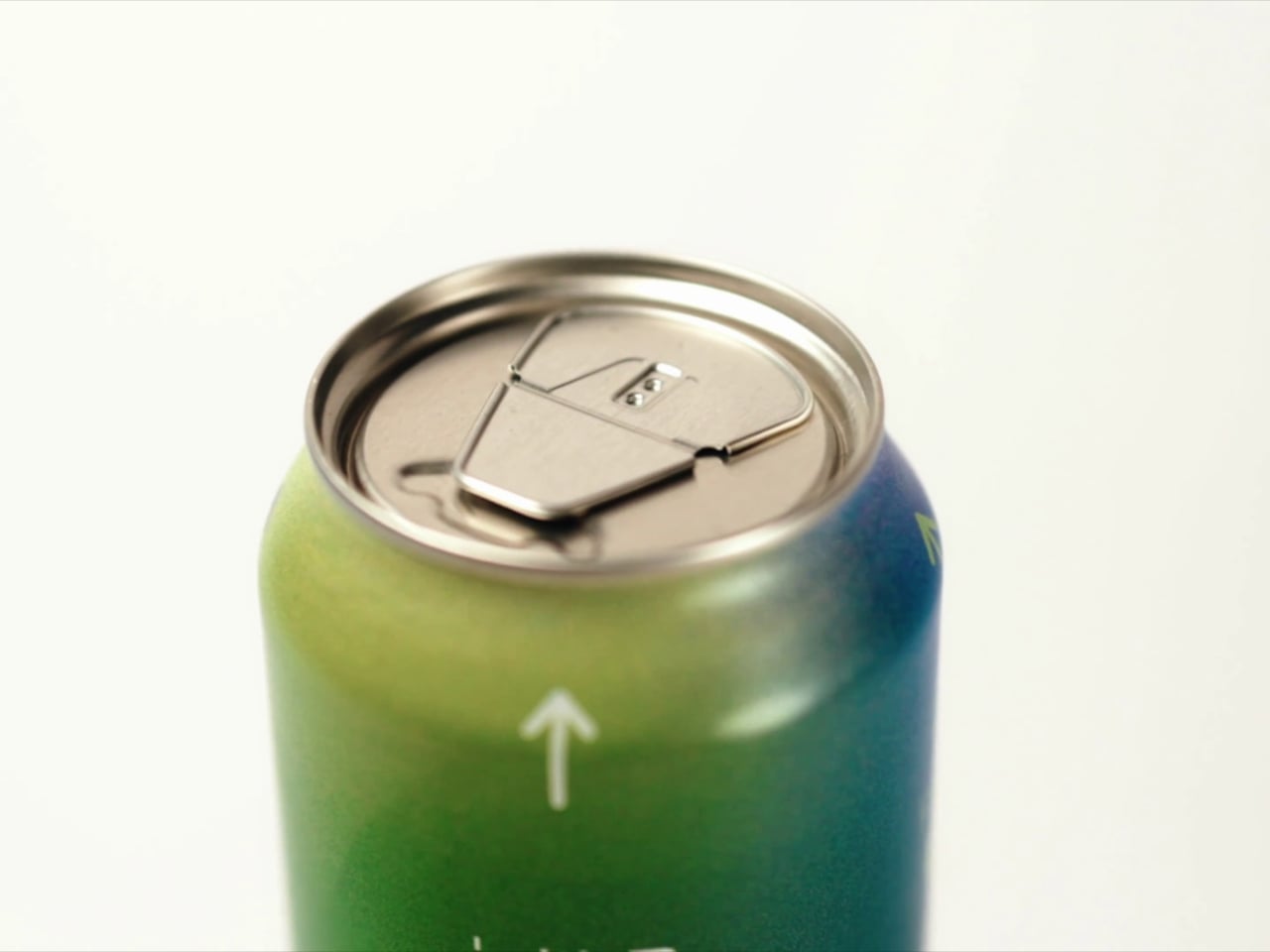
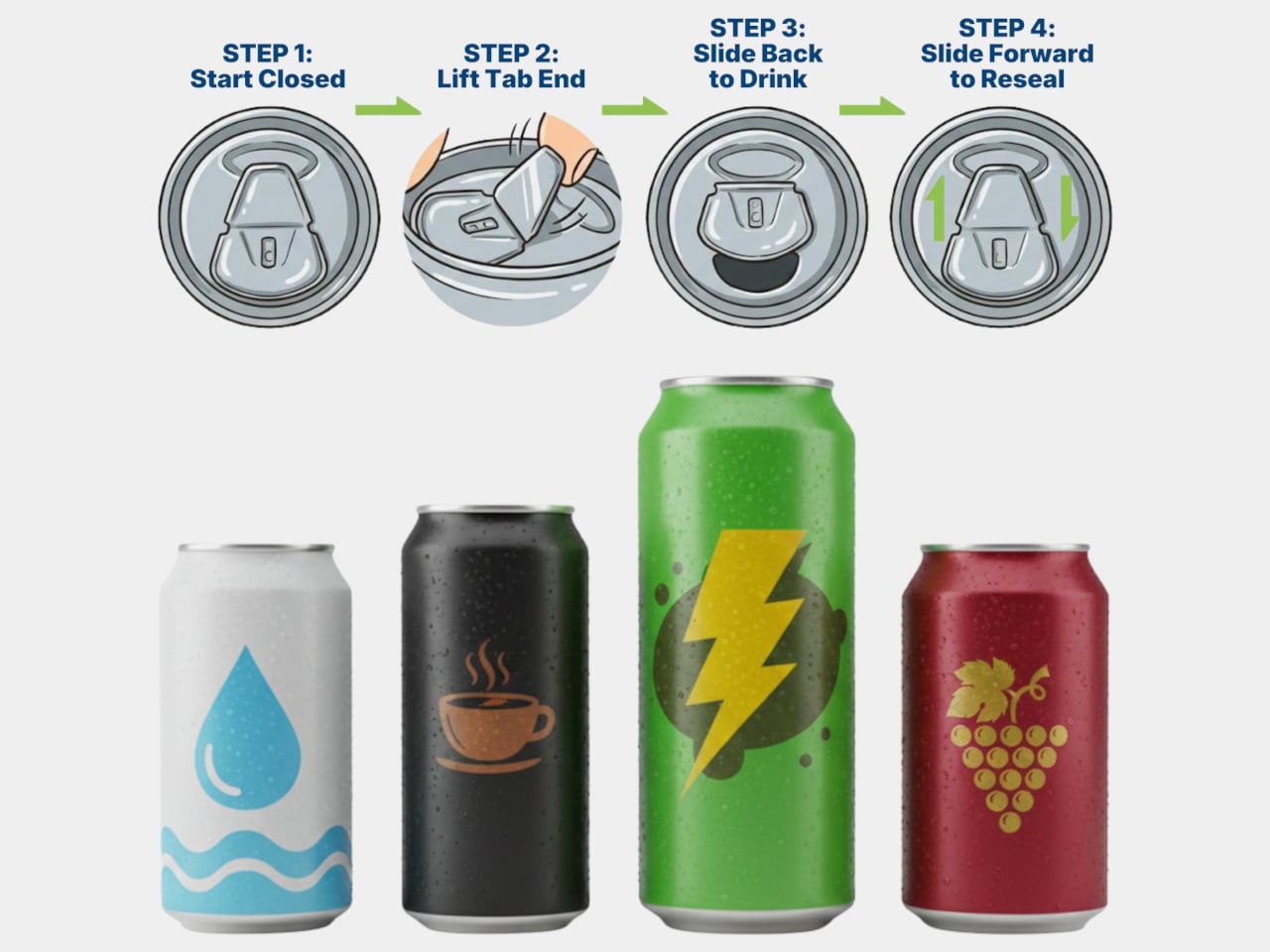
ReLid USA thinks it shouldn’t be that way. The company has developed a patented resealable lid that replaces the standard aluminum can end with a sliding mechanism, letting you open the can, take a drink, and close it back up again. The seal locks into place, preserving what’s left inside, and the whole thing stays 100% aluminum from start to finish, with no plastic involved whatsoever.

Designer: ReLid USA

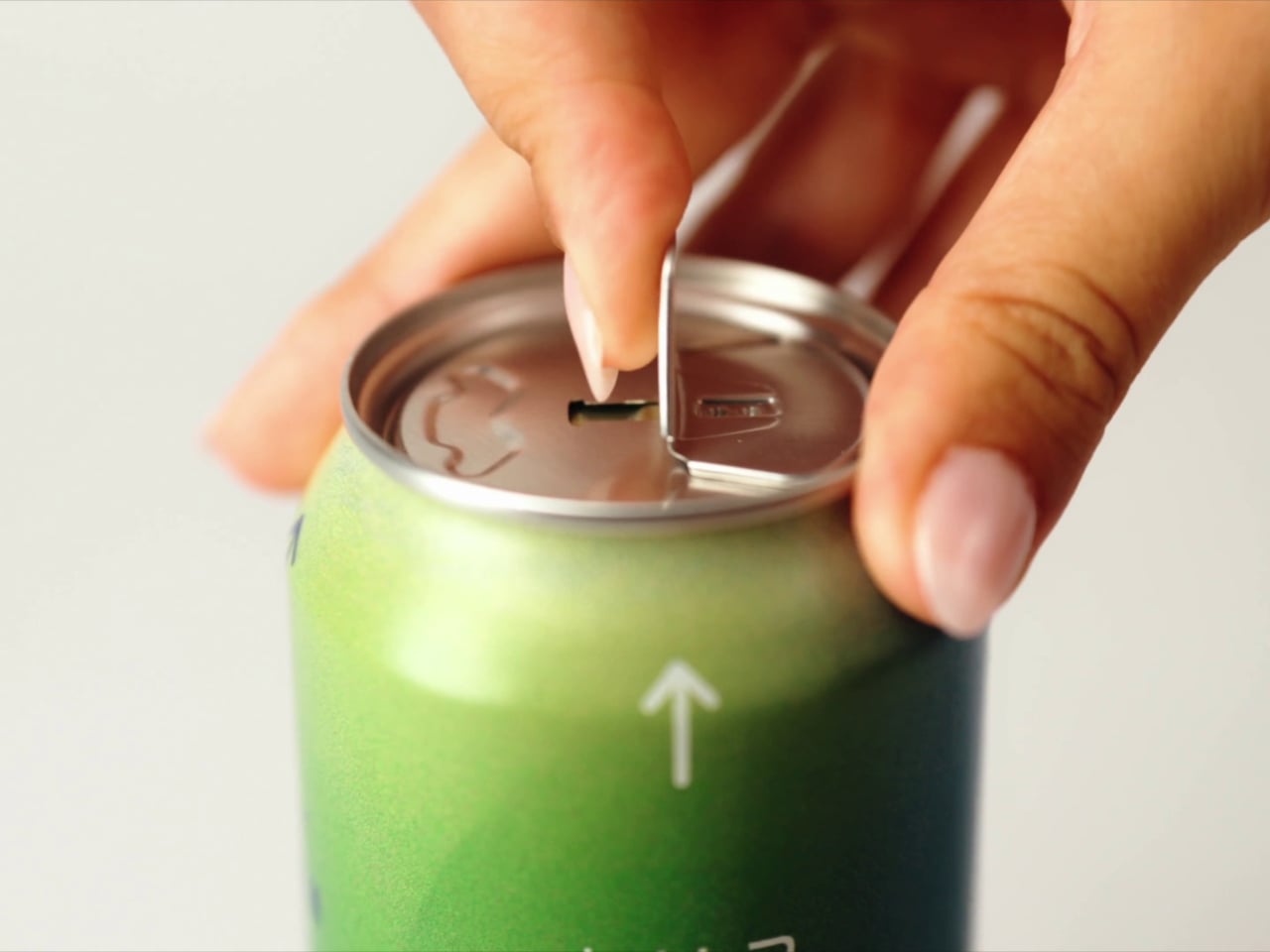
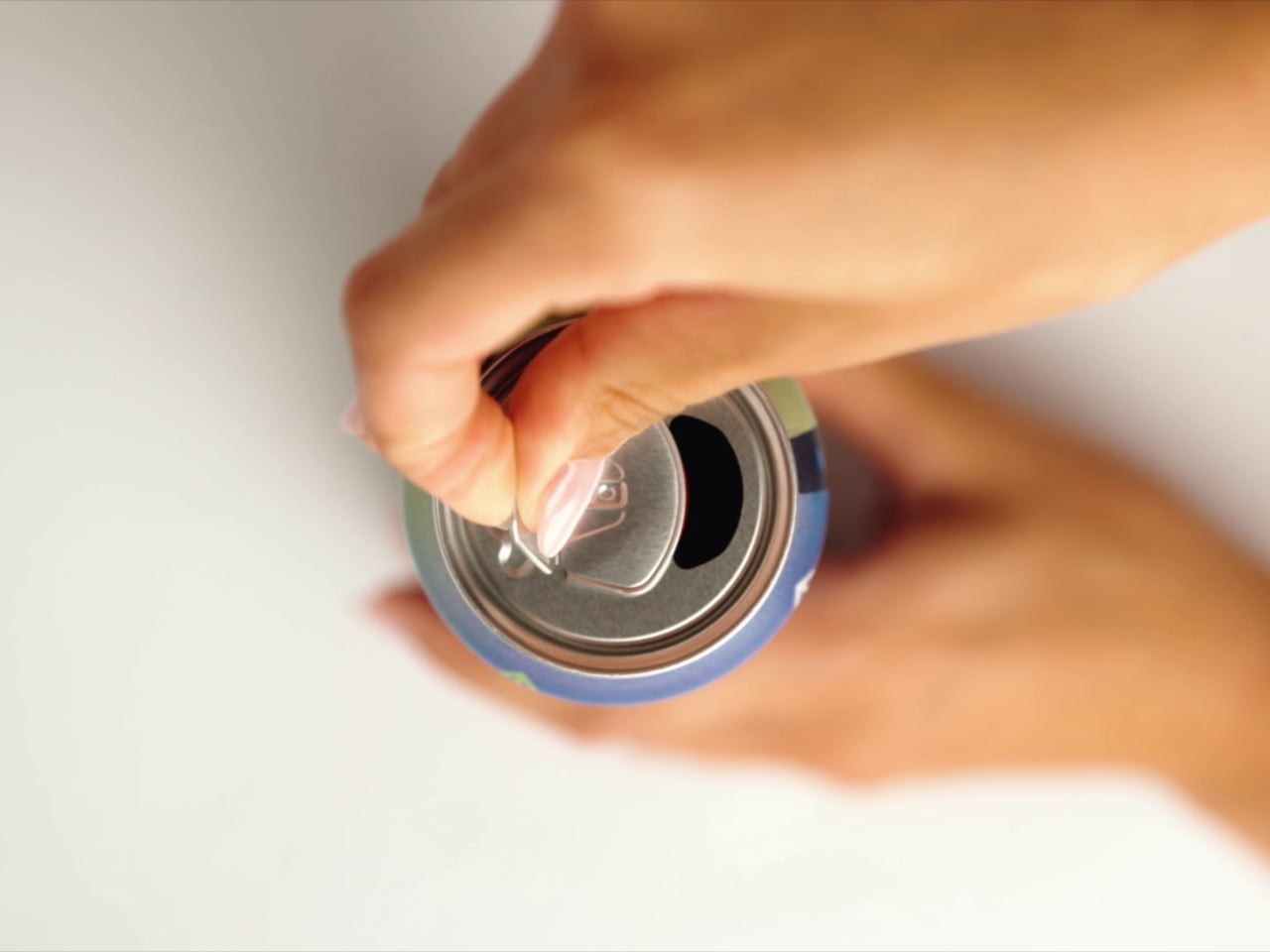
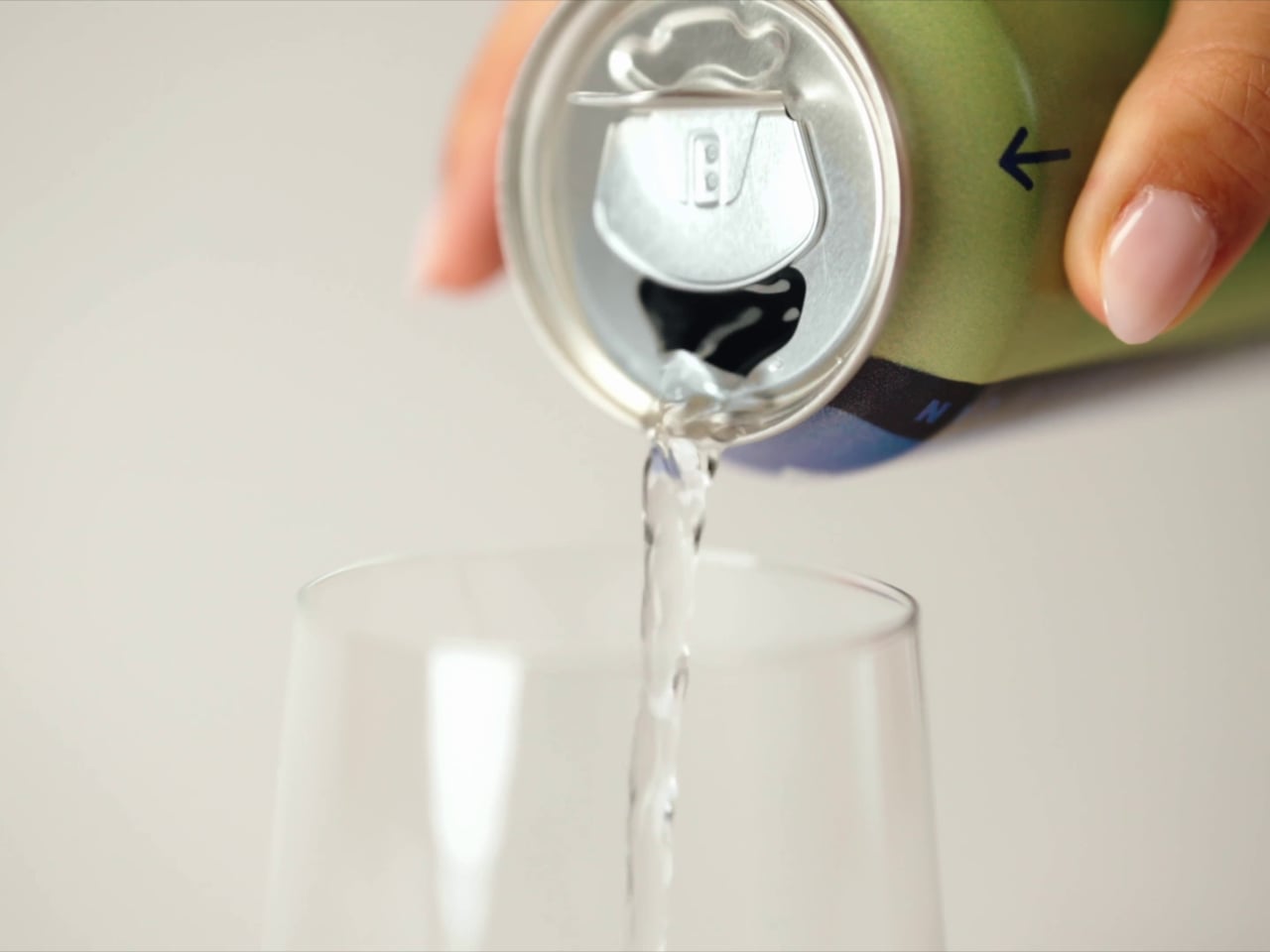
The mechanism is about as intuitive as it gets. You lift the tab end the way you would on any standard can, then slide it back to open the drinking aperture. To reseal, slide the tab forward and press it down, and the can closes back up airtight. ReLid says the mechanism holds up for at least 14 reseals, covering a lot of sipping sessions before a can ever needs replacing.

What that means practically is that an unfinished energy drink can go back into a bag without soaking everything else. A half-consumed sparkling water can stay sealed and carbonated until you come back to it. Someone at the gym can set a can down between sets without worrying about spills or flatness. These aren’t exotic demands. They’re the basic expectations we’ve had from bottles for decades.

The sustainability angle is worth noting, too. Because the entire lid is aluminum with no plastic parts mixed in, it goes into the same recycling stream as any standard can, without any separation or special handling. There are no mixed materials to complicate the process, and since aluminum is infinitely recyclable, none of the material is lost when the can eventually reaches the end of its life.

The technology was originally developed starting in 2020 by Re-Lid Engineering AG, a Liechtenstein-based packaging design firm. ReLid USA, headquartered in St. Charles, Illinois, holds the exclusive North American license and engineered the product to slot into existing beverage-filling lines without any new equipment or changes to production. It works with standard 202 and 206 can end formats, covering the vast majority of cans already in use. The can format hasn’t changed much in decades, and this might be the most sensible edit it’s ever gotten.

The post Someone Finally Gave Aluminum Cans the Resealable Lid They Always Needed first appeared on Yanko Design.