Issey Miyake’s Most Beautiful Material Was Always the Scrap

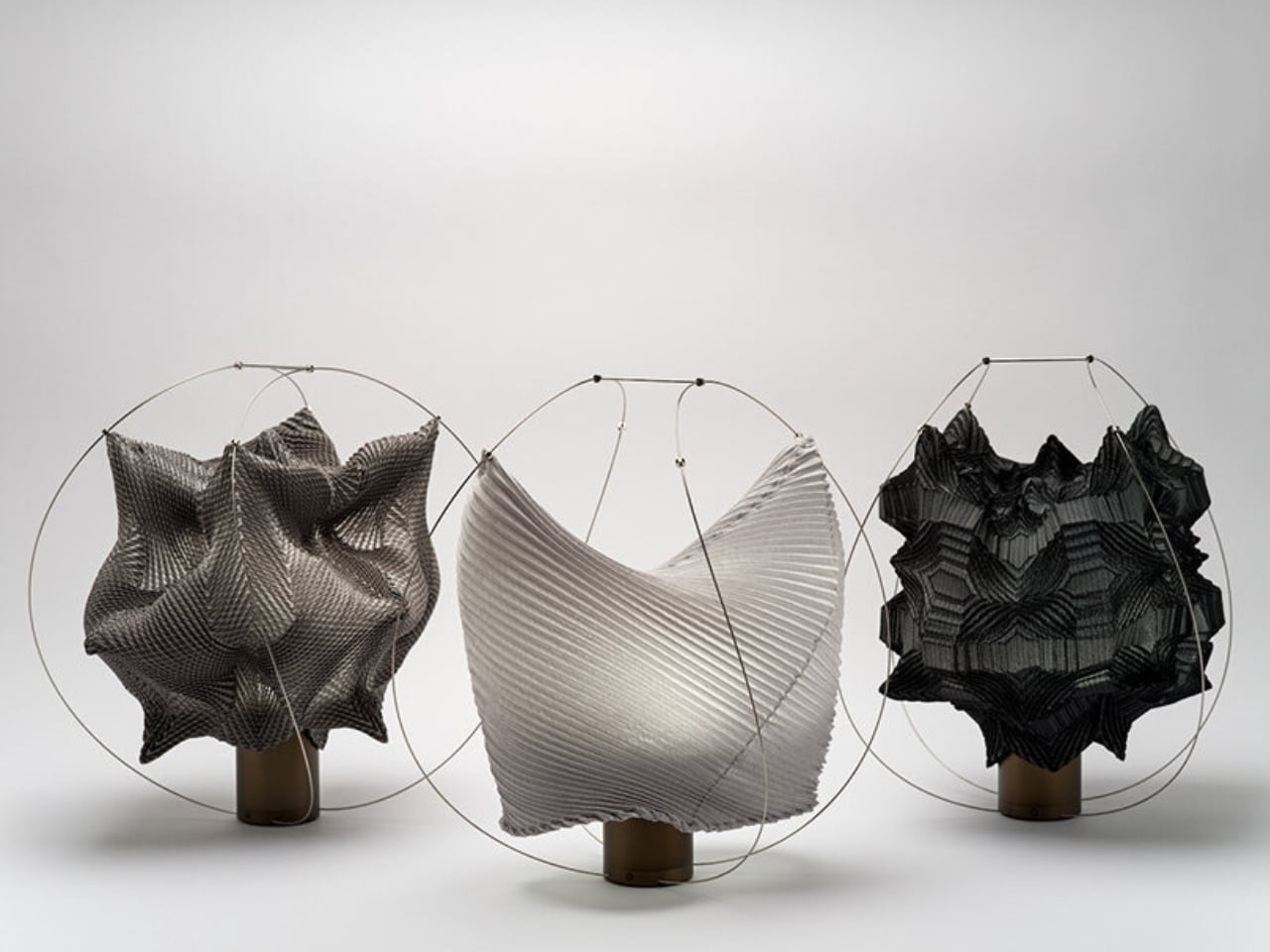
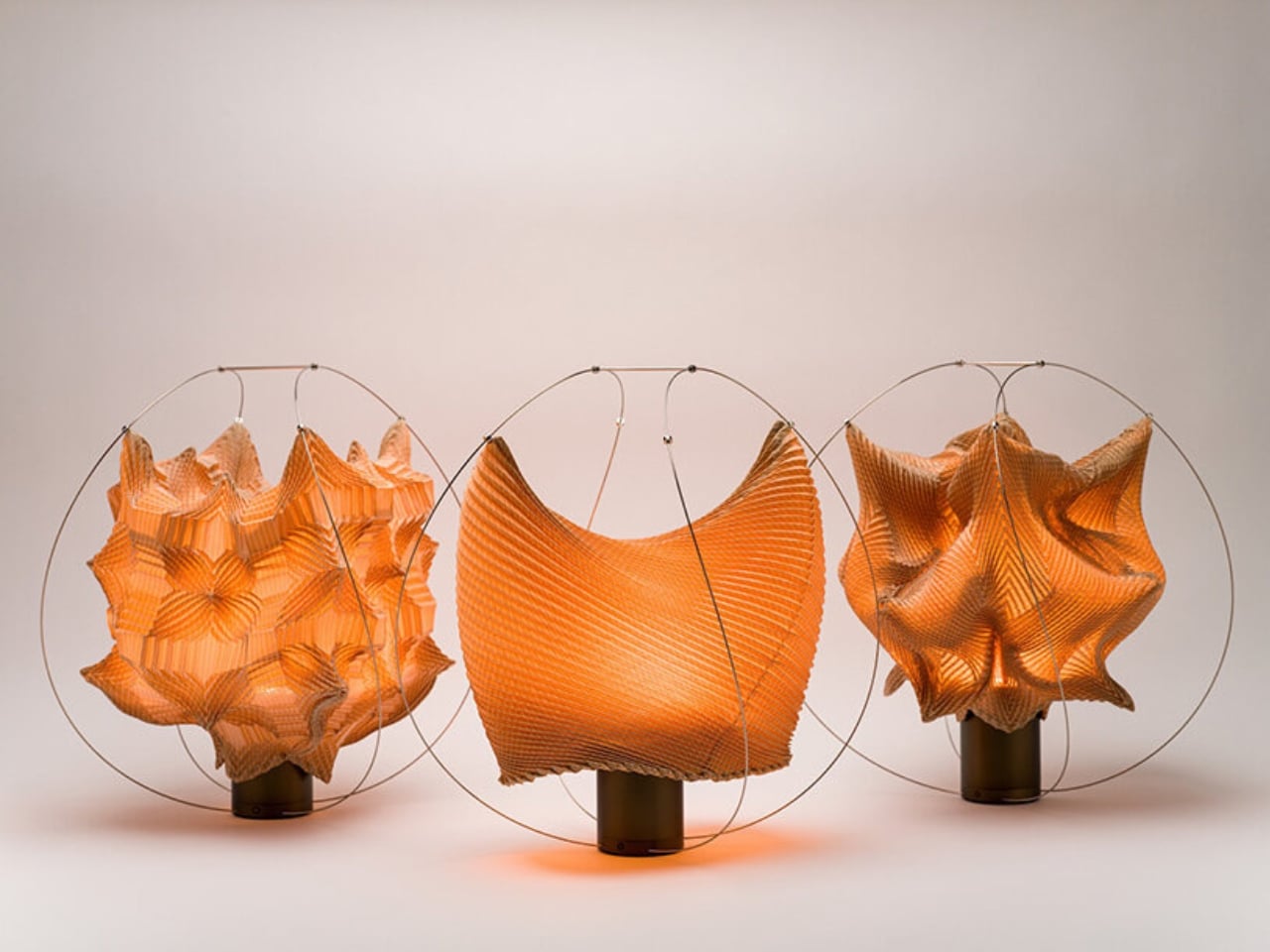
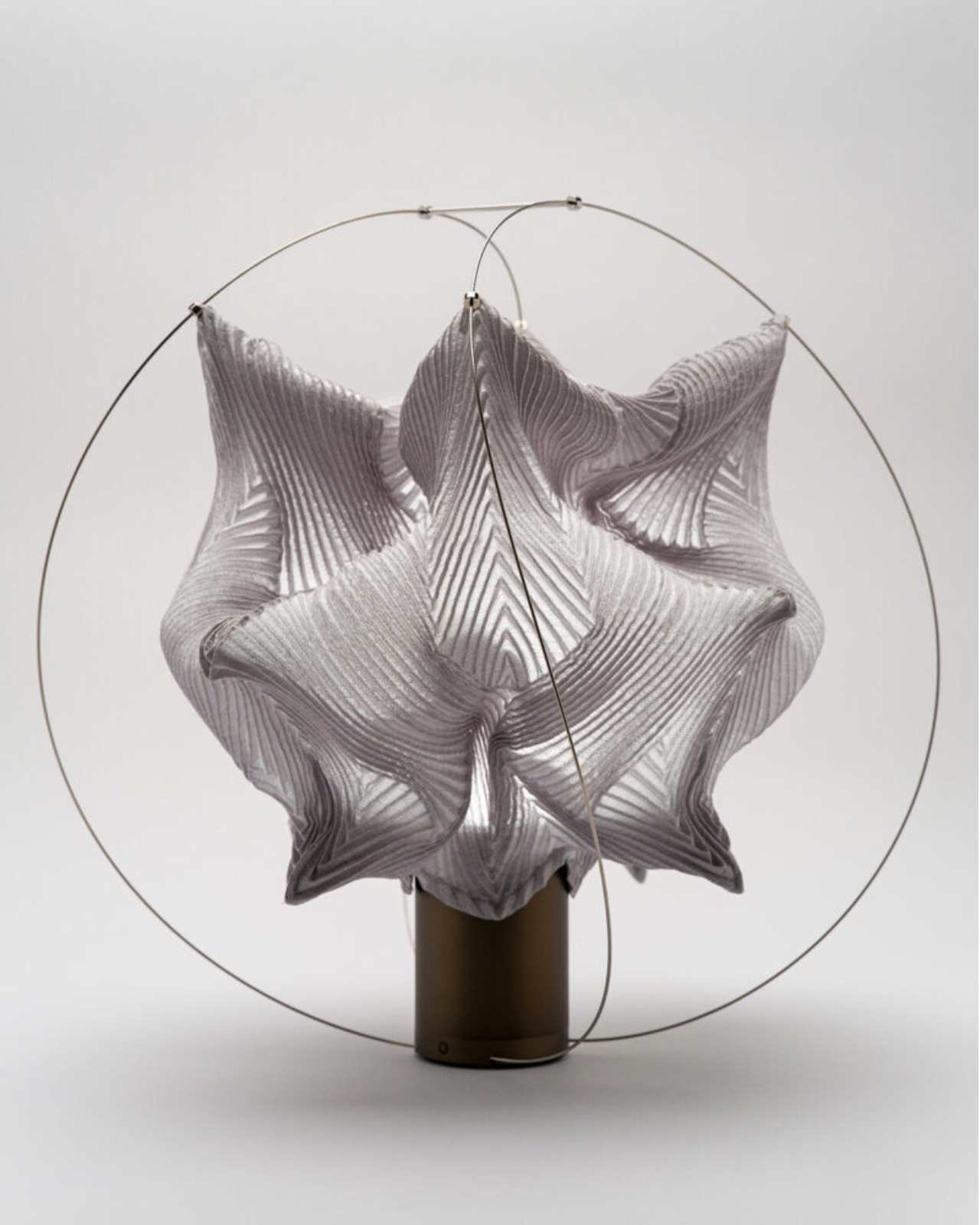
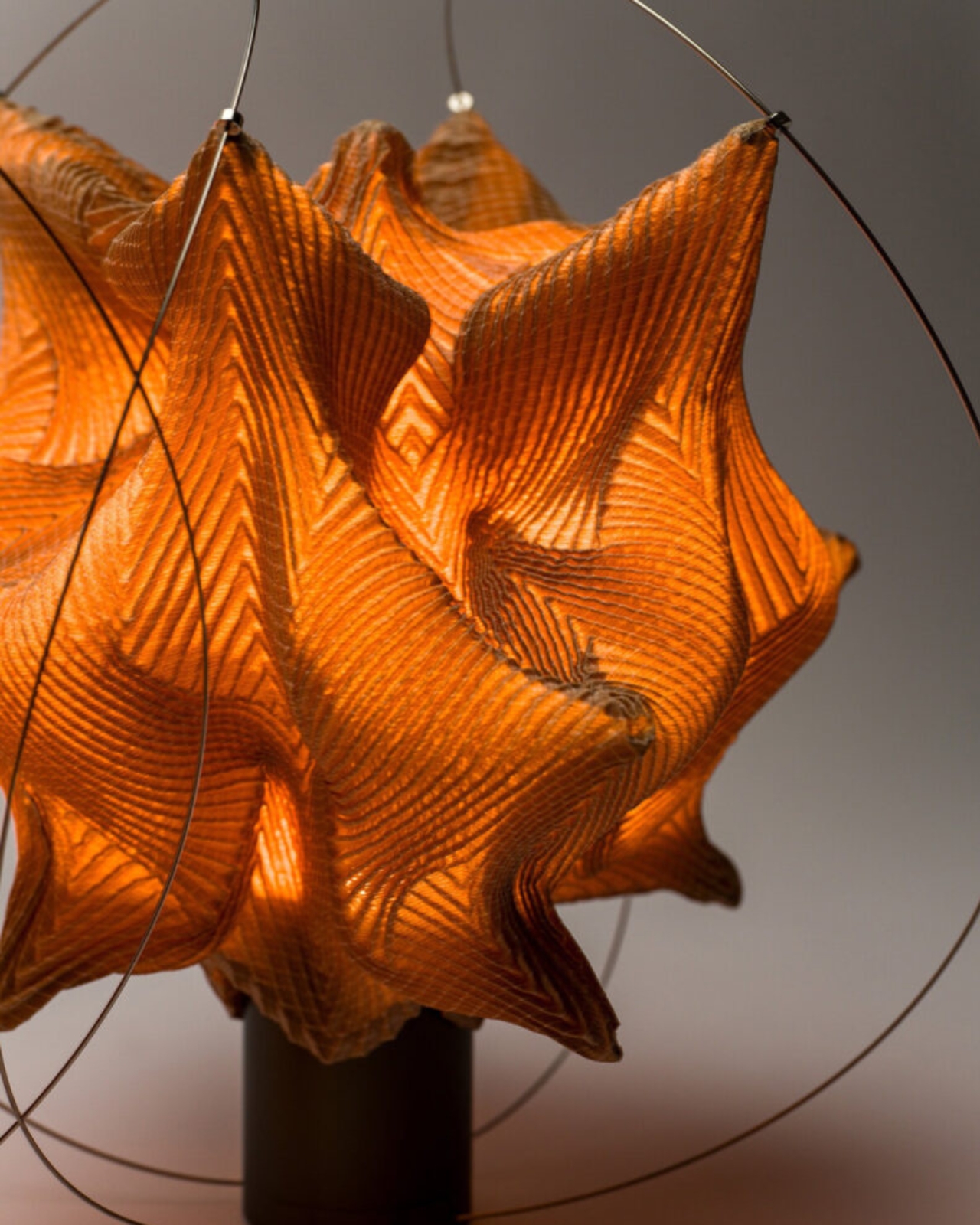
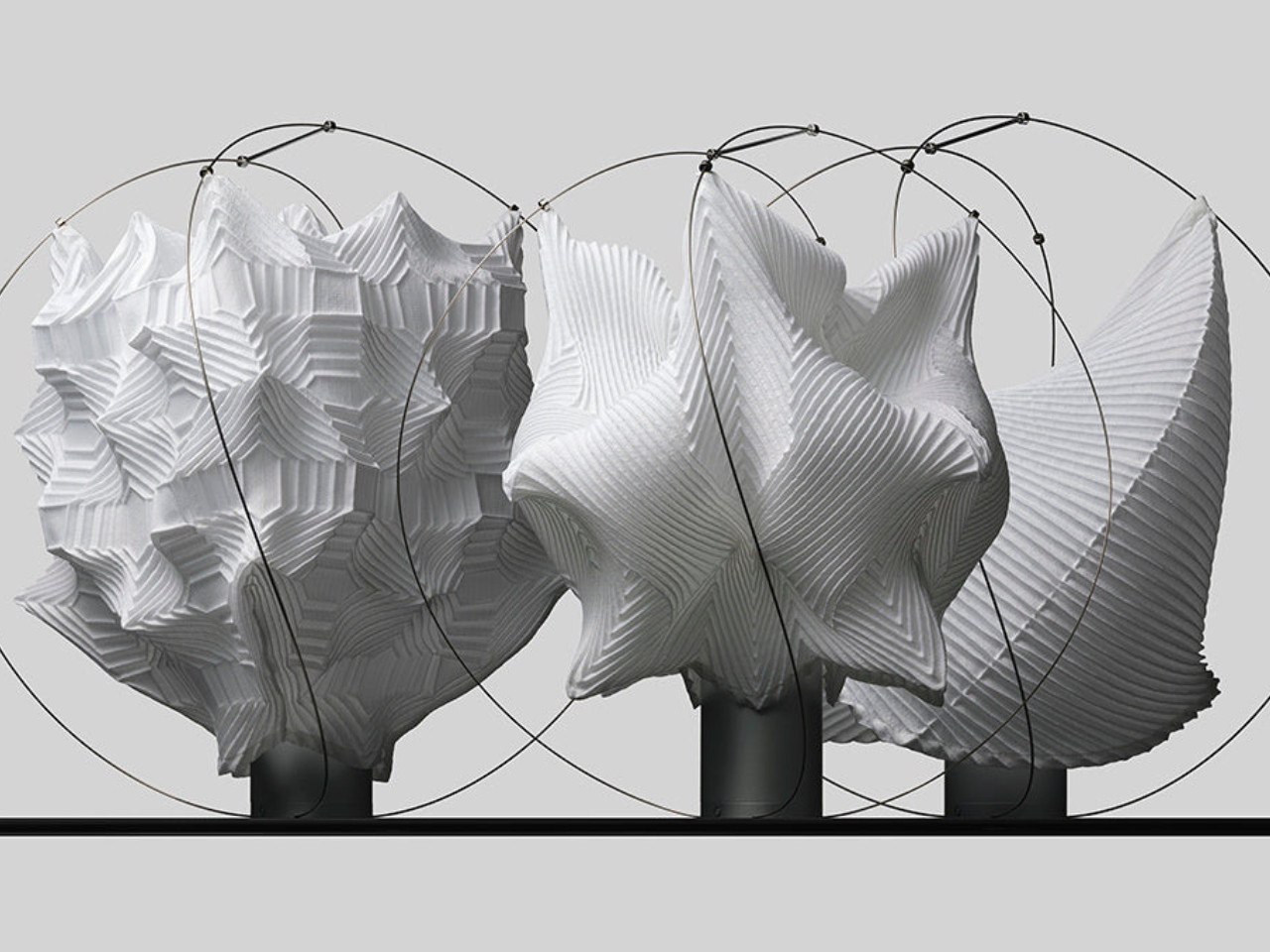
If you’ve ever watched the pleating process behind ISSEY MIYAKE’s iconic garments, you already know it’s one of the most satisfying things in fashion. The fabric goes in, it comes out textured and alive, and for decades, that has been the whole story. Satoshi Kondo, one of the design directors at MIYAKE DESIGN STUDIO, chose to flip the script. He looked not at the pleated garment coming off the machine, but at what was left behind: compressed rolls of wafer-thin paper, stacked and destined for the bin.

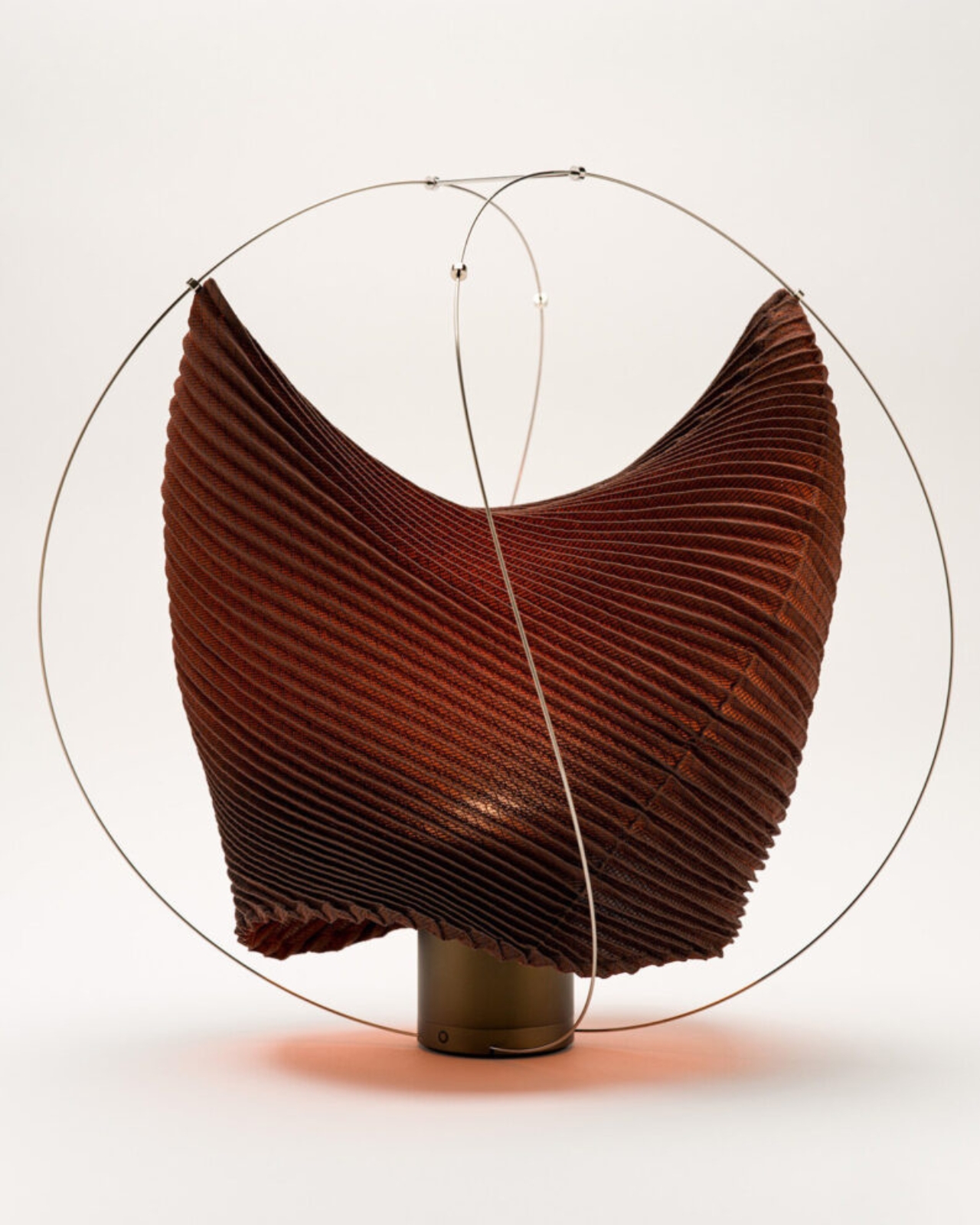
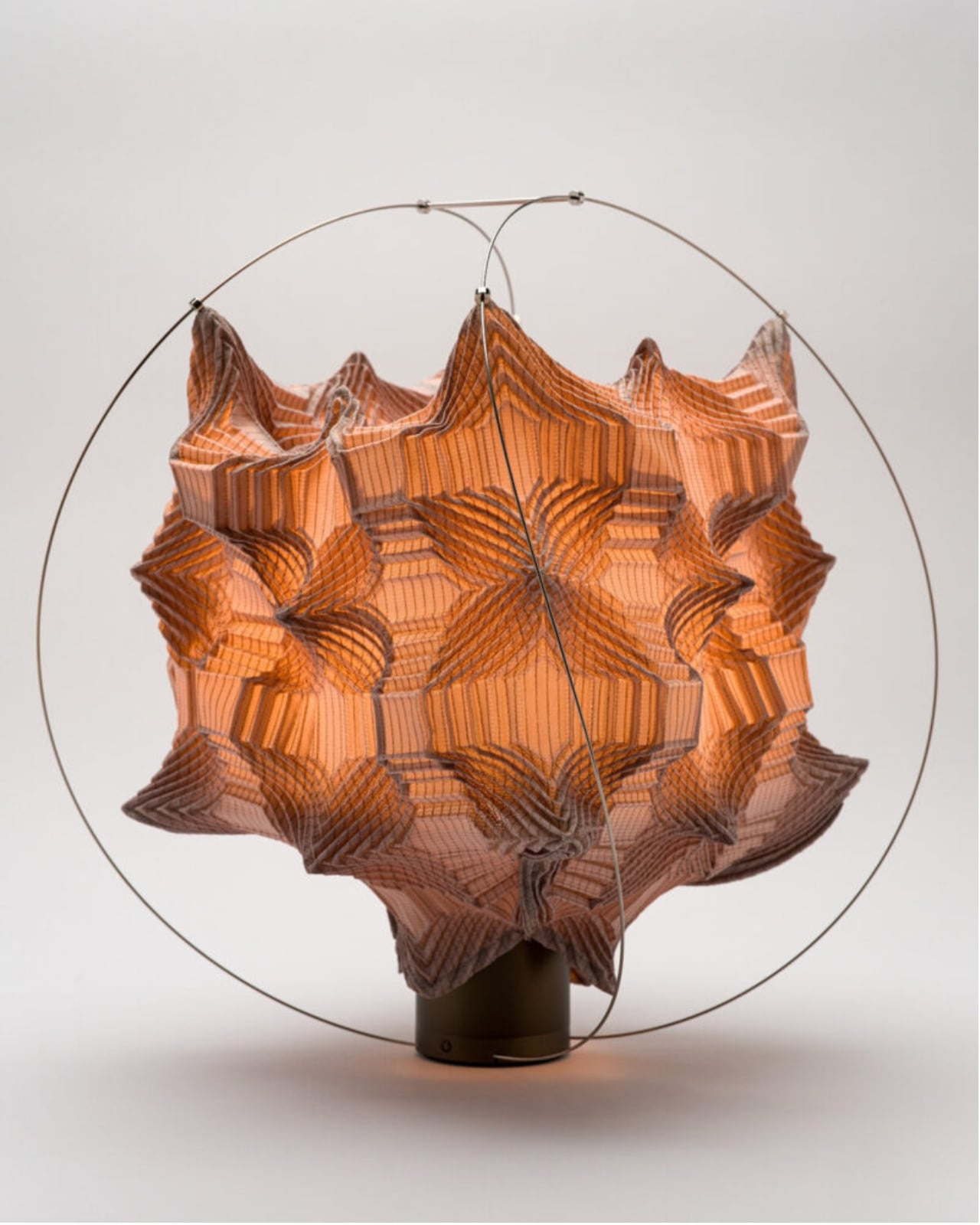
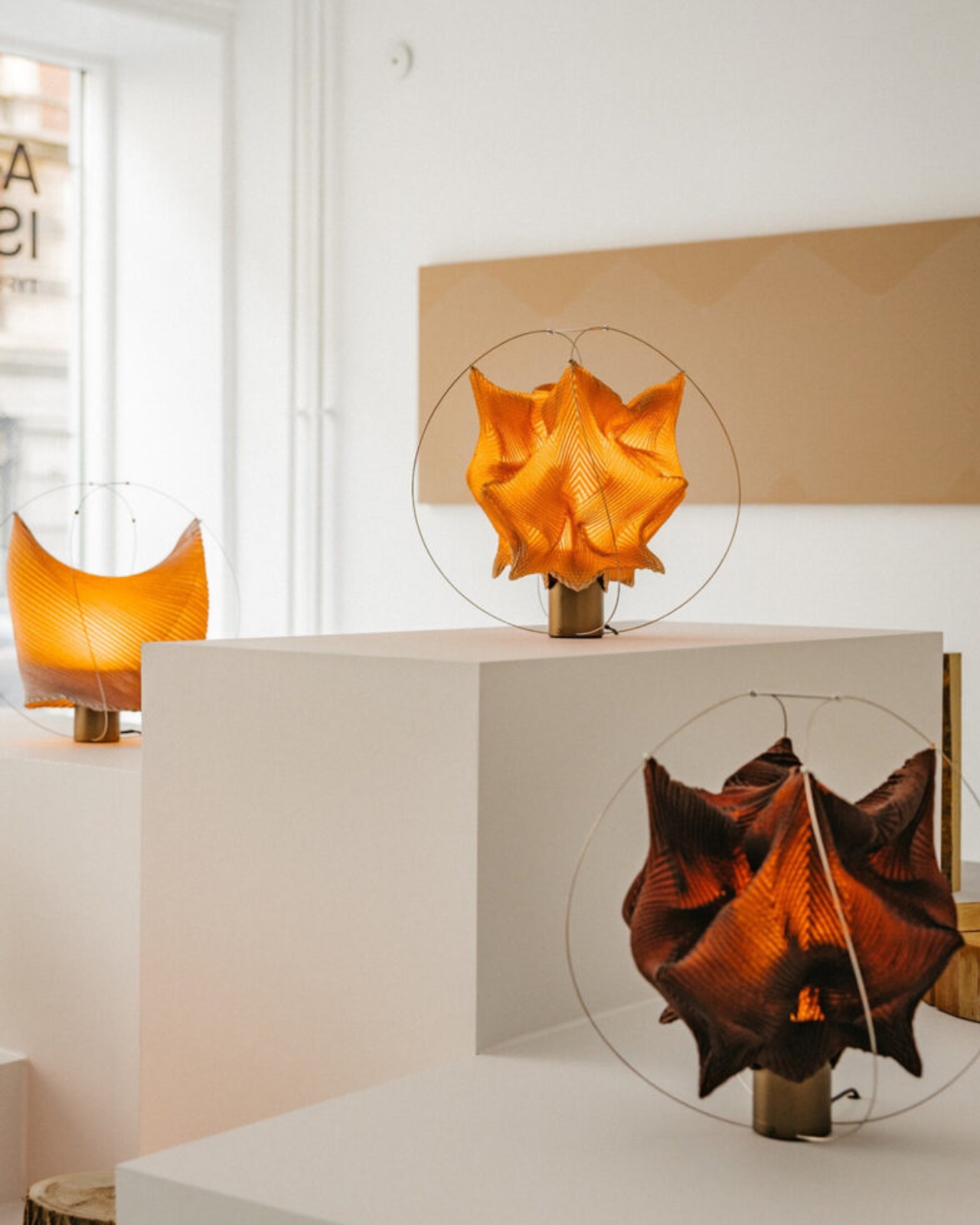
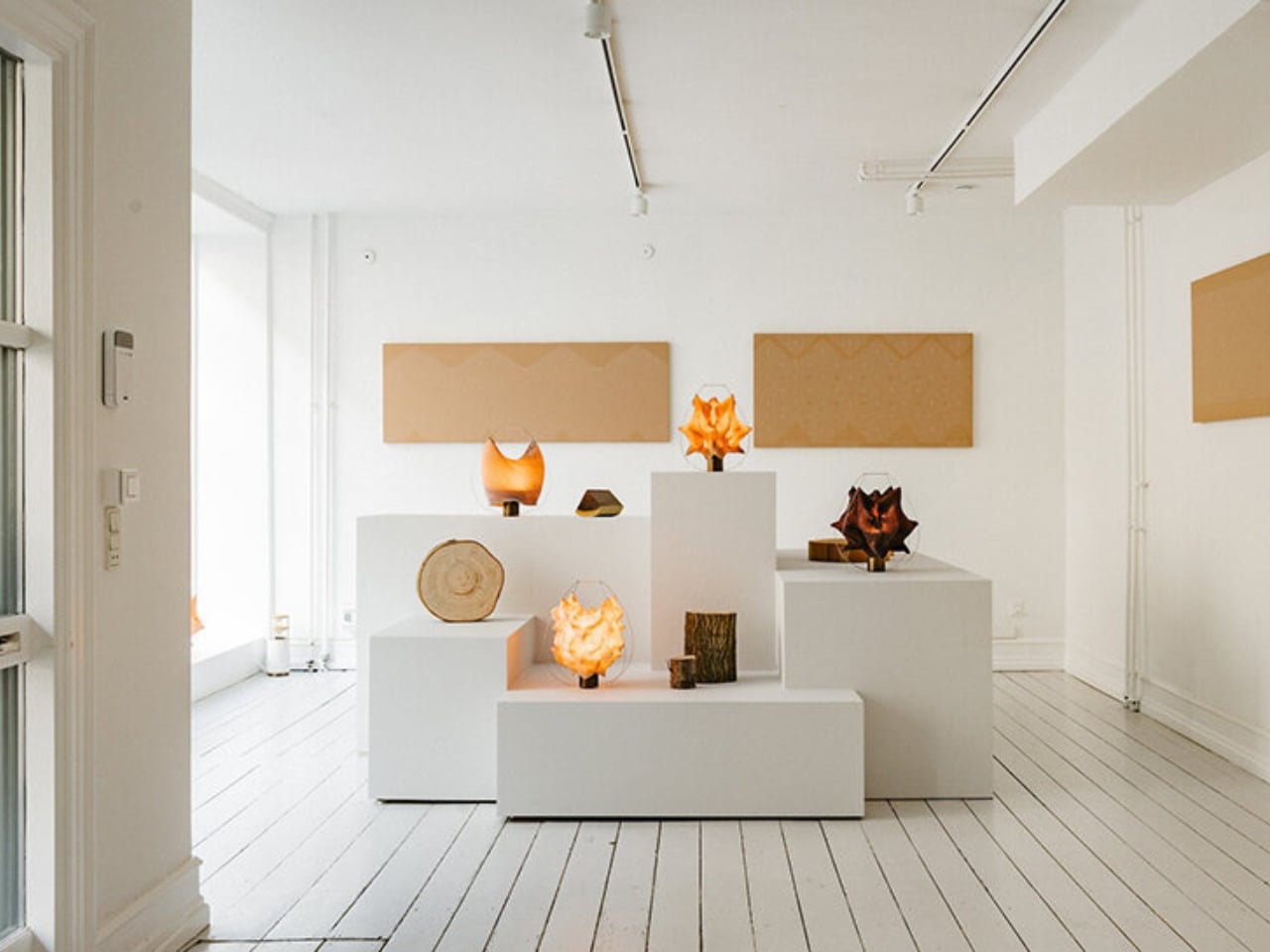
The result is The Paper Log: Shell and Core, a special exhibition running at the ISSEY MIYAKE Milan store this April, timed to coincide with Milan Design Week 2026. And it’s the kind of project that makes you want to rethink every process you’ve ever considered mundane.

Designer: Satoshi Kondo of MIYAKE DESIGN STUDIO

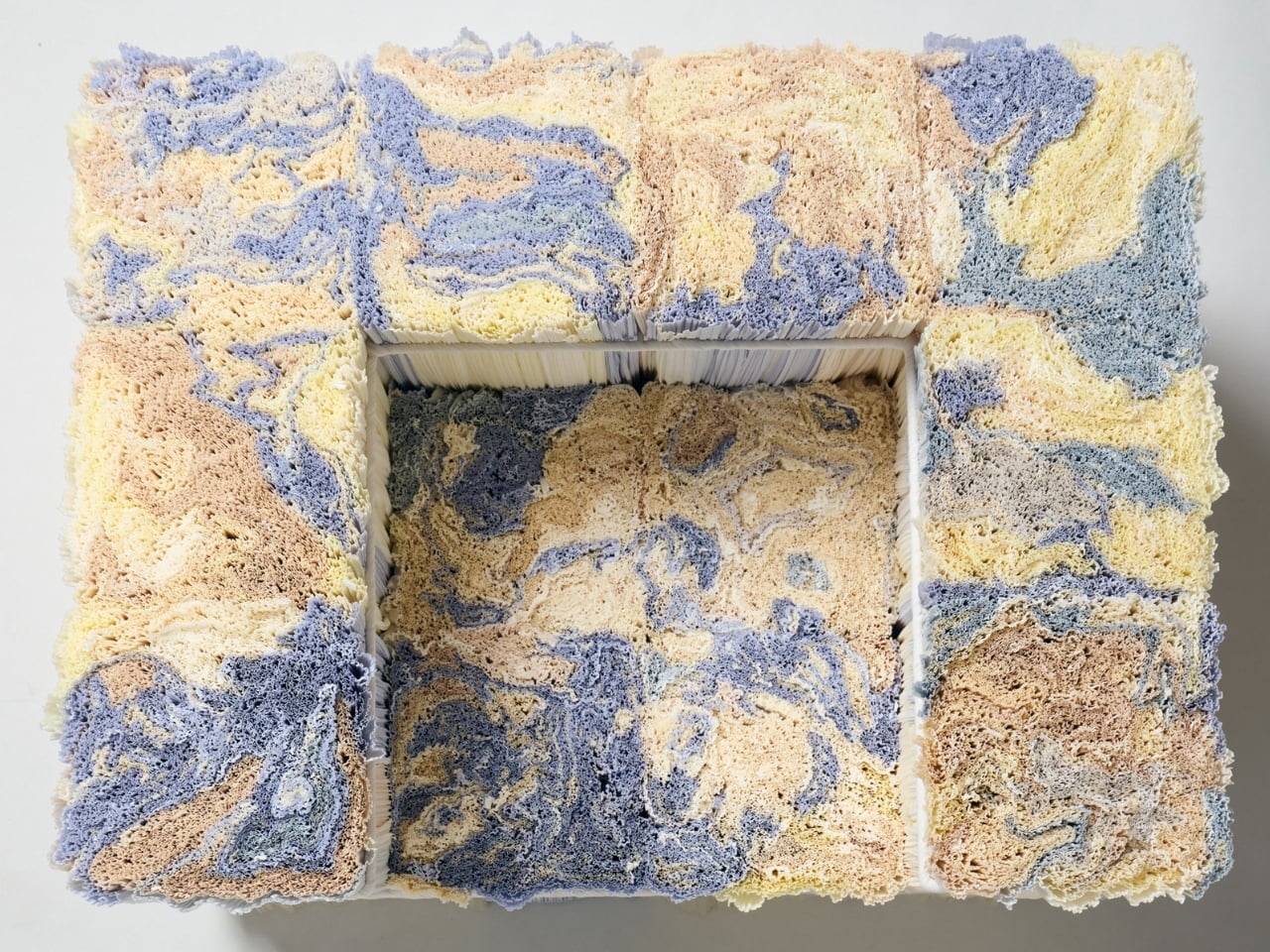
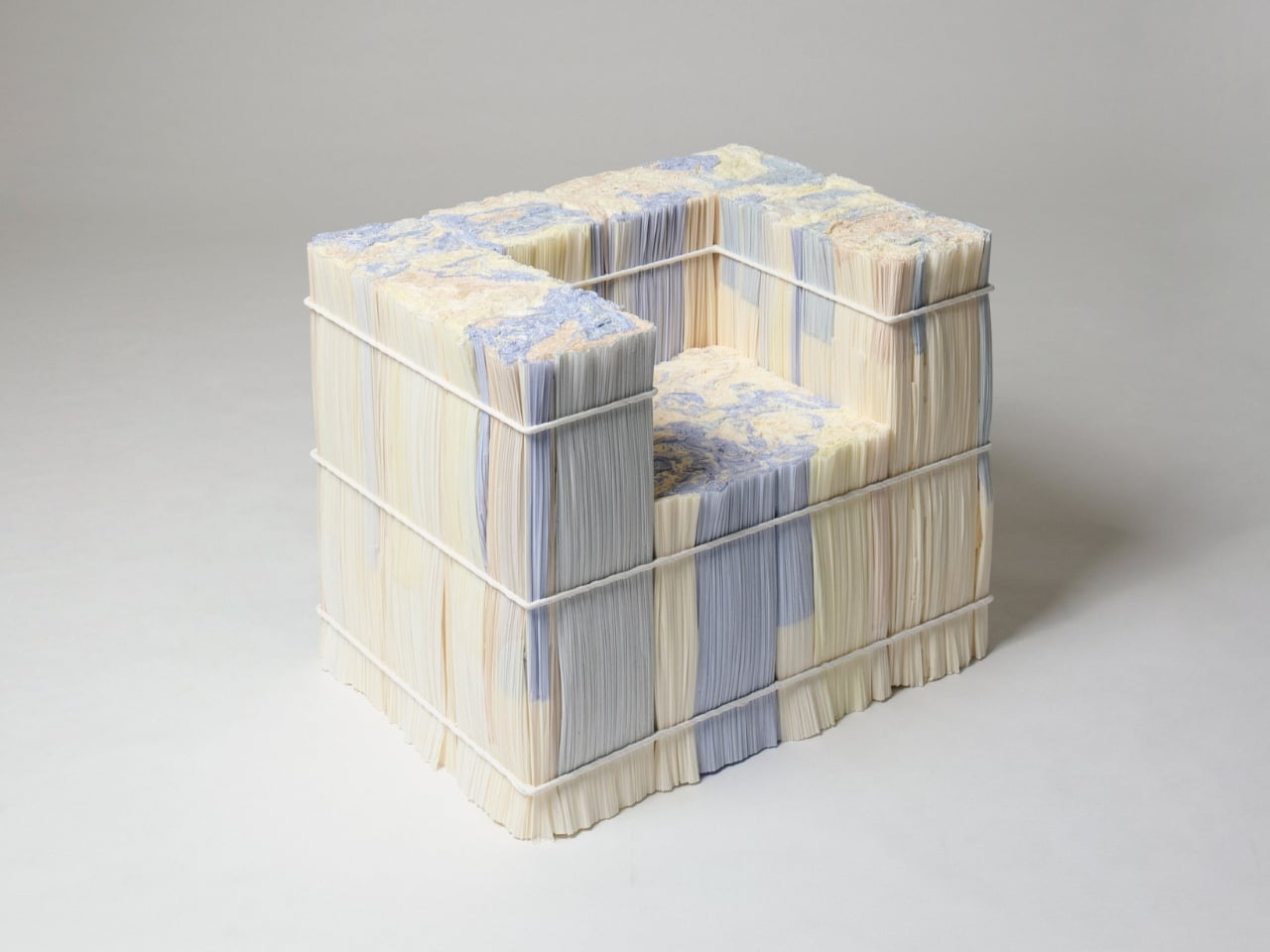
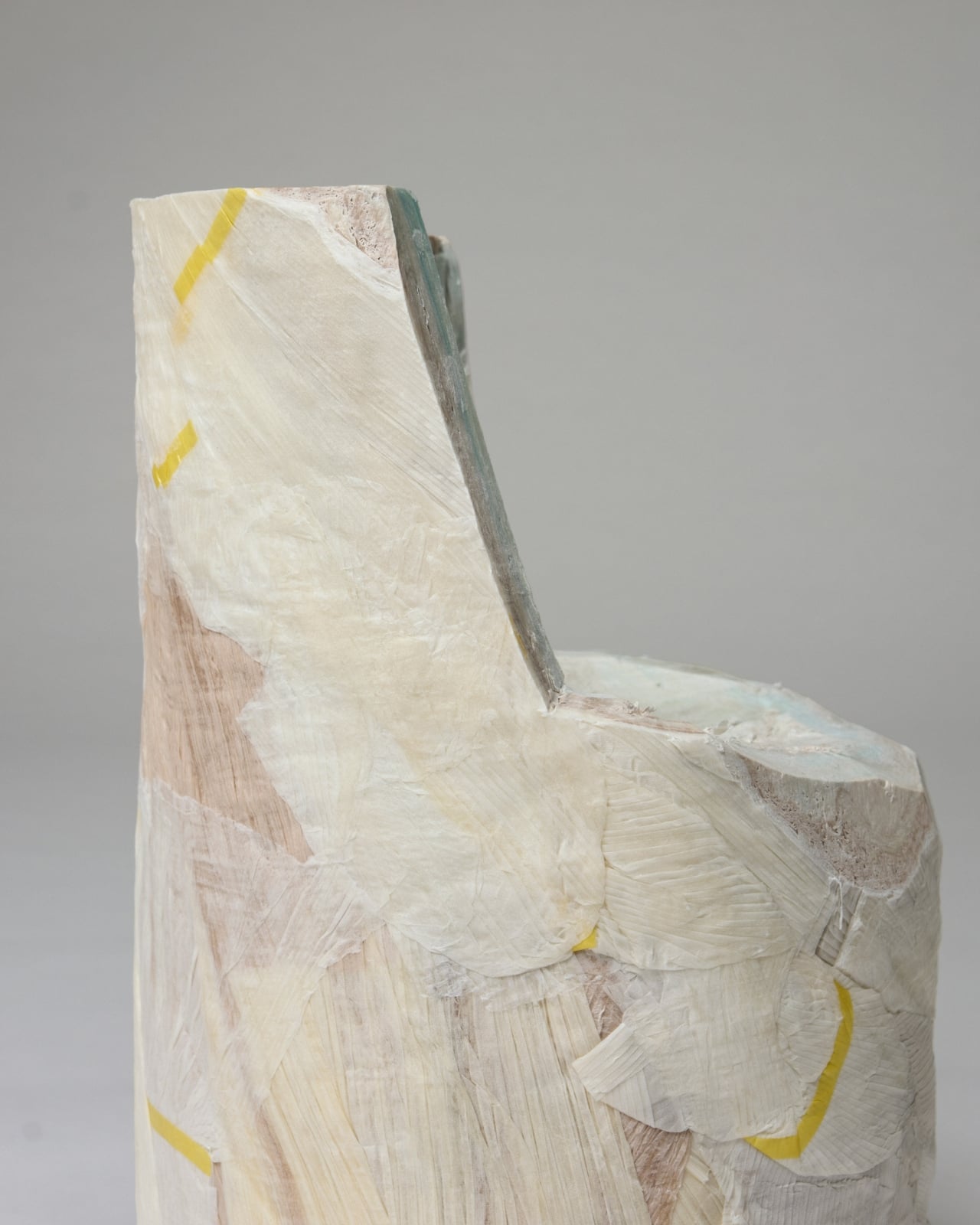
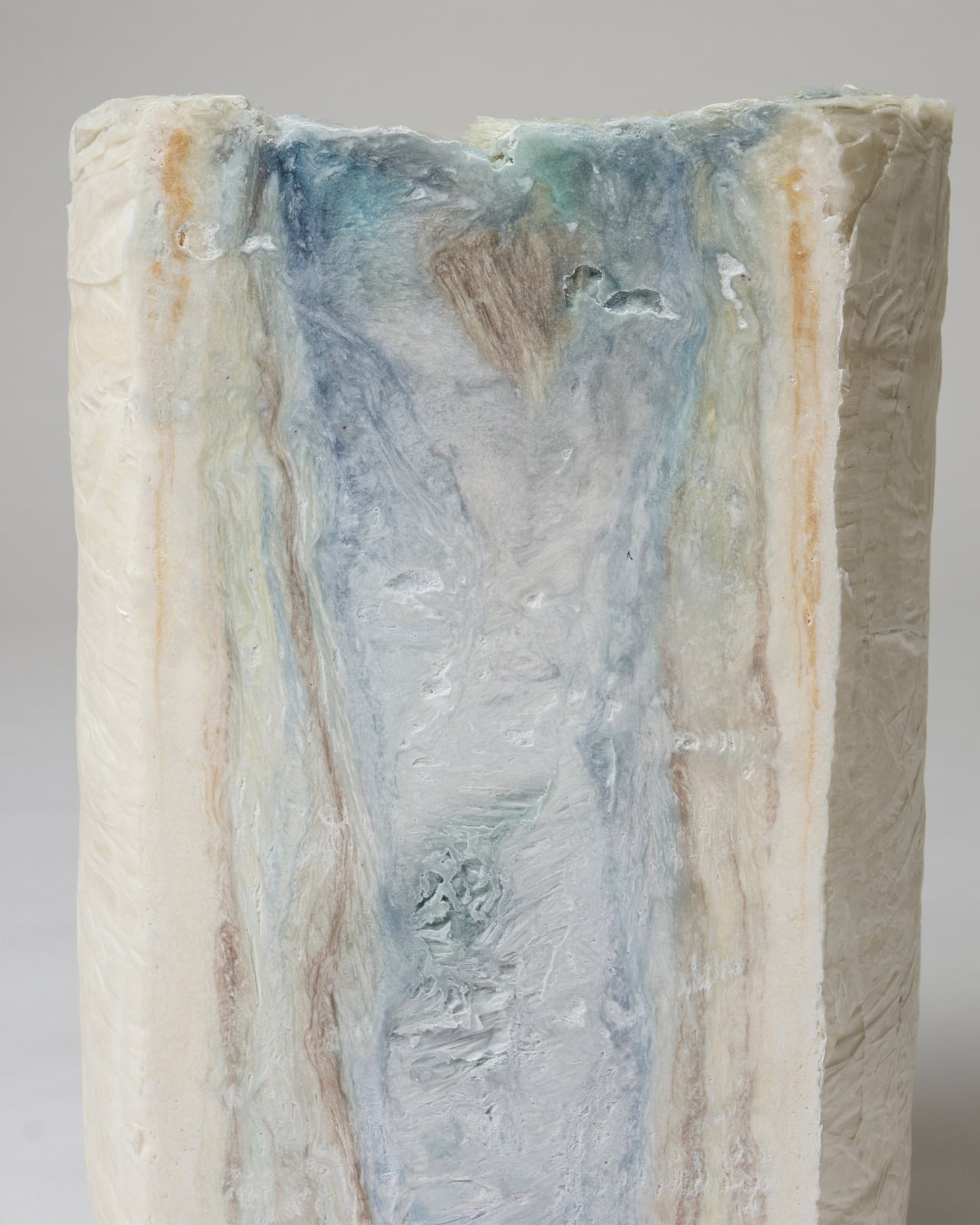
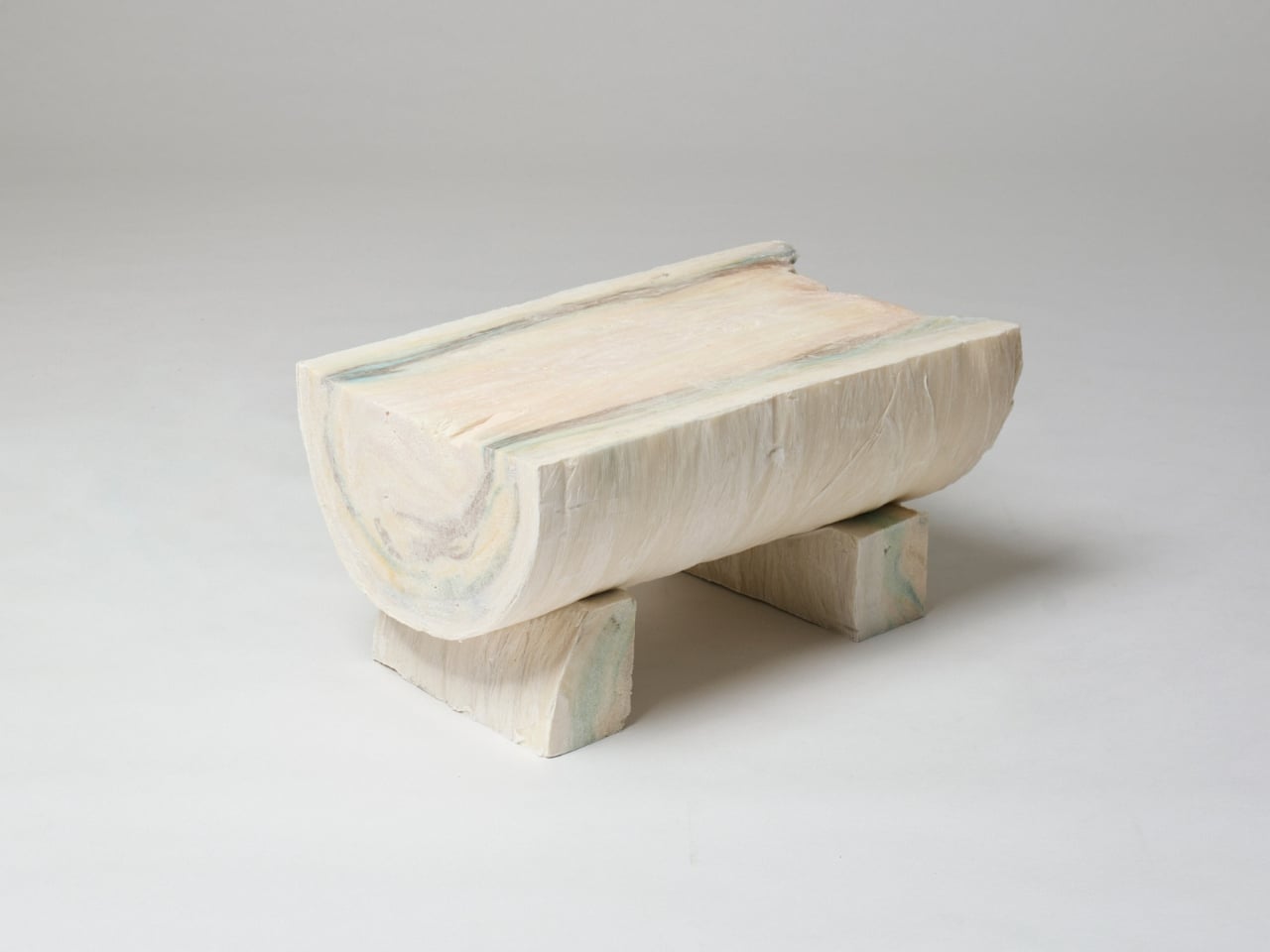
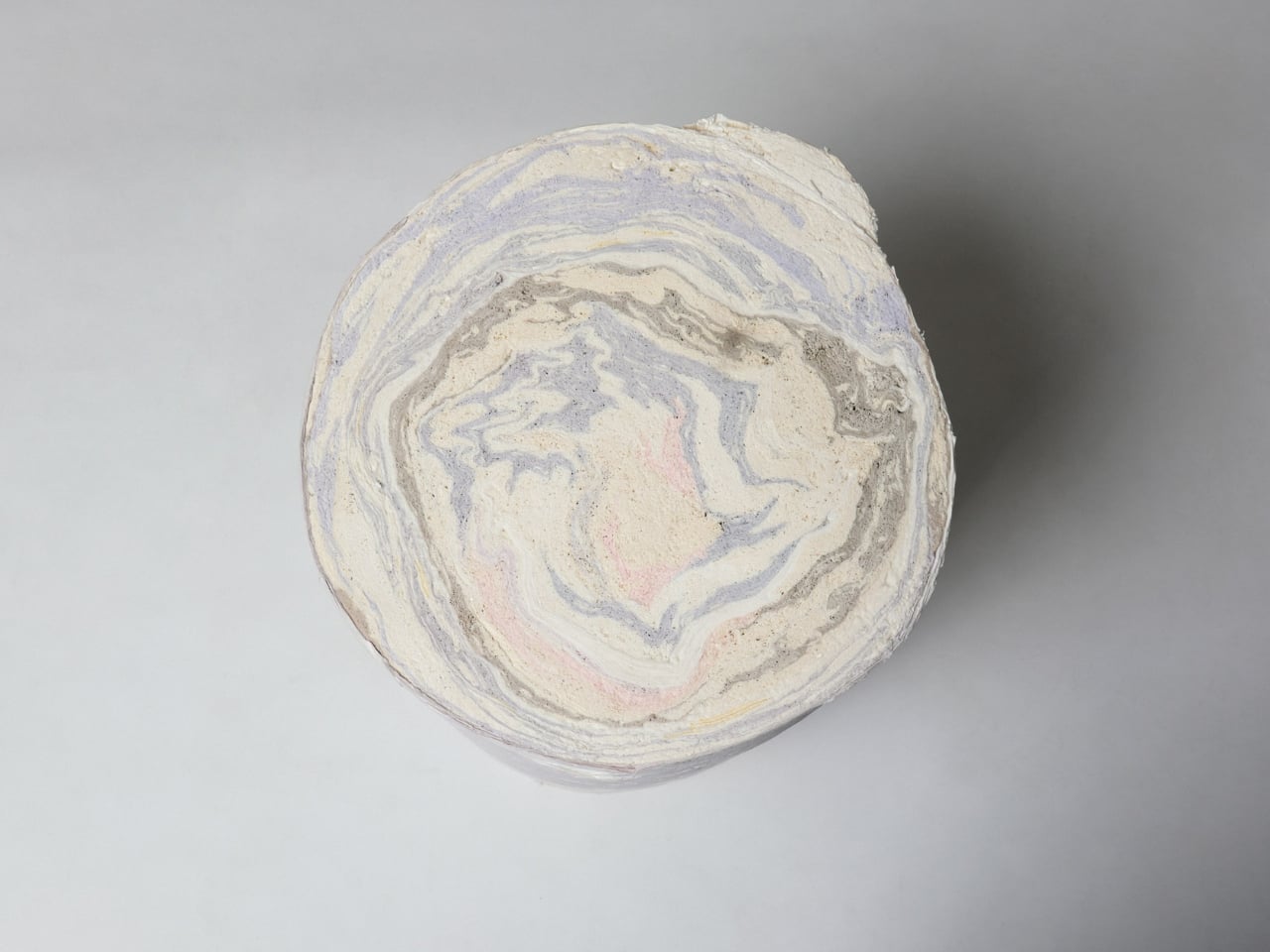
The paper in question is a production byproduct. These thin sheets are used to protect the fabric as it moves through the pleating machine, and when the garments are done, the sheets are rolled up, compressed, and typically moved off-site for recycling or disposal. What Kondo noticed during a visit to the manufacturer, though, was that these rolls look like logs. Not metaphorically, but structurally. Each compressed roll stands 80 cm tall and 40 cm wide, and when you look at the end of one, the layered paper creates a marbled, circular pattern that resembles the growth rings of a tree. Hence the name.

That visual parallel carries real weight. The Paper Log doesn’t just look like a tree trunk; it shares its logic. Growth rings mark time in a living thing, and the layers of the Paper Log carry the memory of every garment made at the house. It’s a surprisingly poetic idea from an industry that usually discards its footnotes.

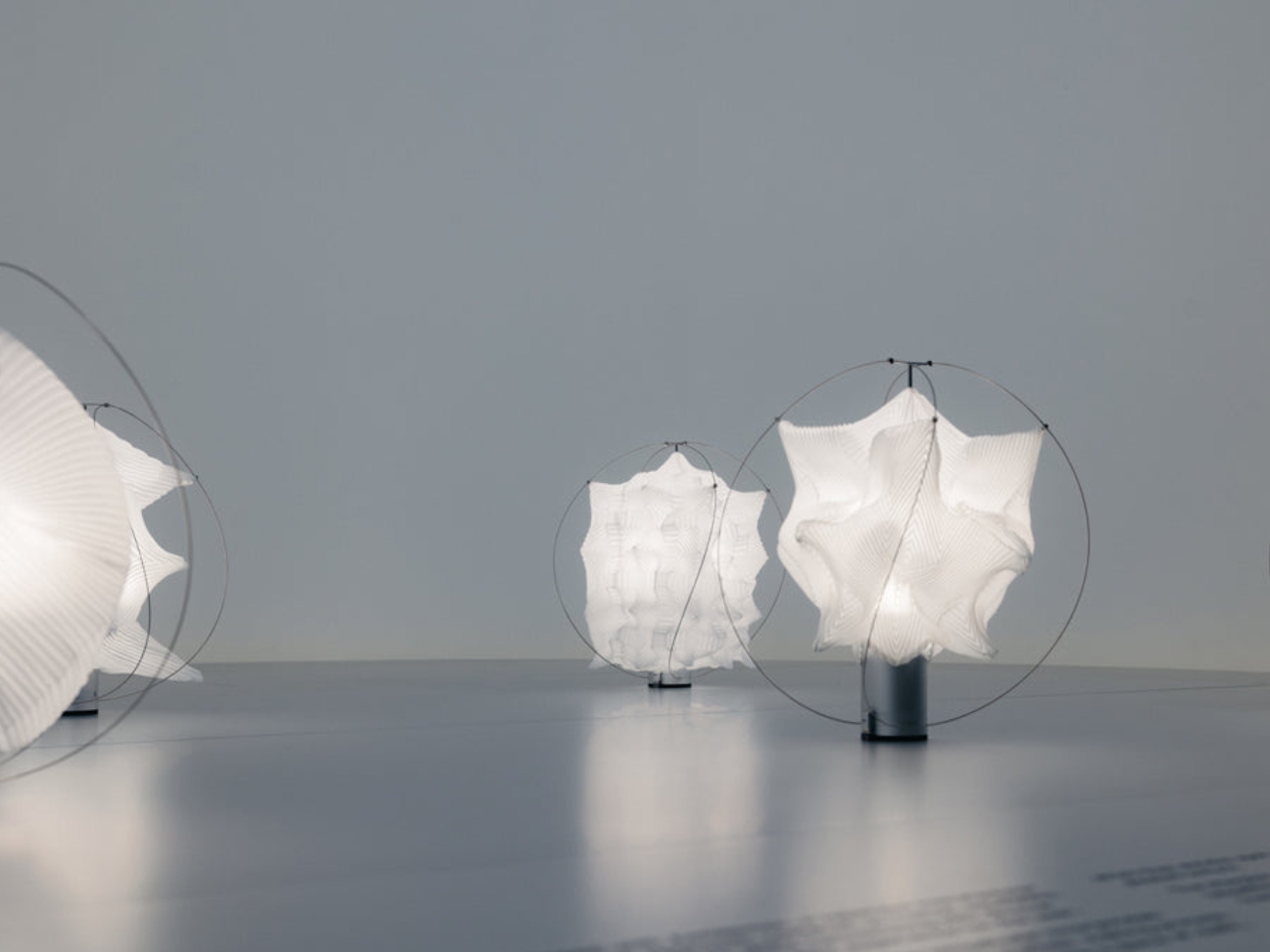
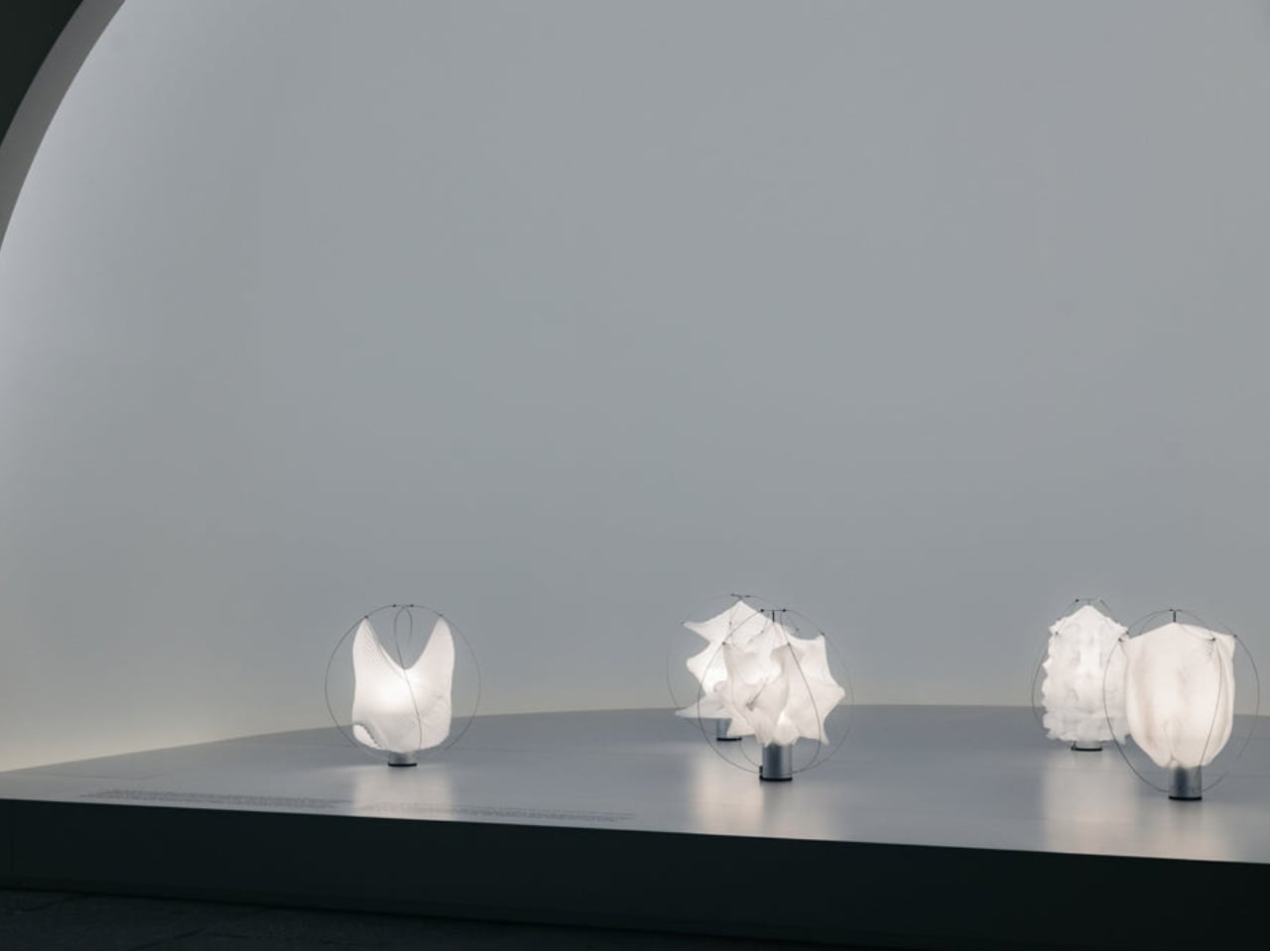
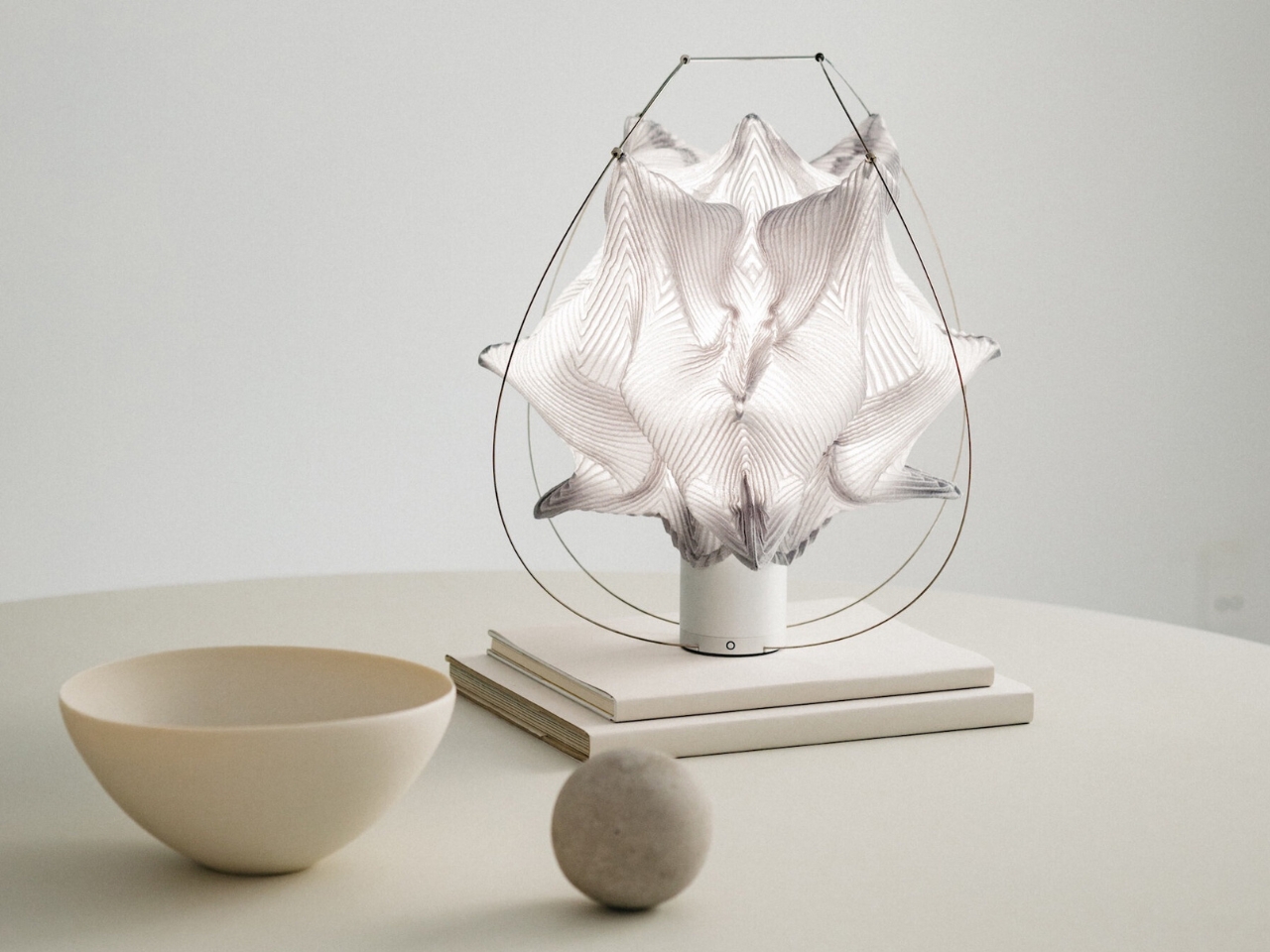
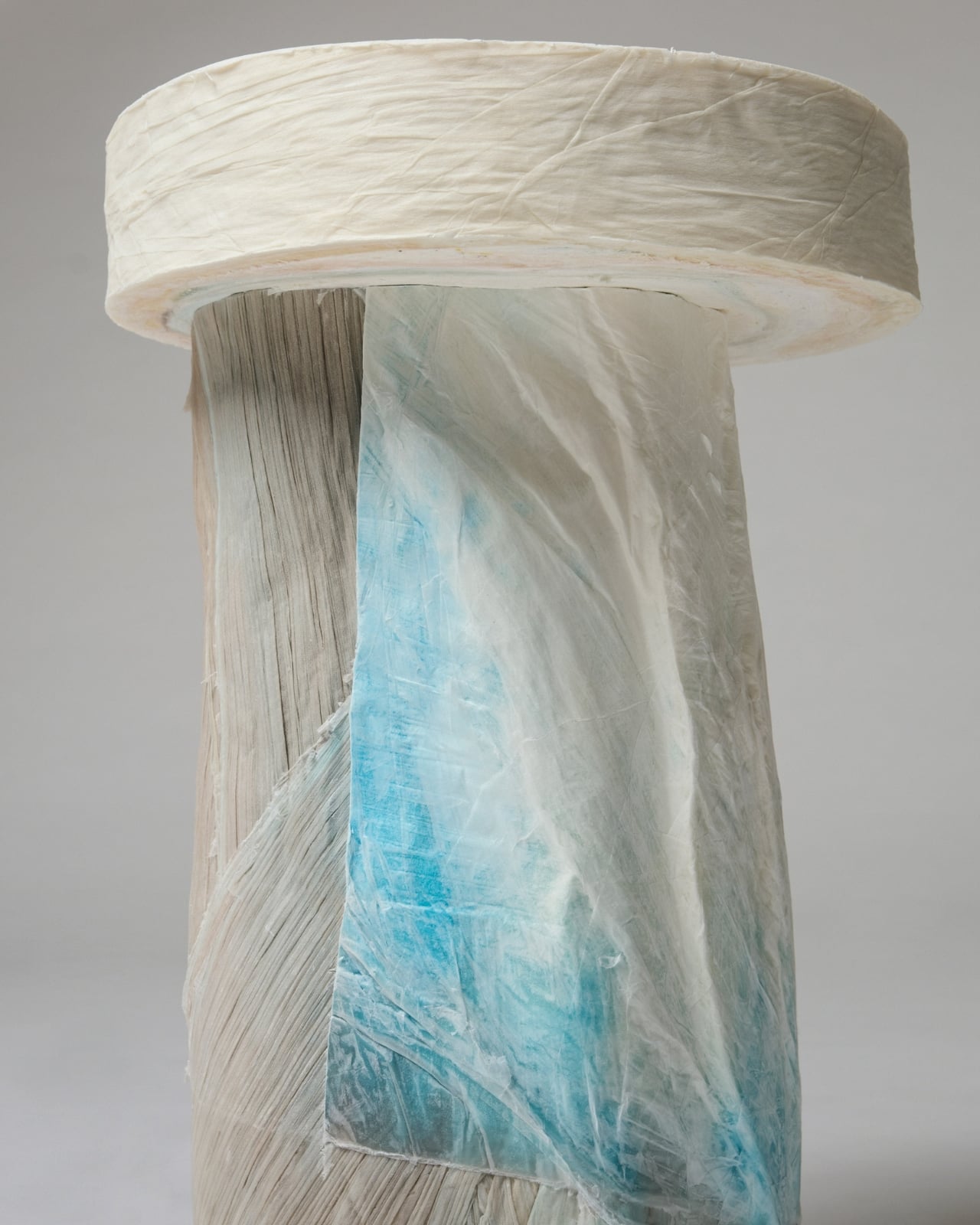
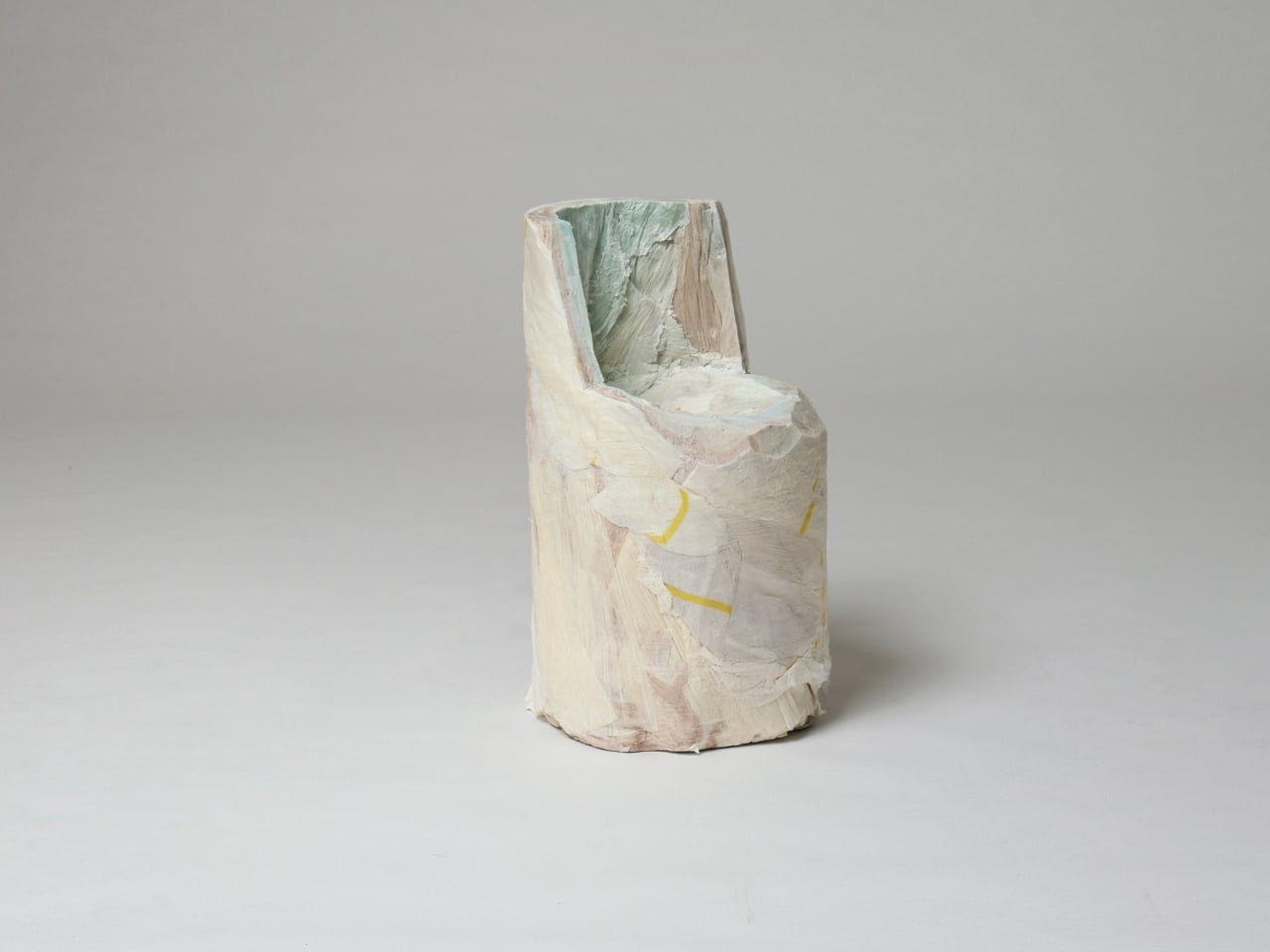
For the exhibition, Kondo brought in Spanish architecture office Ensamble Studio to develop two distinct bodies of work from the same material. The first, Shell, takes the paper log apart and treats it like a sculptural material, creating crisp, delicate objects that feel frozen mid-process. They’re almost ghost-like, holding a shape the way paper holds a crease. The second body of work, Core, goes in the opposite direction. Here the paper is treated as structure, forming actual furniture prototypes including stools, chairs, and tables. Robust and handcrafted, these pieces sit in direct contrast to the fragility of Shell, and that tension is very much the point.

The installation is arranged throughout the store to play Shell and Core against each other, presenting opposing ideas side by side: ephemeral versus concrete, delicate versus robust. I find this curatorial framing genuinely effective. It’s rare to see a single waste material handled in ways that feel this philosophically distinct, and rarer still to see a fashion house direct that kind of rigorous design thinking toward something that would otherwise not exist at all.

What makes The Paper Log worth your attention beyond the visual spectacle is the quiet insistence that process deserves as much consideration as product. Issey Miyake has always been a house obsessed with how things are made. The pleating technology itself is a kind of philosophy, a belief that the mechanics of creation are as meaningful as the finished object. Applying that thinking to the waste materials of that same process feels less like an act of sustainability and more like an act of honesty.

Whether or not furniture made from fashion scraps becomes a commercial category (and it absolutely could), The Paper Log: Shell and Core operates primarily as a provocation. It asks what we overlook when we’re focused on the final product, and suggests that the answer might be the most interesting material in the room. The exhibition runs at the ISSEY MIYAKE Milan store on Via Bagutta 12, from April 21 to May 5, 2026.

The post Issey Miyake’s Most Beautiful Material Was Always the Scrap first appeared on Yanko Design.

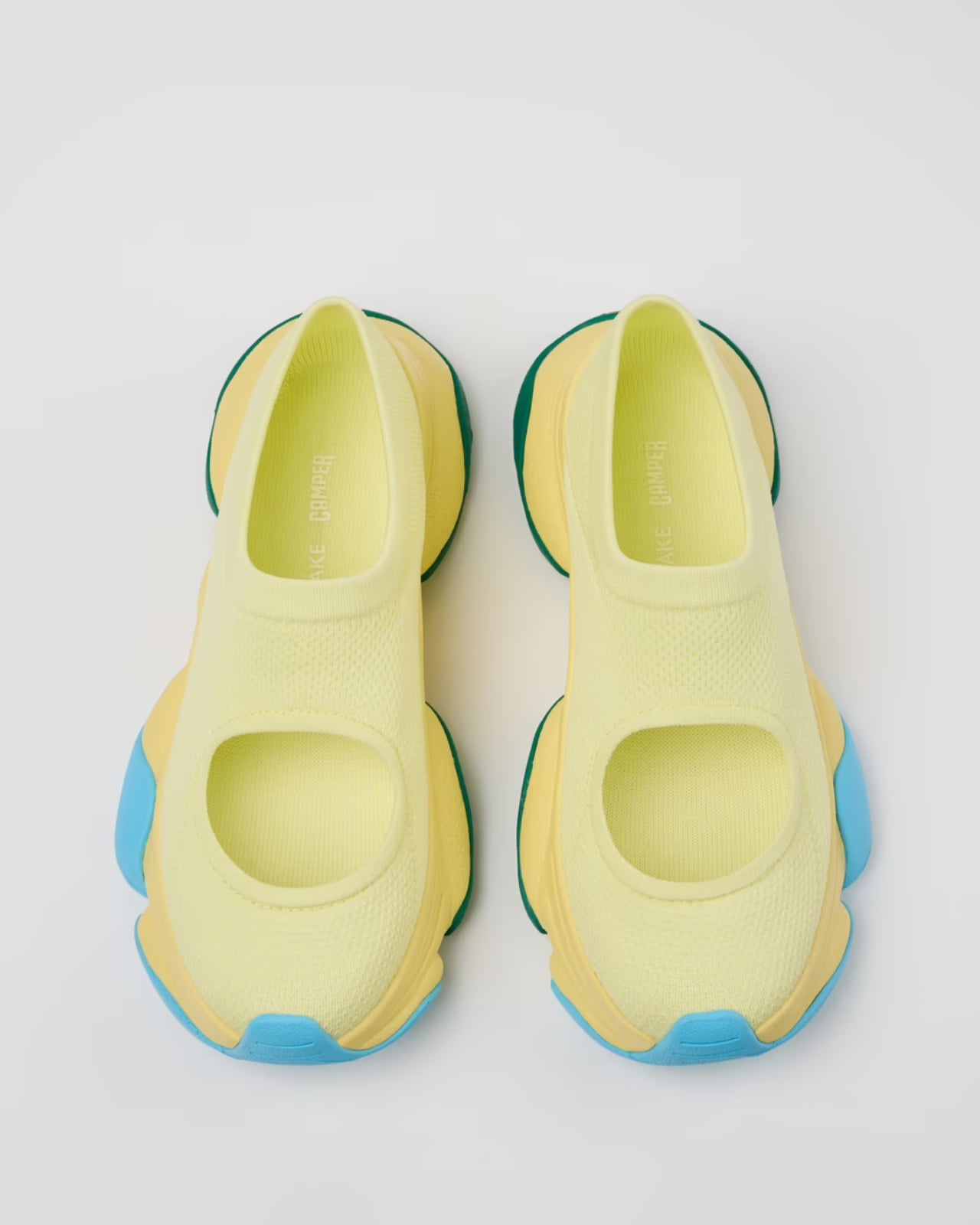
Camper x Issey Miyake Sneakers Started With a Book of Birds

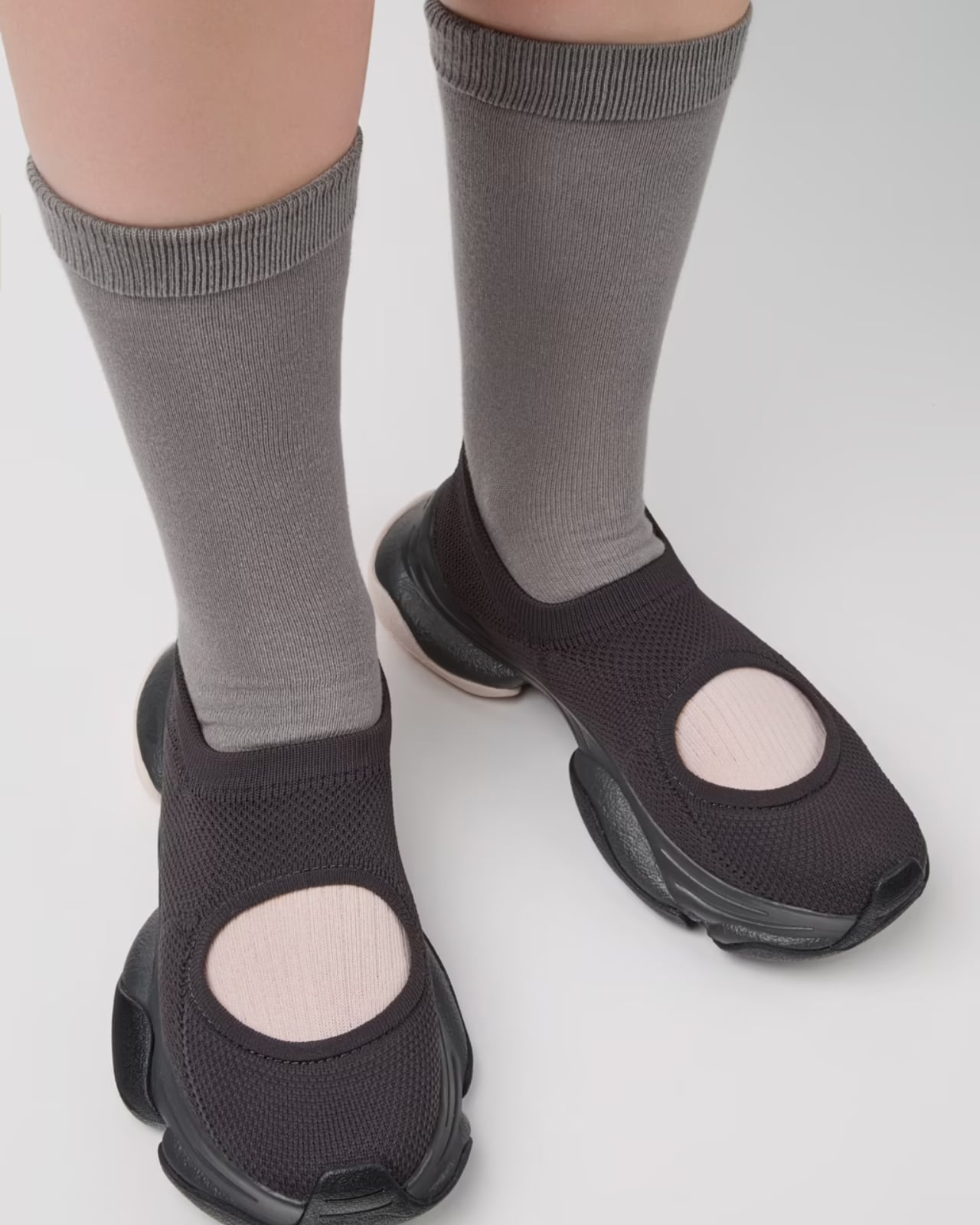
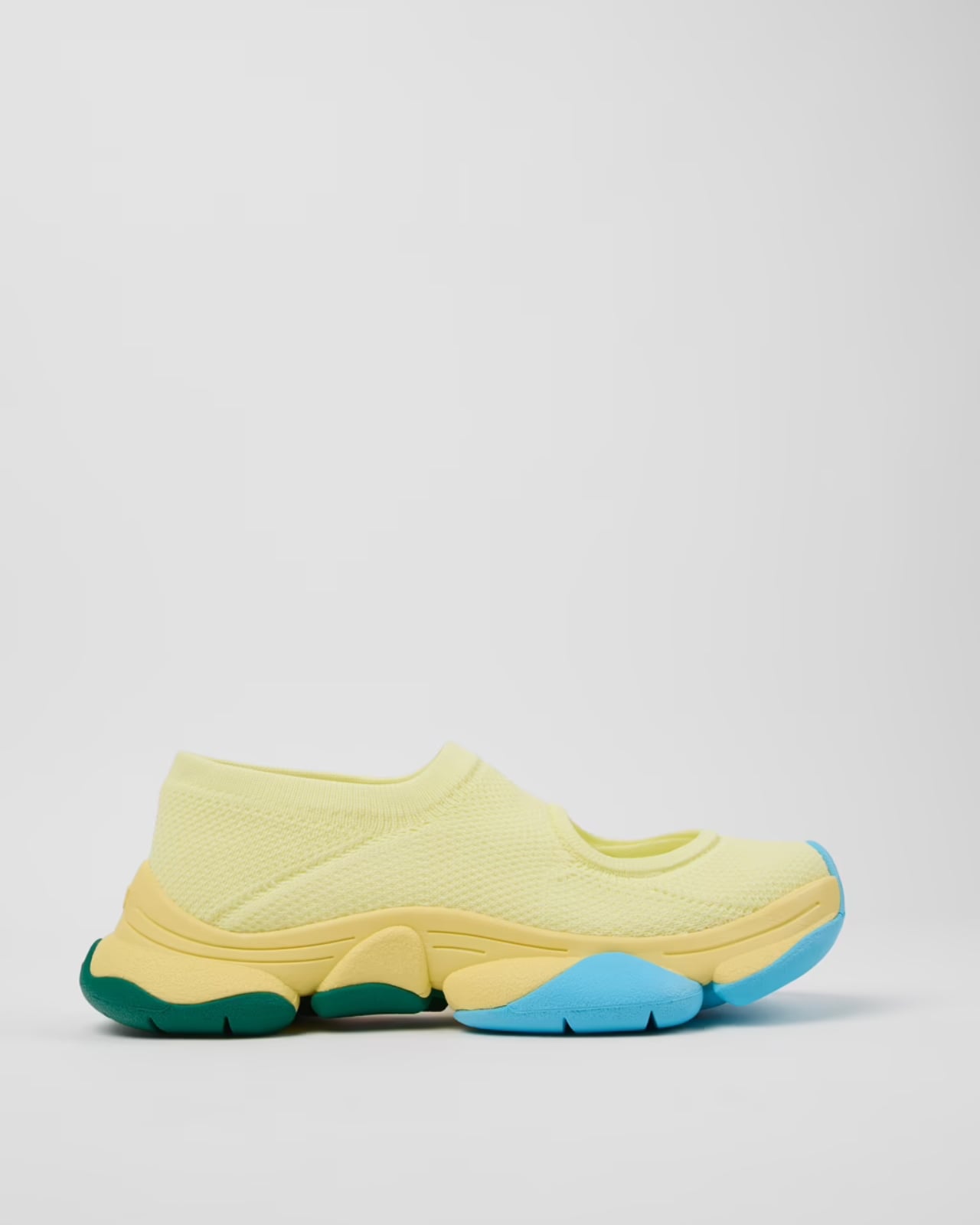
Not every sneaker collaboration deserves attention. Most of them follow a predictable script: take a classic silhouette, swap a few colors, slap two logos on the tongue, and call it a limited drop. Which is why when Camper and Issey Miyake unveiled the Karst Finch for SS 2026, I sat up a little straighter.

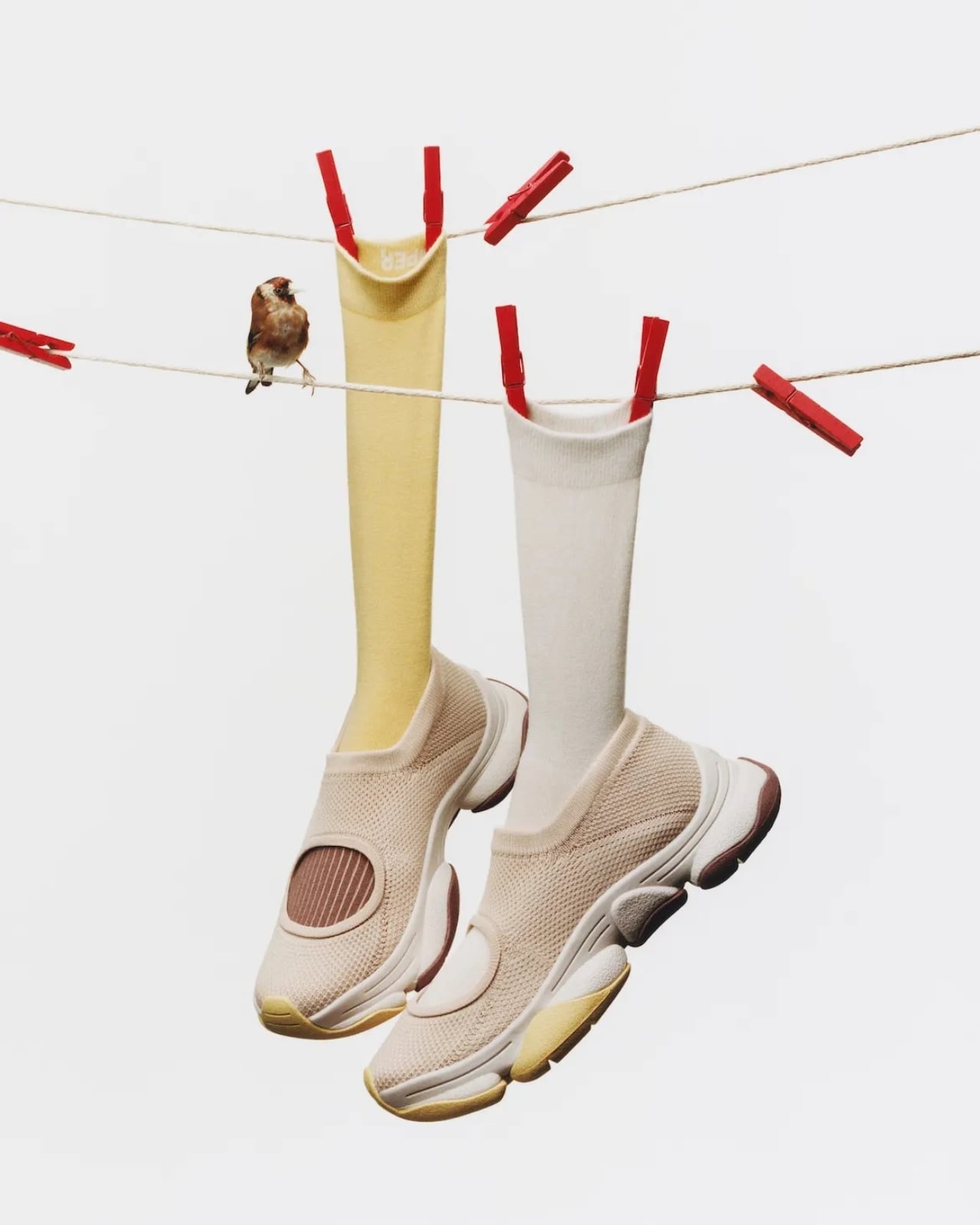
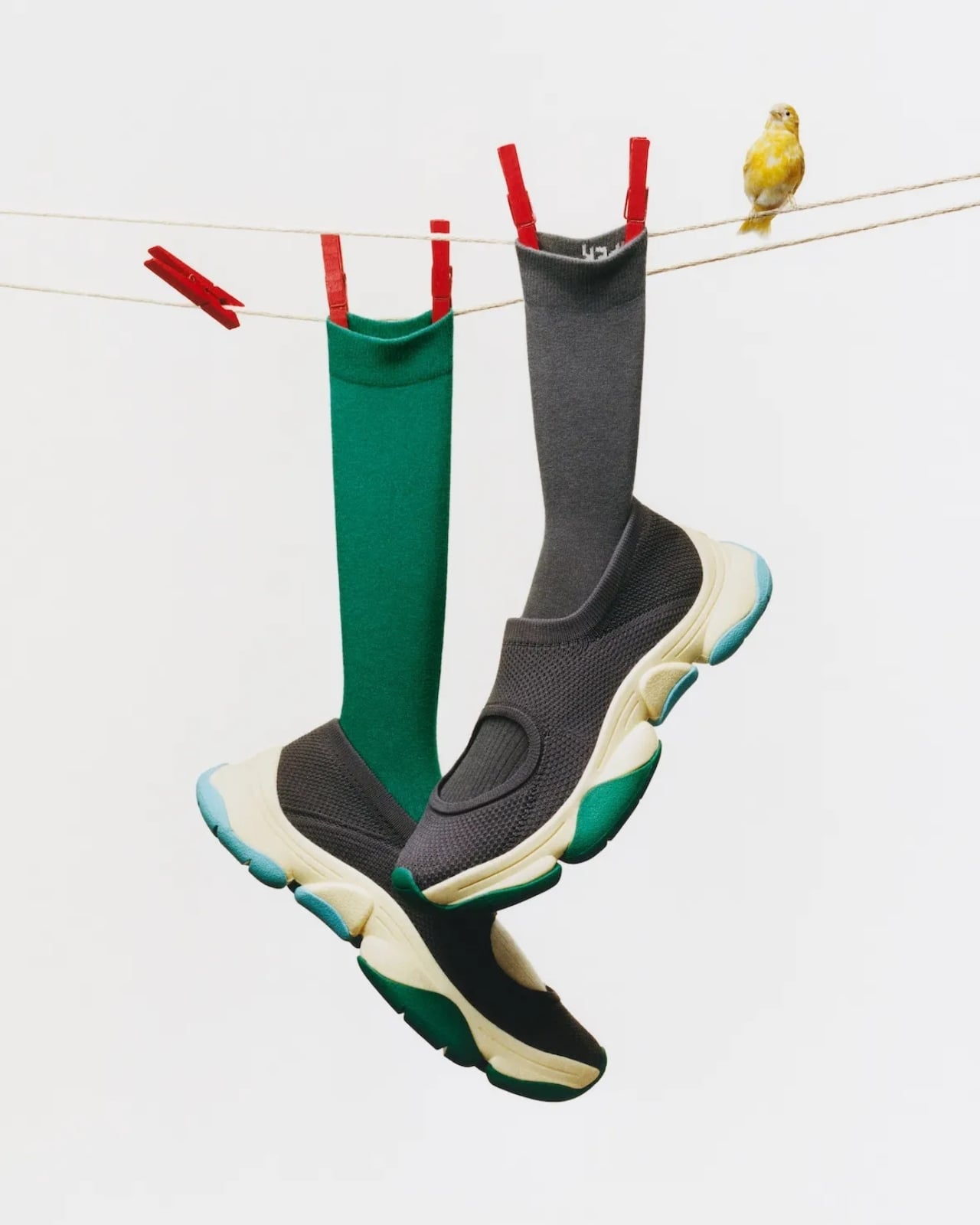
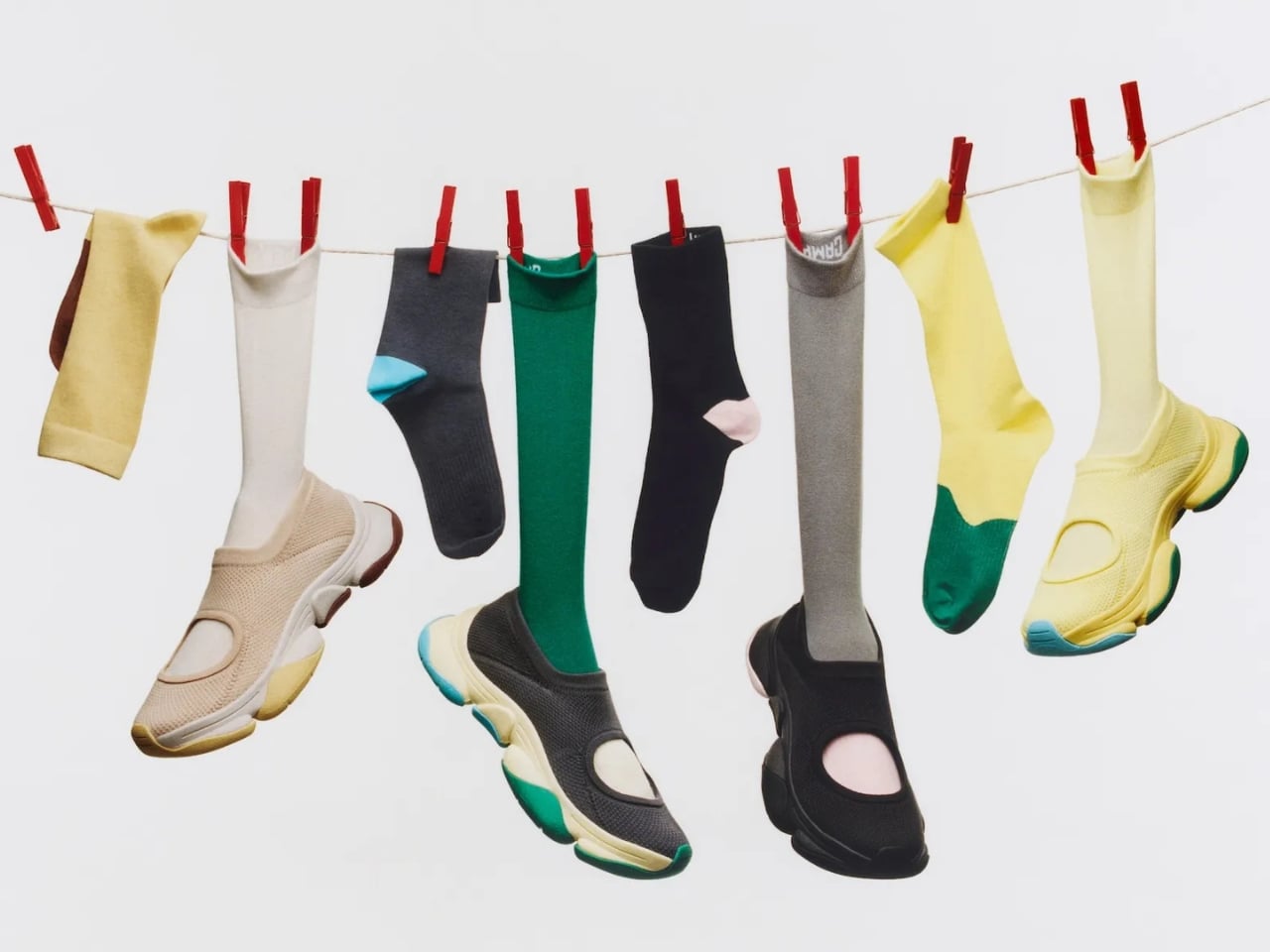
The story behind it matters. According to Satoshi Kondo, creative director of Issey Miyake’s womenswear line, the design team spent part of their development phase poring over photo books of finches and other small birds. They weren’t studying aerodynamics or engineering anything structural. They were just looking, really looking, at the richness and subtlety of bird plumage and beaks, and letting that translate into a color palette for a shoe. That’s either delightfully eccentric or genuinely brilliant. I think it’s both.

Designers: Camper x Issey Miyake

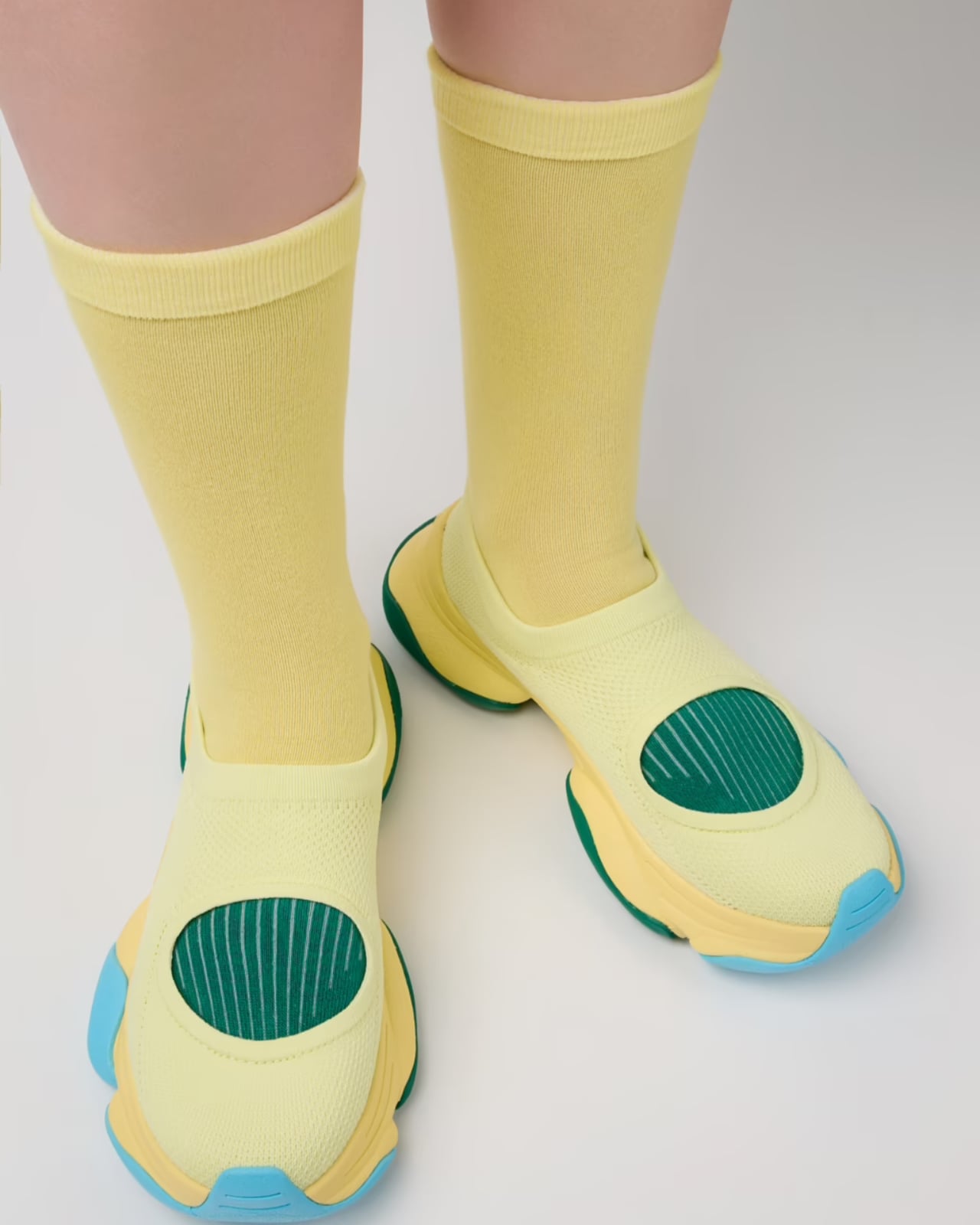
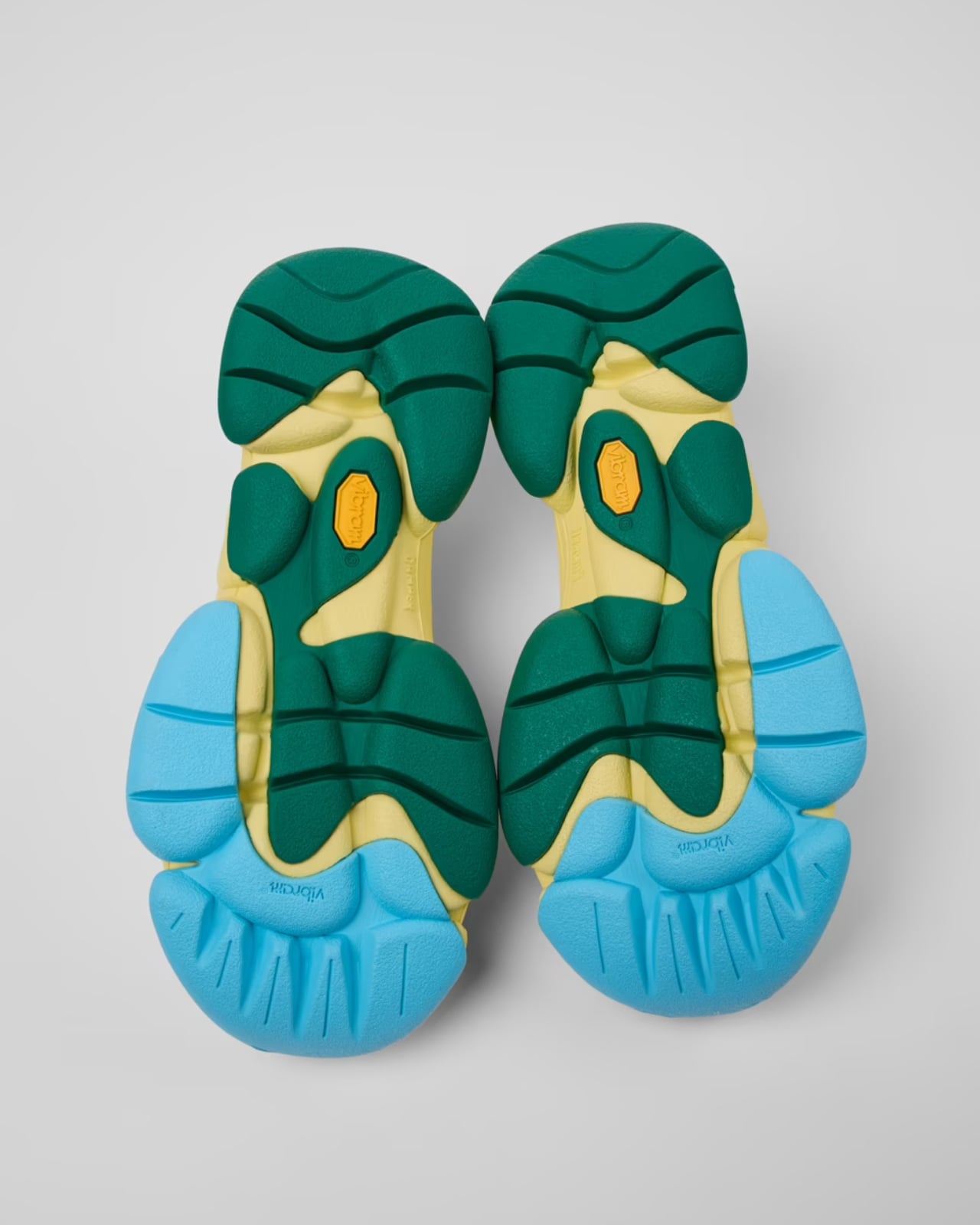
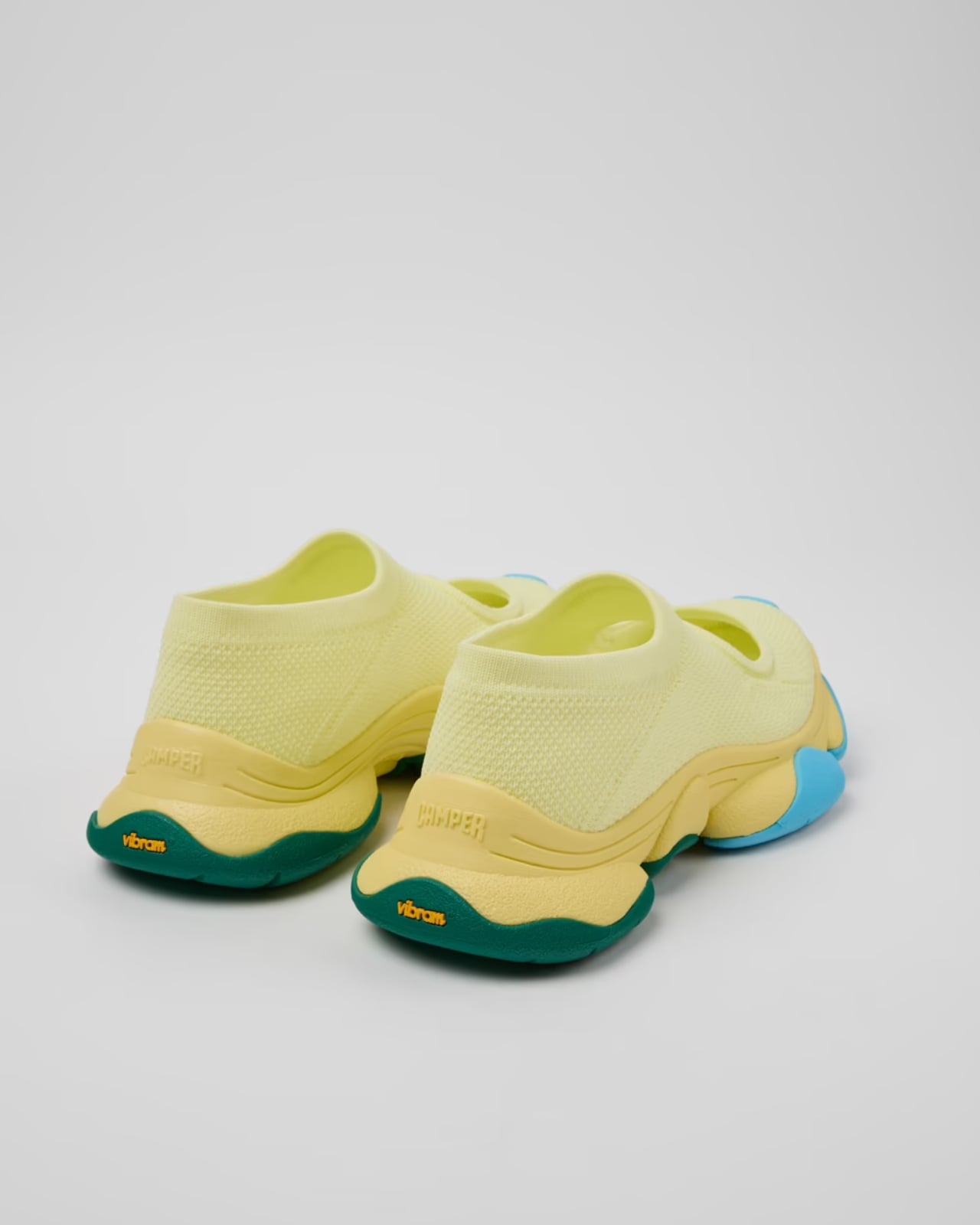
The name itself tells you a lot. “Karst” references one of Camper’s most distinctive existing silhouettes, a shoe named after a rocky geological formation known for its rugged, organically shaped terrain. The outsole of the original Karst reflects that: it has a lumpy, almost topographic quality that looks like it came up from the earth rather than out of a factory mold. “Finch” layers something entirely different on top of it, lightness, color, a kind of cheerful energy. The combination of those two words is basically a thesis statement for what this shoe is trying to do.

Camper is Spanish, practical, and deeply rooted in a no-nonsense approach to footwear. Issey Miyake is Japanese, sculptural, and preoccupied with the relationship between material, body, and movement. These two brands don’t obviously belong together, and that friction is exactly what makes this collaboration interesting. Kondo noted that both companies share a way of thinking about design that goes beyond fashion, that both engage with other creative disciplines and communities rather than operating purely within the style bubble. I believe that. You can feel it in the shoe.

The Karst Finch is built from recycled PET engineered materials, sits on a Vibram rubber outsole, and uses a ReXarge midsole with an OrthoLite recycled footbed. It’s a sustainability story told quietly, without the usual chest-thumping. The recycled polyester lining and the thoughtful material choices feel like a given here rather than a selling point, which is how it should be. And yes, it’s also genuinely comfortable, which matters more to me than it probably should when discussing something this aesthetically considered. A beautiful shoe you can’t walk in is just an expensive sculpture.

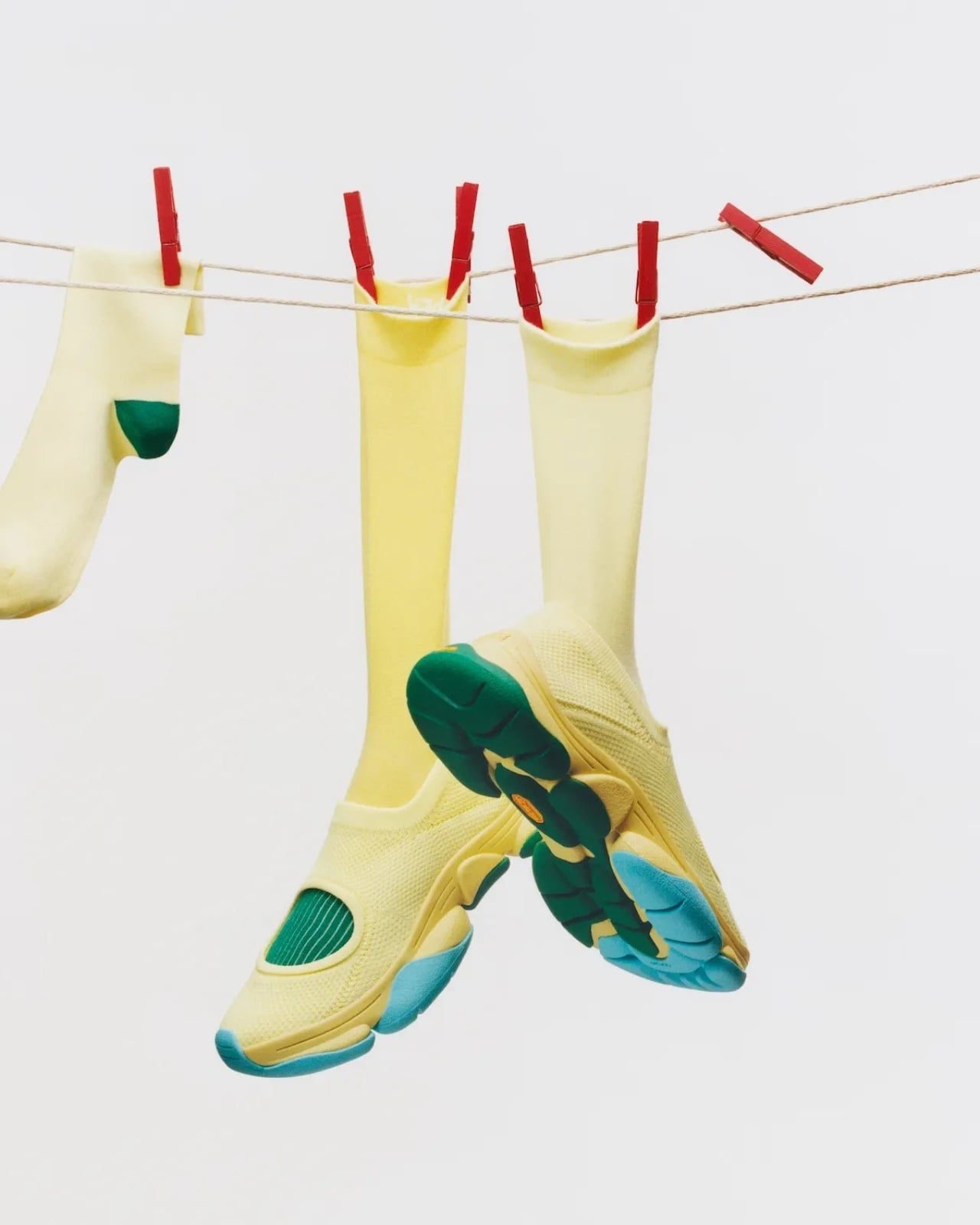
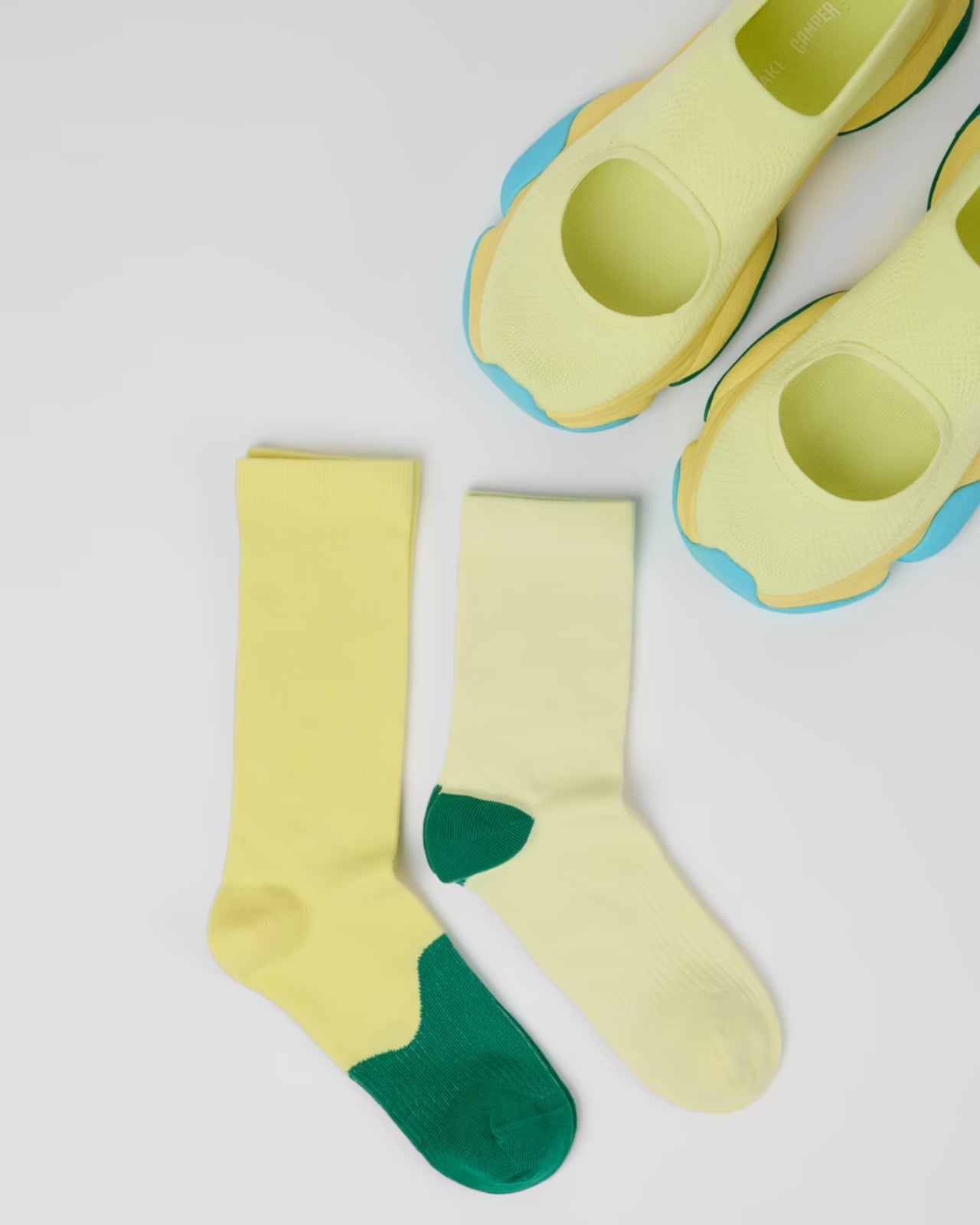
What really lands is the color approach. The pastel yellows, the muted tones, the colorways that feel like they were borrowed from a naturalist’s watercolor study: this is not the saturated, aggressive palette that usually comes with high-profile sneaker drops. It’s quieter than that. More considered. Each pair also comes with two pairs of socks for customization, which is a small detail but a telling one. It signals that whoever designed this understood the shoe doesn’t need to shout.

The Karst Finch made its public debut closing out Issey Miyake’s Spring 2026 runway at Paris Fashion Week, which is an unusual place for a sneaker to land. Runways don’t usually end with footwear as a statement piece, and it’s telling that this one did. It read as a kind of exhale after everything else on the runway, lighter, brighter, and a little more open to joy.

There’s a version of this collaboration that could have been very safe. Instead, the Karst Finch is a shoe built on genuine curiosity: about birds, about material, about what happens when a Majorcan shoe company and a Tokyo fashion house actually sit down and listen to each other. At $320, it’s not an impulse buy. But it’s the kind of thing you pick up because you want it to last, and because the story behind it is worth wearing. The Karst Finch drops globally on April 15, 2026.

The post Camper x Issey Miyake Sneakers Started With a Book of Birds first appeared on Yanko Design.

Issey Miyake Just Made Sunglasses With Eight Lenses

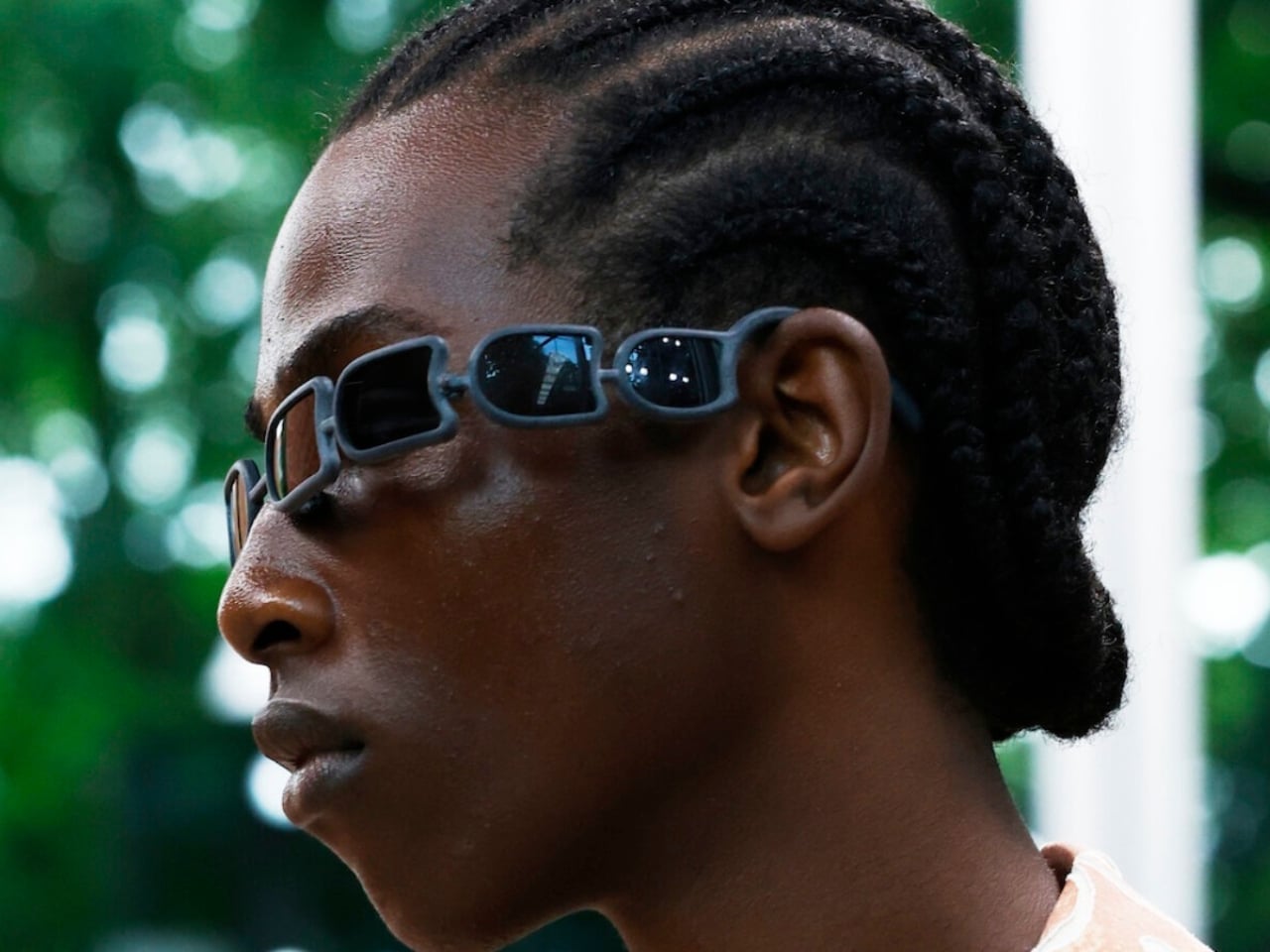
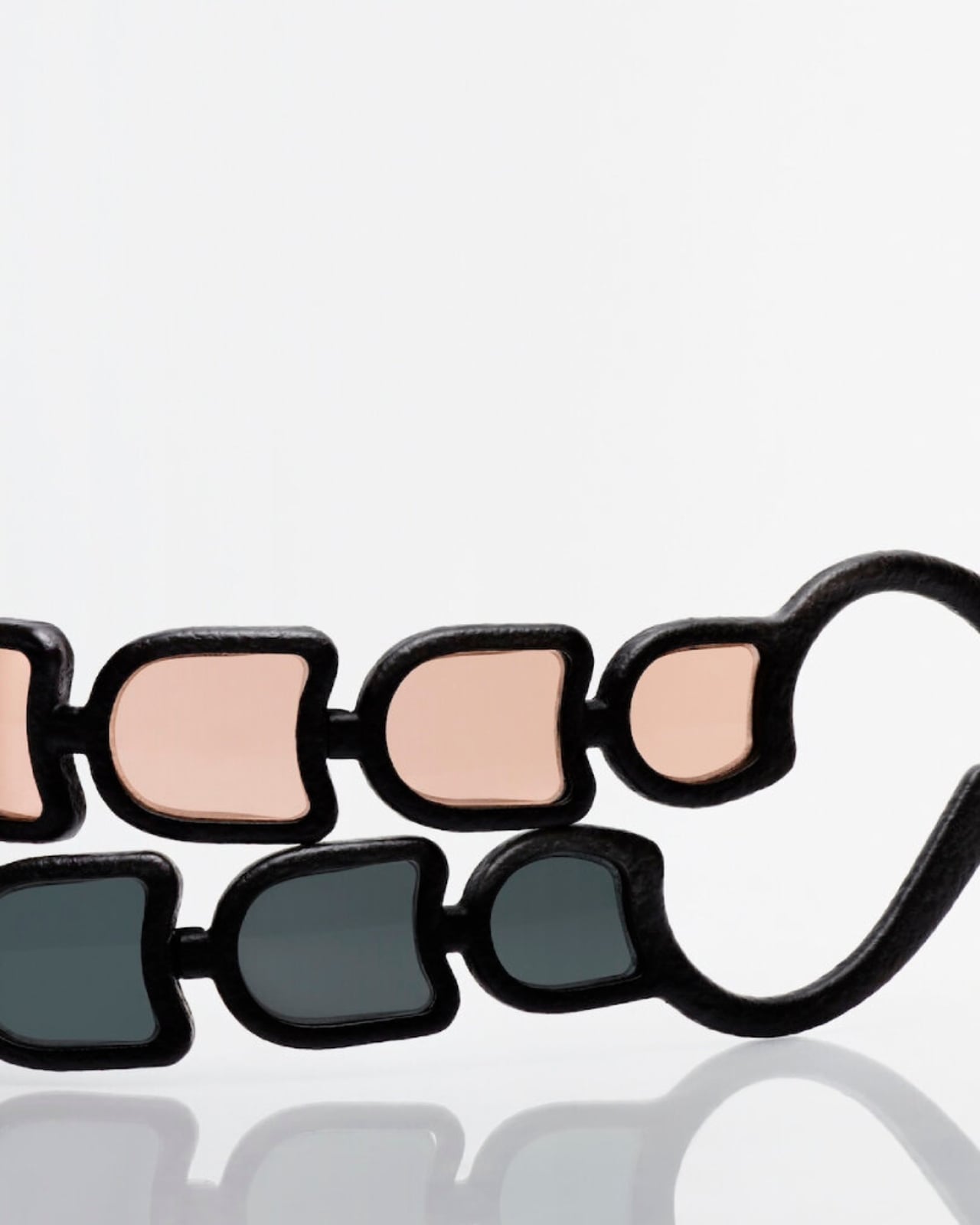
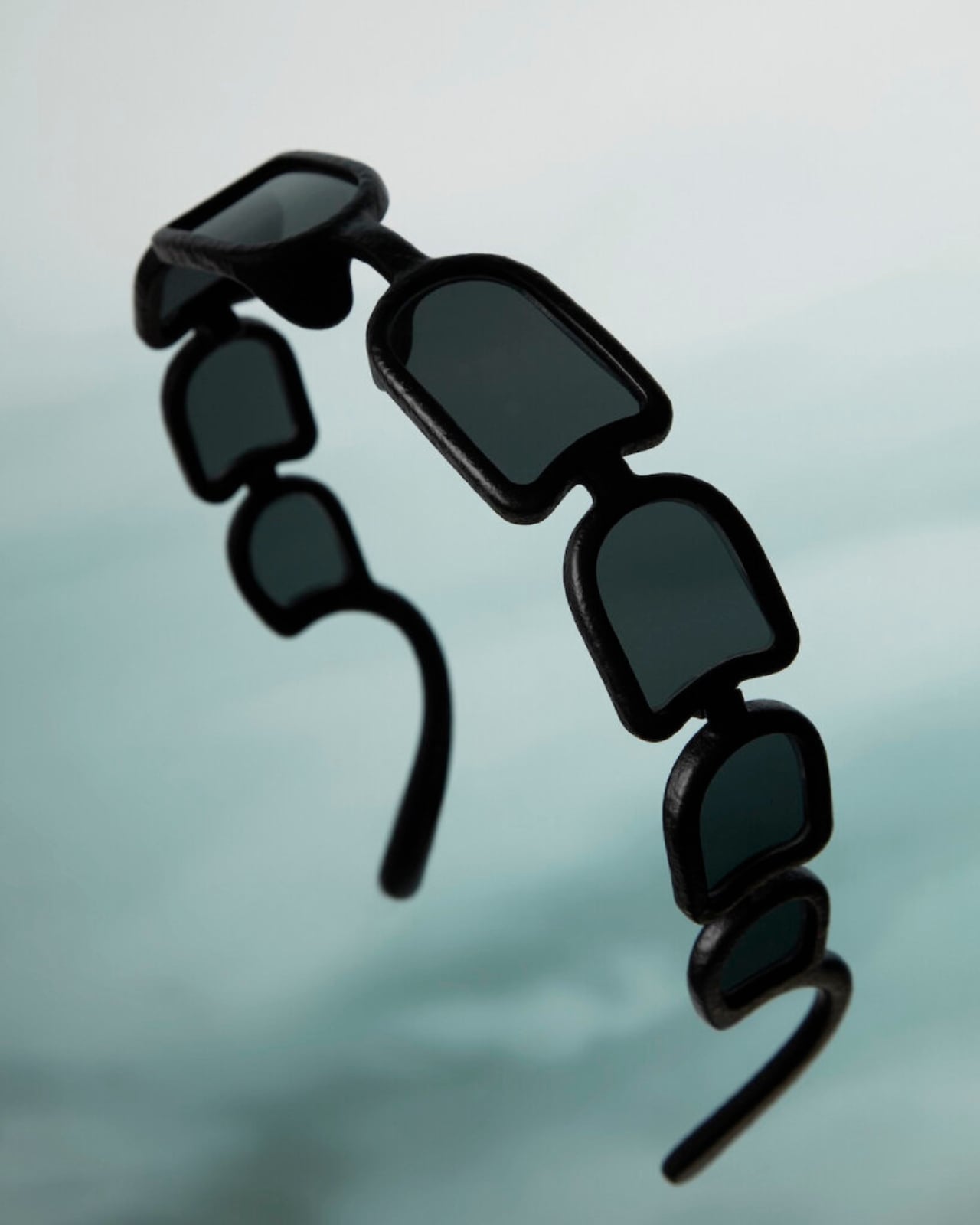
Most sunglasses get two lenses. That’s the standard, the baseline, the thing nobody questions because why would you? Two lenses. Two eyes. Done. But Issey Miyake Eyes just released UROKO, a pair of sunglasses with eight lenses, and it made me stop and genuinely reconsider what we accept as default in design.

UROKO is part of the IM MEN Spring Summer 2026 collection, titled “Dancing Texture,” and the name alone tells you this isn’t a collection built on safe choices. The eight-lens design draws inspiration from the ceramic works of Shoji Kamoda, a celebrated Japanese potter known for his distinctive scale-like surface patterns. In Japanese, “uroko” literally means scale, and the connection between the pottery and the eyewear is direct, visible, and surprisingly earned. This isn’t one of those cases where a brand name-drops an artist and calls it a day.

Designer: Issey Miyake Eyes

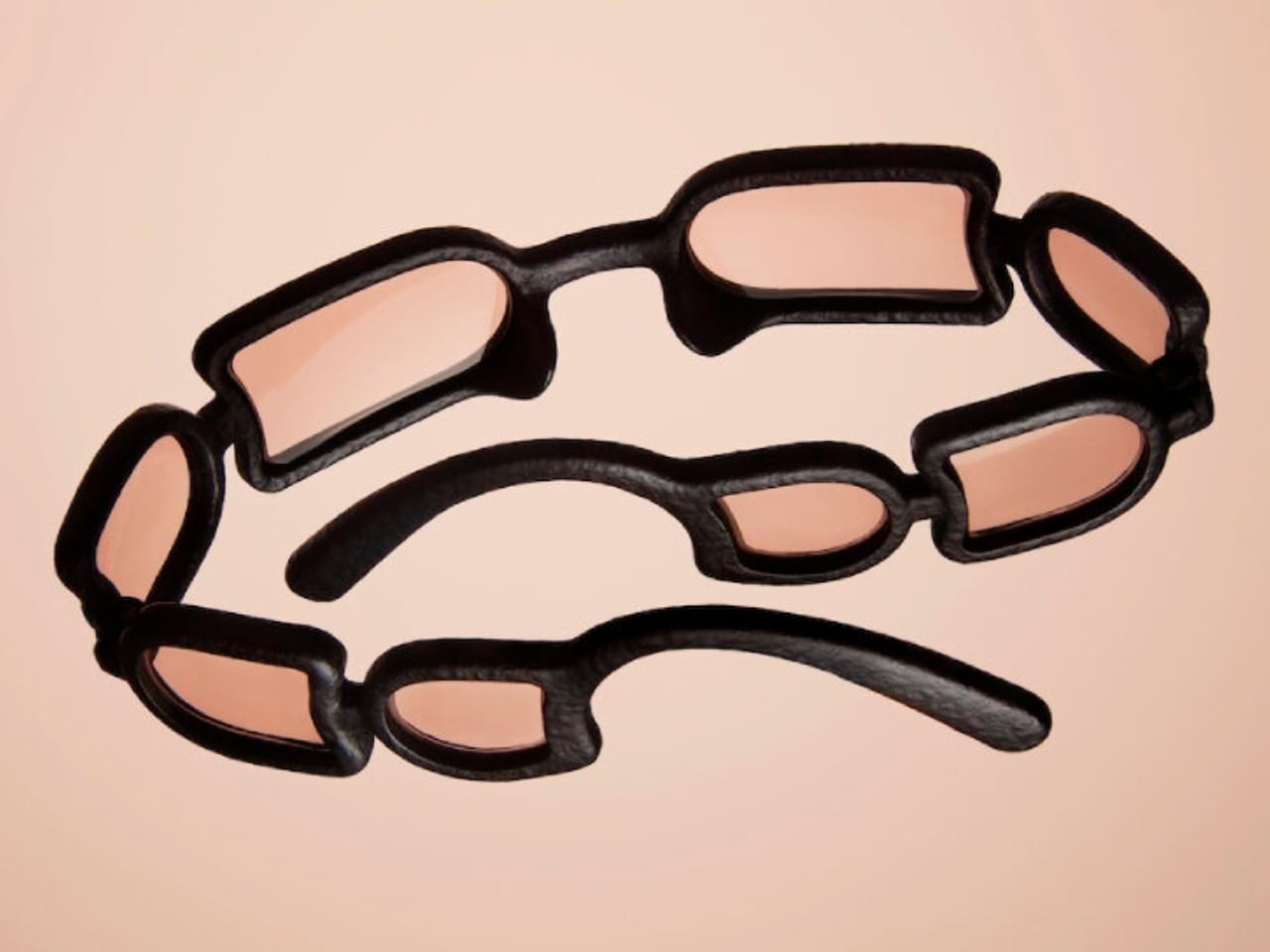
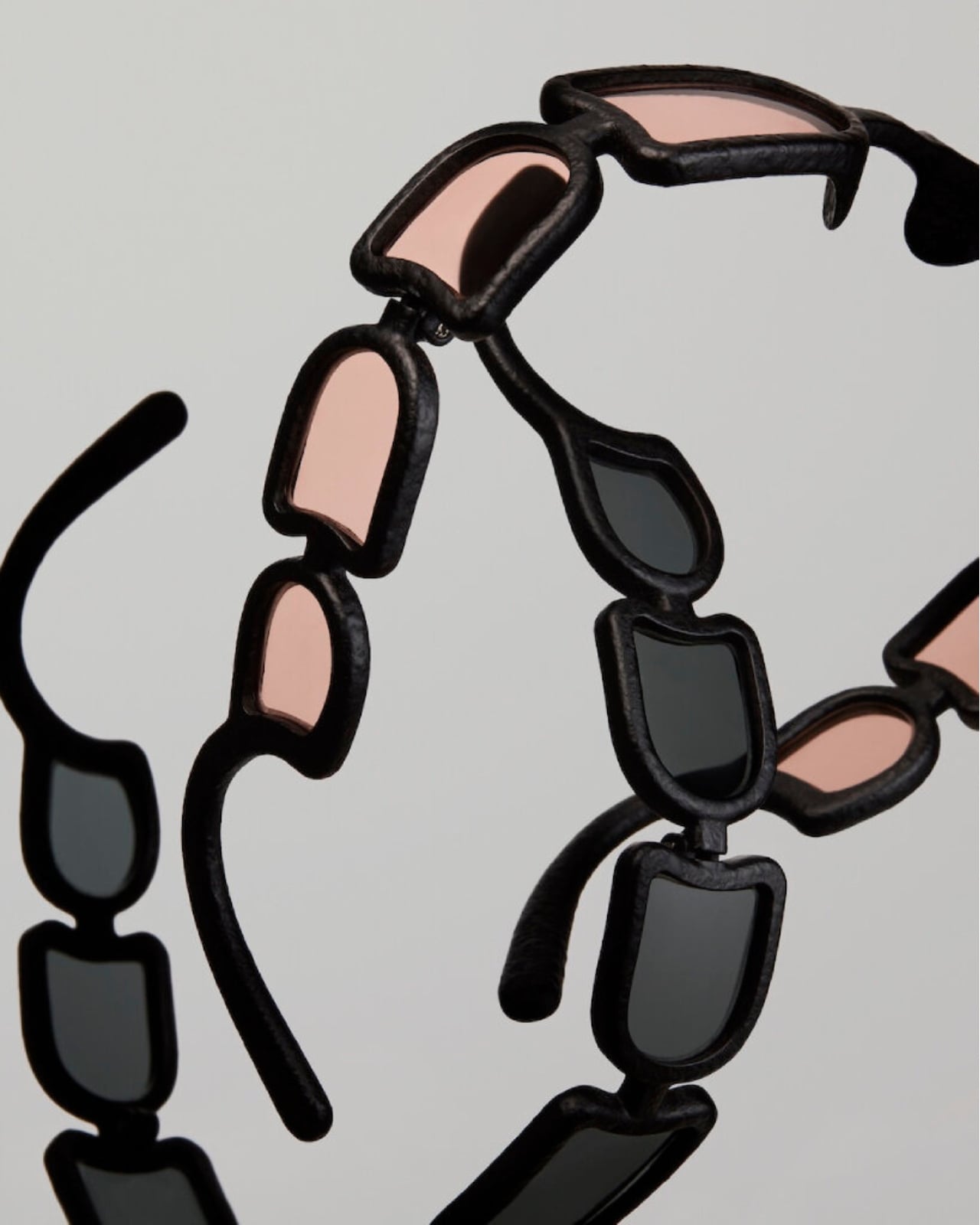
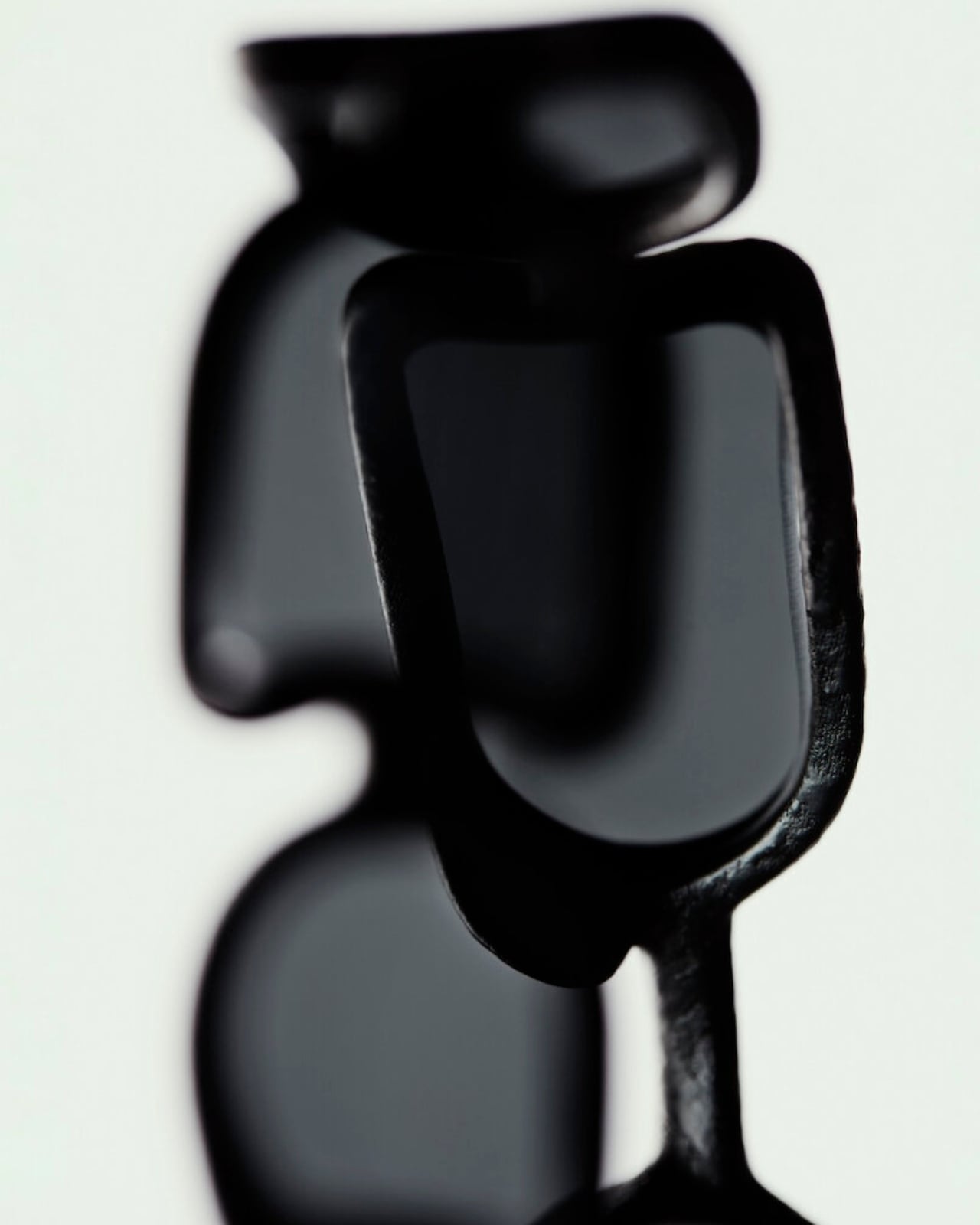
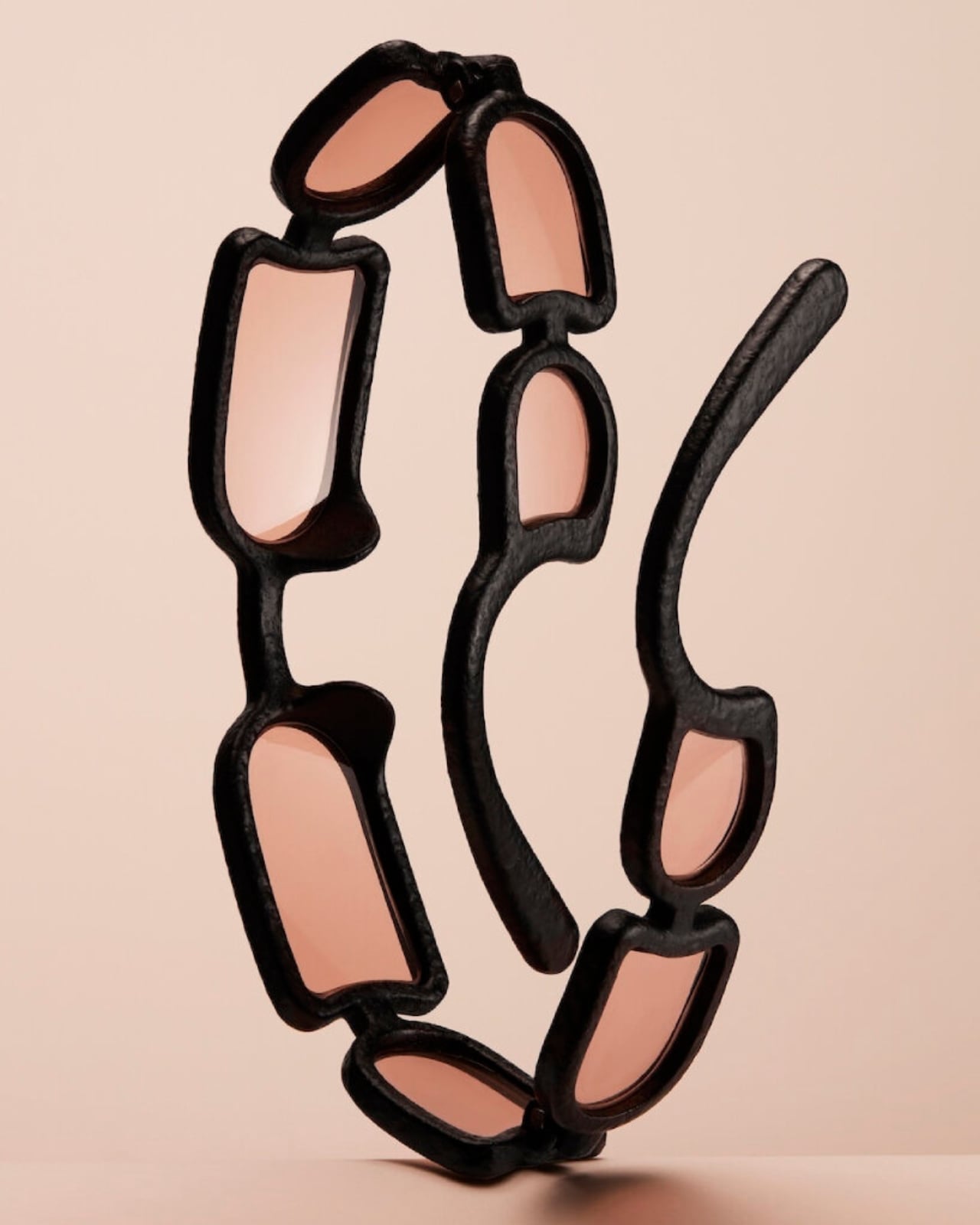
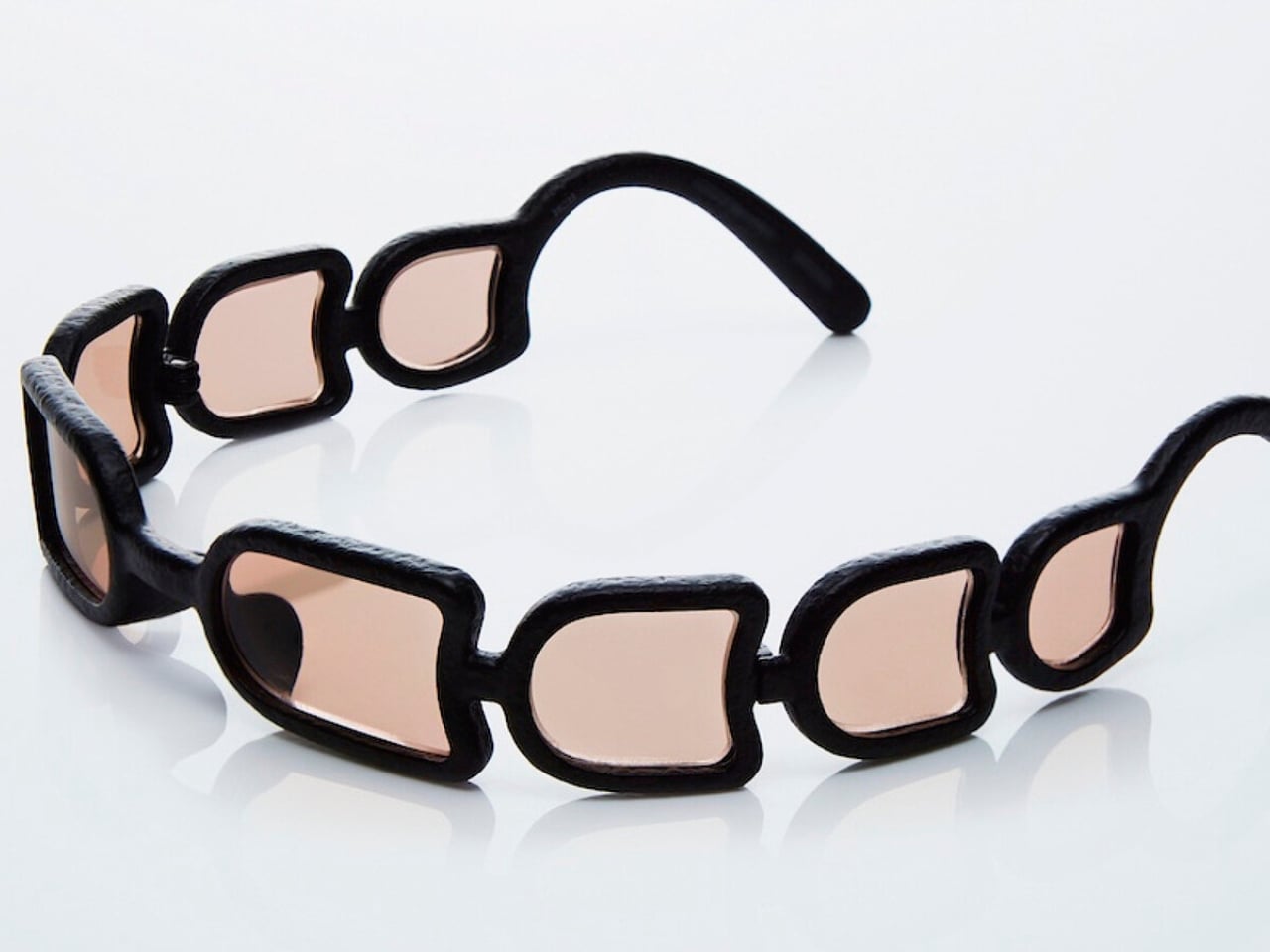
Four lenses sit on each side of the frame, arranged in sequence to mimic the overlapping scale motifs found in Kamoda’s pottery. Each lens features a concave cut, meaning they curve inward rather than outward. That engineering decision is clever. By pulling the lenses inward, they can sit close together without the whole structure ballooning into something unwearable. It’s a practical solution wrapped inside an aesthetic one, and I appreciate when design works that way. Function hiding inside form, each decision earning its place.

The 3D-printed frame goes through a finishing process that intentionally leaves slight surface variations intact. No two pieces are perfectly uniform. That part matters because it mirrors the very thing Kamoda was known for in his ceramics: surfaces that resisted smooth perfection. What could have been a production quirk becomes a design language, a deliberate echo of the source material. It’s the kind of detail you don’t notice immediately but can’t unsee once you do.

Made in collaboration with Kaneko Optical and crafted entirely in Japan, the frame is lightweight titanium, which strikes me as both the right material and the obvious one. Eight lenses on your face need a frame that won’t drag you down by the end of the afternoon. The brushed finish shifts subtly depending on how light falls on it, giving it that quality where the object looks different from one moment to the next. That feels intentional rather than accidental, which again speaks to how much thought went into this.

Seeing UROKO from a distance, I understand why one description floated around: it looks like a necklace before it looks like sunglasses. Only when you get close enough to see the hinges fold and the scale-shapes settle into the familiar form of a pair of frames does the full picture land. That delay, that moment of working out what you’re looking at, is actually the design doing its job. Not all eyewear needs to announce itself from ten feet away.

I’ll admit there’s a part of me that wants to ask whether eight lenses actually changes how you see. The short answer is probably no, not in any technical sense. But I don’t think that’s the point. UROKO isn’t positioning itself as an optical innovation. It’s positioning itself as a wearable object that carries a conversation between contemporary manufacturing and Japanese craft tradition, between function and sculpture, between an artist who shaped clay in the twentieth century and a design house still finding new ways to reference that legacy.

Available in Dark Gray and Brown, and offered in both optical and sunglass versions, UROKO is priced at ¥99,000 JPY, approximately $632 USD. It’s not a casual purchase, but it’s not trying to be. It sits firmly in the category of considered design objects, the kind you buy because you’ve decided to live with something that makes you think a little, even on an ordinary Tuesday.

The real takeaway isn’t about the lenses. It’s about what happens when a design team takes a constraint, in this case the question of how to honor a ceramic artist’s vision through eyewear, and decides not to answer it predictably. Eight lenses is a strange answer. It’s also, once you see UROKO in person, kind of the only answer.

The post Issey Miyake Just Made Sunglasses With Eight Lenses first appeared on Yanko Design.
Apple, Hear Me Out… An iPhone Pocket, but for the Vision Pro’s Battery Pack

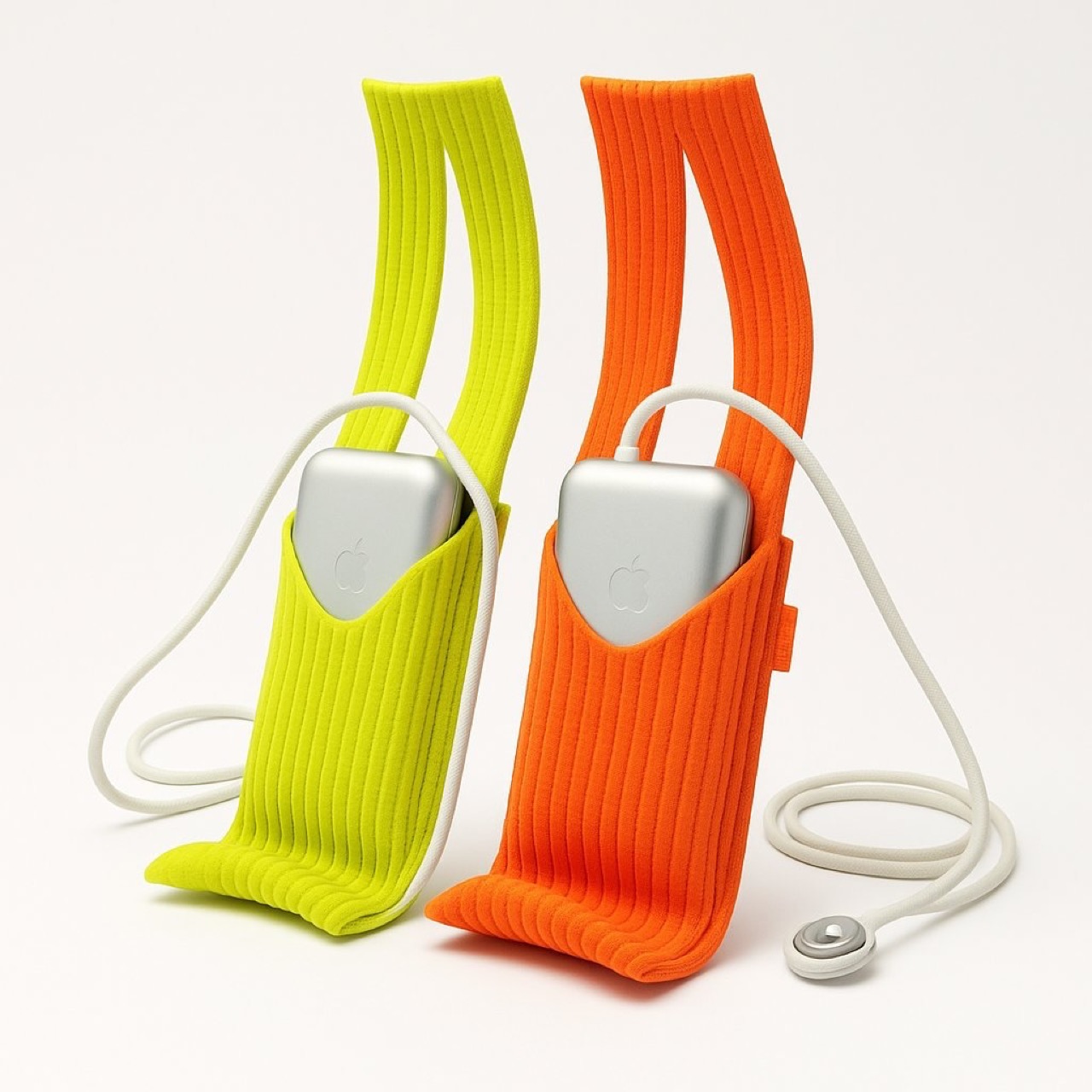
Decades after giving Steve Jobs his iconic turtleneck, Japanese fashion behemoth Issey Miyake returned to Apple with a product that somewhat felt absurd at first. The iPhone Pocket is an oddly specific handbag for just your phones (and maybe some other bits and bobs), but here’s a reality check the folks at Apple probably didn’t get. Your phone doesn’t need a dedicated solo-bag. It fits in most pockets, and when it doesn’t, people carry handbags or purses. If there’s a single Apple product that DOES need its own ‘holster’, it’s probably the Vision Pro Battery Pack.

This concept from Nathaniël de Jong cleverly gives that power bank a dedicated holster to make spatial computing more convenient without the added bulk. Almost everyone who’s reviewed the Vision Pro has railed against that silly little appendage that simply hangs off the already heavy Vision Pro. Apple just assumed you’d end up putting it in your pocket… but somehow it decided to make a dedicated holder for its phones, but not for this?!

Designer: Nathaniël de Jong

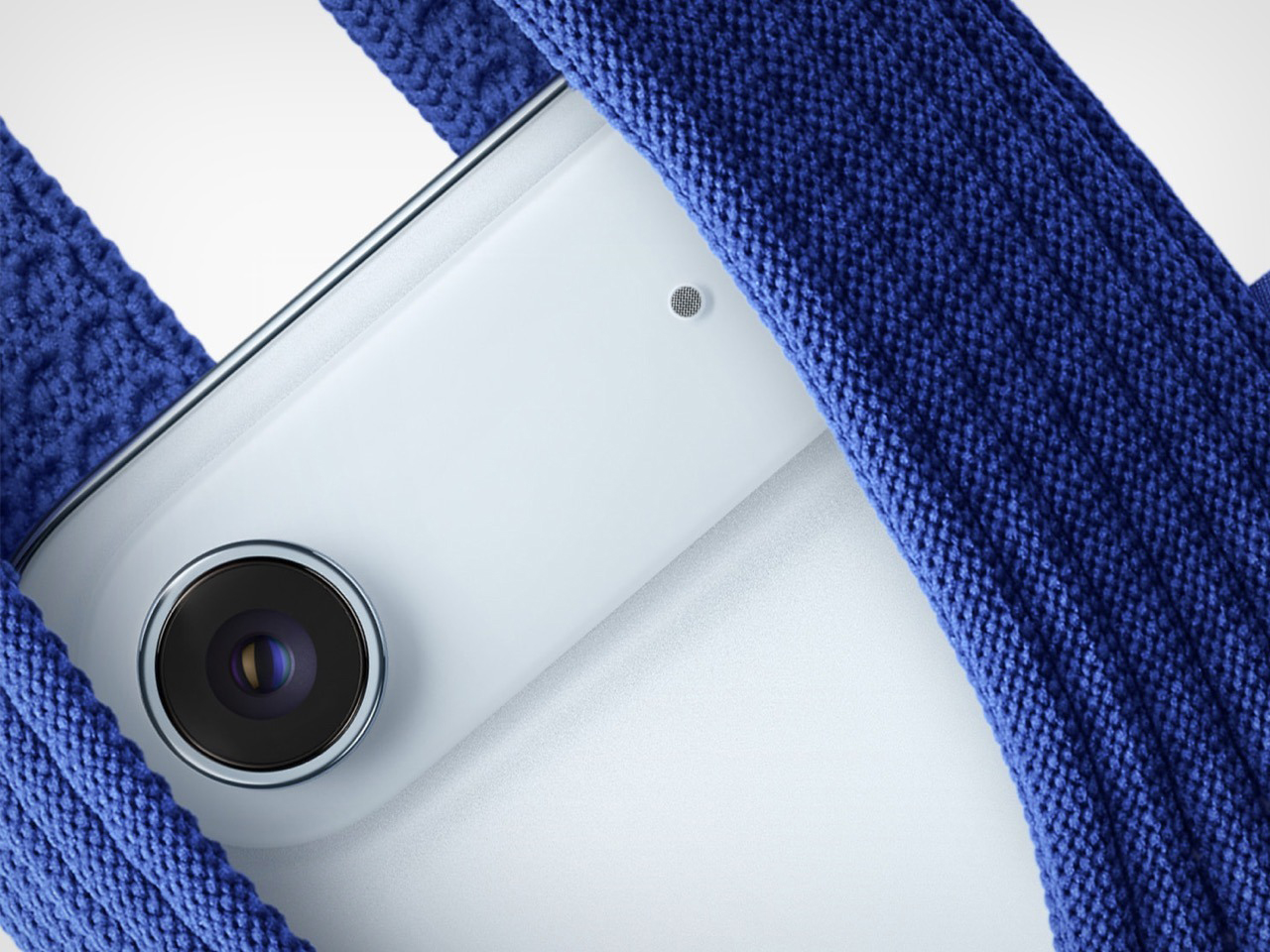
The beauty of this entire arrangement is that nothing needs to change. Apple just needs to ALSO market the iPhone Pocket as a perfect holder for the Vision Pro’s Battery Pack. It’s roughly the same size as a small phone, probably weighs a bit thanks to its thick metal design, and gives the Vision Pro a slightly fashionable touch… with the 3D woven iPhone Pocket matching the 3D weave on the Vision Pro’s headbands. It’s synergy just waiting to happen, and I love that someone decided to cobble up some renders and put them out there just to show us all that there’s a great alternative use for this fairly expensive fabric accessory.

The iPhone Pocket is limited to just 10 stores worldwide, and will only be sold in limited stock. Is that a deal-breaker? Probably not, because most Vision Pro users probably live in one of these 10 fancy cities (New York, Paris, Milan, Hong Kong, Singapore, etc.). The limited stock isn’t a problem either, because the Vision Pro’s fairly limited in its consumer reach too… and I don’t mean that as a diss. I just think these two are a match made in heaven!

The post Apple, Hear Me Out… An iPhone Pocket, but for the Vision Pro’s Battery Pack first appeared on Yanko Design.
Apple iPhone Pocket is the most absurdly Apple-ish way to carry your smartphone with you.

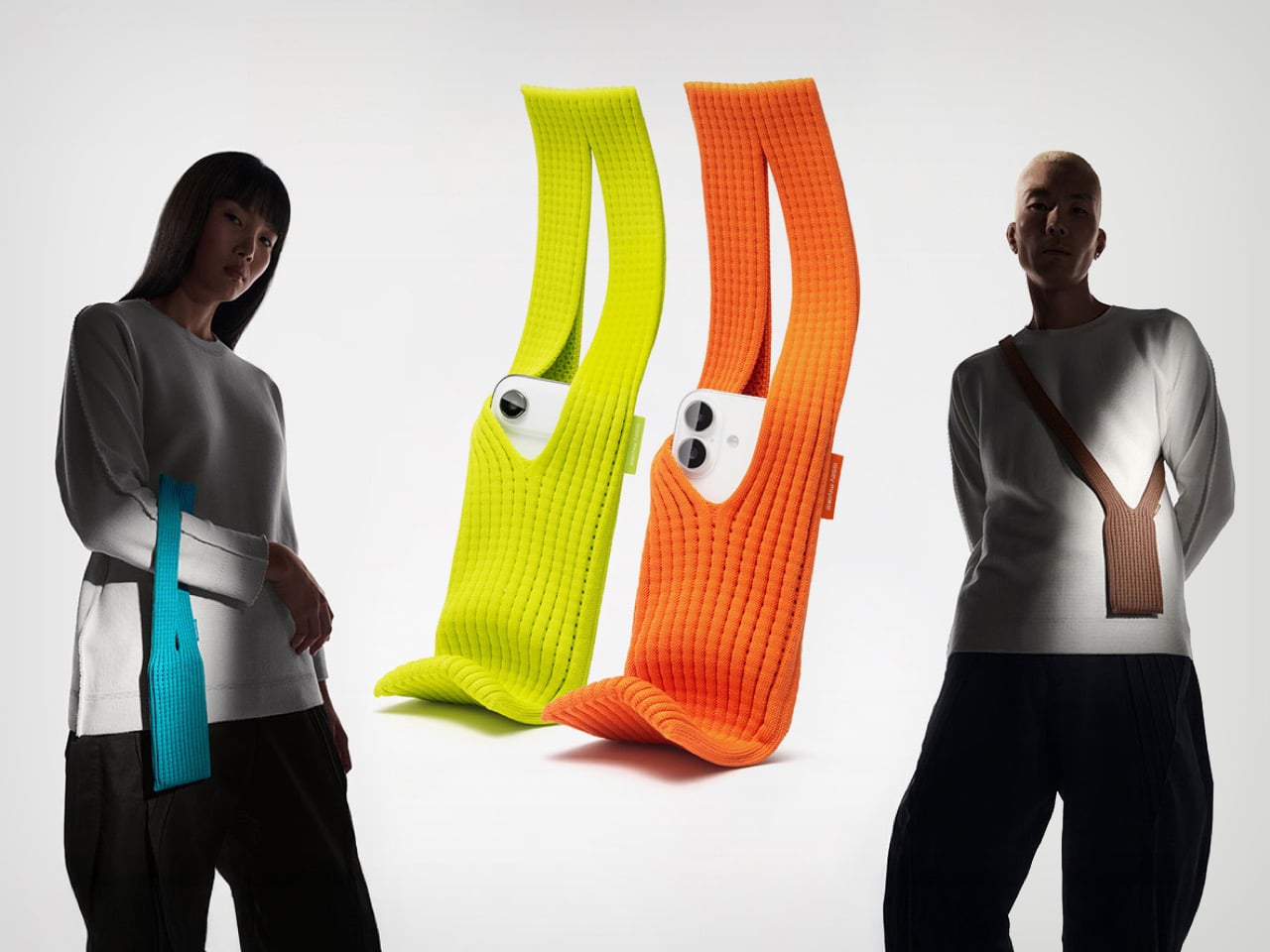
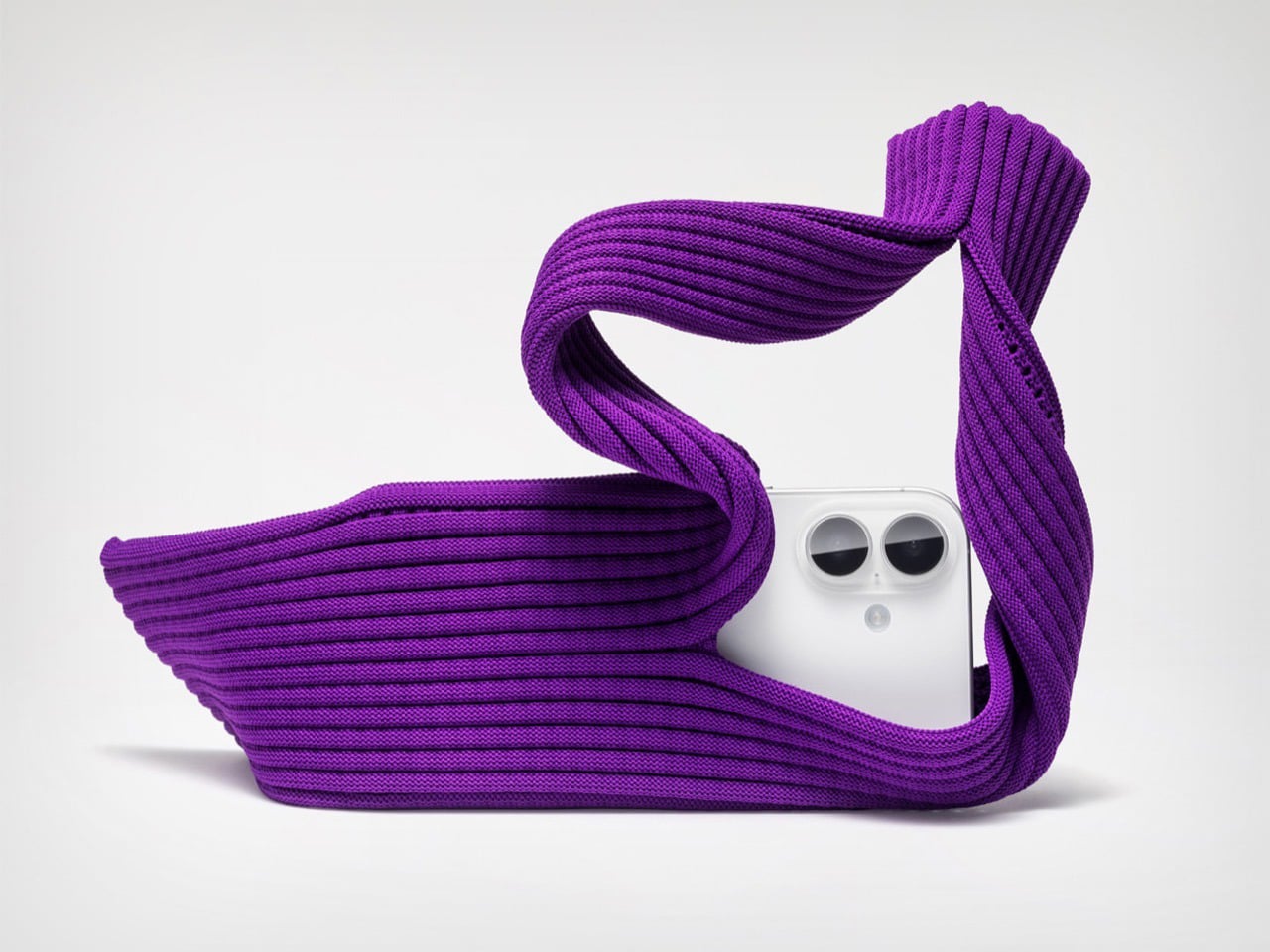
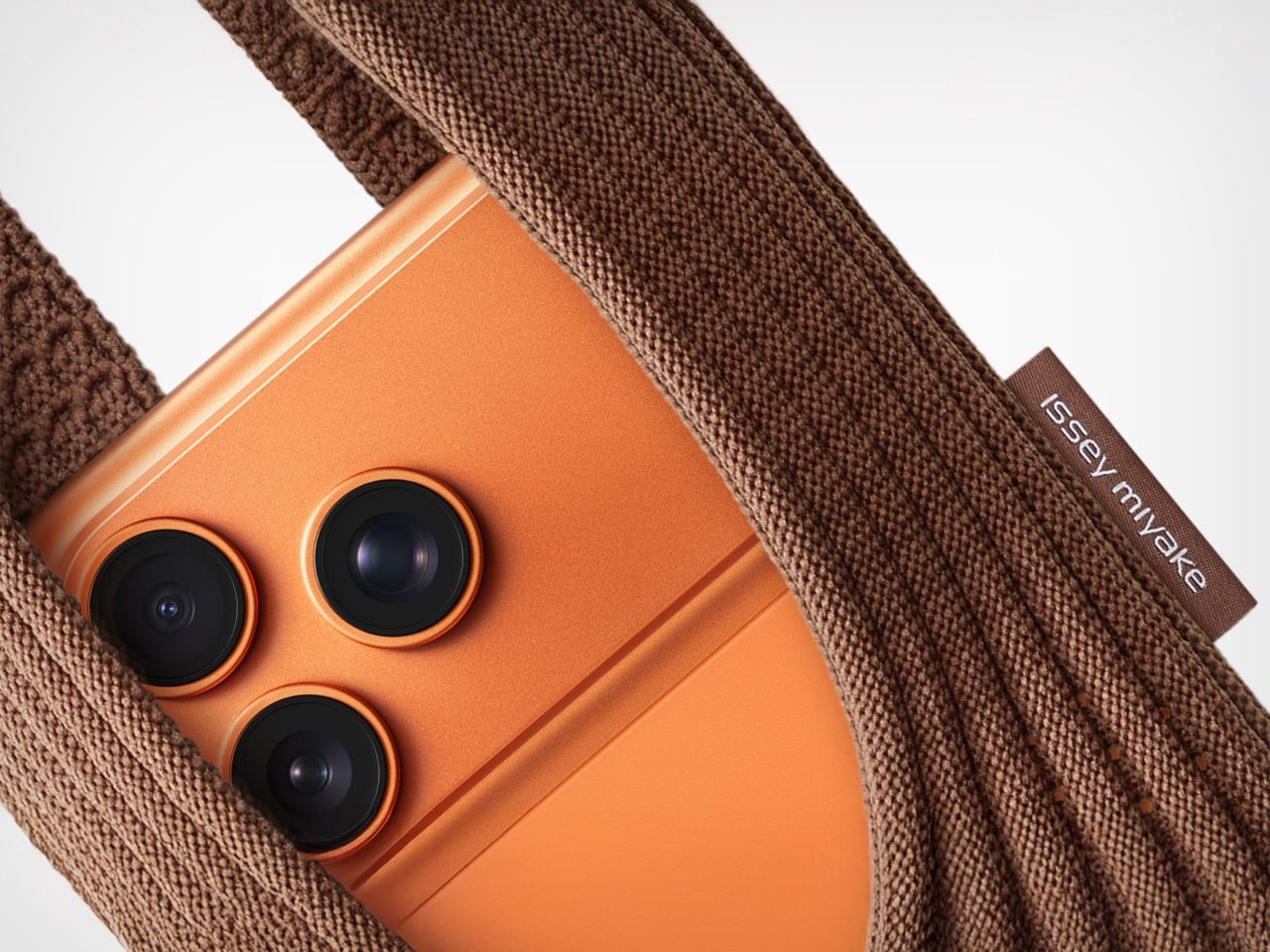
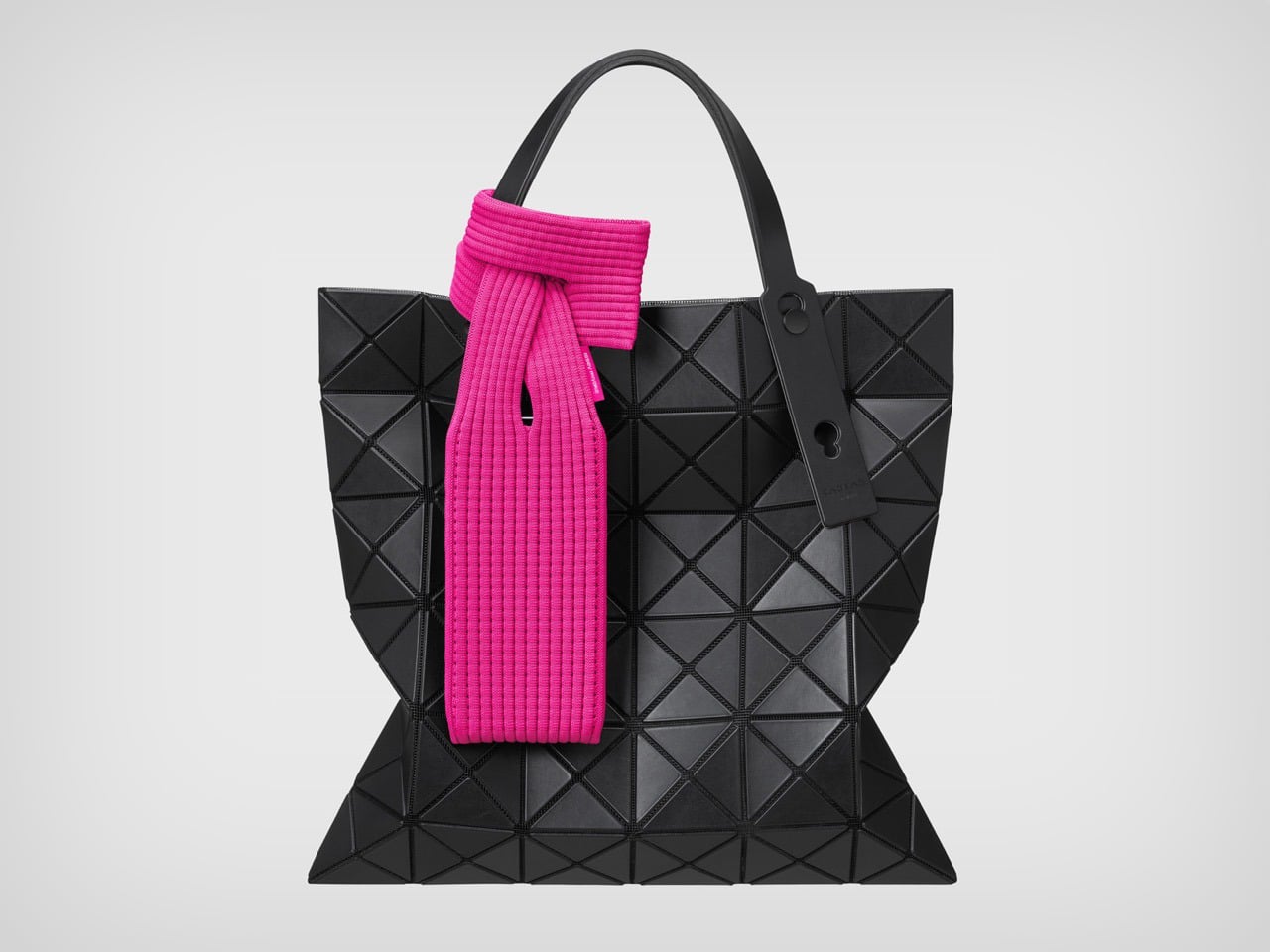
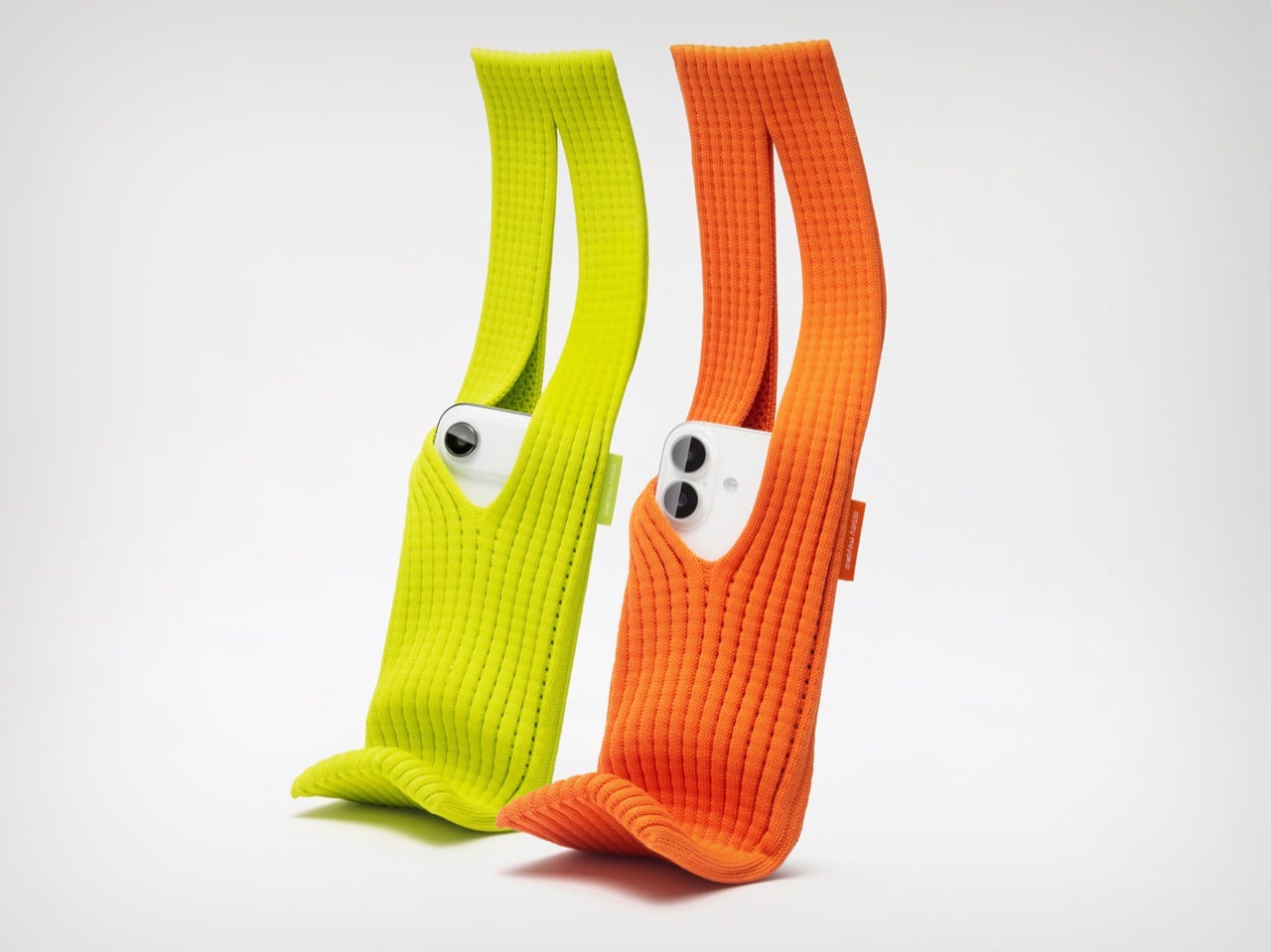
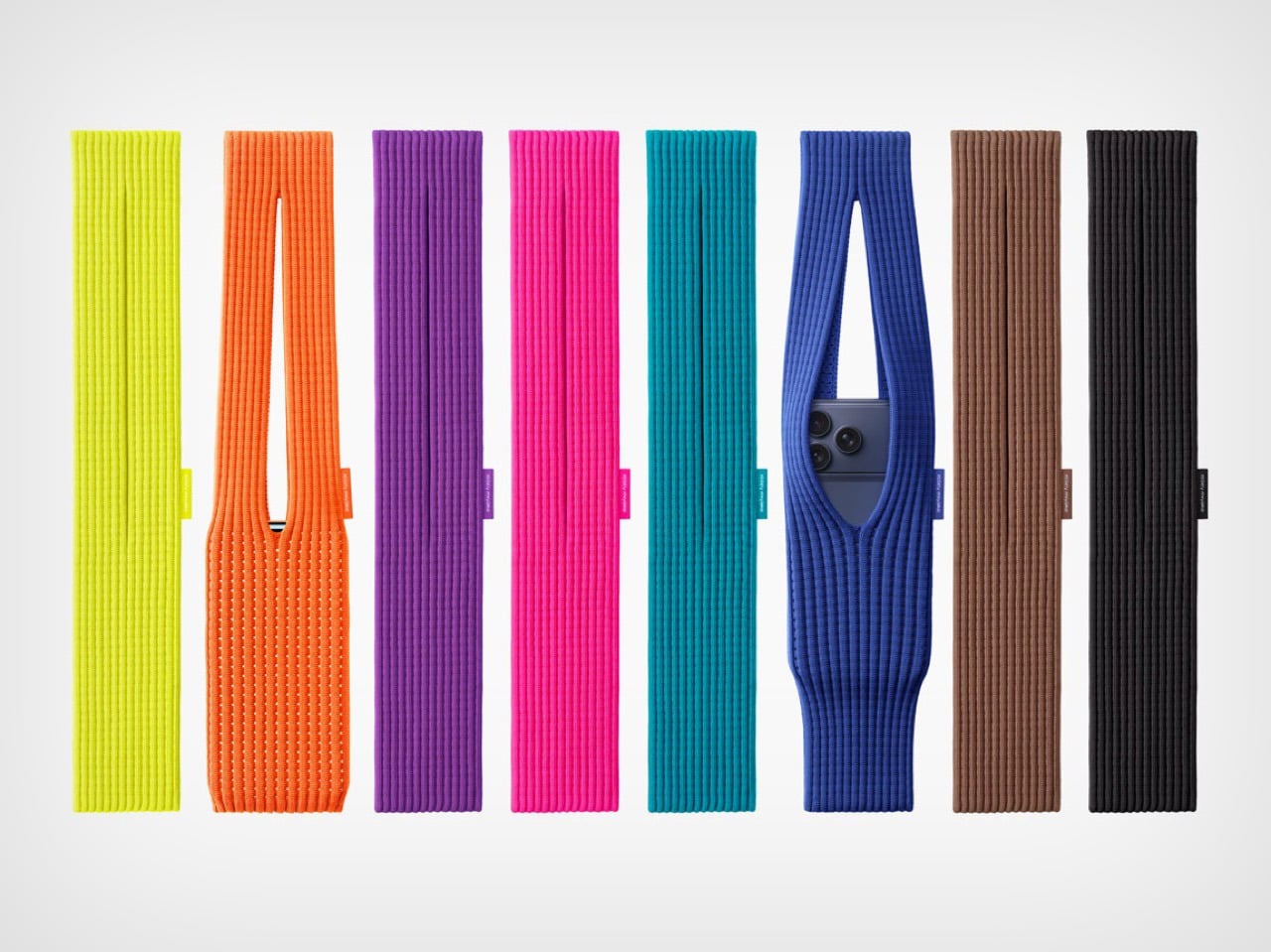
Years after giving Steve Jobs his iconic turtleneck, Issey Miyake returns to give the iPhones their own turtleneck too. Dubbed the iPhone Pocket, these haute handbags are designed for one thing and one thing only, your iPhone. The bags are created using a special 3D-knitted construction that’s developed by the Japanese fashion house, and come in 8 colors. They’re single-sized, which means you can pretty much fit any iPhone in, from the ultra-thin iPhone Air to the large iPhone 17 Pro Max, or even the tiny iPhone 13 Mini. Could you also put an Android smartphone in? Yes, but Steve Jobs will tut-tut at you in your dreams for the rest of your life.

Don’t expect these luxurious phone-holsters to be cheap. They’re a limited-edition item that Apple will sell at just 10 select stores across the globe, with the short-strap versions selling for $149.95 and the larger strapped variant for $229.95.

Designer: Issey Miyake

Is the iPhone Pocket practical? No. Is it classy? Yes. If you’re the kind to splurge on a $19 Apple-branded polishing cloth, or a fancy Hermes strap for your watch, then the iPhone Pocket won’t feel like such a pricey buy. The single-piece 3D-knitted ‘gizmo-garment’ is surely a marvel. It doesn’t have any parts stitched together, it’s singular from start to end, and the weave itself is something that Issey Miyake’s done extensive R&D on.

The result is a yarn that protects the iPhone with its padded weave, while letting you easily ‘wear’ your smartphone around your neck, on the side, or across your body. You could loop it around a bag too, this thing is probably one of the rare Apple products that doesn’t need a user manual… Apart from probably washing instructions. I’d probably keep it away from the rain, food, beverages, or anything too damaging. Sunlight may fade the color, so air-drying indoors is the only sensible option, if this thing gets wet. Don’t even think of chucking this thing in the washing machine, by the way. Or Issey Miyake will cry from heaven.

The iPhone Pocket’s design is sort of open to user interpretation and expression. Put any phone in and it’ll fit. Slide the phone completely if you want to conceal it, or have just the tip jutting out if you want to sneakily film people around you, or if you want to stare at the top of your screen for notifications. The expandable design also lets you add other stuff… maybe a lip balm, your AirPods, or one of these ultra-slim MagSafe power banks.

The post Apple iPhone Pocket is the most absurdly Apple-ish way to carry your smartphone with you. first appeared on Yanko Design.
Moleskine Just Turned Issey Miyake’s Iconic Pleats Into Paper

Even though I’ve spent most of my life in the digital space, I’m still a firm believer that the analog world is just as relevant and that the two can work together. I’ve built a career in digital marketing and content creation but I’m also a paper and stationery person who prefers to journal and take notes on actual pen and paper. So when new, interesting paper products come out, I always get giddy and see how it can fit into my productivity and lifestyle.

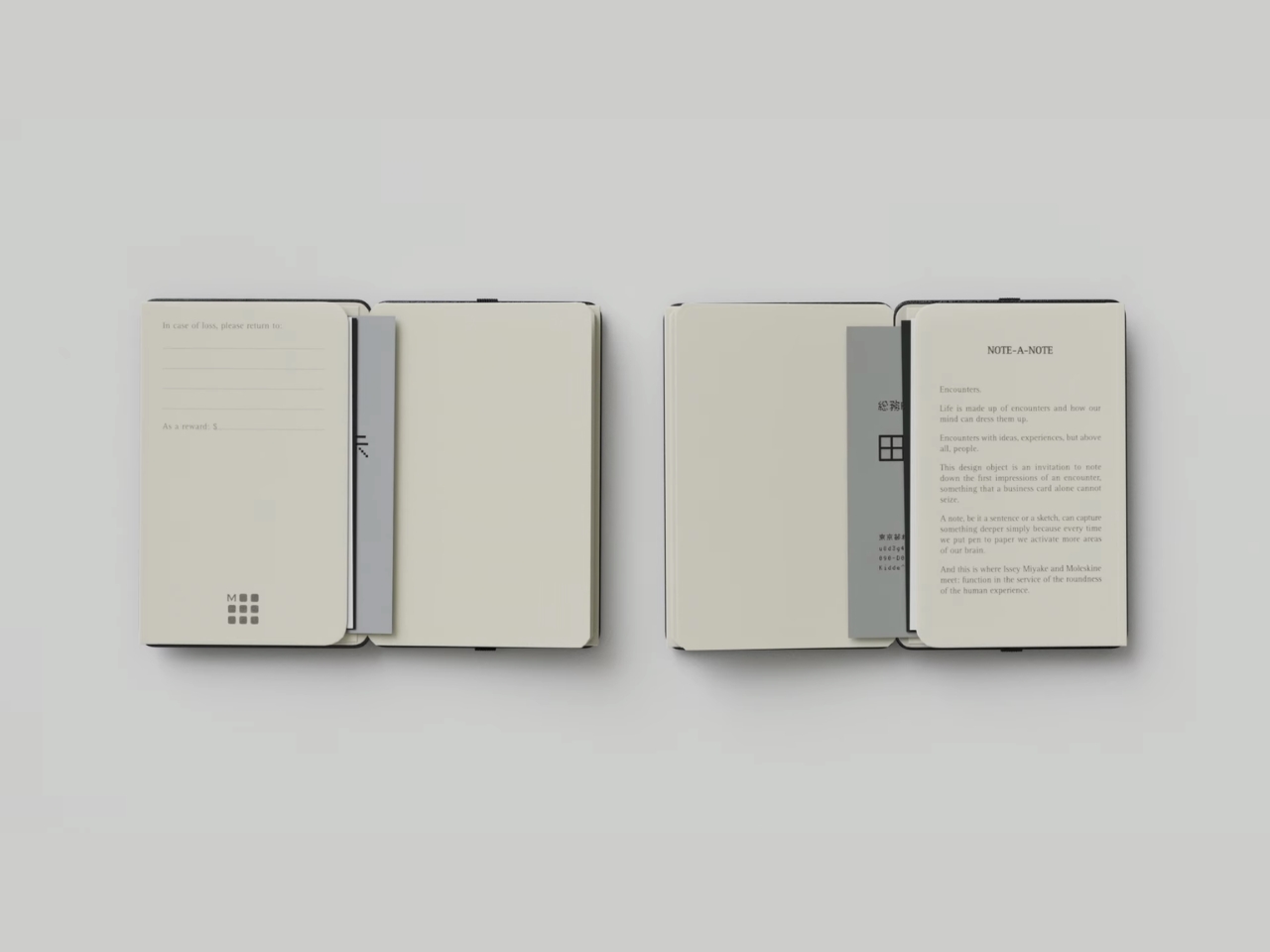
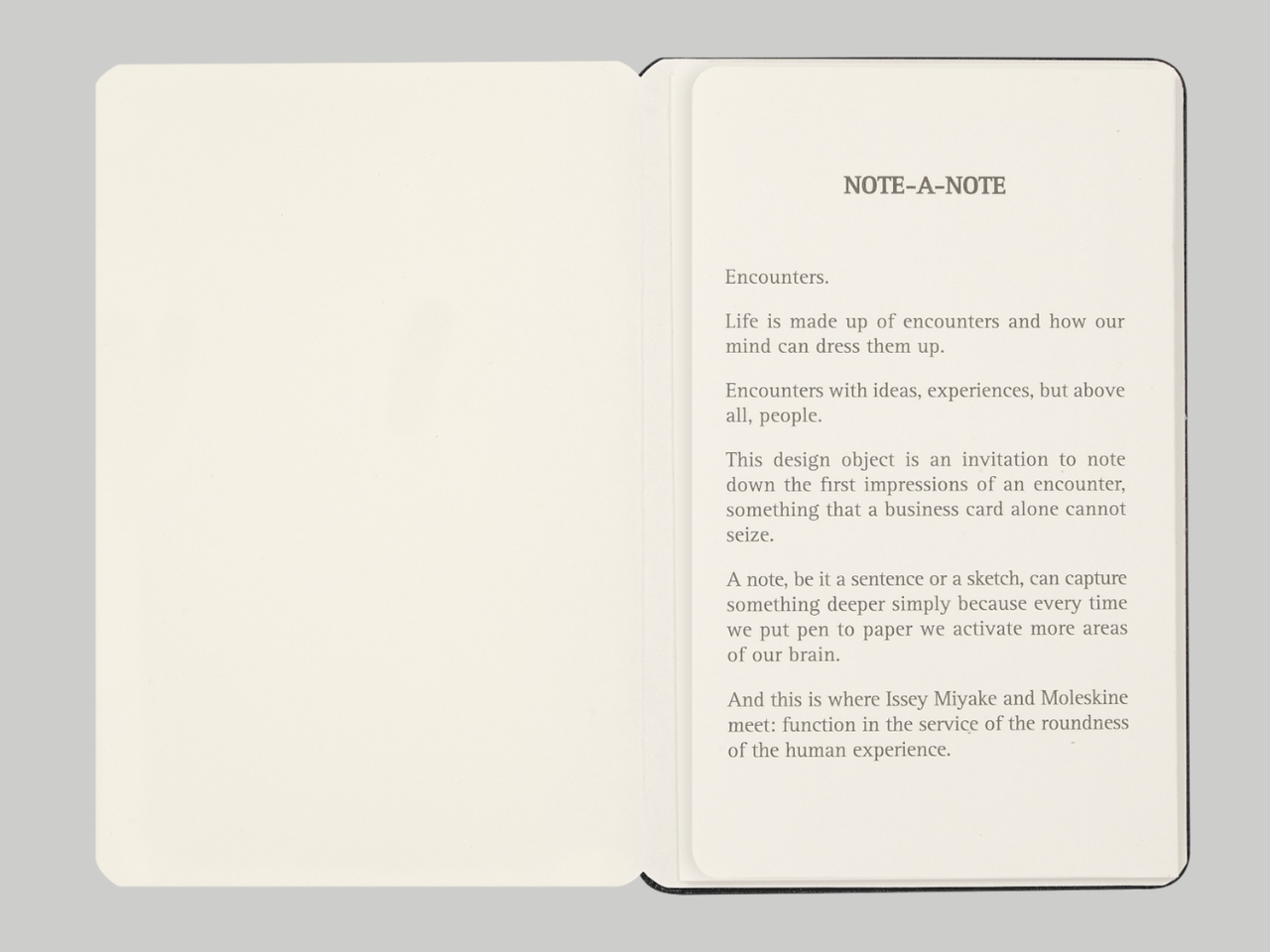
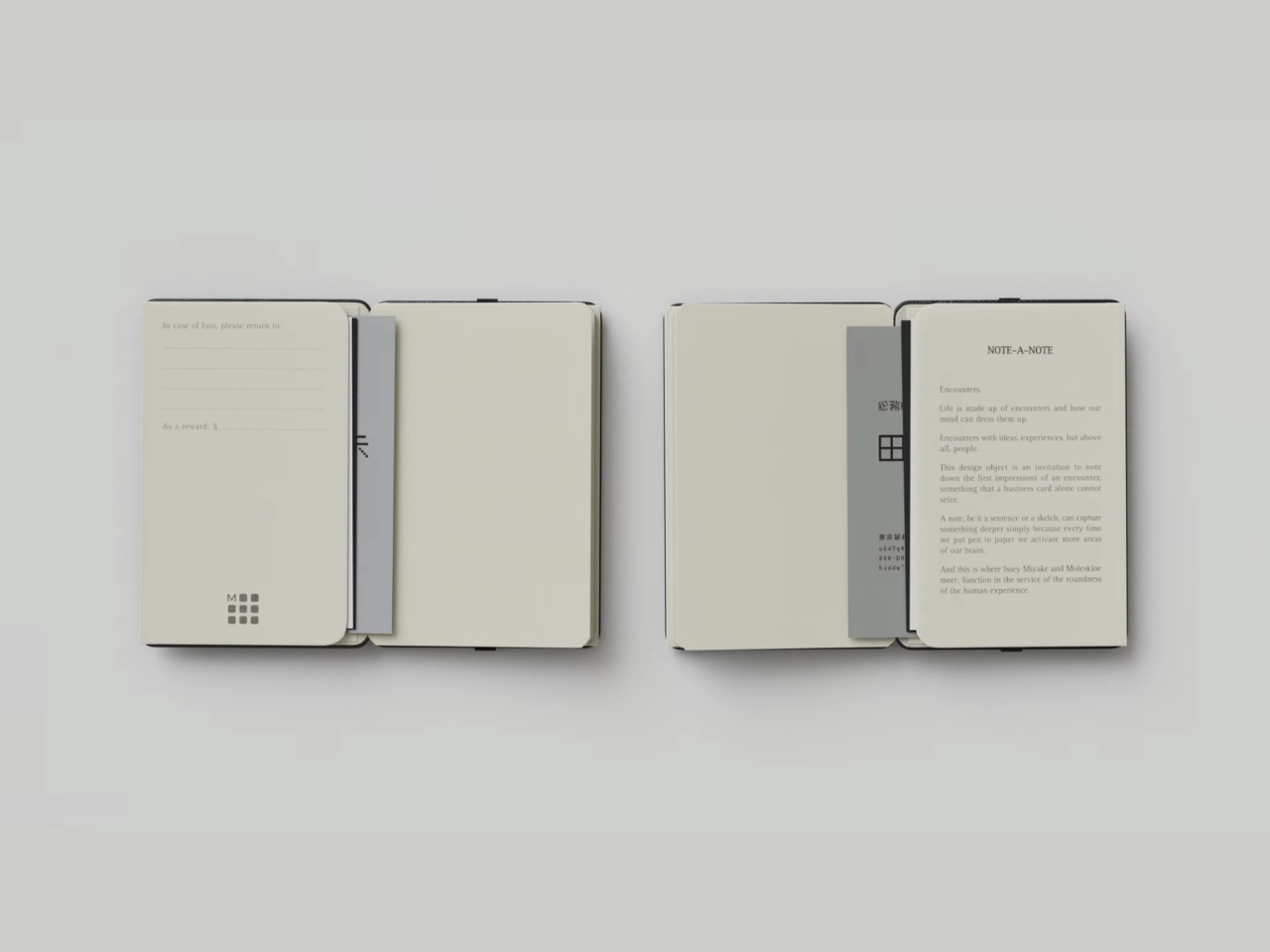
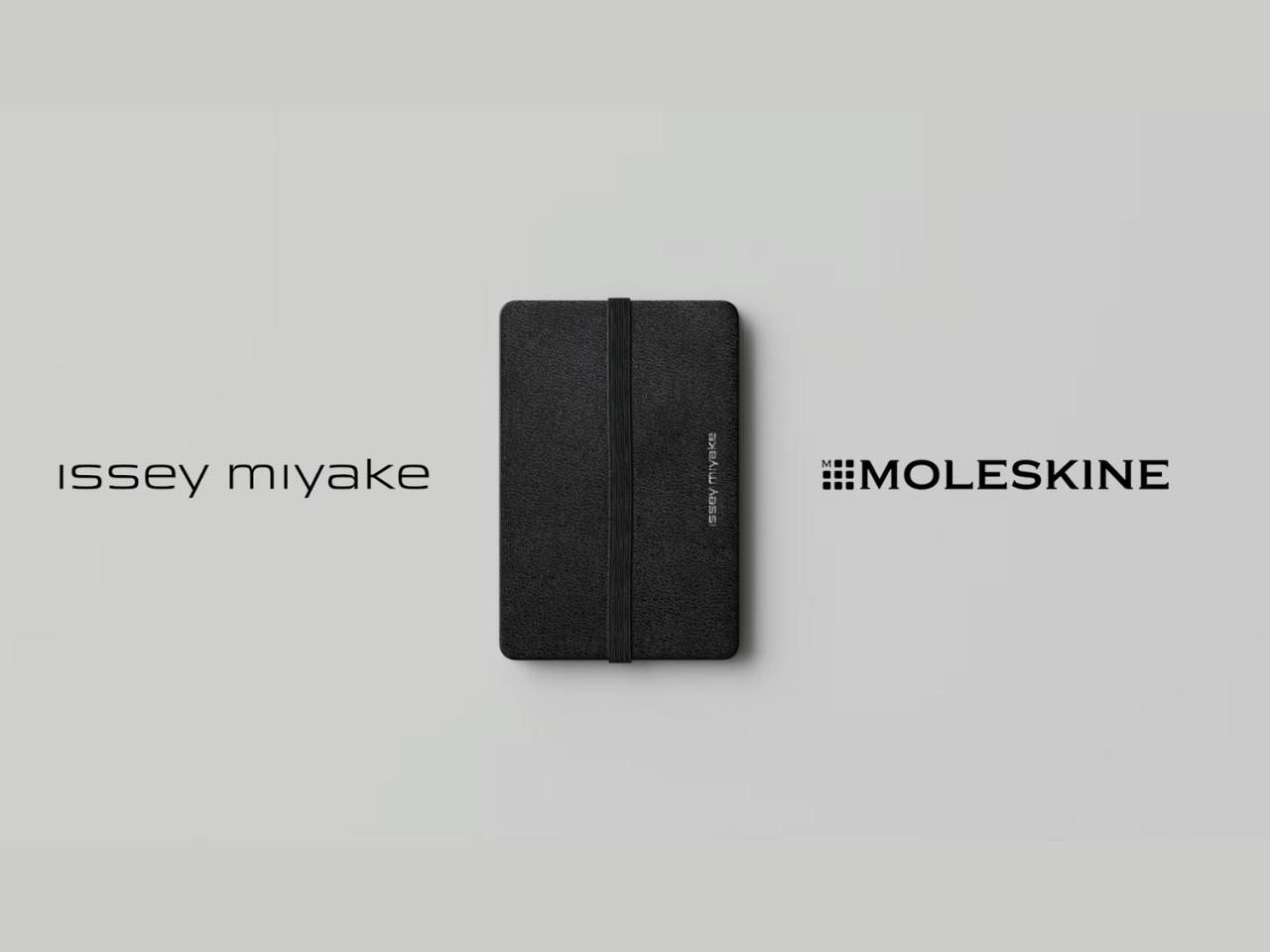
Moleskine has teamed up with Issey Miyake, specifically Miyake Design Studio to come up with NOTE-A-NOTE, a piece that marries the utility of a notebook with the sophistication of a card case. Since people still do carry around business cards, we need a way to keep them organized while at the same time add to our productivity flow.

Designer: Moleskine x Issey Miyake

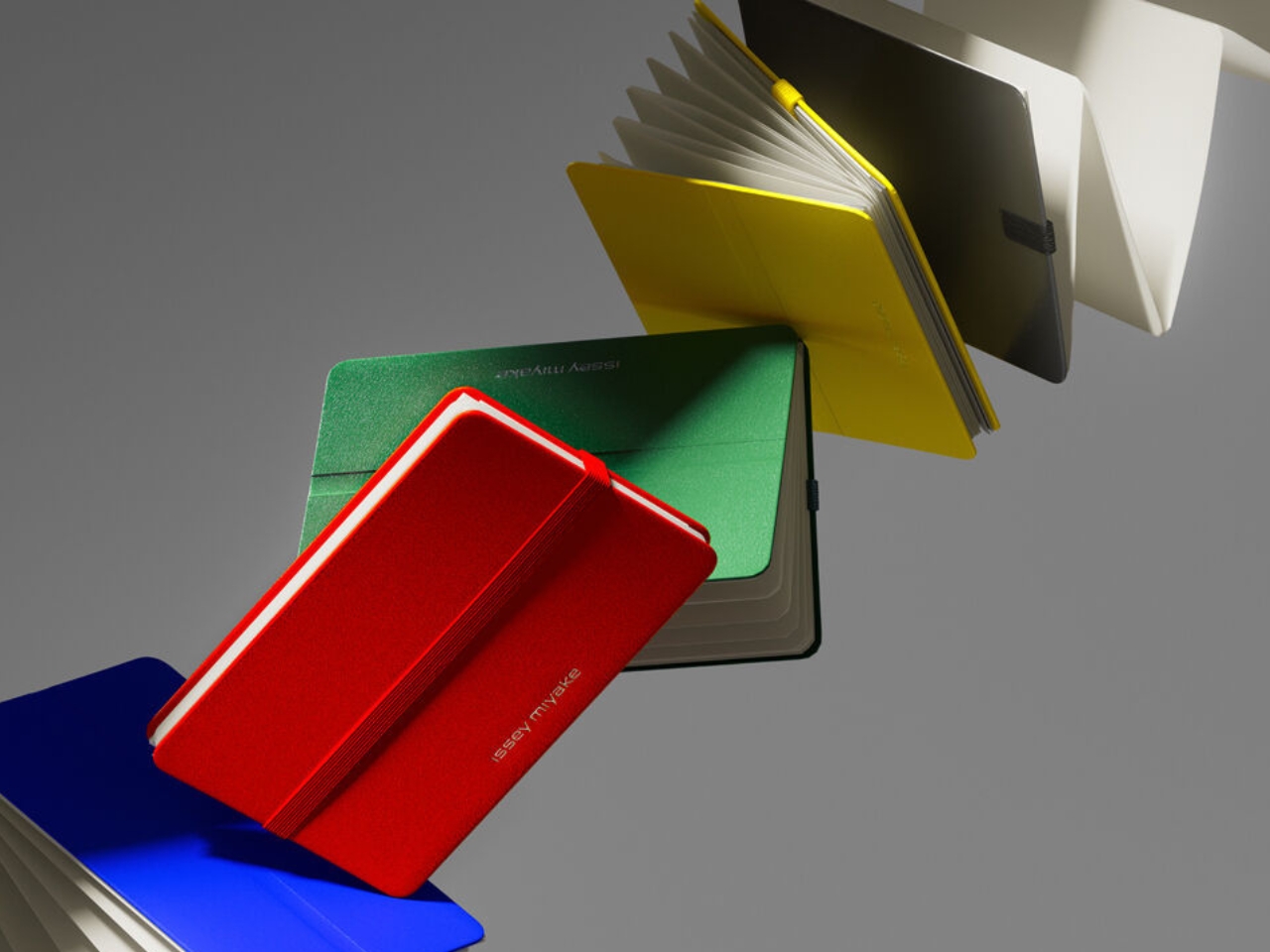
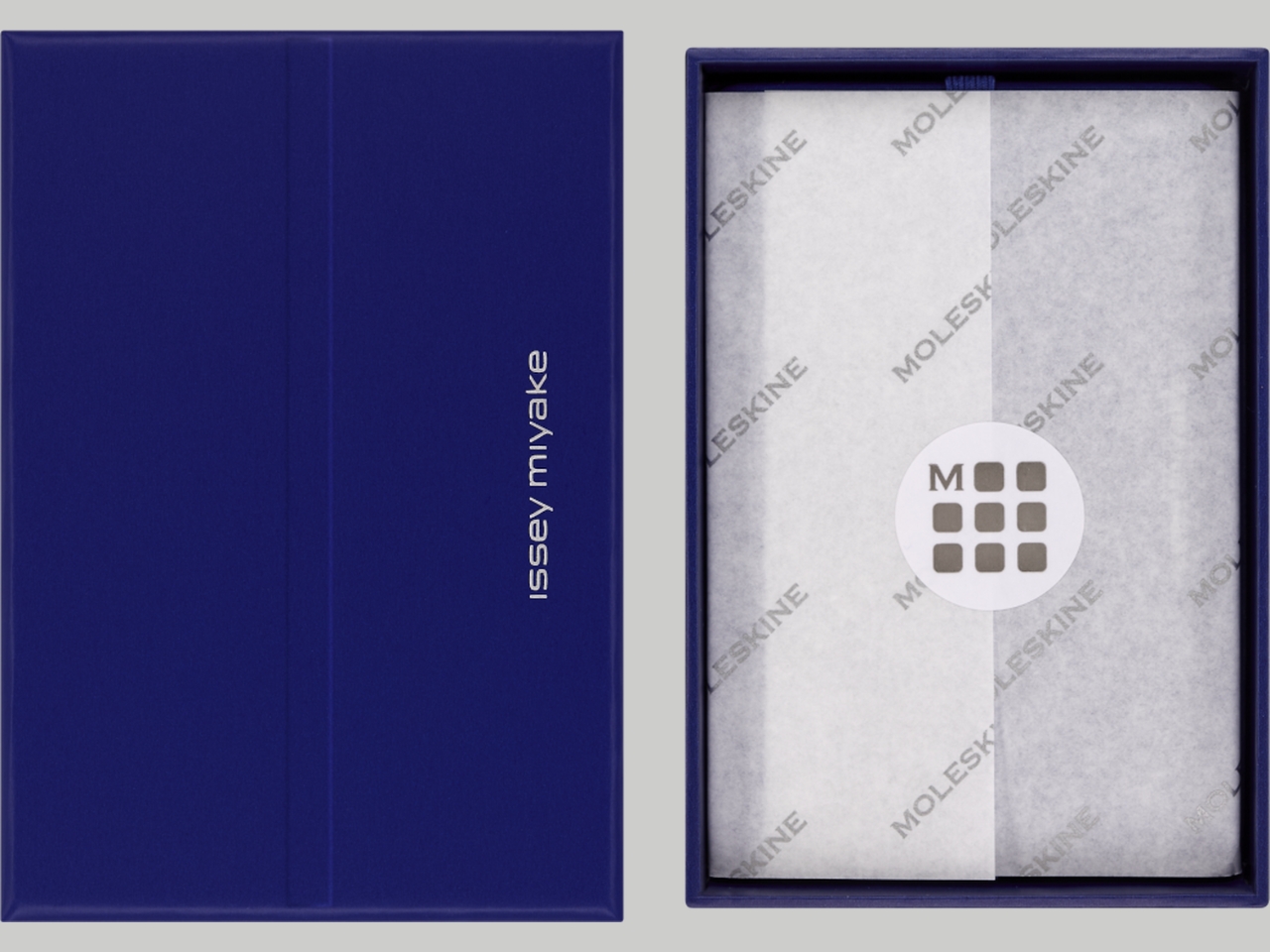
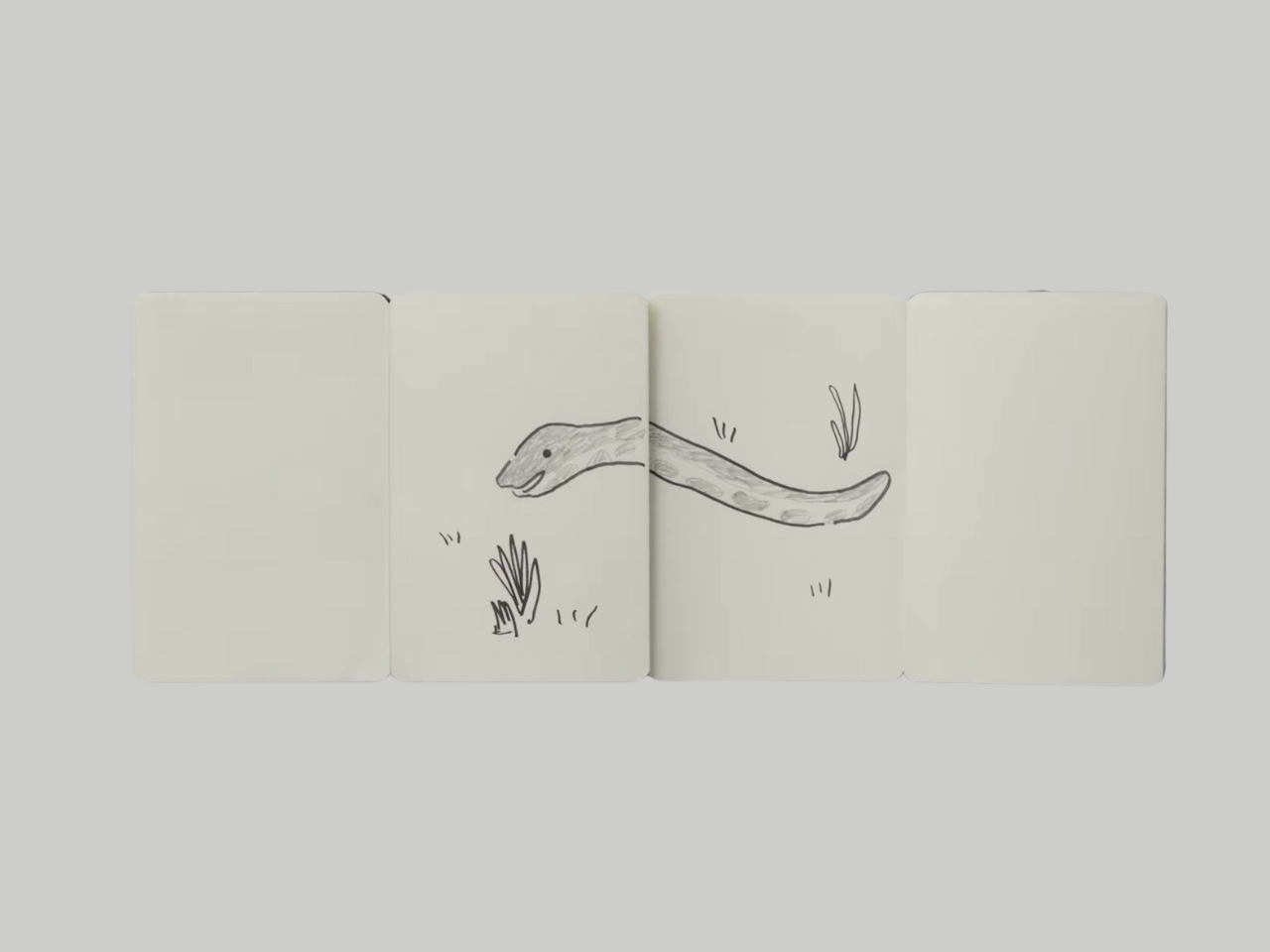
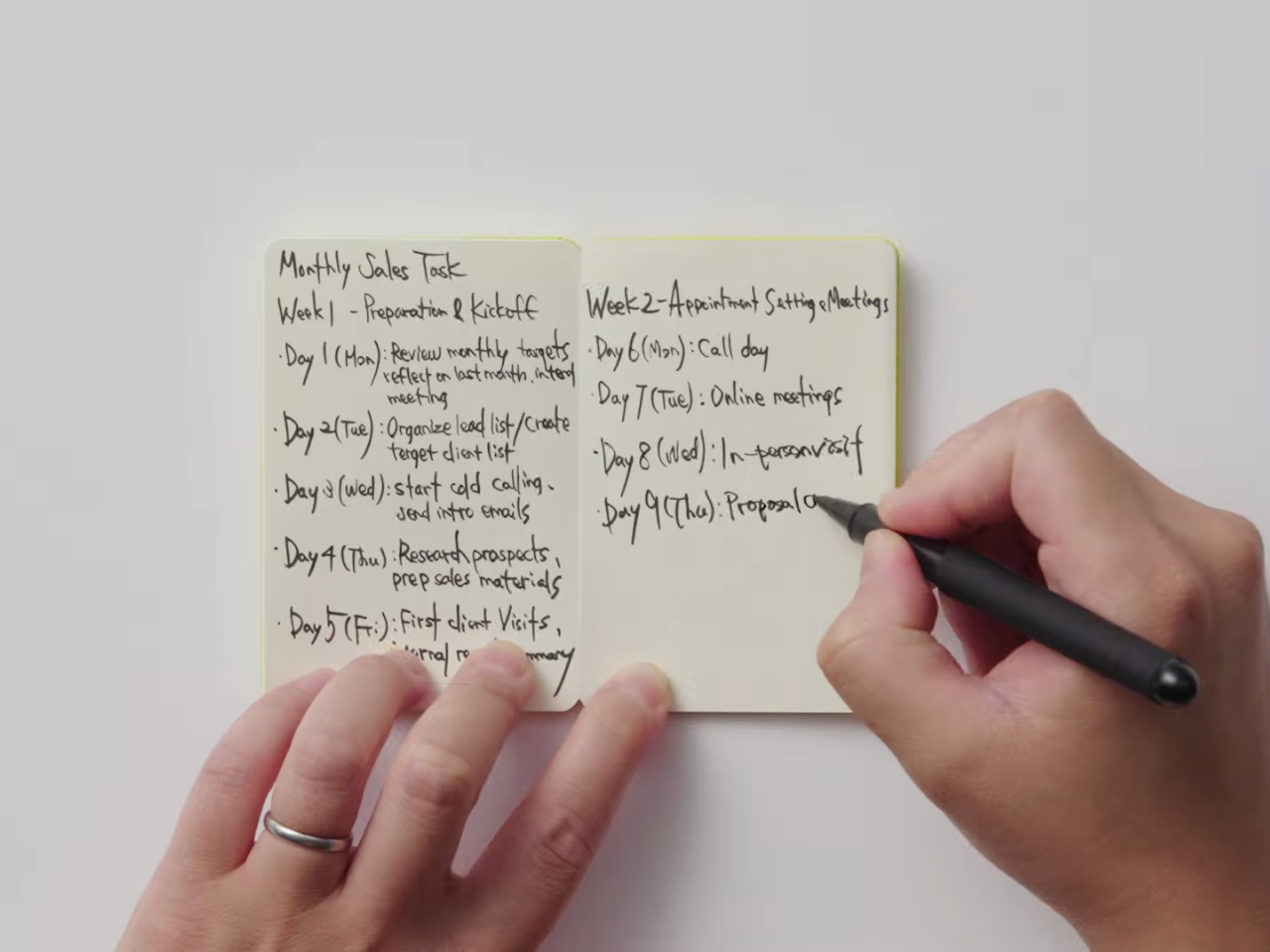
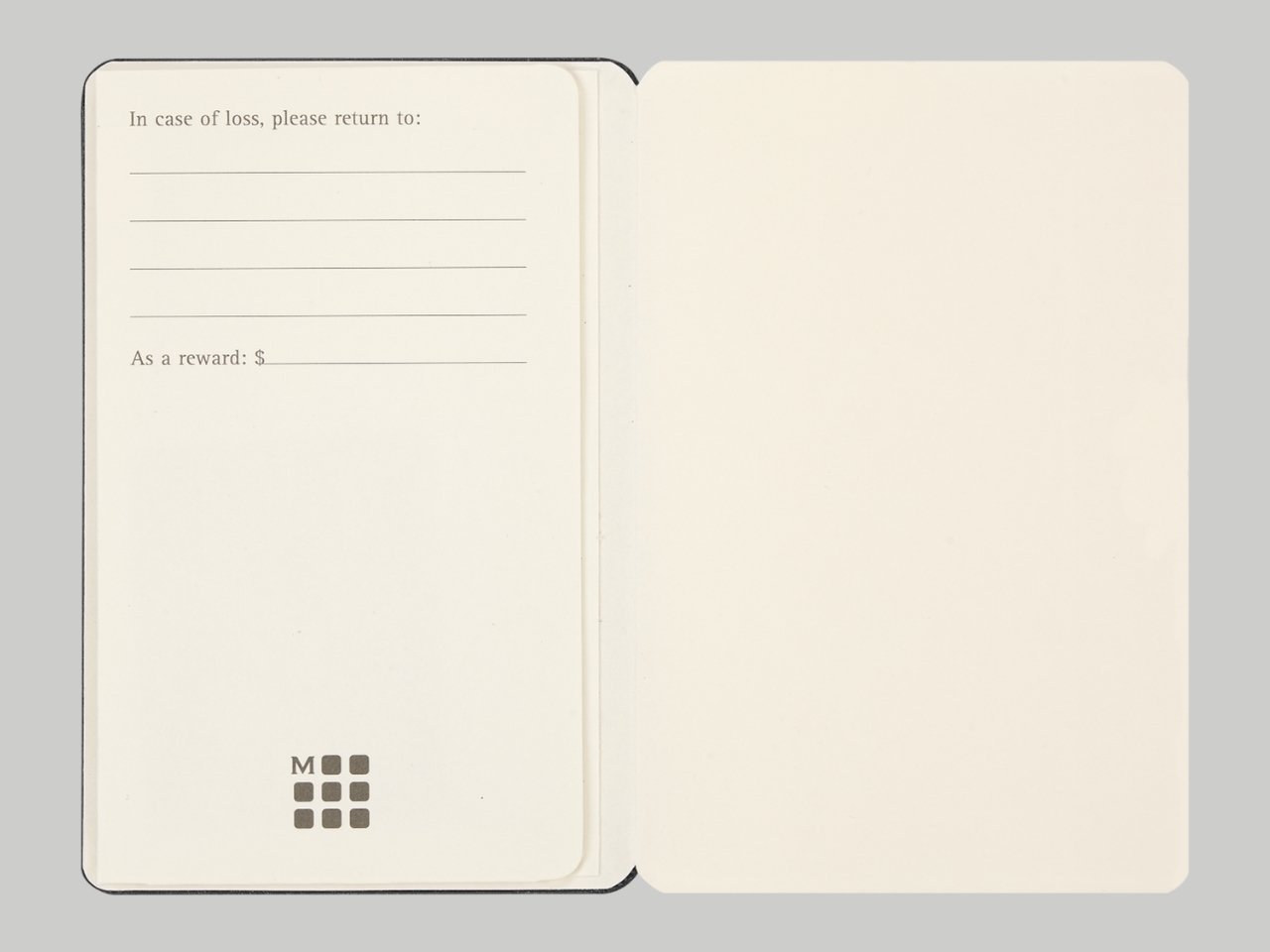
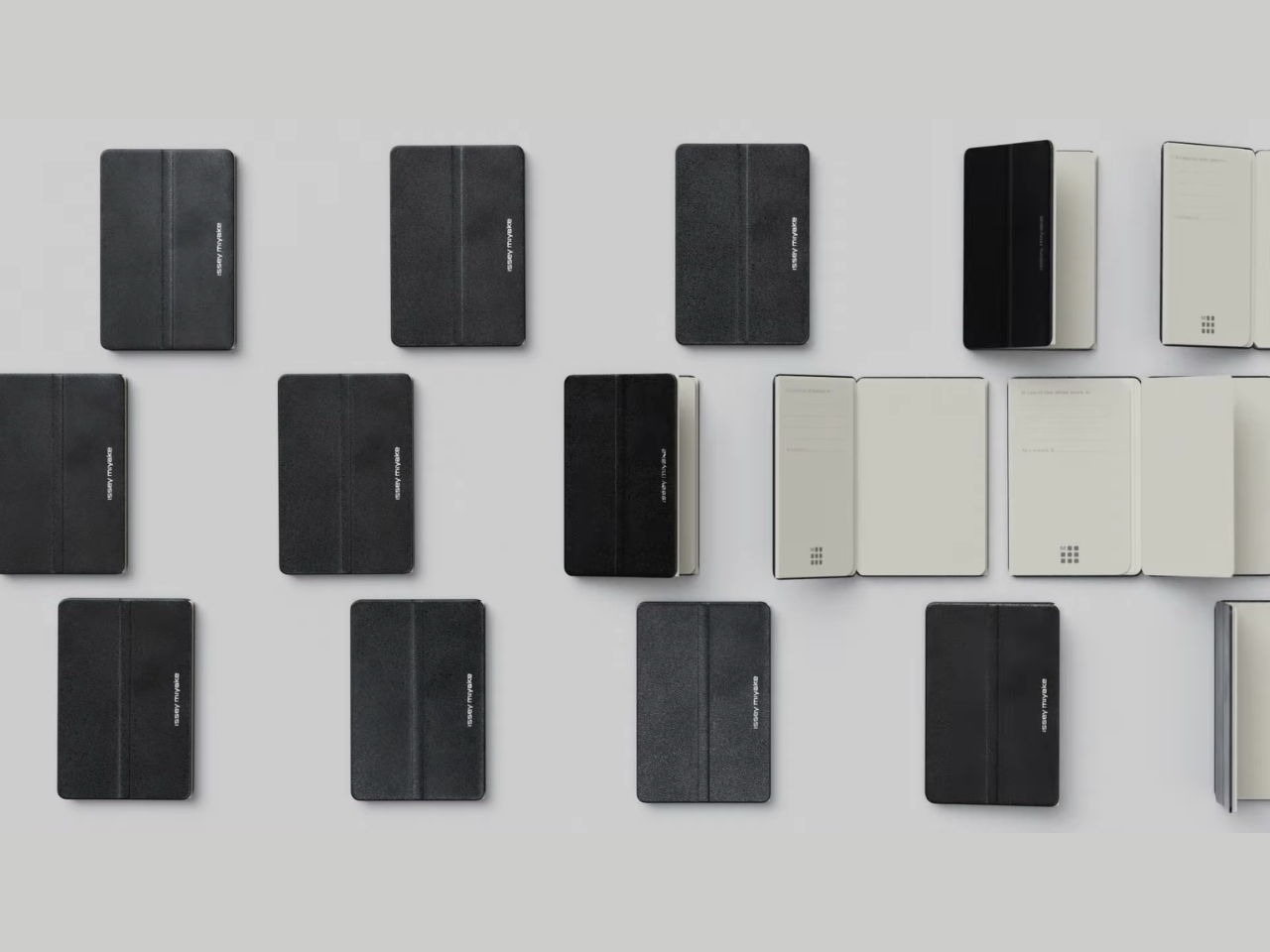
With this hybrid piece, you don’t know if it’s a business card holder that has a notebook or if it’s a notebook that has a business card holder. This pocket-sized item has a hard cover with rounded corners and inside you get two expandable pockets that can house up to 24 business cards. Or if you want to use it as a wallet, you can put your cards and bills inside as well. It is able to open flat to 180 degrees. It also comes with a color-matched box that can also be used as a storage case as it can be attached to the holder with an elastic band.

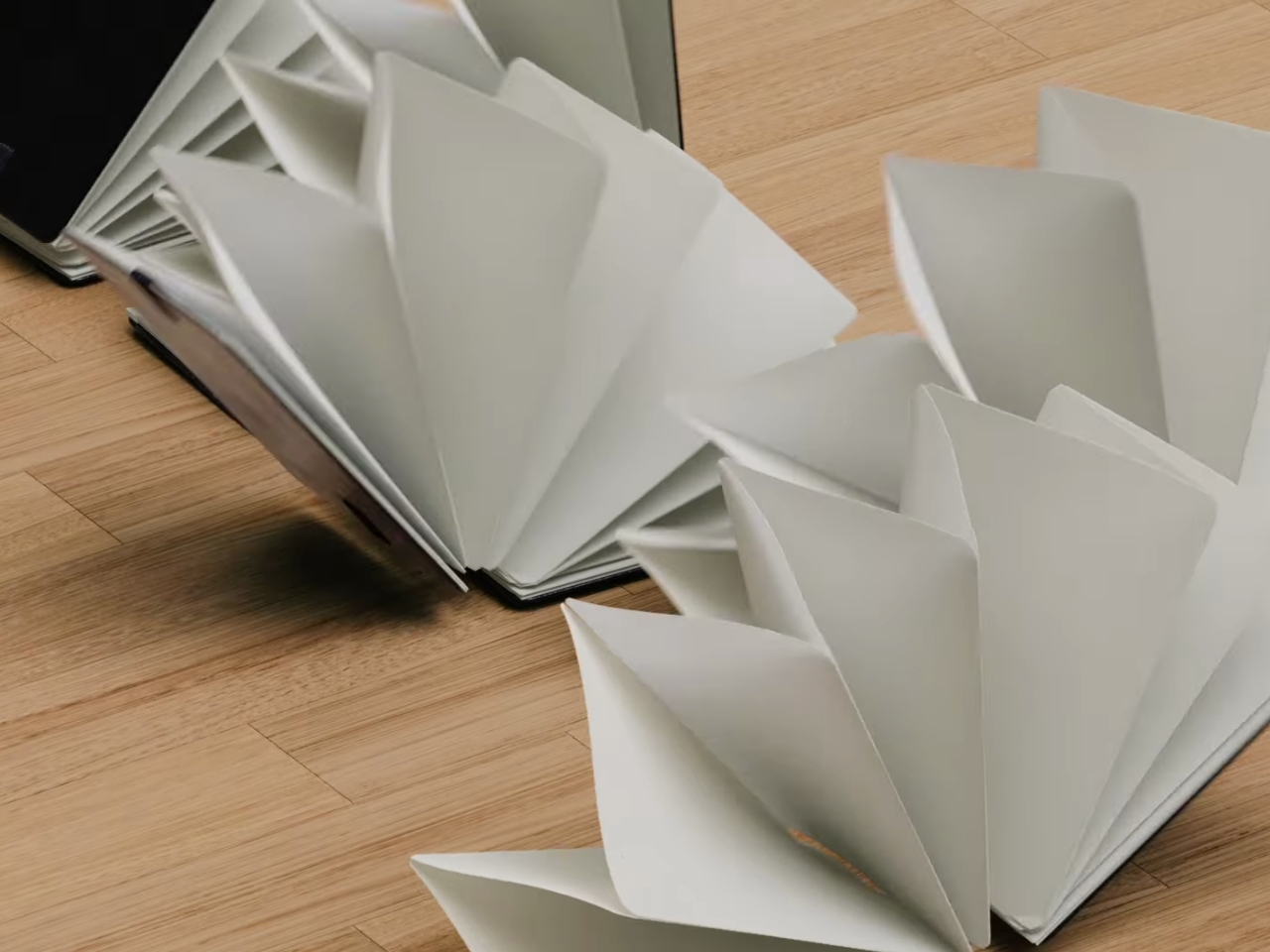
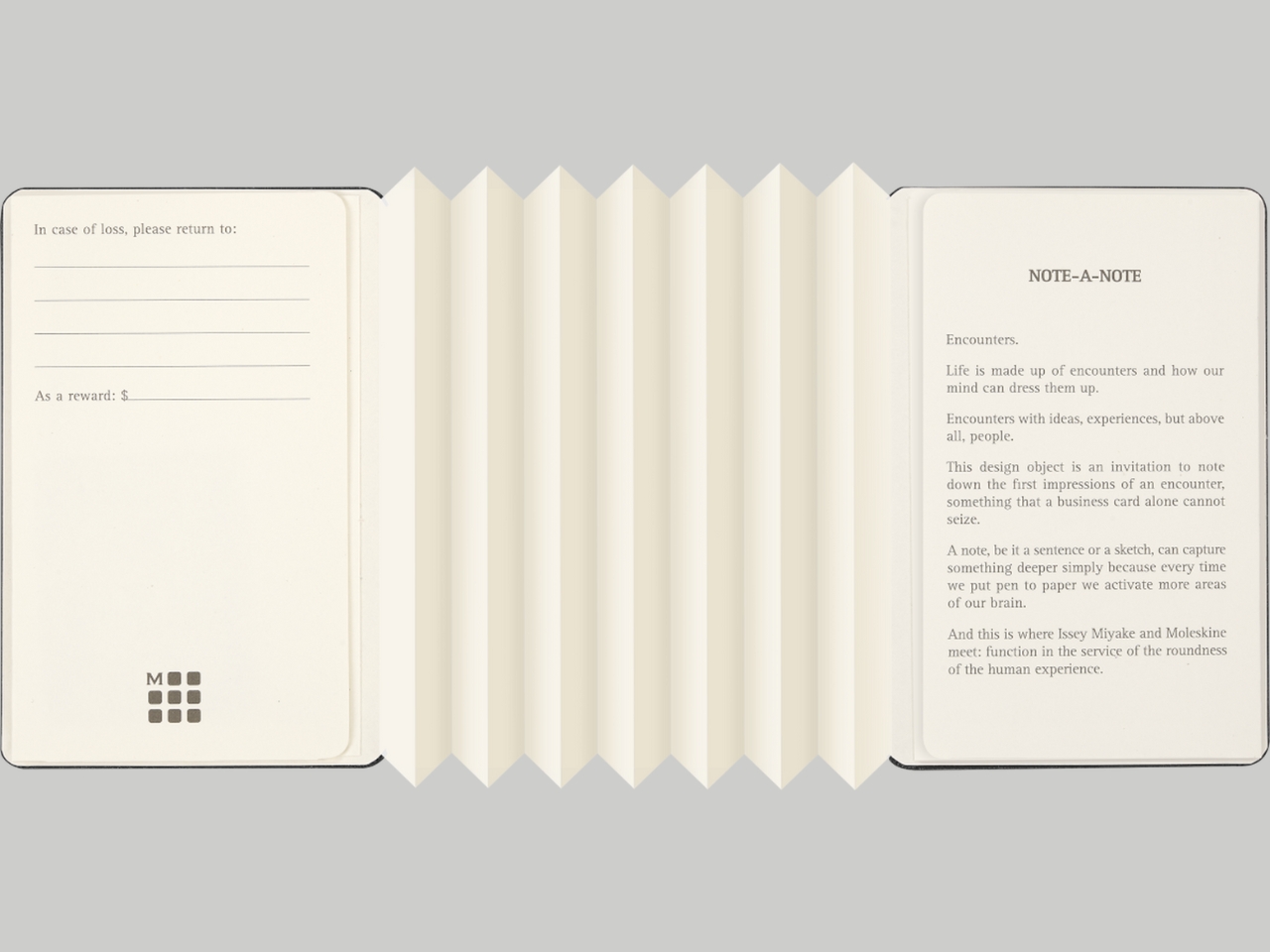
Normally, notebooks are made up of many pages but NOTE-A-NOTE actually uses just one long, folded single piece of paper. It’s basically a folded insert in the business card holder that has 14 accordion-style pages. It actually echoes the signature pleating technique that Issey Miyake is known for, bringing their iconic textile innovation to paper form. The acid-free paper is ivory-colored and uses FSC™-certified paper from managed forests. The signature Moleskine elastic band elegantly secures the case with a striking gesture across its central embossed line, making it instantly recognizable as a collaboration between these two design powerhouses.

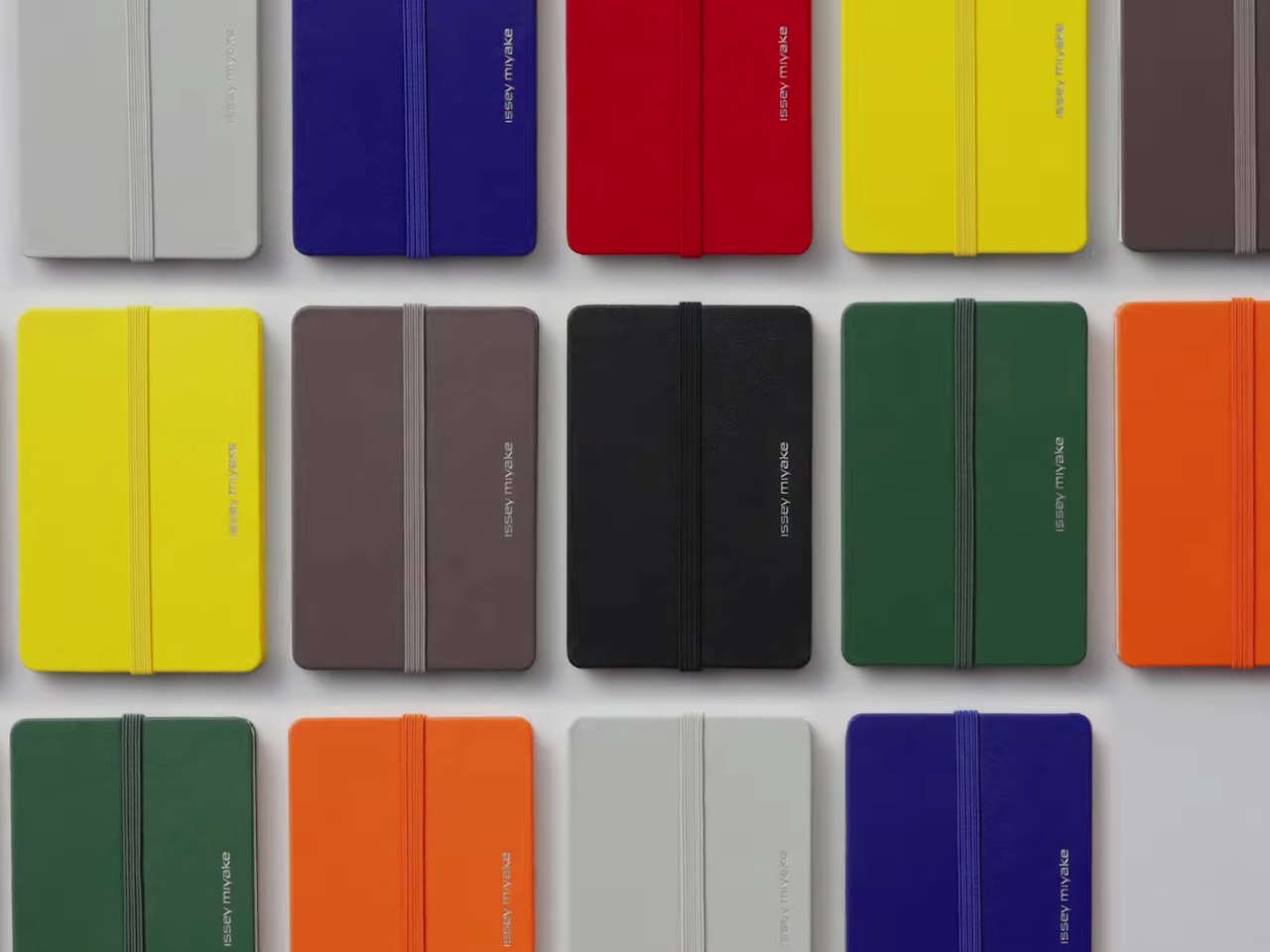
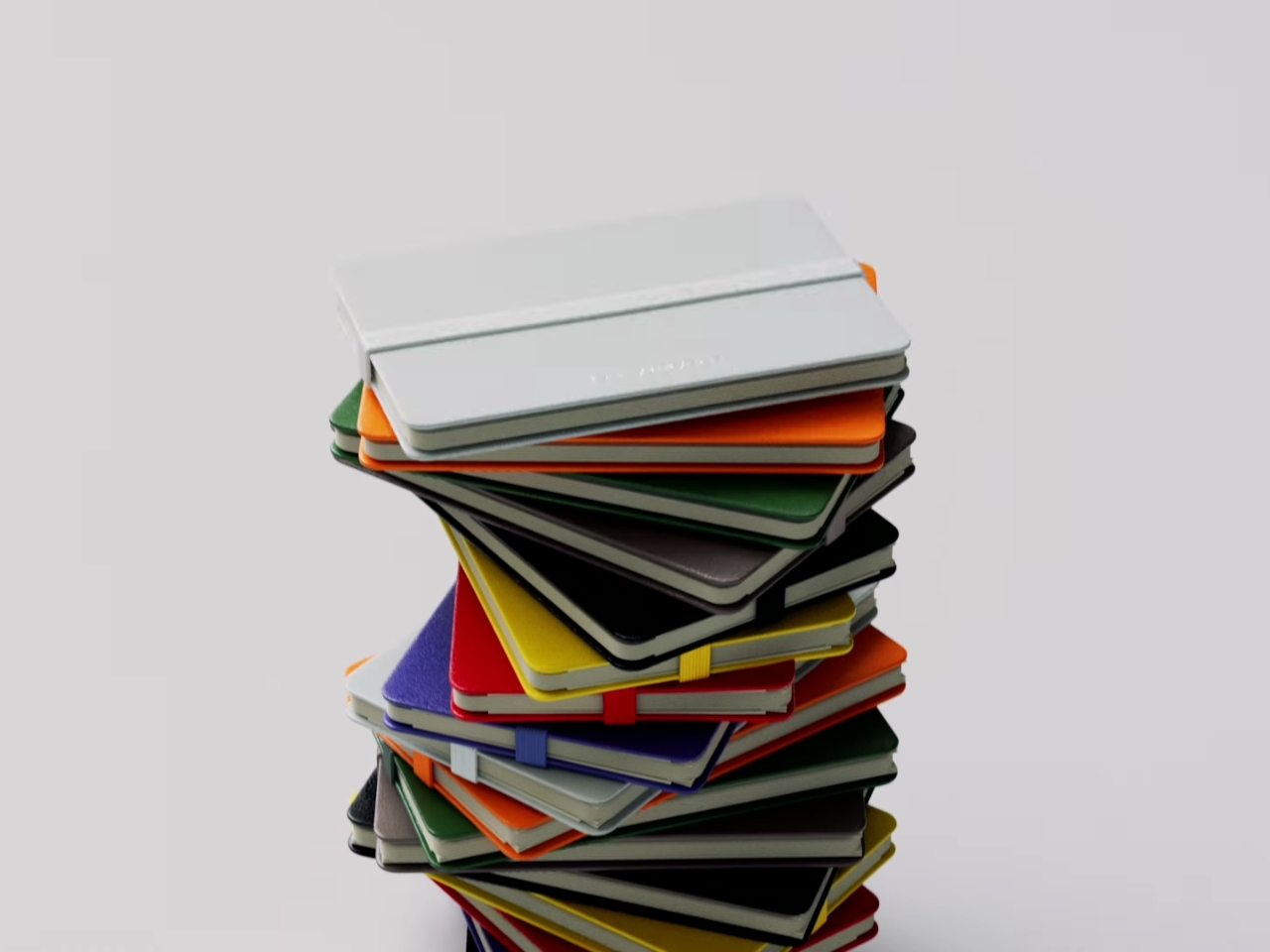
It comes in eight different colors that can match your aesthetic: Black, Scarlet Red, Myrtle Green, Grey, Blue, Earth Brown, Orange, and Dandelion Yellow. The goal of having this card holder and notebook in one is to have something handy to write down ideas, thoughts, and important details while keeping the exchange of business cards close to you as well. The clean and thoughtful structure actually takes inspiration from traditional Japanese emakimono scrolls.

I can see this being perfect for creative professionals who attend networking events, conferences, or client meetings. It’s compact enough to slip into a clutch or small bag, yet substantial enough to make an impression when you pull it out. The variety of colors means you can choose one that reflects your personal brand or collect multiple for different occasions. For stationery collectors like myself, this is definitely a piece worth adding to your collection—it’s not just functional, it’s a conversation starter that showcases your appreciation for thoughtful design.
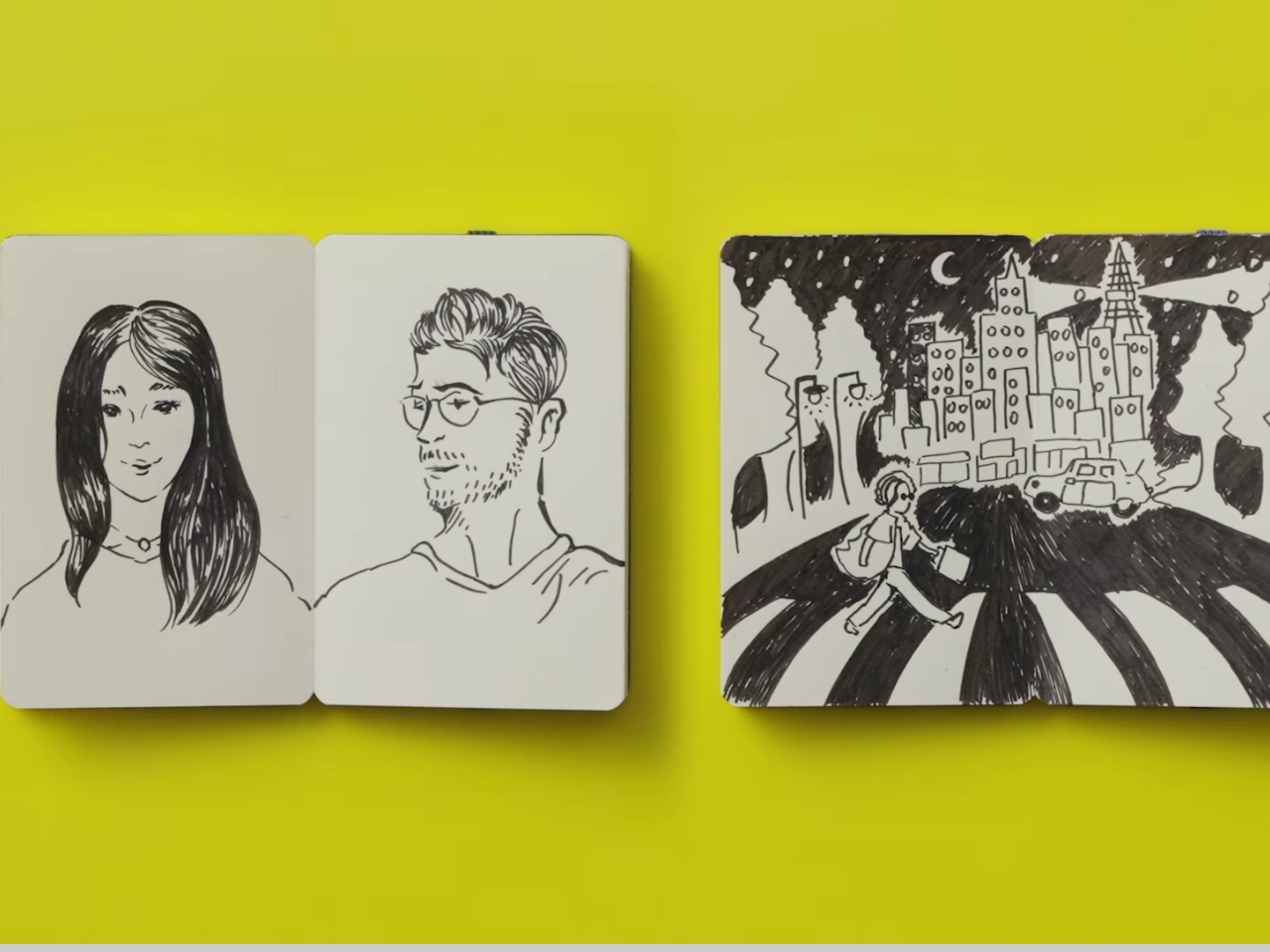
The XS size makes it incredibly portable, fitting comfortably in your hand or pocket. Imagine being at a networking event and jotting down a quick note about a conversation right after exchanging business cards with someone. That immediate capture of thoughts and context is invaluable in our fast-paced professional lives.
The NOTE-A-NOTE collection is available now on the Moleskine website for $46 USD, with shipping in 4-8 working days. Released in October 2025, this limited edition collection represents a meeting of minds between two brands that understand the power of tactile experiences in our increasingly digital world.

This collaboration beautifully merges two iconic brands: Moleskine’s legendary notebook craftsmanship with Issey Miyake’s revolutionary approach to pleating and folding, creating a functional accessory perfect for professionals who value both aesthetics and utility.

The post Moleskine Just Turned Issey Miyake’s Iconic Pleats Into Paper first appeared on Yanko Design.