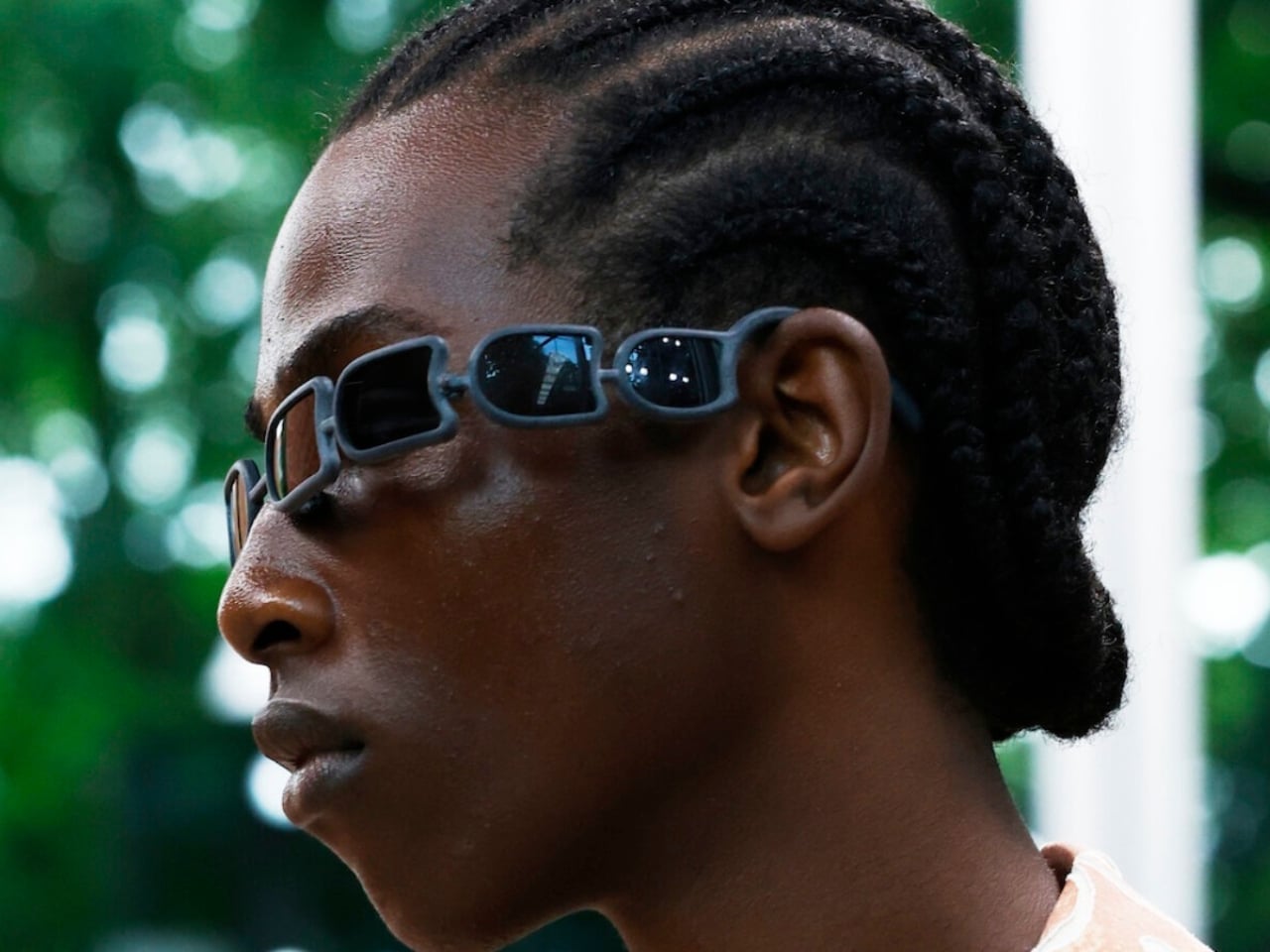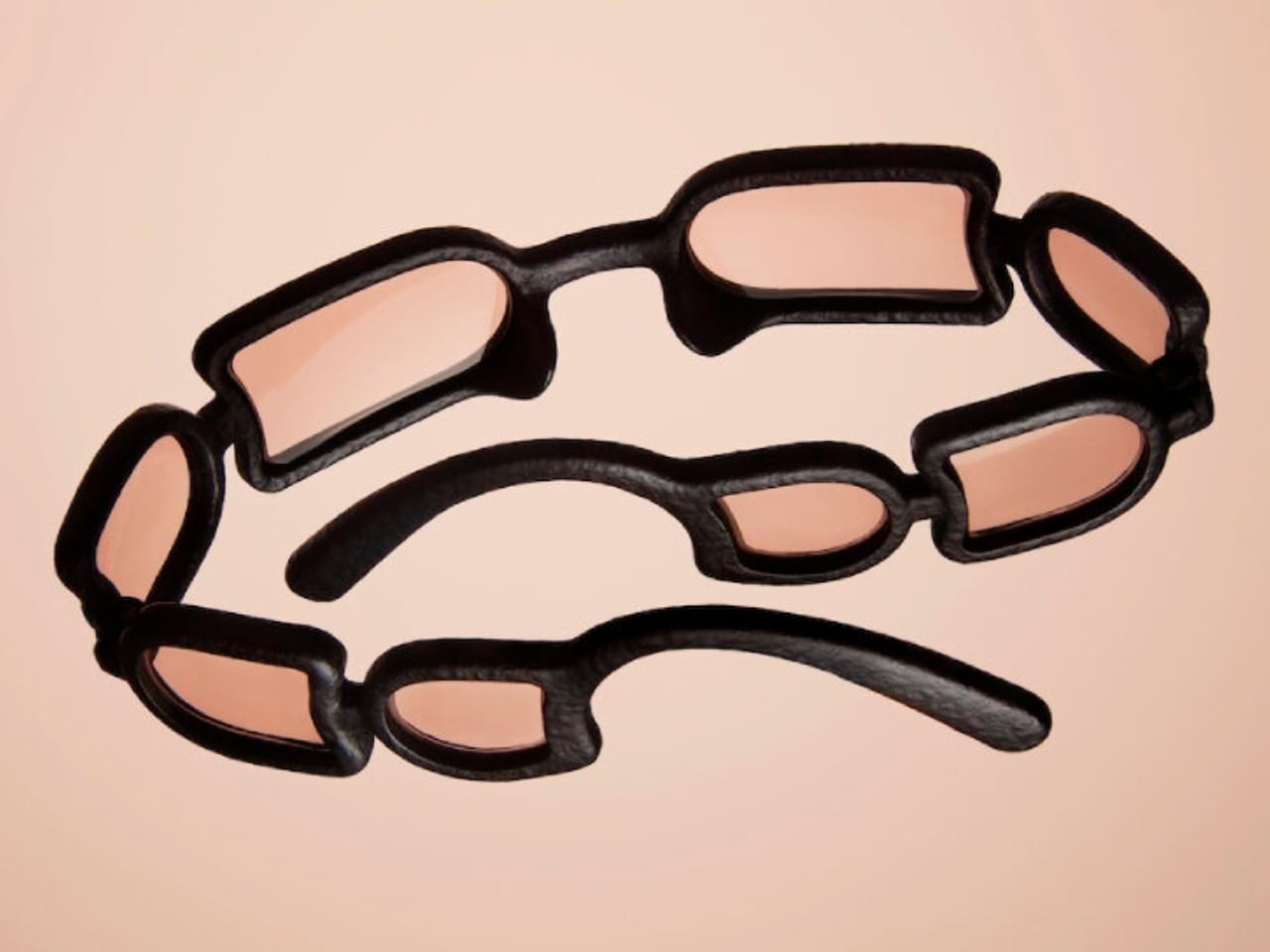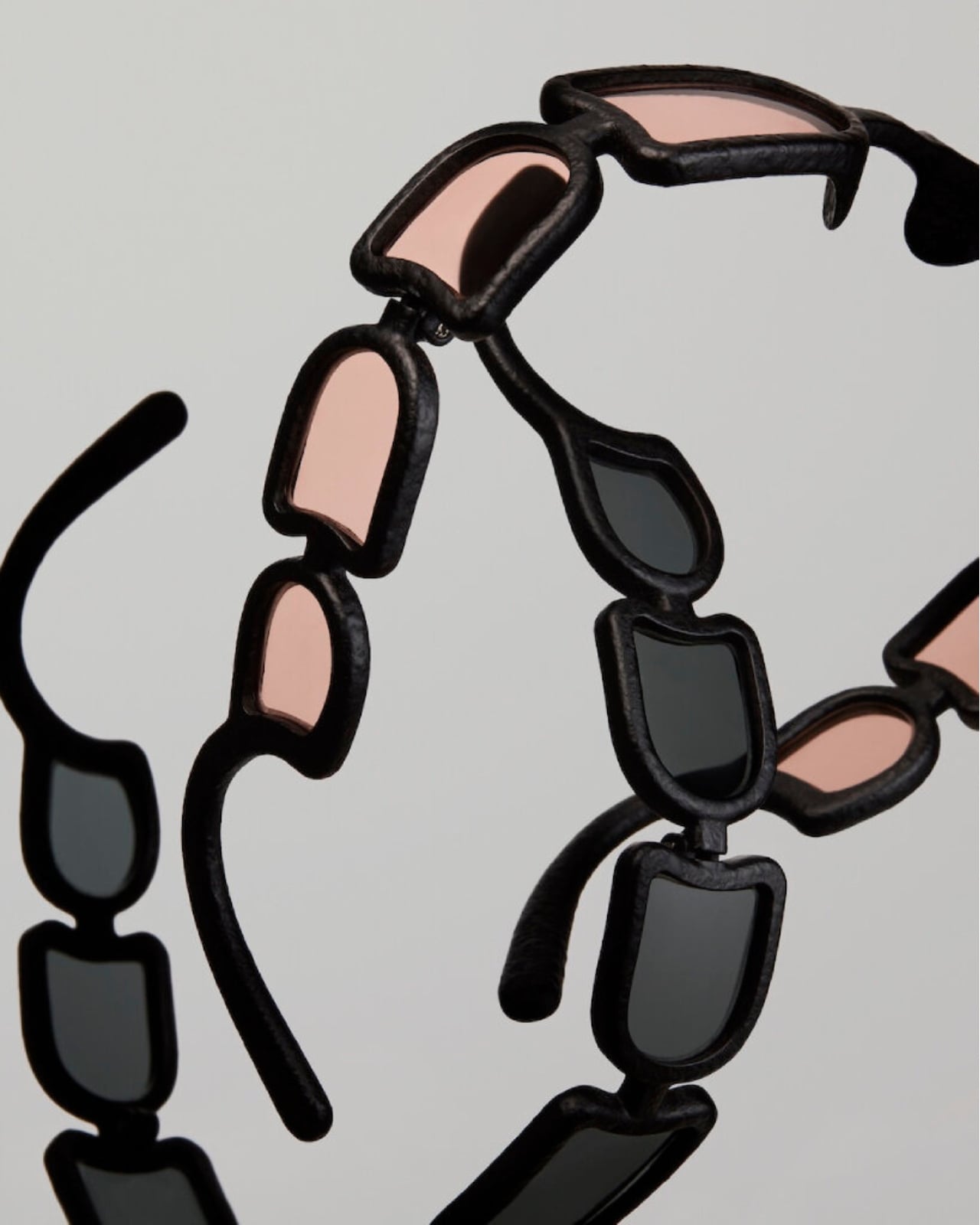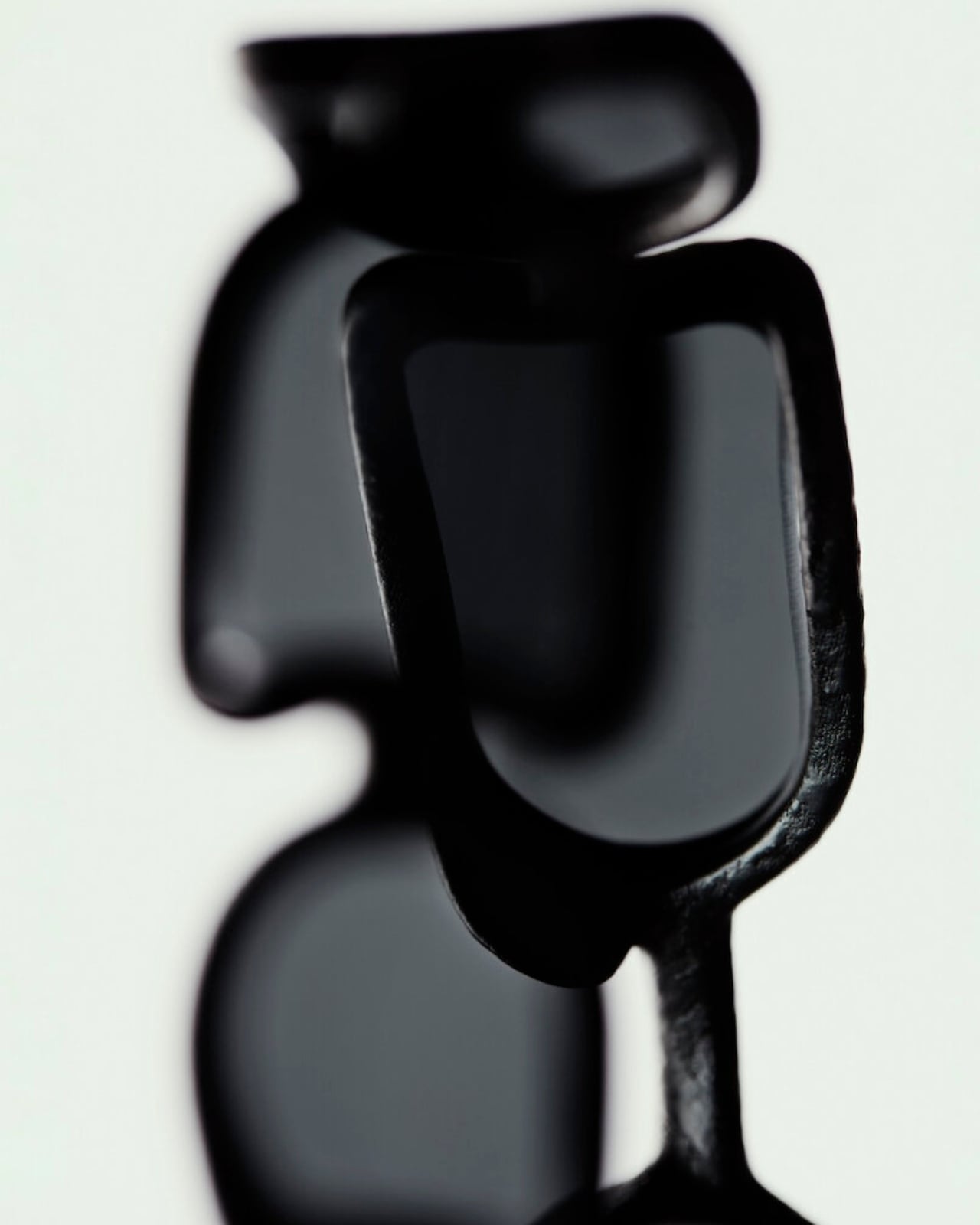
Shinzo Tamura Designs Sunglasses From the Inside Out

When the Lens Comes First: Most sunglasses begin as sketches. Designers draw frames that photograph well, then select lenses that match the aesthetic. Shinzo Tamura flips that sequence entirely. This Osaka-based brand starts with TALEX polarized lenses, then engineers frames specifically to house them. The result challenges how we think about eyewear design.

Designer: Shinzo Tamura

The approach stems from an uncomfortable truth about the sunglasses industry: dark lenses can actually damage your eyes. When non-polarized dark lenses block visible light without filtering UV rays, your pupils dilate to compensate for the darkness. More UV radiation reaches your retina than if you wore nothing at all. Shinzo Tamura positions itself against this paradox, treating eye protection as the foundation of design rather than an afterthought. That commitment traces back nearly a century, to a family workshop where lens-making became a generational obsession.

Three Generations in Tajima

The brand carries the name of its founder, a third-generation lens maker whose family began crafting eyeglass lenses in 1938. Tajima, the region near Osaka where the family workshop sits, has functioned as Japan’s optical manufacturing heartland for decades. This geographic heritage matters because it embedded generations of lens expertise into the company’s DNA before a single frame was ever designed.

The critical moment came in 1966 when Shinzo Tamura’s grandfather created what the company describes as the first fully balanced polarized lens. That balance refers to three properties TALEX has spent eight decades refining: natural color reproduction, contrast enhancement, and brightness optimization. Standard polarized lenses sacrifice one or more of these qualities. TALEX treats all three as non-negotiable.

Understanding this history reframes the brand’s design philosophy. When your family has spent 80 years perfecting lens technology, starting frame design with the lens feels obvious rather than contrarian. The lens expertise preceded the eyewear brand by multiple generations. What that expertise produced deserves examination.

Inside the TALEX Filter

The technical core of every Shinzo Tamura lens is a proprietary iodine compound filter that TALEX developed in Japan. Unlike standard polarization that simply blocks horizontal light waves, the iodine compound targets specific wavelengths that cause eye strain and fatigue. The company claims this approach eliminates glare without the characteristic darkening that makes cheap polarized sunglasses feel like wearing tinted windows.
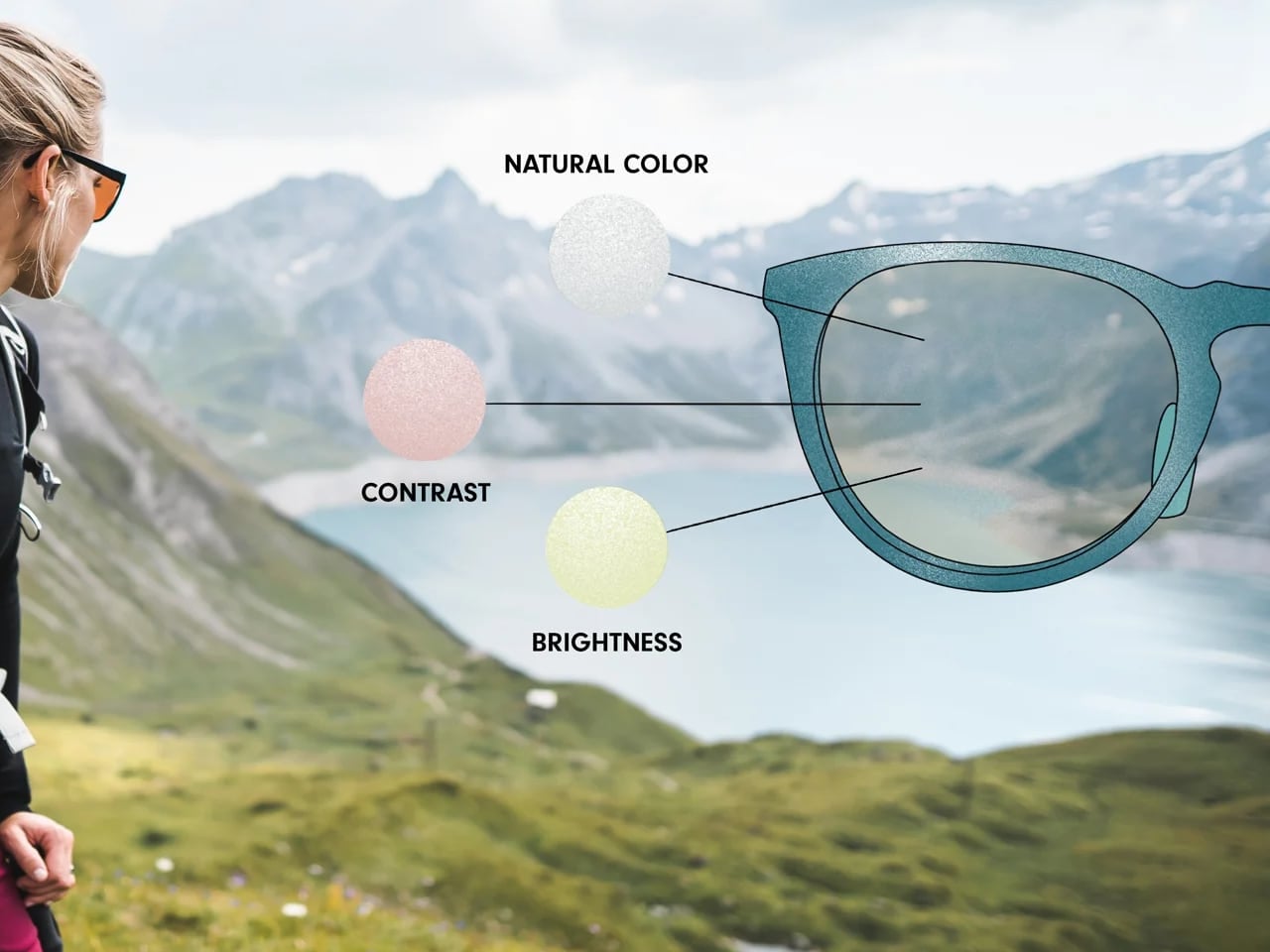
Three distinct lens properties emerge from this filtration system. Natural color lenses render the world without the yellow or blue tint common to polarized eyewear. Contrast lenses sharpen edges and add depth, useful for activities requiring precise visual judgment. Brightness lenses intensify light transmission while still blocking harmful rays. TALEX tunes these three qualities for specific use cases, from driving to fishing to golf.

The technical claims carry weight because of how TALEX has positioned its lenses commercially. The Porsche Experience Center Japan equips its driving instructors with TALEX sunglasses. Professional fishing guides in mountain streams use them. Japanese women’s surfing champion Narumi Kitagawa competes in them. These partnerships suggest performance validation beyond marketing copy.
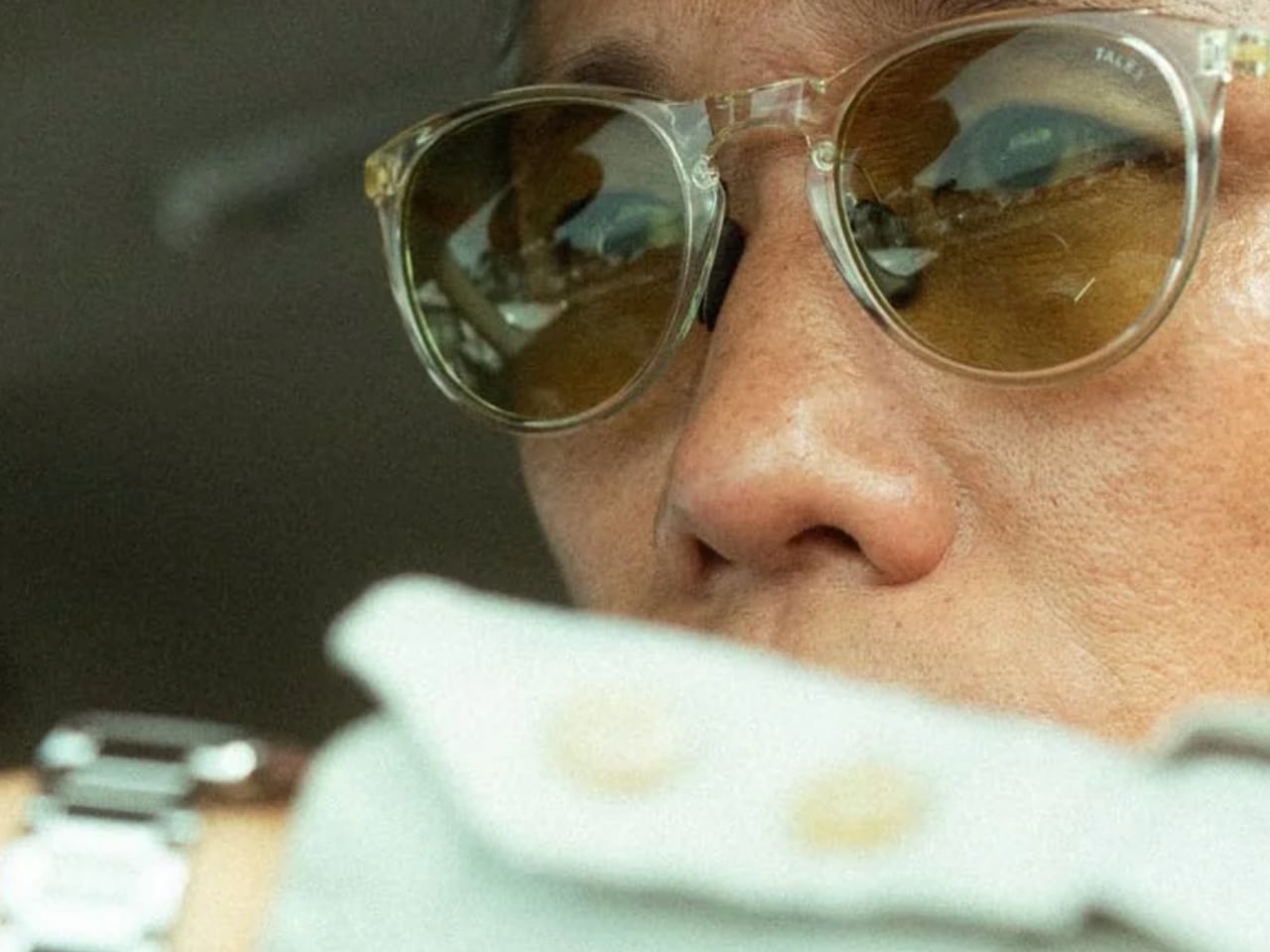
UV protection reaches 99% according to TALEX specifications. But the brand emphasizes something beyond UV numbers: the reduction of eye fatigue over extended wear. This positions the lenses as tools for sustained activity rather than accessories for brief outdoor moments. The newest lens technology pushes these principles further.

The HD Lens Series

TALEX’s latest lens advancement arrives in two specialized variants, both built from the company’s patented CACCHU® material. This proprietary compound achieves something that seemed mutually exclusive: the optical clarity of glass combined with the impact resistance and weight savings of polyurethane. Nine distinct layers work together in each lens, with a super-thin polarizing film infused with iodine compounds at the core. The construction passed ANSI Z87.1 certification, which TALEX describes as the world’s most demanding optical inspection standard.
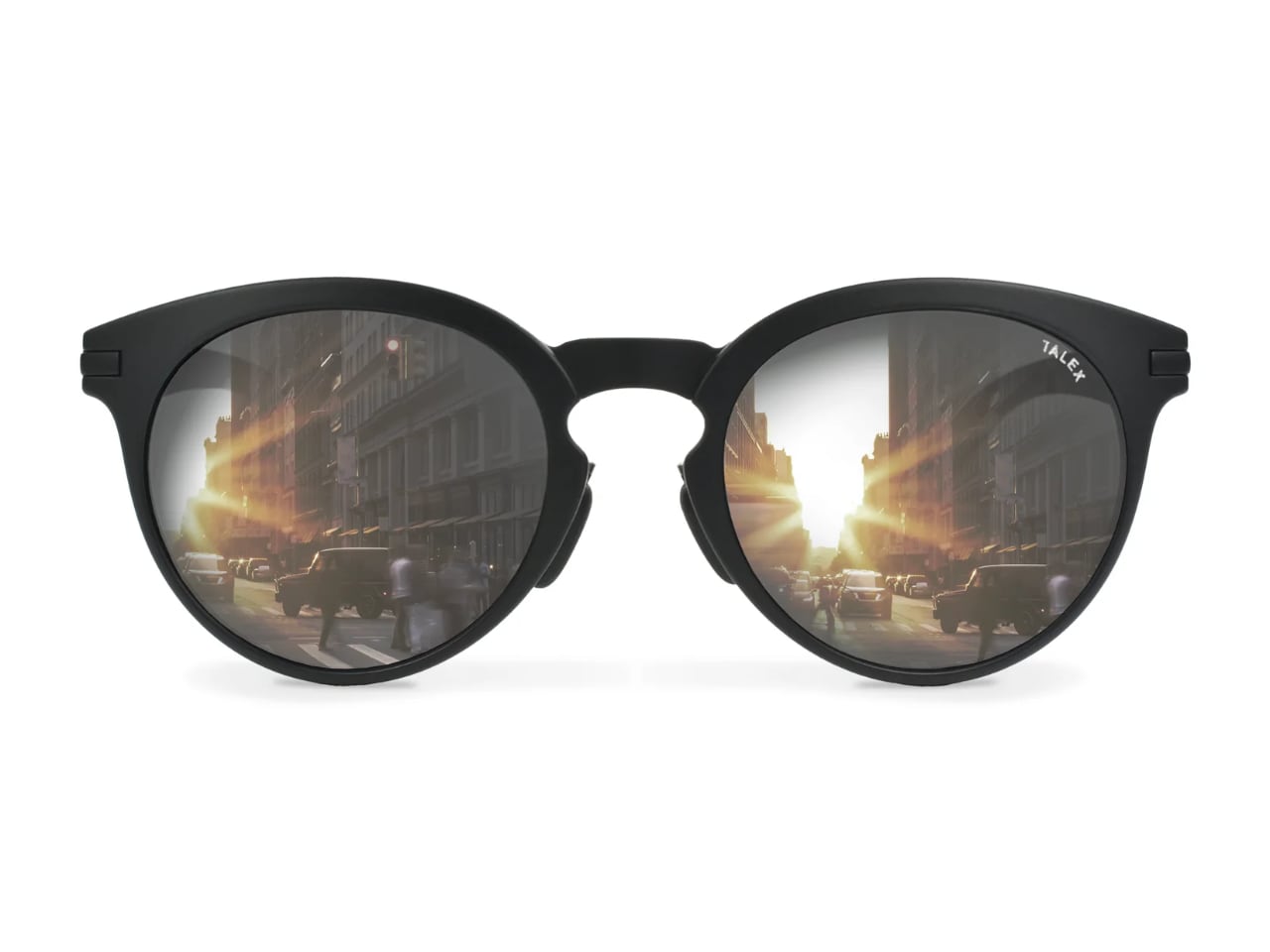
Onyx HD targets everyday wear and driving applications. At 13% visible light transmission, the lens handles strong light intensity while preserving natural color reproduction with a slightly warmer character than conventional grey polarized lenses. The design prioritizes defined contours and enhanced contrast, making road markings, traffic signals, and distant objects appear with unusual clarity. Standard Onyx HD lenses price between $275 and $325, with an HD-M mirror finish option available at $360.

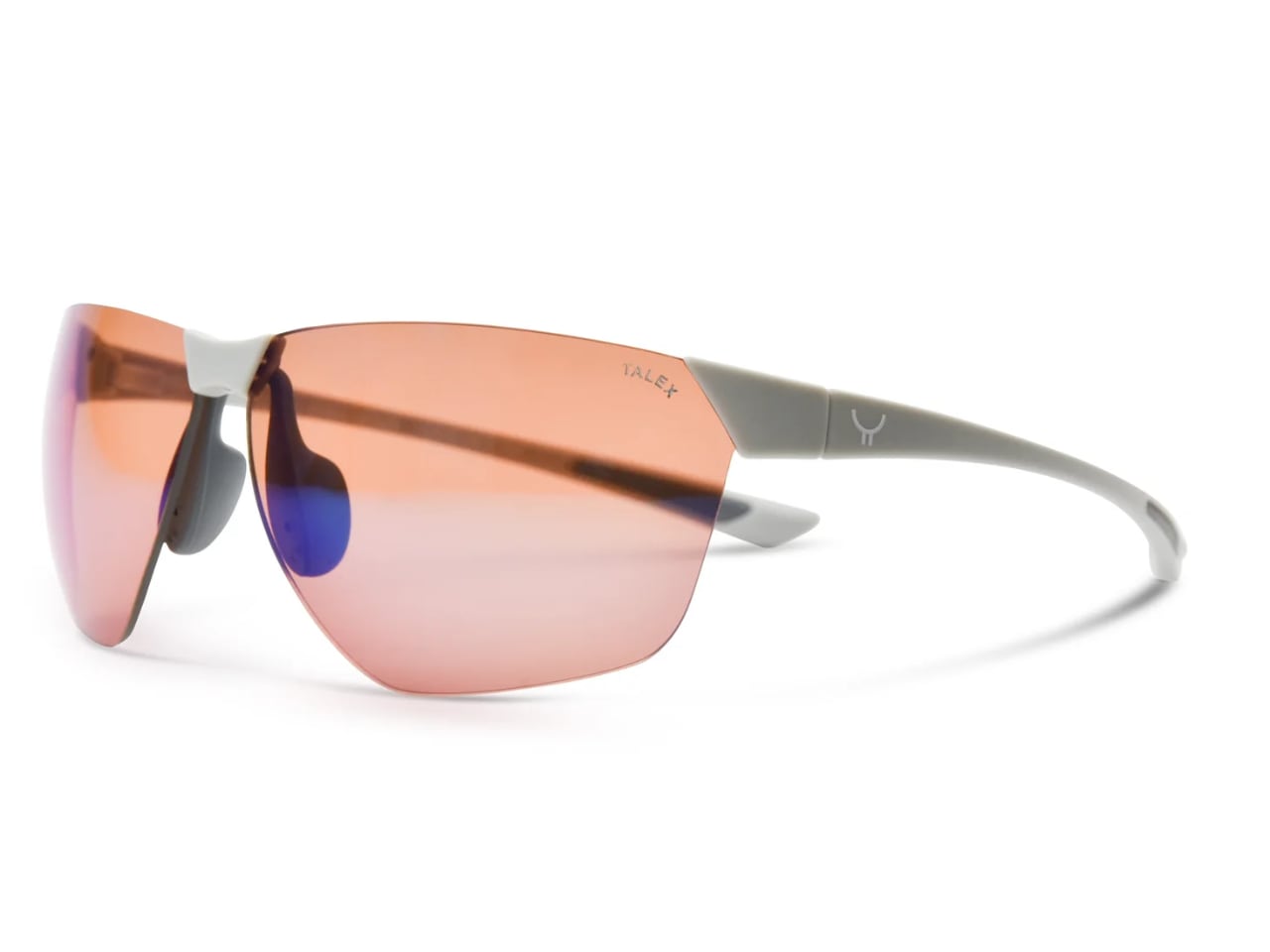
Zircon HD addresses outdoor sports and high-speed activities where visual precision determines performance. The lens shares the same 13% VLT as its Onyx sibling but optimizes for directional visibility at velocity. TALEX engineered this variant to recognize the smallest terrain changes and render object outlines with three-dimensional depth. Cyclists, skiers, and motorsport enthusiasts represent the target audience. Pricing mirrors the Onyx HD structure: $275 to $325 for standard versions, $360 for HD-M mirror coating.

Both HD lenses eliminate the discoloration and distortion that plague conventional polarized eyewear. The nine-layer CACCHU® construction maintains optical consistency across the entire lens surface, even at the edges where cheaper lenses typically degrade. With the lens technology established, the question becomes what holds it.

Premium Nylon Innovation

Frame design at Shinzo Tamura uses double-shot injection molding with premium nylon compounds. The material choice addresses specific failures in traditional eyewear materials. Acetate frames warp over time and develop surface whitening from sweat and plasticizers. Standard plastic loses structural integrity. Premium nylon resists all of these degradation patterns while achieving significantly lower weight than comparable materials.
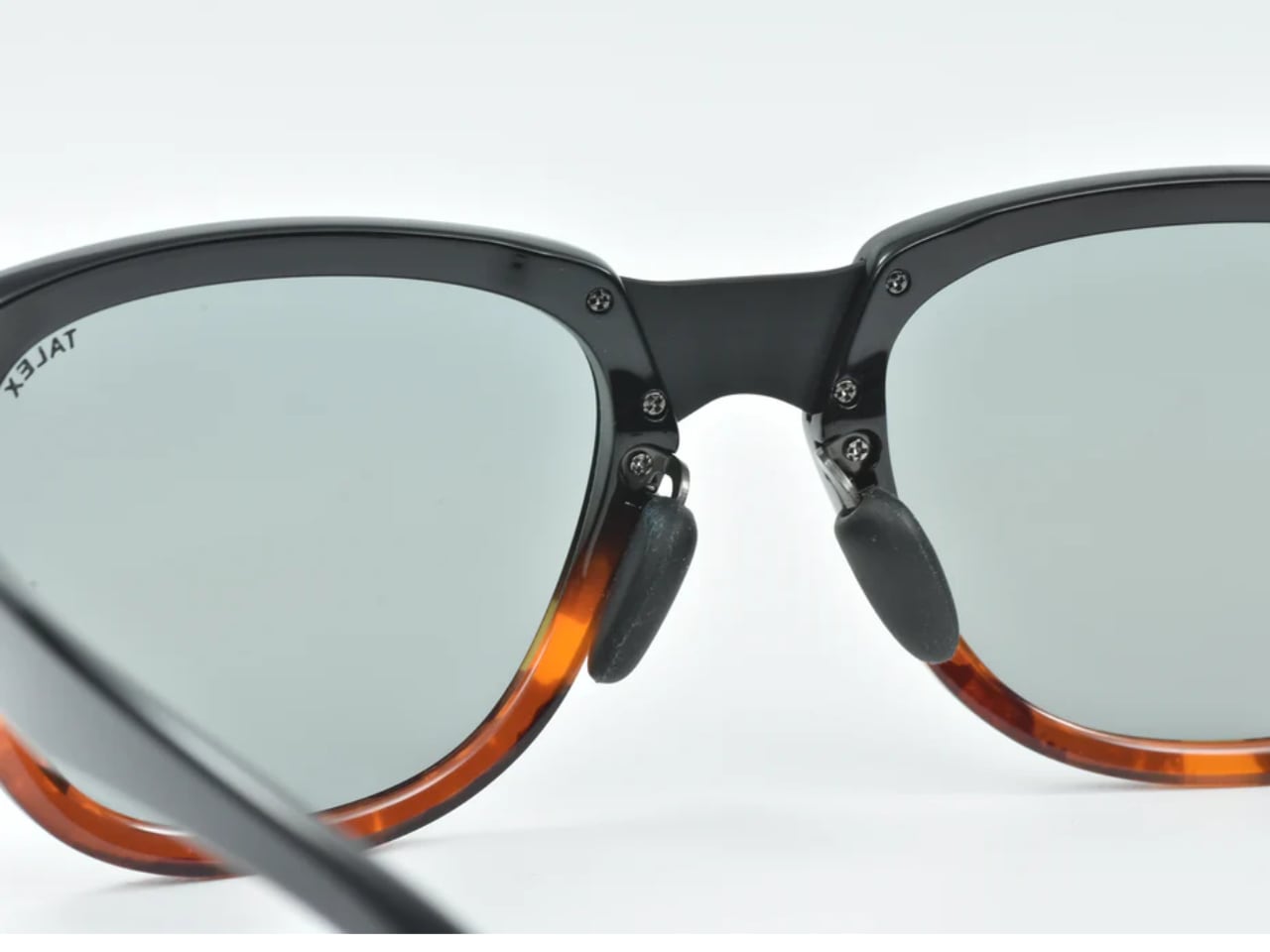
The manufacturing collaboration with local Tajima factories applies Japanese precision standards to each frame. The Ultralight Collection pushes material efficiency to its limits, producing frames substantially thinner than industry standard constructions. The Classic Collection references 1960s and 1970s American and Japanese eyewear aesthetics, acknowledging the shared sunglass culture that developed between both countries during those decades. Material choice means nothing, though, if the wearer notices the frame at all.

The Disappearing Frame

Shinzo Tamura articulates its ultimate design goal through an unexpected metric: how quickly you forget you are wearing sunglasses. The brand wants frames so light, so precisely fitted, that by day’s end the wearer has no awareness of them. This invisible design philosophy runs counter to fashion eyewear that demands attention and signals status.
The goal requires solving weight distribution problems that most eyewear designers ignore. Nose pads must transfer minimal pressure. Temple arms must grip without squeezing. The combined weight of lens and frame must balance across contact points rather than concentrating at any single location. Low bridge fit options address additional anatomical variations, ensuring the disappearing frame experience extends to wearers with pronounced cheekbones and lower nose bridges.

This comfort obsession connects directly to the lens-first philosophy. If you are building eyewear around lenses designed for all-day outdoor activity, the frame must support that duration. Beautiful frames that cause headaches after two hours betray the lens technology they carry.

What Lens-First Design Means for Eyewear

The fashion industry spent decades training consumers to evaluate sunglasses by their frames. Designer names, trending shapes, and celebrity endorsements became the vocabulary of premium eyewear. Shinzo Tamura speaks a different language entirely, one where the invisible component determines value.

For designers watching this space, the lens-first approach suggests a broader principle: that the functional core of any product deserves design priority over its visible shell. The most elegant solution might be the one users forget they are wearing. Shinzo Tamura built an entire brand around that disappearance.

The post Shinzo Tamura Designs Sunglasses From the Inside Out first appeared on Yanko Design.
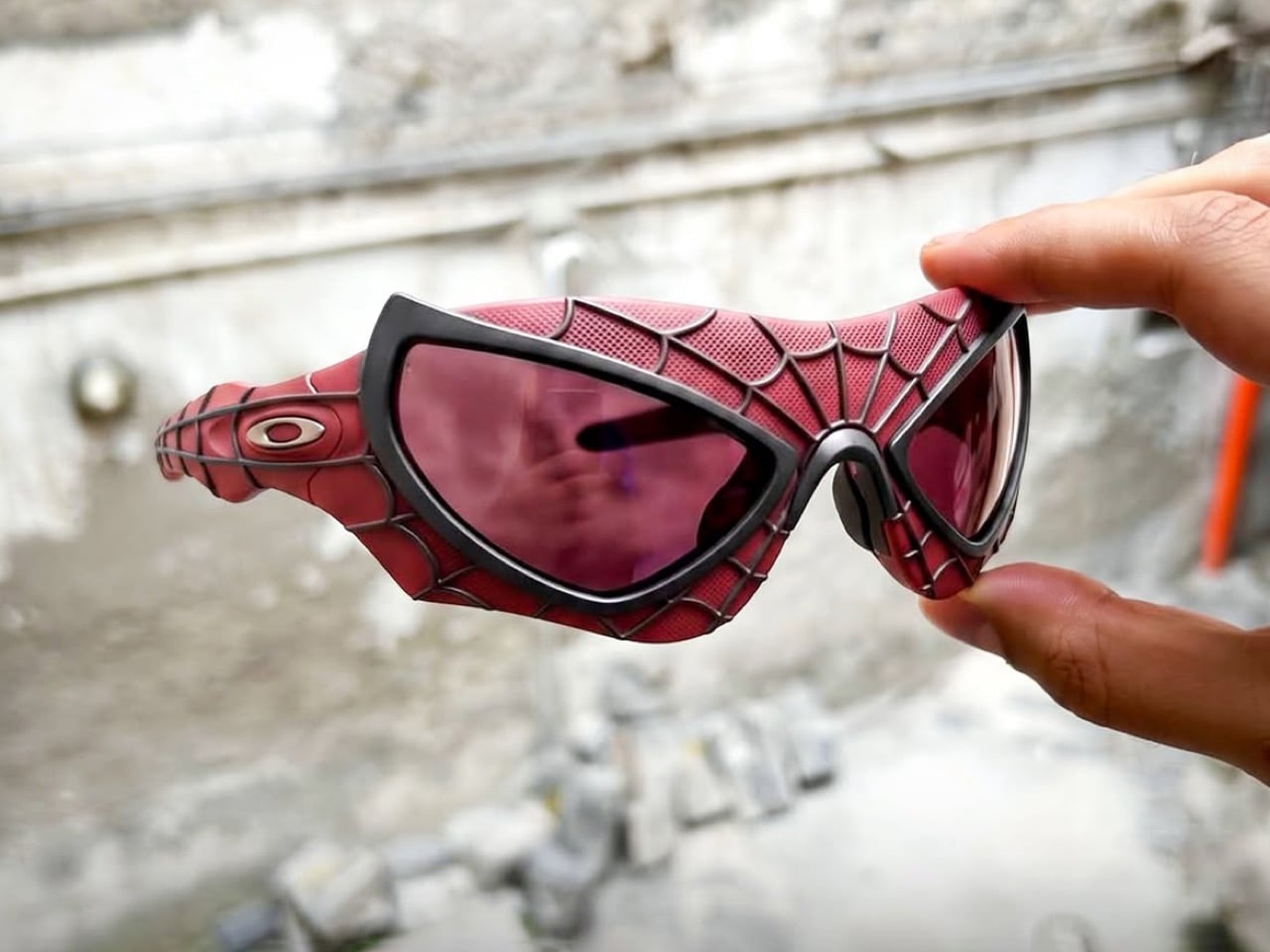
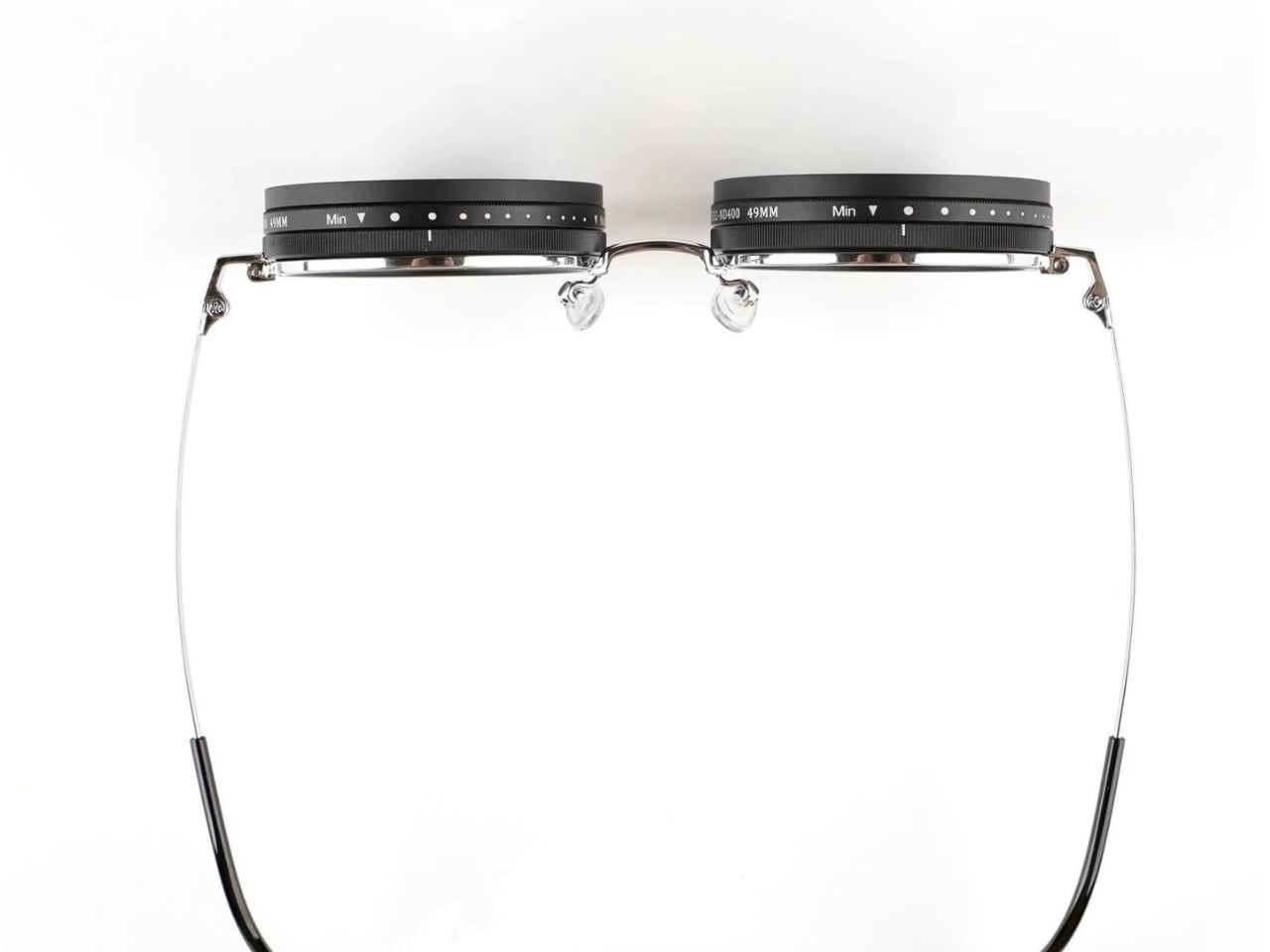
ND filters adjust the tint on your sunglasses with a retro futuristic look

I’ve been wearing transition eyeglasses for several years now. It’s become handy as I don’t need to bring sunglasses or have graded ones made to replace my eyeglasses when the sun is too high. However there are also some inconveniences to it as it sometimes takes long for it to turn back to “light” once I get out of the sun. I sometimes wish there was a way to control how much light gets in or out.

Designer: Lombell

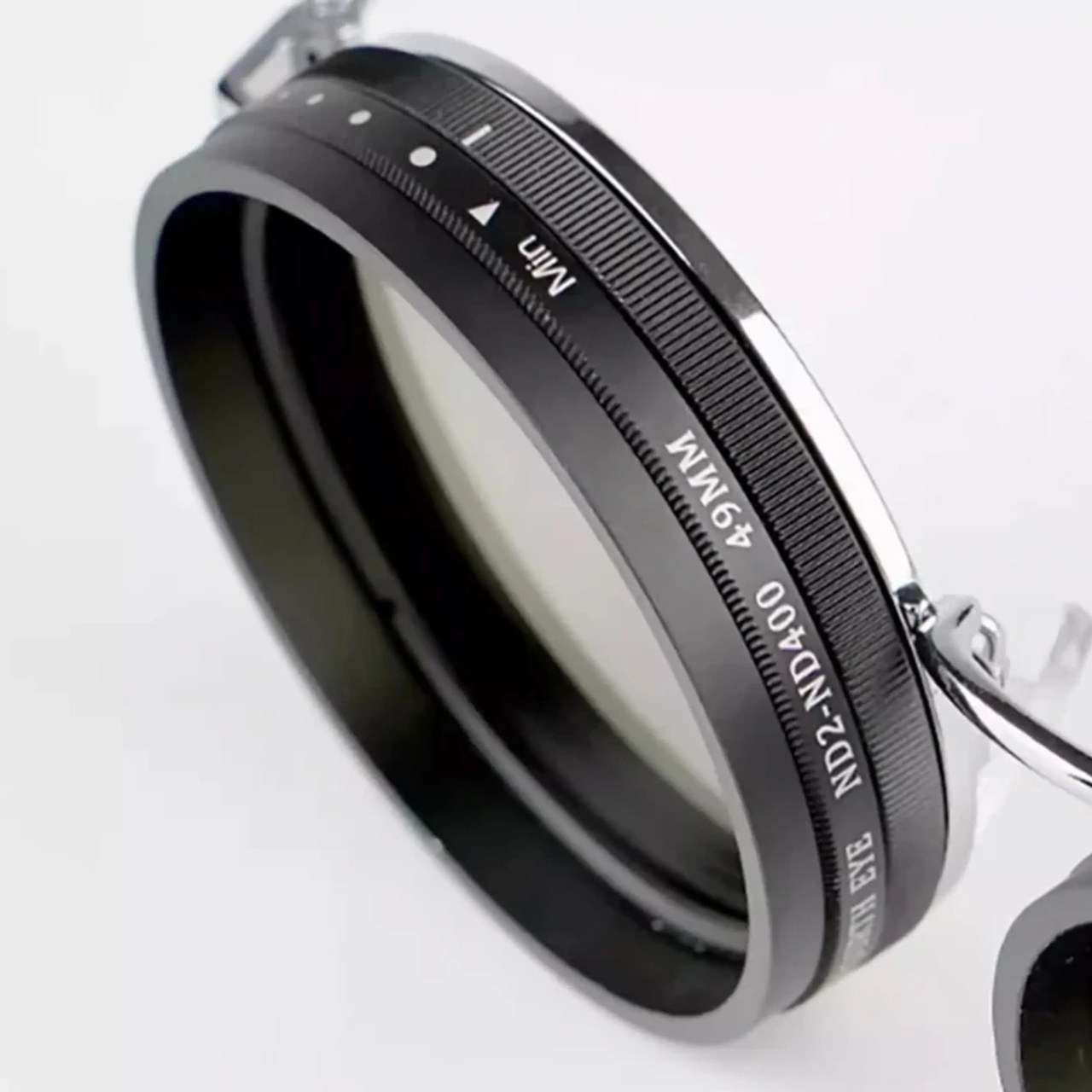
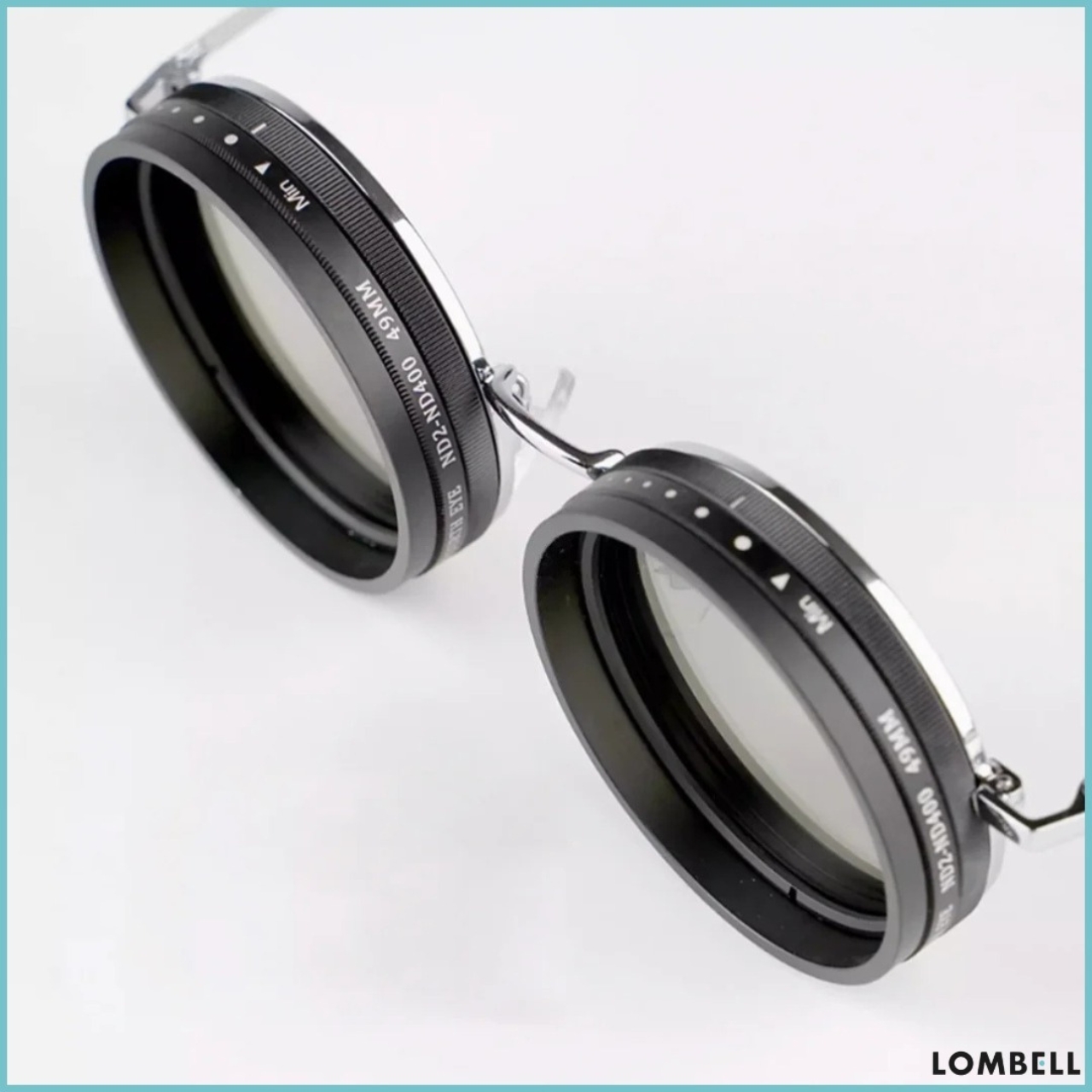
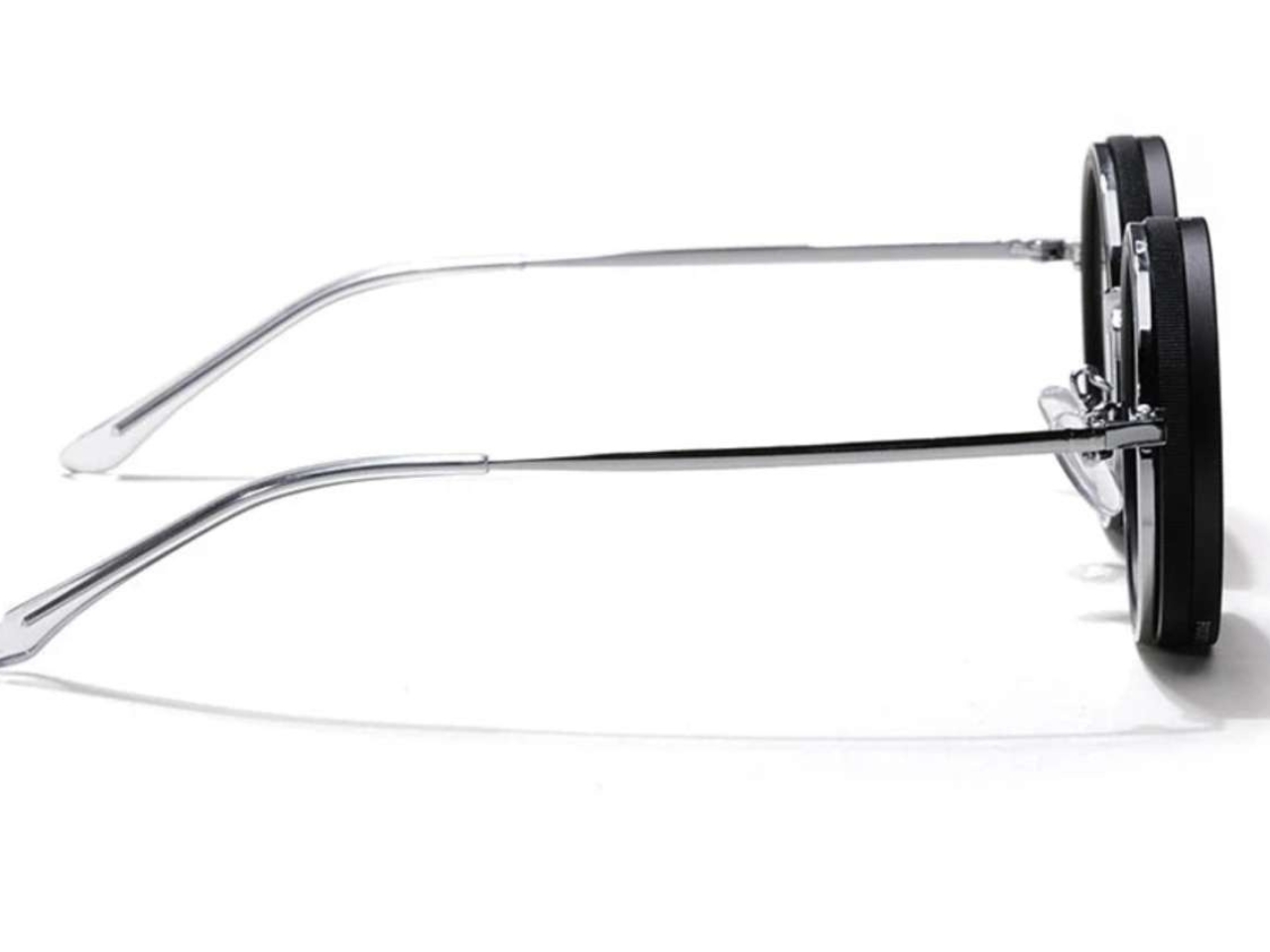
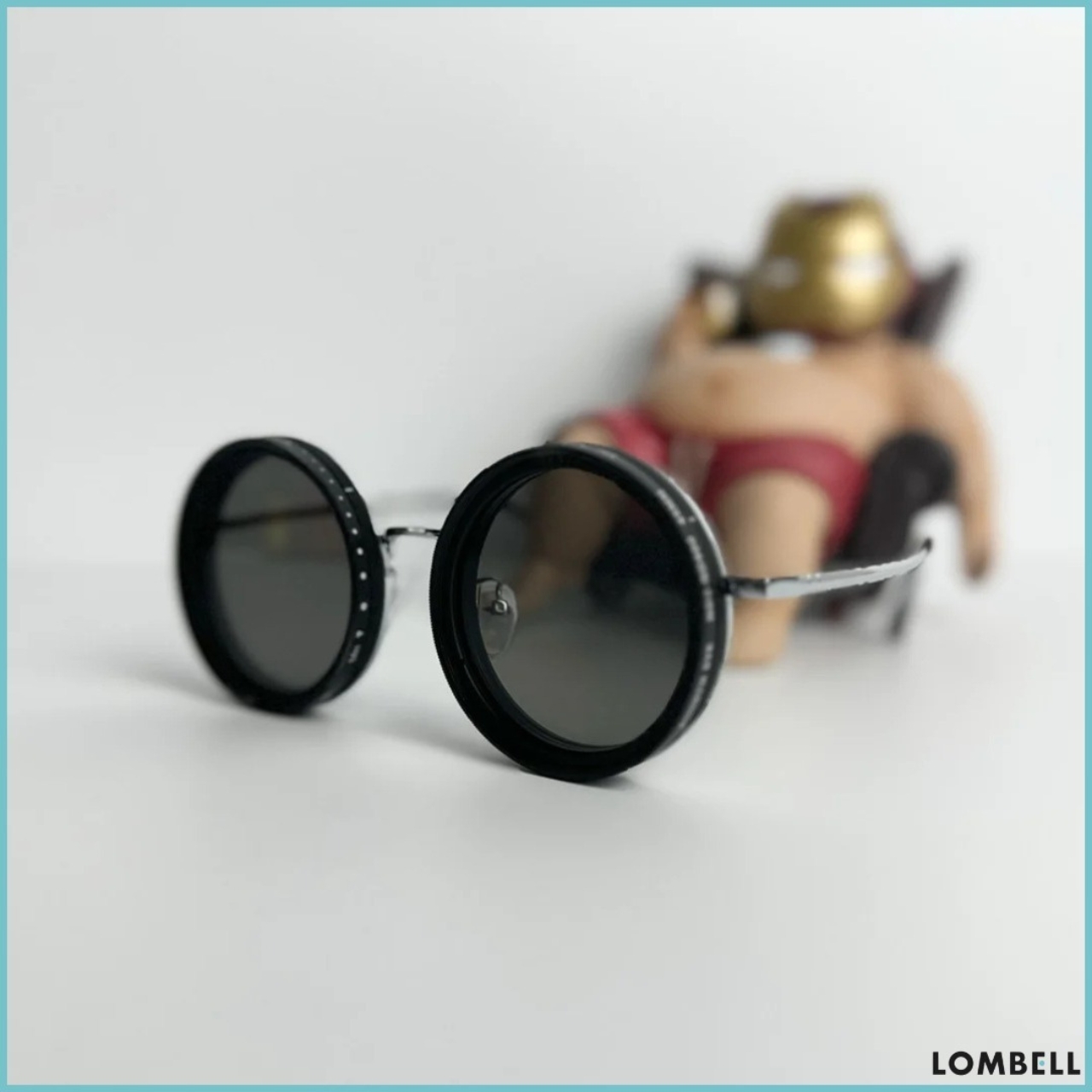
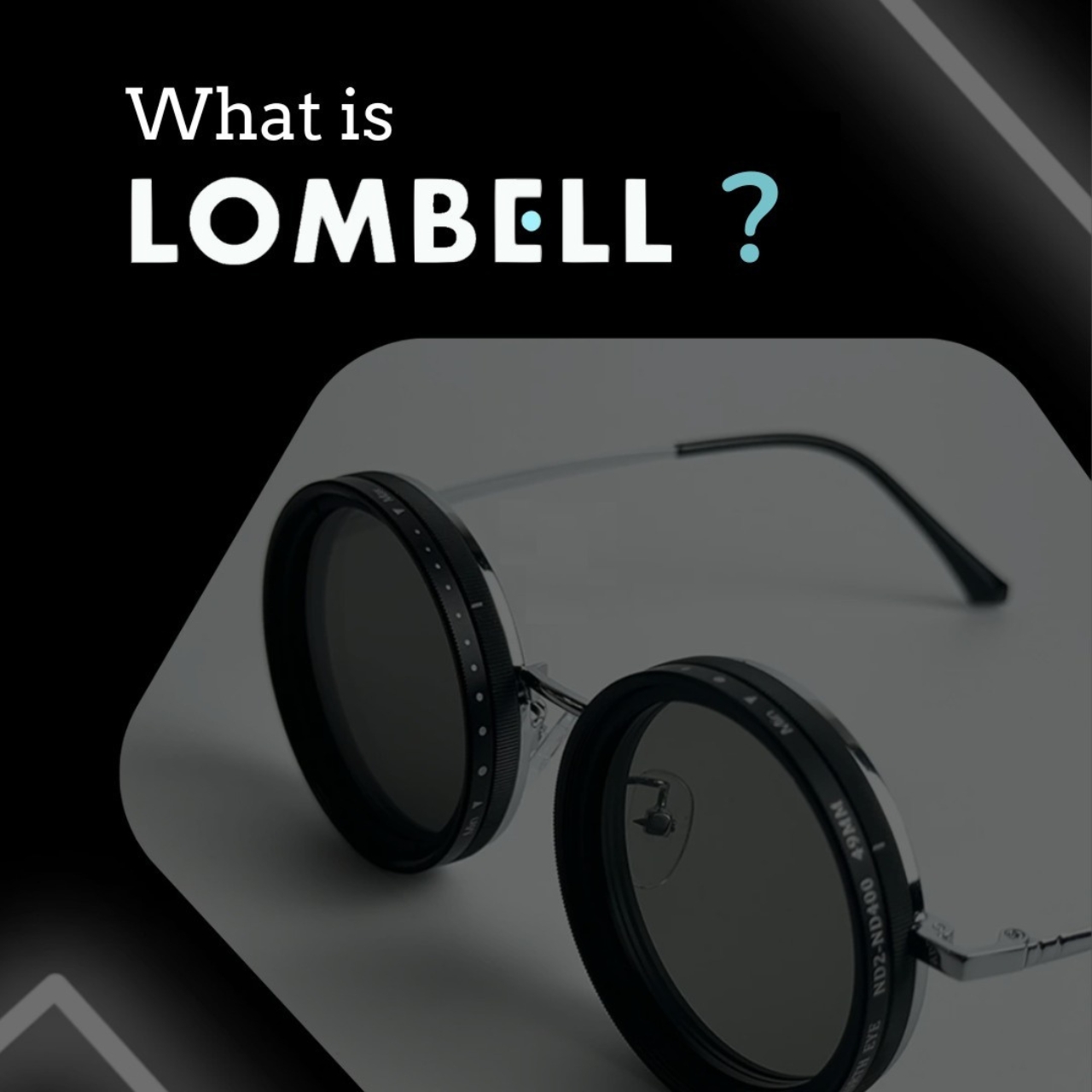
Lombell has created sunglasses that utilize what photographers have been using for some time now: neutral density (ND) filters. Professional cameras are able to adjust the opacity of their lenses through these filters. So why not apply this technology to sunglasses? The titanium-frame sunglasses use ND filters to increase or decrease the amount of light that can pass through your eyewear, giving you more control over it.

The ND filter that they used has 9-stop variables and lets users adjust accordingly through the graded markings on the lens, making your sunglasses darker or brighter. It is also able to block more than 99% of UVA and UVB light no matter what level you’ve put the filters on. If you’re also like me that always need prescription lenses, you can replace the back piece of glass with one.

The ND filter sunglasses can also be a fashion statement as you exude a retro feel with them, especially for those who actually don’t know what camera filters are. It can actually even be cool when you’re adjusting the filter, like you’re a robot or android. And it’s also pretty cheap at just $89.99 for the regular lenses or $99.99 for prescription lenses.

The post ND filters adjust the tint on your sunglasses with a retro futuristic look first appeared on Yanko Design.

Oakley Flex Scape hybrid ski goggles-sunglasses adapt to your face shape for the ideal fit

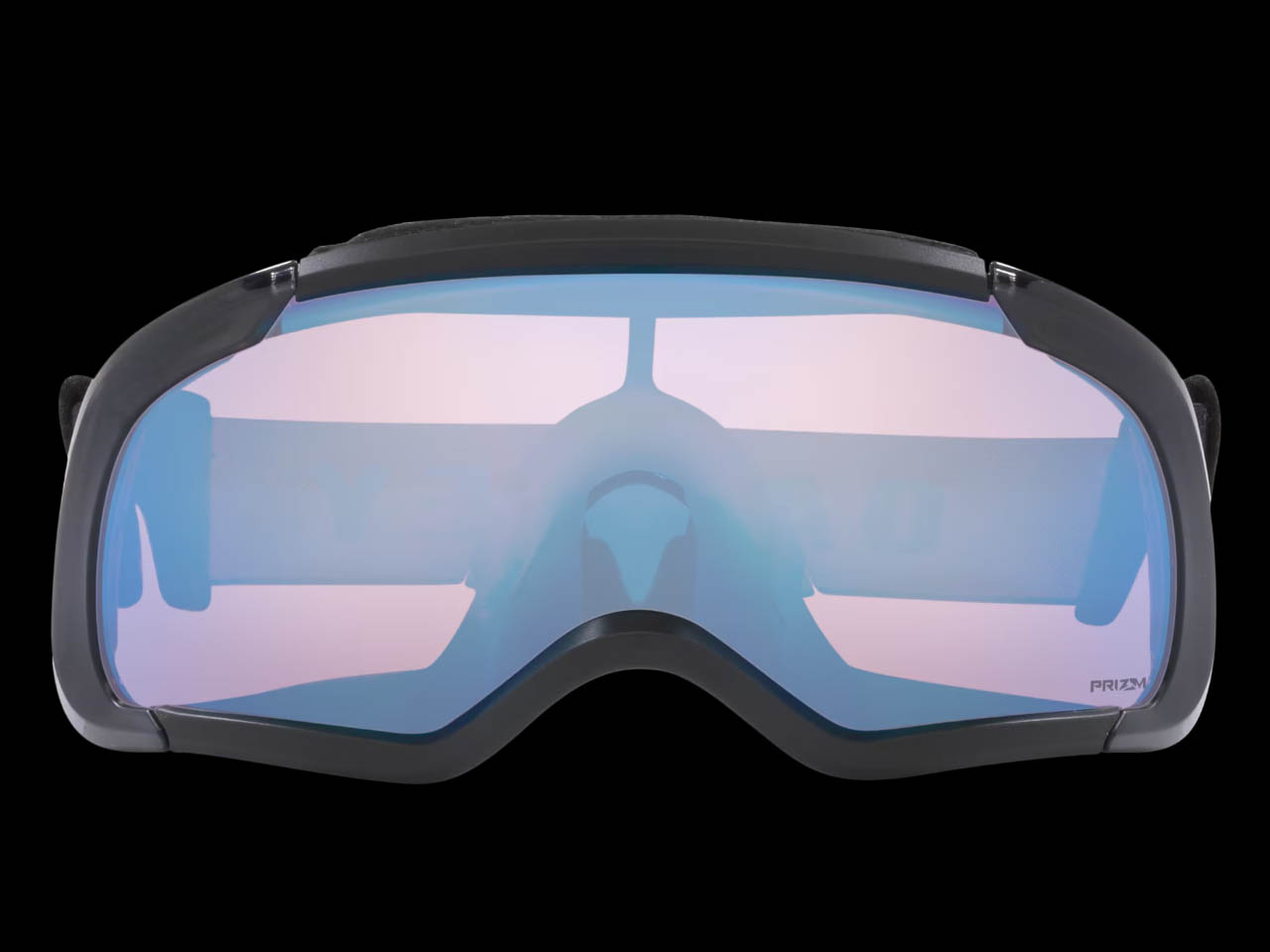
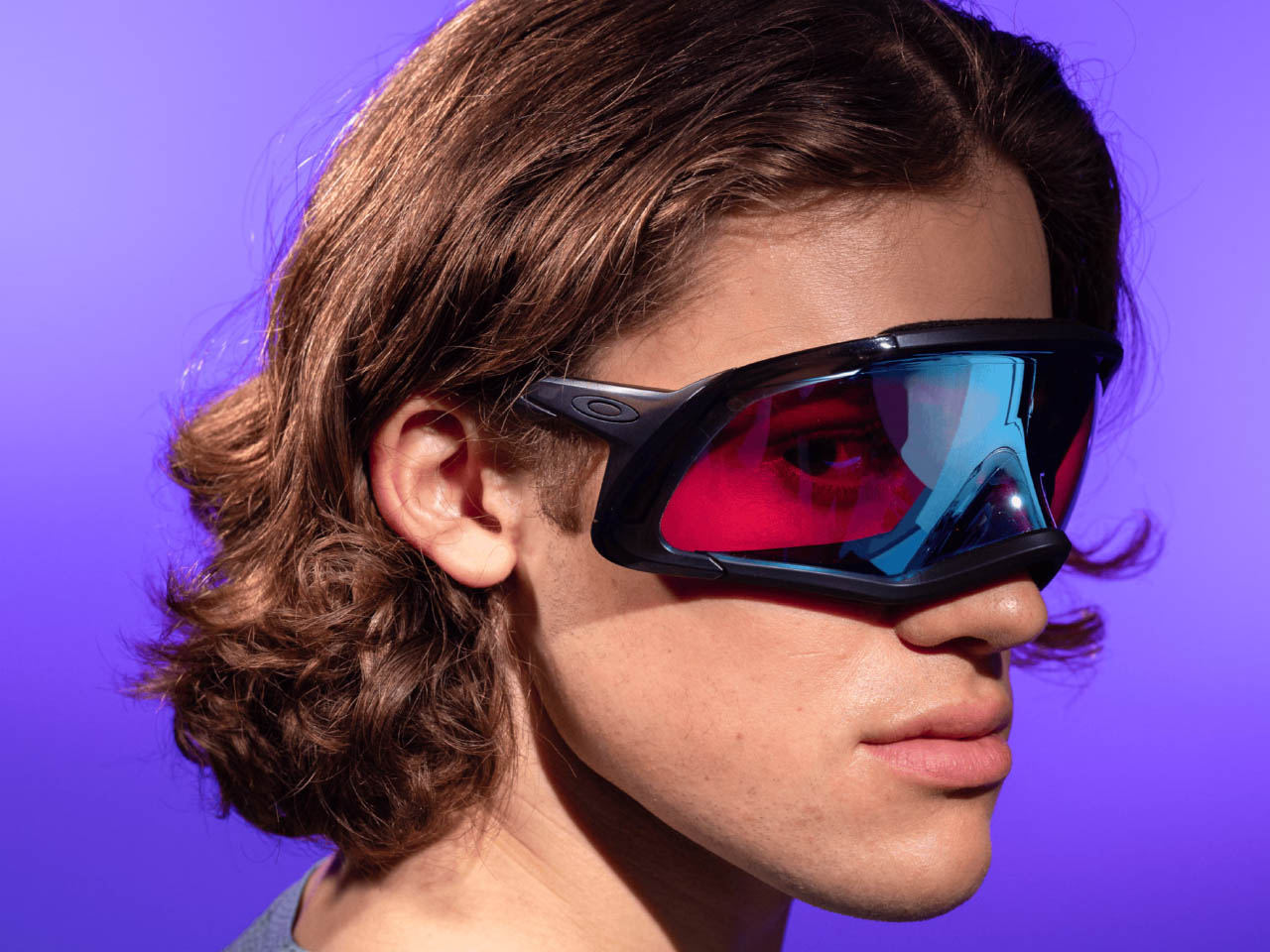
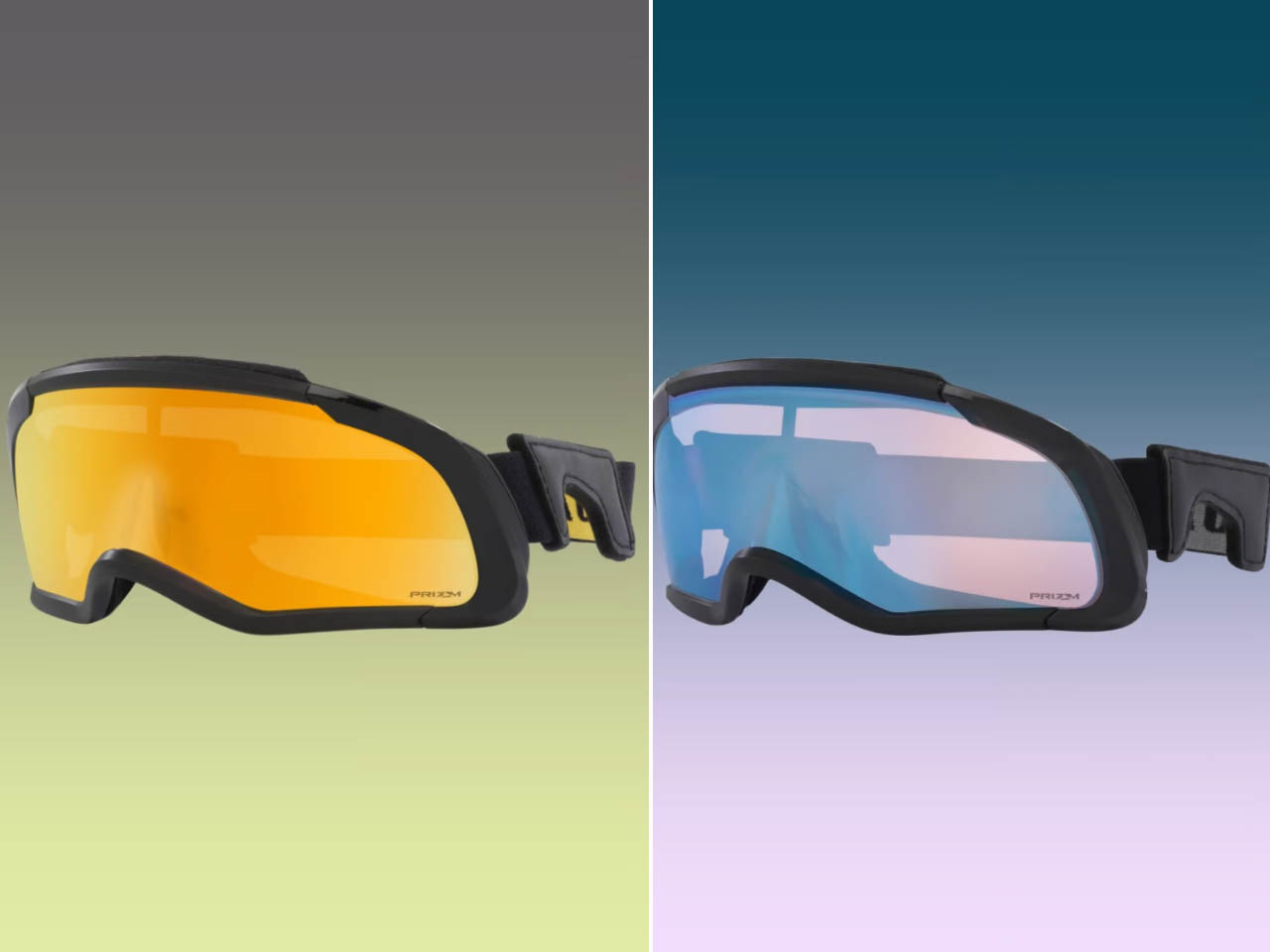
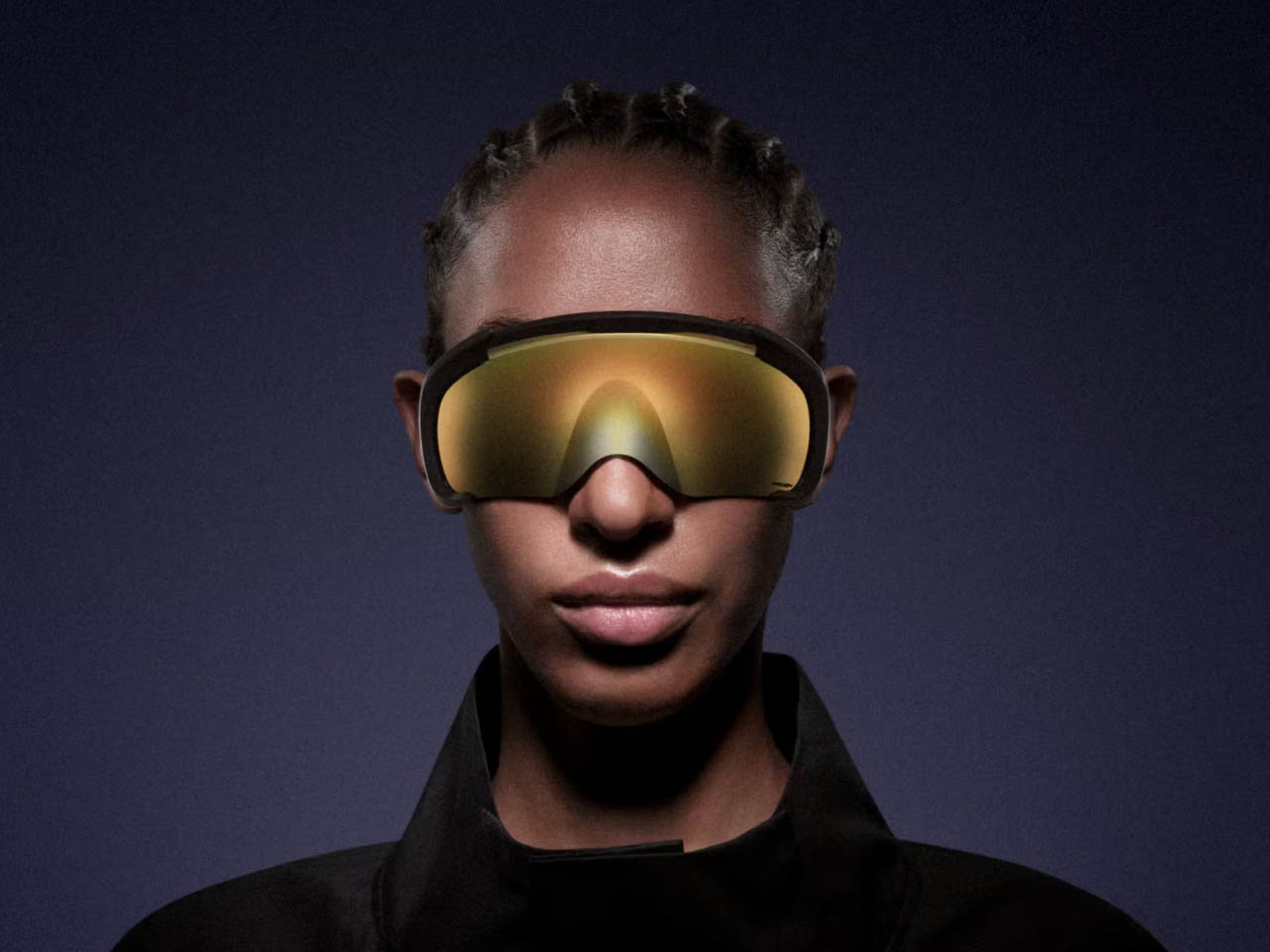
Oakley is known for its innovation in the eyewear category and we expect nothing but the best every time they come up with something new. The futuristic Moonveil cape for tough sports in extreme conditions impressed us a lot. Now, the California-based eyewear pros have revealed the Flex Scape performance eyewear that comes with a hybrid frame to function both as alpine goggles and sunglasses.

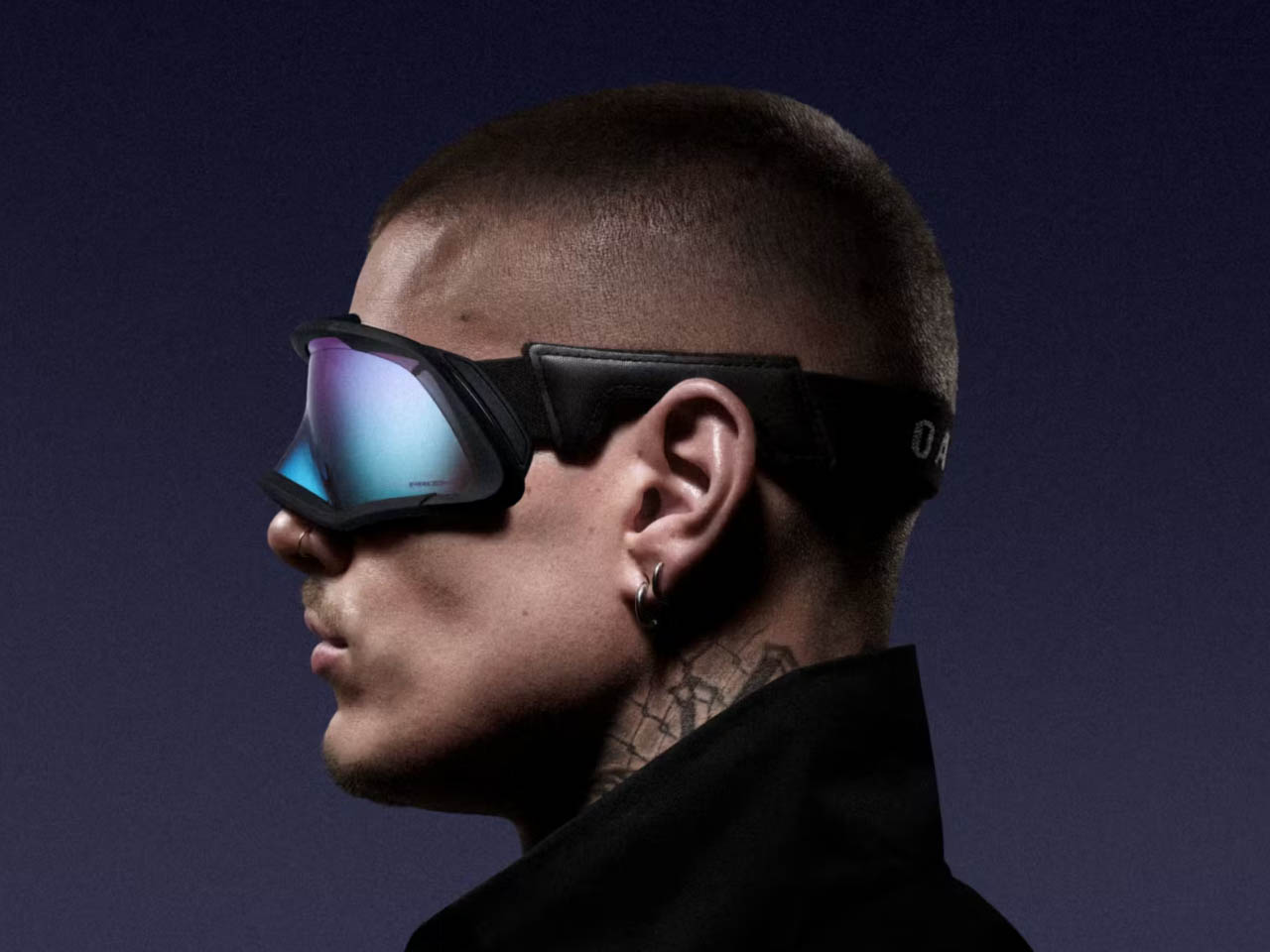
This fashion-forward eyewear makes use of PhysioMorphic Geometry and is based on the acclaimed Kato model. The former ensures a natural fit around the face for a wide level of coverage. This new launch gives active individuals more reason than one to invest in the brand, both for their jogs in the city and explorations in the high mountains.

Designer: Oakley

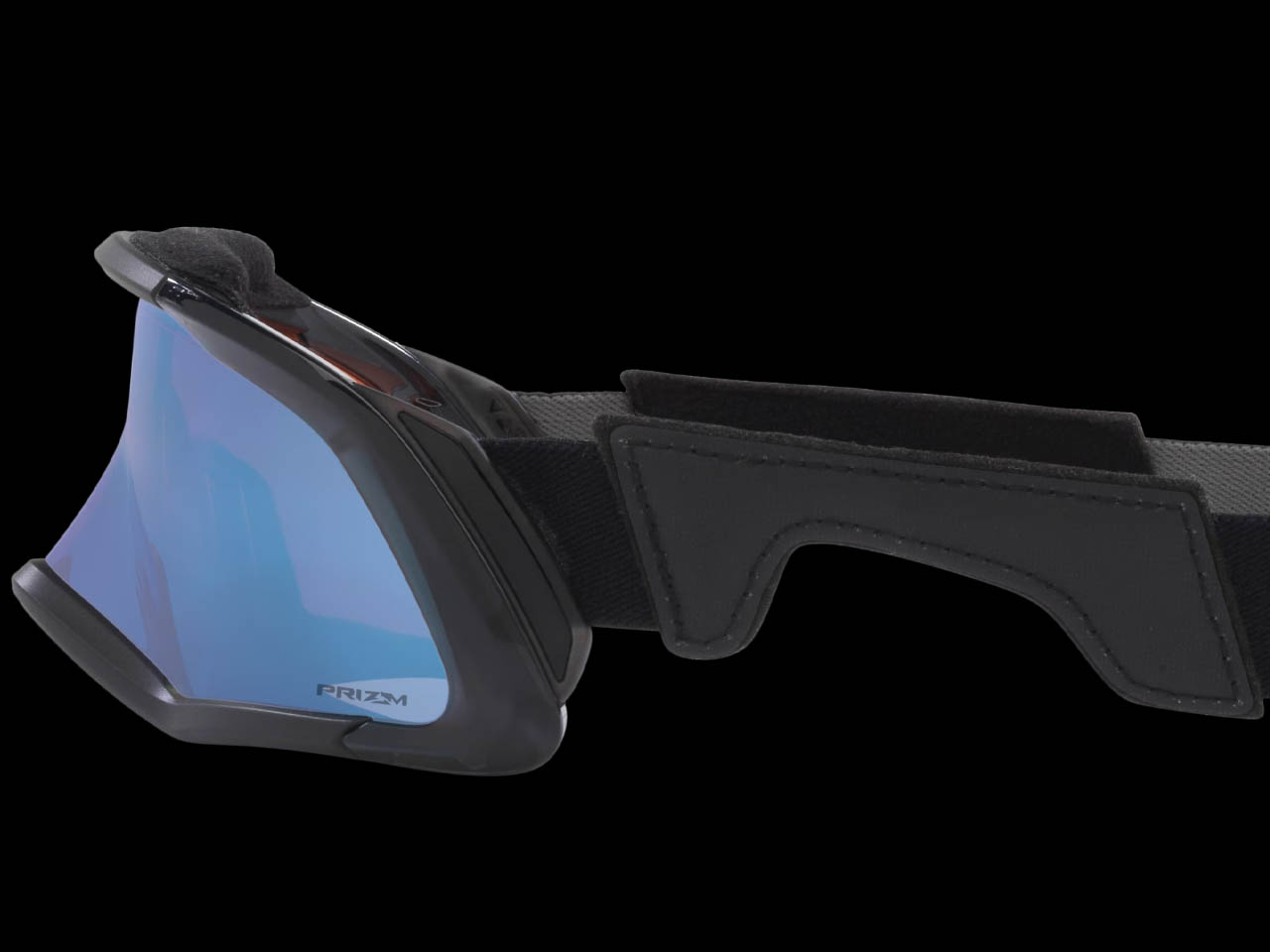
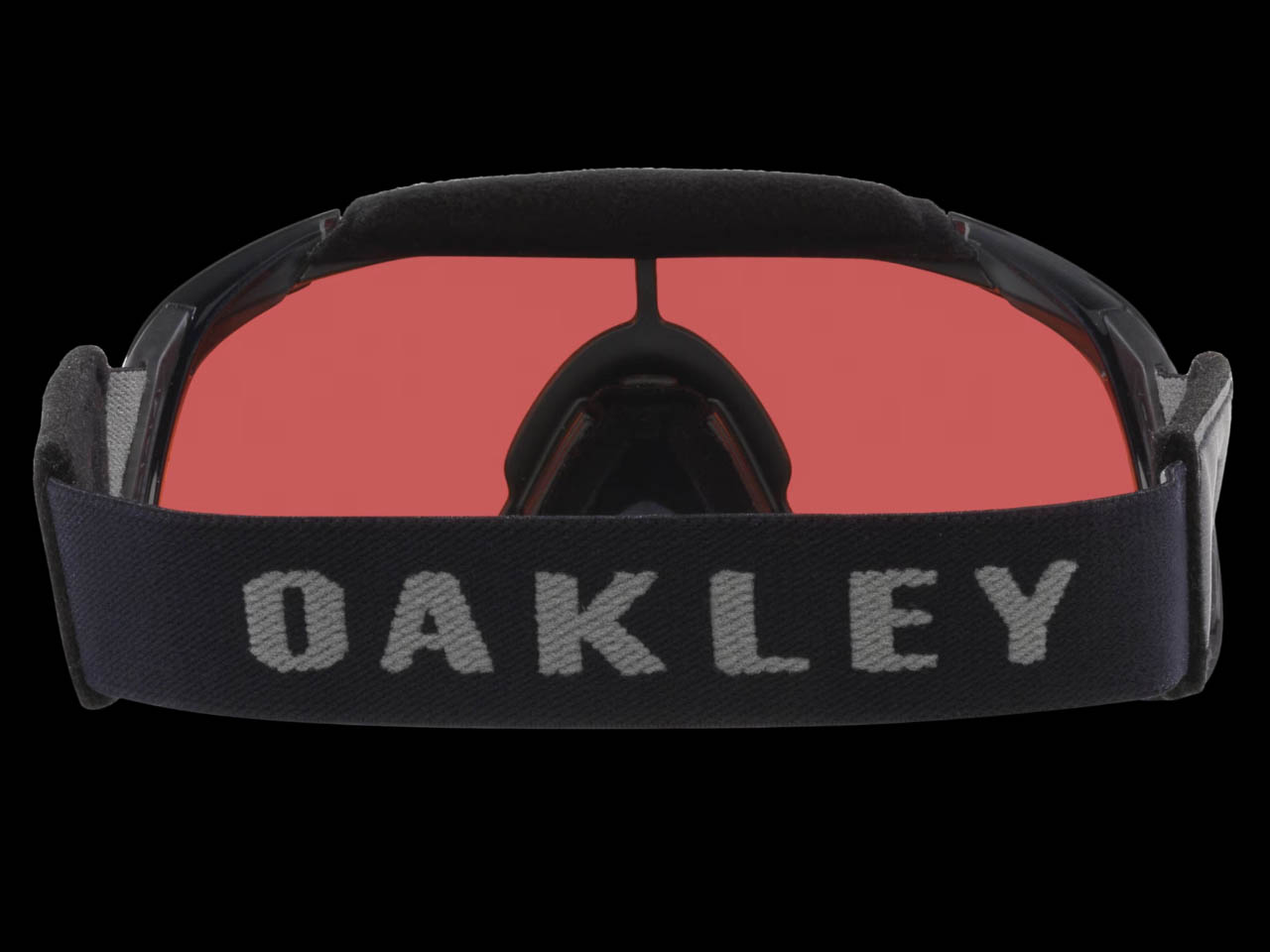
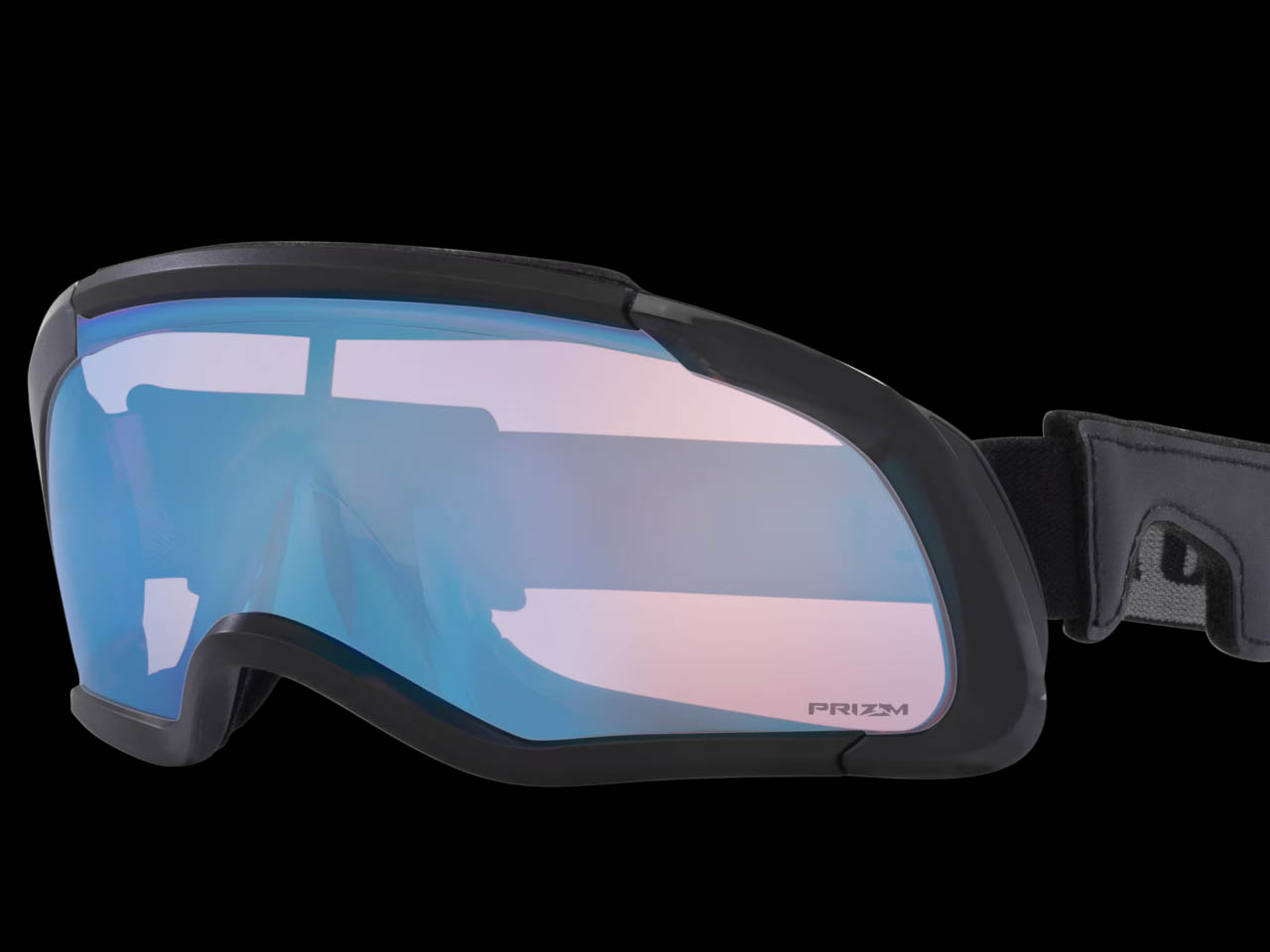
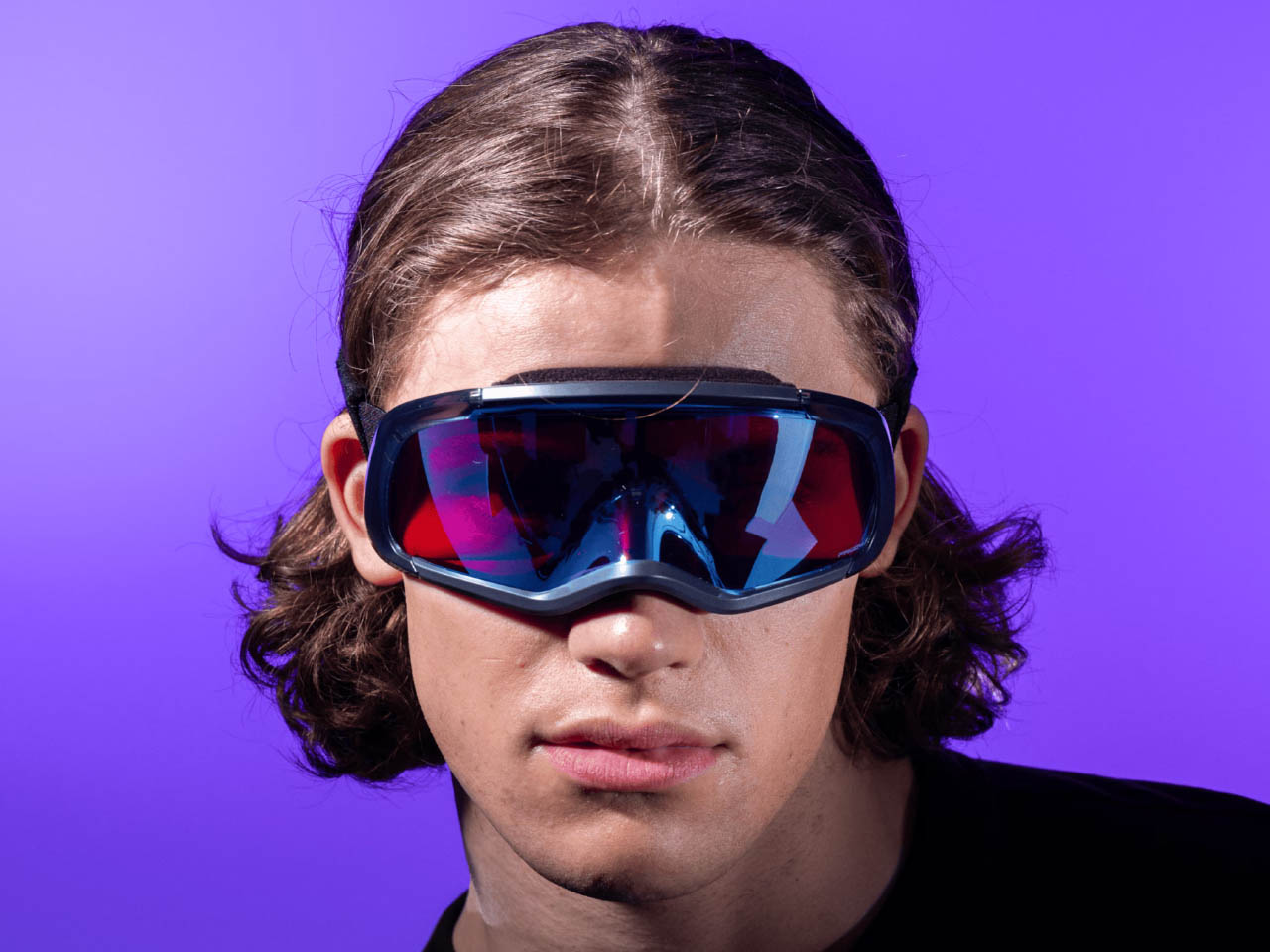
The USP of these ski goggles is their ability to adapt to the wearer’s face for unmatched comfort and performance. The purpose-built nature of the lens conforms to the facial structure just like a mask dies. This results in a wide field of vision which is important in fast action sports or highly active lifestyle activities. The switch from the goggles to the sunglasses is easy with the one-size-fits-all woven strap. Each of the single-layer lenses comes with the brand’s signature Prizm technology which is highly optimized for color, contrast and detail – wherein there is a significant reduction in distortion, reflection and refraction. No wonder top athletes swear by the performance of products equipped with this tech. The durability of these goggles is top notch like all times, and you don’t have to worry about high-impact collisions on the slope.

According to team Oakley athlete Lucas Pinheiro Braathen, the 100% UV-protected glasses are a game-changer having the flexibility to flex from the mountains to the streets. Not only does it look dope but also suits any lifestyle from air to apres. The Oakley Flex Scape goggles cum sunglasses priced at $373 are available in two colors – Matte Black with Prizm 24K and Matte Grey Snow with Prizm Snow Sapphire Iridium.

The post Oakley Flex Scape hybrid ski goggles-sunglasses adapt to your face shape for the ideal fit first appeared on Yanko Design.

Limited Edition Oakley Moonveil is a futuristic cape merged with sunglasses for extreme conditions

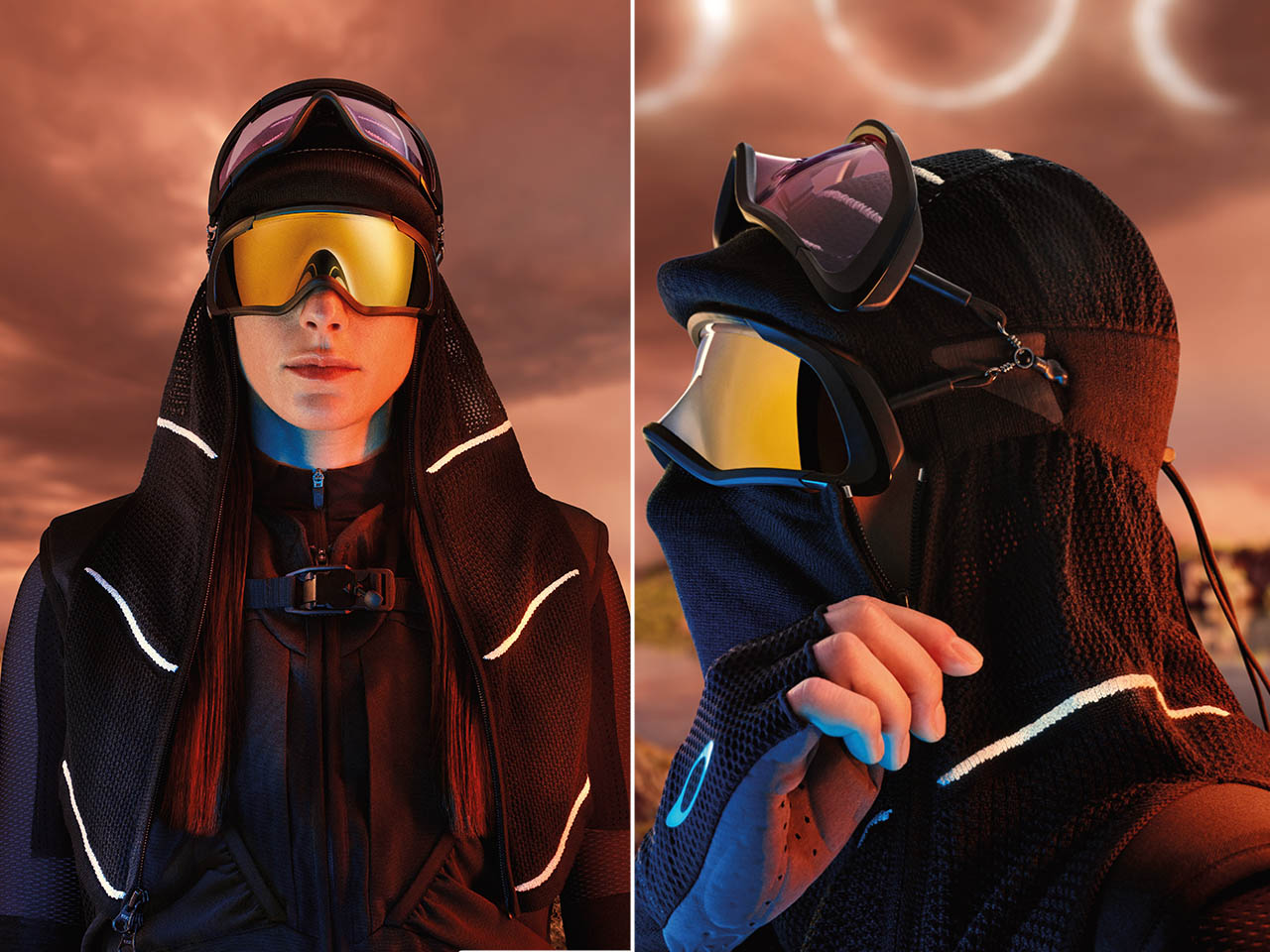
Oakley is no stranger to creating innovative lifestyle products that are of the highest quality. Their groundbreaking sunglasses are vouched by the best athletes out there for a good reason. Now, the American company has unveiled a limited-edition cape that fuses with their high-end glasses.

Fit for a futuristic world, the Oakley Moonveil design is limited to just 100 pieces and carries the original concept art from Dark Horse’s Genesis comics. The artwork is done by Oakley product designers and carries a Moonveil image on the backside. There’s no word on the pricing of this exclusive piece, however, the availability is promised in September 2024, directly from Oakley’s website.

Designer: Oakley

Oakley has created a brand new headwear category in the industry with this product that foresees a better life outside the bunkers in the future after the Doomsday effect settles down. The unique headwear will be featured in the Future Genesis Chapter One, and according to Brian Takumi, Oakley’s Vice President of Brand Heritage and Creative, “We are connecting the worlds inside and outside of Future Genesis through a vision of empowerment and revolutionary innovation in design.”

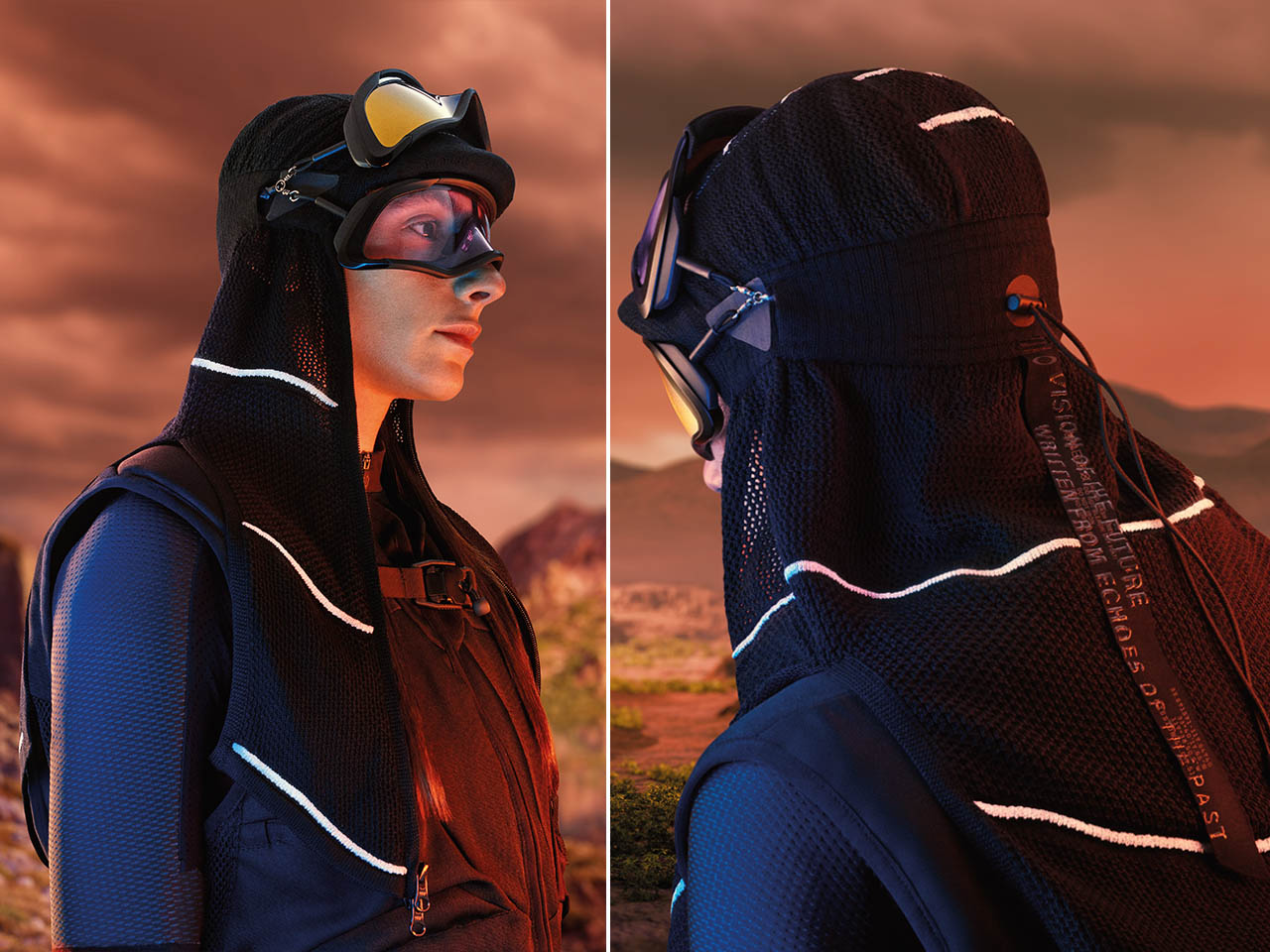
In-house designers were able to blur the boundaries of innovation with this self-contained piece. Using State-of-the-art Physiomorphic Geometry, the design got the freedom in form, resulting in an enhanced wearing experience. Adaptability and flexibility are at the core of this jet-black cape with integrated sunglasses. The rotating system of the knitted cape allows the user to toggle between the dual Prizm lenses. One of them is the Prizm 24K lenses for maximum eye protection when the sun gets too harsh. The other is Prizm Low Light lenses which enhance vision with in-built light transmission for low-light conditions.

The front of the balaclava-style cape has a zipper placket for a tailormade fit that allows the wearer to quickly switch between styles. It can be adorned in an open style or zipped-up protection configuration for harsh weather or a sense of secrecy. The headwear cum eyewear will be perfect for athletes, photographers and mountaineers who venture out in extreme weather conditions. The level of flexibility and attractive styling of the cape makes it one of Oakley’s best-ever creations.

The post Limited Edition Oakley Moonveil is a futuristic cape merged with sunglasses for extreme conditions first appeared on Yanko Design.

HMD complements its smartphone with phone-shaped sunglasses, backpack and belt for phone

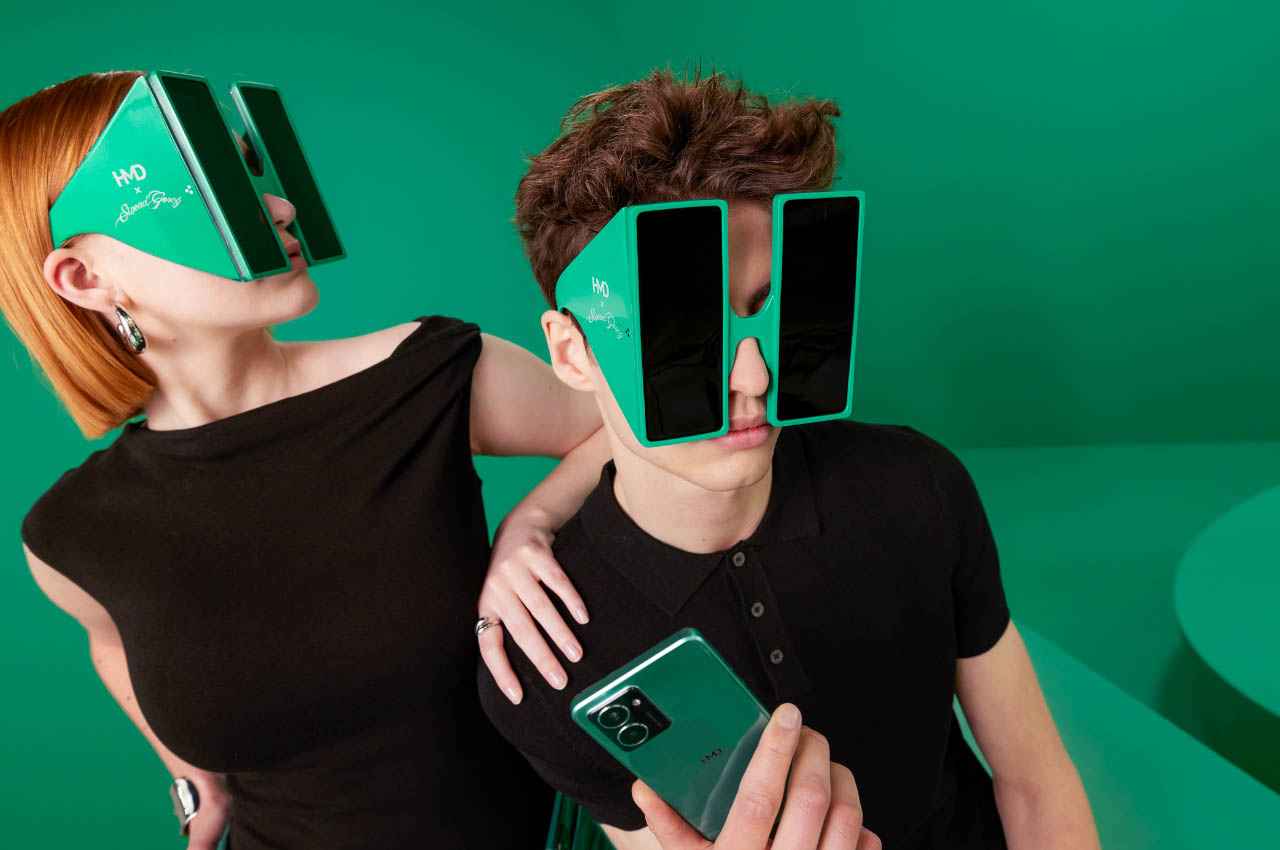
Brands have very peculiar ways of promoting their products, for instance, years back Burger King ran a promotion asking people to unfriend 10 Facebook friends for a free Woopper. Now, HMD is taking a different but weird route with the head-turning accessories to celebrate the sales kick-off of its first smartphone, the HMD Pulse Pro.

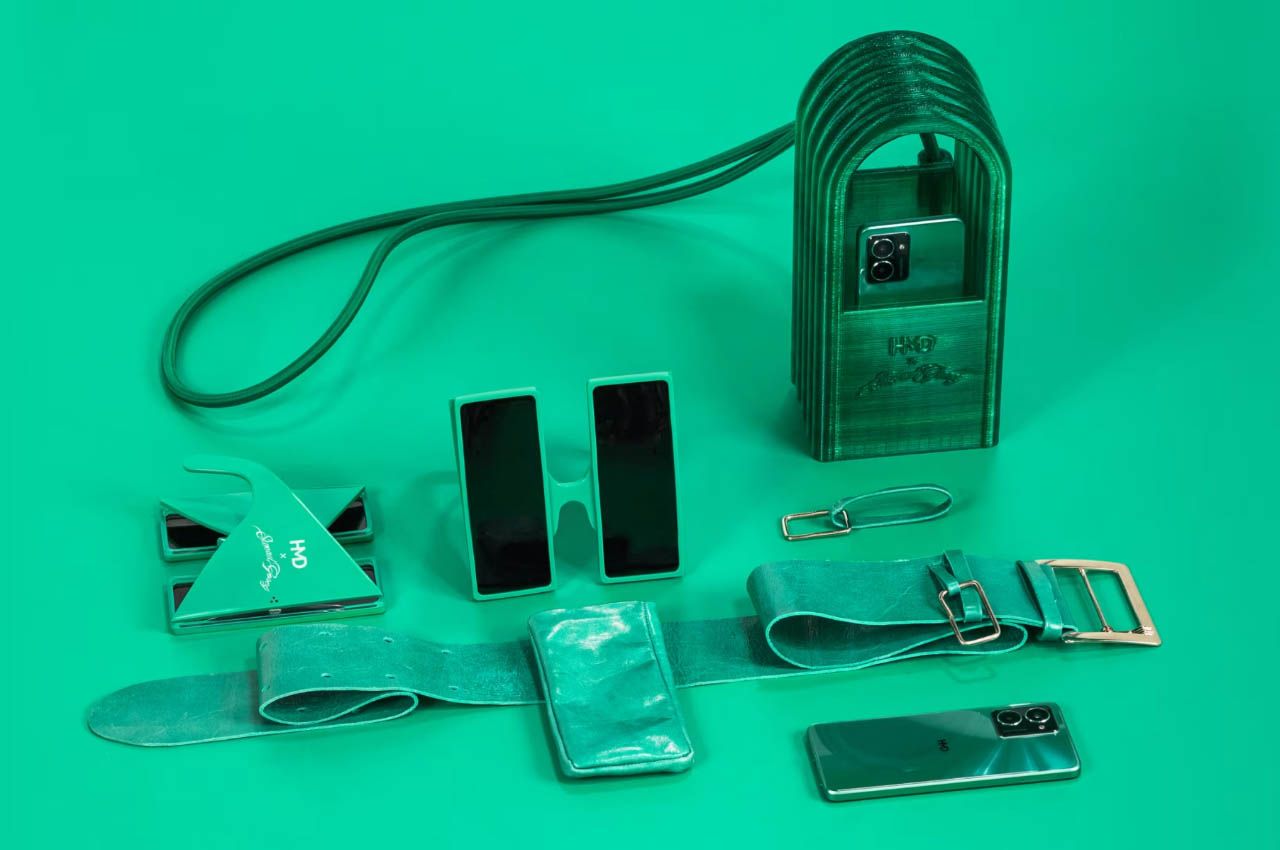
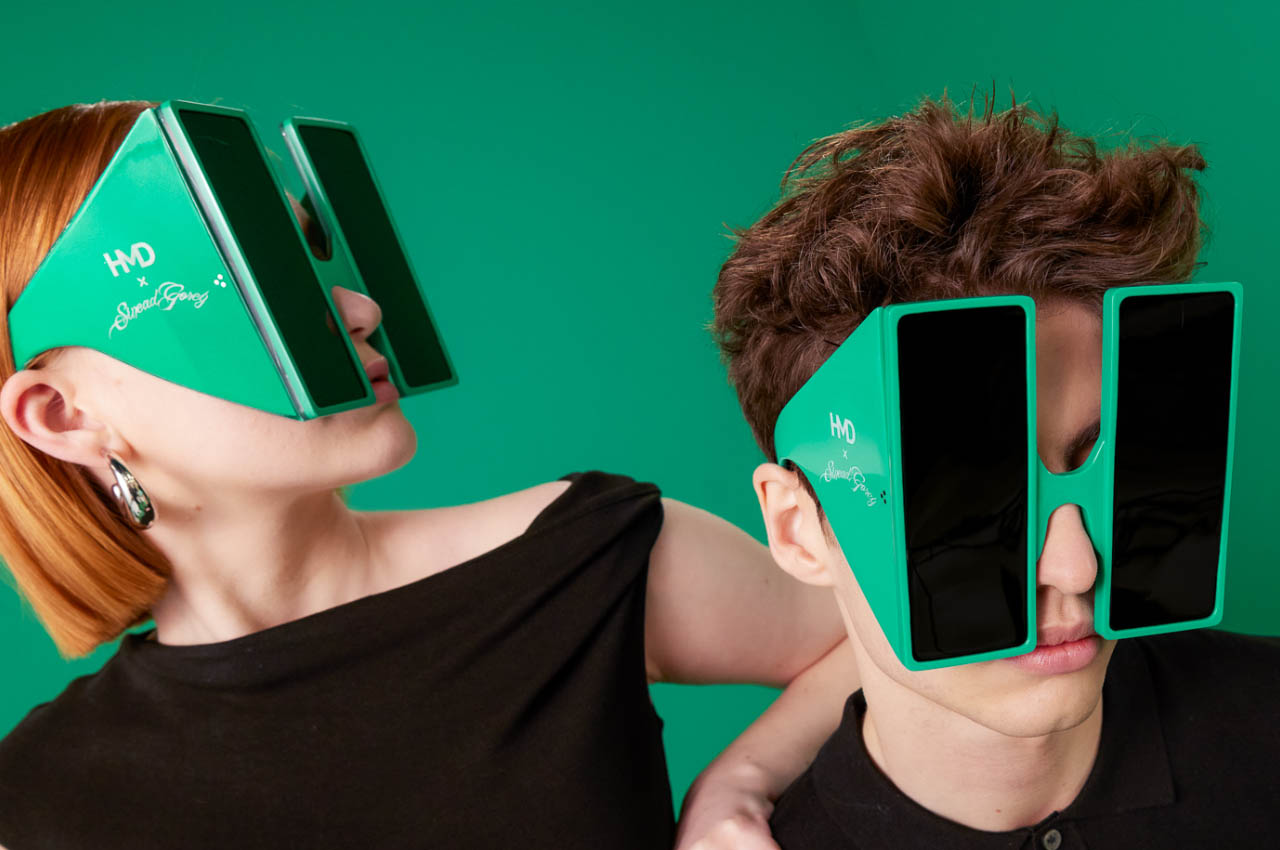
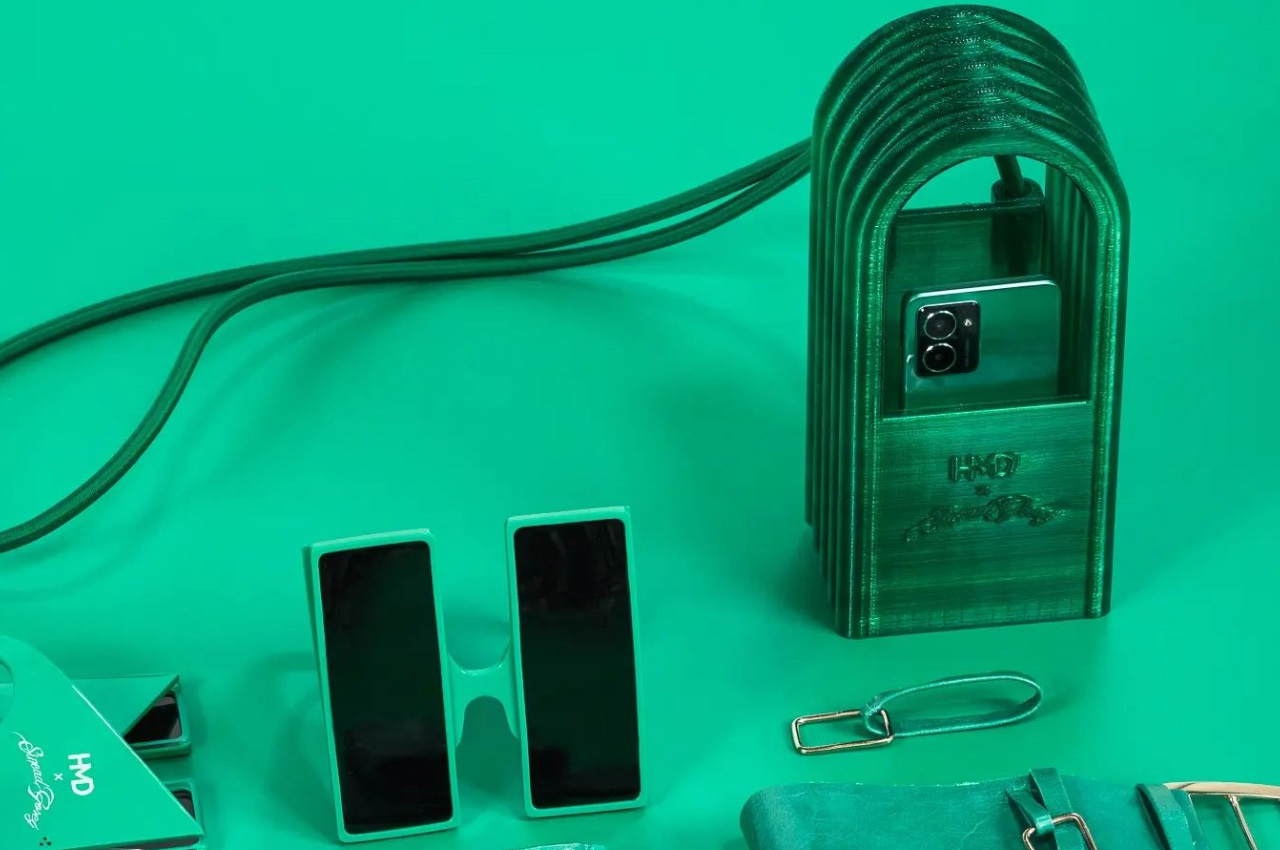
Introducing the HMD’s Phonecore range, which is a destined conversation starter no matter the gathering you are heading into. This range of smartphone-inspired accessories includes a pair of Pulse Pro-inspired sunglasses that look like an impressive pair of smart glasses, a smartphone backpack, and a belt that’s made to hold your phone like a policeman’s walkie-talkie in the belt.

Designer: HMD

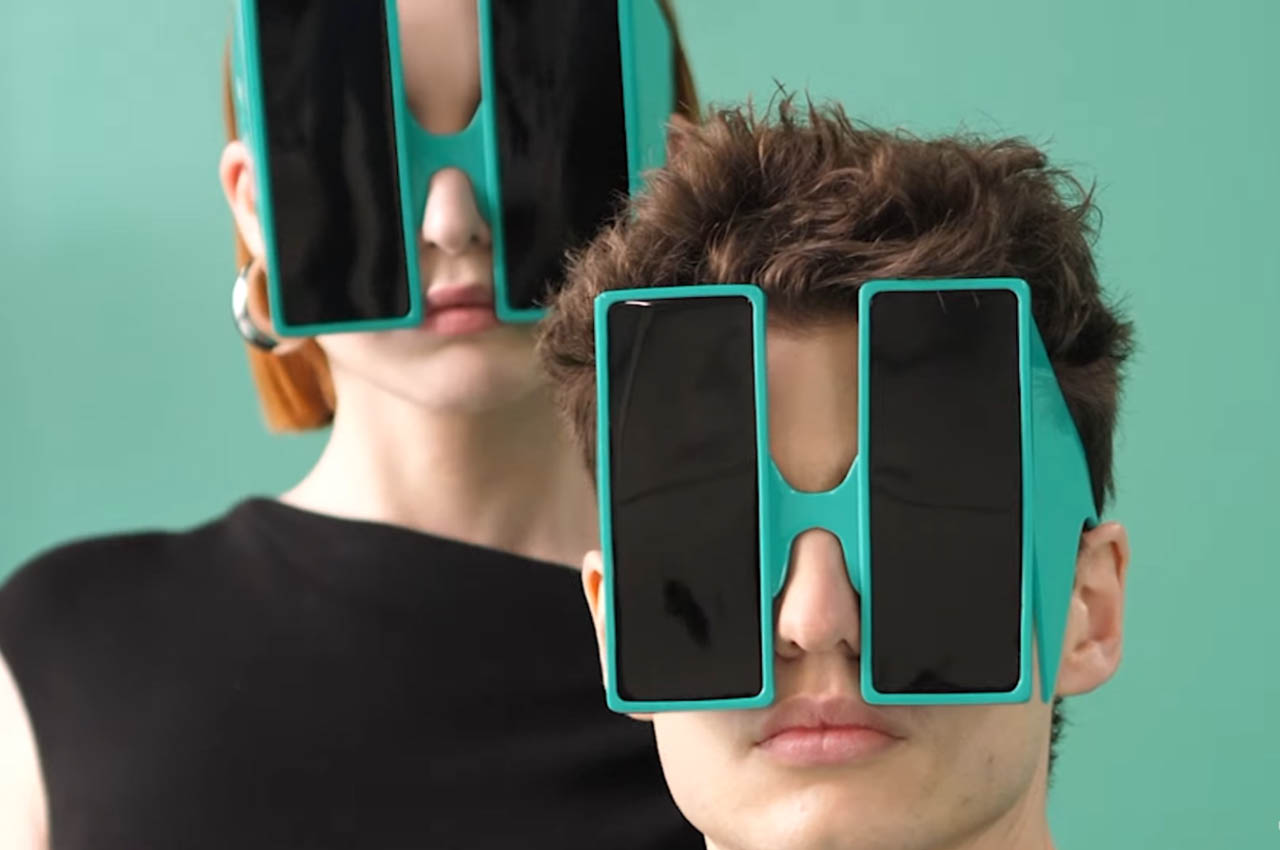
The striking smart glasses and other accessories in glacier green color are made by HMD in partnership with fashion designer Sinead Gorey. Made during the London Fashion Week, the eyewear is a little like a functional pair of smart glasses we have seen over the years; it’s a statement-making device with elongated rectangular black lenses and an oversized frame that mimics the screen of the new phone.

Besides the glasses, the Phonecore range in itself is intended to accentuate the HMD Pulse Pro unlike anything gimmicky seen before. The range of accessories has the industry talking about its oversized design and bold outlook, which ‘won’t make you smart but would definitely make the HMD smartphone, smarter.’

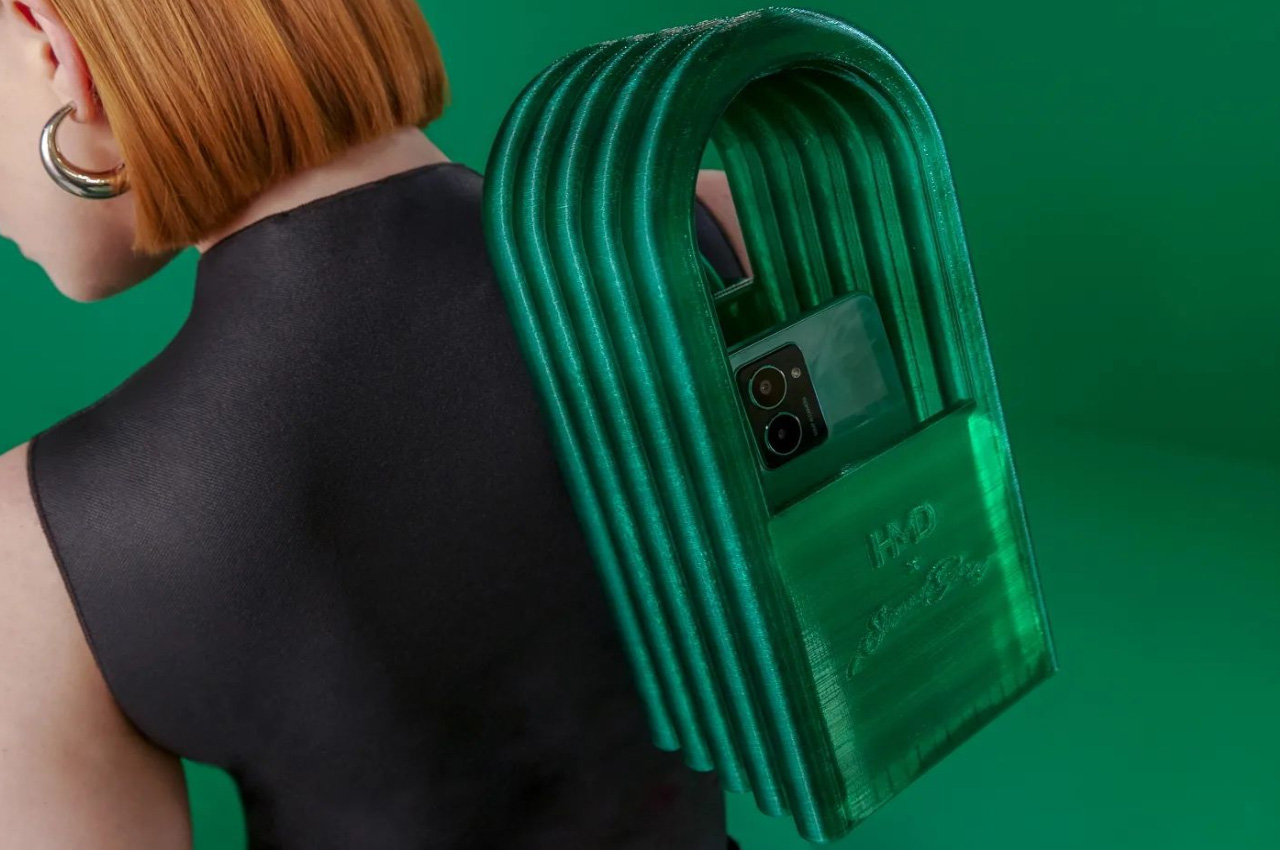
Along with the oversized glasses, as mentioned above, the Phonecore range includes a mobile backpack. This is a 3D-printed backpack which is big enough to only carry a smartphone. It is complemented by a toolkit-style belt with a pouch, designed again to carry nothing but your phone. Interestingly, none of these accessories are usable in real-life scenarios, it’s only to satiate your style quotient.

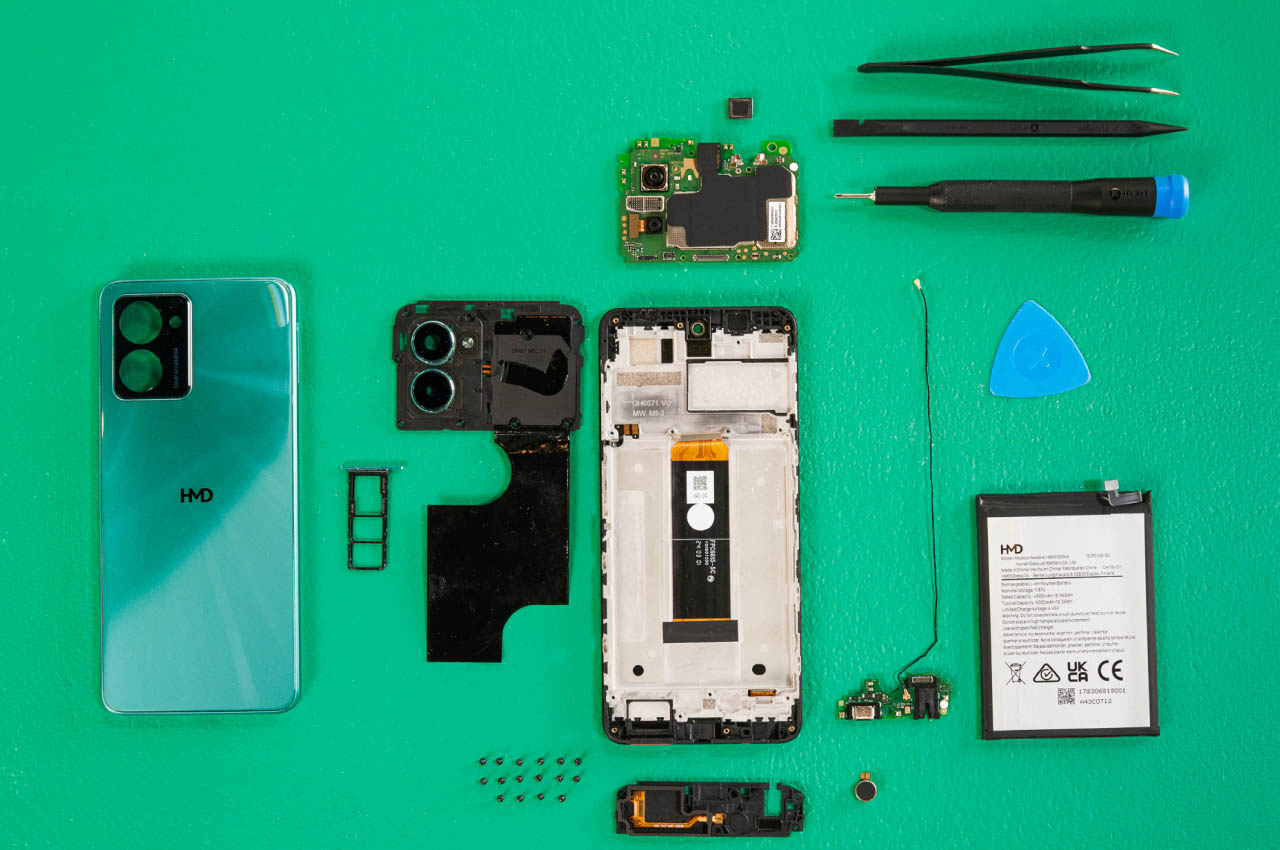
HMD Pulse Pro is a discussion-worthy debut smartphone under their own brand. It comes with interesting new features, which are unique to the sub $200 range, like affordable spare parts for at-home reparability, over three years of updates, and fast storage. But the aspect that kills it really is its 50-megapixel front camera with gesture-activated selfie features. The phone bleeds tech and its supporting accessories catapult that richness to new style heights. The complementing Phonecore collection will be available in limited quantities for style seekers.

The post HMD complements its smartphone with phone-shaped sunglasses, backpack and belt for phone first appeared on Yanko Design.

These IR-blocking sunglasses are great for your eyes as well as for your privacy

Most regular sunglasses only block UV rays, but not infrared rays from damaging your eyes. Kolari hopes to change that with their cutting-edge IR-blocking sunglasses that protect your eyes from the sun, and your face from unwanted facial recognition systems. Pretty cool, right?

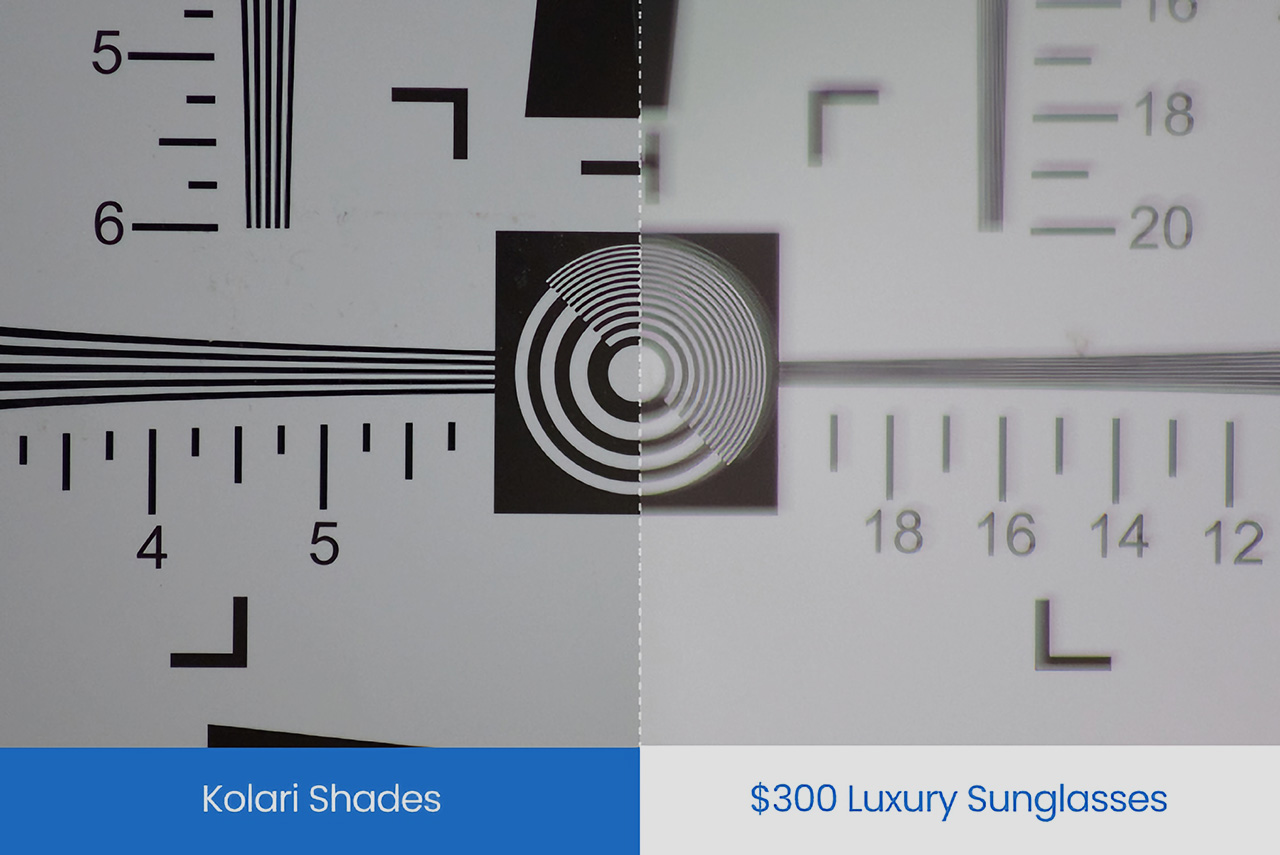
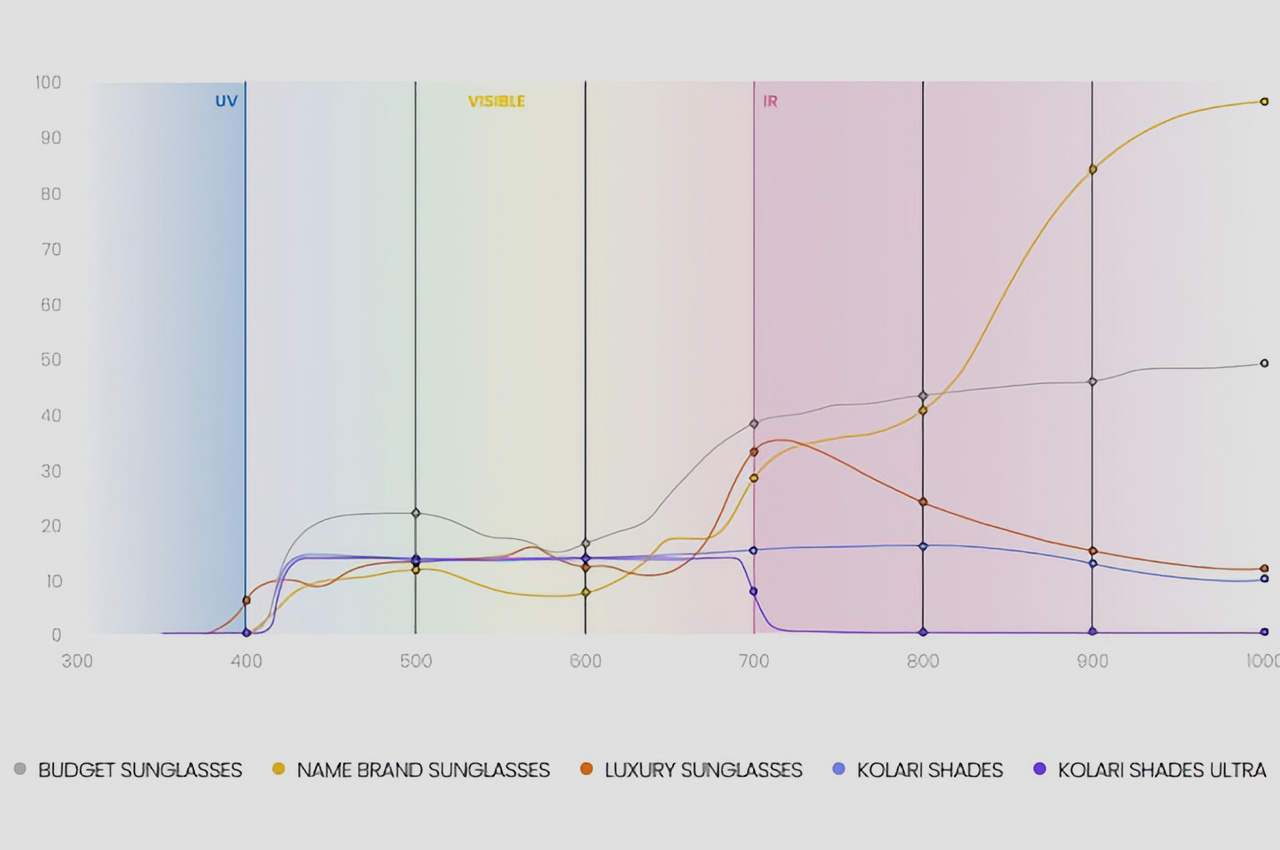
When you wear regular sunglasses, the tinted lenses help cut the bright glare of the daytime sun. This does two things – it helps you see clearly without needing to half-shut your eyes, but it also makes your pupils dilate to let more light information in. Conventional sunglasses don’t do much to protect your eyes while they’re dilated in the daytime. The most glasses will ever do is block UV, blue light, and glare… but there’s one culprit that nobody focuses on, infrared. Humans don’t see infrared rays, but they can have long-term effects on your eyes. Sure, one can argue that you’d need high exposure to infrared rays, but think about how often you step out into the sun on a daily basis and all that begins adding up. While your regular Sunglass Hut shades won’t do much about IR rays, one company’s trying to make sunglasses safer for your eyes. Kolari Vision started its journey designing IR-protective accessories for cameras, but is now looking at the bigger picture by designing protective eyewear for everyone. The Kolari Shades are made from actual glass, and can block UV and up to 99% of infrared light from making its way into your eyes. This doesn’t impact the clarity with which you see, but it does help protect your vision… just like any sunglass should!

Designer: Ilija Melentijevic, PhD (founder of Kolari Vision)

Click Here to Buy Now: $169. Hurry, less than 72-hours to go!

Styled to look like a stylish pair of sunglasses, the Kolari Shades give your eyes the comfort and protection they need in the outdoors. “Our goal was to maximize clarity, eliminate color shifts, and block all unwanted wavelengths in order to give your eyes the most rested, neutral experience possible to minimize eye fatigue. Our beta testers are calling the result a breath of fresh air for your eyes,” say the folks at Kolari Vision. Originally founded as a photography company, the folks at Kolari realized that the gear made for cameras seemed to be better in quality than anything the eyewear industry produced. The irony being that your eyes are so much more precious than a $500 camera… so why is it that only camera sensors get taken such good care of, but not the original human cameras – our eyes??

Bridging that gap, the Kolari Shades offer a one-of-a-kind IR and UV protection to your eyes. The sunglasses are fitted with lenses that look just like your average tinted lenses, but they possess the unique ability to block anywhere between 90-99% of all infrared rays and 100% of all UV rays shining through the glass and into your eyes. The benefits of this are two-fold – there’s an obvious health benefit, given how eyes (just like skin) can respond adversely to excessive exposure to certain wavelengths of infrared light. However, a second benefit comes in the form of privacy protection. Most cameras rely on capturing some form of IR to ‘see’, and the shades can effectively block this ability. This prevents unwanted cameras from capturing facial recognition information without your consent. In fact, the iPhone relies on an IR blaster to power its FaceID unlocking feature – which can be disabled with the Kolari Shades. Sure, that means you need to either take off your sunglasses to unlock your phone (or just use the pattern lock instead), but the privacy implications are far-reaching too, as people like law enforcement can’t maliciously unlock your phone by holding it up to your face.

Kolari Shades are truly color-neutral and protect your eyes from all damaging wavelengths of light.

The beauty of the Kolari Shades is that their spectacles are made from actual glass – a distinction that sets it apart from even luxury eyewear. Most eyewear companies use a form of clear plastic for their lenses; a sensible choice because they’re scratch-resistant and they don’t shatter… but the one big caveat with these lenses lies their imperfections. Micro-imperfections in these lenses (even in the ones found in high-end tinted eyewear) can warp the way you see the world, which is why glass offers a MUCH better alternative. Kolari Vision’s lenses rely on industry-leading Corning Gorilla Glass (yes, the same durable one used in your phone) coupled with 51 layers of anti-reflective and anti-smudge coating. While Gorilla Glass can often be 10x more expensive than your standard plastic lenses, Kolari Vision’s still managed to keep their costs competitive, offering cutting-edge materials for the same price you’d pay for a pair of Ray-Bans.

Preserve your anonymity — Kolari Shades block infrared-based facial recognition systems.

Corning Gorilla Glass and titanium frames make the Kolari Shades extra tough.

The glasses aren’t the only durable part of the Kolari Shades either. The aviator-inspired eyewear sport frames are made from titanium, enhancing the overall durability to a level you’d probably find in smartphones (hint: the titanium iPhone 15 Pro and Galaxy S24 Ultra). You can choose between silver or gold-plated frames, while Kolari offers three lens options – a basic tinted-black (90% IR blocking), a bronze-tinted ultra lens (99% IR blocking), and an ultra gradient lens (with the same 99% IR blocking). The company’s working on newer frame designs and even plans on offering mirror-finish lenses that should take your eyewear’s swag to an entirely new level!

Click Here to Buy Now: $169. Hurry, less than 72-hours to go!

The post These IR-blocking sunglasses are great for your eyes as well as for your privacy first appeared on Yanko Design.
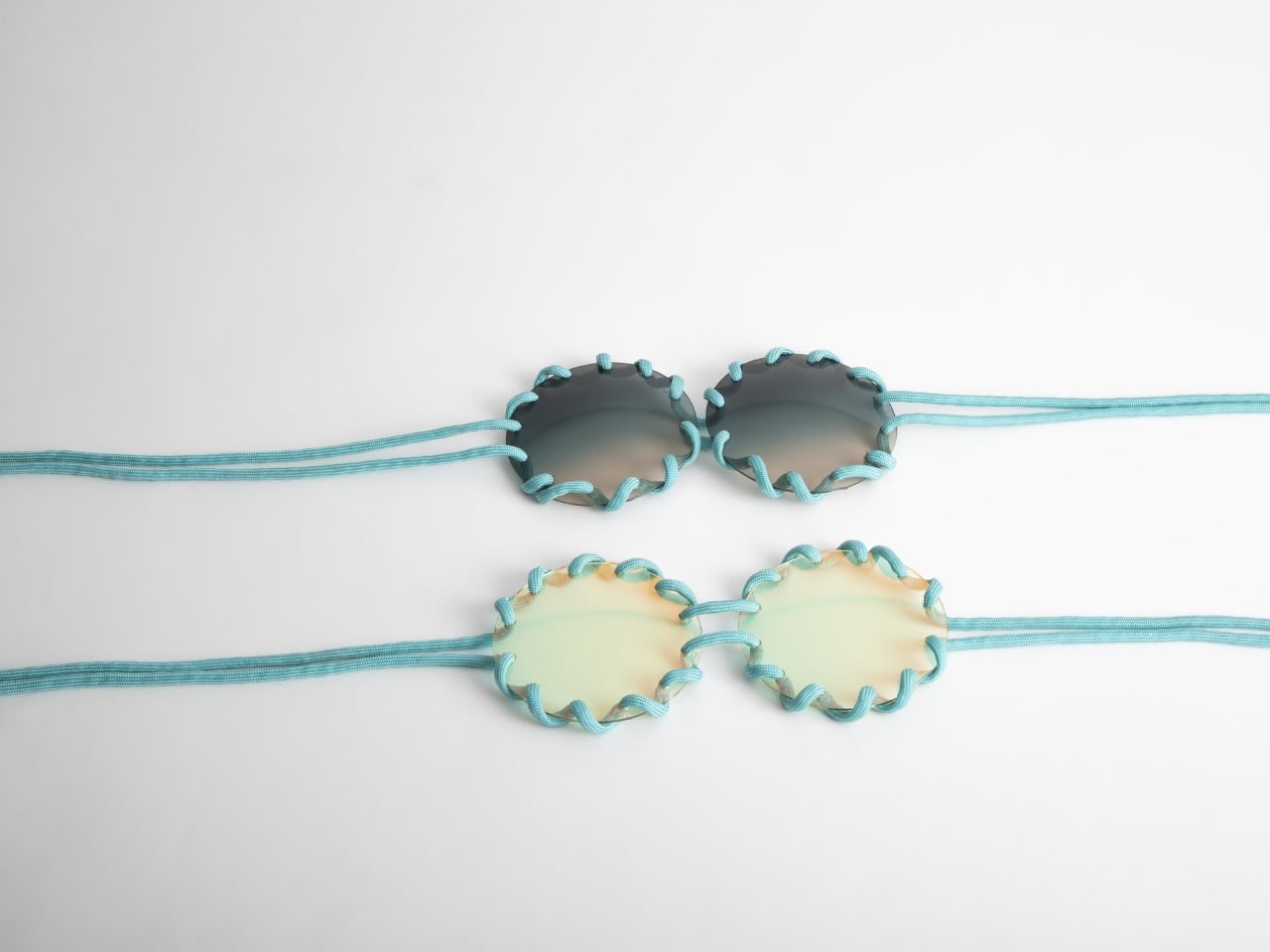
Sunglasses with real glass lenses deliver unparalleled clarity and protection

It might sound like an oxymoron, but your run-of-the-mill sunglasses don’t actually use glass. To comply with certain legal regulations, “shades,” as we sometimes call them, have to use plastic or resin materials that are more resilient but have poorer optical quality. That’s true even for those expensive sunglasses, which will probably make you feel a bit cheated, especially when you notice how unclear your vision behind these plastics really is. Thankfully, the optics industry has reached a point where we can have the best of both worlds of durability and optical clarity, creating the industry’s first modern sunglasses made from actual glass, designed to deliver clarity, comfort, and protection to your eyes with an accessible price point.

Designer: Ilija Melentijevic, PhD (founder of Kolari Vision)

Click Here to Buy Now: $169. Hurry, offer ends soon!

These ‘plastic’ and ‘resin’ lenses come with a lot of responsibilities, given the fact that they’re tasked with protecting your eyesight. When you wear tinted sunglasses outdoors, your pupils dilate to let more light in – which effectively also exposes your eyes to more harmful rays… and while most lenses will block out UV rays, current sunglasses (even the expensive ones) aren’t designed to block infrared light from hitting your retina. It’s ironic that you can find IR-blocking lenses for your expensive cameras… but not for the most priceless camera we have: our eyes.

Enter Kolari Shades, a pair of sunglasses that is shaking up the market by bringing the highest-quality materials to a product you can actually afford. Harnessing more than a decade of experience in the photography space, Kolari brings a new kind of lens that is actually made of glass, providing the optical clarity that your eyes need all the time, whether you’re wearing sunglasses or not. But it’s not just plain glass, either, but the same ultra-strong Corning Gorilla Glass that has been protecting smartphone displays for years. And with 51 layers of anti-reflective and anti-smudge coating, your new premium specs are protected against scratches, dirt, dust, and more. Plus, it’s easy to clean the smudges off, too!

Kolari Shades are truly color-neutral and protect your eyes from all damaging wavelengths of light.

But while Kolari Shades’ glass lenses provide extra-clear vision, it doesn’t forget the protection that sunglasses are expected to bring. In fact, it levels up this aspect by blocking not only high-energy UV light but also low-energy infrared, both of which can be harmful to your sensitive eyes. It can even protect your privacy by blocking security cameras that use IR for face recognition. And it brings this superior protection without turning your world into a dreary shade of gray or brown. By using color-neutral coatings, you can stop worrying about those harmful and blinding rays and continue enjoying the world in full color.
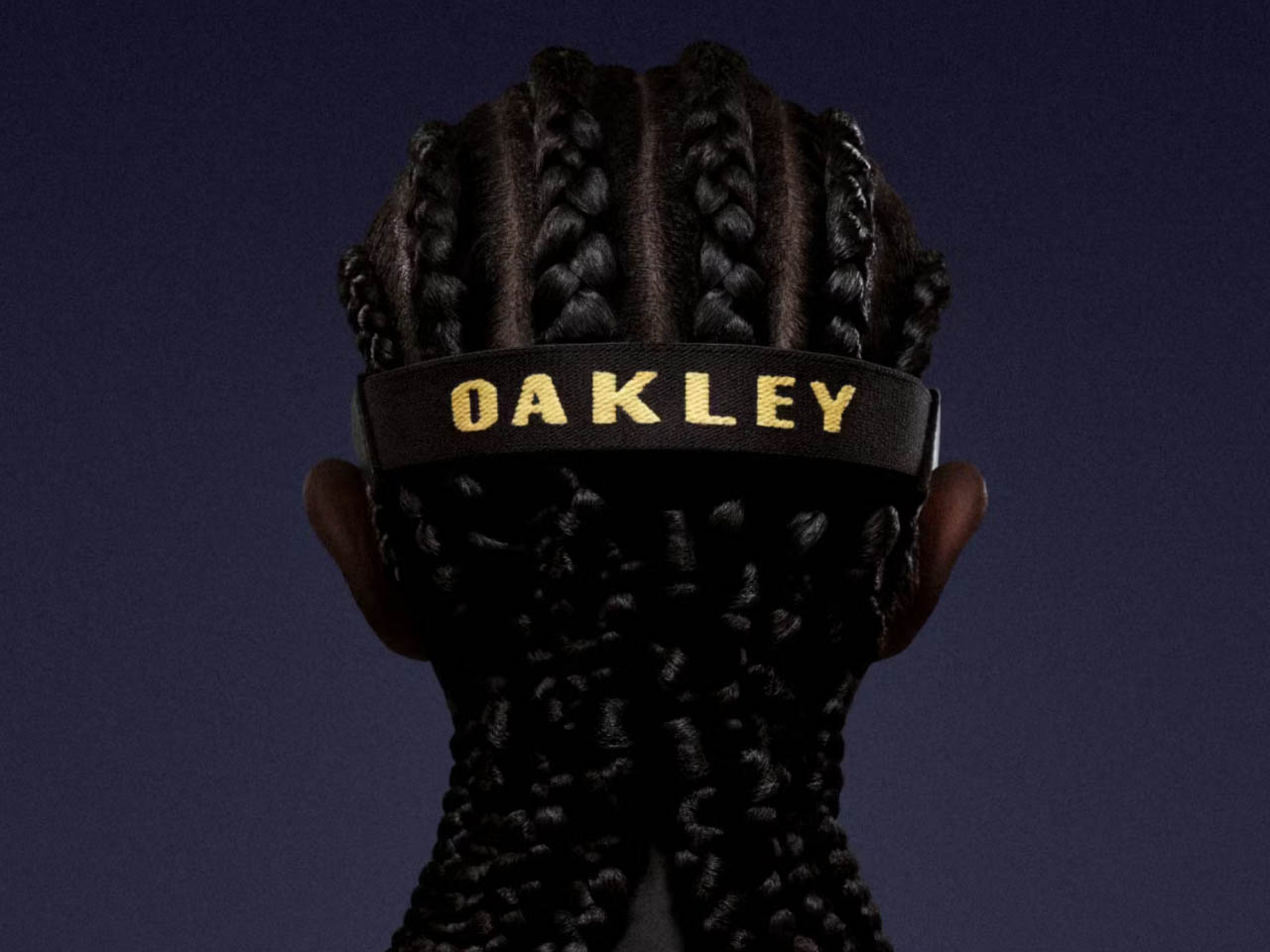
Preserve your anonymity — Kolari Shades block infrared-based facial recognition systems.

Corning Gorilla Glass and titanium frames make the Kolari Shades extra tough.

The best part about the Kolari Shades is their affordable price tag, even though Kolari Shades are more costly to manufacture because of the premium materials used in the frames and lenses. It’s significantly less than luxury sunglasses that use plastic lenses, offer poorer optical quality, and strain your eyes in the long run. Why settle for plastic products that harm rather than protect your eyes when you can enjoy the optical quality that real glass lenses have to offer? With the Kolari Shades, you can enjoy durability, clarity, and protection in stylish sunglasses that don’t change the colors of your world.

Click Here to Buy Now: $169. Hurry, offer ends soon!

The post Sunglasses with real glass lenses deliver unparalleled clarity and protection first appeared on Yanko Design.