Get Ready for the $349 Smart Ring That Vibrates on Your Finger

Smart rings have quietly become one of the more compelling wearable categories, but they’ve also settled into a familiar pattern. Almost every new model competes on the same promises: better sleep tracking, a more refined readiness score, and slightly longer battery life. The hardware keeps improving, but the relationship between the wearer and the device hasn’t shifted much. It still mostly communicates through morning reports and app dashboards.

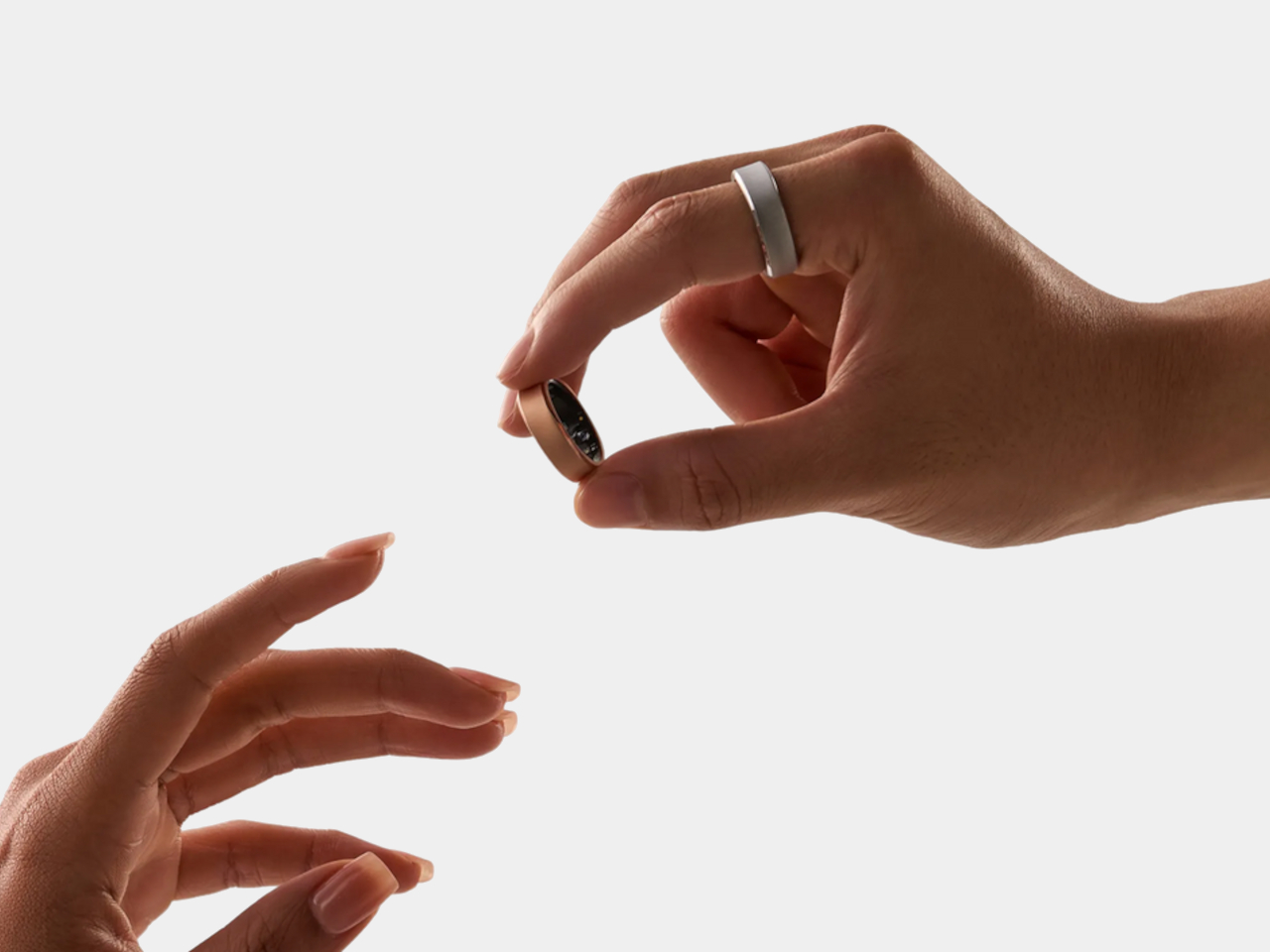
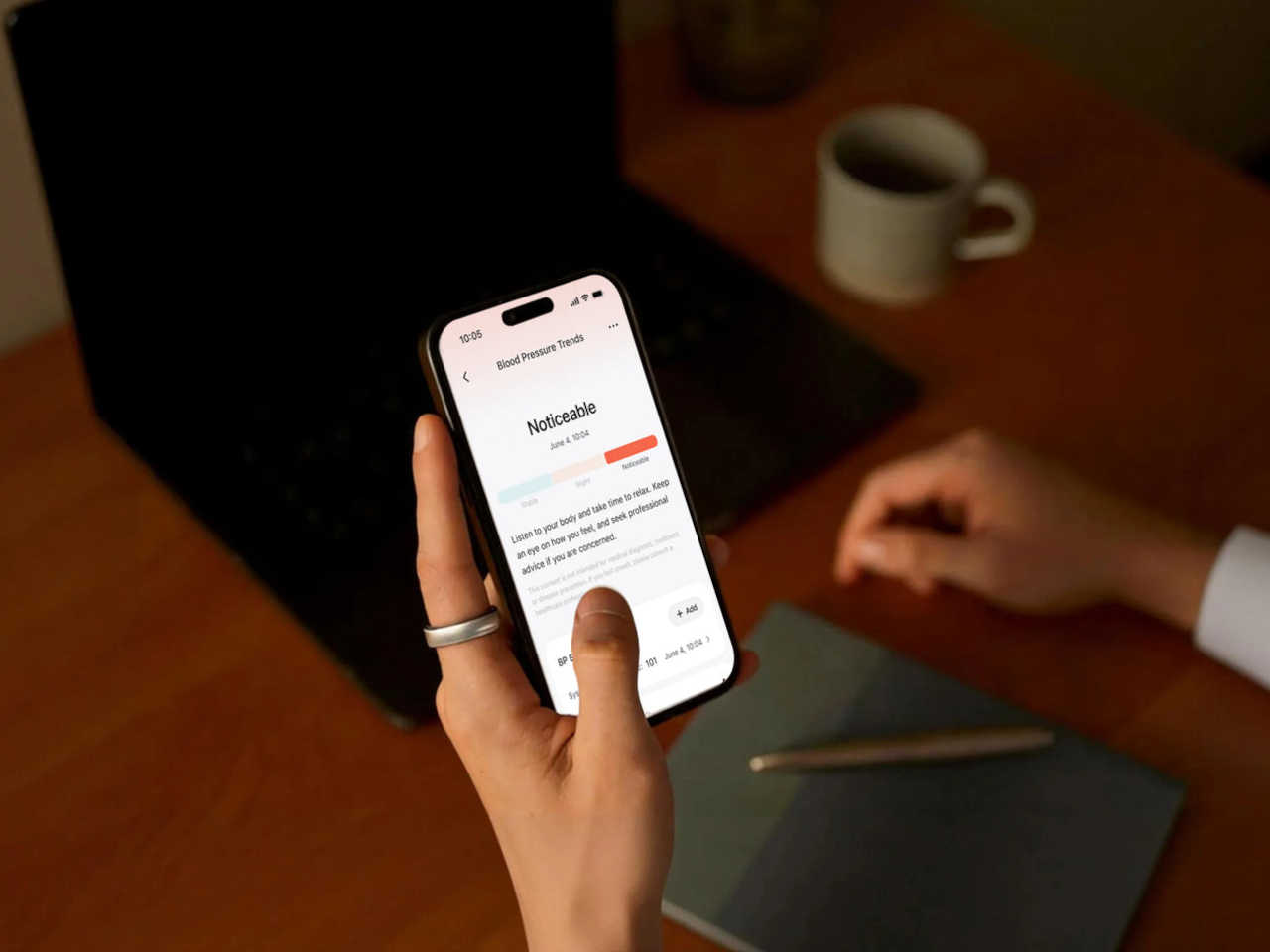
RingConn Gen 3, which launched on July 25, 2026, is making a case for something different. Beyond the usual cardiovascular basics, it introduces vascular trend tracking, giving wearers a longer-view picture of their health over time. It also adds haptic vibration alerts, a feature no other smart ring currently offers. The whole package comes in at $349 with no subscription fees, which keeps the ownership model refreshingly straightforward.

Designer: RingConn

Most attention will drift toward the vascular tracking angle, but the haptic motor deserves a closer look. A smart ring that vibrates on your finger isn’t the same experience as a watch tapping your wrist. The finger is one of the body’s most tactile zones, so a buzz there lands differently, more directly, and in a way that’s harder to tune out or dismiss as background noise.

That difference matters most in the moments when you’d least want to pull out your phone. A quiet nudge during a meeting, a gentle prompt after sitting still for too long, or a discreet alert in the early hours when something shifts overnight, none of those need a screen. They just need a ring that knows when to say something and how to say it without disturbing everyone around you.
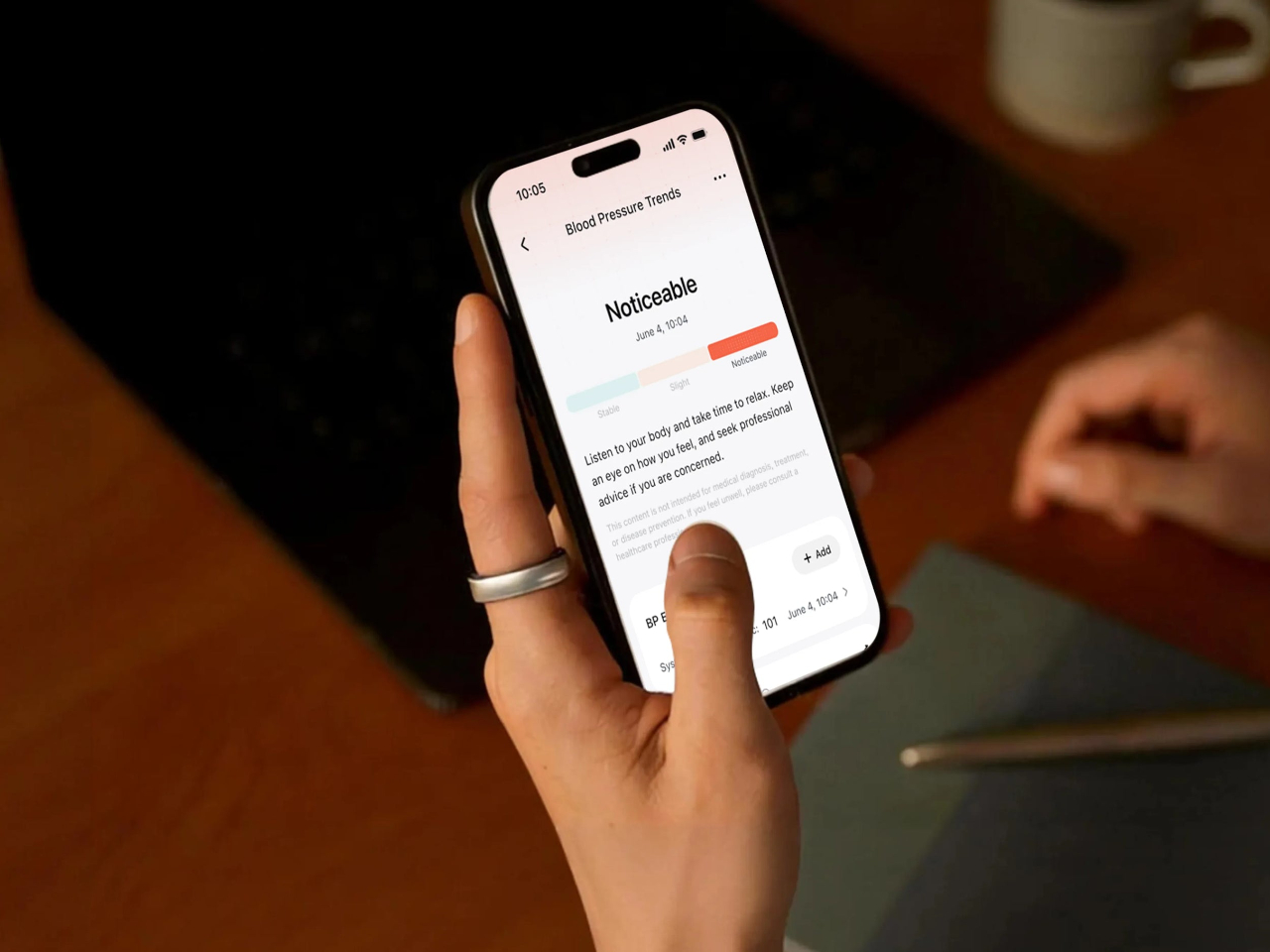
The vascular trend tracking feature is the bigger headline in category terms. Rather than adding another single-moment metric to the app dashboard, it monitors patterns over time, giving wearers a broader sense of how their body is trending across days and weeks. It’s framed as a wellness insight rather than a clinical reading, which keeps the expectations grounded and the interpretation squarely in the wearer’s hands.

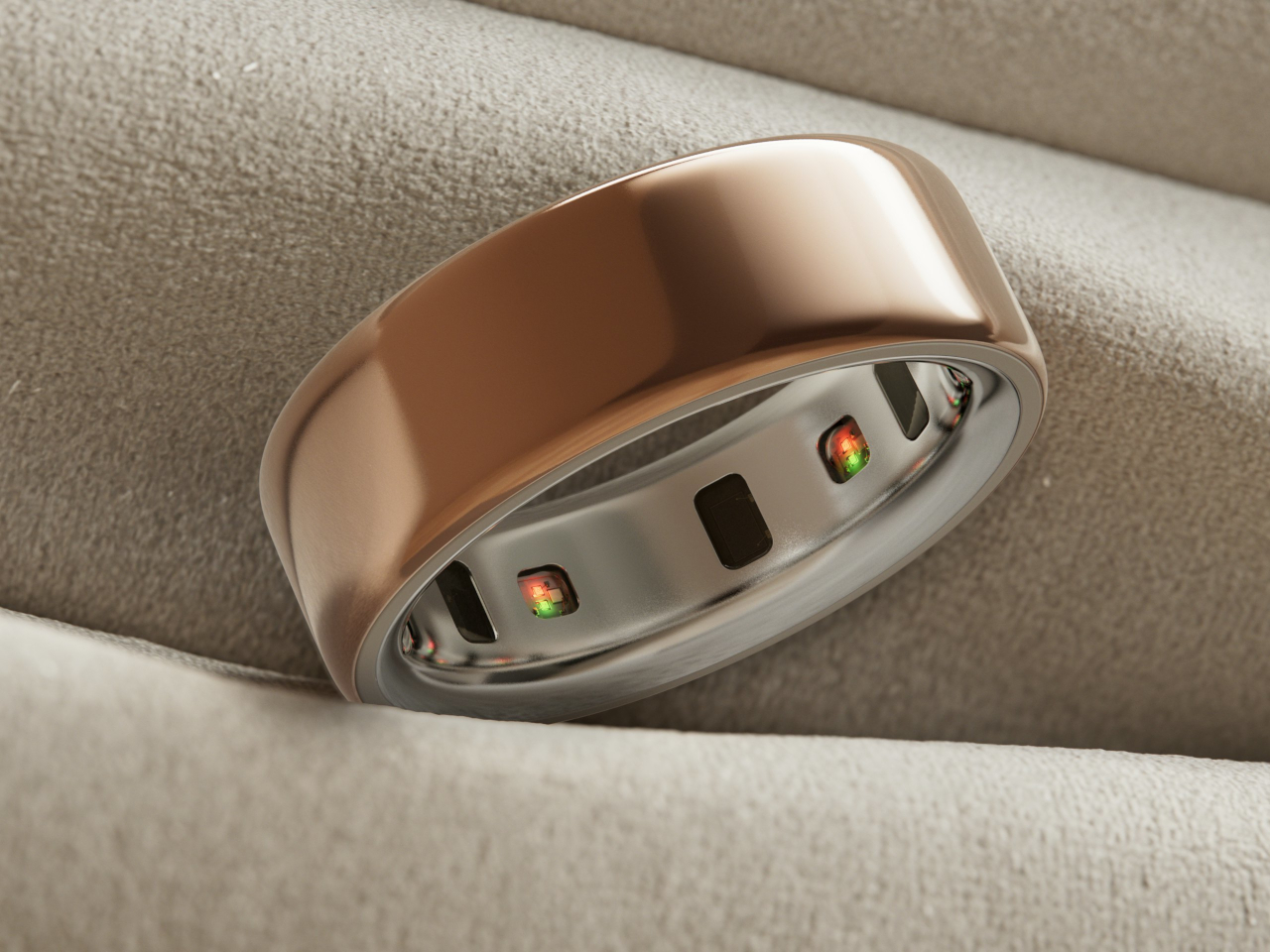
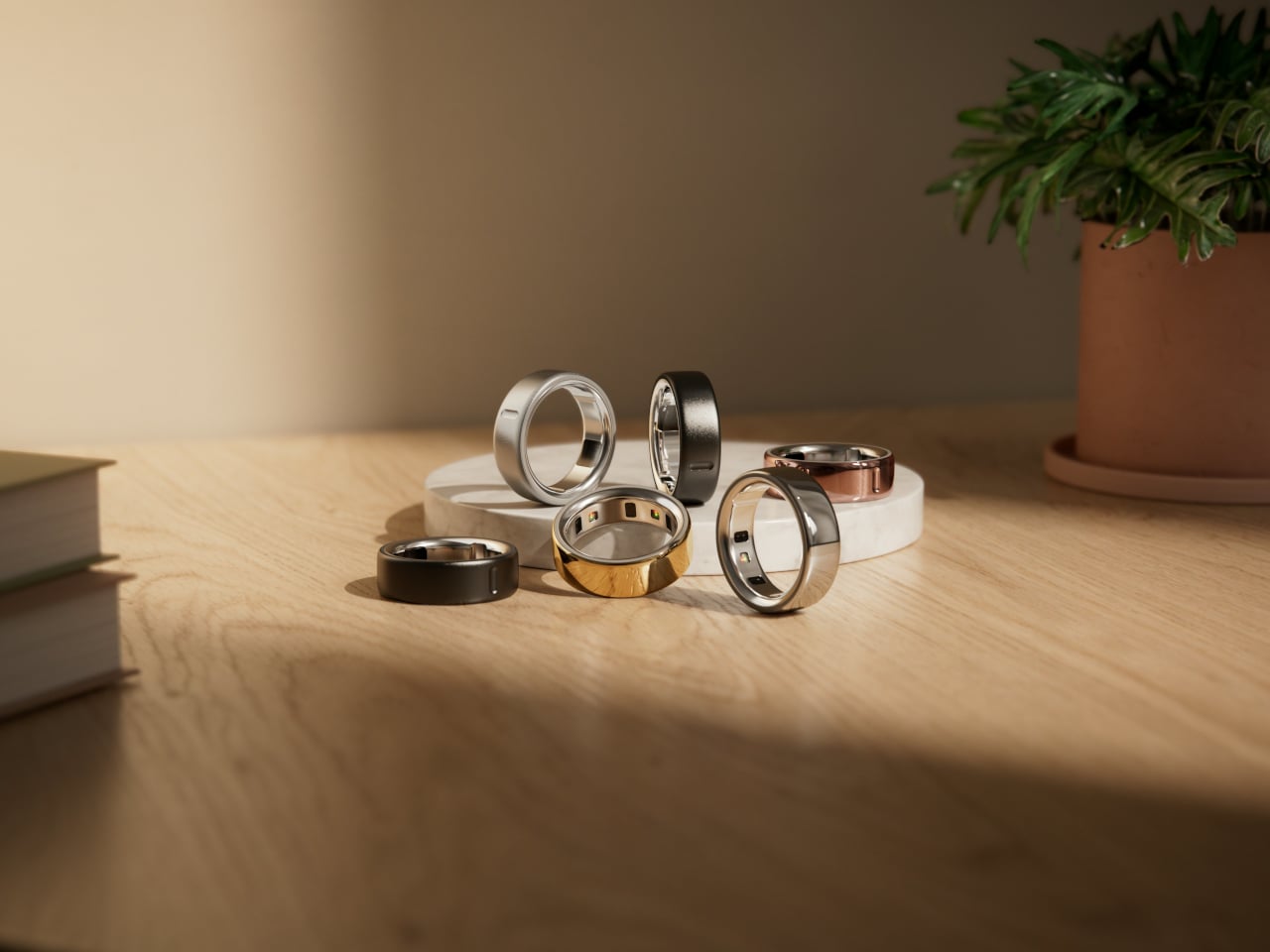
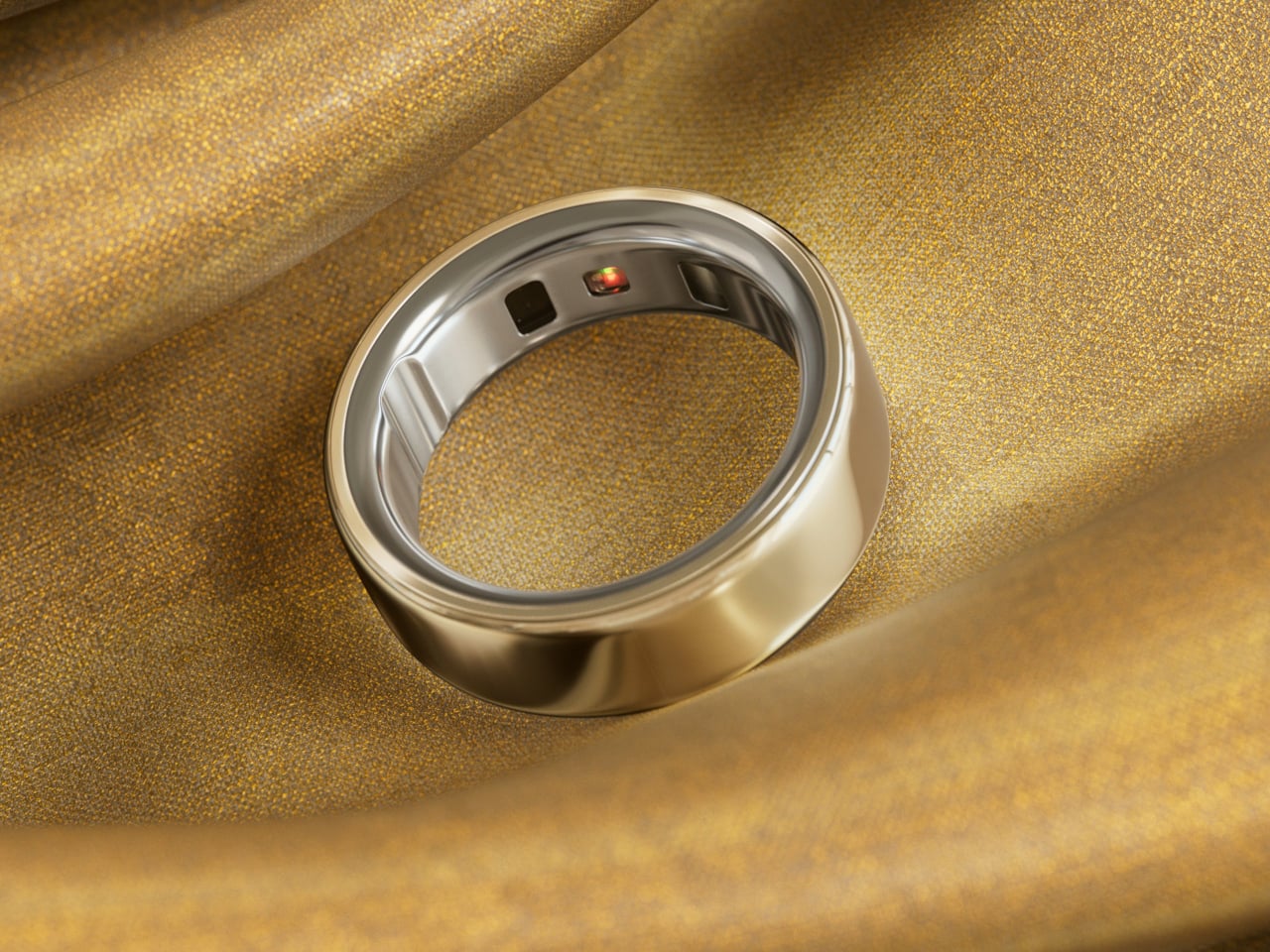
What makes this interesting from a design standpoint is that RingConn managed to fit optical sensors, a vibration motor, and up to 14 days of battery life into a 2.3mm titanium body. The inner surface uses medical-grade resin for comfort, and the ring itself weighs between 2.3 and 3.5 grams depending on the size. That’s a serious hardware challenge for something designed to sit on your finger all day.
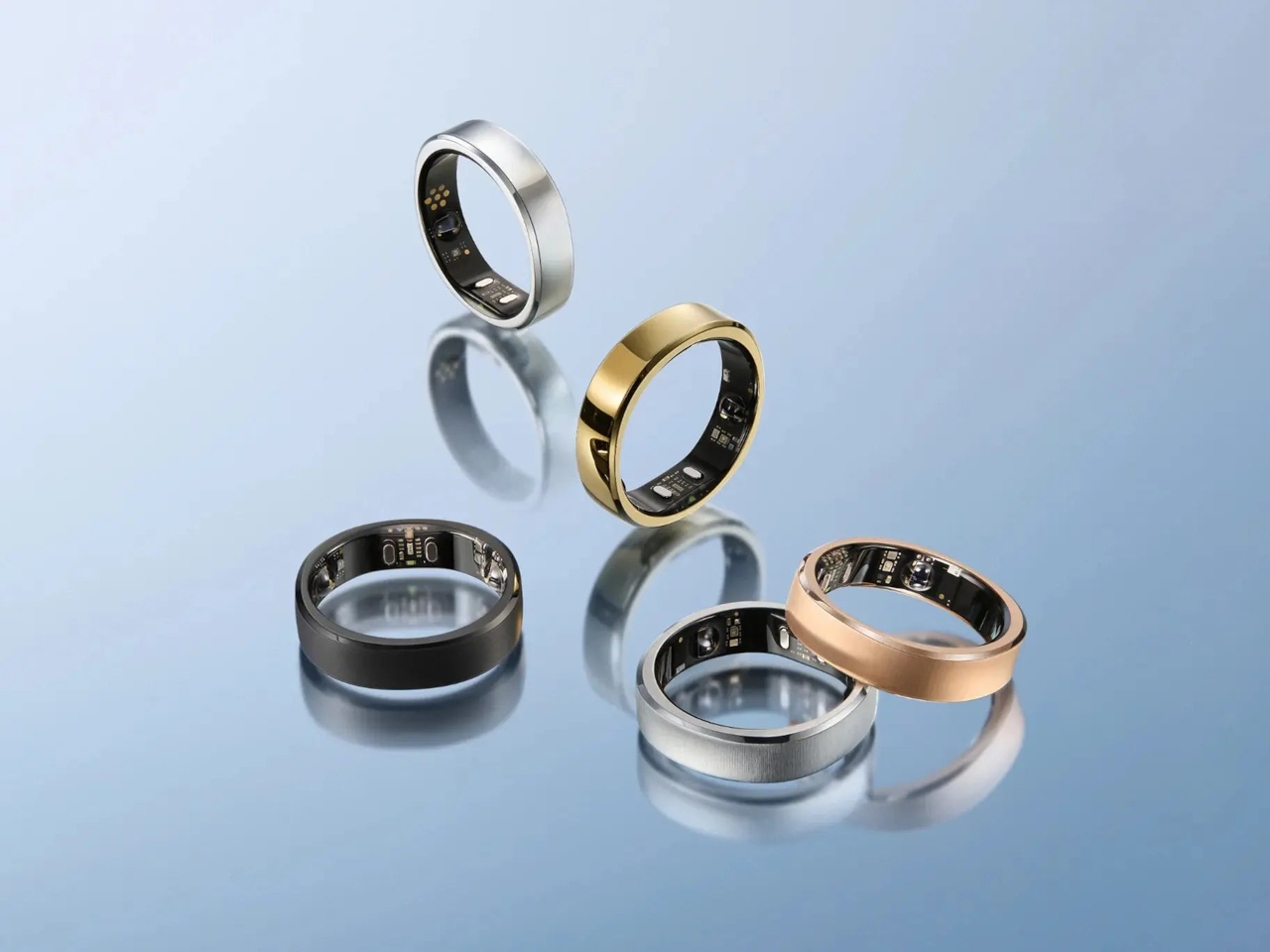
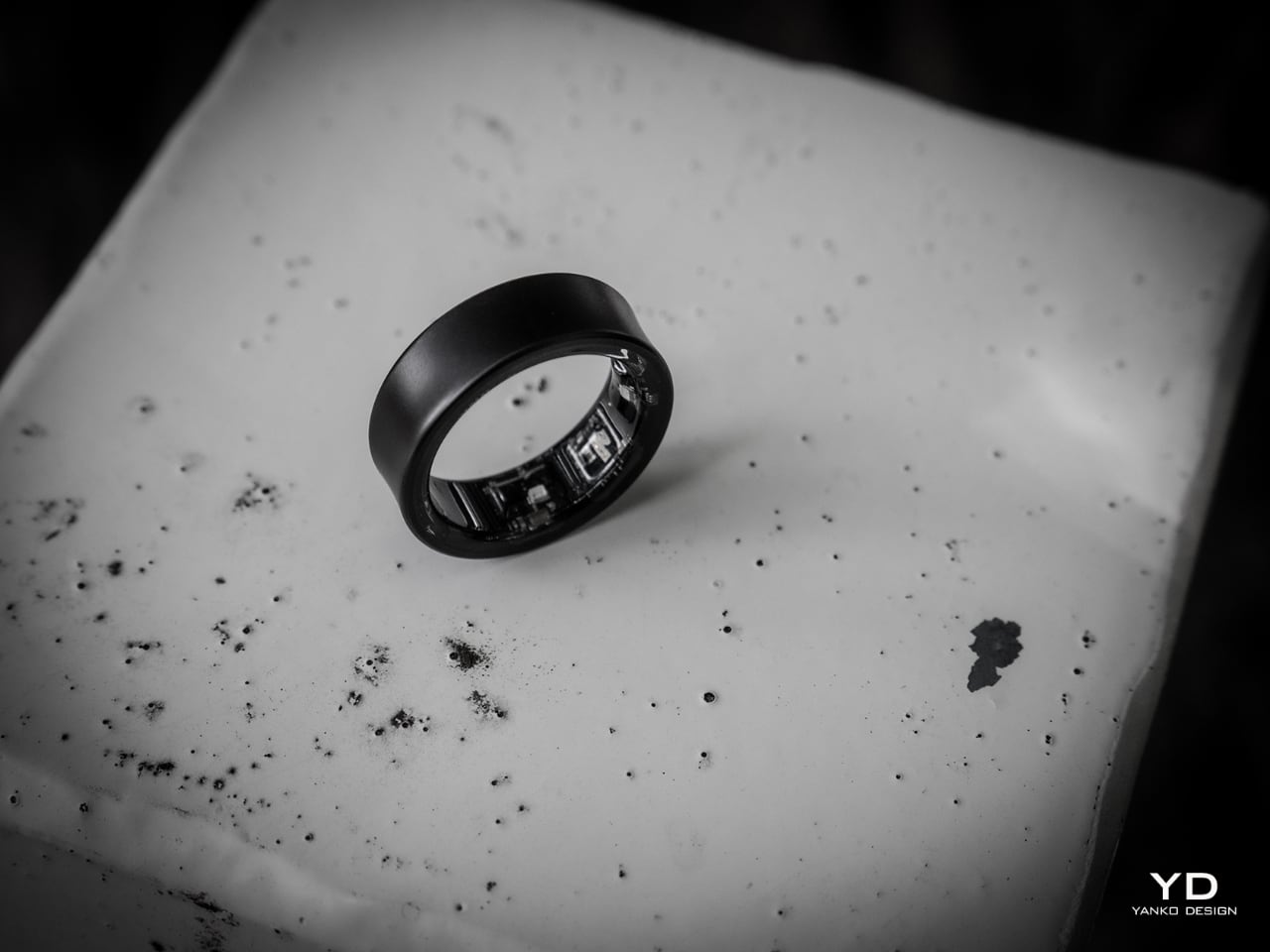
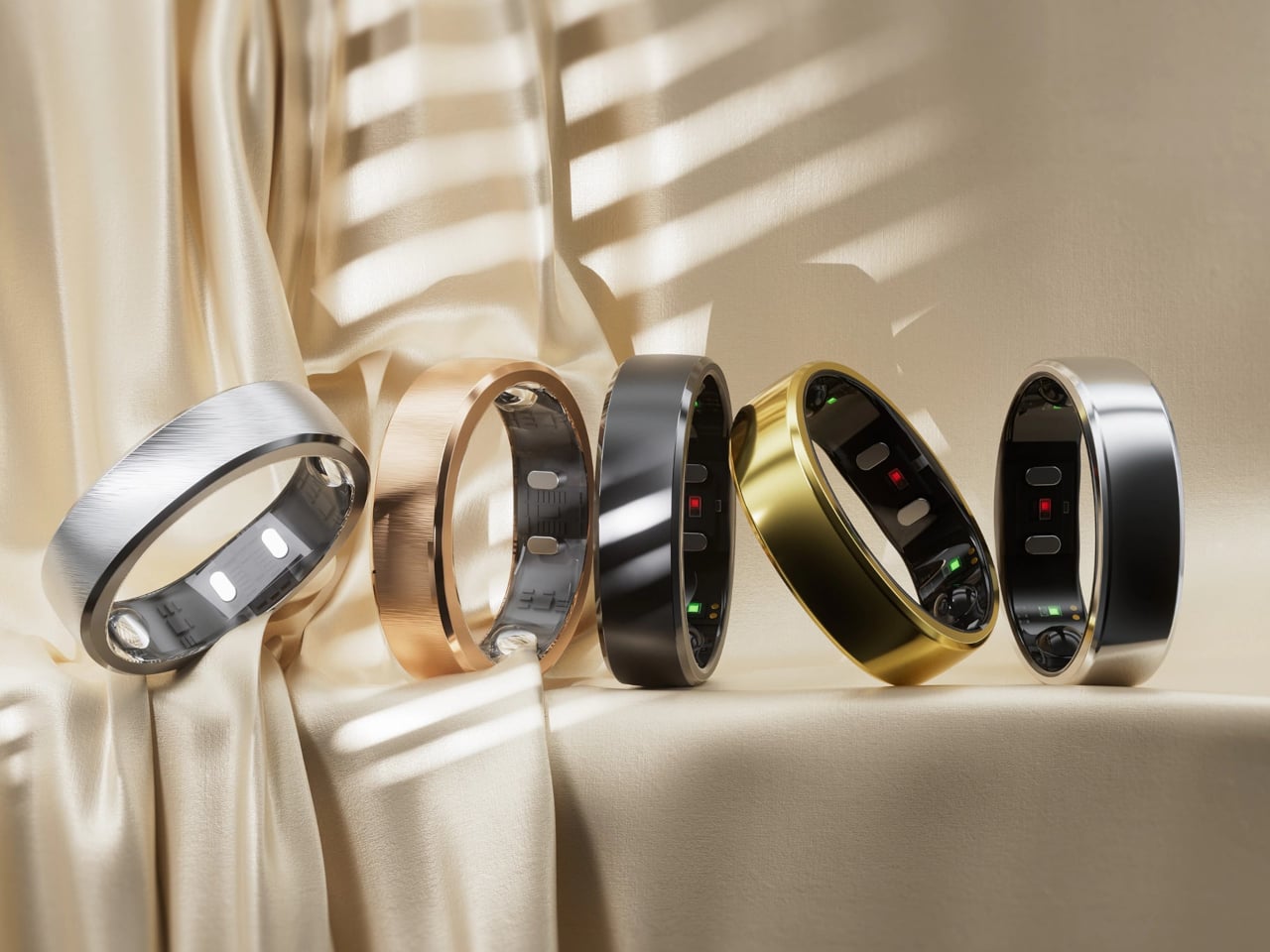
The Gen 3 comes in five finishes: Future Silver, Royal Gold, Matte Black, Brushed Silver, and Brushed Rose Gold. At $349, it’s firmly in premium smart ring territory, but the lack of a subscription fee makes that price easier to justify over time. Rivals that tack on monthly charges for full app access end up costing noticeably more in the long run, which makes RingConn’s flat-fee model considerably more appealing.
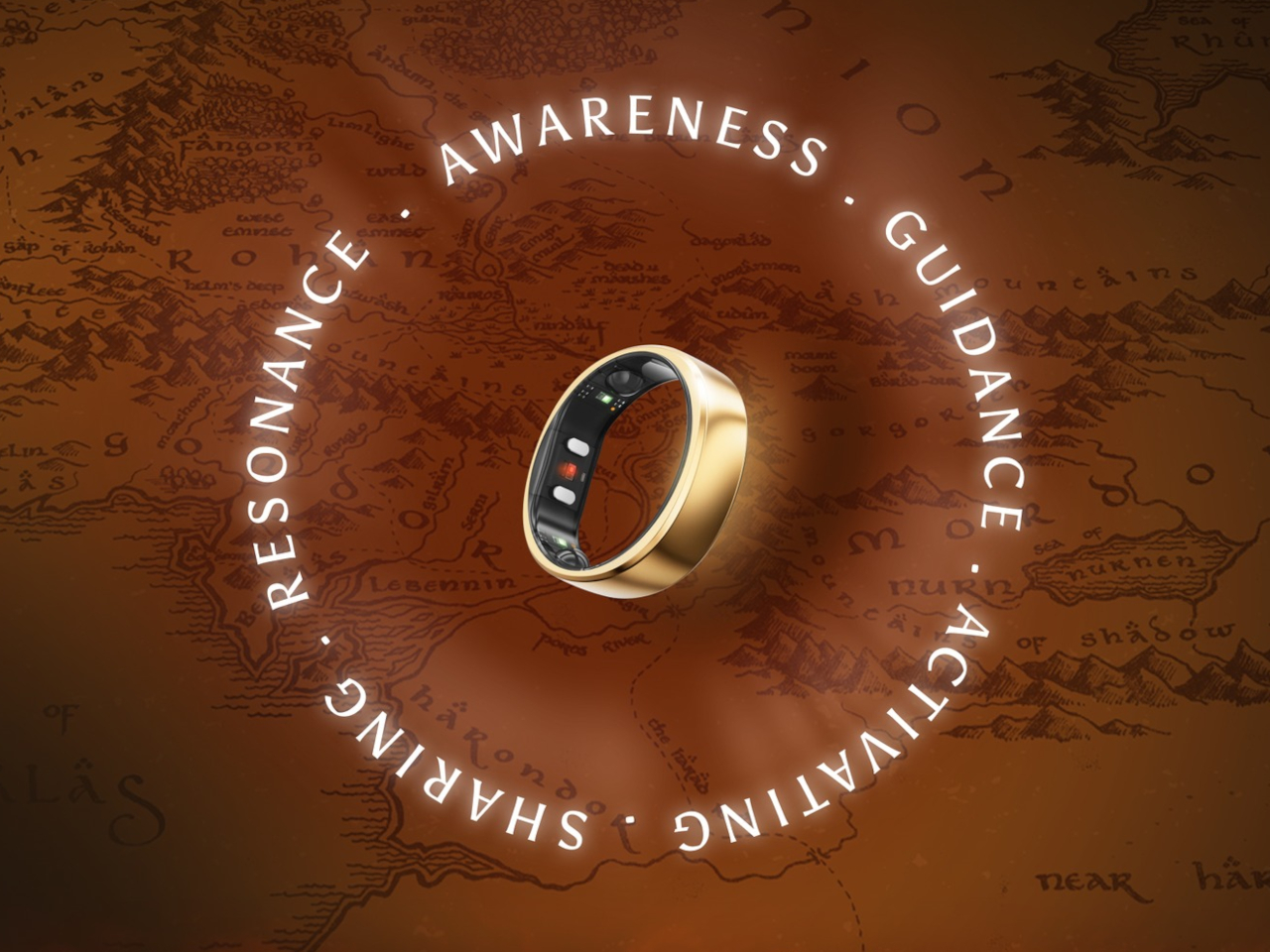
Then there’s the Warner Bros. Lord of the Rings collaboration, a limited-edition partnership that RingConn isn’t shy about mentioning. It’s a smart piece of brand alignment, a ring company partnering with the most famous, or infamous, ring in pop culture. Whether the tie-in feels like genuine collector appeal or calculated marketing depends on the buyer, but it does add some character to a category that tends to take itself rather seriously.
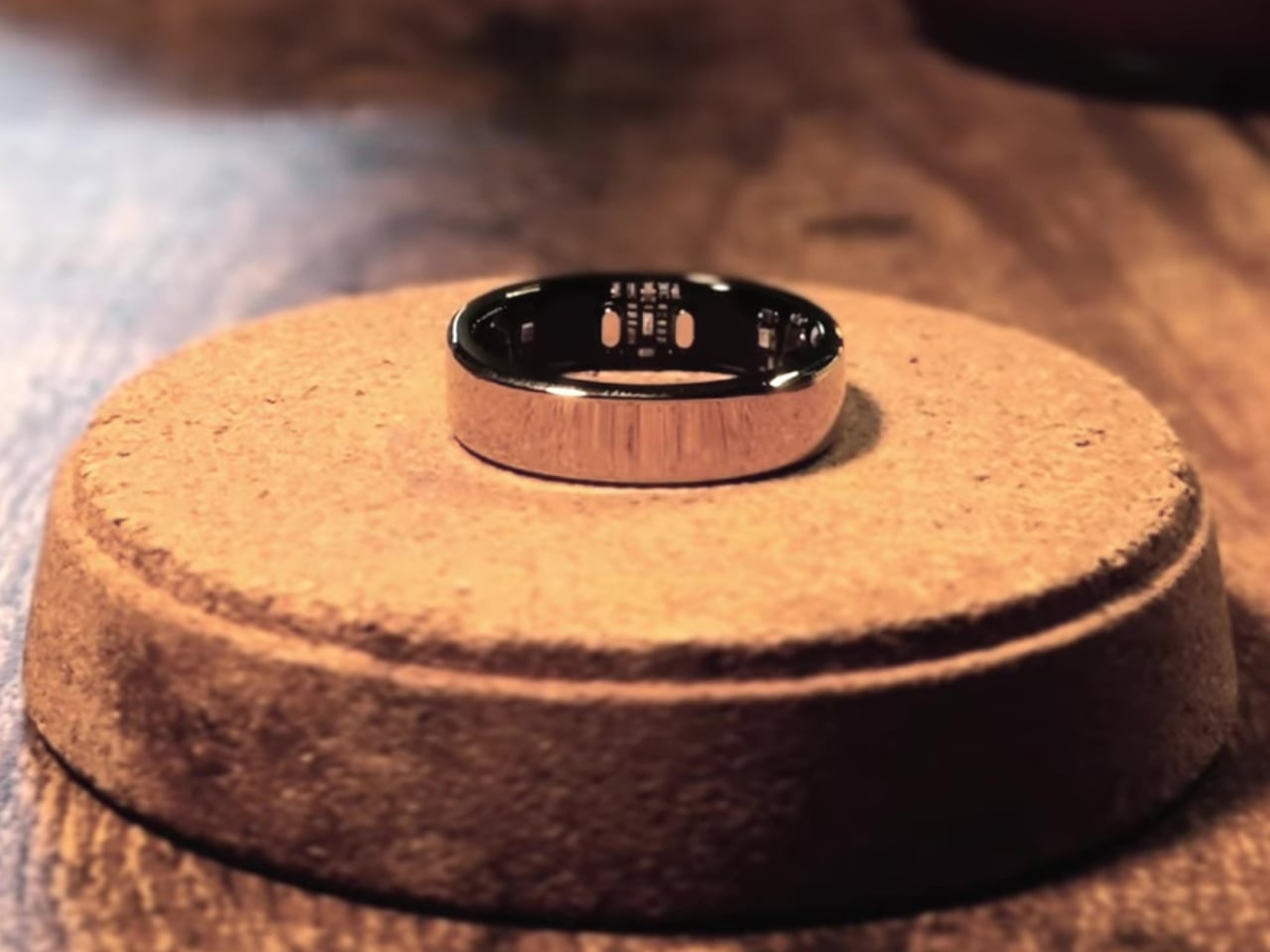
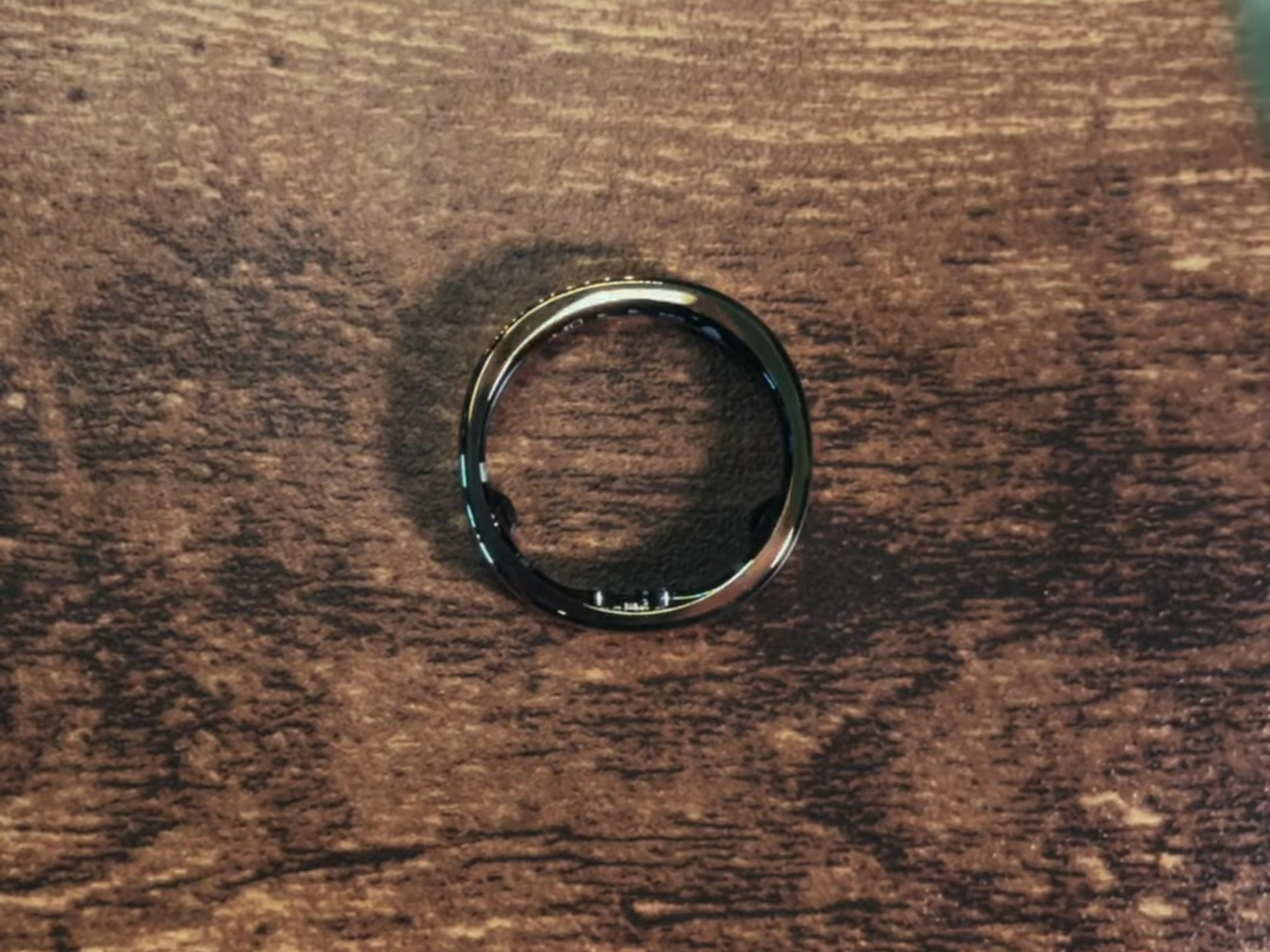
What RingConn Gen 3 really proposes is that a smart ring doesn’t have to stay quiet. The category has spent years refining how it listens to the body, and Gen 3 asks what happens when it starts talking back. Whether that’s a light nudge during a sedentary afternoon or a vascular trend surfacing across a few weeks, there’s something worth considering in a ring that finally has something to say.
The post Get Ready for the $349 Smart Ring That Vibrates on Your Finger first appeared on Yanko Design.
Smart rings just had their breakout week

Smartwatches have had an impressive run, but the category is starting to feel a bit crowded and tired. Most recent releases have been iterative, adding a sensor here or a display tweak there, while the core form stays essentially the same: a small screen on your wrist buzzing at you constantly. Consumers are starting to wonder what the next genuinely interesting chapter of wearables looks like.

It turns out the answer might be right on your finger. In one week during May 2026, the smart ring went from niche wellness accessory to the category everyone in wearables should be watching. Oura confidentially filed an S-1 with the SEC, RingConn opened pre-orders for its Gen 3, and fresh leaks in iOS 26 code reignited the idea that Apple might be circling the space.

Designer: Oura Ring, RingConn, Apple, Samsung

Part of what makes this moment feel significant is that it isn’t purely a business story. The smart ring’s appeal is rooted in something the smartwatch was never designed for: disappearing. A ring doesn’t have a screen demanding your attention, doesn’t buzz through dinner, and doesn’t get taken off at bedtime. For passive health tracking, especially overnight, the finger turns out to be a surprisingly elegant surface.

RingConn Gen 3

RingConn’s Gen 3 is the clearest hardware proof that the category is maturing. At $349, the titanium ring ships with a 14-day battery, vascular health tracking, and haptic alerts, all without a subscription fee. That battery figure alone is worth pausing on. A ring that only needs charging once a fortnight fits into daily life in a way that a device needing nightly top-ups simply doesn’t.

RingConn Gen 3

RingConn Gen 3

What RingConn’s launch really signals is a shift in the category brief. Buyers aren’t just asking whether a ring can track their sleep anymore. They want richer health data, meaningful feedback, and hardware that feels finished rather than experimental. Titanium construction, cardiovascular insights, and a no-subscription model together suggest that the smart ring has stopped apologizing for what it can’t do and started showing off what it can.

Oura’s confidential S-1 filing adds a different kind of weight to the week. Filing with the SEC isn’t something companies do casually. It means Oura believes the smart ring market is stable enough, scalable enough, and financially convincing enough to withstand public-market scrutiny. It’s also a signal that the subscription model, which charges users a monthly fee to access their own health data, has real staying power.

Oura Ring 4

That subscription debate cuts to something interesting about how these companies see what a smart ring is. Oura is essentially selling a sensor paired with an ongoing interpretation service. RingConn is selling a finished object you own outright. Neither is wrong, but the two approaches create very different relationships between wearer and device, and that relationship shapes every other decision the product team ends up making.

Then there’s Apple, which hasn’t confirmed anything but whose shadow is already affecting the conversation. References buried in iOS 26 code have fueled speculation that Cupertino is at least exploring a ring-shaped device, possibly one that ties into the broader Vision Pro ecosystem. Apple hasn’t shipped a ring yet, but its apparent interest alone changes how developers, investors, and competing hardware teams think about the category’s long-term potential.

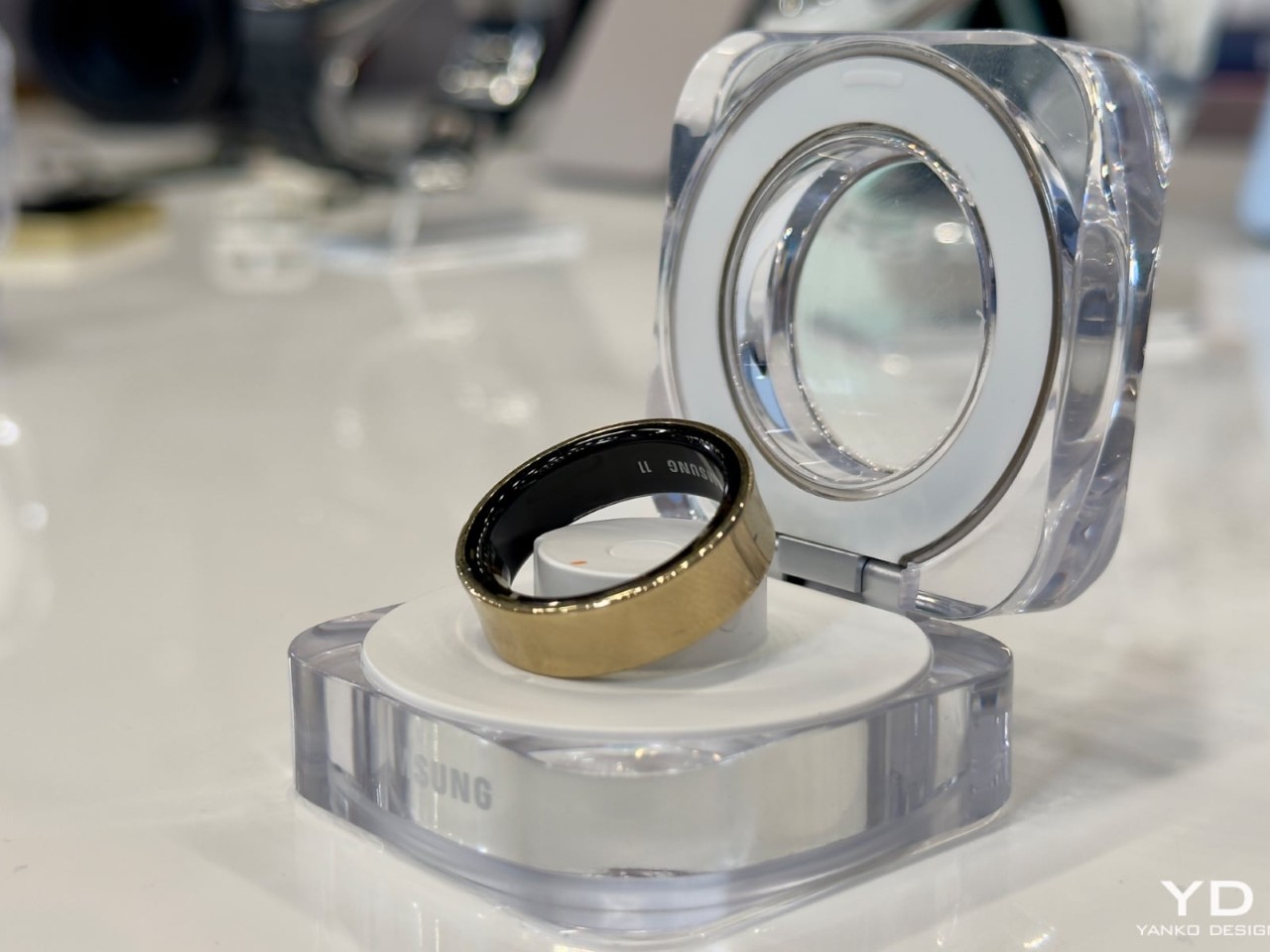
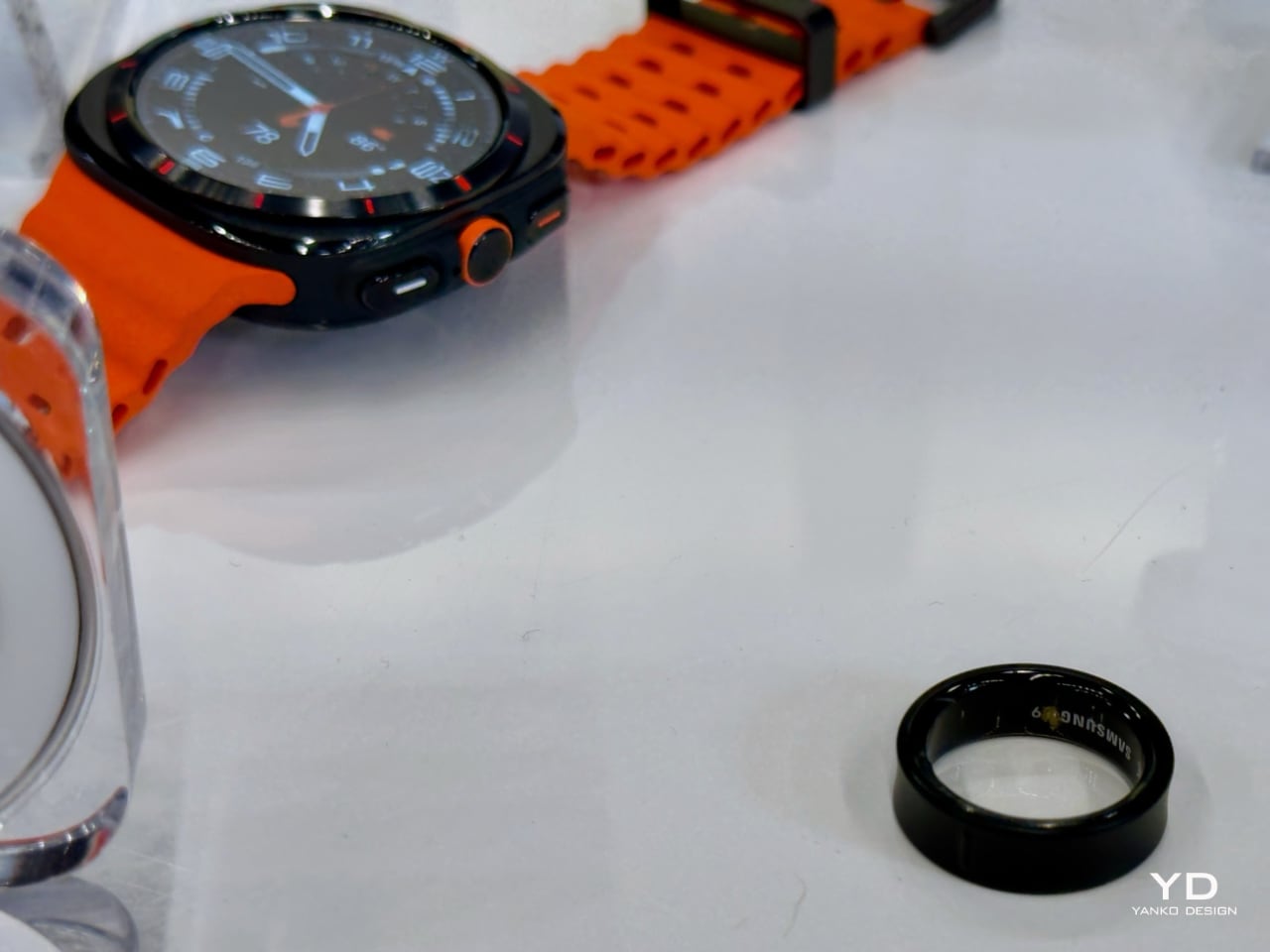
Samsung Galaxy Ring

The harder question, of course, is what comes next for a category that’s barely five grams and still trying to grow up. Blood pressure monitoring, non-invasive glucose tracking, and finer cardiovascular sensing are all on the roadmap, but they’ll demand even more from a form factor that’s already pushing the limits of miniaturization. Getting there without sacrificing comfort or wearability is the real design challenge ahead.

The post Smart rings just had their breakout week first appeared on Yanko Design.