Get Ready for the $349 Smart Ring That Vibrates on Your Finger

Smart rings have quietly become one of the more compelling wearable categories, but they’ve also settled into a familiar pattern. Almost every new model competes on the same promises: better sleep tracking, a more refined readiness score, and slightly longer battery life. The hardware keeps improving, but the relationship between the wearer and the device hasn’t shifted much. It still mostly communicates through morning reports and app dashboards.

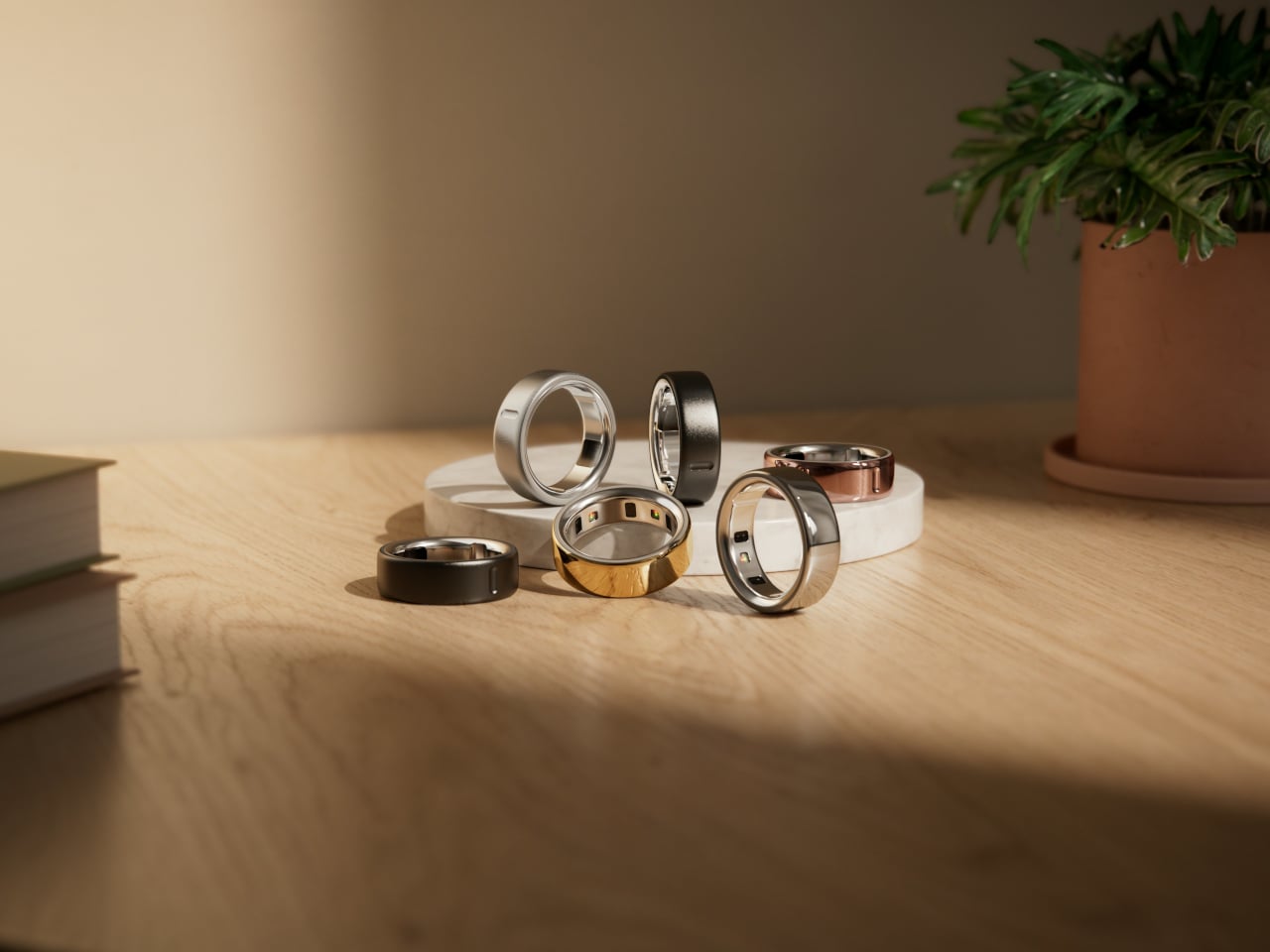
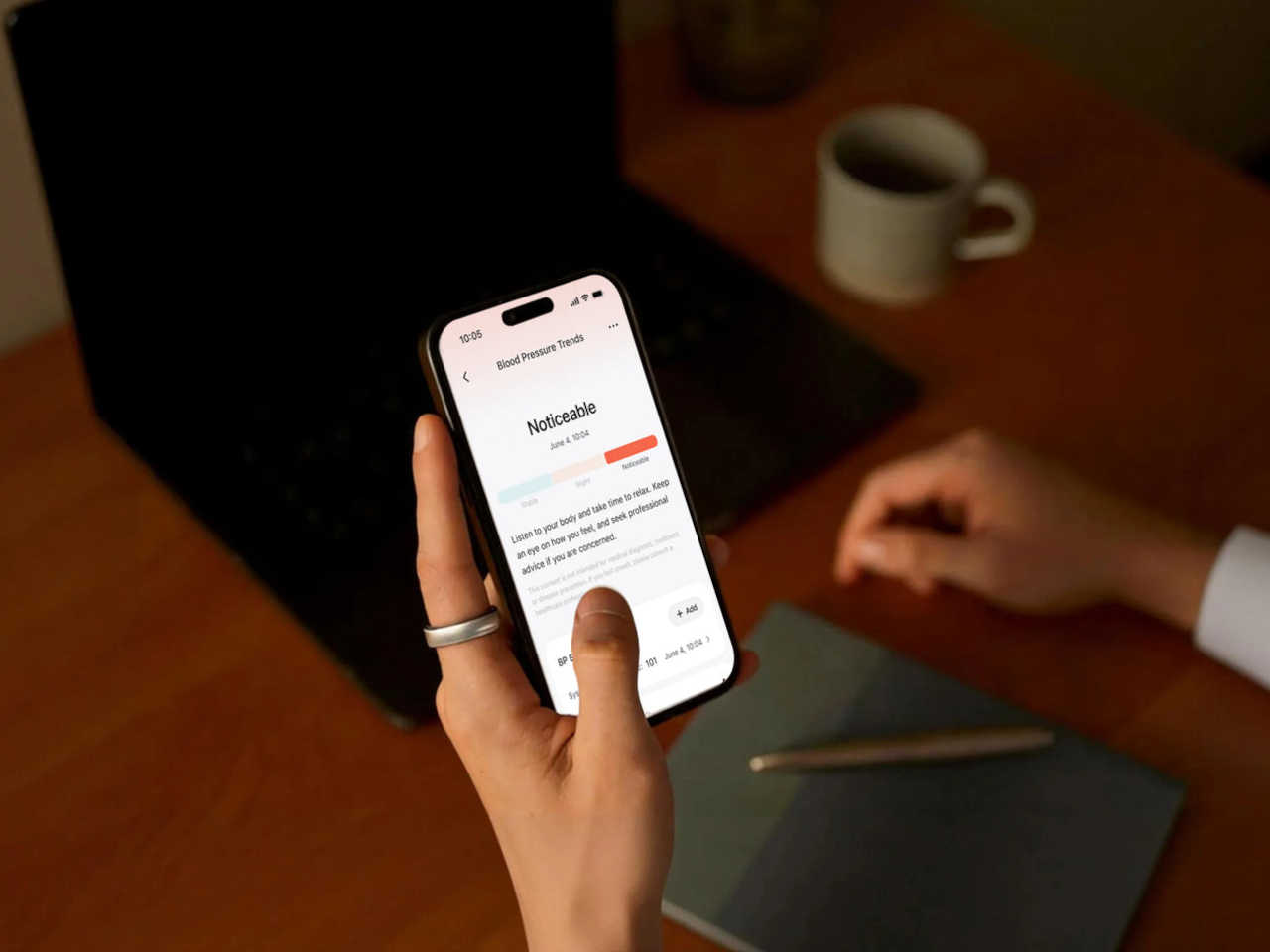
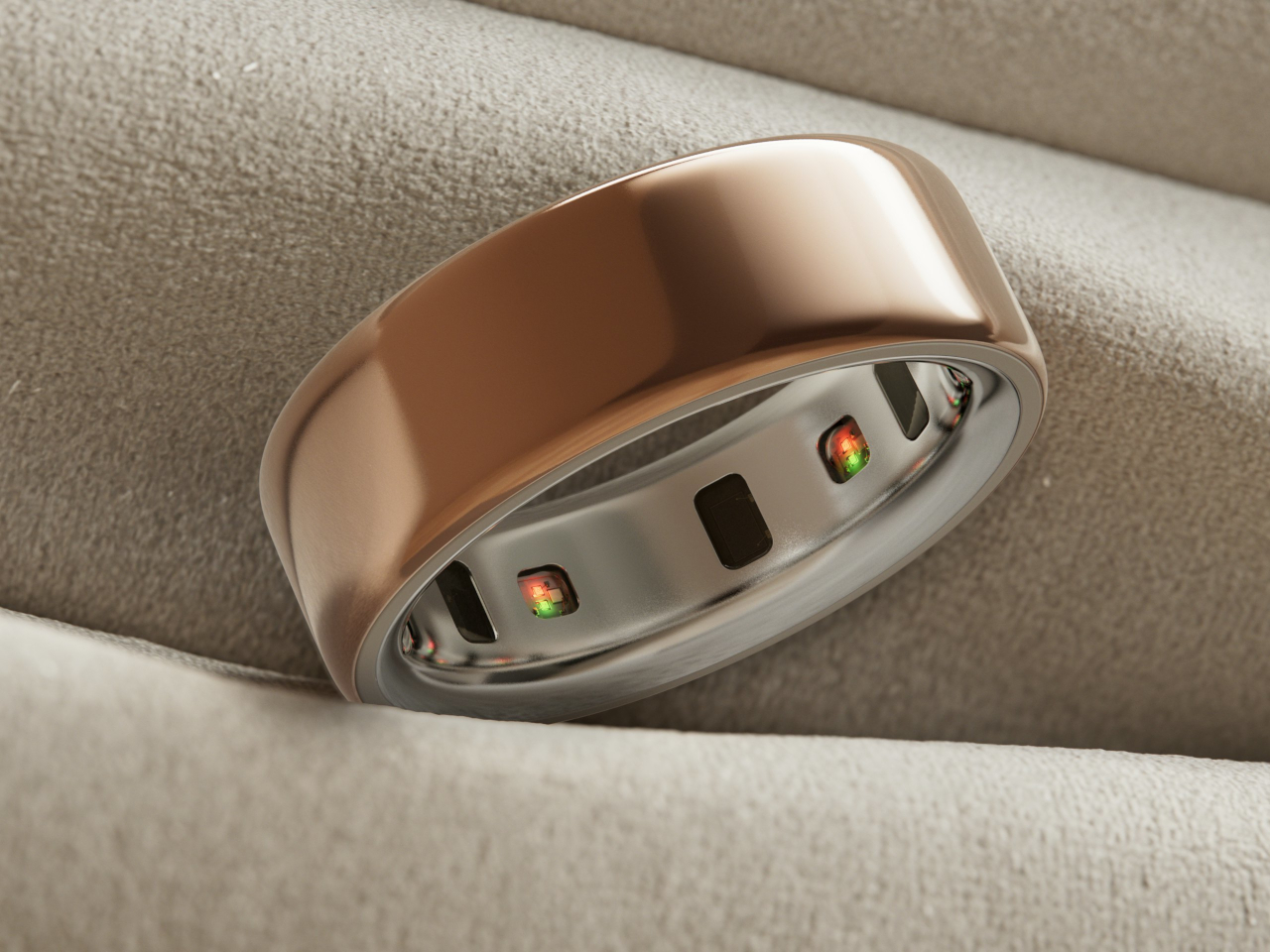
RingConn Gen 3, which launched on July 25, 2026, is making a case for something different. Beyond the usual cardiovascular basics, it introduces vascular trend tracking, giving wearers a longer-view picture of their health over time. It also adds haptic vibration alerts, a feature no other smart ring currently offers. The whole package comes in at $349 with no subscription fees, which keeps the ownership model refreshingly straightforward.

Designer: RingConn

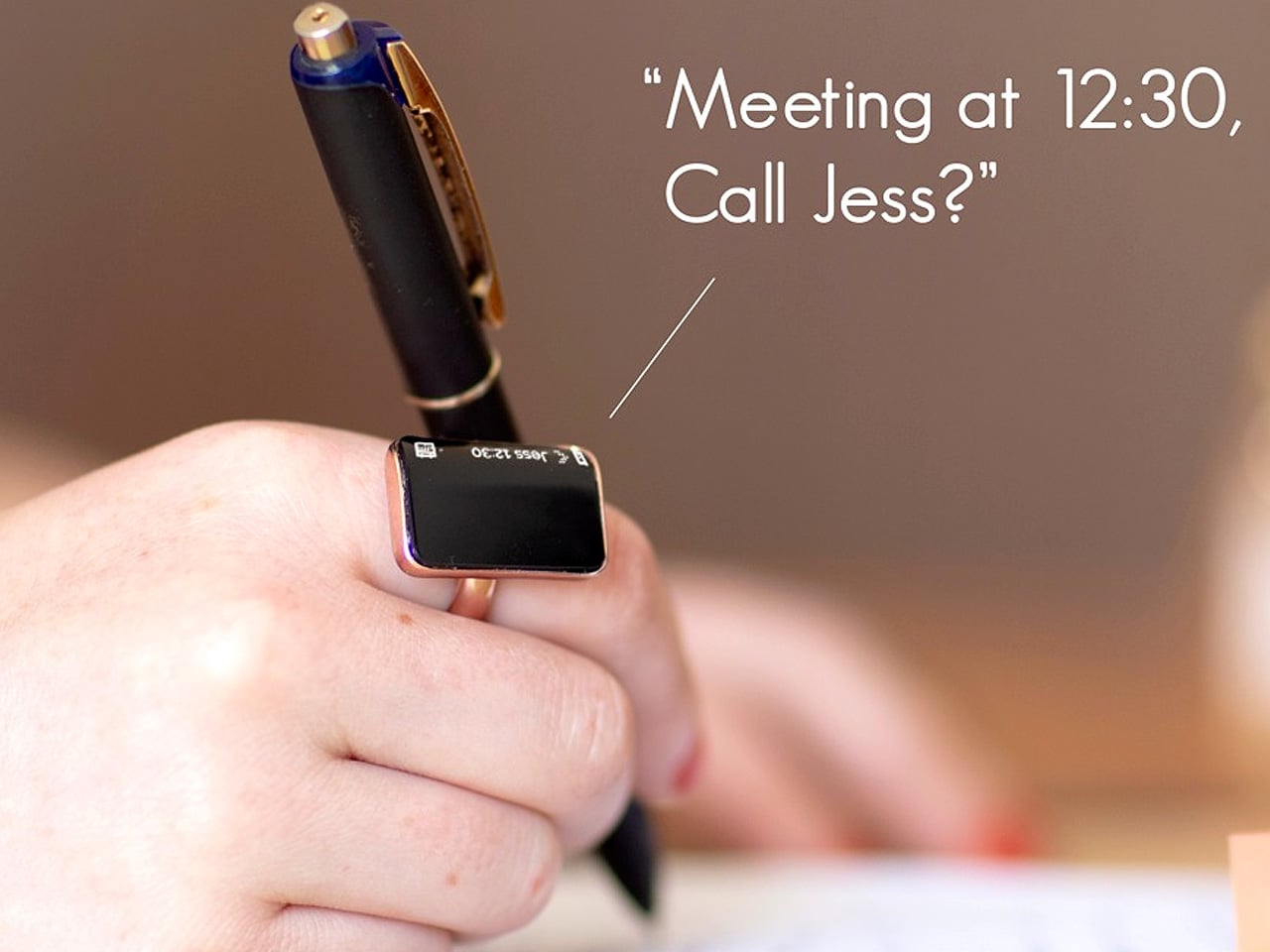
Most attention will drift toward the vascular tracking angle, but the haptic motor deserves a closer look. A smart ring that vibrates on your finger isn’t the same experience as a watch tapping your wrist. The finger is one of the body’s most tactile zones, so a buzz there lands differently, more directly, and in a way that’s harder to tune out or dismiss as background noise.

That difference matters most in the moments when you’d least want to pull out your phone. A quiet nudge during a meeting, a gentle prompt after sitting still for too long, or a discreet alert in the early hours when something shifts overnight, none of those need a screen. They just need a ring that knows when to say something and how to say it without disturbing everyone around you.
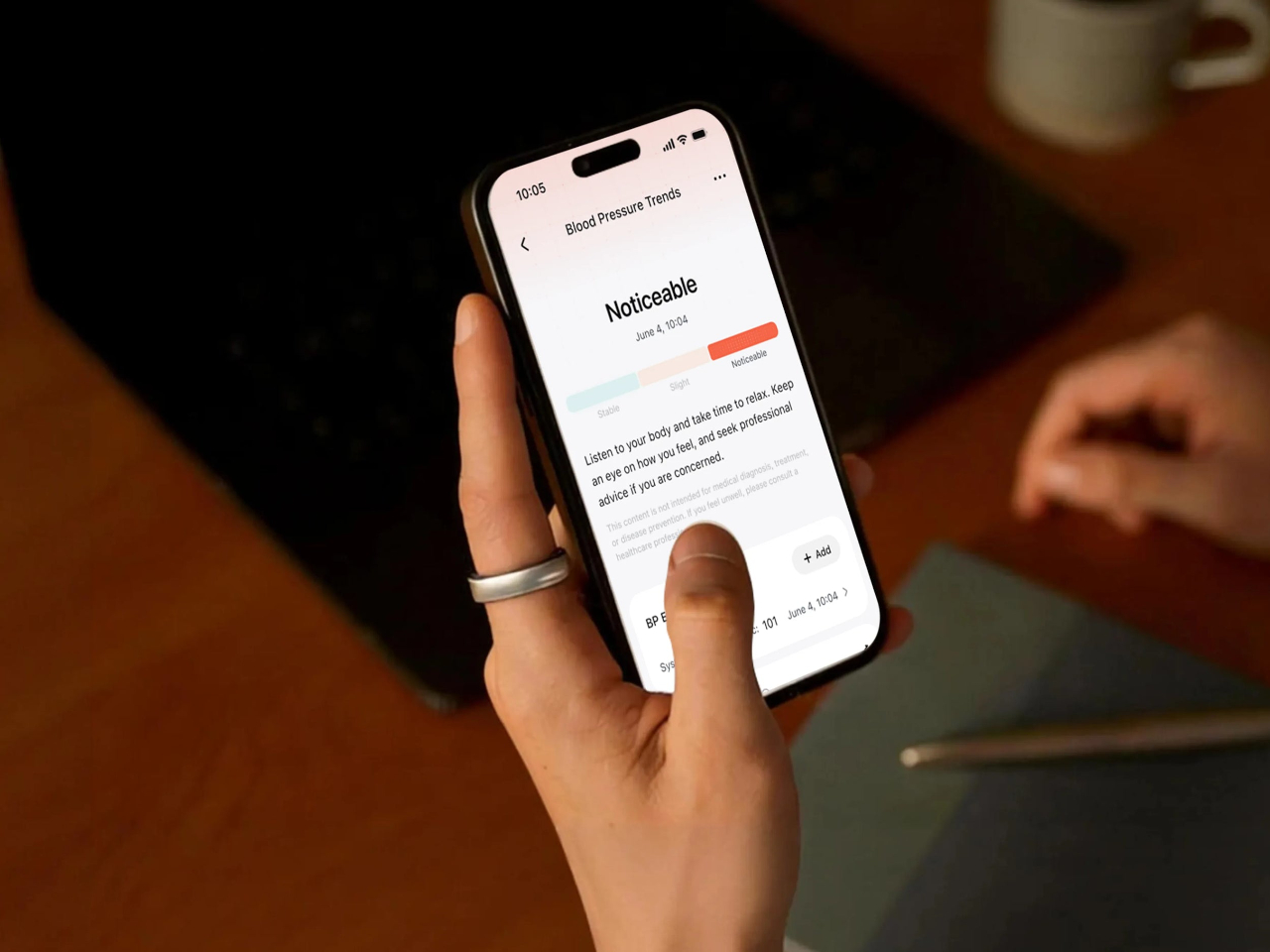
The vascular trend tracking feature is the bigger headline in category terms. Rather than adding another single-moment metric to the app dashboard, it monitors patterns over time, giving wearers a broader sense of how their body is trending across days and weeks. It’s framed as a wellness insight rather than a clinical reading, which keeps the expectations grounded and the interpretation squarely in the wearer’s hands.

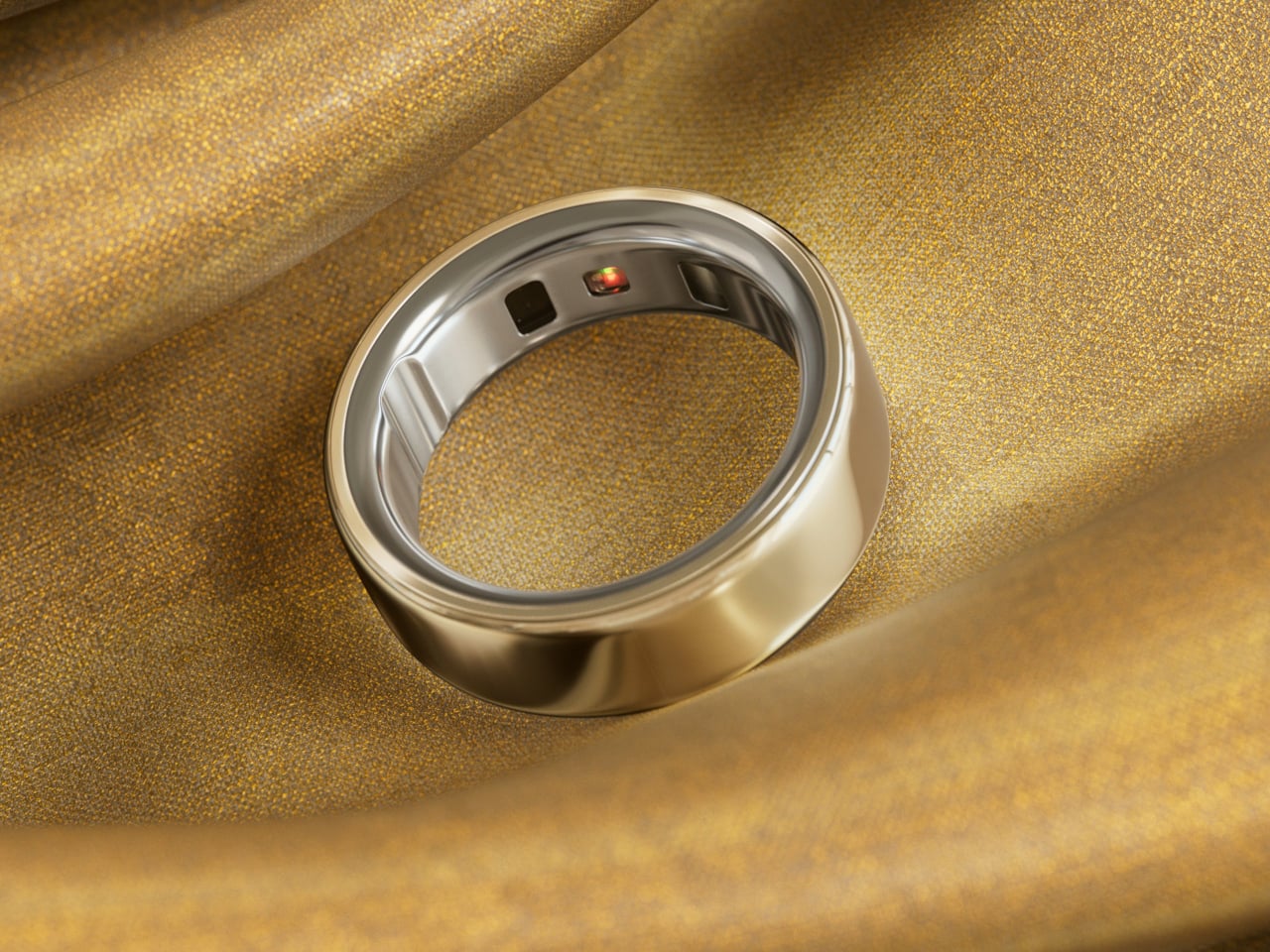
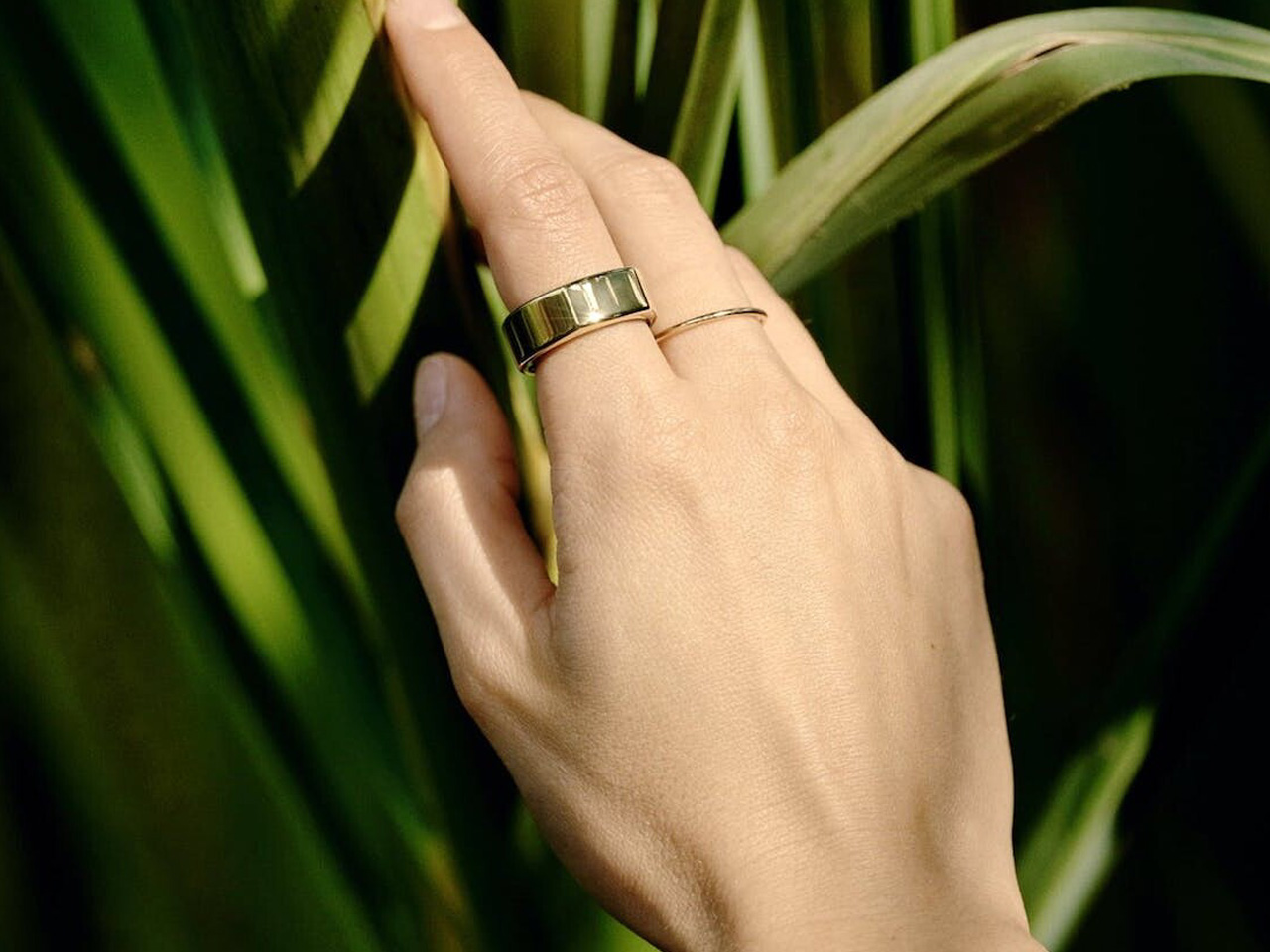
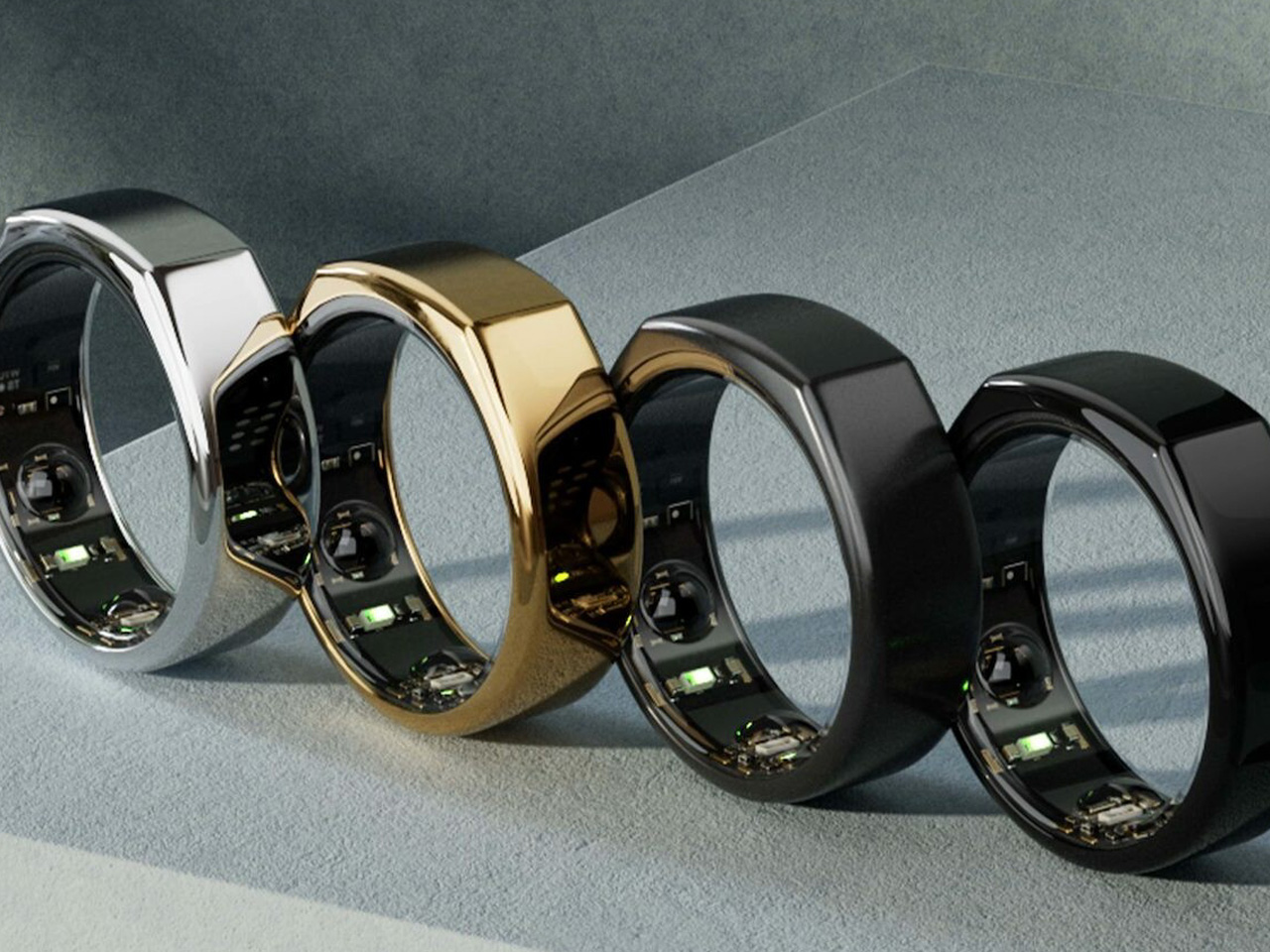
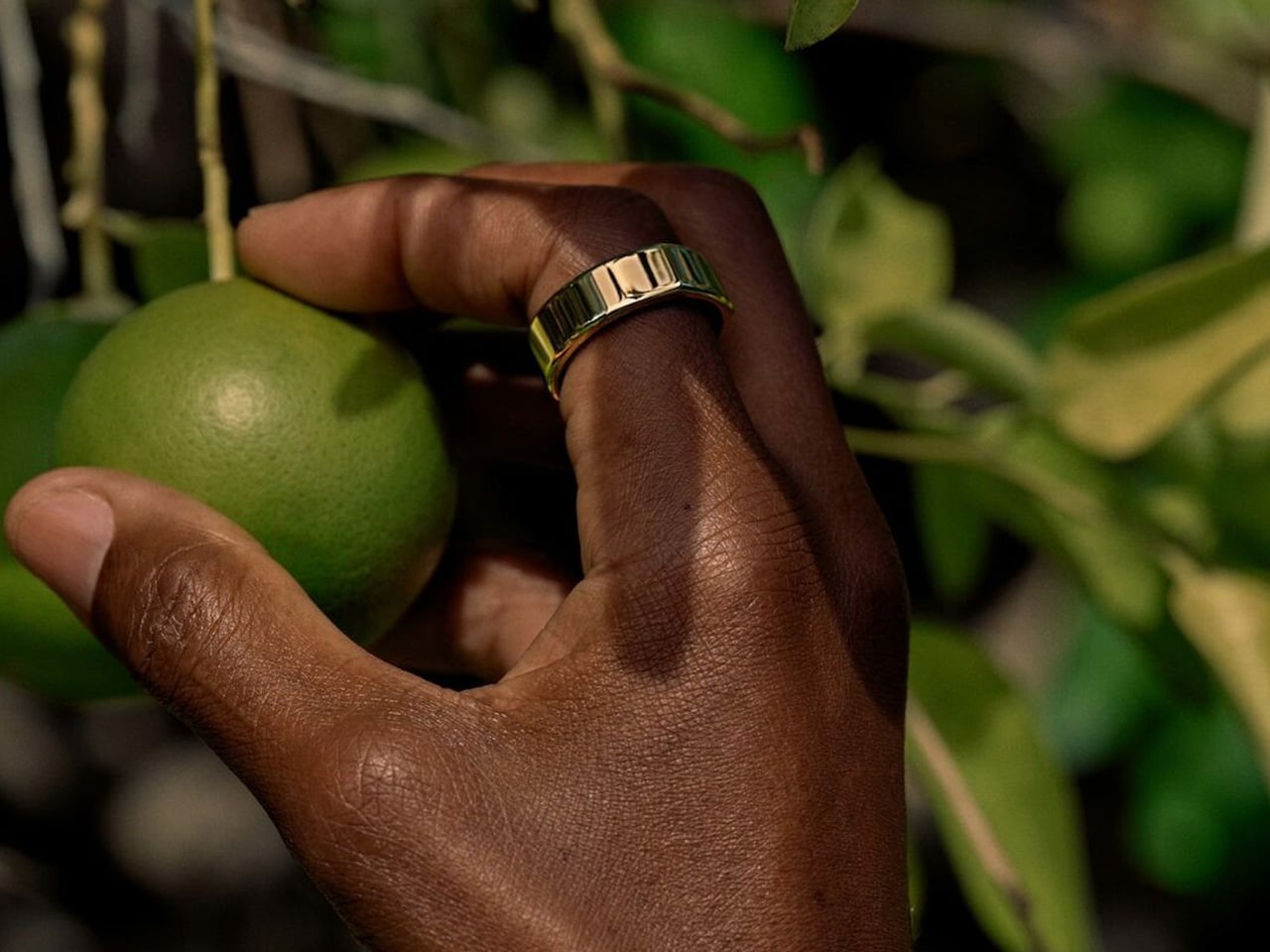
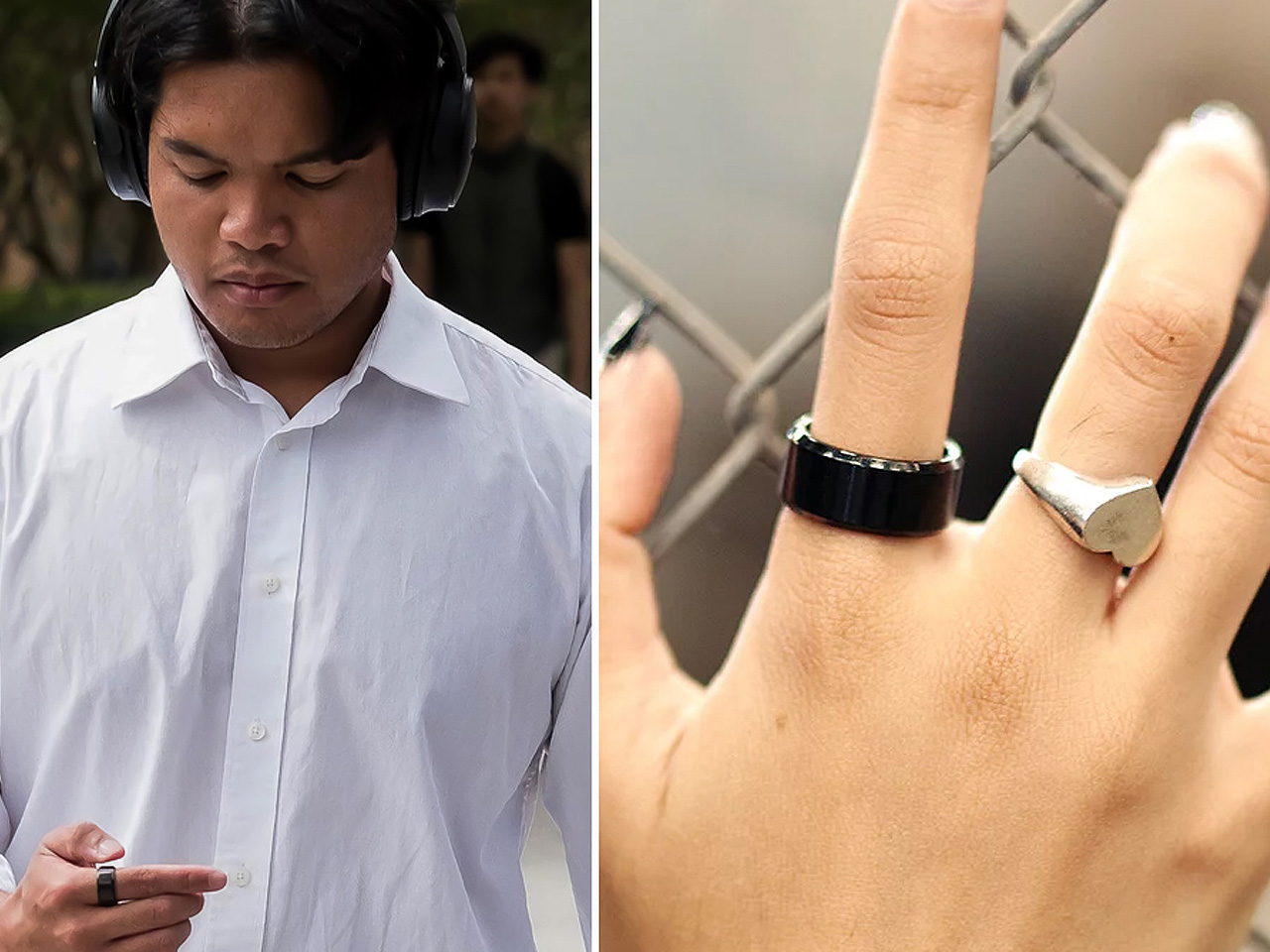
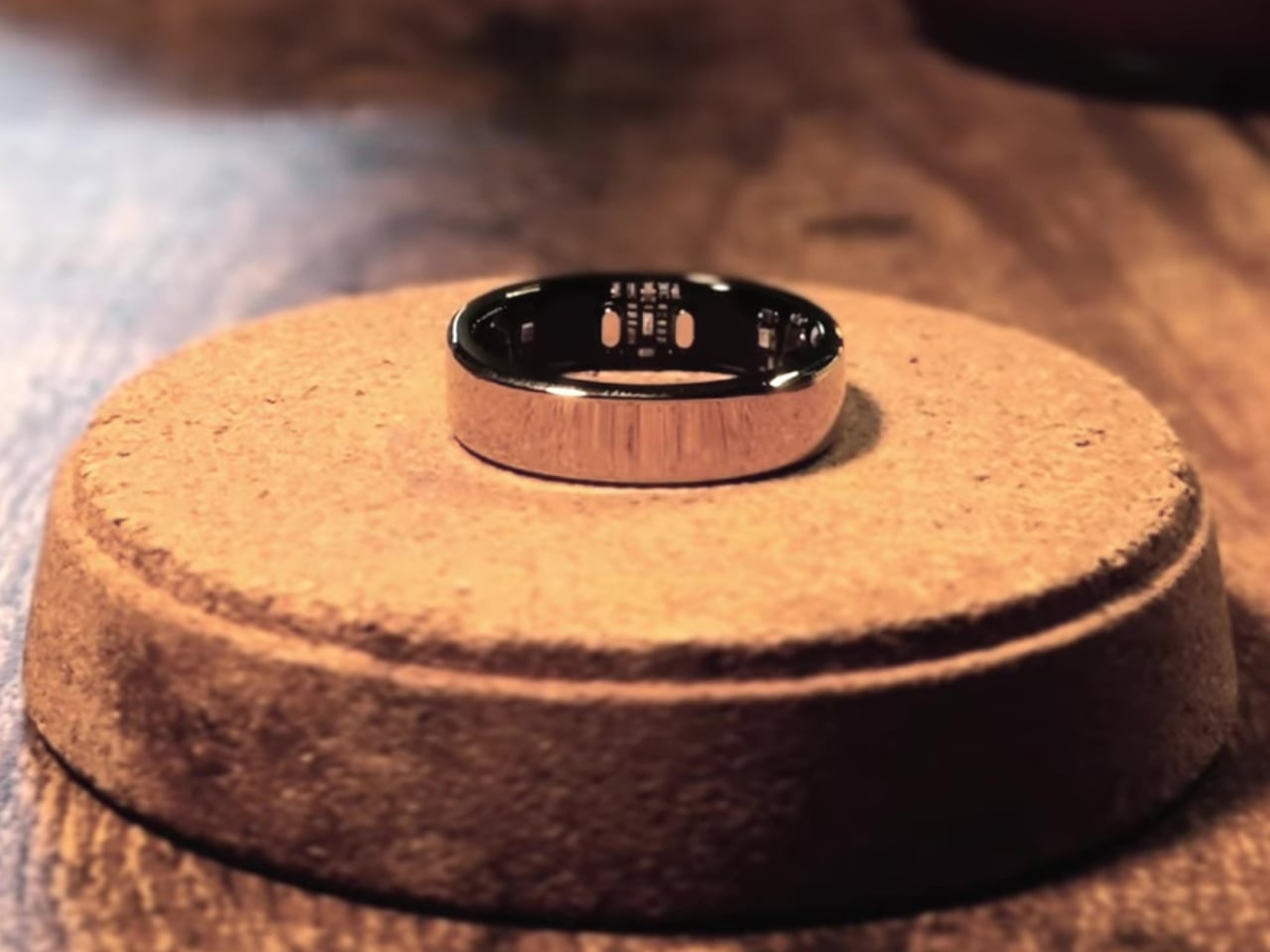
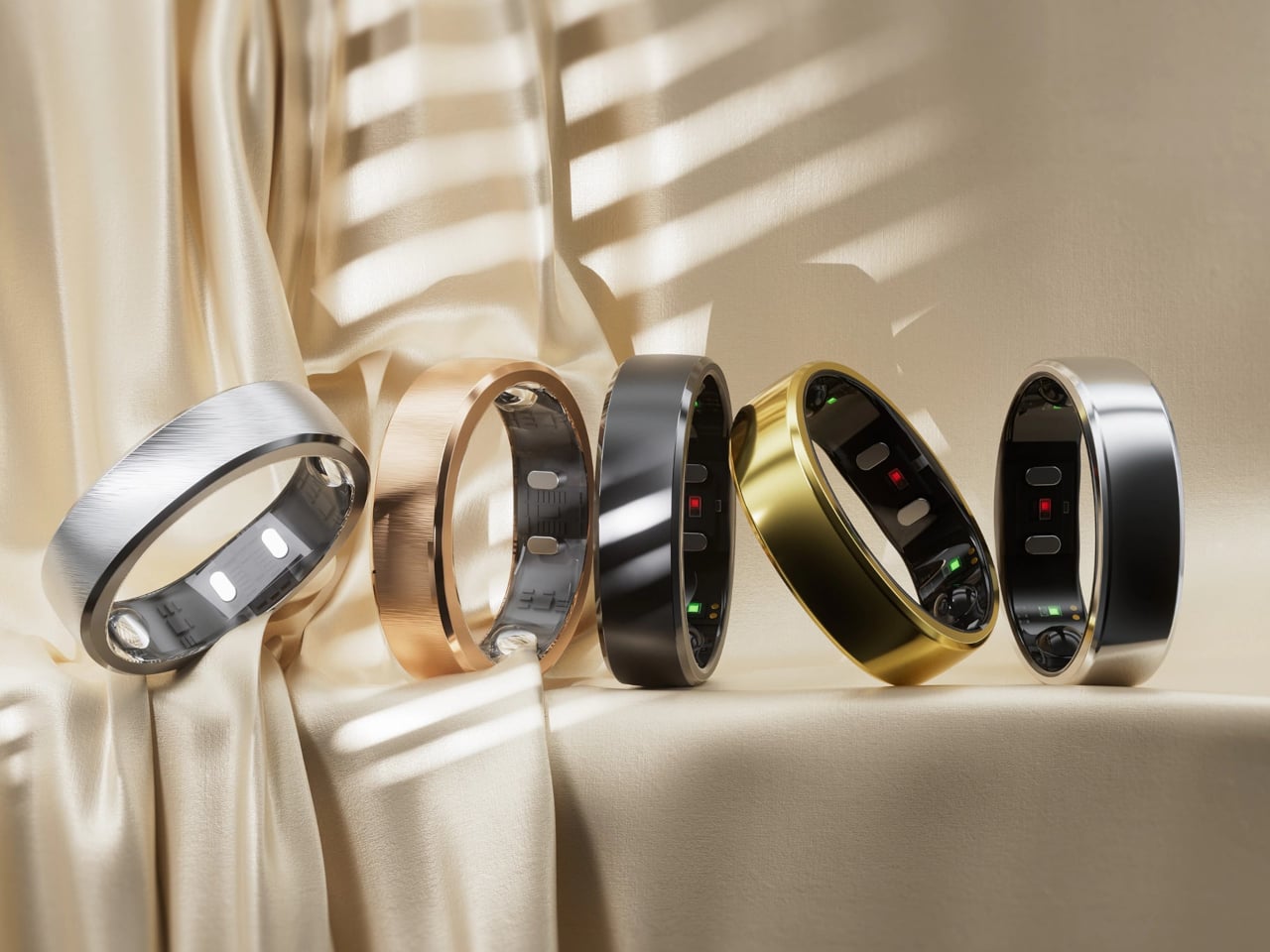
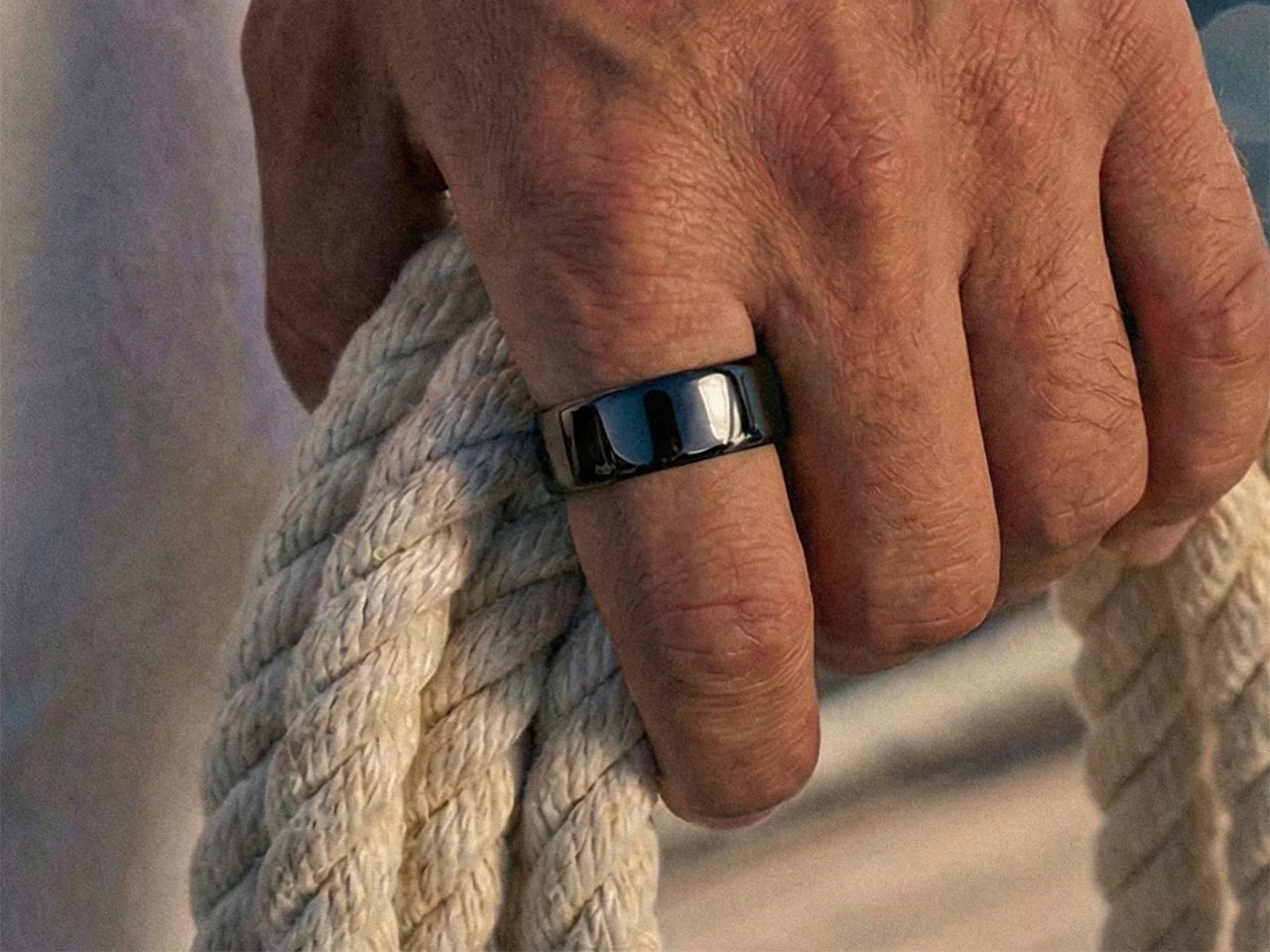
What makes this interesting from a design standpoint is that RingConn managed to fit optical sensors, a vibration motor, and up to 14 days of battery life into a 2.3mm titanium body. The inner surface uses medical-grade resin for comfort, and the ring itself weighs between 2.3 and 3.5 grams depending on the size. That’s a serious hardware challenge for something designed to sit on your finger all day.
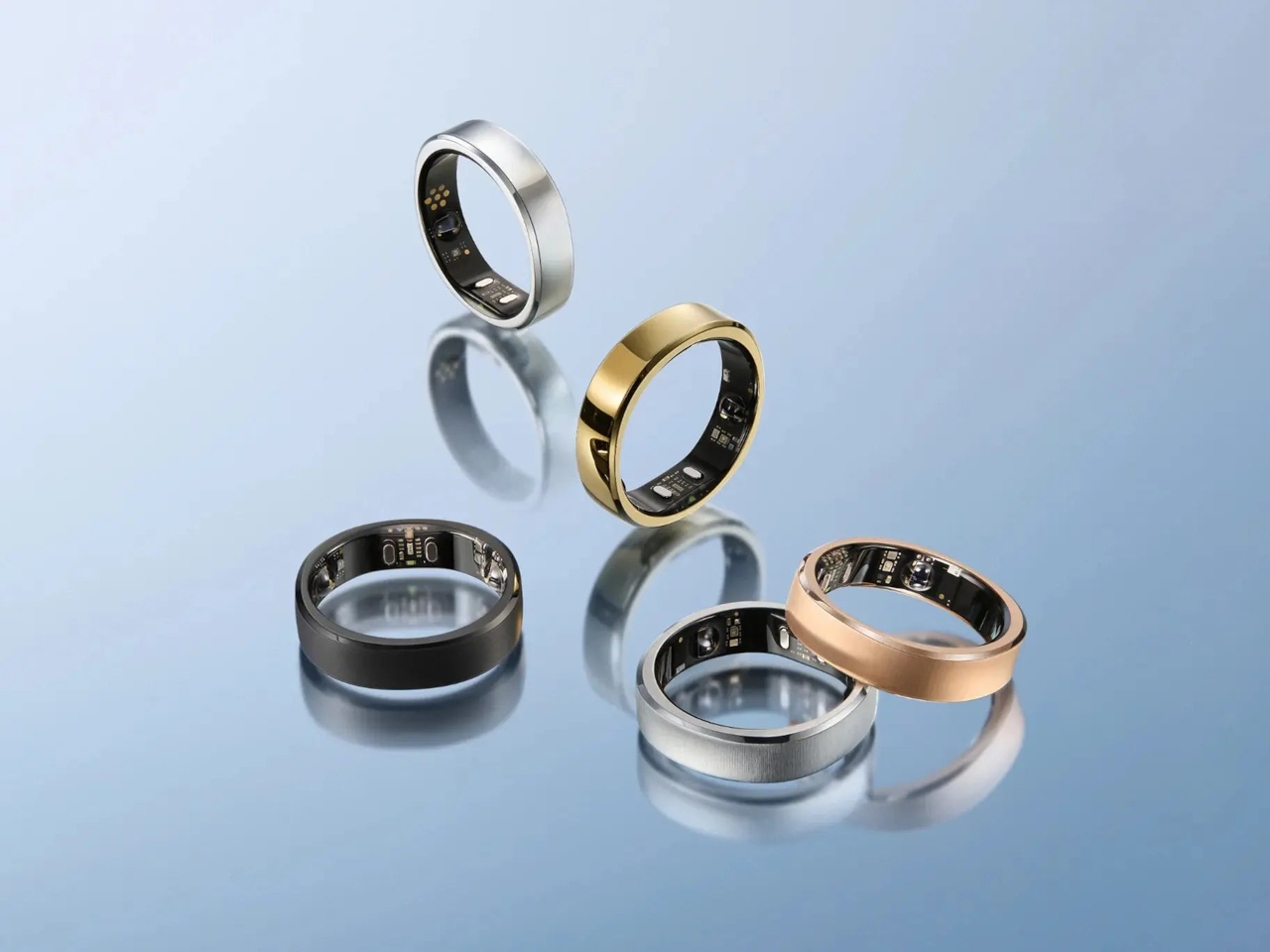
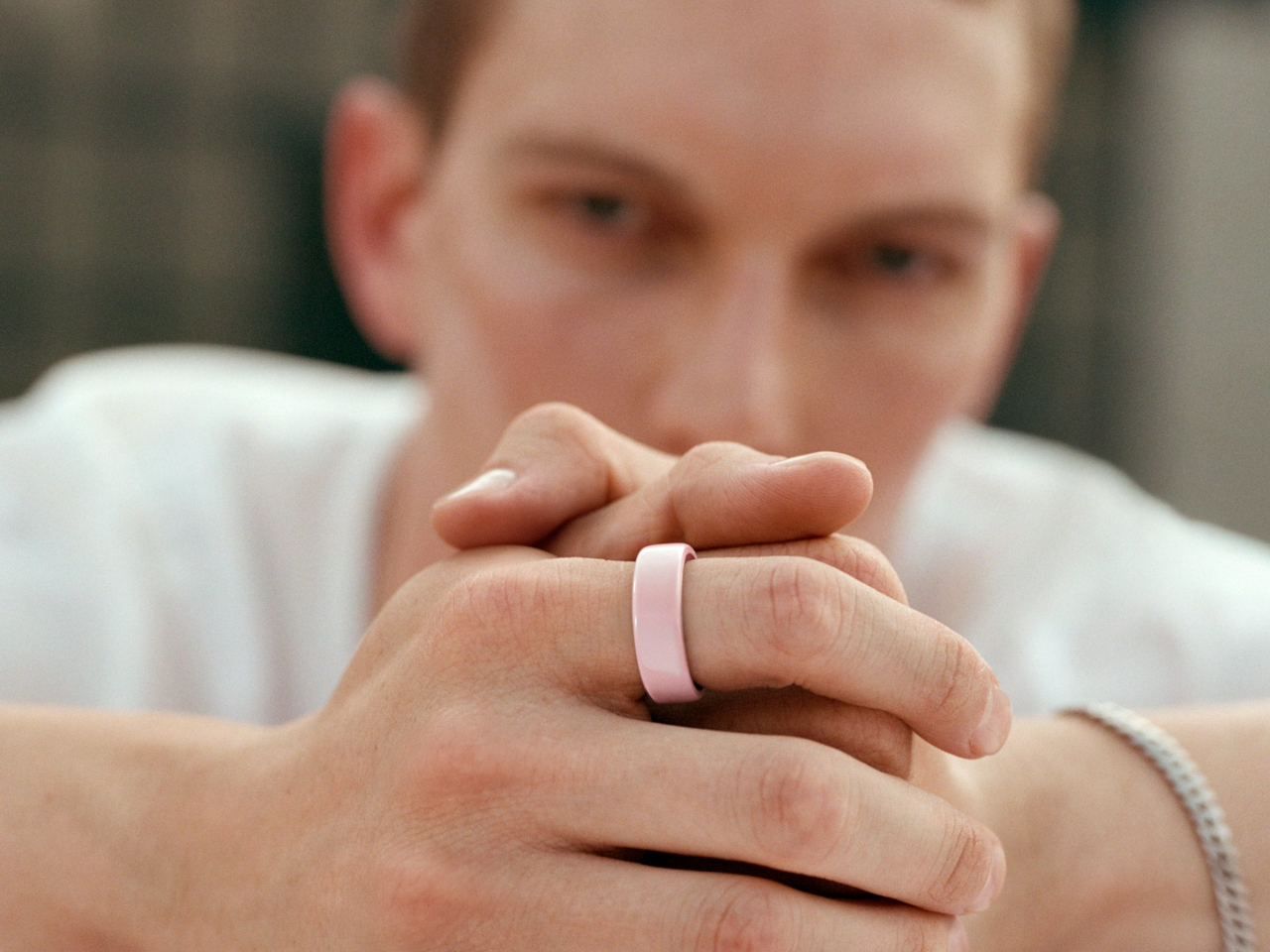
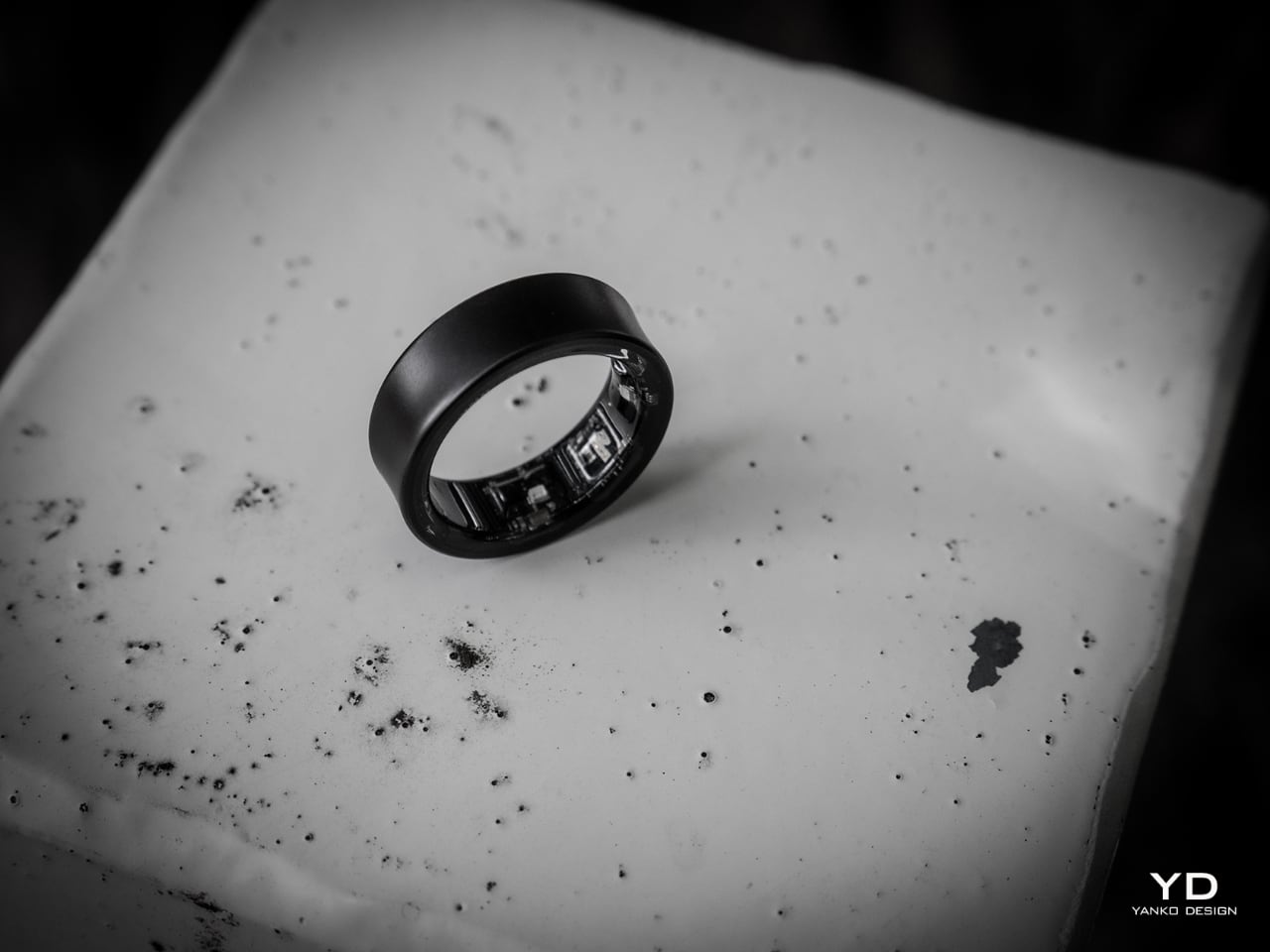
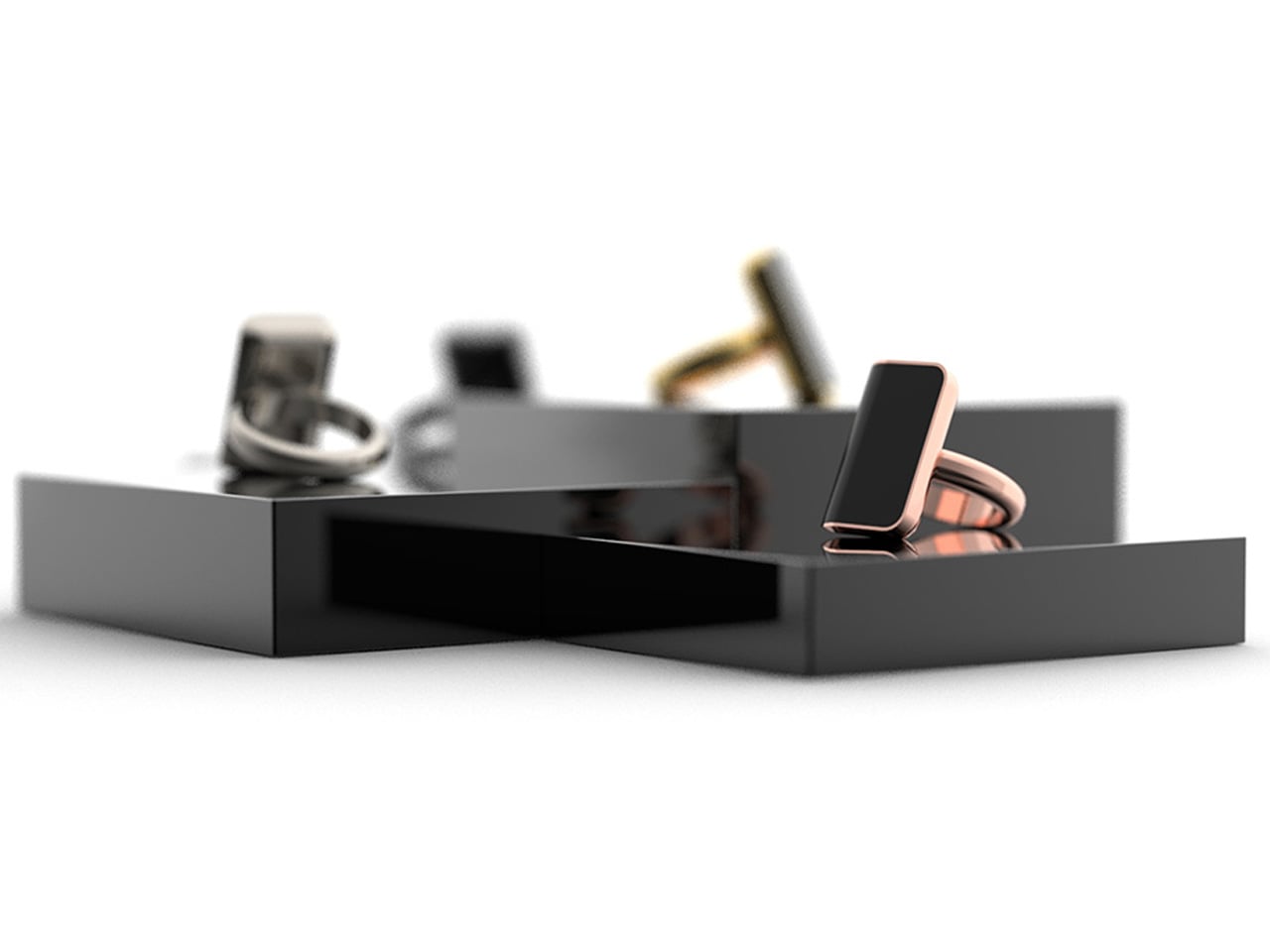
The Gen 3 comes in five finishes: Future Silver, Royal Gold, Matte Black, Brushed Silver, and Brushed Rose Gold. At $349, it’s firmly in premium smart ring territory, but the lack of a subscription fee makes that price easier to justify over time. Rivals that tack on monthly charges for full app access end up costing noticeably more in the long run, which makes RingConn’s flat-fee model considerably more appealing.
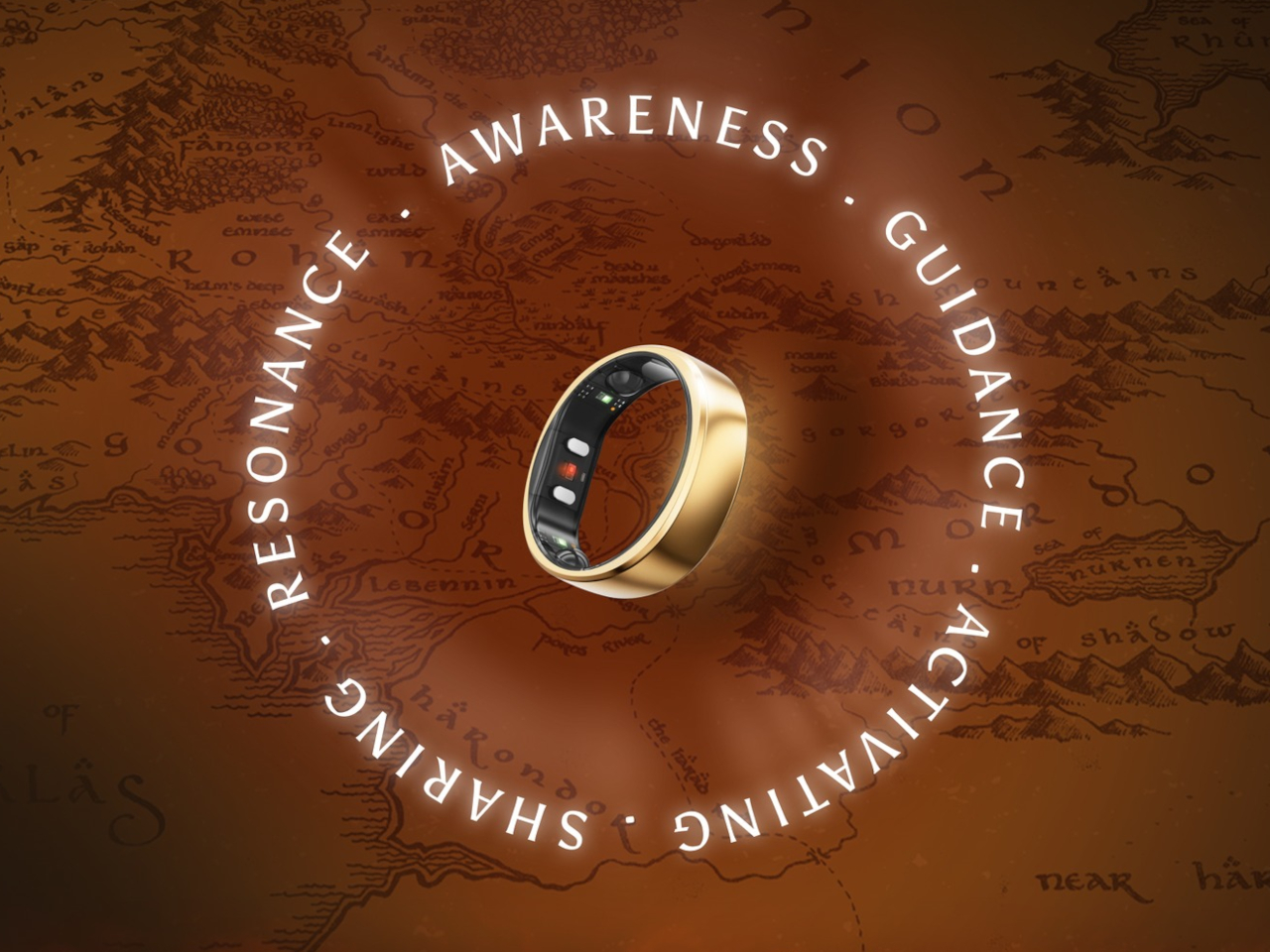
Then there’s the Warner Bros. Lord of the Rings collaboration, a limited-edition partnership that RingConn isn’t shy about mentioning. It’s a smart piece of brand alignment, a ring company partnering with the most famous, or infamous, ring in pop culture. Whether the tie-in feels like genuine collector appeal or calculated marketing depends on the buyer, but it does add some character to a category that tends to take itself rather seriously.
What RingConn Gen 3 really proposes is that a smart ring doesn’t have to stay quiet. The category has spent years refining how it listens to the body, and Gen 3 asks what happens when it starts talking back. Whether that’s a light nudge during a sedentary afternoon or a vascular trend surfacing across a few weeks, there’s something worth considering in a ring that finally has something to say.
The post Get Ready for the $349 Smart Ring That Vibrates on Your Finger first appeared on Yanko Design.
Wake Up, Neo. Your Ring Is Playing the Matrix.

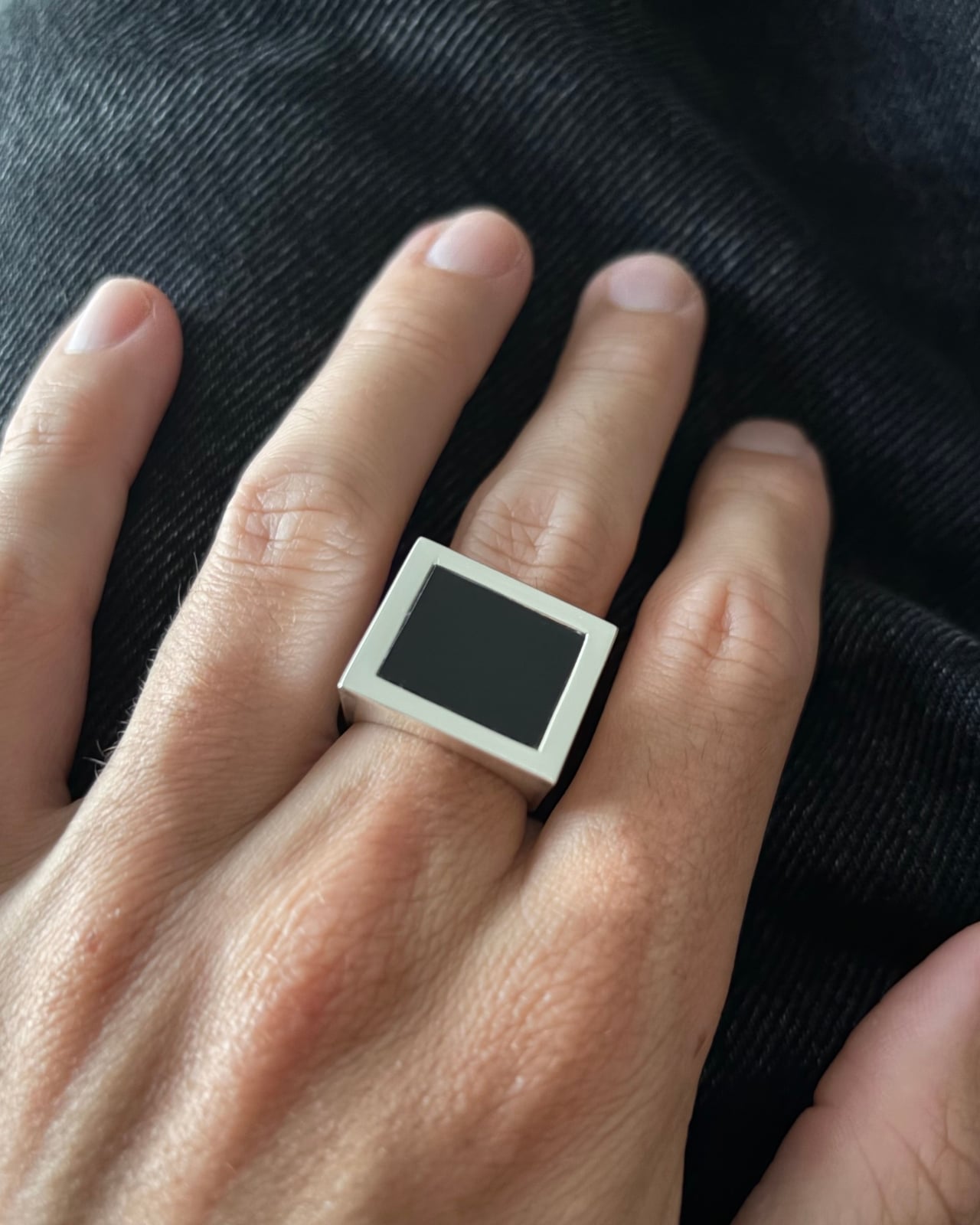
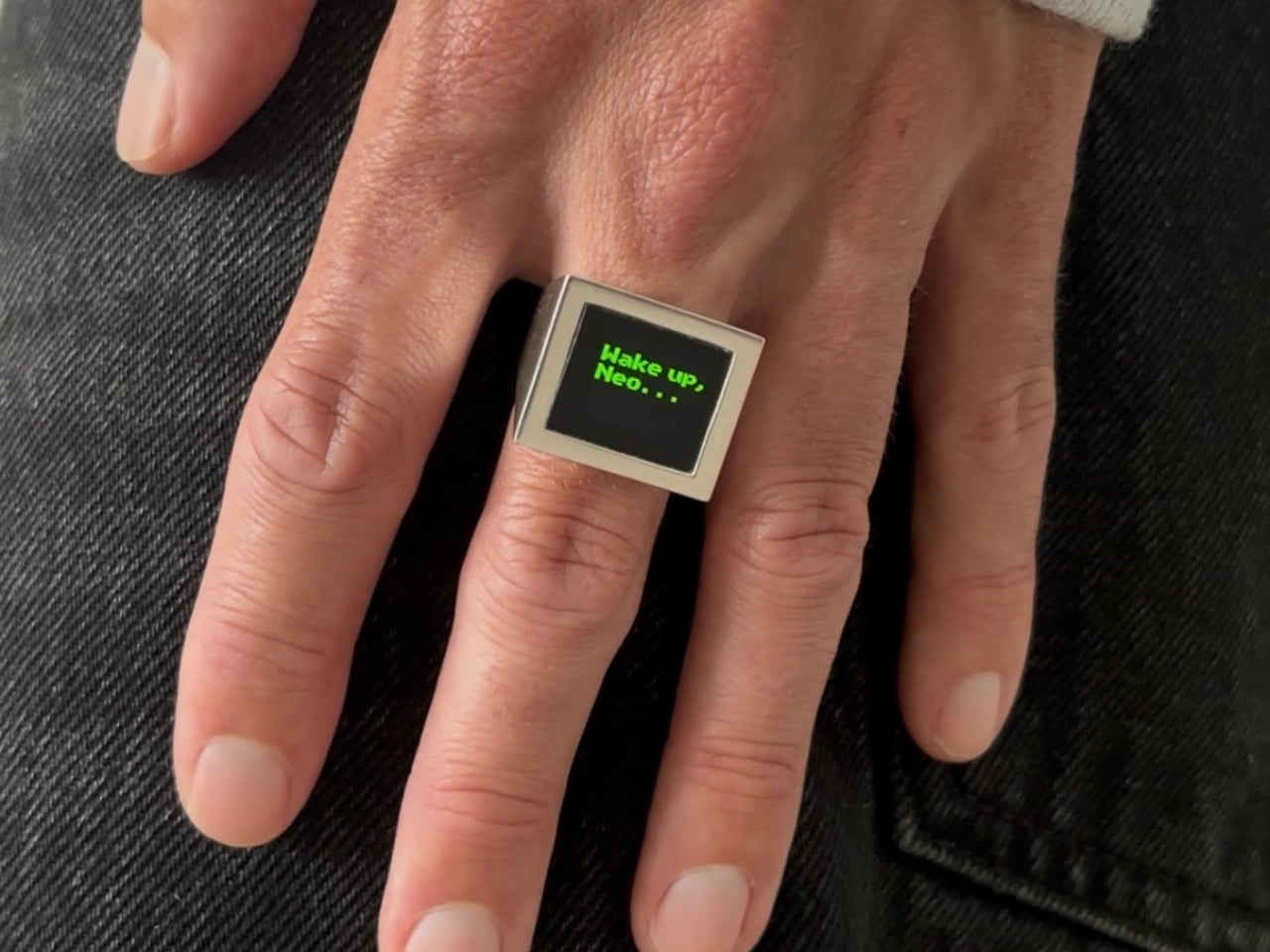
Look at the Digital Rain Ring when the screen is off, and you might not immediately clock what you’re looking at. A clean silver bezel. A flat black face. Bold, architectural proportions that sit somewhere between a modern signet ring and a minimalist sculpture. It reads as jewelry, completely and confidently. Then the animation starts.

That double life is arguably the most deliberate design decision Daniel Idle made. The OLED display, sitting recessed behind a polished silver frame, does something that most tech-forward jewelry fails to pull off: it disappears when it’s not in use. The black glass of the screen at rest looks remarkably close to a dark stone setting, the kind of graphic, monochromatic face you’d expect on a considered piece of contemporary jewelry. It’s only when the Matrix rain animation loops across it that the object reveals its other identity.

Designer: Daniel Idle

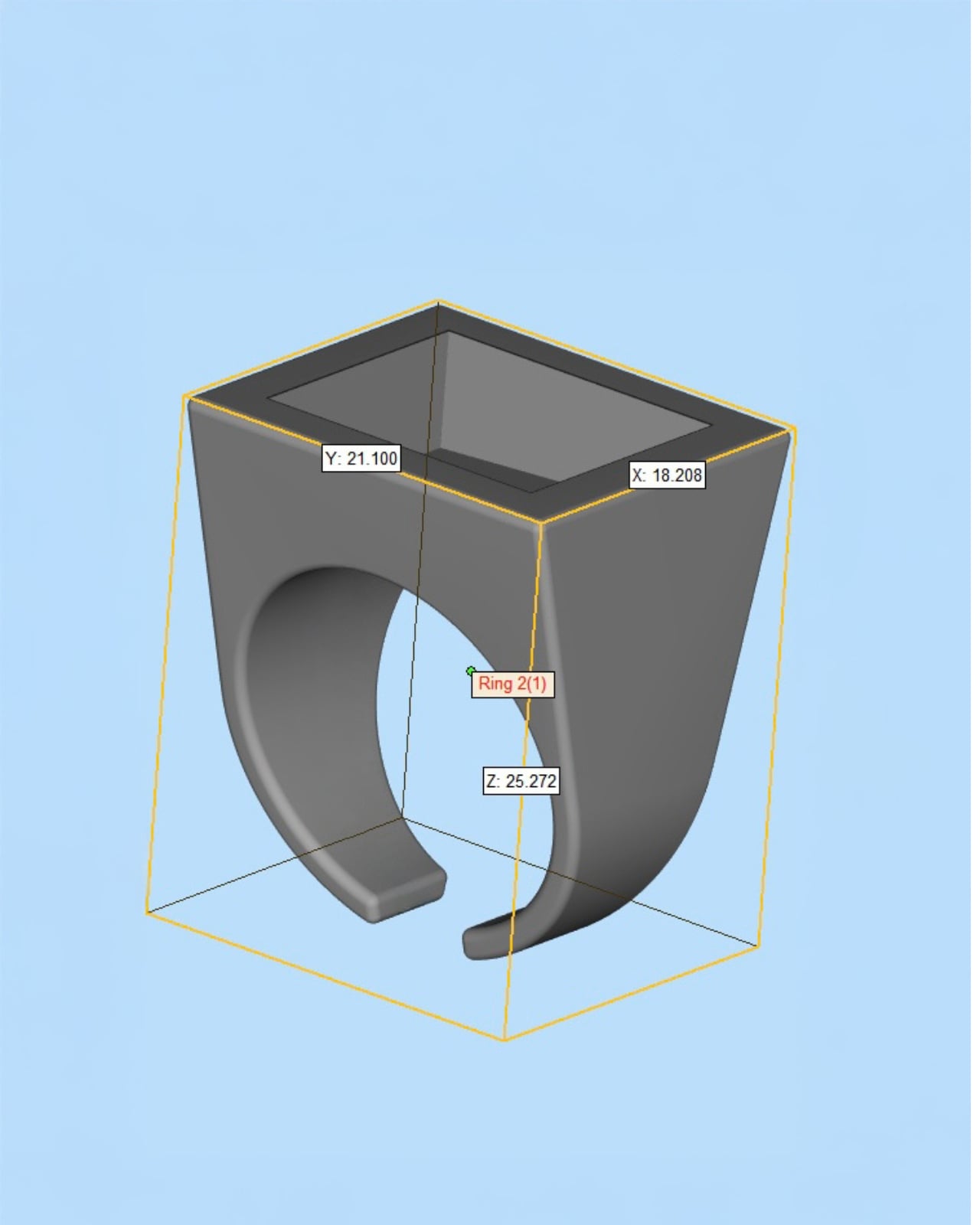
The physical form took real thinking to get right. Looking at the CAD model, the ring measures approximately 21mm by 18mm across the face, with a total height of just over 25mm. Those proportions matter. The face is large enough to hold the display at a readable scale, but the tapered body connecting it to the band keeps the overall silhouette from reading as clunky. The geometry is almost architectural, widening from the band up toward the face in a way that gives the piece visual weight without making it feel like you’re wearing a small appliance on your finger.

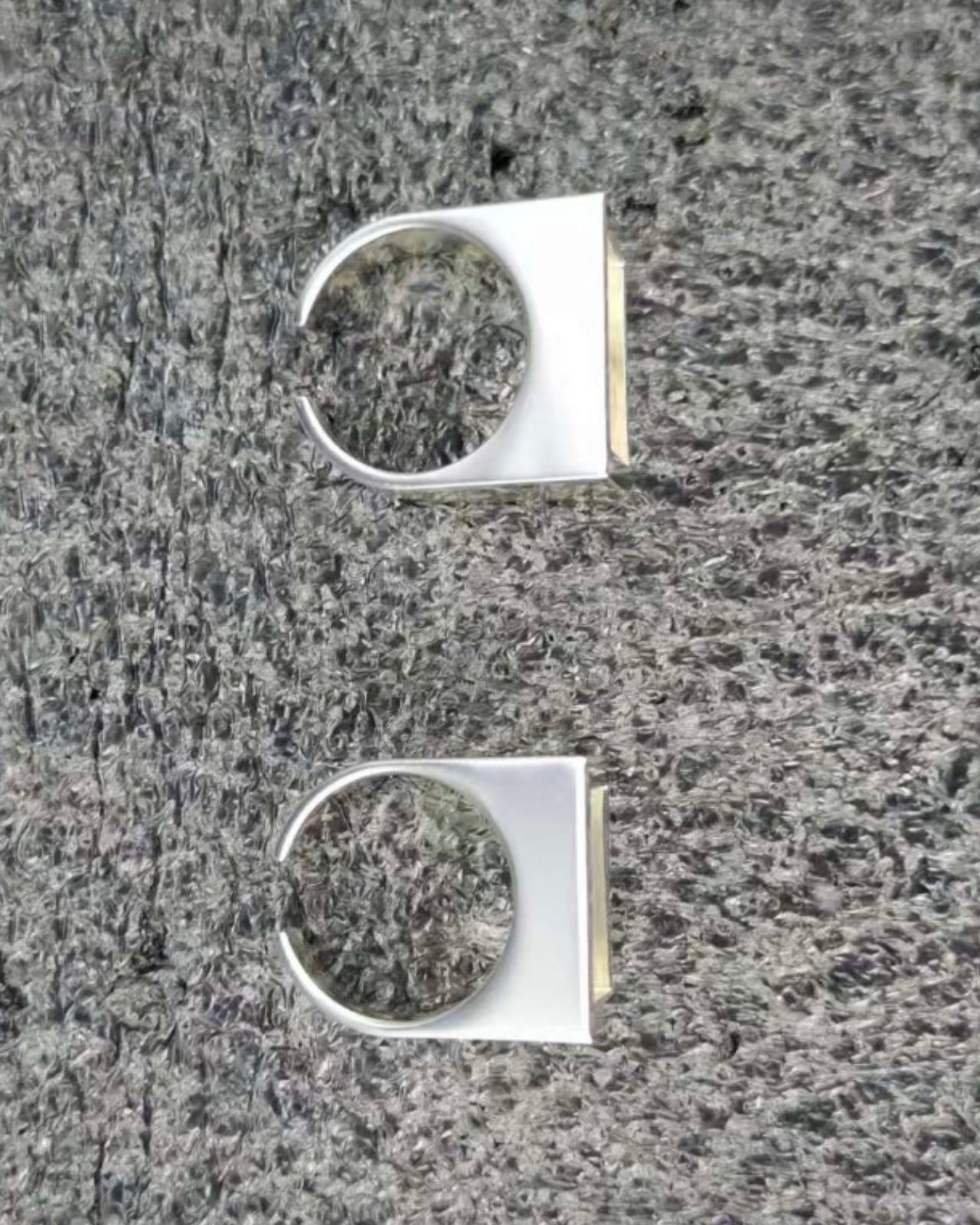
The band itself is an open C-shape rather than a fully closed ring. It’s a practical call given the electronics that need to live inside the body, but it also lands well aesthetically, softening what is otherwise a very hard-edged, geometric form. From the side, the two components sit in good proportion to each other. Nothing feels like an afterthought.

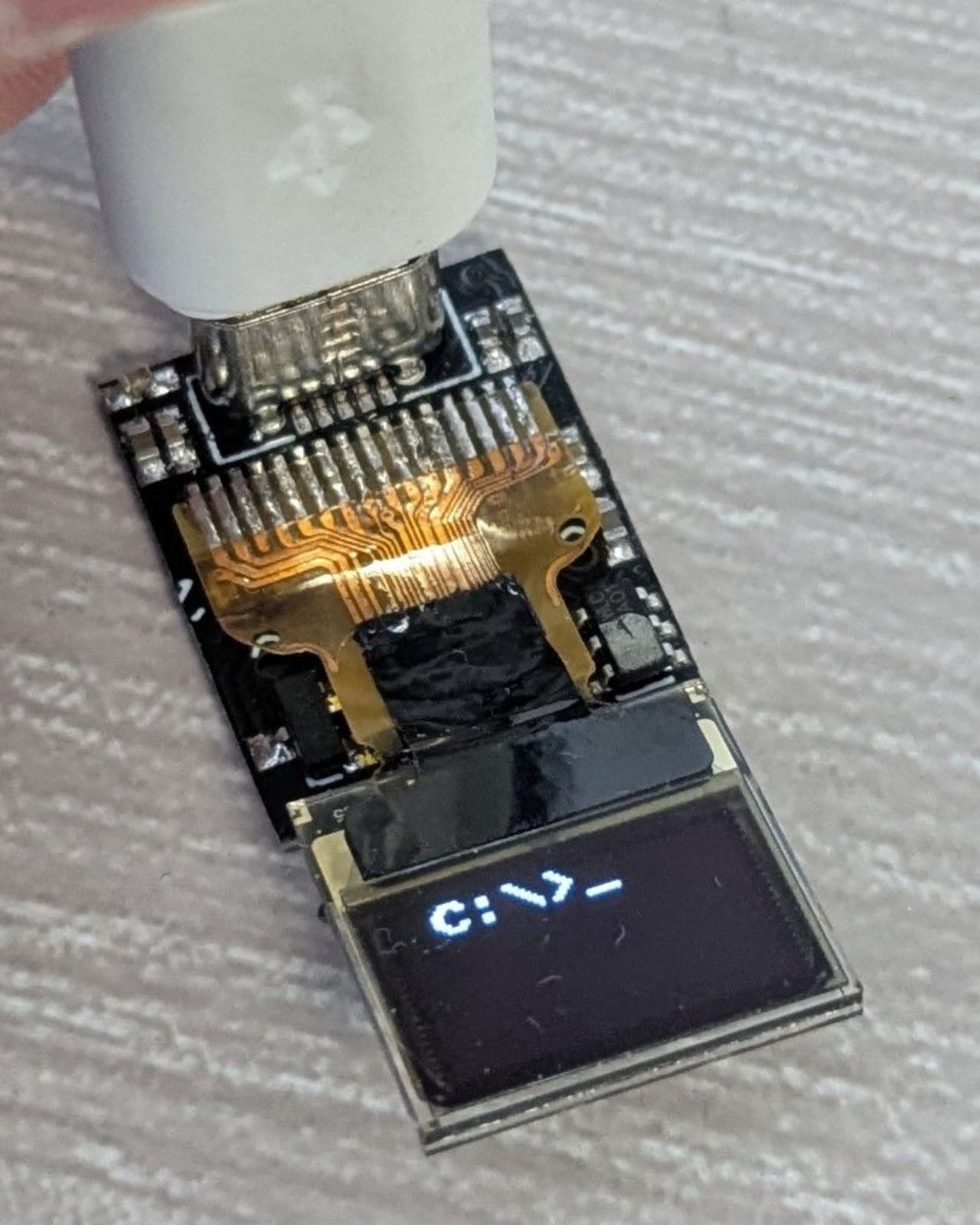
The custom PCB is worth pausing on. It’s tiny, densely packed, and clearly built to exact dimensions to fit within the ring body. A flexible ribbon cable connects the board to the OLED display, and a USB-C port is integrated for charging. The fact that all of this infrastructure lives inside something you wear on your finger is genuinely impressive engineering, but Idle’s judgment was to make sure none of it is visible in the finished piece. That restraint is what separates this from a hobbyist build.

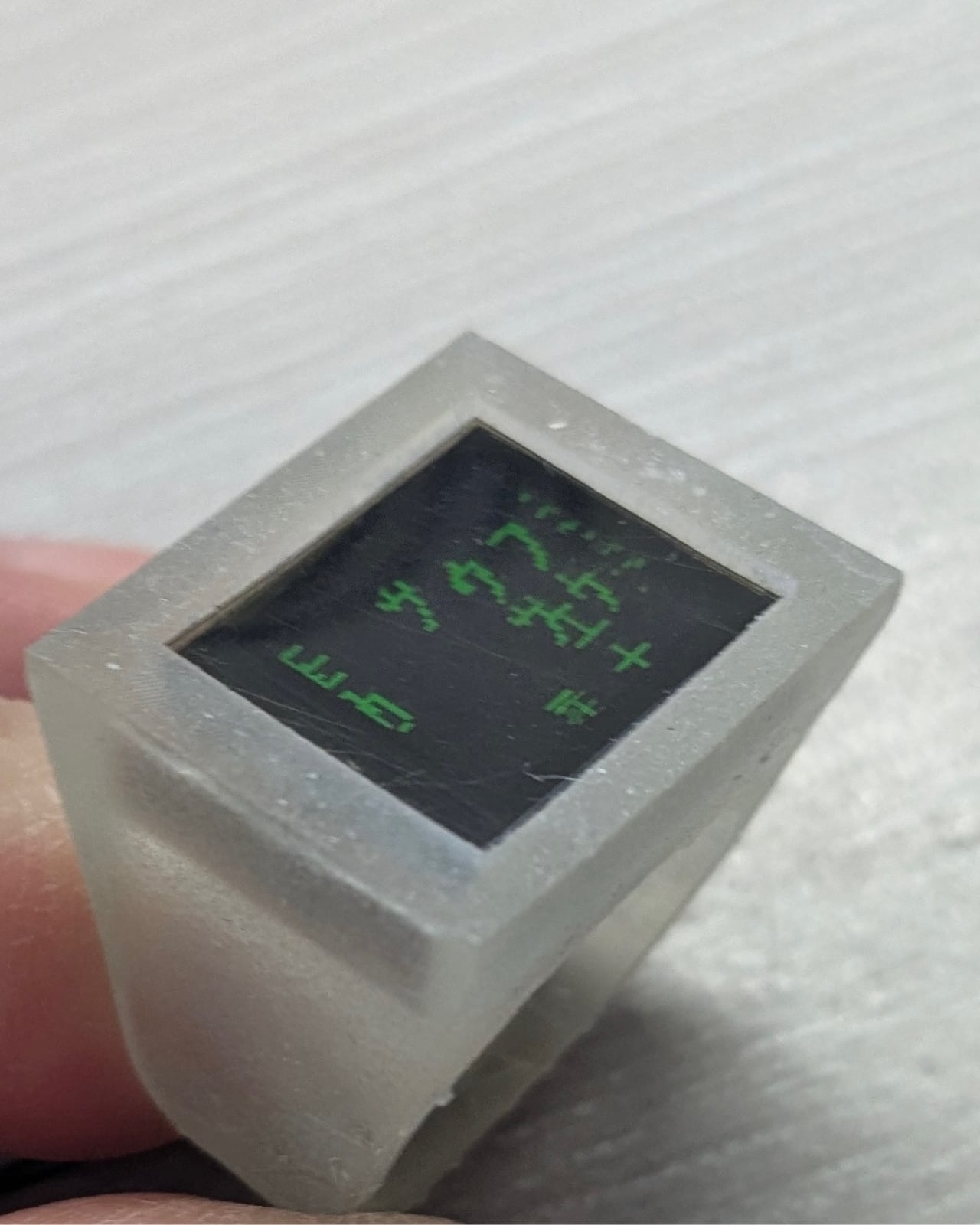
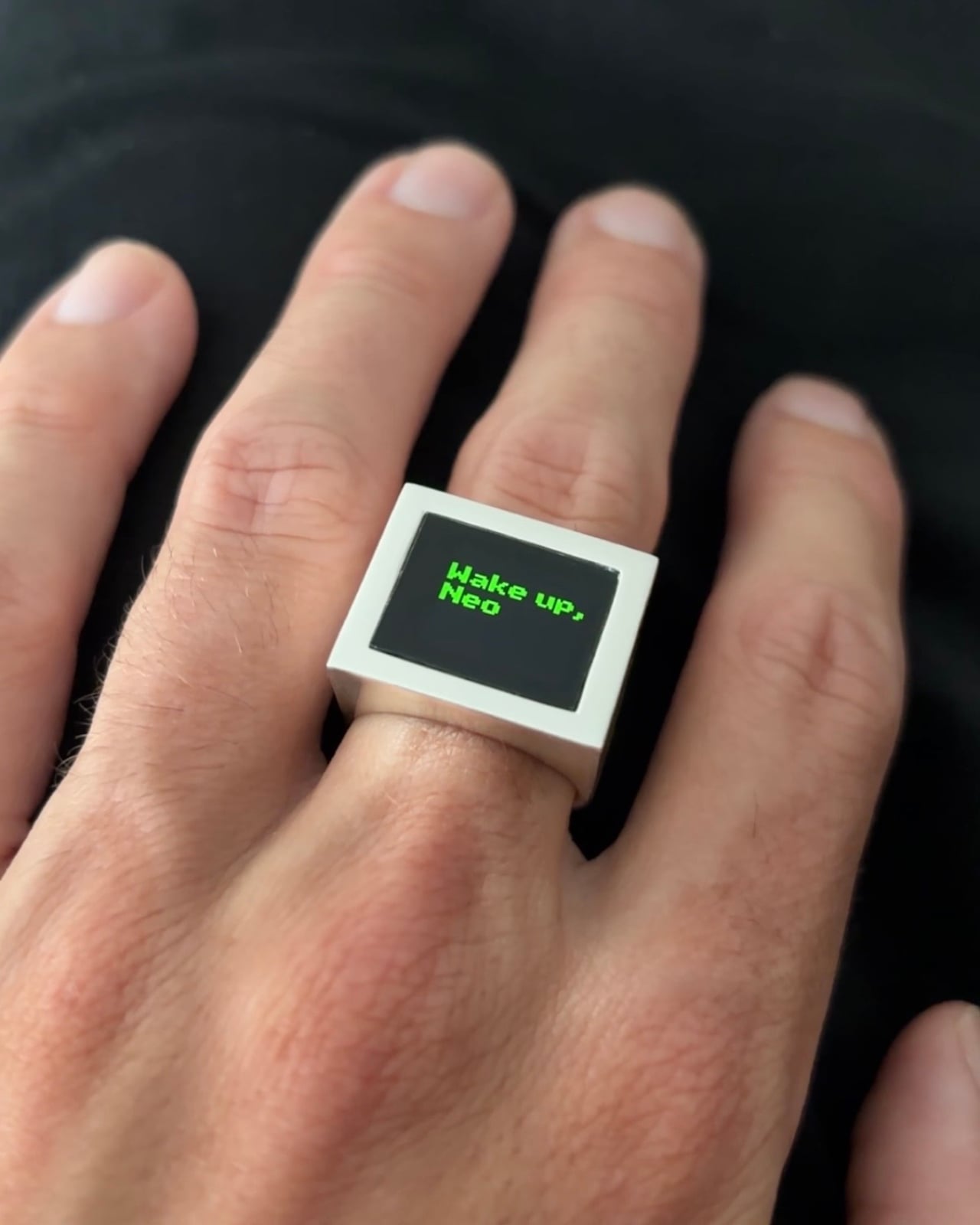
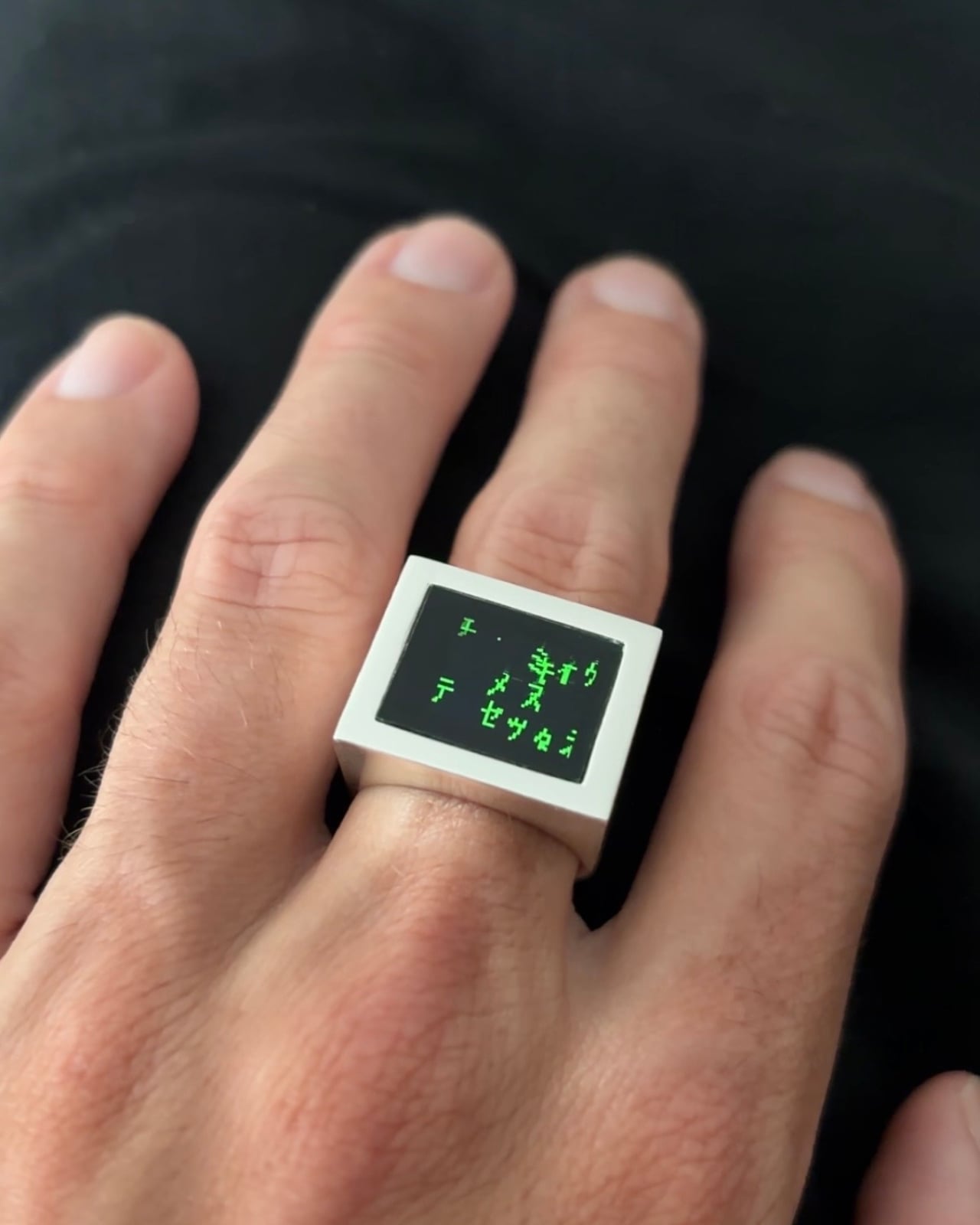
The prototype stage used a white resin body, which actually shows the concept quite clearly in a raw, honest way. You can see the display sitting flush with the face, the green animation already doing its work against the matte surface. But the shift to polished silver for the finished version was the right call. Silver gives the piece the visual language of jewelry rather than a prototype, and the contrast between the warm metal bezel and the deep black of the OLED screen is genuinely considered. It has the graphic confidence of a piece that was thought about as an object first and a technology project second.

The animation choice suits the form well too. The Matrix rain, those cascading columns of green katakana-inspired characters, fills a small square display naturally. It loops cleanly, it doesn’t demand to be read in detail, and its cultural weight does a lot of communicative work in a very compact space. “Wake up, Neo” appearing in green pixels on a silver ring is a complete sentence in the language of pop culture, and Idle clearly knows that.

What makes the Digital Rain Ring worth paying attention to is not the novelty of putting a screen on a ring. It’s the evidence that someone thought through the design consequences of doing so. The proportions hold up. The material choices are intentional. The off-state is as considered as the on-state. Most tech jewelry gets the technology right and the jewelry part wrong. This one seems to have gone in the other direction, starting with the object and working inward from there. That’s a harder problem to solve, and it’s the one that actually matters.

The post Wake Up, Neo. Your Ring Is Playing the Matrix. first appeared on Yanko Design.
Ultrahuman Ring PRO’s 15-Day Battery Removes the Main Reason to Quit

Most wearables make a generous promise: that daily wear will eventually help you understand your body better. In practice, though, many end up on a nightstand by Tuesday because the battery died or the data was too much to decode. The market for health wearables has grown quickly, but the friction hasn’t cleared as fast as the feature lists have gotten longer.

Smart rings have been one answer to that problem. They’re smaller, quieter, and don’t ask for your attention the way a smartwatch does. Ultrahuman’s Ring PRO is the company’s third-generation take on that idea, and it comes with a compact Mini Charger built around the same philosophy. Together, they’re designed to make health tracking feel like something running in the background rather than a habit you have to maintain.

Designer: Ultrahuman Healthcare Ltd.

Click Here to Buy Now: $399 $530 ($131 off). Hurry, only 1737/2005 left! Raised over $447,000.

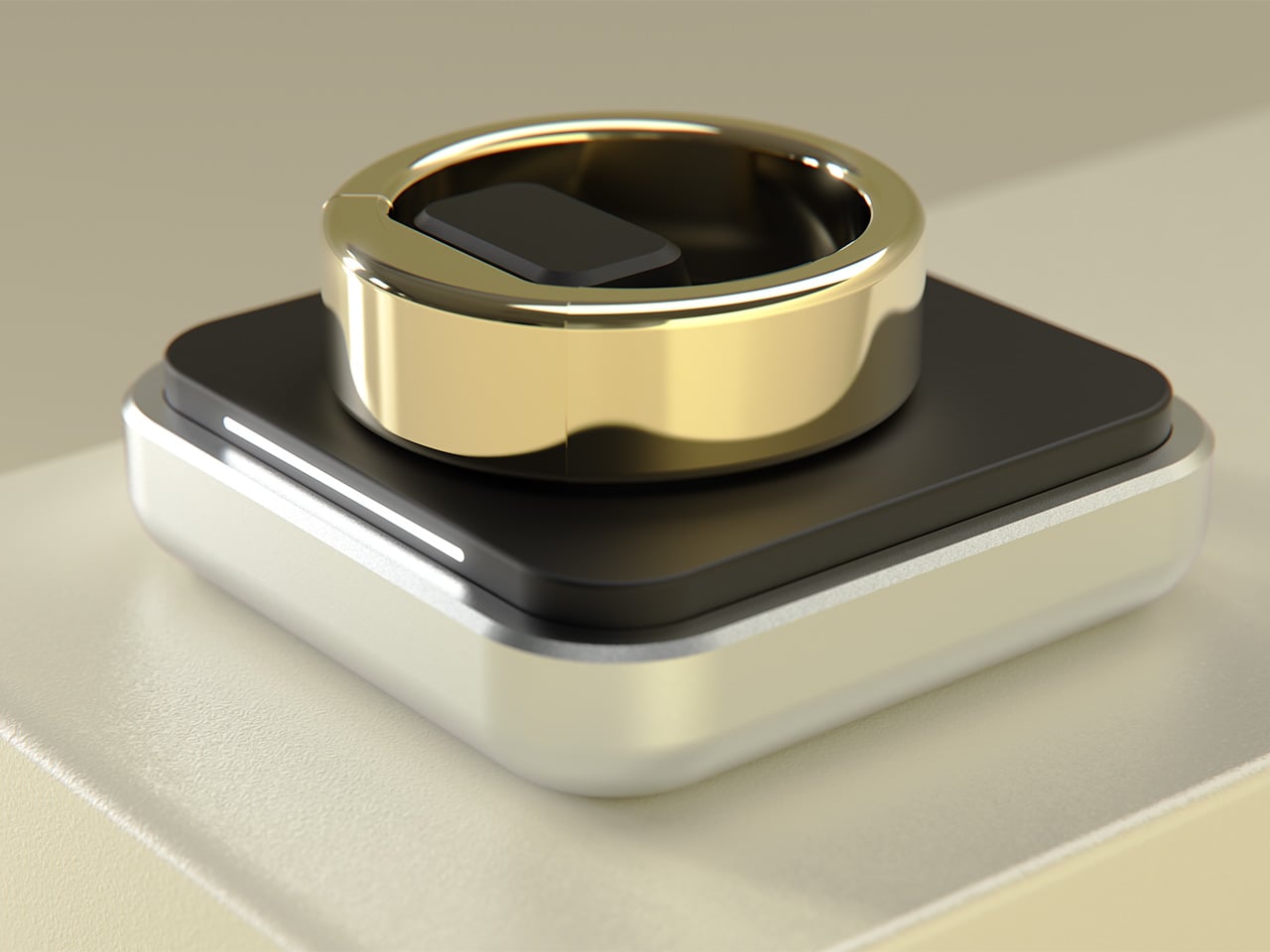
A big part of that comes down to battery life. The Ring PRO offers up to 15 days on a single charge, roughly three to four times what most competing smart rings manage. That means fewer interruptions during long trips, consistent overnight tracking without data gaps, and no anxiety about a dead ring. The pocket-sized Mini Charger handles the rest, plugging in via Type-C and fitting easily into any bag. Utilizing the new UltraSnap Charging Technology, the Ring PRO magnetically clicks into place, removing the stress of trying to aim for perfect alignment. The charger also generates less heat while in use, thanks to an energy-efficient mechanism.

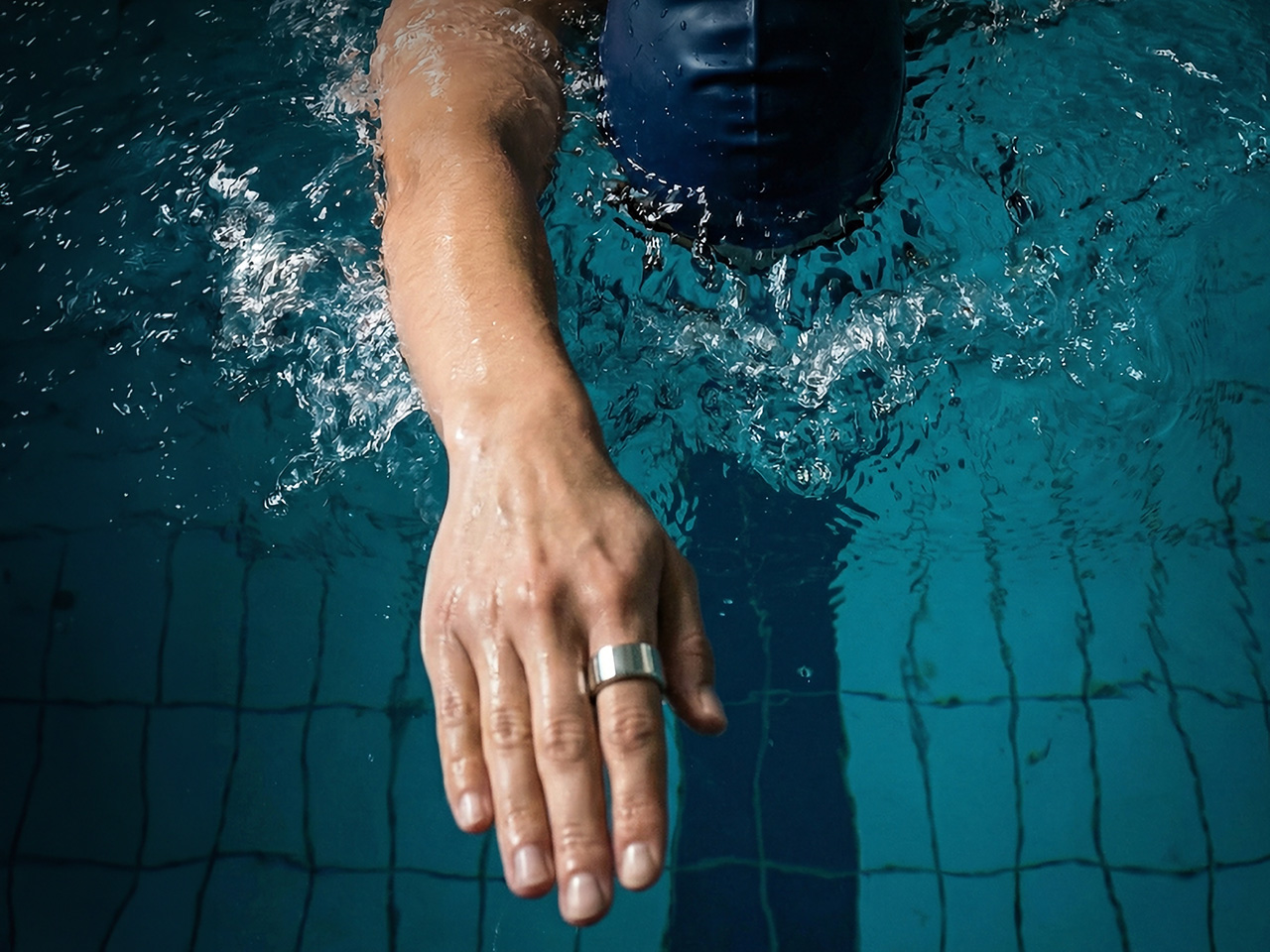
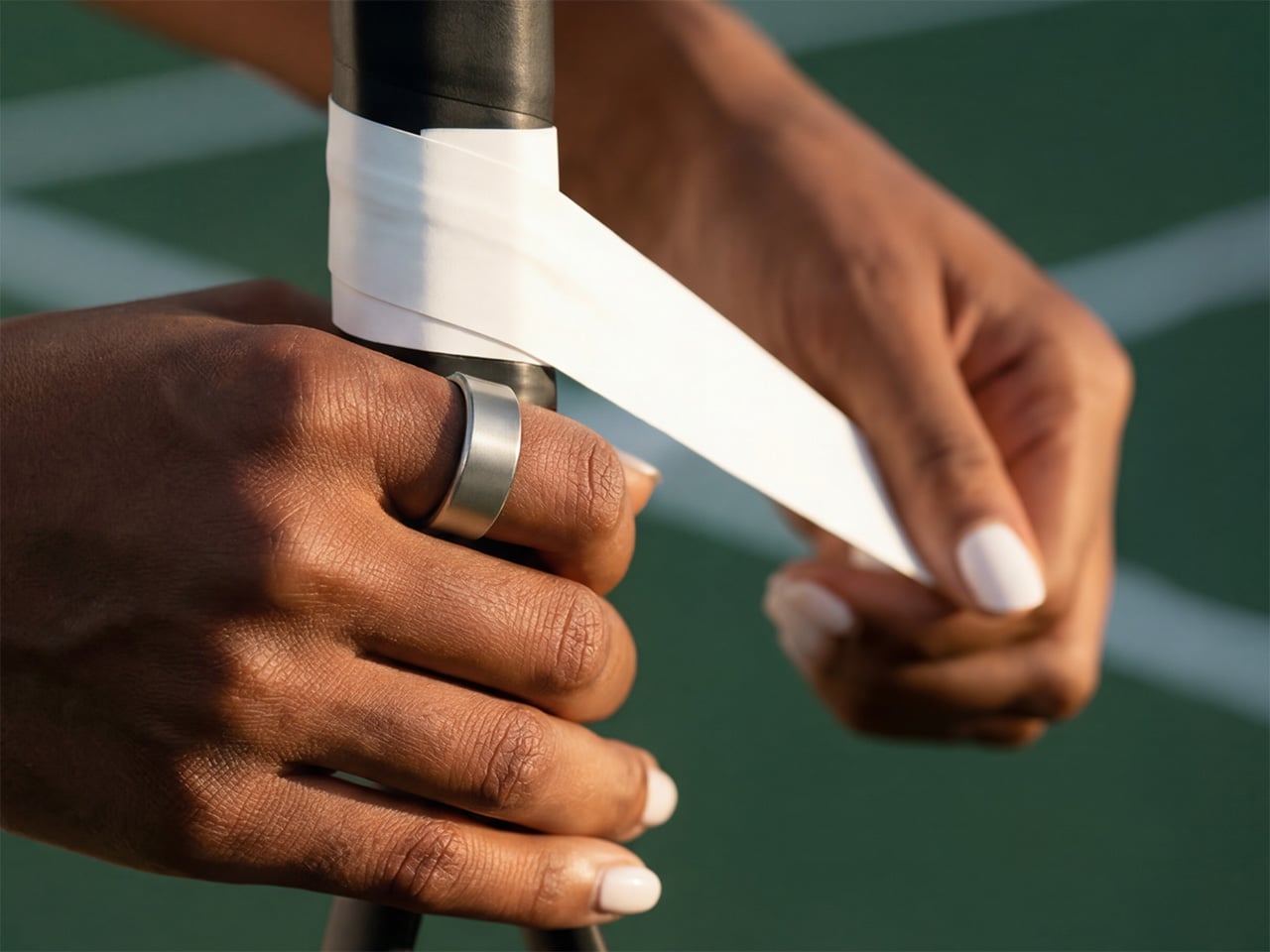
The ring sports a unibody titanium build, using the same fighter jet-grade material that has defined the Ultrahuman Ring from the beginning, keeping it lightweight yet durable enough for continuous wear. It’s water-resistant to 100m, so showers, swims, and more demanding water activities don’t require taking it off. It comes in sizes 5 to 14 and in four finishes: Bionic Gold, Aster Black, Space Silver, and Raw Titanium.

What sets Ring PRO apart, though, is a layer of real-time biointelligence called Jade AI. Rather than presenting raw data on a dashboard for you to decode, Jade reads across ring biometrics, blood biomarkers, and environmental data, then tells you what it all means for your health. It offers both quick answers for everyday use and a deeper research mode for tracking longer patterns and trends.

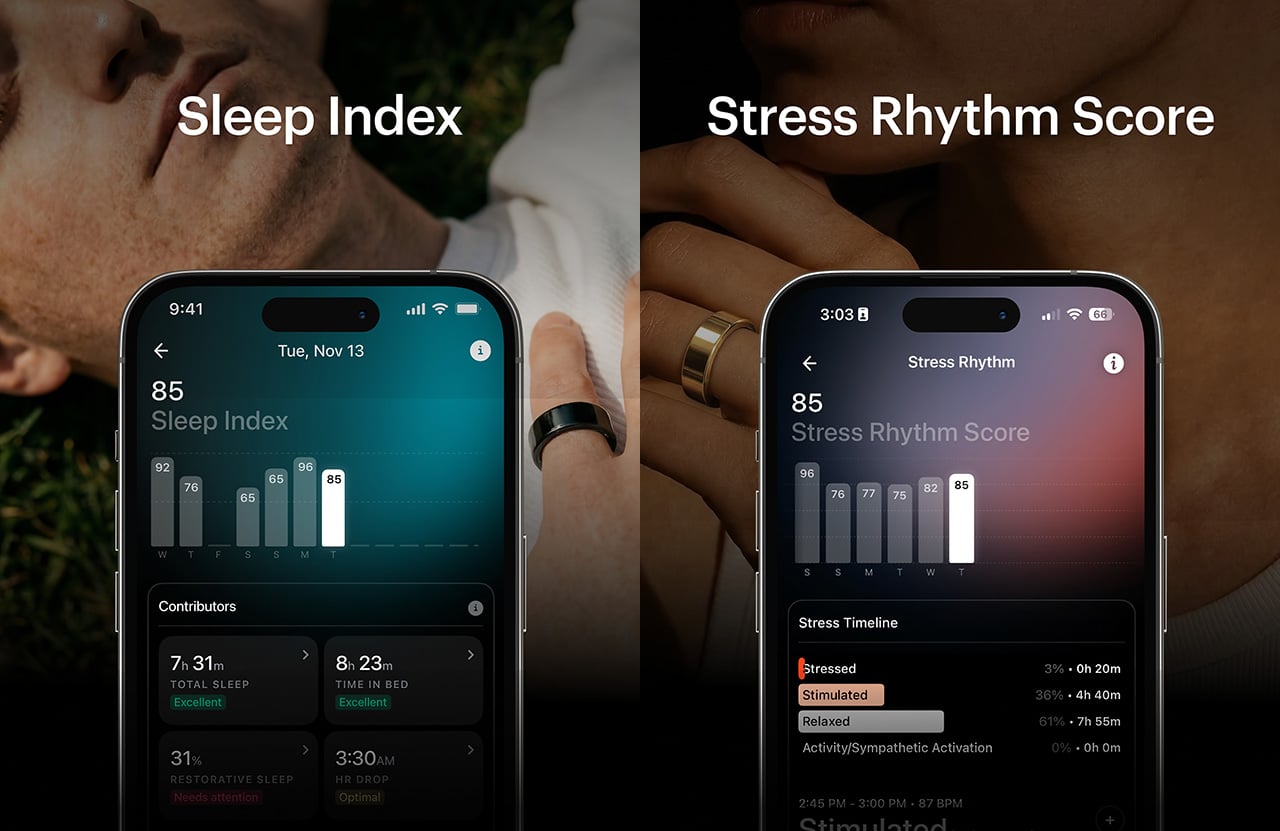
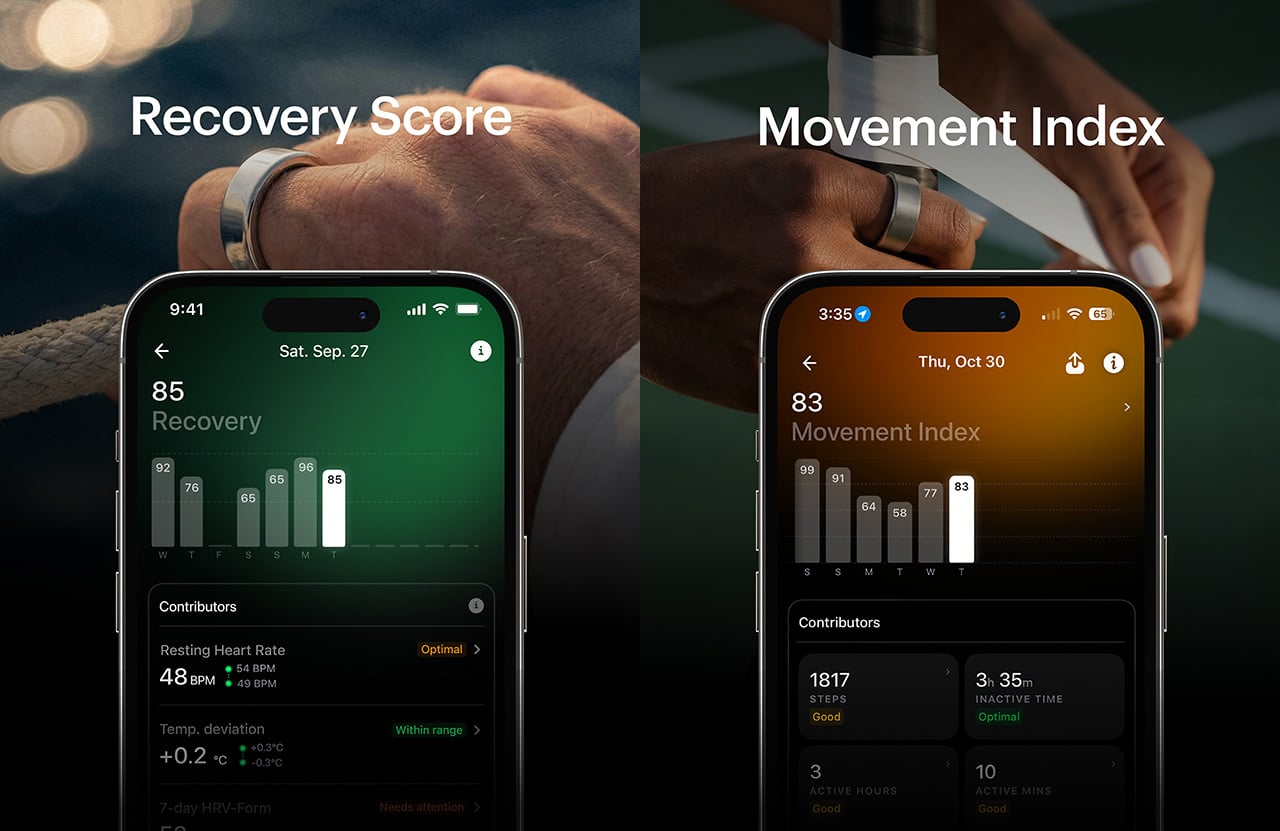
The core tracking covers the health signals most people care about: sleep stages, resting heart rate, HRV, body temperature, and daily movement. The Sleep Index and Dynamic Recovery don’t just score your rest or readiness; they aim to interpret those signals and adjust guidance as your body changes. The Stress Rhythm feature adds another layer by analyzing how your heart responds throughout the day against your circadian backdrop. Finally, Ultra Age can track how improving your lifestyle positively impacts your aging trajectory, giving you a competitive edge against time.

Beyond the basics, Ring PRO includes a library of more targeted health tools called PowerPlugs, precision micro-tools designed for highly personalized health insights. The Caffeine Window, for example, maps the best times for coffee against your recovery data and shifts your daily cutoff based on how well you slept. The Circadian Alignment tool tracks your body’s internal rhythm and flags when light, movement, or rest will have the most impact on energy and sleep quality.

The ring also adapts to different life stages rather than assuming everyone shares the same baseline. There are also dedicated modes for shift workers, new parents, and people with irregular schedules, where the scoring accounts for unconventional sleep timing and focuses on quality rather than rigid duration rules.

Women’s health is an extra strong focus for the Ultrahuman Ring PRO, and it goes beyond just covering cycle tracking, ovulation prediction, and logging symptoms. Cycle Flags, for example, offer insights that let women take a more proactive approach rather than just waiting for things to happen. With over 90% accuracy for ovulation confirmation, OvuSense Technology helps you understand your body better, whether you’re trying to conceive or navigating an irregular cycle.

Health tracking only works if you wear the device consistently enough for the data to build into something meaningful. Ring PRO’s combination of up to 250 days of on-ring storage, a dual-core processor with on-chip machine learning for speed, efficiency, and reliability, and a build designed for 24-hour wear makes a fairly pointed argument that the biggest obstacle between most people and better health data has always been friction, not features.

Click Here to Buy Now: $399 $530 ($131 off). Hurry, only 1737/2005 left! Raised over $447,000.

The post Ultrahuman Ring PRO’s 15-Day Battery Removes the Main Reason to Quit first appeared on Yanko Design.
Ultrahuman Ring PRO’s 15-Day Battery Removes the Main Reason to Quit

Most wearables make a generous promise: that daily wear will eventually help you understand your body better. In practice, though, many end up on a nightstand by Tuesday because the battery died or the data was too much to decode. The market for health wearables has grown quickly, but the friction hasn’t cleared as fast as the feature lists have gotten longer.

Smart rings have been one answer to that problem. They’re smaller, quieter, and don’t ask for your attention the way a smartwatch does. Ultrahuman’s Ring PRO is the company’s third-generation take on that idea, and it comes with a compact Mini Charger built around the same philosophy. Together, they’re designed to make health tracking feel like something running in the background rather than a habit you have to maintain.

Designer: Ultrahuman Healthcare Ltd.

Click Here to Buy Now: $399 $530 ($131 off). Hurry, only 1737/2005 left! Raised over $447,000.

A big part of that comes down to battery life. The Ring PRO offers up to 15 days on a single charge, roughly three to four times what most competing smart rings manage. That means fewer interruptions during long trips, consistent overnight tracking without data gaps, and no anxiety about a dead ring. The pocket-sized Mini Charger handles the rest, plugging in via Type-C and fitting easily into any bag. Utilizing the new UltraSnap Charging Technology, the Ring PRO magnetically clicks into place, removing the stress of trying to aim for perfect alignment. The charger also generates less heat while in use, thanks to an energy-efficient mechanism.

The ring sports a unibody titanium build, using the same fighter jet-grade material that has defined the Ultrahuman Ring from the beginning, keeping it lightweight yet durable enough for continuous wear. It’s water-resistant to 100m, so showers, swims, and more demanding water activities don’t require taking it off. It comes in sizes 5 to 14 and in four finishes: Bionic Gold, Aster Black, Space Silver, and Raw Titanium.

What sets Ring PRO apart, though, is a layer of real-time biointelligence called Jade AI. Rather than presenting raw data on a dashboard for you to decode, Jade reads across ring biometrics, blood biomarkers, and environmental data, then tells you what it all means for your health. It offers both quick answers for everyday use and a deeper research mode for tracking longer patterns and trends.

The core tracking covers the health signals most people care about: sleep stages, resting heart rate, HRV, body temperature, and daily movement. The Sleep Index and Dynamic Recovery don’t just score your rest or readiness; they aim to interpret those signals and adjust guidance as your body changes. The Stress Rhythm feature adds another layer by analyzing how your heart responds throughout the day against your circadian backdrop. Finally, Ultra Age can track how improving your lifestyle positively impacts your aging trajectory, giving you a competitive edge against time.

Beyond the basics, Ring PRO includes a library of more targeted health tools called PowerPlugs, precision micro-tools designed for highly personalized health insights. The Caffeine Window, for example, maps the best times for coffee against your recovery data and shifts your daily cutoff based on how well you slept. The Circadian Alignment tool tracks your body’s internal rhythm and flags when light, movement, or rest will have the most impact on energy and sleep quality.

The ring also adapts to different life stages rather than assuming everyone shares the same baseline. There are also dedicated modes for shift workers, new parents, and people with irregular schedules, where the scoring accounts for unconventional sleep timing and focuses on quality rather than rigid duration rules.

Women’s health is an extra strong focus for the Ultrahuman Ring PRO, and it goes beyond just covering cycle tracking, ovulation prediction, and logging symptoms. Cycle Flags, for example, offer insights that let women take a more proactive approach rather than just waiting for things to happen. With over 90% accuracy for ovulation confirmation, OvuSense Technology helps you understand your body better, whether you’re trying to conceive or navigating an irregular cycle.

Health tracking only works if you wear the device consistently enough for the data to build into something meaningful. Ring PRO’s combination of up to 250 days of on-ring storage, a dual-core processor with on-chip machine learning for speed, efficiency, and reliability, and a build designed for 24-hour wear makes a fairly pointed argument that the biggest obstacle between most people and better health data has always been friction, not features.

Click Here to Buy Now: $399 $530 ($131 off). Hurry, only 1737/2005 left! Raised over $447,000.

The post Ultrahuman Ring PRO’s 15-Day Battery Removes the Main Reason to Quit first appeared on Yanko Design.
Smart rings just had their breakout week

Smartwatches have had an impressive run, but the category is starting to feel a bit crowded and tired. Most recent releases have been iterative, adding a sensor here or a display tweak there, while the core form stays essentially the same: a small screen on your wrist buzzing at you constantly. Consumers are starting to wonder what the next genuinely interesting chapter of wearables looks like.

It turns out the answer might be right on your finger. In one week during May 2026, the smart ring went from niche wellness accessory to the category everyone in wearables should be watching. Oura confidentially filed an S-1 with the SEC, RingConn opened pre-orders for its Gen 3, and fresh leaks in iOS 26 code reignited the idea that Apple might be circling the space.

Designer: Oura Ring, RingConn, Apple, Samsung

Part of what makes this moment feel significant is that it isn’t purely a business story. The smart ring’s appeal is rooted in something the smartwatch was never designed for: disappearing. A ring doesn’t have a screen demanding your attention, doesn’t buzz through dinner, and doesn’t get taken off at bedtime. For passive health tracking, especially overnight, the finger turns out to be a surprisingly elegant surface.

RingConn Gen 3

RingConn’s Gen 3 is the clearest hardware proof that the category is maturing. At $349, the titanium ring ships with a 14-day battery, vascular health tracking, and haptic alerts, all without a subscription fee. That battery figure alone is worth pausing on. A ring that only needs charging once a fortnight fits into daily life in a way that a device needing nightly top-ups simply doesn’t.

RingConn Gen 3

RingConn Gen 3

What RingConn’s launch really signals is a shift in the category brief. Buyers aren’t just asking whether a ring can track their sleep anymore. They want richer health data, meaningful feedback, and hardware that feels finished rather than experimental. Titanium construction, cardiovascular insights, and a no-subscription model together suggest that the smart ring has stopped apologizing for what it can’t do and started showing off what it can.

Oura’s confidential S-1 filing adds a different kind of weight to the week. Filing with the SEC isn’t something companies do casually. It means Oura believes the smart ring market is stable enough, scalable enough, and financially convincing enough to withstand public-market scrutiny. It’s also a signal that the subscription model, which charges users a monthly fee to access their own health data, has real staying power.

Oura Ring 4

That subscription debate cuts to something interesting about how these companies see what a smart ring is. Oura is essentially selling a sensor paired with an ongoing interpretation service. RingConn is selling a finished object you own outright. Neither is wrong, but the two approaches create very different relationships between wearer and device, and that relationship shapes every other decision the product team ends up making.

Then there’s Apple, which hasn’t confirmed anything but whose shadow is already affecting the conversation. References buried in iOS 26 code have fueled speculation that Cupertino is at least exploring a ring-shaped device, possibly one that ties into the broader Vision Pro ecosystem. Apple hasn’t shipped a ring yet, but its apparent interest alone changes how developers, investors, and competing hardware teams think about the category’s long-term potential.

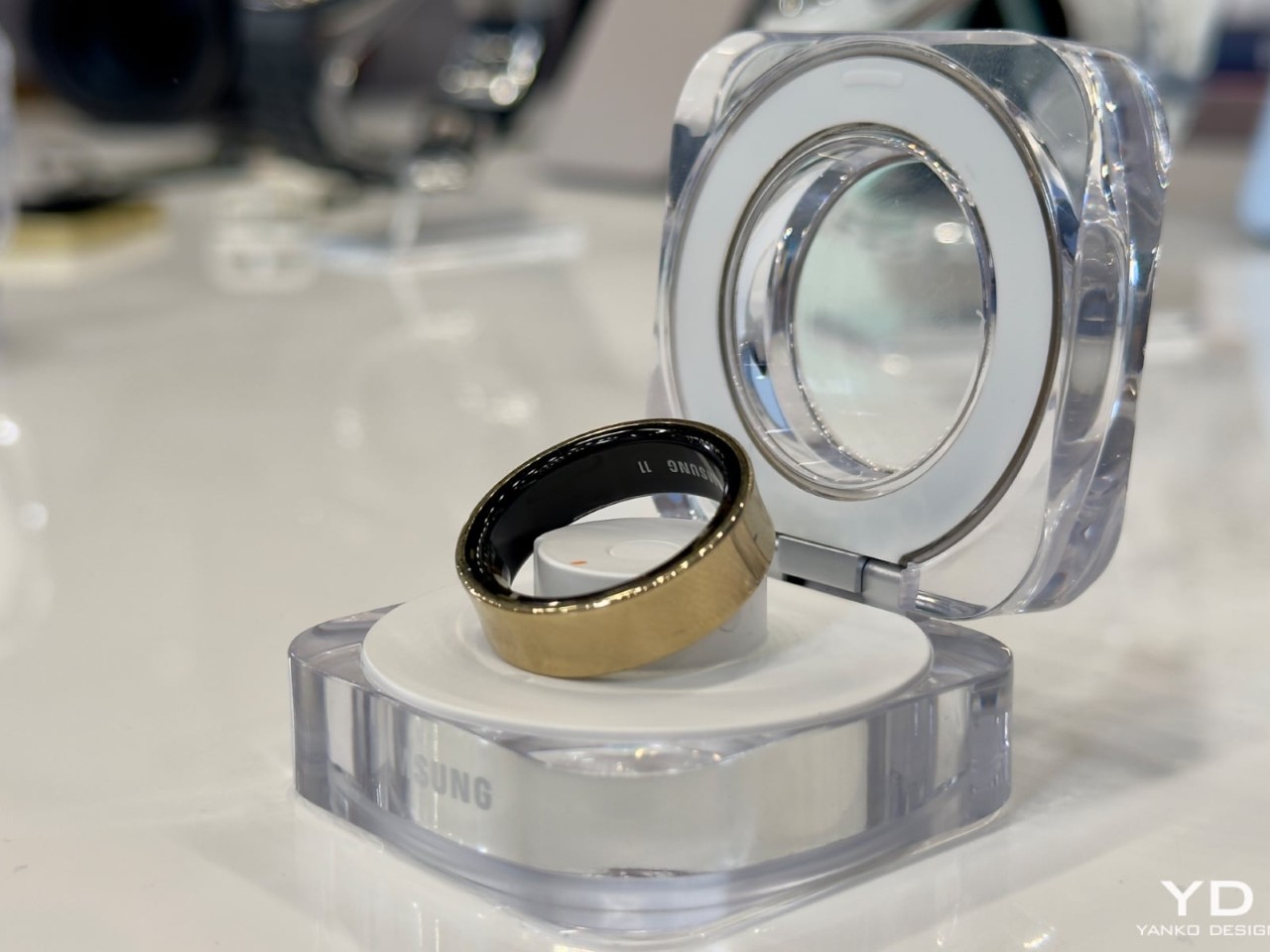
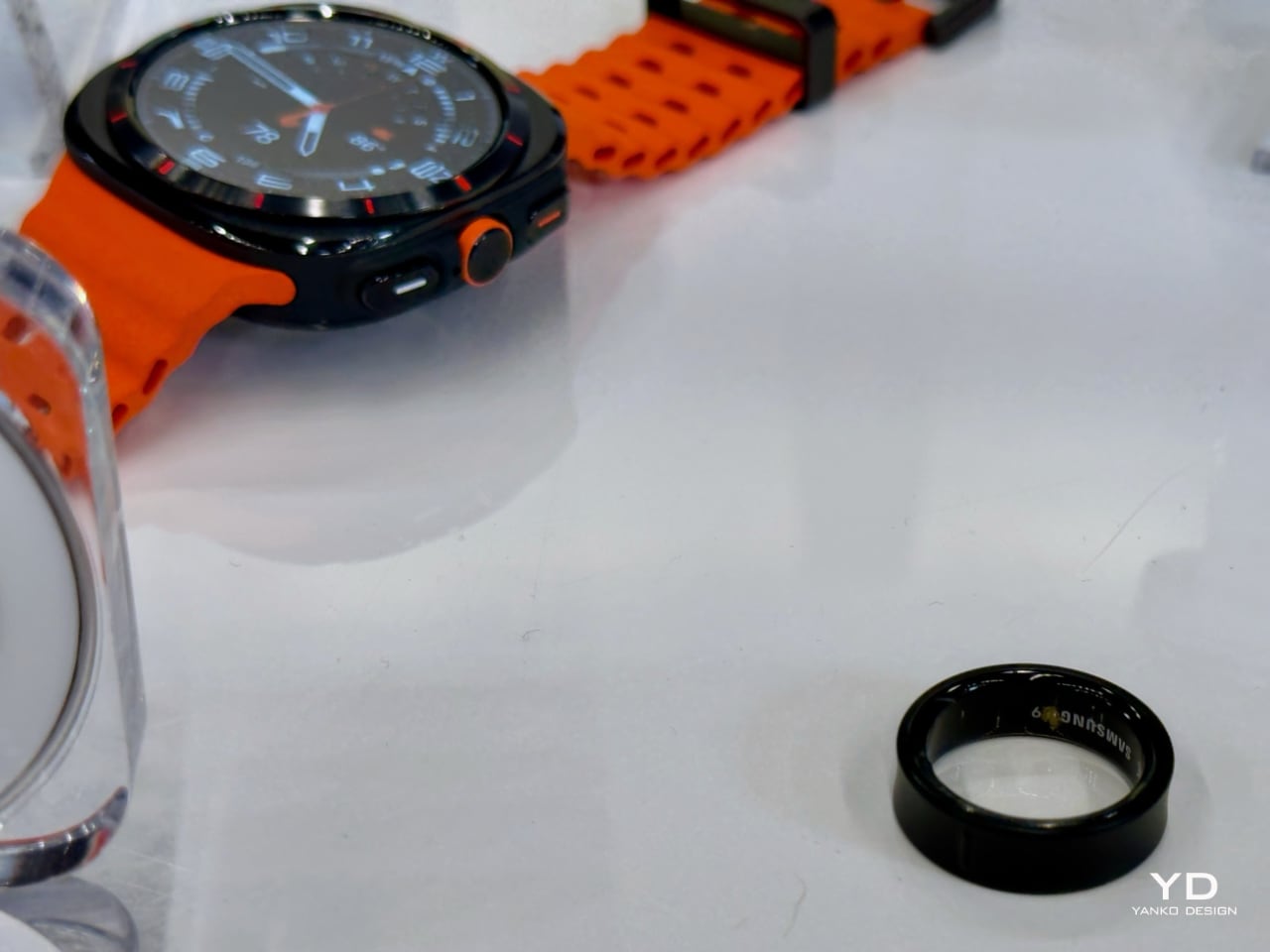
Samsung Galaxy Ring

The harder question, of course, is what comes next for a category that’s barely five grams and still trying to grow up. Blood pressure monitoring, non-invasive glucose tracking, and finer cardiovascular sensing are all on the roadmap, but they’ll demand even more from a form factor that’s already pushing the limits of miniaturization. Getting there without sacrificing comfort or wearability is the real design challenge ahead.

The post Smart rings just had their breakout week first appeared on Yanko Design.
Top 5 Innovative Smart Rings To Meet Your Modern Lifestyle Needs

Wearable devices are getting more advanced, stylish, and sophisticated by the minute, and smart rings are no exception. These innovative and nifty wearables merge functionality, form, and fashion, serving as handy designs that elevate your daily life without hampering your taste and style. Smart Rings help with a whole bunch of activities ranging from health monitoring and fitness tracking to even interacting or controlling your music! We’ve curated the top five smart rings for you, highlighting their excellent functionalities and their ability to meet your needs. These must-have accessories are recommended for anyone who wants to upgrade their wearable tech.

1. Oura Ring Gen3

Meet the Oura Ring Gen3 – a Strava-integrated fitness ring. The smart wearable is designed to track your health accurately and precisely. It utilizes advanced sensors to measure heart rate, step count, calories burned, and blood oxygen level. Unlike typical wrist-worn trackers, it delivers precise readings since it can measure signals from your fingers, offering accurate and detailed data. It also lends a hand in tracking your body temperature, detecting stress and any illness, and educating you on how stress can impact your body.

2. Aina

Meet Aina – a smart wearable ring that sits comfortably on your finger, and does everything your smartphone can. It can book cabs, unlock doors, make payments, track your fitness and health, and let you talk on your phone, without having to use it. You simply need to hold your finger to your ear, and the ring will project the sound directly into your ear. The smart ring feels right out of a James Bond movie! It is designed to mirror or replicate the smartphone experience, while sitting soundly on your finger.

3. Circular Wellness Ring

The Circular wellness ring provides the standard lineup of activity tracking and health monitoring, but it also gives you a little more. It is integrated with a smart alarm, which wakes you up easily and effectively at the best time, based on your sleep cycle. The ring can also analyze your bio-signals to keep an eye on your sleep quality, providing you with tips and recommendations on how to improve it. You don’t need to take off the ring at night, which ensures that tracking continues uninterrupted, and your data is consistently stored and analyzed.

4. Melo Ring

Dubbed the Melo Ring, this little ring sits on your finger and lets you interact with music using touch or swipe gestures through the sensors placed all over the ring. You can share songs with other Melo Ring users with a simple flick of a finger. You can use the ring to add songs to a playlist, read out song names, or change the playlist when you feel like it. It serves as a wearable accessory that you can wear every day, offering you easier control over your music.

5. Dhyana Smart Meditation Ring

Called the Dhyana Smart Meditation Ring, this wearable strengthens your mind and helps you improve your sleep cycle and everyday focus. It provides real-time feedback so you can meditate easily and make the most out of your experience. It utilizes heart rate variability, making it the ideal ring for beginners looking to focus better while meditating. It uses visual cues and immediate feedback to help you track and rate your calmness. It also provides access to millions of wellness tracks, or you can pick songs from Spotify, YouTube, and more.

The post Top 5 Innovative Smart Rings To Meet Your Modern Lifestyle Needs first appeared on Yanko Design.