This Award-Winning Swing Feeds Birds When Kids Aren’t Playing

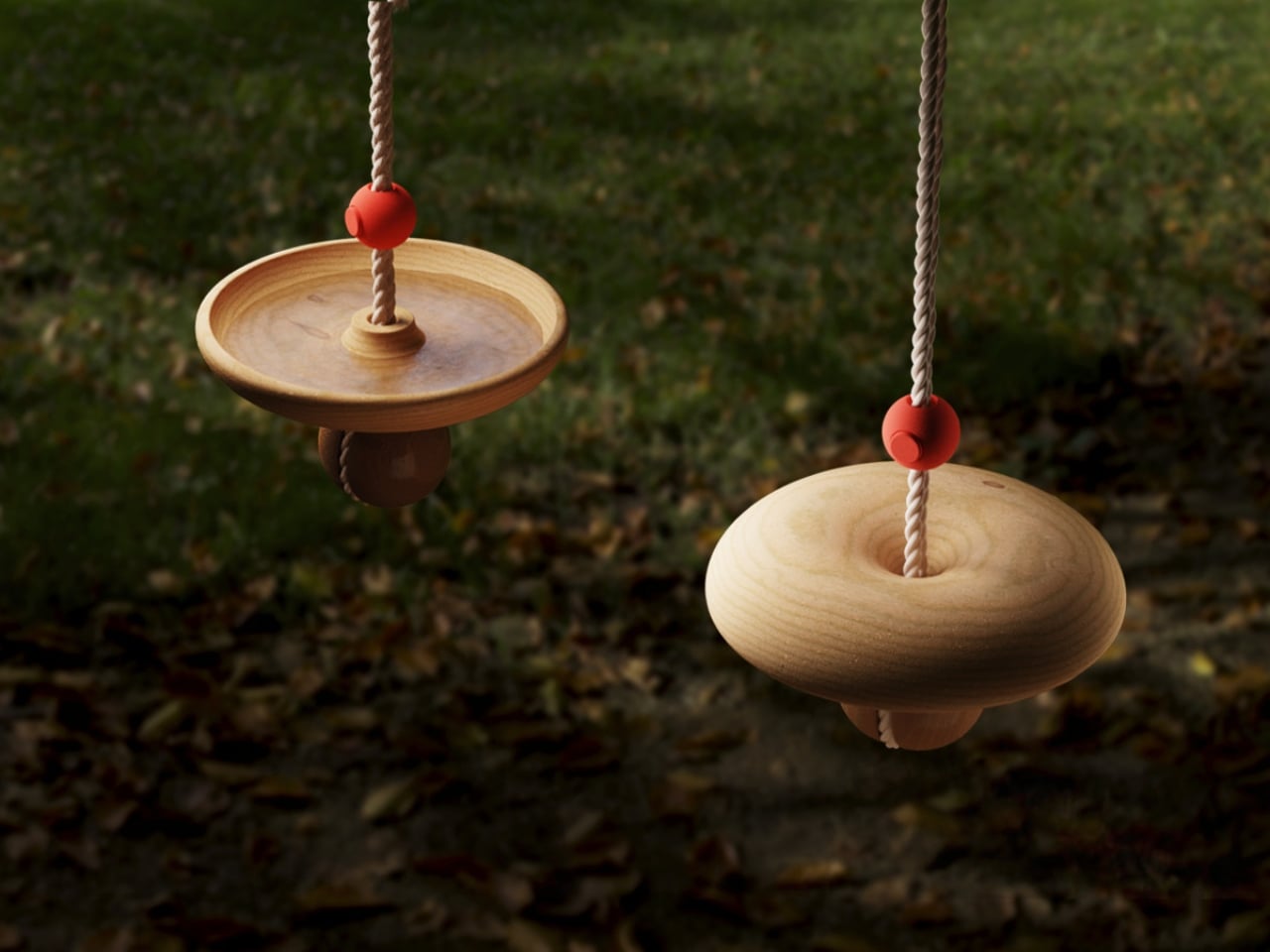
There’s something delightfully clever about design that refuses to pick just one job. You know what I’m talking about: those rare pieces that make you stop and think, “Wait, it does what?” Birddy, a recent award-winning furniture design by Korean designers Yejin Hong and Seyeon Park, is exactly that kind of creation. It’s a children’s swing when sunny days call for play, and a bird feeder when rain clouds roll in. Simple as that sounds, it’s the kind of thoughtful design that makes you wonder why we don’t see more of it.

The concept earned Hong and Park an Excellence Prize at the 2024 Kengo Kuma & Higashikawa KAGU Design Competition, and for good reason. The competition, known for championing furniture designs that bridge functionality with social awareness, found in Birddy exactly what contemporary design should aspire to be: useful, beautiful, and quietly compassionate.

Designers: Yejin Hong, Seyeon Park

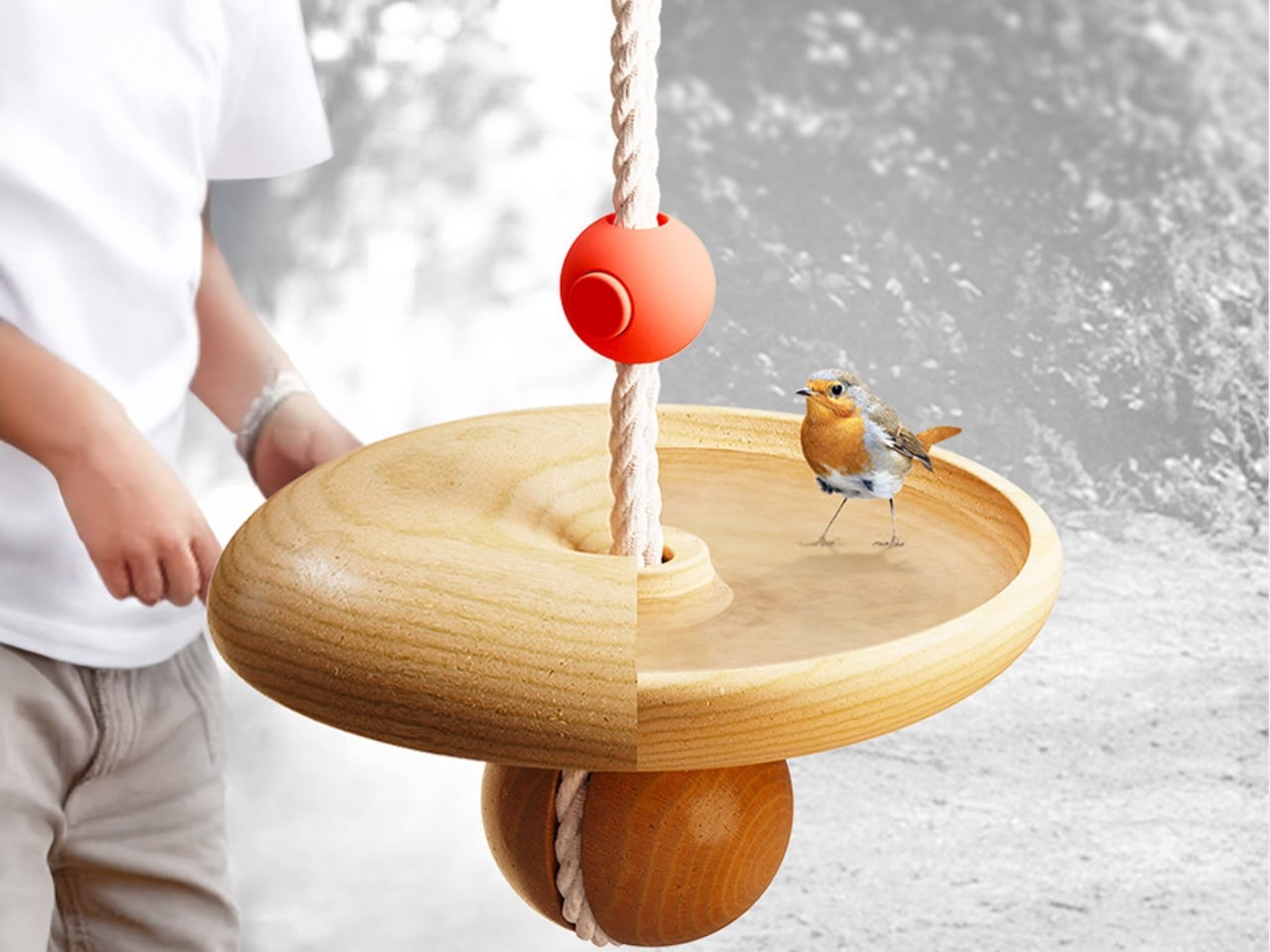
At first glance, Birddy looks like a refined wooden swing, the kind that would fit perfectly in a minimalist backyard or a community park. But flip it upside down on a rainy day, and suddenly you’ve got a protected feeding station for birds seeking refuge and sustenance when the weather turns harsh. It’s this elegant duality that makes the design so compelling. Rather than forcing two functions into an awkward compromise, the designers found a natural harmony between them.
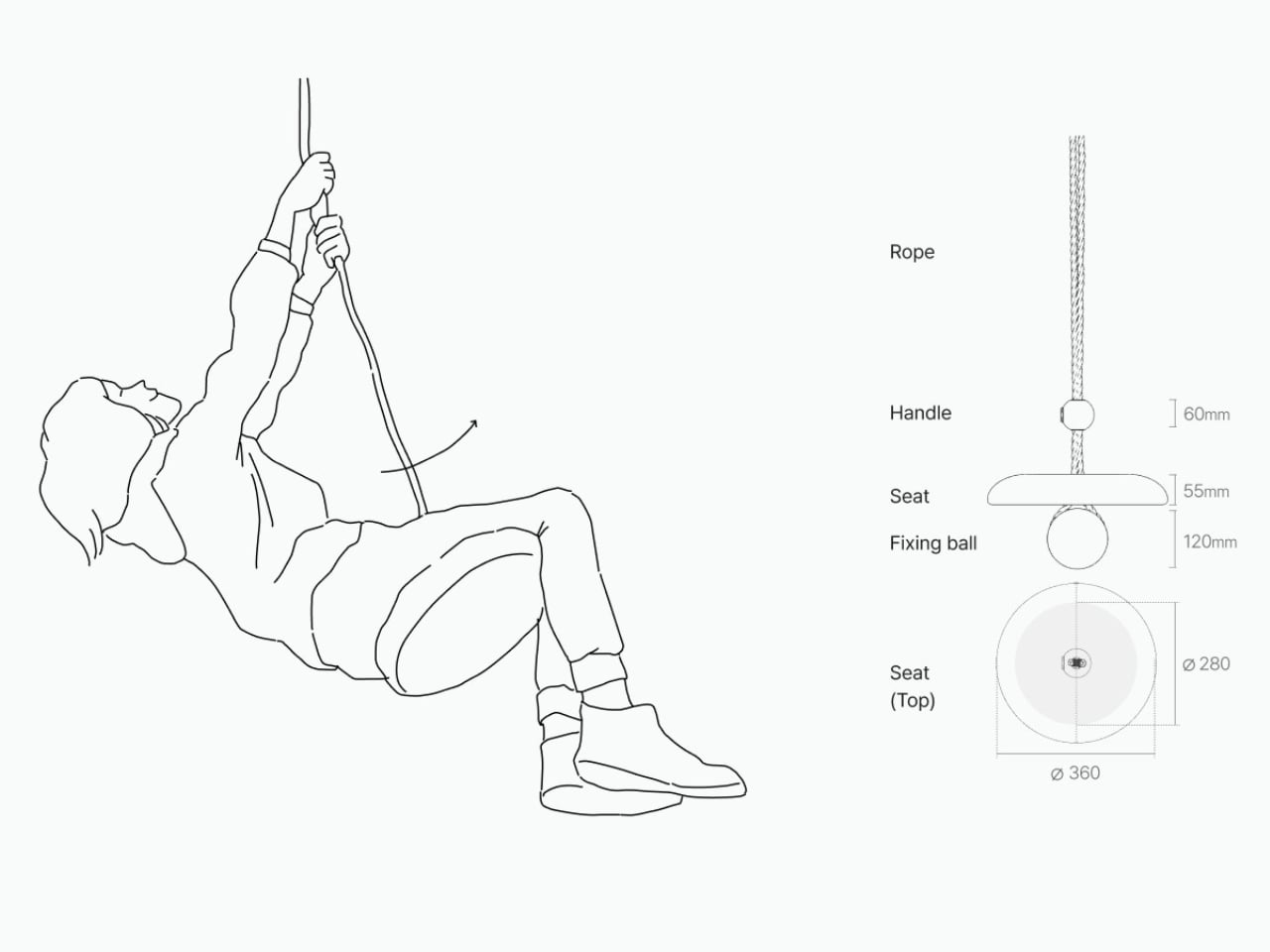
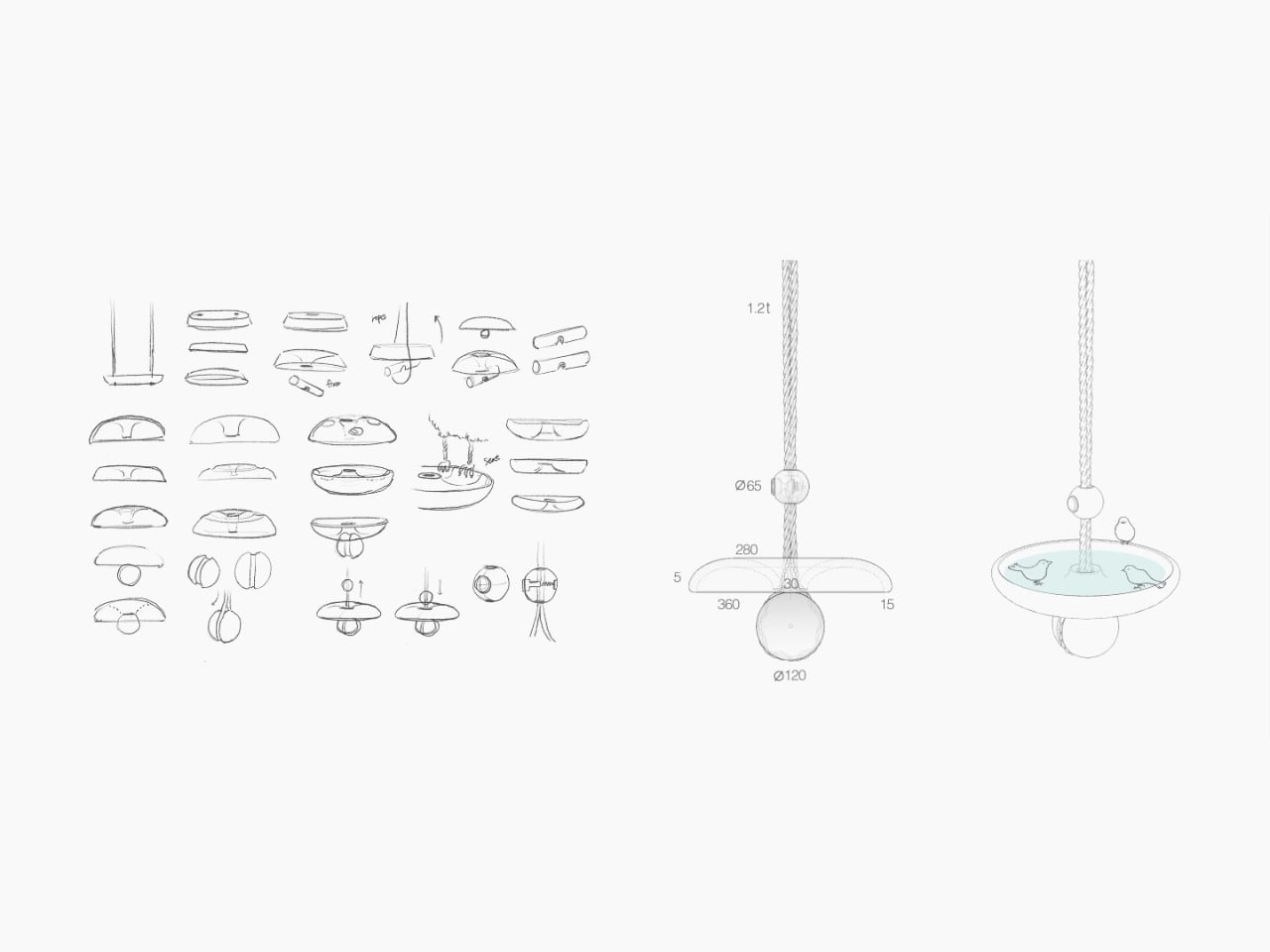
What strikes me most about Birddy is how it normalizes empathy through everyday objects. We’re used to thinking about children’s play equipment and wildlife care as separate concerns, occupying different mental compartments in our design-thinking. Hong and Park challenge that separation. Their design suggests that caring for nature and creating joyful spaces for children aren’t competing priorities but complementary ones. When kids aren’t using the swing, why shouldn’t it serve another purpose? When birds need shelter and food, why can’t the solution be something that already exists in our yards?
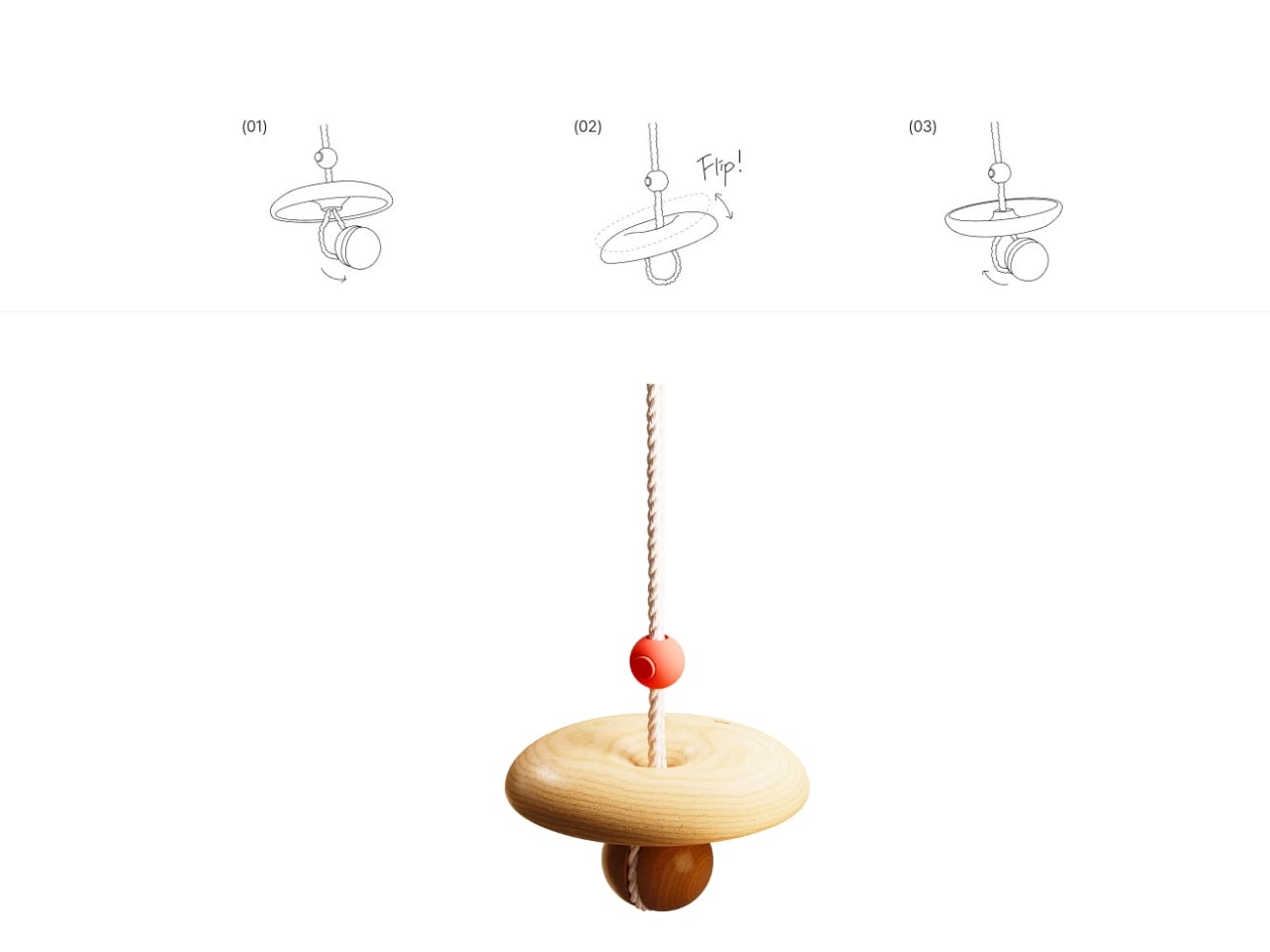
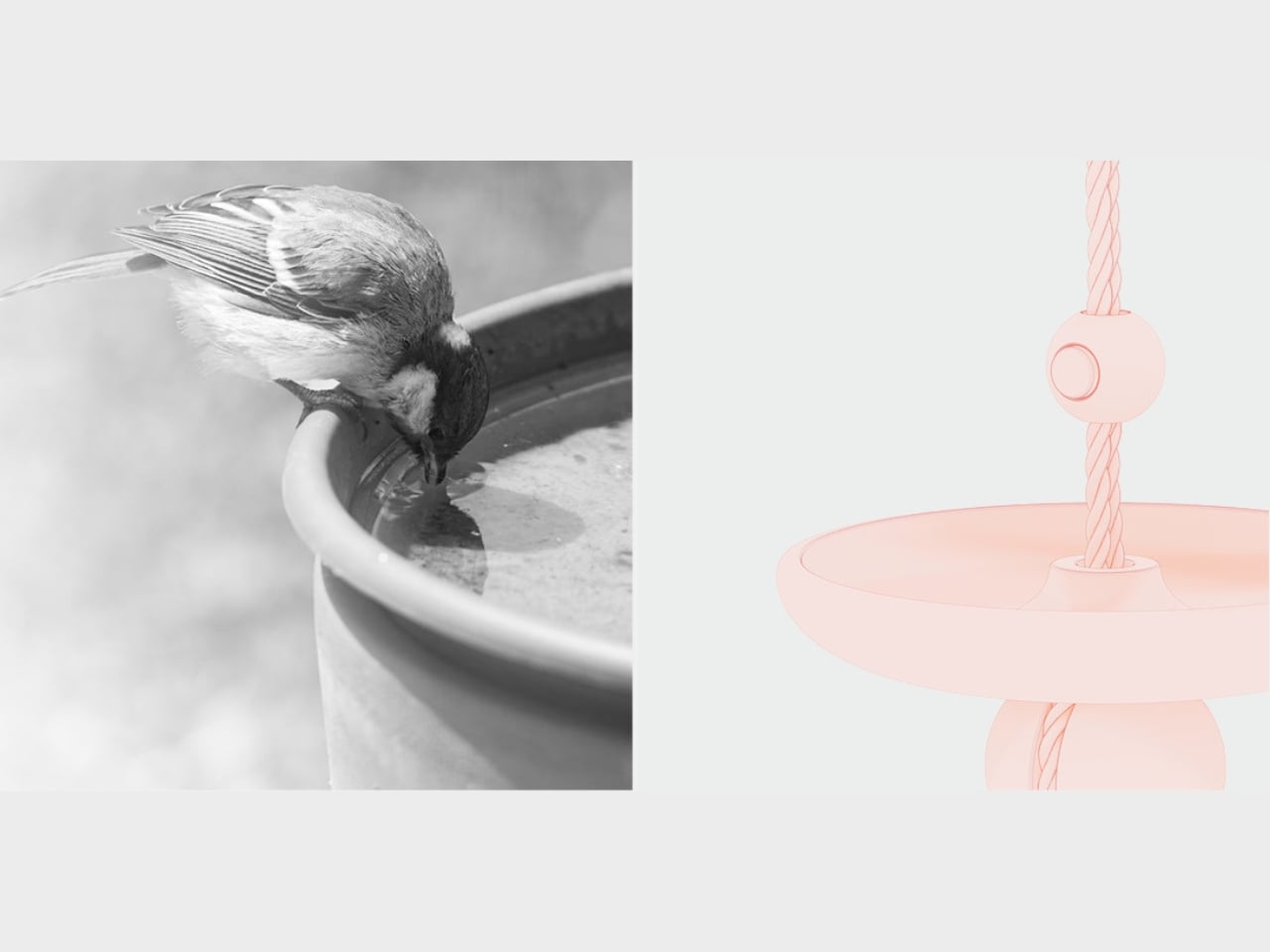
The execution shows restraint and respect for both users, human and avian. The wood construction feels appropriate for outdoor use while maintaining aesthetic appeal. There’s no garish attempt to make it “cute” or child-themed. Instead, the design trusts that good form works for everyone. This kind of confidence in simplicity is harder to achieve than it looks. Many designers would be tempted to add unnecessary flourishes or overcomplicate the transformation mechanism. Hong and Park resist that urge entirely.
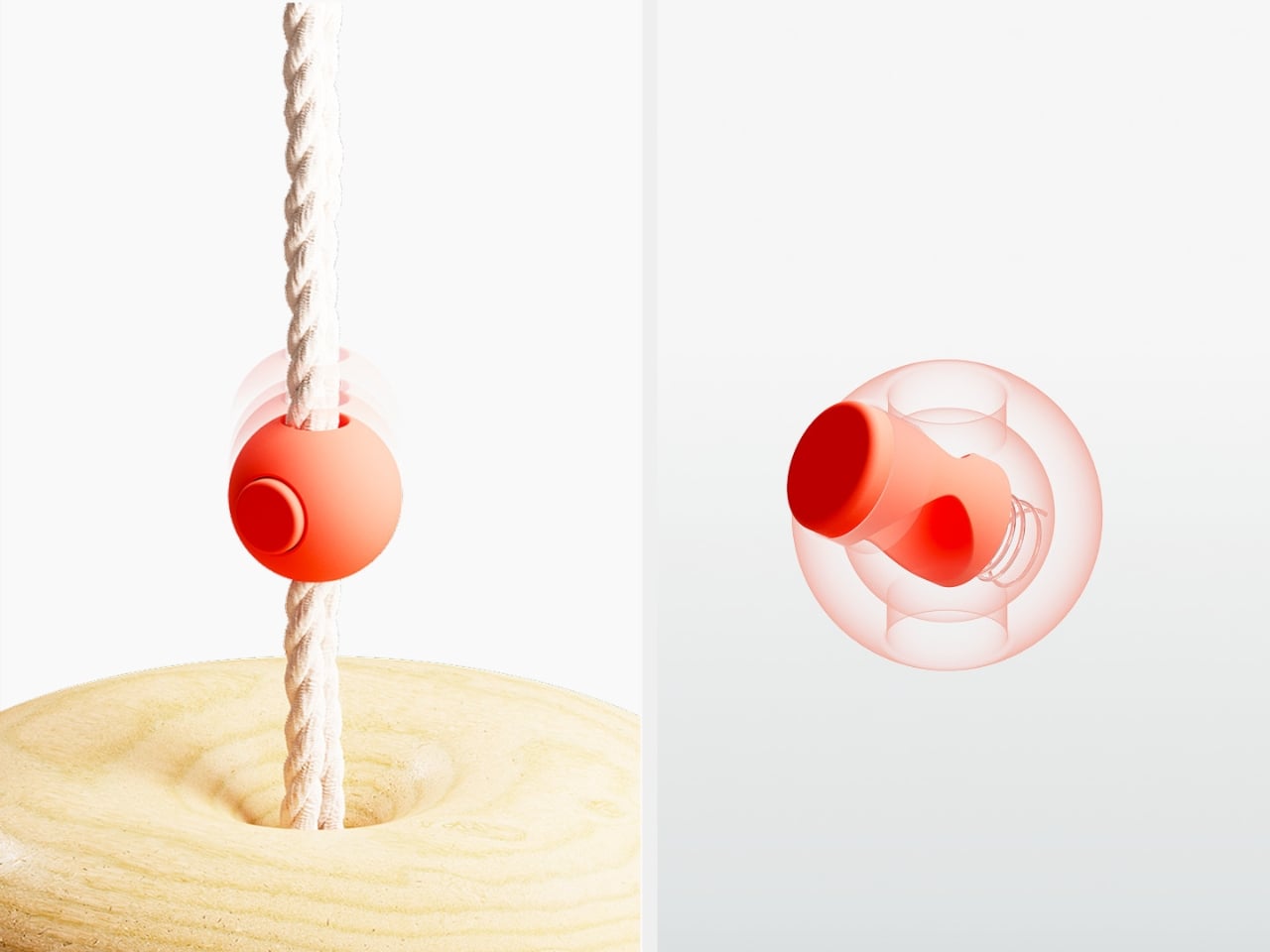
From a practical standpoint, Birddy addresses real needs without requiring users to sacrifice space or budget for separate items. Urban and suburban dwellers increasingly want to support local wildlife, but bird feeders can feel like visual clutter. A swing is already part of many family landscapes. Combining them removes barriers to participation in backyard conservation. It’s environmental design through integration rather than addition.
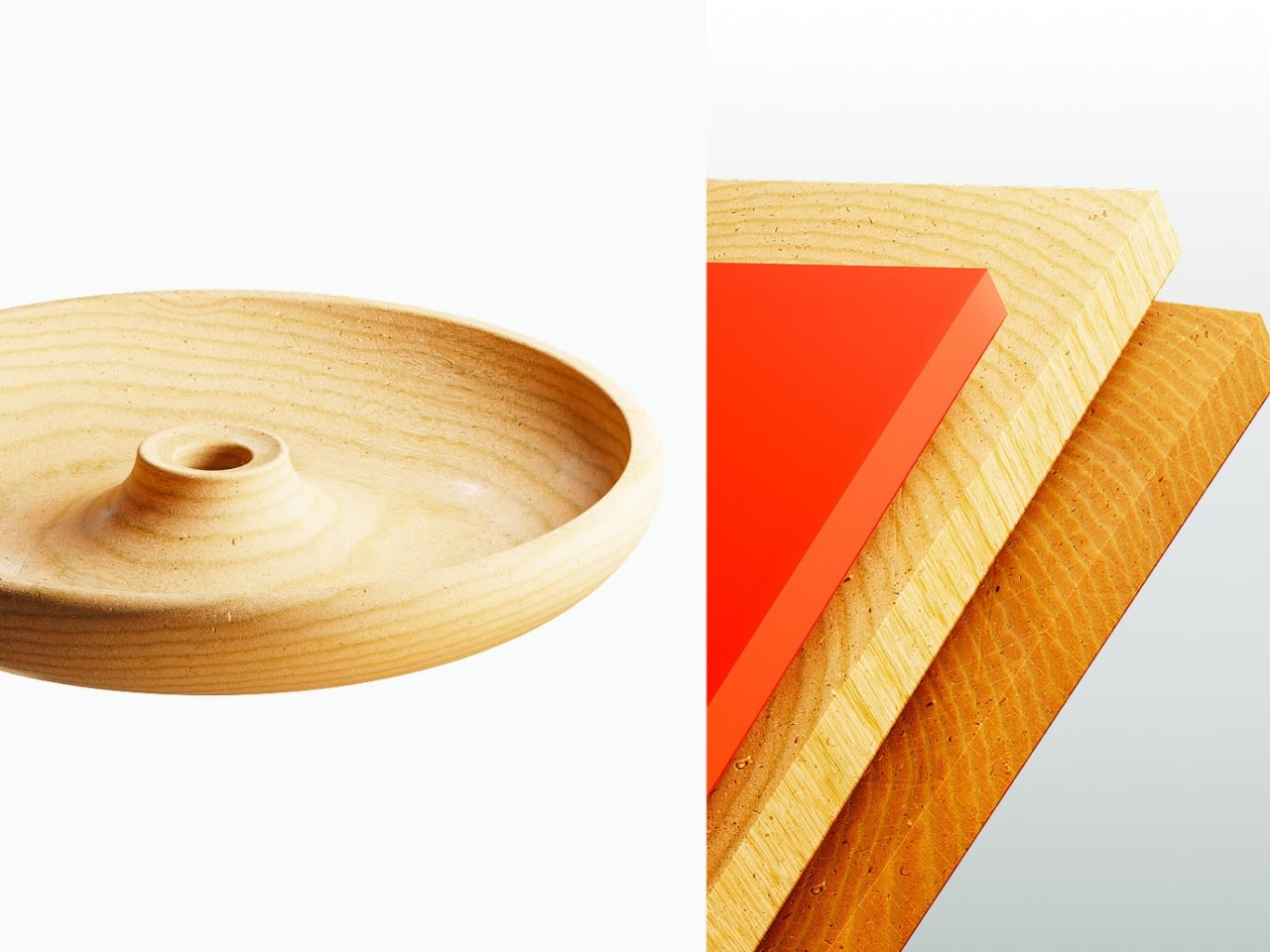
The timing feels right too. We’re seeing a broader cultural shift toward multipurpose design as people become more conscious of consumption and space constraints. Furniture that pulls double or triple duty isn’t just trendy anymore, it’s becoming an expectation. But Birddy elevates the concept beyond mere space-saving. This isn’t about cramming more functionality into less area. It’s about finding poetic connections between different forms of care.

There’s also something wonderfully cyclical about the design. Children playing on the swing bring energy and life to a space during fair weather. Birds visiting the feeder bring that same vitality during storms. The object becomes a constant source of animation in the landscape, just with different performers depending on conditions. Parents watching kids swing on Tuesday might find themselves watching sparrows perch on Friday. That kind of continuous engagement with an object creates attachment and value beyond its material worth.
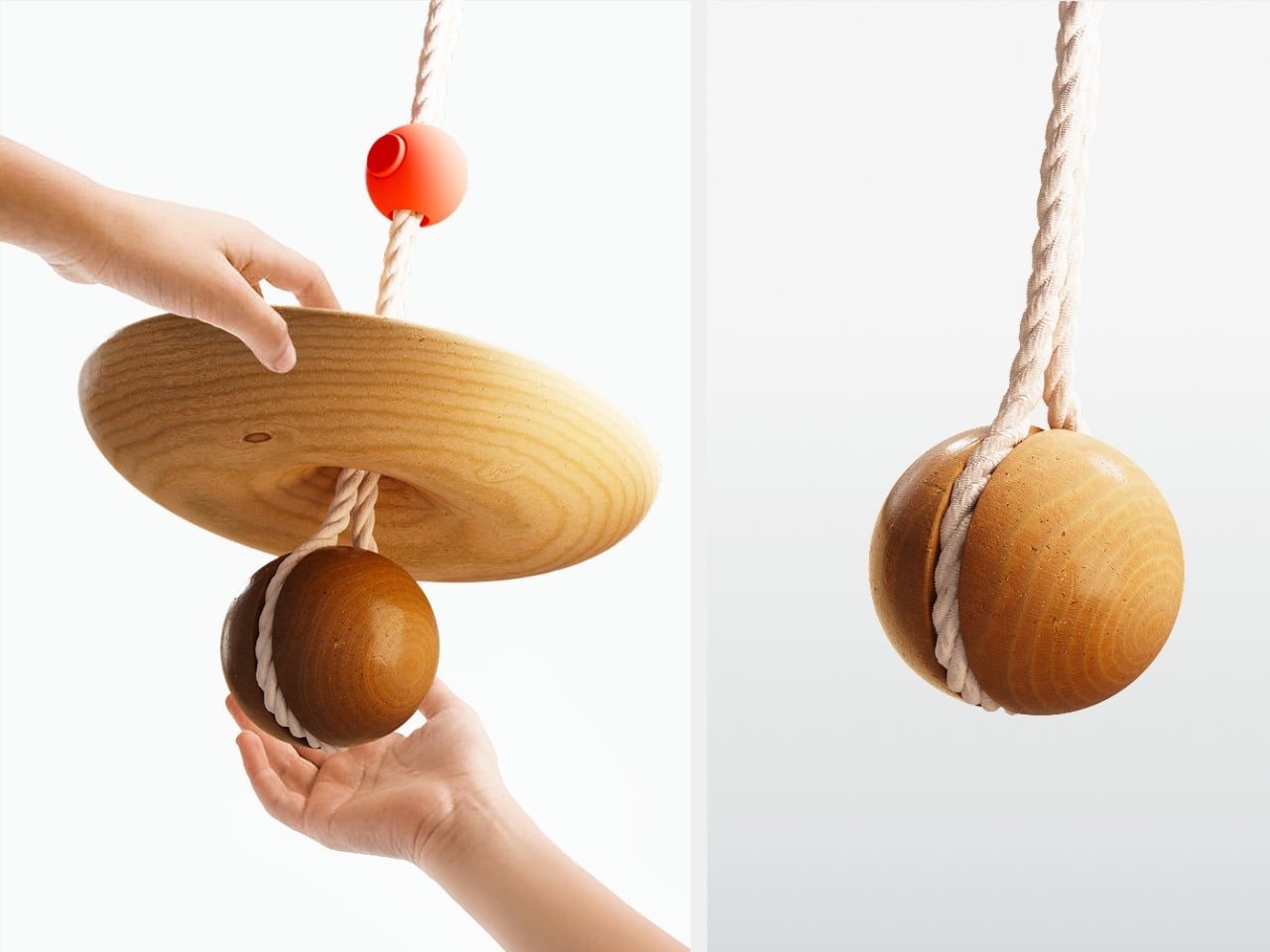
What Hong and Park have created isn’t revolutionary technology or groundbreaking engineering. Birddy succeeds precisely because it doesn’t try to be either. Instead, it represents something equally valuable: thoughtful observation of how we live and a willingness to imagine better arrangements. The best design often comes from asking simple questions like “What else could this do?” and “Who else could this serve?” Birddy answers both beautifully, proving that furniture can be generous in more ways than one.
The post This Award-Winning Swing Feeds Birds When Kids Aren’t Playing first appeared on Yanko Design.
Momcozy Just Made Baby Gear That Doesn’t Look Like Baby Gear

Baby gear used to mean loud colors and chunky plastic that demanded its own corner of the living room. Most swings looked like they belonged in pediatrician waiting rooms, and breast pumps came with tubes and bottles that made discretion impossible. For parents trying to maintain some semblance of style in their homes, it meant choosing between function and aesthetics, rarely getting both in the same product.

Momcozy approaches parenting products differently, with a design philosophy they call Cozy Tech that blends performance with calm, contemporary aesthetics. Loved by over 4.5 million moms globally, the brand starts from the reality of modern parenting: hybrid work schedules, small urban apartments, and the need for tools that integrate into existing routines without demanding wholesale lifestyle adjustments or visual compromises that most baby gear traditionally required.

Designer: Momcozy

Engineering Meets Empathy

The gap Momcozy noticed was straightforward. Traditional baby swings assumed parents had unlimited space and patience for bulky furniture, while breast pumps were designed as if mothers had all day to sit in private rooms. The disconnect was obvious once you looked at it from the parents’ side: why couldn’t products work beautifully and look beautiful at the same time, especially when those products occupy your home for years?

Cozy Tech is the answer that emerged from that question. It is a design language that prioritizes both powerful performance and restraint. Soft forms, neutral tones, and quiet operation let the products blend into design-conscious homes rather than standing out as medical equipment. The hardware still does serious work, but the presence is gentle enough that you do not feel the need to stash things in closets when people visit.

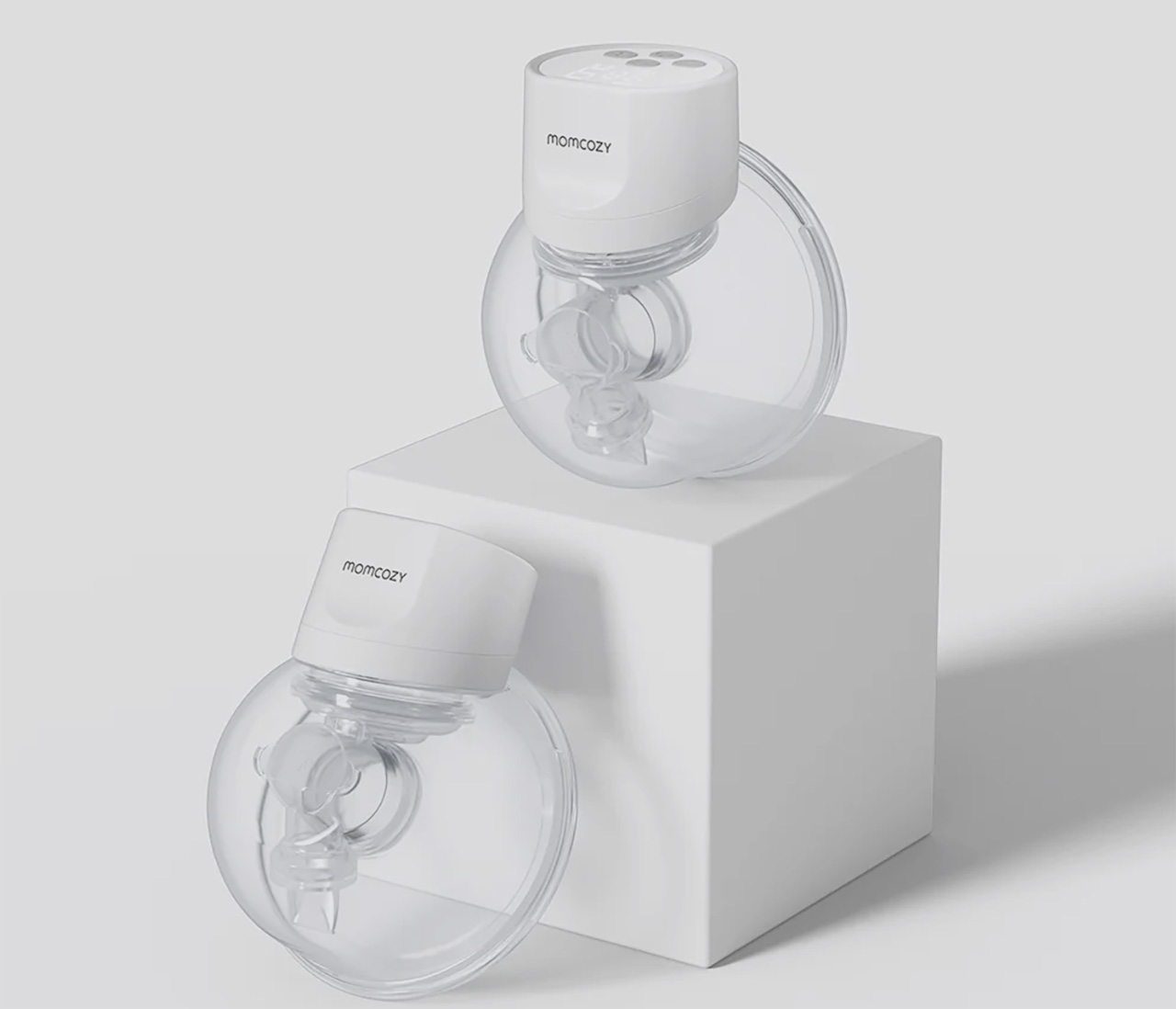
Momcozy S12 Pro Wearable Breast Pump

Picture a mother pumping in a parked car between meetings, or quietly at her desk during a video call. The Momcozy S12 Pro Wearable Breast Pump sits inside a standard nursing bra, disappearing under clothing so there are no tubes or external bottles to manage. From the outside, it looks like any other workday, not a carefully orchestrated routine built around pumping schedules.

The S12 Pro is shaped to mold to the body for comfortable all-day wear, offering multiple modes and adjustable suction to match different stages of expression. The internal battery supports seven to eight sessions on a single charge, reducing the mental load of planning around power outlets. It is the kind of device that quietly acknowledges mothers have careers, meetings, and social commitments, building around that reality instead of ignoring it.

Click Here to Buy Now: $139.99.

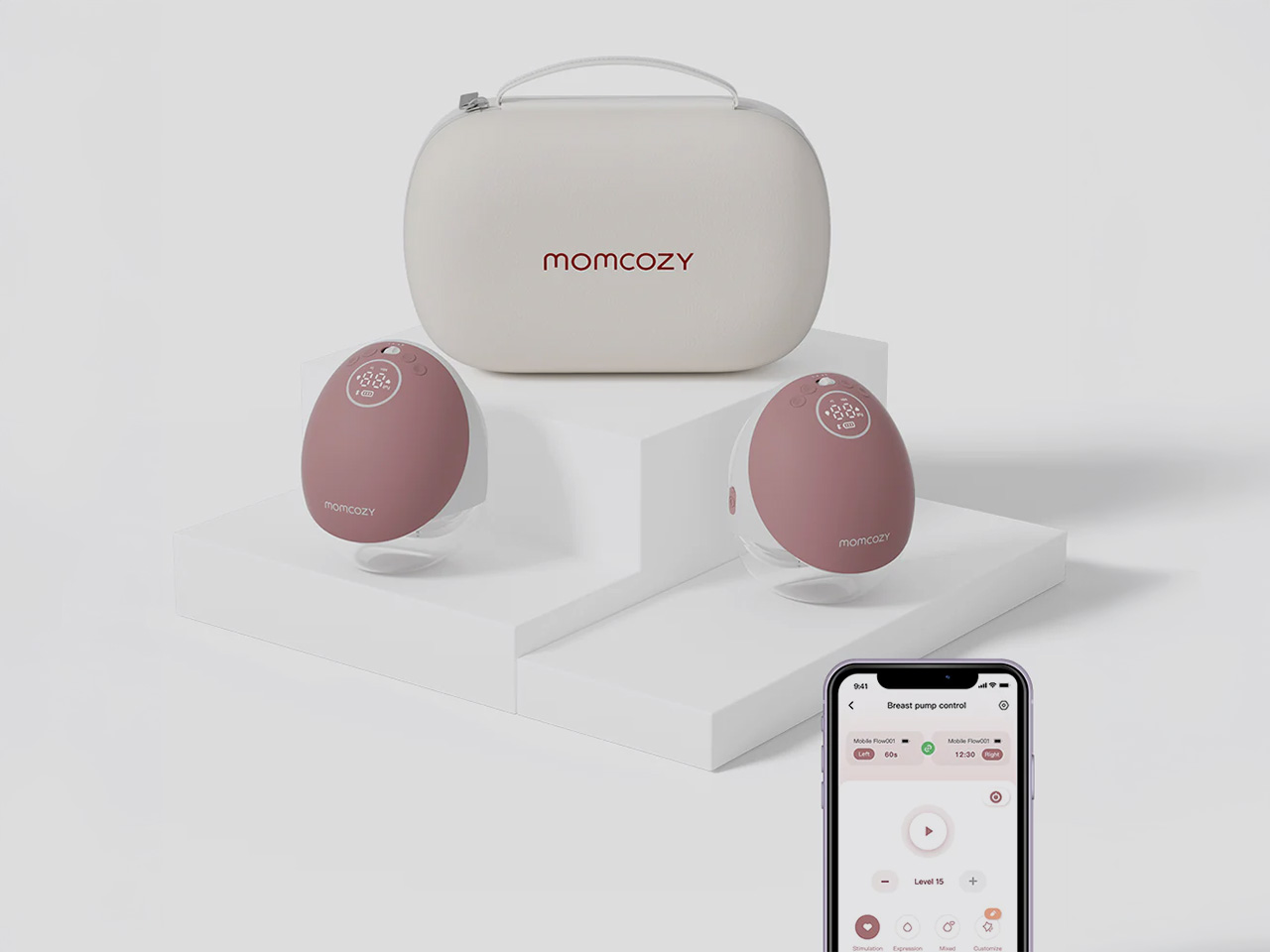
Momcozy M9 Mobile Flow Hands-Free Breast Pump

The M9 Mobile Flow Hands-Free Breast Pump is designed for parents who need flexibility without compromising comfort. Imagine someone folding laundry or prepping dinner while the pump works quietly in the background, tucked inside a bra and barely noticeable. The soft, rounded shape and pink finish make it feel closer to a personal wellness device than clinical equipment, blending into the flow of a busy day.

What sets the M9 apart is the combination of smart control and efficiency. The DoubleFit Flange improves fit and reduces leakage, while the app lets parents choose from three modes and fifteen customizable settings to match their rhythm. The eighteen hundred milliampere-hour battery supports up to six sessions per charge, and the upgraded third-generation motor delivers hospital-grade suction without the noise or bulk of traditional pumps.

Click Here to Buy Now: $269.99.

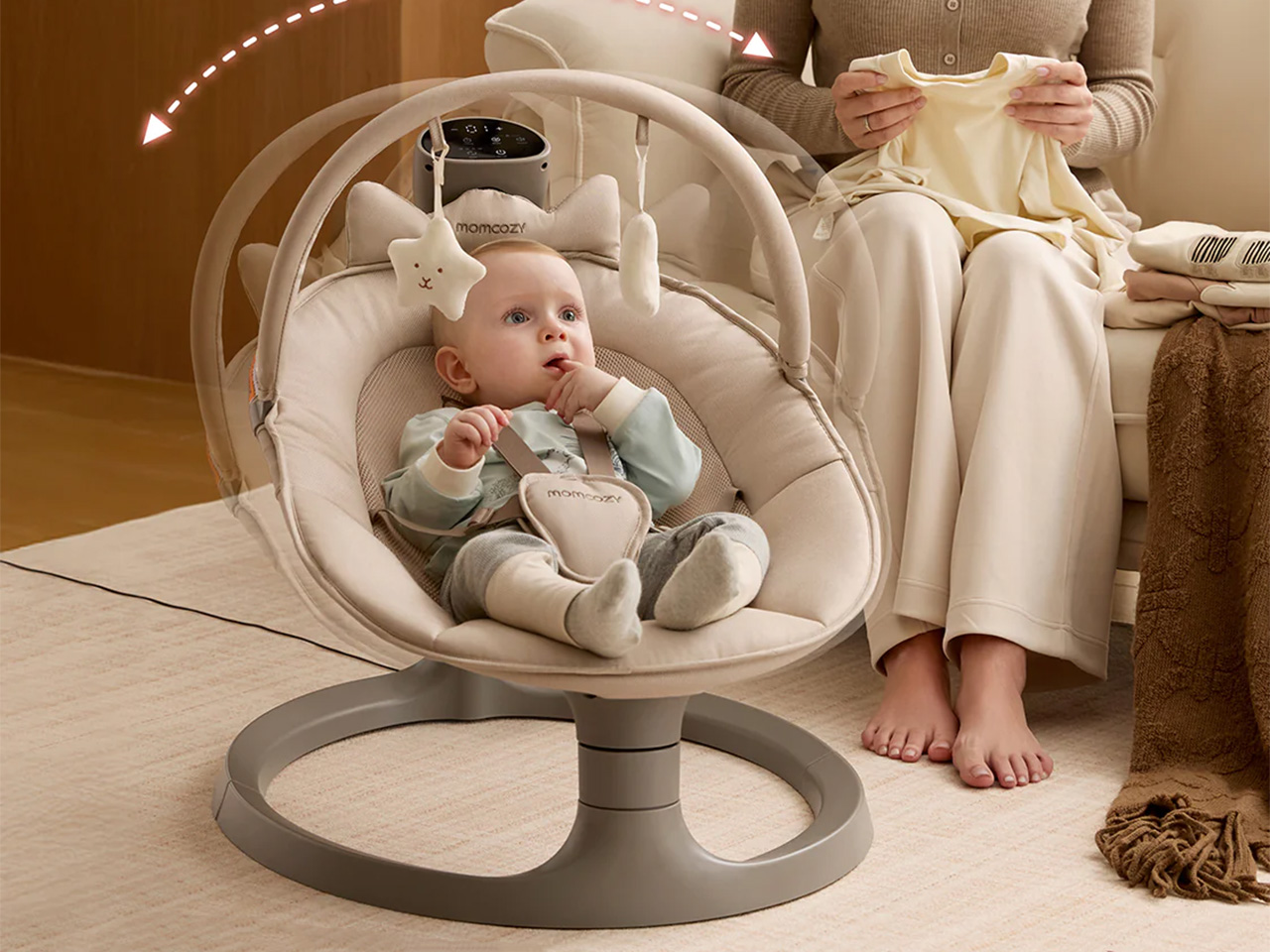
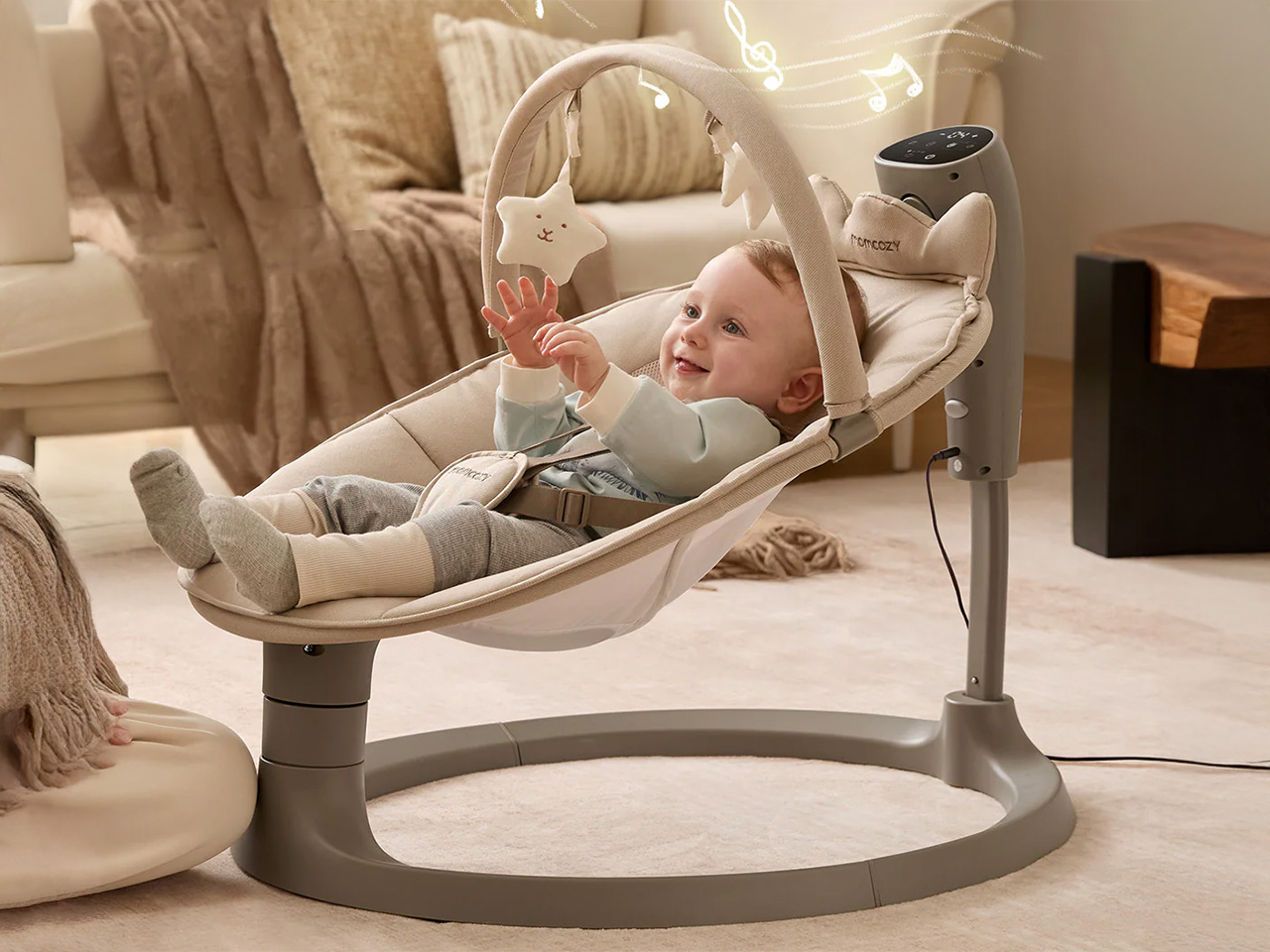
Momcozy 2-in-1 Electric Baby Swing

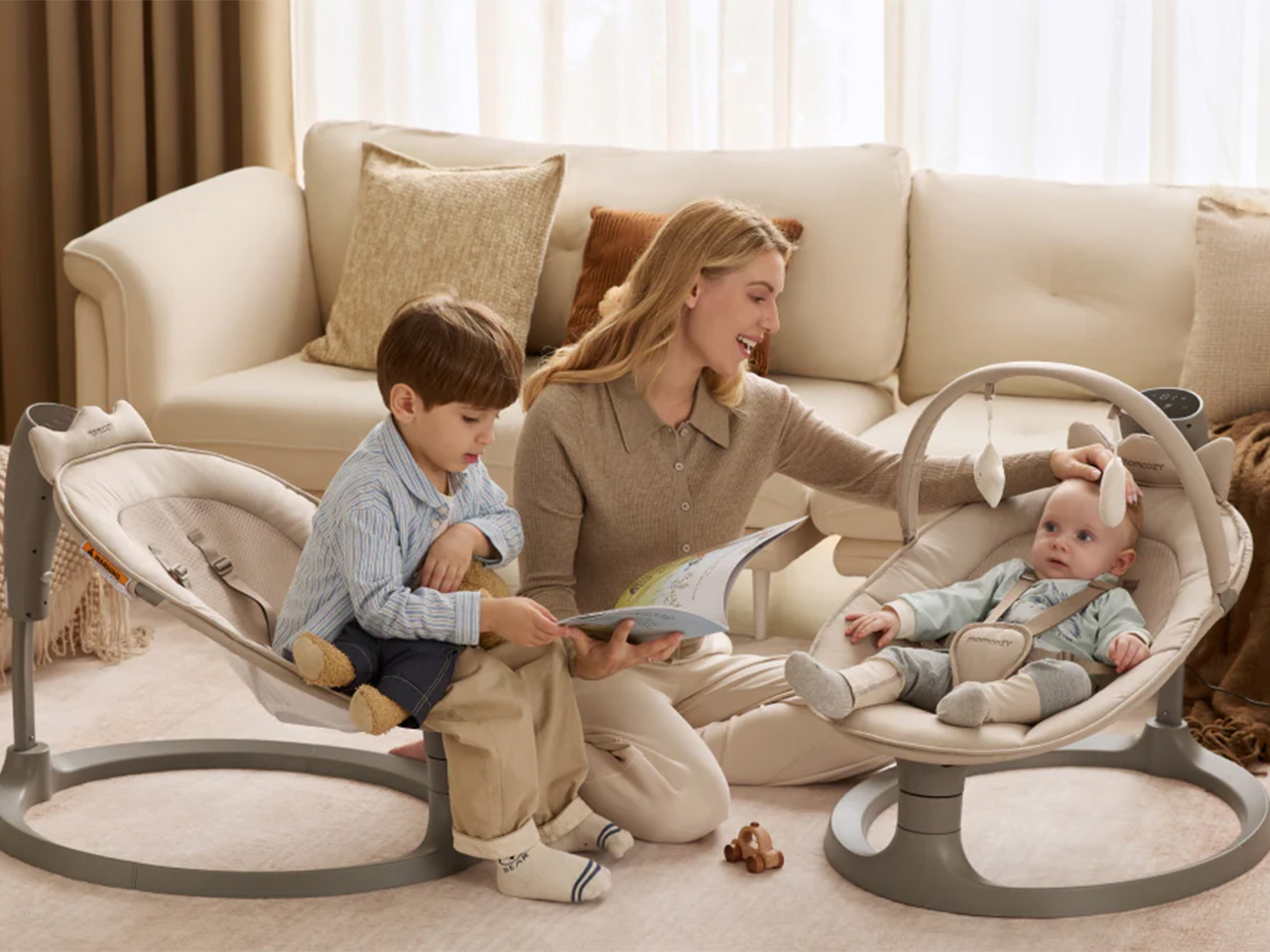
Shift to a different scene: a parent working from home in a small apartment, laptop open at the dining table while the baby rests in the Momcozy 2-in-1 Electric Baby Swing a few feet away. The swing’s neutral tones and clean lines blend into the living room rather than dominating it. Dual arms and a sturdy base keep everything steady, so there is no nervous checking every time the baby shifts position.

The swing mimics the natural soothing motions of a parent’s arms with four swing patterns and four speeds, helping babies stay calm outside of a caregiver’s embrace. The breathable seat adjusts to two recline positions, the cover zips off for machine washing, and when the baby outgrows the swing mode, it converts into a stationary seat that supports kids up to sixty-six pounds, turning it into furniture that lasts years instead of months.

Instead of asking parents to hide the tools that make their days possible, Momcozy designs swings and pumps that can live in the open, both visually and practically. They respect the spaces parents have built for themselves and the complex routines that run through them, showing that parenting gear can be gentle on the eyes while still doing serious work beneath the surface.

Click Here to Buy Now: $159.99.

The post Momcozy Just Made Baby Gear That Doesn’t Look Like Baby Gear first appeared on Yanko Design.