This 4K Bird Feeder Captures Hummingbirds at 120fps in Slow Motion

A few years back, I had to bring some members of a birding community around the place I was working at that time. I got to experience firsthand what it is that they actually do. And while I probably would not take up birding as a hobby, it is indeed interesting to observe, take pictures, and talk about all those birds out in the wild with people who were super into it.

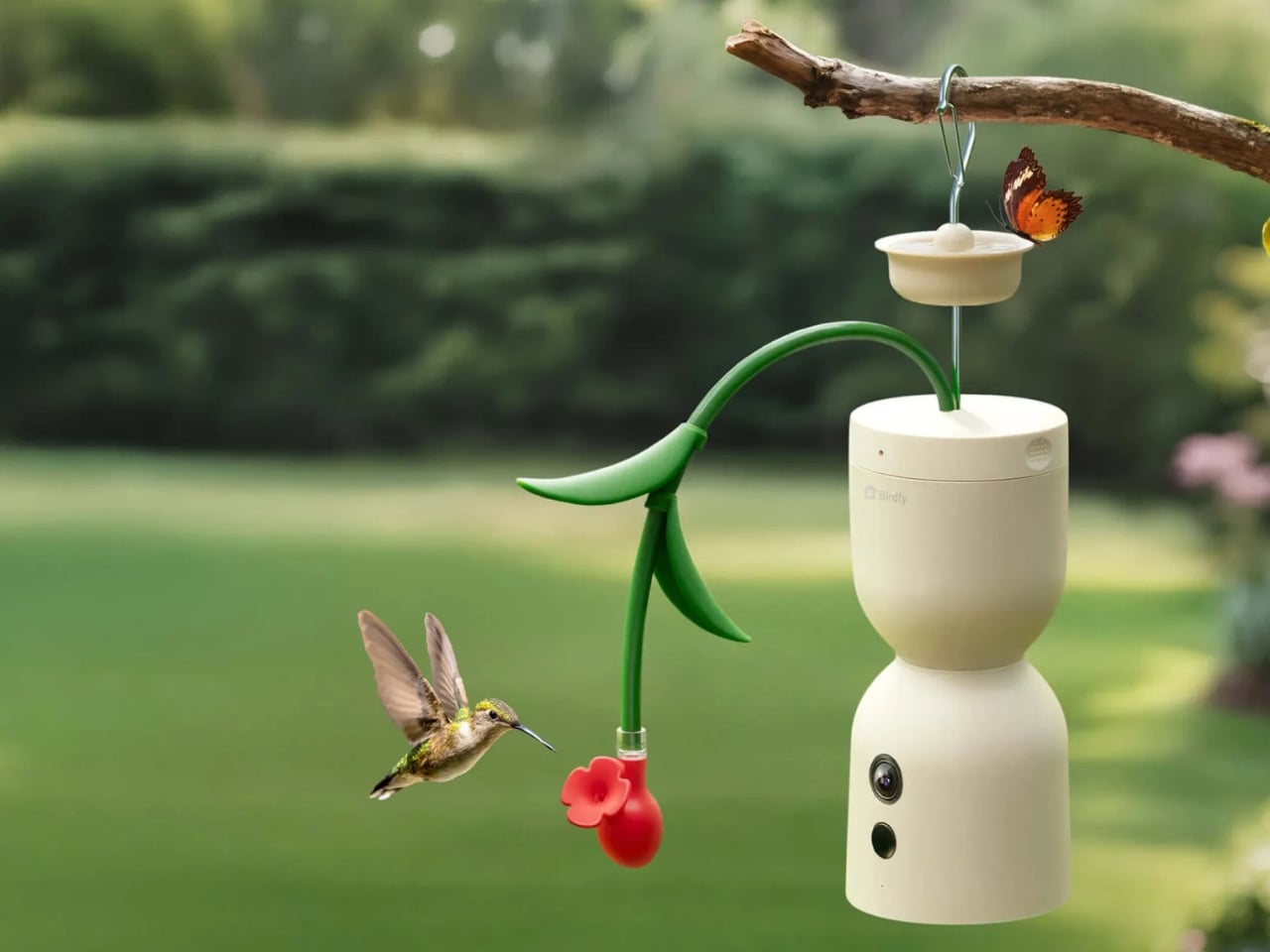
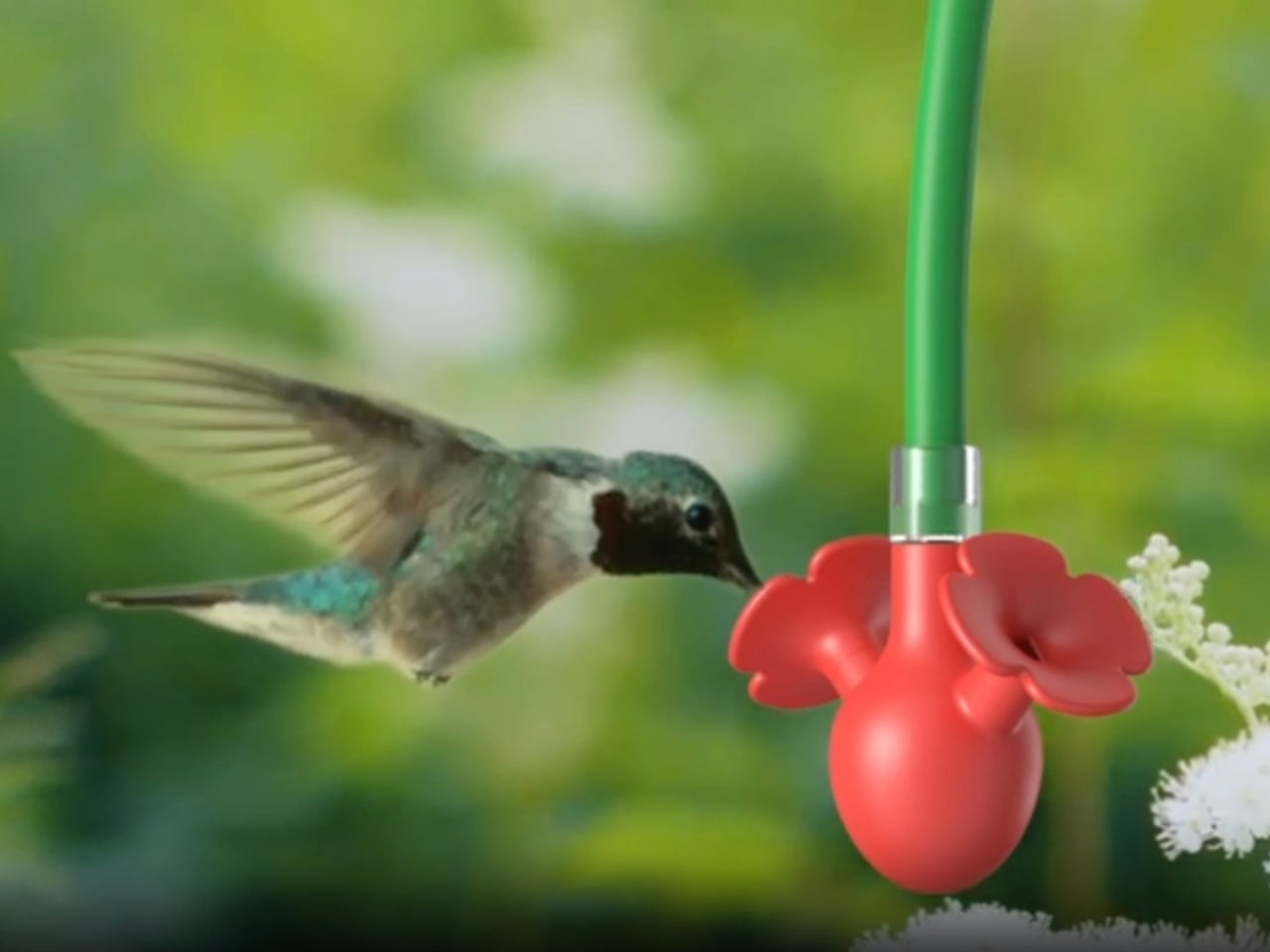
The Birdfy Hum Bloom was just unveiled at the ongoing CES 2026, and it’s something that will definitely interest those who are into birding, specifically hummingbirds. It’s a bird feeder that also doubles as a camera to capture the natural artistry of these birds in full 4K motion. This device seems to be a game-changer for hummingbird lovers as well as a place for said birds to rest and get fed while still enjoying their natural habitat.

Designer: Birdfy
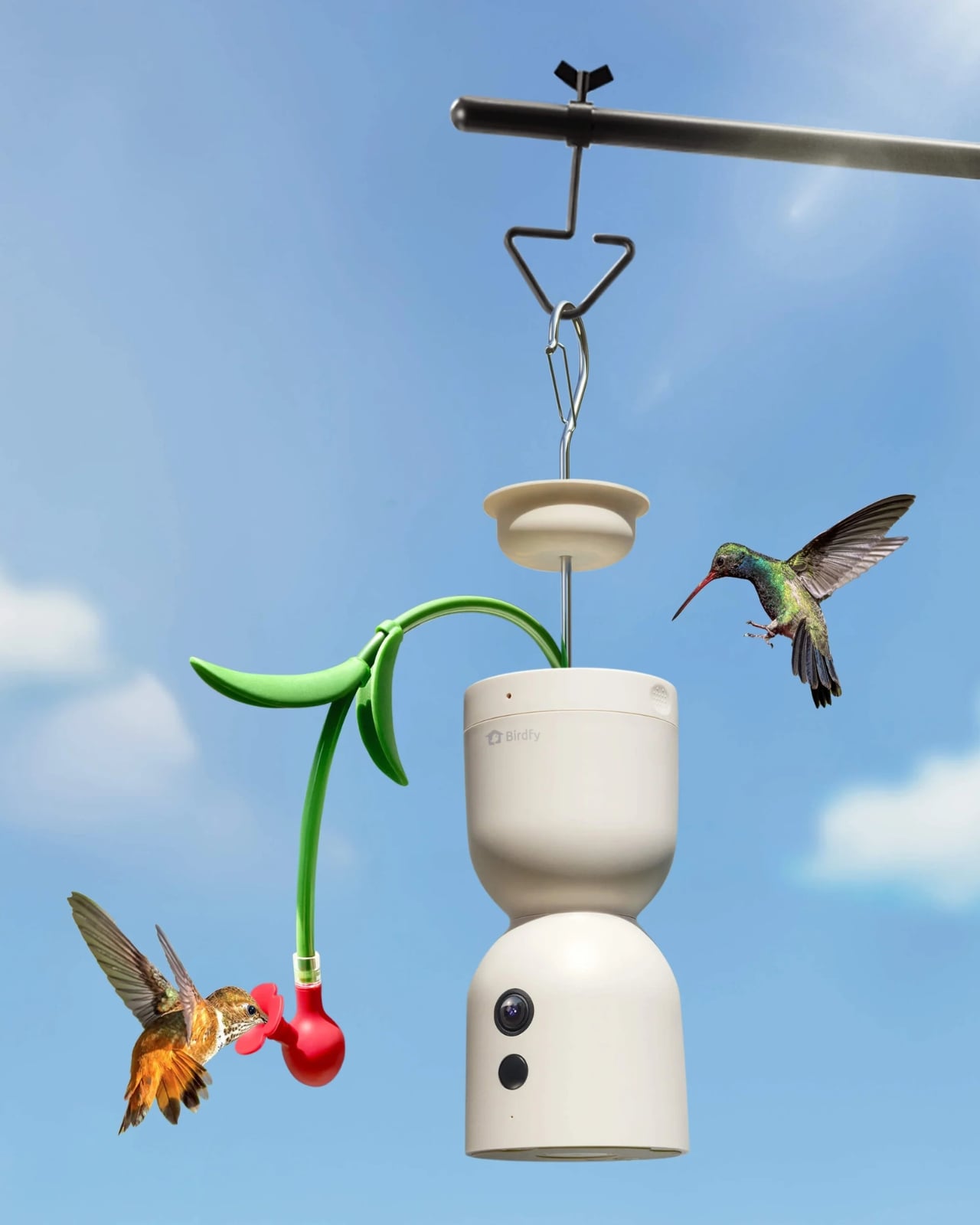
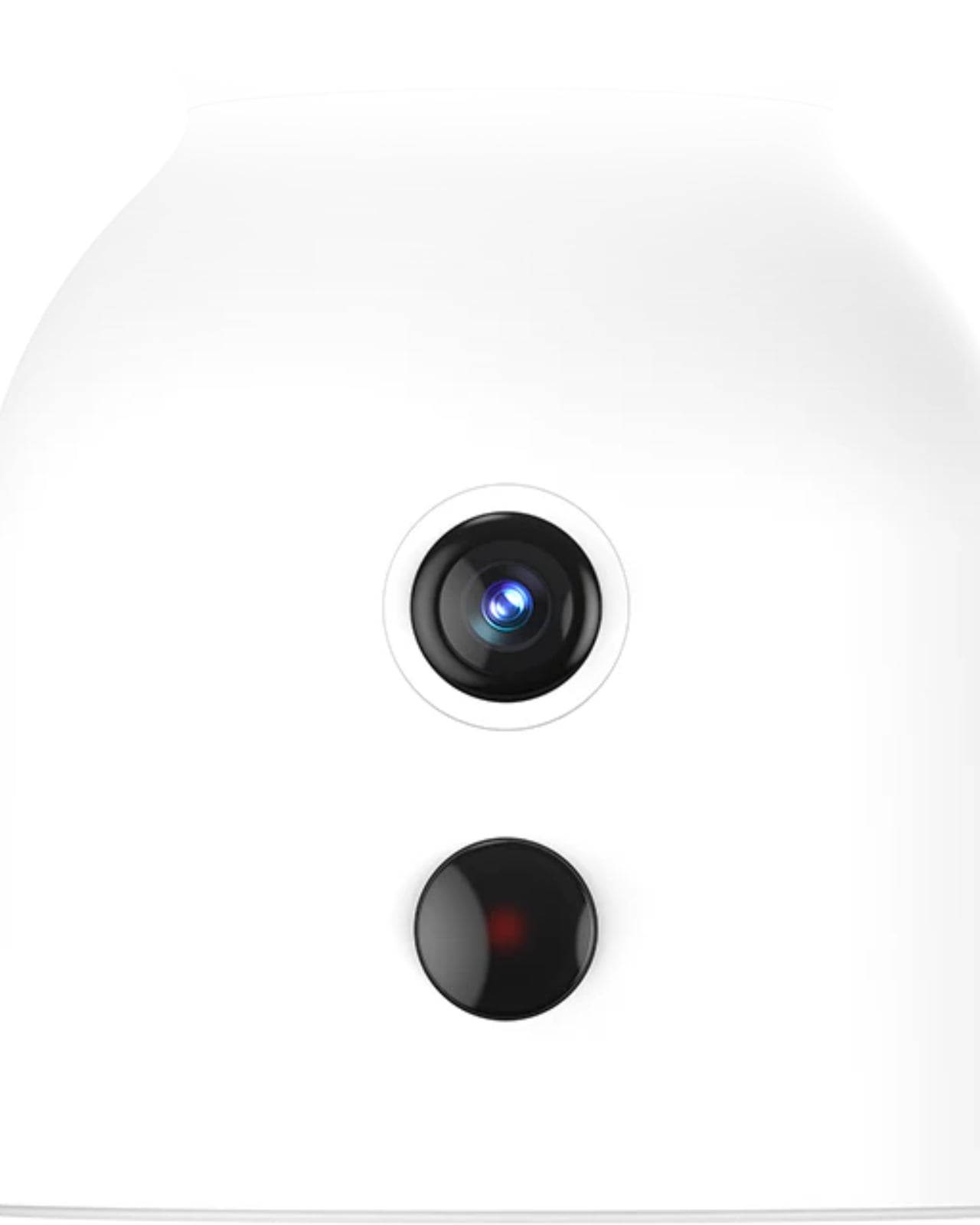
In the eyes of the hummingbird, the Hum Bloom looks like a regular bird feeder where they can rest and get their nectar from. But it actually sports an 8-megapixel camera that is able to capture 4K video at 20fps. You can switch it to slow-motion mode to get a more magical 120 frames per second so you can see the hummingbird’s mesmerizing wing movements in stunning detail. They say even traditional cameras cannot do this with the hummingbirds that flap their wings between 50 to 80 times per second when hovering.

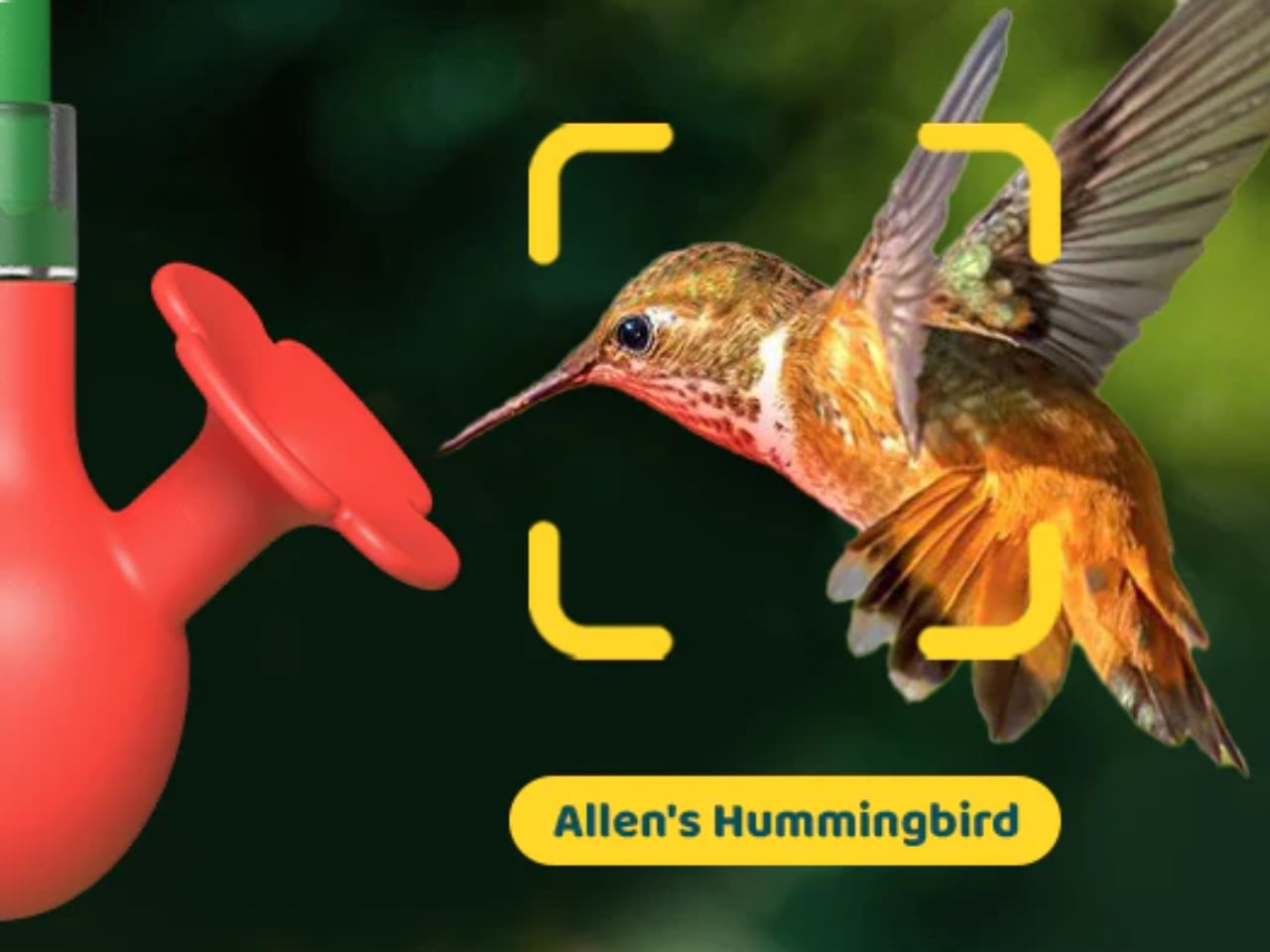
This device also comes with Birdfy’s OrniSense AI technology, which is able to recognize over 150 hummingbird species (TIL that there are that many hummingbird species). You’ll only get notifications on your connected device when the motion sensors detect hummingbirds in flight, and you won’t get alerts every time it senses movement, unless it’s the aforementioned birds.
Don’t worry though, as this bird feeder isn’t just a gadget with a camera. The hourglass-inspired shape and floral color choices mimic actual flowers that naturally attract the hummingbirds. It’s not just backyard decoration but “a revolutionary smart feeder for discovery.” It also has nectar level sensors so you get alerted when you need to refill it and also notifies you when you need to refresh it. The flower-inspired design makes it easy to refill compared to traditional feeders. You won’t get pesky unwanted visitors as it also has a built-in ant moat to keep them away.

The Hum Bloom goes beyond aesthetics with its leak prevention system, ensuring your patio or deck stays clean and the nectar stays where it belongs which is inside the feeder. One of the most thoughtful features is the integrated solar panel with battery backup. This means you don’t have to worry about constantly charging or replacing batteries, which is especially important since hummingbirds are most active during daylight hours when the solar panel is working at its best.
Through the Birdfy mobile app, you can access all your footage, create clips of your favorite moments, and learn detailed information about the species visiting your feeder. It’s like having a personal hummingbird documentary studio right in your backyard. The AI doesn’t just identify the birds; it provides educational content so you can learn more about these fascinating creatures.

The device is expected to launch in Q2 of 2026, though pricing hasn’t been announced yet. Given its advanced features and premium positioning, it will likely be a significant investment, but for serious hummingbird enthusiasts and nature lovers, the unique capabilities may well justify the cost.

Thinking back to my time with that birding community, I now realize how much they would have appreciated technology like this. Birding requires patience, the right timing, and often expensive camera equipment to capture quality images. The Hum Bloom eliminates much of that complexity as it does the waiting for you, captures the perfect moments automatically, and requires minimal maintenance thanks to its smart sensors and solar power. Whether you’re a seasoned birder, a nature photography enthusiast, or simply someone who enjoys watching wildlife from the comfort of home, the Birdfy Hum Bloom represents an exciting intersection of technology and nature.
The post This 4K Bird Feeder Captures Hummingbirds at 120fps in Slow Motion first appeared on Yanko Design.
This Award-Winning Swing Feeds Birds When Kids Aren’t Playing

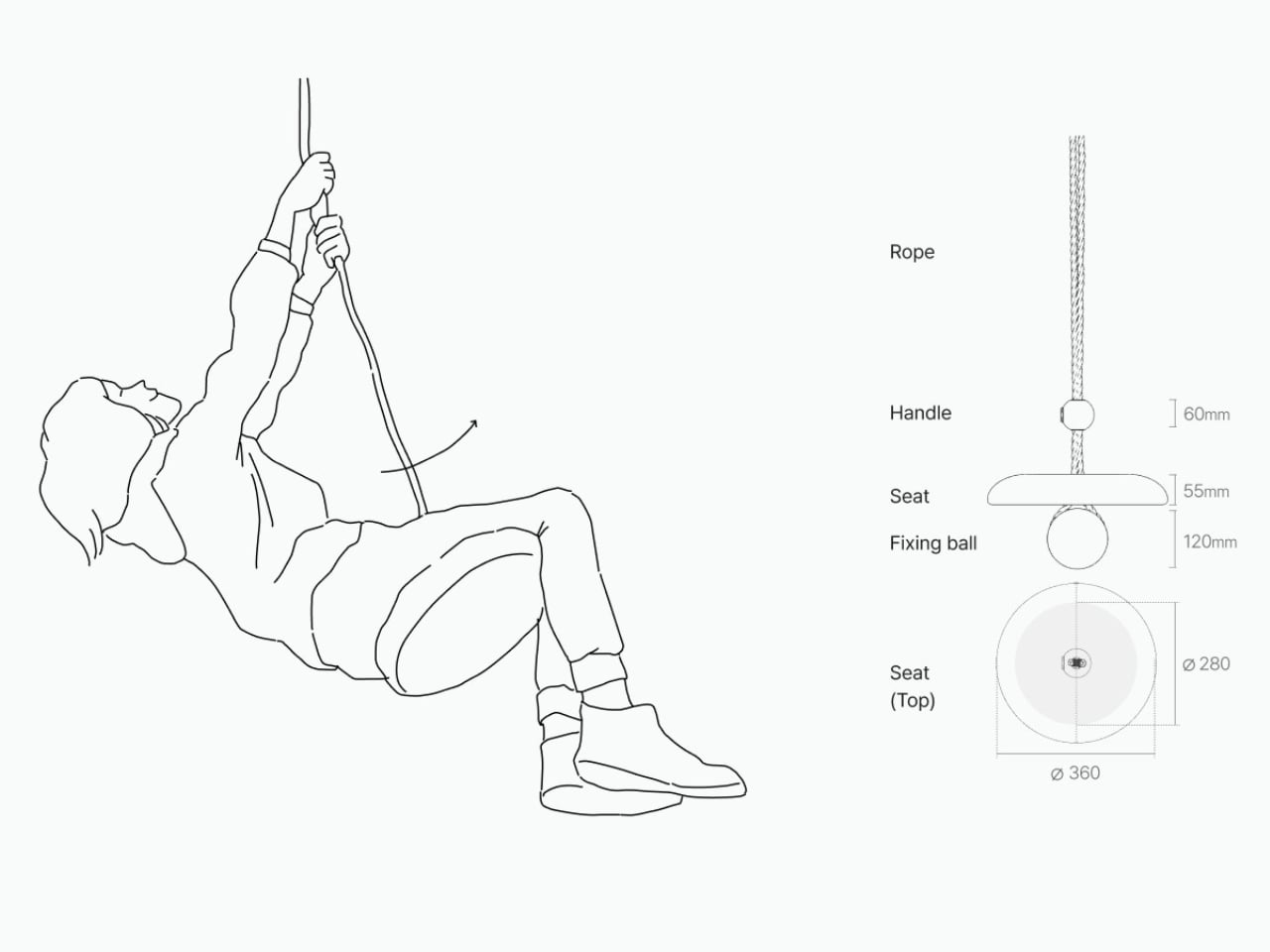
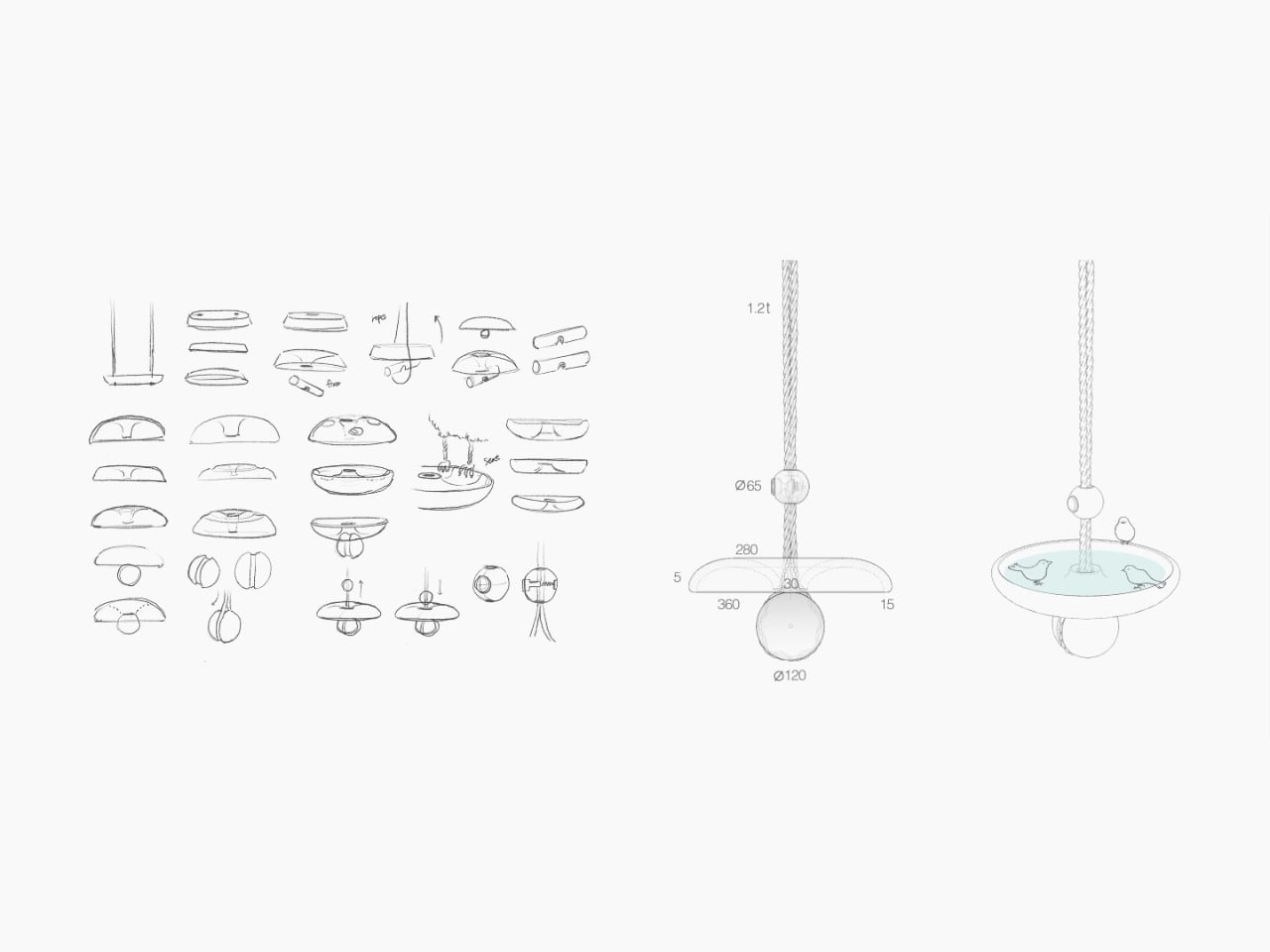
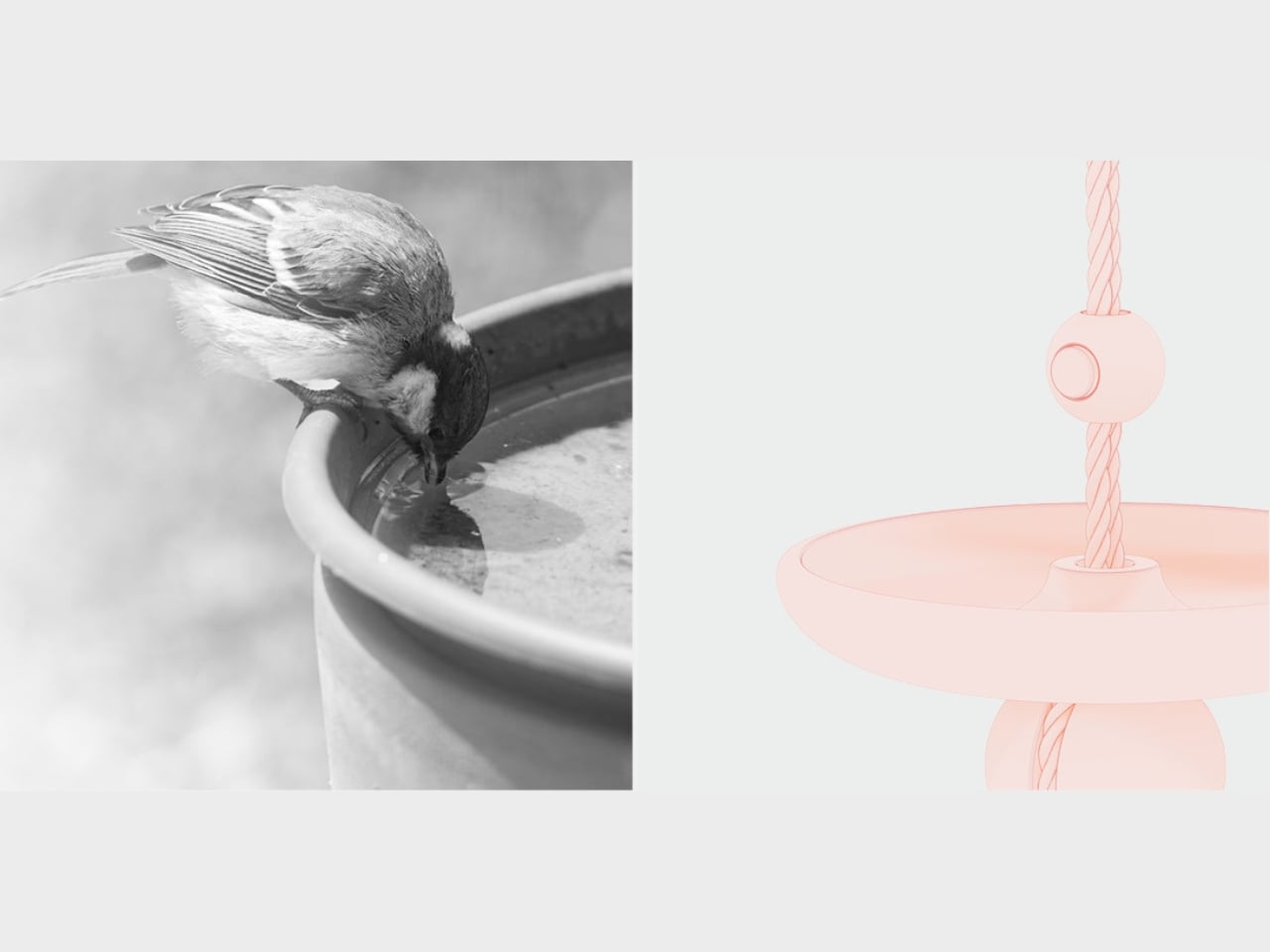
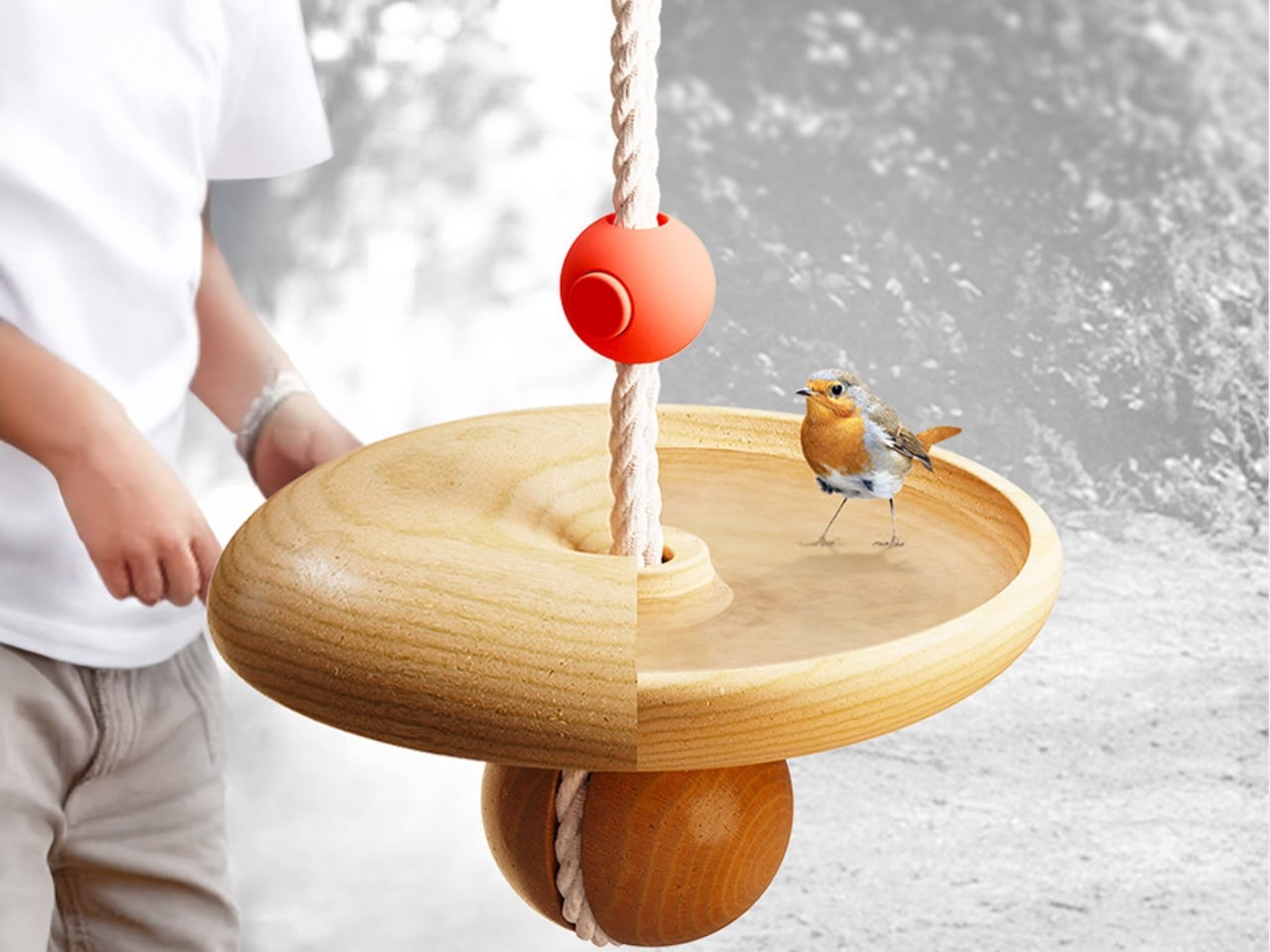
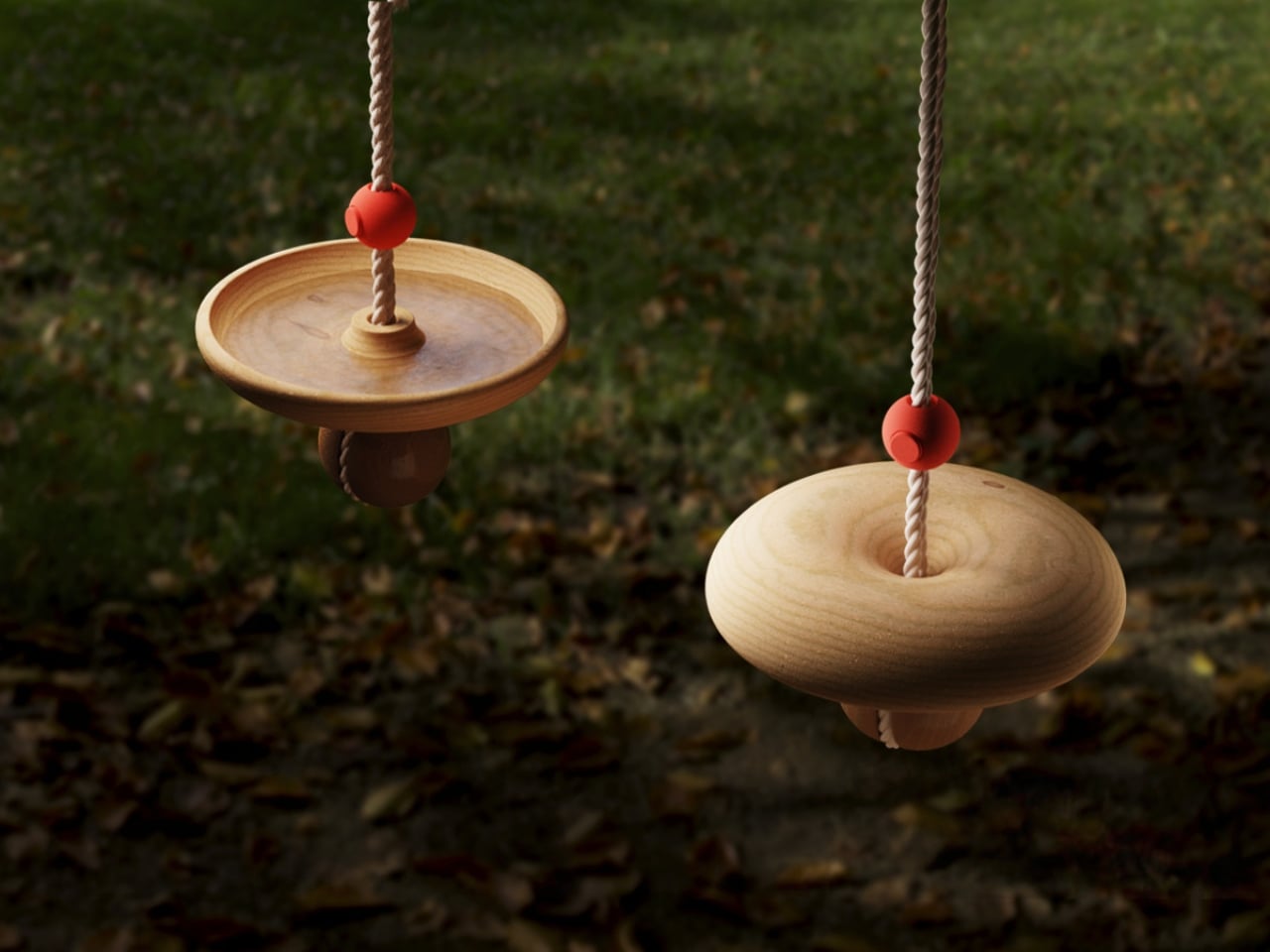
There’s something delightfully clever about design that refuses to pick just one job. You know what I’m talking about: those rare pieces that make you stop and think, “Wait, it does what?” Birddy, a recent award-winning furniture design by Korean designers Yejin Hong and Seyeon Park, is exactly that kind of creation. It’s a children’s swing when sunny days call for play, and a bird feeder when rain clouds roll in. Simple as that sounds, it’s the kind of thoughtful design that makes you wonder why we don’t see more of it.

The concept earned Hong and Park an Excellence Prize at the 2024 Kengo Kuma & Higashikawa KAGU Design Competition, and for good reason. The competition, known for championing furniture designs that bridge functionality with social awareness, found in Birddy exactly what contemporary design should aspire to be: useful, beautiful, and quietly compassionate.

Designers: Yejin Hong, Seyeon Park

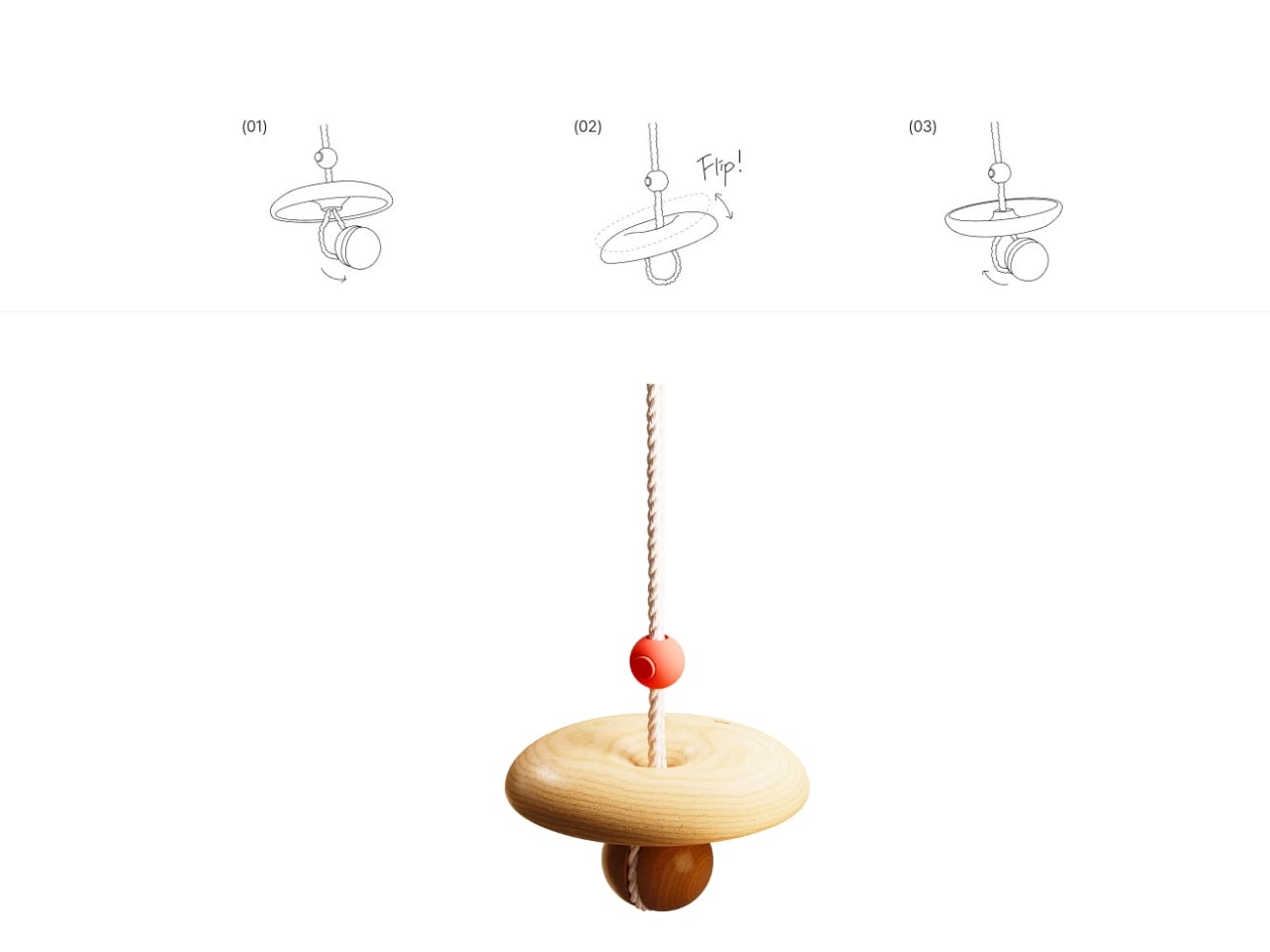
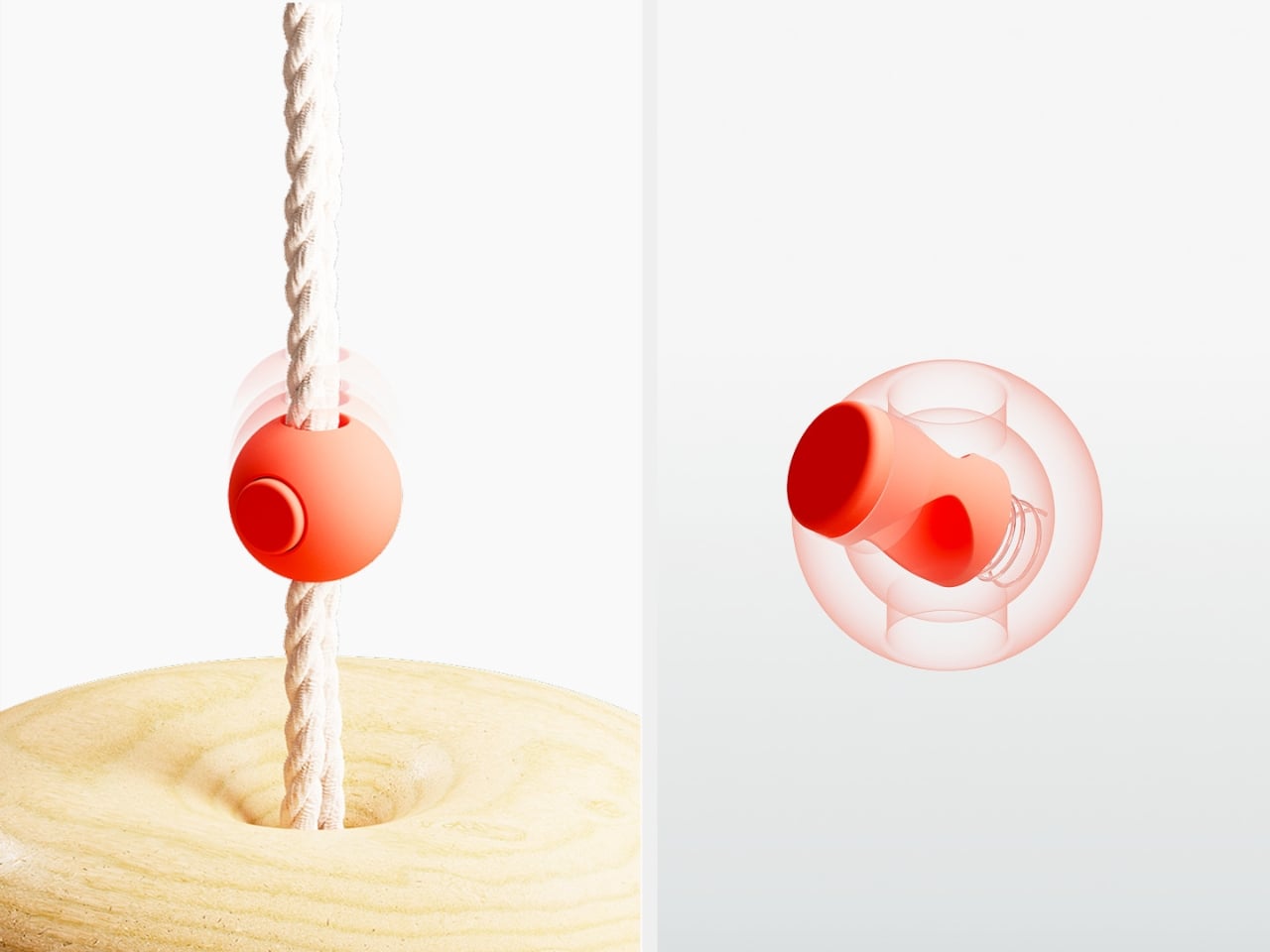
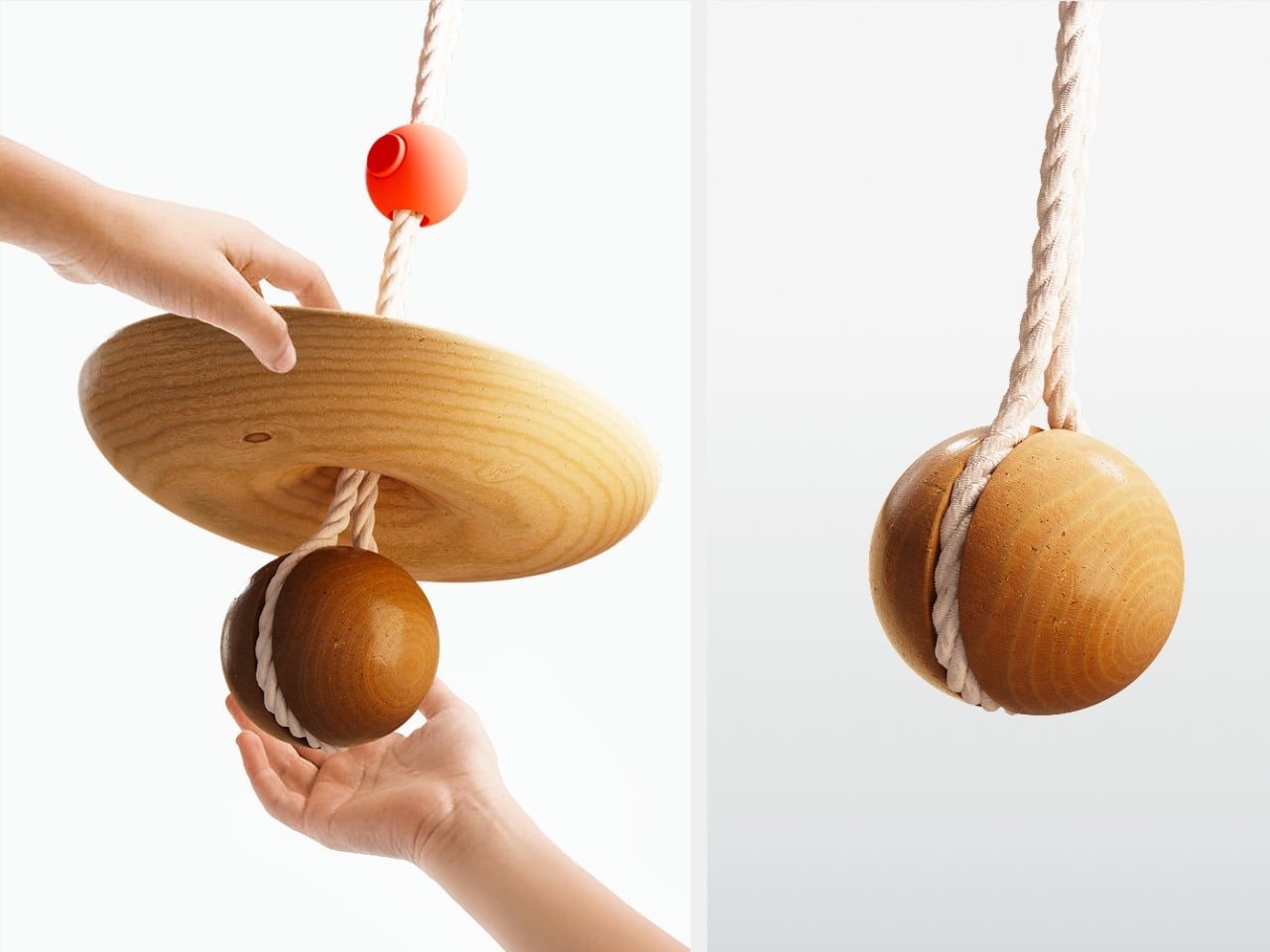
At first glance, Birddy looks like a refined wooden swing, the kind that would fit perfectly in a minimalist backyard or a community park. But flip it upside down on a rainy day, and suddenly you’ve got a protected feeding station for birds seeking refuge and sustenance when the weather turns harsh. It’s this elegant duality that makes the design so compelling. Rather than forcing two functions into an awkward compromise, the designers found a natural harmony between them.

What strikes me most about Birddy is how it normalizes empathy through everyday objects. We’re used to thinking about children’s play equipment and wildlife care as separate concerns, occupying different mental compartments in our design-thinking. Hong and Park challenge that separation. Their design suggests that caring for nature and creating joyful spaces for children aren’t competing priorities but complementary ones. When kids aren’t using the swing, why shouldn’t it serve another purpose? When birds need shelter and food, why can’t the solution be something that already exists in our yards?

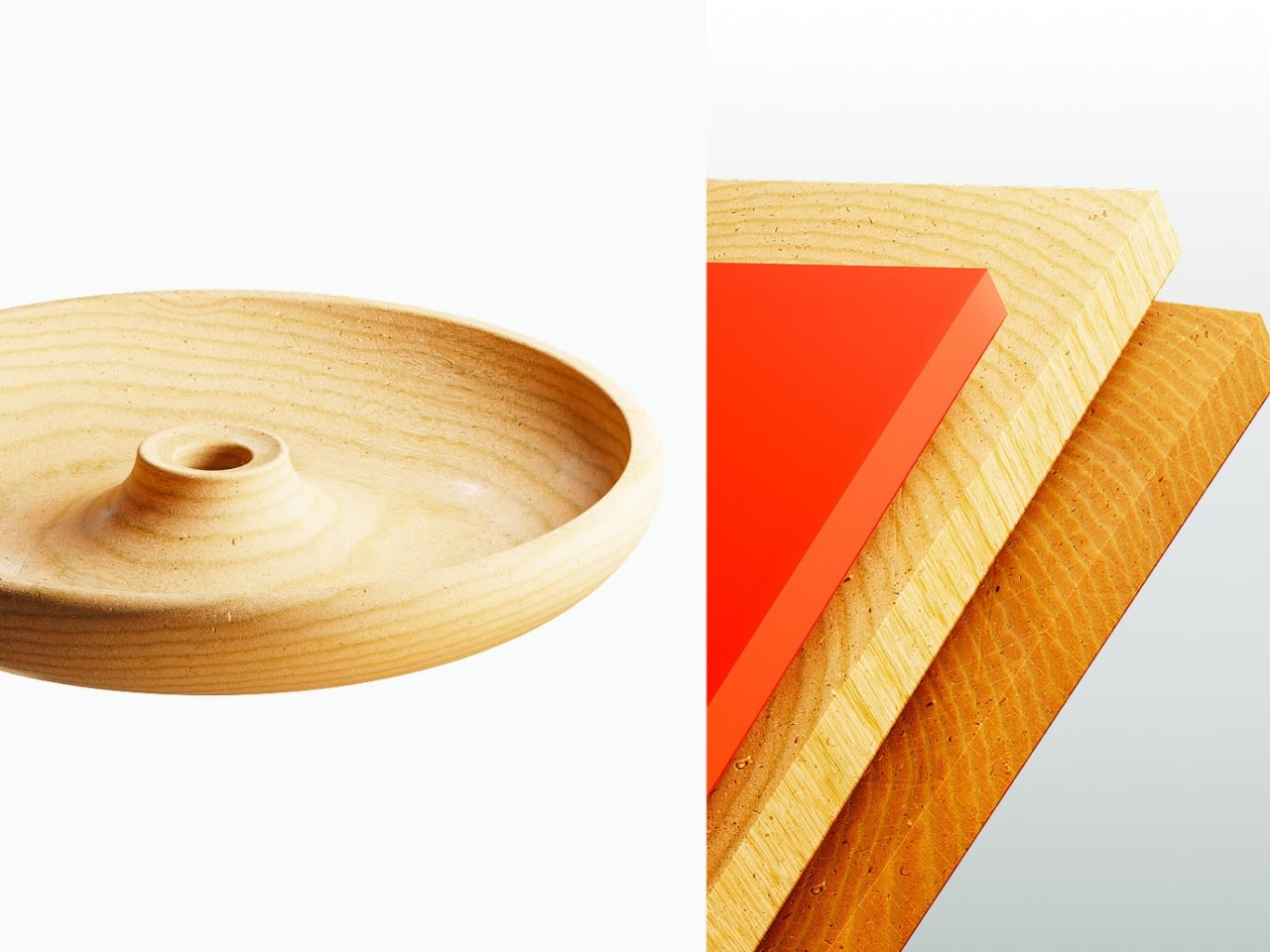
The execution shows restraint and respect for both users, human and avian. The wood construction feels appropriate for outdoor use while maintaining aesthetic appeal. There’s no garish attempt to make it “cute” or child-themed. Instead, the design trusts that good form works for everyone. This kind of confidence in simplicity is harder to achieve than it looks. Many designers would be tempted to add unnecessary flourishes or overcomplicate the transformation mechanism. Hong and Park resist that urge entirely.

From a practical standpoint, Birddy addresses real needs without requiring users to sacrifice space or budget for separate items. Urban and suburban dwellers increasingly want to support local wildlife, but bird feeders can feel like visual clutter. A swing is already part of many family landscapes. Combining them removes barriers to participation in backyard conservation. It’s environmental design through integration rather than addition.

The timing feels right too. We’re seeing a broader cultural shift toward multipurpose design as people become more conscious of consumption and space constraints. Furniture that pulls double or triple duty isn’t just trendy anymore, it’s becoming an expectation. But Birddy elevates the concept beyond mere space-saving. This isn’t about cramming more functionality into less area. It’s about finding poetic connections between different forms of care.

There’s also something wonderfully cyclical about the design. Children playing on the swing bring energy and life to a space during fair weather. Birds visiting the feeder bring that same vitality during storms. The object becomes a constant source of animation in the landscape, just with different performers depending on conditions. Parents watching kids swing on Tuesday might find themselves watching sparrows perch on Friday. That kind of continuous engagement with an object creates attachment and value beyond its material worth.

What Hong and Park have created isn’t revolutionary technology or groundbreaking engineering. Birddy succeeds precisely because it doesn’t try to be either. Instead, it represents something equally valuable: thoughtful observation of how we live and a willingness to imagine better arrangements. The best design often comes from asking simple questions like “What else could this do?” and “Who else could this serve?” Birddy answers both beautifully, proving that furniture can be generous in more ways than one.

The post This Award-Winning Swing Feeds Birds When Kids Aren’t Playing first appeared on Yanko Design.