Samsung’s New Wearable Audio Concept Looks More Like Jewelry Than Tech

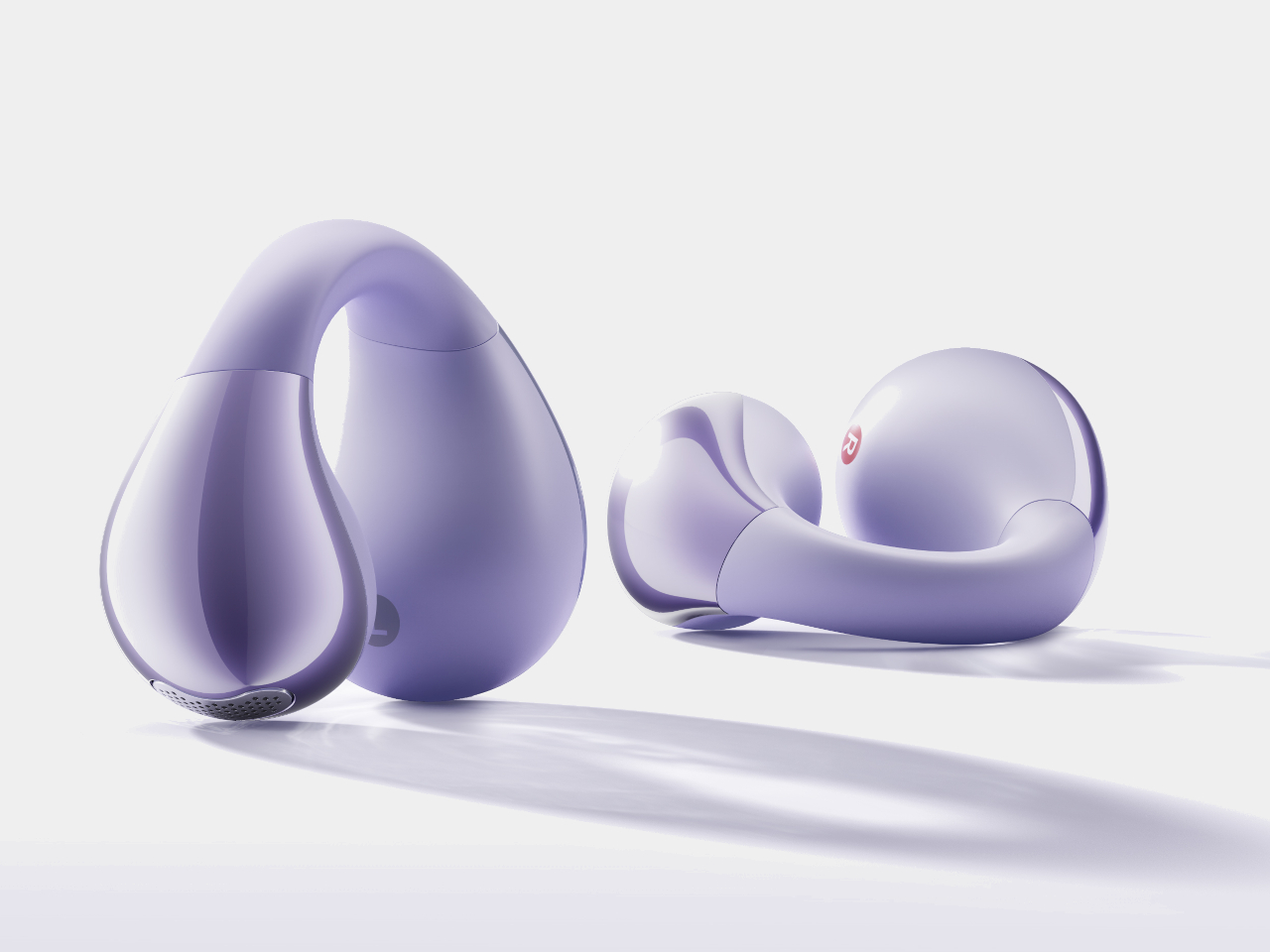
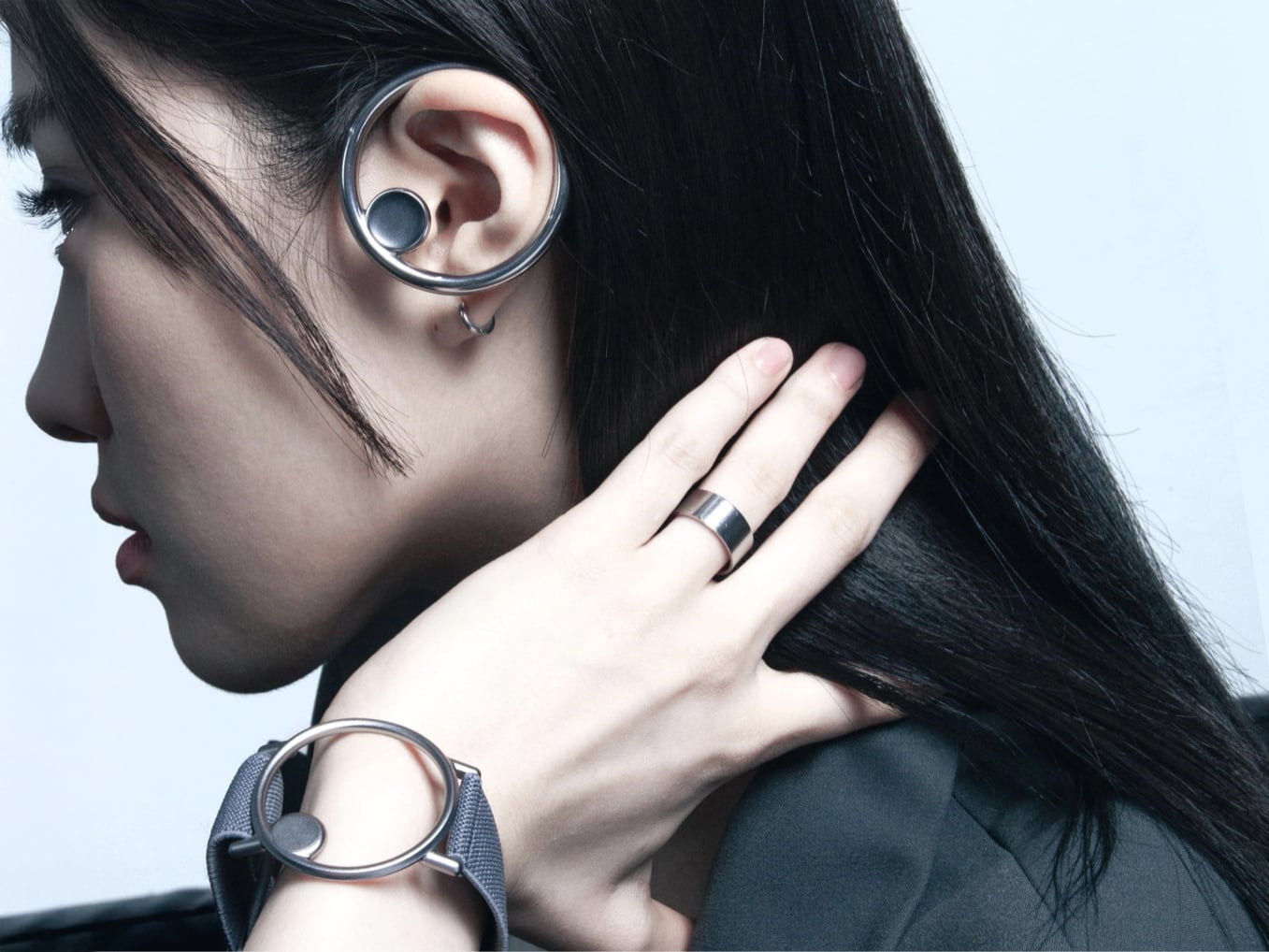
Wearable technology has spent too long looking like wearable technology. Slac breaks that mold with a refreshingly honest approach: if something lives on your body all day, it should look like it belongs there. The circular ear ring and accompanying wrist piece read more like contemporary jewelry than consumer electronics, which is exactly the point.

This concept taps into how Gen Z actually relates to their audio devices. These aren’t tools you begrudgingly carry. They’re expressions of taste, mood shapers, and now with Slac, genuinely attractive accessories. The open hoop design that hugs your ear offers a sculptural quality that traditional earbuds simply can’t match. When paired with the sleek wrist component, you get a cohesive audio system that understands fashion and function aren’t opposing forces. They’re partners in creating technology people actually want to wear.

Designers: Youngha Rho, Minchae Kim, Doa Kim, Si Heon Song, Seunghee Kim
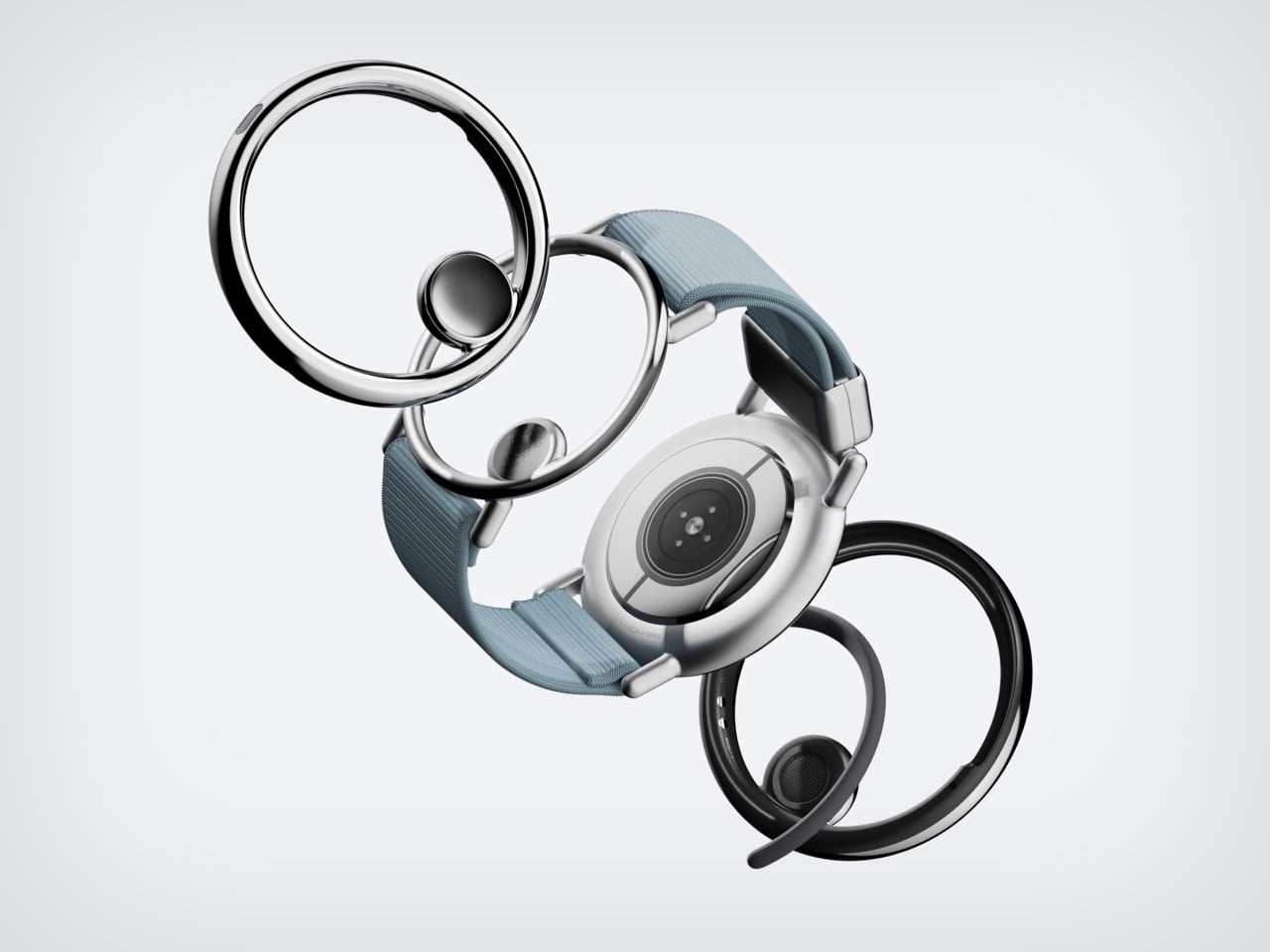
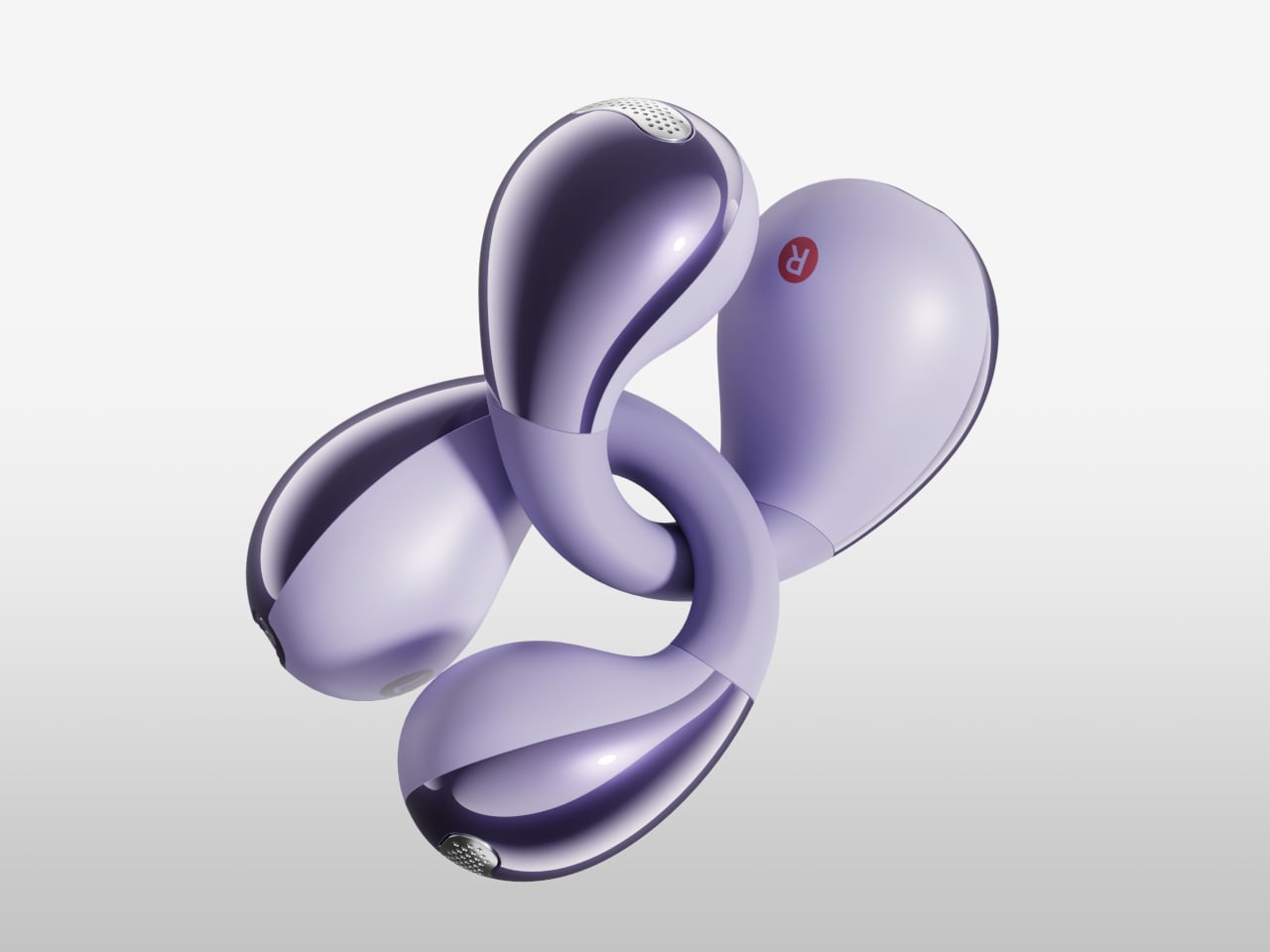
Three components make up the full system: an open ear ring handling audio output, a wrist-worn ring tracking your listening data, and a home charging station. That circular form factor pulls double duty in ways most earbud designs completely miss. Wrapped around your ear, it creates this architectural presence without jamming anything into your ear canal. You stay aware of conversations, traffic, your entire sonic environment while your music layers on top. When you’re done listening, the ear ring snaps magnetically onto the wrist component, transforming the whole setup into what reads as a chunky watch band or bracelet. Nobody’s shoving these into a pocket case like loose change.
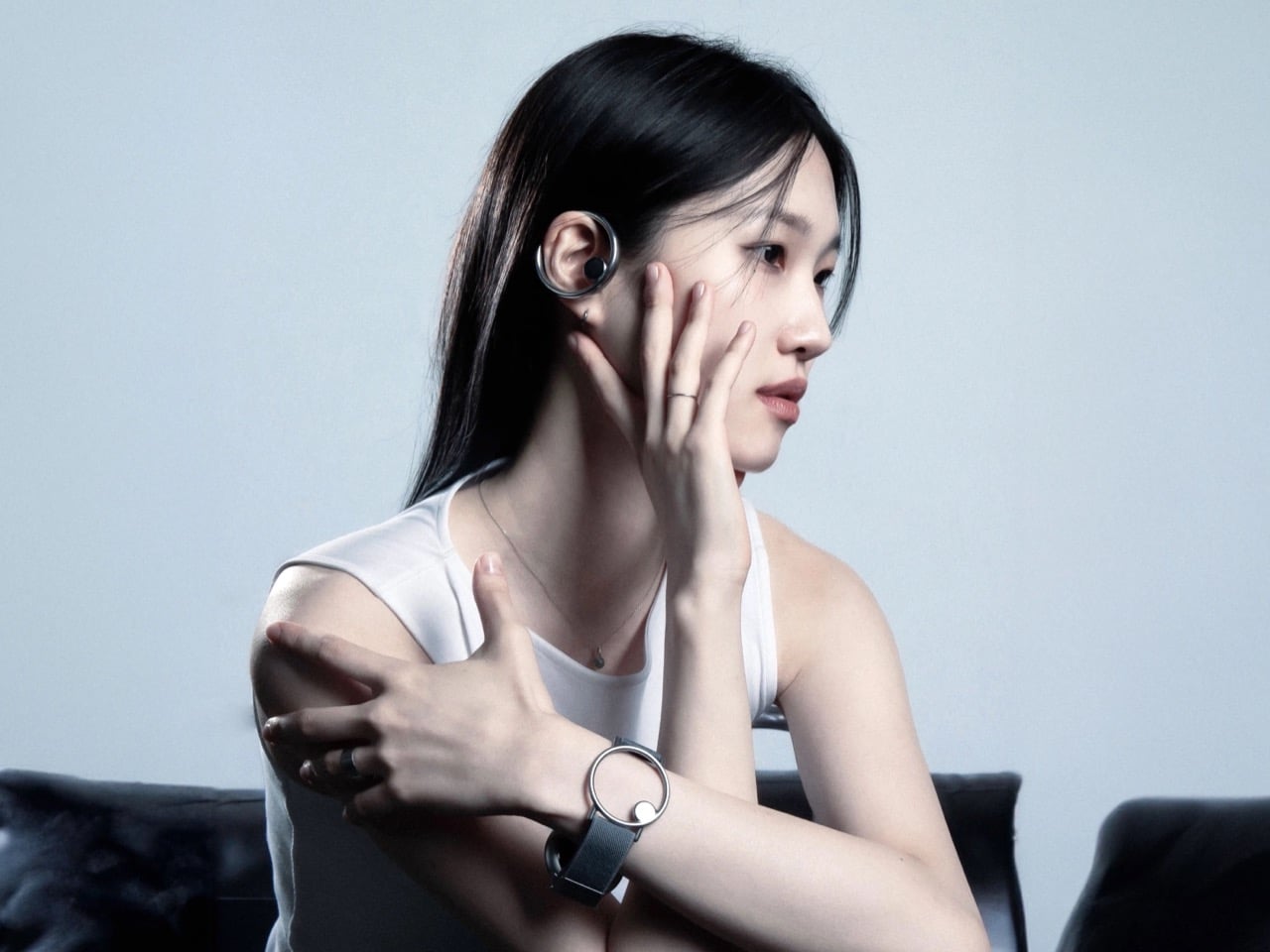

The AI running behind the scenes tracks your full 24-hour audio cycle and starts building preference profiles automatically. Machine learning analyzes sound intensity, pitch variations, and tonal characteristics from everything flowing through those ear rings. Cycling to work means you probably want traffic noise punched up alongside your playlist. Grinding through spreadsheets at a coffee shop means the background chatter gets filtered while your focus playlist stays crisp. The system generates these sound filtering categories in real time, and you can tweak individual layers through sliders in the app. Boost voices, drop mechanical hum, amplify nature sounds, whatever combination your brain needs in that specific moment.
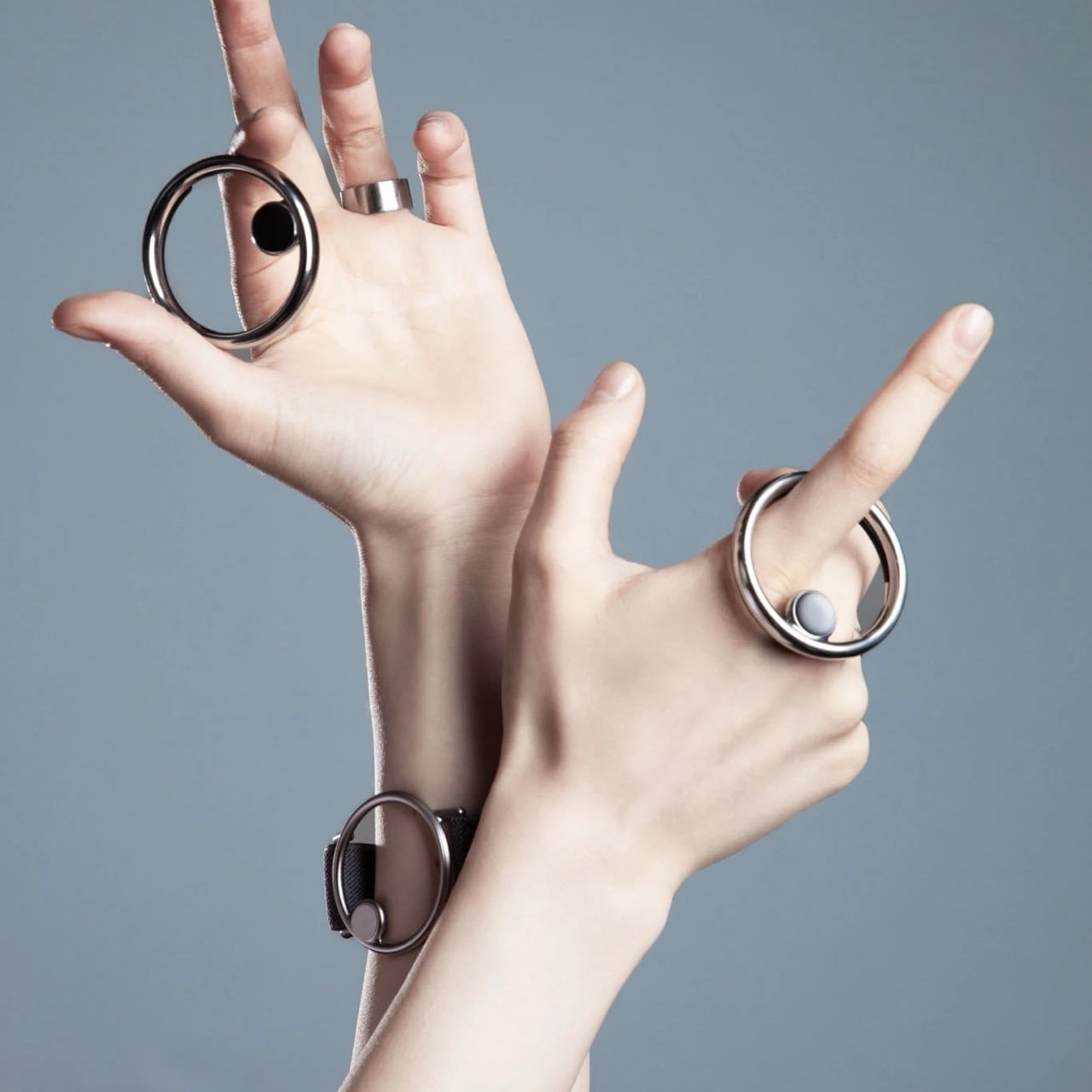
They’ve included this gesture control called “Slate” that actually seems thought through. You rotate your hand in a circular motion while wearing both rings, mimicking that clapperboard snap before a film take. One rotation flips you between content-focused mode and environment-focused mode. Your podcast drops to background levels while street sounds come forward, or vice versa. No app diving, no button fumbling, just a quick physical gesture.

The aesthetic commits fully to the jewelry angle without hedging. Both black and metallic colorways show up in the renders, and that wrist component carries enough visual mass to register as intentional rather than apologetic. You could wear this setup to contexts where regular earbuds feel socially awkward. Dinner with your partner’s parents, a work presentation, anywhere those telltale white stems signal that you’re half-checked-out. This project emerged from a design team working within Samsung’s development programs, and you can feel years of wearable experience informing every choice. Slac points toward where personal audio needs to go: context awareness, all-day wearability, and designs that enhance your aesthetic rather than forcing compromises.
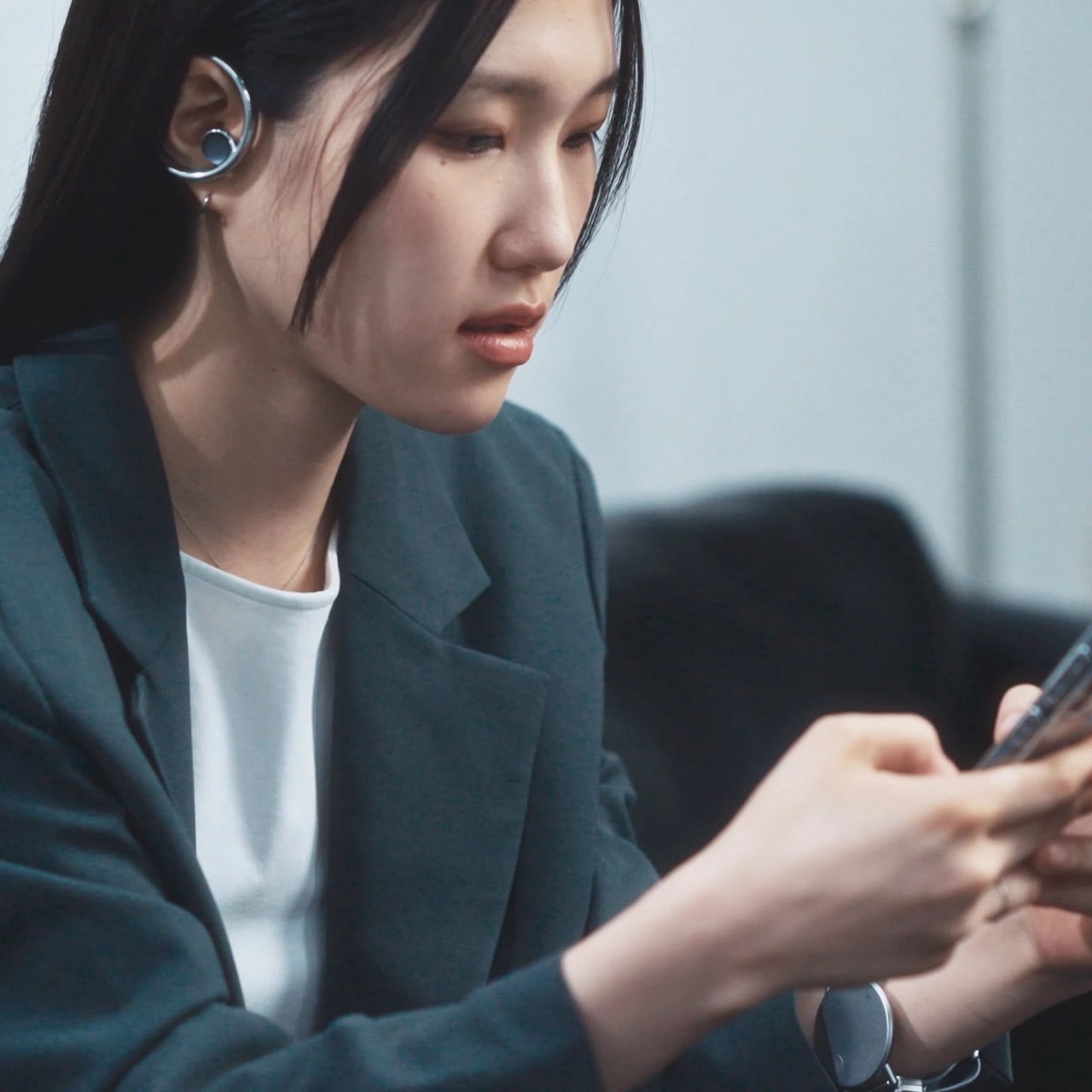
Will this exist any time soon? I honestly doubt it. A lot of these large-scale internship/incubation programs are aimed at imagining an alternate reality or future and working to build the technology in that direction, in the hopes that insights and innovations will trickle into existing products. The Slac, as we see it, probably won’t exist… but its overarching theme of technology as jewelry is already fairly popular. Smartwatches and AI Pins are a great example of this, and given how often we already wear TWS earbuds, the idea of an earbud that also masquerades as jewelry seems like a fairly clever route…

The post Samsung’s New Wearable Audio Concept Looks More Like Jewelry Than Tech first appeared on Yanko Design.


Lumia 2 smart earrings combine blood flow tracking, other vital body insights in smallest wearable ever

Since the COVID pandemic, undeniably, most people have started taking extra care of their body metrics, which has given unprecedented rise to the number of wearable devices for health and fitness monitoring. Most of these devices: smartwatches, fitness bands, and even tech-enabled jewelry, do not have a gender inclination. Somehow, the Lumia 2, promoted as the smallest wearable in the world, is designed for women of style first.

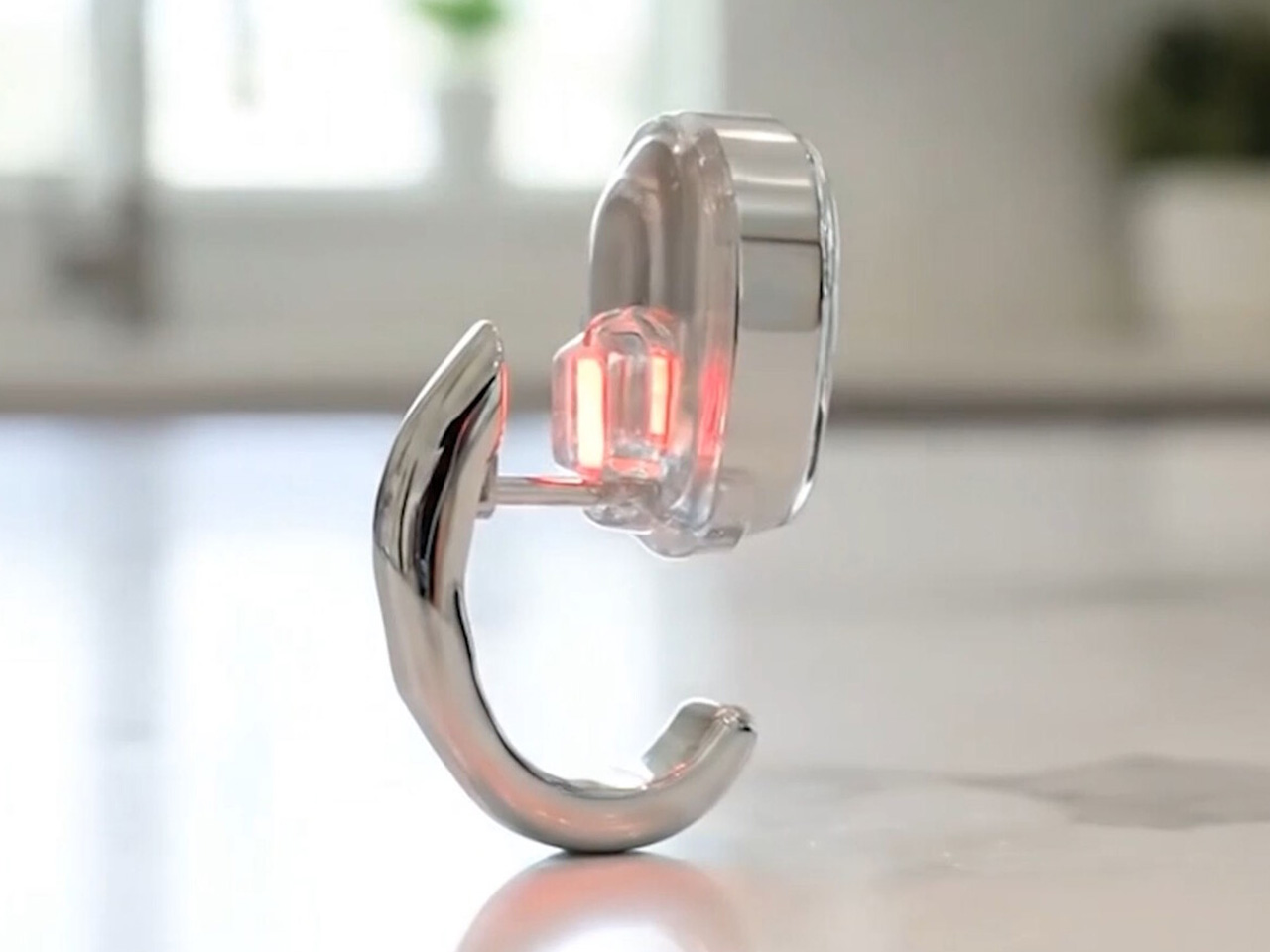
This earring of sorts does not require piercing. The Lumia 2 is built to clip onto the earlobe and monitor your blood flow, while also tracking other vital metrics such as heart rate variability. If you were unaware, irregular blood flow can have a negative impact on health. The Lumia 2, designed as a piece of timeless jewelry and is meant to keep track of the blood flow.

Designer: Lumia

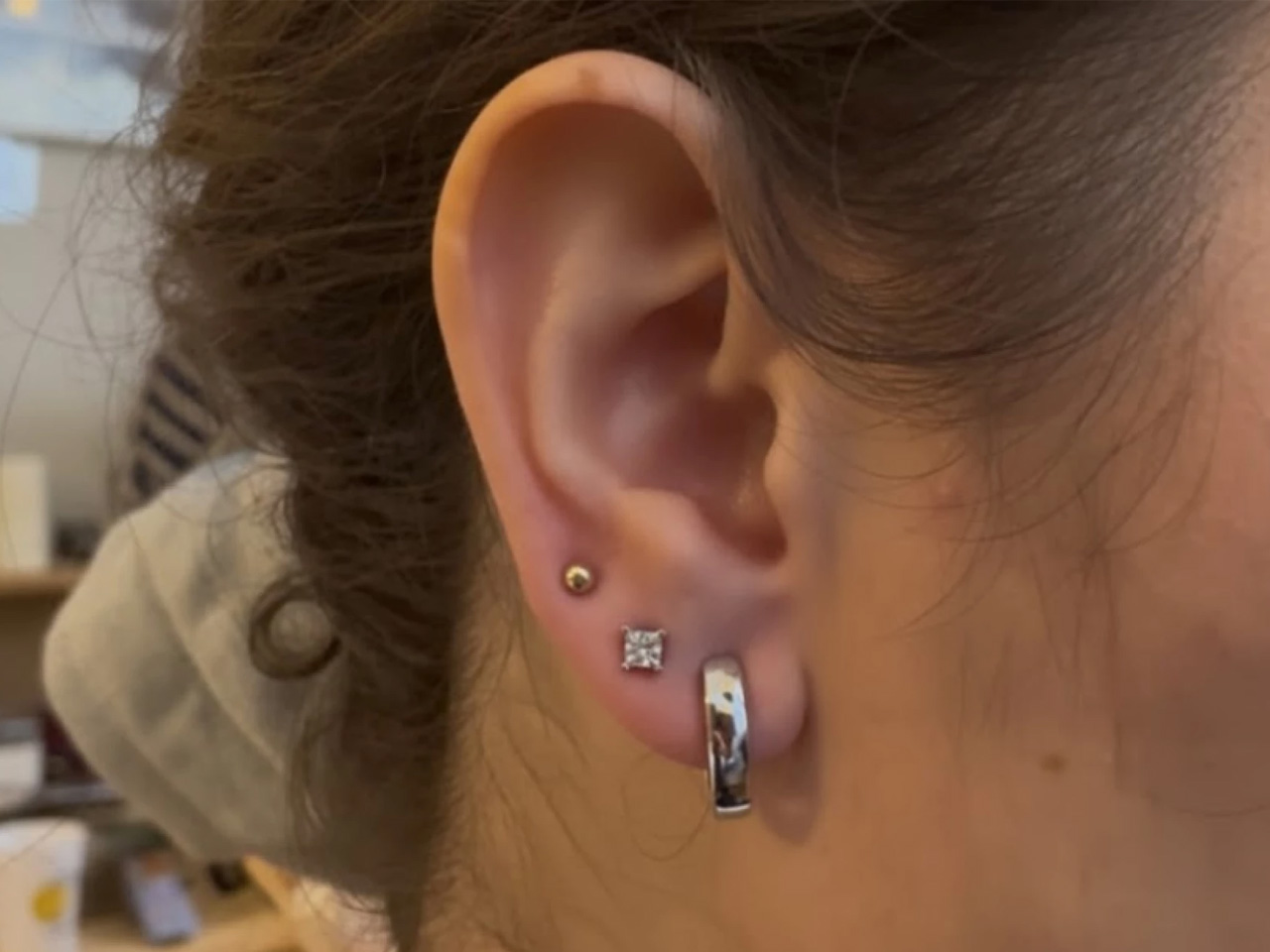
Of course, the device is primarily targeted at women with chronic blood flow disorders, to always be on top of their vitals. But Lumia co-founder and CEO Danial Lee affirms that the people within the team, without any blood flow issues, have also “discovered fascinating blood flow patterns” that are helping them live better. The smart earring looks like a regular piece of jewelry with sensors hidden behind the wearer’s ear. It certainly looks discrete and wouldn’t give out its actual existence until someone really goes deep into finding it out. Notably, Lumia 2 is also attachable to an existing ear-stud, if you want.

While we contemplate the viability of the Lumia 2’s ability to measure blood flow and the feature’s practical usage, let’s take a moment to understand what else the smart earring brings to the table and challenges the other types of wearables in the market. In addition to monitoring the body’s blood flow, Lumia 2 can also track heart rate variability and resting heart rate to notify the wearer when their body is ready for running, exercising, or indulging in a strenuous physical activity.

In addition to knowing how ready your heart is to face the world, with the Lumia 2 clipped onto your ear, you can also track how well you have slept overnight. It can also do the pedometer stuff and keep track of your step count. The Lumia 2 provides information about how to increase the blood flow or recover from its shooting levels, along with information regarding how hydrated or stressed you are while running or through the reps in the gym. With a decent battery life of up to eight days, the Lumia 2, starting at $249, should make a statement wearable when it’s launched in the near future.


The post Lumia 2 smart earrings combine blood flow tracking, other vital body insights in smallest wearable ever first appeared on Yanko Design.

Open-ear earbuds concept transforms a common gadget into a fashion statement

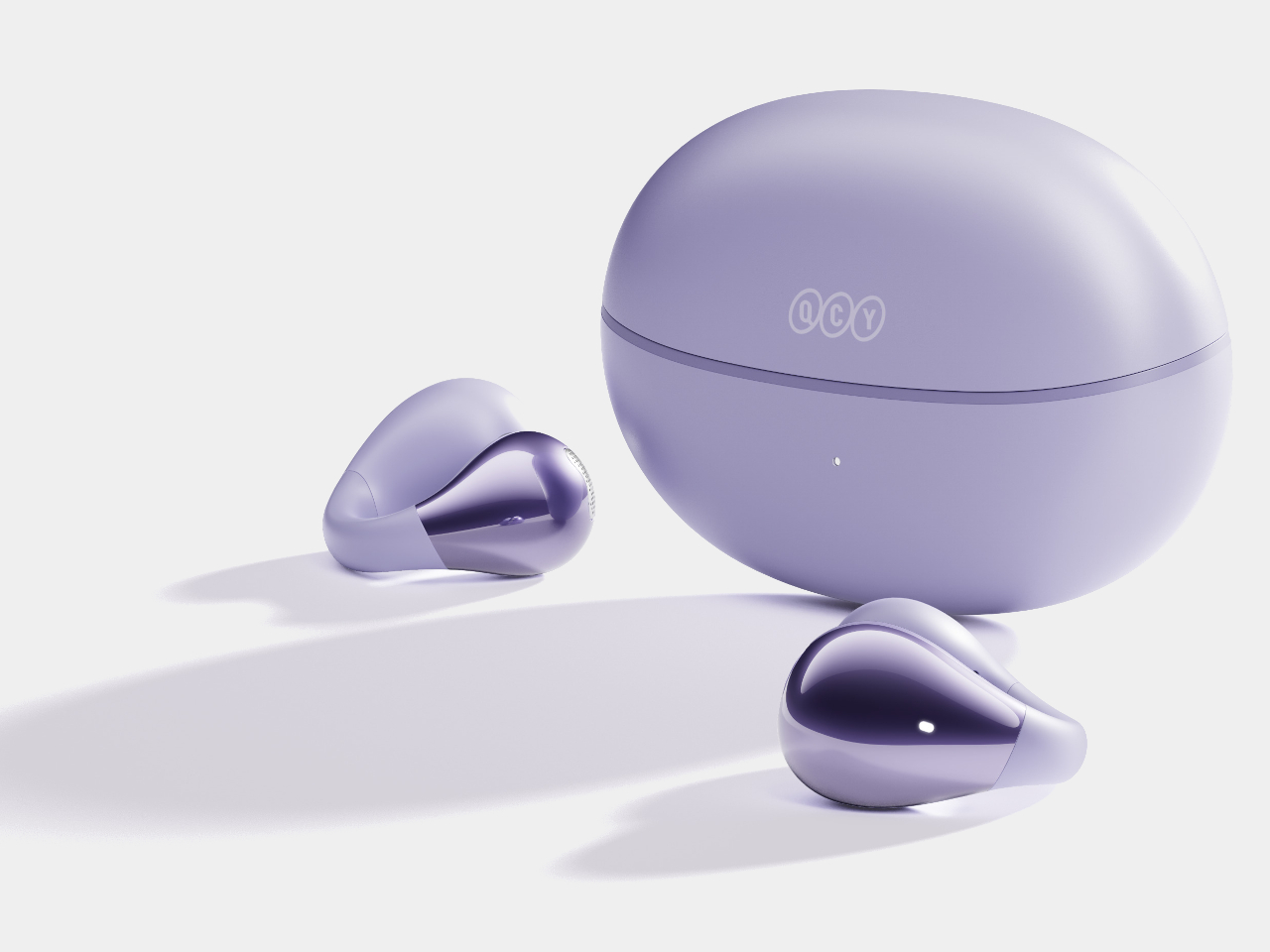
TWS or True Wireless Stereo earbuds have become such a common sight that their no longer weird to see something sticking out from people’s ears these days. It’s not a pretty sight, no matter how minimalist or sleek they are. Unfortunately, limitations of acoustics and technology also limit the possible designs for these tiny accessories, but what if such restrictions were loosened up a bit?

This concept design for open-ear earbuds try to explore that possibility, offering a product that isn’t just functional but also aesthetic. With just a few changes to the basic formula, earbuds become chic fashion accessories you won’t feel ashamed to wear, almost like wearing large but stylish earrings, without the piercings, of course.

Designer: Zhang Yunxib

The basic earbuds design evolved from humble earphones to the point that the Apple AirPods were even ridiculed for looking like EarPods with their wires cut off. Other wireless earbud today don’t sport such dangling stems, but the basic mechanism remains the same. You stick part of the buds inside your ear canal and hope they won’t fall off thanks to the fit of the buds or their shape.

The are, however, other ways to bring sound waves to your ear without blasting them directly into your ear canal. Some “open ear” headphones, for example, use bone conduction to deliver vibrations directly to the bones in your head that you “hear” as sound, while other use simpler but more refined air conduction that won’t tickle your temples.

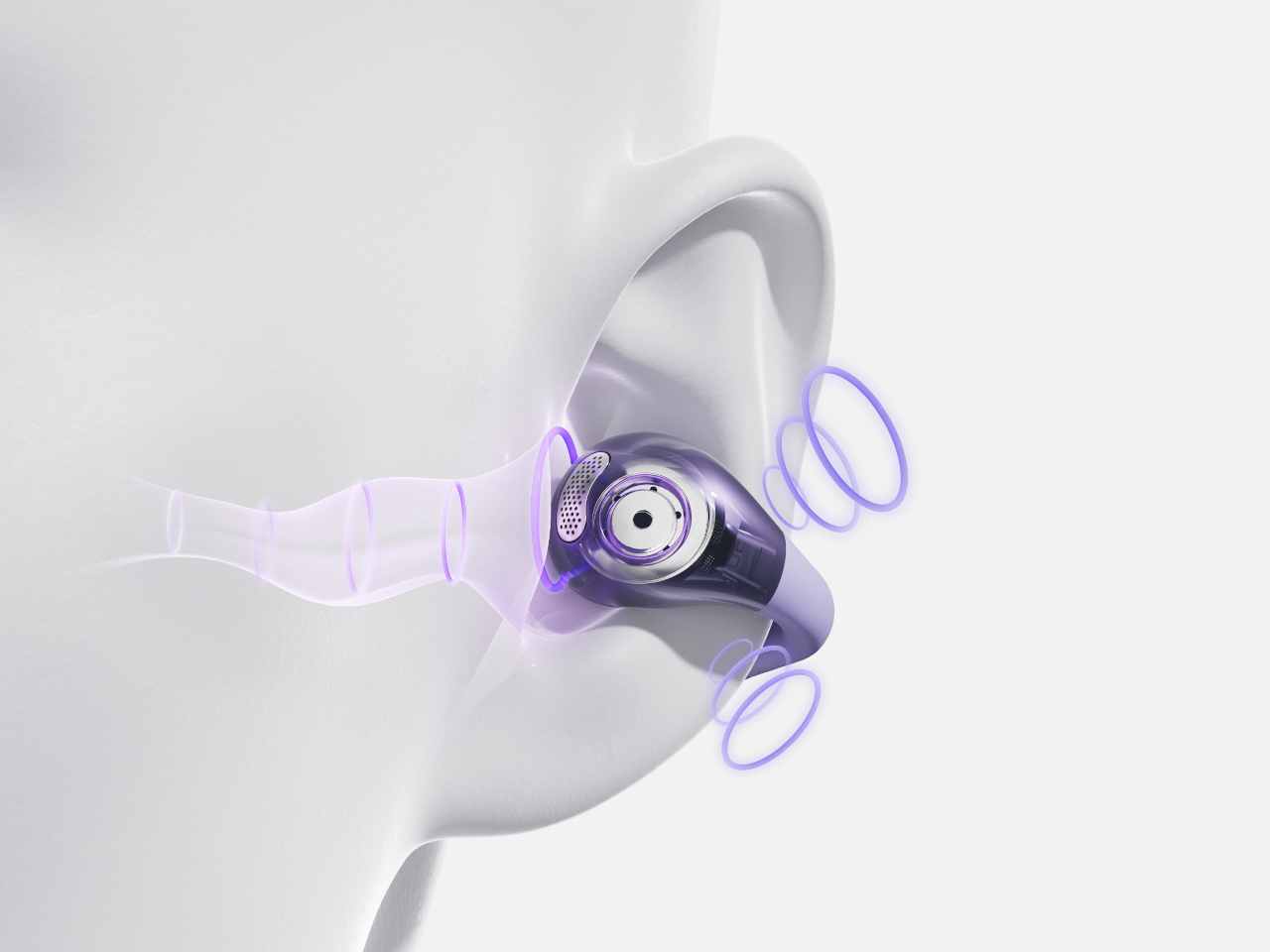
This earbuds design concept uses the latter to fashion earbuds that wrap around your ear to secure its position, leaving the actual speaker just a few millimeters away from the ear canal opening. This is a similar design to the Bose Ultra Open Earbuds launched early this year with one important difference: it’s made to look really good.

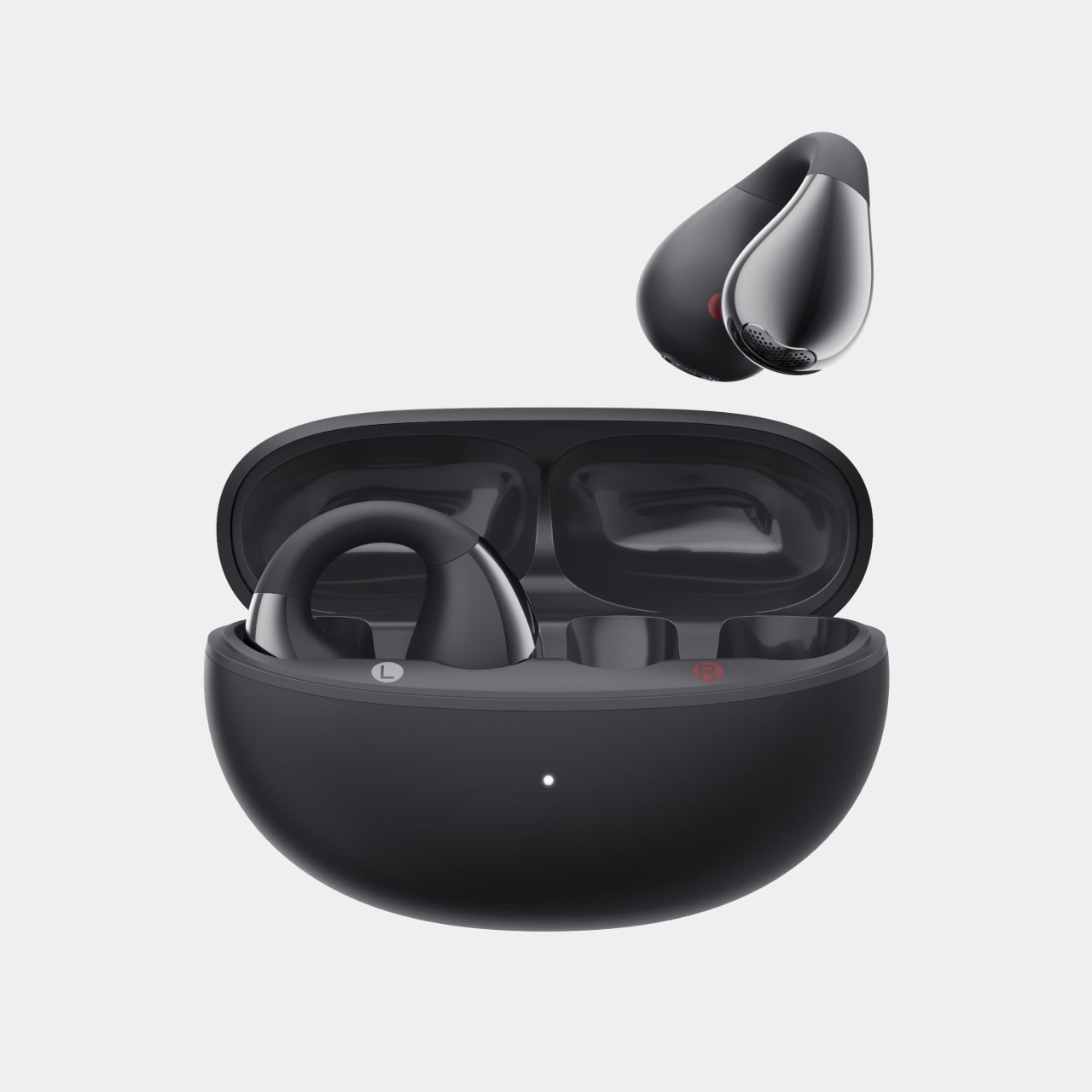
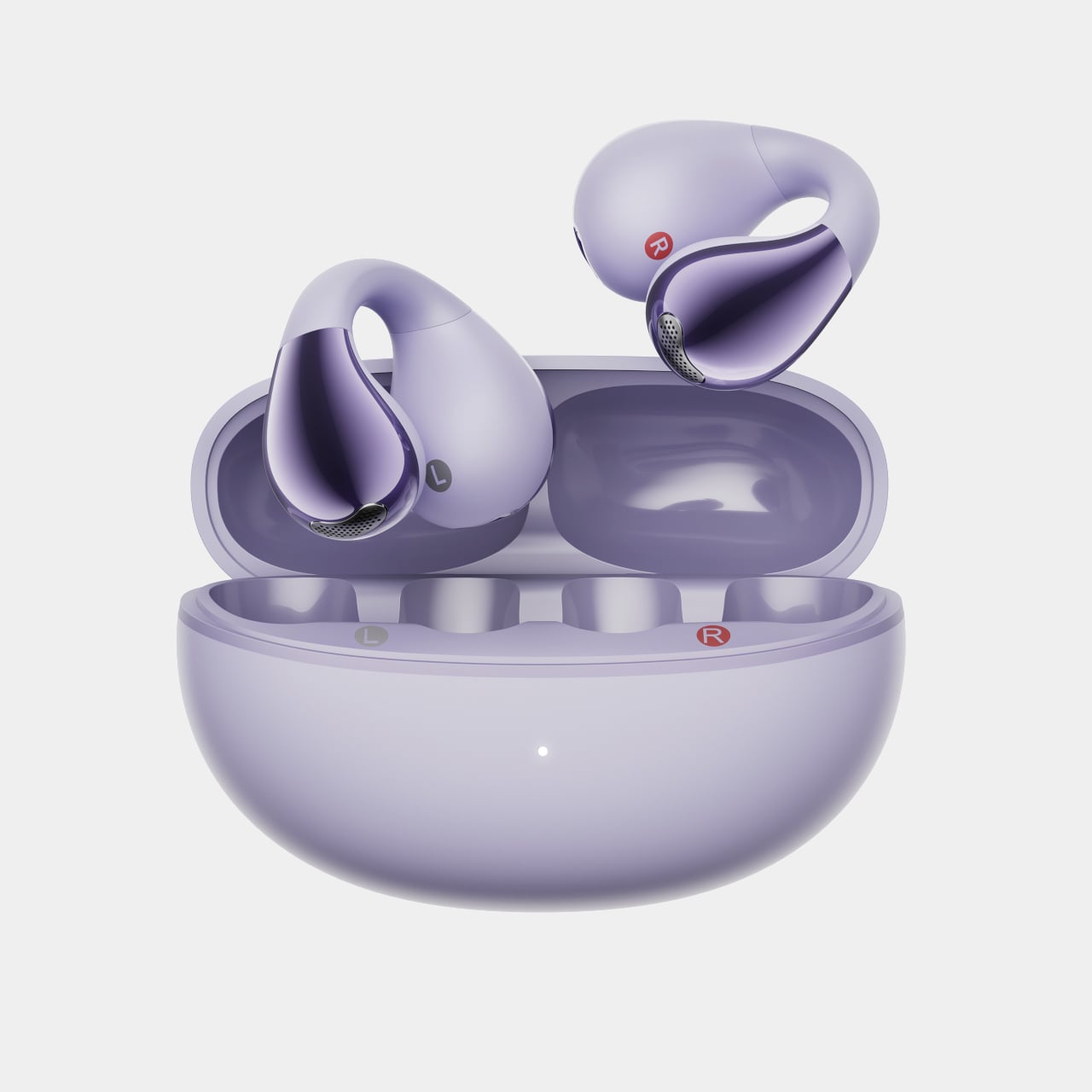
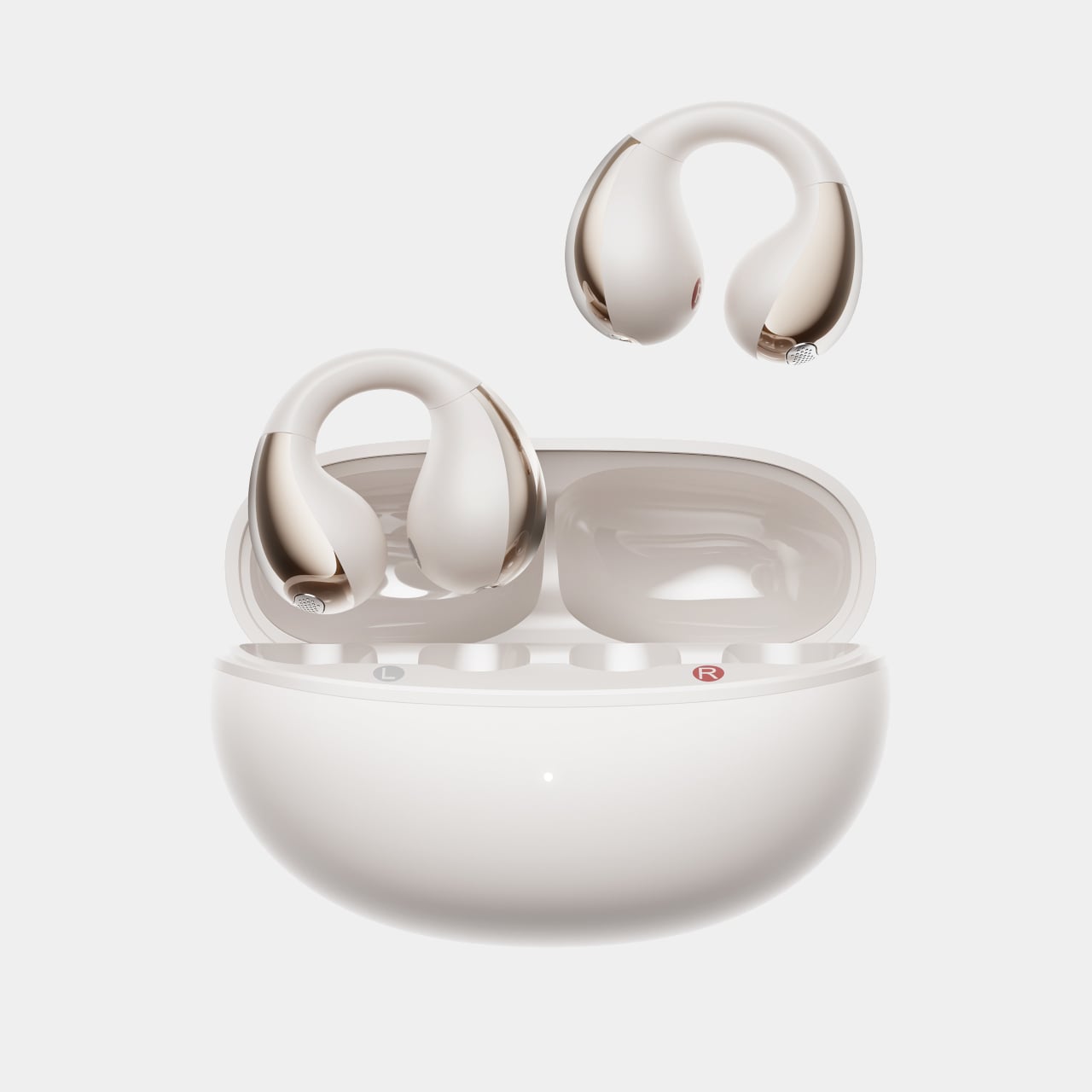
With an elegant matte texture and a mirror-like finish on the ball-shaped tips, these earbuds look more stylish than the typical rugged or sporty earbuds in the market. The way they hang on the sides of the ears rather than sticking down with a stem makes them look more like ear clips or earrings, giving them the appearance of fashion accessories or even jewelry.

The sleek and thin body doesn’t take up too much space or shove distracting forms, so you can still wear your favorite earrings that complement the earbuds. It’s a simple change to a tested formula, but one that completely changes the appeal and purpose of the product, from simple tech accessories to an expression of your taste and personality.

The post Open-ear earbuds concept transforms a common gadget into a fashion statement first appeared on Yanko Design.

Smart earrings can read your temperature, paving the way for new wearables

When people talk about wearables or wearable tech, they are mostly thinking of smartwatches and fitness trackers, basically those that are worn on your wrist. Technically speaking, however, any kind of technology that can be worn on your body would qualify as wearables, hence the name, but we have been restrained by the limits of current technologies and design trends. Fortunately, it isn’t a dead end yet, and smart rings are starting to become a viable alternative, allowing some people to still keep track of their health while finally being able to wear their favorite classic watches again. These rings reveal the potential of jewelry that could deliver those same features while allowing you to maintain your fashion sense, like this earring that can read your body temperature, something that is still uncommon even on smartwatches today.

Designers: Qiuyue (Shirley) Xue, Yujia (Nancy) Liu, Joseph Breda, Vikram Iyer, Shwetak Patel, Mastafa Springston (University of Washington)

Our bodies are a treasure trove of data, depending on which part you are observing. Smartwatches try to shed light on our health by literally shining light through the skin on our wrists and down to blood vessels. Smart rings largely do the same, though on your finger, of course. While much of your body’s state can be calculated from these areas, some body parts give more accurate biometrics than others. There might still be some debate about it, but some researchers believe that the ears, particularly our earlobes, are a better source for that kind of information.

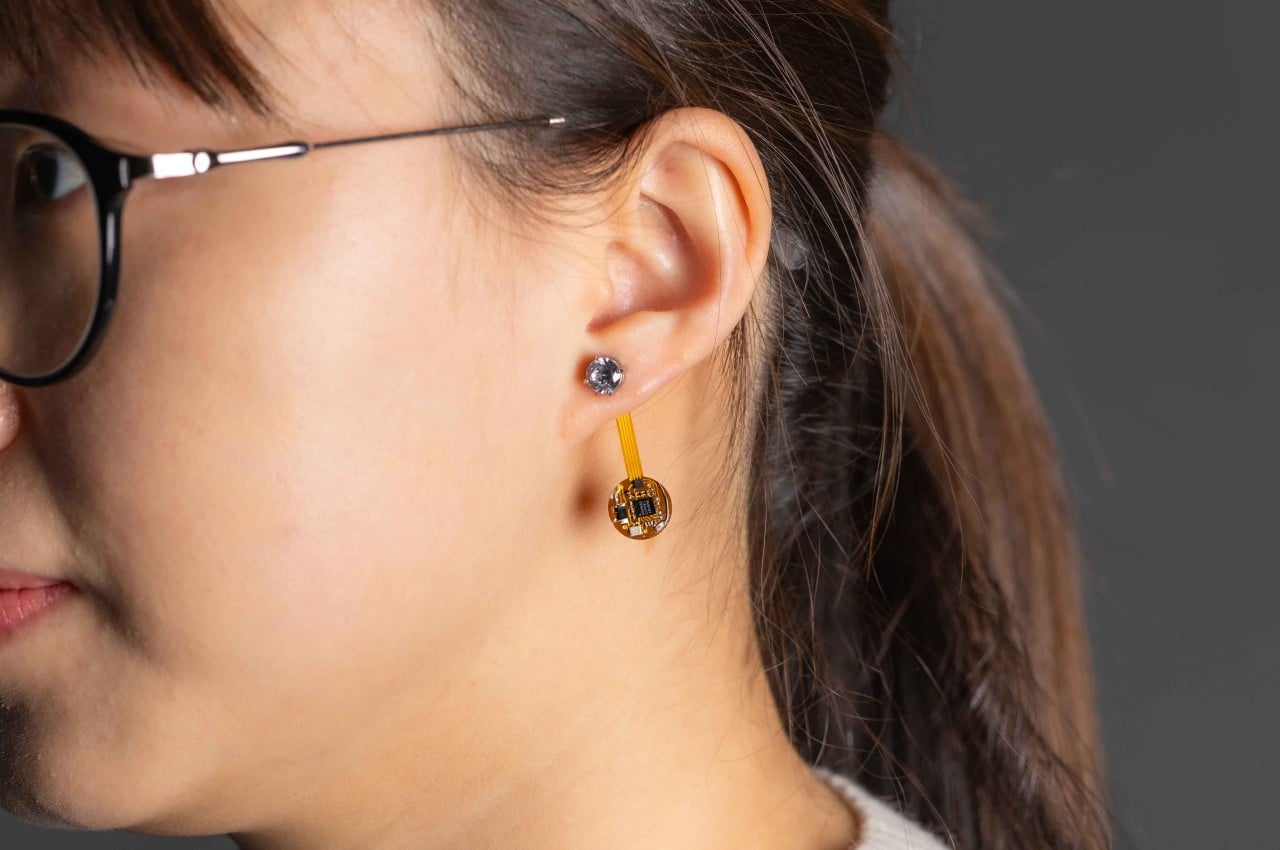
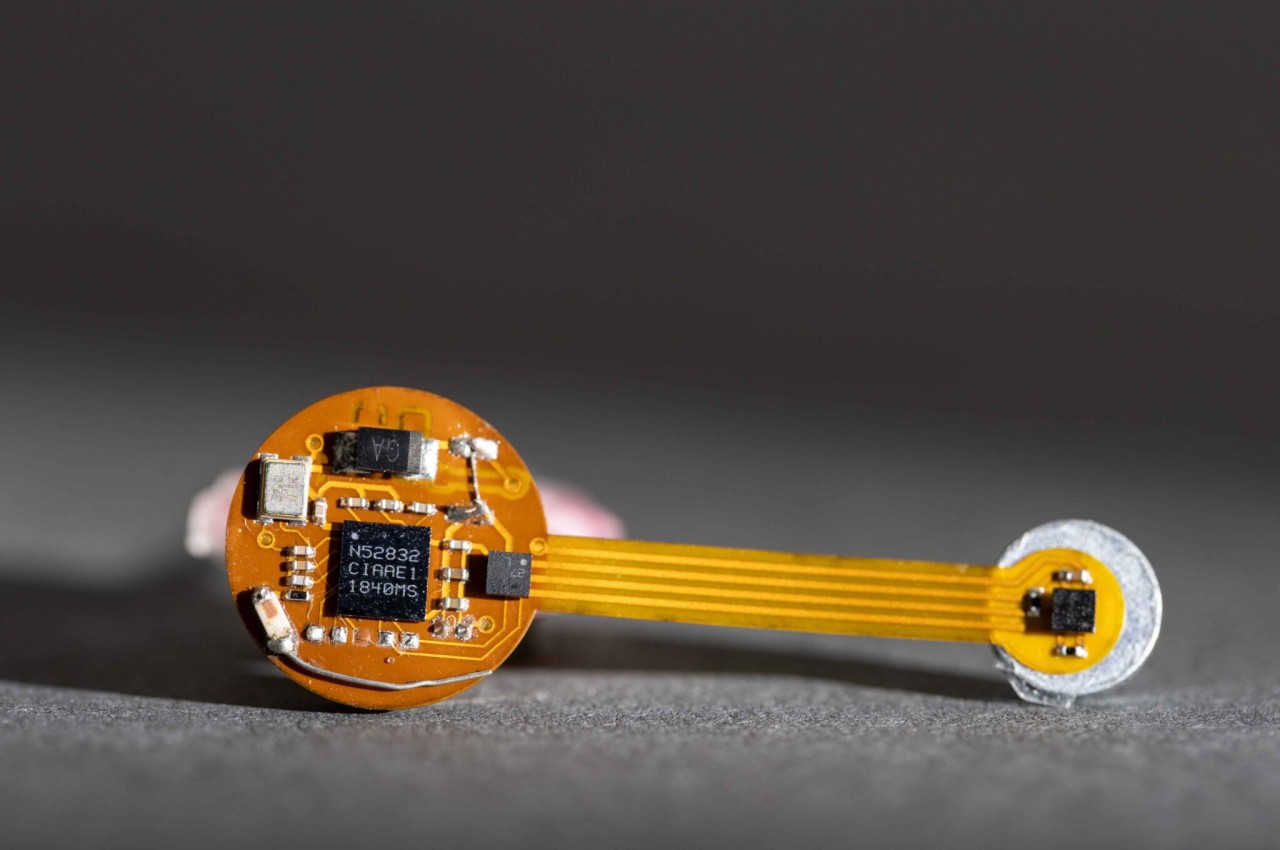
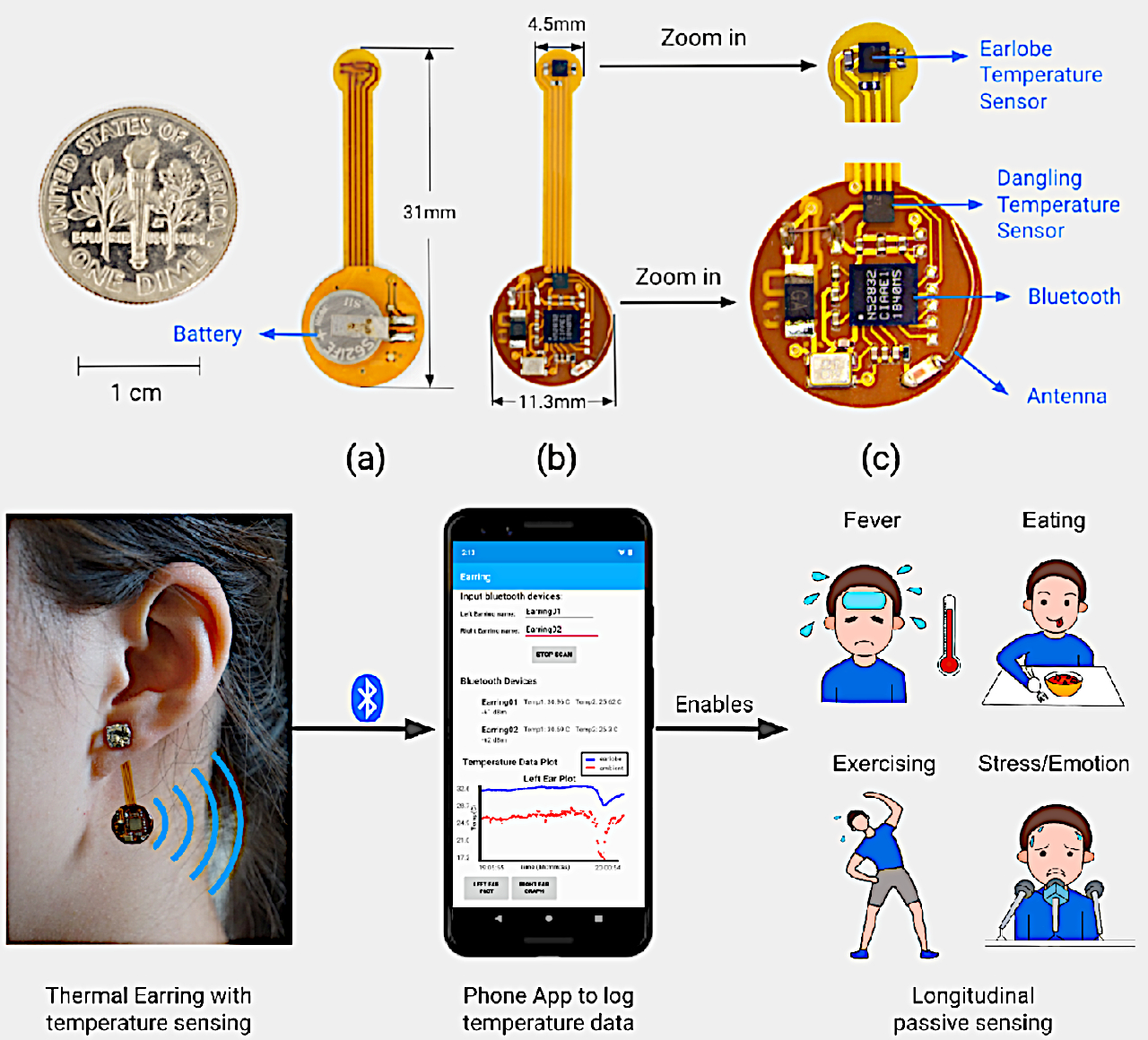
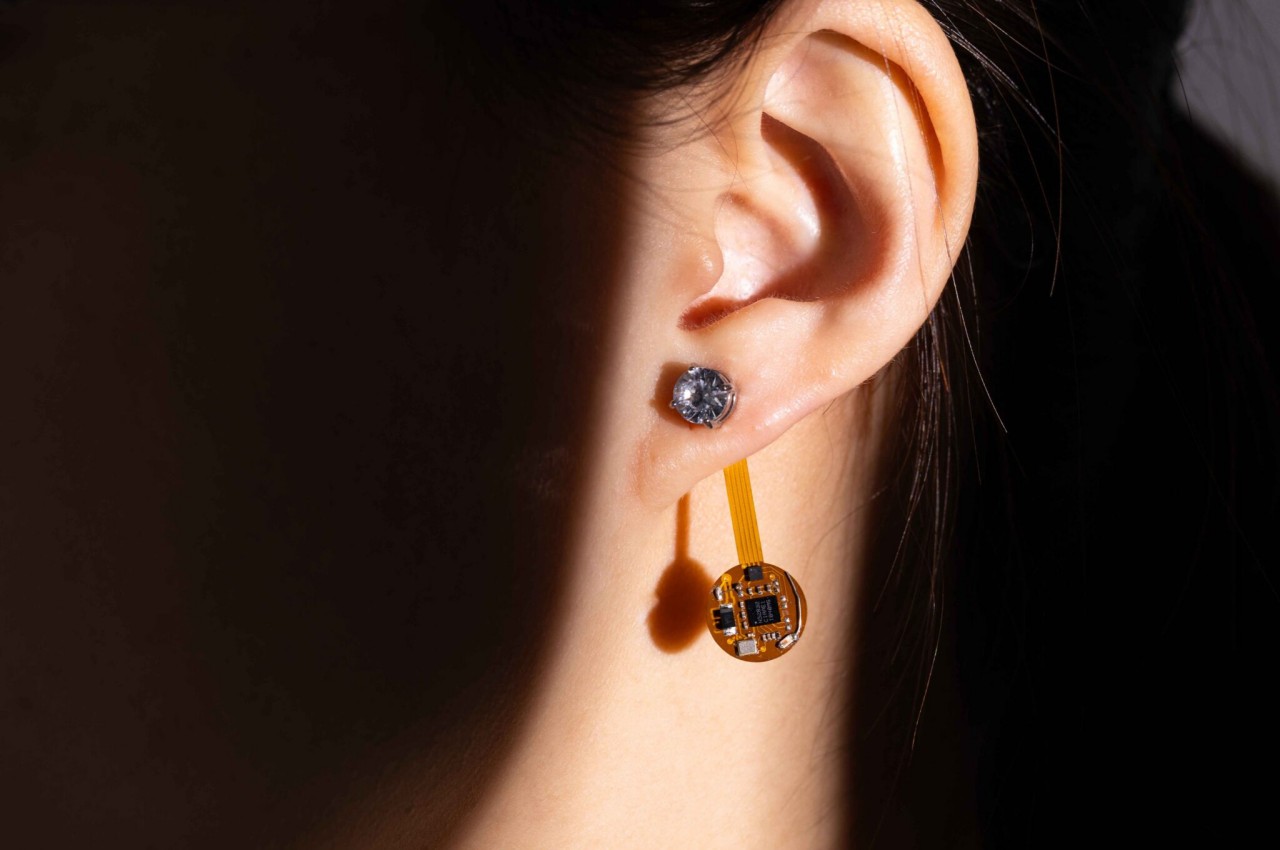
That’s the medical foundation that the Thermal Earrings are based on, a research project that is attempting to create a new wearable that is both functional and potentially fashionable, especially for women. The device uses two sensors, one that magnetically clips to the earlobe and measures body temperature, while another dangles an inch below it to measure room temperature. Comparing data from these two sources yields a more accurate body temperature reading compared to smartwatches that can’t properly differentiate ambient temperature. This accurate reading is crucial not just for knowing your body’s temperature but, for women, also for keeping track of their ovulation and periods.

The Thermal Earrings’ diminutive design presents both a challenge and an opportunity. It uses up very little power and uses low-power Bluetooth to transmit its data to a paired smartphone. In theory, it can be charged with solar or kinetic energy, but implementing a charging system for that is proving to be a bit tricky. And since only one earring is enough to read the wearer’s body temperature, it raises the question of what the other earring would do. Should it be a simple non-smart decoy to pair with the smart earring or can it also be used to read some other biometric as well?

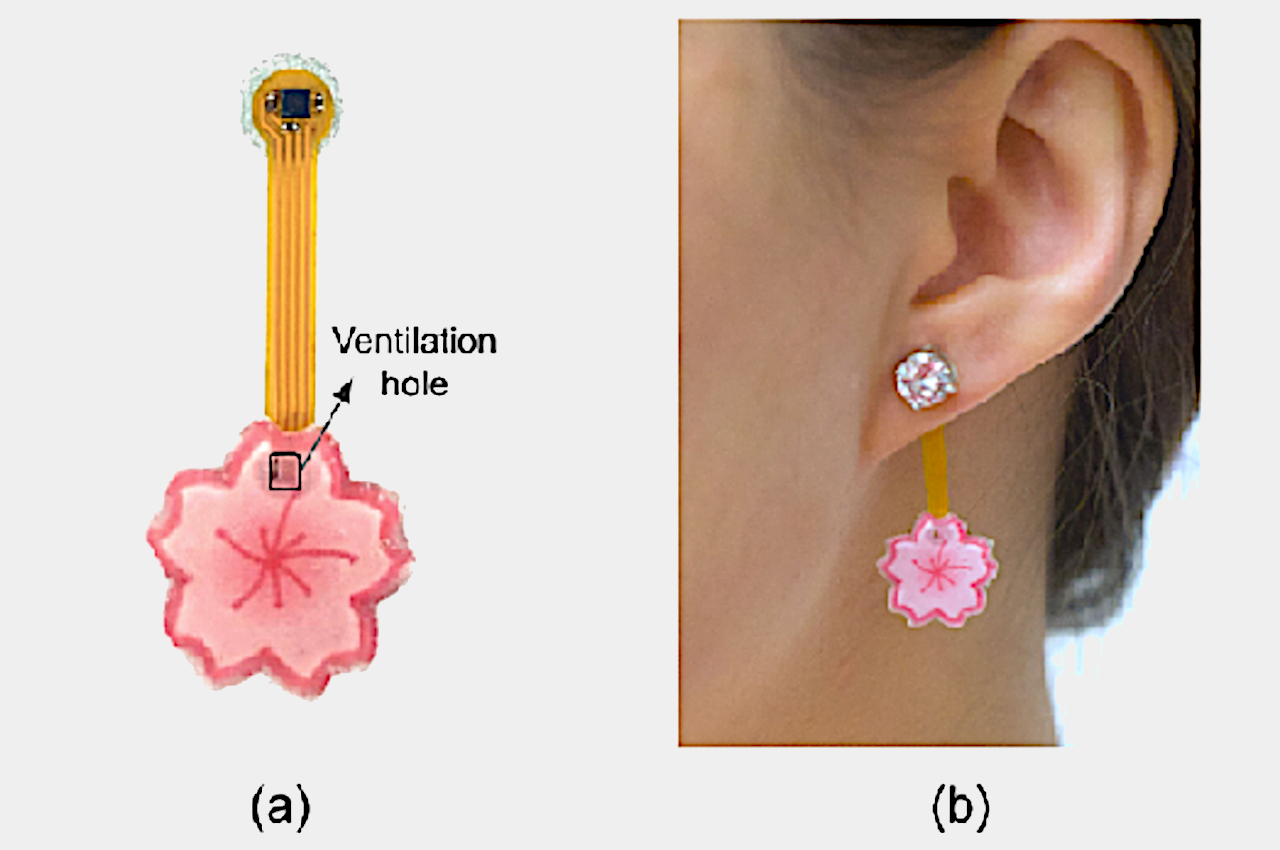
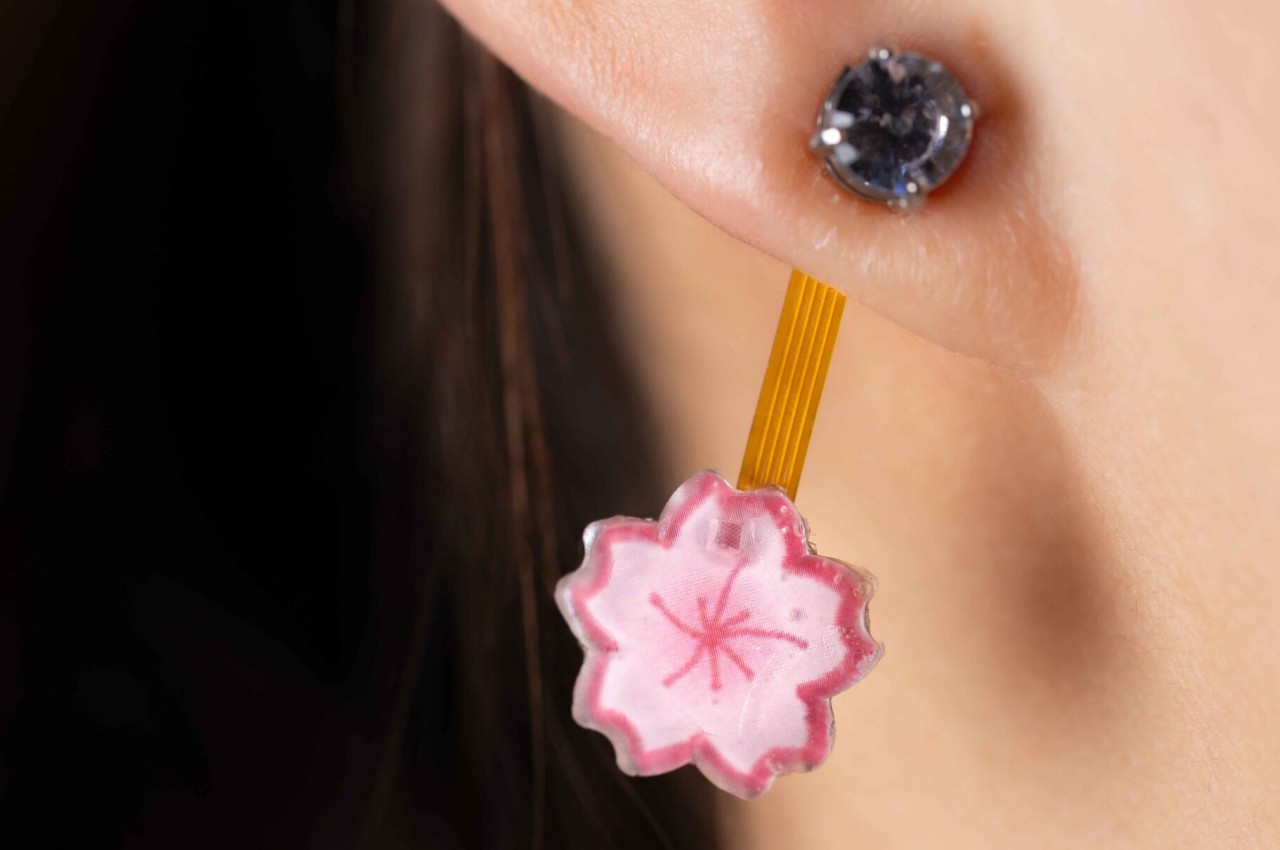
More importantly, however, the Thermal Earrings open the doors to another kind of wearable accessory. Although the current prototype is largely limited by the electronics it uses, it can already be customized with charms and gemstones. More research into different materials and forms can hopefully lead to more chic styles, ones that ladies won’t be embarrassed to be seen wearing.

The post Smart earrings can read your temperature, paving the way for new wearables first appeared on Yanko Design.