You cleared the display shelf in July and told yourself you were waiting for something worth the space. The shelf is still clear. You set the bar high, and September is here to meet it. LEGO is closing out the summer with five sets that cover more ground than any single month usually does, from a 1,608-piece Renaissance sculpture to the longest Star Wars set the company has ever produced. You are going to need to measure the wall.
This list is not ranked by piece count or complexity. It is ranked by which sets actually earn the time and space you are going to invest in them. If you have been waiting for something specific to pull you back into a serious build, September has delivered more than one answer. A British comedy classic, a Renaissance masterpiece, the Executor, a 70s sitcom apartment, and a fan-built album cover that belongs in the conversation with official releases. Here is where to start.
1. LEGO Monty Python: The Ministry of Silly Walks


The Ministry of Silly Walks is one of the most recognizable comedy bits in television history, and the fact that it took LEGO this long to build it is the kind of mystery that does not have a satisfying answer. This set puts John Cleese’s most famous character into brick form in a way that lands immediately for anyone who has seen the sketch and gradually for anyone who has not. You do not need to be a Monty Python devotee to recognize that something absurd and deliberate is going on here.
What LEGO has done is capture the physicality of the walk in a way that feels genuinely committed rather than broadly referenced. The set goes specifically for the exaggerated mid-stride posture that defined the bit, and the result sits on a desk and generates a specific reaction in everyone who walks past it. This is the set you buy for a friend, decide it is too good to give away, and order a second one. If you find yourself doing that, you already know it was the right call.
What we like:
- The cultural recognition crosses generations. You do not need a Monty Python background to respond to this immediately
- The desk footprint is manageable enough that it earns a visible spot without reorganizing your whole setup
What we dislike:
- The appeal is almost entirely rooted in one specific sketch. Without that reference, this set loses most of what makes it interesting
- Single-gag builds have a ceiling. The silly walk is a great gag. It is still one joke.
2. LEGO David


Michelangelo finished the David in 1504, and nobody put him in a LEGO set for over five hundred years. This 1,608-piece build finally corrects that, and LEGO has committed to the historically accurate detail that made the original sculpture famous enough to still require a separate conversation before school field trips. That is a confident call from a company that usually operates closer to the cautious side of cultural sensitivity, and the finished piece is better for it.
At 1,608 pieces, this is a serious weekend project. You are going to spend real time with it, and what comes out the other side is a display piece that holds up as something more than a toy. The sculptural curves that define the original are difficult to communicate in rectangular bricks, and LEGO’s team has found a solution that reads correctly at display distance. This is the set you buy for yourself and tell someone else it is a gift. Nobody questions it. You both already know.
What we like:
- 1,608 pieces at this level of sculptural accuracy is a genuine technical achievement. The curves actually read as curves.
- Committing fully to the historically accurate detail earns this set credibility as a display piece rather than a novelty
What we dislike:
- This is a conversation piece that requires context. Some guests will get it immediately. Others are going to need an explanation.
- Display requirements are specific. This is not a background item. It needs a dedicated spot where people actually look.
3. LEGO Executor Super Star Destroyer


Darth Vader’s flagship is the most threatening ship in the Star Wars universe, and every previous LEGO Star Destroyer has felt slightly too small to make that argument convincingly. The Executor fixes that. LEGO has produced the longest Star Wars set in the company’s history, and the scale finally matches what the Executor represented when it filled the entire screen in The Empire Strikes Back. That first shot was the moment the Rebellion stopped feeling invincible. This set captures it.
This is a cleared-table, long-weekend build. It does not fit in an afternoon, and it is not meant to. The Executor earns permanent wall space rather than coffee table rotation, and if you have a dedicated display and a Star Wars commitment that has survived multiple decades of content decisions, this is the flagship piece your collection has been missing since you started it. Do not rush the build. The scale you get at the end is proportional to the time you put in.
What we like:
- The scale is finally correct. This is the first LEGO version that communicates the Executor’s size relative to everything around it
- The longest Star Wars set in LEGO history is a milestone collectors track. The set holds its value on that basis alone.
What we dislike:
- Measure your display space before you order, not after the box arrives. The footprint is significant.
- This is a serious time commitment. If you are behind on current builds, add this to the back of the queue and be honest about the timeline.
4. LEGO Three’s Company Apartment
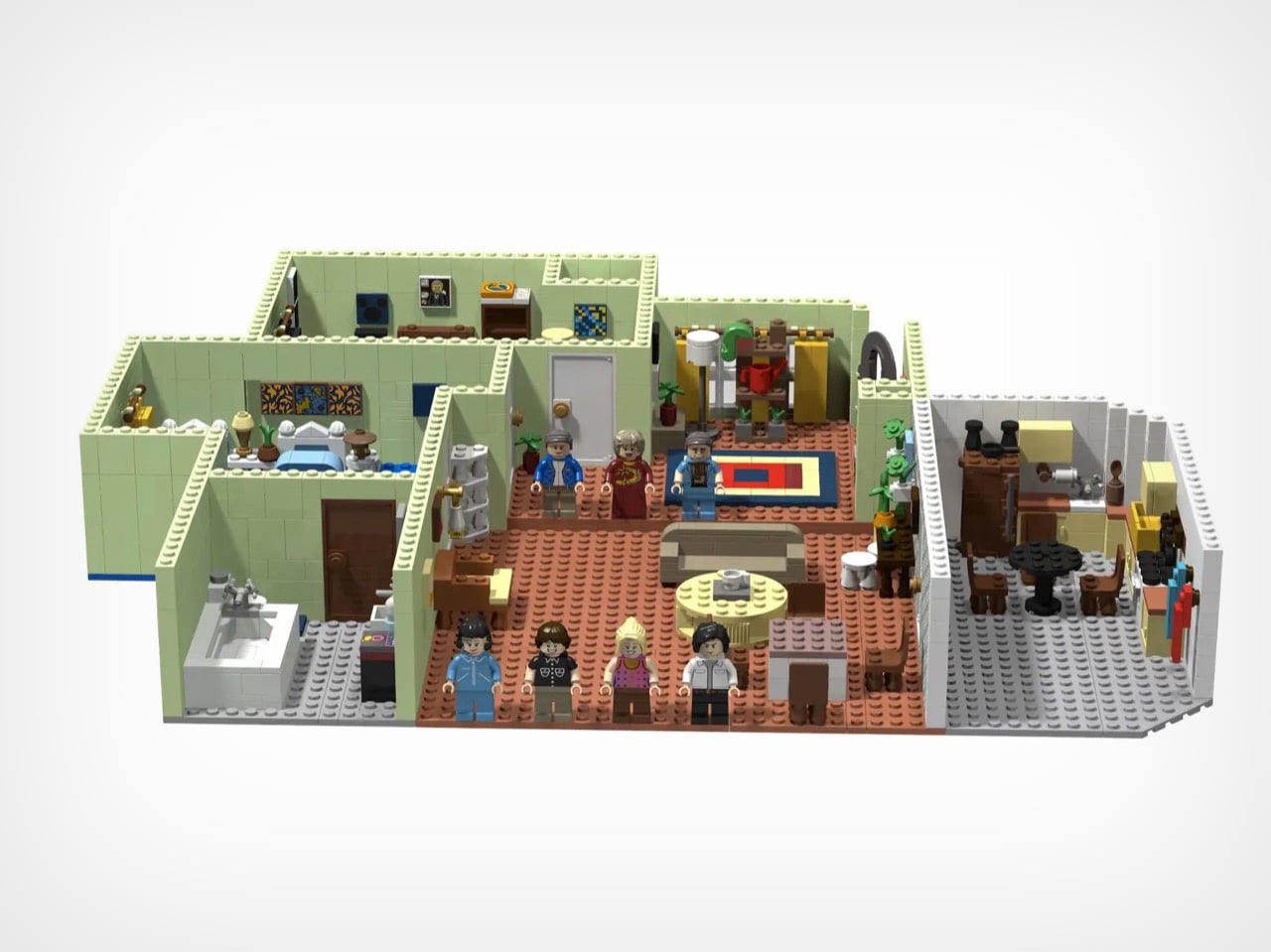
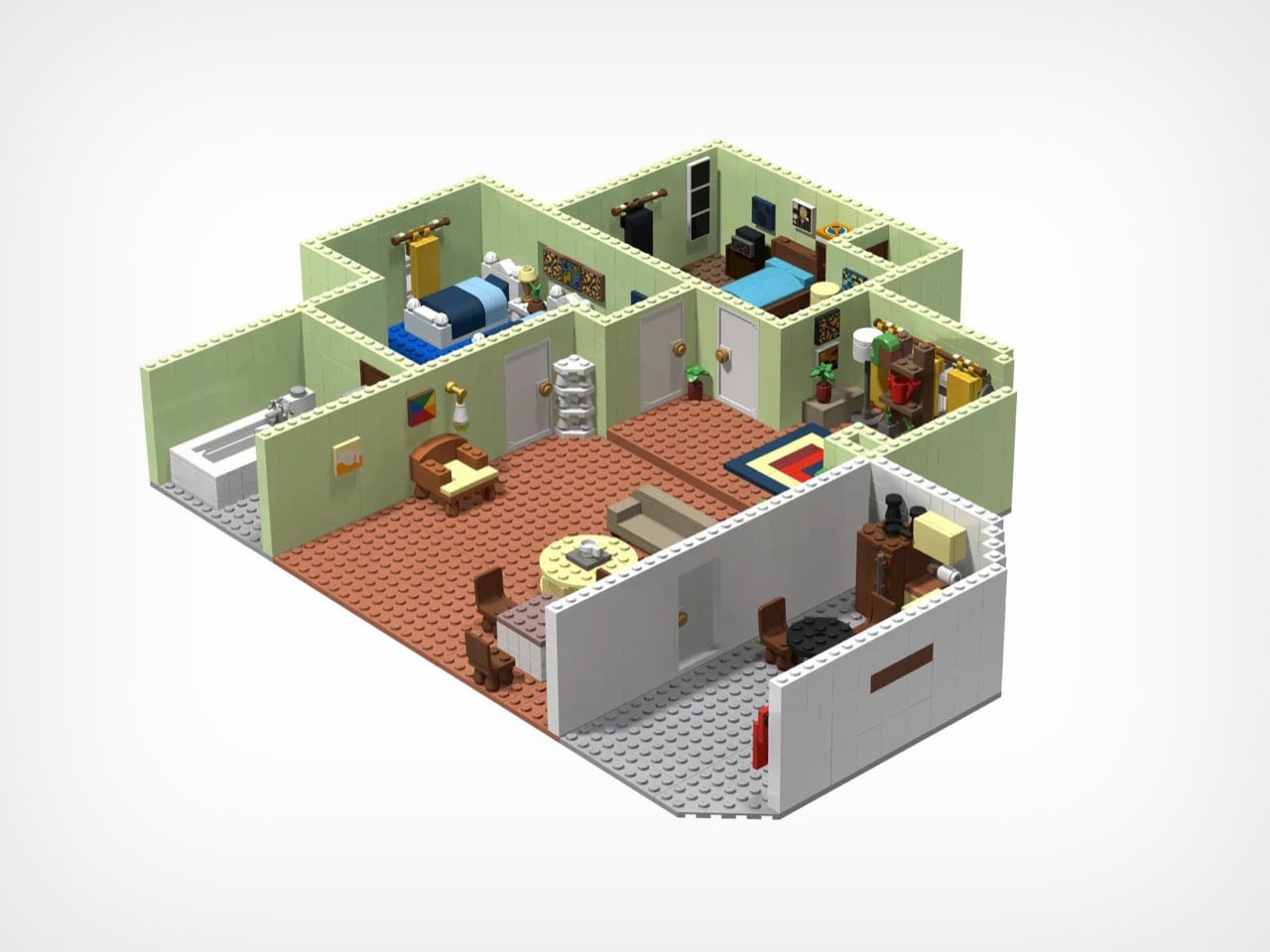
If you grew up watching Three’s Company in syndication on a Saturday afternoon, this build is going to hit somewhere specific. The apartment was always as much a character as anyone in the cast, and the recreation here captures the late-70s Los Angeles that existed on screen and nowhere else. The color palette, the furniture arrangement, the particular interior logic of a television apartment where misunderstandings were structurally built into the floorplan. You will recognize the living room before you read the label.
The set handles the generational gap better than most pop culture LEGO builds. People who watched the show will recognize the room immediately. Buyers who have never seen an episode will find a detailed interior build that holds up as a pure construction project regardless of what it is referencing. Sitcom apartment sets live and die on how accurately they rebuild the room, and this one gets the room right. That is harder than it looks, and the build earns the credit.
What we like:
- The interior recreation works as a display piece even for buyers who have never watched a single episode of the show
- The 70s color palette translates accurately into LEGO’s brick range, giving the finished set a period authenticity that pop culture builds often miss
What we dislike:
- Three’s Company is a narrow generational window. This set means significantly more to one specific age group than to anyone who came after it.
- Sitcom apartment builds are static displays once they are done. There is not much play functionality built into this one once it is on the shelf.
5. Linkin Park Meteora Fan Build
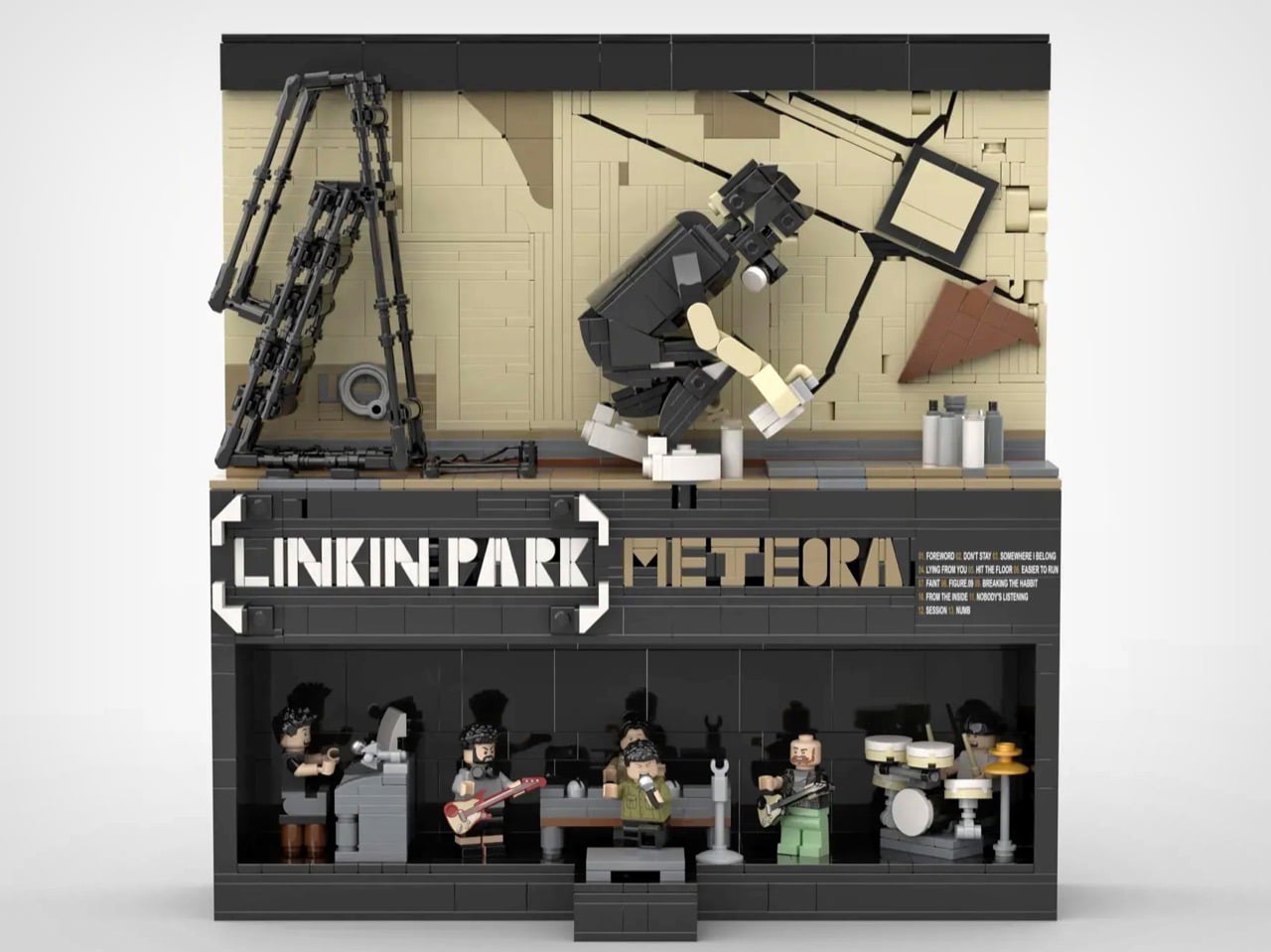
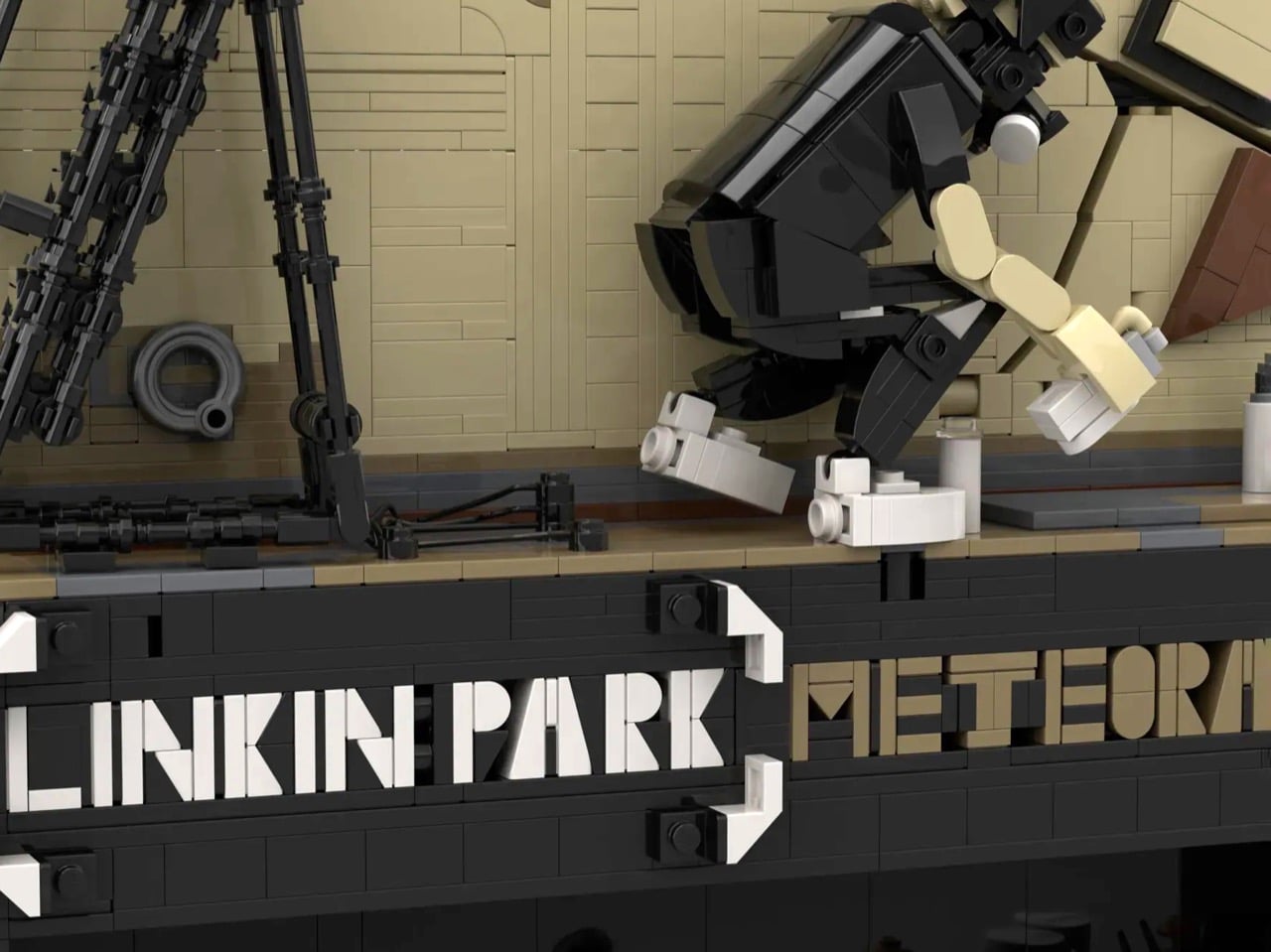
The Meteora album cover is one of the most recognizable pieces of album art from the early 2000s, and a LEGO fan has rebuilt it in bricks at a level of detail that most fan projects do not attempt. The weathered cliff face, the carved architectural elements, the texture that made the original feel ancient and urgent at the same time. Then the builder added the entire band as minifigures at the base of the structure. That single decision takes this from impressive to actually great.
The Meteora build is the kind of project that shows what the LEGO platform produces when someone cares more about the result than about how long it takes to get there. The minifigures at the base reward a second look. You can walk past this on a shelf and miss them entirely, stop, look again, and spend ten minutes with it. That layered discovery is rare in fan builds and rarer still in official releases. Whatever format this ends up in, the build earns every bit of the attention it is getting.
What we like:
- Adding the full band as minifigures below the cliff face elevates this beyond a straight album recreation. That one decision makes it something original.
- The texture work on the cliff face is the kind of detail that separates a serious build from a quick approximation
What we dislike:
- Fan build availability is uncertain. If this has not cleared an official release pathway, getting one takes more effort than a standard LEGO order.
- The Meteora reference is generational. This resonates most with the specific demographic that was around when the album dropped in 2003.
September Earned It
Five sets, five different reasons to build. The Executor is for the collector who has been waiting for a flagship piece that actually communicates scale. The David is for the person who wants something on the shelf that holds up as more than plastic. The Three’s Company apartment and the Monty Python build are for the person who has been waiting for LEGO to get specifically weird about the things they care about. September delivers on all of it at once.
The Meteora fan build is the wildcard on this list and probably the most interesting thing here for anyone paying attention to what the LEGO platform is capable of in creative terms. Pick the set that earns the dedicated spot you have in mind for it, clear the table, and build it properly. September is the month the catalog reminds you why you kept the table clear in the first place.
The post The 5 Best LEGO Sets of September 2026 first appeared on Yanko Design.