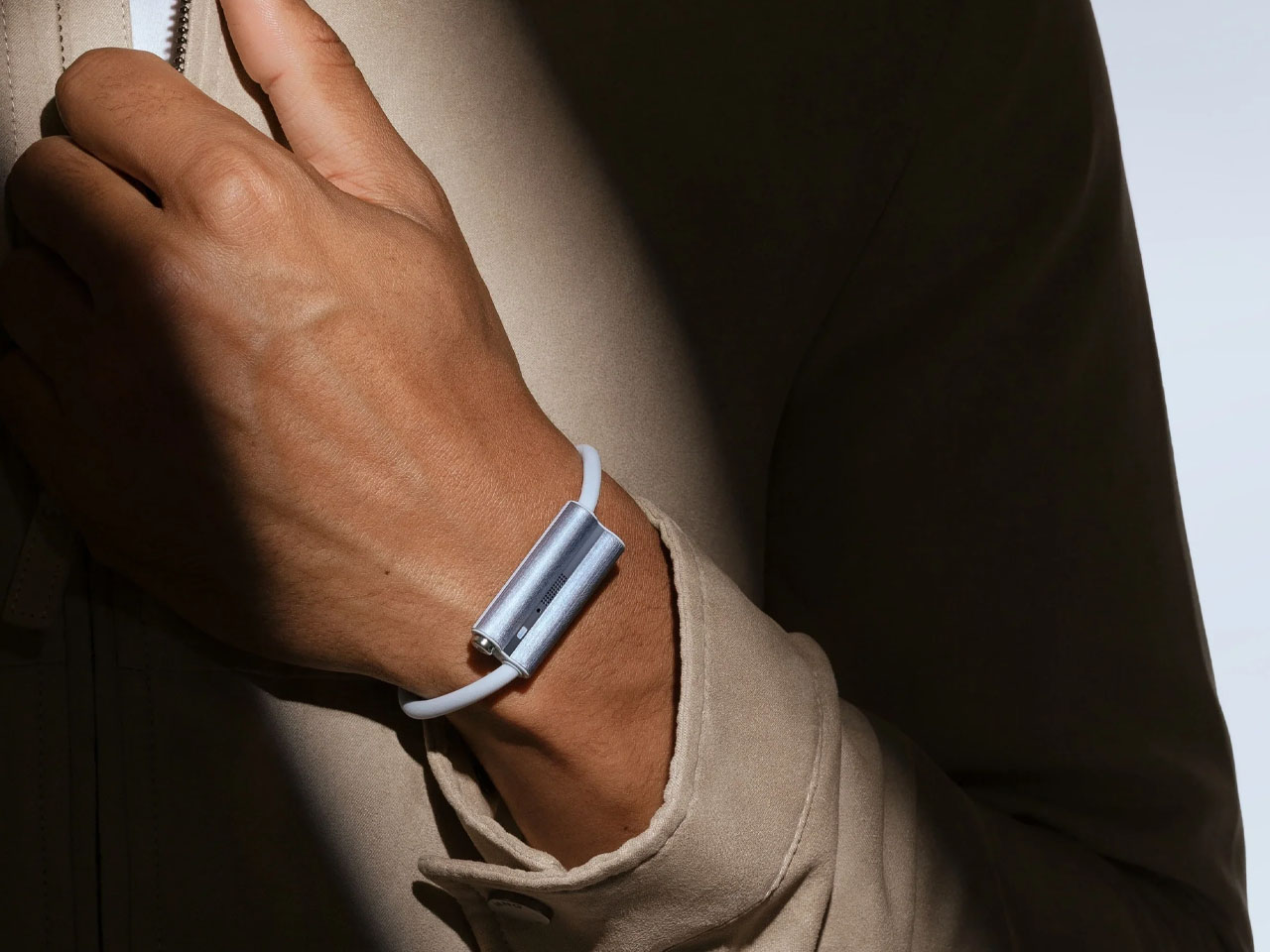
Luffu Link is a screenless LTE wearable designed to keep your family safer and better connected

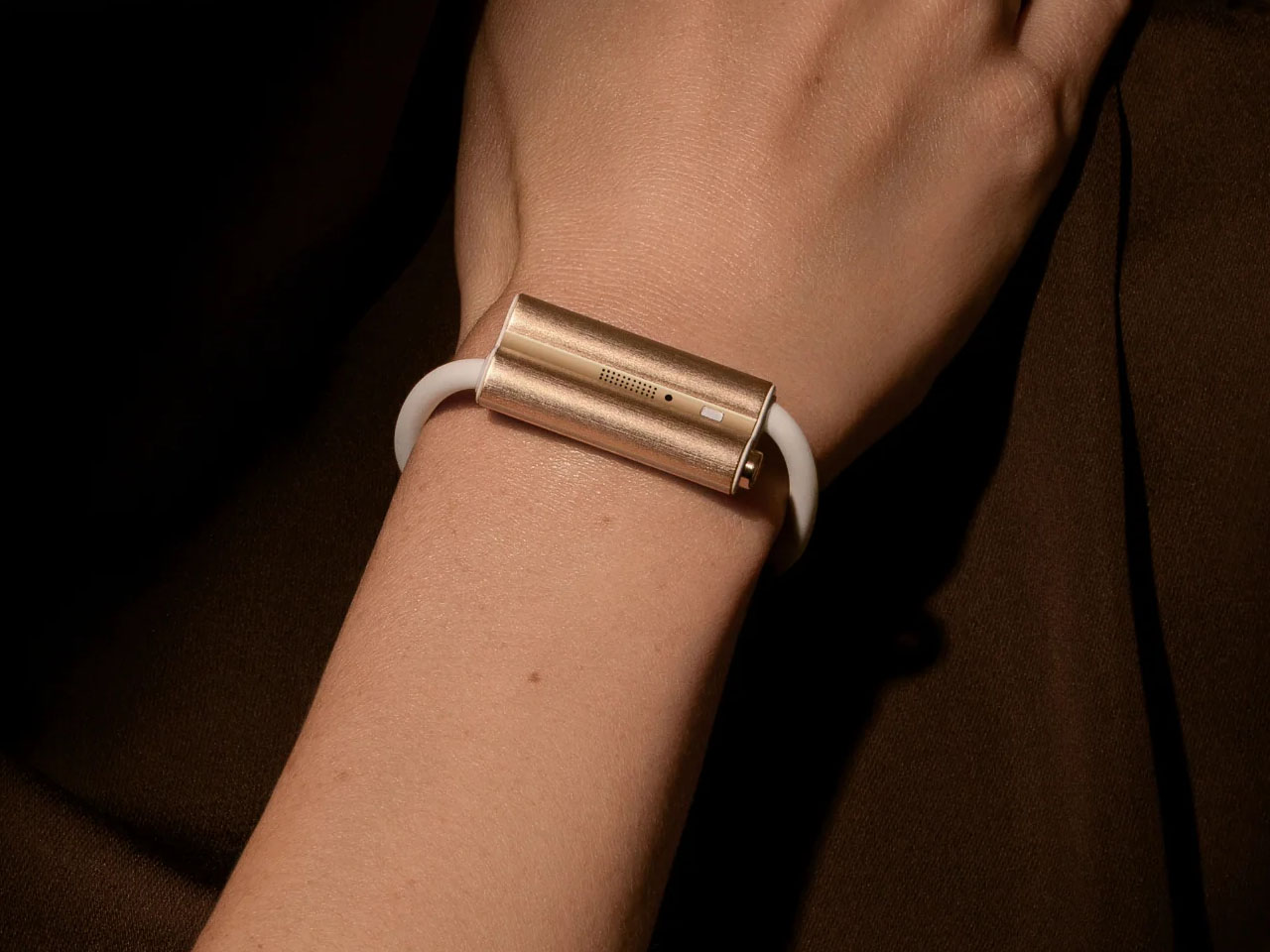
The next generation of wearables might be less focused on step-counter data and more focused on helping families stay connected. Luffu Link, the first hardware product from Fitbit co-founders James Park and Eric Friedman, takes that future-forward approach with a screenless LTE band designed to combine everyday health tracking, safety features, voice logging, and family communication in a discreet form.

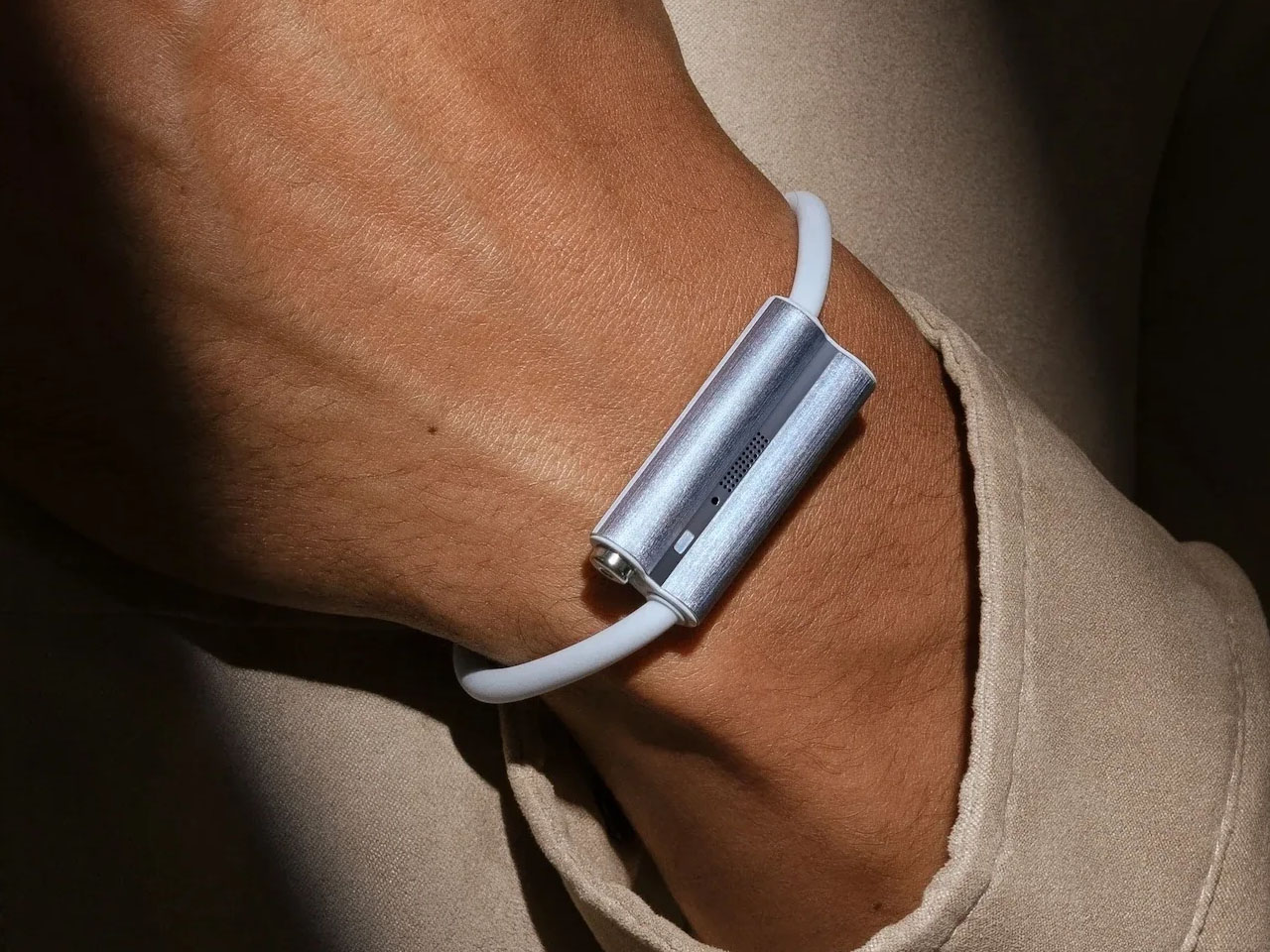
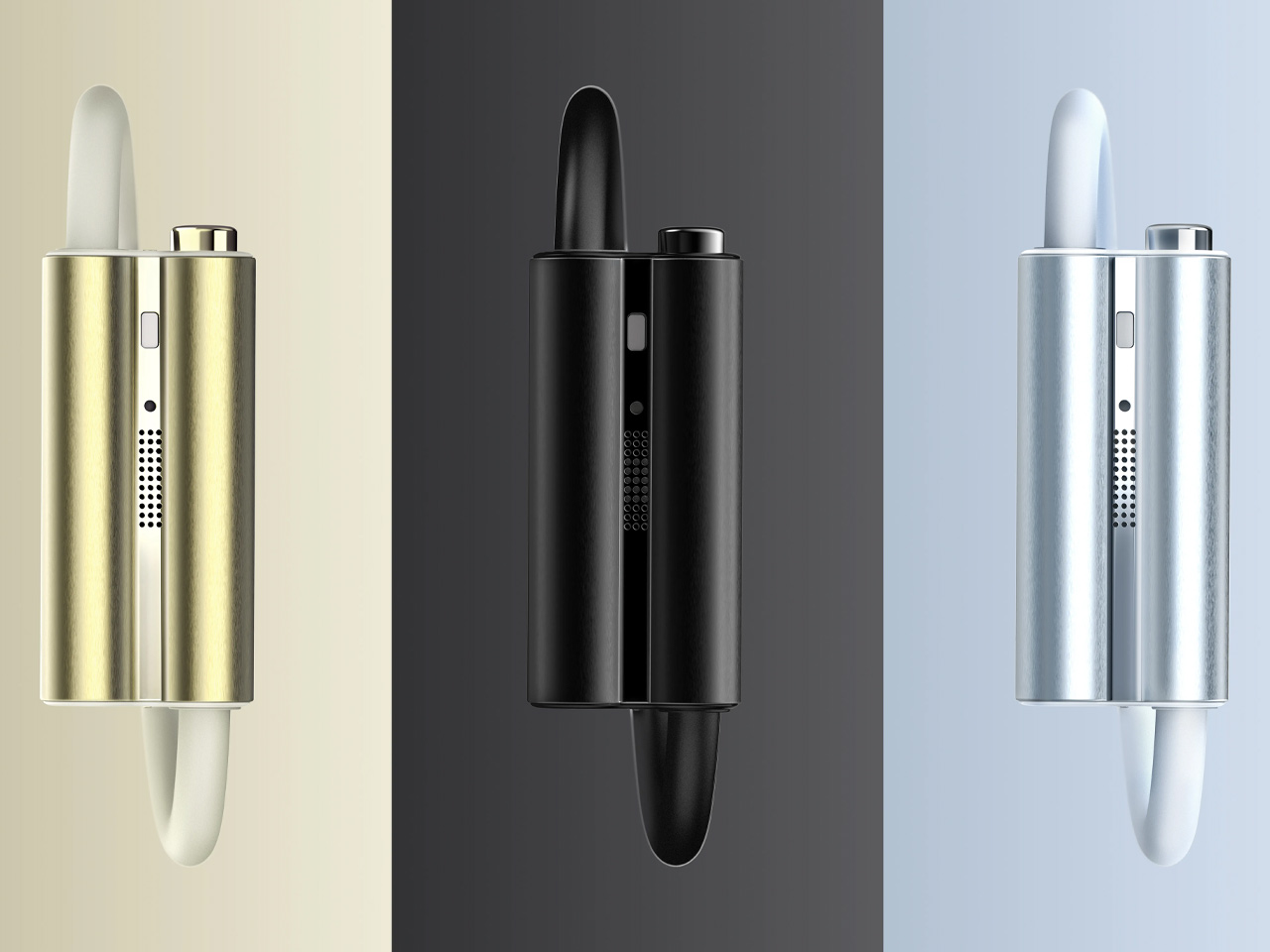
Much more than merely a smartwatch or a smart band, Luffu Link is designed to work in the background. Its slim form uses a jewelry-inspired design instead of a display, buttons, or the visual language of conventional fitness trackers. It comes in Halo Gold, Onyx Black, and Sterling Blue, with both small and large silicone bands included. The device is water-resistant to 50 meters and is rated for up to five days of battery life, depending on usage.

Designer: Luffu
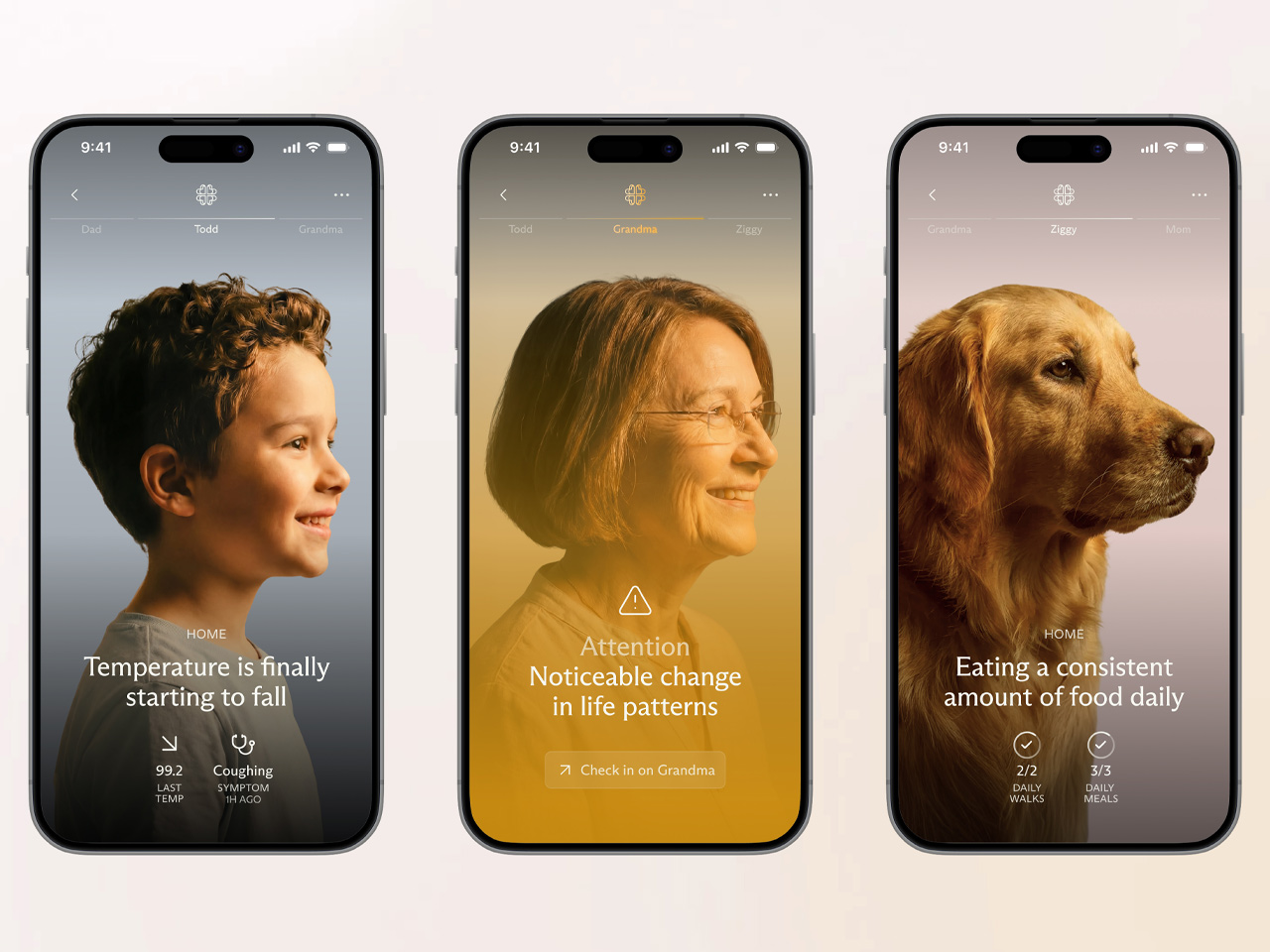
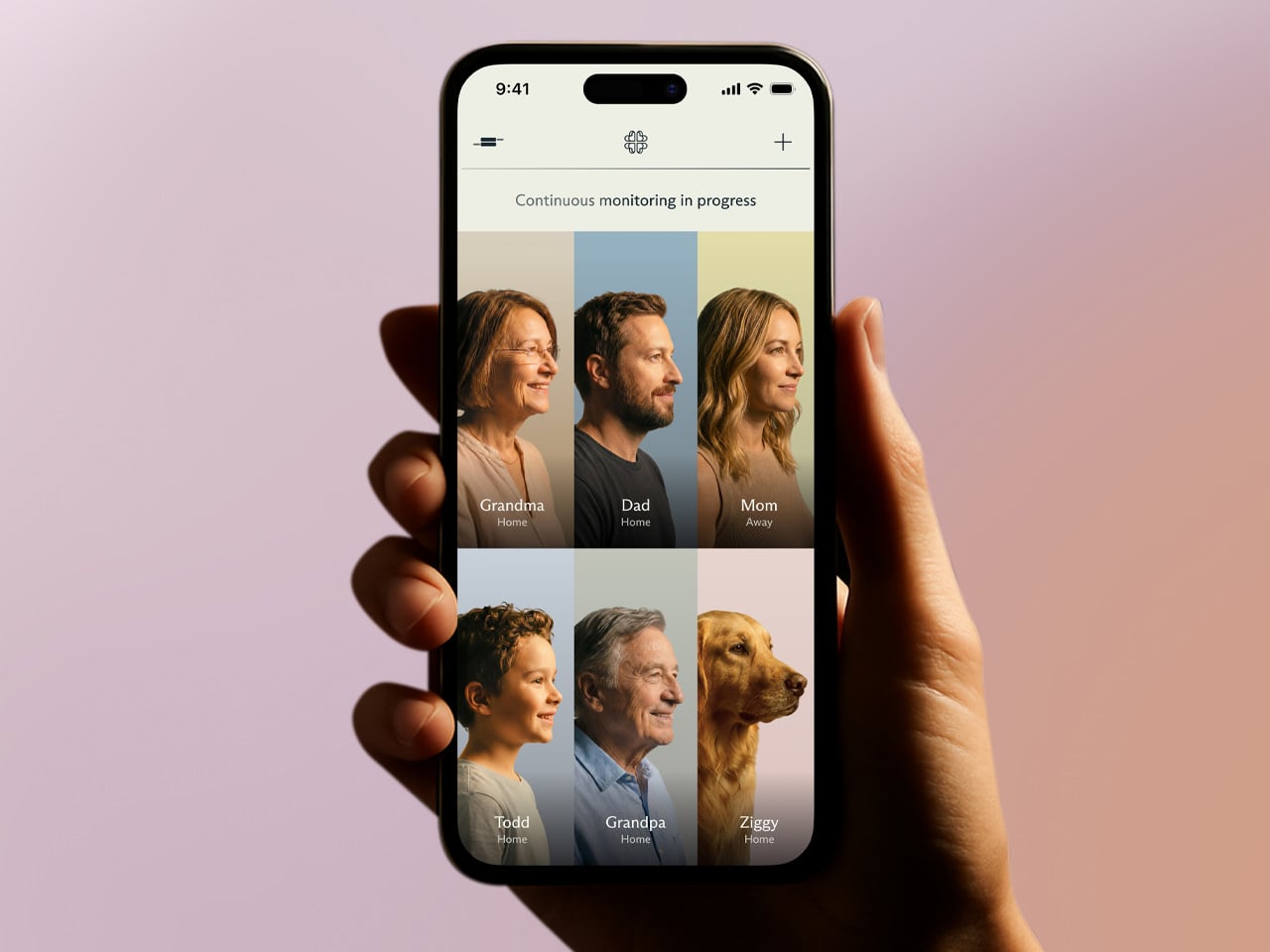
The hardware continuously tracks activity, steps, sleep, heart rate, and heart rate variability, while the accompanying Luffu app uses that data to understand a person’s usual patterns. Instead of simply presenting another collection of charts, the system is designed to identify meaningful changes over time and surface information that may warrant attention. Luffu’s broader app can also bring together details such as medications, meals, symptoms, appointments, and other health information, creating a shared picture of family wellbeing.
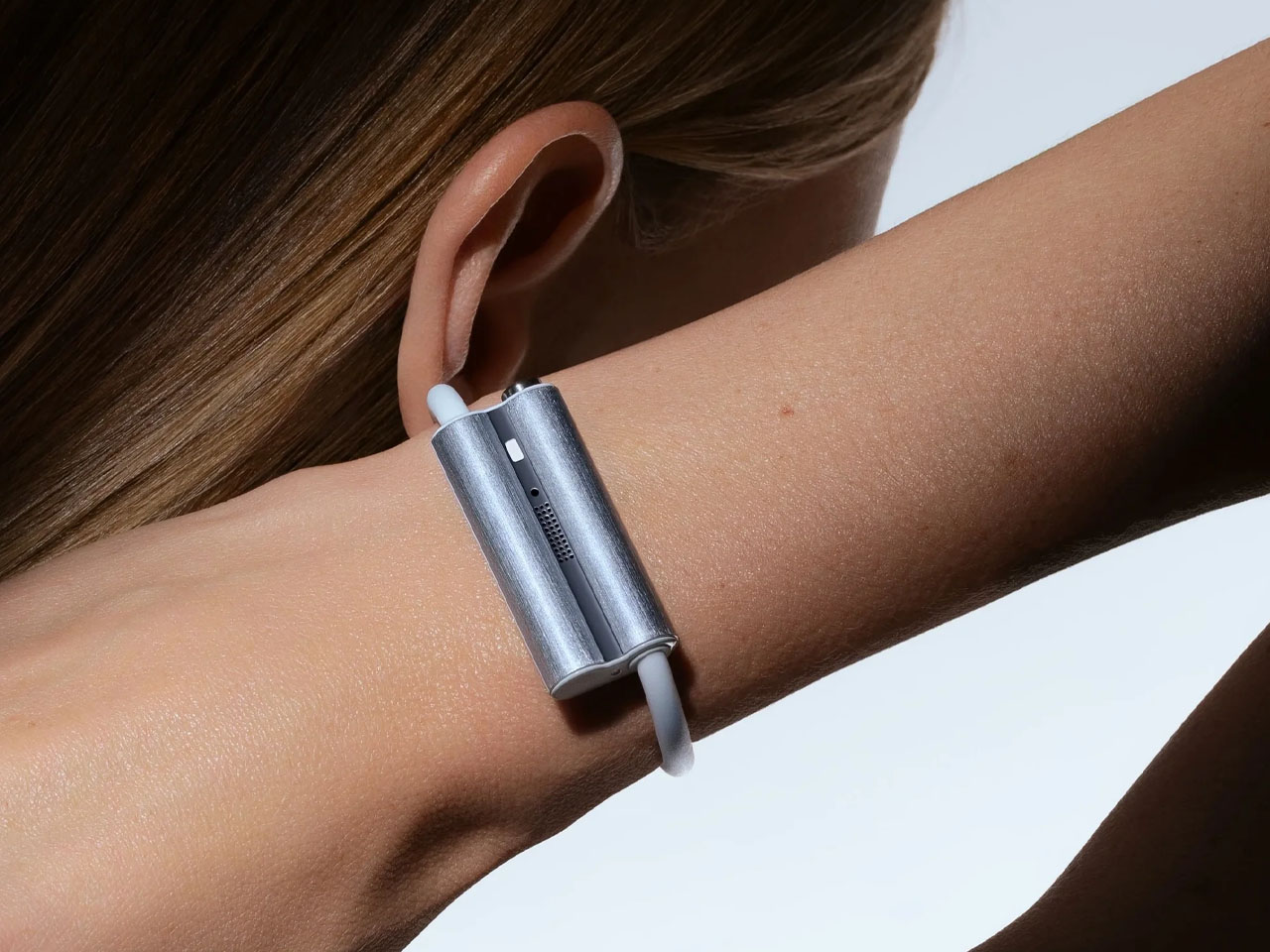
One of Link’s more distinctive features is its voice button. Holding the button lets users record notes about medication, symptoms, meals, mood, reminders, or anything else they want to remember. Those recordings are transferred to the Luffu app, where AI helps organize the information within the family’s wider health context. A double press can also send a simple check-in to selected contacts, providing an easy way to communicate that everything is okay.
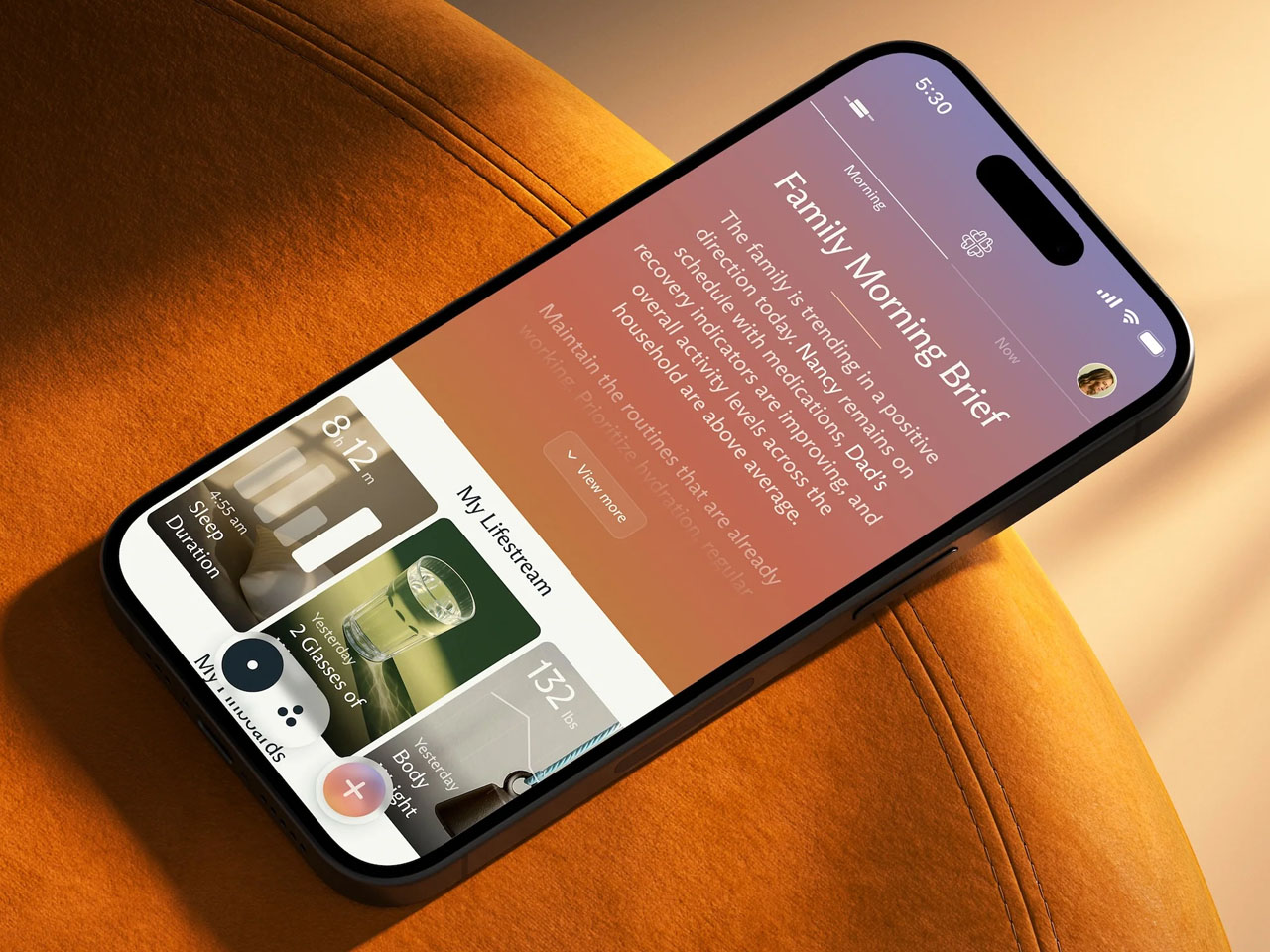
Safety is where the LTE connection becomes particularly useful. Link has built-in GPS and cellular connectivity, allowing it to share location information and contact trusted people even when a smartphone is not nearby. If a wearer needs assistance, they can use the device to send a help request along with contextual information such as their location, battery level, heart rate, and recent activity. LTE service is included, so a separate carrier plan is not required. However, Link contacts trusted people rather than emergency services such as 911.
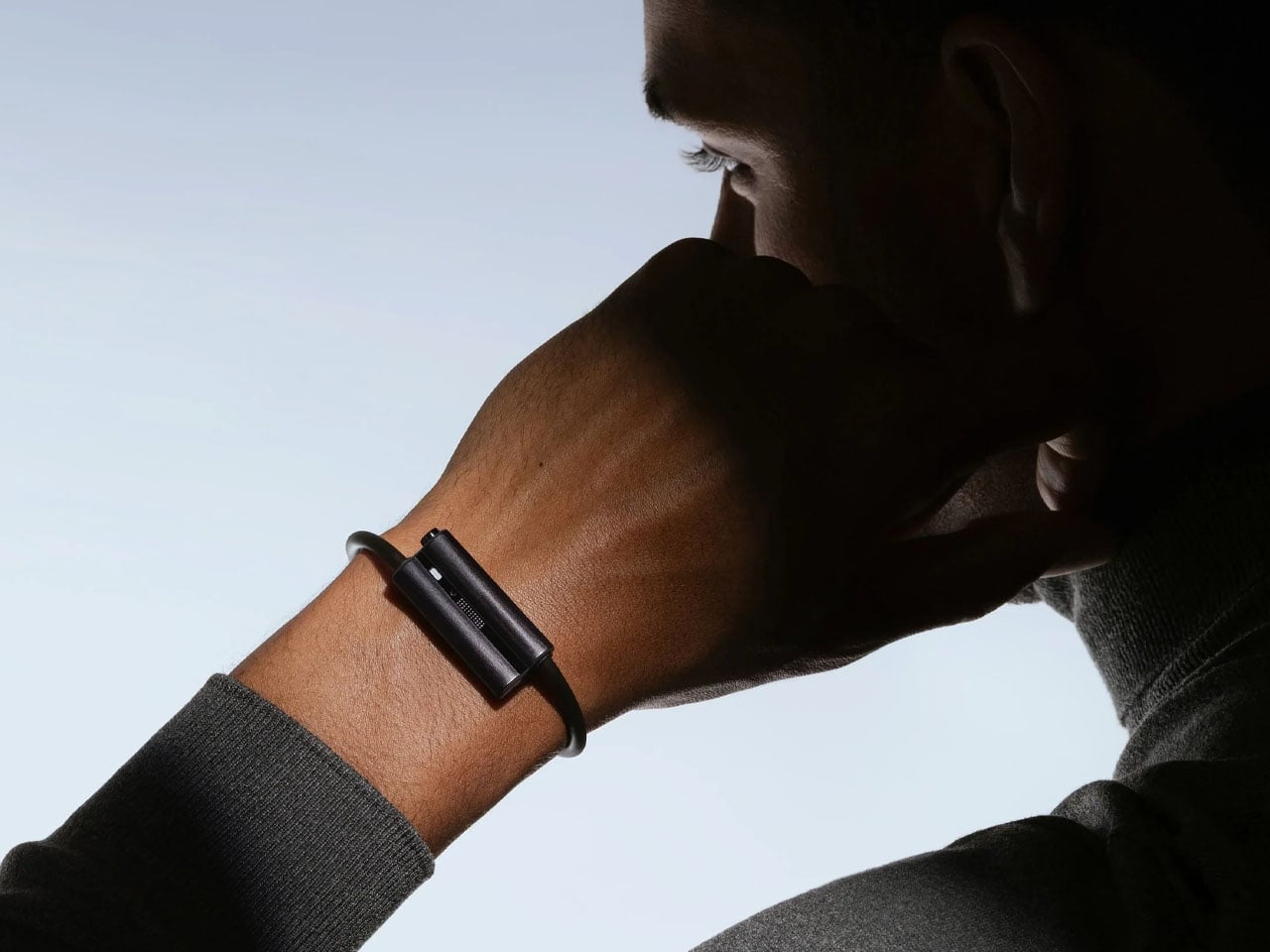
Luffu is targeting the device towards older adults, who intend to balance parenting, take care of their aging parents, pets, and keep a tab on their own well-being. The gadget is also well suited for independent older adults who want discreet safety support without wearing a traditional emergency pendant. The gadget reflects the Fitbit founders’ own experiences with caregiving and their belief that health management is often a shared responsibility rather than an individual task.
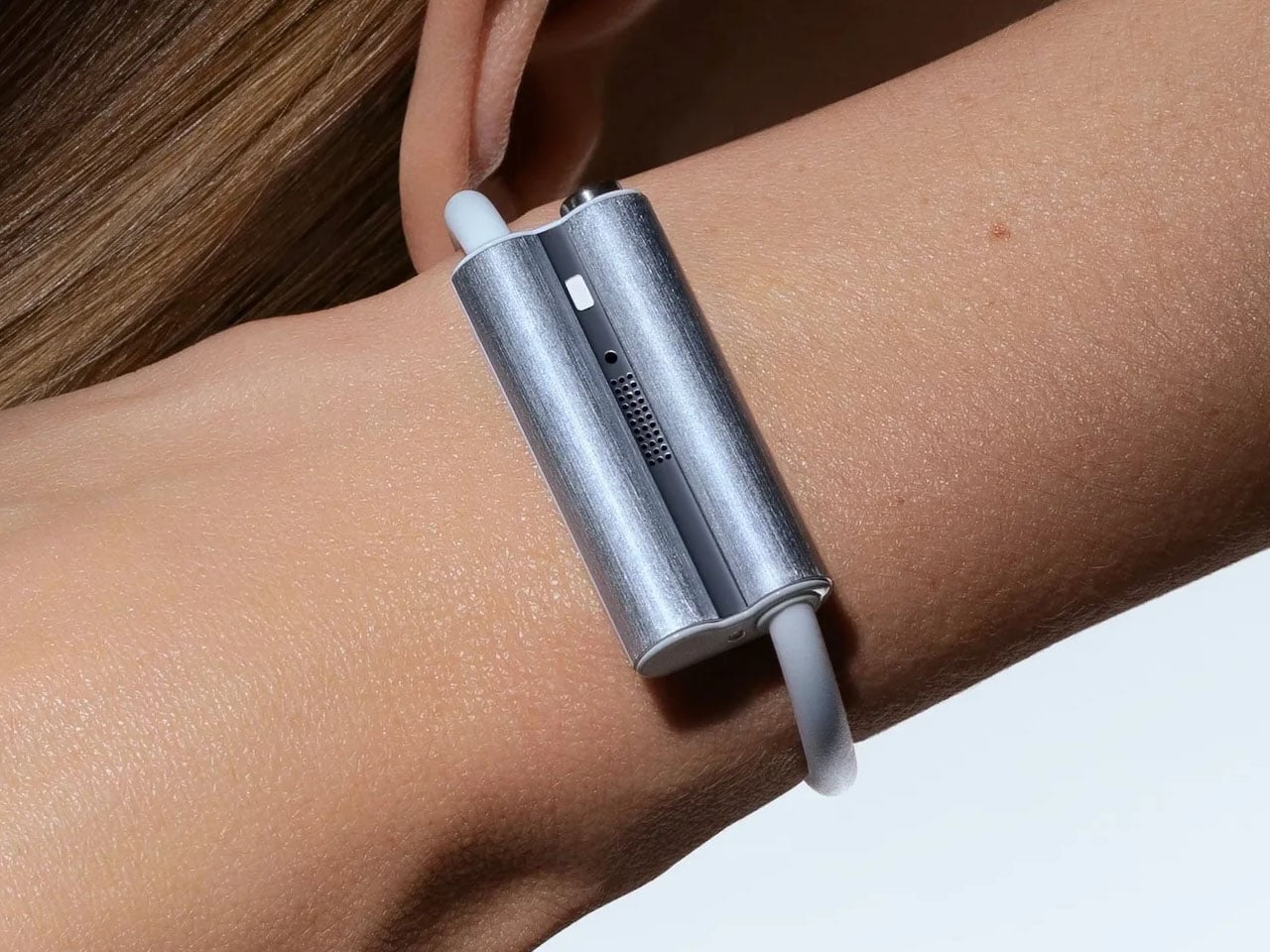
Luffu Link is currently available for preorder in the US at $249.99, with an expected retail price of $299.99 and shipping planned for early 2027. The gadget requires a separate Luffu Family Plan, starting at $19.99 per month for up to four members. Link currently supports iOS 18 (and later) and Android 14 (and later), with service limited to the US at launch.
The post Luffu Link is a screenless LTE wearable designed to keep your family safer and better connected first appeared on Yanko Design.

Samsung Galaxy S27 Ultra Leak Reveals a Game-Changing New Hardware Features

Samsung Galaxy S27 Ultra Leak Reveals a Game-Changing New Hardware Features Galaxy S27 Pro

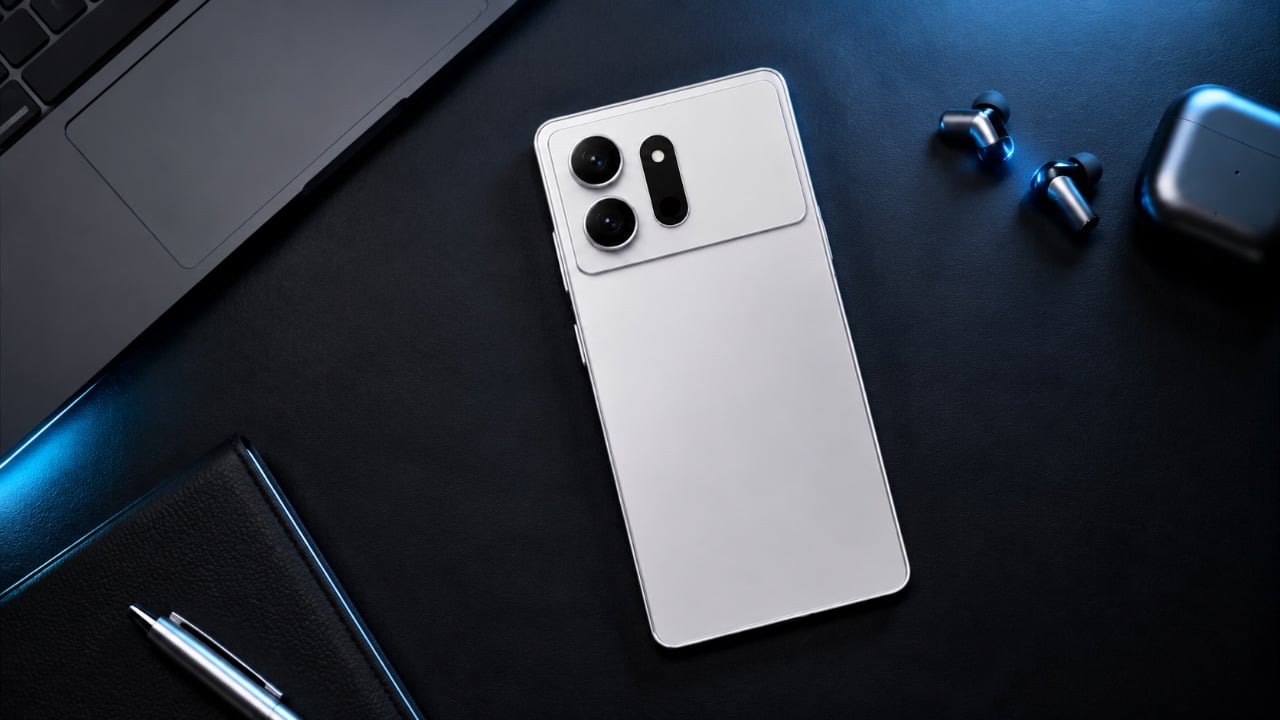
The Samsung Galaxy S27 Ultra is poised to make a significant impact in the premium smartphone market, blending innovative features with a refined design. As the flagship model of the S27 series, it represents a careful balance between innovative technology and incremental updates. While some users applaud its advancements, others question its originality, drawing comparisons […]

The post Samsung Galaxy S27 Ultra Leak Reveals a Game-Changing New Hardware Features appeared first on Geeky Gadgets.

Posted in Uncategorized

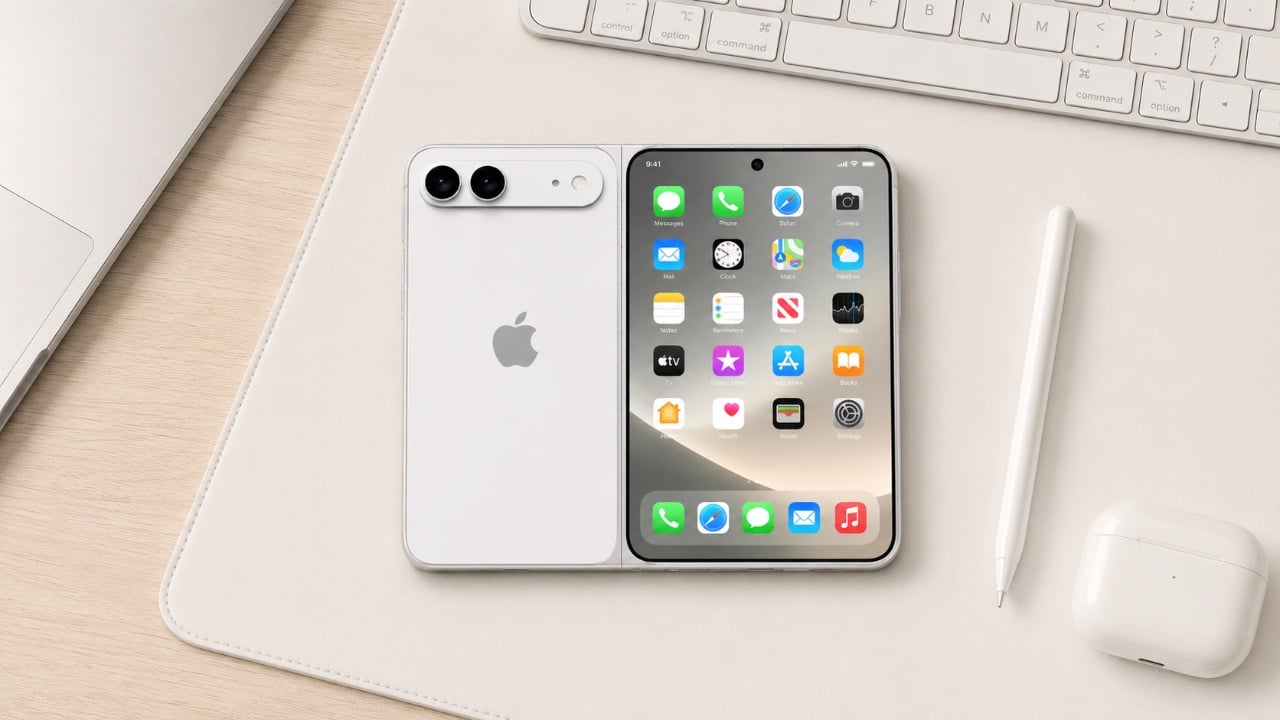
Massive iPhone Ultra Fold Leak Reveals Apple’s $2,000 Gamble

Massive iPhone Ultra Fold Leak Reveals Apple’s $2,000 Gamble iPhone Ultra

Apple is reportedly preparing to enter the foldable phone market with a device tentatively named the iPhone Ultra Fold. This highly anticipated product combines Apple’s signature design philosophy with advanced foldable display technology. While it promises to introduce exciting innovations, it also brings certain compromises that could influence its reception. Here’s an in-depth look at […]

The post Massive iPhone Ultra Fold Leak Reveals Apple’s $2,000 Gamble appeared first on Geeky Gadgets.

Posted in Uncategorized

4 Students Just Designed a Cargo Bike With a Built-In Forklift

Most design conversations are obsessed with the “last mile,” that final stretch of delivery between a warehouse and your front door. It’s where billions of dollars in innovation have been poured: electric vans, autonomous robots, drone deliveries. But quietly neglected is what happens before any of that. The “first mile” problem, getting raw goods from the source to any kind of distribution point, barely makes the headlines. Four industrial design students from the University of Bologna just made a strong argument for why it should.

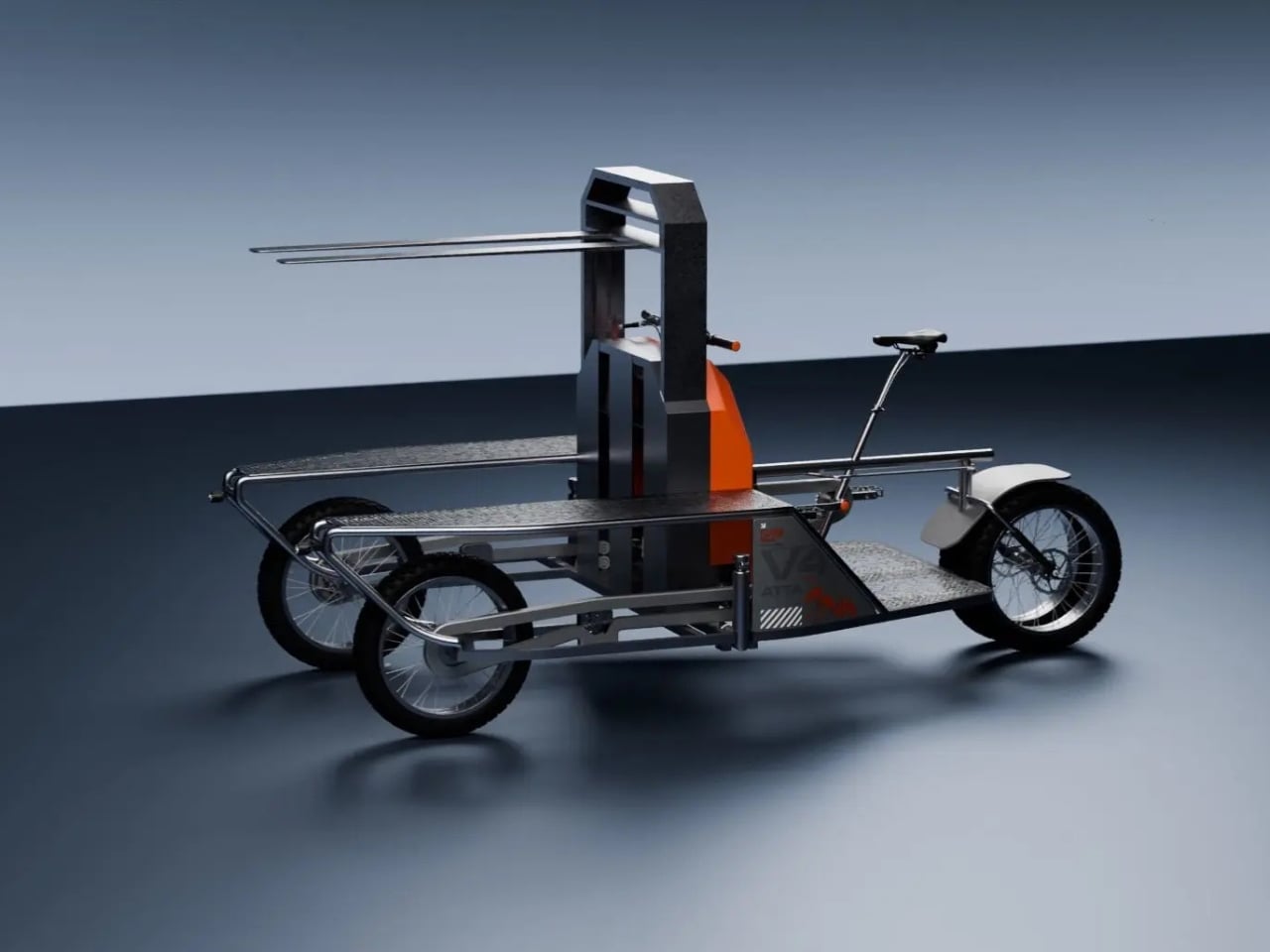
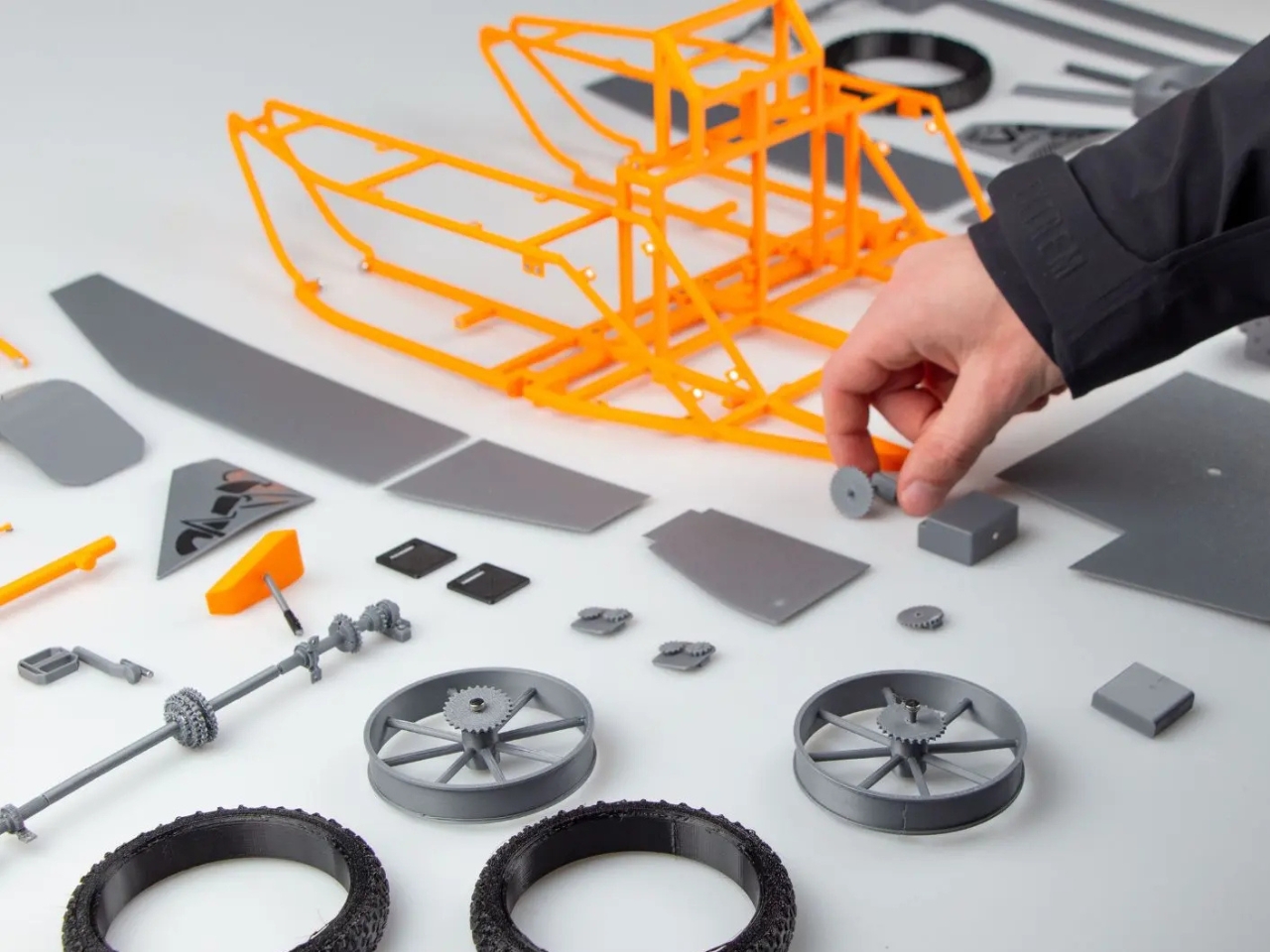
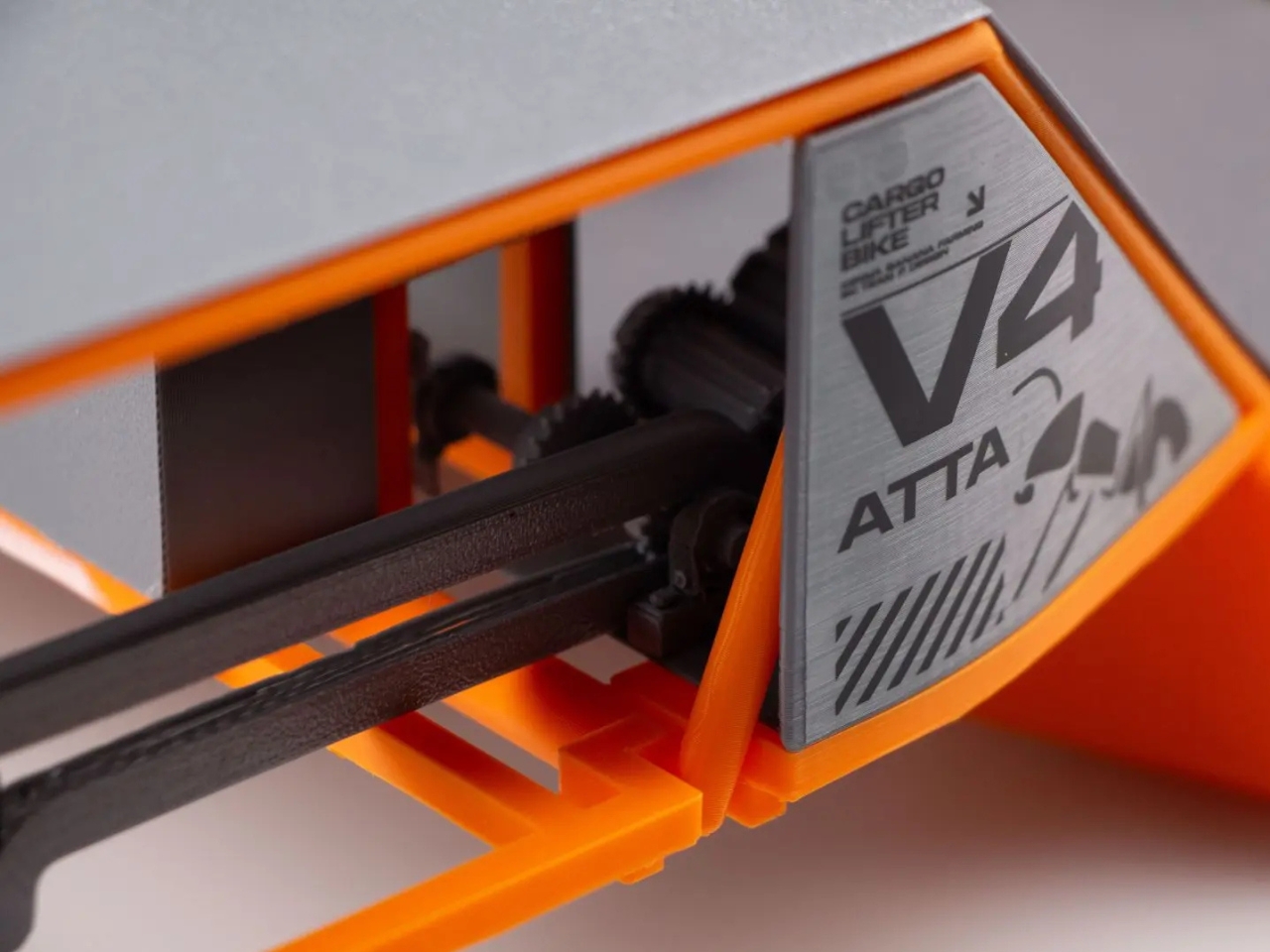
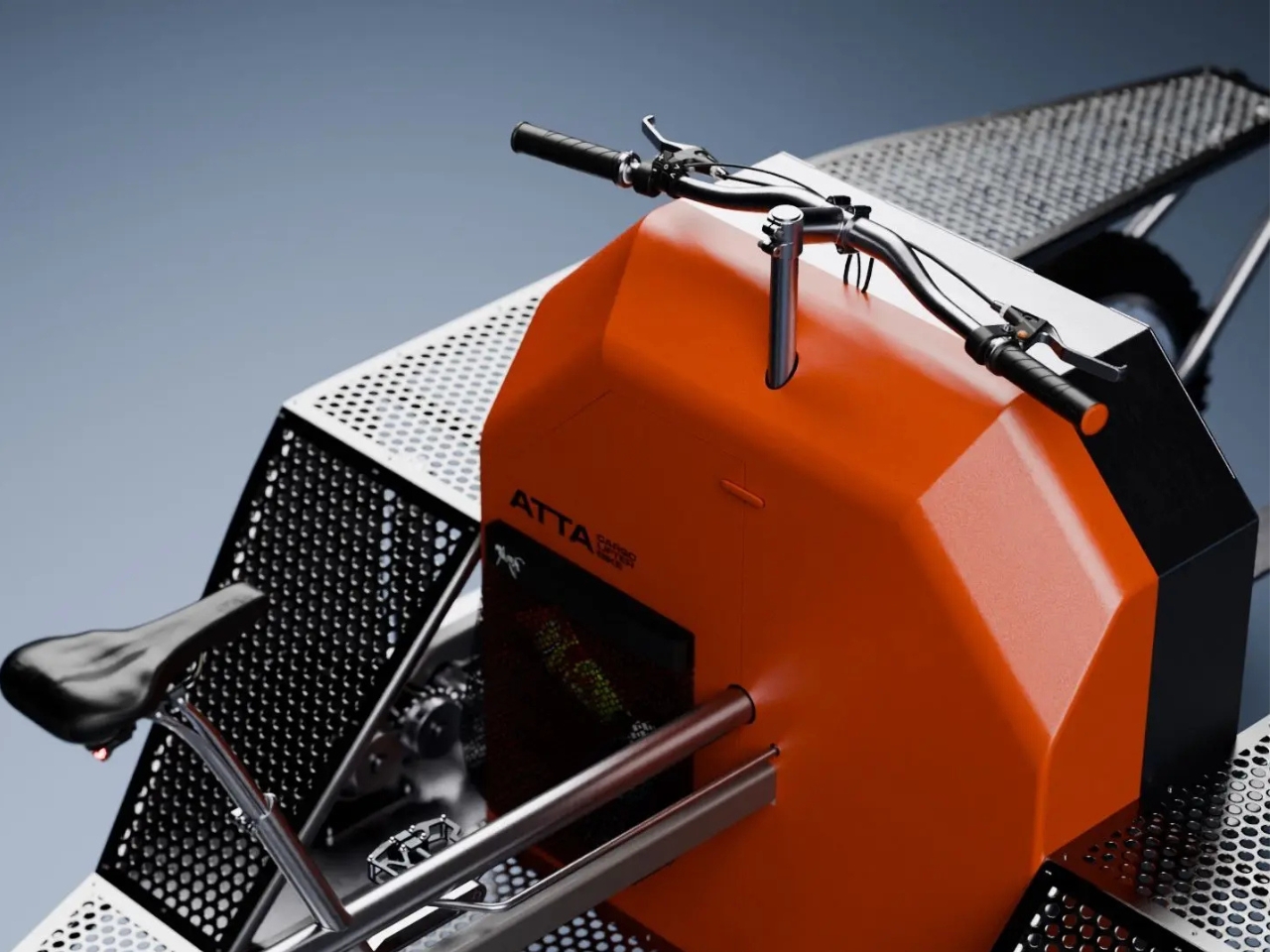
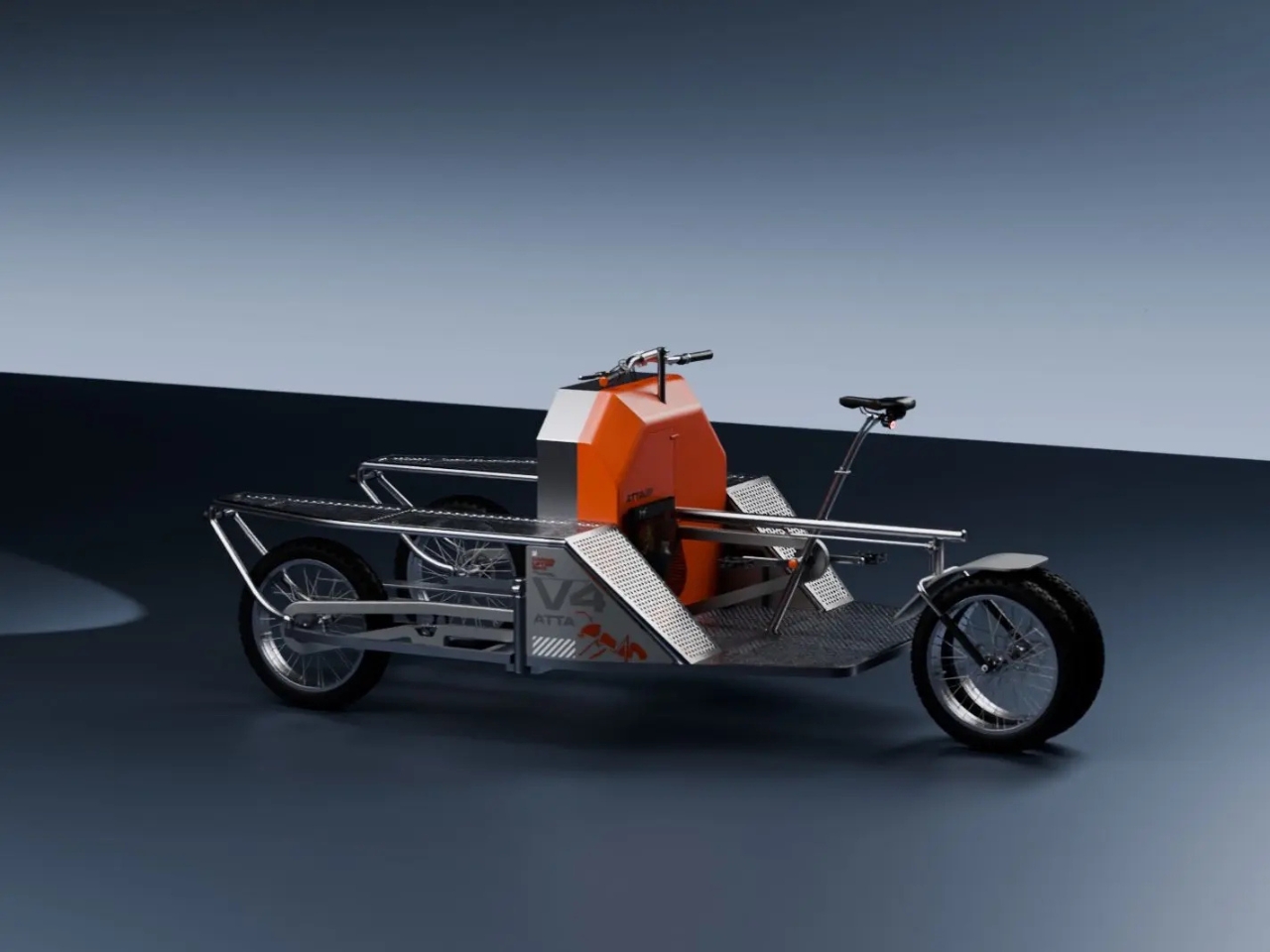
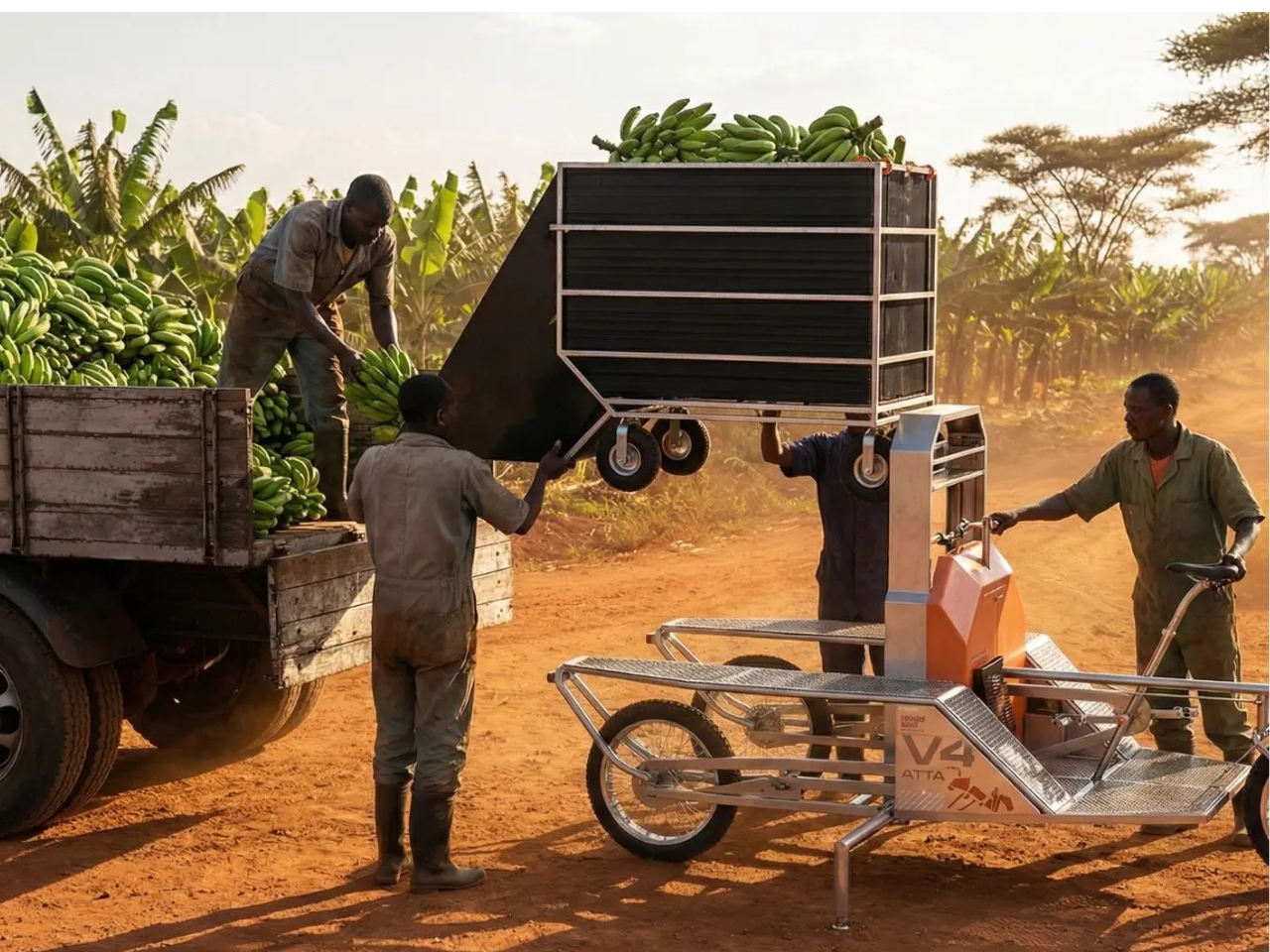
Their project is called ATTA, a human-powered cargo tricycle with an integrated lifting mechanism, designed specifically for banana farmers in rural Kenya. The name is no coincidence. It’s borrowed from the genus of leafcutter ants, those remarkable insects that carry loads far exceeding their own body weight with near-mechanical precision. The designers, Irene Ponteduro, Edoardo Govoni, Filippo Murotti, and Matteo Marinaro, leaned into that metaphor completely, and it paid off. ATTA won first place in the Product Design category of the Toyota Logistic Design Competition 2026, a global competition that drew students and recent graduates from around the world to solve logistics challenges across Africa.

Designers: Irene Ponteduro, Edoardo Govoni, Filippo Murotti, and Matteo Marinaro

That naming choice matters more than it might seem. Choosing an ant as your design muse isn’t a branding exercise. It’s a philosophical stance. Ants don’t overthink a problem; they optimize around it. They work with what the terrain gives them. ATTA follows the same logic. Rather than conjuring up some solar-powered, sensor-loaded machine that would require imported parts and a technical specialist to service, the team focused on something that could actually exist in the hands of a smallholder farmer. Human-powered. Locally maintainable. Built for the reality of the road, not the dream of one.

The problem they were solving is more specific than “Africa needs better logistics,” which is a frustratingly vague framing that designers and development agencies have circled for decades without much progress. Banana farming in Kenya has a particular, stubborn challenge: harvesting involves moving heavy bunches across uneven terrain with little to no infrastructure support. The process is slow, physically punishing, and often damages the fruit before it even reaches a collection point. For a smallholder farmer operating on thin margins, bruised fruit isn’t an aesthetic concern. It’s a financial one.

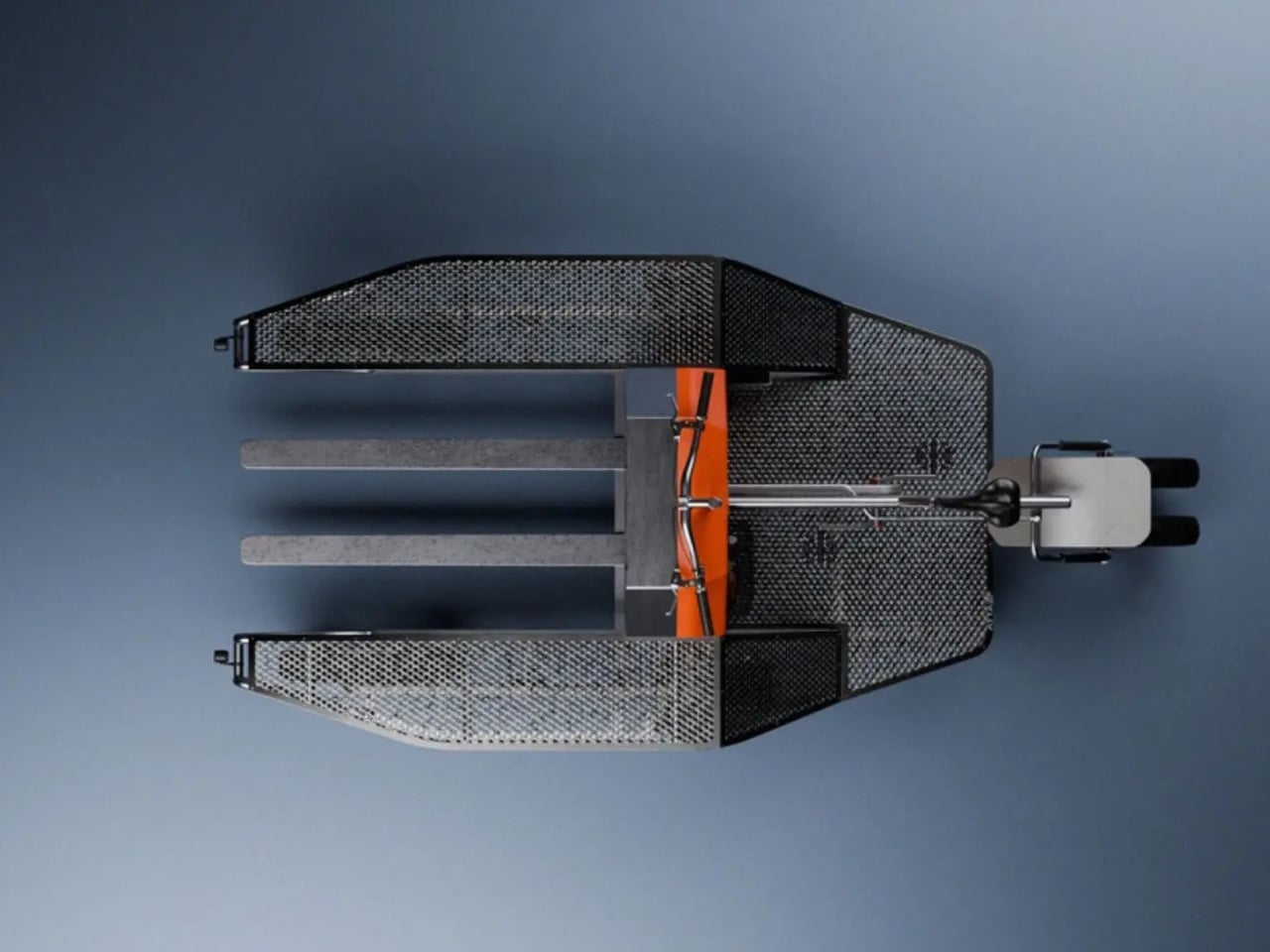
ATTA addresses this with a cargo frame built for load stability, paired with an integrated forklift-style lifting system that takes the strain out of loading and unloading. The result is a tricycle that doesn’t just transport produce. It handles it carefully, cutting down on the bruising and waste that eat into a farmer’s income before the supply chain has even properly begun. The forklift integration is the detail that stands out to me. It’s not flashy, but it shows how deeply the designers thought about the actual work being done, not just the transportation of it.

What strikes me about ATTA is the discipline it took to arrive at this. Student design competitions have a gravitational pull toward spectacle. The bigger, the bolder, the more futuristic, the better. ATTA resisted that completely. It went precise instead of grand, and that is genuinely harder to pull off. Anyone can propose a sweeping technological vision. Building something that works exactly where it needs to work, for exactly the people who need it, requires a different kind of ambition.

It also raises a quiet question about who design is actually for. A classroom in Bologna thinking about rural Kenya isn’t the obvious pairing, but it might be exactly the right one. Design problems don’t live in the polished neighborhoods we’re used to seeing on mood boards and in design magazines. They live in the first mile, on unpaved roads, in the physical labor that no app has streamlined and no algorithm has bothered to optimize.

ATTA didn’t reinvent the bicycle. It asked what the bicycle could actually do for someone who genuinely needed it, and then it built that. Sometimes that is exactly the point.

The post 4 Students Just Designed a Cargo Bike With a Built-In Forklift first appeared on Yanko Design.

Alibaba Panjiu AL128 Replaces NVIDIA with 128 Linked Chips

Alibaba Panjiu AL128 Replaces NVIDIA with 128 Linked Chips The Alibaba Pangju AL128 machine rack setup.

China’s response to U.S. restrictions on NVIDIA’s advanced chips highlights a strategic pivot away from direct competition in raw chip performance. Instead, companies like Alibaba are prioritizing system-level innovation, exemplified by the Panjiu AL128 machine. This system integrates 128 Zenwu M890 chips, using a proprietary memory fabric called Alink to optimize interconnect performance and memory […]

The post Alibaba Panjiu AL128 Replaces NVIDIA with 128 Linked Chips appeared first on Geeky Gadgets.

Posted in Uncategorized