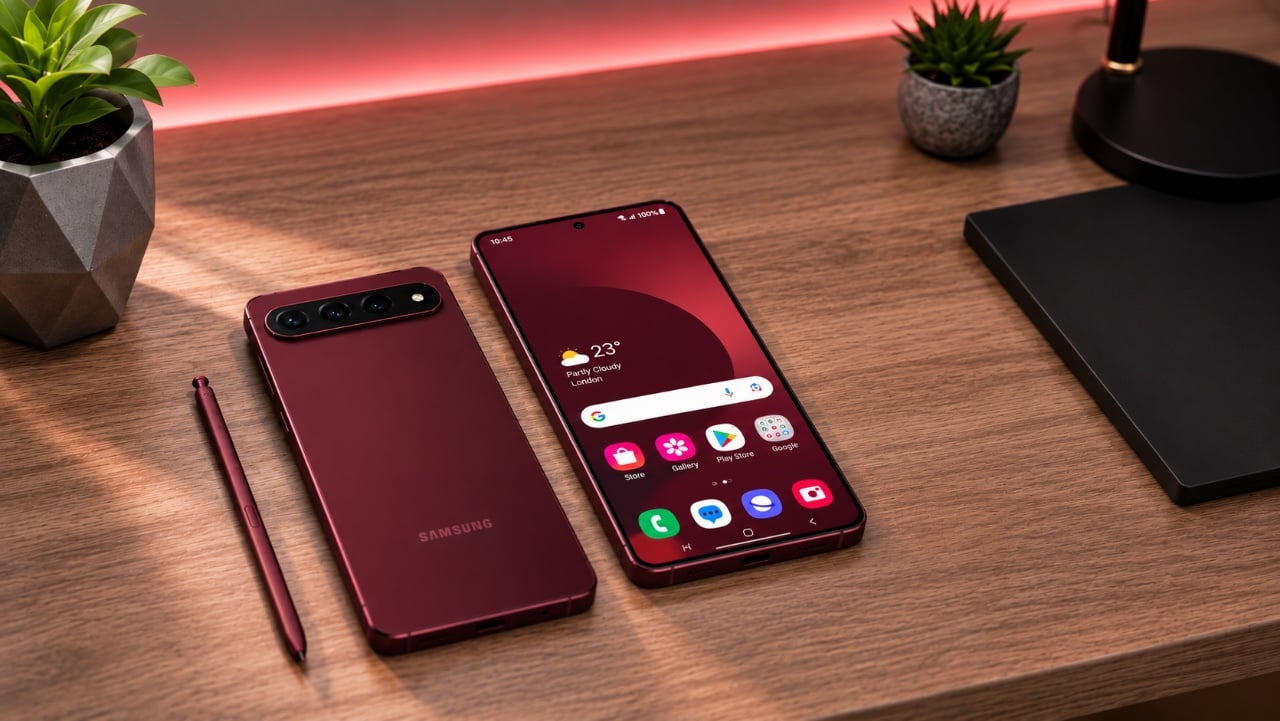
The Galaxy S27 Ultra, scheduled for release in February 2027, represents Samsung’s ongoing commitment to refining its flagship smartphone lineup. While it may not introduce new innovations, the device brings notable upgrades in performance, camera technology, and design. These enhancements aim to solidify its position as a leading choice in the highly competitive premium smartphone […]
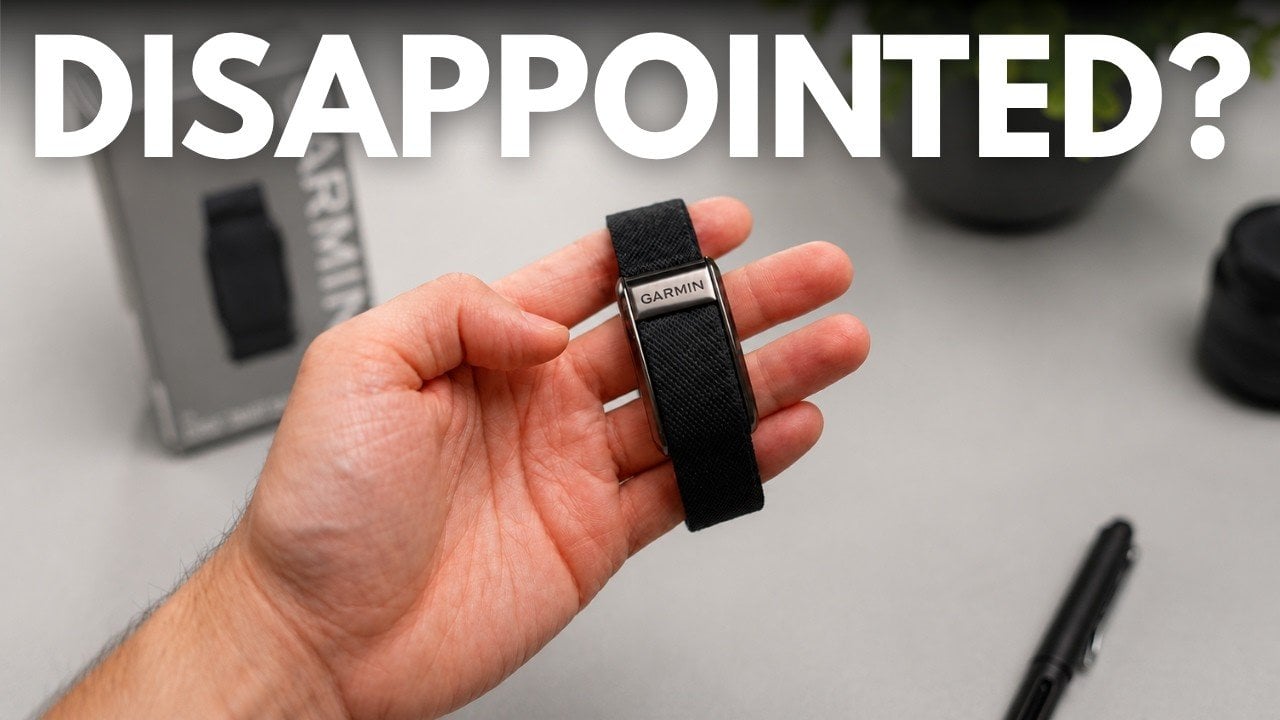
The Garmin CIRQA Smart Band has drawn attention for its minimalist approach to fitness tracking, but it comes with notable compromises. As highlighted by Tech Court, the CIRQA is built around a screenless, distraction-free design that prioritizes simplicity over advanced features. Despite this philosophy, its use of the older Elevate Gen 4 sensor technology and […]
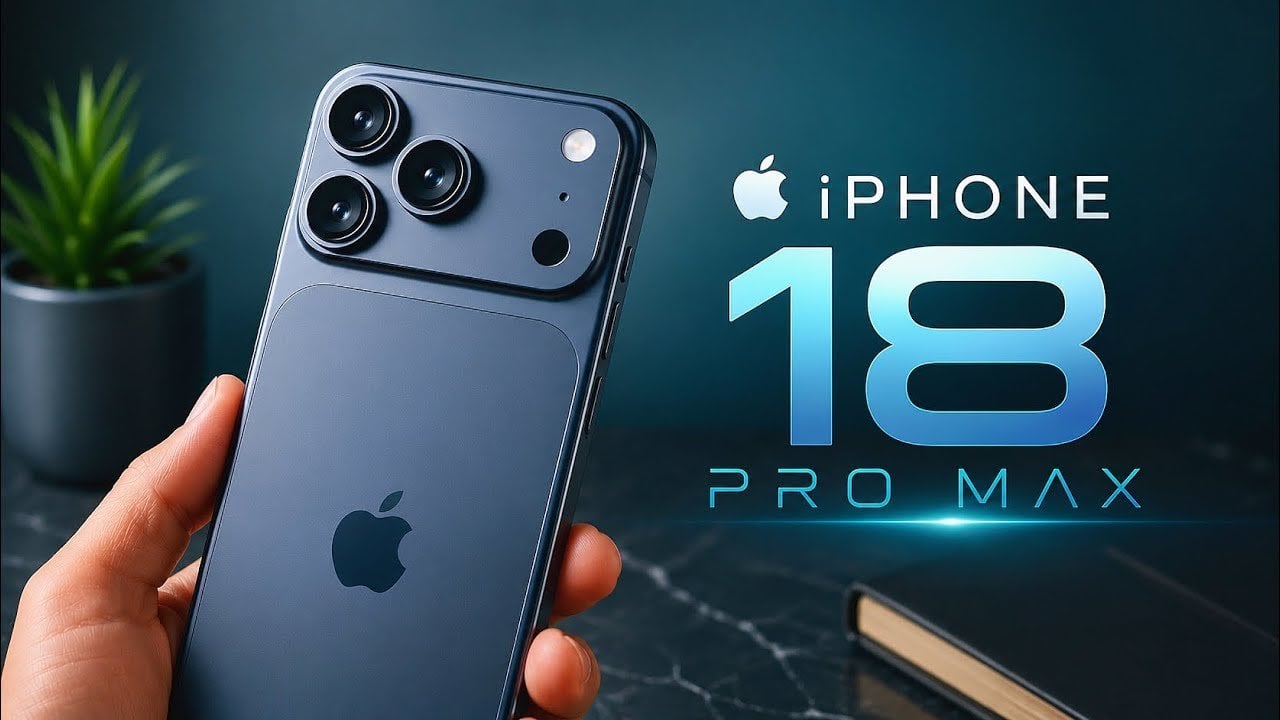
The iPhone 18 Pro is poised to be a significant milestone in Apple’s product lineup, showcasing advancements in camera technology, processing power and artificial intelligence. A recent cybersecurity breach at Tata Electronics, a critical Apple supplier, has unveiled key details about the device, including its launch date and new features. Here’s an in-depth look at […]
Valve’s Steam Machine has carved out a niche in the gaming market, offering a distinctive option for PC enthusiasts who value integration with the Steam ecosystem. According to Deck Ready, sales estimates suggest a steady annual figure of approximately 760,000 units, with weekly sales ranging between 12,000 and 15,000. While these numbers may seem modest […]
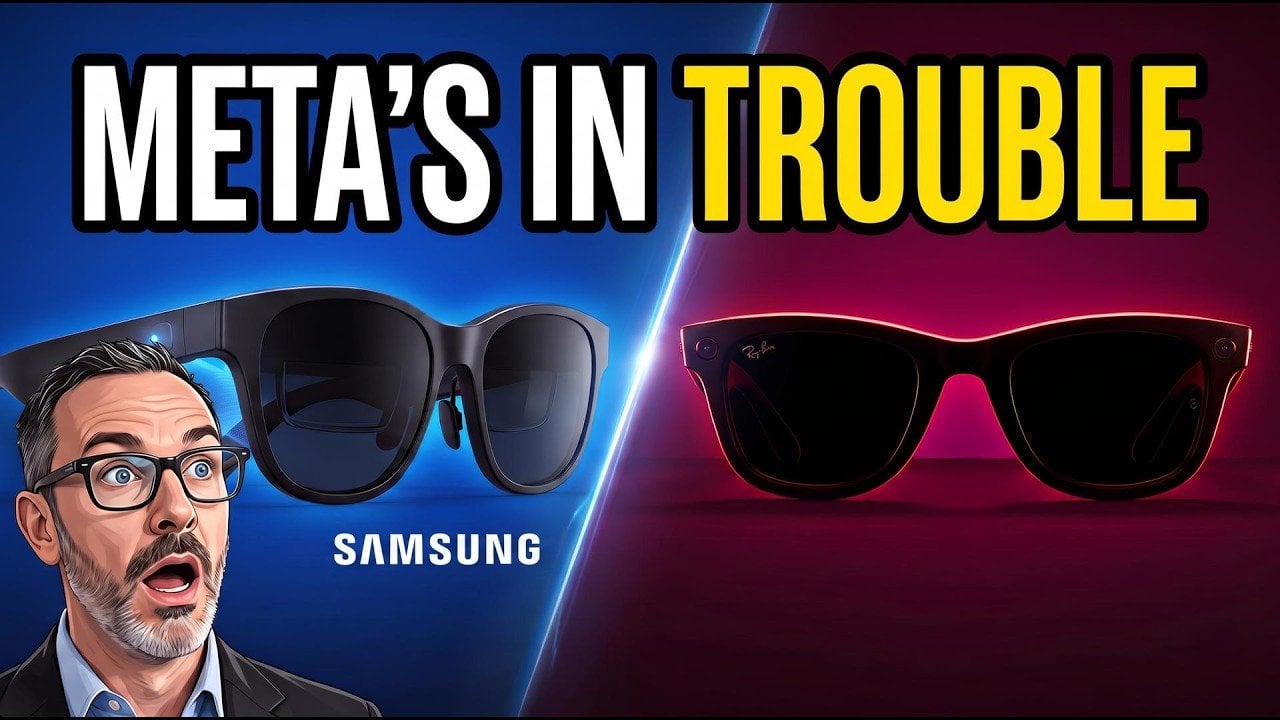
Samsung’s latest Galaxy Unpacked event unveiled AI-powered smart glasses developed in collaboration with Gentle Monster and Warby Parker. These glasses incorporate the Gemini Intelligence system, which supports hands-free tasks such as managing schedules and making reservations. According to The Smart Glasses Guy, Samsung’s focus on lightweight design and seamless integration with its ecosystem signals a […]
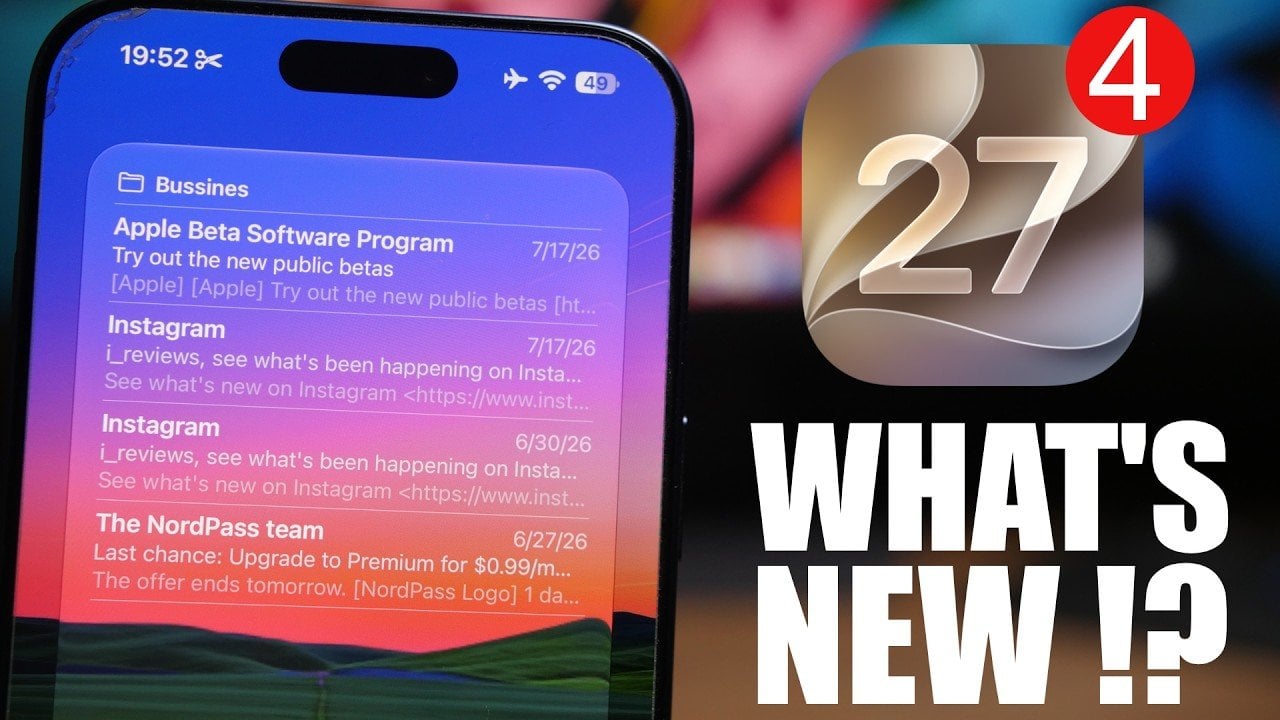
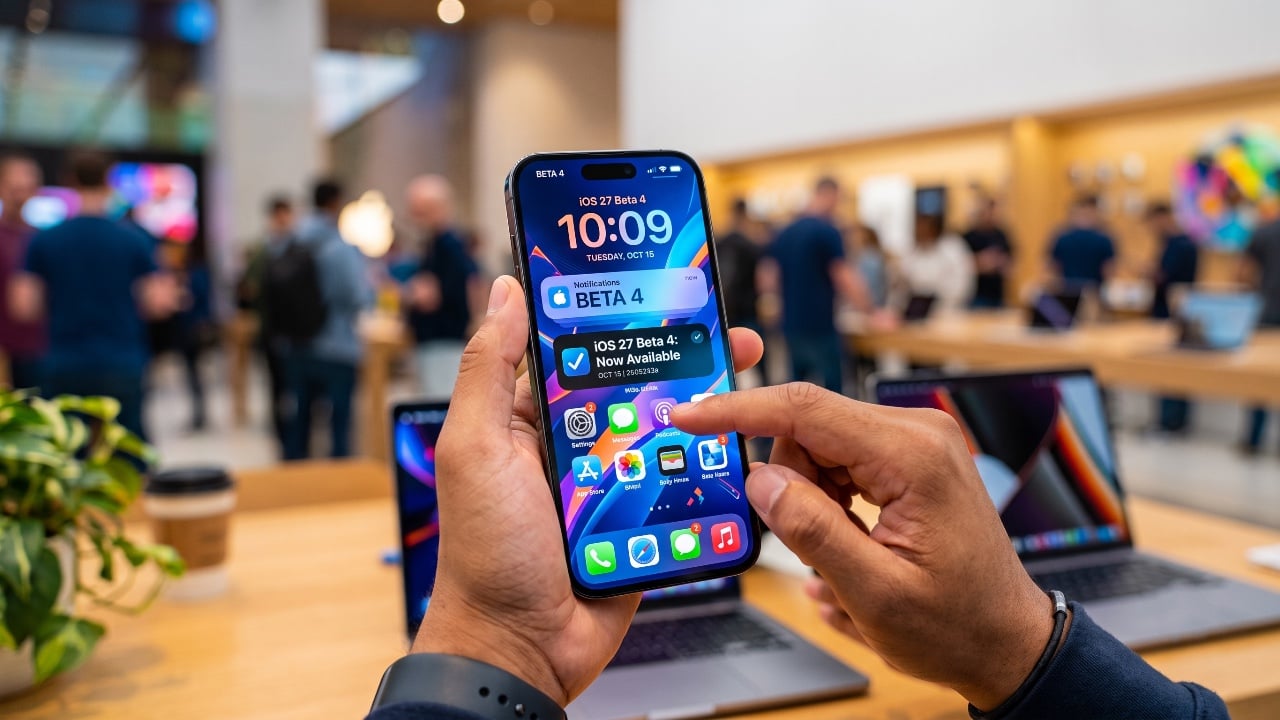
Apple has unveiled iOS 27 Beta 4, offering a glimpse into the upcoming features, design refinements and performance improvements as the software nears its official release. With a download size of approximately 5 GB, depending on your device, this beta version provides valuable insights into what users can expect in the final iteration. Whether you […]
Apple has officially released iOS 27 Beta 4 for developers, marking another important step in the evolution of its operating system. This update brings a variety of features and refinements aimed at improving usability, security, and overall performance. Whether you’re a developer testing the latest tools or a user eagerly awaiting the public beta, this […]
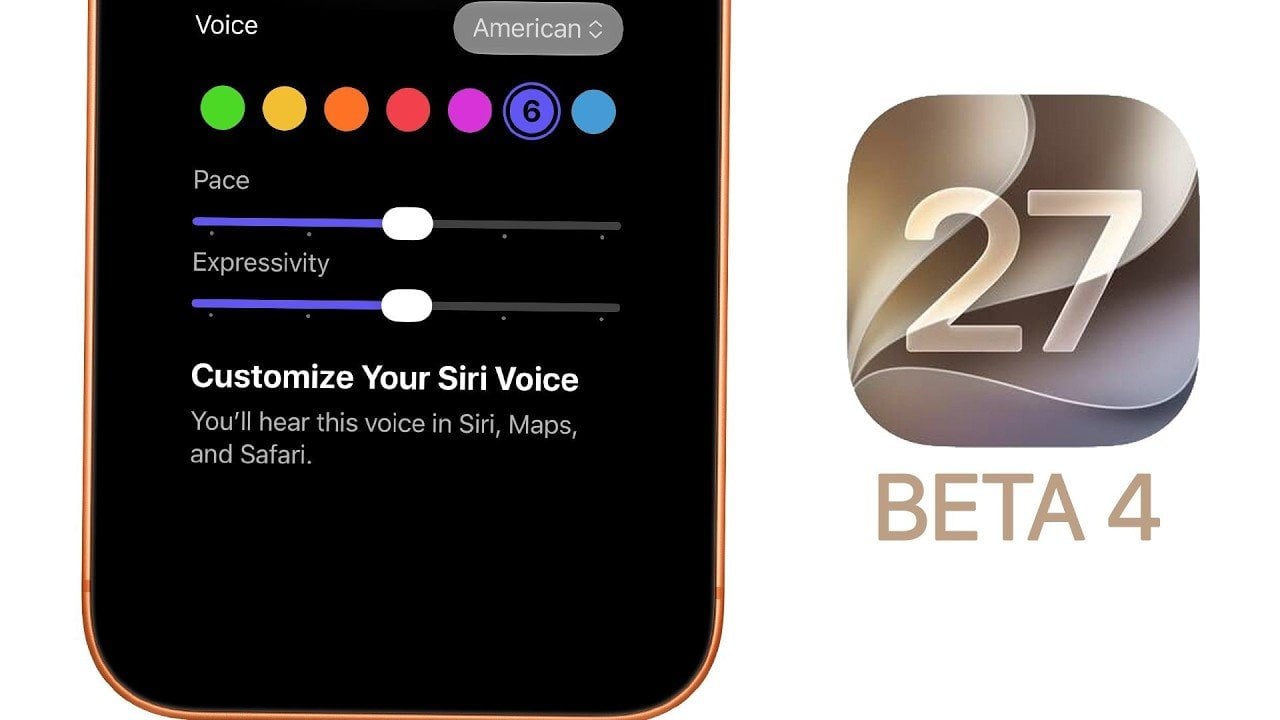
Apple has rolled out iOS 27 developer beta 4, bringing a host of updates aimed at refining the user experience. This release focuses on enhancing Siri’s capabilities, improving system stability, and introducing subtle yet impactful user interface (UI) changes. While the beta demonstrates significant progress, some testers have noted concerns about battery performance. A public […]
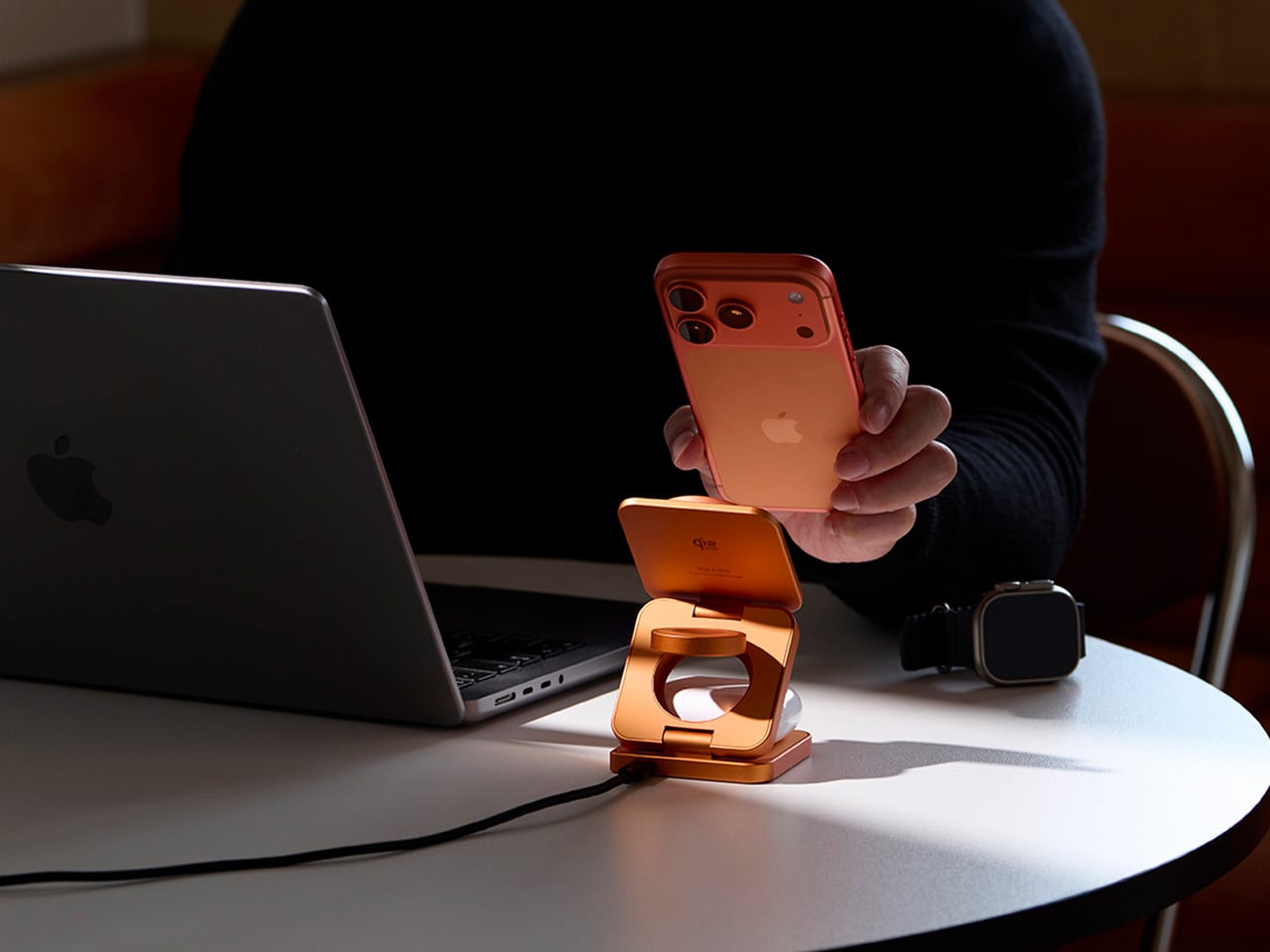
Anyone who’s deep in the Apple ecosystem knows the charging problem all too well. There’s an iPhone that needs its MagSafe puck, an Apple Watch on its magnetic disc, and AirPods waiting for their wireless spot. Before long, the desk or bedside table has turned into a tangle of cables and pads, and that’s without thinking about what happens when you need to travel.
The wireless charging accessory market has responded with a wave of multi-device stands, but most of them tend to pick a lane. Either fast and capable or foldable and portable, premium-looking or compact, but rarely all of the above. ADAM elements is trying to change that with the Mag 3 Ultra, a foldable 3-in-1 charging station designed to cover all those bases without asking you to give something up.
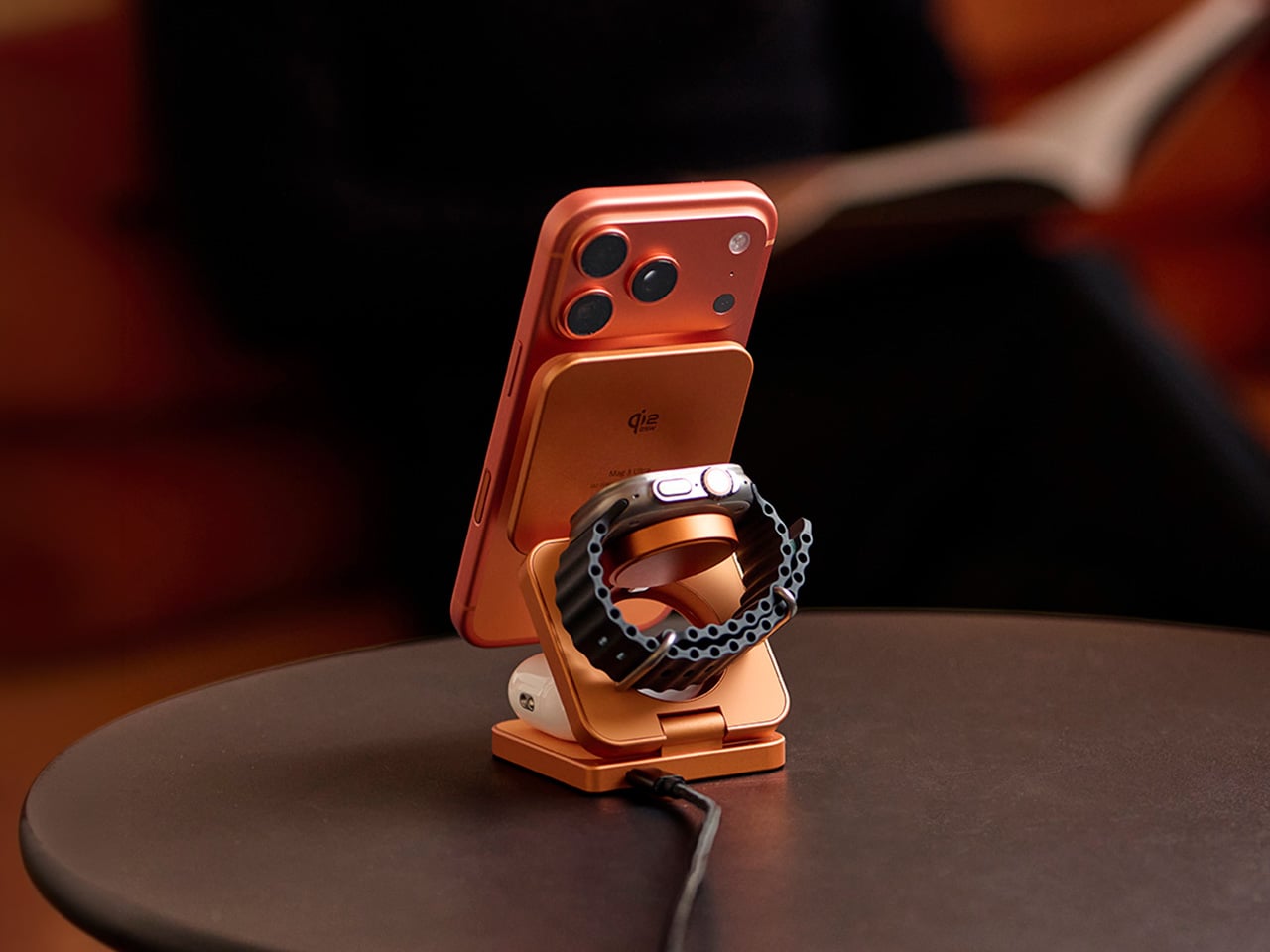
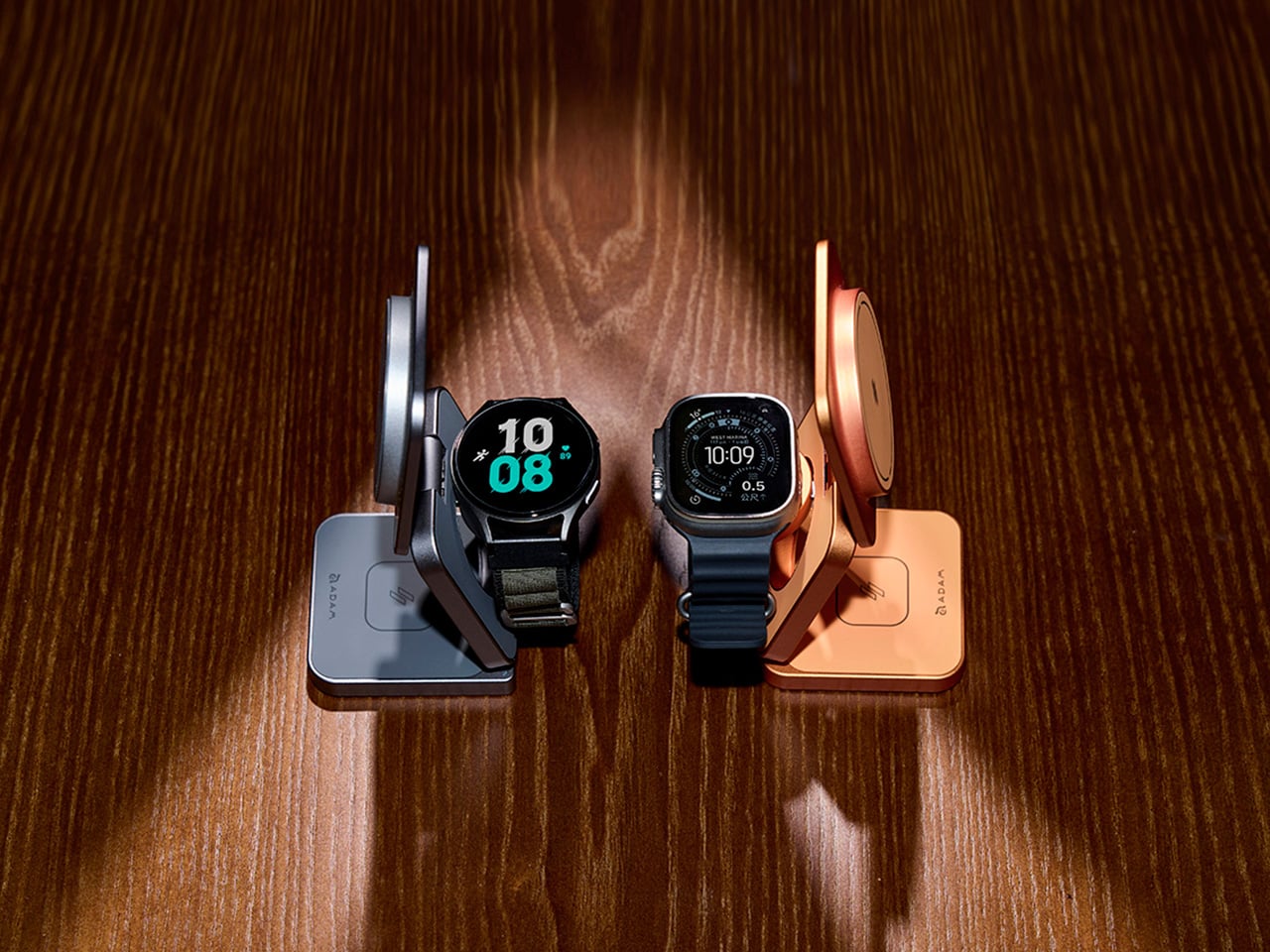
The first thing you notice about the Mag 3 Ultra is that it doesn’t look like most charging accessories. It’s made from precision CNC-machined aluminum alloy with a sandblasted texture and anodized finish, so it sits well alongside the premium devices it’s designed to power. It comes in three colorways: Titanium, Gray, and Orange, with Orange being the most visually striking of the three.
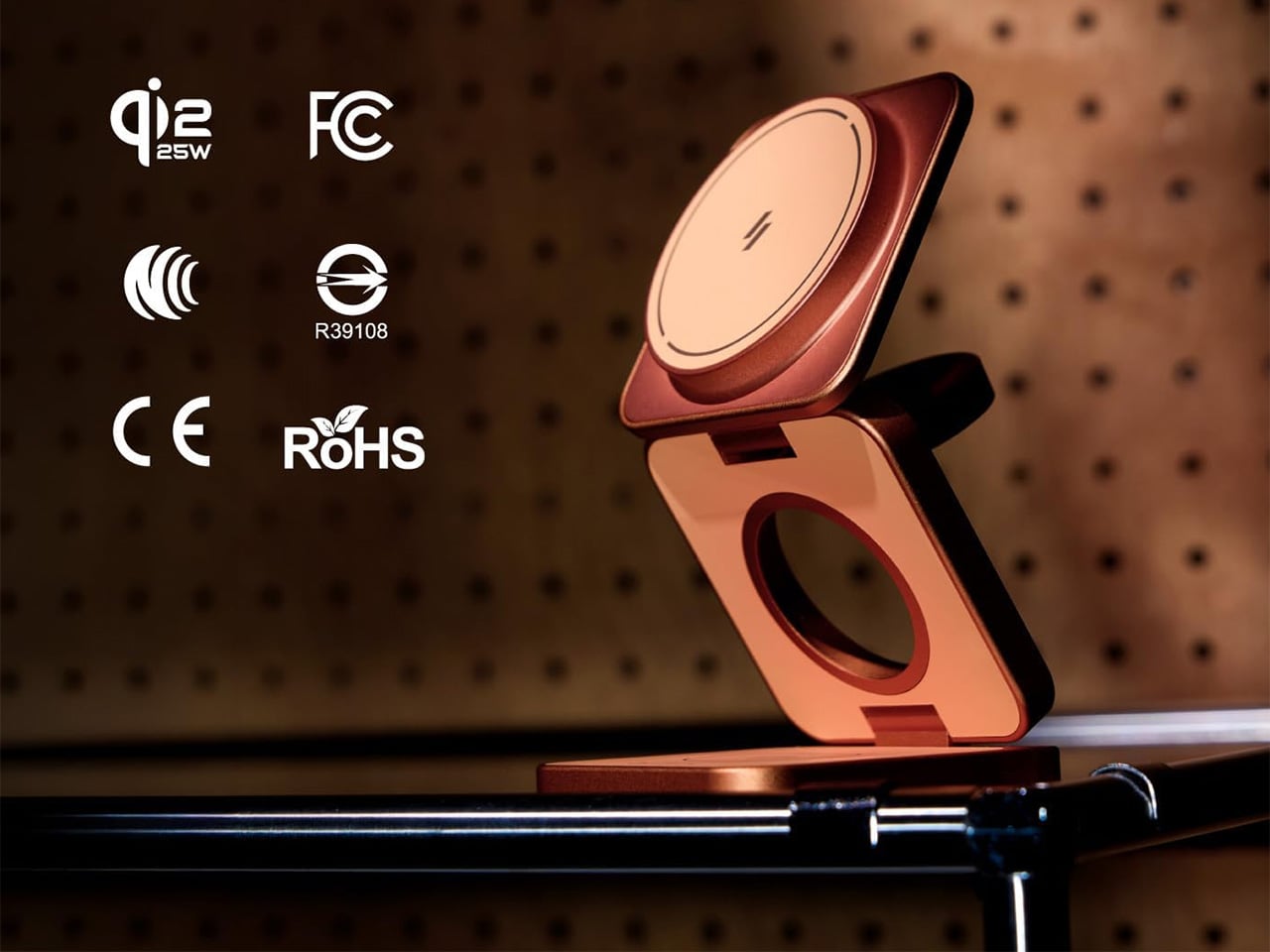
On the performance side, the Mag 3 Ultra’s main phone module is certified under the WPC Qi2 25W standard, which ADAM elements says delivers notably faster charging efficiency than 15W-class Qi2 chargers. The 25W output works best on the iPhone 16 and 17 series, while MagSafe-compatible iPhones from the 12 through 15 series still get Qi2 15W. Either way, it’s well ahead of older wireless charging speeds.
What makes the Mag 3 Ultra genuinely convenient is how it handles all three devices at once. Your phone snaps magnetically onto the main pad, your Apple Watch or Samsung Galaxy Watch sits on the dedicated watch dock, and your AirPods rest on the base charging area. It all happens concurrently, and the whole setup takes up a small footprint with just one USB-C cable.
The phone charging pad sits raised above the base, which keeps the camera bump clear and unobstructed. It’s a small but thoughtful design choice that makes the charger genuinely usable while it’s working. The magnetic connection holds the phone in both portrait and landscape orientations, so you can catch up on messages, follow a tutorial, or stream something while your battery climbs.
The watch module is worth noting for its dual-system compatibility. It supports both Apple Watch and Samsung Galaxy Watch via magnetic charging, which makes the Mag 3 Ultra a practical option for households where not everyone is on the same wearable platform. It’s a sensible call that broadens the charger’s appeal well beyond the strictly Apple-only crowd that most competitors in this category target.
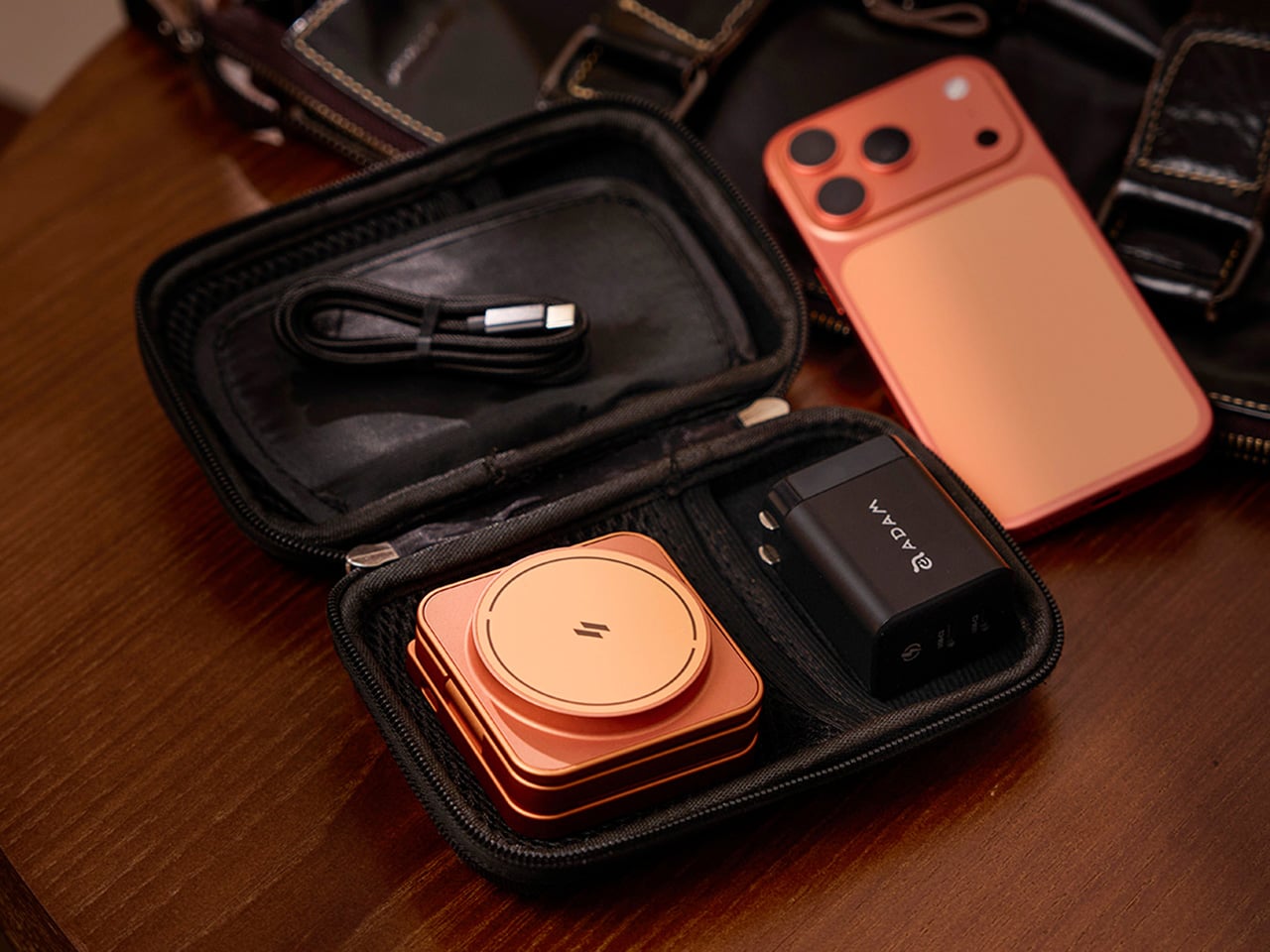
The foldable design is arguably where the Mag 3 Ultra makes its strongest case. It collapses to 66mm x 66mm x 29.5mm and weighs 205.5g, small enough to slip into a bag pocket or carry-on. A 100cm USB-C cable and protective fabric pouch are included, so the same station that lives on your desk can just as easily go on the road.
There’s also a solid set of safety protections built in, including Foreign Object Detection to prevent metal interference during charging, along with overcharge, overheat, and short-circuit safeguards. It carries Qi2, CE, FCC, RoHS, BSMI, and NCC certifications. For peak simultaneous three-device performance, ADAM elements recommends pairing it with a 45W or higher USB-C PD adapter, and it comes backed by a three-year limited warranty.
Wireless charging accessories rarely get talked about the same way a well-designed product would, but the Mag 3 Ultra is a good reason to start. The three colorways it comes in, especially that bold Orange, are a clear sign that ADAM elements wants this sitting on your desk where people can actually see it, not tucked behind your laptop where most chargers tend to end up.
During the mid-’90s to the early 2000s, all my friends knew that you couldn’t disturb me on Thursday nights because I was glued to my television set, watching The X-Files. I was so absorbed in the series’ mythology, the strange cases of the week, and all things alien during those years, even though I lived in a country where those monsters didn’t really exist (we had our own monsters, of course). Thinking about that era brings a certain sense of nostalgia and a longing for those kinds of TV series in this age of streaming.
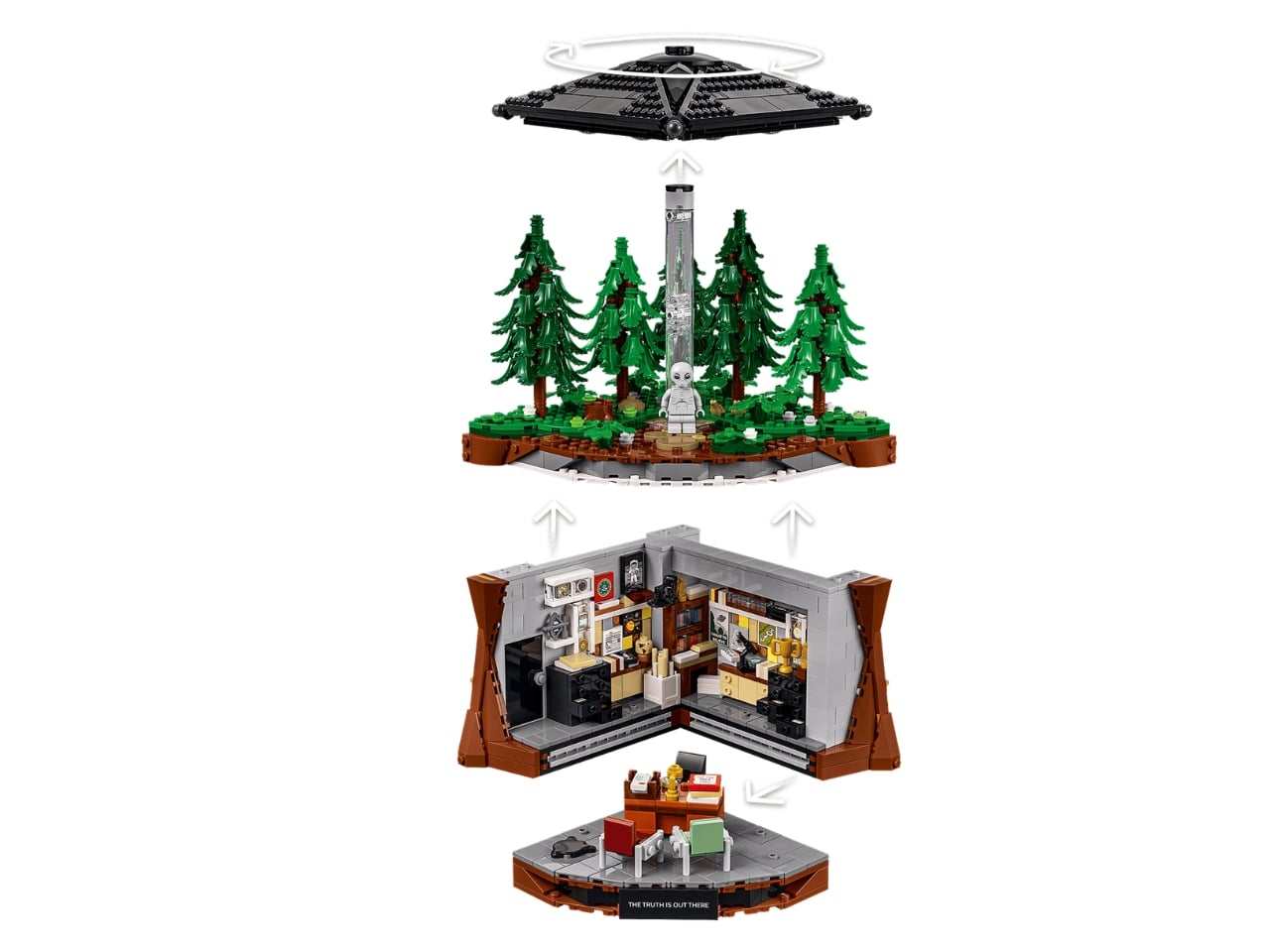
If you’re of that certain generation, then this newest LEGO build birthed from the Ideas factory would make you absolutely delirious. For those unfamiliar, LEGO Ideas is a fan-first initiative where enthusiasts submit concepts that, once they gain enough votes and approval, become officially produced sets, and The X-Files Set #21369 is one that clearly earned its place. This almost 1,500-piece set lets you relive those days when we went on vicarious adventures with the unconventional FBI Agent Fox Mulder and the smart but skeptical Dr. Dana Scully, and all the aliens and monsters they encountered along the way.
This set, which is obviously meant for grown-ups given its scale and subject matter, features three distinct scenes. You have a detailed replica of Mulder’s iconic basement office, a forest clearing scene straight out of one of their paranormal investigations, and a hovering UFO to complete the eerie atmosphere of the build. You can display the office and the forest separately, or put all of them together as one grand set. And if you act quickly, purchasing the set between August 1–10, 2026 will also net you a bonus Scully’s Lab set, a recreation of the classroom lab at the FBI National Academy, complete with a Scully minifigure in her lab coat and scrubs.
The set includes eight minifigures that will be instantly familiar to faithful viewers of The X-Files. Aside from Mulder and Scully, of course, you have their beleaguered boss Assistant Director Walter Skinner, the infamous Cigarette-Smoking Man, the mysterious informant Mr. X, villainous henchman Alex Krycek, one of their classic monsters-of-the-week The Flukeman, and a grey alien. There are also several Easter eggs and authentic details packed into the build, including the “I Want to Believe” poster, a “The Truth Is Out There” tile, pencils stuck in the ceiling and sunflower seeds (two of Mulder’s most iconic habits), and an X-Files dossier.
What makes this set even more special is its origin story. The X-Files (21369) was chosen as the winner of LEGO’s “Build Your Nostalgia – 90s Throwback!” fan design challenge, meaning this build began as a dream submitted by a devoted fan before making its way to store shelves. It’s a love letter from one generation of fans to another, and that passion clearly shows in every carefully crafted detail. Even Gillian Anderson herself got in on the fun, starring in a cinematic mini-film reveal where she essentially steps into Scully’s shoes one more time, uncovering the LEGO set brick by brick.
Just thinking about building such a set brings me back to the days when I would eagerly devour everything I could about The X-Files universe, the fan sites, the collectibles, the episode guides dog-eared from obsessive rereading. This LEGO Ideas build would definitely appeal to big nerds (and I mean that lovingly) and anyone who appreciates the insane attention to detail given to this trip down nostalgia lane. At $199.99, it’s an investment, but for a set of this caliber, packed with character, memory, and the kind of Easter eggs only true fans will catch, it feels absolutely worth every cent. Whether you’re building it solo on a quiet weekend or proudly displaying it on a shelf, The X-Files LEGO set is a beautiful reminder that the best stories never really leave us. The truth is out there, and apparently, so are the bricks.