Dubai’s Next Giant: Sobha SkyParks Soars 450 Meters Into The Sky

Dubai’s getting another jaw-dropping addition to its skyline, and this one’s a real showstopper. Sobha Realty just unveiled Sobha SkyParks, a massive 109-story tower that’ll stretch 450 meters into the sky. ‌‪‬ When it’s done, this giant will rank among the UAE’s five tallest buildings—quite a feat for any developer. The project comprises 684 luxury apartments across 109 floors, each offering incredible views of the city sprawling below. ‌‪‬ For Sobha Realty, this isn’t just another project—it’s their tallest development yet, pushing them into entirely new territory in Dubai’s competitive luxury market.

The tower’s landing on Sheikh Zayed Road in Business Bay which is about as prime as real estate gets in Dubai. This stretch of road has become synonymous with luxury living, and Sobha SkyParks fits right into that narrative. ‌‪‬ Business Bay’s infrastructure is already well-established, and being so close to Downtown Dubai doesn’t hurt either. The location practically sells itself—residents get easy access to business districts, shopping, and transport links throughout the city. ‌‪‬ Sheikh Zayed Road has this way of making every building along it feel important, and Sobha SkyParks certainly won’t be an exception to that rule.

Designer: Sobha Realty

Here’s where things get interesting, though. Instead of just building another tall glass tower, Sobha’s doing something different with four themed sky gardens scattered throughout the building’s height. ‌‪‬ Think about it—actual parks floating hundreds of meters above the street. It’s not just a cool concept; it tackles that age-old problem of urban living where green space feels like a luxury. These aren’t tiny balcony gardens either; we’re talking about proper outdoor spaces that bring nature up to where people actually live. The whole multilevel garden approach is getting attention from architecture circles as a fresh take on sustainable urban development. ‌‪‬

The building’s crown jewel has to be the sky-high infinity pool. Picture swimming laps while looking out over all of Dubai—it’s the kind of amenity that sounds almost too good to be true. ‌‪‬ Francis Alfred from Sobha Realty puts it well, saying they’re trying to “blend art, engineering, and lifestyle into a single masterpiece.” ‌‪‬ That’s not just marketing speak, either. When you combine the elevated parks with amenities like that infinity pool, you’re looking at something that goes way beyond typical luxury housing. It’s more like they’re building a vertical neighborhood where everything you need is stacked up instead of spread out.

The real estate crowd is already buzzing about what this could mean for Dubai’s market. ‌‪‬ Sobha’s built a solid reputation over the years, so when they go big like this, people pay attention. The project’s been making rounds on social media and industry forums, with everyone from investors to architecture enthusiasts weighing in on what it means for the city’s future. ‌‪‬ Dubai keeps attracting international buyers looking for something special, and Sobha SkyParks seems designed exactly for that market. It’s not just about having a nice apartment anymore—people want experiences, views, and bragging rights that come with living somewhere truly unique.

Construction’s underway, and this project represents something bigger for Sobha Realty. ‌‪‬ They’re clearly making a statement about where they want to position themselves in Dubai’s ultra-luxury segment. By the time this tower’s finished, it won’t just be another address—it’ll be a landmark that changes how people think about living vertically in one of the world’s most ambitious cities. Dubai’s always been about pushing boundaries, and Sobha SkyParks fits perfectly into that story. The combination of record-breaking height, innovative design, and those sky-high amenities should set new expectations for what luxury living can look like when you’re willing to think outside the box.

The post Dubai’s Next Giant: Sobha SkyParks Soars 450 Meters Into The Sky first appeared on Yanko Design.

Floating Above the Arctic: Vipp’s Latest Guesthouse Channels Norway’s Fishing Tradition

Danish design brand Vipp has just opened what might be their most spectacular guesthouse yet, tucked away on Norway’s remote Storemolla island, where jagged peaks plunge straight into the sea. The Lofoten Guesthouse sits like a modern-day fishing hut on stilts, designed by Norwegian studio LOGG ARKITEKTER to capture everything magical about this wild corner of the Arctic.

What makes this place special isn’t just the jaw-dropping location. The architects have created something that feels both completely contemporary and deeply rooted in local tradition. Those stilts aren’t just for show – they’re a direct nod to the rorbuer cottages that housed generations of fishermen who worked these waters, their boats bobbing alongside simple wooden shelters that rose and fell with the tide.

Designer: Vipp x LOGG ARKITEKTER

A Village Born from Respect

The guesthouse doesn’t stand alone. It’s part of True North Lofoten Village, a carefully planned collection of modern lodgings masterplanned by the acclaimed firm Snøhetta. Rather than dropping a resort into pristine wilderness, they’ve assembled what feels more like a small community of thoughtfully designed cabins, each by different Norwegian studios. The whole approach reflects what Snøhetta’s Kjetil Trædal Thorsen calls the challenge of “quiet integration” – creating something meaningful without overwhelming the landscape.

LOGG ARKITEKTER tackled this by designing what architect Diederik Advocaat Clausen describes as dissolving “the boundary between shelter and seascape.” The weathered timber exterior and sharp lines give the building a temporary appearance, as if it had grown naturally from the rocks. Large windows frame views that change constantly – from the endless daylight of Arctic summer to the otherworldly dance of Northern Lights in winter.

Inside the Nordic Hideaway

Step inside and you’ll find Vipp’s signature minimalist aesthetic perfectly suited to its surroundings. Dark grey walls and floors mirror the rocky coastline outside, while carefully chosen furnishings create cozy spots to take in the view. A ceiling-hung stove becomes the focal point for gatherings, and custom upholstery echoes the colors and textures visible just beyond the glass.

This marks Vipp’s thirteenth design retreat worldwide, with CEO Kasper Egelund noting that while their products stay consistent, each location completely transforms the experience. At roughly $ 1,942 per night for up to four guests, it’s positioned as a premium escape where the real luxury lies in the setting itself. You can venture out for whale watching or eagle safaris, but honestly, many guests find themselves perfectly content just watching the sea and sky put on their daily show through those perfectly framed windows.

The post Floating Above the Arctic: Vipp’s Latest Guesthouse Channels Norway’s Fishing Tradition first appeared on Yanko Design.

7 Best Tech Products That Upgrade Your Daily Digital Experience

The modern digital landscape demands more than functional gadgets—it requires tools that seamlessly integrate into daily routines while enhancing productivity, creativity, and connectivity. As work and personal lives become increasingly intertwined with technology, the accessories we choose make the difference between digital frustration and digital mastery in our interconnected world.

Today’s tech enthusiasts face unique challenges, as smartphones and laptops have reached remarkable sophistication, yet their peripheral ecosystems often lag. From touchscreen typing inefficiency to the bulk of portable workstations, these pain points accumulate into genuine barriers. The seven innovative products in this guide represent thoughtful design solutions that transform routine digital interactions into intuitive experiences.

1. Akko MetaKey

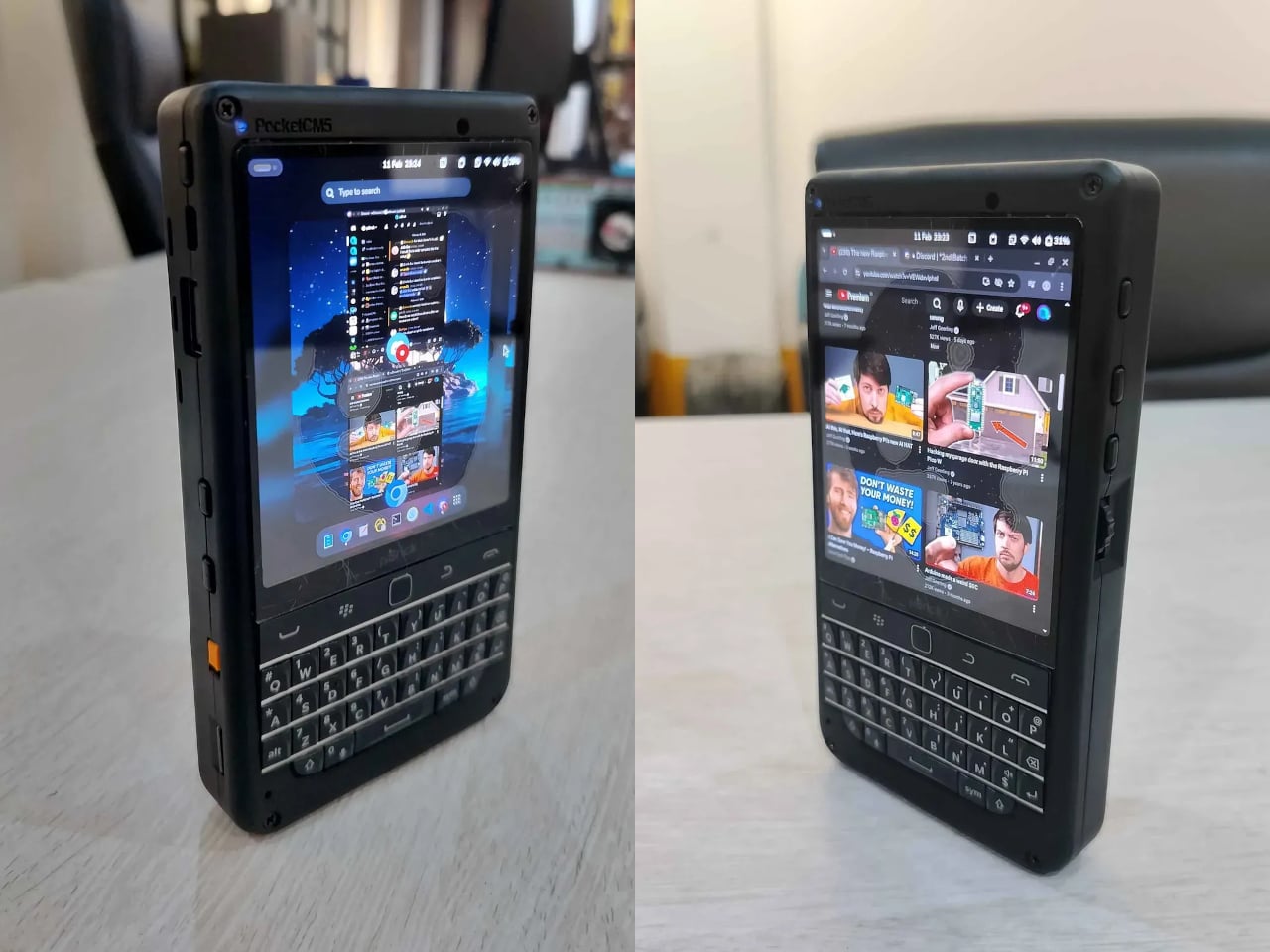
The smartphone revolution brought incredible computing power to our pockets, but eliminated one of the most satisfying aspects of digital communication: tactile typing. The Akko MetaKey addresses this fundamental trade-off by engineering a physical keyboard directly into an iPhone case, creating a bridge between nostalgic typing satisfaction and modern mobile functionality that genuinely enhances productivity.

This isn’t just a novelty accessory trying to recreate BlackBerry nostalgia. The MetaKey features genuine mechanical switches, backlit keys for low-light situations, and intelligent software integration that transforms typing from a necessary evil into a genuinely pleasant experience. The compact layout maximizes efficiency while USB-C passthrough ensures charging and data transfer remain seamless throughout daily use.

What we like

  • Genuine mechanical keyboard experience delivers satisfying tactile feedback on mobile devices.
  • USB-C passthrough maintains full charging and connectivity without removing the case.

What we dislike

  • Significantly increases device size and weight, compromising portability and one-handed use.
  • Limited compatibility restricts usage to specific iPhone models only.

2. OrigamiSwift Folding Mouse

Traditional productivity setups force an uncomfortable choice between portability and functionality. Full-sized mice offer precision and comfort but consume valuable bag space, while compact travel mice sacrifice ergonomics for convenience. The OrigamiSwift eliminates this compromise through ingenious origami-inspired engineering that transforms from a flat storage profile to a full-sized pointing device in under half a second.

Weighing just 40 grams, this Bluetooth mouse delivers surprising precision and comfort despite its transformative design. The folding mechanism feels robust and reliable, while the ergonomic shape ensures extended use remains comfortable. For digital nomads and frequent travelers who refuse to compromise on input precision, the OrigamiSwift represents a genuine breakthrough in portable productivity accessories.

Click Here to Buy Now: $79.00

What we like

  • Folds completely flat for effortless storage while maintaining full-size mouse functionality.
  • Ultra-lightweight 40-gram design makes it barely noticeable in bags or pockets.

What we dislike

  • The folding mechanism may wear out over time with repeated daily use.
  • Premium pricing makes it expensive compared to traditional compact mice.

3. WELDER Foldable Keyboard

The dream of a perfect mobile workstation often involves compromises between screen real estate, input quality, and portability. The WELDER keyboard eliminates these trade-offs by integrating a 12.8-inch touchscreen display directly above mechanical keys in a CNC-machined aluminum chassis. This engineering marvel folds completely flat for transport while providing dual-screen productivity when deployed for serious work sessions.

The all-metal construction delivers premium heft and rigidity that rivals high-end laptops rather than feeling like a peripheral accessory. When folded at the 180-degree hinge, there’s zero flex or wobble during aggressive typing sessions. The integrated display remains perfectly stable, creating a genuine dual-screen workspace that transforms any surface into a professional workstation without requiring multiple devices or cables.

What we like

  • Integrates a full-size mechanical keyboard with a 12.8-inch display in a single portable device.
  • CNC-machined aluminum construction provides exceptional build quality and zero flex when typing.

What we dislike

  • Significant weight and bulk make it less portable than traditional folding keyboards.
  • High price point puts it out of reach for casual users.

4. Nothing Power (1) Battery Bank

Portable chargers typically prioritize function over form, resulting in bland rectangular blocks that disappear into bags and offer no visual feedback about charging status. The Nothing Power (1) concept revolutionizes this category by incorporating the brand’s signature Glyph interface, transforming a utilitarian power bank into an interactive communication device that provides elegant visual feedback throughout the charging process.

The transparent design philosophy extends beyond aesthetics to create genuinely useful functionality. Bold light paths illuminate to indicate charging status, remaining capacity, and device communication through carefully choreographed light patterns. This isn’t just visual flair—it’s practical information design that eliminates guesswork about power levels and charging status without requiring additional displays or complex button combinations for status checking.

What we like

  • The glyph interface provides elegant visual feedback for charging status and remaining capacity.
  • Transparent design language creates a unique aesthetic that stands out from generic power banks.

What we dislike

  • Concept status means actual availability and pricing remain uncertain.
  • Transparent materials may be more fragile than traditional power bank construction.

5. Dangbei S7 Ultra Pro Liquid-Cooled Projector

Home projectors traditionally require darkened rooms and careful setup to deliver acceptable image quality, limiting their practicality for everyday use. The Dangbei S7 Ultra Pro eliminates these restrictions through aggressive engineering that combines liquid cooling, 4,500 CVIA lumens brightness, and advanced light management to create a projector that performs excellently even in well-lit environments without requiring room modifications.

The liquid cooling system enables sustained high-brightness operation without thermal throttling, while the polarized light-control engine boosts optical efficiency by 10% and light throughput by 168%. Native 4K resolution, HDR10+ support, and 8,000:1 contrast ratio ensure this projector delivers cinema-quality imagery. MediaTek’s MT9681 chipset and 4GB RAM power Dangbei’s AI OS 6.0 for smooth smart features and app integration.

What we like

  • Liquid cooling enables sustained 4,500 lumens brightness without thermal throttling or noise issues.
  • Advanced light management works effectively in daylight conditions without requiring room darkening.

What we dislike

  • Premium pricing at approximately $1,700 puts it beyond casual projector buyers’ budgets.
  • Large size and weight make it less portable than traditional compact projectors.

6. Timekettle W4 AI Translator Earbuds

Language barriers create genuine obstacles in our increasingly connected world, forcing reliance on smartphone apps that struggle with ambient noise and conversational context. The Timekettle W4 eliminates these limitations through innovative bone-voiceprint sensor technology that captures speech vibrations directly from the speaker’s bones, achieving crystal-clear voice input regardless of environmental noise levels or crowded surroundings.

Powered by proprietary Babel OS 2.0, these earbuds deliver 98% translation accuracy across 42 languages and 95 accents with a remarkable 0.2-second lag time. Advanced language models understand conversational context to correct confusing homophones intelligently. Future updates promise AI voice cloning technology that will make translated speech sound like the original speaker’s voice, creating even more natural cross-language communication experiences.

What we like

  • Bone-voiceprint sensor technology ensures accurate voice capture even in extremely noisy environments.
  • Real-time translation with 0.2-second lag across 42 languages makes conversations feel natural.

What we dislike

  • Premium pricing makes them significantly more expensive than standard wireless earbuds.
  • Reliance on internet connectivity may limit functionality in areas with poor network coverage.

7. Google Pixel Headphones Concept

Premium headphone markets are dominated by Apple’s AirPods Max and luxury audio brands, leaving Android users without cohesive ecosystem integration. This Google Pixel Headphones concept addresses the gap by translating Pixel Buds Pro’s pebble-esque design language into an over-ear form factor while integrating advanced Gemini AI capabilities for seamless Google ecosystem interaction and enhanced productivity features.

The design balances Google’s signature soft aesthetics with premium materials, incorporating metal elements that connect earpieces to the headband without venturing into polarizing design territory. Gemini AI integration promises contextual assistance, smart noise cancellation adjustments, and seamless integration with Google Workspace applications. The concept represents Google’s potential entry into the premium headphone market with a differentiated AI-first approach rather than simply matching existing competitors’ features.

What we like

  • Gemini AI integration offers unique productivity features unavailable in competing premium headphones.
  • Design language maintains Google’s aesthetic while incorporating premium materials and construction.

What we dislike

  • Concept status means no confirmed release date, pricing, or final specifications.
  • Success depends heavily on Google’s commitment to hardware categories beyond smartphones.

Redefining Digital Interaction

These seven products represent more than incremental improvements—they demonstrate how thoughtful engineering can eliminate long-standing compromises in digital device usage. From mechanical keyboard satisfaction on smartphones to dual-screen productivity in folding form factors, each solution addresses genuine pain points that have persisted despite advancing technology capabilities throughout the industry.

The common thread connecting these innovations is their focus on human-centered design rather than feature proliferation. Instead of adding complexity, they simplify digital interactions by removing barriers between intention and execution. Whether enabling precise mobile typing, providing portable dual-screen workspaces, or breaking down language barriers through advanced AI, these products enhance daily digital experiences meaningfully.

The post 7 Best Tech Products That Upgrade Your Daily Digital Experience first appeared on Yanko Design.
RISD’s $100K Loop Lab Creates Art Supplies From Campus Waste

The Rhode Island School of Design has discovered something remarkable hiding in plain sight: their trash bins contain tomorrow’s art supplies. Through the newly launched Loop Lab initiative, what once headed to landfills now becomes raw material for the next generation of designers and artists. The Edna W. Lawrence Nature Lab spearheaded this ambitious pilot project with backing from a substantial $100,000 grant from the Maxwell/Hanrahan Foundation. The concept appears deceptively simple yet revolutionary in practice. Rather than purchasing new materials while simultaneously discarding potentially useful waste, RISD has created a closed-loop system that transforms campus refuse into studio-ready resources.

Walking through the Loop Lab reveals an almost alchemical process. Blotter paper that once absorbed spilled paint finds new life as a substrate for experimental work. Cotton muslin scraps, previously destined for disposal, emerge as carefully prepared materials ready for student projects. The transformation extends beyond mere recycling, representing a fundamental shift in how educational institutions can approach resource management. Students participate directly in this material resurrection, learning firsthand about circularity principles while solving practical design challenges. The hands-on approach ensures that sustainability becomes integral to creative education rather than an abstract concept discussed in theory classes.

Designer: Rhode Island School of Design

Each transformed material carries embedded stories about waste reduction, resourcefulness, and environmental responsibility. Recent media attention from design publication Dezeen highlights the broader implications of RISD’s approach. The coverage emphasizes how the initiative addresses what project leaders call “the lowest hanging fruit” in institutional sustainability efforts. By focusing on internal waste streams, the school creates immediate impact while developing scalable solutions for other educational institutions. The timing proves particularly significant as design schools worldwide grapple with sustainability mandates and environmental consciousness among students.

Loop Lab offers a practical framework that other institutions can adapt, creating measurable change without requiring massive infrastructure investments or complete curriculum overhauls. Material circularity research forms the theoretical backbone of the project, but practical applications drive daily operations. The lab expands understanding of how discarded matter can inform regenerative design practices, presenting students with materials that carry environmental narratives alongside creative possibilities. Each project becomes an exploration of both aesthetic potential and ecological responsibility.

The Nature Lab’s documentation through social media platforms reveals ongoing discoveries and successes. Students share their experiences working with transformed materials, creating a growing archive of circular design practices that extends the project’s influence beyond campus boundaries. Loop Lab represents more than waste reduction or cost savings. The initiative fundamentally questions traditional material sourcing while providing tangible alternatives. Students graduate with direct experience in circular design principles, carrying these approaches into professional practice where sustainable material choices increasingly influence client decisions and project outcomes.

As design education evolves to meet environmental challenges, RISD’s Loop Lab demonstrates how institutions can transform operational necessities into educational opportunities. The pilot project’s success suggests a future where campus waste streams become integral components of creative curricula, turning every scrap into a story worth telling. This innovative approach positions RISD at the forefront of sustainable design education, creating a model that combines environmental stewardship with creative excellence while preparing students for a future where circular design principles define industry standards.

The post RISD’s $100K Loop Lab Creates Art Supplies From Campus Waste first appeared on Yanko Design.
7 Best Versatile Seating Solutions That Transform How We Live & Sit

Modern living demands furniture that adapts, evolves, and serves multiple purposes within our increasingly flexible spaces. The traditional single-function chair no longer meets the needs of contemporary homes where rooms serve multiple roles throughout the day. Today’s most innovative seating solutions transcend basic functionality, offering dynamic designs that transform alongside our lifestyles.

These seven exceptional pieces represent the cutting edge of versatile seating design, each bringing unique solutions to modern living challenges. From reimagined classics to experimental concepts, these chairs prove that versatility and beauty can coexist in remarkable ways.

1. IKEA POÄNG Redesigned Chair: Social Connection Redefined

IKEA has fundamentally reimagined its most enduring furniture icon through a transformative redesign that prioritizes social interaction over solitary comfort. The POÄNG armchair received its most significant design evolution in nearly five decades when late designer Noboru Nakamura emerged from retirement to personally oversee this dramatic transformation. His final creative act involved removing the signature headrest entirely, creating a low-back version that encourages conversation rather than retreat.

The elimination of the headrest serves multiple purposes beyond pure aesthetics, fundamentally changing how people interact with both the chair and their surroundings. By lowering the overall profile and opening the back design, Nakamura created seating that transforms a personal sanctuary into an invitation for interaction. This modification reflects contemporary living patterns where multipurpose spaces demand furniture that adapts to various social contexts and encourages meaningful human connection.

What we like

• Promotes social interaction and conversation through open-back design.

• Maintains iconic comfort while adapting to modern living needs.

What we dislike

• Less head and neck support for extended relaxation sessions.

• May not suit those preferring private, enclosed seating experiences.

2. Color Roller Transparent Rolling Chairs: Dynamic Chromatic Design

Like De Stijl once deconstructed form and space into elemental purity, Color Roller reimagines that legacy through motion and transparency using primary colors red, yellow, and blue. This experimental furniture collection plays with relationships between geometry, light, and interaction, creating transparent forms that transcend boundaries and merge into endless new shades. The result transforms furniture into evolving chromatic sculpture that invites users to participate in environmental reconstruction.

Color Roller explores how color and form coexist as active agents in spatial design through three components, including a hexagonal chair, a rectangular table, and a triangular floor lamp. Made entirely from transparent acrylic panels intersecting in pairs, these forms create vivid and flexible compositions of color. Depending on light direction and intensity, the furniture transforms and casts overlapping shadows and gradients that turn interiors into interactive canvases.

What we like

• Creates dynamic color interactions that change throughout the day.

• Lightweight rolling design allows easy reconfiguration of spaces.

What we dislike

• Transparent acrylic may show fingerprints and require frequent cleaning.

• Limited cushioning options may affect long-term seating comfort.

3. Himalaya Pelvis Chair: Biomimicry Meets Elegant Function

Furniture often aspires to fit the body, but the Himalaya Pelvis Chair goes further by finding its silhouette directly in pelvic bone structure. This direct translation from biology to design yields a chair that feels organic, functional, and distinctly new, where comfort and concept are literally intertwined. Designers Mingyu Seo and Eojin Jeon created this rare piece that genuinely makes you reconsider relationships between our bodies and daily objects.

The chair’s entire premise builds on the pelvic bone’s natural ability to cradle and support, translating anatomical engineering directly into refined seating design. This approach sidesteps abstract biomimicry by presenting clear, almost educational links between form and inspiration through unapologetically direct reference. The execution transcends its medical source material through such refined craftsmanship that it becomes genuinely elegant rather than clinical.

What we like

• Anatomically-inspired design provides natural ergonomic support.

• Unique sculptural form serves as a conversation piece and functional seating.

What we dislike

• Bold design may not integrate easily with traditional decor styles.

• Limited availability as a concept piece may affect accessibility.

4. Frank Lloyd Wright Reconstructed Chairs: Architectural Seating Heritage

The reconstructed chairs illuminate Wright’s approach to furniture as architectural elements rather than standalone pieces, demonstrating his belief that furniture should emerge organically from the building’s overall design concept. Wright called this philosophy “integral ornamentation” and applied it consistently throughout his career, spanning five distinct periods from 1911 to 1959. The exhibition traces a dramatic evolution from Prairie School geometric vocabulary to later organic forms with flowing curves.

Highlights include first-ever fabrications of designs never built during Wright’s lifetime, such as cafe chairs originally envisioned for the Solomon R. Guggenheim Museum. These cafe chairs represent some of the exhibition’s most significant reconstructions, now realized through collaboration with Milwaukee metal-spinning firm. Early Prairie School pieces display right angles and linear elements complementing the horizontal prairie house emphasis, while later work reveals shifts toward organic forms.

What we like

• Historic design pedigree brings timeless architectural principles to modern spaces.

• Integral ornamentation philosophy ensures harmony with surrounding architecture.

What we dislike

• Limited production availability may result in higher costs.

• Period-specific styling may not suit all contemporary interior approaches.

5. LOOP Chair: Sculptural Minimalism in Motion

The LOOP Chair concept impresses with a bold, angular frame that feels both dynamic and airy while creating a continuous, flowing form that almost “loops” around the sitter. This unique vision transforms the chair from a functional object into a sculptural experience that serves as both structural support and artistic centerpiece. The proposed walnut wood veneer frame offers options for ash, oak, or black-stained finishes to complement various interior styles.

The chair’s geometry results from careful sketching and creative exploration, balancing soft curves for optimal comfort with sharp angles for modern, architectural aesthetic appeal. The flowing design creates visual lightness while maintaining structural integrity, making it suitable for both residential and commercial applications. This sculptural approach elevates everyday seating into an artistic statement that enhances rather than merely occupies space.

What we like

• Sculptural design serves a dual purpose as furniture and artistic centerpiece.

• Multiple wood finish options allow customization for different interior styles.

What we dislike

• Concept status may limit immediate availability for purchase.

• Angular design elements might not suit all body types comfortably.

6. Same Same Twin Chairs: Playful Minimalist Interaction

The Same Same twin chairs by A204 challenge traditional furniture limitations by functioning beautifully as standalone seating with built-in storage while unlocking playful possibilities when paired together. These minimalist wooden chairs transform from simple furniture into a creative toolkit that allows interaction, configuration, and use possibilities that adapt to changing needs. The design language speaks to Scandinavian minimalism with pale plywood construction and clean, geometric lines.

Each chair features a subtle sage green accent on the seat and storage surfaces, adding warmth without overwhelming natural wood grain characteristics. The under-seat storage space accommodates magazines, small objects, or standard Euro containers for organized solutions, making each chair genuinely useful beyond basic seating function. When paired together, the chairs create new possibilities for social interaction and spatial configuration.

What we like

• Built-in storage maximizes functionality in compact living spaces.

• Pairing capability creates flexible seating arrangements for various occasions.

What we dislike

• The twin chair concept requires purchasing multiple pieces for full functionality.

• Minimalist design may lack cushioning for extended sitting comfort.

7. Permanent Souls Chair Collection: Memory Made Tangible

The visual impact is immediate and haunting as light passes through netting in patterns that shift as you move around each piece. These chairs appear solid from a distance but reveal their permeable nature up close, allowing you to see through them, around them, and into spaces they create. They exist in strange territory between presence and absence, like memories made tangible that question the very nature of traditional furniture function.

This collection explores what happens when objects lose their original purpose but somehow endure, transforming nets that once held things together into something that questions functional boundaries. The chairs challenge conventional seating expectations by creating pieces that exist both physically and conceptually, offering a unique perspective on how furniture can embody abstract concepts while remaining functionally relevant.

What we like

• Unique conceptual approach creates a truly distinctive seating experience.

• Permeable design allows light to create dynamic shadow patterns in spaces.

What we dislike

• Unconventional materials may not provide traditional seating comfort expectations.

• Artistic concept may prioritize form over practical everyday functionality.

The Future of Adaptive Seating

These seven innovative seating solutions demonstrate how contemporary designers are reimagining the fundamental relationship between furniture and daily life. Each piece offers a unique approach to versatility, whether through social interaction, dynamic color, anatomical inspiration, architectural heritage, sculptural beauty, playful modularity, or conceptual exploration.

The best versatile seating solutions for modern living transcend traditional boundaries, offering functionality that adapts to our changing needs while adding aesthetic and emotional value to our spaces. These designs prove that chairs can be simultaneously practical tools, artistic statements, and catalysts for human connection, making them essential components of thoughtfully designed modern homes.

The post 7 Best Versatile Seating Solutions That Transform How We Live & Sit first appeared on Yanko Design.
This Ingenious 30-Foot Tiny Home That Redefines Family Living In Compact Spaces

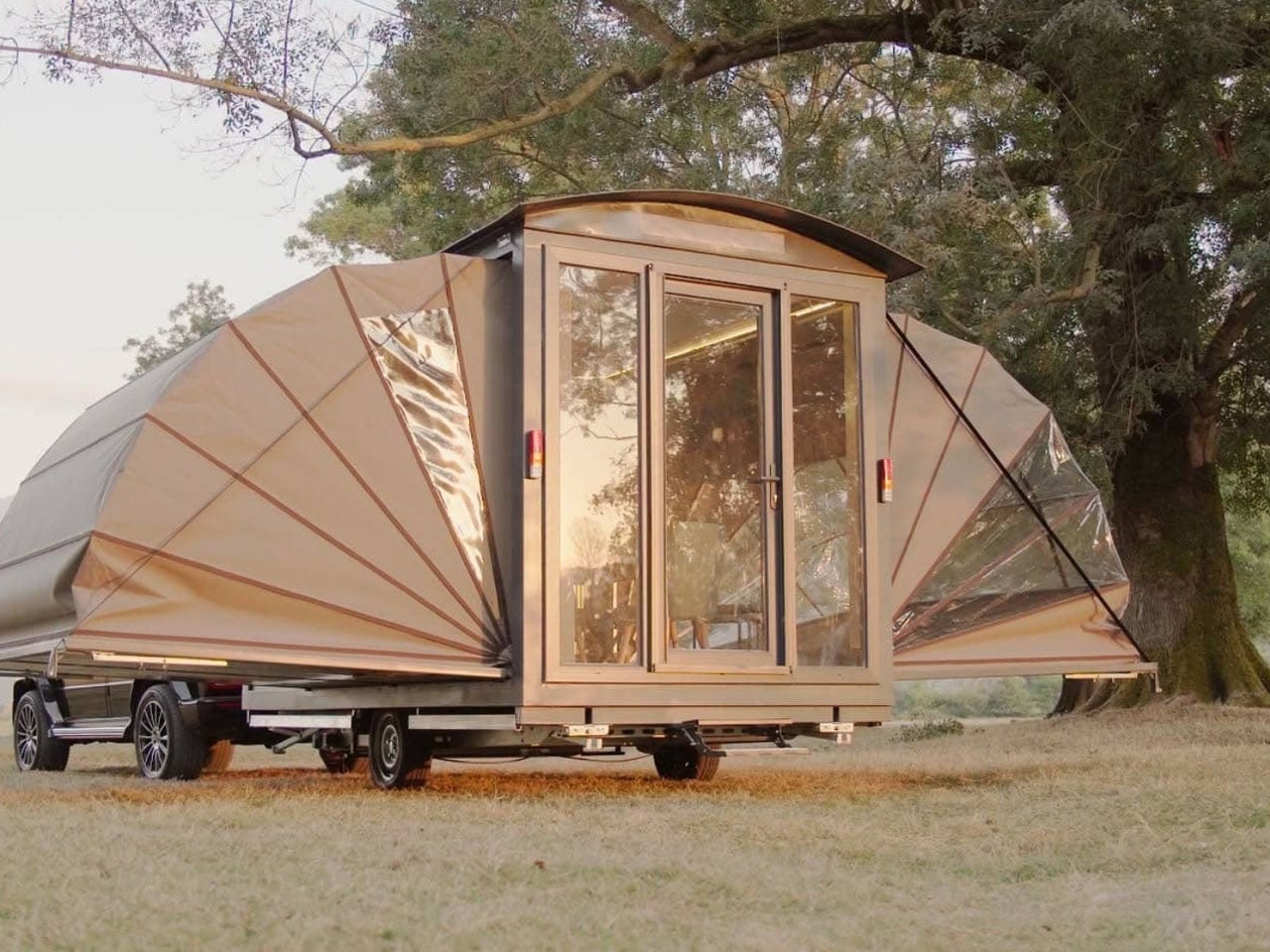
Big Freedom Tiny Homes has built a reputation for redefining what’s achievable within the compact and creative world of tiny living. Their newest model, recently completed and still unnamed, stands as a testament to the power of smart design. Measuring just 30 feet (9.14 meters) long, this tiny house manages to feel surprisingly spacious while remaining easy to tow. Built on a robust triple-axle trailer, the home is compact by North American standards yet far more generous than many European counterparts. This makes it a great fit for a small family looking for mobility and comfort without sacrificing style or functionality.

The exterior of the new tiny house is both attractive and durable. It’s finished in richly stained cedar siding, which gives a warm, rustic appearance, and is complemented by modern metal accents. The roof, also made of metal, adds to the home’s resilience against the elements while contributing to its clean, contemporary look. This careful blend of materials ensures the home is not only eye-catching but also built to last—whether parked in a forest clearing, by a lake, or in a suburban setting.

Designer: Big Freedom Tiny Homes

Entering through the glazed doorway, visitors step directly into the living room—a bright and welcoming space. Here, a large L-shaped sofa bed invites relaxation, providing enough seating for family movie nights or a comfortable spot for guests to sleep. A well-placed coffee table completes the setup, offering both functionality and style. The clever use of glazing and an open floor plan ensures the living area feels airy and inviting, rather than closed in, which is often a challenge with smaller homes.

At the heart of the home, the kitchen stands out for its practical design and surprising spaciousness. Unlike many tiny homes where the kitchen is squeezed into a corner, this one boasts full-sized amenities: a four-burner propane-powered stove, a proper oven, a fridge/freezer, and a sleek sink. Quartz countertops and extensive cabinetry provide ample storage and workspace, while a two-person breakfast bar serves as a convenient dining area or a flexible workspace. While the space isn’t intended for large dinner parties, it’s certainly equipped for everyday family meals and the occasional gathering of close friends.

The bathroom is thoughtfully located at the far end of the house, away from the main living area to maximize privacy. It’s equipped with a shower, a modern sink, and a flush toilet, ensuring all the comforts of a conventional home are present. Nearby, a stacked washer and dryer make laundry easy, a rare convenience in many tiny homes. This attention to daily living needs shows a commitment to making the home as livable as possible, even within a restricted footprint.

Sleeping arrangements are cleverly designed to make the most of vertical space. The secondary bedroom is a loft above the living room, accessed by a removable ladder, and is best suited for children or as extra storage. The master bedroom, larger and accessed by a staircase with built-in storage, sits above the bathroom. Both spaces have low ceilings typical of lofts, but the areas are efficiently organized. The master loft fits a double bed and offers additional storage, creating a cozy and private retreat. While the price of this specific model isn’t available, similar models from Big Freedom Tiny Homes start at $109,000. Based in Bellingham, Washington, the company continues to deliver innovative, comfortable, and stylish solutions for those seeking a smaller, more flexible lifestyle.

The post This Ingenious 30-Foot Tiny Home That Redefines Family Living In Compact Spaces first appeared on Yanko Design.
5 Architectural Designs That Redefined Our Expectations In 2025

Architecture has always been about solving problems, but the best designs do something more—they make us reimagine what’s possible. This year brought us structures that challenged architectural conventions, from a brilliant garden shed that conquered Britain to a groundbreaking skyscraper that’s rewriting Manhattan’s sustainable playbook. Each remarkable project represents thoughtful architectural design responding to real human needs with exceptional intelligence, creativity, and purposeful innovation that truly inspires us all today.

These five projects share remarkable qualities that prove great design isn’t about size or budget, but about understanding human needs deeply. Whether Robinson’s ingenious workshop flaps, Baluchon’s light-filled creativity, Foster’s sustainable innovation, Ando’s poetic restraint, or LH47’s community insight, each demonstrates that architecture’s greatest power lies in intelligent problem-solving. They transform ordinary activities into extraordinary experiences through thoughtful design that enhances rather than merely houses human life with meaningful, lasting purpose.

1. The Tiny Workshop – Robinson’s Space-Saving Masterpiece

Robinson’s tiny workshop earned Britain’s coveted Shed of the Year title through pure ingenuity. The structure features two transformative flaps that redefine functionality—one drops to create a work floor while another flips up for weather protection. Every surface serves multiple purposes, with custom 3D-printed brackets holding old spanner handles that provide both organization and visual cues about contents within.

The living green roof elevates this beyond typical garden storage, creating a wildlife habitat while housing essential tools. Robinson designed the space to serve triple duty as a toolshed, creative workspace, and storage solution for everything from garden necessities to children’s games. The careful planning of drawers, shelves, and hooks ensures every inch maximizes accessibility without sacrificing the workshop’s compact footprint.

What we like

  • Revolutionary dual-flap system maximizes functionality in minimal space.
  • A living green roof combines storage with environmental benefits.

What we dislike

  • Limited interior height may restrict certain workshop activities.
  • Weather dependence for outdoor work floor functionality.

2. Nouvelle Danse – Baluchon’s Sewing Studio Sanctuary

Baluchon’s latest masterpiece transforms tiny house living for creative professionals. Nouvelle Danse seamlessly integrates a dedicated sewing studio into a surprisingly spacious two-bedroom layout, proving specialized workspaces can thrive in compact dimensions. The French builder’s signature aesthetic mastery shines through high-contrast natural wood cladding against matte black insertions flowing across the roof, door, and window frames.

Natural light floods every corner through strategically placed windows, creating an atmosphere that feels expansive despite compact dimensions. The entrance commands attention with modern glass doors framed in striking black paneling, ensuring the home impresses whether positioned in tiny house communities or remote natural settings. Custom-built details throughout reflect Baluchon’s reputation as the industry’s most innovative craftsman.

What we like

  • Masterful integration of specialized workspace within compact living.
  • Exceptional natural light design prevents a cramped feeling.

What we dislike

  • High-end custom construction likely commands premium pricing.
  • Specialized sewing focus may limit appeal to a broader market.

3. 270 Park Avenue – NYC’s Sustainable Supertall Pioneer

Rising 1,388 feet above Midtown Manhattan, 270 Park Avenue establishes new benchmarks for sustainable skyscraper design. Foster + Partners created JPMorgan Chase’s 60-story headquarters as more than corporate space—it’s a vertical city designed for 10,000 employees with unprecedented environmental responsibility. The tower replaces the demolished Union Carbide Building with architecture that prioritizes collaboration, wellness, and flexible workspace solutions.

The building’s significance extends beyond its impressive height to its role as NYC’s first net-zero supertall skyscraper. Advanced sustainability systems integrate seamlessly with cutting-edge workplace design, creating environments that adapt to future workforce demands. The project demonstrates how corporate architecture can contribute positively to urban density while meeting ambitious environmental goals through innovative building technologies.

What we like

  • Groundbreaking net-zero achievement sets new industry standards.
  • Flexible workspace design accommodates evolving work patterns.

What we dislike

  • Massive scale may overwhelm the surrounding neighborhood context.
  • High-tech systems require ongoing maintenance and expertise.

4. Dubai Museum of Art – Ando’s Poetic Vision Above Water

Tadao Ando’s Dubai Museum of Art floats above the emirate’s natural saltwater creek like frozen fabric caught in gentle wind. The five-story structure curves and twists upward on a circular platform, its white walls punctuated by triangular windows that create dynamic shadows throughout the day. DUMA’s design draws inspiration from Dubai’s pearl-diving heritage while refusing to compete with the city’s glittering tower collection.

The museum’s distinctive silhouette speaks in whispers while the surrounding architecture shouts for attention. Ando’s mastery of concrete and light creates spaces that evoke emotion before understanding, transforming the traditional museum experience into something more intimate and contemplative. The raised platform extending over Dubai Creek connects the building to water in ways that honor the site’s historical significance.

What we like

  • Unique floating design creates a memorable architectural experience.
  • Thoughtful integration with Dubai’s maritime heritage.

What we dislike

  • A white exterior may require intensive maintenance in a harsh climate.
  • Limited ground-level connection could feel disconnected from the city.

5. Moldova Sports Hub – LH47’s Community-Centered Innovation

Architect Serghei Mirza and LH47 revolutionized children’s sports facilities by recognizing a simple truth—parents never arrive alone. The Moldova Sports Hub transforms typical waiting time into a valuable community connection through dedicated circulation routes for different user groups. Independent pathways allow kids, parents, coaches, and staff to move freely without interfering with each other’s activities.

Solar panels integrated into the design demonstrate environmental responsibility while reducing operational costs. The building’s genius lies in understanding the entire ecosystem surrounding children’s sports programs, creating spaces where parents can rest, connect with families, or stay active themselves. This approach transforms what could be dead waiting time into opportunities for community building and personal wellness.

What we like

  • Brilliant circulation design eliminates user conflicts and crowding.
  • Solar integration reduces environmental impact and operating costs.

What we dislike

  • A complex multi-user design may increase construction and maintenance costs.
  • Success depends heavily on active community programming and management.

The Future of Thoughtful Architecture

These five projects share a common thread—they solve real problems through creative thinking rather than brute force. Whether it’s Robinson’s ingenious flaps, Baluchon’s light-filled creativity, Foster’s sustainable innovation, Ando’s poetic restraint, or LH47’s community insight, each design demonstrates that architecture’s greatest power lies in understanding human needs and responding with intelligence and care.

The best architecture doesn’t just house activities—it enhances them. These projects prove that thoughtful design can transform the mundane into the extraordinary, whether that’s organizing tools in a garden shed or creating community around children’s sports. They remind us that great architecture isn’t about impressing other architects—it’s about making life better for the people who use these spaces every day.

The post 5 Architectural Designs That Redefined Our Expectations In 2025 first appeared on Yanko Design.
Rotterdam Strikes A High Note As Construction Begins On MVRDV’s Saxophone-Inspired Towers

Construction has officially commenced on one of Rotterdam’s most anticipated architectural projects: The Sax, a striking saxophone-inspired residential development that promises to transform the city’s waterfront skyline. Designed by Dutch architecture firm MVRDV, the project represents a bold fusion of musical metaphor and urban densification, bringing 916 apartments to Rotterdam’s prestigious Wilhelminapier district .

Designer: MVRDV

A Symphony in Steel and Glass

The Sax consists of two interconnected towers that truly live up to their musical namesake. The taller “Havana” tower soars 180 meters across 55 stories, while its companion “Philadelphia” reaches 82 meters with 26 floors. The towers are dramatically connected by a golden skybridge spanning six stories, creating what MVRDV describes as a “saxophone-like silhouette” that will serve as a beacon on Rotterdam’s evolving waterfront.

The building’s facade features a sophisticated pattern of bow windows and undulating balconies that become progressively more pronounced toward the top, creating dynamic light patterns that change throughout the day. As MVRDV founding partner Jacob van Rijs explains, “The varying angles will allow the light to fall differently on the metal facade, so the building will change colour with the time of day”.

Addressing Urban Housing Demands

Beyond its striking aesthetic, The Sax tackles Rotterdam’s pressing housing shortage through strategic densification. With 916 residential units, the project will make the Wilhelminapier “the most densely built-up area in the Netherlands,” according to van Rijs. Crucially, the development prioritizes affordability, with exactly half of its apartments—458 units—designated as affordable rental housing for middle-income Rotterdam residents.

The project exemplifies vertical community living, featuring shared amenities that encourage resident interaction. The golden skybridge houses communal spaces and a rooftop terrace where residents can gather, while the building’s base accommodates nearly 2,000 bicycle parking spaces, reflecting Dutch transportation culture.

Completing an Architectural Constellation

The Sax represents the final piece in the Wilhelminapier’s collection of iconic buildings, joining works by renowned architects including Álvaro Siza, Renzo Piano, Norman Foster, and Mecanoo. This architectural ensemble has established the pier as one of Europe’s most prestigious waterfront developments, and The Sax promises to serve as its crowning achievement. Developed by BPD and Synchroon in partnership with the City of Rotterdam, the project has been in development since MVRDV won the international architectural competition in 2017. The design process involved extensive collaboration with engineering firm ARUP to realize the complex structural requirements of the interconnected towers.

With preliminary construction work now underway, The Sax is expected to reach completion by 2030. Upon completion, it will offer not only residential spaces but also ground-floor retail, restaurants, sports facilities, and an automated underground parking garage, creating a truly mixed-use vertical neighborhood. The project stands as a testament to MVRDV’s innovative approach to high-density living, proving that densification need not sacrifice architectural ambition or community amenities. As Rotterdam continues its remarkable post-war urban transformation, The Sax promises to strike a high note in the city’s evolving symphony of modern architecture.

The post Rotterdam Strikes A High Note As Construction Begins On MVRDV’s Saxophone-Inspired Towers first appeared on Yanko Design.
Top 5 Complex LEGO Sets For Advanced Builders In 2025

The landscape of premium LEGO construction has evolved far beyond childhood nostalgia into sophisticated engineering challenges that demand patience, precision, and genuine building expertise. Today’s most complex sets push the boundaries of what brick-based construction can achieve, incorporating intricate mechanical systems, massive piece counts, and revolutionary design techniques that transform static displays into interactive experiences.

These builds represent months of dedication, combining traditional construction skills with modern engineering concepts. Each set on this list exceeds 2,000 pieces and requires an advanced understanding of structural integrity, gear systems, or complex assembly sequences. They’re designed for builders who view LEGO not as toys but as sophisticated construction systems capable of replicating real-world mechanical marvels and architectural achievements.

1. LEGO Icons Tropical Aquarium

The Icons Tropical Aquarium represents LEGO’s bold move into kinetic sculpture territory, transforming 4,154 pieces into a living mechanical ecosystem. Unlike traditional display sets that remain frozen in time, this aquarium breathes with movement through carefully engineered dial and crank systems that animate marine life. The November 13 release at $479.99 positions this as LEGO’s most ambitious attempt at merging engineering precision with artistic expression.

What sets this aquarium apart isn’t just its impressive piece count but its arrangement flexibility that transforms builders into underwater curators. Four model fish move through varied coral structures alongside animated seaworms, while an oyster shell reveals a hidden pearl through mechanical action. Every placement decision affects visual balance and movement patterns, requiring builders to think beyond simple assembly into spatial composition and kinetic choreography.

What we like

  • Revolutionary kinetic movement system brings static display to life.
  • Arrangement flexibility allows for personalized underwater compositions.

What we dislike

  • High price point may limit accessibility for casual builders.
  • Mechanical complexity requires ongoing maintenance for optimal movement.

2. LEGO Sun Earth Moon Orrery

Marian’s stunning 2,303-piece Sun Earth Moon Orrery elevates LEGO construction into the realm of precision scientific instrumentation. This kinetic marvel doesn’t simply replicate planetary movement but accounts for Earth’s axial tilt, tracks lunar phases, and demonstrates both solar and lunar eclipses with astronomical accuracy. The 70 Technic gears create a mechanical symphony that transforms abstract cosmic concepts into tangible, hands-on learning experiences.

The orrery’s ornate design philosophy mirrors Da Vinci’s mechanical aesthetics while delivering modern engineering precision. The 10.6-inch twelve-faced base celebrates the calendar year, expanding to 20.9 inches when accounting for the moving celestial bodies. Manual hand-crank operation offers meditative building rhythm, while optional RC motor integration provides automated cosmic ballet that runs continuously for educational display purposes.

What we like

  • Astronomically accurate planetary movements provide genuine educational value.
  • Dual control options (manual/motorized) offer versatile display possibilities.

What we dislike

  • The complex gear system requires precise calibration for smooth operation.
  • Large footprint demands significant display space for proper appreciation.

3. LEGO James Webb Space Telescope Replica

The LEGO James Webb Space Telescope replica tackles one of modern engineering’s most complex achievements through brick-based construction that mirrors the actual satellite’s intricate folding mechanisms. This build captures the telescope’s launch-critical ability to fold into a compact configuration before unfolding in space, requiring builders to understand both structural engineering and the precise mechanical sequences that made the real JWST mission possible.

Every major subsystem finds representation in this meticulous replica, from the eighteen iconic hexagonal mirrors that form the light-gathering array to the layered sun shield that protects sensitive instruments. The secondary hinged mirror, science instruments, propulsion systems, and communications arrays all function through LEGO’s mechanical systems, creating an interactive educational experience that illuminates the genuine complexity behind space exploration’s latest triumph.

What we like

  • An authentic folding mechanism provides hands-on understanding of complex engineering.
  • Comprehensive subsystem representation offers deep educational insight into space technology.

What we dislike

  • Extreme complexity may overwhelm builders without a technical background.
  • Delicate folding mechanisms require careful handling to prevent damage.

4. Life-Size LEGO Formula 1 Steering Wheel

Vince_GT’s life-size Formula 1 steering wheel replica demonstrates how LEGO construction can perfectly capture the absurd complexity of modern racing technology. Real F1 wheels feature 9-12 rotary dials and over 12 buttons controlling everything from brake bias to differential settings, all packed into a rectangular profile that allows drivers clear sight lines over the wheel’s top edge.

This LEGO interpretation nails those authentic proportions within the 260-300mm diameter range used by Mercedes and Red Bull teams. Transparent dark teal accent pieces on the outer grips provide visual distinction, while the central display panel features customizable designs centered around a prominent “N” logo. The rectangular profile challenges traditional wheel construction assumptions, requiring advanced building techniques to achieve proper ergonomics and visual balance.

What we like

  • Life-size proportions create an authentic racing simulation experience.
  • Customizable display panel allows for personalized racing team branding.

What we dislike

  • Complex button and dial integration may lack full functional capability.
  • Specialized racing context limits appeal to a broader audience.

5. LEGO Titanic

The LEGO Titanic stands as a monument to both historical tragedy and construction ambition, stretching 54 inches from bow to stern with 9,090 precisely engineered pieces ᅟᅟ. This 1:200 scale recreation required LEGO’s designers to solve unprecedented challenges in structural integrity and historical accuracy, creating the longest LEGO set ever produced while maintaining the authentic proportions that made the original ship both magnificent and ultimately vulnerable.

Beyond mere scale, this set demonstrates advanced construction techniques through its multi-section assembly approach that mirrors actual shipbuilding methods ᅟᅟ. The detailed interior spaces include the ship’s bridge, promenade deck, and swimming pool, while working propellers and mechanical details bring maritime engineering to life ᅟᅟ. The building experience itself becomes a 25-hour journey through maritime history, requiring builders to understand both the ship’s grandeur and the engineering compromises that led to its tragic fate.

What we like

  • Record-breaking length creates an impressive display piece with historical significance.
  • Multi-section construction teaches authentic shipbuilding assembly techniques.

What we dislike

  • Massive size requires dedicated display space and careful structural support.
  • High piece count and lengthy build time may overwhelm casual builders.

The Evolution of Complex LEGO Construction

These five sets represent the cutting edge of what LEGO construction can achieve when freed from traditional toy constraints. Each pushes different boundaries: kinetic movement, scientific accuracy, space technology replication, motorsport simulation, and historical recreation. They demand not just building skills but a genuine understanding of the real-world systems they represent. Their complexity reflects LEGO’s recognition that adult builders seek challenges engaging both hands and minds.

What makes these builds truly advanced isn’t just their piece counts or assembly time but their ability to teach genuine skills. The Aquarium’s kinetic systems introduce mechanical engineering concepts while the Orrery provides hands-on astronomy education. These sets offer immersive educational experiences that transform abstract concepts into tangible understanding, creating conversation-sparking displays that demonstrate remarkable sophistication within LEGO’s seemingly simple building system.

The post Top 5 Complex LEGO Sets For Advanced Builders In 2025 first appeared on Yanko Design.

This Budget Swiss Villa Looks Like It Costs Millions

In Geneva’s exclusive Zone 5 district, where pristine villas typically command premium budgets, Lacroix Chessex Architectes has achieved something remarkable: a stunning concrete residence that embraces bold brutalist aesthetics while working within strict financial constraints. The newly completed villa in Pregny-Chambésy challenges preconceptions about both budget architecture and the warmth potential of raw concrete.

Geneva’s Zone 5 regulations presented the architects with a complex puzzle. Distance requirements from property boundaries, strict limits on built square meters as a percentage of plot area, and environmental mandates governing everything from permeable surfaces to solar panel quotas could have stifled creativity. Instead, the team found freedom within these parameters.

Designer: Lacroix Chessex

“In terms of the proposed architecture, we had quite a lot of freedom,” explains practice partner Virginie Fürst. “It was not complicated to propose this type of architecture for the permission.” This freedom manifested in a neo-brutalist exterior where vertical shuttering marks create dramatic texture across the facade, paired with polished concrete floors and exposed interior walls that maintain visual continuity between inside and outside.

The economic constraint became the design’s greatest strength. Rather than viewing the tight budget as a limitation, the architects embraced raw concrete construction paired with interior insulation as an “unbeatable” combination. Their innovative approach involved pouring solid concrete walls without window openings, then creating floor-to-ceiling gaps for doors and windows between structural elements. This method eliminated costly structural complications while achieving dramatic visual impact.
Perhaps the villa’s most ingenious feature lies in its “fragmentation of cascading volumes.” The ground floor features numerous step-backs and angled elements that create an illusion of expansiveness far beyond the actual square footage. Long axial views contrast beautifully with diagonal sightlines between angled walls, niches, and full-length windows. The architects carefully avoided large spans that would require expensive structural solutions, yet never compromised the sense of openness.

The interior layout flows seamlessly from the entrance hall through the kitchen and dining areas to the living room, while private spaces like the study and bathroom occupy more intimate corners of the idiosyncratic floor plan. Stone edging adds material warmth and textural contrast to the concrete surfaces, preventing the interior from feeling cold or institutional.

Practical considerations shaped the program thoughtfully. A self-contained one-bedroom flat provides independent living space for an older relative, while the traditional Swiss basement houses storage alongside a media and games room. These functional elements integrate seamlessly into the overall design narrative. The villa demonstrates that architectural sophistication doesn’t require unlimited budgets.

By embracing material honesty and working creatively within regulatory frameworks, Lacroix Chessex Architectes has created a residence that feels both contemporary and timeless. The exposed concrete surfaces, rather than appearing harsh, develop character through natural light and shadow play across the textured surfaces. This Geneva villa proves that constraints often breed the most innovative solutions. When budget limitations meet thoughtful design, the result can be architecture that’s both economically sensible and aesthetically compelling, challenging assumptions about what makes a luxury home.

The post This Budget Swiss Villa Looks Like It Costs Millions first appeared on Yanko Design.