A Product Designer Is Revolutionizing Popping Pills Into Chewing Gums For Better Absorption Of Medication

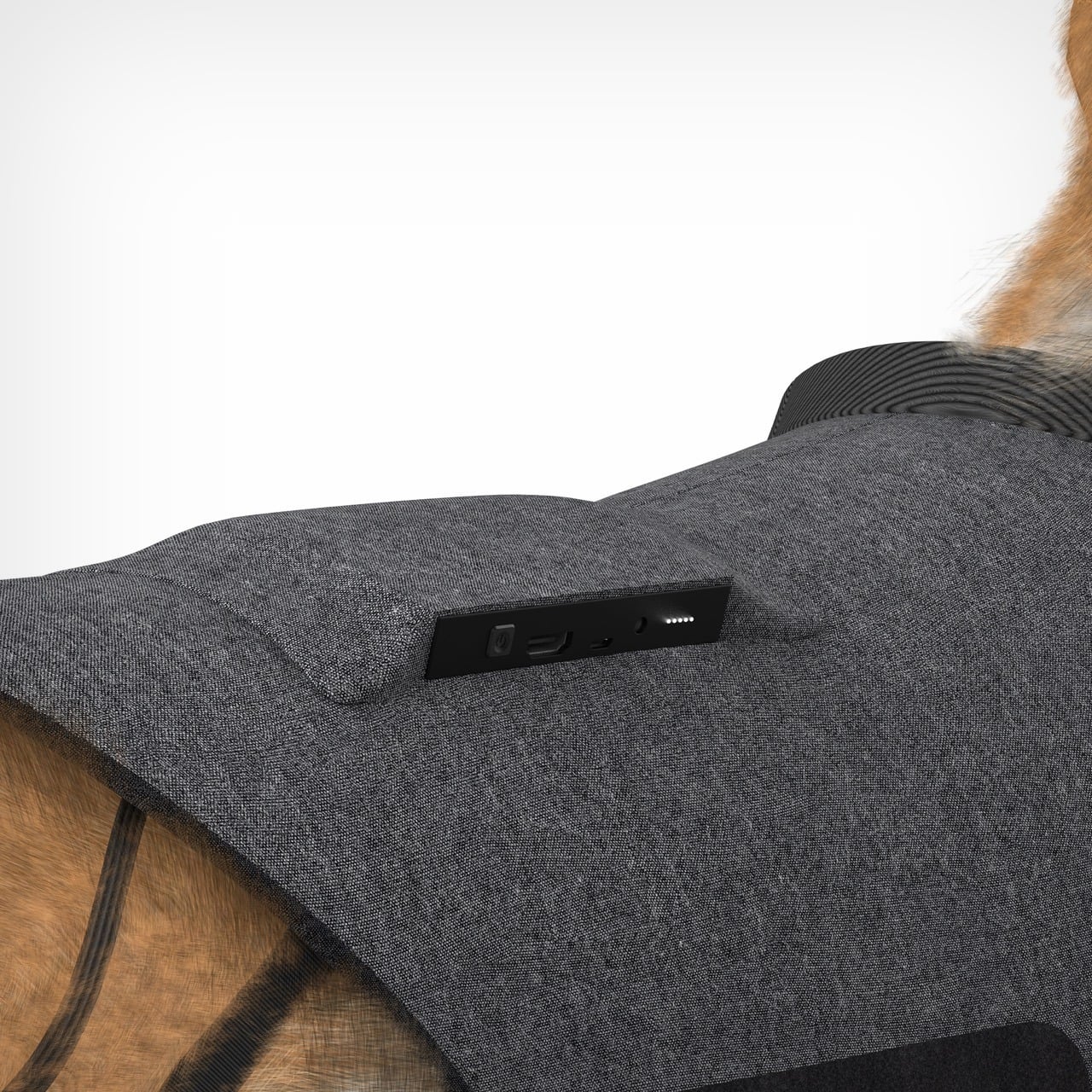
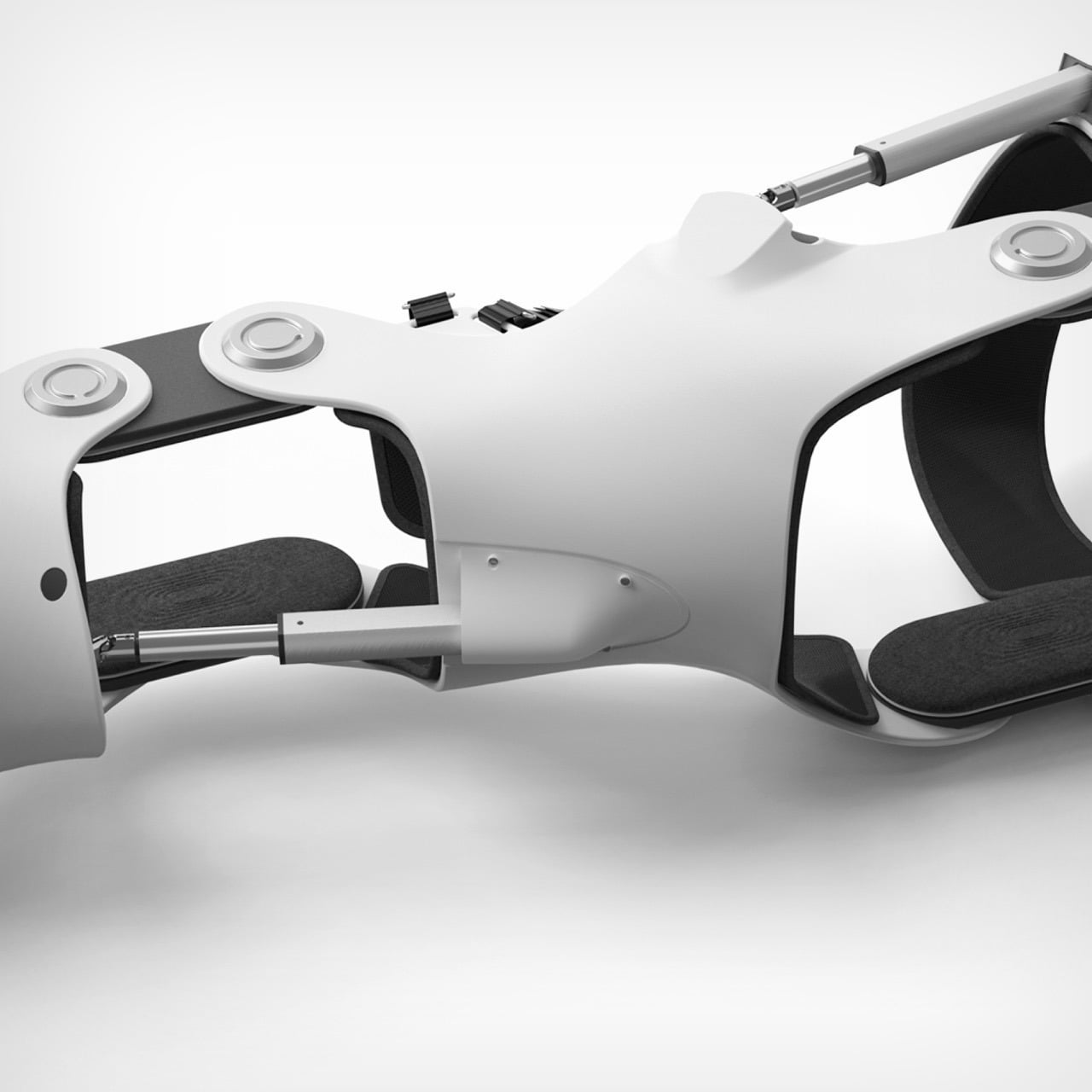
Chiara Torterolo, a Master’s student in Product Design at ECAL, has developed an innovative concept called MedGum, which offers a revolutionary approach to medication delivery. Unlike typical student projects in the medical products subspecialty, Torterolo’s work targets the form of the medication itself, proposing a novel solution through chewing gum.

Designer: Chiara Torterolo

Scientists and medical researchers have long recognized chewing gums as a highly effective alternative to conventional drug administration methods like pills, tablets, and capsules. The MedGum project leverages this potential, integrating food production, medical research, and design to create a range of functional gums with additional health benefits. Chewing gum, as a medium for drug delivery, offers several advantages over traditional methods, including ease of use, improved patient compliance, and potentially faster absorption of active ingredients.

MedGum is meticulously designed to enhance the effectiveness of medication. The structure of the gum is tailored to improve the speed and dynamics of active ingredient absorption. By carefully designing the gum’s composition and structure, the MedGum project aims to optimize the release and absorption of medication, ensuring that it works more efficiently compared to traditional forms. This design innovation is particularly significant for medications that require rapid onset of action, as the chewing process can facilitate quicker absorption through the oral mucosa.

This is not a one-size-fits-all solution. It is specifically tailored to address various medical conditions such as stomach disorders, allergies, migraines, and oral injuries. Each type of MedGum is developed with a unique formulation to cater to these specific health needs. For instance, a MedGum designed for stomach disorders might contain active ingredients that soothe and heal the stomach lining, while a formulation for migraines could include rapid-acting pain relievers. This targeted approach ensures that patients receive the most appropriate treatment for their condition, enhancing the overall effectiveness of the medication.

One of the standout features of MedGum is its discreet and convenient nature. The new packaging design ensures that patients can take their medication without drawing attention. This aspect is particularly beneficial for individuals who may feel self-conscious about taking traditional medication in public settings. MedGum offers a level of privacy and convenience that is unmatched by conventional drug delivery methods, making it easier for patients to adhere to their medication regimen.

The post A Product Designer Is Revolutionizing Popping Pills Into Chewing Gums For Better Absorption Of Medication first appeared on Yanko Design.
Innovative And Sustainable Tiny Homes Transforming Flood-Prone Communities In Bangladesh

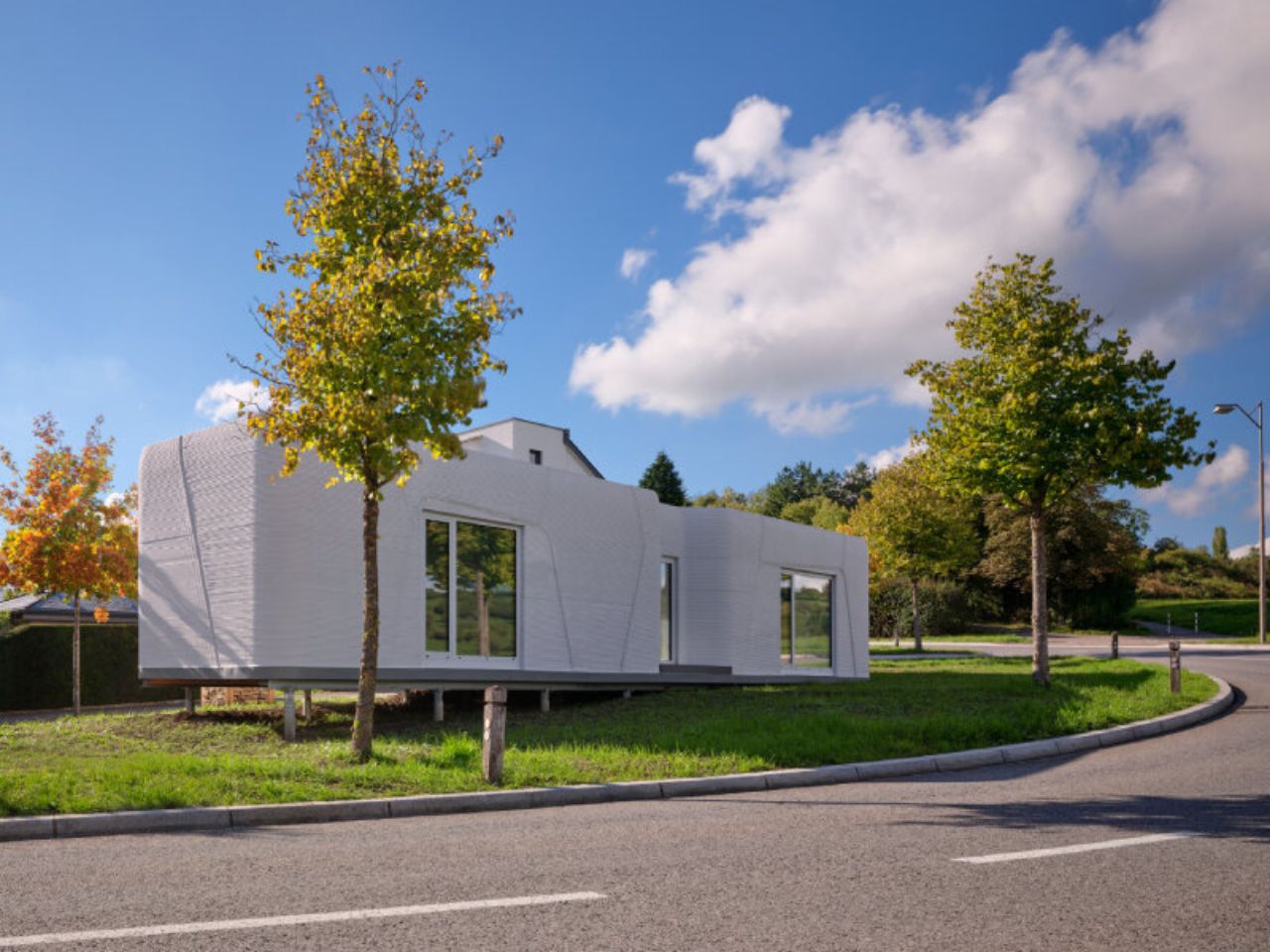
Bangladesh, a country where up to 80% of the land is classified as floodplain, faces significant challenges with flooding, impacting its population of around 170 million. In response to this critical issue, Bangladeshi architect Marina Tabassum, in collaboration with engineers AKT II, has created the Khudi Bari—a simple, low-cost, and highly functional tiny house designed to offer a safe and affordable home adaptable to the country’s challenging conditions.

Designer: Marina Tabassum and AKT II

The Khudi Bari, meaning “small house” in Bengali, stands out for its innovative and practical design. Raised above the ground and accessed via a ladder, this tiny house is not built on wheels but is designed to be easily assembled, dismantled, and relocated without the need for specialist tools. This feature is particularly crucial for Bangladeshi residents who need to quickly move to higher ground to escape encroaching floodwaters.

The construction of this house prioritizes sustainability and local resource utilization. The primary building material is bamboo, complemented by prefabricated recycled aluminum nodes that allow for easy assembly. The walls and roof can be sourced locally and crafted from materials such as polycarbonate and metal. This approach not only reduces costs but also supports local economies.

The interior of the Khudi Bari ranges from 64 sq ft (5.95 sq m) to 144 sq ft (13.4 sq m), consisting of a single, versatile room. This space can be adapted to meet the needs of its occupants, with the area beneath the raised house available for additional living space if necessary. Despite its simplicity, the Khudi Bari provides a dignified living environment for those in need.

The Khudi Bari is not just a conceptual design, it has been put into real-world use. Over 100 units have already been deployed throughout Bangladesh, significantly improving the living conditions for vulnerable populations. The project has been carried out in collaboration with relief organizations and community groups, demonstrating a successful model of community-driven, sustainable architecture.

One of the units is currently showcased at the Vitra Campus in Germany, an exhibition space run by the renowned furniture maker Vitra, known for featuring exceptional architectural designs. This international exposure highlights the global relevance and innovative nature of the Khudi Bari project.

While the exact cost of each unit is not specified, initial prototypes were produced for around £300 (approximately US$380). Efforts are ongoing to further reduce this cost, making the Khudi Bari even more accessible to those in need. This initiative is part of a broader trend in architecture aimed at addressing the impacts of climate change, with similar projects like the Floating Bamboo House and Blooming Bamboo House also contributing to sustainable and resilient housing solutions.

The post Innovative And Sustainable Tiny Homes Transforming Flood-Prone Communities In Bangladesh first appeared on Yanko Design.

Heineken Bottles get transformed into Recycled Glassware and Lampshades

Heineken is taking a bold step towards sustainability with its latest initiative, Waste-to-Wear, coinciding with the launch of returnable bottles in South Africa. This innovative project transforms single-use bottles into stylish homeware and wearable pieces, marking a significant move in the company’s commitment to reducing waste.

Designer: Sonic State and Heineken

The Heineken bottles are usually made of glass, a versatile and long-lasting material. Glass can be easily cleaned and reused, making it an unfortunate choice as a one-time disposable item. This inherent durability and adaptability of glass allow it to be molded and designed into a variety of household items and even wearables, showcasing its potential beyond single use.

The Waste-to-Wear collection is an extension of Heineken South Africa’s Fields Green With Grass, Not Glass initiative. This project aims to tackle two critical issues: reducing environmental impact and enhancing urban aesthetics. By repurposing broken glass “hotspots,” the initiative not only beautifies urban areas but also addresses the ecological consequences of discarded glass bottles.

In collaboration with the creative agency Sonic State, Heineken has repurposed bottles collected from these hotspots into a range of stunning items. These include 3,000 rings, 3,000 medallions, and a unique collection of homeware, such as dinner sets and a hops-inspired pendant light. Each piece reflects thoughtful design and environmental consciousness, demonstrating how waste can be transformed into something beautiful and functional.

This initiative is part of a broader focus on sustainability and community development. It includes the introduction of new returnable bottles and the Green Zones Project, which converts broken glass hotspots into green spaces. The first phase of this project has established five green zones in Cape Town, Johannesburg, Pretoria, and Durban, covering over 5,000 square meters. These zones feature indigenous plants and grasses, food gardens, and creative art installations, transforming urban spaces into vibrant, eco-friendly areas.

This project has also brought recognition to Sonic State, which won Bronze at the New York Festivals Ad Awards 2024 for this innovative initiative. This accolade highlights the vision and collaboration between Heineken South Africa, Sonic State, and other industry partners such as Swain Swagger, Bhavna Mistry, and Juaan Ferreira.

The success of the ‘Fields Green With Grass, Not Glass’ campaign and the ‘Waste-to-Wear’ project underscores the impact of creative design in addressing environmental issues. Sonic State’s collaboration with Chas Prettejohn and Ngwenya Glass in Eswatini further demonstrates the power of craftsmanship in transforming waste into art and utility.

The New York Festivals Ad Awards recognition is a testament to the hard work and dedication of everyone involved in the Waste-to-Wear project. It underscores the significant impact of innovative design on our environment and communities. Sonic State’s commitment to pushing the boundaries of creative design and sustainability sets a high standard for future endeavors, showcasing what can be achieved through vision, collaboration, and a passion for making a difference.

The importance of large organizations like Heineken adopting sustainable practices cannot be overstated. Such initiatives not only address environmental concerns but also raise awareness among a broader audience. Global warming and environmental degradation are often taken lightly by many. However, when a beloved brand like Heineken takes visible and impactful steps towards sustainability, it ignites conversations and fosters a genuine understanding of the issue. The unexpected nature of Heineken-branded wearables and homeware pieces grabs attention and makes a lasting impression, far more than a written declaration of sustainable practices ever could.

The post Heineken Bottles get transformed into Recycled Glassware and Lampshades first appeared on Yanko Design.
The Ambient Machine is a quirky speaker that lets you fill the silence of your home with calming sounds

Imagine replacing the mundane sounds of daily life with a symphony of soothing ambient music. Sound artist Yuri Suzuki, in collaboration with acclaimed musician Cornelius (Keigo Oyamada), has made this possible with The Ambient Machine – Cornelius Edition, a groundbreaking creation for Japanese furniture label E&Y. This innovative device is designed to enrich home environments through the power of customizable ambient music, offering users a unique way to transform everyday noise into calming sonic landscapes.

Designer: Cornelius and Yuri Suzuki

The Ambient Machine – Cornelius Edition takes Suzuki’s original design and enhances it with eight unique sound sources crafted by Cornelius. From delicate sine waves to dynamic electronic sounds, this device transforms everyday noises into a rich auditory tapestry. Its vibrant orange hue symbolizes its dual role as both a functional device and a musical instrument, capturing the essence of creativity and warmth. This thoughtful design choice highlights its ability to blend seamlessly into any home while adding a touch of artistic flair.

Since 2020, the global shift towards spending more time indoors has heightened our awareness of the various sounds that fill our living spaces. Recognizing this, Suzuki’s creation provides a much-needed auditory escape. It replaces intrusive noises with customizable ambient music, offering a serene atmosphere tailored to personal preferences. The device features four adjustable functions—play/stop, volume up/down, reverb on/off, and BPM fast/slow—tailored for each of its eight sound sources. These include acoustic instruments and expansive soundscapes, ensuring a diverse range of auditory experiences.

This edition offers a virtually limitless array of musical compositions. Its tactile and intuitive interface encourages users to experiment and personalize their soundscapes, making the act of listening a dynamic and engaging experience. This hands-on approach transforms your environment, allowing you to curate soundscapes that suit your mood and preferences. By engaging with the device’s controls, users can explore an endless variety of sound combinations, fostering creativity and mindfulness.

The machine enriches Suzuki’s original design with Cornelius’s distinctive sound sources, offering a versatile solution for enhancing home environments. By replacing everyday noises with customizable ambient music, users can transform their auditory surroundings, making time spent indoors more pleasant and immersive. Whether used as a background ambiance during work or as a focal point for relaxation, this device seamlessly integrates into daily life.

The post The Ambient Machine is a quirky speaker that lets you fill the silence of your home with calming sounds first appeared on Yanko Design.
How Switching From A Grid To A Dome Model Helps City Planning For A Sustainable Future

Biotech City is a groundbreaking concept in urban design that seeks to address today’s pressing environmental challenges through innovation and sustainability. This proposed domed city builds upon the legacy of bio-dome habitats, where systems are designed to be entirely self-sustaining. Biotech City offers an imaginative glimpse into the future of urban living, merging advanced technology with ecological harmony to create a resilient and green urban environment. This ambitious project represents more than just a city; it is a revolutionary plan for sustainable urban living in the 21st century.

Designer: ON-A

In contrast to traditional urban design, this city starts with a circular form, offering exceptional flexibility and freedom from conventional constraints. This unique approach allows the city to grow in multiple directions, creating a dynamic and adaptable urban landscape. The design evolution from a simple circle to a complex, protective dome reflects a careful and innovative planning process. The dome, inspired by nature’s protective forms, creates a unique atmosphere inside, blending architecture and engineering into a cohesive and functional whole.

The introduction of a hexagonal and pentagonal grid, based on Voronoi patterns, seamlessly connects infrastructure and green spaces. This design promotes a human-scale environment, enhancing the quality of life for residents. The dome’s structure goes beyond being a mere roof; it becomes a multifunctional building that blurs the lines between architecture and engineering, fostering a sustainable and harmonious urban ecosystem.

Biotech City is meticulously designed to adapt to extreme climates. Its form is tailored to the specific environmental data of each location, ensuring optimal resilience. In temperate zones, the city adopts open configurations to benefit from natural ventilation, while in arid regions, it uses opaque structures to shield against solar heat. This adaptability redefines urban resilience, demonstrating a perfect blend of sustainability and innovative design suitable for diverse environmental settings.

The self-sustaining dome design features hexagon-shaped roof panels that integrate solar technology, providing clean energy to the entire system. The dome at Biotech City rises majestically, merging architecture, engineering, and biotechnology into a single entity. This iconic structure is the heart of the city, symbolizing the successful collaboration between diverse disciplines.

The city seamlessly integrates nature with the urban environment. Lush vegetation, interactive landscapes, and living elements coexist in perfect symbiosis, creating an urban living experience that fosters a deep connection with the natural world. This innovative approach not only beautifies the city but also leverages biotechnology for a deeper coexistence with nature. Embedded biotechnology systems enhance air quality and overall well-being, creating an environment where residents thrive in harmony with their surroundings.

Biotech City’s ambitious vision for sustainability is made possible through collaboration with BIOO, a leading biotechnology company. Together, they redefine the boundaries of sustainability and energy efficiency in urban design. By harnessing plant photosynthesis and microbial fuel cells, it integrates with nature and generates energy sustainably. This partnership exemplifies a strong commitment to merging architecture and green technology to forge a brighter, greener future.

This city stands as a testament to human ingenuity and the potential for a sustainable future. This self-sufficient, climate-adaptable oasis harnesses the power of design, engineering, and biotechnology beneath its vast dome. As an inspirational model for urban living, Biotech City not only addresses current environmental challenges but also sets a new standard for urban development. Here, modern amenities and environmental stewardship go hand in hand, offering a visionary blueprint for how cities can thrive in the 21st century.

The post How Switching From A Grid To A Dome Model Helps City Planning For A Sustainable Future first appeared on Yanko Design.
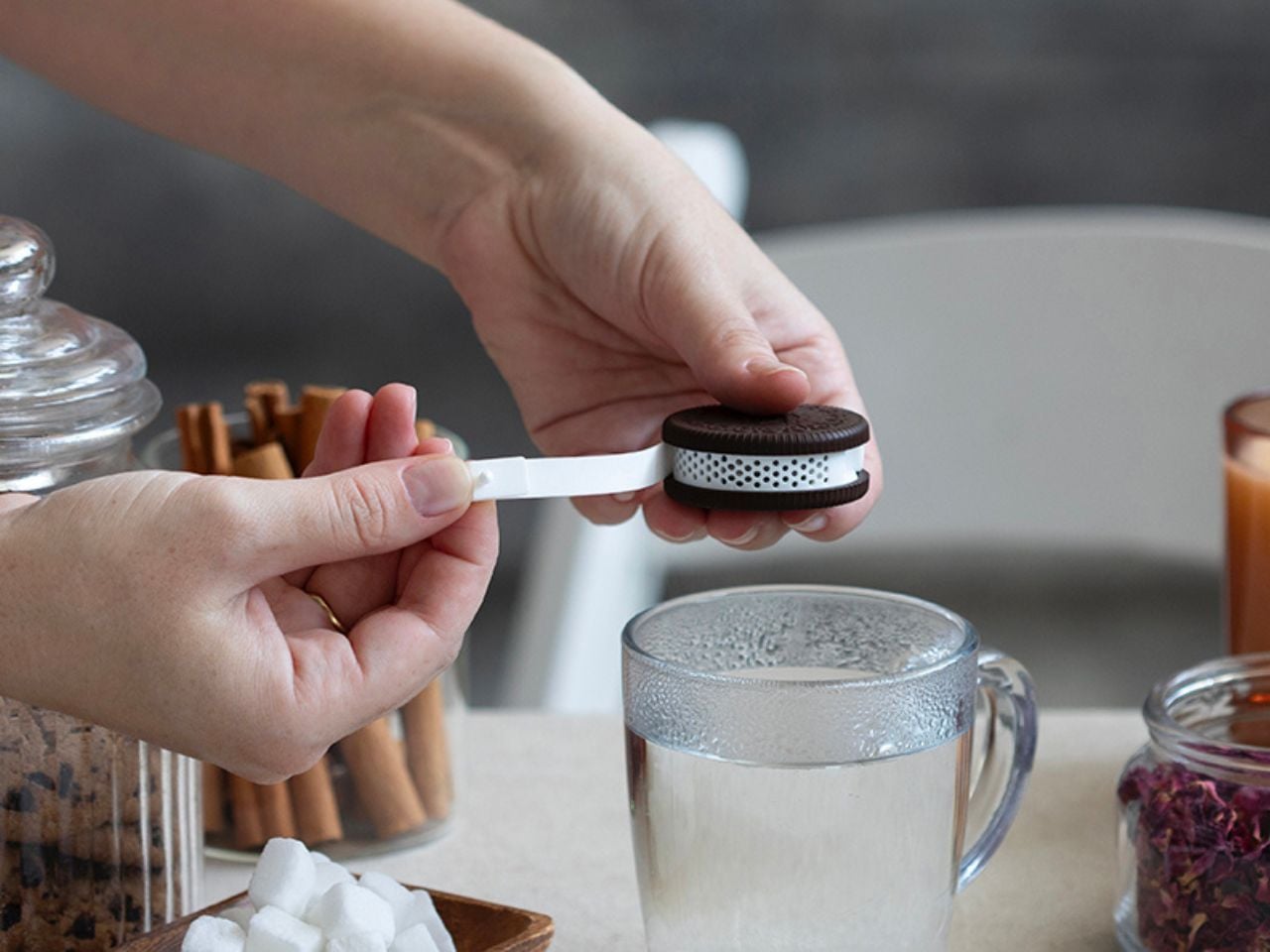
Flower-shaped Air Purifier adds a touch of abstract nature style while cleansing home air

Blom is a refreshing and innovative approach to air purification. It is a wall and stand air purifier, that transforms the mundane function of air purification into an aesthetically pleasing experience. Inspired by the elegance of a flower, Blom not only enhances air quality but also elevates the visual appeal of any interior space, truly living up to its name derived from “bloom.”

Designer: Hyunjae Noh and Designer dot

The beauty of Blom lies in its organic shape that mimics the natural form of a flower. This design choice is both symbolic and functional, reflecting the purifier’s mission to blend seamlessly with nature. Plants, often regarded as natural air purifiers, serve as a fitting inspiration. While plants contribute to cleaner air by producing oxygen and filtering out certain pollutants, Blom takes this concept a step further by incorporating advanced air purification technology within a floral form.

Blom is an air purifier and an interior object that enhances the ambiance of your living space. Traditional air purifiers often occupy space and can be an eyesore when not in use. Blom, with its flower-inspired design, offers a new experience by adding visual pleasure even when it’s off. Whether mounted on a wall or placed on a stand, it can be customized to suit any room, turning a functional appliance into a piece of art.

Flexibility is at the heart of Blom’s design. Available in four colors, it can be wall-mounted or stand-alone, allowing users to integrate it seamlessly into their homes. An integrated handle adds to its portability, making it easy to move from one room to another. Whether you need fresh air in your office, during a workout session, or in any other part of your home, it adapts to your needs without requiring multiple units.

The purifier is equipped with a state-of-the-art HEPA filter that purifies air efficiently. Air enters through the rear intake, passes through the HEPA filter, and is released through the front outlet, ensuring a continuous flow of clean air. The intuitive design includes a remote control that magnetically attaches to the center of the unit, ensuring it is always within reach and never misplaced.

The integration of smart technology further enhances Blom’s functionality. Users can register their Blom air purifier through a QR code located on the back of the unit and operate it via a dedicated application. The neumorphism-style user interface provides a modern and user-friendly experience, giving users complete control over their air quality.

The air purifier also serves as a digital clock, adding to its utility and charm. When wall-mounted, it functions as a stylish timepiece that also purifies the air, making it a multifunctional addition to any room. This dual functionality ensures that Blom is not just an appliance but a valuable and constant part of your living space.

The post Flower-shaped Air Purifier adds a touch of abstract nature style while cleansing home air first appeared on Yanko Design.
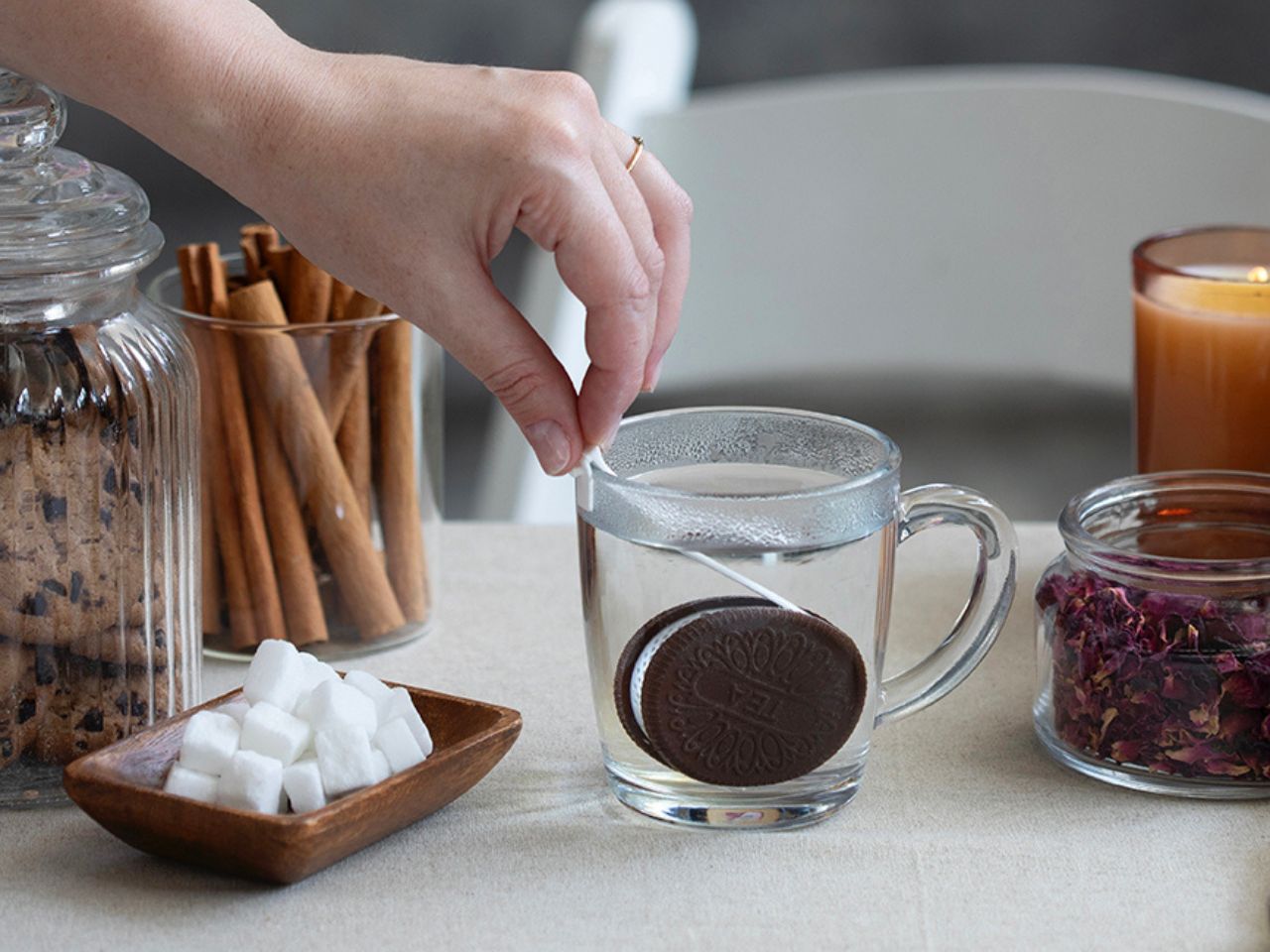
Airiva: Modular Rotary Turbine Walls Revolutionize Urban Wind Energy

Since introducing the concept for an energy-generating wall in 2021, designer Joe Doucet has been tirelessly working to turn this innovative idea into reality. Now, with the launch of Airiva, a modular rotary wind turbine wall designed for urban installations, this vision is closer than ever to being realized. Airiva promises to revolutionize how cities and infrastructures harness wind energy, bringing sustainable power generation directly to the places where people live and work.

Designer: Joe Daucet

Wind energy has been instrumental in reducing global dependence on fossil fuels. However, the adoption of wind turbines for residential and commercial use has been slow, largely due to their intrusive designs. Airiva addresses this challenge by combining functionality with aesthetic appeal.

The wind turbine wall is composed of multiple rotary blades that spin independently, driving a generator to produce clean, renewable electricity. This modular and scalable solution is tailored for urban and suburban environments, allowing it to augment or coexist with other power generation methods. The electricity generated can be used on-site, stored, or fed back into the grid. The system is not only efficient but also quiet and safe, making it suitable for a wide range of environments. Potential installation sites include municipal and public facilities, commercial buildings, transportation networks, and coastal areas, among others.

Airiva places a strong emphasis on sustainability. The manufacturing process aims to use at least 80% post-consumer and recycled materials, aligning with circular economy principles and minimizing environmental impact. This commitment to sustainability is a fundamental aspect of Airiva’s design and manufacturing strategy.

One of Airiva’s key strengths is its flexibility. The system’s modular design allows it to be easily transported and scaled to meet specific site requirements. Multiple units can be networked together, creating a flexible, clean energy system that can adapt to various use cases. Additionally, Airiva is designed to complement other distributed energy technologies, providing a versatile alternative that can enhance existing installations.

Airiva’s smart technology enables remote monitoring of system and site information, offering visibility and control over geographically dispersed installations. Each unit consists of two segments, each measuring 2100mm in length and height and 1050mm in depth, along with an end hub unit for controls, communications, and power management. This design facilitates global transport and distribution, ensuring that the system can be deployed wherever it is needed.

The initial idea in 2021 envisioned a wall of 25 vertical-axis turbines with a total peak power output of 10 kilowatts. While the intermittent nature of wind means that actual energy production can vary, the refined Airiva system is expected to produce approximately 2,200 kWh annually per unit. While this may not cover the entire energy needs of an average home, it can significantly reduce energy bills. Larger installations, such as those on commercial campuses or transportation hubs, can harness more power, demonstrating the system’s scalability.

Currently in the prototyping stage, Airiva plans to begin customer pilots in the latter half of this year, with orders expected to open in 2025. Although specific figures have yet to be disclosed, Airiva’s targeted Levelized Cost of Energy (LCOE) aims to be competitive both domestically and internationally against other small-scale distributed energy resources. Upcoming pilots will be crucial in validating these claims and demonstrating the system’s effectiveness in real-world conditions.

The post Airiva: Modular Rotary Turbine Walls Revolutionize Urban Wind Energy first appeared on Yanko Design.

The TATAMI ReFAB PROJECT Is A Product Of Fusing Japanese Traditions With 3D-Printed Sustainability

At the prestigious Salone Del Milano 2023 in Milan, Italy, the design lab HONOKA showcased their innovative TATAMI ReFAB PROJECT furniture series. This project, conceived by a team of forward-thinking product designers, leverages advanced manufacturing techniques like 3D printing to breathe new life into traditional Japanese tatami mats. The result is a fusion of heritage and cutting-edge technology that reintroduces the essence of tatami into contemporary living spaces.

Designer: HONOKA LAB

Tatami mats have been a staple of Japanese interiors for centuries, renowned for their aromatic qualities, humidity regulation, and odor reduction capabilities. HONOKA’s project aims to integrate these traditional benefits into modern furniture design. By blending recycled tatami with biodegradable plastic, they have created a sustainable material that is both adaptable and durable. This innovative composite can be 3D printed into a variety of functional and decorative home products, embodying the future of artisanal design while retaining a distinct connection to Japanese culture.

One of the key highlights of this project is its commitment to sustainability. Traditional tatami production often results in significant material waste, with nearly half of the plant-based material discarded. Honoka addresses this issue by recycling tatami waste and combining it with biodegradable plastic, significantly reducing the environmental impact. This material is not only eco-friendly but also versatile, allowing designers to explore new aesthetic possibilities and create unique forms that enhance modern living spaces.

The collection features several distinctive pieces that exemplify the versatility and beauty of the tatami-resin composite:

SORI and MUKURI:

These knitted tatami-resin furniture pieces reinterpret traditional Japanese shapes and textures through 3D printing. The unique structure of these items offers moderate transparency and varying visual expressions depending on the viewing angle. They are sturdy enough to support glass and other heavy materials, making them ideal for dining tables.

CHIGUSA:

Inspired by the traditional Japanese “Sen-suji” pattern, this stool combines multiple 3D-printed parts. The vertical pattern of the elastic and durable tatami-mixed resin provides a resilient and comfortable seating experience.

TABA:

A lighting fixture designed to resemble bundled grass, TABA uses a dripping technique in its 3D printing process. The tatami-mixed resin diffuses light beautifully, with light spilling through the gaps in its branches, creating a soft, natural ambiance.

TACHIWAKI:

This self-standing basin, inspired by the Japanese “Tachiwaki” pattern, features multiple stripes created by varying the purging speed of the 3D printer. Its water-resistant nature makes it suitable for innovative bathroom designs.

YOCELL:

A stool that draws from the traditional Japanese “Asanoha” pattern, it uses the layer marks of the 3D printer to create unique visual effects by aligning them in different directions. The modular shape makes it sustainable even for transportation and packaging.

AMI:

Combining the aesthetics of traditional Japanese 2D weaving with modern 3D printing, the AMI stool and lampshade feature intricate designs created by dripping resin from the air. The resulting pieces change their expression based on the viewing angle.

KOHSHI:

This lattice-like vase is reminiscent of Japanese architecture and allows for flexible plant arrangements, inspired by the art of Ikebana. This design has such a lightweight aesthetic, making any room feel airy. It’s perfect for minimalistic homes.

The post The TATAMI ReFAB PROJECT Is A Product Of Fusing Japanese Traditions With 3D-Printed Sustainability first appeared on Yanko Design.

Honeycomb-inspired Terracotta Wall can cool houses without any chemicals or electricity

Ant Studio’s Beehive is a pioneering solution that marries traditional cooling techniques with modern design to offer an eco-friendly alternative to energy-intensive cooling and air purification systems. Created by Monish Kumar Siripurapu, a New Delhi-based architect and founder of Ant Studio, the Beehive system exemplifies the firm’s commitment to integrating art, architecture, technology, and nature. As the country sees soaring temperatures this summer, with New Delhi recording temperatures as high as the 50s Celcius (over 122°F), the Beehive is offering a low-cost tradition-backed cooling system that uses properties of materials and physics to help provide cooler temperatures without electricity or coolants.

Designer: Ant Studio

The Beehive system operates on the principle of evaporative cooling, a technique that has been utilized for centuries. The system employs earthenware pots, which are soaked with water to create a cooling effect as the water evaporates. This natural process is enhanced by the formation of biofilm on the pots, which aids in air purification. The Beehive’s modular design is not only zero-plastic and zero-emission but also aesthetically pleasing, making it an ideal solution for outdoor working conditions in urban environments.

Earthen pots have long been recognized for their cooling properties. Egyptians fanned the porous jar of water to get cool air. The Romans on a similar concept, hung wet thick material on the doors of their houses or tents. Others, who were wealthy, constructed an artificial channel conveying water along the walls of their houses to reduce the temperature under extreme hot weather. These ideas from the past were analyzed and later assimilated and are now being adapted to contemporary needs, demonstrating the enduring value and sustainability of traditional practices. The Beehive project embodies this philosophy, merging the cultural and environmental benefits of traditional methods with modern design and technology.

What sets the Beehive apart is its zero-plastic and zero-emission design. The use of earthen pots is deeply rooted in Indian culture, where such pots have been used for centuries to keep water cool, making the craft easily available and recognized in India. This ancient wisdom is ingeniously adapted into a contemporary design that is both sustainable and aesthetically pleasing. The Beehive demonstrates how age-old techniques can be revitalized to address modern environmental challenges.

In addition to its environmental benefits, the Beehive project aims to revive the dying craft of pottery. By engaging local artisans to construct the terracotta cones, Ant Studio is generating employment opportunities and supporting traditional craftsmanship. This approach not only ensures the creation of high-quality components for the Beehive system but also contributes to the preservation of cultural heritage and the economic well-being of local communities.

One notable application of the Beehive was at the Deki Electronics factory in Noida. The factory faced extreme heat generated by a generator set at its entrance, which posed health risks and reduced productivity for the workers. Ant Studio’s Beehive system provided an economical and effective solution to this problem. The system’s ability to significantly lower temperatures using evaporative cooling proved beneficial in making the working environment more bearable and safe.

While the beehive pattern is an efficient and aesthetically pleasing design, it is important to consider that some people may experience discomfort due to trypophobia, a fear of clusters of small holes. To make the system more inclusive, Ant Studio could explore alternative forms and patterns that provide the same cooling efficiency without triggering trypophobia. This could involve experimenting with different geometric designs or arrangements of the terracotta pots that maintain functional benefits while catering to a wider audience.

The Beehive air-cooling system has garnered international recognition, winning the Asia-Pacific Low-Carbon Lifestyles Challenge and a $10,000 grant from the UN Environment. This accolade underscores the system’s potential to revolutionize cooling solutions globally. Ant Studio has successfully installed Beehive in 20 different locations, including factories and new builds. Despite challenges in standardizing the manufacturing process, which relies on local potters and craftsmen, the startup continues to inspire both artists and energy pioneers in India.

Siripurapu envisions a future where personal cooling systems like Beehive could transform the cooling industry. Instead of cooling entire rooms, these systems could focus on cooling the air around individuals, drastically reducing energy consumption. The Beehive system not only addresses immediate cooling needs but also supports the revival of traditional pottery crafts, generating employment and preserving cultural heritage.

Ant Studio Team

The post Honeycomb-inspired Terracotta Wall can cool houses without any chemicals or electricity first appeared on Yanko Design.
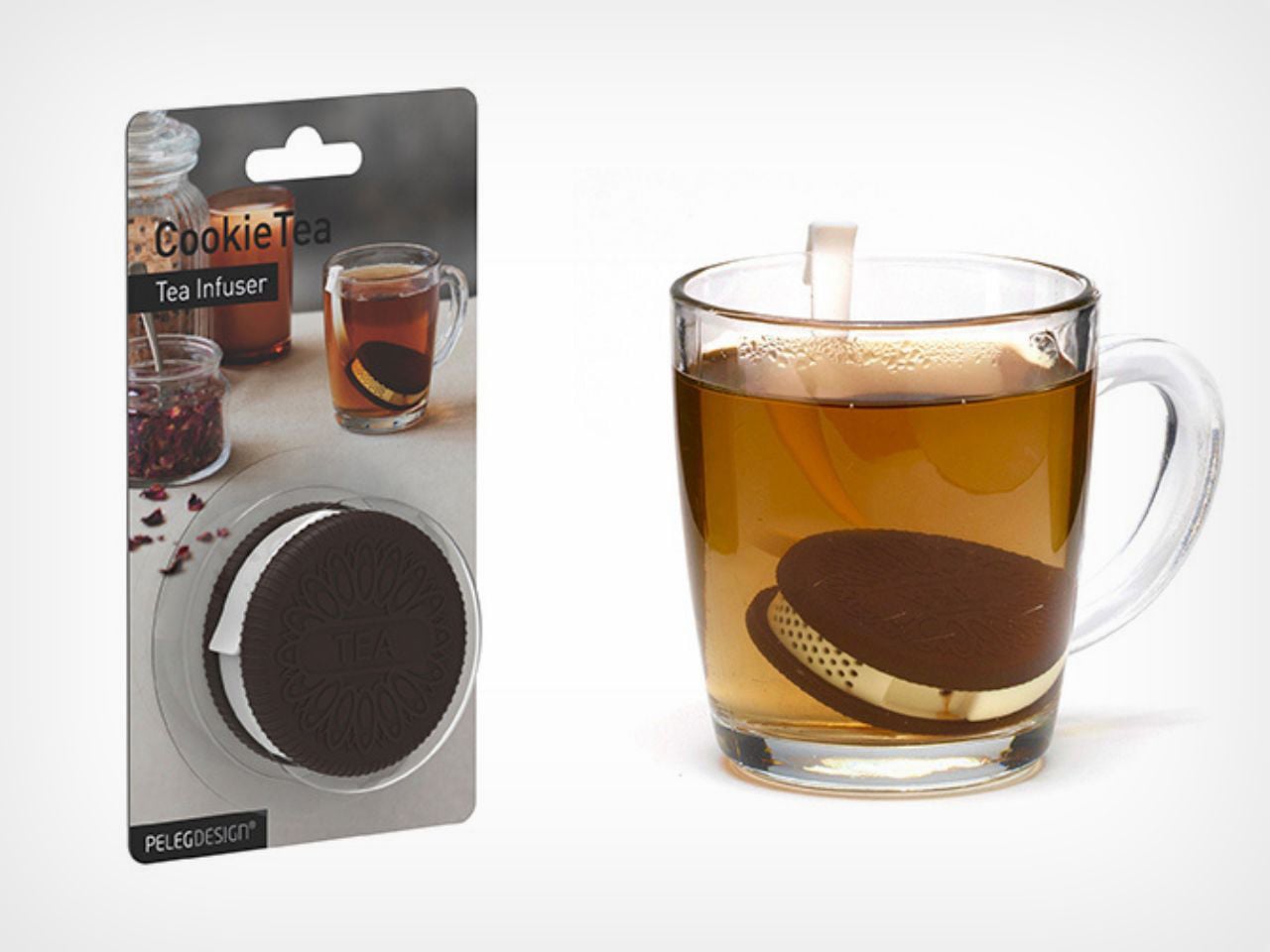
How Whac-A-Mole helped inspire the creation of a Braille-learning Device

Shenzhen Califor Design Co., Ltd., a Chinese design firm has demonstrated its commitment to inclusivity and innovation with the introduction of a groundbreaking learning device for the blind community. This inventive product merges education with entertainment, offering a unique way to learn Braille through an engaging ‘Whac-A-Mole’ style game. Recognizing the lack of attention often given to the visually impaired, especially in today’s fast-paced information age, Shenzhen Califor has created a device that brings both enjoyment and the benefits of technology to this community.
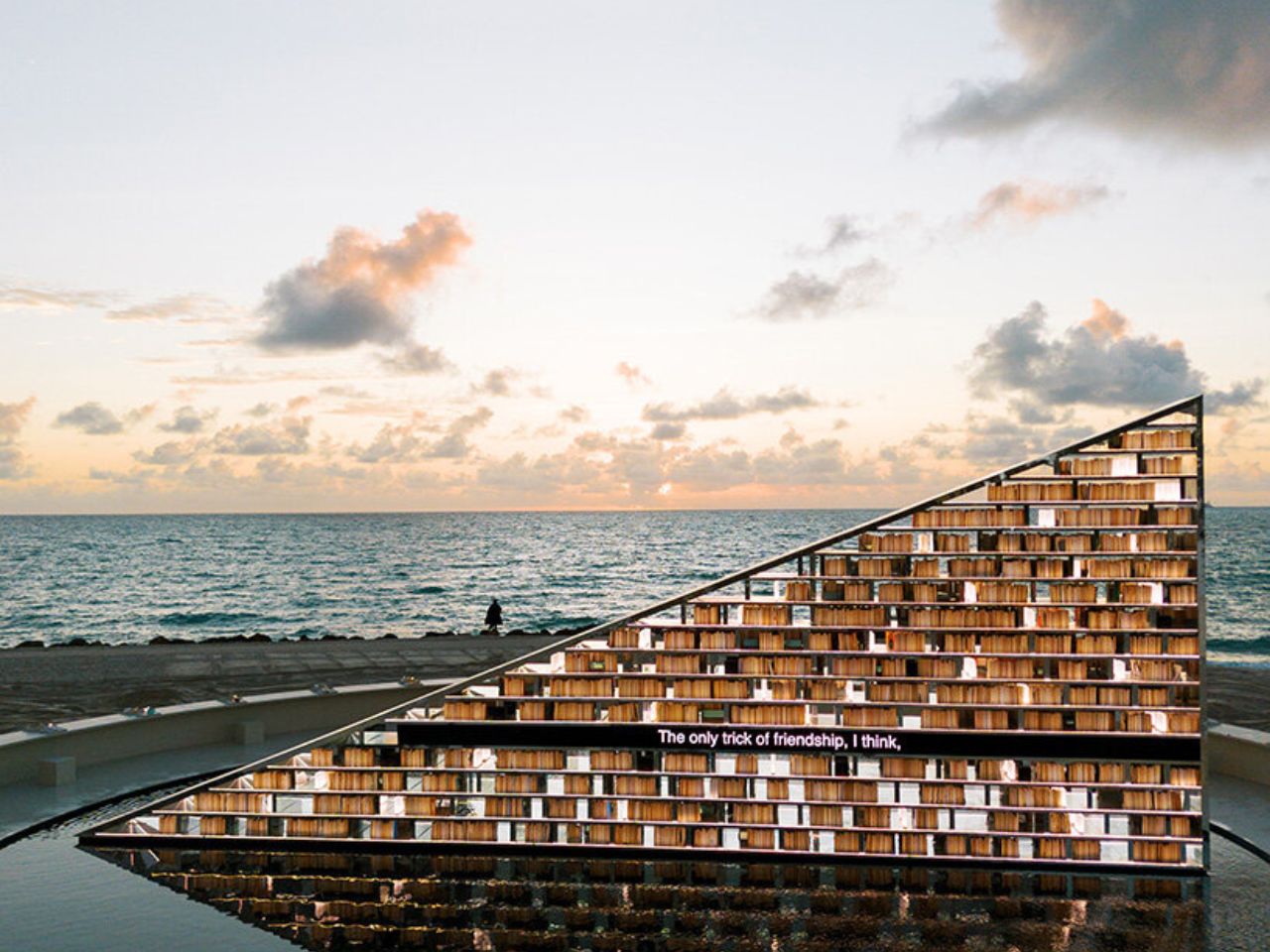
Designer: Shenzhen Califor Design Co., Ltd

The new Braille learning device is ingeniously designed based on the six-dot arrangement rule of Braille, capable of simulating the configuration of all Braille characters. The device operates by pressing a large button at the bottom, which randomly selects letters. The six buttons on the keyboard then illuminate the corresponding Braille letters. Users complete the learning process by pressing the highlighted buttons in sequence, making Braille learning an intuitive and interactive experience.

A standout feature of this device is the use of buttons with a distinct texture on the top, enabling blind users to easily identify them by touch. Additionally, the button below features confirmation words, enhancing the practicality and user-friendliness of the device. The design incorporates larger, fingertip-sized dots, as opposed to the smaller dots found in standard Braille. This adjustment makes it easier for beginners to understand and retain the Braille alphabet, facilitating a smoother learning curve.

The device’s elongated shape, reminiscent of a handheld remote control, is both sleek and functional. Unlike a typical square design with popping dots, this device features dots on one side and a rounded edge on the other, allowing users to position it correctly with ease. Its long, flat design not only distributes weight evenly but also makes it comfortable for prolonged use. The compact and thin construction further adds to its convenience, making it ideal for extended learning sessions.

Despite its remote control-like appearance to sighted individuals, the device’s design includes a flat base, enabling blind users to place it on a table or floor for efficient use. This thoughtful design ensures that users can engage with the device comfortably and effectively.

The post How Whac-A-Mole helped inspire the creation of a Braille-learning Device first appeared on Yanko Design.