These Old Bike Frames Upcycled Into Armchairs Are The Coolest Thing You’ll See Today

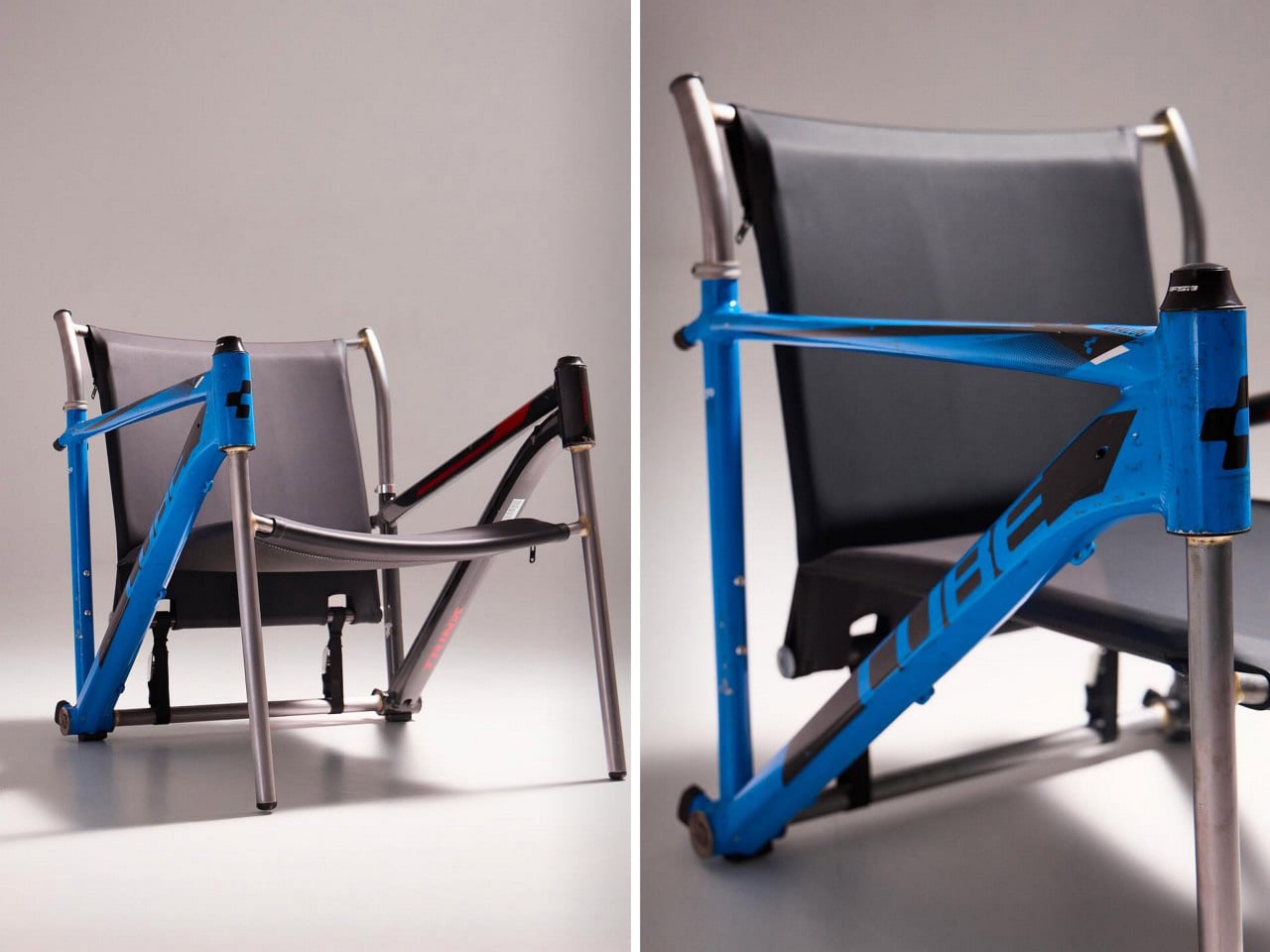
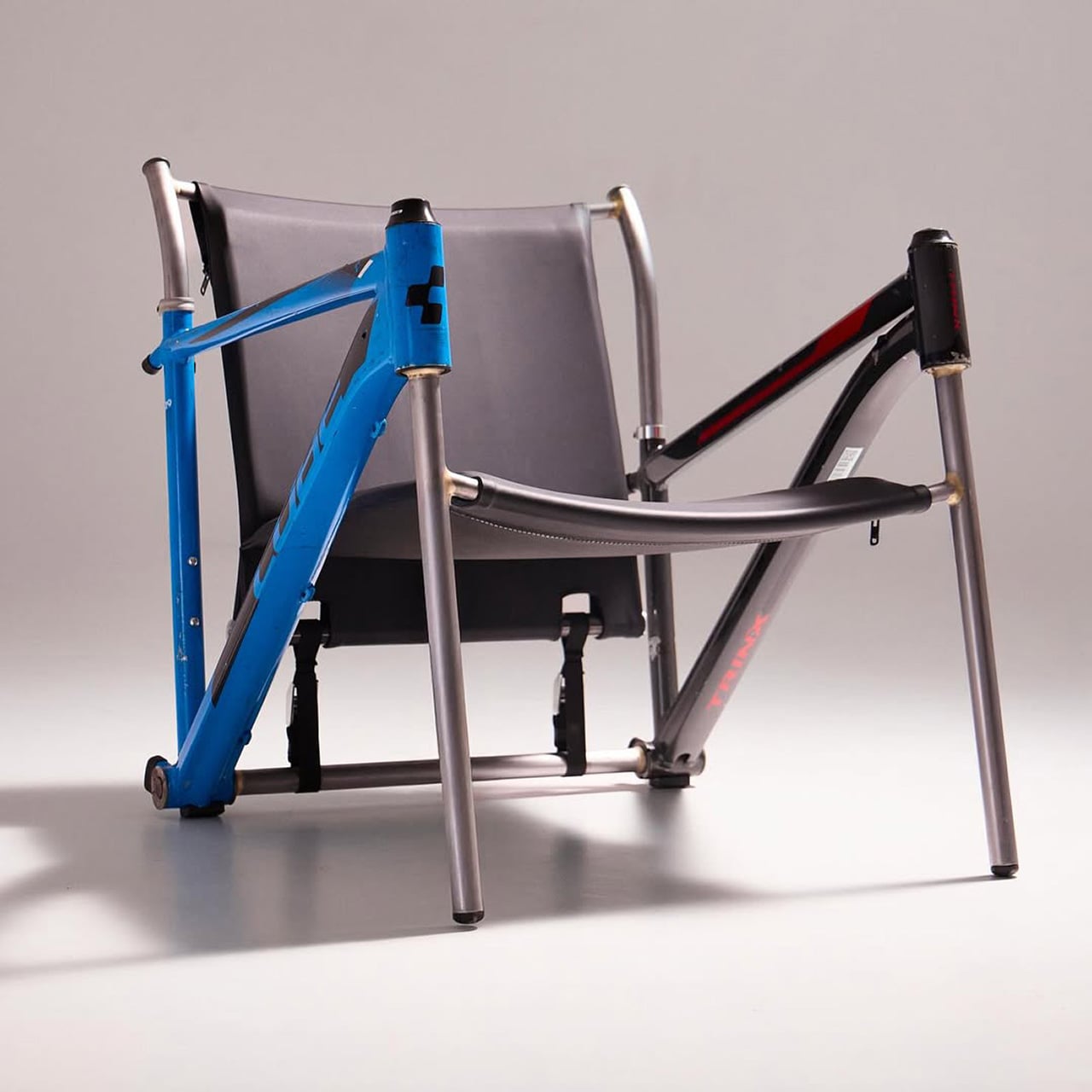
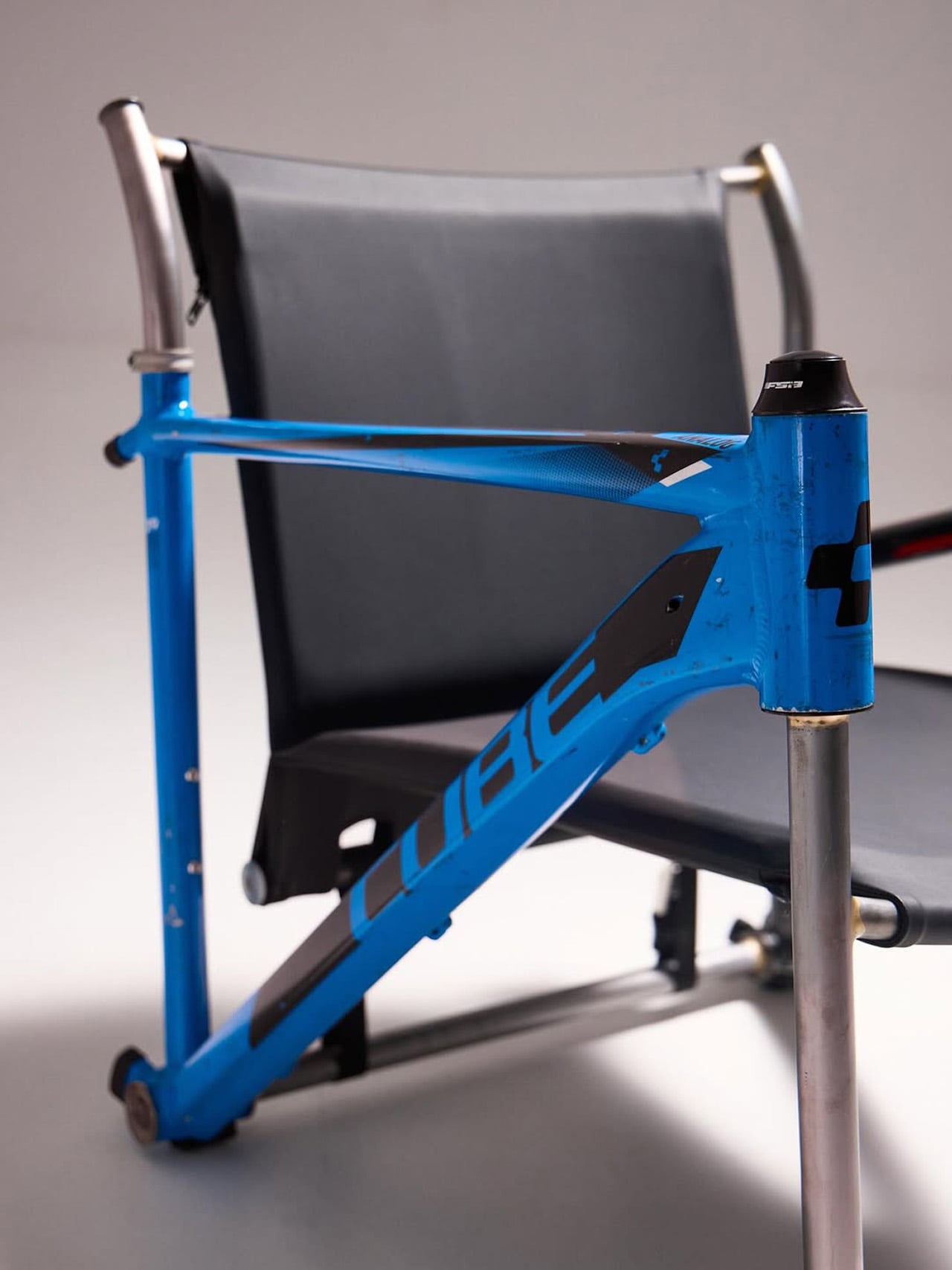
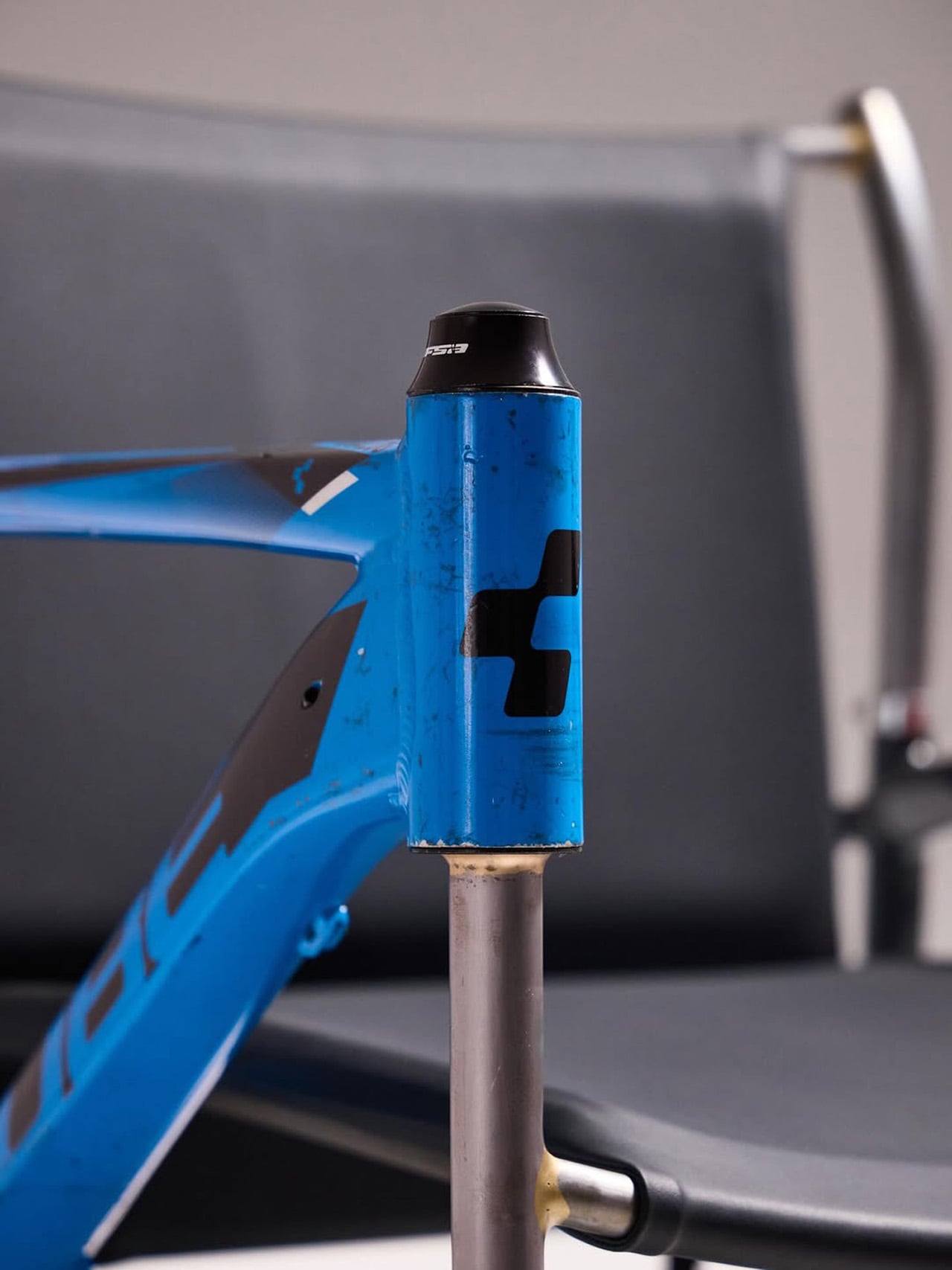
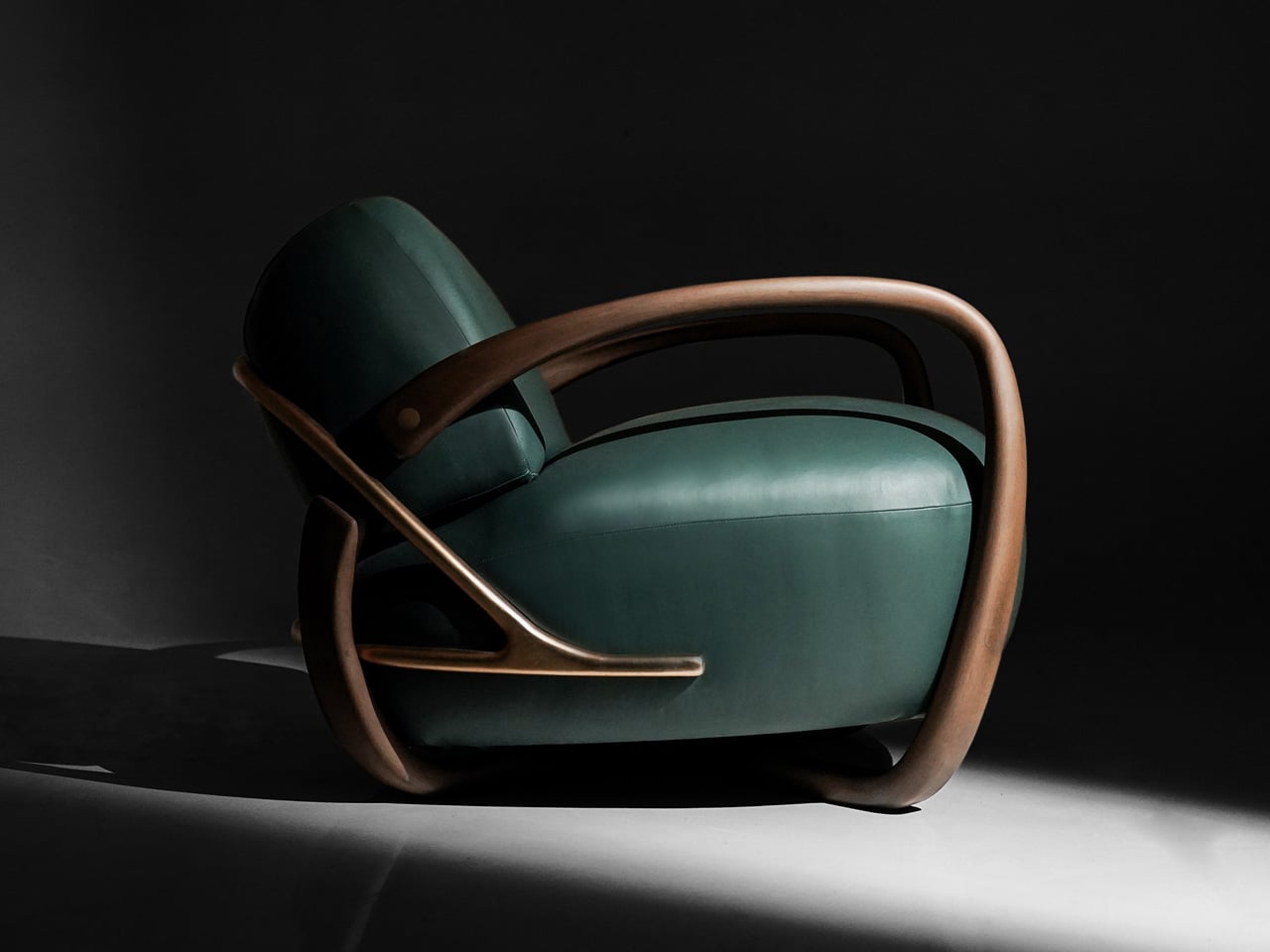
Most upcycling projects ask you to forget what something used to be. Omri Piko Kahan’s bike frame chairs ask the opposite. The geometry is still unmistakably a bicycle frame, the head tube, the top tube, the triangulated rear triangle, all of it present and accounted for, just oriented sideways and asked to hold a person instead of propel one. Kahan, an industrial designer based in Israel, builds lounge chairs from pairs of retired frames, and the whole point is that the donor material remains fully readable, repurposed without being disguised.

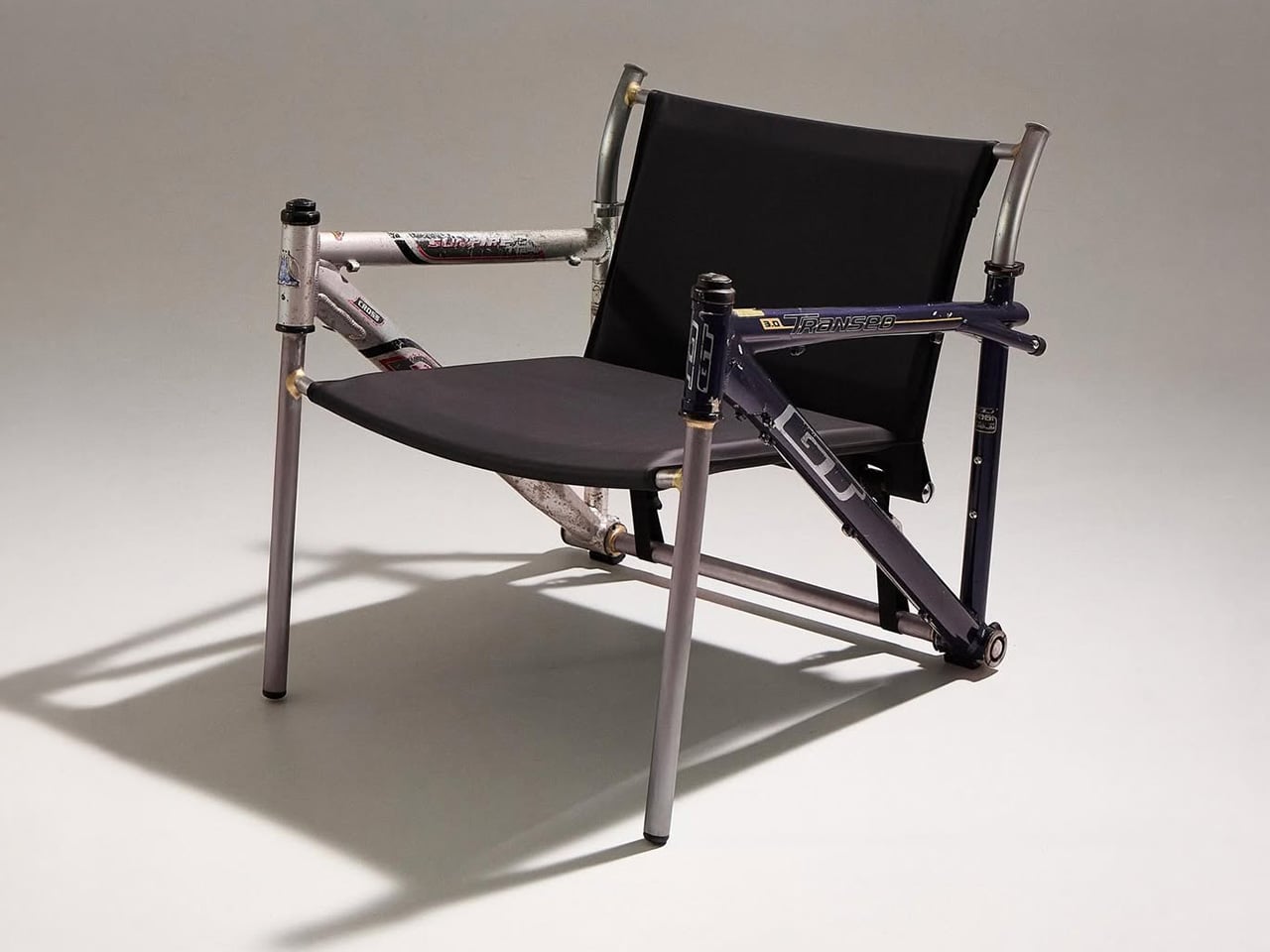
Structurally, the approach is clean and considered. Each frame pair is positioned symmetrically, fork and chainstay ends touching the floor as legs, the top tube running horizontally as an armrest. A slung seat and backrest in leather or canvas complete the form. The result has the relaxed posture of a Barcelona chair and the material honesty of something that was clearly built, not styled.

Designer: Omri Piko Kahan

Bicycle frames are absurdly overbuilt for what Kahan is asking them to do. A modern aluminum road frame is engineered to survive repeated impact loads from a rider pushing 300 watts through rough tarmac, and it does that while weighing somewhere between 1,000 and 1,400 grams. The structural surplus in that kind of engineering is enormous, which is why two of them positioned as a chair frame and asked to support a seated adult is, from a load-bearing standpoint, almost comically within spec. The geometry does the rest. Bicycle frames already resolve forces through triangulated sections, and a lounge chair asks for exactly that kind of lateral and compressive stability.

What Kahan has figured out is the orientation problem. Flip a frame on its side and the existing tube angles don’t automatically produce a useful chair geometry. The fork legs and chainstay ends need to hit the floor at the right height relative to each other, the top tube needs to land at armrest height, and the whole thing needs to produce a seat rake that doesn’t pitch you forward or swallow you whole. The matched top tube angles across both frames in the Cube and Trek build suggest this took real iteration, because they align with a precision that reads as deliberate rather than lucky. Filed fillets at the junctions and a custom setback upper support holding the sling confirm someone was paying close attention to finish quality.

The two builds photographed so far, one pairing a blue Cube road frame with a Trek, another combining a GT Transeo 3.0 with what appears to be a Supreme-branded MTB frame, show how much the donor bikes drive the final character of each piece. The GT build in particular has a longer wheelbase geometry that gives the chair a wider, more reclined stance than the Cube version. Kahan is taking custom orders, with pricing worked out per commission, which makes sense given that no two donor frame combinations will produce the same structural or ergonomic outcome.

The post These Old Bike Frames Upcycled Into Armchairs Are The Coolest Thing You’ll See Today first appeared on Yanko Design.
Aram Just Released a Numbered Edition of This 100-Year Chair

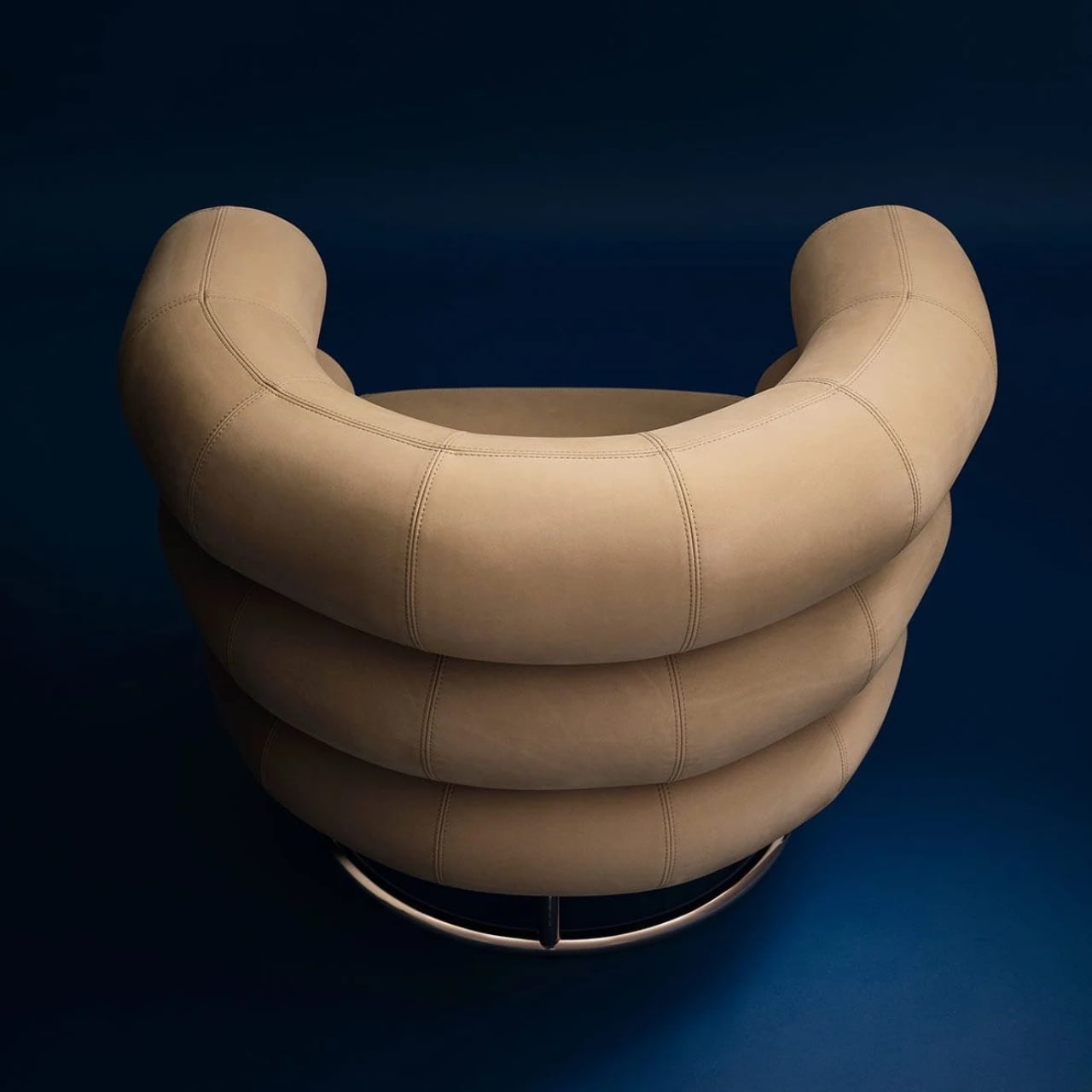
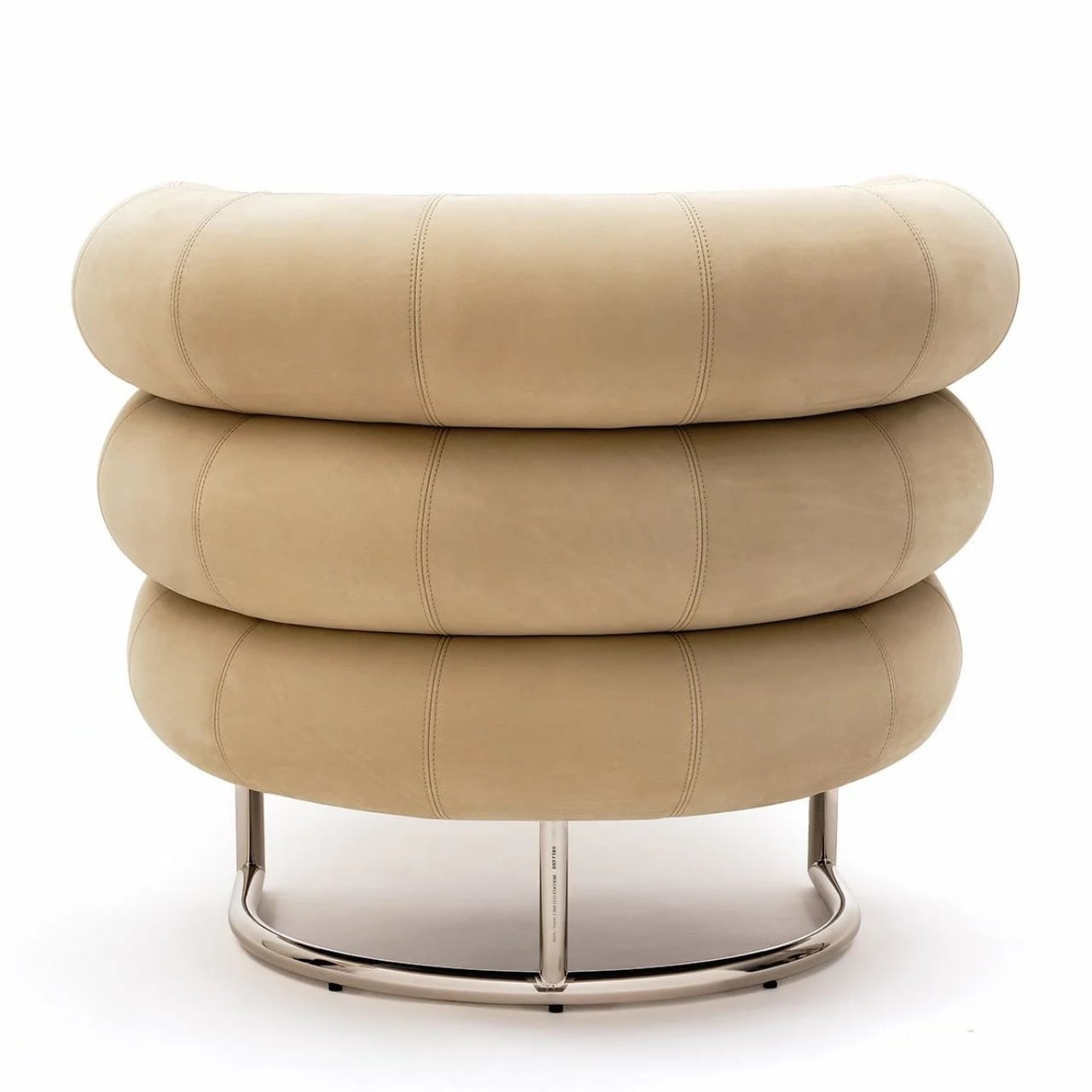
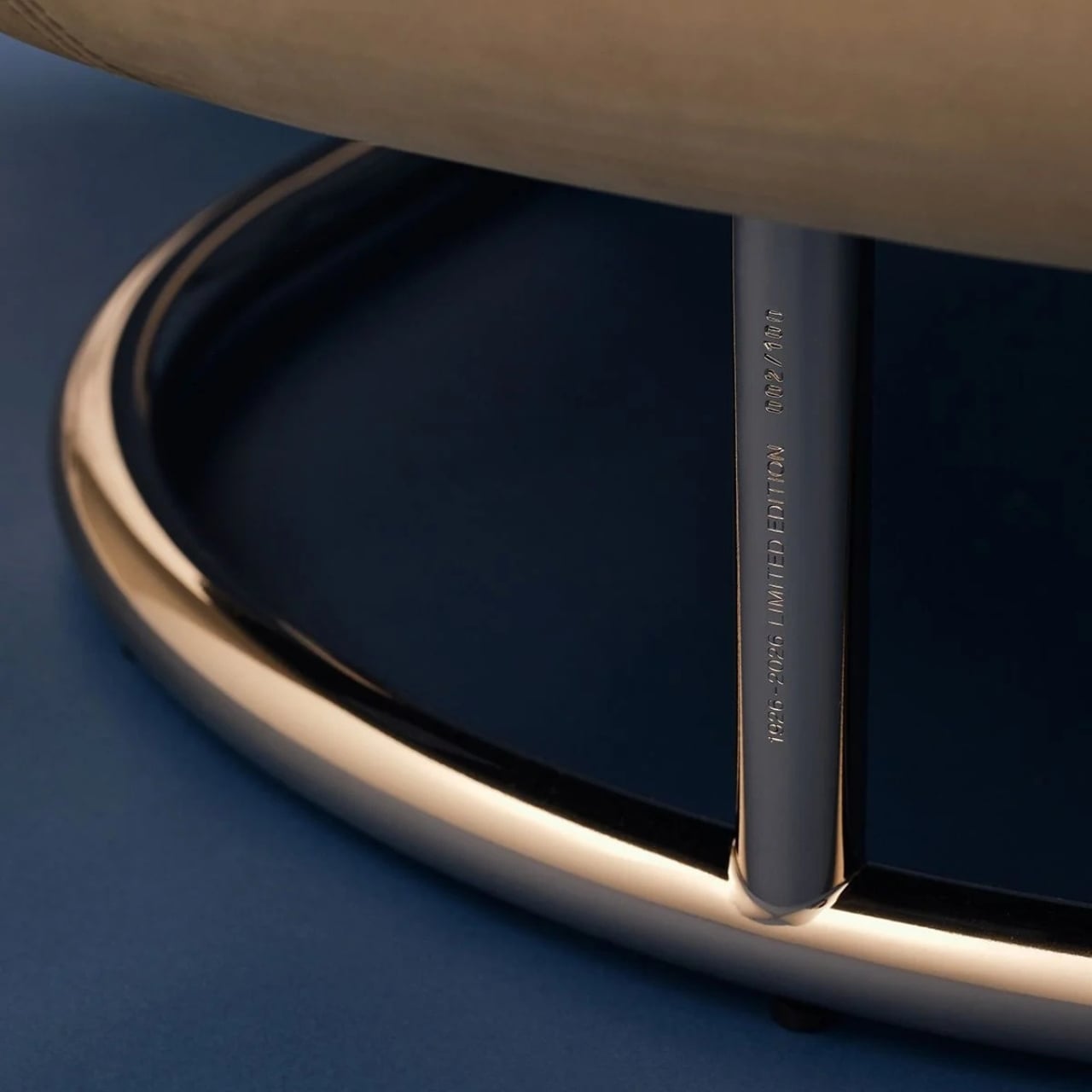
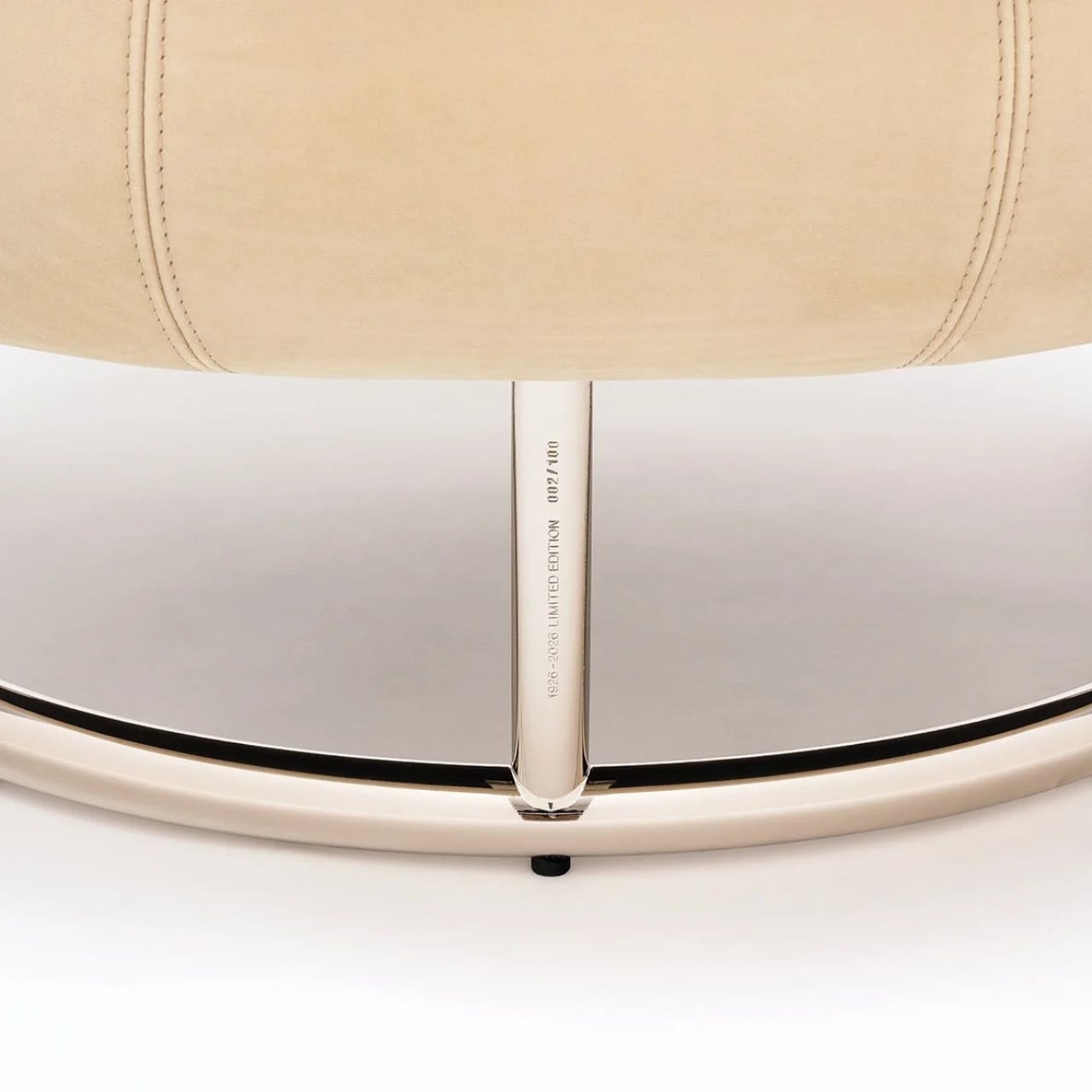
Aram just dropped something special for design collectors: an exclusive limited edition of Eileen Gray’s iconic Bibendum chair, released to celebrate the 100th anniversary of its 1926 debut. This isn’t your standard reissue. This is a numbered, centenary edition of one of modernism’s most distinctive pieces, and it’s the kind of release that serious furniture enthusiasts have been waiting for.

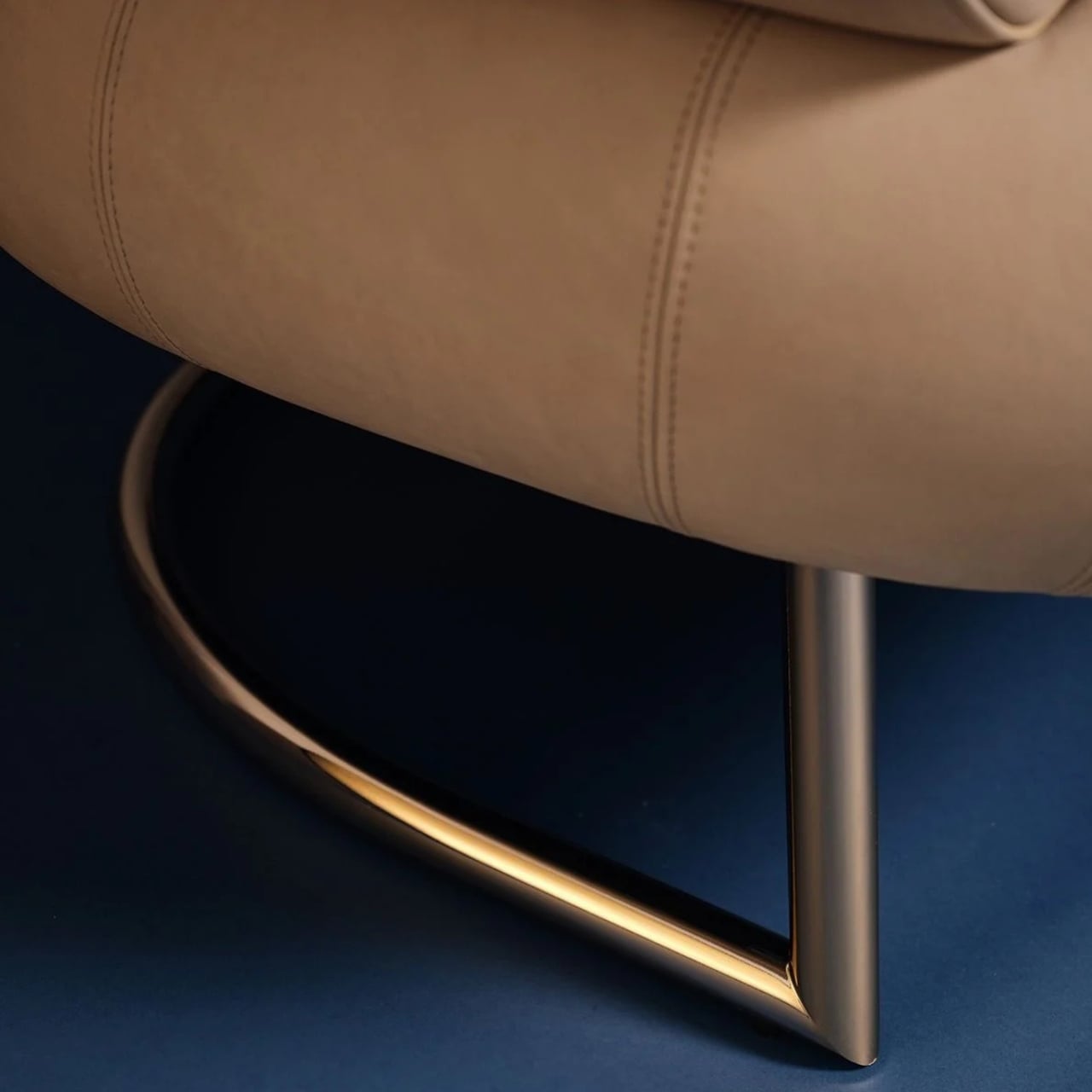
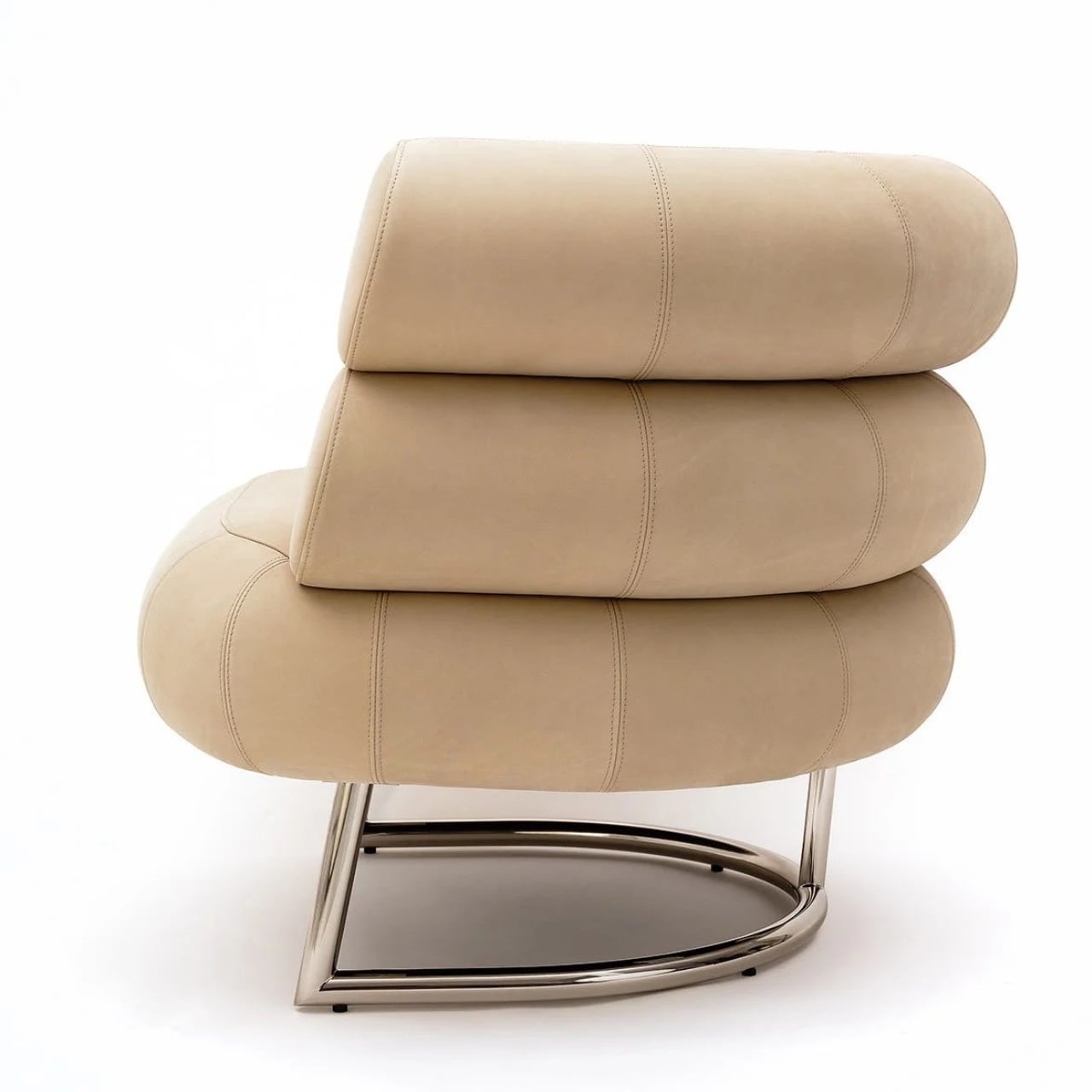
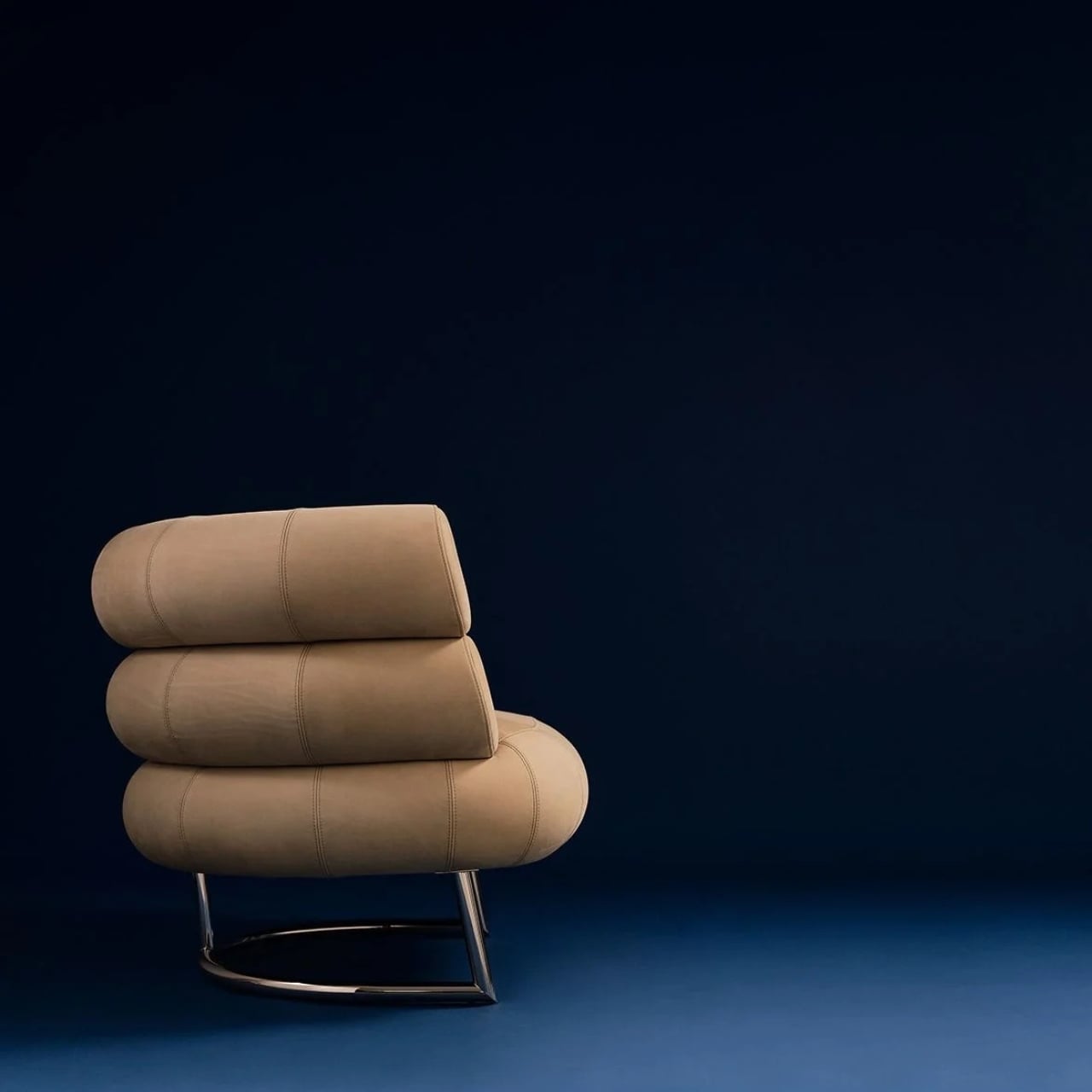
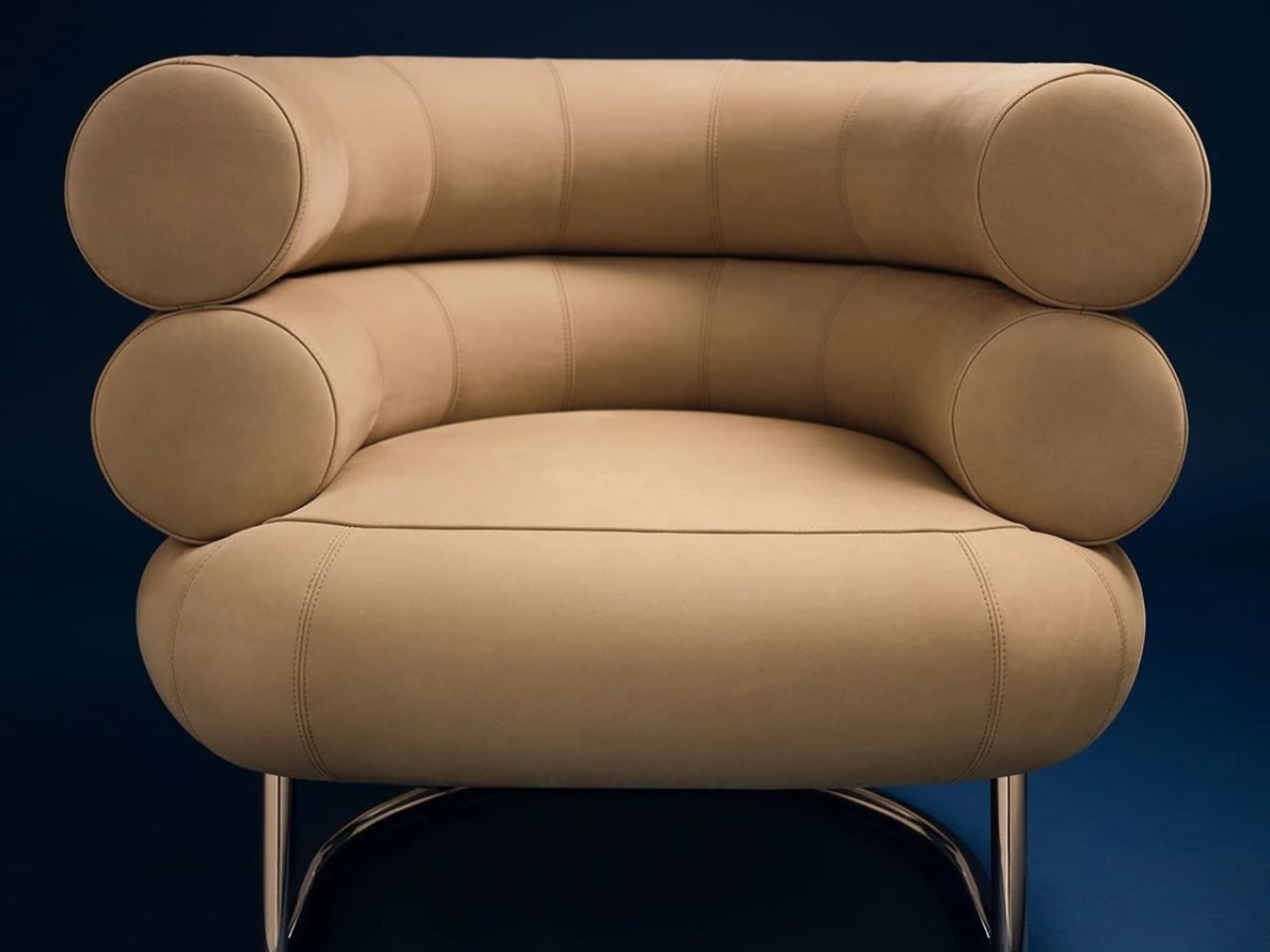
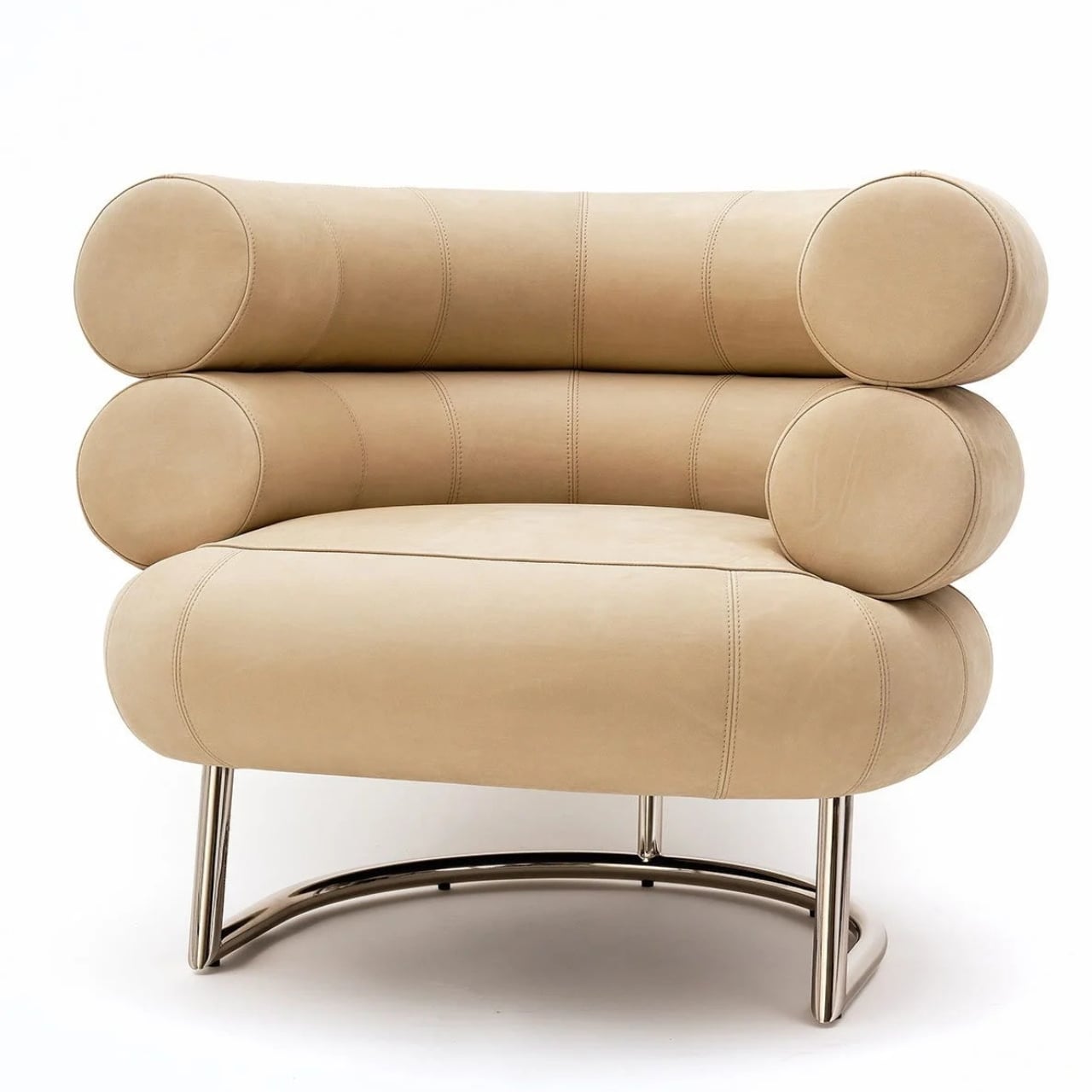
The Bibendum chair has always been a statement maker. With its plump, upholstered cushions stacked like inflated tubes and cradled by a sleek chromium-plated steel base, it looks like the Michelin Man decided to become furniture. Gray herself named it after Bibendum, the tire company’s puffy white mascot, because the resemblance was too perfect to ignore. But what started as a cheeky observation became one of the most recognizable silhouettes in design history.

Designer: Aram and Eileen Gray

Now, a full century after Gray first created this rebellious piece, Aram is honoring the milestone with a limited production run that’s already generating buzz among collectors. The centenary edition represents something rare in the furniture world: a chance to own a specially designated version of an icon, not just another reproduction. At £6,750, it’s positioned squarely in the collector’s market, where provenance and exclusivity matter as much as the design itself.

What makes this limited edition significant goes beyond the anniversary stamp. Gray’s original vision was uncompromising. When she met with Zeev Aram in the 1970s to approve contemporary production of the chair, she demonstrated exactly how exacting her standards were. After sitting in the prototype, she paused, considered, and declared it needed to be precisely two centimeters wider. Not roughly wider. Not “a bit more comfortable.” Exactly two centimeters. That level of perfectionism is built into every Bibendum, and this centenary edition carries that legacy forward.

The chair’s history adds layers to its collectibility. It made its debut in Gray’s design for Madame Mathieu-Lévy’s Rue de Lota apartment, sharing space with Gray’s famous Brick screen and an extraordinary glass floor lit from beneath. When L’Illustration magazine photographed the apartment in 1933, the Bibendum commanded attention among an entire room of daring modernist pieces. It wasn’t just furniture. It was a statement about rejecting the hard-edged machine aesthetic that dominated the era.

That’s part of what makes this limited edition so compelling right now. We’re in another moment where design trends lean heavily toward minimalism and restraint. The Bibendum’s generous curves and unapologetic presence offer a counterpoint. It refuses to disappear into a room. It anchors it. The tubular steel base keeps it grounded in modernist principles, but those voluptuous upholstered cushions deliver comfort that feels almost decadent.

For collectors, limited editions like this serve multiple purposes. There’s the obvious appeal of scarcity. Numbered pieces from a commemorative run will always carry different weight than standard production models. But there’s also the narrative value. This chair tells a story about a woman designer who pushed boundaries in a field dominated by men, who insisted on curves in a world obsessed with angles, who believed comfort and beauty didn’t have to be mutually exclusive.

Gray’s career spanned lacquerwork, rug design, furniture, and architecture. The Bibendum embodies her refusal to be categorized or constrained. It’s modernist but not austere. It’s luxurious but not fussy. It’s sculptural but supremely functional. That complexity is what keeps it relevant a century later.

The standard Bibendum continues to be available in various leathers or wool felt, with polished chrome or matte black lacquered bases. But this new centenary limited edition is different. It’s not just about owning a beautiful chair. It’s about owning a specifically designated piece of design history, part of a finite release created to mark a hundred years of influence.

For design enthusiasts who’ve been watching the market, this release represents the kind of opportunity that doesn’t come around often. A century milestone for an icon like the Bibendum only happens once. Aram’s decision to commemorate it with an exclusive limited edition gives collectors something tangible to mark the moment. It’s not just furniture. It’s a rebellion wrapped in cushions, a reminder that sometimes the most radical thing you can do is insist on taking up space. And now, for a limited time, you can own a numbered piece of that rebellion.

The post Aram Just Released a Numbered Edition of This 100-Year Chair first appeared on Yanko Design.
The Armchair That Celebrates The Nocturnal Youth Of Milan

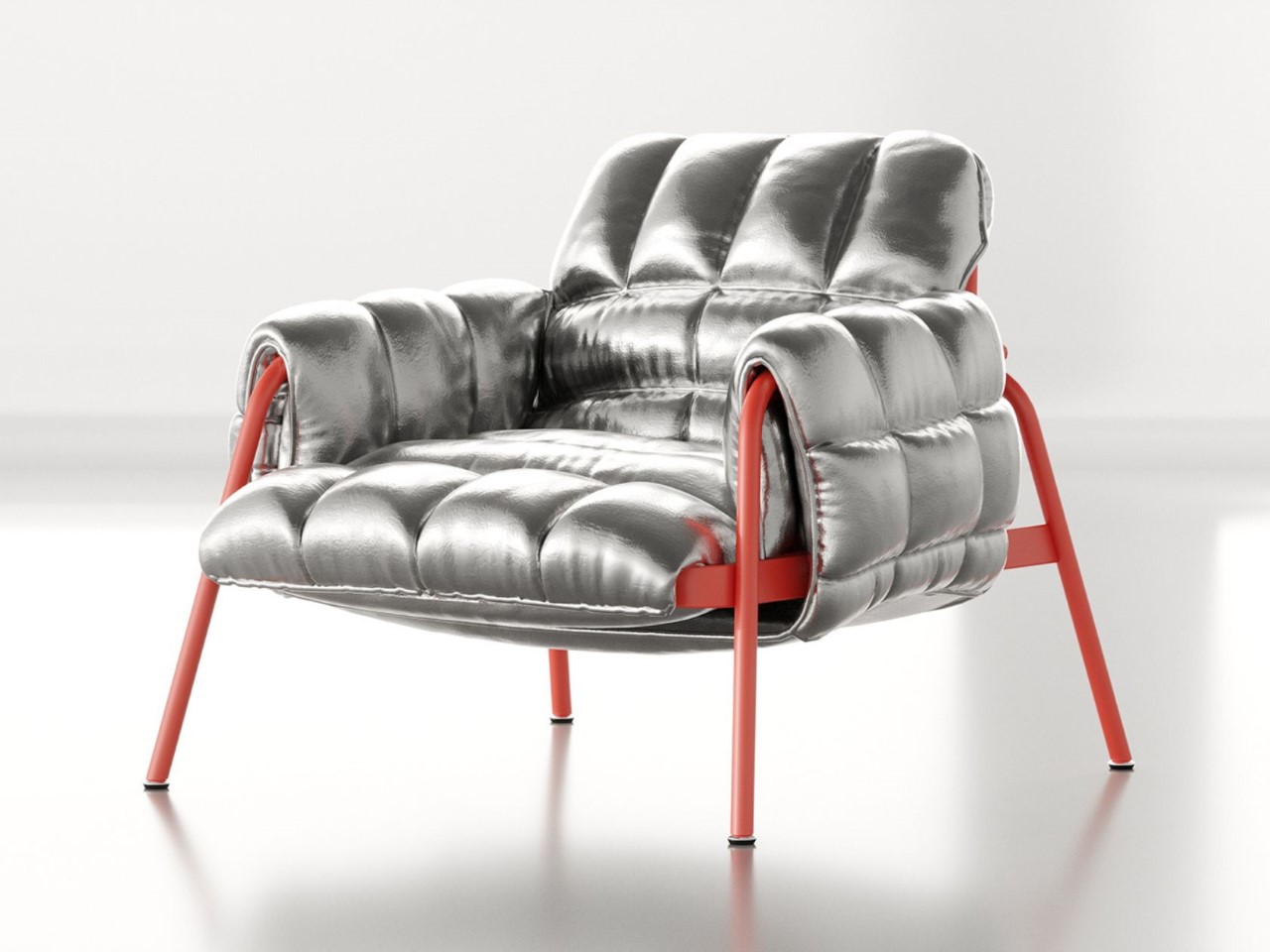
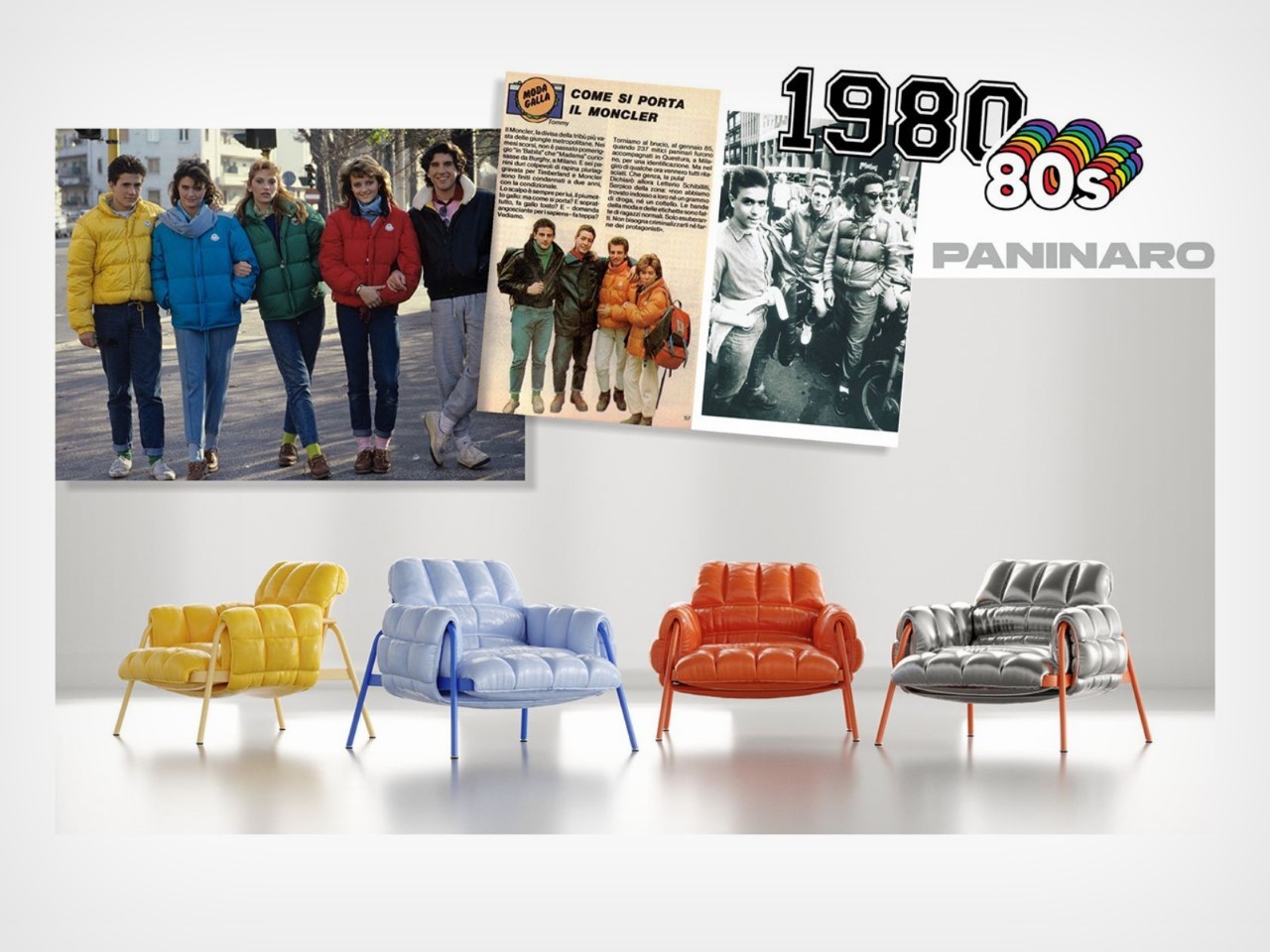
Paninaro is an armchair that was inspired by a nocturnal walk along Via Brera, turning into Via del Carmine, where the counterintuitive soul of the city revealed itself—a lively and secluded entity. The designers described Milan at night as a place hungry for spontaneity and exuberance, where the street dress code dissolved formalities and the crowd was determined to make up for a lost time during the workweek. They noted that this timeless energy, where every weekend feels like a fresh start, was captured in the essence of Paninaro.

Designer: Sergei Lvov

Paninaro is more than just a chair; it’s a celebration of street aesthetics, youth, love, and informality. This armchair represents the new generation of Milanese Paninari—creative individuals who are disenchanted with the constraints of elegance and minimalism. They crave variety, playful forms, and the blending of styles, all of which Paninaro encapsulates perfectly.

The designers shared that they wanted to immortalize the beauty and magic of an autumnal night in Milan, a metaphorical representation of teenage years, full of beauty and a sense of magic. They emphasized that this inspiration is not confined to Milan alone but resonates with the contemporary spirit of urban youth culture worldwide. By capturing the universal desire for self-expression and informality, Paninaro speaks to young people everywhere who are eager to break free from tradition and embrace their individuality.

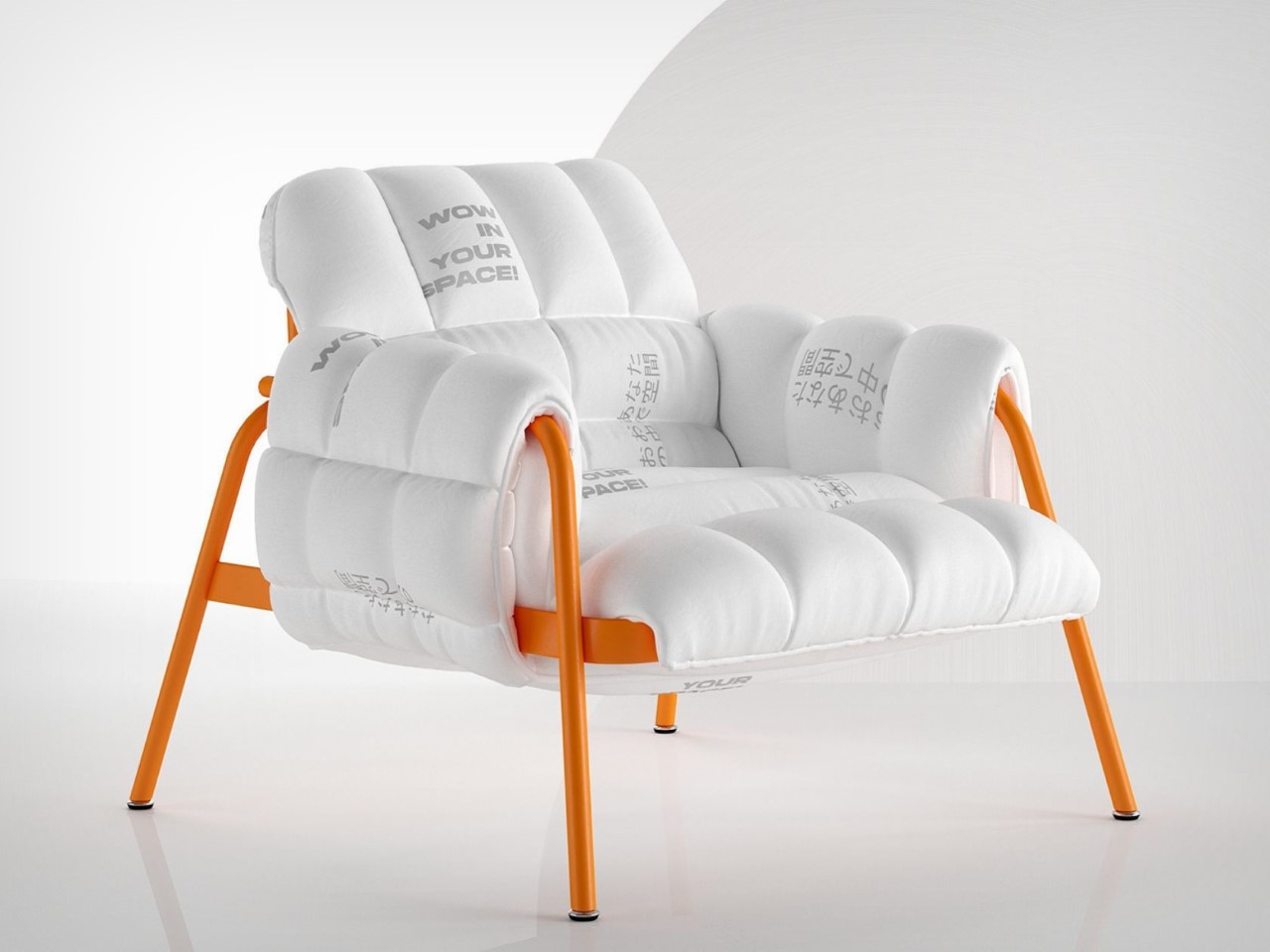
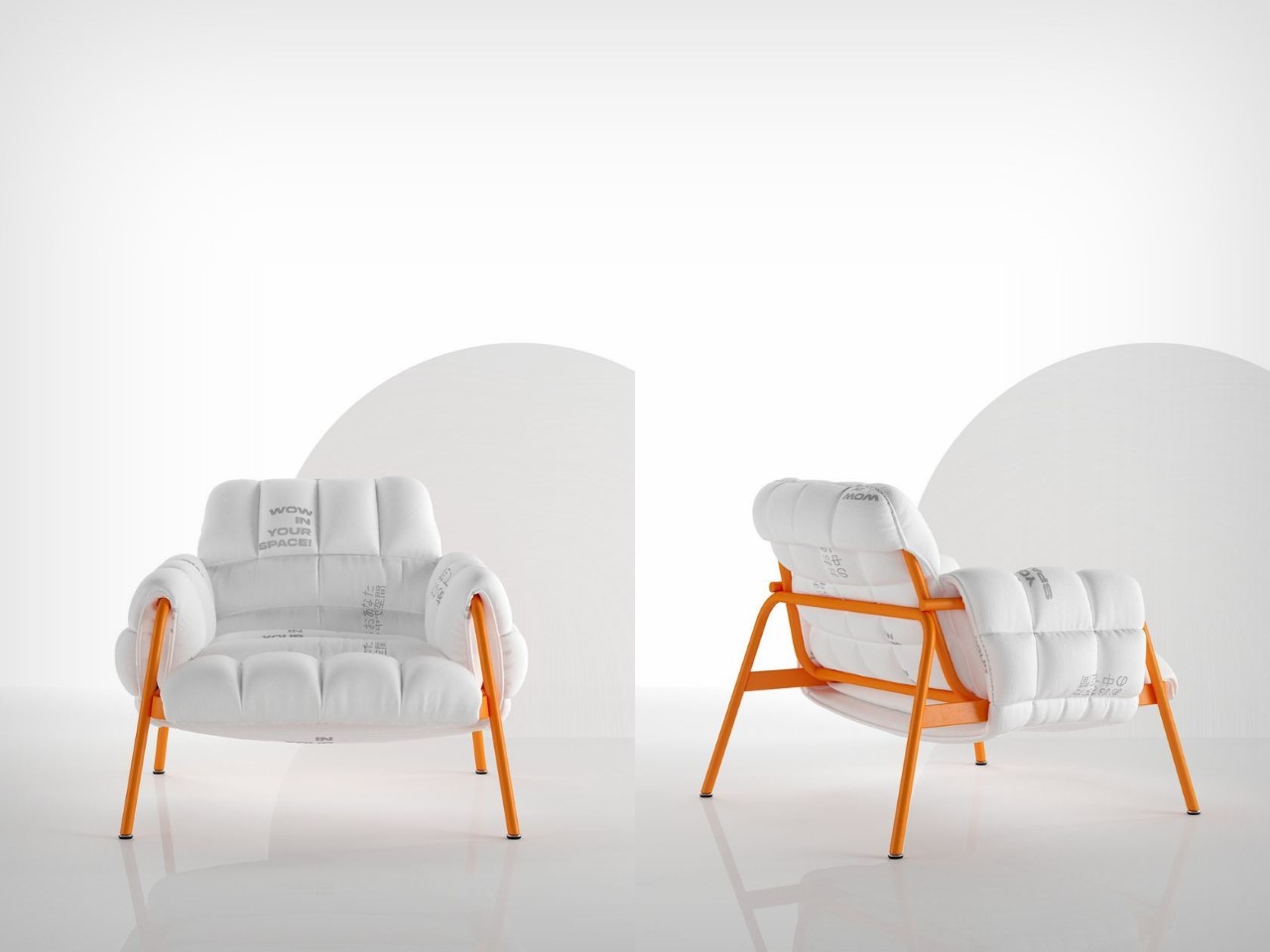
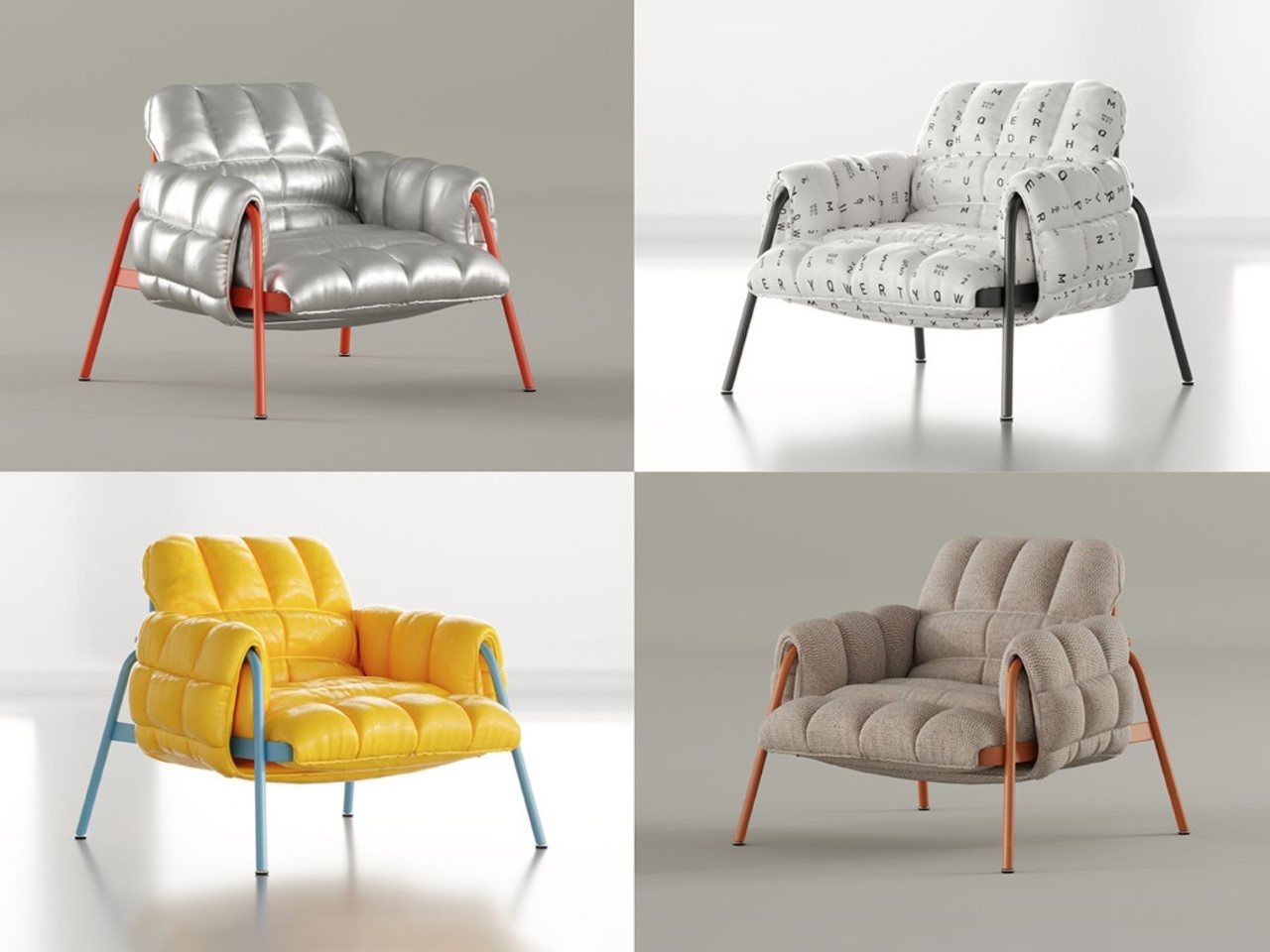
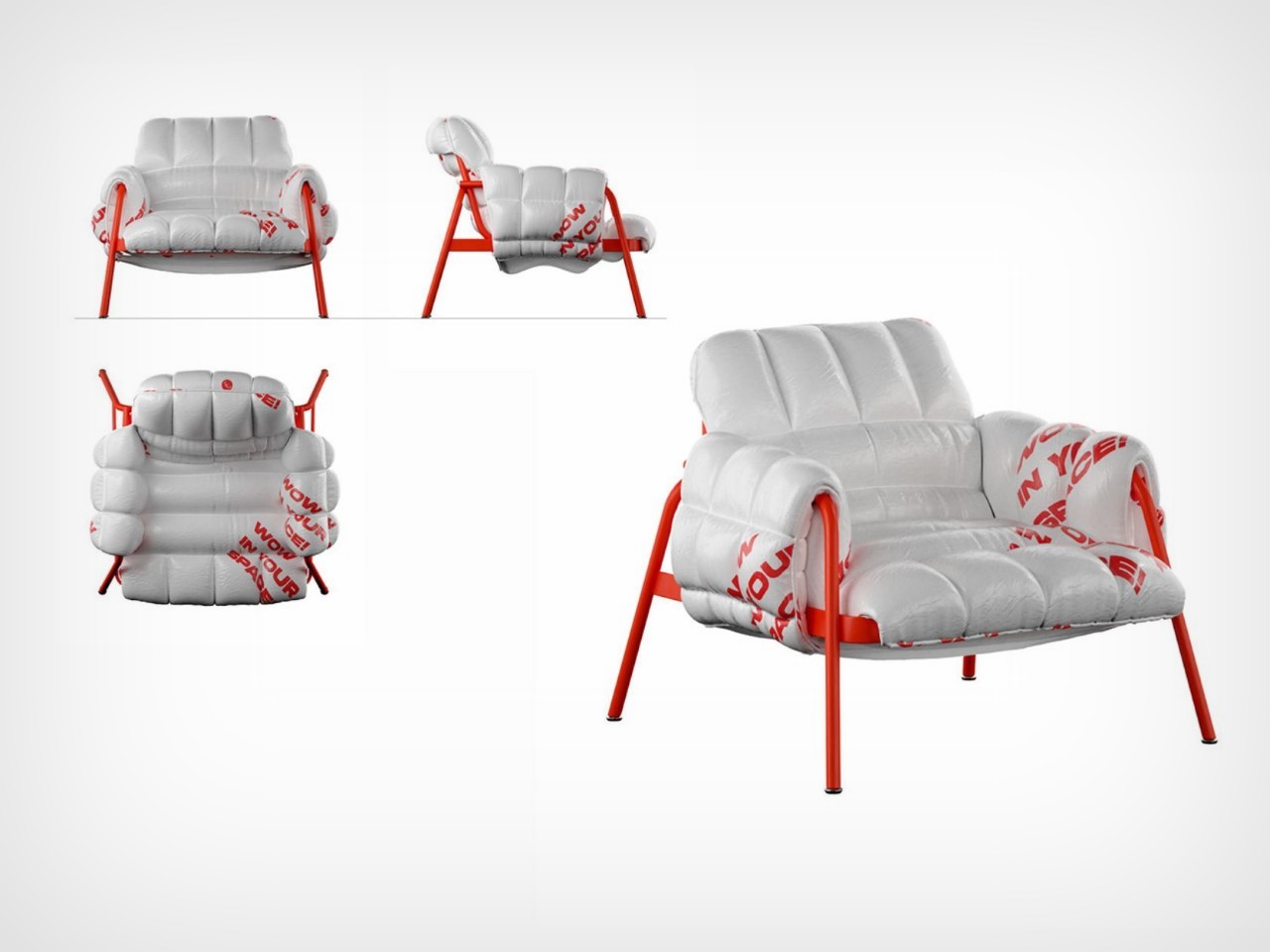
The chair’s arbitrary top is a playful nod to the fashion world, featuring quilted padded fabric reminiscent of a night coat. Its loose cut and falling sleeves emphasize its connection to pop culture, making it a statement piece that refuses to conform to traditional design norms. The ergonomic tubular steel base ensures a relaxed sitting position, adding to the chair’s laid-back charm.

The piece is aimed at contemporary creators who seek self-expression through multidisciplinary experimentation. It invites its users to embrace informality and creativity, making it a perfect fit for those who thrive on breaking boundaries and redefining norms. This armchair is not just a piece of furniture; it’s a symbol of a lifestyle that values spontaneity, variety, and the fearless pursuit of individuality.

The post The Armchair That Celebrates The Nocturnal Youth Of Milan first appeared on Yanko Design.