Mia AI custom GPT AI companion you can talk to with your voice

Chat to the Mia AI custom GPT using your voice

Now that the official OpenAI ChatGPT GPT Store has opened its doors there are plenty of useful custom GPT AI models now available for you to use to enhance your ChatGPT interactions in a wide variety of different ways and this is just the beginning. One interesting custom GPT created is MIA-1  or Mia AI […]

The post Mia AI custom GPT AI companion you can talk to with your voice appeared first on Geeky Gadgets.

How to Improve ChatGPT Performance with ChatGPT Classic

ChatGPT

Have you recently observed a shift in how ChatGPT operates? Perhaps it seems less responsive or not as sharp as it once was. If this resonates with you, rest assured, your observations align with a growing number of users who have expressed similar concerns. The topic has garnered significant attention, with various online discussions and […]

The post How to Improve ChatGPT Performance with ChatGPT Classic appeared first on Geeky Gadgets.

Posted in Uncategorized | Tagged

Claw handheld PC powered by Intel Core Ultra 7 155H gaming performance tested

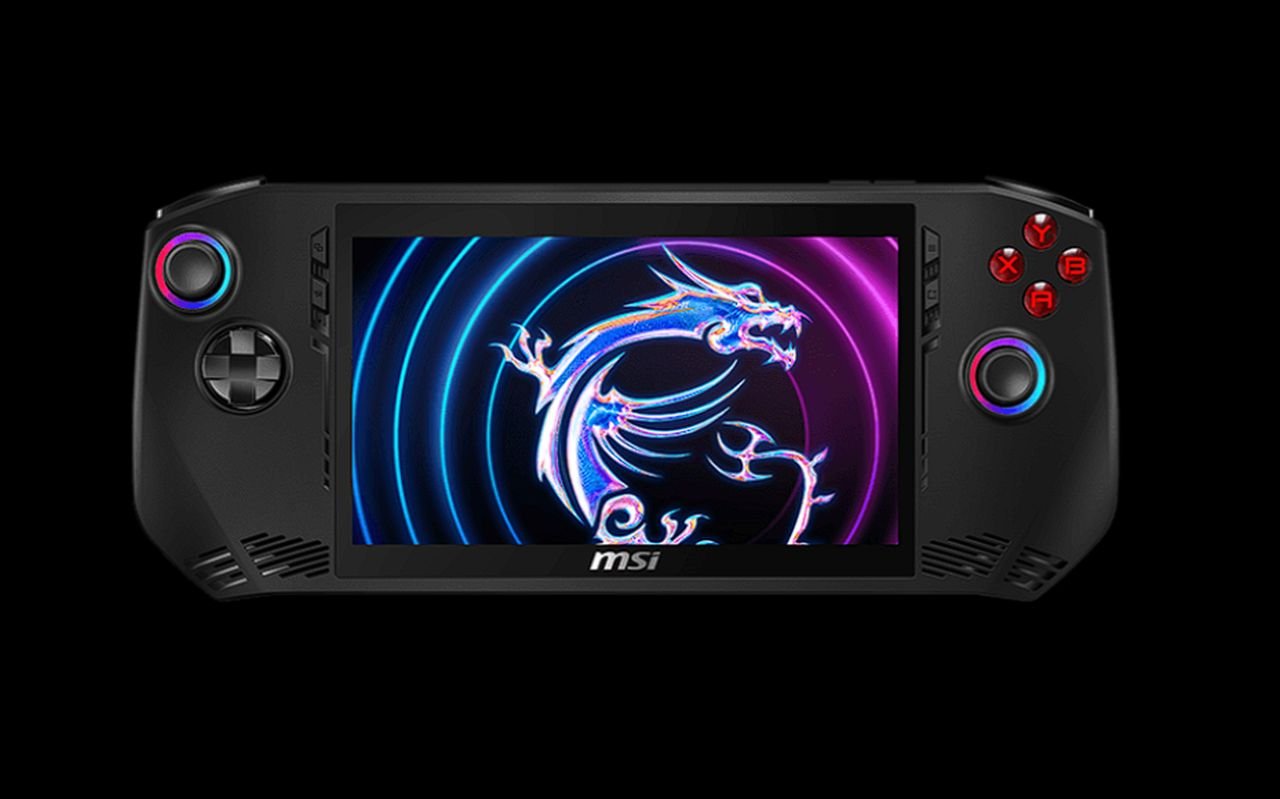
MSI Claw A1M handheld games console performance tested

The world of portable gaming is about to get a new contender to battle against the AMD powered handheld consoles dominating the market such as Valves Steam Deck, with the introduction of the MSI Claw A1M. This handheld PC is not just another entry into the handheld games console market; it stands out with its […]

The post Claw handheld PC powered by Intel Core Ultra 7 155H gaming performance tested appeared first on Geeky Gadgets.

How to Optimize Apple Health on the iPhone

Apple Health

Are you looking to make the most out of your iPhone’s Apple Health app? With iPadOS 17 bringing a suite of new features, there’s never been a better time to explore this comprehensive health management tool. Let’s dive into how you can customize and utilize the Health app to its fullest potential. The video below […]

The post How to Optimize Apple Health on the iPhone appeared first on Geeky Gadgets.

Regular Phone Cases are Dead… These Phone Stands from TORRAS offer Ultimate Hands-free Ergonomics

It’s 2024, and your phone case should do a LOT more than just protect your phone. The folks at TORRAS believe that too, which is why they’ve been spearheading the ‘phone stand’ movement since as early as 2018. In fact, even renowned global research firm Ipsos has ‘declared’ the phone stand as the next generation of phone cases… and after a 6-year headstart, they’ve labeled TORRAS as the global leader in this domain.

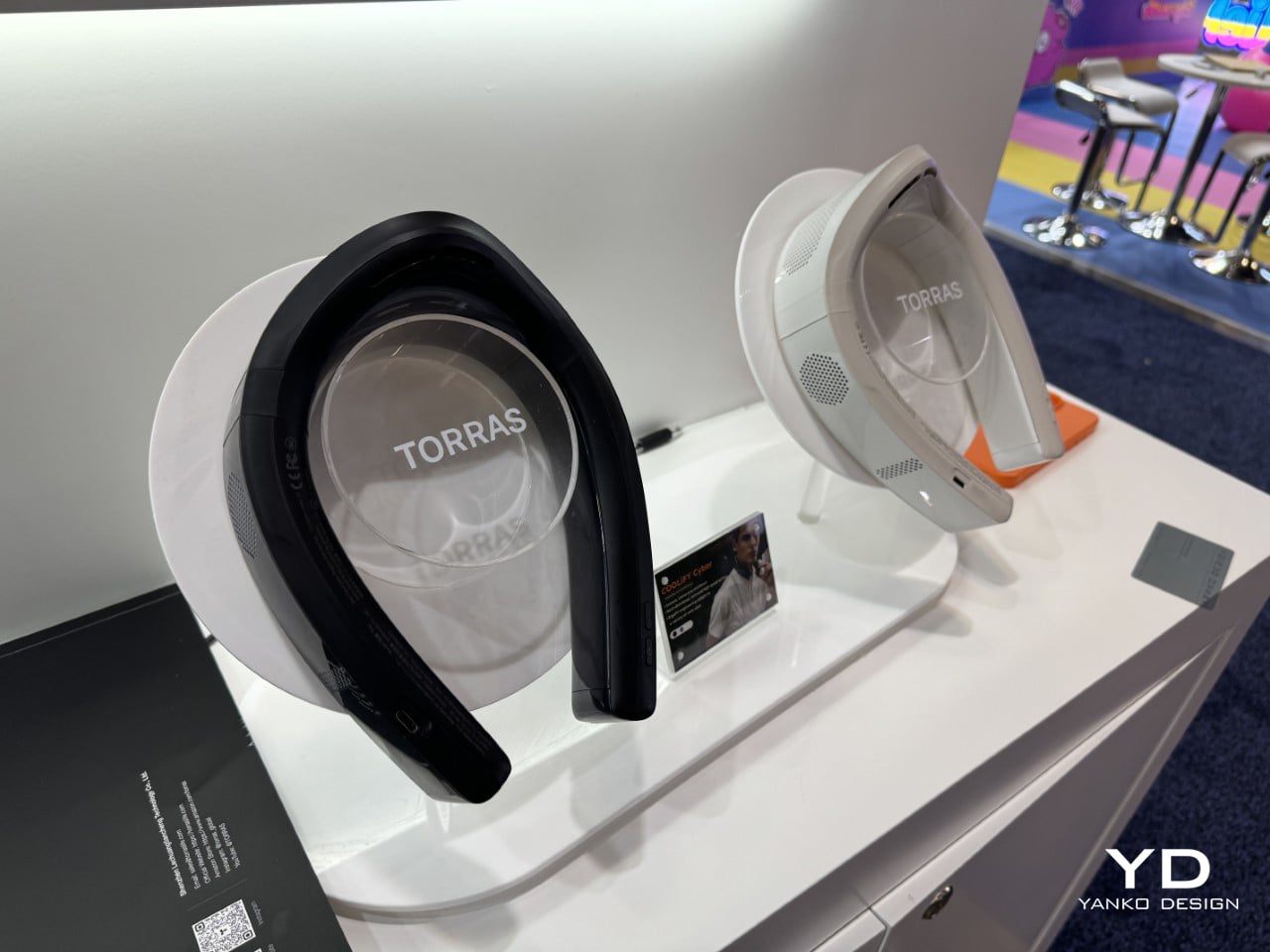
Even though the company has a wide product range, going all the way from phone accessories to neck-worn fans, the phone stand dominated the TORRAS showcase at CES this year (so much so that their booth had a massive phone stand on the front of it too, making it recognizable from a distance). The company launched two new stands this year – the simple yet delightful Lstand, and an improvement on their existing Ostand, now with a rotating ring (called the Ostand R). They also refreshed their neck-worn cooler line with the COOLiFY Cyber, which can now adjust its temperature based on your surroundings, making it the most advanced neck-worn ‘air-conditioner’ on the market!

Designer: TORRAS

Click Here to buy a TORRAS Phone Stand (20% Discount)
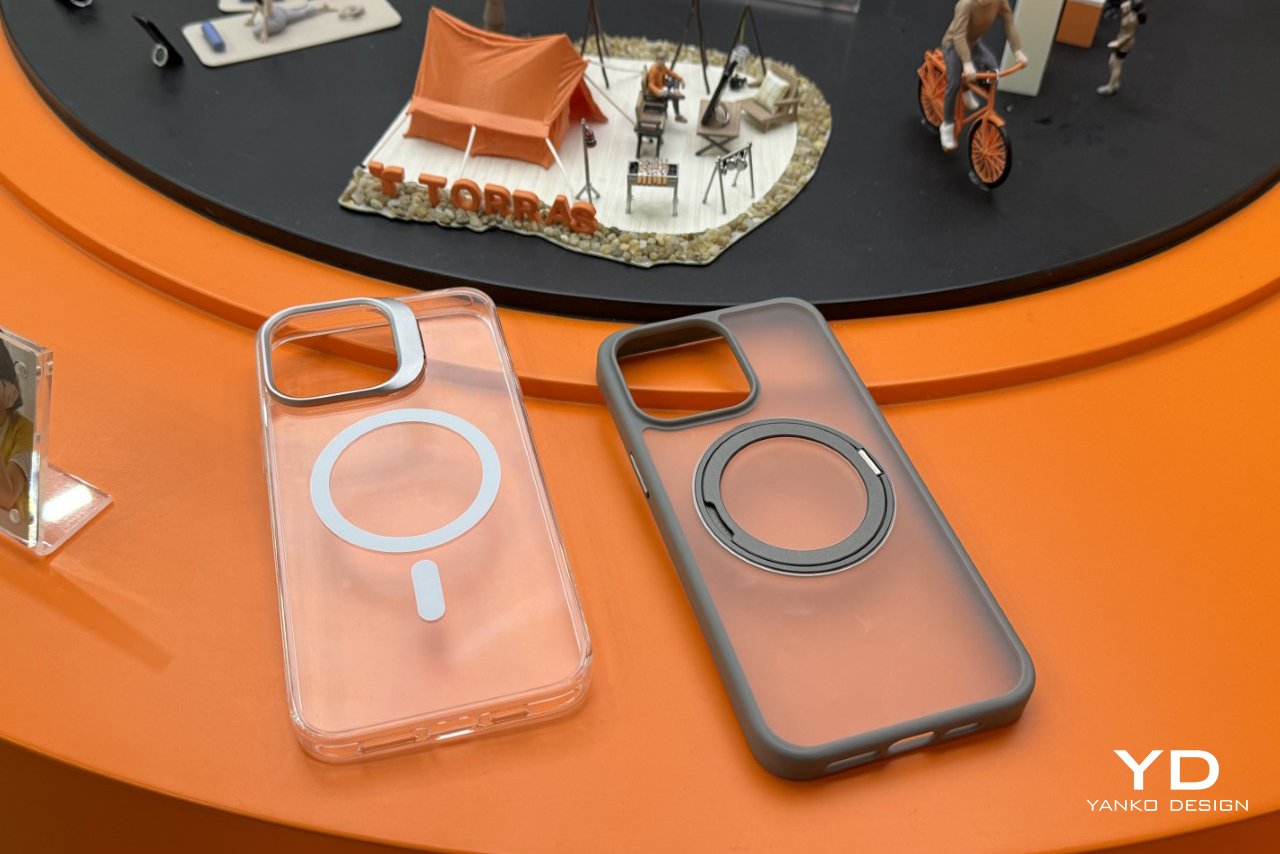
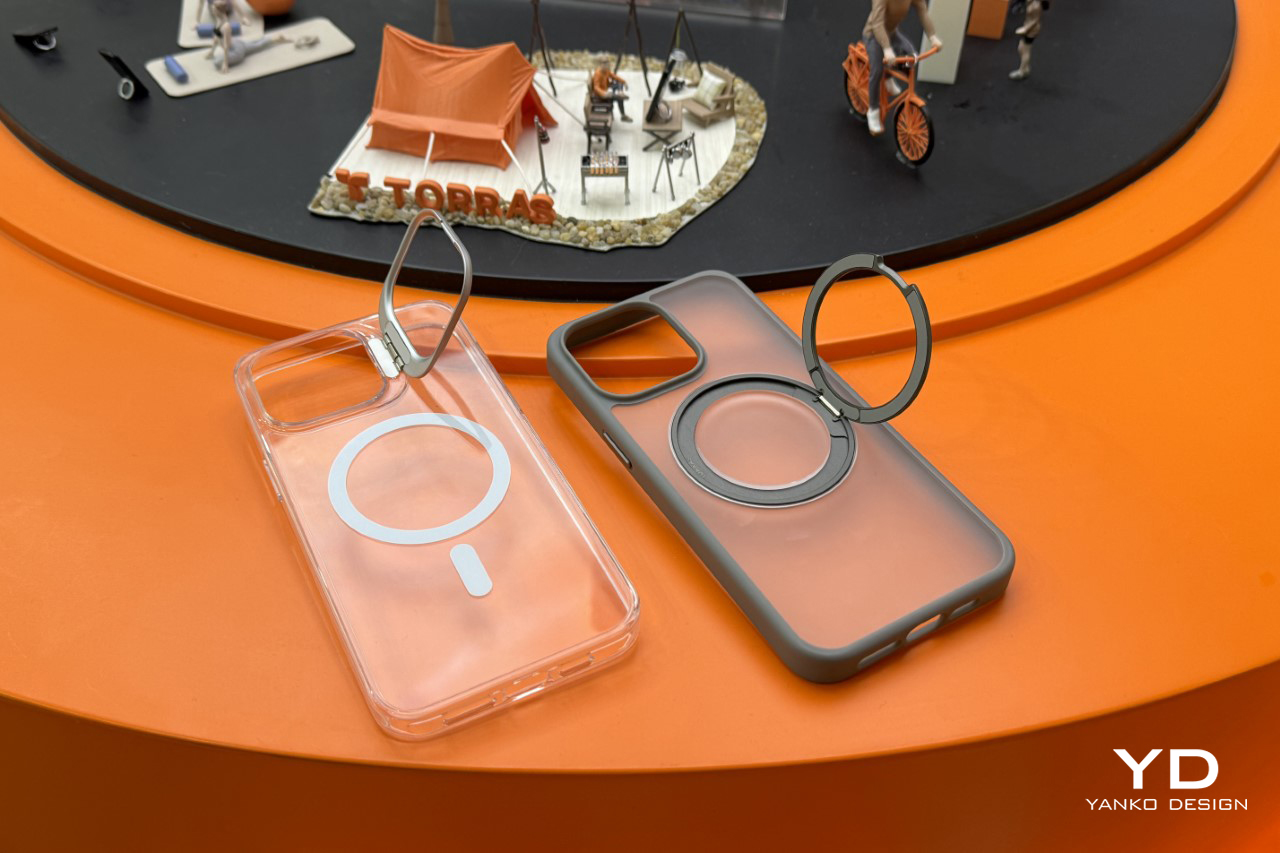
The Lstand on the left, and the Ostand R on the right.
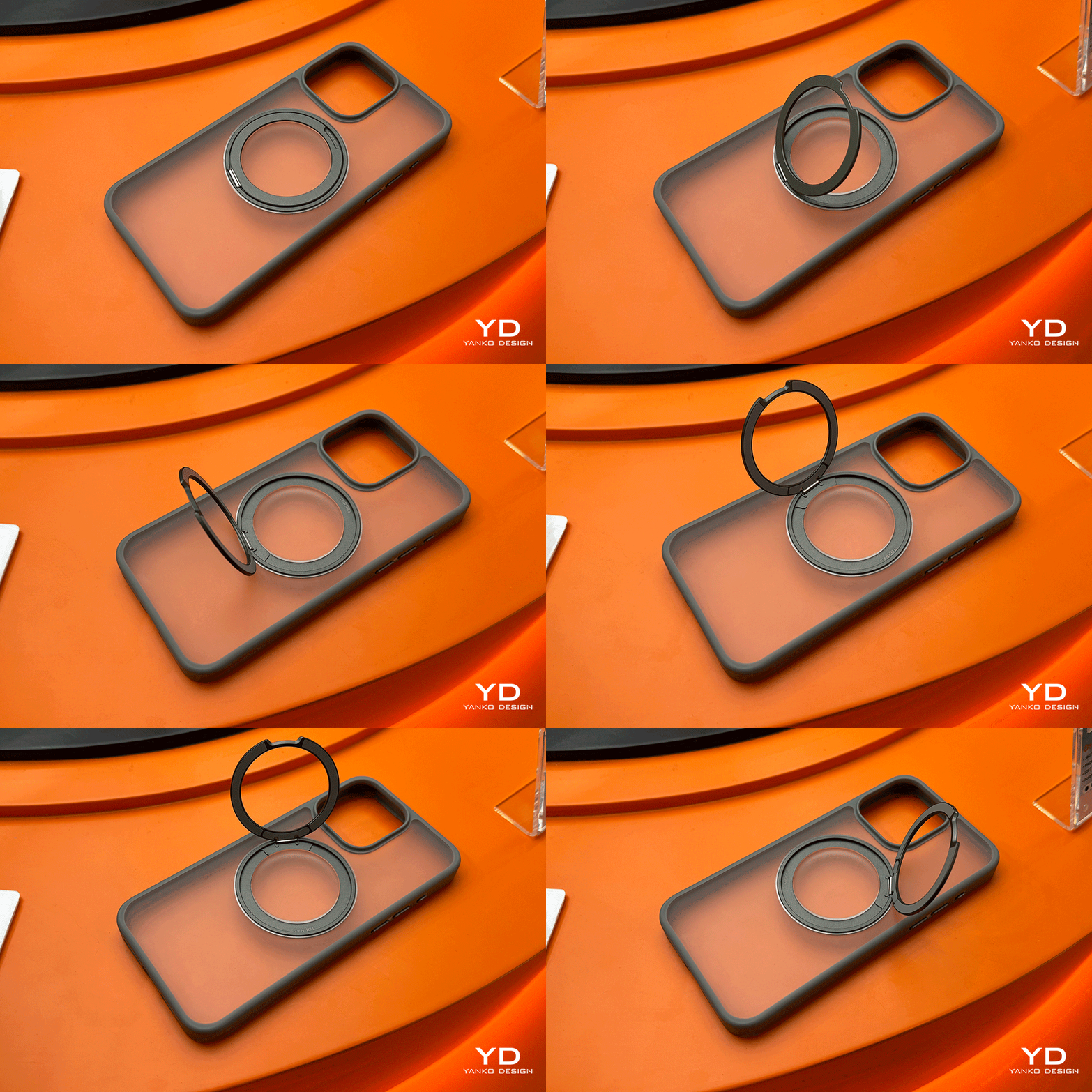
The Ostand R is an impressive case given its abilities. For starters, the case has a ring on it that folds flat when not in use, but opens up into an angle-locking stand that can be used in landscape and vertical modes (or even as a ring to support your finger as you hold the phone). Moreover, it rotates on its hubless axis, giving you the ability to position the ring wherever you want, all while still managing to support the iPhone’s MagSafe and wireless charging features.
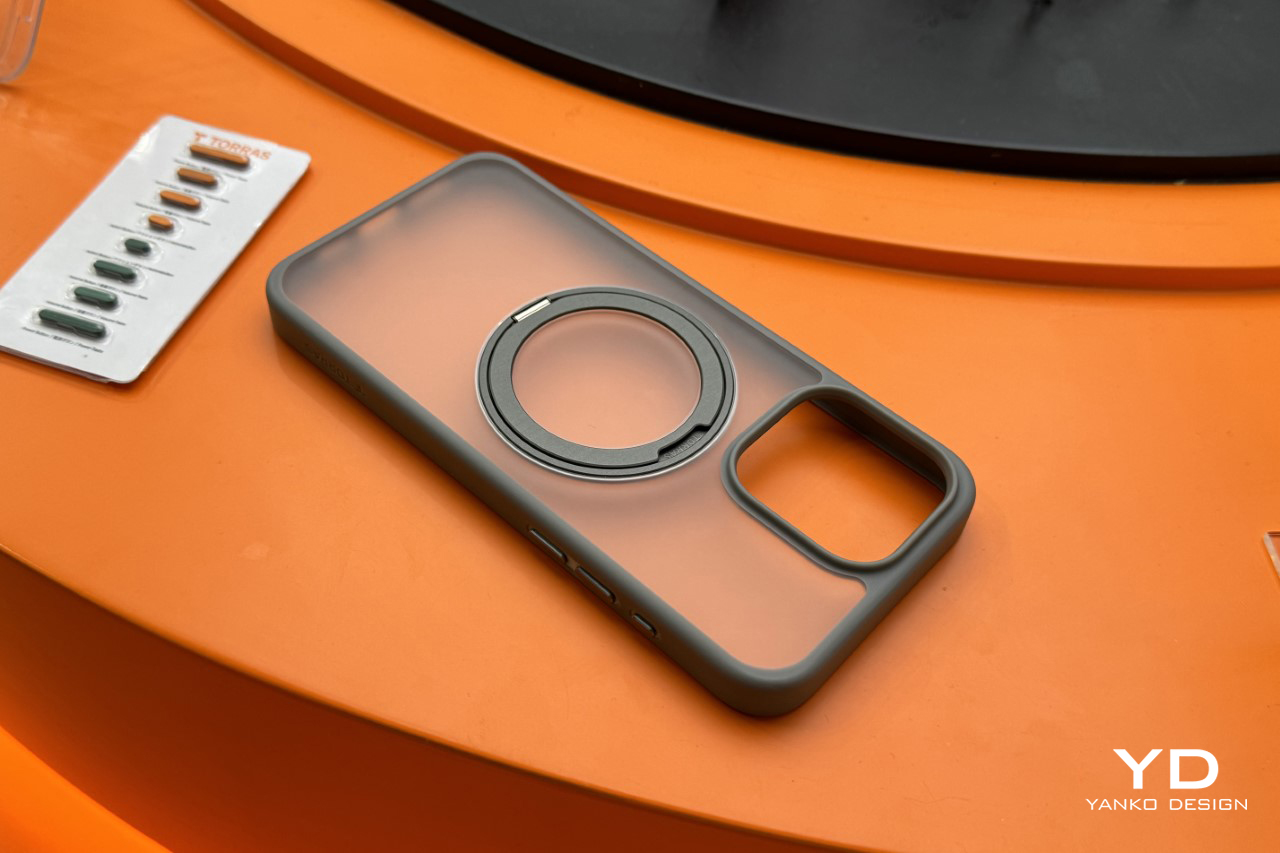
You also (obviously) get the benefits of a case, with a soft bumper frame around the sides and even the camera bump. The edges have an air cushion that gives your phone even more security from bumps or accidental drops. The frosted polycarbonate back is a great way to show off your phone’s color, while the Ostand R’s colors on the TPU rim and the metallic buttons complement your smartphone from top to bottom.
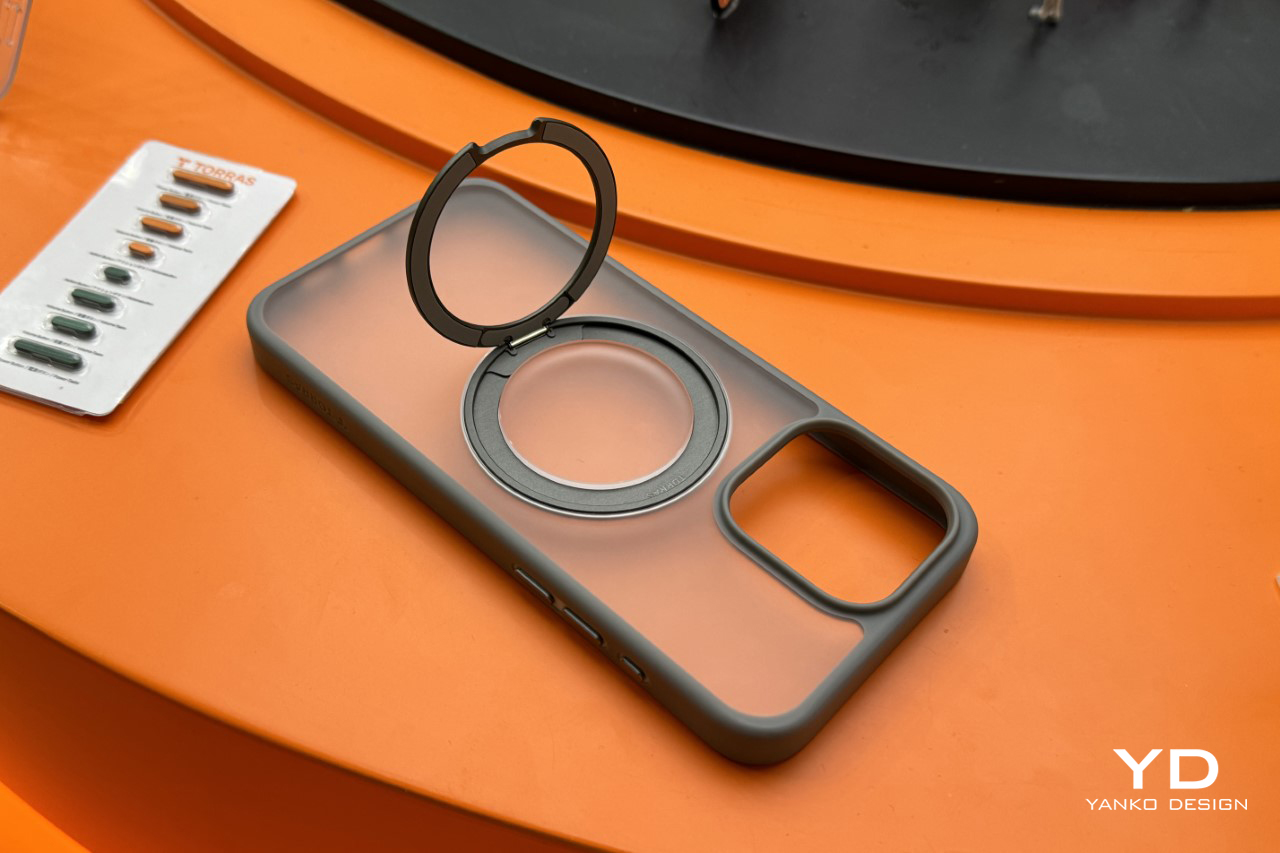
It isn’t easy building a phone case that has its own stand which rotates, while still maintaining a slim profile… but TORRAS lifted the veil on the Ostand R’s design to show the amount of research and innovation that goes into every detail. A specially designed hinge measures a mere 1.2mm (0.04 inches) thick, but can resist tens of thousands of folds, and can even hold its angle like a laptop hinge (while taking the weight of your phone). The hinge is also accompanied by a hubless rotating element that lets the ring orient however you want it to, giving you the kind of freedom you wouldn’t get with other cases.
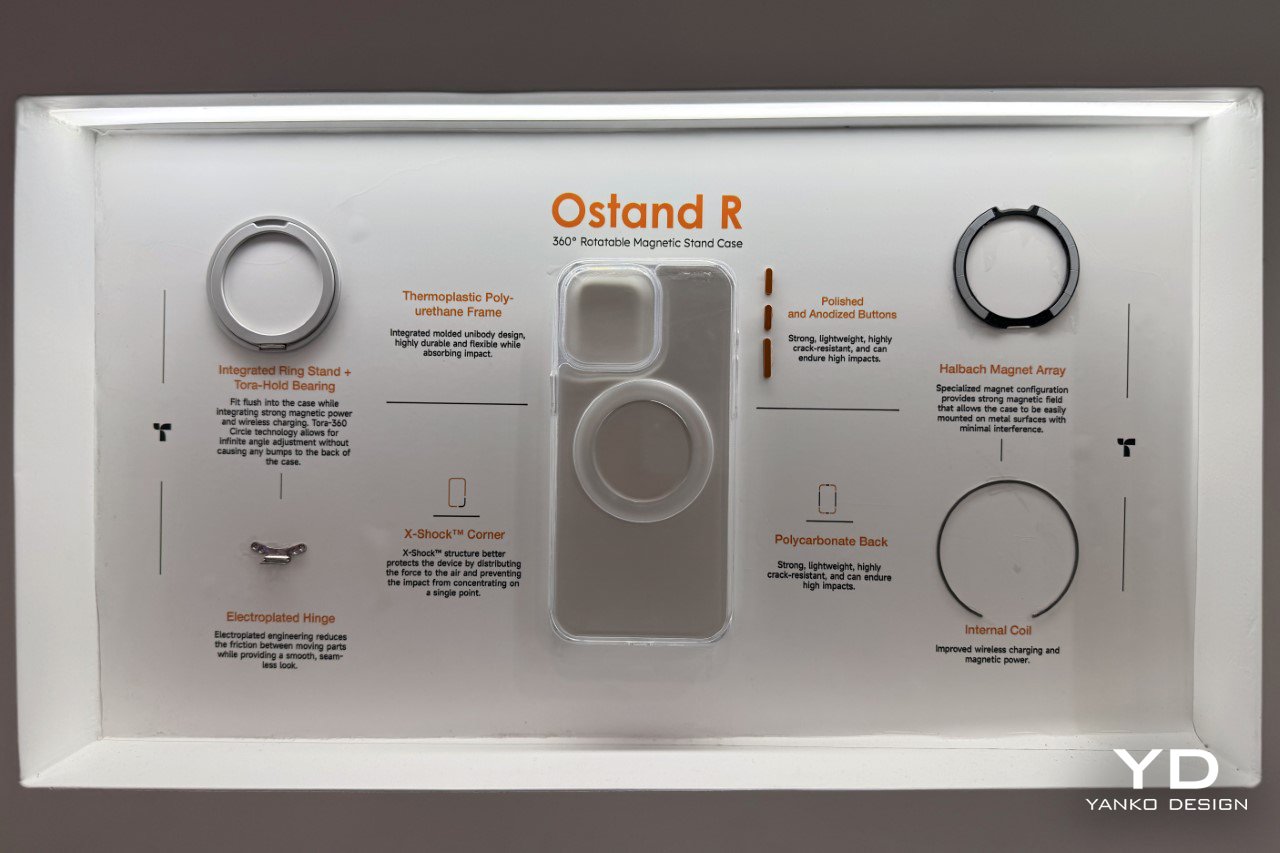
A quick breakdown of the Ostand R shows all the innovation gone into its features and details

The Lstand, on the other hand, is for people who want a smooth case with nothing on the back. Research from TORRAS’ customer base showed that while the Ostand was a hot favorite, there were some who liked the appeal of the company’s older stands that were either built into the bottom of the phone, or the sides. To cater to these people, TORRAS built the Lstand, a stand case with a fold-out element around the camera lens. The robust ring adds an extra layer of beefed security to your iPhone camera, but pop it open and it transforms into a nifty stand to rest your phone on.
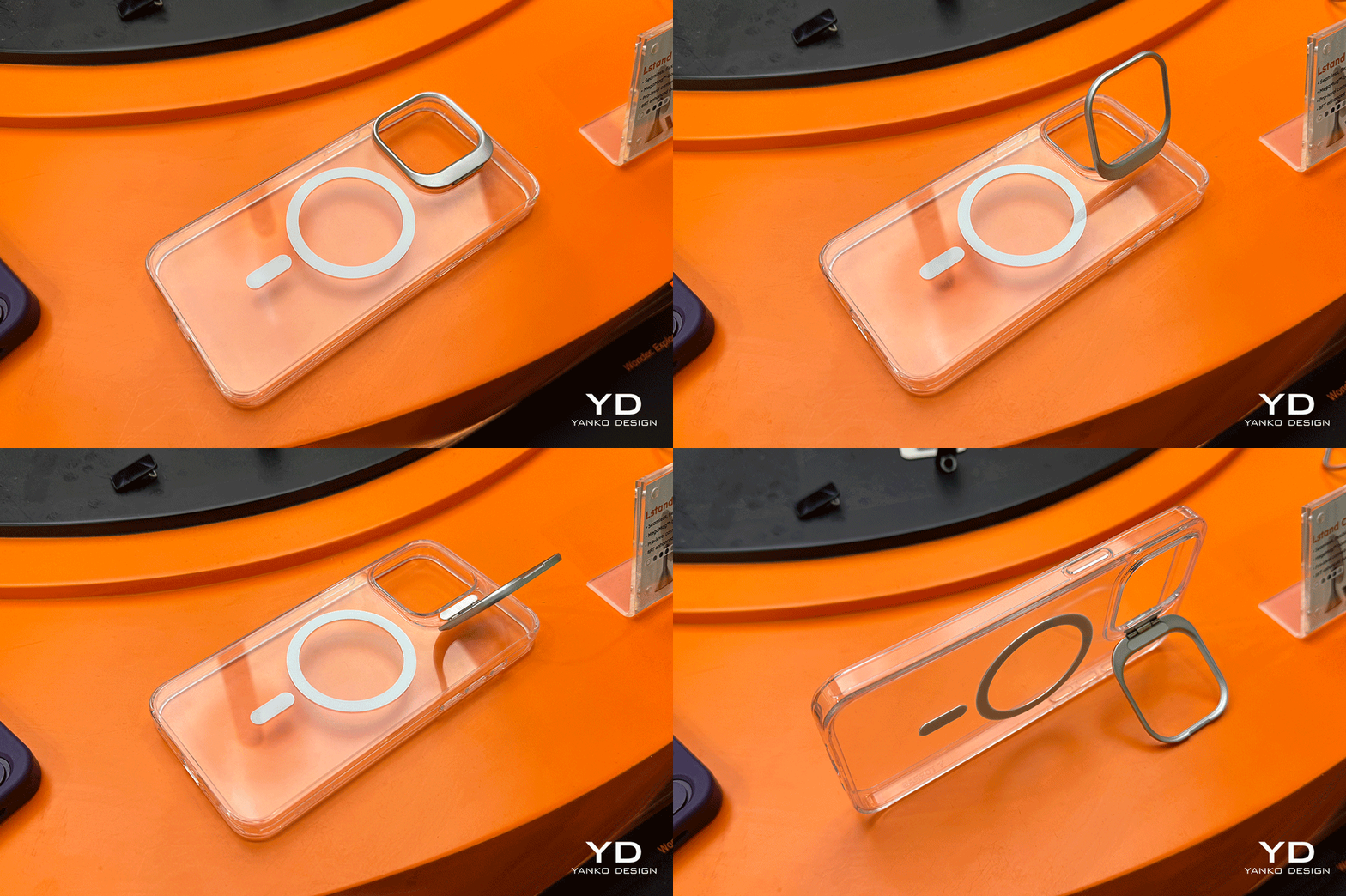
The two stands, while impressive, come backed by an Ipsos paper that puts Torras at the forefront of the upcoming phone stand trend. Ipsos mentions that the rise of digital nomads and of social media has prompted a lot of people to rely on their phone for staying connected, and entertained. Given that phones are now growing bigger, flatter, and heavier, it’s becoming more and more important to shift focus from merely ‘phone cases’ to phone stands that allow people to hold their phones better, and to rest them on surfaces for work, leisure, and everything in between. Phone cases aren’t going anywhere, because people inherently need to have protective accessories for their expensive smart-devices… but more than 52% of people mention that they want their phone cases to have a hands-free feature, while a staggering 59% mention the need to still maintain a minimalist sleek design. The Ostand R and Lstand (along with Torras’ other stands) maintain these considerations, resulting in smartphone accessories that don’t protect the phone… they enhance the phone’s experience too.

When asked about TORRAS, the Ipsos study revealed: “Through continuous innovation and research and development, TORRAS integrated upgraded protection and portability, restoring the design style of bare phones. At the same time, it pioneers a new design of phone case with the combination of kickstand and magnetic suction, which performs excellently and has won many international design awards, patented innovations, and industry honors, leading the development and progress of the kickstand and magnetic suction phone case products.” They added that “TORRAS is the next generation of phone cases.”

Click Here to take a look at the Ipsos study on the future of Phone Stands
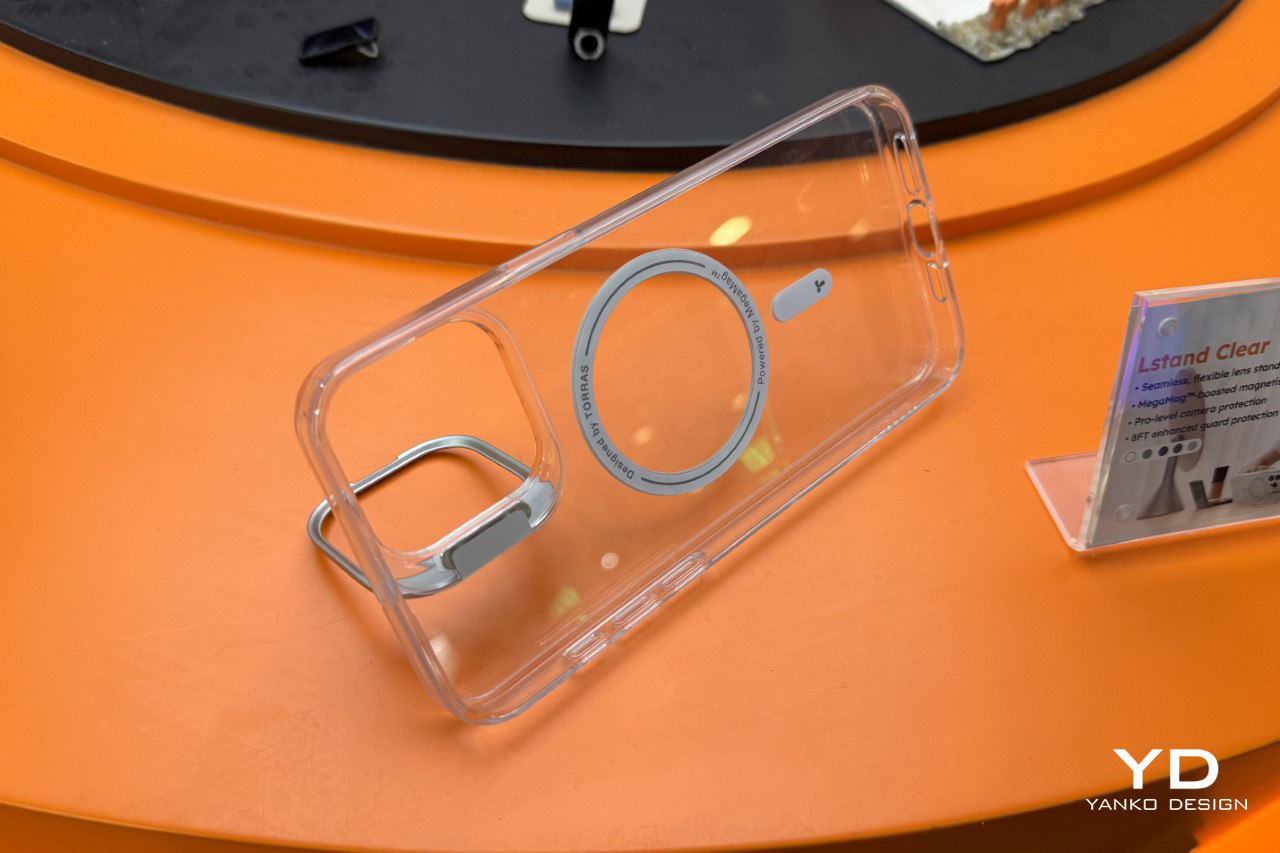
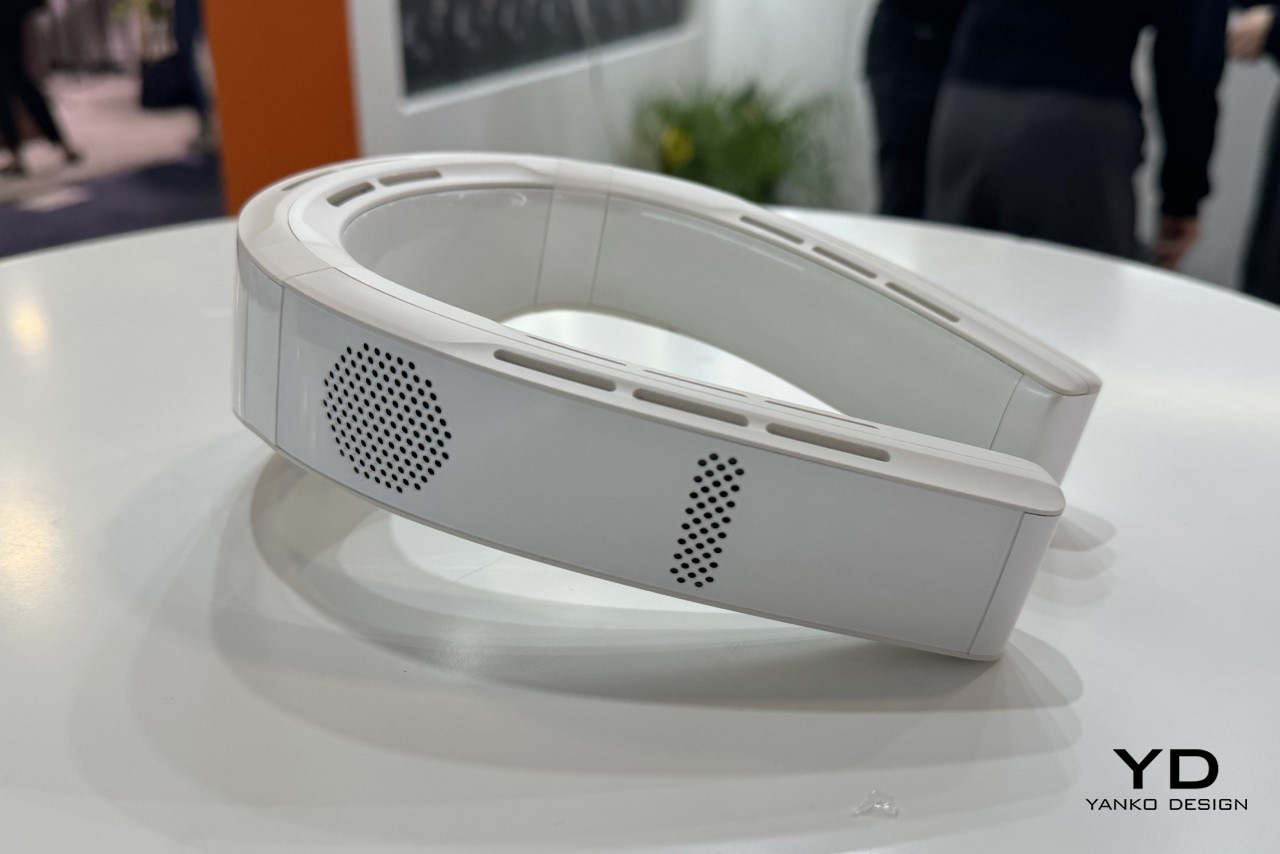
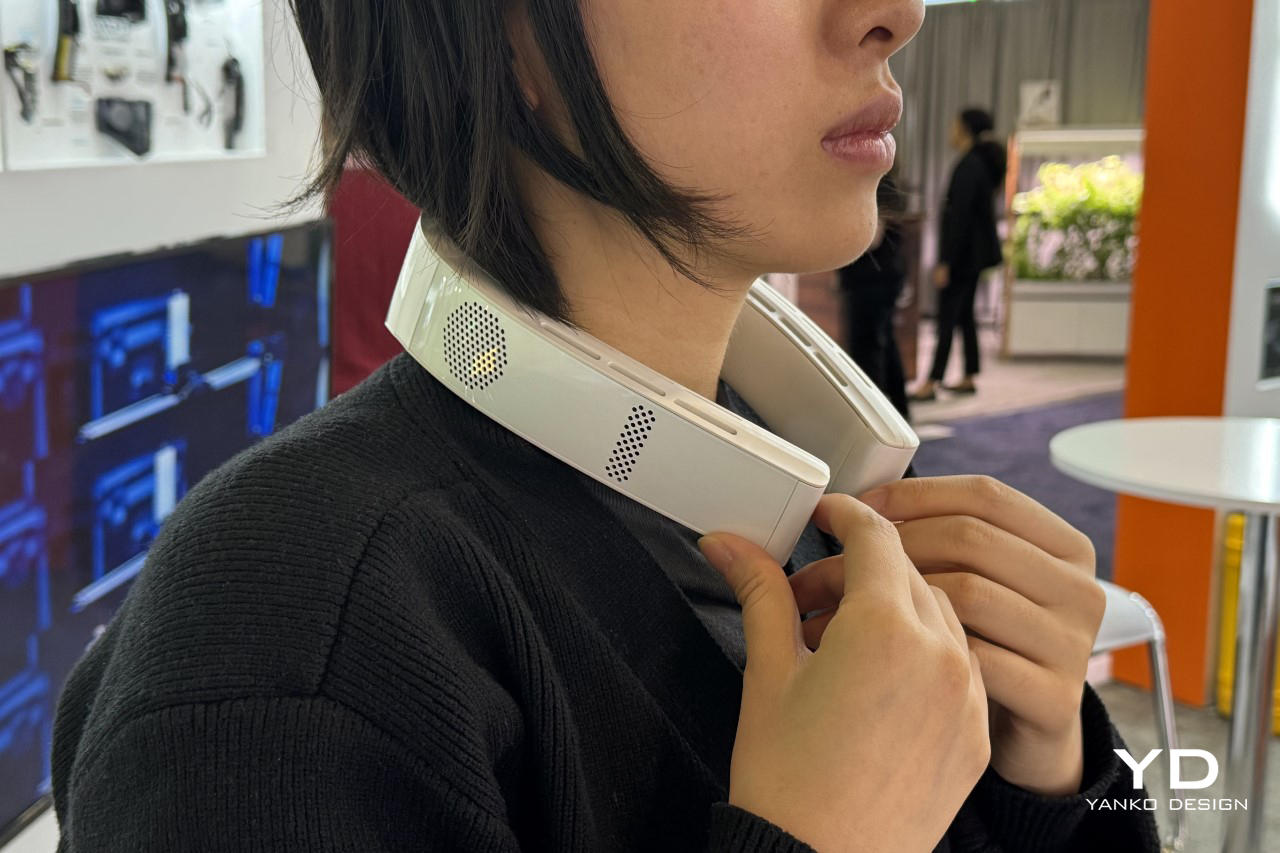
The COOLiFY range also saw some changes with the Cyber, TORRAS’ latest neck wearable. Building on the existing line, the COOLiFY Cyber comes with a larger cooling plate and air ducts, creating a bigger impact. The air ducts blow wind (cold or hot) towards the neck and face, while the cooling plates rely on an electric current that passes through a semiconductor to rapidly cool down. With 3 speed settings to choose from, 3 heat/cool plates, and a total of 36 outlets, the COOLiFY Cyber is the equivalent of wearing an air conditioner on your neck.
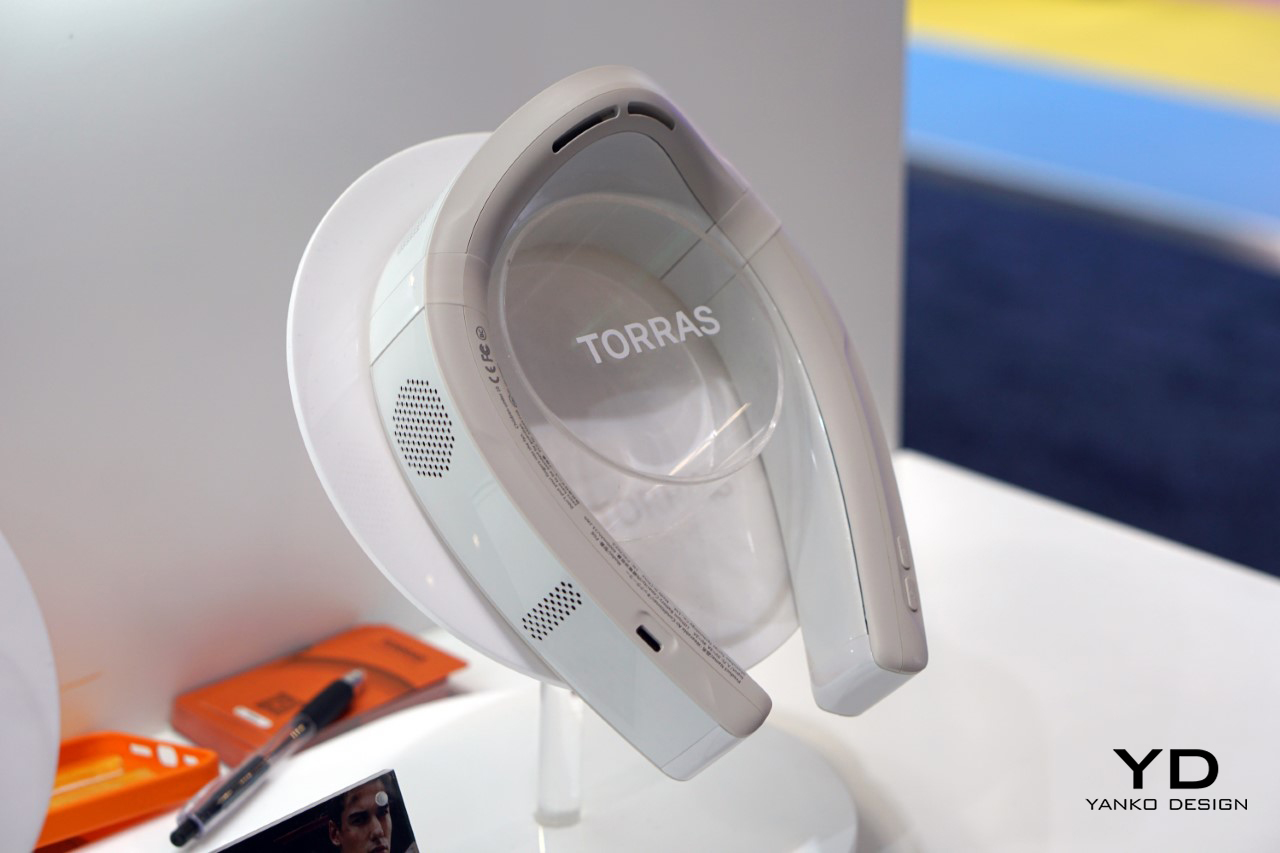
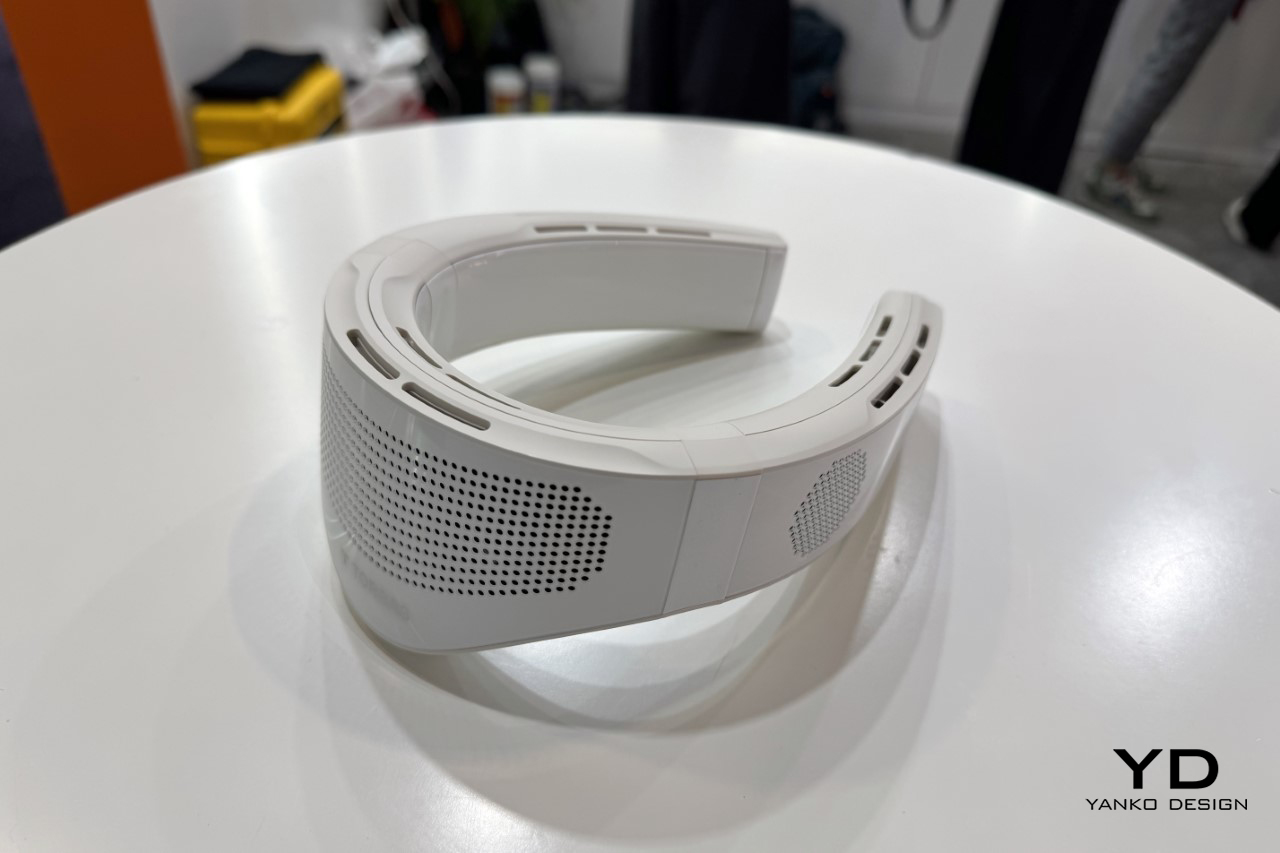
The COOLiFY Cyber sports an incredibly slick design that can easily be worn around any neck thanks to its flexible horseshoe-shaped design. It’s made to be lightweight, it charges via USB-C, and from personal experience, it feels a lot like wearing an ice or heat pack around your neck – something you’ll probably appreciate in the harsh summers and winters. The neck’s unique location (near the face and connected to the spine) makes it a perfect spot for something like the COOLiFY Cyber, as its cooling/heating effect can be felt all over you (and not just your neck). The COOLiFY Cyber is slated to launch around March, which is when additional details like battery life and pricing will emerge.
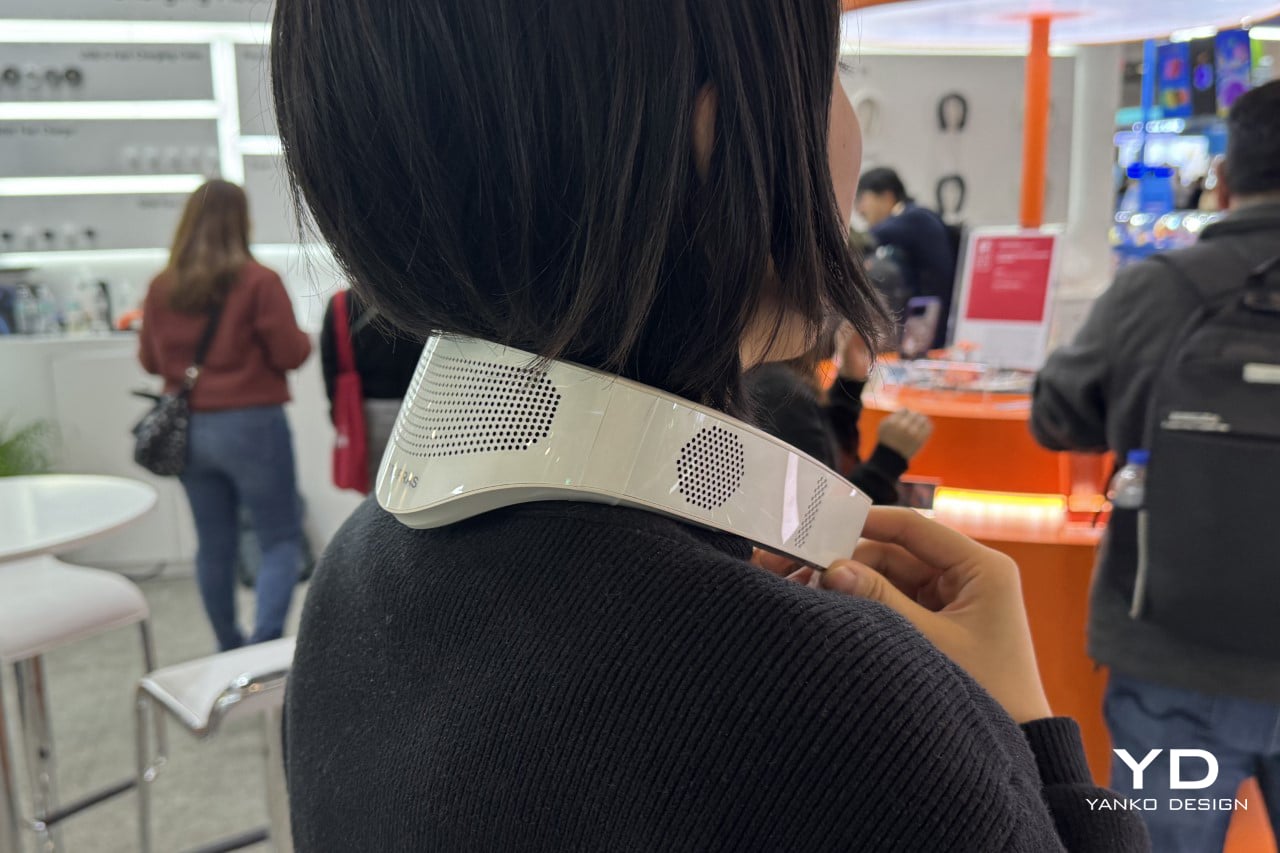
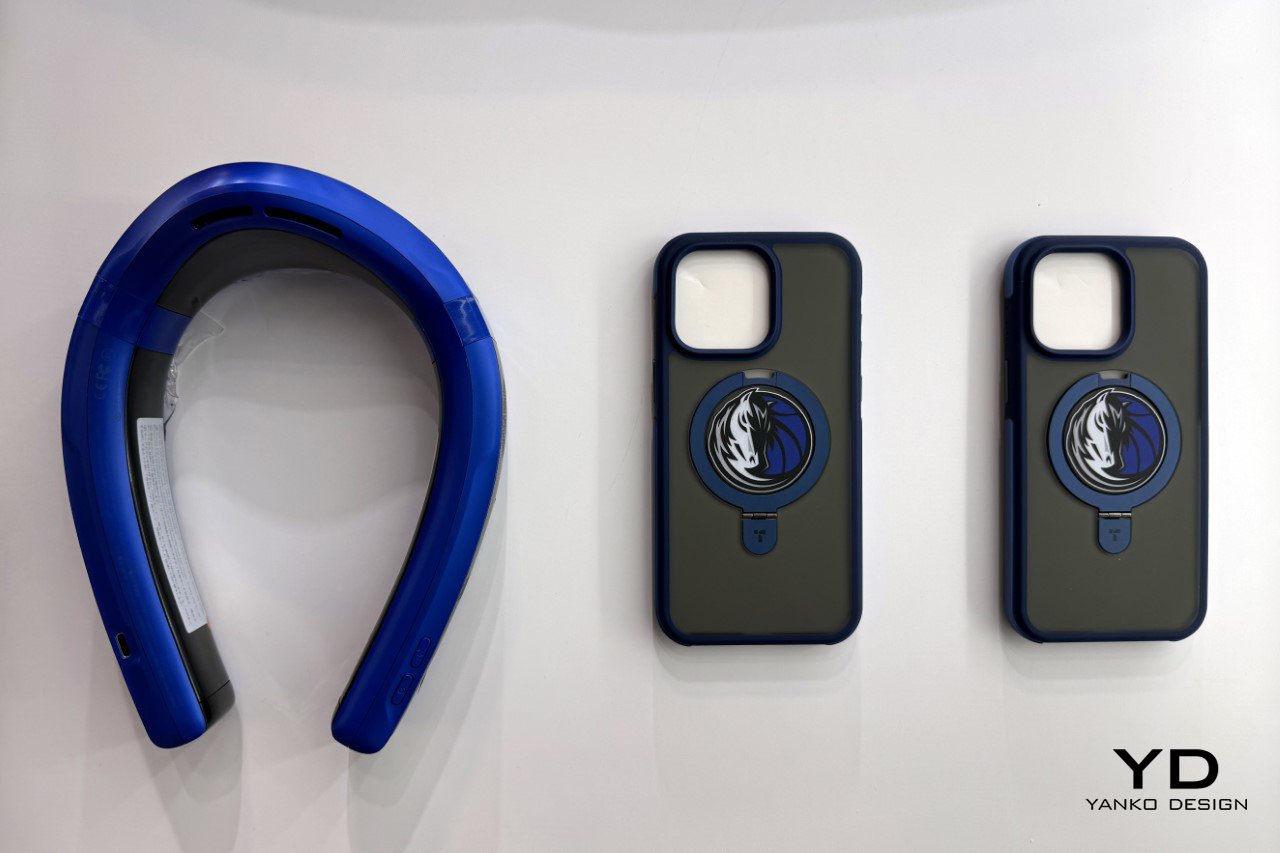
TORRAS even partnered with the Dallas Maverick to create special Mavs-branded merchandise for them and their fans
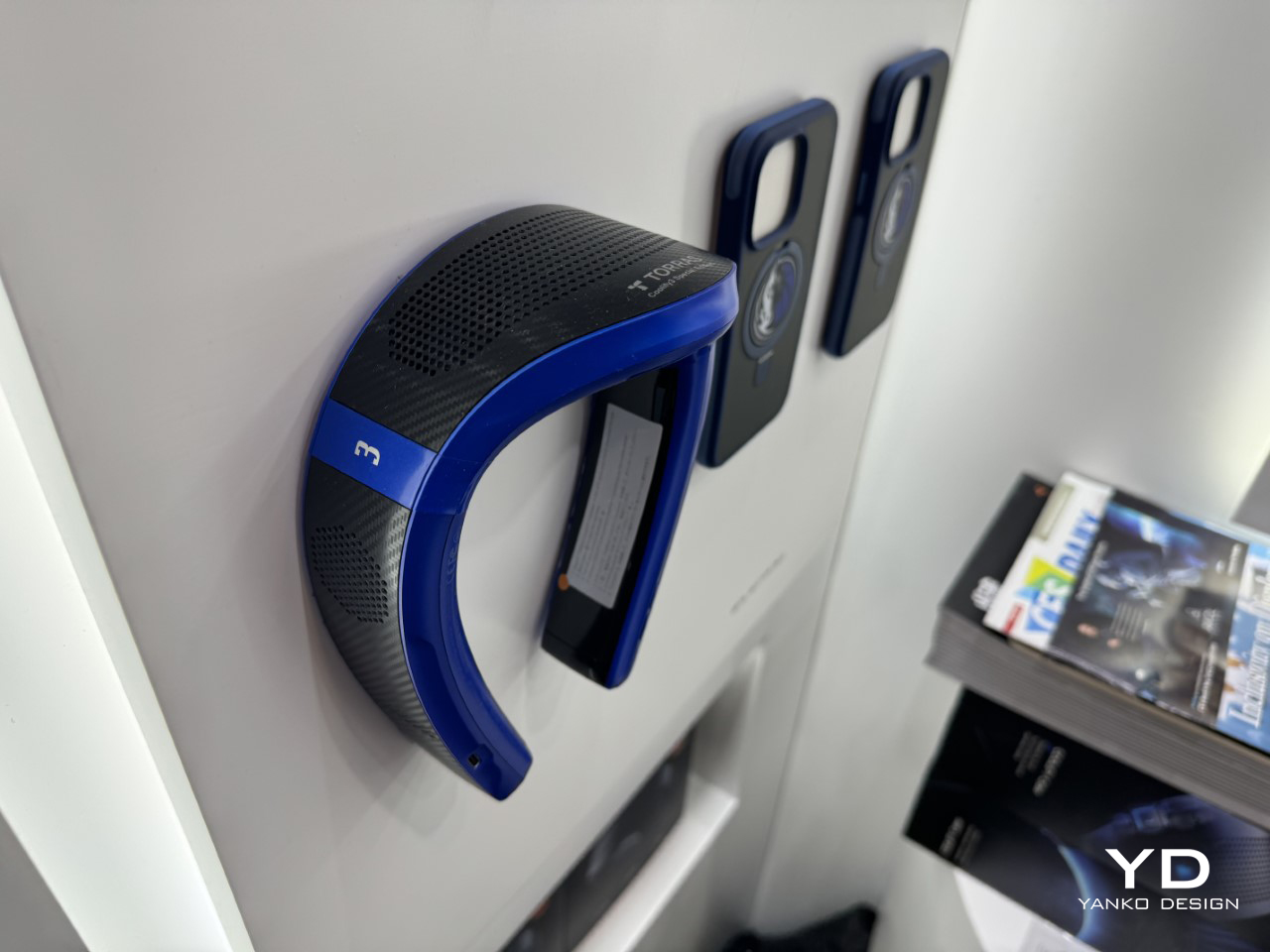
Click Here to Buy a TORRAS COOLiFY Portable Air Conditioner (20% Off)

The post Regular Phone Cases are Dead… These Phone Stands from TORRAS offer Ultimate Hands-free Ergonomics first appeared on Yanko Design.

Fiio CP13 revives Sony Walkman mixtape era in a USB-C chargable version

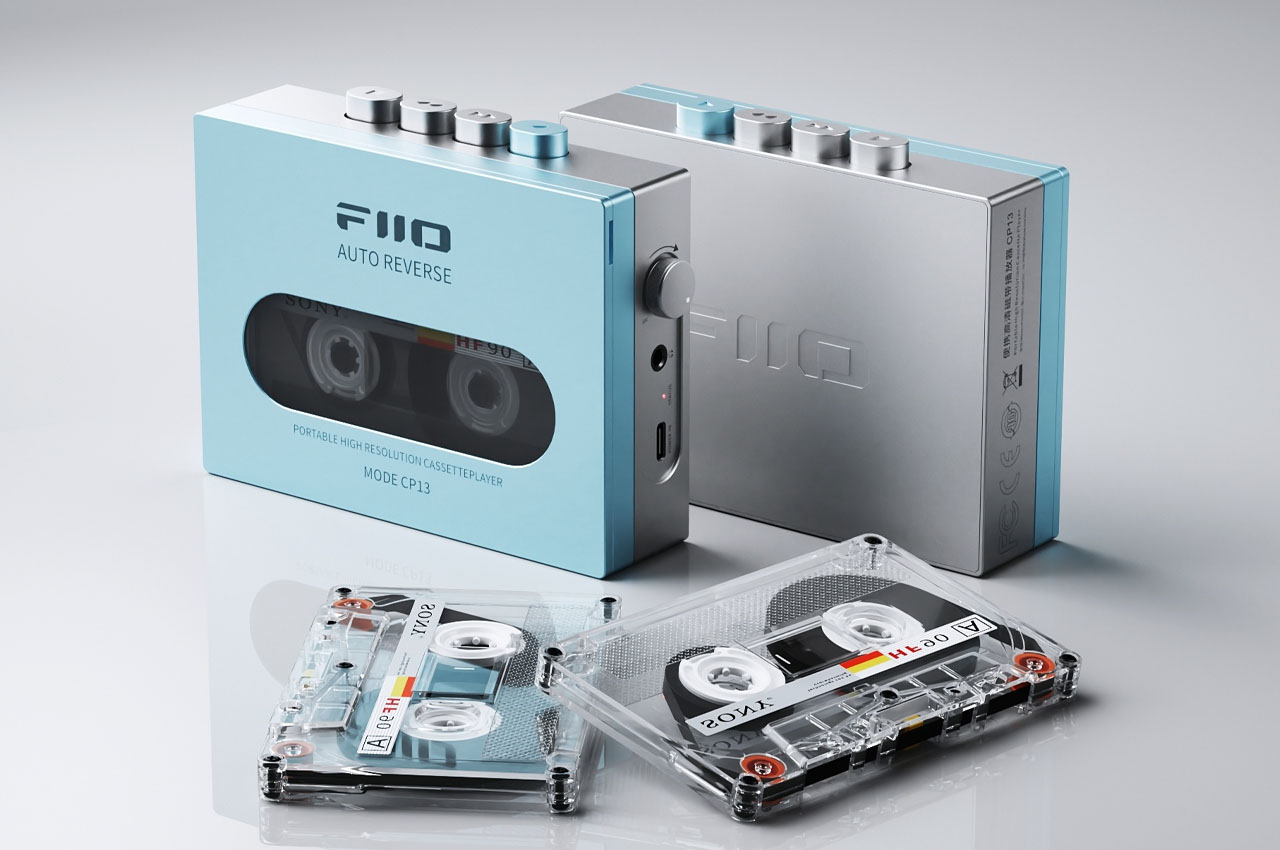
Fiio, best known for its audiophile-grade DACs and desktop streamers has surprised everyone at CES 2024 with a retro gadget that breaks the ice in terms of its nostalgia. This is the CP13 cassette player inspired by the popular Sony Walkman back in the 80s era.

The gadget is just not a shell inspired by the Walkman of that time, rather it is a modern cassette music player to its true core. You can gauge the realism from the fact that there isn’t Bluetooth on this music player to keep this very authentic. However, the Chinese manufacturer has added USB-C charging feature to save you from buying AA batteries every week.

Designer: Fiio

Doesn’t this mean, that cassette player technology has gone a full circle and now coming back in trend? In fact, the year 2022 saw an annual sale of 195,000 cassette player units. The appearance in ‘The Last of US’ and pop albums by Billie Elish, Lady Gaga and Taylor Swift further seems to strengthen this fact!

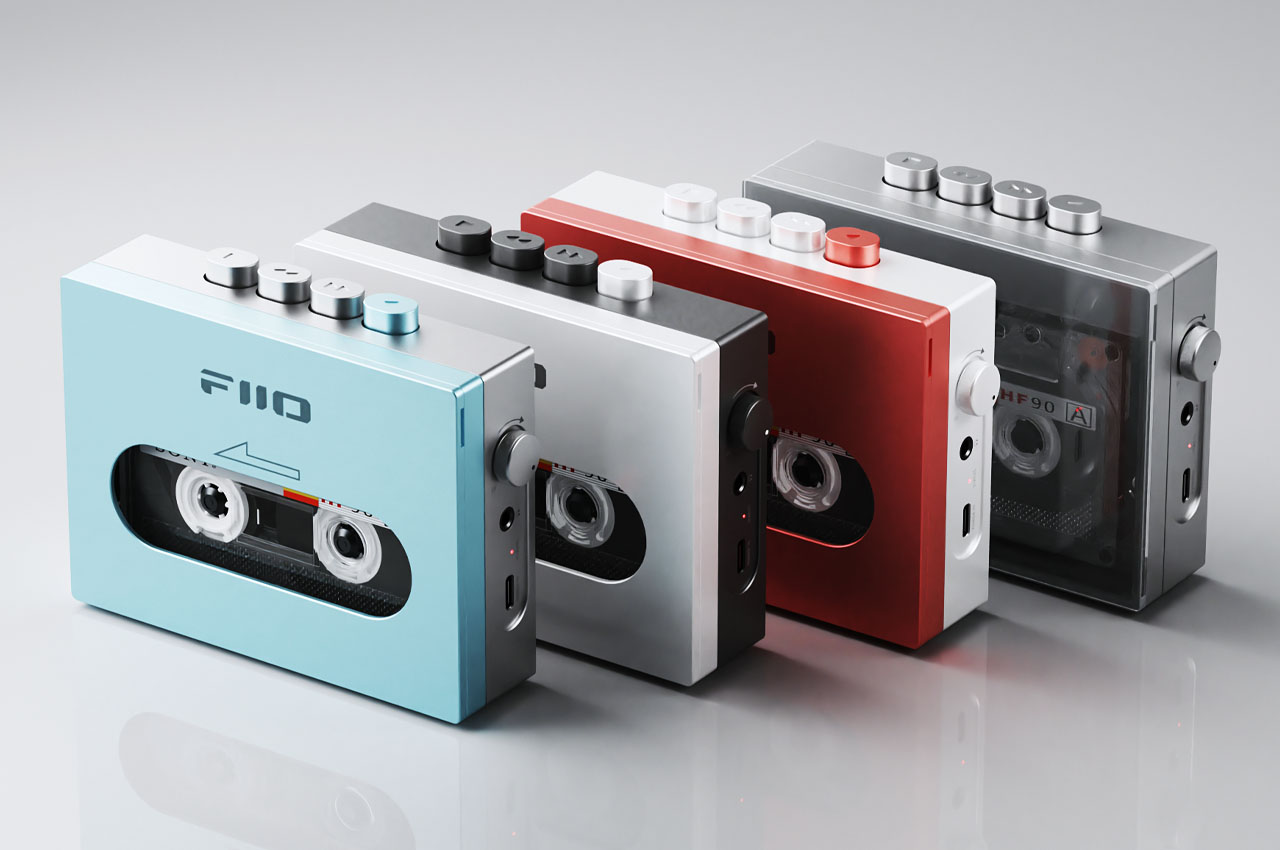
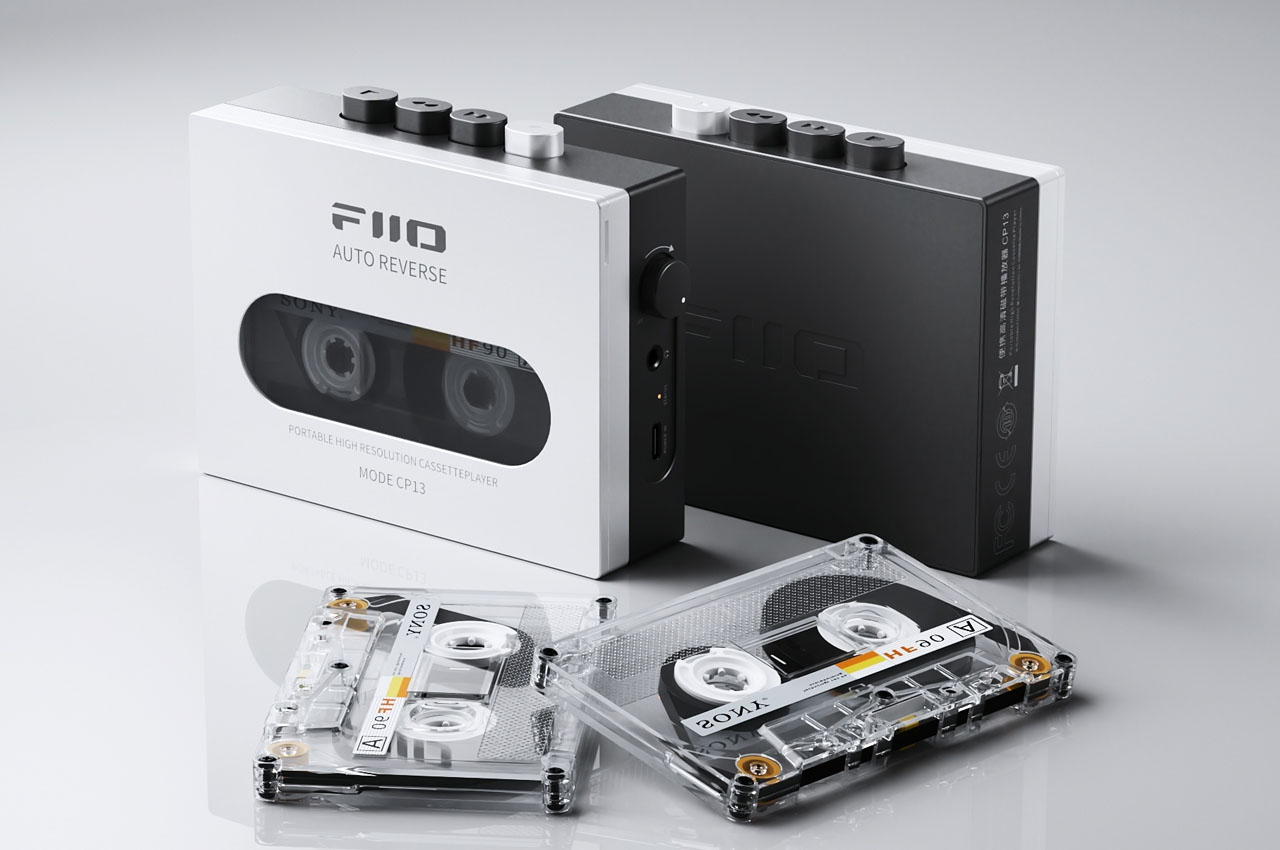
Paying homage to the original Walkman in dual tone silver blue finish, the gadget has a retro design with large playback buttons, 3.5 mm headphone port and an oversized knob. By the looks of things, there’s no option to auto-reverse, so you’ll have to manually change sides. However, you can fast forward, reverse and pause just like the original one.

Another added feature along with the more modern charging port is the status LED. The player is good for 15 hours of playback on a single charge but sadly there’s no function to convert tapes to MP3 files. Of course, there’s the signature color variant but audioheads can also go for the matte black with white and the blue with metal silver option.

The audio accessory is priced at $164 and I’m not too sure if I’ll be going down that road anytime soon. Still, the Fiio CP13 does evoke a lot of fond memories of the golden era when owning music albums and following artists was a lot more precious compared to modern times.

The post Fiio CP13 revives Sony Walkman mixtape era in a USB-C chargable version first appeared on Yanko Design.

The ASUS AirVision M1 glasses give you big virtual screens in a travel-friendly package

At CES 2024, ASUS seems to have taken people by surprise with the announcement of its AirVision M1 glasses, with some viewing it as an alternative to Apple’s Vision Pro headset. But I discovered that ASUS’ glasses are much more of a novel alternative to portable monitors than something meant for spatial computing. 


The big difference between the AirVision M1 glasses and something like the Vision Pro or even Xreal’s Air 2 Ultras is that it doesn’t really support anything in the way of interactive AR. Sure, the glasses are able to project your desktop or multiple windows into space, but it needs to be tethered to a nearby device and doesn’t recognize hand gestures or other virtual objects. 

A (somewhat blurry) look at the MicroLED displays inside the ASUS AirVision M1 glasses
Photo by Sam Rutherford/Engadget

Instead, I found that its primary purpose is to give you extra screen space, but without the need to carry around big and bulky portable monitors. Featuring built-in microLED displays with a full HD resolution, the AirVisions can display up to six or seven virtual windows or desktops. You can also choose betwe

en a handful of aspect ratios (16:9, 21:9, 32:9 and more), with the glasses three degrees of freedom allowing you to either pin those screens in virtual space or track your head as you move around. 

Instead, I found that its primary purpose is to give you extra screen space, but without the need to carry around big and bulky portable monitors. Featuring built-in microLED displays with a full HD resolution, the AirVisions can display up to six or seven virtual windows or desktops. You can also choose between a handful of aspect ratios (16:9, 21:9, 32:9 and more), with the glasses three degrees of freedom allowing you to either pin those screens in virtual space or track your head as you move around. 

Instead, I found that its primary purpose is to give you extra screen space, but without the need to carry around big and bulky portable monitors. Featuring built-in microLED displays with a full HD resolution, the AirVisions can display up to six or seven virtual windows or desktops. You can also choose between a handful of aspect ratios (16:9, 21:9, 32:9 and more), with the glasses three degrees of freedom allowing you to either pin those screens in virtual space or track your head as you move around. Instead, I found that its primary purpose is to give you extra screen space, but without the need to carry around big and bulky portable monitors. Featuring built-in microLED displays with a full HD resolution, the AirVisions can display up to six or seven virtual windows or desktops. You can also choose between a handful of aspect ratios (16:9, 21:9, 32:9 and more), with the glasses three degrees of freedom allowing you to either pin those screens in virtual space or track your head as you move around. 

During my first demo, I used the AirVision M1s while tethered to a laptop, in which it behaved almost exactly like having a bit floating desktop that appeared to be hovering six feet in front of me. At first, the virtual displays were a little blurry, but after a short adjustment period and some time dialing in my IPD (interpupillary distance), I was pleasantly surprised by how sharp everything looked. When compared to something like Sightful Spacetop, which is billed as the world’s first AR laptop, not only did it have a much larger vertical field of view (up to 57 degrees), it also didn’t require any additional special equipment, as the glasses are essentially plug and play. While I didn’t need them, it’s important to note that the glasses come with a pair of nose pads to help ensure you can get a good fit, plus a prescription insert for people with glasses.

Once set up, it was pretty easy to create additional virtual workspaces. All I had to do was pull up a small command menu, press a plus sign where I wanted a new window to appear and that’s it. You can also freely adjust the overall size of the virtual display by zooming in or out. And one of the best things about the AirVisions is that using the laptop’s touchpad or typing wasn’t difficult at all. Because you can see through the virtual displays, I simply looked down and focused my eyes where they needed to go. That said, if you become distracted by something in the background, ASUS’ glasses also come with magnetic blinders that clip onto the front and provide a clean black backdrop.

However my favorite use case was when I tried a different pair of the AirVisions that were connected to an ROG Ally, where the glasses provided me with a massive virtual screen for gaming. In this way, it’s a lot like wearing a headset such as the Meta Quest 3, but for non-VR games. This is the kind of device I would love to have on a plane, where space is at a premium, especially for something like a portable monitor. That said, I’m not sure I could handle the embarrassment of being a modern day glasshole, at least not until devices like these become a bit more popular.

But perhaps the biggest difference between the AirVision M1s and Apple’s Vision Pro is price. While ASUS has yet to provide an official figure, a company spokesperson told me that ASUS is targeting around $700, versus $3,000 for Apple’s headset. And when you compare that to the price of a portable monitor, which often goes for between $250 and $400, and offers a lot less screen space, suddenly that price doesn’t seem too ridiculous.

So if you’re on the lookout for an alternative to the travel monitor, keep an eye for ASUS’ AirVision M1 glasses when they become available sometime in Q3 2024. 

We're reporting live from CES 2024 in Las Vegas from January 6-12. Keep up with all the latest news from the show here.

This article originally appeared on Engadget at https://www.engadget.com/the-asus-airvision-m1-glasses-give-you-big-virtual-screens-in-a-travel-friendly-package-234412478.html?src=rss

The ASUS AirVision M1 glasses give you big virtual screens in a travel-friendly package

At CES 2024, ASUS seems to have taken people by surprise with the announcement of its AirVision M1 glasses, with some viewing it as an alternative to Apple’s Vision Pro headset. But I discovered that ASUS’ glasses are much more of a novel alternative to portable monitors than something meant for spatial computing. 

The big difference between the AirVision M1 glasses and something like the Vision Pro or even Xreal’s Air 2 Ultras is that it doesn’t really support anything in the way of interactive AR. Sure, the glasses are able to project your desktop or multiple windows into space, but it needs to be tethered to a nearby device and doesn’t recognize hand gestures or other virtual objects. 

A (somewhat blurry) look at the MicroLED displays inside the ASUS AirVision M1 glasses
Photo by Sam Rutherford/Engadget

Instead, I found that its primary purpose is to give you extra screen space, but without the need to carry around big and bulky portable monitors. Featuring built-in microLED displays with a full HD resolution, the AirVisions can display up to six or seven virtual windows or desktops. You can also choose between a handful of aspect ratios (16:9, 21:9, 32:9 and more), with the glasses three degrees of freedom allowing you to either pin those screens in virtual space or track your head as you move around. 

During my first demo, I used the AirVision M1s while tethered to a laptop, in which it behaved almost exactly like having a bit floating desktop that appeared to be hovering six feet in front of me. At first, the virtual displays were a little blurry, but after a short adjustment period and some time dialing in my IPD (interpupillary distance), I was pleasantly surprised by how sharp everything looked. When compared to something like Sightful Spacetop, which is billed as the world’s first AR laptop, not only did it have a much larger vertical field of view (up to 57 degrees), it also didn’t require any additional special equipment, as the glasses are essentially plug and play. While I didn’t need them, it’s important to note that the glasses come with a pair of nose pads to help ensure you can get a good fit, plus a prescription insert for people with glasses.

Once set up, it was pretty easy to create additional virtual workspaces. All I had to do was pull up a small command menu, press a plus sign where I wanted a new window to appear and that’s it. You can also freely adjust the overall size of the virtual display by zooming in or out. And one of the best things about the AirVisions is that using the laptop’s touchpad or typing wasn’t difficult at all. Because you can see through the virtual displays, I simply looked down and focused my eyes where they needed to go. That said, if you become distracted by something in the background, ASUS’ glasses also come with magnetic blinders that clip onto the front and provide a clean black backdrop.

However my favorite use case was when I tried a different pair of the AirVisions that were connected to an ROG Ally, where the glasses provided me with a massive virtual screen for gaming. In this way, it’s a lot like wearing a headset such as the Meta Quest 3, but for non-VR games. This is the kind of device I would love to have on a plane, where space is at a premium, especially for something like a portable monitor. That said, I’m not sure I could handle the embarrassment of being a modern day glasshole, at least not until devices like these become a bit more popular.

But perhaps the biggest difference between the AirVision M1s and Apple’s Vision Pro is price. While ASUS has yet to provide an official figure, a company spokesperson told me that ASUS is targeting around $700, versus $3,000 for Apple’s headset. And when you compare that to the price of a portable monitor, which often goes for between $250 and $400, and offers a lot less screen space, suddenly that price doesn’t seem too ridiculous.

So if you’re on the lookout for an alternative to the travel monitor, keep an eye for ASUS’ AirVision M1 glasses when they become available sometime in Q3 2024. 

We're reporting live from CES 2024 in Las Vegas from January 6-12. Keep up with all the latest news from the show here.

This article originally appeared on Engadget at https://www.engadget.com/the-asus-airvision-m1-glasses-give-you-big-virtual-screens-in-a-travel-friendly-package-234412478.html?src=rss

The ASUS AirVision M1 glasses give you big virtual screens in a travel-friendly package

At CES 2024, ASUS seems to have taken people by surprise with the announcement of its AirVision M1 glasses, with some viewing it as an alternative to Apple’s Vision Pro headset. But I discovered that ASUS’ glasses are much more of a novel alternative to portable monitors than something meant for spatial computing. 


The big difference between the AirVision M1 glasses and something like the Vision Pro or even Xreal’s Air 2 Ultras is that it doesn’t really support anything in the way of interactive AR. Sure, the glasses are able to project your desktop or multiple windows into space, but it needs to be tethered to a nearby device and doesn’t recognize hand gestures or other virtual objects. 

A (somewhat blurry) look at the MicroLED displays inside the ASUS AirVision M1 glasses
Photo by Sam Rutherford/Engadget

Instead, I found that its primary purpose is to give you extra screen space, but without the need to carry around big and bulky portable monitors. Featuring built-in microLED displays with a full HD resolution, the AirVisions can display up to six or seven virtual windows or desktops. You can also choose betwe

en a handful of aspect ratios (16:9, 21:9, 32:9 and more), with the glasses three degrees of freedom allowing you to either pin those screens in virtual space or track your head as you move around. 

Instead, I found that its primary purpose is to give you extra screen space, but without the need to carry around big and bulky portable monitors. Featuring built-in microLED displays with a full HD resolution, the AirVisions can display up to six or seven virtual windows or desktops. You can also choose between a handful of aspect ratios (16:9, 21:9, 32:9 and more), with the glasses three degrees of freedom allowing you to either pin those screens in virtual space or track your head as you move around. 

Instead, I found that its primary purpose is to give you extra screen space, but without the need to carry around big and bulky portable monitors. Featuring built-in microLED displays with a full HD resolution, the AirVisions can display up to six or seven virtual windows or desktops. You can also choose between a handful of aspect ratios (16:9, 21:9, 32:9 and more), with the glasses three degrees of freedom allowing you to either pin those screens in virtual space or track your head as you move around. Instead, I found that its primary purpose is to give you extra screen space, but without the need to carry around big and bulky portable monitors. Featuring built-in microLED displays with a full HD resolution, the AirVisions can display up to six or seven virtual windows or desktops. You can also choose between a handful of aspect ratios (16:9, 21:9, 32:9 and more), with the glasses three degrees of freedom allowing you to either pin those screens in virtual space or track your head as you move around. 

During my first demo, I used the AirVision M1s while tethered to a laptop, in which it behaved almost exactly like having a bit floating desktop that appeared to be hovering six feet in front of me. At first, the virtual displays were a little blurry, but after a short adjustment period and some time dialing in my IPD (interpupillary distance), I was pleasantly surprised by how sharp everything looked. When compared to something like Sightful Spacetop, which is billed as the world’s first AR laptop, not only did it have a much larger vertical field of view (up to 57 degrees), it also didn’t require any additional special equipment, as the glasses are essentially plug and play. While I didn’t need them, it’s important to note that the glasses come with a pair of nose pads to help ensure you can get a good fit, plus a prescription insert for people with glasses.

Once set up, it was pretty easy to create additional virtual workspaces. All I had to do was pull up a small command menu, press a plus sign where I wanted a new window to appear and that’s it. You can also freely adjust the overall size of the virtual display by zooming in or out. And one of the best things about the AirVisions is that using the laptop’s touchpad or typing wasn’t difficult at all. Because you can see through the virtual displays, I simply looked down and focused my eyes where they needed to go. That said, if you become distracted by something in the background, ASUS’ glasses also come with magnetic blinders that clip onto the front and provide a clean black backdrop.

However my favorite use case was when I tried a different pair of the AirVisions that were connected to an ROG Ally, where the glasses provided me with a massive virtual screen for gaming. In this way, it’s a lot like wearing a headset such as the Meta Quest 3, but for non-VR games. This is the kind of device I would love to have on a plane, where space is at a premium, especially for something like a portable monitor. That said, I’m not sure I could handle the embarrassment of being a modern day glasshole, at least not until devices like these become a bit more popular.

But perhaps the biggest difference between the AirVision M1s and Apple’s Vision Pro is price. While ASUS has yet to provide an official figure, a company spokesperson told me that ASUS is targeting around $700, versus $3,000 for Apple’s headset. And when you compare that to the price of a portable monitor, which often goes for between $250 and $400, and offers a lot less screen space, suddenly that price doesn’t seem too ridiculous.

So if you’re on the lookout for an alternative to the travel monitor, keep an eye for ASUS’ AirVision M1 glasses when they become available sometime in Q3 2024. 

We're reporting live from CES 2024 in Las Vegas from January 6-12. Keep up with all the latest news from the show here.

This article originally appeared on Engadget at https://www.engadget.com/the-asus-airvision-m1-glasses-give-you-big-virtual-screens-in-a-travel-friendly-package-234412478.html?src=rss