ASUS has recently launched a new series of mesh routers, the ZenWiFi BQ16 and BQ16 Pro, which are equipped with the latest WiFi 7 technology. These routers are designed to deliver ultra-fast internet speeds of up to 30 Gbps, making them perfect for large homes that require extensive coverage of up to 8,000 square feet. […]
Samsung will unveil its new Galaxy S24 range of smartphones on the 17th of January and now it has announced the launch of new Samsung Galaxy Experience Spaces for the new smartphones launch. The new Galaxy Experience Spaces will be launching around the world, they are coming to London, Dubai, New York, Paris, Seoul, Barcelona, […]
In the ever-evolving world of technology, Apple’s AirPods and iPhones have not only captivated consumers with their sleek design and cutting-edge features but have also, unfortunately, become a prime target for counterfeiters. It’s crucial for you, as a discerning buyer, to be able to tell the difference between the real deal and a well-crafted fake. […]
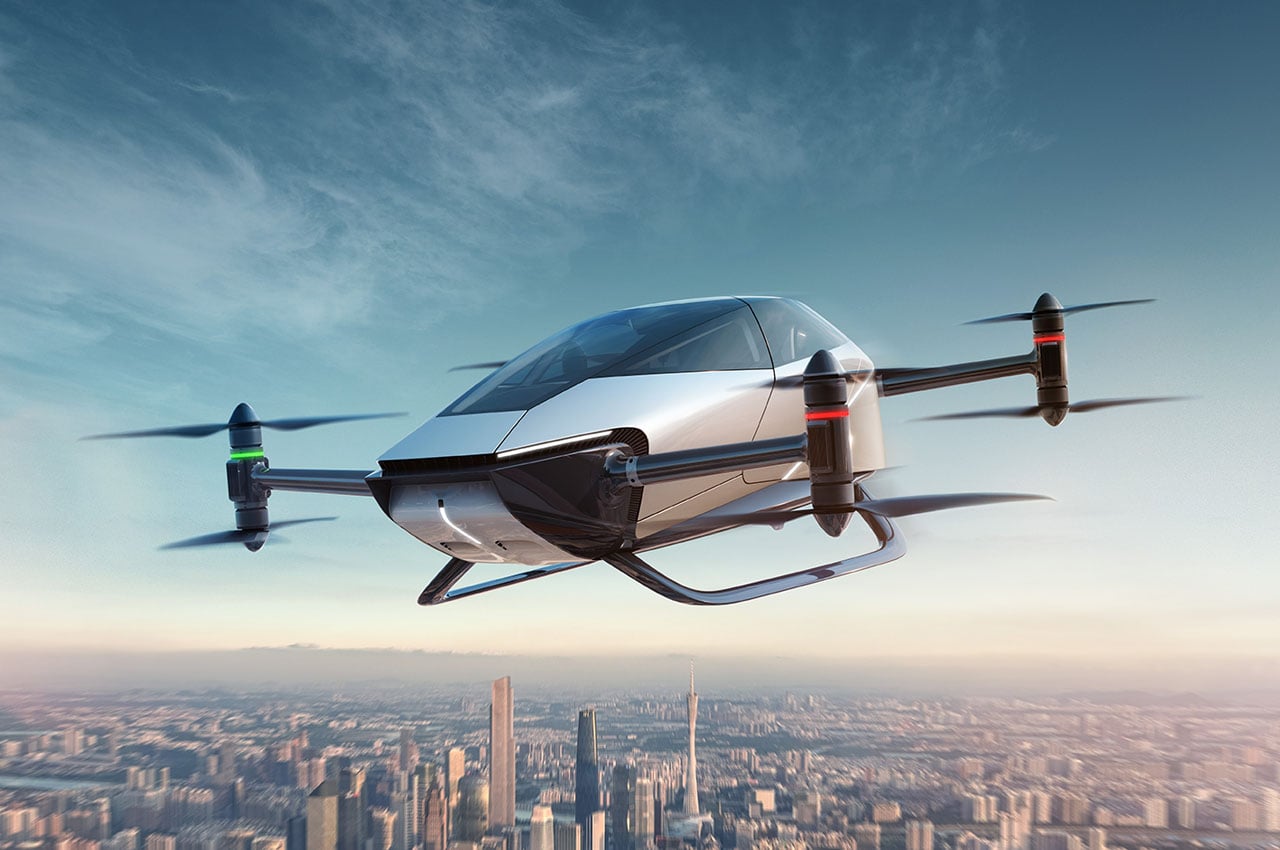
Numerous flying car concepts have come and gone. Some remain in the pipeline after decades and a few have evolved into enticing prototypes. There are just a handful that are slightly near realism and ready to take off. Not that these are iterations of the dream flying car I have, where I would sit in a normal vehicle driving to the office for an urgent meeting and when I hit traffic, I’d just shift from drive mode to flying mode and take to the sky, over the congestion below… Ah!
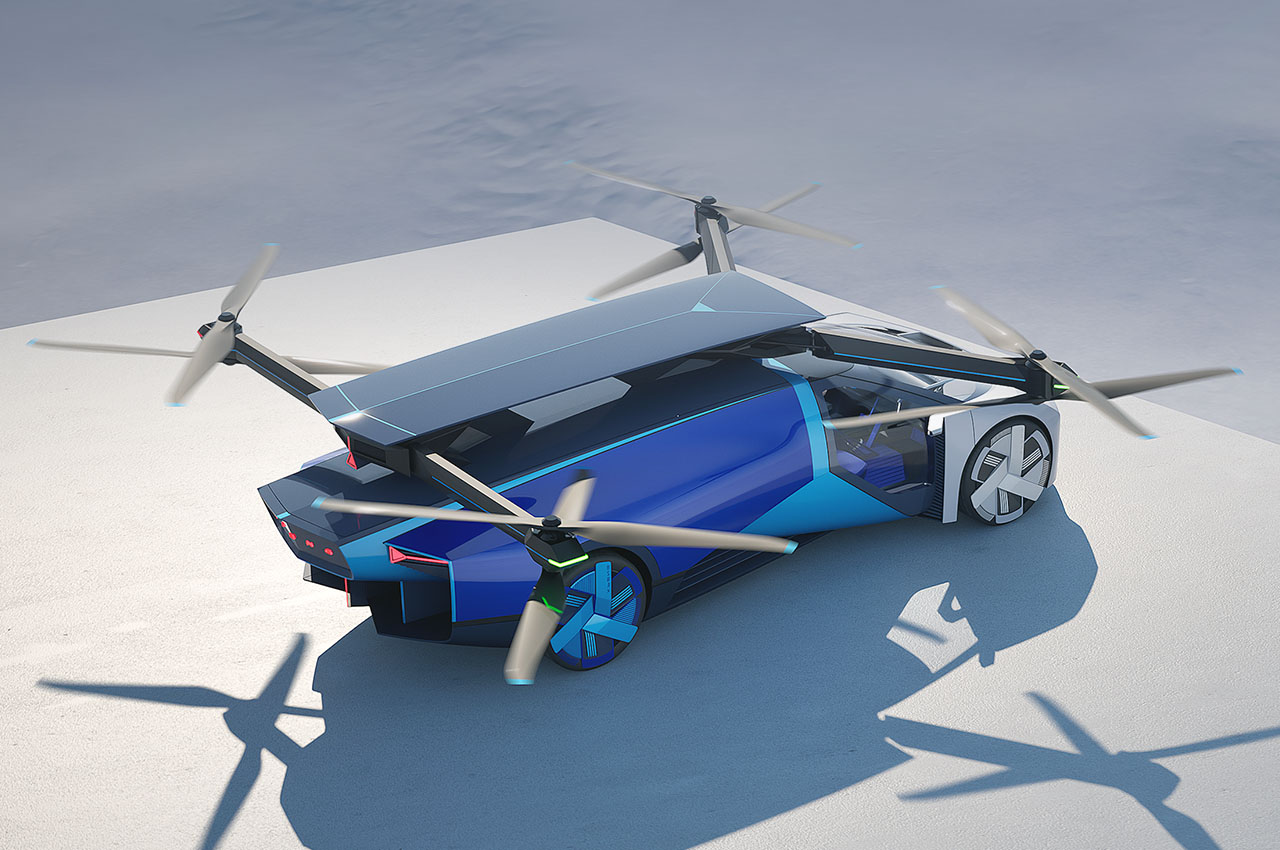
These ideas of flying cars we are seeing pop up at the mega tech fest in Vegas are VTOLs with electric propulsion, designed to just fly straight up – without a runway – when you need personal mobility of the future to flaunt. After the fruitful sight of the Helix, the first marketable eVTOL aircraft slated to ship in the US starting June 10, 2024; we came across the Xpeng AeroHT eVTOL Flying Car at the ongoing CES.
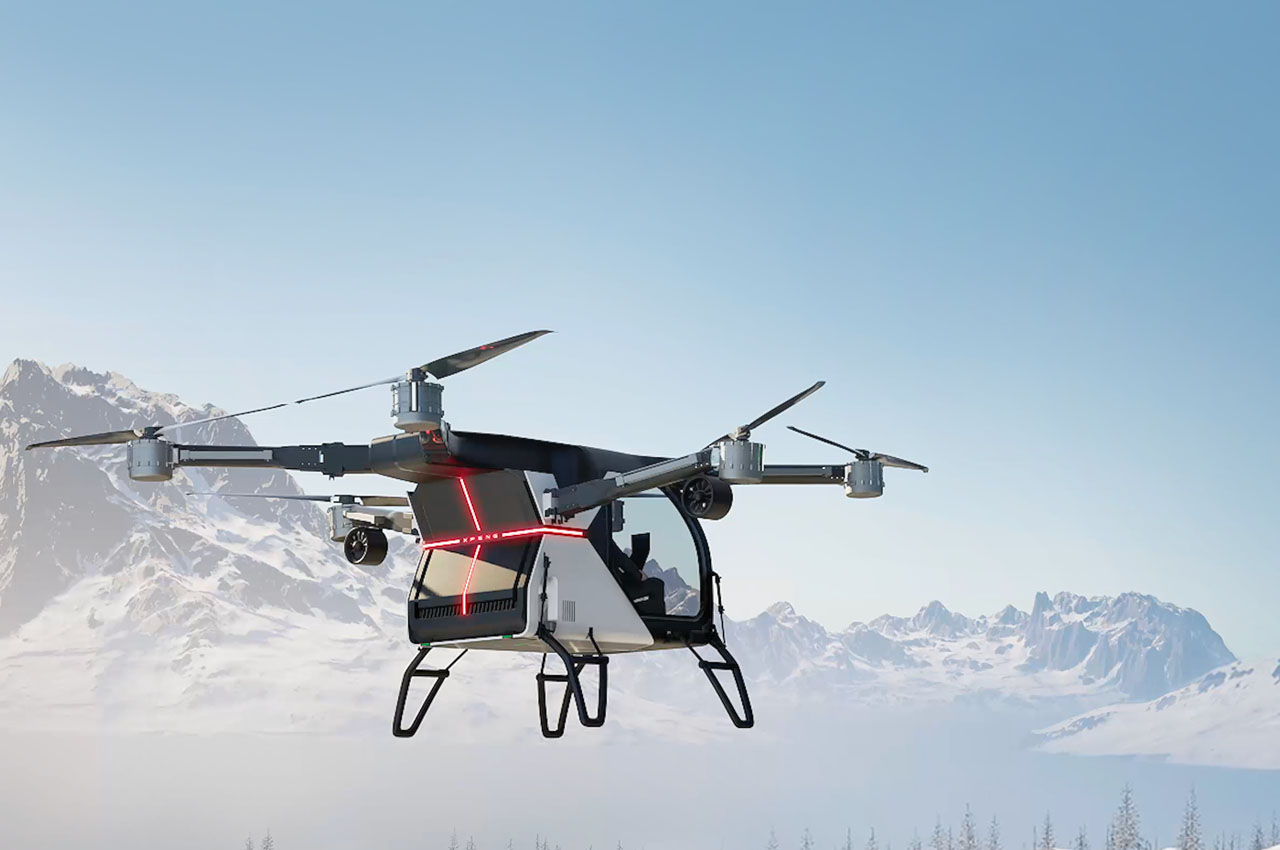
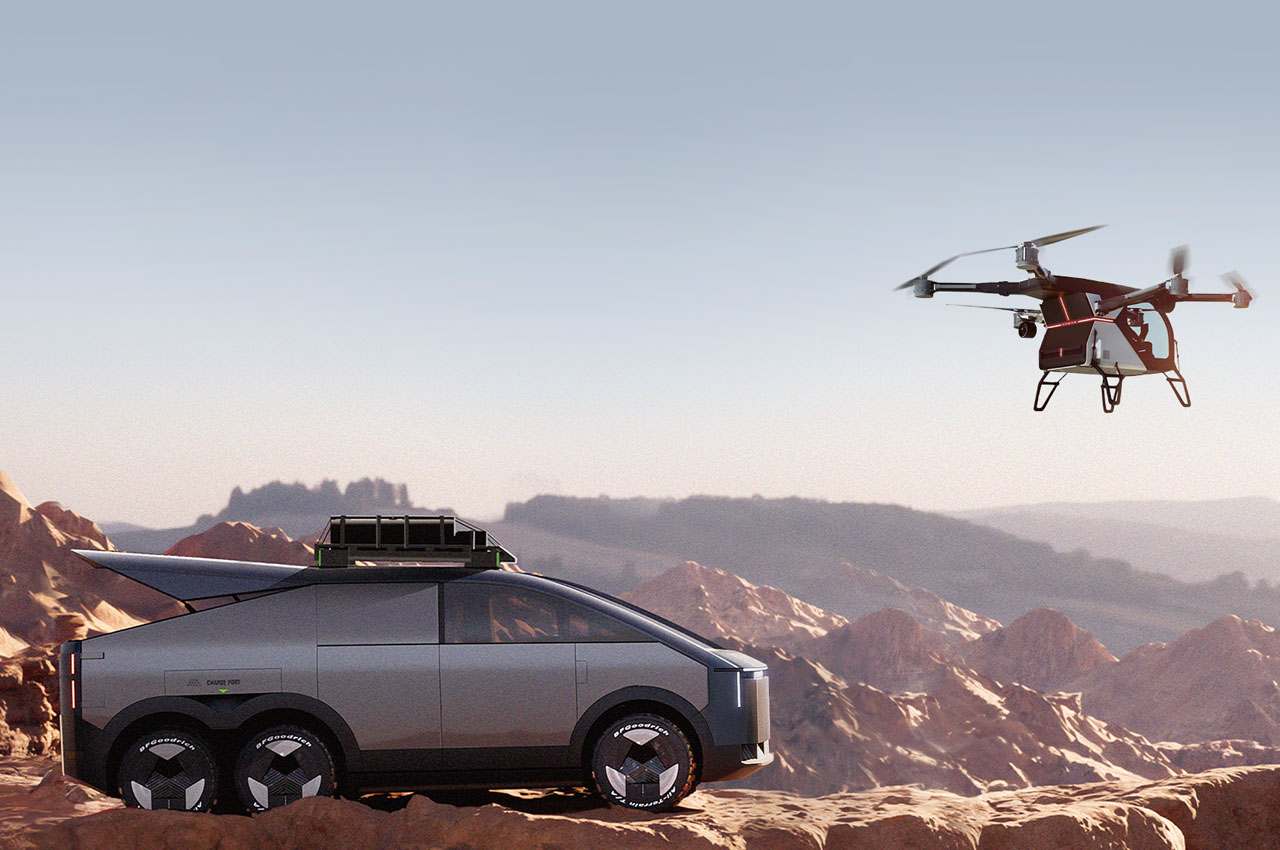
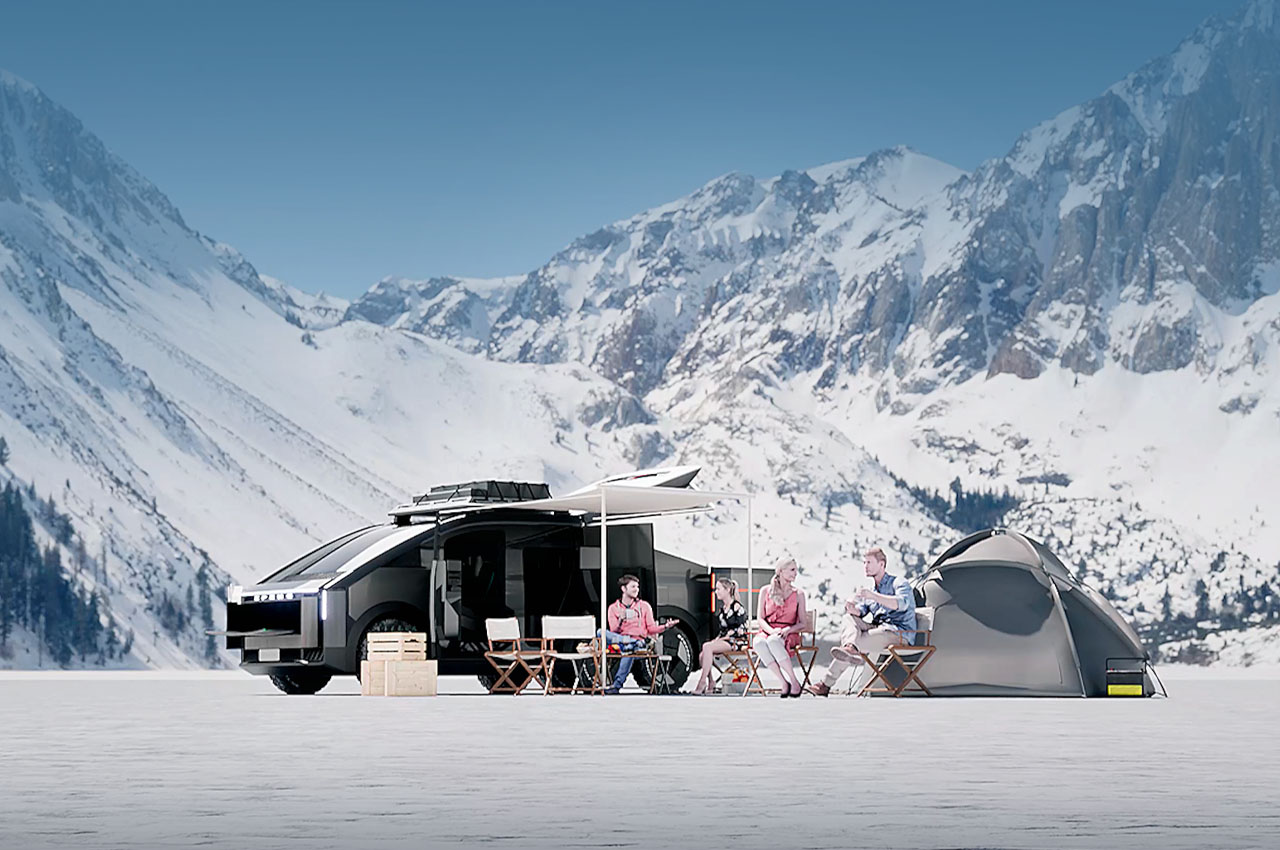
We learn this eVTOL flying car is designed and developed by AeroHT electric aviation wing of the Chinese auto company XPeng. Unlike traditional ideas, this modular flying car has a different approach. It comes in a two-part design, one part car and other an eVTOL, so it seamlessly switches between land and aerial modes.
Dubbed the land aircraft carrier, it has an all-electric powertrain. Designed in a futuristic form factor – somewhat hinting at the aesthetics of the Cybertruck – this is a 6×6 all-wheel-drive vehicle you would want to drive all day. The car functions as a land aircraft carrier and when you want to reach the destination faster, you can reach out to a tiny two-person eVTOL helicopter called air module from the rear hatch and get going.
We were fascinated by the demonstration of the wonderful act of the land and aerial modes of the enthralling low-altitude aircraft capable of vertical take-off and landing. Visioned with safety in mind – both for land and air modes – the eVTOL comes with manual and autonomous flight modes, making it one of the safest personal, electric flying cars. We tried to hold up some conversation with the team at CES, but we do not have information on the battery unit or pricing, we learned it is going into production and should be available for preorder soon. Shipping is likely to begin in China toward the end of 2025.
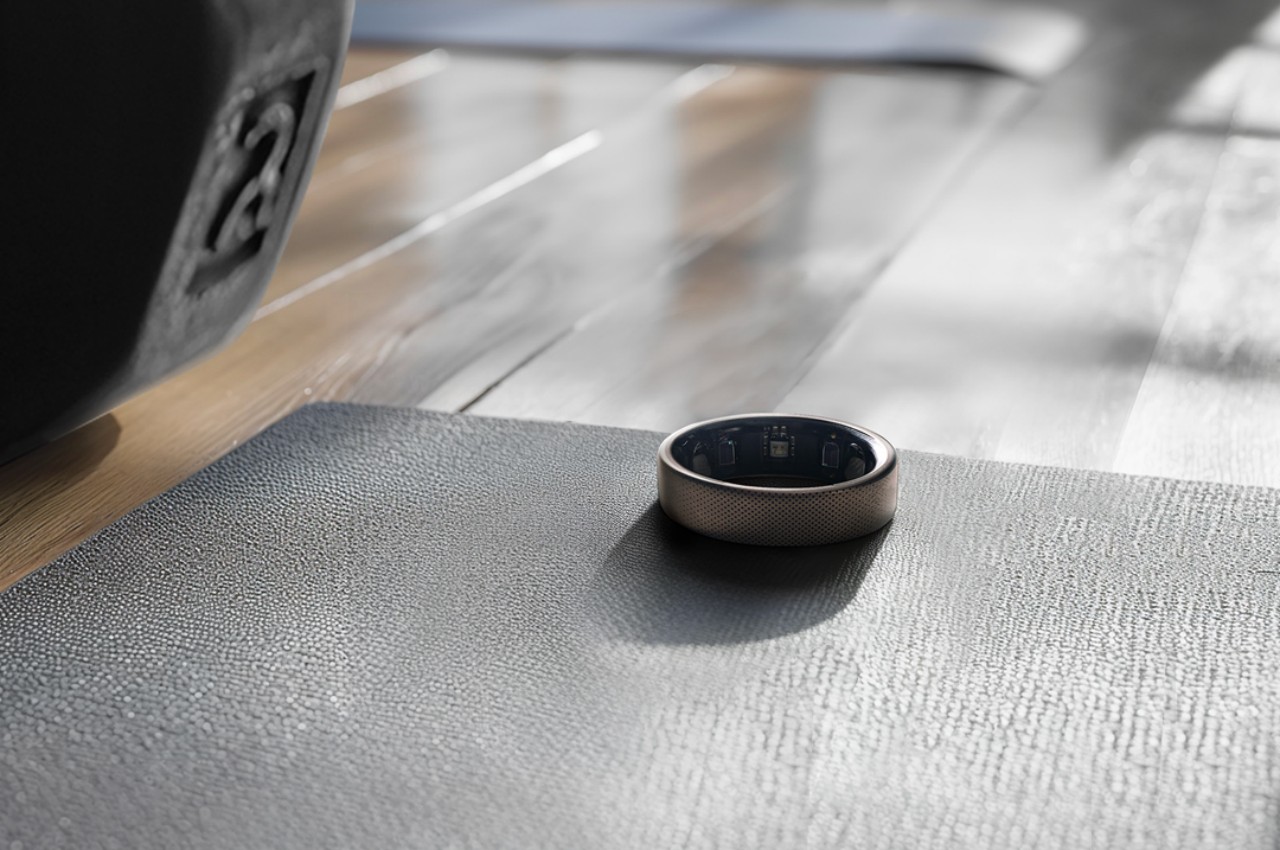
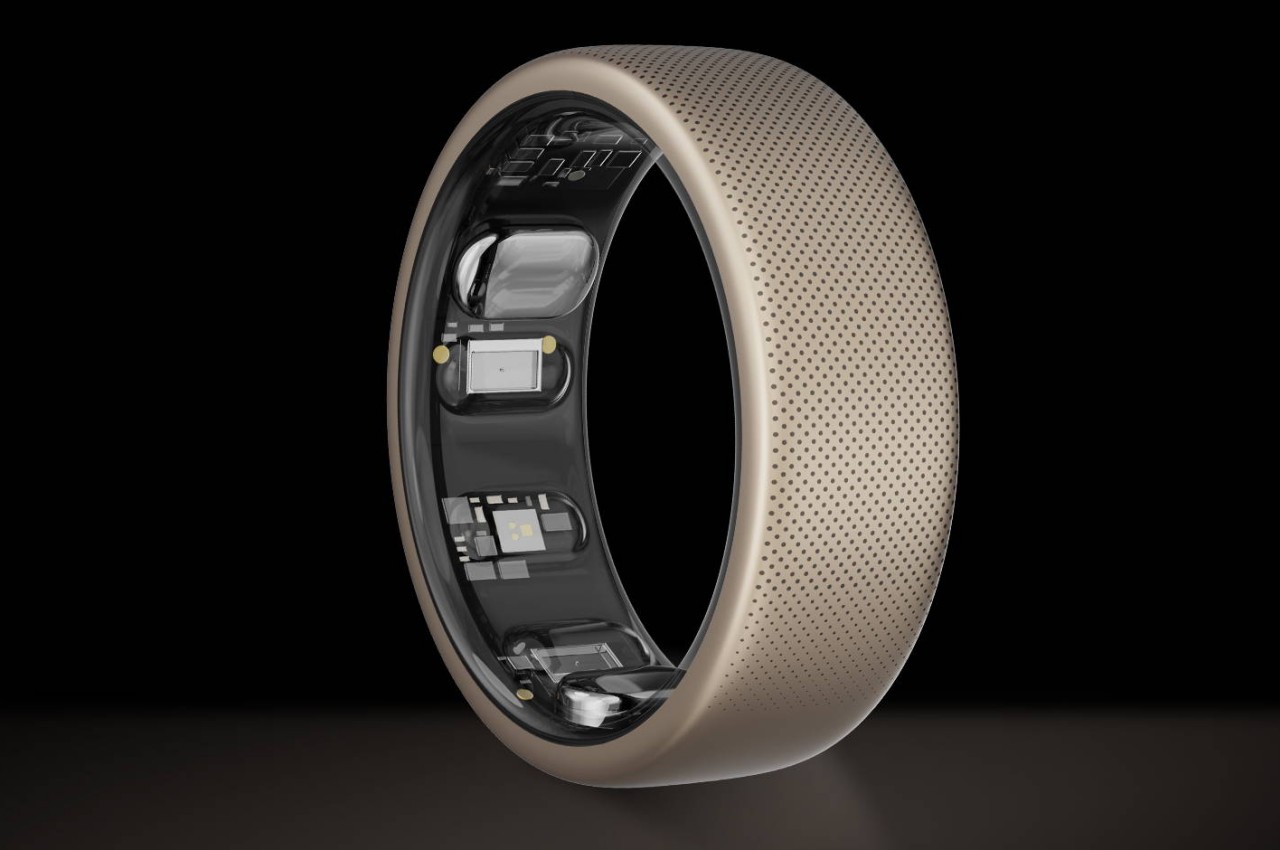
Now that smartwatches have more or less become more acceptable in society, it seems that the wearable tech market is setting its eyes on less conspicuous and less distracting designs for monitoring one’s health and fitness. And just like smartwatches in their early years, smart rings just aren’t resounding yet with people, though that could only be a matter of time. There hasn’t been much variety yet in this nascent market, which isn’t surprising given the physical limitations of a ring. Wearable tech brand Amazfit, however, believes it has something unique to offer, at least to athletes and very active people who are just as concerned with their mental health and recovery as they are with their steps and heart rate.
The niche that smartwatches have found themselves in seems to revolve around fitness and health, with features like activity tracking, health monitors, and the like. While those are indeed important metrics, they only represent a part of one’s overall well-being. Mental health is just as important, and giving your body and mind time to rest and recover is critical as well. Those are the points that the Amazfit Helio Ring is trying to emphasize in order to differentiate it from the likes of the Oura Ring, currently the leading name in this very young and small market.
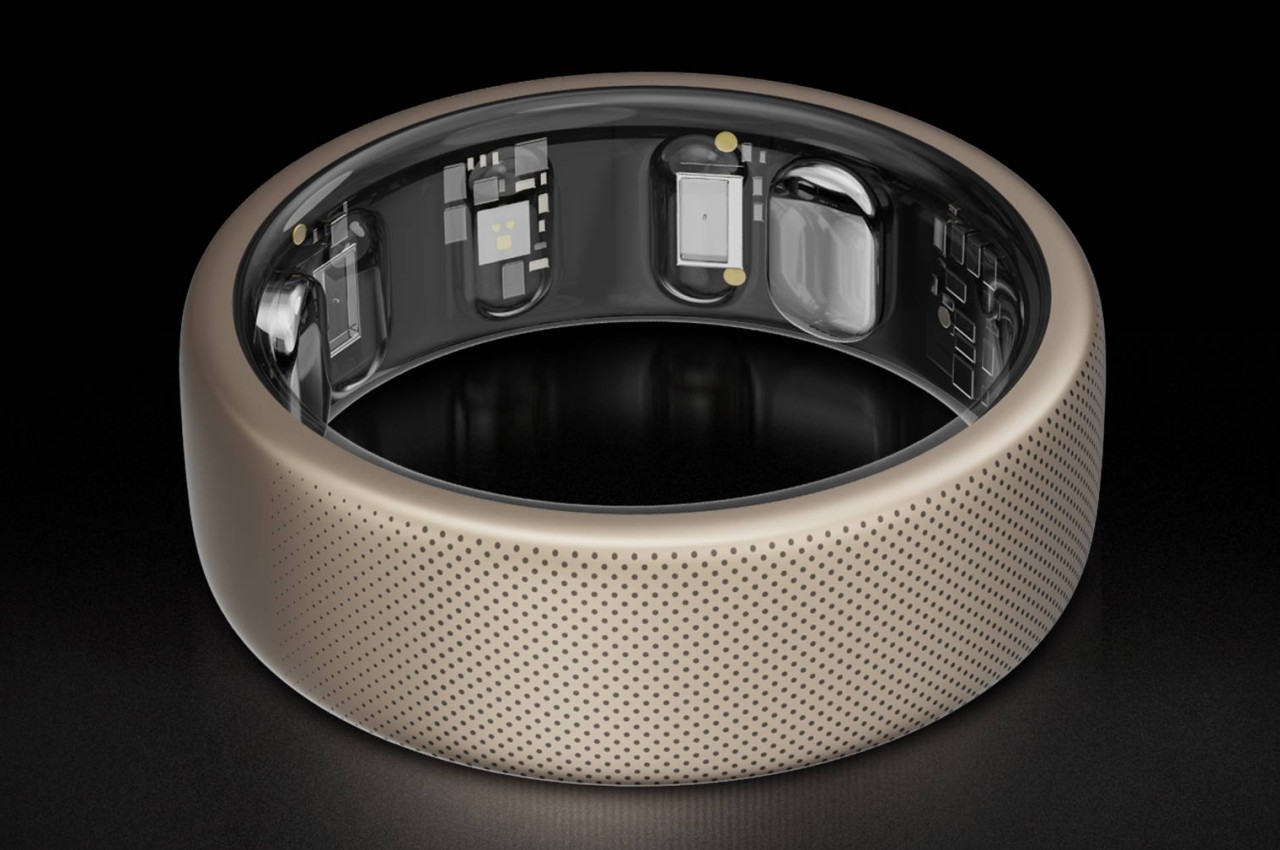
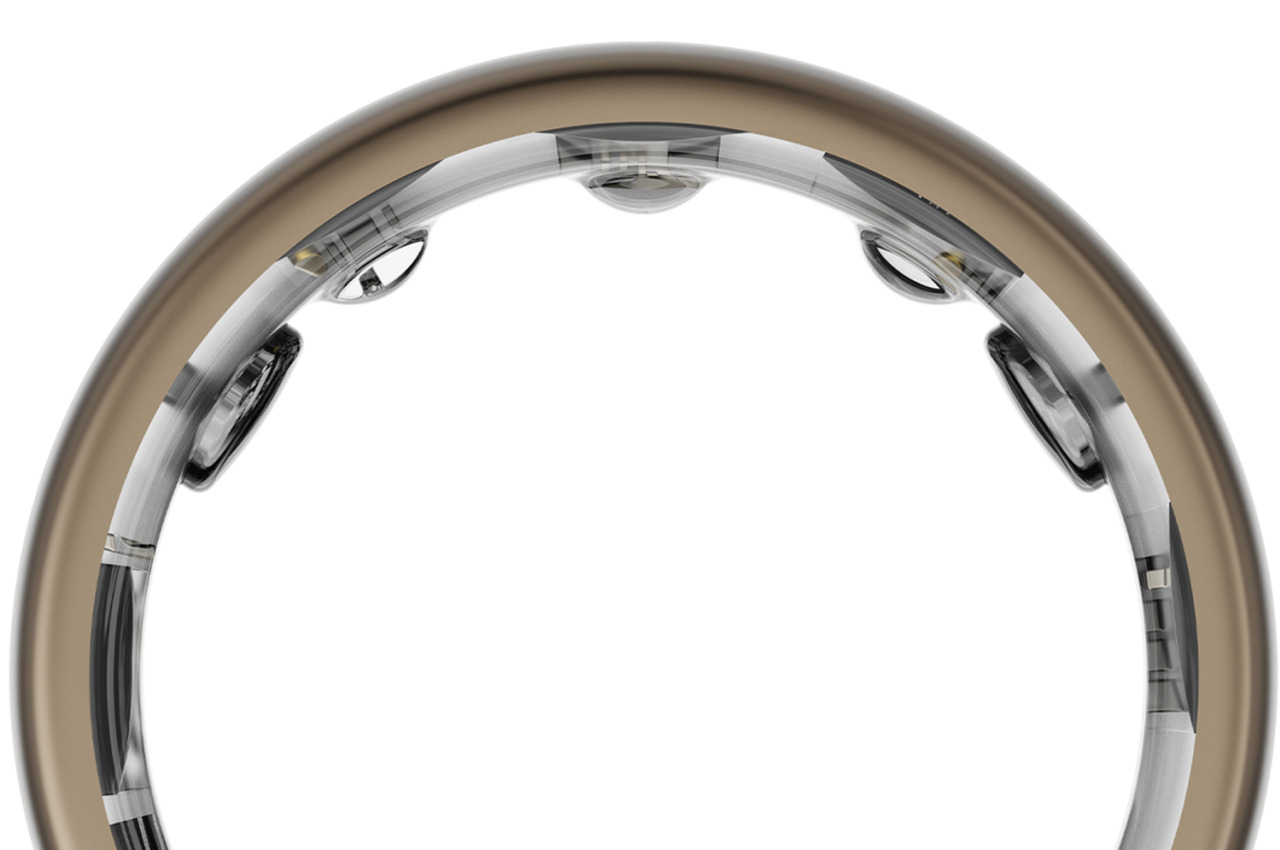
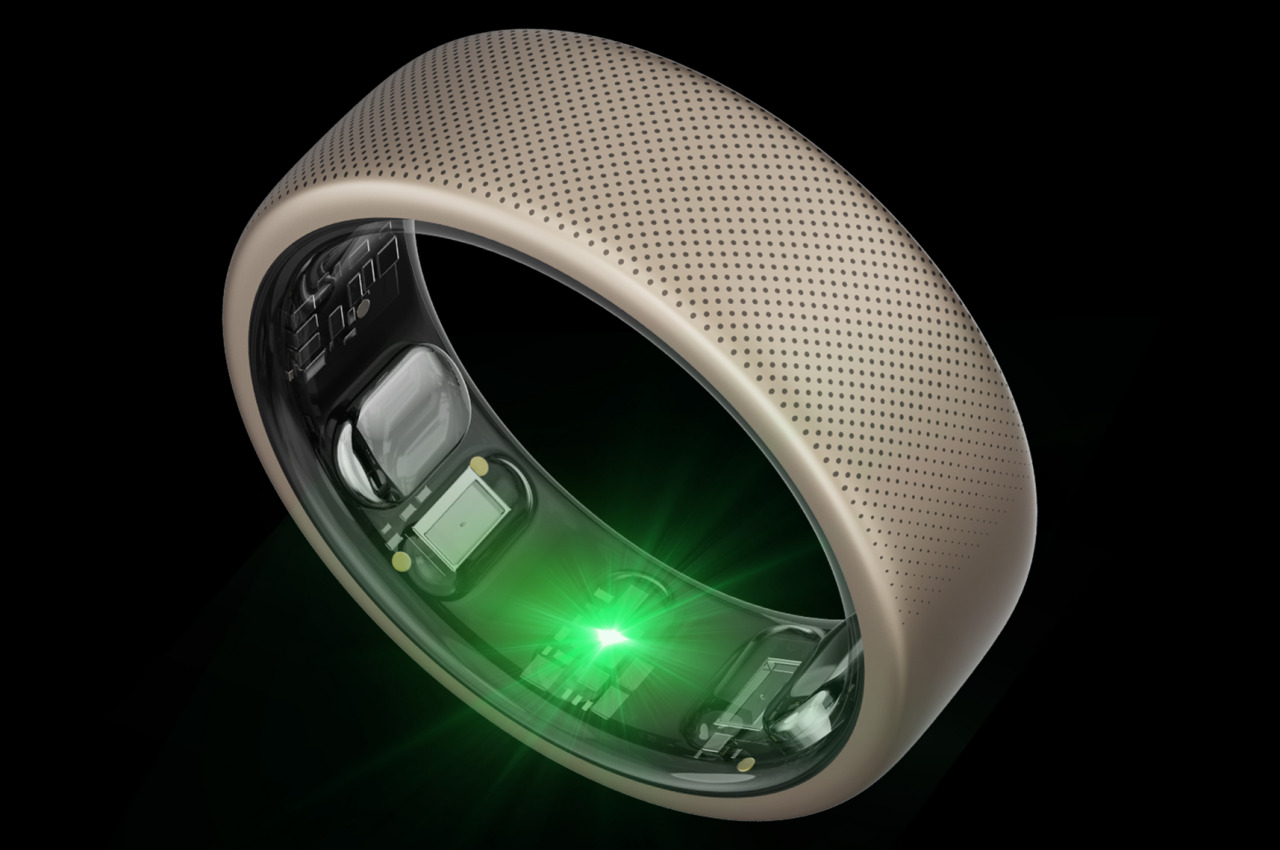
In a nutshell, the Amazfit Helio Ring takes the same data collected by sensors inside the ring but interprets them in a slightly different way. Of course, it still records your steps, tracks your blood oxygen levels, and even monitors your sleep, but it frames that information in light of stress levels, your mental health, and most importantly, how well you’re taking steps to recover from those. Amazfit will propose actionable steps to guide you toward recovery, which unsurprisingly include getting enough sleep and meditation.
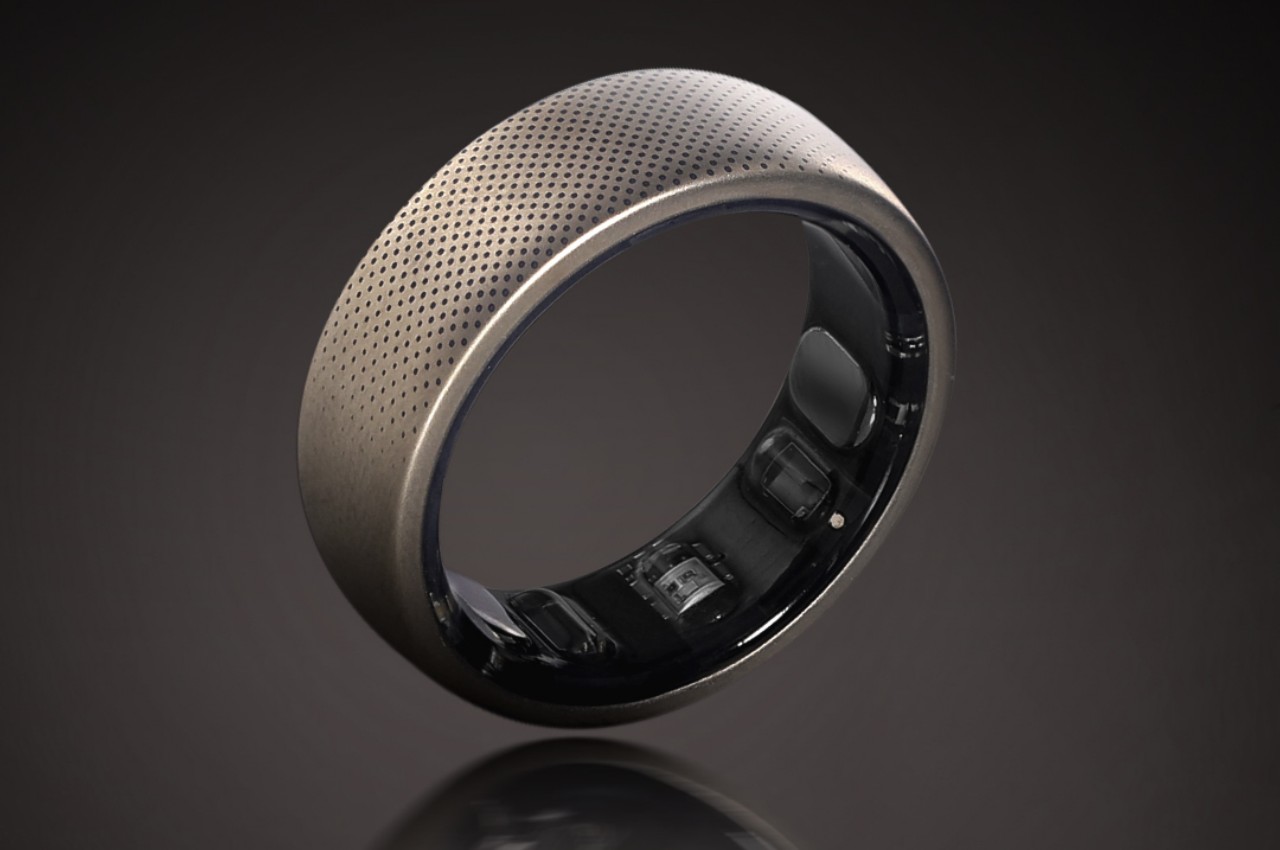
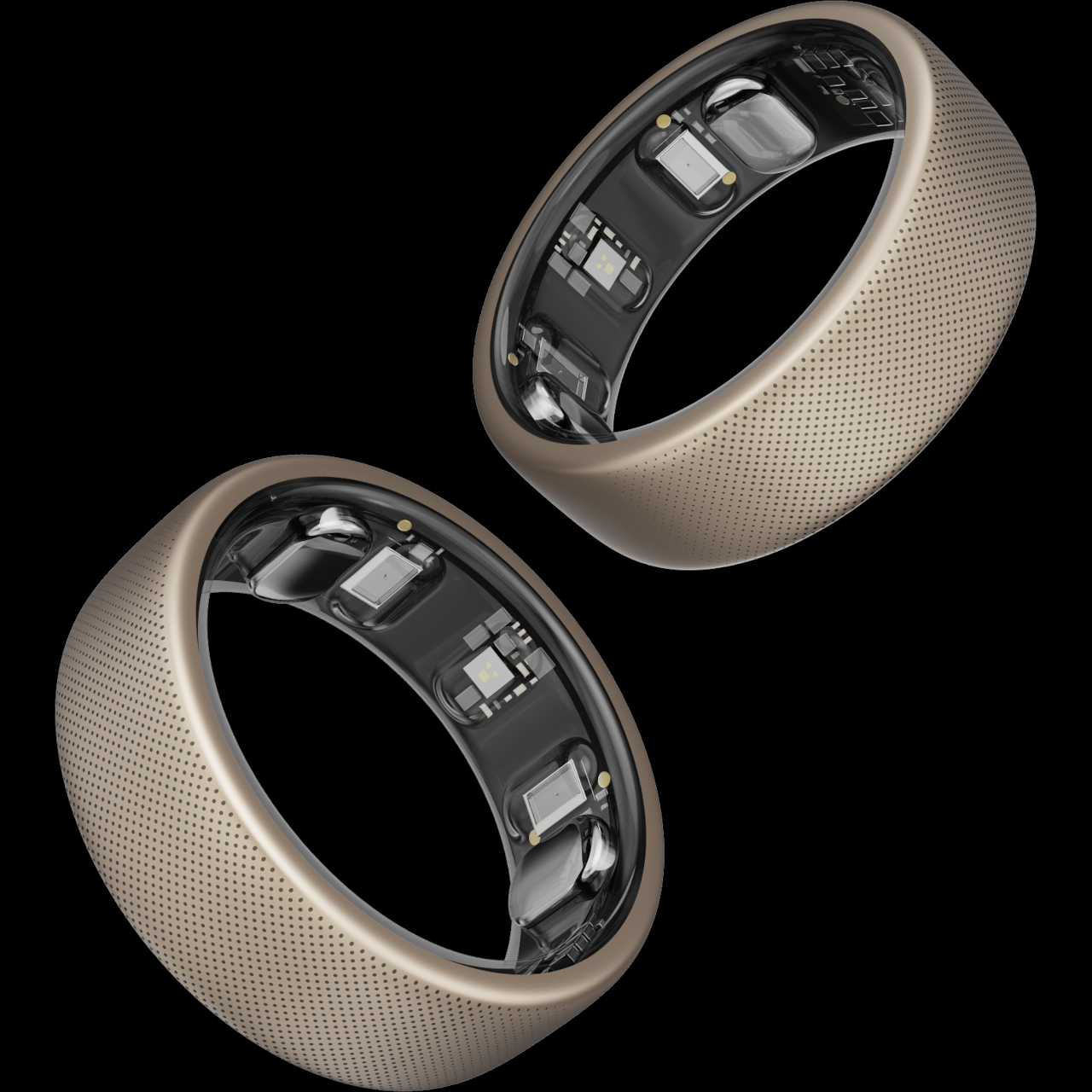
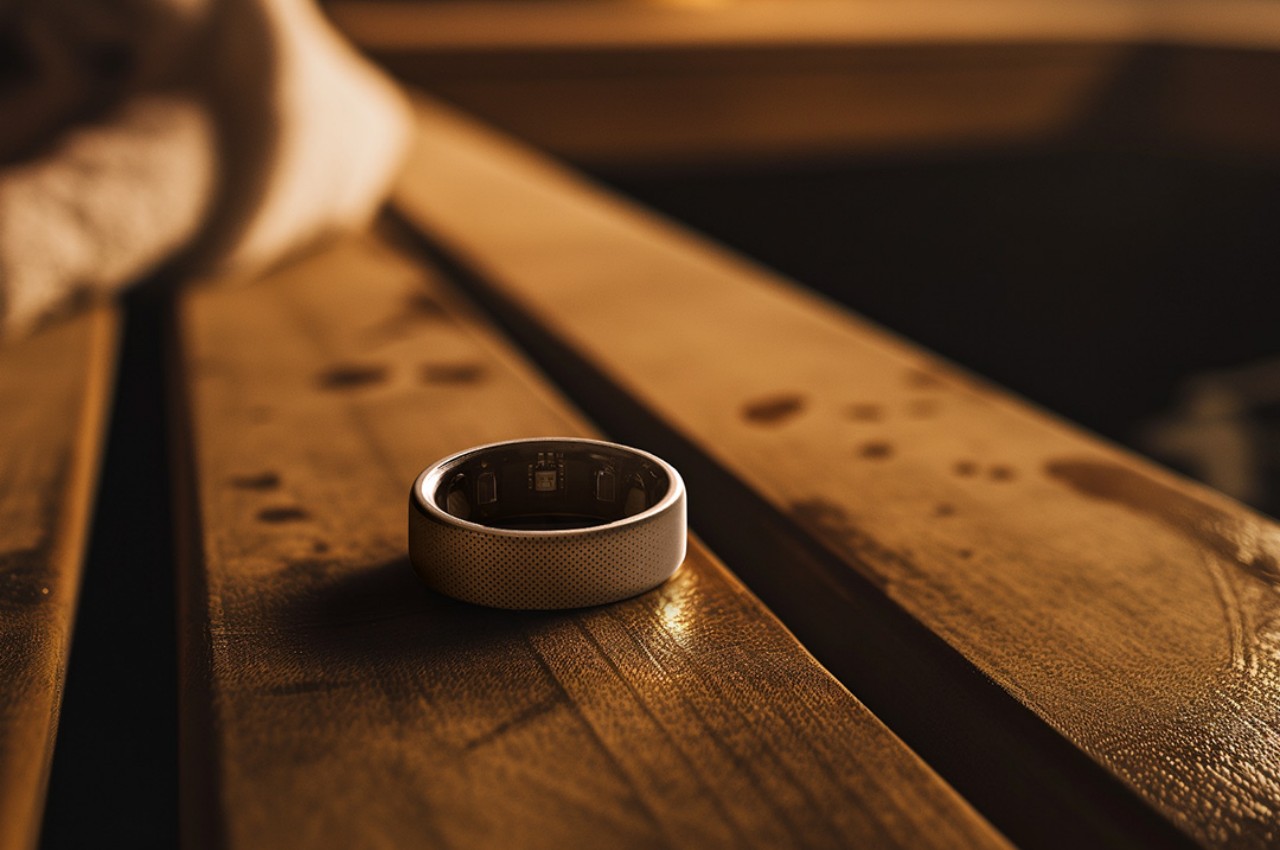
As for the device itself, the Amazfit Helios Ring is a bit of an outlier in that it doesn’t try to masquerade as a piece of jewelry. The dotted pattern on its surface is a dead giveaway that it is anything but luxurious, giving it a more rugged appearance that its target audience won’t mind anyway. In fact, it is intentionally designed for this group of people, using “skin-friendly” titanium alloy and ensuring water resistance of up to 10ATM, for those times when you need to take a swim.
The Amazfit Helios Ring can be used on its own, with or without an Amazfit smartwatch. Of course, you will need to pair with the mobile app, but you will also need to subscribe to the Zepp Aura rest and wellness service to really use the data it gives. A purchase of the ring will include a three-month free trial, but there are no pricing details available yet.
Realme, a sister brand of Oppo and OnePlus, made its CES debut this year in Las Vegas by unveiling a new mid-range phone with a photography twist. The Realme 12 Pro+, due to launch later this month, is apparently the first in its price segment to not only offer a 3x periscope telephoto lens with optical stabilization, but also one with a relatively larger sensor to improve low-light performance. The candybar is the work of Swiss luxury watch designer Ollivier Savéo, complete with a golden fluted bezel surrounding a stunning polished sunburst dial, garnished with a 3D jubilee bracelet over vegan leather — in blue or white.
The periscope zoom camera here is powered by a 64-megapixel OmniVision OV64B, which comes in at half an inch large. Realme says compared to the 3x zoom camera on the iPhone 15 Pro (12 megapixels) and the Samsung Galaxy S23 Ultra (10 megapixels), the Realme 12 Pro+'s sensor is at least over 2.6 times as large, thus enabling over 1.8 times the amount of light it takes in. In other words, telephoto cameras don't get much love on mainstream flagship phones. The comparison photos we saw at the launch event were very convincing, with Realme's preserving an impressive amount of detail even at full crop, but we'll obviously wait for our own hands-on later.
With such improvements, this mid-range phone can stick to its periscope camera even in darker environments, while other phones with conventional 3x telephoto cameras (read: smaller sensors) would automatically switch to its main camera and rely on digital zoom instead. But of course, there's still a limit as to how dark this camera can handle; you'll want a flagship-level 3x periscope zoom camera with an even bigger sensor for something more impressive, namely the 1/1.56-inch sensor on the likes of Realme's GT5 Pro, Oppo's Find X7 Ultra and apparently the OnePlus 12 as well.
The Realme 12 Pro+ also packs a decent 50-megapixel main camera, which features a 1/1.56-inch Sony IMX890 sensor (as seen on the OnePlus 11), f/1.8 aperture and optical stabilization. This phone also packs a 0.6x ultra-wide camera, though Realme stopped short at sharing further information. Likewise, the Chinese brand wouldn't share which Qualcomm mid-range processor is powering this device, but it's custom made to enable Realme's "MasterShot Algorithm" computational photography capabilities here. This is what enables RAW processing which, until now, is largely exclusive to flagship smartphones, meaning even mid-range devices will be able to leverage more editing options in the near future.
Photo by Richard Lai / Engadget
The rest of the Realme 12 Pro+ — including the remaining specs and pricing — is still under wraps. Even though the brand isn't present in most locations of our readership, Realme's aggressive growth in recent years should be influential enough to set a benchmark for mid-range phones of 2024. Perhaps this will also put pressure on the likes of Apple and Samsung to vastly improve essential features on their own flagships.
We're reporting live from CES 2024 in Las Vegas from January 6-12. Keep up with all the latest news from the show here.
This article originally appeared on Engadget at https://www.engadget.com/the-realme-12-pro-is-the-first-mid-range-device-with-a-3x-periscope-zoom-camera-233636358.html?src=rss
We always find some strange gadgets at CES. There's no way around it, with thousands of exhibitors peddling their wares, trying to find a market for things no one has dreamed up before. From startups to giants like Samsung, there are plenty of things that make us pause, chuckle, and shake our heads. Here's a few favorites from CES 2024. Keep in mind, weird doesn't necessarily mean bad. It just means weird.
If you squint, you can see how a laptop paired to AR glasses could provide a much more expansive and immersive experience than a standard 14-inch laptop screen. Unfortunately, the narrow field of view, spongy keyboard and high price make this a bit of a non-starter.
Yes, Ballie is definitely cute. We got a kick of out seeing it roll around its demo area at Samsung's CES booth. But it's still pretty weird to have a tiny robot follow you around so it can project a workout video on the ceiling while you work your abs.
The Moonwalkers have a highbrow premise: by propelling the human wearing them a little bit further than they'd normally go when they take a step, this could add up to much more efficient walking over the course of a day, week or lifetime. The new "X" model is lighter and has fewer wheels, making it theoretically easier to produce. But the original Moonwalker cost about $1,400, a wild amount of money. You're probably just better off walking a little quicker.
While we can see the potential use cases for having a more intelligent voice assistant in your car, one powered by ChatGPT, having the car tell us a story about dinosaurs was a pretty weird way to go about demonstrating it.
We've all seen videos of dogs "playing" an instrument, but this might be the first one purpose-built for a pet. "Teach" your dog to "play" this "piano" and you'll surely get hours of entertainment. The $299 device even comes with an automated feeder to encourage your dog to keep going.
Turns out downtempo music music soothes pets and cartoons studying endlessly alike. We love the research showing this, but that still doesn't explain why this is better than just letting your dog listen to your Spotify account.
Let's be clear: "weird" does not necessarily mean "bad" or "useless." Adam-X certainly does look useful for medical training. But, well, it's also just a bit off-putting.
We're reporting live from CES 2024 in Las Vegas from January 6-12. Keep up with all the latest news from the show here.
This article originally appeared on Engadget at https://www.engadget.com/the-weirdest-tech-and-gadgets-we-saw-at-ces-2024-233003886.html?src=rss
LG’s Labs department often takes technology and existing products and spins them into lifestyle-heavy ideas and notions. LG Labs was responsible for the Dukebox, a vacuum tube-driven speaker with a transparent OLED screen, an LG Gram with two displays, and several other projects. But the LG Bon Voyage concept trailer is a little more involved, packing so many of LG’s CES “greatest hits,” retooled and restyled for near-future camping that’s both incredibly comfortable and… unlikely.
The trailer measures two meters by 3.8 meters, measuring up to a height of 2.2 meters. LG’s explanation suggests you’d be able to pick and choose which appliances and features are included.
I am aware this OLED TV fireplace is ridiculous.
Photo by Mat Smith/Engadget
This is an upgraded concept trailer from LG, this time it’s taken feedback from customers (though it’s never gone on sale, so it must mean prospective customers). The redesign is aimed at better use of space, and practically every corner has LG tech crammed into it.
A touchscreen panel on the trailer door runs webOS, offering an interface to the trailer alongside pertinent information like weather, charge capacity and more. A spokesperson said the concept trailer here at CES 2024 housed a 10kWh battery.
Photo by Mat Smith/Engadget
LG Labs’ inexplicable capsule coffee machine, the Duobo, which looks like a moon lander, is nestled away inside the trailer, alongside a microwave. The fridge, however, is accessed on the outside. A pull-out table, on the other side of the door includes a built-in inductive burner. This trailer may possibly have more cooking options than your home. Somewhere inside, although I wasn’t able to see it, was a water purifier and a row of detachable light bars can be set up outside the trailer when you actually want to spend time in the great outdoors.
And a blast from CES past, LG included its Styler device — a clothes refresher that jostles and steams clothing, into the trailer too, because you can’t be glamping without glamor. There’s also a shower and toilet, but neither feature any connected technology, as far as I could tell.
LG is considering including solar to power all that technology, but there’s a giant charging port on the rear. It’s going to need a lot of power. Beyond lifestyle devices, the left side of the Bon Voyage features a giant OLED screen above another pull-out surface. Oh, and at the rear of the trailer, there’s a portable karaoke set, with two wireless mics and speaker. Oh and cocktail accouterments on either side. Do I have to repeat myself? Glamping.
Photo by Mat Smith/Engadget
LG plans to continue developing the Bon Voyage. And if Sony can make a car, why can’t LG launch a trailer?
We're reporting live from CES 2024 in Las Vegas from January 6-12. Keep up with all the latest news from the show here.
This article originally appeared on Engadget at https://www.engadget.com/touring-lgs-high-tech-camping-trailer-at-ces-2024-231558038.html?src=rss
Friends, I’m not what you would call an experienced overlandist, which is a word I have now learned exists to mean when you go camping in a truck. Part of the process of overlandering is that you actually sleep in a collapsible tent on the roof of the truck you’re driving. Now, I’ll be honest and say sleeping on the roof of a truck, even if there are elastic straps stopping you from falling off, is not what I’d call a fun weekend adventure. But it’s the market that Jackery is catering toward with its new concept solar roof tent, which it showed off here at CES 2024 in Las Vegas and will launch as a real product by the end of 2024.
The Jackery Solar Generator for Rooftop Tent is equipped with 1,000W solar panels (with a 25 percent efficiency rate). Unlike the flimsy panels you can currently buy, these are rigid slide-out units that should offer a sturdier canopy under which to sleep. Once you’ve parked up and opened the tent, the panels are wired up to an Explorer 1,000 Plus generator. That’ll hold 1,264Wh of power and can output at rates up to 2,000W, enough to power a 900W cooker for an hour. Plus, you can daisy-chain other batteries alongside to increase the storage further for longer trips away from an outlet and/or civilization.
Photo by Daniel Cooper / Engadget
There’s no concrete details — yet — about how much this will cost when it reaches retail, or how much will change from this initial demonstration. But if you’re a big fan of perching atop a tiny truck roof and trying to sleep, untroubled by the terrifying prospect of rolling over and plummeting several feet to the ground, then this might be the product for you.
We're reporting live from CES 2024 in Las Vegas from January 6-12. Keep up with all the latest news from the show here.
This article originally appeared on Engadget at https://www.engadget.com/jackerys-rooftop-solar-tent-makes-overlanding-more-environmentally-friendly-230029346.html?src=rss
One of the key advantages of Bluetooth LE Audio is Auracast: a way to broadcast content to connected devices in public settings. It will also allow you to easily connect multiple wireless speakers to each other with diving into an app. Perhaps most importantly, the barrier to entry is going to be very low since a dedicated Auracast app will be built into mobile platforms like iOS and Android. What's more, you'll select available channels like you would a Bluetooth device or a Wi-Fi network. It's simple, and it's presented in a way that people who've used a smartphone are familiar with. Auracast has been mentioned constantly by companies announcing their new audio gear at CES 2024, so here's what you need to know about it.
What is Auracast?
Simply put, Auracast is broadcast audio over Bluetooth. An Auracast transmitter, which in public settings can be a pro-grade add-on to a TV or a box that looks like a Wi-Fi router mounted on the wall. You can also create your own channels from a phone or laptop to share music of the sound from a TV show. This means that you'll be able to have the audio from muted airport TVs beamed to your headphones or earbuds when traveling. Auracast will also allow you to keep tabs on flight and gate information without interrupting your layover entertainment.
During its CES demo, Bluetooth SIG, the organization that defines Bluetooth standards, allowed show-goers to experience the aforementioned airport TV scenario. It was easy to switch between two sports broadcasts in a faux bar, simply by tapping one or the other in the Auracast menu. Another tap let us hear a private stream from a laptop, which was password protected so only the proper invitees can access it. There's also a use case where live audio from a lecture or performance can be broadcast via Auracast directly to earbuds, hearing aids or other Bluetooth listening devices. Impressively, there's no lag across any of the options as the visuals matched up perfectly each time.
Bluetooth LE Audio Auracast TV transmitter
Photo by Billy Steele/Engadget
"The analogy I would use is very similar to setting up a personal hotspot," Chuck Saban, senior director for market development at the Bluetooth, explained about those private Auracasts. "You would set up a personal audio hotspot, it's going to be encrypted, and then anybody who is around me who has that passcode can listen."
Auracast will also help you link multiple Bluetooth speakers together at the press of a button. Until now, most companies had you select the devices in an app. But companies like JBL are putting dedicated Auracast buttons on some of their new devices. On the company's PartyBox line, for example, you'll press the button on the main speaker you connected to your phone and then all you have to do is press the button on successive units to link them. What's more, you can chain together an infinite number of speakers in this scenario.
What devices is Auracast available on?
Photo by Billy Steele/Engadget
Auracast is a feature of Bluetooth LE Audio that arrived with Bluetooth 5.2. So technically, any earbuds, headphones, hearing aids, speakers and other devices that have that version of the wireless standard will be able to tune into Auracast. However, Bluetooth 5.3 offers a more robust implementation of the broadcast audio tool.
"What you get with 5.3 is the ISOC channels capability in the core that allows multiple independent channel capabilities," Saban said. "You effectively can parse out the left and right [channels] from the source itself." He further explained that the processing of all of that has been moved to the phone from the earbuds or headphones themselves, which extends battery life, performance and efficiency for Bluetooth devices.
When will Auracast be available?
Plenty of Bluetooth devices support Bluetooth 5.2 or 5.3 and LE Audio. Since Auracast is part of Bluetooth, there's no extra tech needed to include it, the products just need to support the recent versions of the wireless standard. From there, it's up to the individual companies to flip the switch on LE Audio and Auracast. Over the course of 2023 and here at CES, tons of audio brands have said they are planning to add support for the feature via over-the-air updates later in 2024.
We're reporting live from CES 2024 in Las Vegas from January 6-12. Keep up with all the latest news from the show here.
This article originally appeared on Engadget at https://www.engadget.com/bluetooth-auracast-is-everywhere-at-ces-2024-so-what-is-it-224509414.html?src=rss