Casio’s Tiny Ring Watch Keeps Time Without a Wrist Strap

I’m so used to wearing a watch, whether as a health tracker or just a way to tell time without looking at my phone. But sometimes I wish I could wear something that isn’t on my wrist. There are times I’d rather wear a bracelet instead or just keep my wrist free and unencumbered. There are ring health trackers available now, but I’d still want a watch or something that resembles one. If you’re a fan of the Casio A168, you’ll be happy to know that Casio has made a version for your finger.

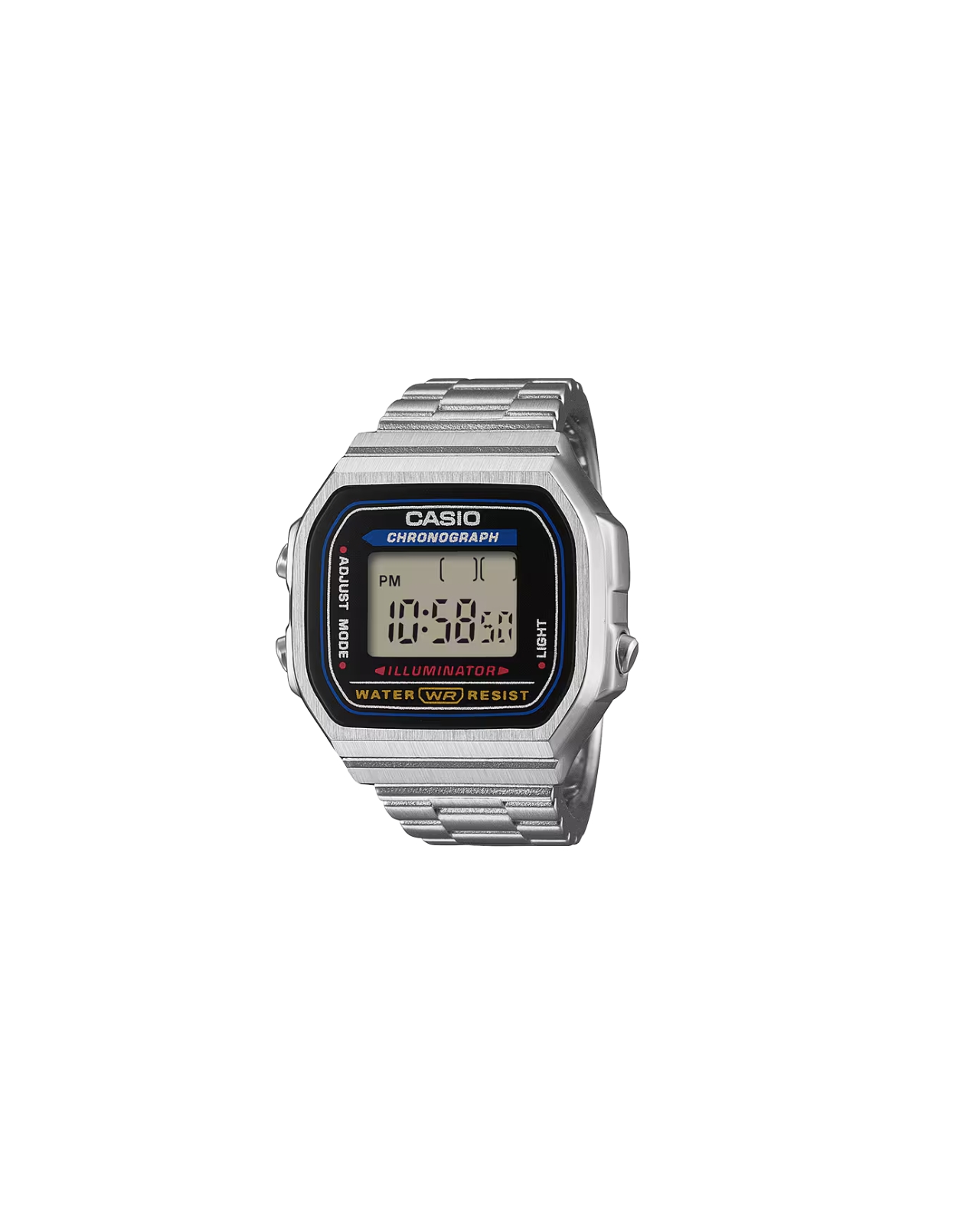
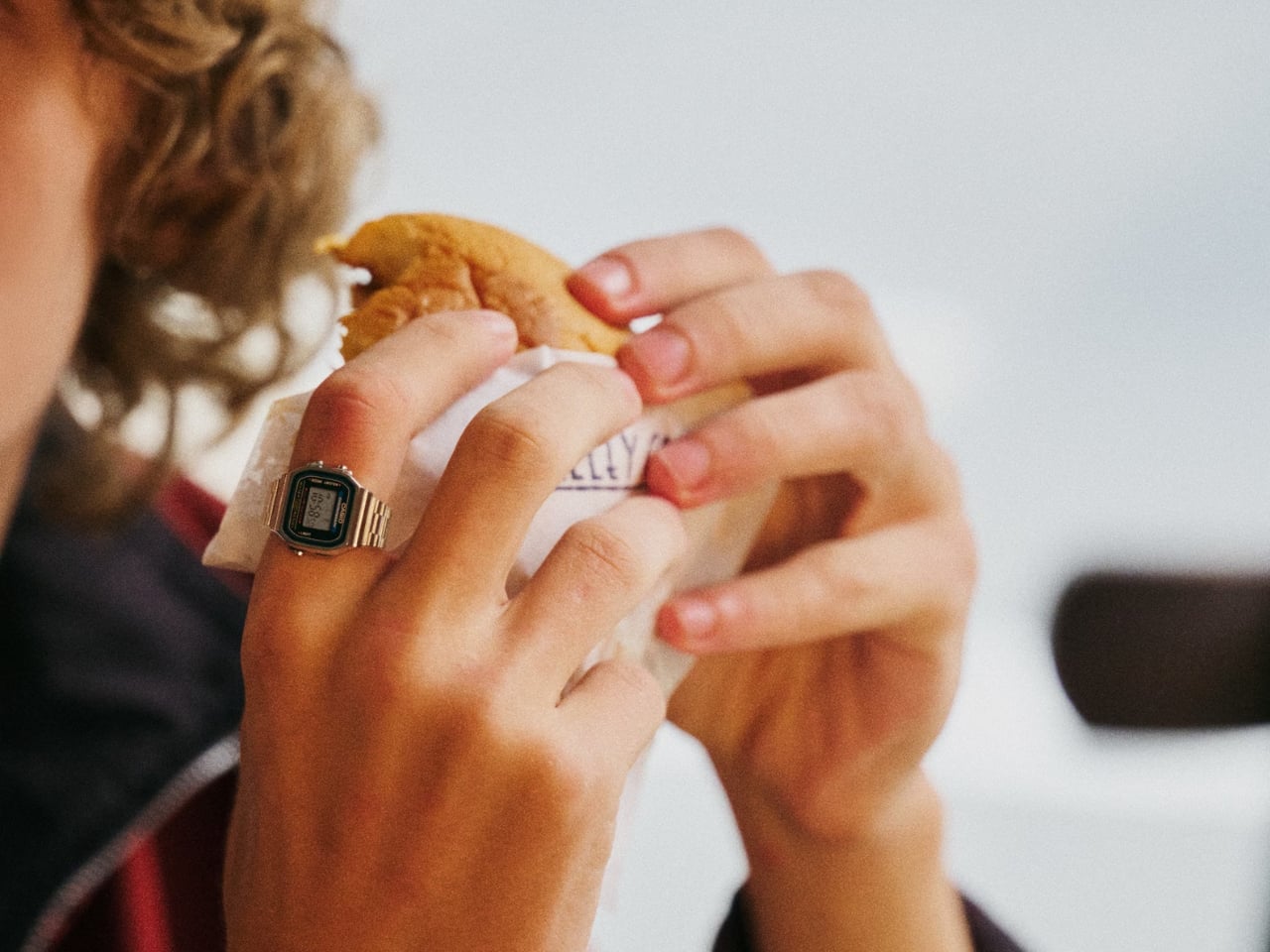
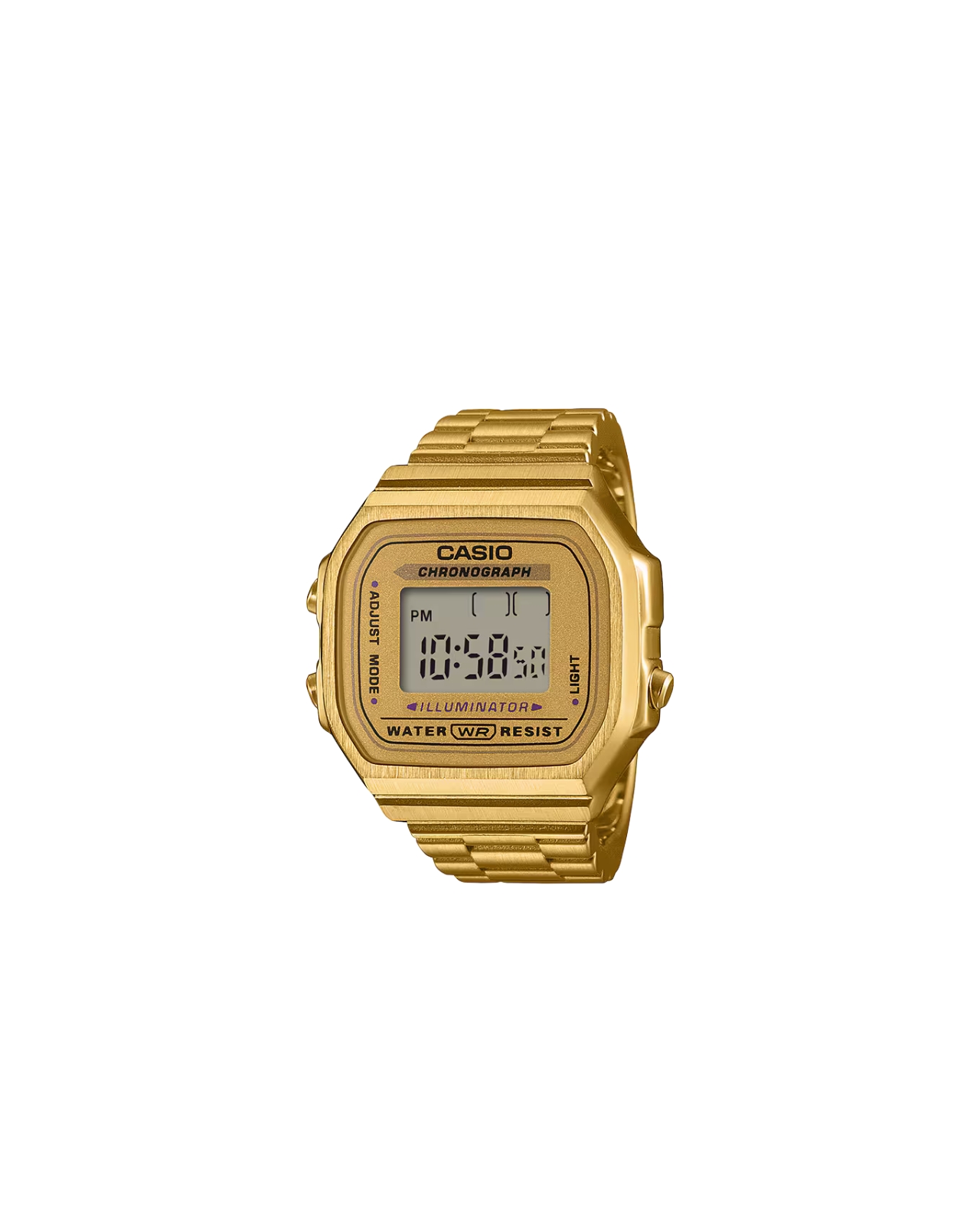
The Casio CRW-002 Ring Watch is a finger-scale version of the iconic A168, so you can wear it as a piece of jewelry while still keeping many of the original watch’s features. It’s an alternative for those who prefer something smaller but still want familiar watch functions, especially telling time.

Designer: Casio
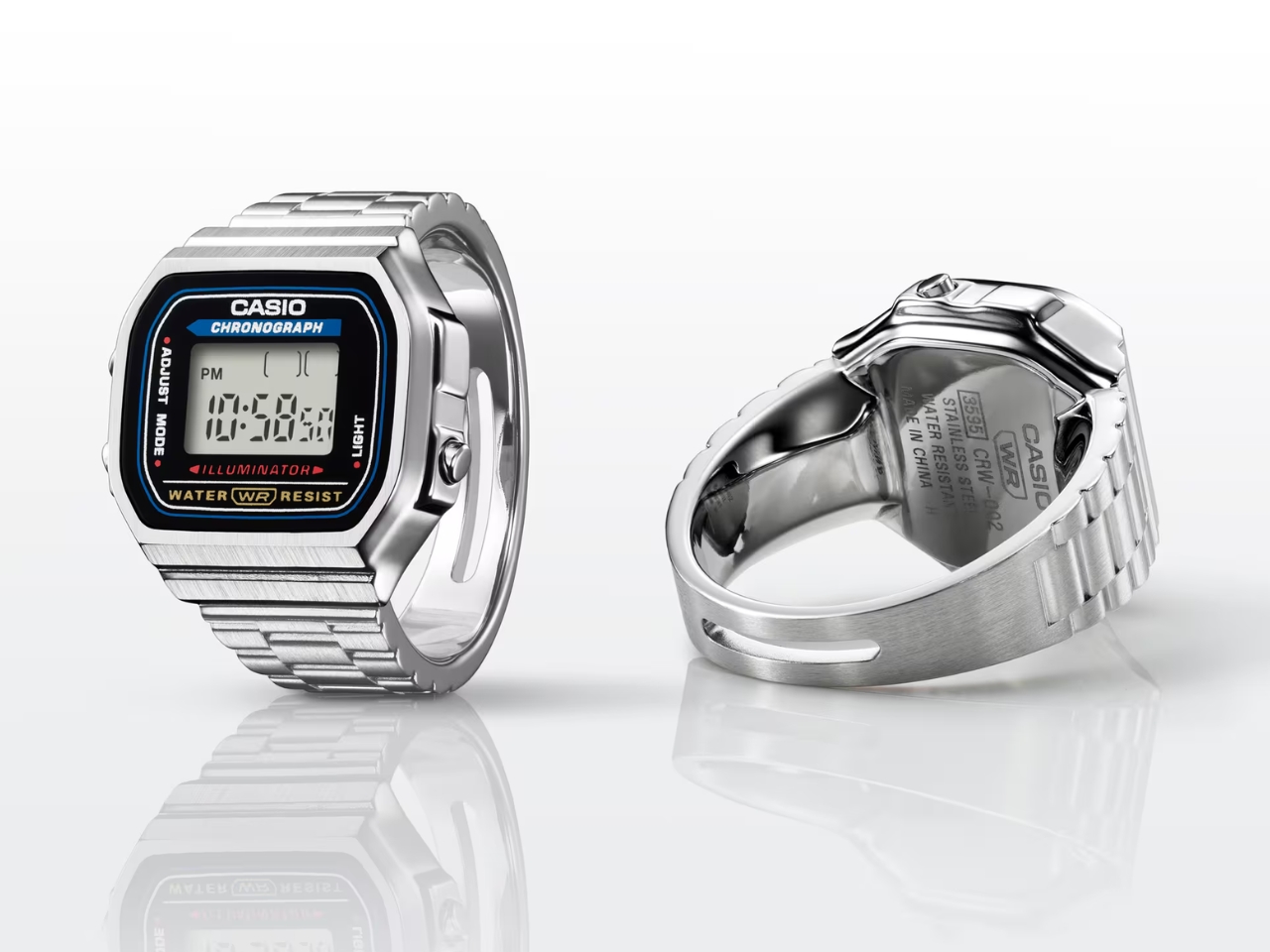
Casio used metal injection molding, or MIM, to reproduce the intricate case and band shapes in stainless steel. The glossy case contrasts with the matte-finished band, carrying over details that make it recognizable as a tiny Casio. I like that the design keeps the look of a watch bracelet rather than turning the display into a plain metal ring.

The electronics are a separate part of that shrinking process. Casio says high-density mounting technology and a miniature battery make the module approximately one-tenth the size of a standard watch module. It’s still able to retain three buttons and a six-digit display that shows hours, minutes, and seconds. You also get dual time, an automatic calendar, a 12/24-hour format, and a 1/100-second stopwatch.
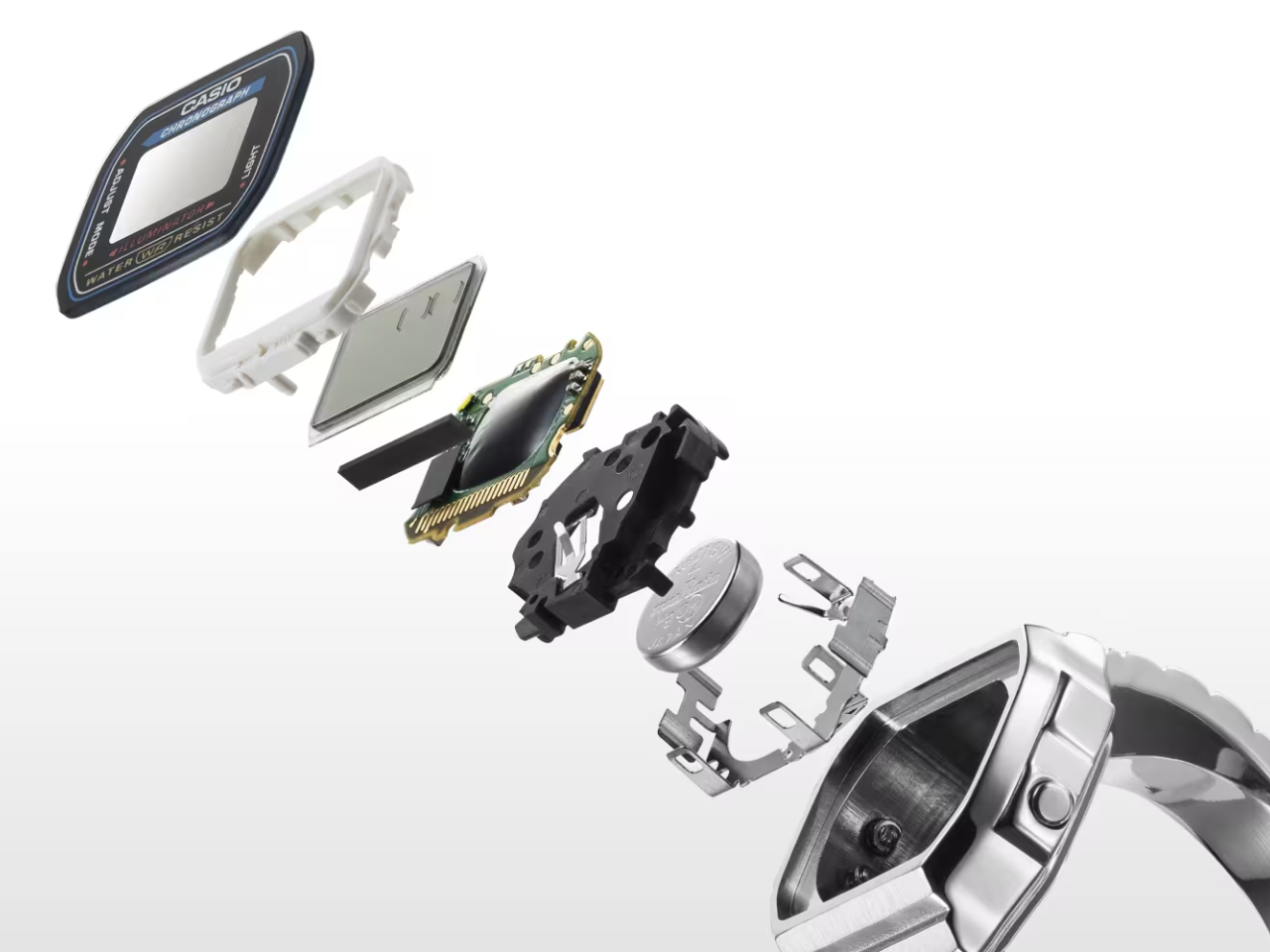
The case measures 25.2 × 18.2 × 6.2 mm, and the ring weighs 15 grams. Those numbers give you an idea of the scale, although they don’t tell us how comfortable it will be throughout the day. I’d want to know how the case feels against neighboring fingers and how easy those tiny buttons are to use.

There’s also an LED backlight and a Time Flash feature that produces a subtle pulse at a preset time or at the top of every hour. Casio describes Time Flash as entertainment rather than a dependable alert, and the light may be difficult to see in bright conditions. It’s a playful detail, but I wouldn’t rely on it for reminders.
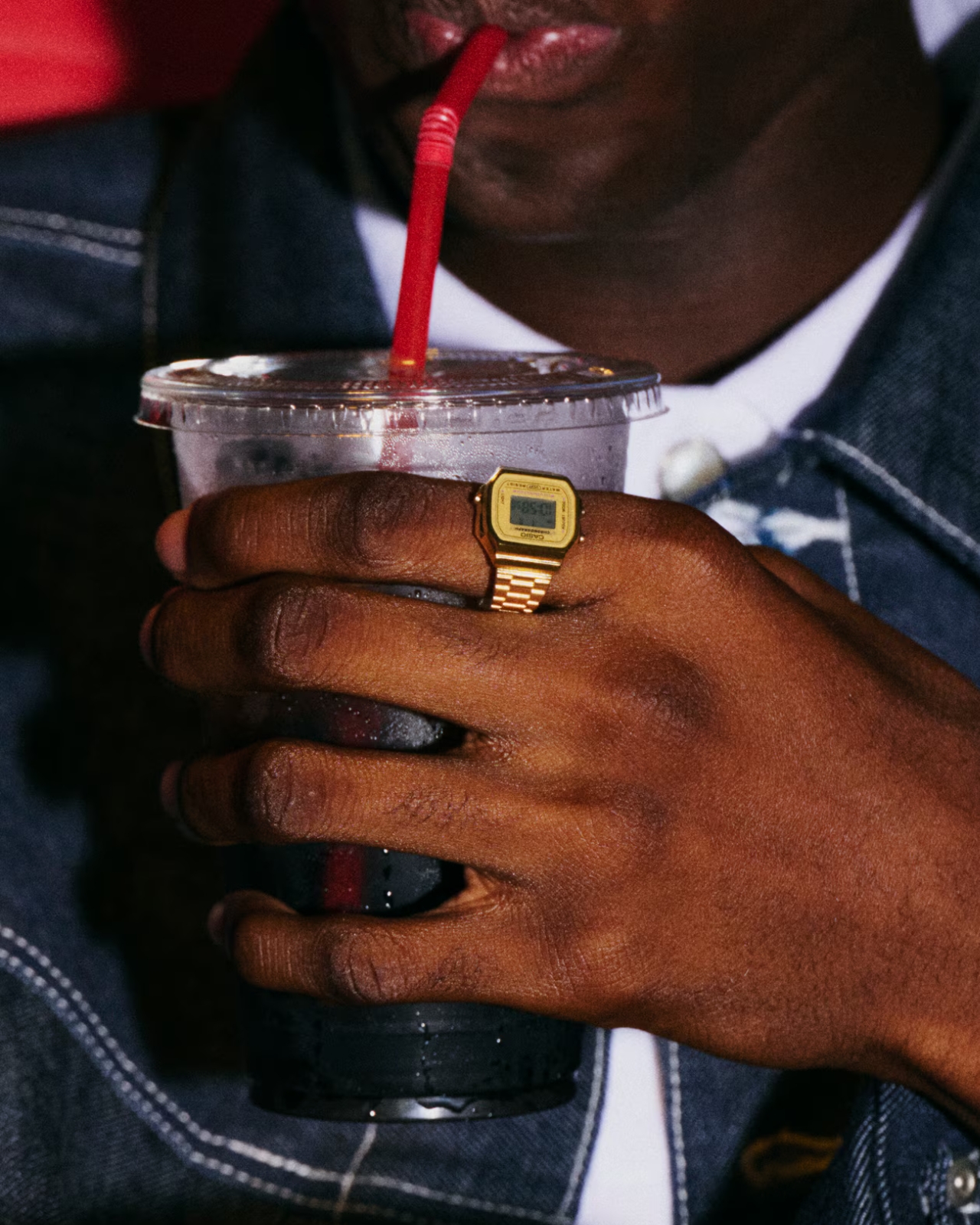

You don’t lose water resistance entirely, but its limits matter. Casio rates it for daily-use water resistance, while the manual specifically excludes handwashing, swimming, and water-related work. You’ll need to remove it before washing your hands or using soap and detergent. That might seem like a small inconvenience for something like this, but it’s worth thinking about if you want a ring you can put on and forget about.

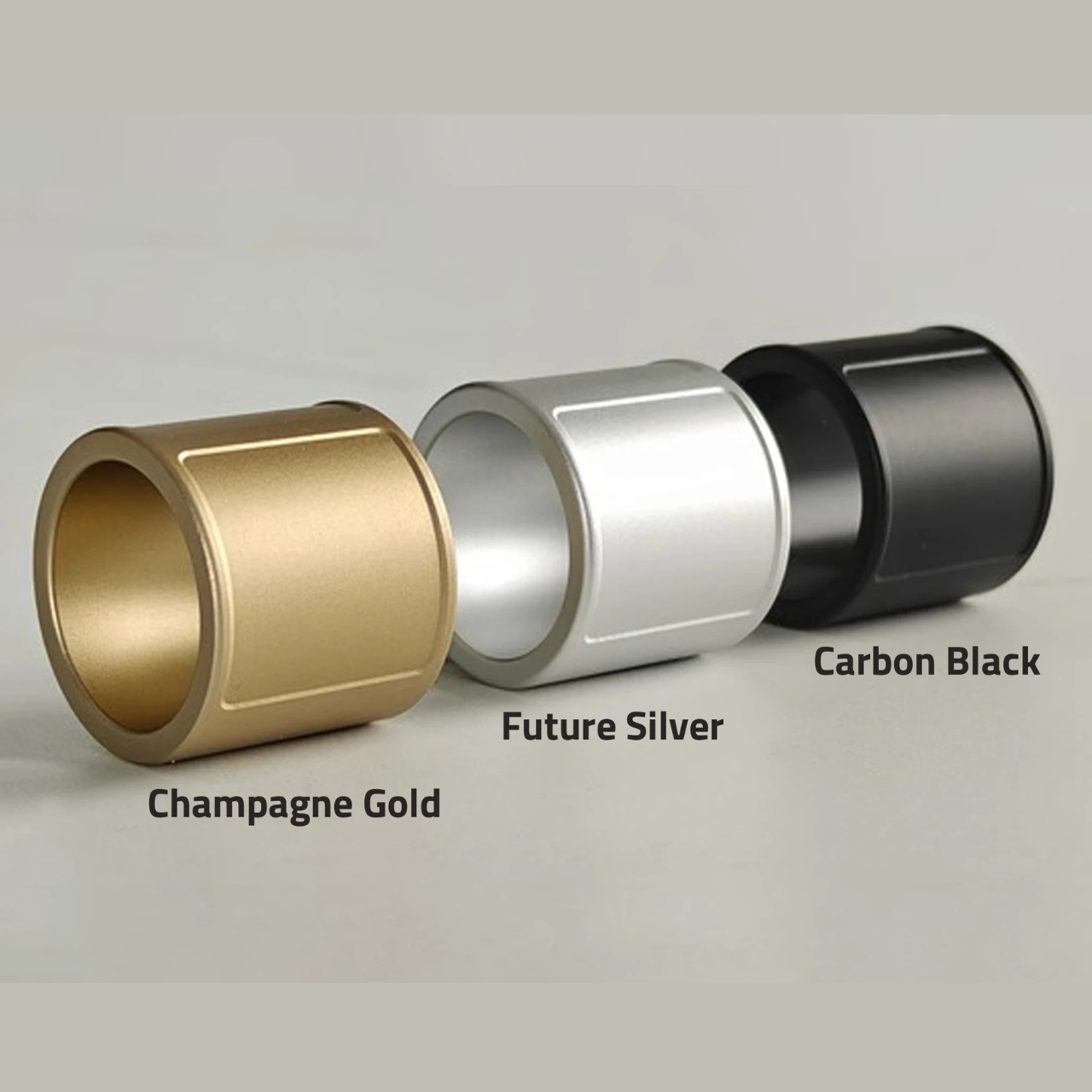
Fit is another thing to check before buying. The ring comes in a US size 10.5, with a 20 mm inner diameter. Two included spacers reduce that diameter to 19 mm or 18 mm. The bracelet-like detailing doesn’t mean you can adjust it like a wristwatch, so those three fit options won’t necessarily work for everyone. That’s something I’d want to try in person rather than guess from measurements.


Casio estimates approximately two years of battery life, so there’s no regular charging routine. The battery is replaceable, although the manual says replacement requires special tools and should be handled by the original retailer or an authorized Casio service center. For the US, Casio announced November 2026 availability, with the silver version priced at $135 and the gold-tone version at $155.

For me, the appeal is still being able to leave my wrist free without giving up a watch face. I’d need to get the fit right and decide whether taking it off at the sink would become annoying. But I do like the idea of choosing a bracelet for my wrist and letting a miniature Casio handle the timekeeping on my finger.

The post Casio’s Tiny Ring Watch Keeps Time Without a Wrist Strap first appeared on Yanko Design.

Prolo Ring Lets You Click and Scroll Without a Mouse

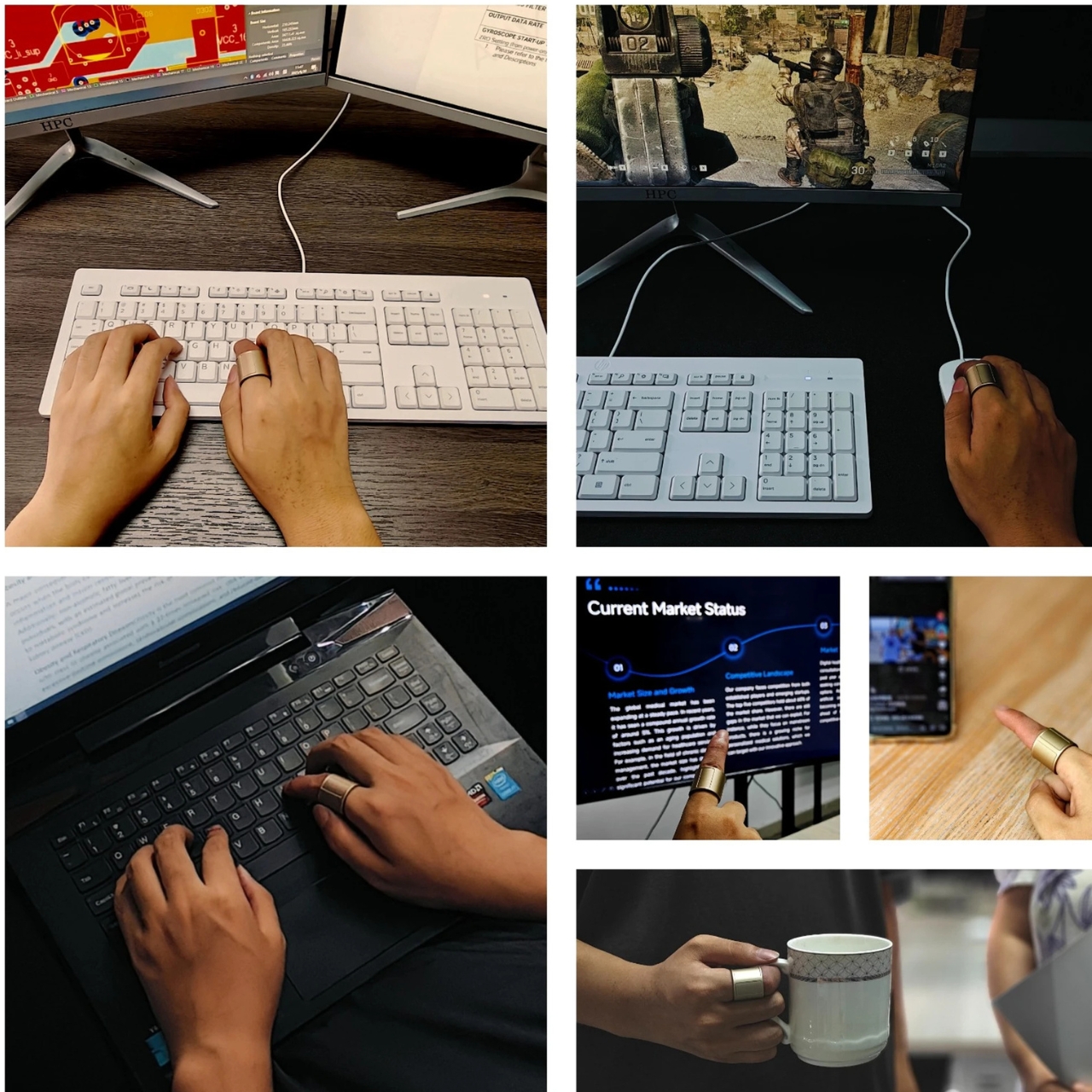
There are days when you work on just your laptop. And then there are days when you have to switch between different devices and therefore also use different controllers. If you have a huge desk or workspace, then that’s probably fine. But if you’re working in a limited space, then the different controllers add to the clutter. What if you have something that can fit onto a finger and let you switch between different devices more easily?

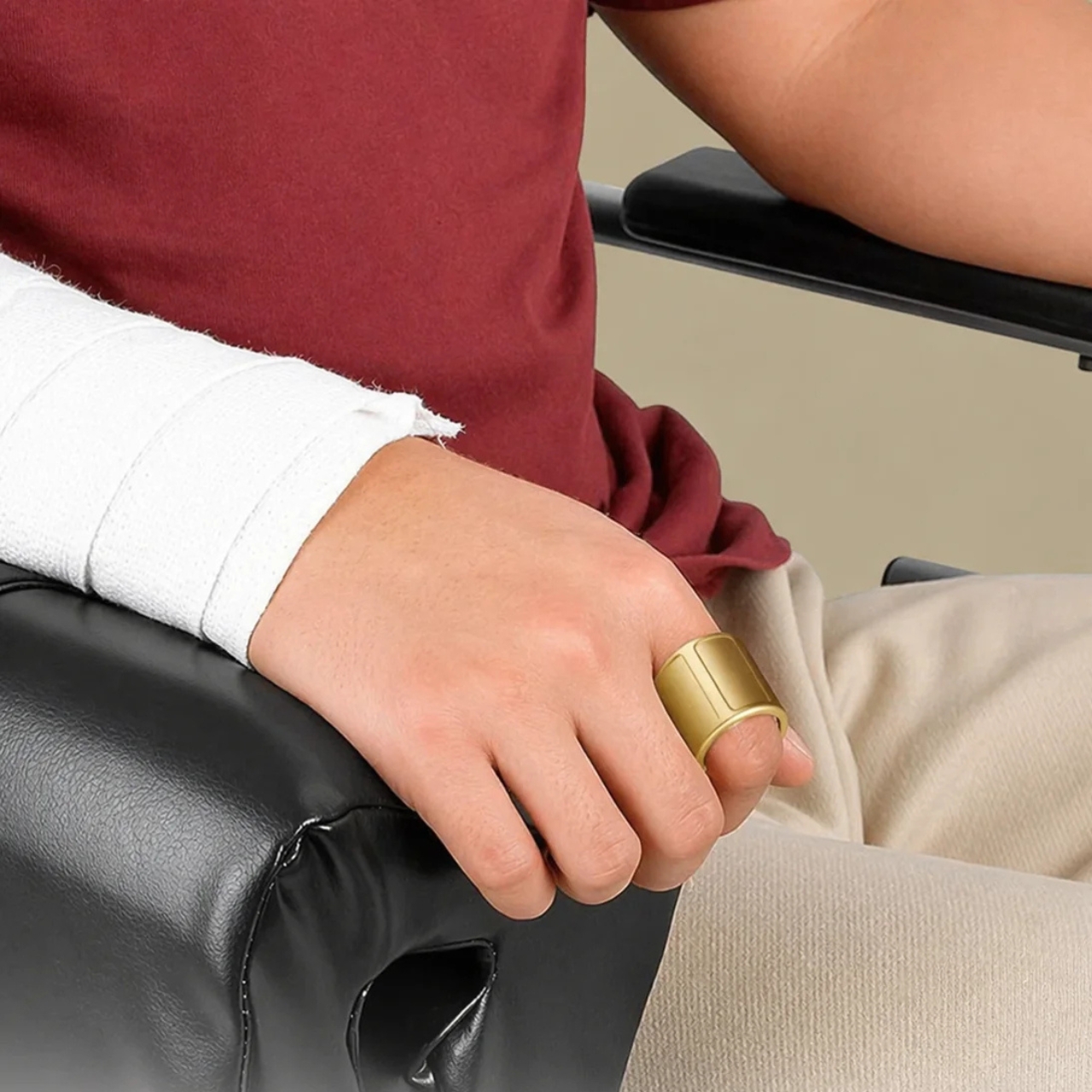
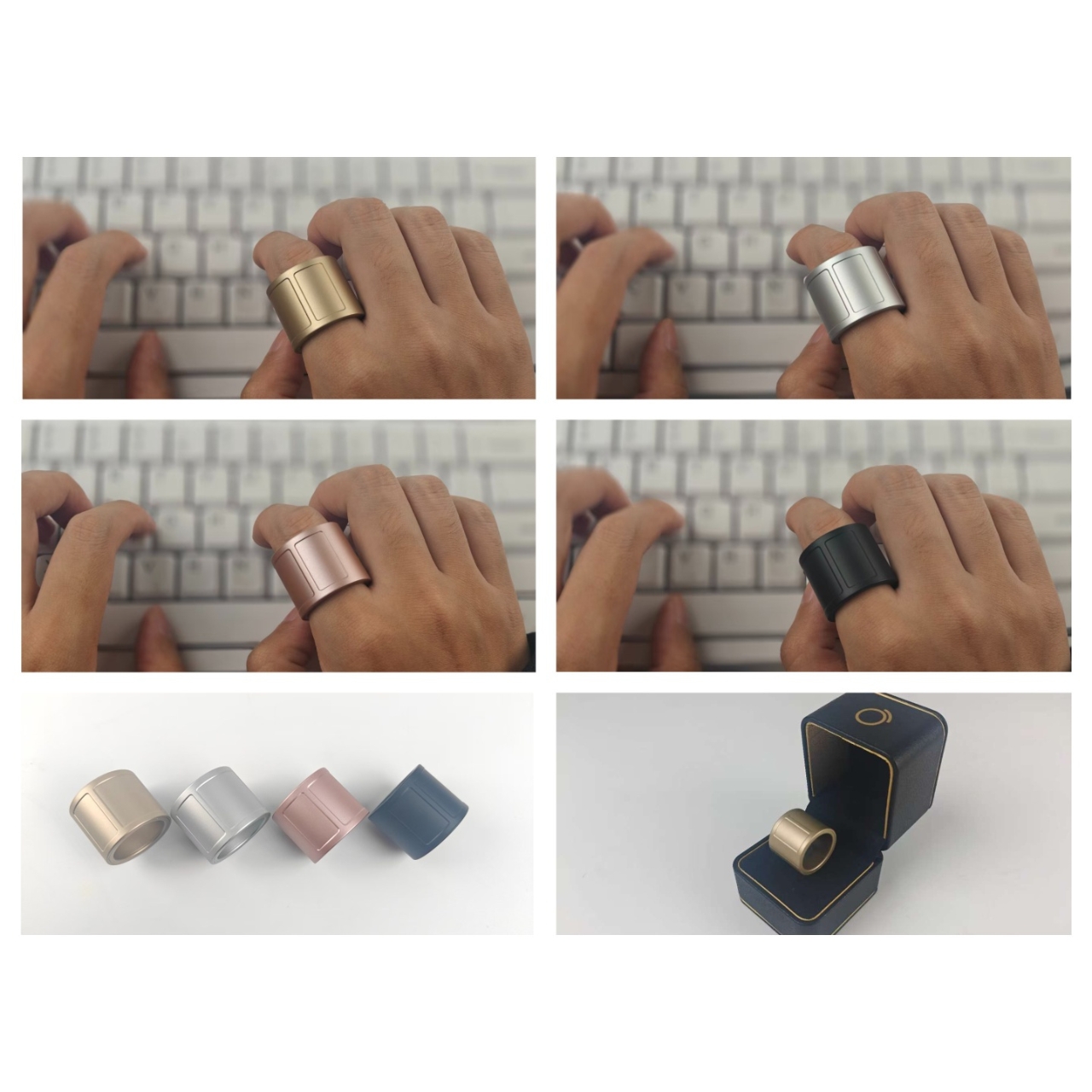
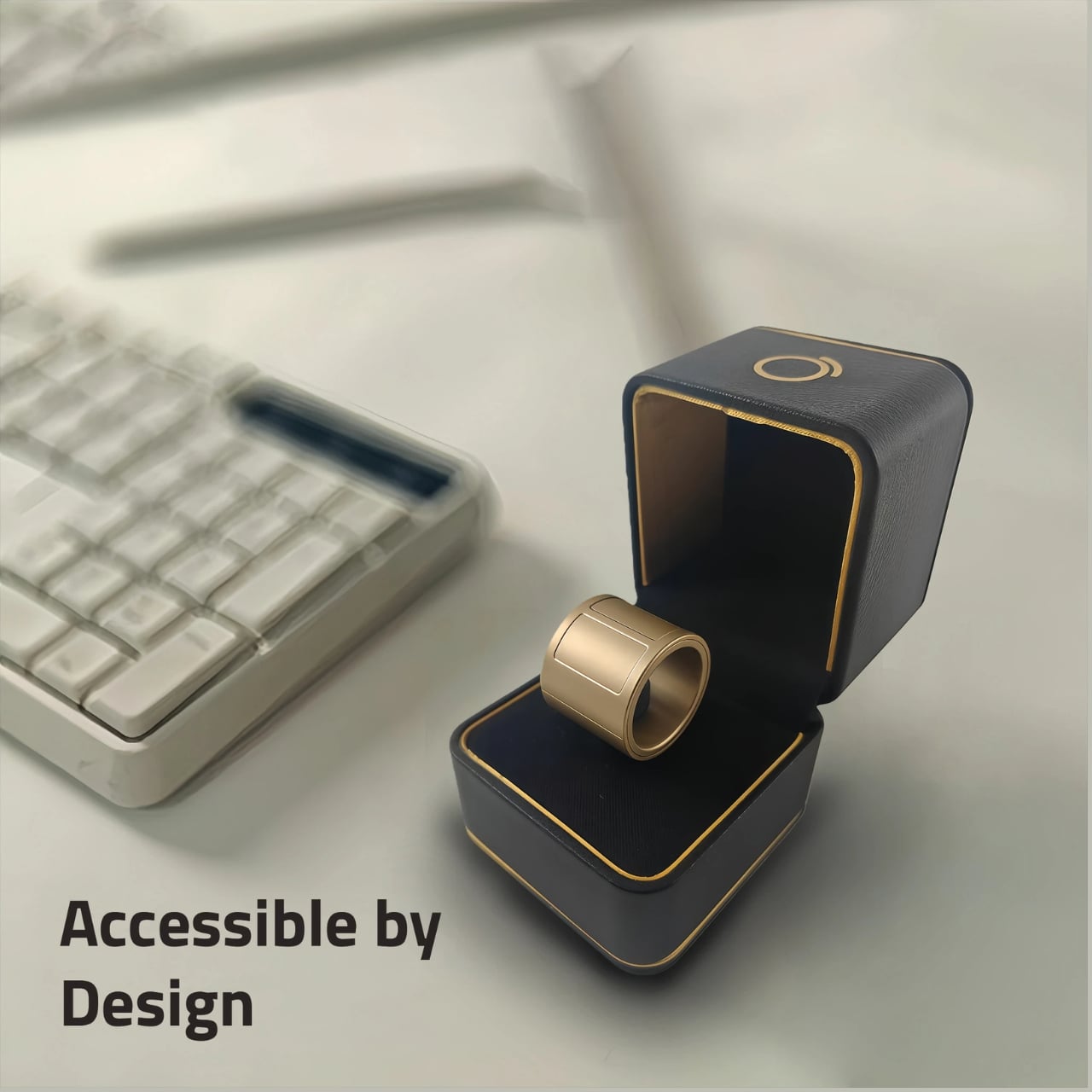
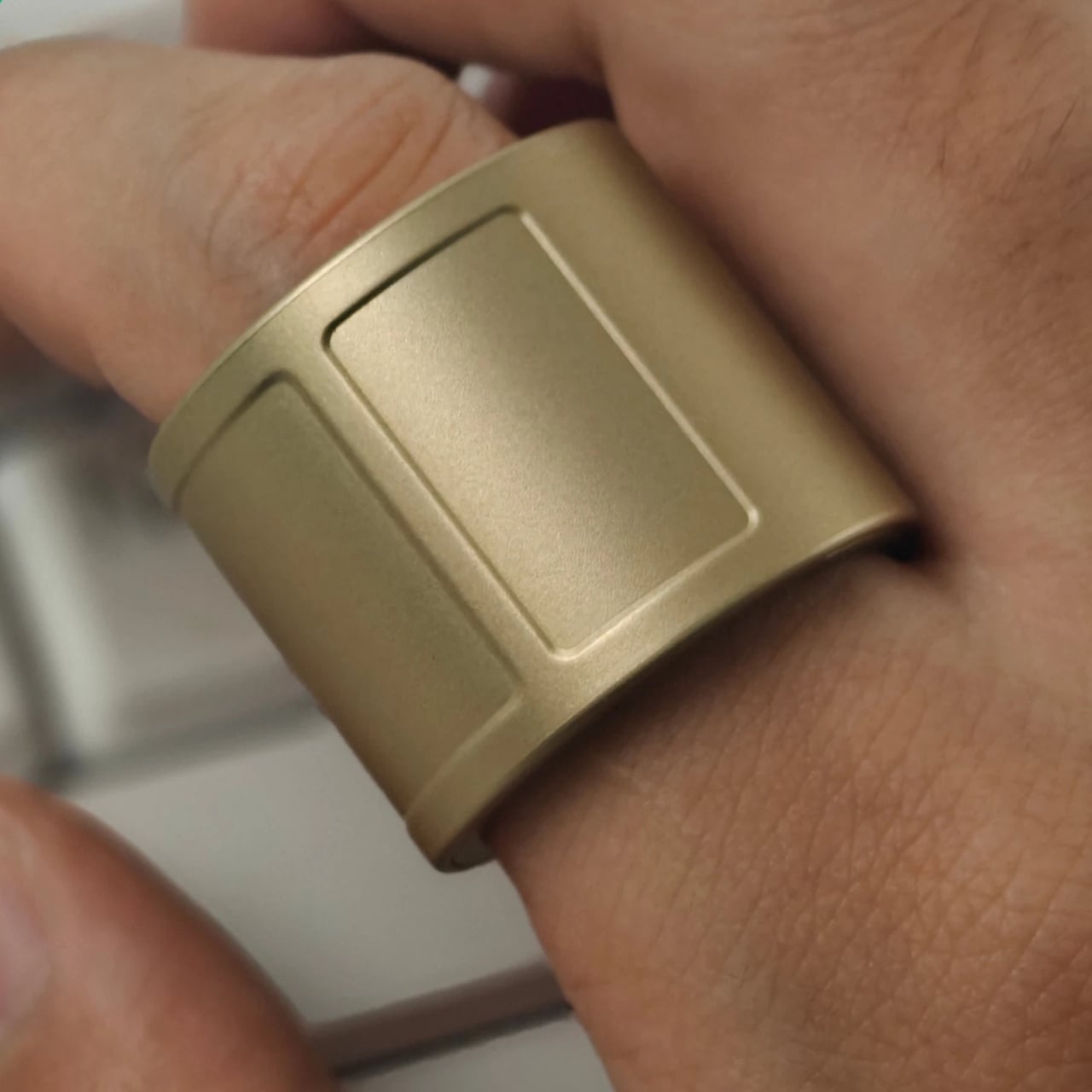
That’s the promise that the Wearable Ring Controller by Prolo is making. Called the Prolo Ring, it is a Bluetooth wearable input controller that can be worn on your index finger. It has a trackpad that your thumb can use to move the cursor and scroll, and a touch strip that your other hand’s index finger can operate. The Pro Edition even supports air gestures, giving you another way to control your devices.

Designer: Prolo

The most noticeable design choice is its wide band. This gives your thumb room to work with an 18 × 30 mm capacitive touch surface rather than a tiny button. According to Prolo, the ring measures 23 mm wide and 2.9 mm thick and weighs between 4.1 and 5.2 grams. Its shell is made from polycarbonate, despite the metallic-looking finishes available for the Pro Edition. The broad profile makes it look more like a wearable tool than a discreet piece of jewelry.

That width also makes sizing important. Prolo lists US sizes 7–18 and requires test wear with its sizing kit or a 3D-printed sizer before you confirm your size. Your usual jewelry size may not translate directly to this wider band. Included adjustment shims help fine-tune a slightly loose fit. You can wear it on either index finger, keeping the trackpad facing your thumb.

The top touch strip, called the Modstrip, handles mode switching and additional commands. The four modes are Cursor, Navigation, Touch, and Air, organizing functions such as pointing, browsing, media playback, and motion gestures. Separating these controls lets the same small surface perform different jobs, although it also means learning which mode you’re using. Some interactions require both hands.

One particularly interesting feature is Joystick Assist. Swipe quickly from one edge of the trackpad to the other and keep holding, and the cursor continues moving. Moving your thumb farther from the center increases its speed; releasing stops it. This addresses the limited travel of a finger-sized trackpad, while ordinary trackpad movements remain available for finer positioning.

Switching devices uses a tap followed by a hold on the Modstrip. The ring disconnects from the current device and reconnects to another saved device, so “instantly” would be an overstatement. It connects to only one device at a time. For someone moving between a laptop and a tablet, the appeal is keeping the same controller rather than reaching for another one.

Basic controls use standard Bluetooth HID, the protocol used by compatible input devices, without requiring a dedicated driver or app. Prolo lists support for Windows, macOS, Linux, Android, and iOS/iPadOS, plus compatible smart TVs and XR devices. Available functions vary by device and app. It can also work alongside your existing mouse and keyboard rather than requiring you to replace them.

The Pro Edition adds more than 40 customizable gestures, assignable shortcuts, macros, and profiles. Prolo Studio, the free desktop companion app, handles customization. You could organize controls around presentations or media playback rather than use every available gesture. Push-to-talk can trigger dictation or AI shortcuts, but the ring has no microphone; a connected device handles the voice input.

Prolo claims up to 10 hours of typical use per charge and includes a magnetic charging cable. The ring is not waterproof, so it needs to come off before showering or swimming. For cramped workspaces, its clearest potential benefit is freeing you from needing a separate mousing surface. Whether that convenience outweighs wearing a broad band and learning its controls will depend on how you work.

The post Prolo Ring Lets You Click and Scroll Without a Mouse first appeared on Yanko Design.

A $249 Smart Lock That Still Opens When You’ve Forgotten to Charge It

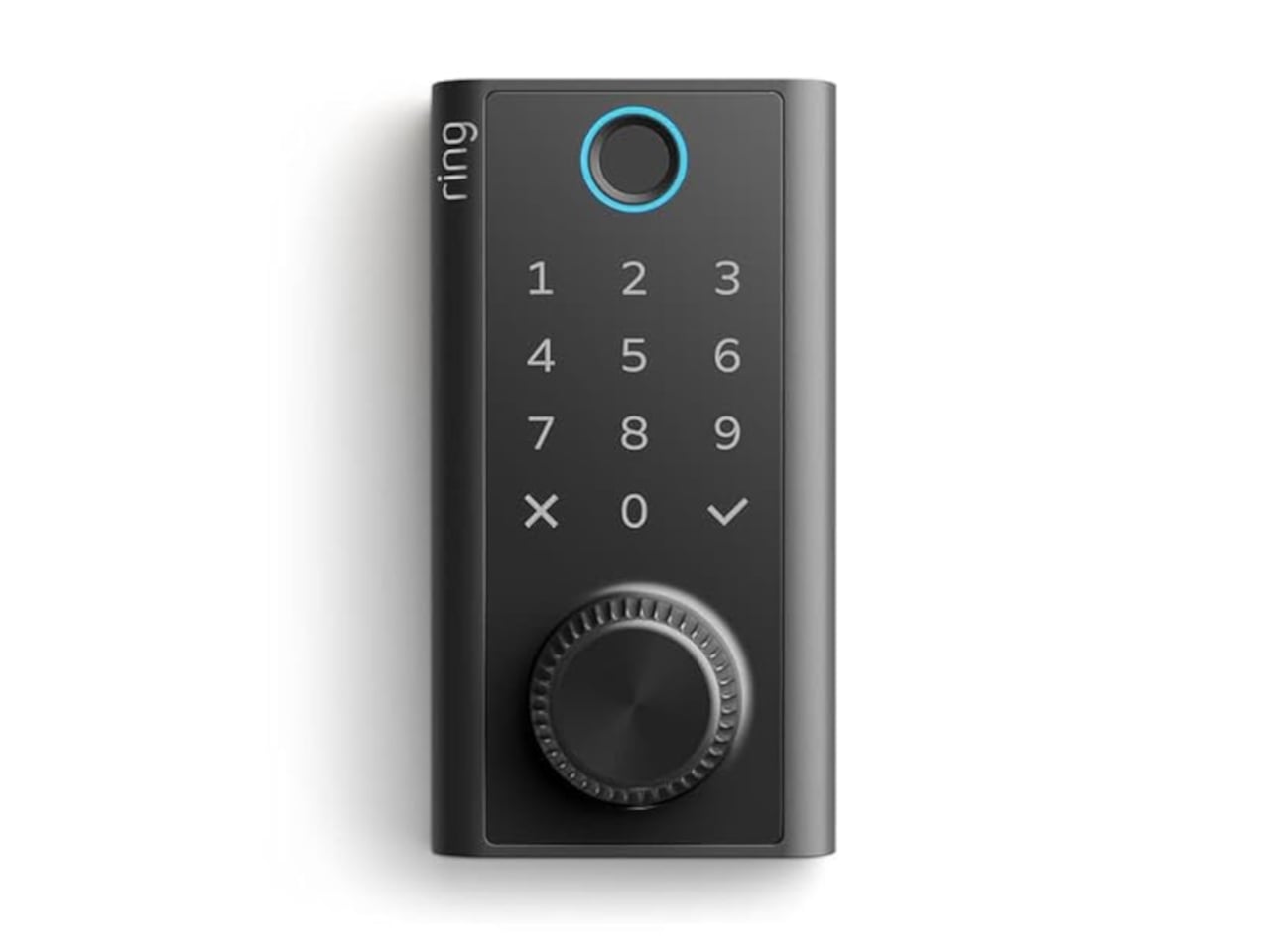
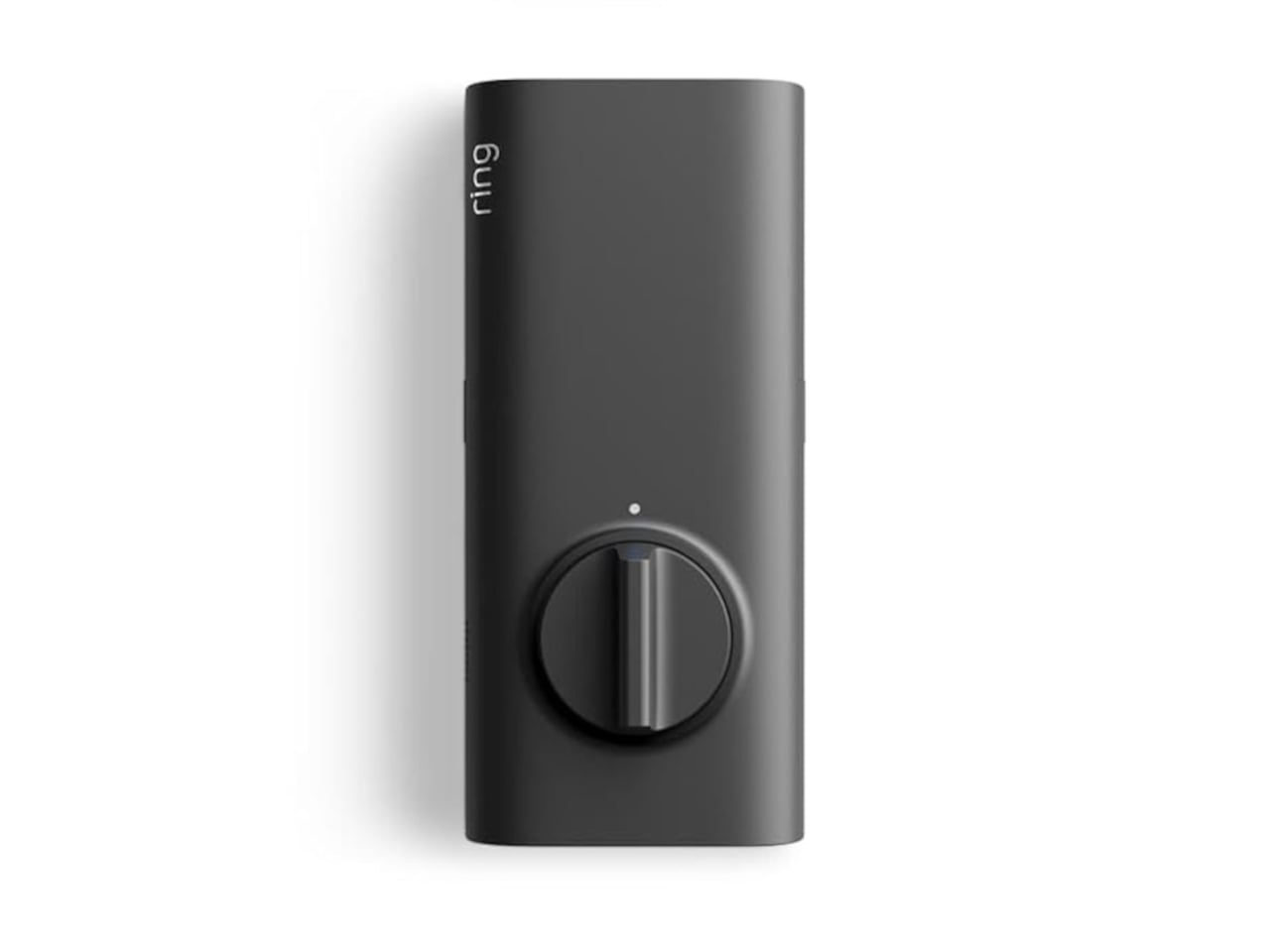
Smart locks sound like the future until you’re standing outside with groceries and the lock won’t wake up because of a dead battery. Although there are different methods to address that, Ring’s first-ever Smart Lock has a rather ingenious solution: an almost literal crank. Simply turn a dial a few times to power the keypad just long enough to key in your code.

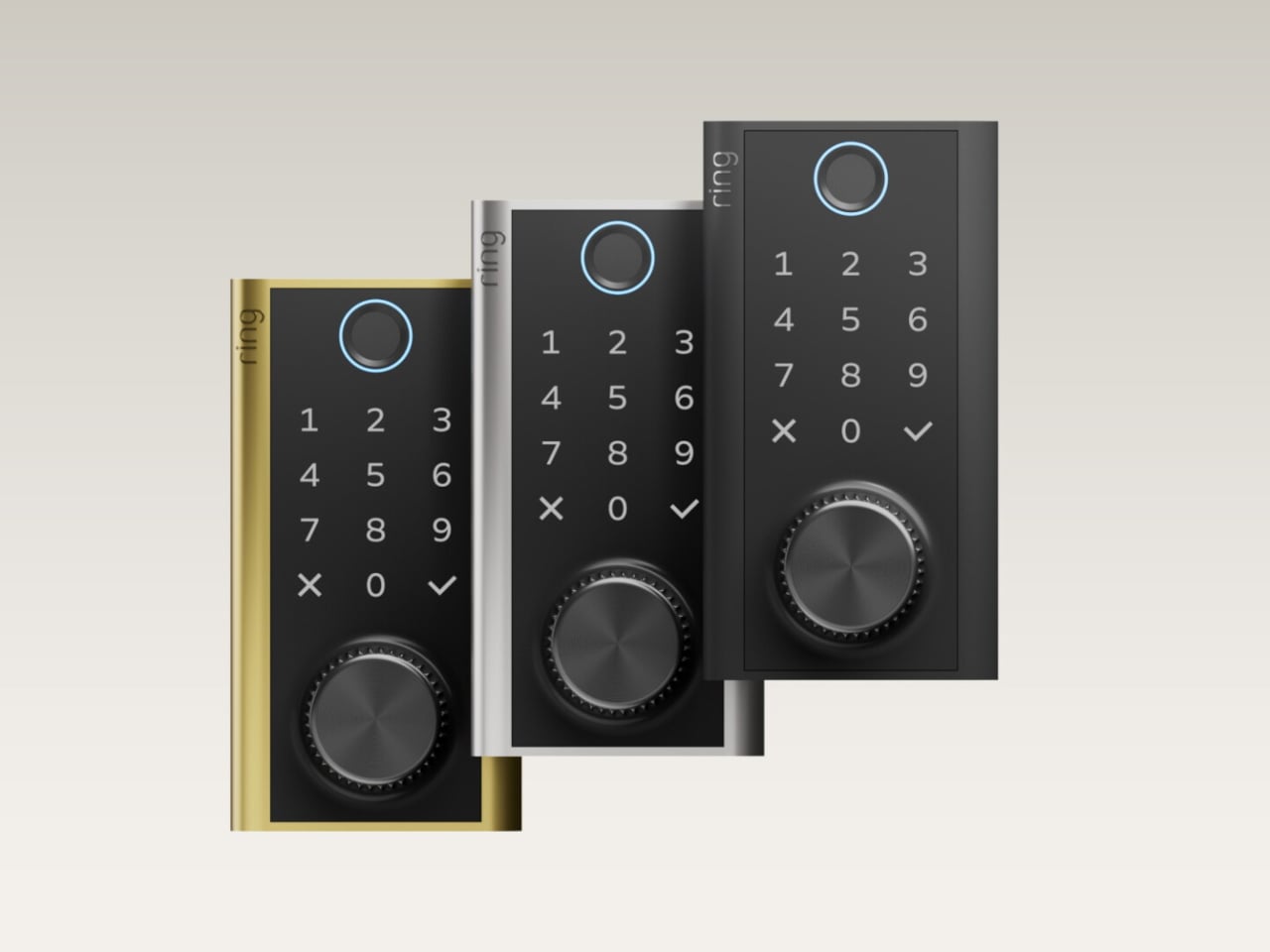
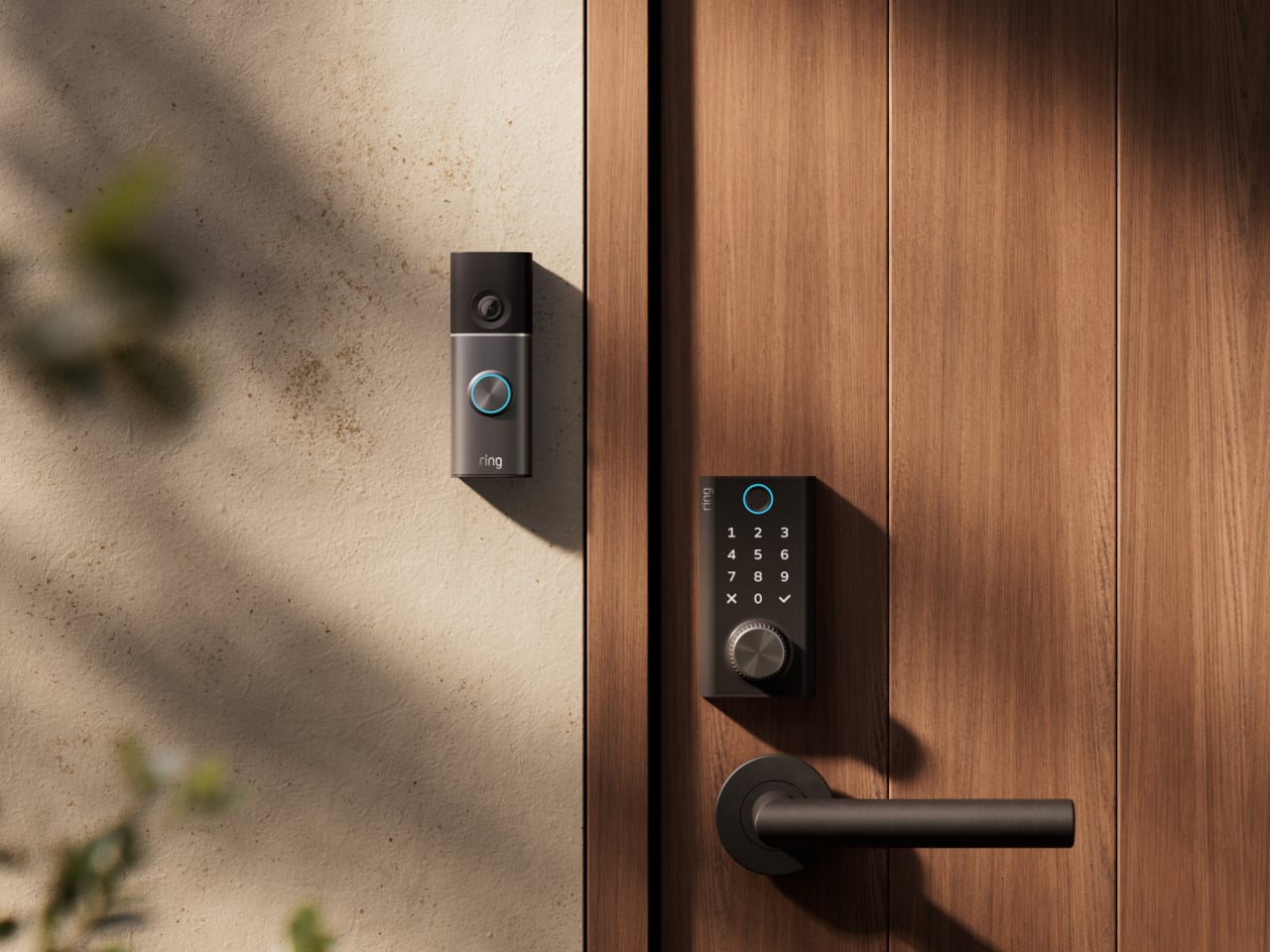
It’s simple yet effective, and it doesn’t require you to fumble for a cover to replace the battery. The knurled dial sits beneath the backlit touchscreen keypad, with a circular fingerprint reader topping them all. All in all, the design looks more like a stack of controls instead of a deadbolt with electronics just bolted on.

Designer: Amazon

On regular days or nights, you can simply touch the fingerprint reader instead of digging for keys in your bag or pocket. You can also give a visitor a PIN that only works during a set time window. The Ring app also offers yet another way to let you in, and it also allows you to check the lock remotely, including Alexa voice control. These are the typical features you’d expect from a smart lock, but Ring does one better.

Most keyless locks require a cable or a spare battery before they even wake up, which isn’t exactly the fastest or the easiest when you only have one hand free. Ring puts that backup in that same free hand, figuratively. Simply turn the dial to “charge” the lock, almost like cranking some lever for power. It’s an almost comical analogy, but it gets the job done.

Of course, you don’t charge the Ring Smart Lock by turning the dial endlessly. That’s what the Quick Release Ultra Battery Pack is for. That battery is rechargeable, which means you don’t need to worry about extra wiring or hardware when installing the Smart Lock. It works with a standard single-cylinder deadbolt, making it immediately compatible with many doors.

One thing to note is that remote features depend on Amazon Sidewalk rather than your home Wi-Fi. That could spare you a trip back to check whether the door locked, or let you admit someone while you’re away, provided there’s coverage where you live. Ring says unlocking at the door happens locally, but Sidewalk remains a requirement for the connected functions. It’s a condition beneath the promise of convenience.

The lock can share the Ring app’s activity feed with Ring’s other products such as doorbell, cameras, and alarms, so you get a more holistic view of everything that happens at home even when you’re away. That said, it doesn’t have a camera of its own, which is a subtle nudge to get a Ring doorbell, too.

Black, silver, and brass finishes are planned, with a $249 price and U.S. availability expected in early 2027, pending regulatory authorization. For now, some details about the Ring Smart Lock have yet to be fully disclosed, including battery life. Regardless, it’s an interesting and low-tech solution to a high-tech problem that makes you feel you’re in control, even in such an emergency.

The post A $249 Smart Lock That Still Opens When You’ve Forgotten to Charge It first appeared on Yanko Design.
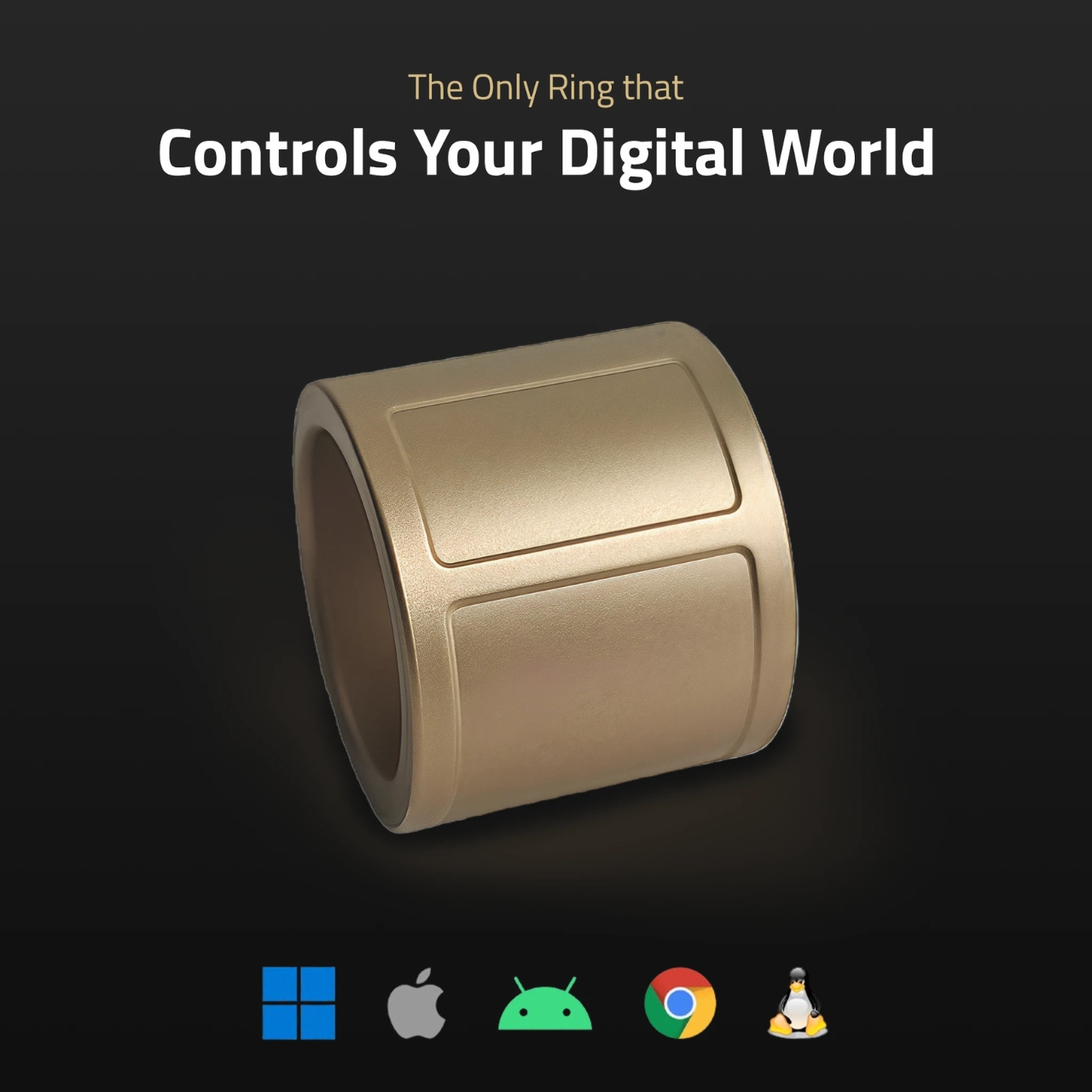
Beams Just Turned the $120 Timex Camper Into a Ring Watch

The Timex Camper has been around for decades, earning its reputation as one of those no-nonsense, reliable watches that quietly became a cult item. It’s not flashy. It doesn’t scream at you. It just sits on your wrist doing its job in that honest, military-practical kind of way that a certain type of person finds deeply appealing. So when I first heard that Beams Boy was turning it into a ring, my reaction was somewhere between “wait, really?” and “actually, that makes complete sense.”

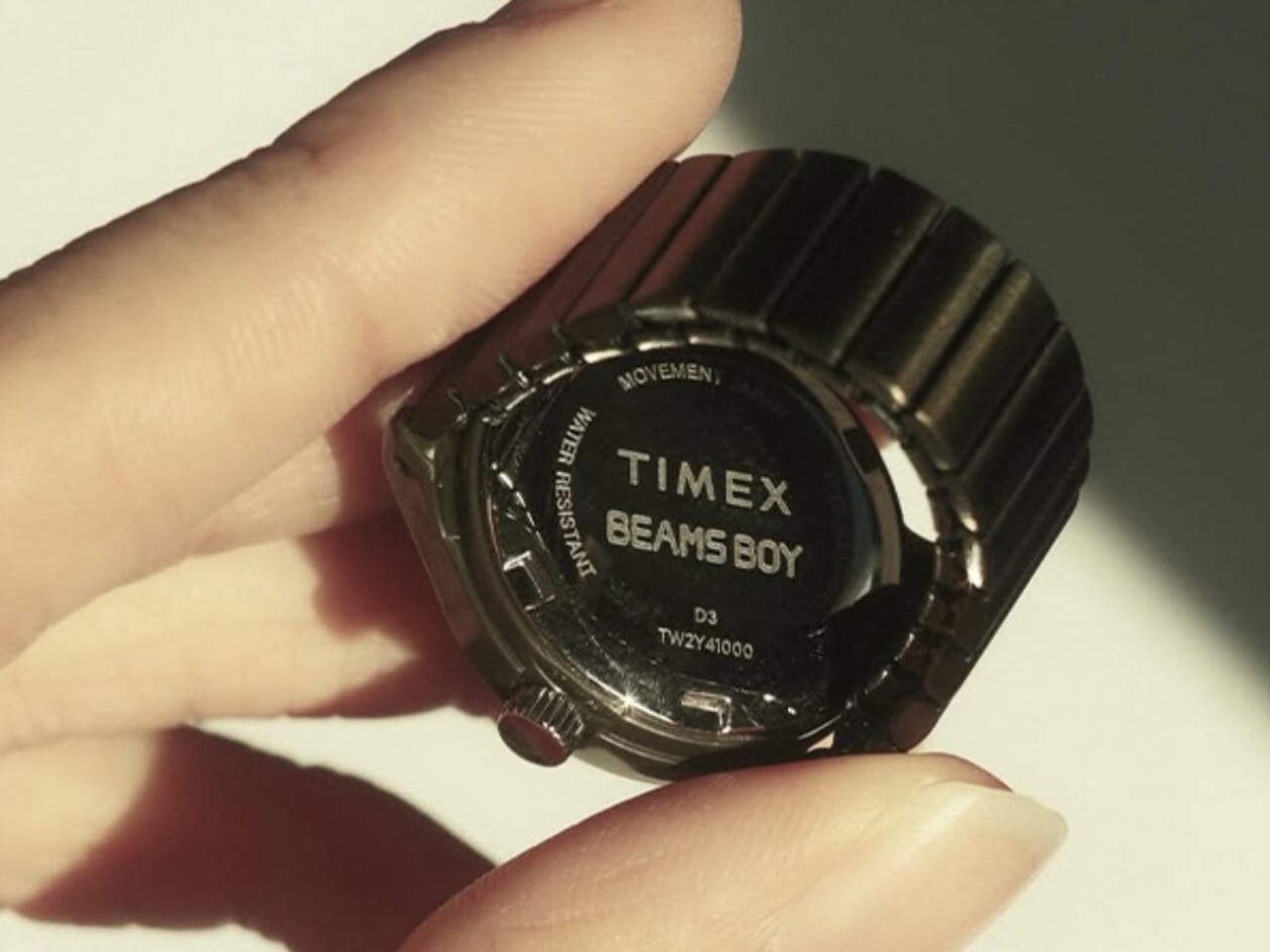
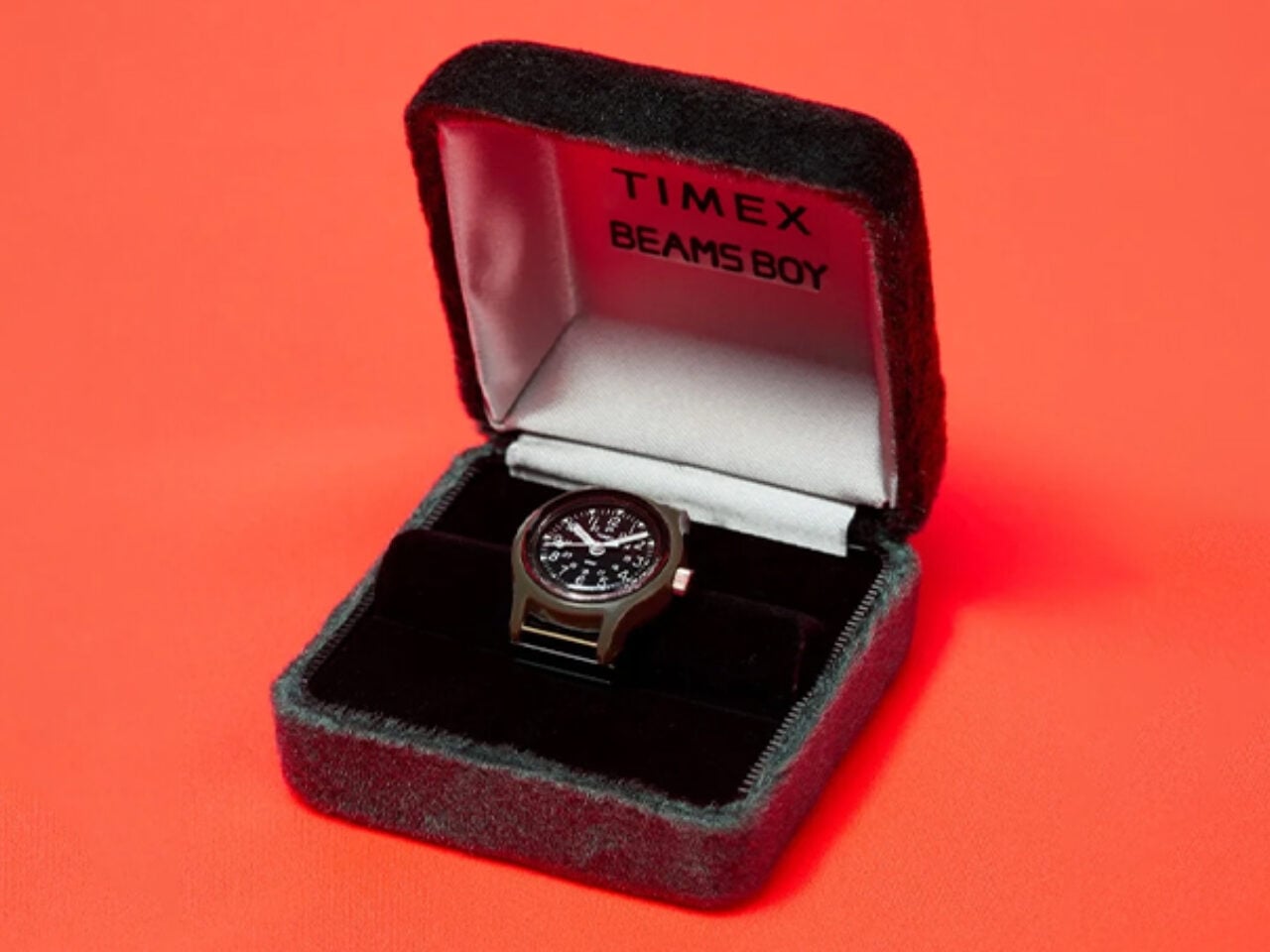
Beams, the Japanese retailer that started as a tiny 21-square-meter Americana shop in Harajuku back in 1976, is celebrating its 50th anniversary this year. With nearly 160 locations across Japan today, they’ve spent half a century proving they understand how culture and fashion intersect in ways most brands only dream about. For their anniversary, they didn’t release a standard commemorative watch with a logo on the dial or a velvet box. They took the Timex Camper and redesigned it from a wristwatch into a fully functional ring. It’s a bold, witty, and genuinely surprising idea, and it feels very Beams to pull it off.

Designers: Timex x Beams

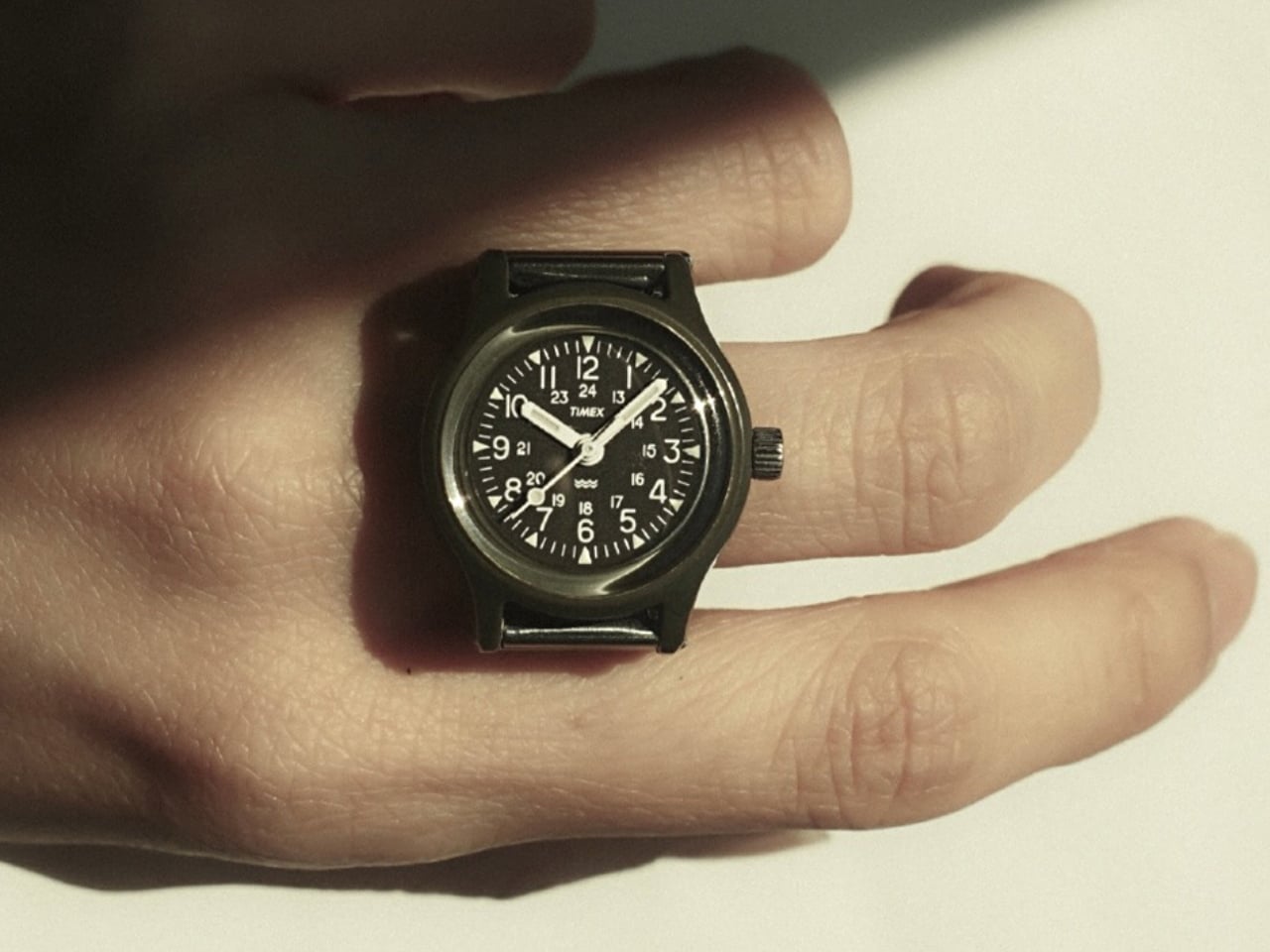
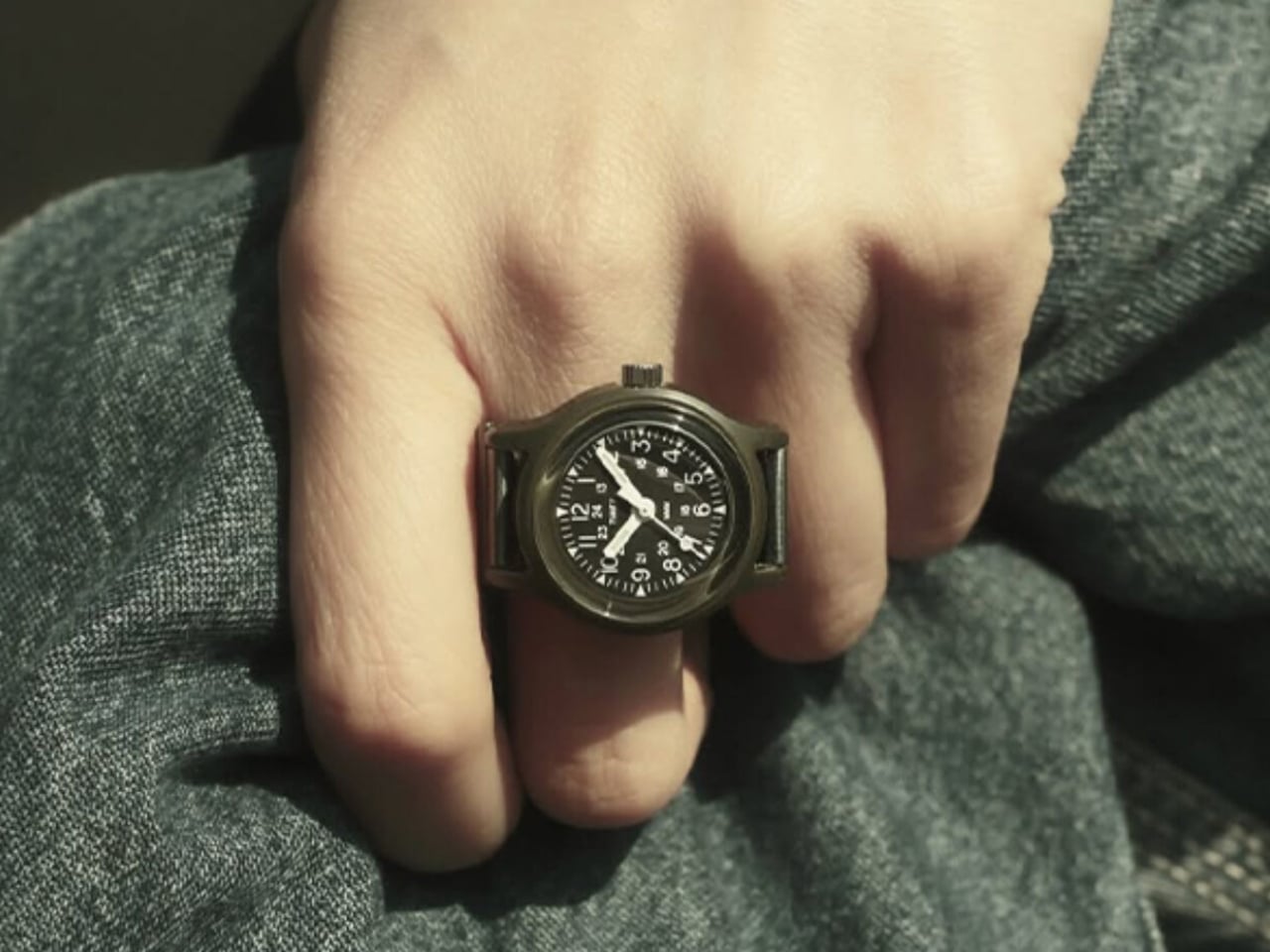
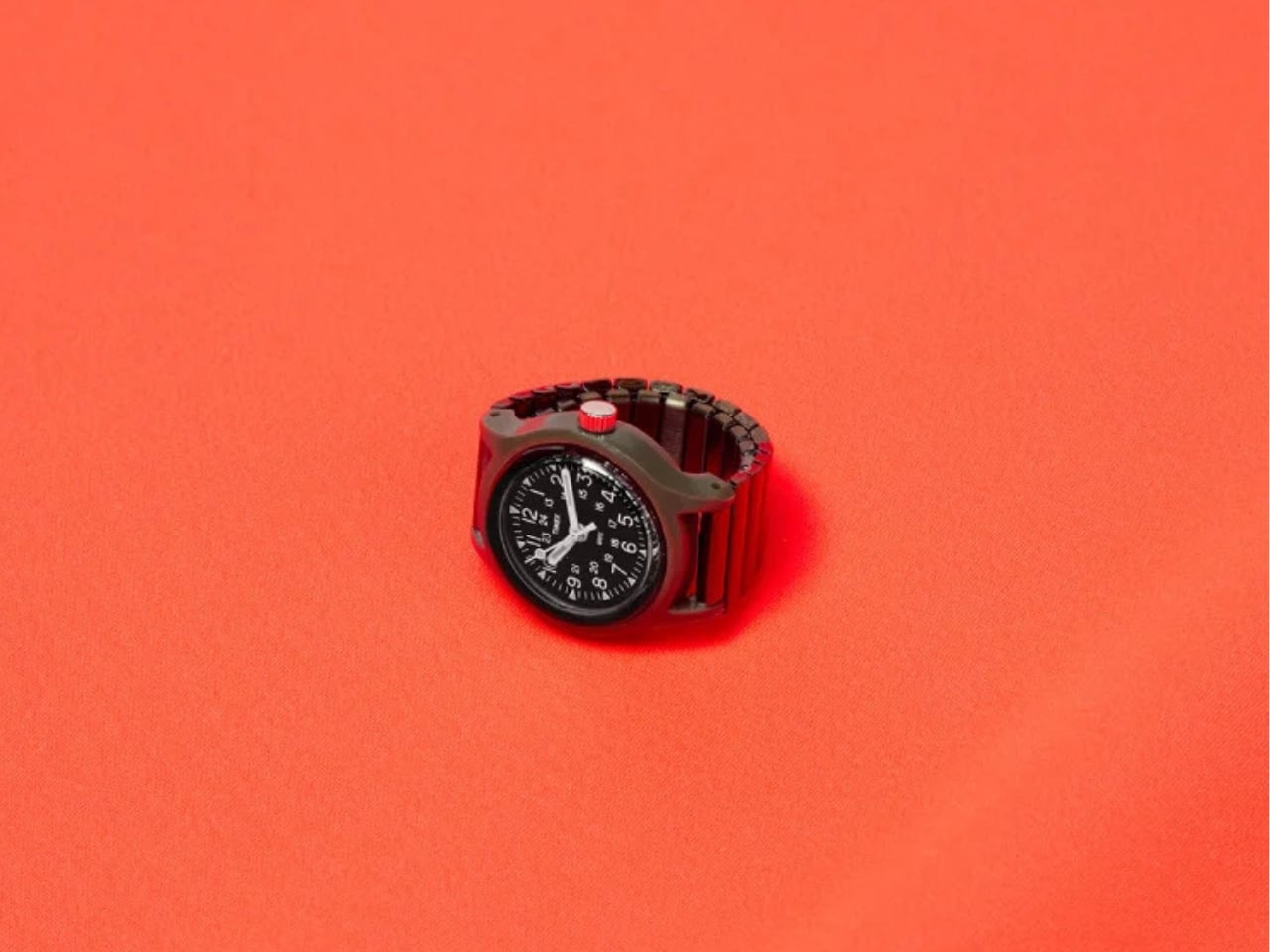
The Beams Boy x Timex Original Camper Ring Watch draws its lineage from two points in history: the 1920s tradition of converting women’s timepieces into jewelry, and the 1990s ring watch trend that briefly made a cult appearance before fading out again. What makes this release feel fresh rather than nostalgic is how it leans into function, not just form. This isn’t a decorative piece masquerading as a watch. It runs on a Japanese quartz three-hand movement, with a crown at the three o’clock position to adjust the time. It is, technically, a fully working watch. Just one you wear on your finger.

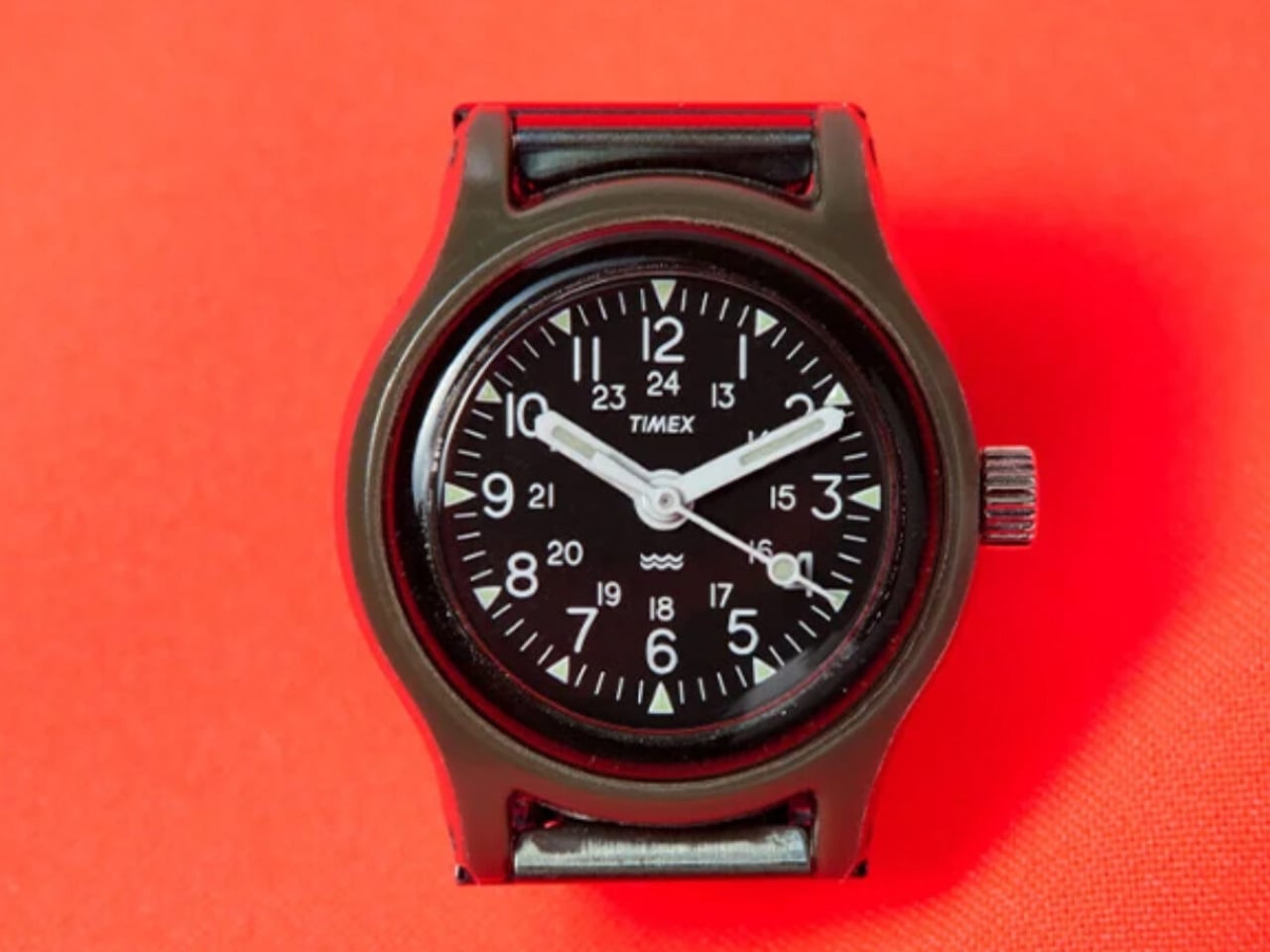
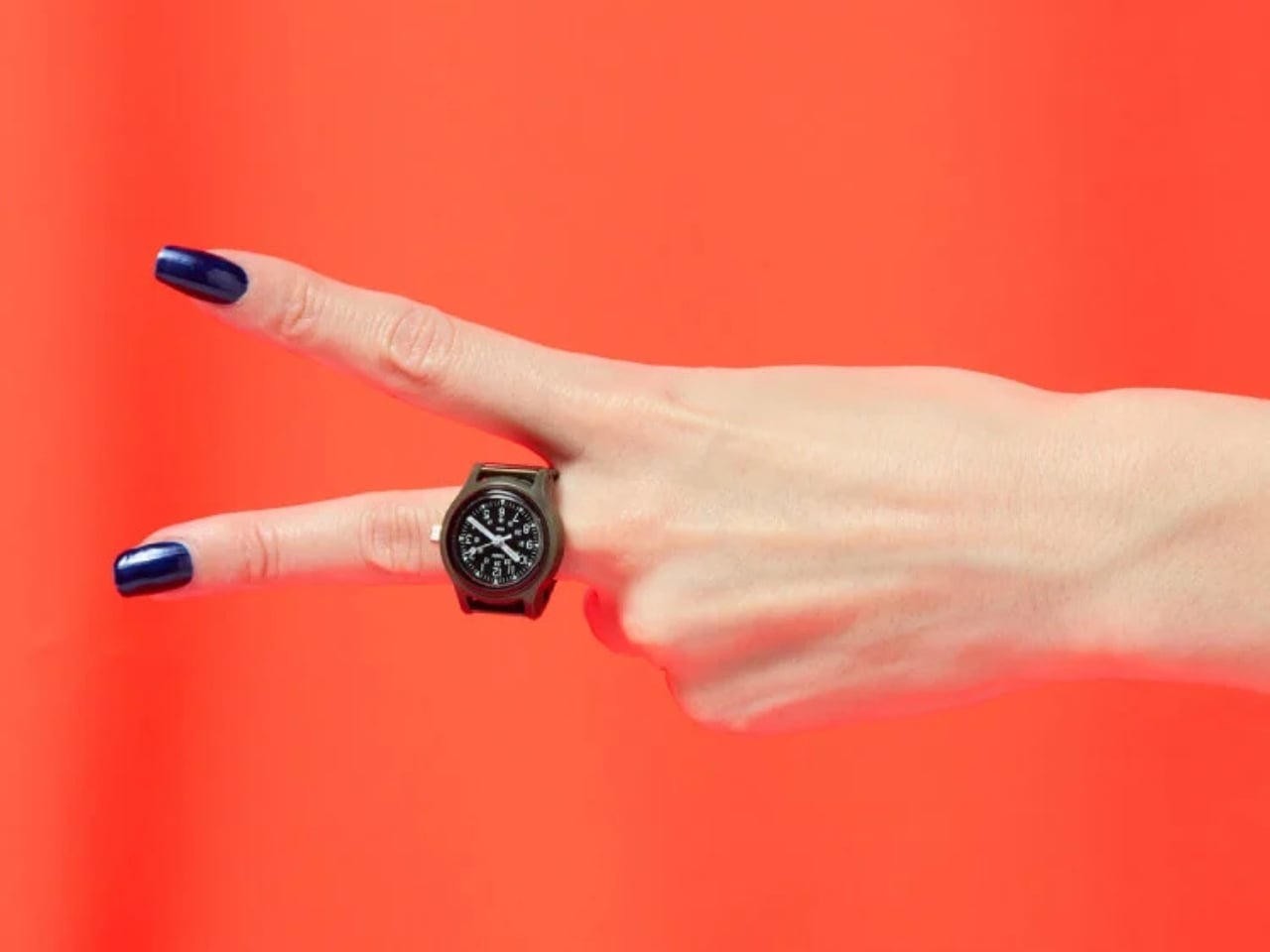
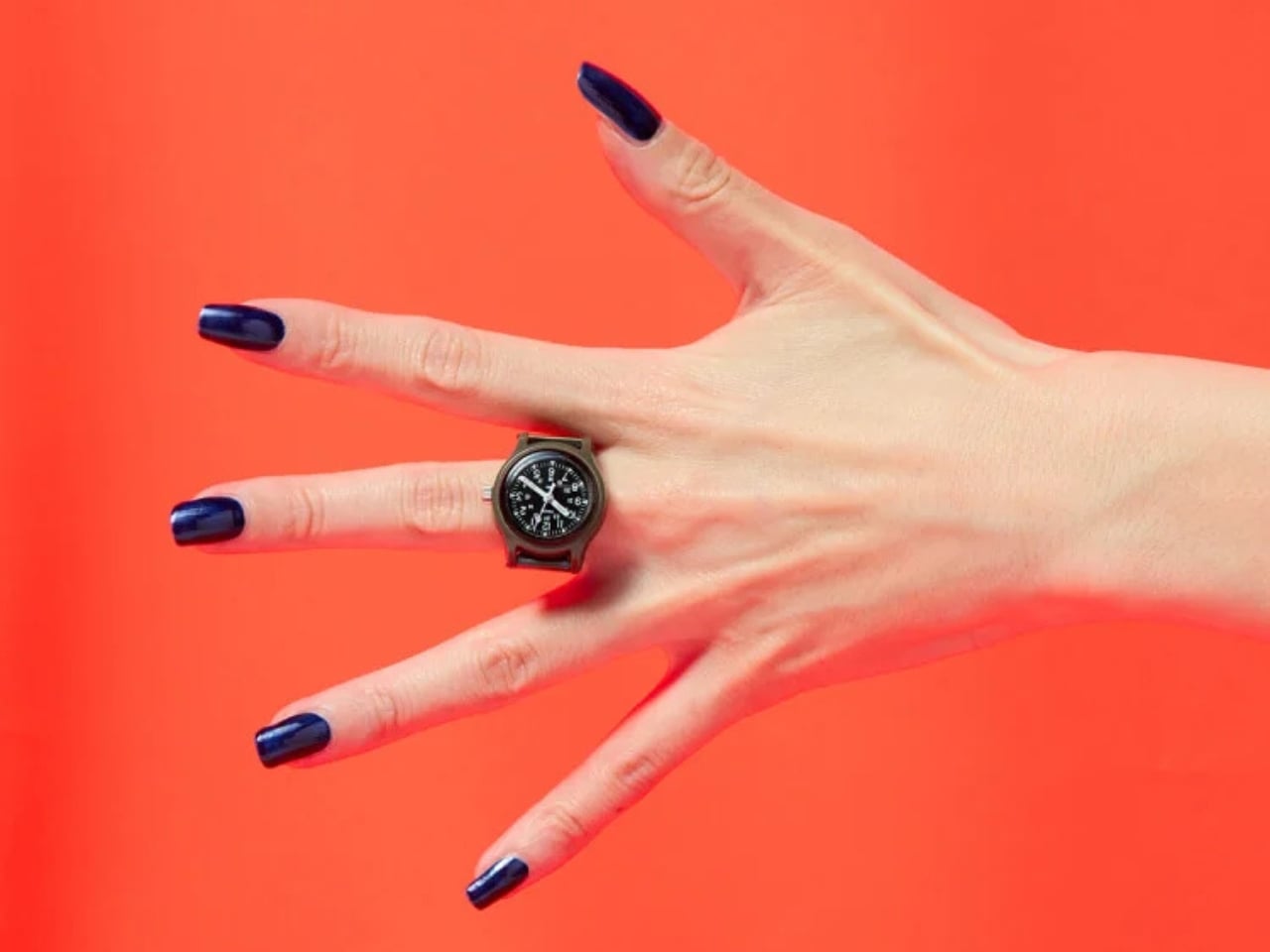
The construction is straightforward and smart. The case is lightweight resin, the crystal is acrylic, and the band is a stainless steel expansion piece that stretches to fit ring sizes 9 through 15. Because the links aren’t removable or adjustable, the flexibility does the work instead, which is practical and eliminates the fussiness of traditional ring sizing. The whole thing comes in a single olive colorway, keeping it in line with the Camper’s military DNA. I’d be lying if I said I didn’t wish for a couple of color options, but the restraint is kind of the point. It’s the Camper. Olive green is the answer.

The dial stays true to what made the Camper worth caring about in the first place. Bold numerals, minimal clutter, the kind of face that tells you the time without asking for your attention. Shrinking that down to ring scale could have easily turned it into something illegible or toy-like, but it holds together visually in a way that feels considered rather than cute. The olive resin case doesn’t try to be refined or precious. It’s matte, slightly utilitarian, and completely on-brand for a watch that was never designed to impress anyone at a dinner table.

What I find genuinely interesting is how the expansion band was handled. A nylon strap would have been the more authentic choice given the Camper’s history, but it would have been impractical on a finger. The stainless steel expansion band solves the sizing problem without introducing the kind of visual heaviness that a chunky metal bracelet would have brought. It sits quietly beneath the case, doing its structural job while keeping the focus on the watch face itself. The proportions feel right. Small enough to be a ring, substantial enough to still read as a watch.

Ring watches are quietly gaining traction again, with a few other brands testing the format recently. The format suits a culture that’s increasingly interested in accessories that carry a story and a specific point of view, where what you wear on your hand says something intentional about who you are. A functioning military watch miniaturized into a ring does that in a way that a statement ring or a charm bracelet simply can’t.

The Beams Boy x Timex Camper Ring Watch drops on April 3, 2026, exclusively through Beams, priced at ¥19,140, roughly $120 USD. Whether it makes it outside Japan is still up in the air, which will make the hunt part of the appeal for a lot of people. For a 50th anniversary piece, this is the right kind of creative risk. Not safe, not predictable, but grounded in enough history and craft to earn its existence. That’s exactly the kind of thing worth paying attention to.

The post Beams Just Turned the $120 Timex Camper Into a Ring Watch first appeared on Yanko Design.
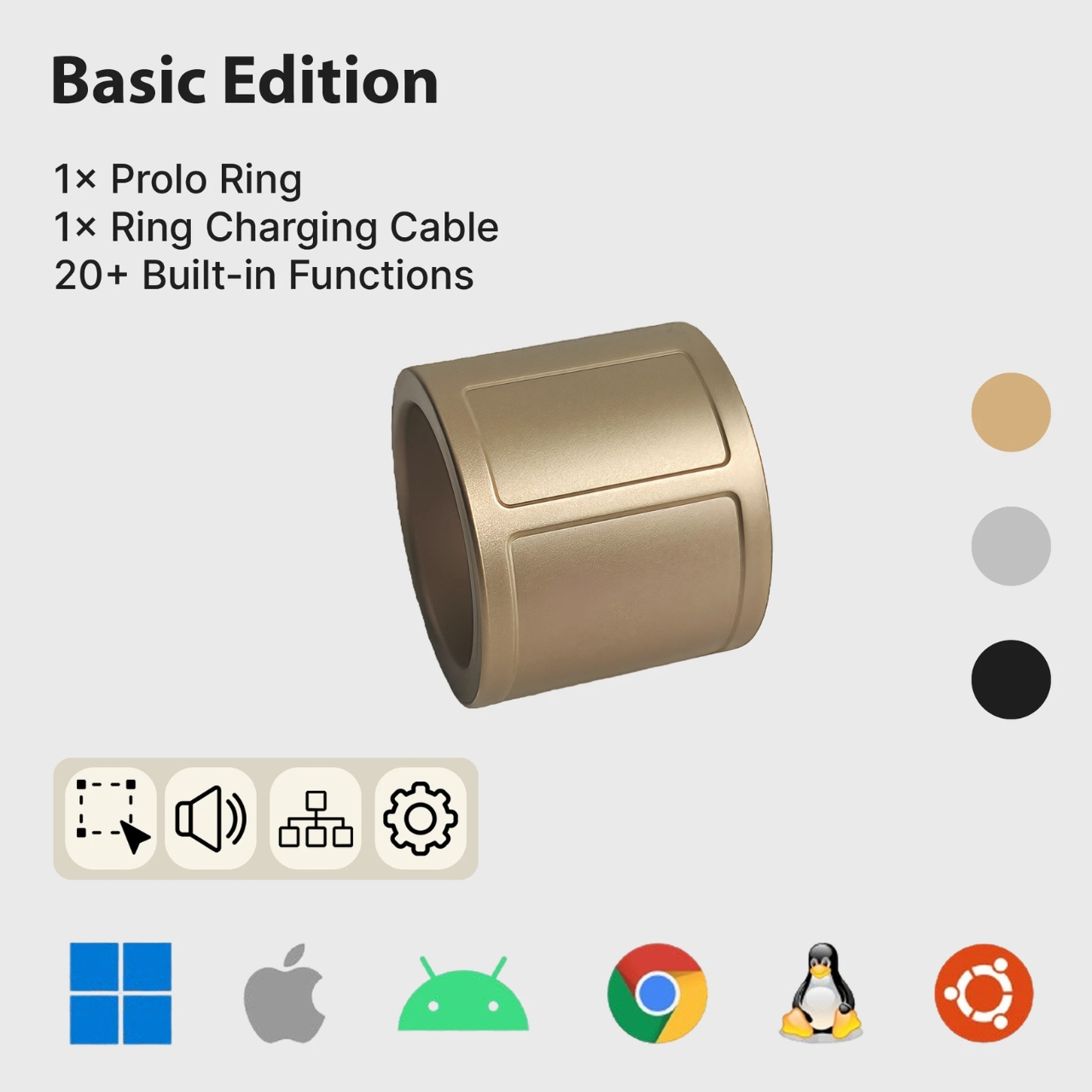
Smart Ring With A Built-in Screen Also Doubles As An AI-Assistant Pendant Wearable

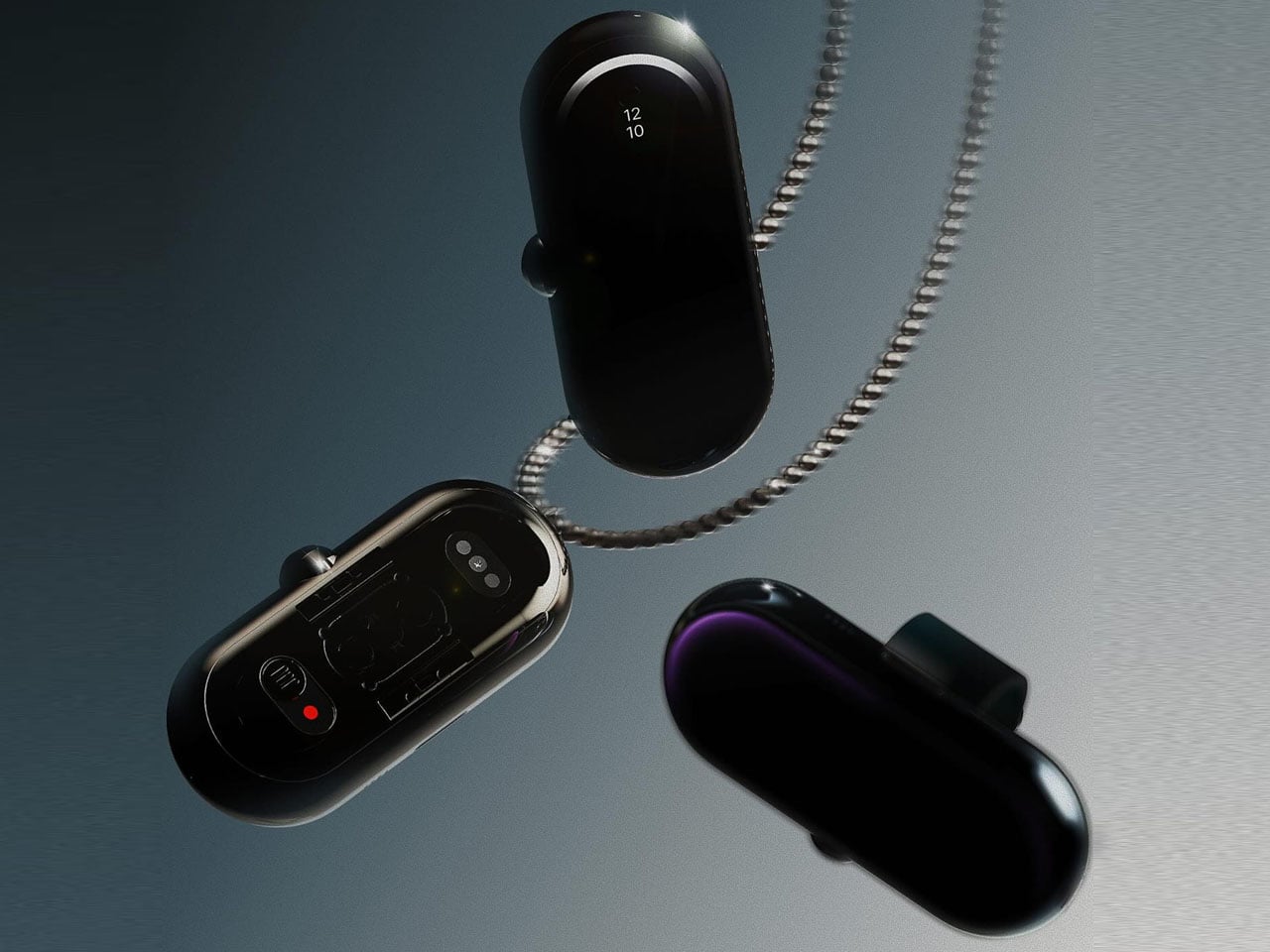
Technology often evolves in dramatic spikes – brighter displays, sharper cameras, smarter assistants – but the real breakthroughs are usually quieter. As our devices become smaller and more personal, the focus shifts from adding features to removing friction. The most compelling wearables are the ones that disappear into your routine, responding instinctively without demanding attention. Dribble explores exactly that future, transforming subtle human expression into a seamless digital command system.

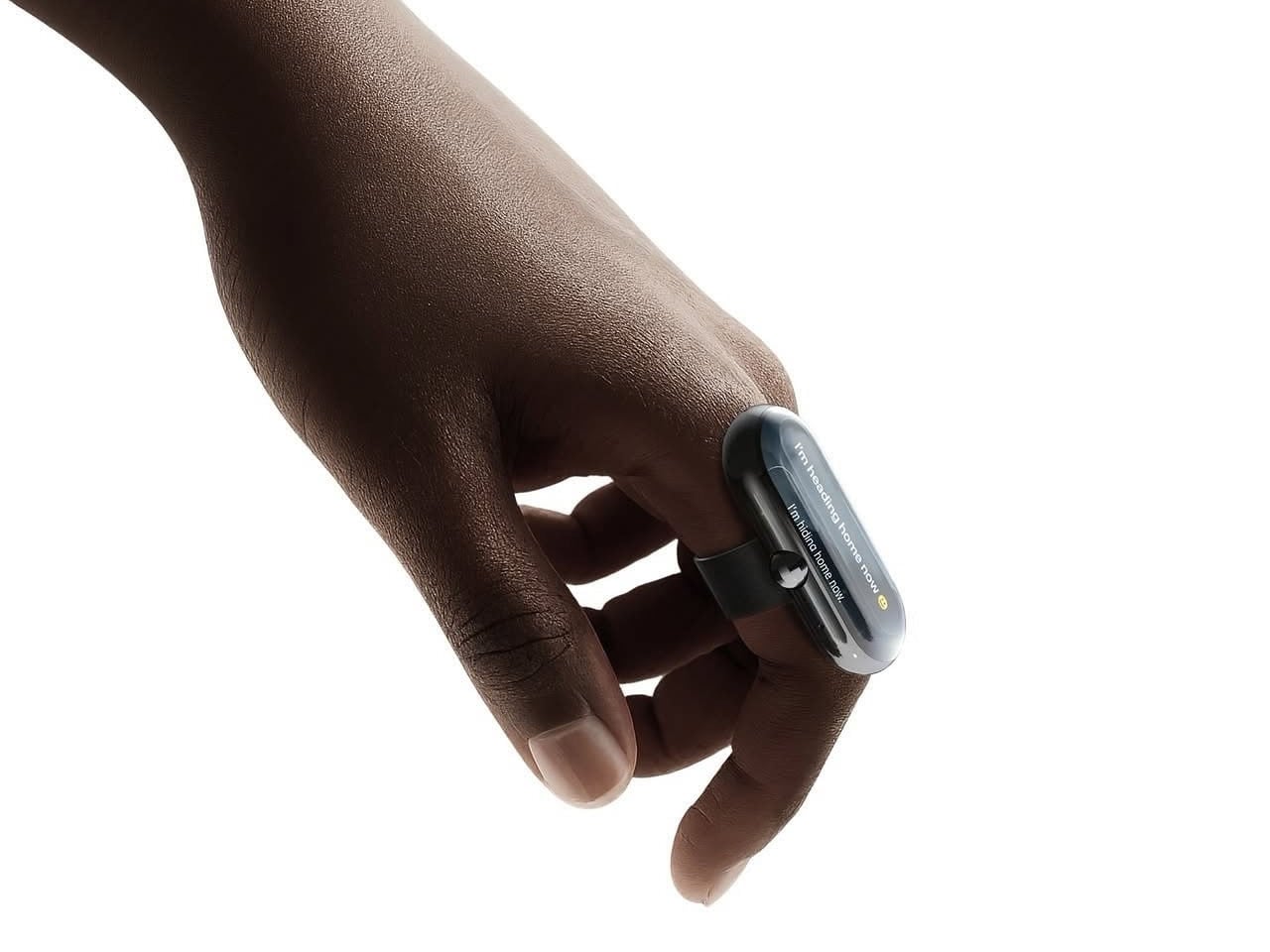
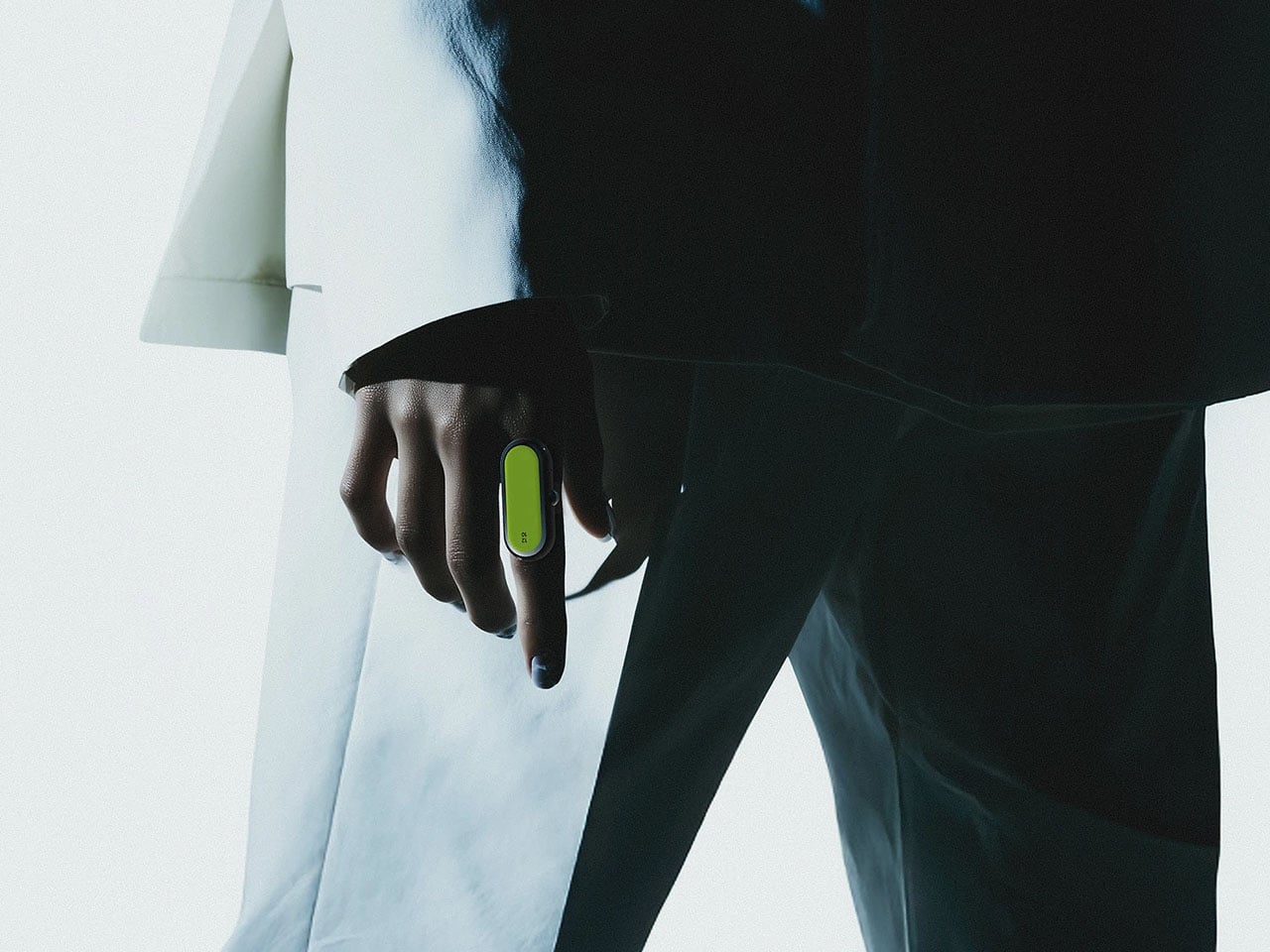
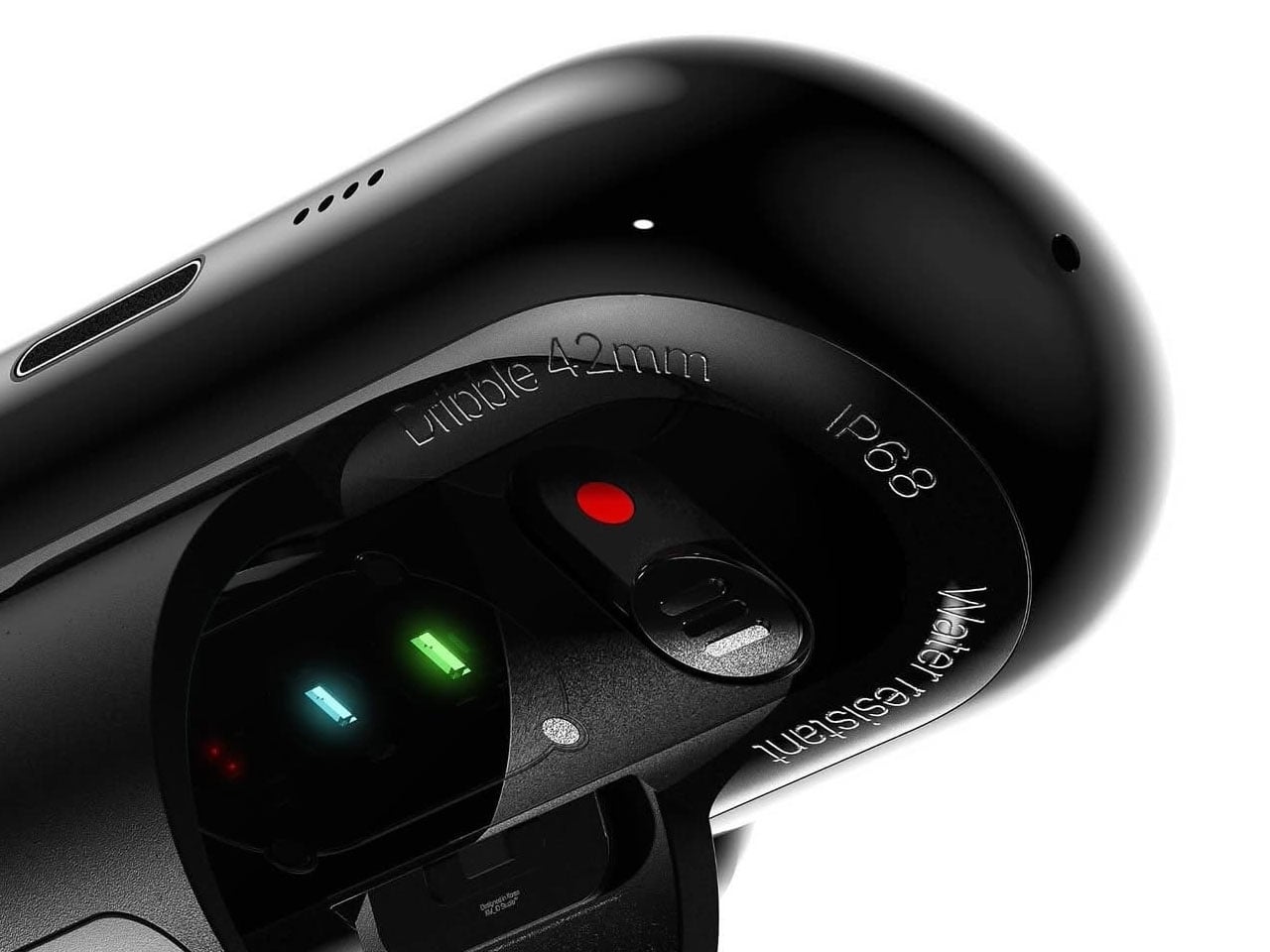
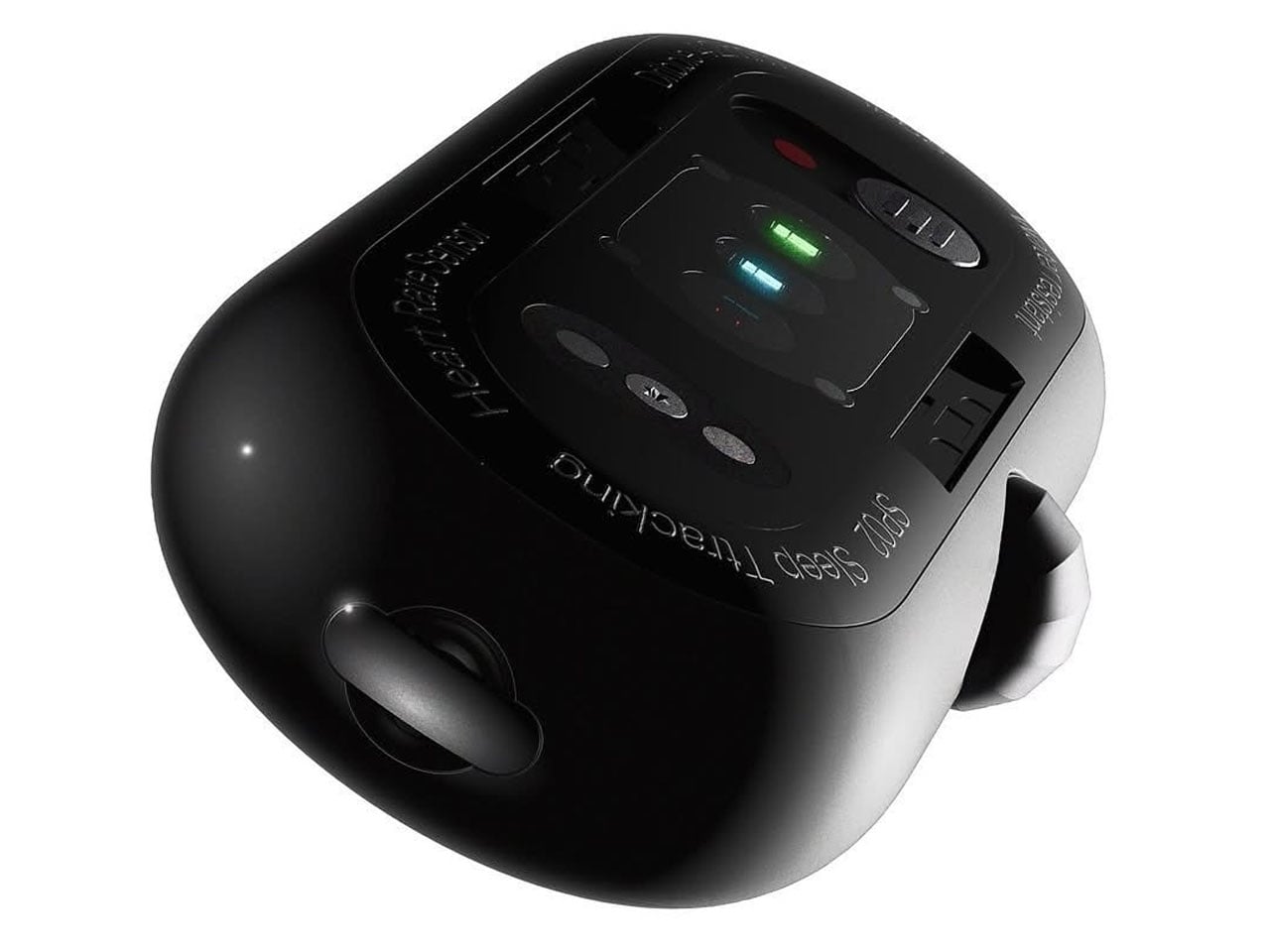
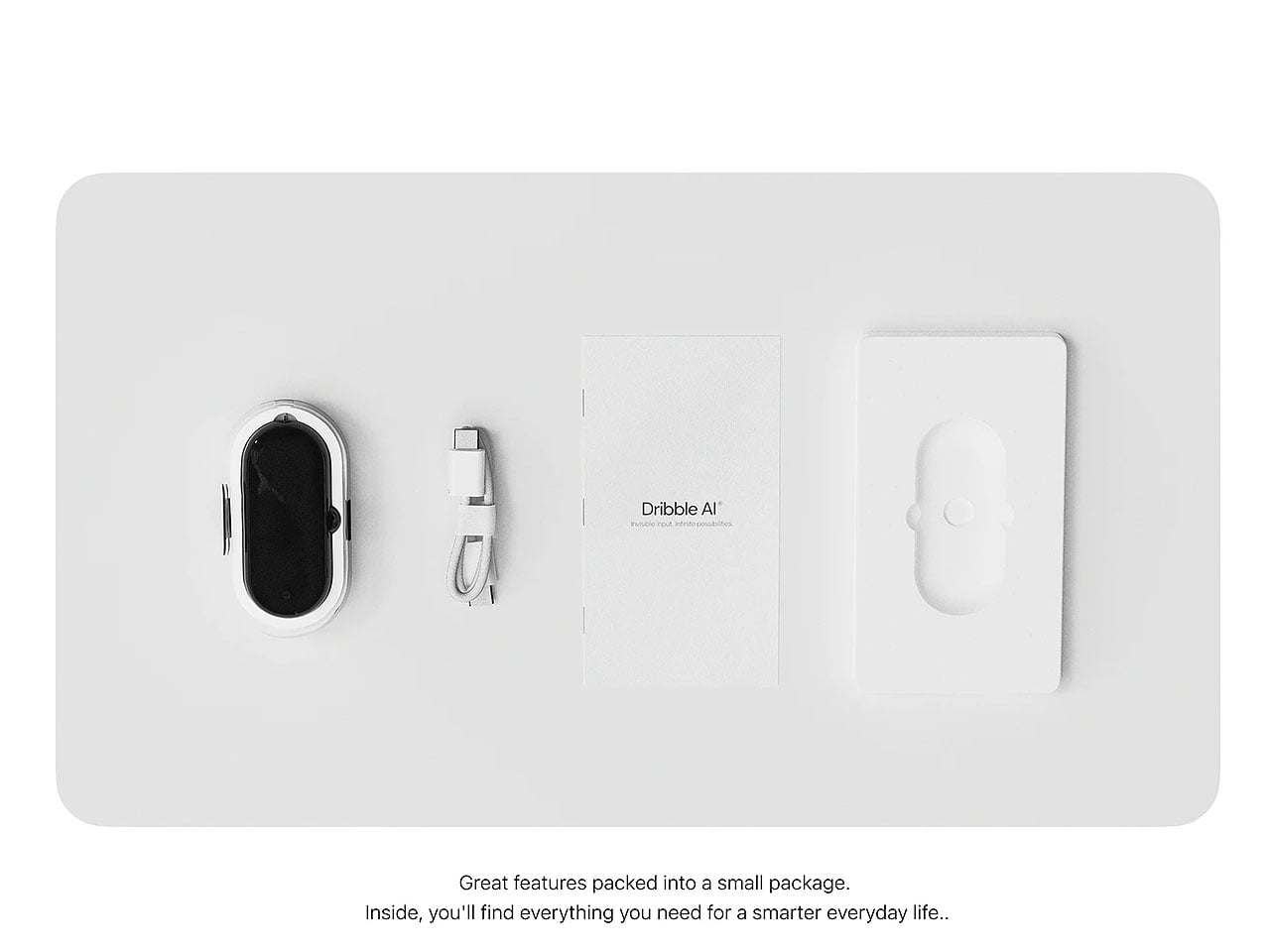
Dribble is a pill-shaped wearable built around silent speech recognition. Instead of relying on audible voice commands, the AI-powered gadget interprets lip movements and whispered articulations through integrated microphones and an under-display front camera sensor. It focuses on the physical mechanics of speech rather than the sound itself, allowing users to communicate with digital systems without speaking out loud or lifting a hand.

Designer: Kangmin Park

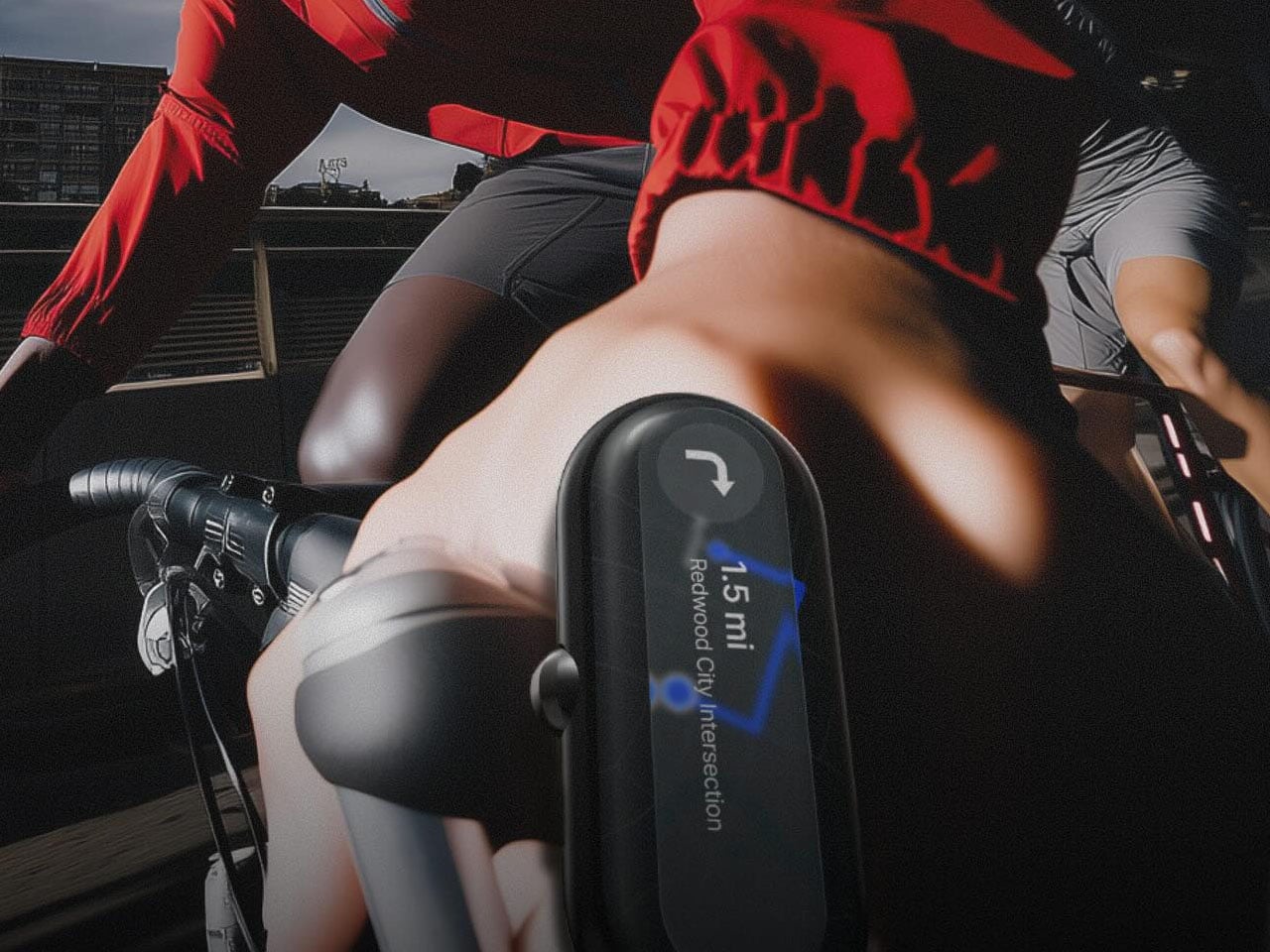
The vision is straightforward but ambitious: a smartphone-free lifestyle driven by subtle interaction. With gentle touches and silent articulation, users can reply to messages, take calls, or initiate pre-programmed email responses. Everything happens discreetly through the wearable, eliminating the awkwardness of wake words or public voice commands. In professional settings or crowded environments, this approach prioritizes privacy while maintaining efficiency.

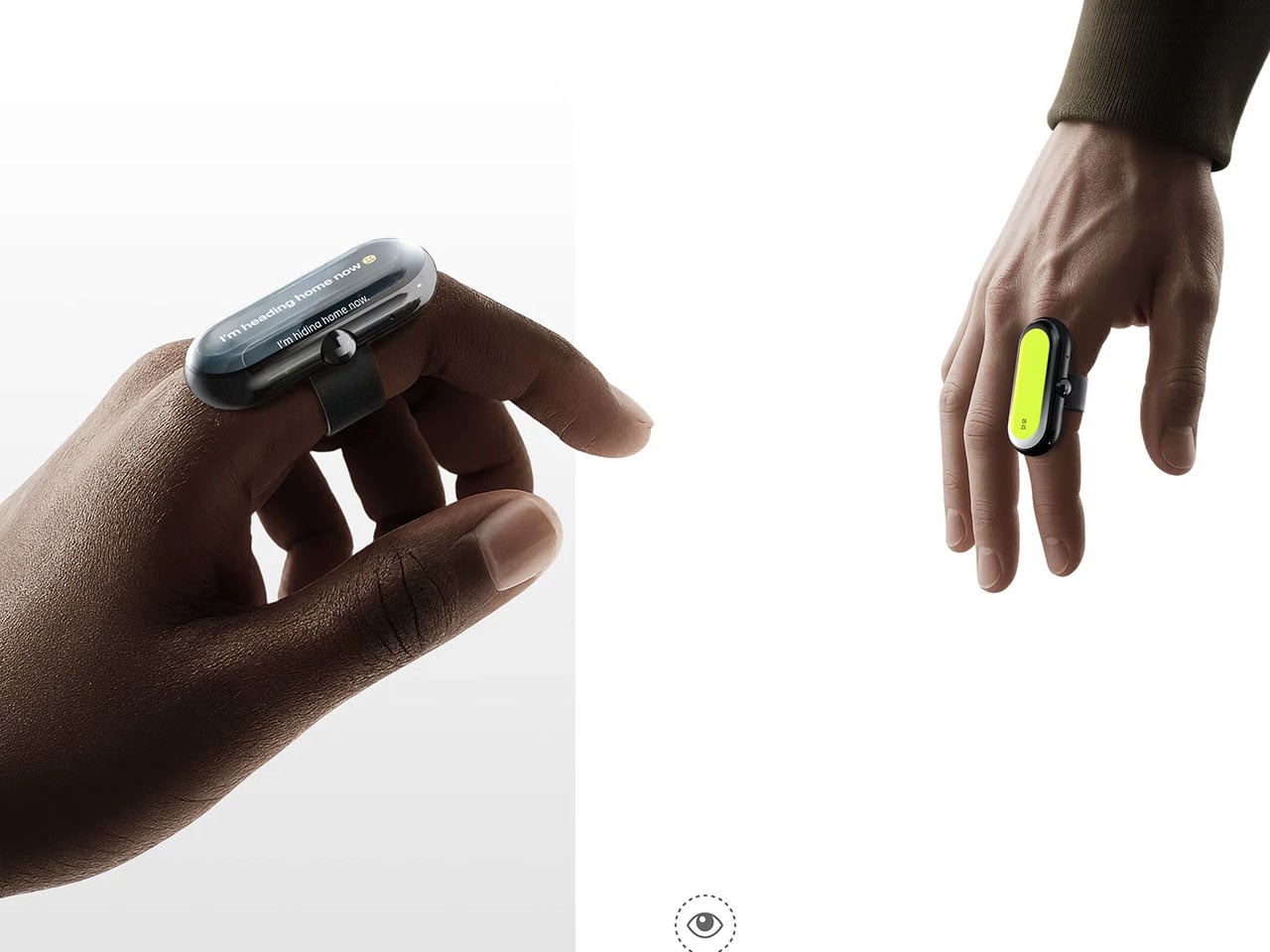
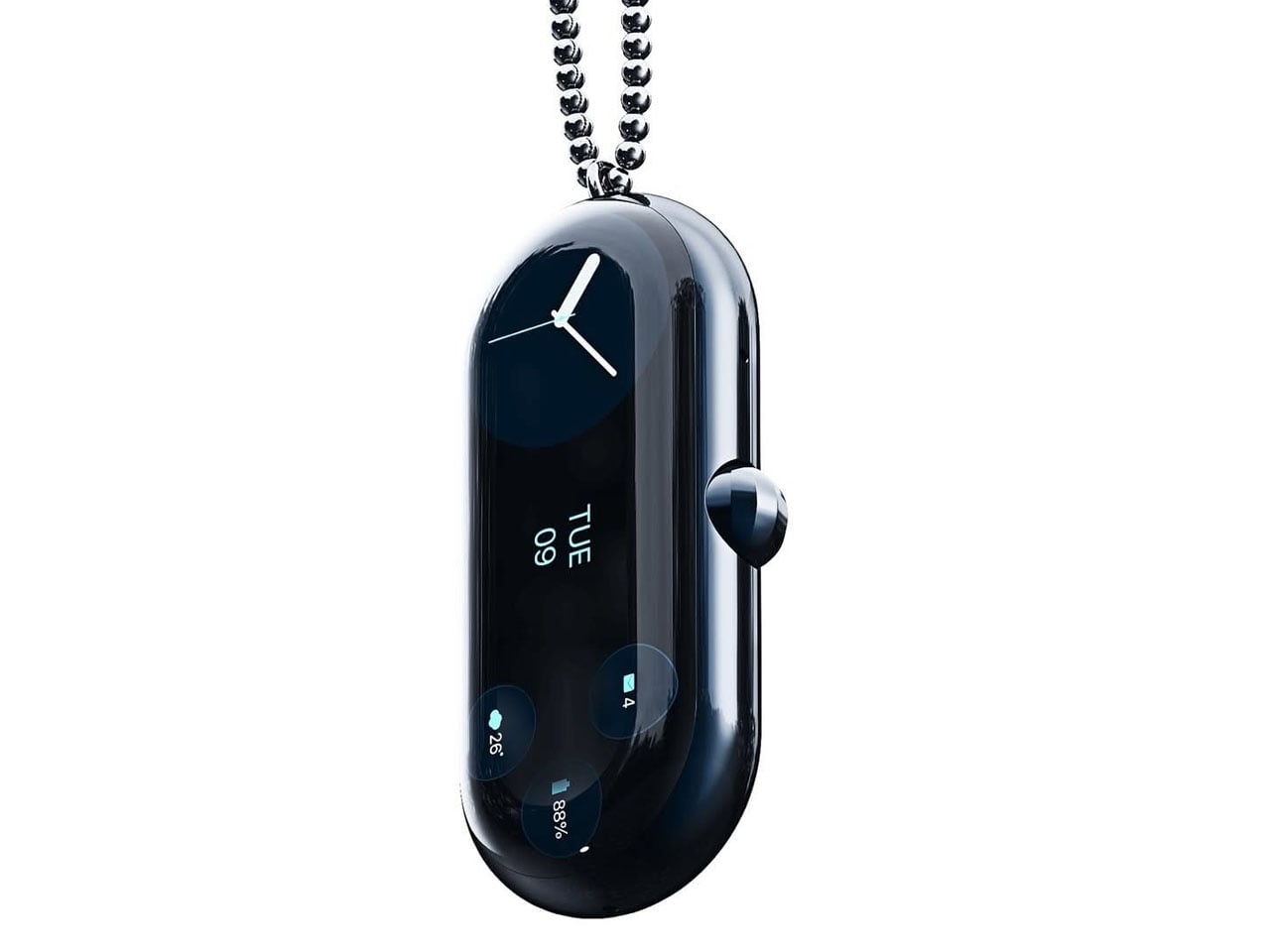
Form plays a crucial role in making this concept believable. Dribble is designed to sit comfortably on the index finger, maintaining a compact and ergonomic presence that doesn’t compete with daily wear. Its minimal aesthetic reinforces the idea of technology that blends rather than dominates. A subtle integrated screen reduces visual dependency, encouraging users to stay engaged with their surroundings instead of constantly glancing at a phone.

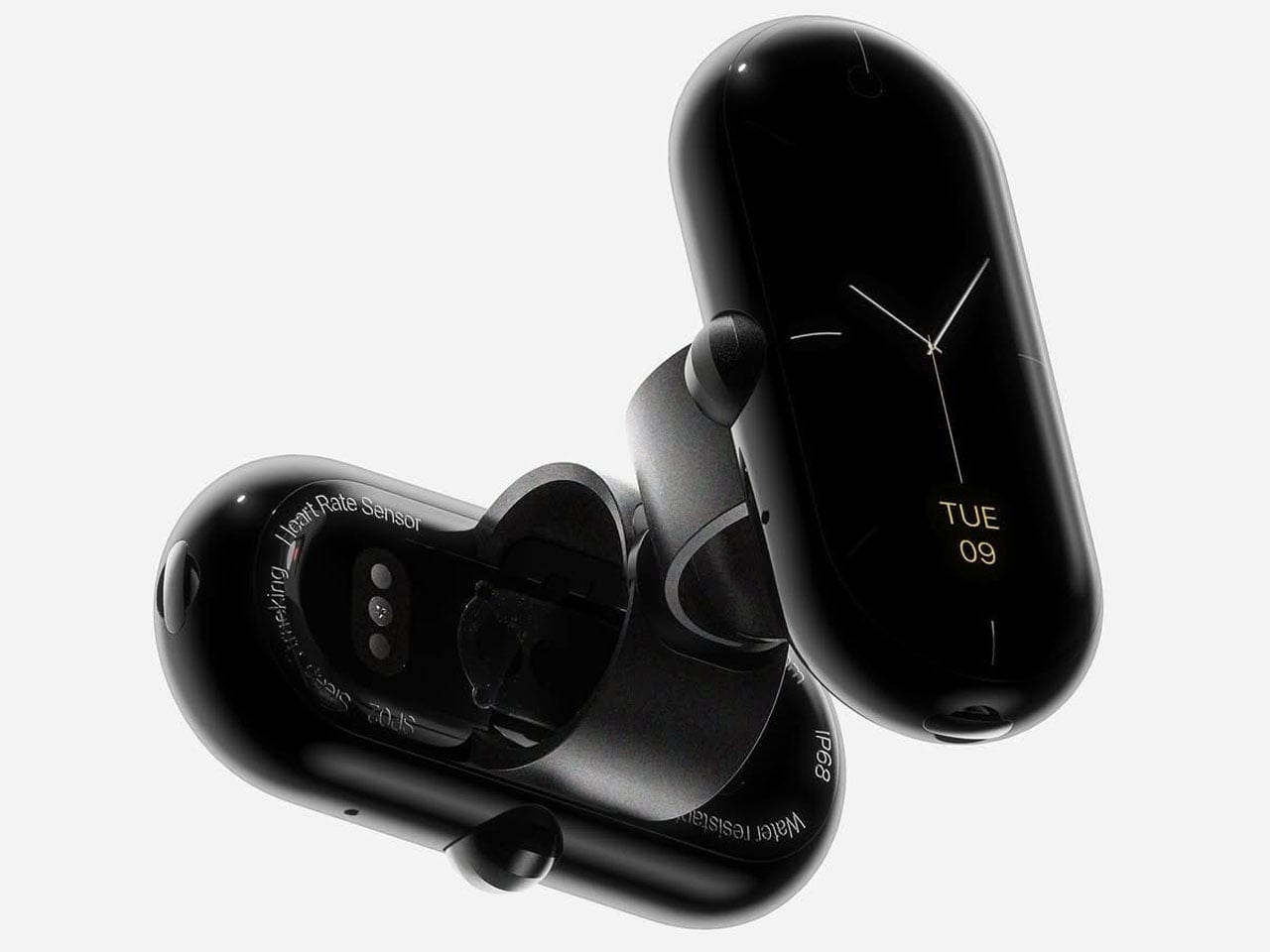
Versatility is another defining element. Beyond its ring-like configuration, Dribble can shift into a necklace mode, taking on a gem-like appearance that doubles as a fashion accessory. It can also be worn on the wrist or attached to a backpack, adapting to personal style and functional needs. This flexibility positions it not just as a utility device, but as an extension of identity.

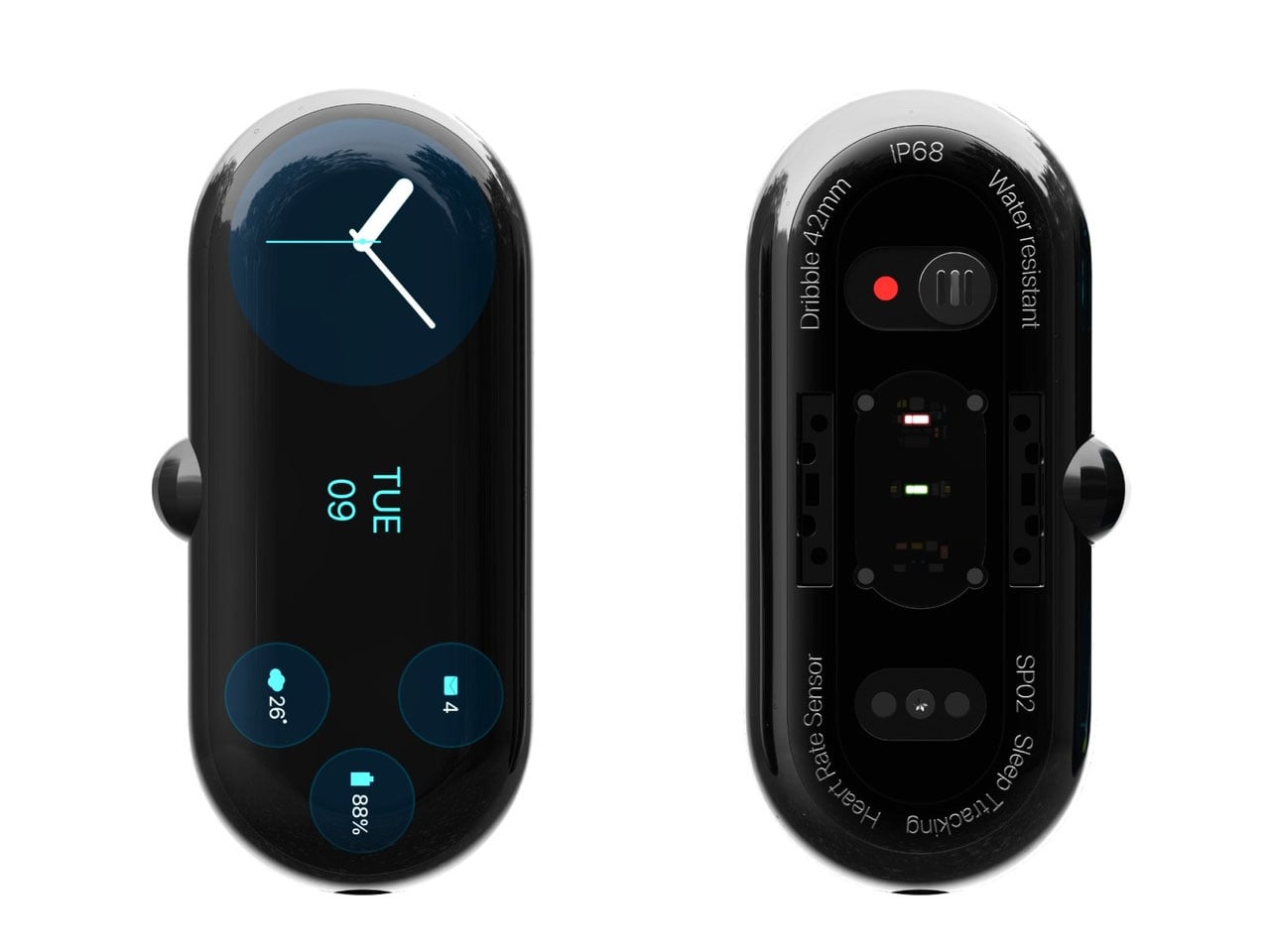
The wearable extends its capabilities beyond communication. Built-in sensors monitor vital health parameters, including heart rate, blood oxygen saturation, and stress levels. Pleasant vibration alerts notify users discreetly, reinforcing its role as both a lifestyle and wellness companion. The integration of health tracking adds depth to the concept, aligning it with the broader direction of modern wearable technology.

Dribble also carries meaningful implications for accessibility and safety. Hands-free, silent interaction could benefit individuals with limited mobility or those working in hands-busy environments, such as driving or technical operations. By removing the need for touchscreens or audible speech, it introduces a new layer of intuitive control.

Although still a concept, the project is presented with product-level detailing. Size options ranging from 40mm to 50mm suggest adaptability for different users, while a Plus model promises enhanced ergonomics and advanced features.

The post Smart Ring With A Built-in Screen Also Doubles As An AI-Assistant Pendant Wearable first appeared on Yanko Design.
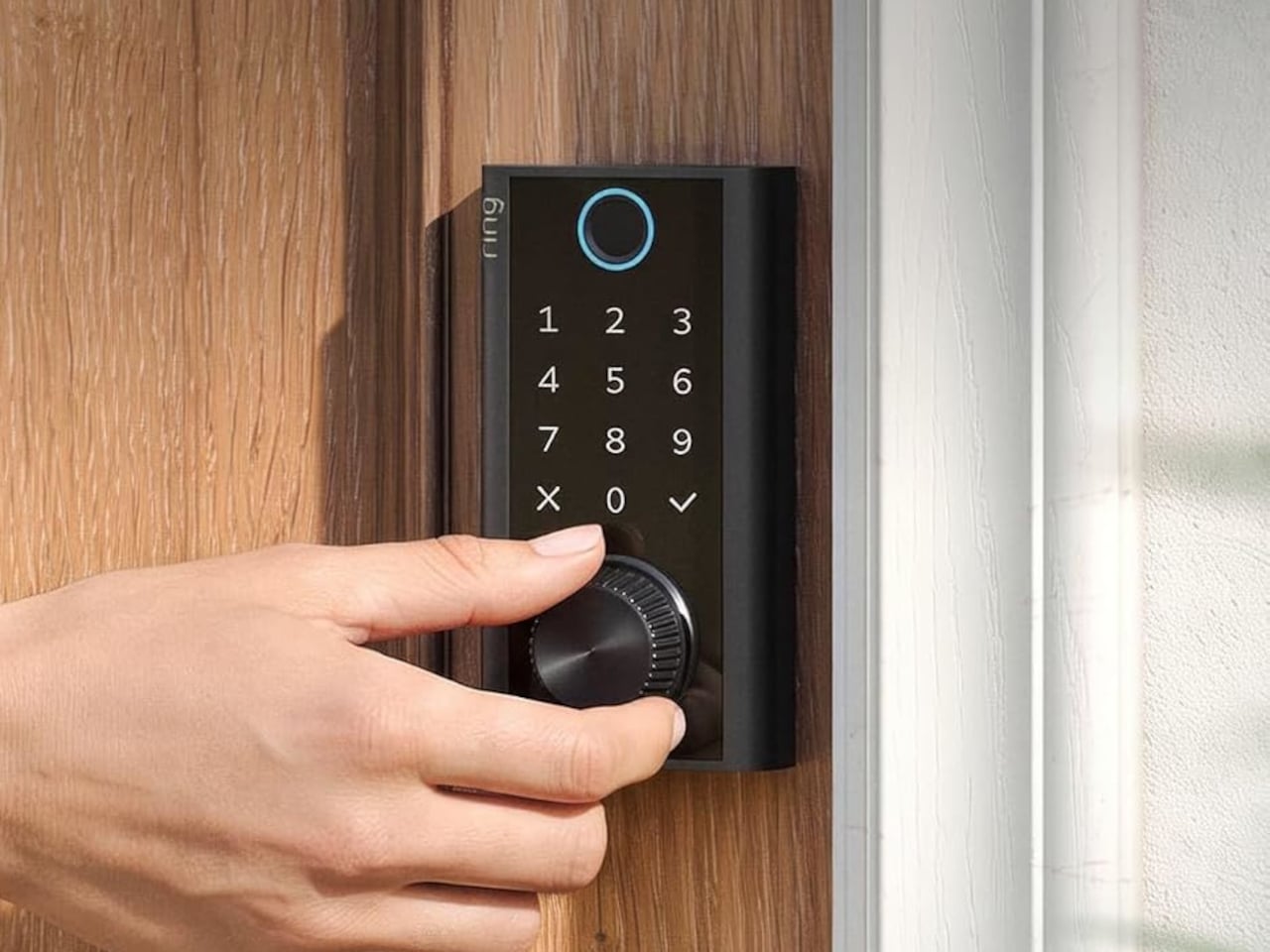
Titaner’s Magnetic Ring Ruler Clicks Every 10cm While It Measures Curves

Before glowing screens and silicon chips, engineers used slide rules to design skyscrapers and send people to the Moon. Calculation meant moving a physical object, not tapping an app, and there was a certain clarity in that, a feeling that your hands and brain were in the same loop. Some of that intelligence at the fingertips is worth bringing back in a world that defaults to calculators for everything, even quick conversions.

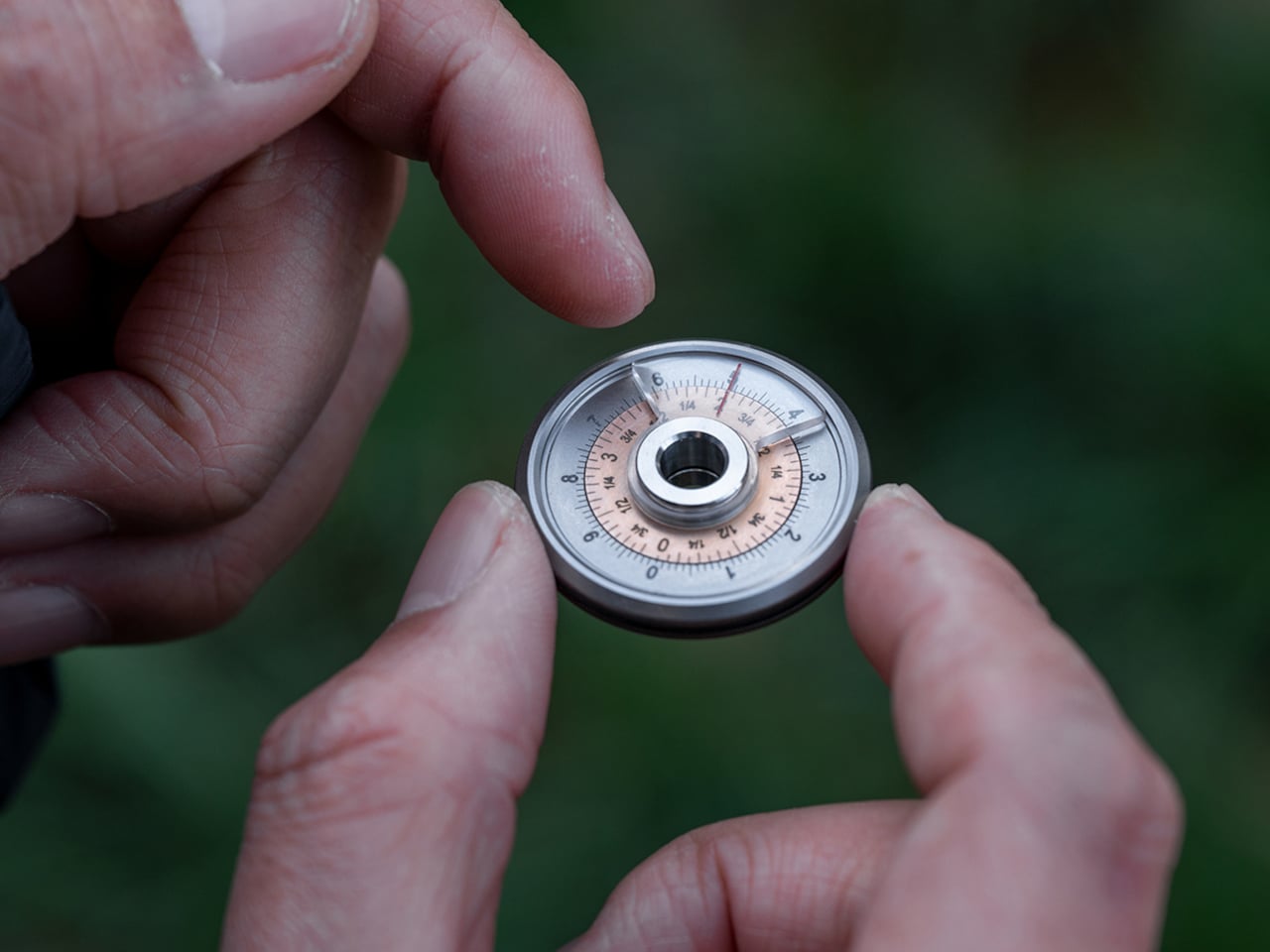
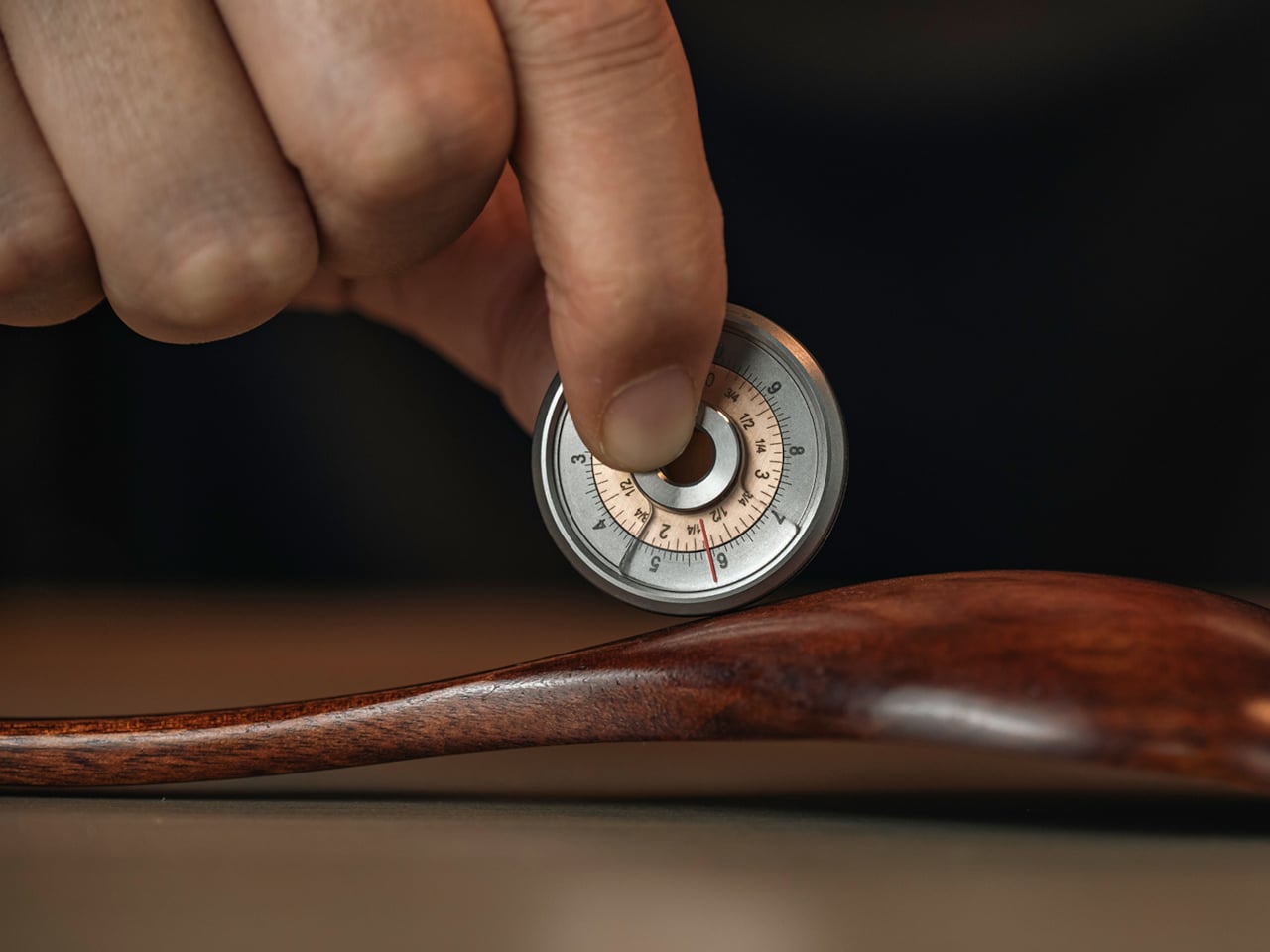
Titaner’s Tisolver is a 3-in-1 titanium calculating ring ruler that sits at the intersection of tool, instrument, and jewelry. It measures curves and straight lines, converts between metric and imperial, and calculates square area, all in a GR5 titanium body you can wear or clip to your gear. The company calls it a bridge between the physical and mathematical worlds, a way to put slide-rule logic back into something you can roll across a table.

Designer: Titaner

Click Here to Buy Now: $49 $88 (44% off). Hurry, 40/550 left! Raised over $93,500.

1

Tisolver uses a high-strength magnetic lock to give a clear tactile and audible click every time the ring completes a full 10cm rotation. The equation is simple: the number of clicks times ten plus the current reading in the HUD window equals the total length. You can roll it along a cable, a curved edge, or a piece of leather, count clicks, glance once, and know the measurement without juggling a straight ruler and a flexible tape.

1

Side A has a 10cm metric scale and a 4-inch imperial scale laser-etched on the same ring. You snap Tisolver to zero with the magnetic feedback, align the HUD window’s red line with the metric value you care about, and the imperial equivalent sits under the same line. For longer numbers, you borrow a classic slide-rule trick, shifting the decimal, aligning at 4.2 instead of 42, reading the imperial, then shifting back, all without opening a phone.

Side B keeps a 10cm outer scale but replaces the inner ring with a square-area scale. When you roll and then align the red line with a side length, say 5cm, the inner scale shows 25, the area of a square with that side. Designers, leather crafters, and DIY people can measure one edge of a panel and instantly see coverage instead of doing mental multiplication. Flip the ring, and the same alignment also shows the imperial length.

1

The dual-locking traction system uses a soft rubber O-ring on the outside and hidden reverse anti-slip teeth on the inside that bite into the rubber, so the ring grips greasy workbenches or wet glass without slipping. The quarter-arc PMMA HUD window with a red reference line acts like a tiny scope, improving readability and protecting the finely etched scales. GR5 titanium, with a fine blasted matte finish, keeps the body light, corrosion-resistant, and warm in the hand.

1

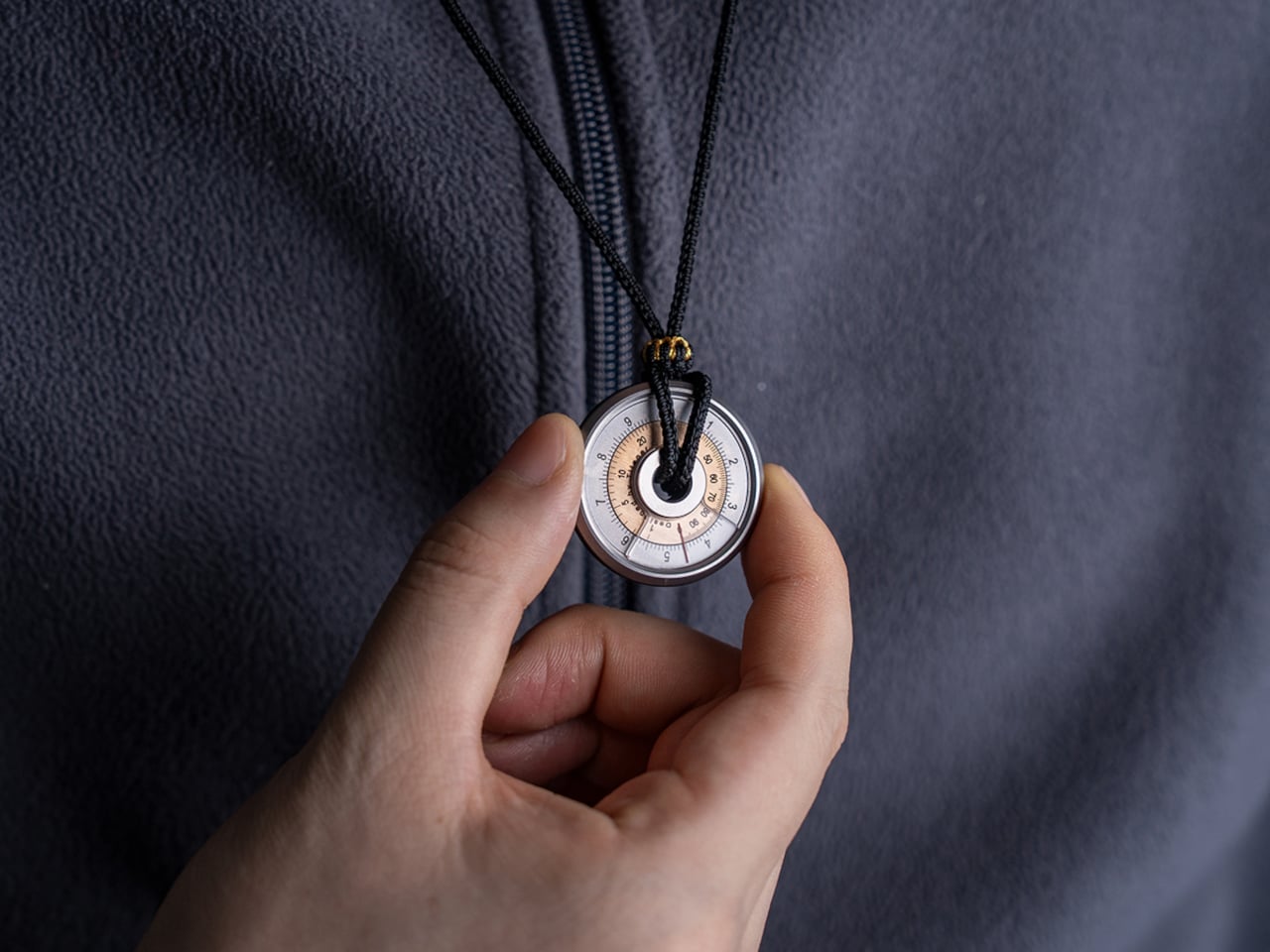
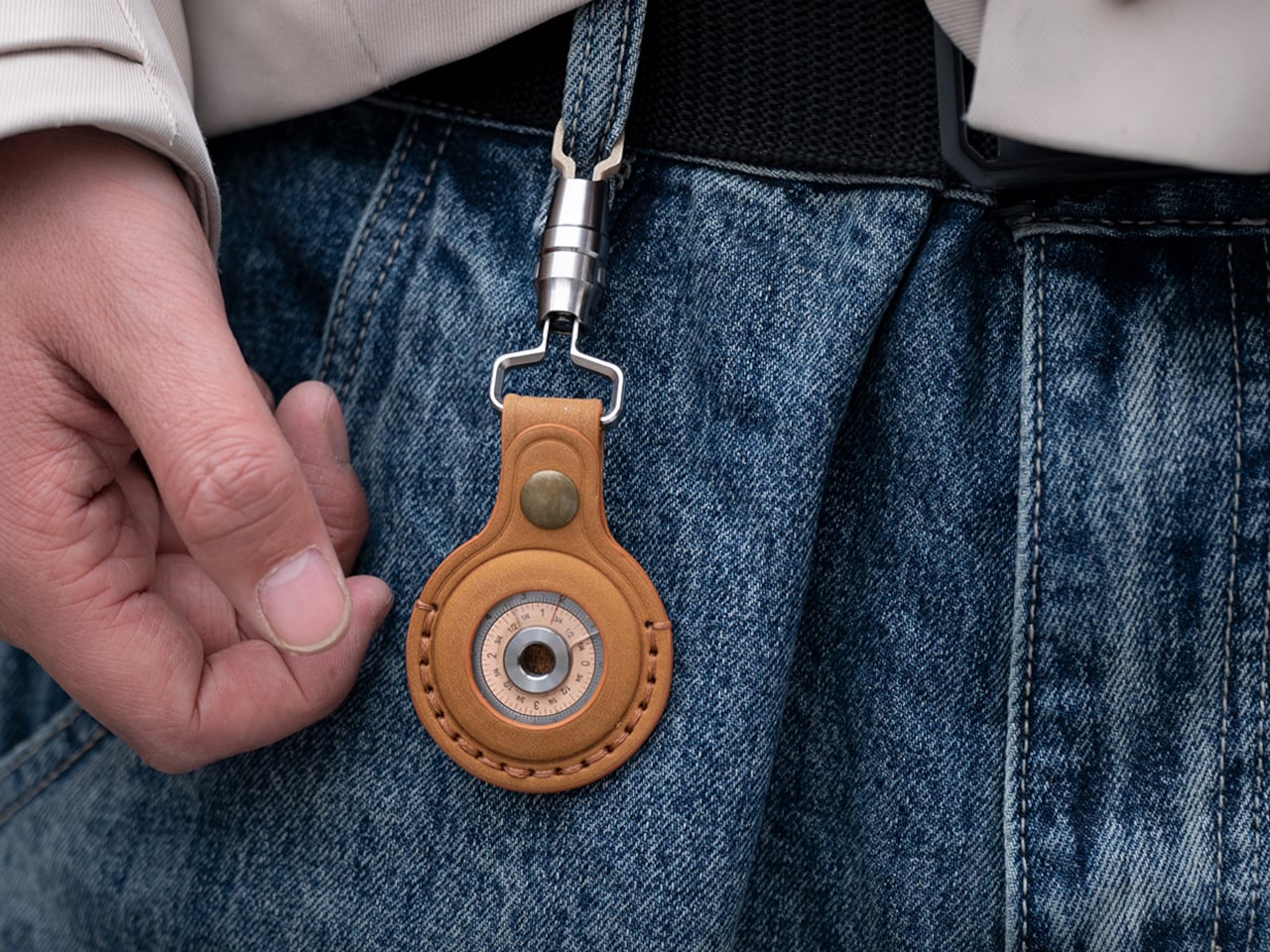
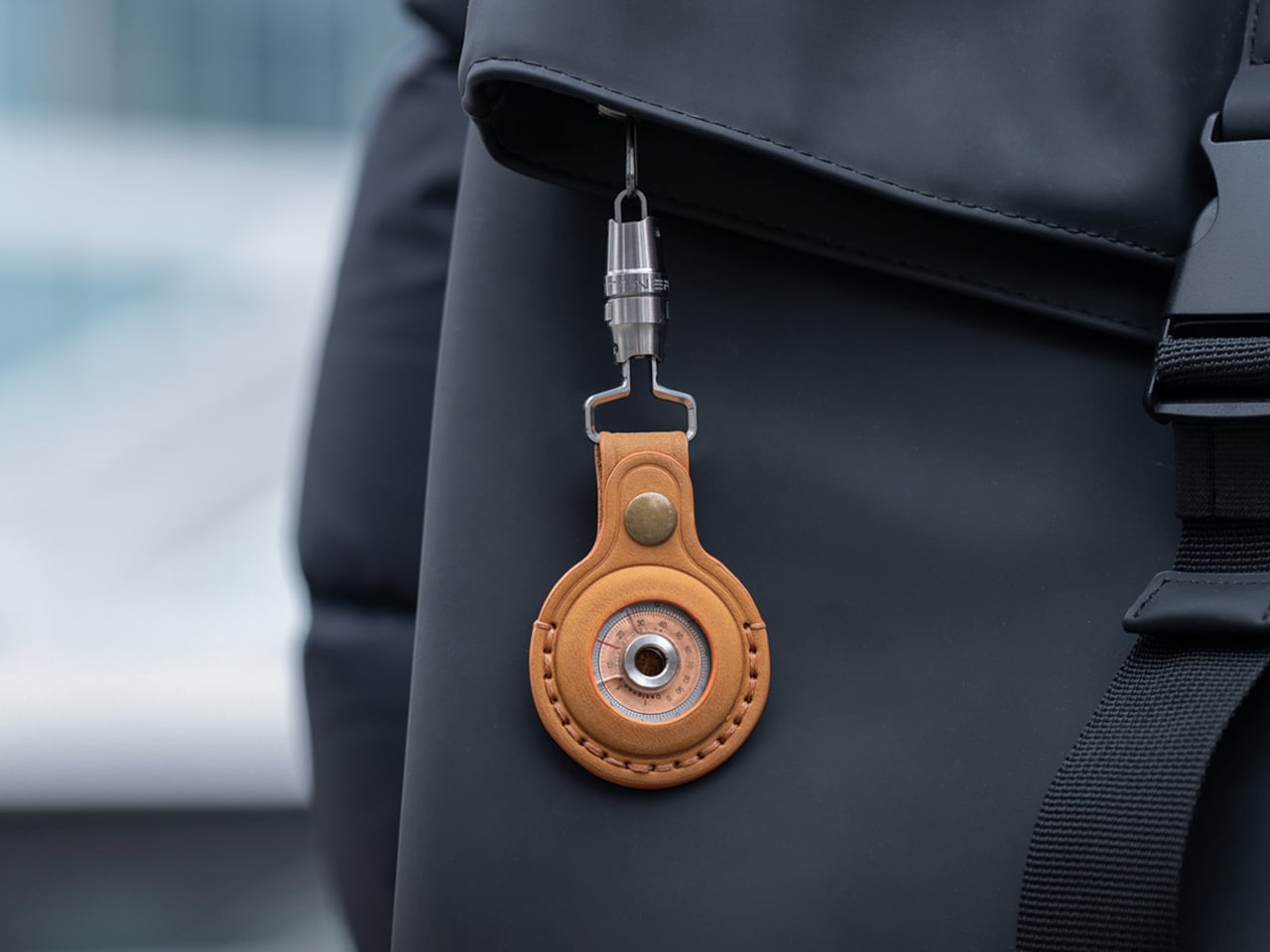
The Titaner Tisolver lives on a lanyard around your neck, on a keychain, or clipped to a backpack, ready whenever a measurement or conversion pops up. When you are stuck on a problem or waiting for a render, the magnetic click becomes a small mechanical meditation, a way to keep your hands busy while your brain turns things over. The ring rolls, clicks, and resets, and that rhythm helps ease tension without needing a screen or app to distract you.

A titanium ring that measures, converts, and calculates without a single pixel in sight feels like a satisfying little rebellion against the reflex of reaching for a phone every time you need a number. For people who like tools that think with them, not just for them, the Titaner Tisolver quietly earns its place on your chest or in your pocket, turning quick math and measurement into something you can touch, hear, and rely on.

Click Here to Buy Now: $49 $88 (44% off). Hurry, 40/550 left! Raised over $93,500.

The post Titaner’s Magnetic Ring Ruler Clicks Every 10cm While It Measures Curves first appeared on Yanko Design.
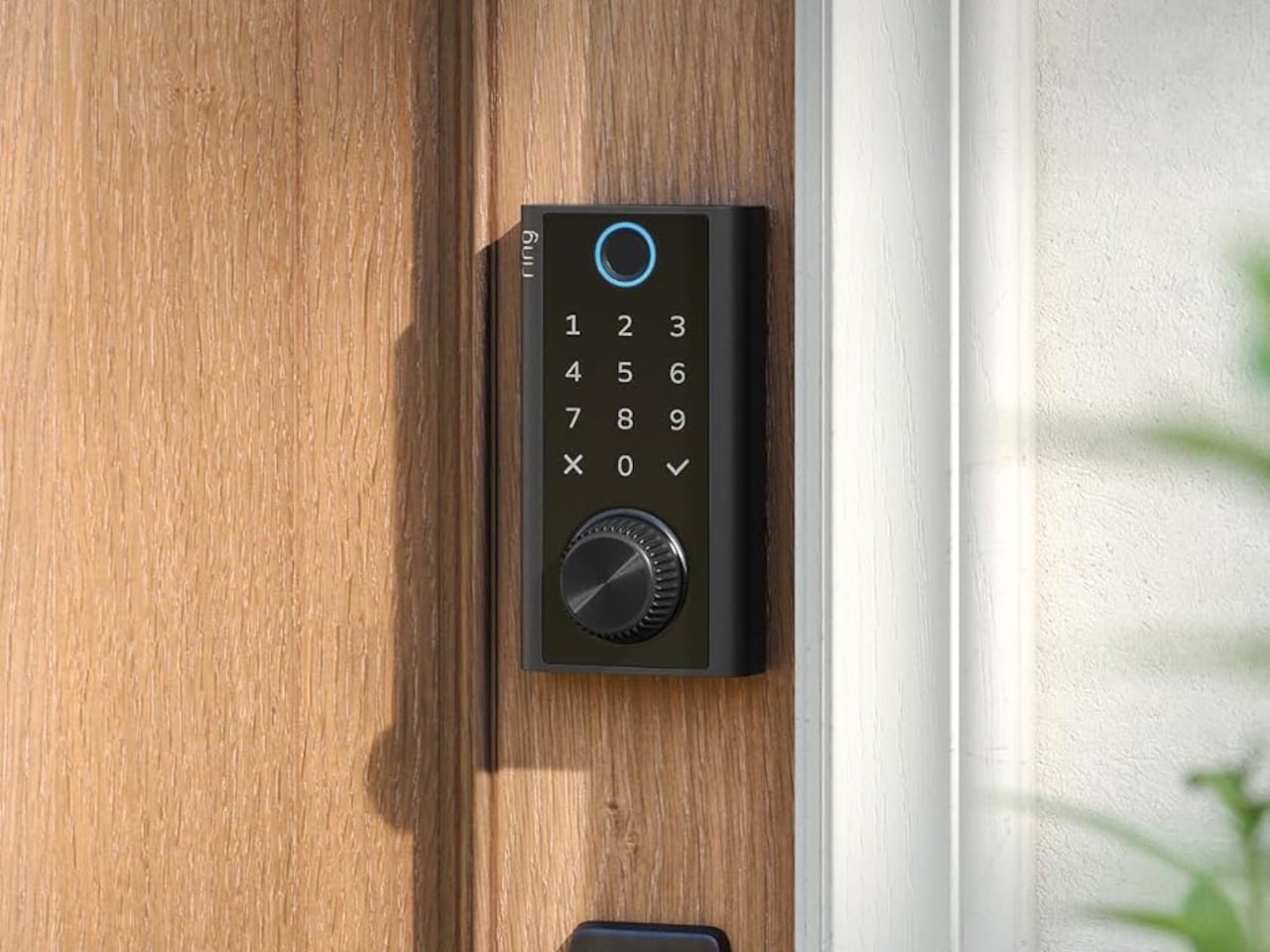
Amazfit Helio Ring joins the fray with a focus on athletes’ well-being

Now that smartwatches have more or less become more acceptable in society, it seems that the wearable tech market is setting its eyes on less conspicuous and less distracting designs for monitoring one’s health and fitness. And just like smartwatches in their early years, smart rings just aren’t resounding yet with people, though that could only be a matter of time. There hasn’t been much variety yet in this nascent market, which isn’t surprising given the physical limitations of a ring. Wearable tech brand Amazfit, however, believes it has something unique to offer, at least to athletes and very active people who are just as concerned with their mental health and recovery as they are with their steps and heart rate.

Designer: Amazfit

The niche that smartwatches have found themselves in seems to revolve around fitness and health, with features like activity tracking, health monitors, and the like. While those are indeed important metrics, they only represent a part of one’s overall well-being. Mental health is just as important, and giving your body and mind time to rest and recover is critical as well. Those are the points that the Amazfit Helio Ring is trying to emphasize in order to differentiate it from the likes of the Oura Ring, currently the leading name in this very young and small market.

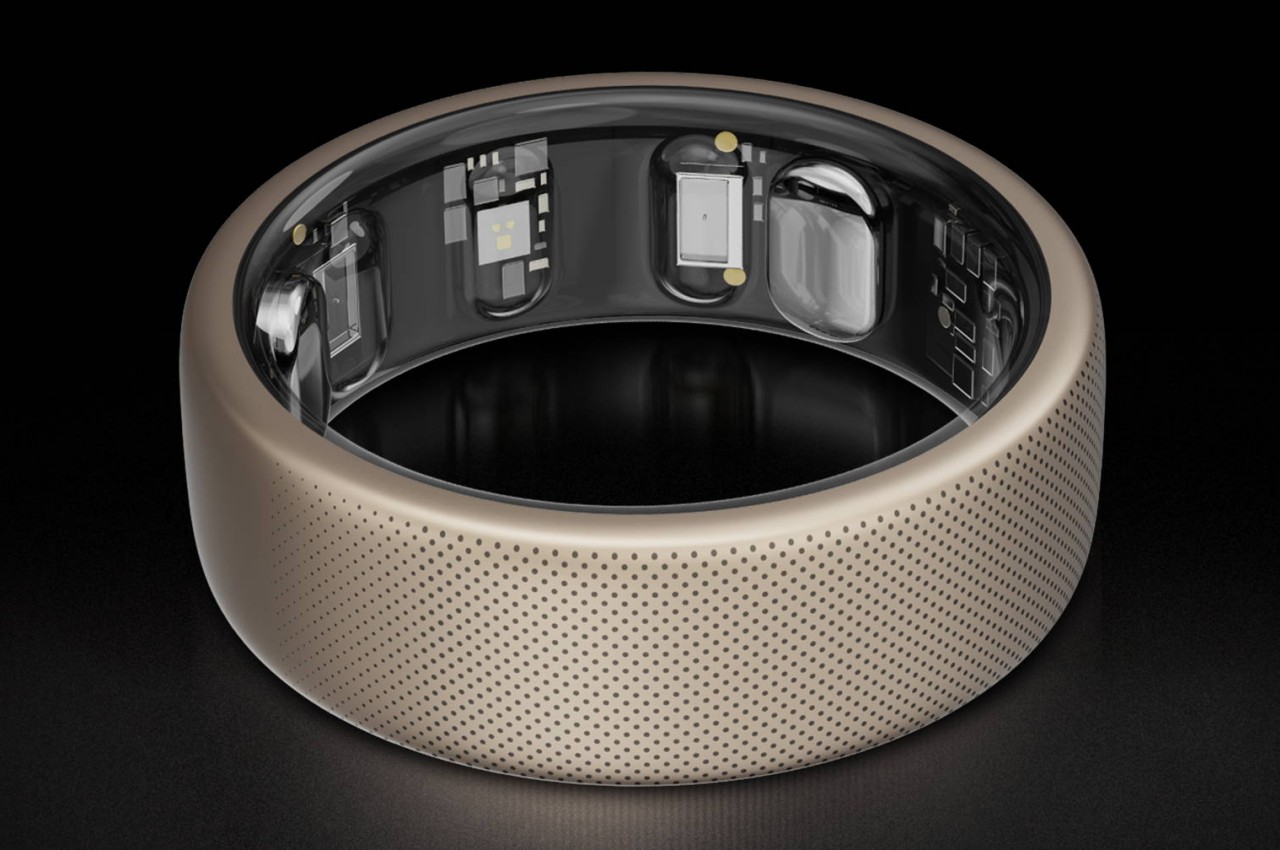
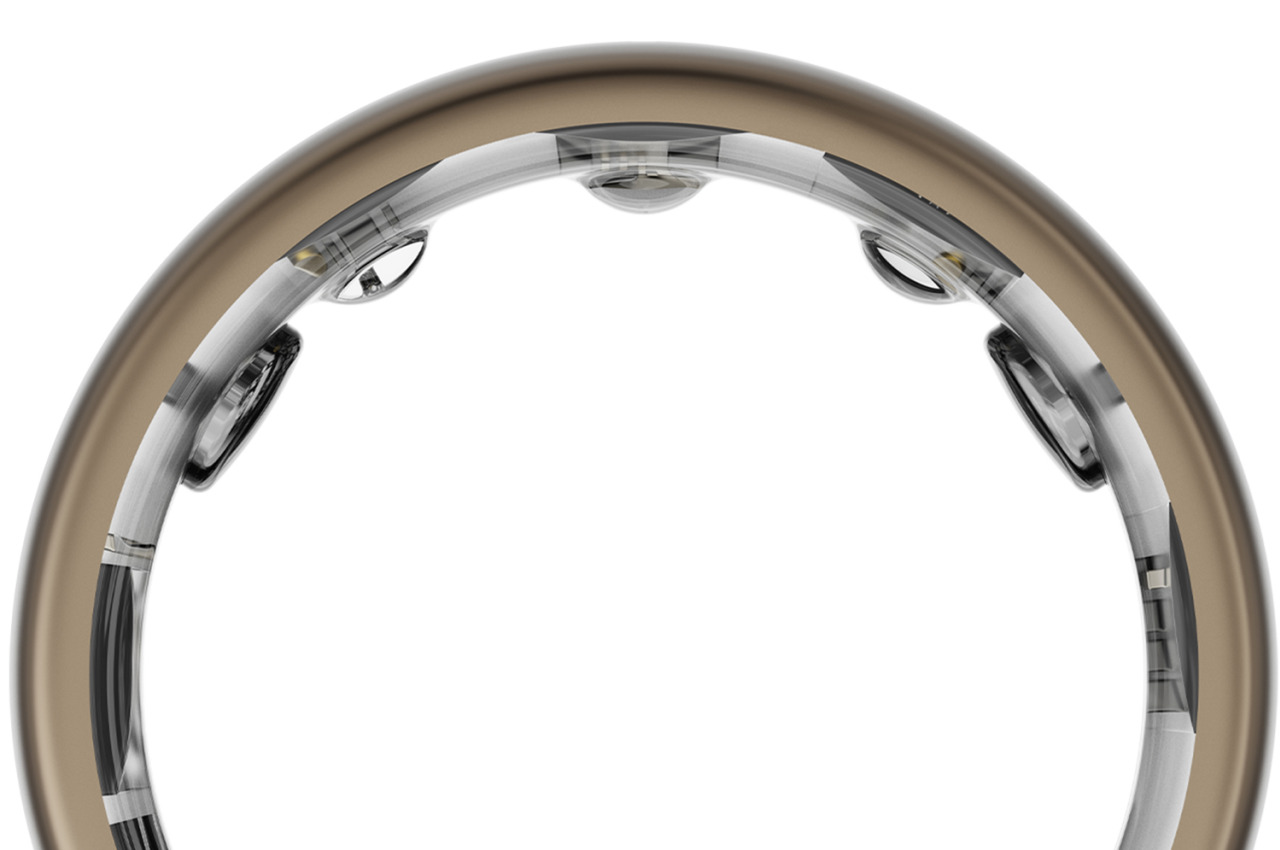
In a nutshell, the Amazfit Helio Ring takes the same data collected by sensors inside the ring but interprets them in a slightly different way. Of course, it still records your steps, tracks your blood oxygen levels, and even monitors your sleep, but it frames that information in light of stress levels, your mental health, and most importantly, how well you’re taking steps to recover from those. Amazfit will propose actionable steps to guide you toward recovery, which unsurprisingly include getting enough sleep and meditation.

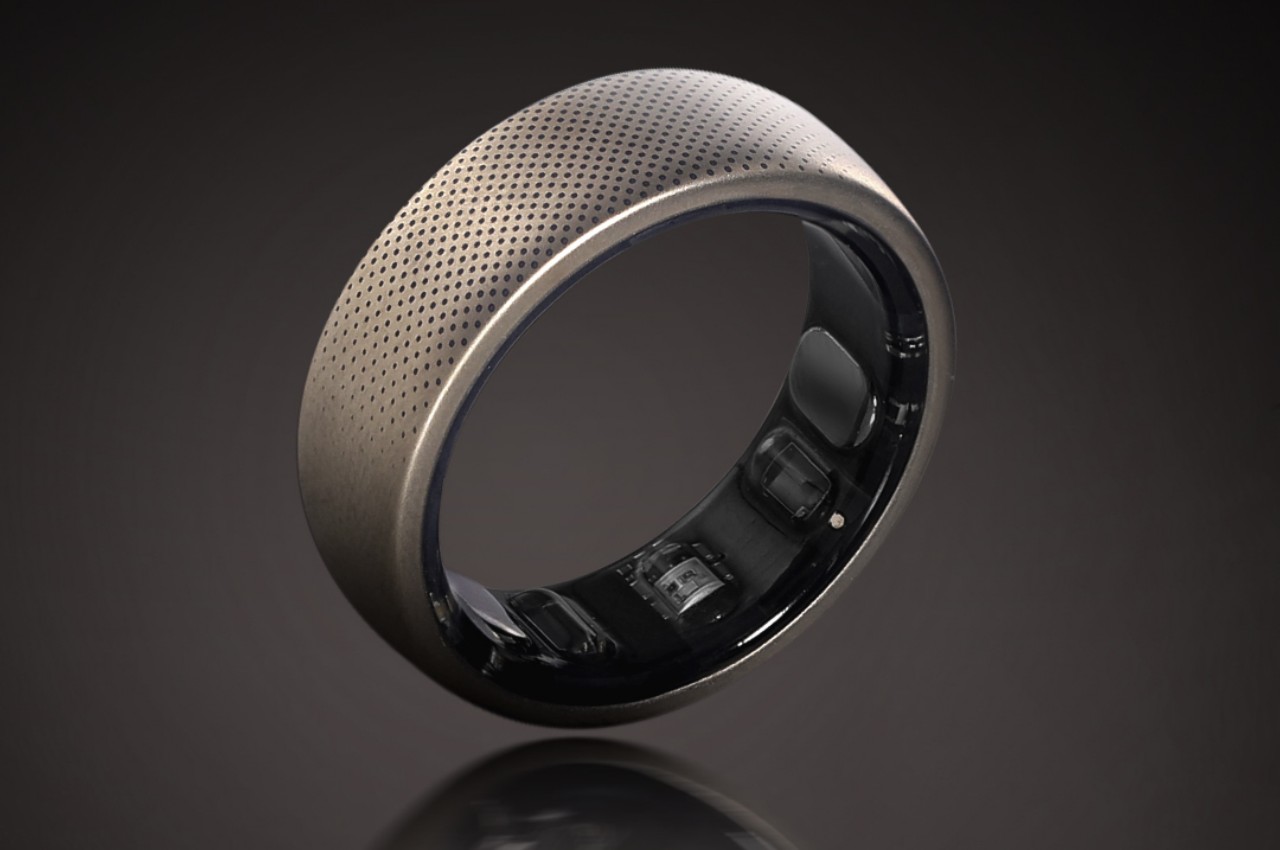
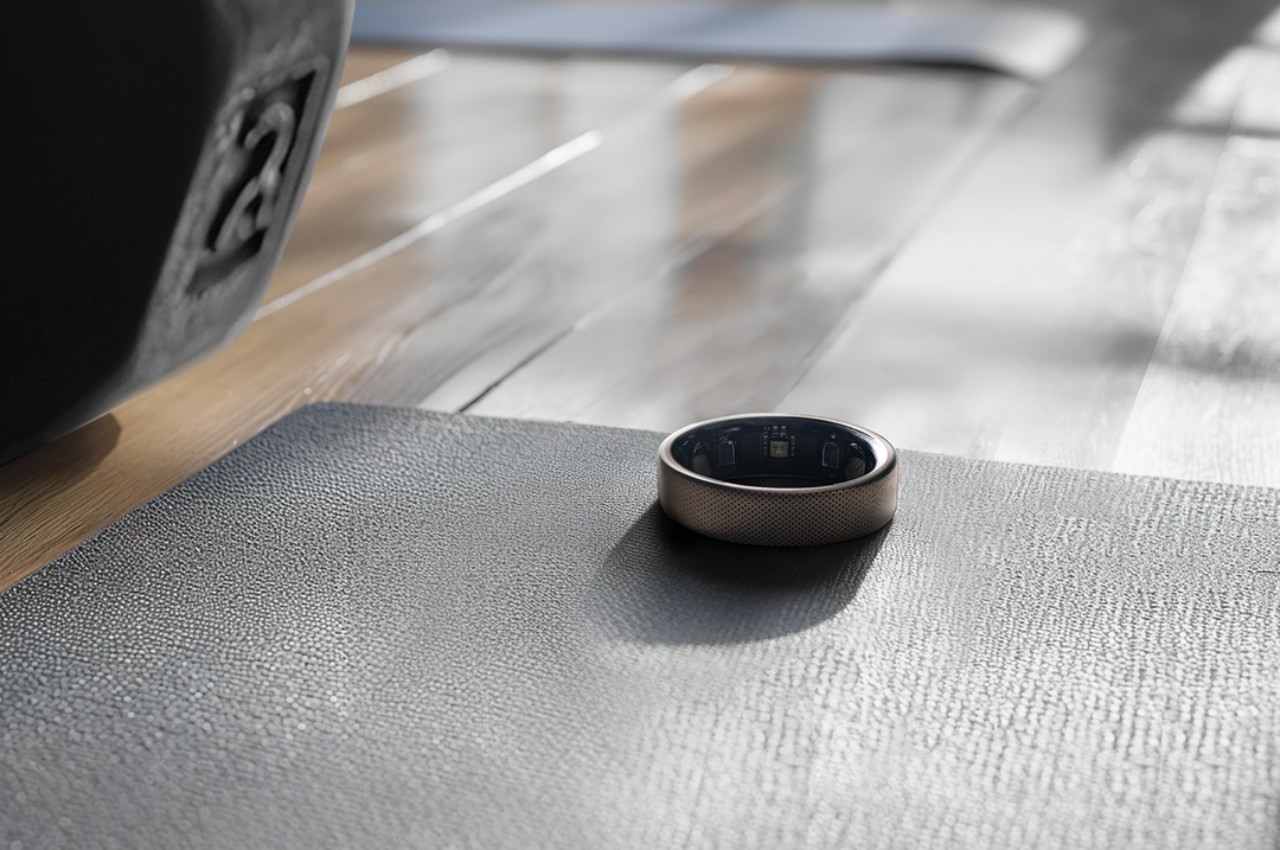
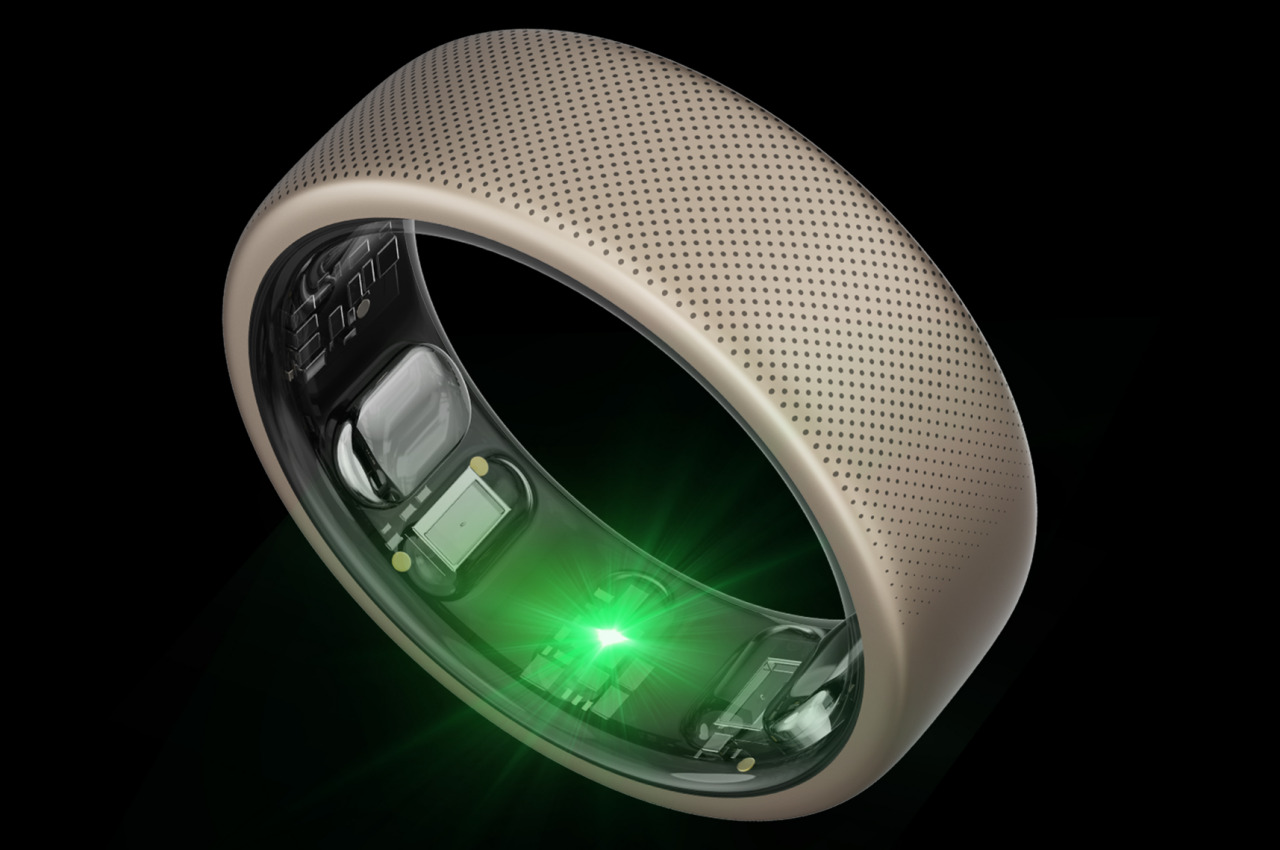
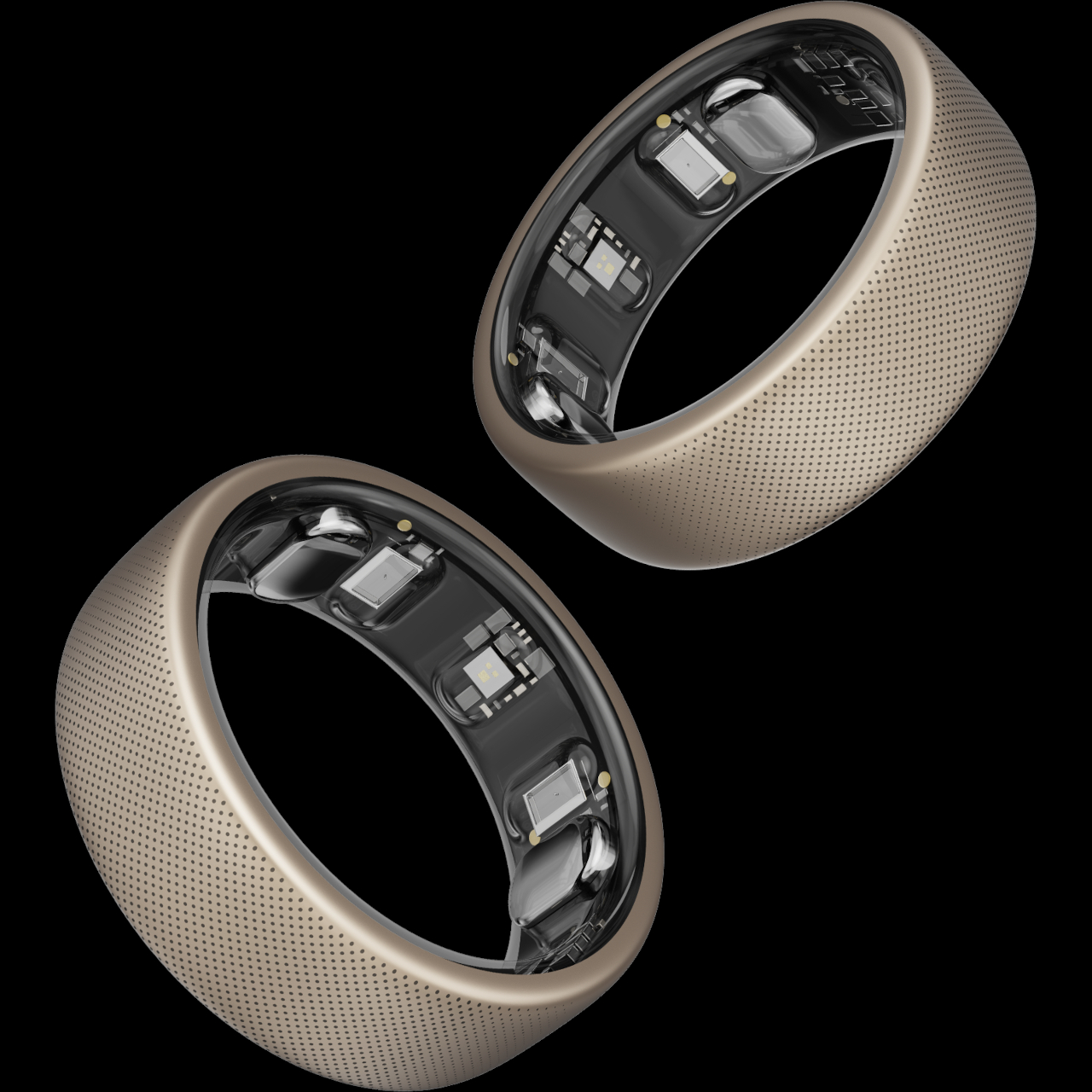
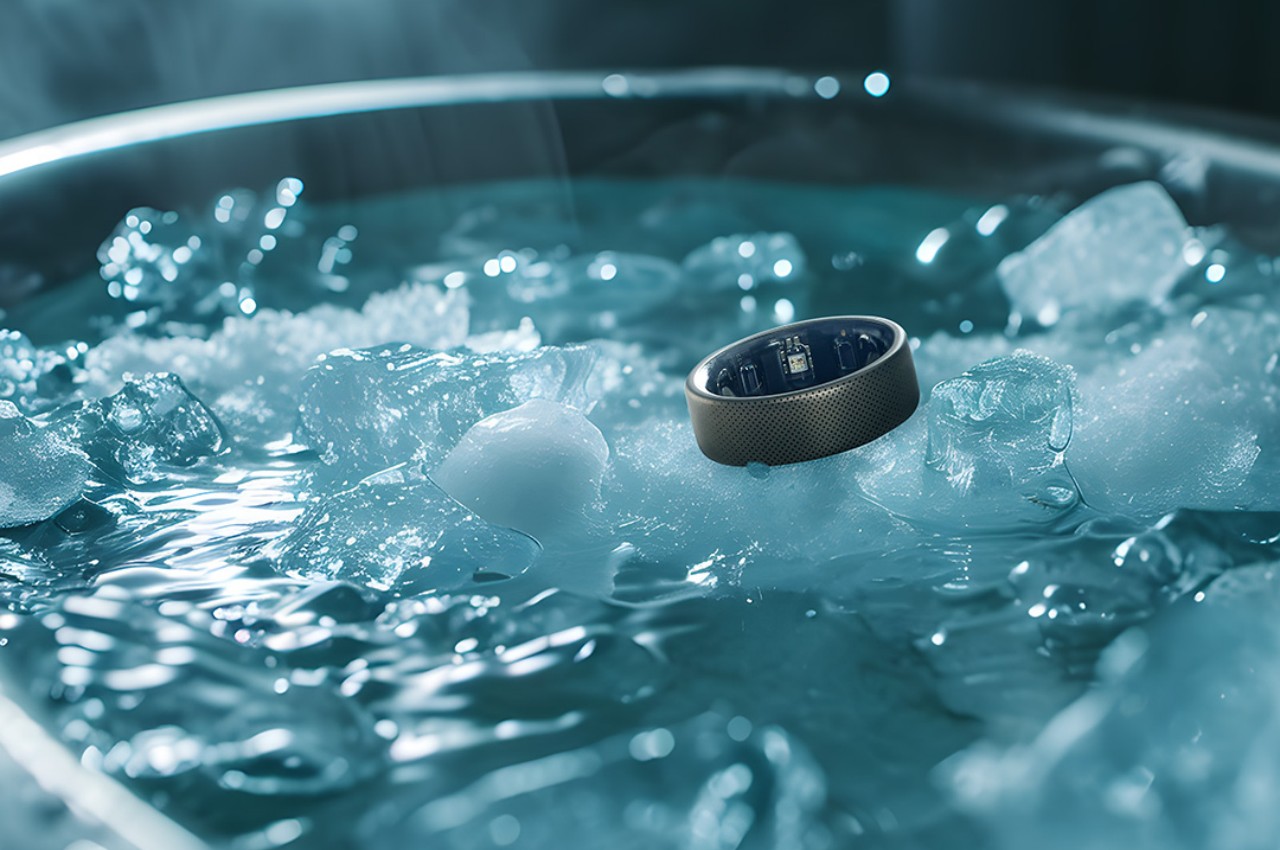
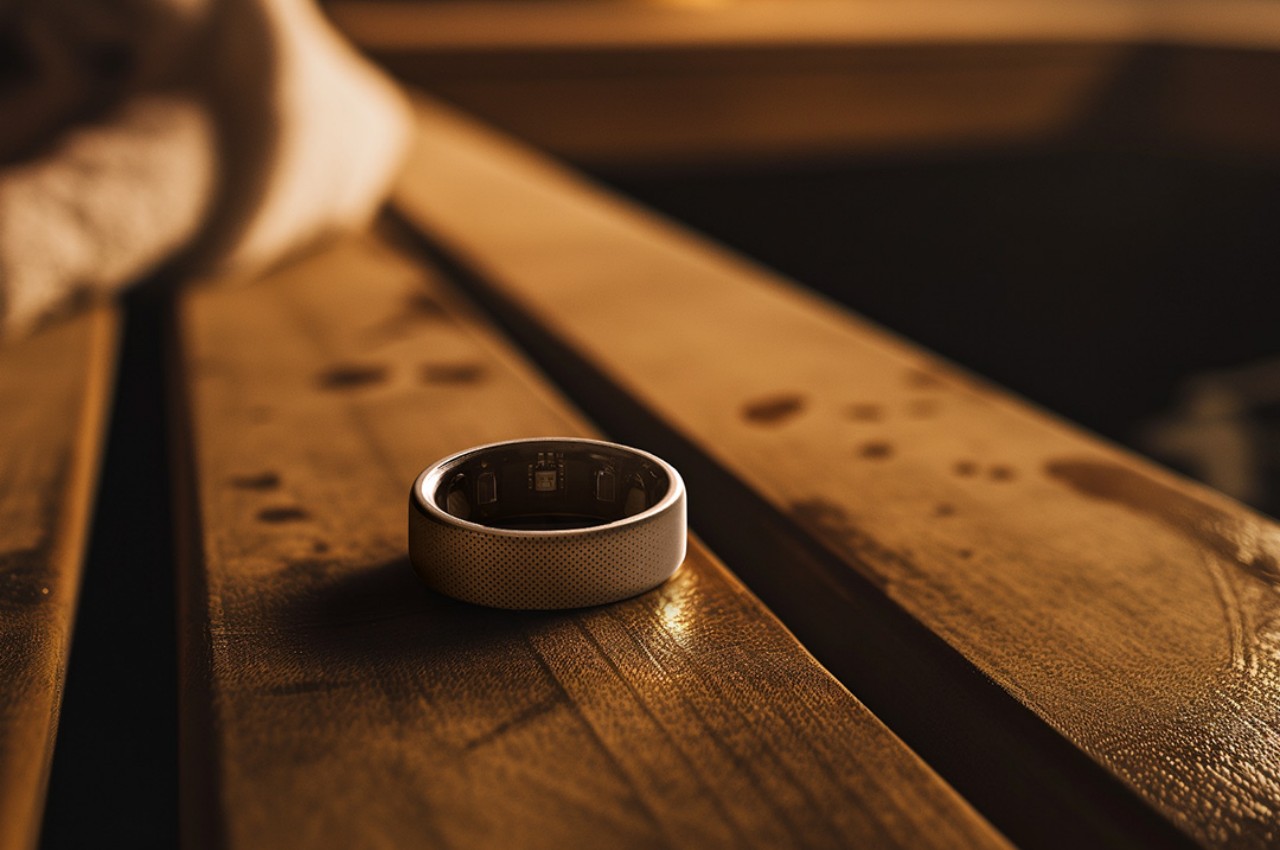
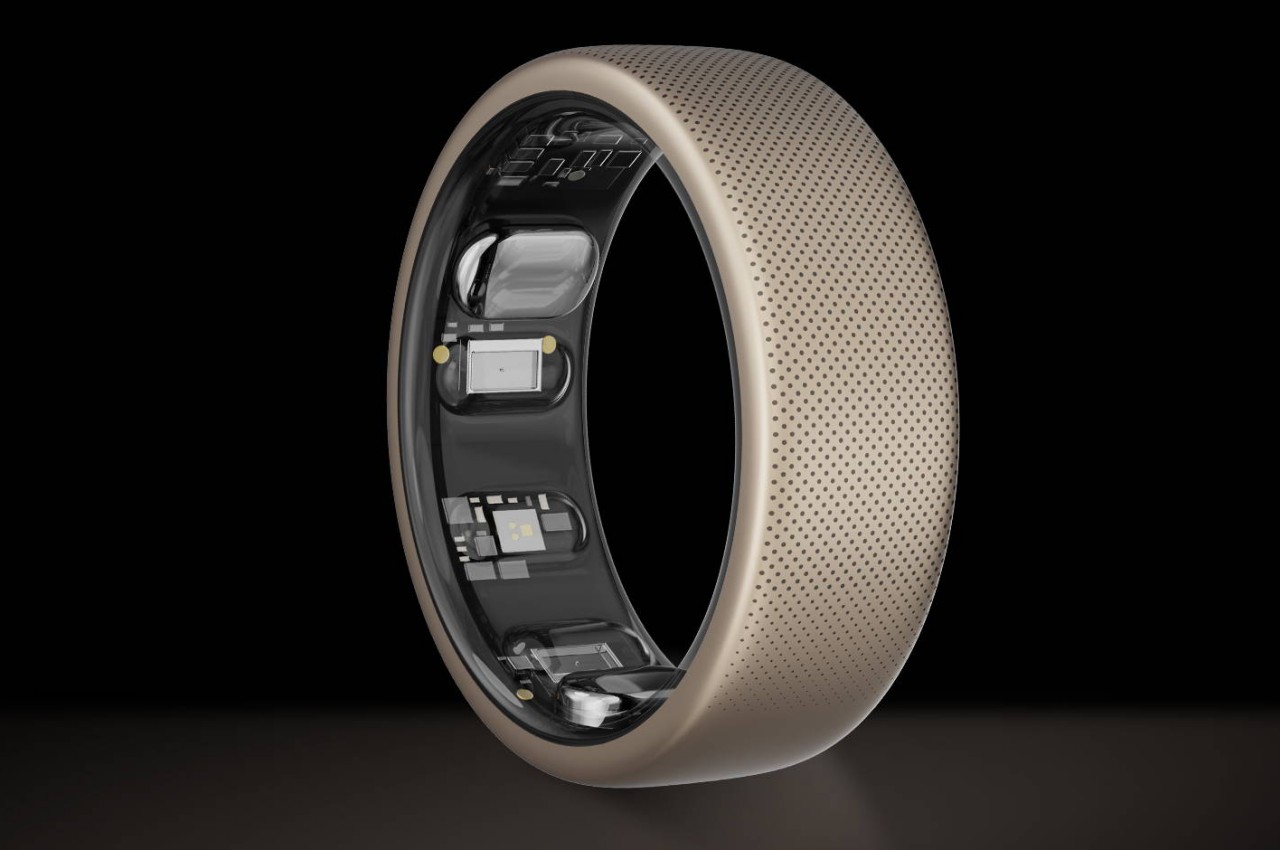
As for the device itself, the Amazfit Helios Ring is a bit of an outlier in that it doesn’t try to masquerade as a piece of jewelry. The dotted pattern on its surface is a dead giveaway that it is anything but luxurious, giving it a more rugged appearance that its target audience won’t mind anyway. In fact, it is intentionally designed for this group of people, using “skin-friendly” titanium alloy and ensuring water resistance of up to 10ATM, for those times when you need to take a swim.
The Amazfit Helios Ring can be used on its own, with or without an Amazfit smartwatch. Of course, you will need to pair with the mobile app, but you will also need to subscribe to the Zepp Aura rest and wellness service to really use the data it gives. A purchase of the ring will include a three-month free trial, but there are no pricing details available yet.

The post Amazfit Helio Ring joins the fray with a focus on athletes’ well-being first appeared on Yanko Design.