A Lightweight Gaming Mouse That Elevates Your Gameplay Experience With Its Personalization Features

News for all the gamers around who are looking for a mouse upgrade! GravaStar, a renowned name in innovative gaming accessories, has recently introduced two amazing gaming mouse designs that promise to revolutionize the gaming experience. The Mercury M1 Pro and Mercury M2, the latest additions to GravaStar’s lineup, are now available for pre-order, capturing the attention of gamers worldwide with their advanced technology, ergonomic features, and customizable options.

Designer: GravaStar
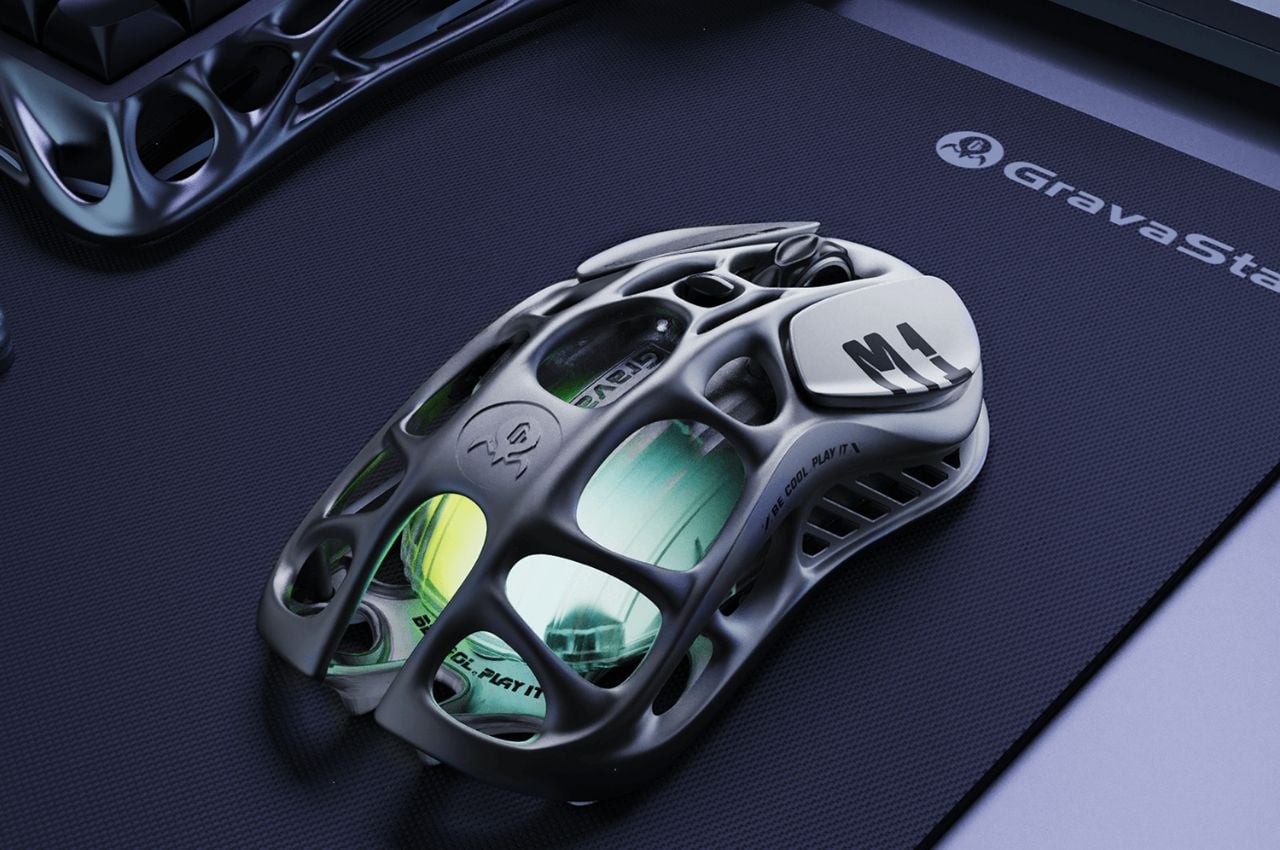
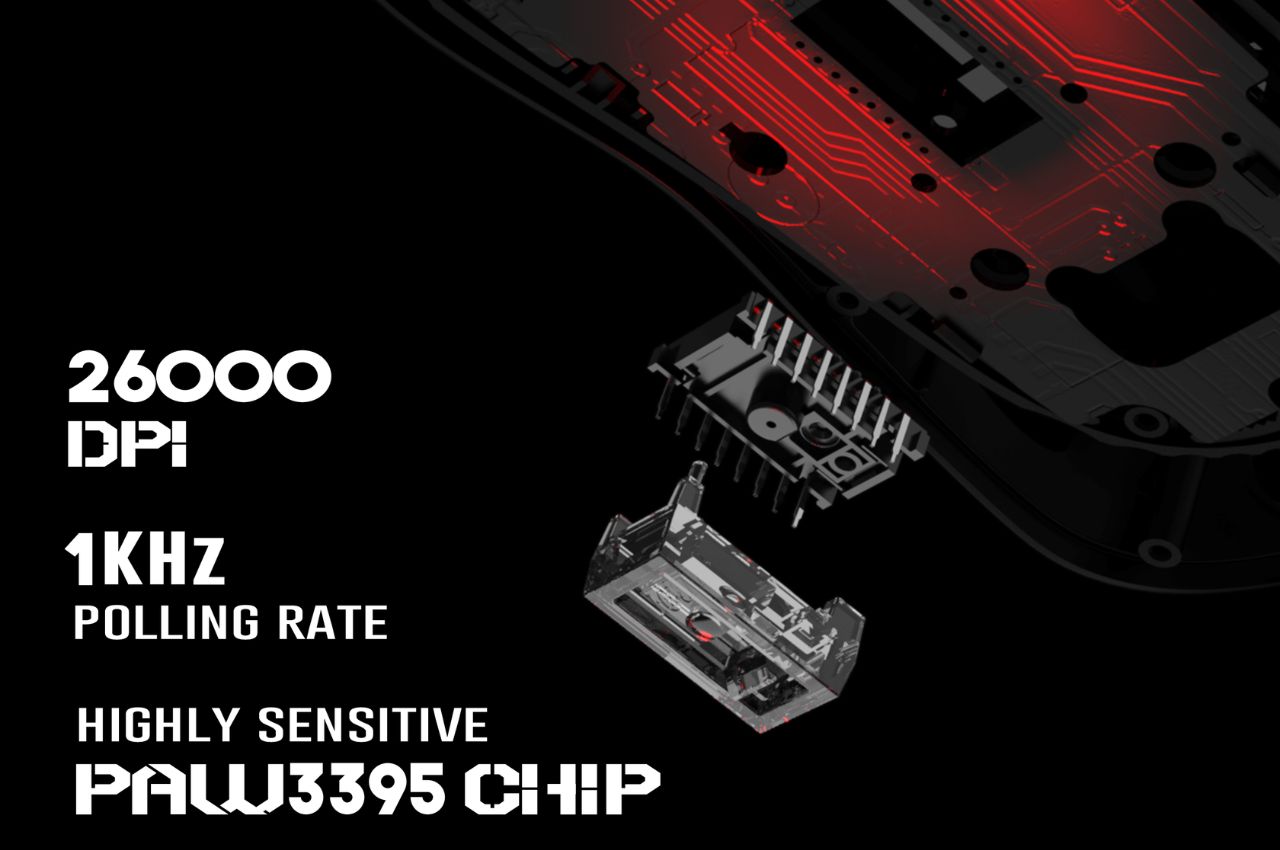
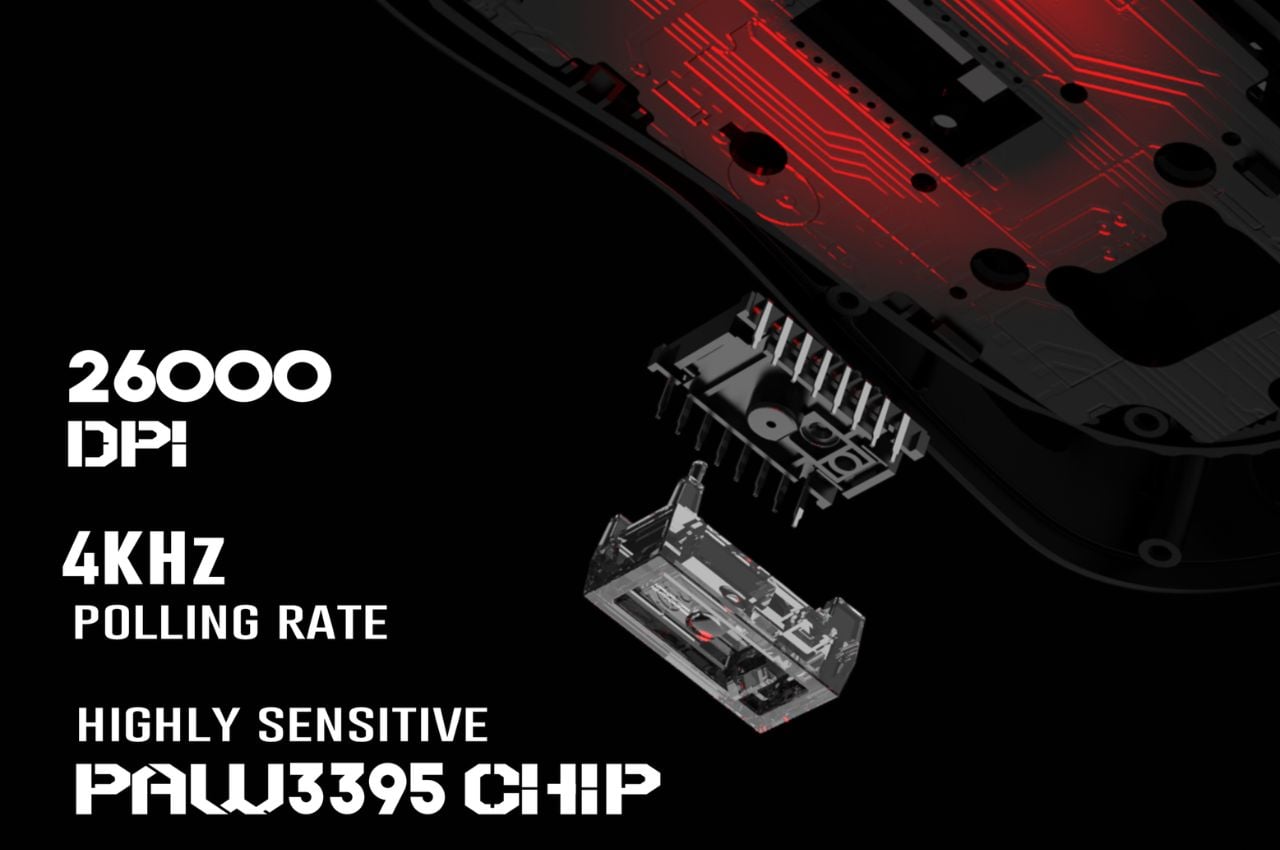
The Mercury M1 Pro stands out with its robust yet lightweight magnesium alloy body, available in two stylish versions: the Silver Mist, equipped with both 1K and 4K dongles and the Gunmetal Gray, featuring a 1K dongle. The gaming mouse boasts a high-precision 26,000 DPI sensor powered by the PAW3395 chip, ensuring unparalleled accuracy in every movement.
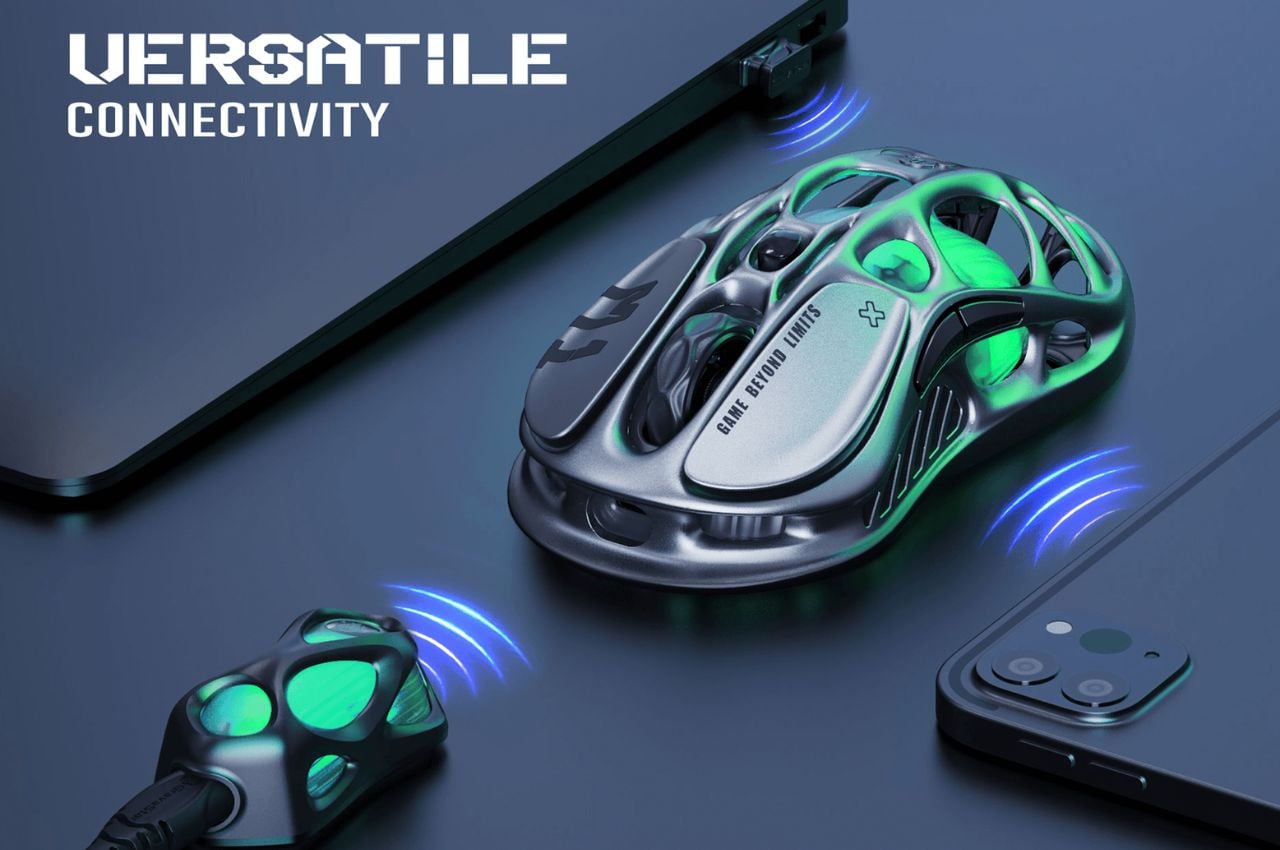
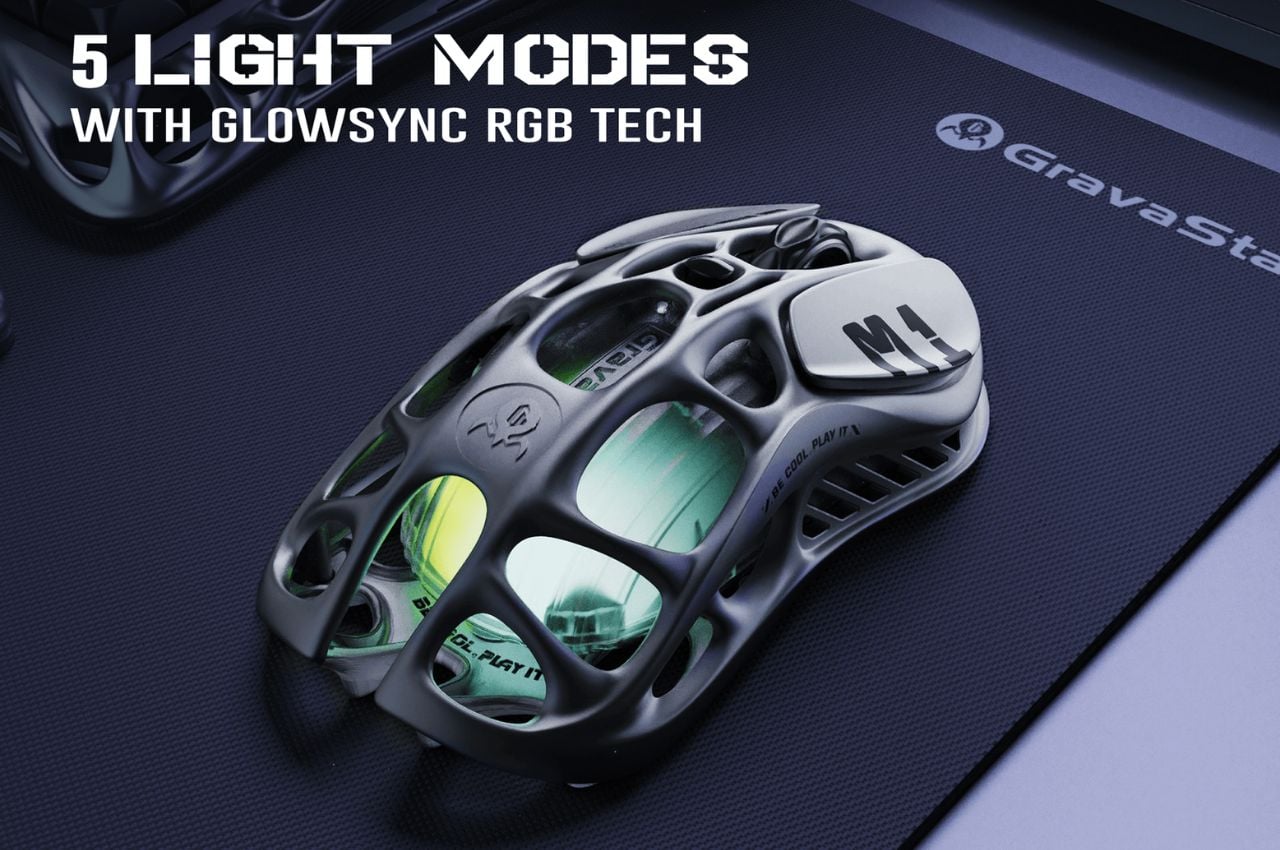
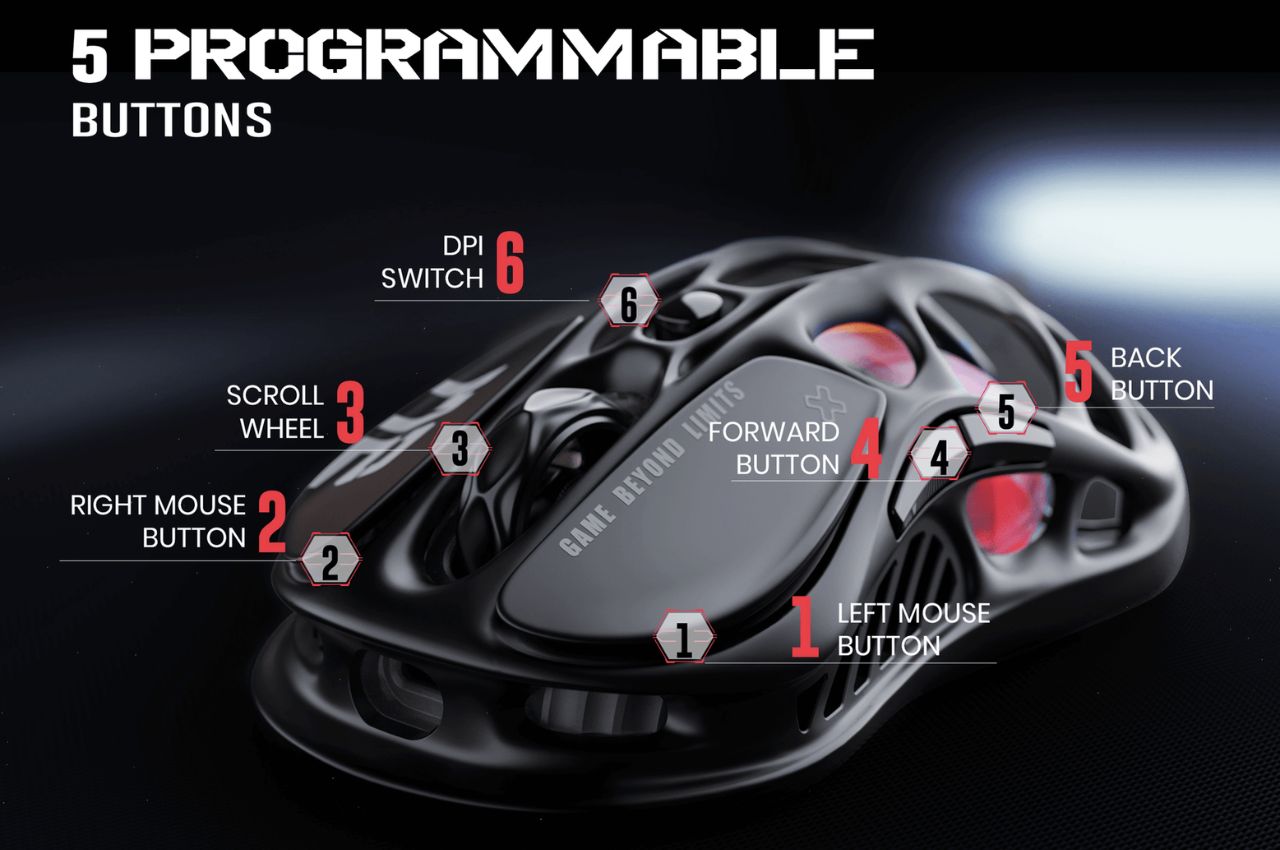
The TUROSPEED Wireless Technology embedded in the M1 Pro guarantees a stable and reliable connection, essential for intense gaming sessions. The mouse’s customization options include GLOWSYNC RGB lighting and five programmable buttons, allowing gamers to tailor their experience to their unique preferences.

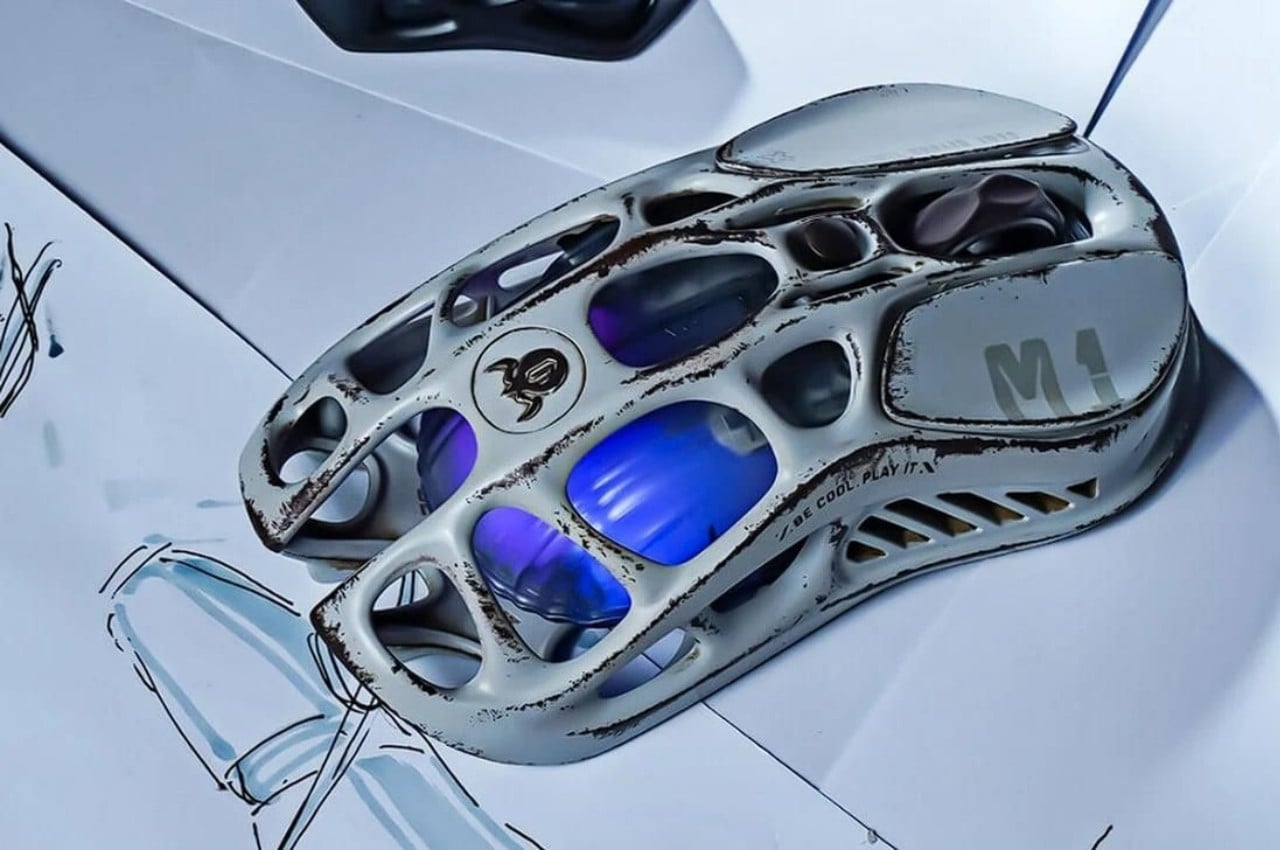
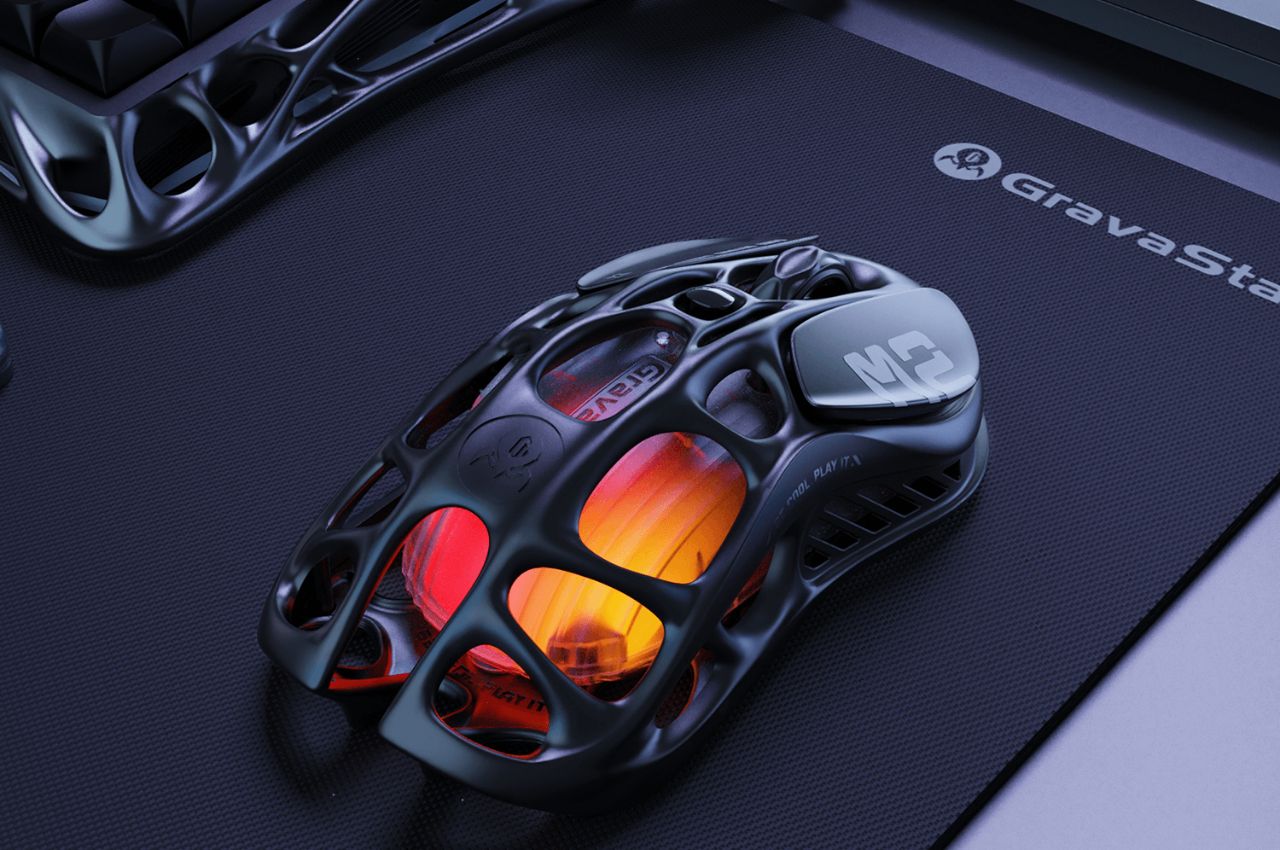
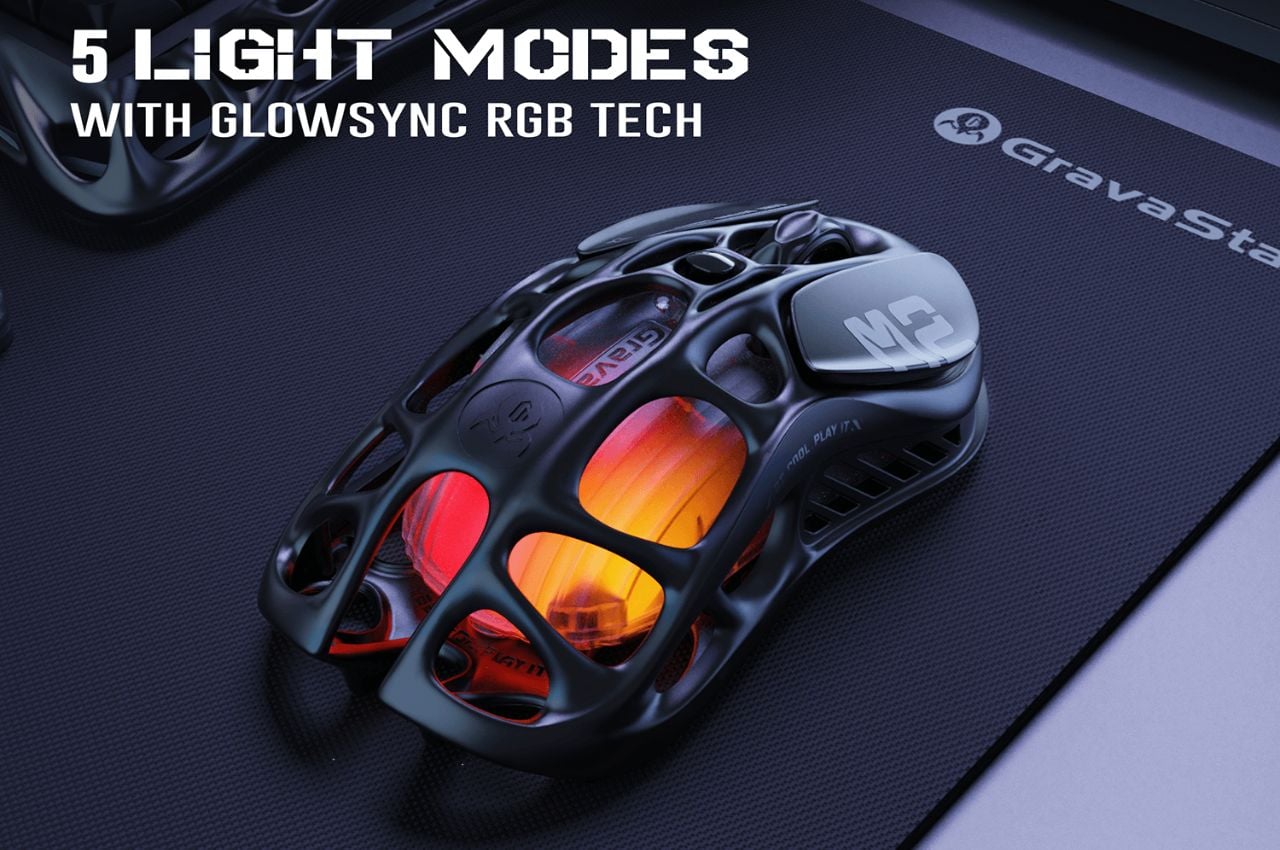
The Mercury M2 takes a different approach with its distinctive hollowed-out design, reducing the weight to a mere 79 grams. This innovative design not only makes the mouse lighter but also enhances airflow, keeping your hand cool during extended gaming sessions. Like its counterpart, the M2 features a high-accuracy 26,000 DPI sensor, a 1K Hz polling rate, and offers versatile connectivity options, including 2.4G, Bluetooth, and wired connections.

The M2’s adaptability extends to its customizable features, including five LIGHTSYNC RGB modes and programmable buttons. Gamers can seamlessly switch between different modes to match their gaming environment and style.

The Mercury M1 Pro and M2 gaming mice by GravaStar boast an impressive set of specifications tailored to meet the demanding needs of gamers. Crafted with a magnesium alloy construction, these mice combine strength with a lightweight design. The high-precision 26,000 DPI sensor, powered by the PAW3395 chip, ensures unparalleled accuracy in every movement. The incorporation of TUROSPEED Wireless Technology guarantees a stable and reliable connection during intense gaming sessions.
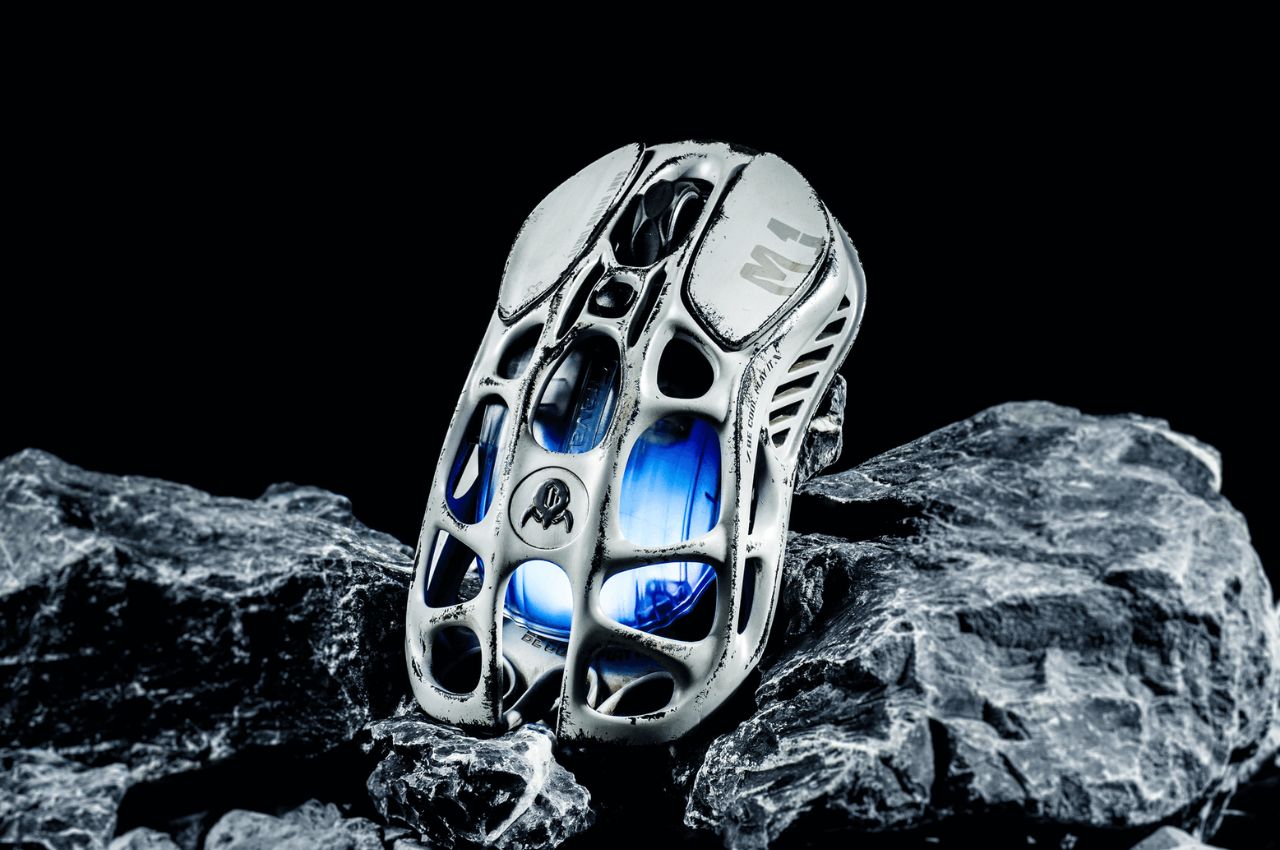
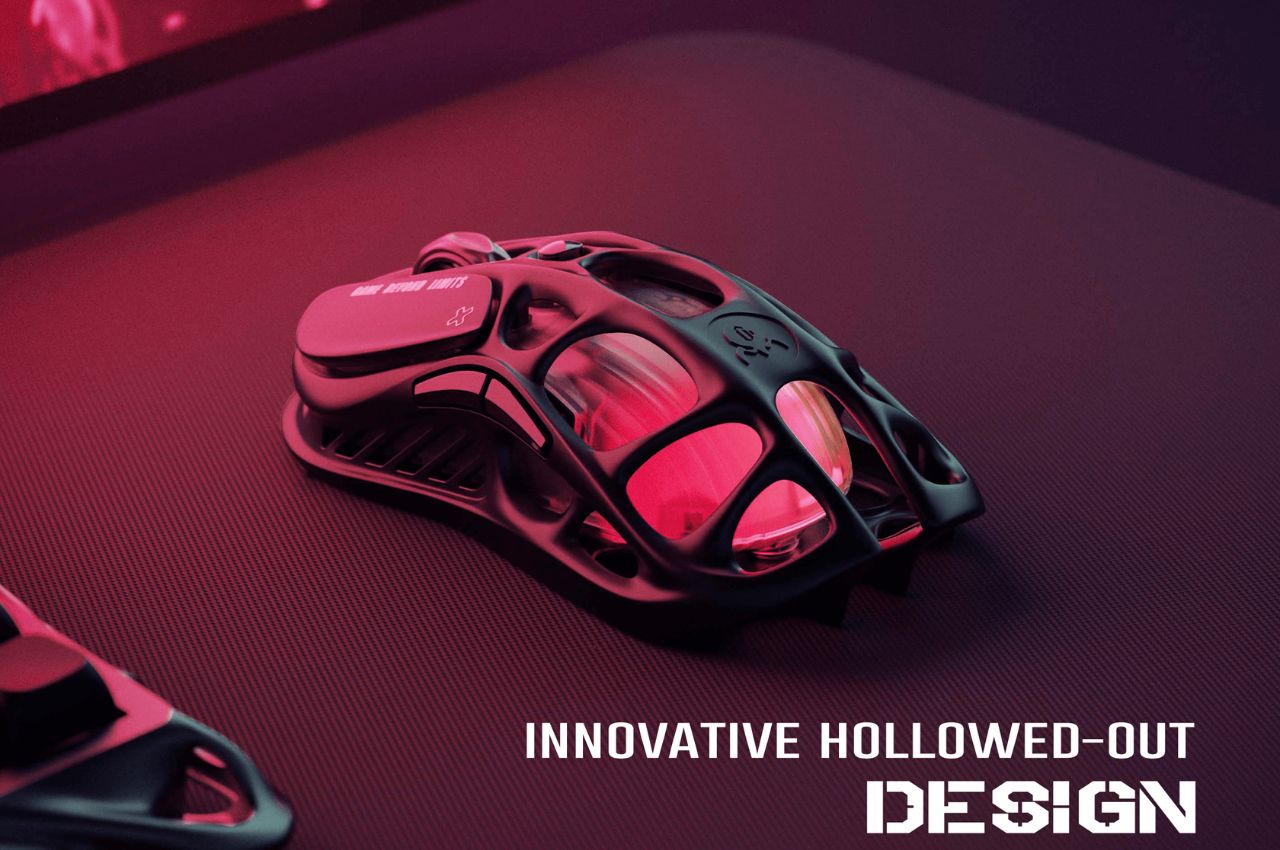
The innovative hollowed-out design of the mice not only reduces weight for enhanced maneuverability but also improves airflow, keeping hands cool during extended gameplay. Operating at a 1K Hz polling rate, these gaming mice provide a responsive and lag-free experience. Beyond their technical prowess, these gaming mice embody the vision of Yong Huang, the creative mind behind GravaStar, who meticulously designed them with a focus on merging performance and aesthetics. Far from being mere peripherals, the Mercury M1 Pro and M2 exemplify GravaStar’s commitment to producing durable, lightweight, and highly customizable gaming devices that resonate with the discerning preferences of gamers.
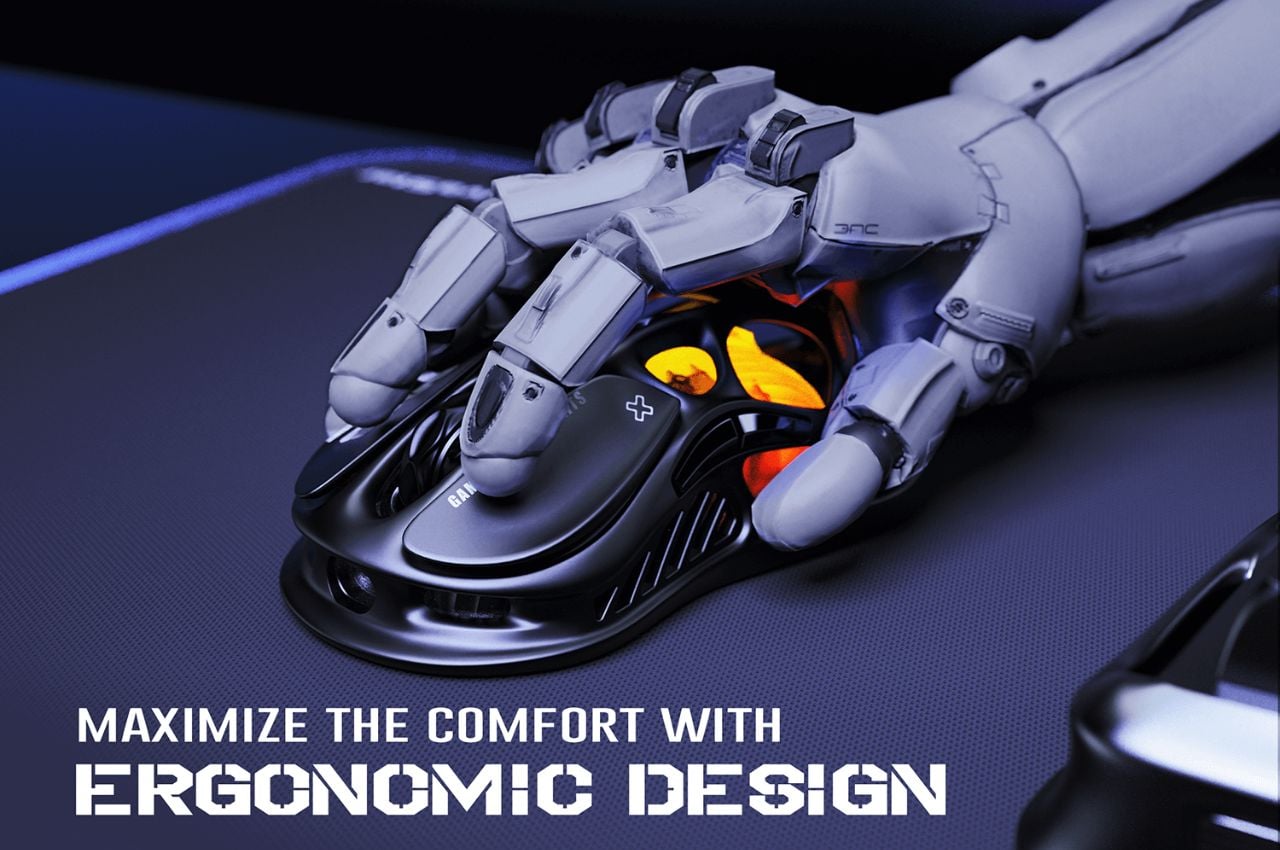
As gamers eagerly await the release of the Mercury M1 Pro and M2 gaming mice, it’s evident that these devices go beyond being simple tools. They reflect GravaStar’s dedication to enhancing the gaming experience through innovative design and personalization. Whether opting for the sleek Silver Mist or the robust Gunmetal Gray, users are choosing devices poised to elevate their gaming to new heights with precision, comfort, and style.

The post A Lightweight Gaming Mouse That Elevates Your Gameplay Experience With Its Personalization Features first appeared on Yanko Design.
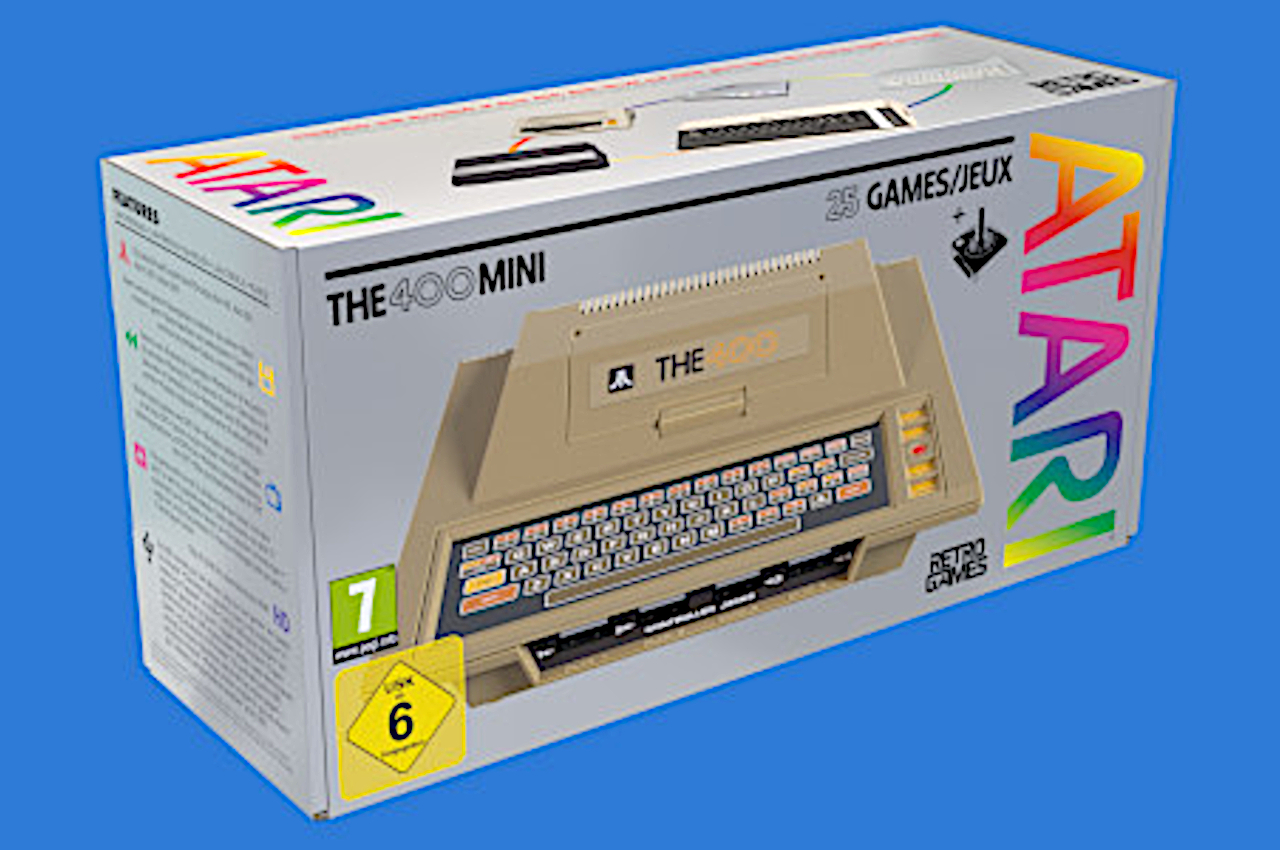
Atari 400 Mini retro console is a charming recreation of a quirky design

Most people today probably only know of the Xbox, PlayStation, and Nintendo Switch, but there was a time when the market was littered with countless gaming consoles, each with their own distinct designs. Many of them look almost outlandish by today’s standards, but it’s exactly because of these that these old machines have become today’s novelties again. The retro console craze has died down a bit, but it still exists and there are plenty of designs still left untouched. One of those is the rather distinctive Atari 400, which now finally comes in a mini recreation that brings yet another bunch of classic titles from one of gaming history’s biggest giants.

Designer: Retro Games x Atari

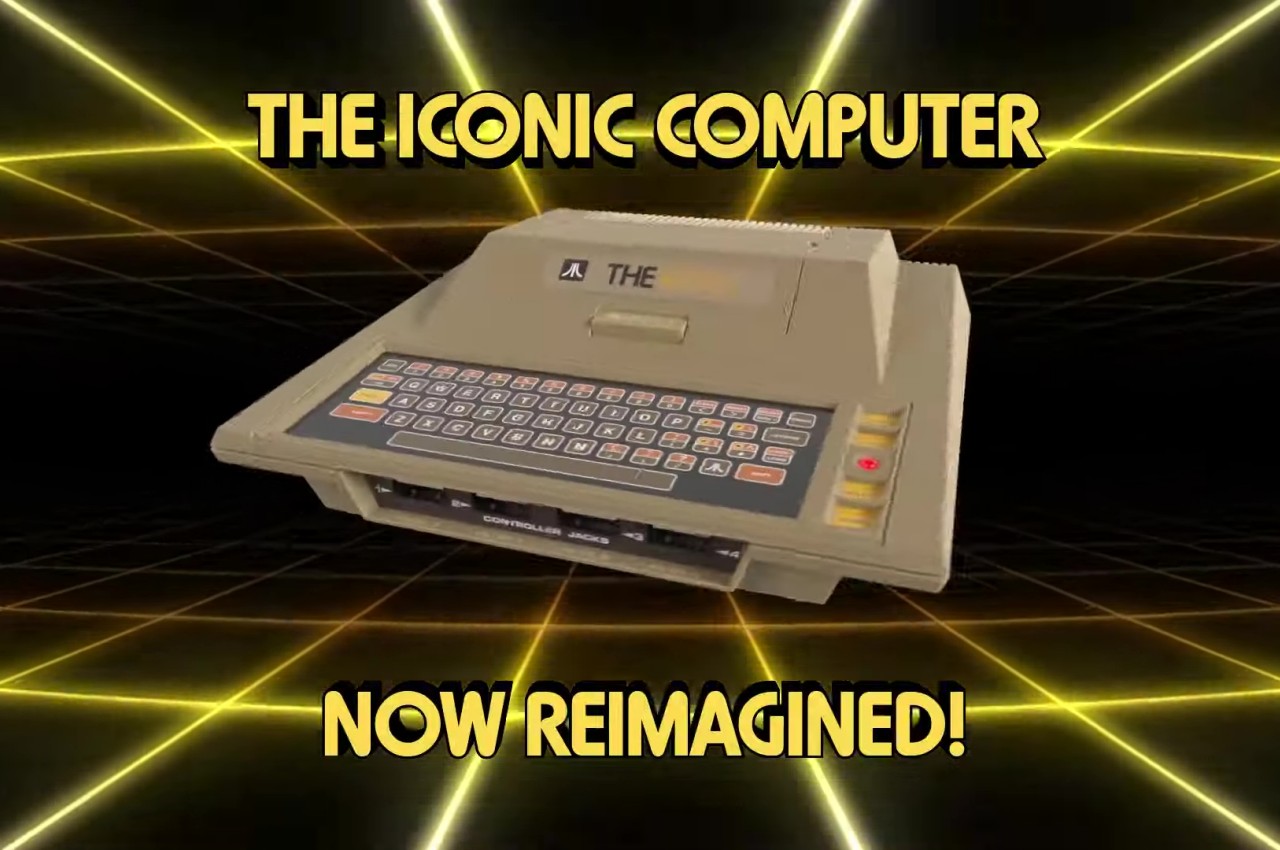
You might already be quite tired of hearing about all these classic games being made available to a newer, younger audience, but the console that this batch comes in is definitely worth noting. The Atari 400 and 800, after all, made many firsts in the industry, bringing what is practically a personal computer into homes with a focus on gaming. That objective was what informed the machine’s design, giving it a peculiar appearance even among its peers.

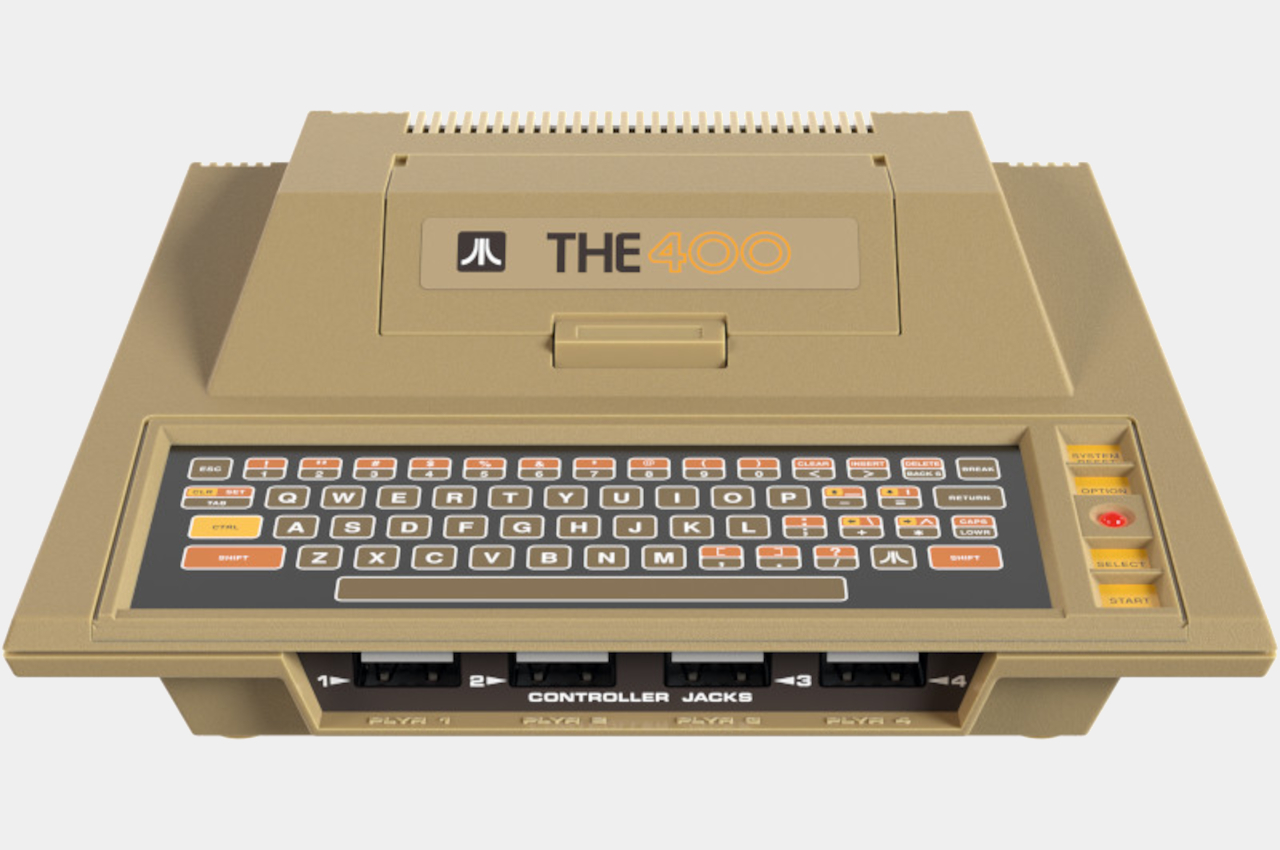
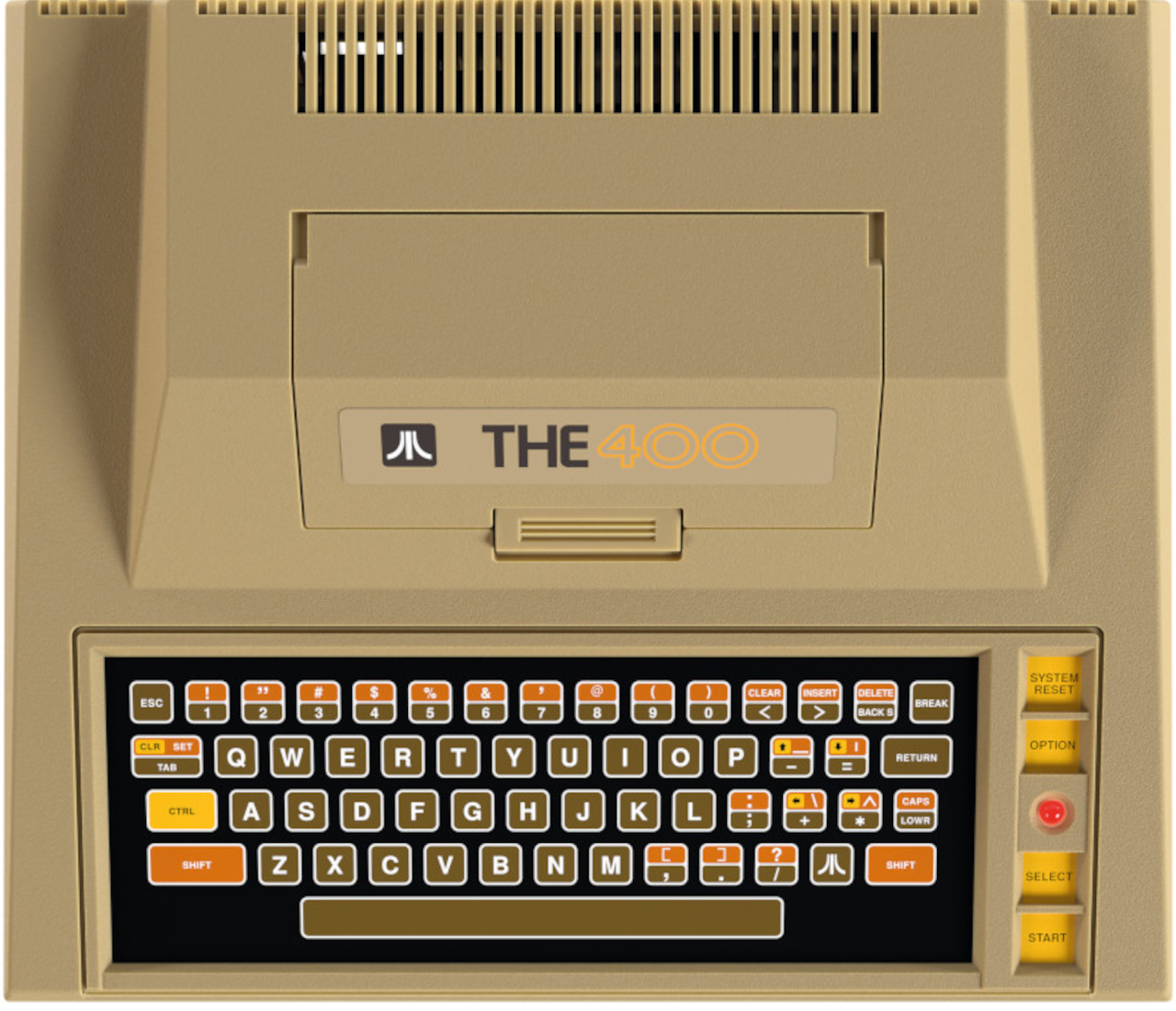
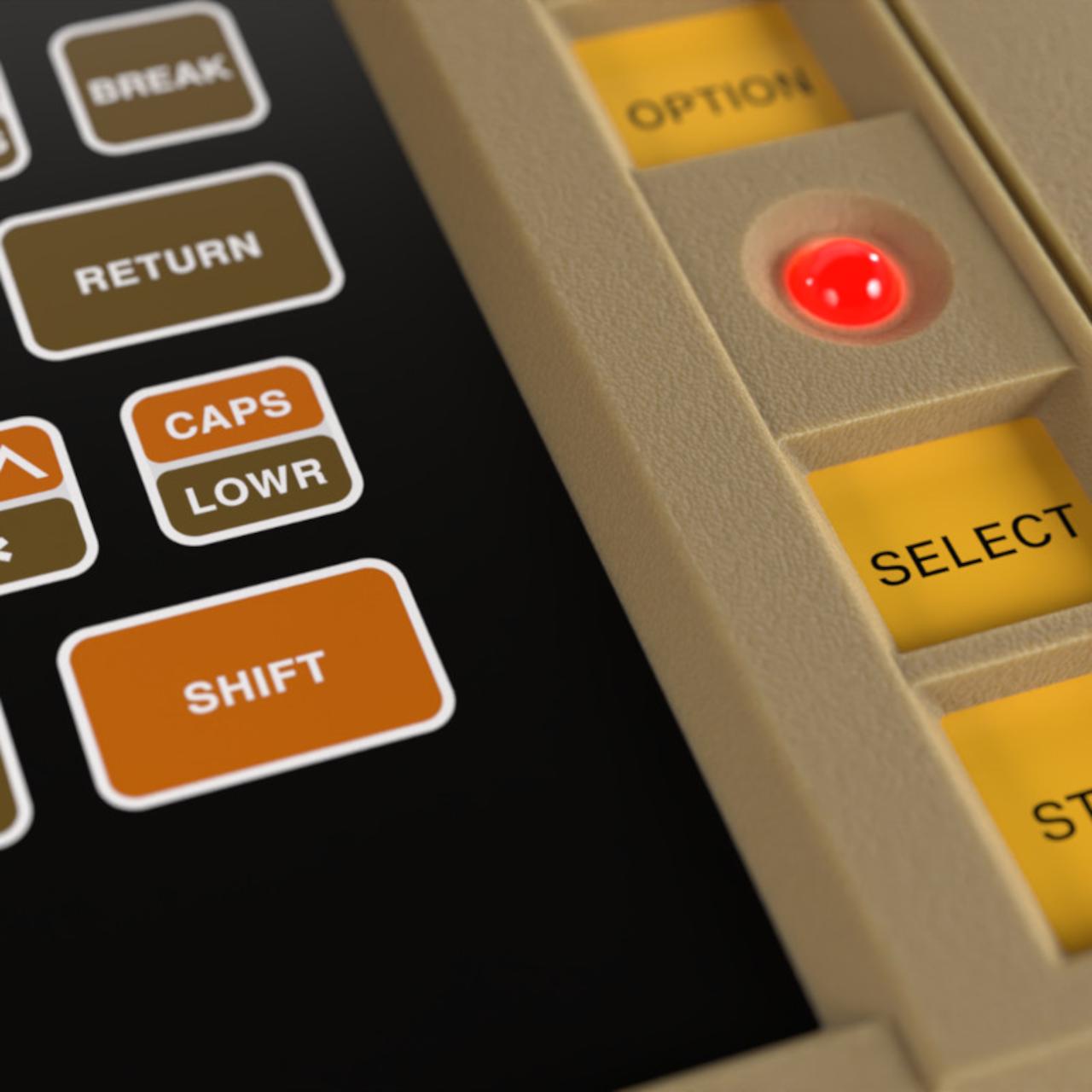
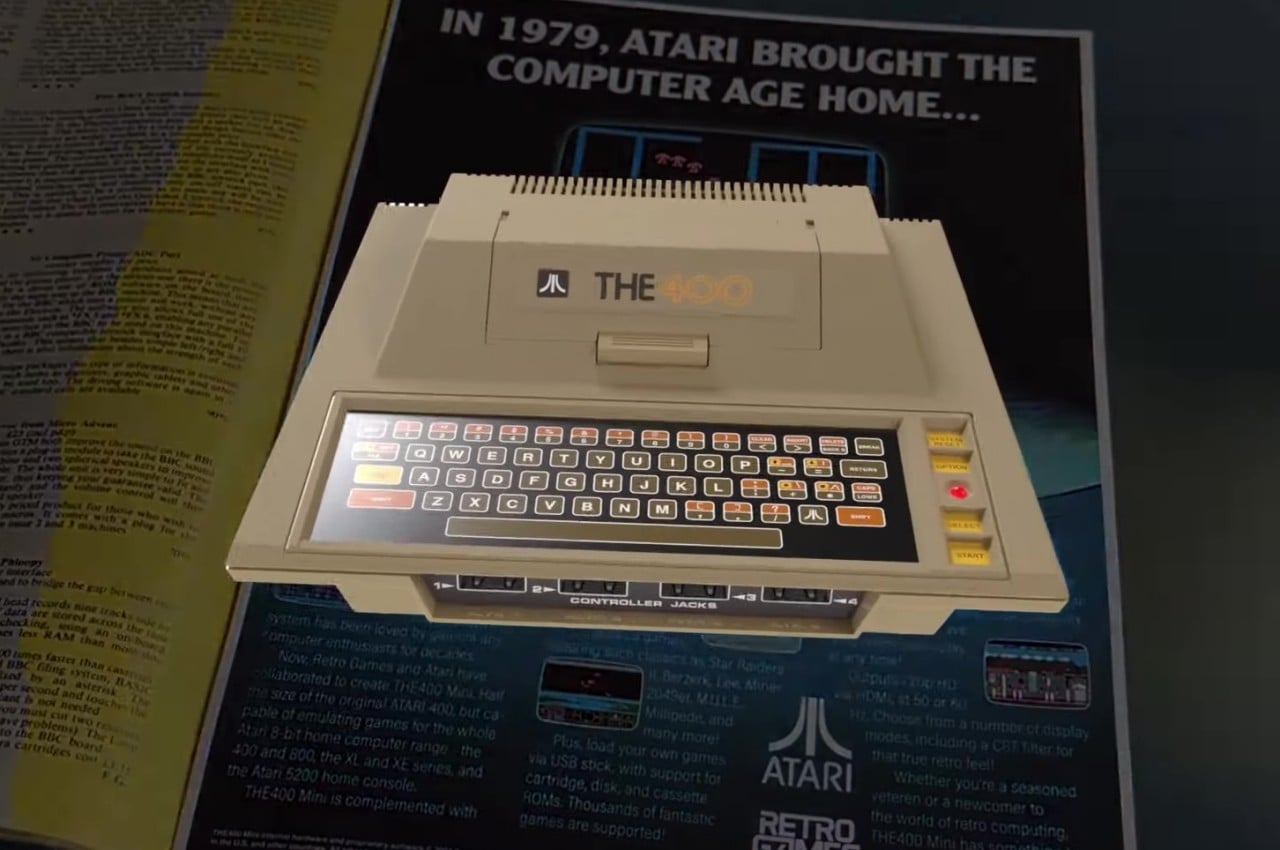
In essence, the Atari 400, or the 800 rather, looked more like a giant typewriter than a computer of any sort. Atari eschewed the typical joysticks and gamepads associated with gaming machines (and its own Atari 2600) and gave its first 8-bit family a keyboard for tasks beyond just playing. The Atari 400 itself was quite peculiar because it didn’t use real keys but a membrane keyboard, basically a seemingly flat, pressure-sensitive surface that could be considered the ancestor of touch-sensitive controls today. Suffice it to say, the typing experience was anything but enjoyable.

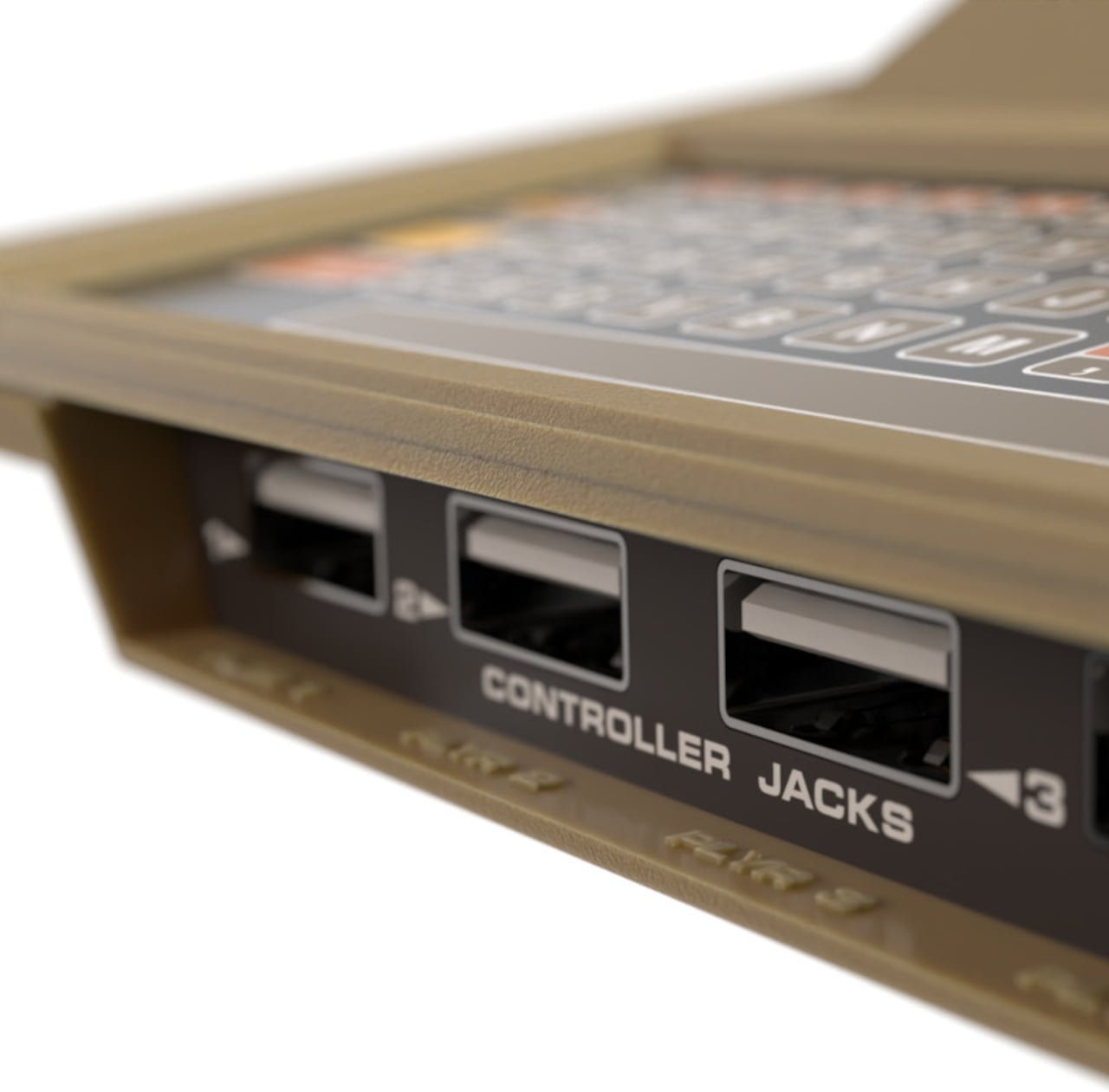
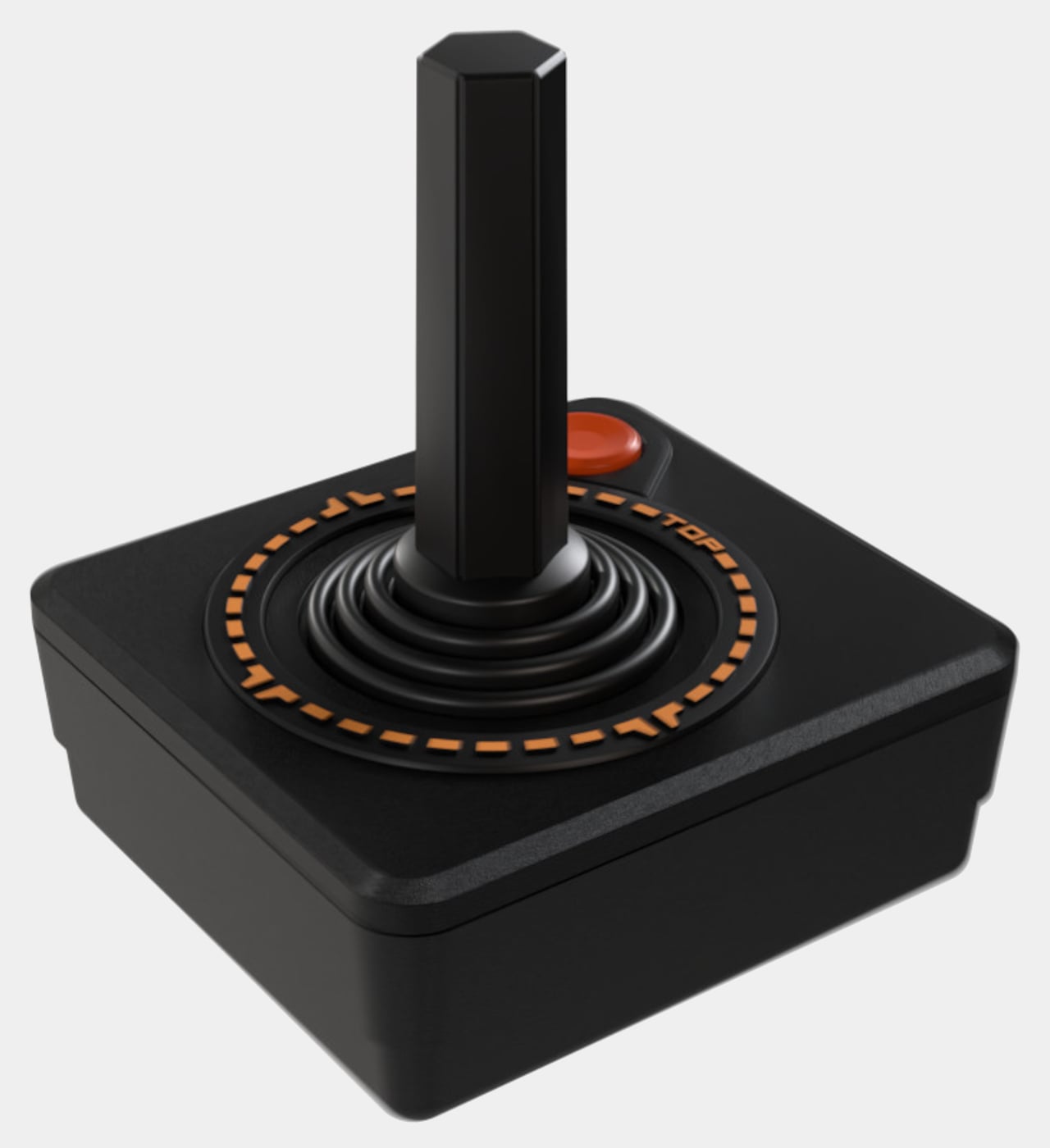
The Atari 400 Mini brings this one-of-a-kind design down to half the size of the 1979 original, which means you get all the looks but none of the quirks or the functionality. Yes, that miniaturized membrane keyboard is just for show, which is probably for the best. Imagine typing not only on a small space but also on a surface you have to press hard to even register a key. Fortunately, you can connect a USB keyboard if you really need to type something. With five USB ports, you can connect almost any controller, though thankfully the package ships one Atari CX-40 joystick for good measure.

The small machine comes with 25 titles from the original already pre-installed, though can also run other Atari classics provided you know how and where to get them. The Atari 400 Mini isn’t available yet, but you can already put down $119.99 to pre-order this recreation of a piece of gaming history before it hits the shelves on March 28th.

The post Atari 400 Mini retro console is a charming recreation of a quirky design first appeared on Yanko Design.
Novitec Ferrari 296 GTB gets 868 HP

Novitec Ferrari 296 GTB

Novitec has announced that it is launching a new Novitec Ferrari 296 GTB and the car will come with a range of upgrades over the standard Ferrari 296 GTB, this will include an impressive 868 horsepower. As well as more power, the car will come with a range of exposed carbon aerodynamic parts and new […]

The post Novitec Ferrari 296 GTB gets 868 HP appeared first on Geeky Gadgets.

14K Resolution 3D printer unveiled : Nova 3D Whale Ultra

Nova 3D Whale Ultra 3D printer

When it comes to the world of 3D printing, the Nova 3D Whale Ultra 14K printer has been making waves with its promise of a large build area and the potential for high-resolution output. For those in the market for a new 3D printer, it’s worth taking a closer look at what this machine has […]

The post 14K Resolution 3D printer unveiled : Nova 3D Whale Ultra appeared first on Geeky Gadgets.

Tiny Tina’s Wonderlands developer faces layoffs in latest Embracer cuts

We're just a couple of weeks into 2024, but the layoffs that plagued the gaming industry last year are back. An undisclosed number of employees at Lost Boys Interactive have been laid off across seemingly "all disciplines at all levels," terminated producer Jared Pace told Aftermath. Lost Boys Interactive is responsible for games like Tiny Tina's Wonderlands — which is launching on PlayStation Plus.

The news was initially reported by both terminated and remaining employees. Lost Boys Interactive eventually released a statement to Eurogamer confirming the news, blaming "headwinds facing the industry right now." It continued, "Unfortunately, this does mean we will separate from some of our team members and we're working closely with those affected. We know this is a hard time for this talented and experienced group of people and will provide support and assistance through this transition to those leaving."

These layoffs are just the latest set from its parent company, Embracer (Gearbox technically owns Lost Boys Interactive but is, itself, owned by Embracer). In September, Embracer laid off about 900 employees, equal to about five percent of its staff. Only two months later, it laid off another 50 or so employees at Fishlabs, developers of Chorus. The company has also shuttered some of its studios and is rumored to be selling Gearbox, which it bought in 2021 for $1.4 billion. Embracer blames the tremendous restructuring and layoffs on the dissolution of a potential deal that would have brought $2 billion in revenue over six years.

This article originally appeared on Engadget at https://www.engadget.com/tiny-tinas-wonderlands-developer-faces-layoffs-in-latest-embracer-cuts-153054773.html?src=rss

Tiny Tina’s Wonderlands developer faces layoffs in latest Embracer cuts

We're just a couple of weeks into 2024, but the layoffs that plagued the gaming industry last year are back. An undisclosed number of employees at Lost Boys Interactive have been laid off across seemingly "all disciplines at all levels," terminated producer Jared Pace told Aftermath. Lost Boys Interactive is responsible for games like Tiny Tina's Wonderlands — which is launching on PlayStation Plus.

The news was initially reported by both terminated and remaining employees. Lost Boys Interactive eventually released a statement to Eurogamer confirming the news, blaming "headwinds facing the industry right now." It continued, "Unfortunately, this does mean we will separate from some of our team members and we're working closely with those affected. We know this is a hard time for this talented and experienced group of people and will provide support and assistance through this transition to those leaving."

These layoffs are just the latest set from its parent company, Embracer (Gearbox technically owns Lost Boys Interactive but is, itself, owned by Embracer). In September, Embracer laid off about 900 employees, equal to about five percent of its staff. Only two months later, it laid off another 50 or so employees at Fishlabs, developers of Chorus. The company has also shuttered some of its studios and is rumored to be selling Gearbox, which it bought in 2021 for $1.4 billion. Embracer blames the tremendous restructuring and layoffs on the dissolution of a potential deal that would have brought $2 billion in revenue over six years.

This article originally appeared on Engadget at https://www.engadget.com/tiny-tinas-wonderlands-developer-faces-layoffs-in-latest-embracer-cuts-153054773.html?src=rss

New Lexus LBX Morizo RR Concept unveiled at Tokyo Auto Salon

Lexus LBX Morizo RR Concept

Lexus has unveiled a new concept car at the 2024 Tokyoa Auto Salson, the new Lexus LBX Morizo RR Concept, which is designed to be a performance-focused car, and it features a 1.6-litre three-cylinder engine that comes with Direct Shift eight-speed automatic transmission and electronically controlled full-time all-wheel drive. The car comes with 205 horsepower […]

The post New Lexus LBX Morizo RR Concept unveiled at Tokyo Auto Salon appeared first on Geeky Gadgets.

Atari 400 Mini games console officially launches March 28th 2024

Atari 400 Mini

Retro Games Ltd. is bringing a slice of the past into the present with the upcoming release of the Atari 400 Mini. Slated to hit the shelves on March 28, 2024, this sleek new device is a nod to the beloved 1979 home computer, now reimagined with the latest technology to deliver a unique blend […]

The post Atari 400 Mini games console officially launches March 28th 2024 appeared first on Geeky Gadgets.

MIT researchers developing open source hydrogen powered motorcycle for other developers to improve on

Electric battery-powered vehicles might seem the future but in the long run, they are harmful to the environment in their wicked way. The next best thing is the hydrogen-powered drivetrain and many automotive manufacturers are already exploring the possibility. Sure, the cost of such vehicles is not practical enough to go mainstream, still, constant innovations in technology are getting things closer to fruition.

MIT’s electric vehicle team is also exploring the possibility with their hydrogen-powered electric motorcycle prototype. The two-wheeler uses a new hydrogen-based testbed and is open source for other proactive automotive developers to test out as the files are available online. Led by Aditya Mehrotra, a graduate student working with mechanical engineering professor Alex Slocum, the Walter M. May and A. Hazel May Chair in Emerging Technologies, the project aims to take clean energy alternatives to the next level with innovation.

Designer: MIT

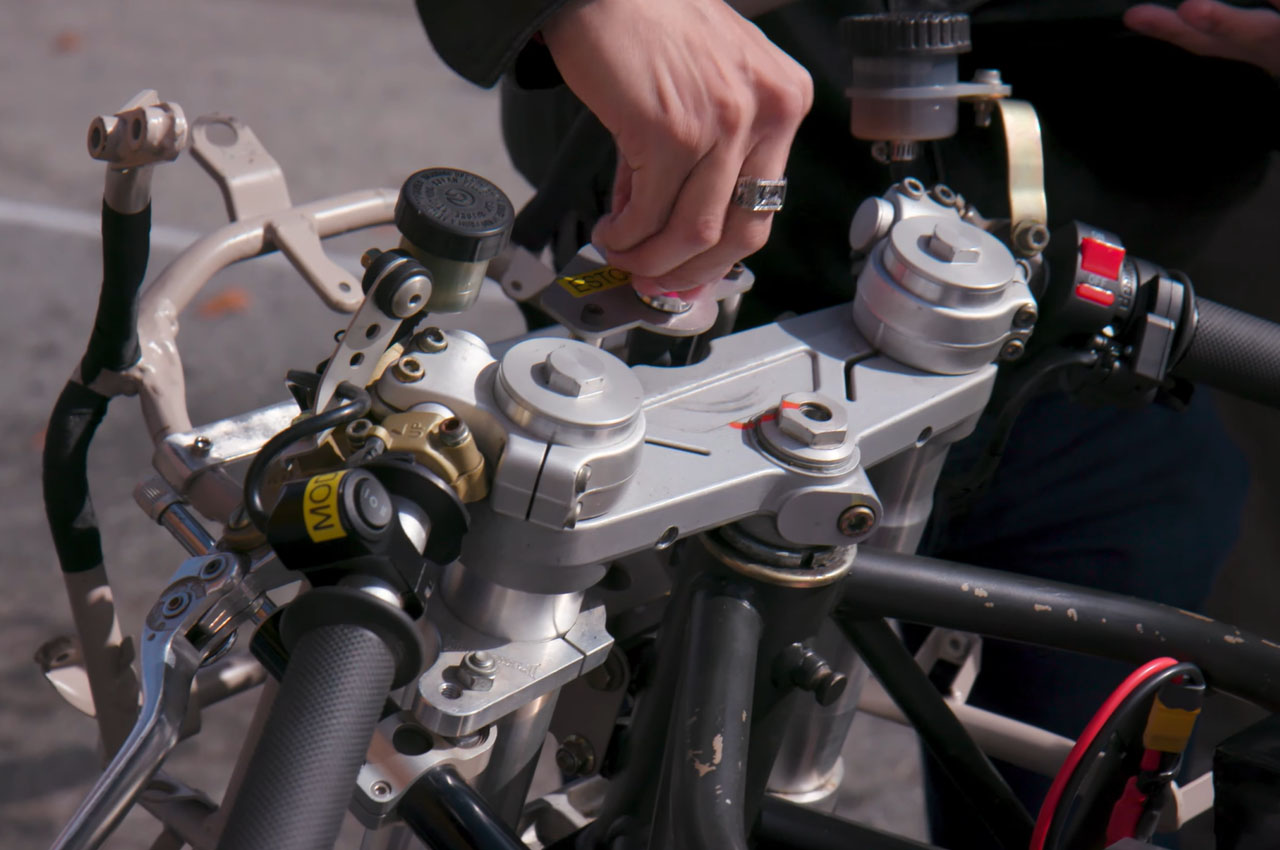
According to Aditya, “We’re hoping to use this project as a chance to start conversations around ‘small hydrogen’ systems that could increase demand, which could lead to the development of more infrastructure.” The team took a 1999  Ducati Supersport donor motorcycle frame as the basis and fitted an electric motor, drive train, hydrogen tank and other custom-made components to develop the design. Some components were donated by industry sponsors and the two-wheeler took shape over the period of one year.

The heart of the system is a fuel cell developed by South Korean company Doosan and it’s mated to the supporting gas cylinder for drawing energy. Until the drivetrain is fully developed the bike runs on this hybrid system. The bike is still in the early stages of development and is going to be purely a concept of proof for other designs to follow. To this accord, the team is mindful enough to create a handbook detailing the process of development and fail-safes in case anything goes wrong.

This is important because “a lot of the technology development for hydrogen is either done in simulation or is still in the prototype stages because developing it is expensive, and it’s difficult to test these kinds of systems,” as per one of the team members. There have been previous efforts to develop such hydrogen-powered vehicles but nothing that’s completely open-source like this one. The project is an ongoing endeavor until the cost of the fuel cell is made commercially viable.

The post MIT researchers developing open source hydrogen powered motorcycle for other developers to improve on first appeared on Yanko Design.