Brabus has taken the Mercedes AMG S 63 E Performance and gives the car some serious power, the new car is called the Brabus 930 and it comes with a massive 930 horsepower and a 0 to 62 mph time of just 3.2 seconds. The car comes with a wide range of upgrades over the […]
Spotify is officially expanding its offerings beyond just audio with the introduction of music videos. The streamer is rolling out a beta program that offers premium subscribers access to music videos on mobile, desktop and TV for a select number of tracks by artists like Ed Sheeran and Ice Spice.
In an email seen by TechCrunch, Sten Garmark, Spotify vice president and global head of consumer experience said: "We're starting with a limited subset of the full catalog, which includes thousands of music videos. Within this subset, we aimed to prioritize a wide range of genres and artists across our launch markets." YouTube (of course) and Apple Music both already offer music videos, so this new feature helps Spotify match up to some of its biggest competitors.
To watch a music video, Spotify users listening to a song can click "switch to video" right on the now-playing screen. The music video will always start the song back from the beginning, but users can touch switch back to audio at any point. Even if the music video plays through, Spotify will still queue the next song as audio only.
Currently, the beta option is only available in 11 countries, chosen for a "number of criteria including market size and the availability of local content support," Garmark said. While the US didn't make the cut, the countries included represent quite a global audience: Brazil, Colombia, Germany, Indonesia, Italy, Kenya, Netherlands, Poland, Philippines, Sweden and the UK. Users from these nations must also have a premium account to watch music videos.
Rumors that Spotify might add music videos started last July following a number of layoffs (and more have come since). This announcement is the first time Spotify has announced the existence of music videos on its platform. However, a Reddit user posted three months back that they had the "switch to video" option on a single song: My Way, by Limp Bizkit.
This article originally appeared on Engadget at https://www.engadget.com/spotify-adds-music-videos-in-11-countries-but-not-the-us-120002692.html?src=rss
Look, I know life can get hectic and work can be super exhausting, which can be brutal for our mental health. Taking care of our mental well-being has never been more essential, considering how chaotic life can get. As much as we tend to pay attention to our physical well-being, it’s time to do the same for our mental health. Meditation can really help you unwind, release stress, and create an overall tranquil mindset. Although if you’re anything like me, sitting still without a single thought in your head can seem damn near impossible! Hence we’ve curated a collection of innovative gadgets to help you master the art of meditation. From a meditation headset designed by Layer to a battery-free aroma diffuser – these inventive product designs are all you need to inculcate meditation sessions into your daily routine! Start your day or end it on a peaceful and tranquil note. You can thank us later!
1. Japanese Lantern Candle
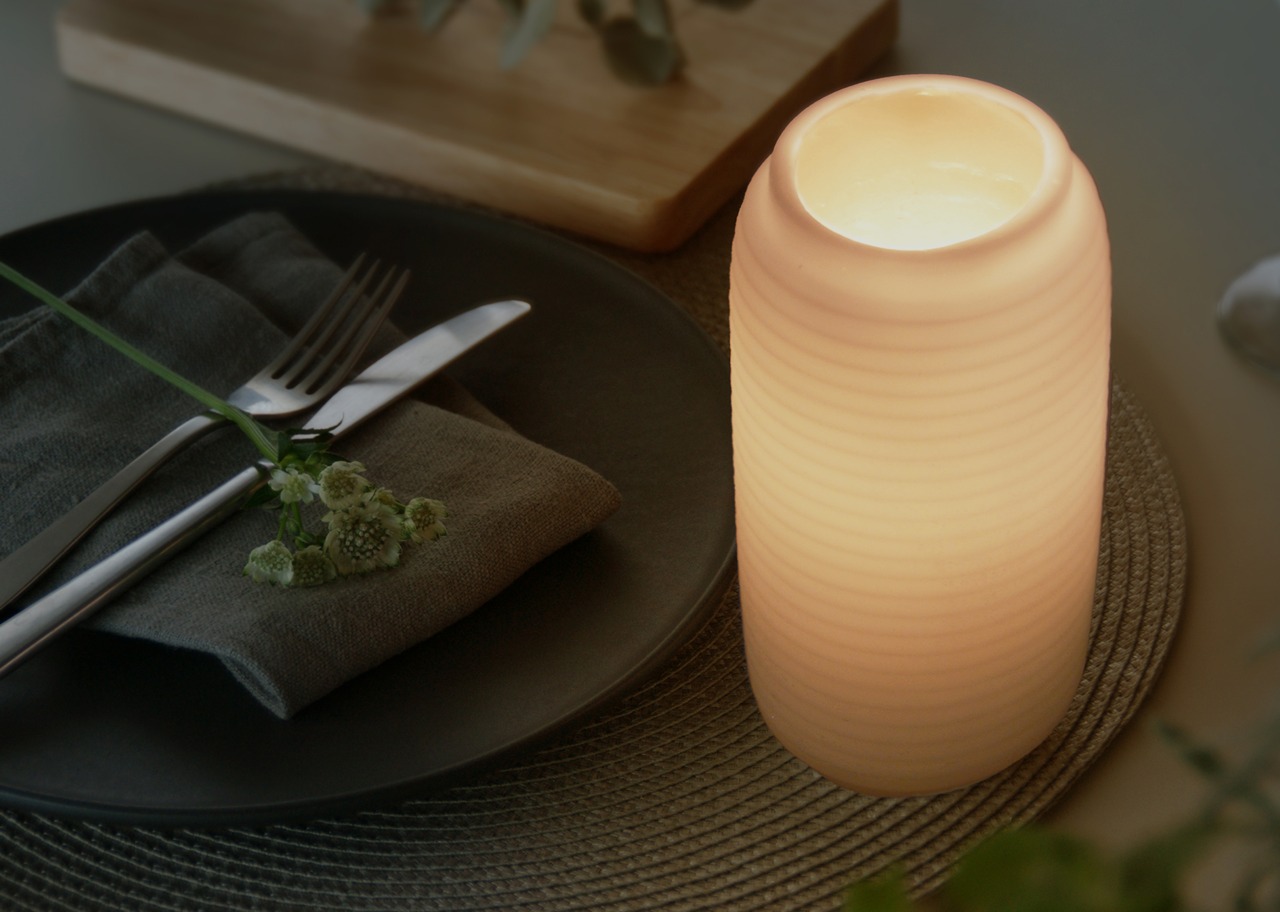
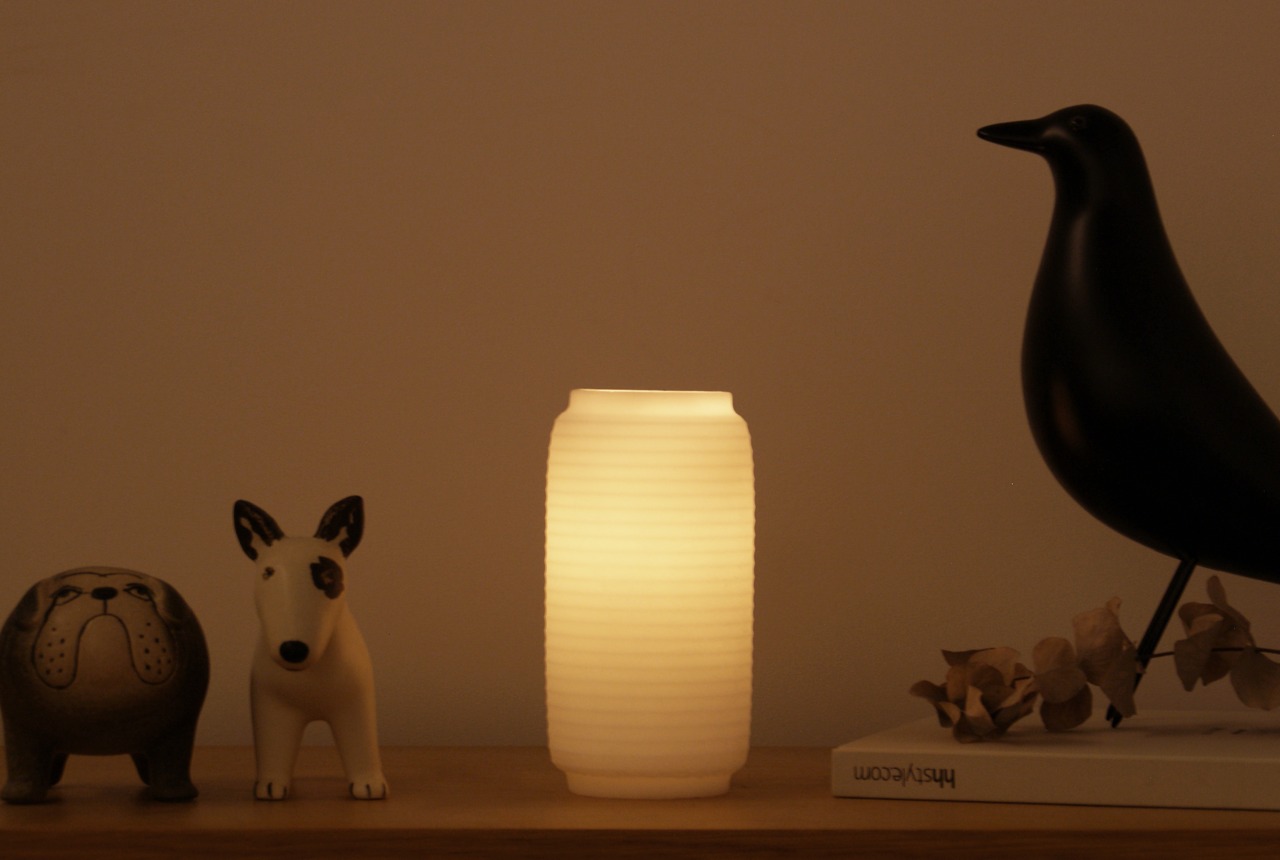
Designed to look like a traditional Japanese ‘chouchin’ lantern, this pretty Japanese lantern candle has an interesting pillar shape and is essential for your bedroom or bathroom on the days you decide to give yourself some much-needed me-time and pampering. The lantern has a soothing and aesthetic appearance.
The Japanese lantern candle provides a contemporary and modern take on an iconic Japanese design. It has a minimalist design that lets it seamlessly merge with any modern living space perfectly and emits a relaxing glow that will instantly make you feel at ease, and help you enter a meditative state.
What we like
Since the wax is non-melting, it creates a lovely clarity on the candle
What we dislike
The candle is a fire hazard, so you need to use it carefully around kids and pets
2. ASMR Zen Ball
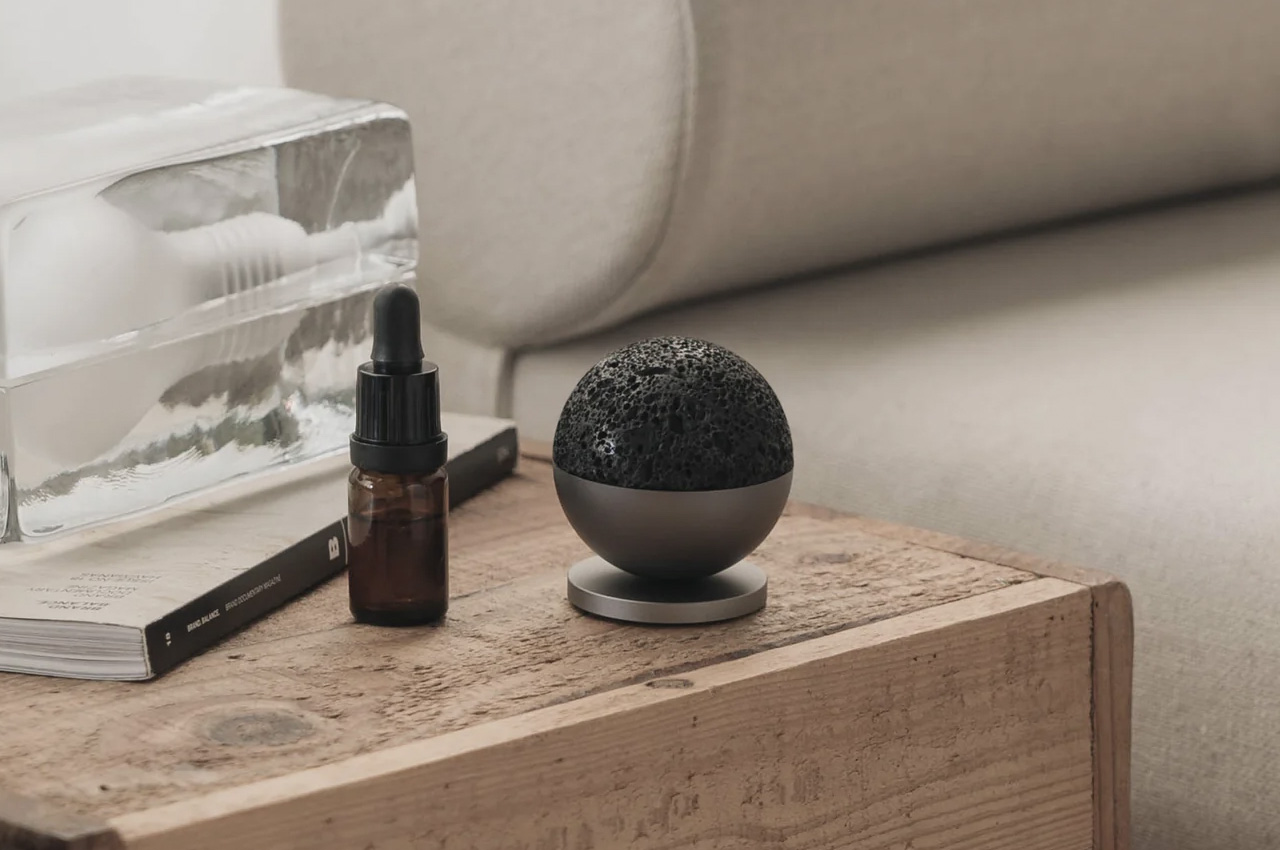
This little compact ball is called the ASMR Zen Ball, and it perfectly fuses natural and engineered elements to create a space-inspired design that provides a calming and relaxing experience to its users. The nifty little product has a meteorite-inspired porous surface that functions as an excellent absorbent surface for your aroma oils, which helps create a meditative experience for you.
The Zen Ball is made from genuine volcanic stone and matte aluminum alloy, which lets it double up as a fidget toy, creating an interactive experience, where users can connect with the natural energy of the earth.
What we like
The Zen Ball also doubles up as a fidget toy, which provides sensory stimulation
What we dislike
The ball could get rolling due to accidental bumps when not attached to its base
3. Rin Harmony Incense Holder
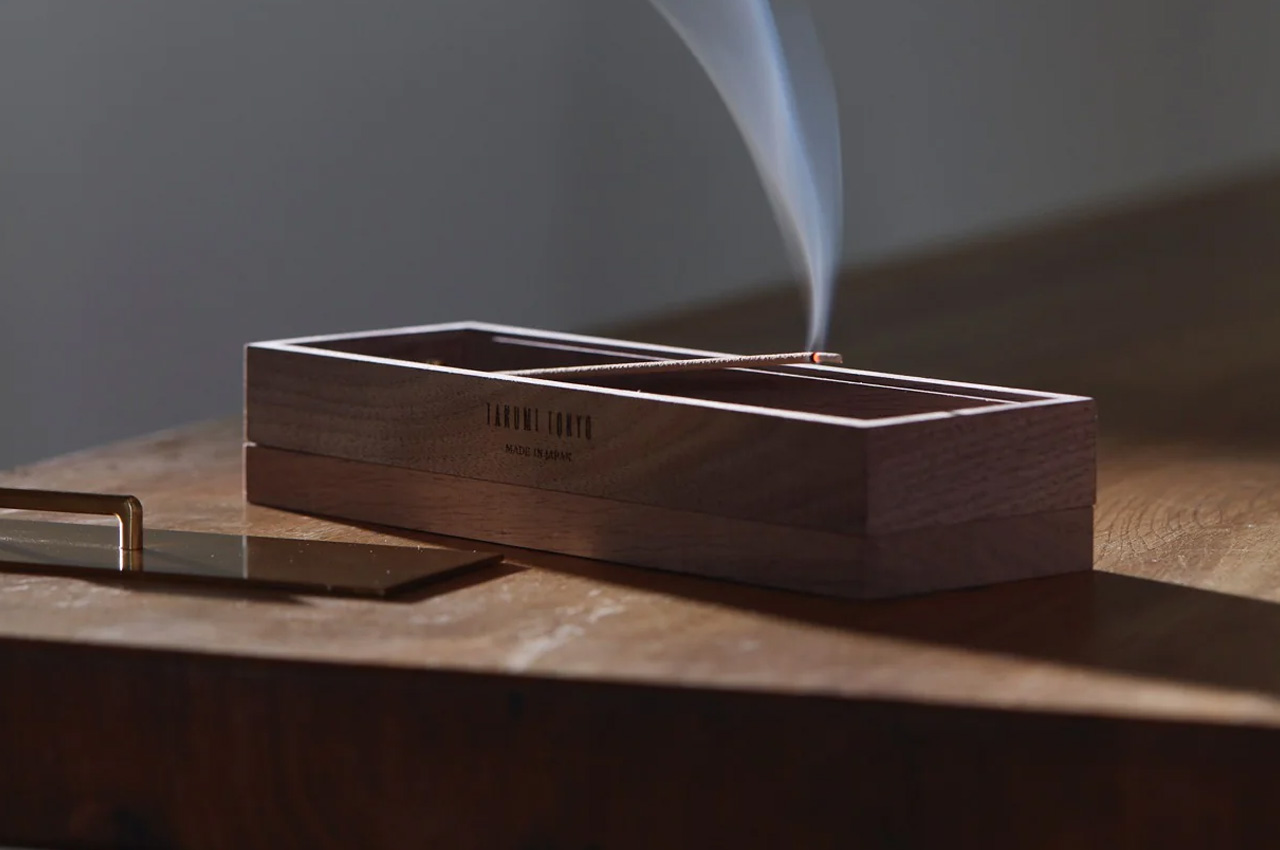
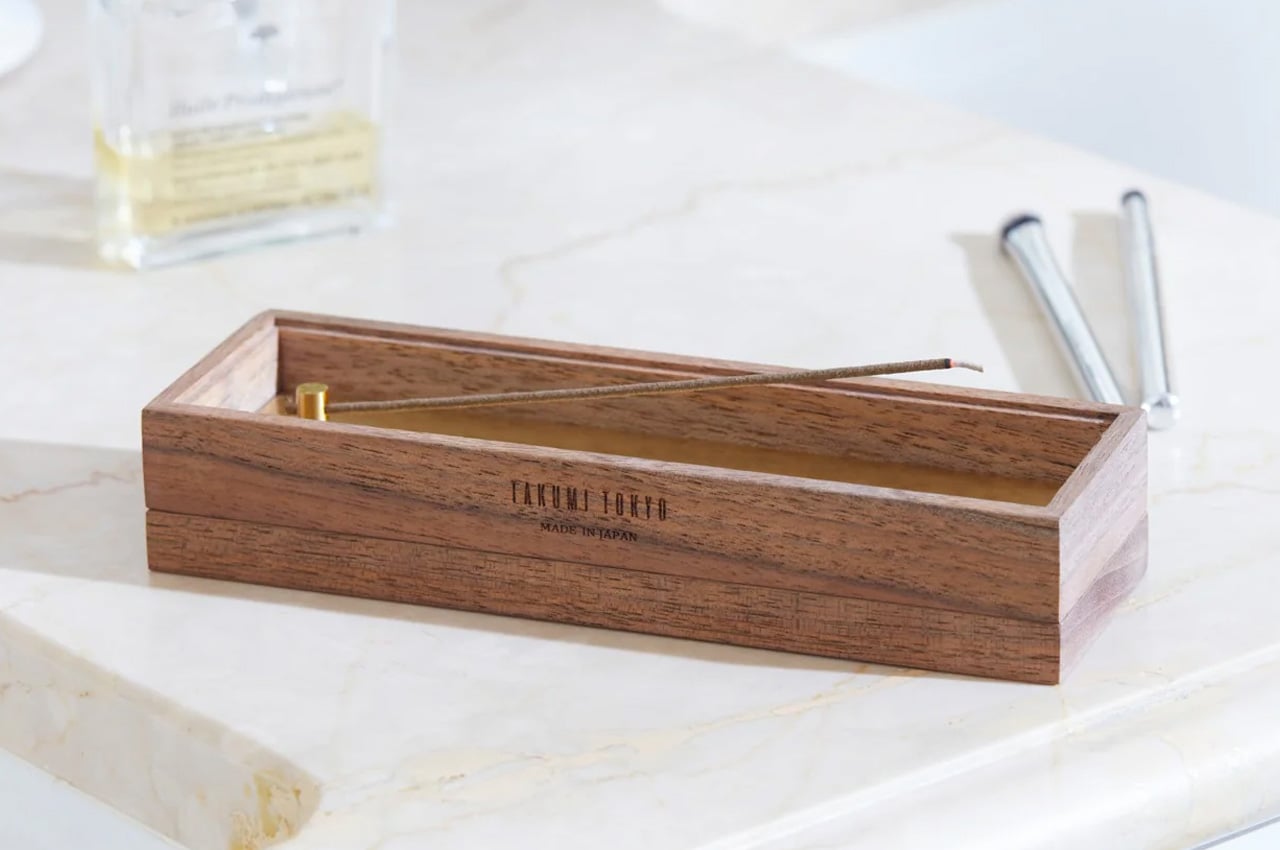
The Rin Harmony Incense Holder lets you enjoy the smoky and relaxing aroma of your favorite incense stick, letting you calm down, irrespective of where you are. The holder is built from natural walnut wood, and it serves as a storage space for the incense sticks, as well as a base for the burning incense.
The brass plate functions as a safe space to hold the lit stick, and a matching cover lets you snuff out the flame, while also making sure that the ashes don’t fly around.
What we like
Dual-functional design with a minimal form
Great companion for your calming exercises and meditation
What we dislike
The holder only allows one incense to be lit at a time, so the reach of the aroma is limited
4. LightVision Meditation Headset
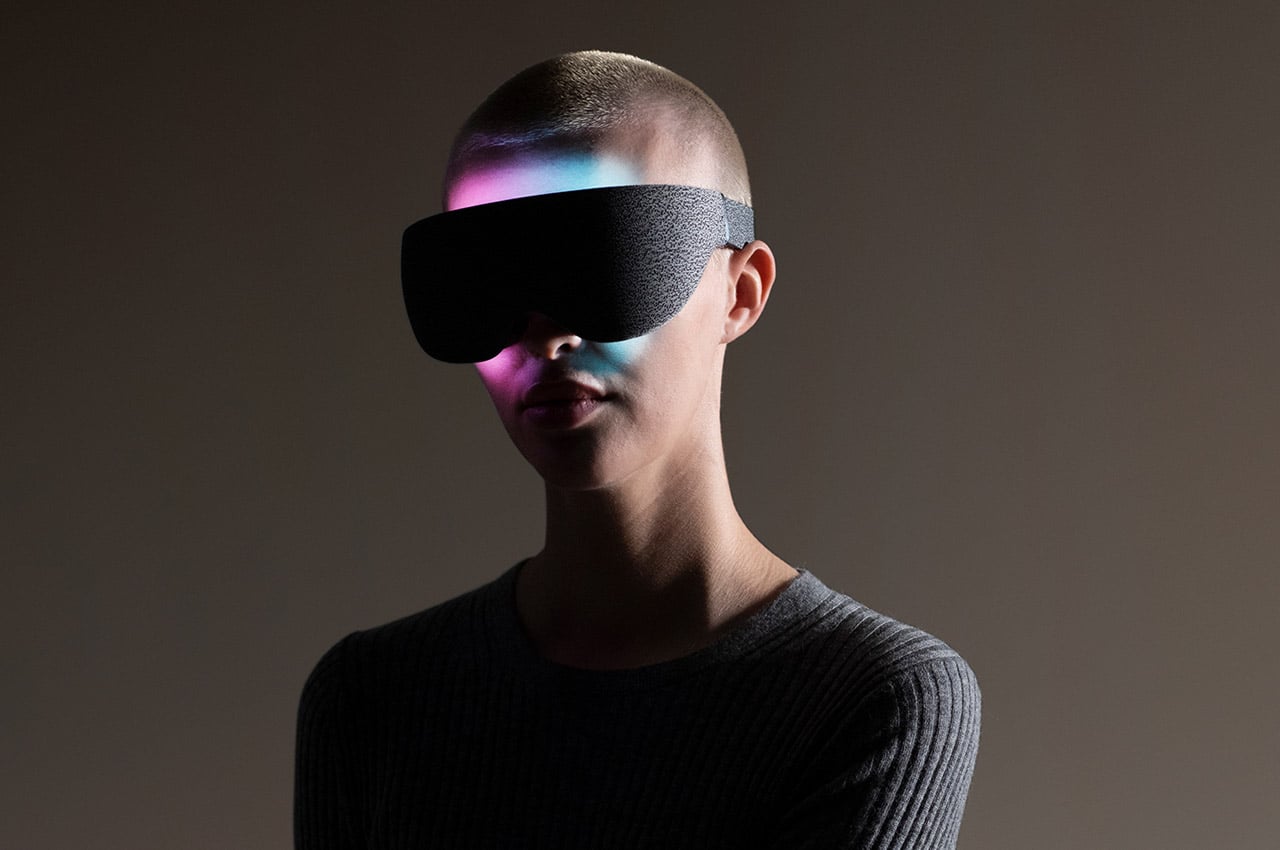
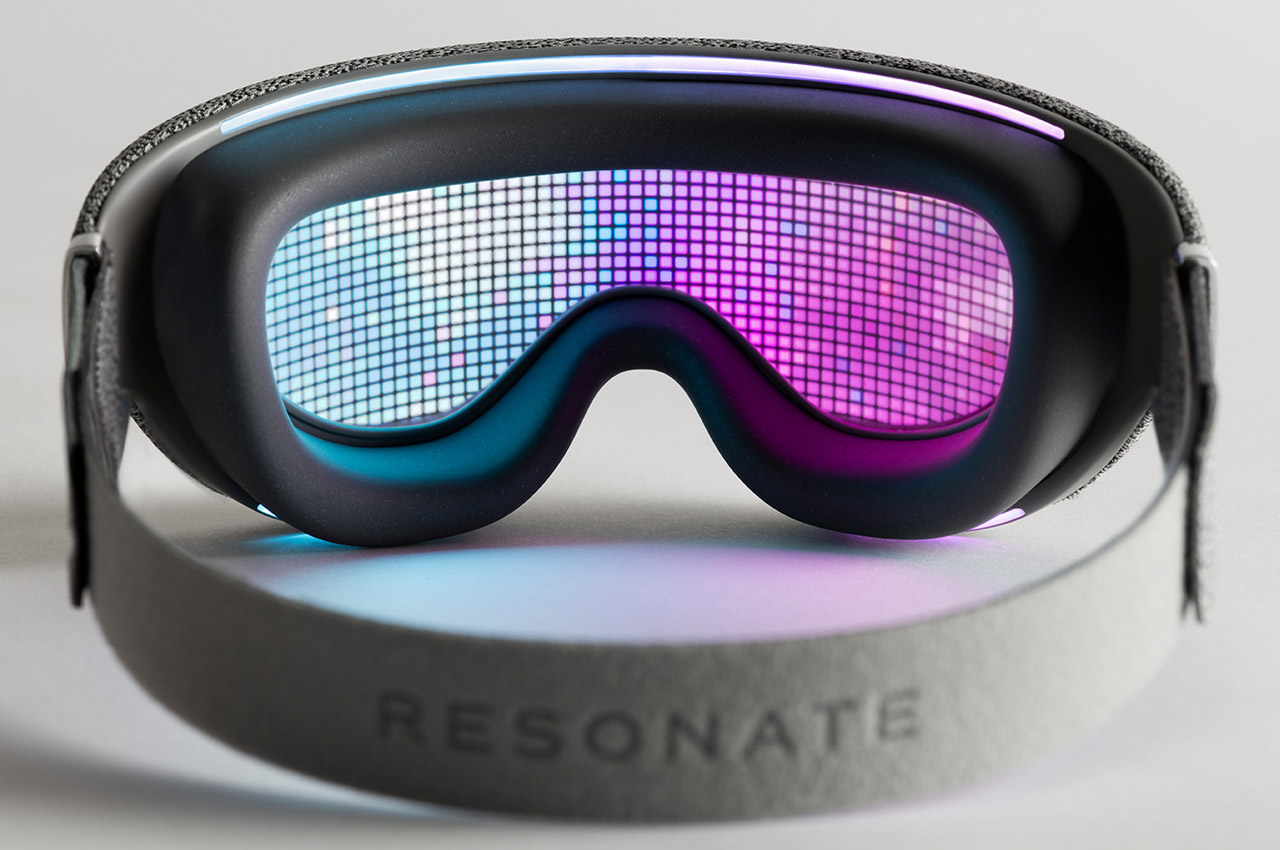
Designed by Layer Design, the LightVision meditation headset is an interesting innovation with an array of LED lights that create a layer of magic to the natural visual feed of the user. It transforms natural videos into a sequence of biomorphic patterns, which are visible to the closed eyes.
Why is it noteworthy?
The patterns are visible as an ever-changing kaleidoscope of sequences that trigger the brain’s “frequency-following response”. This results in a distraction-free state of mind letting you meditate and unwind.
What we like
An ergonomic form that is comfortable on the face and eyes
What we dislike
Meditating with the help of screens may result in tired eyes if you’re using them for long periods of time
5. Battery-free Aroma Diffuser
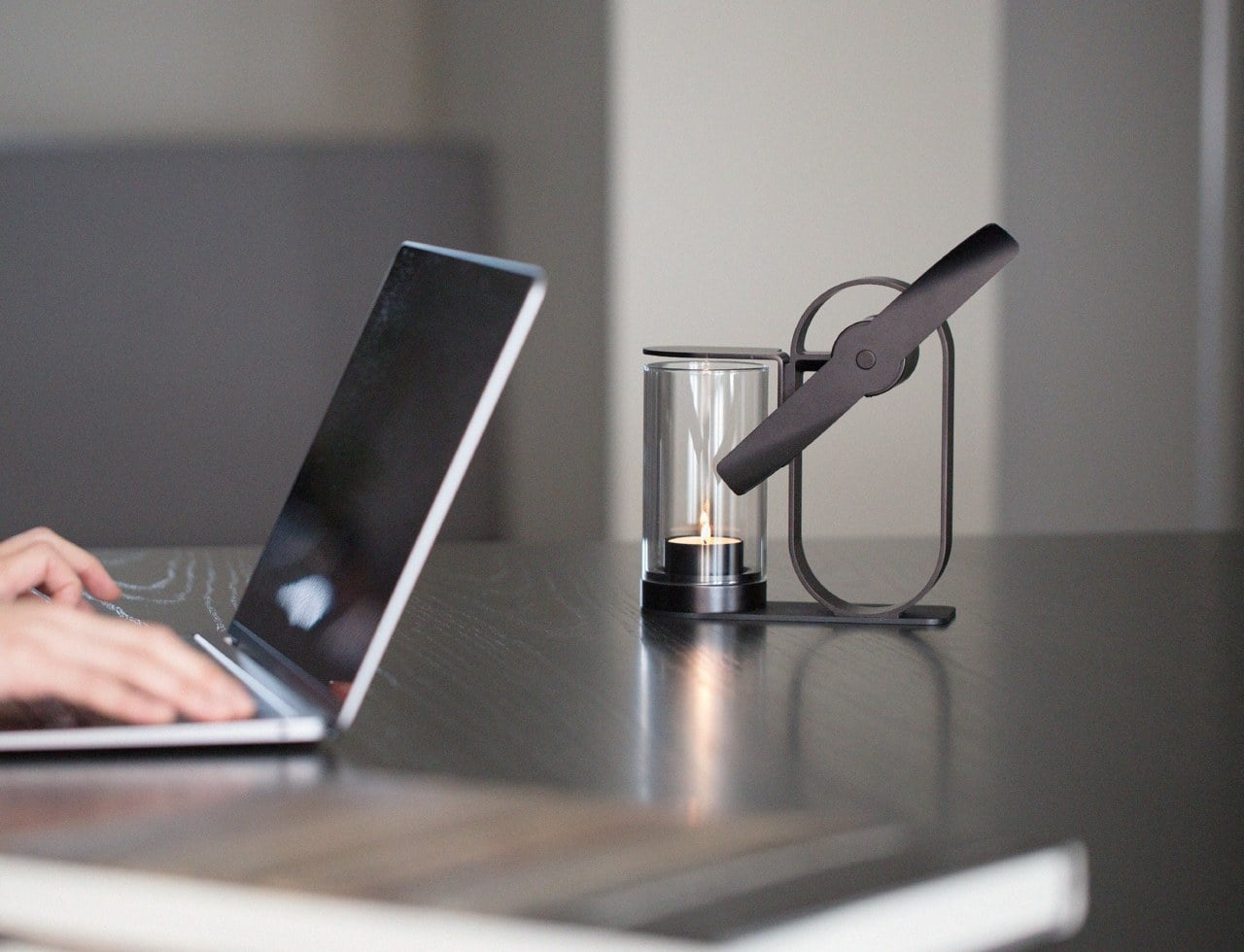
If you’re in the mood to meditate, then this battery-free aroma diffuser is your perfect companion. It lets you take a deep and relaxing breath without causing any kind of harm to the environment. When you use the battery-free aroma diffuser, you harness the power of a single candle as it uses simple science and physics.
As its name signifies, the diffuser doesn’t need any batteries or external power source to operate. It only uses the heat of a single candle to spread some amazing aromatic scents. Made from sustainable materials, the diffuser has a minimalist and eco-friendly design philosophy.
What we like
Built from recyclable materials
Compatible with all kinds of essential oils
What we dislike
Since the diffuser lacks electric controls, it is tough to adjust the intensity of the aroma
6. Miniature Bonfire Wood Diffuser Set
Named the Miniature Bonfire Wood Diffuser Set, this little design induces relaxation as it recreates the smell and lovely experience of a mesmerizing outdoor fire. It perfectly captures all the scents, smells, and memories of a memorable outdoor fire, but within the comfort of your own home, without the dangers of a large outdoor fire.
The wood collected for the diffuser is from branches that were meant to be thrown away. They give off a distinct warm smoky steel when they are burnt on the stainless steel mini oven, emitting a comforting and serene aroma.
What we like
You can use the diffuser as a heating or cooking stool by adding a piece of solid wood, making it a distinct multifunctional design
What we dislike
Requires small pieces of wood, can’t be used with larger pieces of wood
7. Stress-free Aroma Diffuser
Meet the Stress-free Aroma Diffuser which helps you sit back and relax while breathing in an excellent mix of aromatic blends, that have been specially selected to soothe your mind, and help you meditate and unwind. Play some calming music, and let yourself relax with the Stress-free Aroma Diffuser.
The Stress-free Aroma Diffuser emits a gentle breeze, which disperses the aroma evenly wherever you are sitting. It features a porcelain filter that absorbs the oil to provide a long-lasting experience.
What we like
The base is polished and provides an interesting contrast to the organic-looking porcelain disc, letting it function as an elegant decoration piece
What we dislike
Looks easily breakable and fragile, so it must be handled with care
8. The SOUL
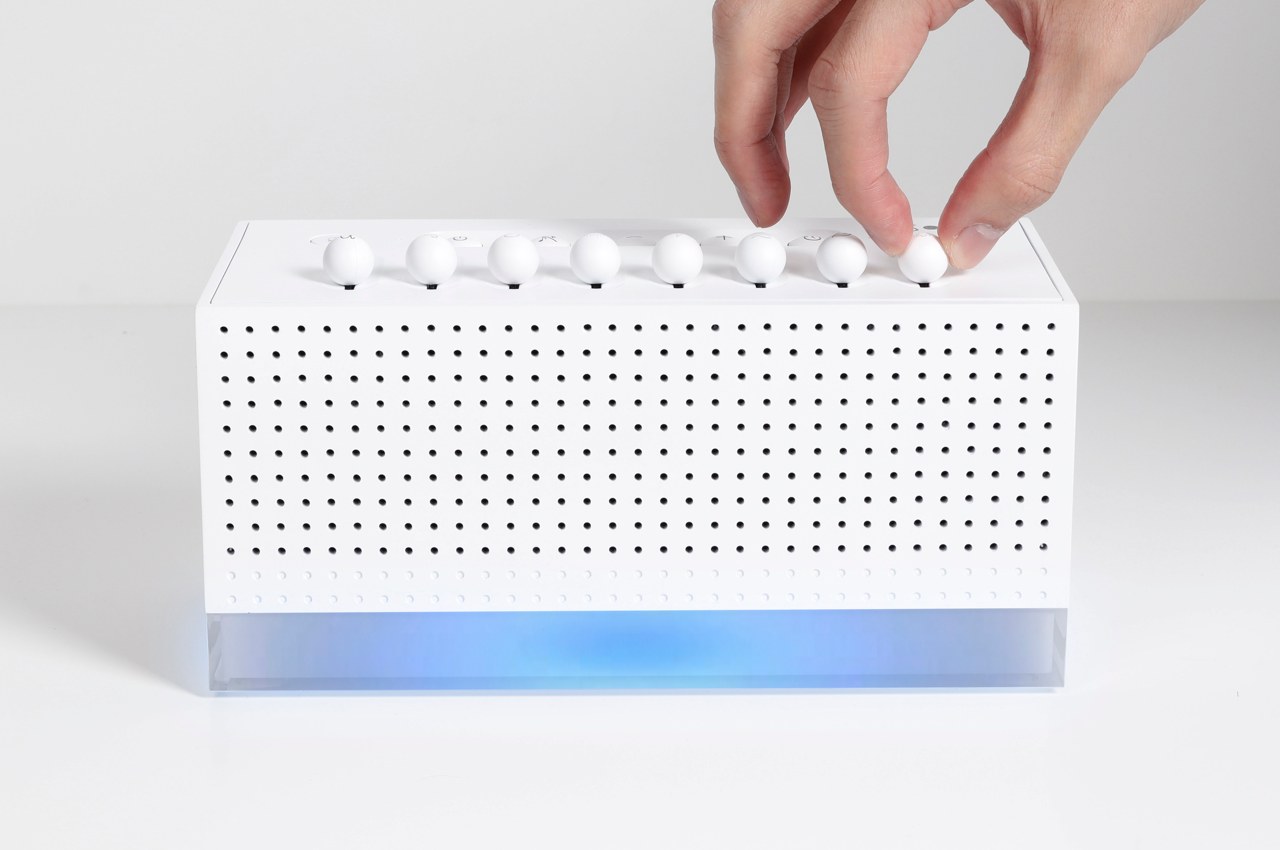
The SOUL is an ambient sound generator with a pure all-white minimalist form factor with 8 tactile slides on the top and ambient lighting at the base of the speaker. You don’t need to connect it to your Wi-Fi, and does it come with an app, nor does it have Bluetooth.
Why is it noteworthy?
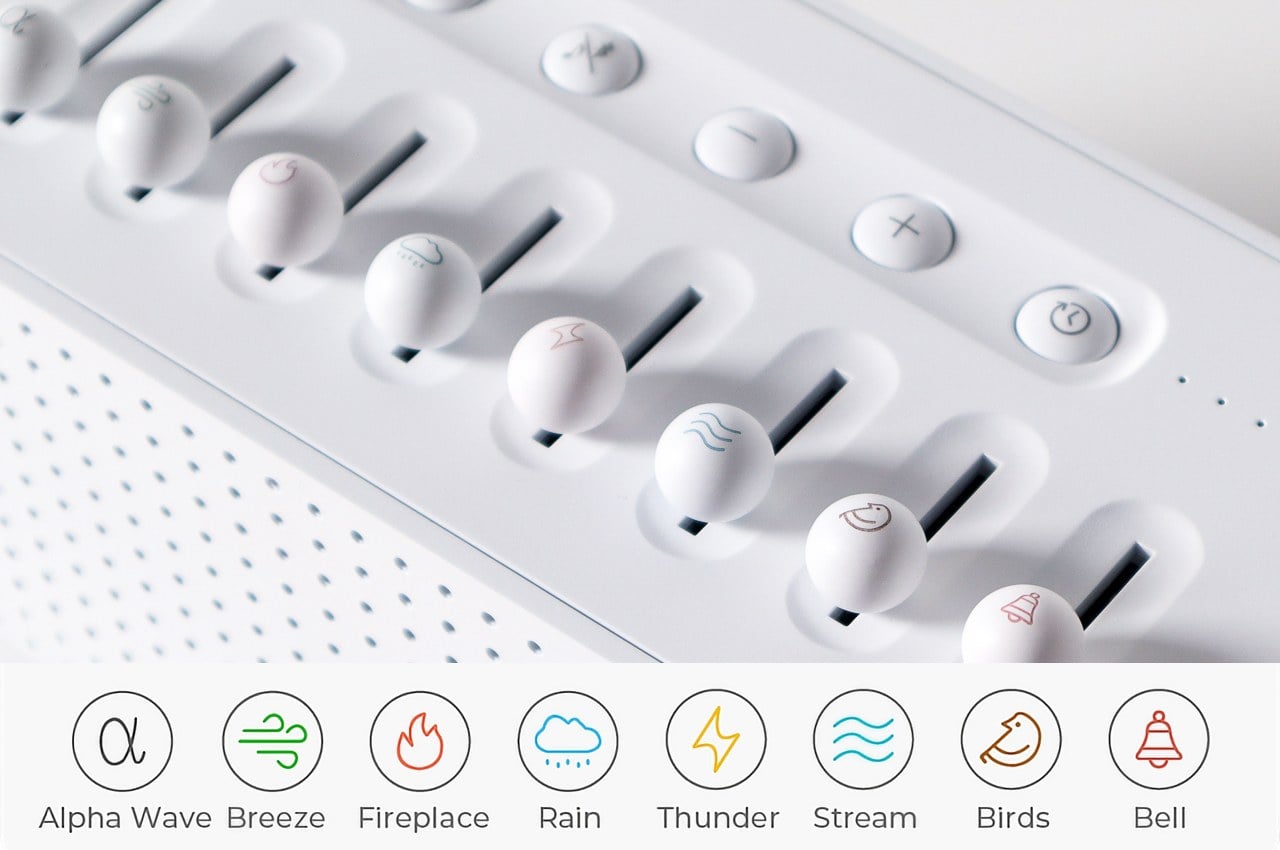
The SOUL is designed to help you calm down, and not bog you down with features, and paid subscriptions. The sliders on the top resemble tactile spherical sliders, and they let you build out your soundscape, letting you choose between different sounds, and how loud you want them.
What we like
The 8 sliders allow you to customize your sound, helping you focus, destress, meditate, or even fall asleep
What we dislike
It’s a conceptual product, so we don’t know how well it will translate into a tangible product
9. Focus
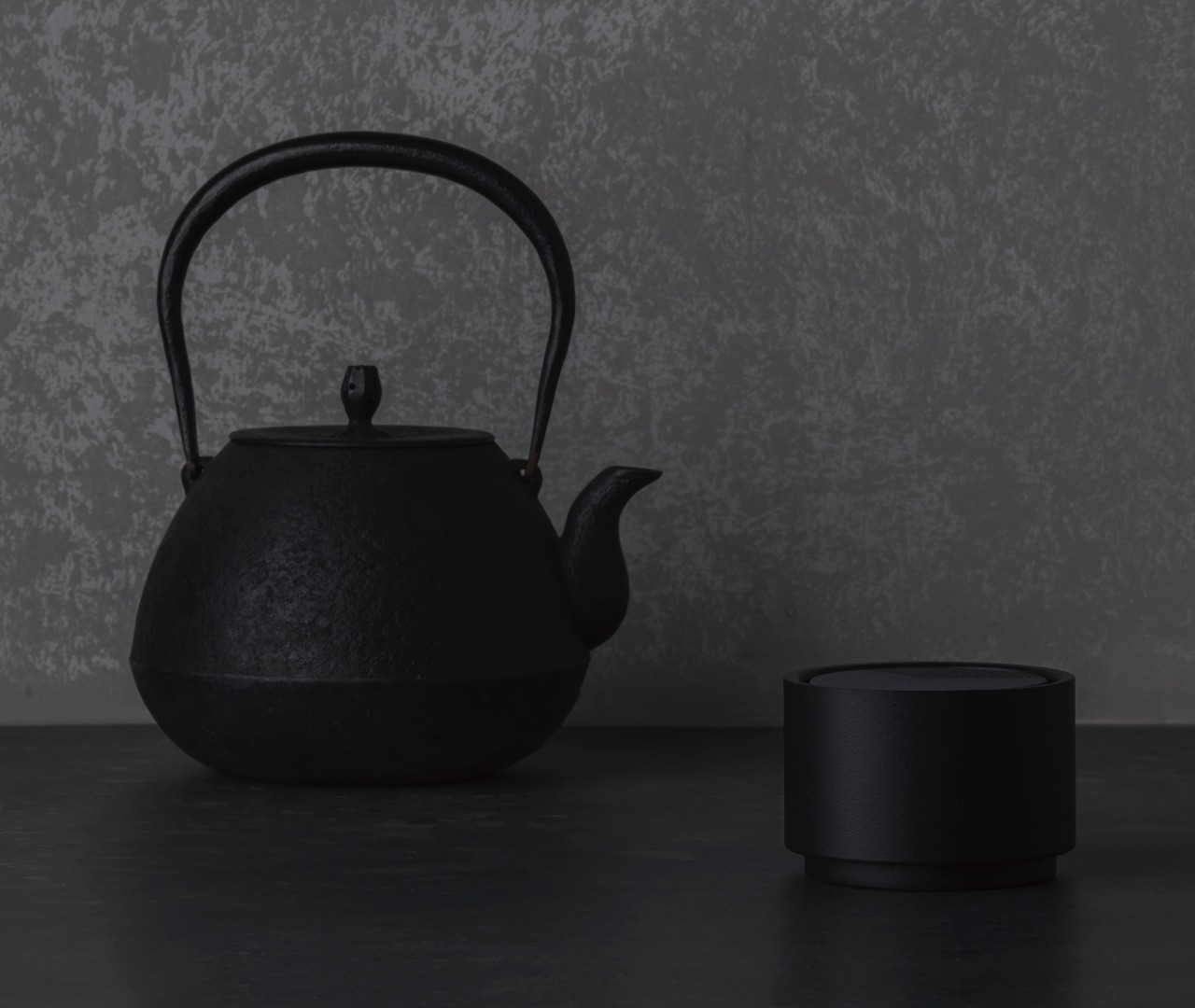
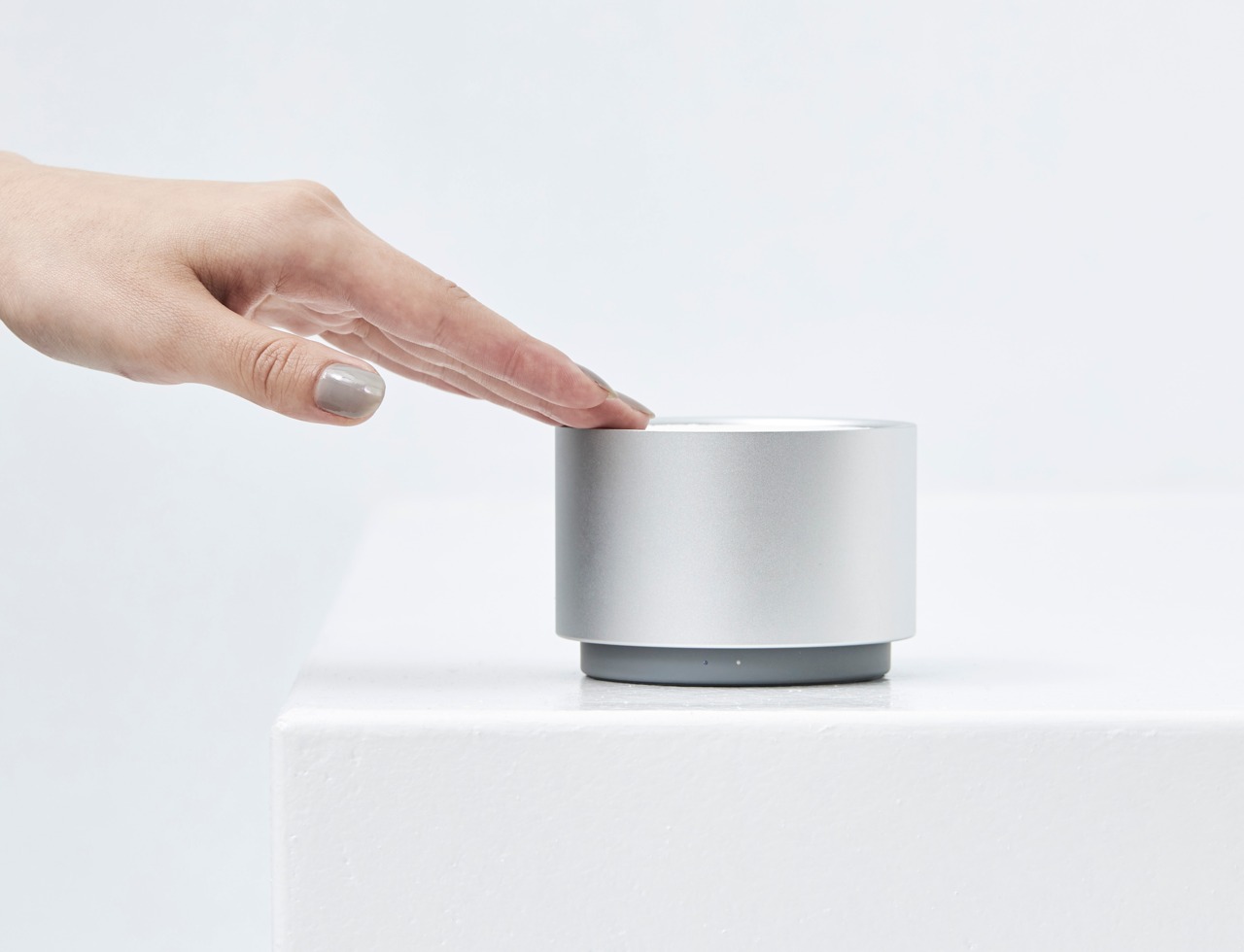
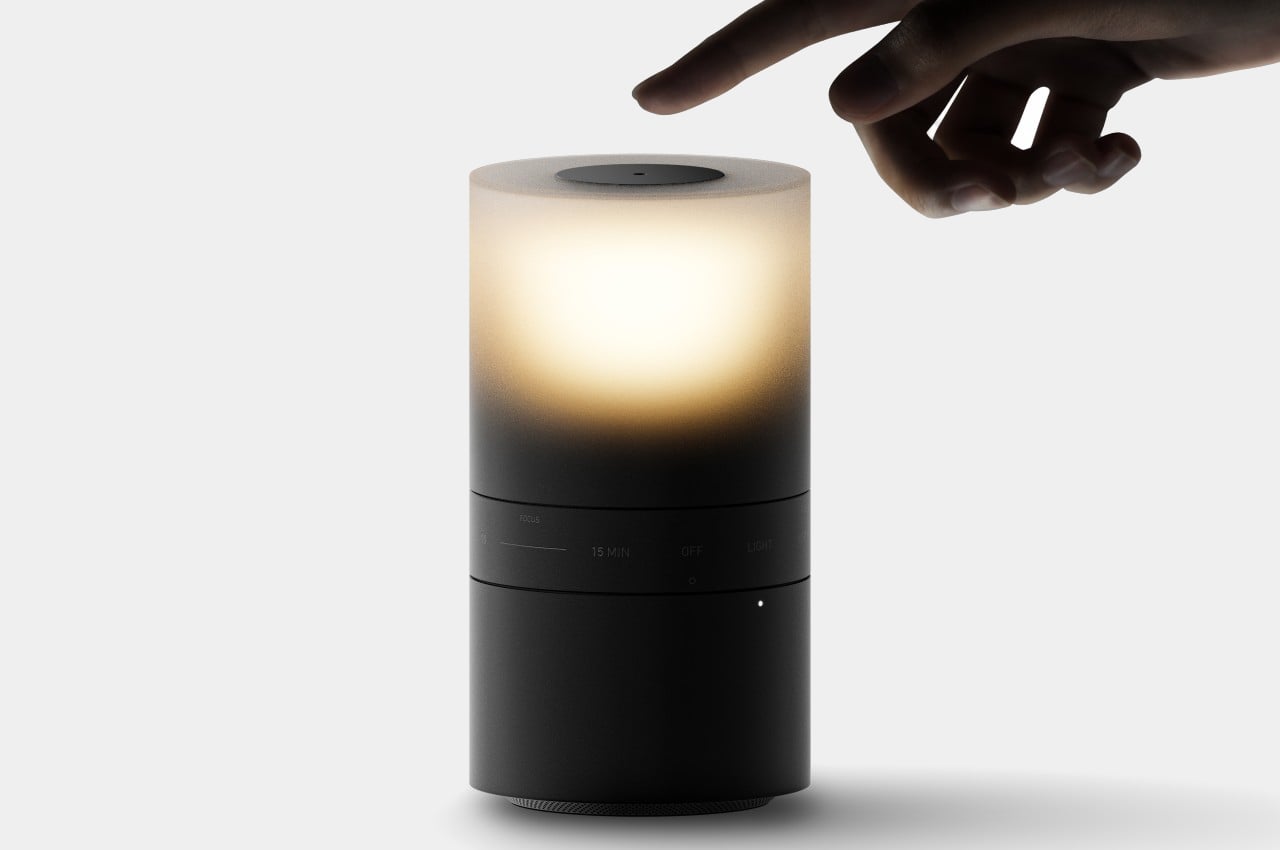
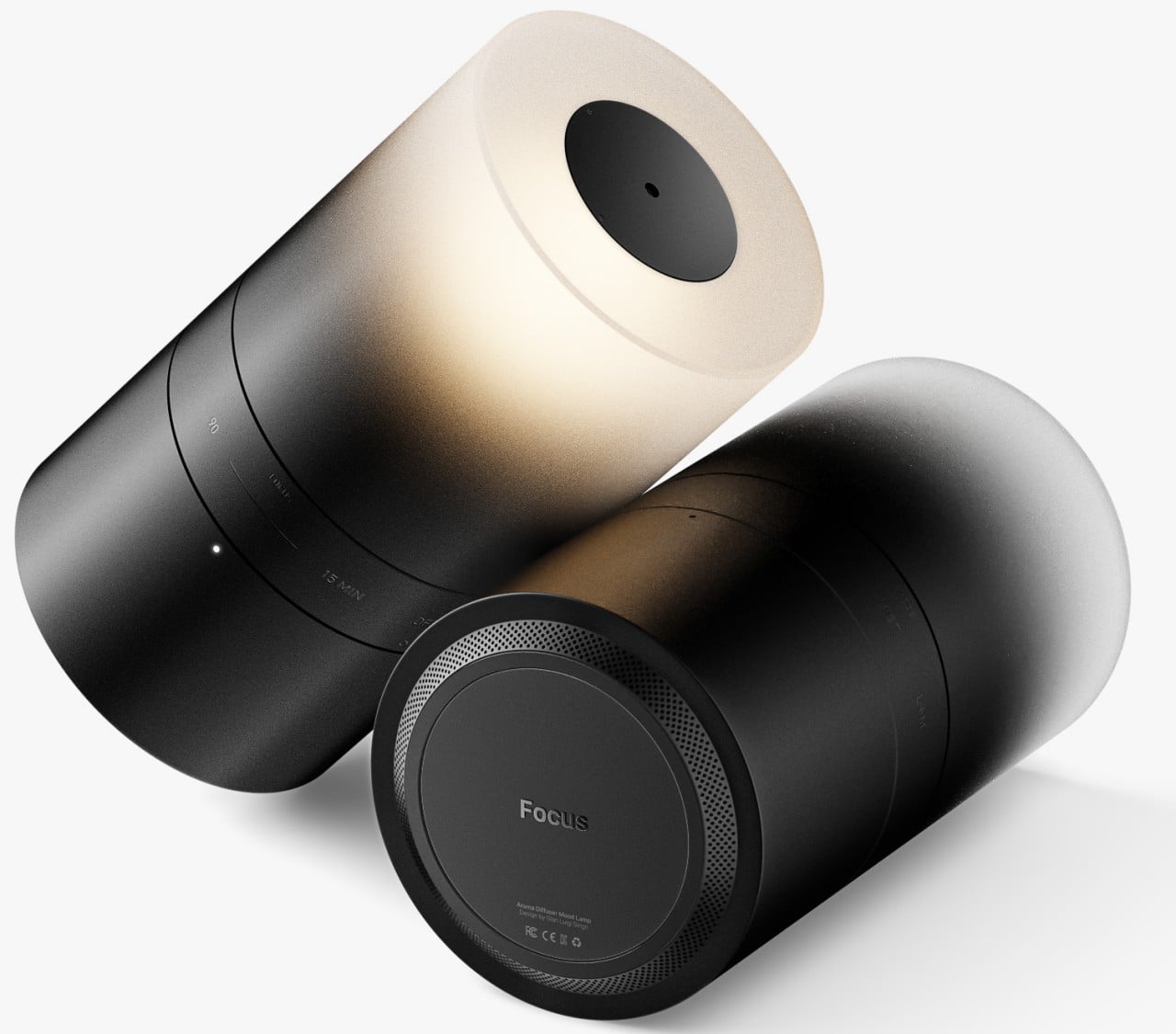
Dubbed Focus, this unique design merges an aroma diffuser and a mood lamp to form an object that will remind you of a scented candle. Focus is meant to touch your different senses, letting you unwind, and enter a soothing meditative state, where you can leave all your cumbersome worries behind.
Why is it noteworthy?
In its unlit mode, Focus resembles a small wireless speaker, but when turned on, it allows you to take a break and relax, while also encouraging you to be mindful, and helping you to focus at the task on hand.
What we like
Lets you take little breaks, and enjoy the present moment
What we dislike
It’s a concept, so we are unsure how the actual product will turn out to be
10. Gingko Smart Diffuser Lamp
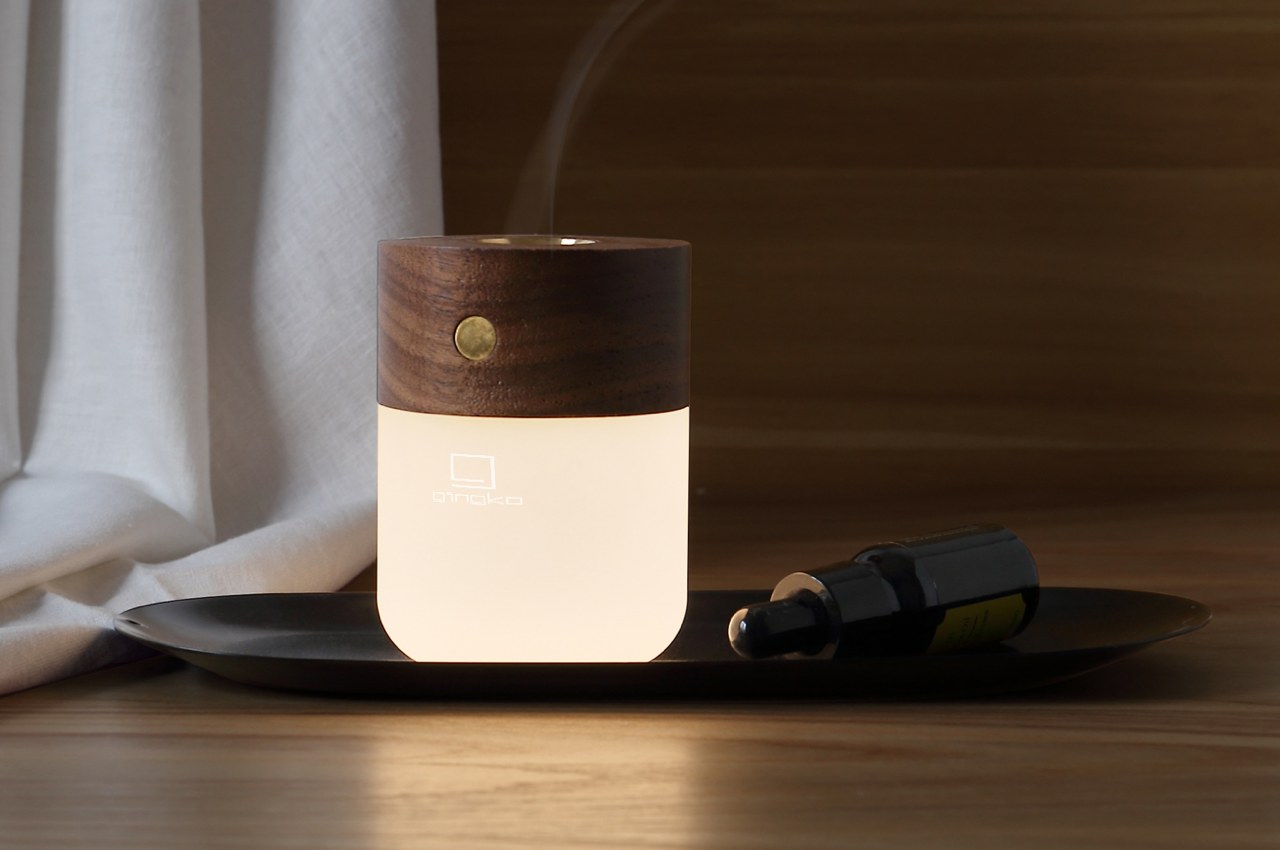
This is the Gingko Smart Diffuser Lamp – it is equipped with a monolithic form that holds a fragrance diffuser in its upper half, and a compact, well-designed desk lamp in its lower half, allowing it to function as a smart dual-functional product design, that you can place on your desk or bedside table.
Why is it noteworthy?
Made from a combination of wood, copper, and frosted acrylic glass, the diffuser has an earthy warm appearance that is typically seen in most of Gingko’s products, creating a product that is minimal, calming, and surreal.
What we like
A portable little device that you can carry around with ease
What we dislike
Some people may not prefer wood as their material of choice for diffusers
Cognition Labs has introduced Devin, the first autonomous AI software engineer capable of performing complex software engineering tasks independently. Devin is designed to function using common developer tools within a sandboxed computer environment, mimicking the workflow of a human software engineer. The AI has demonstrated its ability to plan, execute, and troubleshoot various engineering challenges. […]
Neil Young is back on Spotify after boycotting the platform over two years ago, he said in a new blog post. The Canadian singer ditched the platform over vaccine misinformation on the Joe Rogan podcast. He’s returned because Rogan’s podcast is no longer exclusive on Spotify. “My decision comes as music services Apple and Amazon have started serving the same disinformation podcast features I had opposed at Spotify,” he said – which isn’t really the stance he thinks it is.
When Young dropped his catalog from Spotify, he added he was fed up with Spotify’s “shitty” sound quality. Nothing has particularly changed there.
Days after Apple started allowing iOS users in the EU to use third-party app stores, the company has announced more changes to how developers can distribute their apps. Most significantly, those who meet certain criteria can let users download apps from their websites. The Web Distribution option, available this spring, will effectively let developers bypass the app ecosystem entirely for their own apps. To be eligible, devs must opt in to new App Store rules and pay a fee for each user install after a certain threshold.
AI-powered visual search features arrived to Ray-Ban’s Meta sunglasses last year with some impressive (and divisive) tricks — but a new one in the latest beta looks quite useful. It identifies landmarks and tells you more about them — a sort of tour guide for travelers. Meta CTO Andrew Bosworth explained in a (Meta-owned) Threads post with a couple of sample images explaining why the Golden Gate Bridge is orange (easier to see in fog), a history of the painted ladies houses in San Francisco and more.
Users can subscribe to third-party labeling services too.
Bluesky, the open-source Twitter alternative, is about to start testing one of its more ambitious ideas: allowing its users to run their own moderation services. The change will bring Bluesky users and developers together to work on custom labeling tools for the budding social media platform.
Bluesky is seeing a surge in growth after it removed its waitlist and opened to all users in February. The service has added about 2 million new users, bringing its total community to just over 5 million. It might need the extra moderation.
This article originally appeared on Engadget at https://www.engadget.com/the-morning-after-neil-young-returns-to-spotify-after-two-year-protest-111513737.html?src=rss
Google Gemini stands as a beacon of advancement in the realm of language model technology, marking a significant leap beyond the capabilities of conventional AI systems. Far more than merely a sophisticated chatbot, Gemini embodies a comprehensive and versatile toolset designed to revolutionize our engagement with digital information. Its design and functionality extend well beyond […]
In the evolving landscape of the legal profession, artificial intelligence (AI) emerges as a transformative force, reshaping how legal practices operate and how professionals navigate their careers. This quick overview delves into the multifaceted influence of AI on law, balancing the intricate technicalities with an accessible narrative. Whether you’re a seasoned legal practitioner or new […]
A startup company called Space One launched a rocket earlier in hopes of becoming the first private entity in Japan to put a satellite in orbit. Unfortunately, its attempt ended in a fiery explosion, mere seconds after lift off at 11AM local time. Its 60-foot-long rocket Kairos launched from the company's Space Port Kii in Wakayama, a prefecture south of Osaka in Japan's Kansai region. Space One director Mamoru Endo told reporters at a conference that the rocket's automated system detected an anomaly five seconds after liftoff and triggered its self-destruct function. The company has yet to figure out what that anomaly is and will be investigating the incident for answers.
Kairos was carrying payload for the Cabinet Satellite Intelligence Center, which collects and analyzes imagery information for the Japanese government. That satellite was supposed to be an alternative to an existing Japanese satellite monitoring military facilities in and rocket launches from North Korea. Masakazu Toyoda, the company's president, said during the conference that Space One is "prepared to take up the next challenge." He also emphasized how common failed launches are in space travel. And that is true — SpaceX, for instance, lost several Starship vehicles over the past few years when they blew up during testing.
Space One, backed by Canon and aerospace manufacturer IHI, eventually hopes to offer satellite launch services using small rockets, which it says "offer greater scheduling flexibility than large ones." It's also aiming to provide the "world's shortest lead time from contractual engagement to launch, as well as the world's most frequent launching schedule" while also minimizing the costs of putting satellites into orbit. Since the company must be able to stage a successful launch before customers come knocking on its doors, it will most likely announce its next attempt in the near future.
Last year, Japanese company ispace also failed to become the first private company to land on the moon when it lost contact with its Hakuto-R lander. But the country's space agency, JAXA, is doing better than its private counterparts: Its SLIM lunar lander successfully touched down in January and is expected to resume its operations in late March after the lunar night is over.
This article originally appeared on Engadget at https://www.engadget.com/japans-space-one-rocket-launch-attempt-ends-in-a-fiery-explosion-104937369.html?src=rss
Silicon Motion Technology Corporation has introduced the SM2756, a UFS 4.0 controller, and the second generation SM2753, a UFS 3.1 controller. These controllers are designed to meet the demands of AI-powered smartphones, automotive, and edge computing applications. The SM2756 is built on a 6nm EUV process and offers high performance with power efficiency, while the […]
The new Apple MacBook Air featuring the M3 chip has been introduced, with improvements particularly noted in its internal SSD transfer speeds for the entry-level models. The M3 MacBook Air’s 256 GB storage now includes two NAND flash chips, which has resulted in significantly faster read and write speeds compared to the previous M2 model. […]